

A bag of lawn fertilizer costs real money, and the label will happily tell you what is in it without telling you what your soil needs. That gap is where most disappointing lawns come from. A lawn sitting at pH 5.5 cannot use the nitrogen, phosphorus and potassium you pour onto it, no matter how many bags you buy. The only way to close that gap is to test the soil first, then fertilize from the numbers.
That is the whole promise behind the best soil test kits for lawn fertilizing, and it is where most kits quietly fall short. A color capsule kit can tell you a lawn is acidic. It cannot tell you how many pounds of dolomitic lime per 1,000 square feet will bring it into range, because that number depends on buffer pH and cation exchange capacity, and a home kit measures neither.
We pulled 12 kits through our comparison for this roundup, split into the three families that actually exist: mail-in lab kits, DIY color and liquid kits, and pH-only strips. Two of the mail-in kits return a fertilizer prescription you can act on. The rest are screening tools, and that is a perfectly good job as long as you know which one you are holding.
Table of Contents
Top 3 Best Soil Test Kits for Lawn Fertilizing in 2026

MySoil Soil Test Kit
- 13 plant-available nutrients
- Mail-in lab analysis
- Results in 6-8 days
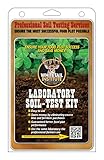
Whitetail Institute Lab Kit
- Lab analysis with consultation
- Results within one week
- Plain-language recommendations
Best Soil Test Kits for Lawn Fertilizing (October 2026)
| Product | Specifications | Action |
|---|---|---|
| MySoil Soil Test Kit |
|
Check Latest Price |
 Garden Tutor pH Strips Garden Tutor pH Strips |
|
Check Latest Price |
| Luster Leaf Rapitest |
|
Check Latest Price |
 Soil Savvy Kit Soil Savvy Kit |
|
Check Latest Price |
| Whitetail Institute |
|
Check Latest Price |
 Dewilde 100 pH Strips Dewilde 100 pH Strips |
|
Check Latest Price |
 Dewilde 140-Test Kit Dewilde 140-Test Kit |
|
Check Latest Price |
 LaMotte Model El LaMotte Model El |
|
Check Latest Price |
 SoilKit by POWERED BY SOILKIT SoilKit by POWERED BY SOILKIT |
|
Check Latest Price |
 Pawfly 4-in-1 Kit Pawfly 4-in-1 Kit |
|
Check Latest Price |
 Dewilde Premium 40-Test Kit Dewilde Premium 40-Test Kit |
|
Check Latest Price |
 AKSBTEC 4-in-1 Kit AKSBTEC 4-in-1 Kit |
|
Check Latest Price |
Are Home Soil Test Kits Accurate?
Yes for pH screening, no for setting a fertilizer rate. A good home kit reliably tells you whether your lawn soil is acidic, neutral or alkaline, which is the single most useful number in lawn care. It does not reliably tell you how much nitrogen is available, how much phosphorus your soil has locked up, or how much lime it will take to shift the pH. Those need a laboratory extraction method such as Mehlich III, a buffer pH reading and a cation exchange capacity figure, and only a mail-in lab kit delivers all three.
Experienced lawn owners on r/lawncare put it more bluntly. The recurring recommendation in those threads is to skip the retail mail-in kits entirely and send a sample to a county extension office or a university lab, because the reports come with regional fertilizer rates attached. That advice is sound, and it is also free or close to it in most counties, which is why we treat it as the real benchmark throughout this guide.
One more thing worth saying out loud: most lawn soil tests do not produce a reliable available nitrogen number. Soil test labs generally omit it because there is no dependable extraction method for plant-available nitrogen in the field. So no matter which kit you buy, your nitrogen plan still comes from grass species, season and recent application history rather than from the report.
1. MySoil Soil Test Kit: The Best Overall Mail-In Kit for Lawns
MySoil Soil Test Kit, Unlock Your Lawn & Garden Potential, Complete & Accurate Nutrient and pH Analysis with Recommendations Tailored to Your Soil and Plant Needs
Mail-in lab kit
13 plant-available nutrients
Results in 6-8 days
Pros
- Professional lab analysis of 13 nutrient levels
- Fertilizer recommendations with rates and timing
- Works on lawn and garden soil as well as compost
- Prepaid mailer and clear sample instructions
Cons
- Requires waiting several days for mailed results
- Single-use kit so repeat testing needs another kit
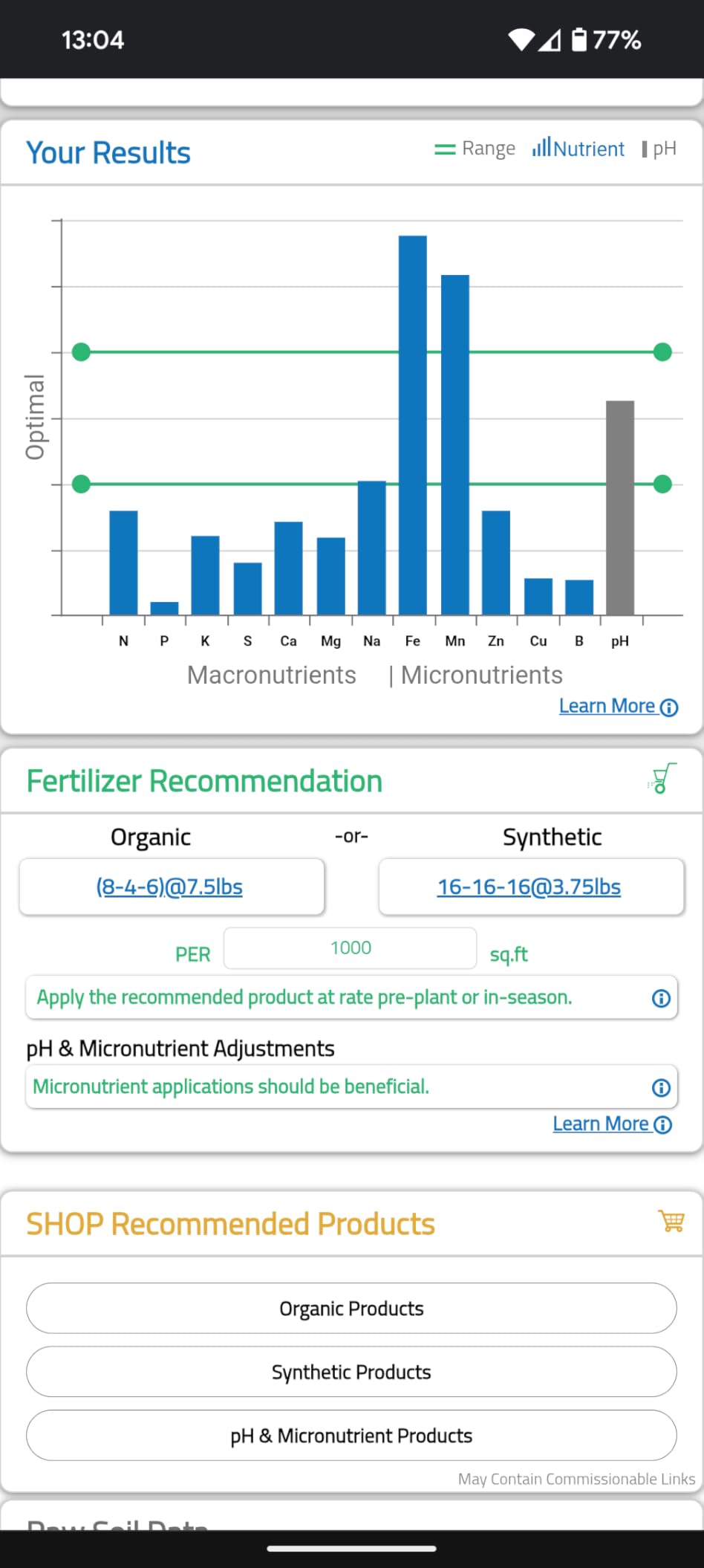
The MySoil Soil Test Kit is the one we send most often when someone asks for a kit that produces an actual fertilizer decision rather than a rough idea. It is a mail-in professional laboratory analysis, and it reports 13 plant-available nutrient levels including pH, with results returned in 6 to 8 days. Across 3,821 ratings it holds a 4.6 average, the strongest combination of rating and review volume in this group.
What sets it apart for lawn work is the tail end of the report. Instead of stopping at raw numbers, it gives custom organic and non-organic fertilizer recommendations that say what to apply, how much and when. That matters because the same potassium number means different things in a sandy coastal yard and a heavy clay inland one, and the report accounts for that rather than leaving you to guess.
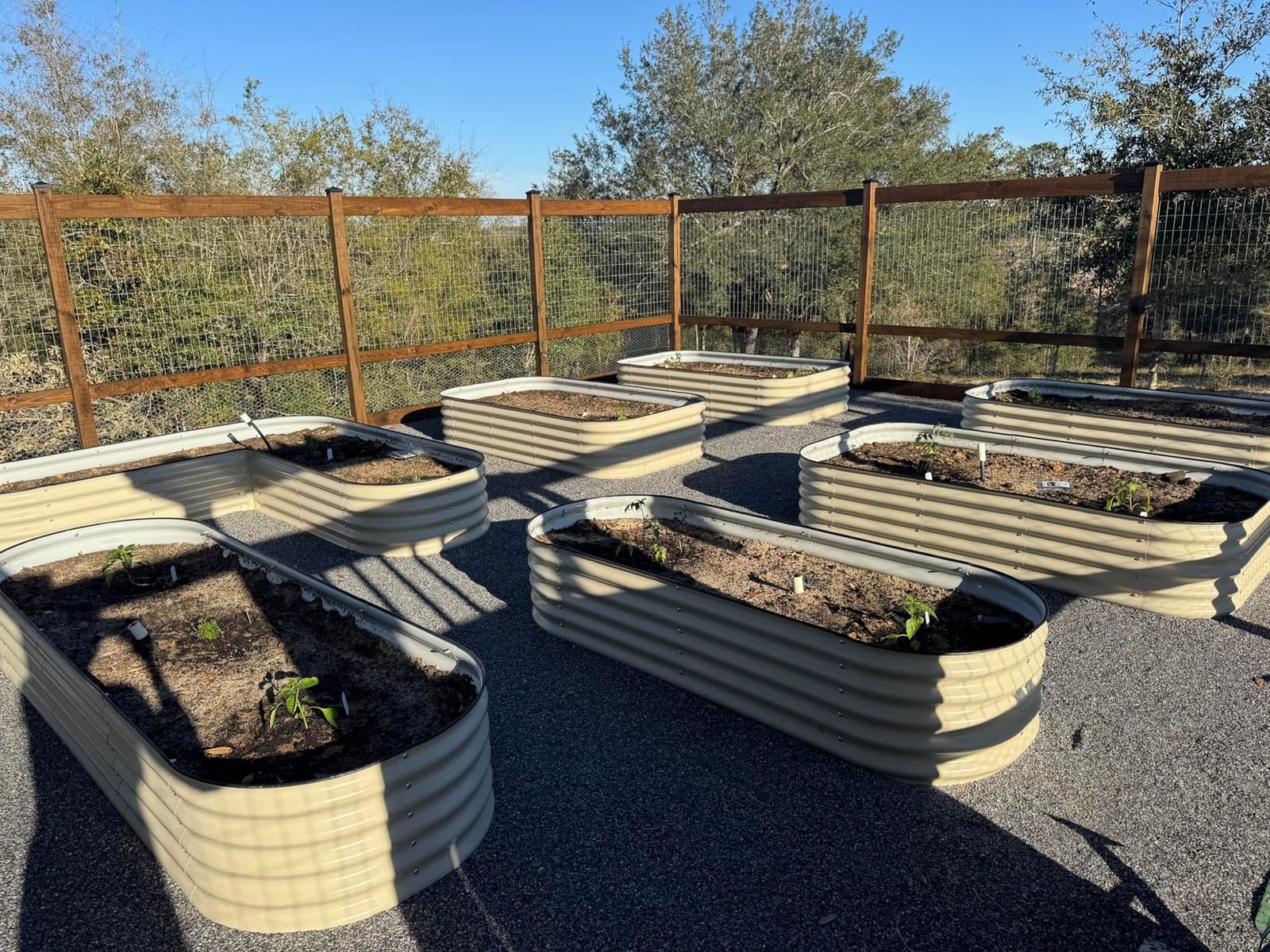
The sample collection is the same chore every mail-in kit shares, and MySoil makes it about as painless as possible. The kit includes the sample container, printed instructions and a prepaid mailing envelope, so the only real decisions are how many zones you sample and how evenly you blend them. Variants come in 1, 2, 4 and 12 kit packs, which matters if you treat your front and back yard as separate management zones.
Weighing the limitations honestly, there are two and both are minor. You wait several days for mailed results, so plan ahead if you want numbers before a spring application window. And it is a single-use kit, meaning the second test on the same lawn means buying another kit rather than reusing anything.
Who this kit suits
This is the pick for someone fertilizing a lawn for the first time and who wants a report they can act on without translating chemistry. It also works if you maintain several distinct zones, since a wooded front yard and an open back lawn rarely share the same fertility profile and the report will treat them separately if you mail separate samples.
Who should pass on it
Skip it if you want an answer the same afternoon. A week of waiting is a poor fit when you are mid-season and watching color drop, or if you only need to know whether lime will help a patch of yellow grass. For a quick pH screen, a strip kit answers that in a minute and costs a fraction as much.
2. Garden Tutor pH Test Kit: Best pH Screening With a Built-In Lime Estimator
Garden Tutor Soil pH Test Kit – 100 Strips with AI-Powered Web Reader – Accurate Testing for Lawn, Garden & Compost – pH 3.5–9
100 pH strips, 3.5-9 range
Photo-based web reader
Lime and sulfur estimator
Pros
- 100 strips allow repeat testing across a whole lawn
- Web reader removes most of the color guessing
- Built-in lime and sulfur application estimator
- About 60 seconds per reading with no calibration
Cons
- Measures pH only so N
- P and K need another test
- Still requires careful chart reading for accuracy
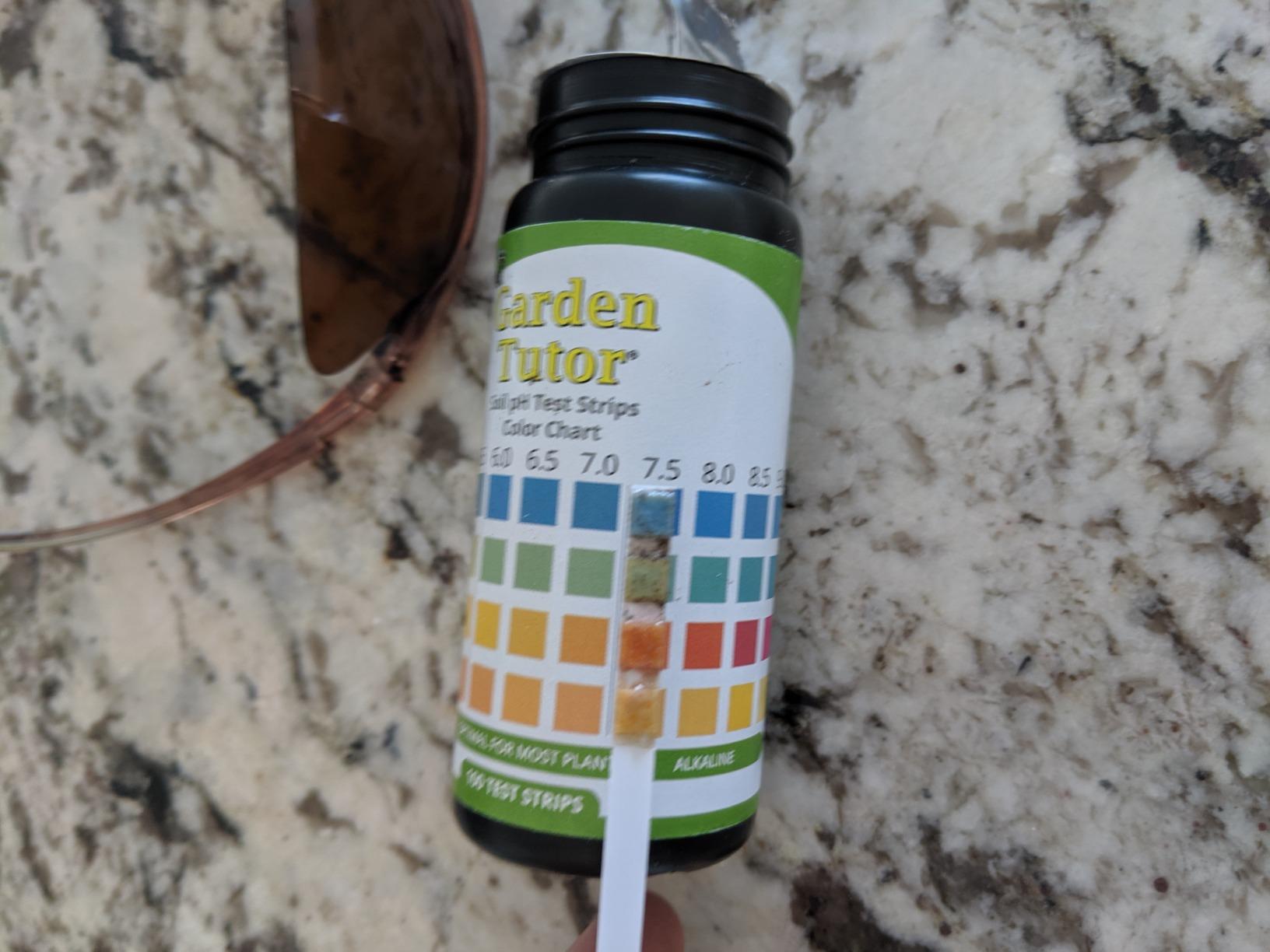
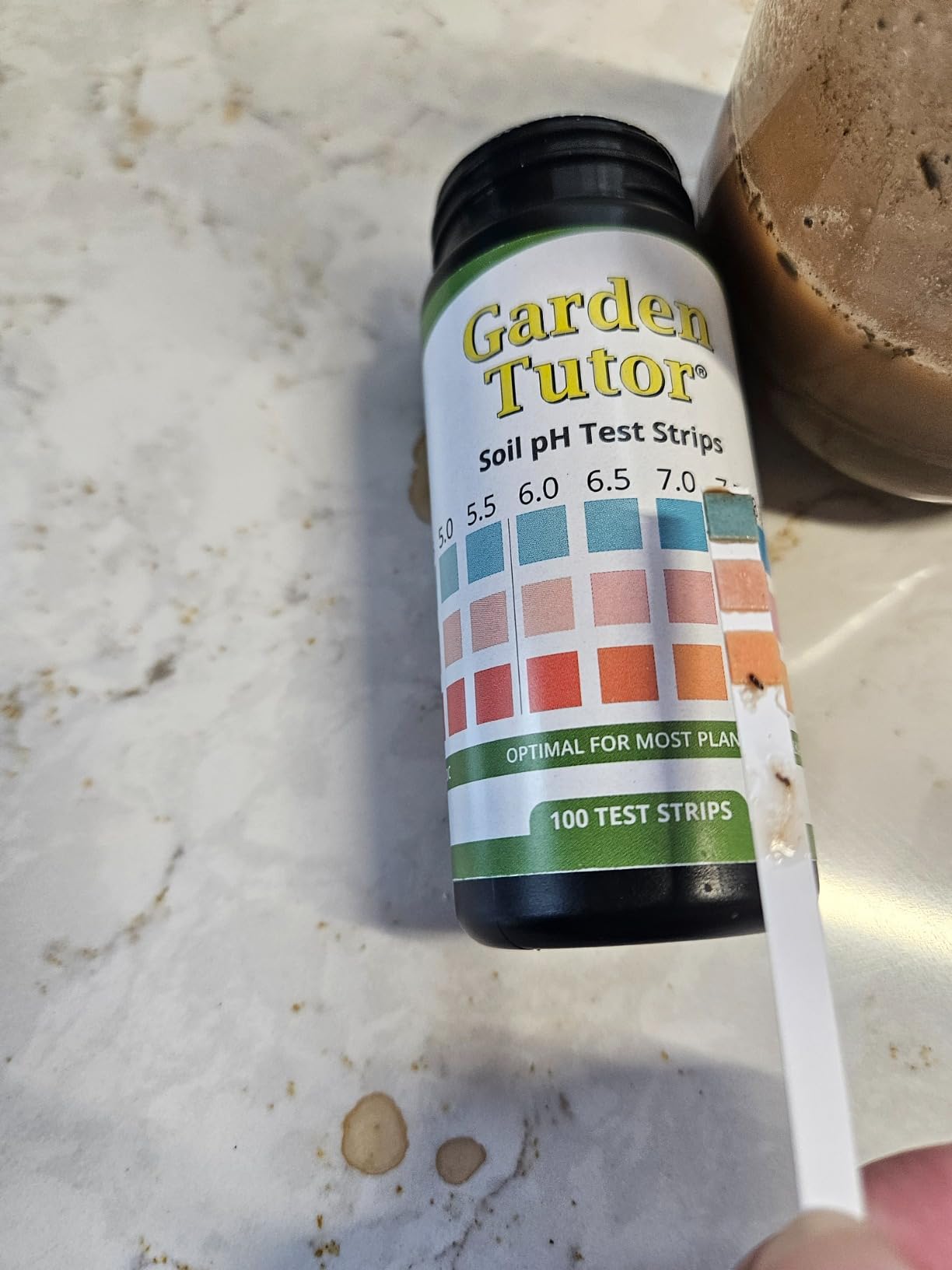
The Garden Tutor kit is the best pH screening tool in this roundup, and it earns that by solving the single biggest complaint about DIY color kits. Instead of asking you to squint at a printed chart and guess which of two adjacent greens you have, you photograph the strip against a template and upload it to a web reader that names the value for you. It is a 4.2 average across 3,848 ratings, one of the two most-reviewed products we looked at.
It uses a third generation three-pad strip design covering pH 3.5 to 9, and results come in about 60 seconds with no calibration and no buffer solution to mix. The pads are the reason the readings are steadier than a two-pad generic strip, and the upgraded web reader needs no app download or account signup, which removes the usual friction.
For lawn fertilizing specifically, the useful part is the included online lime and sulfur application estimator. Once you have a pH number for your grass type, it estimates how much material to apply, which is exactly the step most home testers skip and then over-apply lime to compensate for. Use it as a starting range, then confirm against a lab report before committing to a full lawn application.
The honest limitation is scope. This kit measures pH and nothing else, so nitrogen, phosphorus and potassium all have to come from somewhere else. If your lawn is simply pale and thin with no discoloration pattern, a pH reading will not explain it and you need a panel that includes nutrients.
Who this kit suits
It suits anyone who wants to check pH across a large lawn, cheaply and repeatedly. One hundred strips means you can sample a dozen spots on the front lawn and a dozen on the back without thinking twice, and the 60-second turnaround lets you test before and after a lime application to see whether it moved.
Who should pass on it
Pass if your problem is nutrients rather than pH. A lawn that is yellowing from low nitrogen or stunted from phosphorus lockup will show a perfectly normal pH here, and you will end up treating the wrong thing. It is also not the tool for anyone who wants a fertilizer prescription in writing.
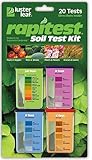
3. Luster Leaf Rapitest: The Best Budget Kit That Covers pH, N, P and K
Rapitest Soil Test Kit for Gardens, Vegetables, Flowers and Lawns. USA designed and assembled soil tester completely, quickly and accurately measures/analyzes soil pH acidity and garden nutrients.
Capsule and color comparator kit
20 tests: 5 each of pH, N, P and K
pH list for 450+ plants
Pros
- Covers pH plus nitrogen
- phosphorus and potash in one kit
- No calibration or power required
- Buyers report readings close to a university lab analysis
- Includes a pH preference list for over 450 plants
Cons
- Only five tests per parameter despite the 20-test label
- Nutrient tests can require settling the sample up to 24 hours
- Small capsules spill easily when opened
The Luster Leaf Rapitest is the best budget pick because it is an affordable kit that still measures all four numbers you care about for lawn fertilizer: pH, nitrogen, phosphorus and potash. It ranks first in its category on Amazon with 2,378 ratings and a 4.1 average. Buyers repeatedly mention that its readings lined up closely with a university extension office analysis on the same soil, which is about the strongest validation a home kit can get.
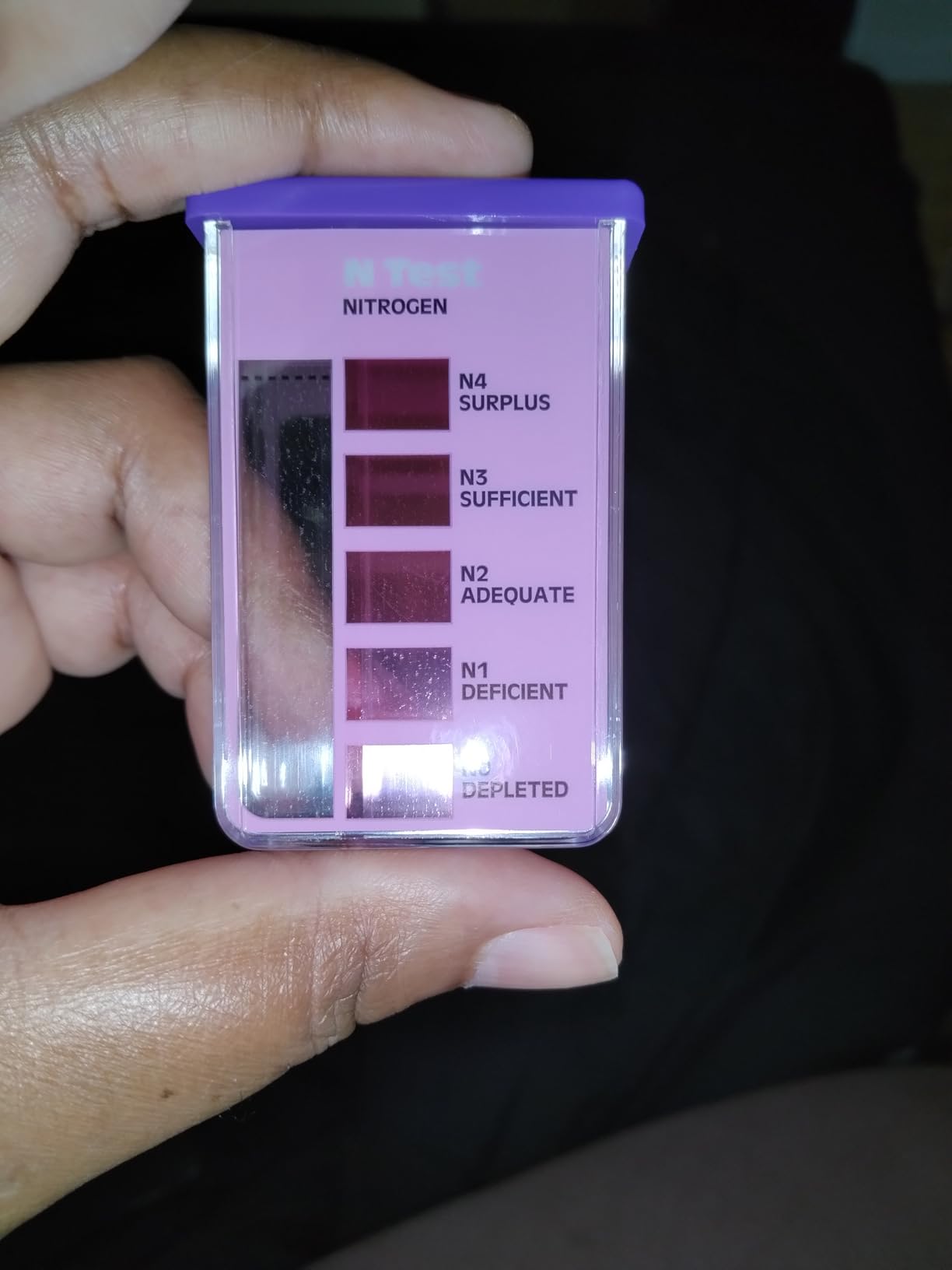
The method is the classic capsule system. You mix soil with water, add a reagent capsule, shake it and compare the resulting color against patented comparators. No calibration, no batteries, no waiting on a lab. The kit includes a soil pH preference list covering over 450 plants, which gives you a reference range for your grass before you decide whether anything needs correcting.
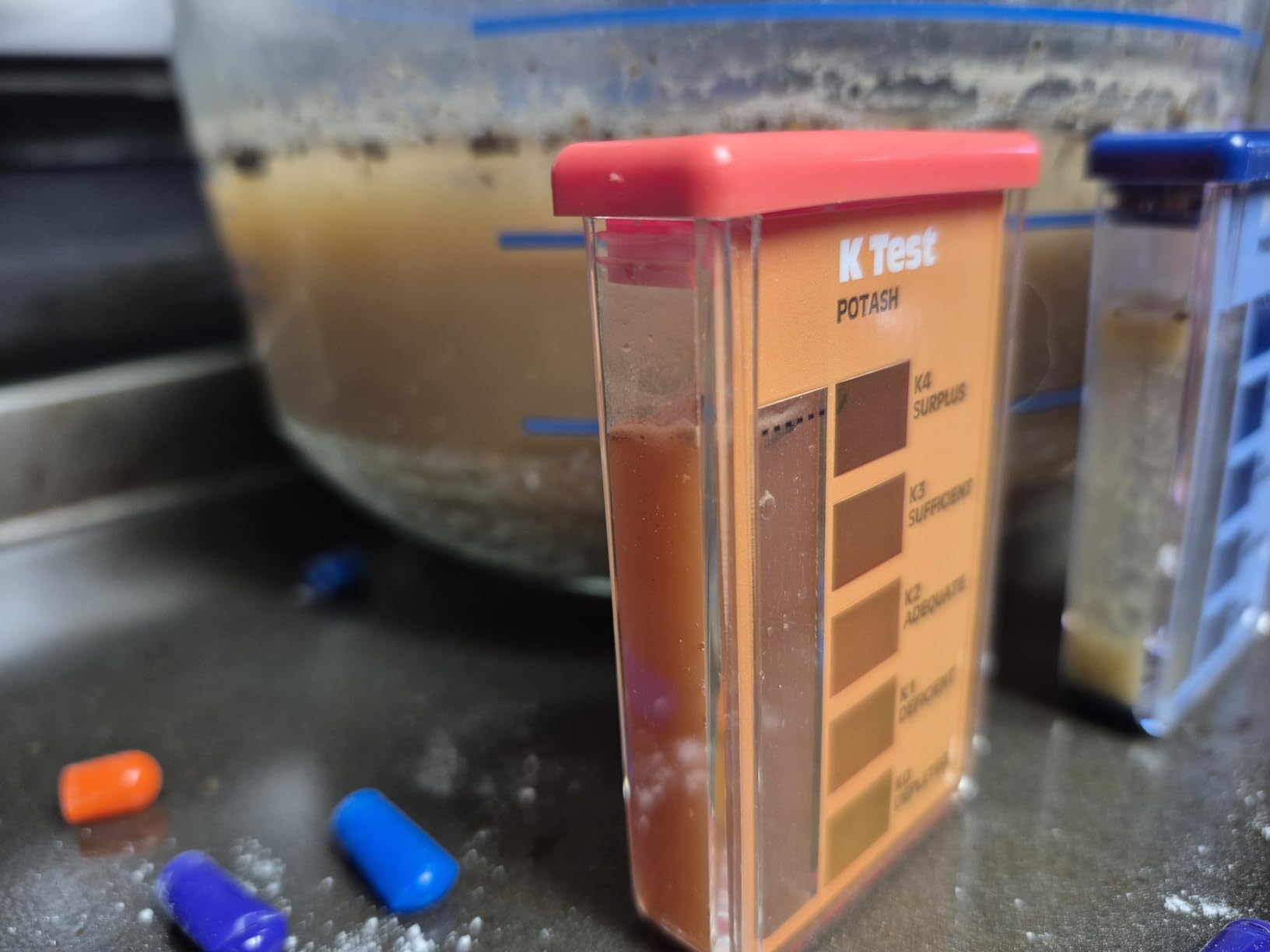
The confusion to know about before you buy: the package says 20 tests, but that is five each of pH, nitrogen, phosphorus and potash, not twenty of anything. For a single lawn zone that is workable. If you want to monitor one area across a full season with repeat readings, factor that limit in or pick a kit with a deeper well.
Two practical gripes come up often. Separating and pouring those small capsules is fiddly and they spill easily, and some buyers report the nutrient tests simply showing no color. Also plan on patience: nitrogen, phosphorus and potassium tests ask you to mix soil in water and let it settle for up to 24 hours before you read it, so this is a start-it-and-check-back-tomorrow kit rather than a same-evening one.
Who this kit suits
This one suits a first-time lawn tester who wants a full four-number snapshot without mailing anything or buying a meter. It is also the pick for a small lawn where you only need to know which direction you are off, roughly, before deciding whether to spend money on a lab report.
Who should pass on it
Pass if you intend to sample multiple zones and retest next season, because five tests per parameter runs out fast. And skip it if you need precision. Its numbers are directionally useful, not good enough to compute a lime rate or to argue with a nutrient deficiency across a large property.
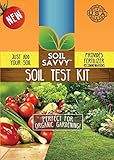
4. Soil Savvy Soil Test Kit: Best for a Broad Nutrient Panel
Soil Savvy – Soil Test Kit | Understand What Your Lawn or Garden Soil Needs, Not Sure What Fertilizer to Apply | Analysis Provides Complete Nutrient Analysis & Fertilizer Recommendation On Report
Mail-in resin capsule sample
pH plus 14 nutrients
Fertilizer recommendation included
Pros
- pH plus 14 nutrients is broader than most home kits
- Report ends with a tailored fertilizer recommendation
- Uses technology common in professional turf management
- Helps avoid over-application of unneeded nutrients
Cons
- Single-sample kit limits repeat testing
- Report arrives only after the sample is mailed
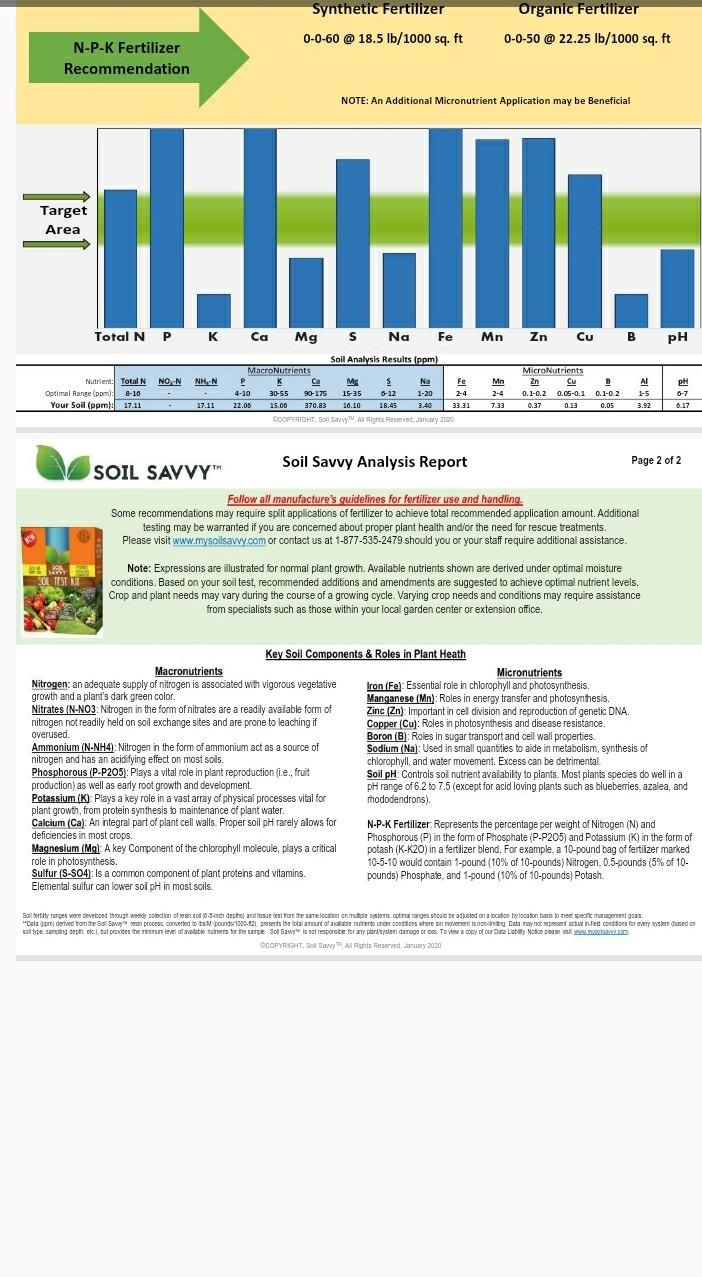
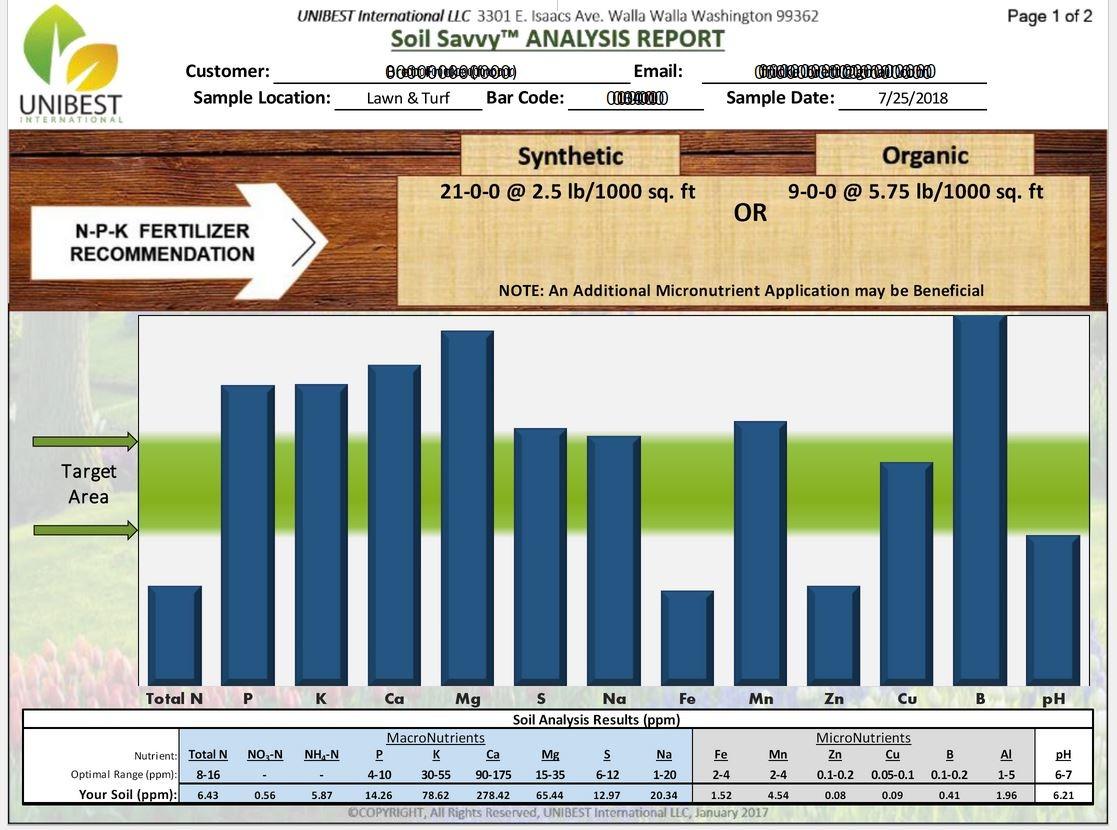
The Soil Savvy kit uses a resin capsule sampling method and the same class of professional testing technology used by agricultural producers and turf managers. The report covers soil pH and 14 nutrients including nitrogen, phosphorus and potassium, which makes it the broadest nutrient panel among the single-sample mail-in options we reviewed. It holds a 4.2 average across 890 ratings with 64% five-star.
Like the MySoil kit, it ends with a fertilizer recommendation tailored to the specific sample rather than a bare table of numbers. That is the part that changes behavior. Owners consistently describe the value as finally knowing what to buy instead of guessing, and the panel’s breadth is what lets it catch a secondary deficiency such as low magnesium or calcium that a four-number kit would miss.
It arrives ready to use with all components and instructions included, and it is specified for lawn and garden use with full coverage of the sample area. Nothing needs to be purchased separately, which removes the common complaint about kits that ship you a box of reagents and no tubes.
The trade-off is sample economy. It is a single-sample kit, so testing a front yard, a back yard and a problem patch means three kits. And as with every mail-in option, the report only exists after the sample travels, so this is a planning tool for the next application window rather than a same-day diagnostic.
Who this kit suits
It fits someone with a persistent problem lawn who has already tried a general fertilizer and seen no change. When color and growth issues persist across a season, the wider panel is worth the wait because it can surface a nutrient that a basic pH and NPK check would never report.
Who should pass on it
Pass if you need to compare two zones quickly or re-test next year without buying again. If your lawn is simply due for its routine annual feeding, this level of analysis is more than the job requires and a single pH screen will answer the question you actually have.
5. Whitetail Institute Laboratory Soil Test Kit: Budget Pick Mail-In Analysis
Whitetail Institute Laboratory Soil Test Kit, Ensures The Most Successful Deer Food Plot Possible, Professional Consultation Included, Receive Results Within One Week
Mail-in lab analysis
Consultation included
Results within one week
Pros
- Low-cost lab-style analysis with professional consultation included
- Results by mail or email within about one week
- Plain-language recommendations are easy to act on
- Reduces unnecessary fertilizer and lime purchases
Cons
- Report is framed around deer food plots rather than turf
- One sample per kit
The Whitetail Institute kit is the value pick because it delivers genuine laboratory analysis with a human consultation attached at the lowest entry point among the mail-in labs here. It holds a 4.4 average across 826 ratings with 75% five-star, which is a strong showing for a product most buyers encounter for the first time through hunting and food plot marketing.
Results arrive by mail or email within about one week, and the recommendation section is written specifically to be easy to understand. That last point is not filler. The most common complaint about mail-in lab reports is jargon nobody can act on, and a 4.4 rating with that volume suggests the plain-language framing is landing.
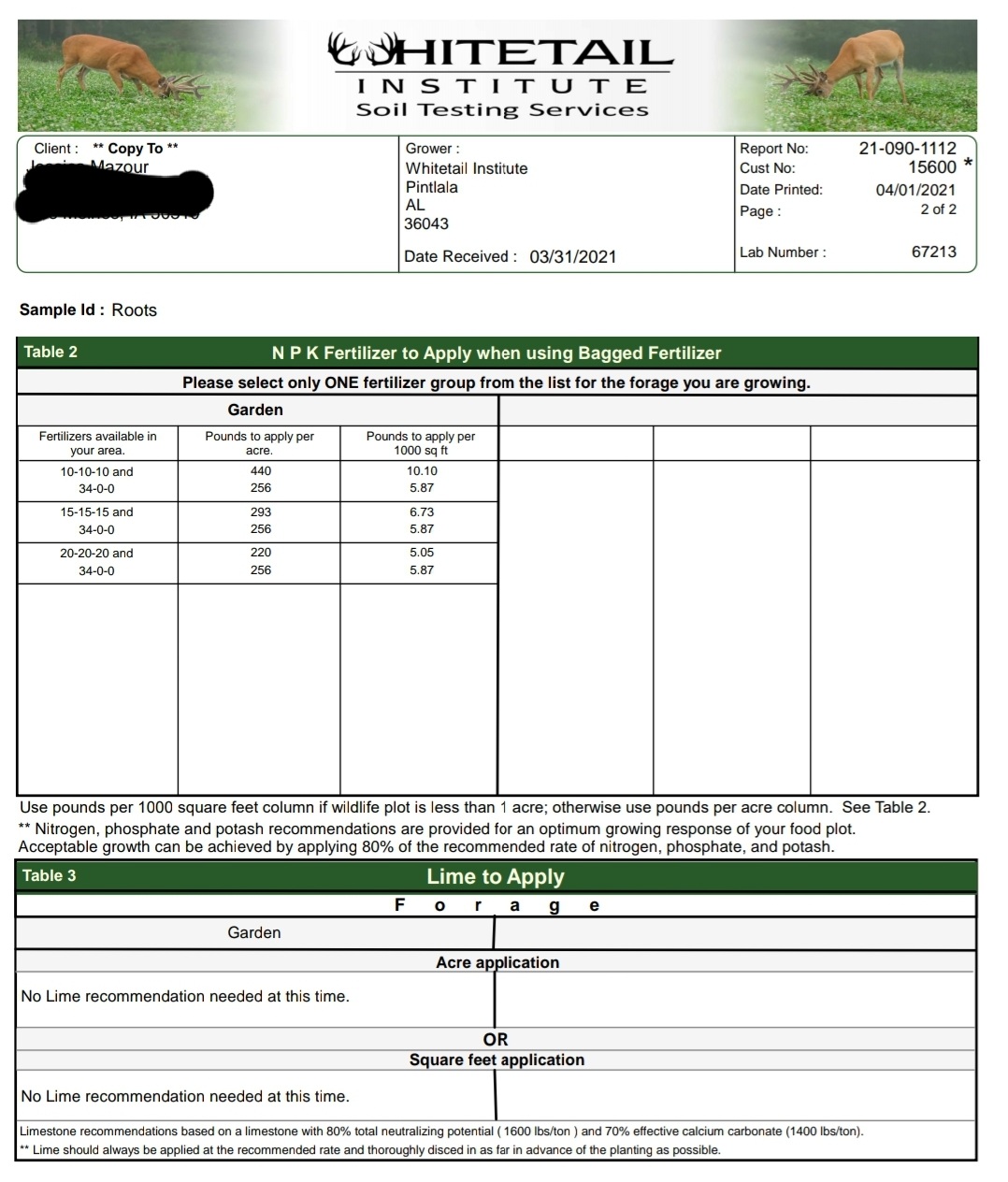
Everything needed is included in the kit, so there is no separate container purchase and no calibration step. The included professional consultation is the feature that separates it from a bare lab report: you can ask what a number means for your lawn instead of guessing at the interpretation alone.
Be clear-eyed about one thing. The report is written for deer food plots, so the fertility targets are framed around growing a heavy tonnage attractant crop, not ornamental turf. The soil chemistry and the pH and nutrient readings transfer directly to a lawn, but the prescription on the page needs translating before you spread anything.
Who this kit suits
It suits a lawn owner who wants a real laboratory number at the lowest commitment and who is comfortable adjusting the recommendation to match their grass. It also works well as a second opinion on a lawn where a previous report did not make sense, because a different lab running a different check is genuinely informative.
Who should pass on it
Pass if you want turnkey lawn-specific rates with no interpretation work. Anyone who will spread lime or fertilizer straight off the printed recommendation without adjusting it will get a program aimed at the wrong crop, and that is a real risk on turf.
6. Dewilde 100 pH Test Strips: Best for Bulk pH Monitoring
Soil Test Kit – 100 Soil pH Test Strips (3.5–9 Range) for Garden, Lawn & Indoor Plants – Easy At-Home Soil Testing
pH 3.5 to 9
100 strips
Chart printed on the bottle
Pros
- 100 strips make repeated lawn testing inexpensive
- No calibration required
- Portable for indoor plants and multiple outdoor areas
- About 90 minutes total including settling time
Cons
- pH only with no nitrogen
- phosphorus or potassium
- Color comparison needs good lighting to read accurately
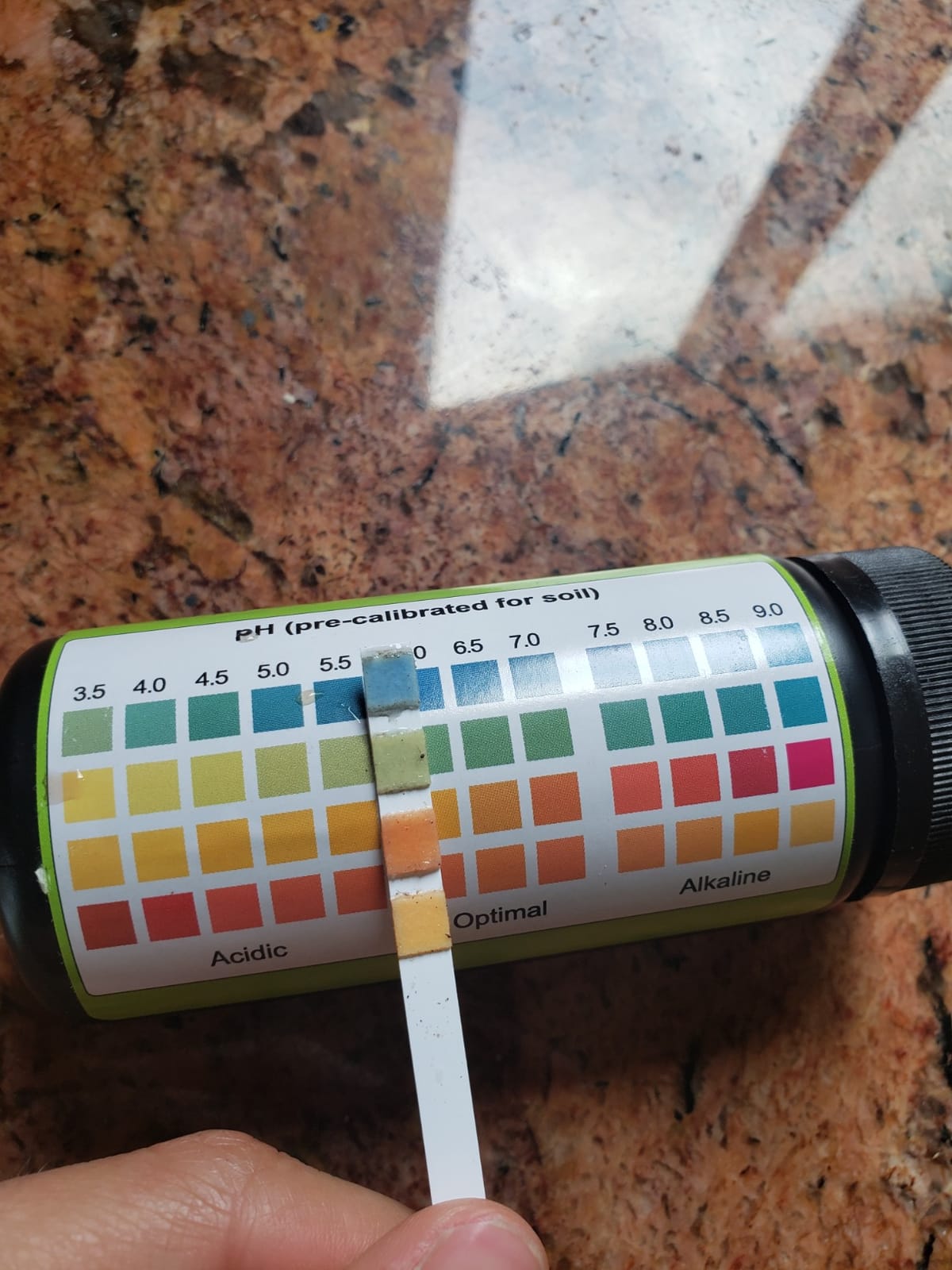
When you want volume, the Dewilde 100 pH strips are hard to argue with. One hundred strips in a portable bottle cover pH 3.5 to 9, and the procedure is as simple as it gets: mix soil with water, let it sit 30 minutes, dip the strip for 3 seconds, hold it horizontally and read against the chart printed on the bottle after 60 seconds. It carries a 4.2 average across 569 ratings.
For a lawn, that volume changes what you can do. Instead of three spot checks you can map the whole property, sampling under the oak in the corner, along the low side near the fence and out in the open sun separately. Variance across a single lawn is often the actual story, and 100 strips is the cheapest way to find it.
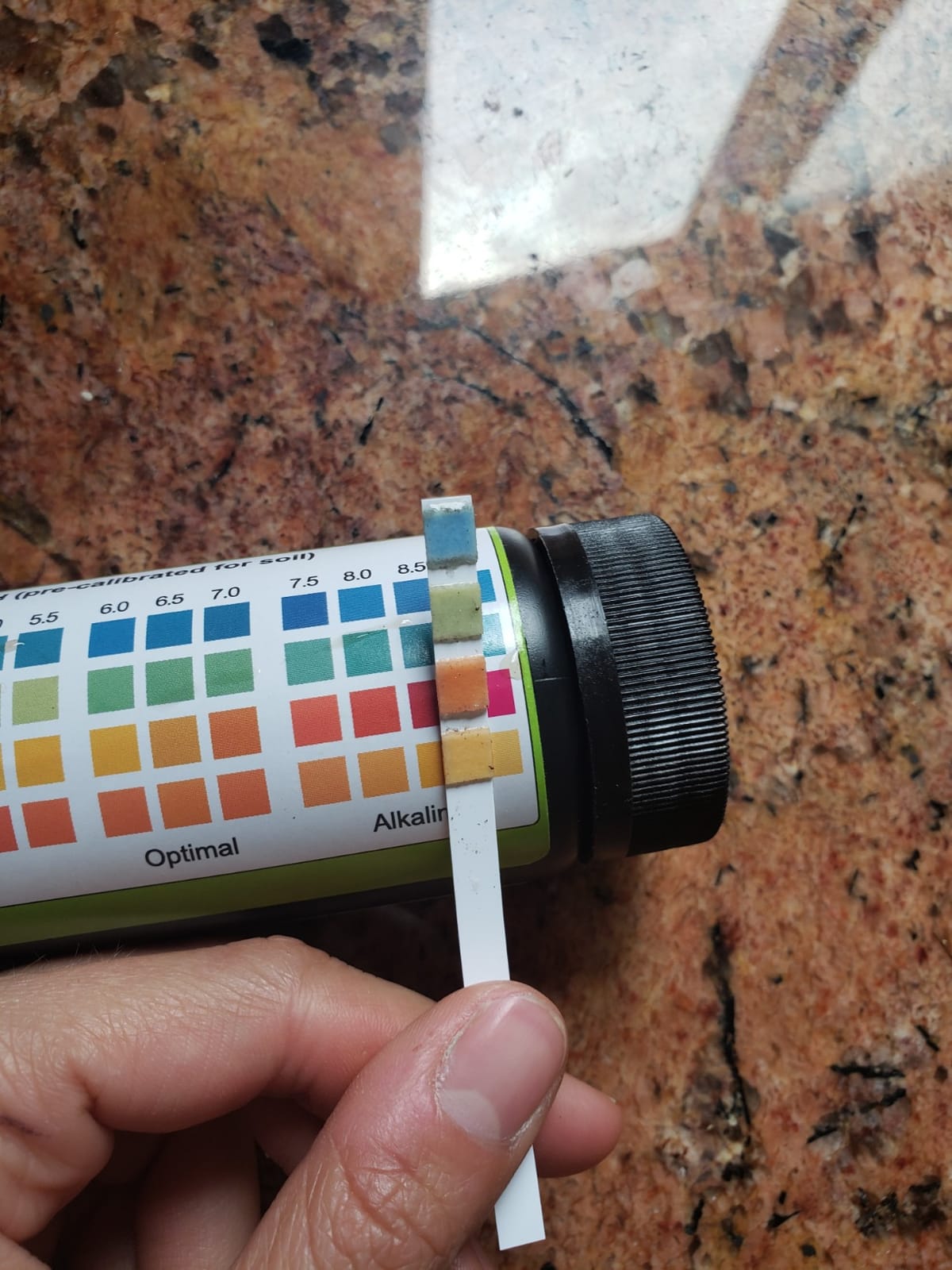
It also works for potted plants, indoor plants, fruit trees, flowers, vegetables and shrubs, which makes it a reasonable one-bottle household tool if you are testing more than just turf. The bottle-mounted chart means there is nothing else to lose, and the format is genuinely portable for on-the-go checks.
The limitation is again scope. This measures pH and nothing else, so nitrogen, phosphorus and potassium are entirely outside its range. There is also a reading-quality caveat worth naming: color comparison under a shaded porch or in evening light produces readings you should not trust to a tenth of a pH point.
Who this kit suits
It suits anyone trying to work out whether a lawn problem is pH-driven before spending money on amendments. It is also a good companion to a mail-in lab kit: use strips to find which zone is the problem, then send that specific zone for a full nutrient panel.
Who should pass on it
Skip it as your only test if your lawn is thinning rather than discoloring, because compaction, drainage and disease all mimic nutrient problems and none of them show up in a pH number. Also pass if you intend to base a lime application on the result, because the precision is not there.
7. Dewilde 140-Test Soil Kit: Best for Monitoring a Full Growing Season
Soil Test Kit 140 Tests (2026 Updated Instructions) – pH, Nitrogen, Phosphorus, Potassium & Ammonia – Garden, Lawn & Plant Soil Tester Kit for Accurate Fertility Analysis
pH, ammonia, N, P and K
About 140 tests
Updated instructions
Pros
- Very high test count for repeat monitoring
- Measures ammonia alongside NPK
- Immediate results without mailing a lab
- Updated instructions improve clarity
Cons
- Nitrogen supply is smaller than the stated per-parameter count
- Multi-step liquid testing takes practice to run consistently
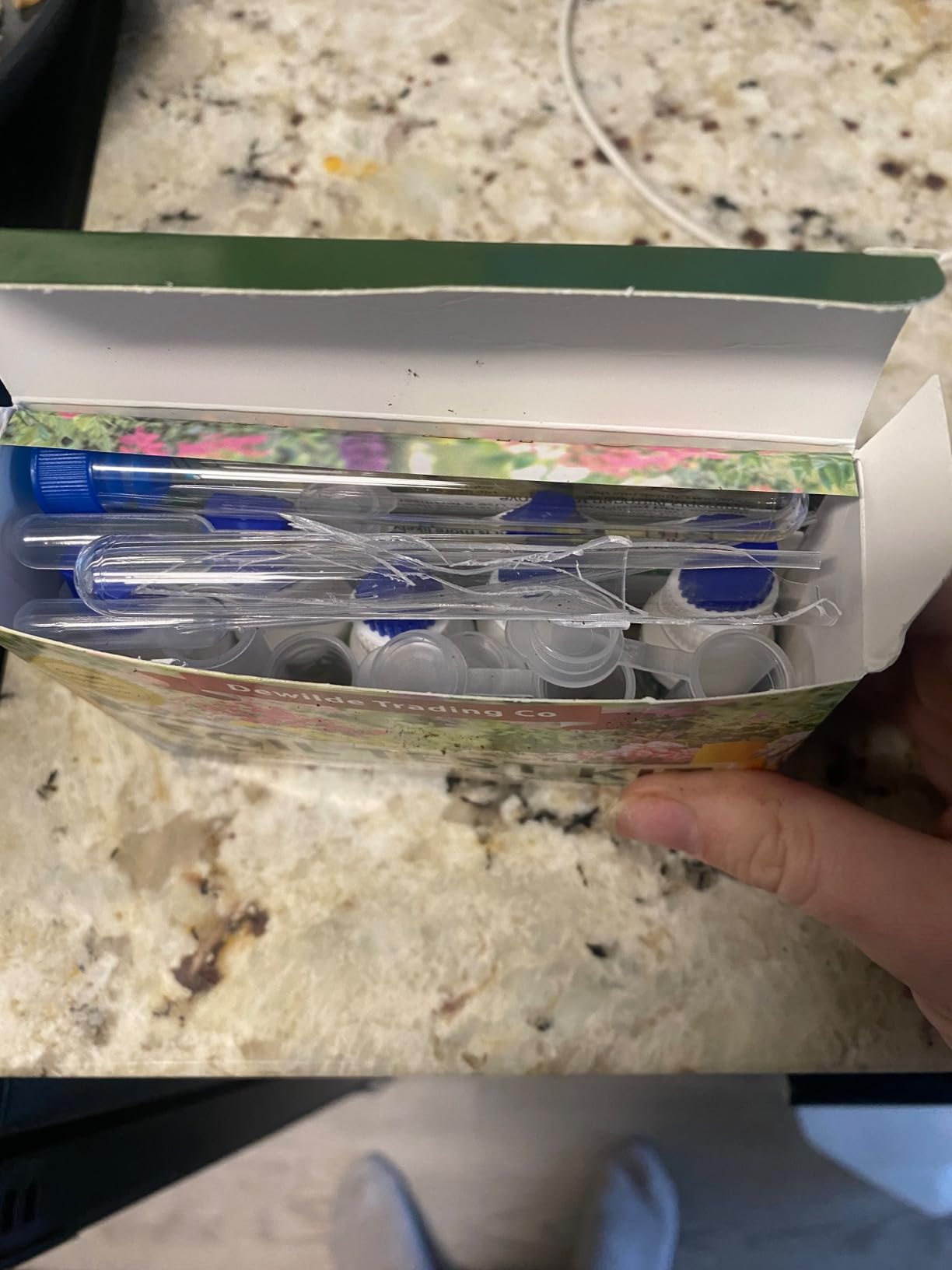
The Dewilde 140-test kit is the deepest DIY well in this roundup, with roughly 140 tests total spread across pH, ammonia, nitrogen, phosphorus and potassium. The ammonia reading is the differentiator: it gives you a proxy for nitrogen that most entry-level kits simply omit, which matters on a lawn where you will never get a lab nitrogen figure. It holds a 4.0 average across 551 ratings.
Because the count is that high, you can follow one zone across an entire season instead of taking a single snapshot. Sample in spring, sample after your first fertilizer, sample again in early fall, and you have a trend. That is the framework experienced lawn managers use, and it is the reason the second and third tests matter more than the first.
Results come back immediately without mailing anything to a laboratory, which makes it useful when a problem appears mid-season and you want an answer this week. It suits lawn, turf, garden, compost, houseplant and hydroponic use, and the updated instructions are a genuine improvement in clarity over earlier versions of this kit.
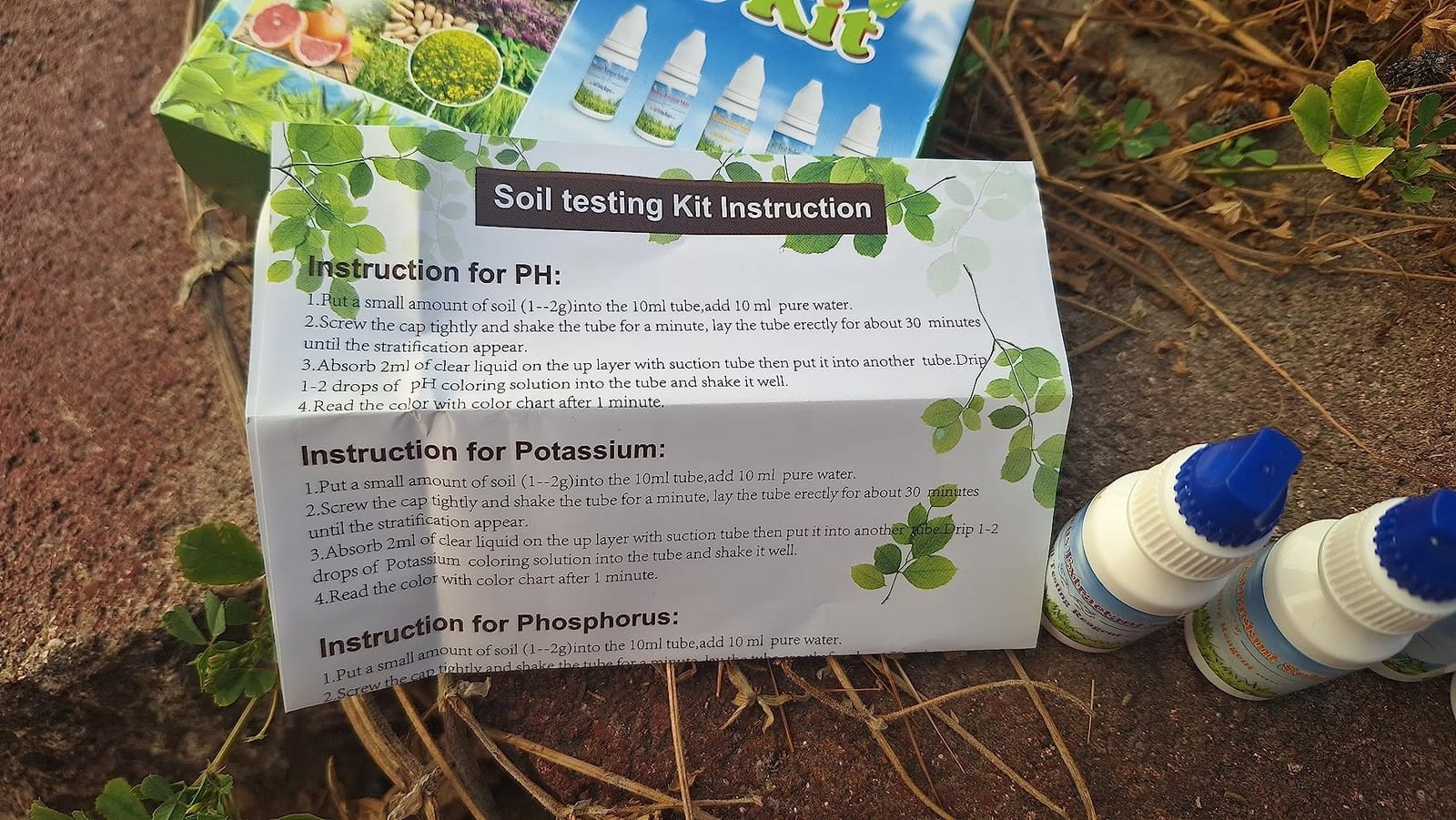
Two caveats. The nitrogen portion of the supply is smaller than the headline per-parameter count suggests, so nitrogen is the first thing you will run out of on a heavy monitoring schedule. And it is a multi-step liquid procedure: mixing, adding reagents in order and reading a color chart takes practice before your readings are repeatable.
Who this kit suits
This is the kit for someone managing a serious lawn program who wants data points across months rather than one snapshot. It also fits a large property where you want to test several zones repeatedly without buying a fresh kit each time.
Who should pass on it
Pass if you want one number you can act on and stop thinking about it. Repeated liquid tests ask for discipline and consistent technique, and inconsistent technique produces a trend that looks like change but is really just noise.
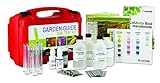
8. LaMotte Model El: Best Reference Kit for Repeated Nutrient Work
Lamotte Model El – Turf and Garden Soil Test Kit – 5679-01
15 tests each of N, P and K
30 pH tests
Laminated charts plus Soil Handbook
Pros
- Highest test volume per parameter in the group
- Laminated charts survive repeated use
- Includes Soil Handbook and Garden Guide for interpretation
- Strong for soil science education as well as garden analysis
Cons
- Most expensive kit we reviewed by a wide margin
- Heavier 2.9 pound kit with more reagents to handle
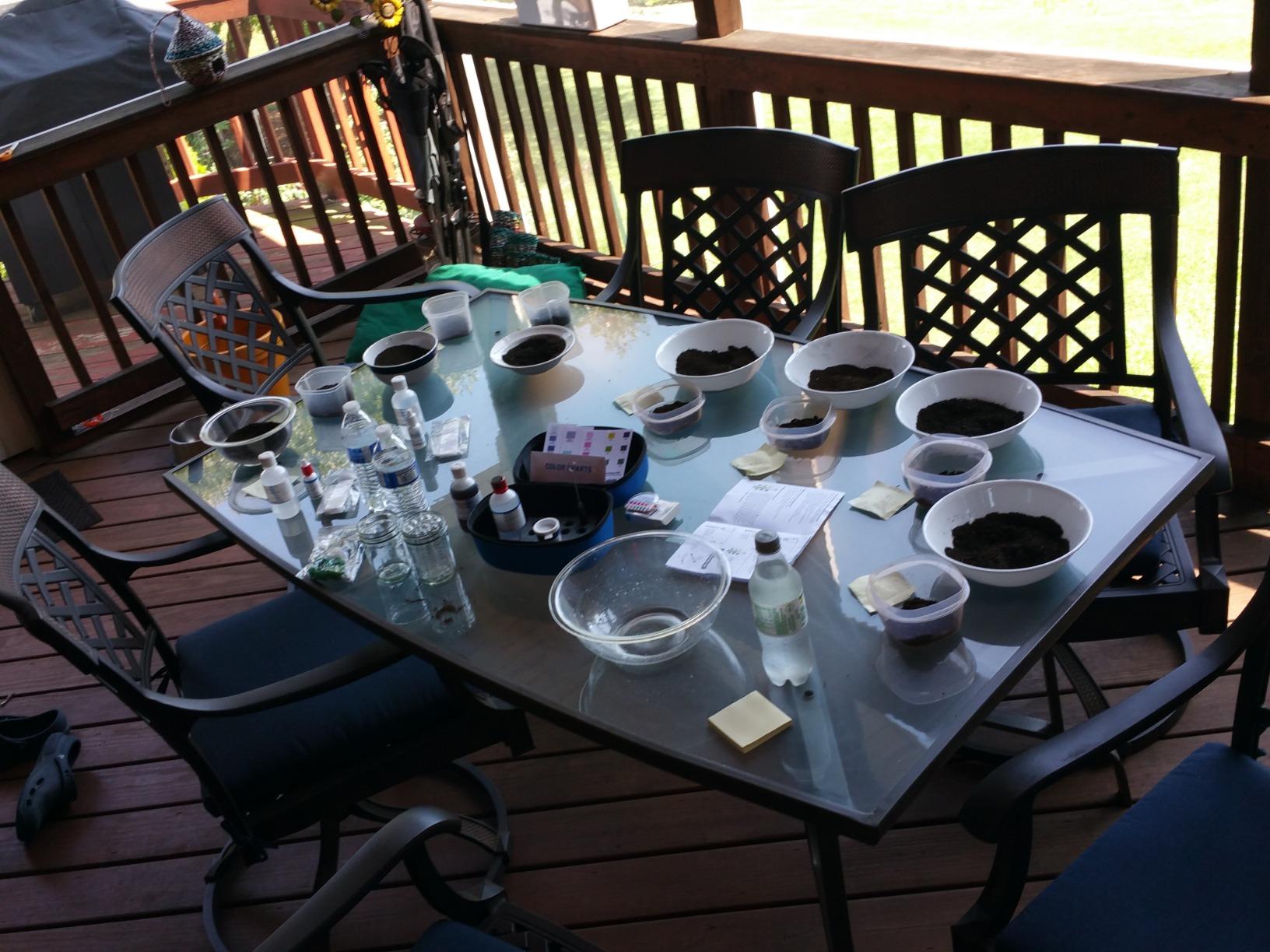
The LaMotte Model El is the only kit here that would be at home in a classroom or on a serious reference shelf. It measures nitrogen, phosphorus and potassium with 15 tests each, adds 30 soil pH tests, and ships with laminated color charts plus the LaMotte Soil Handbook and a Garden Guide for interpreting results and lime and fertilizer needs. It ties for the highest rating in the group at 4.6 across 341 ratings.
That 15-per-parameter figure is what makes it different. Any lawn can be tested across several zones and still have tests left for a retest next season, which is exactly the multi-year tracking habit that catches a slow pH drift before it becomes a bare patch. The rapid test procedures come with diagrammed instructions that hold up to being followed a dozen times.
Buyers also use it for soil science education, which is a nice secondary benefit if you have kids or run a community garden program. The handbook and guide give you the interpretive framework, not just the color swatch, so you learn why a number matters instead of only learning to match a shade.
The honest drawback is cost and bulk. It is the most expensive kit in this roundup by a wide margin and weighs 2.9 pounds with more reagents than a simple strip test, so it is a poor fit for someone who wants one number from one small patch. This is a kit you buy once and keep for years, not a casual purchase.
Who this kit suits
It suits a lawn owner with several zones, a long horizon, or a genuine interest in the science who wants to run the same method year after year. It is also the best pick here for teaching a group how soil testing actually works.
Who should pass on it
Pass if this is a single-lawn, single-season decision. For one test on one zone you would spend considerably more than a mail-in lab analysis that arrives with a fertilizer prescription attached, which is a better use of the same money.
9. SoilKit Soil Test Kit by Powered by SoilKit: Best for CEC and Organic Matter Data
Soil Test Kit – Discover Your Lawn and Garden Fertility with pH, Nutrient and Mineral Analysis. Professional Results Provide Custom Fertilizer Prescription for Your Yard.
Mehlich III extraction
Reports CEC, buffer pH, ENR
Results on a web dashboard
Pros
- Reports CEC and buffer pH plus organic matter and estimated nitrogen release
- Fertilizer prescription with square-footage based rates
- Mehlich III matches methods used by many soil labs
- Customer support follows up by phone to explain results
Cons
- Report layout and printing described as hard to read
- Some buyers received no result for a first sample
- Not intended for potting soil or soilless media
SoilKit is the most analytically complete mail-in option here and the only one reporting the numbers that actually explain a fertilizer response. It uses Mehlich III extraction, the same method used by many soil laboratories, and reports pH, buffer pH, organic matter, cation exchange capacity and estimated nitrogen release alongside phosphorus, potassium, magnesium, calcium, boron, zinc, manganese and iron. It holds a 4.3 average across 223 ratings.
Buffer pH and CEC are why this report is worth reading carefully. Buffer pH tells you how much lime the soil will actually need rather than how far the pH is from neutral, and CEC tells you how much the soil can hold, which is the difference between a lawn that stays fertilized and one that leaches everything you apply within a month.
Results arrive by email to a SoilKit365 virtual dashboard, and the prescription includes square footage based rates, so you get a spreader setting rather than an abstract recommendation. Registration uses QR scanning and address geolocation to pull crop-specific input, and customer support follows up with phone consultations to walk you through the numbers.
There are real complaints to weigh. Buyers describe the report layout and printing format as hard to read and not very professional, and some received no result for a first sample and needed a replacement kit. It is also explicitly not intended for potting soil or soilless media, and turnaround runs about a week.
Who this kit suits
It suits someone on clay or sandy soil who has fertilized repeatedly with no lasting result and needs to know why. If your lawn leaches nutrients or holds them too tightly, CEC and organic matter explain that in a way no color strip ever will.
Who should pass on it
Pass if you want a simple, printable one-page answer. This report carries more data than most lawn owners can act on unaided, and if you will not read it carefully or use the consultation, the extra precision is wasted effort.
10. Pawfly 4-in-1 Soil Test Kit: Best for Explicit Numeric Ranges
Pawfly 4 in 1 Soil Test Kit for pH, Nitrogen, Phosphorus & Potassium, 40 Tests Soil Testing Kit for Lawn Garden Yard Farm, Accurate Soil pH Test Kit for Vegetable Flower Grass Indoor & Outdoor Plants
pH, N, P and K in one kit
20 strips and 40 tablets
Full tool set included
Pros
- Tests all four parameters with 10 tests each
- Published numeric ranges show what a reading means
- Complete accessory set with tubes
- dropper and grinding rod
- Useful for comparing multiple lawn patches in one session
Cons
- Instructions lack detail and skip steps
- Reagent tablets are ambiguously labeled
- Some buyers reported unusable results on their soil
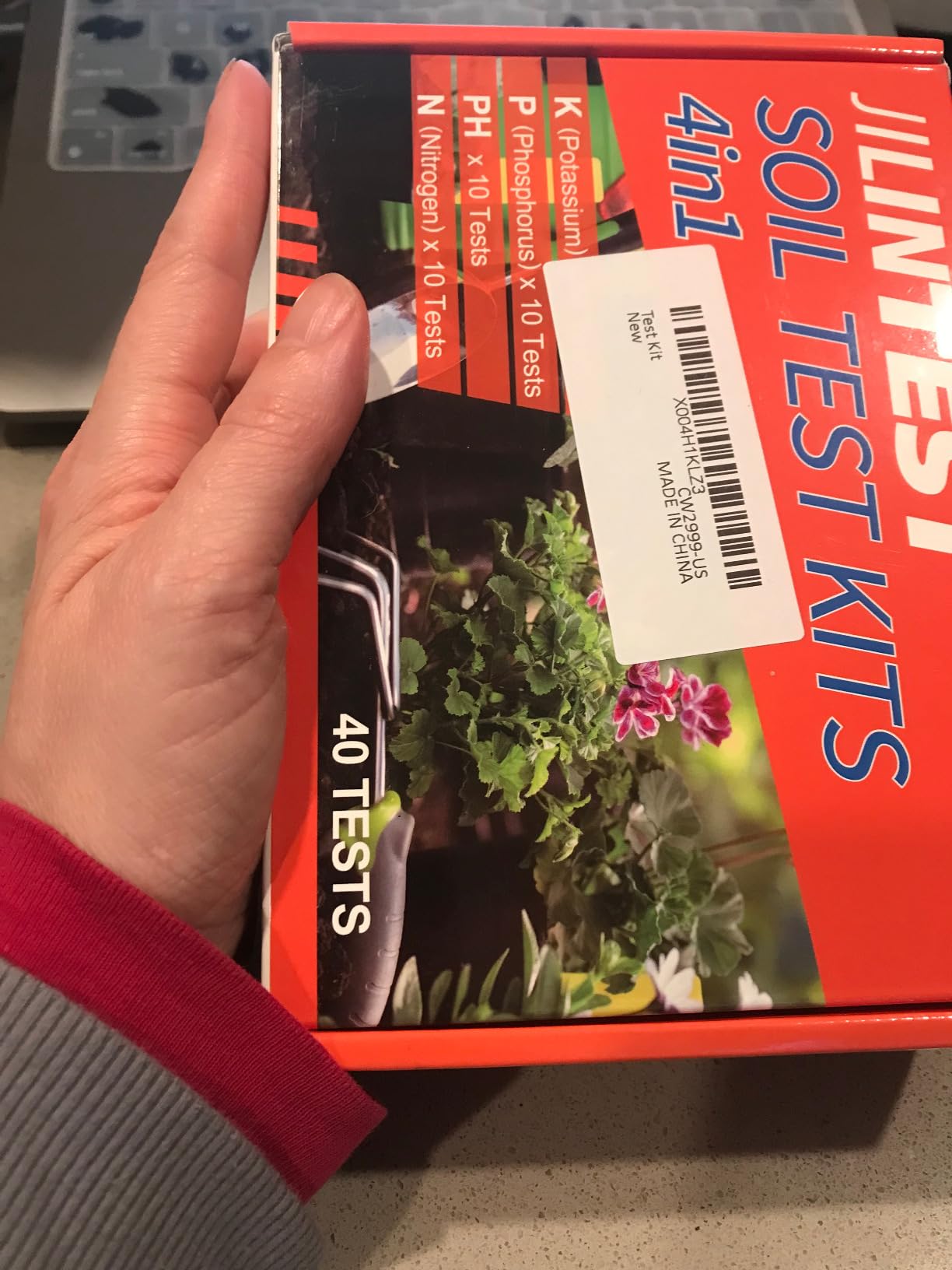
The Pawfly 4-in-1 kit covers pH, nitrogen, phosphorus and potassium, and its distinguishing feature is that it publishes explicit ranges rather than relying on a color impression: pH 3.5 to 9, nitrogen 40 to 320 mg/kg soil, phosphorus 8 to 64 mg/kg and potassium 40 to 160 mg/kg. Knowing what a reading means in units instead of as a pale-versus-dark judgment is genuinely useful. It averages 3.9 across 96 ratings.
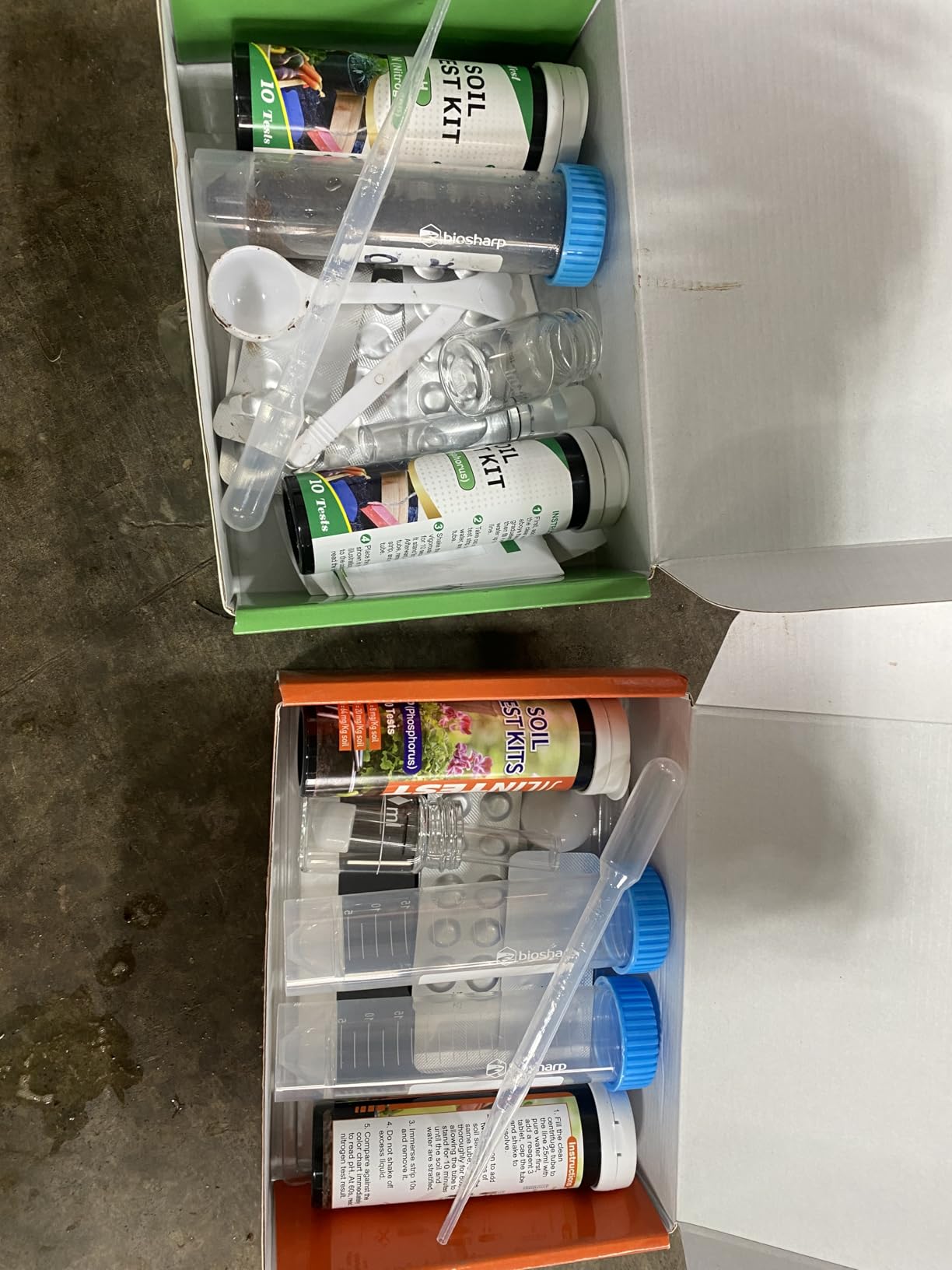
The box is well equipped. You get 20 test strips and 40 tablets for 10 tests per parameter, plus two centrifuge tubes, a test tube, a glass vial, a dropper, a grinding rod, a sample spoon, a color chart and a manual. For comparing several lawn or garden patches in one session, the centrifuge tubes and grinding rod make preparing separate samples far less awkward.
Where it loses ground is documentation. Buyers report that the instructions lack sufficient detail and that some steps assume knowledge a beginner will not have, and that the reagent tablets are labeled ambiguously so you cannot easily tell reagent 1 from reagent 2 or 3. More complicated to understand than the listing suggests is a fair summary.
It is also the lowest-rated kit we included at 3.9, with a wider spread of opinions than the others: 46% five-star but 12% one-star. A minority of buyers reported unusable results on their soil type, which is a reminder that a kit this step-heavy only works if you follow the procedure precisely.
Who this kit suits
It suits a methodical tester who likes having real numeric ranges to compare against and enjoys the process. If you want to run side-by-side comparisons on several areas of a lawn in one afternoon and record actual figures rather than color impressions, the tooling supports that.
Who should pass on it
Pass if this is your first soil test and you want something that works the first time. With the thinnest instruction set and the most ambiguous reagent labeling in this roundup, the learning curve is real, and a confused first run is a wasted kit.
11. Dewilde Premium 40-Test Kit: Best for Ammonia Nitrogen Alongside pH
Premium Soil Test Kit: 40 Complete Tests for Lawns, Gardens, and Vegetables. Tests for Ammonia Nitrogen, pH, Phosphorus, and Potassium.
Ammonia nitrogen, pH, P and K
40 tests, 10 per parameter
About 20 minutes per test
Pros
- Tests ammonia nitrogen alongside pH
- phosphorus and potassium
- Convenient 10 per parameter split for repeat monitoring
- Full tool set with test tubes and color card
- One buyer reported it correctly flagged low nitrogen on a lawn
Cons
- Colorimetric pH is hard to distinguish between close shades
- One buyer got the same pH across four different samples
- Readings disagree with digital pH meters
This Dewilde kit tests for ammonia nitrogen along with pH, phosphorus and potassium across 40 tests, ten for each parameter, and it is one of the few entry-level options that gives you a nitrogen signal at all. It is aimed squarely at lawns, gardens and vegetables, and a typical test takes about 20 minutes. It holds a 4.1 average across 89 ratings.
Ammonia nitrogen is a partial answer to the nitrogen question rather than a full one. It will not tell you your slow-release budget for the season, but on a lawn that looks nitrogen-starved it can confirm the direction and stop you from buying another bag of the wrong thing. One buyer reported exactly that, with the kit correctly flagging low nitrogen.
The package is complete: two bottles of test strips, two test tubes, 40 tablets, a dropper, a stick and a color card, plus a quick guide and detailed instructions. No lab services required and it is portable, which matters if you are testing containers, raised beds and turf in the same week.
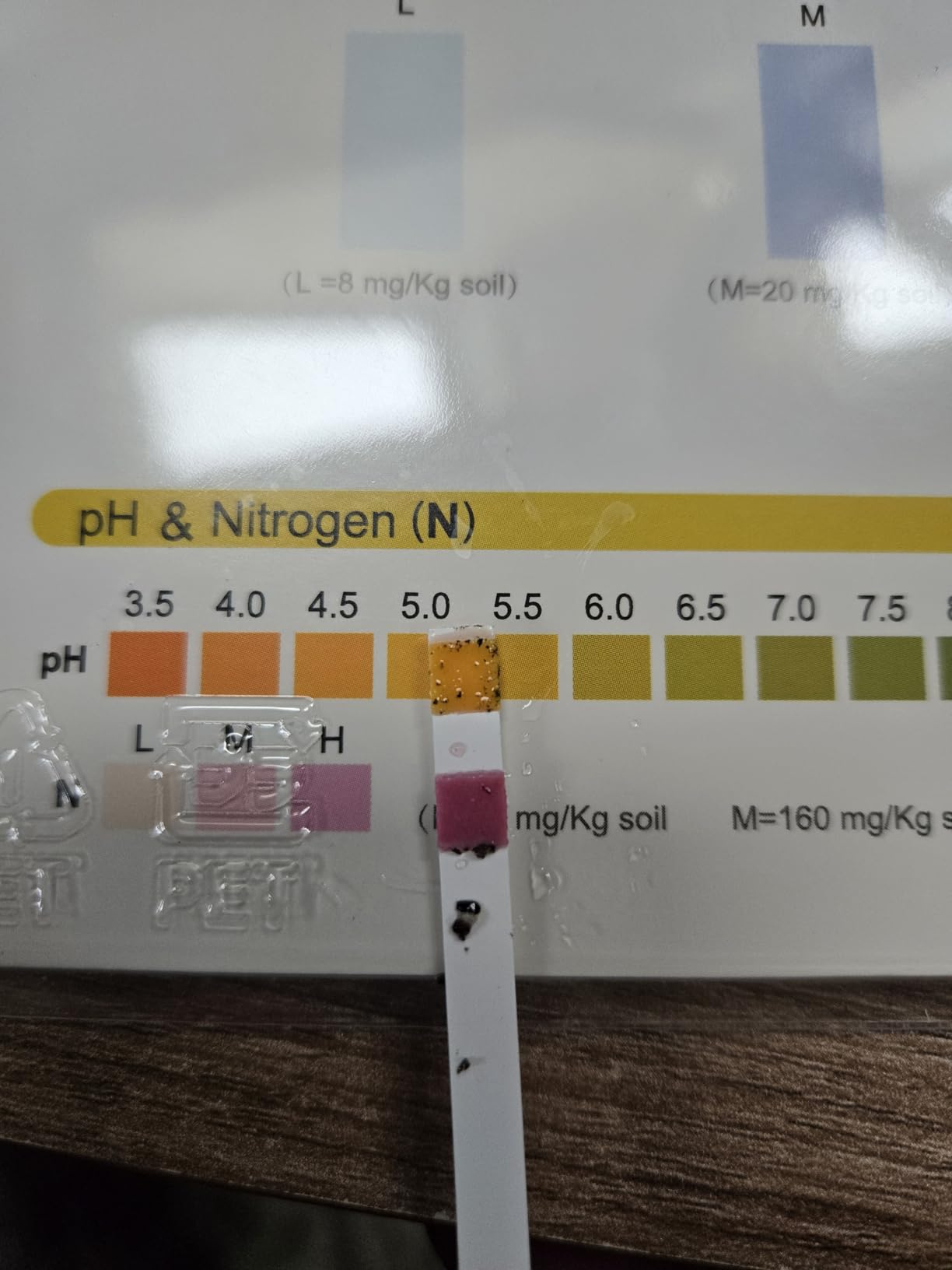
The pH weakness is the thing to know before you rely on it. Readings are colorimetric and hard to distinguish between nearby shades, one buyer reported the pH test returning the same result across four very different soil samples, and other owners found readings disagreeing with digital pH meters. Treat its pH as a rough screen and its nutrient readings as the useful part.
Who this kit suits
It suits someone whose lawn is pale and thin and who suspects nitrogen, and who wants a same-day answer without mailing a sample anywhere. The 10-per-parameter split also makes it workable for a light monitoring schedule across two or three areas.
Who should pass on it
Pass if pH accuracy is your main concern, because the pH channel is its weakest link. If your real question is whether lime will help, use a strip kit or a meter for pH and use this for the nutrient side instead of asking one kit to do both well.
12. AKSBTEC 4-in-1 Soil Test Kit: Best Starter Kit for Combined Readings
AKSBTEC Soil Test Kit 4-in-1 for Lawns & Gardens – 40 Tests (pH, Nitrogen, Phosphorus, Potassium) – Easy Soil Testing Kit for Vegetable Garden, Lawn & Plants
pH, N, P and K
40 tests, 10 per element
No calibration required
Pros
- Full pH plus NPK coverage in one box
- Mix
- add reagent and compare process is straightforward
- All consumables and tools included
- Helps balance nutrients and reduce wasted fertilizer
Cons
- Thinnest review base in the roundup at 75 ratings
- Color chart readings are approximate rather than precise
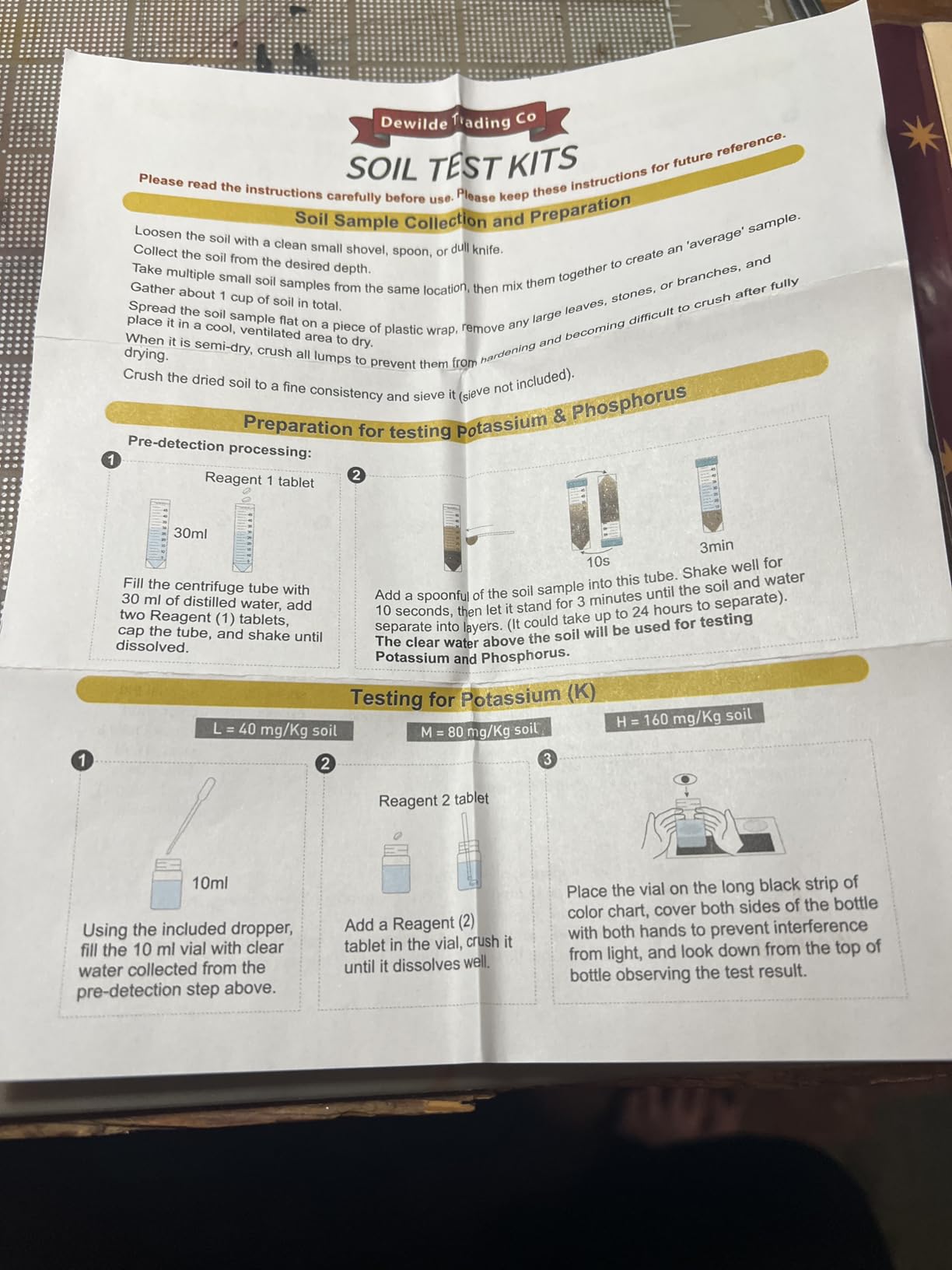
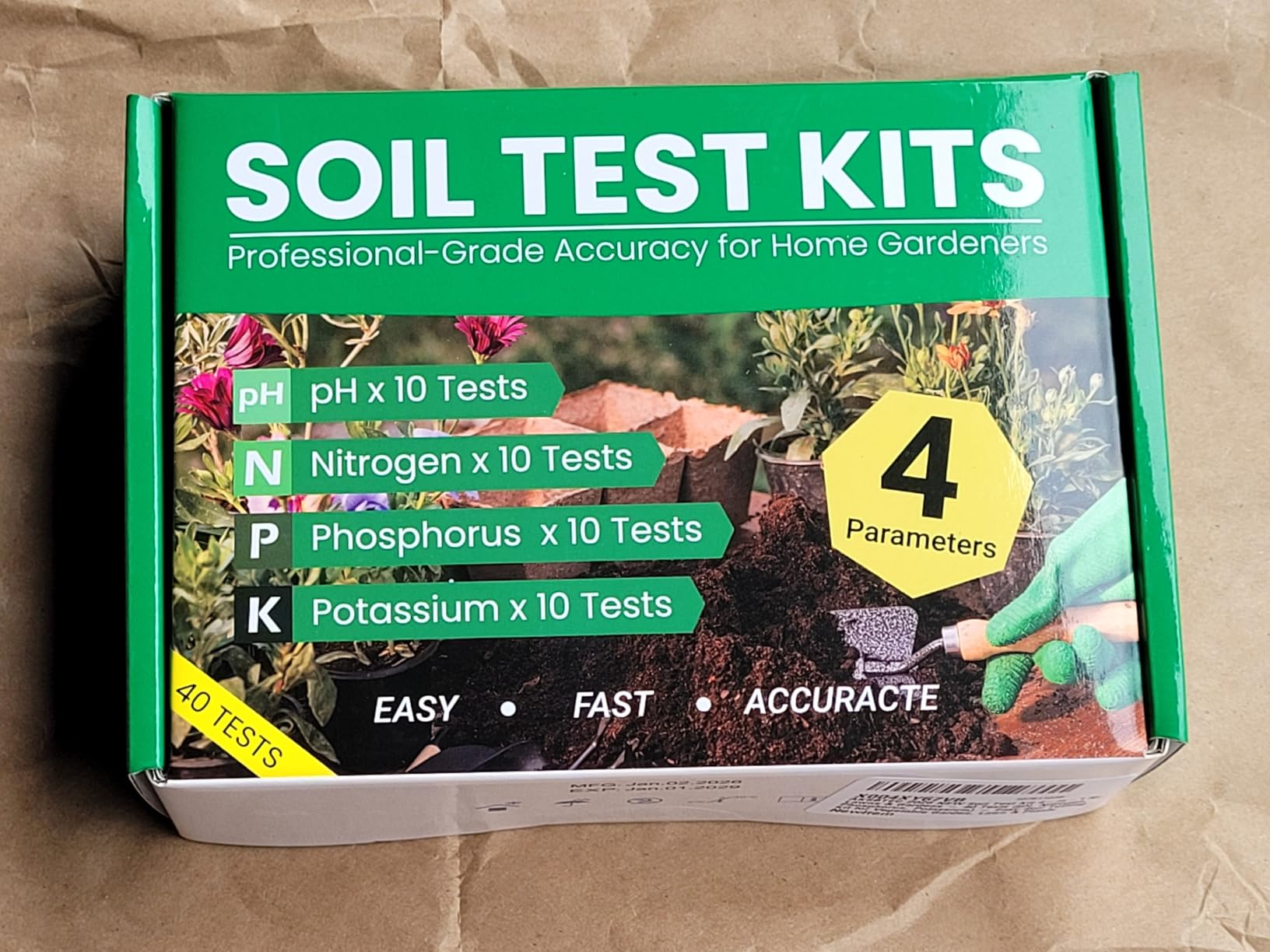
The AKSBTEC 4-in-1 kit measures pH, nitrogen, phosphorus and potassium with 40 tests total, ten for each element, and it is the most straightforward box in this roundup. The procedure is mix soil with water, add reagent, compare to the color chart, with no calibration and no complex tools. It averages 3.9 across 75 ratings.
Test tubes, reagents, droppers and the color comparison chart all come in the box, so there is nothing to buy before you start. For someone who wants one number per parameter across a small lawn and has never tested soil before, that completeness is the appeal.
Set expectations honestly, though. Its rating sits at the bottom of this group alongside the other entry-level 4-in-1 kit, with 52% five-star and 9% one-star across the smallest review base we found. Buyers credit it with helping balance nutrients and reduce wasted fertilizer, which is a reasonable use at lawn scale.
The limitation is precision. Color chart readings here are approximate, and with 75 ratings there is simply less long-term feedback on how this kit holds up across seasons and soil types than the better-reviewed options have. It is a starting point, not an instrument.
Who this kit suits
It suits a beginner who wants full pH and NPK coverage in a single box with no separate purchases. It is also a reasonable sampler to compare against a mail-in lab result on the same soil, so you can see how far apart a home kit and a laboratory actually land.
Who should pass on it
Pass if you are managing several zones or retesting over multiple seasons, because 10 tests per element does not stretch that far. And pass if a wrong number would be expensive, since an approximate chart reading is not a good basis for a lime application across a large lawn.
How Many Soil Tests Does One Lawn Zone Actually Need?
Far fewer than the test counts on these boxes suggest. A composite sample for one management zone is built from 8 to 12 cores, and those cores get blended together into a single jar. So a kit with 20 tests is not a small supply for one lawn. It is two full zone samples with plenty of margin for a retest.
The number that actually drives your shopping is zones, not cores. Treat your front yard and back yard as two zones if they are managed differently, fertilized on different schedules or sit in different microclimates. Add a third zone for any persistently poor patch you want to diagnose on its own. Three zones means three samples, not thirty.
How to Take a Proper Lawn Soil Sample
Sample correctly or the most expensive kit will still give you a useless number. The technique matters more than the brand, and the whole job takes about 20 minutes in the yard.
Pick the right time. Late summer through early fall is the dominant window across sources, because soils are at their least leached and you still have time to act before the following spring.
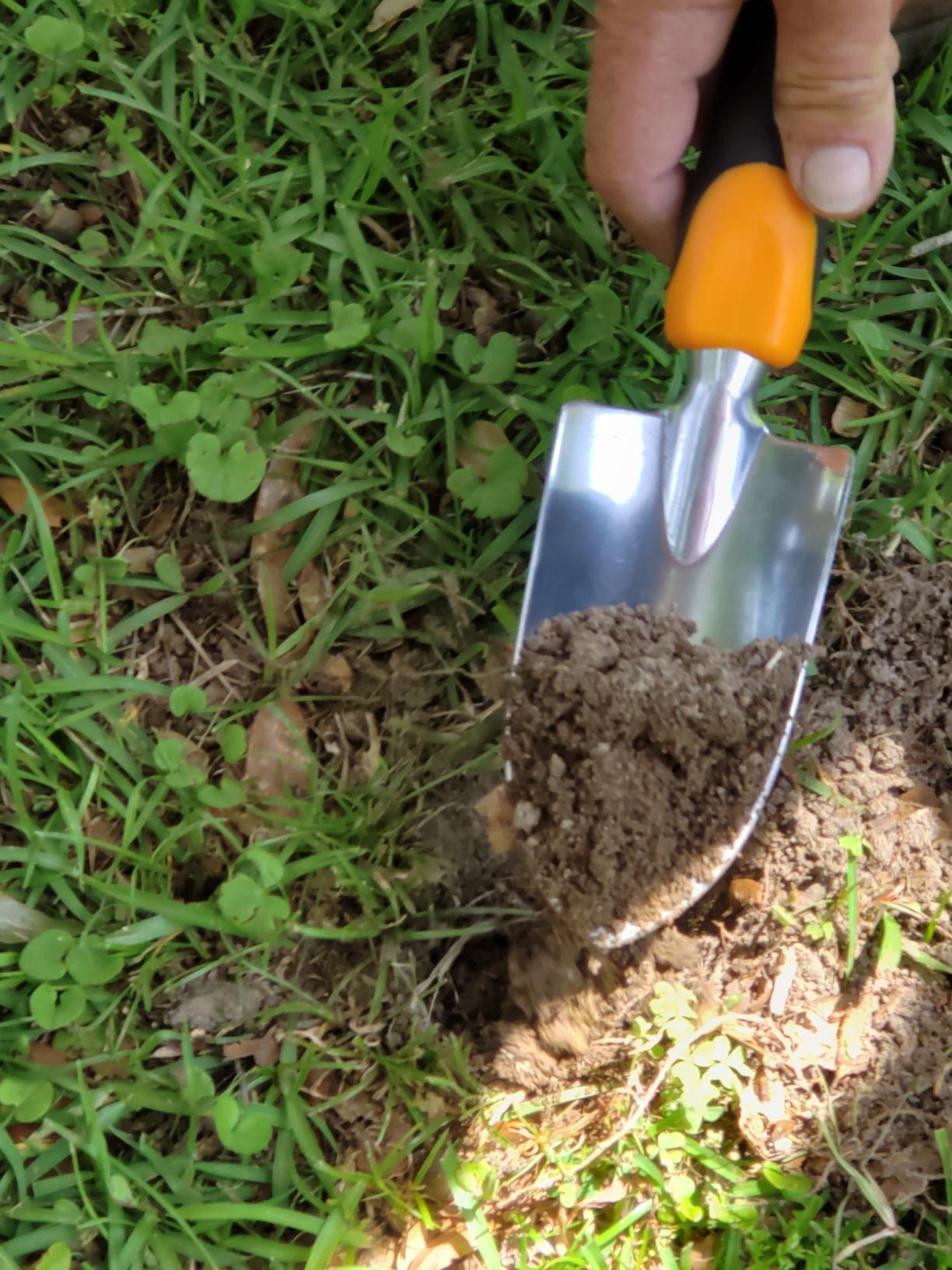
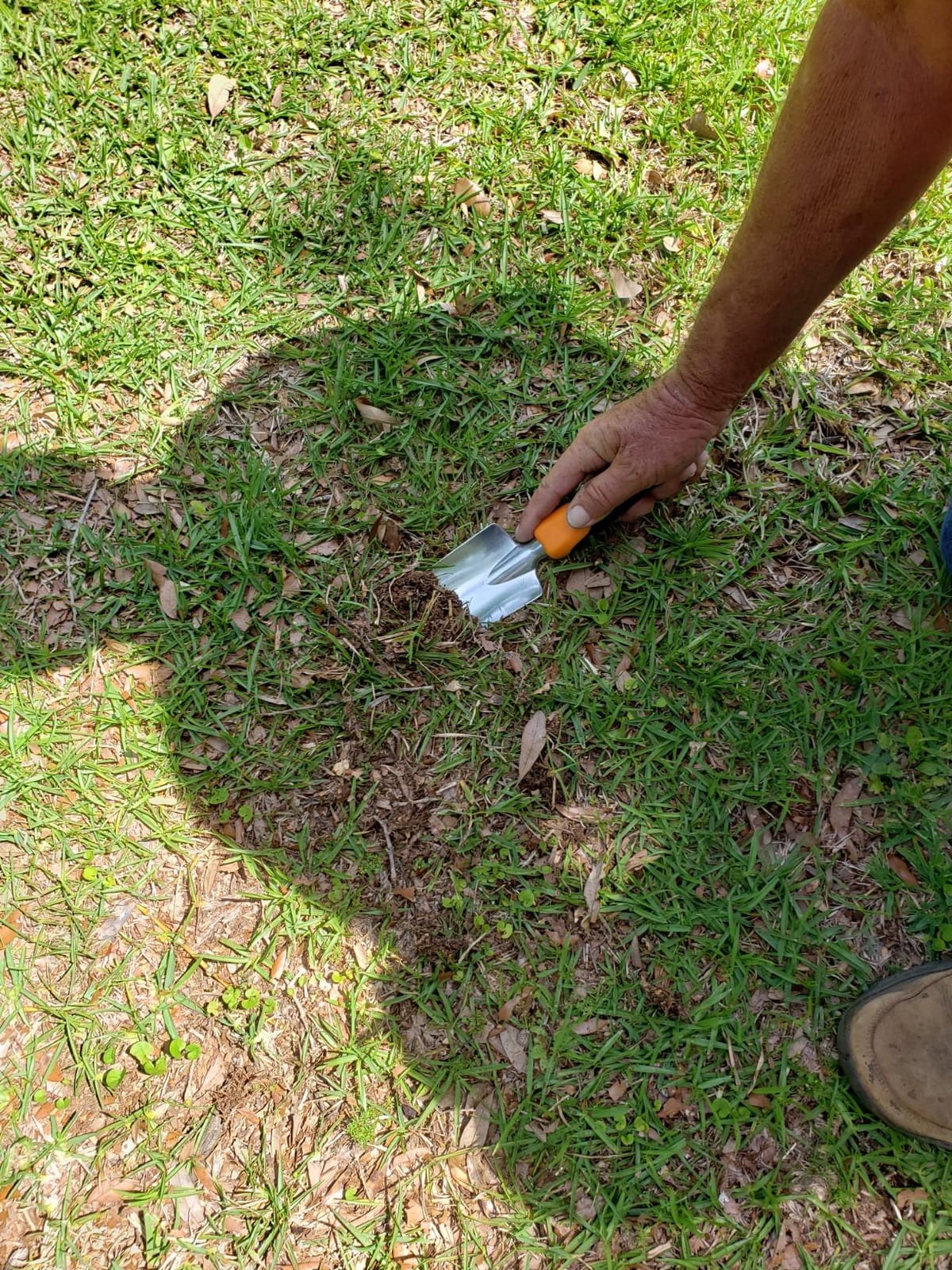
Take 8 to 12 cores per zone. Walk a zigzag across the area and push a clean tube or probe straight down 4 to 6 inches on every core. Avoid the one-inch band right at the surface and any spot with obvious fill dirt, sod or fresh compost.
Blend in a clean container. Use a new or thoroughly washed plastic bucket or bucket per zone. A metal bucket contaminates the sample and a dirty bucket carries last season’s fertilizer into the reading.
Reduce and bag it. Break up clumps, spread the blend thinly to air dry, then remove any stones or roots and fill the kit’s container to the marked line.
Mail it promptly and record the details. Fill out the form completely, note your grass species and square footage, and send it the same week. Late summer samples queue behind every other lawn in the region.
How to Turn Your Soil Report Into a Fertilizer Decision
Work the report in a fixed order, because each step depends on the last. Fixing anything out of sequence is the most common expensive mistake, and it is why people apply lime to a lawn that then goes yellow from locked-out iron.
Start with pH. Most turf wants a soil pH between 6.0 and 7.0. Below about 5.5, phosphorus gets bound to iron and aluminum and the lawn cannot use it no matter what you apply, so correcting pH first can make an existing fertilizer suddenly work. Above 7.0, iron and manganese become unavailable and leaves yellow between the veins while the rest of the plant looks fine.
Then phosphorus. On most established lawns phosphorus is rarely the limiting nutrient, and many states restrict lawn phosphorus application unless a soil test documents a deficiency. Check your state rule before you buy anything containing P, because applying it without a documented need can violate local runoff restrictions.
Then potassium. Potassium is the nutrient turf uses most heavily for winter hardiness, drought tolerance and disease resistance, and it is the one most often left out of lawn programs. This is where a deficiency reading genuinely changes what you buy.
Then everything else. Calcium, magnesium, sulfur, zinc, manganese and boron are addressed only where the report shows them low. Dolomitic lime for magnesium and calcium and pH, gypsum for calcium and sulfur without raising pH, and winterizer blends when potassium is the deficiency.
For material rates, common guidance puts dolomitic lime in the range of 20 to 50 pounds per 1,000 square feet depending on how far pH sits below target and how heavily the soil buffers, and elemental sulfur near 5 pounds per 1,000 square foot for lowering pH. Cap your first attempt: an over-lime can lock your lawn out of iron and yellow it visibly, and correcting that is slower and harder than raising pH in the first place.
Finally, remember what the report leaves out. Available nitrogen is not reliably measured in lawn soil tests, so build your nitrogen plan from grass species, season, leaf drop and how fast the lawn recovers after rain and mowing.
Lawn pH Targets by Grass Species
Not every lawn wants the same number, and no competitor we reviewed publishes this table. Match your soil pH target to what is actually growing before you decide a reading is wrong.
Bermudagrass: 6.0 to 7.0, one of the most forgiving ranges in turf.
St. Augustinegrass: 6.0 to 7.5, tolerating the higher end better than most warm-season lawns.
Kentucky bluegrass: 6.0 to 7.0, and the first variety to show yellowing when pH drops toward acidic.
Tall fescue: 6.0 to 7.0, and the variety most often blamed for compaction when the real problem is pH.
Zoysia: 6.0 to 7.0, with iron chlorosis appearing quickly above 7.5.
What a Soil Test Cannot Tell You
Knowing the limits of the report is what keeps people from chasing the wrong problem. No soil test, at any price, diagnoses compaction, drainage problems, grubs or other insects, fungal disease, irrigation coverage or shade distribution.
It also cannot tell you how much nitrogen your lawn will actually release over a season, because there is no dependable field extraction method for plant-available nitrogen. This is why serious lawn managers use a test to fix pH and correct a documented deficiency, then manage nitrogen with a calendar instead of a number. The same distinction between a screening tool and a diagnostic one shows up across our other at-home testing roundups, including our picks for at-home vitamin D test kits and at-home heart health test kits.
Finally, a soil test is a snapshot. One reading on one day tells you nothing about whether the soil is trending, which is the strongest argument for repeating the same lab, same method and same season rather than switching kits between tests.
When to Test, and Why the Second Test Matters
Test before your first fertilizer program rather than after, because a report you act on in the fall shapes what you apply in the spring. Late summer through early fall is the dominant sampling window and it is the queue where turnaround times stretch, so plan for it.
Then retest on a cycle, roughly every three to four years for a stable, unchanged lawn. Retest sooner after a major change: new sod, imported fill dirt, a lime or sulfur application, a tree removed that had been shading the lawn, or a persistent problem area that never responded to treatment.
The second test is the one that pays. The first gives you a number. The second gives you a direction, because a rising or falling pH tells you whether last year’s amendment actually worked or whether you need a different approach entirely. Keep the same lab and the same method both times, since changing labs changes the extraction chemistry and the numbers stop being comparable.
Kits We Would Skip
We excluded a few categories on purpose, and the reasons are worth stating. Any probe that lists moisture and pH as its headline features is not a soil test kit. Those two-prong meters are frequent fixtures on lawn blogs and their pH function is closer to decoration than measurement. Our guides to at-home hearing test kits and at-home vitamin B12 test kits apply the same skepticism to cheaper consumer devices in a different category.
We also skip anything that promises to measure everything and never names a method. A kit that reports nitrogen, phosphorus and potassium without stating an extraction approach is producing a color comparison, not a nutrient analysis, and no number from it should ever be used to set a spreader rate.
And skip testing entirely in one specific case: within about 30 days of a fertilizer application, on brand-new sod, or on fill dirt you did not place. Nutrients from the application and the imported material skew the reading, and you will spend money correcting a problem that does not exist.
Frequently Asked Questions
How do I test soil before fertilizing my lawn?
Take 8 to 12 cores across the lawn at 4 to 6 inches deep, zigzag pattern, avoiding sod and fill dirt. Blend the cores in a clean plastic bucket, spread to air dry, remove stones and roots, fill the kit container to the marked line, complete the form with grass species and square footage, then mail it. Late summer through early fall is the dominant window, and act on the report in order: pH first, then phosphorus, then potassium.
Are home soil test kits accurate?
Yes for pH screening, no for setting a fertilizer rate. A good home kit reliably tells you whether lawn soil is acidic, neutral or alkaline, which is the most useful number in lawn care. It does not reliably tell you available nitrogen, how much phosphorus is locked up, or how much lime it will take to shift pH, because those need buffer pH and cation exchange capacity data that only a laboratory reports.
Which soil test is most accurate?
A university or county extension laboratory analysis using a documented extraction method such as Mehlich III. It is the benchmark because it reports pH, buffer pH, phosphorus, potassium and often cation exchange capacity, and it returns regional fertilizer rates you can act on directly. Mail-in lab kits that name their method are the closest retail option, and your county extension office often runs the same analysis at a fraction of the cost.
When should I do a soil test for my lawn?
Before your first fertilizer program, ideally in late summer through early fall when soils are least leached and you still have time to act before spring. Then retest roughly every three to four years on an unchanged lawn. Test sooner after new sod, imported fill dirt, a lime or sulfur application, a removed shade tree, or any area that never responded to fertilizer.
Do I need a soil test before applying lime?
Yes, always. Lime applied to a lawn that does not need it will raise the pH high enough to lock out iron, and the grass turns yellow between the veins while the rest of the plant looks healthy. A pH strip kit gives you a rough screening answer for almost nothing, but a buffer pH reading from a lab tells you how much lime the soil actually needs to reach your grass type target.
Why do two soil tests on the same soil give different numbers?
Because they use different extraction methods. A home color kit, a resin capsule test and a Mehlich III laboratory analysis each pull nutrients out of soil with different chemicals, and each one assumes different buffering behavior. That is why the same soil can read as low potassium on one report and optimum on another, and pH can differ by a few tenths. Compare trend over time from the same lab rather than across different kits.
Final Verdict: Pick the Test That Matches Your Decision
The MySoil Soil Test Kit is our pick for the best soil test kits for lawn fertilizing, because it is the retail option most likely to end in a fertilizer decision you can act on rather than a number you have to interpret. If your budget stretches no further, the Whitetail Institute lab kit delivers real analysis with a consultation, and if you only need to know whether lime will help, the Garden Tutor strips will tell you in a minute.
Whatever you choose, test first, sample carefully and work the report in order: pH, then phosphorus, then potassium. Our broader guides to soil test kits and at-home testing methods cover the general science if you want the wider picture before sampling.