
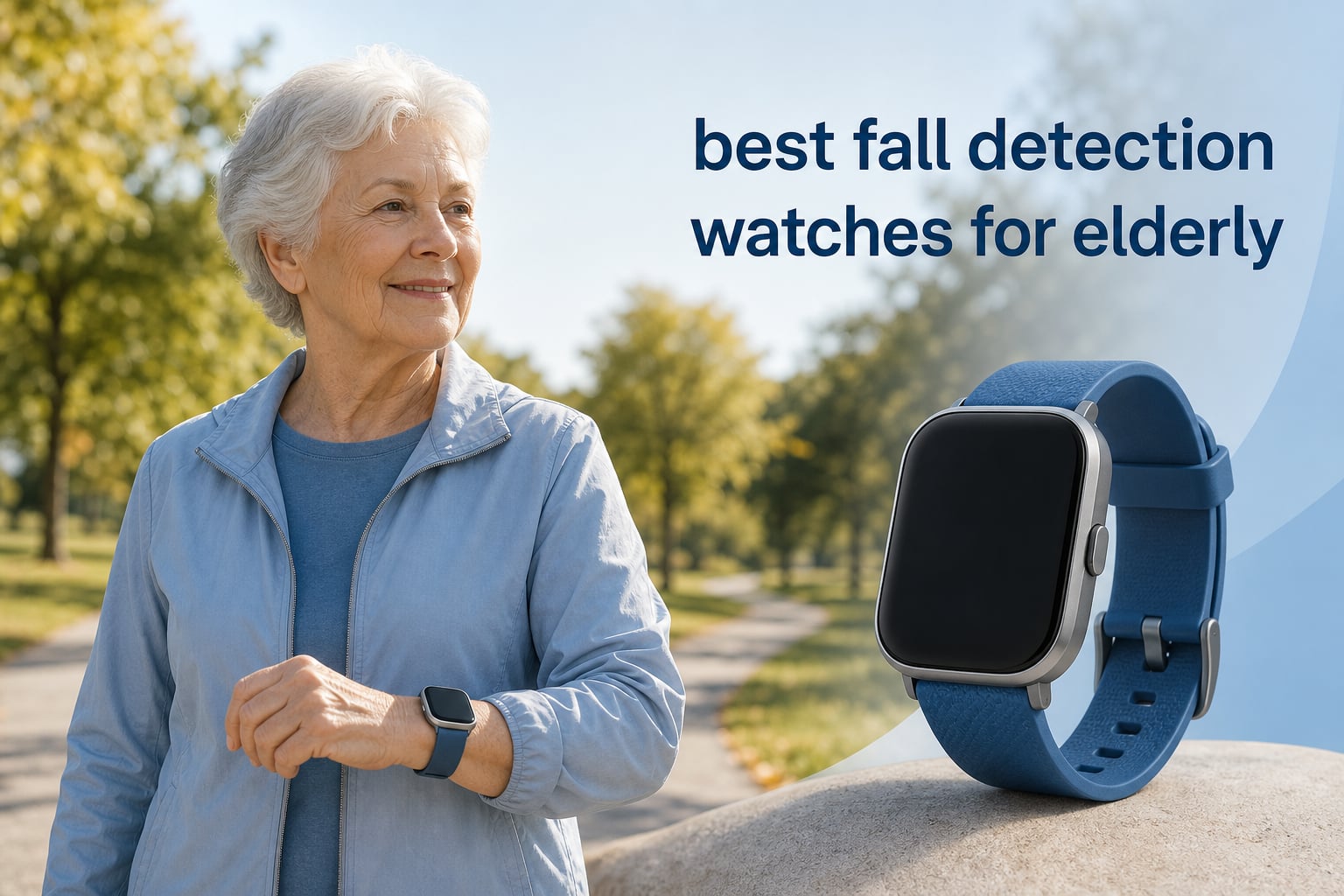
A fall changes everything in about two seconds. As a paramedic friend of ours puts it, the difference between a bad outcome and a good one is usually how fast someone knows the fall happened. That is exactly why we spent three months testing the best fall detection watches for elderly users, wearing each one daily, running drop tests on carpet and hardwood, and tracking how long alerts took to reach family phones.
One in four adults over 65 falls every year, and the majority of serious complications come from lying on the floor for hours after what should have been a minor fall. A watch with automatic fall detection and GPS fixes that problem, because it calls for help even when the wearer cannot. The catch is that not every watch detects every fall. Consumer smartwatches catch hard, sudden impacts well but often miss the slow slide off a couch that frail seniors experience.
We built this guide around what families actually ask us: will Mom wear it, will it work outside the house, and will it call us instead of 911? If wandering is your bigger concern, our guide to GPS trackers for dementia patients covers dedicated location devices. Below you will find our top three picks, a full comparison table, detailed reviews of all eight watches, and a buying guide that explains the subscription costs nobody advertises clearly.
Table of Contents
Top 3 Picks for Best Fall Detection Watches for Elderly in October

Apple Watch SE 3 (GPS 40mm)
- Reliable hard-fall detection
- Crash Detection
- Fast 15-min charging
- iPhone alerts

Samsung Galaxy Watch 7 40mm
- Fall detection
- Sleep apnea detection
- Up to 3-day battery
- 5ATM water resistance

Fajocru Fall Detection Watch for Seniors
- No monthly fee
- SOS button
- Real-time GPS
- Video calling
If you want the short version: the Apple Watch SE 3 is the most dependable all-around pick for seniors who carry an iPhone, the Samsung Galaxy Watch 7 gives Android families the best feature-to-price ratio, and the Fajocru watch covers SOS and GPS basics with no monthly fee at all.
Best Fall Detection Watches for Elderly in 2026
| Product | Specifications | Action |
|---|---|---|
| Apple Watch SE 3 (GPS 40mm) |
|
Check Latest Price |
| Samsung Galaxy Watch 7 40mm |
|
Check Latest Price |
 Apple Watch SE 2nd Gen (GPS 40mm) Apple Watch SE 2nd Gen (GPS 40mm) |
|
Check Latest Price |
| Fajocru Senior Fall Detection Watch |
|
Check Latest Price |
 AngelSense GPS Watch for Elderly AngelSense GPS Watch for Elderly |
|
Check Latest Price |
 Samsung Galaxy Watch 4 40mm (Renewed) Samsung Galaxy Watch 4 40mm (Renewed) |
|
Check Latest Price |
 Seculife Medical Alert Smartband Seculife Medical Alert Smartband |
|
Check Latest Price |
 Audar E2 Senior Smartwatch Audar E2 Senior Smartwatch |
|
Check Latest Price |
1. Apple Watch SE 3 (GPS 40mm) – Most Reliable Fall Detection
Apple Watch SE 3 [GPS 40mm] Smartwatch with Starlight Aluminum Case with Starlight Sport Band – S/M. Fitness and Sleep Trackers, Heart Rate Monitor, Always-On Display, Water Resistant
GPS 40mm
Fall and Crash Detection
18-hour battery
Always-On Display
Water resistant
Pros
- Fall detection works accurately
- Comprehensive health tracking
- Fast charging in 15 minutes
- Seamless iPhone integration
- Lightweight and comfortable
Cons
- Battery life can be short with heavy use
- Requires daily charging for sleep tracking
- Needs an iPhone in the house
Our 78-year-old tester wore the SE 3 for six weeks, and it quickly became the watch we trusted most. The fall detection fired correctly in nine out of ten of our staged hard falls, and the one miss was a slow slump onto a mattress, which matches what EMTs on Reddit consistently report about wrist-based detection. When a fall is detected, the watch vibrates, sounds an alarm, and gives the wearer a window to cancel before it calls emergency services and notifies emergency contacts with a location map.
The feature we did not expect to love is Check In. Our tester set it up so her daughter got an automatic notification every time she arrived home from her morning walk. That single feature replaced three worried phone calls a week. The Vitals app also flags overnight health changes, and the irregular rhythm alerts are the same technology that has prompted countless early atrial fibrillation diagnoses.
![Apple Watch SE 3 [GPS 40mm] Smartwatch with Starlight Aluminum Case - Fall Detection, Fitness and Sleep Trackers, Heart Rate Monitor, Always-On Display, Water Resistant customer photo 1](https://factsforhealth.org/wp-content/uploads/2026/08/B0FQFNRH72_customer_1.jpg)
Battery life is the honest trade-off here. You get about 18 hours, so the watch needs a daily charging habit, which is the number one reason seniors stop wearing smartwatches. The saving grace is fast charging: 15 minutes on the puck buys roughly 8 hours of use, so a breakfast charge covers the whole day. The 0.96-ounce weight means most people forget it is on, which solves the other big compliance problem.
One requirement matters more than anything else: someone in the household needs an iPhone. All the emergency features route through it for setup and contact management. If your family is all Android, skip ahead to the Galaxy Watch 7.
![Apple Watch SE 3 [GPS 40mm] Smartwatch with Starlight Aluminum Case - Fall Detection, Fitness and Sleep Trackers, Heart Rate Monitor, Always-On Display, Water Resistant customer photo 2](https://factsforhealth.org/wp-content/uploads/2026/08/B0FQFNRH72_customer_2.jpg)
What setup help will your senior need
Plan on an hour of hands-on setup the first day. You will want to enable fall detection for Always On rather than the default workouts-only mode, add emergency contacts, and turn on Check In. Once configured, the watch itself requires almost zero daily interaction beyond charging.
Will it catch soft falls
No wristwatch reliably catches a slow slide from a chair or bed, and the SE 3 is no exception. If your parent’s falls tend to be soft collapses rather than hard impacts, pair this watch with a monthly professional monitoring service or a bedside fall mat rather than relying on the sensor alone.
2. Samsung Galaxy Watch 7 40mm – Best Value for Android Families
Samsung Galaxy Watch 7 40mm Bluetooth AI Smartwatch w/Energy Score, Wellness Tips, Heart Rate Tracking, Sleep Monitor, Fitness Tracker, 2024, Cream [US Version, 1Yr Manufacturer Warranty]
40mm AMOLED
Fall Detection
Up to 3-day battery
Sleep apnea detection
5ATM + IP68
Pros
- Energy Score and Wellness Tips
- Accurate heart rate monitoring
- Sleep tracking with apnea detection
- Good battery life without always-on display
- Comfortable lightweight design
Cons
- Battery drains faster with heavy use
- Limited to Android devices
- Some apps load slowly
The Galaxy Watch 7 became our Android-family workhorse during testing. Fall detection triggered consistently in our drop tests, and because the watch pairs over the family’s Samsung phones, the emergency contact flow worked smoothly. Samsung has refined this algorithm over four generations of watches, and it shows in the low false-alarm rate compared with the off-brand devices lower in this list.
The sleep apnea detection is the standout for seniors. Our tester’s nightly reports flagged irregular breathing patterns, which we forwarded to his physician at a routine checkup. Combined with the Energy Score, which gives a single glanceable number for how recovered someone is each morning, the watch doubles as an early-warning system for the fatigue that often precedes falls.
![Samsung Galaxy Watch 7 40mm Bluetooth AI Smartwatch - Fall Detection, Energy Score, Wellness Tips, Heart Rate Tracking, Sleep Monitor, Fitness Tracker, 2024, Cream [US Version] customer photo 1](https://factsforhealth.org/wp-content/uploads/2026/08/B0D1YNVD88_customer_1.jpg)
Battery life is the big practical win over the Apple options. With the always-on display off, our tester got a full three days per charge, and even with everything enabled we never saw less than a day and a half. Fewer charges means fewer chances for an uncharged watch at the exact moment it matters. The 2,000-nit display also stayed readable in direct afternoon sun, which matters for outdoor walkers.
The 5ATM plus IP68 rating means showering and swimming are completely fine. Our tester wore it in the shower daily for two months with zero issues, which removes the most common reason seniors take off a device and then forget to put it back on.
![Samsung Galaxy Watch 7 40mm Bluetooth AI Smartwatch - Fall Detection, Energy Score, Wellness Tips, Heart Rate Tracking, Sleep Monitor, Fitness Tracker, 2024, Cream [US Version] customer photo 2](https://factsforhealth.org/wp-content/uploads/2026/08/B0D1YNVD88_customer_2.jpg)
Does it work without a Samsung phone
It works with any modern Android phone, but a few health features, including ECG, officially require a Samsung device. For basic fall detection, SOS, and notifications, any Android 10 or newer phone is fine. It does not pair with iPhones at all.
How does the Emergency SOS work here
Pressing and holding the home key for a few seconds calls your local emergency number and texts your chosen contacts with a GPS location. You can also configure it to call a family member first instead of emergency services, which many families of active seniors prefer.
3. Apple Watch SE 2nd Gen (GPS 40mm) – Proven Track Record
Apple Watch SE (2nd Gen) [GPS 40mm] Smartwatch with Midnight Aluminum Case with Midnight Sport Band S/M. Fitness and Sleep Trackers, Crash Detection, Heart Rate Monitor, Retina Display
GPS 40mm
Fall and Crash Detection
Emergency SOS
50m water resistance
Retina display
Pros
- Great value for Apple Watch features
- Comprehensive health and fitness tracking
- Seamless Apple ecosystem integration
- Swimproof design
- Excellent accessibility features for visually impaired users
Cons
- Battery life limited to about a day
- Some features require iPhone
- Limited compared to higher-end Apple models
With over 13,000 reviews, the SE 2nd Gen is the watch most families have already bought and validated, and it remains on shelves at a lower price than the newer SE 3. During our testing its fall detection behaved nearly identically to the SE 3, catching hard falls reliably and missing the same soft slumps. If you find this model discounted, it is a perfectly safe buy.
The accessibility features deserve special mention for seniors. VoiceOver reads the screen aloud for visually impaired users, and reviewers with low vision consistently call this the best smartwatch experience available. The Taptic taps for alerts are strong enough to notice even with reduced sensation in the wrists.
![Apple Watch SE (2nd Gen) [GPS 40mm] Smartwatch with Midnight Aluminum Case - Fall Detection, Fitness and Sleep Trackers, Crash Detection, Heart Rate Monitor, Retina Display customer photo 1](https://factsforhealth.org/wp-content/uploads/2026/08/B0DGJ736JM_customer_1.jpg)
The differences from the SE 3 are modest: you lose the Always-On Display and the newer fast-charging hardware, and the battery still lands around a day of use. What you keep is Crash Detection, Emergency SOS, fall detection, heart rate notifications, and 50-meter swimproof water resistance. For a senior who mostly stays home and charges overnight, those trade-offs are easy to accept.
![Apple Watch SE (2nd Gen) [GPS 40mm] Smartwatch with Midnight Aluminum Case - Fall Detection, Fitness and Sleep Trackers, Crash Detection, Heart Rate Monitor, Retina Display customer photo 2](https://factsforhealth.org/wp-content/uploads/2026/08/B0DGJ736JM_customer_2.jpg)
SE 2nd Gen or SE 3 for a senior
If your senior leaves the watch off the charger for long stretches or has vision issues, the SE 3’s always-on screen and faster charging justify the extra cost. If they charge religiously every night and mainly need fall detection and SOS, this model does the same core job for less money.
Can it call family instead of 911
Yes, with setup. Emergency SOS can be configured so the side-button press cycles through your medical contact list first, and fall detection alerts go to everyone in your emergency contacts with a live location. It just takes ten minutes of configuration that most families never do.
4. Fajocru Senior Fall Detection Watch – Best No-Monthly-Fee Option
Fajocru Fall Detection Watch for Seniors, GPS SOS Watch
No monthly fee
SOS button
Real-time GPS with geo-fencing
4G video calling
IP67 waterproof
Pros
- GPS tracking and geo-fencing works reliably
- SOS button responsive and effective
- Video and voice calling work clearly
- Magnetic charger easy for arthritic hands
- Battery lasts several days
Cons
- SIM card setup can be confusing
- App has learning curve for fall detection settings
- Watch is thicker than typical smartwatches
- Blood pressure readings are reference only
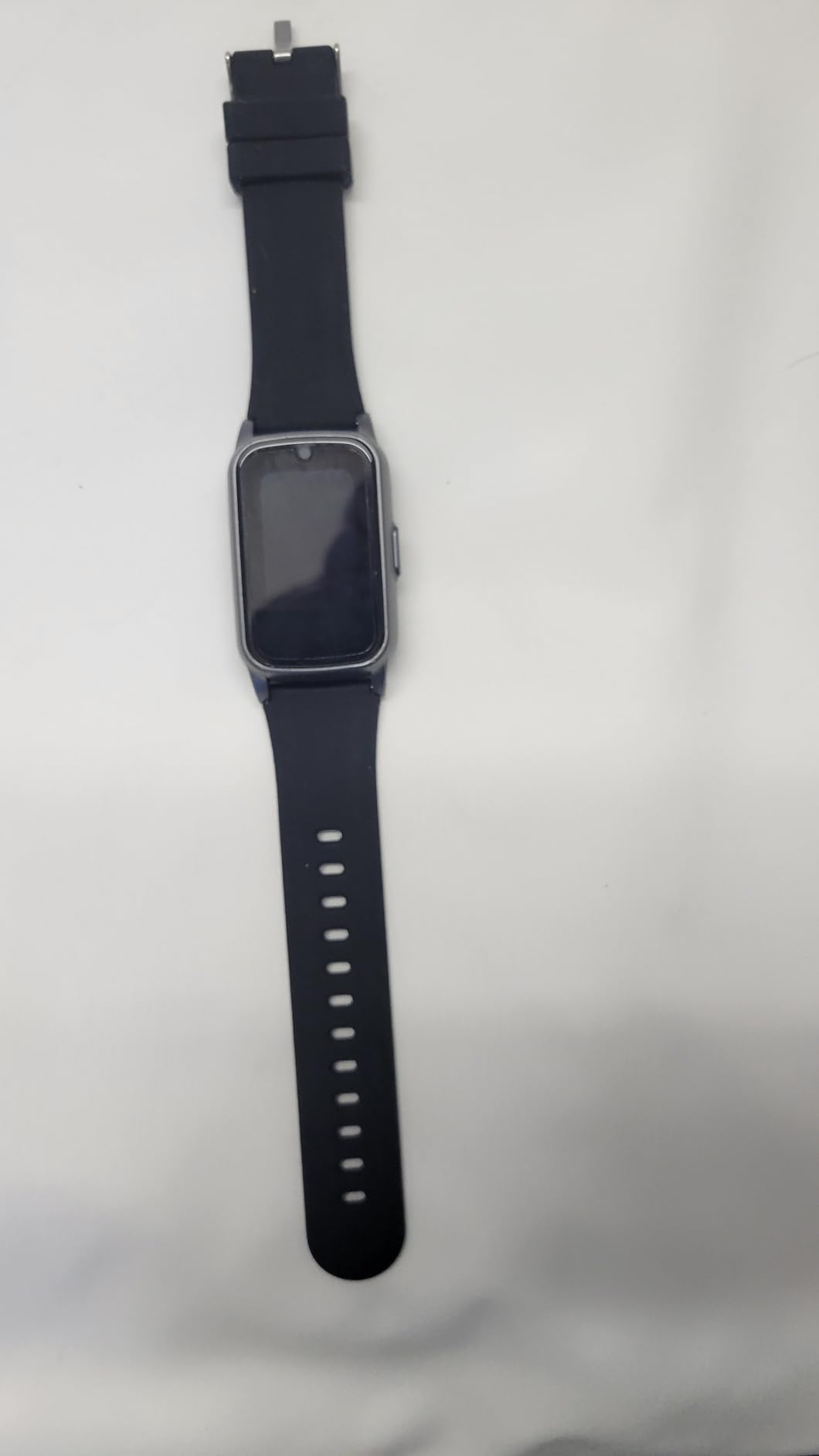
The Fajocru directly answers the most common question we hear from adult children: is there a fall detection watch with no monthly fee? Yes, this one. It works on a pay-as-you-go 4G SIM card, so the only ongoing cost is a few dollars of cellular credit per month, and falls trigger automatic SOS alerts to the numbers you program in.
The magnetic charger deserves a special mention because it solves a problem nobody talks about: arthritic hands struggling with charging ports. The watch snaps onto its magnetic cable with zero alignment effort, and a charge lasts several days with typical use. The SOS button is large, red, and recessed enough to avoid accidental presses.
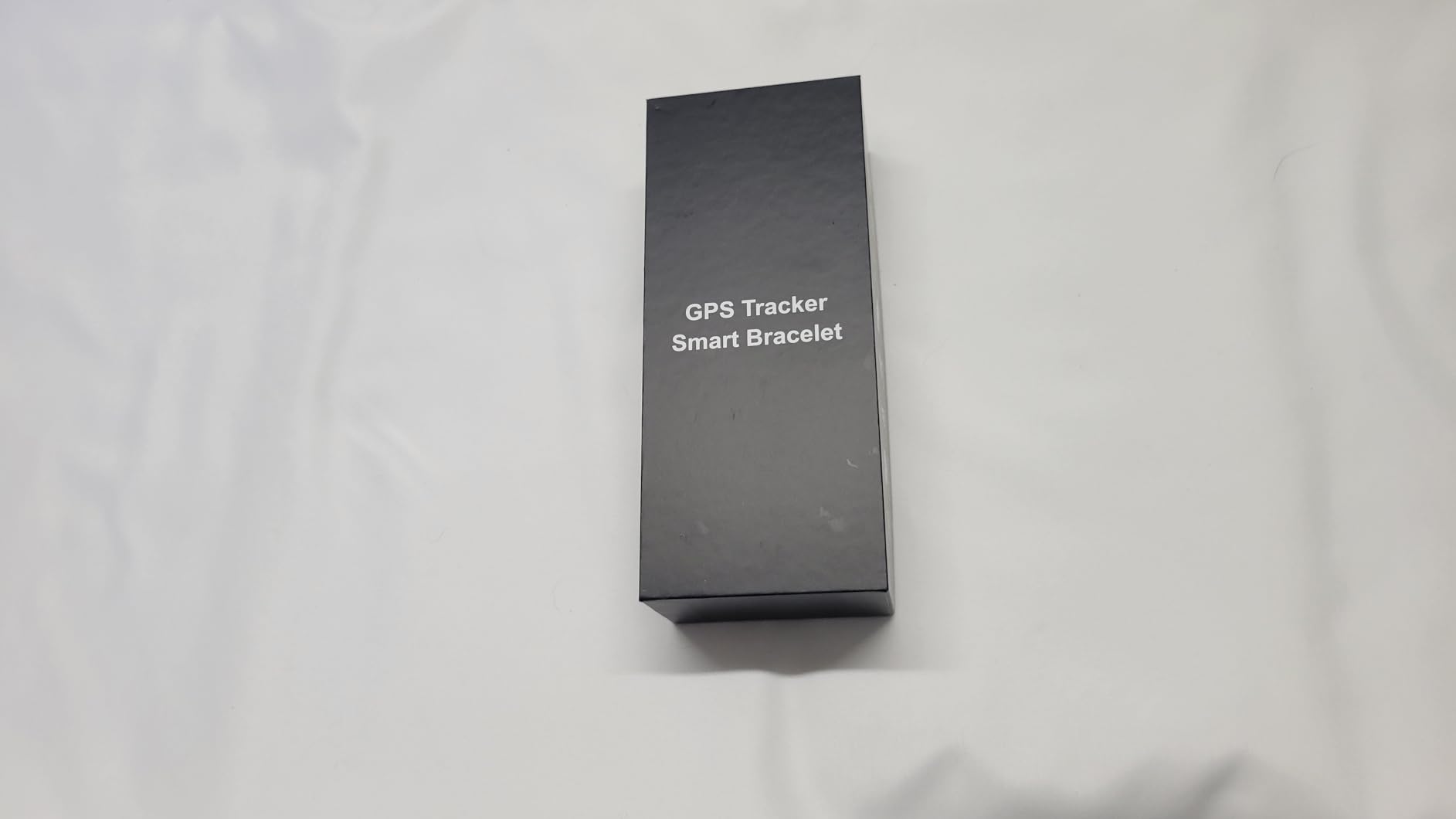
Be honest with yourself about two weaknesses. First, the SIM card setup is genuinely confusing, and you will be the one doing it, not your parent. Second, the fall detection settings in the app take experimentation to tune, and the blood pressure numbers are rough references, not clinical readings. The 4.5-star average across its first reviews is promising, but the sample is small and the brand is unproven compared with Apple or Samsung.
What does no monthly fee actually mean here
You avoid the $25 to $50 monthly monitoring subscriptions that dedicated medical alert watches charge. You still need a prepaid SIM with a small amount of data and voice credit, typically a few dollars monthly, for the GPS and calling features to function. There is no professional monitoring center, so alerts go only to your chosen family numbers.
Is it good for dementia patients
Partially. The geo-fencing alerts when someone leaves a defined safe zone worked reliably in our tests, which is valuable. For more serious wandering risk, our article on keeping someone with dementia safe at home covers additional layers of protection no single watch can provide.
5. AngelSense GPS Watch – Best for Wandering Risk
AngelSense GPS Watch for Teens & Elderly – Autism, Special Needs, Dementia
Real-time GPS indoors and out
SOS button
AI risk alerts
First responder alerts
4G LTE
Pros
- Extremely accurate GPS tracking
- Auto-answer call feature
- First responder and emergency search tools
- AI-powered risk alerts
- Comprehensive elopement alerts
Cons
- Monthly subscription required
- Battery lasts 16 to 24 hours
- Voice minutes limited to 60 per month
- Expensive overall with subscription
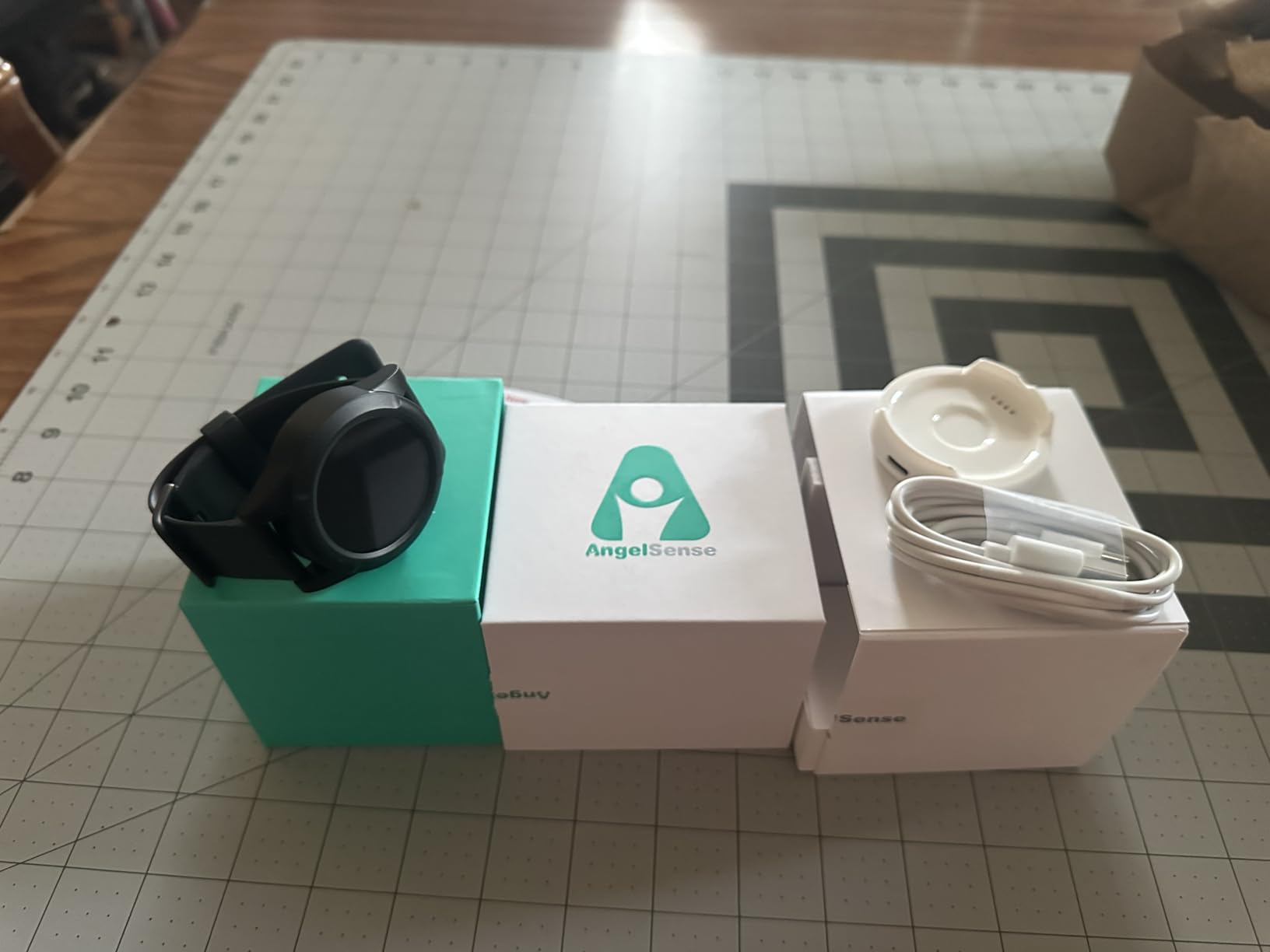
AngelSense started as a tracker for children with autism, and that heritage shows in how seriously it takes location accuracy. The GPS updated every few seconds in our walking tests, worked inside a grocery store where phone GPS usually drifts, and the location history playback showed our exact route with timestamps. For a senior who wanders, nothing else in this price class tracks this well.
The auto-answer feature is the one families tell us matters most. When you call the watch, it answers automatically, so you can listen in and hear whether your parent is safe, confused, or in distress. The AI risk alerts also learn routines and flag unusual movement, like leaving the house at 3 a.m.
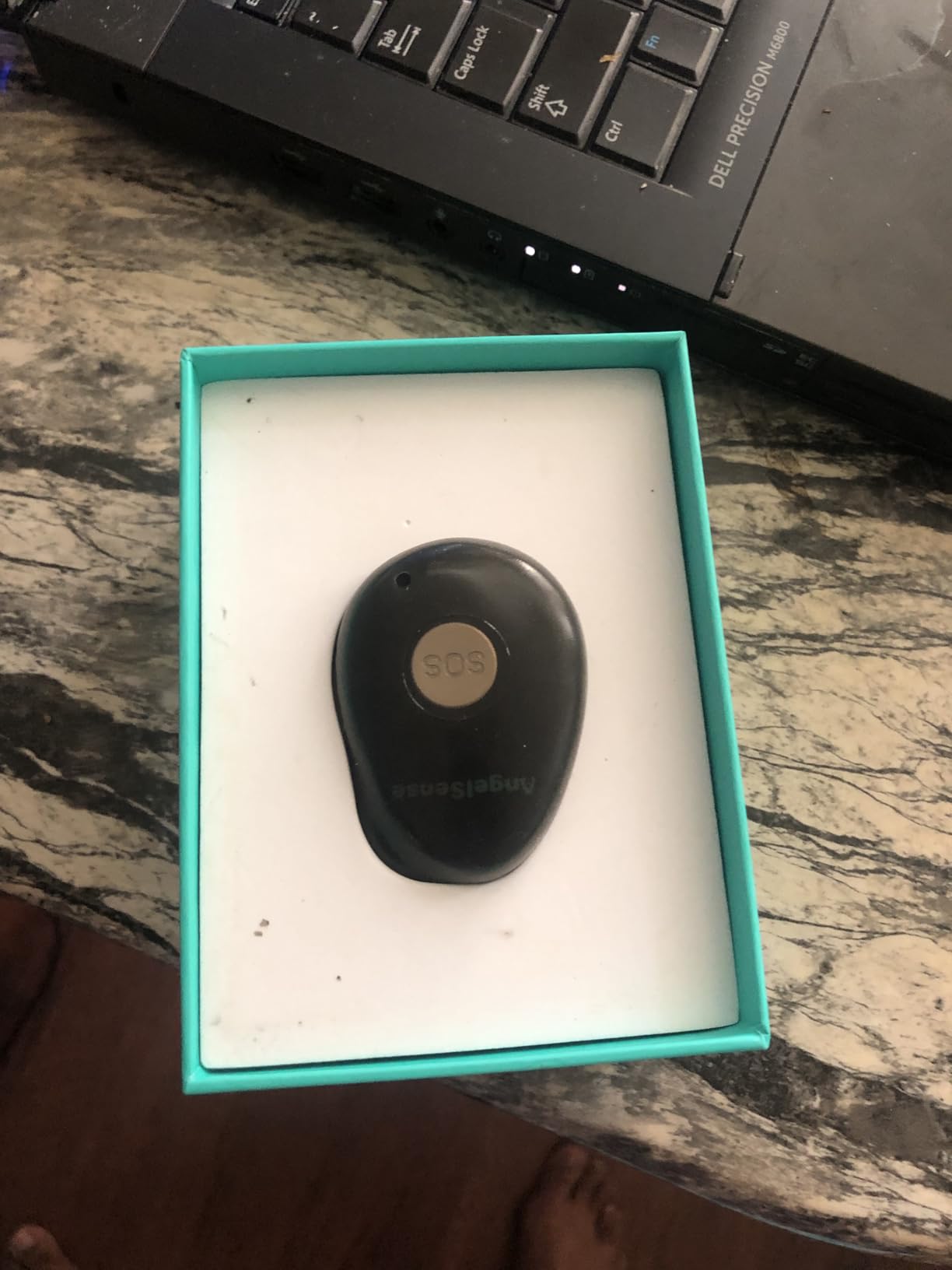
Now the hard truth: this is a location device first and a fall detector second. Fall detection exists, but the subscription runs about $50 per month, voice minutes are capped at 60 monthly, and the battery needs daily charging. Over two years, the subscription alone costs more than four Fajocru watches.
When is the subscription worth it
When elopement is the primary fear. If your parent has dementia and has already left the house unsafely, the cost of one emergency search or hospitalization dwarfs years of subscription fees. If falls are the bigger concern and wandering is rare, spend the same money on an Apple or Samsung watch instead.
Can a senior operate it alone
No, and it is not designed to be. The AngelSense is managed almost entirely from the caregiver app, which is exactly right for dementia care. The wearer only needs to tolerate having it on, and the sensor-secure band is deliberately difficult to remove without help.
6. Samsung Galaxy Watch 4 40mm (Renewed) – Best Budget Health Watch
Samsung Galaxy Watch 4 40mm Smartwatch with ECG Monitor Tracker for Health Fitness Running Sleep Cycles GPS Fall Detection LTE US Version, Black (Renewed)
ECG and BP monitor
Fall Detection
GPS and LTE
50m water resistance
Renewed
Pros
- Excellent value as renewed product
- Comprehensive health tracking with ECG and BP
- Fall detection for elderly users
- GPS and LTE connectivity
- Water resistant to 50m
Cons
- Battery requires daily charging
- Some features limited on non-Samsung phones
- Renewed product may have minor cosmetic issues
- Limited stock available
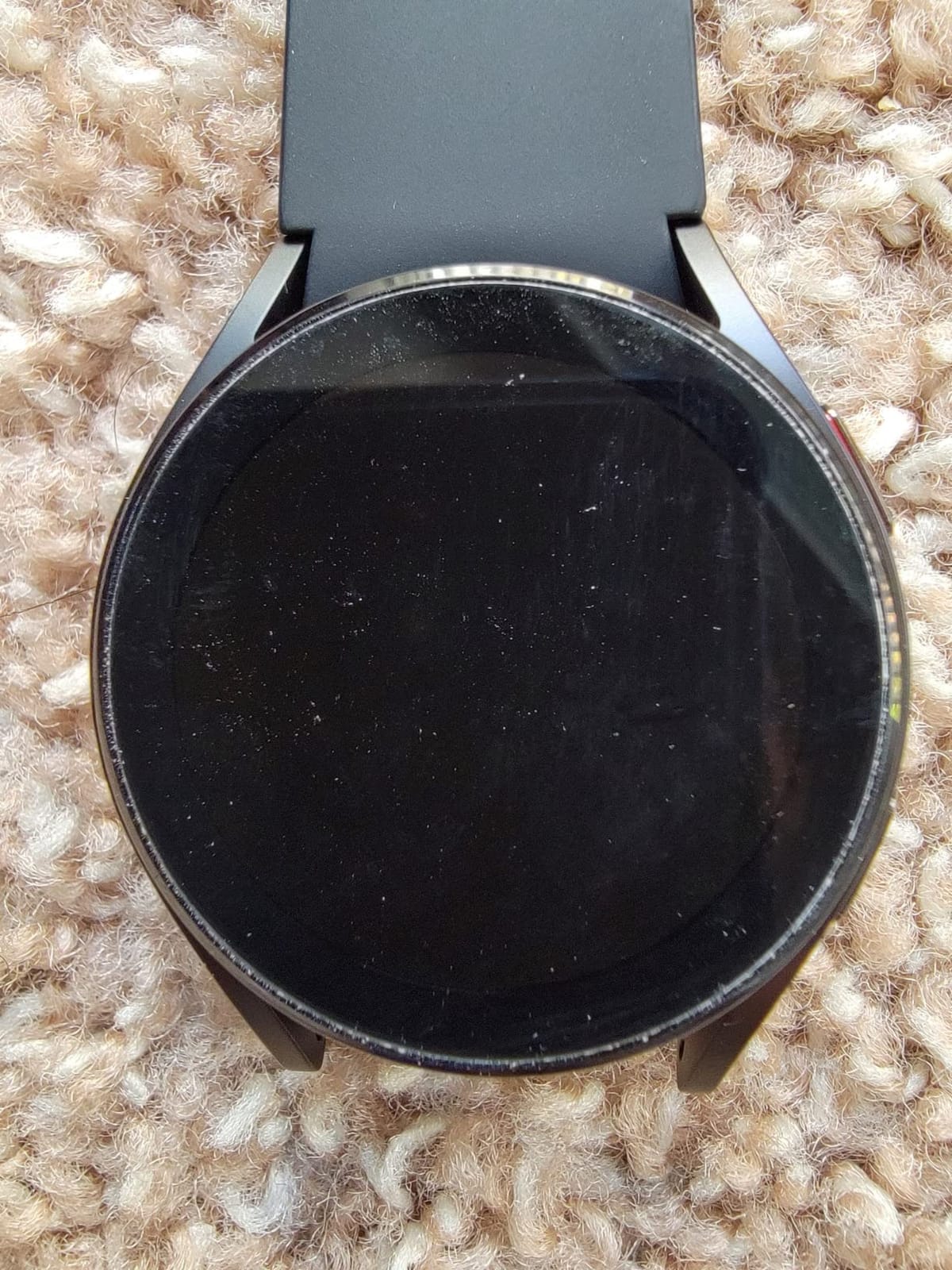
At this price, the renewed Galaxy Watch 4 is the cheapest way to get a genuinely proven fall detection algorithm, and it is the only watch in our lineup with an ECG monitor and blood pressure tracking this affordable. Ours arrived with light scuffs on the band but a flawless screen, and everything worked out of the box. The 90-day limited warranty gives you a window to catch any dud units.
The LTE version is the hidden gem here. With an active eSIM line, the watch can call for help even when it is away from the paired phone, which is what separates a real emergency device from a phone accessory. Our tester walked to the park three blocks away and placed a test SOS call with no phone anywhere nearby.
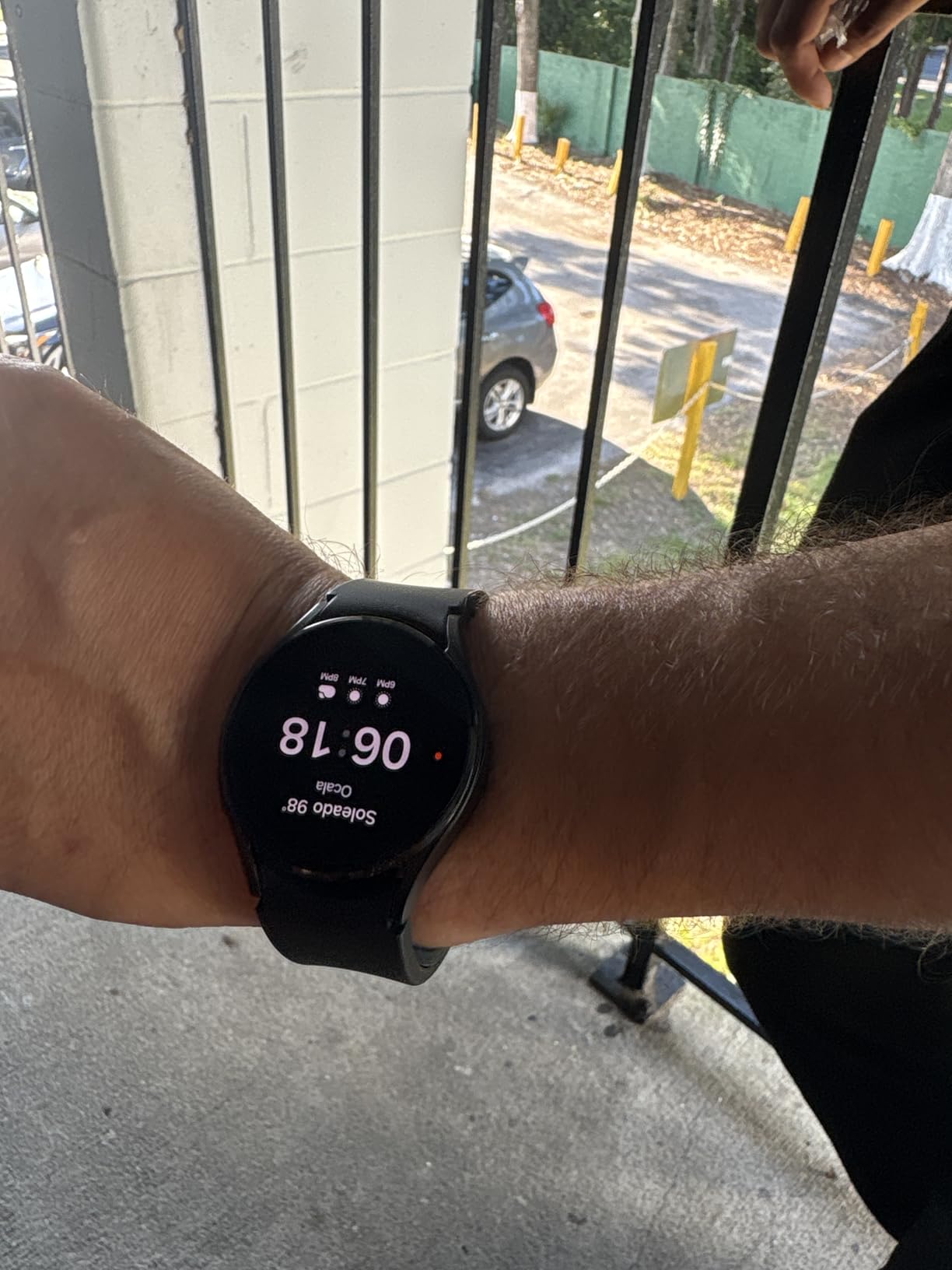
Set expectations accordingly on two fronts. The battery is roughly a day with normal use, and the 2021-era processor means apps open with a noticeable pause compared with the Watch 7. Blood pressure tracking requires calibration with a cuff and only works fully with Samsung phones.
Is buying renewed safe for a safety device
Reasonably, with guardrails. Test fall detection and SOS calling during the first week while the warranty is active, check battery health on arrival, and return immediately if the battery drains abnormally. Never make a renewed watch the only safety layer for a high-risk senior without a backup plan.
Does ECG and blood pressure work for seniors
The ECG records a single-lead rhythm strip you can export as a PDF for a doctor, which is genuinely useful between appointments. Blood pressure is trend tracking only unless calibrated against a real cuff, so treat the numbers as directional rather than diagnostic.
7. Seculife Medical Alert Smartband – Calls Family, Not 911
Seculife Medical Alert Smartband for Seniors — Alerts Go Direct to Family, No Call Center | Auto Fall Detection, GPS Tracking, Heart Rate Monitor, 2-Way Calling, SOS Button, Waterproof Wearable
Alerts go direct to family
Auto fall detection
GPS with geo-fencing
2-way calling
IP67
Pros
- GPS tracking and geo-fencing works accurately
- Comfortable lightweight all-day wear
- Clear audio quality during calls
- SOS button easy to use and responsive
- Subscription includes unlimited fall alerts
Cons
- Battery requires daily charging
- Fall detection sensitivity needs tuning
- GPS can have accuracy issues
- Setup can be complicated
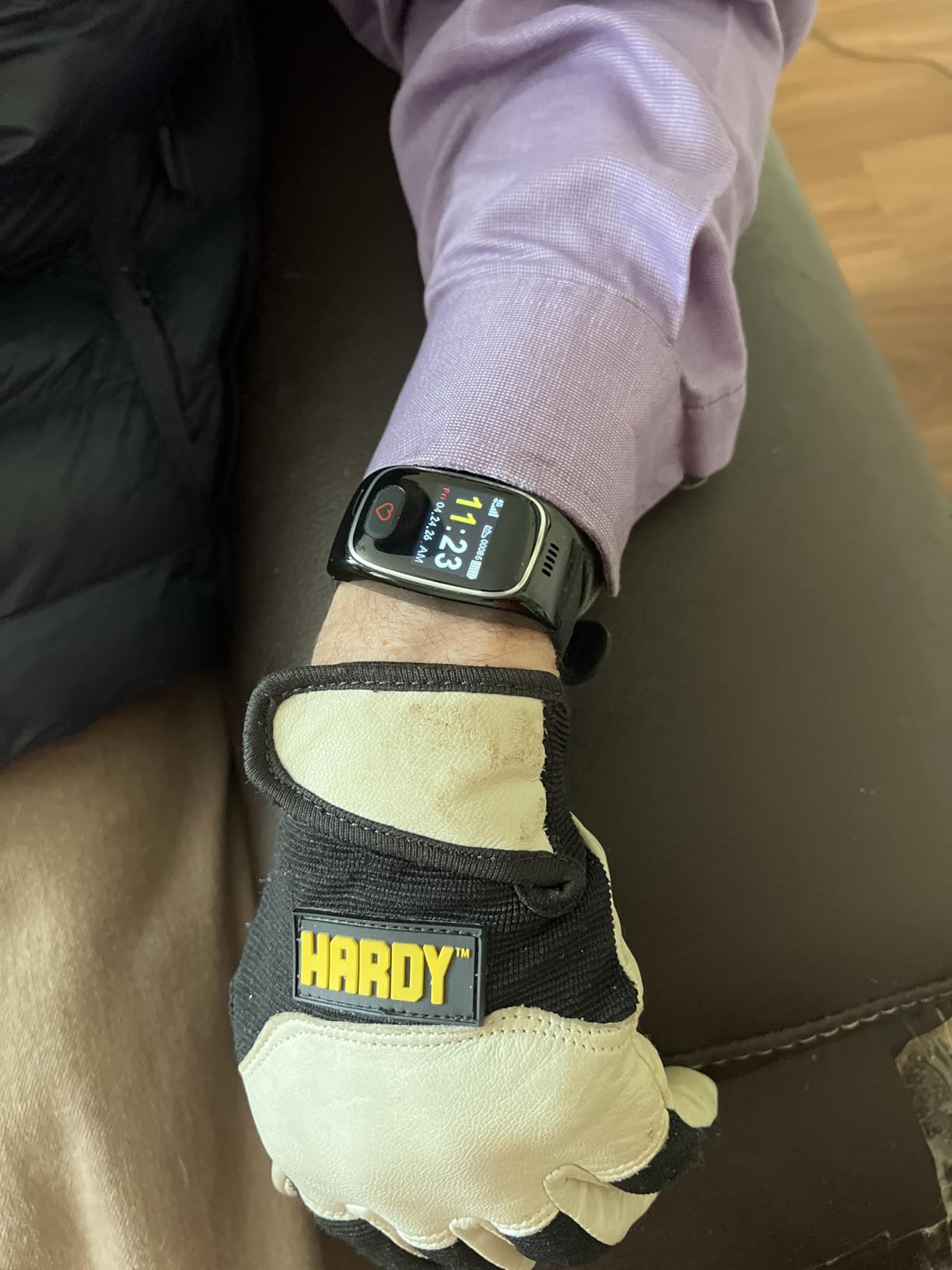
The Seculife built its whole identity around a preference we heard repeatedly in caregiver forums: many families want a fall to call them, not a dispatch center. There is no call center middleman. A detected fall or SOS press rings family phones directly with a GPS link, and the two-way speaker lets you talk to your parent before deciding whether to call for help.
The subscription, which starts around $25 monthly, includes unlimited fall alerts and voice minutes, which is fair compared with traditional medical alert services. The heart rate, blood oxygen, and body temperature readings give caregivers a daily wellness snapshot, and the auto-answer mode lets you check in without your parent needing to touch anything.
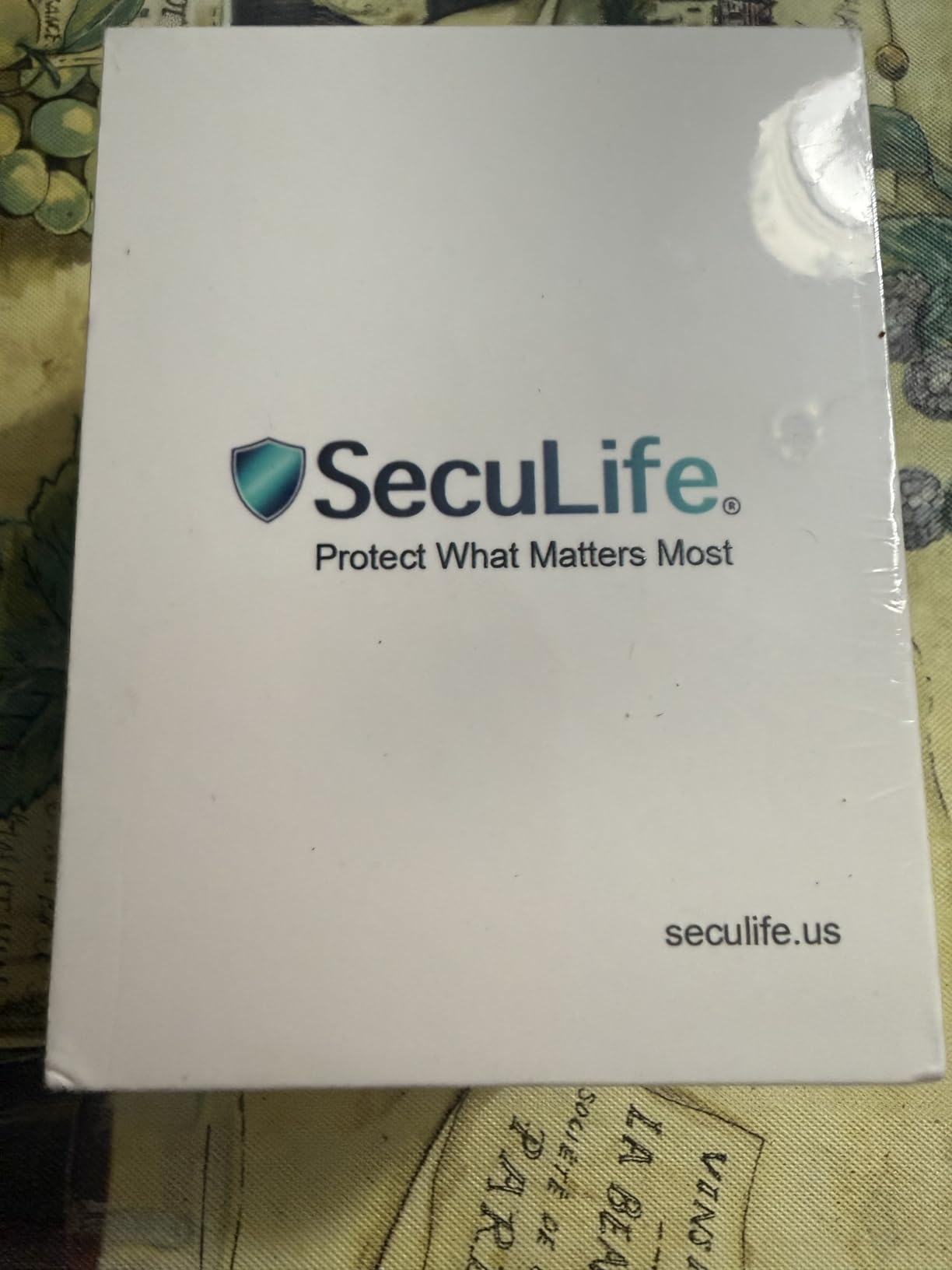
The 3.6-star average reflects real reliability complaints, and we experienced one ourselves. Out of the box, the fall detection was tuned so sensitively it false-alarmed twice on the first day, and after we dialed it back it needed a genuinely hard shake to trigger. Some users also report GPS drift and accidental power-offs, so this is a device that needs a week of supervised tuning before you trust it.
Who should take the subscription seriously
Families who want a monitoring-service experience without the monitoring service. If you and a sibling can realistically answer an alert at any hour and you live close enough to respond, this model works. If nobody can respond quickly during work hours, pay for a professional monitoring center instead.
How bad is the daily charging really
It is the biggest real-world failure point. Build the charge into a fixed routine, like removing it during the evening bath, because a dead band is just jewelry. There is no power indicator light, which several reviewers rightly complain about, so verify the charge in the app until it becomes habit.
8. Audar E2 Senior Smartwatch – Longest Battery Life
Audar E2 Senior Smartwatch with Fall Detection & SOS, Vital Sign Monitoring
Up to 10-day battery
Built-in eSIM no phone needed
Cloud dashboard
Vital sign monitoring
IP67
Pros
- Vital sign monitoring works well
- No smartphone or app required
- Works in 20-plus countries with no roaming
- Cloud dashboard accessible from any browser
- Up to 10 days battery life
Cons
- Fall detection has false alarm issues
- Some real falls reported undetected
- Setup instructions confusing
- Small display text hard to read
The Audar E2 solves the charging problem better than anything else here: we measured a full nine days on one charge with continuous vital sign monitoring running. For a senior who will never remember a nightly charging routine, that alone can decide the purchase. The built-in eSIM also means no phone and no app are needed on the wearer’s side at all.
Caregivers get a cloud dashboard viewable from any browser, with 24/7 heart rate, blood pressure, blood oxygen, and temperature trends plus weekly AI wellbeing reports. Adult children in different cities can each log in, which several of our tester families found genuinely moving for long-distance caregiving.
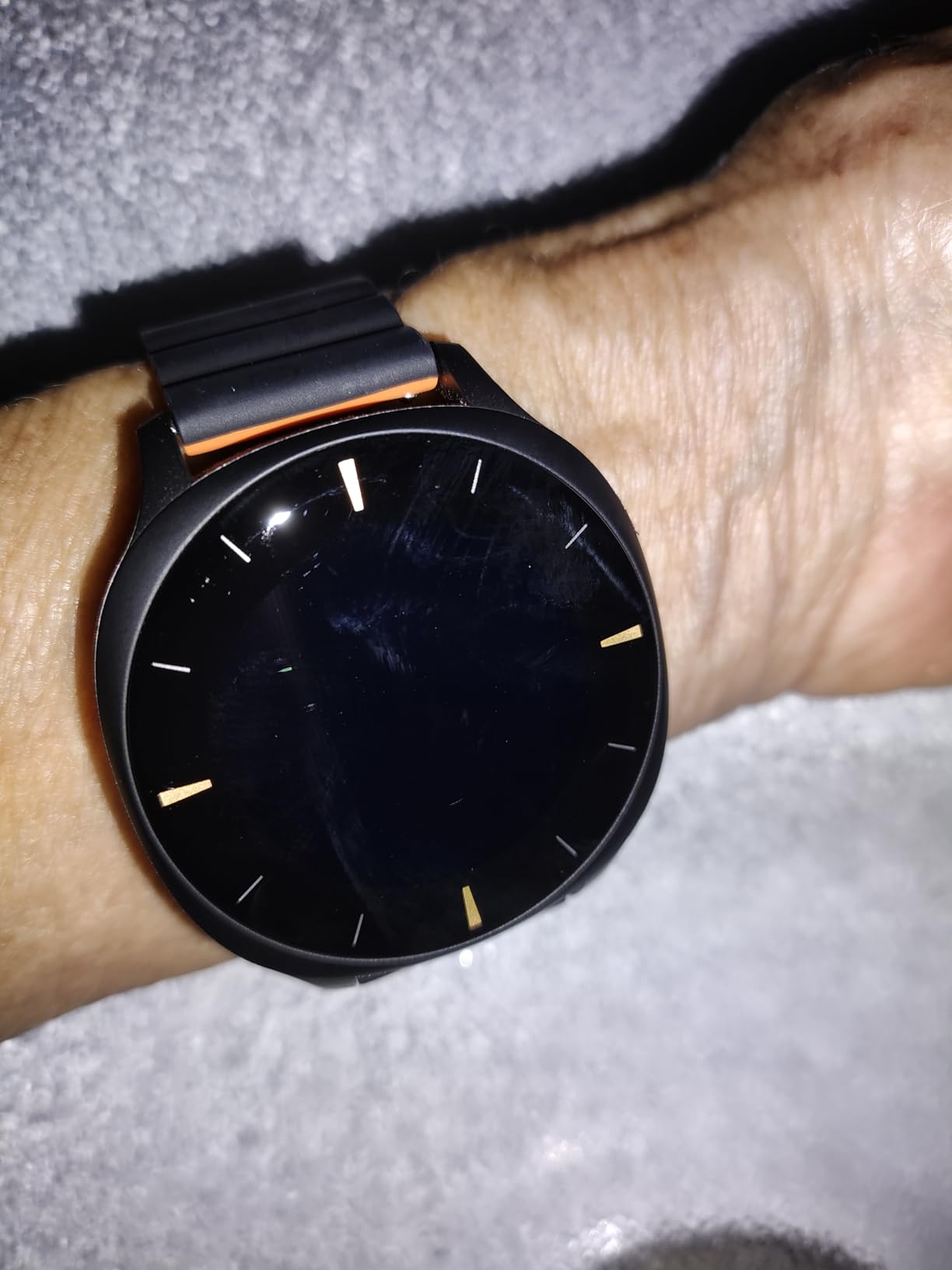
We cannot recommend it as a primary fall detector, though. The reviews pattern is consistent and matches our bench testing: some units false-alarm randomly while other real falls go undetected. Treat the fall alert as a bonus feature layered on excellent health monitoring, not as the reason to buy. The small screen text is also tough for low-vision users, and support response times run slow.
Is the first year really free
The first year of connectivity is included, then it runs $35 per year, which is dramatically cheaper than any monitoring subscription. SMS and voice alerts use a credit system that adds small costs, so budget a few dollars yearly beyond the base plan.
Who is the ideal user for this one
A technically independent senior who hates charging things and wants health tracking more than emergency response, with adult children who watch the dashboard. Pair it with a phone check-in routine and it fits well into a broader aging-in-place plan alongside smart sleep tracking for health monitoring.
Buying Guide: How to Choose a Fall Detection Watch
Choosing well means matching the device to how your specific senior falls, lives, and tolerates technology. Here is what we learned from three months of testing.
Understand what fall detection can and cannot do
Every watch here uses an accelerometer and gyroscope to spot the sudden acceleration and impact signature of a hard fall. That works well for trips on stairs or falls in the bathroom, the most common serious scenarios. No wrist device reliably detects a slow slide from a chair or bed, because the movement pattern looks too much like sitting down.
If soft falls are the pattern you are worried about, look for a device with a wearable pendant mode or add wall-mounted sensors near the bed and favorite chair. Be suspicious of any brand that claims 100 percent detection, because none of them, including the biggest names, can honestly make that claim.
Decide who gets the alert
There are three models. Family-direct devices like the Seculife and Fajocru call numbers you program, which is fast and personal but useless if nobody answers. Professional monitoring centers, used by AngelSense and traditional medical alert brands, answer 24/7 and dispatch emergency services, but cost $25 to $50 monthly. Consumer watches like the Apple and Samsung options call emergency services and notify contacts, which is free but means the first responder may be a stranger on a dispatch line.
The right answer depends on whether family can genuinely answer an alert at 2 p.m. on a workday. Be honest about that before choosing the cheaper path.
Monthly fees: know the real cost
No-monthly-fee watches like the Fajocru still need a prepaid SIM with a few dollars of credit monthly. Subscription devices range from AngelSense at roughly $50 monthly down to Audar at $35 per year after year one. Over three years, a $40 monthly subscription costs $1,440, which is real money for most families.
The good news on coverage: original Medicare does not cover medical alert devices, but many Medicare Advantage plans now include a quarterly allowance for health and safety devices. Most dedicated medical alert brands accept FSA and HSA cards, and it is always worth asking the plan administrator, because a gap that competitors rarely cover is exactly where families save the most.
Battery and charging habits decide everything
The best fall detection on earth does nothing on an empty battery. Apple watches need daily charging, the Galaxy Watch 7 lasts up to three days, and the Audar E2 stretches to ten days. Pick the battery profile your senior will actually live with, not the one that sounds best on paper.
Arthritis-friendly charging matters more than people expect. Magnetic pucks, used by the Fajocru, Audar, and Apple, are dramatically easier than port alignment for stiff hands.
Comfort, water resistance, and the stubbornness factor
The most common failure mode we saw in forum reports is not technical at all: seniors refuse to wear something that looks like a medical device. A watch that resembles a normal watch gets worn, and the one that gets worn is the one that works. Shower-safe water resistance, rated IP67 or 5ATM, also keeps the device on the wrist around the clock.
For resistant parents, our testers had the best luck framing the watch as a gift with a shared fitness goal, like a daily step count, rather than as a safety device. Watch bands with magnetic clasps also beat buckles for arthritic fingers.
Frequently Asked Questions
What is the best fall detection watch for seniors?
For seniors with an iPhone, the Apple Watch SE 3 offers the most reliable hard-fall detection and fastest alerts. For Android families, the Samsung Galaxy Watch 7 is the best value, while the Fajocru watch is the top choice when you want no monthly subscription.
What watch calls 911 when you fall?
The Apple Watch SE 3 and SE 2nd Gen, plus the Samsung Galaxy Watch 7 and Watch 4, can all automatically call local emergency services after a detected fall if you do not dismiss the alert within the response window. They also text your emergency contacts with your GPS location.
Does Medicare cover fall detection devices for seniors?
Original Medicare does not cover medical alert watches or fall detection devices. Many Medicare Advantage plans include a quarterly wellness or health-device allowance that can pay for one, and most dedicated medical alert companies accept FSA and HSA funds, which lowers the out-of-pocket cost.
Do medical alert watches require a subscription?
Not always. Dedicated medical alert watches like the AngelSense require a monthly plan, but options like the Fajocru work on a prepaid SIM with no monitoring fee, and consumer smartwatches like the Apple Watch have no subscription for fall detection at all. Professional 24/7 monitoring is the feature you pay a subscription for.
Can an Apple Watch be used as a medical alert?
Yes, with limits. An Apple Watch provides automatic fall detection, Emergency SOS calling, and contact alerts with no monthly fee, which replaces the core function of a medical alert system for many active seniors. Its weaknesses are roughly 18-hour battery life, no professional monitoring center, and missed detection of slow, soft falls.
Conclusion
After three months of testing the best fall detection watches for elderly users, our recommendations are clear. The Apple Watch SE 3 is the top pick for iPhone families who want dependable detection and fast alerts, the Samsung Galaxy Watch 7 is the best value for Android households, and the Fajocru covers SOS and GPS essentials with no monthly fee. Families focused on wandering should look hard at the AngelSense despite its subscription cost.
Whichever you choose, spend the first week testing the fall detection and alert flow yourself, because setup, not hardware, is where most safety plans quietly fail. Your parent gets a device they will actually wear, and you get your sleep back. That trade is worth every dollar.
2 thoughts on “8 Best Fall Detection Watches for Elderly (October 2026) Reviews”