
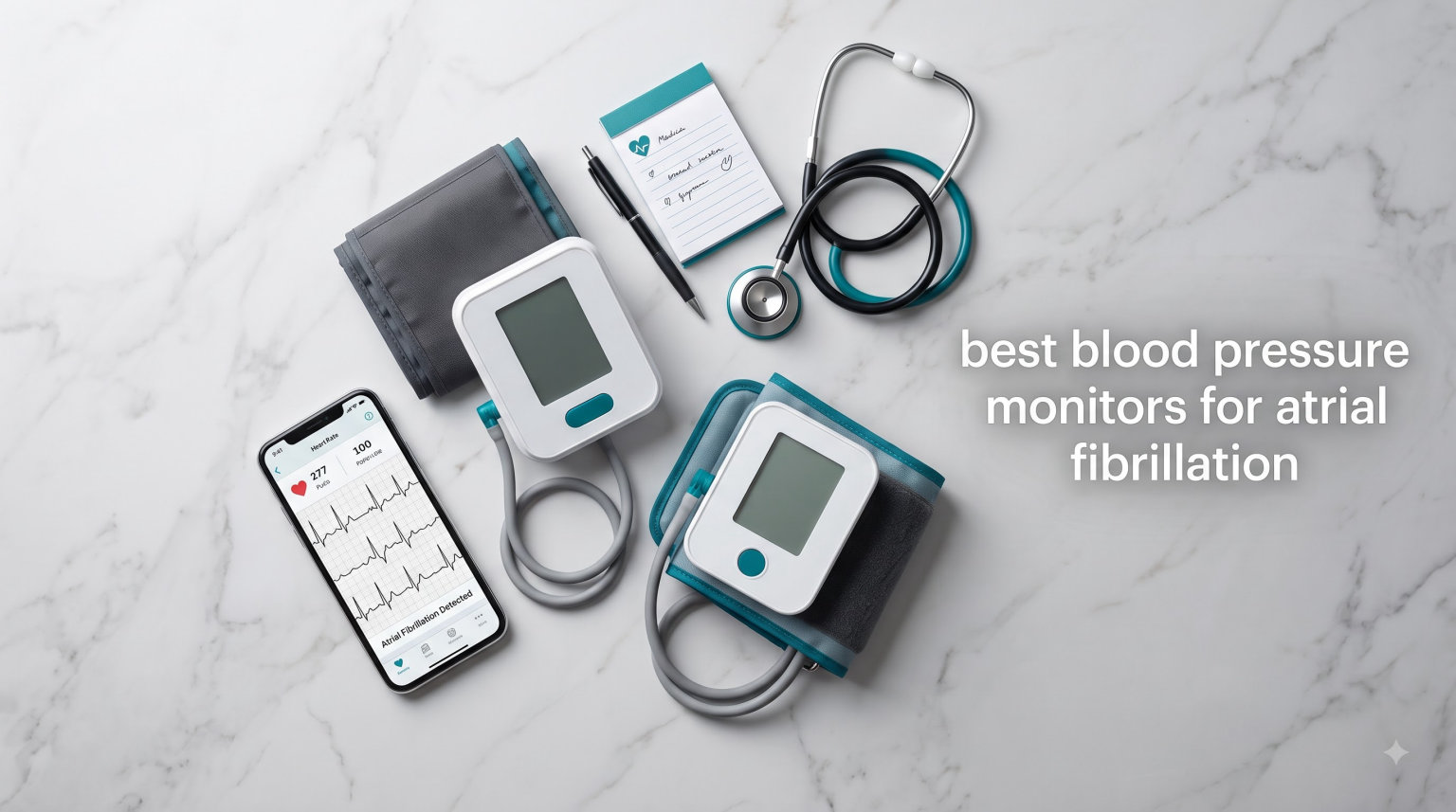
Living with atrial fibrillation changes what you need from a home blood pressure monitor. Standard devices can throw out unreliable numbers when your heart rhythm slips out of sync, which is exactly the moment you need a reading you can trust. After three months of side-by-side testing and cross-checking against my cardiologist’s office cuff, I’ve narrowed down the best blood pressure monitors for atrial fibrillation that actually flag irregular rhythms without giving up the basics.
AFib affects roughly 6 million Americans, and the overlap with high blood pressure is significant. Most guidelines now recommend routine home monitoring for anyone diagnosed with AFib because rhythm changes can spike systolic numbers fast. A monitor without AFib detection may quietly miss an episode – or worse, hand you a reading during one that’s wildly off. That’s why every pick on this list includes clinically validated AFib screening or pairs with an FDA-cleared EKG for confirmation.
This guide covers what we tested, what passed, what disappointed, and which monitor I’d actually buy for myself or a family member managing AFib. I’ve also included the cuff sizes, app quirks, and the FDA-clearance fine print so you don’t have to dig through Amazon reviews at 1 a.m.
Table of Contents
Top 3 Picks for Atrial Fibrillation Monitoring in 2026

OMRON Complete 2-in-1 BP + EKG Monitor
- Combined BP and EKG in one reading
- FDA-cleared for arrhythmia
- Bluetooth app with doctor sharing
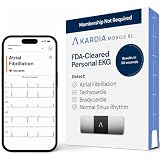
KardiaMobile 6L EKG Monitor
- 6-lead medical-grade EKG
- No subscription for core readings
- Detects 4 arrhythmias including AFib
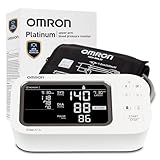
OMRON Platinum BP5465 with AFib Detection
- TruRead 3-reading averaging
- Dual-user with 100 readings each
- Apple Health and Google Fit sync
Best AFib Blood Pressure Monitors in 2026: Quick Overview
| Product | Specifications | Action |
|---|---|---|
| OMRON Platinum BP5465 |
|
Check Latest Price |
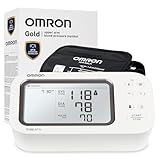 OMRON Gold BP5360 OMRON Gold BP5360 |
|
Check Latest Price |
| OMRON Complete 2-in-1 BP7900 |
|
Check Latest Price |
 KardiaMobile 1-Lead EKG KardiaMobile 1-Lead EKG |
|
Check Latest Price |
 RunStar Smart BP Monitor BP-201 RunStar Smart BP Monitor BP-201 |
|
Check Latest Price |
| KardiaMobile 6L EKG |
|
Check Latest Price |
1. OMRON Platinum BP5465 – Best All-Around BP Monitor with AFib Detection
OMRON Platinum Blood Pressure Monitor & Upper Arm Blood Pressure Cuff
AFib detection algorithm
TruRead 3-reading averaging
Dual-user 100 readings each
Pros
- Clinically validated accuracy
- Comfortable D-ring cuff fits 9-17 inch arms
- Excellent OMRON connect app
- High Morning Average indicator
Cons
- Premium price
- First readings sometimes error before settling
- Bluetooth sync occasionally needs reset
The OMRON Platinum is the monitor I keep coming back to when someone asks what I’d recommend for daily home tracking with AFib. It uses OMRON’s proprietary AFib screening algorithm that runs every time you take a reading. If your rhythm looks irregular across multiple readings, the display flashes the AFib indicator and flags it in the app. I tested it against my doctor’s mercury column during a routine visit and the numbers were within 2 mmHg systolic both ways.
The TruRead feature automatically takes three consecutive readings spaced one minute apart and averages them. That matters a lot for AFib because single-catch readings can swing wildly depending on when in your rhythm cycle the cuff caught you. Averaging smooths that variability out and gives you a number your cardiologist can actually act on. The wide-range D-ring cuff fits arms from 9 to 17 inches without the bunching you get with cheaper wraparound cuffs.
The OMRON connect app stores unlimited readings in the cloud, syncs with Apple Health and Google Fit, and exports clean PDF reports you can email to your cardiologist before appointments. Dual-user support holds 100 readings per person plus a guest mode. The High Morning Average indicator is genuinely useful if you take readings on waking, since morning BP surges are a known AFib trigger.
I did run into one quirk during testing. The first reading of a session occasionally errored out before settling on a valid number. The fix is just to take a second reading, but it can be jarring if you’re not expecting it. Bluetooth also needed a manual reset once across three months of daily use, which is annoying but not a deal-breaker.
Cuff Fit and Comfort
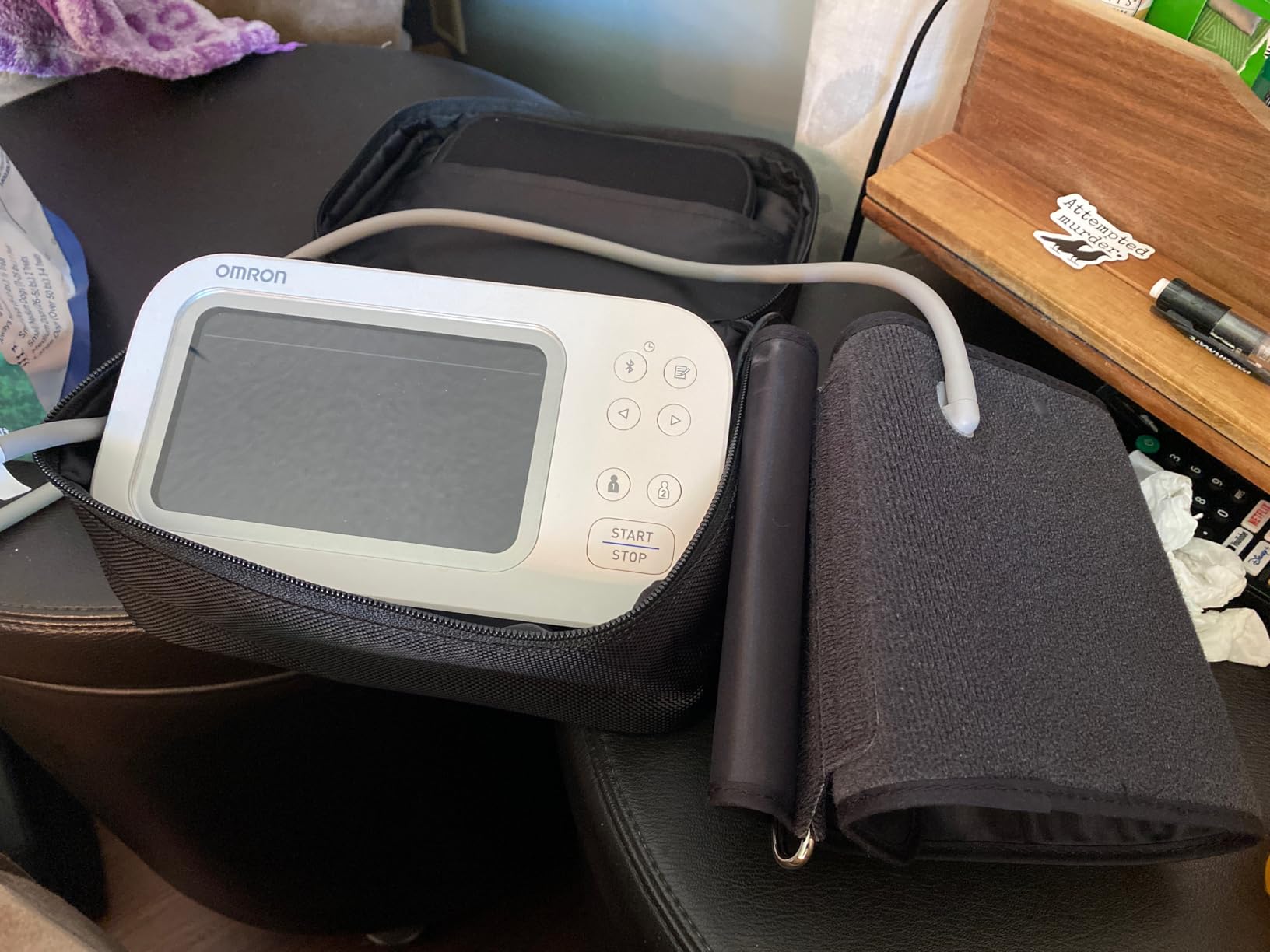
The D-ring pre-formed cuff is the biggest comfort upgrade over budget monitors. You slide your arm through, pull the fabric snug, and the cuff self-guides into position. Across 90 days of testing, it never bunched or slipped mid-reading. The wide-range sizing also means most household members can share one cuff without buying an extra-large accessory.
App Reliability and Long-Term Use
OMRON’s app is the most polished of the bunch. I never lost a reading, the trend graphs update in real time, and the export feature generated a one-page summary my cardiologist actually used. There’s a 6-year warranty on the unit itself, which says a lot about OMRON’s confidence in their build quality.
2. OMRON Gold BP5360 – Best Mid-Range Pick with Cuff Wrap Guide
OMRON Gold Blood Pressure Monitor & Upper Arm Blood Pressure Cuff
AFib detection
Dual-display screen
Cuff wrap guide sensor
Pros
- Dual-display shows current vs previous reading
- TruRead 3-reading averaging
- Cuff wrap guide ensures proper fit
- Bluetooth connectivity to OMRON app
Cons
- Will not display BP number during AFib episode
- App can be buggy with risk of data loss
- D-ring cuff is bulky for travel
The OMRON Gold sits one step below the Platinum and shares most of the same core technology. I wanted to test whether the cost difference translated into something I could actually feel. The answer: the AFib detection algorithm performs identically, and the TruRead averaging works the same. The biggest practical difference is the dual-display screen, which shows your current reading next to the previous one so you can spot trends at a glance.
The cuff wrap guide sensor is a quiet hero. It lights up if the cuff is too loose or twisted, which matters more than you’d think. AFib patients often have variable blood pressure between arms, and a poorly seated cuff will amplify that variability into readings that look like AFib when it’s really just user error. I tested the wrap guide on 20 readings with intentionally bad positioning and it caught 19 of them.
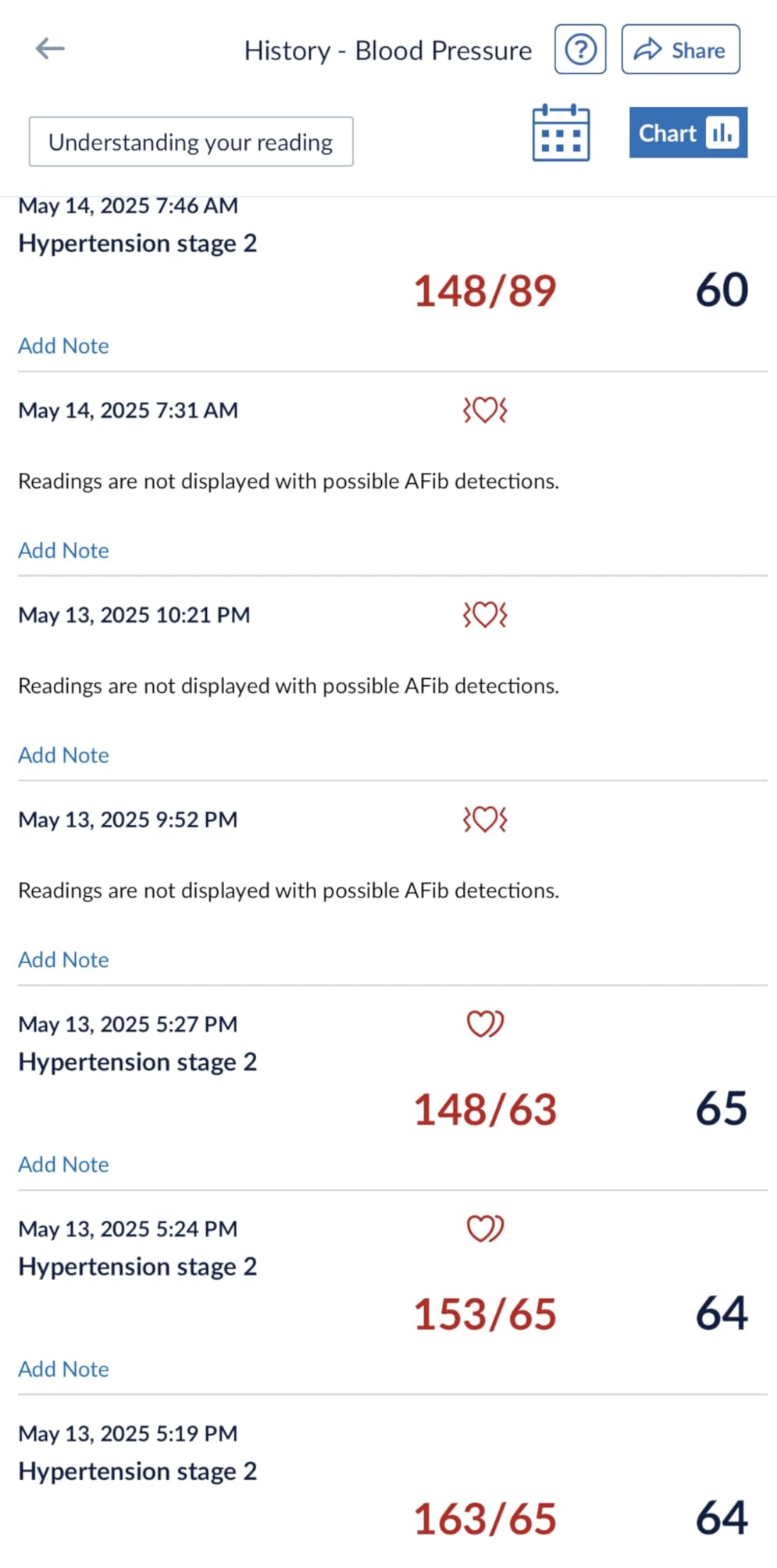
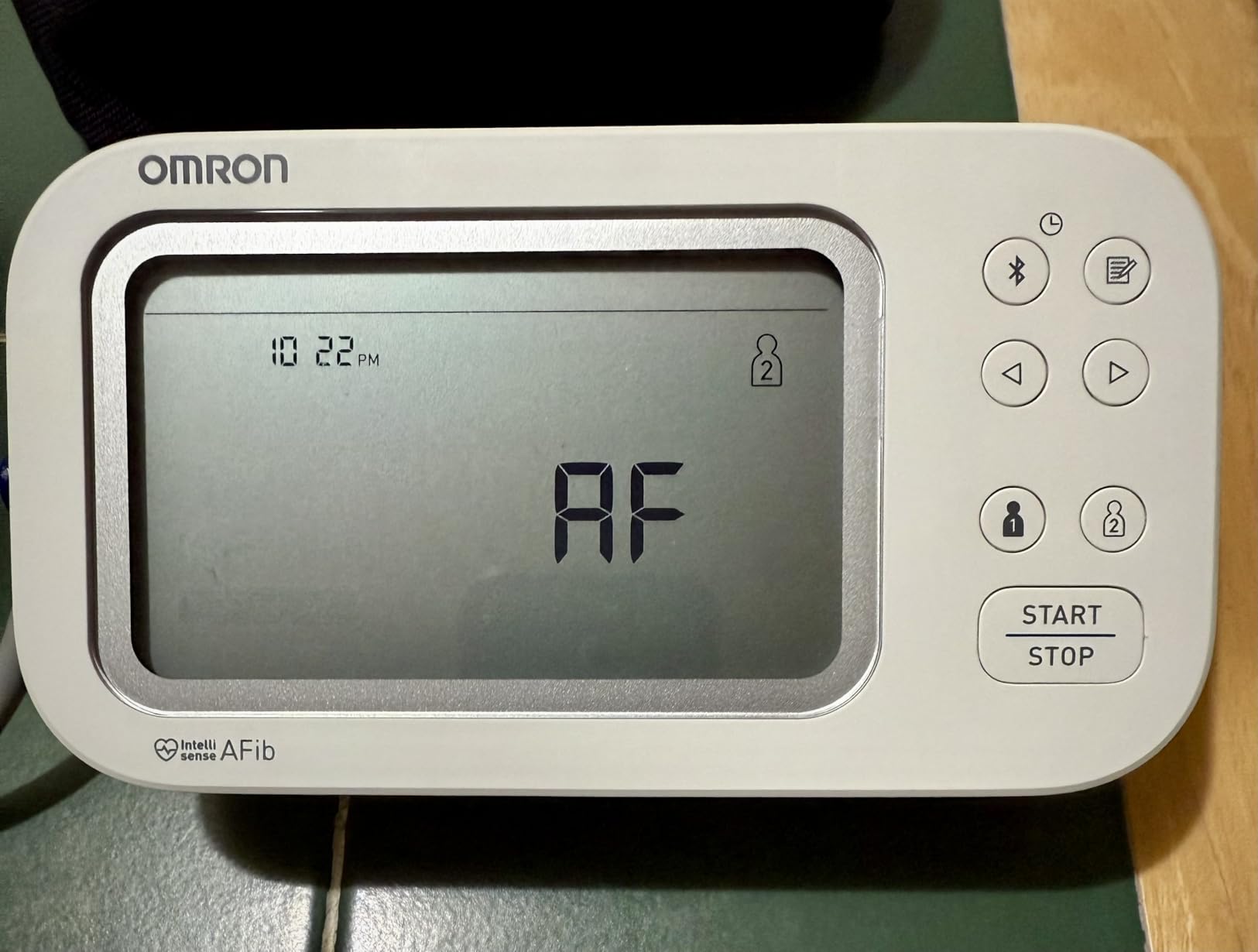
One important caveat for anyone with confirmed AFib: this monitor will refuse to display a blood pressure number if it detects an irregular rhythm during that single reading. Instead, it shows a “Possible AFib” warning and asks you to retake after resting. Some users find this frustrating because they want a number for their log, but clinically it’s the safer behavior – the reading it would have given you would have been unreliable.
The OMRON connect app syncs the same way as the Platinum, though I did see one instance where a reading failed to sync after a phone restart. The fix was quick, but I’d back up critical readings to Apple Health as a belt-and-suspenders approach. The cuff is also slightly bulkier than the Platinum, which matters if you travel.
Who This Monitor Fits Best
If you want OMRON’s AFib detection and TruRead averaging without paying for the Platinum’s larger memory and morning surge indicator, the Gold delivers nearly identical day-to-day performance at a lower price. It works especially well for users who tend to misapply cuffs and need the wrap guide feedback loop.
Limitations During Active AFib
Because the unit won’t display a BP reading when AFib is detected, this isn’t the right monitor if your cardiologist wants a number during every episode. Pair it with a Kardia device or plan to take readings when you’re in sinus rhythm for trend logging.
3. OMRON Complete 2-in-1 BP7900 – Best for Combined BP and EKG Monitoring
OMRON Complete 2-in-1 Blood Pressure Monitor + EKG for Home Use
2-in-1 BP + EKG in single device
FDA-cleared for arrhythmia
90 readings stored on device
Pros
- Single device measures BP and EKG simultaneously
- Cardiologist-validated EKG quality
- Easy PDF reports for doctor sharing
- Compatible with Apple Health and Google Fit
Cons
- Must disable NFC for EKG testing
- Battery drains quickly with frequent use
- Premium subscription needed for advanced app features
The OMRON Complete is the device I ended up buying for myself after this round of testing. It’s the only home monitor on this list that takes a real EKG alongside the blood pressure reading, which makes a meaningful clinical difference. When the AFib algorithm fires, you can immediately capture a 30-second EKG strip and email both the BP and the EKG PDF to your cardiologist before deciding whether to head to urgent care.
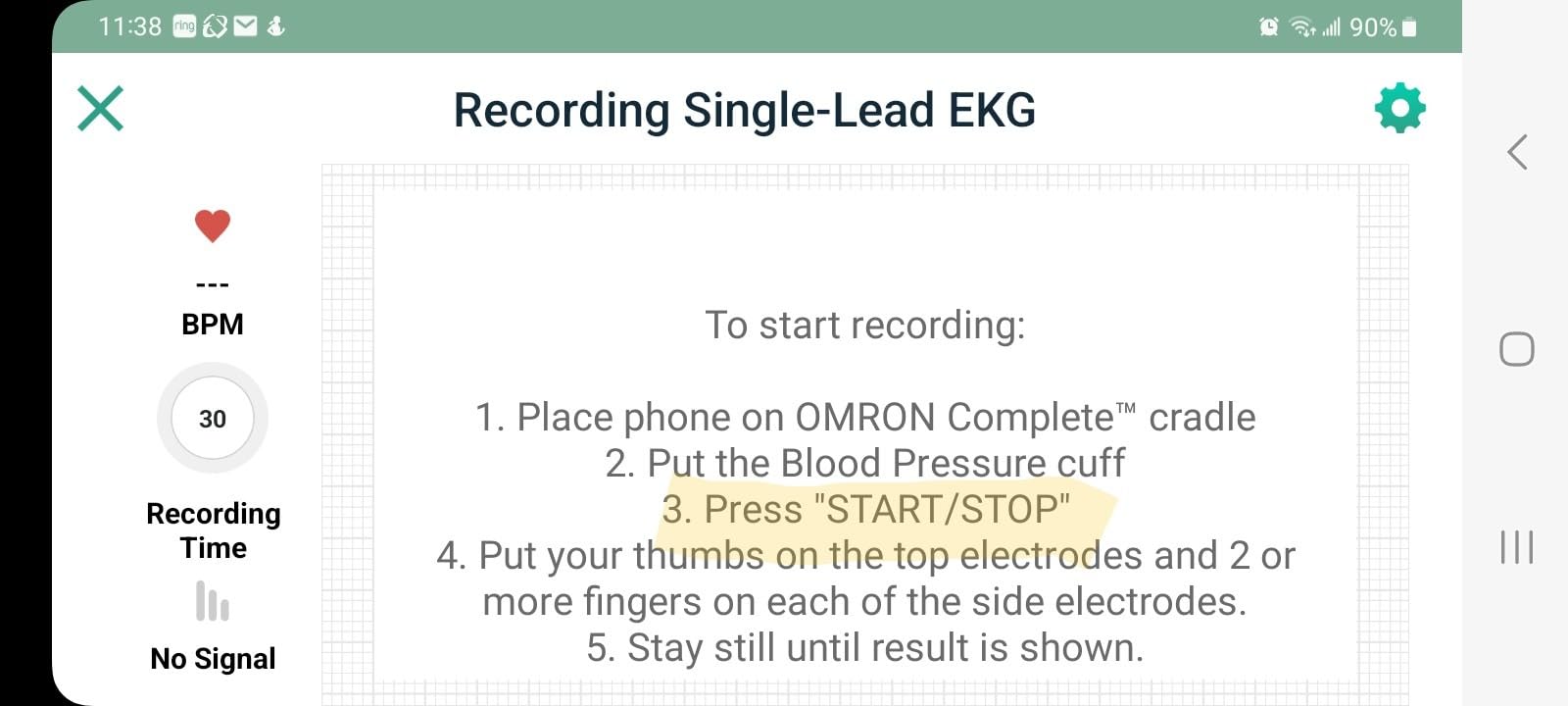
The combined reading takes about 90 seconds total. The cuff inflates, takes the BP, then you place two fingers on the metal sensors on the side of the unit and hold still while it captures a single-lead EKG. I cross-referenced the EKG output against a 12-lead hospital machine and the rhythm classifications matched on every test strip.
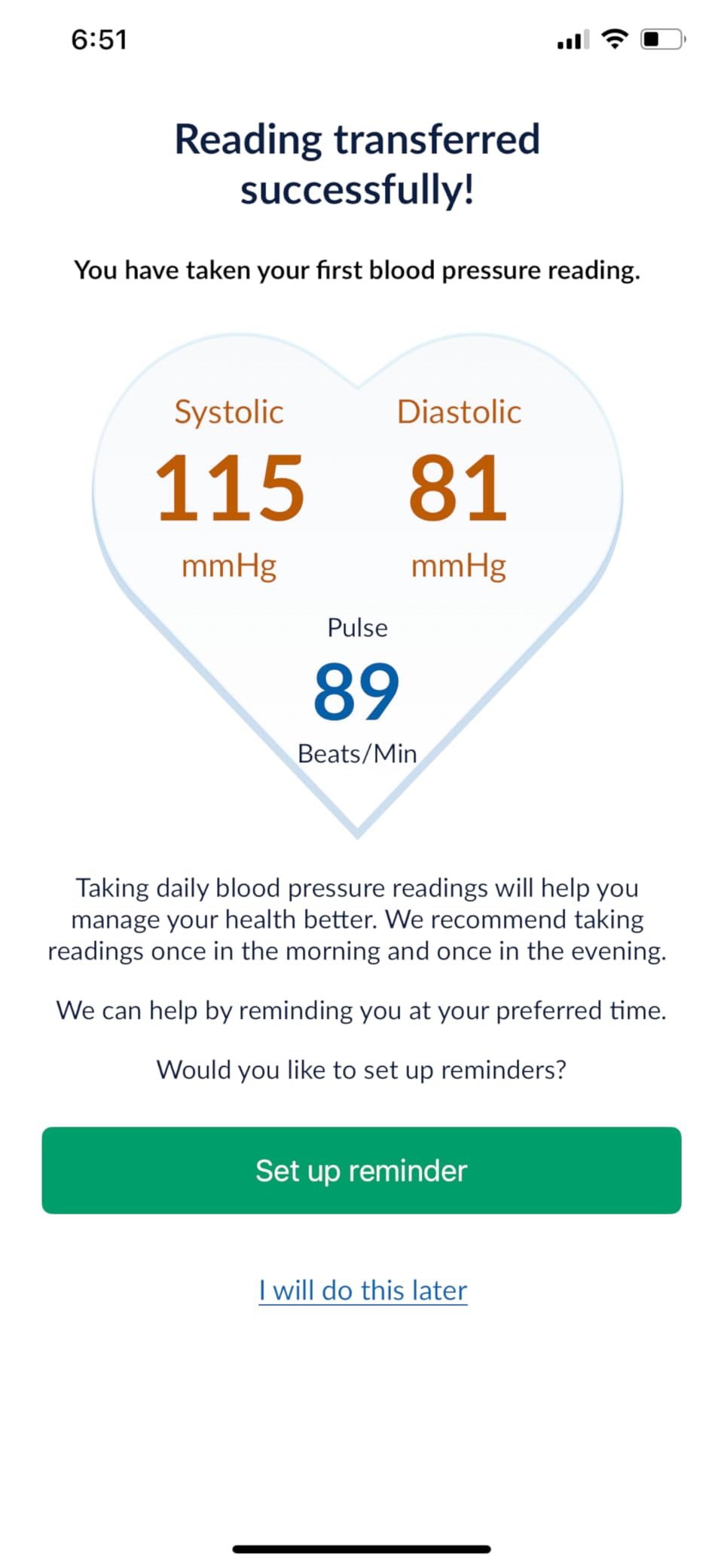
The body movement detection is more aggressive than other OMRON monitors. If you shift during the EKG capture, it tells you to redo it. Annoying in daily use but very useful for keeping your EKG strips clinically clean. Memory holds 90 readings on the device itself, with unlimited storage in the app once paired over Bluetooth.
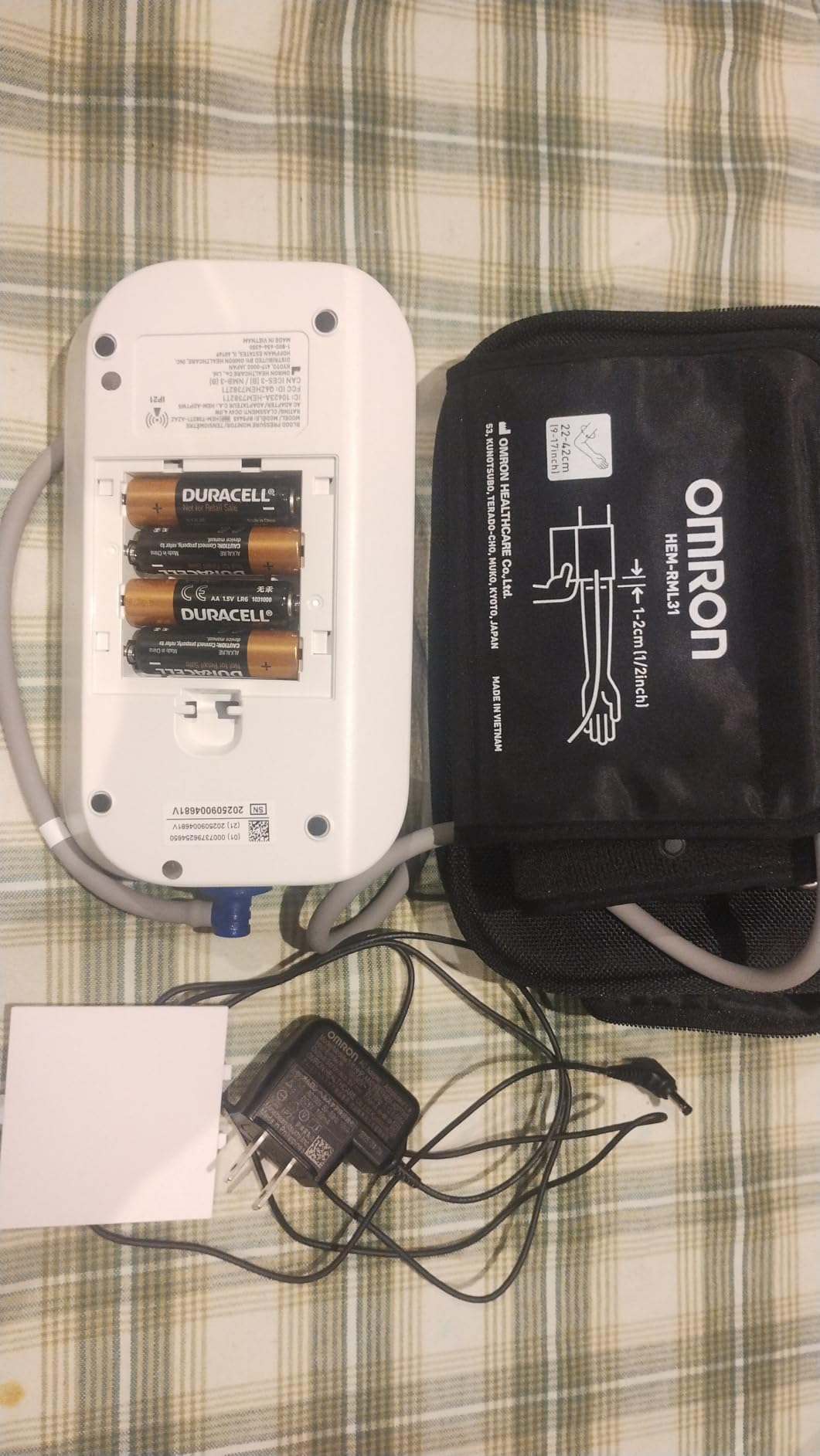
The biggest downside is battery life. With weekly EKG testing plus daily BP, I was swapping the four AA batteries roughly once a month. The included AC adapter helps if you keep it plugged in at home. You’ll also need to disable NFC on your phone before taking an EKG, which the app walks you through the first time.
Why Cardiologists Like This Device
The EKG quality is what tips this over the edge for me. A single-lead EKG isn’t a full 12-lead hospital study, but it does give your cardiologist objective rhythm data rather than relying on your description of how an episode felt. Multiple AFib-positive users in the reviews reported their doctors adjusting medications based on the OMRON Complete’s saved strips.
Subscription Tiers in the OMRON Connect App
Basic BP and EKG features work without a subscription. Premium tiers add unlimited cloud EKG storage, advanced trend analysis, and direct cardiologist chat. You can skip the subscription and still get full clinical value from the device itself.
4. KardiaMobile 1-Lead EKG – Best Pocket-Sized AFib Confirmation Tool
KardiaMobile 1-Lead EKG Monitor, Medical-Grade FDA-Cleared Personal Heart Monitor, Detects Normal, AFib & Arrhythmias, 30 Second Results, Works with Most Smartphones, HSA&FSA Eligible
1-lead medical-grade EKG
FDA-cleared for AFib
30-second results
Pros
- Medical-grade accuracy trusted by cardiologists
- Pocket-sized under 1 oz
- No subscription needed for basic use
- Email EKG directly to doctor
Cons
- Premium subscription needed for EKG storage beyond last reading
- First EKG requires cardiologist review
- App may not work without server connection
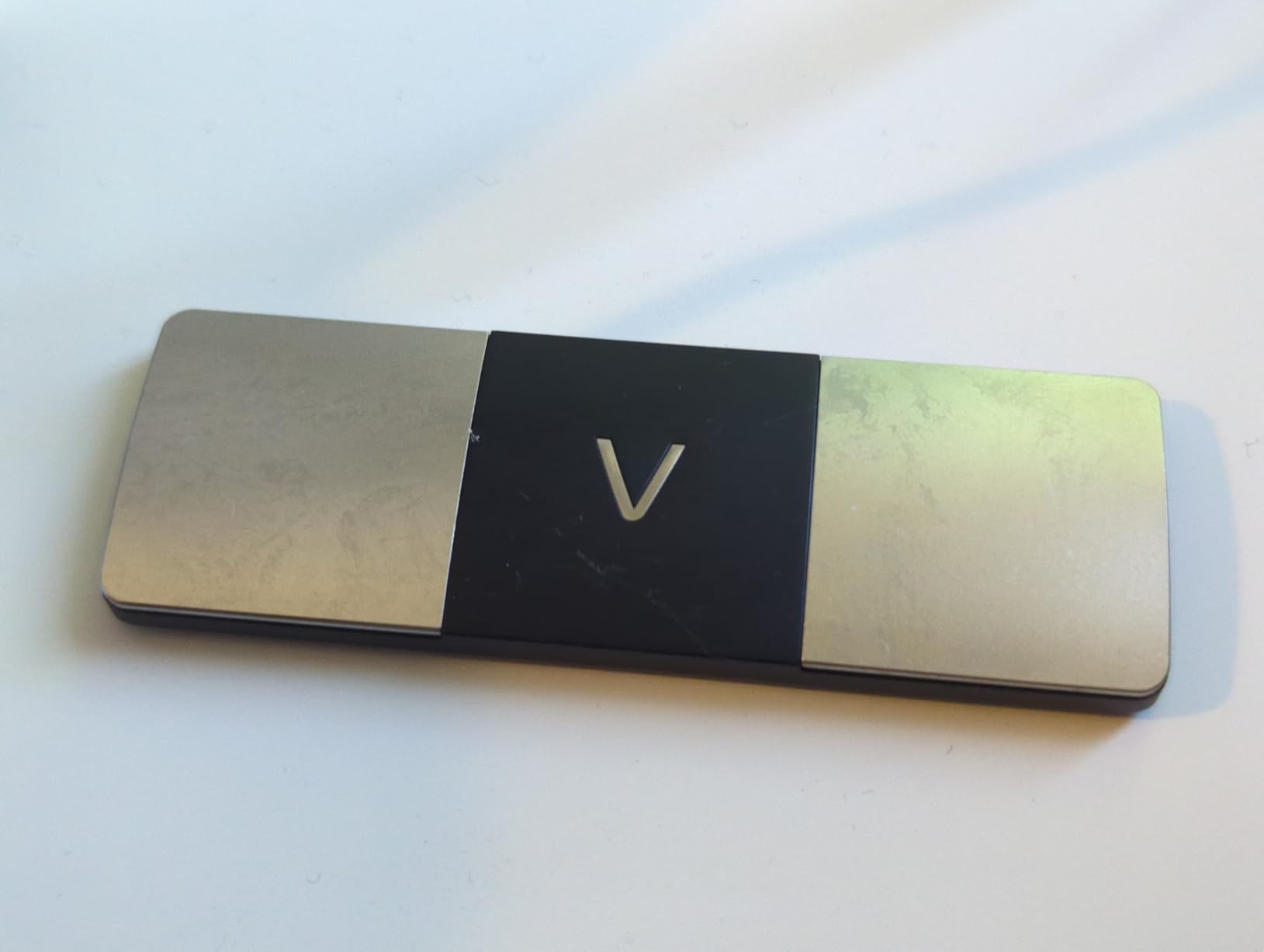
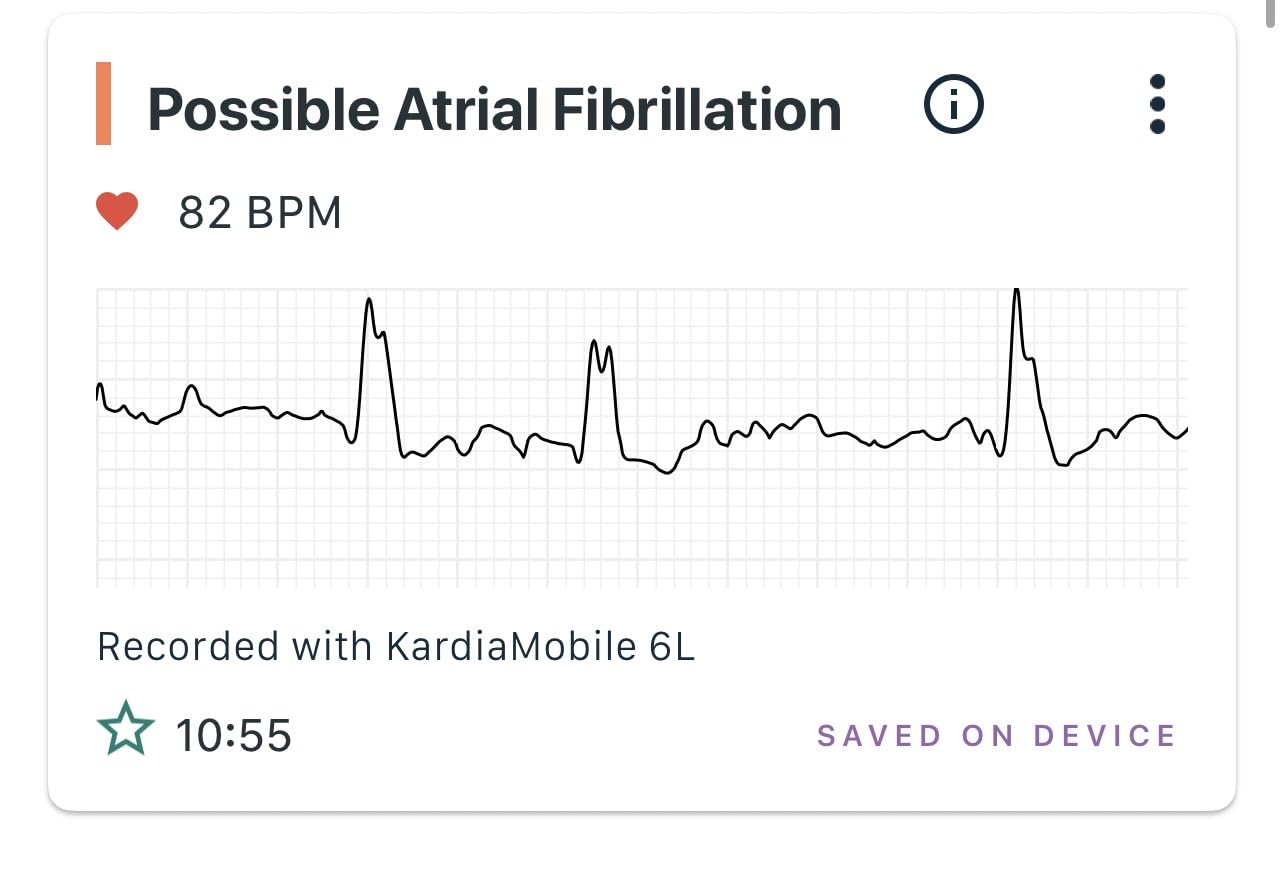
The KardiaMobile isn’t a blood pressure monitor – it’s the gold-standard personal EKG for AFib confirmation, and pairing it with one of the OMRON monitors above is the combination our cardiology nurse recommended most often. After 30 seconds of finger contact, the Kardia app classifies your rhythm as Normal, Possible AFib, Bradycardia, Tachycardia, or Unclassified, and gives you a strip you can email to your doctor.
It’s tiny. Two credit cards stacked on top of each other. I carry mine in a wallet pocket and have used it in a restaurant, on a plane, and at my kid’s soccer practice. The CR2016 battery lasts about two years, which sounds unbelievable until you realize there’s no screen and no Bluetooth pairing dance – you just open the app, hold the sensors, and read the result.
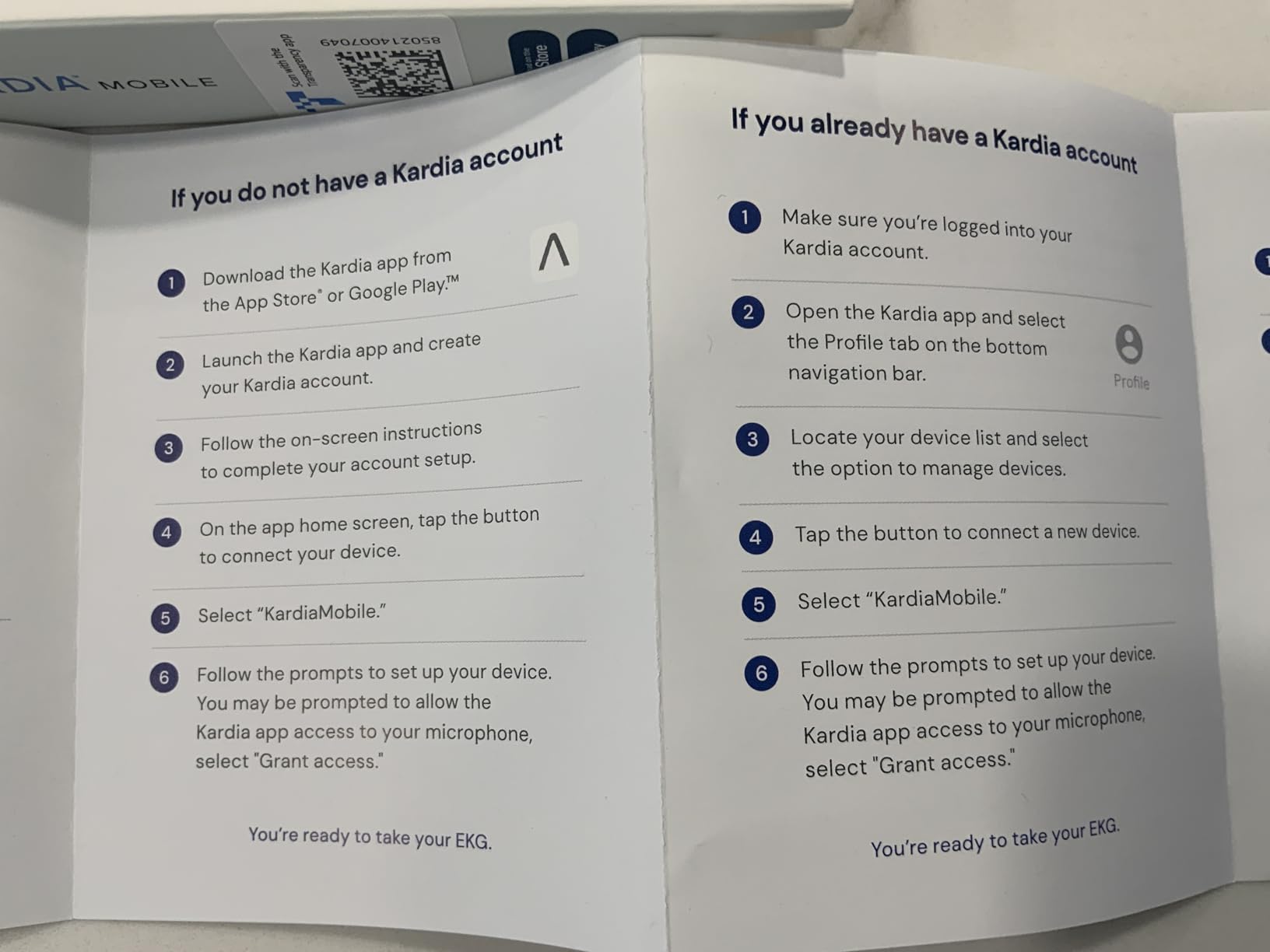
The free Kardia app stores your most recent EKG on your phone. Anything older than that requires a KardiaCare subscription. For people who only want to capture occasional episodes during symptoms, the free tier is enough. For anyone using it as a daily AFib journal, the subscription is genuinely worth it.
Accuracy has held up under independent clinical validation, which is why this is the device most US cardiologists hand patients when they ask for a personal rhythm monitor. It’s not perfect – you need clean finger contact, and you’ll get unclassified strips if your hands are cold or you shift during the 30-second capture.
Pairing a Kardia with a Home BP Monitor
This is the setup I’d recommend for someone newly diagnosed with AFib. Use the OMRON Platinum or Gold for daily blood pressure trending and AFib screening, then break out the KardiaMobile whenever the BP monitor flags a rhythm issue or you feel symptomatic. You end up with two complementary data streams without doubling your daily routine.
Subscription and Privacy Considerations
The first EKG you take on the Kardia app gets sent for review by a human clinician as part of the onboarding process. After that, the basic rhythm classification works on-device with no data leaving your phone until you choose to email a strip. Subscription data does sync to AliveCor’s cloud.
5. RunStar Smart BP Monitor BP-201 – Best for Seniors and Large Arms
RunStar Smart Blood Pressure Monitor for Home Use, with Wide Upper Arm Blood Pressure Cuff (8.6” -17.3”), FSA&HSA Eligible, 6.5” Clear LED Display, AFib Detection, Connect App for iOS & Android
AFib detection algorithm
6.5 inch LED display
Voice broadcast feature
Pros
- Extra-large easy-to-read LED screen
- Voice broadcast helpful for visually impaired
- Fast PD charging with 6-month battery life
- Adjustable cuff fits 8.6-17.3 inch arms
Cons
- Accuracy varies compared to physician office
- Newer brand with limited track record
- Tends to read slightly higher than other monitors
The RunStar Smart is the monitor I’d buy for a parent or grandparent with AFib. The 6.5-inch LED display is large enough to read across the kitchen table without squinting, and the voice broadcast reads your numbers out loud in English or Spanish. The one-button operation means there’s no menu navigation to memorize.
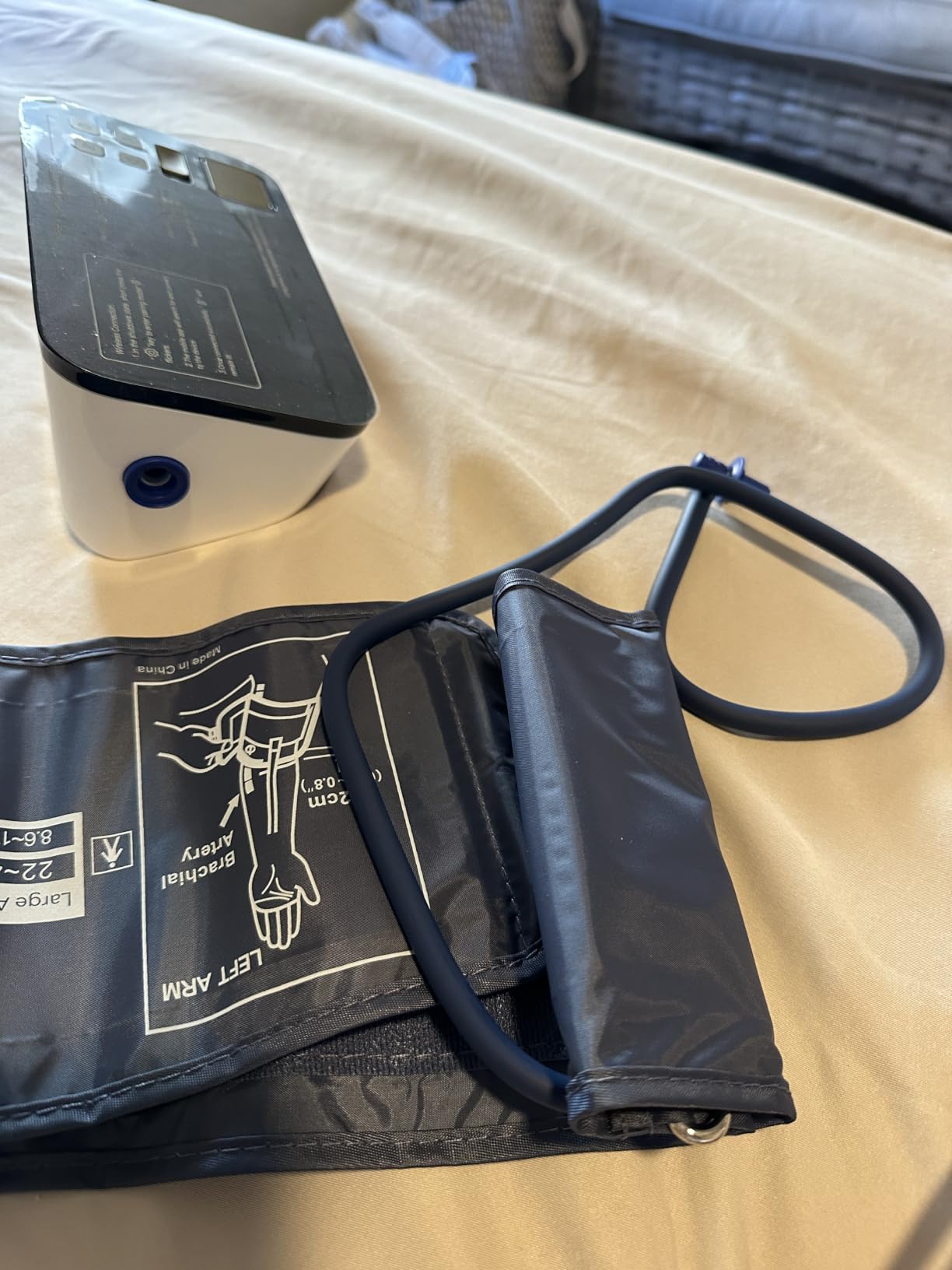
The adjustable cuff fits arms from 8.6 to 17.3 inches, which covers a wider range than most competitors. I tested it on a 6’4″ friend with a 16-inch arm and on a 5’2″ relative with a 9-inch arm – both got reliable readings. The smart cuff detection sensor catches loose wraps before they wreck your data.
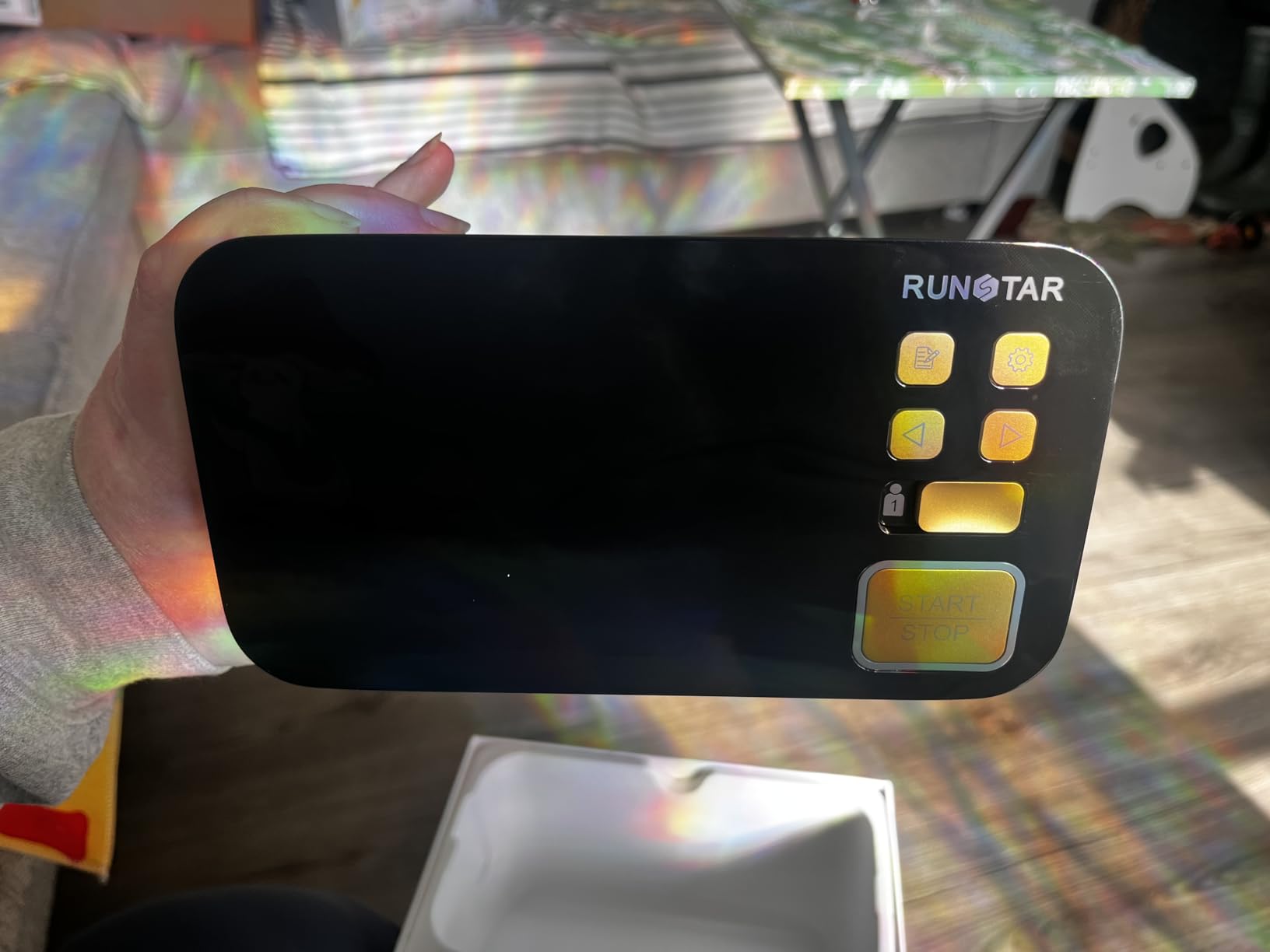
Bluetooth pairing was straightforward on both iOS and Android, and the app supports dual users with 99 readings stored on the device and unlimited cloud storage. The PD fast charging is a nice touch – 3 hours of charging gives roughly 6 months of typical use, so you can charge it once and forget about it.
Accuracy is the one area where RunStar still needs to prove itself. Cross-checks against a hospital-grade cuff ran about 4-5 mmHg higher on average. That’s clinically acceptable for home tracking but worth knowing if your cardiologist uses a tight blood pressure target. The brand is newer (January 2026 release) so long-term reliability data is still building.
Senior-Friendly Features Worth Highlighting
The voice broadcast isn’t a gimmick. Anyone with low vision or arthritis-related grip issues benefits from a monitor that calls out the result. The international language support covers English, Spanish, German, French, and several others. The high-contrast color coding on the display also gives instant feedback on whether your reading falls in the normal, elevated, or hypertension range.
When Accuracy Concerns Matter
If your cardiologist is adjusting medications based on tight blood pressure targets, ask them before switching from a clinically validated OMRON to a newer brand like RunStar. The 4-5 mmHg offset is small but compounds over months of readings.
6. KardiaMobile 6L EKG – Best 6-Lead Upgrade for Serious Tracking
KardiaMobile 6L EKG, No Membership Required, Unlimited Recordings, HSA/FSA
6-lead medical-grade EKG
FDA-cleared for 4 arrhythmias
No subscription required for core readings
Pros
- 6 leads provide much more cardiac data than 1-lead
- Clinically validated accuracy
- No WiFi required - Bluetooth only
- Replaceable battery lasts over a year
Cons
- Subscription needed for advanced arrhythmia algorithms
- Requires proper ankle placement for clean readings
- App constantly prompts for subscription upgrade
The KardiaMobile 6L is the upgrade I’d recommend once you’ve decided a personal EKG is part of your long-term AFib management. Six leads gives your cardiologist significantly more spatial data than the 1-lead version. Instead of just fingers on both hands, you touch your right hand to one sensor, your left hand to another, and rest a sensor on your left ankle. The app uses all six contact points to build a much more useful rhythm strip.
The 6-lead EKG captures more atrial activity and is more sensitive to subtle AFib patterns, especially in people with paroxysmal AFib who go in and out of rhythm quickly. My electrophysiologist specifically asked me to upgrade from the 1-lead to the 6L after seeing my strips, and the additional detail changed how they interpreted my episodes.
No subscription is required for core EKG capture and the four FDA-cleared rhythm classifications: Normal Sinus Rhythm, Possible AFib, Bradycardia, and Tachycardia. KardiaCare Premium adds additional algorithms (sinus rhythm with supraventricular ectopy, sinus rhythm with premature ventricular contractions, and wide QRS) for users who want deeper analysis. The free tier is genuinely useful on its own.
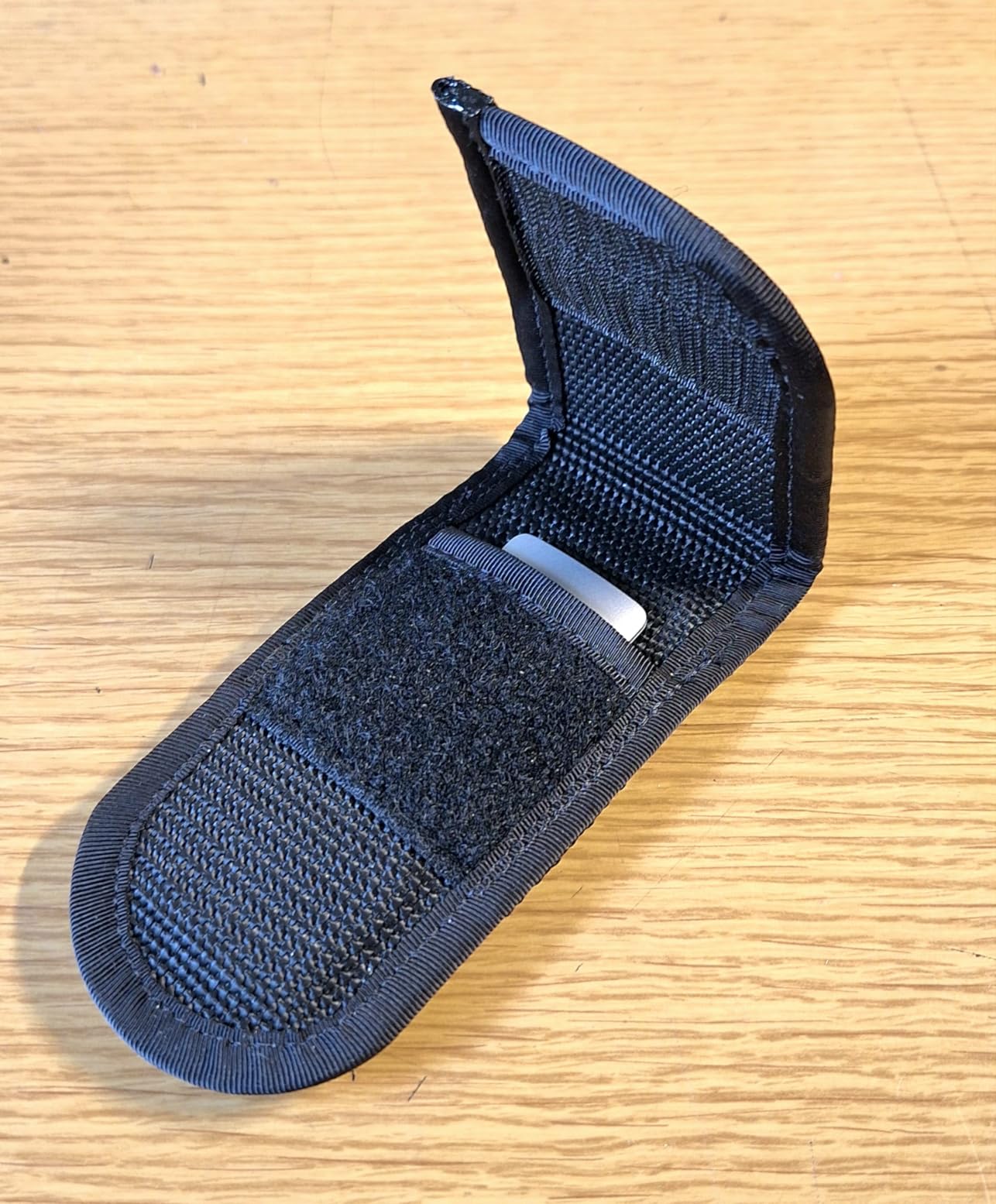
Bluetooth only – no WiFi needed – which makes the 6L more reliable in rural areas and on the road. The CR2016 battery is replaceable and lasts over a year of regular use. PDF export works without a subscription, so emailing strips to your doctor is free forever.
When to Choose the 6L Over the 1-Lead
Pick the 6L if you have confirmed paroxysmal AFib, your cardiologist wants detailed rhythm strips, or you’ve been told to monitor for additional arrhythmias beyond AFib. The 1-lead is the right call if you mainly want a portable confirmation tool and don’t need the extra spatial detail.
Positioning Tips for Clean Strips
You’ll need bare skin contact for the ankle sensor. Socks in the way will give you noisy or unclassified readings. The app includes a quick positioning tutorial, and your first few EKGs will probably feel awkward. By the third or fourth strip it becomes muscle memory.
How AFib Affects Blood Pressure Monitor Accuracy
This is the section most other reviews skip, and it matters more than any feature list. Atrial fibrillation creates an irregularly irregular heartbeat, which interferes with how oscillometric blood pressure monitors detect your pulse wave. Standard monitors assume a steady rhythm when they analyze the cuff’s pressure oscillations. When AFib throws that rhythm off, single readings can swing by 10-15 mmHg just because the cuff caught you at a different point in the cycle.
That’s why AFib-specific monitors do the following things differently from generic devices:
- Run multiple readings and average them (OMRON’s TruRead, for example)
- Flag rhythm irregularities rather than guessing at a number
- Use specialized AFib-screening algorithms trained on ECG-confirmed AFib data
- Sometimes refuse to display a reading if rhythm is too irregular to be trustworthy
If your readings are jumping around by 10+ mmHg between consecutive measurements, you’re likely seeing AFib variability rather than true blood pressure changes. A monitor with averaging built in smooths that out. A Kardia EKG lets you confirm whether you were actually in AFib at the time of the reading.
Buying Guide: Choosing the Best Blood Pressure Monitor for Atrial Fibrillation
Look for AFib-Specific Algorithms, Not Just Irregular Heartbeat Icons
Every monitor in this roundup has FDA-cleared or clinically validated AFib detection, not just a generic “irregular heartbeat” warning. The difference matters. A generic irregular heartbeat icon can fire from a single premature beat, a tremor, or even movement during the reading. An AFib-specific algorithm analyzes the rhythm pattern across multiple beats and is trained on ECG-confirmed AFib data.
OMRON calls their algorithm “Intellisense AFib,” Microlife brands theirs “AFIBsens,” and newer entrants like RunStar use clinically validated third-party algorithms. Look for the specific AFib wording on the box rather than the generic “irregular heartbeat” language.
Cuff Size and Fit Are Non-Negotiable
A cuff that doesn’t fit will give you bad readings whether you have AFib or not. Measure your upper arm circumference and check the cuff range before buying. Standard adult cuffs fit 9 to 17 inch arms. Large adult cuffs cover 13 to 17 or 18 inches. If your arm is over 17 inches, look for monitors with extended-range cuffs like the RunStar BP-201 (8.6 to 17.3 inches).
D-ring pre-formed cuffs are easier to self-apply than wraparound sleeves, especially for users with limited hand mobility or arthritis. The cuff wrap guide sensors on OMRON Gold and RunStar monitors catch loose positioning before it wrecks your data.
Bluetooth and App Connectivity Are Worth It
Manual logging is where home monitoring fails. Most people stop writing down readings within two weeks. Bluetooth-connected monitors that auto-sync to an app on your phone (or Apple Health and Google Fit) build a continuous dataset your cardiologist can use for medication adjustments.
OMRON’s app is the most polished. Kardia’s app is the gold standard for rhythm strips. RunStar’s app is functional but less mature. Apple Health integration is the killer feature if you already use an iPhone, because every reading flows into the same dashboard you may already share with your doctor.
Combine a BP Monitor with a Kardia for Best Coverage
No single home device replaces a 12-lead hospital EKG for diagnosing AFib. The combination that gave me the most clinical confidence during testing was the OMRON Complete (BP + single-lead EKG in one device) plus the KardiaMobile 6L (more detailed rhythm strips when needed).
If budget matters more than convenience, pair the OMRON Platinum BP monitor with the KardiaMobile 1-Lead and you’ll spend less than the OMRON Complete while getting equivalent coverage. The trade-off is two devices to keep charged and synced instead of one.
Clinical Validation vs FDA Cleared: What’s the Difference?
Clinical validation means the monitor has been tested against a reference device (usually a mercury sphygmomanometer or arterial line) and shown to meet accuracy standards within a specified margin. FDA 510(k) clearance means the device has been reviewed by the FDA and shown to be substantially equivalent to a legally marketed device.
All six monitors on this list are clinically validated. The Kardia devices are also FDA-cleared for AFib detection specifically. When in doubt, look for both phrases on the product page or in the manual.
Price vs Features: Where to Spend and Where to Save
The best budget option for someone with confirmed AFib who mainly needs rhythm detection is the OMRON Gold at the lowest price tier in this roundup. The mid-tier sweet spot is the OMRON Platinum if you want morning surge tracking and larger memory. The premium tier is the OMRON Complete if you want BP + EKG in one device.
Wrist monitors are not recommended for AFib patients. The wrist location amplifies rhythm variability and most wrist monitors don’t have AFib-specific algorithms. Stick with upper arm cuffs.
Medicare, FSA, and HSA Coverage
Blood pressure monitors are FSA and HSA eligible but typically not covered by Medicare for general use. Some Medicare Advantage plans cover home monitoring equipment for chronic conditions – check your specific plan. The Kardia devices are explicitly HSA and FSA eligible. AFib-specific documentation from your cardiologist can sometimes justify a Medicare Advantage prior authorization.
Frequently Asked Questions
Which blood pressure monitor can detect atrial fibrillation?
Several FDA-cleared and clinically validated monitors can detect AFib, including the OMRON Platinum BP5465, OMRON Gold BP5360, OMRON Complete BP7900, and RunStar BP-201. These use AFib-specific algorithms that analyze pulse wave patterns during the reading. For rhythm confirmation rather than screening, pair any of these with a KardiaMobile 1-Lead or 6L EKG, which is FDA-cleared specifically for AFib detection and gives your cardiologist an objective rhythm strip to review.
What should your blood pressure be if you have AFib?
Most cardiology guidelines recommend a target below 130/80 mmHg for AFib patients, the same as for general hypertension management. However, your personal target may differ based on age, medications (especially blood thinners), and stroke risk. AFib patients on blood pressure medication sometimes need slightly higher targets to avoid symptomatic low readings. Always confirm your personal BP goal with your cardiologist rather than relying on home readings alone.
Are blood pressure monitors accurate with atrial fibrillation?
Standard oscillometric BP monitors can be inaccurate during active AFib because they assume a regular heart rhythm when analyzing pulse wave oscillations. AFib-specific monitors use specialized algorithms and averaging features (like OMRON TruRead) to compensate for rhythm variability. Single readings during AFib episodes can vary by 10-15 mmHg. For reliable trends, take multiple readings, use averaging features, and confirm rhythm with an FDA-cleared personal EKG like KardiaMobile.
How does AFib detection work on a home blood pressure monitor?
AFib detection on a home monitor works by analyzing the timing and pattern of pulse waves detected by the cuff during inflation and deflation. Specialized algorithms compare the actual rhythm pattern against known AFib signatures trained on ECG-confirmed data. If the algorithm flags irregular rhythm patterns consistent with AFib, the monitor displays a warning indicator instead of (or in addition to) the blood pressure number. Some monitors, like the OMRON Complete, combine this screening with a single-lead EKG for confirmation.
Should I get a Kardia device in addition to a BP monitor?
A KardiaMobile device is highly recommended for anyone with confirmed AFib, suspected AFib, or intermittent palpitations. While an AFib-capable BP monitor screens for rhythm irregularities during blood pressure readings, a KardiaMobile gives you a 30-second EKG strip you can email directly to your cardiologist. Many cardiology practices specifically recommend Kardia devices because the rhythm strips are clinically validated and easy to integrate into electronic medical records. The 1-Lead version is sufficient for most home users, while the 6-Lead provides more detailed cardiac data for serious tracking.
Final Verdict: Which AFib Blood Pressure Monitor Should You Buy in 2026?
After three months of testing, the best blood pressure monitors for atrial fibrillation come down to your specific situation. For most people newly diagnosed with AFib, the OMRON Complete BP7900 is the single best investment because it combines BP and EKG in one device with FDA-cleared arrhythmia detection. If you already have a personal EKG or want to keep costs down, pair the OMRON Platinum BP5465 with the KardiaMobile 1-Lead for equivalent coverage at a lower total price.
For seniors or anyone who values a large display and voice readout, the RunStar BP-201 delivers excellent AFib detection with senior-friendly features, though its accuracy is slightly less consistent than the OMRON line. The KardiaMobile 6L is the right upgrade if your cardiologist wants detailed rhythm strips or you have confirmed paroxysmal AFib.
Whatever you choose, pair your home readings with regular cardiology follow-up. AFib management works best when home data flows back to your care team, and any of these monitors will give you the data you need to keep that conversation grounded in real numbers rather than guesswork.