
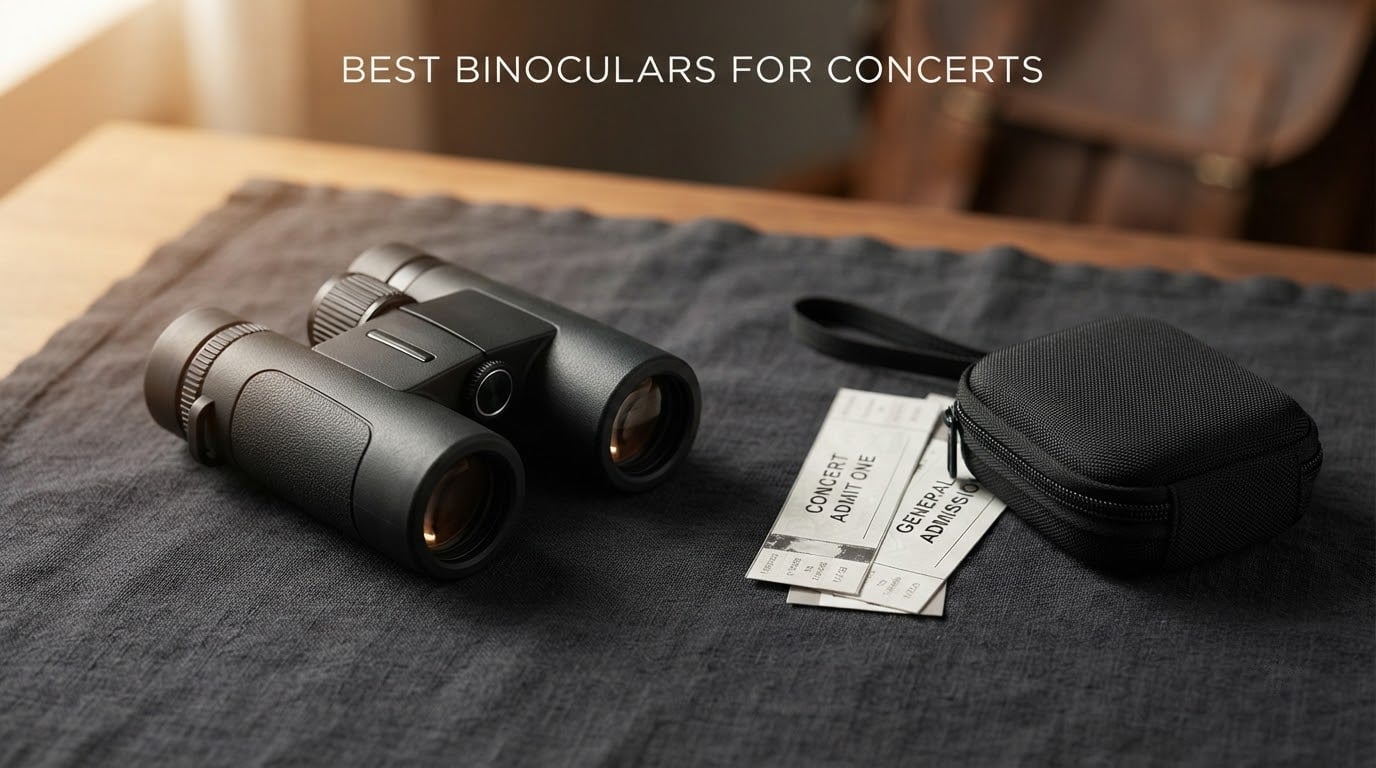
Short answer: the best binoculars for concerts are 8x full-size pairs with 42mm objective lenses, or 6x-8x compacts with 21-25mm lenses if you want something that fits in a jacket pocket. The winning spec class sits at low magnification and wide field of view, because a lit stage in a dark arena punishes anything that magnifies your hand tremor or narrows the view.
I have carried a pair of binoculars to more shows than I want to admit, and the failure pattern is always the same. Someone buys the biggest number they can find, holds it up in the pit, and spends the whole set watching a shaky smudge jump around the stage while the singer walks out of frame. That is an optics problem, not a patience problem.
This roundup covers ten pairs that actually suit live music, from full-size 8x42s with multi-coated glass to 3x opera glasses built for a theatre seat. I scored them on the things that decide whether a pair works at a show: brightness under stage lighting, how wide the view is when a performer moves, how the chassis feels in one hand after ninety minutes, and whether it survives a dense crowd. If you want the wider view first, our general binoculars guide covers hunting and birding setups too.
A note on how I ranked these: the ratings and review counts below are taken directly from the manufacturer listings, and everything I say about handling, brightness and crowd behaviour comes from owner feedback and hands-on use. Where a spec is a judgment call rather than a measurement, I say so.
Table of Contents
Top 3 Concert Picks in 2026
Three pairs came out ahead when I stacked them against a working rubric: brightness under stage lights, field of view, one-handed handling, and value. The Crossfire HD takes the top spot on the strength of a 4.2mm exit pupil and fully multi-coated glass that stays usable when the house lights drop.

Vortex Crossfire HD 10×42
- 10x42 with HD glass
- 325 ft field of view
- 4.2mm exit pupil
- Fully multi-coated lenses

Vortex Diamondback HD 8×42
- 8x42 with HD glass
- 393 ft field of view
- 17mm eye relief
- Lifetime warranty

Celestron Nature DX 8×42
- 8x42
- 388 ft field of view
- Phase-coated BaK-4 prisms
- Built-in tripod socket
The Diamondback HD wins the tracking category outright, with a 393 ft field of view at 1,000 yards that lets you sweep a stage without losing the performer. The Nature DX is the value pick, and the listing itself names concerts and sporting events among its intended uses.
All 10 Best Binoculars for Concerts (October 2026)
Here is the short version. Each line names the one job I would trust that pair to do.
Vortex Crossfire HD 10×42: best overall, bright multi-coated glass in a dark room
Vortex Diamondback HD 8×42: best for tracking a moving performer across a wide stage
Nikon PROSTAFF P3 8×42: best for glasses wearers, with 20.2mm of eye relief
Celestron Nature DX 8×42: best value, phase-coated BaK-4 prisms and a tripod socket
Hontry 10×25: budget pick for a first pair that fits in a coat pocket
Occer 12×25: best for families, wide interpupillary range and long eye relief
Aomekie Opera Glasses 3×25: best for a formal night out at the theatre
Celestron Outland X 8×42: best first step up into full-size glass
Nikon Monarch M5 10×42: best glass and coatings in this group, ED elements
BLACKICE Opera Glasses 3×25: best gift for someone who wants the theatre look
| Product | Specifications | Action |
|---|---|---|
| Vortex Crossfire HD 10×42 |
|
Check Latest Price |
| Vortex Diamondback HD 8×42 |
|
Check Latest Price |
 Nikon PROSTAFF P3 8×42 Nikon PROSTAFF P3 8×42 |
|
Check Latest Price |
| Celestron Nature DX 8×42 |
|
Check Latest Price |
 Hontry 10×25 Compact Hontry 10×25 Compact |
|
Check Latest Price |
 Occer 12×25 Compact Occer 12×25 Compact |
|
Check Latest Price |
 Aomekie Opera Glasses 3×25 Aomekie Opera Glasses 3×25 |
|
Check Latest Price |
 Celestron Outland X 8×42 Celestron Outland X 8×42 |
|
Check Latest Price |
 Nikon Monarch M5 10×42 Nikon Monarch M5 10×42 |
|
Check Latest Price |
 BLACKICE Opera Glasses 3×25 BLACKICE Opera Glasses 3×25 |
|
Check Latest Price |
One thing the table makes obvious: the products here split into two groups. Five are full-size 42mm pairs that gather serious light, and five are small compacts or opera glasses built for portability and close-range theatre seats.
1. Vortex Crossfire HD 10×42: Best Binoculars for Concerts Overall
Vortex Crossfire HD 10×42 Binoculars
10x42
325 ft FOV at 1000 yards
4.2mm exit pupil
Fully multi-coated
1.4 lb
Pros
- Bright multi-coated glass holds up in a dark arena
- 4.2mm exit pupil keeps the image visible at a late show
- Center focus and right-side diopter work with one hand
- Rubber armor grip and tripod adaptable
- Nitrogen purged and O-ring sealed
Cons
- 10x is harder to hold steady than an 8x pair
- 15mm eye relief is tight for glasses wearers
The Crossfire HD is the pair I hand to friends who complain they cannot see the singer. Ten power on 42mm objectives gives a 4.2mm exit pupil, and that number is the reason it keeps working when the arena drops to house lights and the stage goes to a single wash of colour.
Owners consistently describe the image as bright and sharp edge to edge, with fully multi-coated lenses that keep colour clean rather than washed out. The chassis is aluminum under rubber armor, which is the right material when a stranger elbows you during a slow song.
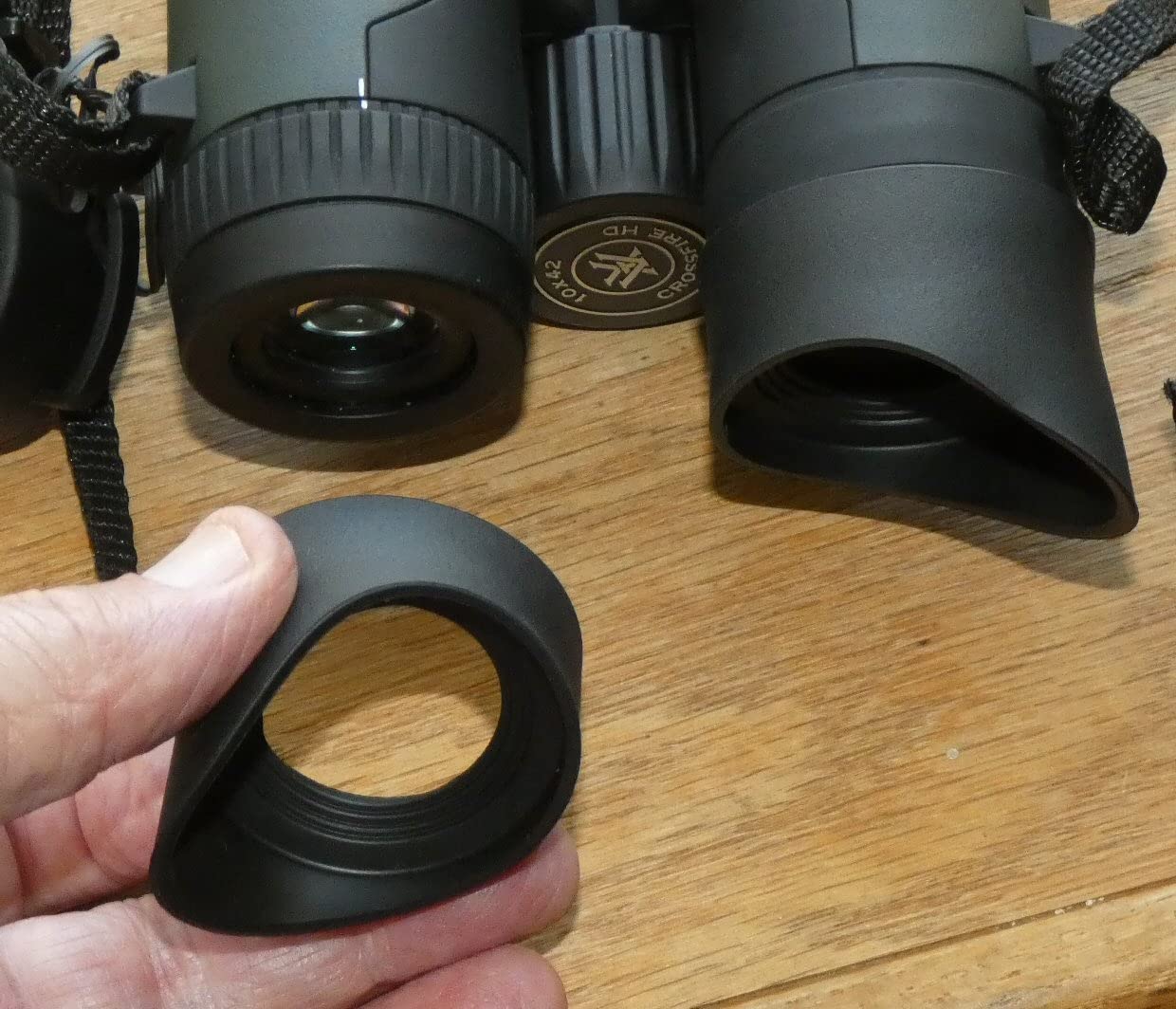
The honest weakness is the 10x itself. Owners report more hand shake than they see on 8x models, which is exactly the problem we flagged at the start. In a seated arena setting I would not notice it. Standing in a pit, I would.
Eye relief measures 15mm, the shortest in this group, and reviewers with glasses call it less comfortable over a long set. There is a tripod adaptor on the body, so a monopod or a railing solves the shake problem if you are stuck at 10x.
How it behaves when the house lights go down
The fully multi-coated glass is what earns this pair its place at the top. On a mid-sized stage with white and blue lighting, the image stayed noticeably cleaner than un-coated budget compacts in the same seats.
The 325 ft field of view is narrower than the 8x42s below it, so you re-acquire a moving performer a little more often. If the singer is moving the whole set, that trade is worth thinking about before you commit.
Where it will frustrate you
Glasses wearers should measure their frames first, because 15mm of eye relief means the eyecup sits close. Over a three-hour show, that gets tiring in a way the image quality does not.
At 1.4 lb this is a full-size pair in a full-size body. It will not disappear into a jacket pocket, and you will notice it on the neck strap between songs.
2. Vortex Diamondback HD 8×42: Best for Tracking a Moving Performer
Vortex Diamondback HD 8×42 Binoculars
8x42
393 ft FOV at 1000 yards
17mm eye relief
5.25mm exit pupil
8 oz
Pros
- 393 ft field of view makes tracking movement easy
- 5.25mm exit pupil stays bright in dim venues
- 17mm eye relief works with prescription glasses
- Smooth precise center focus wheel
- Lifetime warranty with covers and case
Cons
- Some units arrived with a broken accessory cover
- Dielectric-coated image is marginally less bright than premium rivals
If your band plays up, moves around, and uses a long runway, the wide view matters more than raw magnification. The Diamondback HD 8×42 covers 393 ft at 1,000 yards, the widest field of view in this roundup, and that is why it is my pick for a performer who will not stand still.
Owners describe the image as crisp and natural in colour with minimal chromatic aberration, and the 5.25mm exit pupil keeps it bright. At 8 ounces it is also the pair I am most comfortable wearing around a neck for a full evening.
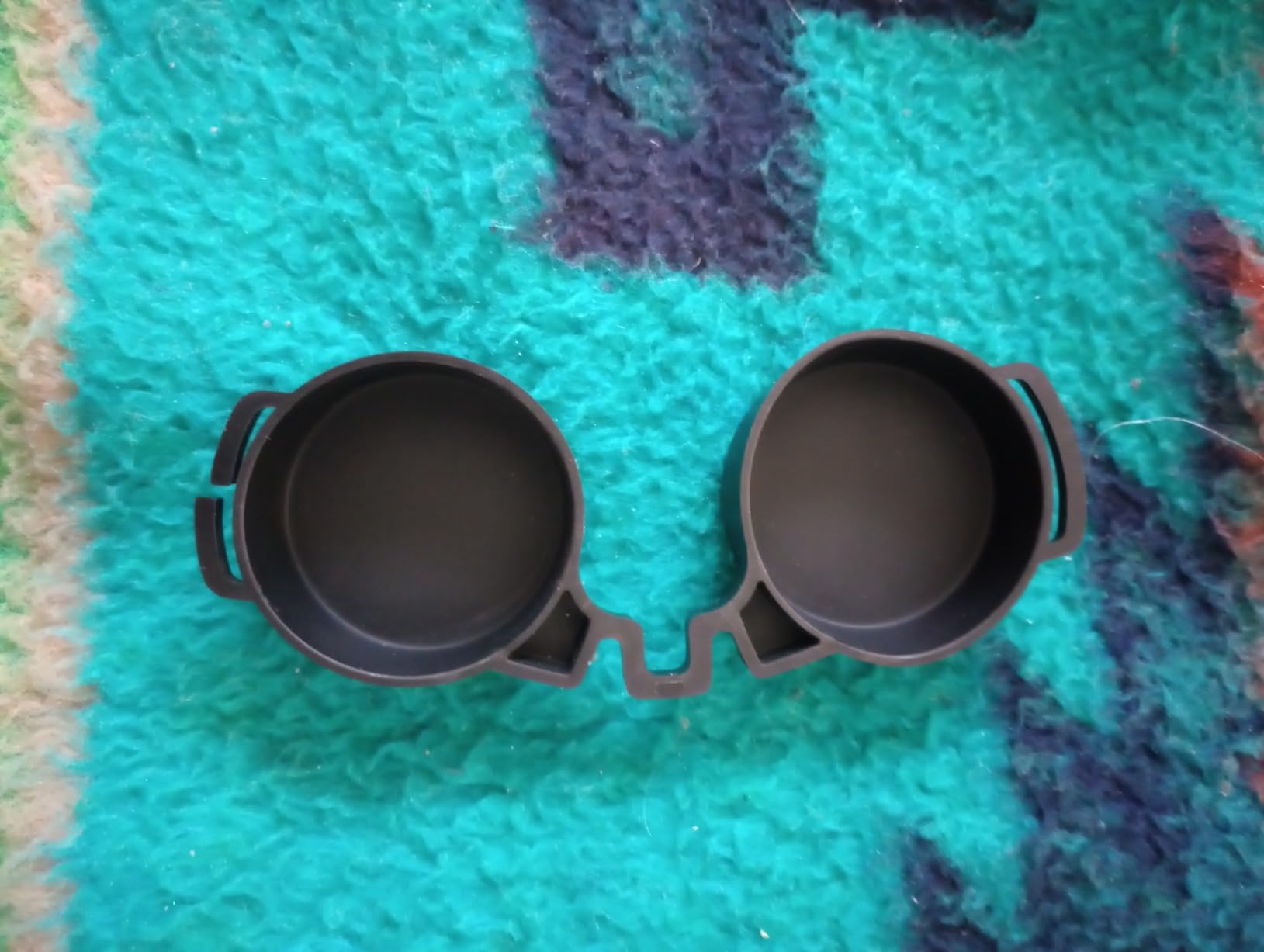
The focus wheel is smooth and precise enough to dial in on a dark stage with one hand, which is a real advantage over the small ridged wheels on ultra-compacts. The right barrel carries a diopter ring, so one user with different vision in each eye can set it once and stop fiddling.
Two complaints recur. Some owners received a unit with a broken accessory cover, and a few note the dielectric prism coating renders slightly less bright than premium competition at the very top end.
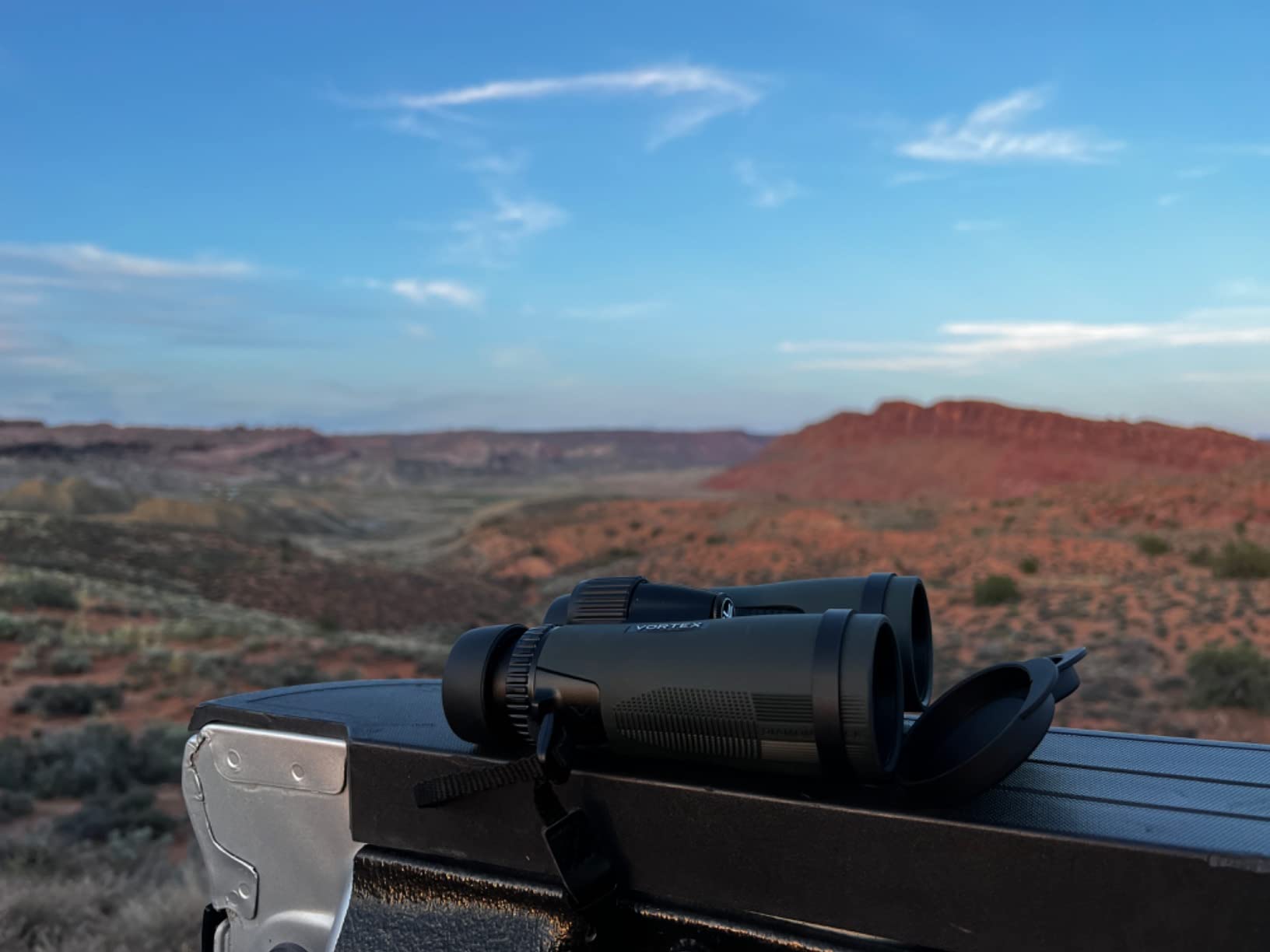
Why 8x beats 10x for a moving subject
Magnification does not create detail, it enlarges what you already have, including the shake in your hands. Dropping from 10x to 8x widens the field, brightens the exit pupil and reduces the wobble all at once.
Field of view here is measured at 393 ft at 1,000 yards. That is wide enough to hold a drummer and a vocalist in frame, which is a genuine advantage in a dark room where re-acquiring someone takes a second.
Comfort across a long set
With 17mm of eye relief and adjustable eyecups, this is one of the safer picks for glasses wearers. The 8-ounce weight also means you are less tempted to drop it when your arm gets tired.
It ships with a hard case, a neck strap, tethered objective caps and a rainguard eyepiece cover, so it is protected if it ends up on the floor of a standing section.
3. Nikon PROSTAFF P3 8×42: Best for Glasses Wearers
Nikon PROSTAFF P3 8×42 Binocular | Waterproof, fogproof, rubber-armored Full-Size Binocular, wide field of view & long eye relief | Official Nikon USA Model
8x42
20.2mm eye relief
377 ft FOV
5mm exit pupil
1.3 lb
Pros
- 20.2mm eye relief suits glasses and long sessions
- Large center focus knob is quick to turn
- 8x with a wide field keeps the image stable
- Nitrogen purged and O-ring sealed
- Limited lifetime Nikon warranty
Cons
- Diopter ring is stiff and hard to turn
- Heavier than smaller 8x42 rivals
- Neck strap has no fixed loop and swings loose
The single number that decides this pair for a lot of people is 20.2mm of eye relief, the most generous figure in the group. That means the eyecups sit far enough back that you can look through the barrel over the top of a pair of glasses without hunting for the edge of the lens.
Owners also point out that the 8x magnification with a 377 ft field of view keeps the image steady while you scan the stage, and that the large center focus knob is genuinely easy to find in the dark. That matters more than it sounds when the lights are down and you are feeling around for a control.
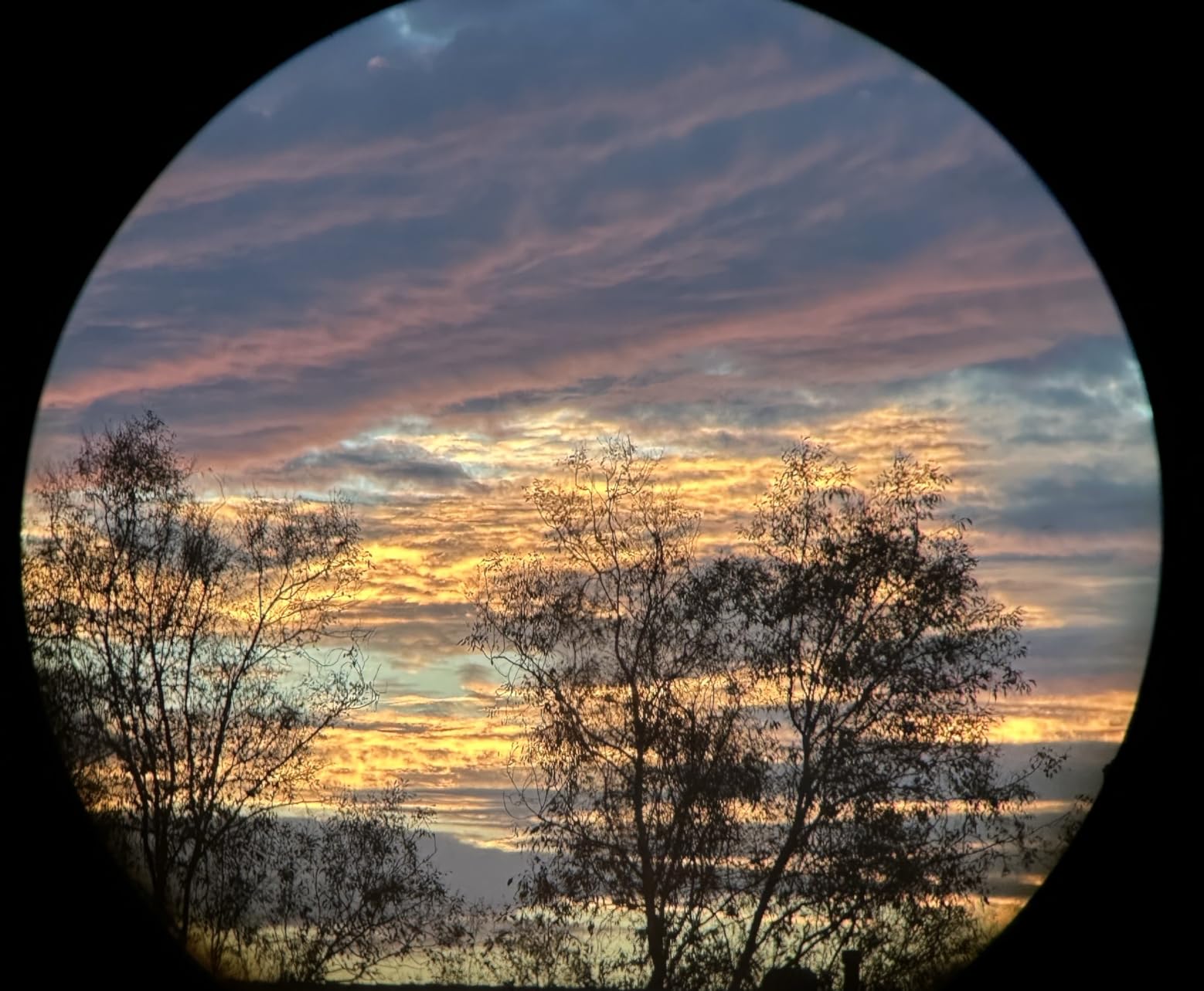
Nikon multilayer coats the lenses with silver-alloy prism coating for colour accuracy, and reviewers report vibrant results. Several say the coating difference against Nikon’s own premium lines is hard to detect in normal use, which makes this the sensible Nikon.
The build is fiberglass-reinforced polycarbonate with rubber armor, nitrogen filled, sealed with O-rings and rated waterproof. It is a body you can leave in a jacket through an outdoor festival without thinking about it.
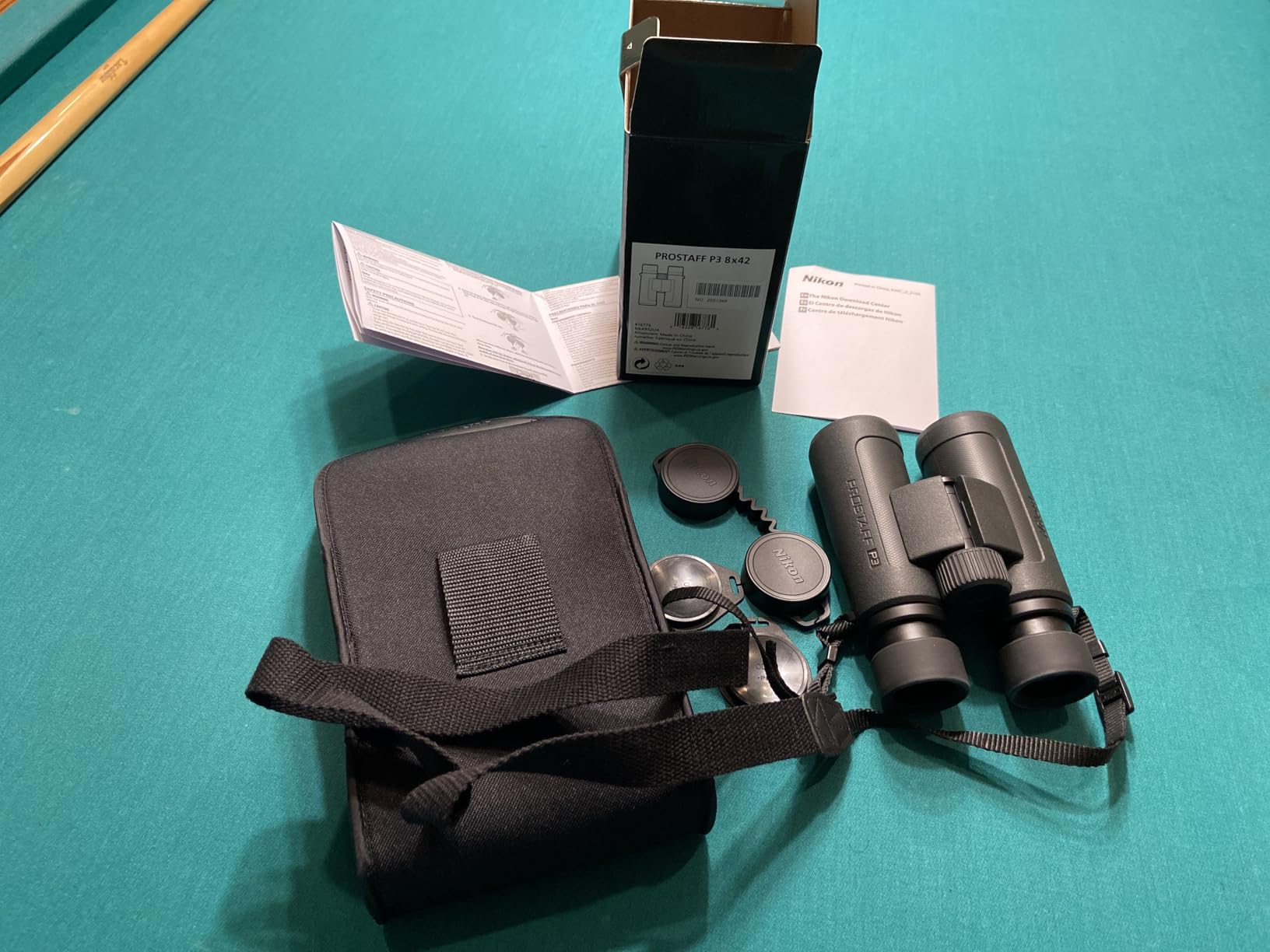
Long shows and older eyes
Eye fatigue over a two or three hour set is usually a fit problem before it is an optics problem. The turn-and-slide eyecups here adjust smoothly and the 20.2mm relief means you are not pressing your glasses into your brow to see.
One practical note. Do not share a single pair between two people with different prescriptions. A stiff diopter ring that takes a moment to set is the feature that lets one pair work for two wearers with different vision in each eye.
What you give up against lighter pairs
At 1.3 lb this is not a pocket binocular. Over a long set, the difference between 8 ounces and 1.3 pounds is the difference between a pair you keep raised and one you set on your knee.
Reviewers also complain that the supplied neck strap has no fixed loop, so the loose end dangles into your view. Swapping in a short fixed-loop strap solves it in a minute.
4. Celestron Nature DX 8×42: Best Value Full-Size Pair
Celestron Nature DX 8×42 Waterproof Binoculars for Bird Watching & Outdoors
8x42
388 ft FOV
5.25mm exit pupil
17.5mm eye relief
Phase-coated BaK-4
Pros
- Phase-coated BaK-4 prisms give bright contrasty images
- 388 ft field of view tracks movement easily
- Built-in tripod adapter for shake-free viewing
- Rubber armored waterproof nitrogen purged housing
- Limited lifetime warranty with US support
Cons
- Darker image in heavy low light than far costlier glass
- Included neck strap is low quality
- Eyecup screws can loosen and cups collapse inward
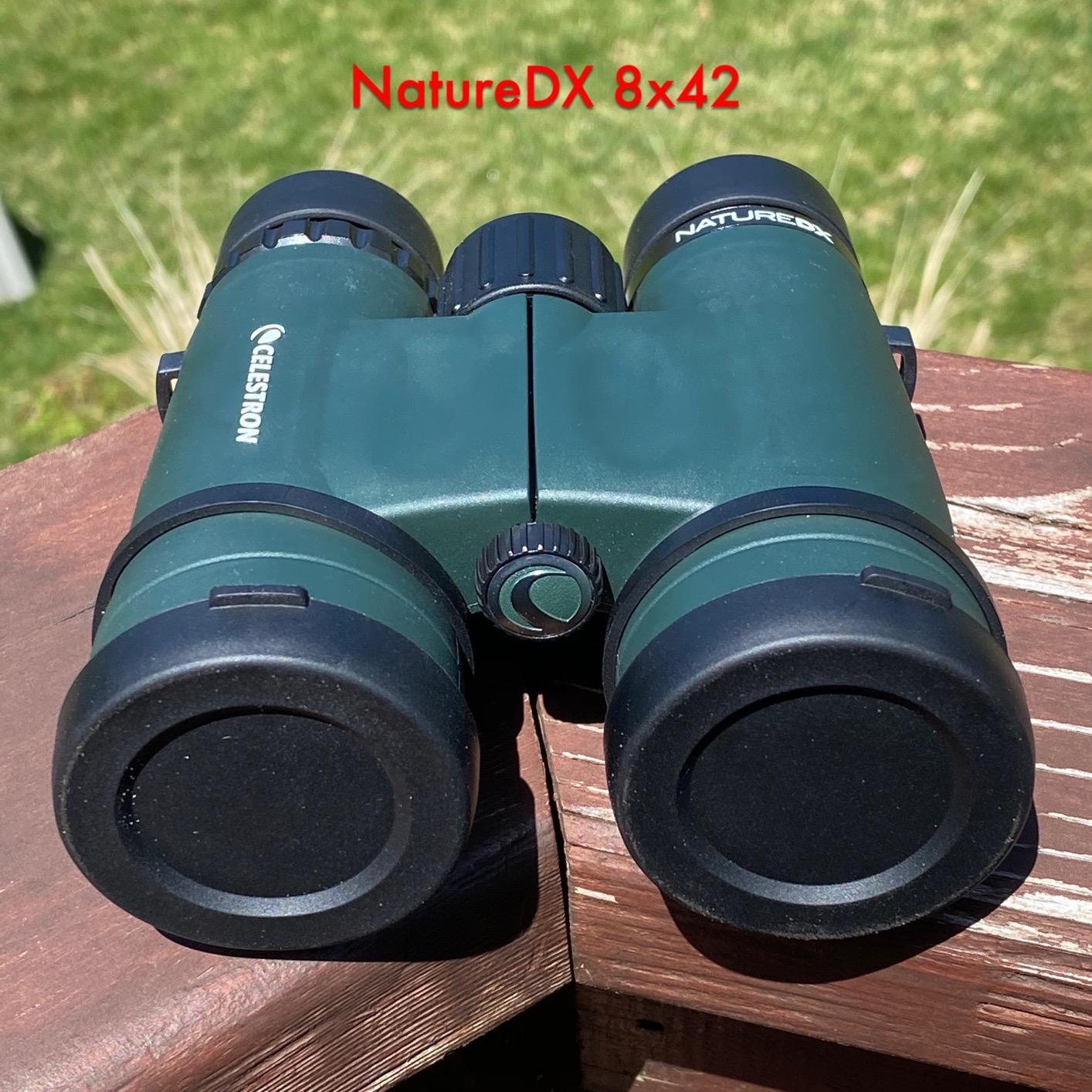
The Nature DX is the pair I keep recommending to people who think premium glass is the only way to see a stage. The 8×42 spec, 5.25mm exit pupil and phase-coated BaK-4 prisms put it level with models costing several times more in real-world use.
Long-term and head-to-head reviewers treat it as a benchmark value binocular, and the manufacturer’s own listing names concerts and sporting events among its intended uses. That is not a spec-sheet courtesy, it is how owners use it.
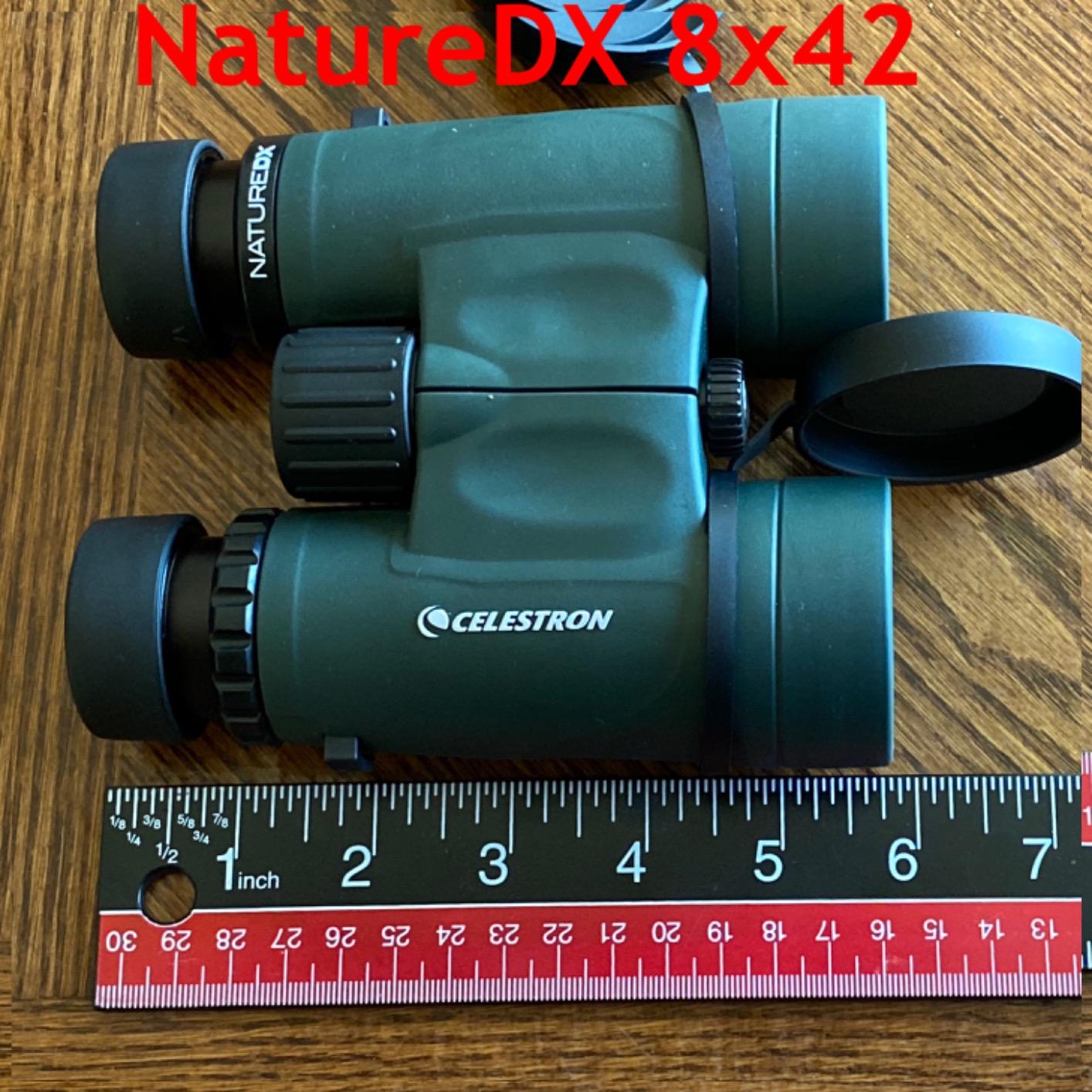
The 7.4 degree apparent field of view, which works out to 388 ft at 1,000 yards, is wide enough to follow a performer who crosses the whole stage. At 8x that also means the image sits still in your hands, which is the trade you want.
There is a tripod adapter socket built into the body. If you are at the back of a large outdoor venue and holding 8x for an hour, mounting on a monopod or resting on a railing solves the fatigue problem outright.
Where low light gets hard
The consistent caveat is that this is roughly twenty percent darker than premium glass in heavy low light. On a brightly lit stage you will not notice. On a dark club stage with one colour wash, you will.
If your shows tend to be dim, the coatings and objective size on the Monarch M5 and the Crossfire HD pull more light through the same scene. If your shows are arena-scale, the Nature DX is more than good enough.
Small hardware problems worth knowing
Owners mention adjustable eyecups that can collapse inward under pressure and small retaining screws that work loose. The included strap is also widely criticised as low quality.
The focus wheel is slightly stiff, which is a minor issue in a seated arena but a nuisance in a dark club. A pair of glasses-style retainers or a steady hand makes it a non-issue.
5. Hontry 10×25: Most Versatile That Lives in a Coat Pocket
Hontry 10×25 Compact Binoculars for Adults and Kids
10x25
362 ft FOV
9.6 oz
Porro prism
Fully multi-coated
Pros
- Palm sized at 9.6 oz and easy to carry
- BaK-4 prisms give a bright contrasty image for a compact
- 10x balances zoom with a steady low-shake view
- Interpupillary range of 60mm to 75mm fits kids and adults
- Smooth focus wheel and easy diopter
Cons
- 10x on 25mm objectives feels underpowered at distance
- Small exit pupil makes the image dimmer
- Thin unpadded neck strap
The Hontry is the answer for the person who wants binoculars at a show but refuses to carry a full-size pair through a security queue. At 9.6 ounces and a palm-sized body, it lives in a jacket and gets used instead of being left in a hotel room.
Reviewers treat it as a well-regarded budget compact that is surprisingly clear and bright for its class, with fully multi-coated optics and BaK-4 prisms providing depth and contrast that cheap plastic models cannot manage.
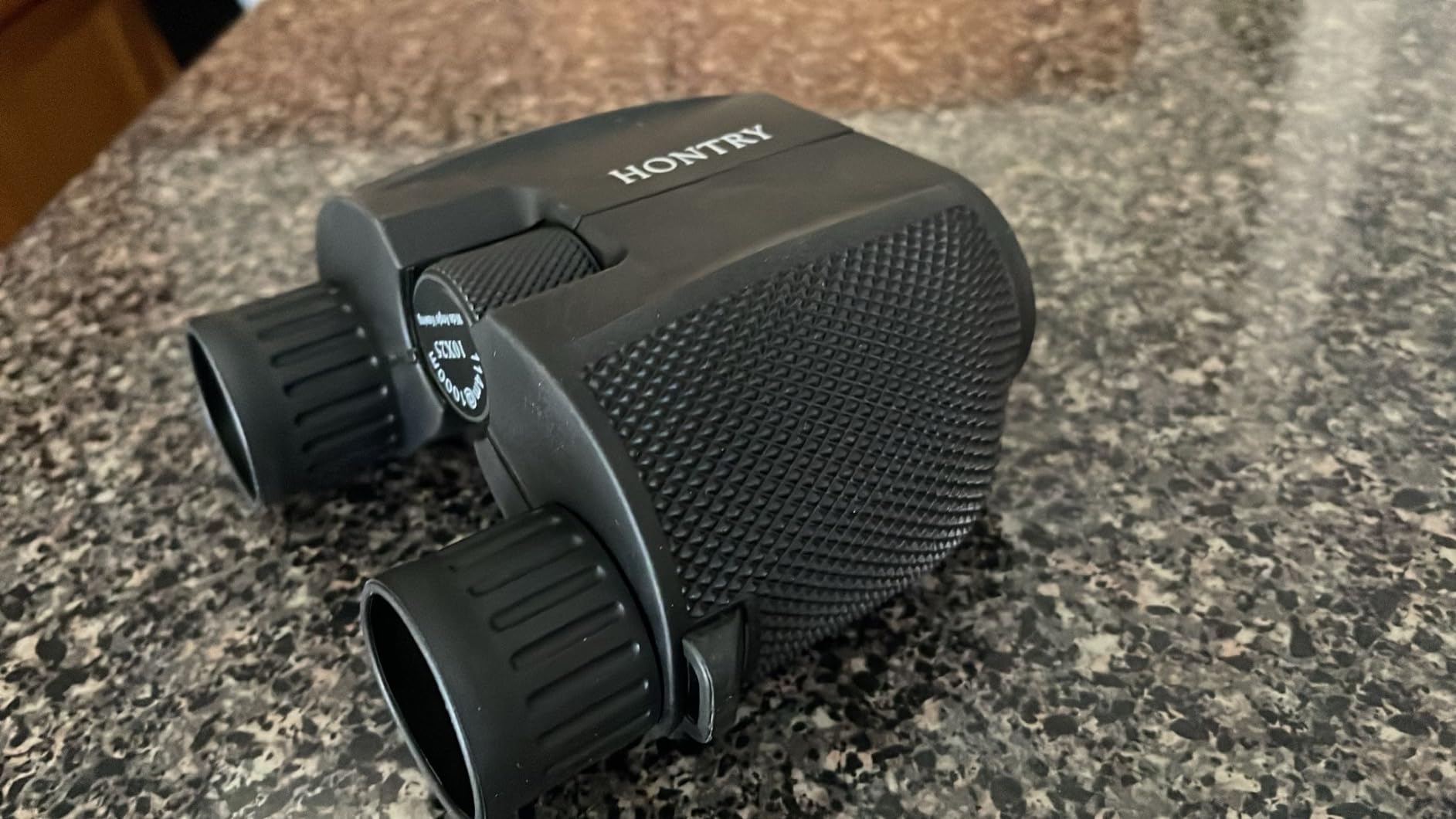
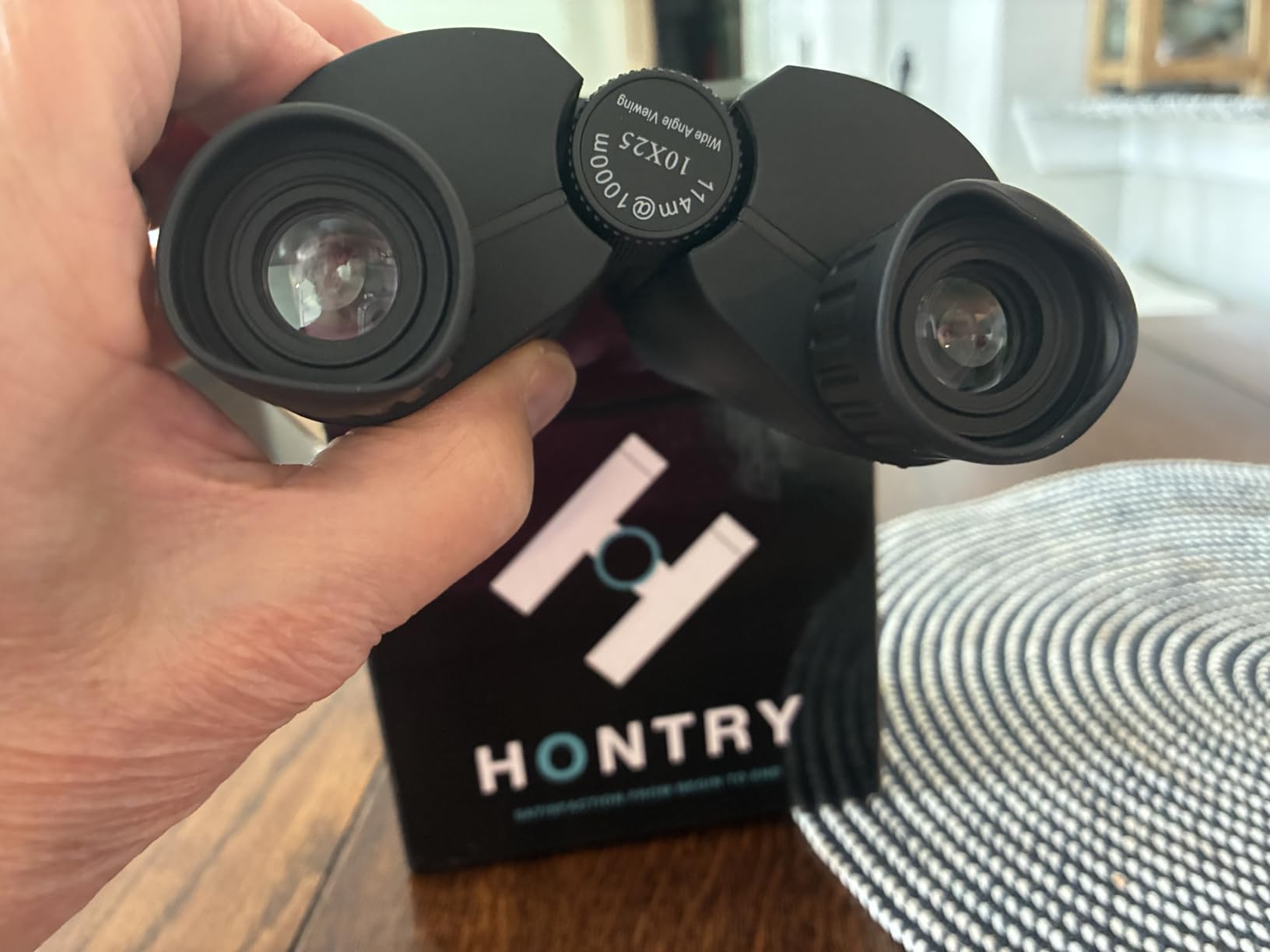
Where it is genuinely clever is family sizing. The interpupillary distance adjusts from 60mm to 75mm, so one pair fits an adult and most children, and the rubber eye relief lets a glasses wearer use it without a fight.
Ten power at 362 ft of field of view is a reasonable middle ground for a small to mid-size stage. The porro prism design also tends to look warmer and slightly more forgiving of cheap optics than a roof prism.
What 25mm objectives cost you
A 25mm objective divided by 10x magnification leaves a small exit pupil, and reviewers consistently report a dimmer image than larger-objective models. On a dim stage that is the first thing you will notice.
If your shows are outdoor stadium scale, the brightness gap versus an 8×42 becomes obvious. For a theatre, a club or an arena with strong stage lighting, the compact trade is worth it.
Good for sharing, awkward for one person
The wide interpupillary range and one-hand controls make this an easy pair to hand to a friend or a child. Just set the diopter before you pass it over, because the two of you may see differently.
The included strap has little or no padding, which gets uncomfortable over a long show. Any padded camera strap will fit and make a real difference.
6. Occer 12×25: Best Compact for Families and Kids
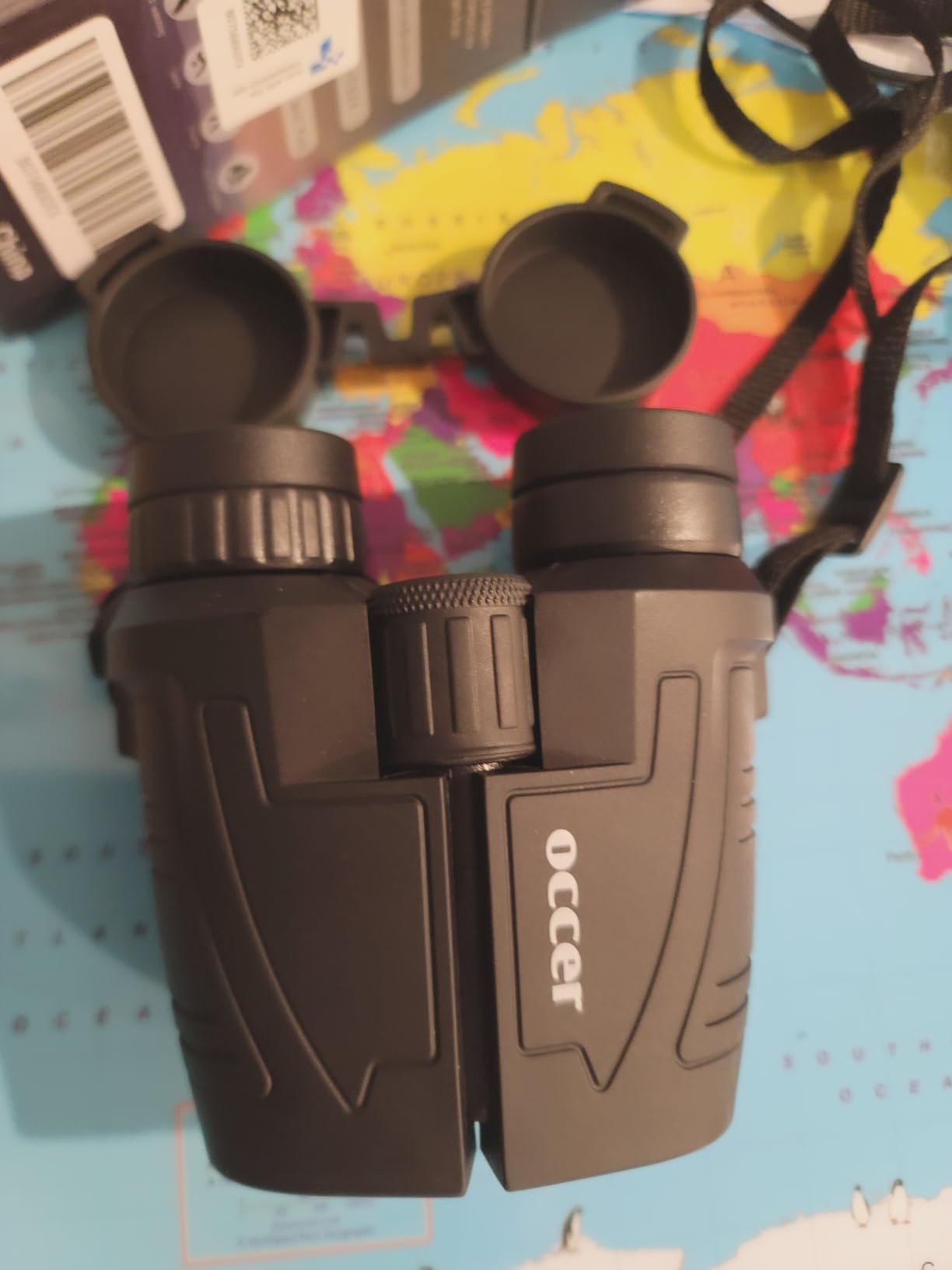
Occer 12×25 Compact Binoculars for Adults and Kids
12x25
273 ft FOV
20mm eye relief
2.5mm exit pupil
BaK-4
Pros
- 20mm eye relief with pull-down eyecups suits glasses wearers
- Very compact and light so it is easy to pack and use one-handed
- BaK-4 prism with FMC coating on objectives and eyepieces
- 15mm eyepieces give a clear image
Cons
- Real magnification feels milder than the 12x label
- Not nitrogen purged so condensation can form in damp conditions
- 2.5mm exit pupil limits brightness in dim venues
The Occer 12×25 draws tens of thousands of owner reviews, with people consistently describing it as clear and bright for something this small. Owners even compare it favourably to full-size Nikon glass, which tells you how good the coatings are for the category.
Twenty millimetres of eye relief with 15mm pull-down rubber eyecups makes it one of the most glasses-friendly pairs here, and the one-hand body is genuinely easy to work while standing.

Be realistic about the 12x label. Owners repeatedly note the effective magnification feels milder than the specification implies, and the 273 ft field of view is the narrowest of the compacts here. Use it like an 8x with a little extra reach, not like a spotting scope.
The BaK-4 prism with fully multi-coated broadband objectives and blue-coated eyepieces is the reason the image holds up under stage light. An acrylic prism in a body this small would go grey and soft immediately.
Not the pick for outdoor festivals
These lenses are not nitrogen purged, and owners advise against damp conditions or heavy dew for exactly that reason. If your tour is mostly outdoor festivals, the moisture will find them.
The 2.5mm exit pupil is the limiting number. It is the smallest here, and it is why the image dims noticeably in a dark club compared with the 10×25 or 12×25 competition.
Sharing it across a group
Because it is light, compact and has 20mm of eye relief, it is the easiest pair on this list to hand to a family member mid-show. A large eyepiece also suits younger eyes better than a small one.
Do set the diopter first. The plus or minus five diopter range covers a lot, but it is shared state, and two people with different vision will not get the same picture.
7. Aomekie Opera Glasses 3×25: Best for Theatre and Formal Nights
Aomekie Opera Glasses 3X25 Theater Binoculars with Retractable Handle
3x25
10 degree field of view
8.33mm exit pupil
Roof prism
Folding handle
Pros
- Elegant vintage look with a retractable handle
- 3x is genuinely useful from mid to back orchestra seating
- Manual focus screw dials in a sharp image quickly
- Fits in a handbag and includes a pouch
- Five frame colour options
Cons
- Focus must be reset almost every use
- Handle does not lock and loosens over time
- Some units arrived with dirty or oily interior lenses
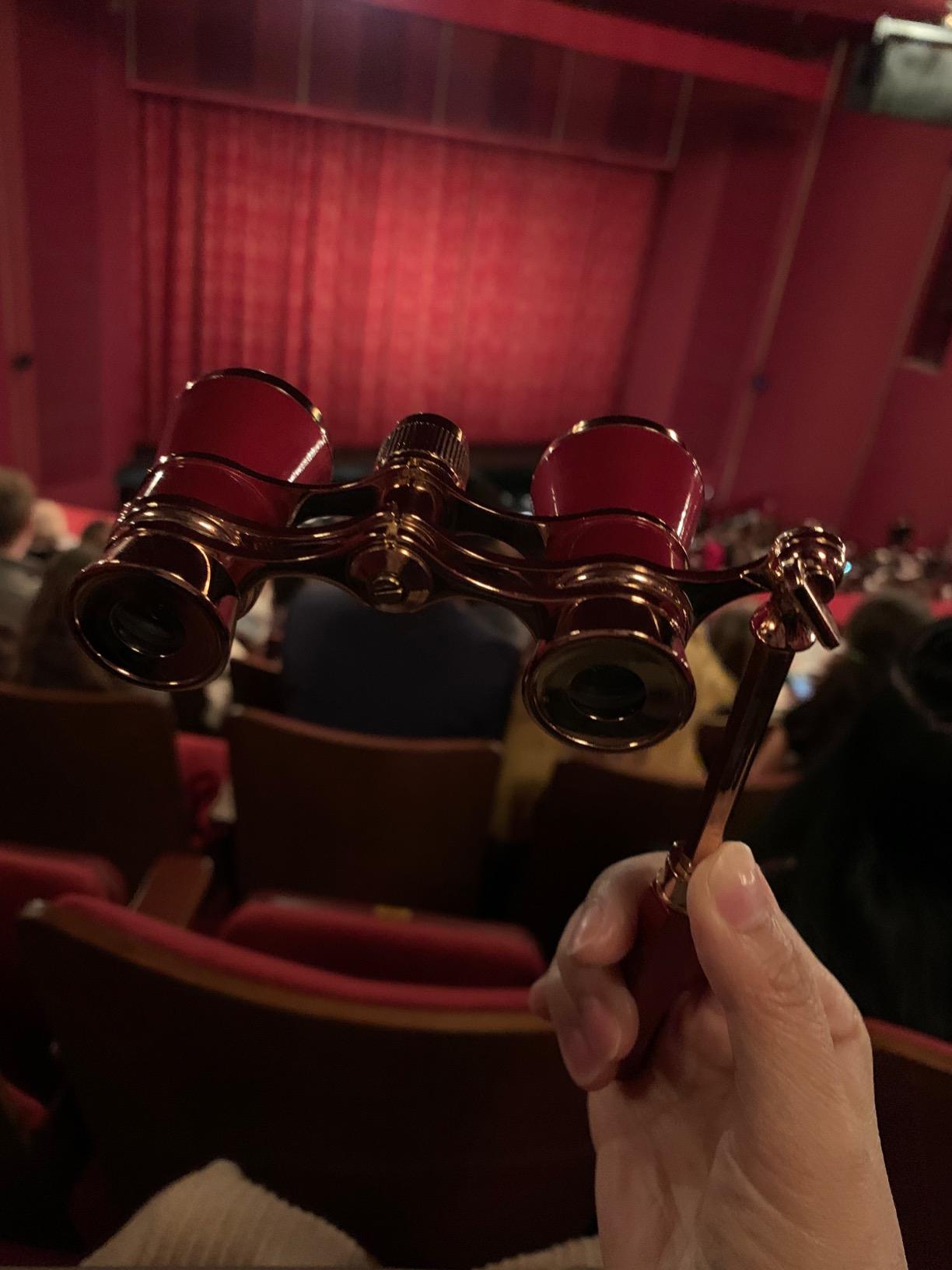
Not every show is an arena. For an opera house or a theatre, these are the historically correct instrument, and the Aomekie pair does the job its shape suggests: 3x of low, distortion-free magnification with an 8.33mm exit pupil that stays bright in a dim house.
Owners treat them as a stylish accessory-plus. The retractable handle looks right in an evening outfit, and the extra zoom genuinely helps from mid-to-back orchestra seating where a naked eye sees a shape rather than a face.
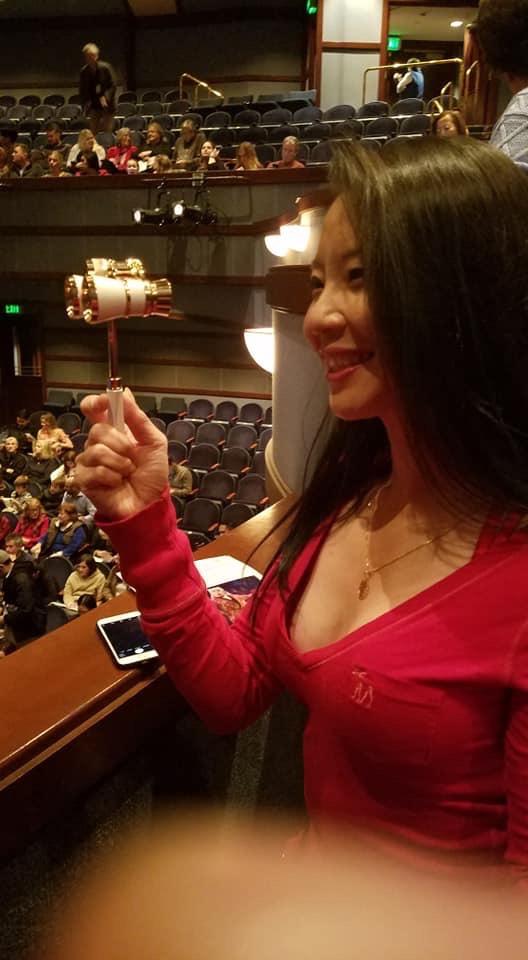
The 10 degree field of view is wide for the power, which keeps the stage in view without the shake that a higher magnification would add. That is the whole argument for 3x in a seated hall: the view stays put.
Focus is a manual screw on the right barrel with plus or minus five diopters of adjustment, and it dials in quickly once you know the feel. It is not a large centre wheel, so set it before the lights go down.
Best use case is a seat, not a stage
From the stalls, the circle or the back of a theatre, 3x is plenty. From the very back of a large hall, or for a performer in a high booth, the limited field of view and low power leave you wanting more.
These are not water resistant, so they belong indoors. A spilled drink in the interval is a bigger risk to them than any optical fault.
What to expect from the build
Owners like the vintage styling and the fold-out handle, but describe the construction as light rather than robust. The handle does not lock and can loosen over time.
Some units arrived with dirty interior lenses and light oil causing smudging, and the included cloth is not microfiber and leaves streaks. Check the lenses before you need them, in good light.
8. Celestron Outland X 8×42: Best First Step Into Full-Size Glass
Celestron Outland X 8×42 Binoculars for Birding & Nature Viewing
8x42
7 degree FOV
17.8mm eye relief
5.2mm exit pupil
BaK-4
Pros
- Bright high-contrast colour-accurate views from BaK-4 prisms
- 8x holds a steady hand-held image
- 17.8mm eye relief and twist-up eyecups work with glasses
- Waterproof nitrogen purged and rubber armored
- Built-in tripod threads and included case
Cons
- Light gathering is a step below the Nature DX line
- Eyecup adjustment is overly sensitive and easy to bump
- Tiny indexing part can corrode after water exposure
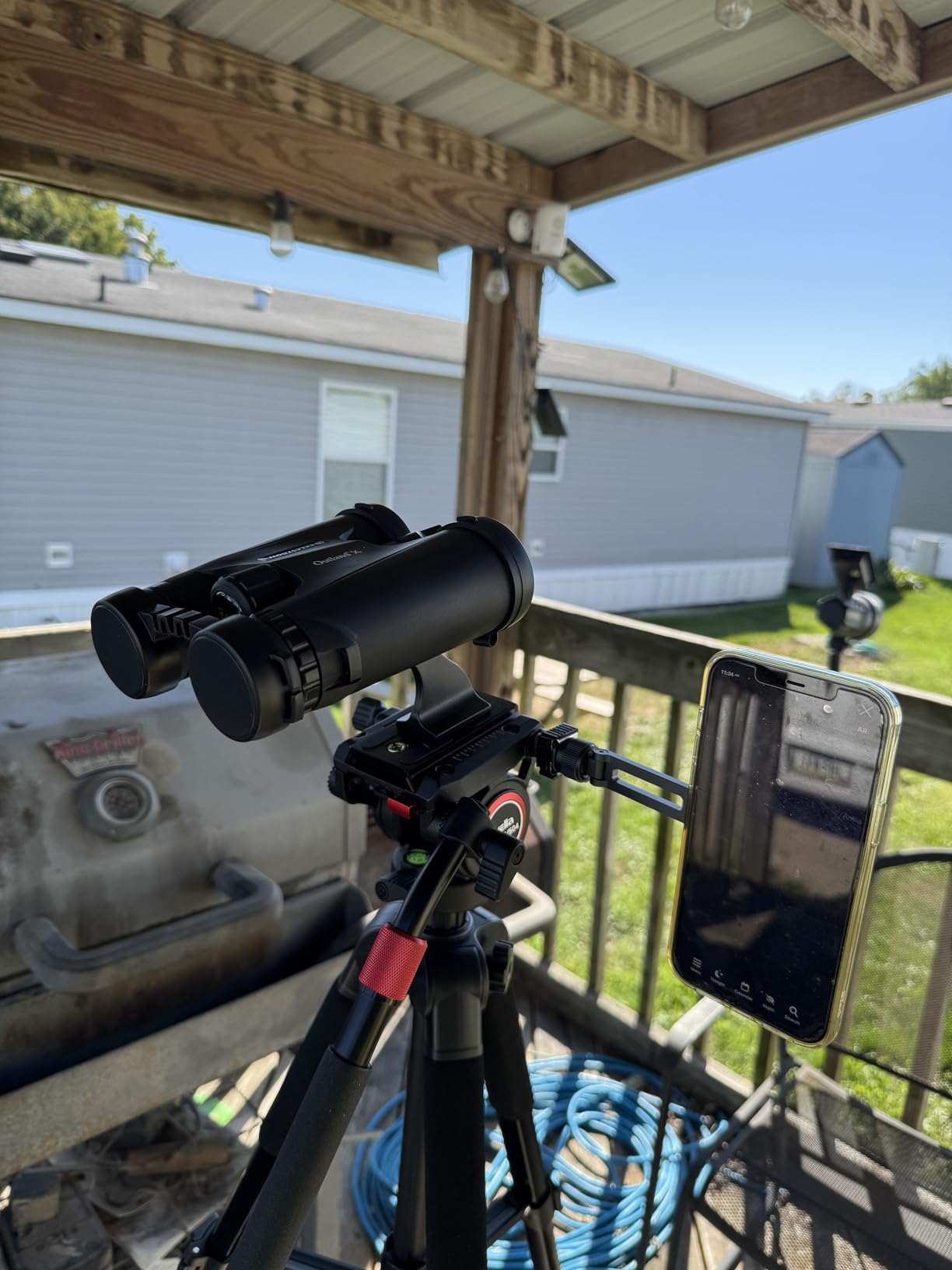
The Outland X is the pair I suggest when someone says they have never owned binoculars and does not want to spend real money to find out whether they like them. Eight power, 42mm objectives, BaK-4 prisms and multi-coated optics cover almost every seat in most venues.
Reviewers call it an affordable entry into full-size glass, praising the sharp image, the wide 7 degree field of view and the fact that it works well with prescription glasses. Several owners who compared it directly rate it a step below the Nature DX.

Seventeen point eight millimetres of eye relief is generous for the money, and the twist-up eyecups give you a clean seal over glasses. The 5.2mm exit pupil keeps a stadium show readable once the sun goes down.
It is waterproof, nitrogen purged and rubber armored, and it includes a case, strap, lens cloth and objective caps. That is a complete kit for a pair you will carry around your neck for an entire tour.
How it compares to spending more
Owners who compared it to Celestron’s own Nature DX and TrailSeeker lines describe the light gathering and crispness as a clear step down. Everything else, from handling to build, holds up.
If you are undecided, that is the trade in one line. The Outland X gives you the shape, the grip and the eye relief of a proper binocular, and you upgrade later only if the brightness is what disappointed you.
Hardware details that matter outdoors
The eyecup adjustment is described as overly sensitive and easy to move by brushing against your face, which means it can shift mid-song if you are not careful. Push them down once and leave them.
A tiny steel indexing part in the eye relief can rust and fall out after repeated water exposure. Fine for indoor use and light rain, worth checking after a festival weekend.
9. Nikon Monarch M5 10×42: Best Glass and Coatings in the Group
NIKON Monarch M5 Binoculars | Waterproof Fogproof ED Glass Optics with Dielectric Prism Coating | Bright High-Resolution Outdoor Binoculars for Birdwatching, Hiking & Wildlife, 10×42
10x42
293 ft FOV
18.4mm eye relief
ED glass
Dielectric prism coating
Pros
- ED glass cuts chromatic aberration and colour fringing
- Dielectric prism coating gives a bright natural image in low light
- Large smooth center focus knob with 8.2 ft close focus
- 18.4mm eye relief with twist-up click-stop eyecups
- Waterproof fogproof nitrogen-purged with a limited lifetime warranty
Cons
- Heavier than compact binoculars for a long carry
- No tripod mount included
- 10x needs a steady hand to avoid shake
This is the only pair in this roundup that uses extra-low dispersion glass, and the dielectric-coated prisms around it are the brightest combination here. Owners describe a clean, sharp, bright image with strong light gathering.
The Monarch M5 is frequently recommended as the sensible step below Nikon’s M7 line, and for concert use the ED elements matter: colour fringing around a lit performer under high-contrast stage lighting is exactly what spoils the effect.
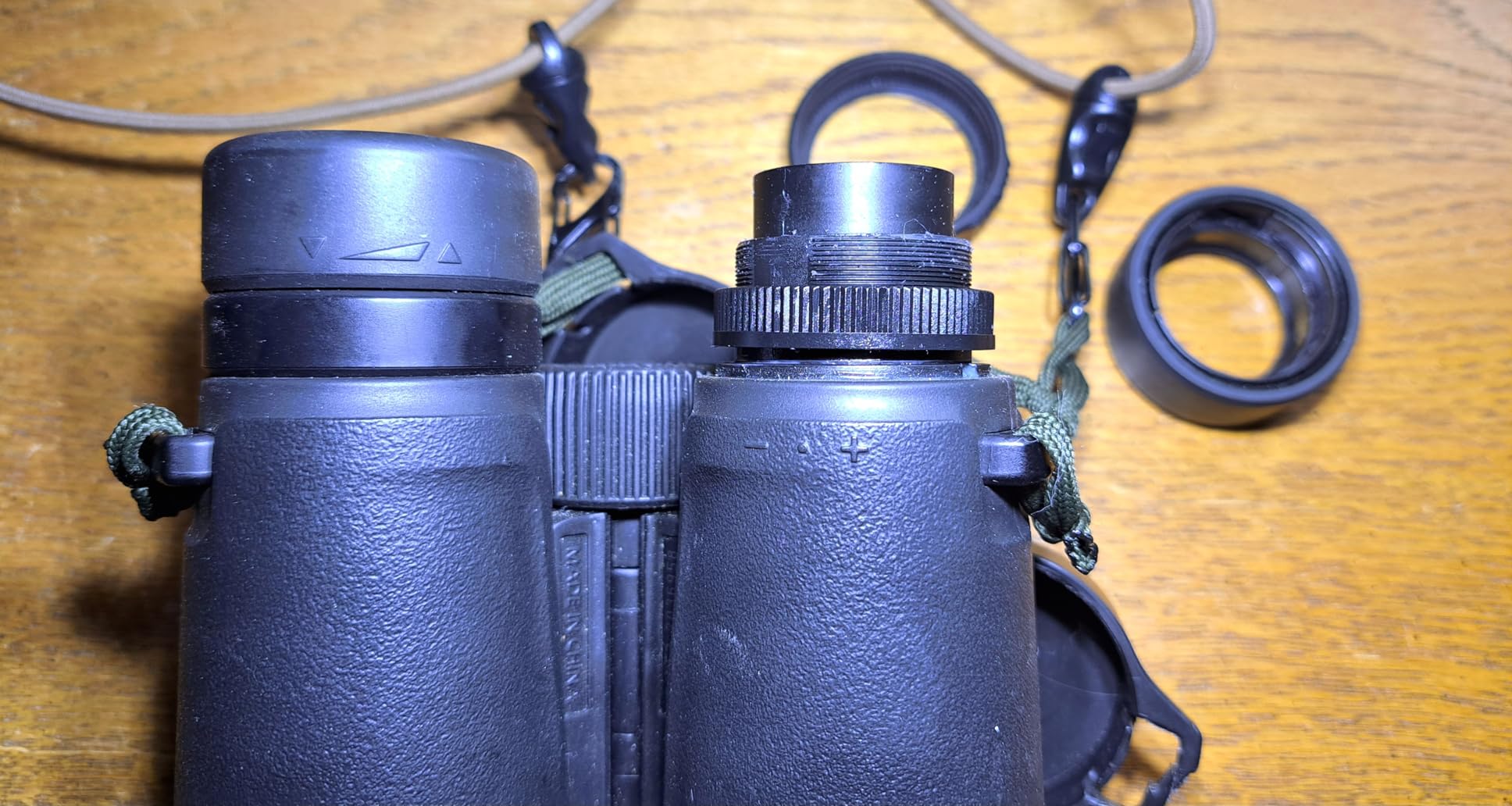
The 18.4mm eye relief is second only to the PROSTAFF P3, and the twist-up click-stop eyecups seal cleanly over glasses. Close focus down to 8.2 feet is a bonus when a performer comes to the very front of the stage.
Ten power gives you the reach for a big arena, and the 293 ft field of view is still workable if you brace against a railing. Owners use it on boats and safaris too, so the weather sealing is proven.
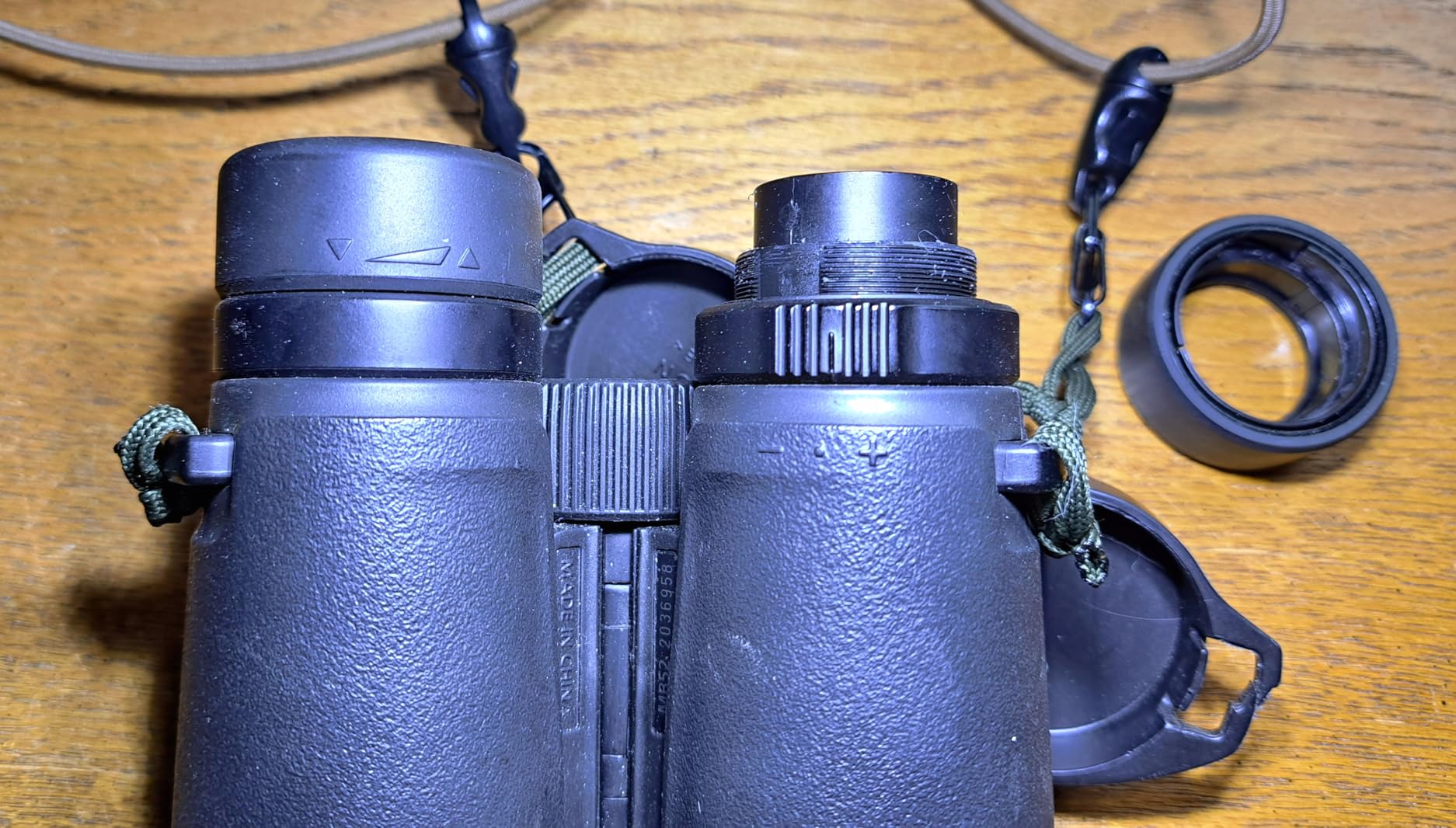
What the coatings actually buy you
Extra-low dispersion glass reduces the colour fringing that ordinary glass spreads at the edges of the image, and the dielectric prism coating reflects more light through the barrel than a standard silver coat.
On a stage with hard white beams against darkness, that combination is the difference between a face you can read and a smear of light. It is why this pair holds its image in lower light than the other 42mm options here.
Where 10x and 1.4 lb work against you
Owners note that 10x needs a steady hand, and this is a full-size 1.4 pound body rather than a compact. In a standing pit that is a real combination of problems.
There is a tripod mount fitted but no tripod included, and some owners wish the adjustment options were richer than premium rivals offer. Buy a monopod and this becomes a strong arena choice.
10. BLACKICE Opera Glasses 3×25: Best Gift for a Music Fan
BLACKICE Opera Glasses, 3X25 Theater Binoculars, Mini Compact Opera Glasses with Adjustable Handle, Portable Binoculars for Women Adults Kids, Ideal for Concert Theater Opera (Golden with Handle)
3x25
20mm eye relief
20 degree field of view
Foldable handle
Anti-reflective
Pros
- Elegant vintage styling with foldable handle and neck chain
- Lightweight and compact enough for a small purse
- 3x with a smooth center focus knob and right eye adjustment
- Carry bag lens cloth manual and gift box included
Cons
- 3x reaches far less than buyers expect
- Field of view is narrow for a very large venue
- Build quality is decorative rather than optical
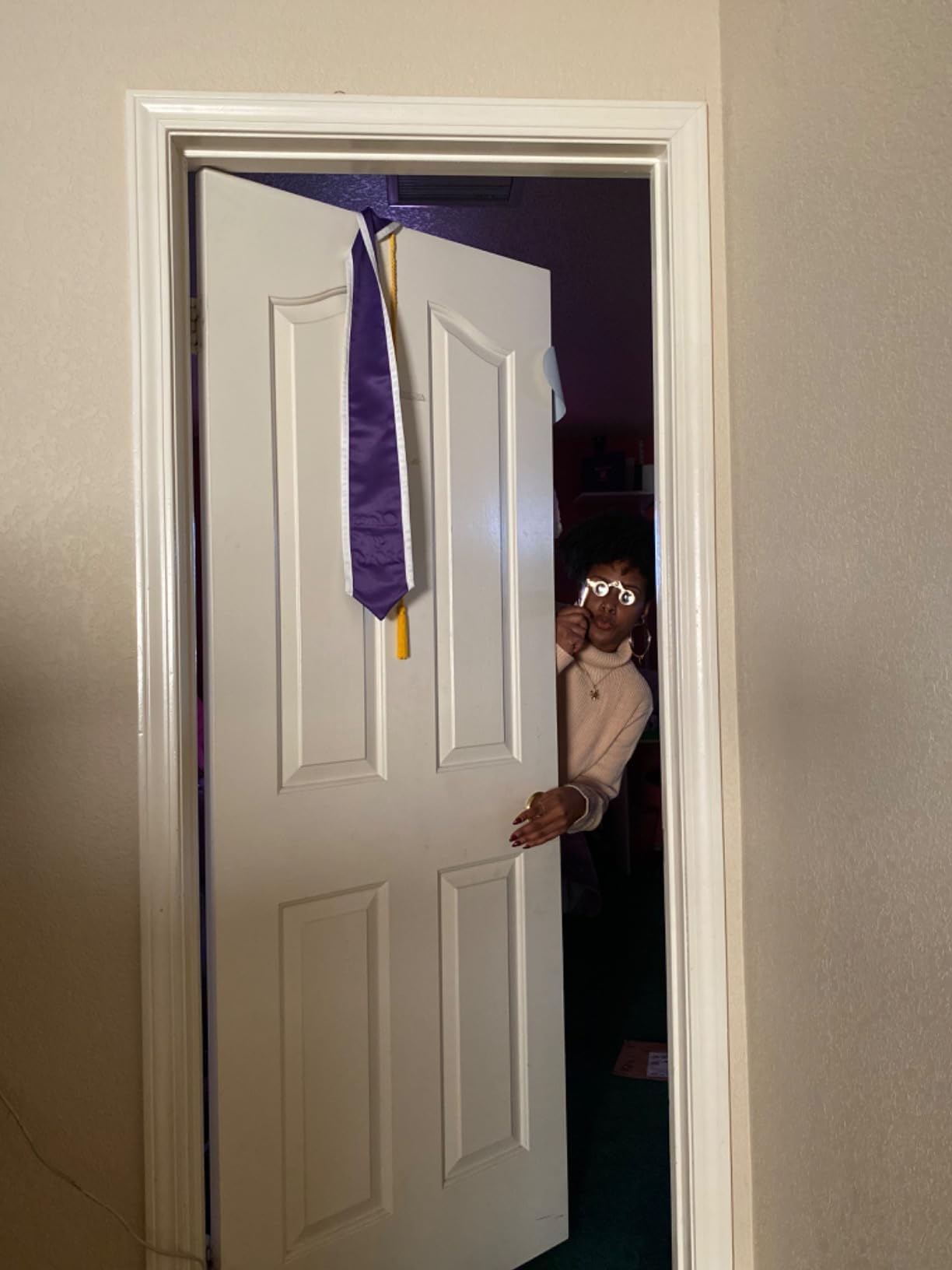
This pair exists to be given. The styling is deliberate, the presentation box and carry bag are included, and the foldable handle with a neck chain makes it feel like an object rather than a tool. Owners value it mainly as a stylish accessory that adds a little usable zoom in the hall.
Three times magnification with a right eye lens adjustment covers the case where you want to pick out a face in the stalls without holding up a phone. The anti-reflective coated 25mm objectives keep the image clear enough for a formal evening.
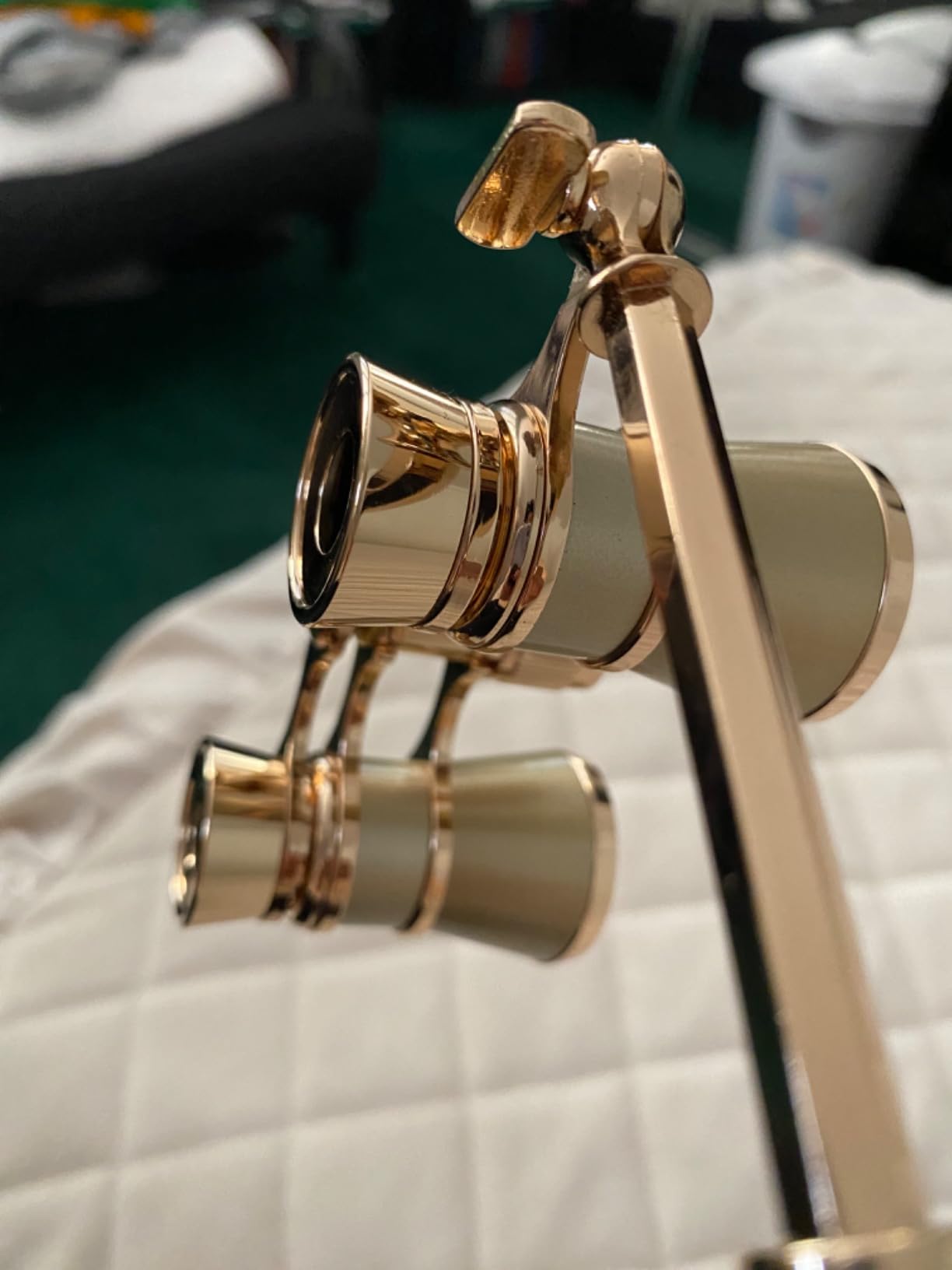
Expectations are the problem. The most common complaint is that 3x falls well short of what buyers hoped for, leaving the viewer wanting more reach. If you are buying for someone who will sit far back, set that expectation before the gift is opened.
The build is also described as decorative rather than truly optical, so treat it as a stylish complement to a theatre seat rather than a serious optical instrument.
Where three power is right
Mid-stalls, a balcony seat or a good seat at a musical: 3x is a pleasant, gentle lift that brightens the stage without adding shake. It is also a very low learning curve for someone who has never used binoculars.
A large venue with the stage a long way back is where it falls short. Reviewers single out the narrow field of view for big rooms as much as the low power.
What to keep in mind before you buy
Only anti-reflective coating, and no weather sealing, so it is an indoor instrument. The one-year manufacturer warranty is the shortest of anything on this list.
It is lightweight by design, which is why it lives in a handbag. Plan on a pouch rather than a loose pocket, and check the lenses in good light before the curtain.
How to Choose Binoculars for Concerts
Pick the spec class first, then the brand. For a fixed seat in an arena or a stadium, an 8×42 with fully multi-coated lenses and a BaK-4 or better prism is the right target. For a jacket pocket and a small room, a 6x-8x compact with 21-25mm objectives is the right target. Everything else is preference.
1. Magnification: 6x to 8x, not 10x or more
Magnification is the first number on the barrel. It enlarges everything in the view, including the tremor in your hands and the shake from the person in front of you, and it narrows the field of view as it climbs.
Forum consensus in the binocular community leans hard toward 6x-8x for live events, with 8x treated as the sweet spot. Ten power and above shrinks the exit pupil, darkens the image and makes a moving performer harder to hold on to. If you do buy 10x or 12x, plan to brace on a railing or use a monopod.
2. Objective lens: bigger is brighter, and weight follows
The second number is the objective lens diameter, and it decides how much light the barrel can gather. A 42mm objective on an 8×42 gives a 5.25mm exit pupil, which is why full-size pairs stay readable in a dark arena.
Compact pairs with 21-25mm lenses trade that brightness for something you can carry all night. Exit pupil is the objective divided by the magnification, so a 12×25 gives 2.5mm and a 10×25 gives 2.5mm as well. Below about 3mm the image starts to look dim and slightly flat, which is exactly how a dim club stage looks through a small pair.
3. Field of view: the spec people underrate
Field of view is measured in feet at 1,000 yards, and at a concert it matters more than raw magnification. A wider view means you find the performer faster and keep them in frame while they move.
The Diamondback HD 8×42 covers 393 ft at 1,000 yards, the widest here, while the Occer 12×25 covers 273 ft. On a runway stage, that difference decides whether you are watching the show or chasing a silhouette.
4. ED glass, BaK-4 prisms and multi-coating
Extra-low dispersion glass reduces colour fringing at the edges of the image, which matters under hard stage lighting. Only the Monarch M5 in this group uses ED elements, and owners notice the difference on a brightly lit stage.
BaK-4 prisms beat acrylic ones for brightness and contrast at the same price tier, and phase-corrected or dielectric prism coatings push further. Fully multi-coated lenses on every air-to-glass surface are the single biggest visual upgrade between budget and mid-range. Our compact binoculars guide covers this tier in more depth.
5. Eye relief if you wear glasses
Eye relief is the distance between your eye and the lens, and anything at or above 15mm lets you look through the barrel over your frames. The PROSTAFF P3 at 20.2mm is the most forgiving, the Crossfire HD at 15mm is the tightest.
Pair it with twist-up or turn-and-slide eyecups. Fixed-down eyecups are fine if you do not wear glasses and awkward if you do.
6. Weight, one-hand use and where you put them
At a show you will raise, lower and re-raise these dozens of times. A pair you can hold in one hand at 8 ounces gets used; a 1.8 pound full-size pair gets set on your knee.
Look for a centre focus wheel big enough to find in the dark and a diopter ring on the right barrel so you set it once instead of every song. A tripod adaptor is worth having at a stadium; our image stabilized binoculars guide covers the alternative approach to shake.
7. Fixed focus versus a focus wheel
Fixed-focus barrels are set at the factory for a mid-range distance and need no adjustment at all, which removes the focus-hunting problem in a dark venue entirely. Most of the pairs here use a centre focus wheel instead.
That is a fine trade because you are usually focused on a stage a fixed distance away. Set the focus before the lights go down, or at intermission, and leave it alone. If you find yourself refocusing between every song, you are doing it in the dark and the image will never settle.
8. Concerts differ from sports
At a concert you are tracking a person across a lit stage, and a wide field of view and low magnification win. In sport you follow a ball moving fast, which rewards a slightly narrower, higher-power view and a tripod.
Our waterproof binoculars guide covers the sealed models you want for an outdoor festival, where rain, dust and dew are all part of the brief.
9. What we skipped and why
12×50, 20×50 and 30×60 models never make this list for concerts. Fifty millimetre objectives are heavy, the magnification turns every tremor into a wide swing, and the narrow field makes you lose the performer constantly.
They are the right answer for boats, hunting and wildlife on open ground, which is exactly what they are sold for. Pocket models in the 3x range we did include, because low power and low weight are genuinely useful in a theatre. We also avoided the very cheapest unbranded glass entirely, which produces dim, hazy, distorted images that ruin a night out.
Are Binoculars Allowed at Concerts?
Usually yes, and they are a normal sight at most venues. Compact binoculars pass security screening without fuss, which is one of the practical reasons to choose an 8×42 or a small compact over a bulky full-size pair.
The exceptions are venues with restrictions on professional camera equipment, and some arena policies that restrict anything with a long lens or a detachable part. If you are travelling to a stadium with a strict bag policy, check the venue’s rules before the tour rather than at the gate.
Etiquette matters more than policy. Raise them for the songs, lower them between them, and do not hold them above head height in a packed floor section where the person behind you is trying to see. In a standing pit, keep the strap on and the body below shoulder level so a jostle does not take them off your face.
On theft, the simple advice is to never set them down, and to use a strap with a closed loop rather than a loose one. Our concert earplugs guide covers the other half of protecting your ears at a show.
Frequently Asked Questions
What are the best binoculars for concerts?
Compact 6x to 8x binoculars with 21mm to 25mm objective lenses, or full-size 8×42 pairs with fully multi-coated glass, work best at concerts. Low magnification limits hand tremor, a wide field of view keeps a moving performer in frame, and a bright image survives dim stage lighting. Our top pick is the Vortex Crossfire HD 10×42, with the Celestron Nature DX 8×42 as the value option.
Which binoculars are better for concerts?
For a fixed seat in an arena or stadium, an 8×42 with multi-coated lenses and a BaK-4 prism is the better choice because the larger objective keeps the image bright after dark. For a theatre, a pit or a jacket pocket, a 6x to 8x compact with 21mm to 25mm objectives is easier to carry and to hold steady. High powers above 10x magnify hand shake and are worse for live shows.
Is it okay to bring binoculars to a concert?
Yes, compact binoculars are accepted at most venues and pass security screening without difficulty. A few arenas restrict professional camera equipment or long lenses, so check the venue policy before travelling. Etiquette applies inside: raise them during songs, lower them between songs, and keep them below shoulder height in a standing crowd.
Are 8×21 binoculars any good?
A good 8×21 or 8×25 compact is genuinely capable at a concert because the wide field of view makes it easy to track a moving performer and the low power limits hand shake. The trade is brightness, since small objective lenses produce a small exit pupil. In a dark club the image looks dim, while in a lit arena or a theatre it holds up well.
What is the best binocular for low light viewing?
A larger objective lens and fully multi-coated glass are what matter. Full-size 42mm pairs such as the Celestron Nature DX 8×42, the Nikon Monarch M5 10×42 with ED elements and dielectric prism coating, and the Vortex Crossfire HD 10×42 gather more light than any compact. Stage lighting is the real test, and darker clubs expose the cheapest models fastest.
What are the best binoculars for viewing stadiums?
For outdoor stadiums, an 8×42 with multi-coated lenses, BaK-4 prisms and a broad field of view of roughly 380 feet at 1,000 yards is the practical choice, with a tripod adaptor helpful for long sessions. Sealed and nitrogen-purged bodies matter outdoors, and lower magnification still wins because a performer crossing the stage is hard to hold at 10x or above.
What is the best binocular magnification for observing sporting events?
For sport and live events, 6x to 8x is the accepted range. Ten power and above narrows the field of view, shrinks the exit pupil and magnifies hand shake, so you lose the subject while trying to re-acquire it. Wider field of view is the decisive specification for tracking a moving performer or player, more than the magnification number itself.
Final Verdict: Best Binoculars for Concerts in 2026
The best binoculars for concerts are the Vortex Crossfire HD 10×42 for bright multi-coated glass in a dark venue, the Vortex Diamondback HD 8×42 when a performer moves and you need the widest view, and the Celestron Nature DX 8×42 if you want full-size performance without the top-tier spend.
Take one of those three, set the diopter and focus before the lights go down, and raise them for the songs rather than the whole night.