
A focal reducer is a multi-element lens that screws onto the back of a telescope to shorten its effective focal length and make it optically faster. An f/10 Schmidt-Cassegrain becomes an f/6.3 telescope; a 1000 mm refractor can become an 800 mm one. The math is simple: new focal length = native focal length x reduction factor.
Why bother? Because imaging rewards light. Here is the short list of what you gain when you compress the light cone:
A faster focal ratio, which means a brighter image for the same exposure time.
Shorter sub-exposures for the same total integration, which cuts tracking error, periodic error and thermal noise.
Less demanding guiding, because you no longer have to nail long single exposures.
A wider field of view, so large galaxies and nebulae fit in one frame instead of a mosaic.
Less field rotation damage on alt-az mounts, because each sub can be shorter.
One correction before we get into the picks, because it comes up on nearly every forum thread: a focal reducer is an imaging tool, and the claim that reducers “mostly give horrible quality for imaging” is a complaint about mismatched parts, not about the category. Put a two-element visual booster designed for f/10 tubes on a fast apo and you will get soft, elongated, fringing stars. Put a matched reducer-corrector on the telescope it was designed for and hold the specified spacing, and you get the opposite. Match and spacing are everything.
I compared ten focal reducers for astrophotography for this guide, from the most proven Schmidt-Cassegrain reducer-corrector on the market down to entry-level visual boosters and 1.25 inch stackers. For every one I looked at the reduction factor, the stated back focus, the telescope it was actually designed for, and what real owners report about edge stars. What follows is the compatibility-first guide I wish existed when I was trying to work out which part to buy.
Table of Contents
Top 3 Best Focal Reducers for Astrophotography in 2026
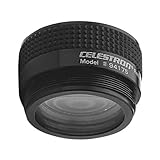
Celestron f/6.3 Reducer-Corrector
- 0.63x reduction turns f/10 into f/6.3
- Fully multi-coated Plossl design
- Fits the standard SCT rear cell thread
- Two-year US warranty

SVBONY 0.5X 1.25 Telescope Focal Reducer
- 0.5x reduction halves focal length
- Two-element fully multi-coated optics
- 28.5x0.6 threads on both ends
- All metal body weighing 18 g

Astromania f/6.3 Reducer-Corrector
- Four-element reducer-corrector design
- 41 mm clear aperture
- Drops straight onto the SCT rear cell
- CNC aluminum with rubber housing
Quick Overview: Best Focal Reducers for Astrophotography (October 2026)
| Product | Specifications | Action |
|---|---|---|
| Celestron f/6.3 Reducer-Corrector |
|
Check Latest Price |
| SVBONY 0.5X 1.25 Focal Reducer |
|
Check Latest Price |
| Astromania f/6.3 Reducer-Corrector |
|
Check Latest Price |
 SVBONY SV193 0.8X Reducer Flattener SVBONY SV193 0.8X Reducer Flattener |
|
Check Latest Price |
 SVBONY 0.5X Reducer with C-Mount SVBONY 0.5X Reducer with C-Mount |
|
Check Latest Price |
 Explore Scientific Refractor Flattener Explore Scientific Refractor Flattener |
|
Check Latest Price |
 Sky-Watcher Evoguide 50 Flattener Sky-Watcher Evoguide 50 Flattener |
|
Check Latest Price |
 Astromania 0.5X 1.25 Focal Reducer Astromania 0.5X 1.25 Focal Reducer |
|
Check Latest Price |
 Skyoptikst f/6.3 SCT Reducer Skyoptikst f/6.3 SCT Reducer |
|
Check Latest Price |
 Alstar 0.5X 1.25 Focal Reducer Alstar 0.5X 1.25 Focal Reducer |
|
Check Latest Price |
1. Celestron f/6.3 Reducer-Corrector – The Proven Default for Classic SCTs
Celestron f/6.3 Reducer-Corrector Lens for Schmidt-Cassegrain Telescopes
0.63x reduction
Fully multi-coated Plossl
Fits C5 through C14
2-year warranty
Pros
- Turns f/10 into f/6.3 for a much wider and brighter field
- Corrects corner field curvature so edge stars stay round
- Threads straight onto the standard SCT rear cell
- Works with a T-adapter diagonal or off-axis guider once fitted
- Solid machined build with a knurled grip
Cons
- Useless for planetary and high magnification work so it comes off again
- A camera T-ring and T-adapter are still required
- Adds glass between the sensor and the sky
This is the one I keep coming back to, and it is the only reducer in this list with 724 reviews behind it. The optical design is a fully multi-coated Plossl that threads directly onto the standard Schmidt-Cassegrain rear cell, no adapter, no spacers to source separately. Owners on C5, C6, C8, CPC925, C11 and 8SE setups all describe the same result: a wider, brighter field with stars that stay round right out to the corners.
From my side the practical gain is the exposure time, not the field. Moving from f/10 to f/6.3 is roughly a 2.5x improvement in light per exposure, which means the same depth comes in a third of the time. That matters most on nights when guiding is marginal anyway.
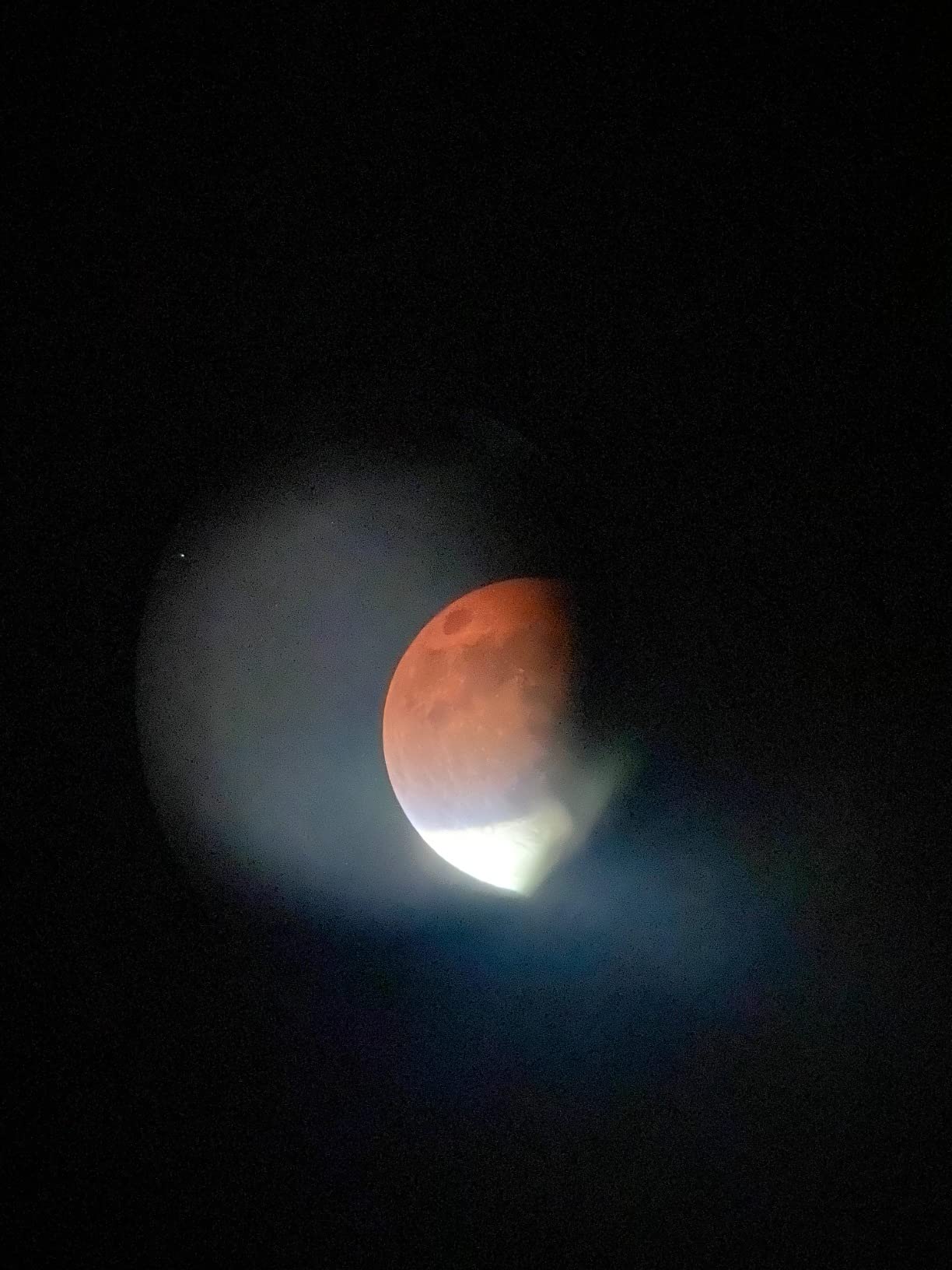
The catch is that it is an f/6.3 part on a long-focal-ratio telescope, and that is exactly where the “horrible quality” reputation comes from. r/telescopes users confirm it fits all non-EdgeHD Celestron SCTs from 5 inch up to 14 inch, which is a genuine compatibility win. Others in the same thread say the result is not what they hoped for, and a Cloudy Nights member was plainly not convinced by the image quality despite the volume of owner reports in favour.
My read is that the disappointment is nearly always a spacing problem. This class of reducer is designed around a working distance in the region of 105 mm, and a DSLR body or a filter wheel sitting well off that plane will soften the corners no matter how good the glass is. Also worth knowing: you take it off again for the Moon and planets, because at f/6.3 you simply cannot focus an SCT on a planet without a Barlow.
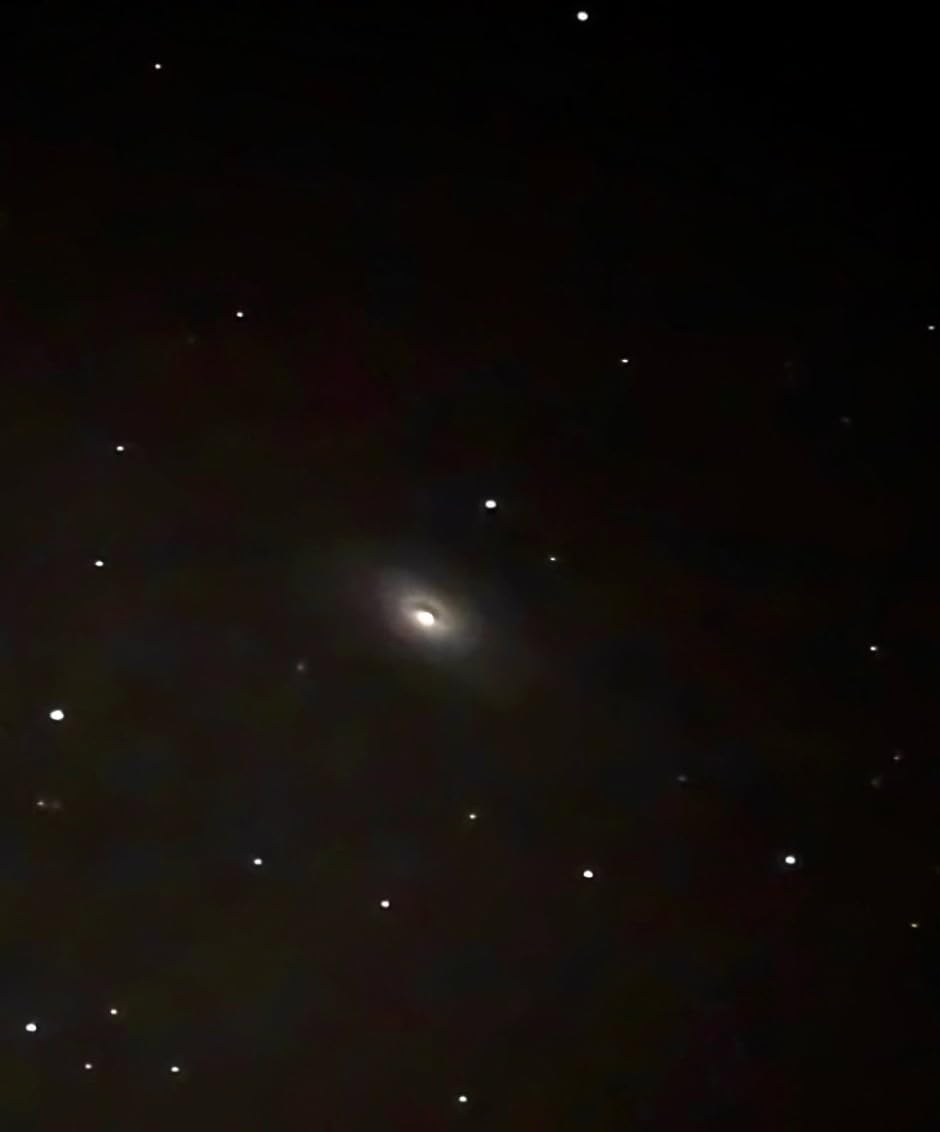
What the spacing requirement means in practice
The rear cell plus reducer gives you a fixed optical path, and your camera has to sit at the right point on it. Measure with a ruler before you buy the camera side of the system, because a T-adapter and the right T-ring are what set the final distance.
If your frames show soft corners, add or remove a thin spacer rather than blaming the lens. This is the single most common fix in the whole category.
Who should pass on it
If you bought an EdgeHD, this is the wrong accessory. The EdgeHD has its own built-in flattener and a dedicated 0.7x reducer, and stacking a classic SCT reducer-corrector on top of it will not improve the corners.
Planetary imagers should skip it too. Keeping it permanently mounted costs you nothing on deep-sky nights, but you will want the extra magnification range for the planets.
2. SVBONY 0.5X 1.25 Telescope Focal Reducer – A Low-Cost Way to Double the Field
SVBONY 0.5X 1.25 Telescope Focal Reducer, 2-Element FMC Optics
0.5x reduction
Two-element FMC optics
28.5x0.6 threads both ends
18 g
Pros
- Roughly doubles the field of view straight away
- Multi-coated two-element glass gives a clean image centre
- Stacks with eyepieces filters and camera adapters
- Weighs 18 g so it will not unbalance a small refractor
Cons
- No field flattening so edge stars elongate and fringe
- Back focus varies by camera and often needs spacers
- Some cameras with 1.25 inch threads do not seat properly
This is the entry-level option and it does one job: halve the focal length. A two-element fully multi-coated design in an all metal body, threaded 28.5×0.6 on both faces so it drops between an eyepiece and a filter, or between a camera adapter and a filter. At 18 g it is the sort of thing you can forget is attached.
On small refractors and Maksutovs the owners are happy: clean image centre, useful contrast, a wide field and a body light enough to forget. I like it for visual scanning of wide clusters and for grabbing quick lunar and solar frames on a small-sensor camera, where a bigger field is more useful than a flatter one.
The 207 reviews at 4.2 stars tell the honest story. Roughly 61 percent are five-star, but there is a noticeable tail of three-star and one-star ratings, and the astrophotographers who rate it lowest are the ones running it on long-focal-ratio SCTs. They report heavy vignetting, edge distortion and coma. That is not a defect, it is a two-element visual lens doing imaging work it was not corrected for.
Back focus is the other recurring frustration. Owners quote roughly 50 mm as the design distance and a lot of losing time before realising their camera needs a spacer. My advice is to treat the first session as a spacing session: measure, set, shoot a short dark frame, and adjust before you commit an all-nighter to it.
Is a two-element 0.5x good enough for deep-sky imaging
For a wide, bright, quick look at a large target, yes. For a long integration where corner sharpness decides the outcome, no. Two elements cannot hold a flat field across a wide frame, so the stars near the edges will tell you about the lens rather than the sky.
If you plan serious mosaics or long sub-lists, move up to a matched reducer-corrector instead.
Best uses
Visual wide-field on a small refractor or Maksutov, and short-exposure lunar or solar imaging where fitting the whole target in frame matters more than pixel-level star shape.
It also gives you a straightforward way to check whether a wider field is the thing you are actually missing.
3. Astromania f/6.3 Reducer-Corrector – Four Elements With a Strong Five-Star Rating
Astromania Telescope Focal Reducer Corrector f/6.3 for Schmidt-Cassegrain
Four-element design
41 mm clear aperture
SCT rear cell fit
Includes case and caps
Pros
- Four-element multi-coated design holds stars across the field
- Drops onto the standard SCT rear cell with no adapter
- 85 percent of ratings are five-star
- Good service for replacing a scratched unit
Cons
- Back focus works out nearer 105 mm than the stated 85 mm
- Some corner distortion and vignetting on larger sensors
- Still needs a T-adapter and camera T-ring
This is the alternative to the Celestron unit for classic Schmidt-Cassegrains, and the spec sheet is more generous on paper: a four-element fully multi-coated reducer-corrector with a 41 mm clear aperture, in a CNC-machined aluminum body with a shock-absorbing rubber housing. It fits the same standard rear-cell thread, so it is a straight swap rather than an adapter project.
Across 77 reviews averaging 4.7 stars, with 85 percent five-star, owners on C8 and CPC800 telescopes describe round stars to the edges of an APS-C frame and clean lunar and solar imaging. That is a stronger consistency story than most of the mid-priced alternatives.
Every one of these things works on a correct Schmidt-Cassegrain. It is not a general-purpose reducer, and the four-element correction is matched to that optical design. Mount it on a refractor and you get the usual mismatched-aberration complaint that gives the category its bad name.
Owners also report needing a T-adapter and a camera-specific T-ring regardless, so budget for the mounting chain as well as the lens. Several reviewers use it alongside a separate visual setup rather than swapping constantly.
The back focus discrepancy to plan for
Multiple reviewers independently note that the correct spacing is nearer 105 mm than the 85 mm the manufacturer states. That is not a fault, it is a difference in how the rear cell and adapter stack up, but it does mean you should measure your own train rather than trusting the printed number.
With larger sensors, those same owners recommend flat frames or careful calibration to keep vignetting under control. On APS-C you will probably not notice it at all.
How it compares with the Celestron option
Both deliver the same 0.63x reduction, both fit the same thread, and both have owners reporting sharp APS-C corners. The Celestron has the deeper review history; this one has the stronger five-star ratio.
If you can only buy one, choose on which thread your rear cell actually has and on how much review evidence you want to lean on.
4. SVBONY SV193 0.8X Reducer and Flattener – Full-Frame Wide Field on a Short Refractor
SVBONY SV193 0.8X Focal Reducer Field Flattener, for SV503 102mm Telescope
0.8x with flattener
55 mm back focus
M48x0.75 rear thread
2 inch front filter thread
Pros
- Produces round tightly focused stars out to the edge of the frame
- Illumination supports full frame rather than APS-C only
- Lightweight hard-anodized aluminum suits portable rigs
- 2 inch front thread accepts light pollution filters
Cons
- Nose piece must be removed to reach 55 mm and the maker does not document it
- Uses a 48 mm rear thread so camera adapters must match
- The supplied guidance video does not show a flat field
For a fast short refractor the argument is different. A 102 mm ED doublet at f/7 already images well, but a 0.8x with an integrated field flattener takes it to roughly f/5.6 and gives you a frame wide enough to hold a large galaxy without a mosaic. This one is built for the SV503 102ED and SV503 80ED and meets full-frame illumination rather than stopping at APS-C.
The 51 reviews at 4.6 stars contain no one-star ratings at all, and the recurring report is genuinely flat, round stars at the edge of the field on a 100 mm ED refractor. That is exactly what a matched reducer-flattener is supposed to do, and it is why this is the pick for wide-field refractor imagers rather than SCT owners.
Owners also like the build: multi-coated optics, high polish, a hard-anodized aluminum body light enough for a portable rig, and a standard 2 inch filter thread at the front so you can add narrowband or light pollution filters without an extra adapter. Illumination and layout both work in your favour here.
Be aware this is a specific fitment, not a universal 0.8x. The listed compatibility is the SV503 80ED and 102ED, and the 48 mm rear thread is less common than the 42 mm standard, so your camera adapter has to match before anything else.
The nose piece trick you need to know
Several reviewers lost observing time before working out that the removable nose piece has to be unscrewed and replaced with an extension tube to actually hit 55 mm and get a flat field. The manufacturer does not clearly document this, and the supplied guidance video does not show the result the product is capable of.
Budget an evening to measure and set the spacing properly. It is the difference between the flat field in the reviews and a soft-cornered frame.
Is full frame realistic here
Owners shooting full frame report it works, which is unusual for a 0.8x in this class. The design was built around illumination for a larger sensor rather than being retrofitted for it.
It still costs you focal length, so check that your target still fits after the reduction before committing a whole night.
5. SVBONY 0.5X Reducer with C-Mount – For Webcam and Video-Based Imaging
SVBONY Telescope Focal Reducer 1.25” 0.25X Focal Reducer with C-Mount
0.5x reduction
C-mount adapter included
Fits 1.25 inch focus tube
Fully threaded interior
Pros
- Converts a 1.25 inch reducer into a C-mount camera adapter
- Fully threaded interior helps suppress reflections
- Useful low-cost visual booster that can replace a 25 mm Plossl
- Does expand the field of view as advertised
Cons
- Noticeable coma on off-axis stars and planets
- Several users report a glowing halo and difficulty reaching critical focus
- Some buyers wanted a T-to-C reducer and got a different thread
- Performs best on f/7-and-slower systems
This is a bundle rather than a single lens: a 0.5x reducer plus an adapter that turns the resulting 1.25 inch thread into a standard C-mount for video and CCD cameras. The lower threads mate to the reducer, the upper threads to the camera, and the whole thing drops into a 1.25 inch focus tube. The interior is fully threaded, which is a sensible way to cut flare.
I would frame this as a planetary and lucky-imaging tool rather than a deep-sky one. The 42 reviews at 3.8 stars are the flattest distribution in this guide: only 42 percent five-star, with a quarter at three stars and 8 percent at one. The complaints are consistently optical rather than mechanical, which is what you would expect from a two-element design driven hard.
Owners describe a pronounced halo around bright targets and an inability to reach critical focus, plus visible coma off-axis. A minority find it a perfectly good cheap visual upgrade on an f/7-or-slower Schmidt-Cassegrain, where it takes over from a 25 mm Plossl. That narrower use case is where it makes sense.
Back focus for the 0.5x is reported around 32 to 37 mm, often requiring a 20 mm extension. If your camera is a C-mount body, that is a simple measurement job rather than a mystery.
Should planetary imagers buy this one
If you already have a 1.25 inch reducer and want to try a C-mount camera, this saves you buying both pieces. The halo and focus complaints mean you should not expect finished results without careful processing and careful focus.
Check your thread type before ordering. Some buyers expected a T-to-C reducer and found the interface was not what they needed.
When it is the wrong choice
It is the wrong choice on a fast wide-field astrograph. A broadband green coated two-element lens is being asked to do a job it was never corrected for, and the reviews make that obvious.
It is also the wrong choice if you want flat corners. Nothing in a two-element visual booster will get you there.
6. Explore Scientific Field Flattener for f/5 to f/7 Refractors
Explore Scientific Field Flattener for Refractor Telescopes with Focal Ratio of f/5 to f7 for Astrophotography
Flattener only at native focal length
55 mm sensor spacing
T-ring not included
Fully multi-coated
Pros
- Produces round stars across the whole field on an APS-C sensor through an f/6.5 refractor
- Leaves focal length unchanged so reduction stays a separate decision
- Easy to install and well built
- USA-based customer support
Cons
- Fixed 55 mm (+/- 2 mm) spacing has to be dialled in precisely
- T-ring must be bought separately
- Only 11 reviews so long-term field experience is limited
Strictly speaking this is a flattener, not a reducer, and including it here is deliberate. A lot of people searching for reducers for refractors actually have a curvature problem rather than a focal length problem, and a flattener fixes the first without touching the second. The Explore Scientific unit is designed for f/5 to f/7 refractor-type telescopes and leaves the focal length completely unchanged.
With 11 ratings at 4.7 stars and 92 percent five-star, the sample is small but unanimous on quality. Every reviewer reports a flat image plane with round stars to the corners on short refractors, and one runs it alongside SVBONY’s own reducer-flattener for different imaging situations.
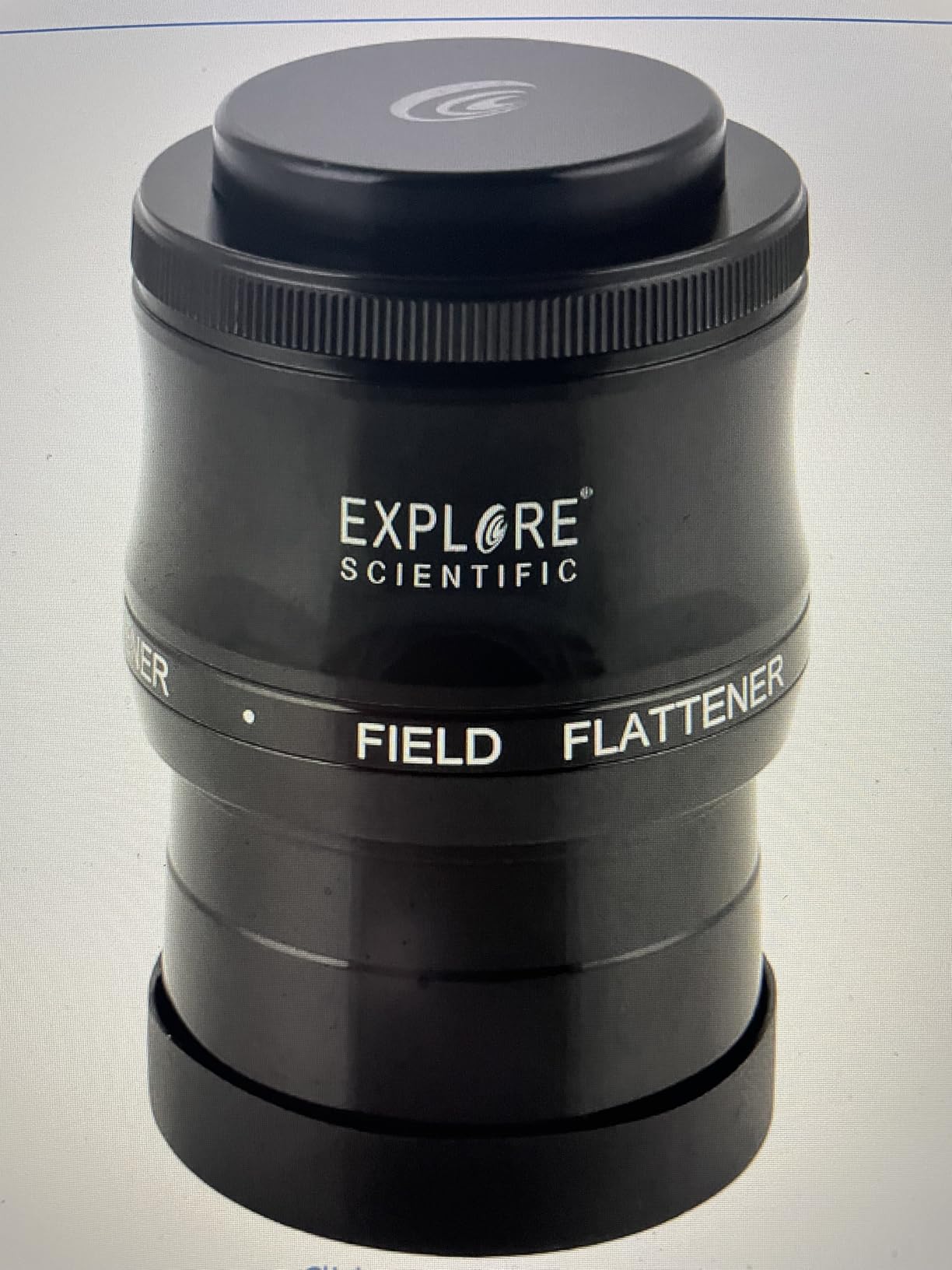
The catch is precision. It requires 55 mm plus or minus 2 mm between the back of the device and the camera sensor, which is tighter than some reflexes and does need a measuring approach rather than an eyeball. The T-ring is user-supplied and not included, so budget for that too.
Compatibility is listed for a set of Explore Scientific refractor models, so confirm your scope is on that list before you order. If you need a faster field, you would add reduction on top of this, not instead of it.
Flattener or reducer-flattener
Ask what your frames actually look like. If corners are stretched or comet-shaped, you need a flattener, and this does that without changing magnification. If your problem is that the target will not fit in the frame, you need reduction, and this will not solve it.
A lot of imagers in this situation end up owning both, and run whichever suits the target on the night.
What the small review count means
With only 11 ratings, there is no long-term field report to lean on. Everything positive here is recent, consistent and unanimous, but it is still early evidence.
USA-based support in Springdale, Arkansas, and a one-year registered warranty are the practical backup if your spacing goes wrong.
7. Sky-Watcher Evoguide 50 Field Flattener – Flat Field on a Guide Scope
Sky-Watcher Evoguide 50 Field Flattener – for Astrophotography
28 mm imaging circle
17.5 mm back focus
T-thread or 1.25 inch opening
Two-year warranty
Pros
- Delivers a genuinely flat field on the Evoguide 50 at native focal length
- Highest average rating in this selection with no ratings below three stars
- Compact and light enough to stay on a guide-scope setup
- Direct camera attachment with no magnification change
Cons
- 17.5 mm back focus will not clear a DSLR body or most filter wheels
- 28 mm imaging circle suits APS-C and small sensors rather than full frame
- Cameras usually thread straight on with no spacers at all
This is the most specialised pick here. It is a flattener for the Celestron Evoguide 50ED and 50DX, designed specifically so those guide-scope-size refractors can be used for imaging. Ten reviews, averaging 4.8 stars, with nothing below three. Every single owner confirms a flat field at the native focal length.
The reason it scores so well is that there is very little to get wrong. It corrects field curvature for one specific telescope, has threaded metal caps, and connects by T-thread or through a 1.25 inch opening for the camera. No reduction, no magnification change, just straight stars.
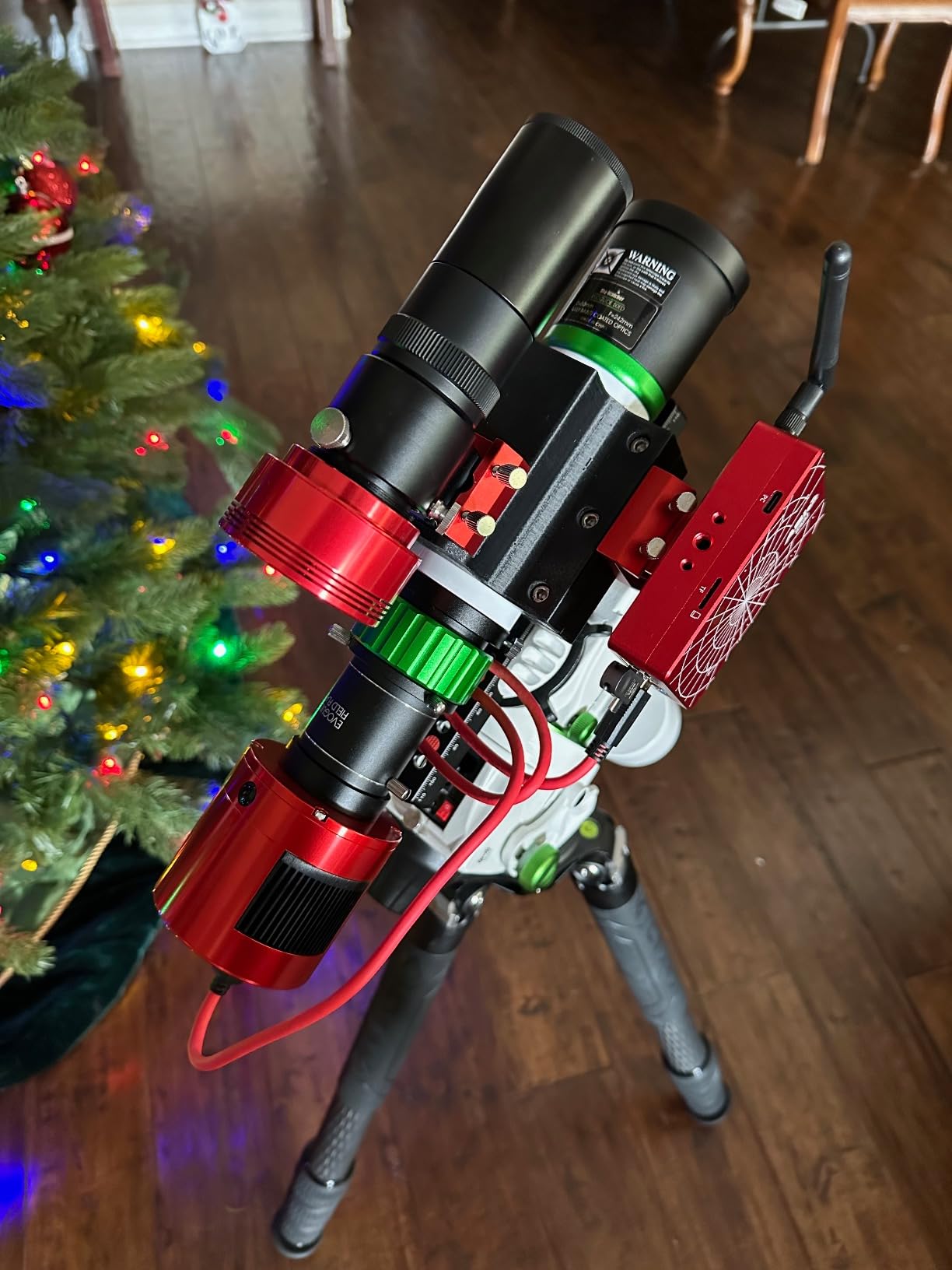
But the back focus figure of 17.5 mm is extremely tight, and that single number defines the audience. It will not clear a DSLR or mirrorless body, and most filter wheels will not fit behind it. In practice owners thread a cooled one-piece colour camera directly on with no spacers at all, which is exactly the intended use.
The 28 mm imaging circle also caps you at APS-C and small-sensor formats. Full frame is out of the question here, and a guide-scope focal length will not help you frame large targets regardless.
Is a guide-scope flattener worth buying
If you already own an Evoguide 50 and want to put it on an imaging train, yes. It is a purpose-built answer to a problem that scope otherwise has, at a rating higher than anything else in this list.
If you are shopping for a general wide-field imaging optic, look at a reducer-flattener for a 70 mm-plus refractor instead. The Evoguide is a small, fast, wide-field design.
What to do about the spacing limit
Measure your camera’s back shoulder before ordering. If a filter will not fit behind the flattener, owners suggest using a colour camera instead of a cooled mono with a filter wheel, or stepping up to a separate wide-field refractor.
Two-year limited warranty, and the whole thing is small and light enough not to strain a guide-scope setup.
8. Astromania 0.5X 1.25 Inch Focal Reducer – A Stackable Booster for Maksutovs
Astromania 0.5X Telescope Focal Reducer 1.25 Inch for Astronomy Telescopes
Two-lens fully coated design
22.5 mm clear aperture
1.25 inch threads both sides
22.7 g
Pros
- Easy to install directly onto an eyepiece or 1.25 inch accessory
- Solid metal barrel that feels durable in the hand
- Effective 0.5x brightens the view and lowers magnification
- Threaded on both sides so it stacks with filters
Cons
- Achieved reduction depends on spacing so the true factor is not fixed
- Not a flattener so edge star quality degrades on wide fields
- Some users find the reduction less than they expected
Maksutov-Cassegrains and small refractors on f/8 and slower are the natural home for this. A fully coated two-lens design with a 22.5 mm clear aperture, in a black anodized aluminum barrel, threaded 1.25 inch on both sides so it stacks with filters and camera adapters. It weighs 22.7 g and takes seconds to fit.
Owners in Cloudy Nights threads have pointed out that the Antares reducer is the correct one for Maks, and this Astromania unit serves the same niche with the same 1.25 inch stackable format. The positive reports centre on easy installation, solid build, and usefulness on a Maksutov for both visual and imaging work.
With 11 reviews at 4.4 stars there is a small cluster of three-star ratings, and the reason is consistent: people expected a bigger change than they got. The reduction factor here is not a fixed 0.5x. It varies with spacing, so how much focal length you actually remove depends on how you stack it.
It is also not a flattener. On a wide field, edge star quality degrades, and that is the expected behaviour of a two-element design sold for convenience rather than for flatness.
Why spacing changes the reduction
A short-focus 1.25 inch reducer removes a fixed amount of focal length only at a particular spacing. Push it further from the eyepiece or camera and the reduction changes. This is why two identical reducers in different stacks can behave differently.
Set it once, measure the resulting field, and write the number down for the target list you use.
Best uses
Lower magnification and a wider field for imaging the Moon, large nebulae and open clusters, and a visual boost on a slow Maksutov or refractor. The 1.25 inch thread on both faces means it drops between a diagonal and a filter without any adapter.
For a Maksutov imaging setup where the field is simply too narrow, this solves the problem without a specialist reducer.
9. Skyoptikst f/6.3 SCT Reducer – A Four-Element Reducer for Small Sensors
SKYOPTIKST F6.3 Focal Reducer Schmidt Threads for schmit-cassegrain SCT Telescope
Four-element design
Standard SCT rear cell fit
1.2 degree field
Aluminum alloy frame
Pros
- Widens the field enough to frame the whole Sun or Moon in one shot
- Pairs well with a T2 adapter ring set to establish spacing
- Reported to show no chromatic aberration on a 127 mm Maksutov
- Solid aluminum frame with multi-coated optics
Cons
- One reviewer reported noticeable chromatic aberration on his camera
- Correct back focus has to be worked out with extra adapters
- Only 7 ratings so optical consistency is not well documented
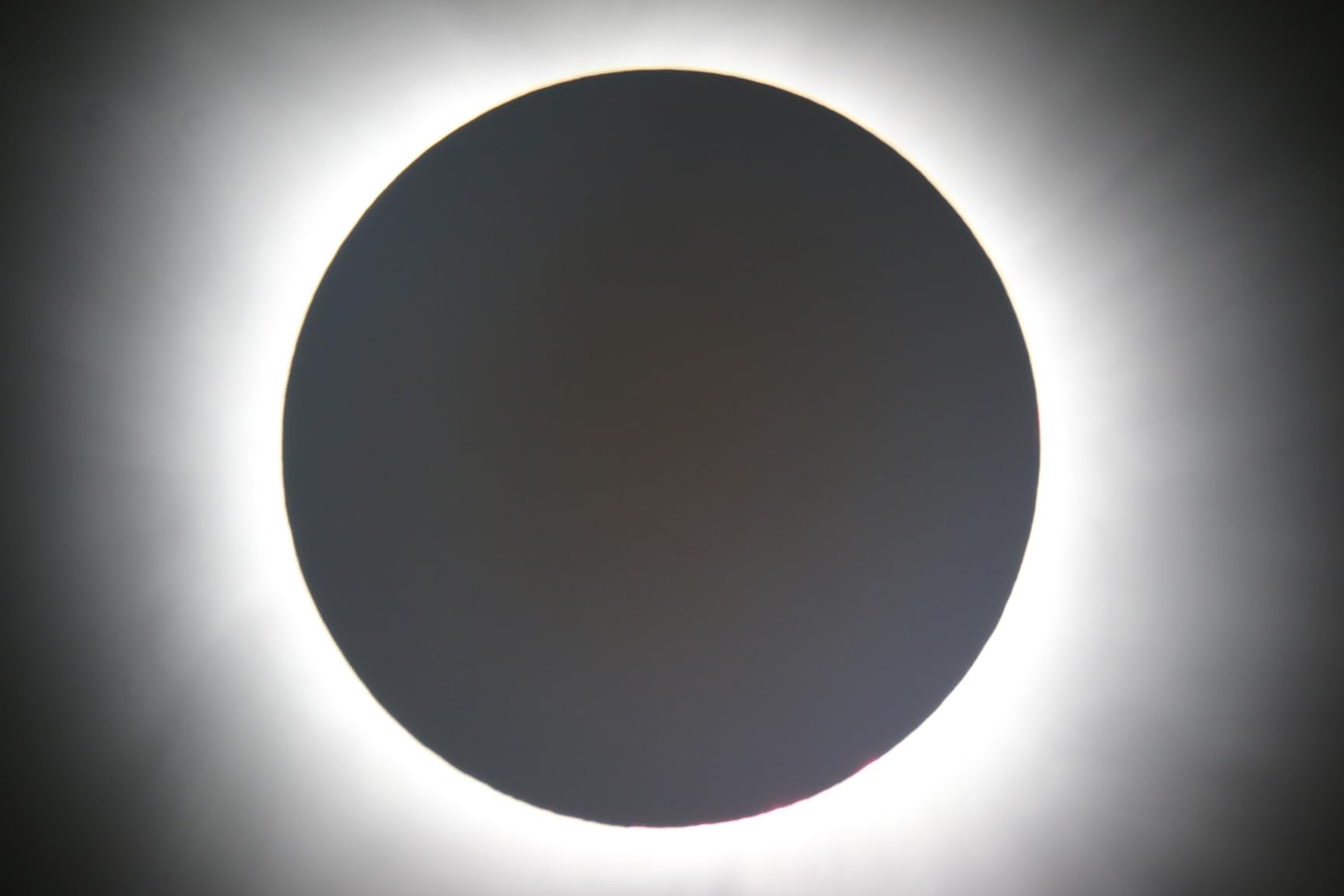
The idea here is sound: a four-element fully multi-coated design on the standard SCT rear cell thread, in an aluminum alloy frame, converting an f/10 system to f/6.3. The owner reports describe it widening the field enough to fit the entire Sun or Moon in a single frame on an 8 inch SCT, which is a real and noticeable change in what you can compose.
It is also the only reducer in this list with a reported clean result on a Maksutov, with one user noting no visible chromatic aberration on a 127 mm scope. Owners pair it with a T2 adapter ring set to establish the required spacing, which is a sensible approach given that the spacing is not clearly specified.
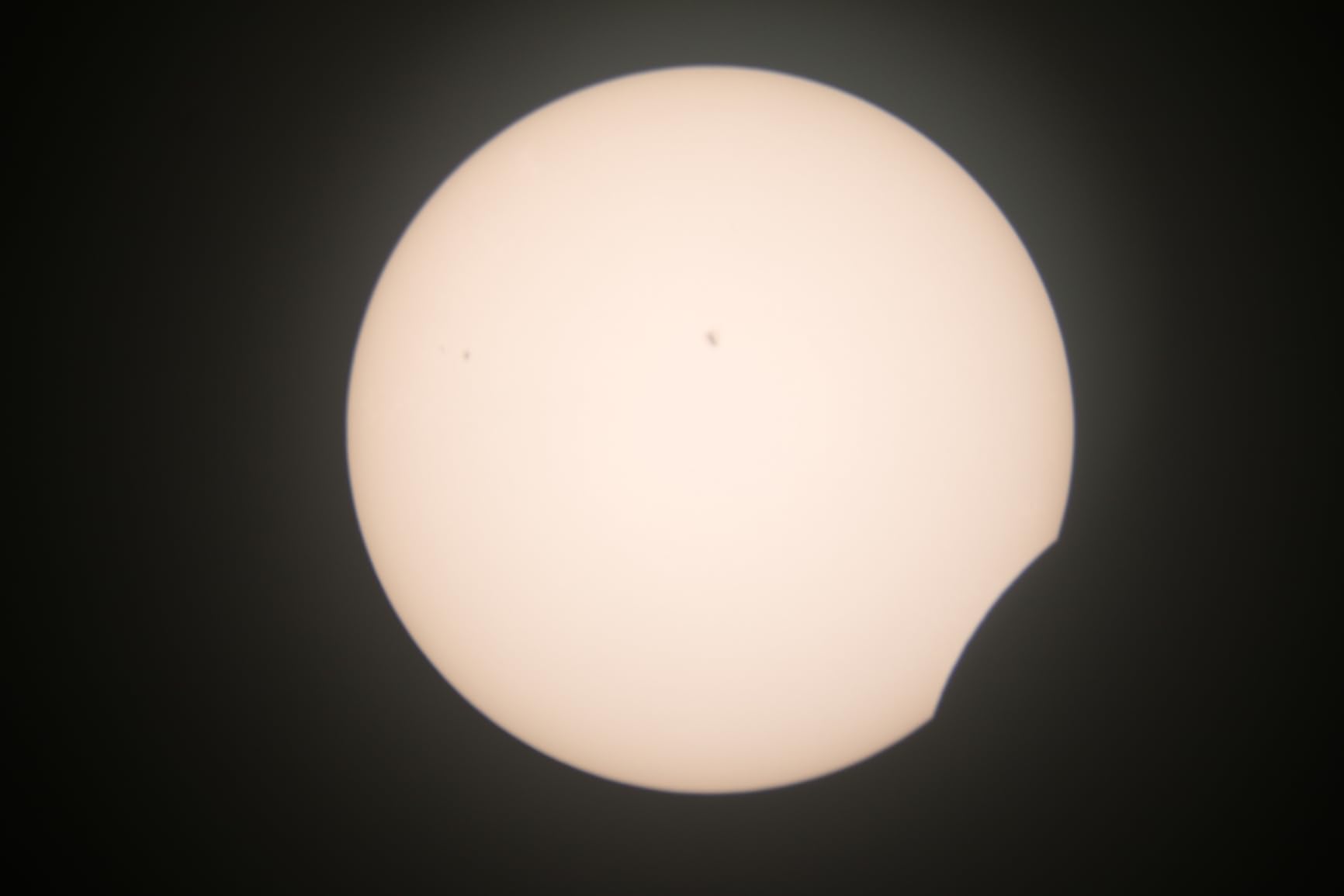
Seven ratings averaging 4.1 stars is a very small base, with a 16 percent two-star cluster. The main thread is that it does what it claims and does it well for most people, but one reviewer saw noticeable colour fringing on his camera and suggested testing with a second camera to confirm whether the lens or the sensor stack was responsible.
That is the honest summary: promising, capable, and not yet proven over time. If you are comfortable being the early adopter on a small-sensor setup, it is a reasonable bet. If you are building a long integration, the review base is too thin for my comfort.
Is 4.1 stars a red flag
Not by itself. Seven ratings cannot separate a mediocre design from an unlucky sample, and the complaints here are about chromatic aberration rather than about failing to reduce focal length. It reduced focal length, and that is the main job.
The thing to watch is colour fringing. If your targets are broadband, small colour error is usually correctable. If you are doing narrowband, it matters much more.
Best fit here
Small-sensor cameras and visual or high-frame-rate use, where a wider field matters most and you are not chasing full-frame corner detail. The one-year warranty is the shortest here, so factor that into a budget build.
Confirm the rear cell thread matches your SCT before ordering, and plan to measure spacing with a T2 ring set.
10. Alstar 0.5X 1.25 Inch Focal Reducer – A Stackable Booster for Maksutovs
Alstar 0.5X Telescope Focal Reducer 1.25 inch Filter Thread on Both Sides
Two-lens uncoated design
22.5 mm clear aperture
1.25 inch threads both sides
Two-year warranty
Pros
- Works with eyepieces camera adapters and astronomy webcams
- Turns a 25 mm eyepiece into an effective 50 mm for scanning
- Large lens aperture gives a noticeably bigger field
- Sturdy build
- one owner reports it survived a four-foot drop
Cons
- A reducer not a flattener so stars stretch and soften away from centre
- Uncoated optics trail coated designs for contrast and transmission
- Achieved reduction varies with spacing rather than a fixed factor
Two uncoated lenses, a 22.5 mm aperture, and a 1.25 inch thread on both faces in a black anodized aluminum housing. It threads into eyepieces, camera adapters and astronomy webcams, and it stacks with other 1.25 inch accessories and spacers. Nothing about the specification is ambitious, and that is precisely the point.
Where it earns its place is scanning. Owners use it to turn a 25 mm eyepiece into something like a 50 mm for star-hopping and wide-field scanning, and to fit the whole Sun or Moon onto a small-sensor camera. The build is also better than the specification implies, with one owner reporting it survived a four-foot drop onto concrete.
With 7 reviews at 3.9 stars, this is the most evenly spread rating in the guide: 25 percent five-star, 38 percent four-star, 37 percent three-star. Nobody is angry, and nobody is blown away. The consistent message is that it works and offers good value, but several buyers initially expected field flattening and were disappointed by edge distortion.
That expectation gap is worth naming clearly. Uncoated optics also mean less contrast and lower transmission than any multi-coated option here, so it will never be the imaging choice. It is a reducer for widening a view.
When uncoated optics are fine
For visual observing through a 1.25 inch focuser, transmission differences of this kind are hard to detect. The wider field, the lower magnification and the low cost are all things you feel immediately.
For imaging, the edge distortion is the deciding factor. Stars visibly stretch and soften away from the centre, which is the deal-breaker for a lot of people.
Best uses
Visual star-hopping, wide-field scanning with an eyepiece stack, and cheap lunar or solar framing on a small-sensor camera. It also works with astronomy webcams, which is handy if you have one in a drawer.
Two-year warranty, and the housing takes a beating, so it is a sensible part to keep as a spare.
What a Focal Reducer Actually Does
A focal reducer is a converging lens assembly that shortens the effective focal length of a telescope by a stated factor. The arithmetic is worth doing out loud, because it is the whole buying decision. Take the target focal length, multiply by the reduction factor, and that is your new focal length. The new focal ratio is the new focal length divided by the aperture.
Worked example: an 8 inch f/10 Schmidt-Cassegrain has a 2032 mm focal length. Multiply by 0.63 and you get about 1280 mm, and 1280 divided by a 203 mm aperture gives f/6.3. The 0.5x reducers in this guide halve a 1000 mm refractor to 500 mm. The 0.8x takes a 714 mm refractor to 571 mm.
Light gathering per unit time scales with the square of the focal ratio for a given aperture, which is why f/10 to f/6.3 is close to a 2.5x improvement in exposure efficiency, and why a 0.63x can cut required integration by roughly two thirds. That is the real prize. Everything else in this article is about getting the prize without wrecking your star shapes.
Which Reducer Fits Which Telescope
Compatibility is the number one question on every imaging forum, and it is the number one reason people buy the wrong part. Reducers are optical prescriptions, not universal adapters. This list is the compatibility-first answer:
Classic Celestron Schmidt-Cassegrains (C5, C6, C8, C9.25, C11, C14) – the 0.63x reducer-corrector options. The standard rear-cell thread is the same across the range, and r/telescopes users confirm the generic Celestron f/6.3 unit fits all non-EdgeHD SCTs from 5 inch to 14 inch.
Celestron EdgeHD scopes – do not use a classic SCT reducer-corrector. The EdgeHD optical tube already has a built-in flattener and its own dedicated 0.7x reducer. Stacking a 0.63x on an EdgeHD is a common and expensive mistake.
Fast short refractors (80 mm to 102 mm ED) – a 0.8x reducer combined with a flattener, designed for that specific model. Listed compatibility is the SV503 102ED and SV503 80ED, and you should match your model exactly.
Refractors at f/5 to f/7 – a flattener that leaves focal length alone, with a specified sensor spacing. The Explore Scientific unit covers a range of Explore Scientific refractor models.
Maksutov-Cassegrains and f/8-and-slower tubes – 1.25 inch stackable 0.5x boosters. Cloudy Nights members have long recommended the Antares reducer as the correct one for Maks, and the Astromania and SVBONY units serve the same role.
Celestron Evoguide 50ED and 50DX – a dedicated small flattener with a 17.5 mm back focus and a 28 mm imaging circle, built for APS-C and small sensors.
C-mount and video cameras – 1.25 inch 0.5x reducers paired with a C-mount adapter, best on f/7-and-slower systems.
Focal Reducer vs Barlow vs Field Flattener
These four get confused constantly, and picking the wrong one wastes money. The distinction is what each one does to focal length versus what it does to the focal plane.
Focal reducer – shortens focal length and speeds up the focal ratio. Does not flatten the field.
Barlow lens – lengthens focal length and slows the focal ratio, for planetary and lunar detail. The opposite of a reducer. Stacking one with a reducer returns you to roughly the original focal length but adds magnification-diameter for imaging.
Field flattener – corrects the curved focal surface of a scope. Leaves focal length and magnification unchanged.
Reducer-corrector or reducer-flattener – does both, shortening focal length and correcting the field in one housing. This is the modern default for imaging and the reason most of the picks above are two-in-one parts.
One more thing this list clears up: the myth that reducers are only for visual work. They are overwhelmingly imaging tools, and they are excellent at imaging. What is true is the narrower point that a reducer designed for visual observing, like a 1.25 inch 0.5x booster, will not produce imaging-grade stars because it was never corrected to do so.
Back Focus, Image Circle and Sensor Size
Back focus, or working distance, is the distance from the back of the optical assembly to the camera sensor. Every reducer has a designed value, and putting the sensor somewhere else changes the image. The usual failure is a sensor sitting too far back, which leaves soft, slightly comet-shaped stars at the frame edge while the centre still looks fine.
Real reported distances from this selection: the Celestron f/6.3 class works around 105 mm, the Astromania f/6.3 is commonly found nearer 105 mm than its stated 85 mm, the SVBONY 0.8x wants 55 mm, the Explore Scientific flattener wants 55 mm plus or minus 2 mm, the Sky-Watcher Evoguide flattener needs 17.5 mm, and the SVBONY 0.5x is around 32 to 37 mm. If your scope has almost no drawtube travel, you will need spacers, and that is normal.
Image circle decides whether a sensor gets corner-to-corner illumination. A 28 mm circle, as on the Evoguide flattener, covers APS-C and smaller but not full frame. A reducer built to cover the 35 mm film format, like the classic f/6.3 SCT units, has a much larger circle and will light a full-frame sensor without vignetting. If you are on a small sensor, check the stated image circle before you buy anything.
Vignetting has two causes and they need different fixes. Optical vignetting is a too-small image circle, and no amount of calibration removes it. Mechanical vignetting is your adapter train, and flat frames handle it well.
Does a Focal Reducer Reduce Field Rotation?
No, and this is the single most misunderstood point in the category. Field rotation is caused by an alt-az mount rotating its field while tracking an object across the sky. A focal reducer does not change that rotation. It shortens the exposure time you need, and a shorter exposure captures less of the rotation that happens during it.
So the honest answer to the question that tops the forum threads is: it reduces field rotation error indirectly, and only by a factor set by how much faster your focal ratio becomes. Moving from f/10 to f/6.3 cuts the exposure length you need by about two thirds, and your field rotation damage falls with it. But on a long, deliberately slow imaging run you will still see rotation, and if you need it gone you need a field rotator or an equatorial mount.
How to Choose, Install and Fix a Reducer
Choosing comes down to four decisions, in order. First, identify the telescope design and confirm the reducer was corrected for it. Second, look at your target and decide whether you need a wider field at all, because reducing focal length on a small target just means more empty frame. Third, match the sensor to the image circle. Fourth, check that your focuser and camera train can actually reach the required spacing.
Installation is short. Thread the reducer onto the rear cell or the drawtube. Fit your T-adapter or camera adapter, plus the camera-specific T-ring. Measure from the back of the assembly to the sensor and adjust with spacers until you hit the specified distance. Focus and shoot a short dark frame. Check the corners. Only then start the long integration.
If a reducer underperforms, work through this list in order. Check the spacing first, because it causes most failures. Then check that the reducer actually matches the telescope design. Then check the image circle against your sensor size. Then check the adapter chain for a filter wheel or off-axis guider that is pushing the sensor off plane. Only after all four are clear is it fair to judge the optics.
Frequently Asked Questions
Do I need a focal reducer?
You need one if your telescope is slow or your field is too narrow. The clearest cases are f/10 Schmidt-Cassegrains, f/8 EdgeHD scopes and f/8-or-slower Maksutovs and refractors, where reduction turns a multi-frame mosaic into a single shot and cuts exposure time sharply. You probably do not need one if your telescope is already fast and your targets fit the frame comfortably. A reducer also does not help with a curved focal surface, which needs a flattener or a reducer-flattener instead.
What is the difference between a focal reducer and a Barlow lens?
A focal reducer shortens focal length and makes the focal ratio faster, for wide-field imaging. A Barlow lens lengthens focal length and slows the focal ratio, for high magnification on planets and the Moon. The two are opposites. Stacking a Barlow with a reducer returns you to about the original focal length but provides more magnification-diameter for imaging.
What back focus does a focal reducer need?
It depends on the reducer. Reported figures in this category range from 17.5 mm for a small flattener to around 105 mm for a classic f/6.3 Schmidt-Cassegrain reducer-corrector, with many refractor models wanting 55 mm. The sensor sitting at the wrong distance is the most common cause of soft corner stars, so measure your own train rather than trusting a printed figure.
Will a focal reducer cause vignetting on a full frame sensor?
Only if the image circle is too small. Reducers designed around the 35 mm film format, such as the classic 0.63x Schmidt-Cassegrain units, have a large enough circle to illuminate full frame. Small-sensor flatteners, like the 28 mm imaging circle in the Evoguide flattener, will vignette full frame by design. Any residual darkening from your adapter train is mechanical and can be removed with flat frame calibration.
Why are my stars distorted after adding a focal reducer?
The three usual causes are a mismatched reducer, wrong sensor spacing and an image circle that is too small for the sensor. Start with spacing, because a sensor sitting off the designed back focus leaves soft, comet-shaped stars at the frame edge while the centre still looks fine. Then confirm the reducer was corrected for your telescope design, then check the image circle against your sensor size.
Final Verdict
If you own a classic Celestron Schmidt-Cassegrain and want to image, the Celestron f/6.3 Reducer-Corrector is the default answer: 724 reviews, a design built for that optical tube, and a reduction that roughly cuts your integration time in half. The Astromania four-element unit is the alternative worth weighing, with a stronger five-star ratio at the cost of a thinner review history and a spacing figure that needs checking.
For short refractors, match the reducer to the model rather than to the focal ratio, and confirm the 55 mm spacing properly. For slow Maksutovs and small refractors, a 1.25 inch 0.5x booster widens the field cheaply but will not flatten it. For a guide-scope-sized Evoguide 50, the dedicated flattener is the highest-rated product here, within a very tight spacing limit.
Whatever you choose, check the compatibility first, measure the spacing second, and only judge the optics third. Get those two things right and any of these will do the job in 2026.