
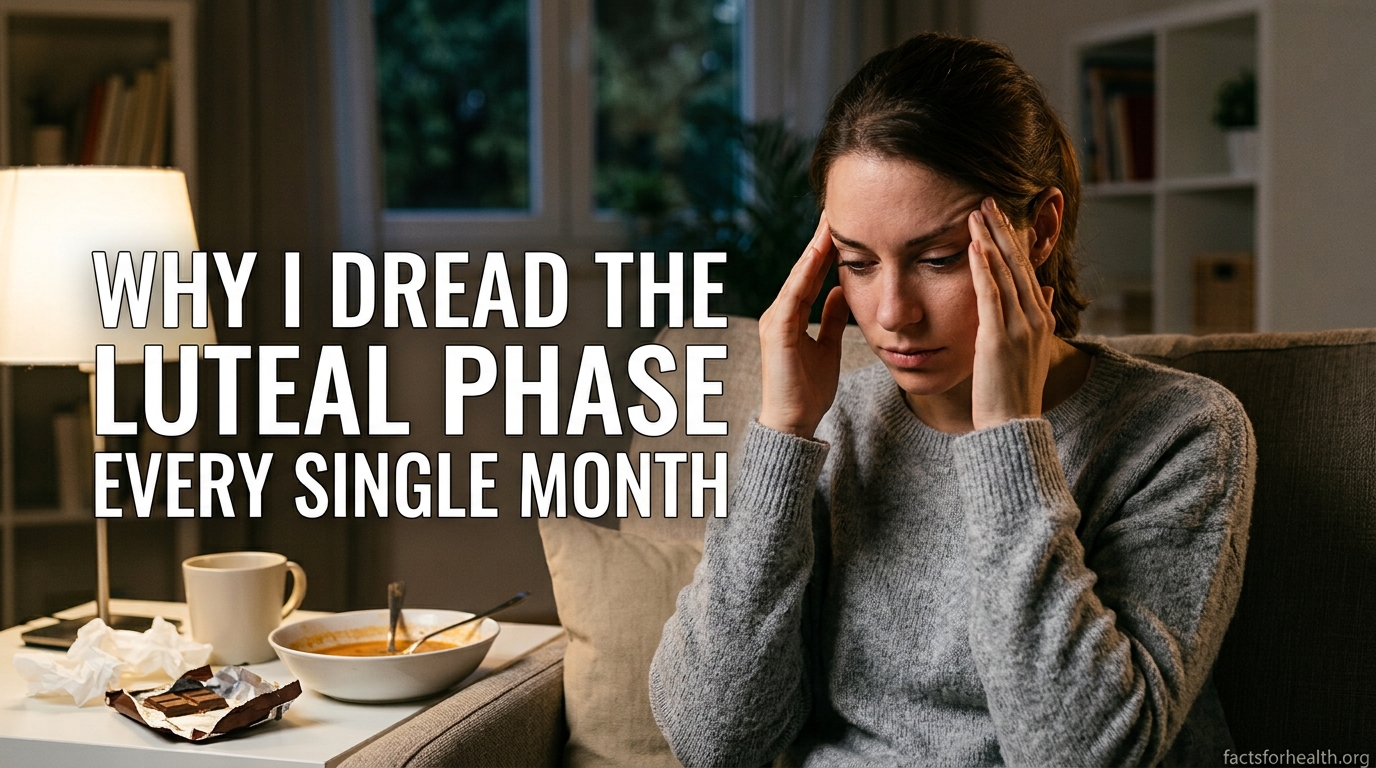
Every month, without fail, it hits me. The slow, creeping fog that signals my luteal phase has arrived. One day I feel capable, energized, and like myself. The next, I am staring at my phone at 2 PM wondering why every single thing feels impossibly hard. If you have ever thought to yourself, “I dread the luteal phase every single month,” you are in exactly the right place.
I want to talk about what actually happens during those roughly two weeks between ovulation and your period. Not the clinical, textbook version. The real, lived experience that so many of us share but rarely talk about openly. Because the truth is, the luteal phase can be genuinely miserable, and pretending otherwise does not help anyone.
In this article, I am going to walk you through what the luteal phase is, why it wreaks so much havoc on your body and mind, and what you can actually do about it. We will cover the hormonal science behind why you feel this way, the difference between normal PMS and something more serious like PMDD, and the self-care strategies that genuinely make a difference. I will also share what I have learned from tracking my own cycle for years, plus insights from communities of women who deal with this every single month.
If you have ever felt like your body turns against you for two weeks out of every month, this article is for you.
Table of Contents
What Is the Luteal Phase?
The luteal phase is the second half of your menstrual cycle, beginning right after ovulation and ending when your period starts. For most people, it lasts about 12 to 14 days. This is the time when your body prepares for a possible pregnancy, and it does so through a cascade of hormonal changes that affect nearly every system in your body.
Here is what happens biologically. After your ovary releases an egg during ovulation, the empty follicle that held the egg transforms into a temporary gland called the corpus luteum. The corpus luteum produces progesterone, which is the dominant hormone of the luteal phase. Progesterone’s main job is to thicken and maintain the uterine lining so a fertilized egg could implant and grow.
If you do not get pregnant, the corpus luteum breaks down after about 10 to 14 days. Progesterone levels drop sharply, the uterine lining sheds, and your period begins. That sudden hormonal crash is what triggers most of the symptoms we associate with the luteal phase.
For context, the first half of your cycle is called the follicular phase. During the follicular phase, estrogen rises steadily, and most people feel their best. Energy is high, mood is stable, and motivation comes easily. Then ovulation happens, and everything shifts. The contrast between how good the follicular phase feels and how challenging the luteal phase can be is part of what makes this time so mentally exhausting.
Understanding this cycle is not just academic. Knowing what the luteal phase is and when it occurs gives you a framework for understanding your symptoms instead of being blindsided by them every month.
Why I Dread the Luteal Phase Every Single Month
I know I am not alone when I say I dread the luteal phase every single month. In communities like Reddit’s r/PMDD and r/adhdwomen, thousands of women describe the same experience. You know it is coming. You track your cycle. You can see it approaching on the calendar. And yet, when it arrives, it still catches you off guard every time.
The dread is not just about physical discomfort, though that is certainly part of it. It is the mental shift that feels impossible to control. One day you are enjoying your life, engaging with friends, crushing it at work. Then almost overnight, your brain starts whispering that nothing is enjoyable, that you are failing at everything, that the future is bleak. The emotional whiplash is exhausting.
I have talked to so many women who describe the same pattern. During the follicular phase, you make plans. You commit to social events. You set ambitious goals. Then the luteal phase arrives and every single one of those plans feels like a punishment. The motivation disappears. The joy evaporates. You spend two weeks wondering what is wrong with you, only to get your period and suddenly feel like a human being again.
One Reddit user described it perfectly: “I know it’s coming but I’m still surprised every time.” That is the core of the dread. It is not that we do not understand what is happening. It is that knowing does not make living through it any easier.
Physical Symptoms That Make the Luteal Phase Miserable
The physical symptoms of the luteal phase are what most people think of when they hear the term PMS. But experiencing them is a completely different story than reading a list. Let me break down what actually happens to your body during this phase.
Bloating is one of the most common and frustrating luteal phase symptoms. Progesterone slows down your digestion, which means food sits in your digestive tract longer. The result is gas, constipation, and a belly that feels swollen and uncomfortable. You might find that clothes that fit perfectly during the follicular phase suddenly feel tight and restrictive.
Breast tenderness hits hard for many people. The hormonal shifts cause breast tissue to retain fluid and swell. For some, this means mild tenderness. For others, it means breasts so sore that wearing a bra or being hugged feels unbearable. This symptom typically peaks in the days right before your period.
Fatigue during the luteal phase is not just normal tiredness. It is the kind of bone-deep exhaustion that makes getting out of bed feel like a monumental task. Progesterone has a sedating effect on the central nervous system, which means your body is literally being told to slow down. Combine that with poor sleep quality and the emotional drain of mood swings, and you have a recipe for feeling completely wiped out.
Headaches and migraines are triggered by the fluctuating estrogen and progesterone levels. If you are prone to hormonal headaches, the luteal phase is prime time for them to strike. These headaches can last for days and are often resistant to over-the-counter pain relievers.
Food cravings are not a sign of weak willpower. They are your brain demanding quick energy in the form of carbohydrates and sugar. As serotonin levels dip during the luteal phase, your body craves foods that will boost serotonin production. This is why chocolate, bread, and sweets become nearly irresistible.
Sleep disturbances are incredibly common. You might have trouble falling asleep, wake up frequently throughout the night, or feel like you cannot get enough sleep no matter how long you stay in bed. The hormonal changes disrupt your natural sleep cycle, leaving you groggy and unrefreshed.
Skin breakouts occur because increased sebum production clogs pores. If you notice a pattern of acne along your jawline and chin in the week before your period, this is why.
The Emotional and Mental Toll of the Luteal Phase
If the physical symptoms were all there was, the luteal phase would be uncomfortable but manageable. For many of us, it is the emotional and mental symptoms that make this time so difficult to endure.
Mood swings are the hallmark of the luteal phase. You might feel fine one moment and dissolve into tears the next over something that would not normally bother you. Small inconveniences feel like major catastrophes. The emotional reactivity is real, and it is directly tied to the hormonal shifts happening in your brain.
Anxiety tends to spike during the luteal phase. Many women describe a sense of free-floating dread or worry that has no clear cause. You might find yourself ruminating on past mistakes, worrying excessively about the future, or feeling a general sense of unease that you cannot shake. This happens because progesterone affects GABA, a calming neurotransmitter, and falling progesterone levels can leave your brain in a heightened state of alertness.
Irritability is another major symptom. Things that normally roll off your back suddenly feel intolerable. Every sound seems louder, every request feels like an imposition, and the patience you normally have seems to vanish entirely. This is not a character flaw. It is a neurochemical response to hormonal changes.
Depression and sadness can settle in like a heavy blanket. Many women describe feeling a sense of hopelessness or emotional flatness during the luteal phase. Activities you normally enjoy suddenly hold no appeal. This symptom, called anhedonia, is one of the most distressing aspects of the luteal phase because it makes you question whether something is fundamentally wrong with your life.
Brain fog affects concentration, memory, and cognitive performance. You might find yourself forgetting simple things, struggling to focus on tasks, or feeling like your thinking is sluggish. For women with demanding jobs or studies, this cognitive dip can be professionally damaging.
The key thing to understand is that these emotional symptoms are not imaginary. They are measurable neurological responses to real hormonal changes. Your brain is literally operating on different chemistry during the luteal phase, and that affects everything from your mood to your decision-making.
Why Your Body Turns Against You: The Hormonal Explanation
To understand why the luteal phase feels so awful, you need to understand what is happening with your hormones. The main players are progesterone, estrogen, serotonin, and GABA.
Right after ovulation, progesterone levels begin to rise sharply. Progesterone is a hormone that prepares the body for pregnancy, but it also has significant effects on the brain. It acts on GABA receptors, which normally help you feel calm and relaxed. For some people, this progesterone surge actually does produce a sense of calm. But for others, the fluctuating levels trigger irritability and anxiety instead.
Meanwhile, estrogen levels, which were high during the follicular phase and peaked at ovulation, begin to decline. Estrogen is associated with energy, positive mood, and cognitive sharpness. When estrogen drops, many people experience a corresponding drop in mood and mental clarity. This is why the contrast between the follicular phase and the luteal phase can feel so dramatic.
Estrogen also affects serotonin, often called the feel-good neurotransmitter. When estrogen drops, serotonin production can drop too. Lower serotonin levels are linked to depression, anxiety, irritability, and carbohydrate cravings. This is why so many luteal phase symptoms mirror the symptoms of low serotonin.
In the final days before your period, both progesterone and estrogen crash to their lowest levels. This sudden withdrawal is what triggers the most intense symptoms. Your brain is essentially experiencing a rapid hormonal withdrawal, and it reacts accordingly.
The dopamine system is also affected. Estrogen helps regulate dopamine, and when estrogen drops during the luteal phase, dopamine signaling can become less efficient. This is why motivation disappears, focus wavers, and anhedonia sets in. Your reward system is quite literally running on reduced capacity.
PMDD vs Normal PMS: When It Is More Than Just Dread
There is a critical distinction between typical premenstrual syndrome (PMS) and premenstrual dysphoric disorder (PMDD). Knowing the difference can change your life, because PMDD requires medical treatment while PMS can often be managed with lifestyle approaches.
PMS is incredibly common. Up to 75 percent of menstruating women experience some degree of physical or emotional symptoms during the luteal phase. PMS symptoms are bothersome but generally manageable. They might make you uncomfortable and irritable, but they do not prevent you from functioning in your daily life.
PMDD is different. It is a severe form of PMS that affects approximately 3 to 8 percent of menstruating women. PMDD symptoms are severe enough to disrupt your relationships, your work, and your ability to function normally. Women with PMDD often describe feeling like two completely different people depending on where they are in their cycle.
Key signs that your symptoms may be PMDD rather than typical PMS include severe depression or hopelessness during the luteal phase, intense rage or anger that feels out of character, panic attacks, suicidal thoughts, and feeling completely out of control emotionally. These symptoms appear during the luteal phase and disappear within a few days after your period starts.
If any of this sounds familiar, please talk to a healthcare provider. PMDD is a recognized medical condition with effective treatments, including SSRIs, oral contraceptives, and other interventions. You do not have to just endure it.
Tracking your symptoms for at least two to three cycles is the best way to determine whether you are dealing with PMS or PMDD. Apps like Clue, Flo, or even a simple notebook can help you identify patterns. The diagnostic criteria for PMDD require symptoms to be present during the luteal phase and absent during the follicular phase, so having data is essential for getting an accurate diagnosis.
Why Is My Luteal Phase Different Each Month?
One of the most frustrating things about the luteal phase is that it does not feel the same every month. Some cycles are manageable. Others are absolutely brutal. This inconsistency is completely normal, and there are several reasons why your symptoms vary.
Stress is one of the biggest factors. High cortisol levels from chronic stress interact with your reproductive hormones and can amplify luteal phase symptoms significantly. If you are going through a particularly stressful period at work, in relationships, or in life generally, your luteal phase symptoms will likely be worse that month.
Sleep quality directly impacts hormone regulation. Poor sleep disrupts your endocrine system, which can intensify mood swings, fatigue, and irritability during the luteal phase.
Diet and nutrition play a role too. Inadequate intake of key nutrients like magnesium, B vitamins, and omega-3 fatty acids can make symptoms worse. If your diet has been inconsistent, your symptoms may fluctuate accordingly.
Age matters. As you approach perimenopause, typically in your late 30s and 40s, hormone fluctuations become more erratic. Many women report their luteal phase symptoms intensifying and becoming less predictable during this transition.
Other factors include changes in exercise routine, travel and time zone disruptions, seasonal changes in light exposure, and underlying conditions like thyroid dysfunction or polycystic ovary syndrome (PCOS). All of these can influence how your luteal phase feels from month to month.
The ADHD and Luteal Phase Connection Nobody Talks About
One topic that almost no mainstream article covers is the connection between ADHD and the luteal phase. But in online communities, particularly r/adhdwomen, this is one of the most discussed topics. And for good reason.
ADHD is linked to differences in the dopamine system. Estrogen plays a role in regulating dopamine signaling in the brain. When estrogen drops during the luteal phase, dopamine function decreases further. For women with ADHD, this means their already-challenged dopamine system takes an additional hit for two weeks every month.
Women with ADHD frequently report that their symptoms worsen dramatically during the luteal phase. Concentration becomes nearly impossible. Impulsivity increases. Emotional regulation, already a challenge with ADHD, becomes completely overwhelmed. Many women find that ADHD medication feels less effective during this time.
If you have ADHD or suspect you might, understanding this connection can be validating. You are not imagining the worsening of your symptoms. There is a real neurochemical explanation for why the luteal phase hits harder for people with ADHD.
This is also why cycle tracking is so important for women with ADHD. Knowing when your luteal phase is approaching allows you to adjust your expectations, front-load demanding tasks during the follicular phase, and give yourself grace during the harder weeks.
How to Survive the Luteal Phase: Self-Care That Actually Helps
Now for the part you have been waiting for. What actually helps during the luteal phase? I have tried countless strategies over the years, and these are the ones that consistently make a difference.
Nutrition Strategies
Magnesium is a game-changer for many women. Magnesium helps regulate neurotransmitters, supports sleep, and can reduce bloating and breast tenderness. Many women in PMDD communities report that magnesium supplements cut their symptoms significantly. Magnesium-rich foods include dark leafy greens, pumpkin seeds, almonds, and dark chocolate.
Complex carbohydrates help stabilize blood sugar and support serotonin production. Focus on whole grains, sweet potatoes, beans, and vegetables. Avoid the blood sugar spikes and crashes that come from refined sugar, which can worsen mood swings and fatigue.
Omega-3 fatty acids have anti-inflammatory properties and support brain health. Found in fatty fish, walnuts, and flaxseeds, omega-3s may help reduce the severity of both physical and emotional luteal phase symptoms.
Calcium-rich foods have been shown in studies to reduce PMS symptoms. Include dairy products, fortified plant milks, leafy greens, and tofu in your diet during the luteal phase.
Limit caffeine and alcohol during this time. Both can worsen anxiety, disrupt sleep, and intensify mood swings. I know this is hard to hear when you are exhausted and craving a glass of wine, but your future self will thank you.
Sleep and Rest
Prioritize sleep like your mental health depends on it, because it does. During the luteal phase, your body needs more rest. Aim for 8 to 9 hours of sleep, maintain a consistent sleep schedule, and create a calming bedtime routine. Magnesium glycinate before bed can help with sleep quality.
Give yourself permission to rest during the day. A 20-minute nap or a quiet rest period can help offset the fatigue. Pushing through exhaustion only makes everything worse.
Movement and Exercise
Gentle exercise is your friend during the luteal phase. Swap high-intensity workouts for walking, yoga, swimming, or light strength training. These activities support blood flow, boost mood, and reduce stress without taxing your already depleted energy reserves.
Save the intense training for your follicular phase when you have the energy for it. Cycle syncing your workouts means matching your exercise intensity to your hormonal state, which can significantly reduce burnout and fatigue.
Stress Management
Stress reduction is non-negotiable during the luteal phase. Deep breathing exercises, meditation, journaling, and time in nature can all help regulate your nervous system. Even five minutes of deep breathing can take the edge off acute anxiety.
Say no to non-essential commitments. Protect your time and energy during the two weeks before your period. This is not weakness. It is strategic self-awareness.
Track Your Symptoms
Symptom tracking is the single most empowering thing you can do. Use a cycle tracking app or a notebook to record your physical symptoms, emotional state, energy levels, and when they occur relative to your cycle. Over time, you will see clear patterns emerge that allow you to anticipate and prepare for difficult periods.
Tracking also gives you concrete data to bring to your healthcare provider if you decide to seek treatment. Instead of vague descriptions, you can show exactly when symptoms start, how severe they are, and when they resolve.
Preparing During Your Follicular Phase
One of the best strategies I have found is using the follicular phase to prepare for the luteal phase. When you have energy and motivation, use it. Meal prep nutritious food so you do not have to cook during your low-energy days. Schedule demanding work tasks and social events during the first half of your cycle. Clear your calendar of non-essential commitments during the luteal phase.
This approach, often called cycle syncing, means working with your body instead of against it. You are not being lazy by planning around your luteal phase. You are being intelligent about how you manage your energy and resources.
Helping Your Partner and Family Understand
One thing that would make the luteal phase more bearable is if the people around us understood what we were going through. Most partners and family members have no idea what a luteal phase is, let alone how it affects your mood, energy, and functioning.
Start by explaining the basics. Tell them about the hormonal shifts that happen after ovulation and how they affect your brain chemistry. You do not need to give a biology lecture. A simple explanation like, “For two weeks before my period, my hormones shift in a way that makes me more tired, anxious, and emotional. It is not personal, and it is not something I can just push through,” can go a long way.
Share your cycle tracking with your partner if you feel comfortable. Many women find that simply saying, “I am entering my luteal phase this week, so I might need more rest and patience,” helps their partner respond with understanding rather than frustration.
Set clear expectations. If you know the luteal phase makes you irritable, let your family know that minor conflicts might feel bigger during this time. Ask for grace and patience, and commit to revisiting difficult conversations during your follicular phase when you can think more clearly.
If you have children, consider having age-appropriate conversations about how hormones affect mood and energy. Normalizing the menstrual cycle reduces stigma and teaches the next generation to be more understanding and supportive.
When to See a Doctor About Your Luteal Phase Symptoms
There is a time and a place for pushing through, and there is a time to seek professional help. Knowing the difference is important.
Talk to your healthcare provider if your luteal phase symptoms interfere with your daily functioning. This includes symptoms that cause you to miss work or school, that damage your relationships, or that make you feel hopeless or suicidal. These are signs that you may have PMDD or another treatable condition.
Seek medical evaluation if your symptoms are getting progressively worse over time, if your luteal phase is consistently shorter than 10 days (which could indicate a luteal phase defect), or if you experience severe physical symptoms like debilitating migraines or extreme pain.
Other reasons to see a doctor include symptoms that suggest a thyroid disorder (unexplained weight changes, extreme fatigue, hair loss), symptoms of PCOS (irregular cycles, acne, excess hair growth), or any bleeding between periods.
Effective treatments exist. These include hormonal contraceptives that suppress ovulation and stabilize hormone levels, SSRIs that can dramatically reduce PMDD symptoms, cognitive behavioral therapy for mood-related symptoms, and nutritional supplements. You do not have to suffer through this alone.
Be prepared to advocate for yourself. Unfortunately, menstrual health concerns are often dismissed or minimized in medical settings. Bring your symptom tracking data, be specific about how symptoms affect your life, and do not hesitate to seek a second opinion if your concerns are not taken seriously.
Frequently Asked Questions About the Luteal Phase
Why is my luteal phase different each month?
Your luteal phase varies because it is influenced by factors like stress levels, sleep quality, diet, age, and underlying health conditions. Stress raises cortisol, which disrupts reproductive hormones and intensifies symptoms. Perimenopause, thyroid dysfunction, and changes in exercise or nutrition can also cause month-to-month variation. Tracking your symptoms over several cycles helps identify your personal triggers and patterns.
Why is my luteal phase worse some months than others?
Your luteal phase feels worse in months when stress is higher, sleep is poorer, or your diet lacks key nutrients like magnesium and B vitamins. Hormonal fluctuations also vary based on age, with symptoms often intensifying during your late 30s and perimenopause. Seasonal changes, travel, and illness can also amplify symptoms in certain cycles.
Why do I hate my luteal phase?
You hate your luteal phase because the hormonal shifts after ovulation cause real changes in your brain chemistry. Dropping estrogen and fluctuating progesterone reduce serotonin and dopamine activity, leading to mood swings, anxiety, fatigue, and loss of motivation. These are measurable neurological effects, not character flaws, and feeling frustrated by them is completely valid.
What are signs of a healthy luteal phase?
Signs of a healthy luteal phase include a consistent length of 12 to 14 days, mild to moderate symptoms that do not interfere with daily functioning, symptoms that resolve within a few days of your period starting, and clear physical signals like a rise in basal body temperature after ovulation. If your luteal phase is consistently shorter than 10 days or your symptoms are severe, consult a healthcare provider.
You Are Not Crazy: Your Luteal Phase Dread Is Real
If there is one thing I want you to take away from this article, it is this: your luteal phase dread is real, it has a biological basis, and you are not weak for struggling with it. The hormonal shifts that happen during the second half of your menstrual cycle create measurable changes in your brain and body. Feeling exhausted, anxious, sad, and irritable for two weeks every month is not a personal failing.
Understanding why I dread the luteal phase every single month has been transformative for me. Knowing that the mood swings, fatigue, and brain fog have a neurological explanation allows me to plan ahead, adjust my expectations, and treat myself with more compassion during the hard weeks. I hope this article helps you do the same.
Start tracking your symptoms. Talk to a healthcare provider if your symptoms are severe. Be honest with your partner and family about what you need. And most importantly, give yourself permission to slow down during your luteal phase. Your body is asking for rest, and listening to it is one of the most powerful things you can do.