
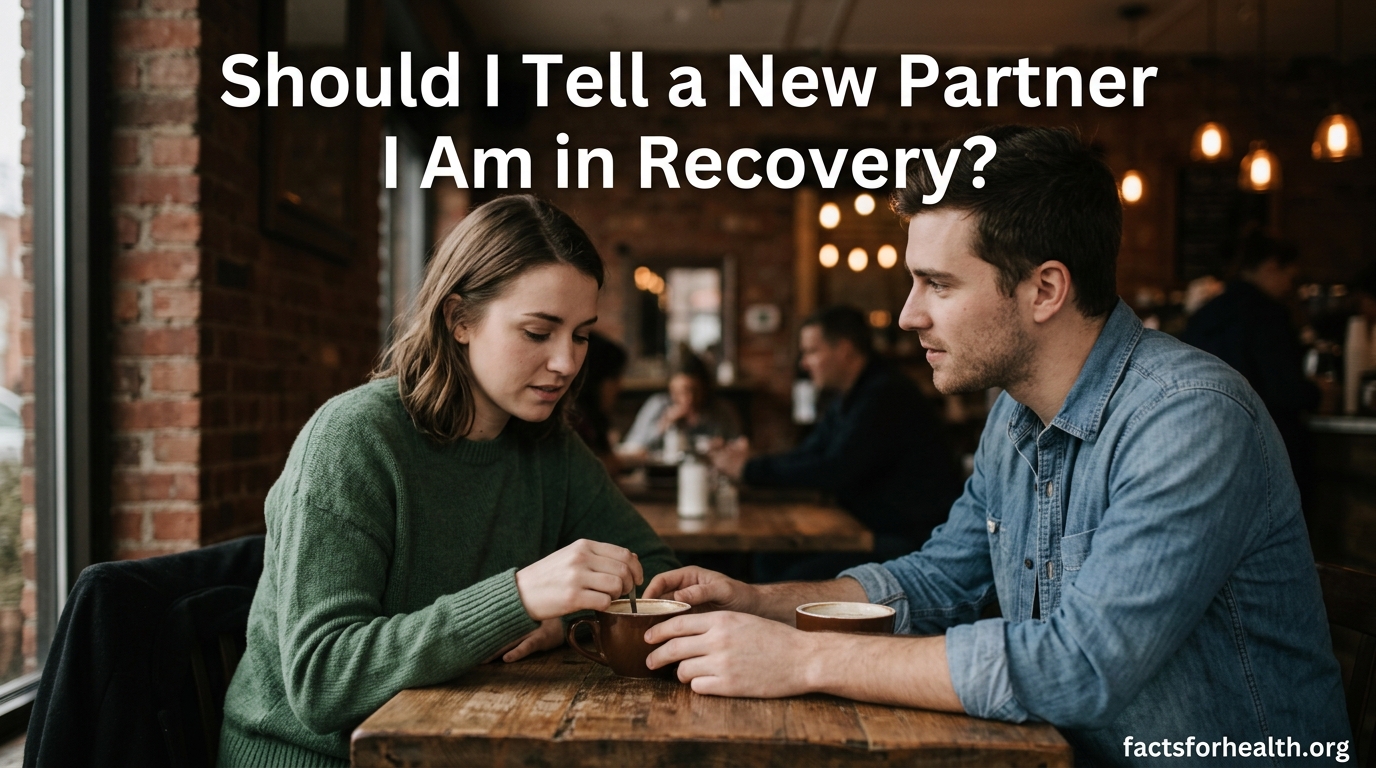
If you are in recovery and starting to date again, you have probably asked yourself the question: should I tell a new partner I am in recovery, and when is the right time? You are not alone in wondering this. It is one of the most common concerns people raise in recovery communities, support groups, and therapy sessions.
The short answer is yes, you should tell a romantic partner about your recovery. The harder question is when and how. Disclosing too early can feel like oversharing with a stranger. Waiting too long can feel like you are hiding something important about who you are.
This guide walks you through the timing, the conversation itself, and what to do if the reaction is not what you hoped for. We drew on advice from recovery counselors, real experiences shared in support communities, and established guidelines from treatment professionals to put this together.
Table of Contents
When to Tell a New Partner About Your Recovery
There is no single perfect moment that works for everyone. But most recovery professionals agree on a two-stage approach that balances honesty with self-protection.
The first stage happens early, often on the first or second date. You do not need to share your full story at this point. You simply mention that you do not drink or use substances. This comes up naturally when ordering drinks, planning a dinner, or discussing weekend activities. A simple “I do not drink” is enough.
The second stage is the deeper conversation. This is when you share that you are in recovery, what that means to you, and why sobriety is important. This conversation typically happens once you sense the relationship has potential. For most people, that means somewhere between the third and tenth date, or when you both express interest in seeing each other exclusively.
The key principle is this: share enough to be honest, but not so much that you feel exposed or vulnerable with someone you barely know.
You should also consider disclosing before the relationship reaches certain milestones. If you are about to meet their friends or family, become physically intimate, or spend significant time together, your partner deserves to know this part of your life. Waiting too long can create trust issues that are hard to repair.
The One-Year Guideline: Why It Exists
Most counselors and 12-step programs recommend waiting about one year into recovery before starting a new romantic relationship. This is not a hard rule, but it exists for good reasons.
Early recovery is a time of massive change. Your brain is adjusting to life without substances. Your emotions can swing wildly. You are building new habits, new coping mechanisms, and a new sense of identity. Adding the emotional intensity of a new relationship on top of that can be overwhelming.
New relationships produce a flood of dopamine and excitement. For someone in early recovery, that flood can mirror the highs of substance use. It can become a substitute addiction, or it can distract from the work of building a solid recovery foundation.
There is also the risk of relapse if the relationship ends. A painful breakup in early recovery can trigger old patterns. Many people in recovery communities share stories of relationships that became relapse triggers because they started dating before they were ready.
That said, life does not always follow a timeline. If you meet someone you care about before the one-year mark, talk to your sponsor, therapist, or counselor before jumping in. They can help you assess whether you are genuinely ready.
How to Have the Recovery Conversation
Once you have decided it is time to tell your partner, preparation makes a huge difference. Here is a step-by-step approach that recovery professionals and community members recommend.
Step 1: Practice first. Talk through what you want to say with your sponsor, therapist, or a trusted friend. Practicing out loud helps you find the right words and reduces anxiety when the real conversation happens.
Step 2: Choose the right setting. Pick a private, calm environment where neither of you is rushed or distracted. A quiet walk, a coffee shop during a slow hour, or sitting together at home all work well. Avoid having this conversation at a bar, a party, or over text message.
Step 3: Be direct and honest. Do not hint or beat around the bush. Start with something clear and straightforward, then let the conversation unfold naturally from there.
Step 4: Share what feels comfortable. You do not owe anyone your complete history on the first conversation. Share the basics: you are in recovery, what that means, and why sobriety matters to you. Details about your past can come later as trust builds.
Step 5: Let them ask questions. A good partner will be curious, not judgmental. Give them space to process and ask what they want to know. Answer what you can, and feel free to say “I am not ready to talk about that yet” for anything that feels too personal.
Step 6: Share your boundaries. If certain situations are triggers for you, let your partner know. Whether that means you do not keep alcohol in the house, you need to attend meetings regularly, or you prefer to avoid certain social settings, clear boundaries help your partner support you.
Step 7: Give them time. Your partner may need time to absorb what you shared. That is normal. Do not pressure them for an immediate reaction. A thoughtful response later is better than a rushed one in the moment.
What to Say: Sample Scripts for the Conversation
One of the hardest parts is finding the right words. Here are some sample scripts you can adapt to fit your style and situation.
For the early stage (first few dates):
“I actually do not drink. It is a personal choice, and I am happy to talk about it more if you are curious, but I wanted to mention it now so we are on the same page.”
For the deeper conversation:
“I want to share something with you because I care about you and I want to be honest. I am in recovery from addiction. It is a big part of my life and something I work on every day. I am sharing this because I trust you, and I want you to know who I really am.”
If they ask what you are recovering from:
“I am in recovery from [substance]. I have been sober for [time period], and it is one of the most important things in my life. I am proud of the work I have done to get here.”
If they ask how they can support you:
“Honestly, just being understanding means a lot. I prefer not to be around heavy drinking, and my meetings are important to me. I will always be open with you about where I am at.”
If you need to set a boundary:
“I need to be upfront about something. I am not comfortable with [specific situation]. It is not about controlling what you do, but I need to protect my sobriety, and that boundary is really important to me.”
Green Flags and Red Flags in a Partner
How your partner reacts to your disclosure tells you a lot about whether this relationship is healthy for you. Here are the signs to watch for.
Green flags (signs of a supportive partner):
- They ask thoughtful questions and genuinely want to understand
- They respect your boundaries without making you feel guilty
- They do not pressure you to explain more than you are comfortable sharing
- They express admiration for your recovery and the work you have done
- They offer to accommodate your needs without making a big deal of it
- They treat your recovery as a sign of strength, not a red flag about you
- They remember what you shared and check in about it naturally
Red flags (signs this may not be a safe relationship for your recovery):
- They dismiss your recovery as not a big deal or say you should “just move on”
- They pressure you to drink or use, even “just this once”
- They make jokes about your addiction or recovery
- They seem uncomfortable but refuse to talk about it
- They use your past against you during arguments
- They try to hide your recovery status from their friends or family
- They make you feel like your recovery makes you “too much work”
One red flag outweighs all the others: if someone pressures you to use substances or questions whether your recovery is necessary, that person is not safe for your sobriety. No matter how attractive or exciting they are, your recovery comes first.
Handling Negative Reactions or Rejection
Not every disclosure will go perfectly, and that is okay. Preparing for different reactions helps you stay grounded no matter what happens.
If your partner seems surprised or quiet, do not assume the worst. People process information differently. Some need time to think before responding. Give them space, and let them know there is no rush.
If your partner asks questions that feel judgmental, stay calm. You can redirect by saying, “I understand you might have concerns, and I am happy to answer what I can. But I also want you to know that my recovery is something I am proud of, not ashamed of.”
If your partner reacts negatively or ends the relationship, it hurts. But try to reframe it. Someone who cannot accept your recovery is not someone who belongs in your life. Their reaction is information about them, not a judgment of you.
In recovery communities, people often share this perspective: rejection after disclosure is a filter, not a failure. It removes people who are not compatible with your sober life before you invest too much. The right person will respect and value your honesty.
Talk to your sponsor or support system after any difficult disclosure. Processing the experience with people who understand recovery helps you stay centered and avoid spiraling into self-doubt.
One fear that comes up frequently in forums is being “found out” before you are ready. Maybe mutual friends know about your recovery, or you run into someone from a meeting. This is a real concern. It underscores why the two-stage approach works well. By mentioning you do not drink early on, you control the narrative rather than having it come out unexpectedly.
Sober Dating Tips: Social Situations and Boundaries
Dating without alcohol or substances is different, but it can actually lead to more genuine connections. Here are practical tips for navigating sober dating.
Plan dates that do not revolve around drinking. Coffee shops, museums, hiking trails, cooking classes, and bookstores all make excellent sober date spots. You get to know someone without the haze of alcohol between you.
If alcohol is present at a social event, decide ahead of time how you will handle it. Bring your own non-alcoholic drink. Have an exit plan if you start feeling uncomfortable. Let your partner know if you need to leave early.
Keep your support system close. Text your sponsor or a recovery friend before and after dates. Having someone who knows where you are and how you are doing provides accountability and comfort.
Remember that your recovery is your priority. Any relationship that asks you to compromise your sobriety is not worth keeping. The right partner will understand that your recovery comes first, and they will respect it without resentment.
FAQs
Should I tell a new partner I am in recovery and when?
Yes, you should tell a romantic partner about your recovery. The best approach is a two-stage process: mention early on that you do not drink, then share your full recovery story once you sense the relationship has potential, typically between the third and tenth date or before becoming exclusive.
How much detail should I share about my addiction history?
Share only what feels comfortable. Start with the basics: you are in recovery, what that means, and why sobriety matters to you. Deeper details about your past can come later as trust builds. You are not obligated to share your entire history in one conversation.
What if my partner does not accept my recovery?
If a partner cannot accept your recovery, that is information about them, not a judgment of you. Someone who pressures you to use substances or dismisses your sobriety is not safe for your recovery. Reframe rejection as a filter that removes incompatible people from your life.
Is it okay to date someone who drinks when I am sober?
Yes, many people in recovery have healthy relationships with partners who drink socially. The key is mutual respect. Your partner should never pressure you to drink, and you should feel comfortable setting boundaries around alcohol in your shared life.
What are red flags when dating someone in recovery?
Red flags include pressuring you to drink or use, making jokes about your addiction, dismissing your recovery as unnecessary, hiding your recovery from others, or using your past against you during arguments. If someone questions whether your recovery is real or needed, that person is not safe for your sobriety.
Should I date someone who is also in recovery?
Dating someone who is also in recovery can work well because they understand your experience. However, it carries unique risks if one person relapses. Many counselors suggest waiting until both partners have solid foundations in their own recovery before starting a relationship.
Conclusion
Deciding whether you should tell a new partner I am in recovery and when to do it is one of the most personal choices in the dating journey. The two-stage approach gives you a framework: mention your sobriety early, share your story when trust has formed.
Remember that your recovery is something to be proud of. Anyone who sees it as baggage rather than strength is showing you who they are. The right partner will respect your journey, honor your boundaries, and walk beside you without judgment.
Take your time, lean on your support system, and trust that honesty will always lead you toward the relationships that are worth keeping.