
If you want one bottle to start with, the Botanic Hearth Rosemary Oil is the best hair growth serum in this roundup. It pairs rosemary, biotin, jojoba and castor oils in a formula that more than 21,000 buyers have rated, which makes it the most tested option on the list. For hot, oily scalps that itch and flake, the lilyeve GROWTURN is the better fit, and for anyone who wants a short, fully certified ingredient list, Sky Organics is hard to argue with.
That is the honest short version. The long version is that “hair growth serum” covers two very different things: products that reduce breakage so your existing hair survives to full length, and products that aim at the follicle itself. Conflating those two is the single biggest reason people spend months on a serum and then conclude the whole category is a scam. This guide separates them, ranks ten serums on the data we could actually verify, and tells you when to expect results and when to stop.
We compared all ten across ingredient actives, rating distribution, review volume, texture, residue and routine friction. None of these serums contains minoxidil, which is the one active with drug-level evidence for regrowth — and that matters when you read the fine print on any brand’s page. We also cover who should not use drug-based treatments at all, because the safety conversation is as important as the recommendation.
One note on scope: every product here is a topical. If you are also managing styling damage at the same time, our guides to the best hair dryers for curly hair and the best hair straighteners for thick hair address the mechanical side of breakage that no serum can undo.
Table of Contents
Top 3 Picks for the Best Hair Growth Serums in 2026
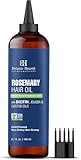
Botanic Hearth Rosemary Oil
- Rosemary with biotin jojoba and castor oils
- Over 21000 ratings averaging 4.4 stars
- Paraben-free and sulfate-free

Sky Organics Rosemary Strong Roots
- Top average rating at 4.6 stars
- Only three certified organic ingredients
- USDA organic and cruelty-free certified

AROMATICA Rosemary Root Enhancer
- Highest five-star share at 77 percent
- Rosemary water and oil for the scalp
- Targets oily scalp and buildup
Quick Overview: All 10 Hair Growth Serums Compared (October 2026)
Every pick below is ranked on verified review data and the actives listed on the product page. The table is your fast read; the full write-ups follow.
| Product | Specifications | Action |
|---|---|---|
| Botanic Hearth Rosemary Oil |
|
Check Latest Price |
 Forest and Shore Hair Growth Oil Forest and Shore Hair Growth Oil |
|
Check Latest Price |
| AROMATICA Rosemary Root Enhancer |
|
Check Latest Price |
 EarthShine Rosemary Peptide Serum EarthShine Rosemary Peptide Serum |
|
Check Latest Price |
 Moerie Growth Spray Moerie Growth Spray |
|
Check Latest Price |
 Nutrafol Women’s Hair Serum Nutrafol Women’s Hair Serum |
|
Check Latest Price |
 Kerastase Genesis Serum Kerastase Genesis Serum |
|
Check Latest Price |
| Sky Organics Strong Roots Oil |
|
Check Latest Price |
 The Ordinary Multi-Peptide The Ordinary Multi-Peptide |
|
Check Latest Price |
 lilyeve GROWTURN Exosome Serum lilyeve GROWTURN Exosome Serum |
|
Check Latest Price |
1. Botanic Hearth Rosemary Oil: Best Overall for Thinning Hair
Botanic Hearth Rosemary Oil for Hair Growth – 6.7 Fl oz
Rosemary with biotin jojoba and castor oils
6.7 fl oz cold-pressed formula
Paraben and sulfate free
Pros
- Over 21000 ratings averaging 4.4 stars with a 71 percent five-star share
- Rosemary biotin jojoba and castor oil blend
- Available from 2 oz up to 16 oz
- Paraben-free sulfate-free and cruelty-free
Cons
- Oils can weigh down fine or straight hair
- Needs consistent use over weeks to months
- Positioned as a hair oil rather than a targeted serum
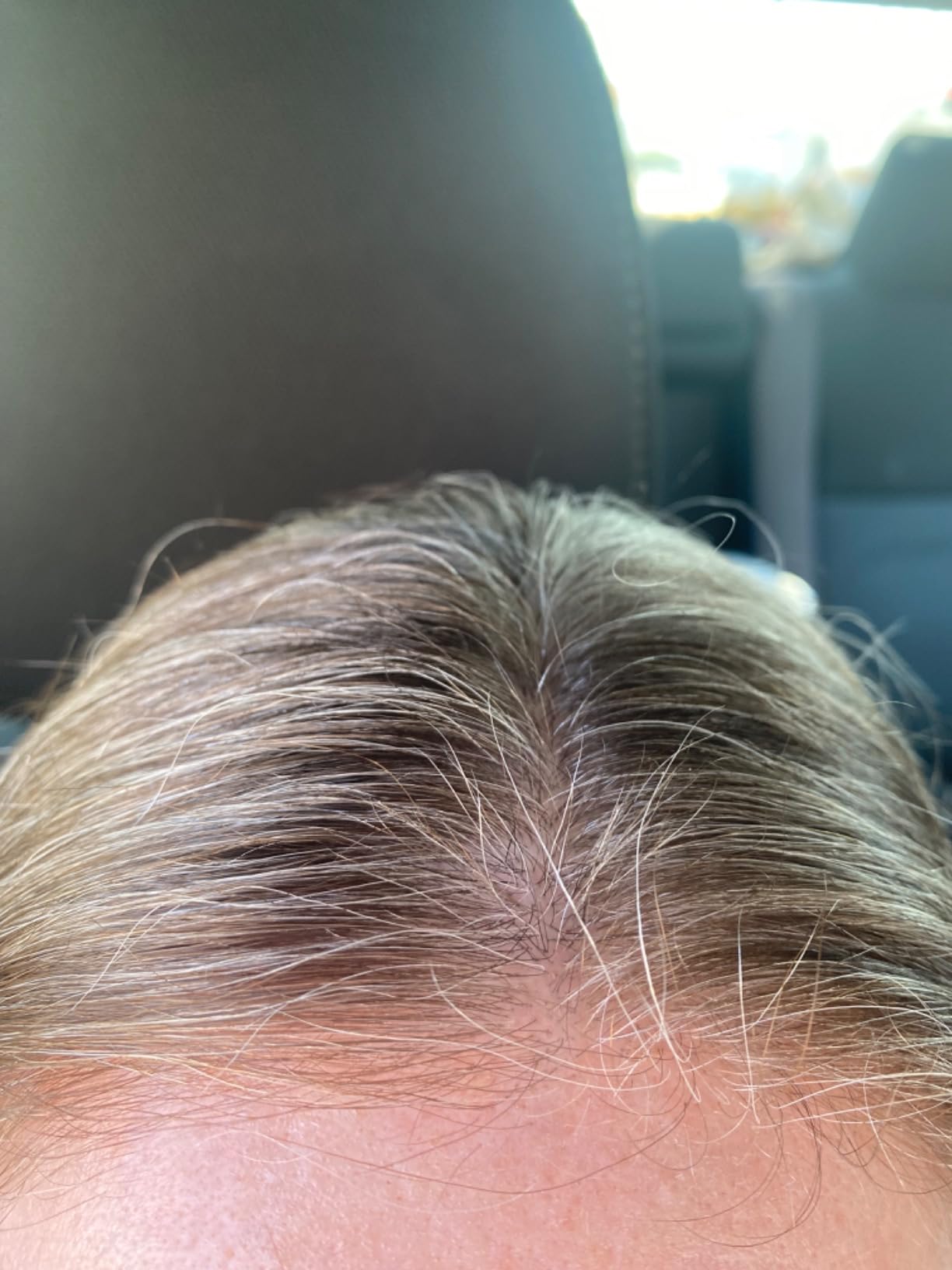
By volume of real-world testing, nothing else in this roundup comes close. More than 21k ratings at a 4.4 average with 71% five-star tells you this is a formula people keep buying, and the review theme is consistent: softer hair, less breakage, a scalp that feels nourished rather than coated.
The blend is straightforward. Cold-pressed organic rosemary oil leads, with biotin, jojoba and castor oils behind it for conditioning and slip. Rosemary is the botanical most often discussed as a scalp circulation and DHT-supporting ingredient, and while that evidence is far weaker than the clinical data behind minoxidil, it is a reasonable non-drug lever.
What I like is the size range. The 6.7 fl oz bottle is the sweet spot for full-scalp use, and the same formula comes in a 16 fl oz version if you are treating a full head every day. That flexibility is unusual in this category.
On the flip side, this is an oil. If you have fine, straight hair with a visible scalp, applying more than a few drops is asking for a flat, oily look, and it does need a proper wash to rinse. The routine is pre-wash rather than leave-in, which means it is not the right tool for a person who wants a serum under their styling products.
Who it suits best
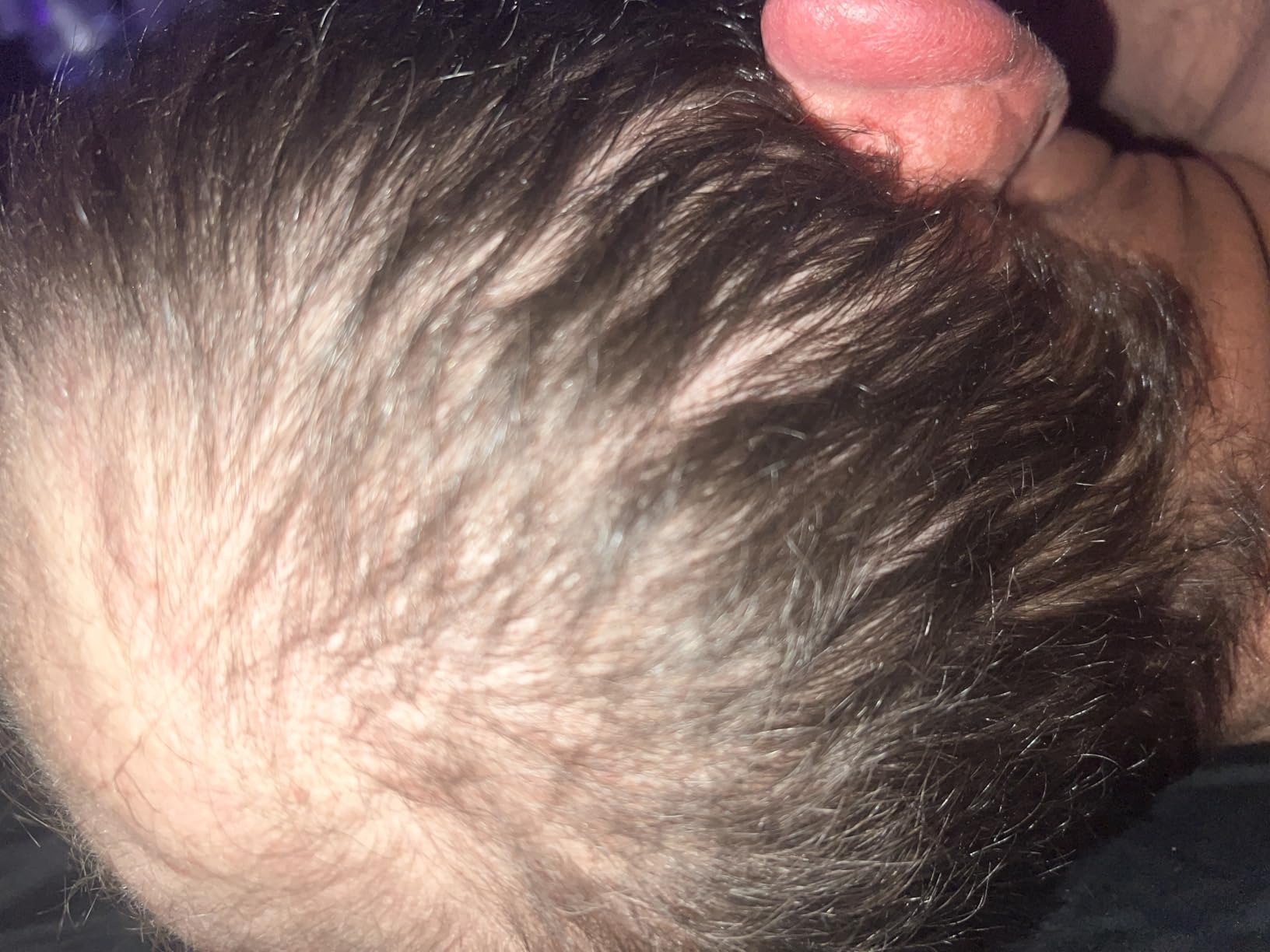
Anyone dealing with general thinning, breakage along the mid-lengths, or a scalp that feels dry and tight. It is also the safest starting point in this list for someone who has never used a targeted treatment and does not want to commit to a prescription-style topical.
Who should skip it
Skip it if you have very fine hair that collapses under oil weight, or if you wear protective styles daily and need the product to go in without a wash. For visible scalp on straight hair, look at a lighter leave-in formula instead.
2. Forest and Shore Hair Growth Oil: Best for Damaged, Over-Processed Hair
Forest & Shore Hair Growth Oil, 100% Natural, with Caffeine, Biotin, Castor , Argan & Rosemary, Effective Serum for Damaged Hair
Castor rosemary argan and baobab oils
Nine nutrient-dense ingredients
Overnight mask use
Pros
- Over 11000 ratings averaging 4.4 stars
- Ingredient-dense multi-oil formula
- Works well as an overnight mask
- Addresses shedding and repair together
Cons
- Rich blend feels heavy and needs thorough rinsing
- Overnight masking adds time to the routine
- Strong rosemary fragrance
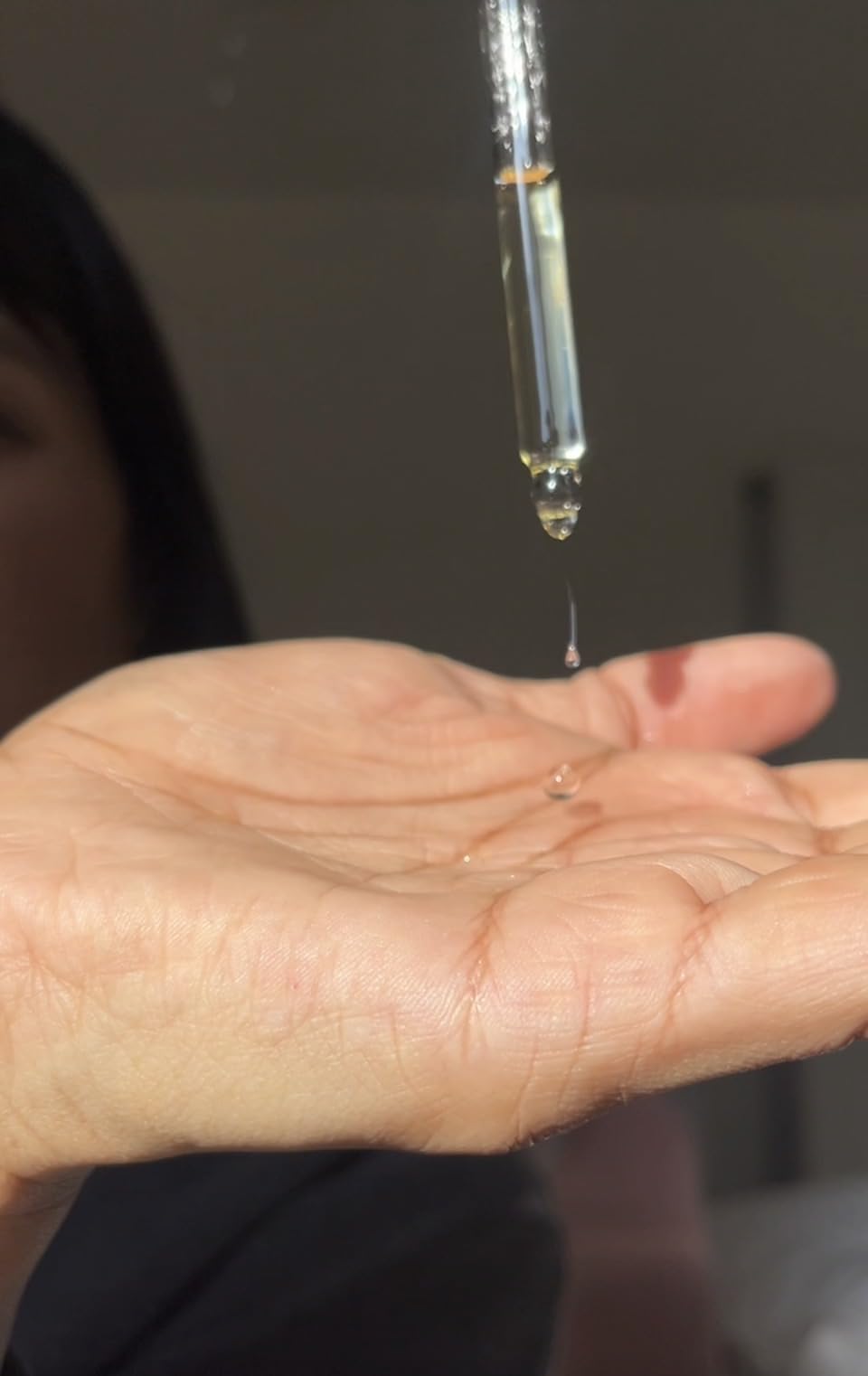
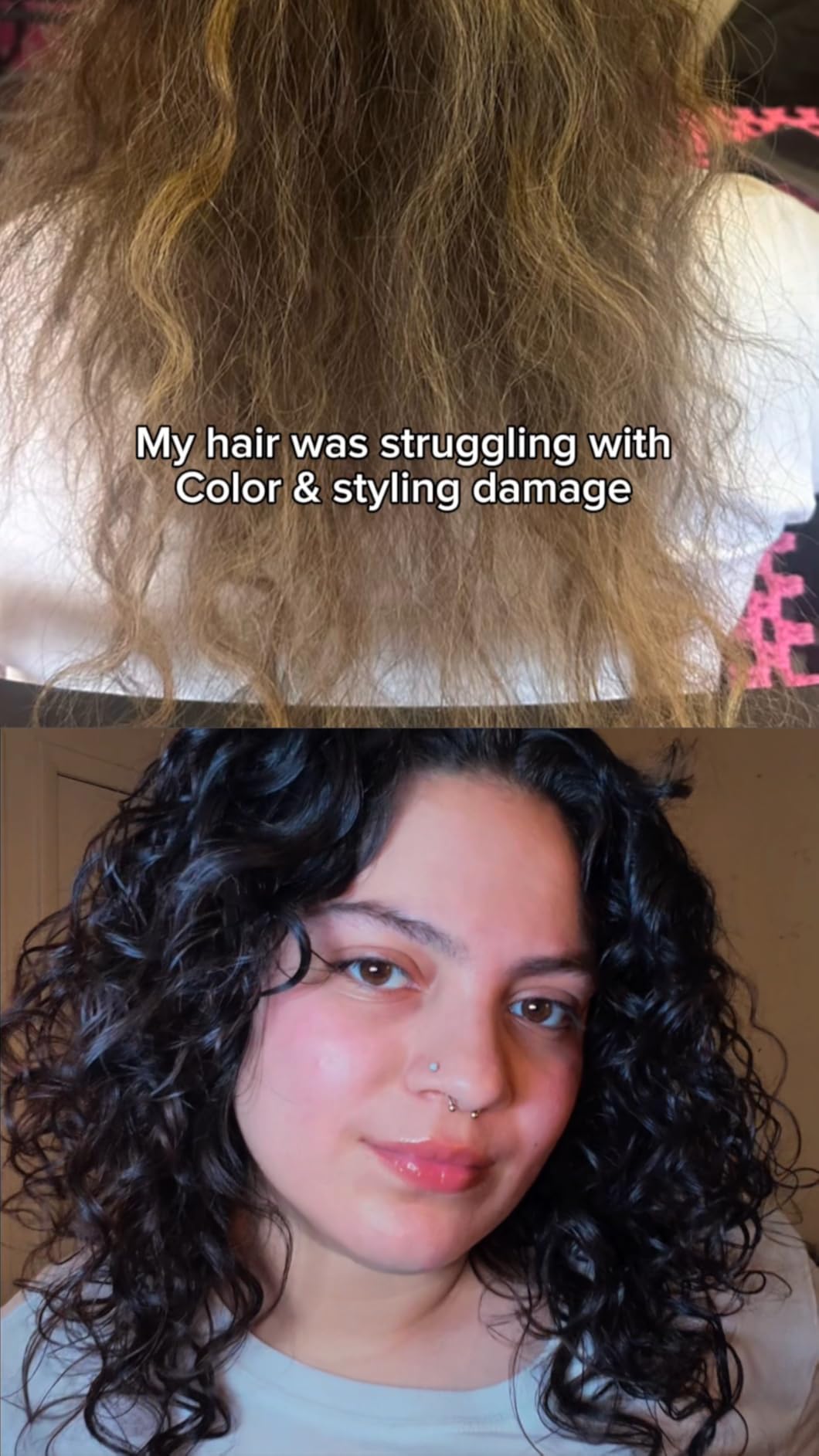
This is the one to pick if your hair has been bleached, heat-styled or chemically treated and the shedding you are seeing is largely breakage rather than root loss. Rosemary and castor lead the formula, joined by baobab and coconut for scalp strength and argan, avocado and olive for moisture and protein balance.
Caffeine appears in the ingredient story too, which separates it from most pure oil blends. Nine nutrient-dense ingredients in one bottle is genuinely dense on paper, and reviewers consistently describe the hair as softer and visibly thicker once it is used as an overnight mask rather than a quick rinse-through.
Reviewers also point out that the rosemary scent is strong. If you are sensitive to fragrance, that is a real consideration, though it does fade once the product dries.
The honest drawback is weight. This is a rich formula and it takes real rinsing time to get out. On a person with fine hair, using it as a full overnight mask every week can be more than the hair needs.
Who it suits best
Color-treated and heat-damaged hair that feels strawy and breaks when you brush. It pairs well with a bond-building treatment, because the oil handles nourishment while the bond builder handles the structural repair.
Who should skip it
Skip it if you shower fast, dislike strongly scented products, or have fine hair that goes limp easily. The rinsing time alone puts it off-limits for a lot of people.
3. AROMATICA Rosemary Root Enhancer: Top Rated Scalp Treatment
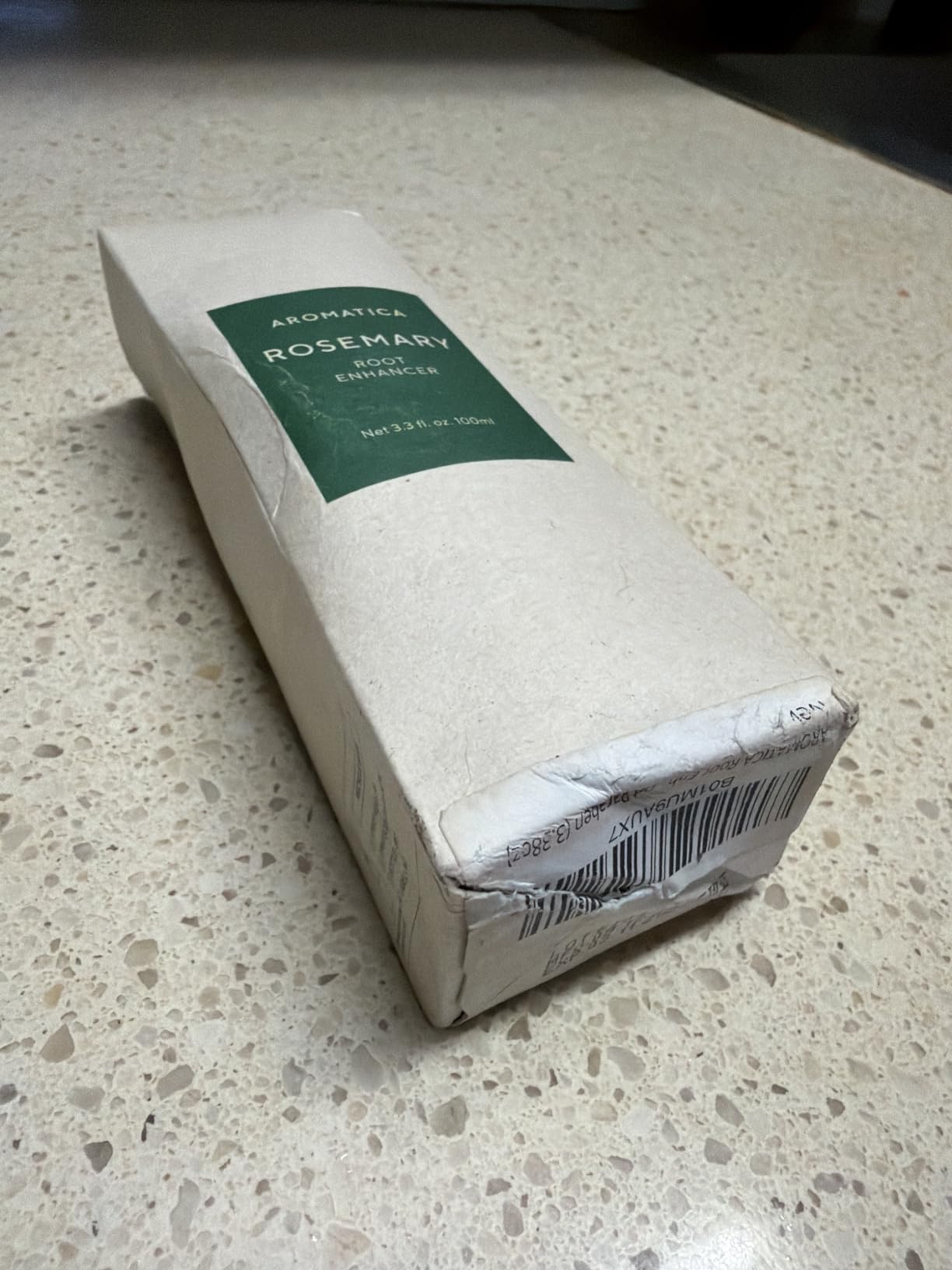
Aromatica Rosemary Root Enhancer 100ml Net wt 3.3 fl oz.
3.3 fl oz rosemary scalp treatment
Black rice and rosemary water complex
Aromatherapy-based formula
Pros
- 4.5 stars with a 77 percent five-star share
- Rosemary water plus oil targets the scalp
- Soothes dry itchy and oily scalps
- Plant-based formula from qualified aromatherapists
Cons
- The strongest rosemary scent in the group
- 3.3 fl oz runs down with daily use
- Results depend heavily on hair type and consistency
AROMATICA has the highest five-star share of any product here at 77%, paired with a 4.5 average. That combination usually signals a product people like, not just a product people tolerate.
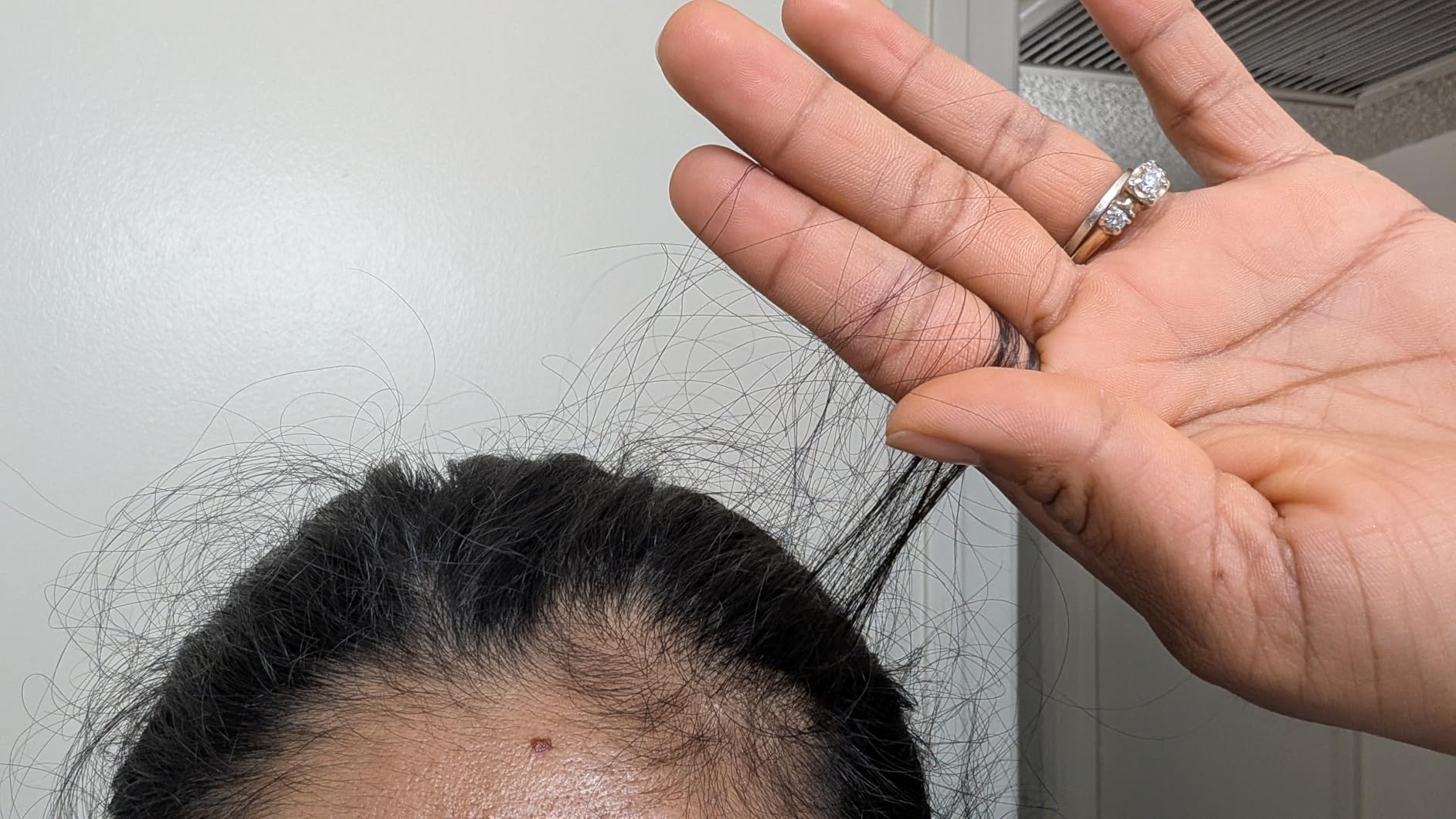
Unlike the pure oils higher up this list, this is a scalp treatment. Rosemary water and rosemary scalp oil sit on top of a six-type Black Food Complex that includes black rice, and the intent is to work on the scalp itself rather than coating the lengths. Reviewers repeatedly mention an immediate cooling, soothing effect on an irritated scalp and a reduction in buildup at the root.
It is also formulated for both dry and oily scalp concerns, which is unusual for a rosemary product. Most are built for one or the other.
The catch is the bottle. At 3.3 fl oz, daily use across a full scalp burns through it faster than the size suggests, and the rosemary aroma is the most pronounced of the ten. Both are manageable if you like the scent and use it a few times a week rather than twice daily.
Who it suits best
People with a flaky, oily or itchy scalp who want a treatment rather than an oil. The water-based texture also suits anyone who finds heavy oils trigger breakage at the root.
Who should skip it
Skip it if strong fragrance bothers you or if you need a large volume for a full head. For a whole-scalp daily protocol, the 3.3 fl oz size will not stretch far enough.
4. EarthShine Rosemary Peptide Serum: Best Lightweight Daily Serum
Hair Growth Serum Scalp Treatment: Scalp Serum with Rosemary, Multi-Peptide & Caffeine for Anti Hair Loss and Thinning – Thickening and Density for Women & Men
Rosemary multi-peptide and caffeine
1.5 fl oz non-greasy serum
One or two daily applications
Pros
- 4.3 stars from roughly 3700 ratings
- Combines rosemary peptides and caffeine
- Fast-absorbing non-greasy finish
- Works for all hair types and both men and women
Cons
- Only 1.5 fl oz per bottle
- Claims are marketing-led with limited testing detail
- Density changes take long consistent use
This is the most modern-looking formula in the roundup from an active-ingredient standpoint: rosemary, a multi-peptide complex and caffeine in a lightweight base that dries down without residue. That combination mirrors what the current research conversation actually favours for density work without a drug active.
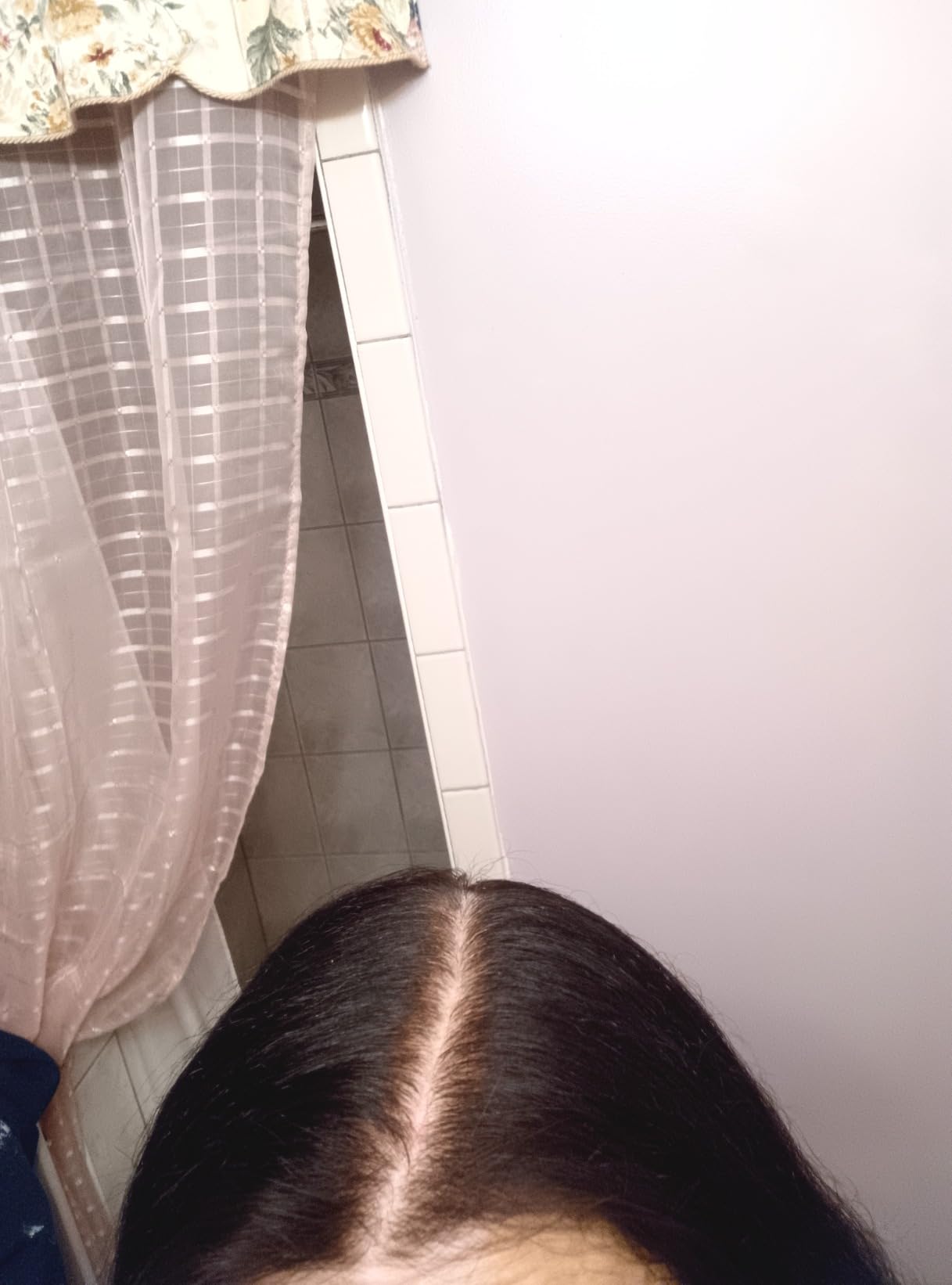
Reviewers like the finish more than anything else. A non-greasy daily serum that layers under styling products solves a problem most oil-based options create, and several buyers report less shedding after several weeks of consistent application.
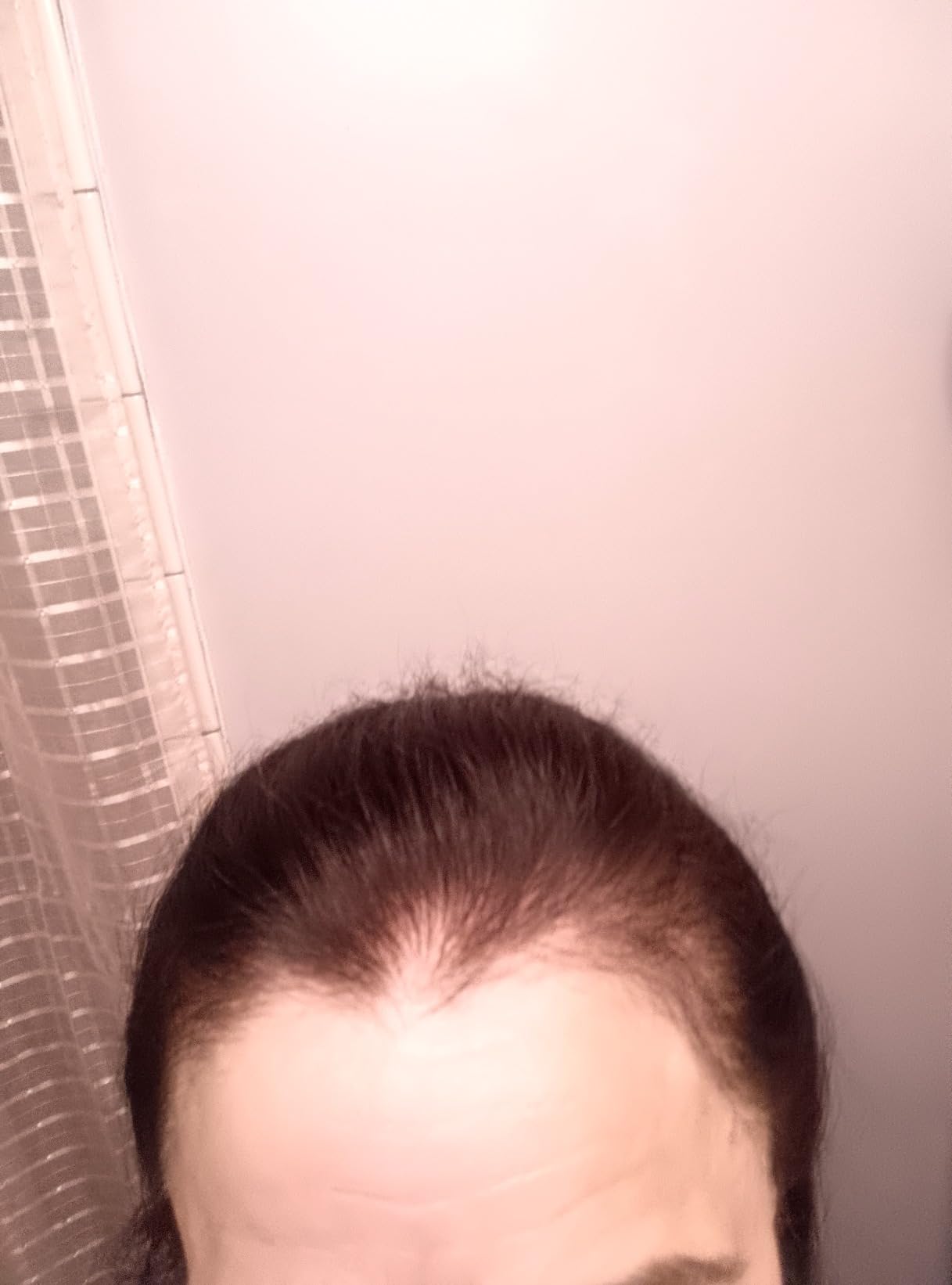
Be clear-eyed about the evidence level though. The actives list reads modern, but the brand publishes little detail behind its testing, so treat it as a cosmetic support product rather than a proven treatment.
The other real issue is volume. At 1.5 fl oz, this is a spot-treatment size, not a full-scalp bottle. Several reviewers note that one bottle covers only a short period of daily use, which is a recurring complaint across the smaller bottles in this category.
Who it suits best
People with fine hair who cannot tolerate oils, and anyone who wants a serum they can put in the morning and style over without thinking about it. The unisex framing works for both men and women.
Who should skip it
Skip it if you want documented clinical evidence behind the formula, or if you need a large bottle for daily full-scalp application. Buy the multipack equivalent rather than planning around a single small bottle.
5. Moerie Growth Spray: Best for Fast, No-Mess Application
Moerie Hair Growth Serum Spray for Men and Women, Hair Loss Solution with Biotin and Rosemary, Thickening Serum for Hair Regrowth and Thinning Hair – Ultimate Scalp and Growth Care
150ml spray bottle with 125 nutrients
Caffeine fulvic acid and biotin
Safe for colour-treated hair
Pros
- 4.2 stars from roughly 3600 ratings
- Spray applicator is the quickest in the roundup
- 77 minerals with 18 proteins and 5 vitamins
- Non-GMO and safe for colour-treated hair
Cons
- 8 percent one-star share is the highest among top-reviewed picks
- Results are slow over 30 days to 3 months
- Spray gives less precise scalp targeting than drops
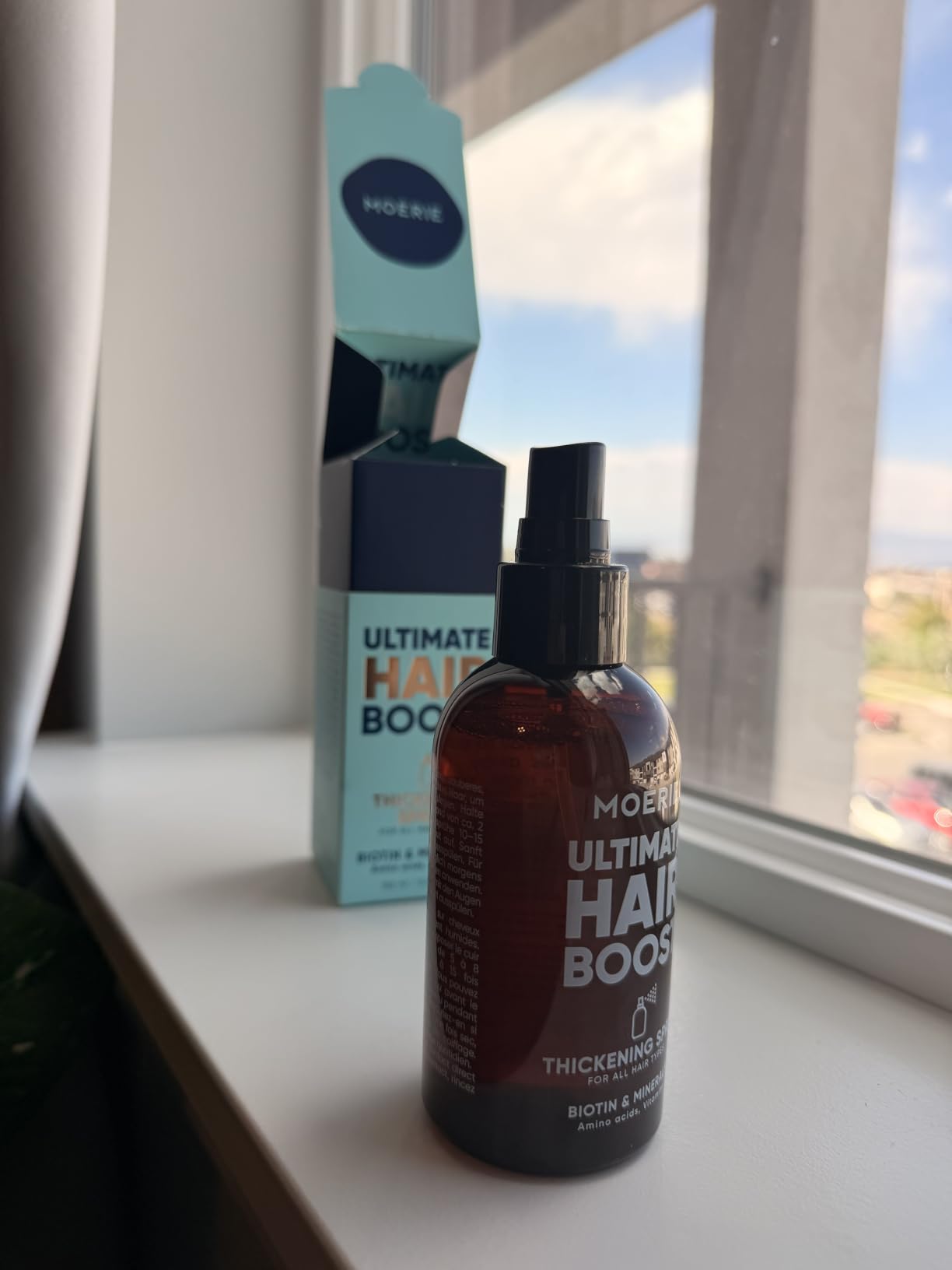
If your reason for not using a serum is that the application is annoying, this solves it. A 150ml spray bottle goes straight onto the scalp after washing, and you massage it in and leave it. No sectioning, no dropper, no measuring.
The actives list is the most technical-sounding in the group: 77 minerals, 18 proteins and 5 vitamins, including caffeine, fulvic acid for nutrient delivery, and biotin for keratin production. The brand also states it is non-GMO and safe for colour-treated hair, which matters for a lot of people.
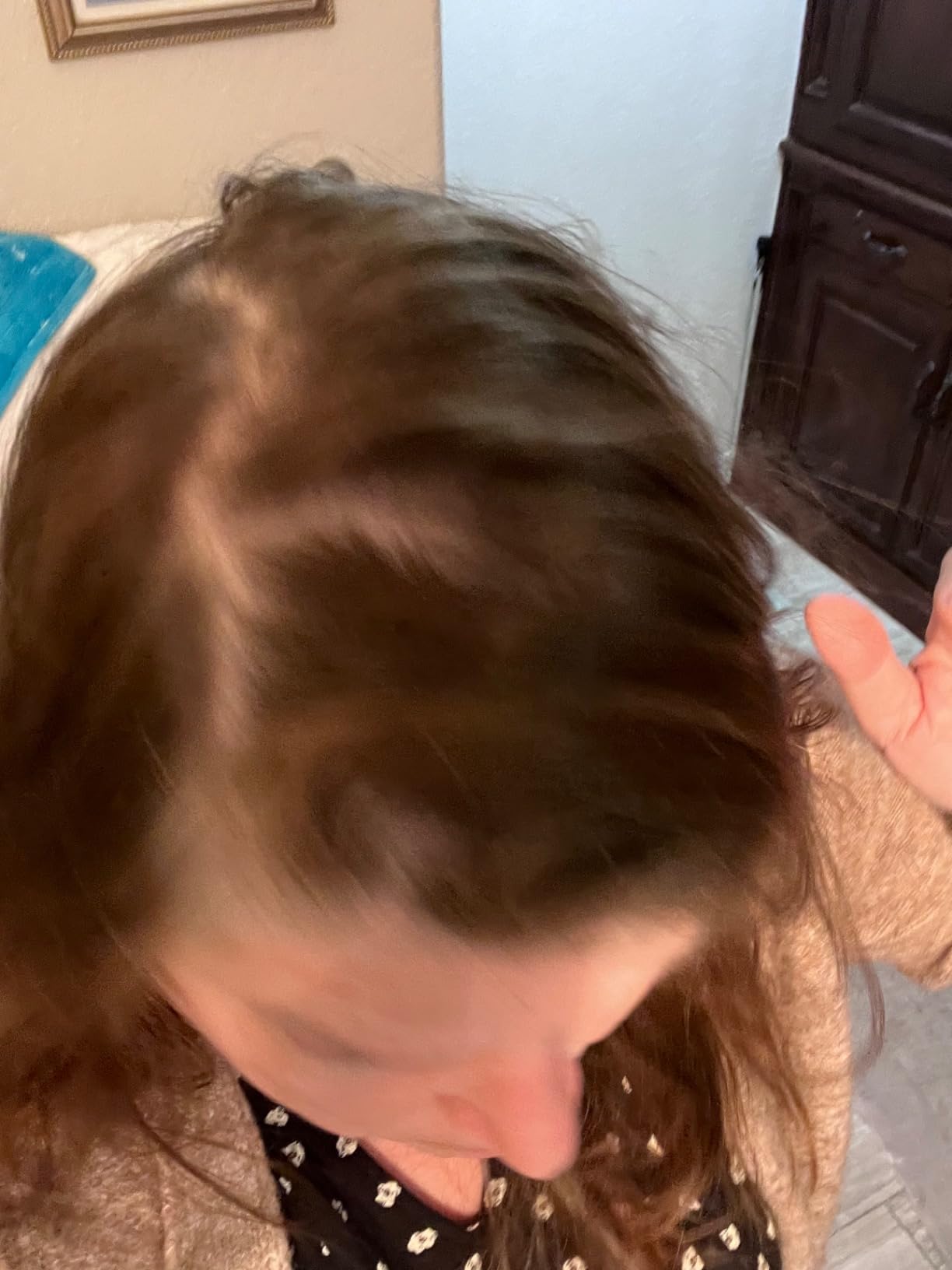
Users like the speed of it, and the formula pairs well with a matching shampoo and conditioner set. The most common complaint is not the product but the pace of results, with the brand itself suggesting a 30-day to 3-month window.
There is also a higher share of one-star ratings, at 8%, than most well-reviewed products here. Those reviews cluster around slow results, a strong scent, and greasiness when the spray is over-applied.
Who it suits best
People who travel, work out daily, or simply will not do a multi-step treatment. Colour-treated hair is explicitly covered, and the spray format suits anyone who struggles to reach the back of the scalp.
Who should skip it
Skip it if you want precise placement on a specific thinning spot. A spray disperses; a drop applicator does not. And if you are impatient, the stated timeline is not fast.
6. Nutrafol Women’s Hair Serum: Best Clinically Tested Pick
Nutrafol Women’s Hair Serum for Thinning Hair, Lightweight, 1 Fl Oz Bottle
1 fl oz clinically tested scalp serum
Ashwagandha exosome and peptides
Vegan fast-absorbing formula
Pros
- Only clinically tested serum in the roundup
- 4.1 stars from roughly 3400 ratings
- Fast-absorbing with no strong odour
- Scalp irritation reported less often than with minoxidil
Cons
- 1 fl oz bottle is used up quickly
- 10 percent one-star share reports no regrowth
- Can feel oily on fine hair
Nutrafol is the only product in this roundup that states it is clinically tested, and it is the only one with a documented proprietary technology: patent-pending Ashwagandha Exosome technology alongside Irish moss peptides and pea sprout extract. If published testing is your filter, this is the one that passes it.
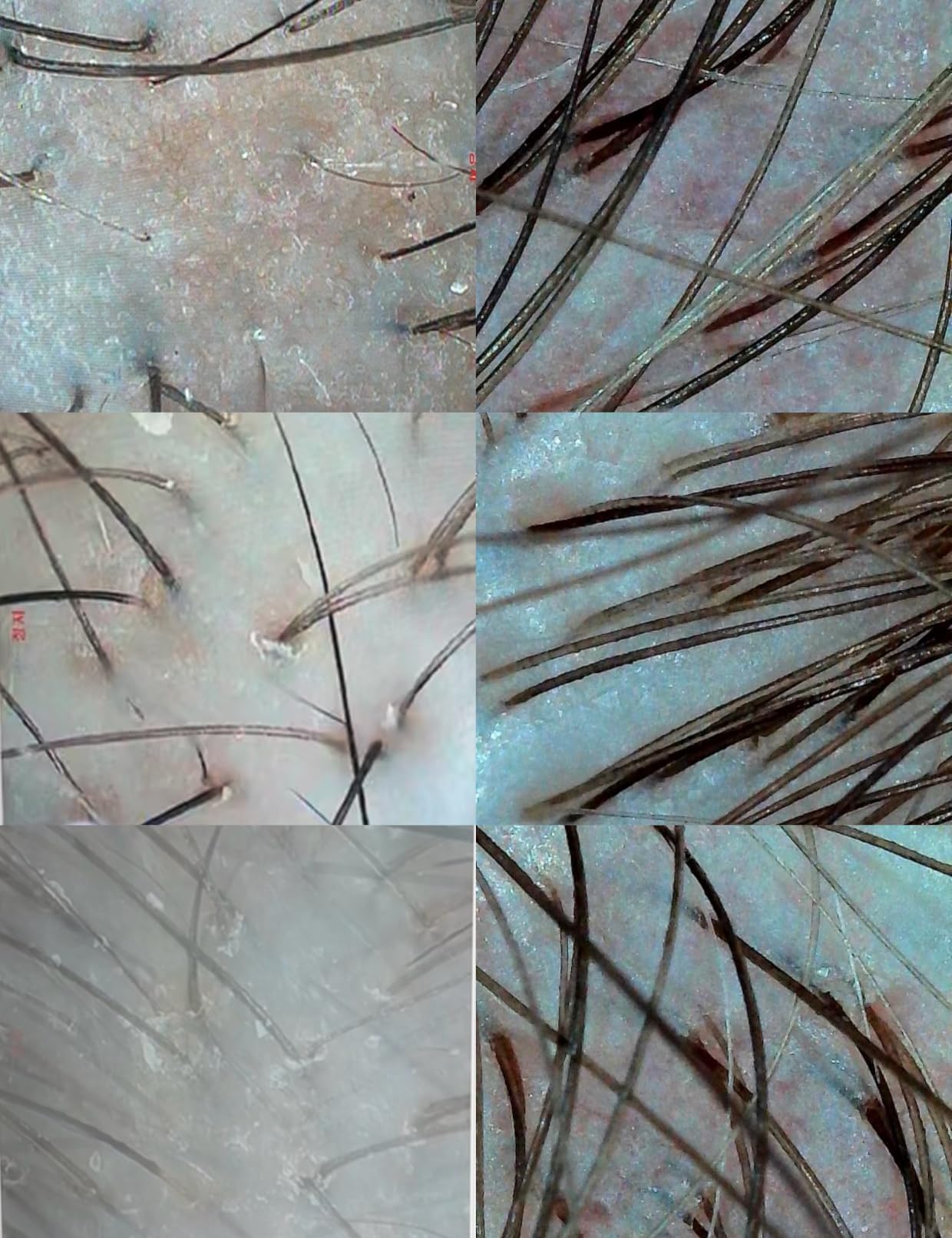
It is also the most polarised. A 4.1 average from around 3.4k ratings splits hard: 61% five-star and 10% one-star. On one side, buyers report a recovering hairline or a filled-in crown patch after three or more months of consistent use, and several pair it with a separate topical. On the other, users report continued shedding and no change after six to seven months.
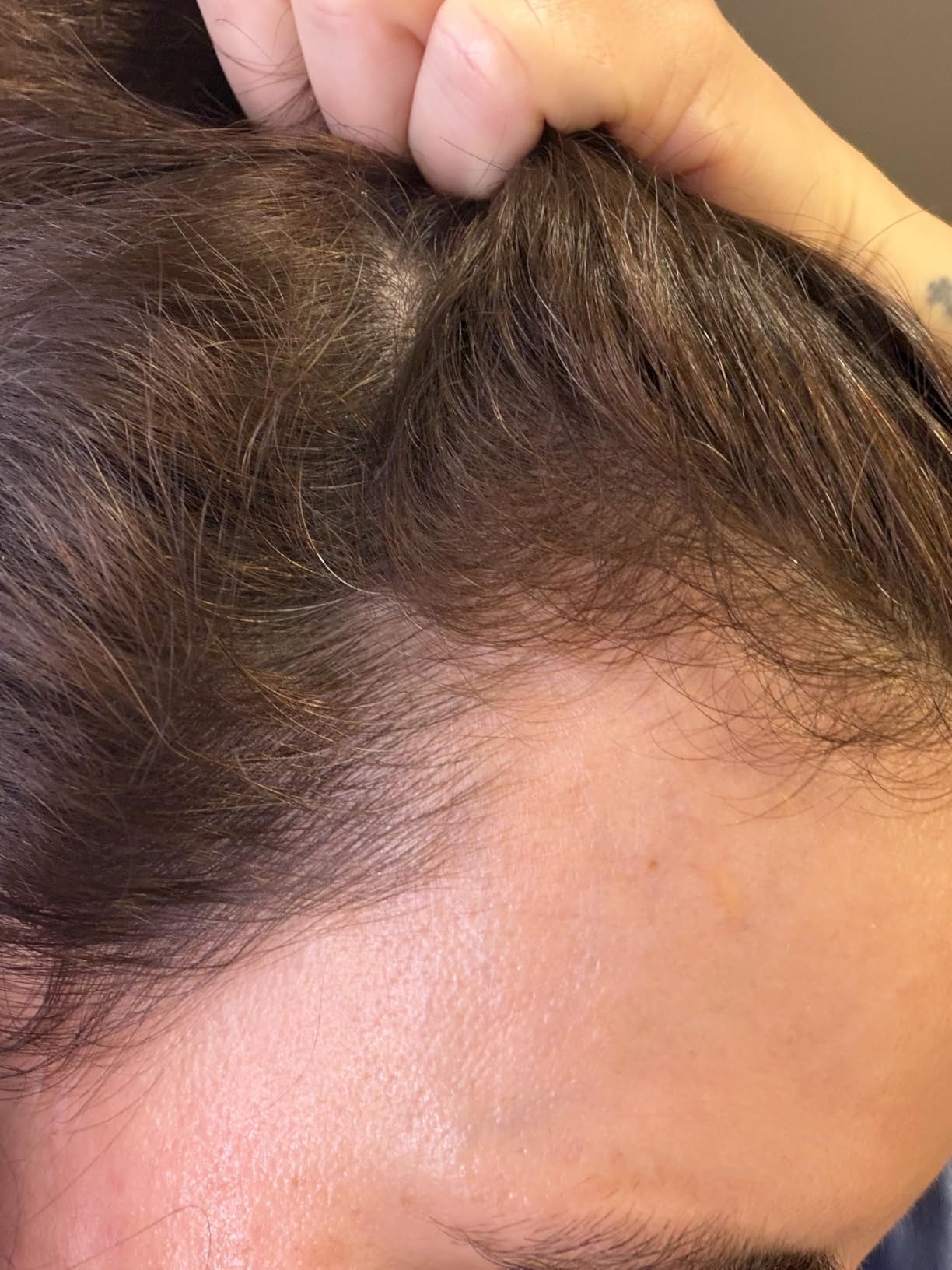
Practical notes worth knowing before you commit. The 1 fl oz bottle is genuinely small, and for whole-scalp or multi-area use it disappears quickly. The opaque white packaging means you cannot see how much remains. The fine glass droppers are fragile and replacements are not sold separately.
On fine hair, the serum can feel oily and increase how often you need to wash. That texture complaint is the most common negative theme after the results complaint.
Who it suits best
People who want a modern, non-drug formula and are willing to commit to three-plus months. It suits a once-daily routine, and several users stack it with an established treatment as support.
Who should skip it
Skip it if you want a fast answer, if fine hair turns oily easily, or if you dislike a small bottle you will refill repeatedly. The inconsistency in results is real, and no brand can promise you will land in the 61%.
7. Kerastase Genesis Serum: Best for Breakage-Driven Hair Fall
Kerastase Genesis Hair Serum – Daily Strengthening Treatment, 1 Fl Oz
Ginger caffeine and arginine
Leave-in with no rinsing
4 doses on dry or towel-dried scalp
Pros
- 4.5 stars with a 79 percent five-star share
- Lightweight leave-in with no residue
- Can be targeted to sparse areas only
- Brand reports 97 percent saw less breakage-related hair fall
Cons
- Treats breakage-driven fall rather than follicle-level thinning
- Higher price per ounce
- Minimum six-week commitment to judge
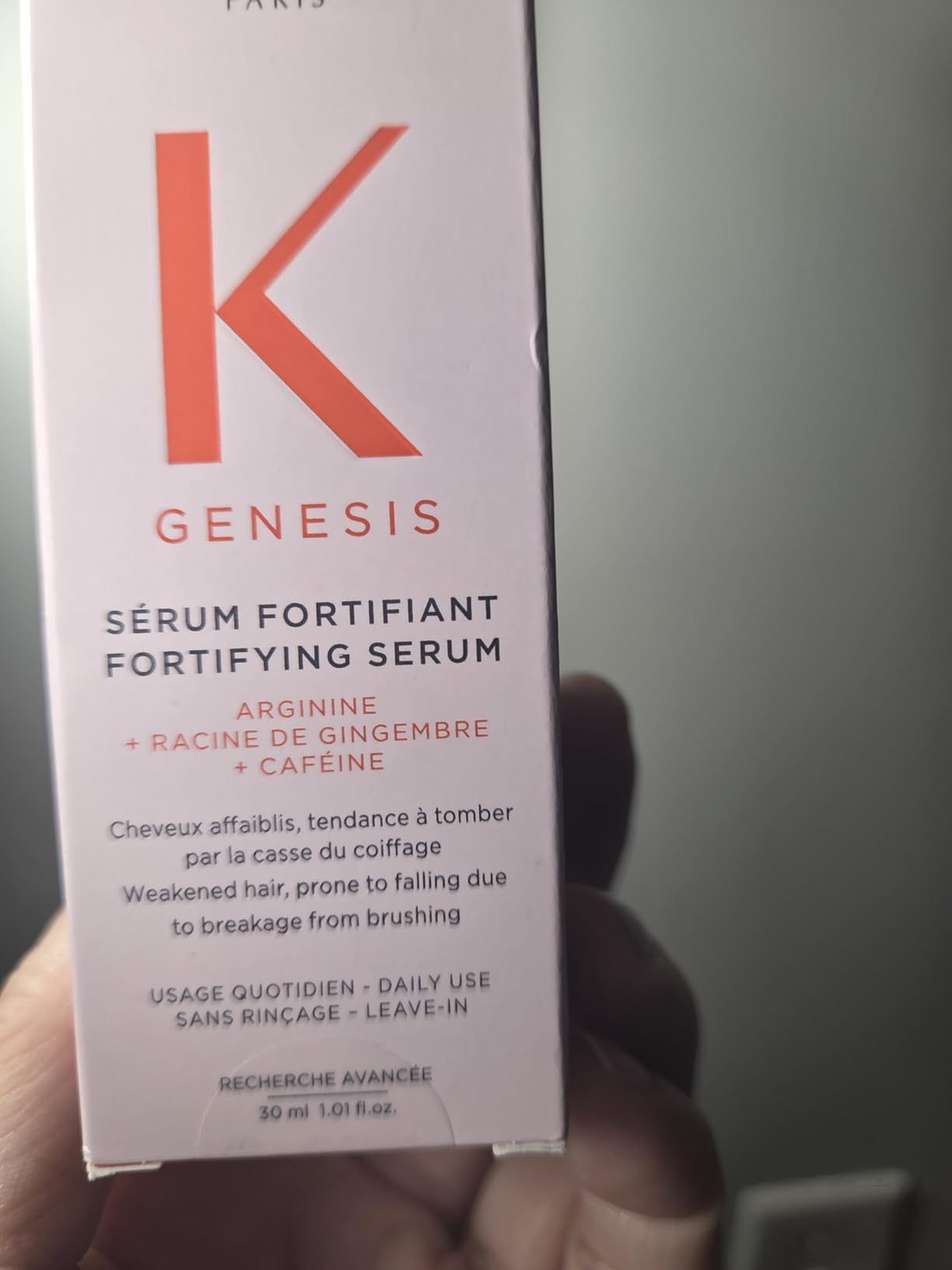
Kerastase takes a different route from the oil-based picks. This is a lightweight leave-in built around ginger, caffeine and arginine, where arginine supports blood flow to the hair root. The brand reports that 97% of users saw less hair fall caused by breakage after use.
It has the most consistent rating profile in the set: 4.5 stars, 79% five-star and only 2% two-star. Reviewers describe a weightless texture and report less hair coming away with the brush, which is exactly the outcome people chasing density are hoping for.
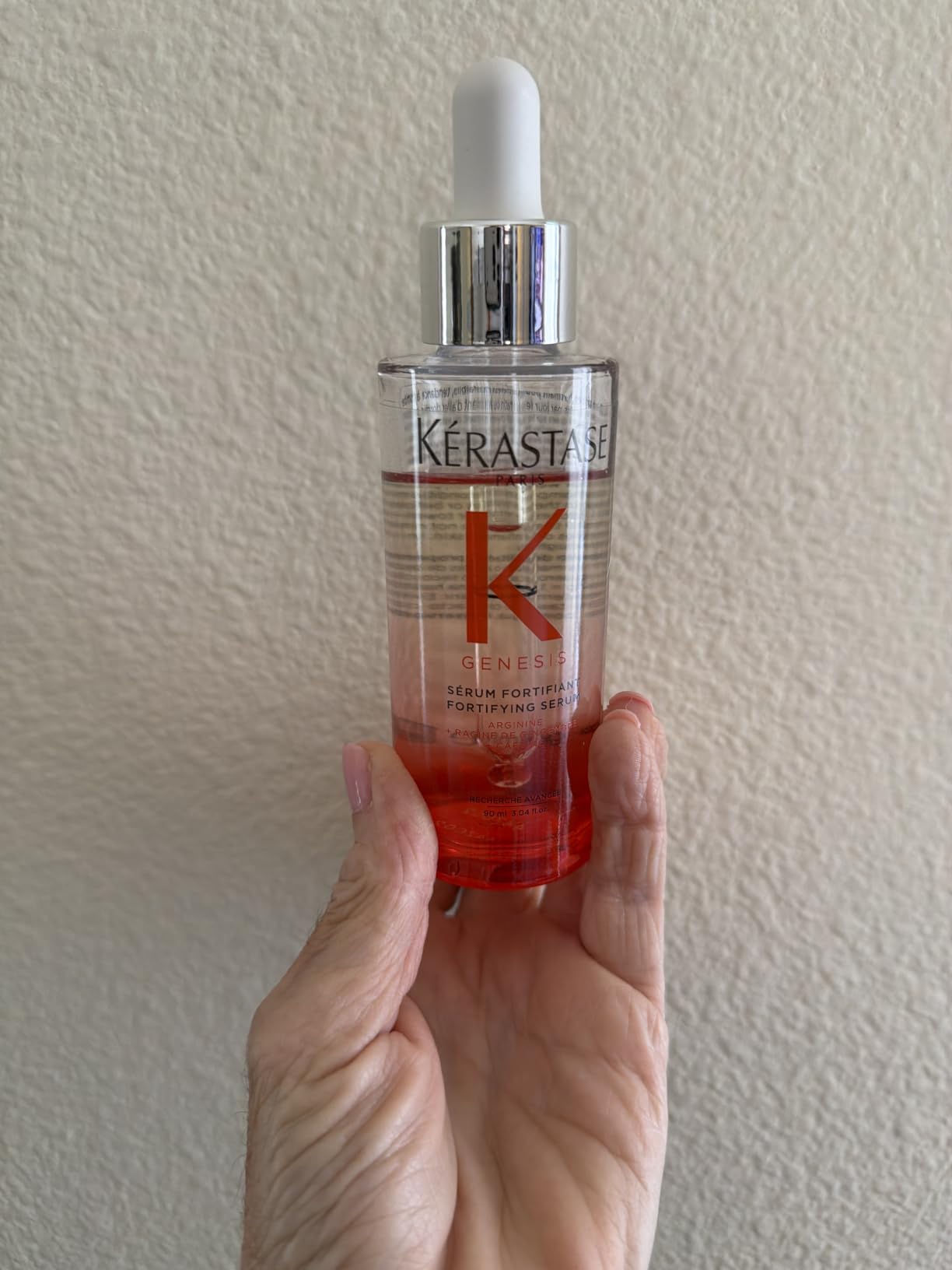
Application is simple: four doses onto a dry or towel-dried scalp, no rinsing, morning or evening. You can also target it at specific areas of lower density, which no oil in this list lets you do effectively.
Be clear about the limit. This works on breakage-driven hair fall, the strands that snap when you brush. It is not built to treat thinning at the follicle, and the brand asks for a minimum six-week commitment before you judge it.
Who it suits best
People whose hair is shedding from breakage rather than root loss, especially if you brush out a noticeable amount each morning. The precision dropper also suits anyone treating one specific area.
Who should skip it
Skip it if your concern is genuine follicle-level thinning or androgenetic alopecia, where a cosmetic strengthening serum is the wrong tool. It also sits at the higher end of the price range for a small bottle.
8. Sky Organics Rosemary Strong Roots Oil: Best Value Botanical
Sky Organics Organic Rosemary Strong Roots Oil, Hair & Scalp Serum 2 fl oz
2 fl oz with three organic ingredients
Rosemary macadamia and jojoba oils
Pre-shampoo ritual
Pros
- Top rating in the roundup at 4.6 stars
- Only 3 percent one-star ratings
- Three certified organic ingredients
- USDA organic and Leaping Bunny cruelty-free certified
Cons
- 2 fl oz is a small bottle
- Needs an hour before shampooing
- Has to be covered during application
Sky Organics holds the highest average rating in this roundup at 4.6, with 78% five-star and just 3% one-star. That consistency is rare in a category where a 4.0 average still counts as a good result.
The formula is three ingredients: rosemary oil, macadamia oil and jojoba oil. Nothing else. Rosemary supports scalp health and root nourishment, while macadamia and jojoba do the moisturising without turning the finish greasy. It is USDA-Certified Organic, Leaping Bunny cruelty-free and made by a Certified B Corporation.
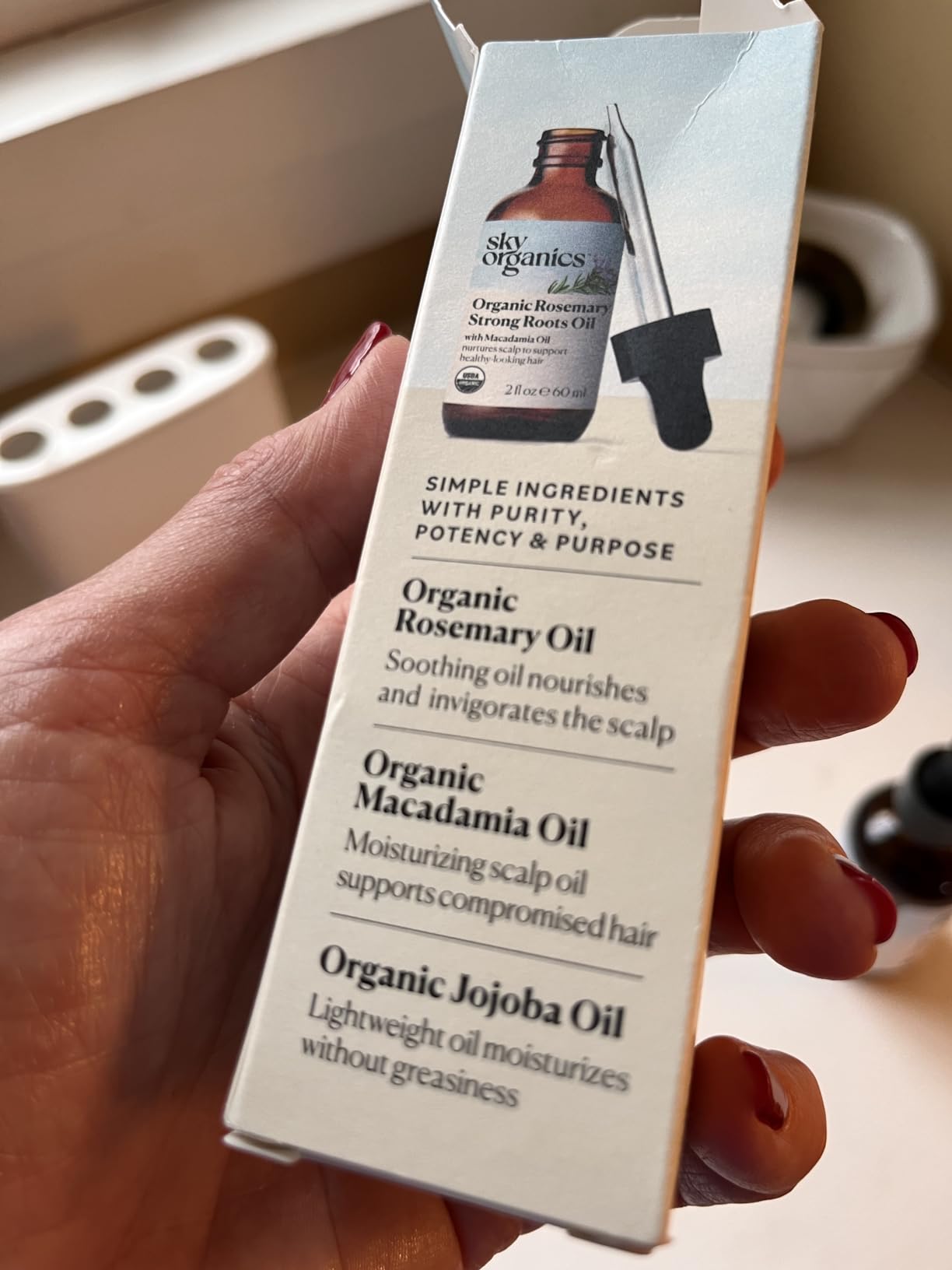
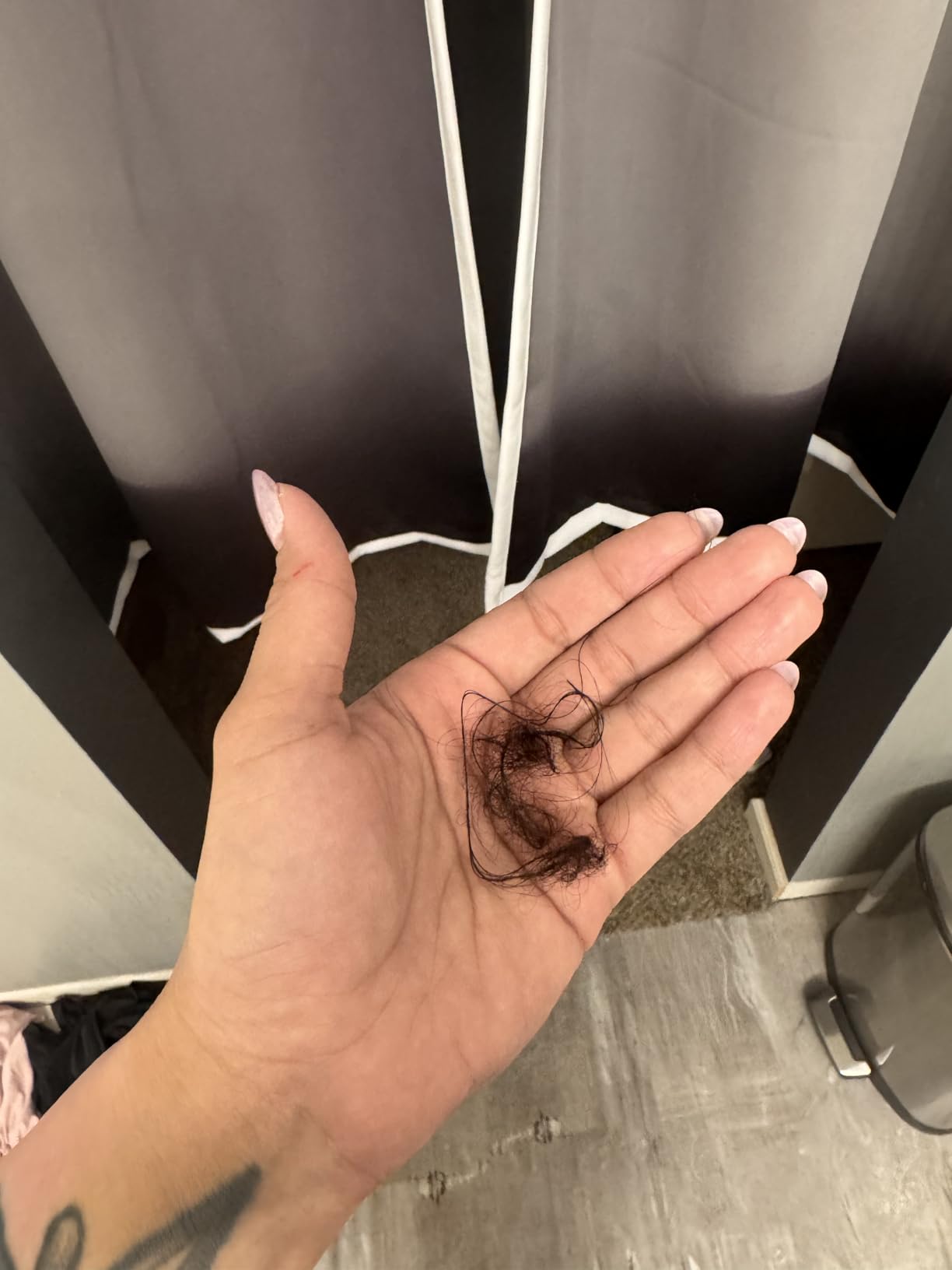
Reviewers repeatedly mention a less flaky scalp and nourished-feeling roots, and the short ingredient list is the single most common reason people buy it. If you have been burned by complicated formulas, the appeal is obvious.
The tradeoff is that this is a pre-treatment ritual, not a leave-in. You part your hair into four to six sections, apply one to three drops to each, wait an hour, then shampoo. That hour is a genuine commitment, and the 2 fl oz size is small enough that you will refill it often.
Who it suits best
Clean-beauty shoppers who want a short, certifiable ingredient list and a treatment they can do once a week. The jojoba base keeps it the lightest of the oils on this list.
Who should skip it
Skip it if you need a daily leave-in or if you cannot protect your hair during application. An unprotected scalp and hair will transfer oil to everything it touches.
9. The Ordinary Multi-Peptide Serum: Best for Ingredient Transparency
The Ordinary Multi-Peptide Serum for Hair Density, Peptide-Powered Formula for Thicker, Fuller Looking Hair, 2 Fl Oz
Six named peptide complexes
High-solubility caffeine added
Leave-in for a clean dry scalp
Pros
- Names six specific peptide complexes
- Highest category sales rank in Hair Regrowth Tonics
- Dries non-greasy and needs no rinsing
- Cruelty-free vegan alcohol-free and silicone-free
Cons
- Lowest average rating here at 3.9
- 15 percent one-star share
- Works better as support than standalone
This is the most ingredient-transparent formula in the roundup, and that is its real value. It names six peptide complexes on the front: REDENSYL, Procapil, CAPIXYL, BAICAPIL, AnaGain and high-solubility caffeine, supported by Larix Europaea wood, Pisum sativum and Camellia sinensis leaf extracts. When you are comparing a dozen bottles, knowing exactly what is in them is worth a lot.
It is a leave-in applied to a clean, dry scalp once daily, ideally at bedtime, and it dries down non-greasy with no rinsing needed. It holds the top sales rank in Hair Regrowth Tonics, so demand is not the question.
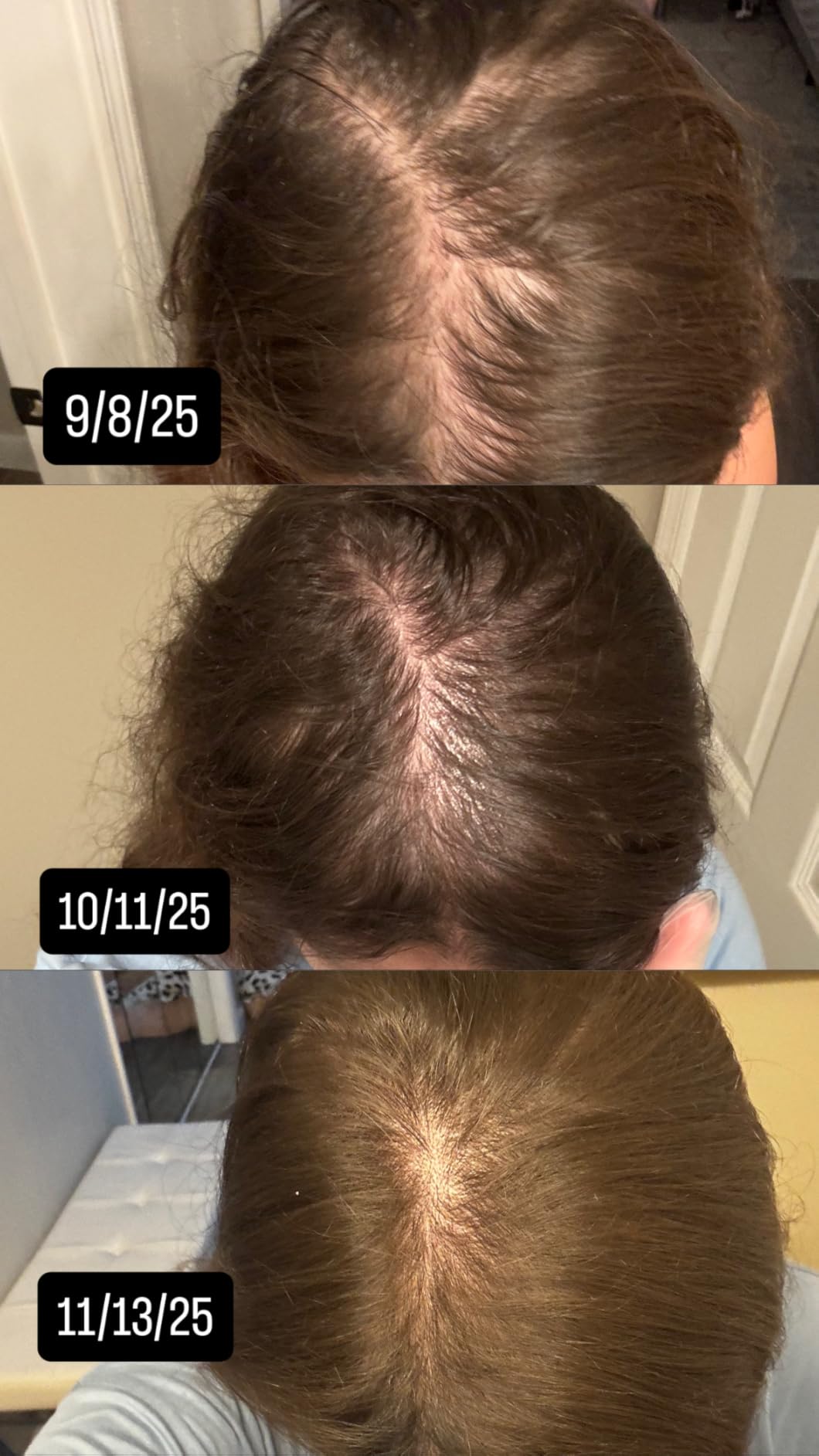
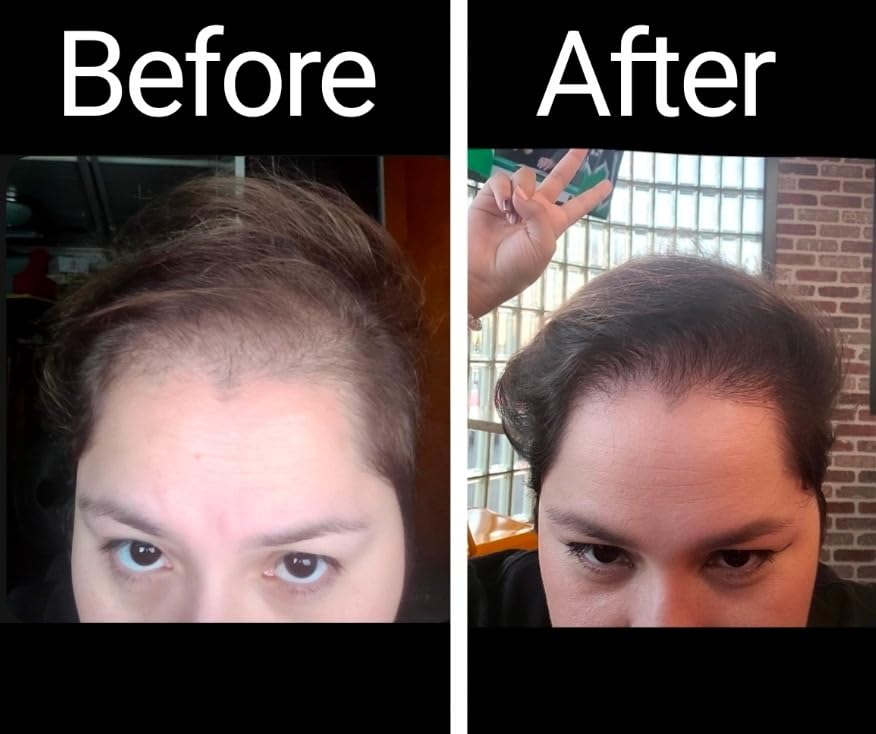
The results are the question. At 3.9 stars with a 15% one-star share, this is the lowest average in the roundup and feedback splits sharply. Some users report filled-in bald spots and much less shedding. Others used it for four or more months with no new growth at all. The most common positive framing we saw treats it as a supporting step alongside a proven treatment, not a replacement for one.
Two smaller issues: the scent is strong, and a few drops may not be enough for a full scalp on a larger head. The 2 fl oz bottle also runs out quickly at that rate.
Who it suits best
People who want to know exactly what they are applying, already use a proven treatment, and want a peptide serum to support it. It is also vegan, gluten-free, alcohol-free and silicone-free.
Who should skip it
Skip it if you want one product to do the whole job alone. The 3.9 average and 15% one-star share mean you are gambling on being in the group it works for.
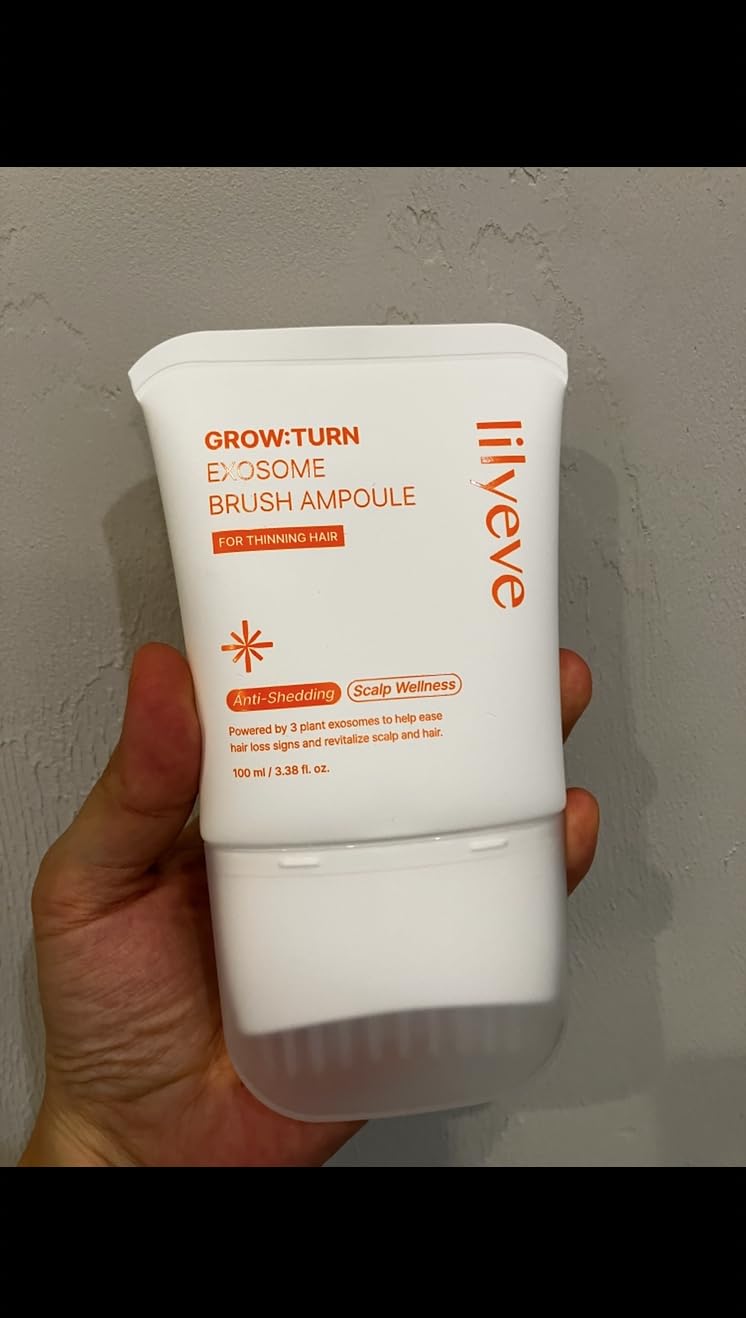
10. lilyeve GROWTURN Exosome Serum: Best for Hot, Oily Scalps
lilyeve GROWTURN Exosome Hair Growth Serum with Built-In Brush, 3.38 fl oz
3.38 fl oz with built-in brush
BioExo-Water exosome formula
Fragrance-free with cistus and edelweiss
Pros
- Immediate cooling effect on hot oily scalps
- Built-in twist brush for targeted application
- Fragrance-free and non-greasy
- Usable on wet or dry hair
Cons
- Smallest review base here at 826 ratings
- Highest one-star share at 16 percent
- Bottle brush can feel sharp in use
The built-in twist brush is the standout feature and the dominant theme in the reviews. You unscrew the cap and the applicator opens into a scalp brush, so you can part, apply and massage in one motion without transferring product to your hands. Users with hot, oily scalps single out the cooling sensation as the thing they noticed first.
Behind the applicator is a patented BioExo-Water exosome formula with cistus flower and white edelweiss, and it is free from artificial fragrances, which sets it apart from most of the rosemary products here. A vendor study reports a 75.6% reduction in hair loss and a 31.7% decrease in scalp heat, though treat that as brand research rather than independent data.
It works on wet or dry hair and dries to a lightweight, non-sticky finish. Users also report less shedding and fewer scalp breakouts after consistent use.
The honest problem is the sample size. At 826 ratings, this is the smallest review base in the roundup, and the 16% one-star share is the highest here. Several users saw no change at all after three months. A few note the brush feels sharp during massage, and that much of the product lands on strands rather than the scalp.
Who it suits best
People with hot, oily, breakout-prone scalps who react to fragrance. It is the only pick here that is both fragrance-free and comes with its own massage applicator.
Who should skip it
Skip it if you want a long review history behind your choice, or if you have a sensitive scalp and the brush applicator is a dealbreaker. The 16% one-star share is too high to ignore for a first purchase.
What Actually Makes Hair Grow: Breakage vs. Regrowth
Hair growth serum is a marketing phrase, not a clinical category. Underneath it sit two different jobs, and confusing them is why so many people give up.
The first job is breakage reduction. Your hair is a shaft, and it is already dead keratin by the time it leaves your scalp. If it breaks halfway down, you lose length even though your follicles never stopped working. Kerastase is built explicitly for this, targeting hair that snaps when you brush. Almost every product on this list helps here, and this is the category where expectations are realistic.
The second job is regrowth, which means a follicle in telogen, the resting phase of the hair cycle, moving back into anagen, the growth phase. Minoxidil is the only over-the-counter active with drug-level evidence for doing this, and it is not in any of the ten products here. Botanicals like rosemary, pumpkin seed oil and saw palmetto have small studies behind them, and some of those studies are directly compared against 2% minoxidil, but “comparable in one small trial” is not the same as “clinically proven.”
So is it a waste of money? No, with conditions. It is a waste of money if you are buying a scented oil expecting a receding hairline to fill in. It is a sensible purchase if your shedding is largely breakage, or if you want a non-drug support step alongside a treatment that is actually addressing the follicle.
There is a certified trichologist argument that popular scalp serums cannot be ranked for hair growth at all, and the argument has force. We rank these on the data available: actives, review volume, rating distribution and real reported texture. That is a ranking of which ones people actually keep using, not a claim that any of them is equivalent to a drug.
How Long Do Hair Growth Serums Take to Work?
Realistic timeline, based on what the products themselves state and what reviewers report: visible change usually shows up between eight and twelve weeks, and more dramatic density changes run three to six months.
The trap is the first month. Some people notice more shedding in the early weeks and abandon the product before it has had a chance to work. Hair cycles are slow, and a follicle has to complete a transition before anything shows at the surface. Kerastase asks for a minimum of six weeks before judging, and Moerie’s stated window is 30 days to three months.
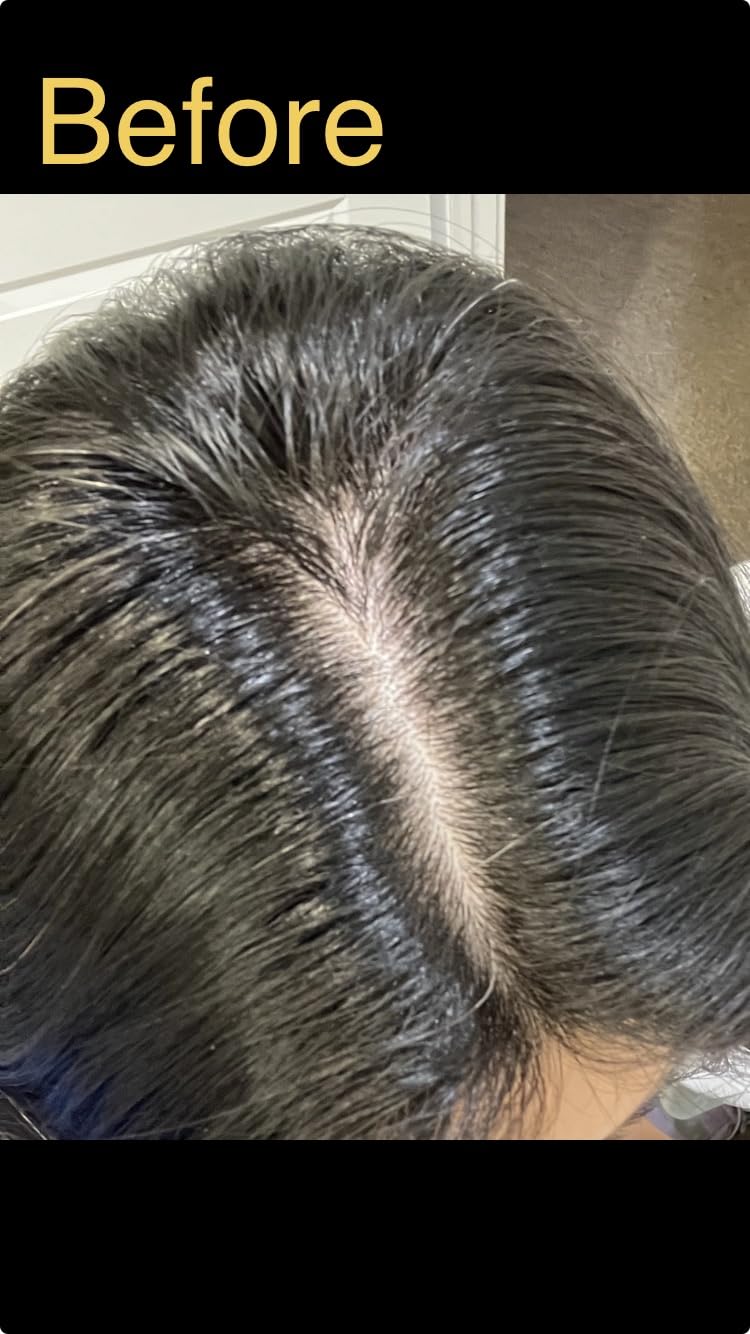
Here is the protocol we would use. Keep the routine identical for the full eight weeks before you judge anything. Take a parting photo at the start, then at week four and week eight, in the same light and the same spot. Change one variable at a time, and change nothing at all for the first two months. And do not add a second product mid-test, because you will not know which one did what.
Judge on shedding count first, then on baby hairs at the hairline, then on part width. Length is the slowest signal and the least useful one to check in month two.
Minoxidil Serums: Who Should Not Use Them
None of the ten products in this roundup contain minoxidil, which is convenient for safety but not for efficacy. If you are considering a drug-based topical instead, these exclusions matter.
One user posting in r/IndianBeautyTalks with high blood pressure was told by her doctor to avoid minoxidil and asked for alternatives, and that question comes up constantly. The general position is that topical minoxidil should not be used during pregnancy or breastfeeding, and that anyone with heart conditions, blood pressure concerns, or a history of reactive scalp should speak to a doctor first.
Medication interactions deserve a mention too. Anyone on blood pressure medication, blood thinners, or other topicals that affect the scalp should ask a pharmacist before starting, because absorption changes when you apply to an intact scalp regularly.
The practical takeaway for most readers: if a drug-based topical is not right for you, the rosemary and peptide options in this roundup are the sensible next step rather than a compromise. They carry none of the cardiac or pregnancy caveats, which is the main practical advantage they have over the drug route.
How to Use a Hair Growth Serum
Five steps, and the order matters more than people expect.
First, choose your format before you buy. Pre-wash oils like Botanic Hearth, Forest and Shore and Sky Organics go on before shampoo. Leave-in serums like EarthShine, Kerastase and The Ordinary go on to a clean, dry scalp and stay. Sprays go anywhere. Buying the wrong format is the most common reason people give up on week two.
Second, apply to the scalp, not the lengths. Part your hair into sections if you have any density at all, and get the product onto the skin where the follicles are.
Third, massage it in with your fingertips for around 30 seconds. Circular motions at the base of the hair are what increases scalp circulation, and it takes less time than you think. If you use a tool-based treatment alongside a serum, a good hooded dryer makes the drying step faster and encourages you to keep the routine consistent.
Fourth, layer other actives with intention. Do not apply a strong exfoliating acid and a growth serum on the same scalp the same night, and patch test any new active on a small area first.
Fifth, be consistent on a schedule you can hold. Once daily at bedtime is the most common routine in the reviews, and it is the one that survives past week six.
For a non-topical complement, red light therapy is the other approach with reasonable support behind it. We have covered the best red light therapy caps for hair growth separately if you want to combine modalities.
How to Choose a Hair Growth Serum
Start by identifying the job, because the ingredient class you pick should match your type of loss. There are three that matter.
Minoxidil. The only over-the-counter active with drug-level evidence for regrowth. If your loss is androgenetic alopecia, this is the class with real evidence behind it, and no cosmetic serum substitutes for it. Read the safety section above before you start.
Peptides and caffeine. Caffeine is positioned as a scalp circulation and DHT-supporting ingredient, and peptide complexes like REDENSYL and Procapil are designed to support the follicle environment. The Ordinary and EarthShine sit here, with Kerastase pairing caffeine with arginine. Evidence is far more limited than minoxidil, but the mechanism is plausible and the risk profile is clean.
Botanicals. Rosemary, castor, jojoba and macadamia. Rosemary has the strongest interest of the group, with at least one head-to-head study comparing it against 2% minoxidil, though the trial was small and the results should not be read as equivalence. Botanicals are the best choice for sensitive scalps and for anyone avoiding actives.
Two more practical filters. Match the format to your routine as described above, and check the bottle size against how often you will use it. Several of the best formulas here come in 1.5 to 2 fl oz bottles, which sounds small until you work out the daily drop count.
On price, value per ounce matters more than sticker price, because the sizes here range from 1.5 fl oz to 16 fl oz. A larger bottle of a mid-priced oil will usually beat a small bottle of a premium serum over a three-month commitment, and a treatment you can actually finish is worth more than the best formula you abandon.
Finally, look at the rating distribution rather than the average alone. Kerastase at 4.5 with 79% five-star and Sky Organics at 4.6 with 3% one-star are both tightly clustered and reliable. The Ordinary at 3.9 with 15% one-star and lilyeve at 4.0 with 16% one-star are far more hit-or-miss. A consistent 4.5 beats an average 4.3 with a long unhappy tail.
Frequently Asked Questions
Do hair growth serums actually work?
Most work on scalp health and breakage reduction rather than regrowing lost follicles. Minoxidil is the only over-the-counter active with drug-level evidence for regrowth and is not in any product on this list. Rosemary, peptides and caffeine have plausible mechanisms and small studies, but they are not equivalent to a drug.
What is the #1 hair growth serum?
In this roundup the Botanic Hearth Rosemary Oil takes the top spot. It has the most reviews of any pick with over 21000 ratings at a 4.4 average, and combines rosemary with biotin, jojoba and castor oils for breakage reduction and scalp conditioning.
Is hair growth serum a waste of money?
It is a waste of money if you expect a scented oil to regrow a receding hairline. It is a reasonable purchase when your shedding is largely breakage, or as a non-drug support step alongside a treatment that addresses the follicle.
How long does a hair growth serum take to work?
Expect visible change between eight and twelve weeks, with larger density changes at three to six months. Some people notice more shedding in the first few weeks, which is normal but is the most common reason people quit before the product has had time to work.
Does rosemary oil work as well as minoxidil for hair growth?
A small head-to-head study found rosemary oil comparable to 2% minoxidil after six months, but the trial was small and later studies have not fully replicated it. Treat rosemary as a botanical support ingredient, not a replacement for a proven drug treatment.
Who should not use minoxidil serums?
Topical minoxidil is generally avoided during pregnancy and breastfeeding, and anyone with heart conditions, high blood pressure, or medication interactions should speak to a doctor or pharmacist before starting. None of the ten serums in this roundup contain minoxidil.
The Best Hair Growth Serum Is the One You Will Keep Using
Ten serums, one clear winner. The Botanic Hearth Rosemary Oil takes the top spot in our 2026 roundup because it has the deepest review history in the category and a formula that combines rosemary with biotin, jojoba and castor oils rather than a single hero ingredient. Sky Organics is the pick for anyone who wants the highest rating and the shortest ingredient list, and lilyeve is the answer for a hot, oily, fragrance-sensitive scalp.
But the most useful thing in this guide is not the ranking. It is the distinction between reducing breakage and regrowing follicles, because that determines whether any serum on this page is the right purchase for you. If your loss is breakage-driven, almost any of these will help. If it is androgenetic alopecia, a dermatologist conversation is worth more than another bottle.
Whichever you choose, give it eight weeks, take the before photo, and stay consistent. That is where every one of these products actually succeeds.