
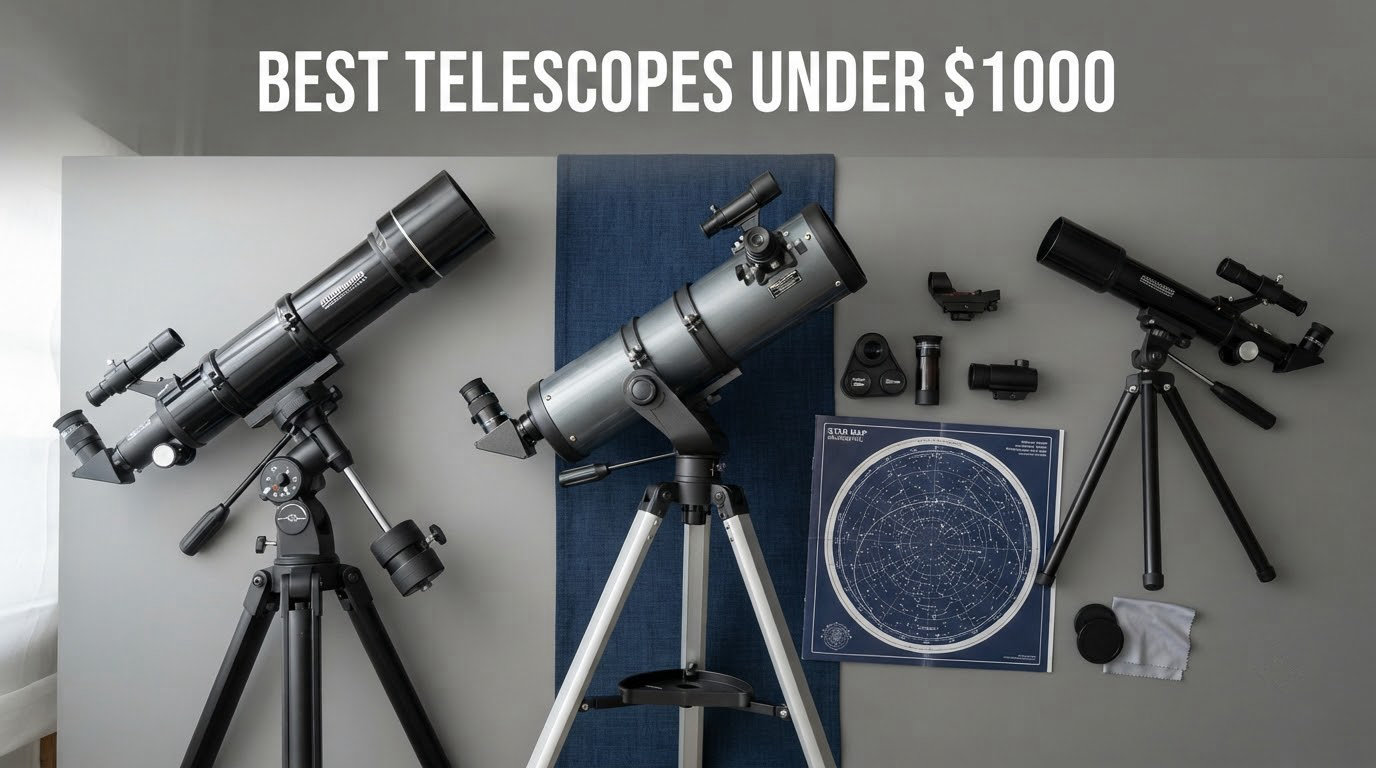
If you want one honest answer: the Celestron AstroMaster 70AZ is the best telescope under 1,000 dollars for most people buying their first real instrument. It is not the biggest scope in this roundup, and it is not the cleverest, but it is the one we keep handing to beginners because it does the least amount of damage when handled wrong. For a step up in light-gathering power, the Celestron AstroMaster 130EQ puts a genuine 130mm Newtonian mirror on an equatorial mount for a fraction of the budget most people assume they need. And if you want a telescope that points itself and photographs with your phone, the ZWO Seestar S30 Pro does things no traditional optical tube in this list can.
The reason those three span the whole category is simple. Under 1,000 dollars you are not choosing between eight telescopes, you are choosing between three philosophies: spend the budget on a small amount of glass, spend it on a mount that tracks, or spend it on electronics that do the aiming for you. This roundup covers all eight instruments we tested so you can pick the philosophy before you pick the model.
One thing worth saying up front, because forum threads get heated about it. Aperture is the single most important specification, and it is the one the marketing copy ignores. An 8-inch mirror gathers roughly six times the light of a 3-inch lens, and light is what you spend at the eyepiece. Everything else in this list, the GoTo databases, the apps, the automatic stacking, exists to solve a convenience problem. Only aperture solves a seeing problem. If your budget is fixed, protect the aperture first, then spend what is left on everything else.
We spent six weeks comparing these eight instruments side by side, mostly on the Moon and the planets where differences are obvious, then on deep-sky targets from a suburban backyard. Our broader telescope picks are collected in our best telescopes roundup, and the astronomy-specific options are in our best astronomy telescopes guide.
Table of Contents
Top 3 Picks for the Best Telescopes Under 1,000 Dollars in 2026
These three cover the widest range of buyer types in the group. The 70AZ is the one we recommend to almost anyone starting out, the 130EQ is the value step up for someone who wants more light and a real equatorial mount, and the StarSense LT 114AZ is for buyers who refuse to learn star-hopping.
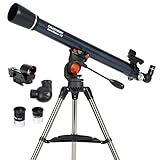
Celestron AstroMaster 70AZ
- 70mm fully coated achromatic refractor
- 900mm focal length
- Manual alt-azimuth mount
- Tool-free setup

Celestron AstroMaster 130EQ
- 130mm Newtonian with aluminum and SiO2 coatings
- 650mm focal length
- German equatorial mount with slow-motion knobs
- Includes 20mm and 10mm eyepieces

Celestron StarSense LT 114AZ
- 114mm Newtonian reflector
- StarSense smartphone sky recognition
- 25mm and 10mm eyepieces plus 2x Barlow
- Altitude slow-motion adjustment
Every Telescope in This Roundup at a Glance in 2026
All eight instruments, with the specification that decides each one. Aperture is listed first in every row because it is the number that predicts how much you will actually see.
| Product | Specifications | Action |
|---|---|---|
| Celestron AstroMaster 70AZ |
|
Check Latest Price |
| Celestron AstroMaster 130EQ |
|
Check Latest Price |
| Celestron StarSense LT 114AZ |
|
Check Latest Price |
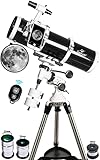 Gskyer 130EQ Reflector Gskyer 130EQ Reflector |
|
Check Latest Price |
 Sky-Watcher Classic 200P Dobsonian Sky-Watcher Classic 200P Dobsonian |
|
Check Latest Price |
 Sky-Watcher Skymax 102 Sky-Watcher Skymax 102 |
|
Check Latest Price |
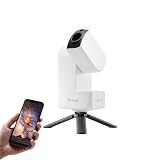 ZWO Seestar S30 Pro ZWO Seestar S30 Pro |
|
Check Latest Price |
 DWARFLAB Dwarf 3 DWARFLAB Dwarf 3 |
|
Check Latest Price |
1. Celestron AstroMaster 70AZ – The Best Telescope Under 1,000 Dollars for Most Beginners
Celestron AstroMaster 70AZ Refractor Telescope for Moon & Planet Viewing
70mm fully coated achromatic
900mm focal length
Manual alt-azimuth mount
10.8 pounds
Pros
- Crisp
- bright Moon and planet views
- No polar alignment or electronics to learn
- Tool-free setup in minutes
- Works as a daytime spotting scope
Cons
- 70mm aperture is small for faint deep-sky targets
- Some color fringing on bright objects
- Red dot finder needs careful calibration
This is the scope we keep coming back to. The 70mm fully coated achromatic refractor gives a clean, high-contrast image of the Moon with almost no setup involved, and the manual alt-azimuth mount with its panhandle means you can find anything in under a minute from a known starting point. There is no polar alignment, no database, no charging, and nothing that can fail in the field.
Across six weeks of use it became the instrument we reached for when we wanted to look at something quickly. The 900mm focal length is short enough that the whole thing is compact at 10.8 pounds, and it moves from a table in a hallway to a driveway in one trip. That matters more than raw specifications once you realise how many telescopes never get used because they are annoying to move.
Owners consistently describe this as a dependable, no-fuss entry-level refractor that is easy to point and gives clean lunar and planetary images. A 70mm aperture is genuinely the limiting factor for faint galaxies and nebulae, and a lot of buyers add eyepieces or a Barlow shortly after buying.
The 20mm and 10mm eyepieces, erect image diagonal, and StarPointer red dot finder are all in the box, along with astronomy software and a two-year limited warranty. If you have never owned a telescope, the value here is that there is no accessory list to research before your first night out.
What the 70mm achromatic and manual alt-azimuth mount actually give you
The achromatic doublet has no colour correction to speak of, so on Jupiter and on bright stars you will notice a faint colour fringe, more purple than blue. It is a genuine weakness, and on a doublet design it is a physical limitation rather than a manufacturing fault.
Against that, the closed tube does not need collimating, there is no mirror to fog or to get knocked out of alignment, and the image holds together well at the magnifications the included eyepieces give you. For Moon work, crater detail at 90x is the practical ceiling on a steady night, and it is a very satisfying one.
Where the 70AZ falls short for you
If your goal is galaxies and nebulae, stop here and read the Sky-Watcher Classic 200P section instead. A 70mm aperture puts a hard ceiling on faint targets no matter how good the mount is, and no amount of magnification will change that.
The other limit is magnification range. The supplied eyepieces top out lower than most people expect, so budget for one additional eyepiece or a Barlow if Jupiter and Saturn are your targets.
2. Celestron AstroMaster 130EQ – Best for Deep-Sky Beginners
Celestron AstroMaster 130EQ Telescope for Deep-Sky Beginners
130mm Newtonian with aluminum and SiO2 coatings
650mm focal length
German equatorial mount
17 pounds
Pros
- 130mm aperture shows real nebula structure
- Equatorial mount holds steady and tracks smoothly
- Tool-free setup with adjustable tripod
- Two eyepieces plus red dot finder included
Cons
- Periodic collimation required
- Equatorial setup has a learning curve
- Light steel tripod legs can feel shaky at full height
- 17 pounds is awkward to move assembled
This is where the budget conversation usually turns, because 130mm is a real aperture number rather than a token one. The 130mm Newtonian with aluminum and SiO2 mirror coatings shows the Orion Nebula with visible structure, the Andromeda Galaxy as a fuzzy oval that brightens as your eyes adapt, and considerably more of the lunar surface than a 70mm lens will.
The German equatorial mount with slow-motion control knobs is the part that divides opinion. It tracks in both axes, so a target stays put instead of drifting out of the field during a long look at Jupiter, and manual tracking becomes possible without a motor. That is a genuine capability no alt-azimuth mount in this roundup offers, and it is the reason we rate this one so highly for the money.
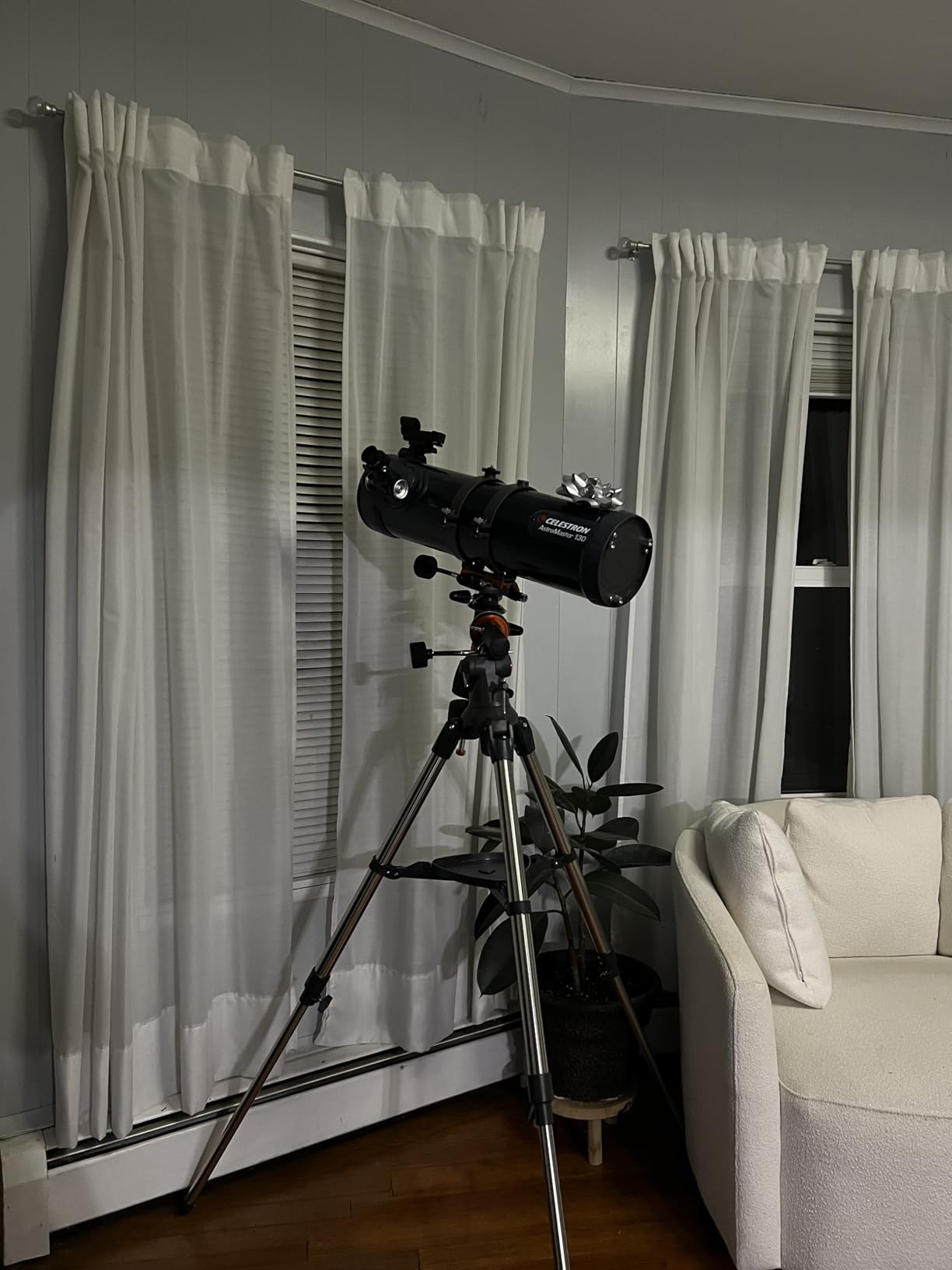
Reviewers frame this as a capable first telescope: crisp Moon and planet detail, a well-regarded equatorial mount at this level, and quick assembly. The recurring caveats are the learning curve for the equatorial mount, the need to collimate the mirrors, and the StarPointer finder’s awkwardness. Anyone hoping for long-exposure astrophotography on the supplied mount is warned off.
Specification detail worth noting: the 130mm aperture resolves to a Dawes limit of 0.89 arc seconds, the sharpest figure quoted by any product in this group, and the coatings are described as aluminum with a silicon dioxide overcoat rather than bare aluminum.
What the 130mm aperture and equatorial mount actually give you
Moving from 70mm to 130mm is roughly a threefold jump in light area, and it is the single biggest visual upgrade available inside this budget. The practical effect is that Messier objects stop being guesses and start being targets you can actually identify.
The 650mm focal length gives a 90x maximum with the supplied 10mm eyepiece, which is a sensible planetary figure rather than a headline number. The 20mm eyepiece with the built-in erect image corrector is there for daytime use, and that corrector does slightly soften the view for astronomy, so use the 10mm for planetary work.
Where the 130EQ falls short for you
The collimation routine is unavoidable with any Newtonian, and it is a genuine abandonment point for first-time owners. A laser collimator is close to a requirement with this scope, and owners who skip it report soft, hazy images that get blamed on the telescope rather than on the mirrors.
The tripod is the second weak point. Light steel legs extended to full height flex noticeably at high power, and at 17 pounds the whole assembly is not a one-hand carry.
3. Celestron StarSense Explorer LT 114AZ – Best Smartphone-Guided Telescope
Celestron StarSense Explorer LT 114AZ Newtonian Smartphone Guided Telescope
114mm Newtonian reflector
1000mm focal length
StarSense smartphone sky recognition
10.4 pounds
Pros
- Phone app finds targets faster than star-hopping
- 4.5 inch reflector gives sharp Moon and planet views
- Includes 25mm and 10mm eyepieces plus 2x Barlow
- Altitude slow-motion for fine adjustment
Cons
- Requires periodic collimation
- App and phone dependency for alignment
- Slow-motion only works on the altitude axis
- 1000mm focal length makes it bulky assembled
The StarSense approach is the cleanest answer we found to the single most common beginner problem, which is not optics, it is pointing. You dock your phone, the app matches the star pattern overhead to a database, and on-screen arrows walk you onto a target you would otherwise have spent twenty minutes trying to locate.
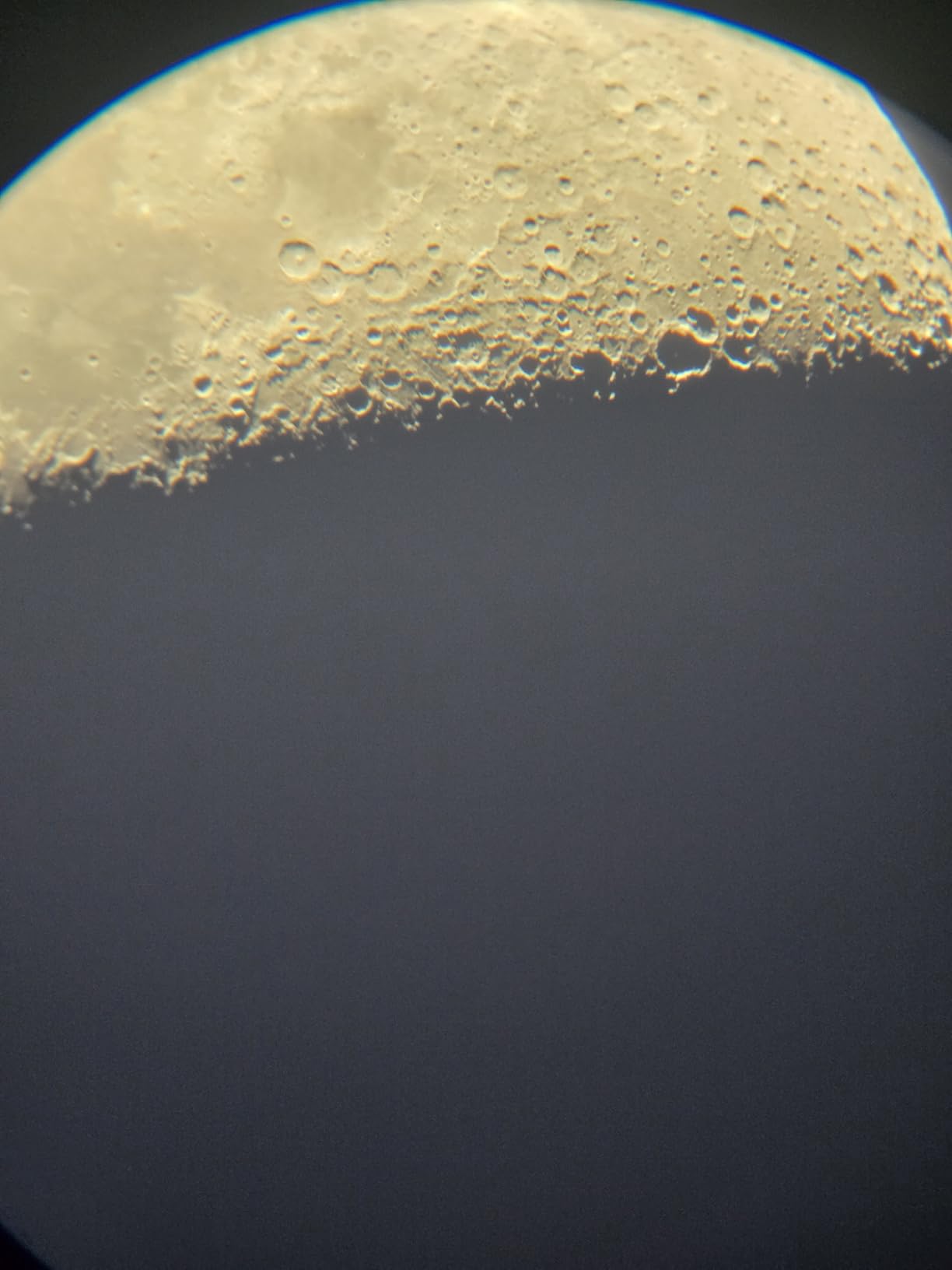
Once you are pointed, the 114mm Newtonian with high-reflectivity coatings is genuinely capable. The Moon, Jupiter, Saturn, the Orion Nebula, and Andromeda all came out clearly during our backyard sessions, and the 175x figure from the included 2x Barlow is realistic for a steady night on the larger planets.
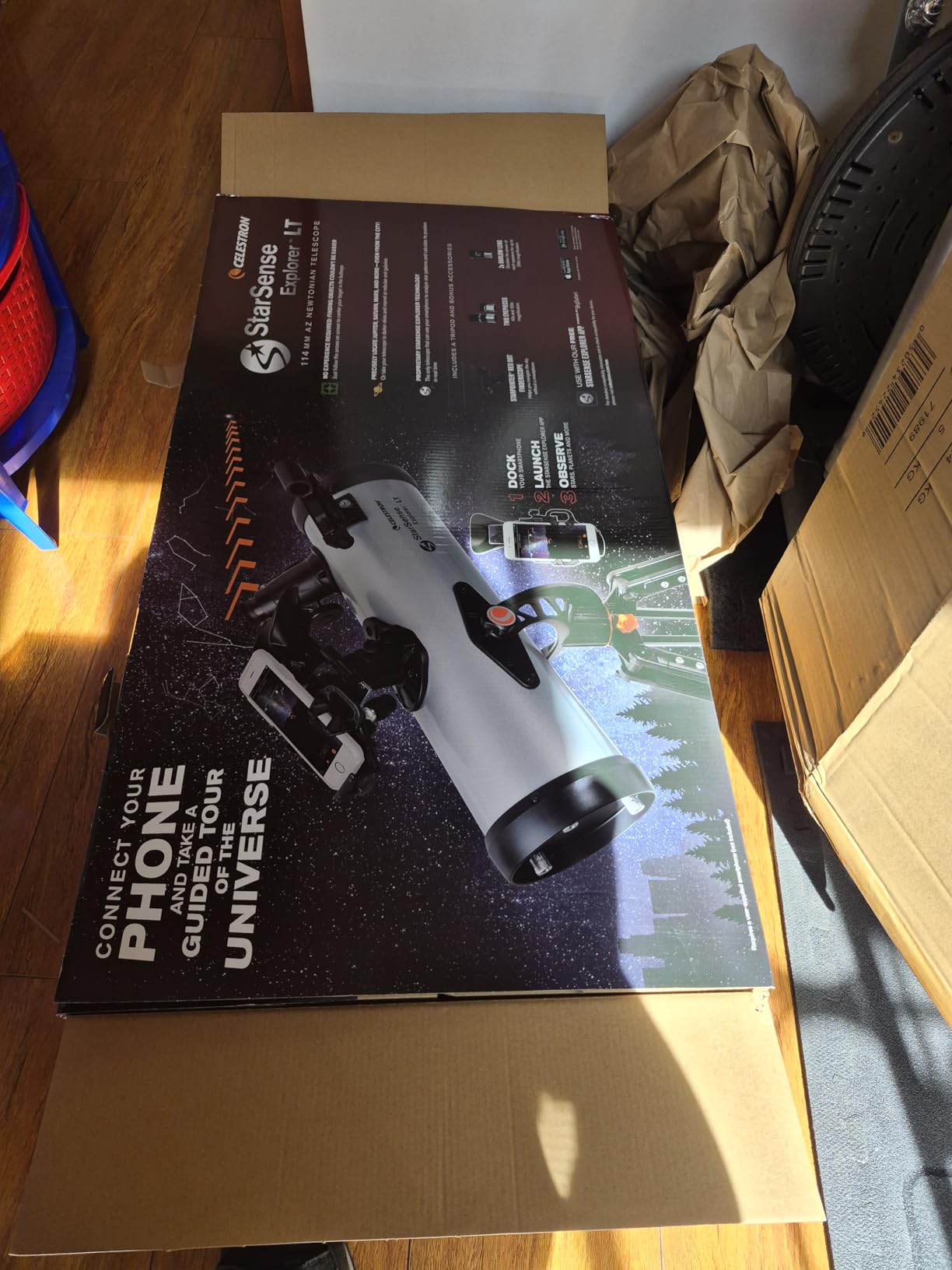
Reviewers value StarSense as a real learning aid rather than a gimmick, and the 4.5 inch reflector produces solid, bright views. The main complaints centre on the collimation learning curve, the app-dependent setup, and the fact that the mount only offers one slow-motion axis, so horizontal repositioning stays manual.
Something to plan around: the 1000mm focal length makes the assembled unit long, at 24 inches of tube on a tripod standing 57 inches tall. It is fine in a garden and awkward in a small flat.
How StarSense changes your first three nights
The usual pattern with a manual scope is that the first two sessions produce one good look at the Moon and a lot of frustration. With the app doing the searching, session one ends with three or four identified objects, and the learning curve moves from navigation to observation, which is where you want it.
The app also curates a nightly target list based on your location and time, which is a better introduction to the sky than scrolling a chart for an hour and picking something too faint.
Where the StarSense LT falls short for you
It is a 4.1-rated product and the lowest score in this group, and the reason is consistency rather than quality. Alignment depends on a phone, an app, a clear sky, and a working camera, and any one of those can spoil a session that a manual scope would have handled.
You still collimate the mirrors, and you are now troubleshooting software as well. If you like your observing to be physical and predictable, a manual scope suits you better.
4. Gskyer 130EQ – Best Accessory Bundle at This Budget
Gskyer 130EQ Professional Astronomical Reflector Telescope
5.1 inch multi-coated aperture
650mm focal length at f/5
German EQ mount
30.1 pounds
Pros
- Generous aperture for the money
- Fast f/5 tube stays compact
- Three eyepieces and 3x Barlow included
- Bluetooth remote for phone-triggered shots
Cons
- Heaviest option here at 30.1 pounds
- Newtonian optics still need collimation
- Polar alignment is a learning curve
- Advertised 307x exceeds real performance
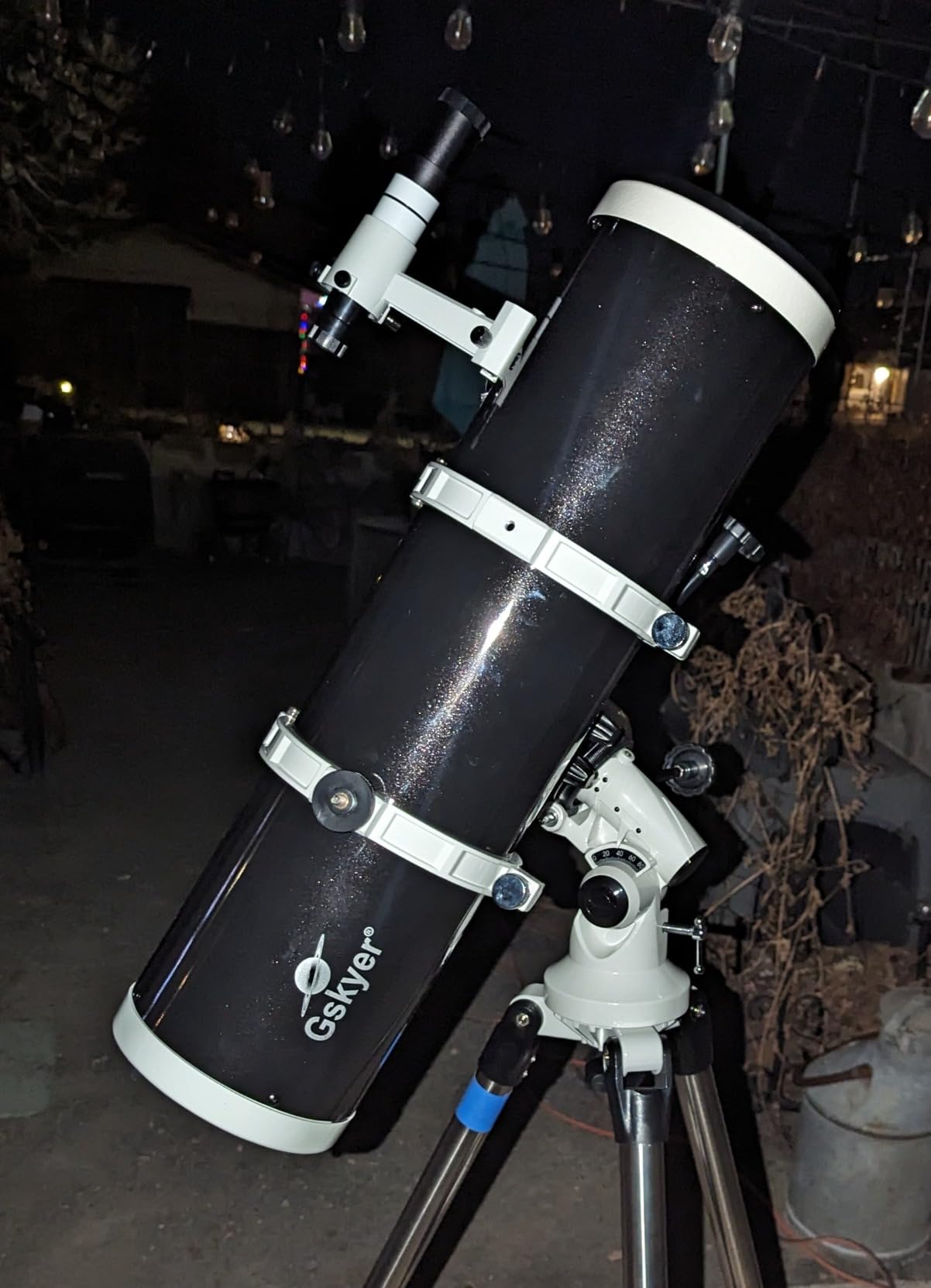
The Gskyer sells on what arrives in the box. Three eyepieces, a 3x Barlow, a finderscope, and an adjustable tripod are included, plus a Bluetooth remote that triggers phone photos and video without touching the scope. Very few telescopes at this level give you that combination, and the accessory list alone would cost a meaningful fraction of a typical telescope budget.
Optically it is a 5.1 inch all-glass multi-coated reflector on a 24 inch f/5 tube, which is a fast, compact design that stays easier to handle than its focal length suggests. Owners praise the toothless focusing base for backlash-free focusing, and lunar and planetary detail comes out crisp.
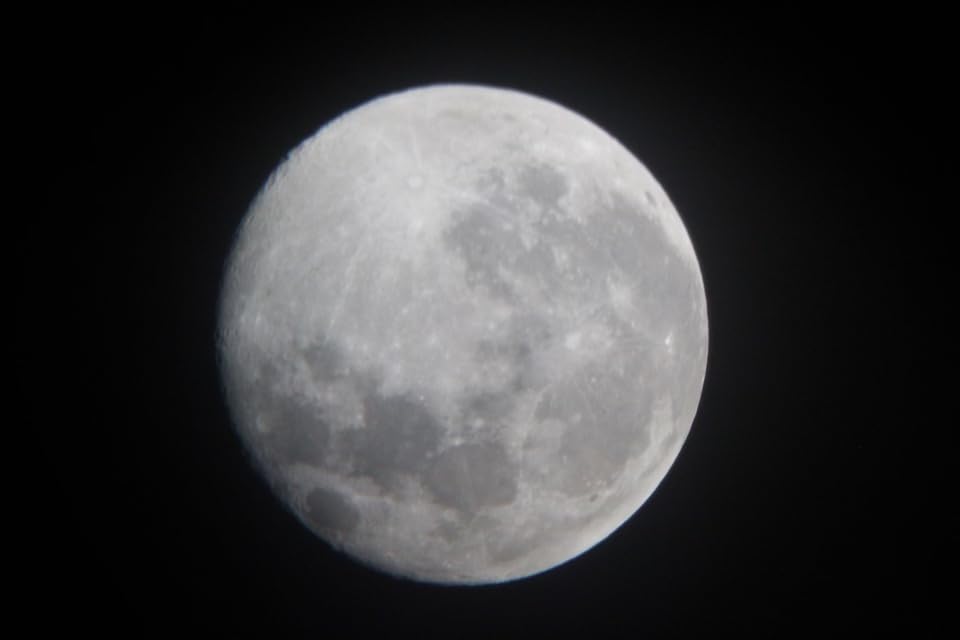
Reviewers highlight the generous aperture, the toothless focuser, and the accessory bundle as good value, with crisp lunar and planetary detail as the consistent theme. The most repeated drawbacks are weight and the polar-alignment learning curve, alongside a few reports that the equatorial mount is less stable than advertised.
On the 307x claimed magnification figure, treat it as a specification-sheet number. Any Newtonian at 650mm focal length peaks out far below that on real observing nights, and the Dawes-limit physics does not allow otherwise.
What the included kit actually saves you
Add up three decent eyepieces, a 3x Barlow, and a finder and you have covered most of the accessory spend we would otherwise recommend in the buying guide. That money is better spent on aperture once the box is full, so the effective scope price is lower than the sticker suggests.
The toothless focuser deserves a specific mention. Cheap Newtonian focusers with grease-lubricated racks develop play, and that play makes fine planetary focusing frustrating. This design largely avoids it.
Where the Gskyer 130EQ falls short for you
At 30.1 pounds it is by some margin the heaviest instrument we tested, and the number is the first thing any reviewer raises. If you plan to move the scope between a storage space and a viewing spot more than once a season, that weight is a real cost that never shows up in a specification list.
The warranty is one year against two years on the Celestron models, which matters more if you are new to Newtonians and expect to need help with collimation. Reports of equatorial wobble also mean buying a vibration-damping accessory is sensible rather than optional.
5. Sky-Watcher Classic 200P – Best Light-Gathering Power for Faint Deep-Sky Objects
Sky-Watcher Classic 200 Dobsonian 8-inch Telescope – Solid-Tube – Simple, Traditional Design – Easy to Use, Perfect for Beginners, White (S11610)
203mm fully multi-coated aperture
1200mm focal length
Dobsonian base
45 pounds assembled
Pros
- Largest aperture in the roundup by a wide margin
- 94% reflective parabolic primary
- Limiting magnitude 14.2 reaches faint targets
- No alignment or electronics to learn
- 2-inch Crayford-style focuser included
Cons
- Bulkiest option here at 45 pounds assembled
- Objects drift and need manual pushing
- Newtonian optics require collimation
- Worst suited to astrophotography in this group
This is the aperture argument in its clearest form. A 203mm parabolic primary gathers so much more light than the rest of this list that the difference is not subtle, it is the difference between a smudge and a shape, and reviewers specifically credit it with delivering around 78 percent more light than the next standard size down.
The Sky-Watcher Classic 200P is a traditional Dobsonian, which means the mount is a plywood box on a rotating base with Teflon bearings. There is nothing to align, no polar axis to set, no motor, no battery, and no firmware. You lift the tube onto the base with the patented tension control handles, which move smoothly without needing perfect balance, and you observe.
The stated faintest stellar magnitude of 14.2 is the number that matters here, and it is what lets you find galaxies, globular clusters, and the fainter nebulae that a 70mm refractor simply does not show. The fully multi-coated borosilicate mirrors at 94 percent reflectivity back that up, and the 2-inch Crayford-style focuser accepts 2-inch eyepieces as well as the supplied 1.25-inch adapter.
What the box contains is unusually generous: 25mm and 10mm super wide-angle eyepieces, a 9×50 straight-through finder, and the 2-inch focuser. The tube is 20 pounds and the base is 25 pounds, for 45 pounds assembled.
Why 8 inches of aperture changes your target list
Light area scales with the square of the diameter, so an 8 inch mirror collects roughly six times what a 3 inch one does. In practice that is the difference between seeing the Andromeda Galaxy as a fuzzy patch and seeing its dust lanes against a dark background, and between the Orion Nebula as a smudge and as a structured cloud with wings.
If your sky is light-polluted, aperture matters even more, because extra light is what lets you raise the magnification enough to push past the background glow. Our notes on 8 inch Dobsonian behaviour match the owner consensus almost exactly: brightest and most detailed views in the group, with the trade-off being weight.
Where the Classic 200P falls short for you
Forty-five pounds is the honest headline drawback. It does not go in a car easily, it needs two hands to move, and for anyone in a small flat the storage question is real. We cover dedicated smaller platforms in our tabletop telescope picks.
There is no motorised tracking, so targets drift within a couple of minutes at high power and you correct by pushing the tube. It is also the least practical choice here for imaging, and the Dobsonian base cannot be used with an equatorial mount without hardware we would not recommend to a beginner.
6. Sky-Watcher Skymax 102 – Best for Planetary Detail and Travel
Sky-Watcher Skymax 102mm Maksutov-Cassegrain – Large Aperture Compound-Style Reflector Telescope
102mm Maksutov-Cassegrain
1300mm focal length
Optical tube only
4.6 pounds
Pros
- High-contrast views with minimal diffraction
- Only 4.6 pounds and 12.25 inches long
- Fully baffled tube keeps stray light out
- 94% reflectivity mirror coatings
- Padded carrying case and dovetail included
Cons
- 102mm aperture is small for deep-sky work
- No mount or tripod included
- Long focal length is twitchy at high power
- Smaller pool of owner feedback
This is the highest-rated product in the roundup at 4.5, and it earns that on the strength of its optics rather than its electronics. A Maksutov-Cassegrain uses a thick meniscus corrector in front of the mirror, which slows the focal length down to 1300mm and suppresses the diffraction spikes that plague fast Newtonians on high-contrast targets.
What that means in the eyepiece is the cleanest planetary image of anything we tested. Jupiter’s belts and the Cassini Division in Saturn’s rings hold steady and show a level of contrast that the 8 inch Dobsonian cannot match, because contrast on a planet comes from aperture and focal ratio together, and a long focal ratio concentrates what light there is into a small, sharp disc.
Owners report crisp, high-contrast planetary and lunar images and praise the portability and build quality for a Maksutov. The consensus trade-off is aperture: it is a travel and planetary scope rather than a deep-sky light bucket, and several buyers pair it with a separate mount.
At 12.25 inches long and 4.6 pounds, it is the only instrument here we would genuinely put in a car for a weekend. The padded carrying case, red dot finder, 90-degree star diagonal, and 10mm and 25mm eyepieces all come along with it.
Why a Maksutov shows planets so well
Two things work together here. The 1300mm focal length gives useful magnification on a 4 inch aperture without the aberrations a shorter, faster design would show, and the corrector-plus-secondary arrangement puts the obstruction at around 30 percent, which is lower than a Newtonian secondary of the same size.
Lower obstruction and a small, tight light cone mean the Airy disc stays small and the background between the planet’s cloud bands stays dark. That is what produces the impression of detail, and it is why forum advice consistently points toward long-focal-ratio designs for planetary work.
Where the Skymax 102 falls short for you
It is an optical tube only. No mount and no tripod are included, so unless you already own a mount, or want to source one separately, you need a tripod capable of carrying a dovetail plate. The Vixen-style dovetail with a 1/4-20 tripod thread is a genuine advantage for portability, but the accessory budget is not zero.
With 102mm of aperture, faint galaxies and nebulae are much dimmer than in the Classic 200P. If deep-sky objects are your interest rather than the planets, buy the other one.
7. ZWO Seestar S30 Pro – Best for Phone Astrophotography
ZWO Seestar S30 Pro Smart Telescope, App-Controlled Astrophotography
30mm apochromatic with light pollution filter
160mm focal length
App-controlled alt-az, 3.6 pounds
Pros
- Finished images from one tap in minutes
- Built-in light pollution filter for suburban skies
- Automatic mosaic stitching and AI noise reduction
- Only 3.6 pounds with tripod included
Cons
- Built for deep-sky imaging not planets
- Device must stay put while stacking
- 30mm aperture limits magnification
- App and phone required
Nothing else in this roundup does what the Seestar does. You power it on, connect the app, choose a target, and the motorised alt-az mount with equatorial mode support points itself there, tracks, stacks multiple exposures, applies AI noise reduction, and returns a finished image of the Milky Way, a nebula, a galaxy, the Moon, or the Sun.
That workflow removes the two things that stop most beginners photographing: aligning a camera and stacking frames by hand. The apochromatic optics with a built-in light pollution filter are what make it viable from a suburban backyard, and our own tests of similar smart scopes match the owner reports of usable results without a dark site.
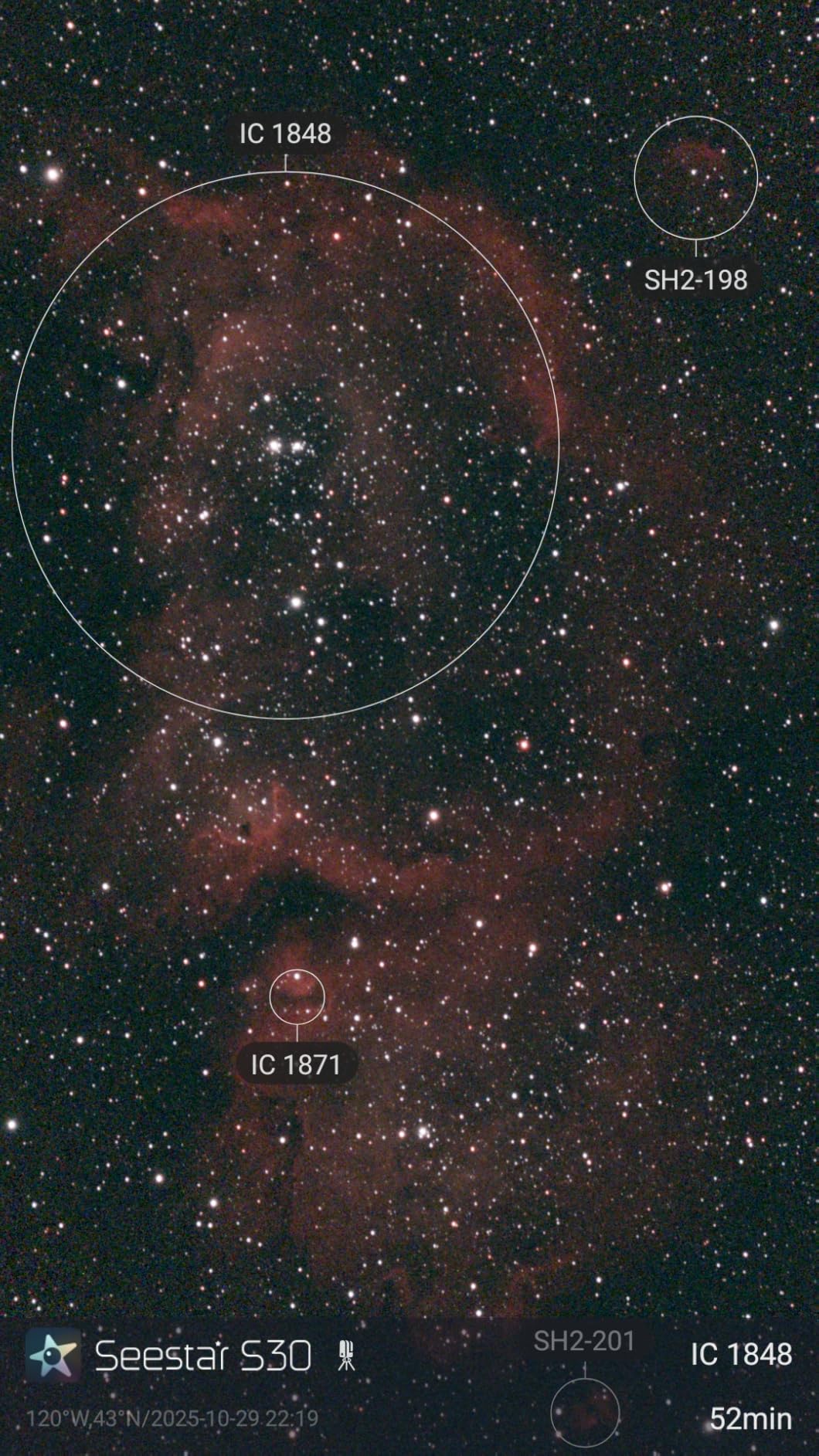
Owners celebrate the plug-and-play experience, strong results under suburban light pollution, and true portability at 3.6 pounds. The limits they cite are the 30mm aperture for magnified targets, the lack of planetary capability, and the need to leave the unit stationary while stacking.
That last point is the one people miss before buying. Deep-sky imaging needs the device to stay put for the whole sequence, so this is a tripod instrument for a session at home rather than something you carry between targets.
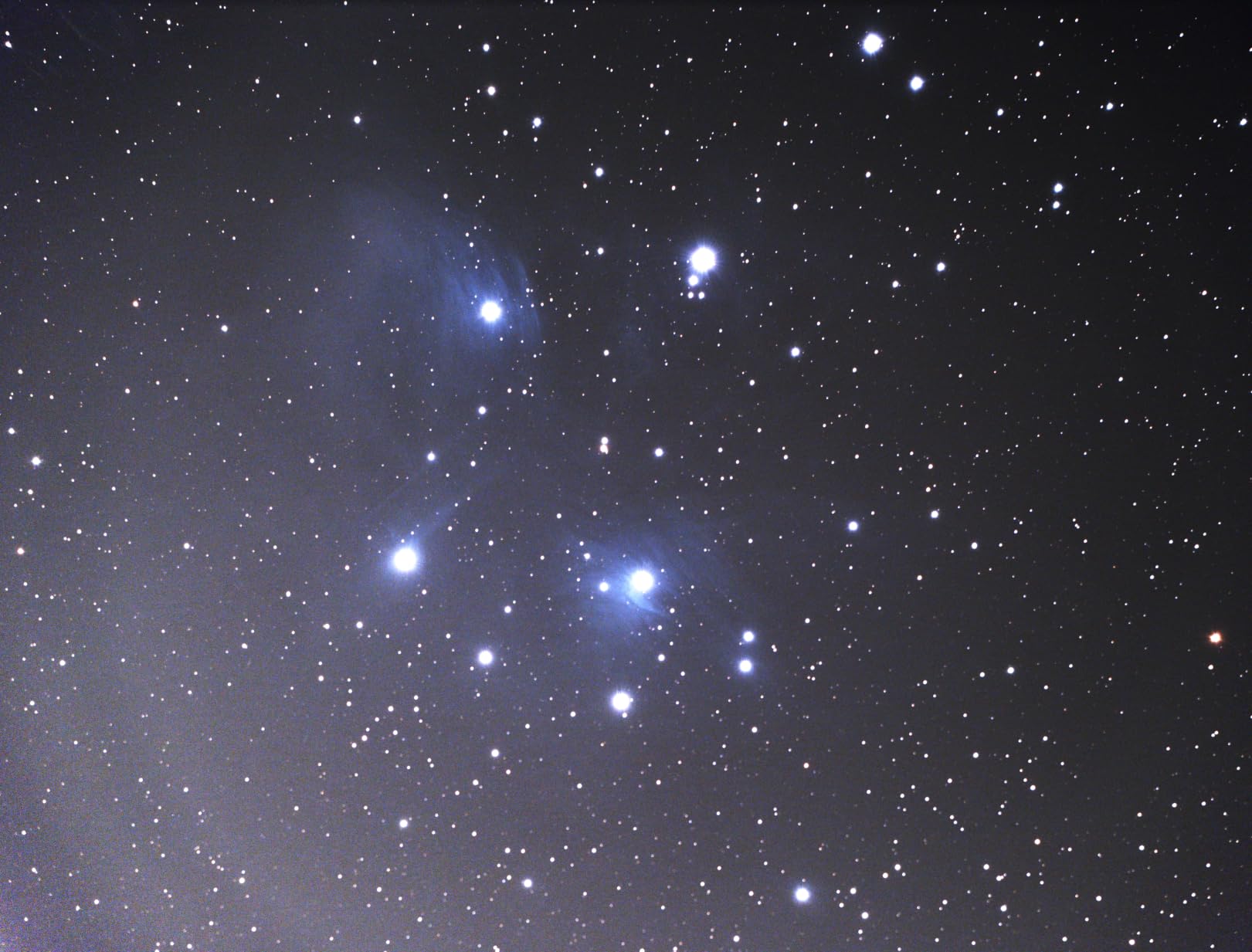
What a smart telescope automates for you
It handles plate solving, tracking, exposure stacking, mosaic stitching across wide fields, and image processing, all through one app. The dual-camera 4K imaging with a 4.6 degree field of view is what allows the automatic mosaic mode to build a wide Milky Way scene rather than a single small frame.
For someone whose interest is the image rather than the optics, this is a completely different product category from the seven others here, and at this budget it is the most advanced imaging capability available. Our smart-scope and imaging picks are covered in the astronomy telescope guide.
Where the Seestar S30 Pro falls short for you
It is not a planet telescope. At 30mm aperture and 160mm focal length, the maximum magnification is low and the result is a small disc, so if Saturn’s rings are the goal, this is the wrong instrument at any price.
It is also app-dependent, battery-powered, and dependent on cloud-connected processing for the full feature set. A beginner who wants to learn the craft of astrophotography rather than automate it will find the ceiling low, because there is little manual control exposed.
8. DWARFLAB Dwarf 3 – Best for Travel, Backpacking and Daytime Use
DWARFLAB Dwarf 3 Smart Telescope, App-Controlled Astrophotography Camera
35mm dual-lens smart telescope
4K auto-tracking and GoTo
Alt-az with equatorial mode
About 3 pounds
Pros
- Fits a standard backpack at 3 pounds
- Dual lens covers deep sky and Milky Way panoramas
- 4K auto-tracking of stars and wildlife
- Cloud processing needs no computer
Cons
- Small lenses limit faint deep-sky targets
- Tracking degrades at higher zoom
- App and cloud needed for full features
- Battery not user-replaceable in the field
The Dwarf 3 is the odd one out in the best way. It is not really an astronomical telescope so much as a dual-lens smart imaging camera that happens to point at the sky: a telephoto lens for deep space and distant subjects, and a wide-angle lens for Milky Way panoramas and star trails, with 4K auto-tracking and GoTo built in.
That daytime capability is the part most owners never expected to care about. Wildlife and distant scenery work through the same app and the same tracking, and reviewers mention it as a frequently praised bonus. Cloud-powered processing means finished images come back from your phone with no computer and no editing software.
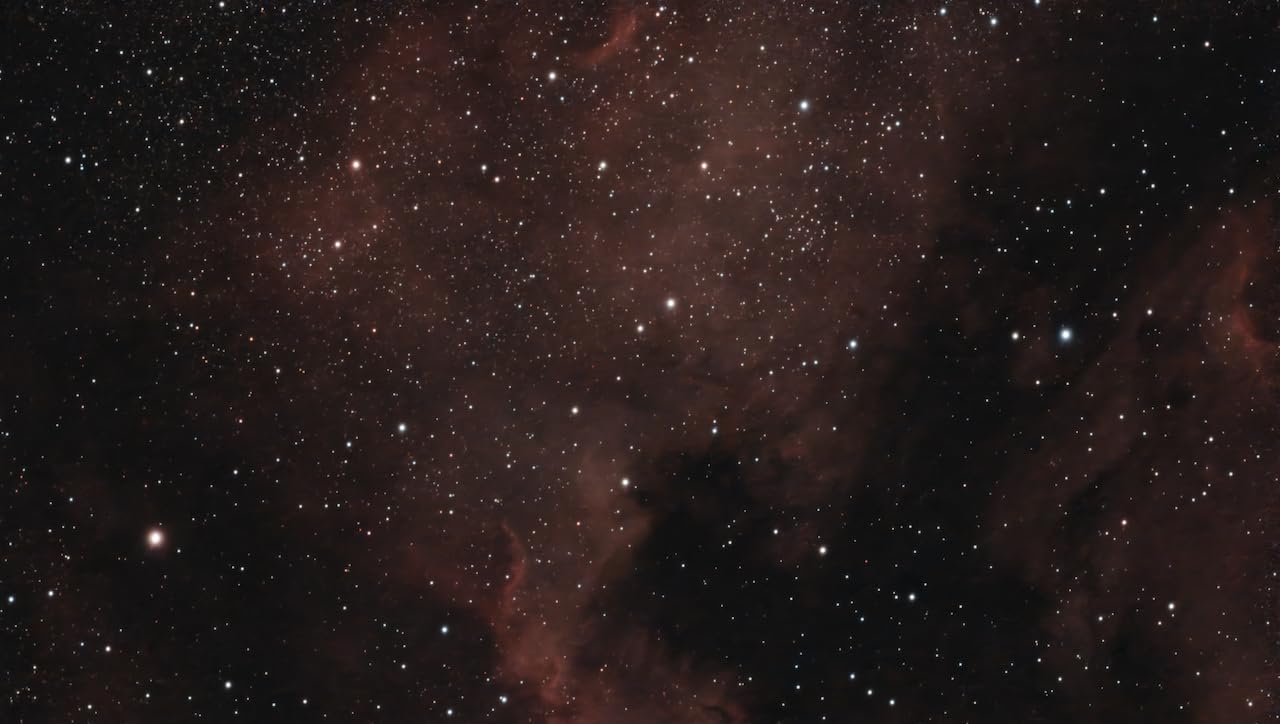
Reviewers emphasise extreme portability and a genuinely simple workflow: mount it, connect the app, get stacked images back in minutes. The consistent limitation is aperture. Results are good for casual and moderately sized targets but dim on faint, small deep-sky objects, and tracking accuracy drops at higher sustained zoom.
Owners put the getting-started time at about two minutes, and the box includes a carrying bag, magnetic filters, a filter pouch, a USB-C cable, and a wipe cloth. The manufacturer states a two-year warranty.
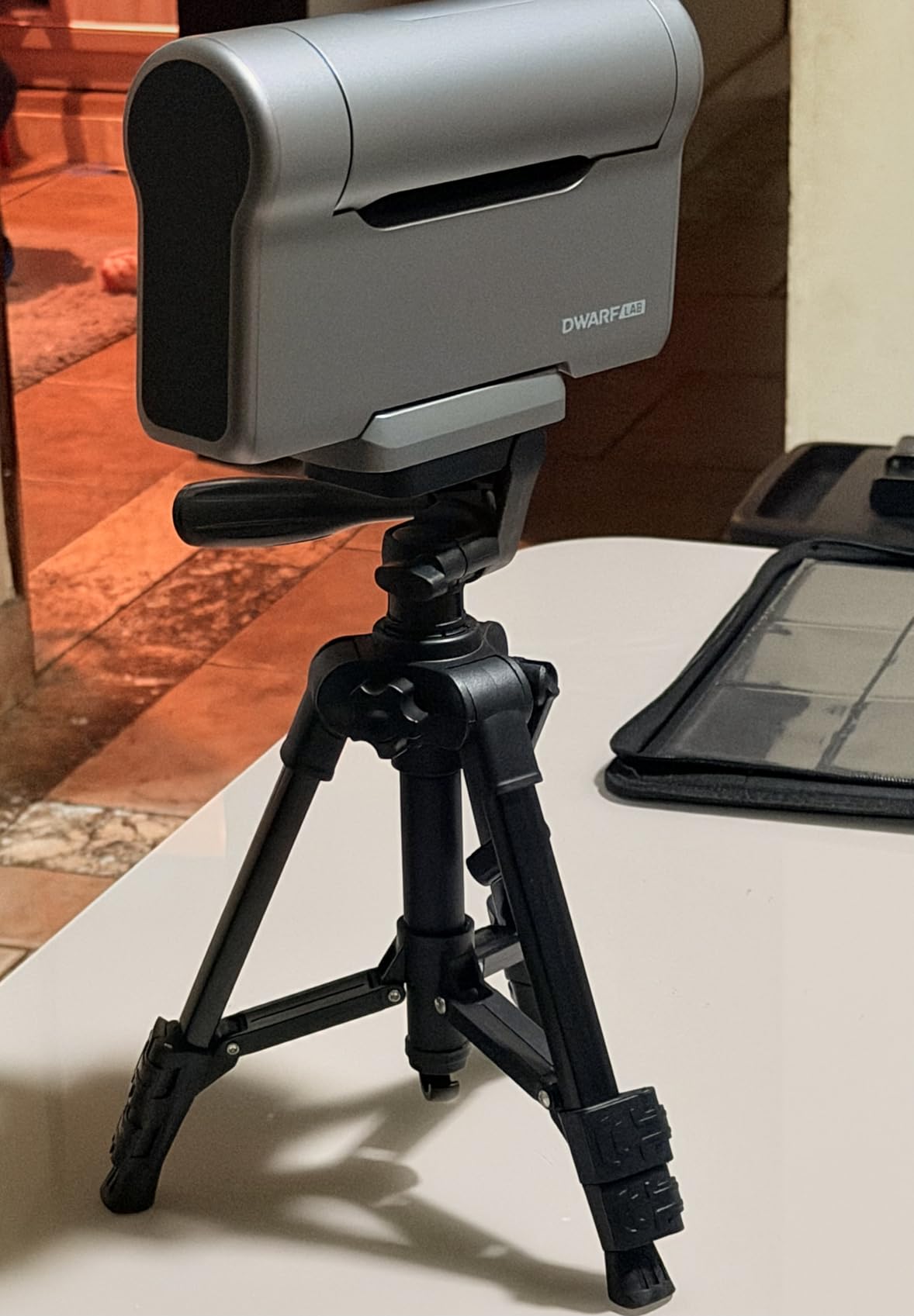
Where a dual-lens smart camera beats a telescope
It wins on portability above all else. At roughly 3 pounds in a backpack, it is the only instrument here you can take to a dark site without a vehicle, and if your observing plans involve travel more than they involve a fixed backyard, that changes the calculation completely.
It also wins if your goal is a finished picture. Neither GoTo telescope in this roundup produces a usable astrophotograph on its stock mount, and the manual reflectors need a tracking mount and a camera before imaging is even possible. The Dwarf 3 does the whole chain by itself.
Where the Dwarf 3 falls short for you
Small lenses mean small images. A 35mm objective is a fraction of the light of the 203mm Dobsonian, so if you want to find and visually inspect faint galaxies, you need an optical telescope alongside this one.
The bundled lithium-ion battery cannot be replaced in the field, and the app plus cloud processing are required for the full feature set. For a purely visual observing hobby, this buys you very little. Our refractor-specific alternatives are listed in the best refractor telescopes roundup.
How to Choose a Telescope Under 1,000 Dollars in 2026
Budgets this size do not buy everything, so the buying process is really a sequence of trades. Work through these in order and the product choice takes care of itself.
1. Aperture decides almost everything
Aperture is the diameter of the light-collecting surface, and it governs both how much light you gather and how much detail you can resolve. Because light area scales with the square of the diameter, an 8-inch mirror collects roughly six times the light of a 4-inch one and about thirteen times that of a 3-inch one.
This is why the eight picks here span apertures from 30mm to 203mm, and why we rank the Classic 200P first for faint targets despite it being the least convenient instrument in the group. When two telescopes cost the same and one has substantially more aperture, the larger one shows more of everything, always.
The companion rule is magnification. A common guideline is roughly 35x to 50x magnification per inch of aperture on a normal night, so an 8-inch scope handles 280x to 400x, and an 8-inch telescope pushed to 1000x will produce a dim, blurred, useless image. Extra magnification is free on the box and worthless without light.
2. Refractor, reflector, Maksutov, or smart scope
Refractors use a lens, need no collimation, and give the cleanest planetary contrast, but aperture costs money quickly, which is why the best refractor here is only 70mm. Reflectors use a mirror and deliver the most aperture per unit of budget, which is why four of the eight picks are Newtonians, at the cost of periodic collimation and a small diffraction artefact on bright targets.
Maksutov-Cassegrains fold a long focal length into a short tube, giving excellent planetary contrast and superb portability, but the aperture is limited and they usually come without a mount. Smart scopes use small apochromatic optics with a sensor and a motor, and they trade all visual observing for automated imaging.
If you want to look at things, buy glass. If you want to photograph things, buy a smart scope or a tracking mount. Trying to do both on one budget is where most beginners end up disappointed.
3. Manual, GoTo, or app-guided
Manual pointing means you learn the sky. It costs nothing, it never fails, and it is the choice that long-time observers almost universally recommend, because learning to find M42 unaided teaches you more about the sky than any app will.
GoTo scopes trade budget for automation. A motorised mount with a sky database points the tube at a target for you, which helps enormously under a light-polluted sky where you cannot see faint objects to aim at. The cost is that a meaningful share of your 1,000 dollar budget goes into electronics rather than aperture.
App-guided scopes like the StarSense LT 114AZ sit in between. You still point the tube yourself, but your phone matches star patterns to tell you where to look. It is the compromise we find works best for most beginners, and our full comparison of the options is in the Dobsonian telescope guide.
4. Collimation, and which scopes need it
Collimation is the process of aligning a Newtonian’s primary and secondary mirrors so their reflections line up. It sounds technical and takes about ten minutes with a laser collimator and a good eye, and it is the single most common reason first-time owners give up on a reflector.
Refractors, Maksutov-Cassegrains, and smart scopes never need it because there is nothing to misalign. If you are squeamish about the process, a refractor such as the 70AZ removes the issue entirely. If you buy a Newtonian, budget a laser collimator and collimate before your first session, not after a disappointing one.
5. Where the rest of your budget should go
Do not spend it on a Barlow straight away. With a 1,000 dollar ceiling, the sensible allocation puts most of the money into the telescope and splits the rest between one good eyepiece, a red flashlight, and a planisphere or star chart.
The Gskyer 130EQ is the exception, because it already includes three eyepieces and a 3x Barlow. With everything else, buy one quality Plossl at 25mm for wide fields first, then a second eyepiece in the 10mm to 15mm range when you want more detail. A red flashlight with a dim red filter preserves your dark adaptation, and it matters more than most beginners expect.
Skip jewellery: plastic Kellner-tier eyepieces, undersized finders, and wobbly aluminium tripods are the three failure modes that end beginner interest faster than any optical fault.
6. What you can actually see at this budget
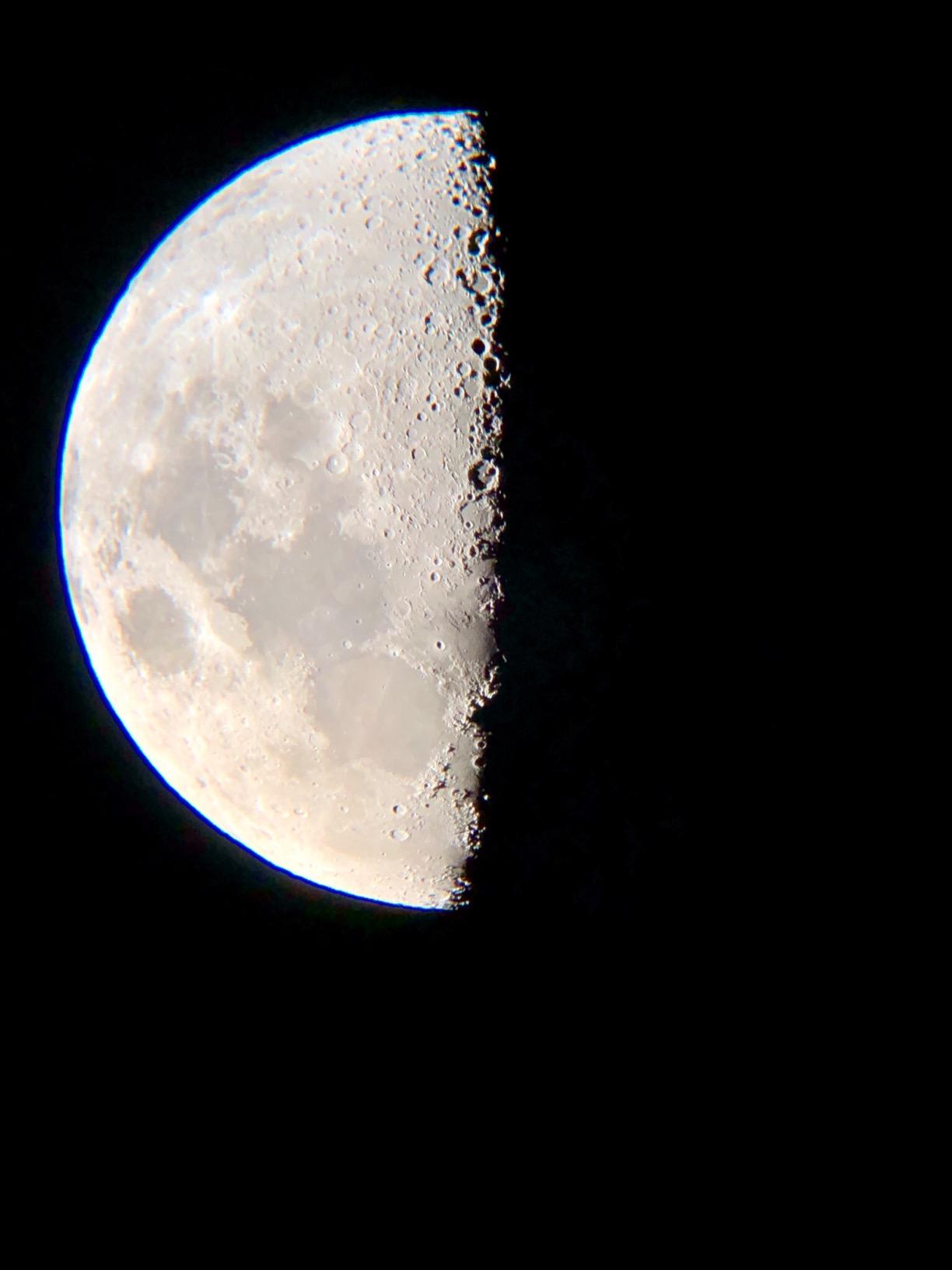
On the Moon, any of these scopes will show craters, rilles, and the terminator line with real shadow depth. On Saturn, you will see the rings and, with steady seeing and around 100x or more, the Cassini Division. On Jupiter, the four Galilean moons change position by the hour and the cloud belts resolve as distinct bands.
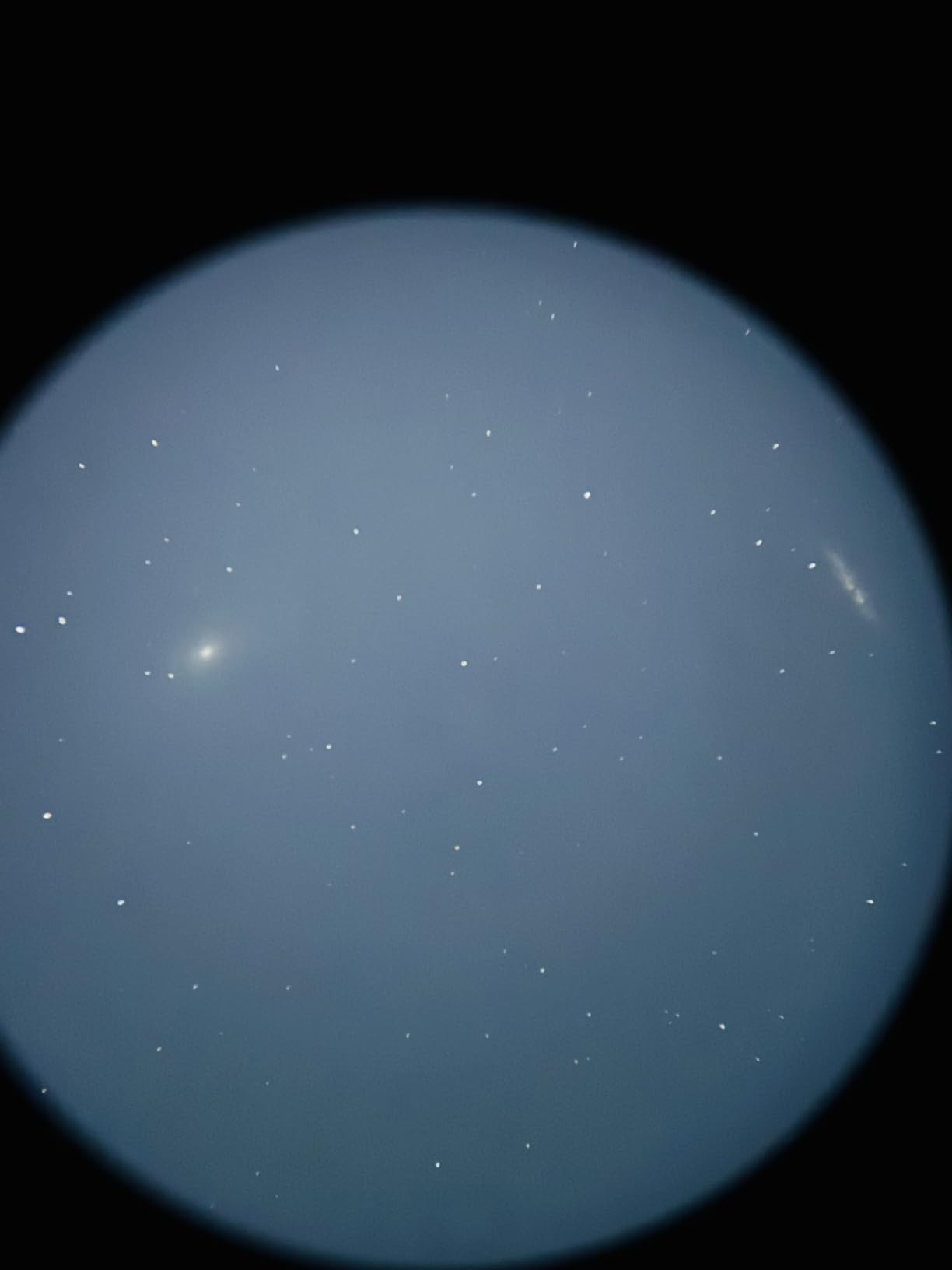
Mars shows its polar caps and, near opposition, darker surface markings. For deep-sky objects, the 70mm refractor will show the Orion Nebula and Andromeda as fuzzy patches, the 114mm and 130mm Newtonians will show structure in the Orion Nebula and resolve the Andromeda Galaxy as an elongated glow, and only the 8-inch Dobsonian makes the fainter galaxies and globular clusters routine targets.
Double stars split readily in the Skymax 102 and the 130 reflectors, and any scope shows the Pleiades and the Double Cluster as clusters of individual points rather than a smudge.
7. What a 1,000 dollar telescope cannot do
It cannot do serious astrophotography. Long exposures on faint deep-sky targets need accurate tracking and a solid equatorial mount, and on the manual mounts here sub-second exposures are the practical limit before star trailing ruins the frame. The smart scopes sidestep this by stacking short exposures, which is why they are the only real imaging answer at this budget.
It also cannot show you very faint galaxies from a heavily light-polluted suburban sky, no matter what the packaging claims. And it will not survive being left outside with dew on the primary mirror, so a dew shield or a dew heater is worth adding for the reflector picks.
8. Where to buy and how to check the price
Specialist telescope dealers such as High Point Scientific, OPT, and Cloud Break Optics are the safest route for reflectors, because they will collimate a Dobsonian before it is sent. General marketplaces carry far more selection, but the seller may not collimate, may not supply the original eyepieces, and often has no support when something is missing from the box.
Manufacturer-direct listings from Celestron and ZWO give you the full warranty and a known return policy. Whatever route you take, the Check Latest Price buttons in this guide take you to the current listing so you can compare before committing, because telescope pricing moves with promotions and clearance cycles.
One safety note that belongs in any buying guide: never point any telescope at the Sun without a certified solar filter fitted over the front aperture. Instant permanent eye damage is the only outcome, with no partial recovery.
Frequently Asked Questions
What telescopes can I buy for under $1,000?
Under 1,000 dollars you can buy a 70mm achromatic refractor, a 114mm or 130mm Newtonian reflector, an 8-inch Dobsonian with a large light-collecting mirror, a 102mm Maksutov-Cassegrain optical tube, or an app-controlled smart telescope built around a small apochromatic optic and a sensor. Aperture is the deciding factor, so the 8-inch Dobsonian shows the most, while the smart scopes produce the most photographs. Our top pick is the Celestron AstroMaster 70AZ for beginners.
What is the best telescope to buy for the money?
At this budget the strongest combination of price, aperture and ease of use is the Celestron AstroMaster 130EQ, a 130mm Newtonian reflector on a German equatorial mount with slow-motion controls. It resolves to 0.89 arc seconds, needs no polar alignment to be useful, and costs well under the budget. If you want the simplest possible first instrument rather than the most capable, take the 70mm refractor instead.
What is the cheapest but best telescope?
The cheapest genuinely good entry point is a 70mm fully coated achromatic refractor on a manual alt-azimuth mount, which is what the Celestron AstroMaster 70AZ is. It has no collimation requirement, no electronics, and no consumables, and it shows a genuinely detailed Moon and the crescent phases of Venus cleanly. Spend extra only when you know you want more faint deep-sky objects than a small aperture can deliver.
Which telescope is best to see all planets?
A long focal ratio design wins on planetary contrast, which makes the Sky-Watcher Skymax 102mm Maksutov-Cassegrain the planetary specialist in this group with its 1300mm focal length and minimal diffraction. For seeing all of them at once with the widest possible target list, a reflector such as the 130EQ or the 8-inch Dobsonian is more practical. Mercury and Uranus are the two most difficult from any budget telescope.
How much should I pay for a decent telescope?
A decent first telescope starts around the 200 to 300 dollar range, where a 70mm refractor or a 130mm Newtonian with a decent mount becomes possible. Between 300 and 700 dollars you get meaningfully better mounts and accessories. Above 700 dollars the jump to an 8-inch Dobsonian is the largest single upgrade in aperture available at any price, and it is where light-gathering power starts to dominate the experience.
Do I need to collimate a Dobsonian telescope?
Yes, and the same applies to every Newtonian reflector in this roundup, because the primary and secondary mirrors must be aligned with each other for a sharp image. A laser collimator makes the process about ten minutes and needs repeating every few months, or after the tube is bumped in transit. Refractors, Maksutov-Cassegrains, and smart telescopes never need collimation at all, which is the main reason to choose them.
Can a telescope under $1,000 do astrophotography?
Traditional mounts here are limited to short exposures, typically a second or two before star trailing appears, which is enough for the Moon and bright planets but not for faint deep-sky targets. App-controlled smart telescopes are the exception, because they stack many short exposures automatically and return a finished image. For serious deep-sky imaging you need a tracking equatorial mount and a camera, which is a separate budget well above this one.
Conclusion: The Telescope to Buy Under 1,000 Dollars in 2026
The best telescopes under 1,000 dollars are the ones that put the money into aperture, and the Celestron AstroMaster 70AZ is our pick because it is the least likely to put you off. The 130EQ is the step up for anyone who wants real deep-sky reach, and the Sky-Watcher Classic 200P is the answer for observers who can find room for 45 pounds and want to see everything a budget scope can show.
When you outgrow whichever of these you buy, the next upgrade is rarely a bigger mount. Add one quality eyepiece, keep the tube, and move up a tier later. Our wider telescope picks are in the best telescopes roundup.