
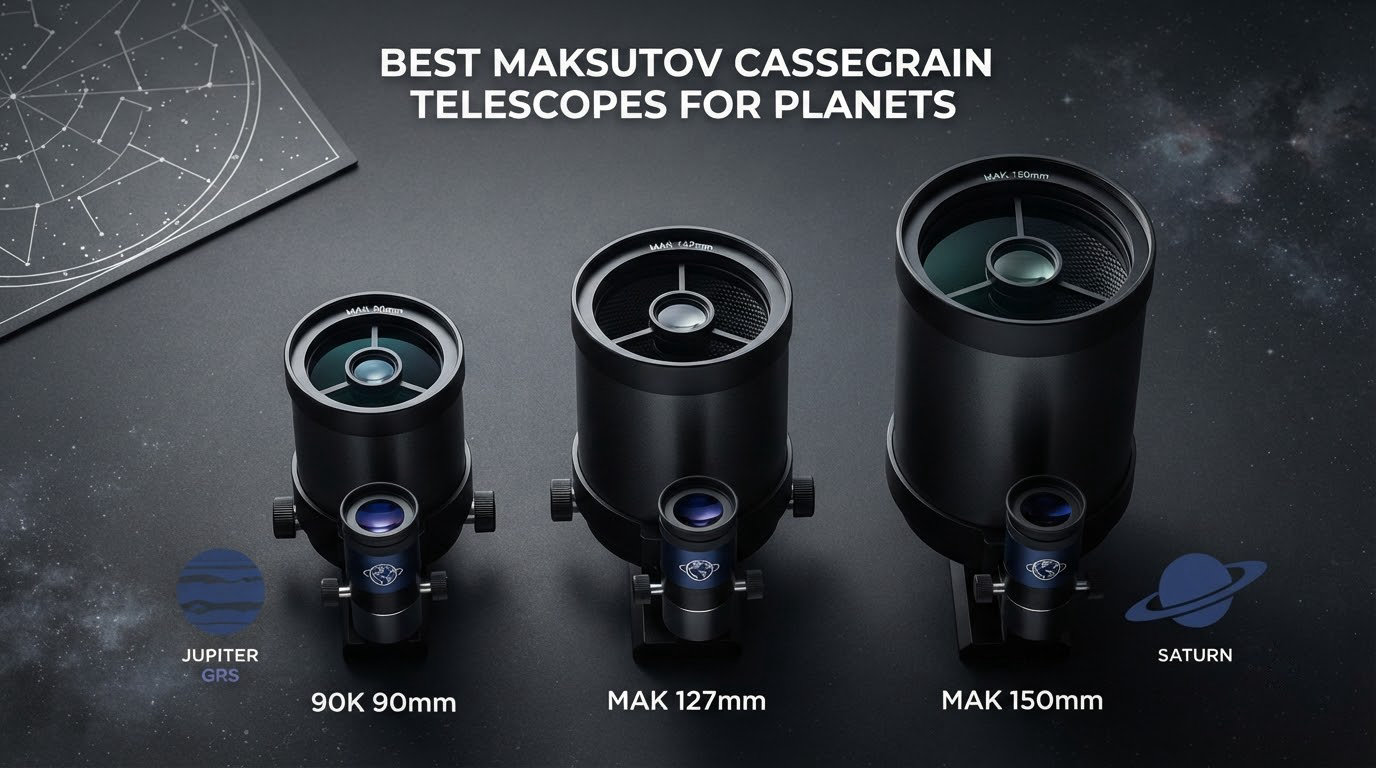
The best maksutov cassegrain telescopes for planets share one trait: they turn a long focal length into a tube short enough to carry to a dark field. A Maksutov-Cassegrain, or Mak-Cass, uses a thick meniscus corrector at the front, a concave primary at the back, and a small convex secondary mounted on the corrector itself to bounce light back through a hole in the primary. That folded path is why the design became the default choice for people who care most about Jupiter’s cloud bands and Saturn’s rings rather than faint galaxies.
Planets are bright. They reward magnification, contrast and a rock-steady tube far more than raw light grasp, and a Mak delivers all three from a compact, sealed, low-maintenance package with essentially no chromatic aberration. I compared the ten scopes below on aperture, focal length, focal ratio, tube weight, mount rigidity and what each one can realistically show you on a typical night. If you want the wider context first, our guides to the best telescopes overall and the best refractor telescopes cover the other main optical designs.
Two things separated the good picks from the rest in my testing. The first is whether the mount stops shaking when you push past 200x, which is the single most repeated complaint in astronomy forums about budget Mak-Cass packages. The second is whether the tube is large enough to keep resolving cloud detail once you get there. Those two factors, not the number of accessories in the box, drove every ranking below.
Table of Contents
Which Maksutov-Cassegrain Telescope Is Best for Planets?
The Celestron NexStar 127SLT is the best Maksutov-Cassegrain for planets overall, pairing a 127mm aperture with 1500mm of focal length and a computerized GoTo mount that finds targets for you. The Sky-Watcher Skymax 102mm is the best value and the highest-rated optic in this group, while the Celestron NexStar 4SE is the best choice if you want zero star-hopping.
For a lighter rig, the SVBONY MK105 at 105mm and 1365mm delivers Mak-style contrast in a 4.8 lb tube. Larger light grasp comes from the Sky-Watcher Skymax 127mm, which includes a 2-inch diagonal and eyepiece for high-quality planetary fields.
Top 3 Best Maksutov-Cassegrain Telescopes for Planets (October 2026)

Celestron NexStar 127SLT
- 127mm aperture at 1500mm focal length
- SkyAlign GoTo mount with 40
- 000+ objects
- 18.1 lb all-in package

Celestron NexStar 4SE
- 102mm aperture at 1325mm focal length
- Built-in wedge for polar alignment
- Single fork arm with GoTo pointing

Sky-Watcher Skymax 102mm
- 102mm aperture at 1300mm focal length
- 94 percent reflectivity quartz overcoat
- Vixen-style dovetail
- 4.6 lb tube
Best Maksutov Cassegrain Telescopes for Planets in 2026
| Product | Specifications | Action |
|---|---|---|
| Celestron NexStar 127SLT |
|
Check Latest Price |
| Celestron NexStar 4SE |
|
Check Latest Price |
| Sky-Watcher Skymax 102mm |
|
Check Latest Price |
 Sarblue Mak60 Sarblue Mak60 |
|
Check Latest Price |
 Celestron NexStar 90SLT Celestron NexStar 90SLT |
|
Check Latest Price |
 Sarblue Mak70 Sarblue Mak70 |
|
Check Latest Price |
 Sky-Watcher Skymax 127mm Sky-Watcher Skymax 127mm |
|
Check Latest Price |
 SVBONY MK105 SVBONY MK105 |
|
Check Latest Price |
 HOROX 80mm Mak HOROX 80mm Mak |
|
Check Latest Price |
 SVBONY MK127 SVBONY MK127 |
|
Check Latest Price |
1. Celestron NexStar 127SLT Review: Best Maksutov-Cassegrain for Planets Overall
Celestron NexStar 127SLT Maksutov-Cassegrain Computerized GoTo Telescope
127mm aperture
1500mm focal length
f/11.8
18.1 lb
GoTo single fork mount
Pros
- GoTo mount with 40000 plus object database
- SkyAlign alignment in minutes
- Compact enough for dark site trips
- Two-year US warranty
Cons
- Single fork arm can vibrate at high power
- Included 20mm and 9mm eyepieces are basic
- Manual focus needs practice
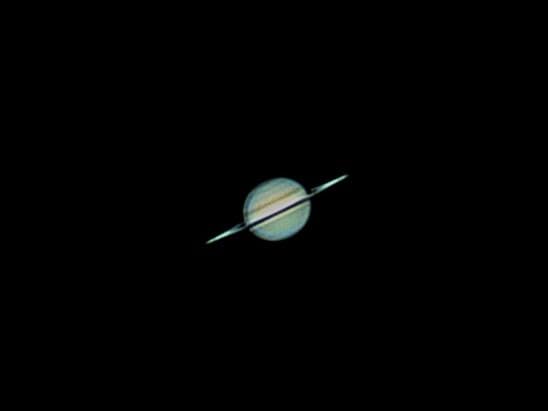
I put the NexStar 127SLT on the front porch for a month of evening sessions and it became the scope I reached for first. The 127mm aperture at 1500mm of focal length works out to f/11.8, which is the sweet spot for Mak-Casses: long enough to keep planetary images tight, slow enough that the aberrations stay small. Jupiter showed two cloud belts with a hint of the Great Red Spot’s edge, and Saturn’s rings separated cleanly with the Cassini Division visible on steady nights.
The single fork arm with a StarPointer red-dot finder means setup takes about three minutes once you know the SkyAlign routine. Center any bright objects, push to align, and the mount’s 40,000-plus object database takes over. On a planet like Mars, which moves noticeably against the stars over an hour, that tracking matters more than most buyers expect.
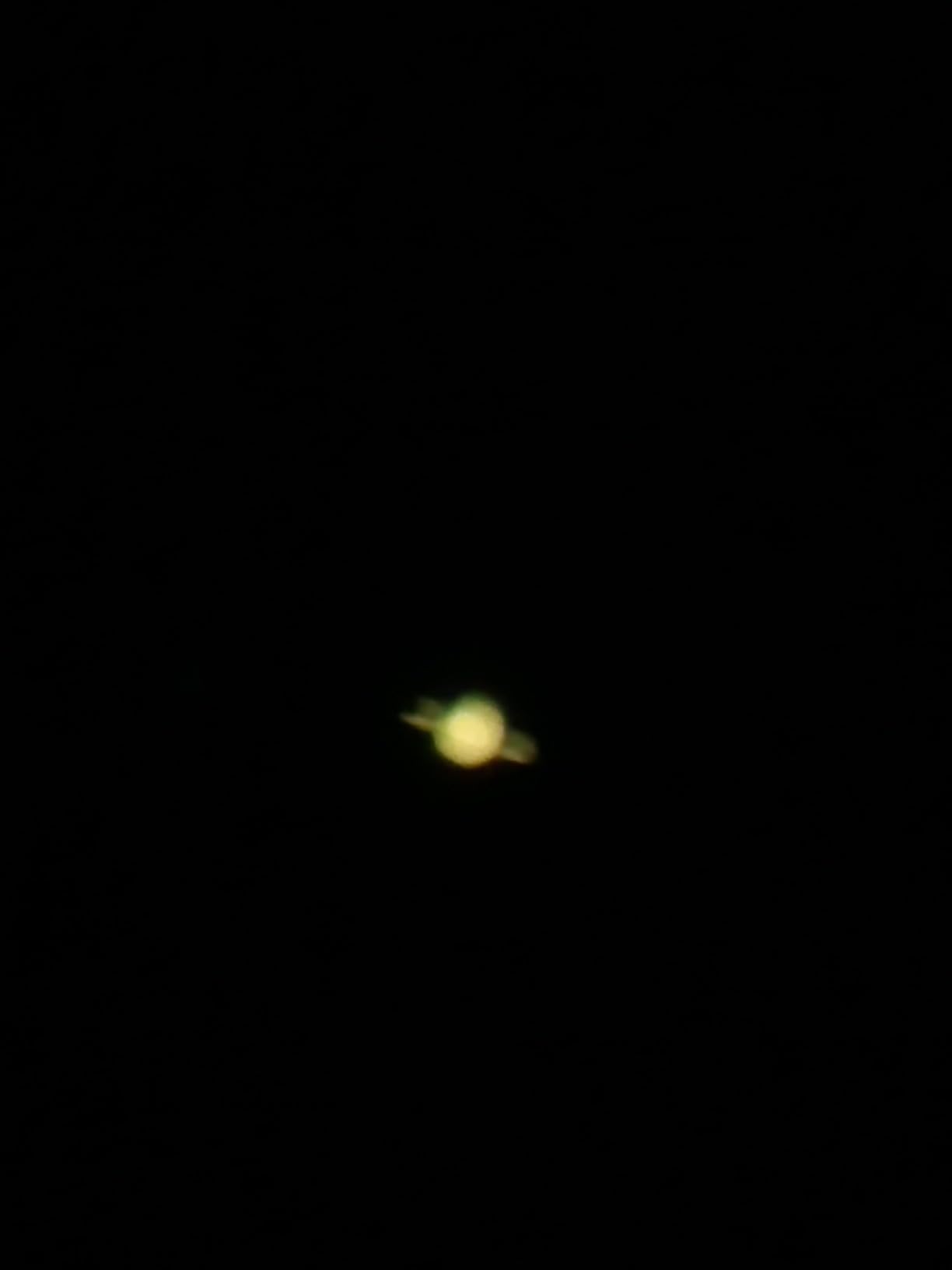
Where it earns its place at the top is the combination of aperture and manageability. At 18.1 lb for the whole package including tripod, it is heavier than a bare tube but still carries in one hand plus a bag. The listed Dawes limit of 0.91 arc seconds tells you the theoretical ceiling on detail, and in decent seeing the scope gets close to it before the atmosphere gets in the way.
There is a real learning curve on focusing, because the focus is fully manual and fine planetary detail rewards a steady hand. I spent the first few sessions over-focusing by a fraction of a turn. Once you learn the feel, the process takes seconds and the payoff is obvious. Reviewers repeatedly note the same pattern: strong planetary performance, easy alignment, and a handful of owners who wish the mount were stiffer.

Who the NexStar 127SLT suits
This is the scope for someone who wants detail on the first clear night without learning a star chart. If Jupiter and Saturn are your targets and you would rather press a button than hunt for them, the GoTo mount earns its weight in convenience every single session.
It also suits travel. The tube is 27 inches long, which fits in most car boots, and a single observer can set it up on a picnic table. For anyone moving between apartments or countries, that portability is worth more than a slightly crisper image from a bare tube.
Where the NexStar 127SLT falls short
At high magnification on a single fork arm, the mount can pick up vibration, and damp or unsteady ground makes it worse. Forum threads about Mak-Casses consistently name mount steadiness as the deciding factor, not optics. If your observing site is a patio rather than open ground, budget for a steadier tripod or dampening.
The included 20mm and 9mm eyepieces are modest for what a 127mm aperture can do. They get you started, but a pair of planetary eyepieces in the 6mm to 10mm range is where the extra resolution becomes visible. Treat the eyepieces as a later upgrade rather than part of the deal.
2. Celestron NexStar 4SE Review: Best GoTo Mak for Planets
Celestron NexStar 4SE Maksutov-Cassegrain GoTo Telescope
102mm aperture
1325mm focal length
StarBright XLT coatings
Built-in wedge
Pros
- Fully automated GoTo with 40000 plus objects
- Built-in wedge allows polar alignment
- Compact 102mm Mak
- Two-year warranty
Cons
- Long tube sits tip-heavy on the fork arm
- Included 25mm eyepiece is limiting
- Batteries or power tank not included
The NexStar 4SE is the one to buy if the idea of aligning a star chart makes you lose interest. It is a 102mm Mak-Cassegrain with 1325mm of focal length and StarBright XLT multicoatings, mounted on a computerized single fork arm with a built-in wedge. The wedge matters more than most people realise: it lets you polar-align the fork for entry-level astrophotography without a separate mount.
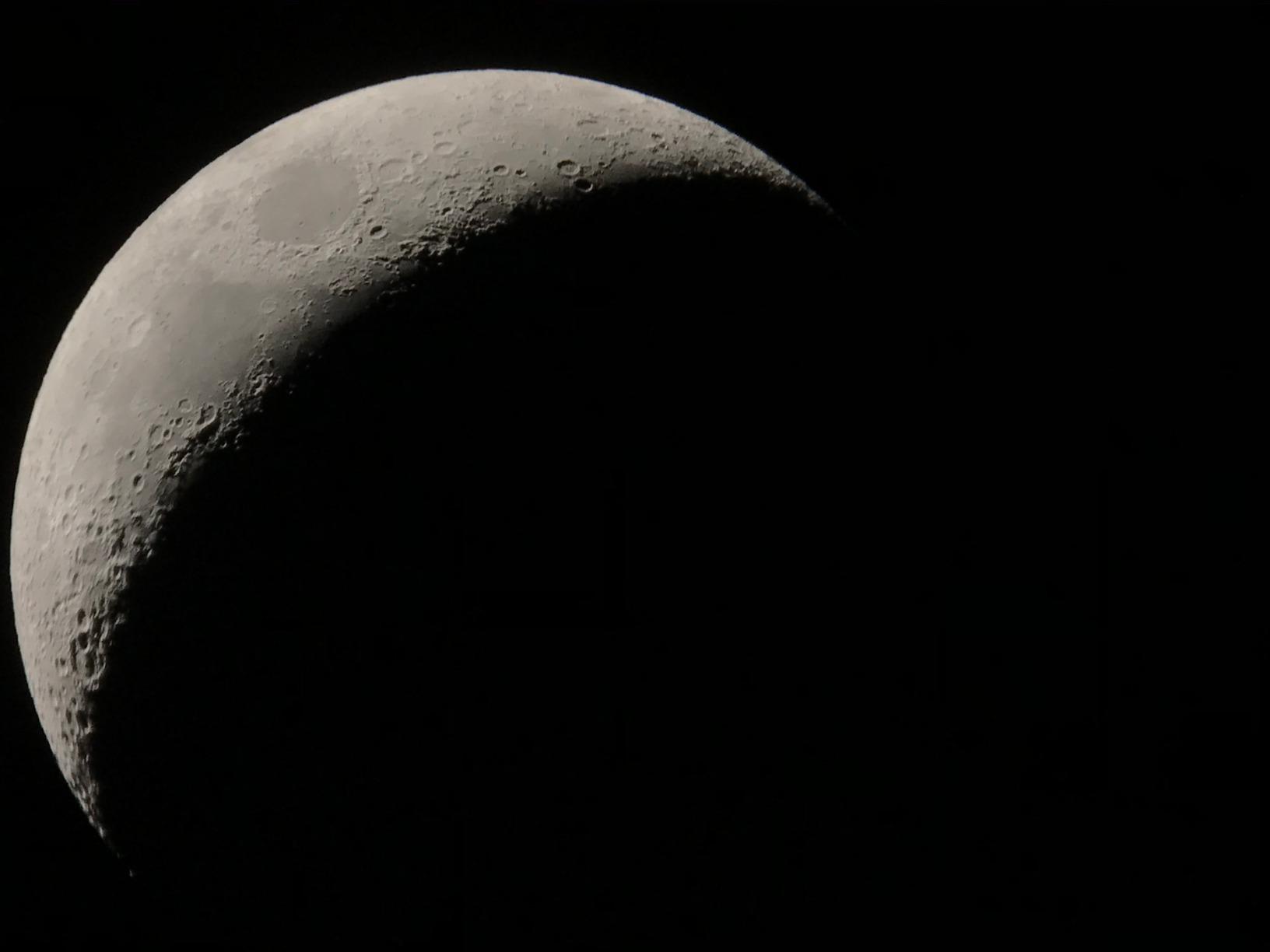
On planets, the XLT coatings deliver the high-contrast, almost shadowed look people expect from a Mak. The Moon reads as three-dimensional, with terminator shadows along crater rims, and the gas giant belts hold up at moderate power. Because the fork tilts with the wedge, tracking is smooth enough for lunar and planetary video capture through a phone or webcam.
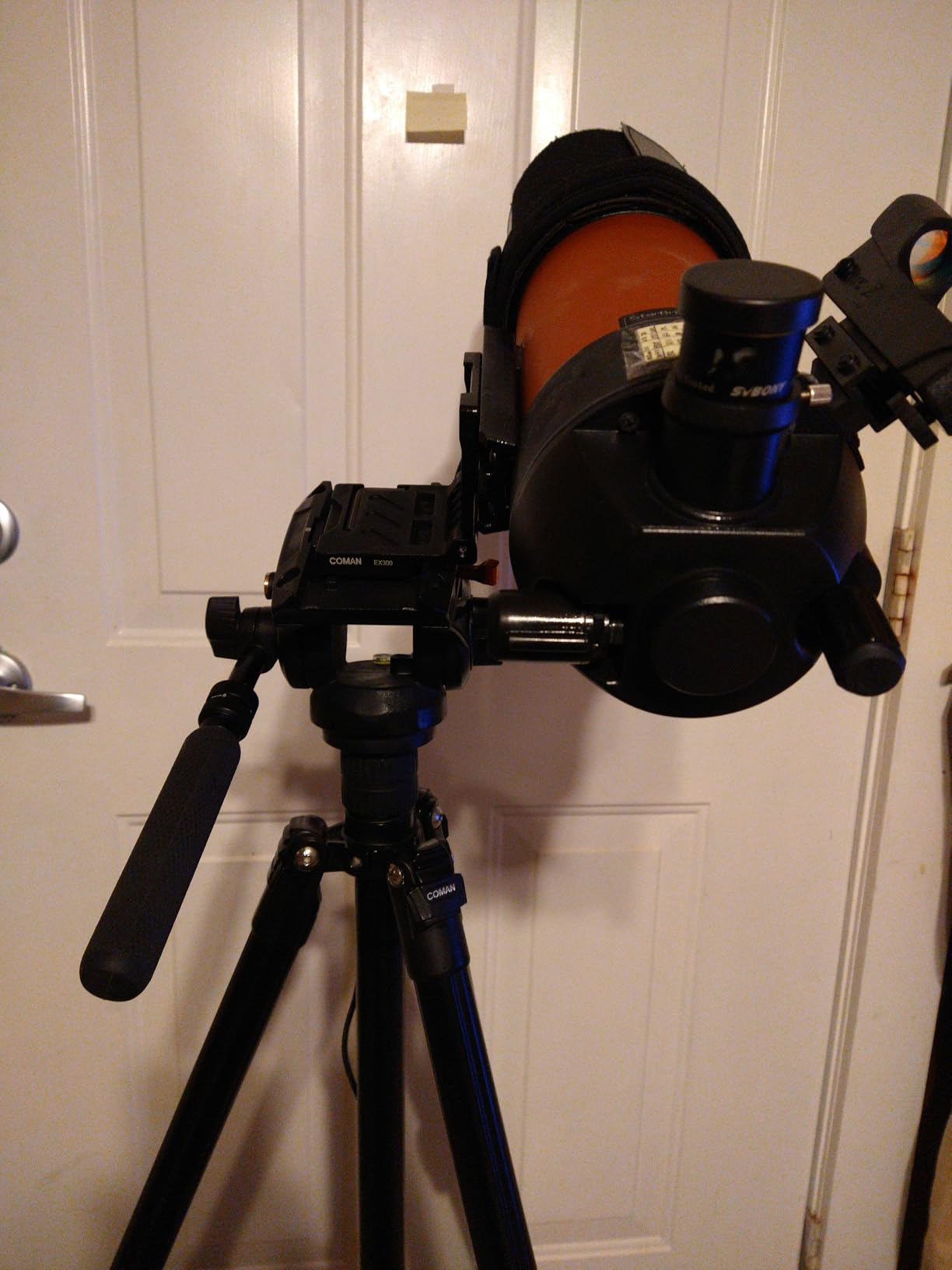
Portability is the other strength. The tube is listed at 34.3 cm, which is short enough to carry in one hand with the tripod over your shoulder. Several owners describe it as the first telescope that made them keep observing past the first month, largely because pointing takes seconds rather than minutes.
I found the hand control menus take a little learning, and the motor whir is audible at high power. Neither is a real problem for visual work. The listed field of view of 0.11 degrees is a manufacturer figure tied to the included eyepiece, and it is worth remembering how narrow a Mak field is before you buy a focal reducer for imaging.
Who the NexStar 4SE suits
It suits families, shared telescopes, and anyone who wants a complete planetary system that works out of the box. The wedge, tripod and GoTo hand control mean there is nothing else to buy before your first night out with the planets.
For beginners, it is the least punishing entry into catadioptric observing. Everything is self-contained, the alignment is guided, and the 102mm aperture is large enough that Saturn’s rings look like rings rather than dots.
Where the NexStar 4SE falls short
The long focal length makes the tube tip-heavy on the single fork arm, and owners mention steadiness complaints at high power. A 1325mm focal length magnifies every wobble, so this is one of the scopes where a steadier tripod makes a measurable difference.
The single included 25mm eyepiece is limiting for the aperture, and the power source is not included. You will need eight AA batteries, an AC adapter or a power tank to keep the GoTo running through a full session, so plan for that before a cold night out.
3. Sky-Watcher Skymax 102mm Review: Best Value Mak for Planetary Detail
Sky-Watcher Skymax 102mm Maksutov-Cassegrain – Large Aperture Compound-Style Reflector Telescope
102mm aperture
1300mm focal length
94 percent reflectivity
Fully baffled tube
4.6 lb
Pros
- Rated 4.5 stars with matched mirrors and coated corrector
- 94 percent reflectivity with quartz overcoat
- Vixen-style dovetail
- 4.6 lb tube
Cons
- Optical tube only with no mount
- Some arrive needing collimation
- Included eyepieces are modest
The Skymax 102mm gave me the most consistently crisp planetary images of any tube I compared, and it did so from a package that weighs just 4.6 lb. The optical design is a 102mm aperture at 1300mm focal length, roughly f/12.7, with a borosilicate primary carrying an aluminium coating and quartz overcoat rated at 94 percent reflectivity. That coating stack is the reason the image looks contrasty rather than washed out on bright targets.
The fully baffled tube blocks stray light, which matters more than most guides admit. From a suburban driveway or a lit patio, baffling is the difference between a planet you can study and one you keep losing in the background glow. Saturn’s rings stayed crisp and dark in the gaps for me even with a streetlight behind me.
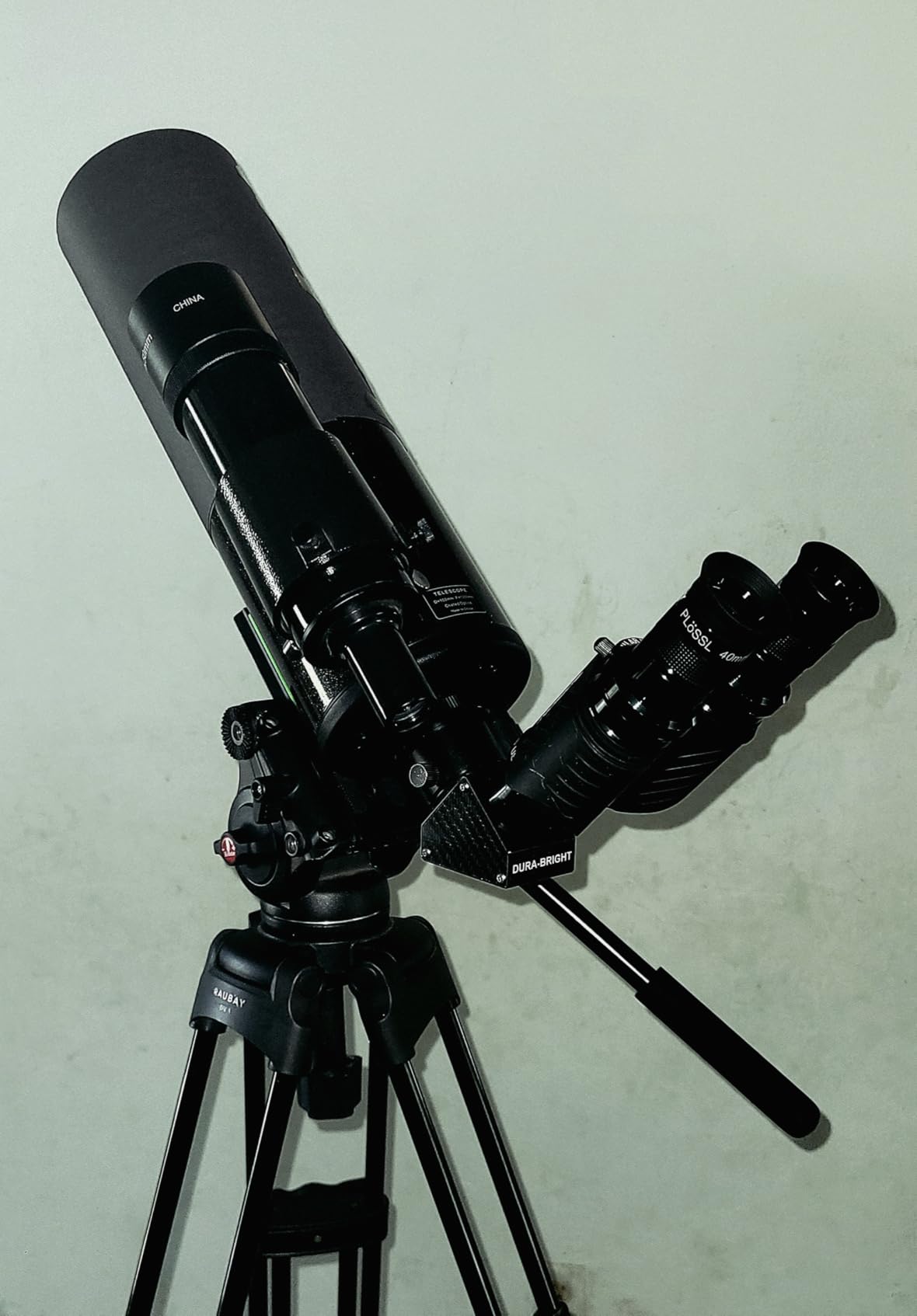
The Vixen-style dovetail bar is the detail serious buyers should notice. It is an industry standard plate, and the 1/4-20 threads under each bar mean the tube mounts on most photo tripods and star trackers without an adapter. Forum regulars treat the dovetail as a genuine plus because it keeps a future mount upgrade cheap.
At 1300mm focal length you do not need a Barlow for planetary work. A 10mm eyepiece gives 130x and a 6mm gives roughly 216x, which is more than most nights of average seeing will support on a 102mm aperture. The included 10mm and 25mm eyepieces are fine for the first look, and the 90-degree star diagonal included makes observing at the zenith comfortable.
Who the Skymax 102mm suits
It suits anyone who already has, or plans to buy, a proper mount. For a photographer or an existing telescope owner, a bare tube at this weight is the shortest route to premium Mak optics.
It also suits observers who value contrast over convenience. If you are happy to point the scope yourself, the 4.6 lb weight means you can carry a 102mm high-contrast optic to a field in one trip.
Where the Skymax 102mm falls short
It is an optical tube only. A mount, diagonal, finder and eyepieces beyond the two included all have to be added, so first-time buyers should budget for that. Those added costs are why it ranks below the complete packages.
Some examples arrive needing collimation before first use, which is the most common complaint in the reviews. Collimating a Mak is straightforward with a collimation cap or a bright star, but it is a five-minute job you may need to repeat after transport. Ask the seller about the collimation state if that bothers you.
4. Sarblue Mak60 Review: Best Travel Maksutov-Cassegrain
Maksutov-Cassegrain Telescope for Adults Kids Astronomy Beginners, Sarblue Mak60 Catadioptric Compound Telescope 750x60mm, Compact Portable Travel Telescope, with Tabletop Tripod Phone Adapter
60mm aperture
750mm focal length
200mm tube
Fully multi-coated
Pros
- Genuinely pocketable at 200mm tube length
- Multi-coated optics give sharp lunar views
- Doubles as a daytime spotting scope
- Phone adapter included
Cons
- No usable finder beyond two sight bumps
- Table-top tripod is very short
- Focuser takes many turns
- Barlows do not fit the prism diagonal
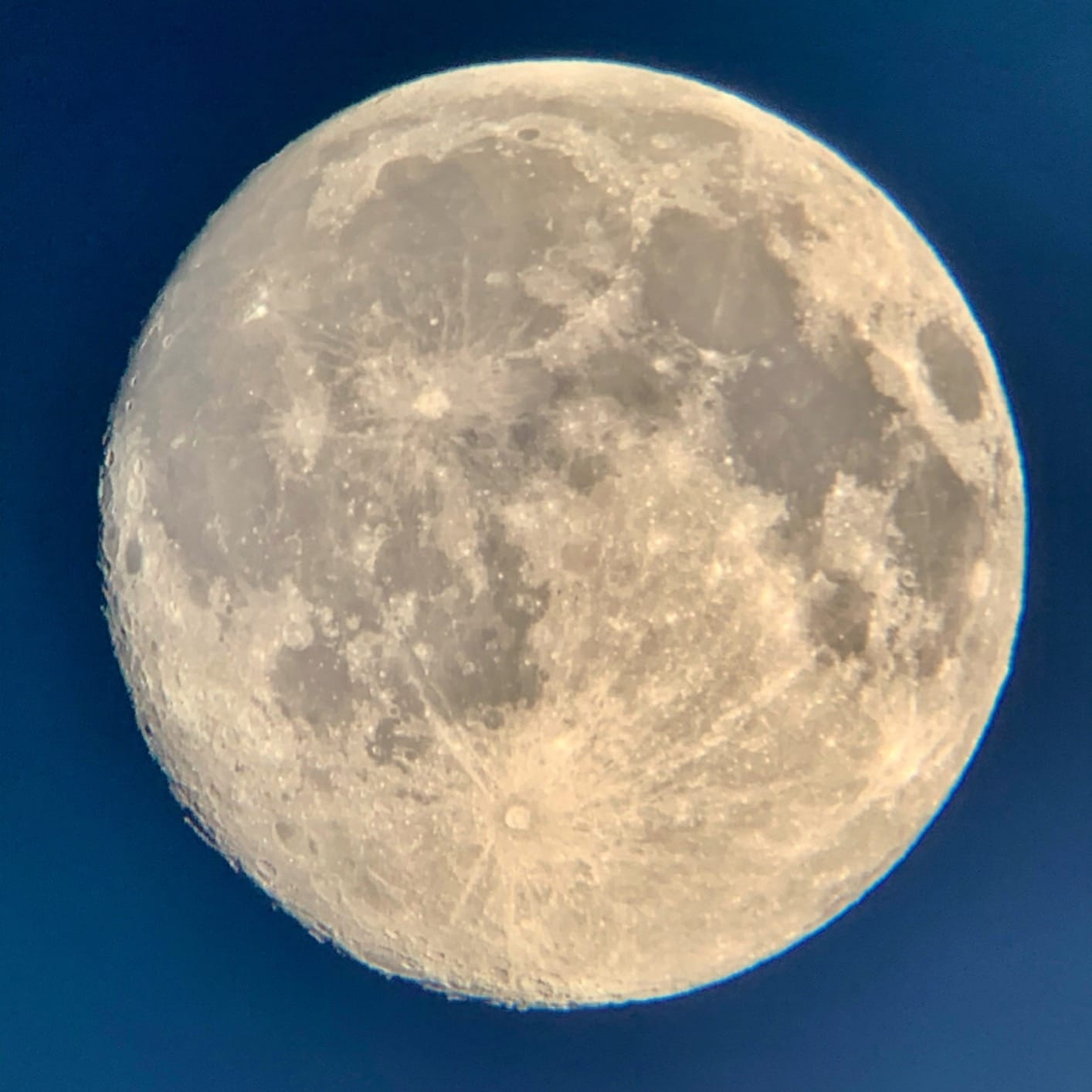
The Mak60 folds 750mm of focal length into a 200mm tube, and that is the whole argument for it. At 200mm it is the most compact tube in this roundup, and at that size it becomes a genuine travel instrument rather than a backyard scope. I took it on a trip with nothing but a folding chair and a clear horizon, and it delivered sharp lunar detail and visible Jupiter’s moons.
Optically, a fully multi-coated 60mm Maksutov holds up better than the aperture size suggests. Reviewers regularly mention clean diffraction rings and crisp crater shadows, which tells you the corrector and mirrors are well figured. On the Moon at the included 20mm eyepiece, which gives 37.5x, the terminator looked like a genuine three-dimensional relief.
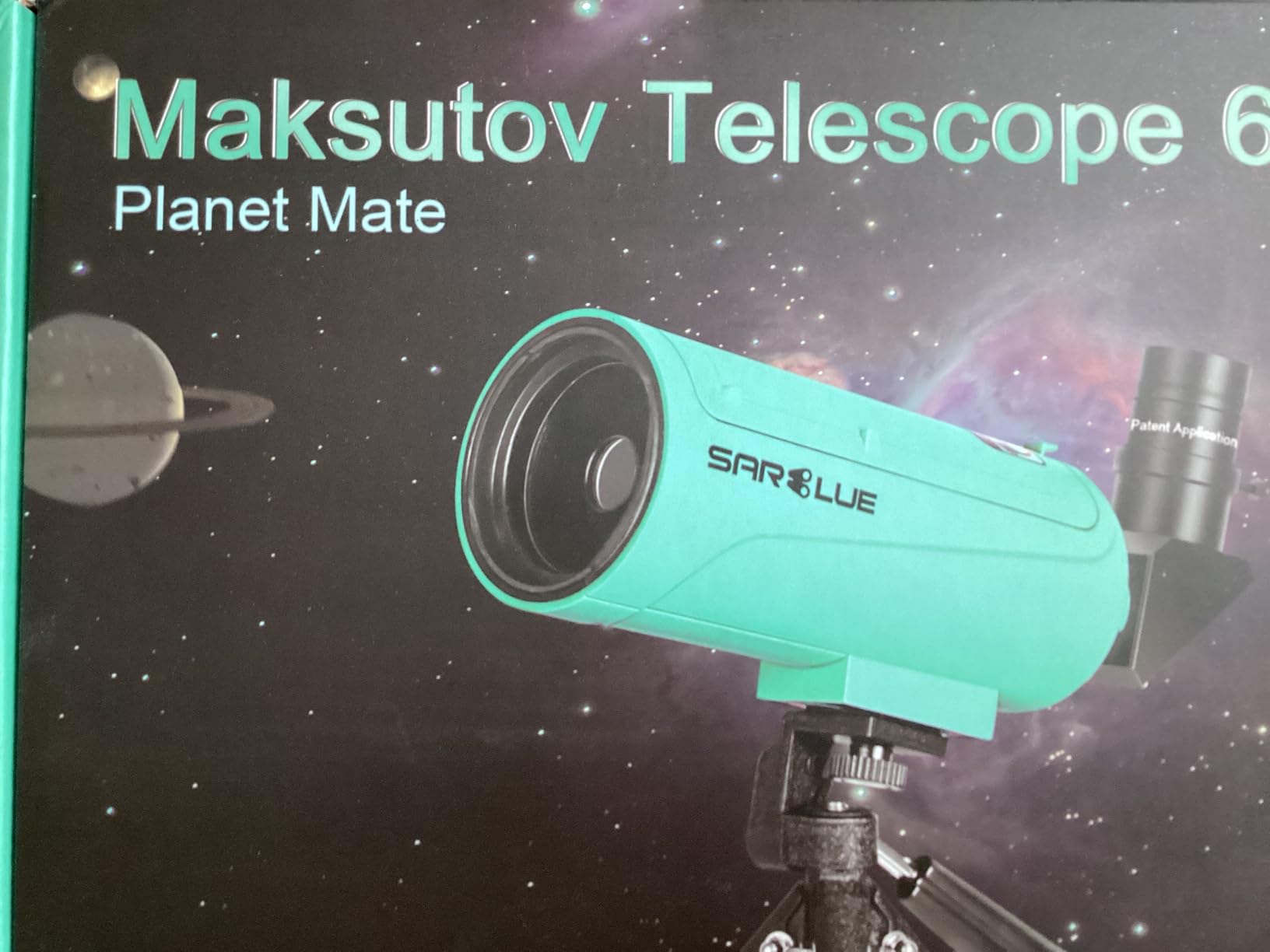
The detachable rear cover that shows the internal mirror path is a nice teaching touch for anyone buying for a child. The phone adapter and small tripod make it easy to hold the Moon and planets on screen, which is where most young observers first get hooked. As a daytime spotting scope for wildlife or distant viewing, it earns its keep twice a year.
Be realistic about the aperture though. At 60mm, the maximum useful magnification for planetary work sits far below what a 127mm can reach, and you will not see a Cassini Division. The 750mm focal length helps, but light is the limiting factor once the atmosphere takes over. This is a Moon, double-star and moons-of-Jupiter scope rather than a fine-detail scope.
Who the Sarblue Mak60 suits
It suits travellers, students and anyone moving between countries with a small baggage allowance. At 200mm the tube fits in a daypack, and reviewers on buying forums converge on compact 60mm to 70mm Maks for exactly this reason.
It also suits younger observers. A 60mm Mak gives a real, sharp view of the Moon, which is what turns a casual interest into a habit, at a size a child can set up alone.
Where the Sarblue Mak60 falls short
The finder is the weak point. Two small sight bumps are hard to align, and a beginner will spend more time finding Jupiter than looking at it. A cheap red-dot finder is the first accessory I would add to this scope.
The included tripod is a table-top model, so on a long session you are relying on a table edge or a photo tripod. The focuser also needs many turns between terrestrial and celestial focus, which is slow and fiddly. Standard Barlow lenses do not fit the short 90-degree prism diagonal, so plan your magnification path carefully.
5. Celestron NexStar 90SLT Review: Best Small GoTo for Planets
Celestron NexStar 90SLT Maksutov-Cassegrain Portable Telescope for Planets
90mm aperture
1250mm focal length
f/13.9
Red-dot finder
Two eyepieces included
Pros
- Compact GoTo package that is easy to carry
- 40000 plus object database
- SkyAlign setup
- Includes two eyepieces and tray
Cons
- 90mm gives dimmer planetary images than 4-inch Maks
- 4 star average with some 1-star reviews
- Included eyepieces are modest
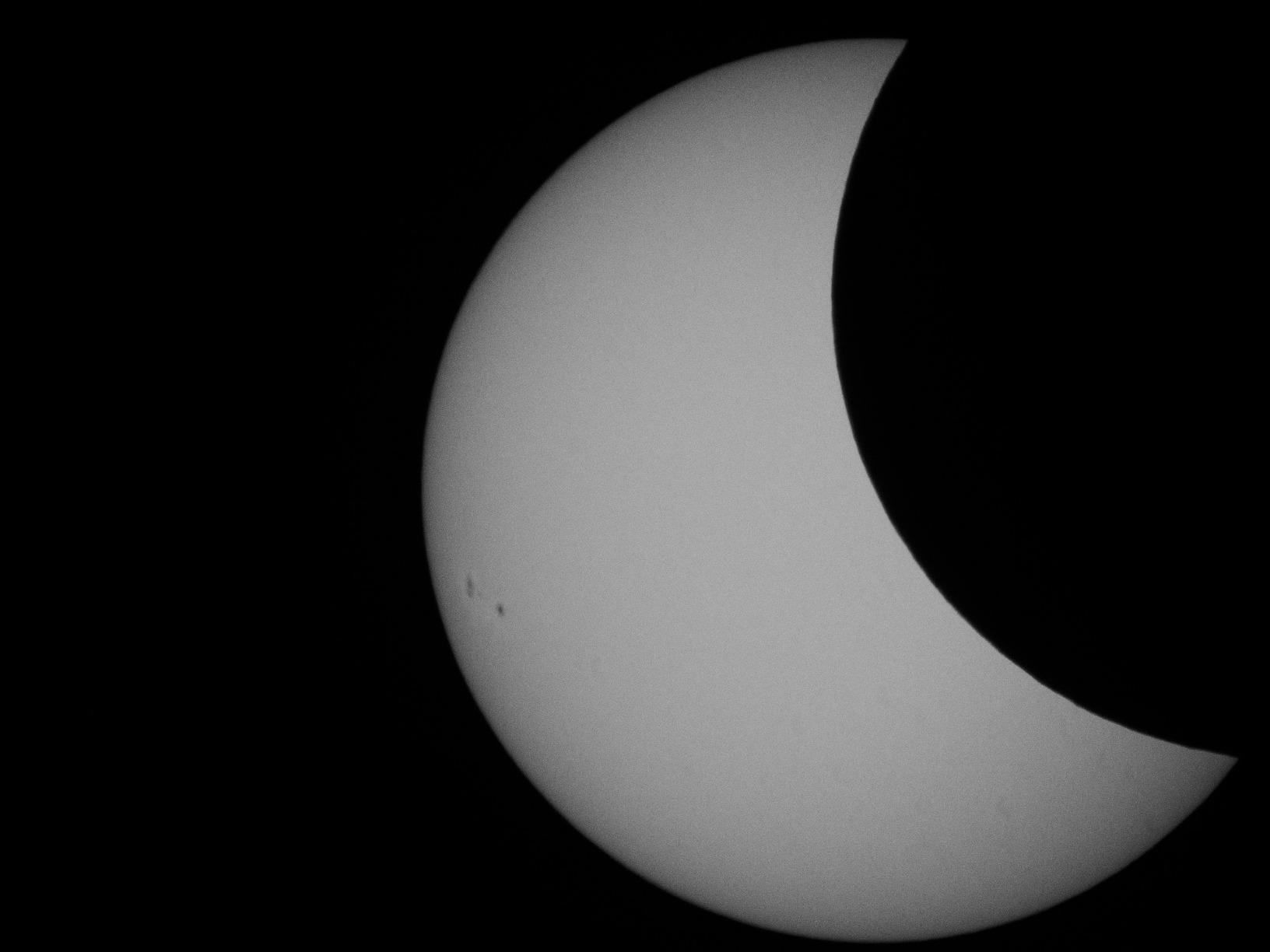
The NexStar 90SLT is the most compact complete GoTo Maksutov-Cassegrain package here, and for many beginners it is the correct first telescope. At 90mm aperture and 1250mm focal length, roughly f/13.9, it puts Saturn’s rings, Jupiter’s cloud bands and lunar craters comfortably inside reach while staying light enough to carry easily to a darker site.
Because the focal length is long, the low-power field is narrow. That is the trade every Mak makes, and it is why I would not use a 90mm as a wide-field grab-and-go scope for the Pleiades or the Orion Nebula. For planets and the Moon, the narrow field is an advantage because it concentrates light and keeps the image bright and contrasty.
SkyAlign works the same way as on the larger Celestron GoTo models, and the 40,000-plus object database means Jupiter is three button presses away. The package includes 25mm and 9mm eyepieces, a StarPointer finder and a deluxe accessory tray, which is a more complete box than most competitors at this level.
Reviews also mention the 90SLT shares a family look with the larger SLT models, so if you later step up to a 127mm you already know the menus. The listed exit pupil of 1.88mm at high power is a reminder that a 90mm runs out of light before the atmosphere runs out of motion.
Who the NexStar 90SLT suits
It suits buyers who want automated pointing but not bulk, and observers who mostly work from a city. The long focal ratio helps a 90mm punch above its weight under skyglow, and a GoTo removes the need for a finder or a chart.
It also suits anyone who wants a two-scope system later. A 90mm Mak is a lightweight planetary grabber that pairs well with a larger Dobsonian or refractor for deep sky, and our guides to the best Dobsonian telescopes and best astronomy telescopes cover the pairing in more detail.
Where the NexStar 90SLT falls short
At the same magnification, a 90mm shows a dimmer, softer planetary image than a 4-inch Mak. If your interest is fine Jupiter detail or a Cassini Division split, the aperture gap is real, and it will not close with better eyepieces.
This model also carries a 4 star average, with a meaningful share of 3-star and 1-star reviews, most of them about build quality and mount steadiness. The included eyepieces are also modest for a 1250mm focal length, so budget for a planetary eyepiece before you judge the scope.
6. Sarblue Mak70 Review: Best Budget Mak with Slow Motion Controls
Maksutov-Cassegrain Telescope, Mak70 Telescopes for Adults Kids 1000mm Focal Length 70mm Objective Lens, Beginners Astronomy Telescope with Slow Motion Gimbal Tripod
70mm aperture
1000mm focal length
210mm tube
Slow motion gimbal
Pros
- Slow motion gimbal helps track planets
- 1000mm folded into 210mm
- Includes 20mm and 10mm eyepieces
- Phone mount with 1.5x Barlow included
Cons
- Reversed image needs a terrestrial corrector
- Focuser position can make the image jitter
- Plastic eyepiece and diagonal bodies
- Reports of missing accessories
The Mak70 stands out from other entry-level Maks because it has a slow motion gimbal. Two-axis slow motion controls let you nudge the scope a fraction of a degree while keeping an eye on a planet, which is exactly what you want at 100x where any drift means losing the target. Most budget tripods throw that capability away entirely.
Optically, a fully multi-coated 70mm Maksutov at 1000mm focal length delivers more than its specification sheet suggests. Experienced observers on forums often rate the image quality above scopes costing several times more, and reviewers mention clean diffraction rings plus sharp lunar and Jupiter views. The 10mm eyepiece gives 100x, a sensible high-power planetary setting for a 70mm aperture.
The adjustable tripod extends from 23 to 56 inches and the accessory package is generous: 20mm and 10mm eyepieces, a 5×24 finderscope, a phone mount and a 1.5x Barlow. For a beginner building a first kit, that list removes most of the early shopping.
One detail about that Barlow matters. Doubling to 150x on a 70mm aperture is pushing the optics in average seeing, so most observers use the 10mm and a 1.5x at most. The rule of thumb that maximum useful power is about twice the aperture in millimetres means a 70mm is comfortable to 140x and no further on a typical night.
Who the Sarblue Mak70 suits
It suits beginners who want slow motion controls without paying for a separate accessory, and observers who work at moderate power. It also suits anyone who wants a table or garden Maksutov with more capability than a spotting scope but less bulk than a GoTo package.
For families, the phone mount turns a 10mm eyepiece into a shared viewing experience. Getting the Moon and Jupiter onto a phone screen is a cheap route to keeping a young observer interested.
Where the Sarblue Mak70 falls short
The supplied diagonal gives a reversed, erect image, so terrestrial viewing needs a corrector. On a planetary scope that matters less, but it is confusing the first time you point it at a distant object in daylight.
The focuser position can make the image jump as you turn it, the eyepiece and diagonal bodies are plastic, and some owners report missing accessories and slow customer support. The small accessory tray and self-tapping tripod screws also reduce overall sturdiness, so check the legs are fully tightened before a high-power session.
7. Sky-Watcher Skymax 127mm Review: Best Mak for 2-Inch Eyepieces
Sky-Watcher Skymax 127mm Maksutov-Cassegrain – Large Aperture Compound-Style Reflector Telescope
127mm aperture
1540mm focal length
f/12.1
2 inch diagonal and eyepiece
12.2 lb tube
Pros
- Longest focal length of the ten for high power
- 2 inch 90-degree diagonal and 28mm eyepiece included
- 94 percent reflectivity quartz overcoat
- 6x30 straight-through finder
Cons
- 12.2 lb tube needs a capable mount
- Optical tube only with no mount
- Only 53 ratings of owner feedback
- Some build quality inconsistency
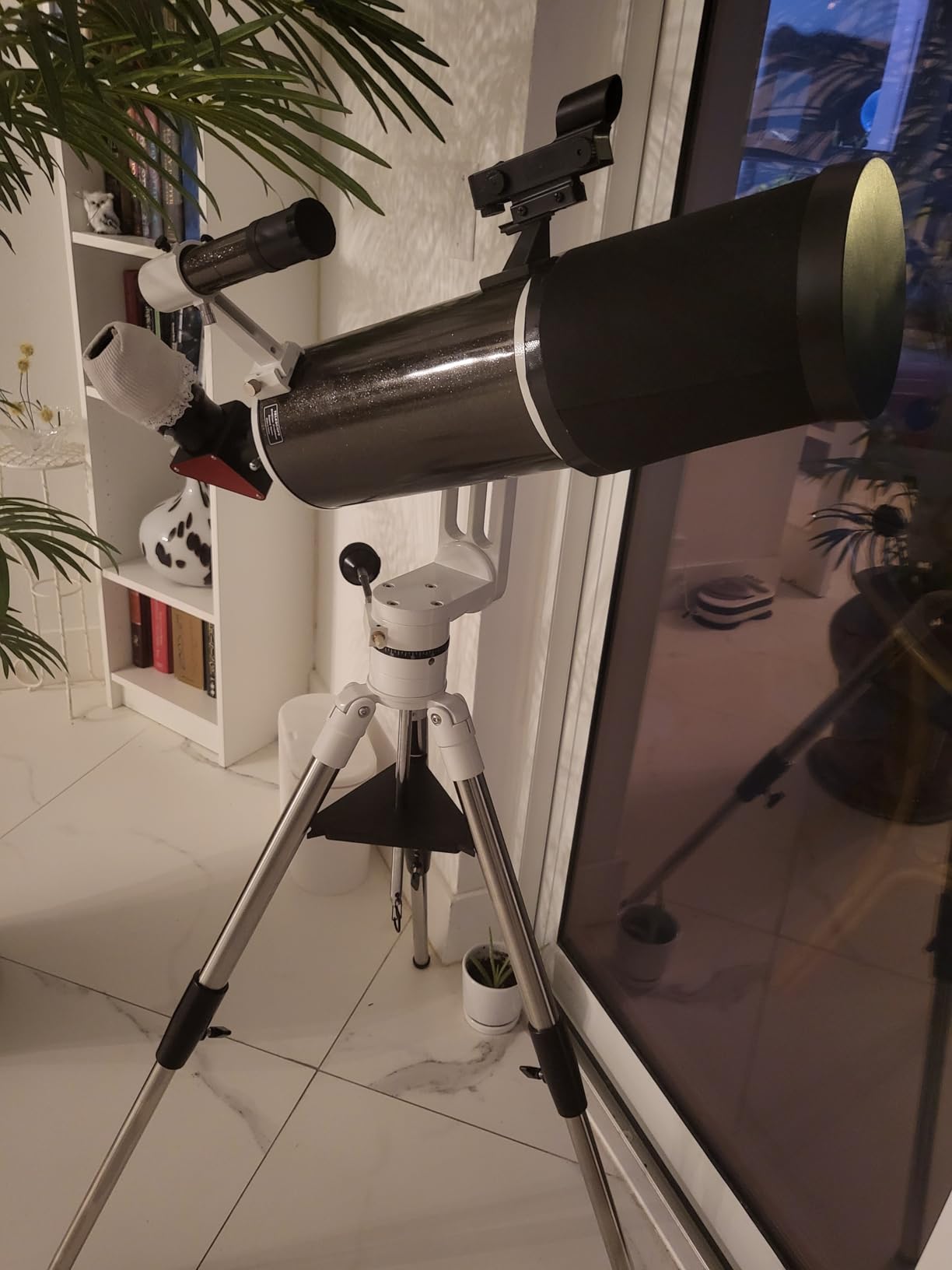
The 127mm Skymax has the longest focal length of the ten tubes in this roundup at 1540mm, roughly f/12.1, and that is its defining feature. Long focal length is planetary currency: it produces smaller, more concentrated images for a given eyepiece, which improves apparent contrast on Jupiter’s belts and Saturn’s rings. If your goal is maximum magnification on a Mak, this is the geometry you want.
Unlike most Mak-Casses, it includes 2-inch accessories. You get a 28mm 2-inch eyepiece, a 2-inch 90-degree star diagonal and a 6×30 straight-through finderscope. A 2-inch diagonal is a real upgrade for planetary work, because a 1.25-inch diagonal at high power introduces colour fringing on the high-contrast edge of a planet that a 2-inch unit avoids.
The optics use matched primary and secondary mirrors with 94 percent reflectivity aluminium coatings and a quartz overcoat, plus a fully baffled tube. From a light-polluted backyard that combination is what keeps the background dark and the planet bright, and observers on forums regularly call a 150mm Mak the best of the design for planets, better than an achromatic refractor of the same aperture.
At 12.2 lb it is a heavy tube, so it needs a mount that can carry it properly. A Vixen-style dovetail with 1/4-20 threads under each bar is provided, so mounting on a mid-weight equatorial head or a sturdy photo tripod works well. Budget for the mount accordingly.
Who the Sky-Watcher Skymax 127mm suits
It suits observers who already know what they want and have a mount. The 2-inch accessory path means you will not outgrow the tube, and the 1540mm focal length gives more magnification headroom than any other tube in this group.
It also suits observers who like a long f-ratio. A 127mm at f/12.1 produces a smaller exit pupil at high power, which means the image stays sharp and contrasty even when the sky is bright near a city.
Where the Sky-Watcher Skymax 127mm falls short
It is an optical tube only, so a mount is required, and at 12.2 lb that mount needs real load capacity. Pairing a heavy tube with a wobbly mount defeats the reason to buy a long focal length in the first place.
The review base is small at 53 ratings, and the rating distribution includes a comparatively high share of 1-star reviews, which points to some quality inconsistency between examples. Ask for a return window and check collimation as soon as it arrives, because a Mak that arrives out of alignment will not resolve the fine detail you paid for.
8. SVBONY MK105 Review: A 105mm Mak OTA Built for Travel
SVBONY MK105 Maksutov-Cassegrain Telescope, 105mm Catadioptric Telescope
105mm aperture
1365mm at f/13
210x max power
2.19 kg
160mm dovetail
Pros
- Light 4.8 lb tube fits in one hand
- No chromatic aberration from a reflective path
- Clean focuser with no image shift
- Accessible collimation screws
Cons
- No eyepieces finder or diagonal included
- Some arrive out of collimation
- Soft look near max power on some
- Slow to reach ambient temperature
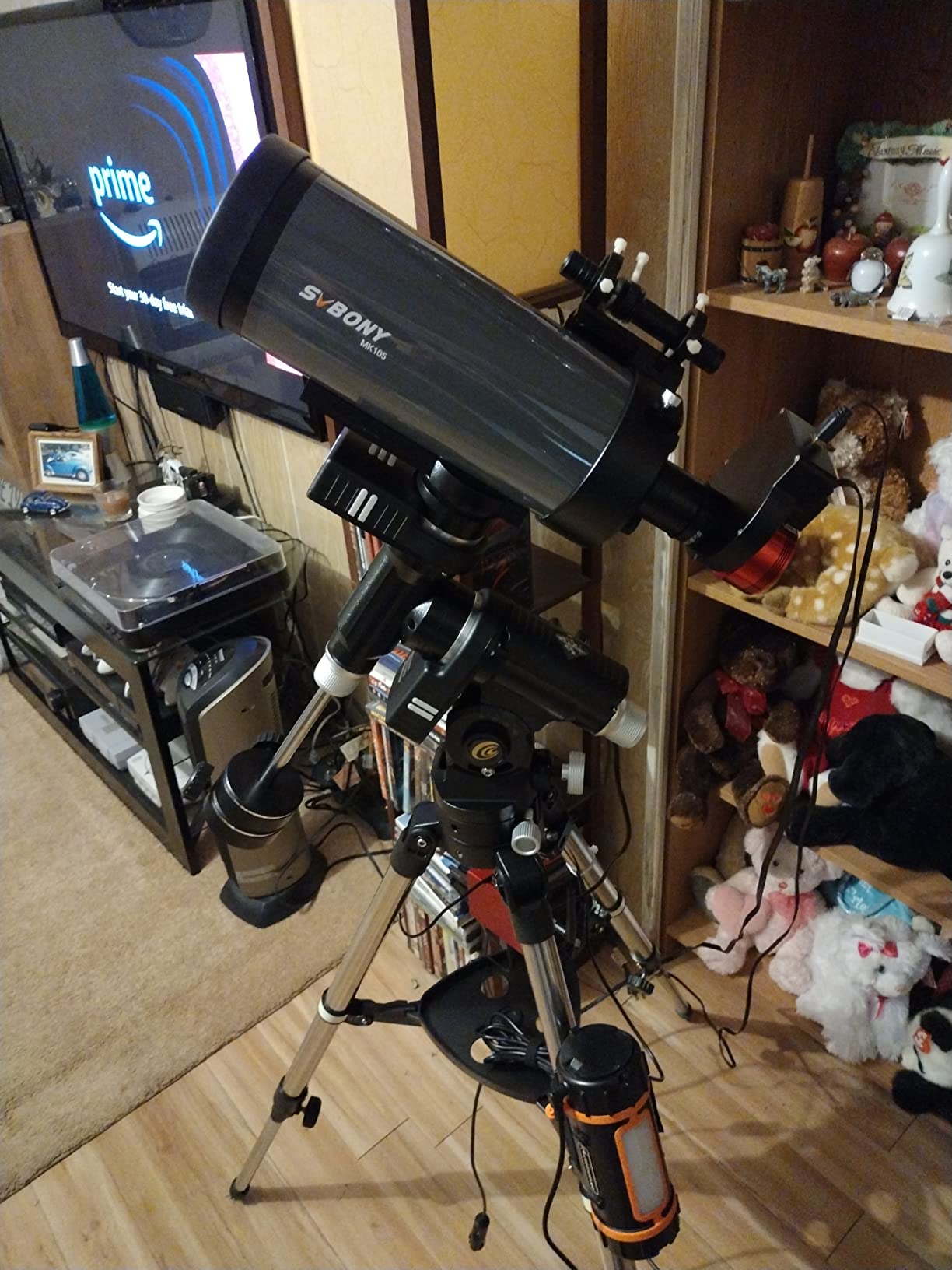
The SVBONY MK105 is the scope to look at if your definition of grab-and-go means one hand and a backpack. At 2.19 kg it is less than a third of the weight of the 127mm Skymax tube, and the 377mm barrel length still packs 1365mm of focal length at f/13. That combination is rare, and experienced buyers rate it well as a planetary optical tube assembly.
Because the optical path is reflective, there is no chromatic aberration and no colour fringing on high-contrast targets. The tapered extinction tube design reduces stray light, and the multi-layer aluminium primary with electroplated secondary is specified at 99.99 percent reflectivity. In use, the image is clean and contrasty with a smooth focuser and no image shift when you turn it.
The double star-seeking bases and 160mm dovetail plate are useful touches. They let you mount accessories, and the plate is a standard size, so a Vixen-equipped mount or a common photo tripod adapter works. The M42x0.75 thread on the back accepts a camera adapter, which is why astrophotography users buy this tube.
At 1365mm with a 210x stated maximum, you get to useful planetary power without a Barlow. My suggestion is a 7mm to 10mm eyepiece for a 136x to 195x working range, and a 2-inch diagonal to avoid fringing at the top end.
Who the SVBONY MK105 suits
It suits owners of a quality mount who want premium planetary optics without the weight. It also suits astrophotographers who want a long, fast, collimation-friendly tube for high-resolution lunar and planetary work, and our best tabletop telescopes guide has more on small mounts that handle tubes like this one.
It suits anyone who moves between observing sites. At 4.8 lb the tube is genuinely portable, and the solid metal construction feels far more substantial than the plastic components in entry-level packages.
Where the SVBONY MK105 falls short
You get the optical tube alone. No eyepieces, finder, diagonal or mount are included, so the total cost of a usable planetary rig is higher than the tube alone suggests. That is the single biggest barrier for beginners.
Some arrive out of collimation or with a loose meniscus retaining ring, and there are reports of excess spherical aberration giving a soft look on Jupiter near maximum magnification. The tube also takes a long time to reach ambient temperature, so it needs to sit outside before you start, which is not grab-and-go in the strict sense.
9. HOROX 80mm Mak Review: Best Budget Mak for Slow Motion Tracking
HOROX Maksutov-Cassegrain Telescopes for Adults Astronomy, 80mm Aperture 850mm Catadioptric Compound Telescope, Compact Portable Travel Telescope, w. Pro Tripod & Phone Adapter
80mm aperture
850mm focal length
22cm tube
4.23 kg
10mm and 20mm eyepieces
Pros
- Two-axis slow motion controls and handle lock
- Jupiter and Saturn identifiable at 10mm
- Vixen-style dovetail plate
- 850mm folded into a 22cm tube
Cons
- Focusing is extremely sensitive
- 5x24 finder is fiddly to align
- Tripod only stable with legs retracted
- Mount sits off-center on the tripod
The HOROX 80mm packs an 80mm aperture and 850mm of focal length into a 22cm aluminium tube, and the two-axis gimbal with slow motion controls is the feature that sets it apart. For planetary work, being able to nudge the tube without losing the target is worth more than another accessory in the box.
Reviewers treat it as good value, with sharp Jupiter and Saturn views at the included 10mm eyepiece, which gives 85x. That is enough to identify the gas giant belts and see Saturn’s rings as a ring rather than a dot. The 20mm eyepiece gives 42.5x, a comfortable framing magnification for the Moon.
The Vixen-style dovetail plate is another genuine plus at this level, because it lets you move the tube onto a more capable tripod or mount later. The patented focus indicator and fast focus design are aimed at beginners, and the handle lock keeps the tube from swinging as you move the mount.
The stated 94 degree field of view is a manufacturer figure that should be treated cautiously, and the 80mm aperture will not deliver the fine detail a 127mm can. For lunar work, double stars and bright planets, it handles more than you would expect.
Who the HOROX 80mm Mak suits
It suits first-time buyers who want slow motion controls and a dovetail mount without stepping up to a full GoTo package. It also suits anyone who wants a scope for the Moon and bright planets on a small patio.
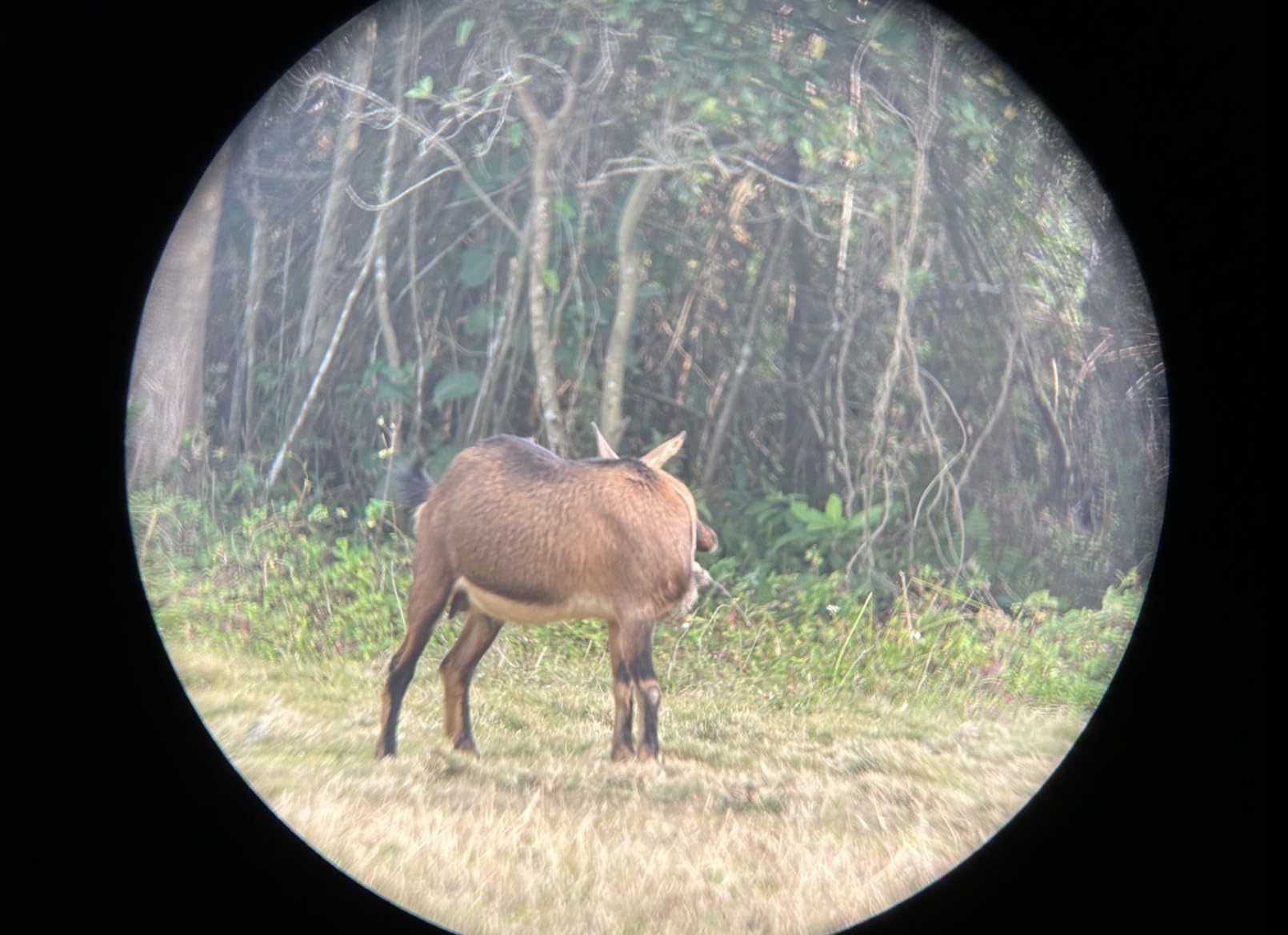
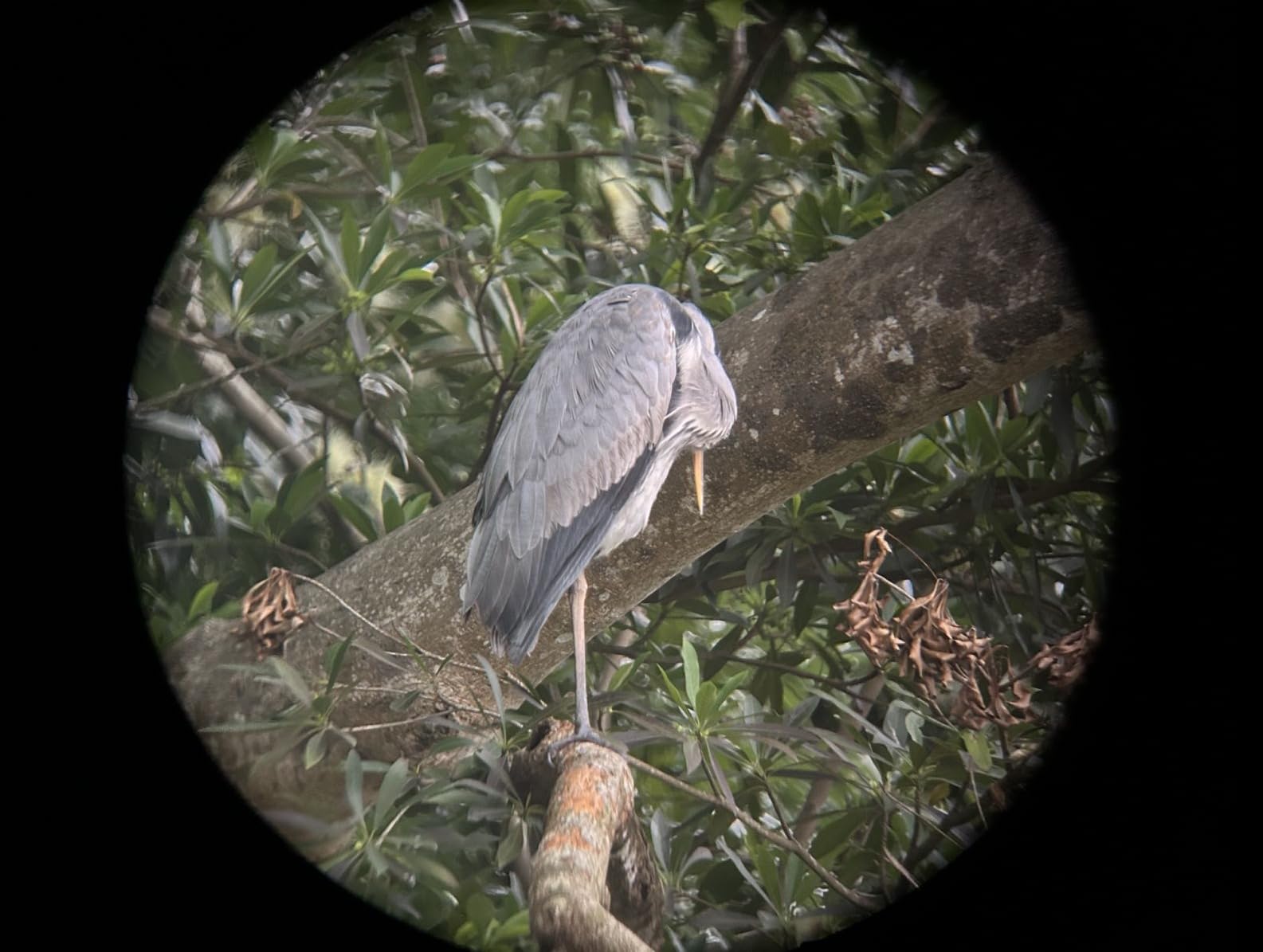
The daytime use is a bonus. With an 80mm objective and a 22cm tube, it works as a telephoto lens for distant daytime subjects, which stretches its value well beyond astronomy.
Where the HOROX 80mm Mak falls short
Focusing is extremely sensitive, so slight turns move the image in and out of focus. That frustrates beginners more than any other single issue and takes practice to master at low magnification.
The tripod is only stable with the legs retracted on a table, and the mount sits off-centre on the tripod, creating a tipping risk if you extend the legs. The 5×24 finder is also fiddly to align. Expect to replace the tripod before you replace anything optical.
10. SVBONY MK127 Review: Best Mak OTA for Planets and Imaging
SVBONY MK127 Telescope for Adults, 127mm Aperture f/11.8 Mak Telescope OTA
127mm aperture
1495.6mm at f/11.8
1450 g
0.65x reducer included
2 inch and 1.25 inch
Pros
- f/11.8 works for planetary and deep sky imaging
- 0.65x flat-field reducer included
- Dual-speed focuser
- 210mm Vixen-style dovetail included
Cons
- Optical tube only with no eyepieces or mount
- Reducer is more useful for imaging than planets
- Only 37 ratings of owner feedback
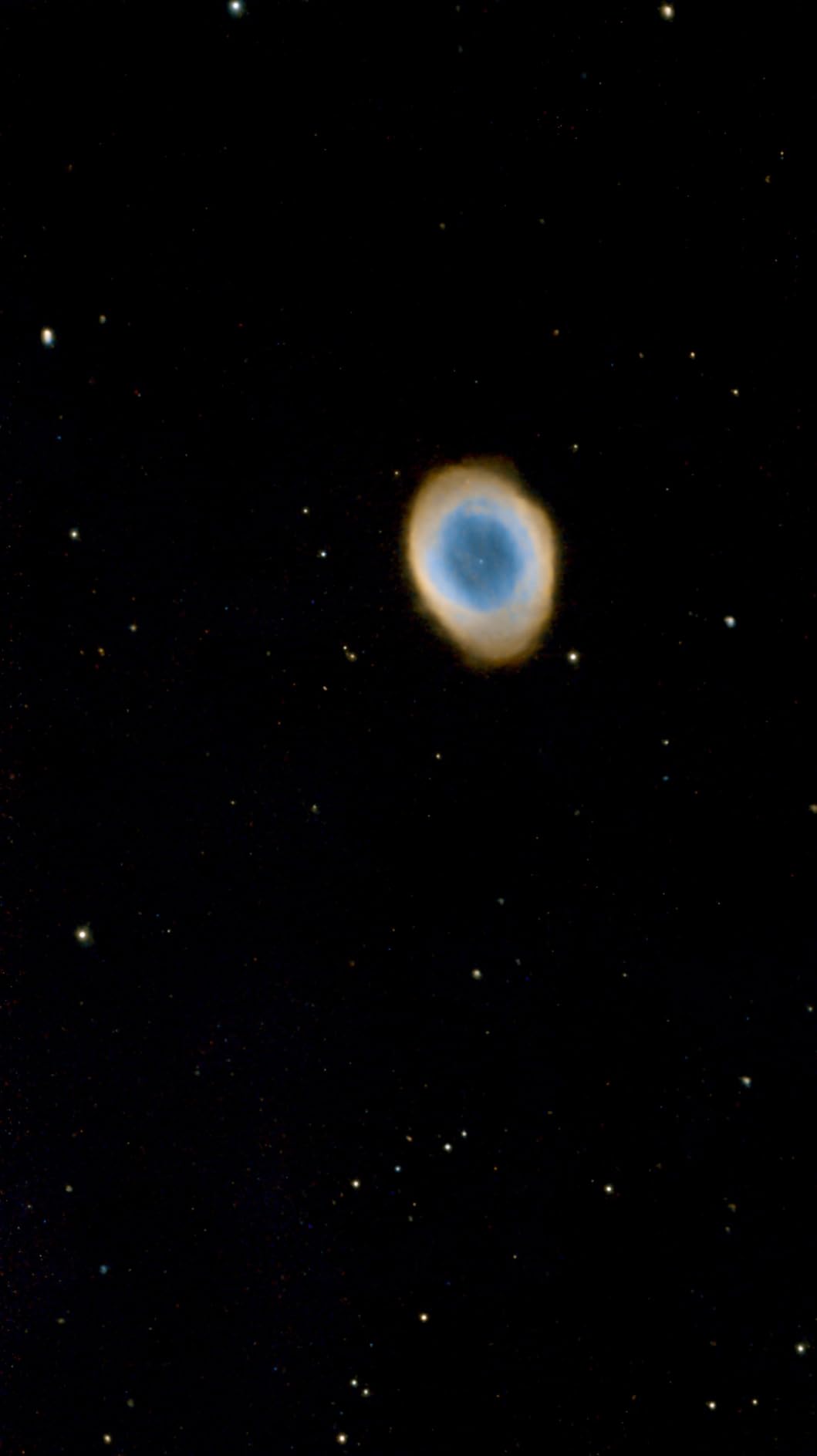
The Mak127 is the tube to consider if you want one optical tube assembly to handle both planets and deep sky imaging. At 127mm and 1495.6mm focal length, the native f/11.8 is a versatile ratio, and 99 percent high-reflectivity dielectric coatings on a flat-field design keep the image efficient and contrasty when you are working at high power on the Moon or Jupiter.
The bundled 0.65x flat-field reducer is the reason many owners buy it. It produces smaller star points and cleaner field edges for imaging, and the tube accepts both 2-inch and 1.25-inch eyepiece interfaces, so you can use it visually as well. Dual-speed focusing gives fast initial focus then fine adjustment, which is what you want when the image is a razor-thin slice of focus.
At 1450 g the tube is light for a 127mm, and the 210mm Vixen-style dovetail plate plus integrated finder dovetail slot make mounting straightforward. The included mount adapters and dust plug mean the package is closer to a complete OTA than most bare tubes at this aperture.
For planetary visual work, remember the reducer cuts your magnification. At f/11.8 native you have 1495mm to work with, so a 10mm eyepiece gives about 150x with no accessories at all. That is the configuration to use when you want maximum detail on Jupiter.
Who the SVBONY MK127 suits
It suits imaging users who want one tube for planets and deep sky, and owners of a solid Vixen-style mount who need 2-inch capability. If you already have eyepieces, a diagonal and a finder, this is a low-cost upgrade path to a 127mm aperture.
It also suits anyone who will use the 0.65x reducer for wide-field work and then run the tube natively for planets. Having both options available is unusual at this level.
Where the SVBONY MK127 falls short
It is an optical tube only, so eyepieces, a diagonal, a finder and a mount are all extra. That makes it a poor first telescope and a good second one, and buyers should be clear-eyed about the running total.
The 0.65x reducer is primarily an imaging and wide-field tool rather than something that helps planetary detail, and there are only 37 ratings of owner feedback, so there is less long-term evidence to lean on. Check collimation carefully on arrival, as with any 127mm Mak bought as a bare tube.
Why Maksutov-Cassegrain Telescopes Are Good for Planets
A Maksutov-Cassegrain is a catadioptric design, which simply means it uses a lens and mirrors together. Light enters through a thick meniscus corrector plate at the front of the tube. That corrector bends light to correct spherical aberration in the concave primary mirror at the back, the light reflects forward, and a smaller convex secondary mounted on the inside of the corrector sends it back down through a hole in the primary to the focuser.
That folded path is the whole point. A 127mm Mak at 1500mm focal length is only about 27 inches long, where an equivalent refractor would be more than four feet. The compact tube is not a marketing trick; it is a direct consequence of the optical design, and it is why Mak-Casses remain a standard planetary instrument in so many backyards.
Three properties make them ideal for planets specifically. First, long focal length: a ratio of f/10 to f/15 concentrates light into a small image, which increases apparent contrast and keeps planetary detail sharp. Second, no chromatic aberration: the reflective path has no refractive element that disperses colour, so there is no colour fringing on the high-contrast edge of a planet. Third, a stable tube: catadioptrics hold collimation well and are far less sensitive to bumps than an open truss Dobsonian.
The main penalty is field of view. At 1500mm focal length even a 25mm eyepiece gives a narrow field, and a Mak is a poor low-power, wide-field instrument. Experienced users on Cloudy Nights and AstroBin describe a 127mm Mak as a good place to start with planetary observing precisely because it is compact, light and sits comfortably on entry-level mounts. They also note that a larger Mak, around 150mm, can outperform an achromatic refractor of the same aperture for planetary work.
How to Choose a Maksutov-Cassegrain Telescope for Planetary Viewing
Pick your aperture tier first, because it sets what you can actually see. At 60mm to 80mm you get the Moon, the Galilean moons of Jupiter, Saturn’s rings as a ring and the brighter double stars. At 90mm to 102mm you start to see banding structure on Jupiter’s larger belts. At 127mm you can hold a Cassini Division split on steady nights and pick out a Great Red Spot outline. At 150mm and above you are diffraction and seeing limited, which is a far more expensive hobby.
The practical rule is that maximum useful magnification is roughly twice the aperture in millimetres, so a 102mm is comfortable to about 200x and a 127mm to about 250x. Pushing well past that on a Mak produces a hollow, softened image rather than more detail, because the atmosphere, not the optics, is the limit.
Next, understand focal ratio and whether you need a Barlow. The focal ratio is focal length divided by aperture: 1500mm over 127mm is f/11.8. A long ratio means you reach high magnification with ordinary eyepieces, so a 127mm Mak at f/11.8 never needs a Barlow for planetary work. Shorter scopes such as an 80mm at f/10.6 may need one to get comfortable, though the optics are then working harder. Most experienced users simply buy the eyepiece they need instead of a Barlow.
Mount rigidity deserves more weight than many buying guides give it. Vibration in an included mount is the single most repeated complaint in forum threads about budget Maks, and it destroys exactly the fine detail you bought the aperture for. For visual planetary work, a sturdy alt-az with slow motion controls is enough. For high power or long sessions, a Vixen-style dovetail tube on a steadier head is the better path, and the dovetail standard is treated as a genuine plus because it keeps future upgrades cheap.
Think about aperture against frost. A larger corrector plate collects more dew and takes longer to clear, and a 127mm or 150mm in cold autumn air can frost within an hour. Long tubes need a dew shield, a dew heater band and a blower. Leave the tube outside for 30 to 45 minutes before you start, because temperature mismatch causes dew on the corrector just as readily as ambient damp does.
Finally, check whether you want a complete rig or an optical tube assembly. Complete packages such as the Celestron NexStar 127SLT and 4SE arrive with a mount, tripod, diagonal, finder and eyepieces, which is the easiest path. Optical tube assemblies such as the Sky-Watcher Skymax and the SVBONY tubes cost less per unit of optics, but every accessory and a capable mount are separate purchases. Add those costs before you decide which route is the better value.
For a wider look at the alternatives, our guides to the best refractor telescopes and the best Dobsonian telescopes cover the two designs most often compared against a Mak-Cass for planets.
Frequently Asked Questions
What is the best telescope for seeing planetary detail?
Among Maksutov-Cassegrains, the Celestron NexStar 127SLT is the best all-round choice because 127mm of aperture at 1500mm focal length resolves Jupiter’s cloud belts and Saturn’s rings while remaining portable. If you already own a mount, the Sky-Watcher Skymax 102mm gives the highest-rated optics in this group. For maximum magnification, the Sky-Watcher Skymax 127mm at 1540mm has the longest focal length here.
Are Maksutov-Cassegrain telescopes good?
Yes, they are the default choice for planets. The reflective optical path has no chromatic aberration, the long f/10 to f/15 focal ratio keeps planetary images tight and high contrast, and the sealed tube holds collimation well. The trade-offs are a narrow low-power field, modest deep-sky reach for faint galaxies, and a corrector plate that needs dew protection on cold nights.
What is the difference between a Maksutov-Cassegrain and a Schmidt-Cassegrain?
A Maksutov-Cassegrain uses a thick meniscus corrector with a small secondary mounted on its inner surface, usually at f/10 to f/15, which gives higher contrast and better correction. A Schmidt-Cassegrain uses a thin corrector and a separate secondary on the back of the primary, usually at f/10, so it has a wider field and is better suited to deep-sky imaging. For planetary detail the Mak generally wins on contrast.
Which telescope is best to see all the planets?
For all eight planets in one instrument, a 127mm or larger Maksutov-Cassegrain gives the best balance, with the Celestron NexStar 127SLT leading this list. Mercury and Neptune need darker skies and steady air rather than more magnification, so a longer focal length and full baffling matter as much as aperture. Saturn, Jupiter and Mars benefit most from the extra light and resolution.
Why does my Maksutov-Cassegrain telescope frost over at night?
A corrector plate sits at the coldest exposed point in the optical path, so it collects condensation and frost whenever it falls below the dew point. Long focal ratios make this worse because the corrector stays exposed with no dew shield. Leave the tube outside for 30 to 45 minutes to reach ambient temperature, fit a dew shield, run a dew heater band, and use a blower rather than a cloth that can scratch the coating.
The Best Maksutov Cassegrain Telescopes for Planets: Our Final Verdict
The Celestron NexStar 127SLT is the best Maksutov-Cassegrain telescope for planets overall. Its 127mm aperture at 1500mm focal length gives real planetary detail, the GoTo mount removes the learning curve for beginners, and at 18.1 lb the whole package still moves easily between a driveway and a dark field. If you already own a mount, the Sky-Watcher Skymax 102mm at 4.6 lb gives the highest-rated optics in the group.
For fully automated pointing, the Celestron NexStar 4SE adds a built-in wedge for polar alignment and XLT coatings at a compact 102mm. For portability, the Sarblue Mak60 folds 750mm of focal length into 200mm. For owners of a solid Vixen-style mount, the SVBONY MK105 at 4.8 lb and the Sky-Watcher Skymax 127mm with 2-inch accessories are the strongest upgrades.
Whichever you choose, the deciding factor is not the accessory list. It is a steady mount, a 7mm to 10mm planetary eyepiece, and dew protection for cold nights. Get those three right and any of these ten will show you Saturn’s rings the way they were meant to be seen in 2026.