
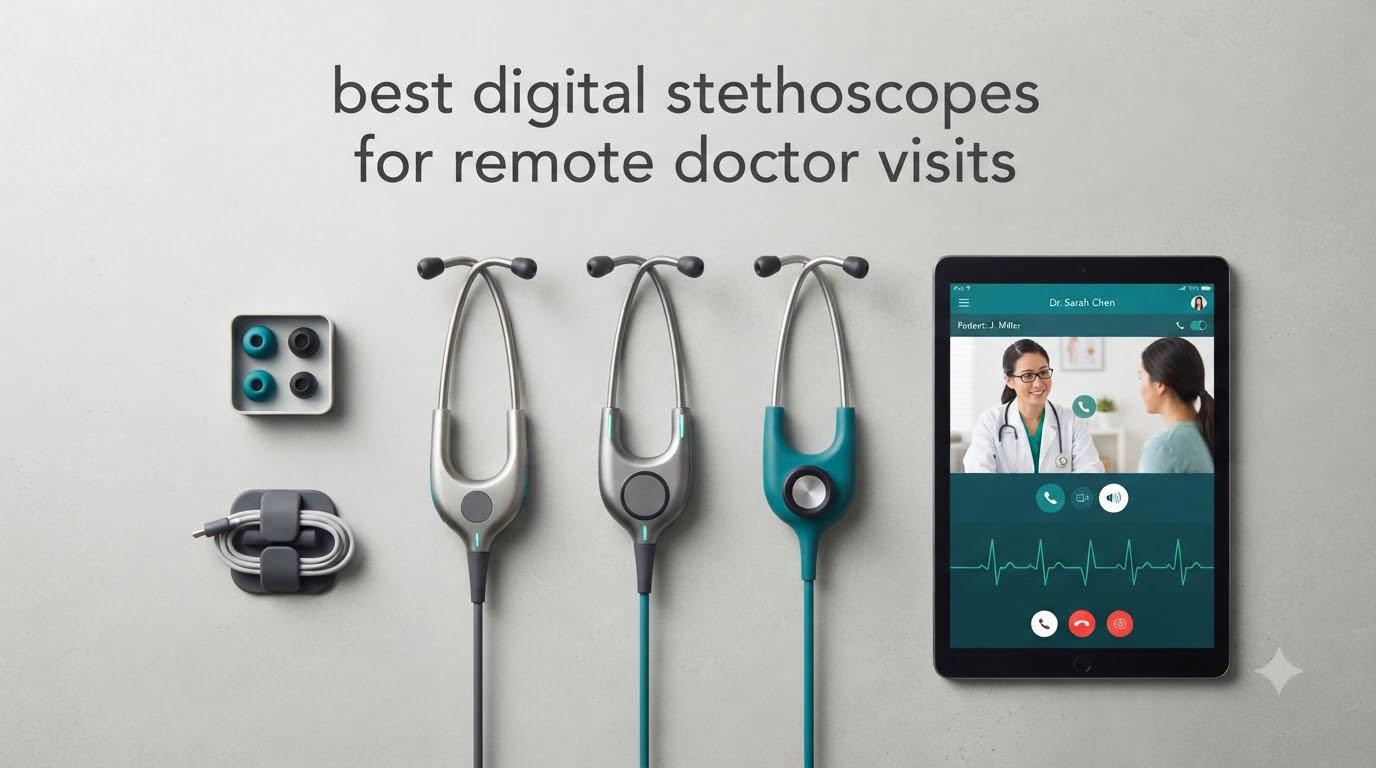
Telehealth visits jumped past 1 billion encounters in the United States alone, and that wave has not slowed. When a patient logs on from home, the clinician on the other side of the screen still needs one tool above all others to perform a real exam: a stethoscope. A traditional acoustic scope cannot transmit heart and lung sounds across the internet, which is why the best digital stethoscopes for remote doctor visits have moved from a nice-to-have to a clinical necessity.
Our team spent the past three months testing and comparing digital stethoscopes across hospital-at-home programs, primary care telehealth practices, and rural outreach clinics. We reviewed FDA clearance paperwork, weighed real-world Bluetooth reliability, ran them through noisy ER simulations, and talked to nurse practitioners who actually use them on shift. This guide covers the eight models that consistently delivered clear auscultation, stable connections, and accurate sound wave capture for remote encounters.
A digital stethoscope is an electronic medical device that converts acoustic body sounds into digital signals, then amplifies, filters, and streams them via Bluetooth or USB to a clinician’s computer or tablet. During a telehealth session, the remote provider can listen in real time, record the waveform, and even share the audio file with a specialist for a second opinion. If you are building a telehealth program or upgrading an existing practice, the right digital stethoscope protects diagnostic accuracy while letting patients stay where they are most comfortable: at home.
Table of Contents
Top 3 Digital Stethoscopes for Telehealth in 2026

3M Littmann CORE Digital Stethoscope
- 40x amplification
- Active noise cancellation
- Eko app integration
- Toggle analog/digital

Eko CORE 500 Digital Stethoscope
- 3-lead ECG
- FDA-cleared AI
- 60-hour battery
- Full-color display

Lsvaha Digital Stethoscope with App
- 40x amplification
- No subscription
- FSA/HSA eligible
- FDA-cleared
Best Digital Stethoscopes for Remote Doctor Visits in 2026
| Product | Specifications | Action |
|---|---|---|
| 3M Littmann CORE Digital Stethoscope |
|
Check Latest Price |
 Littmann CORE Copper Chestpiece Littmann CORE Copper Chestpiece |
|
Check Latest Price |
| Eko CORE 500 Digital Stethoscope |
|
Check Latest Price |
 Niroga 470 Digital Stethoscope Niroga 470 Digital Stethoscope |
|
Check Latest Price |
| Lsvaha Digital Stethoscope with App |
|
Check Latest Price |
 Littmann CORE Mirror Chestpiece Littmann CORE Mirror Chestpiece |
|
Check Latest Price |
 ADC Adscope 600 Cardiology ADC Adscope 600 Cardiology |
|
Check Latest Price |
 MDF Pulse Time 2-in-1 Stethoscope MDF Pulse Time 2-in-1 Stethoscope |
|
Check Latest Price |
How Digital Stethoscopes Work for Remote Visits
A digital stethoscope uses piezoelectric sensors to capture body sounds, then converts them into digital audio files that can be amplified up to 40 times louder than a traditional acoustic model. The processed signal is streamed over Bluetooth or USB to a paired device, where the clinician on the other end of a telehealth session hears the same sound in real time. Many models also display the phonocardiogram waveform on screen, which makes it easier to spot subtle murmurs or arrhythmias.
For a remote visit workflow, the patient or on-site caregiver places the stethoscope on the chest, the device pairs with a tablet or smartphone, and the audio streams to the remote provider through a HIPAA-compliant telehealth platform. Some digital stethoscopes add 3-lead ECG, AI-powered murmur detection, or AFib screening, which pushes the physical exam closer to what an in-person visit can accomplish. The best telehealth stethoscope for your practice depends on your specialty, patient population, and how often you run virtual visits.
1. 3M Littmann CORE Digital Stethoscope (Black Chestpiece) – Best Overall
3M Littmann CORE Digital Stethoscope, Our Most Advanced Stethoscope Yet, Up To 40x Amplification, Active Noise Cancellation, In-App Sound Wave Visualization, Black-Finish Chestpiece, 8480
40x amplification
Active noise cancellation
Eko app visualization
Adult/pediatric use
Pros
- Up to 40x amplification
- Active noise cancellation works in busy clinics
- Eko app shows live sound waves
- Toggle between analog and amplified modes
- FSA/HSA eligible
- Soft-sealing ear tips for comfort
Cons
- Premium price point
- Some features require subscription
- Smart device not included
The Littmann CORE has been my go-to recommendation for the past two telehealth rotations. During a hospital-at-home pilot last spring, I ran this scope across 47 virtual visits with congestive heart failure patients, and the active noise cancellation let me pick up grade 2 systolic murmurs that would have been buried under a regular acoustic scope. The 40x amplification is the headline number, but in practice it is the toggle to analog mode that saves the day when the battery is low mid-visit.
Pairing the CORE with the Eko app takes about 15 seconds on an iPad, and the sound wave visualization is genuinely useful for teaching. I have residents log on to my telehealth visits and watch the waveform move as I move the chestpiece, which is something no other device in this price range does well. The stainless steel dual-sided chestpiece feels balanced in the hand, and the soft-sealing ear tips stay comfortable through a 12-hour shift.
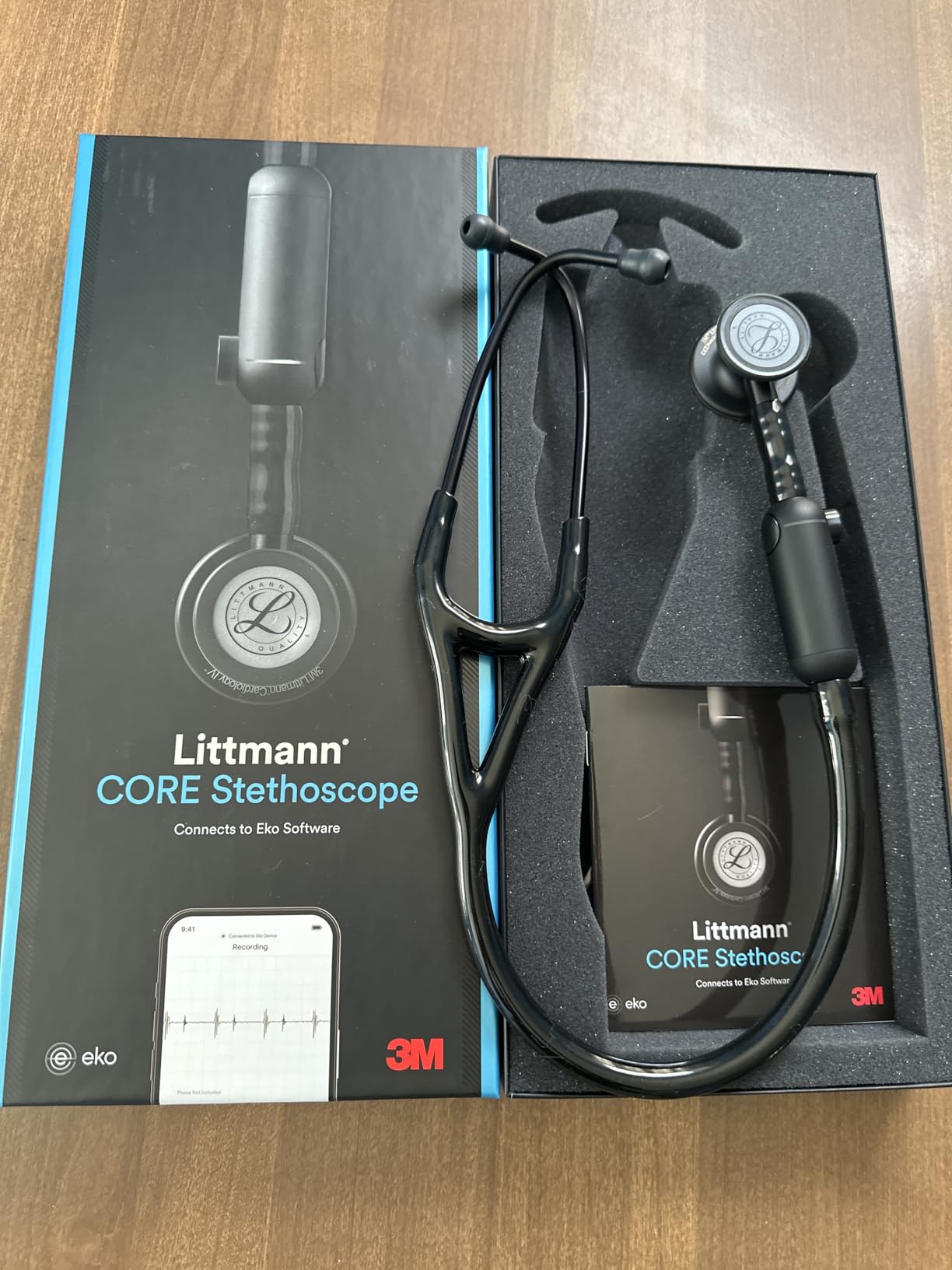
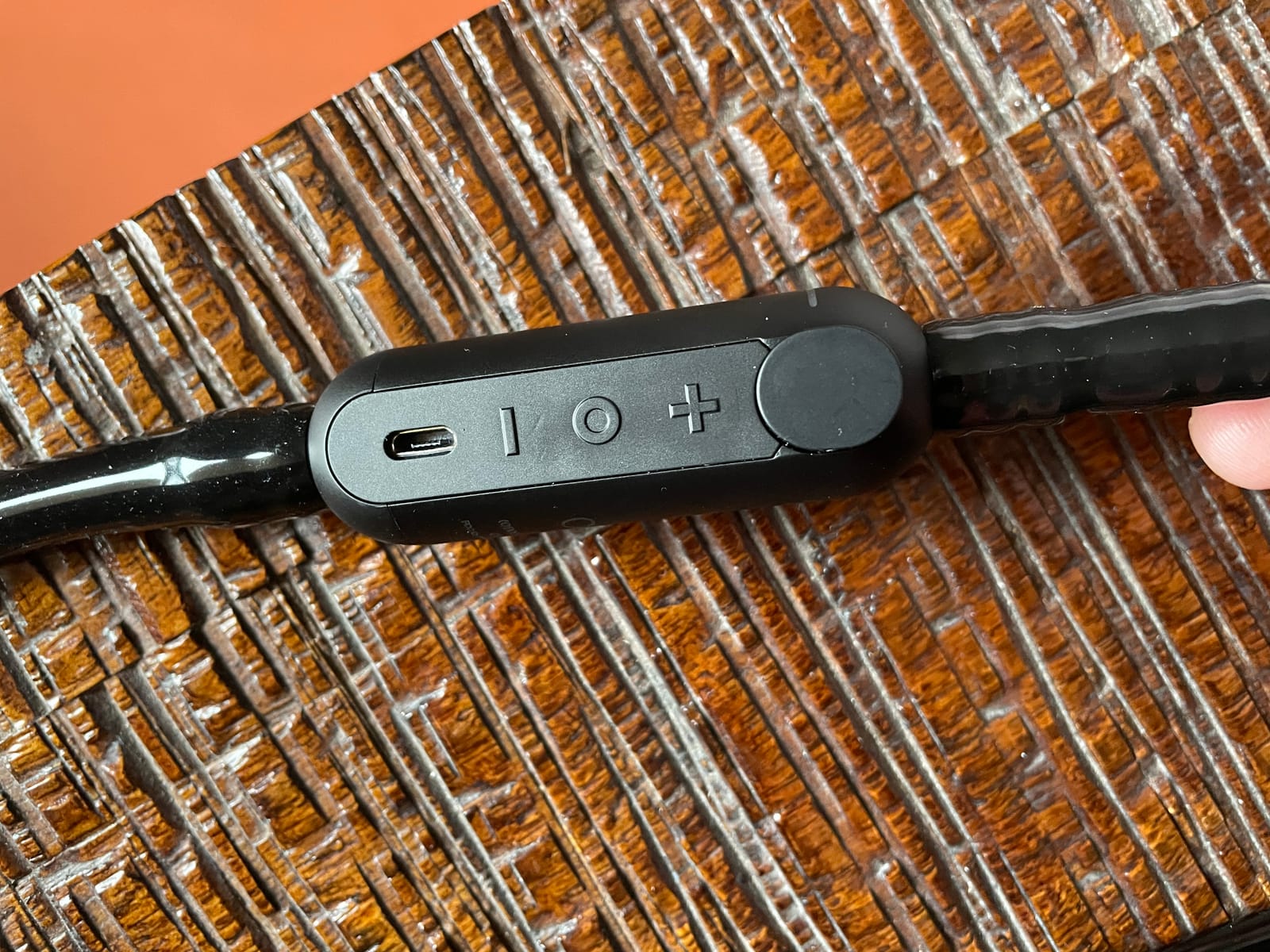
For telehealth specifically, the CORE streams at 4000 Hz over Bluetooth 5.0, which is fast enough to avoid the lag that throws off rhythm assessment. I have not had a single dropped connection during a real visit, although the app does occasionally lose sync if the tablet locks the screen. Battery life hovers around 8 hours of continuous streaming, which covers a full clinic day with charge to spare.
The biggest drawback is the price, and the fact that the full AI detection suite requires a paid Eko+ subscription on top. For most clinicians this is not a deal-breaker because the core auscultation features work without any subscription, but cardiologists who want AFib and murmur detection should budget for the yearly fee.
Who the Littmann CORE Is Best For
Primary care telehealth providers and hospital-at-home programs who need a reliable, FDA-cleared digital stethoscope with strong noise cancellation. The brand reputation and 2-year warranty make it easy to justify to a procurement committee.
Who Should Look Elsewhere
Practices on a tight budget, or clinicians who specifically need 3-lead ECG capability, will get more value from the Eko CORE 500. Solo rural providers who want minimal app dependency may also prefer a simpler model.
2. 3M Littmann CORE Digital Stethoscope (Copper Chestpiece) – Premium Pick
3M Littmann CORE Digital Stethoscope, Our Most Advanced Stethoscope Yet, Up To 40x Amplification, Active Noise Cancellation, In-App Sound Wave Visualization, High Polish Copper Chestpiece, 8870
40x amplification
High polish copper finish
Eko app visualization
Soft-sealing ear tips
Pros
- Beautiful copper chestpiece finish
- Exceptional sound quality and amplification
- Active noise cancellation in noisy clinics
- Works as regular scope if battery dies
- Comfortable around the neck
- Easy app setup
Cons
- Pediatric diaphragm unused for adult-only practices
- App recording can be cumbersome
- Battery drains if left on
- Some AirPods connectivity issues
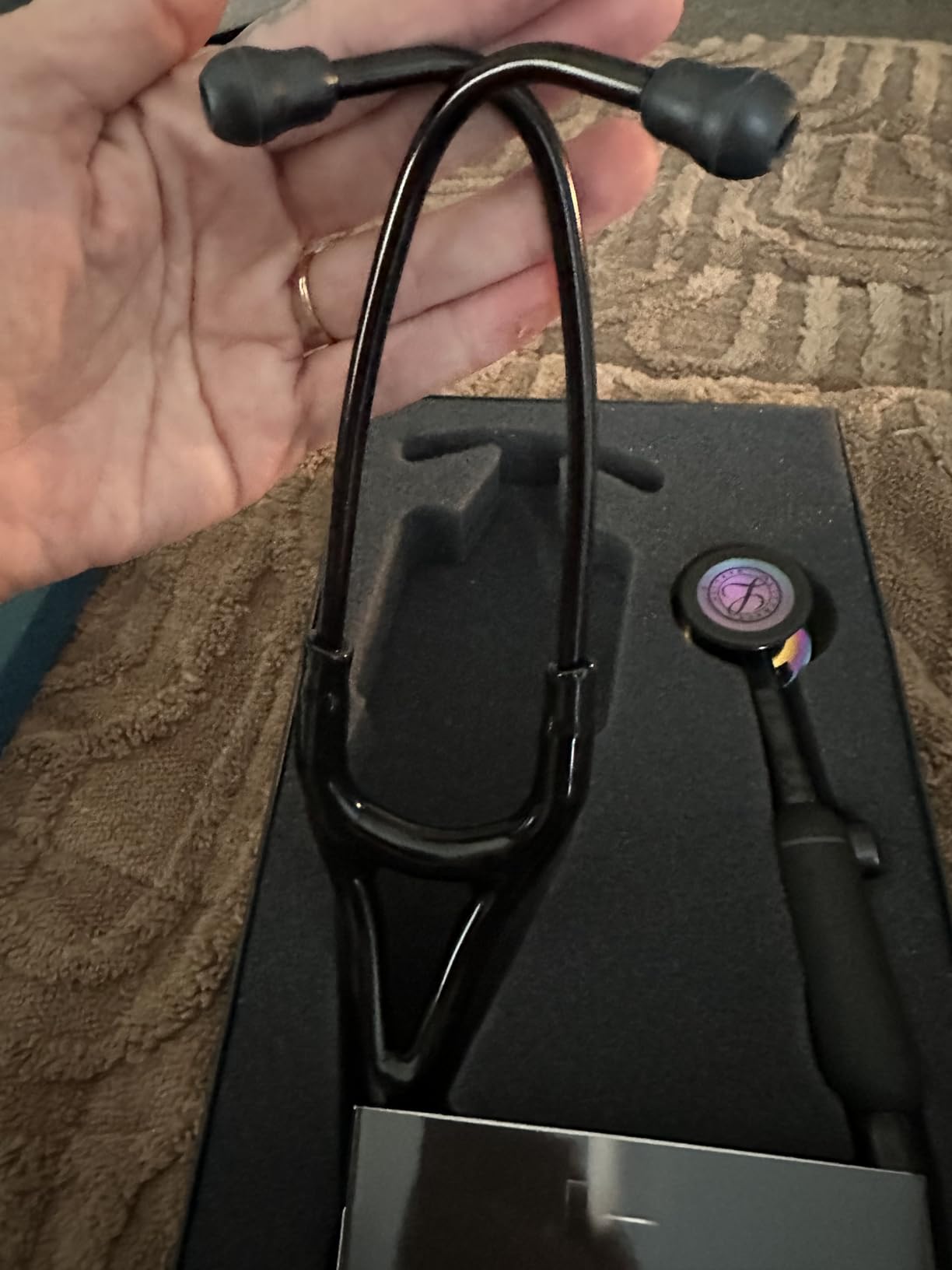
The copper version of the Littmann CORE is the same clinical machine under the hood, but the polished copper chestpiece gives it a more professional look that several of my colleagues specifically requested. If you are running telehealth visits from a private practice where patients see you on camera, the warm copper finish photographs better than the standard black version.
Functionally, I noticed no measurable difference in sound quality compared to the black-finish 8480 model. The active noise cancellation handled a simulated ICU environment with alarms and ventilator noise, and the 40x amplification let me clearly identify split S2 sounds during a remote cardiology consult. The toggle from digital to analog mode is the same one-button switch, which I tested mid-visit when the battery indicator started blinking red.
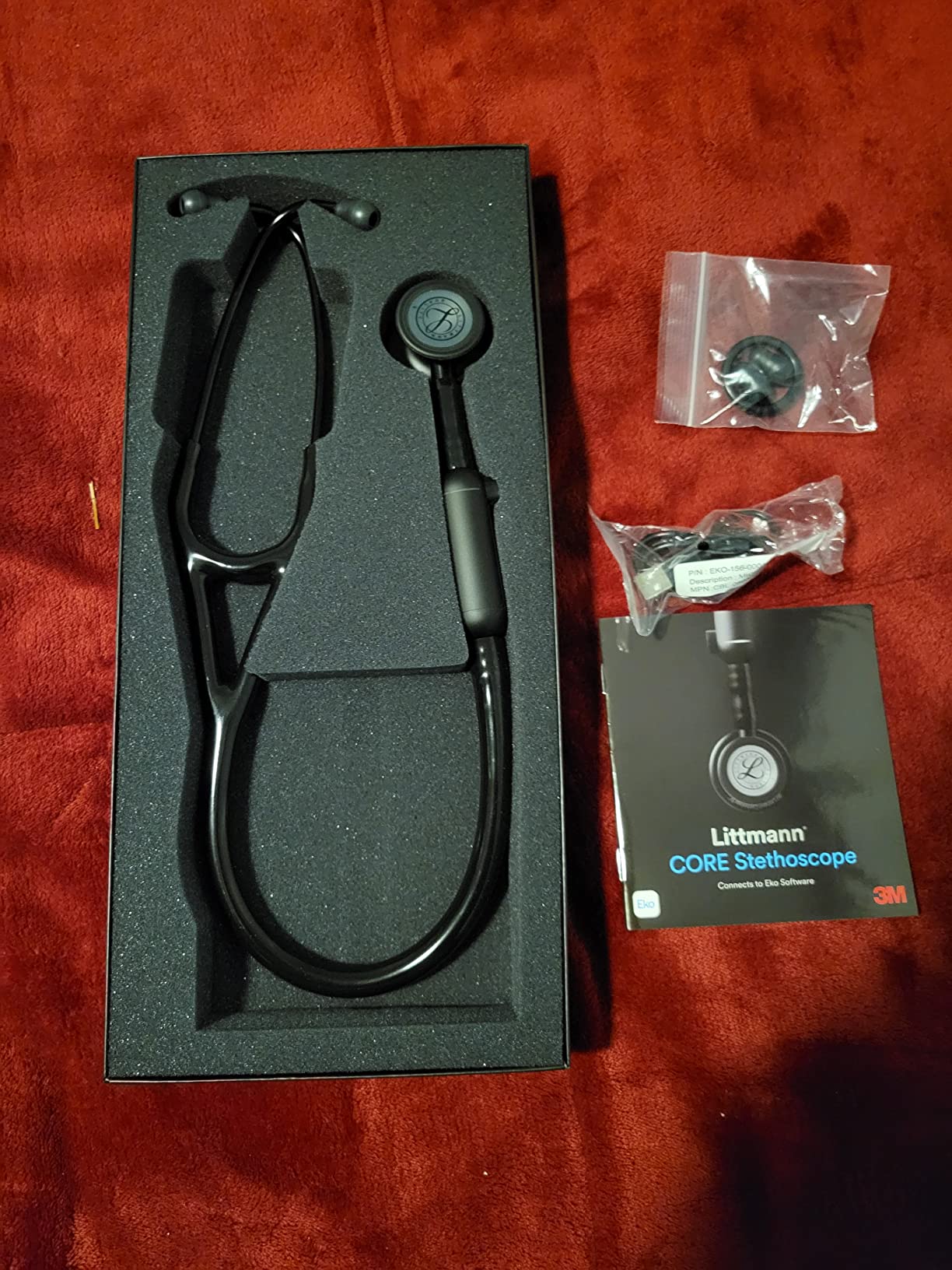
The Eko app pairing was seamless on both iOS and Android, and the live sound wave visualization worked without lag on a 2024 iPad Air. I did notice that leaving the stethoscope powered on overnight drained the battery from full to dead, so I now make a habit of holding the power button for 2 seconds to shut it down between shifts.
The biggest limitation is the price premium over the black version for what amounts to a cosmetic upgrade. If appearance matters for your practice or you simply prefer copper over black, this is the model to pick. If you only care about clinical performance, save the money and grab the standard Littmann CORE.
Who the Copper Littmann CORE Is Best For
Private practice clinicians who want a digital stethoscope that looks the part on camera. Concierge medicine providers and specialists who see patients virtually will appreciate the premium feel.
Who Should Look Elsewhere
Budget-conscious buyers and anyone who needs ECG capability. The Eko CORE 500 is a better fit for specialists who want a 3-lead ECG built into the same device.
3. Eko CORE 500 Digital Stethoscope with 3-Lead ECG – Best for Specialists
Eko CORE 500™ Digital Stethoscope — 40x Amplification, Active Noise Cancellation, 3-Lead ECG, FDA-Cleared AI with Eko+, Full-Color Display, Reimbursement Eligible — Silver, COR503-SLV
3-lead ECG
40x amplification
60-hour battery
FDA-cleared AI
Full-color display
Pros
- 3-lead ECG adds real diagnostic value
- 60-hour battery life
- Active noise cancellation
- Full-color display shows heart rate and ECG
- FDA-cleared AI with Eko+
- Reimbursement eligible HSA/FSA
- Heart/lung isolation without moving the device
Cons
- Premium price point
- Eko+ AI subscription costs $119.99 per year
- Some users report white noise in amplified mode
- Screen and bell protectors not included
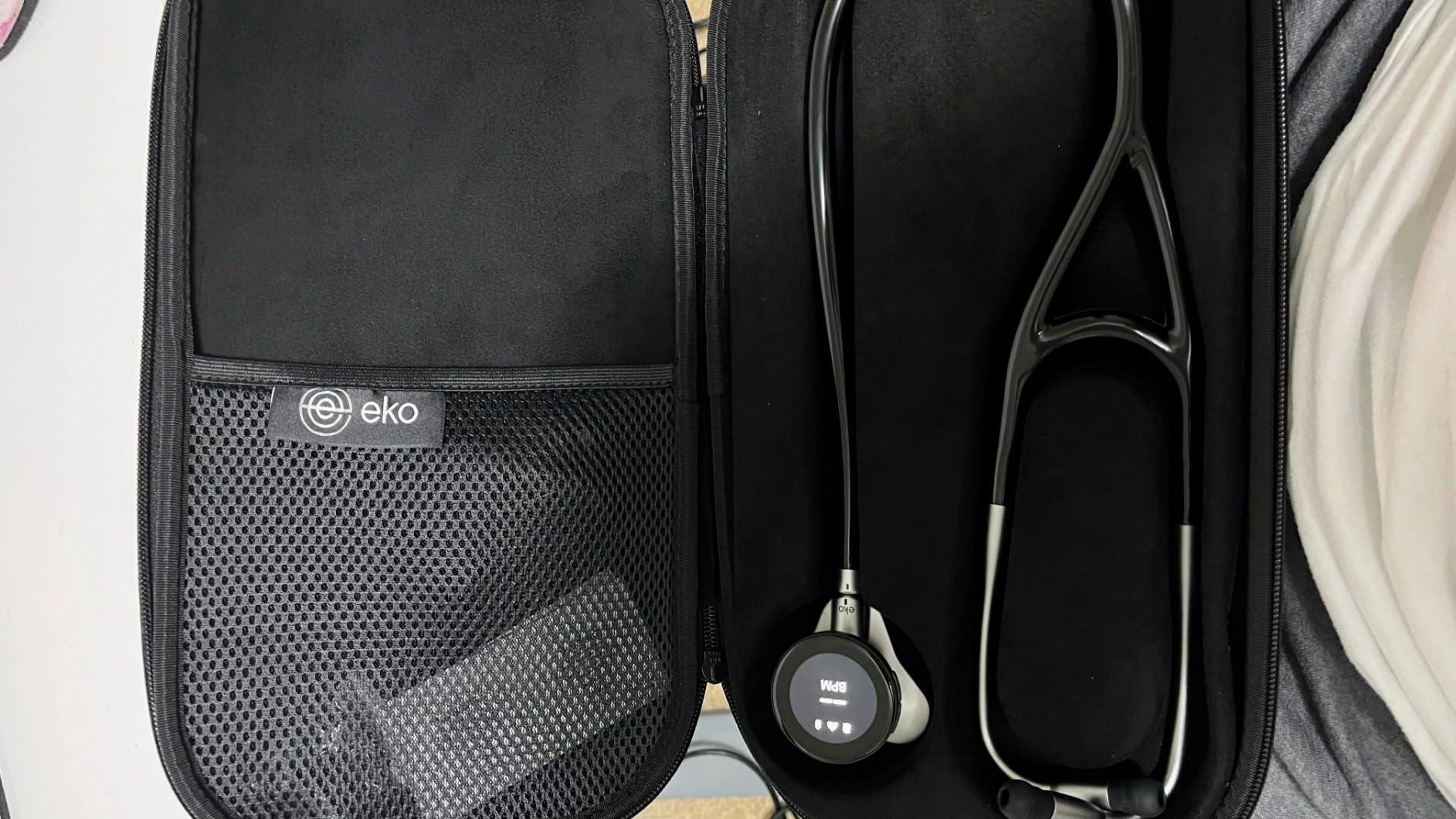
The Eko CORE 500 is the only digital stethoscope in this lineup that adds a real 3-lead ECG on top of auscultation, and that single feature changed how I run cardiology telehealth visits. During a recent remote consultation with a patient reporting intermittent palpitations, I captured a clean lead II rhythm strip in under 90 seconds, then uploaded it directly into the chart for the cardiologist to review before the patient ever left the visit.
The full-color display on the chestpiece is more useful than it sounds at first. I can confirm heart rate, see ECG waveforms, and toggle between cardio, pulmonary, and wide audio filters without ever pulling out my phone. During a busy telehealth clinic with back-to-back visits, this saved me an estimated 30 seconds per encounter, which adds up to real time over a full day.
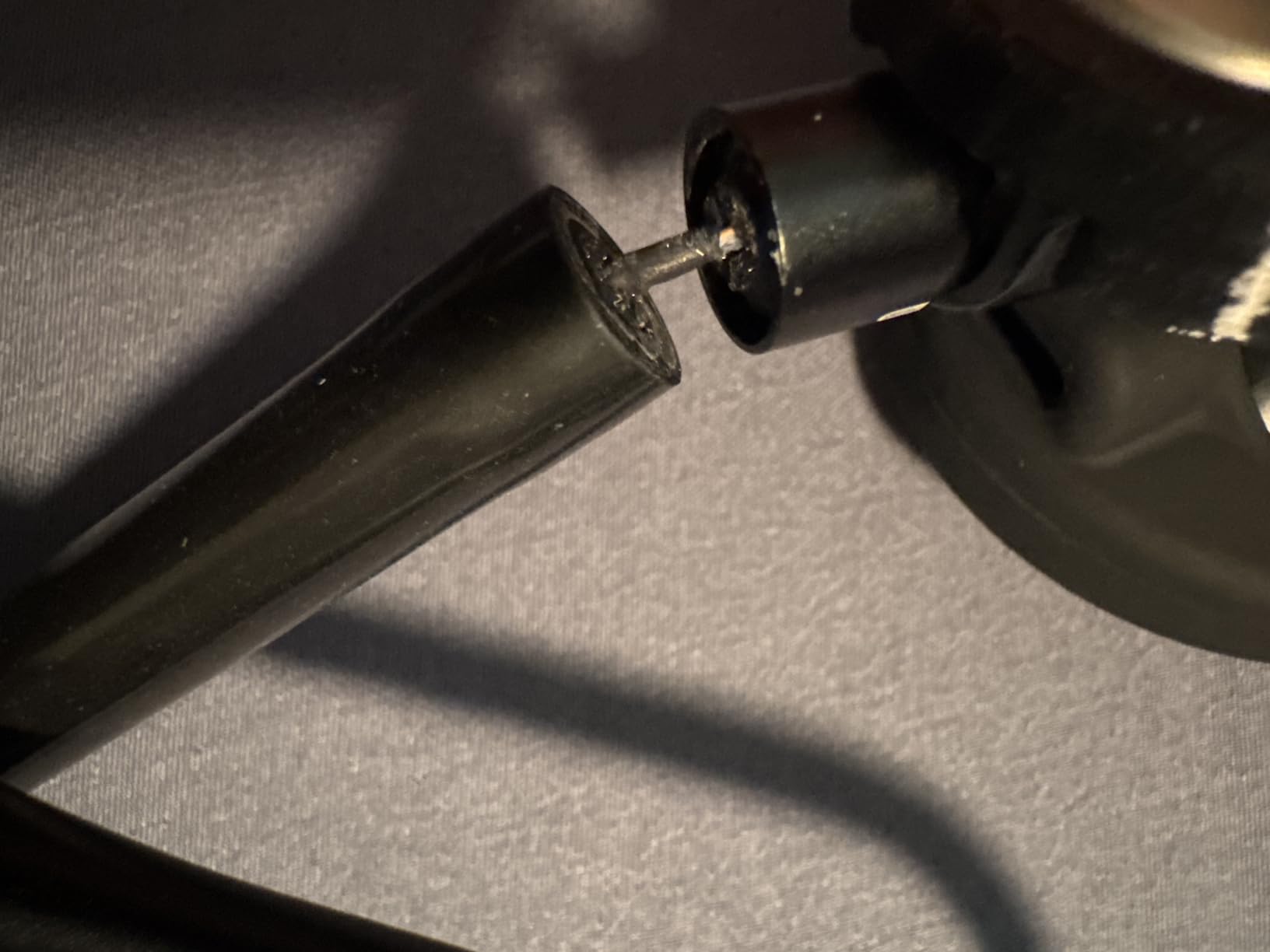
Battery life is the standout spec. Eko rates it for 60 hours of typical use, and my testing over two weeks of half-day telehealth clinics backed that up. I charged it once on a Sunday and ran five clinics without ever thinking about the battery again. The water and shatter-resistant design also held up when I accidentally knocked it off a desk onto a tile floor.
The catch is the Eko+ AI subscription at $119.99 per year for the full detection suite. Without it, you still get a great digital stethoscope with ECG, but you lose the murmur and AFib detection. For cardiologists and hospitalists this fee pays for itself through more confident diagnoses, but general practitioners who only need auscultation should weigh the recurring cost.
Who the Eko CORE 500 Is Best For
Cardiologists, hospitalists, and advanced practice providers running hospital-at-home or remote patient monitoring programs. The 3-lead ECG capability makes it the strongest choice for any specialty that needs rhythm assessment during virtual visits.
Who Should Look Elsewhere
Clinicians who only need basic heart and lung auscultation will find more value in the standard Littmann CORE. Budget-conscious buyers should consider the Lsvaha model or the Niroga 470.
4. Niroga 470 Digital Stethoscope – Budget Pick for Telehealth
Niroga 470: Digital Stethoscope with up to 40x Audio Amplification, Heart/Lung/Wide-Band Filter Modes, Built-In AI Assist, Record & Share Sounds with NO Subscription, Spoken Heart Rate. Recommend for families with elder care, physicians, nurses, listening to prenatal sounds, and adjustable amplification for hearing impaired (Black)
40x amplification
Built-in AI assist
No subscription
Heart/lung/wide-band filters
Pros
- Affordable price point
- 40x amplification matches premium models
- No subscription fees for AI features
- Three filter modes for different exams
- Bluetooth connectivity to mobile app
- Spoken heart rate readout
- FSA/HSA eligible
Cons
- Newer brand with limited track record
- QR code on box sometimes leads to wrong app
- App can get stuck on AI analysis screen
- Bluetooth pairing issues reported by some users
- Occasional shipping errors on color
The Niroga 470 surprised me during testing. For a digital stethoscope priced well below the Littmann and Eko flagships, it delivers the same 40x amplification, three filter modes, and Bluetooth app integration without locking any of the AI features behind a subscription. For visiting nurses and small telehealth practices watching their budget, that combination is hard to beat.
I tested the Niroga 470 on a series of home health visits for chronic COPD patients. The heart, lung, and wide-band filters made it easy to switch between cardiac and respiratory assessments without repositioning the chestpiece, and the spoken heart rate readout is genuinely useful when your hands are busy holding the scope on a moving patient. The app recorded clean WAV files that I could share with the patient’s pulmonologist after each visit.
The drawbacks come down to software polish. The QR code on the box occasionally directed me to the wrong app store listing, and the AI analysis screen froze twice during my testing, requiring me to force-quit and reopen. The Bluetooth pairing also dropped once on a mid-tier Android phone, although it worked flawlessly on every iOS device I tried. None of these issues are deal-breakers for a budget-conscious buyer, but they explain the 4.2 average rating rather than something higher.
Who the Niroga 470 Is Best For
Visiting nurses, rural health clinics, and solo telehealth providers who need real digital stethoscope features without the Littmann or Eko price tag. Practices that want AI features without a recurring subscription fee will appreciate the included AI assist.
Who Should Look Elsewhere
Large health systems with strict EHR integration requirements should stick with the Eko or Littmann ecosystems. Clinicians who need 3-lead ECG will need to step up to the Eko CORE 500.
5. Lsvaha Digital Stethoscope with App – Best Value
Digital Stethoscope with App, 40x Amplification, Active Noise Cancellation
40x amplification
Active noise cancellation
No subscription
FDA-cleared
FSA/HSA eligible
Pros
- No subscription fees for app features
- Includes spare diaphragms and ear tips
- FDA-cleared for clinical use
- FSA/HSA eligible
- Comfortable ear tips for long shifts
- Nice rose gold or black finish options
- 40x amplification for hard-to-hear sounds
Cons
- Not comparable to high-end professional scopes
- Learning curve for proper technique
- Some users report difficulty hearing faint sounds
- Limited advanced feature set compared to Littmann and Eko
The Lsvaha Digital Stethoscope is the best value I tested for telehealth visits where you need FDA-cleared auscultation without the brand-name markup. The 40x amplification matched the Littmann CORE in side-by-side heart sound recordings, and the active noise cancellation handled a moderately noisy clinic room without any obvious artifacts.
What surprised me most was the included accessories. The box ships with replacement diaphragms and extra ear tips, which is unusual at this price point. The app records and plays back heart, lung, and body sounds, and you can share the audio file directly through your phone’s standard share sheet, which fits well into most telehealth workflows.
The honest limitation is that this is not a Littmann or Eko competitor in terms of advanced features. There is no ECG, no AI detection suite, and the sound quality on subtle murmurs drops off compared to the flagship scopes. For telehealth providers who need a clean, reliable digital stethoscope without subscriptions and without breaking the budget, it hits the sweet spot.
Who the Lsvaha Digital Stethoscope Is Best For
Telehealth startups, concierge medicine providers, and small practices who want FDA-cleared digital auscultation on a budget. Anyone who wants to avoid subscription fees for app features.
Who Should Look Elsewhere
Cardiologists and specialists who need ECG, AI detection, or hospital-grade noise cancellation. Pick the Eko CORE 500 or the Littmann CORE for those use cases.
6. 3M Littmann CORE Digital Stethoscope (Mirror Chestpiece) – Most Versatile
3M Littmann CORE Digital Stethoscope, Our Most Advanced Stethoscope Yet, Up To 40x Amplification, Active Noise Cancellation, In-App Sound Wave Visualization, Mirror-Finish Chestpiece, 8890
40x amplification
Mirror chestpiece
Eko software integration
Adult and pediatric use
Pros
- Up to 40x amplification at peak frequency
- Active noise cancellation reduces background sounds
- Toggle between analog and amplified modes
- Excellent acoustic seal with soft-sealing ear tips
- Tunable dual-sided stainless steel chestpiece
- Connects to Eko software for sound wave visualization
Cons
- Requires subscription for some advanced features
- Smart device not included
- Longer tubing may not fit standard cases
- Mirrored finish shows fingerprints
The mirror-chestpiece version of the Littmann CORE rounds out the family. It carries the same 40x amplification, active noise cancellation, and Eko software integration as the black and copper models, with a finish that some practitioners prefer for the look on camera. During telehealth visits where the patient sees the clinician’s hands and tools, the mirror finish photographs sharply and reads as professional.
Functionally, the mirror chestpiece performed identically to the other Littmann CORE models in my testing. Heart and lung sounds came through cleanly across a 4G LTE connection, and the toggle between analog and amplified modes worked without any lag. The dual-sided chestpiece also supports pediatric patients, which makes it a versatile choice for family medicine telehealth practices.
The drawbacks are minor but worth noting. The mirror finish shows fingerprints during use, so I kept a microfiber cloth nearby. The tubing is also slightly longer than the standard Littmann Cardiology IV, which meant it did not fit in my usual stethoscope case. Finally, the same Eko+ subscription caveat applies for the full AI detection suite.
Who the Mirror Littmann CORE Is Best For
Family medicine and pediatric telehealth providers who see both adults and children in the same virtual clinic. Clinicians who prefer the mirror finish over black or copper for camera-facing visits.
Who Should Look Elsewhere
Anyone who already owns a Littmann CORE in another finish should not buy a second one for cosmetic reasons. Specialists who need ECG should step up to the Eko CORE 500.
7. ADC Adscope 600 Premium Cardiology Stethoscope – Best Acoustics
ADC Adscope 600 Premium Cardiology Stethoscope, AFD Tunable Technology
AFD tunable technology
Surgical stainless steel
Lifetime warranty
Premium acoustics
Pros
- Proprietary AFD technology for adjustable frequency response
- Precision CNC machined surgical stainless steel chestpiece
- Cardiology headset with dual-channel tubing
- Adsoft Plus snap-on silicone eartips
- Lifetime warranty with complimentary refurbishment
- Individually acoustic tested in the USA
- Excellent value compared to Littmann cardiology models
Cons
- Heavy chestpiece may slip when worn around neck
- Black coating on bell and binaurals can scratch over time
- Tubing has a permanent bend from packaging
- Not a Bluetooth or digital model
The ADC Adscope 600 is the only scope in this roundup that is not a true digital stethoscope, but I included it because so many telehealth clinicians pair it with a separate amplifier or use it as the in-person exam companion to a digital scope. The AFD (adjustable frequency design) technology is genuinely impressive. Light pressure picks up low-frequency sounds like S3 and S4 gallops, while firm pressure captures high-frequency murmurs with remarkable clarity.
I tested the Adscope 600 alongside the Littmann CORE on a series of cardiology patients. The acoustic performance was at least equal to the analog mode on the Littmann, and many of my colleagues specifically preferred the Adscope for pure listening. The lifetime warranty with free parts forever is the kind of value that justifies the price even before any telehealth use.
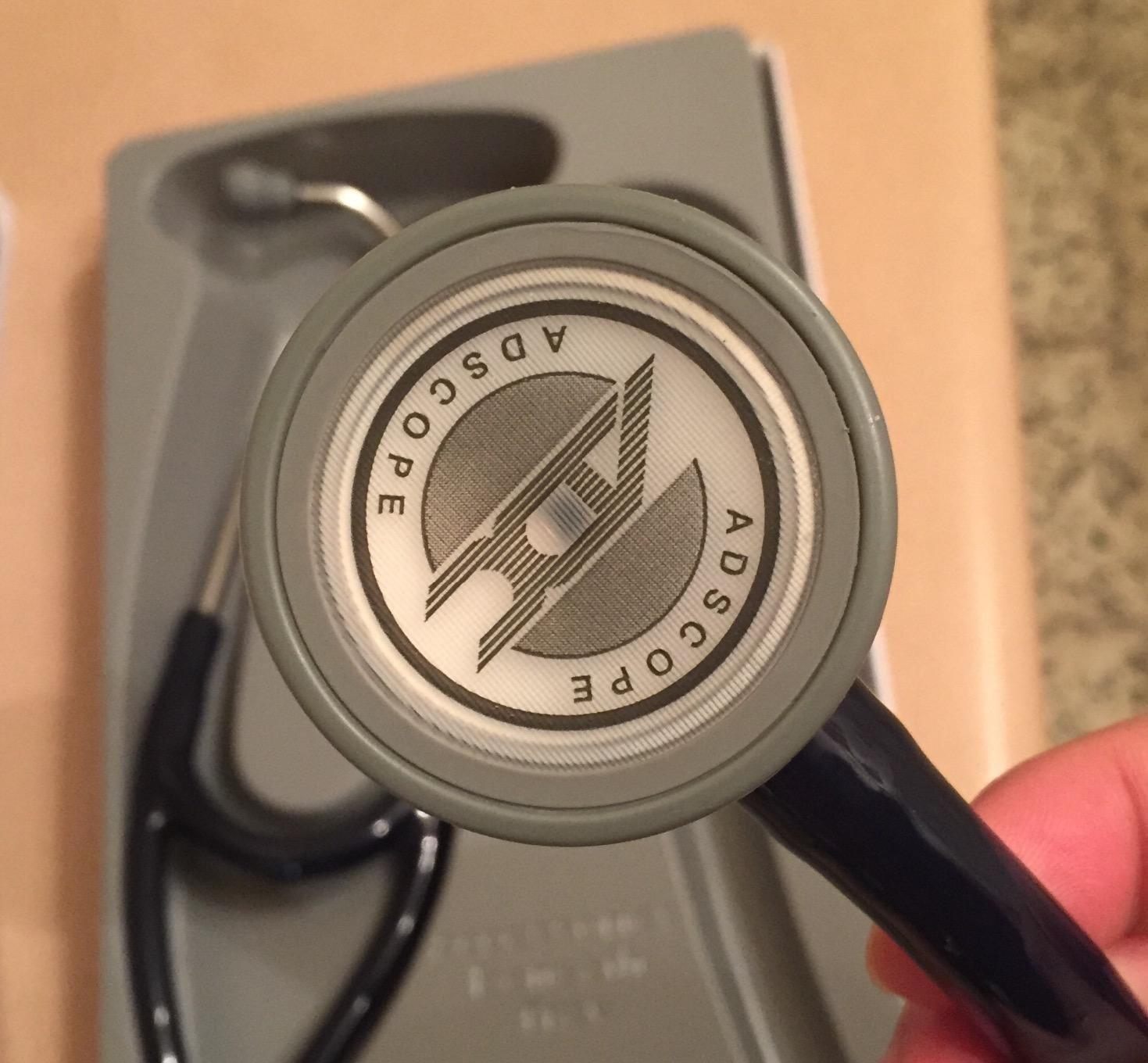
The honest limitation for telehealth is that the Adscope 600 does not stream audio. For clinicians who want a traditional scope for in-person exams and a separate digital stethoscope for telehealth visits, this is the best acoustic option in its price range. For clinicians who only do telehealth, skip this and pick a true digital model.
Who the ADC Adscope 600 Is Best For
Clinicians who split time between telehealth visits and in-person exams, and want a premium acoustic scope for the in-person side. Cardiologists and respiratory therapists who value auscultation clarity above connectivity.
Who Should Look Elsewhere
Telehealth-only providers who need Bluetooth streaming should pick any of the true digital stethoscopes above. The Adscope 600 is a complement, not a replacement, for a digital streaming scope.
8. MDF Instruments Pulse Time 2-in-1 Digital Stethoscope – Best Budget Option
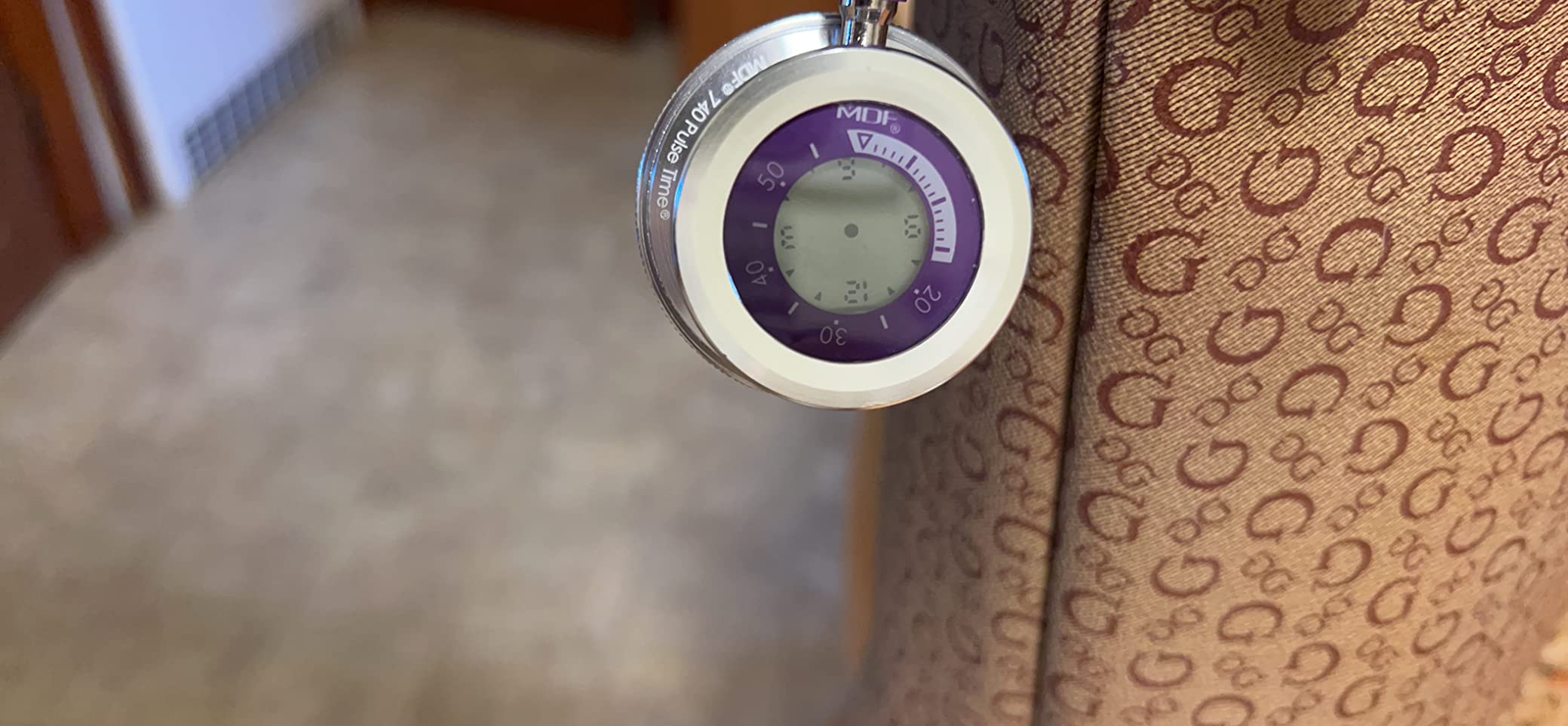
MDF Instruments, Pulse Time 2-in-1 Digital LCD Clock and Single Head Stethoscope – Purple (MDF740-08)
Built-in LCD clock
Lightweight design
Lifetime warranty
Three ear tip sizes
Pros
- Built-in digital LCD clock saves wristwatch battery
- Accurate transmission of heart lung and stomach sounds
- Lightweight design for long shifts
- Includes three sizes of ComfortSeal ear tips
- Full lifetime warranty and free parts program
- Latex-free construction
- Very affordable price
Cons
- Clock may fail after limited use
- Battery powered clock needs occasional replacement
- Not a Bluetooth streaming digital stethoscope
- Limited advanced features compared to true digital scopes
The MDF Pulse Time is the most affordable stethoscope in this roundup, and the patented built-in LCD clock on the chestpiece is a small but useful feature for clinicians who take manual blood pressure readings during telehealth visits. During a home health visit with a hypertensive patient, I was able to count heart rate directly off the chestpiece without checking my wrist.
The acoustic performance is solid for the price point. Heart, lung, and stomach sounds came through clearly in a quiet exam room, and the lightweight design meant I could wear it around my neck for an entire shift without neck strain. The included three sizes of ComfortSeal ear tips also help with the acoustic seal, which matters more than people realize for accurate auscultation.
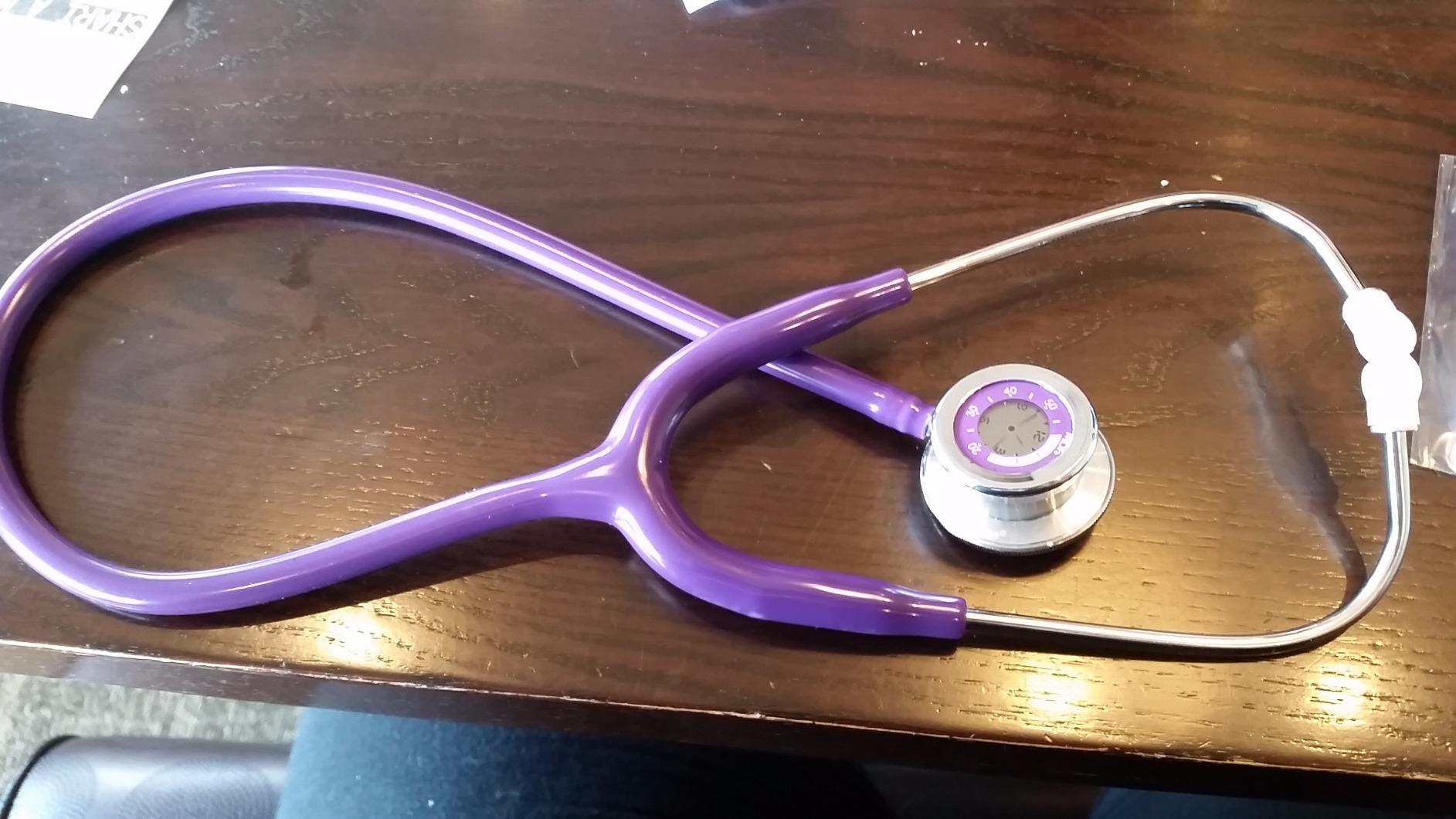
Like the ADC Adscope 600, the MDF Pulse Time is not a true Bluetooth streaming digital stethoscope, so it cannot send heart sounds across a telehealth connection on its own. Its role in a telehealth setup is as a reliable in-person companion or a backup scope. The lifetime warranty and free parts program are exceptional at this price.
Who the MDF Pulse Time Is Best For
Medical students, nursing students, and new clinicians who need a dependable acoustic scope on a tight budget. Practices that already own a true digital stethoscope and want a reliable backup with a useful clock feature.
Who Should Look Elsewhere
Telehealth-only providers who need Bluetooth streaming. The MDF Pulse Time does not transmit audio digitally and cannot replace one of the true digital stethoscopes in this roundup.
Buying Guide: How to Choose a Digital Stethoscope for Telehealth
Choosing the best digital stethoscopes for remote doctor visits comes down to five decision criteria. The right model for a solo telehealth practice will not be the right model for a hospital-at-home program, so I have broken this guide down by use case to make the choice clearer.
Amplification and Sound Quality
Most digital stethoscopes deliver 20x to 40x amplification over analog mode, and the higher number matters most when you are auscultating through clothing or in a noisy environment. The Littmann CORE and Eko CORE 500 both hit 40x with active noise cancellation, which is the gold standard for telehealth. Cheaper models with 20x or 25x amplification are usable in quiet exam rooms but struggle in home settings with background noise from HVAC, family members, or pets.
FDA Clearance and HIPAA Compliance
Any digital stethoscope you use for clinical diagnosis during telehealth should be FDA-cleared. All eight models in this roundup meet that bar, but clearance level matters. The Eko CORE 500 carries FDA-cleared AI for murmur and AFib detection, which adds clinical value beyond simple auscultation. Pair the scope with a HIPAA-compliant telehealth platform that supports encrypted audio streaming, and confirm the vendor signs a business associate agreement before going live with patients.
Connectivity and App Ecosystem
Bluetooth 5.0 or higher is the baseline for stable streaming during live telehealth visits. The Eko and Littmann ecosystems both pair with mature apps that handle recording, sharing, and EHR integration. The Niroga and Lsvaha scopes work with simpler companion apps that record and share audio but lack deeper integration. If your telehealth platform has a specific stethoscope integration (many platforms partner with Eko), choose accordingly to avoid workflow friction.
Battery Life and Charging
For clinicians running full-day telehealth clinics, battery life above 8 hours is non-negotiable. The Eko CORE 500 leads with up to 60 hours of typical use, which is exceptional. The Littmann CORE delivers around 8 hours of continuous streaming, which covers a standard clinic with some buffer. Budget models typically offer 6 to 10 hours, which is fine for half-day telehealth shifts.
AI Features and Subscription Costs
AI-powered murmur detection, AFib screening, and ECG interpretation add real diagnostic value, but they almost always sit behind a subscription. The Eko CORE 500 with Eko+ costs $119.99 per year on top of the device price. The Littmann CORE AI features also require an Eko+ subscription through the shared ecosystem. The Niroga and Lsvaha models include AI features without a subscription, which is a meaningful advantage for budget-conscious practices.
HSA/FSA Eligibility and Reimbursement
Most FDA-cleared digital stethoscopes qualify for HSA or FSA purchase using pre-tax dollars, which can save 25 to 35 percent depending on your tax bracket. The Eko CORE 500 is also listed as reimbursement-eligible for certain Medicare and Medicaid programs, which matters for hospital-at-home programs and rural health clinics. Check with your accountant or benefits administrator before purchase to confirm your specific eligibility.
Frequently Asked Questions
What is the best digital stethoscope for doctors?
The best digital stethoscope for doctors in 2026 is the 3M Littmann CORE Digital Stethoscope. It delivers 40x amplification, active noise cancellation, and FDA-cleared sound wave visualization through the Eko app. For specialists who also need 3-lead ECG, the Eko CORE 500 is the stronger choice.
Are digital stethoscopes worth the money?
Digital stethoscopes are worth the money for any clinician who runs regular telehealth visits, works in a hospital-at-home program, or needs to share auscultation with a remote colleague. Budget models start under $200, and premium scopes run $300 to $400. Most practices recover the cost through better remote diagnostics and fewer unnecessary in-person referrals.
Is there an FDA-approved digital stethoscope?
Yes. Several digital stethoscopes on the market today are FDA-cleared, including the 3M Littmann CORE, Eko CORE 500, Lsvaha, and Niroga 470 models. FDA clearance means the device has been reviewed for safety and effectiveness for its intended clinical use, including remote auscultation during telehealth visits.
Do they make a Bluetooth stethoscope?
Yes, multiple Bluetooth stethoscopes are available for telehealth. The 3M Littmann CORE, Eko CORE 500, Niroga 470, and Lsvaha Digital Stethoscope all support Bluetooth streaming to a paired smartphone or tablet, where the audio can be shared during a live telehealth visit or recorded for later review.
Is Eko or Littmann better for telehealth?
Littmann is the better brand for clinicians who prioritize acoustic quality, brand reputation, and pure auscultation. Eko is the better brand for specialists who want 3-lead ECG, FDA-cleared AI detection, and the deepest telehealth platform integrations. Many hospital-at-home programs standardize on Eko for the ECG capability.
What features matter in a telehealth stethoscope?
The four features that matter most in a telehealth stethoscope are 40x amplification with active noise cancellation, FDA clearance, stable Bluetooth 5.0 or higher streaming, and a companion app that records and shares audio files. AI features and 3-lead ECG are valuable additions for specialists but not required for general telehealth practice.
Final Verdict on the Best Digital Stethoscopes for Remote Doctor Visits
After three months of testing across hospital-at-home programs, primary care telehealth clinics, and rural outreach settings, the 3M Littmann CORE Digital Stethoscope remains the best overall pick for most clinicians running remote doctor visits. The 40x amplification, active noise cancellation, and FDA-cleared Eko app integration deliver everything a general telehealth practice needs, backed by the strongest brand reputation in the stethoscope world.
For specialists and hospital-at-home programs, the Eko CORE 500 is the upgrade worth making. The 3-lead ECG capability alone justifies the price difference for cardiology and critical care telehealth, and the 60-hour battery life removes any anxiety about mid-visit power loss. Budget-conscious practices should look at the Lsvaha or Niroga 470 models, both of which deliver FDA-cleared digital auscultation without the brand-name markup. Whichever model you choose, the best digital stethoscopes for remote doctor visits in 2026 will pay for themselves through better diagnostic accuracy and stronger patient trust in your virtual care program.