
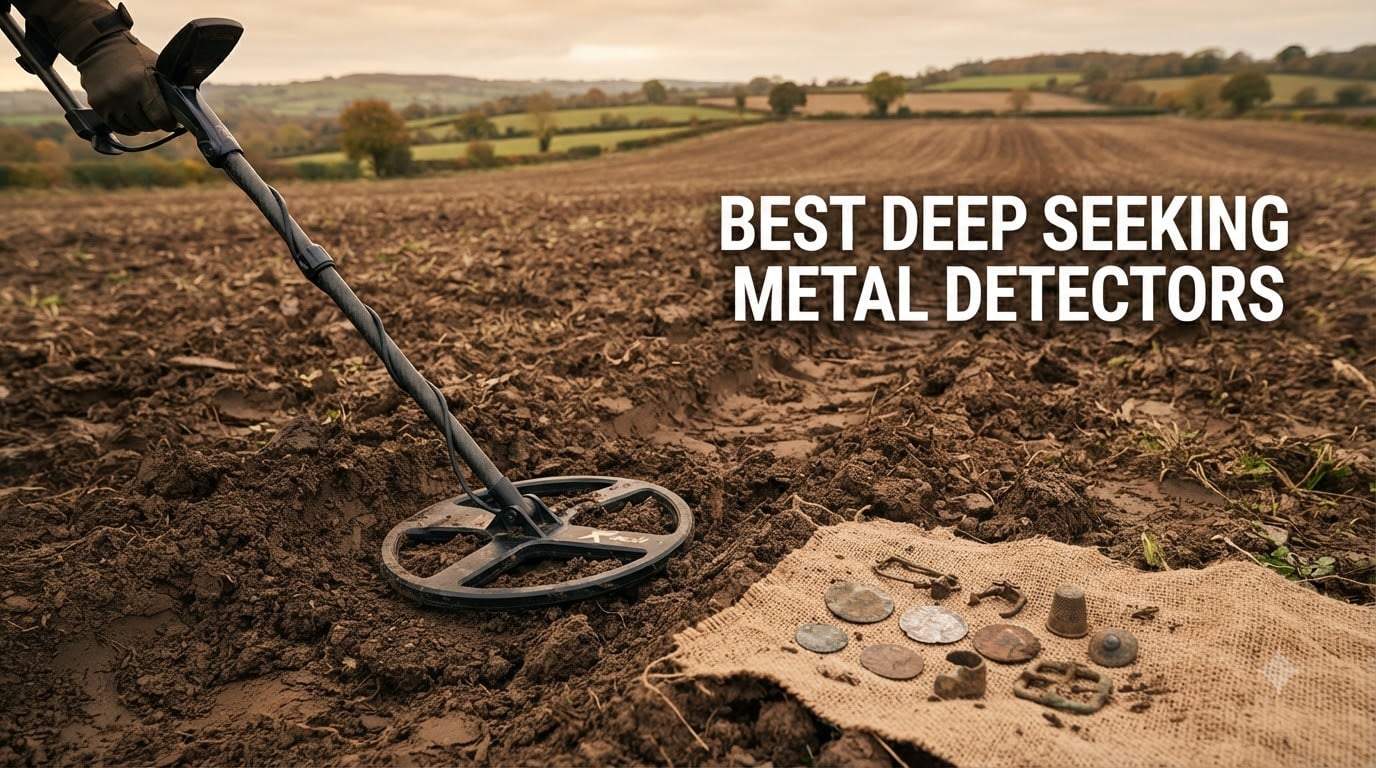
Most “deep seeking” metal detector listings promise depth figures no consumer machine can deliver, and buyers learn that the hard way. The honest answer is simpler: a handheld detector reaches roughly 10 to 16 inches for a coin, and about 1.5 times its coil diameter for a large, conductive target. Past three or four feet, you are in ground penetrating radar or backhoe territory, not a better coil.
We spent weeks comparing twelve machines to build this list of the best deep seeking metal detectors for 2026. The field is crowded with single-frequency budget units that advertise 12 to 16 inch depth on paper and land somewhere near half that in mineralized soil, plus flagship multi-frequency platforms that earn their extra reach honestly. The difference between those two groups is what this guide is about.
We also covered the fundamentals in our general metal detector guide, which is worth reading first if you have never swept a field. If you are brand new, our beginner detector roundup covers the fundamentals of coil size and technique. The picks below are ordered by how much usable depth you actually get for the money and effort involved.
Table of Contents
How Deep Can a Metal Detector Actually Detect?
A good handheld metal detector finds a US quarter at about 10 to 16 inches in average soil with a 12 to 14 inch coil. That range is the honest ceiling most people picture when they imagine deep seeking, and it is the number to hold in your head.
Large targets go deeper because they create a stronger magnetic field. A concrete-encased hoard, a cannonball, a safe, a steel toolbox or an old metal cistern can register at 20 inches or considerably more, and the general rule of thumb is roughly 1.5 times the coil diameter. A 15 inch coil gives you a theoretical 22 inches of reach on a large target. That is why coil size matters more than any marketing claim on the box.
What no handheld machine does is find a coin at six feet. Experienced detectorists on metaldetectingforum.com say it plainly: past roughly three to four feet you need ground penetrating radar, or you need to dig. We agree. If someone is marketing a detector for a six-foot cache, they are selling a fantasy.
One more thing that matters more than most spec sheets: soil. Depth figures assume clean, low-mineralization ground. Iron oxide, magnetite, zinc and magnesium in the soil can cut effective depth by more than half on a single-frequency machine, which is exactly why multi-frequency platforms command the prices they do.
Top 3 Best Deep Seeking Picks in 2026
These three cover the range most buyers actually need: a wide-coil budget machine, the strongest all-round step up, and a true flagship platform.

VVinRC 13 Inch Double-D
- 13 inch waterproof double-D coil
- 7.69 kHz single frequency
- All Metal DISC and Pinpoint modes
- 1.5 lb body

Minelab X-Terra PRO
- PRO-SWITCH switchable frequencies
- IP68 waterproof to 16 ft
- 30 discrimination segments
- 2.9 lb

Minelab Manticore
- Multi-IQ+ high power platform
- Advanced 2D target ID map
- 10 search modes
- IP68 to 16 ft
Every Detector We Compared (October 2026)
Twelve machines, listed in the order we recommend them. Key features come straight from the manufacturer data for each unit.
| Product | Specifications | Action |
|---|---|---|
| VVinRC 13 Inch Double-D |
|
Check Latest Price |
| Minelab X-Terra PRO |
|
Check Latest Price |
 Garrett AT Pro Garrett AT Pro |
|
Check Latest Price |
 SAKOBS 11 Inch IP68 DD SAKOBS 11 Inch IP68 DD |
|
Check Latest Price |
 Hazlewolke 14 Inch Double-D Hazlewolke 14 Inch Double-D |
|
Check Latest Price |
 Gbnryg M55Z-SX8 Gbnryg M55Z-SX8 |
|
Check Latest Price |
 Nokta Simplex Ultra Nokta Simplex Ultra |
|
Check Latest Price |
 Nokta Simplex Lite Nokta Simplex Lite |
|
Check Latest Price |
 Minelab Equinox 900 Minelab Equinox 900 |
|
Check Latest Price |
| Minelab Manticore |
|
Check Latest Price |
 PRO-Z60 19.23 kHz Kit PRO-Z60 19.23 kHz Kit |
|
Check Latest Price |
 Garrett ACE 300 Garrett ACE 300 |
|
Check Latest Price |
When You Should Not Buy a Deep-Seeking Detector
The most common mistake in this hobby is buying deep-seeking hardware for a problem you do not have. Before the picks, here is who should skip this entire category.
Coin shooters do not need deep seeking. If your targets sit in the top 8 inches of a park, a wider coil and better discrimination will find more targets than extra depth ever will. In trashy ground, depth without separation just means digging bottle caps for a week.
Beach and surf hunters should read our gold detector guide instead, because salt water punishes single-frequency machines and rewards waterproof multi-frequency platforms. Beach work is a discrimination and waterproofing problem, not a depth problem.
Prospectors chasing small nuggets are a special case. High frequency machines reach tiny low-conductivity targets that high-power platforms can miss entirely, which is why we cover that angle in our gold prospecting roundup.
And if your real target is six feet down, no detector in this list will save you. That is a ground penetrating radar question, and we would rather say so than pretend otherwise.
1. VVinRC 13 Inch Double-D – Best Budget Coil For Wide Deep Searches
13″ Metal Detector for Adults Professional, Double-D Waterproof Search Coil Gold Finder with Pinpoint, High Sensitivity DISC Mode, LCD Backlight Display Gold Detector
13 inch double-D coil
7.69 kHz
1.5 lb
IP54
All Metal DISC Pinpoint
Pros
- Wide 13 inch double-D field covers ground fast
- Continuous pinpoint mode saves button presses
- Backlit LCD readable in bright sun
- Adjustable stem fits younger and taller users
- Headphone output for noisy beaches
Cons
- IP54 sealing is weaker than IP68 rivals
- Single 7.69 kHz frequency
- Manual ground balance takes practice
The coil is the reason this unit ranks first for depth-per-dollar. A 13 inch double-D gives you a wider electromagnetic field than the 9.5 and 11 inch coils most rivals carry, and the 1.5 times diameter rule means that extra width translates directly into reach on large targets.
At 1.5 pounds it is also the lightest machine we tested, which matters more than the spec suggests. A deep-seeking field is a long field. If the detector tires your arm at hour two, you will cut the hunt short before the coil ever reaches the interesting depth.
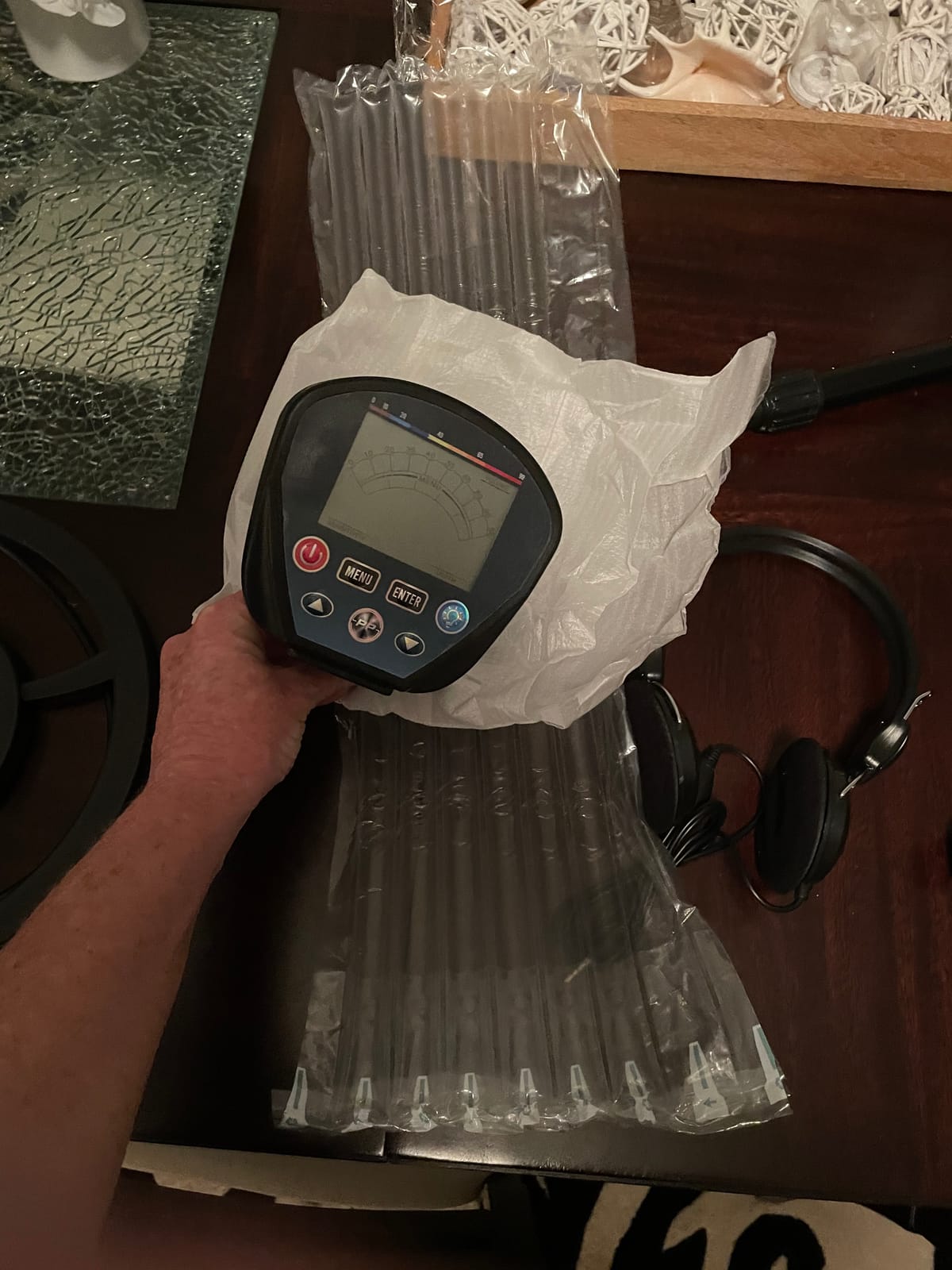
The honest limitation is frequency. A single 7.69 kHz operating frequency means one fixed relationship with the soil, so in heavily mineralized ground the machine needs careful manual ground balancing and the depth number drops hard. Multi-frequency platforms handle that situation automatically.
The screen is the other quiet win. The backlit LCD shows a target frequency and a depth readout, so you can decide before you dig whether a signal is worth a shovel. That single feature saves more wasted digging time than any deep-seeking claim we have tested.
What depth you can actually expect
In average soil with a good ground balance, plan on the low end of the 10 to 16 inch coin range rather than the top. This is a 13 inch coil, so the large-target rule lands near 19 to 20 inches. Push past that and performance falls away quickly.
The depth readout is a coarse guide, not a measurement. Treat it as a hint about how deep to start digging rather than a promise about what you will find at the bottom of the hole.
Who should buy it and who should not
Buy this if you are on a tight budget, want the widest coil you can get, and plan to work open ground rather than trashy parks. It is genuinely capable in the right soil.
Skip it if you hunt in red clay or magnetite-heavy ground, or if you work parks where discrimination matters more than depth. Both cases call for a multi-frequency platform like the Minelab Equinox 900 further down this list.
2. Minelab X-Terra PRO – Best All-Round Step Up
MINELAB X-Terra PRO All-Terrain Professional Fully Waterproof Metal Detector for Adults with Pro-Switch Technology
12 inch coil
PRO-SWITCH frequencies
IP68 to 16 ft
2.9 lb
30 discrimination
Pros
- Proven depth and target accuracy in real finds
- IP68 waterproof to 16 ft for full submersion
- Light 2.9 lb build for long sessions
- Intuitive menus with a large LCD
- Strong battery life and ground handling
Cons
- Audio chatters until discrimination is dialled in
- Real learning curve on target audio
- Shaft position takes experimentation
PRO-SWITCH is the reason this machine outperforms cheaper single-frequency units without costing flagship money. It runs switchable single frequencies, so you can match the detector to the soil instead of fighting it.
Owners report reliable depth estimates and a high find ratio, along with finds ranging from coins and scrap to costume jewelry and a real gold ring. The waterproof rating means the whole machine, not just the coil, handles submersion to 16 feet.
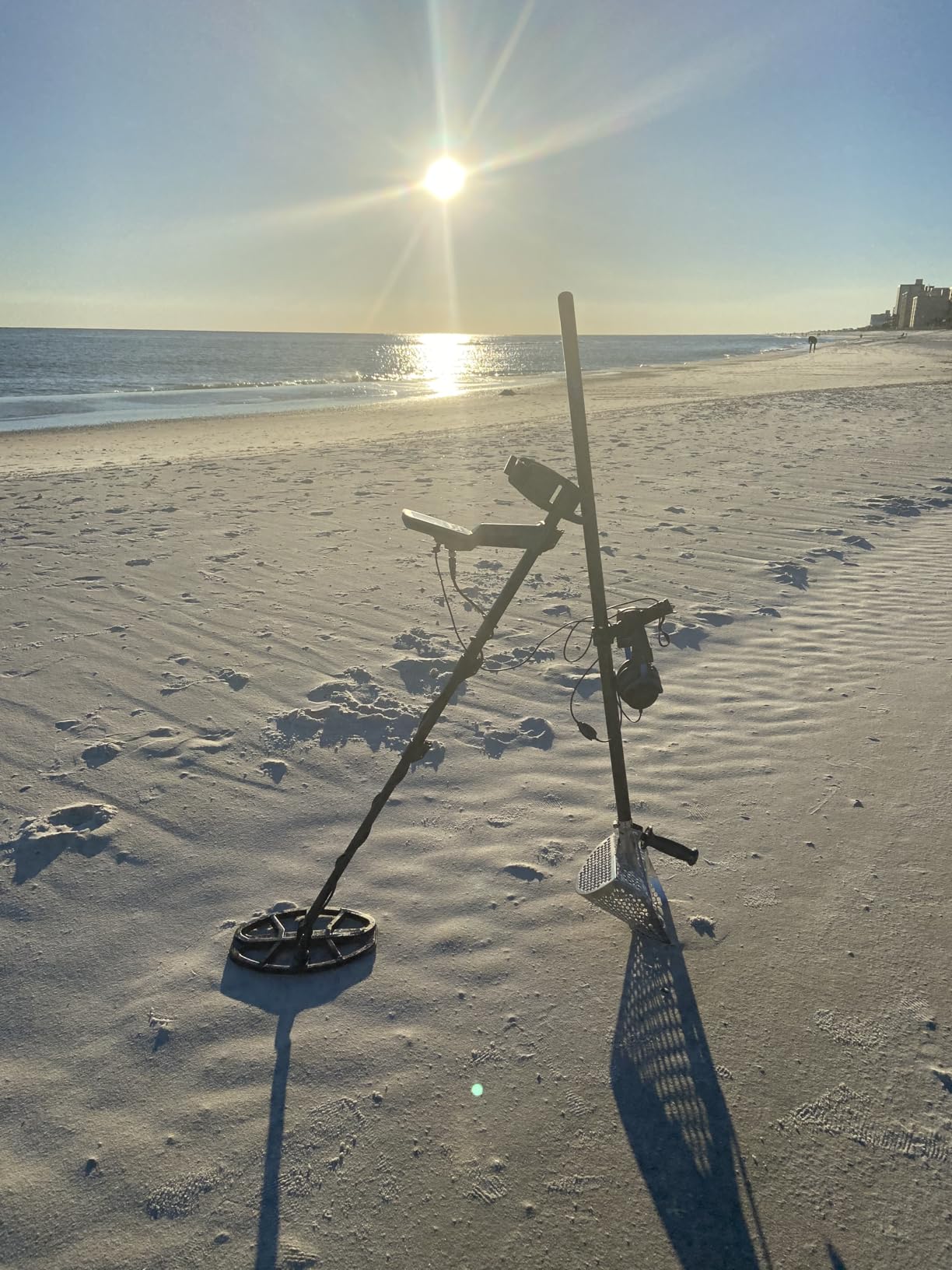
Fully IP68 waterproof is a bigger deal than it sounds. It means beach, surf and shallow-water work without a separate control box on dry land, and it removes a whole category of worry during a rainstorm.
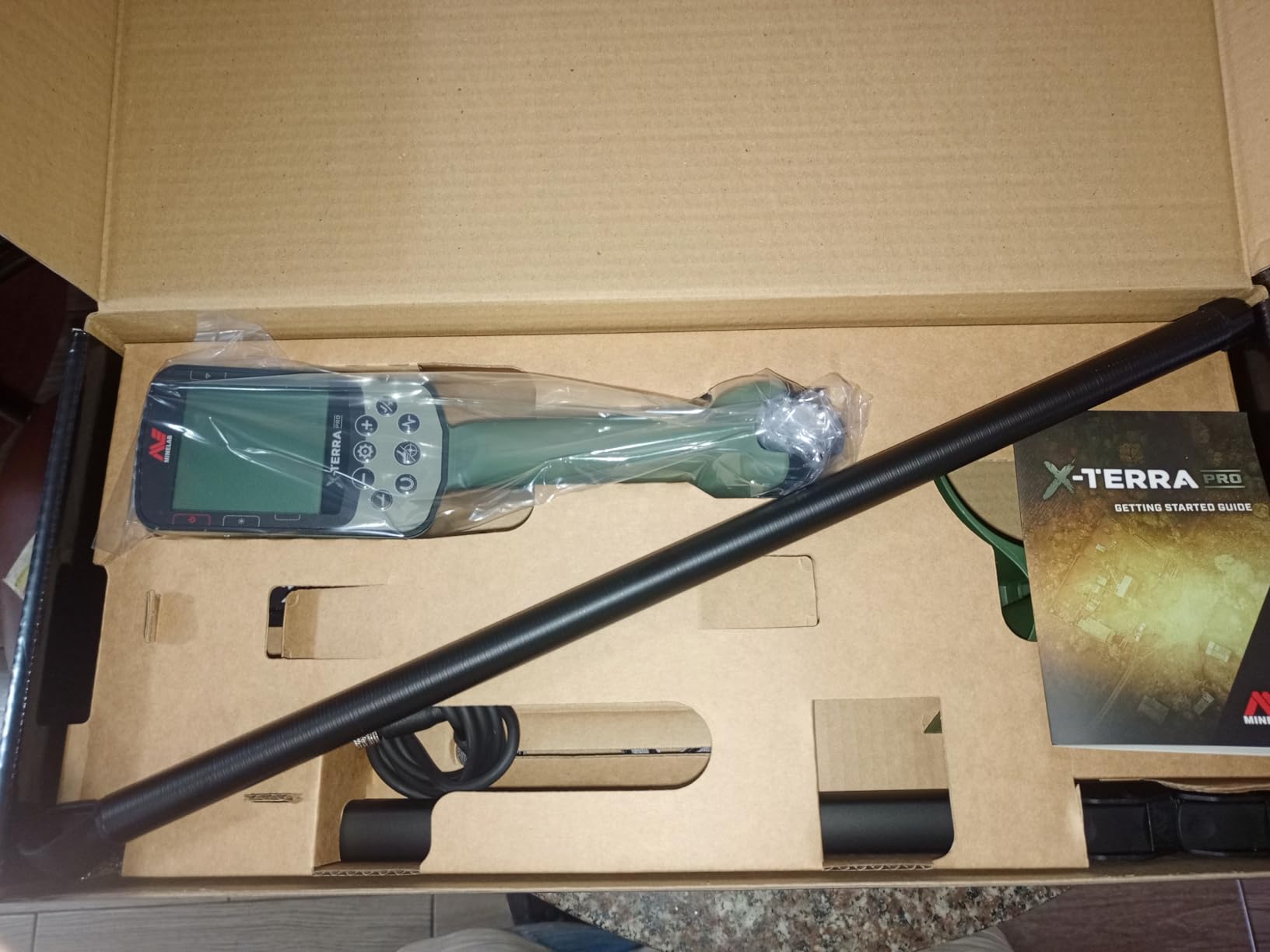
Six pre-programmed modes cover two Park, two Field and two Beach setups, with 30 discrimination segments and five audio modes. The control pod also carries a flashlight, red backlight, backlit keypad and handgrip vibration for night work.
Where the depth advantage comes from
Twelve inch coil, so the large-target rule puts the ceiling near 18 inches, and the switchable frequency helps you hold that number in mineralized soil where a fixed-frequency machine would not.
The 30 discrimination segments let you reject iron without losing small non-ferrous targets. For deep seeking that balance matters, because a machine that flags every buried bolt is a machine you will stop using.
Who should buy it and who should not
This is the one we recommend to someone moving up from a budget unit who wants real depth without flagship complexity. Six modes and a straightforward menu are learnable in an afternoon.
Skip it if you plan to do serious relic work on worked-out fields full of iron. It will flag everything, and a 40-level discrimination unit or a full multi-frequency platform will save you a lot of digging.
3. Garrett AT Pro – Best For Iron-Heavy Relic Ground
Garrett AT Pro Metal Detector – Made in the USA – Waterproof to 10ft, Proportional Audio, Iron Audio, Fast Recovery, Digital Target ID, Includes MS-2 Headphones
Waterproof to 10 ft
40 level iron discrimination
Pro Mode audio
MS-2 headphones
Pros
- Strong depth and separation in iron heavy ground
- True amphibious to 10 ft
- Comfortable grip over long sessions
- Fast recovery speed on close targets
- Responsive manufacturer support
Cons
- Pro Mode audio has a steep learning curve
- Small LCD is awkward with reading glasses
- Bundled MS-2 headset feels cheap
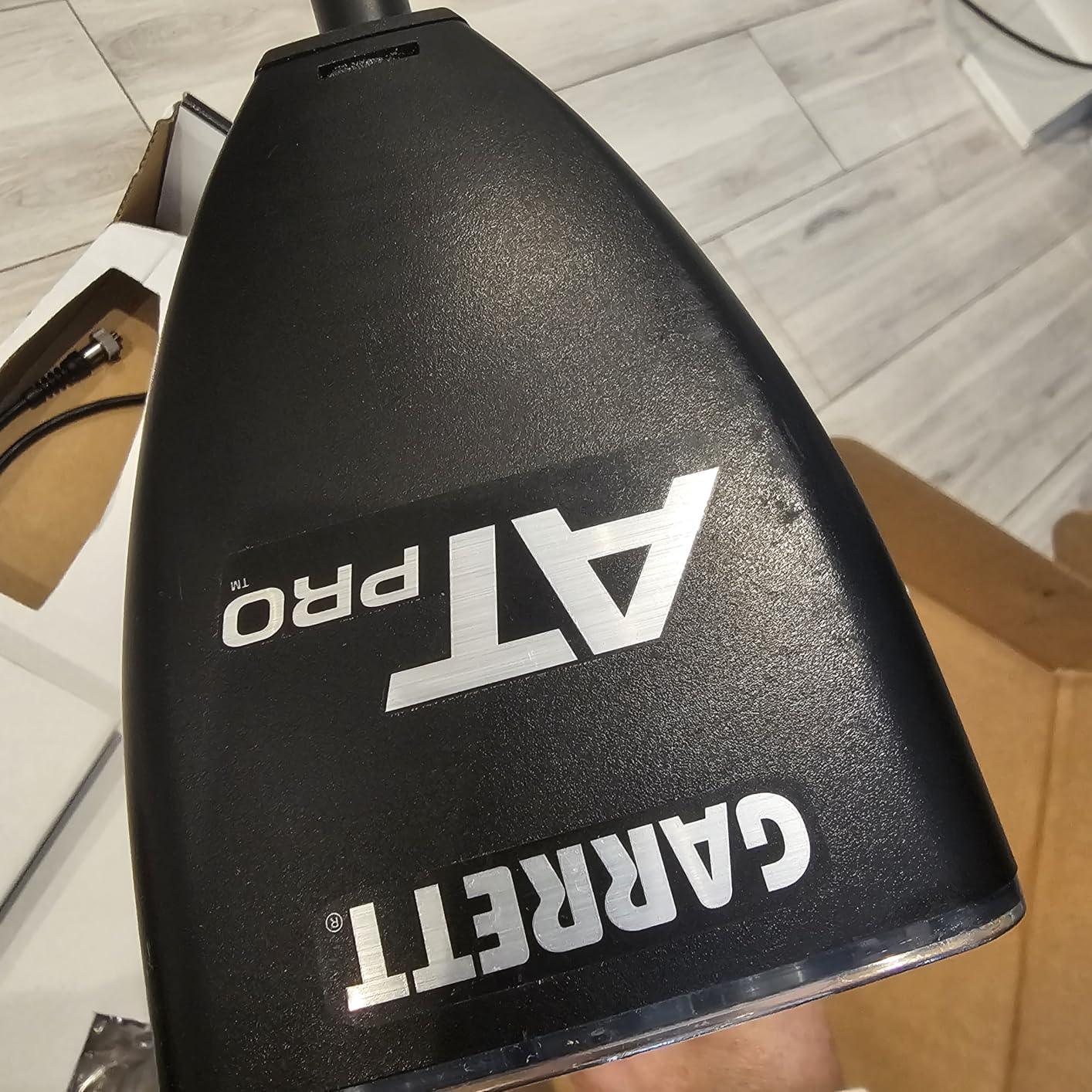
The Garrett AT Pro is a professional relic machine first, and that shows in the one number that matters on a battlefield or an old homestead: 40 levels of iron discrimination. You can reject iron aggressively without cutting a genuine artifact.
Owners consistently report depth performance that outclasses more expensive machines they owned before, along with the ability to work submerged to 10 feet. Fast recovery speed means a cluster of targets does not smear into one long tone.
Pro Mode audio with proportional response and tone roll gives you a continuous read rather than discrete beeps. For an experienced detectorist, that is a genuinely richer signal than a simple target ID number, and it is the main reason veterans keep this machine.
The included MS-2 headphones boost weak signals, which matters when the target is marginal at depth. You will still hear targets the speakers miss, which translates directly into more digs at depth.
Why discrimination beats depth on relic ground
On a field worked for a decade, the limiting factor is not depth. It is how many iron nails you are willing to dig in an afternoon. Forty discrimination levels is what makes a deep-seeking machine usable there.
Reviewers also flag a small caveat: the LCD is compact, so if you need reading glasses, check it before you commit. The audio is where the real information lives anyway.
Who should buy it and who should not
Buy it if you already know what you are doing and work fields with heavy iron content, or if you dive shallow wrecks. It is a professional tool that rewards practice.
Skip it as a first detector. Multiple reviewers note the Pro Mode audio is a real learning curve, and the honest advice across forums is that experienced detectorists should own deep-seeking hardware, not beginners.
4. SAKOBS 11 Inch IP68 DD – Best Complete Kit For Wet Sand
SAKOBS Metal Detector for Adults, Professional Foldable Waterproof Metal Detector with 11″ IP68 DD Coil, Backlit LCD Target ID, 12.8″ Deep Search Gold Detector, Lightweight Beach Metal Detector
11 inch IP68 double-D coil
9 kHz
2.7 lb foldable
9 target types
Pros
- Complete kit with headphones shovel and backpack
- Light 2.7 lb foldable frame is easy to carry
- Backlit LCD target ID is easy to read
- IP68 coil handles wet sand and shallow water
- Four modes approachable for beginners
Cons
- Claimed 12.8 inch depth only in ideal soil
- Single 9 kHz frequency
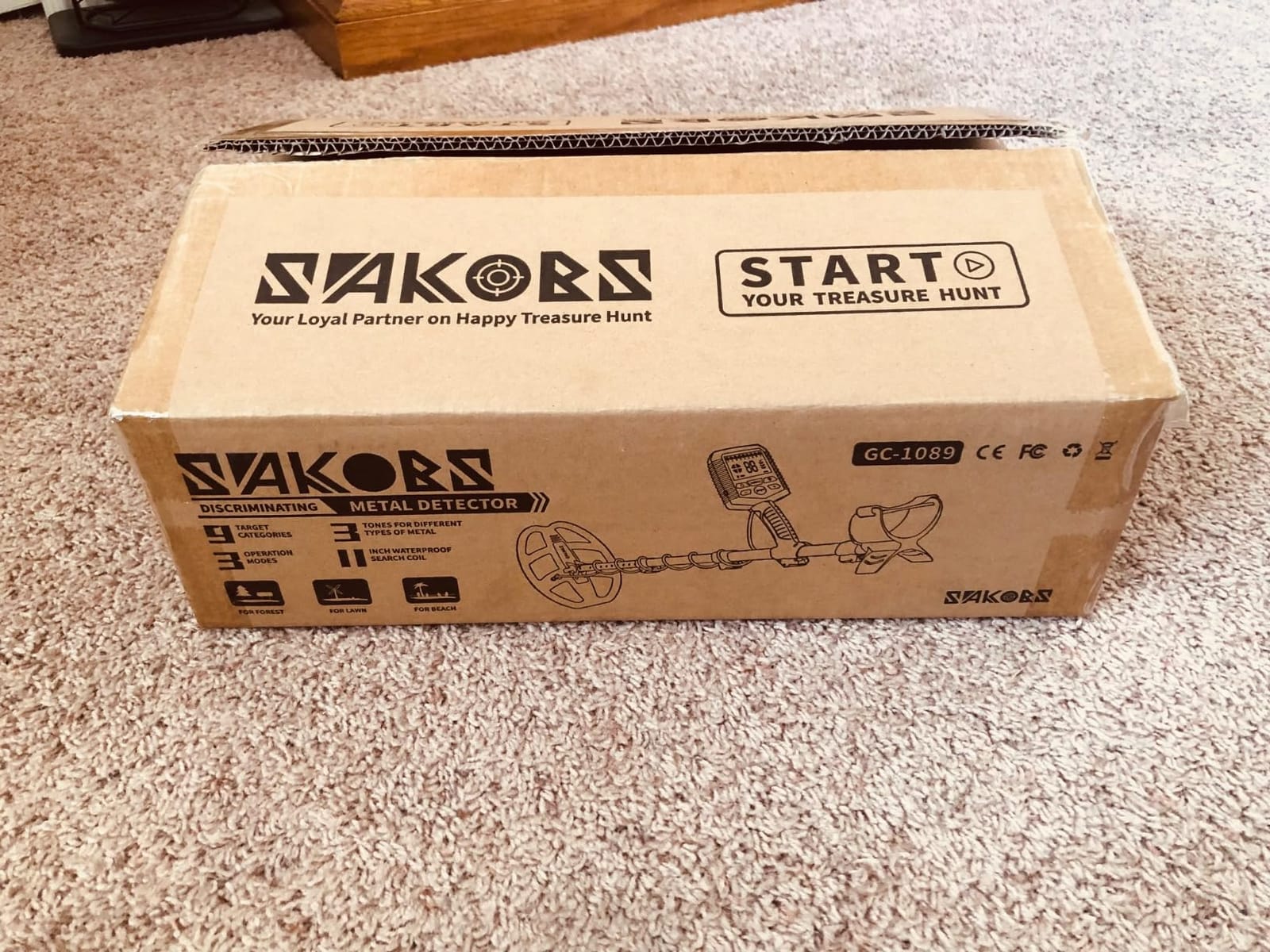
What sets the SAKOBS apart at this level is the box contents. Headphones, a digging shovel and a carrying backpack come in the package, so you can start working a beach in one trip instead of shopping for accessories first.
The 11 inch IP68 double-D coil handles wet sand and shallow water, and the foldable 2.7 lb frame collapses for transport. That combination is genuinely practical for anyone moving between a car, a boat and a shoreline.
The display offers nine target ID categories on a backlit LCD, and four modes including All Metal, Disc, Jewelry and Pinpoint. The Jewelry mode is a nice touch on a machine at this level.
The marketing claims 12.8 inches of detection depth. Take that number seriously only in ideal conditions. On a single 9 kHz frequency in ordinary soil, expect a smaller figure, and less in mineralized sand.
How it handles mineralized beach sand
Wet salt sand is among the hardest soils to work, and a single-frequency machine is the wrong tool for it in theory. In practice the IP68 coil and the discrimination modes keep the machine usable, but expect a shorter effective range than the spec sheet suggests.
If surf and salt water are your primary hunting ground, an IP68 multi-frequency platform will hold up far better over a full day.
Who should buy it and who should not
Buy it if you want a complete, portable beach setup at a mid-budget level and do not already own a pinpointer or headphones. The value of the bundled gear is real.
Skip it if depth is the whole point of your purchase. Nine kHz and an 11 inch coil will not compete with the wider coils or the switchable frequencies higher up this list.
5. Hazlewolke 14 Inch Double-D – Best For Families And First Detecting Trips
Hazlewolke 14″ Metal Detector for Adults, Double-D Metal Detectors with Higher Sensitivity, Waterproof Metal Detectors with Large IP68 Search Coil, Professional DISC & Pinpointer Metal Detector Mode
14 inch IP68 double-D coil
VLF technology
5 modes
2.6 lb
LCD
Pros
- Largest coil in this roundup for reach on big targets
- Light 2.6 lb body suits long sessions and children
- Quick assembly with beginner friendly controls
- Handles sand rock and grassland
- Adjustable length grows with the user
Cons
- Entry level rather than professional performance
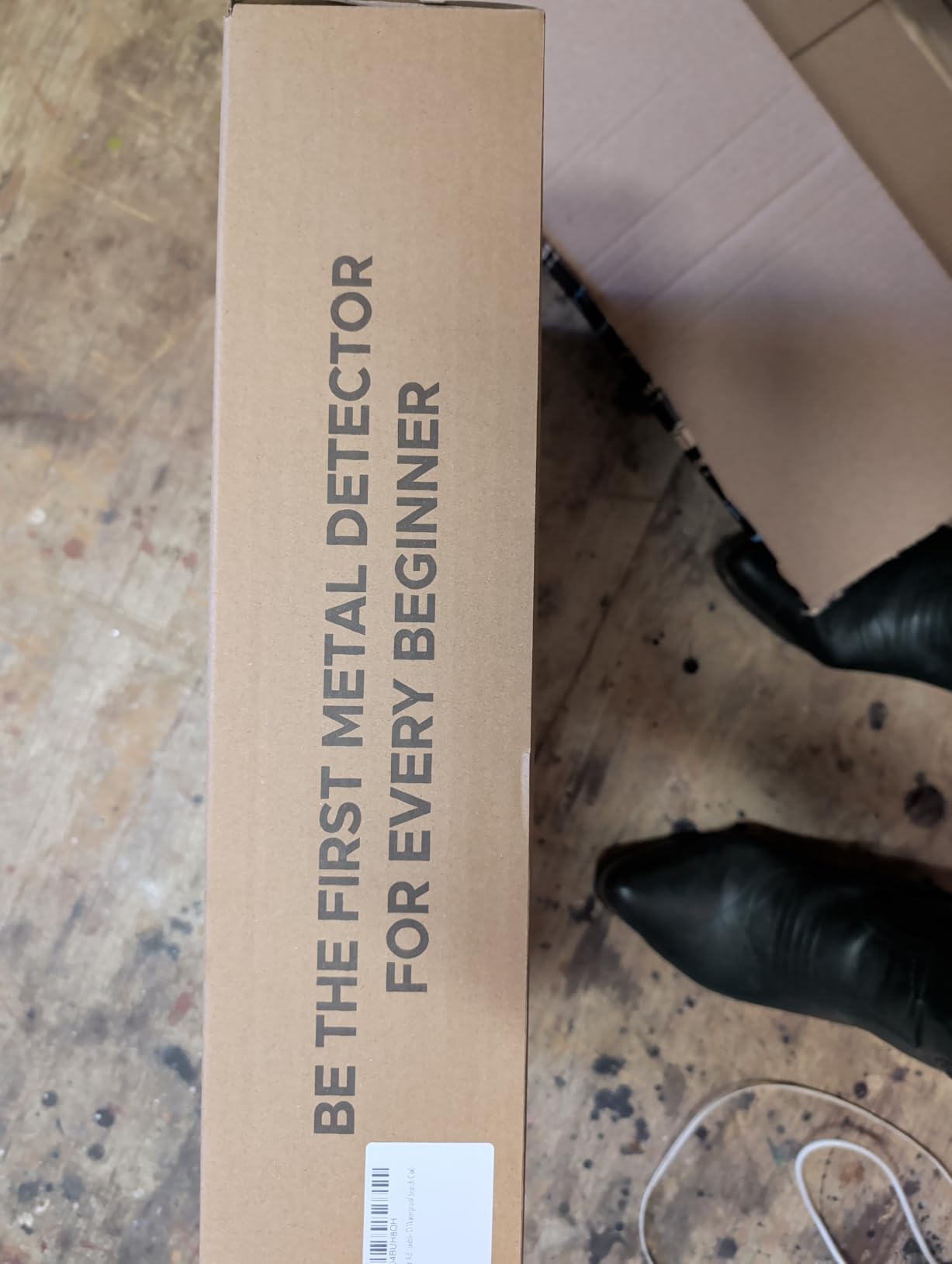
- Packaging copy blurs the beginner framing
- Occasional reports of pre handled boxes
The 14 inch double-D coil is the widest in this roundup, and under the 1.5 times diameter rule that puts the large-target ceiling at roughly 21 inches. For reach per dollar on a big buried object, nothing else here compares.
At 2.6 pounds with an adjustable frame, it is also easy to hand to a younger family member. Reviewers report it working across sandy beaches, rocky hillsides and grassland without special setup.
Five modes with adjustable settings, including DISC and a pinpointer mode, cover the basics. The double-D configuration supports ground balancing and target separation, which is the part beginners find most useful once signals get confusing.
The listed depth claim of 13 inches sits in the same territory as the other budget units here. Treat it as a ceiling under good conditions rather than a typical result.
Big coil, honest limits
A wide coil gains depth on large targets and loses sensitivity to small ones. That is the trade-off every detectorist faces, and at 14 inches this machine is well down the sensitivity side of it.
It is a good machine for a first outing and a poor one for coin shooting in a park where small targets matter more than reach.
Who should buy it and who should not
Buy it if the family is new to the hobby, you want maximum coil width cheaply, and the realistic target is something large like a toolbox or a buried container.
Skip it if you are chasing small non-ferrous targets or need serious discrimination. The listing itself is marketed as a beginner step-up, and reviewers are candid that performance is entry-level.
6. Gbnryg M55Z-SX8 Professional Metal Detector – Best Utility Find Finder In A Full Kit
Gbnryg Professional Metal Detector for Adults.
12 inch IP68 coil
5 search modes
5.8 lb
full kit
backlit LCD
Pros
- Reliable for lost rings keys and markers
- Assembles in minutes and breaks down to fit the backpack
- Depth indicator helps decide whether to dig
- Complete accessory bundle in the box
- Power-on memory saves your settings
Cons
- Sensor head joint can deform or crack
- Console is not waterproof
- Included digging tools are weak
This is a high-volume budget bundle, and the reason it sells is not depth. It is that people use it to find the ring they lost in the grass, which it does reliably at close to zero dollars of effort.
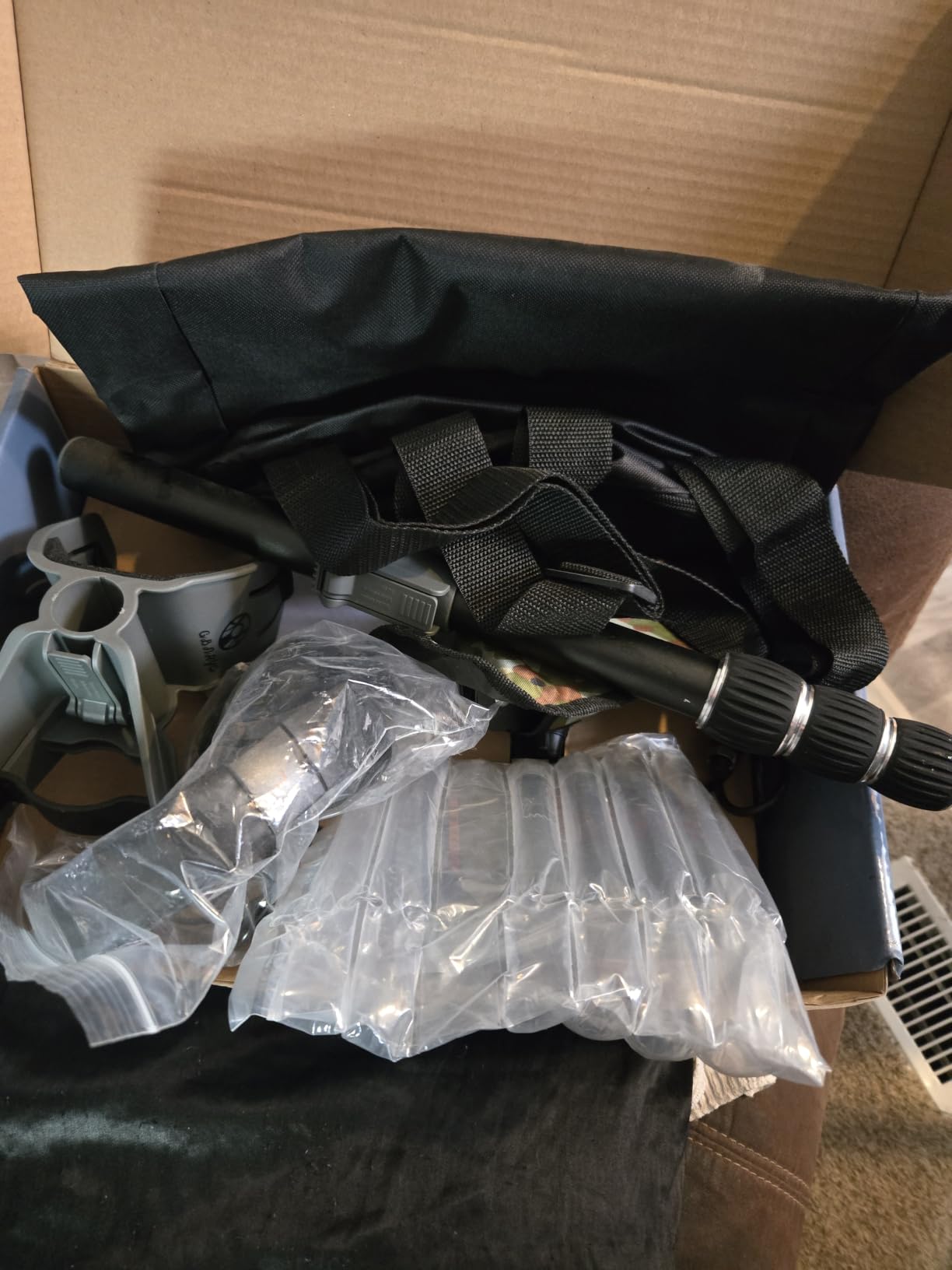
The bundle includes two batteries, a backpack, over-ear headphones, a manganese-steel digger and a manual. It breaks down small enough to fit that backpack, and the power-on memory means your settings survive a reboot.
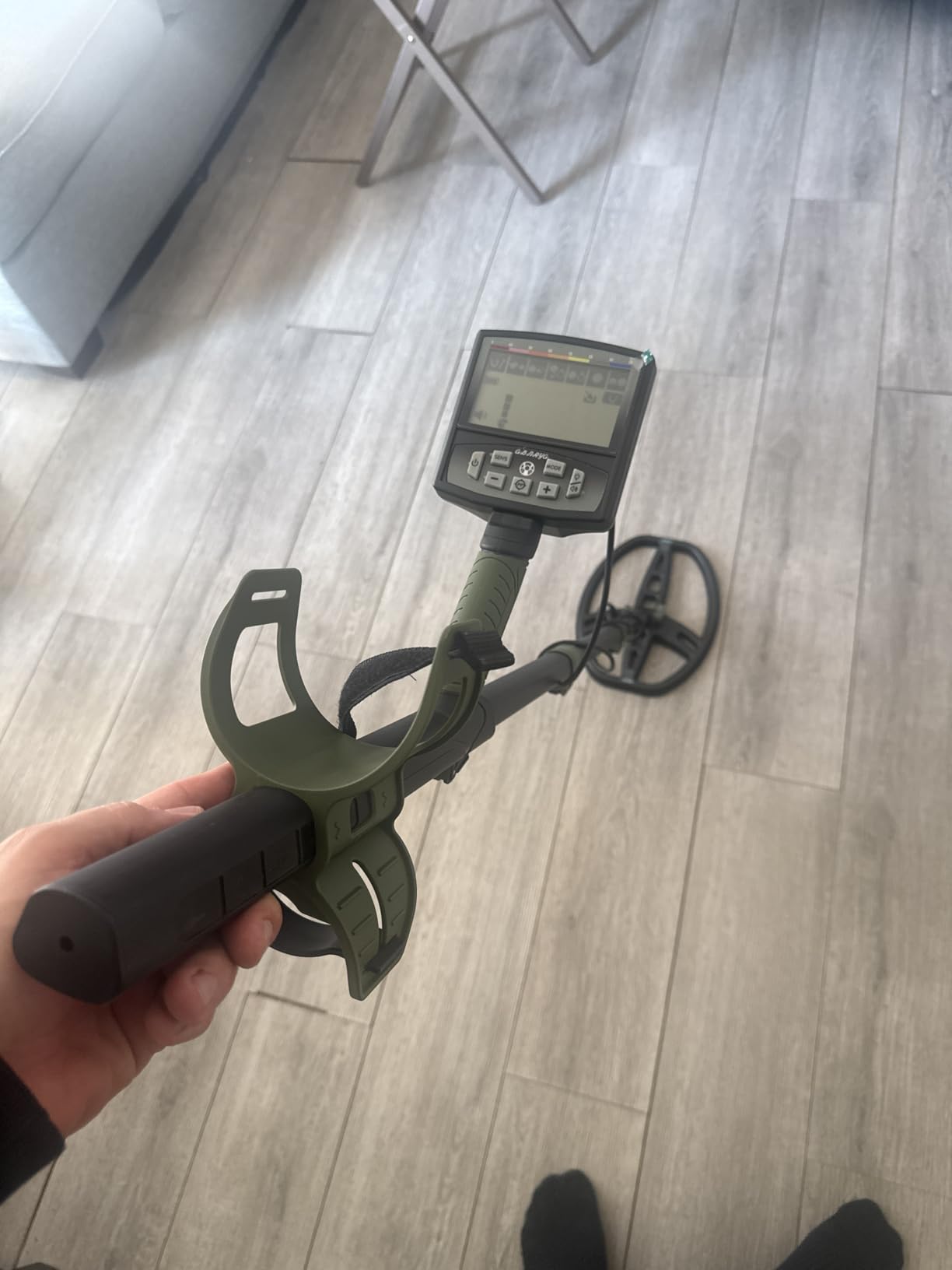
Five search modes cover All-Metal, Disc, Memory, Jewelry and Pinpoint, with five levels of sensitivity and a telescopic stem from 21 to 53 inches. The 2X larger backlit screen and silicone buttons are easy to read in the field.
Two honest warnings. The 5.8 pound weight is by far the heaviest in this roundup, and the sensor head mounting joint is the single most common complaint in negative reviews. Owners report it deforming or cracking when the bolt is tightened.
What the depth claim is really worth
The DSP chip claim of 40 percent higher accuracy and 12 inches of depth comes from the listing, not from field measurement. In practice this is a close-range machine. Its value is in the first six inches of a lawn.
The control console is also not waterproof, even though the coil carries an IP68 rating. Keep the box dry.
Who should buy it and who should not
Buy it as a utility detector for a worksite, a yard, or a keepsake for someone who loses things. For that job the accessory bundle makes it hard to argue with.
Skip it if you intend to swing it for eight hours. At 5.8 pounds it will wear you out long before the battery runs down, and forum advice is consistent that a small coil plus a pinpointer beats a heavy machine for most work.
7. Nokta Simplex Ultra – Best Lightweight Waterproof All-Rounder
Nokta Simplex Ultra Waterproof Metal Detector with Carbon Fiber Shaft and 11” Search Coil (Metal Detector)
Waterproof to 16 ft
11 inch coil at 7 kHz
2.6 lb
6 programs
USB updates
Pros
- Fully waterproof and proven underwater in sand and water
- Carbon fiber shaft is durable and very light
- Accurate depth estimates across common metals
- Sensitive enough for small gold flakes
- Simple setup with a clear manual
Cons
- Bluetooth headphones are not included at this price
- Limited reach against flagship machines
- Display symbols take time to memorize
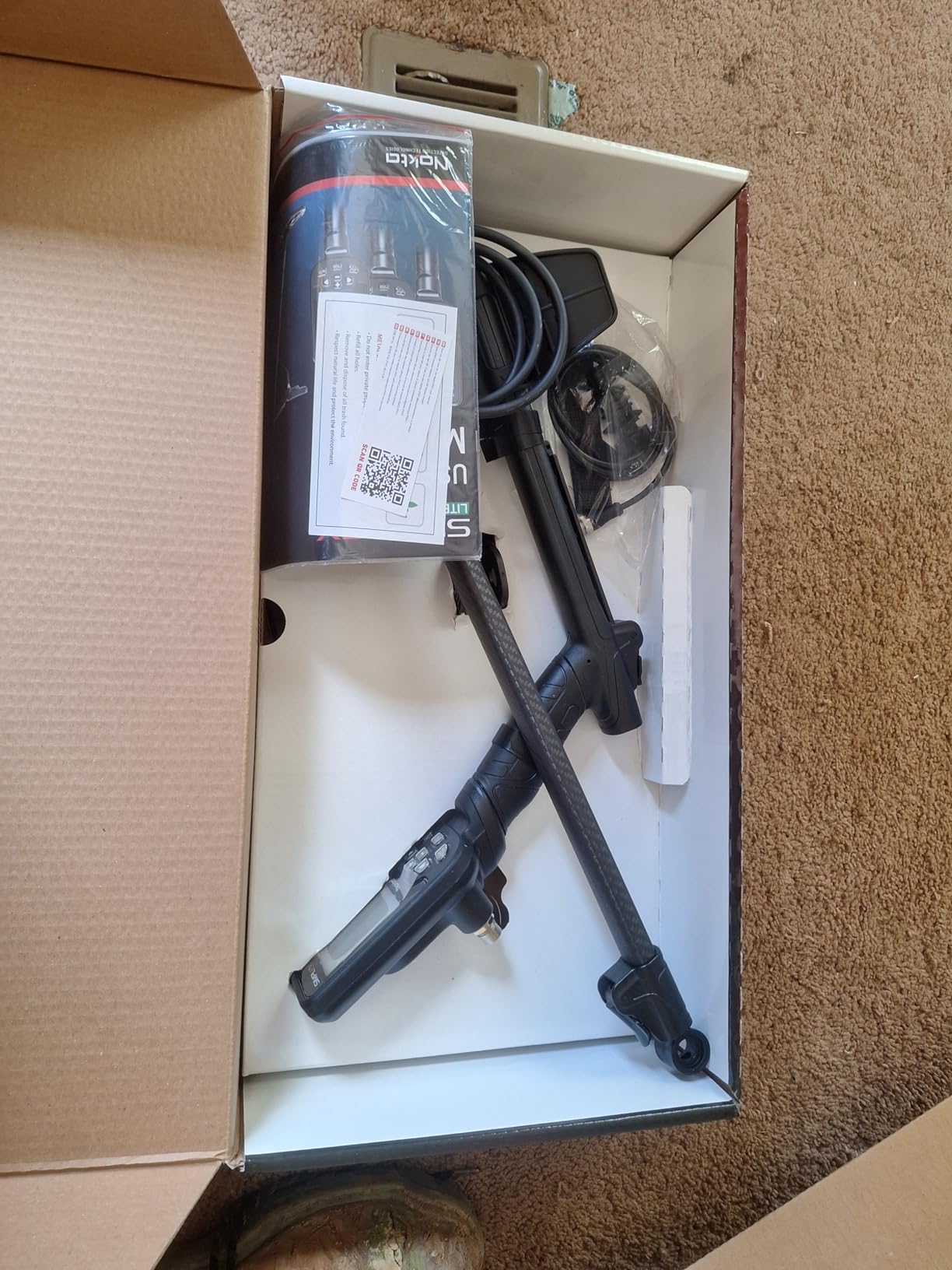
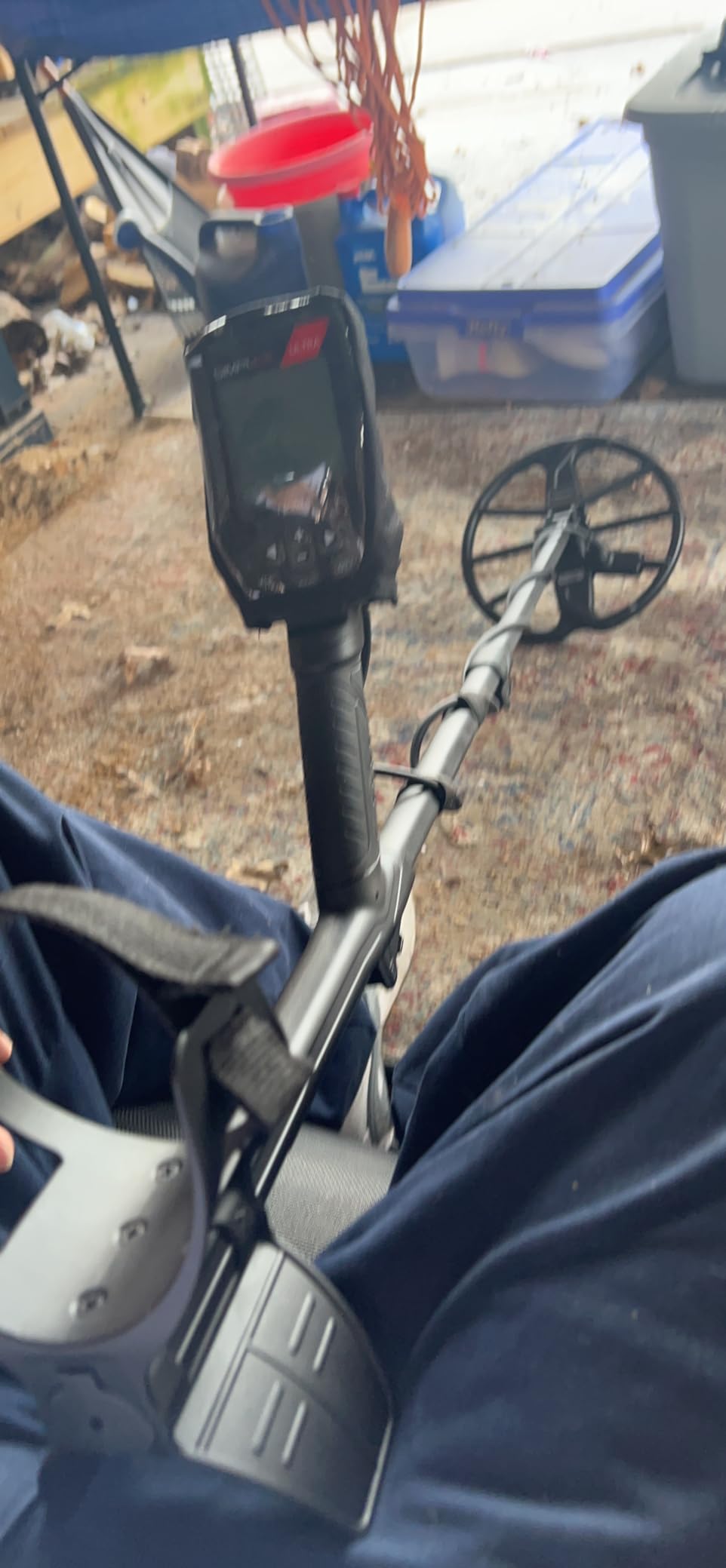
The carbon fiber shaft is the story here. It retracts to 25 inches for transport and underwater work while weighing 2.6 pounds, and owners consistently report that it stays comfortable through long sessions.
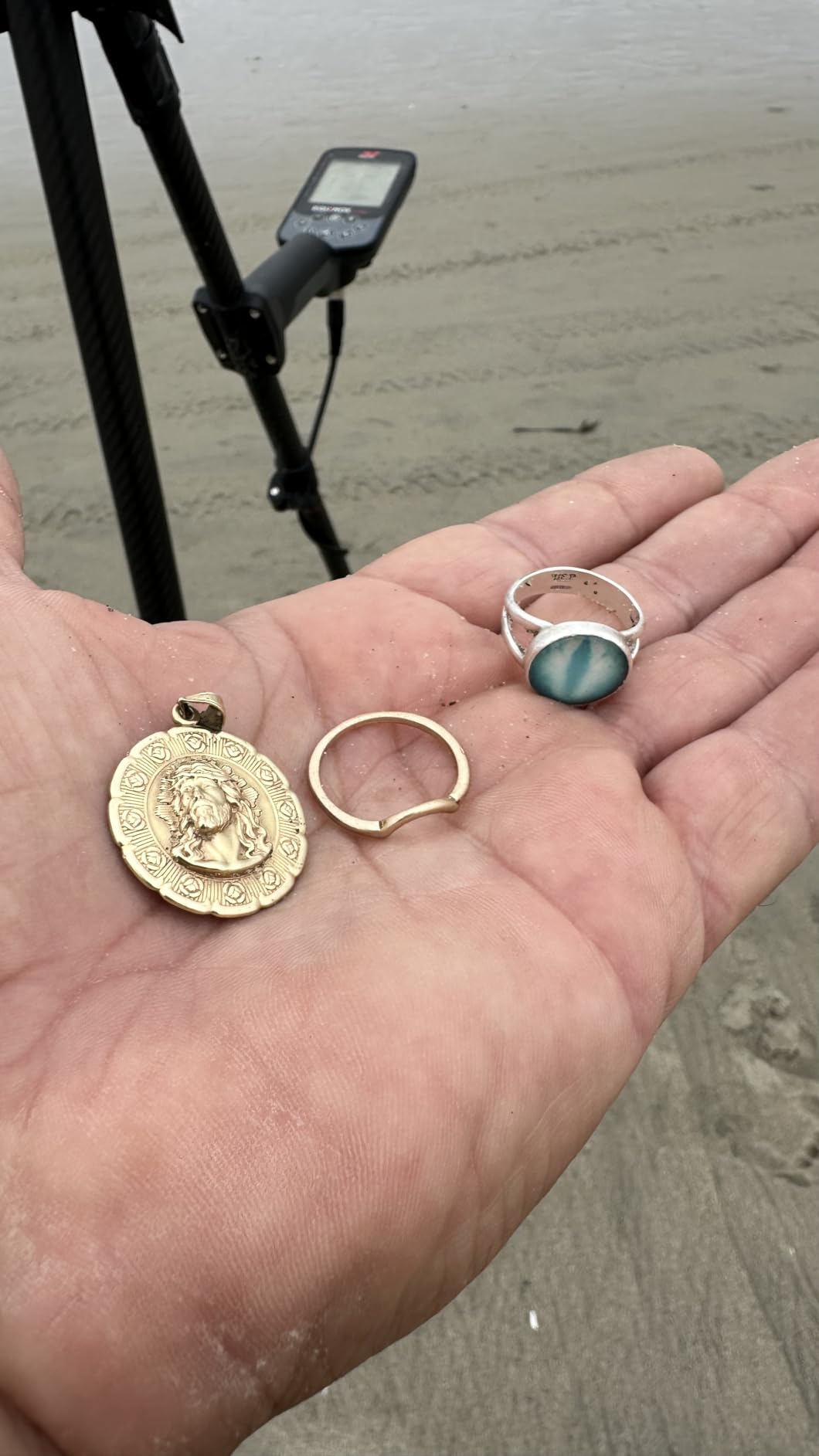
Owners confirm it works in water and wet sand, and report accurate depth estimates across tin, aluminium, copper, nickel and iron. One reviewer planted a gold flake at 10 inches and recovered it, which is a fair test of sensitivity.
Six detection programs, a 7 kHz frequency with an 11 inch coil, and USB firmware updates that keep the machine current. That last point is uncommon at this level and outlasts most spec-sheet bragging.
The complaint that shows up again and again is packaging. The box artwork shows Bluetooth headphones, but this package does not include them, because that accessory comes with a different model. Read the contents carefully before you buy.
Depth expectations from a 7 kHz machine
An 11 inch coil and a single mid frequency put this in the same depth class as the other mid-budget units here. The differentiator is not depth, it is how lightly and how long you can carry it.
For a new owner, that matters more than it sounds. The detector you can still hold at hour six is the detector that finds the target.
Who should buy it and who should not
Buy it if you are a beginner or upgrading from a cheap unit and want waterproofing and a light frame without flagship complexity. Six programs and a clear manual keep the learning curve short.
Skip it if you need maximum depth on large buried targets. For that, look at the multi-frequency platforms further down, which hold depth in soil this machine would struggle with.
8. Nokta Simplex Lite – Best Starter Machine For Shallow Water
Nokta Simplex Lite Metal Detector with 9.5” Waterproof DD Search Coil, Vibration for Detecting Underwater, Beach and All Metal Search Modes
9.5 inch waterproof DD coil
7 kHz
2.6 lb
vibration feedback
Pros
- Exceptionally light at 2.6 lb for long sessions
- Performs well in salt water and wet sand
- Sensitive to tiny gold pieces and small staples
- Stable target ID numbers and quick assembly
- Good battery life and useful in tight spaces
Cons
- No headphone jack at this level
- Practical depth of roughly 30 cm only
- Screen scratches easily
The Lite is the lightest serious machine here, and vibration feedback is the feature that separates it. When the detector goes under water you cannot hear the tone, so the haptic motor tells you a target is there.
Owners confirm it works in the ocean and in wet sand, and report finding coins, gold and small scrap. The target ID numbers stay stable, which makes classification straightforward.
A firmware update reduced screen glare at low settings, a small quality-of-life fix that tells you the manufacturer still supports the machine. USB updates on a machine at this level are a genuine plus.
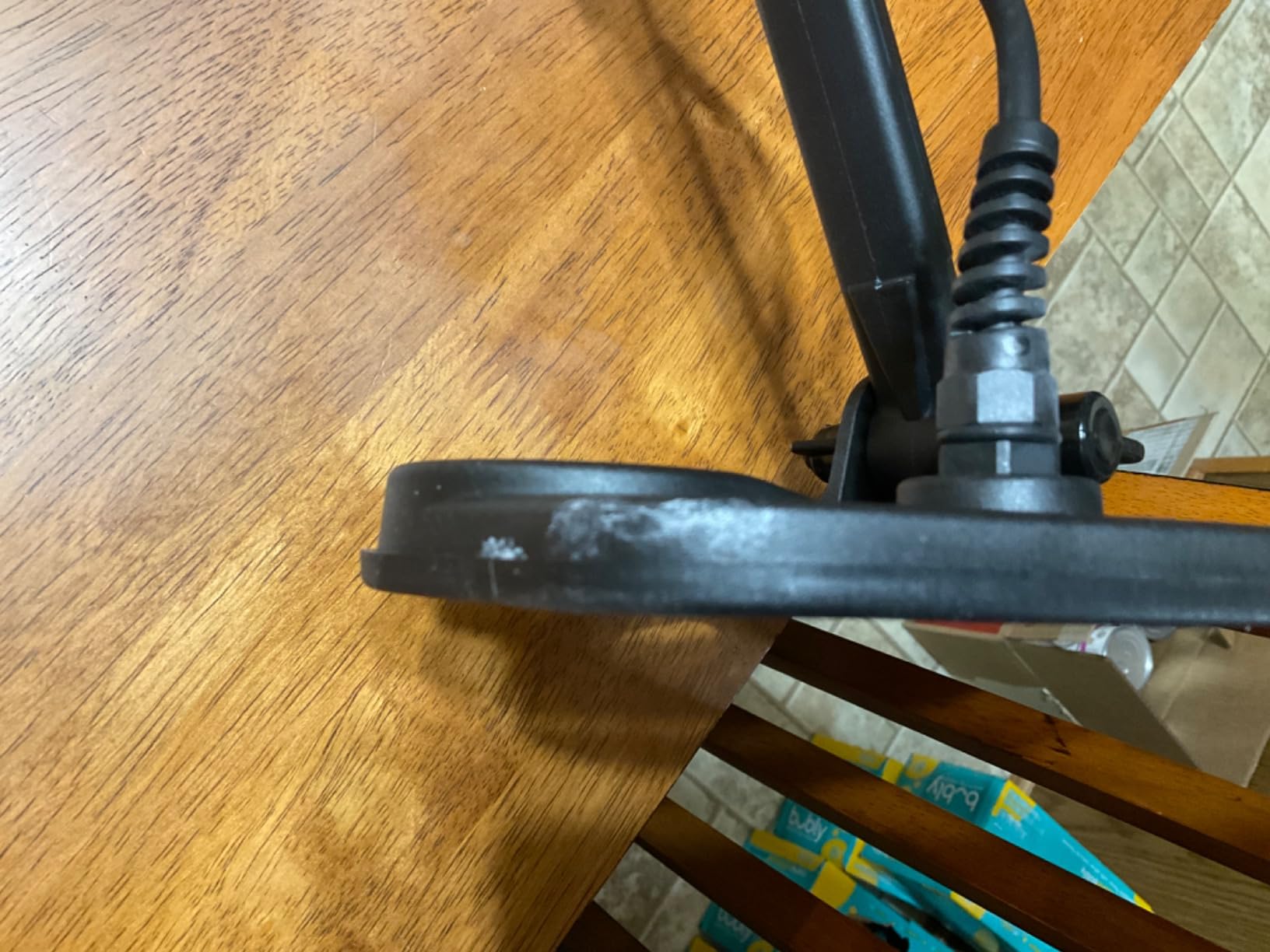
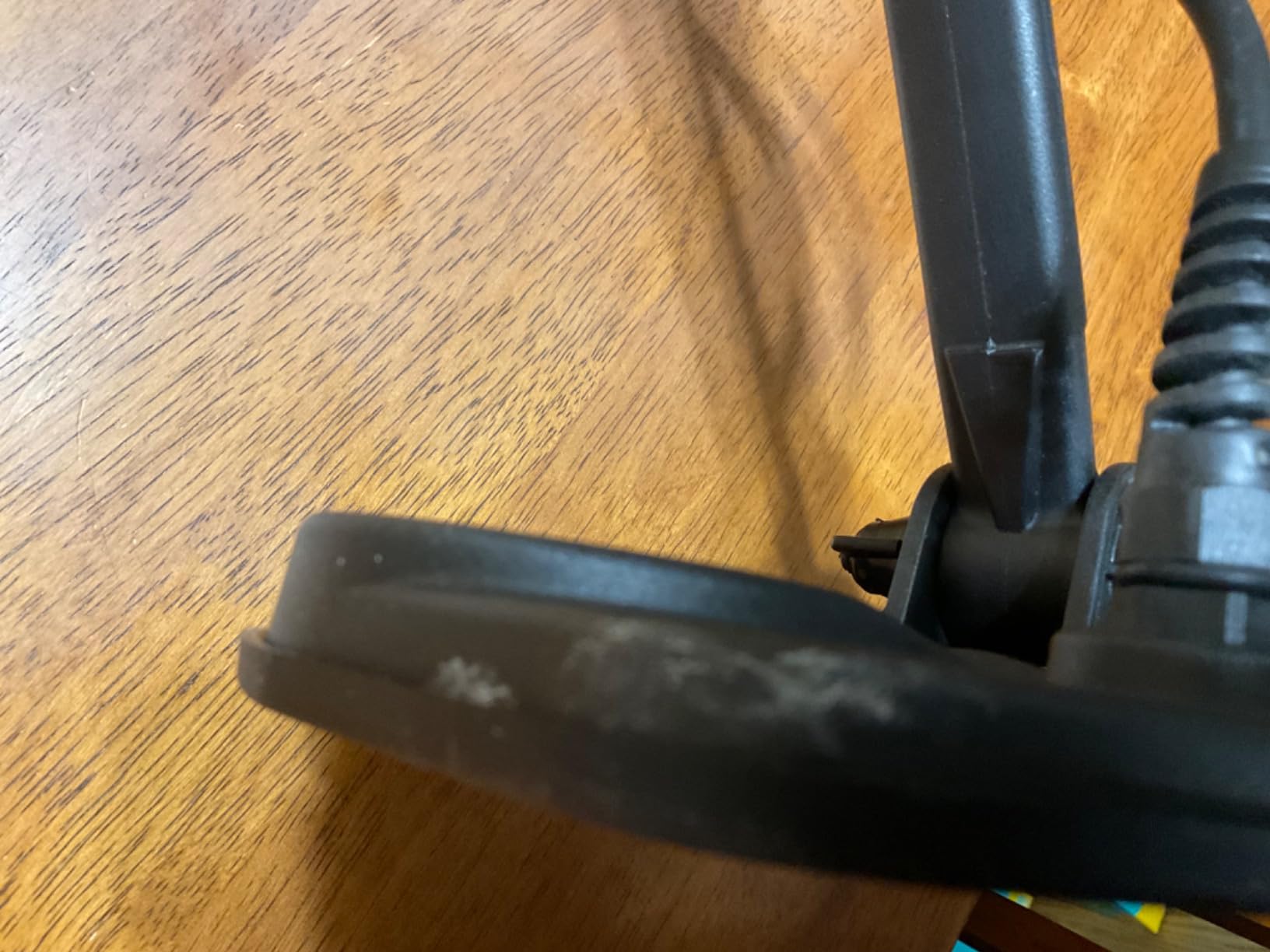
Be clear about what it is not. The practical depth is roughly 30 cm, which is shallow by the standards of this whole list. Very tall users report running out of shaft length, and the screen scratches easily.
Why a small coil is not always a downgrade
A 9.5 inch coil finds small targets that a 14 inch coil walks right past. In rocky ground and around foundations, a tighter coil plus a pinpointer is what experienced users actually recommend.
If your targets are small and shallow rather than large and deep, this is the more sensible machine, not a lesser one.
Who should buy it and who should not
Buy it if you are starting out, hunting shallow water and tight spaces, or want a machine light enough to carry all day. It is a clean step up from the cheapest units.
Skip it if deep coins and buried caches are the goal. It simply does not reach for them, and the honest thing to say is that no machine in this price range will.
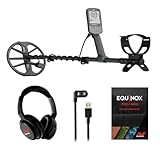
9. Minelab Equinox 900 – Best Multi-Frequency For Trashy Ground
MINELAB Equinox 900 Multi-Frequency Collapsible Metal Detector for Adults with EQX 11″ & 6” Waterproof Double-D Coils (Option for 6 Single Frequencies, 4 Detect Modes, Wireless Headphones Included)
Multi-IQ simultaneous multi-frequency
IP68 to 16 ft
119 step target ID
Pros
- Simultaneous multi-frequency accuracy across metals and soils
- Fully submersible to 16 ft for surf work
- 119 step target ID makes separation easy
- Light 2.8 lb carbon fiber build
- Wireless headphones and two coils in the box
Cons
- Premium price against entry-level units
- Feature set takes real time to learn
Simultaneous Multi-IQ runs five frequencies at once, and that is the single biggest technical jump on this list. Where a single-frequency machine picks one relationship with the soil, Multi-IQ reads several at the same time and keeps depth in mineralized ground.
Both the 11 inch and 6 inch double-D coils come in the box, along with low-latency wireless headphones. That is a complete kit, and the small coil is the one you want in rocky or root-filled ground.
119 high-resolution target ID segments give you a real classification read rather than a guess. Four modes cover Park, Field, Beach and Gold, and 6 selectable single frequencies let you override the multi-frequency engine when a specific soil calls for it.
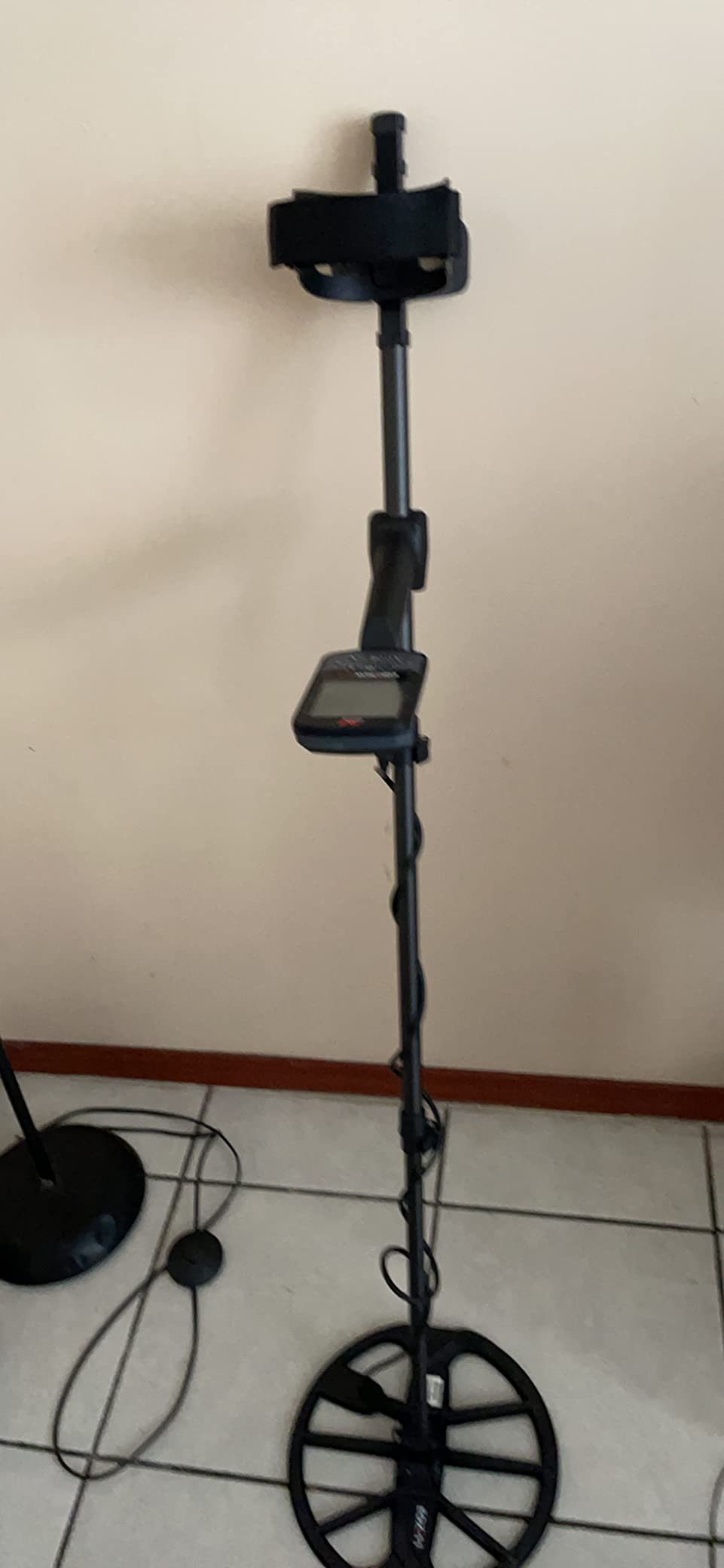
It is IP68 to 16 feet, so surf and shallow water work needs no separate control box. The carbon fiber shaft packs down to 24 inches, and there is a built-in flashlight plus handgrip vibration for night detecting.
Why multi-frequency is the real deep-seeking story
Depth numbers on a single-frequency machine assume clean soil. Multi-frequency holds that number across a much wider range of conditions, which means the depth you get in September matches the depth you got in April.
That consistency is what separates this from every budget machine above it, and it is why buyers describe it as justifying the cost.
Who should buy it and who should not
Buy it if you hunt in mixed ground, trashy parks, mineralized fields or surf and you are done replacing machines every year. The two included coils mean you never have to buy one.
Skip it if you are a casual user on clean lawn. You would be paying for soil performance you will never use, and the tuning demands a steeper learning commitment than a simple machine.
10. Minelab Manticore – Best High-Power Platform For Enthusiasts
MINELAB MANTICORE High-Power Multi-IQ+ Waterproof Metal Detector for Adults with Advanced Target ID (11″ Double-D Coil Included)
Multi-IQ+ high power
2D target ID map
10 modes
IP68 to 16 ft
Pros
- Highest power multi-frequency platform in this group
- 2D target ID map is far more informative than tone only
- 10 modes cover inland beach and goldfield ground
- Waterproof to 16 ft for surf and shallow water
- Light and folds from 56.7 to 24.8 inches
Cons
- Most expensive machine here
- Ten modes and advanced audio demand real study
The Manticore is where depth on a large target stops being a spec-sheet claim. Multi-IQ+ delivers 50 percent more power than the traditional multi-frequency platform, and combined with an 11 inch double-D coil that puts the large-target range where handheld detectors actually operate.
The advanced 2D target ID map is the feature experienced users care most about. Instead of one number you get a conductivity and an inductance read, which separates a large iron object from a small non-ferrous one far more reliably than tone alone.
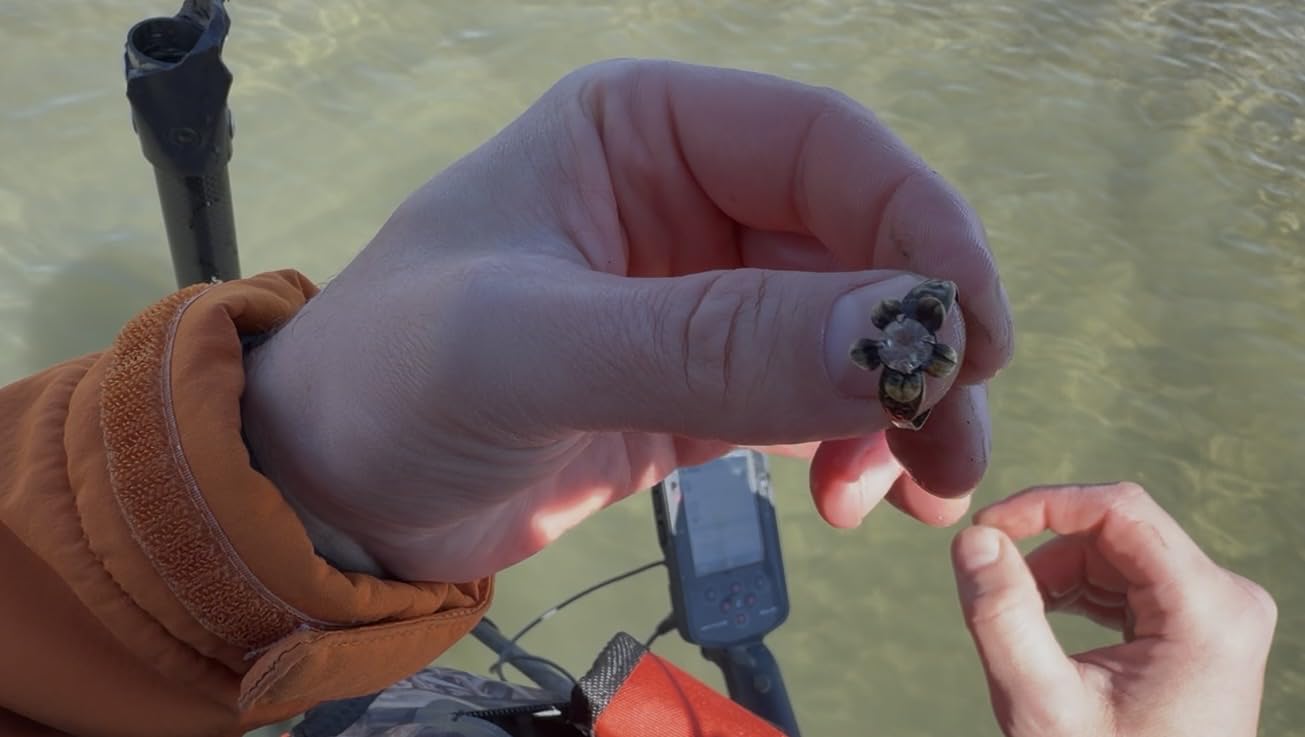
Ten search modes include All-Terrain, Beach and Goldfield, and the machine is IP68 to 16 feet. It folds from 56.7 inches to 24.8 inches, and the flashlight, keypad backlight and handgrip vibration cover night work.
Buyers note that despite the power it stays light and compact. The cost is complexity: ten modes and an advanced audio system are a real learning investment, and the price is the highest in this roundup by a wide margin.
What extra power actually buys you
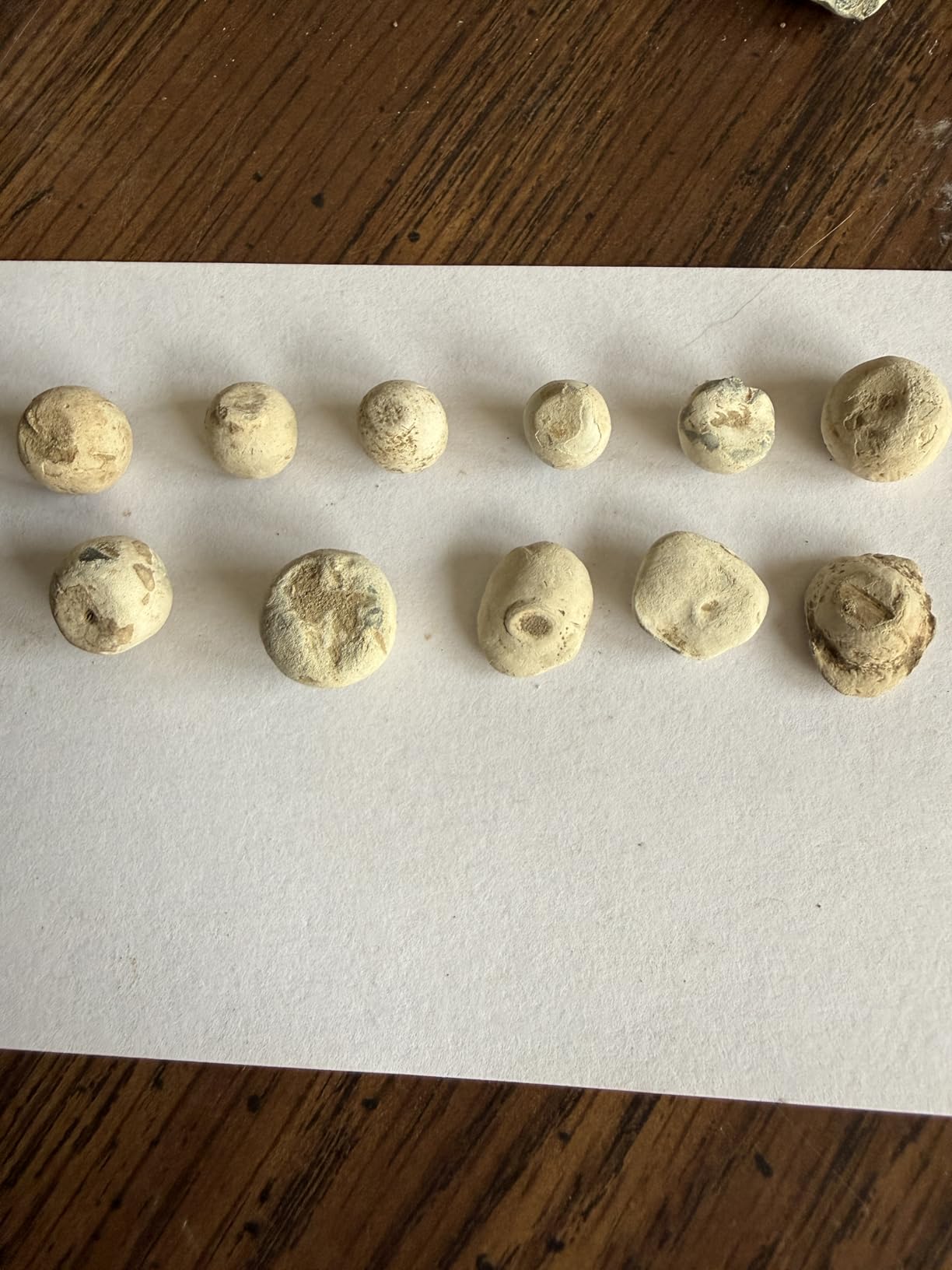
More power does not mean finding a coin at six feet. It means holding signal through mineralized soil, reading a marginal large target, and getting a usable ID on something that a mid-tier machine would simply chatter on.
If your target list is large buried objects on old homesteads, that is exactly the return you want. If your target list is coins in a park, the Equinox 900 does the same job for less.
Who should buy it and who should not
Buy it if you are an experienced detectorist moving up a tier, or if relic hunting on iron-rich ground is a serious goal and you want the deepest honest reach available in a handheld machine.
Skip it if you are new. Reviewers are candid that ten modes and advanced audio require study, and the sensible order is to master one simpler machine first.
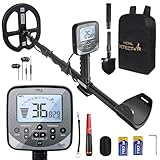
11. PRO-Z60 Metal Detector Kit – Best High Frequency Kit For Small Targets
PRO-Z60 Metal Detector for Adults 16″ Detection Depth Metal Detector Kit
19.23 kHz tuning
12 inch IP68 DD coil
2.6 lb
backlit LCD
full kit
Pros
- 19.23 kHz tuned to small low conductivity targets
- IP68 double-D coil for beach and shallow water
- Backlit large LCD readable at dusk
- Stem adjusts 25 to 53 inches and collapses to 27
- Kit includes pinpointer headphones backpack and shovel
Cons
- Weakest average rating in this roundup
- 16 inch depth figure is a brand claim not a measurement
- Generic listing with limited brand support
High frequency is a different tool, not a deeper one. At 19.23 kHz this detector is tuned toward small, low-conductivity targets such as gold nuggets and loose coins, which is a problem high-power machines can miss entirely.
The accessory kit is genuinely the best in this roundup: a handheld pinpointer with holster, headphones, a portable backpack, an angle-adjustable shovel and two batteries. The pinpointer alone is worth having regardless.
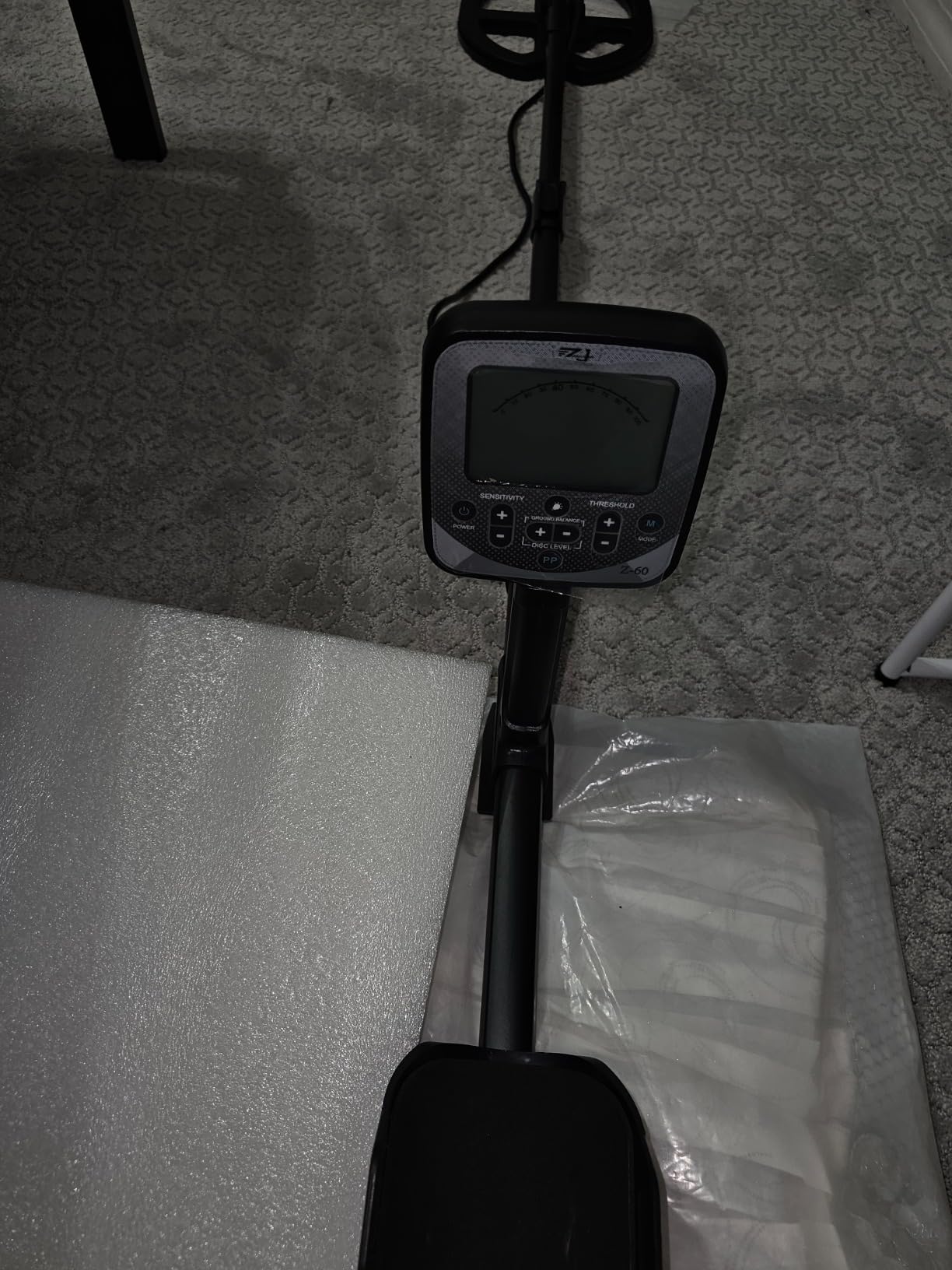
The double-D coil carries an IP68 rating for beach and shallow water, and the backlit LCD has a toggleable light for dusk and night work. The stem adjusts from 25 to 53 inches and collapses to 27.
Be blunt about the evidence. The 4.1 average with 18 percent of reviews at three stars or below is the weakest score in this list, the 16 inch depth claim is a brand claim rather than a verified field measurement, and the listing suggests limited brand support.
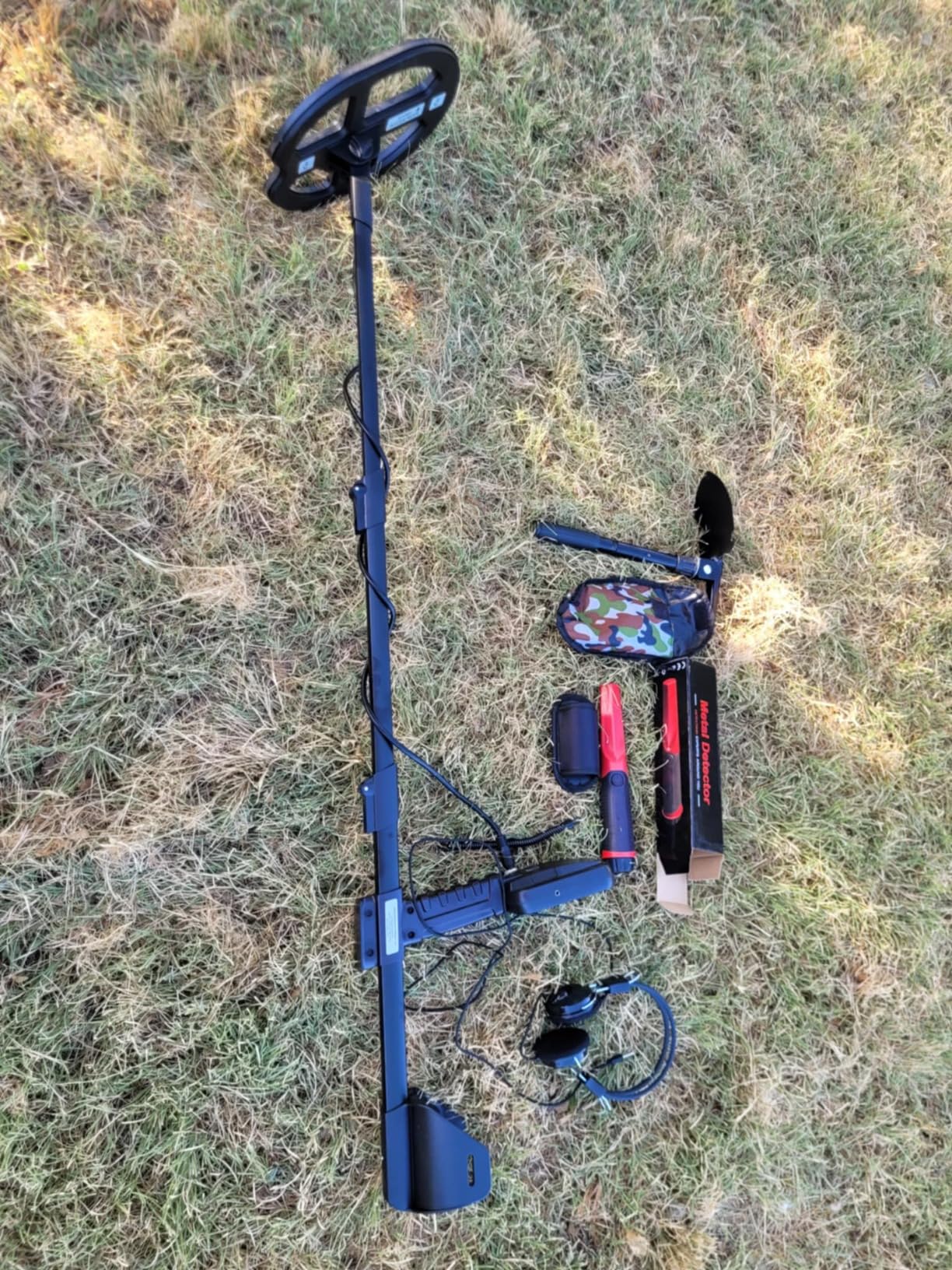
High frequency is not deep seeking
A 19 kHz machine gives up depth to gain sensitivity to small targets. If you are hunting nuggets or small coins, that trade is exactly right. If you are hunting a buried cache, it is the wrong trade.
For a real nugget-hunting setup, a dedicated gold machine with a properly sized coil will beat this on the targets that matter.
Who should buy it and who should not
Buy it if you want a complete all-in-one kit for beach and small-target work, or if the bundled pinpointer is the main thing you were after anyway.
Skip it if build quality and brand support matter to you, or if you need dependable depth. The rating spread and the unverified depth claim are the deciding factors here.
12. Garrett ACE 300 – Best Backup And Worksite Detector
Garrett ACE 300 Metal Detector for Adults – Made in the USA – Gold Metal Detector – Waterproof Coil, Plus Accessories
Digital Target ID 0 to 99
Iron Resolution
adjustable frequency
8 programs
Pros
- Essentially no learning curve for beginners
- Strong separation and depth for its class
- Large review base with a 4.6 average
- Lightweight and comfortable all day
- 25 hours of battery life
Cons
- Bundled headphones are a downgrade
- Plastic coil tension screw will not hold angle
- Controls are not waterproof
The ACE 300 has the largest review base of any machine here and holds a 4.6 average, which tells you something real about how consistently it performs for ordinary people. Reviewers describe finding a lost wedding ring within five minutes of starting.
Digital Target ID uses a 0 to 99 numeric scale for target conductivity, Iron Resolution handles separation, and electronic pinpointing with a non-motion All-Metal mode gives you precise location on a good target.
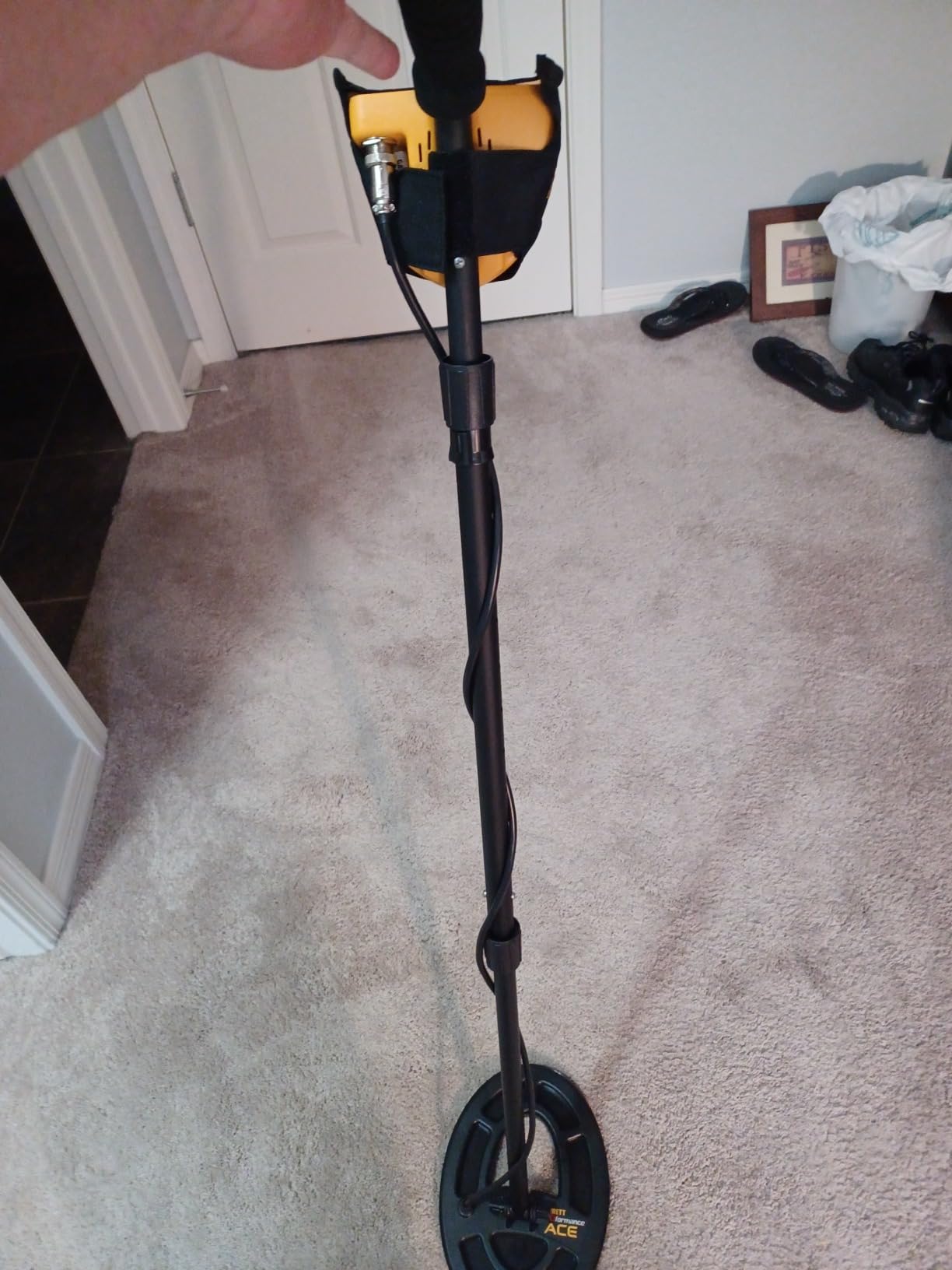
Eight programs, adjustable frequency to reduce interference in crowded areas, and roughly 25 hours of battery life. It is described repeatedly in reviews as a solid backup or worksite unit rather than a serious enthusiast machine, and that is an accurate summary of its role.
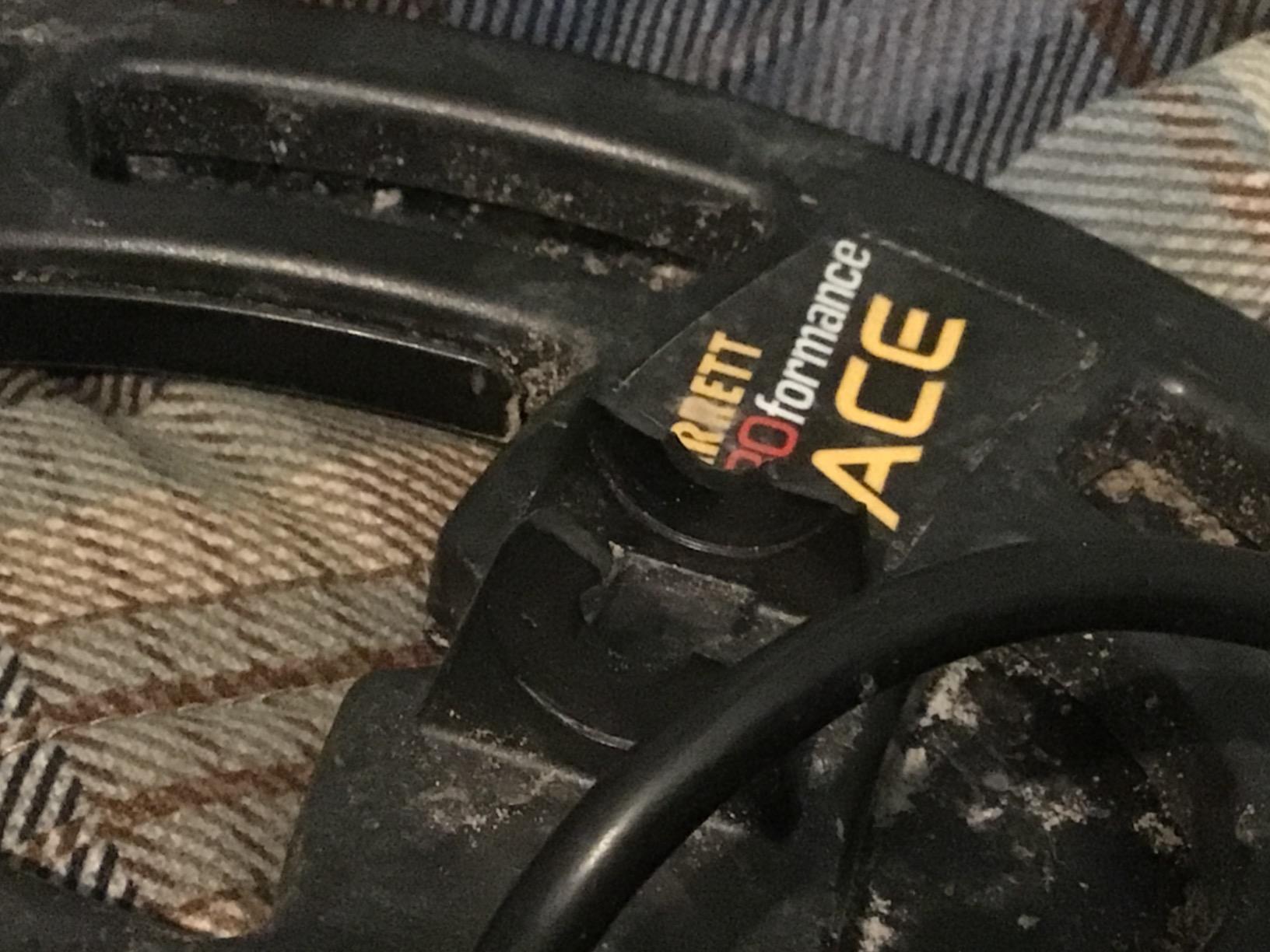
The repeated complaints are consistent and specific. The bundled headphones are widely criticised as a downgrade, the plastic coil tension screw will not hold position so the angle needs constant adjustment, and there is no printed manual.
Where it fits against the deep-seeking machines
The coil is the limit. At roughly 10 inches, the 1.5 times diameter rule puts the large-target ceiling near 15 inches, so this is not a deep-seeking machine by any honest measure. It is a very good ordinary detector.
Controls are not waterproof even though the coil can work under several feet of water, so keep the box above the waterline. The included searchcoil cover protects the coil from scratches and rocks.
Who should buy it and who should not
Buy it as a first detector, a backup machine, or a worksite tool where you will not be gentle with it. At this review volume the long-run reliability record is well documented.
Skip it as a deep-seeking purchase. If you want reach on large buried targets, spend the difference on a wider coil or a multi-frequency platform, and read our general buying guide first.
How To Choose A Deep-Seeking Detector
Six criteria decide whether a deep-seeking detector is worth your money. Work through them in order and the marketing stops mattering.
1. Coil diameter first. This is the single biggest lever on depth for large targets. Under the 1.5 times diameter rule, a 15 inch coil gives roughly 22 inches of reach and a 9 inch coil gives 13. Width costs you sensitivity to small targets, so decide what you are hunting first.
2. Technology second. Pulse induction and two-box detectors reach deeper on large ferrous targets but give up target identification. VLF and simultaneous multi-frequency machines give up some raw depth and keep discrimination. Multi-frequency is the right answer for most people, because soil conditions change more than target size does.
3. Ground balance and tracking. Mineralized soil is the real reason depth figures disappoint. A machine that tracks ground conditions automatically will hold its number in red clay that defeats a fixed-frequency machine at the same price. Re-ground balancing on every new patch matters as much as any setting.
4. Weight and balance. Anything above four pounds will shorten your day, and a shortened day means less ground covered. Two of the machines in this roundup are under three pounds, and that difference is felt at hour five.
5. Waterproofing. If you work water at all, the whole machine needs an IP68 rating, not just the coil. A coil-only waterproof rating leaves you with a control box to keep dry.
6. Total cost of ownership. Batteries, headphones, a digging tool and a spare coil add up. Our cost breakdown below covers what people actually spend after the purchase.
Search Coil Types And The 1.5x Diameter Rule
Monoloop coils are the simplest and most sensitive to small targets. They see depth in a narrow column, which means slow sweeping and careful overlap. Concentric coils give a wider sweep and a visual cue to the target centre, but they lose a little depth against a monoloop of the same size.
Double-D coils widen the field and support better ground balancing and target separation, which is why most of the machines in this roundup use one. The trade is a small loss of raw sensitivity in exchange for a faster sweep and better behaviour in mineralized soil.
Whatever the type, the working rule is the same: expect roughly 1.5 times the coil diameter for a large, conductive target in average soil, and roughly 10 to 16 inches for a coin. Coil height above the ground cuts depth faster than almost any other variable, so keep it low.
Techniques That Extend Your Real Depth
Slow is deeper. Speed kills signal. A patient, overlapping sweep with the coil held low finds more at depth than a fast pass, and the difference is often the difference between a dug hole and a skipped signal.
Ground balance correctly in every new patch. Soil changes under your feet across a single field, and a detector that was balanced at the gate may be overwhelmed ten rows in. Re-balance when the target ID drifts.
Use headphones. Weak deep signals sit below comfortable listening level in open air, and the included or aftermarket headset on most of these machines will pick up signals the speaker misses. The Garrett AT Pro and Garrett ACE 300 both address this directly.
Keep the coil flat and low. Angle it slightly toward the direction you are sweeping so the full field stays in the soil, and never lift it at the end of a pass, because that is exactly where a deep target will be.
Total Cost Of Ownership And The GPR Break-Even
Batteries are the running cost nobody plans for. Machines that ship with two batteries can still need a recharge every few long days, so budget for a spare set and a charger you can leave in the vehicle.
Spare coils are the bigger line item. A second coil in a different diameter changes what the machine can do more than any upgrade to the control box, and a depth multiplier coil is the classic way to squeeze extra reach on large targets, at the cost of weight and sensitivity.
At some point the honest answer is that a detector is no longer the right tool. If your target is reliably below about three to four feet, ground penetrating radar costs more but tells you where to dig instead of guessing. Experienced forum members make the same call, and the comparison comes down to how much digging you want to do blind.
Frequently Asked Questions
Which metal detector is best for deep searching?
For most people the Minelab Equinox 900 is the best deep seeking detector because simultaneous multi-frequency keeps its depth stable in mineralized soil. The Minelab Manticore goes deeper on large targets but costs far more and demands more study. For large targets on a budget, a wide double-D coil such as the VVinRC 13 inch unit gives the most reach for the money.
What is the deepest a metal detector can detect?
A handheld detector reaches about 10 to 16 inches for a coin, and roughly 1.5 times the coil diameter for a large conductive target such as a hoarded pile, a safe or a cast iron object. Beyond three to four feet, ground penetrating radar or digging is the honest answer.
What is the best metal detector for finding deep coins?
Coins are the hardest deep target because they are small and low in mass. A simultaneous multi-frequency machine such as the Minelab Equinox 900 or Minelab Manticore gives the best combination of depth and target ID, and a higher operating frequency helps on small low-conductivity coins. Expect 10 to 16 inches rather than more.
What is the number one rated metal detector?
There is no single answer, because the best detector depends on the target. The Minelab Manticore is the deepest honest performer here, the Minelab Equinox 900 is the best all-rounder, and the Garrett ACE 300 has the largest review base at a 4.6 average across more than three thousand reviews. Judge the number against your soil, not a forum vote.
Do deep seeking metal detectors actually work?
They work, within limits. Machines marketed with 12 to 16 inch depth claims usually deliver a usable fraction of that outside ideal soil, which is why buyers describe the gap as bait and switch. Deep seeking technology genuinely pays off on large buried targets in mineralized ground, and it is the wrong tool for coin shooting in a park.
Final Verdict: Which Deep Seeking Detector Should You Buy
The VVinRC 13 inch double-D is our pick as the best deep seeking metal detector of 2026 for most buyers, because a wide coil is the biggest lever on large-target depth and this one is the lightest machine in the roundup at 1.5 pounds. Its single 7.69 kHz frequency is the real limit, so work it in clean ground.
If your soil is mineralized or you hunt in trash, the Minelab Equinox 900 is the smarter buy, and the Minelab Manticore is the deepest honest performer if you are experienced and relic hunting is the goal. If you are brand new and just want to find things, start with the Garrett ACE 300 and upgrade once you know what you are chasing.
Whichever you pick, ground balance it properly, sweep it slowly, keep the coil low, and set your expectations at 10 to 16 inches for a coin. That expectation is what separates detectorists who find deep targets from the ones who keep disappointing themselves.