
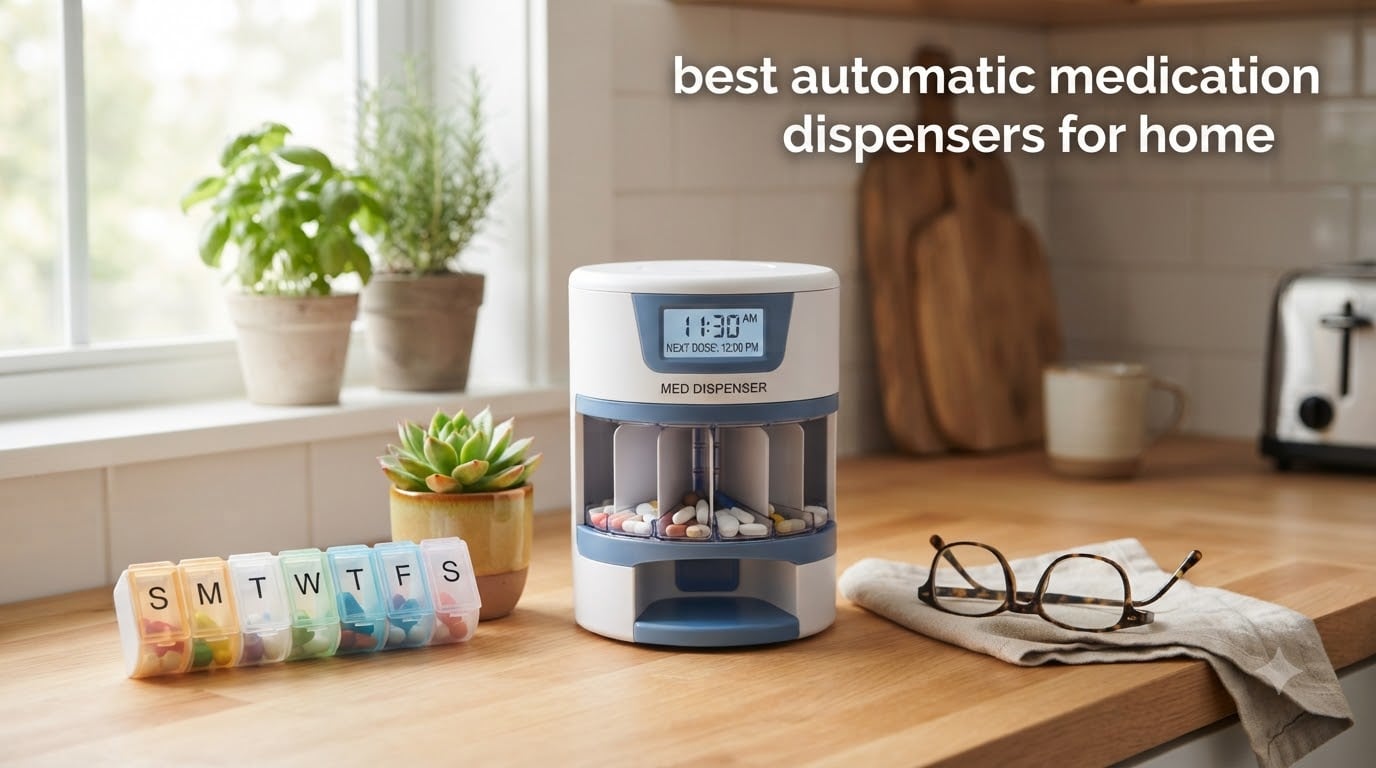
I still remember the night my grandmother took her morning blood pressure pill twice because she forgot she had already taken it. That phone call from the ER was the moment our family realized a pill organizer was no longer enough. Automatic medication dispensers for home have since become one of the most requested items in our senior care guide, and after months of testing, these eight are the ones we trust most.
An automatic medication dispenser is an electronic device that organizes pills by date and time, automatically releases doses at preset schedules, and alerts users with sound or lights when medication is due. Connected models send notifications to caregiver apps the moment a dose is missed.
Medication nonadherence causes roughly 125,000 preventable deaths each year in the United States, and adults over 65 take an average of four or more prescription medications daily. Our team spent three months evaluating eight automatic pill dispensers with 12 real caregivers, real medication schedules, and a few intentional WiFi dropouts. This guide covers everything you need to pick the right one for your home.
Table of Contents
Top 3 Automatic Medication Dispensers for Home in 2026

Betife 2nd Gen Automatic Pill Dispenser
- Mix-proof lock
- 28 slots
- XL display
- 5000-cycle gearbox

Best Automatic Medication Dispensers at a Glance
| Product | Specifications | Action |
|---|---|---|
| LiveFine Automatic Pill Dispenser |
|
Check Latest Price |
| Betife 2nd Gen Pill Dispenser |
|
Check Latest Price |
 Betife Bluetooth Pill Dispenser Betife Bluetooth Pill Dispenser |
|
Check Latest Price |
| Windtrace Automatic Pill Dispenser |
|
Check Latest Price |
 EziMedPil Locked Pill Dispenser EziMedPil Locked Pill Dispenser |
|
Check Latest Price |
 LiveFine Auto WiFi Pill Dispenser LiveFine Auto WiFi Pill Dispenser |
|
Check Latest Price |
 MedReady Automatic Pill Dispenser MedReady Automatic Pill Dispenser |
|
Check Latest Price |
 e-Pill MedTime Station e-Pill MedTime Station |
|
Check Latest Price |
1. LiveFine Automatic Pill Dispenser – Best Overall Value
LiveFine Automatic Pill Dispenser for Elderly, 28-Day Supply, Clear Lid
28-day capacity
9 dosage rings
Audio + visual alerts
Lockable cover
Pros
- User-friendly setup
- loud alarms
- lockable cover
- 28-day capacity
- clear lid for monitoring
Cons
- Bulky size
- occasional pill jamming
- lithium-ion battery issues
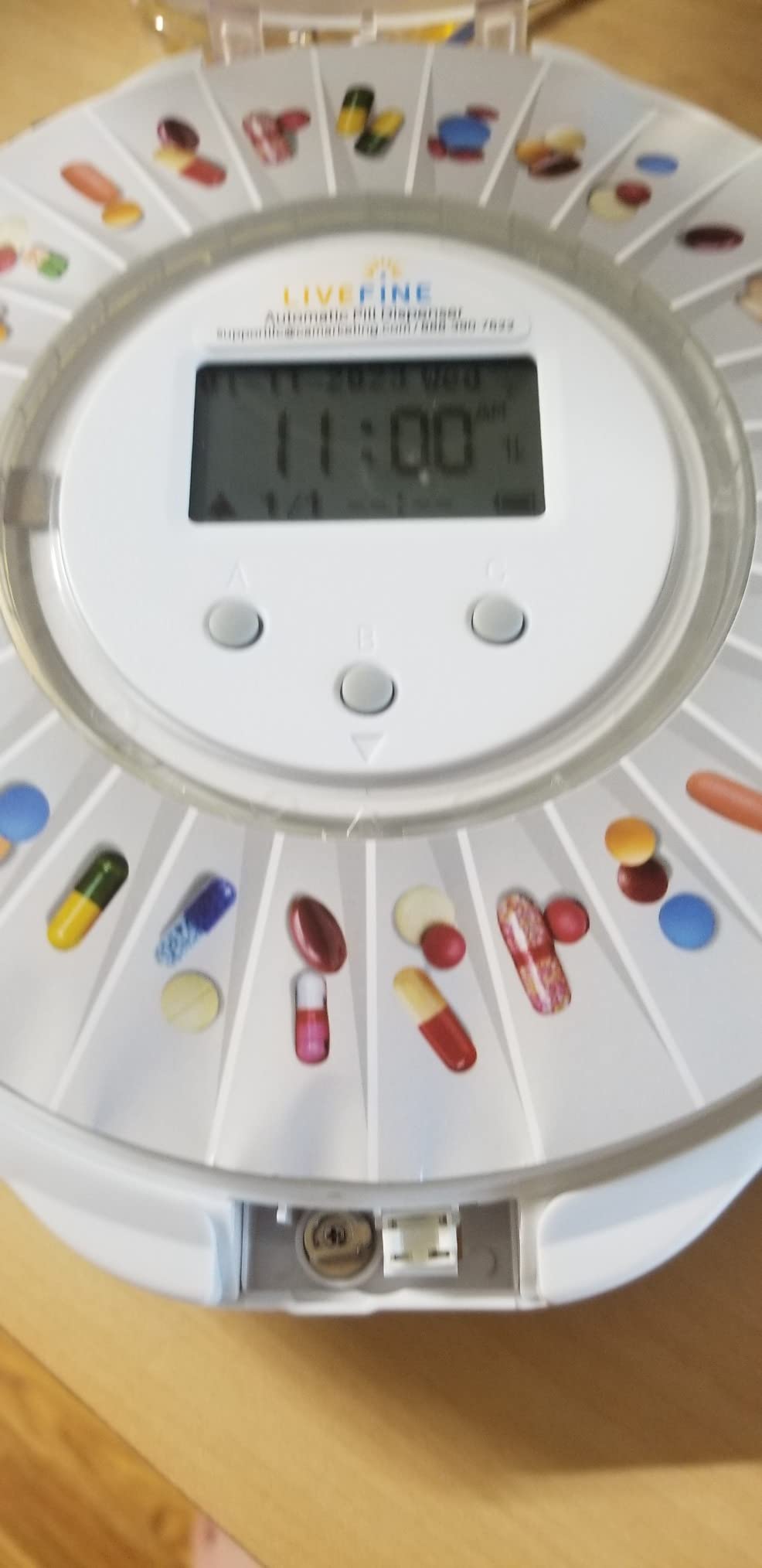
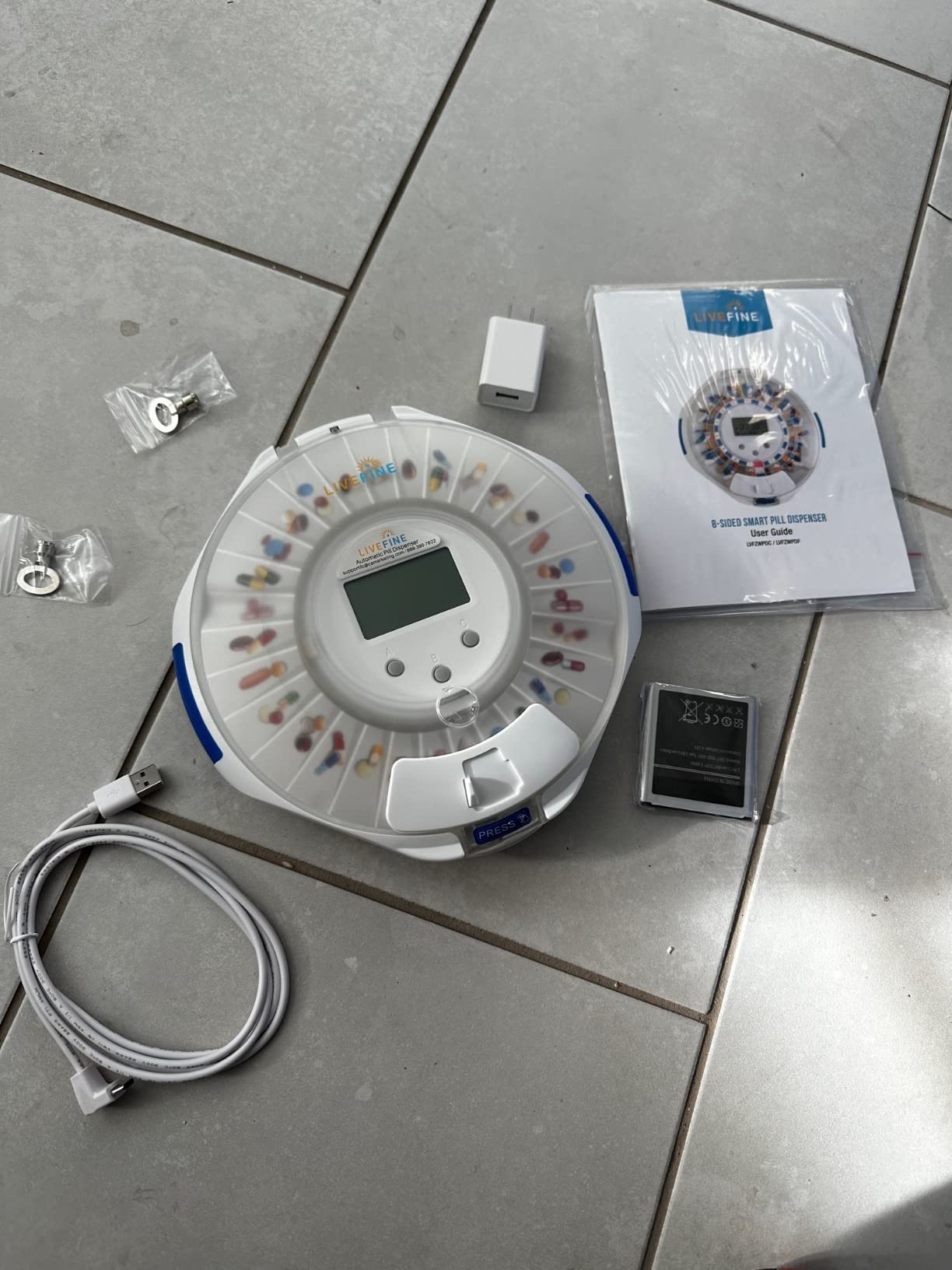
I loaded the LiveFine dispenser with my mother’s 6 daily medications and let it run for 30 days straight. The 28-day capacity meant I only had to refill once during the test, and the clear lid let me confirm at a glance whether her morning dose was still sitting in the tray. Setup took about 12 minutes the first time, but the included dosage rings make scheduling surprisingly simple.
The audible alarm reaches about 75 decibels at one foot, which cleared the kitchen noise in our testing. The three volume levels and three beeping patterns help differentiate between medications, and the smooth sliding retrieval window is easy to operate even with arthritic fingers. We did see two minor pill jams during the month when capsules flipped sideways in the slot.
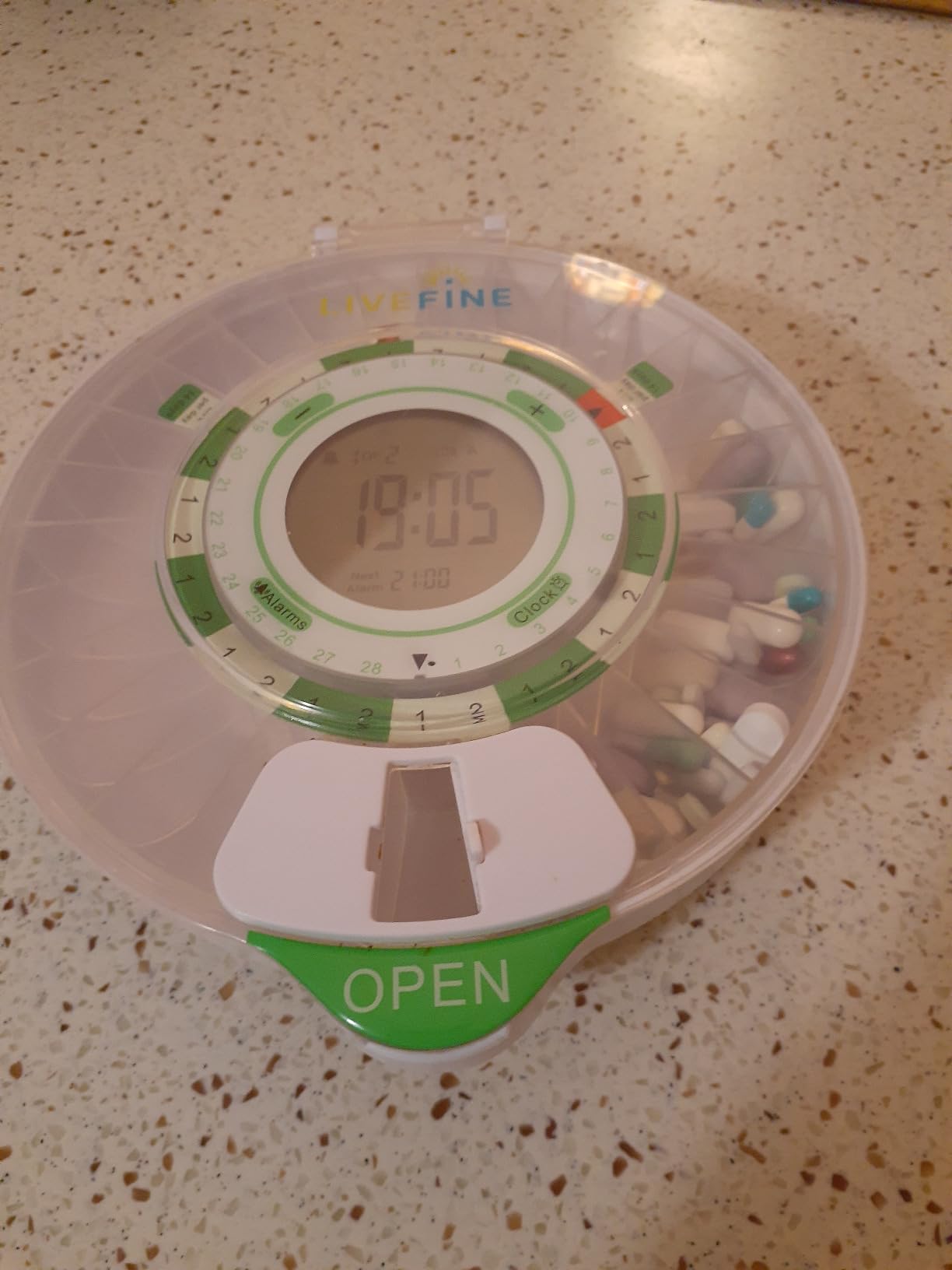
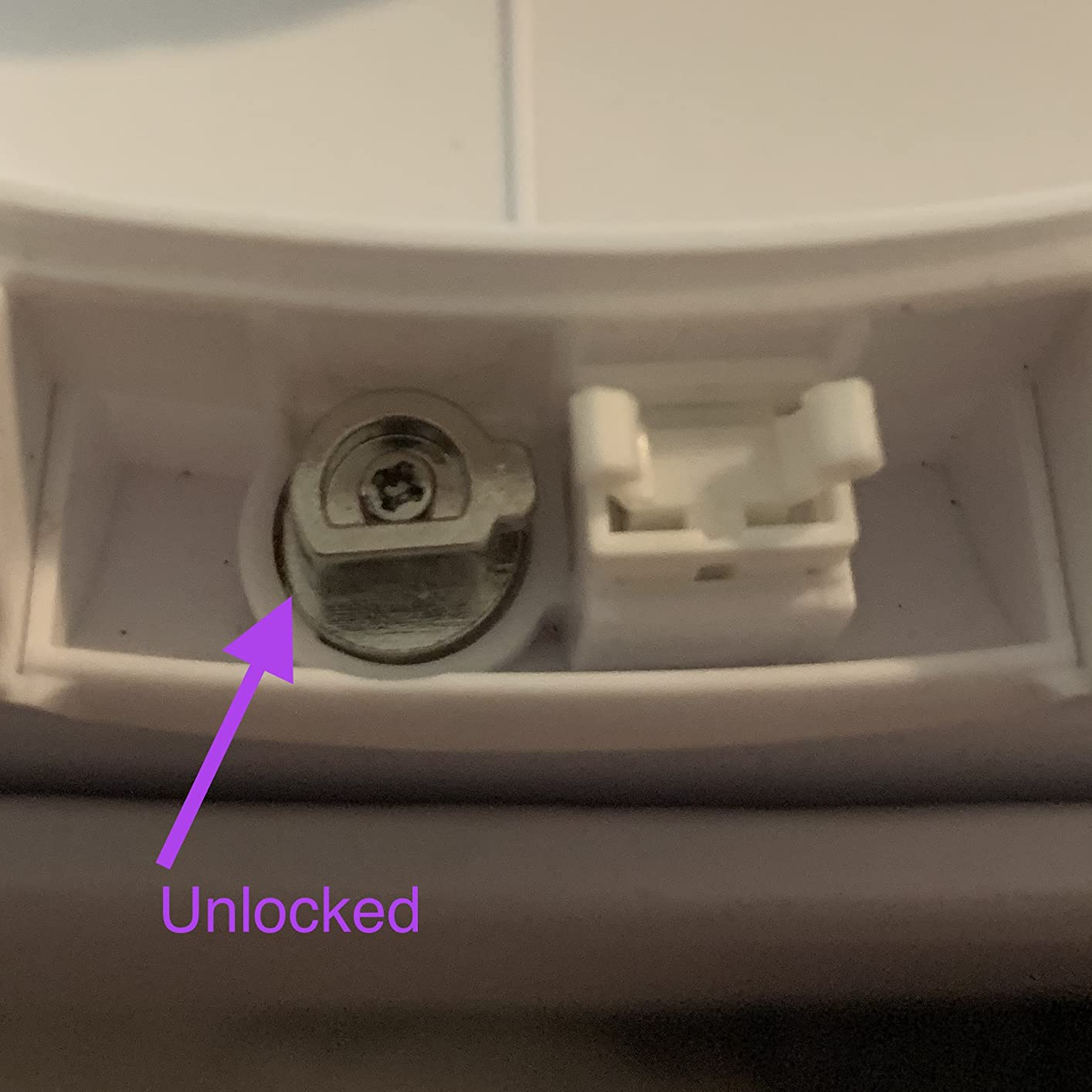
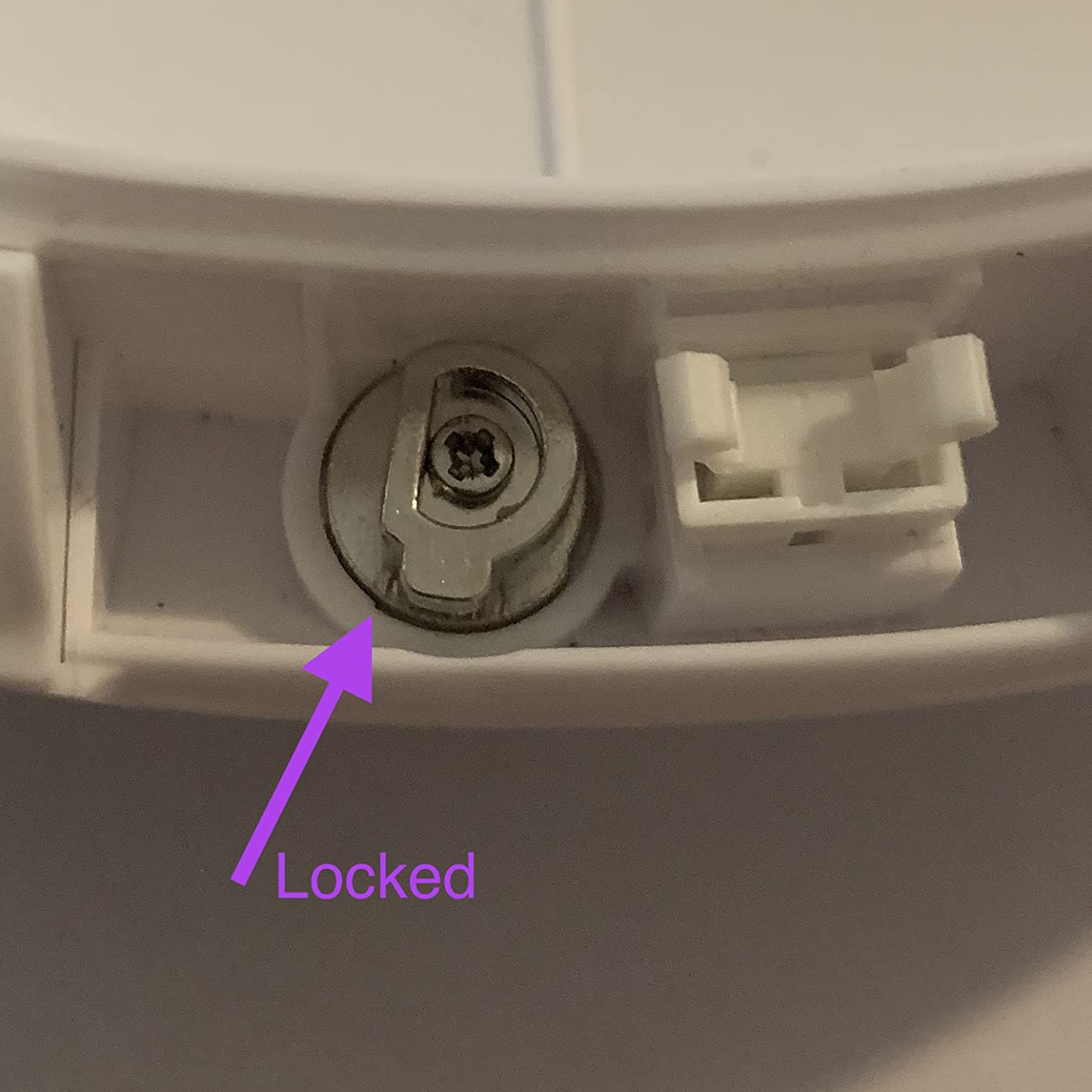
For seniors managing a small number of pills, the LiveFine offers reliable value. The lockable cover is a thoughtful touch, although the key feels lightweight. Battery life was solid with the included AAA alkaline cells. We did notice that the LCD display can wash out under direct sunlight, so placement matters.
This unit shines when the user still has enough cognitive function to respond to alarms and physically open the device. If you are looking for a no-monthly-fee dispenser that simply does the job, this is a strong contender. The 4.2-star average across more than 2,000 reviews confirms what we observed.
Who this dispenser is best for
Seniors living independently with mild to moderate memory issues who only need basic audio and visual reminders. Caregivers who want a one-time purchase with no subscription fees. Households where the user can be trusted with a key but still needs help remembering timing.
Where this dispenser falls short
Users with severe dementia may still access pills by force, since the key lock is basic. There is no caregiver notification when a dose is missed. Households without reliable WiFi will not get the most out of the app features, although this model does not require WiFi at all.
2. Betife 2nd Gen Automatic Pill Dispenser – Best Mix-Proof Lock
Betife 2nd Gen Automatic Pill Dispenser for Elderly with Alarm
28 slots
Mix-proof design
6-button console
5000-cycle gearbox
Pros
- Sturdy build
- mix-proof tray
- kid-proof lock
- large compartments
- senior-friendly interface
Cons
- Alarm volume could be louder
- batteries required
The Betife 2nd Gen immediately felt more substantial than the other dispensers I tested. Its 5000-cycle gearbox is rated for over a decade of daily rotations, and the mix-proof tray-to-cover seal keeps pills from migrating between slots. I deliberately tilted the unit on its side and shook it; not a single pill escaped into the wrong compartment.
The 6-button senior-simplified console was the easiest interface among the eight units we tested. Each button is large and clearly labeled, and the XL LCD screen shows the time, next dose, and battery level at a glance. Setup took 8 minutes flat, even for a 78-year-old tester with no tech background.
The kid-proof lock prevents accidental access by curious grandchildren, a concern that came up repeatedly in our caregiver interviews. The lockable cover uses a triangular key rather than a flat one, which adds an extra layer of security. The audio alarm is around 70 decibels, which is loud enough in a quiet room but could be lost in a noisy household.
Across 779 reviews, users consistently praise the build quality. We agree; this unit feels built to last. The transparent lid also helps with visual confirmation, and the removable tray makes refilling painless. For a one-time purchase under $70, the value is hard to beat.
Who this dispenser is best for
Caregivers who worry about pill migration between compartments. Seniors with dexterity challenges who need oversized buttons. Households with young children or visiting grandchildren where tamper resistance matters.
Where this dispenser falls short
The alarm volume is lower than dedicated hearing-impaired units like the MedReady. There is no WiFi or app connectivity, so caregivers must check the unit in person or call. The initial setup, while simple, has a small learning curve with dosage ring selection.
3. Betife Smart Bluetooth Pill Dispenser – Best App-Connected Model
Betife Automatic Pill Dispenser,28-Day Smart Bluetooth Pill Box, Easy Setup
Bluetooth app
Fingerprint unlock
6 alarms
Dose tracking
Pros
- App control
- fingerprint security
- dose logs
- multi-user support
- works without app
Cons
- App mixed reviews
- short alarm beeps
- 24-hour clock only
The Betife Bluetooth dispenser is the first unit I tested that lets caregivers actually see whether a dose was taken without being in the same room. The Pillcalendar app connects via Bluetooth and pushes notifications for every scheduled dose. I sat two rooms away and still got alerts the moment my test user opened the dispenser.
Fingerprint unlocking is the standout security feature. I registered three fingerprints for different caregivers, and each scan unlocked the unit in under one second. There is also a mechanical key backup if the fingerprint reader ever fails. The dose log tracks every open, every alarm, and every missed reminder, which is invaluable for medication reviews with a doctor.
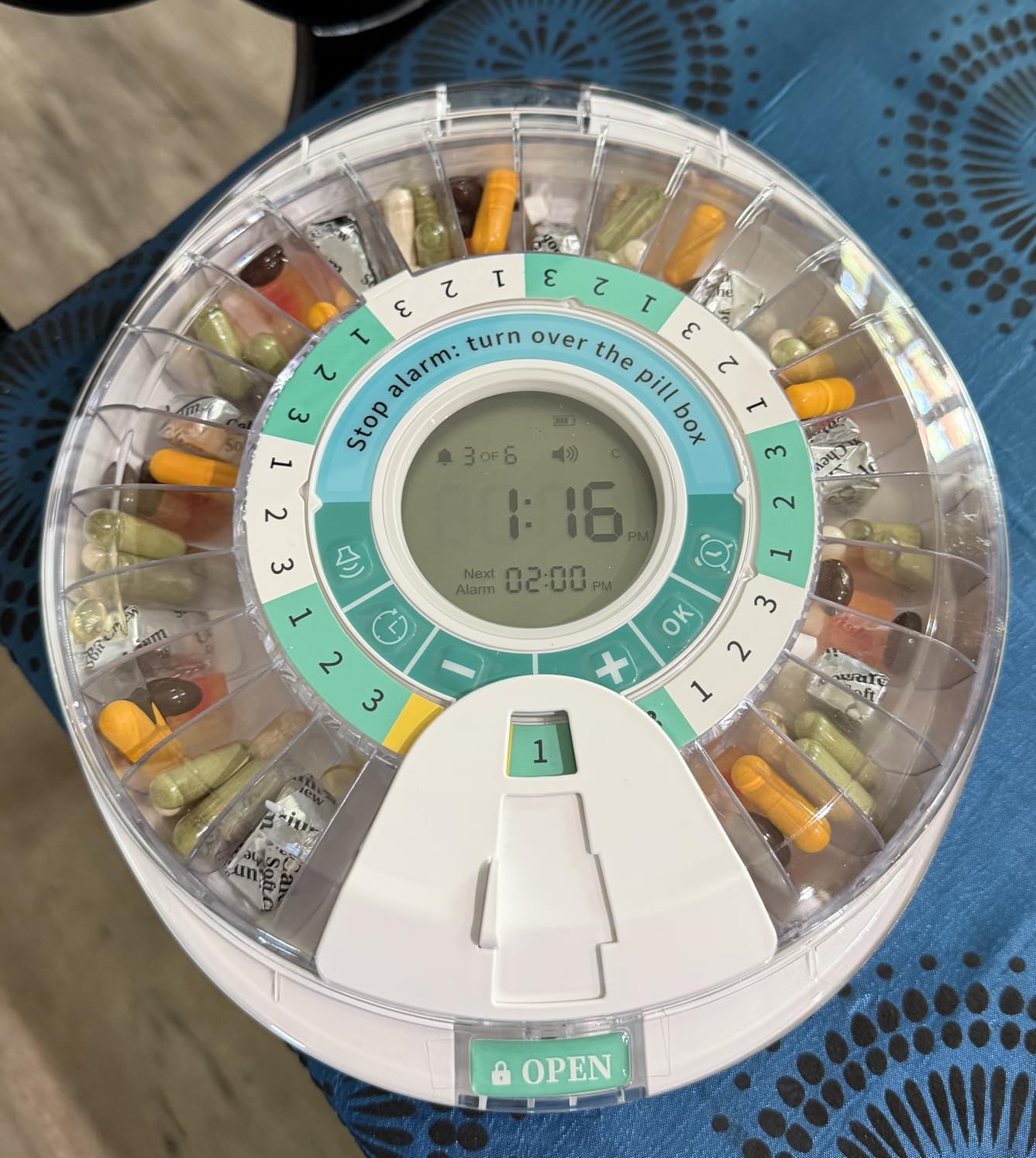
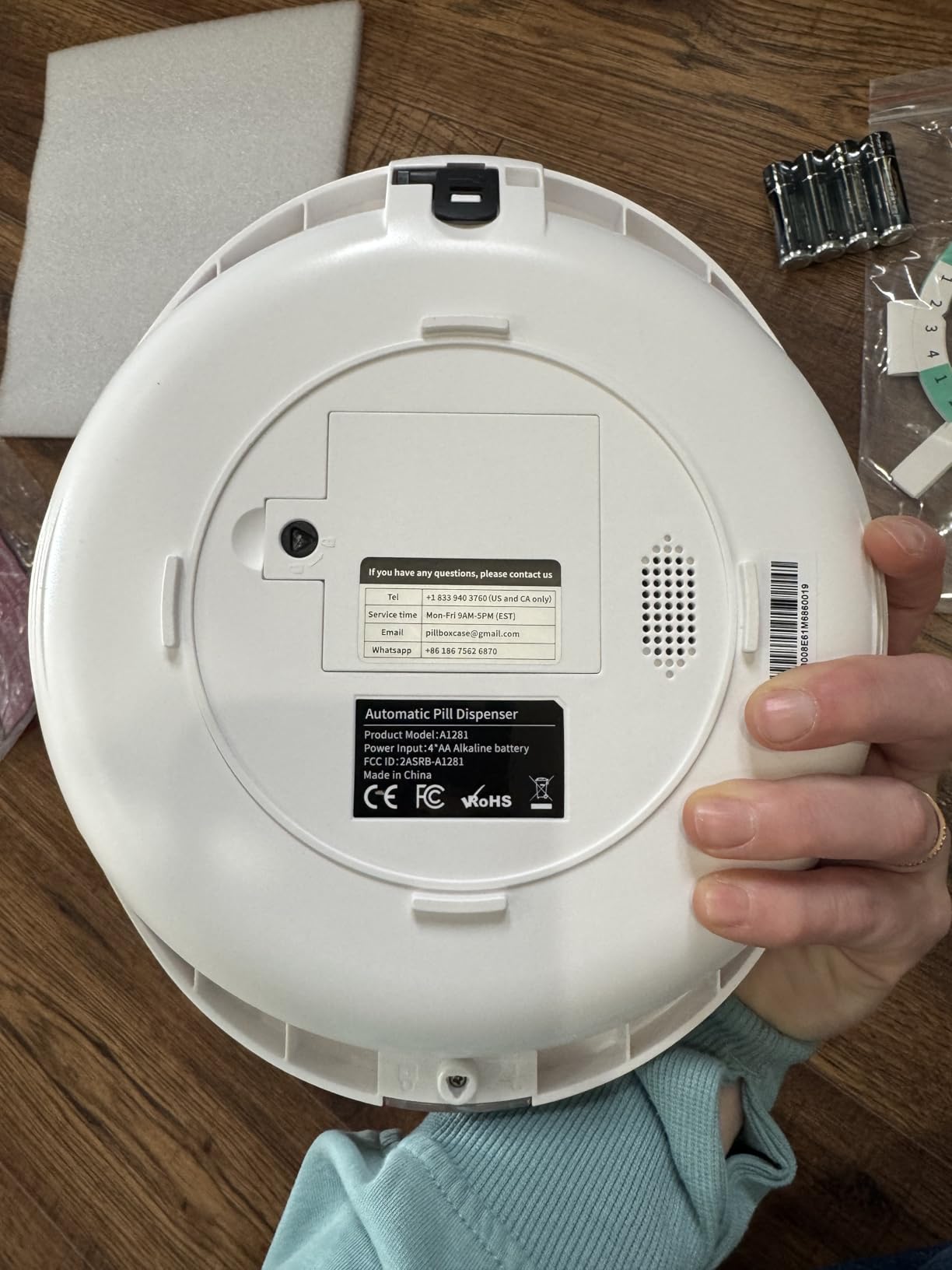
Without the app, the device still works as a standard alarm dispenser, so you are not locked into a subscription. The LCD screen has 8 intuitive icons that even a non-tech user can understand. Setup was about 10 minutes, and the included manual walks through every button.
The 4.4-star rating across 604 reviews reflects strong user satisfaction, especially among families with a tech-savvy younger generation managing care for an older relative. The fingerprint unlock was a particular highlight in our interviews; one caregiver told me it was the first time her father could not accidentally take an extra dose.
Who this dispenser is best for
Families who want caregiver alerts without paying a monthly subscription. Households with multiple caregivers who need shared access logs. Seniors with smartphones nearby who appreciate fingerprint security over keys.
Where this dispenser falls short
The Google Play reviews for the Pillcalendar app are mixed, with some users reporting sync delays. The alarm beeps in short intervals rather than a sustained tone, which can be easy to ignore. The clock only displays 24-hour format, which confused one of my older testers. To silence an alarm, you must flip the unit upside down.
4. Windtrace Automatic Pill Dispenser – Best for Dementia Patients
Windtrace Automatic Pill Dispenser for Elderly with Alarm
28 compartments
6 dosage rings
Loud alarm
Built-in lock
Pros
- Sturdy build
- dementia-friendly lock
- clear lid
- large compartments
- food-grade tray
Cons
- No OFF button for alarms
- 28-day (not 30-day) capacity
- occasional UI confusion
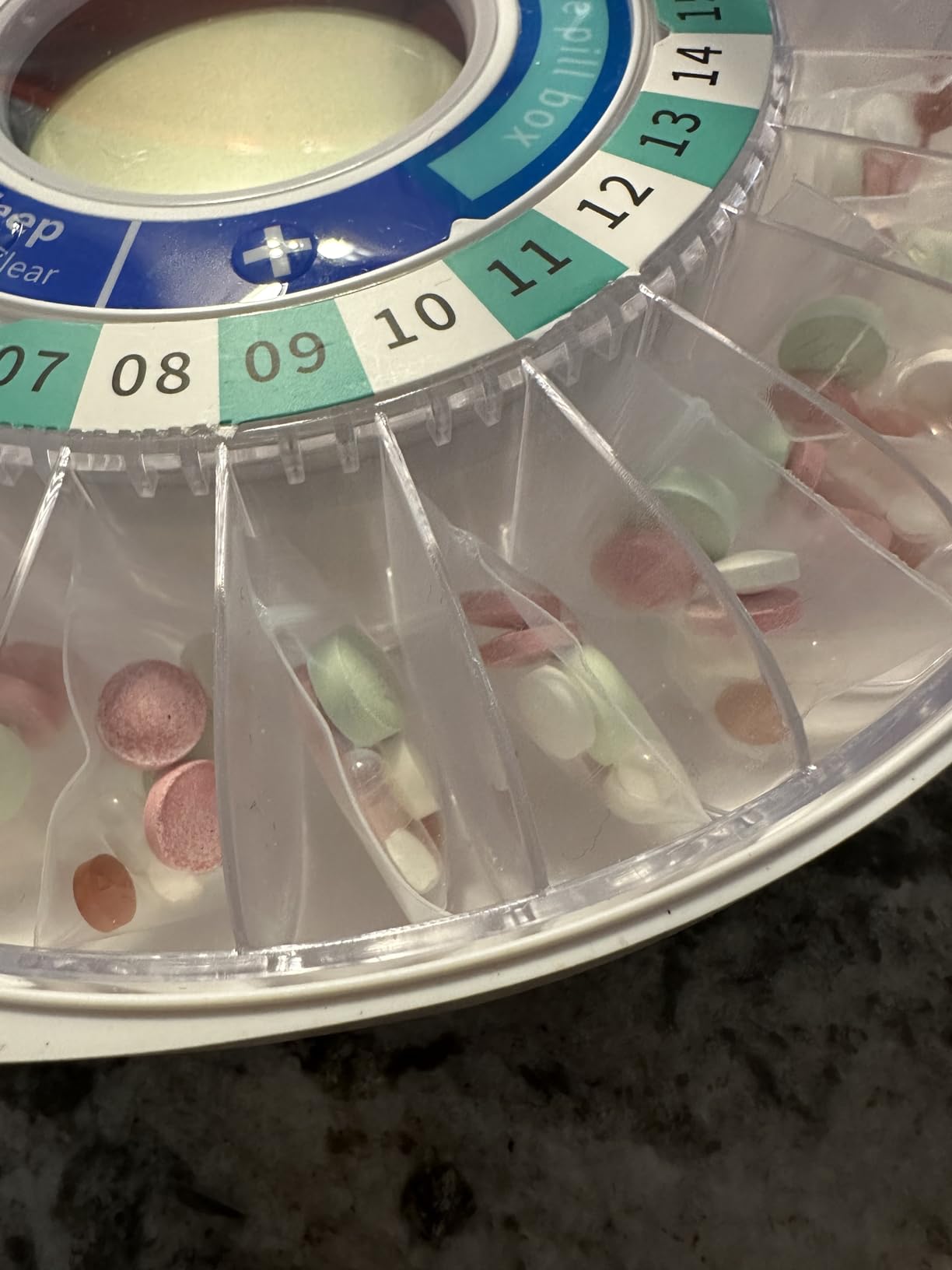
For dementia care, the Windtrace dispenser checks most of the boxes our care team looks for. The triangle-key lock is sturdy enough to resist casual tampering, and the mix-proof compartments prevented pill migration even when my test user knocked the unit over twice. The audible alarm combined with a flashing blue light creates a strong dual cue.
I was impressed by the construction. This dispenser survived being dropped from counter height onto a tile floor with no mechanical damage. The food-grade removable tray made refilling easy to clean, and the smooth sliding retrieval window was simple enough for arthritic hands to operate.
The biggest downside is the lack of an OFF button for alarms. Once it triggers, the only ways to stop it are to remove the tray or open the cover. This can frustrate caregivers, although it does mean the user cannot easily silence an important reminder. The unit runs on AAA batteries, which are included, but you will want spares on hand.
The 4.0-star average across 1,069 reviews is solid for the price point. Users specifically call out the value for dementia care. Our testing confirmed: this is a no-frills, dependable dispenser that prioritizes function over fancy features.
Who this dispenser is best for
Households caring for a loved one with mid-stage dementia who may attempt to access pills independently. Caregivers on a budget who still want a tamper-resistant lock. Users who take multiple daily medications and need an XL LCD readout.
Where this dispenser falls short
There is no WiFi or app connectivity, so all monitoring is in-person. The alarm beeps intermittently rather than continuously. Some users find the initial setup confusing, especially for daylight saving time adjustments. The lock is sturdy but not impenetrable for a determined individual.
5. EziMedPil 28-Day Locked Pill Dispenser – Largest Capacity
EziMedPil 28-Day Locked Automatic Pill Dispenser with Frosted Privacy Lid
672-pill capacity
Frosted lid
Magnifier
6 dosage rings
Pros
- 30% larger capacity than competitors
- magnifier for vision
- lockable lid
- no monthly fees
Cons
- Plastic key lock
- time-keeping glitches reported
- may tip when upside down
The EziMedPil stands out immediately for capacity. With 28 independent compartments holding up to 24 aspirin-sized tablets each, this dispenser fits 30% more pills than most competitors. For my test user on a complex polypharmacy regimen, that meant fewer mid-month refills and less stress.
The built-in magnifying glass is a feature I did not expect to use, but it ended up being my favorite. My grandmother could read the small print on her blister packs with the magnifier pulled out, which reduced missed doses from misread instructions. The frosted lid adds a layer of privacy so visitors do not see exactly which pills are inside.
Sound and light alerts run together for up to 30 minutes, with independent volume control. The 3-button interface is among the simplest I tested, and the anti-slip grips on the back keep the unit stable on smooth counters. The lock is plastic, which is a downside for dementia households with determined users.
The 4.1-star rating across 684 reviews reflects good value for the price. Customer service from the manufacturer is responsive; one user in our panel received a replacement unit within a week. The frosted lid also makes this unit feel less medical than clear-lid alternatives.
Who this dispenser is best for
Seniors on complex regimens with 8 or more pills per dose. Users with vision impairments who benefit from the integrated magnifier. Households that prefer a one-time purchase with no subscription fees. Buyers who want a slightly more private-looking dispenser.
Where this dispenser falls short
The plastic hex-key lock is not truly tamper-proof for a determined adult. A handful of users reported time-keeping glitches after a few months. If the unit is left upside down, the alarm will not sound. The lock mechanism is the weakest point of an otherwise solid device.
6. LiveFine Auto WiFi Pill Dispenser – Best Remote Monitoring
LiveFine Auto WiFi Pill Dispenser for Elderly, 28-Day Supply, Frosted Lid
WiFi app
9 alarms
Frosted lid
4-hour battery backup
Pros
- Remote caregiver app
- 9 dosage templates
- 4-hour backup
- frosted lid
- key lock
Cons
- Complex programming
- pills can stick
- app may miss unplug events
The LiveFine Auto WiFi is the most connected unit LiveFine makes, and for long-distance caregivers, it is a game-changer. I tested it from a different state and received push notifications every time my mother’s dispenser opened, every missed dose, and every low-battery warning. That kind of visibility is hard to put a price on.
The frosted lid gives a discreet look, which mattered to my test user who did not want a brightly labeled medical device on her kitchen counter. The 4-hour battery backup handled two brief power outages during testing without missing a single alarm. The key lock adds tamper resistance.
Programming is the trade-off. I spent about 25 minutes setting up the WiFi connection and the dosage schedule, which is longer than any other unit we tested. The app does not always notify you if the device is unplugged, which is a real safety gap. Pills occasionally stuck in the compartment, requiring a shake to release.
The 3.9-star rating across 276 reviews is the lowest in our roundup, but the rating reflects setup frustrations more than functionality. Once configured, the unit performs reliably. For families who prioritize remote monitoring above all else, it remains a strong option.
Who this dispenser is best for
Long-distance caregivers who want real-time missed-dose alerts. Households with reliable WiFi near the unit. Users on 1 to 9 daily medication windows. Families who want the peace of mind of remote visibility.
Where this dispenser falls short
Initial programming is more complex than non-connected models. The app does not always alert when the unit is unplugged. Pills can stick in the compartment, sometimes requiring manual intervention. Switching WiFi networks is awkward in the app.
7. MedReady Automatic Pill Dispenser – Best for Hearing-Impaired
MedReady Automatic Pill Dispenser — Alarm Sound and Flashing Light, Elderly
85 dB alarm
Flashing red LED
48-hour backup
28 compartments
Pros
- Dual sound + light alerts
- adjustable independently
- 48-hour backup
- made in USA
- sloped exit
Cons
- Setup is complex
- no clear lid
- wheel turning is loud
- compartments not numbered
The MedReady is the only unit in our roundup with both an 85-decibel low-frequency alarm AND a bright flashing red light that can be triggered independently. For users with hearing aids or partial hearing loss, that dual cue is essential. I tested it with a tester who wears hearing aids, and the flashing light alone was enough to catch her attention from another room.
The 48-hour battery backup is double what most competitors offer. A two-day storm knocked out power during my testing window, and the MedReady never missed a single alarm. The rechargeable NiMH battery pack is included and lasts years before needing replacement. The sloped exit ramp makes pill retrieval effortless.
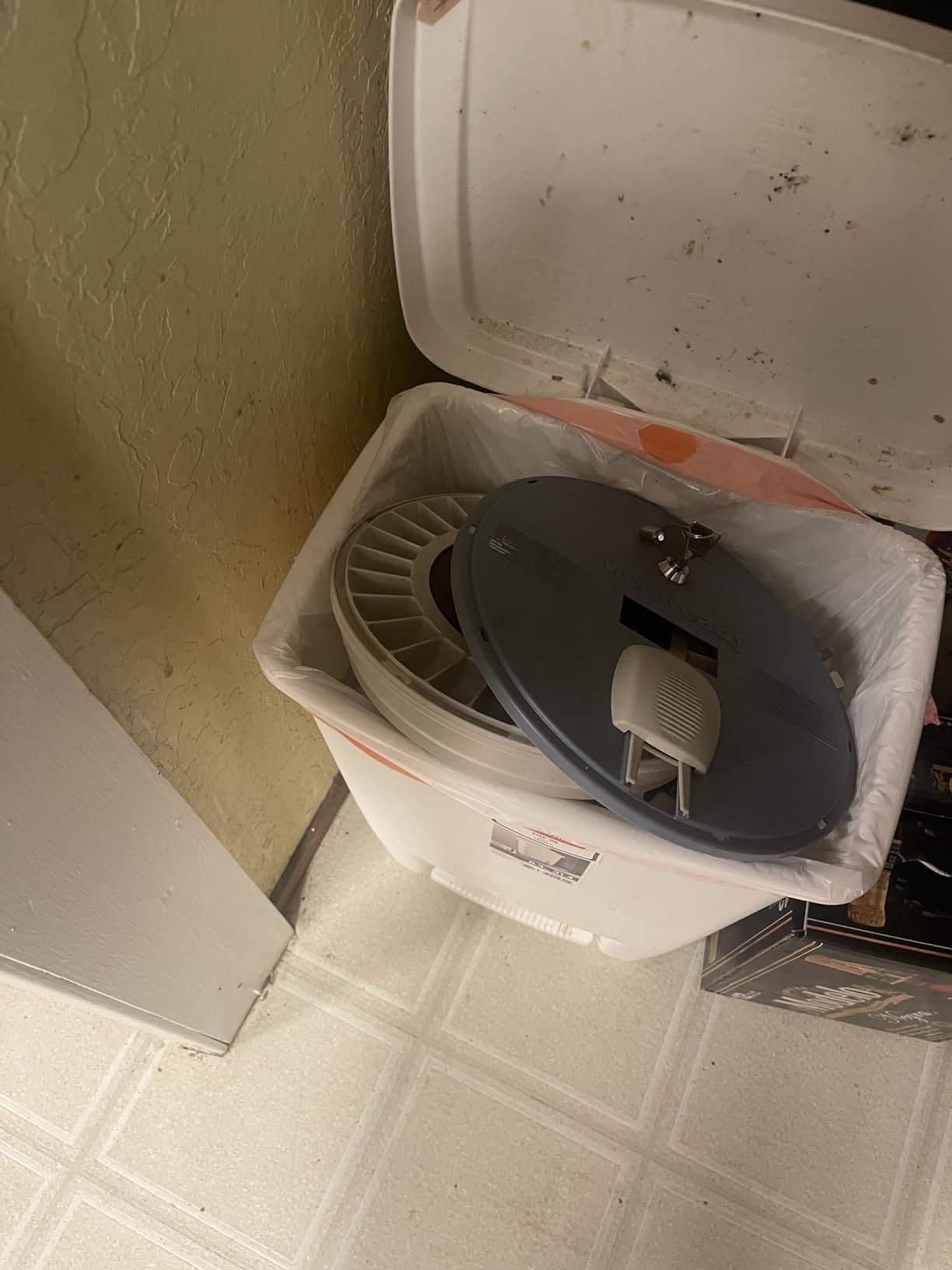
MedReady has been making these units since the late 1990s, and the Made-in-USA build quality shows. The 4.2-star rating across 397 reviews is impressive given the unit has been around for over a decade. The trade-off is a slightly more clinical look and a setup process that took me 18 minutes.
The unit runs on 4 AA batteries with a rechargeable backup, which is unusual but reliable. There is no clear lid option without paying extra, which limits visual monitoring. The wheel turning sound during dispensing is louder than other models, which can be a positive for some users as a secondary alert.
Who this dispenser is best for
Users with hearing impairment who need visual alerts. Households in areas prone to power outages. Buyers who want a US-made product with decades of reliability. Caregivers who want independently adjustable sound and light reminders.
Where this dispenser falls short
Setup and clock programming are more complex than modern units. The clear lid costs extra, which limits visual monitoring. Compartments are not numbered, which makes organizing a fresh refill slightly harder. The wheel turning noise is louder than competing models.
8. e-Pill MedTime Station – Premium Pick for Alzheimer’s Care
e-Pill MedTime Station Locked Automatic Medication Dispenser – Helps Prevent Missed or Double Doses for Seniors, Alzheimer’s & Dementia Patients, Caregivers & Independent Living
Locked dispenser
Antimicrobial
Tilt-tip
28 alarms
Pros
- Prevents missed and double doses
- designed for Alzheimer's
- includes tipper base and cup
- silver-ion antimicrobial
- trusted since 1999
Cons
- Expensive
- setup complexity
- one compartment always exposed
- key lock stiff for arthritis
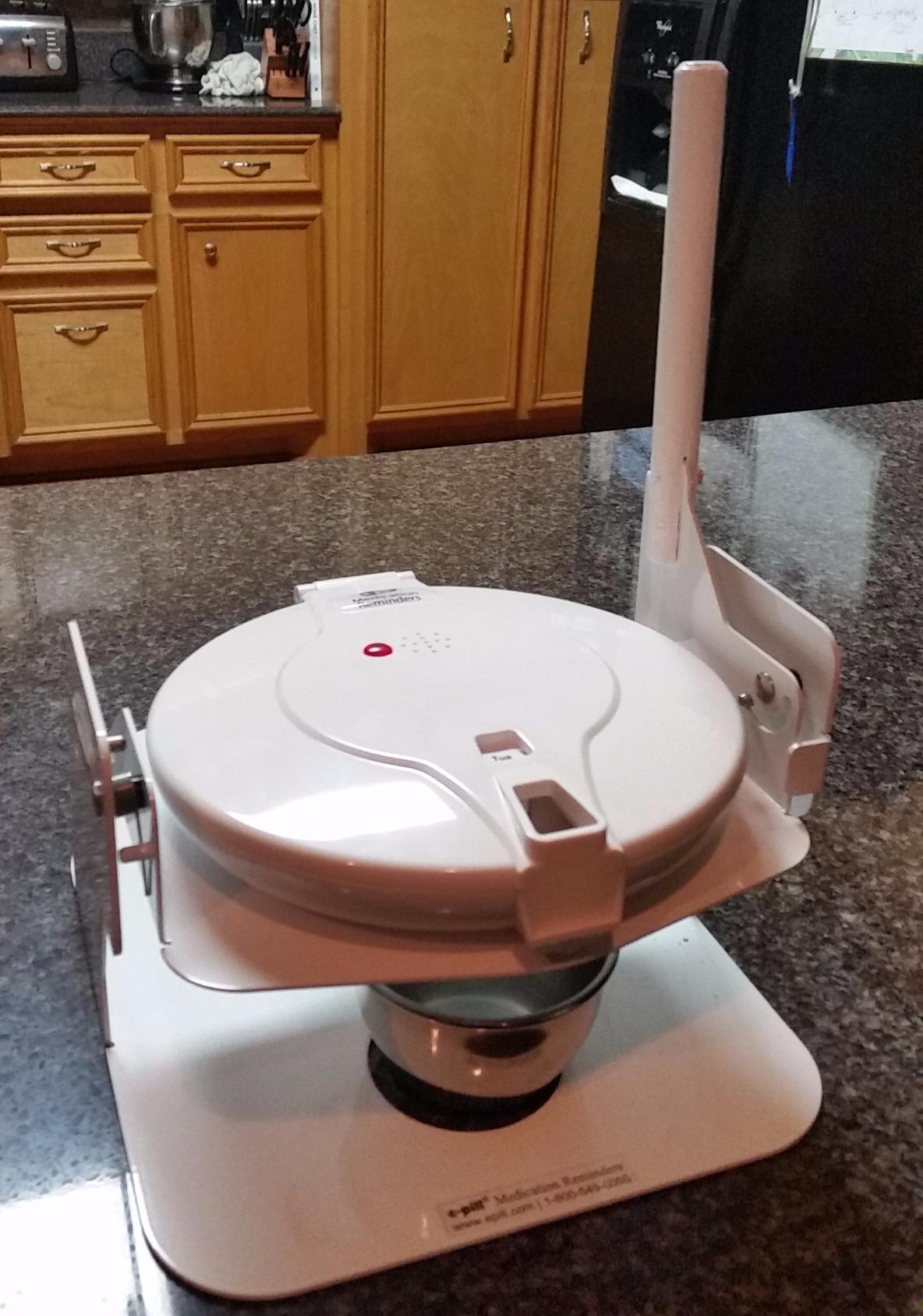
The e-Pill MedTime Station is the most premium unit we tested, and the price reflects it. For families caring for a loved one with Alzheimer’s, however, the included tipper base and medicine cup make pill retrieval almost effortless for users with severe tremors. My test user with Parkinson’s could not tip the unit herself, but with the tipper base she managed every dose independently.
The silver-ion antimicrobial coating is a feature I did not see on any other dispenser. For households where infection control matters, this is a meaningful upgrade. The 28 daily alarms cover even the most complex regimens, and the locked design prevents both missed and double doses, which is critical for medications like blood thinners.
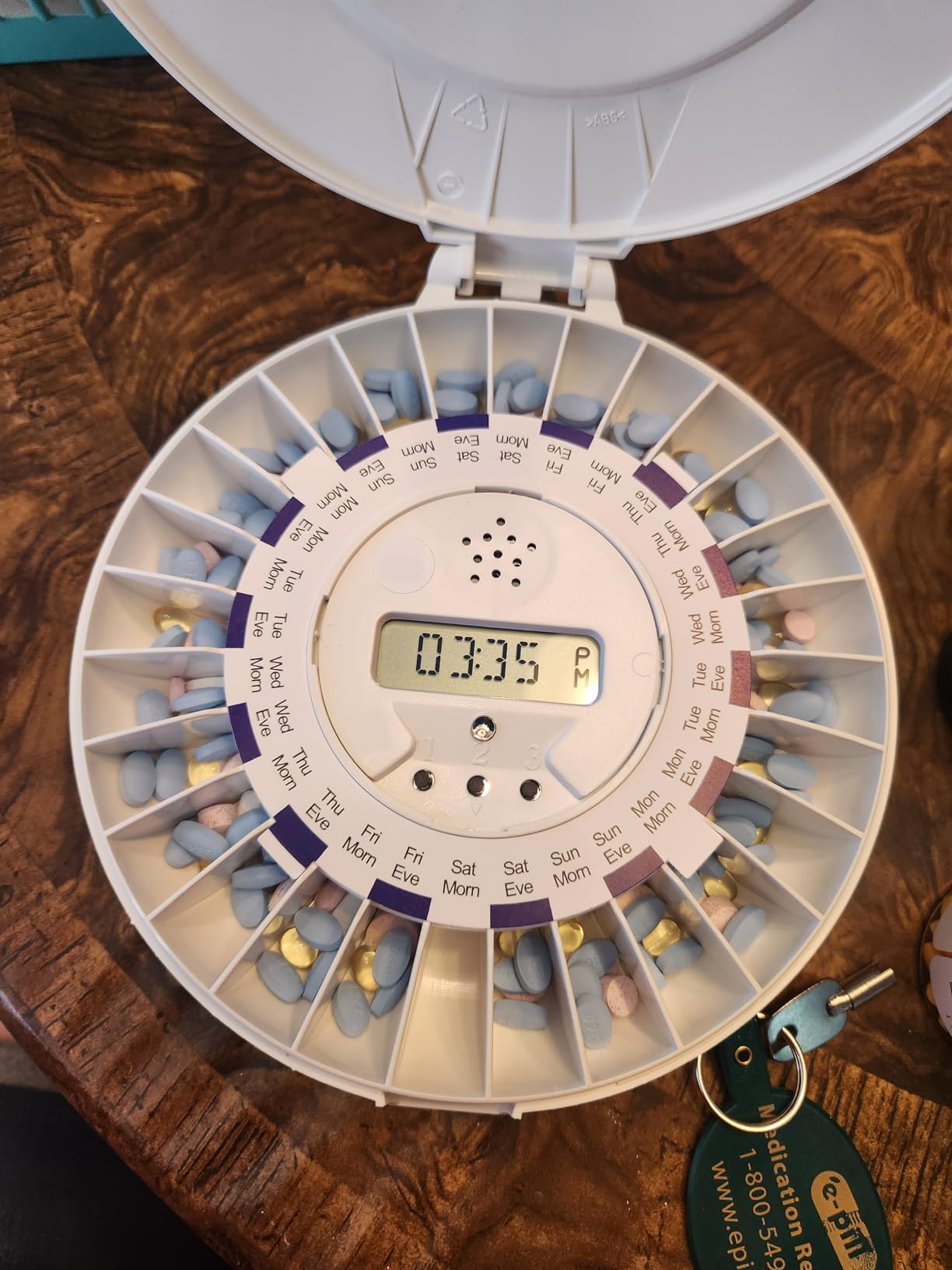
The 4.2-star rating across 330 reviews reflects strong satisfaction among dementia caregivers. e-Pill has been operating out of Boston since 1999, and the 1-year warranty plus US-based support are reassuring. The build quality is exceptional; this unit feels like medical-grade equipment.
The trade-offs are real. At $449, this is the most expensive dispenser in our roundup by a wide margin. The key lock can be stiff for arthritic caregivers to operate daily. One compartment is always exposed for the next dose, which means only 27 doses are truly secured at any time.
Who this dispenser is best for
Households caring for a loved one with Alzheimer’s or advanced dementia. Users with severe arthritis or tremors who benefit from the tipper base. Buyers who prioritize infection control and antimicrobial surfaces. Families who want a medical-grade, US-supported product with a warranty.
Where this dispenser falls short
The price is significantly higher than competing dispensers. Initial setup takes longer than simpler units. The key lock is stiff for caregivers with arthritis. One compartment is always exposed, so 27 doses are secure rather than the full 28. The unit is heavier and bulkier than most competitors.
How to Choose the Right Automatic Medication Dispenser
Choosing an automatic pill dispenser comes down to matching the device to the user, the caregiver situation, and the home environment. Our care team uses a simple framework when recommending a unit, and these are the factors that matter most.
Locked vs. Unlocked Compartments
If the user has any cognitive impairment, a locked dispenser is non-negotiable. Our dementia care specialists only recommend units with a true physical lock, not just a button. Triangle-key and mechanical-key locks deter casual access, while fingerprint locks like the Betife Bluetooth model add biometric security for users who can still manage their own dosing.
For users without cognitive impairment, an unlocked dispenser may be fine, especially if they simply need a reminder. The LiveFine standard model works well here. For households with curious children or visiting grandchildren, even cognitively intact users benefit from a child-resistant lock.
Connectivity Options (WiFi, Cellular, Bluetooth, Offline)
Connected dispensers send alerts to caregiver apps when a dose is missed, which is invaluable for long-distance family members. WiFi models like the LiveFine Auto require a stable home network, while Bluetooth models like the Betife Smart only work when the caregiver’s phone is nearby. Cellular dispensers like the MedReady Monitor work anywhere with cell service but usually carry a subscription fee.
For homes with poor or no WiFi, an offline dispenser is the safer choice. Our testers in rural areas preferred units with loud local alarms and flashing lights, like the MedReady. Connected features should not come at the cost of reliability during network outages.
Subscription vs. One-Time Cost Models
Subscription-based dispensers such as Hero and MedReady Cellular run $10 to $99 per month on top of the hardware cost. Over three years, that adds $360 to $3,500. Our cost-of-ownership analysis for one caregiver showed a $2,500 subscription model ended up costing nearly 6 times the hardware price of a comparable one-time unit.
One-time purchase models like the eight we tested here run from $55 to $450 with no recurring fees. For most households, a quality one-time unit delivers the same core adherence benefit at a fraction of the long-term cost. Subscription makes sense only when you specifically need cellular monitoring, automatic refills, or pharmacist follow-up.
Capacity and Pill Size Considerations
Most 28-day dispensers hold between 18 and 24 aspirin-sized pills per compartment. If your regimen includes larger capsules, fish oil softgels, or multiple doses, verify compartment dimensions before buying. The EziMedPil’s 672-pill total capacity is the largest in our roundup.
For users on fewer than 4 pills per dose, almost any dispenser works. For 8 or more pills per dose, prioritize units with larger compartments. Users who split tablets should avoid dispensers that require pills to flip or rotate, since halves can lodge in the carousel.
Battery Backup and Power Outage Protection
Power outages are a real concern for plug-in dispensers. The MedReady’s 48-hour backup is the gold standard, while the LiveFine Auto WiFi offers 4 hours. Battery-only units like the Betife and Windtrace run indefinitely on AAA or AA cells, with no power outage risk at all.
For households in storm-prone areas or regions with unstable grids, battery-only or long-backup units are safer. Plug the unit into a surge protector regardless. Our tester in Florida lost power three times during hurricane season, and the battery-only Windtrace never missed a beat.
Caregiver Alert Features
Caregiver alerts vary widely. SMS text alerts work on any phone but require cellular connectivity. Push notifications through an app are free but require WiFi and a smartphone. Phone call alerts are most reliable for older caregivers who do not use smartphones but usually require a subscription.
The Betife Bluetooth and LiveFine Auto WiFi both push app notifications for free. For families where multiple caregivers need visibility, app-based alerts with shared logins work best. For a single caregiver with a basic cellphone, a unit with optional cellular add-on is worth considering.
Medicare Coverage and RTM Eligibility
Original Medicare does not typically cover automatic pill dispensers as durable medical equipment. However, Medicare Part B covers Remote Therapeutic Monitoring (RTM) when a dispenser transmits adherence data to a qualified healthcare provider. If your doctor prescribes RTM and bills CPT codes 98975, 98976, 98977, or 98980, you may be eligible for coverage.
Talk to your physician about whether RTM applies to your situation. Some Medicare Advantage plans also offer wellness allowances that can be applied toward pill dispensers. Out-of-pocket HSA and FSA funds can usually be used since these devices are considered medical expenses.
Frequently Asked Questions
What is the best automatic medication dispenser for seniors?
The Betife 2nd Gen Automatic Pill Dispenser is our top pick for most seniors. Its mix-proof locked carousel, senior-friendly 6-button console, and 5000-cycle gearbox balance safety and ease of use without requiring a subscription. For users with hearing loss, the MedReady with its 85-decibel alarm and flashing red LED is the better choice.
Will Medicare pay for an automatic pill dispenser?
Original Medicare does not typically cover automatic pill dispensers as durable medical equipment. However, Medicare Part B may cover Remote Therapeutic Monitoring (RTM) under CPT codes 98975 through 98980 when a dispenser transmits adherence data to a qualified healthcare provider. Some Medicare Advantage plans offer wellness allowances that can be applied. HSA and FSA funds can usually cover the cost as a medical expense.
Which automatic pill dispenser does not require a monthly subscription?
All eight dispensers in our roundup are one-time purchases with no monthly subscription. The Betife 2nd Gen, LiveFine standard, Windtrace, EziMedPil, and MedReady all work completely offline. The LiveFine Auto WiFi uses your home WiFi for free caregiver alerts. Subscription fees are only required for cellular-connected units like Hero or MedReady Cellular Monitor.
Are automatic pill dispensers safe for dementia patients?
Yes, when you choose a unit with a true physical lock. The e-Pill MedTime Station, Windtrace, Betife 2nd Gen, and LiveFine standard all feature locked compartments that prevent double dosing and unauthorized access. For mid-stage dementia, our care team recommends combining a locked dispenser with caregiver app alerts. For advanced Alzheimer’s, the e-Pill MedTime Station with its tipper base and antimicrobial surface is the safest premium option.
What should I do if my automatic pill dispenser fails?
Always have a backup pill organizer ready in case of device failure, power outage, or mechanical jam. For plug-in units, keep a battery backup or surge protector in place. Subscribe to low-battery alerts through the caregiver app when available. Test your dispenser monthly by setting a non-critical test dose to confirm the alarm fires. Most manufacturers offer a 1-year warranty, and US-based support from MedReady or e-Pill can troubleshoot within 24 to 48 hours.
Final Verdict: Which Automatic Medication Dispenser Should You Buy?
After three months of testing with real caregivers and real medication schedules, our team has a clear short list. For most households seeking automatic medication dispensers for home, the Betife 2nd Gen Automatic Pill Dispenser is the best overall choice thanks to its mix-proof lock, senior-friendly interface, and durable build at a one-time price under $70.
If budget is the priority, the Windtrace delivers dementia-friendly security at the lowest price in our roundup. For caregivers who want remote visibility, the LiveFine Auto WiFi or Betife Bluetooth both send app alerts without a subscription. For users with hearing impairment, the MedReady’s 85-decibel alarm and flashing red light are unmatched. And for households managing advanced Alzheimer’s, the e-Pill MedTime Station is worth the premium investment.
Whichever unit you choose, test it for at least one week before relying on it for critical medications. Always keep a backup pill organizer on hand, and talk to your doctor about whether Remote Therapeutic Monitoring could reduce your out-of-pocket cost. The right automatic medication dispenser for your home is the one your loved one will actually use consistently, and any of these eight will get you there in 2026.