
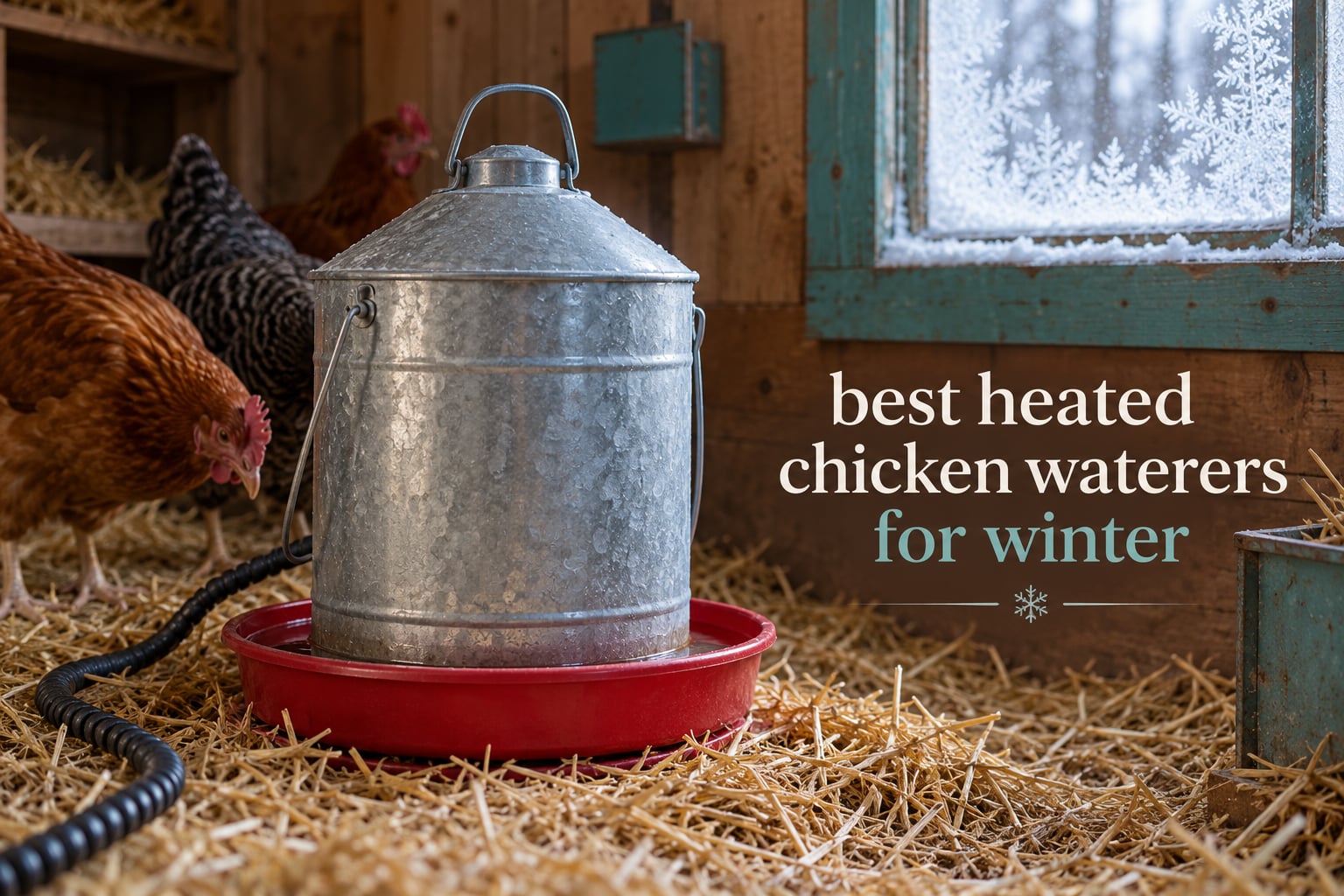
A hen that cannot drink stops eating, and a hen that stops eating in the middle of January stops laying and starts losing body condition. That is why the best heated chicken waterers for winter are not a convenience purchase but equipment you treat the same way you treat a heat lamp or a feeder: you buy one that fits your flock, you run it on a protected outlet, and you check it every morning before you check anything else.
I have kept backyard chickens through New England winters where the overnight low drops into the teens, and I have watched more flocks lose birds to frozen water than to any other winter problem. The pattern is almost always the same. Somebody buys a waterer in the fall, plugs it into the nearest indoor outlet, and by January the cord is pinched behind a board, the nipples are solid, and the birds are drinking frost off a frozen trough. The fix is never a bigger heater. It is a waterer matched to flock size, matched to your coldest night, and matched to the way your birds actually drink.
That is what this roundup is built around. Nine heated poultry waterers and heated bowls, each with its real wattage, real capacity, real thermostat behaviour, and the complaints that show up in the reviews rather than the marketing copy. I looked at every option that clears the review floor for this category, so nothing here is a filler listing with three reviews and a stock photo. Prices and specifications were checked in 2026, and we earn a commission when you buy through the links on this page.
Table of Contents
Top 3 Picks for Cold-Weather Flocks (October 2026)

Farm Innovators HB-60P 2 Gallon
- 60W thermostat
- 2-gallon tank
- Side-mounted drip-free nipples up to 15 chickens
- Metal handle for hanging

Premier 1 All-Season 3 Gallon
- 100W element on below 40F
- 3 gallons for up to 35 chickens
- Hinged quick-fill cap
- 16 ft detachable cord
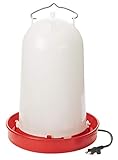
API 3 Gallon Heated Waterer
- 100W heater pad rated to -5F
- Rounded roost-proof top
- Easy-fill funnel and steel handle
- Thermostat with overheating protection
The HB-60P takes the top slot because it has the deepest proven service history in this category by a wide margin, and the Premier 1 and API units take the other two because they solve specific problems the HB-60P does not: one for flock size above 15 birds, one for keeping birds off the lid.
Best Heated Chicken Waterers for Winter in 2026
| Product | Specifications | Action |
|---|---|---|
| Farm Innovators HB-60P Heated Poultry Waterer 2-Gal 60W |
|
Check Latest Price |
| Premier 1 All-Season Heated Poultry Waterer 3 Gallon |
|
Check Latest Price |
| API 3 Gallon Heated Chicken Waterer |
|
Check Latest Price |
 K&H Thermo-Poultry Waterer 2.5 Gallon 60W K&H Thermo-Poultry Waterer 2.5 Gallon 60W |
|
Check Latest Price |
 Lilyang Heated Chicken Waterer 3 Gallon 250W Lilyang Heated Chicken Waterer 3 Gallon 250W |
|
Check Latest Price |
 GHWMYD 125OZ Heated Water Bowl 3.7L GHWMYD 125OZ Heated Water Bowl 3.7L |
|
Check Latest Price |
 Eggluuz 5 Gallon Heated Waterer with 8 Horizontal Nipples Eggluuz 5 Gallon Heated Waterer with 8 Horizontal Nipples |
|
Check Latest Price |
 ZenxyHoC 5.0 Gallon Heated Waterer Bucket ZenxyHoC 5.0 Gallon Heated Waterer Bucket |
|
Check Latest Price |
 IDUNSEED 125OZ Heated Water Bowl IDUNSEED 125OZ Heated Water Bowl |
|
Check Latest Price |
Three Ways to Keep Chicken Water From Freezing
There are only three real approaches, and almost every heated waterer on the market is one of them. Knowing which one you are shopping for prevents the most common buying mistake in this category, which is buying a de-icer and expecting it to heat a fount you already own.
A built-in heated waterer has the element moulded into or clamped under the base, with a thermostat that switches on somewhere around 35 to 40F and off again in the upper 40s or 50s. The most common built-in wattage in this roundup is 60W for small units and 100W for 3-gallon units, with one 250W outlier. These are the simplest to run because there is one box, one cord, and one thing to fail.
A heated base is a flat heater plate you set your existing metal or plastic fount on. It is the cheapest way to winterise a waterer you already like, and it lets you swap founts by season. The critical detail most guides skip: some bases are rated for plastic founts and some are metal only, and a plate that is too hot will warp a plastic base.
A submersible de-icer is a sealed heating element you drop into any water container that will hold water, including a stock tank or a five-gallon bucket. It is the most flexible option and the least tidy, because the element is loose and you need a container that is deep and stable enough to keep the element submerged. Whichever route you take, the thermostat behaviour matters more than the wattage, because a heater that never cycles is the one that melts a plastic base.
1. Farm Innovators HB-60P 2-Gallon Heated Waterer, the Proven Workhorse
Farm Innovators HB-60P Heated Poultry Waterer Drinker, 2-Gal, 60W
60W thermostatically controlled element
2-gallon capacity
Nipples serve up to 15 chickens
12 x 12 x 11 inches, 2.58 pounds
Pros
- Thermostatic control runs the element only when needed
- Drip-free side-mounted nipples rated for up to 15 chickens
- Removable top makes refilling fast
- Metal handle allows hanging or ground placement
- Durable plastic shell built for outdoor winter use
Cons
- Only 2-gallon capacity means frequent refills on larger flocks
- Metal handle is a weak point in deep freeze
Farm Innovators built this design decades ago and it has stayed essentially unchanged, which is the highest compliment I can pay a piece of poultry equipment. With a review base of roughly 6500 entries, there is no meaningful unknown about how this waterer behaves over a decade. That matters more to me than a longer warranty.
The 60-watt element is thermostatically controlled, so it cycles rather than running constantly. In practice the reservoir stays liquid in the low teens here, and I refill it every second day with 14 birds. The nipples are side-mounted, which keeps water in the middle of the tank circulating around them and is the arrangement I would pick if I were starting fresh.
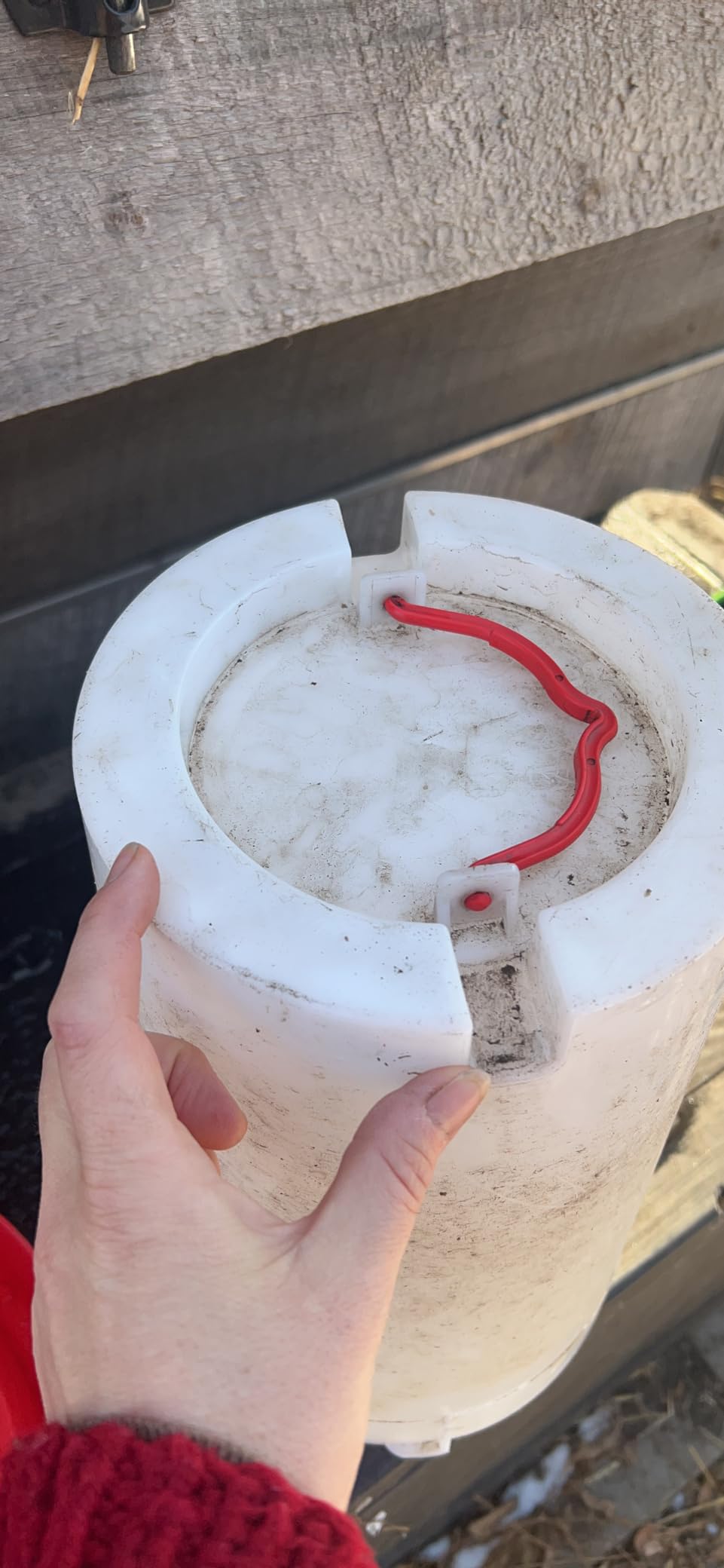
The removable top is the feature I appreciate most in daily use. You lift the whole lid off and pour, then set it back down, which is a two-job process in freezing weather rather than a one-job process with a hinged cap. The metal handle lets you hang it from a hook so the floor stays dry, or set it flat on the ground if there is nowhere to hang it.
Capacity is the real limitation. Two gallons serves up to 15 chickens by the maker’s own sizing, and winter water consumption is high because birds drink more when it is cold, so a 15-bird flock means checking twice a day. I would not push this unit past 12 birds without a second waterer.
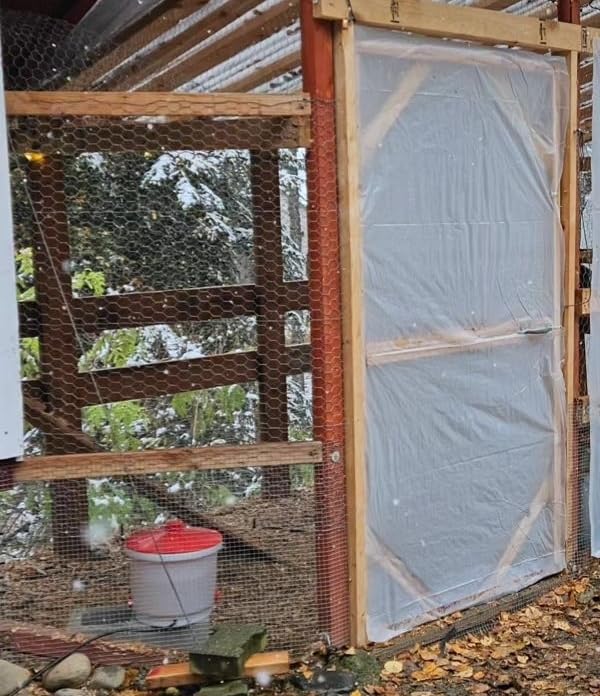
Why this one wins for most backyard flocks
The reasons are unglamorous and they are the reasons that keep keepers coming back: a thermostat that actually cycles, side nipples, a simple refill, and a service record long enough that failures are rare rather than unheard of. In the reviews the most repeated strength is the drip-free nipple design, and the most repeated weakness is simply the two-gallon size.
Owners on the BackYard Chickens forum describe the double-wall galvanized fount on a heated base as one of the best money they have spent in a cold climate, and the same underlying logic applies here. A waterer that has already survived fifteen winters of use is worth more than a spec sheet promising twenty degrees below zero.
Where it falls short
The metal handle is the component I would watch. It is the part that sits closest to the ice when the unit is on the ground, and freezing water expands against the fittings where the handle meets the body. If you hang yours, that risk drops sharply.
It is also the plainest design in the roundup. There is no quick-fill hinge, no filter ring, no anti-roost cone, and the cord is not detachable. For a small flock kept in a solid coop that is a feature. For a larger flock or a flock you want to train on nipples gradually, one of the later picks handles it better.
2. Premier 1 All-Season 3-Gallon, the Best Pick for Larger Flocks
Premier 1 All-Season Heated Poultry Waterer for Chickens & Ducks – 3 Gallon
100W element on below 40F and off at 60F
3 gallons for up to 35 adult chickens
13 x 13 x 14 inches, 6.3 pounds
16 ft detachable power cord
Pros
- Thermostat behaviour is published
- so you can predict cycling
- Three recessed nipples plus three spares
- Quick-fill cap sized for a hose or watering can
- Detachable 16 ft cord makes it a four-season waterer
Cons
- Long cord can be seated incorrectly and then the unit will not heat
- Birds need training before they will use nipple drinkers
- Insulated lid can freeze shut in extreme cold
This is the unit I put in a coop with more than 15 birds, and the reason is arithmetic as much as performance. Three gallons, 100 watts, and a thermostat that switches on below 40F and cuts out at 60F. That published on and off behaviour is unusual in this category and it lets you reason about your own climate instead of guessing.
Owners across Indiana, Ohio and Michigan report it holding through single digits and below-zero nights across multiple seasons. The recurring complaint in the reviews is not a heater fault at all. It is a plug seated incorrectly at the heating element connection, which stops power and lets the water freeze. If your waterer freezes in a hard snap, check that connection before you blame the thermostat.
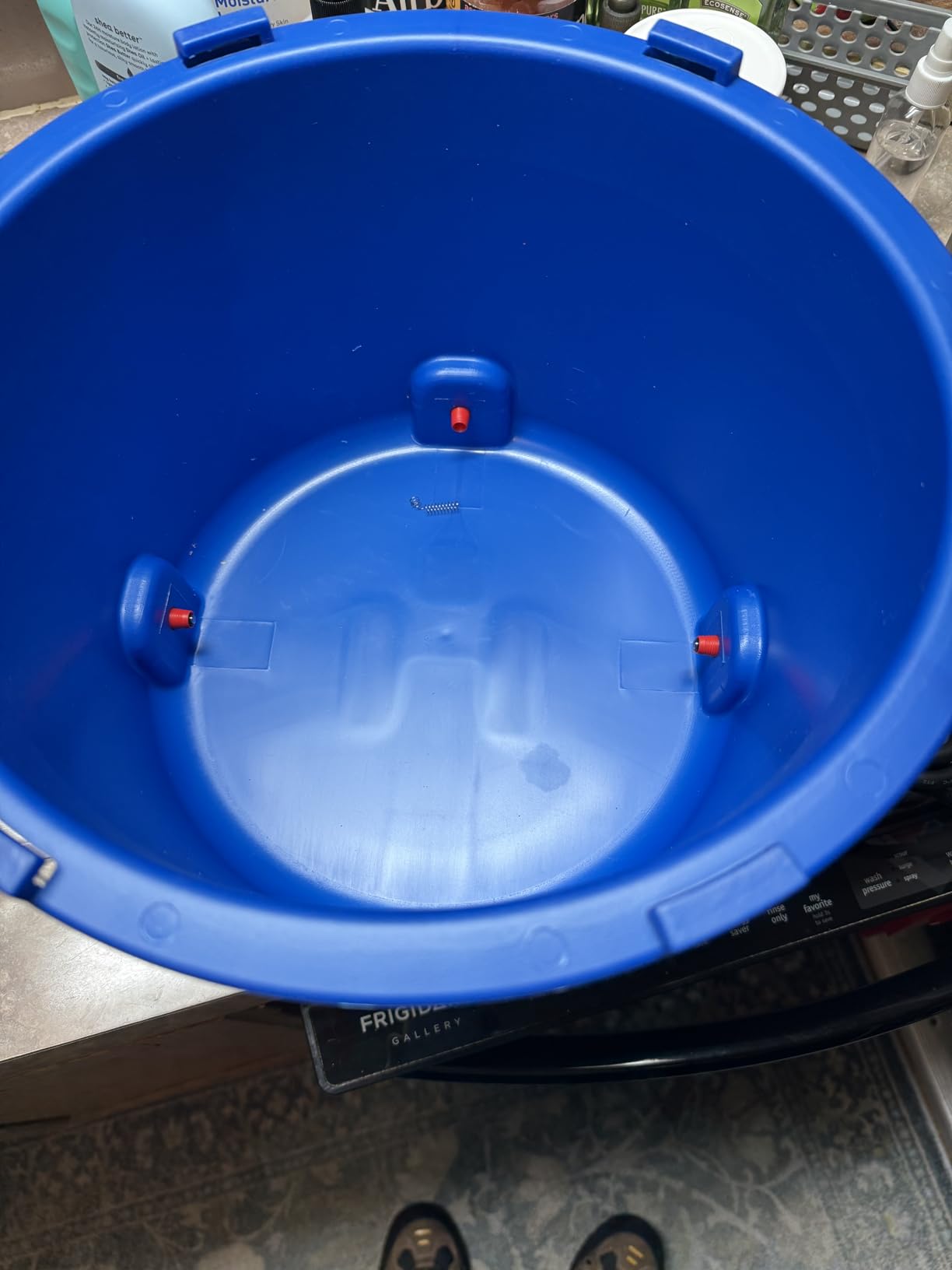
Three recessed nipple drinkers keep the water clean, and three spares ship in the box, which matters because nipple threads crack in hard cold more often than people expect. The hinged quick-fill cap is the feature that changes my winter routine. I can top it up through the cap in sleet without removing the whole lid and without pouring water into a wind-blown opening.
Weight comes in at 6.3 pounds, which is heavy enough that the handle feels secure when you are carrying a full unit across a snowy run. The insulated lid slows heat loss, and the 16-foot detachable cord means you can genuinely use one waterer year round instead of running two.
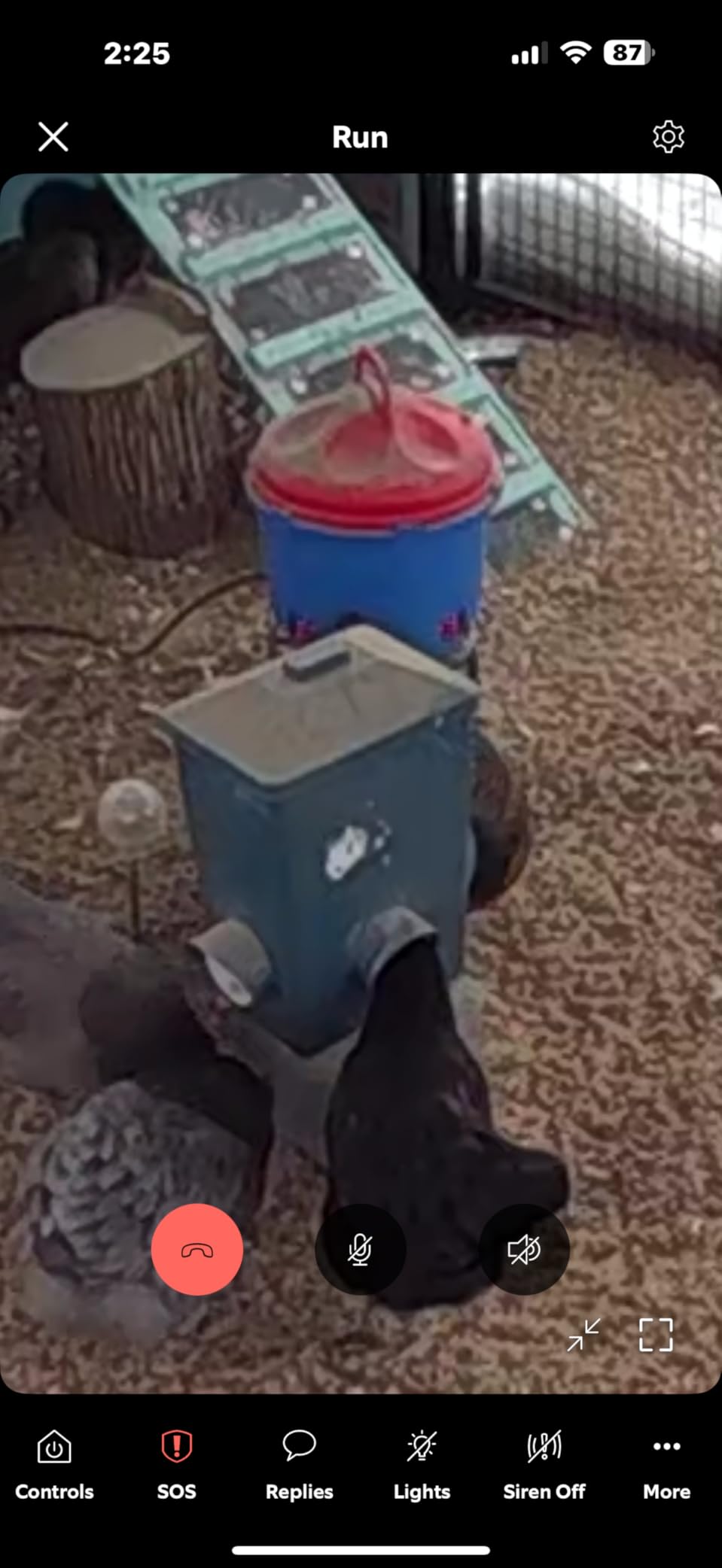
What you give up for the extra capacity
The detachable cord is a double-edged feature. It is excellent for seasonal use and it is the most likely thing to be misconnected, which is exactly what the one-star reviews describe. Pair it with a clearly marked outdoor-rated extension run rather than an indoor one and the problem largely disappears.
There is also the training curve. Nipple drinkers are unfamiliar to birds raised on a trough, and it takes a few days of firm pressure at the nipple tip before they understand the mechanism. Keep an open water source alongside it for the first week and the transition is painless.
Where the design shows its edges
Overfilling pushes water out around the fill opening, and in a run that means wet bedding, which means frost, which means a frozen base. Fill to the marked line and stop.
A small number of buyers in exposed, windy placements reported ice despite the low-temperature claim, which is a fair reminder that an open run strips heat faster than a sheltered coop. If your waterer lives outdoors under an open sky, add a windbreak rather than adding watts.
3. API 3-Gallon Heated Waterer, the Roost-Proof Value Pick
API 3 Gallon Heated Chicken or Bird Waterer with Overheating Protection, Galvanized Steel Handle, and Easy to Fill Funnel Design, White
100W heating pad at 120V, 60Hz
Rated ice-free to -5F
3-gallon easy-fill jug
Alloy steel handle and funnel
Pros
- Rounded top stops chickens roosting on the lid
- Thermostat with overheating protection
- Heater pad spreads heat evenly across the base
- Easy-fill funnel and galvanized steel handle
Cons
- 4-foot cord is short and often needs an extension
- Rated only to about -5F
- Lowest average rating in this group at 4.0
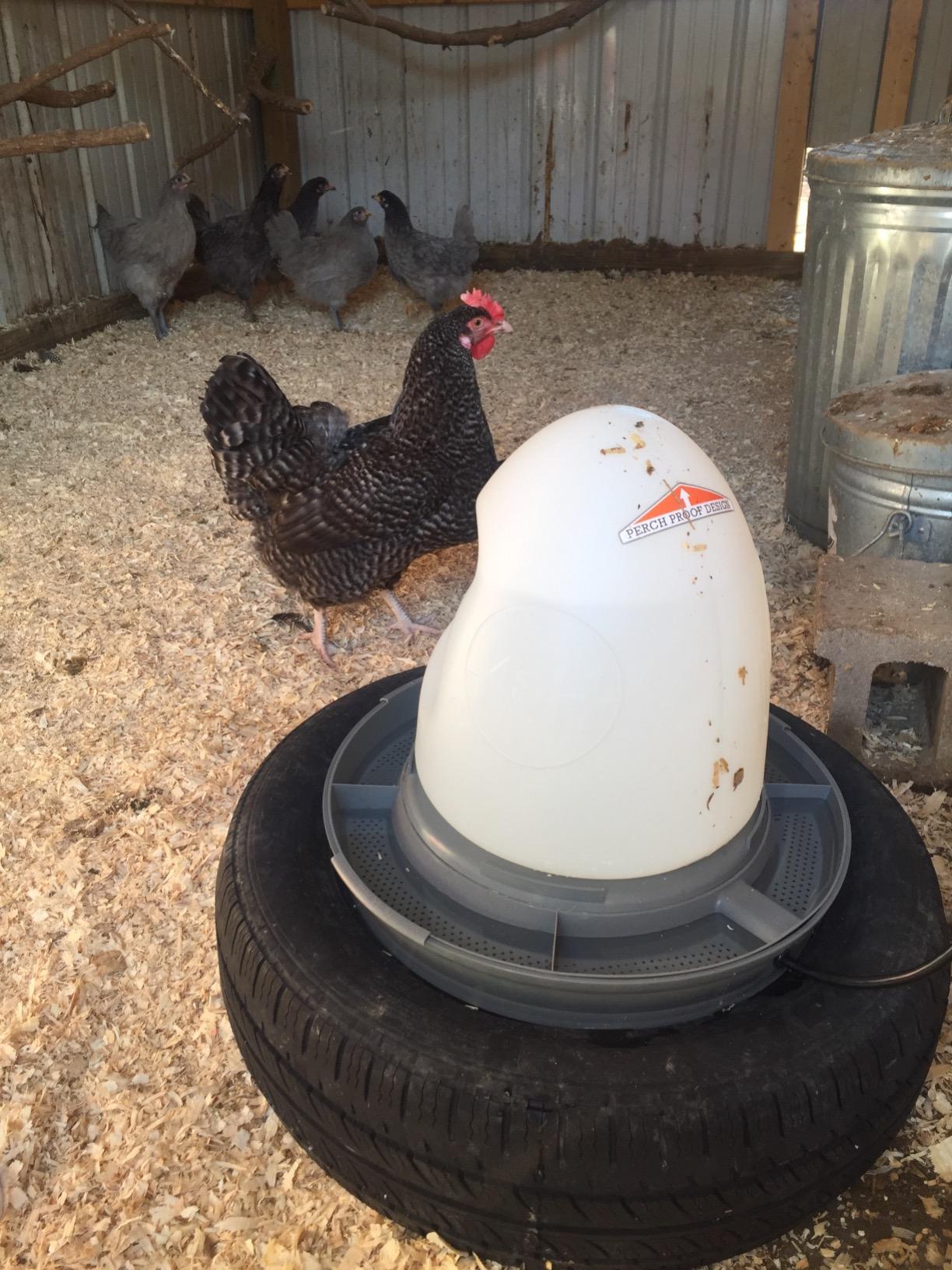
The API is the pick for anyone whose problem is chickens fouling the water rather than chickens freezing it. The rounded top means there is no flat lid edge to perch on, and owners consistently credit that with cleaner water through the winter. When the water stays clean, birds drink more, and everything downstream gets easier.
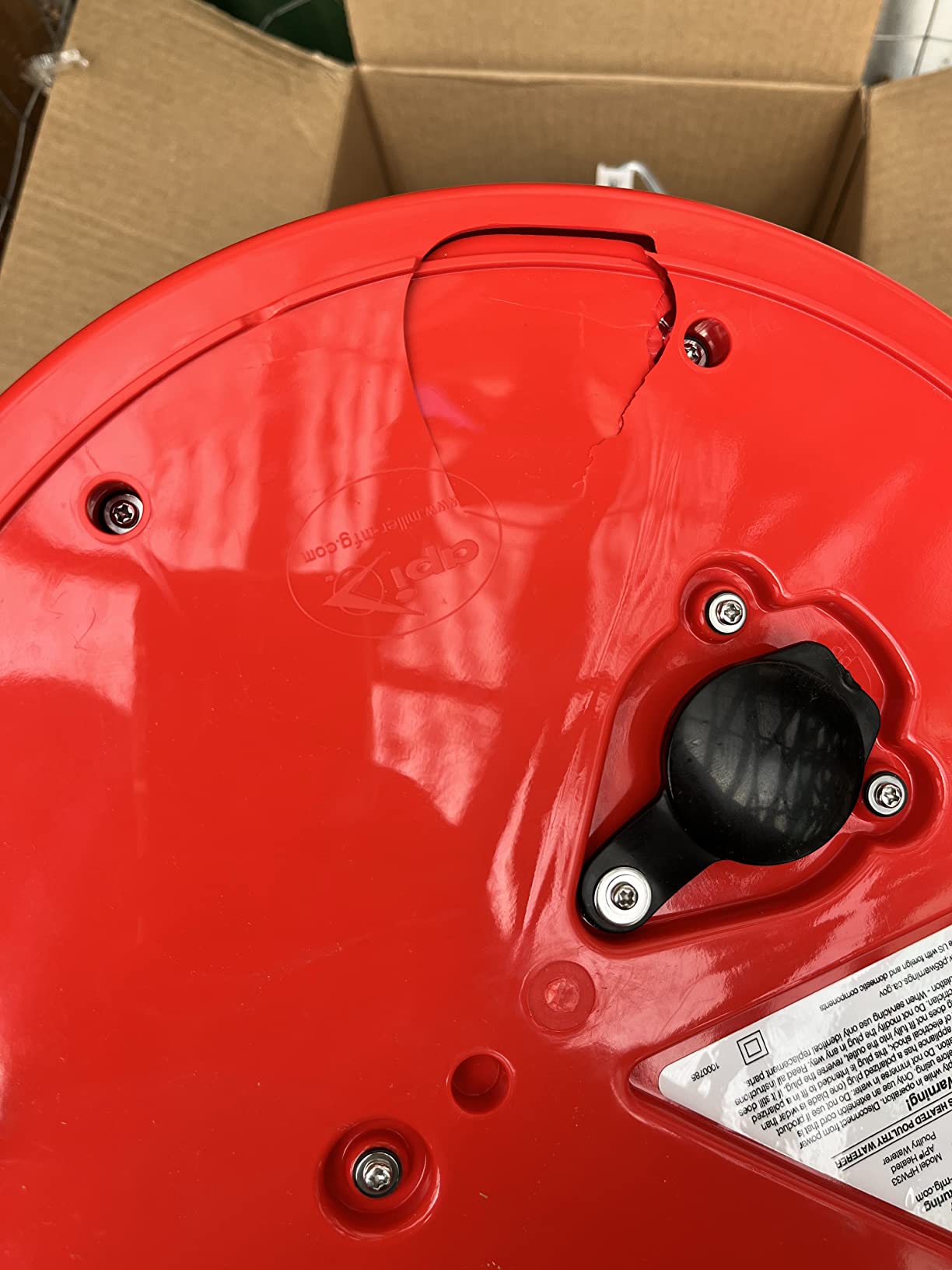
Underneath, a 100-watt heating pad at 120V sits under a three-gallon jug, controlled by a thermostat with overheating protection. The pad design spreads heat evenly instead of cooking one spot, which is why the reviews describe consistent results rather than a hot centre and cold edges.
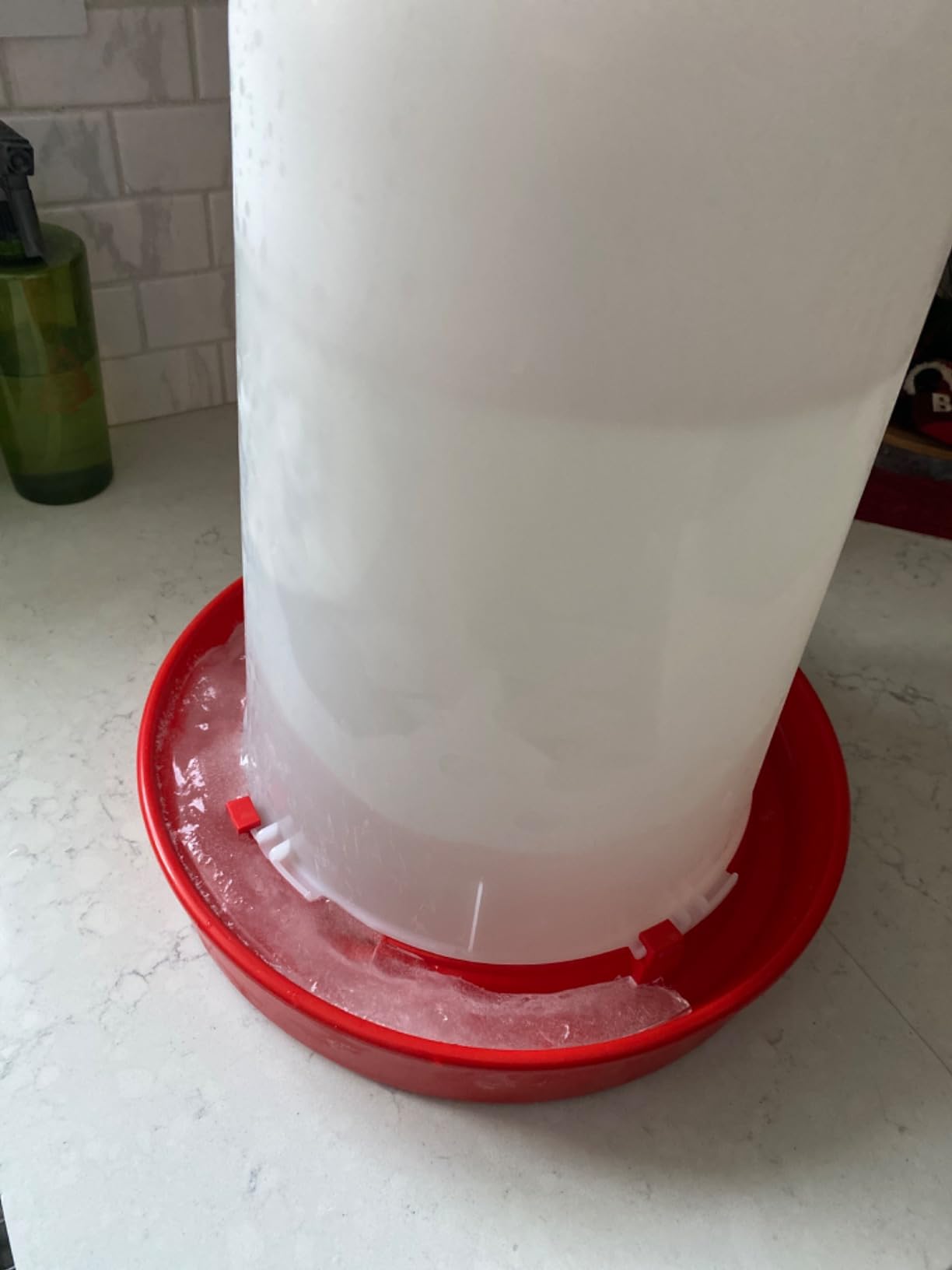
The easy-fill funnel and galvanized steel handle make the daily refill simple even with gloves on. That is the unglamorous test that matters most in January, and this design passes it comfortably.
The rated temperature is the tradeoff. This unit is claimed ice-free to about -5F, which covers most of the eastern and midwestern United States in a normal winter but leaves you thin in northern Minnesota, Maine and the Dakotas. If your forecast routinely goes below that, look at the higher-wattage units further down.
Why keepers with dirty-water problems choose it
A flat lid collects droppings, bedding dust and feed dust, and in freezing weather that material freezes into the rim. The API’s curved profile gives birds no horizontal surface, so the fouling problem largely removes itself. The trough stays clear, the water reads clean, and birds drink without hesitation.
Thermostat control with overheating protection also means you can run it through shoulder seasons without worrying about a runaway element. Several owners report using it as their main waterer year round rather than swapping between two units.
Where it falls short
The 4-foot cord is short. A coop wall is rarely four feet from an outlet, so you will almost certainly be running an outdoor-rated extension. Do that properly, with a GFCI-protected receptacle, and it is a non-issue; do it with an indoor extension in a damp coop and you have a real problem.
The rating spread on this listing is the widest in the set, with a meaningful share of one-star reviews. Most of that traces back to the modest low-temperature claim rather than to build quality, so the buyer who knows their climate is the buyer who is happy with it.
4. K&H Thermo-Poultry 2.5-Gallon, Built for Mess-Free Refilling
K&H Pet Products Thermo-Poultry Waterer 2.5gal. (Heated) Gray 60 Watts – No Roost Top & Non-Spill Refill
60W thermostatically controlled element
2.5-gallon tank
Spill-proof refill cap
16 x 16 x 15 inches, 2.51 pounds
Pros
- Spill-proof cap carries and reseats without leaking
- Removable filter ring lifts debris out of the trough
- Rounded profile eliminates roosting
- Easy to fill and simple to service
Cons
- Only 2.5 gallons suits a small-to-medium flock
- Average rating of 4.0 with a sizeable one-star share
- Limited low-temperature capability
The K&H is built around one idea: refilling a waterer in winter should not mean wearing half of it. The spill-proof cap lifts out, carries the water, and reseats on the base without dripping, so you can walk a full unit from the spigot to the coop in a downpour and stay dry. Owners put this at the top of their list of practical features.
The removable water filter ring is the second thing I would not give up. It sits in the trough and lifts out accumulated debris in one motion rather than tipping the whole tank into a bucket to scrub. Combined with the no-roost rounded shape, it keeps water cleaner than most open designs manage.
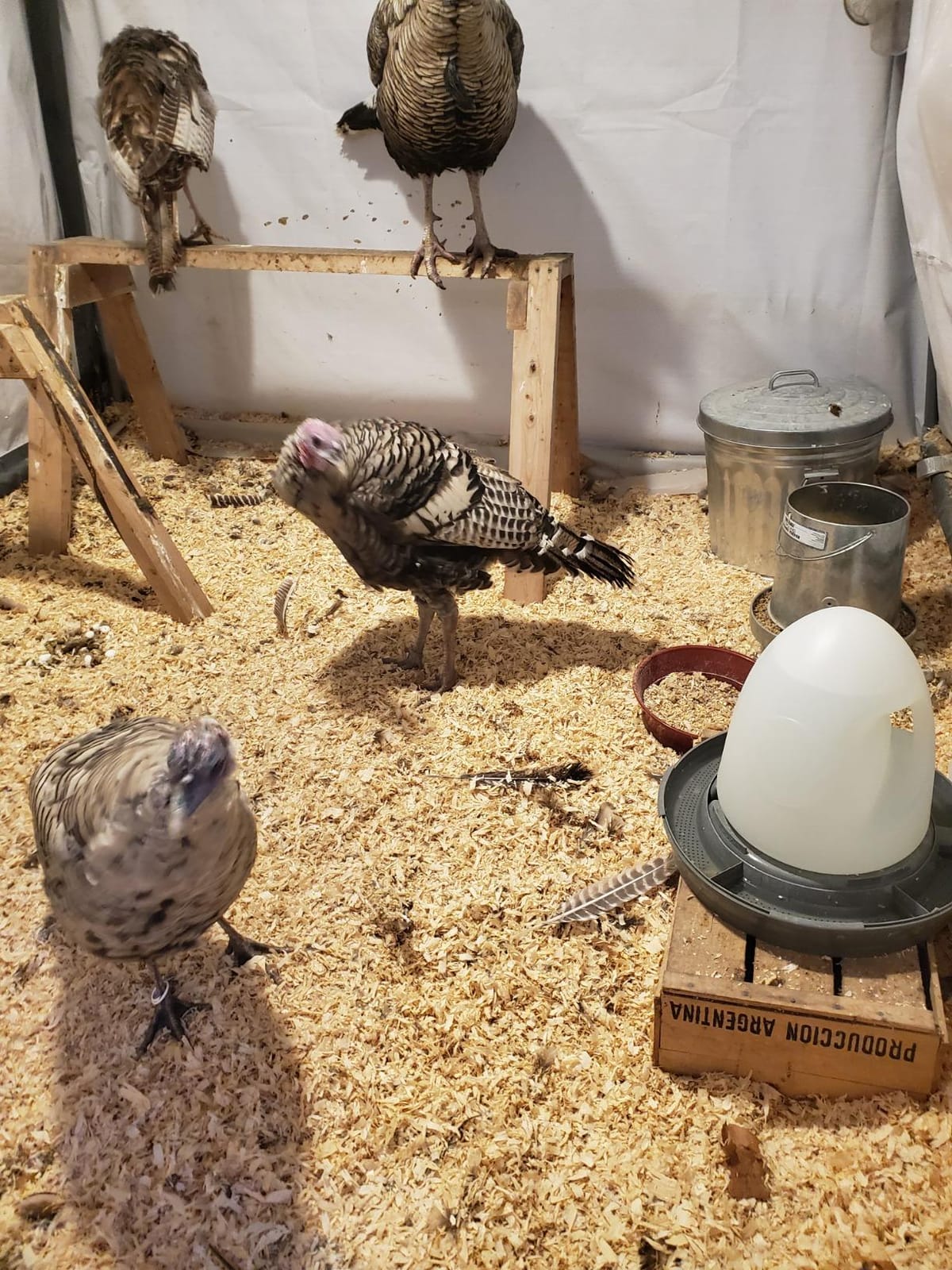
Heat comes from a 60-watt thermostatically controlled element, the same class of wattage as the Farm Innovators unit but in a slightly larger 2.5-gallon tank. The round shape and taller profile also mean it stays stable without legs or a hanging point, which suits coops where nothing can be suspended from the rafters.
What you are giving up for that convenience is range. A 60-watt element in a 2.5-gallon tank handles ordinary winters in most of the country but is not the choice for exposed northern coops that see regular double-digit negatives.
Best for daily handling and water quality
The spill-proof cap and filter ring are the deciding factors for anyone with mobility limits, a large flock to fill, or a coop far from a spigot. Refills become a one-motion job, and cleaning is a thirty-second job instead of a weekly chore. Clean water is the single biggest lever on how much a bird drinks in cold weather.
The rounded profile also means no roosting, which means fewer droppings in the trough and fewer frozen fouling problems at the rim when the temperature drops overnight.
Who should pass on it
Anyone whose winters regularly hit below freezing for weeks on end. The 4.0 average rating with a sizeable one-star share reflects reliable basic freeze protection that simply stops short of severe cold. It is a temperate-climate waterer.
It is also small. Two and a half gallons suits roughly a dozen birds in winter, and above that you are filling it more than once a day. Flocks above 15 should look at the 3-gallon and 5-gallon options instead.
5. Lilyang 3-Gallon 250W, the Deep-Cold Pick
Lilyang Heated Chicken Waterer 3 Gallon, 250W Thermostat Control
250W thermostat element, on at 35F and off at 70F
Claimed freeze protection to -20F
3 gallons for 10 chickens or 30 chicks
12.91 x 11.5 x 7.68 inches, 4 pounds
Pros
- Highest wattage in the group for demanding cold
- Cast aluminum plate avoids melting the plastic base
- Detachable heating plate makes it a year-round waterer
- Works standing on included legs or hanging
- 6-month warranty
Cons
- Newer listing with a shorter review history
- 3 gallons serves about 10 adult chickens
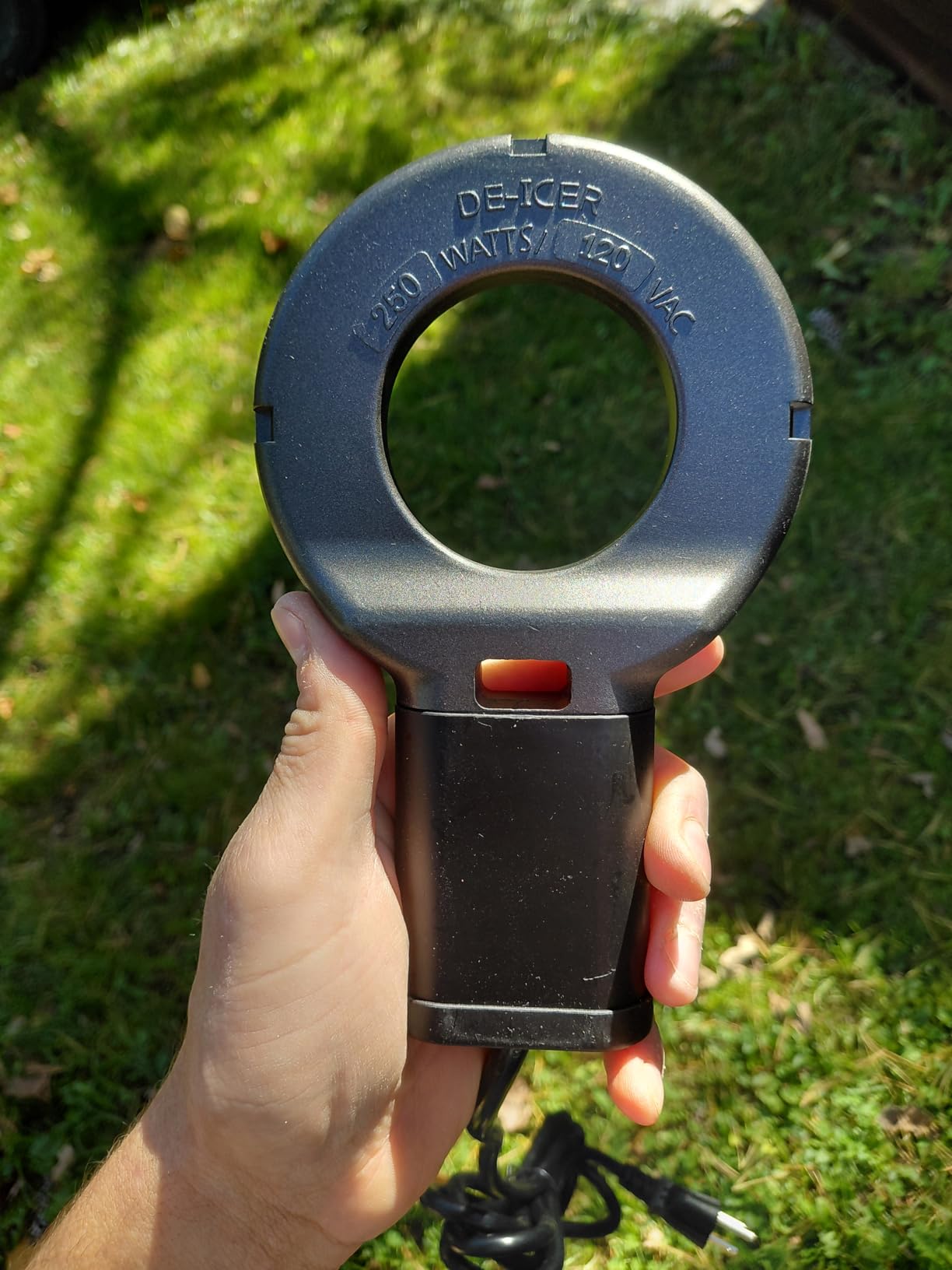
When someone asks which heated chicken waterer holds up in serious cold, this is the answer I point to. A 250-watt element is two and a half times the output of the 60-watt units in this roundup, and the maker claims freeze protection down to -20F. The thermostat switches on at 35F and cuts out at 70F.
The engineering detail that makes high wattage safe is the cast aluminum heating plate. Plastic bases warp and melt when you concentrate that much heat under them, so the plate spreads the load and isolates the plastic. That design choice is the difference between a heater that lasts and one that does not.
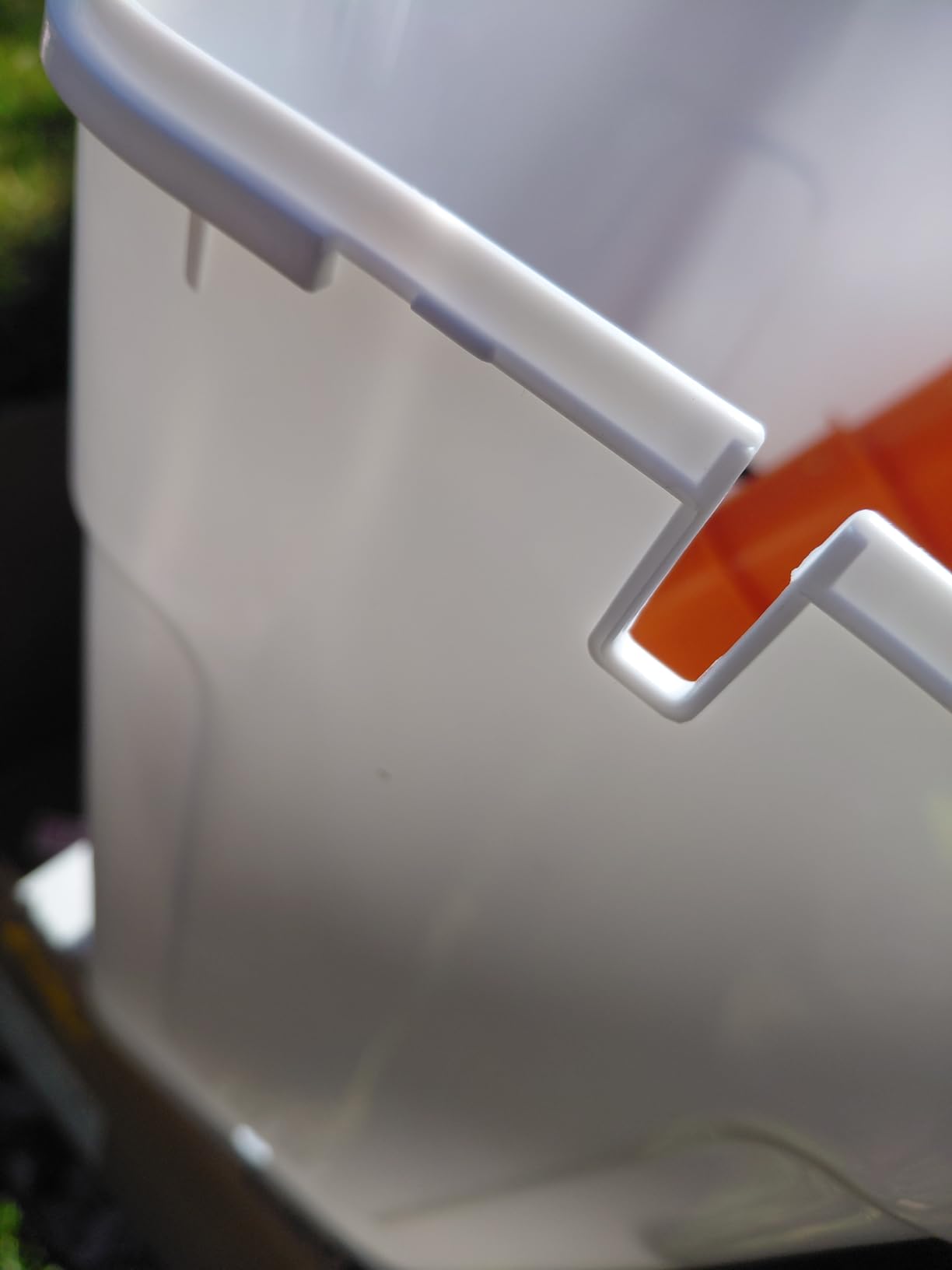
The detachable heating plate is genuinely useful. You can run the element only in the cold months and drop the reservoir into normal service for spring through autumn, so one waterer covers the whole year instead of you owning a heated and an unheated unit.
Owners respond to the 250-watt element and the detachable plate, and the rating distribution is among the cleanest in this set with a small one-star share. Included legs let it stand off wet ground, and the removable sloped lid discourages perching.
Why the wattage matters up north
Heat loss scales with surface area and with the temperature difference between the water and the air. A 3-gallon reservoir in an unheated coop at -10F loses far more heat per hour than the same reservoir at 25F, which is why a 60-watt element that cycles constantly up north may never outrun the loss. More watts means shorter cycles and a wider margin in a cold snap.
The wide thermostat band also works in your favour here. An element that switches on at 35F and off at 70F is not thrashing the compressor-equivalent every few minutes, which is the wear pattern that kills cheap heaters.
What to watch on this one
This is a newer listing with a much shorter review history than the long-established designs, and that is the honest caveat. The category rank is strong for the review volume, but a five-year service record does not exist yet.
Capacity also deserves attention. Three gallons is sized for about 10 adult chickens or 30 chicks over two to three days, so a flock of 15 or more needs either a second unit or a more frequent refill schedule than the 5-gallon options provide.
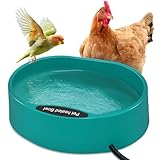
6. GHWMYD 125OZ Heated Water Bowl, the Waterfowl Pick
GHWMYD Heated Water Bowl for Chicken,125OZ Water Heater for Hens Goose Duck
Thermostatic heating from 41F to 100.4F
125 oz, 3.7 liter capacity
13.39 x 10.08 x 4.09 inches, 2.43 pounds
CE, FCC and UL certified
Pros
- Open trough suits ducks geese and any bird that cannot use nipples
- Highest-rated open design with a small one-star share
- Element fully sealed inside BPA-free plastic
- CE FCC and UL certified for electrical safety
- Works as a heated bowl or a winter bird bath
Cons
- Open water stays exposed and needs regular cleaning
- Heats the water itself rather than only preventing freezing
- Manufacturer advises a sheltered spot away from wind
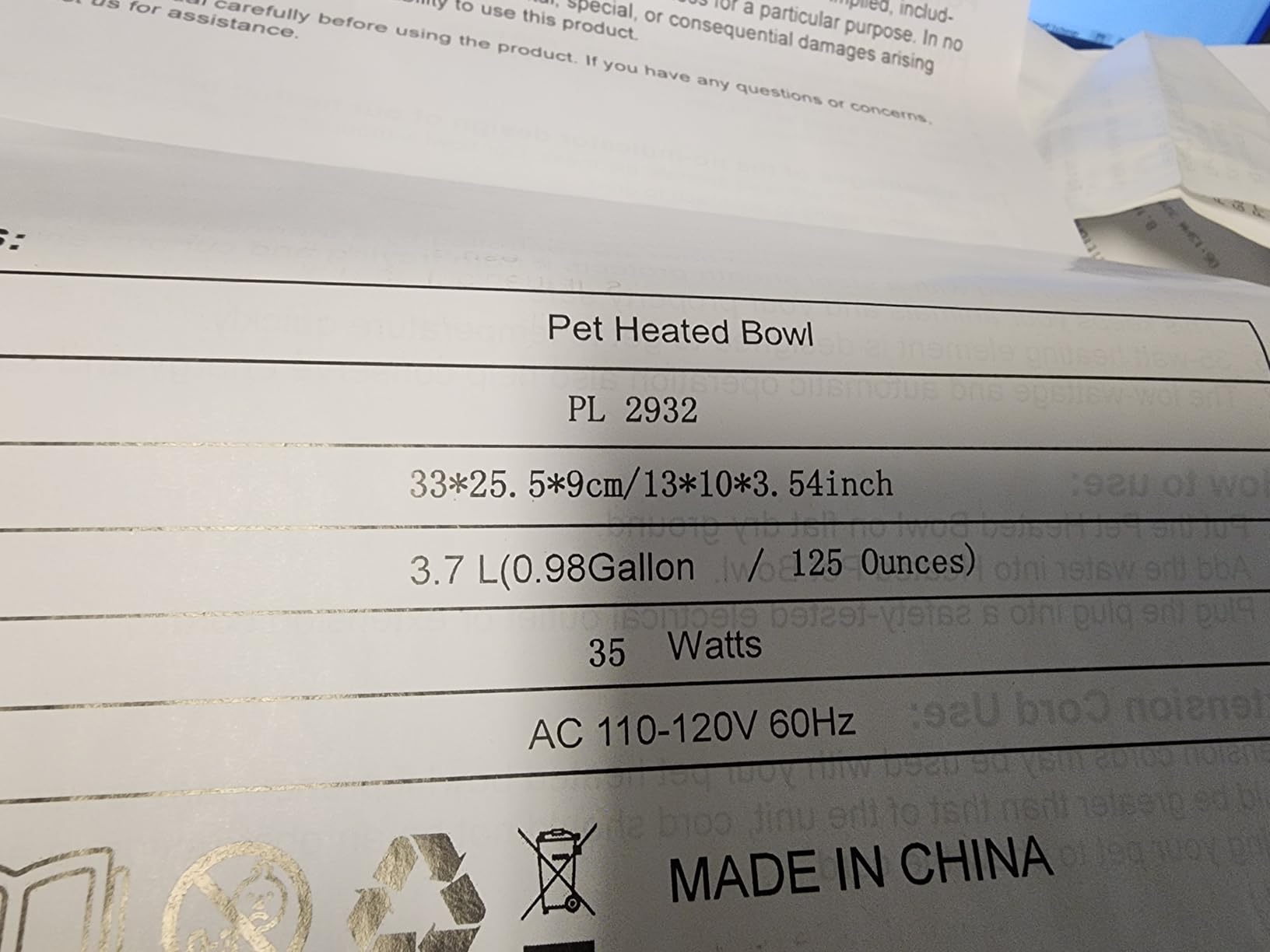
Nipple drinkers simply do not work for ducks and geese. A duck has to submerge its head to clean the nares on its bill, and a goose needs real depth to do the same. If your flock includes waterfowl, an open trough is not a compromise, it is the only correct shape. This bowl is the pick for that situation.
It holds 125 ounces, roughly 3.7 liters, and the sealed element inside the BPA-free plastic casing is thermostatically controlled to hold water between 41F and 100.4F. That means your birds get drinkable water in freezing weather rather than water hovering just above freezing.
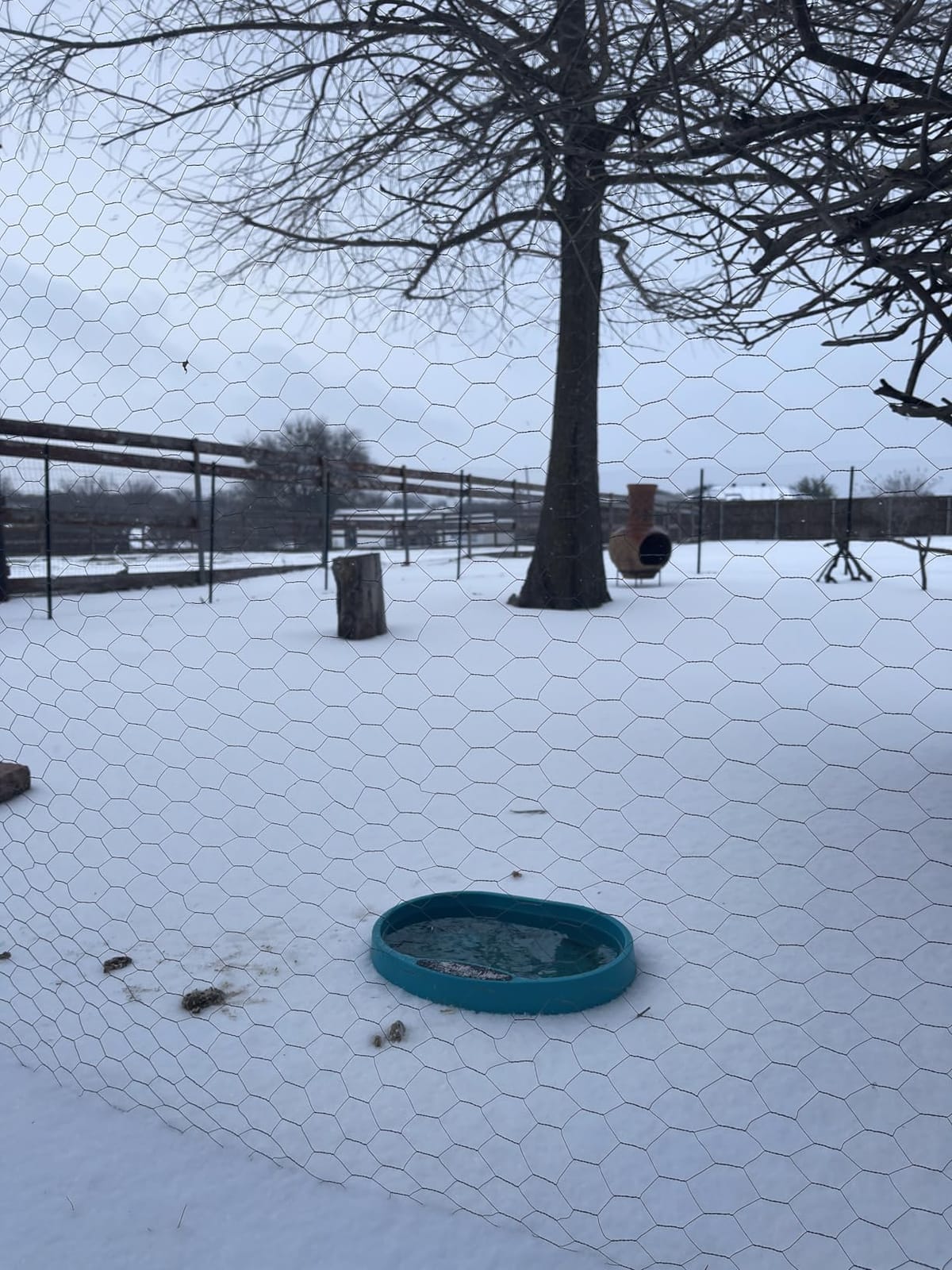
The certification marks are worth noting. CE, FCC and UL certification on a cheap bowl from an unfamiliar brand is not the norm, and it is the reason I am comfortable recommending it for a damp coop where a fault would matter.
Rated 4.6 with 79 percent five-star votes and a 3 percent one-star share, it holds the lowest one-star percentage of anything in this roundup. Owners value it for the visible water and for the fact that waterfowl can actually use it.
Why waterfowl need a different product
Head-submerging behaviour is not a preference. Ducks and geese need enough water depth to immerse their whole head and clean the nares, and nipple drinkers offer a few millimeters at the tip of a tube. Keep offering only nipples to a duck and you get a dehydrated bird in cold weather, which is a genuinely dangerous situation.
The 6.56-foot abrasion-resistant cord also matters for this use, since a bowl on the ground in a run takes more punishment from feet and beaks than a hanging fount does.
Trade-offs of an open bowl
Open water stays exposed, so it collects droppings and dust and needs daily attention. An enclosed nipple system stays cleaner by design. This is a straight choice between serving waterfowl correctly and serving chickens with minimal cleaning.
Because the element raises the water temperature rather than merely preventing freezing, you should follow the maker’s advice and place it in a sheltered spot away from wind. Wind strips the heat faster than any heater can replace it, no matter how many watts are involved.
7. Eggluuz 5-Gallon with 8 Nipples, the Large-Flock Pick
Eggluuz Heated Chicken Waterer 5 Gallon Thermostatically Controlled Poultry Water Heater with 8 Horizontal Nipples for Winter
5-gallon capacity, 8 horizontal nipples
Freeze protection claimed to 10F
Thermostat on below 35F, off near 77F
14.5 x 13 x 13 inches, 6.1 pounds
Pros
- Largest capacity in this selection cuts refill frequency
- Eight horizontal nipples serve 30-plus birds
- Owners report freeze-free water below 0F in northern Minnesota
- Foldable adjustable legs for different bird sizes
- Spills little even when carried full
Cons
- Lid can freeze to the rim and must be slanted on
- A few units stopped heating after about a year
- Wide footprint takes more coop space
Five gallons is the number that changes the morning routine. With a flock in the twenties, a smaller unit needs a refill before breakfast and again before dark, and each refill in freezing weather is a chance to spill and to get your own hands wet. At 5 gallons with eight horizontal nipples, most keepers in the range go a couple of days between fills.
The horizontal nipple layout is worth calling out. Birds activate these from the side and drink from a small recess that sits close to the tank wall, which leaves very little standing water exposed to air. Forum regulars consistently report horizontal nipples freezing less often than vertical nipples or watering cups, which hold a puddle of water that freezes solid.
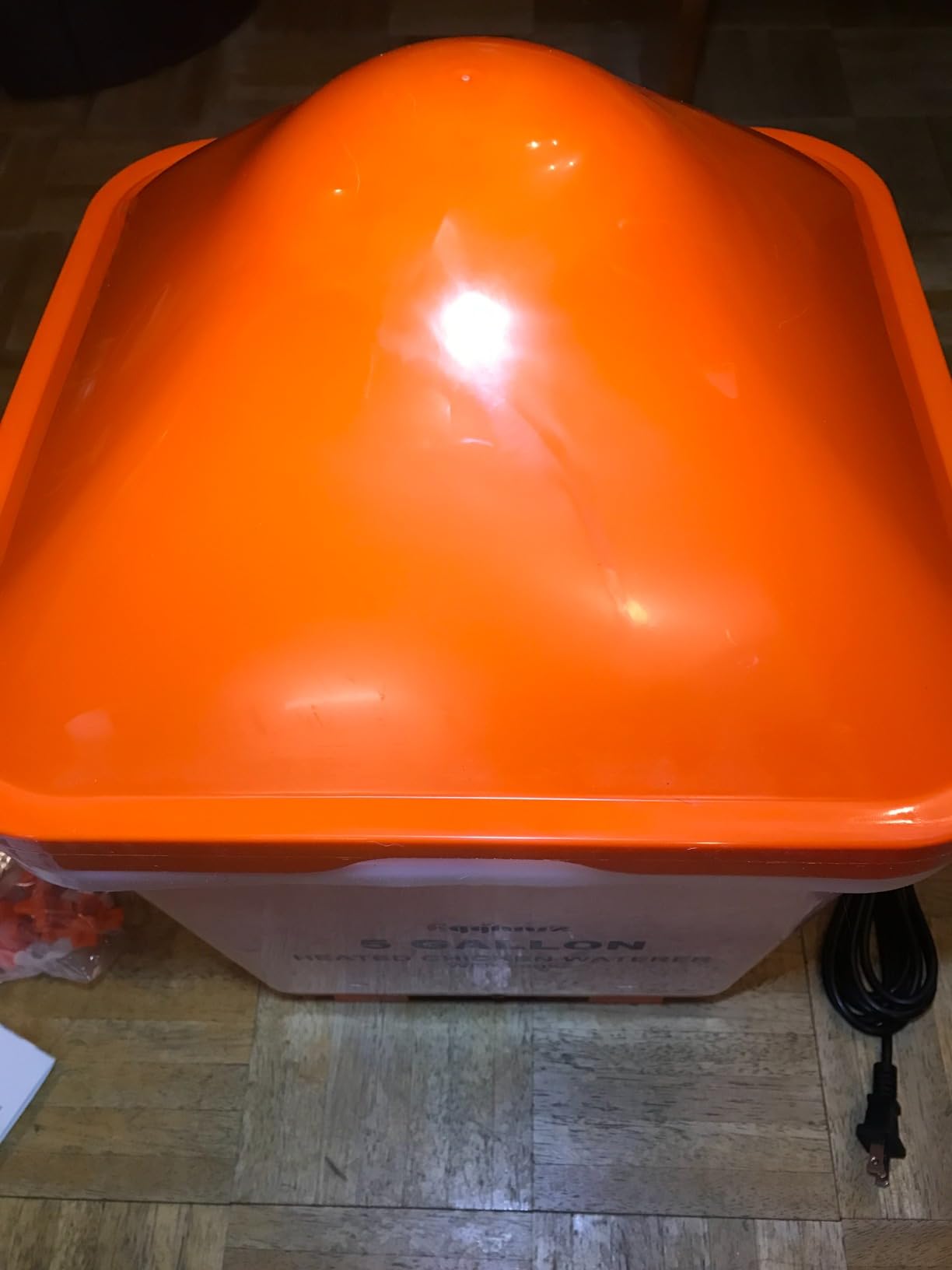
Performance reports are strong, including a two-year owner in northern Minnesota running 30 chickens in an unheated coop. Freeze protection is claimed to 10F, so this is not a northern-tier extreme-cold unit, but it is more than adequate for most of the country.
The foldable adjustable legs are a nice touch for mixed flocks. Chicks and adults drink at different heights, and legs that fold up out of the way let you serve a growing flock from the same unit rather than buying twice.
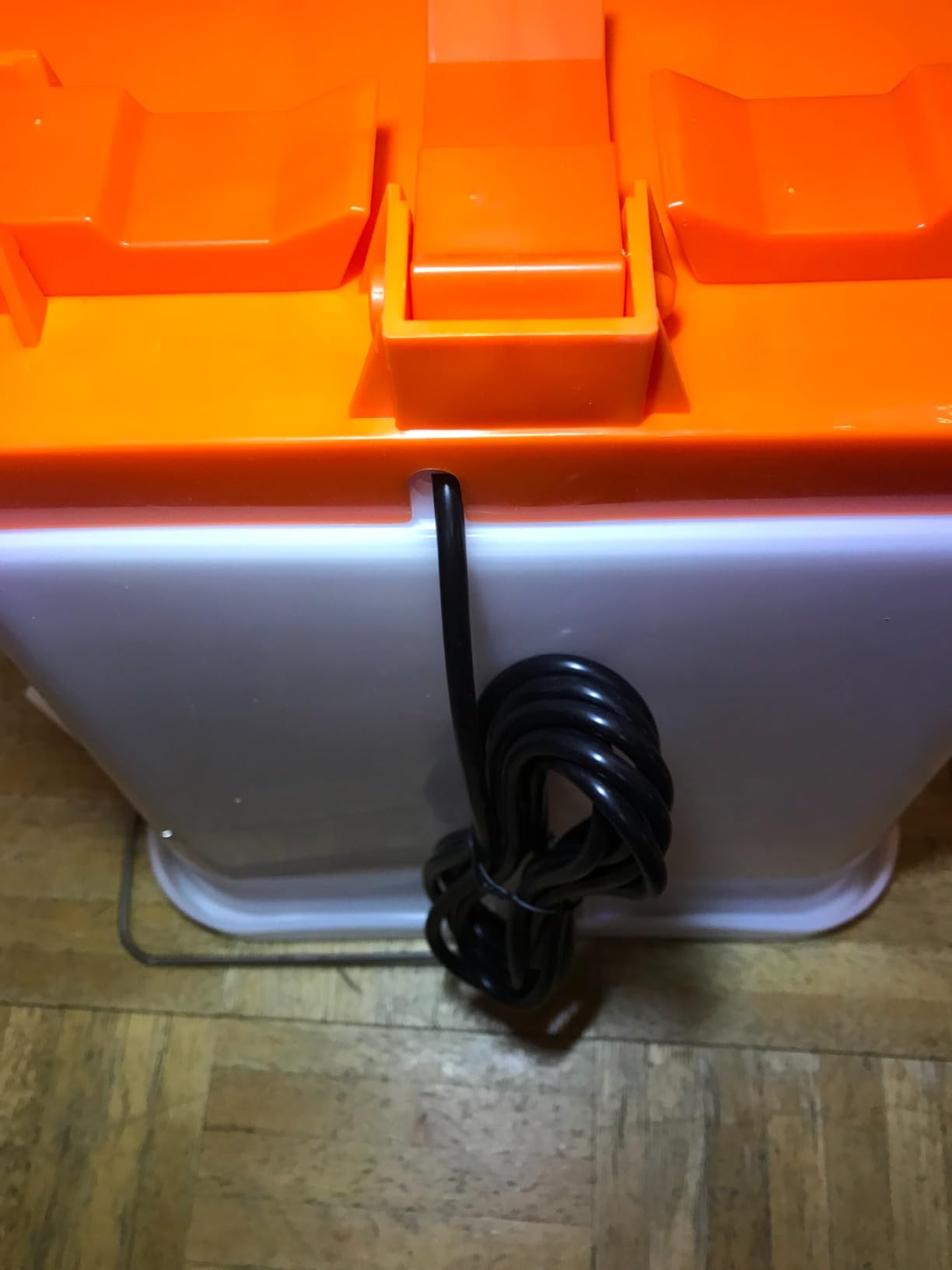
Where the design helps large flocks
Eight drinking points across a five-gallon tank removes crowding. When twelve birds try to reach the same nipple, they push and perch on the rim, and that is how lids get contaminated and rims get chipped. Spreading the nipples around the wall removes most of that pressure.
The thermostat also has the widest band of the nipple designs here, switching on below 35F and off near 77F. Fewer switch cycles over a long cold night means less wear on the contacts.
Where durability gets questioned
The complaints in this listing are about longevity rather than function. Two separate one-star reviews report the heater ceasing to work after roughly a single winter season, which is worth weighing against the two-year field report from the same listing. Plan for the possibility that you are replacing it in year two or three.
The other recurring note is the lid freezing to the rim. Owners who fitted it on a slant report that this solves the problem, and it costs nothing to do. The wide footprint is worth noting too, since 5 gallons is not going into a small corner of a mobile coop.
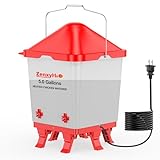
8. ZenxyHoC 5-Gallon Heated Bucket, the Best-Rated Nipple Waterer
5.0 Gal Heated Chicken Waterer Bucket with 4 Horizontal Water Nipples
5 gallons with 4 horizontal nipples
Thermostat on below 35F, off near 77F
10-foot power cord
12.4 x 12.4 x 19.6 inches, 6.1 pounds
Pros
- See-through walls show the water level without lifting the lid
- Owners document liquid water at -15F in Michigan
- Chickens learned the nipples within a day in several reports
- Ten-foot cord gives placement flexibility
- Legs keep it off wet ground and away from pecking
Cons
- Only 4 nipples for a 5-gallon tank
- Legs could be taller for adult-height birds
- Heavier build than the smaller units
This is the strongest-rated nipple waterer in the roundup at 4.6 with 80 percent five-star votes and no two-star reviews at all. Verified owners document water staying liquid at 16F, 0F and -15F, which is real-world evidence rather than a lab claim.
The see-through bucket walls are the feature I did not expect to care about and now rely on. With an opaque fount you lift the lid in the cold to check the level. With this one you read the water line through the wall in a second and walk on. On a dark morning that is the difference between a five-second check and a two-minute job.
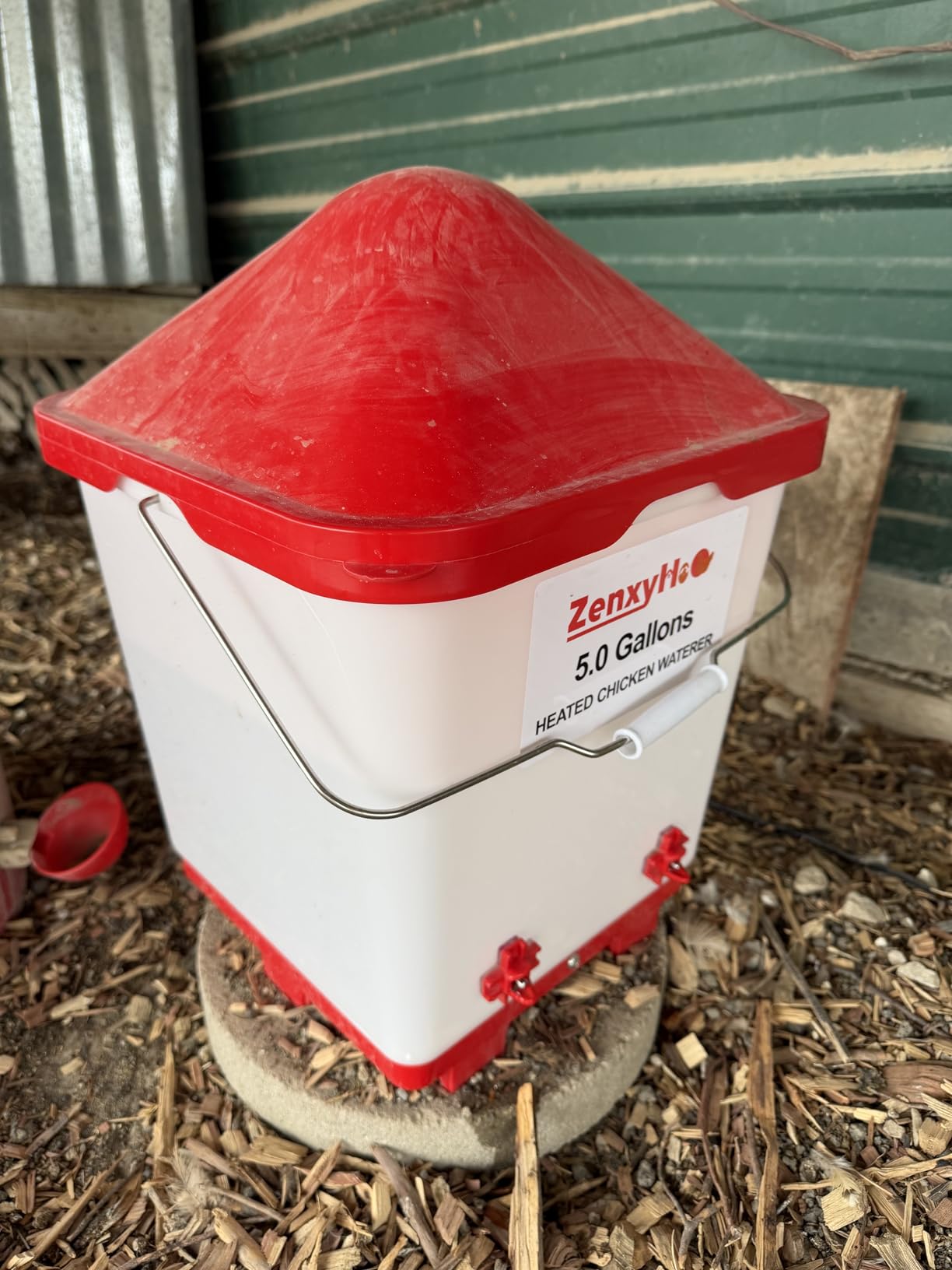
The thermostat cycles on below 35F and off near 77F, the same generous band as the Eggluuz. The 10-foot cord is the longest in this group and means you can reach an outlet that the 4-foot cords on the smaller units simply cannot.
Fast nipple training shows up repeatedly in the reviews, with several owners reporting birds figured it out within a day and some within minutes. That matters more than it sounds like it should, because a flock that will not drink from a waterer is a flock with a frozen waterer and no other option.
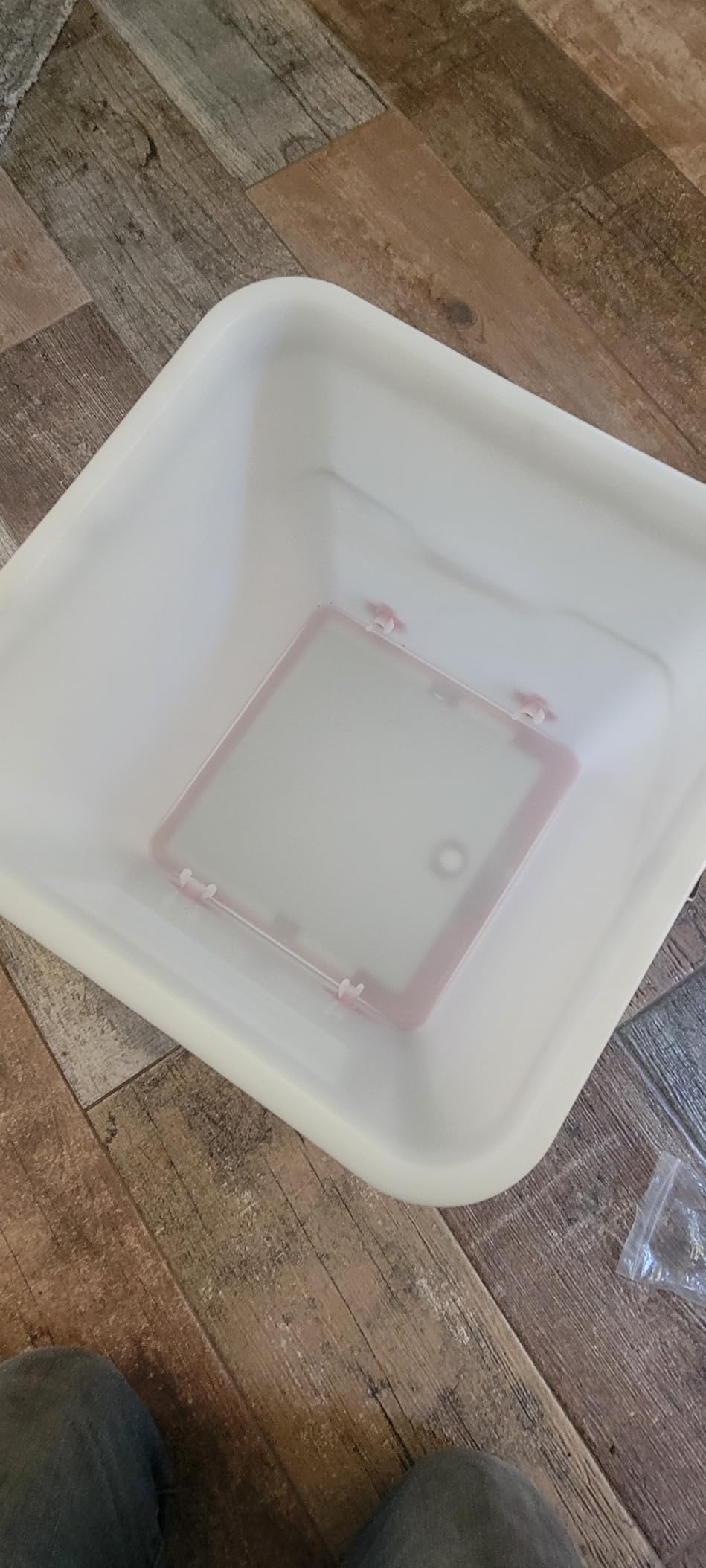
Why the visible water level matters in winter
Checking water twice a day means opening something. Opening something in freezing weather means cold hands, and on a genuinely cold morning that is how people start skipping checks. Anything that turns a check into a glance is a safety feature whether the manufacturer calls it one or not.
The four horizontal nipples also produce very little exposed standing water, which is the practical reason they freeze less often than vertical nipples or cups. Reducing the amount of water exposed to sub-zero air is as effective as adding watts.
Where it falls short
Four nipples in a 5-gallon tank is a narrower drinking spread than the Eggluuz offers, and owners running more than 15 to 20 birds ask for more drinking points. It is a capacity-and-access question rather than a failure, but it is real.
The legs are shorter than some would like for adult birds, and the unit is tall at 19.6 inches, so you need vertical clearance under a hanging point if you plan to suspend it. At 6.1 pounds it is also the heaviest thing in this roundup to move by hand.
9. IDUNSEED 125OZ Heated Bowl, the Straightforward Budget Bowl
Heated Chicken Waterer, 125OZ Large Capacity Poultry Water Heater for Chicken Coop Hens Turkey Goose Duck Pigeon Poultry Birds Dog Cat Drinker in Winter
Thermostatic heating from 41F to 100.4F
125 oz, 3.7 liter capacity
13.39 x 10.16 x 4.17 inches, 2.54 pounds
CE, FCC and UL certified
Pros
- Open bowl works for ducks geese turkeys pigeons and small pets
- Owners report water never freezing at 0F
- Anti-chew cord protector and anti-slip pads for snow
- CE FCC and UL certified
- Low draw suits continuous running
Cons
- Only 47 reviews
- the thinnest history in this group
- No user-adjustable thermostat
- Smaller than the listing images suggest for large birds
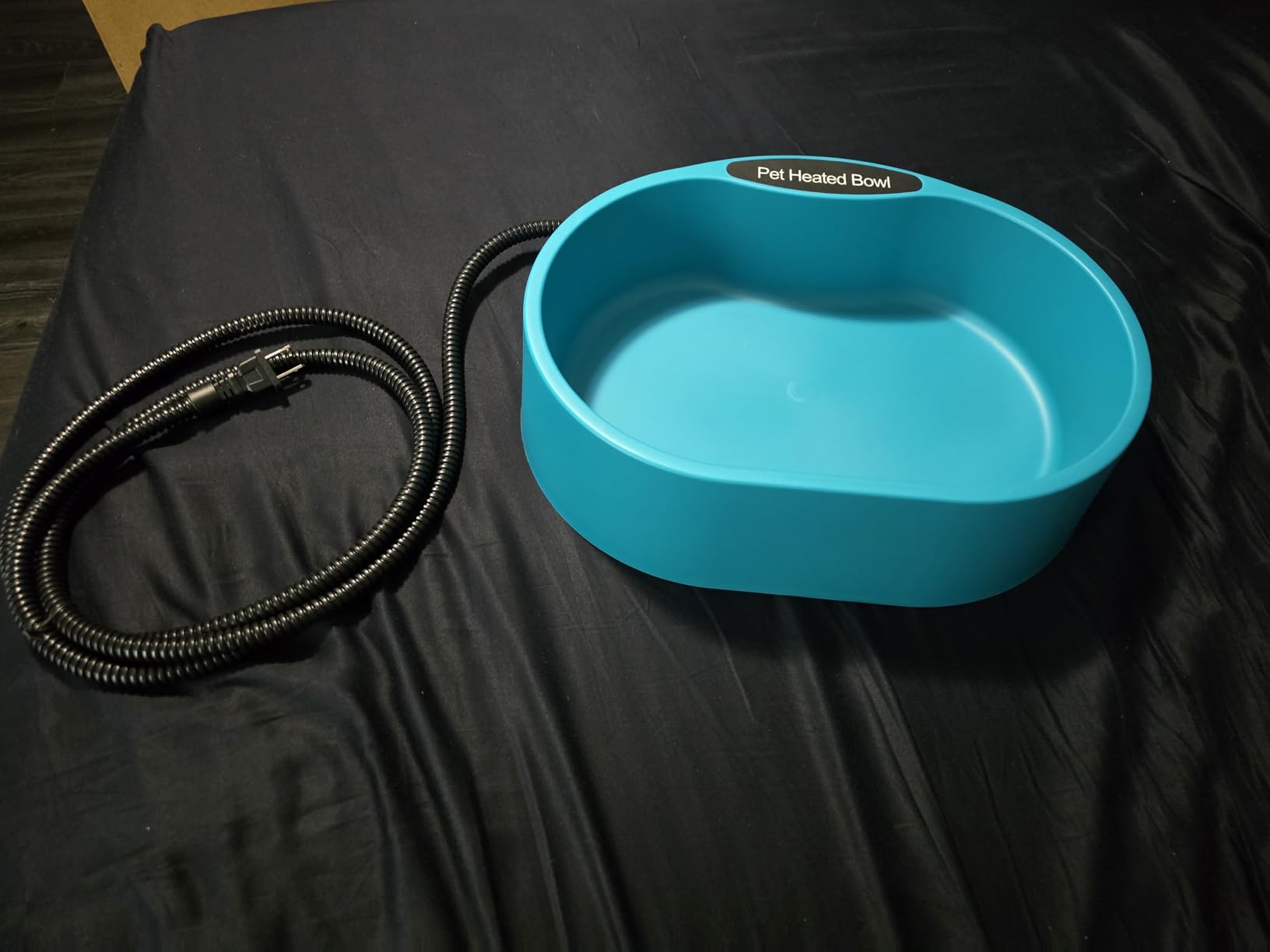
This bowl does the simple version of the job well. A sealed heating element inside BPA-free waterproof plastic holds water between 41F and 100.4F continuously, and owners report verified results in 0F conditions and Alaska winters. The element never freezes because it is never allowed to get cold enough.
Two details make it more winter-ready than the generic heated pet bowl. The 6.56-foot cord carries a heavy-duty anti-chew protector, which matters because poultry will gnaw exposed cable within days. And the nine-piece anti-slip pad keeps the bowl from sliding across ice and snow, which is how a bowl ends up tipped and spilled.
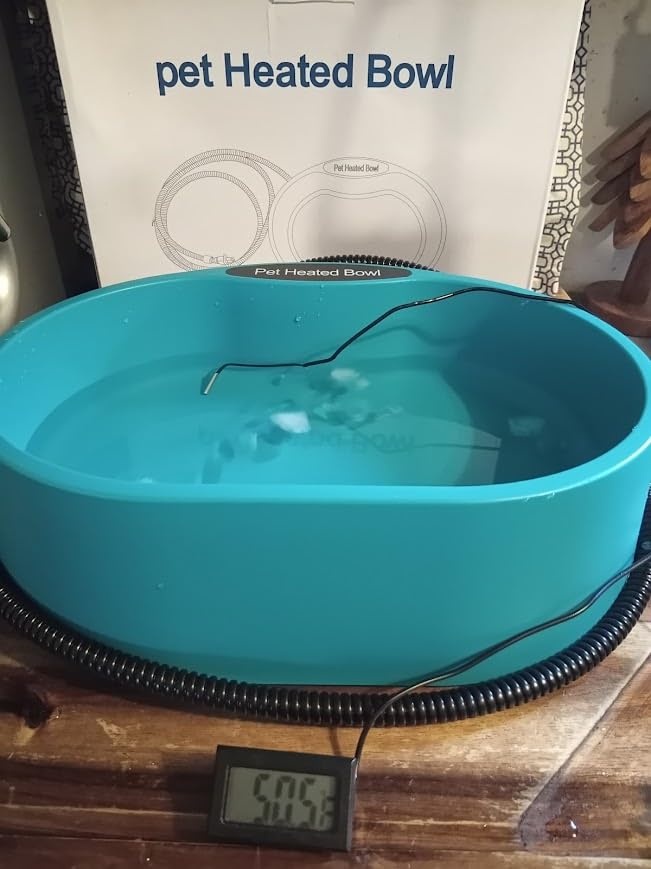
The open format serves a wide range of birds, including chickens, ducks, geese, turkeys, pigeons, dogs and cats, so it works well for a mixed-property flock or a barn with several kinds of animals.
CE, FCC and UL certification on the electronics is the mark that separates this from the heated pet bowls that forum regulars warn get climbed into and fouled within hours. A sealed, flush element is much harder to foul than an open pet bowl.
Why it suits mixed-species properties
Where a nipple waterer serves exactly one group well and excludes everything else, an open bowl serves everyone imperfectly and nobody not at all. For a household with chickens plus ducks, geese, or a turkey flock alongside them, one bowl covers the whole property.
The continuous thermostatic heating also means there is no on and off cycling to worry about and no cold start-up delay. Water is at a drinkable temperature whenever a bird chooses to drink.
What gives me pause
The thermostat is not user-adjustable. Some owners compensate by cycling the bowl with an external timer, which works, but it also means you can overshoot the top of the stated range in mild weather. It is a design limitation rather than a defect.
The review history is the thinnest in this roundup at 47 entries, so there is less long-run evidence here than for the established designs. One review also notes the bowl is smaller than the listing images imply, which is worth checking against the 13.39 by 10.16 inch footprint if you have larger birds.
What Matters When Buying a Heated Chicken Waterer
Five criteria decide whether a heated waterer works for you, and wattage is the one most people look at first and should look at last. Here is the order I would actually use.
Freeze rating against your real winter low is the first test. Manufacturers claim everything from 0F down to -20F, and the claims are not equally supported. Compare the claim to your own ten-year low, not to your average. If you have never dropped below 10F, a unit rated to 10F is sufficient and you can spend the difference on a second waterer instead of on a larger element.
Drinker style comes next, and this is where waterfowl decide your purchase. Nipple drinkers keep water clean and are nearly frost-proof because birds drink from a small wetted recess. Open troughs serve ducks, geese and any bird that needs to submerge its head, but they stay exposed and need daily cleaning. Do not compromise in the middle; a flock that includes waterfowl needs a trough.
Capacity math is straightforward. A hen drinks roughly a pint a day in cold weather and considerably more in heat, so a 3-gallon unit covers about 20 to 25 birds for a couple of days with margin, and a 5-gallon unit covers a flock of 30 comfortably. Check the maker’s own bird count, then subtract a margin for freezing weather, when intake rises.
The thermostat is what separates a two-season toy from five-season equipment. A published on and off temperature lets you predict behaviour: the wider the band, like 35F on and 77F off, the fewer switch cycles and the less wear over a long winter. Look for overheat protection as well, particularly on higher-wattage elements.
Finally, the cord decides whether you can install the thing properly. A 4-foot cord will almost certainly need an outdoor-rated extension run, so budget for that installation rather than discovering it in the first freeze. A 10 to 16 foot cord gives you more freedom and, on detachable models, lets you use the same waterer through the summer.
Power, Cords, and Electrical Safety
A waterer in a damp coop is one of the few pieces of farm equipment that sits in standing water while drawing current. That deserves the same respect as any other electrical device in a wet location, and the good news is that the rules are simple.
Plug into a GFCI-protected receptacle, every time. Ground-fault protection is designed for exactly this situation, and a GFCI receptacle can be the difference between a tripped breaker you reset in the morning and a shock or a fire. Test it with the test button at the start of winter so you know it works before you need it.
Use outdoor-rated extension cord, heavy gauge, and route it so that no bird can reach it. Chickens peck and chew exposed cable, which is why anti-peck wraps and integrated cord protectors are worth the small effort. Run cord along a wall or under a roof edge rather than across open ground where it can be stepped on or buried in snow that hides a trip.
Do not run a permanent indoor extension cord as your winter install. Lightweight indoor cord under a load that cycles on and off all night is a heating element of its own, and it is the most common cause of the ground-fault tripping that keepers describe in the first year of use.
Never hang a heat lamp over a waterer. Water and a heat lamp in the same corner of a coop is the combination that starts shed fires, and it is called out as unsafe by keepers across every forum. If your coop is cold enough that you are considering a heat lamp near the water, solve the heat problem separately from the water problem. Our picks for the best heated dog beds for winter cover the same warm-spot logic for animals that share a building with your flock.
Keeping Water From Freezing Without Electricity
Not every coop has power at it, and even where power exists it is worth having a plan for the night the power goes out. There are four methods that keepers actually use, and they work better in combination than alone.
Place the waterer where the sun hits it. A south-facing wall with morning sun can hold a waterer liquid through a night that would freeze the same unit in shade. This costs nothing and it is the first thing to try.
Put the waterer inside the coop rather than in the open run. Ambient shed air stays above freezing far more often than outdoor air, and outdoor wind strips heat from an exposed tank quickly. If the birds need to be outside in daylight, a second unheated waterer outside covers the day.
Rotate two waterers. Keep one inside and one outside, and swap them at the warmest point of the day. The one that came in thaws by morning, and the one that went out starts from warm water rather than cold. This is the standard no-power routine on small flocks.
Insulate the container. A waterer set inside an upturned tire packed with spray foam, or inside a simple insulated box, holds heat long enough to get through most single cold nights. Foam against a heated base must not touch the heating element itself, so keep a gap.
Keep a rubber pan under any drip point, and a spare non-electric waterer on hand. When the electric one fails at 6am on a Sunday, the flock drinks from the backup and the failed unit goes on the list. That single habit prevents almost every winter loss I have seen.
Frozen Nipples and Other Failure Modes
The most common winter complaint in forums is not a frozen tank. It is frozen nipples while the water in the tank is still completely liquid. Because the heater is in the base and the nipples are at the top of the unit, the element can be doing its job perfectly while the drinking points are still blocked.
Horizontal nipples freeze less often than vertical nipples or watering cups, which hold a standing puddle exposed to cold air. Keep the unit off the ground on legs or a platform, keep it out of wind, and check the nipple tips by hand on the first really cold morning rather than waiting for the birds to tell you.
Ground-fault tripping is the second big one. A damp coop, a cord connection sitting in wet bedding and a heater cycling all night will eventually trip a GFCI. That is the system working correctly, and the response is to dry the connection, move the receptacle out of the wet zone, and confirm the cord is outdoor-rated. It is a moisture problem, not a defective unit, and treating it as the latter leads people to buy a new waterer that fails the same way.
Waterers freezing to the ground or to the coop floor is the third. When a unit is set down with residual water in the base, it can bond to concrete or a rubber mat and crack on removal. Lift it, do not slide it, and use a stand or a piece of carpet underneath.
The fourth failure mode is a lid frozen shut, which shows up on several of the designs here. Install lids on a slant where you can, tap the rim gently rather than prying with a screwdriver, and run a little warm water around the edge before forcing anything.
Finally, the most expensive failure is the one nobody plans for: no spare. A second waterer that you rotate seasonally costs a fraction of losing a flock to dehydration on a single cold morning. Treat redundancy as part of the equipment list, not an optional extra.
Frequently Asked Questions
How do I keep my chicken coop water from freezing?
Three methods work. A built-in heated waterer uses a thermostatically controlled element in the base that switches on around 35 to 40F. A heated base sits under a fount you already own and is the cheapest way to winterise it. A submersible de-icer drops into any container that holds water. Whichever you choose, place the unit inside the coop or in a sun-facing sheltered spot, plug it into a GFCI receptacle, and keep a second non-electric waterer as backup.
Will chickens drink warm water in the winter?
Yes, and they will drink more of it. Chickens stop drinking when water drops near freezing, and a bird that stops drinking stops eating within hours, then loses condition and stops laying. Heated waterers that hold water above freezing keep intake up through the coldest weeks. Note that open heated bowls raise the water temperature noticeably, while most nipple and fount models only hold it just above freezing, which is still enough to keep birds drinking.
Which heated chicken waterer is best rated?
Among the units in this roundup, the ZenxyHoC 5-gallon heated bucket holds a 4.6 average rating with owners documenting water staying liquid at -15F in Michigan, and the GHWMYD 125oz heated bowl also rates 4.6 with a 3 percent one-star share, the lowest here. For long-run confidence rather than rating, the Farm Innovators HB-60P has by far the deepest review history and the best-established service record.
How many watts does a heated chicken waterer use?
Most heated chicken waterers draw 60 to 100 watts, with 60 watts typical for 2 to 2.5-gallon units and 100 watts for 3-gallon models. Higher-wattage designs reach 250 watts for deep-cold climates. Because a thermostat cycles the element, actual consumption is far lower than the nameplate figure, typically under 60 watts of average draw for a 100-watt unit running most of the winter.
How long can chickens go without water in the winter?
Not long at all. Birds can become seriously dehydrated within a single hot or freezing day, and in cold weather the combination of dehydration and energy loss is dangerous quickly. This is why frozen water, rather than cold itself, is the most common cause of winter losses in small flocks. Check water at least twice daily, and keep a backup waterer available in case the heated unit fails overnight.
What can you put in a chicken waterer to keep it from freezing?
For a non-electric method, place the container in the sun, set it inside the coop, or insulate the outside with a foam-packed tire or insulated box. Floating objects such as ping-pong balls or closed plastic bottles create slight movement that slows ice formation. Some keepers use nothing in the water itself, since additives leave minerals and salt that birds consume daily. The reliable option remains a thermostatically controlled heater.
Conclusion
For most backyard flocks the Farm Innovators HB-60P is the pick that gets installed and never thought about again, with side-mounted nipples, a cycling thermostat and the deepest service record in the category. Flocks above 15 birds belong on the Premier 1 3-gallon, and anyone whose birds keep fouling the water belongs on the API with its roost-proof lid.
If your winters go serious, match the freeze rating to your ten-year low and buy the Lilyang 250W unit rather than gambling. If ducks or geese are in the flock, stop looking at nipples and pick an open heated bowl. And whatever you choose, plug it into a GFCI receptacle, keep a second waterer on hand, and check it every morning before the coffee.
Our picks and specifications were verified in 2026. We may earn a commission when you buy through links on this page, which does not change what we recommend.
Sources and Further Reading
Cold-weather poultry guidance from university extension services is worth reading alongside any product roundup, including the University of Minnesota Extension, Penn State Extension, the University of Kentucky and the University of Arkansas division of agriculture. Extension publications also cover broader winter care topics such as winter coats for cold climates and the heated water sources we tested for garden birds, which share the same electrical safety considerations as a coop waterer. If your own early-morning rounds are part of the problem, the best heated slippers for winter are the other half of a humane cold-weather routine.
Keepers who want to see what real winters do to these designs spend a lot of time on the BackYard Chickens forum and on the subreddit communities for chickens and homesteading, where multi-winter durability reports are posted in more detail than any manufacturer’s listing provides.