
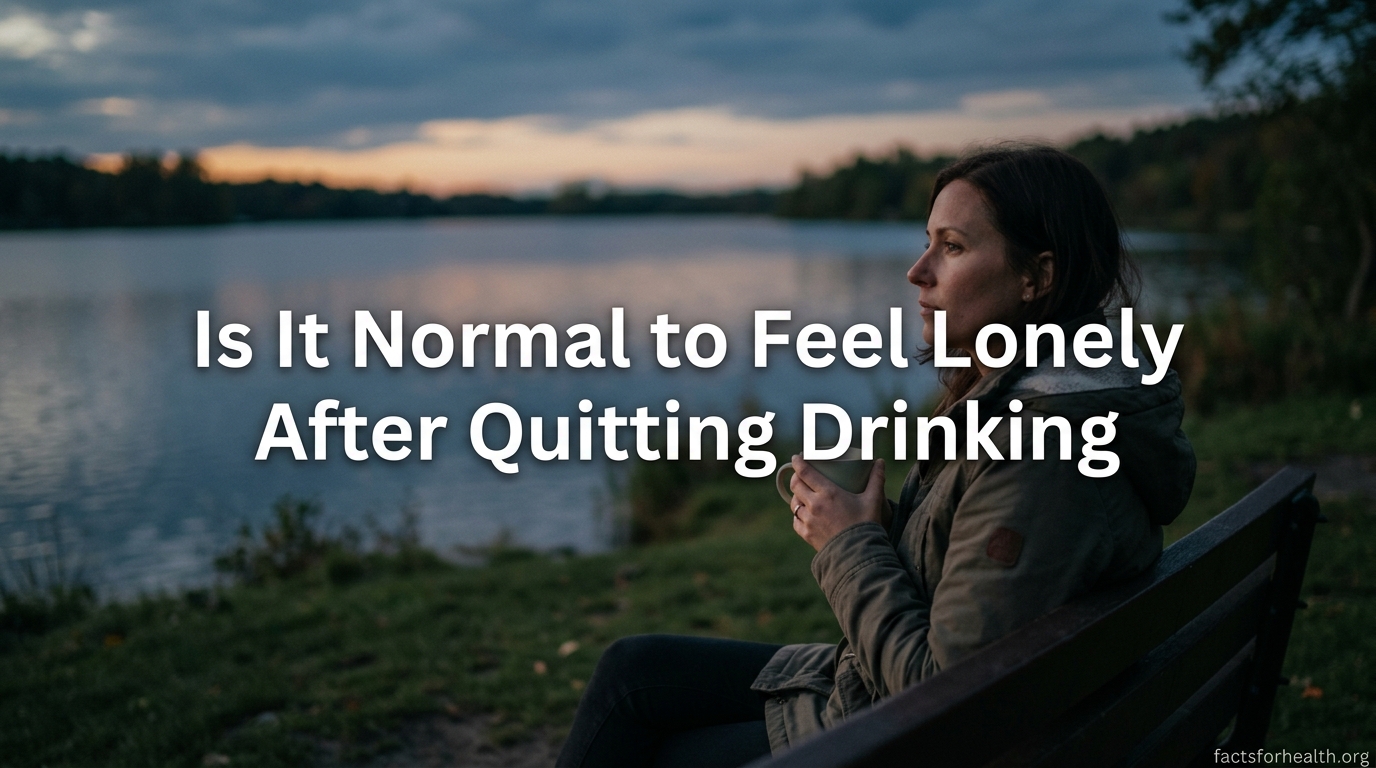
If you have recently quit drinking and found yourself staring at the ceiling on a Saturday night wondering where everybody went, you are in good company. The question so many people ask in early sobriety is simple but painful: is it normal to feel lonely after quitting drinking? The short answer is yes, and it happens to far more people than you might think.
When I stopped drinking, the loneliness hit me like a wave I was not expecting. I thought I would feel healthier, clearer, and more in control. Instead, I felt a quiet emptiness that made me question whether sobriety was even worth it. What I did not understand at the time was that this feeling was not a sign of failure. It was my brain and social life recalibrating after years of alcohol being at the center of everything.
Loneliness after quitting alcohol is one of the most common yet least talked-about parts of recovery. People share their physical withdrawal stories, their sleep struggles, and their energy gains. But the social void? That part often goes unspoken, leaving people feeling like something is uniquely wrong with them. Nothing is wrong with you. Your brain is healing, your social patterns are shifting, and the discomfort you feel is temporary.
In this guide, we will break down exactly why loneliness happens after quitting drinking, what your brain is going through chemically, how long the feeling typically lasts, and what you can do right now to start building a social life that does not depend on alcohol. Whether you are 3 days sober or 3 months in, this information can help you understand what is happening and give you a roadmap forward.
If you want to understand the broader picture of what happens to your body and mind when you remove alcohol, the National Institute on Alcohol Abuse and Alcoholism (NIAAA) offers detailed resources on alcohol use disorder and recovery. For immediate support, the SAMHSA National Helpline at 1-800-662-4357 is available 24/7 and is completely free.
Table of Contents
Quick Answer: Is It Normal to Feel Lonely After Quitting Drinking?
Yes, feeling lonely after quitting drinking is completely normal and common. Emotional withdrawal symptoms like loneliness, sadness, and mood swings frequently appear during early recovery as your brain chemistry adjusts and your social routines change. The loss of alcohol as a coping tool and social lubricant creates a temporary void. With time, self-care, and support, these feelings gradually fade as you build new connections and healthier habits.
Why Does Quitting Alcohol Make You Feel Lonely?
Understanding why loneliness shows up after you stop drinking starts with looking at how deeply alcohol is woven into daily life. For many people, drinking is not just a personal habit. It is the connective tissue that holds friendships, routines, weekend plans, and even work relationships together. Remove the alcohol, and that entire structure can suddenly feel like it is crumbling.
Here are the main reasons loneliness hits after quitting:
1. Your social life revolved around drinking. Happy hours, bar nights, dinner parties, sporting events, brunches. If you trace back most of your social interactions, alcohol was likely present. When you remove yourself from those settings, your calendar empties out fast. The silence can feel deafening in those first few weeks.
2. Friendships fade without the shared activity. Many drinking friendships are built on proximity and shared intoxication rather than deep connection. Without alcohol as the common denominator, you may discover that certain friendships do not translate to sober life. This realization can feel like a breakup, and the grief is real. One person on a popular sobriety forum described it plainly: since quitting drinking, I have no friends left. My life was difficult before, but now I cannot ignore it.
3. Alcohol was your social safety net. If you used alcohol to ease social anxiety, boost confidence, or silence your inner critic at gatherings, removing it leaves you exposed. Social situations that once felt manageable can suddenly feel intimidating. You might find yourself avoiding events altogether, which deepens the isolation.
4. Your evenings and weekends are suddenly empty. Drinking takes up a surprising amount of time when you add up the hours spent planning, acquiring, consuming, and recovering from alcohol. When those hours vanish, you are left with a blank schedule and nothing to fill it. Many people confuse this boredom with loneliness, though the two are closely linked.
5. Friends and family may not understand. Not everyone will support your decision to quit. Some people feel judged when you stop drinking around them, even if you never say a word about their habits. This lack of understanding can create distance in relationships that you thought were solid.
Brain Chemistry Changes: The Science Behind Sobriety Loneliness
The loneliness you feel after quitting is not purely social. There is a biological component that most people never hear about. Your brain has been physically altered by alcohol use, and when you remove it, your neurochemistry goes through a recalibration period that directly affects mood, motivation, and social connection.
Dopamine and the Reward System
Alcohol triggers the release of dopamine, the neurotransmitter responsible for feelings of pleasure and reward. Over time, your brain comes to rely on alcohol to produce dopamine surges, especially in social settings. When you quit drinking, your dopamine system has to relearn how to produce and process this chemical on its own. During this adjustment period, everyday activities feel less rewarding. This is one reason socializing without alcohol can feel flat or uninteresting in early sobriety.
The technical term for this is anhedonia, which means the reduced ability to experience pleasure. Anhedonia after quitting alcohol is extremely common and is a core feature of what researchers call post-acute withdrawal syndrome, or PAWS. It is not a character flaw. It is your brain healing.
GABA and Glutamate: The Anxiety Connection
Alcohol enhances GABA, a neurotransmitter that calms the nervous system, while suppressing glutamate, which excites it. This is why drinking feels relaxing. When you stop, your brain initially has too little calming GABA and too much stimulating glutamate. The result is heightened anxiety, restlessness, and irritability, all of which can make you want to withdraw from social contact.
This imbalance also explains why early sobriety can feel emotionally raw. You are experiencing the world without the chemical buffer that alcohol provided. Social interactions that used to feel easy now feel overstimulating and exhausting. Your brain needs time to restore its natural balance, and this process typically takes several weeks to a few months.
Serotonin and Mood Regulation
Alcohol also affects serotonin, the neurotransmitter involved in mood, sleep, and emotional stability. Chronic drinking can deplete serotonin levels, and quitting does not instantly fix the deficit. Low serotonin contributes to feelings of sadness, emptiness, and disconnection, which can easily be experienced as loneliness. As your serotonin system recovers over the first few months of sobriety, mood improves and the emotional weight begins to lift.
Understanding this science matters because it reframes loneliness as a biological process rather than a personal failing. You are not broken. Your brain is doing repair work that takes time.
The Loneliness Timeline: What to Expect After Quitting
One of the biggest questions people have is how long the loneliness will last. While everyone’s recovery journey is different, there is a fairly predictable emotional timeline that most people experience after quitting drinking. Knowing what to expect at each stage can help you stay motivated when things feel hard.
Week 1: The Acute Emotional Crash
The first week after quitting is often the most physically and emotionally intense. Your body is processing acute withdrawal, and your brain is suddenly operating without alcohol for the first time in months or years. You may feel irritable, exhausted, and deeply alone. Social situations feel awkward without a drink in your hand, and the temptation to isolate is strong.
This phase is also when the reality of how much your social life depended on drinking becomes undeniable. Many people describe a sudden, painful awareness that their social calendar was essentially a drinking schedule. The emptiness you feel during week one is real, but it is also temporary. Your only job during this period is to get through each day without picking up a drink.
Weeks 2 to 4: Peak Loneliness and Anhedonia
This is when loneliness tends to hit hardest. The initial adrenaline of making the decision to quit has faded, and you are left with the daily reality of sober life. Dopamine levels are still low, so activities that used to bring joy feel flat and uninteresting. Social events feel forced, and the temptation to stay home is overwhelming.
Forum users consistently identify this window as the most difficult period. One person shared that at 26 days sober, they felt better physically but sadder and lonelier than before. Another described being 84 days in and questioning whether sobriety was worth the emotional cost. If you are in this window, hearing from people further along in recovery can provide the perspective you need. Nearly everyone who has been through it says the same thing: it gets better, but you have to push through this part first.
Months 2 to 3: Gradual Improvement
Somewhere around the 60 to 90 day mark, things begin to shift. Your dopamine system starts to recover, and activities that felt meaningless in early sobriety begin to regain their appeal. You might notice that a morning walk, a good conversation, or a new hobby actually feels enjoyable again.
This is also the stage where many people start building new social connections. Support groups, hobby clubs, fitness classes, and volunteer opportunities begin to fill the calendar. The loneliness has not disappeared, but it has transformed from a constant weight into something that comes and goes. You start to see that a different kind of social life is possible.
Months 4 to 6: Building a New Normal
By the four to six month mark, most people report a significant reduction in loneliness. The brain’s reward system has largely recovered, new social routines are established, and the old drinking lifestyle feels increasingly distant. You may still have moments of loneliness, but they no longer define your experience.
This is the phase where the rewards of sobriety become tangible. Deeper friendships, better health, clearer thinking, and genuine emotional stability replace the temporary fixes that alcohol once provided. The loneliness that felt permanent in week three is now a memory of a phase you moved through.
PAWS and Dry Drunk Syndrome: When Loneliness Lingers
For some people, loneliness and emotional difficulty persist beyond the expected timeline. Two conditions are worth understanding if your symptoms seem to last longer than a few months.
Post-Acute Withdrawal Syndrome (PAWS)
PAWS is a set of lingering withdrawal symptoms that can appear weeks or months after the initial detox period. Symptoms include mood swings, anxiety, irritability, sleep disturbances, and a persistent sense of emptiness or disconnection. PAWS occurs because the brain is still recalibrating its neurotransmitter systems, and the process can take anywhere from six months to two years depending on the individual.
If you are experiencing PAWS, the loneliness may feel more entrenched because it is accompanied by other emotional symptoms. The key thing to know is that PAWS is temporary and treatable. Consistent sleep, regular exercise, therapy, and ongoing support can all reduce the severity and duration of symptoms.
Dry Drunk Syndrome
Dry drunk syndrome describes someone who has stopped drinking physically but has not addressed the underlying emotional and psychological patterns that drove their drinking. People experiencing this may feel restless, irritable, resentful, and socially isolated even months into sobriety. The absence of alcohol has not been replaced by genuine emotional growth or new coping strategies.
Dry drunk syndrome is not a judgment. It is a signal that recovery needs to go deeper than simply removing alcohol. Therapy, support groups, and honest self-reflection are the tools that help move from abstinence to genuine recovery. Addressing the root causes of why you drank in the first place is what ultimately resolves the loneliness.
Loneliness vs Solitude: Reframing Your Experience
One of the most powerful shifts you can make in early sobriety is learning the difference between loneliness and solitude. Loneliness is the painful feeling of disconnection from others. Solitude is the intentional and peaceful experience of being alone. They look identical from the outside but feel completely different from within.
When you drank, you probably never experienced true solitude because alcohol filled every quiet moment with artificial stimulation. Now that the noise has stopped, you have the opportunity to develop a relationship with yourself that was never possible before. This is not a consolation prize for losing your drinking social life. It is one of the genuine gifts of sobriety.
Try this reframe: instead of asking why am I so lonely, ask what am I doing with this time alone. Use the quiet to read, journal, exercise, create, or simply sit with your thoughts without running from them. Over time, solitude becomes a source of strength rather than a source of pain. Many people in long-term recovery say that learning to be comfortable alone was the skill that made everything else possible.
How to Cope With Loneliness Without Alcohol
Understanding why loneliness happens is important, but you also need practical strategies for dealing with it right now. The following tips come from research, clinical practice, and the real experiences of people who have been through early sobriety and come out the other side.
1. Join a support group. Whether it is Alcoholics Anonymous, SMART Recovery, or an online community like Reddit’s r/stopdrinking, being around people who understand what you are going through is the single most effective loneliness antidote in early recovery. You do not have to agree with every aspect of a program to benefit from the connection it provides.
2. Fill your evenings with structure. The hours between 5 PM and bedtime are when loneliness hits hardest. Create a daily evening routine that includes exercise, cooking a real meal, reading, watching something you enjoy, or working on a hobby. Structure prevents the aimless drifting that leads to cravings and isolation.
3. Try alcohol-free social activities. Fitness classes, hiking groups, book clubs, volunteer organizations, cooking classes, and running clubs are all spaces where alcohol is not the focus. These environments let you practice socializing without the pressure of being around drinking. Apps like Meetup can help you find local groups aligned with your interests.
4. Reconnect with people you drifted from. Think about friends or family members you lost touch with during your drinking years. Many people in recovery are surprised by how quickly old connections can be rebuilt with a simple honest message. Sobriety gives you the presence and energy to invest in relationships that matter.
5. Be honest with current friends about your decision. You do not need to make a speech or explain yourself to everyone. A simple statement like I am taking a break from drinking for my health is usually enough. True friends will respect it. If someone pressures you or makes you feel uncomfortable about not drinking, that tells you something important about the friendship.
6. Learn to handle social situations where others are drinking. You do not have to avoid every event where alcohol is present. Bring your own non-alcoholic drink, have an exit plan if things get uncomfortable, and focus on conversations rather than what is in your cup. Over time, socializing sober becomes normal and even preferable. You will be amazed at how much of social life you missed while drinking.
7. Use the friend-making apps. Apps like Bumble BFF, Meetup, and local community platforms can help you meet new people who share your interests outside of drinking. Making friends as an adult is hard, but it is far from impossible when you are intentional about it.
8. Volunteer your time. Helping others is one of the most effective ways to shift focus away from your own loneliness. Animal shelters, food banks, community gardens, and mentorship programs all need reliable volunteers. You will meet compassionate people and build a sense of purpose that alcohol never provided.
9. Consider therapy or counseling. A therapist who specializes in addiction and recovery can help you process the emotional challenges of early sobriety, including loneliness, grief over lost friendships, and anxiety about social situations. Professional support is not a sign of weakness. It is a proven tool for building lasting recovery.
10. Give yourself grace. The loneliness you feel is part of a process, not a permanent state. Every day you stay sober, your brain heals a little more and your capacity for genuine connection grows. Be patient with yourself the same way you would be patient with a friend going through a hard time.
Support Resources for Early Recovery
If you are struggling with loneliness after quitting drinking, you do not have to face it alone. Several organizations provide free, confidential support and can connect you with communities that understand exactly what you are going through.
SAMHSA National Helpline: 1-800-662-4357. Free, confidential, 24/7 treatment referral and information service for individuals and families facing mental and substance use disorders.
Alcoholics Anonymous (AA): A worldwide fellowship of individuals who share their experience, strength, and hope to solve their common problem and help others recover. Meetings are available in person and online.
SMART Recovery: A science-based, self-empowering alternative to AA that focuses on cognitive and behavioral tools for managing recovery. Free online and in-person meetings are available.
Online communities: Reddit’s r/stopdrinking has over 500,000 members and provides daily peer support, motivation, and a space to share your experience with people who truly understand.
Professional help: If loneliness is accompanied by persistent depression, suicidal thoughts, or an inability to function, contact a mental health professional immediately. You can call or text 988 to reach the Suicide and Crisis Lifeline, which is available 24/7.
A medical warning worth noting: if you have been drinking heavily for a long period, quitting suddenly can cause dangerous withdrawal symptoms including seizures and delirium tremens. Always consult a doctor before quitting, especially if you have a history of heavy alcohol use. Medically supervised detox may be necessary for your safety.
FAQs
Is it normal to feel lonely after quitting alcohol?
Yes, feeling lonely after quitting alcohol is completely normal and common. Emotional withdrawal symptoms like loneliness, sadness, and mood swings frequently appear during early recovery as your brain chemistry adjusts and your social routines shift. With time, self-care, and support, these feelings gradually fade as you build new connections.
Why do I feel depressed after giving up alcohol?
Giving up alcohol can lead to temporary depression because alcohol affects brain neurotransmitters including dopamine, GABA, and serotonin. When you stop drinking, your brain must recalibrate, which can lower mood temporarily. Additionally, alcohol may have been masking underlying emotional issues that surface once the coping mechanism is removed.
What is dry drunk syndrome?
Dry drunk syndrome describes someone who has stopped drinking physically but still struggles with the same dysfunctional emotional patterns and behaviors they had while using. It means abstaining from alcohol without addressing the underlying emotional and psychological issues, often resulting in irritability, resentment, and continued isolation.
How long does anhedonia last after quitting alcohol?
Anhedonia, the reduced ability to feel pleasure, is a common symptom in early recovery and is part of post-acute withdrawal syndrome (PAWS). It typically peaks within the first few weeks of sobriety and gradually improves over two to three months as the brain heals and resets its natural reward system. For some, it can linger up to six months.
How long after giving up alcohol will I feel better?
Most people notice physical improvements like better sleep and increased energy within the first week. Emotional improvements such as reduced anxiety and improved mood typically follow within two to four weeks. Loneliness may take longer, with significant improvement usually occurring within two to three months as new routines and relationships are established.
Moving Forward: You Are Not Alone in This
If you are wondering is it normal to feel lonely after quitting drinking, the answer is a resounding yes. Nearly everyone who removes alcohol from their life goes through a period of social and emotional disorientation. Your brain is healing from chemical dependence, your social routines are being rebuilt from scratch, and the friendships that were held together by alcohol are being replaced by connections that are more genuine.
The loneliness you feel right now is not permanent. It is a phase, and it has a timeline. The first few weeks are the hardest, the second month brings small improvements, and by the third or fourth month, most people find themselves building a social life that is actually more fulfilling than the one they had before. The key is to stay connected, build structure into your days, and reach out for support when the silence gets too loud.
You made a courageous decision to quit drinking. The loneliness is part of the process, not evidence that you made the wrong choice. Keep going. The life waiting on the other side of this phase is worth every uncomfortable moment.