
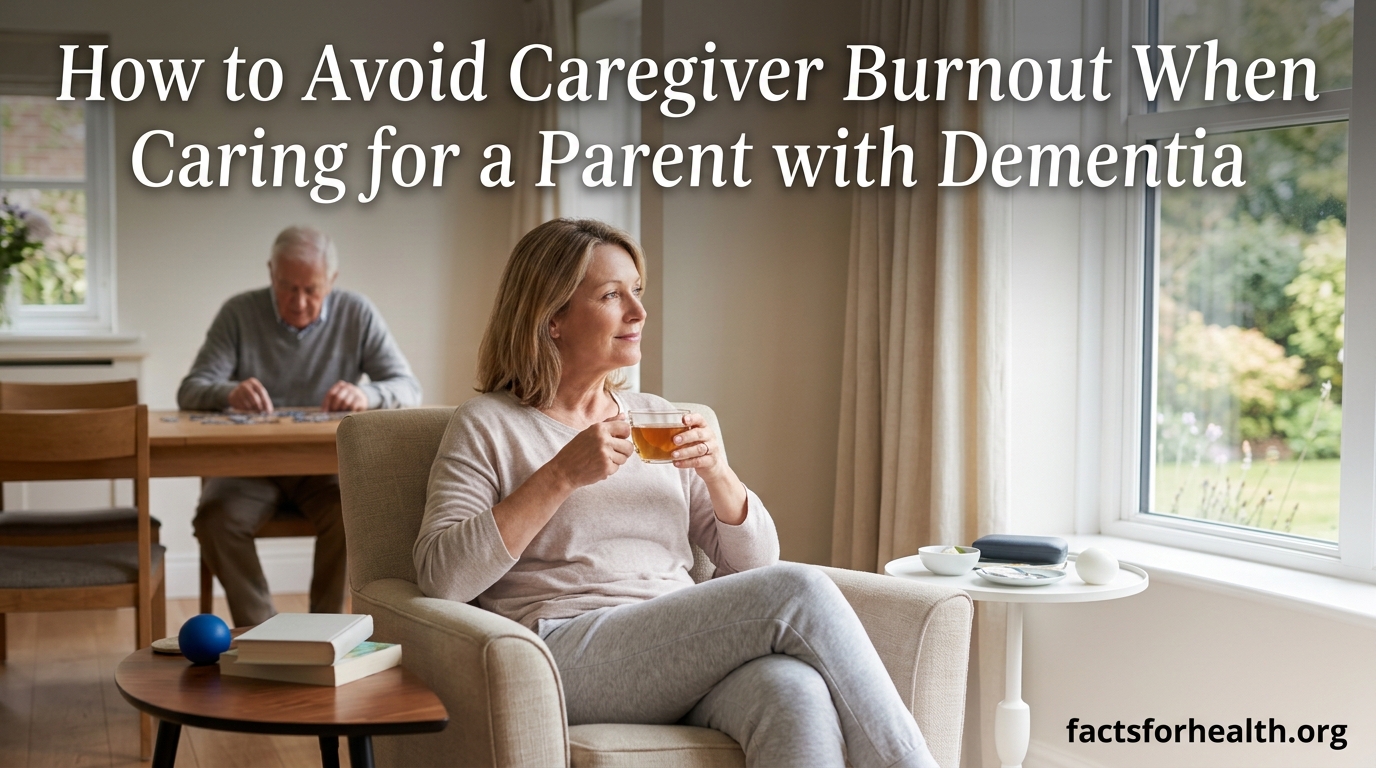
If you are caring for a parent with dementia, you already know the exhaustion that settles into your bones. You wake up tired, push through the day on autopilot, and collapse at night knowing tomorrow will bring the same demands. Learning how to avoid caregiver burnout when caring for a parent with dementia is not a luxury skill. It is survival.
Approximately 11 million Americans provide unpaid care for someone with Alzheimer’s disease or another form of dementia. The Alzheimer’s Association reports that 59% of dementia caregivers experience high emotional stress. Many of those caregivers reach a breaking point before they even recognize the warning signs.
I have spent years researching caregiver mental health, reviewing clinical literature from institutions like the Mayo Clinic and Cleveland Clinic, and listening to the real voices of caregivers in support communities. What I have learned is that burnout is not a personal failure. It is a predictable response to an overwhelming situation that you can learn to manage.
This guide covers what caregiver burnout looks like, why dementia caregiving carries unique risks, and practical strategies to protect your health while caring for the parent who once cared for you.
Table of Contents
What Is Caregiver Burnout?
Caregiver burnout is a state of physical, emotional, and mental exhaustion that develops when the demands of caregiving exceed your available resources and support. It happens gradually. You may not notice it creeping in until you are already deep in it.
The Cleveland Clinic describes caregiver burnout as a condition where caregivers become so focused on someone else’s needs that they completely neglect their own. This neglect builds over weeks and months until the body and mind simply cannot keep up.
Burnout differs from ordinary stress in one key way. Regular stress comes and goes with specific challenges. Burnout is persistent. It follows you even on relatively calm days. It colors everything with a sense of heaviness that does not lift with a single good night of sleep.
Many caregivers describe a loss of identity as the condition progresses. You stop being a person with hobbies, friendships, and goals. You become only a caregiver. That narrowing of self is one of the earliest and most damaging effects of burnout.
Why Dementia Caregivers Face Higher Burnout Risk
Not all caregiving is the same. Caring for a parent with dementia carries stressors that other types of caregiving do not, and researchers consistently find that dementia caregivers report higher levels of burden than the general caregiver population.
One major factor is the progressive nature of dementia. The parent you are caring for will not get better. Their abilities will decline, sometimes slowly and sometimes in sudden drops. Each new stage brings fresh challenges that force you to adapt your routines, your expectations, and your emotional responses.
Unlike a physical illness where the person understands what is happening, dementia gradually strips away your parent’s awareness. They may not recognize your sacrifices. They may not even recognize you. One caregiver in a dementia support forum described this as “the caregiver’s curse,” carrying tremendous stress while the person being cared for cannot acknowledge the effort.
Beyond the physical demands, there is a deep and often unspoken grief. You are losing your parent while they are still alive. Psychologists call this anticipatory grief, and it is especially intense for dementia caregivers who watch the person they love disappear piece by piece. This grief compounds the daily stress and makes burnout arrive faster.
Behavioral symptoms add another layer. A parent with dementia may become agitated, suspicious, or aggressive. They may wander, repeat questions endlessly, or resist help with basic tasks. Managing these behaviors requires constant vigilance, which keeps your nervous system in a state of high alert with no opportunity to fully relax.
The isolation compounds everything. Friends may pull away because they do not know what to say or because the caregiver no longer has time for social activities. Research from the National Alliance for Caregiving shows that dementia caregivers are more likely than other caregivers to report feeling alone in their journey.
Signs and Symptoms of Caregiver Burnout
Recognizing caregiver burnout early gives you the best chance to intervene before it causes serious harm. The following signs span physical, emotional, and behavioral categories. If you notice even a few of these in yourself, treat them as a signal that something needs to change.
- Constant exhaustion that sleep does not fix. You wake up already tired and no amount of rest seems to restore your energy.
- Withdrawal from friends and activities. You stop accepting invitations, skip events you used to enjoy, and increasingly isolate yourself.
- Changes in sleep patterns. You either cannot fall asleep because your mind races, or you sleep excessively but never feel rested.
- Significant weight changes. You may forget to eat, eat emotionally, or lose interest in food entirely.
- Frequent irritability or anger. Small things set you off. You may find yourself snapping at your parent, your spouse, or strangers.
- Feelings of helplessness and hopelessness. A sense that nothing you do matters and the situation will never improve.
- Frequent headaches, body aches, or getting sick often. Chronic stress weakens the immune system and manifests as physical pain.
- Loss of interest in activities you once enjoyed. Hobbies, exercise, and entertainment no longer bring pleasure.
- Neglecting your own health. Skipping your own doctor appointments, not taking prescribed medications, ignoring symptoms that need attention.
- Emotional numbness or apathy. Going through the motions without feeling connected to your parent or to your own life.
- Increased use of alcohol, food, or other substances to cope with stress or to numb difficult emotions at the end of the day.
- Thoughts of self-harm or feeling like you cannot go on. These require immediate professional help and should never be ignored.
If you are experiencing the last symptom on this list, please reach out right now. The 988 Suicide and Crisis Lifeline is available 24 hours a day by calling or texting 988. You can also contact the Alzheimer’s Association 24/7 Helpline at 1-800-272-3900.
How to Avoid Caregiver Burnout When Caring for a Parent with Dementia
The strategies below are not abstract advice pulled from a textbook. They come from clinical research and from the lived experience of dementia caregivers who have walked this road. Some will resonate with you immediately. Others may feel impossible right now. Start with one.
1. Accept Help Before You Think You Need It
The most common mistake caregivers make is waiting too long to ask for help. By the time you feel desperate enough to reach out, you are already in burnout. Start building your support system early, even if you feel you can handle things on your own.
Be specific when you ask for help. Instead of saying “I need help sometimes,” say “Can you sit with Mom every Tuesday from 2 to 4 PM?” People want to help. They usually just do not know how. Giving them a concrete task makes it easy for them to say yes.
If family members are reluctant to pitch in, have an honest conversation about what you are handling alone. One caregiver on a dementia forum shared that she finally called a family meeting and listed every task she performed each day. Her siblings had no idea how much she was carrying until they saw it written out.
2. Use Respite Care Without Guilt
Respite care provides temporary relief for caregivers by having someone else step in to care for your parent. Options range from a few hours of in-home help to short-term stays at a care facility. Many caregivers avoid respite care because they feel guilty handing off care to someone else.
That guilt is misplaced. Using respite care does not mean you are abandoning your parent. It means you are taking care of yourself so you can continue being a good caregiver long-term. A burned-out caregiver cannot provide quality care to anyone.
Start small. Try four hours of in-home help once a week. Use that time for something restorative, not for running errands. Take a walk, see a friend, or simply sit in silence. The ARCH National Respite Network and Resource Center maintains a directory of respite care services by location.
3. Join a Dementia Caregiver Support Group
Support groups are one of the most effective tools for preventing and addressing caregiver burnout. They provide something that no amount of clinical advice can offer: the experience of being understood by people who live your reality every day.
You can choose from in-person groups, online communities, or phone-based groups. The Alzheimer’s Association offers free support groups across the country, and online communities like the r/dementia and r/CaregiverSupport subreddits provide 24/7 connection.
One caregiver described her support group as “the only place I do not have to explain myself.” That kind of validation is a powerful buffer against burnout. It reminds you that your feelings are normal and that others have found ways through the same challenges.
4. Set Realistic Expectations and Boundaries
Dementia caregiving will not go perfectly. Your parent will have bad days. You will have bad days. Accepting this reality reduces the frustration that comes from expecting things to go smoothly.
Set boundaries around what you can and cannot do. If you are working, raising children, and caregiving, something has to give. Be honest about your limits and communicate them clearly to family members. Saying “I cannot handle bathing Dad alone anymore, we need to hire help for that” is not weakness. It is responsible planning.
Release the need to control every aspect of care. If someone else does things differently than you would, that is acceptable as long as your parent is safe. Perfectionism fuels burnout faster than almost anything else.
5. Protect Your Physical Health
Your physical health is the foundation of everything else. Yet caregivers routinely skip their own medical appointments, eat poorly, and abandon exercise routines. Research published in the Journal of the American Geriatrics Society found that dementia caregivers are more likely than non-caregivers to have chronic health conditions themselves.
Keep your own doctor appointments. Eat regular meals even when you are busy. Find a form of physical activity that fits your schedule, even if it is a 15-minute walk while another caregiver sits with your parent. Sleep is not optional. If your parent’s nighttime activity is destroying your sleep, this is a medical issue that needs a solution, not something to push through.
6. Practice Mindfulness and Stress Reduction
You do not need an hour of meditation to benefit from mindfulness. Research from UCLA’s dementia caregiver programs shows that even brief mindfulness practices can significantly reduce caregiver stress and anxiety.
Try a simple breathing exercise. Breathe in for four counts, hold for seven, exhale for eight. Do this four times. It takes under two minutes and can be done in the bathroom or beside a sleeping parent. This technique activates the parasympathetic nervous system and physically reduces the stress response.
The free mindfulness app developed by UCLA’s Mindful Awareness Research Center includes guided meditations specifically designed for caregivers. Even five minutes per day has been shown to reduce emotional reactivity and improve sleep quality.
7. Address the Financial Strain
Financial stress feeds burnout. The average dementia caregiver spends thousands of dollars per year out of pocket on care-related expenses. If you have reduced work hours or left a job entirely to provide care, the pressure intensifies.
Look into benefits you may qualify for. Some states offer caregiver stipend programs through Medicaid waivers. The Veterans Administration provides Aid and Attendance benefits for veterans and surviving spouses. The National Council on Aging operates a free benefits screening service at benefitscheckup.org that can identify programs you may be eligible for.
Have financial conversations with siblings early. If one child is providing the care, the financial burden should not fall on that person alone. Even if siblings cannot provide hands-on care, they can contribute financially to hired help or supplies.
Practical Self-Care That Fits a Caregiver’s Schedule
Standard self-care advice often feels laughably out of reach for dementia caregivers. “Take a bubble bath” or “go to a yoga retreat” does not work when you cannot leave your parent alone and you have not had a free hour in weeks. You need self-care that fits into the cracks of a caregiving day.
Think in micro-breaks. Five minutes of sitting outside with a cup of tea while your parent watches television. Three minutes of stretching in the kitchen while dinner cooks. A phone call with a friend while you fold laundry. These small moments add up and they are not optional luxuries.
One caregiver on a dementia support forum shared her strategy of dividing the day into watch periods and rest periods. During watch periods, she was fully engaged with her mother. During rest periods, her mother rested in her room with music, and she was off duty unless there was an emergency. This structure gave her predictable breaks without leaving the house.
Create a list of quick activities that recharge you and keep it where you can see it. When you have an unexpected five minutes, you will not have to think about what to do. Pick something from the list and do it. Having the list ready removes the mental energy of decision-making when you are already depleted.
Protect at least one activity that has nothing to do with caregiving. Whether it is reading, gardening, a craft, or watching a specific show, keep one part of your identity alive. Burnout thrives when caregiving consumes your entire identity. Maintaining even a small piece of your pre-caregiving self is a form of resistance.
Managing Difficult Emotions: Anger, Guilt, and Grief
The hardest part of dementia caregiving is rarely discussed openly. The forums are full of caregivers confessing feelings they are ashamed of: anger toward the parent they are caring for, resentment toward siblings who do not help, guilt for wanting time away, and grief that feels like it will never end.
Anger is one of the most common and least talked about emotions in dementia caregiving. You may feel furious when your parent asks the same question for the twentieth time, when they refuse to cooperate with bathing, or when they say something hurtful that the disease is responsible for but still stings. This anger does not make you a bad person or a bad child. It makes you human.
One caregiver on Reddit wrote: “Caregiving is a constant battle between the heart and the mind. The love we feel pushes us to give everything we have, while the exhaustion, frustration, and resentment create inner conflict.” That inner conflict is universal among dementia caregivers. Acknowledging it is the first step toward managing it.
Guilt is the emotion that keeps caregivers trapped. You feel guilty for feeling angry. You feel guilty for wanting a break. You feel guilty for not doing enough, even when you are doing everything. Guilt tells you that any attention to your own needs is selfish. That voice is lying to you.
When guilt surfaces, ask yourself: “Would I judge a friend in this situation for feeling this way?” Almost always, the answer is no. You would tell your friend that their feelings are normal and that taking care of themselves is necessary. Extend yourself the same compassion.
Grief in dementia caregiving is complicated because you are mourning someone who is still alive. You grieve the parent they were as the disease takes them away piece by piece. This grief, called anticipatory grief, is real and valid. Do not push it away. Find a safe place to process it, whether that is a support group, a therapist, a journal, or a trusted friend.
If you are struggling with anger that feels unmanageable, please talk to a therapist. Many therapists specialize in caregiver issues and can provide practical tools for managing intense emotions. Your employee assistance program may offer free sessions. The Psychology Today therapist directory allows you to filter by insurance and specialty.
When to Seek Professional Help
Sometimes self-care strategies are not enough. There is no shame in needing professional support. In fact, recognizing when you need more help is a sign of strength and self-awareness.
Seek professional help if you experience persistent depression lasting more than two weeks, thoughts of harming yourself or others, panic attacks, inability to perform basic daily tasks, or increasing reliance on alcohol or substances to cope. These are signs that burnout has crossed into a clinical condition that requires treatment.
Start with your primary care physician. They can screen for depression and anxiety, refer you to a mental health professional, and check whether physical symptoms have underlying medical causes. Many primary care offices now offer integrated behavioral health services, meaning you can see a counselor in the same office.
If you are in crisis, the 988 Suicide and Crisis Lifeline provides free, confidential support 24 hours a day. Call or text 988. The Alzheimer’s Association Helpline at 1-800-272-3900 is also available around the clock for dementia-specific guidance and emotional support.
Caregiver Burnout vs. Compassion Fatigue
People often use caregiver burnout and compassion fatigue interchangeably, but they are distinct conditions with different causes and treatments. Understanding the difference helps you address the right problem.
Caregiver burnout results from the cumulative physical and emotional demands of caregiving. It builds gradually as your resources deplete over time. The core experience is exhaustion and a sense of being overwhelmed by responsibilities that never end.
Compassion fatigue is more specific. It develops from the emotional cost of continuously empathizing with someone who is suffering. Originally identified in healthcare professionals and first responders, compassion fatigue involves a secondary traumatic stress response. You absorb the trauma of watching your parent decline.
The key difference is this: burnout is about depletion of your resources. Compassion fatigue is about the emotional impact of witnessing suffering. You can experience both simultaneously, and the treatment approaches overlap. Both require professional support, boundaries, and time for recovery.
Some caregivers also experience a related condition called caregiver burden, which refers specifically to the objective stresses of caregiving: financial strain, time demands, and physical labor. Burnout is the subjective response to that burden. Reducing the burden through practical help directly reduces the risk of burnout.
Recovery from Caregiver Burnout
One of the most common questions caregivers ask is: “How long does caregiver burnout last?” The honest answer is that recovery time varies depending on how deep the burnout goes and what changes you are able to make.
Mild burnout, caught early, can improve within a few weeks of implementing support strategies and self-care. Moderate burnout may take several months of consistent changes, including regular respite care, therapy, and possibly medication for anxiety or depression.
Severe burnout, especially when it has progressed to clinical depression or anxiety disorders, can take six months or longer to fully recover from. This timeline assumes you are receiving appropriate treatment and making meaningful changes to your caregiving situation.
Recovery is rarely linear. You will have good weeks and bad weeks. Setbacks are normal and do not mean you are failing. The goal is not perfection. The goal is a sustainable pattern where you are caring for yourself and your parent in a way that you can maintain over the long term.
For some caregivers, full recovery requires restructuring the caregiving arrangement entirely. This might mean moving your parent to an assisted living facility or memory care unit. Making that decision does not mean you failed. It means you recognized your limits and chose a solution that protects both you and your parent.
FAQs
What are signs of caregiver burnout?
Common signs of caregiver burnout include constant exhaustion that sleep does not fix, withdrawal from friends and activities, changes in sleep or appetite, frequent irritability or anger, feelings of helplessness, frequent headaches or illness, neglecting your own health, and emotional numbness. If you notice several of these symptoms lasting more than two weeks, you may be experiencing caregiver burnout.
How long does caregiver burnout last?
Caregiver burnout recovery time varies by severity. Mild burnout can improve within a few weeks of adding support and self-care. Moderate burnout may take several months of consistent changes including respite care and therapy. Severe burnout that has progressed to clinical depression can take six months or longer to recover from with proper treatment.
What should caregivers do to cope with caring for someone with dementia?
Dementia caregivers should accept help early and often, use respite care without guilt, join a dementia-specific support group, set realistic expectations, maintain their physical health, practice brief mindfulness exercises, and seek professional help when needed. Even five minutes of self-care per day and a few hours of respite care per week can significantly reduce burnout risk.
How do you stay sane while caring for an elderly parent?
To stay emotionally healthy while caregiving, build a support system of family and friends, take regular breaks through respite care, maintain at least one activity unrelated to caregiving, process difficult emotions like anger and grief with a therapist or support group, protect your sleep, and remember that feeling overwhelmed does not make you a bad caregiver. The 988 Lifeline and Alzheimer’s Association Helpline at 1-800-272-3900 are available 24/7.
Moving Forward: You Deserve Care Too
Learning how to avoid caregiver burnout when caring for a parent with dementia is an ongoing process, not a one-time fix. The strategies in this guide work best when you implement them consistently over time and adjust them as your parent’s condition changes.
You are doing one of the hardest jobs anyone can do. The fact that you are reading this article means you already understand that your health matters. Start with one change today. Call one person. Take one break. Join one group. Your parent needs you healthy, and you deserve to be healthy for your own sake.