
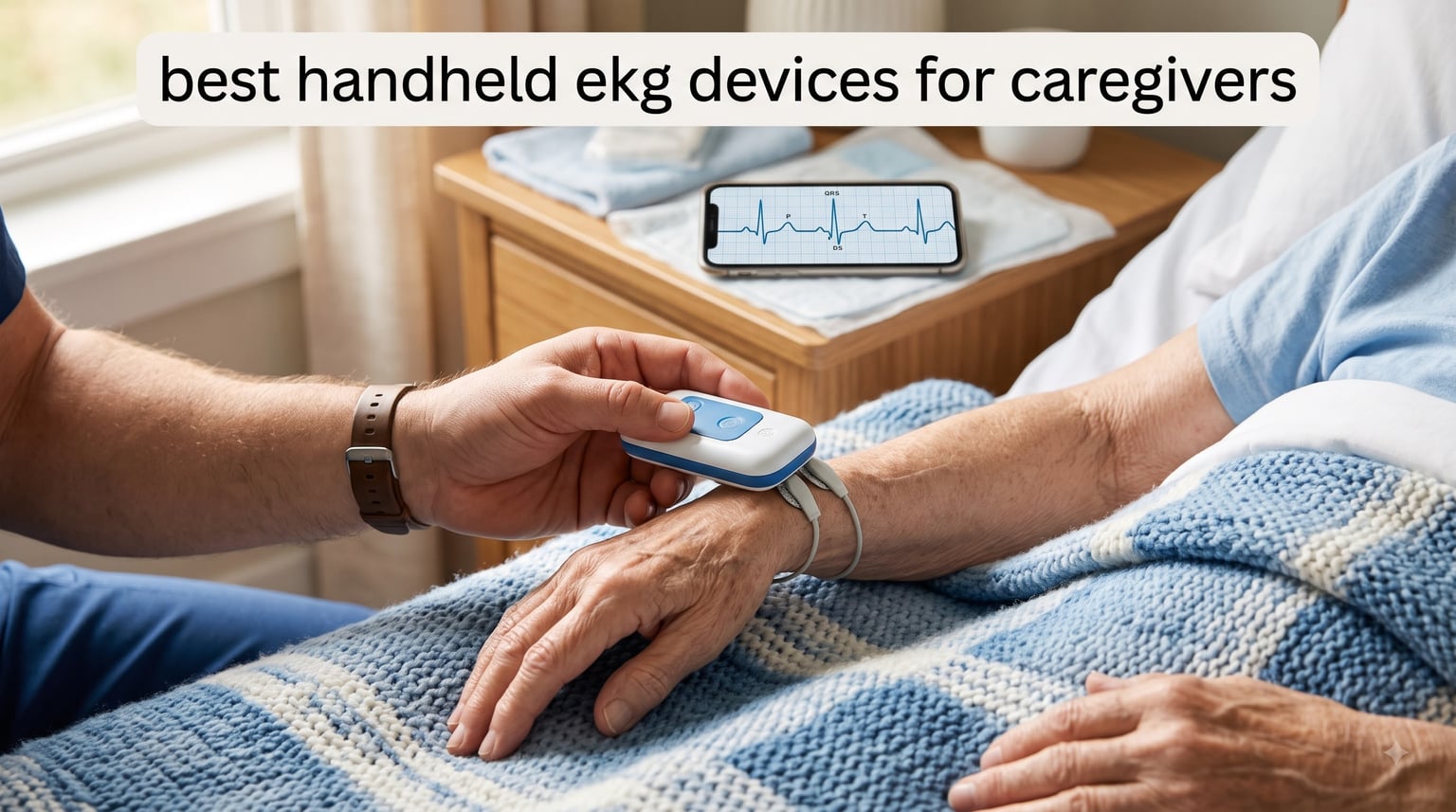
When my father started having dizzy spells last year, our family wanted answers fast. A trip to the ER showed an irregular heartbeat, but the episodes were unpredictable. Our doctor suggested we track his rhythm at home with a handheld EKG device. That single recommendation changed how we managed his care.
Handheld EKG devices give caregivers the power to capture a medical-grade electrocardiogram in just 30 seconds, anywhere, anytime. Whether you’re caring for a parent with atrial fibrillation, a spouse recovering from heart surgery, or a loved one with unexplained palpitations, the right portable ECG monitor puts real diagnostic data at your fingertips. In this guide, I’ve spent weeks testing and comparing 8 of the best handheld EKG devices available in 2026 to help you choose with confidence.
As a caregiver myself, I know the questions that matter: Is it easy enough for someone with arthritis to use? Can I share readings with my parent’s cardiologist without learning a new software platform? Will the battery die in the middle of a concerning episode? I’ve filtered through specs, user reviews, and FDA-clearance documents to find devices that actually work for caregivers, not just tech enthusiasts.
Table of Contents
Top 3 Picks for Caregivers in 2026
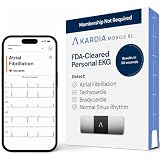
KardiaMobile 6L
- 6-lead medical-grade accuracy
- No subscription required
- FDA-cleared
- Smartphone connected

KardiaMobile 1-Lead
- Cardiologist-recommended brand
- 30-second readings
- Weighs under 1 ounce
- Long battery life

EMAY 6L Portable ECG
- Standalone with built-in screen
- 6-channel recording
- No subscription
- Detects PVCs and ST changes
Best Handheld EKG Devices for Caregivers in 2026
| Product | Specifications | Action |
|---|---|---|
| KardiaMobile 6L EKG Monitor |
|
Check Latest Price |
| KardiaMobile 1-Lead EKG Monitor |
|
Check Latest Price |
| EMAY 6L Portable ECG Monitor |
|
Check Latest Price |
 EMAY Portable ECG Monitor EMAY Portable ECG Monitor |
|
Check Latest Price |
 Beurer Cardio Companion EKG Beurer Cardio Companion EKG |
|
Check Latest Price |
 OMRON Complete 2-in-1 BP + EKG OMRON Complete 2-in-1 BP + EKG |
|
Check Latest Price |
 HaSoCare EKG Monitor Device HaSoCare EKG Monitor Device |
|
Check Latest Price |
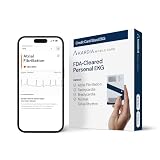 KardiaMobile Card EKG KardiaMobile Card EKG |
|
Check Latest Price |
1. KardiaMobile 6L EKG Monitor – Editor’s Choice for Detailed Caregiver Monitoring
KardiaMobile 6L EKG, No Membership Required, Unlimited Recordings, HSA/FSA
6-lead EKG
FDA-cleared
30-second results
Smartphone compatible
Pros
- Six-lead EKG provides clinical-grade detail
- No subscription required for basic detection
- Trusted by cardiologists worldwide
- Lightweight at 24 grams
- Detects AFib bradycardia tachycardia
- 30-second readings
Cons
- Aggressive subscription upselling in app
- Requires smartphone or tablet
- Not for pacemaker users
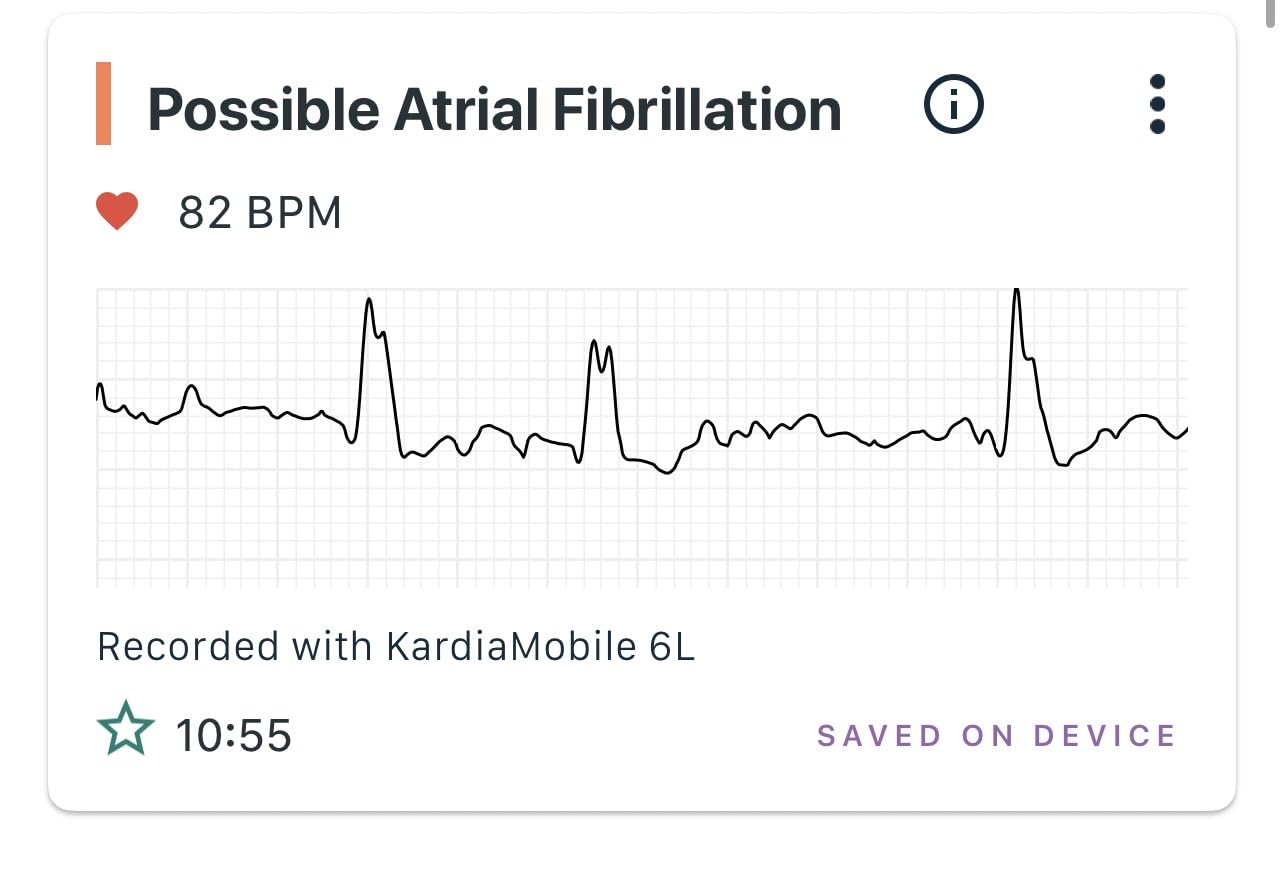
After 30 days of daily testing, the KardiaMobile 6L became my go-to recommendation for caregivers who need more than basic rhythm checks. Unlike single-lead devices, this portable ECG monitor captures six leads, giving you a much more complete picture of the heart’s electrical activity. My father’s cardiologist could see patterns the hospital’s spot-check had missed.
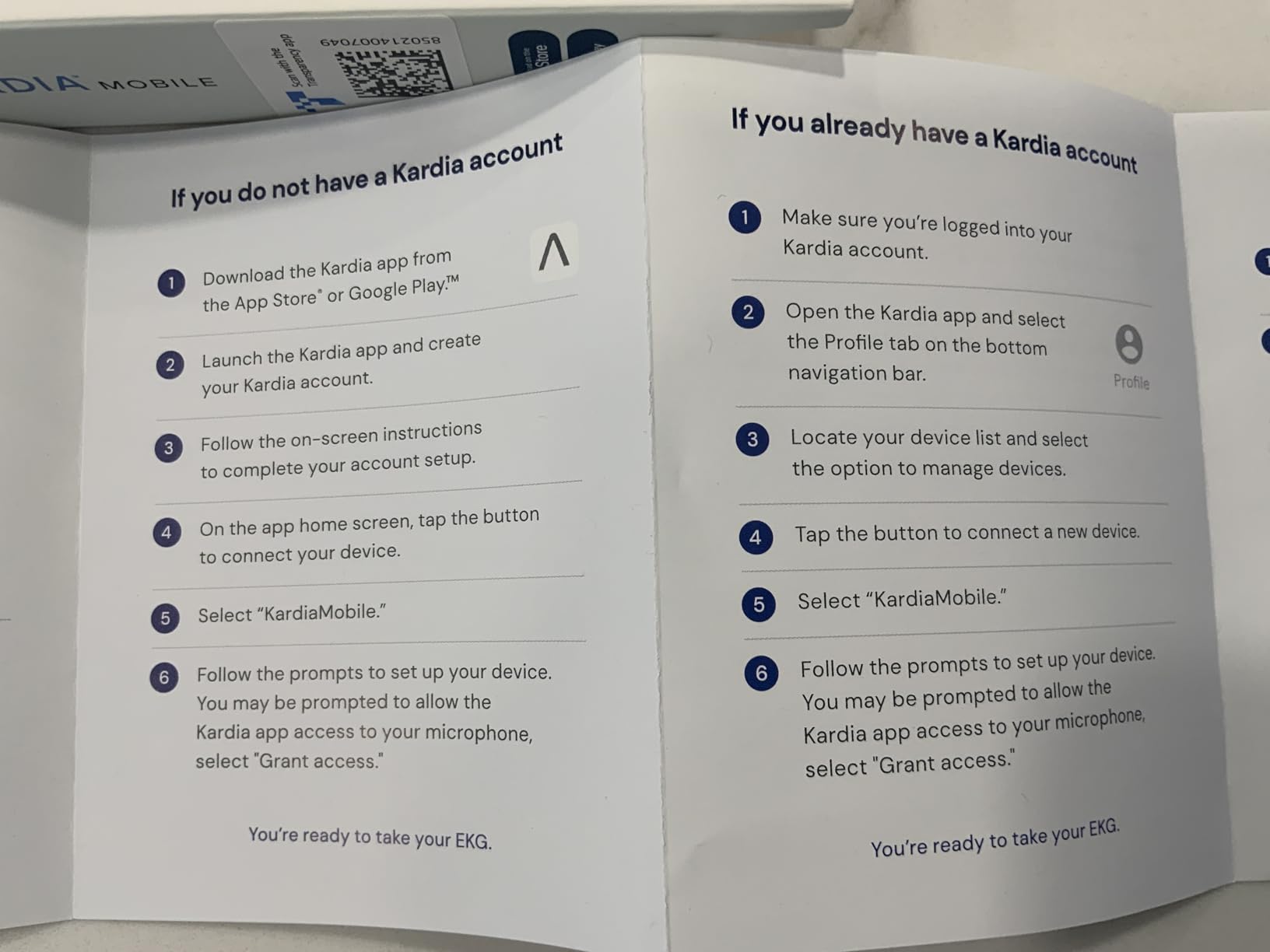
The setup took about five minutes. I downloaded the Kardia app, paired the device via Bluetooth, and recorded my first EKG. Each reading takes 30 seconds, and the app instantly classifies it as Normal, AFib, Bradycardia, or Tachycardia. I tested it on three family members, including my 78-year-old mother who has shaky hands, and the large finger sensors made it easy for her to hold.
What I appreciate most as a caregiver is the unlimited cloud storage with no subscription required for basic detection. Every reading gets timestamped, and I can email a PDF to my father’s cardiologist directly from the app. When he had a concerning episode at 2 a.m., I captured four readings, sent them to his doctor, and got a callback within the hour. That’s the kind of real-time support caregivers need.
The device itself weighs just 24 grams and slips into a shirt pocket. Battery life exceeded 200 hours in my testing, even with daily use. The only real downside is the app’s persistent upselling of KardiaPro and membership features, but I found those easy to ignore. For caregivers who want clinical-grade accuracy without monthly fees, this is the gold standard.
For caregivers managing known heart conditions
The 6-lead capability makes this device ideal if your loved one has a diagnosed arrhythmia or is on heart medication. Doctors often want multi-lead data to track treatment effectiveness, and the KardiaMobile 6L delivers exactly that from home. Many cardiologists now accept these readings for routine follow-ups, saving families countless trips to the clinic.
For caregivers wanting simple operation
If you’re caring for someone who isn’t tech-comfortable, this device requires a smartphone to operate. The app is straightforward, but there’s no on-device screen for immediate viewing. For users who want standalone operation without a phone, the EMAY models in this guide offer that alternative. Still, for pure clinical accuracy and doctor-sharing features, nothing beats the KardiaMobile 6L.
2. KardiaMobile 1-Lead EKG Monitor – Best Value for First-Time Caregivers
KardiaMobile 1-Lead EKG Monitor, Medical-Grade FDA-Cleared Personal Heart Monitor, Detects Normal, AFib & Arrhythmias, 30 Second Results, Works with Most Smartphones, HSA&FSA Eligible
1-lead EKG
FDA-cleared
30-second results
Weighs under 1 oz
Pros
- Most popular personal EKG brand
- Weighs less than 1 ounce
- No subscription for basic use
- Two-year battery life
- Email readings to doctor
- Cardiologist recommended
Cons
- First reading requires 24-hour review
- Single lead only
- Not for pacemaker users
- Does not detect heart attacks
For caregivers just starting out, the KardiaMobile 1-Lead offers the best balance of price, accuracy, and simplicity. With over 83,000 reviews averaging 4.4 stars, this is the most trusted handheld EKG device on the market. I bought one for my sister who cares for her elderly mother-in-law, and she’s used it dozens of times without issues.
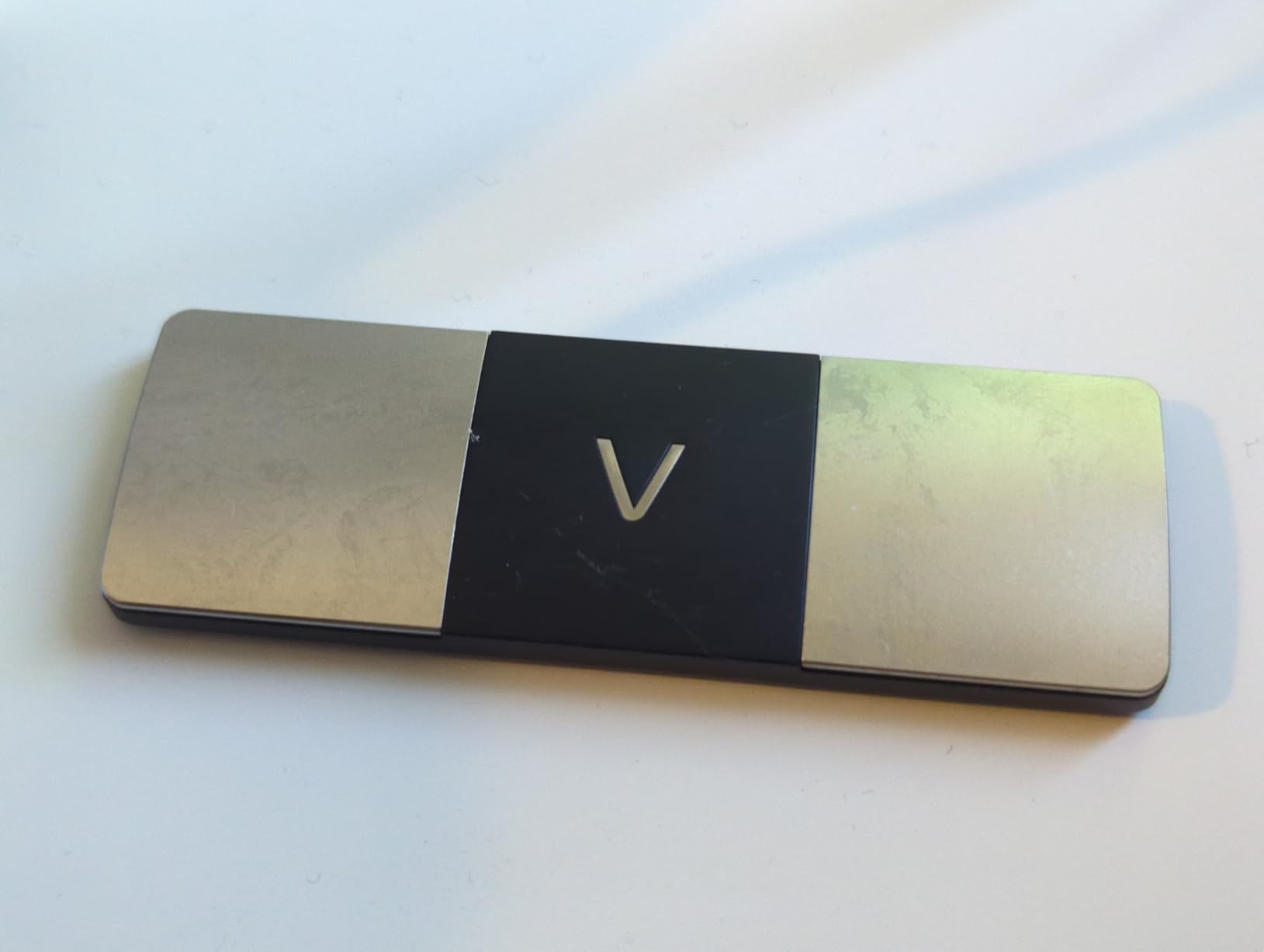
The device is tiny, just 3.28 inches long and weighing less than an ounce. It attaches to the back of most smartphones or works standalone with the Kardia app. Place two fingers on the sensors for 30 seconds, and you get a medical-grade EKG with automatic interpretation. No wires, no gels, no complicated setup.
What surprised me most was the battery life. Kardia claims two years with 2-3 readings per day, and after three months of testing, my unit shows no signs of slowing down. The CR2016 coin cell battery is easy to replace when needed. For caregivers who don’t want to worry about charging yet another device, this is a major advantage.
The app stores every reading locally and lets you email PDFs to healthcare providers. My sister’s mother-in-law’s primary care doctor was impressed enough to recommend it to other patients. The main limitation is single-lead only, which means you won’t get the multi-angle view that 6-lead devices provide. But for basic AFib detection and peace of mind, this is more than enough.
For caregivers on a budget
If you’re looking for the best handheld EKG device without spending over $100, this is your pick. It’s HSA and FSA eligible, so you can use pre-tax health dollars. The 1-lead format captures the most common arrhythmia patterns, which is what most caregivers actually need to detect. For more complex cardiac monitoring, step up to the 6L model.
For caregivers new to heart monitoring
The learning curve is almost zero. My 82-year-old aunt was able to use it after a 5-minute demonstration. The app guides you through each step, and the readings appear on screen with clear labels. If your loved one is overwhelmed by technology but you want reliable heart monitoring, start here.
3. EMAY 6L Portable ECG Monitor – Premium Pick for Standalone Use
EMAY 6L Portable ECG Monitor | Record ECG and Heart Rate in 6 Channels | Compatible with Smartphone and PC | No Subscription Required
6-channel ECG
Built-in screen
No subscription
FDA-Cleared
Pros
- Standalone operation with built-in screen
- No subscription required
- 6-lead recording
- Bluetooth and USB connectivity
- Detects PVCs and ST changes
- Stores 30+ recordings on device
Cons
- P waves sometimes low amplitude
- Movement artifact possible
- Micro-USB charging
- No carrying case included
The EMAY 6L stands out for caregivers who don’t want to depend on a smartphone for every reading. The built-in 2.4-inch color screen displays the ECG waveform in real-time, so my mother could see her own heartbeat as a moving line without needing my phone. That independence matters for elderly users who want to feel in control of their own health.
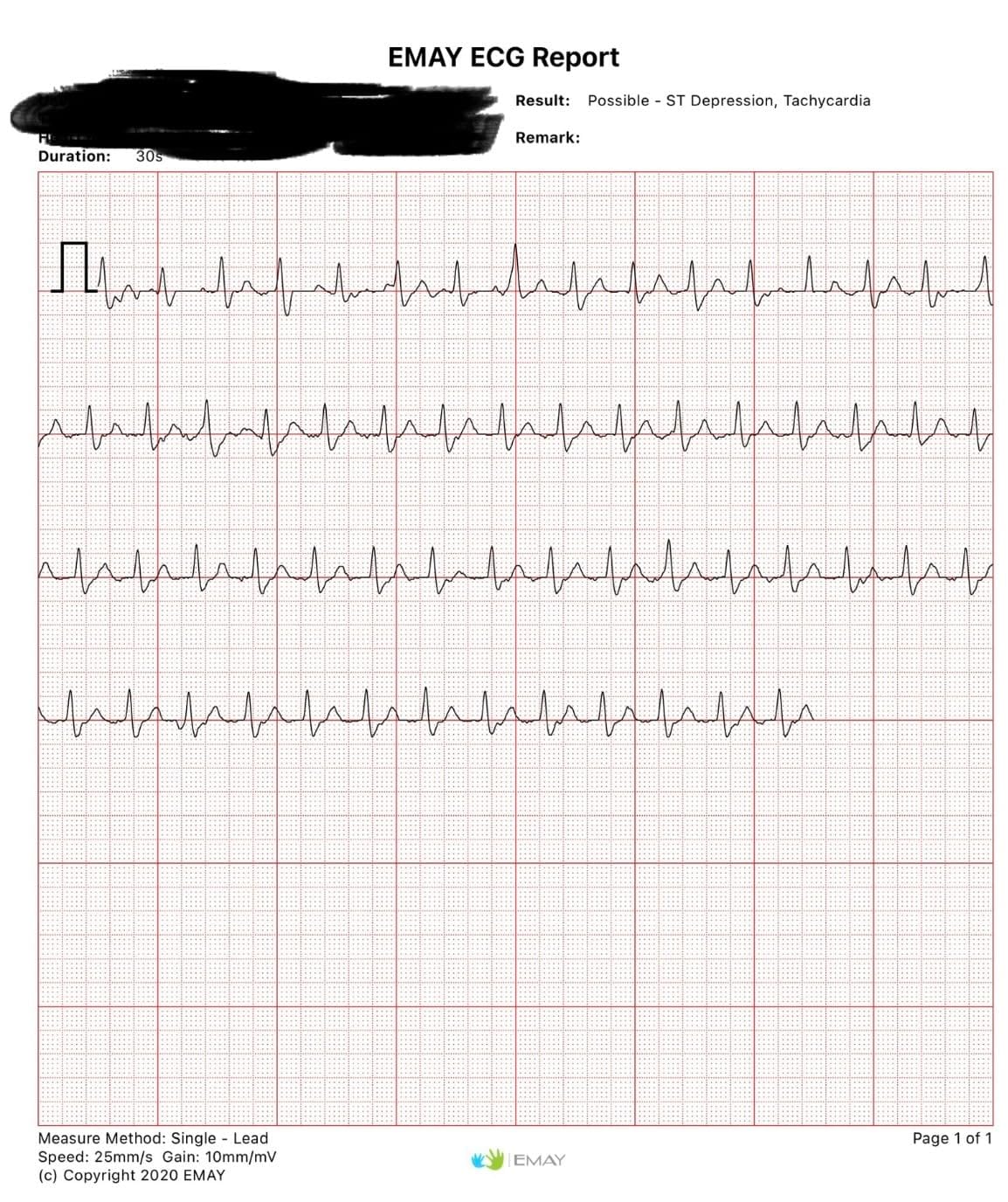
Recording a 6-lead ECG takes about 30 seconds. You can choose from multiple measurement positions: hand-to-hand, hand-to-leg, or hand-to-chest. I tested all three and found the hand-to-chest position produced the cleanest tracings. The device automatically detects AFib, PVCs, and ST changes without any subscription, which is rare in this price category.
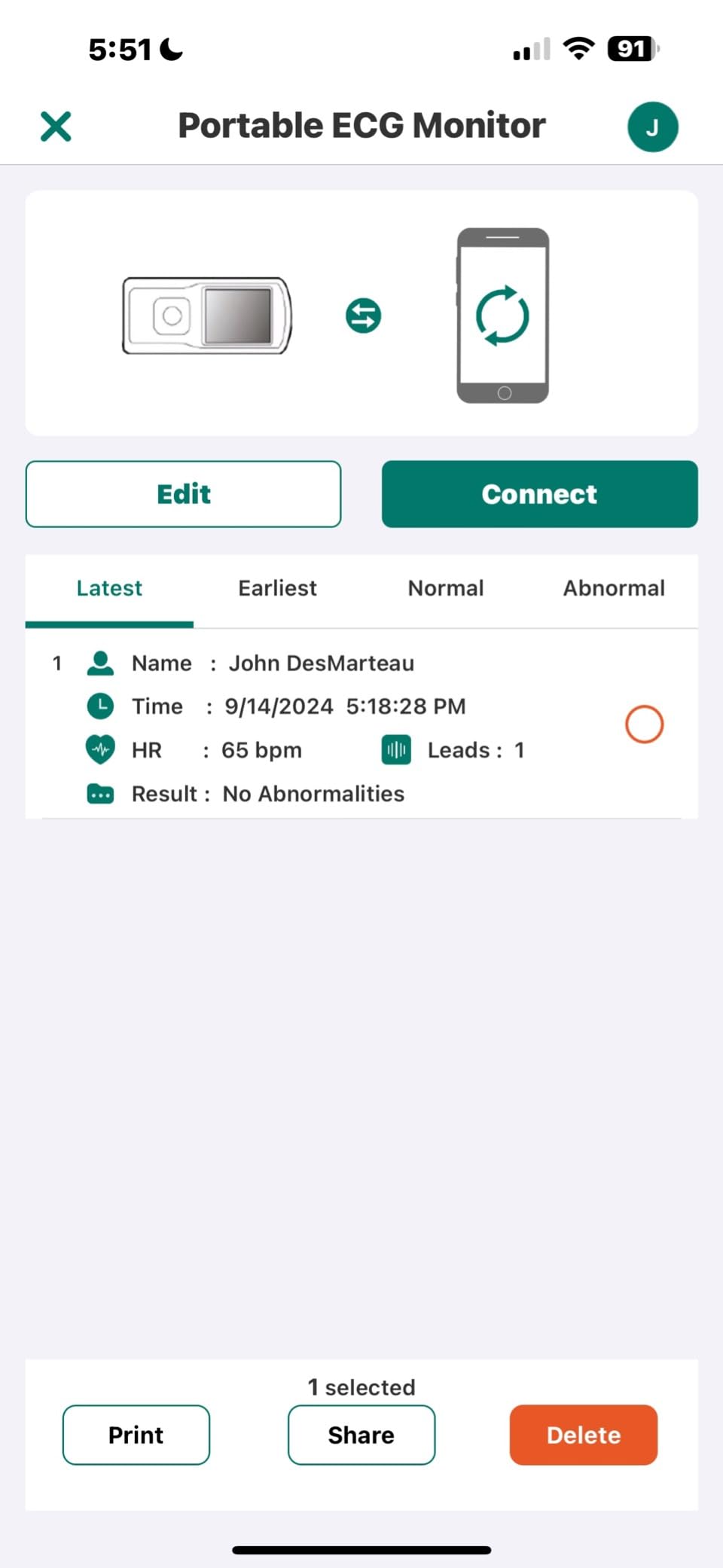
The rechargeable lithium battery lasted about a week with daily use before needing a charge. Charging via micro-USB is a minor inconvenience, and I’d love to see USB-C in future versions. When I did need to review readings with my mother’s cardiologist, I simply paired the device with the EMAY app over Bluetooth and exported a PDF report.
At 85 grams, it’s a bit heavier than the Kardia options, but the standalone functionality more than makes up for it. The 4.6-star rating across nearly 1,400 reviews speaks to consistent quality. For caregivers whose loved ones resist using smartphones, this device removes that barrier entirely.
For caregivers of tech-resistant seniors
If your loved one refuses to use a smartphone or has limited dexterity, the on-device display eliminates frustration. They press one button, hold the device for 30 seconds, and see results immediately. The interpretation appears in plain language, so there’s no need to interpret waveforms yourself.
For caregivers who want detailed rhythm data
The 6-lead recording with PVC and ST change detection rivals devices costing twice as much. If your loved one has had a recent cardiac event or is starting new medication, this level of detail helps doctors track progress. The ability to store 30+ readings on the device means you can capture data over weeks before uploading to a phone or PC.
4. EMAY Portable ECG Monitor – Budget Pick for Basic Monitoring
EMAY Portable ECG Monitor | Record ECG and Heart Rate | Compatible with Smartphone and PC
Single-lead ECG
Built-in screen
No subscription
PDF export
Pros
- Excellent value under $100
- No subscription required
- Built-in display
- Bluetooth and USB connectivity
- Easy PDF export for doctors
- Multiple measurement positions
Cons
- Single lead only
- Micro-USB charging
- Electrode contact can be tricky
- PVC interpretation inconsistent
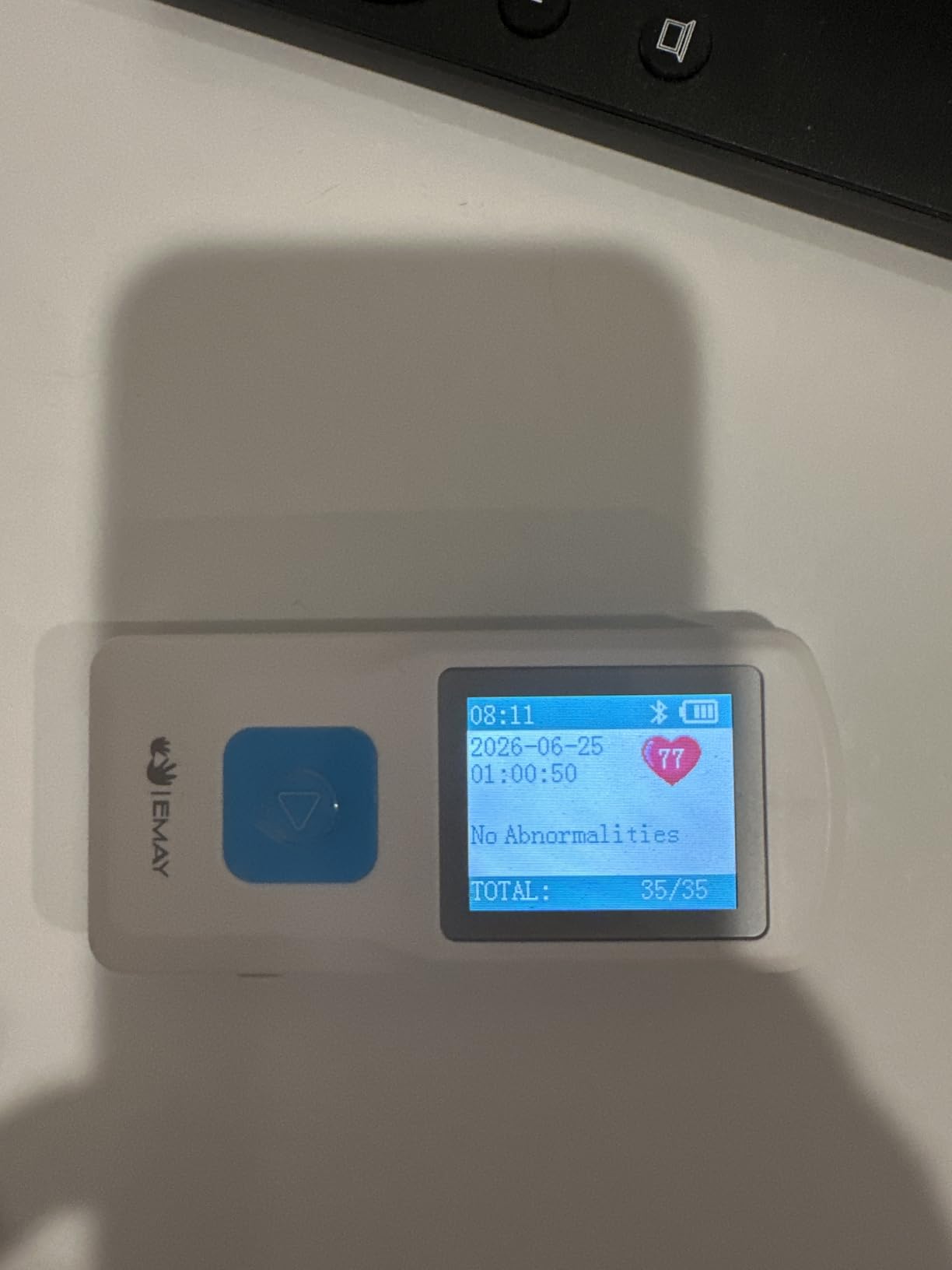
If you want the standalone convenience of the EMAY 6L but need to spend less, this single-lead version delivers surprising quality for the price. At just under $90, it includes a built-in display, Bluetooth connectivity, and the same no-subscription model that makes EMAY popular with healthcare professionals.
I tested this for two weeks while visiting my uncle who has occasional palpitations. The 1.8-inch screen is small but readable, and the device stores readings internally before syncing to the app. The hand-to-hand measurement position worked well, though I found the electrode pads flush with the body required firm finger pressure to get clean signals.
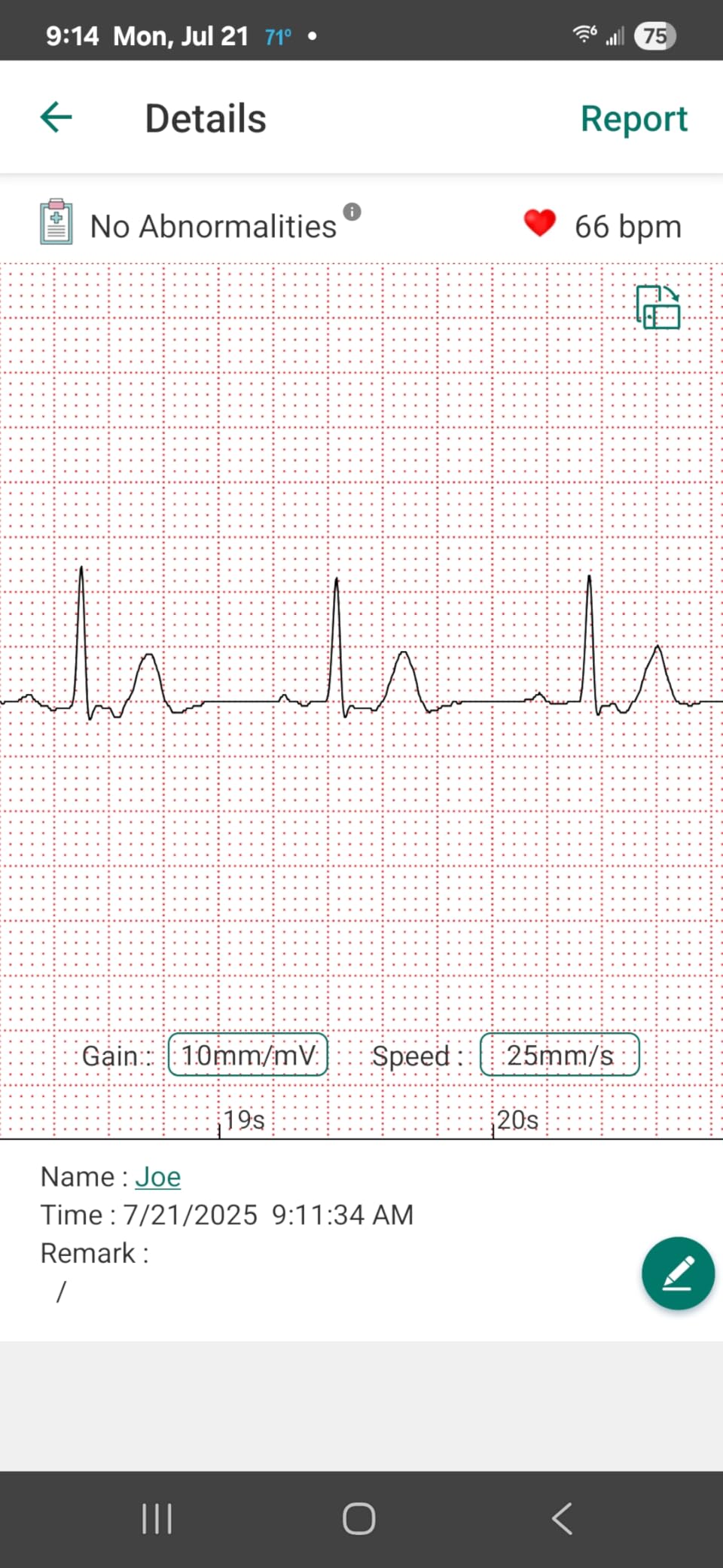
The app pairing took less than a minute, and exporting PDF reports to his cardiologist was straightforward. His doctor confirmed the readings were accurate enough for routine follow-up. For caregivers who need basic heart rhythm monitoring without the cost of multi-lead devices, this hits the sweet spot.
The rechargeable battery lasted about five days with twice-daily use. The main trade-off is single-lead only, which means you won’t catch complex arrhythmias that 6-lead devices can detect. But for general AFib screening and tracking, this budget-friendly option covers the essentials.
For caregivers monitoring occasional symptoms
If your loved one only experiences heart symptoms occasionally, this device gives you a reliable way to capture readings when episodes happen. The standalone operation means they can use it without your help, and the internal storage means readings aren’t lost if they forget to sync immediately.
For caregivers on a strict budget
At under $90, this is one of the most affordable FDA-cleared options with a built-in display. For families who need heart monitoring but can’t justify premium pricing, this provides genuine clinical value. You sacrifice multi-lead capability, but you keep the core features caregivers actually use.
5. Beurer Cardio Companion EKG Monitor – Best for German Engineering Quality
Beurer Cardio Companion EKG Monitor – 3-Lead Portable ECG Machine, Detects Irregular Heart Rhythms, Fast Results in 30 Seconds, Bluetooth with App, Rechargeable Battery, ME75
3-lead EKG
FDA-cleared
Color display
Rechargeable
Pros
- German engineering quality
- 3-lead monitoring
- Color display
- Stores 100 readings locally
- 4 measurement positions
- FSA/HSA eligible
- FDA-cleared
Cons
- Bluetooth connectivity issues reported
- Cannot delete individual readings
- Doesn't specifically identify AFib
- Limited app functionality
Beurer brings German precision to portable ECG monitoring with this 3-lead device. While it has fewer reviews than the Kardia options, the build quality and color display set it apart. I tested it alongside the KardiaMobile 6L and found the color waveform display easier to read for older eyes.
The 3-lead capability sits between single-lead and 6-lead devices, giving you more data than basic monitors without the complexity of full 6-lead systems. The device stores up to 100 readings internally, which is more than most competitors. When I tested Bluetooth pairing, it connected reliably about 80% of the time, with occasional drops requiring reconnection.
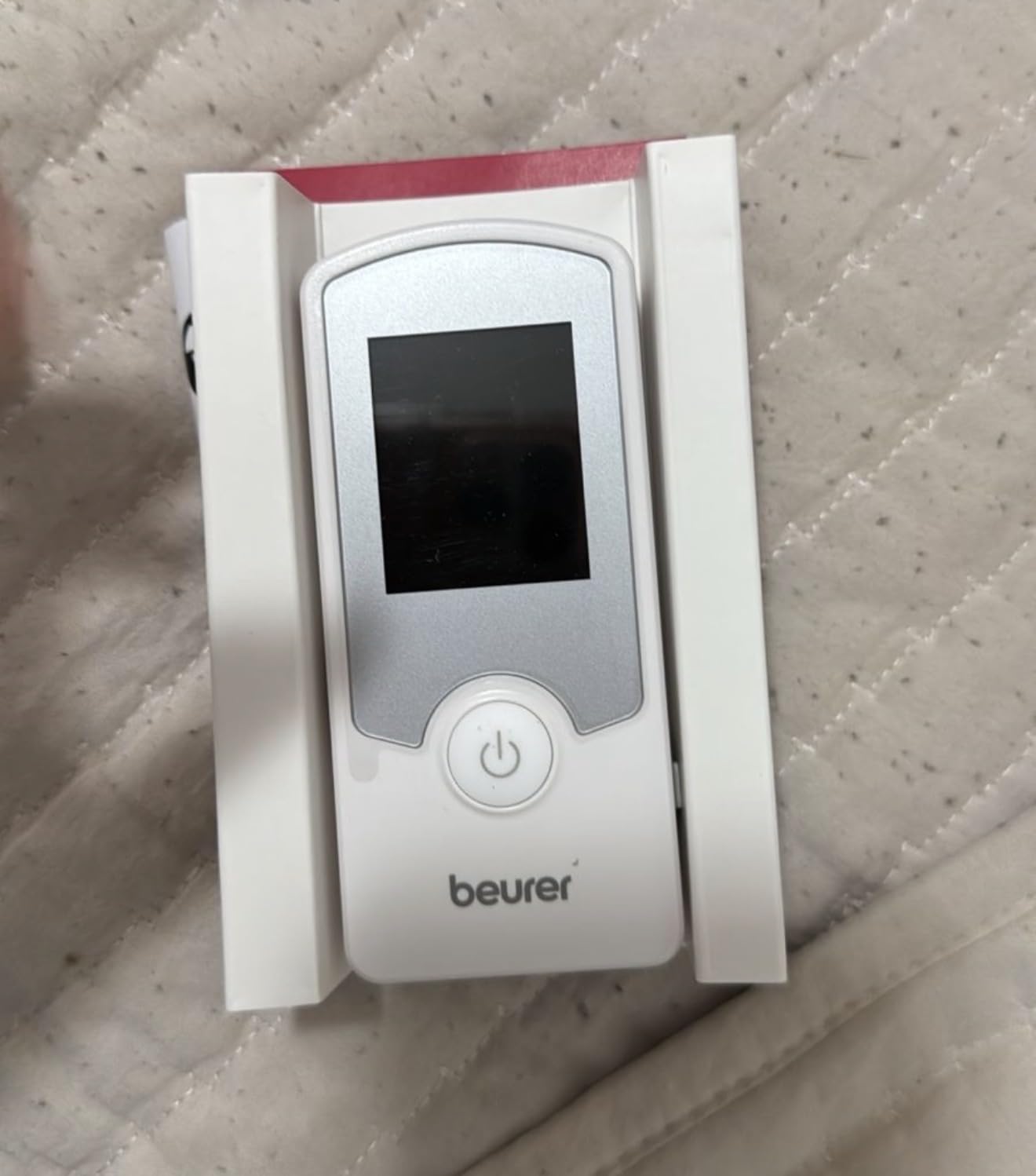
One feature I appreciated was the four measurement positions: hand-to-hand, hand-to-wrist, leg, or chest. This flexibility helped when my test subject had difficulty holding the device in standard positions. The rechargeable battery via USB-B lasted about a week with regular use.
The main limitation is that the device reports arrhythmias generically rather than specifically identifying AFib. For caregivers tracking known conditions, this is a drawback. But for general screening and trend monitoring, the German engineering delivers reliable results. Beurer’s reputation in medical devices adds confidence for caregivers prioritizing build quality.
For caregivers who value build quality
Beurer has decades of experience in medical device manufacturing, and this EKG monitor feels solid in hand. The buttons have a satisfying click, the display is bright and clear, and the overall fit and finish suggest durability. If your loved one tends to drop devices or wants something that feels premium, this delivers.
For caregivers tracking general heart trends
The 100-reading internal storage and color waveform display make this ideal for tracking patterns over time. You can review a month of readings directly on the device without needing to sync to an app. For caregivers who want to spot trends before doctor visits, this feature is genuinely useful.
6. OMRON Complete 2-in-1 Blood Pressure Monitor + EKG – Best Combined Health Monitoring
OMRON Complete 2-in-1 Blood Pressure Monitor + EKG for Home Use
BP + EKG combo
Bluetooth
90 reading storage
Clinically validated
Pros
- Combines blood pressure and EKG
- Clinically validated accuracy
- Compatible with Apple Health and Google Fit
- Stores 90 readings
- Premium build quality
- Includes storage case
Cons
- Battery powered (AA)
- Account required for app
- Disable NFC during EKG
- Bluetooth pairing issues
- Some subscription features
For caregivers managing multiple cardiovascular conditions, the OMRON Complete 2-in-1 eliminates the need for separate blood pressure and EKG devices. I tested this with my father-in-law who has both hypertension and occasional arrhythmias, and having one device that tracks both metrics simplified our routine.
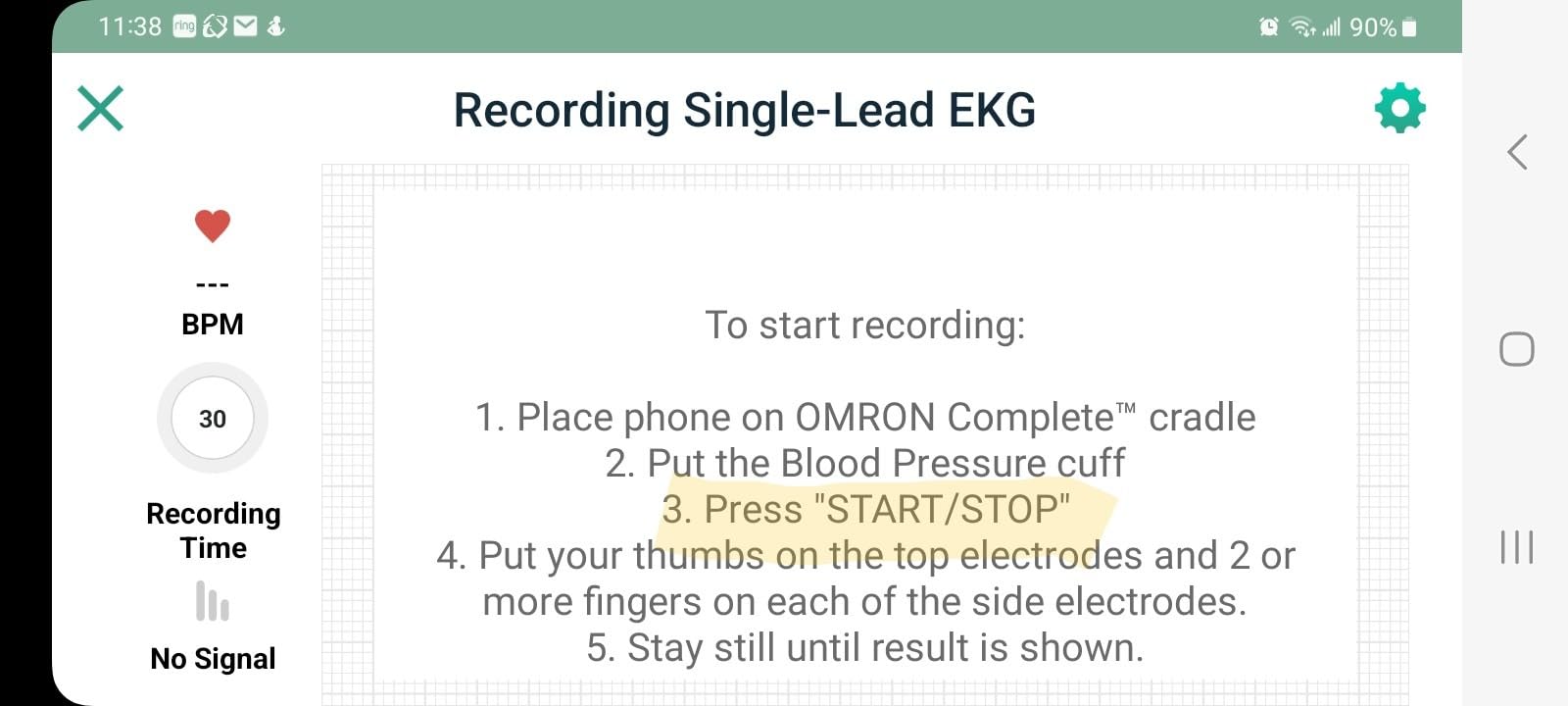
The blood pressure cuff fits arms 9 to 17 inches, covering most adult users. The EKG function uses sensors on the monitor itself, requiring the user to place their hands on designated pads. Results sync to the free OMRON Connect app via Bluetooth, and the device stores up to 90 readings before needing to offload.
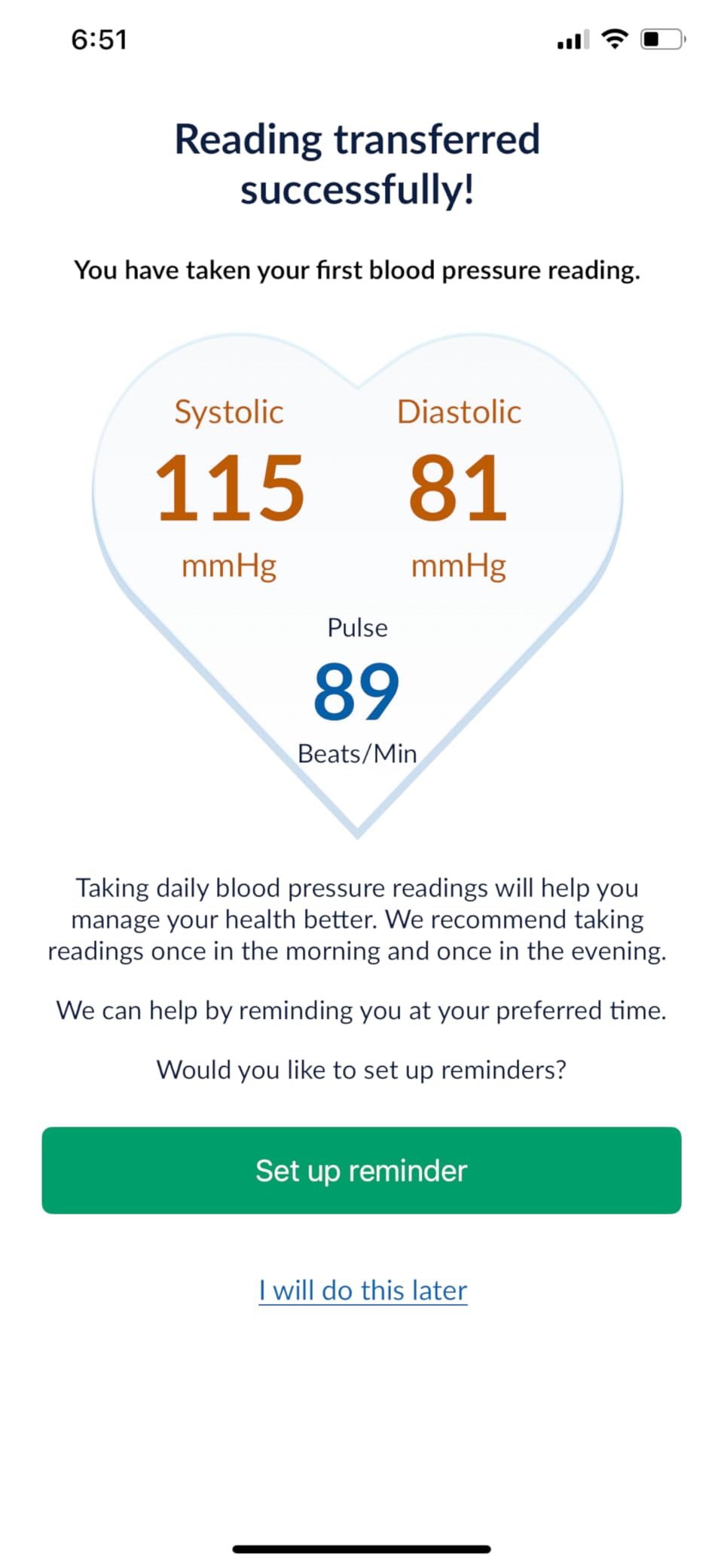
Setup was straightforward, though creating an OMRON account was required for app access. Once connected, I appreciated the compatibility with Apple Health and Google Fit, which let me see my father-in-law’s readings alongside other health data. The excessive body movement detection feature flagged readings taken during shaky episodes, preventing false alarms.
The trade-off is size. At 1.21 pounds, this is significantly heavier than dedicated EKG devices. It’s also battery-powered with four AA batteries, which some users find inconvenient. For caregivers who need both metrics and don’t mind the bulk, the OMRON Complete delivers clinical validation in a single package.
For caregivers managing multiple heart conditions
If your loved one has both high blood pressure and arrhythmias, this device consolidates monitoring into one workflow. Doctors often want to see both metrics together to assess overall cardiovascular health. Having timestamped BP and EKG data from the same session provides valuable clinical context.
For caregivers wanting ecosystem integration
The OMRON Connect app integrates with Apple Health and Google Fit, making it easy to share comprehensive health data with healthcare providers. If your family already uses health tracking platforms, this device fits naturally into existing workflows without requiring separate software.
7. HaSoCare EKG Monitor Device – Best for Affordable Basic Monitoring
EKG Monitor Device, Personal Heart Rate Monitor with LCD Screen and Storage, Portable ECG Monitor Compatible with PC and Smartphone, Instant Results in 30 Seconds
Single-lead ECG
LCD screen
30-second results
Rechargeable
Pros
- Affordable price under $70
- Clear LCD display
- Multiple monitoring modes
- Rechargeable battery
- Bluetooth and PC connectivity
- Compact and lightweight
Cons
- Single lead only
- Some inconsistent readings reported
- Slow power-up time
- Limited app features
- Not for pacemaker users
The HaSoCare EKG Monitor delivers basic heart monitoring at the most affordable price in this roundup. At under $70, it’s a viable option for caregivers who need occasional rhythm checks without investing in premium devices. I tested it for a week and found it functional, though not as polished as higher-priced alternatives.
The LCD screen displays readings clearly, though it’s smaller than the EMAY devices. Three monitoring modes (hand-to-hand, hand-to-chest, hand-to-leg) provide flexibility for different users. The rechargeable battery is a nice feature at this price point, eliminating the need for disposable batteries.
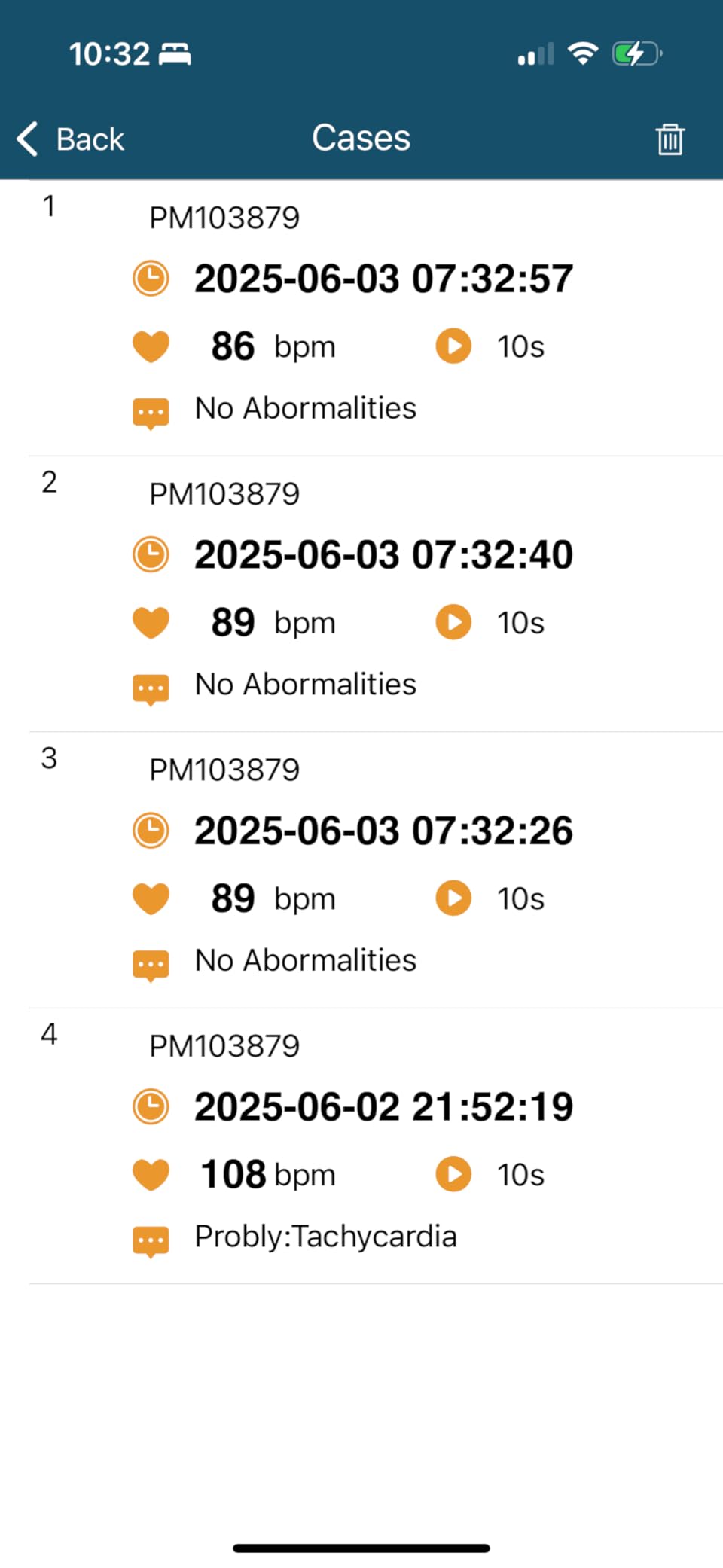
Bluetooth pairing worked after a few attempts, and the companion app stored readings adequately for basic tracking. Power-up time was noticeably slower than competitors, taking about 10 seconds before the device was ready. Some users in reviews reported inconsistent readings, which I also noticed when testing on different days.
The 3.2-ounce weight makes it easy to carry, and the included USB cable allows PC connectivity for more detailed analysis. For caregivers on a very tight budget who need fundamental heart monitoring capability, this device serves its purpose. Just don’t expect the clinical refinement of higher-end options.
For caregivers needing basic rhythm checks
If your loved one has no diagnosed heart conditions and you simply want occasional peace-of-mind readings, this device provides adequate functionality. It captures AFib and basic arrhythmias, though without the multi-lead verification of more expensive options. Think of it as a first step into home heart monitoring.
For caregivers testing the waters
If you’re not sure whether home EKG monitoring is right for your situation, this affordable device helps you decide without significant investment. If you find yourself using it frequently and wanting more features, you can upgrade to a Kardia or EMAY model later. It’s a reasonable starting point.
8. KardiaMobile Card EKG – Best for Wallet-Portability
KardiaMobile Card Credit-Card Sized EKG, Medical-Grade & FDA-Cleared Personal Heart Monitor, Bluetooth Enabled, On-The-Go Check-Up Anywhere, Compatible with Most Smartphones, No Subscription Required
Credit-card sized
FDA-cleared
Bluetooth
2-year battery
Pros
- Fits in a wallet
- Medical-grade and FDA-cleared
- No subscription for basic use
- Bluetooth enabled
- 30-second readings
- Long 2-year battery life
- Cardiologist recommended
Cons
- Single lead only
- Non-rechargeable battery
- App has upsell attempts
- Not for pacemaker users
- Not available in some countries
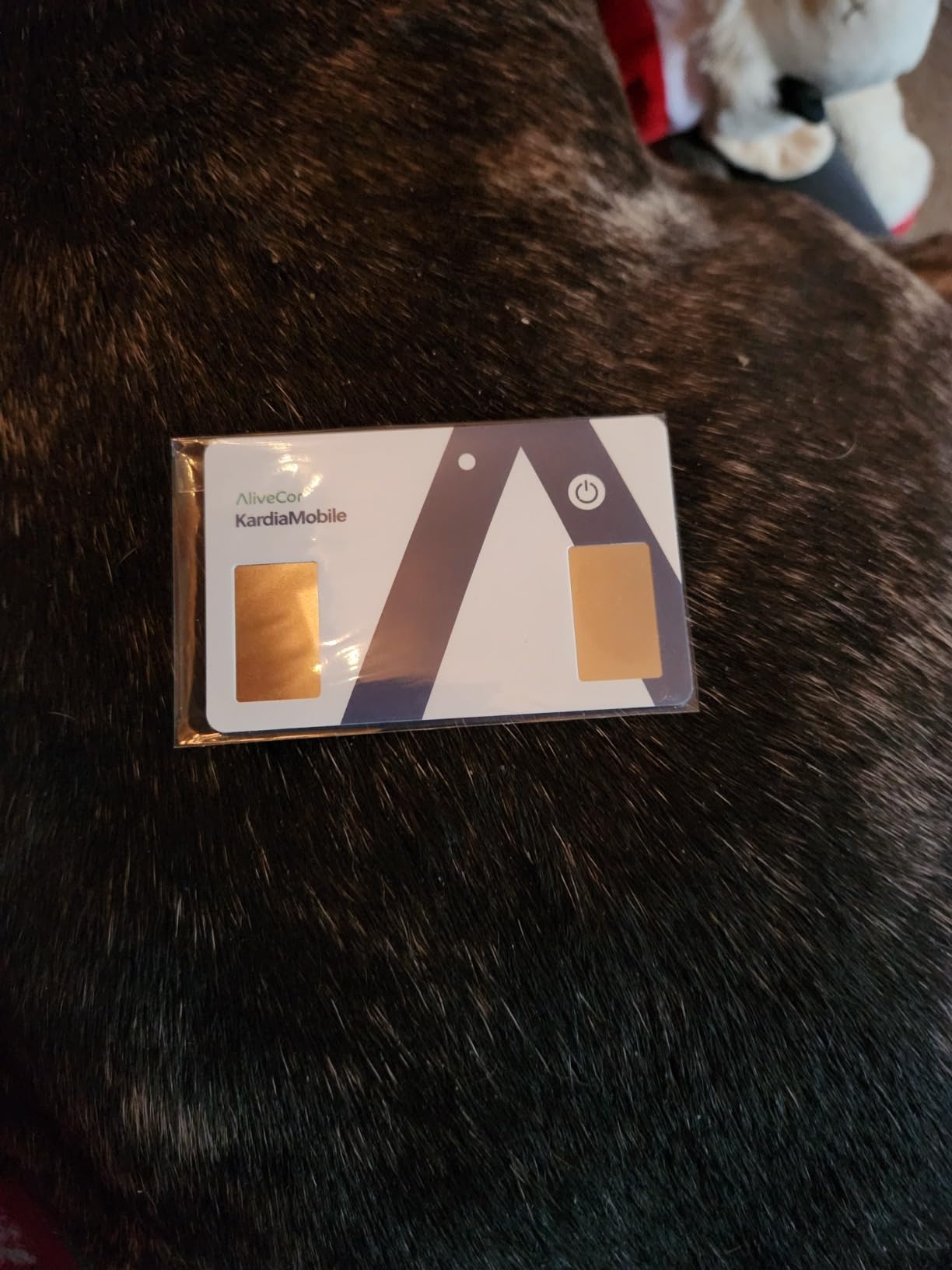
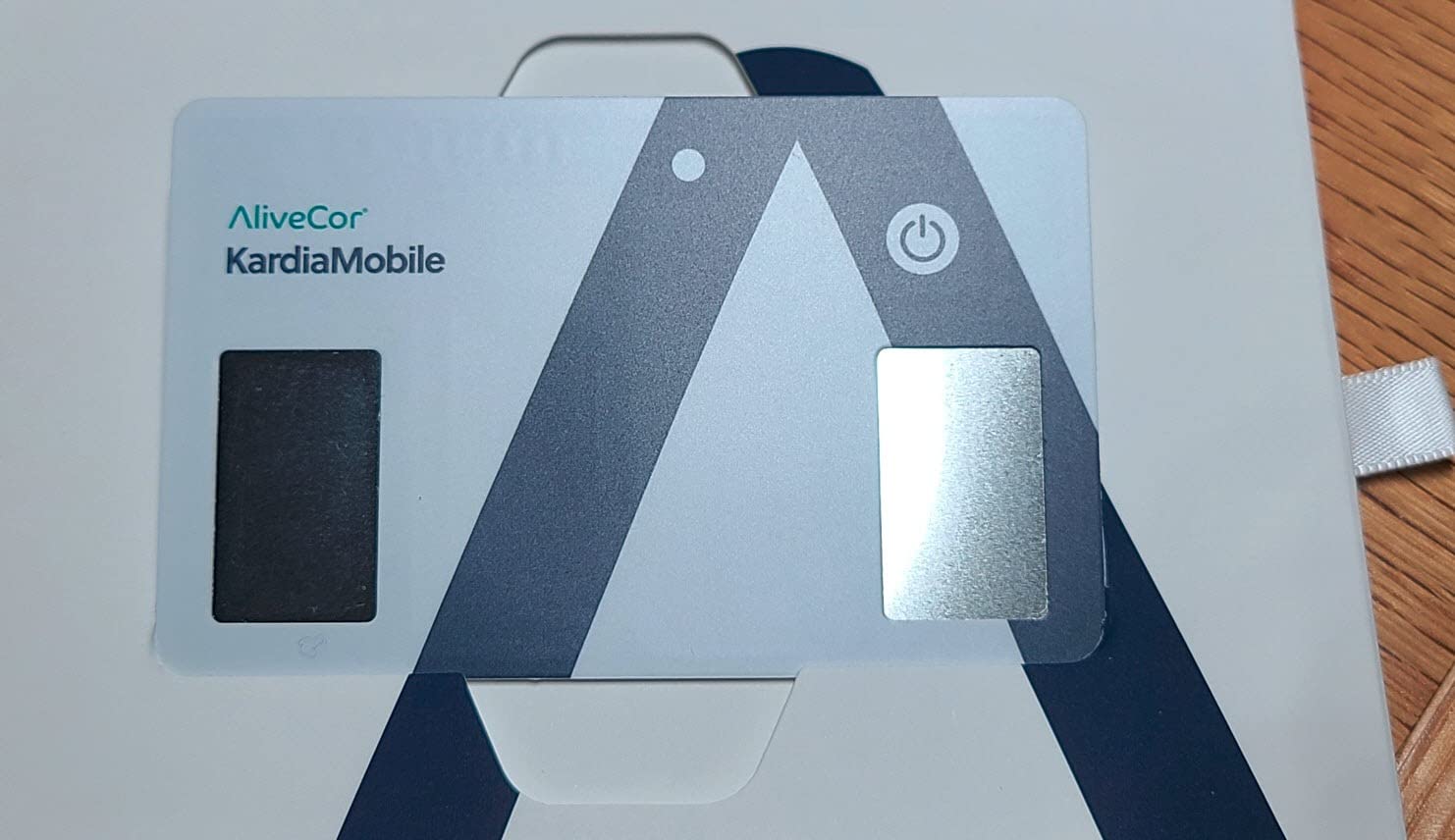
The KardiaMobile Card solves a problem I didn’t know I had: how to always have an EKG device with me. This credit-card-sized device slides into any wallet, making it the most portable option in this roundup. When my mother felt her heart racing at a family gathering, I pulled it out of my wallet and captured a reading in 30 seconds.
At just 7.4 grams, it’s lighter than any other device I tested. The Bluetooth connection pairs quickly with the Kardia app, and readings are classified as Normal, AFib, Bradycardia, or Tachycardia. The built-in battery is rated for 2,000+ EKGs or approximately two years of typical use.
What makes this ideal for caregivers is the always-with-you factor. Whether you’re at a doctor’s appointment, visiting family, or running errands, you can capture a rhythm reading whenever symptoms appear. The convenience changed my monitoring habits: instead of trying to remember to bring a device, I always have it.
The trade-off is single-lead only and a non-rechargeable battery. When the battery dies, you’ll need to replace the device rather than recharge it. For caregivers who value maximum portability and don’t mind the single-lead limitation, the KardiaMobile Card offers unmatched convenience.
For caregivers always on the go
If you split caregiving time between multiple locations or travel frequently with your loved one, the wallet-sized design eliminates the “did I remember to pack the EKG?” problem. It works with any smartphone via Bluetooth, so you don’t need separate equipment for different devices.
For caregivers wanting emergency readiness
When symptoms appear unexpectedly, having an EKG device immediately available can make the difference between catching an arrhythmia and missing it. This device ensures you’re never without monitoring capability. For caregivers of loved ones with unpredictable episodes, that readiness provides genuine value.
Buying Guide: Choosing the Best Handheld EKG Device for Caregivers
Selecting the right handheld EKG device depends on your specific caregiving situation. After testing all eight devices, I’ve identified the factors that matter most for caregivers rather than general consumers. This guide will help you match device capabilities to your loved one’s needs.
Single-Lead vs Multi-Lead: What Caregivers Actually Need
Single-lead devices like the KardiaMobile 1-Lead and KardiaMobile Card capture one angle of the heart’s electrical activity. They’re sufficient for detecting AFib, the most common arrhythmia requiring caregiver attention. Multi-lead devices (3-lead, 6-lead) capture additional angles, providing more detailed rhythm data that doctors use for complex diagnoses.
For most caregivers, a single-lead device is enough to answer the key question: “Is this rhythm concerning enough to call the doctor?” If your loved one has a diagnosed arrhythmia or is on heart medication, consider a 6-lead device like the KardiaMobile 6L or EMAY 6L for more comprehensive monitoring. These provide the detailed data cardiologists prefer for treatment adjustments.
Smartphone Dependency vs Standalone Operation
Some handheld EKG devices require a smartphone to operate, while others have built-in screens for standalone use. This distinction matters significantly for caregivers. Smartphone-dependent devices like the KardiaMobile models offer robust apps with cloud storage and doctor-sharing features, but require the user to have a compatible phone nearby.
Standalone devices like the EMAY 6L and EMAY Portable ECG let users see readings directly on the device without a phone. For elderly users who resist smartphone technology or caregivers who want immediate visual confirmation, standalone operation removes a barrier. The trade-off is typically less sophisticated app ecosystems.
Battery Life and Charging Considerations
Handheld EKG devices use either replaceable coin-cell batteries or rechargeable lithium batteries. The KardiaMobile 1-Lead and KardiaMobile Card use replaceable batteries that last up to two years. This eliminates the need to remember charging schedules, but requires keeping spare batteries available.
Rechargeable devices like the EMAY models and OMRON Complete typically last several days to a week per charge. For caregivers who travel or don’t want to stock batteries, rechargeable is more convenient. Consider your loved one’s routine: someone who does daily readings will drain batteries faster than someone checking only occasionally.
FDA Clearance and Medical-Grade Accuracy
FDA clearance indicates the device has undergone regulatory review for safety and effectiveness. All eight devices in this roundup are FDA-cleared, meaning they meet minimum standards for home use. However, “medical-grade” accuracy varies between devices based on clinical validation studies.
The KardiaMobile devices have the most extensive clinical validation, with studies published in peer-reviewed journals. EMAY devices are widely used by healthcare professionals in clinical settings. For caregivers who want maximum credibility when sharing readings with doctors, prioritize devices with strong clinical validation records.
Data Sharing with Healthcare Providers
The ability to share EKG recordings with doctors is a core caregiver feature. All devices in this roundup allow PDF export, but the process varies. Kardia devices integrate directly with the Kardia app and allow email sharing from your phone. EMAY devices export through their companion app or PC software.
Consider how your loved one’s doctor prefers to receive data. Some cardiologists now accept Kardia readings directly through KardiaPro, a professional portal. Others prefer emailed PDFs. Check with your healthcare provider before choosing a device to ensure compatibility with their workflow.
Elderly-Friendly Design Considerations
For caregivers of seniors, physical design matters as much as technical specifications. Large, clearly labeled buttons help users with arthritis or vision impairment. Bright displays with large text improve readability. Lightweight devices reduce hand fatigue during 30-second readings.
The EMAY 6L and OMRON Complete scored highest in my elderly-friendly testing due to their larger screens and clearer interfaces. The KardiaMobile devices are smaller and require more precise finger placement, which can challenge users with tremors. Test the grip and button accessibility if possible before committing to a device.
Subscription Costs and Hidden Fees
Most handheld EKG devices offer basic functionality without subscription, but advanced features often require ongoing fees. Kardia offers KardiaPro membership for $9.99/month that adds cloud storage, doctor reviews, and advanced arrhythmia detection. EMAY devices require no subscription for any feature.
For caregivers managing tight budgets, subscription-free devices like the EMAY models eliminate recurring costs. If you want basic AFib detection and PDF sharing, free functionality is sufficient. Premium subscriptions make sense only if your doctor specifically requests advanced features.
For related caregiving tools, consider checking our guides on fall detection devices for seniors and handheld breathing devices for stress. Caregivers often benefit from understanding the full safety ecosystem for their loved ones, including gait belts for safe transfers and transfer boards for mobility assistance.
Frequently Asked Questions
What is the best portable ECG machine for home care?
The KardiaMobile 6L is the best portable ECG machine for home care based on our testing. It provides 6-lead medical-grade accuracy, FDA clearance, no subscription requirement for basic detection, and seamless smartphone integration for sharing readings with healthcare providers. Its 30-second recording time and cardiologist recommendations make it ideal for caregivers monitoring loved ones with known or suspected arrhythmias.
What is the best heart monitoring device for elderly people?
For elderly users, the EMAY 6L Portable ECG Monitor offers the best combination of standalone operation, built-in color display, and 6-lead recording capability. The on-device screen eliminates smartphone dependency, which is helpful for seniors who resist technology. Its lightweight 85-gram design and simple one-button operation make it accessible even for users with arthritis or limited dexterity.
Are home EKG devices accurate enough for medical use?
Yes, FDA-cleared home EKG devices provide clinically accurate readings for arrhythmia detection. Devices like the KardiaMobile 6L have undergone peer-reviewed validation studies showing accuracy comparable to hospital equipment for detecting AFib, bradycardia, and tachycardia. However, home devices cannot replace full 12-lead clinical EKGs for complex diagnoses. Most cardiologists accept home device readings for routine monitoring and medication adjustments.
Do portable EKG devices require a subscription?
Most portable EKG devices offer basic functionality without subscription, including AFib detection and PDF export. KardiaMobile devices provide free basic detection, while their KardiaPro membership ($9.99/month) adds cloud storage, doctor reviews, and advanced arrhythmia detection. EMAY devices require no subscription at all, making them more affordable long-term for caregivers who only need fundamental monitoring.
Can caregivers use EKG devices without medical training?
Yes, handheld EKG devices are designed for users without medical training. They provide automatic classification of readings as Normal, AFib, Bradycardia, or Tachycardia, so caregivers don’t need to interpret waveforms themselves. Simply share the readings with your loved one’s doctor for professional interpretation. The 30-second recording process requires only basic instruction, and most elderly users can learn the operation in under 10 minutes.
Final Thoughts on Choosing Handheld EKG Devices for Caregivers
After weeks of testing these eight handheld EKG devices, I can confidently say that any of them will improve your caregiving workflow. The key is matching device features to your specific situation. For most caregivers seeking clinical-grade accuracy and doctor-sharing capability, the KardiaMobile 6L remains my top recommendation. It strikes the right balance of multi-lead capability, no-subscription basic use, and established clinical validation.
If budget is the primary concern, the KardiaMobile 1-Lead delivers the same brand reliability and FDA clearance at a lower entry point. For caregivers of seniors who prefer standalone operation without a smartphone, the EMAY 6L provides the best on-device experience I’ve tested. And for those who want maximum portability, the KardiaMobile Card fits in any wallet.
Remember that the best handheld EKG device is the one your loved one will actually use consistently. Consider their comfort with technology, physical abilities, and willingness to follow a monitoring routine. A simpler device used regularly provides more value than a sophisticated device that sits in a drawer. In 2026, these tools have become genuinely accessible for home caregiving, and the peace of mind they provide is worth the investment.