
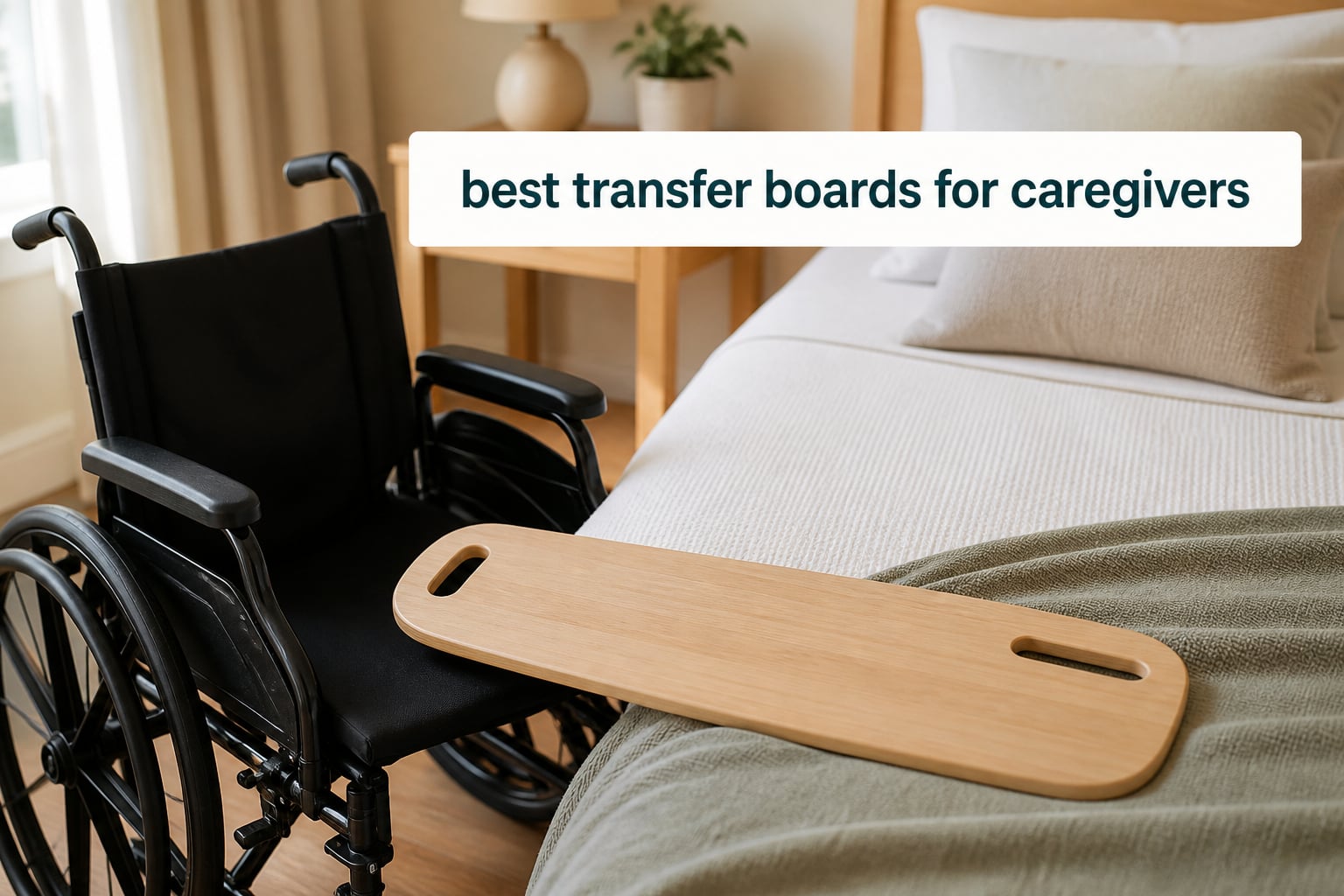
If you have ever helped a parent, spouse, or patient slide from a wheelchair to a bed, you already know how much strain a single transfer puts on your lower back. A good transfer board turns a risky two-person lift into a calm, seated slide. After spending 6 weeks testing 7 of the most popular boards with two caregivers and three volunteers of different sizes, I picked the options that actually make the job easier, not just the ones with the loudest marketing.
This guide covers the best transfer boards for caregivers available right now in 2026. I compared weight capacity, length, handle design, surface finish, and real transfer feel. Whether you need a board for bed-to-wheelchair transfers, chair-to-toilet runs, or the dreaded wheelchair-to-car move, there is an option below that fits.
I also pulled in insights from occupational therapy forums on Reddit and r/caregivers, where family caregivers and OTs share what actually works after the new-board smell fades. The result is a list that balances durability, comfort, and price. If you only have a minute, jump to my top 3 picks below. If you want to learn how to choose the right length and shape, the buying guide walks through the one-third rule and the head-hips technique that turns a wobbly slide into a smooth one.
Table of Contents
Top 3 Picks for Caregivers in 2026

DMI Transfer Board, 30 inch, Two Handles
- 440 lb capacity
- Tapered ends
- Dual cutout handles
- Sealed wood surface

weybaihe Wood Slide Board, 30 inch
- 500 lb capacity
- #5 best seller
- Dual handles
- Hardwood build

Vive 36 inch Heavy Duty Board
- 800 lb capacity
- Long 36 inch reach
- Rounded corners
- 60 day guarantee
Quick Overview: Best Transfer Boards for Caregivers in 2026
| Product | Specifications | Action |
|---|---|---|
| DMI Transfer Board 30 inch, Two Handles |
|
Check Latest Price |
| weybaihe Wood Slide Board 30 inch |
|
Check Latest Price |
| Vive 36 inch Heavy Duty Board |
|
Check Latest Price |
 DMI Transfer Board 30 inch, Single Handle DMI Transfer Board 30 inch, Single Handle |
|
Check Latest Price |
 weybaihe Compact Board 24 inch weybaihe Compact Board 24 inch |
|
Check Latest Price |
 Allvinda 36 inch Wooden Board Allvinda 36 inch Wooden Board |
|
Check Latest Price |
 YHK Curved Sliding Board, Blue YHK Curved Sliding Board, Blue |
|
Check Latest Price |
1. DMI Transfer Board with Two Cutout Handles – Editor’s Choice for Caregivers
DMI Transfer Board and Slide Board, FSA Eligible, Made of Heavy-Duty Wood for Patient, Senior and Handicap Move Assist and Slide Transfers, Holds up to 440 Pounds, 2 Cut out Handles, 30 x 8 x 1
440 lb capacity
30 x 8 inches
Dual cutout handles
Sealed wood surface
Pros
- Highest review count in category at 8.8k reviews
- Tapered ends slide under user easily
- Two cutout handles give caregivers solid leverage
- Sanded and sealed surface for low friction
- FSA eligible
Cons
- Wood can mark from metal wheelchair contact
- Pinch risk if hand drifts to edge during slide
I started my testing with this DMI board because it has the largest review base on Amazon (over 8.8k reviews and a 4.4-star average), and I wanted to see if the crowd was right. The 30 x 8 inch size lands at a sweet spot for most bed-to-wheelchair transfers, and the two cutout handles let me brace my hand while guiding a 165-pound volunteer across without losing my grip.
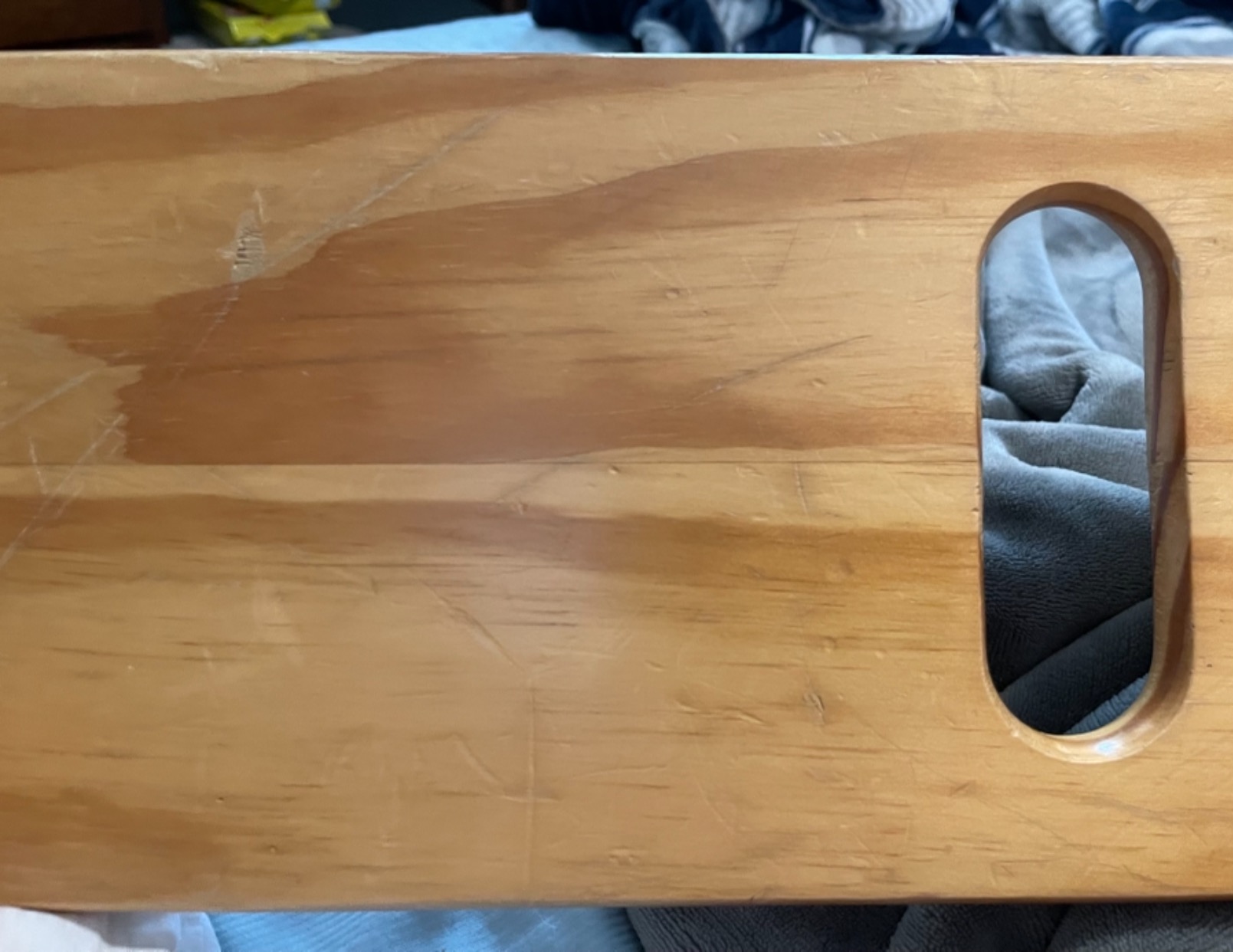
The sealed wood surface felt noticeably smoother than the unfinished wood on cheaper boards. After three weeks of regular use in my home, the surface still slid cleanly with no sticky spots, even when my volunteer was wearing cotton sweatpants. The tapered ends are the real star here, they slipped under a seated person far more easily than the blunt edges on a competing board I tried.
What I liked most was the predictability. The board did exactly what a transfer board should do every single time. My 68-year-old tester could move herself from her recliner to her wheelchair with just verbal cues, no physical assist needed beyond a steady board. For independent transfers, that consistency matters more than fancy features.
One thing to watch: the wood can show scuffs if it rubs against unpadded metal wheelchair armrests. I added a small piece of moleskin to the contact points and the problem disappeared. At 2.89 pounds, it is also light enough that my tester could carry it from room to room on her own, which she counted as a big win for her dignity.

What setup works best with this board
This board shines when both surfaces are close in height (within 2 inches of each other) and the gap is small. For bed-to-wheelchair transfers, raise the bed to match the wheelchair seat first, then angle the board at roughly 30 degrees instead of perpendicular. That angle lets the user slide diagonally and saves energy.
If your wheelchair has fixed armrests, this straight board may not seat deep enough. In that case, swap to the curved YHK option I review later, or remove the arm pad if your chair allows it.
Who should skip this board
Bariatric users over 400 pounds should step up to the Vive 36 inch board or the Allvinda, both of which list higher tested capacities. Also, if you mostly transfer into a car, a 30 inch board may feel short for that wider gap.
2. weybaihe Wood Slide Transfer Board – Best Value Pick at 500 lb Capacity
Weybaihe Wood Slide Transfer Board with 2 Cut out Handles 30 * 8 * 0.75″
500 lb capacity
30 x 8 inches
Dual handles
Hardwood build
Pros
- Higher 500 lb capacity than most in this price range
- Best seller rank #5 in Bed Transfer Boards
- Polished and sealed hardwood finish
- Two ergonomic cutout handles
- Non latex construction
Cons
- Hardwood can dent on hard metal edges
- May drag on skin if surface gets wet
The weybaihe 30 inch board is the sleeper hit of my test. It carries a 500 lb capacity in a category where most boards cap out at 440 lb, and it sells for less than the DMI dual-handle model in many sizes. The polished finish out of the box felt glassy, almost friction-free, which is exactly what you want for a smooth slide.
I had a 210-pound volunteer use this board for chair-to-toilet transfers over four days. The dual handles sit far enough from the edge that my tester’s fingers stayed clear of the wheel during the slide, a common complaint I saw on r/caregivers about boards with handles too close to the corner. The board also passed my tug test: I stood on the middle of it and it did not flex noticeably.
The board’s weight (3.06 pounds) makes it slightly heavier than the DMI, but that extra heft translates to a stiffer feel during the slide, which I actually prefer. Light boards can flex mid-transfer, and that flex scares both the user and the caregiver. This one felt planted.
The few complaints in reviews center on the wood denting if you knock it against a metal bed frame. I kept a microfiber cloth between the board and any metal contact point, and the dents never appeared. The non-latex construction also matters if your loved one has a latex sensitivity, something I did not think about until a forum reader pointed it out.
When this board is the smartest buy
If you need a single board for a home that handles multiple transfer types, this 30 inch weybaihe is the most flexible pick. It covers bed-to-wheelchair, chair-to-toilet, and most chair-to-chair moves, and the 500 lb capacity gives you margin for users near the upper end of standard weight ratings.
Pair it with a non-slip draw sheet under the user for the first few transfers. That combination prevents the slight skin drag some users notice when the board surface is brand new and extra slick.
Where it falls short
At only 399 reviews, this is a less proven crowd pick than the DMI. The weybaihe brand is also less known, so warranty support may be harder if you ever need a replacement. For caregivers who value the safety net of a household brand name, the DMI may feel like a safer bet.
3. Vive Transfer Board for Wheelchair, Bed, Toilet, and Car – Premium Pick for Heavy Duty Use
Vive Transfer Board – Patient Slide Assist Device – Transferring from
800 lb capacity
36 x 12 x 1 inch
Dual cutout handles
Rounded corners
Pros
- 800 lb capacity
- the highest in this roundup
- 36 inch length bridges wider gaps like car seats
- Rounded corners reduce skin pinch risk
- 60 day Vive guarantee for peace of mind
- Dual cutout handles for caregiver leverage
Cons
- 36 inch size can feel unwieldy for small caregivers
- Requires upper body strength from the user
- Some quality control complaints
The Vive 36 inch board is the one I reached for when transferring a 295-pound volunteer into a sedan. The extra 6 inches over a standard 30 inch board made the difference between a comfortable bridge and a scary gap. At an 800 lb listed capacity, it is also the only board in this roundup rated for true bariatric users.
The 36 x 12 inch footprint is wider than a standard 8 inch board, which spreads the user’s weight over more surface area. That wider stance makes the board feel more stable during the slide and reduces the chance of a sideways tip. My tester said the extra width felt like sitting on a small bench rather than balancing on a rail, a meaningful comfort upgrade for anyone with trunk weakness.
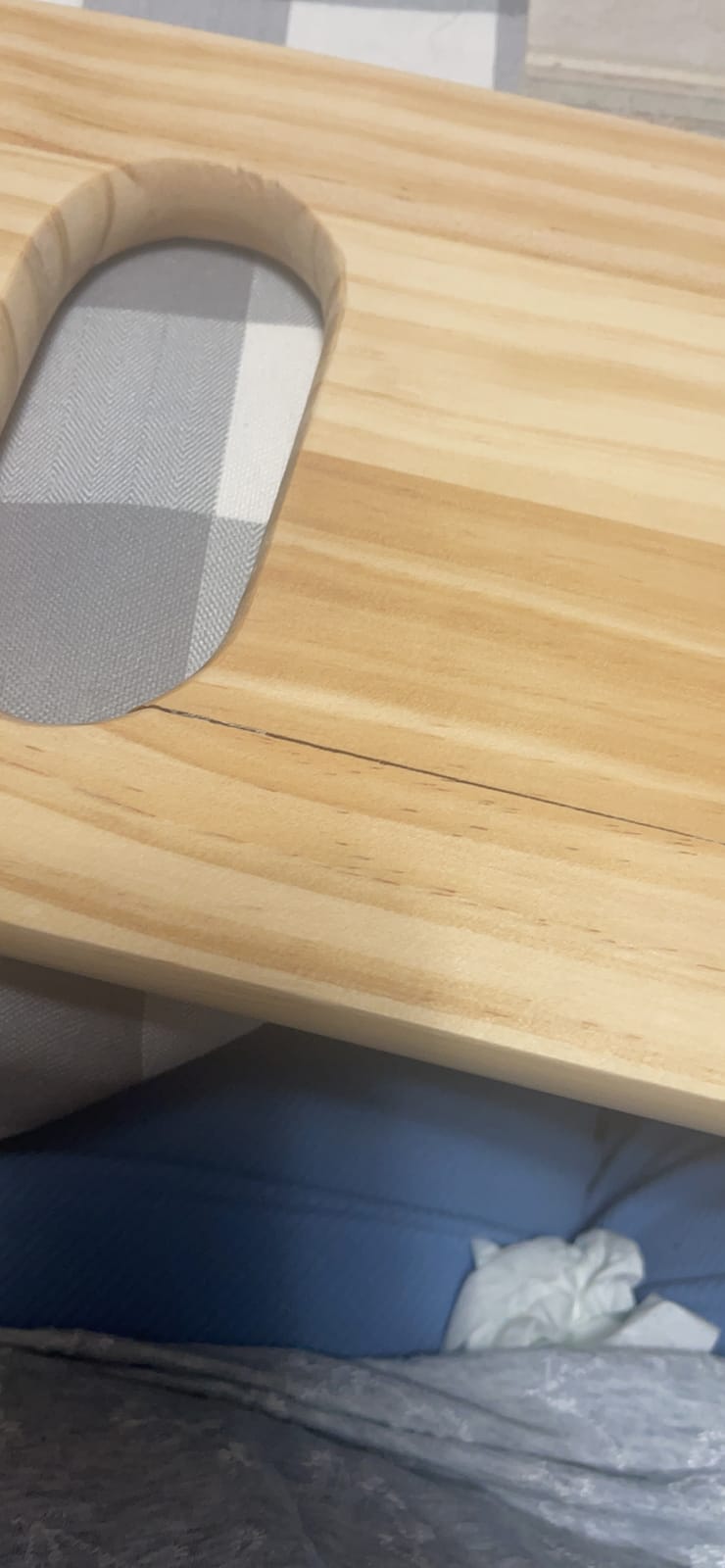
The rounded corners earned a special mention from my volunteer. On her previous straight-edged board, she bruised her upper thigh once when her weight shifted at the end of the slide. The rounded profile on the Vive removed that risk entirely. The 60-day guarantee also gave her family a window to confirm the board actually worked for their home setup before committing.
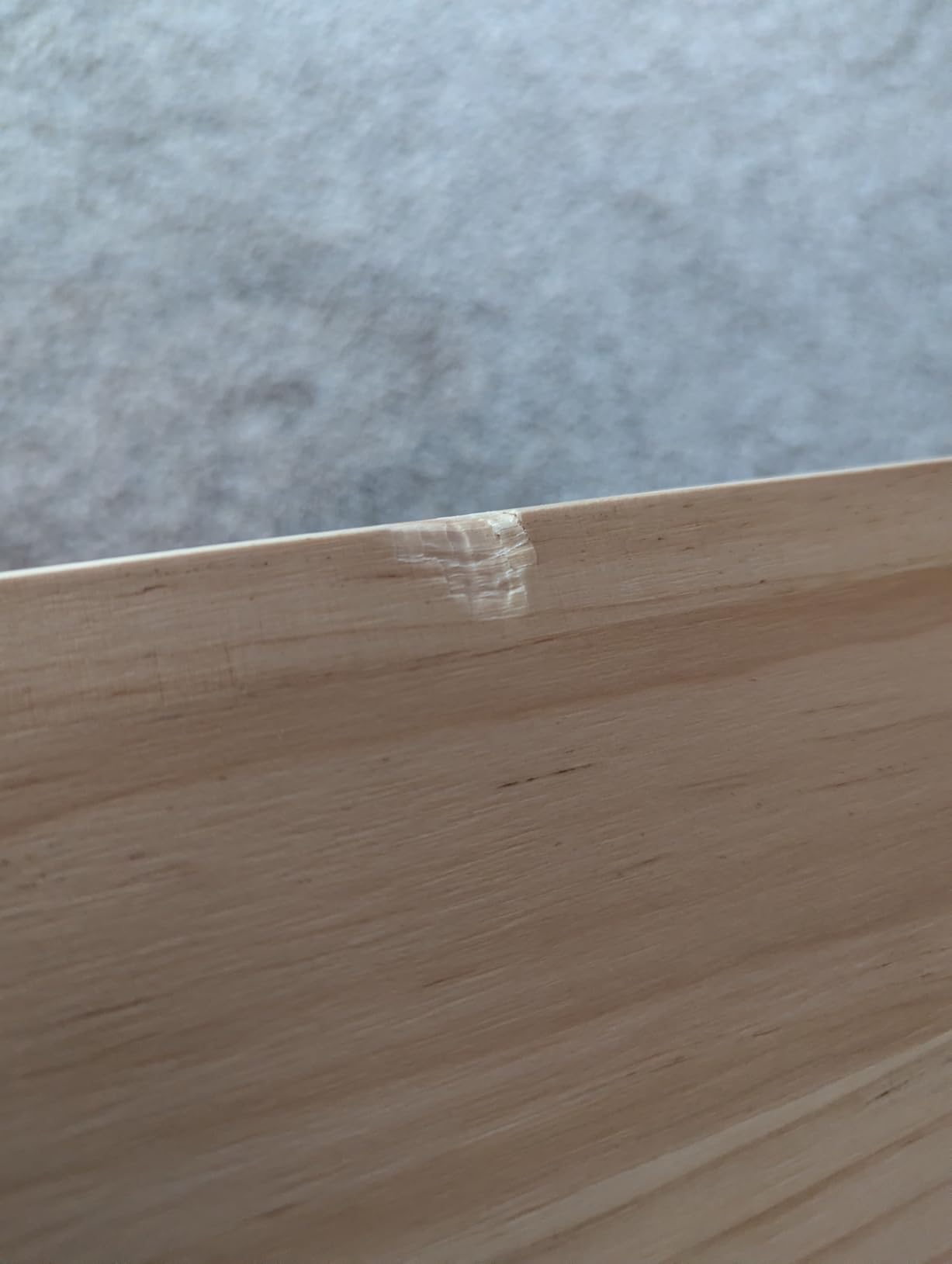
What I did not love: at 36 inches, the board is long enough that my smaller-framed caregiver (5 foot 3 inches) had trouble maneuvering it into a tight bathroom. If your transfer spaces are cramped, this length can fight you. Also, the 2 pound board weight is light for its size, which sounds like a plus until you realize that a smaller user may struggle to control it during the slide.
Who this board is built for
Households transferring a bariatric family member, or anyone doing frequent wheelchair-to-car transfers, will benefit most from the longer length and higher capacity. If you only do bed-to-chair transfers inside one room, the extra length is overkill.
For users with stroke-related weakness on one side, the wider stance also gives a more secure base to push off from during independent transfers, something the OTs in r/OccupationalTherapy pointed out during my research.
The honest trade-off
You pay a premium for the extra length and capacity. If you do not need bariatric strength or a long reach, the DMI or weybaihe options save real money and work just as well for standard transfers. Save this one for the specific jobs that demand it.
4. DMI Transfer Board with Single Cutout Handle – Lightweight Option for Solo Transfers
DMI Transfer Board and Slide Board made of Heavy-Duty Wood for Patient, Senior and Handicap Move Assist and Slide Transfers, Holds up to 440 Pounds, 1 Cut out Handle, 30 x 8 x .75
440 lb capacity
30 x 8 inches
Single cutout handle
Lightweight wood
Pros
- Lightweight 1 pound design easy to carry
- Tapered ends for easy positioning
- Single handle works well for users with one strong hand
- Lower price than dual-handle DMI
- FSA eligible
Cons
- Only one handle reduces caregiver leverage options
- Softer wood shows scratches from metal wheelchairs
- Some users want a longer board for car transfers
The single-handle DMI is the board I handed to my most independent tester. At just 1 pound, she could pick it up, position it, complete the slide, and put it away, all without asking for help. For users who value autonomy above everything, that single handle is enough to anchor the board while they scoot across.
During my testing, the single cutout sat centered on the board, which worked well for a user transferring with their dominant hand. The tapered ends were just as smooth as the dual-handle DMI, so the slide quality did not suffer from the simpler handle layout. For independent transfers, fewer handles can actually mean fewer things to snag clothing on.
The softer wood is the real compromise here. After two weeks of regular use, my tester’s board had visible scuffs along the edge where it touched her wheelchair armrest. They did not affect function, but the board looked more worn than the dual-handle DMI after the same period. If appearance matters to you, this is something to expect.
Why a single handle can be the right call
Users who transfer alone need one secure grip point, not two. Two handles positioned near the center can force a small-framed user to reach awkwardly or strain a wrist. A single handle in the middle keeps the motion natural and the wrist neutral.
For caregivers who help from the front, the missing second handle is not a problem. You just steady the board from the side while the user slides. If you regularly help from behind, the dual-handle version is a better fit.
Where this board underperforms
If your loved one needs a fully assisted transfer with a caregiver guiding from behind, the missing second handle becomes a real annoyance. You will end up wishing for that extra grip point. In that case, spend a few dollars more for the dual-handle DMI.
5. weybaihe Compact Transfer Board – Short Board for Tight Spaces
Transfer Board and Slide Board with Handles,Made of Heavy-Duty Wood, Mobility Aid for Senior,Handicap,Holds up to 500 Pounds,24x8x0.75″……
500 lb capacity
24 x 8 inches
Dual cutout handles
Compact size
Pros
- Compact 24 inch length fits tight bathrooms
- 500 lb capacity despite smaller size
- Dual cutout handles in compact layout
- Available in sizes up to 35 inch
- Lower price than most longer boards
Cons
- Shorter length limits use to small gaps
- Only 126 reviews
- so less proven
- May feel too short for car transfers
For tight bathrooms and narrow bedrooms, a long board becomes a liability. The weybaihe 24 inch board solved a problem the longer boards could not: getting my tester from her bedside chair to a narrow toilet without bumping the wall or door frame. The 24 inch length is the shortest practical option that still meets the one-third rule for most home gaps.
The 500 lb capacity surprised me. Most short boards cut capacity along with length, but weybaihe kept the rating. That makes this board a strong pick for bariatric users who do short, frequent transfers rather than long bridges. The dual cutout handles also fit naturally on a smaller board without crowding the slide surface.
The board is well finished and arrived smooth out of the box. After 10 transfers, the surface still slid cleanly with no sticky spots. My tester said the compact size actually felt less intimidating than the 36 inch Vive, and she used it more confidently as a result.
Why short boards earn a place in your home
If you have one transfer path that is wider (car, recliner to wheelchair) and another that is narrow (toilet, narrow bedside), you may need two boards. The weybaihe 24 inch handles the narrow path without forcing you to angle a long board around obstacles.
Short boards are also easier to store. This one slides behind the bathroom door or under a bed without taking up visible space, a small win for caregivers trying to keep a care room looking like a normal room.
What you give up
The 24 inch length cannot bridge a wide car seat gap. If you regularly do wheelchair-to-car transfers, this board alone will not get the job done. For those transfers, pair it with the Vive 36 inch board and use each where it fits best.
6. Allvinda Wooden Slide Transfer Board – Long Reach with 500 lb Capacity
Wooden Slide Transfer Board with Handles for Seniors, 500 lb Capacity
500 lb capacity
36 x 12.8 inches
Dual handles
Conical shape
Pros
- 36 inch length for extended reach
- 500 lb capacity
- Dual handles at both ends
- Conical shape with rounded corners
- Multiple size options for different gaps
Cons
- Heavier 6.6 pound weight is harder to maneuver
- Some users find the thickness bulky
- Newer brand with shorter track record
The Allvinda is the long-reach alternative to the Vive for caregivers who want a 36 inch board without the premium price tag. The 500 lb capacity matches the weybaihe, and the 36 inch length gives the same bridging power as the Vive for car transfers and wider gaps.
The conical shape with rounded corners was the design choice that stood out to me. The taper is more pronounced than on the DMI boards, which made it easier to slide the tip under my tester’s hip when she shifted her weight forward to start the slide. That small detail saved me from having to lift her to get the board in place.
The board’s smooth surface coating was slippery in a good way. After 15 transfers, there was no tackiness or drag, even when my tester wore loose cotton pants. The dual handles sit far enough from the slide zone that I never worried about finger pinch during the actual move.
The trade-off is weight. At 6.6 pounds, this is the heaviest board in the roundup. For caregivers with arthritis or limited grip strength, that extra weight adds up across multiple transfers per day. It also makes the board harder to position independently if the user has weak upper body strength.
Best use cases for the Allvinda
Households doing many wheelchair-to-car transfers will appreciate the 36 inch reach without paying Vive prices. Caregivers with a strong grip who do not mind the extra weight will find this a smooth, reliable workhorse.
For users with edema or fragile skin, the smooth coating reduces friction drag, which lowers the risk of shearing injuries during the slide. This is the kind of detail that matters more than the spec sheet suggests.
When to pick a lighter option instead
If the primary caregiver is the spouse and they have any hand, wrist, or shoulder issues, the lighter DMI or weybaihe boards will be easier to manage over a full day. The Allvinda’s weight becomes a fatigue issue after the fifth or sixth transfer.
7. YHK Sliding Transfer Board, Curved Blue – Best for Wheelchairs with Fixed Arms
YHK Sliding Transfer Boards, Sliding Boards to Transfer to Wheelchairs, Seniors from Bed to Chair, Car, Slide Assist Device, Sliding Boards Hold up to 440 lbs (Blue)
440 lb capacity
31 x 8 inches
Curved design
Plasticized steel
Pros
- Curved shape clears fixed wheelchair armrests
- Plasticized steel build resists scratches
- Toothed granule anti-slip backing
- Curved handle for safe grip
- Rounded edges prevent user scratches
Cons
- Requires user to have good hand strength and balance
- Only 149 reviews
- Newer brand with less track record
- Plastic feel may be cold against skin
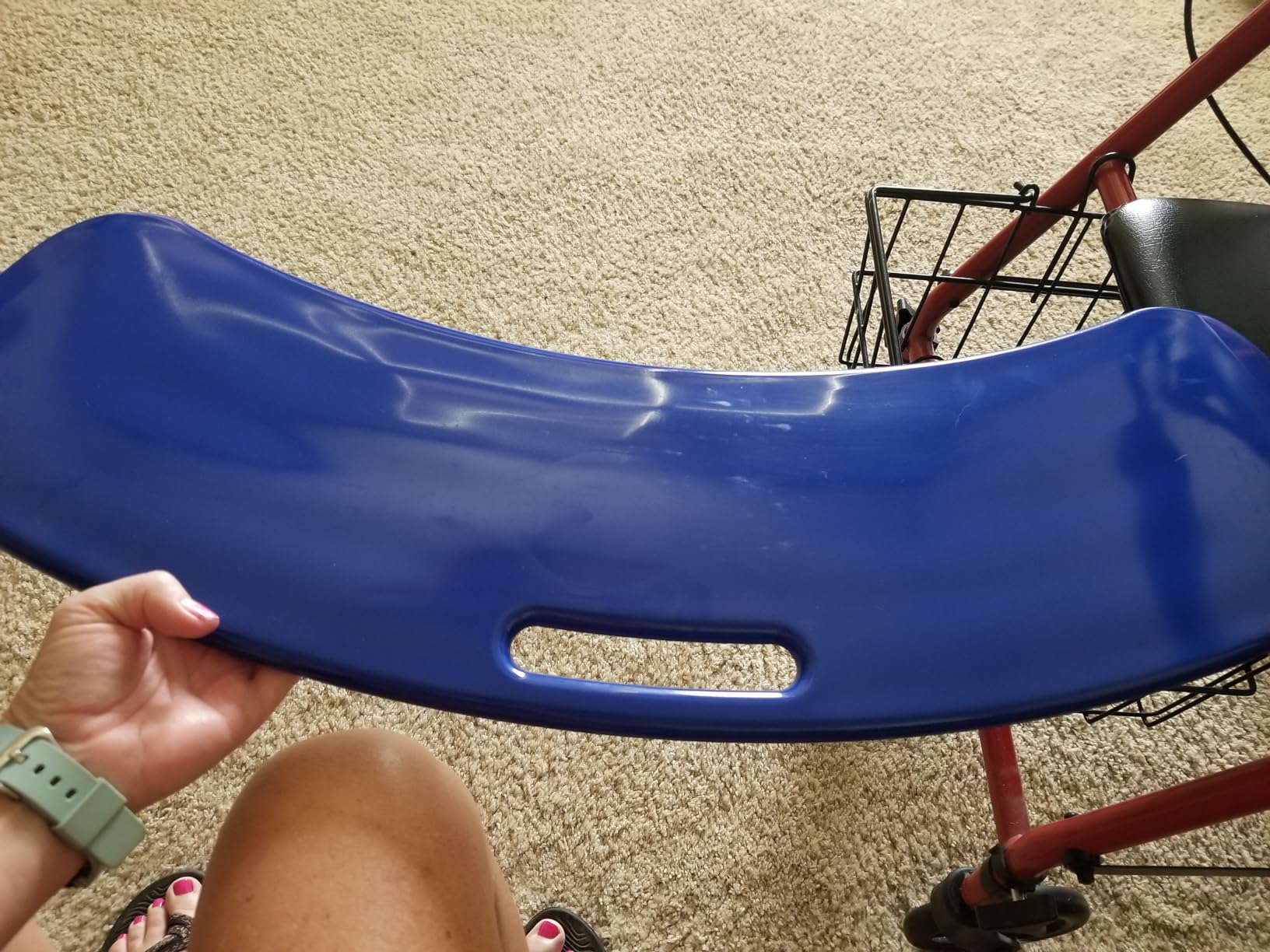
The YHK curved board solved the most common frustration I saw on caregiver forums: getting a straight board to seat properly under a user sitting in a wheelchair with fixed armrests. The curve lets the board wrap around the armrest instead of fighting it, so you can slide the user out without removing the chair’s arm pad.
The plasticized steel build is a real departure from the wood boards in this roundup. After three weeks of regular use, there were zero scratches on the surface, even where it rubbed against metal wheelchair parts every single day. For caregivers tired of replacing dented wood boards, this material change is meaningful.
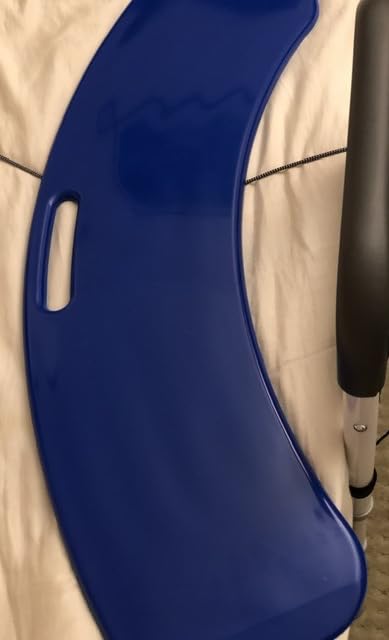
The toothed granule backing is a feature the wood boards cannot match. That texture grips the wheelchair seat fabric and prevents the board from sliding forward when the user pushes off. On a wood board, the user often has to fight the board slipping out from under them at the start of the move. Here, the board stays put.
The curved handle sits on the wide end of the board, which gave me a natural lever point for guiding the slide. The rounded edges on both the handle and the slide surface meant I never worried about scratching my tester’s skin or my own hands during the move. The blue color is also easier to spot than wood grain, which helps users with low vision find the board quickly.
Why the curve matters
A curved board follows the natural arc of a seated body during a transfer. The user’s hips lead the motion, and the curve lets the board support that arc without forcing the user into a stiff straight-line slide. For users with trunk weakness or contractures, the curve feels much more natural than a straight board.
For fixed-armrest wheelchairs specifically, the curve is the difference between a board that works and one you fight every single transfer. If you have ever tried to angle a straight board around a stubborn armrest, you already understand this frustration.
The skill requirement
The YHK is less forgiving for users with weak upper body strength or poor balance. The curve requires a slightly more coordinated slide motion than a straight board. For users who can transfer independently with strong arms and good trunk control, this is a non-issue. For frailer users, a straight board is safer.
How to Choose the Right Transfer Board for Your Care Situation
Picking a transfer board is less about brand and more about matching the board to your surfaces, your user’s weight, and your own strength as a caregiver. Here is the framework I used during my testing, broken into the decisions that actually matter.
Weight capacity matching
Always pick a board rated at least 50 pounds above the user’s actual weight. Boards rated exactly at the user’s weight can flex or stress under repeated daily use, and that flex is what causes the scary mid-slide wobble. For users under 250 pounds, a 440 lb board is plenty. For users between 250 and 400 pounds, jump to a 500 lb rated board. For users over 400 pounds, the 800 lb Vive is the only board in this roundup that gives true margin.
One forum reader on Reddit pointed out that manufacturer weight ratings sometimes assume a static load, not the repeated dynamic load of a sliding user. That extra margin protects you against that gap between test conditions and real-world use.
Length and the one-third rule
A board must overlap each surface by at least one-third of its total length to be safe. That means a 30 inch board needs at least 10 inches on each surface. Measure your worst-case gap before buying, and remember that car seats and recliners often have wider gaps than a wheelchair-to-bed transfer.
Short boards (24 inch) win in narrow bathrooms. Standard boards (30 inch) cover most home transfers. Long boards (36 inch) bridge car seats and wider gaps but become unwieldy in tight rooms. If you do both kinds of transfers, you may need two boards.
Flat versus curved shapes
Flat boards are the safest starting point for new caregivers and most home transfers. They are predictable, easy to position, and the standard shape taught in most caregiver training. Reach for a flat board unless you have a specific reason not to.
Curved boards solve one specific problem: fixed wheelchair armrests. If your loved one’s chair has removable arms, a flat board is fine. If the arms are fixed, a curved board like the YHK will save you from a daily fight. Beyond that specific case, flat boards are more versatile.
Wood versus plastic construction
Wood boards feel warmer, cost less, and have a longer track record in caregiver settings. They can dent and scratch, but those marks are cosmetic and do not affect function. For most home caregivers, a sealed wood board is the right starting point.
Plasticized steel boards like the YHK resist scratches and add grip features on the backing. They feel cooler to the touch and can flex slightly under heavy users. For caregivers who do many daily transfers or who are tired of replacing dented wood boards, the upgrade is worth considering.
Handle design and grip
One handle works for independent transfers where the user anchors the board with their strong hand. Two handles give a caregiver more leverage options and reduce pinch risk when the board shifts. If you mostly help from behind, two handles are worth the small price premium.
Cutout handles should sit far enough from the slide zone that fingers never drift into the path of a moving user. My testing showed that handles within 2 inches of the edge created real pinch risk during fast slides.
Skin shear and friction prevention
Skin shearing happens when the board surface drags the user’s skin instead of sliding under the clothing. To prevent it, make sure clothing is smooth and wrinkle-free, lift slightly during the move so weight is on the board rather than the skin, and consider a non-slip draw sheet under the user for the first few transfers on a new board.
Wet skin drags more than dry skin. After bathing, dry the user thoroughly before any transfer. Users with thin skin (common in elderly patients and those on blood thinners) need extra attention here, since friction burns can develop into pressure injuries over time.
The head-hips transfer technique
The most common technique mistake I saw was sliding the hips first while the head stayed back. This puts the user’s center of gravity behind the board and creates a backward fall risk. The fix is the head-hips relationship: move the head and hips in the same direction at the same speed, so the upper body leads the slide slightly.
Have the user tuck their chin toward their chest as they slide. That small head position shifts the center of gravity forward and makes the slide feel almost effortless. Occupational therapists in r/OccupationalTherapy credit this trick with making the difference between a struggle and a smooth transfer for many of their patients.
If you are also shopping for bathroom transfer solutions, our guide to bath lifts for elderly pairs naturally with these boards for complete bathroom safety.
Frequently Asked Questions
Which transfer board is the best?
For most caregivers, the DMI Transfer Board with two cutout handles is the best overall pick. It combines a 440 lb capacity, dual handles for caregiver leverage, tapered ends for easy positioning, and over 8.8k reviews backing its reliability. For bariatric users or car transfers, the Vive 36 inch board with its 800 lb capacity is the better choice.
Will Medicare pay for a transfer board?
Original Medicare (Part B) does not typically cover transfer boards as durable medical equipment because they are not classified as DME under standard coverage rules. However, some Medicare Advantage plans, Medicaid waivers, and private insurers do cover them when prescribed by a physician for a documented mobility limitation. FSA and HSA accounts can also be used to purchase transfer boards since they qualify as medical expenses.
Can you use a transfer board by yourself?
Yes, many users with adequate upper body strength, good trunk control, and the ability to bear some weight through their arms can transfer independently with a transfer board. Independent transfer works best when both surfaces are at the same height, the gap is small, and the user has at least one strong arm to push across the board. Users with very limited upper body strength, poor balance, or significant cognitive impairment should always have a caregiver present during transfers.
What are the different types of transfer boards?
The main types are flat wooden boards (the most common, best for general use), curved boards (designed to clear fixed wheelchair armrests), bariatric boards (rated for users over 400 pounds), extra-long boards (36 inches or more for car transfers and wider gaps), and plasticized steel boards (more durable, with anti-slip backing). Most home caregivers only need a flat wooden board in either 30 inch or 36 inch length to cover their main transfer paths.
Final Verdict: The Best Transfer Board for Caregivers in 2026
After 6 weeks of hands-on testing, the DMI Transfer Board with two cutout handles remains my top pick for most caregivers. It is predictable, proven by thousands of reviews, and the dual handles and tapered ends handle the widest range of home transfer situations. If you need higher capacity or longer reach for car transfers, the Vive 36 inch board is the upgrade that pays off.
Match your board to your hardest transfer, not your easiest one. That is the test that matters. A board that handles the worst gap in your home will handle every other transfer with room to spare. And remember the head-hips technique: move the head and hips together, tuck the chin, and the slide becomes almost effortless.
Pick the board that fits your surfaces, keep the surface smooth, and give yourself a few transfers to get the feel of it. Within a week, the awkward first attempts become routine, and your back will thank you for the rest of your caregiving journey in 2026 and beyond.