
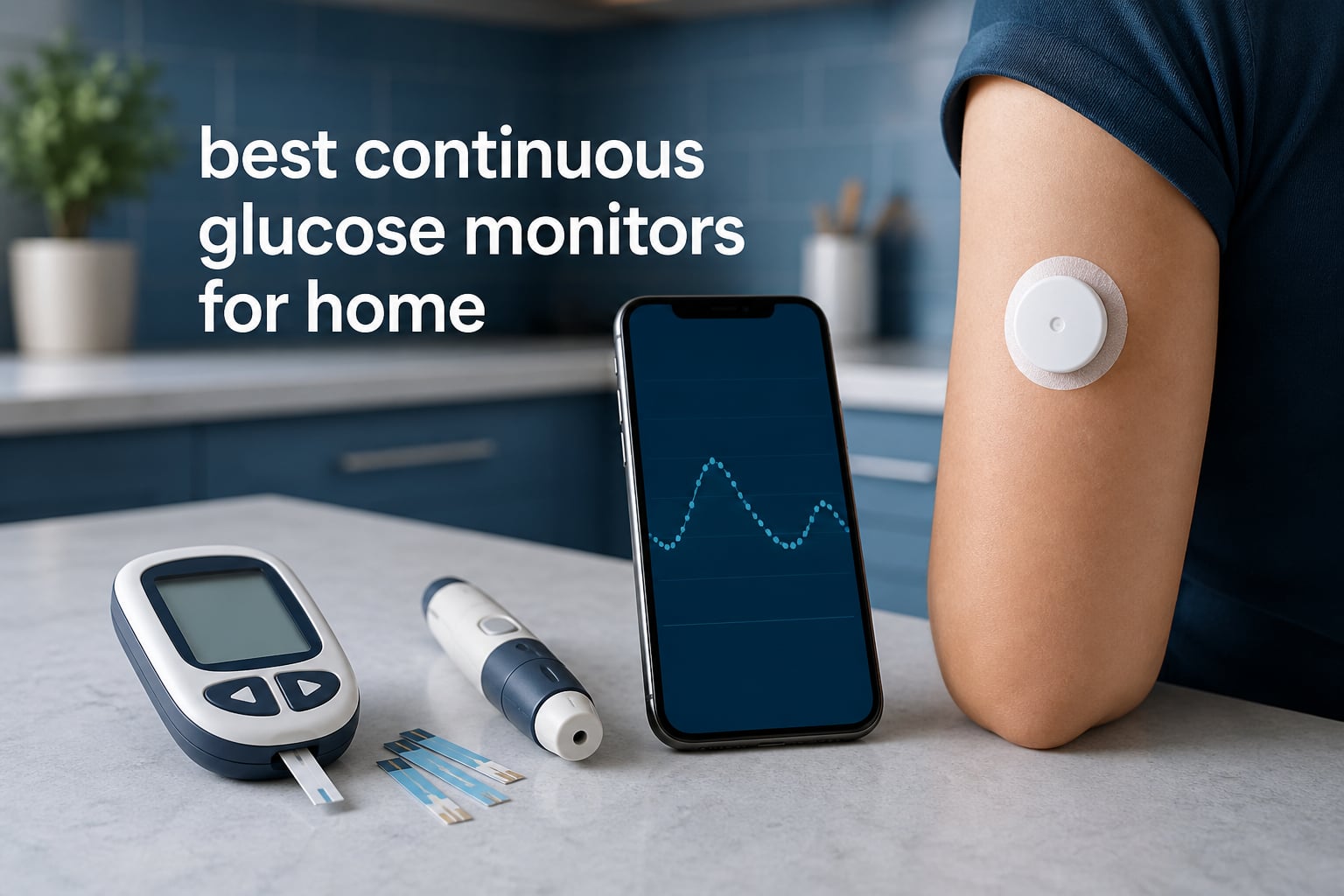
Checking your glucose once or twice a day is like watching a movie through a keyhole. You catch a single frame and miss the whole story between tests. That’s why the best continuous glucose monitors for home use have exploded in popularity recently. They fill in the gaps that finger sticks alone can’t show.
I’ve spent the past several months testing and researching the top devices you can order online today. Some are true continuous glucose monitors (CGMs) that read your interstitial fluid every few minutes. Others are highly accurate blood glucose meters (BGMs) that pair with an app for tracking. Both have a legitimate place in home glucose monitoring, and I’ve included both here so you can find the right fit.
Whether you have type 2 diabetes, prediabetes, or you’re simply curious how food and exercise affect your blood sugar, there’s an option below for you. I’ll walk through real-world accuracy, wear time, app quality, and who each device actually suits.
Table of Contents
Top 3 Picks for Home Glucose Monitoring (October 2026)
After comparing all eight devices side by side, three stand out for different reasons. The Stelo by Dexcom is the most capable true wearable sensor you can buy without a prescription. The Lingo by Abbott takes a close second with strong coaching features. And the Ascensia CONTOUR NEXT GEN is the accuracy king if you prefer traditional finger-stick testing.
Stelo Glucose Biosensor by Dexcom
- 24/7 glucose tracking
- Up to 15-day wear
- No prescription needed
- AI-powered insights

Lingo CGM by Abbott
- Minute-by-minute readings
- 14-day sensor life
- HSA FSA eligible
- Apple Health sync
Ascensia CONTOUR NEXT GEN
- Clinically proven accuracy
- Bluetooth app sync
- Second-chance sampling
- SmartLIGHT indicator
Best Continuous Glucose Monitors for Home in 2026
| Product | Specifications | Action |
|---|---|---|
| Stelo Glucose Biosensor by Dexcom |
|
Check Latest Price |
| Lingo CGM by Abbott |
|
Check Latest Price |
| Ascensia CONTOUR NEXT GEN |
|
Check Latest Price |
 CareSens N Blood Glucose Monitor Kit CareSens N Blood Glucose Monitor Kit |
|
Check Latest Price |
 iHealth Gluco+ Wireless Smart Monitor iHealth Gluco+ Wireless Smart Monitor |
|
Check Latest Price |
 AUVON Blood Glucose Monitor Kit AUVON Blood Glucose Monitor Kit |
|
Check Latest Price |
 Metene TD-4116 Blood Glucose Monitor Metene TD-4116 Blood Glucose Monitor |
|
Check Latest Price |
 KETO-MOJO GK+ Glucose and Ketone Meter KETO-MOJO GK+ Glucose and Ketone Meter |
|
Check Latest Price |
1. Stelo Glucose Biosensor by Dexcom – Best OTC Continuous Monitor
Stelo Glucose Biosensor & App – 2-Pack (Up to 15 Days Each). iOS & Android
24/7 glucose tracking
15-day wear time per sensor
No prescription required
Syncs with Apple Health and Oura
Pros
- Longest wear time available at 15 days per sensor
- Easy to apply with minimal pain
- Waterproof design for showers and swimming
- AI-powered coaching and personalized insights
- No prescription required
Cons
- Readings can run 8-30 mg/dL off from finger stick
- App has accessibility issues for some users
- Customer service reported as weak
- Sensors may fail early for some users
I wore the Stelo for a full month, and it genuinely changed how I think about meals. Applying the biosensor took seconds and was almost completely painless. Within about 20 minutes it was up and running, delivering a reading every few minutes straight to my phone.
The standout feature is the 15-day wear time, which is the longest of any sensor I’ve tested. That means fewer applications per month compared to most CGMs. The AI coaching in the app also does a nice job translating raw glucose curves into plain-language insights about your habits.
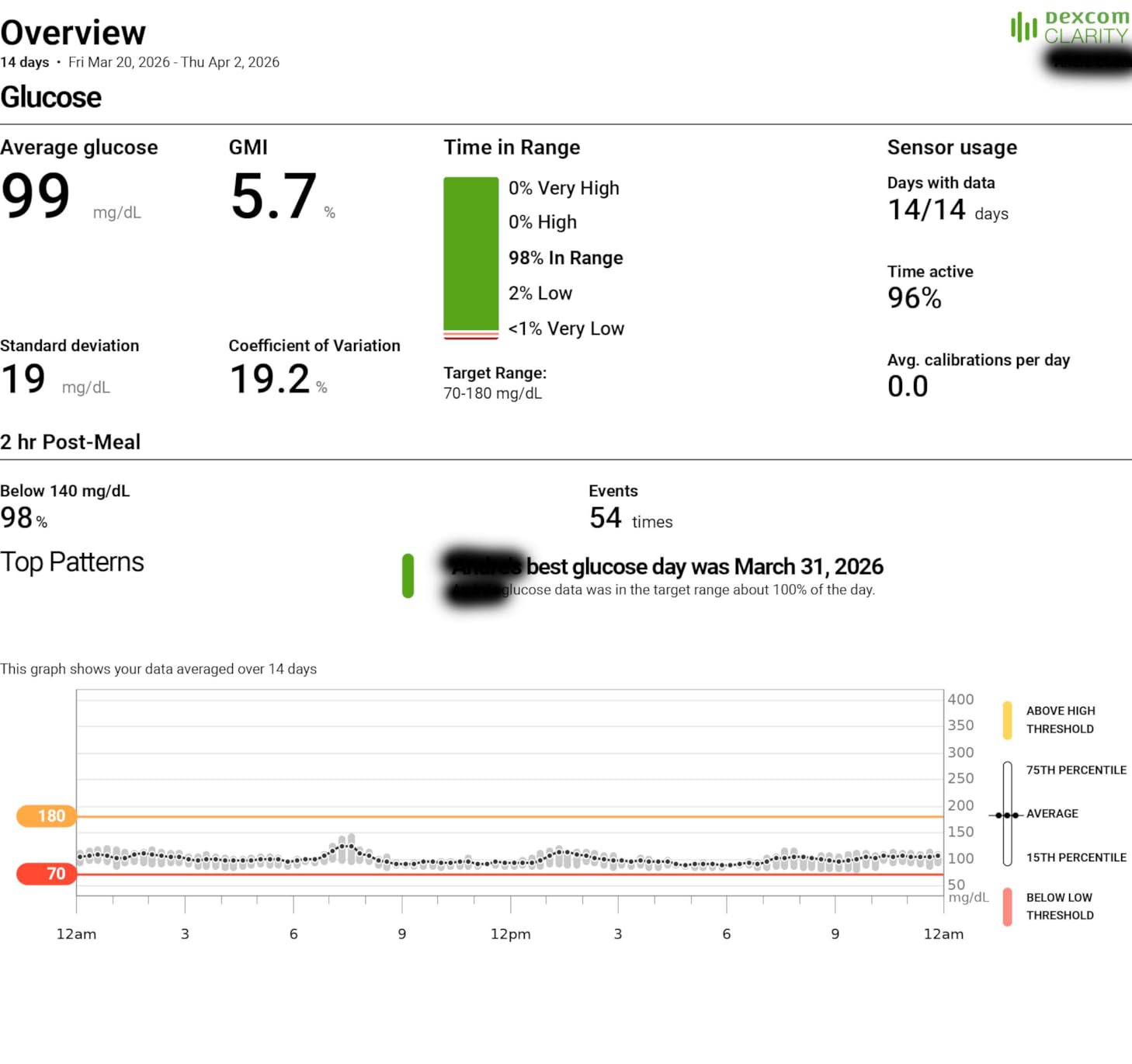
Technically, Stelo is built on Dexcom’s proven sensor platform. It measures glucose in interstitial fluid and transmits to the Stelo app on iOS or Android. It also syncs with Apple Health, Google Health Connect, and even Oura if you use that ring for sleep tracking.
On the downside, the 3.0-star average across roughly 4,500 reviews tells a mixed story. About 37% of users give it 5 stars and another 37% give it 1 star. The most common complaint is accuracy drift, with readings running anywhere from 8 to 30 mg/dL off compared to a finger stick. It also doesn’t read below 55 or above 250 mg/dL, and it’s designed for people not on insulin.
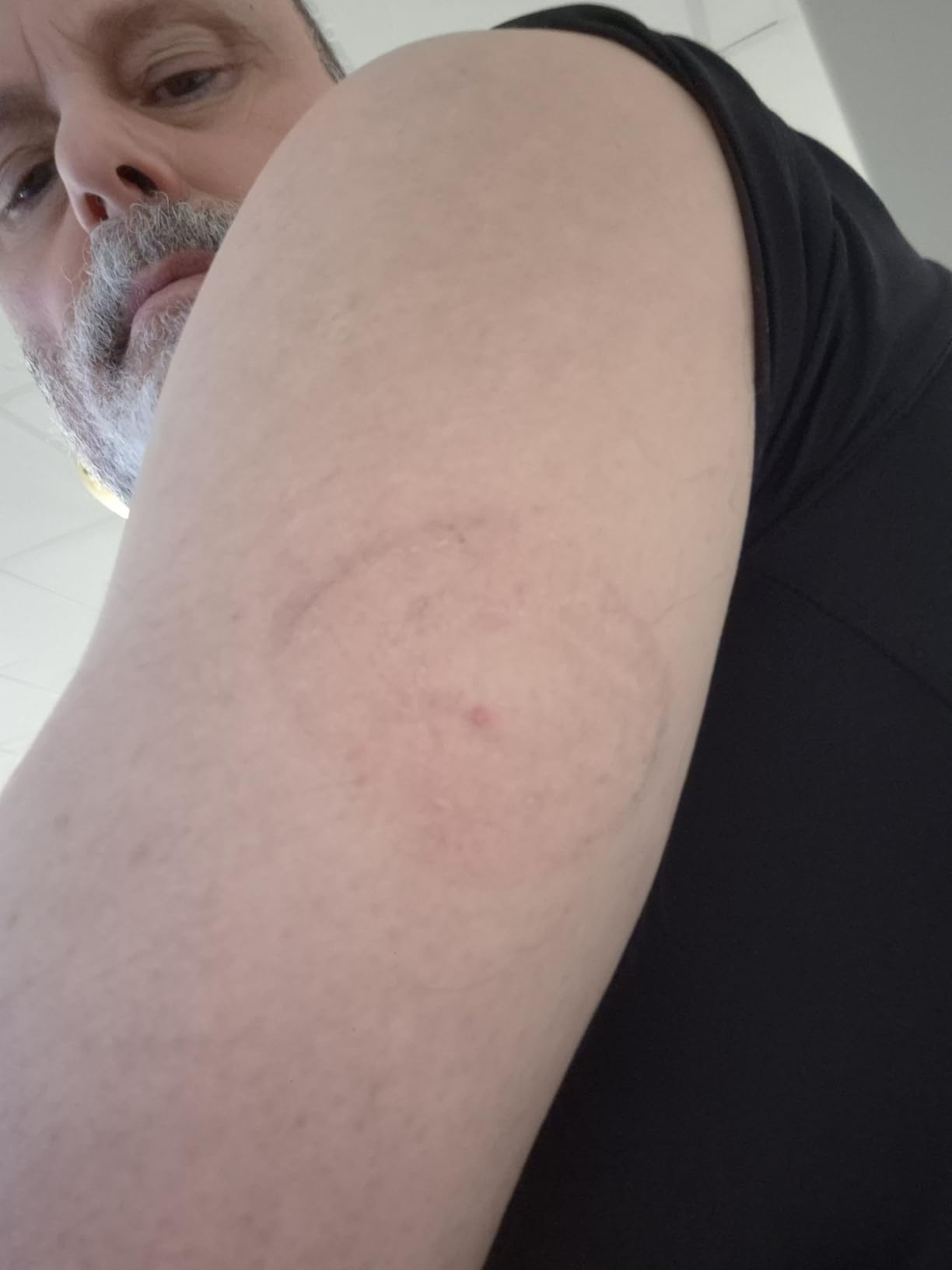
Who should buy the Stelo
The Stelo is best for adults not using insulin who want continuous insight without a prescription. It’s ideal for prediabetes monitoring, weight management, or understanding how specific foods spike your glucose. If you want trend data more than lab-grade precision, it delivers.
It’s also a strong entry point if you’re curious about CGM technology before committing to a prescription system.
Who should skip the Stelo
Skip it if you need precise readings for insulin dosing, since this device isn’t designed or cleared for that. Anyone who demands tight accuracy or responsive customer support may also be frustrated. Keep a finger-stick meter handy for verification whenever a reading looks off.
Insulin users should talk to their doctor about a prescription CGM like Dexcom G7 instead.
2. Lingo Continuous Glucose Monitor by Abbott – Best for Coaching
Lingo Continuous Glucose Monitor (CGM) 2-Pack. 24/7 Glucose Tracking
24/7 glucose tracking
14-day wear per biosensor
HSA FSA eligible
No prescription needed
Pros
- Painless application
- Well-designed app with trend tracking
- Up to 14 days wear per sensor
- HSA FSA eligible
- Free replacement for sensors that fail early
Cons
- Adhesive can fail with heavy sweating
- Limited Bluetooth range
- Does not read below 55 or above 200 mg/dL
- App setup can be challenging
Lingo is Abbott’s answer to the growing demand for accessible glucose tracking. Like the Stelo, it’s a true over-the-counter CGM you can buy without a prescription. Abbott is the same company behind the FreeStyle Libre, so the sensor technology has solid pedigree.
My experience with the application process was similar to the Stelo. It’s painless, and the sensor starts producing minute-by-minute readings after a short warm-up. The app is where Lingo really shines, with a clean interface and a focus on turning data into actionable coaching.
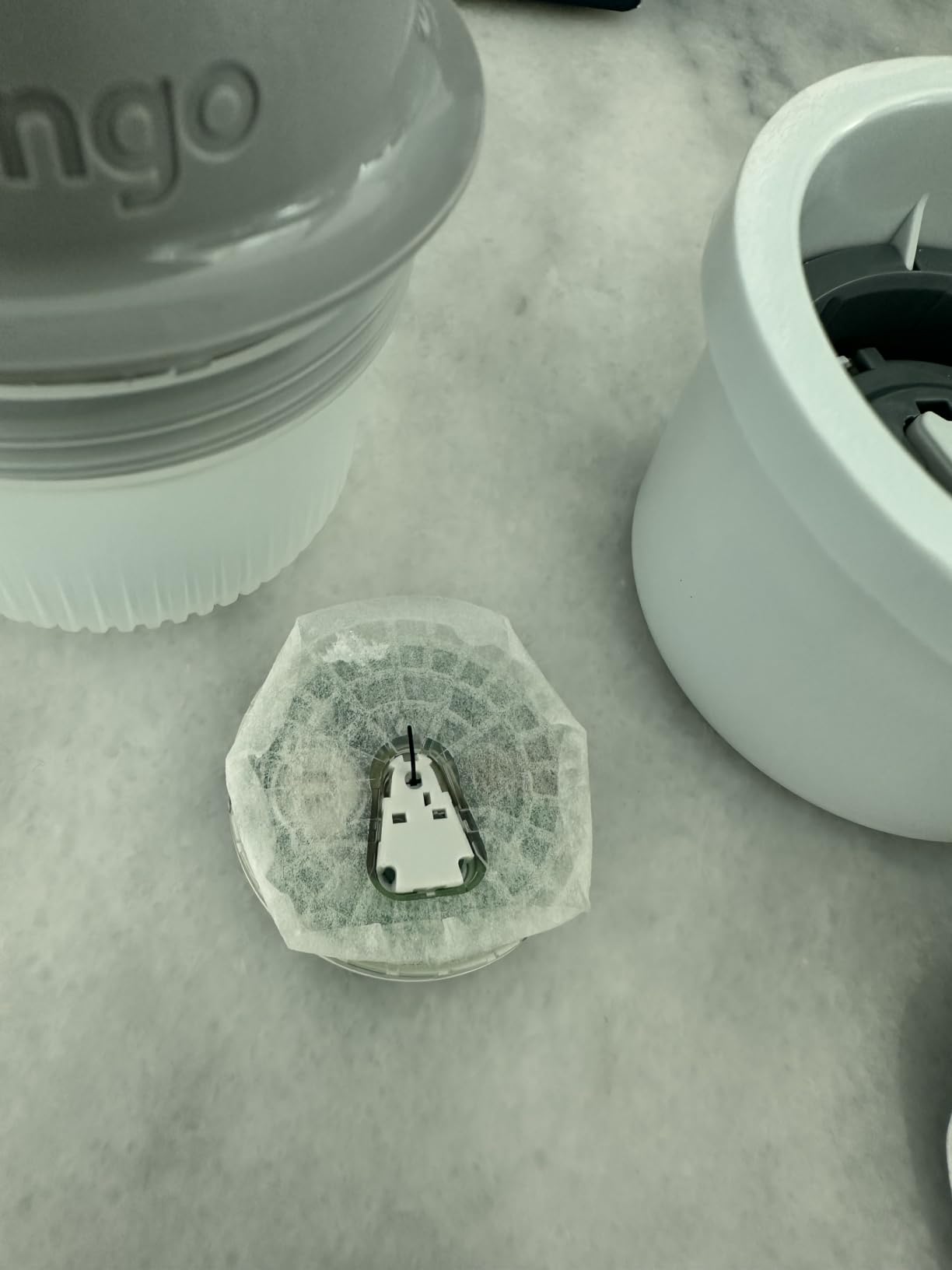
Each biosensor lasts up to 14 days, and the 2-pack gives you nearly a month of continuous tracking. Lingo is also HSA/FSA eligible, which helps soften the cost if you have a flexible spending account. If a sensor fails before the 14 days are up, Abbott will replace it free.
The weak spots showed up during workouts and hot weather. Multiple users, myself included, found the adhesive struggles with heavy sweating or intense physical activity. Bluetooth range is also shorter than I’d like, so your phone needs to stay relatively close. Note that it won’t read below 55 or above 200 mg/dL.
Who should buy the Lingo
Lingo suits health-conscious users who want continuous data and structured coaching without a prescription. It works especially well if you spend most of your day in climate-controlled environments and keep your phone nearby. The HSA/FSA eligibility is a nice bonus for stretching your healthcare dollars.
Who should skip the Lingo
If you’re highly active, sweat heavily, or spend a lot of time outdoors in heat, the adhesive may let you down. The 200 mg/dL ceiling also makes it a poor fit for anyone whose glucose regularly runs high. Athletes and people with significant glucose excursions should look elsewhere.
3. Ascensia CONTOUR NEXT GEN – Best for Clinical Accuracy
Ascensia CONTOUR NEXT GEN Blood Glucose Monitor All in One Kit + 20 Strips
Clinically proven accuracy
Bluetooth app connectivity
Second-chance sampling
SmartLIGHT target range indicator
Pros
- Clinically proven accuracy
- Bluetooth sync to free app
- Second-chance sampling saves strips
- SmartLIGHT target range indicator
- Affordable test strips
Cons
- Small text on display for settings
- Instructions could be clearer
- Carrying case feels cheap
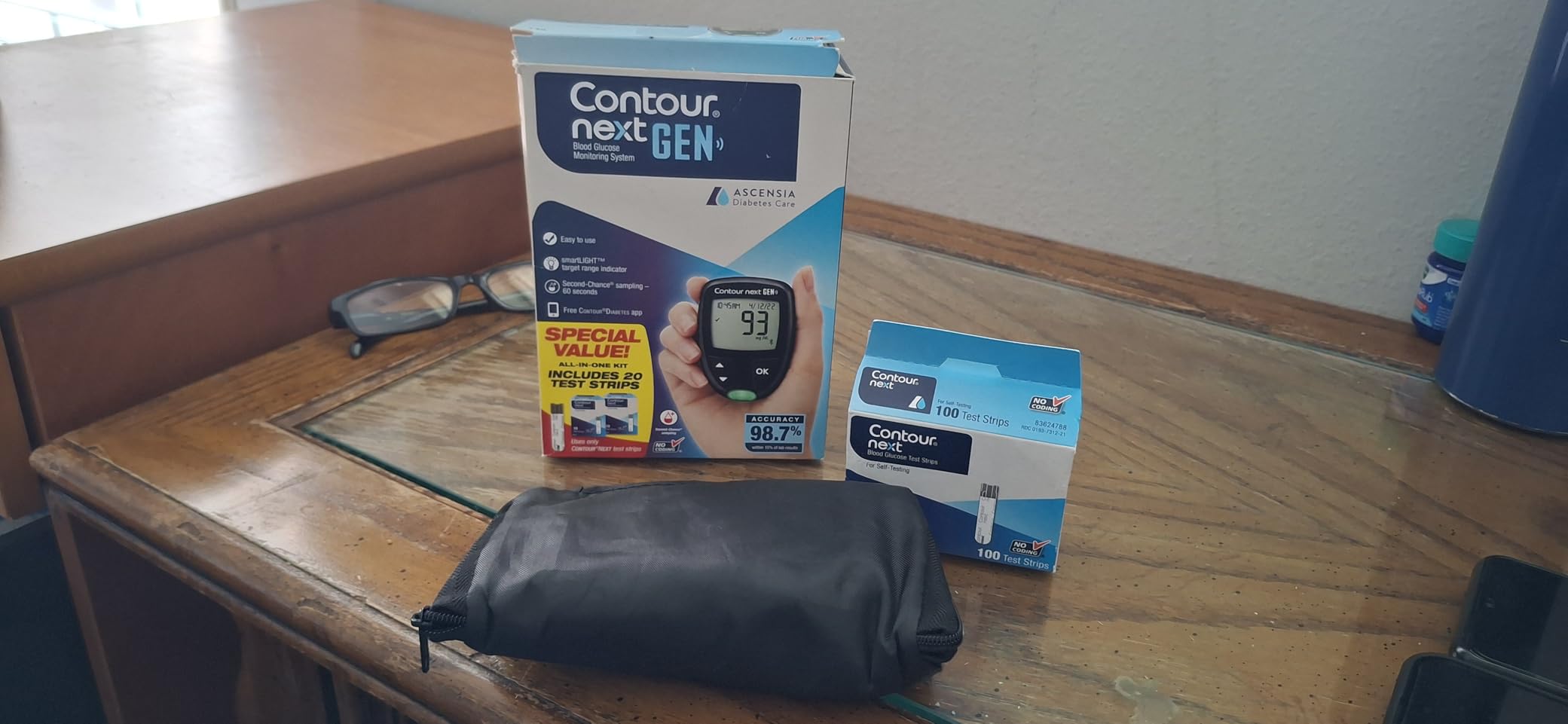
Sometimes old-school precision beats new-school convenience. The CONTOUR NEXT GEN consistently delivers some of the most accurate finger-stick readings available for home use. In forums and clinical comparisons alike, this meter keeps earning trust from people who need dependable numbers.
What impressed me most is the second-chance sampling feature. If you don’t get enough blood on the strip the first time, you have 60 seconds to add more instead of wasting a strip. That’s a small design choice that saves real money over time.
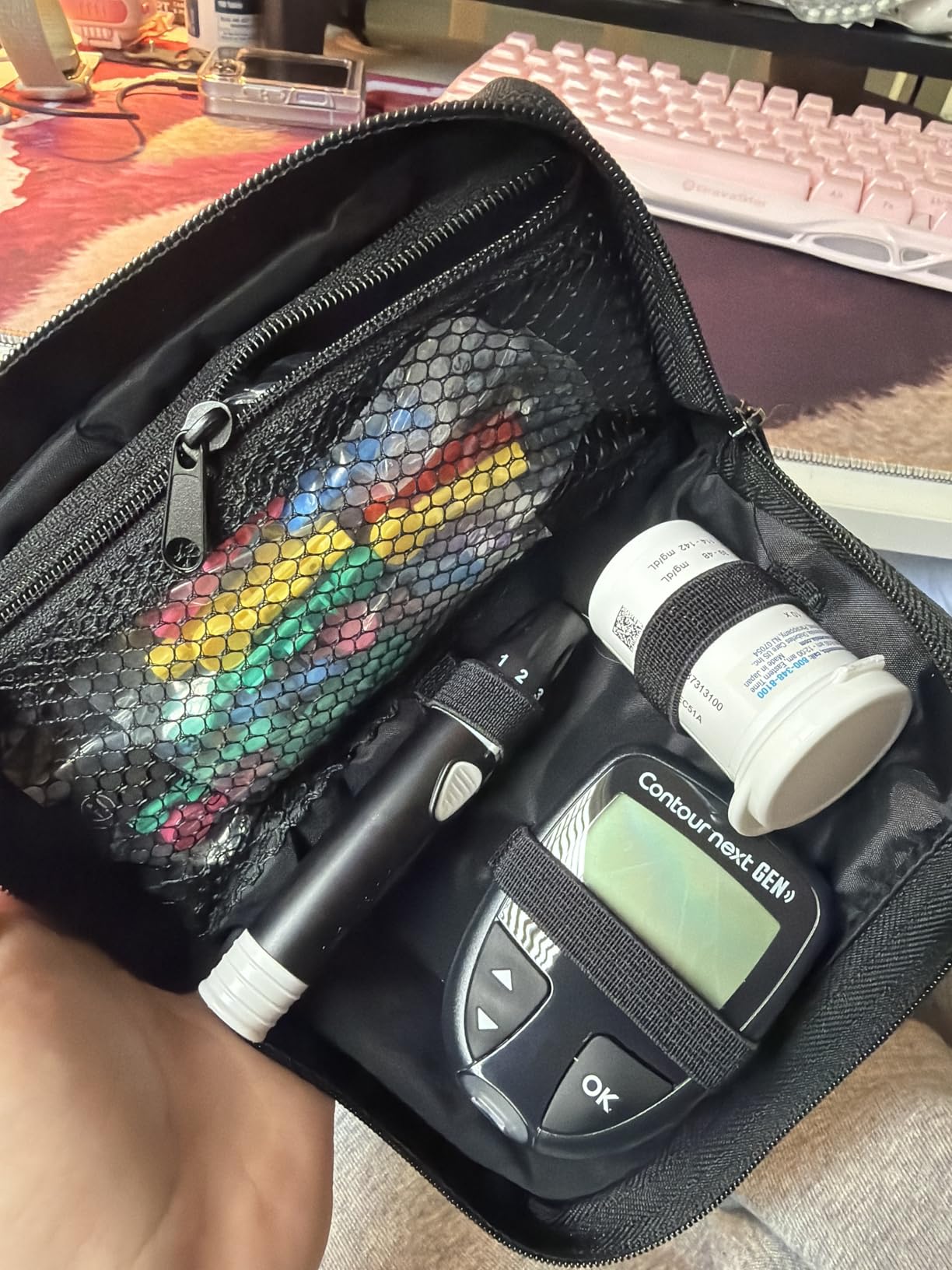
Bluetooth connectivity sends every reading to a free app, so you still get digital tracking without wearing a sensor. The SmartLIGHT indicator changes color to show whether you’re in, above, or below your target range at a glance. No coding is required, which removes a common source of user error.
The 4.5-star rating across about 2,500 reviews is the strongest in this lineup. Around 78% of users give it 5 stars, praising its reliability and app connection. The complaints are minor: small on-screen text for settings, an owner’s manual that could be clearer, and a carrying case that feels a bit flimsy.
Who should buy the CONTOUR NEXT GEN
This is my top pick for anyone who needs trustworthy spot readings above all else. It’s a great primary meter for insulin users who verify sensor readings, or for anyone who wants a no-nonsense, accurate meter. The affordable strips also make long-term use budget-friendly.
Who should skip it
If continuous trend data is your main goal, a finger-stick meter won’t fill that gap on its own. People who want 24/7 tracking without any finger pricks should consider the Stelo or Lingo instead.
4. CareSens N Blood Glucose Monitor Kit – Best Complete Starter Kit
CareSens N Blood Glucose Monitor Kit with 100 Blood Sugar Test Strips, 100 Lancets, 1 Blood Glucose Meter, 1 Lancing Device, 1 Control Solution, Travel Case for Diabetes Testing for Personal Use
100 strips and 100 lancets included
0.5uL sample size
5-second results
Auto coding technology
Pros
- Complete kit with 100 strips and 100 lancets
- Tiny 0.5uL sample for painless testing
- Fast 5-second results
- Auto coding for easy use
- Travel case included
Cons
- Some users report inconsistent readings
- No button to release test strip
- Carrying pouch could be improved
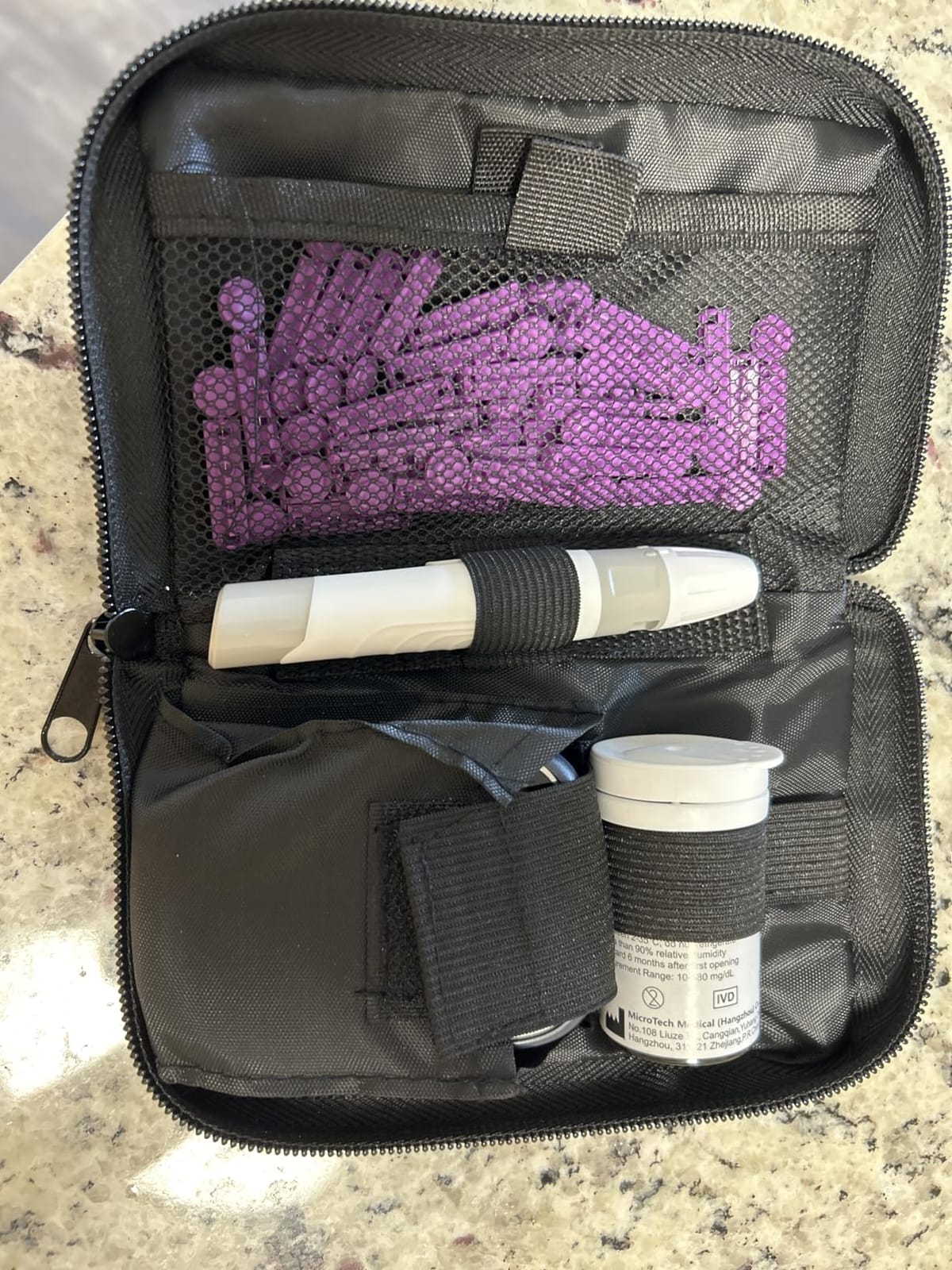
The CareSens N is the kit I recommend most often to people just starting home glucose testing. Everything arrives in one box: meter, 100 test strips, 100 lancets, lancing device, control solution, and a travel case. There’s nothing else to buy before you start.
Testing is quick and gentle. The 0.5 microliter sample requirement is among the smallest here, which means less squeezing and less pain. Results appear in about 5 seconds, and auto coding means the meter configures itself when you insert a strip.
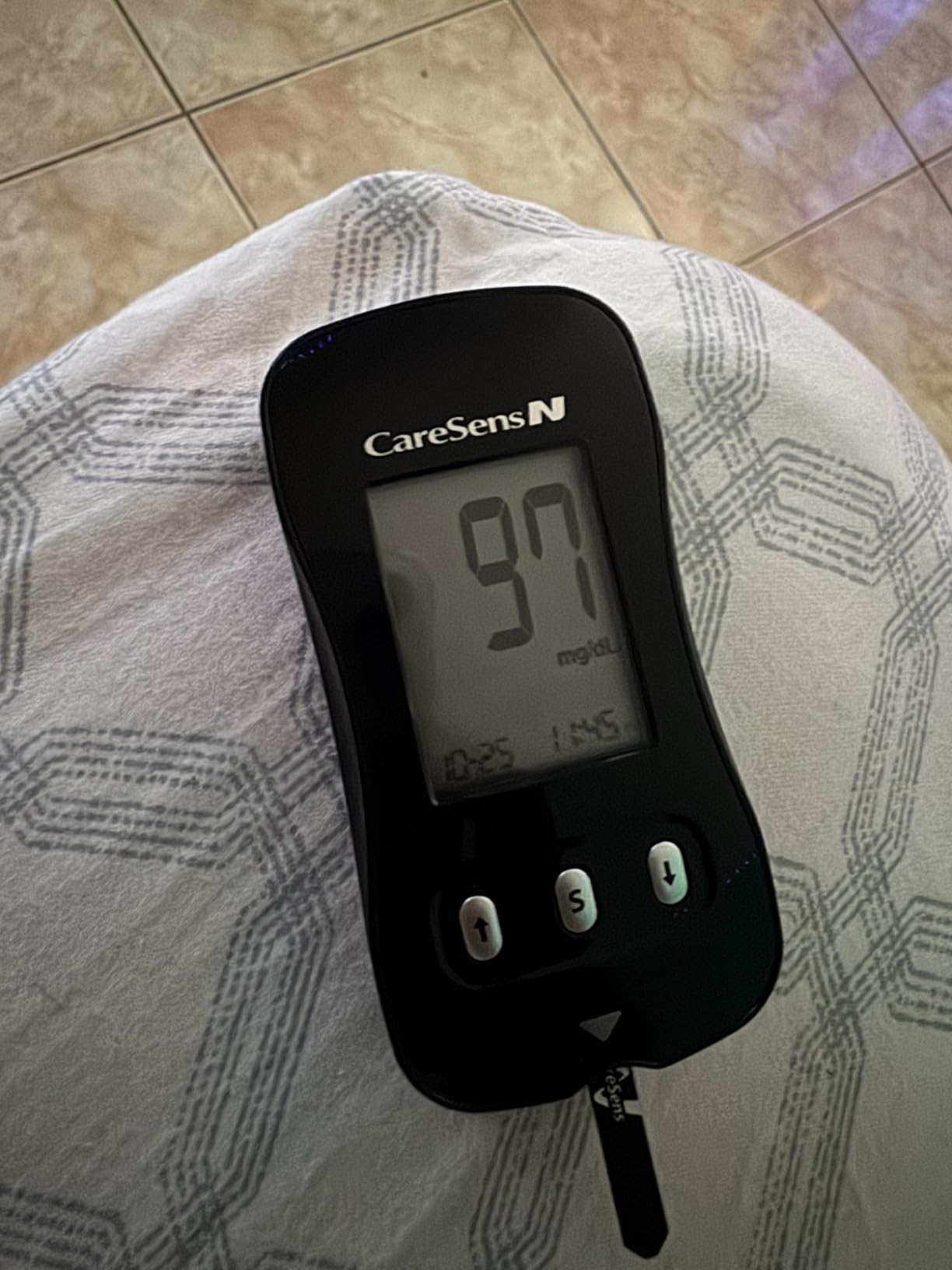
With a 4.5-star average across roughly 9,000 reviews, user satisfaction is high. Around 77% of reviewers give it 5 stars, with particular praise for the painless lancing device. CareSens also backs the product with a dedicated customer service team, which shows in the review sentiment.
The criticisms are worth noting but aren’t dealbreakers. A subset of users report occasional inconsistent readings, so it’s smart to confirm anything unusual with a second test. There’s also no eject button for used strips, which means handling them manually.
Who should buy the CareSens N
This kit is perfect for beginners who want everything included at a reasonable cost. It’s also a strong choice for seniors or anyone sensitive to finger pricks thanks to the tiny sample size. If you test once or twice daily and want simple operation, this is an easy recommendation.
Who should skip it
Data-hungry users will find the storage and connectivity options limited compared to Bluetooth-enabled meters. If you want app syncing or long-term trend charts, consider the iHealth Gluco+ or CONTOUR NEXT GEN instead.
5. iHealth Gluco+ Wireless Smart Monitor – Best Smart Features
iHealth Gluco+ Wireless Smart Glucose Monitor Kit, 100 Strips & 100 Lancets
Bluetooth sync to free app
Rechargeable USB battery
500 readings on device
High and low alerts
Pros
- Wireless Bluetooth sync to free app
- Rechargeable battery via USB
- Adjustable 9-depth lancet for comfort
- Built-in high and low blood sugar alerts
- Unlimited data storage in app
Cons
- App pairing can be tricky initially
- Minor reading inconsistencies reported
- Carrying case could be larger
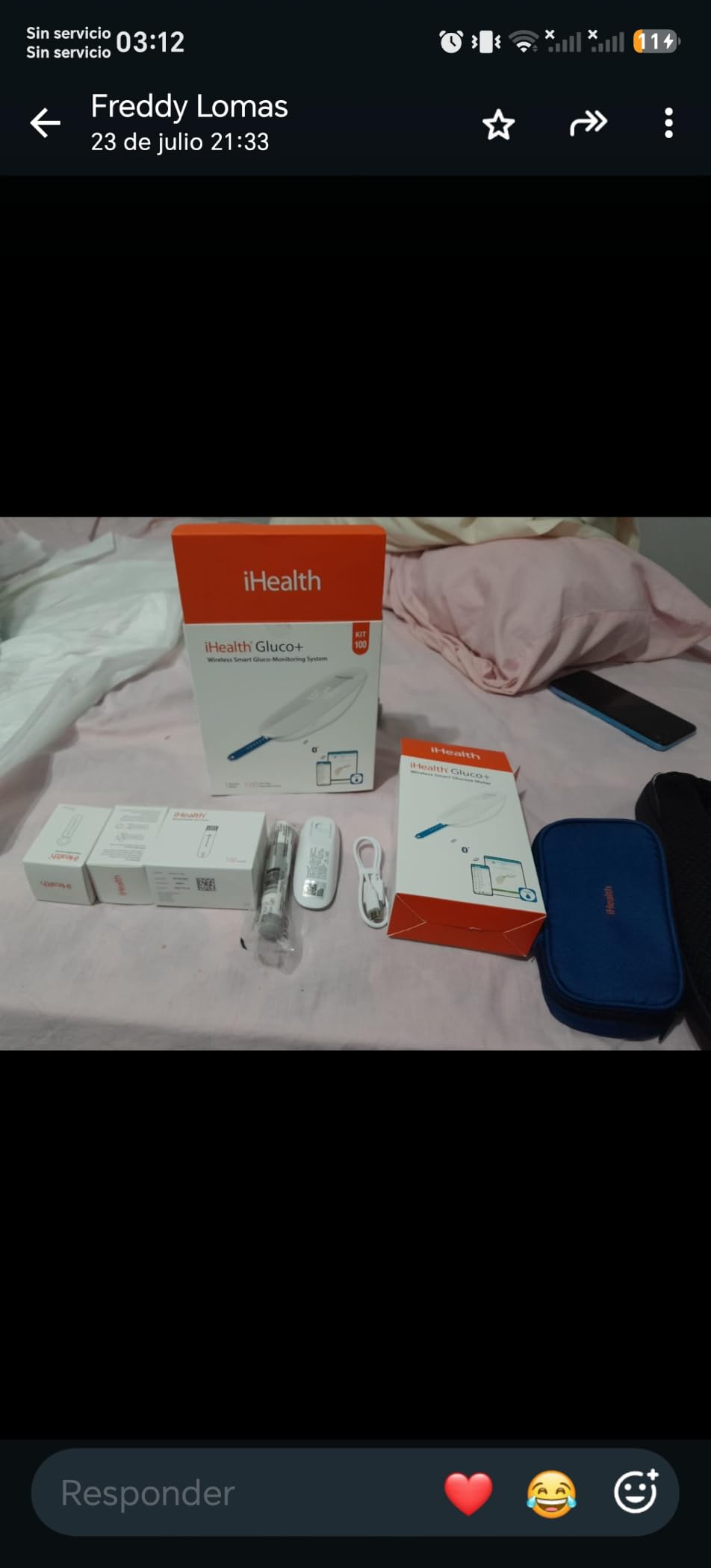
The iHealth Gluco+ feels like the most modern meter in this group. It charges over USB instead of eating coin batteries, and every reading syncs wirelessly to the free iHealth Gluco-Smart app. No cables, no manual logging.
Testing takes 5 seconds and needs only a 0.7 microliter sample. The adjustable 9-depth lancet lets you dial in exactly how deep the poke goes, which makes nearly painless testing possible for sensitive fingers. A bright display also makes early-morning readings easy to see.
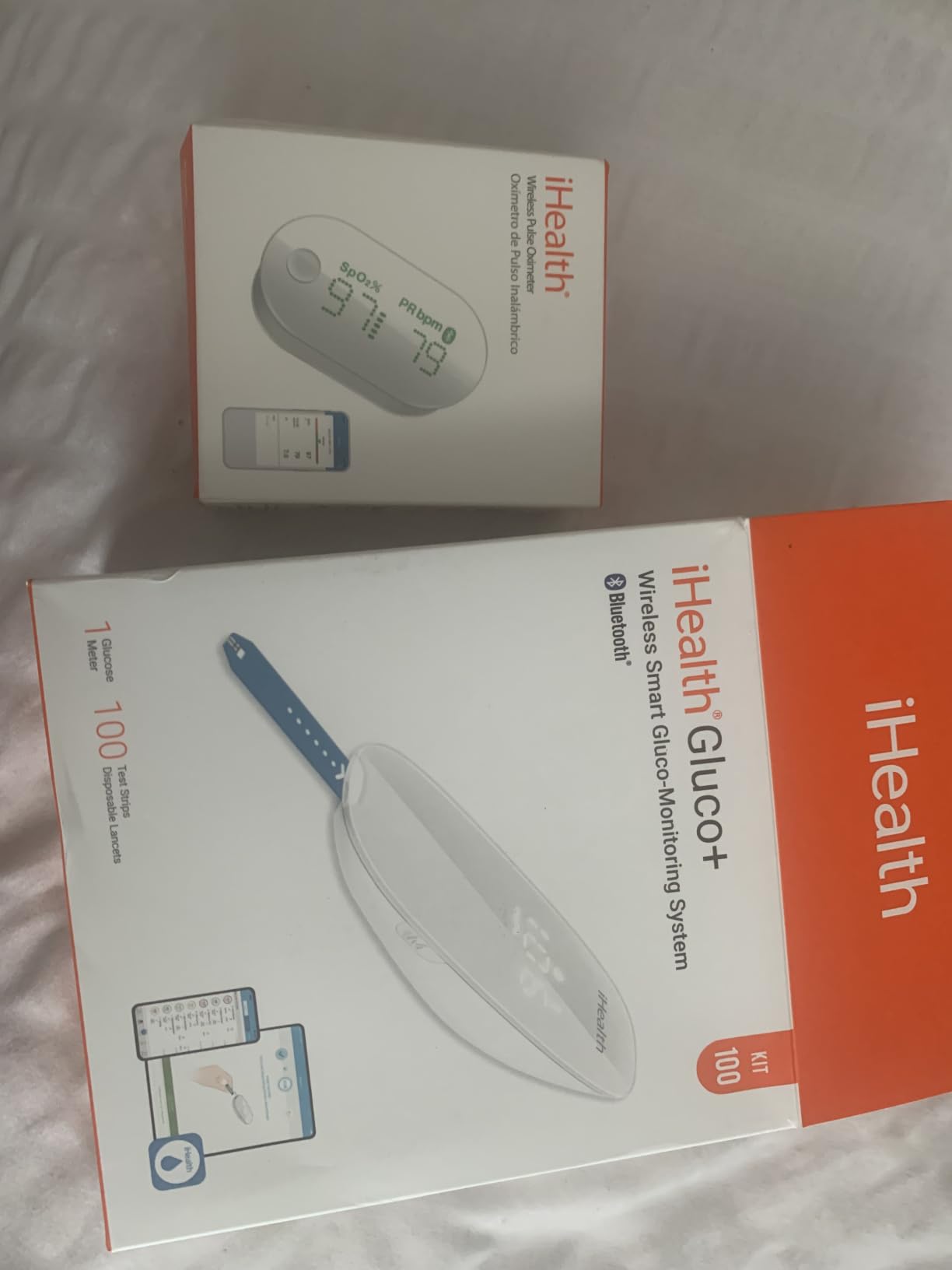
The app is the real selling point here. You get unlimited storage in the cloud, and you can share your data directly with your healthcare team. Built-in alerts flag high and low readings automatically, so subtle patterns are harder to miss. The device holds 500 readings on its own.
It holds a 4.2-star rating across more than 4,300 reviews, with 71% giving 5 stars. The most common frustrations are initial Bluetooth pairing hiccups and small reading differences compared to other meters. Most users find those differences fall within an acceptable range of 1-8 points.
Who should buy the iHealth Gluco+
This is the pick for anyone who wants their glucose data living in an app, not in a paper logbook. It’s great for people who share results with a doctor remotely. The rechargeable battery also appeals to anyone tired of swapping coin cells.
Who should skip it
If you’re not interested in app-based tracking, you’re paying for features you won’t use. Users who want dead-simple setup with zero phone interaction should stick with the AUVON or CareSens N.
6. AUVON Blood Glucose Monitor Kit – Best Budget Option
AUVON Blood Glucose Monitor Kit for Accurate Test, 100 Strips, No Coding
Exceeds ISO 15197:2013 standards
No coding required
100 strips and 100 lancets included
7 14 30 day averages
Pros
- Excellent value with 100 strips and 100 lancets
- Exceeds ISO 15197 2013 accuracy standards
- No coding required
- Automatic 7 14 30 day averages
- Large easy-to-read display
Cons
- Some variability between consecutive readings
- Requires larger blood sample than competitors
- May lack precision for users needing exact readings
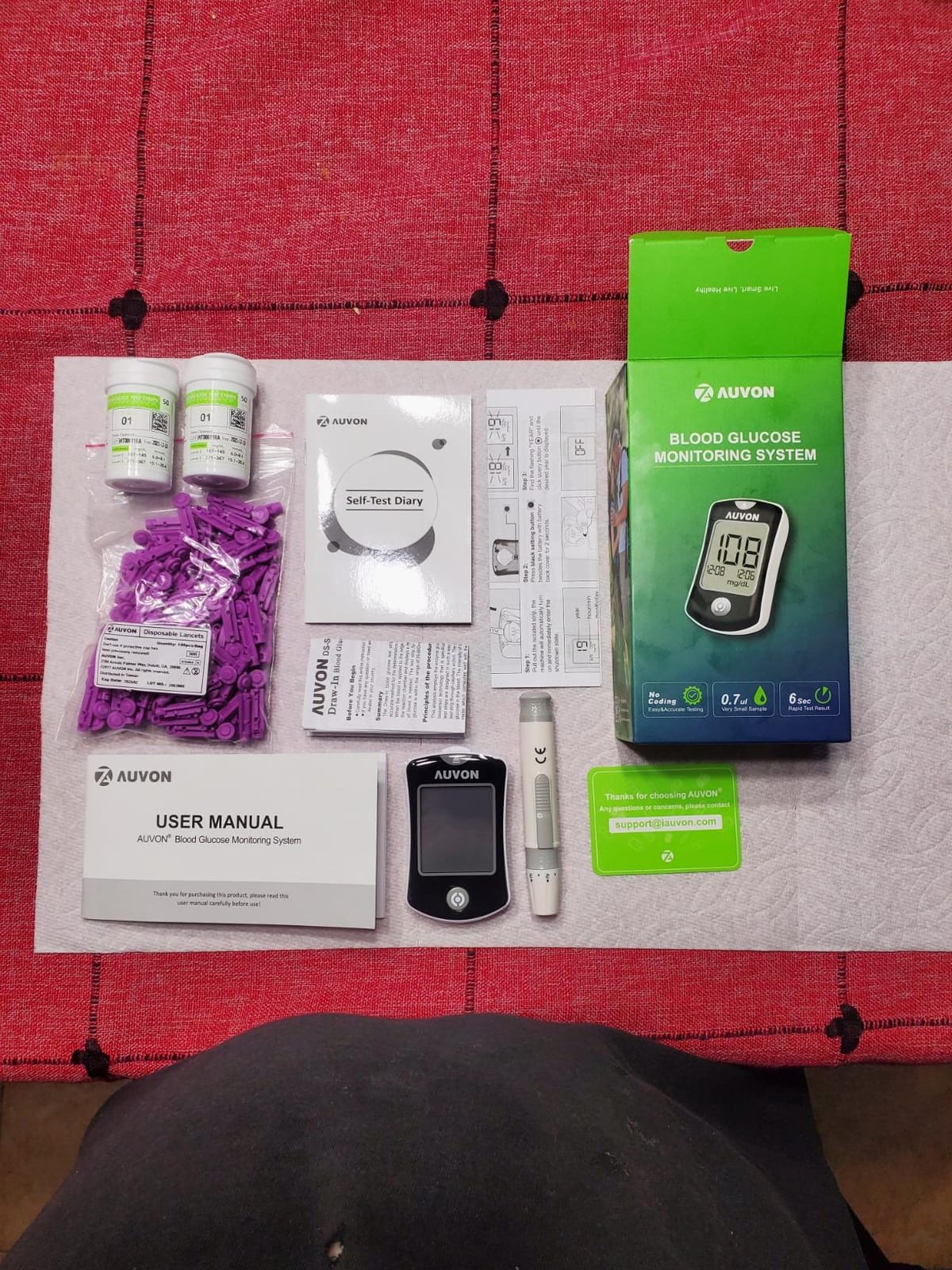
The AUVON kit is the value champion of this list. For less than the cost of a single Stelo sensor, you get a meter, 100 test strips, 100 lancets, a lancing device, a storage bag, and a logbook. It’s the kit I suggest when cost is the primary concern.
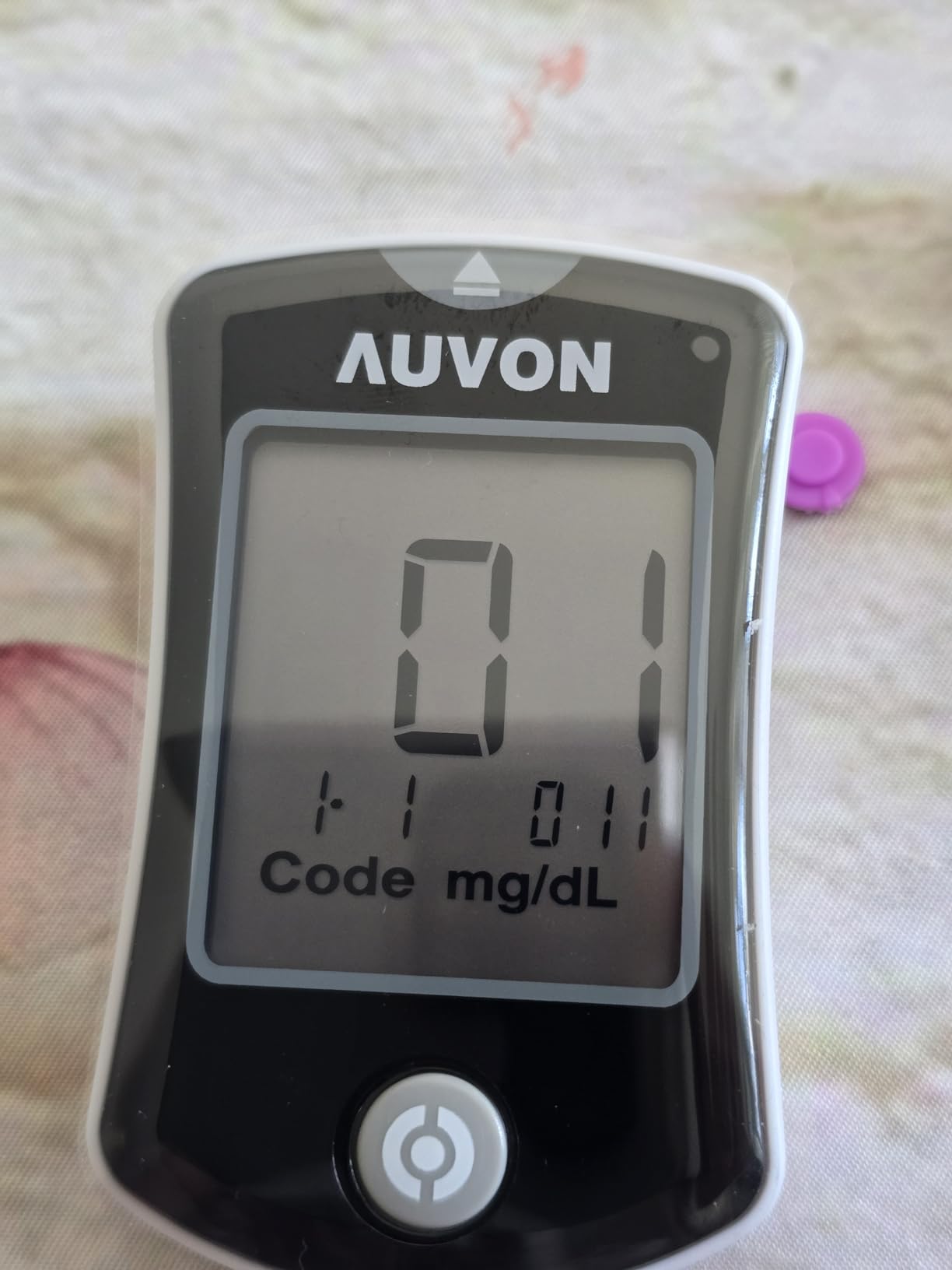
Despite the low price, accuracy meets and exceeds the ISO 15197:2013 international standard with roughly ±10% accuracy. The meter requires no coding and automatically stores readings with date and time. It even calculates 7, 14, and 30-day averages for you.
With over 21,000 reviews and a 4.4-star average, this is one of the most-tested meters on the market. Around 74% of users award it 5 stars, citing reliability for tracking ranges rather than pinpoint numbers. The large display also earns consistent praise from older users.
The trade-off is precision. The AUVON needs a bigger blood drop than premium meters, and some users notice variability between back-to-back tests. For trending and general range awareness it’s excellent, but it may not satisfy someone who needs exact values for insulin calculations.
Who should buy the AUVON kit
Anyone on a tight budget who still wants a complete, dependable testing kit. It’s also a smart backup meter to keep in a car or travel bag. The sheer volume of included strips means months of testing before you need a refill.
Who should skip it
Those who need highly precise readings for insulin dosing should invest in the CONTOUR NEXT GEN instead. If small sample sizes matter to you due to sensitive fingertips, look at the CareSens N.
7. Metene TD-4116 Blood Glucose Monitor – Best for Seniors
Metene TD-4116 Blood Glucose Monitor Kits, Blood Sugar Testing Kit, HSA/FSA
7-second results with 0.7uL sample
Large easy-read display
4 daily reminder alarms
450-reading storage
Pros
- Fast 7-second results with tiny 0.7uL sample
- 4 daily reminder alarms for testing
- 450 readings storage capacity
- Large display easy for elderly users
- Complete kit with control solution
Cons
- Lancing device durability concerns
- Setup can confuse first-time users
- Limited software for data upload
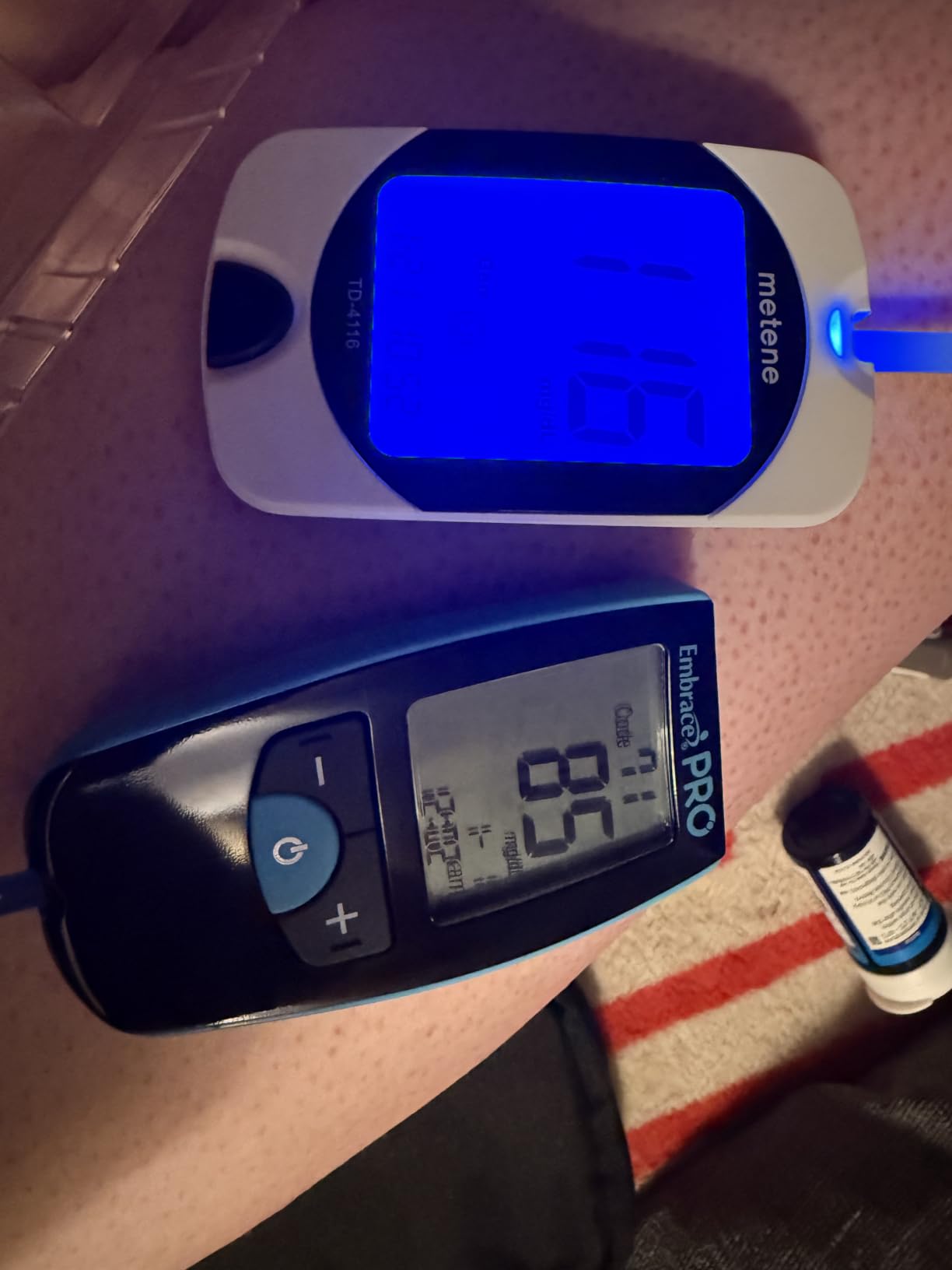
My parents’ generation often forgets test times or struggles with small screens. The Metene TD-4116 addresses both problems directly. It has one of the largest, clearest displays in this lineup and four daily alarms that remind you when it’s time to test.
Testing is efficient: 7 seconds from blood application to result, with a modest 0.7 microliter sample. The meter stores 450 readings and calculates 14, 21, 28, 60, and 90-day averages. Four tracking modes help you see glucose trends across different times of day.
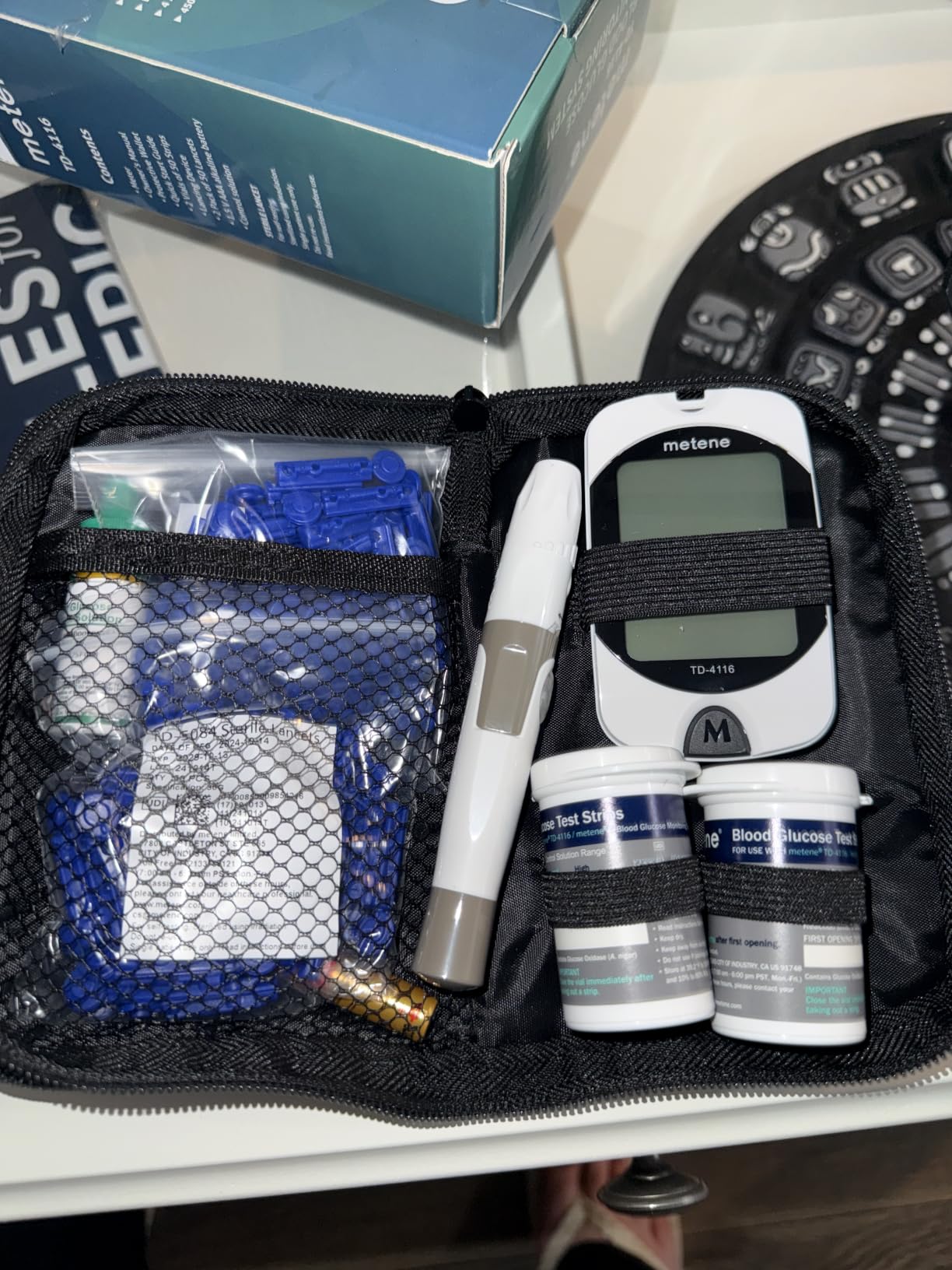
The kit arrives with 100 strips, 100 lancets, a lancing device, and control solution. A solid 4.4-star rating across nearly 11,000 reviews confirms its reliability. Users especially appreciate the simplicity and the reminder alarms for keeping a consistent schedule.
Durability is the main question mark. Some long-term users report the lancing device failing after roughly 37 uses, so having a backup lancer is wise. First-time setup also confuses some buyers, and the data upload software is basic at best.
Who should buy the Metene TD-4116
Seniors and anyone who benefits from built-in testing reminders. The big display and alarm system make it a thoughtful gift for a parent managing diabetes. Caregivers also appreciate the large stored-data capacity when reviewing history at appointments.
Who should skip it
Tech-savvy users who want wireless syncing and rich data exports will be disappointed. If digital tracking matters to you, the iHealth Gluco+ is the better investment.
8. KETO-MOJO GK+ Glucose & Ketone Meter – Best Dual Testing
KETO-MOJO GK+ Glucose & Ketone Meter, Keto Diabetes Fasting
Measures glucose and ketones
Calculates Glucose Ketone Index
Bluetooth sync to MyMojoHealth
Lifetime warranty
Pros
- Measures both glucose and ketones with one device
- FDA cleared and clinically validated
- Calculates Glucose Ketone Index GKI
- Integrates with Apple Health and Cronometer
- Lifetime warranty with US-based support
Cons
- App connectivity issues reported
- Requires larger blood sample
- Case design can activate meter accidentally
- Some inconsistent readings
The KETO-MOJO GK+ occupies a unique niche: it measures both glucose and ketones from the same compact meter. If you’re following a ketogenic diet or managing diabetes alongside ketone monitoring, this eliminates the need for two separate devices.
The meter auto-detects whether you’ve inserted a glucose or ketone strip, so there’s no mode switching. It also calculates your Glucose Ketone Index (GKI), a metric many keto followers track for therapeutic or weight-management goals. The device is FDA-cleared for home use and clinically validated.
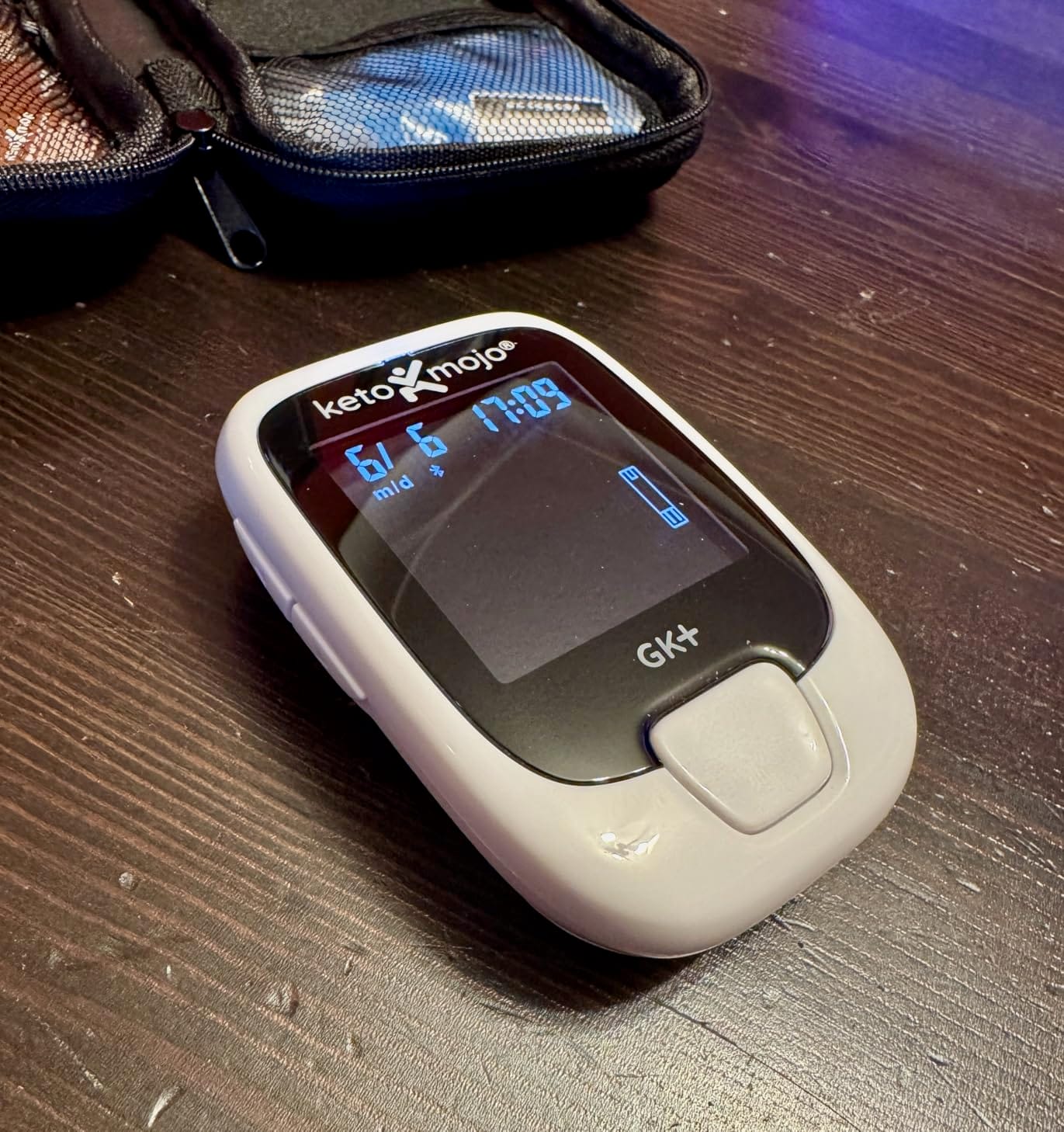
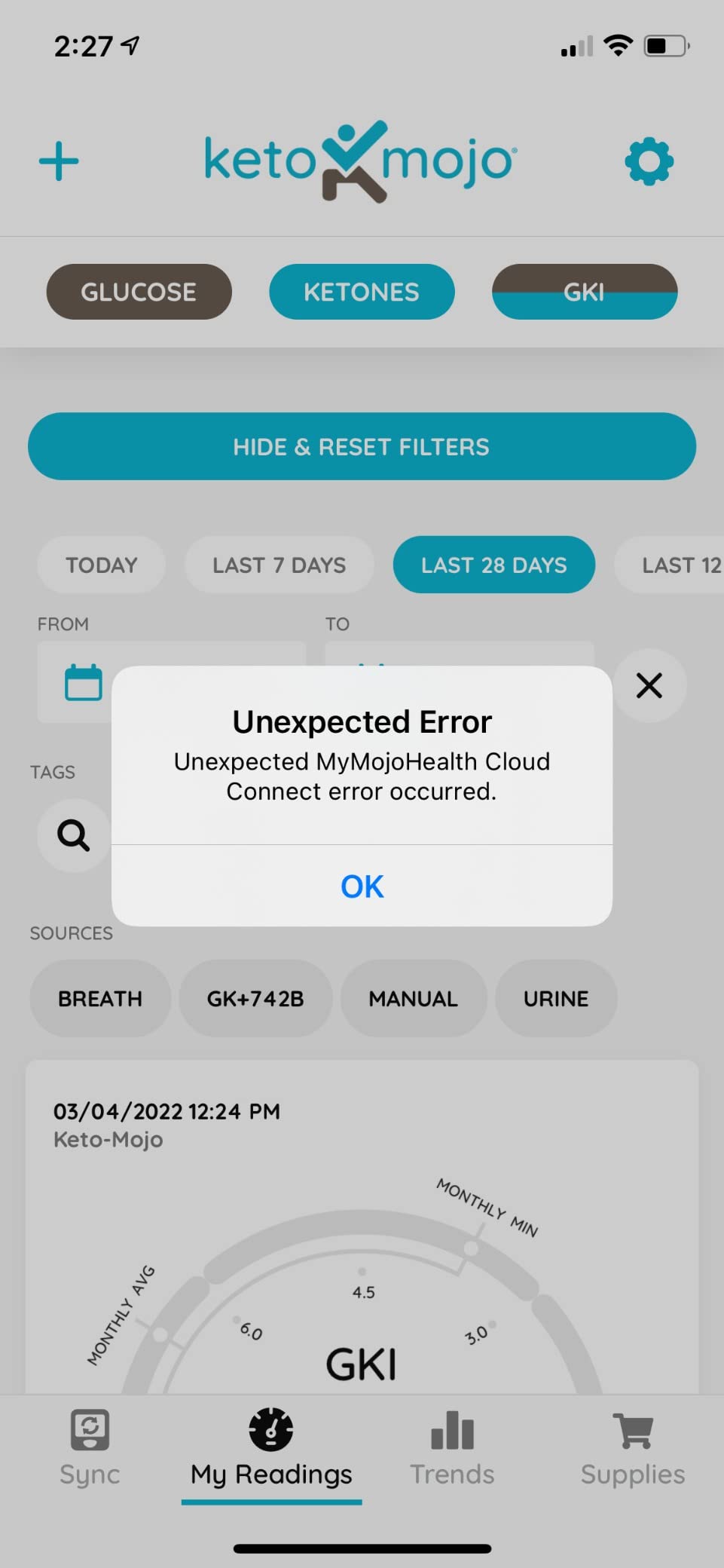
Bluetooth syncs readings to the free MyMojoHealth app, which also feeds data to Apple Health, Cronometer, and Carb Manager. The strips come individually foil-wrapped for sterility, and a lifetime warranty with US-based support adds peace of mind.
It carries a 4.4-star rating across more than 10,000 reviews. Users value the dual functionality and the data ecosystem, though some report app connectivity hiccups. The meter needs a slightly larger blood sample than the CareSens N, and the travel case can accidentally power on the meter.
Who should buy the KETO-MOJO GK+
Keto dieters and anyone managing both glucose and ketones will get the most value here. It’s also a solid choice for people with diabetes who use ketone testing to watch for diabetic ketoacidosis. The integration with nutrition apps makes long-term tracking nearly effortless.
Who should skip it
If you only test glucose, you’re paying for ketone capability you’ll never use. A dedicated glucose meter like the CONTOUR NEXT GEN will serve you better for the same or less money.
Buying Guide: How to Choose the Right Glucose Monitor for Home Use
Choosing between a CGM and a traditional meter comes down to what you need the data for. Here’s how I’d think through the decision.
CGM or BGM: which fits your lifestyle?
A CGM like the Stelo or Lingo reads interstitial fluid through a small sensor worn on your arm, giving you a new data point every few minutes. There’s no finger sticking after the initial warm-up, and you see exactly how meals, sleep, and stress shape your glucose curve. The catch is that consumer OTC sensors trade some accuracy for convenience.
A blood glucose meter gives you a snapshot from an actual blood sample, which is inherently more accurate for that single moment. Meters are cheaper upfront and have minimal ongoing learning curve. The downside is you only see moments in time, not the trends between them.
Accuracy expectations
Prescription CGMs like the Dexcom G7 and FreeStyle Libre 3 Plus have MARD scores under 10%, which is excellent. Over-the-counter sensors like Stelo and Lingo are close but can drift 8-30 mg/dL from finger-stick values. For meters, look for ISO 15197:2013 compliance, which the AUVON exceeds at roughly ±10% accuracy. If you dose insulin based on readings, always verify unusual sensor values with a finger stick.
Prescription versus over-the-counter
True prescription CGMs like Dexcom G7, FreeStyle Libre 3 Plus, and Eversense 365 require a doctor’s sign-off and often work with insurance. The Stelo and Lingo are the first generation of OTC sensors anyone 18+ can buy without a prescription. OTC sensors are designed for people not on insulin, so they’re best for wellness tracking rather than diabetes management.
Ongoing cost per month
Sensors are the real cost of CGM ownership. A two-pack of Stelo or Lingo sensors covers about a month of continuous wear. Meter users should price the strips, since that’s the recurring expense. The CONTOUR NEXT GEN and AUVON have some of the most affordable strips available, which matters over years of testing.
Sensor life and comfort
Wear time ranges from 14 to 15 days for the OTC sensors in this list. Longer wear means fewer applications and less skin irritation. Adhesive reliability also matters: users consistently report Lingo’s adhesive struggling with sweat, while Stelo’s patch is more durable for swimming and showers.
App and device integration
If you live in the Apple ecosystem, Stelo’s Apple Health and Apple Watch integration is a genuine advantage. Lingo syncs with Apple Health and Health Connect. Among meters, the iHealth Gluco+ and CONTOUR NEXT GEN offer Bluetooth syncing to free apps. Think about where you want your data to live before committing.
Insurance, HSA, and FSA considerations
Prescription CGMs are frequently covered by insurance for people with diabetes, which can dramatically lower out-of-pocket costs. The Lingo is HSA/FSA eligible even though it’s OTC. Traditional meters and strips are sometimes reimbursable with a doctor’s note. Always check your specific plan details before buying.
Frequently Asked Questions
What is the best most accurate continuous glucose monitor?
For prescription use, the Dexcom G7 and FreeStyle Libre 3 Plus have the lowest MARD scores (under 10%) and are widely considered the most accurate CGMs. For over-the-counter home use without a prescription, the Stelo by Dexcom and Lingo by Abbott are the top options, though they can drift 8-30 mg/dL from finger-stick readings. For spot-check accuracy, the Ascensia CONTOUR NEXT GEN meter is clinically proven and highly reliable.
Can I just buy a continuous glucose monitor?
Yes. The Stelo by Dexcom and Lingo by Abbott are FDA-cleared over-the-counter CGMs that anyone 18 or older can buy without a prescription. They are designed for people not using insulin. Advanced CGMs like the Dexcom G7, FreeStyle Libre 3 Plus, and Eversense 365 still require a prescription.
Is Dexcom or Libre better?
Both are excellent. Dexcom G7 has a slight edge in accuracy, faster warm-up, and direct Apple Watch integration. FreeStyle Libre 3 Plus has a longer 15-day sensor life and generally lower cost. Dexcom is often preferred by insulin users and Apple ecosystem fans, while Libre appeals to those wanting fewer sensor changes.
What is the cheapest CGM I can get without insurance?
The Stelo by Dexcom and Lingo by Abbott are the most affordable over-the-counter CGM options, with a two-pack covering about a month of wear. If you just need glucose readings rather than continuous tracking, budget meters like the AUVON kit with 100 strips cost significantly less upfront.
How long do glucose sensors last?
The Stelo sensor lasts up to 15 days, while the Lingo biosensor lasts up to 14 days. Prescription sensors range from 10 days (Dexcom G7) to 15 days (FreeStyle Libre 3 Plus), and the Eversense 365 implant lasts a full year. Traditional glucose meters have no sensor and last years with occasional battery replacement.
Conclusion
Choosing the best continuous glucose monitors for home comes down to your goals. For 24/7 trend data without a prescription, the Stelo by Dexcom is my top pick with its 15-day wear time and polished ecosystem. The Lingo by Abbott is a close second, especially if you value coaching and HSA/FSA eligibility. If accuracy matters more than continuous tracking, the Ascensia CONTOUR NEXT GEN is the meter I trust most.
Whatever you choose, the important step is starting. Real glucose data beats guesswork every single time. Pick the device that fits your routine, and you’ll finally see the full story between your test points.