
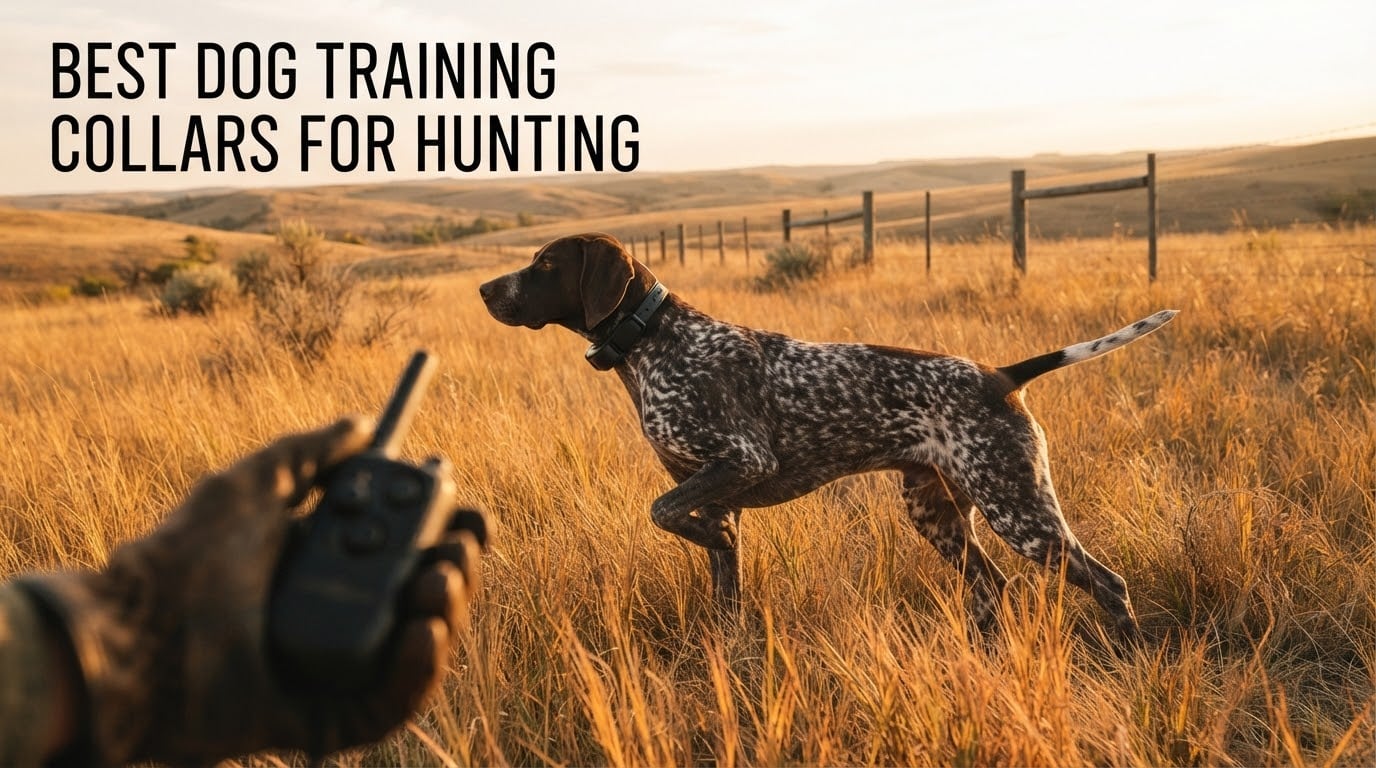
A dog training collar for hunting is a remote-controlled e-collar: a receiver collar the dog wears that delivers a tone, a vibration, or a low-level static correction from a handheld transmitter, so you can cue recall, whoa, and stop at distances where your voice cannot reach. Hunting dogs routinely work 200 to 1,000 yards out in cover, water, and rolling terrain, which makes an e-collar the only tool that corrects a dog in the moment rather than after the fact. It doubles as a safety net for locating a dog on point or after a drive-off.
I put together this guide to the best dog training collars for hunting in 2026 after spending weeks reading owner reviews, comparing published specifications, and talking with handlers who run pointing dogs, retrievers, and big-running hounds. Ten collars made the cut. Five are training-and-control systems, three pair a trainer with a remote beeper, and two mix GPS tracking with training signals for handlers who hunt big country and want a lost-dog safety net.
A note on what this guide is. I have not personally run all ten collars through a full hunting season, so the specifications come from manufacturer data and from the patterns that show up across thousands of owner reviews, and I flag where a number looks optimistic. Where owners consistently report a failure mode, I say so. A spec sheet tells you what a collar was designed to do; review patterns tell you what happens after two seasons of mud, grass seeds, and tree stumps.
If you are also building out the rest of your kit, our picks for the best binoculars for hunting and the best rangefinder binoculars for hunting cover the glass end of the day. Below is the piece that talks back to your dog.
Table of Contents
Top 3 Picks for Dog Training Collars for Hunting in 2026

SportDOG SportHunter 825X
- 1/2 mile range
- 21 static levels
- DryTek to 25 feet
- Expands to 3 dogs

The SportDOG SportHunter 825X is the one I hand to most handlers because it does the unglamorous things well: half-mile range, 21 graduated levels, tone and vibration on the same dial, and a two-hour recharge that delivers 50-70 hours of work. The Dogtra 1900X is the value pick, with 100 levels and an IPX9K rating that shrugs off duck marsh water. The Garmin Pro 550 is the premium pick, and its one-handed dial plus built-in BarkLimiter make it the most complete single-handheld system here.
How We Chose These Collars
Every collar in this list had to clear four bars. It had to reach at least 500 yards, because a collar that loses signal at 200 yards is a yard toy with a hunting label on the box. It had to offer tone and vibration, not only static. It had to be genuinely waterproof rather than splash-resistant. And it had to hold a review base large enough that recurring complaints could be told apart from isolated complaints.
Beyond those basics I weighted the things handlers complain about most: whether the remote works one-handed while you are holding a gun or climbing a bank, whether the collar has a battery indicator, whether it can be switched on by accident inside a gear bag, and whether the controls work with gloves on. Several collars here lose points for one of those, and the reviews say so repeatedly.
Dog Training Collars for Hunting at a Glance in 2026
| Product | Specifications | Action |
|---|---|---|
| SportDOG SportHunter 825X |
|
Check Latest Price |
 Dogtra 1900X Dogtra 1900X |
|
Check Latest Price |
| Garmin Pro 550 |
|
Check Latest Price |
 Educator Upland UL-1200 Educator Upland UL-1200 |
|
Check Latest Price |
 Garmin Alpha TT 25 Garmin Alpha TT 25 |
|
Check Latest Price |
 Dogtra Pathfinder 2 Dogtra Pathfinder 2 |
|
Check Latest Price |
 Dogtra 2700 T&B Dogtra 2700 T&B |
|
Check Latest Price |
 SportDOG FieldTrainer 425XS SportDOG FieldTrainer 425XS |
|
Check Latest Price |
 DT Systems RAPT1450 Upland DT Systems RAPT1450 Upland |
|
Check Latest Price |
 SportDOG UplandHunter 1875 SportDOG UplandHunter 1875 |
|
Check Latest Price |
Two things stand out in that table. Only two of the ten reach beyond one mile, and both of those are GPS systems where range means tracking distance rather than stimulation distance. Everything else lives in the sub-mile world, which is where nearly all bird hunting actually happens.
Do Hunting Dogs Need a Shock Collar?
Short answer: most hunting dogs do not need one, but a large share of handlers end up using one, and the reasons are practical rather than ideological. A dog working 600 yards back in CRP cover is functionally deaf to a whistle, and no amount of voice training changes that. The e-collar solves a communication problem that exists in the field whether or not you buy a collar for it.
The honest counterpoint belongs here too. Veterinary behavior groups generally treat aversive tools as a last resort after positive reinforcement has been given a fair chance, and the field is littered with dogs who were shut down by being punished for normal hunting behavior. A dog that stops flushing because it is afraid is worse than a dog that never learned to hold a point. If your dog is new to the collar, start with tone and vibration, keep sessions short, and work with a professional trainer the first few times.
What the research on this topic suggests is that the pre-warning tone or vibration does most of the work. Most owners report reaching for the static setting a handful of times per season, and often only to reinforce a correction the dog already understands. That is a defensible way to use a hunting e-collar. It is not a defensible way to use a shock collar on a puppy that has not been introduced to it.
1. SportDOG SportHunter 825X – The All-Rounder That Does the Basics Right
SportDOG SportHunter 825X Remote Dog Trainer, 1/2 Mile Range
1/2 mile range
21 levels
Tone and vibration on one dial
DryTek to 25 feet
Pros
- Half-mile range that works in open country and around water blinds
- 21 graduated static levels with tone and vibration on the same dial for one-hand use
- Waterproof and submersible to 25 feet for retrievers and waterfowl
- Two-hour recharge gives 50-70 hours of use
- Low battery indicators on both remote and collar
Cons
- Add-A-Dog collars sell separately if you later run a second dog
- 21 levels is coarser than the 100-level systems for fine tuning
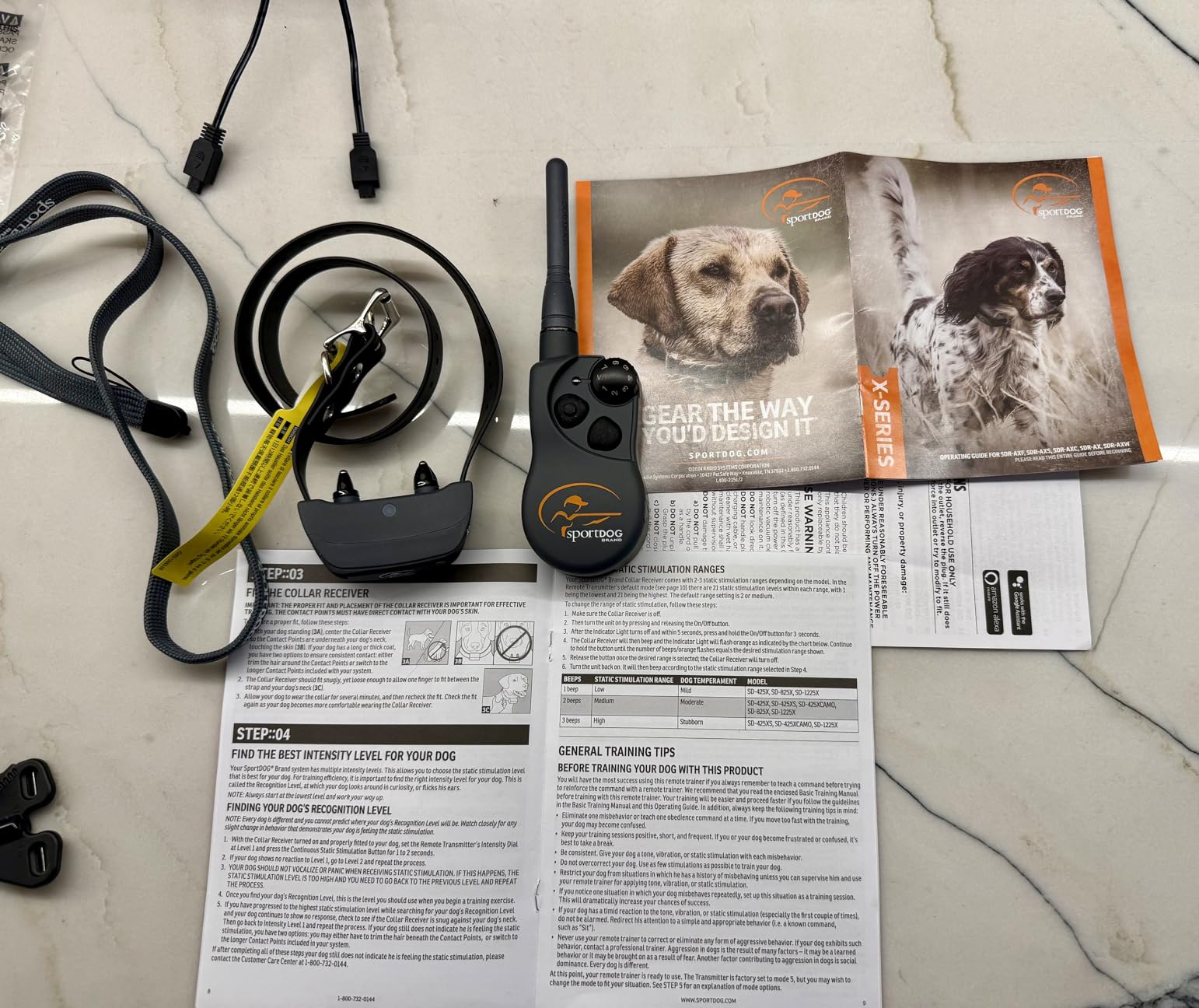
This is the collar I keep coming back to. Weights of 3.04 ounces on the collar side and a remote that fits a shirt pocket, half-mile line-of-sight range, and a recharge cycle that lets you charge it the night before a three-day trip and forget about it.
The 825X is expandable to three dogs with add-on collars, so a one-dog purchase does not lock you out of a two-dog or three-dog setup later. The only static detail that gives me pause is the price of those extra collars, which is real but easy to plan for.
Specs worth knowing: 1/2 mile (800+ yards) line-of-sight range, 21 levels of static stimulation, DryTek waterproofing rated to 25 feet on both the remote and the collar, and a two-hour recharge for 50-70 hours of use. Reviewers describe the tone and vibration modes as sharing the same dial as static, which is what makes it genuinely one-hand operable while you are carrying a shotgun or climbing a bank.
The gripes are consistent and mostly minor. The Add-A-Dog collars are a separate purchase, and 21 levels is not much resolution when you are trying to run a soft setter and a stubborn hound off one remote. Owners also flag a slightly sticky dial after long seasons of mud, which is a small thing that only matters if you care about it.
Who this collar suits
A pointing dog or retriever working pheasant, quail, or woodcock within half a mile of you, on a handler who wants one remote that does everything without a learning curve. If you hunt waterfowl and need a collar that survives full submersion, the DryTek rating covers it. It is also the safest first e-collar on this list for a young dog, because the dial starts low and the levels are few enough that you will not overshoot by accident.
Who should buy something else
If you routinely run dogs more than half a mile away, this is the wrong ceiling. If you run a very soft or very hard dog and want to fine-tune, step up to a 100-level system. And if you are the sort of handler who wants to locate a dog after a drive-off rather than just correct it, you want a GPS system instead.
2. Dogtra 1900X – Best Value for Handlers Who Need Fine Control
Dogtra 1900X E-Collar for Dog Training – 3/4 Mile Range, for Dogs 35 lbs+, IPX9K Waterproof, 100 Stimulation Levels, Vibration, Tone, Rechargeable – Ideal for Dog Owners and Professional Trainers
3/4 mile range
100 levels
Tone Vibration BOOST
IPX9K
Metal case
Pros
- 100 levels let you match a soft setter and a hard hound on one remote
- IPX9K waterproofing and a metal case built for rough cover
- 1000 Lux tracking light locates the dog in low light and dense trees
- Main button is well placed for fast and accurate cue timing
- Safety level lock stops accidental setting changes
Cons
- Intended for dogs 35 pounds and up so it skips smaller pointing breeds
- 30 inch strap must be trimmed for a snug fit
Dogtra is named constantly in bird dog forums as a serious alternative to the SportDOG line, and the 1900X is the reason. Three-quarter mile range, 100 stimulation levels, and a metal e-collar case rather than the plastic receivers that crack when a dog rolls through CRP stubble.
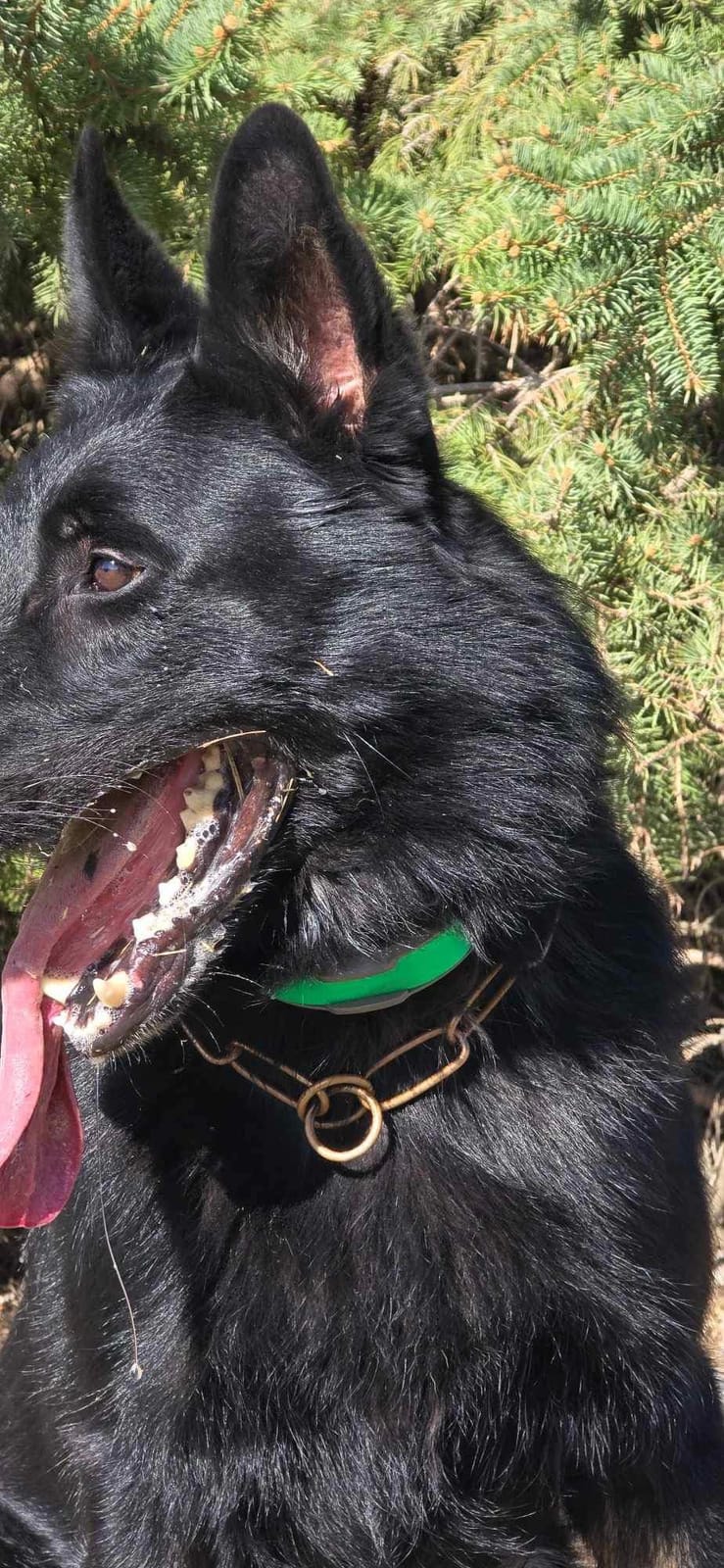
Owners point to the 1000 Lux LED tracking light as the feature they did not expect to love. On a November woodcock hunt with the sun down at 4pm, a visible dog in dead cover is worth more than an extra two hundred yards of theoretical range.
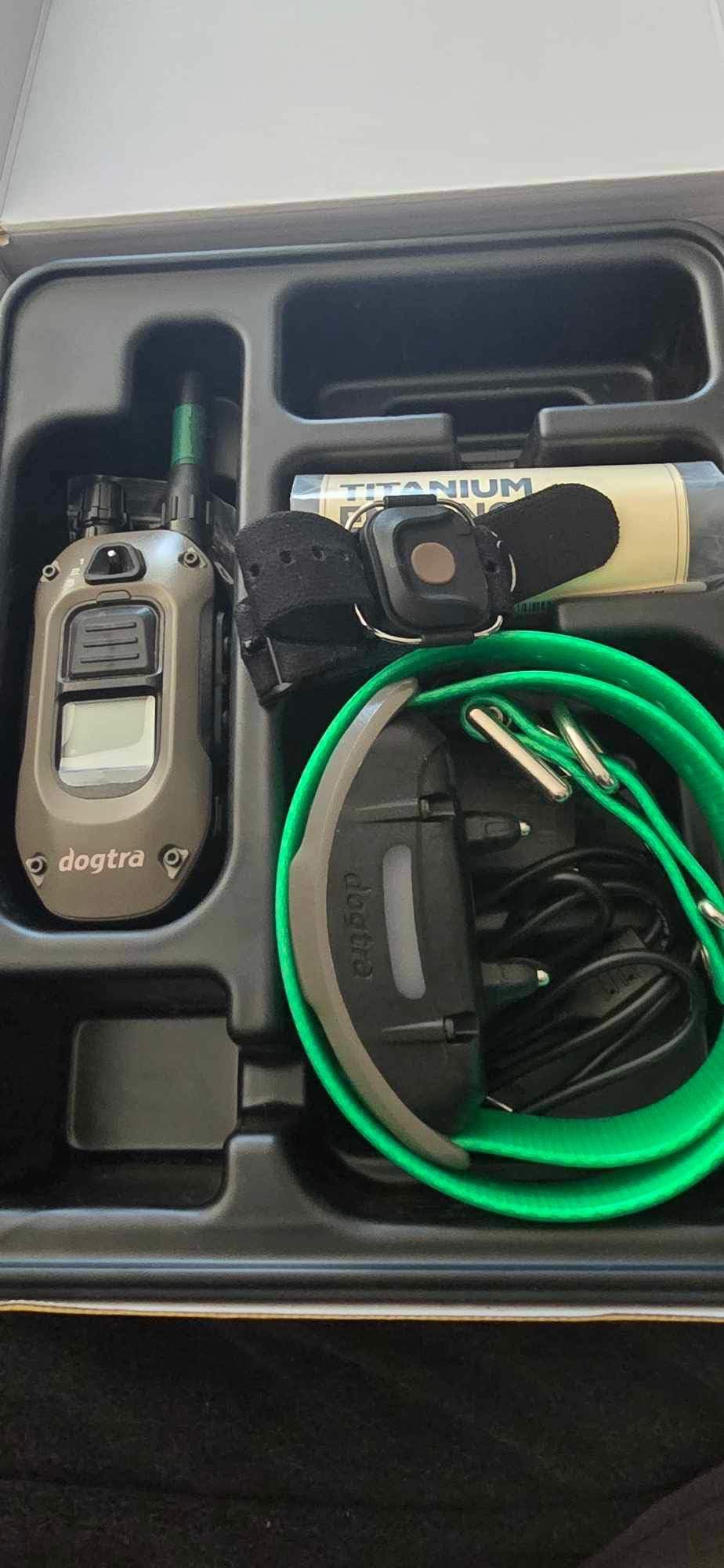
The specification list reads like a hunting collar written by someone who has used one. IPX9K waterproofing, a safety level lock so a bump in a gear bag cannot change your intensity, Tone, Vibration, and BOOST modes, and a package weight of 10.8 ounces. It fits dogs 35 pounds and up on a 1-inch wide, 30-inch adjustable strap.
The 100-level dial is the real story here. Most hunting e-collars give you 7 to 21 levels, and a good number of owners report that the low end is not gentle enough for a soft dog. At 100 levels you can find a setting that does the job on a nervous pointer and still have headroom for a hound that ignores everything below level 10.
Who this collar suits
Handlers running one or two medium to large dogs who want one collar to cover temperaments that differ. The metal case and IPX9K rating make it a good waterfowl choice, and the LED makes it a good early-morning and late-evening choice. It is also a strong first serious e-collar for a dog that has had a collar before and needs more than a tone.
Who should buy something else
Anyone with a Brittany, a smaller field spaniel, or a young puppy under 35 pounds is outside the fit. If you need a beeper that tells you when the dog is on point, this is a training collar only, and the Dogtra 2700 T&B below covers that need.
3. Garmin Pro 550 – The Most Versatile for One-Handed Multi-Dog Work
Garmin Pro 550, Dog Training Collar and Handheld, 1-Handed Training of Up to 3 Dogs, 21 Stimulation Levels
1 mile range
21 levels
Up to 3 dogs
BarkLimiter
Vibration
Pros
- One-handed top-mounted dial works while you carry a gun or climb a bank
- Built-in BarkLimiter handles nuisance barking without a second collar
- Trains up to 3 dogs and drives an optional upland beeper
- Replaceable batteries extend the life of an already proven design
- Clips comfortably to a hunting backpack
Cons
- Vibration sits on the intensity dial so you must dial back down to use it
- Bulky handheld and a stimulation level that is hard to read in low light
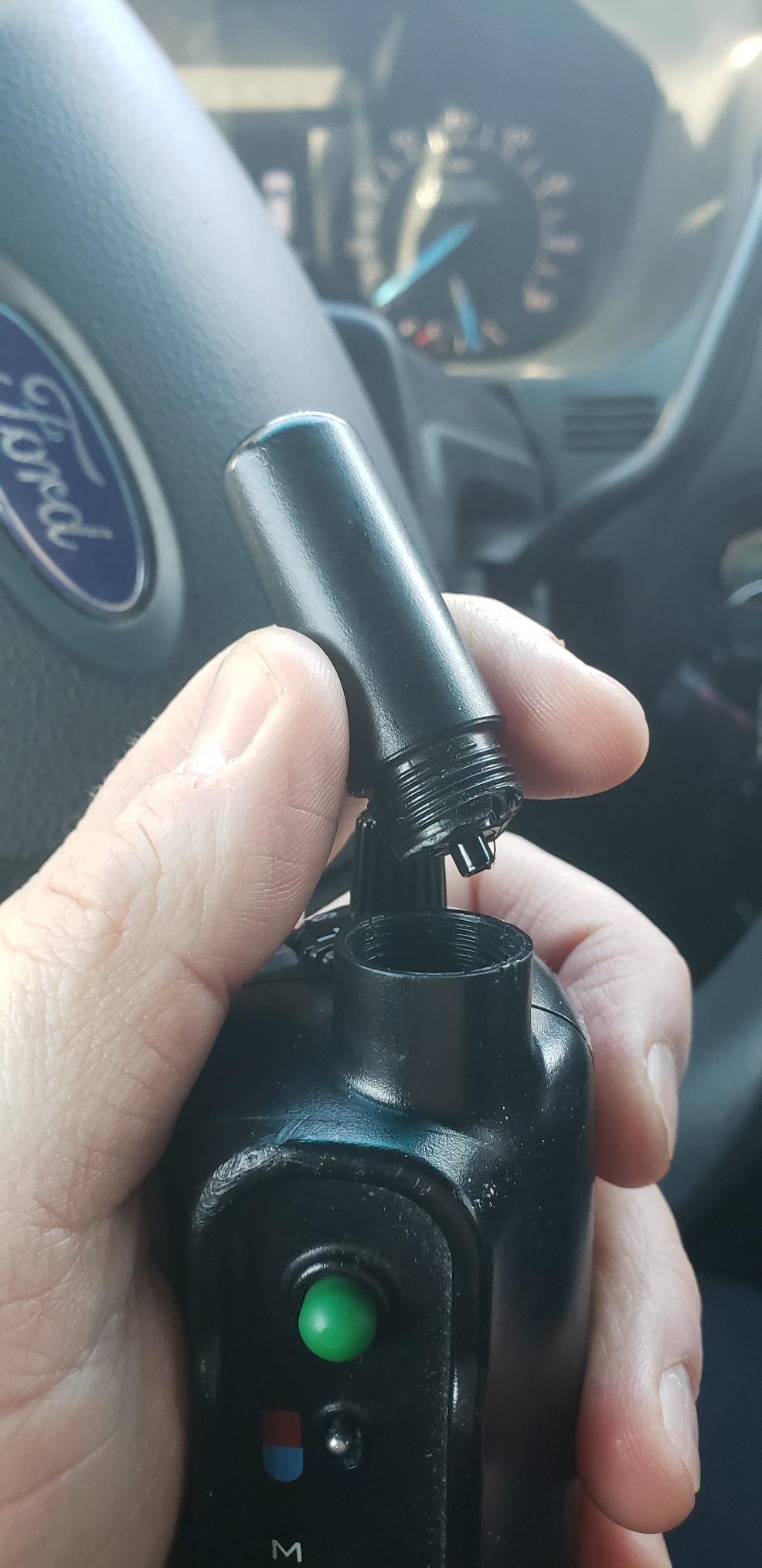
- Contact leads can loosen and need checking between charges
The Pro 550 has been in production since 2014, which tells you more about its reliability than any review score. It trains up to three dogs from one handheld, reaches one mile on 27MHz radio, and runs 21 levels of continuous and momentary stimulation.
What makes it the premium pick is the BarkLimiter built into the handheld. Owners with a kennel of reactive dogs call it the feature that keeps them from carrying a second collar, and the vibration control mode handles the dogs who do not need a correction at all.
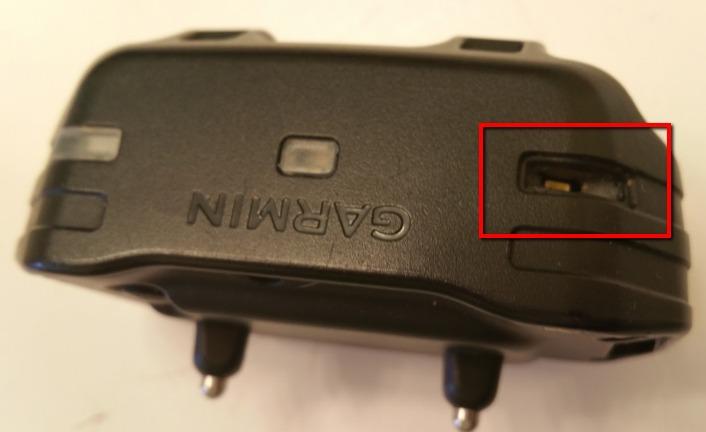
The package includes the PRO 550 handheld, a dog device, a 3/4-inch strap, AC adapter, split adapter cable, charging clip, a contact point set with wrench, and a manual. The handheld also operates an accessory upland beeper sold separately, so you can add on-point alerts later without changing systems.
Reviewers love the ergonomics and complain about them in the same breath. The top-mounted stimulation dial is genuinely one-hand operable, and the buttons are easy to find without looking. But the handheld is bulky at 7.68 ounces, the level is hard to read in low light, and vibration sitting on the same dial as static is an odd design choice that several owners single out.
Who this collar suits
Three-dog households and handlers who also deal with barking problems. The replaceable battery means you are not replacing the whole handheld when it ages, and the vibration mode is the right tool for a dog that needs reminding rather than correcting. Pair it with the accessory upland beeper and it becomes a complete pointing dog setup.
Who should buy something else
If you want a beeper and a training collar in one package rather than adding the beeper later, look at the Dogtra 2700 T&B. If you need GPS location, this handheld does not track position, and you would be shopping the Alpha line instead.
4. Educator Upland UL-1200 – Best for Soft or Sensitive Dogs
E-Collar Educator Upland Dog Training Collar with Remote, Orange
1 mile range
100 levels
Pulsing or Tapping
Floating waterproof remote
Pros
- Stimulus is noticeably softer and more controllable than most competing collars
- On-the-fly level adjustment while holding continuous stimulation
- Floating waterproof remote and receiver handle river
- marsh and rain work
- LED tracking light with flash or continuous modes
- Battery holds up across long days
Cons
- Collar strap cannot be lengthened once cut to fit
- Remote and collar switch on independently which causes confusion
- Complex enough that you need to study the manual
The Educator is the one I recommend to handlers whose dogs shut down. Owners consistently describe the stimulus as softer and more controllable than what they get from SportDOG or Dogtra collars, and at 100 levels with Pulsing or Tapping sensation you have real resolution rather than a step function.
The stopwatch-style remote is another quiet strength. It is shaped so your thumb finds the controls without looking, which matters when you are working a dog at range and not thinking about a device.
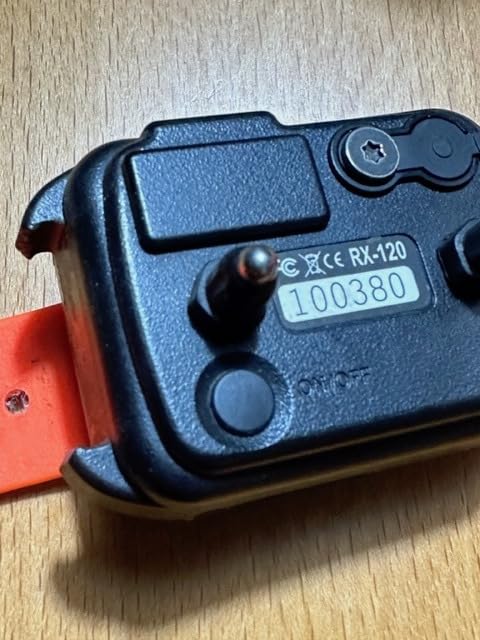
Specs: 100 adjustable electronic stimulation levels, user-adjustable boost and Pavlovian tone, one-mile range, and a waterproof floating transmitter with a waterproof receiver. The receiver is the RX-120 large unit at roughly 2.7 by 1.7 by 1.2 inches and 4 ounces, sized for medium and large dogs. The Biothane collar is 1 inch by 30 inches and cut to fit necks of roughly 6 to 22 inches.
Two features separate it from everything else here. The on-the-fly level adjustment lets you increase or decrease intensity while holding continuous stimulation, which is exactly what a chase correction needs. And the automatic switch to continuous after roughly 1.2 seconds turns the tone into a command marker without you touching anything.
Who this collar suits
Soft, sensitive, or anxious pointing breeds and any dog whose owners describe as collar-shy. The floating remote and receiver mean it also handles river, marsh, and rain work without anxiety, and the LED tracking light helps you find a dog on point after dark or in heavy timber.
Who should buy something else
Handlers who want simple controls. The learning curve is real, the collar strap cannot be lengthened after cutting, and a handful of owners report the remote or charging cable failing within a year or two. Read the manual before the first session rather than during it.
5. Garmin Alpha TT 25 – Best GPS and Training for Lost-Dog Protection
Garmin Alpha® TT 25, GPS Dog Tracking & Training Collar
9 mile tracking
18 levels
Tone and vibration
Replaceable battery
Multicolor LED
Pros
- Tracks and sends training commands up to 9 miles with a compatible handheld
- Location updates as frequently as 2.5 seconds
- User-replaceable batteries and flex band extend service life
- Large multicolor LED makes the dog easy to find after dark
- Universal sizing works for large and small breeds
Cons
- Handheld sold separately so the collar does nothing on its own
- Tracking and training only work when paired with a compatible Garmin handheld
This is a different category of product and the confusion is worth clearing up before you buy. The Alpha TT 25 is not a training collar with a tracking chip bolted on; it is a GPS collar that also accepts training commands, and it does not function at all without a compatible Garmin Alpha or PRO 550 Plus handheld.
If you hunt timber, big country, or anything where a drive-off dog can end up a mile from you, that pairing is the point. Track and send training commands up to 9 miles with updates as frequent as 2.5 seconds, and you have a lost-dog tool that also works as a training collar.
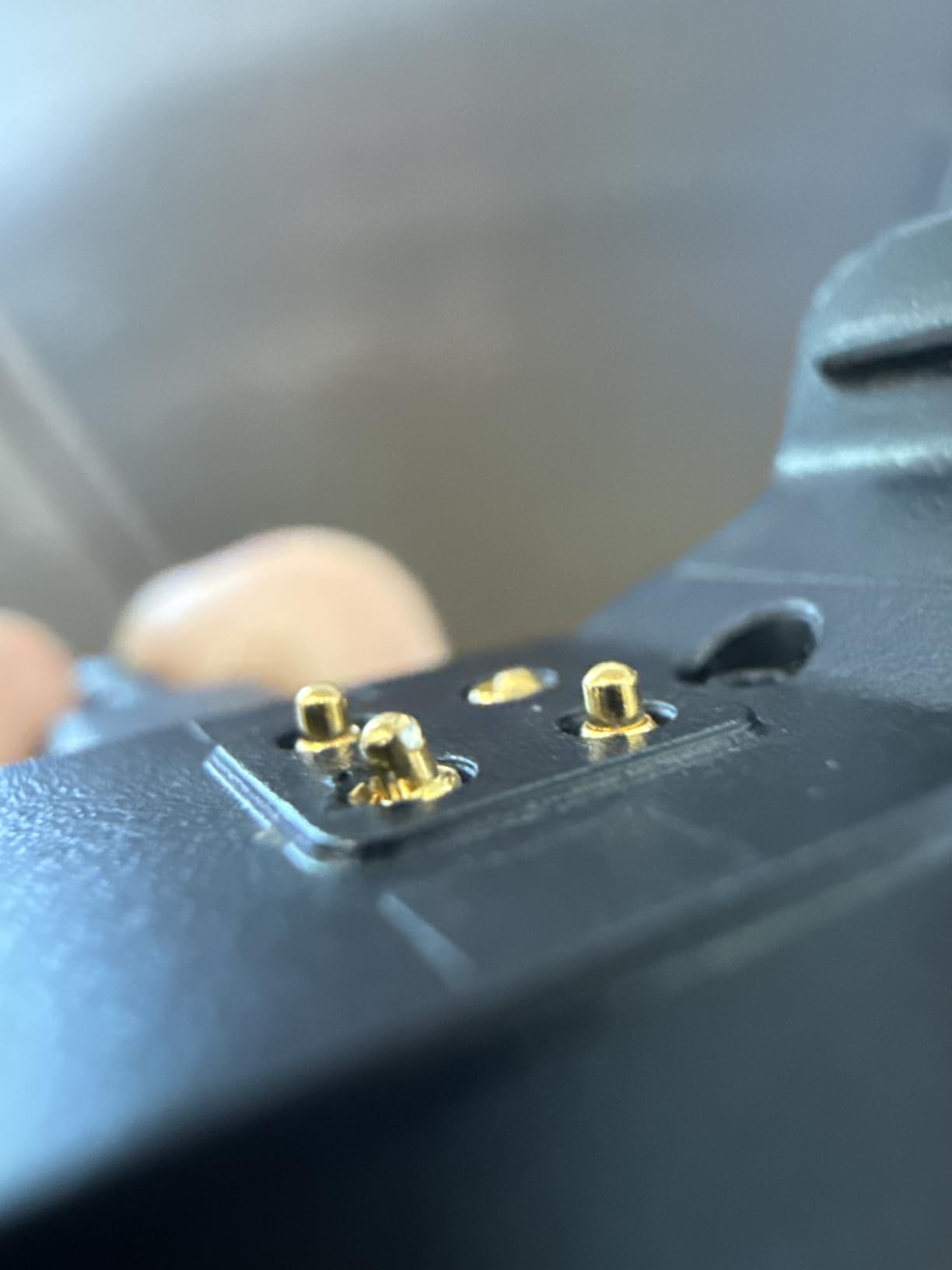
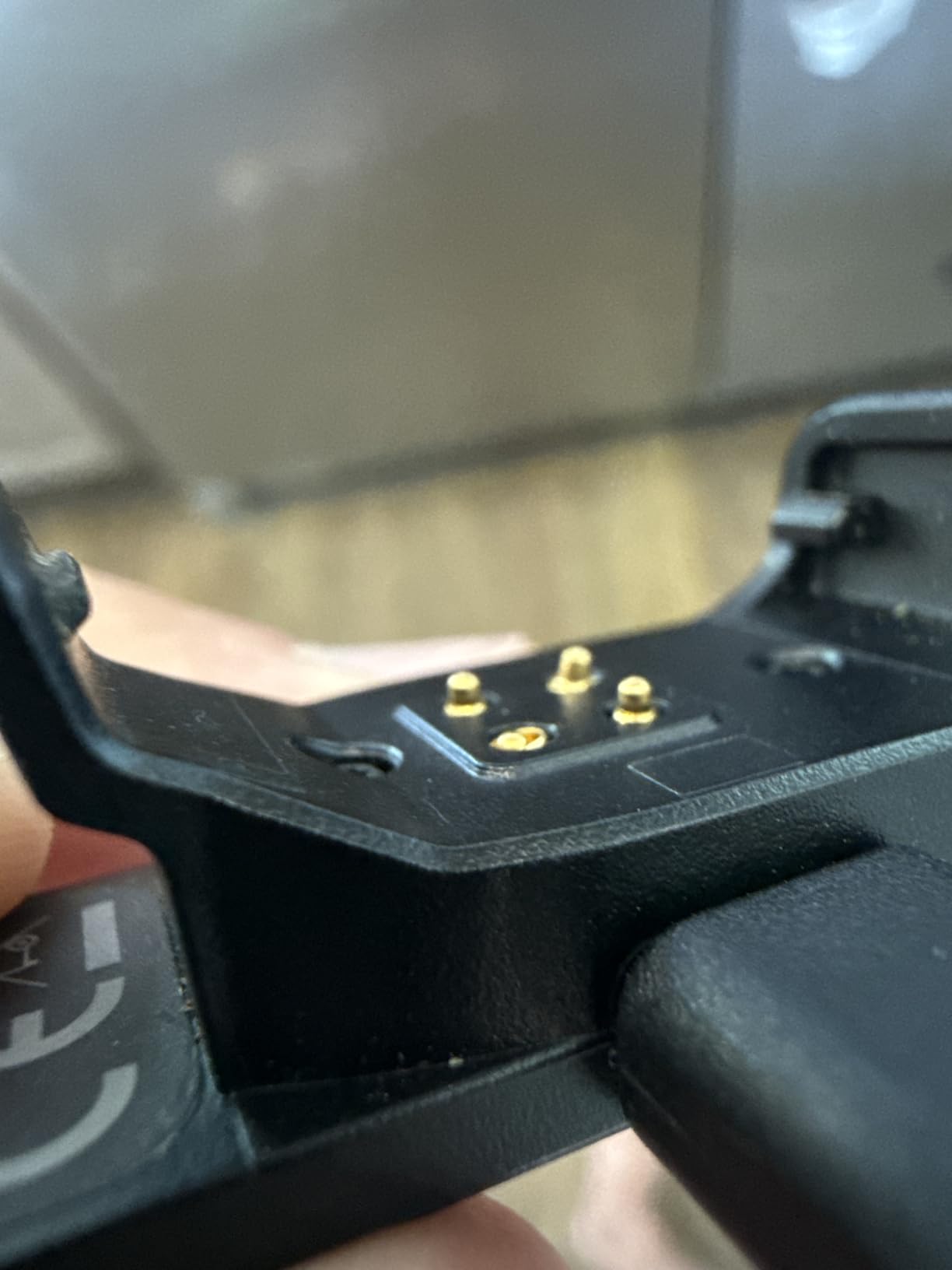
The collar itself weighs 1.3 ounces, which is light for a GPS unit, and the battery system is genuinely good. The standard pack runs up to 68 hours and the expanded pack up to 136 hours, and dynamic tracking based on dog movement stretches that further. Both the battery and the flex band are user-replaceable, which is the single most important spec for a collar you intend to keep for years.
Stimulation covers 18 levels of continuous or momentary plus audible tone and vibration, which is fewer levels than the Dogtra 1900X but rarely the deciding factor in a GPS system. The multicolor LED runs yellow, magenta, cyan, white, green, red, and blue for night identification, and Wi-Fi status updates happen automatically while charging.
Who this collar suits
Handlers running big-running hounds, timber hunters, and anyone who has lost a dog and spent the rest of the season thinking about it. It also suits multi-day trips, since the expanded battery pack outlasts most seasons on a single charge. The universal sizing works across large and small breeds, and the package includes short and long contact points with a wrench.
Who should buy something else
Anyone who wants a self-contained system. The handheld is a separate purchase, and the collar does nothing on its own without it. If you want tracking with fewer strings, the Dogtra Pathfinder 2 below runs its maps in an app with no subscription.
6. Dogtra Pathfinder 2 – Best GPS Tracking Without a Subscription
Dogtra Pathfinder 2 – Hunting Ecollar GPS Dog Training Collar with Remote, 9 Mile Range, Tracking & Containment for Medium & Large Dog Breeds, Electric GEO Fence Tracker, Stimulation, Vibration, Tone
9 mile tracking
100 levels
Map based app
No subscription fees
Run detection
Pros
- No subscription or ongoing fees for tracking and mapping features
- GPS holds signal in rough terrain far from cell service
- Long battery life often covering a full day and part of the next
- Three containment modes plus run detection and a visibility light
- Supports up to 21 sport hunting dogs
Cons
- App connection is required and the remote beeps continuously if the app is closed
- Fence boundaries can sit 50-80 feet off the actual line
- Only one stimulation button so changing function means reaching for the phone
The recurring frustration with GPS hunting collars is the ongoing fee for maps or tracking. The Pathfinder 2 has none. The Pathfinder2 app runs regular, terrain, and satellite maps powered by Mapbox with no subscription, and it works with a phone, a smartwatch, or the included remote.
It also supports up to 21 sport hunting dogs, which is overkill for almost everyone and a genuine answer for a guide or a kennel. GPS updates every two seconds with an in-app compass and an offline mode for places with no signal.
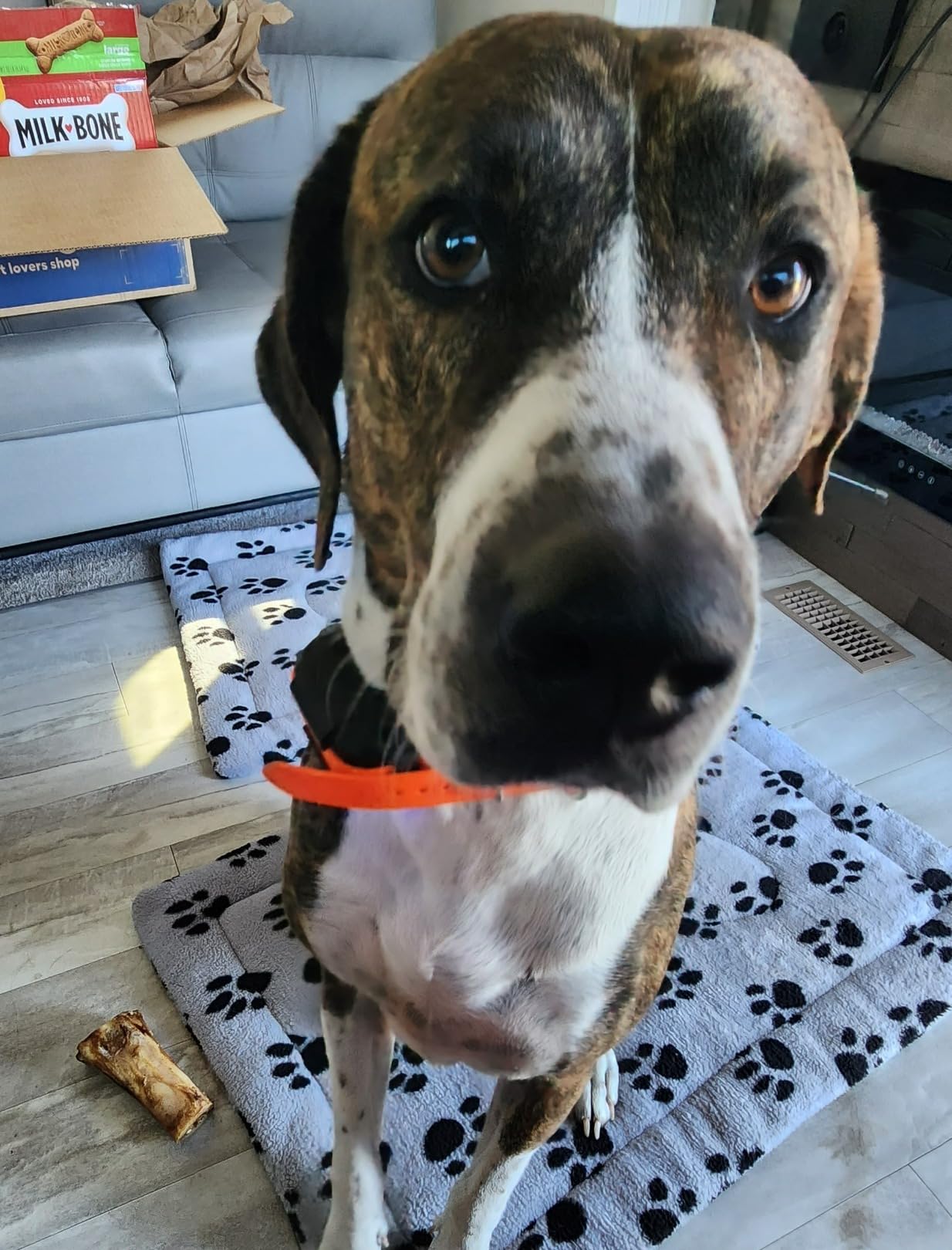
Training is a full 100 levels of stimulation with Tone, Vibration, Nick, and Constant modes, which puts it level with the best training-only collars here. Containment is where it separates: E-Fence, Mobile-Fence, and Geo-Fencing alerts give you a virtual boundary, and a programmable remote button lets you trigger a single function without digging out the phone.
There is a clear pattern in the reviews, and it splits neatly. Owners who use it for tracking and mapping rate it well. Owners who want it as a training collar are frustrated that the app has to be connected, that the remote beeps continuously if you close the app, and that fence boundaries can land 50-80 feet from where you drew them. E-Fence settings also reset when the devices are powered off.
Who this collar suits
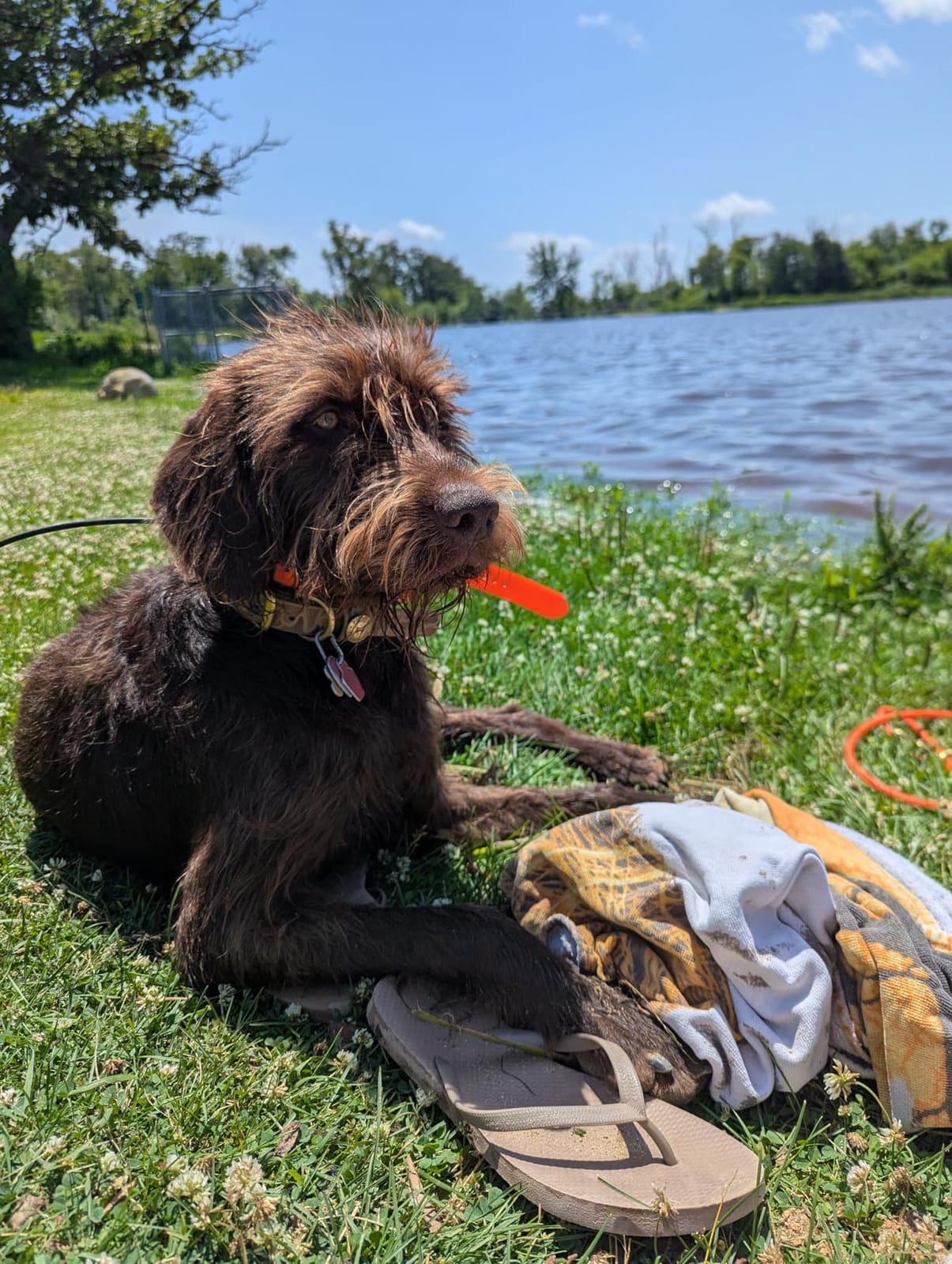
Handlers who want maps and tracking without an ongoing fee, and who are comfortable running the phone app. The waterproof rechargeable system fits dogs 35 pounds and up on 12-22 inch necks, and the two-year warranty with a 30-day satisfaction guarantee is longer than most of what is on this list. Owners report successfully locating treed hounds and recalling dogs at 800 yards or more.
Who should buy something else
Anyone who wants a glove-friendly, no-phone training remote. Plan to keep the app open all day, and accept that your phone battery takes the hit. If you need a self-contained handheld instead, the Alpha TT 25 pairing is the more robust route.
7. Dogtra 2700 T&B – Best Combo for On-Point Beeper Alerts
Dogtra 2700 T&B 1-Dog Remote Training and Beeper Collar – 1 Mile Range, Fully Waterproof, Rechargeable, Static, Vibration – Includes PetsTEK Dog Training Clicker
1 mile range
127 levels
Three beeper modes
Run detection accelerometer
Pros
- Loud tone and beeper often startle a dog into compliance without stimulation
- Downward-facing beeper horn clears brush instead of snagging
- Run/Point tone is thoughtfully engineered for pointing dog work
- Reliable in wet conditions across multiple setups
Cons
- Not recommended for aggressive dogs
- Some owners report collars that quit working after about a month
- Assumes the dog already understands basic commands before collar work
Owners of pointing breeds tend to describe this collar the same way: the tone and beeper do the work. At 127 levels with Momentary Nick, Constant, and a High-Performance Pager vibration mode, most handlers report never needing the top of that range, because the audible correction gets there first.
The three beeper modes are Point-Only, Run/Point, and Locate, with adjustable volume, and an accelerometer handles run detection. The bundle also includes a PetsTEK training clicker, which is a small touch that tells you where the design team was thinking.
Range is up to one mile on a fully waterproof ergonomic collar and receiver, fitting dogs 35 pounds and up on 6-26 inch necks. A technology filtering system is built in to minimize interference from other electronic devices, which matters more than it sounds when you are running a system alongside other handlers’ gear.
One design decision stands out: the beeper horn points downward so it does not catch on branches, brush, or CRP stubble. It is a small part that regularly ends up in mud, and pointing it away from the obstacle line is the kind of thinking that separates a hunting collar from a repurposed pet collar.
Who this collar suits
Pointing dog and flushing breed handlers who want the beeper and the trainer in one box rather than bolting on an accessory. It suits large, stubborn breeds, and owners consistently report it working in wet conditions across multiple setups. If your dog already knows basic commands, this accelerates field work rather than teaching the foundation.
Who should buy something else
It is not designed for aggressive dogs, and it is not a teaching tool for a dog that has never worked a collar. A small share of owners report collars that stopped working after about a month, so check the collar before you leave the truck.
8. SportDOG FieldTrainer 425XS – Best Starter E-Collar for a Young Dog
SportDOG FieldTrainer 425XS Stubborn Dog Remote Trainer, 500-Yard Range
500 yard range
Multiple static levels
DryTek to 25 feet
Three-button remote
Pros
- Wide spread of static levels makes it easy to find a gentle setting for sensitive dogs
- Long battery life and solid range for the class
- SportDOG customer service replaced failing transmitters and collars at no charge
- Submersible build and a durable strap for field conditions
Cons
- Only two of three functions can be assigned to buttons versus the older 425-S
- Slight delay in signal delivery
- Proprietary bi-pin charging cable instead of standard USB-C
With more than 2,300 reviews behind it, the 425XS is the most battle-tested collar on this list, and the one I would put on a dog meeting an e-collar for the first time. Three-button transmitter, tone and vibration on the side button, nick and continuous on the front, and three programmable correction categories set from the dial.
SportDOG replaced failing transmitters and collars for owners at no charge, which is the kind of service support that does not show up in a spec sheet and does show up after a wet November. Reviewers also credit it with stopping chasing and nuisance barking in a short period of consistent use.
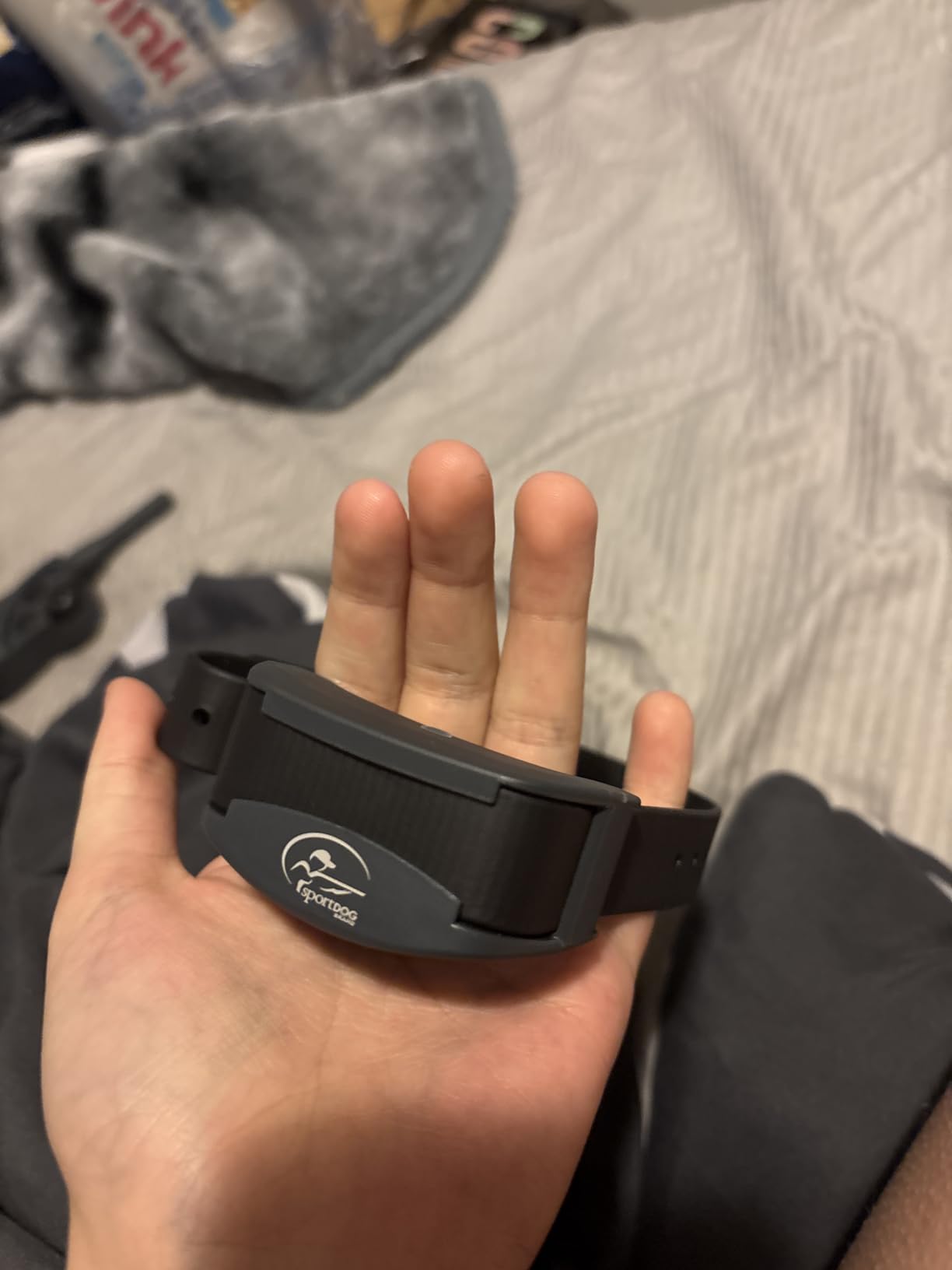
Range is a consistent 500 yards, which is honest for off-leash control in most bird country. DryTek waterproofing is rated to 25 feet, the collar and remote are both rechargeable, and the receiver has an LED status indicator so you can check it in the truck. The receiver weighs 1.76 ounces and the whole thing fits in a vest pocket.
The 425XS is not perfect, and the most common complaint is about the redesign rather than the hardware. Compared with the older 425-S, it can only assign two of the three functions (tone, vibration, nick) to the buttons, the tone is softer, the vibration is less attention-grabbing, and the strength is no longer adjustable. Several owners also mention a slight delay in signal delivery, and the proprietary bi-pin charging cable is an annoyance in a world of USB-C.
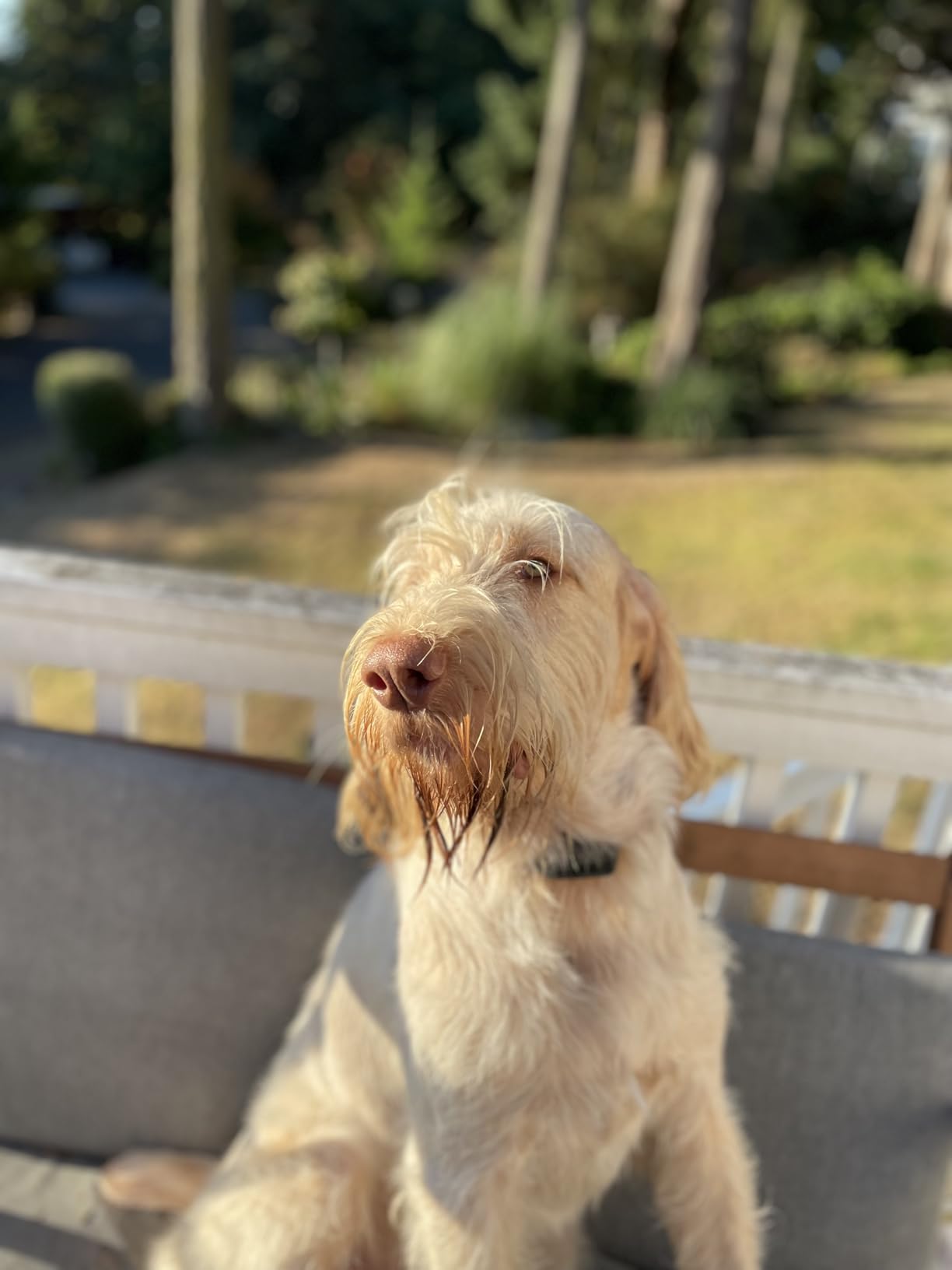
Who this collar suits
New handlers and young dogs doing yard foundation work before they ever see a field. At 500 yards it is not an open-country system, but for puppy obedience, proofing, and stopping a chase in the yard it is more than enough. The 1.76-ounce receiver also stays out of the way on a young dog’s neck.
Who should buy something else
Handlers who need a mile of range, who need to run two or three dogs, or who cannot tolerate a delayed signal. If you want a beeper in the box, the Dogtra 2700 T&B or the DT Systems RAPT1450 both include one. If the small delay bothers you after a season, the SportHunter 825X above is the step up.
9. DT Systems RAPT1450 Upland – Best Long-Range Beeper Collar in the Roundup
DT SYSTEMS RAPT1450 Upland Beeper E-collar – Compact Adjustable Expandable Remote Dog Trainer, 1400-Yard Range – Rechargeable Waterproof Collar & Floating Remote/Transmitter
1400 yard range
16 levels
Programmable beeper
Floating remote
Pros
- Antenna runs the full collar belt so signal holds through hills and walls
- Vibration mode alone often reinforces commands without stimulation
- Floating waterproof transmitter is easy to carry one-handed
- Locate mode doubles as a training cue that brings the dog running back
Cons
- Beeper is very loud with no real volume control
- Included sound-reducer cap falls off in brush and is easily lost
- Battery runtime of roughly 3-8 hours depending on use
The RAPT1450 has the longest range of any collar on this list at 1400 yards, and it gets there a different way than the GPS collars do. The MAXX-Range 360 antenna is woven into the collar belt, so the signal does not depend on a receiver hanging off the neck at a bad angle.
Owners using this for upland bird work praise the floating waterproof transmitter above everything else. It has a hand strap for hands-free carry and a Rapid Access total control button, and the curved shape means you can work it while handling a gun. Vibration Assist is the mode most owners report relying on.
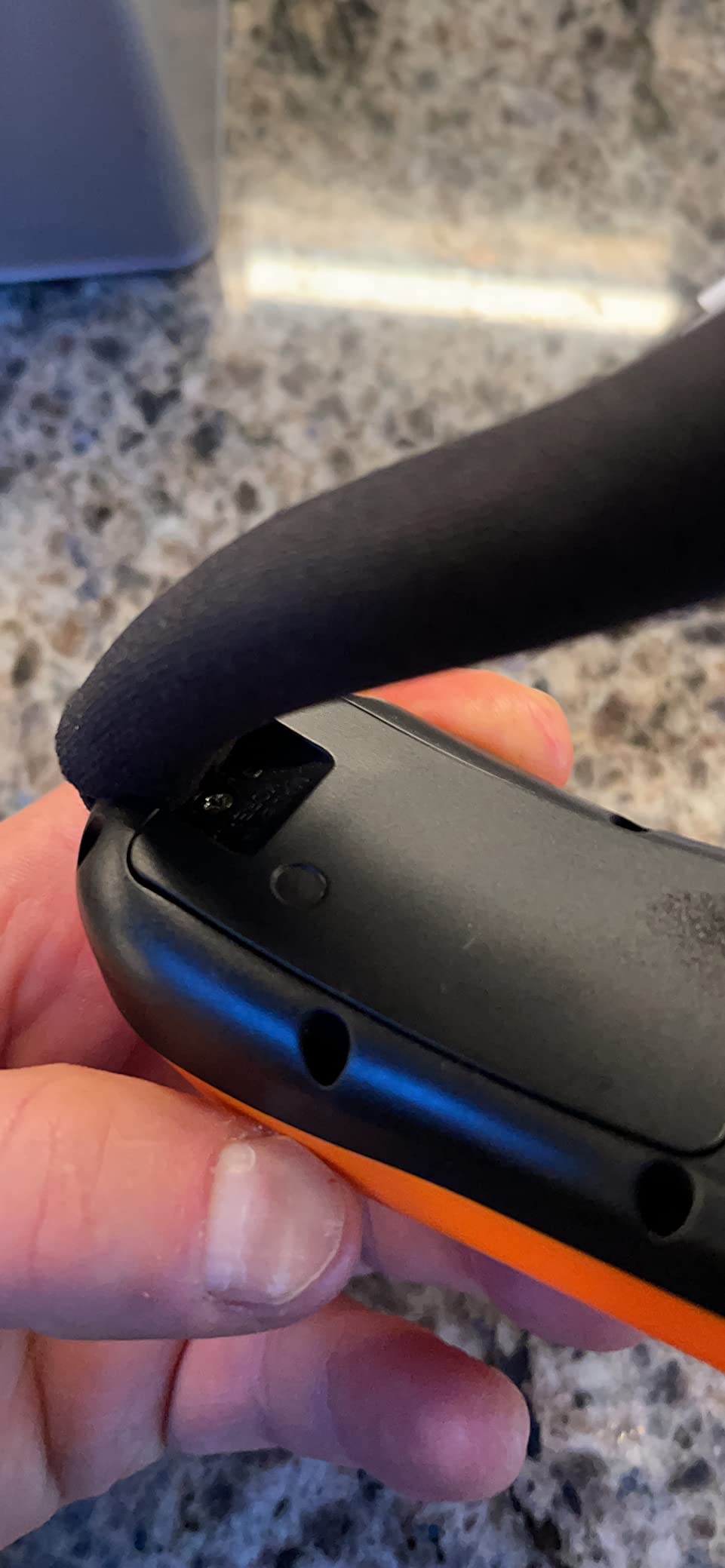
The collar is 100% waterproof and rechargeable, adjustable from 12 to 23 inches, and offers 16 levels of stimulation under a Gentle Touch label. The beeper is programmable for Run/Point, Point Only, or manual Locate mode, and a transmitter lockout plus SmartLED battery indicator keep you from surprising yourself.
The negatives are specific and worth knowing before you buy. The beeper is very loud with no proper volume control, and the included rubber sound-reducer cap falls off in brush and gets lost. Battery runtime is roughly 3 to 8 hours depending on use, with a full charge taking one to one and a half hours, and a few owners report the remote battery compartment contact running loose. This is the one collar here whose transmitter takes disposable batteries, two 9V cells.
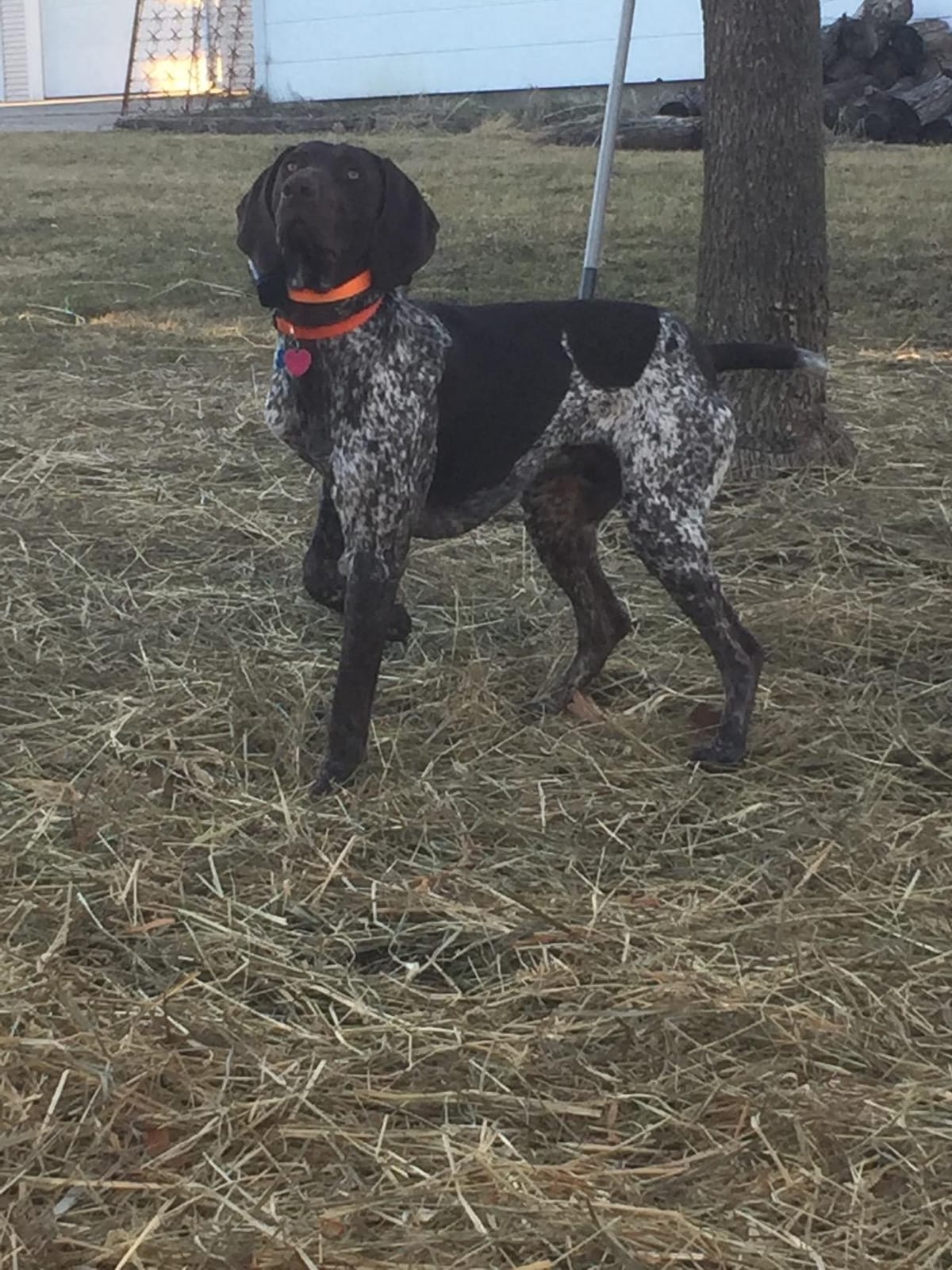
Who this collar suits
Upland handlers who work their dogs through rolling terrain and want a signal that holds through a hill, a wall, or a truck. The floating remote is genuinely easier to carry one-handed than most, and Locate mode is a smart dual-purpose feature that doubles as a recall cue. Owners consistently report the vibration mode being enough to reinforce commands.
Who should buy something else
Multi-day hunters without a charging plan, because a 3-8 hour runtime on a rechargeable collar and a disposable-battery remote is not a setup you want to manage in a cold camp. Anyone bothered by very loud beepers should look at the Dogtra 2700 T&B, which has adjustable volume. At 16 levels, it also has less tuning room than the Dogtra 1900X for sensitive dogs.
10. SportDOG UplandHunter 1875 – Best for Small Dogs and Classic Upland Work
SportDOG UplandHunter 1875 Remote Trainer w/Beeper, 1 Mile Range
1 mile range
7 static levels
Remote beeper
Suit dogs 8 lbs and up
Pros
- One remote runs both the training collar and the remote beeper
- Beeper audible to 500 yards with three run modes and a locate feature
- DryTek waterproof and submersible to 25 feet
- Expandable to 3 dogs with add-on collars
- Accepts small dogs at 8 pounds and up unlike most collars here
Cons
- Only 7 static levels gives the least tuning room of any collar listed
- Dated design with no GPS tracking compared with newer systems
This is a classic upland bird dog system, and it has been in production since 2012, which is a reasonable proxy for field reliability. One remote gives you one-mile control of the training collar and a remote-operated beeper, so you are not managing two devices at range.
It is also the only collar here that fits small dogs, at 8 pounds and up on 5-22 inch necks. If you run a Brittany, a small field spaniel, or a compact pointing dog, that alone puts it in a category of one.
The beeper is the headline: 9 tones, 3 run modes, and a locate feature, audible to 500 yards. Stimulation is 7 instantly selectable levels divided into low, medium, and high ranges, plus vibration and tone training options. DryTek waterproofing handles full submersion to 25 feet, and the system expands to 3 dogs with SDR-AB add-on collars.
Seven levels is the limitation to plan around. It is the fewest of any collar in this roundup, and owners of sensitive dogs report the low end is not gentle enough for them. If your dog is a soft, nervous pointer, the 7-level spread is a real constraint. For a dog that works hard and listens, it is not.
Who this collar suits
Small-dog owners and anyone who wants a proven, simple upland setup with a remote beeper and no software. The 1-mile range and 25-foot waterproofing handle timber and water, and the expandability to three dogs is better than most collars in this class. A 65-review base is small, so weigh the 4.5 average accordingly.
Who should buy something else
Handlers who want fine-grained stimulation control, GPS tracking, or a beeper with adjustable volume. If you need to dial precision for a soft dog, spend the step up. And if you want to know where a treed dog is rather than just that it is there, none of the beeper collars can tell you that, including this one.
How to Introduce an E-Collar to a Young Bird Dog
This is the question handlers ask most and the one almost no roundup answers, so here is the sequence that works. Work in a quiet yard, not the field. Fit the collar snug enough that it cannot rotate or slide, with two fingers under the strap, and trim the excess so a loose band cannot rub a sore into a thin-haired neck on a long day.
Pair the collar with food for two or three days without pressing anything. Your dog needs to learn that the collar means good things. Then press tone only, at the lowest setting, and immediately feed. Repeat ten or fifteen times per session, twice a day. The goal is that the tone predicts the treat, not that the dog fears the collar.
Add vibration next, the same way, still paired with food. From there, walk to 20 yards, 50 yards, then 100, still on tone or vibration. Add distance before you add static, never the other way around, and keep sessions under ten minutes so the collar stays a good predictor rather than becoming something the dog tries to escape.
Only after the dog is offering behavior on tone should you reach for the lowest static level, and only to reinforce something it nearly did. If you are at the top of the dial with no response, the problem is usually that the dog has not yet associated the collar with anything good, not that the level is too low. A professional trainer for the first few sessions is money well spent.
What to Look for When Buying a Hunting Training Collar
Range matched to terrain. A 500-yard collar handles yard work, CRP fields, and most woodcock cover. Rolling prairie or big timber wants a full mile. Anything past that is a GPS problem, not a stimulation-range problem, and no e-collar in this roundup sends a reliable correction across nine miles of trees. The RAPT1450’s 1400 yards is a radio anomaly worth noting, but treat it as margin rather than a planning number.
Waterproof rating in plain English. IPX7 means immersion to one meter. IPX8 means deeper continuous immersion. IPX9K means high-pressure, high-temperature water jets, which is the rating you want for duck marsh, rain, and hose-rinsed gear. SportDOG’s DryTek claim of submersible to 25 feet sits outside the IPX scale entirely and is a manufacturer figure, so treat it as very good rather than absolute. Anything below IPX7 is splash resistance, and that is not enough for a retriever.
Stimulation levels against temperament. Level count is not intensity, it is resolution. Seven levels gives you a step function and no room for a sensitive dog. Twenty-one is the practical minimum for mixed work. One hundred levels lets you fit one remote to two dogs with opposite temperaments, which is exactly what the Dogtra 1900X and Educator UL-1200 do. The rule that matters more than the number: start at the lowest level that produces a response and go up one step at a time, never jumping.
Nick, momentary, and continuous are different tools. A nick is a brief pulse, roughly a tenth of a second, used to interrupt. Momentary is held while the button is held and stops the instant you let go, which is the safest default for a new dog. Continuous runs until you release or it times out. Momentary is the one to keep on the youngest dogs, because a stuck or dropped remote cannot sustain it.
Contact point length by coat. Short probes for thin coats and short-haired breeds like pointers and vizslas, longer probes for dense coats on Labs, Goldens, and feathered setters. Most collars ship with both and a wrench, so test both with the collar on and choose the pair that distributes contact evenly without concentrating it. A single long probe pressing into one spot is how friction sores start on long training days.
One-handed operation, seriously. The most common field complaint across owner reviews is about bulkier handhelds that want two hands while you are holding a gun or climbing a bank. Top-mounted dials, wrist straps, and floating curved remotes all solve this. Mode switches that need a pen are a problem in cold weather, and a collar that can be switched on accidentally inside a gear bag will cost you a dog.
Battery honesty for multi-day trips. Look for a collar battery indicator rather than a handheld indicator, since the collar is the part that dies. A two-hour recharge giving 50-70 hours, as the SportHunter 825X does, means you charge once before a trip. The RAPT1450’s 3-8 hour collar runtime and 9V transmitter batteries need a different plan, and cold weather shortens all of them. Charge everything the night before, and carry a car charger if you drive far.
Which category you are actually buying. Training-only collars cue recall, whoa, and stop, and nothing else. Beeper collars add audible on-point and run alerts, and they do not tell you where the dog is. GPS collars show position on a map and, on some models, accept training commands, but they often need a handheld or a phone. Wireless fence systems are a fourth category entirely, designed to contain a dog in a yard rather than run one across a marsh, and hunters sometimes buy them by mistake. Decide which job you need first.
Multi-dog expansion cost. Every collar here except the RAPT1450 can grow to two or three dogs, and the cost of adding dogs later is a planning item rather than a surprise. SportDOG, Garmin, and Dogtra all sell add-on collars and dog devices; figure the per-dog cost into the first purchase rather than discovering it in October.
One last practical note. Whatever you choose, a dog ramp for the truck matters as much as the collar, because a dog that scrambles into a rig after a long day is a dog with a sore back, and a sore dog is a dog that does not want to get in the truck next time.
Frequently Asked Questions
What is the best dog training collar for hunting?
The SportDOG SportHunter 825X is the best all-round hunting training collar for most handlers, with 1/2 mile range, 21 graduated static levels, tone and vibration on one dial, and DryTek waterproofing rated to 25 feet. Handlers who want finer control across temperaments should consider the Dogtra 1900X, which offers 100 levels and an IPX9K rating. Big-country handlers who need lost-dog protection should pair a GPS collar like the Garmin Alpha TT 25 with a compatible handheld.
Do hunting dogs need shock collars?
Most do not strictly need one, but many handlers end up using one because a dog working 600 yards back in cover cannot hear a whistle. Most owners report relying on the pre-warning tone or vibration for nearly all of their training, touching static only to reinforce something the dog already understands. Start with tone and vibration on a young dog, keep sessions short, and treat aversive tools as a last resort after positive reinforcement has had a fair chance.
What stimulation level should I use on my hunting dog?
Start at the lowest level that produces a response and increase one step at a time, never jumping. Dogs needing only a reminder should stay on tone or vibration, and a collar with 100 levels lets you fit a soft setter and a stubborn hound to the same remote. If you reach the top of the dial with no response, the issue is usually that the dog has not yet associated the collar with anything good rather than the level being too low.
Is Dogtra a good e-collar for hunting dogs?
Yes, and Dogtra is named constantly in bird dog forums as a serious alternative to SportDOG. The Dogtra 1900X offers 3/4 mile range, 100 stimulation levels, an IPX9K rating, and a metal case built for rough cover, drawing a 4.5 average across more than 2,300 reviews. The 2700 T and B adds a programmable beeper with run, point, and locate modes for handlers who want on-point alerts in the same unit.
How much range do I need for a hunting dog collar?
Match the range to your terrain. A 500-yard collar handles yard work, CRP fields, and most woodcock cover, which covers the majority of bird hunting. Rolling prairie or big timber wants a full mile. Beyond that you are looking at a GPS problem rather than a stimulation-range problem, and collars like the Garmin Alpha TT 25 and Dogtra Pathfinder 2 track position up to 9 miles while accepting training commands.
Are e-collars safe for hunting dogs?
Used correctly, yes, but they are a last-resort tool rather than a starting one. Most dogs respond to the tone or vibration alone, and owners report reaching for static only a handful of times per season. Introduce the collar with food in a quiet yard before any field work, keep sessions under ten minutes, add distance before adding intensity, and consult a professional trainer or your vet for the first sessions.
Final Verdict
For most people reading this in 2026, the SportDOG SportHunter 825X is the right first buy, and the Dogtra 1900X is the right second thought for anyone whose dog is soft or whose terrain pushes past half a mile. The Garmin Pro 550 is the one to buy once if you run several dogs, and the Garmin Alpha TT 25 or Dogtra Pathfinder 2 is the answer to the question no e-collar solves, which is where your dog actually is. None of this replaces time in the field with the dog you already have.