
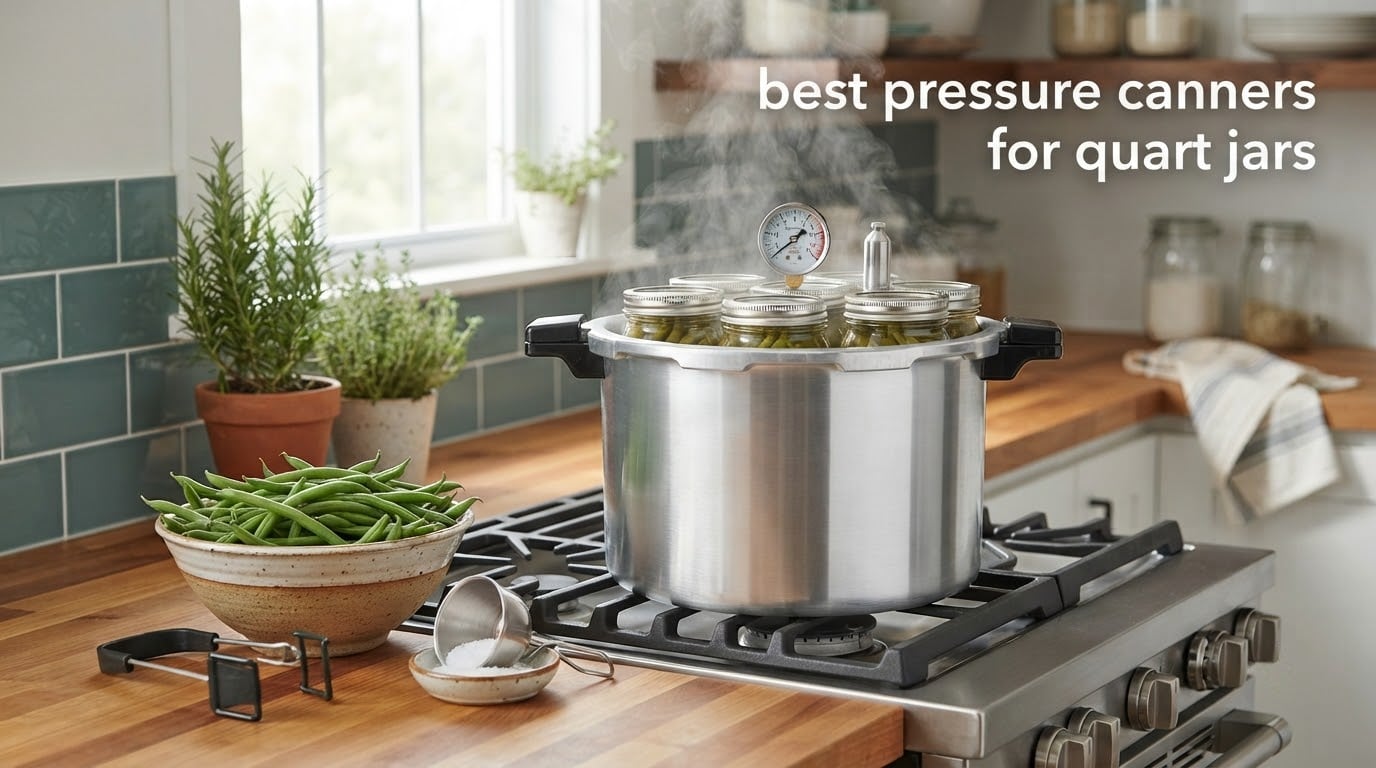
If you have ever counted a row of mason jars in your head while standing in a kitchen aisle, you are not alone. The single question behind almost every pressure canner purchase is simple: how many quart jars will this thing actually hold? Answer that and the rest of the buying decision gets much easier.
That is exactly what this guide does. Every pressure canner below is listed with its quart-jar load count, its gauge type, its operating pressure, and the kind of cooktop it works on, so you can match a canner to your harvest before you spend anything. We also cover the sizing trap that catches first-time canners, which is buying a 25-quart canner for a household that processes 30 jars a year.
Pressure canning is not the same as boiling-water canning. Low-acid foods such as green beans, corn, tomatoes, soups and meat carry spores that survive a water bath, so the USDA only recognizes pressure canning processed at roughly 240°F to 250°F (121°C) for the required time. A generic electric pressure cooker is not a canner, and no amount of marketing language changes that. If you want the broader picture of pressure canning gear, our guide to home canning pressure canners for preserving covers the fundamentals.
Last updated for 2026. Model numbers, jar capacities and ratings below reflect what manufacturers and owners reported at the time of writing.
Table of Contents
How Many Quart Jars Fit in a Pressure Canner?
A standard quart-jar load on one canning rack runs as follows, and these counts come from manufacturer jar-capacity figures rather than guesswork:
9 to 12 quart canners: about 4 quart jars per load
16 to 17 quart canners: about 4 to 5 quart jars per load
21.5 to 23 quart canners: 7 quart jars per load
25 quart and larger canners: 7 quart jars per load with extra volume for pints around them
Pint jars scale roughly three to one. A 23-quart Presto holds 26 half-pints, 20 pints or 7 quarts, and the 22-quart T-fal holds 24 half-pints, 18 pints or 7 quarts.
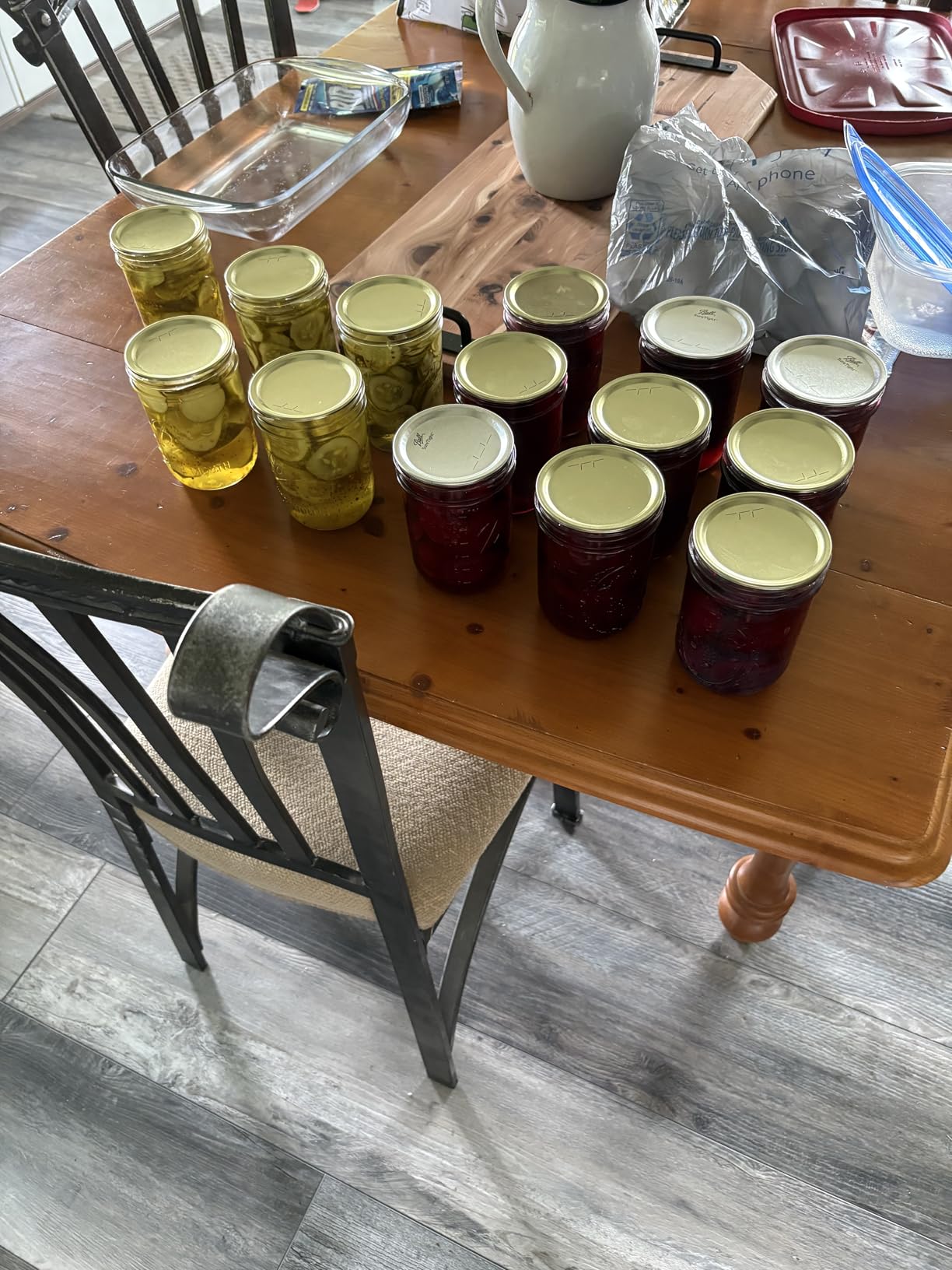
Two numbers matter more than total pot volume. The first is whether the jars stand upright on the rack without crowding, because air has to move between them during processing. The second is water depth: most manufacturers and USDA guidance call for 1 to 2 inches of water in the bottom of the canner, enough to keep the water from boiling away without rising above the canning rack. Too little and the contents scorch; too much and jars float, which breaks seals.
One safety note before the picks. Only appliances rated and listed for pressure canning at 10.5 PSI or above should be used for low-acid foods. Instant Pot-style cookers, small stovetop cookers and multi-use pressure cookers are not canners, no matter how well they cook beans.
Top 3 Best Pressure Canners for Quart Jar Canning In 2026

Presto 01781 23-Quart Canner
- Holds 7 quart jars per load
- Deluxe dial gauge covers all processing pressures
- 12-year limited warranty
- Aluminum body
- works on gas and smooth-top

All American 1930 15.5-Quart
- Gasket-free metal-to-metal seal
- Holds about 7 quart jars
- Weighted regulator and steam gauge
- Made in the USA
T-fal 22-Quart Canner
- Holds 7 quart jars
- 18 pints or 24 half-pints
- Built-in 5/10/15 PSI dial
- Two canning racks included
All 8 Pressure Canners Compared (October 2026)
| Product | Specifications | Action |
|---|---|---|
| Presto 01781 23-Quart Pressure Canner and Cooker |
|
Check Latest Price |
| T-fal 22-Quart Aluminum Pressure Canner |
|
Check Latest Price |
 Presto 02144 12-Quart Digital Pressure Canner Presto 02144 12-Quart Digital Pressure Canner |
|
Check Latest Price |
 NESCO NPC-9 Smart Electric Pressure Canner NESCO NPC-9 Smart Electric Pressure Canner |
|
Check Latest Price |
| All American 1930 15.5qt Pressure Cooker and Canner |
|
Check Latest Price |
 MIRRO 22 Qt Aluminum Pressure Canner MIRRO 22 Qt Aluminum Pressure Canner |
|
Check Latest Price |
 Presto 02152 17-Quart Digital Pressure Canner Presto 02152 17-Quart Digital Pressure Canner |
|
Check Latest Price |
 All American 1930 25qt Pressure Cooker and Canner All American 1930 25qt Pressure Cooker and Canner |
|
Check Latest Price |
1. Presto 01781 23-Quart Canner Holds 7 Quart Jars Per Load
Presto 01781 23-Quart Pressure Canner and Cooker
23 quart aluminum canner
7 quart jars or 20 pints per load
Deluxe dial gauge
12-year limited warranty
15.5D x 17.5W x 13.5H, 12 lb
Pros
- Holds 7 quart jars per load
- Deluxe dial gauge covers the full pressure range for altitude cooking
- Warp-resistant heavy-gauge aluminum heats evenly
- Doubles as a boiling-water canner and pressure cooker
- Canning rack and 76-page guide included
Cons
- Needs constant monitoring and heat adjustment
- Aluminum reacts with acidic foods
- Heavy to lift when loaded
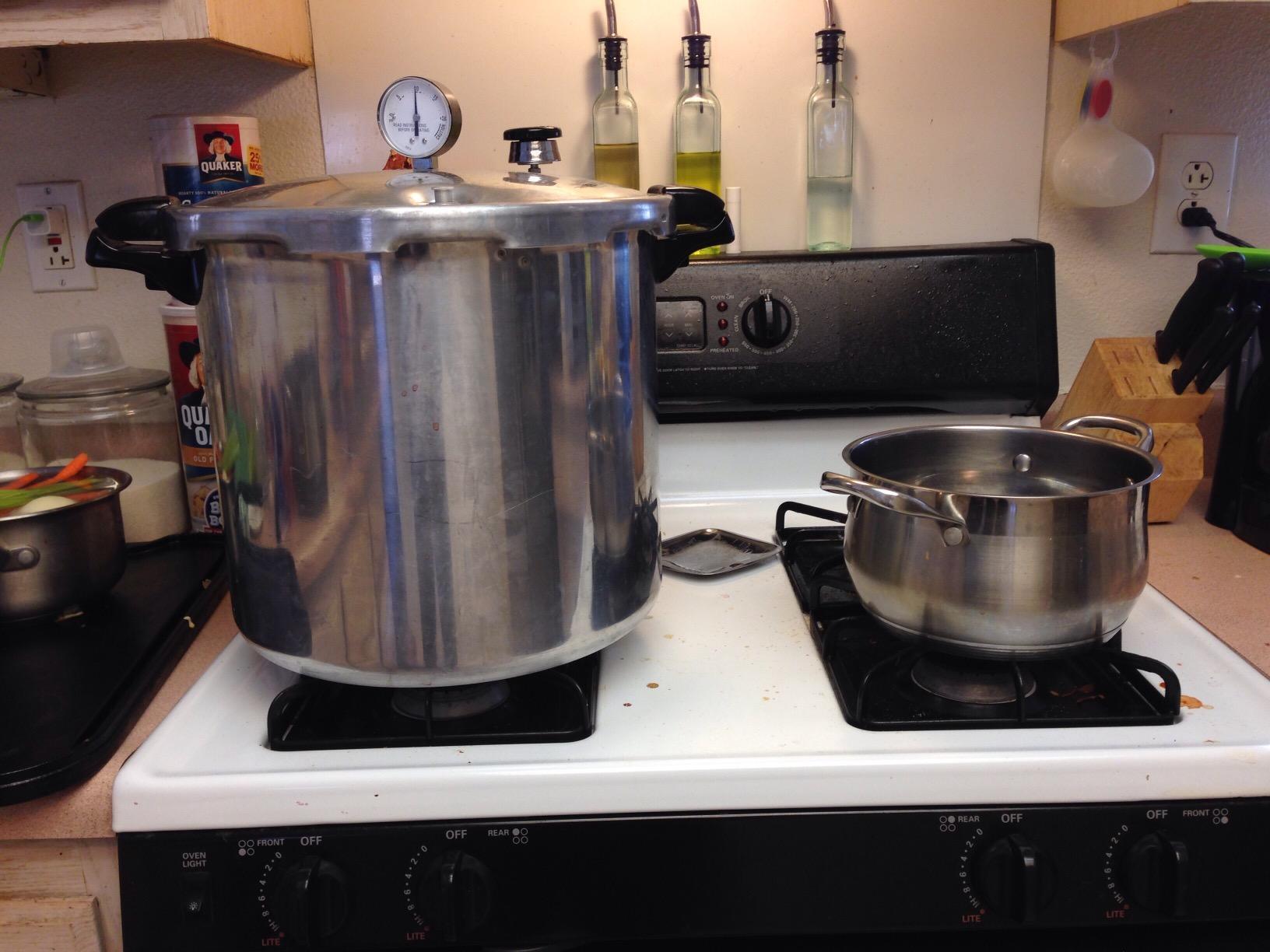
The Presto 01781 holds 7 quart jars per load and reaches pressure on a deluxe dial gauge that registers the full range of processing pressures. It is the unit I recommend to most people asking about the best pressure canners for quart jars, because it covers pressure canning, boiling-water canning and pressure cooking without the jar limits you hit on smaller units.
Its jar capacity is documented at 26 half-pints, 20 pints or 7 quarts, which puts it at the top of the practical range for home canners. Reddit’s r/Canning threads keep coming back to the same number: users describe seven quarts as the load that balances cost, capacity and the number of batches you actually have to run. On a Shroomery forum thread, a canner confirmed the same figure, saying seven quarts fit on one rack.
Owner reviews run warm and consistent. Eighty-eight percent of ratings are five stars and another 8% are four stars, and the recurring theme is that this is a long-term purchase that also works as a pressure cooker and a boiling-water pot for fruit and jam. The 12-year limited warranty is longer than anything else in this group.
The dial gauge is the part that matters most for safety and altitude work. Because you can read actual pressure rather than counting jiggles, you can raise the weight or heat setting at elevations where water boils below 212°F and a weighted regulator alone may not hold a safe processing pressure.
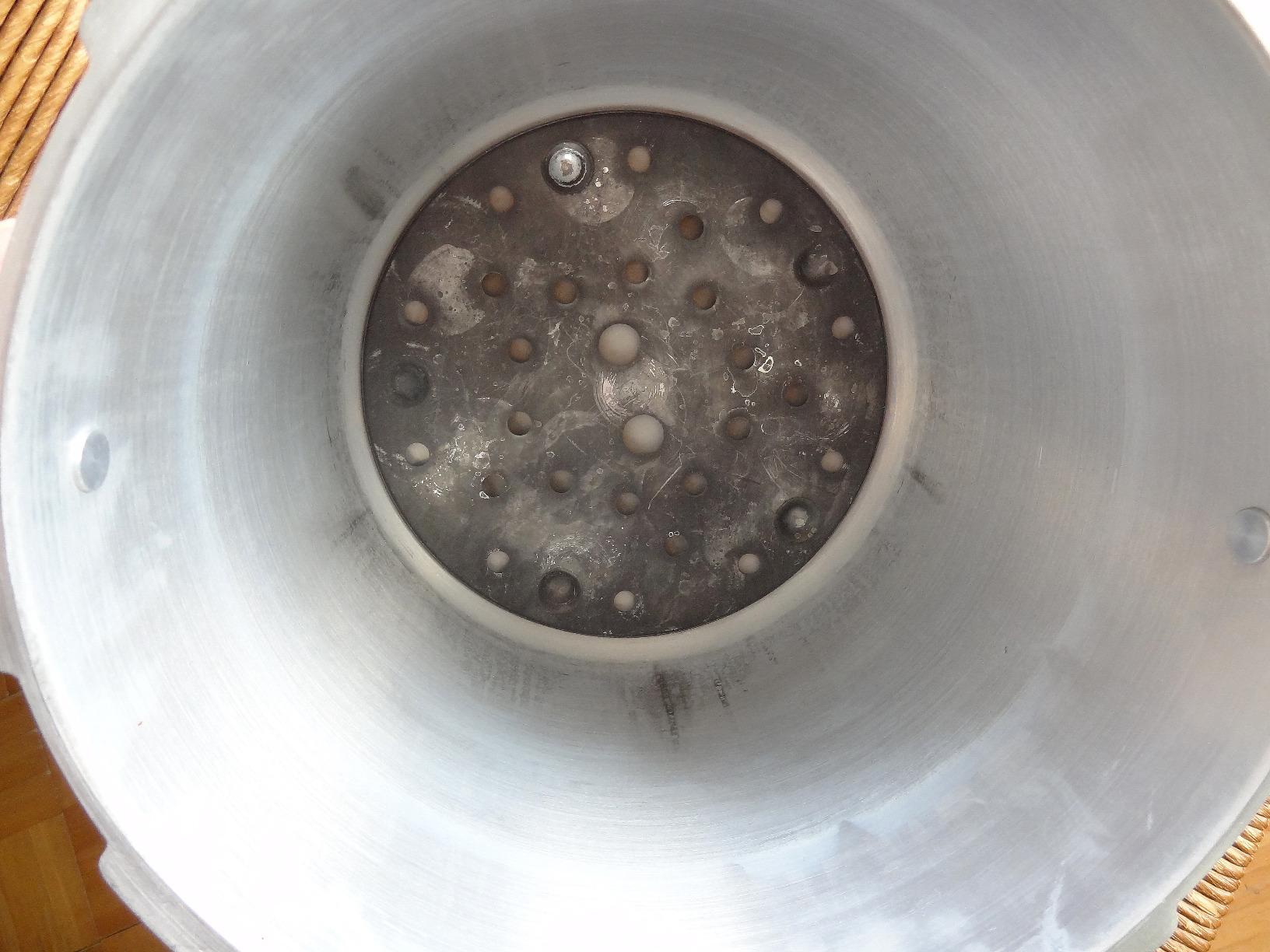
What you need to know before buying the Presto 01781
Operation is fully manual. You heat, watch the dial and adjust to hold pressure for the full process time, which takes attention for beginners who would rather press a button. Plan your first batch around a quiet hour rather than a busy evening.
Load it on the stovetop, not over a sink. At 12 pounds empty and considerably more with seven jars of food inside, lifting a full canner off the burner is where people drop things. Plan your workspace so a loaded canner never has to travel, and set it on the range itself while it cools.
Where the Presto falls short
Aluminum reacts with acidic foods, so tomatoes and citrus-based recipes are better handled by your water bath pot. The pot handles pressure canning of low-acid vegetables and meats perfectly well, but it is not a general-purpose acidic cookware piece.
Aluminum also rules out induction. If your cooktop is induction, this is the wrong body material and you should read the stainless steel picks later in this guide instead.
2. T-fal 22-Quart Canner Holds 7 Quart Jars, 18 Pints or 24 Half-Pints
T-fal 22-Quart Aluminum Pressure Canner, 3 PSI Settings, Home Canning, Includes Racks & Canning Guide, Large Capacity, Pressure & Water Bath Canning for Vegetables, Meats, Seafood & Fruits, Silver
22 quart aluminum canner
7 quart jars or 18 pints per batch
5/10/15 PSI built-in dial
Two canning racks included
19.33D x 15.39W x 16.26H, 14.8 lb
Pros
- Holds 7 quart jars or 18 pints per batch
- Built-in 5/10/15 PSI control dial removes hand-loaded weights
- Two racks allow safe jar stacking
- Handles both pressure and boiling-water canning
- Beginners describe it as simple and confidence-inspiring
Cons
- Some owners report venting before 15 PSI
- Handle gasket can leak and may need re-seating
- Recessed pressure indicator is hard to see
- Printed guide quality has been criticized
The T-fal 22-quart holds up to 7 quart jars, 18 pints or 24 half-pints per batch, and its dial offers 5, 10 and 15 PSI settings built into the lid rather than hand-loaded weights. For a first canner, that design choice removes one of the fiddliest parts of weighted-gauge canning.
Its jar capacity covers wide-mouth pints as well as standard pints and quarts, which matters if you plan to can tomato sauce or cut vegetables in wide-mouth glass. Two canning racks come with the unit, so you can stage a second batch while the first cools.
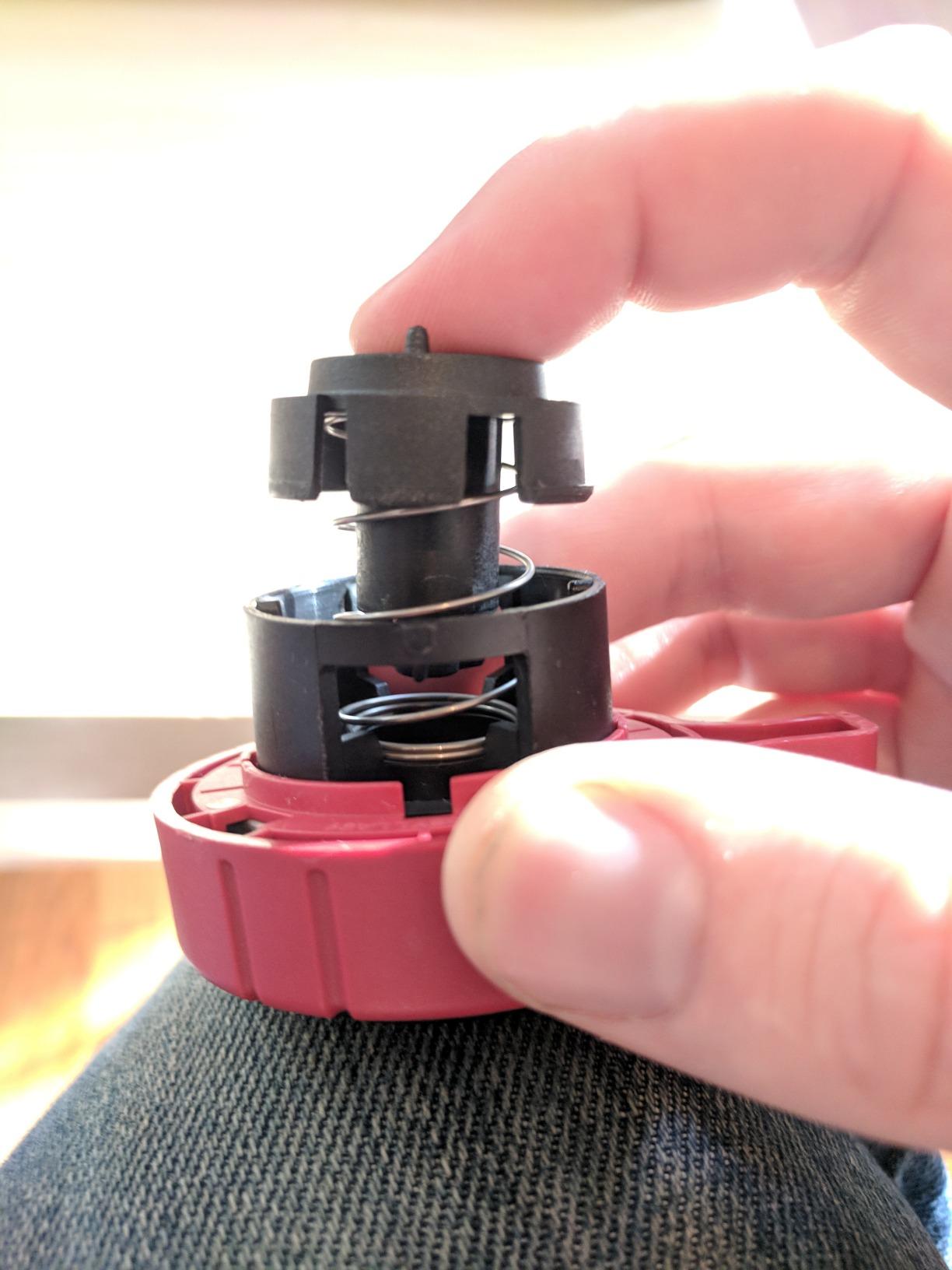
The rating spread here is the widest of the eight picks. Seventy-four percent of owners gave five stars, but about 9% gave one star, and the complaints cluster around one recurring issue: some units vent before they reach 15 PSI on lower heat settings, which can mean an incomplete process if you do not catch it. Watch the gauge on your first load and turn the heat up if the needle stalls.
The handle gasket is the other recurring note. Owners report a small leak that clears after cleaning and re-seating the gasket, which is normal maintenance for any aluminum canner with a gasket seal.
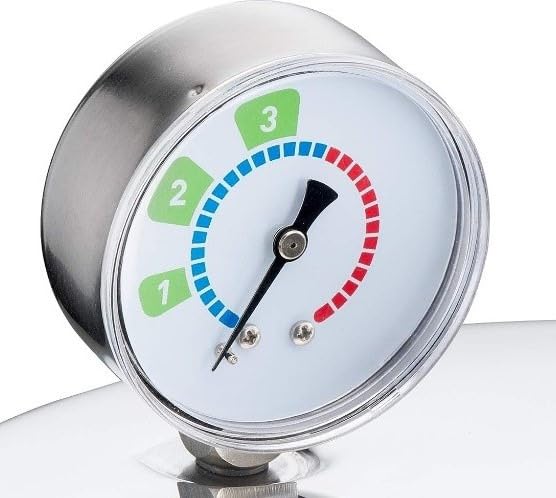
What makes the T-fal a good first canner
Beginner reviews are consistently positive on control. Turning one dial to 10 or 15 PSI is easier to learn than fitting a weighted ring and judging a steady jiggle, and the gauge is easy to read from above.
At 7 quarts per load, it also gives you a full batch without the bulk of a 25-quart canner. If your harvest is a garden rather than an orchard, that is usually plenty for a season.
Where the T-fal falls short
The recessed pressure indicator button is genuinely hard to see pop up, so verify pressure at the gauge rather than trusting the button alone. Several owners replaced the unit over venting and gasket complaints, so keep the manual and know the support contact before your first batch.
The one-year warranty is among the shortest in this group. Presto covers its canners for twelve years, which matters more if you plan to keep the pot for a decade.
3. Presto 02144 12-Quart Digital Canner Processes About 4 Quart Jars at a Time
Presto 02144 12-Quart Digital Pressure Canner
12 quart digital pressure canner
About 4 quart jars per load
Automated canning and water bath cycles
Black stainless steel
14D x 17W x 16H, 20.5 lb
Pros
- Fully automated pressure and water bath cycles
- No altitude adjustments needed
- Runs on the counter without heating the kitchen
- Quiet operation with a cool-touch exterior
- Automated jar warming step
Cons
- Only about 4 quart jars per load
- Not enough water headroom to water-bath quart jars
- A few reports of the nonstick liner peeling
- Heavy and awkward to move or ship
The Presto 02144 processes about 4 quart jars per load, and it automates every step of the cycle from venting through processing and cool-down. If quart jars are your target and batch size is not the priority, this is the most hands-off way to can them.
Two features separate it from a countertop pressure cooker. It is listed for USDA pressure canning of meat, poultry, fish and vegetables, and a temperature sensor holds the exact processing pressure so no altitude adjustment is needed at any elevation. That altitude claim is why it appears on high-elevation shortlists at all.
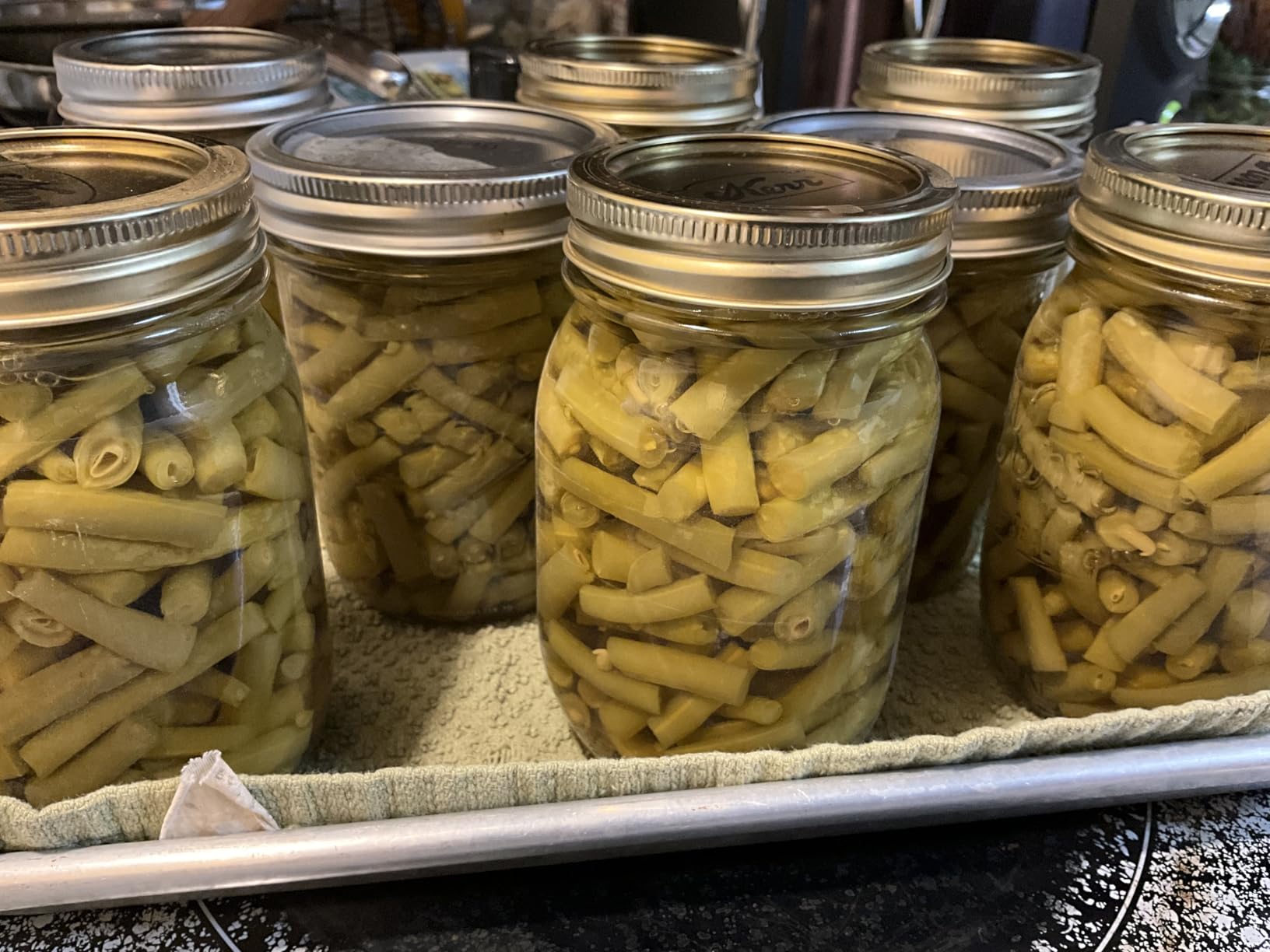
Eighty-four percent of owners rated it five stars. Buyers who compared it against other digital canners repeatedly chose this one for easier programming, larger capacity relative to its class and quiet operation. Owners who have had theirs for two years report continued trouble-free use.
Cleanup is easier than with a stovetop canner because the lid disassembles and the rack lifts out. The automated jar warming step is useful in winter, when cold glass straight from a garage will thermal-shock in a boiling pot.
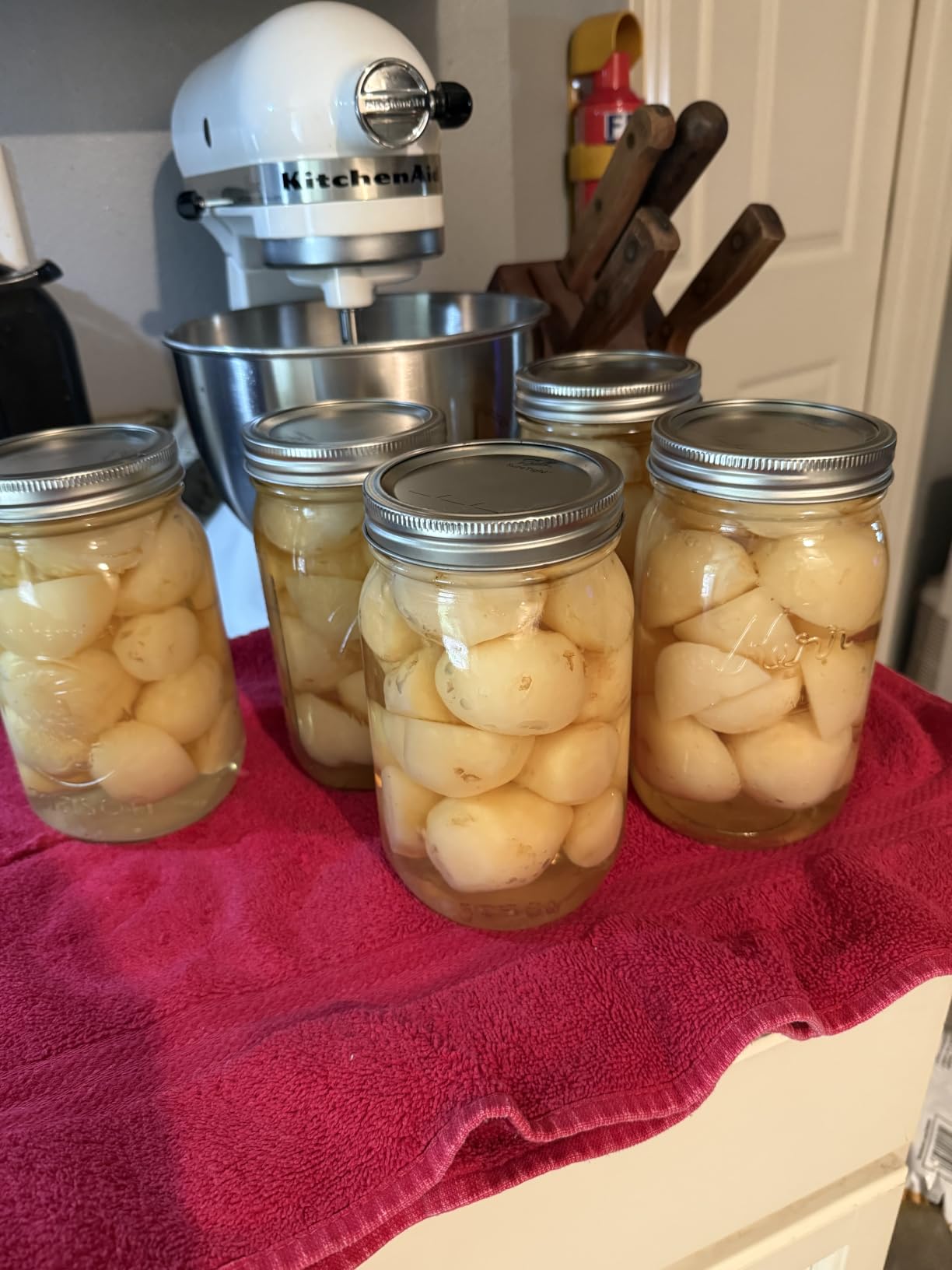
Is a 12-quart digital canner big enough for quart jars?
Yes, for four jars at a time. Four quarts is a real batch for a household of one to three people, but it means roughly five loads to put up 20 jars, and each load has a full heat-up and cool-down cycle built in.
Know the water-bath limitation up front. There is not enough headroom inside this canner to water-bath full quart jars, so fruits and jams go into a separate boiling-water pot. Pressure canning quart jars works well; water-bath canning them in this unit does not.
Where the Presto 02144 falls short
At 20.5 pounds empty, this is a heavy countertop appliance and awkward to move for service. A small number of owners reported the nonstick liner coating peeling within months, though Presto’s support replaced the liner and most long-term owners report no further trouble.
Digital cycles process one batch at a time. If your harvest runs to a hundred jars, plan on a long afternoon rather than an evening.
4. NESCO NPC-9 9.5-Quart Electric Canner Holds About 4 Quarts per Load
NESCO NPC‑9 Smart Electric Pressure Canner and Cooker for Home Food Preservation, 9.5‑Quart Stainless Steel with Digital Controls
9.5 quart electric pressure canner
About 4 quarts or 5 pints per load
Digital presets and timer
Stainless steel body
14.17D x 15.27W x 16.53H
Pros
- Automatic pressure and temperature regulation
- Does not heat up the kitchen in summer
- Removable nonstick inner pot with racks and condensation catcher
- Safety-lock lid and automatic float valve
- Reported as friendly for nervous beginners
Cons
- Small batch of about 4 quarts or 5 pints
- Wordy instructions with a steeper learning curve
- Wide-mouth pints are hard to grip
- Audible beeps can be startling
The NESCO NPC-9 holds about 4 quarts or 5 pints per load and regulates pressure and temperature automatically through a digital interface. Both a standard and a high-altitude limiting valve are included, so you can adjust if you live above 1,000 feet.
The deciding benefit for most owners is heat. A countertop electric canner does not raise your kitchen temperature the way a stovetop unit does, and several owners name that as the reason they went electric. In July it is a real advantage over a gas burner.
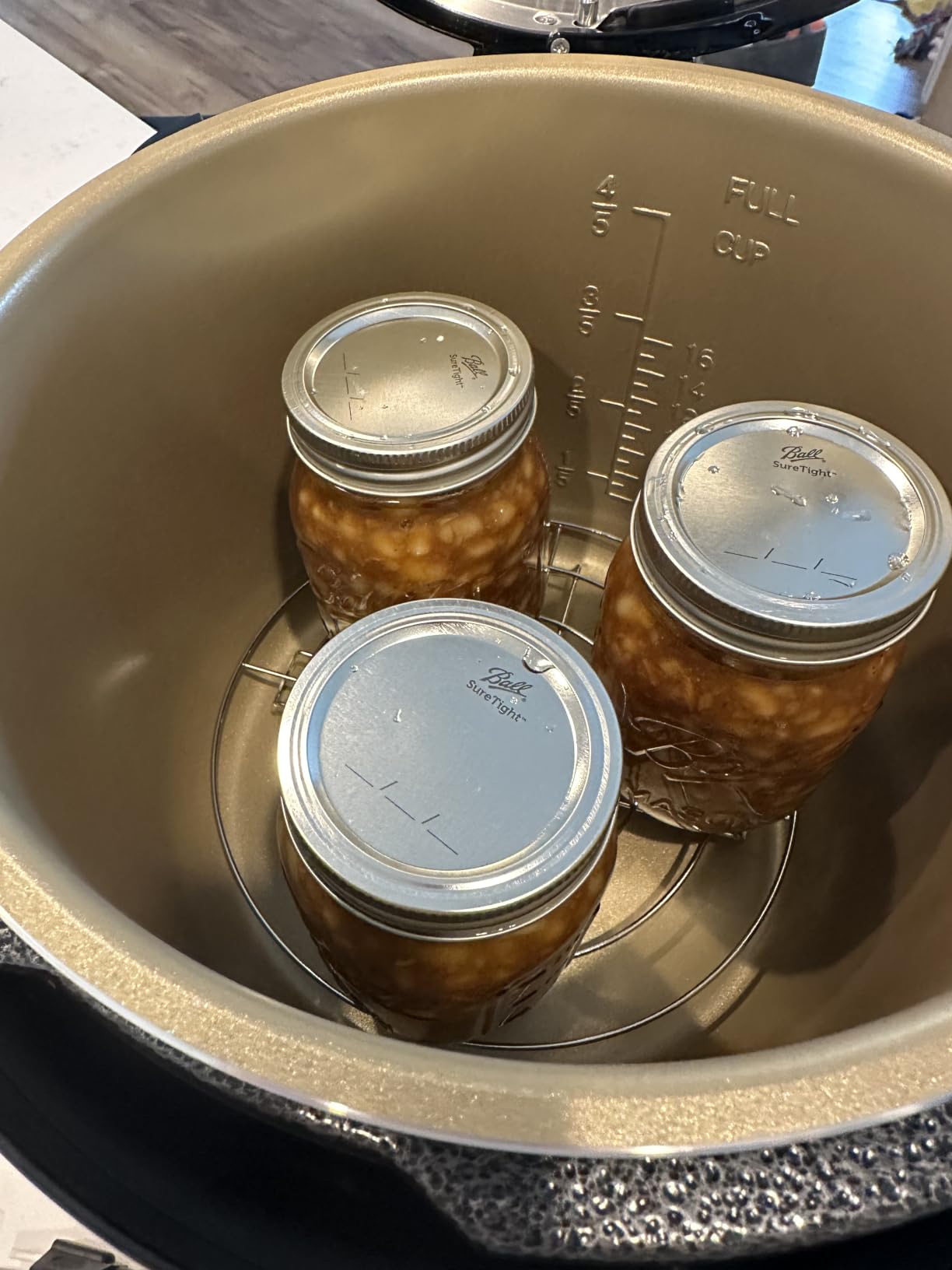
Rating consistency is strong, with 86% five stars and only 2% one star, and long-term owners report the unit still performing perfectly after two years. The removable nonstick inner pot, canning rack, steam rack and condensation catcher all lift out for washing.
It is also multi-function: pressure cook, slow cook, steam and water bath modes mean the same appliance handles soup stocks, reheating and fruit canning, not just pressure canning.
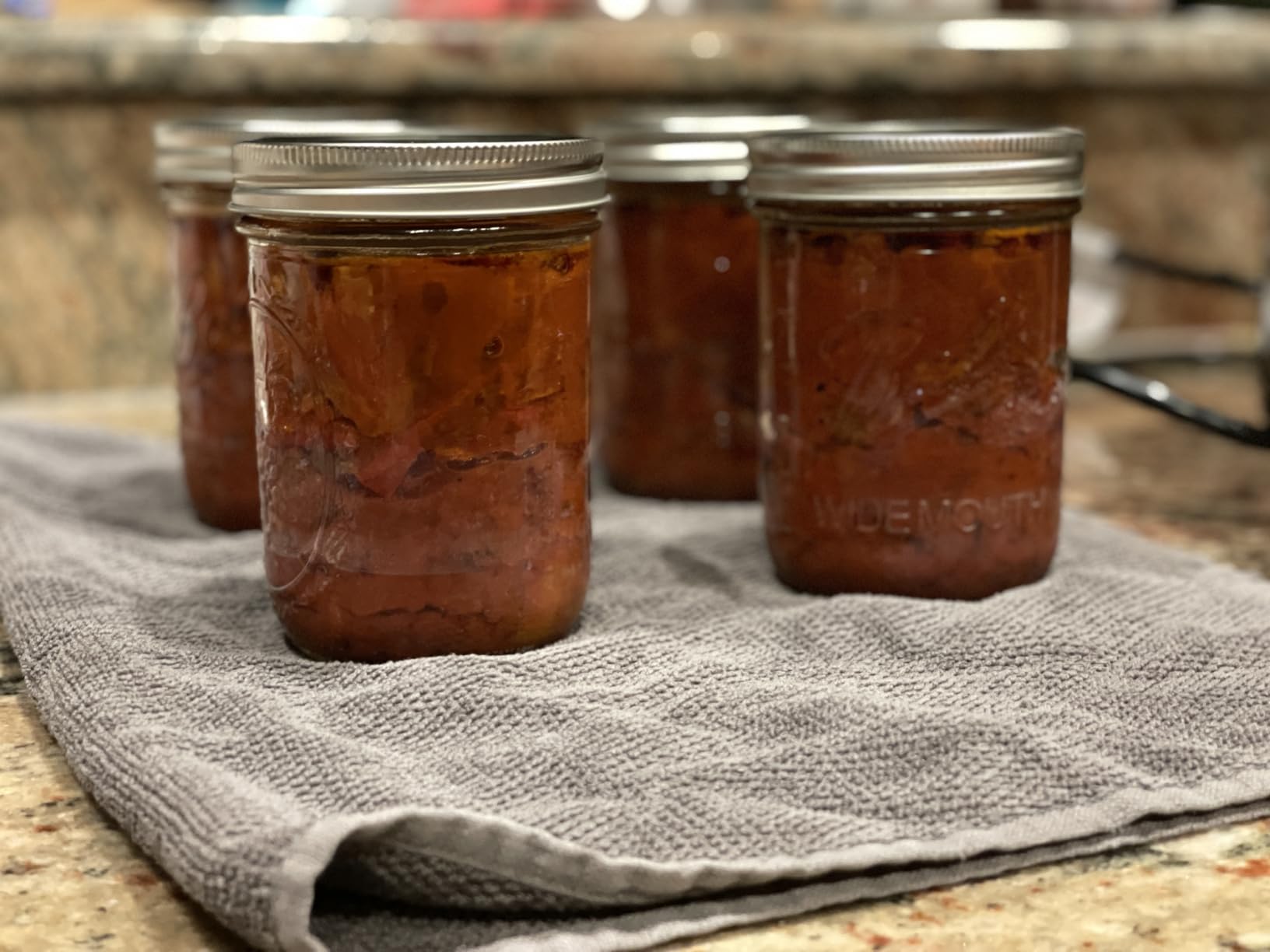
Who should choose the NESCO NPC-9
Choose this if you can a modest number of jars, want to avoid watching a gauge, and would rather not give up a burner or sweat through summer batches. It handles a 4-quart load of quart jars cleanly on its canning rack.
It is also a good fit for people who are wary of stovetop pressure. Owners who describe themselves as nervous about canners repeatedly say this unit made canning feel approachable.
Where the NESCO NPC-9 falls short
Batch size is the ceiling. Four quarts per load means more cycles, and each cycle costs heat-up and cool-down time that does not scale down with the smaller batch.
The instructions are wordy, and wide-mouth pint jars are awkward to grip and remove from the unit. The audible beeps at start and timer changes startle people who are not expecting them. The one-year warranty is also short for a canning appliance.
5. All American 1930 15.5-Quart Holds About 7 Quart Jars With No Gasket
All American 1930: 15.5qt Pressure Cooker/Canner (The 915) – Exclusive Metal-to-Metal Sealing System – Easy to Open & Close – Suitable for Gas, Electric, or Flat Top Stoves – Made in the USA
15.5 quart aluminum canner
About 7 quart jars or 10 pint jars
Weighted regulator and steam gauge
Gasket-free metal seal
12.25 cube, 18 lb, made in USA
Pros
- Gasket-free metal-to-metal seal with nothing to replace
- Weighted regulator plus readable steam gauge
- Holds about 7 quart jars per load
- Industrial-grade cast aluminum with double-thickness edges
- Parts and service available long term from a USA maker
Cons
- Heavy at 18 pounds when loaded
- Can scratch or shatter a glass cooktop
- Lid can occasionally vapor-lock at zero pressure
- Short users may need oven mitts to reach the heat control
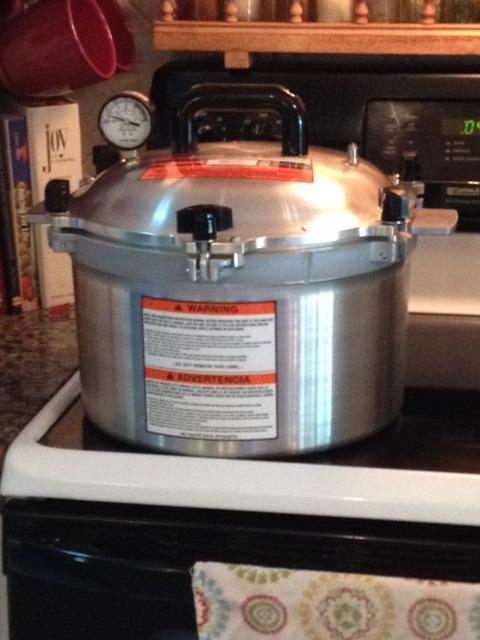
The All American 1930 15.5-quart holds about 7 quart jars or 10 pints per load, and its metal-to-metal sealing system eliminates the rubber gasket entirely. That single design choice is the reason experienced canners keep recommending this brand on Discuss Cooking and Sufficient Self.
There is no gasket to inspect, no gasket to test annually and no gasket to buy every few years. The lid clamps down onto a machined metal surface, which is why forum posters describe the All American as built like a tank and likely to outlast the owner.
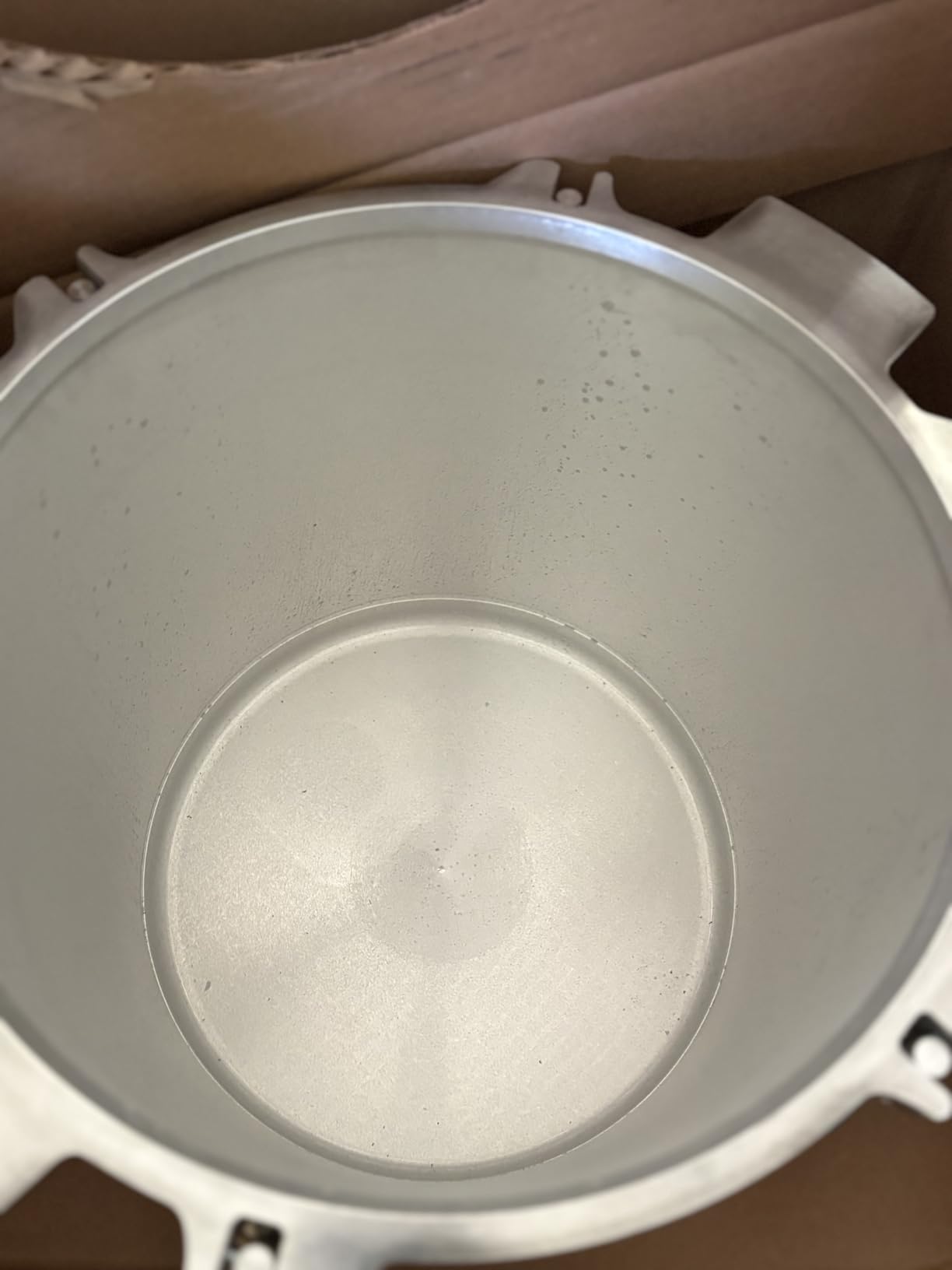
Consistency is the headline here. Ninety-three percent of ratings are five stars and 4% are four stars, one of the most consistent spreads in this group. Experienced canners who process thousands of jars a year describe it as the benchmark unit, and they point to the fact that parts, manuals, safety labels and inspection service remain available decades after purchase.
Pressure control comes from a weighted regulator paired with an easy-to-read steam gauge, so you get both the automatic accuracy of a weight and the confirmation of a dial. It is a made-in-the-USA unit from Wisconsin Aluminum Foundry, a family-owned manufacturer.
Is a gasket-free pressure canner worth it?
Over a lifetime, yes, and that is the forum consensus. Gasket-based canners need a replacement seal every few years plus an annual test, and an aging gasket is the most common cause of a failed seal. A machined metal seal removes that whole category of maintenance and cost.
It is also easier to open and close. The lid clamps rather than screws down, which matters when your hands are wet and full of canning supplies.
Where the All American 15.5 falls short
Weight is the recurring complaint. At 18 pounds empty, it must be loaded and unloaded on the stove surface rather than carried to a counter. Short owners report needing oven mitts and reaching around the pot to adjust the heat.
The body is aluminum, so induction cooktops are out, and owners warn it can scratch or shatter a glass cooktop. Make sure your burner is large enough for the 12.25-inch base. The lid can also occasionally vapor-lock at zero pressure and need gentle prying with a wrapped screwdriver.
6. MIRRO 22-Quart Canner Runs on Weighted Regulators at 5, 10 and 15 PSI
MIRRO 22 Qt Aluminum Pressure Canner with 3 Regulators, 5, 10 & 15 PSI
22 quart aluminum pressure canner
Three regulators at 5/10/15 PSI
Dual cool-touch handles and two racks
Dishwasher safe
18.62D x 15.59W x 15.47H
Pros
- Weighted regulators mean no gauge to watch
- Three regulators cover 5
- 10 and 15 PSI
- Heats quickly and holds temperature steadily
- Long-time owners report good seals and no siphoning
- Locks correctly and feels heavy-duty
Cons
- No readable pressure gauge
- Regulator must be pushed firmly onto the stem
- Rust-colored stain can develop near the steam vent
- Some owners avoid glass-top stoves with it
The MIRRO 22-quart is a 22-quart canner built around three weighted regulators covering 5, 10 and 15 PSI, and its capacity is sized for large-batch canning of vegetables, meats, poultry and seafood. If you have decided you do not want to watch a dial, this is the unit to look at.
Regulation works by jiggle. You pick the weight that matches your process and altitude, then adjust heat until the weight rocks steadily without a sustained hiss. Once it settles there, it stays there without further babysitting, which some experienced canners genuinely prefer over a dial.
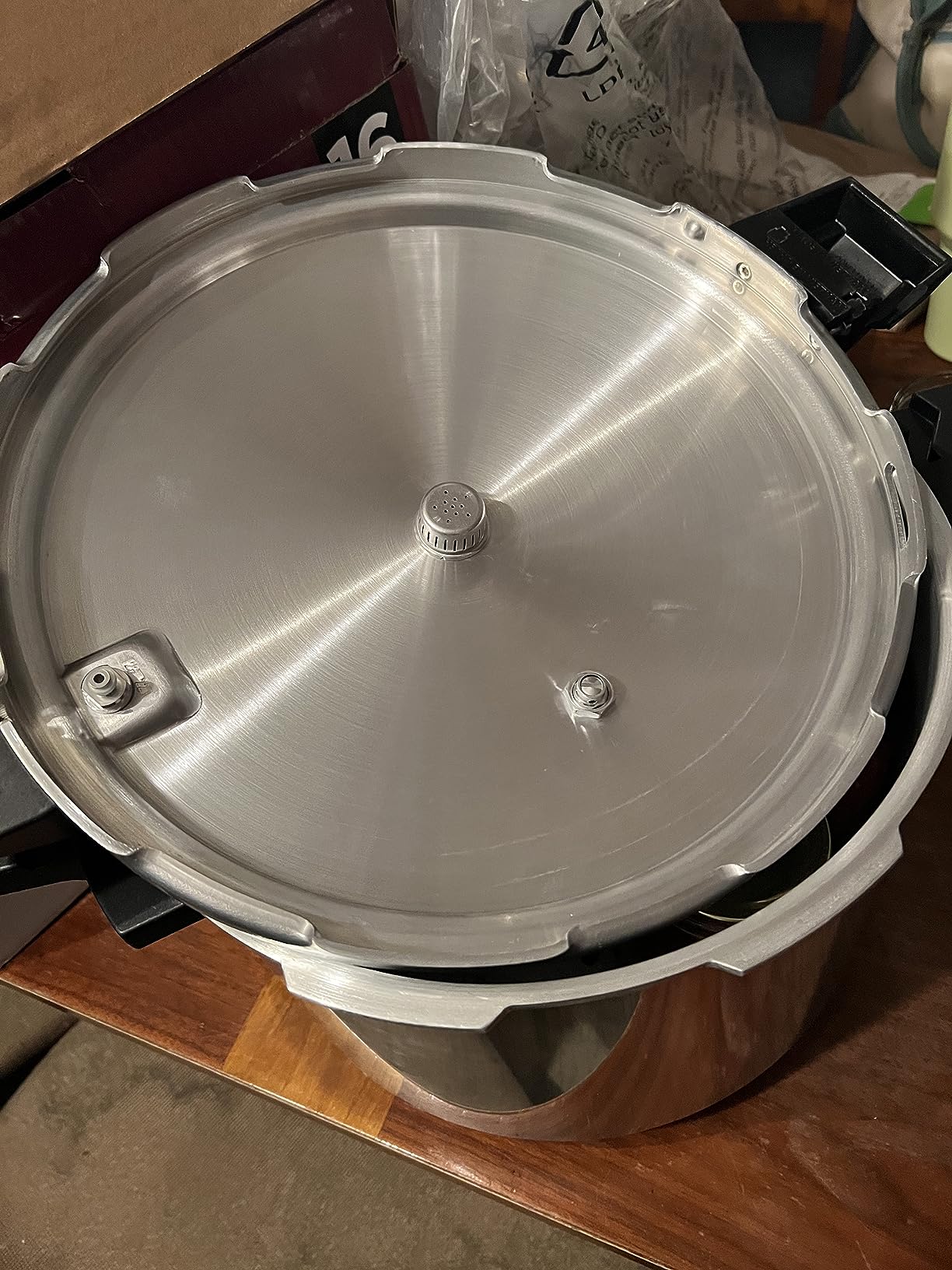
Owners who came back to Mirro after decades away specifically wanted the weighted regulator rather than a gauge, and multiple reviewers independently report steady heat, good seals and virtually no siphoning. The body heats quickly, which shortens the pre-process wait compared with heavier cast aluminum.
The 22-quart body is large enough for a serious batch, and the two included racks plus dual cool-touch handles make staging and lifting more manageable than older aluminum canners.
Is a weighted gauge safe enough for low-acid foods?
Yes, when you select the correct weight. A 15 PSI weight is the standard for low-acid vegetables, meats and soups at most elevations, and weighted regulators are the traditional approach on which USDA guidance was built. The safety comes from choosing the right weight and holding a steady jiggle, not from having a dial.
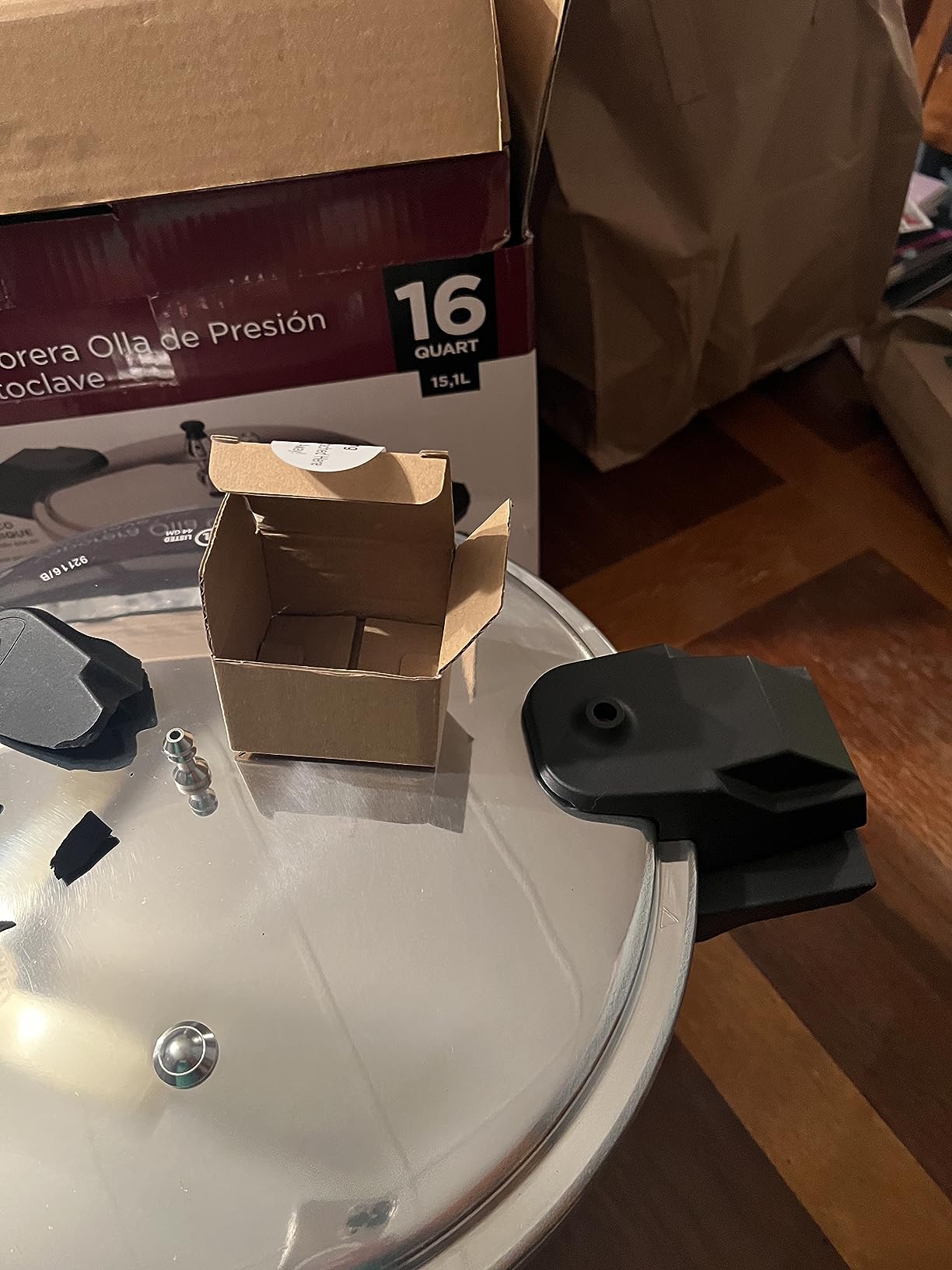
Buy a canner that includes a 15 PSI regulator out of the box. Sets sold with only 5 and 10 PSI weights require a separate purchase before you can can low-acid foods safely.
Where the MIRRO falls short
There is no readable pressure gauge, so you cannot confirm exact pressure and you cannot fine-tune for altitude the way you can with the Presto 01781. Experienced canners who want confirmation prefer a dial.
The regulator must be pushed firmly onto the stem to seat properly, and a rust-colored stain can develop around the steam vent with use. The aluminum body also reacts with acidic foods and is not recommended by some owners on glass-top stoves.
7. Presto 02152 17-Quart Digital Canner Uses an Extra-Tall Body for Full Quart Jars
Presto 02152 17-Quart Digital Pressure Canner
17 quart digital pressure canner
Extra-tall body sized to hold quart jars
Sensor maintains exact processing temperature
Stainless steel
14.5D x 17.25W x 18H, 24.3 lb
Pros
- Extra-tall 17-quart body built for full-size quart jars
- No pressure adjustments needed at high altitudes
- Runs on the counter without tying up a burner
- LED display walks through every step of the cycle
Cons
- Heaviest unit in the roundup at 24.3 pounds
- Costs more than stovetop aluminum with similar capacity
- Digital cycles run one batch at a time
The Presto 02152 has an extra-tall 17-quart body specifically sized to hold full-size quart jars, and a temperature sensor maintains the exact processing pressure without monitoring. If your goal is quart jars specifically and you want automation, this is the digital unit built for that job.
The height is the differentiator. Standard digital canners have to compromise because the water depth and rack clearance cannot both fit a quart jar, which is exactly why the smaller 12-quart model is limited to four jars with no water-bath headroom. This one is tall enough to make the quart load work with room to spare.
The rating profile is 84% five stars, nearly identical to the 12-quart Presto because reviews are pooled across both sizes. Buyers name the extra-tall quart-jar capacity and set-and-forget automation as the deciding factors over other digital models.
Like its smaller sibling, it needs no altitude adjustment. The sensor holds processing temperature regardless of elevation, which matters for canners above 1,000 feet who otherwise have to increase processing time on a stovetop unit.
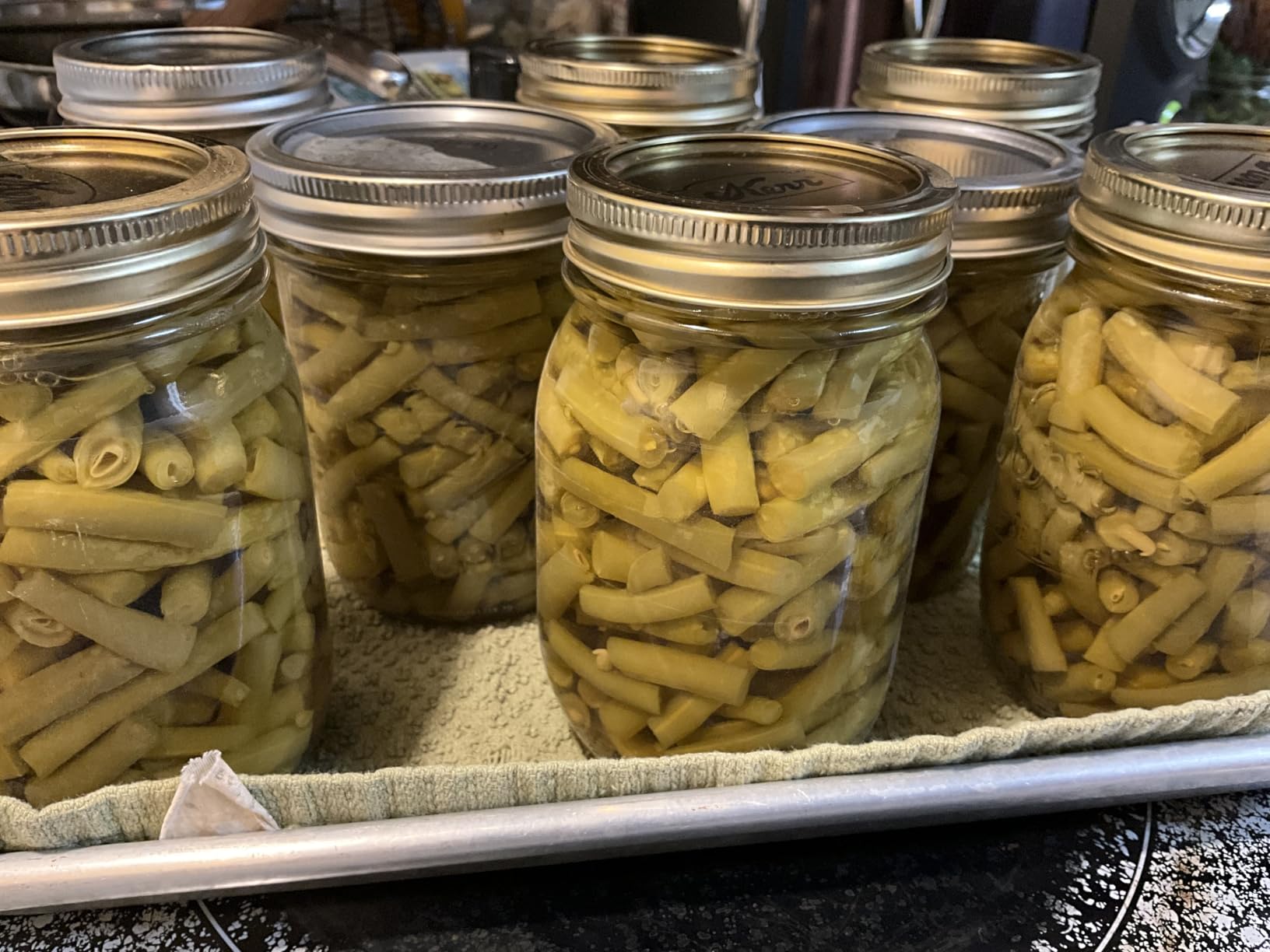
Who should step up to the 17-quart digital canner
Choose this if you want a countertop unit that is not hobbled by quart-jar geometry, and if your harvest calls for more than the four-jar batches the 12-quart model handles. It processes a larger quart load per cycle with the same automation.
It also suits renters and anyone without a gas range connection. A single electric outlet and a counter are the whole requirement.
Where the Presto 02152 falls short
At 24.3 pounds this is the heaviest unit in the roundup, and moving it when full is not realistic. Put it where it will live before your first batch rather than planning to carry it from a cabinet.
It costs more than a stovetop aluminum canner with similar jar capacity, and the digital cycle handles one batch at a time, so very large harvests mean long sessions.
8. All American 1930 25-Quart Holds About 7 Quart Jars or 19 Pints for Big Harvests
All American 1930: 25qt Pressure Cooker/Canner (The 925) – Exclusive Metal-to-Metal Sealing System – Easy to Open & Close – Suitable for Gas, Electric, or Flat Top Stoves – Made in the USA
25 quart aluminum canner
About 7 quart jars or 19 pint jars
Weighted regulator and steam gauge
Gasket-free metal seal
12.25D x 12.25W x 16.7H, 24 lb, made in USA
Pros
- Gasket-free metal-to-metal seal with positive clamping locks
- Holds about 19 pints or 7 quart jars per load
- Industrial-grade cast aluminum for decades of use
- Handle stays cool enough to touch during a cycle
- USA factory service and parts still available
Cons
- The heaviest unit in this roundup at 24 pounds
- Can scratch or break flat and glass cooktops
- Lid may vapor-lock at zero pressure
- Slower to heat and cool than smaller models
The All American 1930 25-quart holds about 19 pint jars or 7 quart jars per load, and the extra volume over the 15.5-quart sibling cuts the number of batches a large harvest requires. It uses the same precision-machined metal-to-metal seal with positive-action clamping locks.
Note the important detail: the quart count does not rise above 7. Extra volume goes to pints, and pint jars can be arranged around and between quart jars on the rack. If your plan is 40 quart jars a year, this saves you batches. If your plan is 10 quart jars a year, it saves you nothing but storage space.
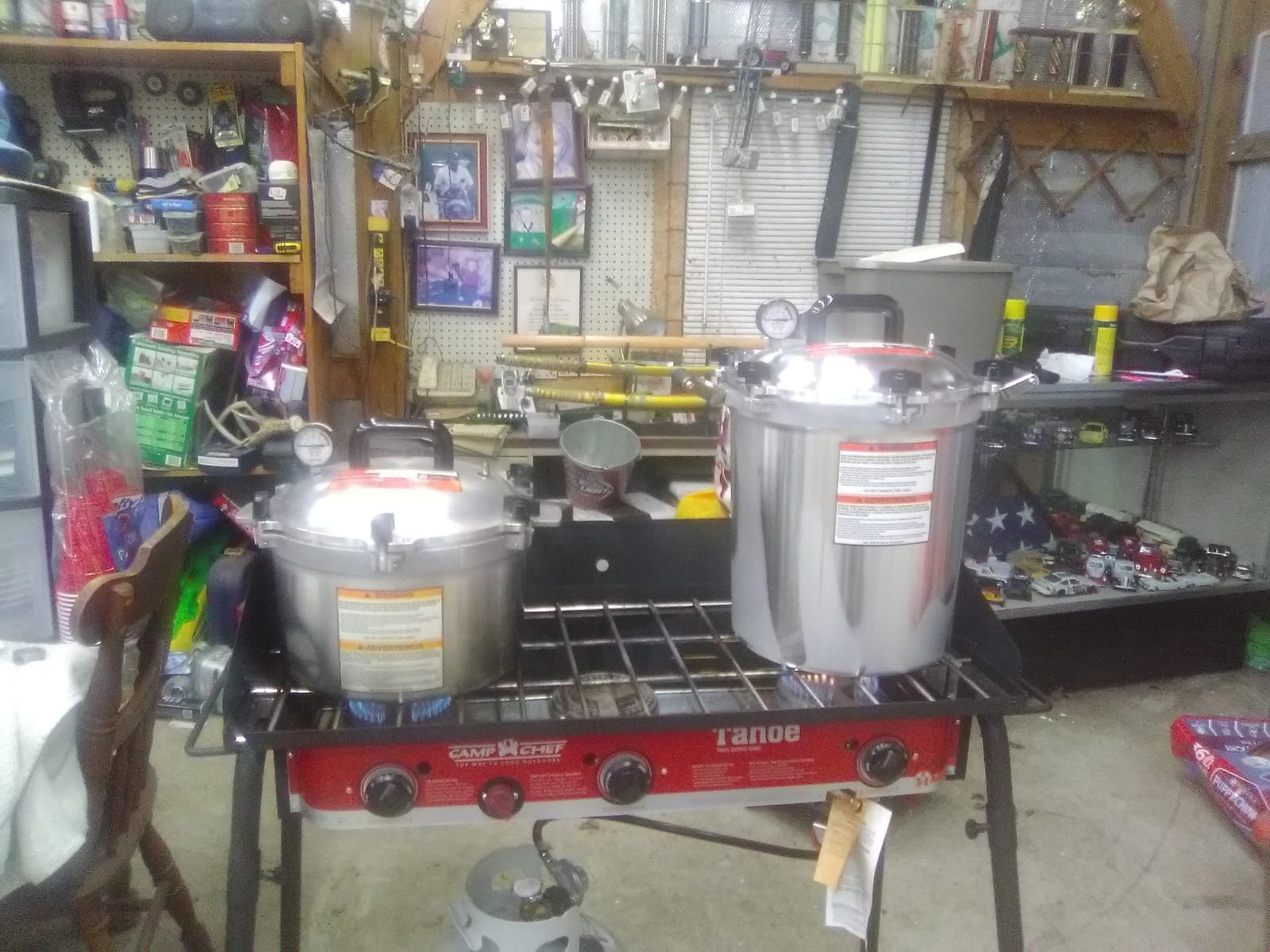
Ninety-three percent of ratings are five stars and 5% are four stars, nearly identical to the 15.5-quart because Amazon pools reviews across All American sizes. High-volume canners cite it as the only unit they would own, largely on the strength of long-term economics: no gaskets, and replacement parts, manuals and factory service that are still available decades later.
The handle stays cool enough to touch during a cook cycle, and the steam gauge gives you a readable reference alongside the weighted regulator.
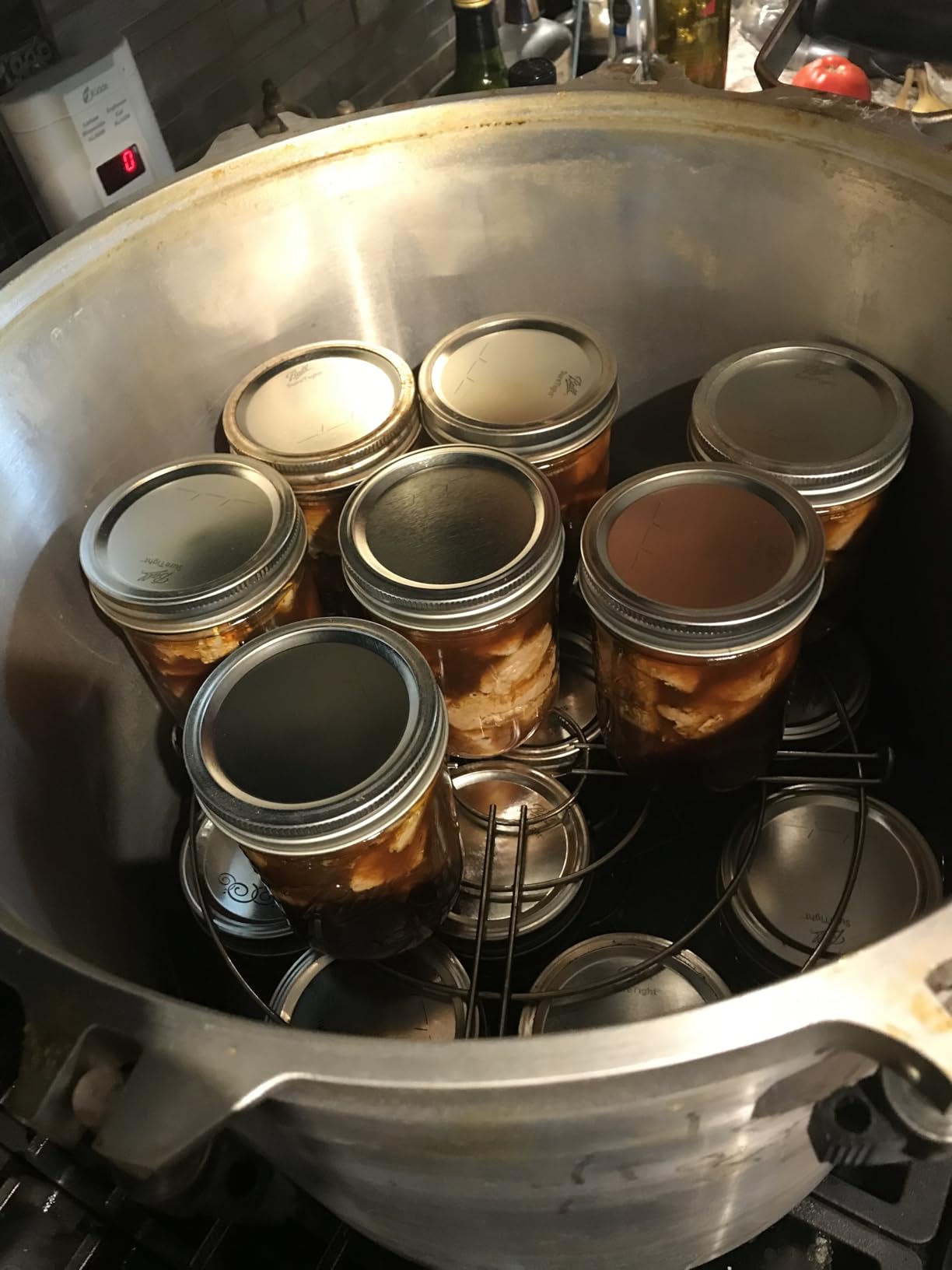
Is a 25-quart canner overkill for a home kitchen?
Often, yes. The most common complaint we found from owners is not performance but logistics: the 24-pound body is not liftable when loaded, and it takes longer to heat and cool than smaller models. A 40-quart harvest spread across four batches of 10 pints finishes faster in a 25-quart unit than in a 15.5.
Cool-down time is the real hidden cost. A large loaded canner holds heat long after processing, so plan a natural overnight cool before you open the lid.
Where the All American 25 falls short
Weight and cooktop care are the recurring drawbacks. It can scratch or break flat and glass cooktops, so burner diameter matters, and the lid may occasionally vapor-lock at zero pressure and need gentle prying.
It is also the highest outlay in this group, which is a poor trade for occasional canners.
How to Choose a Pressure Canner for Quart Jars
Start from your harvest, not from the pot. Estimate how many jars you will process in a year, divide by seven if you want full quart batches, and that is your minimum load count. Then add 25% for the days you can more than you planned. If you want a fuller picture of the equipment involved, start with our home canning pressure canner overview before narrowing down.
Dial gauge vs weighted gauge
A weighted-gauge canner regulates by jiggle. You load a weight for 5, 10 or 15 PSI and adjust heat until it rocks steadily without hissing, then leave it alone. It is quiet, forgiving of small heat variations and has fewer parts, but it gives you no numeric reading and no easy way to fine-tune above 1,000 feet.
A dial-gauge canner shows actual pressure on a needle, which lets you raise heat when the process stalls and gives you the flexibility to compensate for altitude. It demands more attention and needs periodic calibration, which is why beginners report dial-versus-weighted anxiety on canning forums. Neither is more safe than the other; they are different control styles.
Stovetop vs electric
Stovetop canners heat fast, hold large batches and cost less up front with no ongoing energy cost beyond your range. The tradeoffs are constant supervision, a hot kitchen in summer and a burner occupied for the duration of the batch.
Electric countertop canners automate pressure and temperature, run cooler, need no burner and generally need no altitude adjustment. They cost more, process smaller batches, and one large aluminum canner or pot is not an option on a kitchen that cannot spare a burner. For a household canning 30 to 60 jars a season, a stovetop unit is usually the better trade. For a renter, an apartment or a small household, electric wins on convenience.
Aluminum vs stainless steel and the induction catch
Aluminum is lighter, cheaper and heats faster than stainless steel, which is why five of the eight picks here are aluminum. It does not rust, but it reacts with acidic foods and it will not work on an induction cooktop.
Stainless steel will not react with acidic recipes and is induction compatible, at the cost of weight and price. Only the countertop electric units in this roundup carry a stainless steel body, and they are electric, so they do not need cooktop compatibility at all. If you have induction and want a stovetop canner, look at a stainless model outside this group rather than trying to adapt an aluminum pot with a diffuser plate.
Sizing to your harvest and how much water to add
Add 1 to 2 inches of water to the bottom of the canner, which is enough to prevent scorching without rising above the canning rack. Keep jars upright on the rack with space between them so steam circulates. Never fill a canner more than halfway with jars for pressure canning, and cool naturally, without running cold water over the lid, so jars do not thermal-shock.
Above 1,000 feet, water boils below 212°F, so processing times increase or pressures go up. Dial-gauge units and sensor-controlled electric canners handle this naturally. With a weighted canner, use the 15 PSI weight and follow the current USDA altitude tables for processing time.
Frequently Asked Questions
How many quart jars fit in a pressure canner?
A 9 to 12 quart canner holds about 4 quart jars per load. A 16 to 17 quart canner holds about 4 to 5. A 21.5 to 23 quart canner holds 7 quart jars, and 25-quart units hold about 7 quart jars plus extra pint jars around them. Manufacturer jar-capacity figures for these counts come from the picks in this guide.
What size pressure canner do I need for quart jars?
For most households, a 21.5 to 23 quart canner is the sweet spot because it holds a full 7 quart jars per load. Choose a 12-quart model if you only process 10 to 20 jars a year and want a lighter pot. Go larger only if your harvest exceeds 60 jars, because extra volume goes to pints rather than more quart jars.
How much water goes in a pressure canner for quart jars?
Add 1 to 2 inches of water to the bottom of the canner. That keeps the water from boiling away without rising above the canning rack. Too little water scorches jar contents, and too much makes jars float, which breaks seals. Keep jars upright with space between them so steam circulates during processing.
Can you pressure can quart jars?
Yes. Quart jars are standard for pressure canning low-acid foods such as vegetables, meats, poultry, soups and seafood. Processing reaches roughly 240°F to 250°F, which is what destroys heat-resistant spores that survive a water bath. Quart jars cannot be water-bath canned safely for those foods.
Do I need a dial gauge or a weighted gauge pressure canner?
A weighted canner regulates pressure by jiggle and is quieter with fewer parts, but it gives no numeric reading. A dial-gauge canner shows real pressure, which helps at higher altitudes and lets you raise heat when processing stalls. Both are safe when used correctly, and the digital units here need no altitude adjustment at all.
Can I use a pressure cooker instead of a pressure canner?
No, not for low-acid foods. Only appliances rated for pressure canning at 10.5 PSI or above should process vegetables, meats and soups. Generic electric and stovetop pressure cookers lack the jar clearance, rack and water depth that USDA-tested canning requires, even if they cook beans and meat well.
What is the most reliable pressure canner?
Reliability tracks two things: a canner rated for canning rather than cooking, and a rating base large enough to reflect real use. The Presto 01781 23-quart and the All American 1930 lead this group on rating and review volume, the latter with a gasket-free metal-to-metal seal that removes the most common failure point.
How often do I need to calibrate a pressure canner dial gauge?
Calibrate a dial-gauge canner annually, and any time it has been dropped, exposed to heat above its rating or read inconsistently. Gasket-free models like the All American have no dial to calibrate. Weighted-gauge units need no calibration either, but their regulator weights must match the pressure and altitude your recipe requires.
The Bottom Line on Quart Jar Load
If you take one number from this guide, take this: 4 quart jars in a 12-quart canner, 7 quart jars in a 21.5 to 25-quart canner. That single ratio answers most of the questions people bring to the best pressure canners for quart jars.
The Presto 01781 23-quart is our pick for most readers, with 7 quart jars per load, a deluxe dial gauge that covers every processing pressure and a 12-year limited warranty. If you never want to replace a gasket again, the All American 1930 15.5-quart gives you the same 7-quart load with a machined metal seal. If you want a counter unit that runs itself, the Presto 02152 17-quart is built tall enough for full quart jars and needs no altitude adjustment.
Whichever you choose, buy a canner rated for pressure canning, add 1 to 2 inches of water, and process to the times in current USDA guidance. Updated for 2026, and correct for the model numbers listed above.