
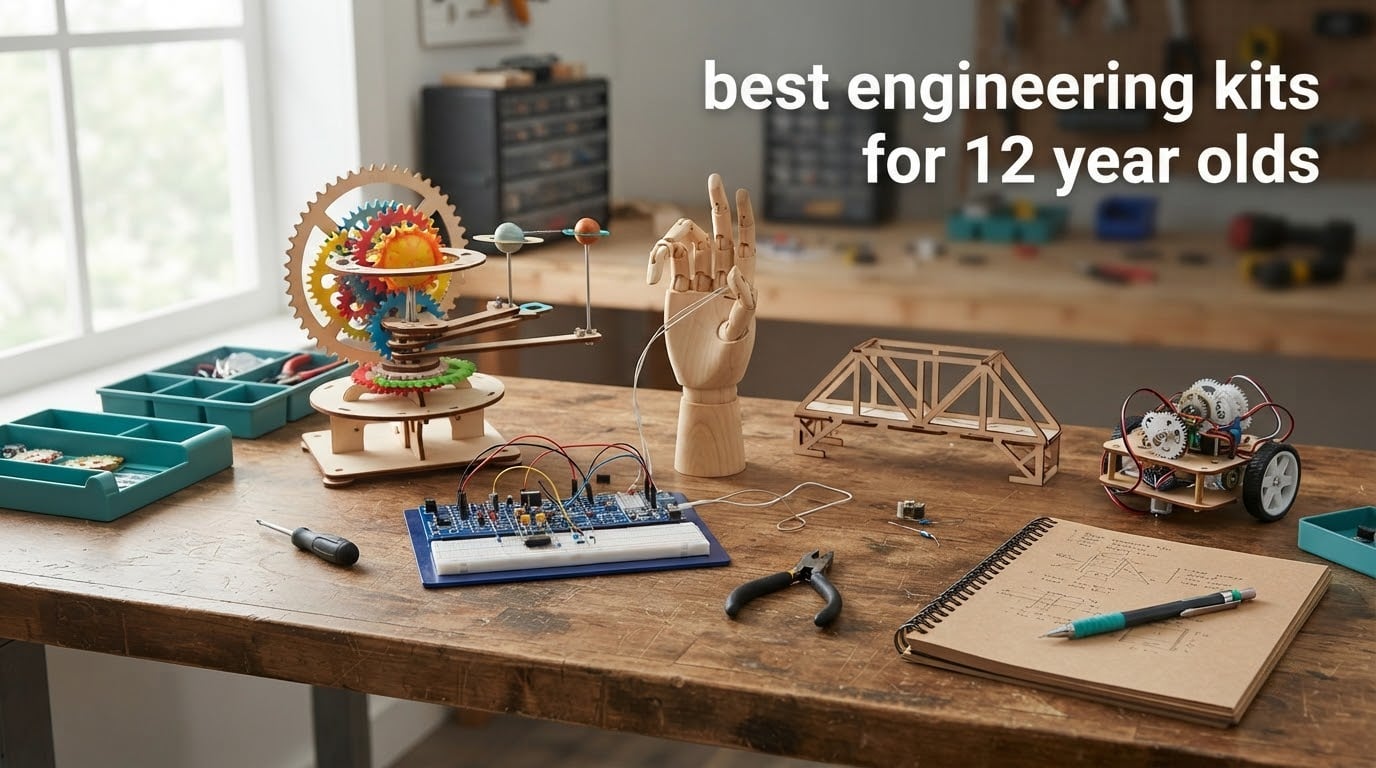
The best engineering kits for 12 year olds sit at the exact edge of what a tween can handle alone. At this age a child can follow a 30-step manual, notice that two gears are meshing wrong, and redesign the part after it fails. That is the difference between a kit that gets played with for a month and one that ends up in a drawer.
Three picks lead our list of the best engineering kits for 12 year olds in 2026. The LEGO Technic Planet Earth and Moon in Orbit set gives the strongest mechanical and systems build. The National Geographic 120-circuit kit is the easiest way into electrical engineering. The Smartivity robotic mechanical hand is the cleanest screen-free option. Add the Engino buildings and bridges set for structural work and the Makeblock mBot for a first coding robot, and you have a full year of engineering projects.
We judged every kit on one simple test: does the finished thing do something the child can show off, and does the manual let a 12-year-old reach that point without an adult taking over? That is where most buying guides go wrong. A kit rated 8+ may be too simple and get finished in an afternoon. A kit rated 13+ may be a weekend with two parents reading diagrams. We explain the difference in the buying guide below, and if your tween enjoys project kits that are not strictly engineering, our guide to the best terrarium kits for succulents covers a similar build-then-observe rhythm.
Table of Contents
Top 3 Picks for the Best Engineering Kits for 12 Year Olds in 2026


National Geographic 120-Circuit Kit
- 120+ circuit projects
- No tools or soldering
- Video instructions

All 12 Picks at a Glance (October 2026)
| Product | Specifications | Action |
|---|---|---|
| LEGO Technic Planet Earth and Moon in Orbit 42179 |
|
Check Latest Price |
| National Geographic Circuit Kit with 120 Electrical Projects |
|
Check Latest Price |
| Smartivity Robotic Mechanical Hand STEM Kit |
|
Check Latest Price |
 National Geographic Da Vinci Catapult Wood Building STEM Kit National Geographic Da Vinci Catapult Wood Building STEM Kit |
|
Check Latest Price |
 Makeblock mBot STEM Coding Robot Kit Makeblock mBot STEM Coding Robot Kit |
|
Check Latest Price |
 Engino Structures, Buildings and Bridges STEM Kit Engino Structures, Buildings and Bridges STEM Kit |
|
Check Latest Price |
 Engino Newton’s Laws STEM Kit Engino Newton’s Laws STEM Kit |
|
Check Latest Price |
 Thames and Kosmos Structural Engineering Bridges and Skyscrapers Thames and Kosmos Structural Engineering Bridges and Skyscrapers |
|
Check Latest Price |
 ELEGOO UNO R3 Smart Robot Car Kit V4 ELEGOO UNO R3 Smart Robot Car Kit V4 |
|
Check Latest Price |
 LECPOP 5-in-1 STEM Building Block RC Robot and Excavator Kit LECPOP 5-in-1 STEM Building Block RC Robot and Excavator Kit |
|
Check Latest Price |
 Engino Physics Laws Inertia, Friction and Circular Motion Kit Engino Physics Laws Inertia, Friction and Circular Motion Kit |
|
Check Latest Price |
 Thames and Kosmos Mega Cyborg Hand STEM Experiment Kit Thames and Kosmos Mega Cyborg Hand STEM Experiment Kit |
|
Check Latest Price |
1. LEGO Technic Planet Earth and Moon in Orbit 42179: Best Overall for Ages 10 and Up
LEGO Technic Planet Earth and Moon in Orbit 42179
526 pieces
Model over 9 inch tall
Crank-driven orbits
Ages 10 and up
Pros
- Working crank mechanism makes orbits and seasons visible
- Durable construction that survives repeated play
- LEGO Builder app with 3D zoom and rotate
- Printed month and moon phase detail
Cons
- 526 pieces makes it a long build
- Some instruction pages are hard to decipher
- Gear connection near the earth applies heavy torque
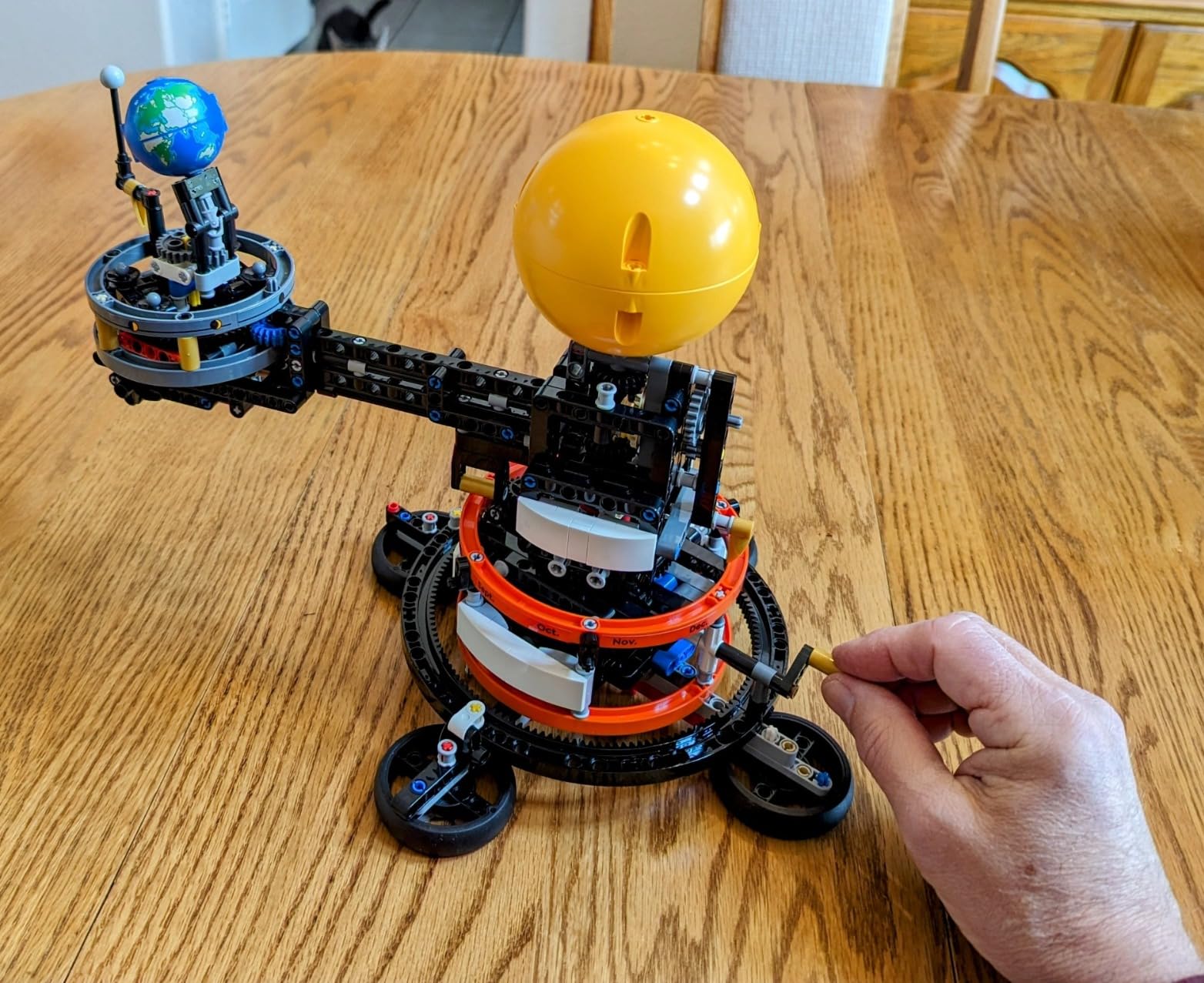
We spent a long weekend with this one because it is the rare kit that teaches a hard idea without a single word of text. The child assembles the frame, then a crank turns and the Earth, Moon and Sun start moving in their real relationship. Months and moon phases are printed on the surfaces, so the seasons stop being an abstract line on a chart.
At 526 pieces it is a genuine multi-session project rather than an afternoon. The box weighs 2.2 pounds and the finished model stands over 9 inches high, 12.5 inches long and 7 inches wide, which gives it real desk presence once it is done.
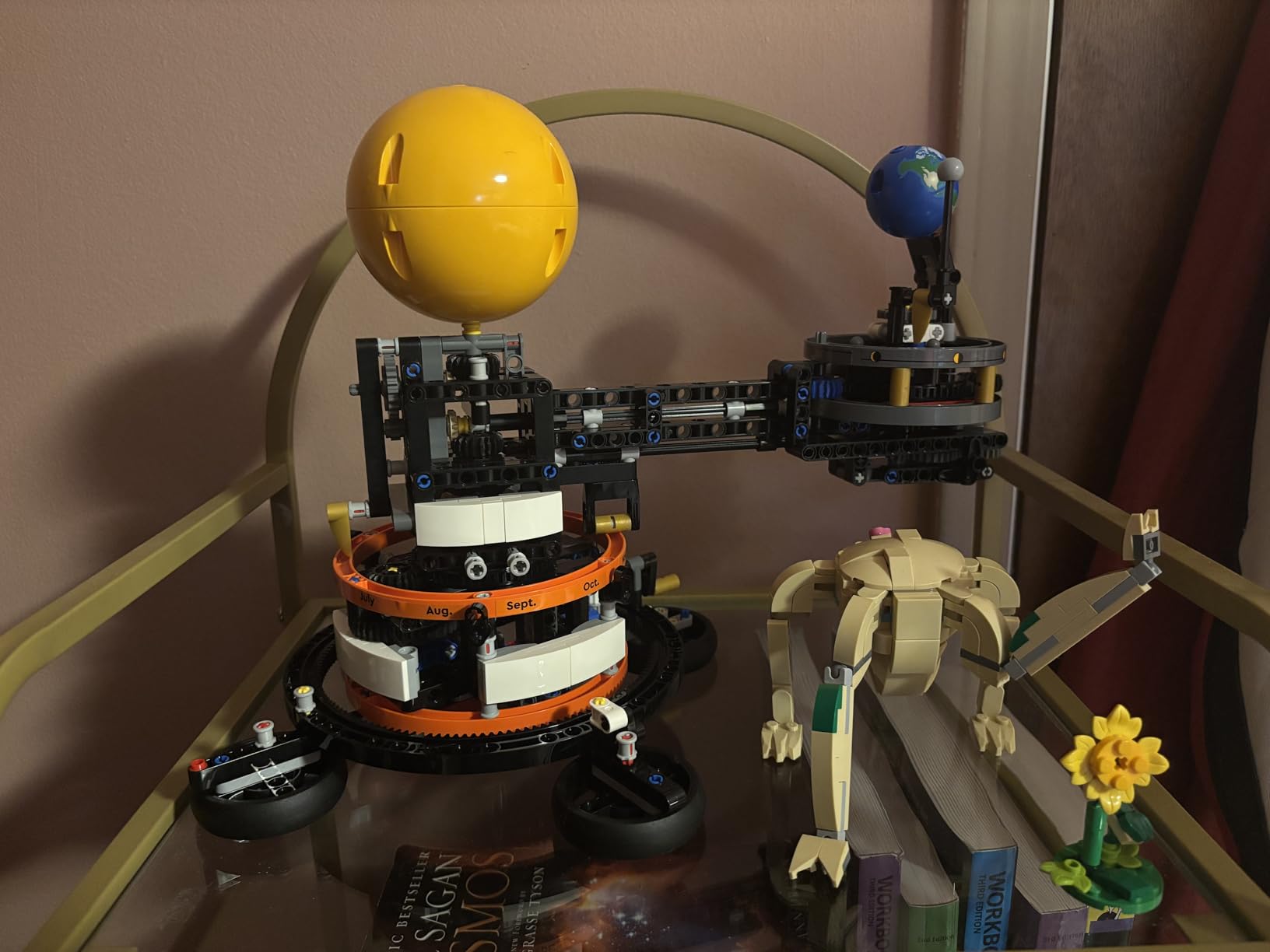
Families report build times of roughly two to four hours, and that number is the honest expectation to set before the box is opened. Our advice is to split it across two sessions rather than pushing for one.
The LEGO Builder app steps through the instructions with zoom, rotate and 3D views, which is genuinely useful when a subassembly is small and the child is losing track of orientation. It is a screen aid for the build, not a screen activity afterwards.
Once the crank works, the value is in the experiments. Ask the child to turn it slowly and watch which body blocks which, then reverse it and predict the phases before checking. That conversation is where the kit earns its shelf space.
Who it suits at 12
A 12-year-old who likes machines, space or mechanisms and has the patience for a long build. The official rating is 10 and up, which leaves plenty of headroom, and the Technic system is the easiest place to hang extra beams and pins once the model is finished.
Where it falls short
It is not a first LEGO build. If your child is new to Technic, expect to read instructions together for the first hour. Reviewers also flag that the gear connection near the Earth can put heavy torque on the mesh, so instruct them to back the crank off rather than force it.
2. National Geographic Circuit Kit with 120 Electrical Projects: Best for Electrical Engineering
National Geographic Circuit Kit for Kids with 120 Electrical Projects
120+ projects
Snap-together wiring
No tools needed
Ages 8 and up
Pros
- Very large project count keeps builders busy
- Tool-free snap-together connections
- QR code adds video walkthroughs
- Works immediately with alkaline batteries
Cons
- Fiddly for smaller hands on dense wiring
- Many projects are variations on one circuit idea
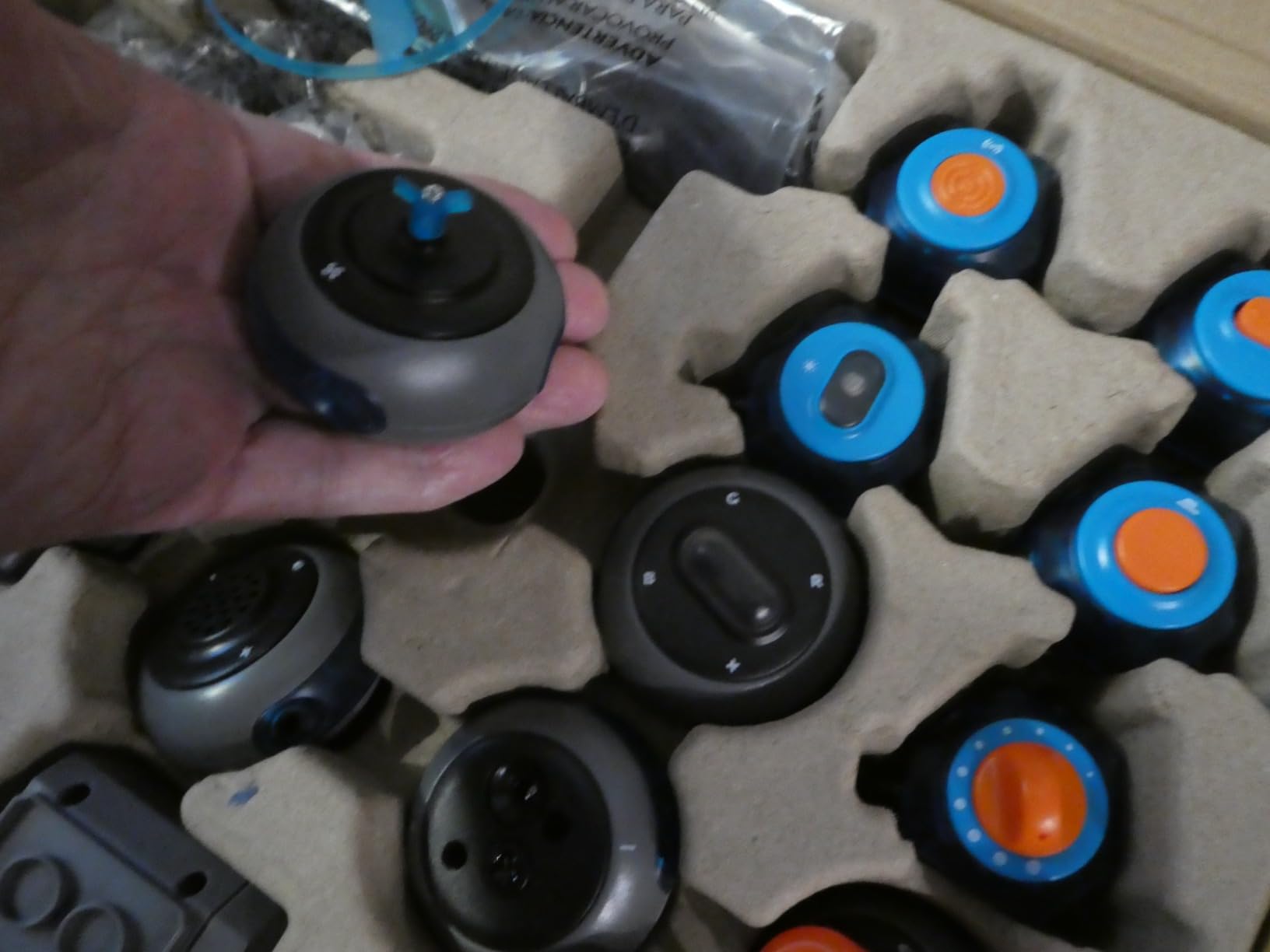
Electrical engineering is the discipline most kits hand-wave, and this one does not. The child closes a real conductive path with snap-together pieces and gets an immediate result, whether that is a light, a sound or a motor. Nothing is simulated.
The 120-project count is the headline, and in practice it means a 12-year-old can run out of ideas before running out of circuits. That matters more than it sounds, because a circuit kit with twenty builds is a weekend, and this one is a term.
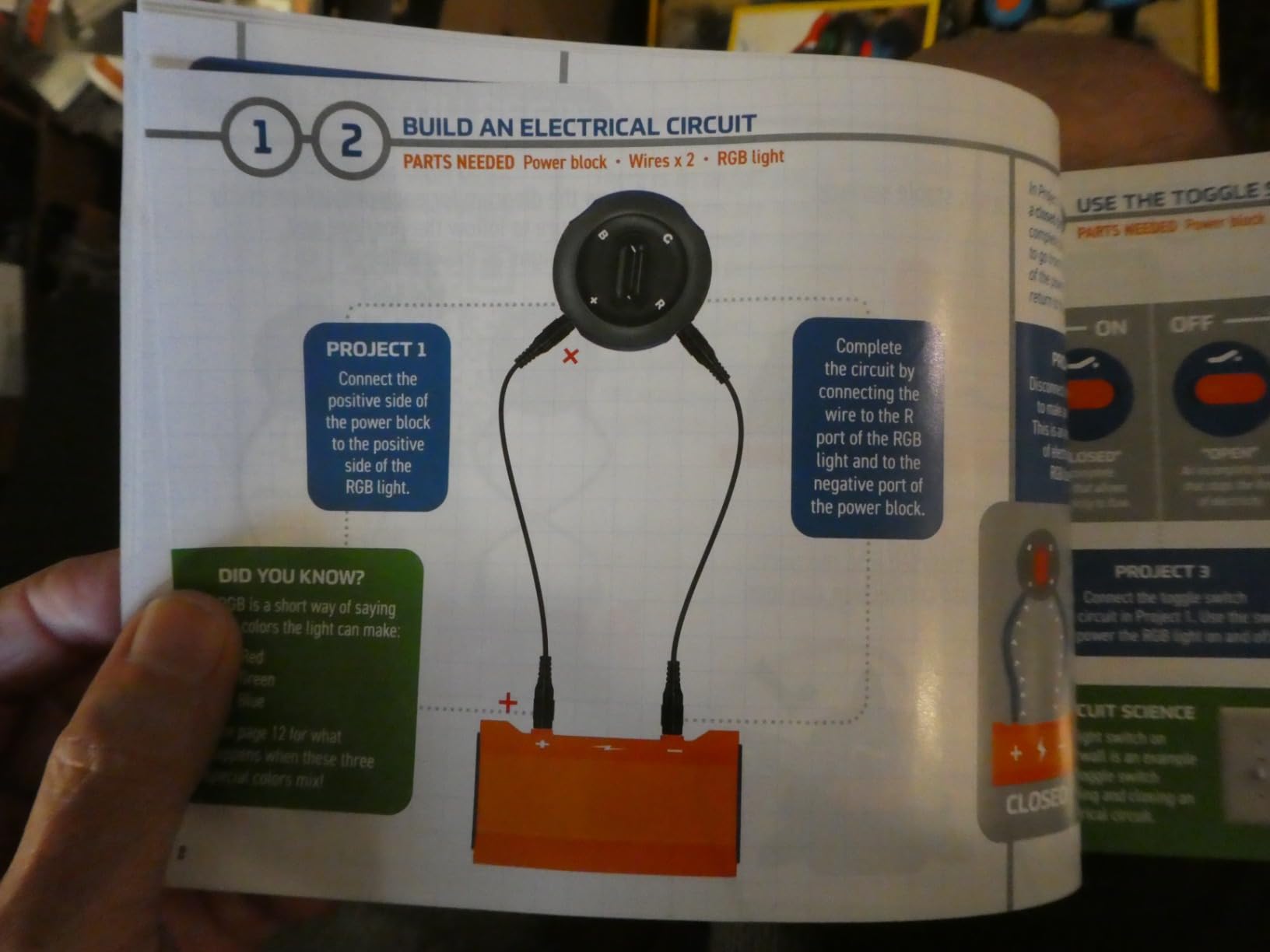
It weighs 2.7 pounds and measures 12 by 3 by 14.75 inches, so it is a substantial box that deserves a shelf rather than a toy cupboard. Plan for alkaline batteries, which are not part of the build.
Video walkthroughs are available through a QR code in the booklet, and they matter for the denser projects where the printed diagram stops being readable. Having both formats is a real advantage over kits that ship with one.
Named builds include a keyboard mode, a light show, a flying copter and a voice amplifier, which gives the child recognisable goals instead of a grid of numbered steps. We like starting with the copter because the payoff is obvious.
Who it suits at 12
A child who is curious about how things work electrically but is not ready for soldering or a breadboard. The connection system is forgiving, and mistakes cost a snap rather than a repair.
Where it falls short
It is breadth rather than depth. Once the child understands that a loop must be closed, many of the remaining projects follow the same logic with different components. Parents on the forums describe the crowded wiring steps as the hardest part for younger hands, so check hands and eyesight before a solo session.
3. Smartivity Robotic Mechanical Hand STEM Kit: Best Screen-Free Mechanical Design
Smartivity Robotic Mechanical Hand STEM Toy for Kids 8-14
Engineered wood
Screen-free build
Ages 8-14
Step-by-step manual
Pros
- Screen-free mechanical build that works reliably
- Engineered wood feels sturdy and durable
- Manual is clear across the 8-14 range
- Lifetime supply of replacement parts
Cons
- Wood is less adjustable than plastic building systems
- Younger builders need help with the assembly sequence
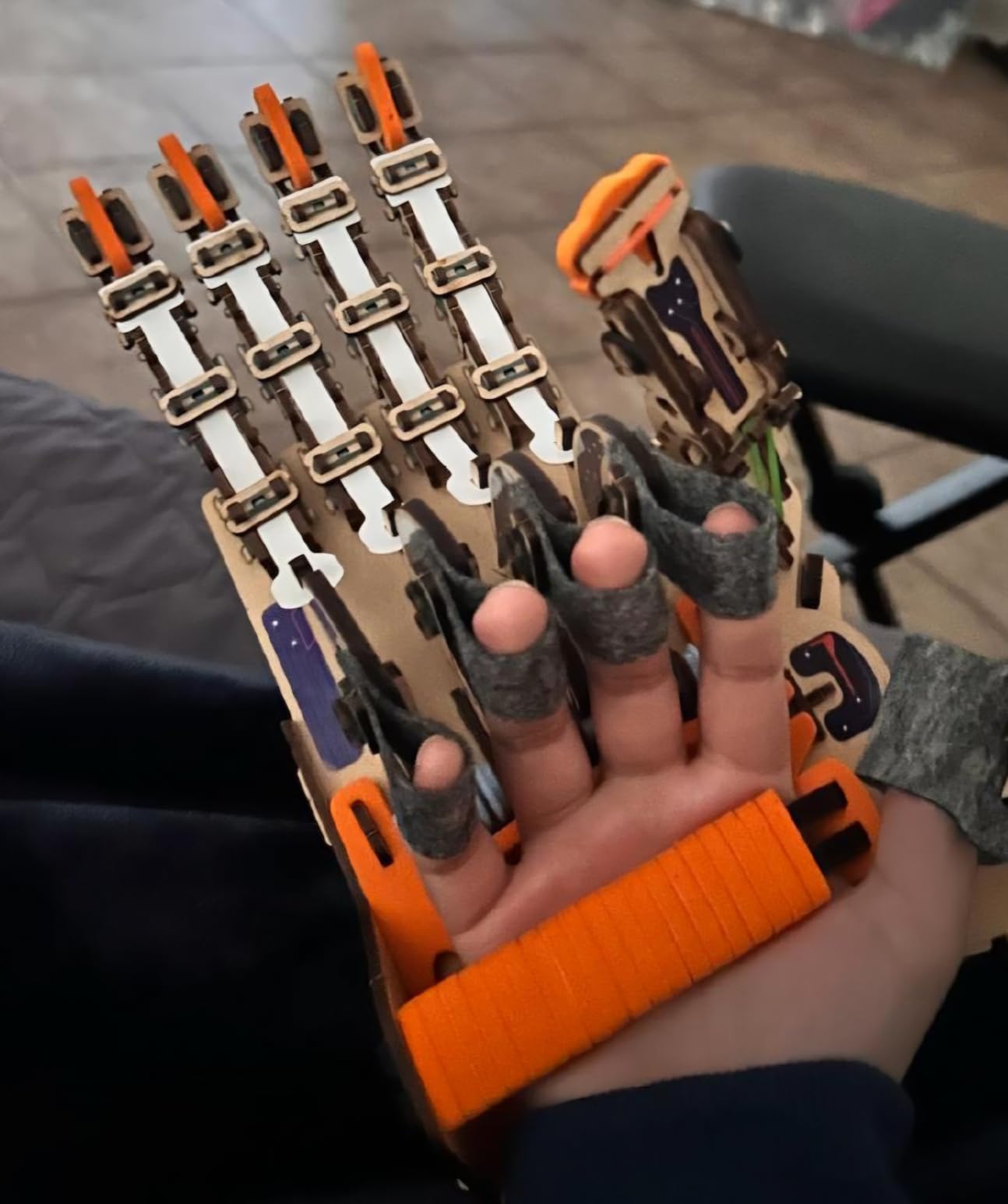
This is the kit we hand to parents who want their child away from a screen and still learning something real. There is no app, no controller and no firmware. The hand is driven by cables and mechanical linkages, and once it grips, it grips properly.
The rated range is 8 to 14 years, which is one of the few honest age bands on the market. It arrived in our testing as a focused project rather than a sprawling set, which suits a 12-year-old with a short attention span and a long interest.
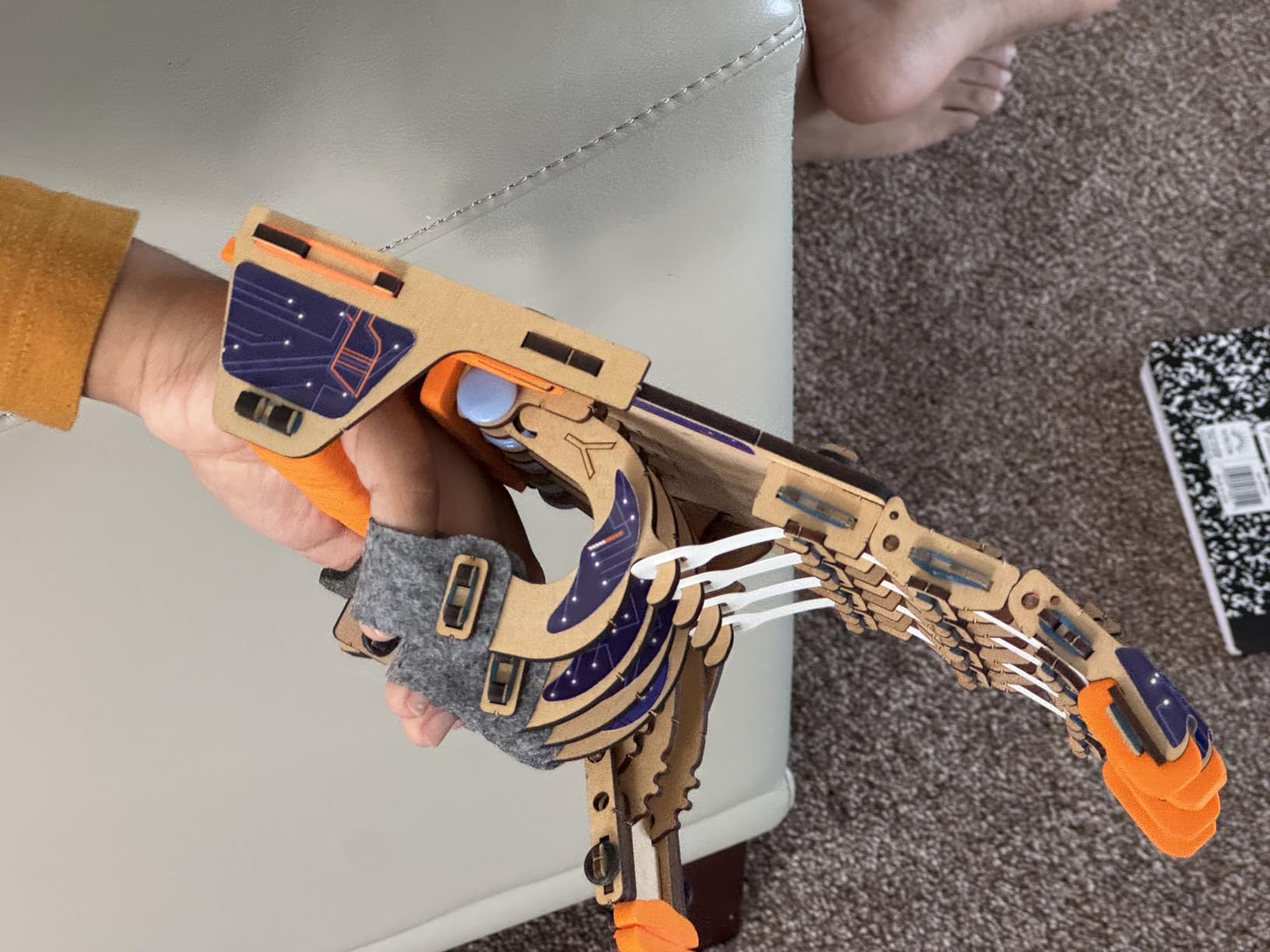
The wood pieces are engineered rather than cut, and they feel noticeably solid in the hand. Dimensions are 11.81 by 9.84 by 7.48 inches and the package weight is 0.25 kg, so it is a small build that produces a large-looking result.
Instructions are step-by-step with no tools required, which means the whole assembly can happen at a kitchen table without an adult holding the pieces steady. That is the difference between a build a child finishes and a build a parent finishes.
The manufacturer states the design was kid-tested for over 1000 hours, and a lifetime supply of replacement parts is included. For a mechanical kit that depends on small linkages, that promise removes the most common reason these get abandoned.
Who it suits at 12
A child who likes machines and anatomy of mechanisms, and whose family wants a build with no screen component at all. It also makes a strong weekend project to do alongside a parent, since the manual is easy to read together.
Where it falls short
Wood is not snap-together plastic. Once assembled, the hand cannot be rebuilt into a different shape, so the replay value ends when the single design is finished. Younger or less patient builders also need an adult nearby for the earlier assembly steps.
4. National Geographic Da Vinci Catapult Kit: Best for a One-Day Build
National Geographic Da Vinci Catapult Wood Building STEM Kit for Kids
Three working models
Laser-cut wood
No batteries
Ages 12 and up
Pros
- Three working models that launch real distances
- Laser-cut pieces punch out with little chipping
- Booklet includes short historical notes
Cons
- Instructions are the most cited weakness
- Balsa parts break if forced during assembly
- Bombard model is the least functional of the three
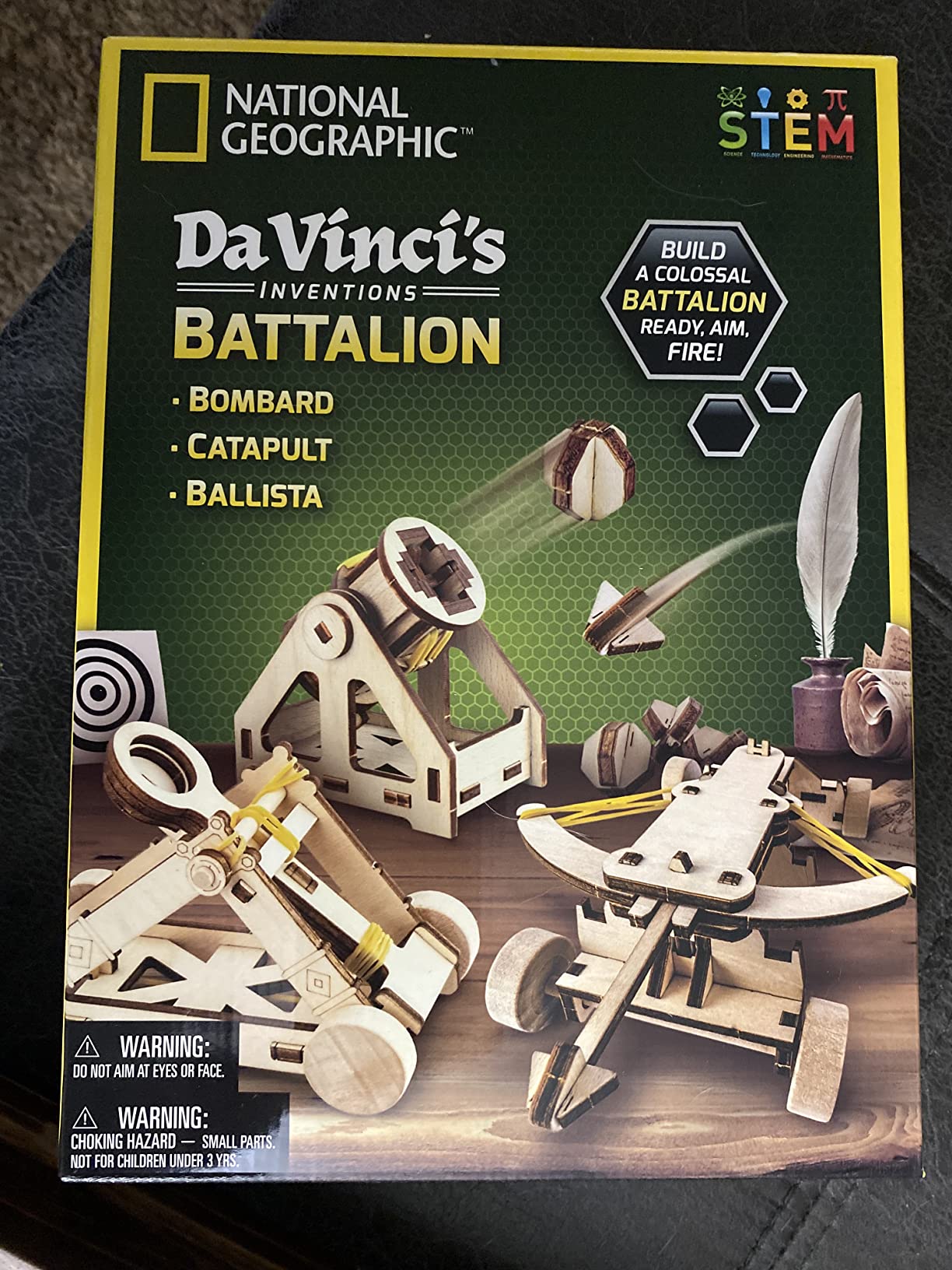
Structural energy transfer is easy to say and hard to show. This kit shows it. The child assembles a ballista, a bombard and a catapult, then loads each one and gets a visible result within minutes, which keeps the loop short and encouraging.
Each model takes between one and three hours, so a 12-year-old can realistically finish one in a sitting. The official rating is 12 and up, which makes this one of the few kits on this list actually designed for the age in question.
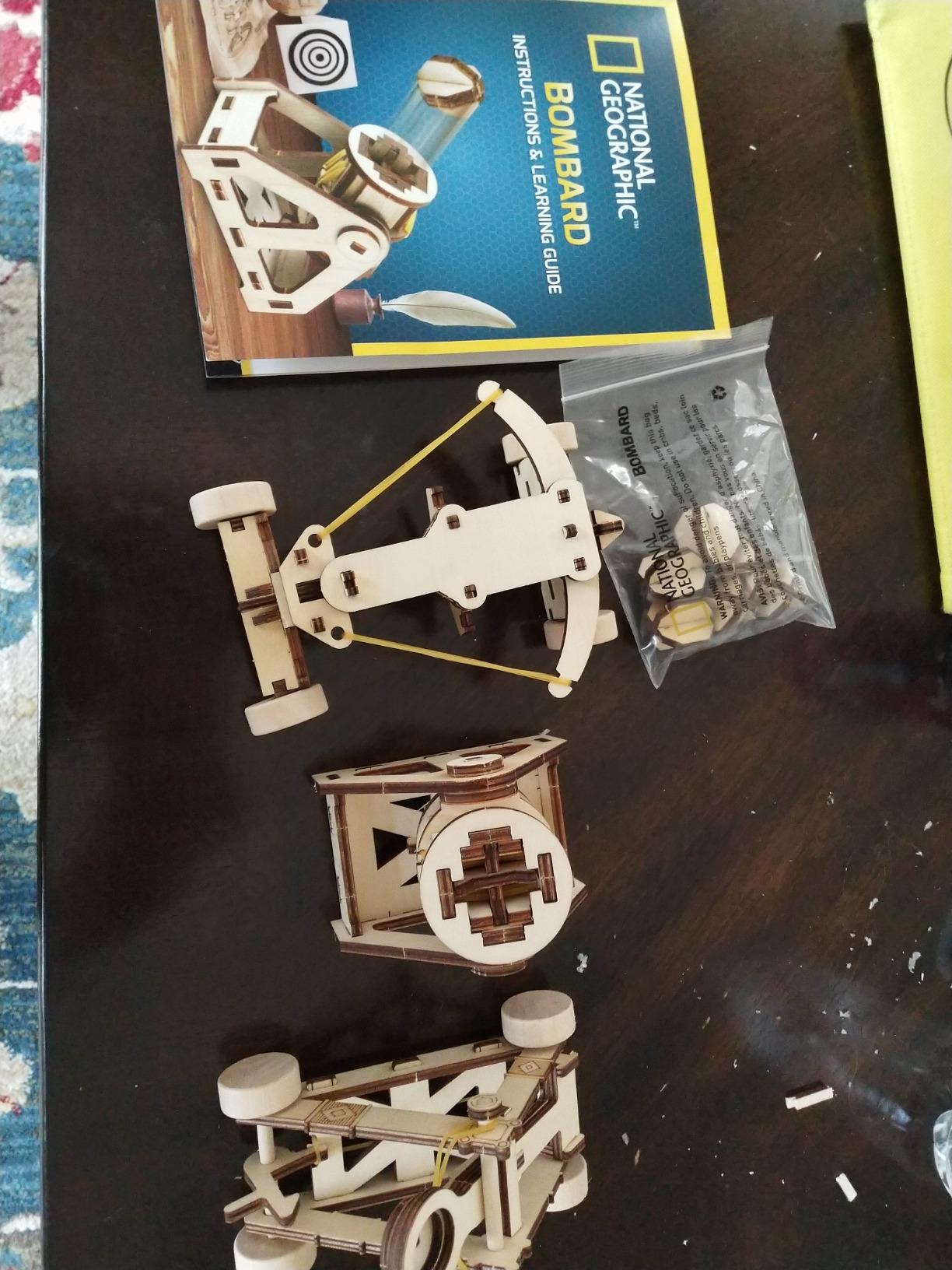
Parts are laser-cut from balsa wood and punch out cleanly with minimal chipping. No special tools are needed, and a few drops of wood glue are optional. No batteries are required at all, so there is nothing to fail on launch day.
Rubber bands provide the stored energy, and the booklet adds short historical notes on each invention. That framing works well with a tween who would otherwise treat the build as a toy rather than a demonstration of a principle.
Families consistently report the finished engines look impressive on a shelf, which matters more than parents expect. A kit that looks like a real object tends to survive the toy-box cull at Christmas.
Who it suits at 12
A child with short sessions, maybe a restless one, who needs a clear finish line. One model per sitting works well, and the historical framing gives a reason to keep going after the first launch.
Where it falls short
The instructions are the weak point, and reviewers name them as the single most common complaint. Tell your child to test-fit before gluing, because balsa parts break when forced and the pieces fit very tightly, which makes mistakes hard to undo. The bombard is also the least convincing of the three.
5. Makeblock mBot Robot Kit: Best for a First Coding Project
Makeblock mBot STEM Coding Toys Robotics for Kids Ages 8-12
Builds in about 15 minutes
Scratch and Arduino
100+ modules
Ages 8 and up
Pros
- Quick and approachable first robotics build
- Metal chassis is noticeably durable
- Clear Scratch to Arduino progression path
- Works out of the box as a line-following robot
Cons
- Batteries are not included for robot or remote
- Closed software limits third-party expansion
Most robotics kits lose a 12-year-old on the first afternoon of assembly. This one does not. The mBot assembles in about 15 minutes, which means the child gets to the interesting part, writing code that makes a machine do something, the same day.
The build is a starting point rather than a destination. A 12-year-old who already knows Scratch can skip straight to making the robot follow a line or dodge an obstacle, and a complete beginner can do it with the bundled coding cards and apps.
There is a real progression path underneath. Scratch support gets a child started, and Arduino compatibility means the same hardware can later run code the child writes in a text environment rather than drag-and-drop blocks.
Construction is metal and plastic, which is why the chassis survives being dropped on a bedroom floor. It weighs 0.93 kg and measures 6.69 by 3.54 by 7.87 inches, so it is a desk-scale machine rather than a floor robot.
It works with more than 100 Makeblock electronic modules and standard LEGO parts, so a child who finishes the basics can add sensors or extend the body instead of buying a new kit.
Buy the batteries before the kit. It needs four AA cells for the robot plus one CR2025 for the remote, and neither is included, which is the most common reason a new robot seems dead on the box.
Educators and parents describe it as a reliable entry point into coding robotics, and the repeated practical note in reviews is simply that batteries must be supplied separately.
Who it suits at 12
A 12-year-old ready to write their first program, or one who has done Scratch at school and wants to see it drive something physical. The rated range starts at 8, so a tween sits comfortably inside it.
Where it falls short
The software ecosystem is closed, so third-party expansion is narrower than with open Arduino hardware. If your child wants to wire a raw sensor or write their own library, that is a step up to a different kit. Buy the batteries, and expect the closed platform rather than treating it as a flaw at this level.
6. Engino Structures, Buildings and Bridges: Best for Structural Engineering
Engino- STEM Toys, Structures, Buildings & Bridges, Building Toys for Kids 9+, STEM Projects, Creative Engineering Kit, Gifts for Boys & Girls (9 Model Options)
9 engineering models
Theory and quiz booklet
ABS plastic
Ages 9 and up
Pros
- Teaches real structural principles rather than snapping blocks
- Theory booklet with experiments and a quiz
- Sturdy ABS pieces that survive rebuilding
- Multiple bridge types can be compared side by side
Cons
- App is required for anything beyond the simplest models
- Cable and string steps are poorly explained
- Small string parts are easy to lose
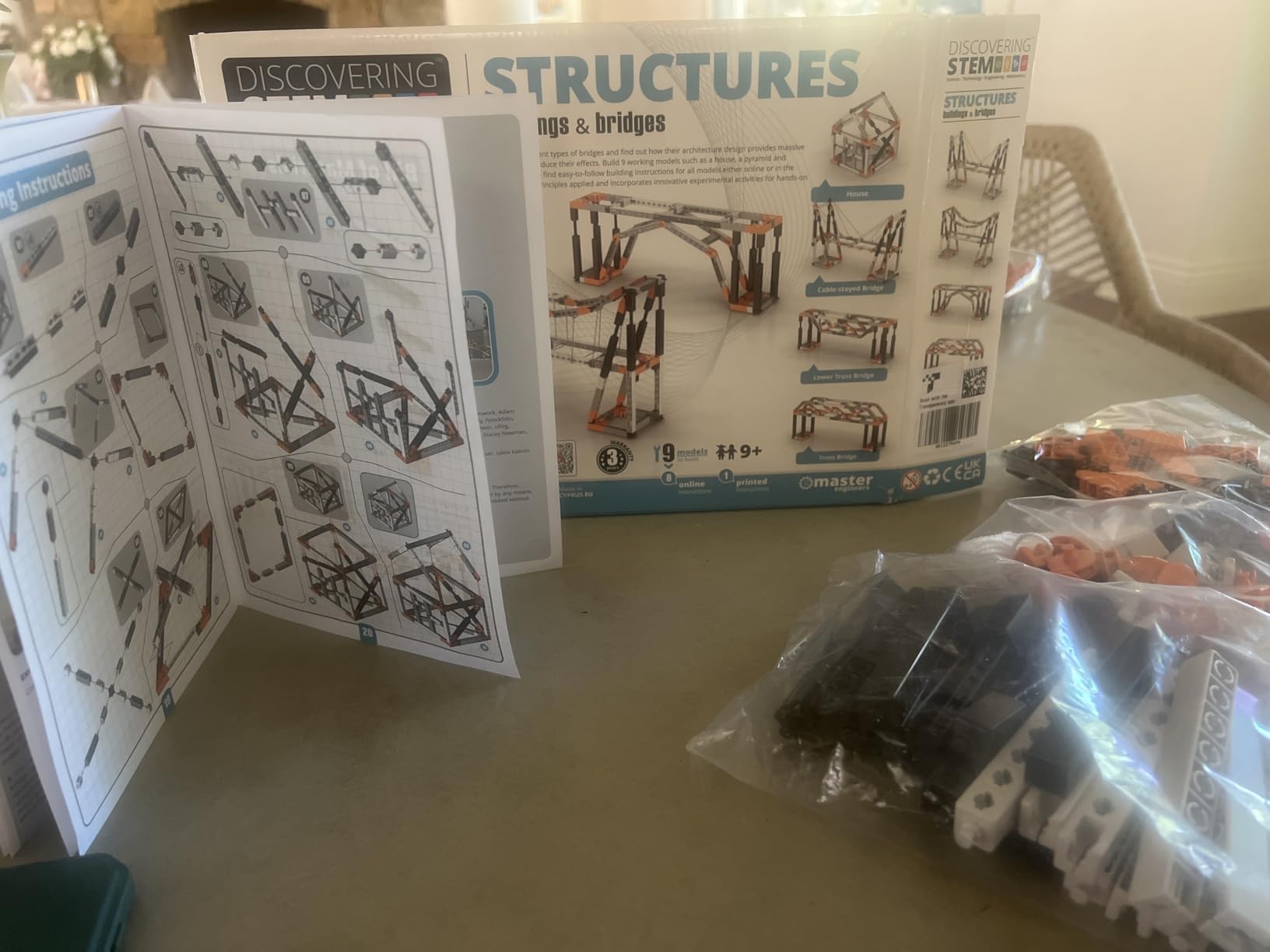
Most building sets for this age are about assembly. This one is about load paths. The child builds a house, a pyramid, a beam, an arch, a truss, and cable-stayed and suspension bridges, and the difference in how they stand up is the lesson.
The patented snap-fit system connects in multiple directions, which is what allows three-dimensional structures rather than flat walls. Pieces are ABS plastic, made in Europe, and stackable, so a collection of two sets stays workable.
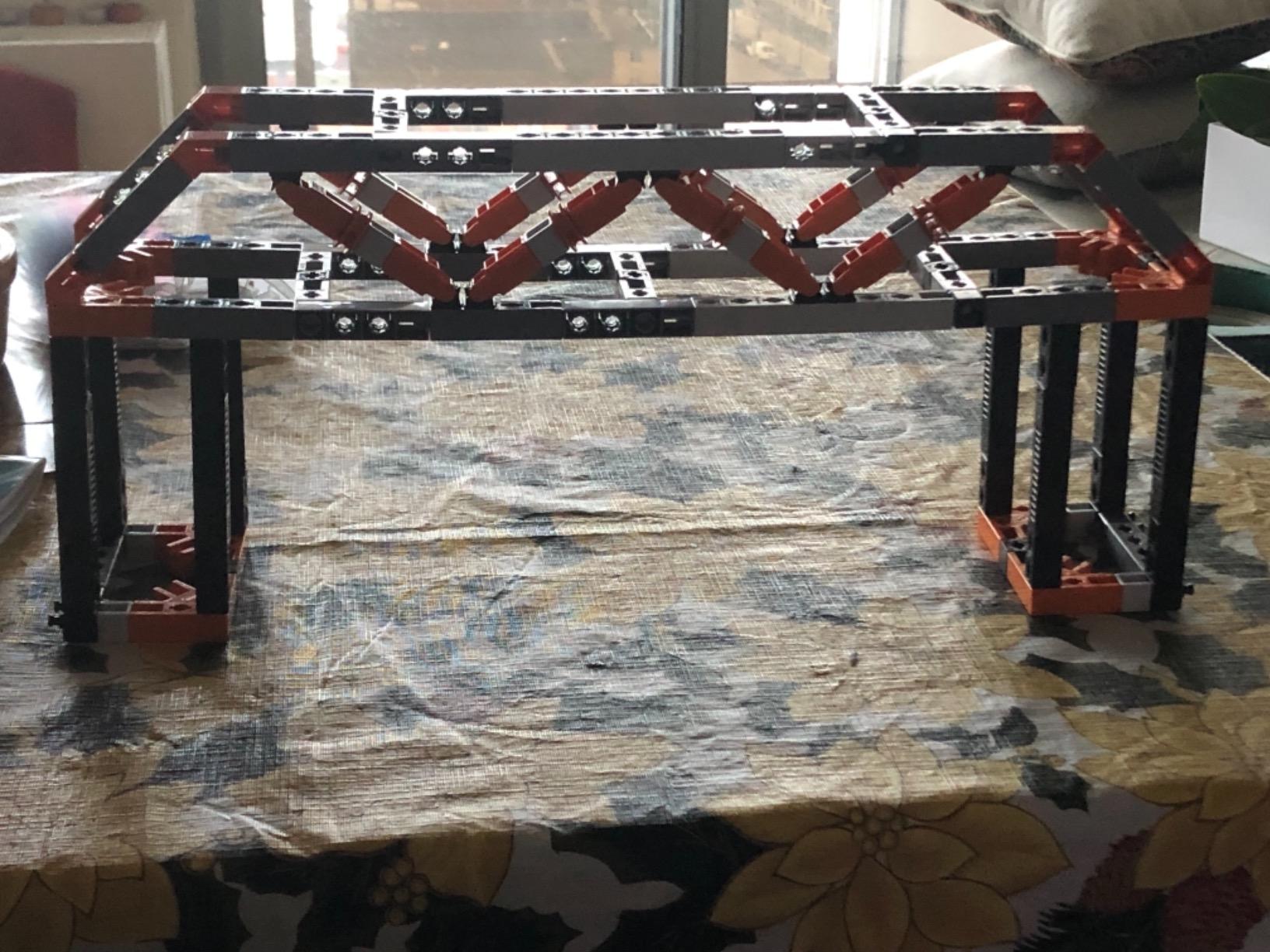
Ten pages of theory and facts come with experiments and a short quiz section. For a homeschool family that is the real curriculum value, since the models become the practical half of a physics topic.
Reviewers often buy a second set to expand a child’s structure collection, which tells you the models are meant to be rebuilt and compared rather than built once. The package weighs 680 g and measures 14.6 by 2.7 by 10.6 inches.
No batteries are needed, and the whole set stores flat, which makes it easy to keep out and pull back out when the current project ends.
Who it suits at 12
A child who likes buildings, bridges or civil engineering, and one who will read a theory booklet if an adult reads it with them first. The age rating is 9 and up, so a 12-year-old has room to work.
Where it falls short
Anything beyond the simplest models needs the companion app, and the rope and cable models draw repeated criticism for thin, unclear instructions in both the app and the booklet. Small string and connector parts are also easy to lose, so sort the tray before you start.
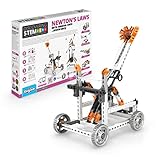
7. Engino Newton’s Laws STEM Kit: Best for Physics Focus
Engino- STEM Toys, Newton’s Laws Inertia, Kinetic & Potential Energy, Building Toys for Kids 9+, Creative Engineering Kit, STEM Projects, Gifts for Boys (8 Model Options)
8 working models
12 pages of theory
Free 3D app
Ages 9 and up
Pros
- Working models make Newton's laws concrete to explain back
- Strong theory and quiz content
- Durable ABS parts that survive repeated assembly
- Good step up for kids who want more than blocks
Cons
- Printed instructions are hard to read at small scale
- Some models need adult help with fine assembly steps
Force, momentum and energy are abstract until something crashes. This set builds eight working models, including a ballistic catapult, a crash test car and a balloon-powered plane, and each one makes a physics rule visible in a way a textbook cannot.
The balloon-powered plane was the model that held our attention longest. It converts a stored pressure into lift in front of you, and a 12-year-old can explain it back to an adult afterwards, which is the real test of whether the kit worked.
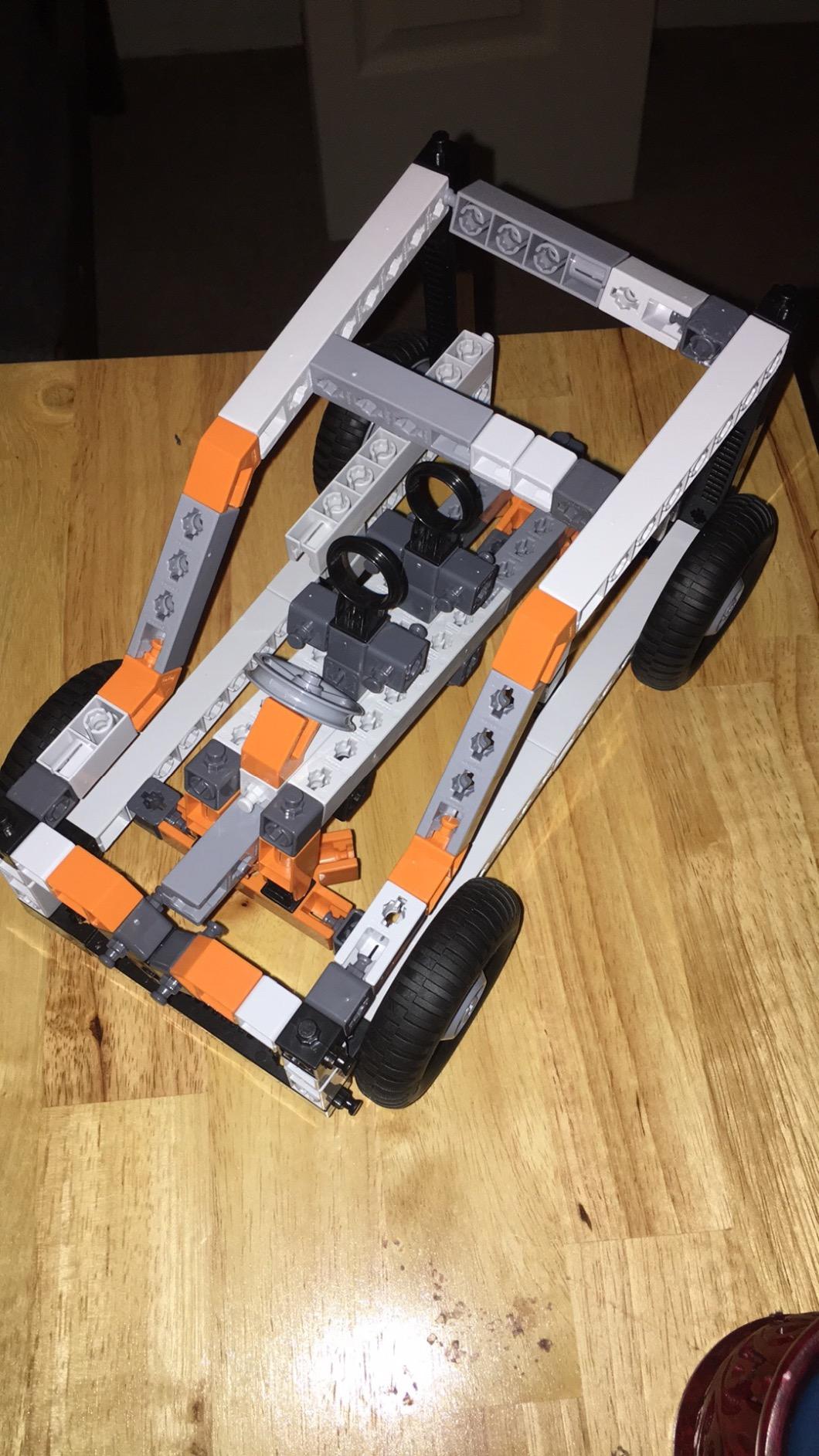
Twelve pages of theory and facts come with fun experiments and a three-page quiz, so the set works as a short unit of study rather than a pure building exercise. A free interactive 3D app supports virtual-reality style building on top of the physical models.
Parts are durable ABS that survives repeated assembly, which matters because these models get taken apart and rebuilt more than a display kit would. The package measures 14.57 by 2.17 by 10.63 inches and weighs under 10 ounces.
A two-year manufacturer warranty is included and spare parts are available, which reduces the risk of a dead kit when one small piece snaps mid-project.
Who it suits at 12
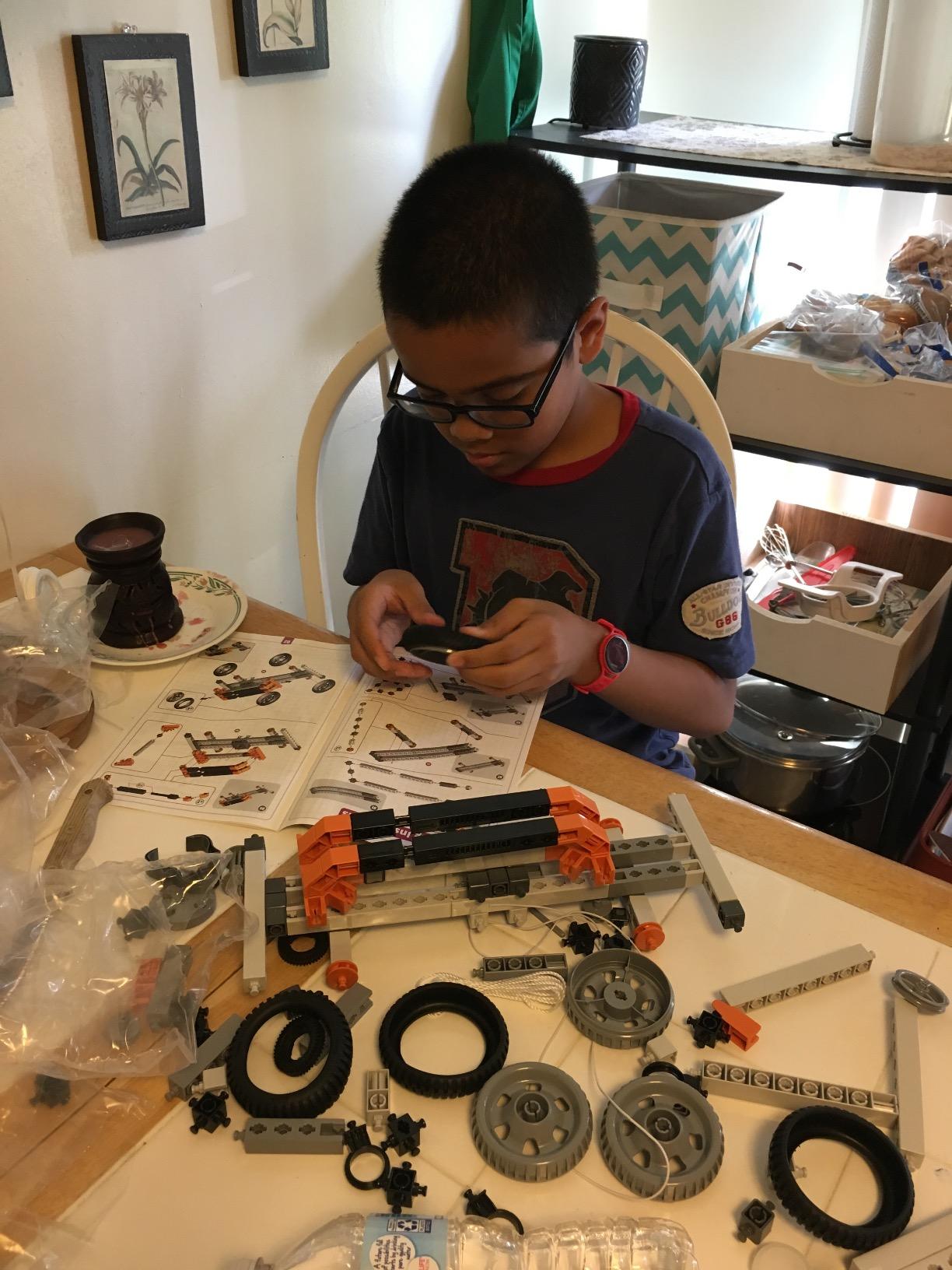
A child who is ready for more challenge than a generic block set and who enjoys experiments. The rated range starts at 9, so a 12-year-old can work independently on the simpler models and ask for help on the fiddly ones.
Where it falls short
Instruction legibility is the recurring complaint, since the printed pages are hard to read at that scale. Some models need an adult for the finer assembly steps, and a child who dislikes reading diagrams will stall without help.
8. Thames and Kosmos Structural Engineering: Bridges and Skyscrapers: Best for Twenty Different Builds
Thames & Kosmos | Structural Engineering: Bridges & Skyscrapers | Science & Engineering Kit | Build 20 Models | Learn about Force, Load, Compression, Tension | Parents’ Choice Gold Award Winner, Blue
20 buildable models
285+ pieces
36-page manual
Ages 8-14
Pros
- Twenty models give long-lasting variety
- Strong illustration quality makes the manual easy to follow
- Demonstrates force and load concepts tangibly
- Used effectively alongside school physics lessons
Cons
- Smaller connectors can break under repeated snapping
- Included yellow tool grips poorly
- String-based projects need adult help
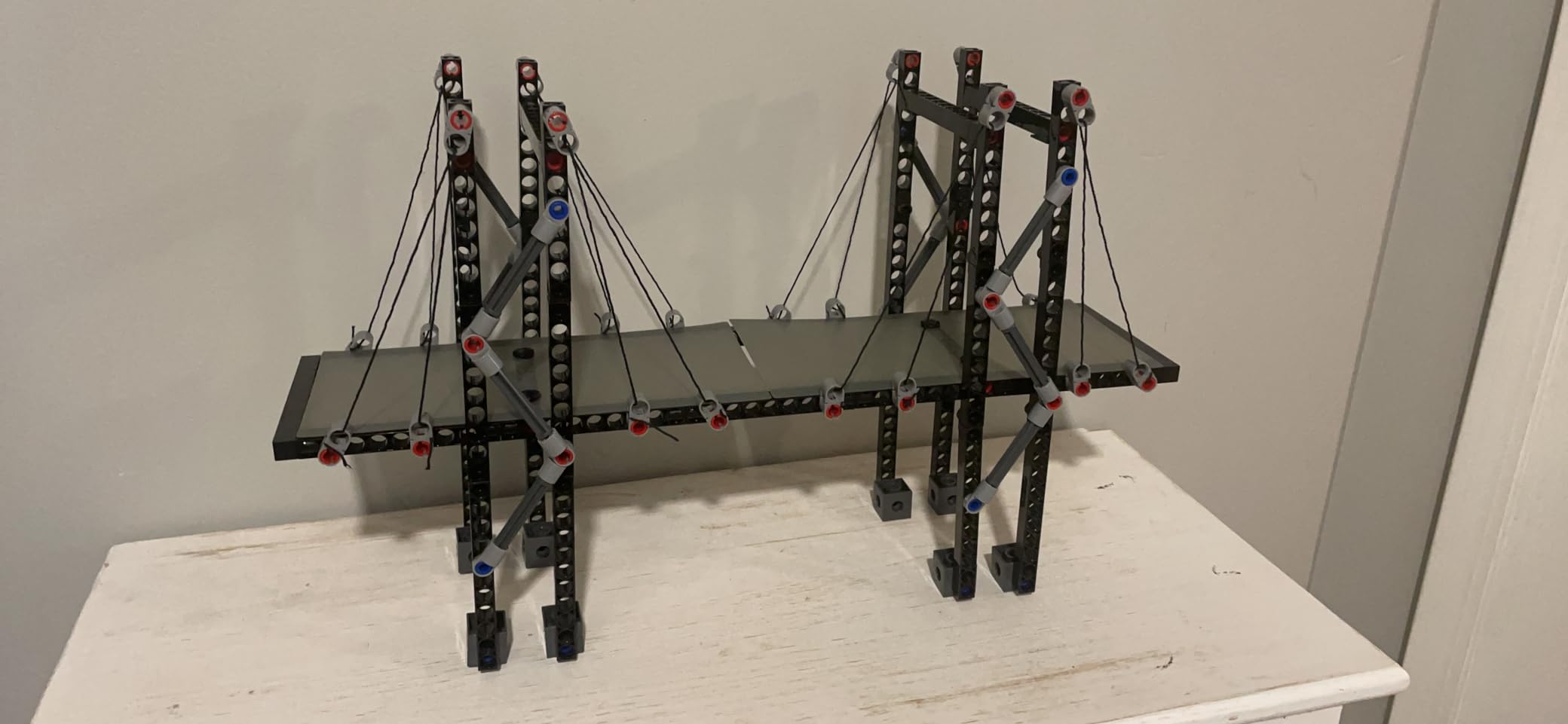
Variety is the headline here. Twenty models across 285-plus interchangeable plastic pieces means a 12-year-old can work through the whole set without repeating, and the shelf still looks productive two months later.
The set is rated for 8 to 14 years and self-describes as an intermediate skill level, which is the most accurate age statement we found across everything on this list. Nothing here is out of reach at 12.
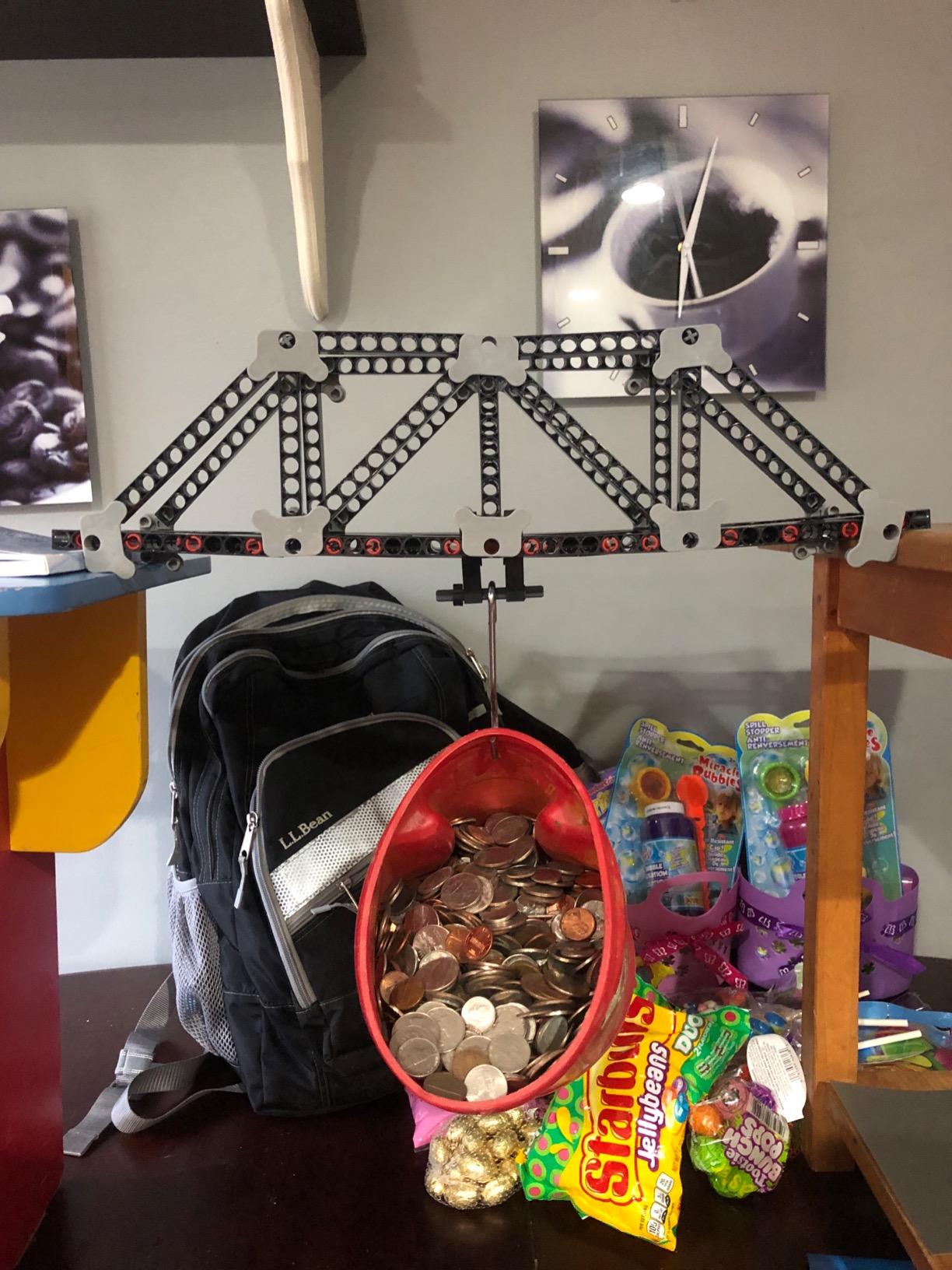
The 36-page illustrated manual is the quiet strength. Diagrams are clear enough to follow without an adult narrating every step, and each model is tied to force, load, compression and tension rather than presented as a model alone.
Owners and teachers mention pairing it with school mechanics units, and that is a fair use case. A bridge built from the kit gives a physics lesson a physical object to point at.
At 16 ounces and 13.1 by 1.8 by 11.6 inches it stores flat and is easy to keep on a bookshelf. A one-year warranty covers manufacturing defects.
Who it suits at 12
A child who gets bored with single-project kits and wants options, especially one with a school physics or design interest. The manual is readable enough for independent building at this age.
Where it falls short
The smaller plastic connectors can break under repeated snapping, and the included yellow tool for undoing pieces grips poorly, so mistakes are awkward to fix. Tight joints also make disassembly frustrating. The string-based projects need an adult nearby, and it is an intermediate kit, so a nervous beginner may want company for the first model.
9. ELEGOO UNO R3 Smart Robot Car Kit V4: Best for Arduino Coders
ELEGOO UNO R3 Smart Robot Car Kit V4 with Camera, Compatible with Arduino
FPV camera and Wi-Fi
Arduino IDE programmable
2000 mAh battery
Ages 12 and up
Pros
- Clear documentation and labelled parts bags
- Builds in about an hour with spare fasteners
- Pre-programmed so it works by remote immediately
- Camera Wi-Fi and Arduino support allow real customisation
Cons
- Small nuts and fasteners need dexterity to hold
- Camera mount sits high so close obstacles are harder to see
- The pre-loaded app lacks motor speed ramping
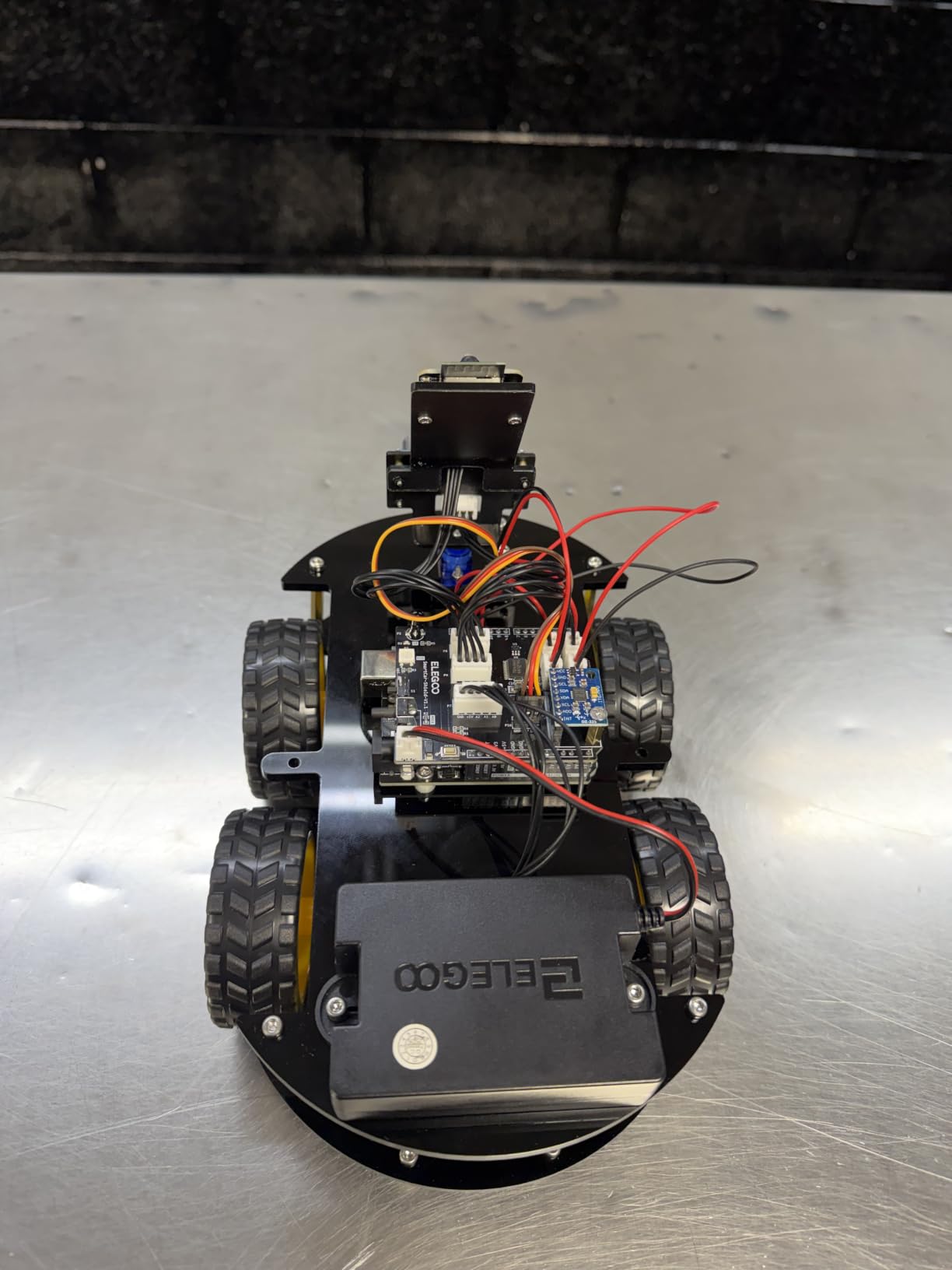
This is the most capable kit on the list and the one that demands the most from the child. The ELEGOO UNO R3 controller, an ESP32-WROVER camera module and Wi-Fi mean the finished car is not a toy remote control but a programmable machine with a live camera feed.
It arrives pre-programmed, so a child can drive it by infrared remote within an hour of assembly and feel successful before touching code. Assembly itself takes about an hour, with spare fasteners included in the box.
Arduino IDE compatibility is the reason older kids stay with it. Reviewers describe a common path from remote play to writing their own sketches, and the example programs mean nobody starts at a blank screen.
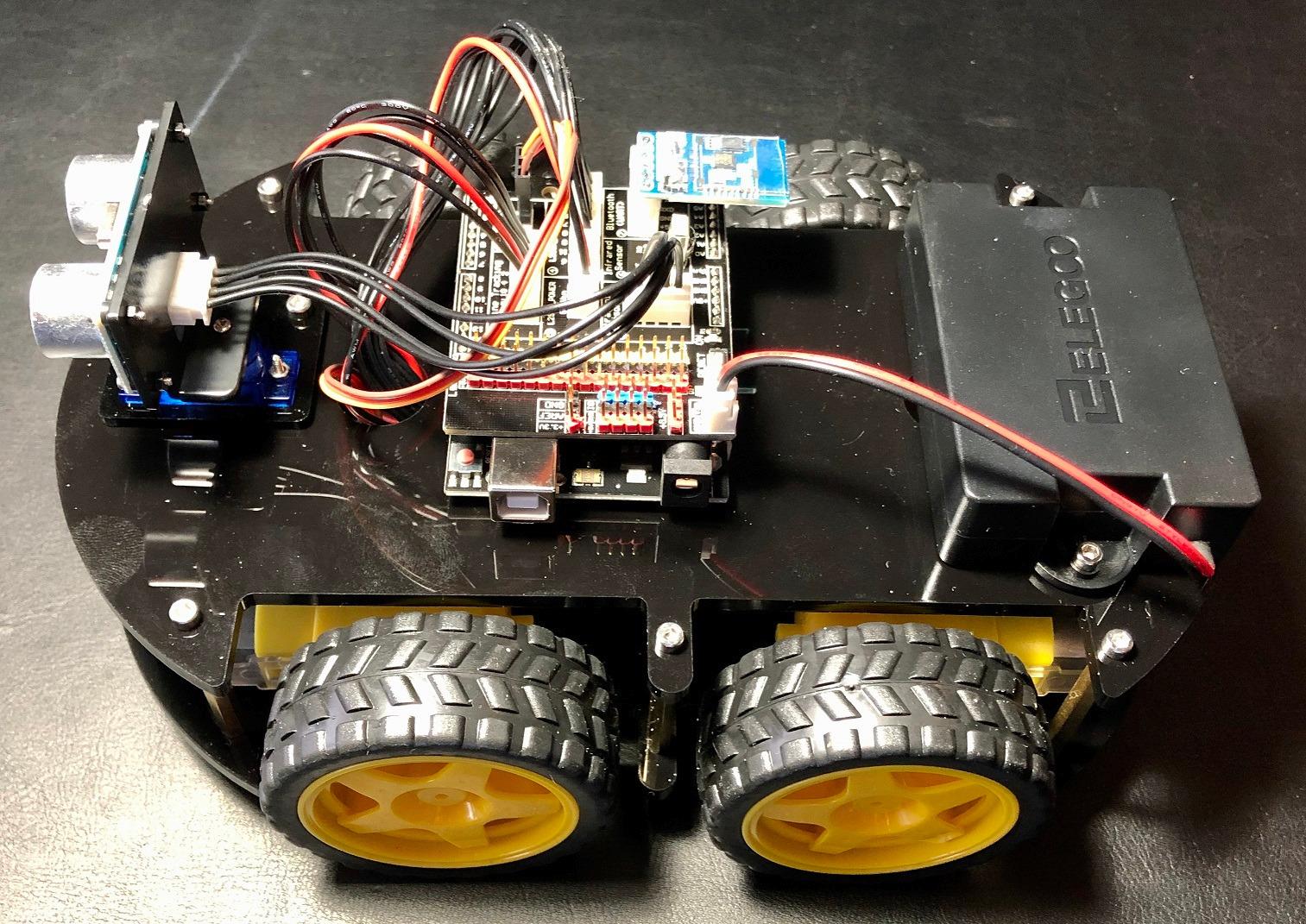
Line-tracking and ultrasonic sensors are included, along with motors and the IR remote. A 2000 mAh rechargeable lithium-ion battery means no disposable cells, which is a real advantage for a kit expected to run for months.
Keyed XH2.54 connectors stop wires going in backwards, and reviewers single out the documentation and packaging as best in class for a kit at this level. Labelled parts bags matter when a build spans an evening.
It weighs 1.23 kg and measures 8 by 7 by 6 inches. Manufacturer rating is 12 and up, so it sits exactly at the top of our audience rather than above it.
Who it suits at 12
A 12-year-old who already has some coding experience and wants real electronics under the plastic, not blocks. It also suits a younger child working with an adult who is comfortable with Arduino.
Where it falls short
Small nuts and fasteners need dexterity to hold while tightening, and the camera mount sits high, which makes close obstacles harder to see. The bundled app lacks motor speed ramping and needed a Wi-Fi channel change on some devices. It also has fewer expansion connectors than the earlier version, which is worth knowing before buying for a growing hobby.
10. LECPOP 5-in-1 STEM Building Block RC Robot and Excavator Kit: Best for RC and App Play
LECPOP 5-in-1 STEM Building Block Kit RC Robot Excavator Toys for Ages 8-13
430 pieces
RC and app control
360 degree rotation
Ages 8-13
Pros
- Sturdy blocks that snap together more solidly than typical sets
- Working RC functions with strong motor torque
- App control adds play modes beyond the remote
- Box doubles as a sorting tray for parts
Cons
- Printed instructions are unclear and adults finish the build
- Rechargeable battery needs the cover unscrewed to charge
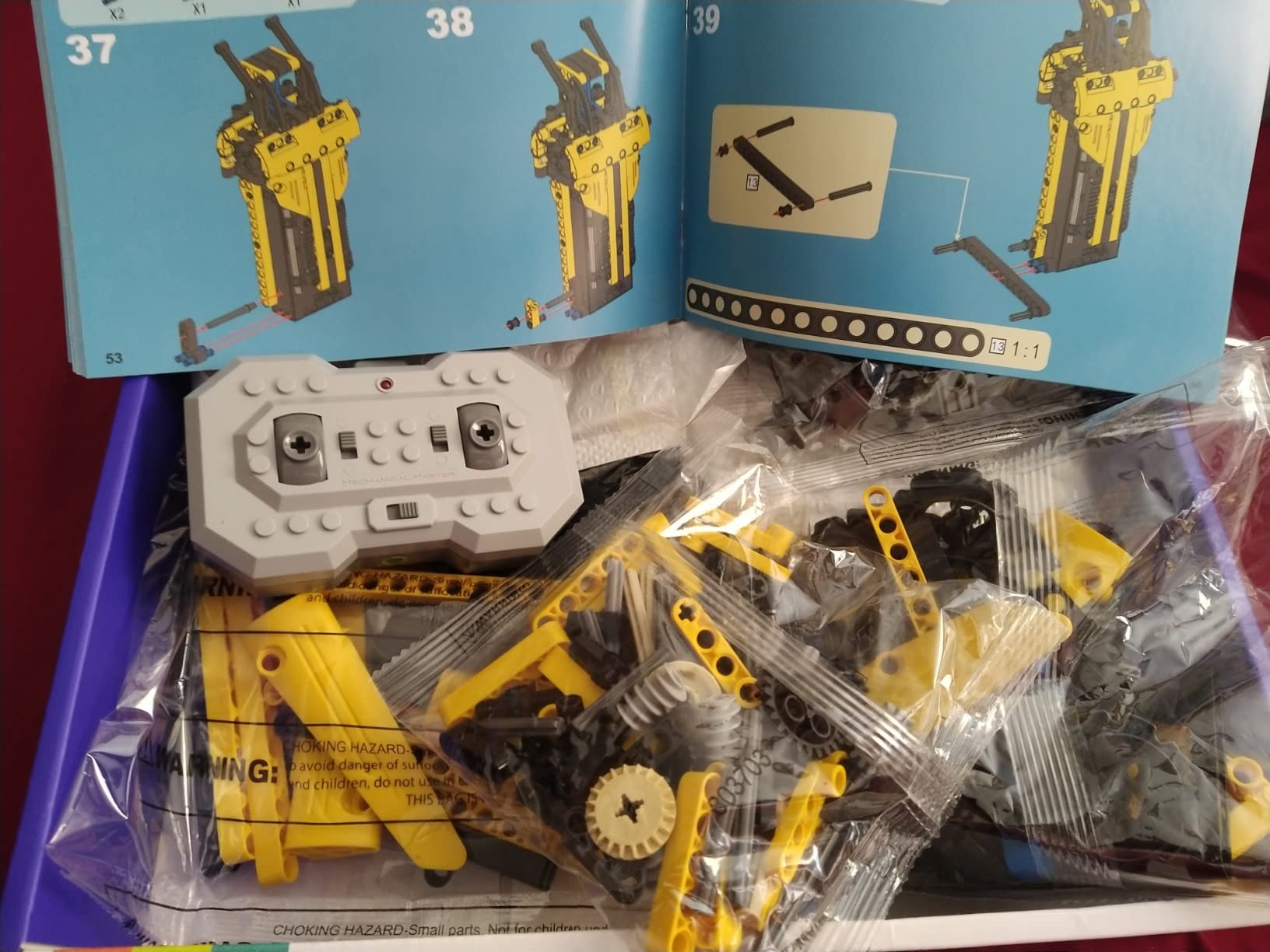
If your child wants something that drives, digs and responds to a phone, this is the set. Five buildable model styles come from 430 parts, and the remote-controlled excavator and construction loader are the strongest of them once assembled.
Control runs through both a four-channel remote and a mobile app, with 360 degree rotation. The app adds gyro control, a driving simulation mode, navigation paths and STEM programming modes, so there is something to return to after the models are finished.
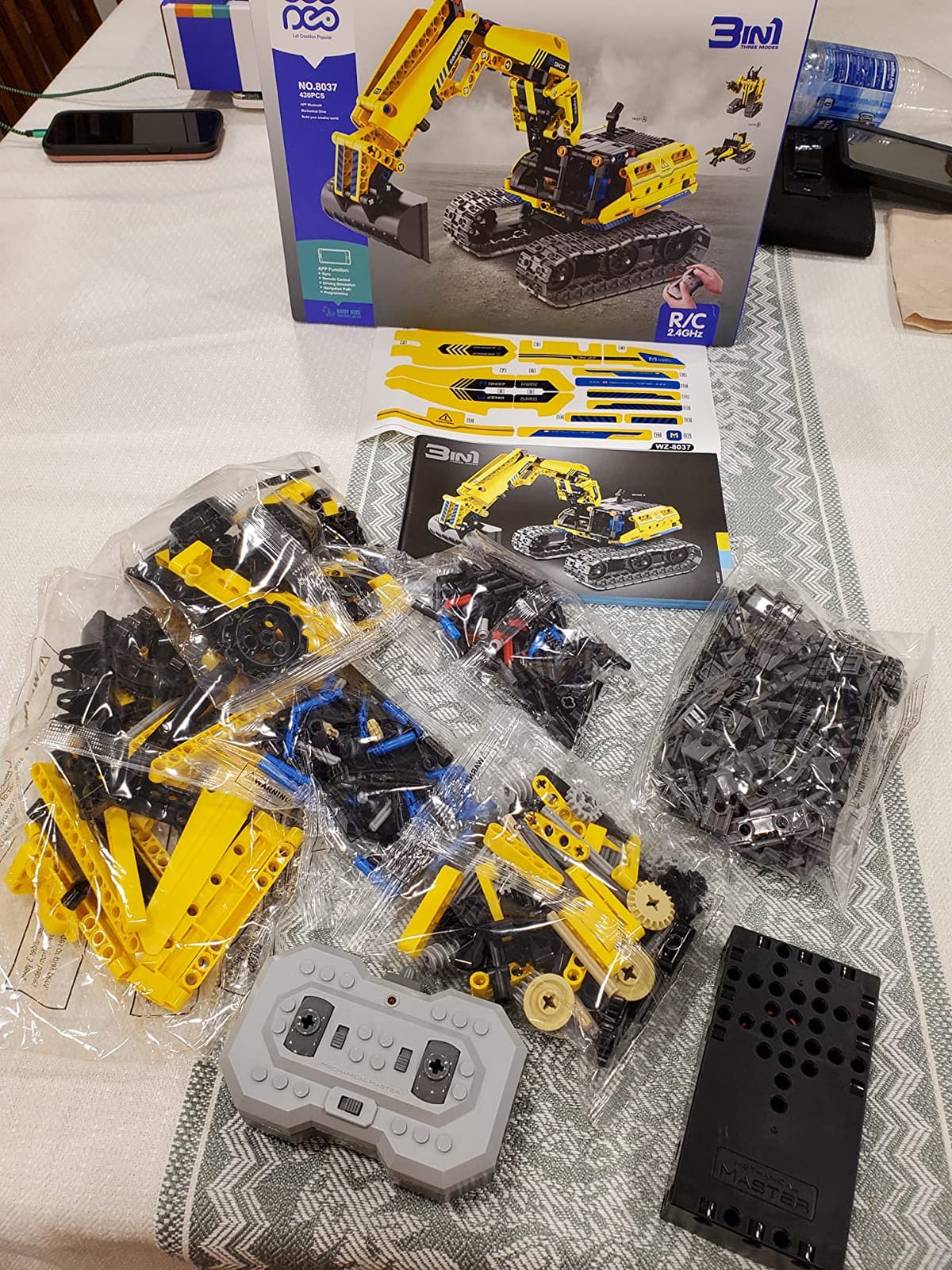
Build quality is better than the usual clone-style block set. Reviewers note the pieces snap together more solidly than expected and the motors have real torque, and the parts are certified to ASTM and CPSIA standards as non-toxic.
One AA battery is included, and the box doubles as a sorting and storage tray, which is a genuinely useful detail in a house where small parts are the enemy.
Read the age labels carefully here. The box carries 6 to 10 while the product is sold for 8 to 13, which is a good illustration of why the number on the packaging is a weak signal for a 12-year-old.
Who it suits at 12
A 12-year-old who wants remote-control play first and programming second, and who enjoys construction vehicles. The app modes add depth without needing any prior coding experience.
Where it falls short
Instruction clarity is the dominant complaint, and an adult often ends up finishing the build. Pieces also fit tightly, which can be uncomfortable for smaller hands, and the rechargeable battery has the cover unscrewed to reach the charging port, which is awkward for a child working alone.
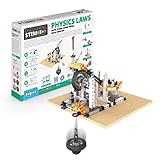
11. Engino Physics Laws: Inertia, Friction and Circular Motion: Best for Classroom STEM
Engino STEM Toys, Physics Laws: Inertia, Friction & Circular Motion, Engineering Kit for Kids 9+, Creative STEM Projects, Gifts for Boys & Girls, Building Toys (6 Model Options)
6 working models
Theory and quiz pages
Free 3D app
Ages 9 and up
Pros
- Six working models cover inertia friction and circular motion
- Theory booklet and quiz work well for classroom teaching
- Solid blocks that satisfy older builders
- Free app supports assembly and 3D exploration
Cons
- Printed instructions are incomplete
- Small parts can snap and are easy to lose
- Manual and app content are English only
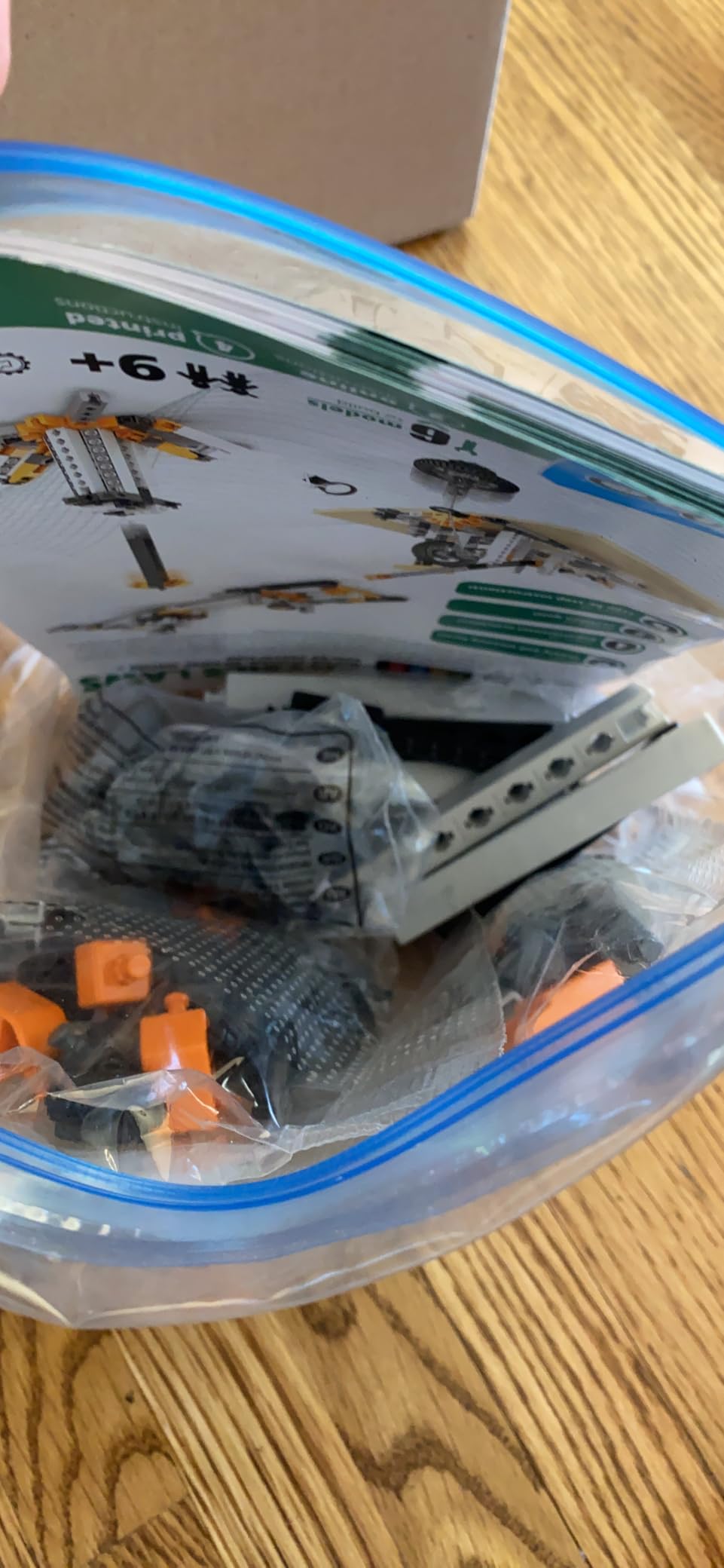
This is the Engino set to choose if the goal is a teaching resource rather than a hobby. Six working models cover inertia, friction and circular motion, including a rocket launcher, a crash test rig and a sharpening wheel, and each maps to a topic in a school physics course.
Teachers and parents consistently point to the theory booklet and the quiz section as the reason it works in a classroom, where a kit with only models would have limited value. Twelve pages of theory come with a four-page quiz.
Building involves cutting and sanding pieces as part of the process, so there is a genuine making step rather than pure snapping. The blocks feel solid for builders aged 9 and up.

A free interactive 3D app supports assembly and virtual-reality style building, and it is made in Europe with a two-year limited warranty. The package weighs 0.53 kg and measures 10.5 by 2.5 by 7.7 inches.
It is a compact box for the amount of theory in it, which makes it an easy thing to store, hand to a guest, or keep in a classroom drawer rather than a playroom.
Parents on homeschool forums treat Engino as a dependable recommendation overall, but the same conversations flag recurring confusion about the age ratings across the range. Check the model count and complexity before you commit.
Who it suits at 12
A 12-year-old in a homeschool setting, a classroom maker space, or any child who is already meeting forces and motion in school and wants a physical version of it. Six models is a manageable workload.
Where it falls short
Instruction completeness is the main issue, and the printed steps can leave a child to work things out. Small parts can snap during assembly and are easy to lose. The manual and app are English only, and the supplied Velcro pads and accessories wear out quickly, which matters if a class is using the same set all year.
12. Thames and Kosmos Mega Cyborg Hand: Best Budget Hydraulic Build
Thames & Kosmos Mega Cyborg Hand STEM Experiment Kit | Build Your Own GIANT Hydraulic Amazing Gripping Capabilities Adjustable for Different Sizes Learn Pneumatic Systems
Hydraulic gripping hand
No motors or batteries
Adjustable joints
Ages 7 and up
Pros
- Working hydraulic hand grips objects with surprising force
- Manual mixes instructions with comic pages and physics facts
- Adjustable for different hand sizes
- No batteries or motors at all
Cons
- Build takes several hours and younger kids need help
- Cylinders and piston seals can break with no spares
- Sharp plastic edges need sanding after assembly
Hydraulics are the one branch of engineering most toy kits skip, and this one covers it properly. The wearable hand uses flexible tubing and pistons driven by hand pressure, so the child feels the force going through their palm and into the fingers.
Grip strength surprises people. The finished hand closes on a marker or a small bottle and holds it, which is the moment most children decide the build was worth the time.
It is also the most genuinely screen-free option we tested, with no motors, no sensors and no battery compartment at all. The rating is 7 and up, and a 12-year-old is well past the point where this feels babyish.
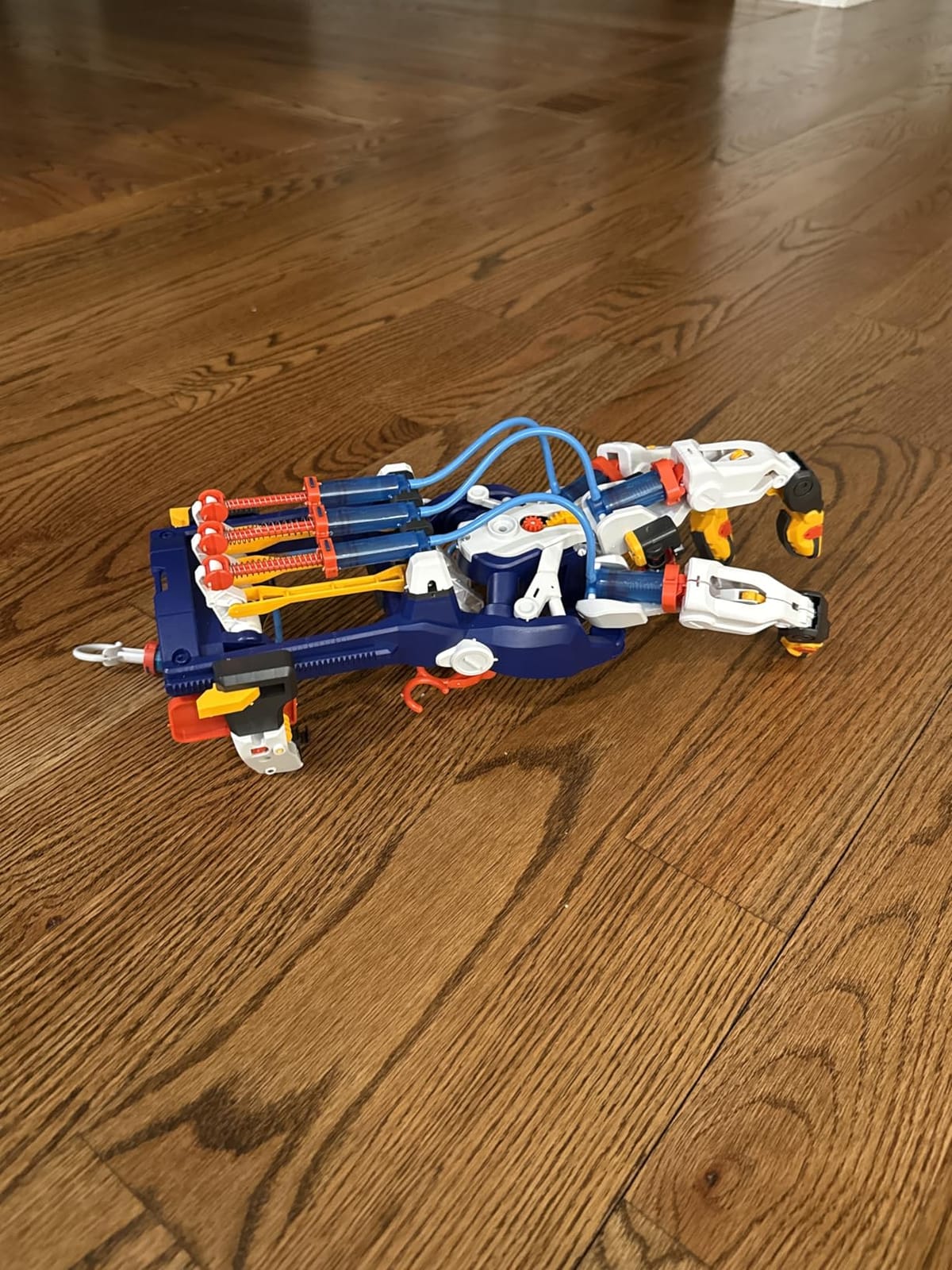
Three configurations are possible: right hand, left hand and claw. The finger joints adjust to different angles, and the whole thing is adjustable for hand size, so it grows with the child rather than outgrowing them.
The manual is well laid out with comic-style pages and physics facts, which keeps a long build entertaining. It weighs 1.8 pounds and measures 10 by 4.75 by 11 inches, and it was a Toy Association STEAM Toy of the Year winner.
Expect a multi-hour build and sand the sharp plastic edges after popping the parts from the sprues. Reviewers note it is harder to operate for small or weak hands once built, so size matters here more than with most kits.

Who it suits at 12
A 12-year-old who likes machines and how things move, or a family looking for a project that needs no devices at all. The adjustable fit suits a range of hand sizes and ages.
Where it falls short
The build takes several hours, and younger children need adult help. Cylinders and piston seals can break with no spares included, although the manufacturer does respond well to replacement part requests. Operating it needs more hand strength than you might expect, so test the fit early.
How to Choose an Engineering Kit for a 12 Year Old in 2026
Most buying advice on this topic fails on one point: it treats the age label on the box as a fact. It is a hint. A kit marked 8+ can be finished in an afternoon by a capable 12-year-old, and a kit marked 13+ can be a two-parent weekend for exactly the same child. Judge the model count, the reading load and the number of fiddly connectors instead.
What makes an engineering kit worth buying at 12
Five things separate a kit that teaches engineering from a box of plastic. It has to produce a working result, because a mechanism that turns, grips, lights or drives is a demonstration and a static model is furniture. It needs an achievable challenge, so a project that can be finished in a weekend wins over one that takes a month. Instructions have to be clear without spoon-feeding every step, otherwise the child is following a manual rather than engineering.
There also has to be room to test and change, which is the part most toy kits skip. A set that lets a child alter a design, rebuild it and compare two versions teaches more than a set with twenty identical builds. And replay value matters, because the real question is whether they will still be using it a month from now.
Match the kit to the engineering discipline
Parents usually describe a child by interest rather than by discipline, so it helps to translate. A child who draws buildings or wants to know why bridges stand up belongs with structural kits, where the Engino buildings and bridges set and the Thames and Kosmos structural set are the strongest fits. A child who takes things apart belongs with mechanical kits, and the Smartivity hand or the Mega Cyborg Hand cover linkages and hydraulics without any electronics.
Curious about how electricity works points to circuits, where the National Geographic 120-project kit is the widest option. A child who likes computers and games wants robotics, either the Makeblock mBot for a gentle start or the ELEGOO UNO R3 car for real Arduino work. Space and motion interests point to the LEGO Technic orbit set, which turns orbital mechanics into something you can turn a crank on.
Parents looking for a project that runs alongside a curriculum often combine a physical kit with a theory kit. Our guides to the best countertop epoxy kits and the best drip irrigation kits follow the same pattern: measure, follow instructions, and see a physical result of a system you did not understand before.
Budget tiers: what each level actually buys
There are three broad tiers, and the difference is not quality. It is depth. At the entry tier you get one well-made mechanism, usually wood or basic plastic, that teaches one idea properly and lasts a few hours. The Smartivity robotic hand and the Mega Cyborg hand both sit here, and for many 12-year-olds they are enough.
The core tier buys variety. Twenty models, 120 circuits or nine bridge types mean months of use from one box, and this is where most families should aim. The advanced tier buys programmability, with a microcontroller, sensors and a camera, which turns a toy into a platform the child can keep developing on.
More expensive is not automatically better. A premium robot is a worse choice than a good structural kit for a child who does not want to code, and the reverse is equally true. Match the tier to the discipline, not to the budget.
Screens, apps and device compatibility
Screen time guilt is the most common objection parents raise, and it deserves a straight answer. Some kits move screen time into an app; others use a device only during assembly. The LEGO Technic orbit set and both hydraulic hand kits are screen-free end to end, apart from optional app guidance while building.
App-dependent sets are different. Check whether the app still exists, whether it needs an account, and whether it works on the devices in your home before you buy, because an unsupported app turns a good kit into plastic. A free app is a bonus, not a requirement.
Will they finish it? Assembly difficulty at 12
This is the failure mode parents worry about most, and it splits three ways. Solo builds are short projects where a 12-year-old can work alone in about an hour, such as the mBot. Assisted builds run one to three hours and need an adult for the first hour, which covers most sets on this list. Adult-heavy builds span several hours with fine motor work, which is where the Mega Cyborg hand and the catapult kit sit.
The other half of the problem is finishing. A kit with twenty or 120 projects can be abandoned mid-way without much loss, because there is always another one. A single-design kit either gets finished or is wasted, so pick a short build time when you are unsure.
Safety, small parts and adult supervision
At 12 the main concern is usually small connectors, strings and cables rather than anything hazardous, but read the small-parts warning anyway and supervise the first build. Kits that involve cutting, sanding or snapping plastic, like the laser-cut wood sets and the Engino physics sets, need an adult nearby for the making step.
Anything with springs, elastic bands or stored energy deserves a clear space and a rule against pointing it at faces. Model and projectile kits in particular earn that rule the first time they are assembled.
What to upgrade to at 14 or 15
Twelve-year-olds outgrow a wooden linkage kit faster than parents expect. The move to teen kits usually means one of two things: real programmability, where an Arduino-level robot replaces block-based coding, or larger projects that take a full weekend and produce something with moving parts at scale.
Rather than replacing a collection, the practical approach is to add a platform. Children who started on the mBot are ready for the ELEGOO UNO R3 car or a similar microcontroller kit, and children who started on structural kits often move toward models with more moving parts and real materials. Keep the early kits; they become the reference projects that make the new one make sense.
Frequently Asked Questions
What are the best engineering kits for 12-year-olds?
The strongest all-round pick is a 526-piece Technic orbit model that builds to a working crank-driven system, rated 10 and up. For electrical engineering, a 120-project snap-circuit kit offers the widest range without soldering. For a screen-free mechanical build, an engineered-wood robotic hand rated 8 to 14 is the most reliable finish. Add a structural kit for bridges and a coding robot if the child has that interest.
What is a good STEM kit for a 12-year-old?
A good kit at this age is one that ends in something that works. Look for a project that produces a moving or powered result, instructions a 12-year-old can follow with light help, and enough models or variations that it lasts more than a weekend. A theory booklet or quiz section adds value in a homeschool setting.
What makes a good engineering kit for a 12 year old?
Five things matter: a working result, an achievable challenge, instructions that explain without spoon-feeding, room to modify and retest the design, and replay value after the first build is finished. Age labels are a weak signal, so check build length, reading load and how many small fiddly connectors the model needs.
What are the best STEM robotics kits for teenagers?
For teenagers, move past block-based coding to hardware with real electronics. A programmable robot car with an Arduino-compatible controller, a camera module and line-tracking and ultrasonic sensors gives room to write original code. A microcontroller robot is the usual first step up from a Scratch-based kit, and it suits most 14 and 15-year-olds ready to write their own programs.
Do engineering kits need a tablet or phone?
It depends on the kit. Screen-free mechanical and hydraulic kits need no device at all, and some use an app only to guide assembly. App-dependent structural and circuit kits do need a phone or tablet, so check that the app still works on the devices in your home and whether it requires an account before buying.
Are expensive STEM toys better?
Price does not track quality, it tracks depth. Entry-tier kits buy one well-made mechanism that teaches one idea properly, core-tier kits buy variety with many models, and premium kits buy programmability with a microcontroller and sensors. A premium robot is a poor choice for a child who does not want to code, and a simple wooden kit is a poor choice for one who does.
Where to Start: The Final Word on the Best Engineering Kits for 12 Year Olds
If you want one recommendation, take the LEGO Technic Planet Earth and Moon in Orbit set. It is rated 10 and up, it produces a genuinely working machine rather than a static model, and it stays interesting long after the build is finished because the child can keep asking questions about the crank.
For a different temperament, the National Geographic 120-project circuit kit wins on variety and removes every soldering risk, while the Smartivity robotic hand is the answer when screen time is the concern. Whatever you pick, set aside two uninterrupted sessions before you open the box, and let the adult read the instructions first.
The best engineering kits for 12 year olds in 2026 are not the most expensive ones. They are the ones a child finishes, understands and can explain to someone else, which is why we ranked every kit here on the result rather than the piece count.