
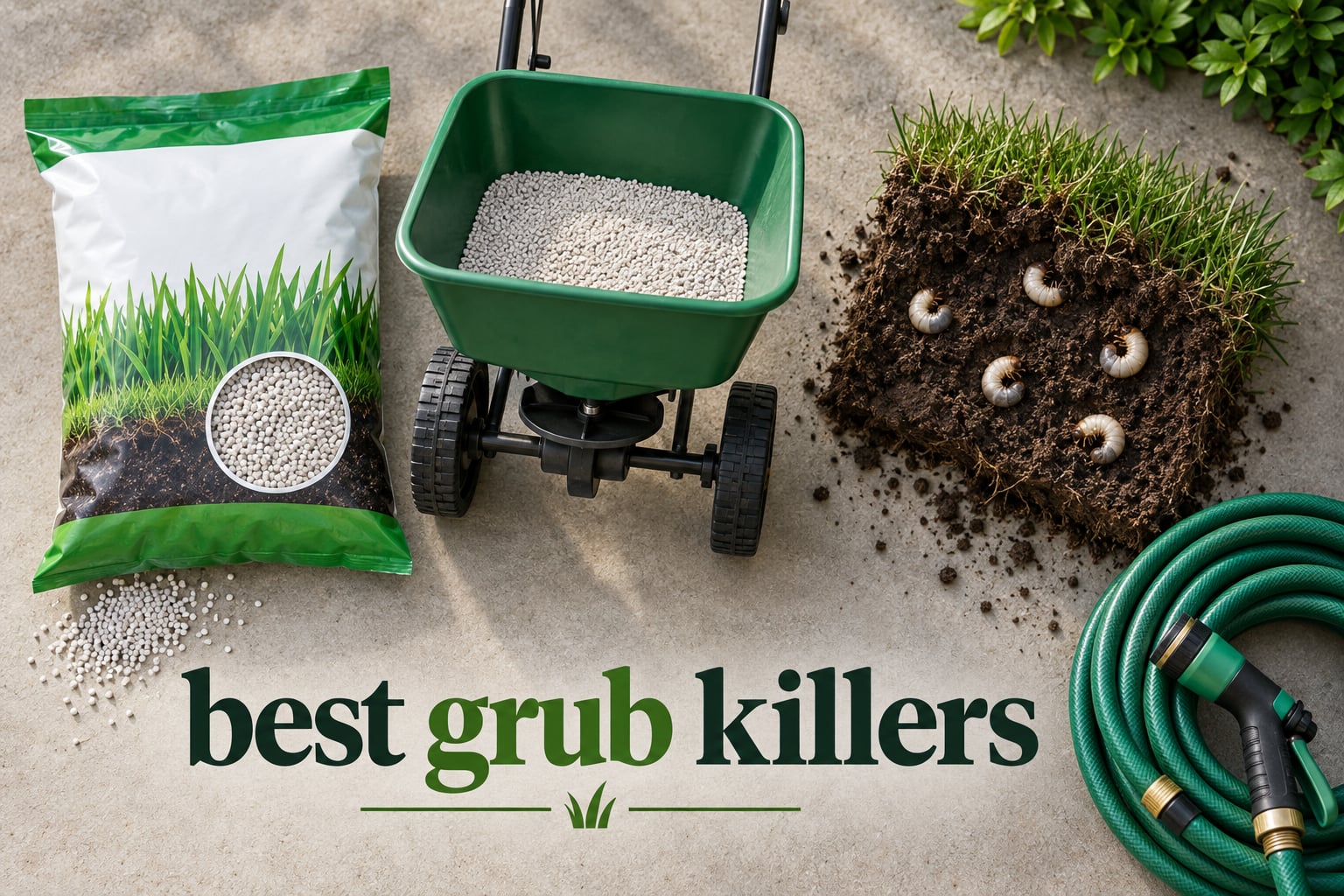
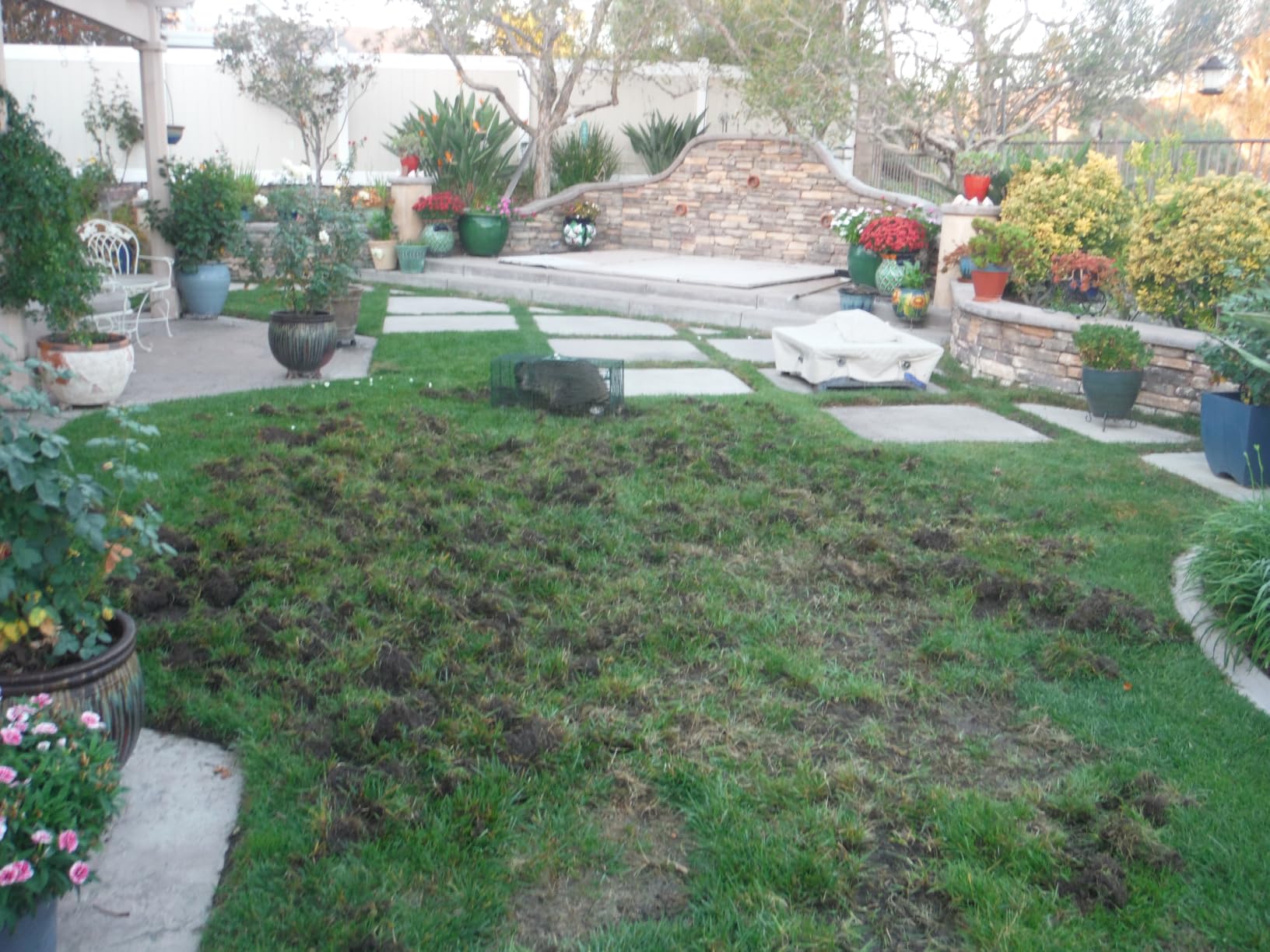
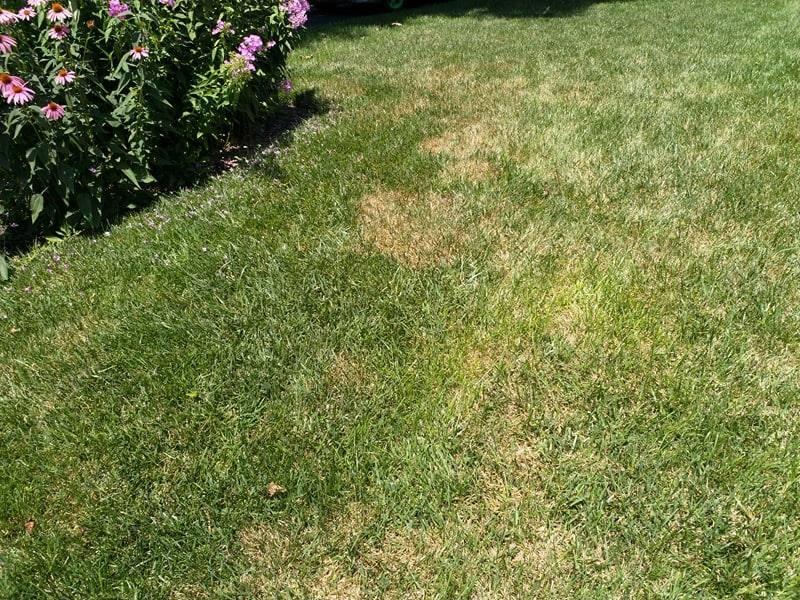
If a patch of your lawn peels back like a cheap carpet, with brown grass on top and severed roots underneath, you are looking at the signature of white grubs. Those C-shaped larvae are the underground stage of Japanese beetles, June beetles and chafers, and they eat grass roots from the soil surface down, which is why the turf above them dies and lifts. Picking the best grub killers for your lawn starts with one question most people never ask: do you actually have a problem worth treating?
Our team spent weeks reading labels, coverage claims and thousands of buyer reviews across the ten products below, and the pattern was consistent. Almost every complaint about grub killer traces back to timing or to watering the granules in, not to the chemistry. Buy the wrong category for the season and nothing on the shelf will save you.
So this guide splits the field the way the label does. Preventive products stop grubs that have not arrived yet and only work if they hit the soil before egg hatch. Curative products kill grubs that are already feeding on your roots, and they are the only option once you can lift the sod. Everything below, from the 2026 comparison table to the season calendar, is built around that one decision.
Table of Contents
Top 3 Picks for Best Grub Killers (October 2026)

Scotts GrubEx1 Season Long
- Chlorantraniliprole active
- Kills and prevents grubs for up to 4 months
- 14.35 lb bag covers 5000 sq ft

BioAdvanced Season Long Grub Control
- Lambda-cyhalothrin active
- Dead grubs in 12 to 24 hours
- Kills 40 plus listed lawn insects
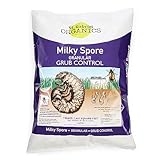
St. Gabriel Organics Milky Spore
- Natural Milky Spore bacteria
- Up to 10 years of protection once established
- Safe for pets children and beneficials
Scotts GrubEx1 takes the top slot because it pairs the highest review volume in this roundup with a genuinely preventive chemistry, chlorantraniliprole, that reaches the root zone in a single spring application. BioAdvanced Season Long is the pick if you want visible dead grubs within a day or two of spreading, and its label covers more than 40 lawn insects. St. Gabriel Organics Milky Spore is the pick that keeps working for years after establishment, with no synthetic active at any point.
All 10 Grub Killers Compared Side by Side
| Product | Specifications | Action |
|---|---|---|
| Scotts GrubEx1 Season Long Grub Killer |
|
Check Latest Price |
| St. Gabriel Organics Milky Spore |
|
Check Latest Price |
| BioAdvanced Season Long Grub Control |
|
Check Latest Price |
 Andersons DuoCide Lawn Insect Control Andersons DuoCide Lawn Insect Control |
|
Check Latest Price |
 Arber Organic Grub Killer RTS Arber Organic Grub Killer RTS |
|
Check Latest Price |
 Bayer Merit 0.5 Granular Bayer Merit 0.5 Granular |
|
Check Latest Price |
 Bonide Insect and Grub Control Bonide Insect and Grub Control |
|
Check Latest Price |
 NaturesGoodGuys Beneficial Nematodes NaturesGoodGuys Beneficial Nematodes |
|
Check Latest Price |
 BioLogic Scanmask Steinernema Feltiae BioLogic Scanmask Steinernema Feltiae |
|
Check Latest Price |
 Quali-Pro Imidacloprid T and O 2F Quali-Pro Imidacloprid T and O 2F |
|
Check Latest Price |
Do You Actually Have Grubs? Four Steps Before You Buy
Extension guidance is blunt about this: five or fewer grubs per square foot is a normal population that causes no meaningful damage, and visible turf loss usually starts somewhere around 10 to 12 per square foot. Many lawn owners buy a bag for a count that would never have damaged their grass.
Choose a spot where the turf is browning or lifting, and a healthy comparison spot nearby.
Cut a square about 12 inches across and about 4 inches deep with a spade, then lift the sod out and hold it in the air. Grub-damaged turf rolls up like a rug because the roots underneath have been severed.
Break the sod apart over a dark surface, count the white C-shaped larvae, and cut the sod square into quarters to get a per-square-foot figure.
Repeat in two or three spots. A count under five means you can skip treatment; a count above 10 to 12 in multiple spots means treat now.
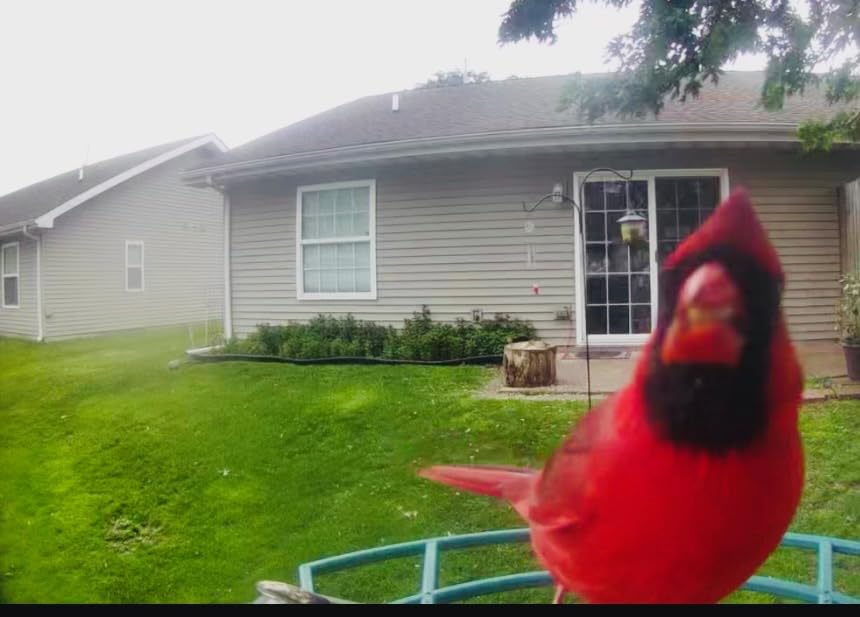
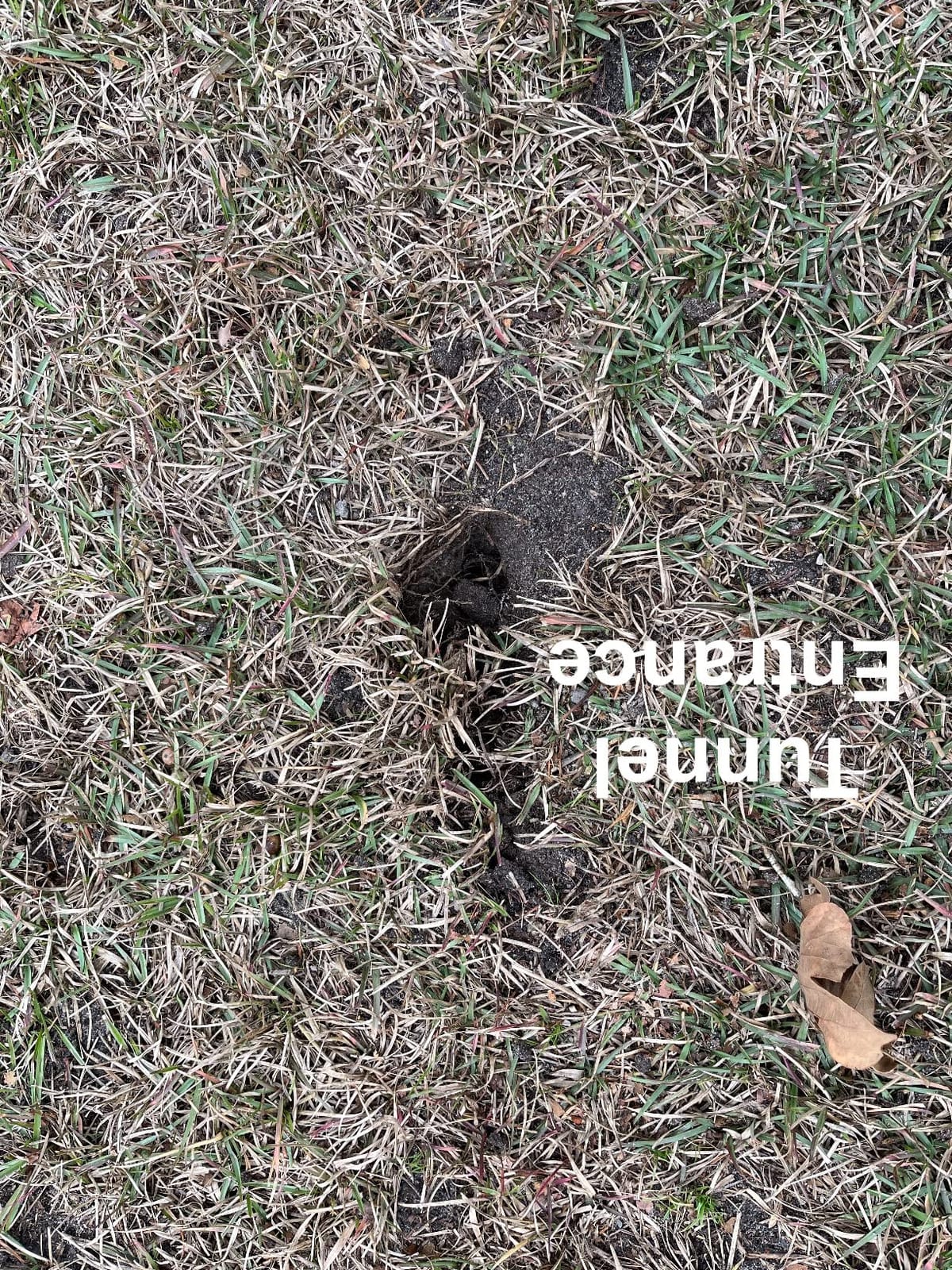
Other warning signs show up before the turf dies. Birds and skunks digging holes are searching for grubs, brown patches that feel spongy underfoot, patches that pull up with almost no resistance, and thinning turf in areas with heavy thatch or roses and lilacs nearby, which attract egg-laying adults.
1. Scotts GrubEx1 Season Long Grub Killer – Best Overall Preventive
Scotts GrubEx1 Season Long Grub Killer, 5,000 sq. ft.
Chlorantraniliprole granules
Kills and prevents for up to 4 months
14.35 lb covers 5000 sq ft
Pros
- One application protects roots for up to four months
- Reduces Japanese beetle and June beetle populations
- Spreads smoothly in a rotary spreader with no clumping
- Very little odor and a fine light granule
- Can reverse lawn damage caused by animals feeding on grubs
Cons
- Protection sometimes fades before the full four months
- Does not achieve total eradication in a single application
- Results depend heavily on correct timing and watering in
This is the bag I would put down on a lawn that is healthy today and needs to stay that way through the summer. The active is chlorantraniliprole, and the label directs you to apply it to a dry lawn in spring or early summer, which places it right at the egg hatch window when the new generation of grubs is hatching and descending toward your roots. One 14.35 lb bag covers 5,000 square feet.
Reviews are near-unified on the mechanism. Buyers report noticeably reduced Japanese beetle and June beetle numbers after a single properly timed application, and several mention that the granules spread without clumping through a rotary spreader and leave almost no odor. The same reviews describe the turf recovering in areas that animals had been tearing up to reach the grubs.
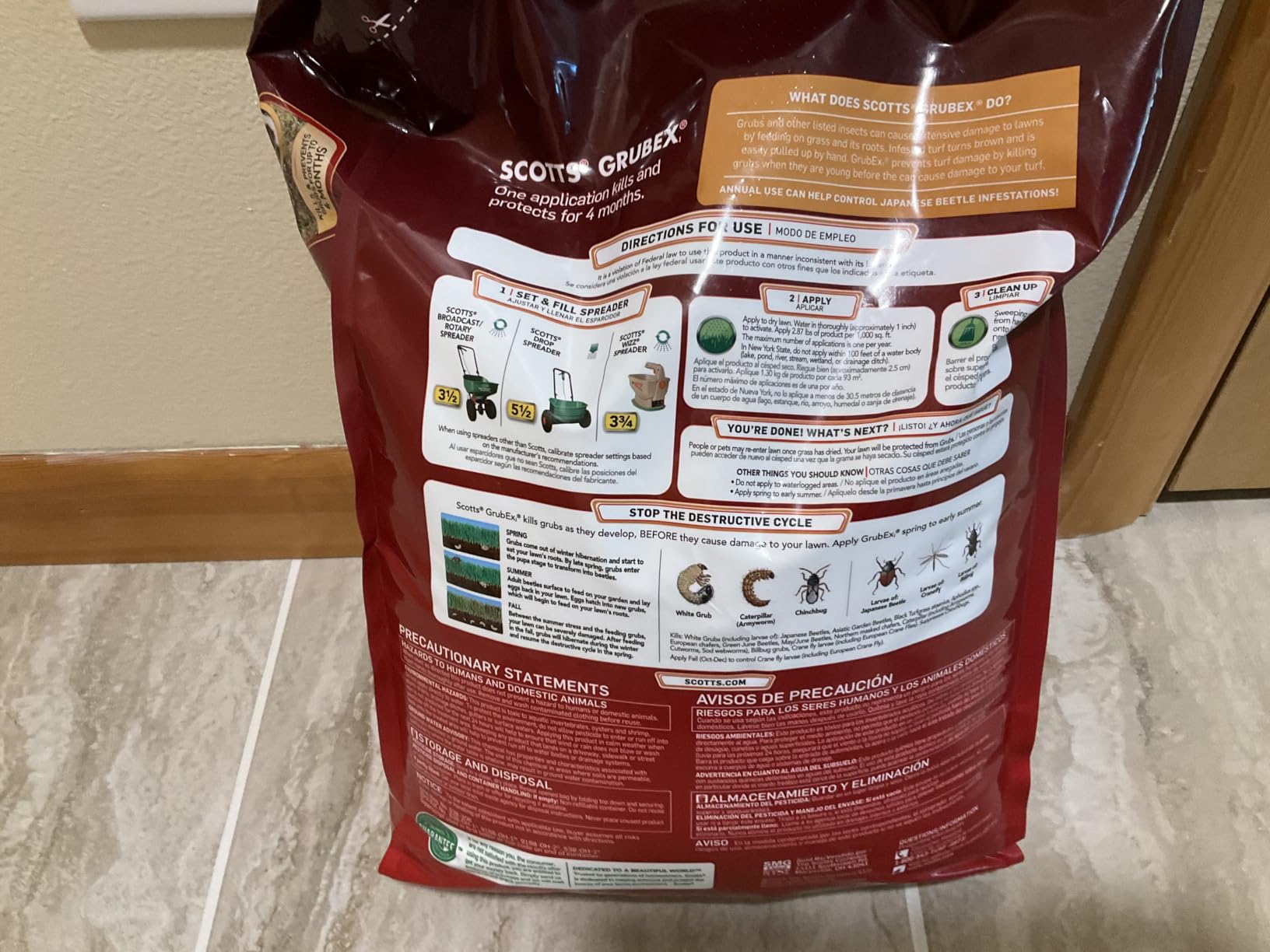
One correction worth making, because it is repeated across the roundups ranking for this keyword: GrubEx is not a Dylox or trichlorfon product. Dylox is a curative active sold under a different brand, and GrubEx1 contains chlorantraniliprole, a preventive chemistry that has to be in the soil before hatch. If you are treating visible grubs in late summer, this bag is the wrong tool.
What decides whether this bag works for you
If your lawn has never had a grub problem and you want one season of insurance, this is the cleanest option in the roundup. The up-to-four-month protection window means a single spring application covers the period when new grubs are most vulnerable, which is exactly the vulnerable stage.
Check your state and county restrictions before you buy, because neonicotinoid-era label language varies widely by region. The label is the authority, and it is worth two minutes of reading before you open the bag.
Where it falls short
It is a preventive, not a curative. Applied in August against grubs that are already feeding, you will likely see little, and reviewers who report disappointment almost always describe an application made too late or without a watering-in.
Protection is also not total. Some buyers report the effect fading before four months on heavily shaded or sandy lawns, and a few note that grubs and beetles still turn up later in the season.
2. St. Gabriel Organics Milky Spore – Best Long-Term Organic Control
ST. Gabriel Organics – Milky Spore Granular Natural Bacteria Japanese Beetle Grub Killer Lawn and Garden Care Control, 20 Pound Pack
Natural Milky Spore bacteria
Targets Japanese beetle grubs
20 lb granular pack
Pros
- Cuts mole activity once populations are established
- Natural bacterial active safe for pets children and bees
- Granular form is quick to apply with a rotary spreader
- Works on lawns flower beds tree rings and raised beds
- Long-lasting results after the establishment cycle
Cons
- Needs repeat applications over about two years to establish
- Slow to show results compared with chemical options
- Only affects Japanese beetle grubs
- A 20 lb pack is a lot to carry for a small lawn
This is the pick for a lawn where Japanese beetles are the confirmed problem and you want a solution that does not involve a synthetic active at all. Milky Spore is a naturally occurring bacterium applied in granular form with a standard lawn spreader, and reviewers consistently credit it with reducing Japanese beetle grubs and the mole activity that follows them.
The honest headline is patience. The label requires repeated applications over roughly two years to establish colony populations in the soil, and only after that establishment does the up-to-ten-year protection figure become realistic. Buyers who expected a 24-hour kill read the slow ramp as a failure, which is really a mismatch of expectations.

Safety is the genuine standout here. The bacterial active will not harm pets, children, bees, water or beneficial insects, which is why it appears on gardens, flower beds and raised beds as readily as on turf. For a household with small children or free-ranging pets, that profile is worth more than speed.
When this is the right call
Reach for it when you have confirmed Japanese beetle grubs, when you plan to stay on the lawn for years, and when you would rather build a soil population than chase symptoms each August. The granular form applies fast with a rotary spreader, which makes the multi-application schedule practical.
What to rule out first
If your grubs are June beetles, chafers or crane fly larvae, this product does nothing for them. It is species-specific, and that single fact eliminates it for a large share of lawns.
Cool northern soils are also a problem, because the bacterium needs warm soil to establish. If your winters are long and cold, you may spend two years of applications and never get the colony going.
3. BioAdvanced Season Long Grub Control – Best Curative for Visible Grubs
BioAdvanced Season Long Grub Control Granules – 10 lb Bag
Lambda-cyhalothrin granules
Visible kill in 12 to 24 hours
10 lb bag
Pros
- Dead grubs on the surface within a day or two
- Eliminates mole activity by removing the food source
- Cuts Japanese beetle numbers on roses and ornamentals
- Spreads easily with a rotary or drop spreader
- Useful 10 lb size that covers a full yard
Cons
- Protection sometimes shorter than the advertised season
- A minority of applications produce little visible effect
- Needs rain or irrigation immediately after spreading
This is the pick for the lawn where you have already lifted the sod and counted the larvae. BioAdvanced Season Long uses lambda-cyhalothrin and creates a barrier in the lawn for season-long protection after one application, working both above and below the surface. Reviewers most often report seeing dying grubs at the soil surface within 12 to 24 hours of application and watering.
It also solves a problem that pure grub products ignore. The label targets more than 40 insects including ants, ticks, mole crickets, chinch bugs and crane fly larvae, and buyers mention that mole activity drops once the food source disappears.
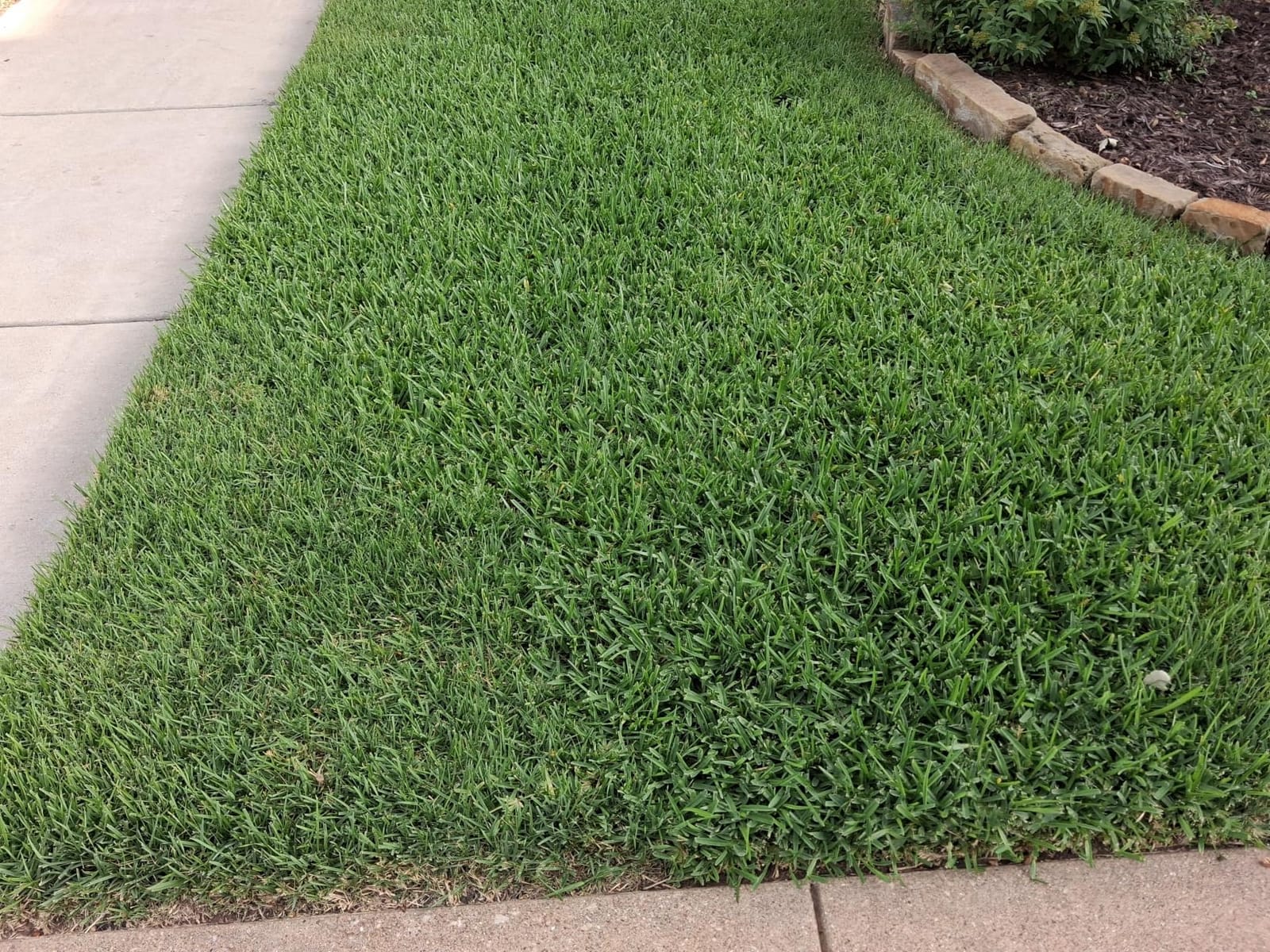
The 10 lb size is the practical sweet spot for a typical suburban yard, and it spreads cleanly through either a rotary or a drop spreader followed by a light watering of the lawn. Several reviewers note that the season-long barrier does not always run the full advertised length, so plan on the assumption of roughly one season of protection rather than a year.
How to get the fast result buyers report
Water immediately after spreading. The single most common thread in the reviews is that effectiveness drops sharply when the product is not moved into the soil with rain or irrigation right away, and that prompt watering is what separates the glowing reviews from the disappointed ones.
Apply to all lawn types as the label states, and use a rotary or drop spreader rather than hand-scattering, which produces the uneven coverage reviewers sometimes blame for thin results.
Where the reviews push back
A minority of buyers apply it and see essentially no effect at all, and the protection window is not universally the full season. Treat the season-long claim as a good average rather than a guarantee for a shaded lawn with heavy thatch.
4. The Andersons DuoCide – Best for Broad-Spectrum Lawn Protection
The Andersons DuoCide Professional-Grade Lawn Insect Control – Covers up to 9,000 sq ft (18 lb)
Bifenthrin plus carbaryl granules
Kills 50 plus lawn pests
18 lb covers up to 9000 sq ft
Pros
- Cuts grubs fire ants mosquitoes ticks chiggers fleas and slugs at once
- Fast visible results within a day of watering in
- Dual actives give above and below ground kill
- Can replace recurring professional extermination service
- Reliable against mole and armadillo damage
Cons
- Actual coverage sometimes falls short of 9000 sq ft
- Granules can arrive caked and need to be broken apart
- Fire ant control weakens after repeated annual use
- Label carries a California restriction
This is the pick for a homeowner who is tired of treating problems one at a time. The dual active formula of bifenthrin and carbaryl eliminates more than 50 common lawn pests including grubs, ticks, fire ants, mole crickets and fleas, and the DG granules disperse quickly and move the pesticide into the soil when you water.
Buyers report a result most grub products cannot deliver: grubs dying at the surface within a day of watering in, while surface insects fall at the same time. Several owners say the bag replaced a recurring professional extermination contract, which tells you how they view the value.
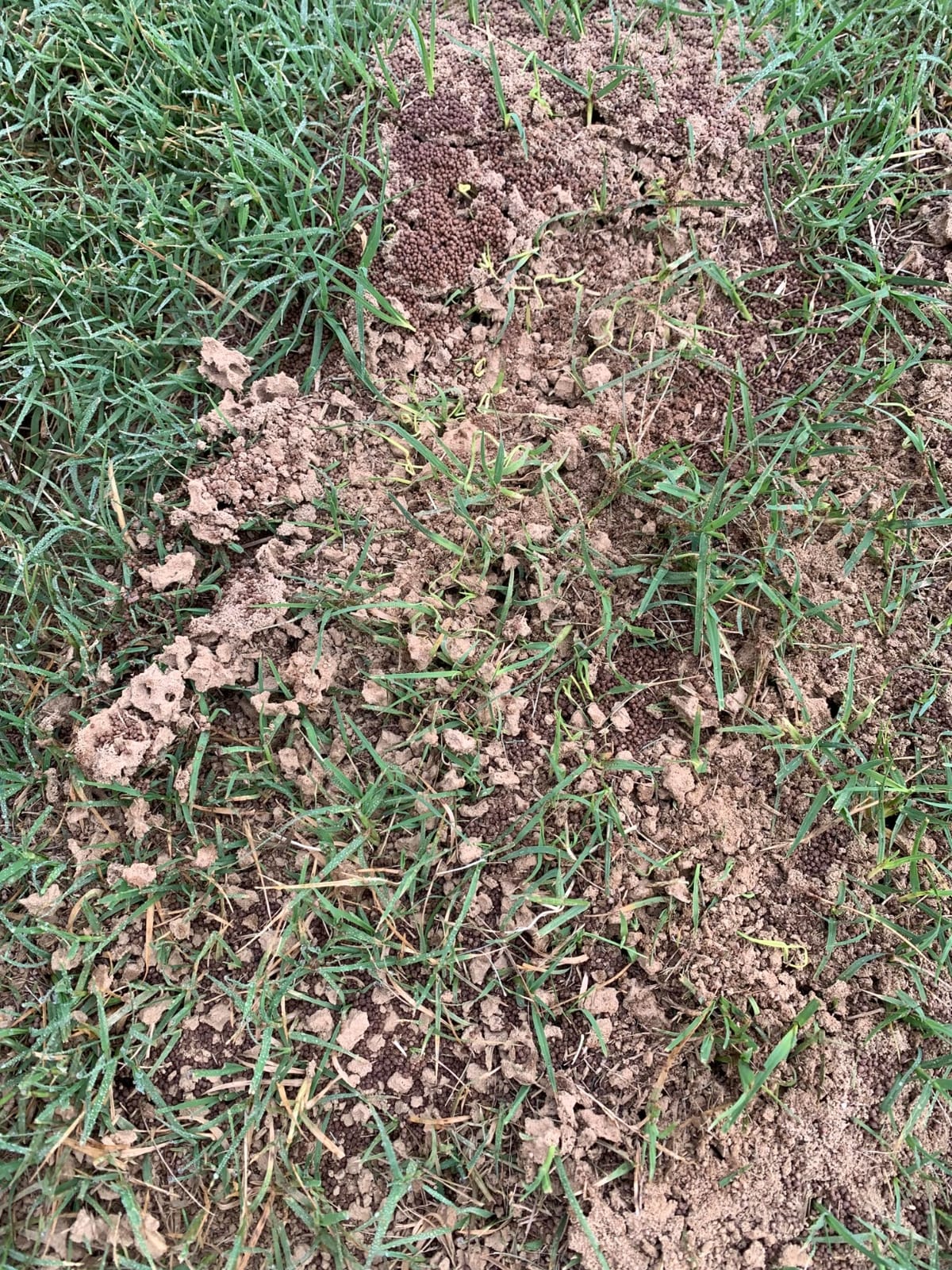
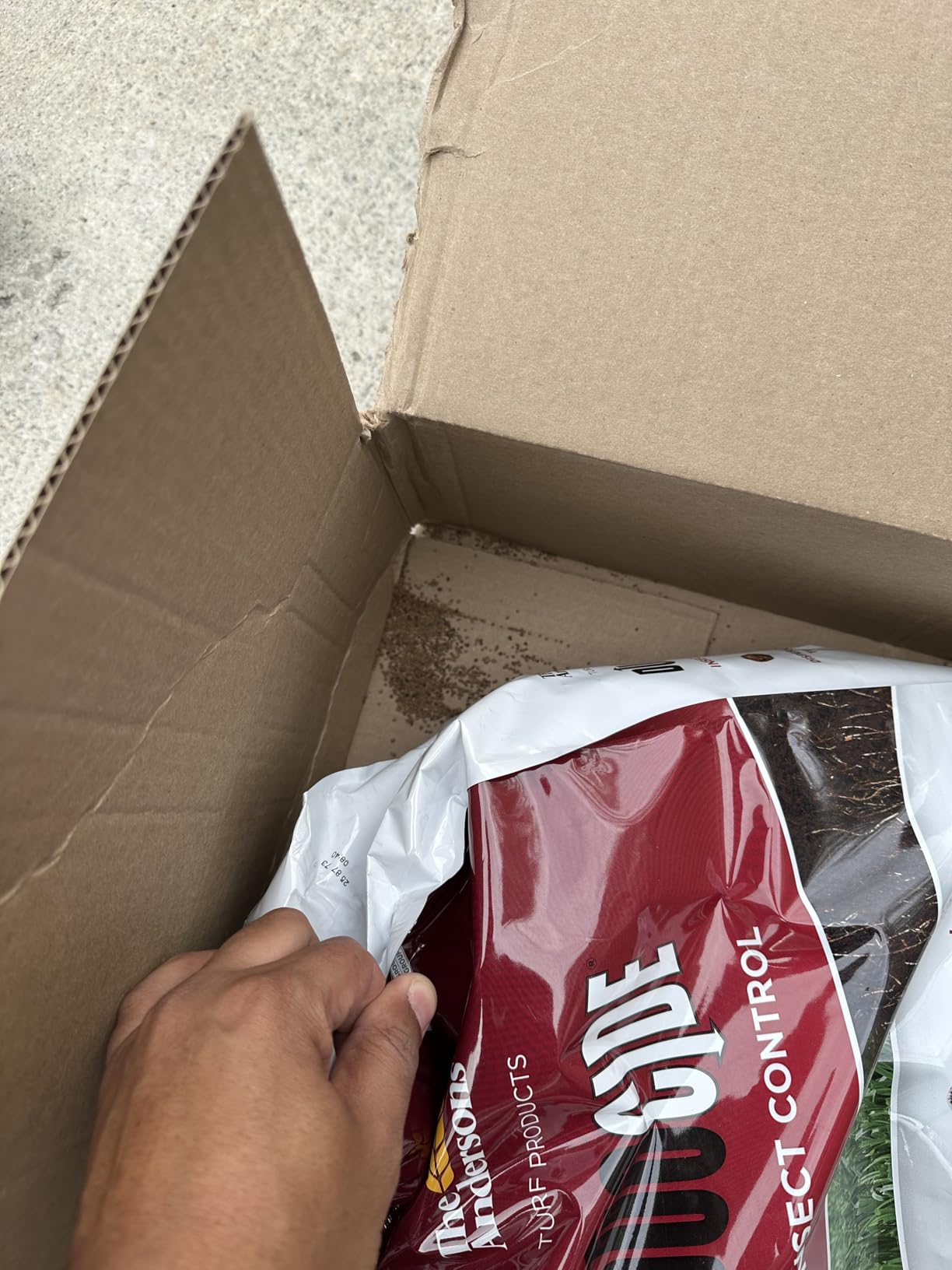
Coverage is where the complaints live. The label states up to 9,000 square feet for the 18 lb bag, and reviewers measuring their own results say actual coverage sometimes runs short of that. Second, the granules can arrive caked or clumped and have to be broken apart by hand before they will spread evenly.
Who should buy this one
Buy it if your lawn problems extend beyond grubs, particularly if fire ants, fleas or ticks are part of the picture. The two-active formula is the reason this outperforms a single-target grub granule on a yard with mixed pests.
Measure your lawn before you order. If you have a quarter acre or more, the up-to-9,000-square-foot figure is a starting point, not a promise, and the larger bag formats exist for that reason.
What to know before you spread it
The label carries a California restriction, so check your state before purchasing. Fire ant performance also declines across repeated annual applications, according to buyers who apply it year after year.
5. Arber Organic Grub Killer RTS – Best Ready-to-Use Organic Spray
Arber Organic Grub Killer & Lawn Insecticide RTS, Hose-End, 16 oz
Hose-end ready to use
Biological active Burkholderia A396
16 oz bottle
Pros
- No mixing or measuring
- attach the hose and go
- Gentle on plants with no leaf burn reported
- Can be applied in hot weather unlike neem oil
- Odorless and easy to dilute for a watering can
- Effective on spider mites and common listed insects
Cons
- Does not control Japanese beetles
- Can grow mold or scum and clog a sprayer when stored standing
- Results on fungus gnats are inconsistent
- Some buyers report under-filled bottles
- Many reviews concern the companion fungicide rather than grubs
This is the only hose-end ready-to-use product in the roundup. You attach the hose, set the dial to the marked setting and spray until the foliage is dripping wet, with nothing to mix and nothing to measure, which removes the single biggest stumbling block for casual buyers.
The active is heat-killed Burkholderia A396, a biological insecticide that degrades the insect exoskeleton and disrupts molting, working by both contact and ingestion at the larval stage. The label lists grubs, cutworms, armyworms, chinch bugs and surface pests on woody plants as targets.
Where this one genuinely wins
Plant safety and timing freedom. Buyers report no leaf burn, and the product can be applied in hot weather, which rules out the neem-oil-style products that scorch plants in summer heat. It is odorless and easy to dilute for a watering can or spot application.
It is also the option for a lawn bordering vegetable beds or a pollinator planting, since the active is a bacterium rather than a synthetic insecticide.
The honest limitation to weigh
It does not control Japanese beetles, and Japanese beetles are the adult that produces the majority of grub-related lawn damage. On a lawn where the problem is white grubs feeding on roots, the gaps in this label matter.
Some buyers also report that the mixed formulation grows mold or scum and clogs a sprayer when it stands, that fungus gnat results are inconsistent, and that a few received under-filled bottles. Much of the review volume covers the companion fungicide and houseplant use rather than grubs, so set your expectations accordingly.
6. Bayer Merit 0.5 Granular – Best for Long-Term Systemic Prevention
Bayer – Merit 0.5 Granular Systemic Insect Control – 30 Pound Bag
Imidacloprid 0.5 percent systemic
Also labeled for trees and shrubs
30 lb bag
Pros
- Stops mole and armadillo damage by removing the food source
- Also protects trees and shrubs from borers such as emerald ash borer
- Spreads cleanly by hand or with a seeder
- One 30 lb bag often lasts about two years
- Effective on spittle bugs and Japanese beetle grubs
Cons
- A 30 lb bag is the largest size offered
- Effectiveness depends heavily on correct timing and avoiding heavy rain
- Not suitable for edible plants in a vegetable garden
Merit 0.5G is the systemic option, and it is the only pick in the roundup that carries a label extending well beyond turf. At imidacloprid 0.5 percent, it is labeled for turfgrasses, trees, shrubs, evergreens, flowers, foliage plants and ground covers, and reviewers commonly pair the lawn application with protecting ornamental trees from borers such as emerald ash borer and elm leaf beetle.
Because it is systemic, it moves into the plant and reaches pests that are feeding on treated tissue rather than needing direct contact. Buyers also like the practical handling: it spreads cleanly by hand or with a seeder without making a mess, and a 30 lb bag can be stored and reused across seasons.
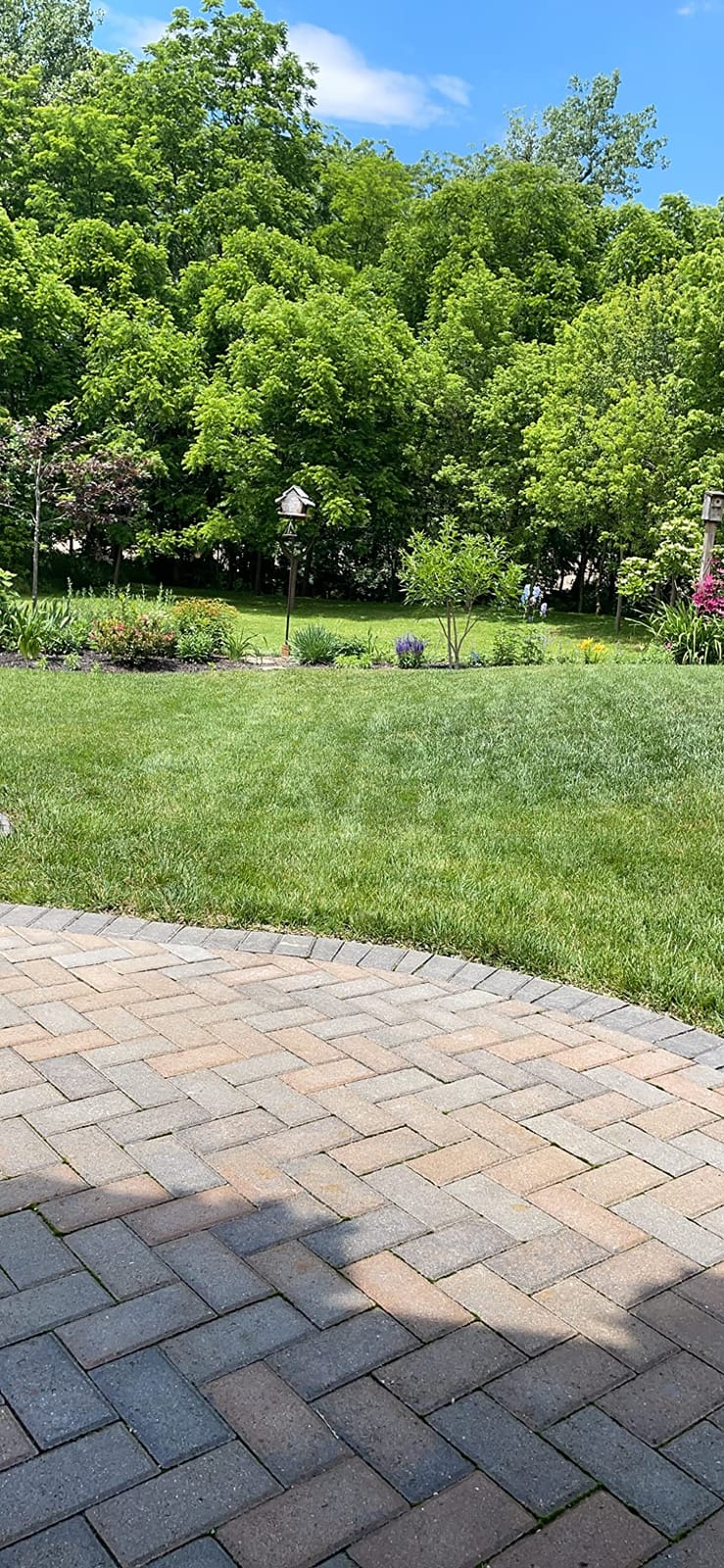
Reviewers who had a good result with mole and armadillo damage generally attribute it to removing the grubs those animals were eating, and they treat the 30 lb bag as roughly a two-year supply for many homeowners. Note the label limit of a maximum 80 lb per acre per year before you plan a multi-year program.
Why a professional grade granule earns a place here
If you have both a lawn and ornamental trees or shrubs under attack, this single product covers both problem sets, which no other pick in the roundup does. The systemic mode is also the reason it can protect a plant from a borer that is never sprayed directly.
For a reader who wants the lowest-pollution-risk chemical path, an imidacloprid systemic at a low use rate is a defensible choice, and the label’s annual per-acre cap is a built-in guardrail against overuse.
What gives buyers pause
Bag size is the first objection, and it is real against smaller bags. The second is timing: reviewers stress repeatedly that negative feedback reflects applying outside the correct window or spreading before heavy rain rather than any flaw in the product.
It is not labeled for edible plants, so it has no place in a vegetable garden. Read the label and your local restrictions before ordering, because neonicotinoid availability varies by state and county.
7. Bonide Insect and Grub Control Granules – Best for Flower Beds and Smaller Lawns
Bonide (BND60360) – Insect and Grub Control, Outdoor Insecticide/Pesticide Granules (6 lb.)
Imidacloprid plus lambda-cyhalothrin
Kills listed insects in about 24 hours
6 lb bag
Pros
- Visible dead grubs within 24 to 48 hours
- Spreads easily with a standard fertilizer spreader
- Earthworms and beneficial soil life observed alive after treatment
- Effective in raised beds and flower beds against digging animals
- Dual action gives fast kill plus residual protection
Cons
- Less effect on flying insects such as mosquitoes and flies
- Only offered in a 6 lb bag
- Outdoor use only
Bonide is the dual-action pick, pairing systemic imidacloprid with fast-acting lambda-cyhalothrin. The label claims listed insects dead in about 24 hours with up to three months of protection, which is the rare combination of a fast visible result and a residual barrier in one bag.
Buyers consistently notice dead grubs within 24 to 48 hours and, unusually, report earthworms and beneficial soil life still alive after treatment. The barrier application around a foundation or a broadcast through a fertilizer spreader both work, and the product performs in raised beds and flower beds where skunks and opossums dig for grubs.
Why this fits beds and small lawns
The 6 lb size is a genuine advantage for a small yard or a vegetable-adjacent bed where a 30 lb bag would be wasted. The barrier mode also lets you treat a perimeter rather than the whole lawn, which is exactly what owners of pet-accessible yards want.
Water lightly immediately after application as the label directs, and the fast kill is what makes the residual bar less important if you get the timing right.
What it will not do
Buyers wanting broad above-ground control, particularly mosquitoes and flies, find the results limited, which is the flip side of a soil-focused formula. The 6 lb bag is also small for a genuinely large lawn.
8. NaturesGoodGuys Beneficial Nematodes Triple Blend – Best Organic Option for All Grub Species
NaturesGoodGuys Beneficial Nematodes Triple Blend Pack HB+SC+SF – General Biological Pest Control (25 Million)
Triple blend of three nematode species
Rates up to 6200 sq ft
Safe for people pets and plants
Pros
- Entirely biological and safe around children pets and vegetables
- Nematodes frequently arrive live and moving after storage
- Substantially reduced Japanese beetle pressure on known hot spots
- Helped lawns recover from heavy brown insect-chewed patches
- Also cut centipede activity in some yards
Cons
- Slow acting
- with results measured in weeks not hours
- Highly dependent on soil temperature moisture and timing
- Does not work on leaf-feeding pests such as aphids
- Coverage per pack is limited so heavy yards need several packs
- Some users following directions exactly saw no measurable effect
If you want a chemical-free approach that covers every grub species rather than one beetle, this is the pick. The pack is a triple blend of Heterorhabditis bacteriophora, Steinernema carpocapsae and Steinernema feltiae, live biological nematodes carried in sand, rated to cover up to 6,200 square feet of soil area.
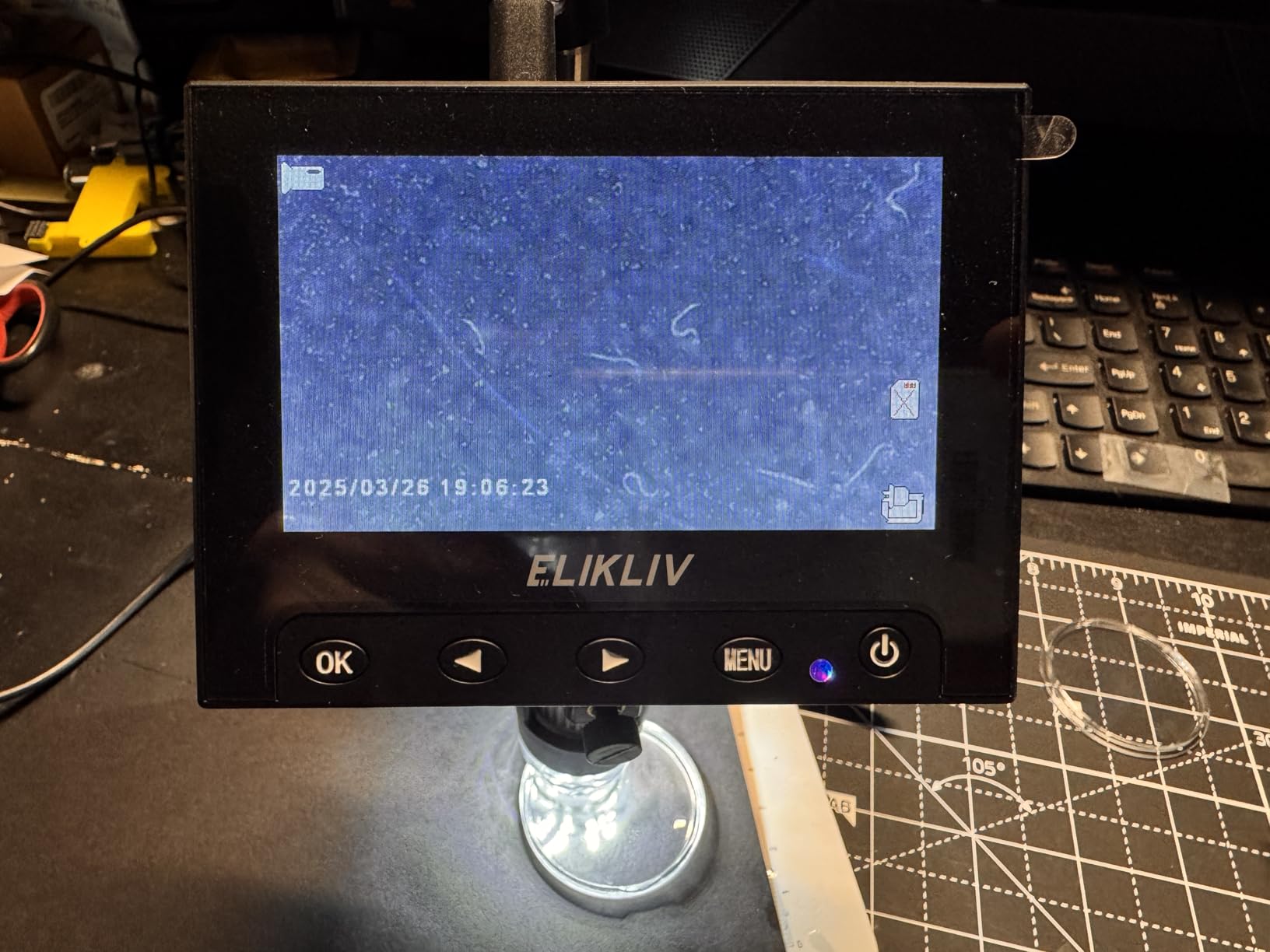
Buyers rate the seller highly on viability, frequently confirming that the nematodes were live and moving after refrigerated storage, and report reduced Japanese beetle pressure when they targeted known hot spots. The safety statement covers people, pets, plants and beneficial insects, which is the reason it carries no reentry restriction of its own.
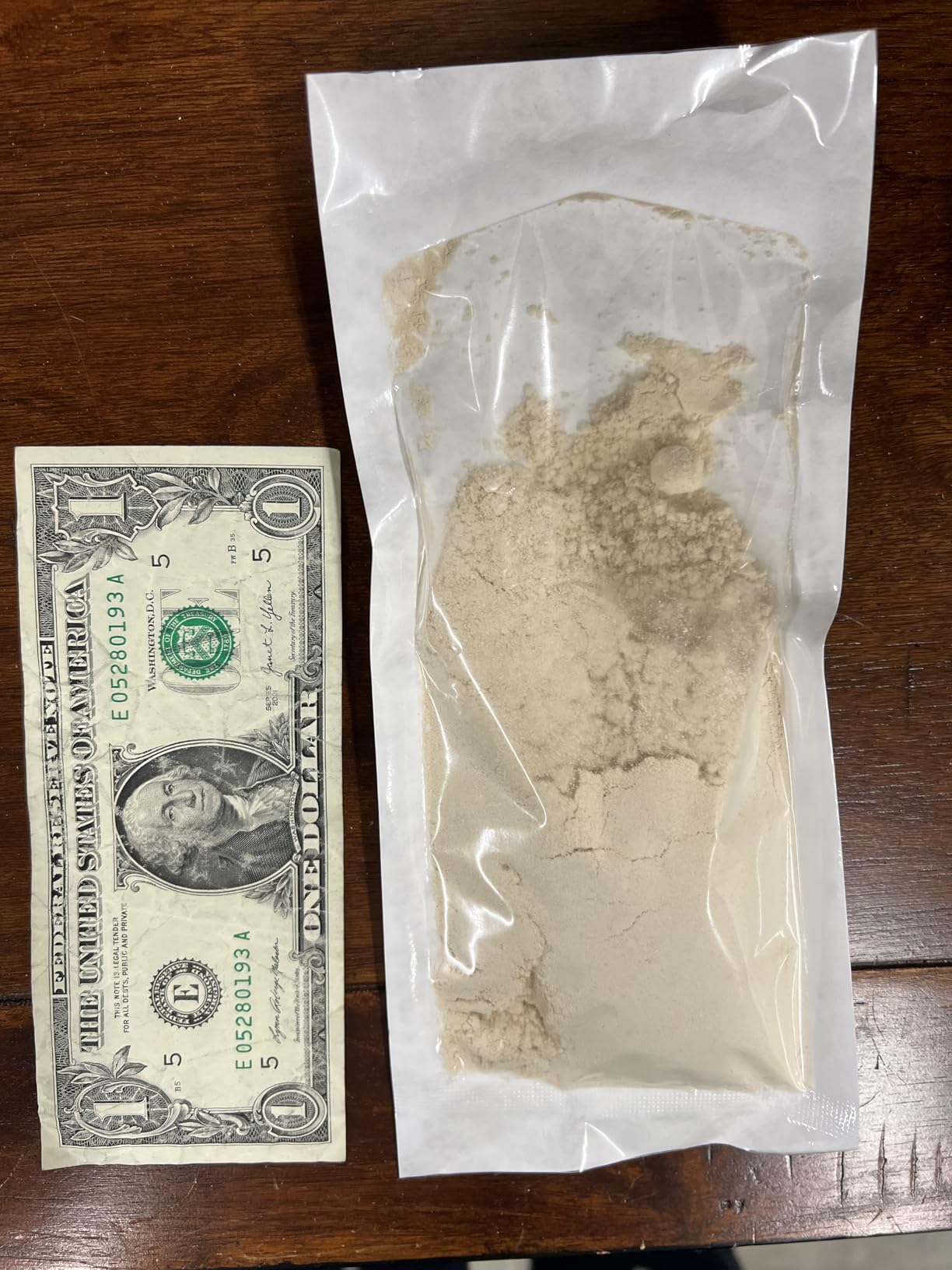
The catch is operational, and it decides the outcome more often than the product does. Apply by mixing into water and drenching the soil in warm conditions, and the pack can be stored unactivated for up to 30 days in a refrigerator but must not be frozen. Grubs need to be actively feeding in the soil for the nematodes to find them.
How to make this product work
Warm, moist soil and a repeat treatment decide whether a pack reads as a breakthrough or a waste. Apply in early or late summer when grubs are near the surface and actively feeding, water the soil first so the nematodes move through it rather than sitting on dry ground, and plan on reapplying across the season.
Treat hot spots rather than treating everything blindly. Buyers report the best results where they concentrated on known Japanese beetle areas, and lower disappointment where coverage per pack was stretched across a whole yard.
When to choose something else
Results take weeks, so this is not an answer for a lawn that is visibly collapsing right now. It also does nothing for leaf-feeding pests such as aphids, and a few users who followed the directions exactly saw no measurable effect at all.
9. BioLogic Scanmask Steinernema Feltiae – Best for Indoor Plants and Tiny Areas
BioLogic’s Scanmask Steinernema Feltiae (Sf) Beneficial Nematodes for Natural Insect Pest Control, 5 Million Size
Steinernema feltiae nematodes
Kills 230 plus listed pests
Treats about 200 sq ft
Pros
- Targets a very wide pest range with over 230 listed species
- Entirely natural and safe around people pets and plants
- Insulated iced packaging protects the count in transit
- Works with common watering cans and sprayers
- Well suited to indoor plants and raised beds
Cons
- Only about 200 square feet of coverage per pack
- Requires cool storage and application in warm soil
- Grub-specific effectiveness is not consistently reported
Where the triple blend is built for a lawn, this one is built for a specific spot. A 5 million count of Steinernema feltiae covers roughly 200 square feet, and the label claims it kills more than 230 different pests, which makes it a broad tool for raised beds, containers and indoor plants rather than a full-lawn treatment.
Logistics are handled well for a living product. The count travels in an insulated box with ice to protect viability, and it applies with a watering can, pump sprayer, hose-end sprayer or a Nema-Jet sprayer, so no special equipment is required. Buyers like the natural profile and the fact that the safety statement covers people, pets, plants and beneficial insects.
Where it earns its place
A 200-square-foot area is genuinely useful for a raised bed, a small vegetable plot, a container garden or a greenhouse bench. If your concern is a small, specific, high-value area rather than an entire lawn, the concentrated count makes sense.
It is also a natural fit for households that avoid synthetic actives anywhere near food plants or children.
The limitation that decides most cases
Two hundred square feet is the whole story for lawn owners. Buyers treating a quarter acre would have to buy pack after pack, and the coverage math quickly stops making sense.
Grub-specific effectiveness is not consistently reported, and like all nematodes it needs cool storage and application into warm soil to work.
10. Quali-Pro Imidacloprid T and O 2F – Best Large-Area Concentrate
Quali-Pro Imidacloprid T&O 2F Insecticide (Generic Merit)
Imidacloprid 21.8 percent concentrate
Low use rates for large areas
128 fluid ounce container
Pros
- Reliable systemic control of grubs chinch bugs and Japanese beetle
- Low use rates mean a little concentrate covers a large area
- Pours smoothly with no chalky residue or yellowing
- Narrow pour spout prevents drips
- Large clear label text aids safe mixing
Cons
- Requires careful mixing to avoid waste or over-application
- Not labeled for edible plants
- Thick glue-like concentrate means gloves are recommended
- Professional mixing ratios can intimidate casual buyers
This is the pick for anyone treating an acre or more, because the low use rate is the whole economic argument. At imidacloprid 21.8 percent in a 128 fluid ounce container, a small amount of concentrate covers a large area, and the label is written for turfgrass, ornamental plantings and golf courses.
It also handles species that lawn-only products miss. The label lists southern and northern masked chafer, Japanese beetle, European chafer, European crane fly and green June beetle, so a mixed or unidentified grub population is covered by a single tank.
Handling is better than the generic category usually manages. Buyers mention that it pours creamy and does not chalk or yellow like some competing brands, that the narrow spout is easy to handle and prevents drips, and that the large clear label text listing the active ingredient makes safe mixing easier than it sounds.
Why the concentrate math matters
Coverage per treated square foot is where concentrates win and granules lose, and it is the reason this product earns a place on large properties. If you have repeatedly found yourself buying a bag too small for the yard, this is the shape of product that fixes that.
It also suits users who already own a hose-end or pump sprayer and prefer spraying to spreading, and it can be used on ornamental plantings rather than turf alone.
What to weigh before buying
Mixing accuracy is the risk. Too little and you get nothing; too much and you waste product and can exceed label rates, so follow the label ratios rather than eyeballing.
It is not labeled for edible plants, and the concentrate is thick and glue-like enough that gloves are worth wearing. Some buyers find professional labeling and mixing ratios intimidating if they have never used a concentrate before.
Preventive vs. Curative: How to Choose the Right Grub Killer
Preventive products must reach the soil before eggs hatch, because they kill newly hatched larvae as they descend toward the grass roots. Curative products kill grubs that are already feeding, which is the only thing that works once you can count them in the sod. Applying a preventive in late summer is wasted money, and applying a curative in spring is usually too early.
Forum consensus matches that logic closely. In a widely-read thread on r/lawncare, the top community answer to someone digging up a heavy load of grubs was to put down a preventive such as GrubEx now and let it kill the new batch when they arrive later in the summer. Threads on TheLawnForum converge on the same rule: curative chemistry is what you reach for once grubs are present, and preventive chemistry is what consistently reduces counts when it lands in the correct window.
One useful compatibility note comes from the same forums: herbicides in a weed-and-feed product do not interfere with grub pesticides, so you do not have to choose between feeding the lawn and treating it. Apply the grub product first, water it in, then feed.
Grub Killer Active Ingredient Decoder
Chlorantraniliprole is the active in Scotts GrubEx1 and the preventive chemistry most associated with clean, long single-application control. It is selective on soil-dwelling larvae and is the reason that bag protects for up to four months.
Imidacloprid is a systemic neonicotinoid found in Bayer Merit 0.5G, Bonide Insect and Grub Control and the Quali-Pro concentrate. Systemics move into the plant, so they reach pests feeding on treated tissue, and they are the standard preventive choice for ornamental plants and trees as well as turf.
Lambda-cyhalothrin is the fast-acting pyrethroid in BioAdvanced Season Long and half of the Bonide formula. Contact chemistry, visible results in a day or two, residual protection measured in months.
Bifenthrin plus carbaryl is the professional dual combination in Andersons DuoCide, giving both a contact surface kill and a soil-active component across more than 50 listed pests.
Burkholderia A396 is the heat-killed bacterium in Arber, which degrades the insect exoskeleton and disrupts molting by contact and ingestion. Beneficial nematodes from the genera Heterorhabditis and Steinernema carry an internal bacterium that kills the larva from inside and reproduces in it, which is why they are species-agnostic and require live, moist soil conditions.
Milky Spore bacteria in St. Gabriel’s product work the opposite way from everything else here. They infect and multiply in Japanese beetle grubs over a multi-year establishment period, which is why it is a long-term colony play rather than a treatment.
Granular, Liquid or Concentrate: Which Form Suits Your Lawn
Granules dominate this roundup because they are forgiving. You can see where you have been, they spread evenly through a rotary or drop spreader, and a light watering moves the active into the root zone. The two mistakes that ruin granular performance are spreading on a wet lawn and skipping the watering-in.
Ready-to-use hose-end formats trade coverage for convenience. The Arber bottle needs no mixing and no measuring, which suits a small lawn or a bed, but you are walking a hose rather than pushing a spreader, and a liquid coats foliage rather than settling into the root zone.
Concentrates win on large areas. Low use rates mean a 128 ounce container covers acreage a 10 lb granule cannot touch, and the coverage-per-treated-square-foot math favors spraying once you are past a few thousand square feet. The trade is mixing accuracy, gloves, and a label written in professional language.
When to Apply Grub Killer: A Season by Season Calendar
April to mid-June is the preventive window. This is egg hatch in most of the country, and the stage at which a preventive granule does the most work. Apply to a dry lawn, then water it in immediately.
July is the recovery window. Grubs are deeper in the profile and largely out of reach of contact products, so this is the month to water deeply, aerate and feed rather than spray.
August to September is the curative window. Young grubs are feeding near the surface, damage first appears, and this is when a curative earns its cost. September is inside this window rather than past it.
October into winter is when you stop treating and start repairing. Water deeply and consistently, hold off on overseeding until the treatment has done its job and the soil is warm, and core aerate compacted areas. Grubs that surface in a cold-climate lawn often die on their own over winter, so a light infestation discovered in spring may not need anything at all.
Pet, Child and Pollinator Safety: What the Labels Actually Say
Pet safety anxiety is the most common blocker in the lawn forums, and the practical answer is about moisture, not about the bag. Keep dogs and children off the lawn until the granules are dry and the lawn has been watered in, follow the label reentry instructions, and wash your hands after handling concentrate.
For households that want zero chemical exposure, two picks in this roundup qualify outright. The NaturesGoodGuys nematode blend and the BioLogic pack are both stated safe for people, pets, plants and beneficial insects, and St. Gabriel’s milky spore is stated safe for pets, children and beneficial insects.
On pollinators, two points settle most of the argument. Granules applied to a lawn, away from blooming plants and watered into the soil, present far less exposure than spraying flowering crops. And killing grubs reduces bird and skunk digging rather than harming the birds that cause it, since those animals are responding to a food source, not creating the problem.
The neonicotinoid question deserves honesty rather than reassurance. Imidacloprid products such as Bayer Merit, Bonide and Quali-Pro fall in the class most affected by state and county restrictions, and those restrictions are on the label. Check your label before you buy, and read the local rules that apply to your county.
Why Is Your Grub Killer Not Working?
Wrong window. A preventive applied after egg hatch has missed its target stage, and a curative applied in spring finds the grubs too deep to reach. This accounts for most of the disappointment we found in the reviews.
No watering-in. Granular products need rain or irrigation to move the active down to the root zone. Reviewers repeatedly report that the same product produced strong results in one application and nothing in the next, and the difference was watering.
Too few grubs to matter. Five or fewer per square foot is a normal population. If you treated and saw no visible change, that may be the correct result rather than a failed product.
Wrong chemistry for the biology. Milky spore does not touch species other than Japanese beetle, and the nematodes need grubs actively feeding in warm, moist soil to find.
Expectations about animals. Killing grubs removes the food source that drives mole, skunk and raccoon digging, but it does not create an instant barrier or install a trap. A grower reporting on orangetractortalks.com described treating each spring and watching mole activity virtually disappear, which is the realistic version of the claim: a season of pressure removed, not a fence built.
Frequently Asked Questions
When is the best time to put grub killer down on my lawn?
There are two windows and they do different jobs. Apply a preventive between April and mid-June, around egg hatch, so the chemistry is in the soil before the new grubs descend to feed on roots. Apply a curative between August and September, when young grubs are feeding near the surface and damage first appears. Water granules in immediately either way.
Is September too late for grub control?
No, September sits inside the curative window and is often the best curative timing of the year, because young grubs are actively feeding near the surface. What would be wasted in September is a preventive, which only works before egg hatch. Water the product in promptly and the kill is fast.
Which is better, Scotts GrubEx or BioAdvanced 24 Hour Grub Killer?
They solve different problems. GrubEx1 uses chlorantraniliprole as a preventive and protects roots for up to four months after one spring application, which is why it is our overall pick. BioAdvanced Season Long uses lambda-cyhalothrin, kills grubs that are already feeding, shows dead grubs at the surface within 12 to 24 hours, and also lists more than 40 other lawn insects. Preventive in spring, curative in late summer.
What is the best organic grub killer?
For all grub species, beneficial nematodes are the strongest organic option: a triple blend of Heterorhabditis bacteriophora, Steinernema carpocapsae and Steinernema feltiae, rated to cover up to 6,200 square feet, safe for people, pets and beneficial insects, but slow and dependent on warm moist soil. For long-term Japanese beetle control, St. Gabriel Milky Spore is the answer, with the caveat that it needs repeat applications over roughly two years and struggles in cool northern soils.
Will grass grow back after a grub infestation?
In almost every case, yes. Grubs sever the roots below the surface while the crowns at soil level usually survive, so the turf recovers once the feeding pressure is removed. Water deeply and consistently, core aerate compacted ground, and hold overseeding until the treatment has worked and the soil has warmed. Full recovery typically runs several weeks to a couple of months.
Do grub killers get rid of moles and other animals digging up the lawn?
They reduce the pressure but do not solve it outright. Moles, skunks and raccoons dig because grubs are present, so removing the food source over a season makes those areas less attractive. Expect the digging to taper rather than stop, and expect existing tunnels to remain. Killing birds or other animals does nothing about grubs and is not a control method.
The Verdict: Best Overall, Best Curative and Best Organic
Best overall is the Scotts GrubEx1 Season Long Grub Killer, because chlorantraniliprole delivers up to four months of protection in one spring application and it carries by far the largest body of buyer feedback in the category. Best curative is the BioAdvanced Season Long Grub Control, where dead grubs appear at the surface within a day of watering in. Best organic for all species is the NaturesGoodGuys triple blend nematodes, and best organic for Japanese beetles long term is St. Gabriel Organics Milky Spore.
The pairing that keeps you out of the forums next August is simple. Put a preventive down in the April to mid-June window, then keep a curative on hand for a late-summer application if the count warrants it. Check the label for your state and county restrictions, water the granules in immediately, and you will have covered the two windows that matter in 2026.