
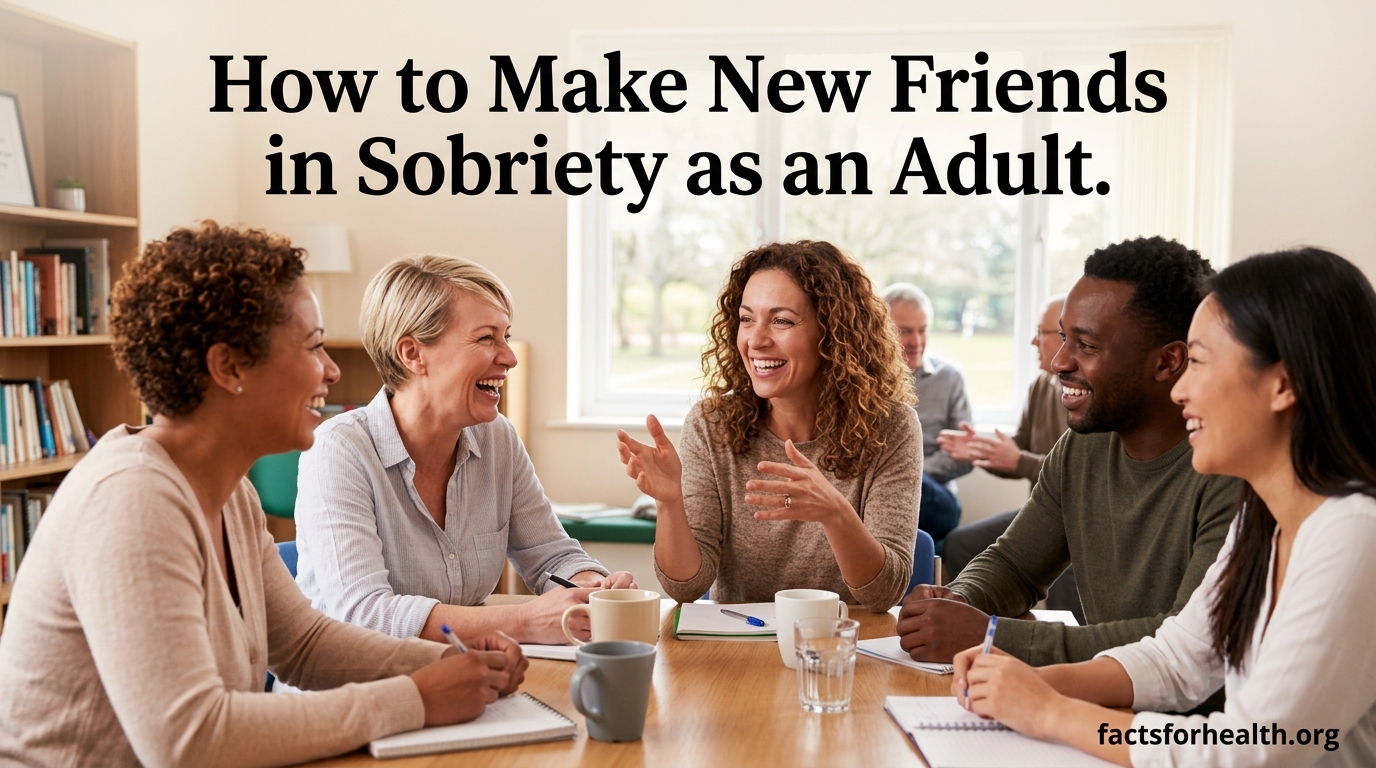
If you have recently gotten sober and find yourself wondering how to make new friends in sobriety as an adult, you are far from alone. One of the most common challenges people face in early recovery is the deep loneliness that comes after walking away from social circles built around drinking or using. I have seen this struggle firsthand, and the honest truth is that rebuilding a social life from scratch feels intimidating.
The good news is that making sober friends is absolutely possible, and the connections you build in recovery often turn out to be deeper and more genuine than anything you experienced before. In this guide, I will walk you through practical, proven ways to meet like-minded people who support your sober lifestyle.
You will learn where to find sober communities, how to navigate the emotional challenges of losing old friends, and what realistic timelines look like for building meaningful friendships. Whether you are newly sober or years into your recovery, these strategies can help you expand your social circle with people who truly understand your journey.
Table of Contents
Why Sober Friends Matter So Much
Building a support system in recovery is not just a nice thing to have. Research consistently shows that peer support significantly improves long-term sobriety outcomes. When you surround yourself with people who understand what you are going through, you have a built-in safety net during difficult moments.
Sober friends provide accountability without judgment. They are the people you can call at 10 PM when a craving hits or when life feels overwhelming. These are relationships built on shared experiences and mutual growth rather than substance use.
Perhaps most importantly, sober friendships help fill the void left when you step away from old drinking buddies. That void is real, and trying to fill it alone is one of the biggest triggers for relapse. Having even one or two solid sober friends can make all the difference in staying on track.
How to Make New Friends in Sobriety as an Adult
Learning how to make new friends in sobriety as an adult takes intention and effort, but the strategies below are practical and proven by people who have walked this path before you. Here are ten effective ways to build a sober social circle.
1. Attend Recovery Meetings Regularly
Recovery meetings like Alcoholics Anonymous (AA) and SMART Recovery are the most direct way to meet other sober people. These gatherings create a built-in community of individuals who share your commitment to sobriety. The key is attending consistently so faces become familiar and conversations develop naturally.
Many people in recovery report that arriving early or staying after meetings is where real connections happen. Offer to make coffee, help set up chairs, or simply introduce yourself to someone sitting alone. These small acts open doors to deeper conversations over time.
Beyond traditional meetings, look for recovery community centers in your area. These spaces often host social events, workshops, and group activities that extend well beyond the meeting format.
2. Join Sober Meetups and Social Groups
Sober meetups have exploded in popularity over recent years. Platforms like Meetup.com frequently have sober living friendship groups organized by city, where members gather for dinners, game nights, hikes, and other alcohol-free activities. These groups take the pressure off because everyone is there for the same reason.
If you cannot find an existing group, consider starting one. Many people I have spoken with in recovery say their local sober community began with just two or three people meeting at a coffee shop. Word spreads quickly when people are hungry for connection.
Temple Coffee events, recovery-themed book clubs, and alcohol-free trivia nights are examples of sober social events that are becoming common in larger cities. Check local recovery organizations and community boards for listings.
3. Explore New Hobbies and Activities
Picking up new hobbies in recovery serves double duty. It gives you something fulfilling to do with your time while creating natural opportunities to meet people outside traditional recovery spaces. The key is choosing activities that interest you genuinely, not just ones where you think sober people might be.
Consider joining a cooking class, a pottery workshop, a language learning group, or a creative writing circle. Community education programs at local colleges and libraries are excellent sources for affordable group classes where regular attendance helps you get to know people gradually.
Book clubs deserve a special mention here. They provide structured social interaction around a shared topic, which takes off the pressure of making small talk. Many libraries and bookstores host free clubs, and some are specifically recovery-oriented.
4. Volunteer for Causes You Care About
Volunteering in recovery is one of the most rewarding ways to build friendships. When you volunteer alongside others, you immediately share a sense of purpose and shared values. People who dedicate their free time to helping others tend to be empathetic, community-minded individuals, exactly the kind of people who make great friends.
Animal shelters, food banks, community gardens, and youth mentoring programs all rely on volunteers and foster collaborative environments. I have heard from many people in recovery that their volunteer work became the foundation of their entire sober social network.
The bonus is that volunteering gets you outside your own head. Service work is a core principle in many recovery programs for good reason. It builds self-worth while connecting you with people who share your commitment to making a difference.
5. Take Fitness and Wellness Classes
Fitness communities are naturally aligned with sober living. Running clubs, yoga studios, rock climbing gyms, and martial arts dojos attract people focused on self-improvement and healthy lifestyles. These environments create regular, structured interaction with the same group of people, which is exactly what friendship-building requires.
Many cities now have sober running clubs specifically designed for people in recovery. Organizations like The Phoenix offer free fitness programs for anyone with at least 48 hours of sobriety, including CrossFit, rock climbing, yoga, and cycling. These programs combine physical health with community support.
Even a regular gym schedule can lead to friendships. Showing up at the same time each day, taking the same classes, and being consistent helps you become a familiar face. Simple greetings eventually turn into conversations and then into friendships.
6. Connect Through Online Sober Communities
Online support groups can be a lifeline, especially in early recovery when in-person socializing feels overwhelming. Communities like Reddit’s r/stopdrinking, Talking Sober forums, and various Facebook sobriety groups provide 24/7 access to people who understand exactly what you are going through.
These online spaces are where many people take their first steps toward connection. You can share your story, ask for advice, and gradually build relationships without the pressure of face-to-face interaction. Many online friendships eventually transition into real-world meetups.
Instagram and TikTok also have thriving sober communities. Following sober content creators, engaging with their posts, and using hashtags like #soberlife and #recoverycommunity can help you find and connect with like-minded individuals.
7. Attend Sober Events, Retreats, and Festivals
Sober events have grown significantly, offering everything from alcohol-free music festivals to weekend wellness retreats. These gatherings are designed specifically for people in recovery and provide a festive, social atmosphere without the presence of alcohol or drugs.
Sober retreats offer immersive experiences where you can build deep connections over several days. Activities typically include group therapy, outdoor adventures, meditation, and workshops. Many people describe these retreats as transformative for both their recovery and their social life.
Look for events like Sans Bar, Sober Oktoberfest celebrations, or recovery conferences in your region. Even if you attend alone, the shared context of the event makes it easy to strike up conversations with fellow attendees.
8. Use Sober Friendship Apps
Technology has made it easier than ever to find sober people nearby. Apps like Loosid, Sober Grid, and Meetup’s sober categories are designed specifically to connect people in recovery. These platforms let you find local events, chat with other sober individuals, and build friendships at your own pace.
Sober Grid works like a social network for people in recovery, complete with a feature that connects you with nearby sober users. Loosid combines sober dating with a community feed and local event listings. These tools are especially helpful if you live in an area without many in-person recovery options.
As with any app-based connection, exercise common sense. Meet in public places, let someone know where you are going, and take your time getting to know people before sharing personal information.
9. Host Your Own Alcohol-Free Gatherings
One of the most empowering things you can do in recovery is create the social environment you wish existed. Hosting alcohol-free gatherings puts you in control and attracts people who are interested in genuine connection rather than getting drunk. Start small with a game night, a potluck dinner, or a movie screening.
Serve creative mocktails and have good food available. Many people are surprised by how much they enjoy socializing without alcohol once they experience it in a welcoming setting. Your event might be the thing other sober people in your area have been waiting for.
I have spoken with people who started with a monthly sober dinner party that grew into a thriving community of dozens. Do not underestimate what can happen when you take the initiative to bring people together.
10. Be Open About Your Sobriety Journey
This might be the most important strategy on the list. Being open about your recovery journey, when and where it feels safe to do so, naturally attracts people who respect and support your lifestyle. You do not need to share your whole story with strangers, but casually mentioning that you do not drink removes the awkwardness and often leads to meaningful conversations.
Many people report that once they started being honest about not drinking, they discovered friends, coworkers, and acquaintances who were also sober or sober-curious. You may be surprised by how many people are on a similar path once you create space for that conversation.
Authenticity builds trust. When you show up as your genuine self, the right people gravitate toward you. This is how lasting recovery friendships are formed.
Navigating the Challenges of Building Sober Friendships
The path to making new friends in sobriety is not without obstacles. Understanding what to expect can help you push through the difficult moments.
Losing Old Drinking Friends
This is one of the most painful parts of getting sober, and it deserves honest acknowledgment. Many of your old friendships were built on shared substance use, and those relationships may not survive your recovery. That loss is real and grieving it is completely normal.
Not every old friend needs to be cut off. Some relationships can evolve as you communicate your boundaries and find new ways to connect. But be prepared for the reality that some people will drift away, and that is okay. Making room for new, healthier friendships sometimes requires letting go of old ones.
Dealing With Social Anxiety
If you used alcohol to lubricate social situations, facing them sober can feel terrifying at first. This is incredibly common. Start with low-pressure environments like online groups or volunteer work where the focus is on an activity rather than conversation.
Give yourself permission to leave events early if you need to. Bring a supportive friend when possible. Over time, your confidence in social settings will grow, and you will discover that genuine connection is actually easier without alcohol clouding the experience.
How Long Does It Take to Build Sober Friendships?
This is a question I see constantly in recovery forums, and the honest answer is that it takes longer than most people expect. Research on adult friendships suggests it takes roughly 50 hours of interaction to move from acquaintance to casual friend, 90 hours to become a regular friend, and 200 hours to develop a close friendship.
In practical terms, this means consistency matters more than intensity. Showing up regularly to the same meeting, class, or volunteer shift week after week is what builds bonds. Do not get discouraged if friendships do not form overnight. Trust the process and keep putting yourself out there.
FAQs
What is the 11 6 3 rule of friendship?
The 11 6 3 rule of friendship suggests that at any given time, people typically have about 11 close friends, 6 casual friends they see regularly, and 3 best friends they trust deeply. It is a framework that highlights how friendship naturally forms in layers, and it reminds those in recovery that building a social circle takes time across multiple levels of connection.
What is rule 62 in sobriety?
Rule 62 in sobriety comes from Alcoholics Anonymous culture and simply means do not take yourself too seriously. It is a reminder that laughter, humility, and not sweating the small stuff are essential parts of a healthy recovery. Many AA groups reference Rule 62 as a lighthearted way to encourage members to find joy and perspective in their sober journey.
What to do if you have no friends as an adult?
If you have no friends as an adult, start by putting yourself in environments where consistent interaction happens naturally. Join a recurring class, attend recovery meetings regularly, volunteer weekly, or find a local hobby group. Building friendship requires repeated exposure to the same people, so focus on showing up consistently rather than trying to make friends in a single interaction.
How to meet people in recovery?
You can meet people in recovery by attending AA or SMART Recovery meetings, joining sober meetup groups, volunteering in your community, taking fitness classes through organizations like The Phoenix, connecting in online sobriety communities, attending sober events and retreats, and using sober friendship apps like Loosid or Sober Grid. Consistency and openness are the keys to turning encounters into real friendships.
Building Your Sober Community Takes Time, But It Is Worth It
Figuring out how to make new friends in sobriety as an adult is a journey, not a sprint. Every person you meet at a meeting, every volunteer shift you show up for, and every class you attend is a step toward building the meaningful connections you deserve.
Remember that the loneliness you feel right now is temporary. The strategies in this guide have worked for countless people in recovery, and they will work for you too, as long as you stay consistent and patient with yourself.
Start with just one action this week. Pick the strategy that feels most approachable and commit to trying it. Your future sober friends are out there looking for connection too. You just have to show up.