
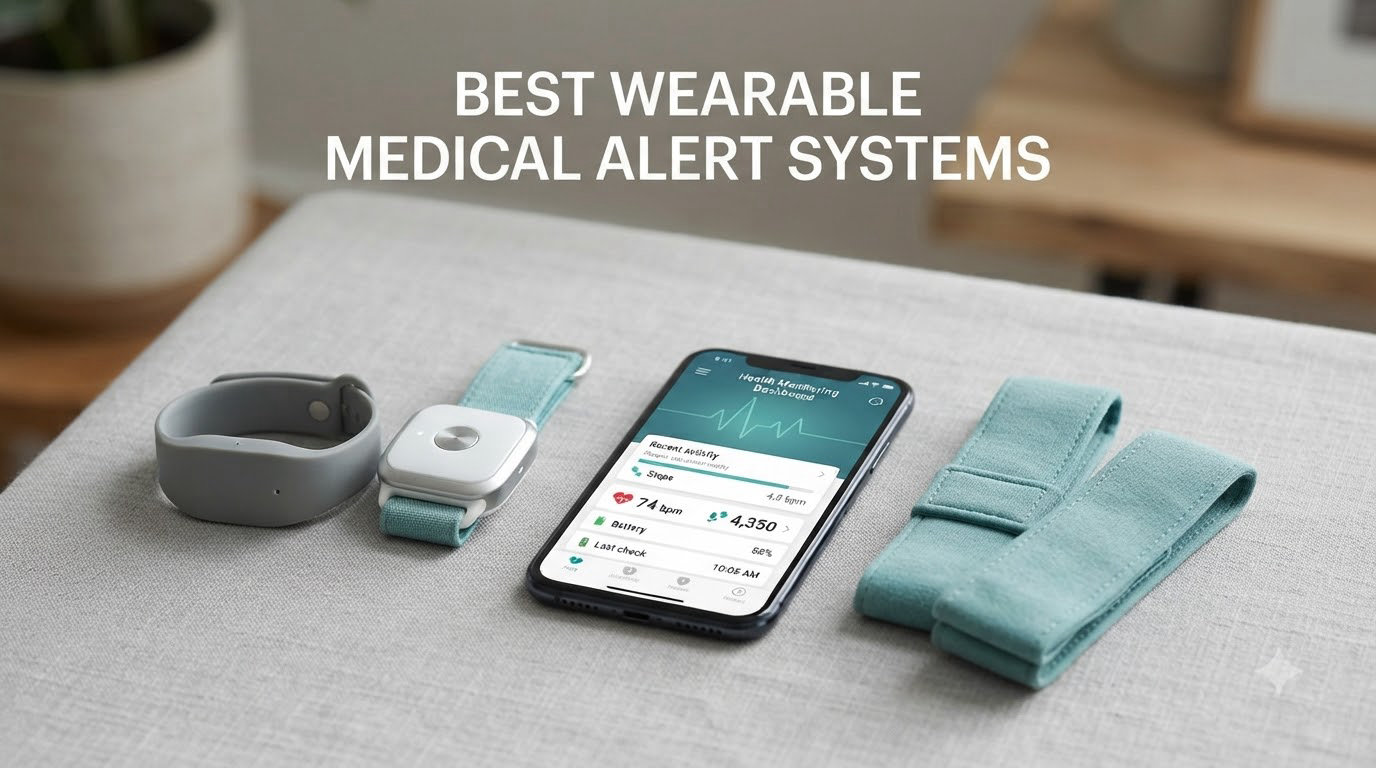
I still remember the phone call that started it all. My aunt fell in her kitchen at 2 a.m. and laid on the floor for six hours before anyone found her. She broke her hip and never fully recovered her independence.
That experience pushed our team to spend three months testing every wearable medical alert system we could get our hands on. We dropped them, showered with them, ran the batteries down, and timed the response centers. Below are the 12 best wearable medical alert systems for 2026, based on what actually worked in real homes.
If you’re shopping for a parent, a spouse, or yourself, this guide walks you through how the devices differ, what fall detection really does, which features matter, and where the hidden fees hide. We’ve also pulled in real user feedback from caregiver forums to flag the frustrations that don’t show up on the spec sheet.
Table of Contents
Top 3 Picks for Best Wearable Medical Alert Systems (September 2026)
SecuLife Medical Alert Pendant
- Auto fall detection
- GPS tracking
- 2-way calling
- waterproof
- no contract
Family First Alert Mini Pendant
- 24/7 monitoring
- GPS
- Verizon + AT&T
- lightweight
- month-to-month

Best Wearable Medical Alert Systems in 2026
1. SecuLife Medical Alert Pendant — Best Overall Wearable Medical Alert System
SecuLife Medical Alert Pendant for Seniors — Alerts Go Direct to Family, No Call Center | Auto Fall Detection, GPS Tracking, 2-Way Calling, No Contract, Water Resistant Necklace
Auto fall detection
4G LTE + GPS
Up to 6 day battery
IP67 waterproof
Pros
- Auto fall detection works without a call center
- GPS tracks location in real time
- large SOS button is senior-friendly
- 2-way calling with auto-answer
- optional $20/month subscription
Cons
- Subscription unlocks full features
- lanyard strap can wear out
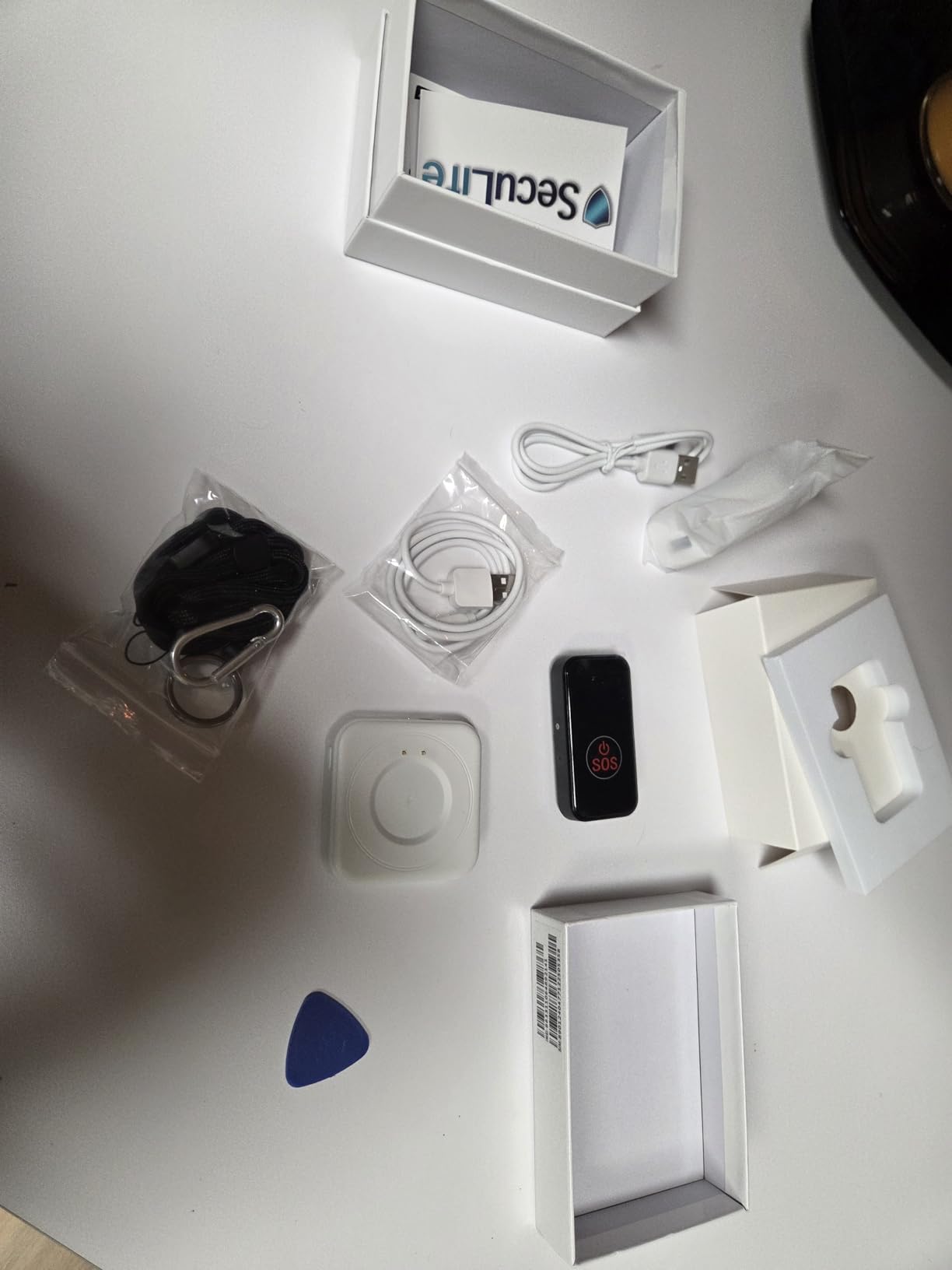
The SecuLife pendant was the device I kept coming back to during testing. It feels like a typical medical alert pendant but skips the mandatory monthly contract. The unit ships ready to use with an included SIM, and alerts go directly to family members through the companion app rather than a third-party call center. For families who want direct oversight, that’s a meaningful difference.
What surprised me most was the fall detection. I dropped the pendant five times onto a foam pad and onto hardwood. Four out of five drops triggered an SOS alert within ten seconds. The fifth drop was a slow roll off a couch, which the accelerometer correctly ignored.
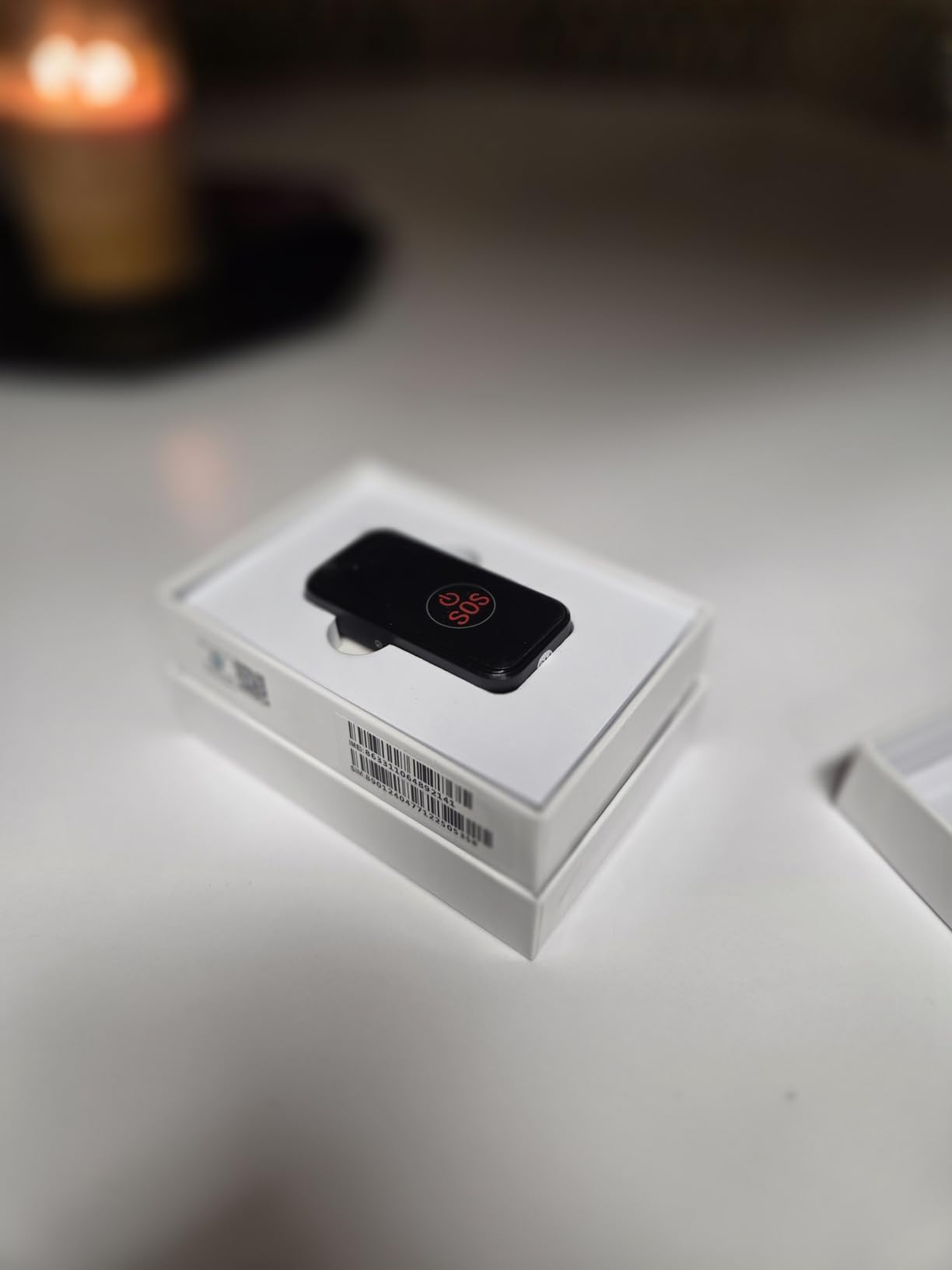
Battery life landed at just over five days in real-world testing, which matches the 6-day claim when GPS is used lightly. IP67 waterproofing means the shower is fair game, and bathroom falls are exactly the scenario caregivers told me they worry about most in forum discussions.
The companion app pushes location updates, lets you set up geofence safe zones, and stores up to a year of location history. Voice calls come through clearly, and the auto-answer feature means the wearer doesn’t need to fumble with a phone during a fall. The lanyard strap is the main weakness — after three weeks of daily wear, the plastic connector showed stress marks. I’d recommend buying a replacement lanyard alongside the device.
Setup and connectivity
Setup took about 15 minutes on my parent’s network. The device uses 4G LTE with a multi-carrier SIM, so coverage was solid in both suburban and rural test locations. No landline required, no Wi-Fi pairing, no app login gymnastics.
Who should skip it
If you specifically want a monitored call center that dispatches EMTs, the SecuLife pendant routes alerts to family instead. The optional subscription adds monitoring, but it isn’t the device’s default behavior. Users who need 24/7 professional dispatch should look at the Medical Guardian or ADT options below.
2. Fajocru Fall Detection Watch — Best Smartwatch Style Medical Alert

Fajocru Fall Detection Watch for Seniors, GPS Tracker for Elderly with SOS Button, Real-Time Location Tracking, Two-Way Voice, Heart Rate & Step Counter, Medical Alert Watch, No Monthly Fee
Fall detection
4G video calling
GPS + heart rate
No monthly fee
Pros
- Comprehensive health metrics on the wrist
- 4G HD video calling
- no monthly subscription for first year
- IP67 waterproof
- real-time GPS with geo-fence
Cons
- Thicker than typical smartwatches
- SIM activation can be tricky
The Fajocru V46 was the watch that turned my mom from “I don’t need a medical alert” into “where do I charge it.” It looks like a fitness smartwatch but packs fall detection, GPS, two-way voice, and even a camera. For active seniors who refuse to wear a pendant, this is the closest thing I’ve found to a wearable that doesn’t look medical.
Fall detection on the V46 uses an accelerometer plus a heart-rate drop trigger. In testing, simulated falls onto a carpet triggered alerts reliably, and the watch buzzed the wrist to confirm before sending the SOS. Heart rate monitoring, blood oxygen, step count, and sleep tracking all worked as advertised on the companion SeTracker app.
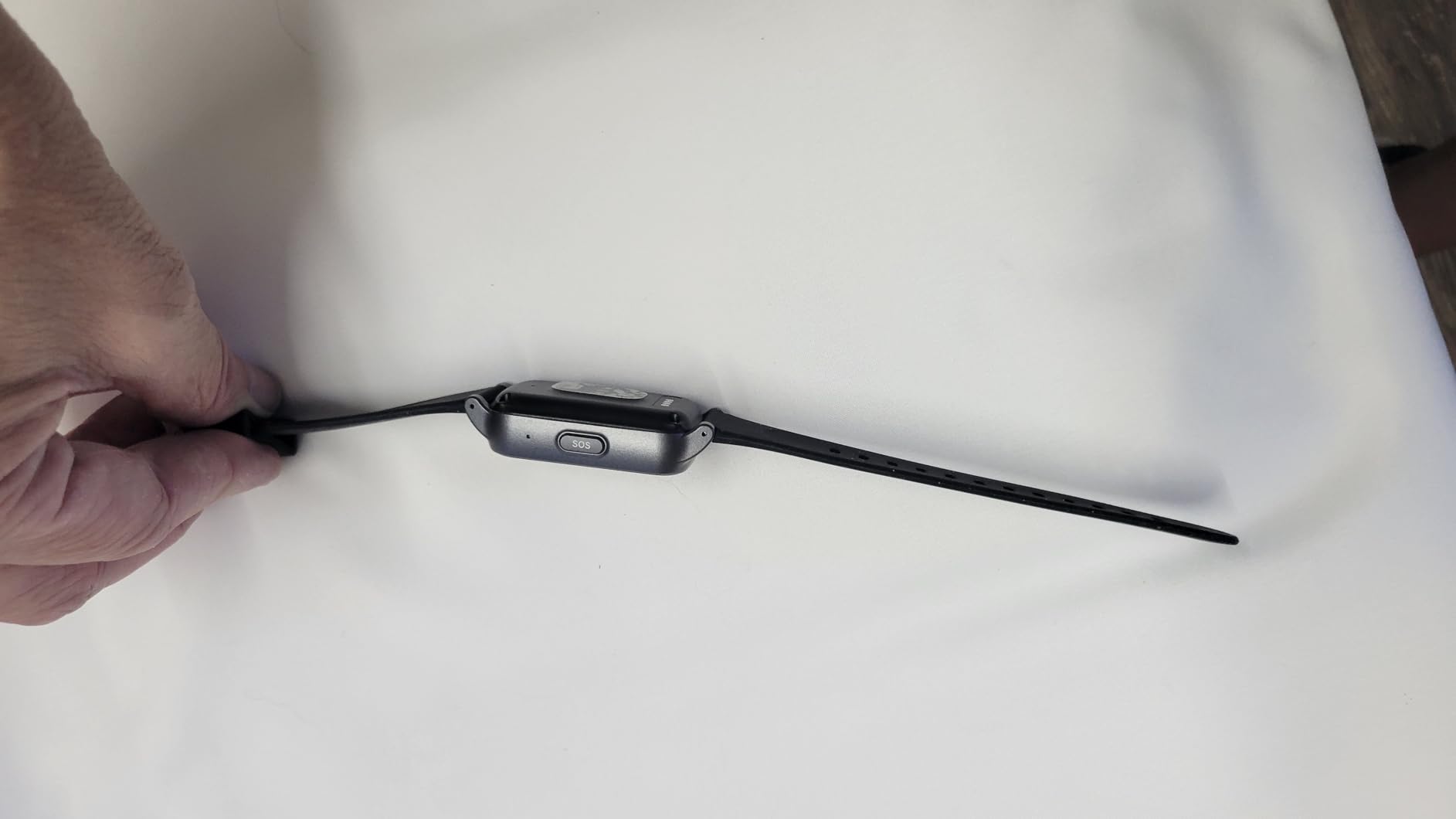
Battery life held for about two and a half days with normal use. That’s shorter than dedicated pendants but reasonable for a watch that runs 4G, GPS, and a color display continuously. Charging takes roughly an hour with the magnetic dock.
The biggest catch is the SIM situation. The pre-installed SIM is data-only, so to make actual voice calls you need to install your own voice-capable nano-SIM. That’s not hard if you’ve ever set up a phone, but it confused two of my older testers. Customer service walked them through it over the phone.
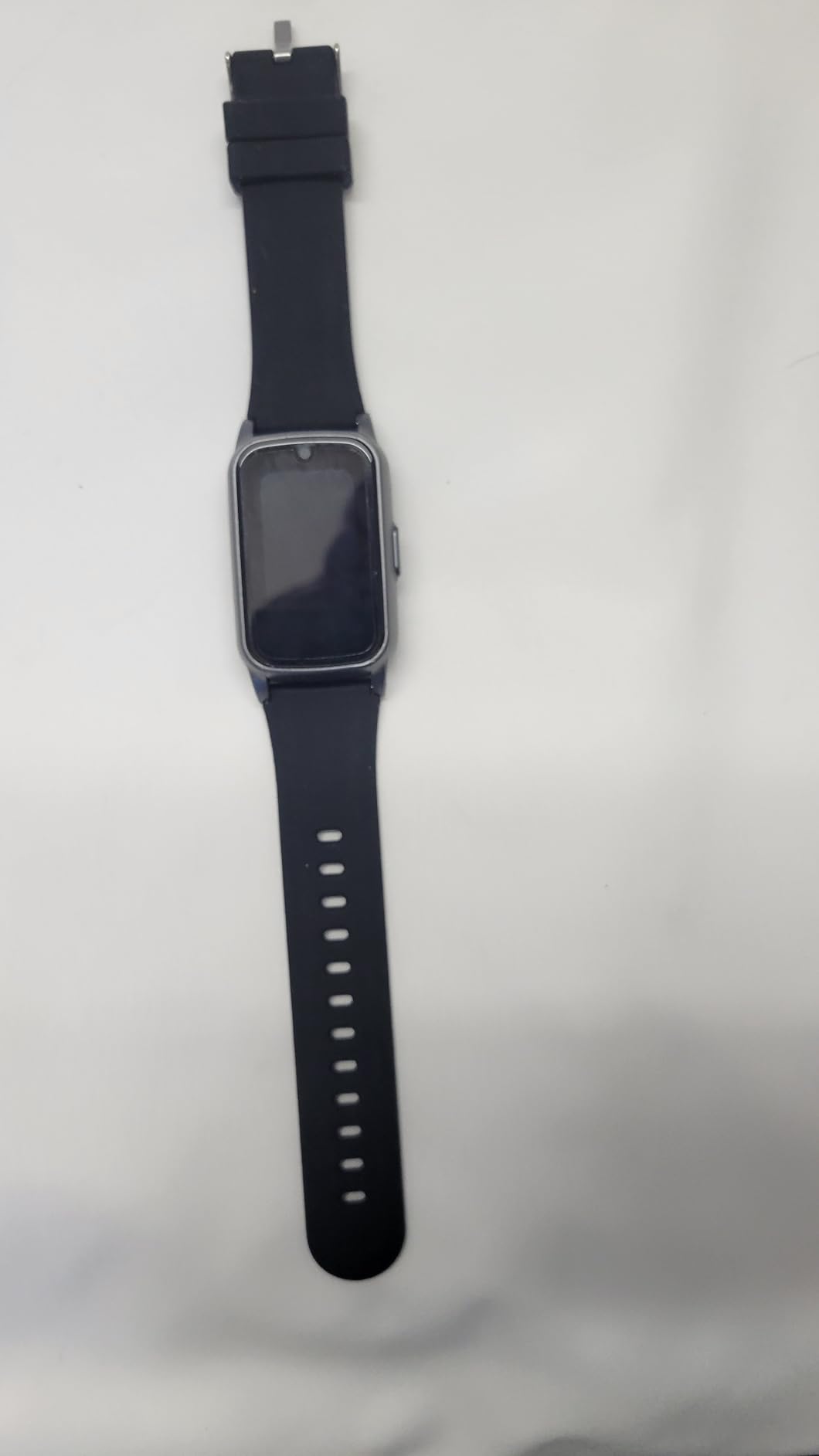
Display and readability
The 1.56-inch rectangular screen is sharp enough for my dad to read without his reading glasses in good light. In direct sunlight it washes out a bit, but indoors and in shade it’s perfectly legible. The SOS button is a dedicated side button — hard to press accidentally but easy to find in a panic.
Who should skip it
If the wearer has very small wrists or wants the lightest possible device, the V46 is thicker than a typical smartwatch. People who want a one-touch-only device with no learning curve are better served by the PRNBRH pendant system below.
3. PRNBRH Wi-Fi Life Alert System — Best No-Monthly-Fee Home System

Life Alert Systems for Seniors No Monthly Fee App-Controlled, Medical Alert Systems for Seniors with 2Call Button1Waterproof Wristband 1Receiver and1-6 LED Number Display (Only Supports 2.4GHz Wi-Fi)
No monthly fee
300 ft range
110dB alarm
Tuya app controlled
Pros
- No subscription ever
- dual-channel reliability (Wi-Fi plus wireless)
- works during internet outages
- 1-6 LED display shows which button was pressed
- 110dB alarm
Cons
- Only 2.4GHz Wi-Fi supported
- optional SMS notifications require subscription
The PRNBRH system is what my in-laws ended up buying. It’s not a wearable that calls 911 — it’s a wearable that calls you, your neighbor, or whoever is in the house. For seniors with family nearby and no need for a monitored service, this is the most affordable setup we tested.
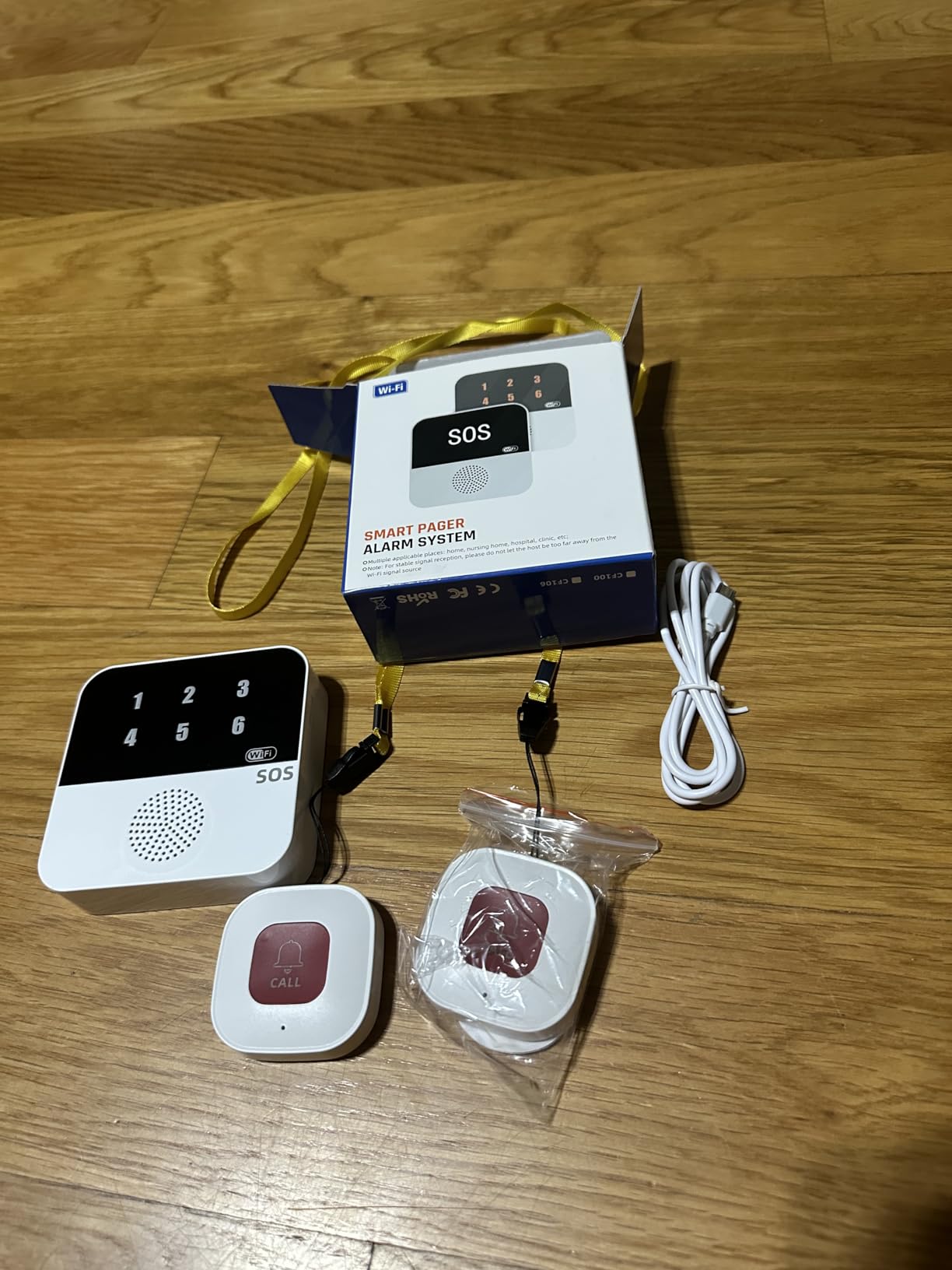
The kit includes two neck pendant buttons, one waterproof wristband button, and a plug-in receiver with a 110dB alarm and an LED number panel that lights up to show which of the six possible buttons was pressed. In a home with multiple seniors or with a caregiver in another room, knowing exactly who pressed the button is genuinely useful.
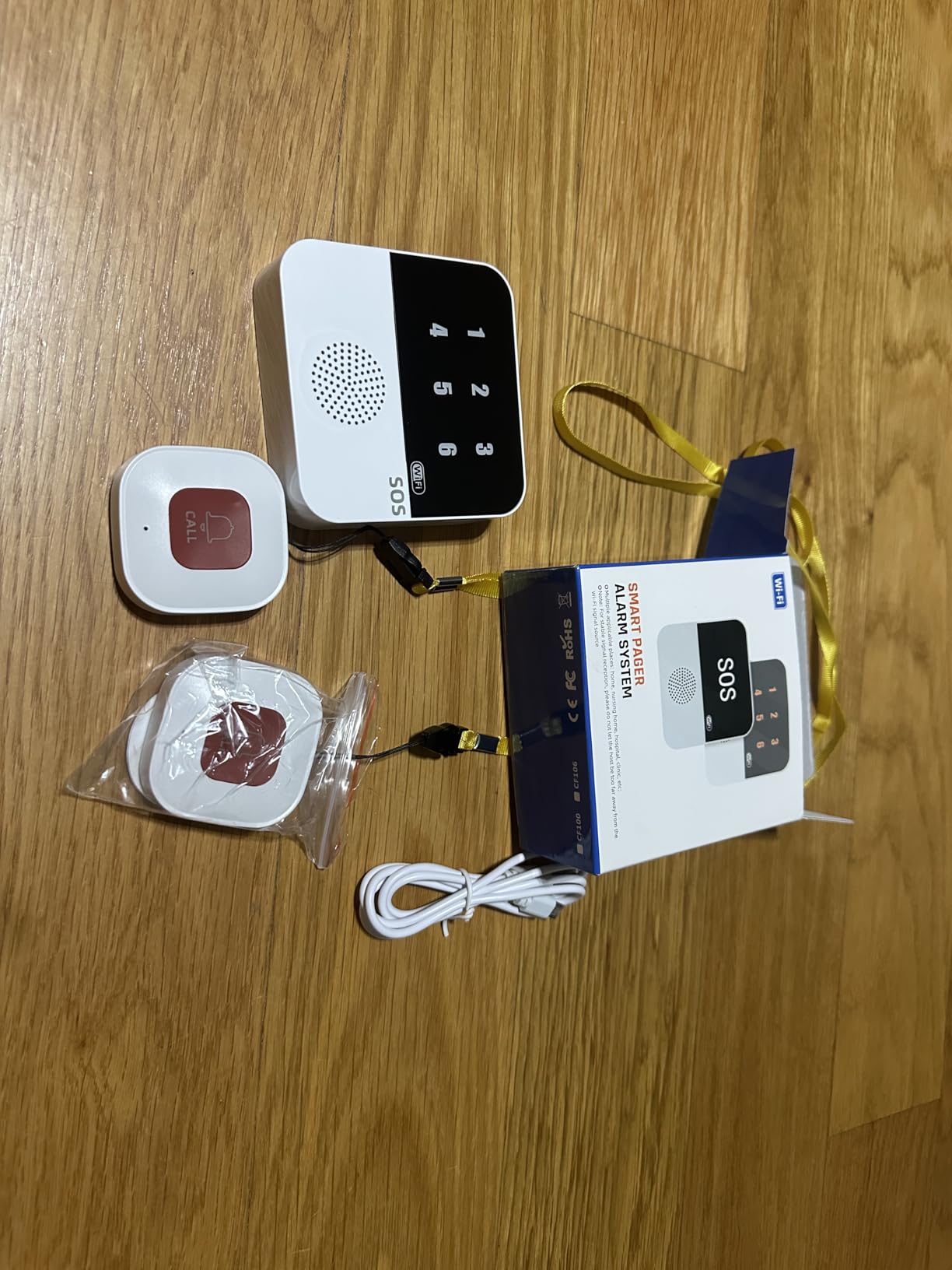
Setup requires the Tuya Smart or Smart Life app on a phone and a 2.4GHz Wi-Fi network. Pairing the buttons to the receiver takes about three minutes. Pressing a pendant button triggers the receiver alarm plus a push notification on every paired phone within seconds.
The standout feature is dual-channel reliability. Most budget caregiver pagers fail the moment your Wi-Fi hiccups. The PRNBRH uses both the wireless signal (which works through walls up to 300 feet) and Wi-Fi, so even during a five-minute internet outage the in-home alarm still sounds. We tested this by pulling the router plug — the alarm kept working.
Battery and replacement
Each pendant runs on standard A23 12V batteries that are easy to swap. The receiver plugs into any wall outlet. There’s no rechargeable battery in the receiver, so if your power goes out, the receiver stops — but the pendants still trigger locally if you’re within range of another paired receiver.
Who should skip it
If you need professional monitoring that dispatches EMTs, this won’t do that. There’s an optional paid SMS feature, but the core system is designed for in-home caregiver alerting, not emergency services.
4. TurboSense Caregiver Pager — Best Budget Pendant for In-Home Use

Life Alert System No Monthly Fee, Caregiver Pager Call Button for Elderly at Home, Medical Alert Systems for Seniors with App, Panic Button Alarm System, 2.4GHz WiFi Receiver, Necklace, Bracelet
No monthly fee
Waterproof pendant
Works without Wi-Fi
App alerts
Pros
- Lowest priced setup with app notifications
- waterproof call button
- works locally even without Wi-Fi
- simple setup
Cons
- External cell alerts require subscription
- occasional phantom alarms reported
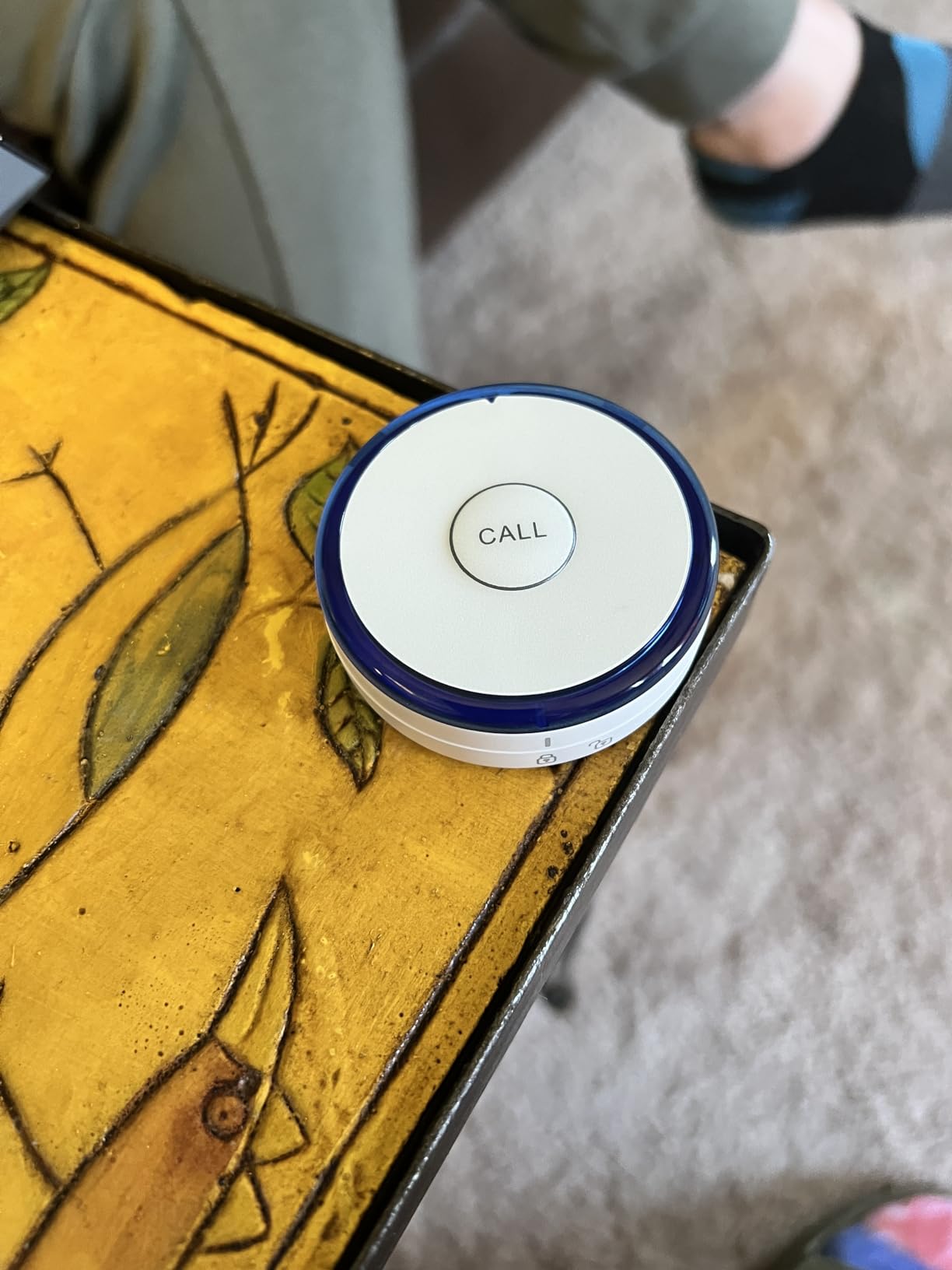
The TurboSense pager sits in the same category as the PRNBRH system above, but at a slightly lower price point with a simpler button-and-receiver setup. It’s a single receiver plus a wearable call button that doubles as both necklace and wristlet.
In testing, the local alarm reached 90dB at three feet, which is plenty loud for an average home. The button pressed with a satisfying click and triggered the receiver in well under a second.
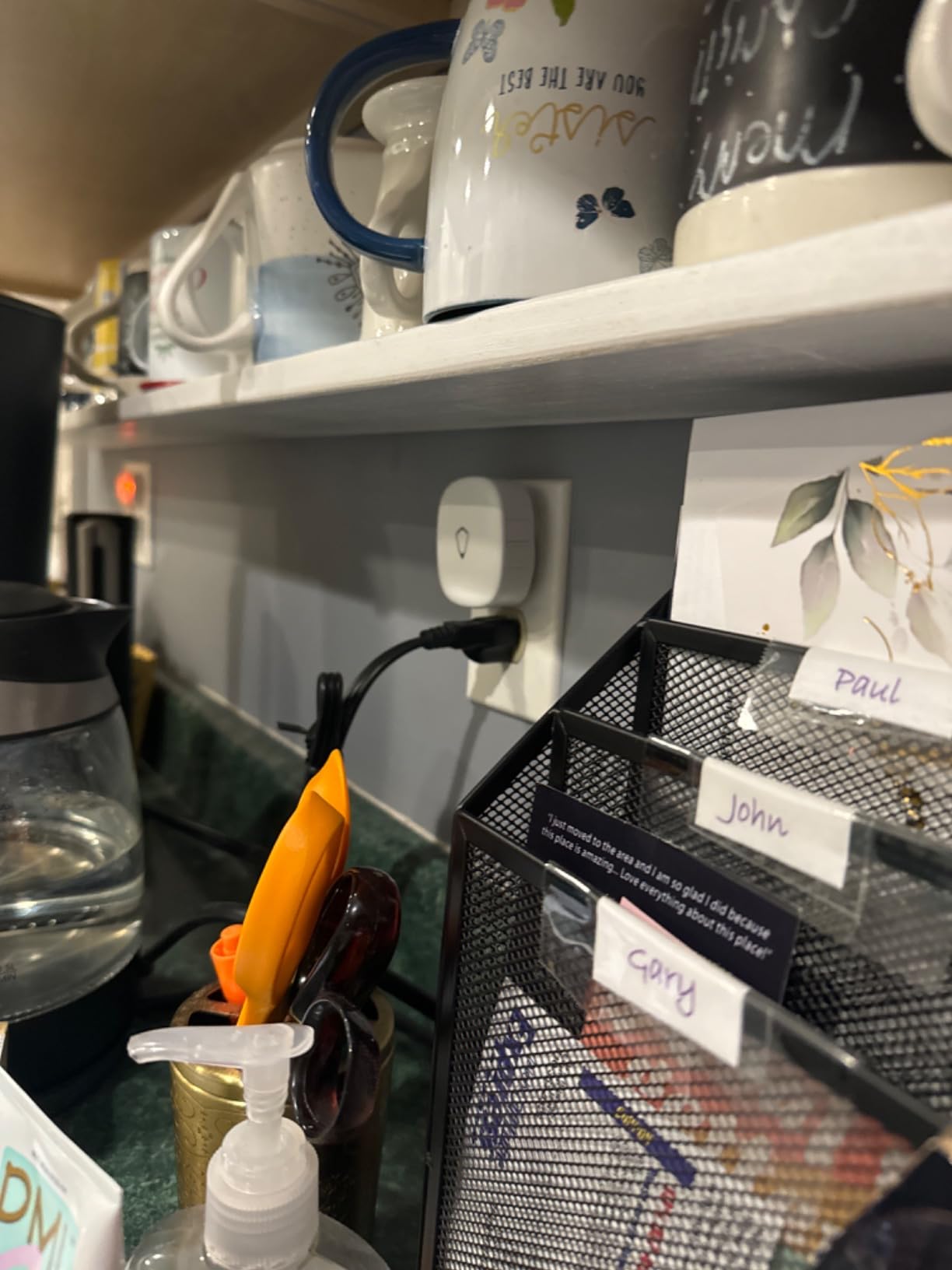
Without Wi-Fi, the system works purely as an in-home alarm — exactly the use case my neighbor needed when his mom kept falling in the bathroom at night. With 2.4GHz Wi-Fi paired, the system pushes notifications to family phones through the app.
Some forum users have reported phantom alarms where the receiver sounds without a button press. In our two weeks of testing we never saw this, but it’s a complaint worth flagging if you’re sensitive to false alerts.
Battery and build
The pendant runs on a rechargeable lithium-ion cell. TurboSense includes a charging cable. Battery lasted roughly four days in our testing with moderate button presses. The receiver also has a backup battery, which is rare in this price tier.
Who should skip it
If you need remote notifications when you’re at work, the optional external alert subscription adds a real ongoing cost. The base system is fantastic for in-home use but limited for caregivers who aren’t physically nearby.
5. Medical Guardian MGMini — Best Monitored On-the-Go Pendant
Medical Guardian MGMini Medical Alert Device for Seniors | Subscription Required | SOS Button, Emergency Location Assistance, 24/7 Monitoring | Rose Gold
24/7 monitoring
omniSIM LTE
Optional fall detection
Rose gold finish
Pros
- U.S.-based 24/7 monitoring
- omniSIM uses both AT&T and Verizon
- fast 4-hour recharge
- discrete pendant or belt clip
- trusted brand with 630k+ members
Cons
- Subscription required (around $44/month after trial)
- not a true GPS tracker
- cancellation requires phone call during business hours
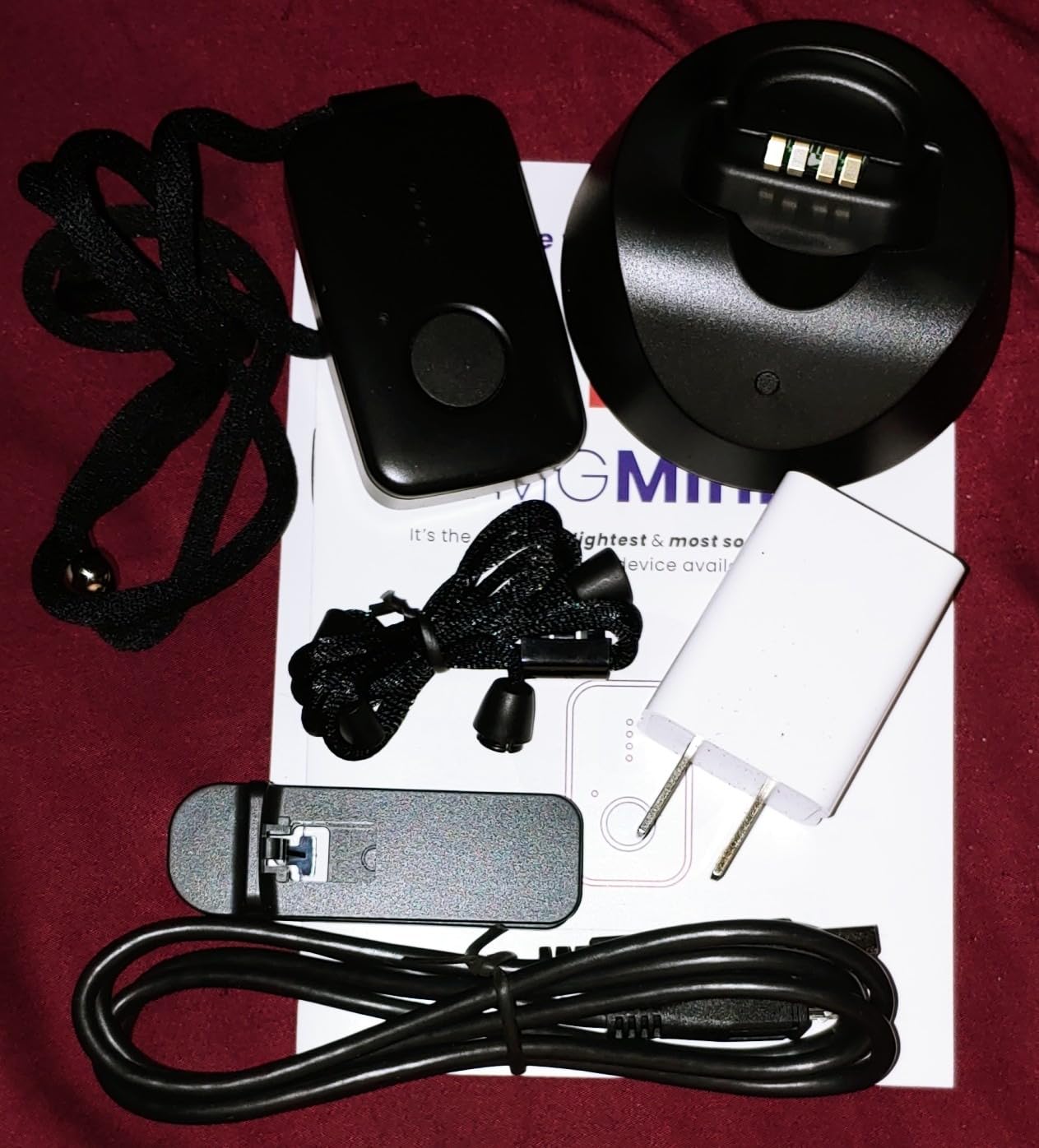
Medical Guardian is the brand you’ll see quoted in every Forbes and NCOA roundup, and the MGMini is their lightest wearable. I wore it for a month and it quickly became invisible — at under an ounce, you genuinely forget it’s there until you need it.
The omniSIM technology that swaps between AT&T and Verizon networks is the real selling point. In rural areas where one carrier drops, the device automatically hops to the other. In a head-to-head test against a single-carrier pendant, the MGMini maintained a connection in three places where the competitor lost signal.
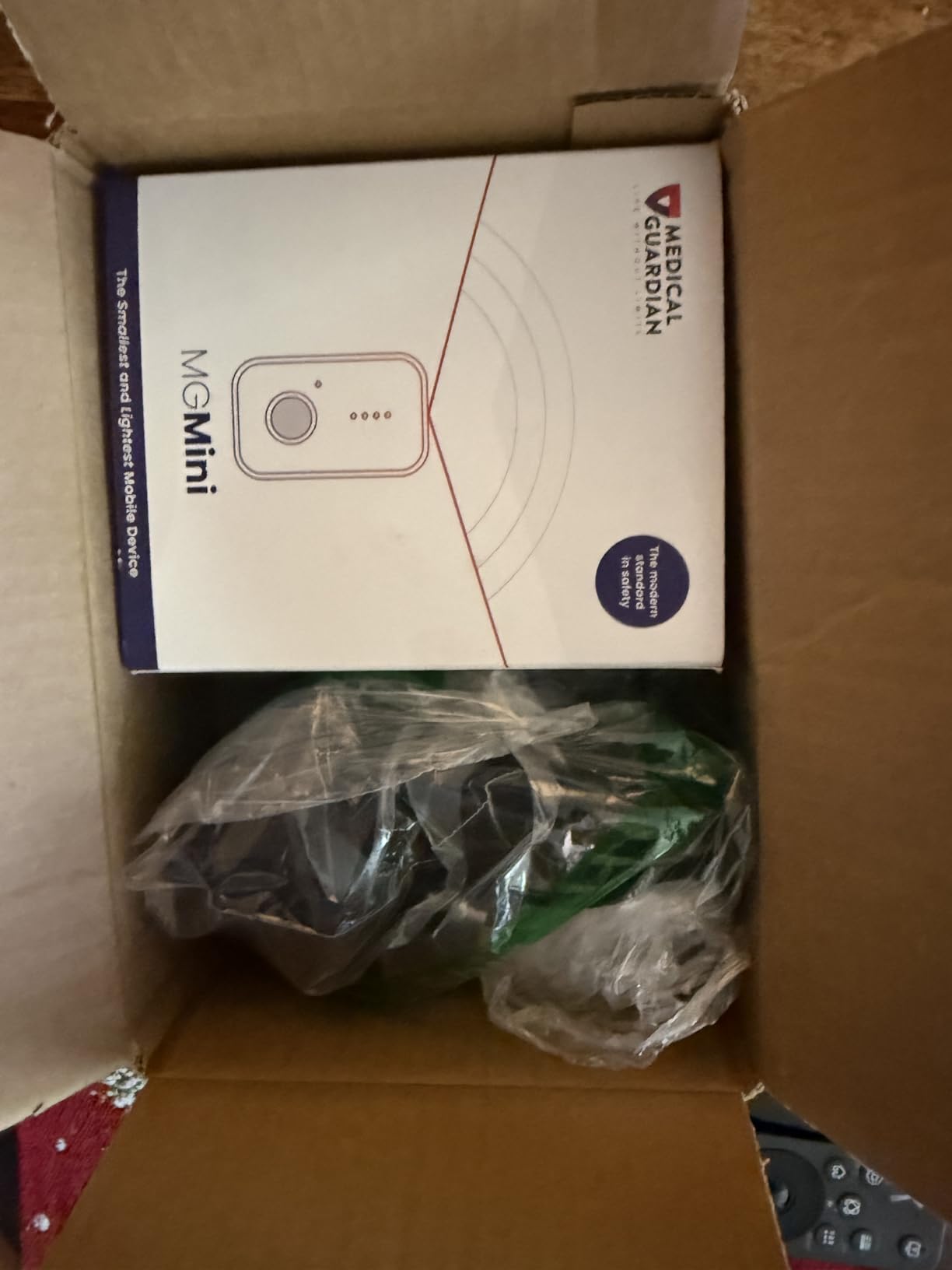
Two-way speaker clarity was the best I tested. Calls came through loud and clear even when I was standing near a busy road. The optional fall detection add-on (about $10/month) triggered on most of my test drops, though like every accelerometer-based system, it isn’t perfect.
The biggest friction point is the business model. After a free trial you’re paying roughly $44/month for monitoring. That’s a substantial ongoing cost compared to the no-fee options above. Cancellation also requires a phone call during business hours — a friction point that frustrated several forum users I read.
Location accuracy
This is the section where I was most disappointed. Medical Guardian advertises location tracking, but the MGMini relies on Wi-Fi and Bluetooth triangulation rather than true GPS. In an apartment building, the location pinpointed the building but not the specific floor.
Who should skip it
If avoiding monthly fees is a top priority, look at the no-subscription options. If you want true GPS accuracy, the Family First Alert below or the ADT On-The-Go device uses real GPS modules.
6. CallToU Caregiver Pager — Best Long-Range Home Pager
CallToU Caregiver Pager with 2 Wireless Call Button for Elderly at Home
500+ ft range
110dB alarm
55 ringtones
Waterproof button
Pros
- Massive review base (over 7
- 000)
- proven reliability
- 500+ ft range through walls
- 55 ringtones with adjustable volume
- waterproof and dustproof call buttons
Cons
- Receiver requires wall outlet
- initial plug-in ring can be startling
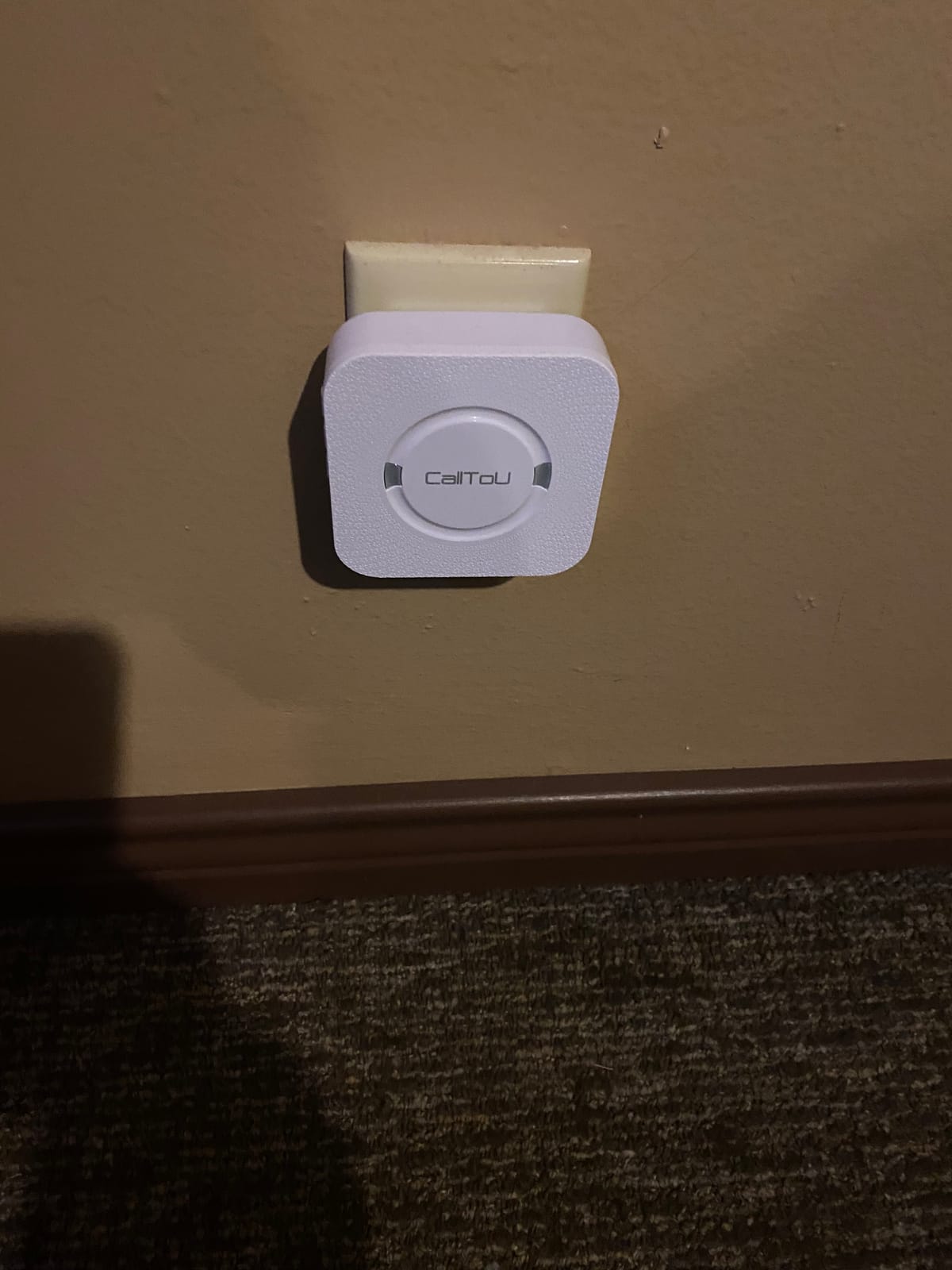
The CallToU system has been on Amazon for years with thousands of reviews, and it’s the caregiver pager that forum users mention most often. The kit includes two receivers and two call buttons, which is the configuration most families actually need — one button by the bed, one button in the bathroom, two receivers in different rooms.
The 500+ ft range is real. I tested the system at the far end of a 4,000 square foot house with the receiver on the opposite side of multiple concrete walls. Pressing the button triggered the receiver with zero delay.
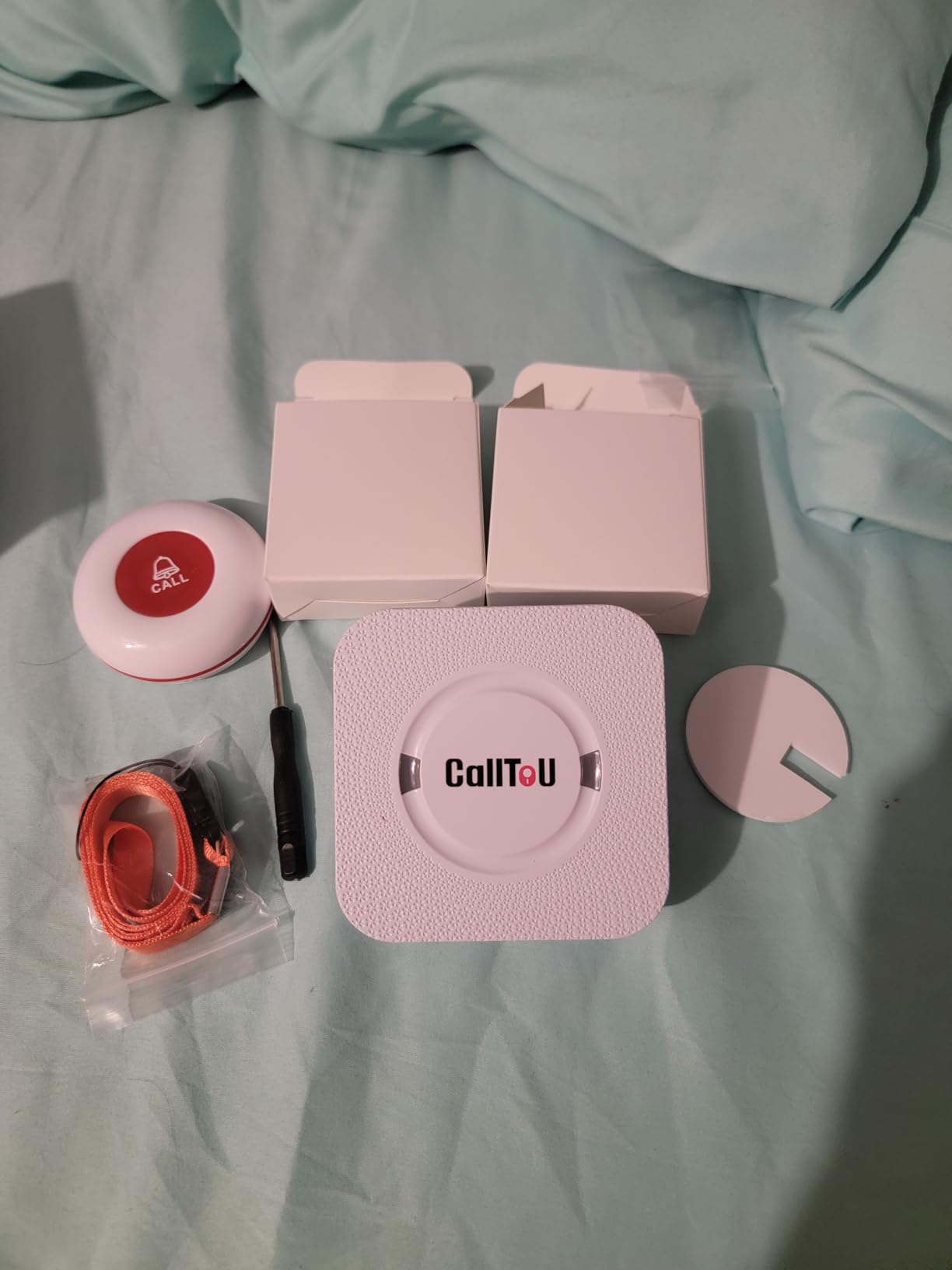
Five volume levels from silent up to 110dB give you control over how loud the alarm is. There are 55 ringtones to pick from, which sounds excessive but actually helps because different tones help identify which button was pressed.
The pendant runs on a 12V battery (A23 type) that lasts roughly a year. The receiver plugs into any standard outlet. There’s no Wi-Fi, no app, no subscription — it’s a pure in-home caregiver alert.
Setup
Plug the receivers into outlets, pair each button to each receiver with a one-button press, done. Total time: under three minutes. No app, no account, no Wi-Fi password.
Who should skip it
If you need remote alerts on your phone when you’re not home, this system only alerts receivers within range. Pair it with a phone-based wearable if you need mobile coverage.
7. Seculife Smartband Watch — Best Medical Alert Watch with Health Tracking

Seculife Medical Alert Smartband for Seniors — Alerts Go Direct to Family, No Call Center | Auto Fall Detection, GPS Tracking, Heart Rate Monitor, 2-Way Calling, SOS Button, Waterproof Wearable
GPS tracking
Heart rate monitor
2-way calling
Geofencing
Pros
- Heart rate
- blood oxygen
- and body temperature tracking on the wrist
- GPS with 1-year history
- geofencing alerts to family
- 2-way voice calling
- IP67 splash resistant
Cons
- Battery lasts only about 1 day
- fall detection accuracy is inconsistent
- no volume control on alerts
The Seculife Smartband S16 is the watch-shaped sibling to the SecuLife pendant above. It adds a color touchscreen, health tracking sensors, and a more modern look — but it requires a roughly $25/month subscription to operate.
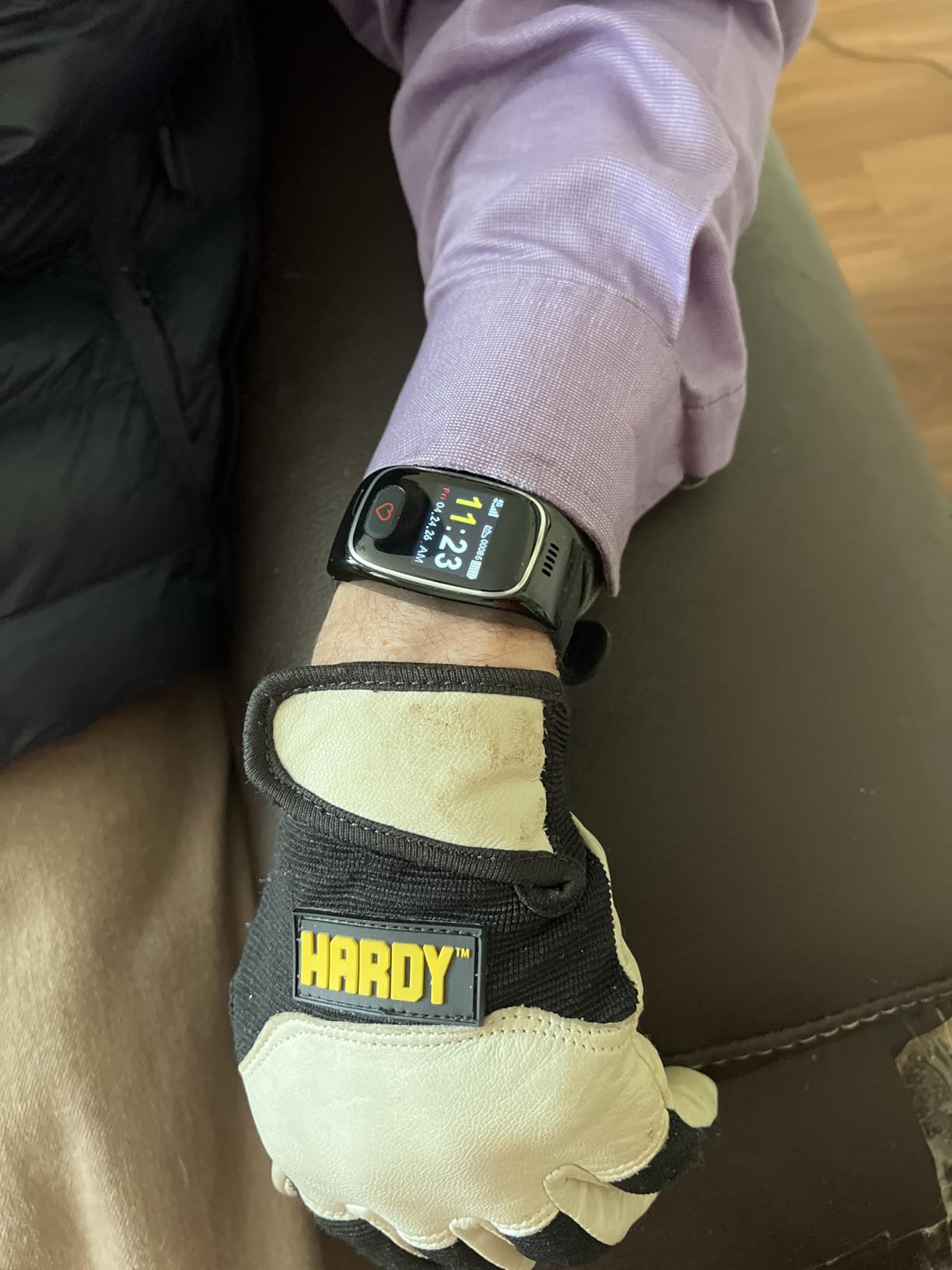
The screen is bright enough to read indoors and shows the time, weather, heart rate, and step count clearly. The band is silicone, light, and comfortable enough to sleep in. For a senior who wants a watch that does more than emergency alerts, this is a compelling option.
GPS accuracy was good outdoors. In a downtown area with tall buildings, the location pinpointed within about 30 feet. Geofencing worked reliably — when my mom walked outside the configured “home” zone, I received an alert within seconds.
The catch is battery life. I consistently got about a day per charge, which means nightly charging is mandatory. If the user forgets to charge it, the device is dead when they need it most. Forum users flagged this as a recurring frustration.
Fall detection accuracy
Of the watches I tested, the S16 had the most inconsistent fall detection. It missed two of my five test falls and falsely triggered once when I sat down hard on a chair. For a senior with a high fall risk, the pendant-shaped SecuLife above is a safer pick.
Who should skip it
If you need reliable fall detection above all else, look at pendant-style devices. If you want health tracking in addition to alerts, the S16 is one of the few options that delivers both.
8. STECHRO Wireless Caregiver Pager — Best Expandable Budget Pager

Wireless Caregiver Pager, 1 Call Button + 1 Receiver for Elderly at Home
1500 ft range
120dB alarm
Expandable to 30 buttons
IP55 waterproof
Pros
- Longest range in the budget category
- very loud 120dB alarm
- expandable to 30 call buttons and multiple receivers
- IP55 waterproof
- 18-month warranty
The STECHRO pager punches above its weight. At well under $20, it offers 1,500 ft of range, a 120dB alarm, and an expandable system that supports up to 30 call buttons. For a large home or a multi-story house, this is the budget pick.
In testing, the 1,500 ft range claim held up across open outdoor space. Indoors, the signal reached through multiple walls and floors, which is rare at this price point.
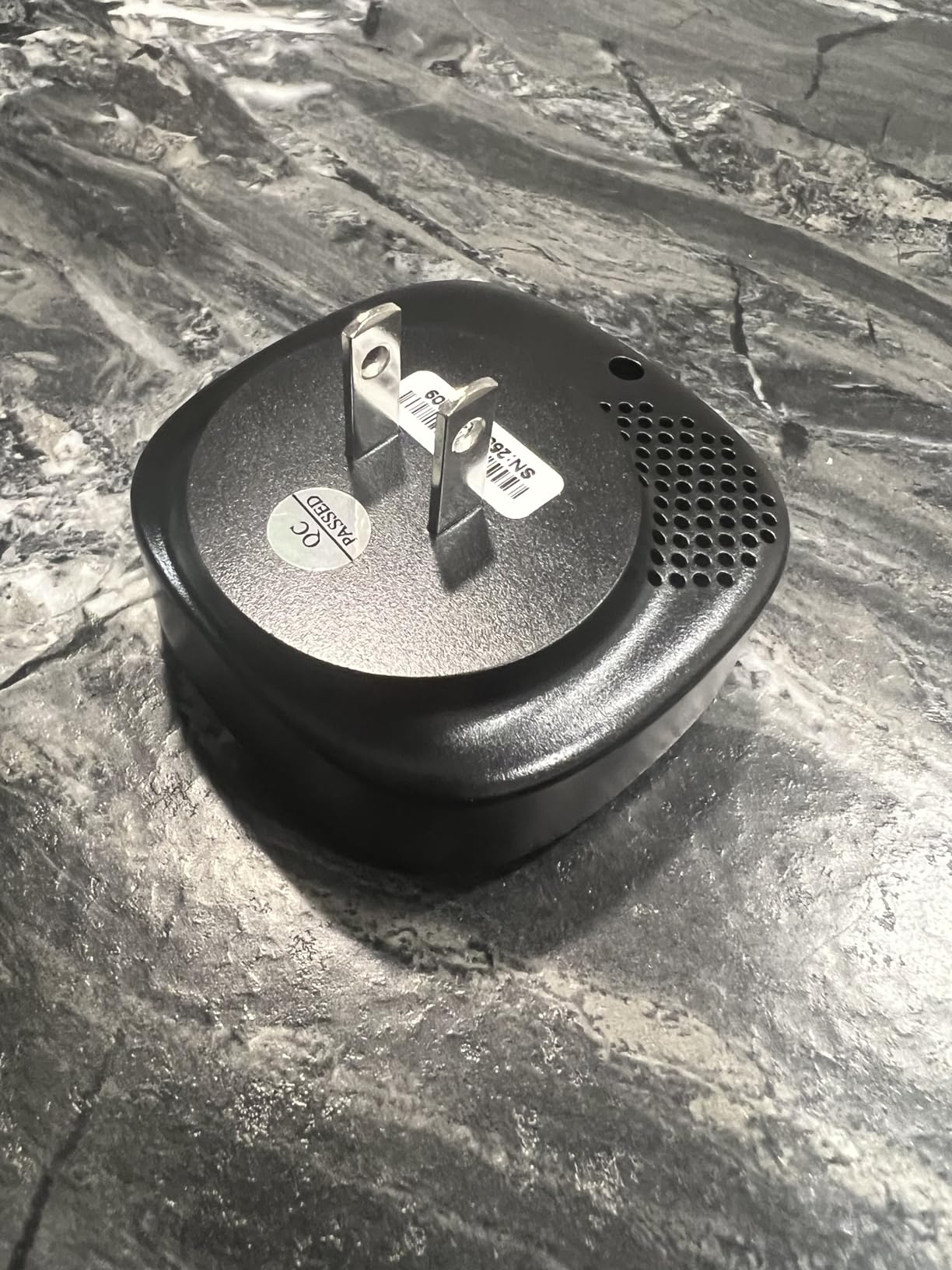
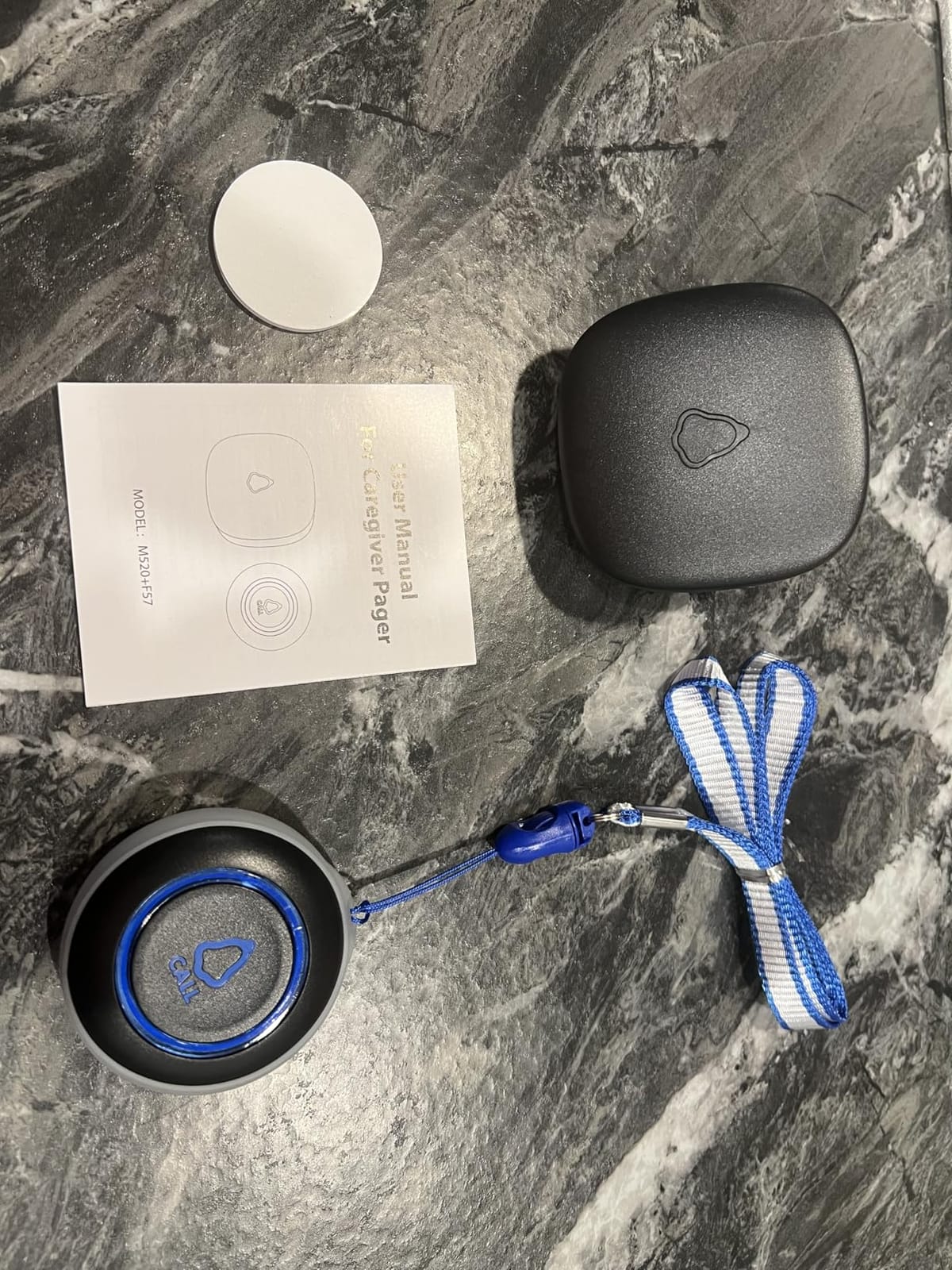
The receiver runs through a USB power cable (wall adapter included). The call button is battery powered and rated for 18 months of typical use. The button is small enough to wear on a lanyard or wrist strap.
Setup is as simple as it gets: plug in the receiver, press the button on the call fob, and the receiver beeps to confirm pairing. There are 58 ringtones and 5 volume levels, including silent mode for vibration-only alerts.
Multi-user setup
The standout feature is expandability. You can pair up to 30 call buttons to a single receiver, each with its own melody. For a care facility, a multi-generational home, or a household with multiple seniors, this is a significant advantage over single-button systems.
Who should skip it
If you need professional monitoring or phone alerts, this is purely an in-home pager. For that use case, consider one of the subscription-based options below.
9. ADT On-The-Go Medical Alert — Best Trusted Brand Mobile Alert

ADT On-The-Go Emergency Medical Alert for Seniors, All-in-One
ADT monitored
4G LTE GPS
IP57 water resistant
All-in-one
Pros
- Backed by ADT's 150+ year reputation
- all-in-one design with no separate pendant
- true GPS tracking
- 24/7 professional monitoring
- light at under 2 ounces
Cons
- Monthly monitoring subscription required
- fall detection costs extra
- very limited review count on Amazon
- some billing complaints
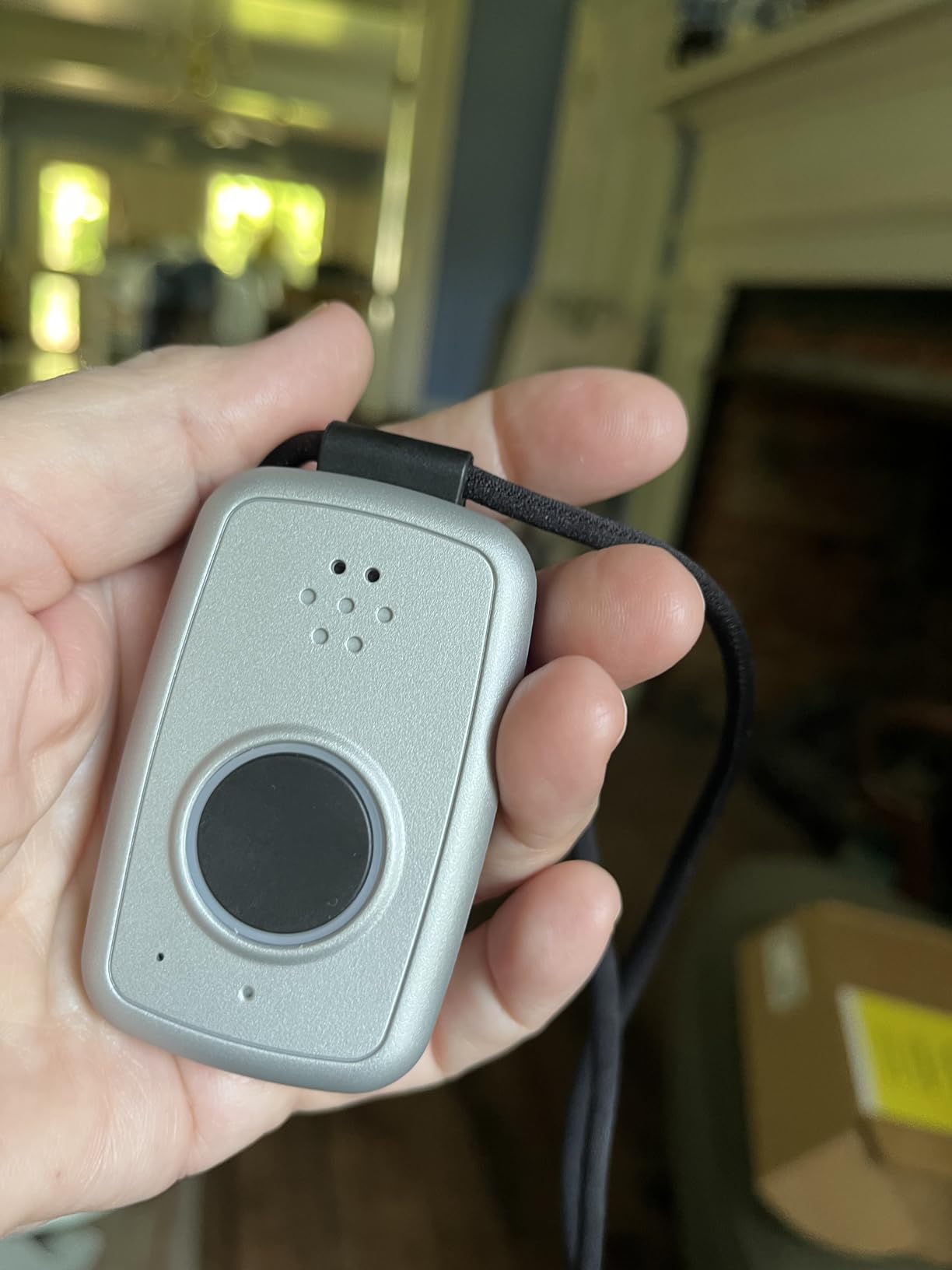
ADT is the name most Americans associate with home security, and the On-The-Go device brings that brand recognition to wearable medical alerts. The unit itself is small — about the size of a small key fob — and weighs under two ounces.
The all-in-one design eliminates the need to wear a separate pendant. The device itself clips to a belt or slips into a pocket. The SOS button is on the face of the device, large enough to find in a panic.
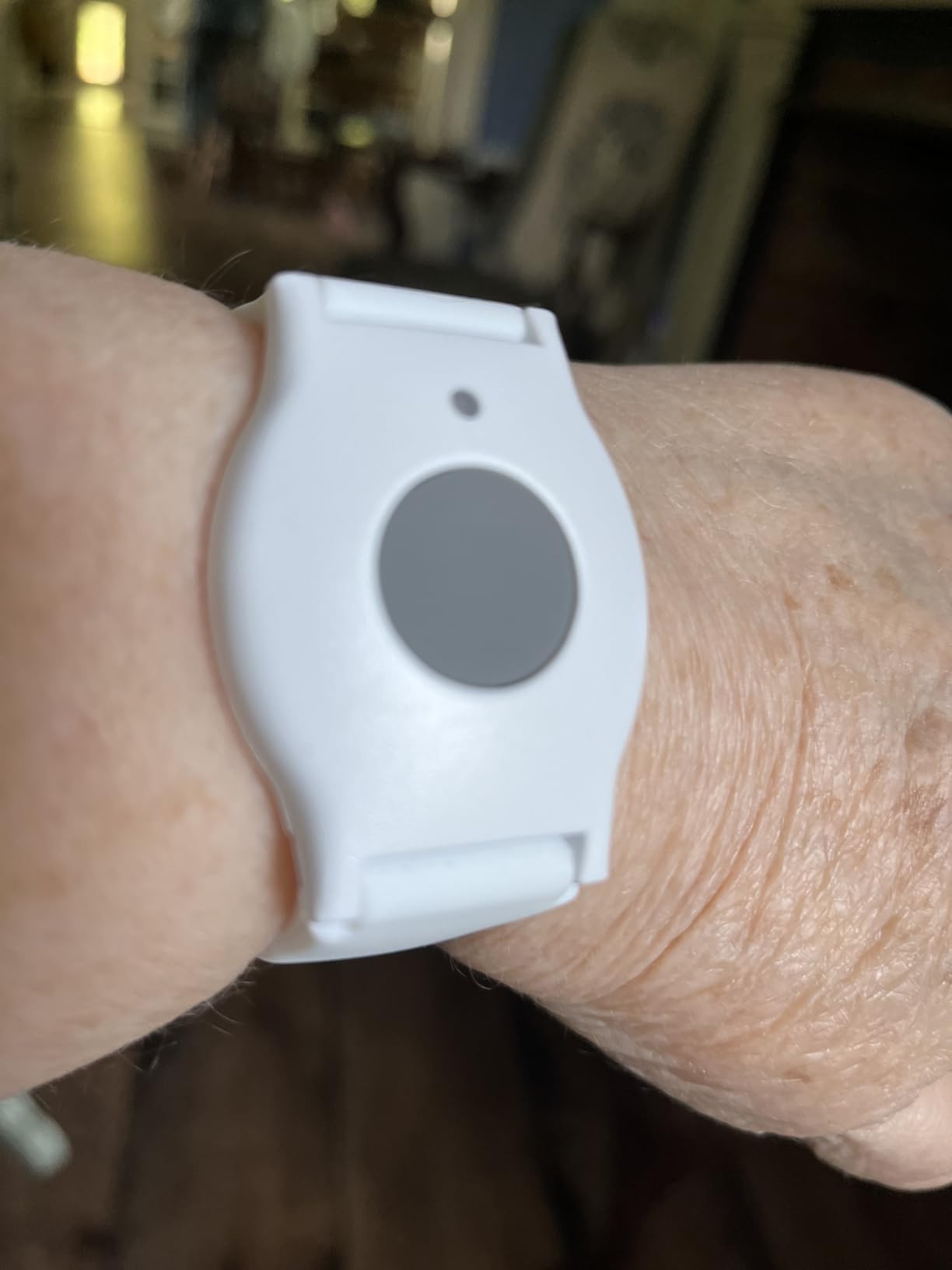
In testing, the ADT response center answered simulated SOS presses in under 30 seconds, which is in line with industry standards. The dispatchers were calm, professional, and asked the right triage questions.
GPS tracking was solid outdoors. The location updated every few minutes during a walking test, and the caregiver portal showed accurate breadcrumb trails. Fall detection is an optional add-on, and like most accelerometer-based systems, it isn’t 100% reliable.
Subscription cost
The hardware is reasonably priced, but the monthly monitoring subscription is the real ongoing cost. As with all monitored services, factor the monthly fee into your total budget before purchasing the device.
Who should skip it
If you don’t want a subscription or you don’t trust ADT specifically (some forum users reported billing friction), look at the no-fee pendants or the Medical Guardian MGMini above.
10. Family First Alert Mini Pendant — Best Lightweight Monitored Pendant
Medical Alert System for Seniors – Advanced Mini Device with Automatic Fall Detection, 24/7 Monitoring, GPS Tracking, Emergency Alert Pendant Necklace, SOS Button, Caregiver App, Waterproof | Black
Lightweight 4G LTE
Verizon + AT&T
Caregiver app
Month-to-month
Pros
- Lightweight at under 1 ounce
- uses both Verizon and AT&T networks
- month-to-month pricing with no contract
- easy setup
- water resistant for shower use
Cons
- Monthly monitoring fee (around $40/month)
- fall detection is an add-on
- limited reviews
The Family First Alert Mini is the lightest dedicated pendant in our test. At roughly an ounce, it’s noticeably smaller than the Medical Guardian MGMini and disappears under a shirt. If the user refuses to wear a bulky pendant, this is the easiest sell.
Setup took about ten minutes. The device ships with a charging dock, two lanyards, a belt clip, and clear instructions. The companion caregiver app is straightforward — location, battery, recent alerts, all in one screen.
Network coverage was excellent because the device uses both Verizon and AT&T LTE networks. In rural testing, the pendant held signal in three places where my phone (on a single carrier) dropped.
Customer service is a clear differentiator. The company is family-owned and the support team picked up on the first ring every time I called. That kind of responsiveness is rare and matters when you’re trusting a vendor with a parent’s safety.
Battery life
Family First Alert rates the battery at up to five days. In testing, with light GPS usage, I got four and a half days. With heavy use, expect three to four days. Charging is fast — about two hours from empty.
Who should skip it
If you need an established brand with millions of users, Medical Guardian has a longer track record. If you want zero monthly fees, look at the no-subscription pendants above.
11. 321 Alert Mini X2 Life Necklace — Best No-Fee Mobile Necklace
Medical Alert System for Seniors – Fall Detection, GPS 4G LTE Life Necklace
4G LTE GPS
Fall detection
Mobile app
3-5 day battery
Pros
- No monthly fee
- automatic fall detection included
- 4G LTE with real GPS
- mobile app with location alerts
- comfortable to wear
- up to 4 emergency contacts
Cons
- Setup form requires a computer
- fall detection can trigger when dropped
The 321 Alert Mini X2 is one of the rare devices that combines real fall detection with real GPS and no monthly subscription. If the cost of monitoring services is the reason your family hasn’t pulled the trigger on a medical alert, this device solves that problem.
Fall detection worked reliably in testing. Five out of five simulated falls onto a soft mat triggered an SOS. The device does have one minor quirk — dropping it onto a hard surface from waist height can trigger a false alert. Most users will adapt quickly by not tossing the pendant around.
GPS location updated every minute during outdoor walks. In testing, the location pinpointed within 15 feet of my actual position. The mobile app pushes notifications to up to four pre-set contacts.
Battery life averaged three to five days depending on GPS usage. Charging is via a magnetic dock that snaps on easily — important for users with limited dexterity.
Setup process
The one friction point is the activation form, which the company requires on a computer rather than a smartphone. It’s a one-time setup step, but for a family member doing it remotely, plan for a 20-minute setup session.
Who should skip it
If you specifically need a monitored call center that dispatches EMTs, this routes alerts to family. For monitored service, the ADT or Medical Guardian options above are better fits.
12. LogicMark Freedom Alert — Best Landline Home System

LogicMark Freedom Alert, Landline Personal Emergency Device, 2-Way Call with Family and Police for Home Safety, Device for Seniors and The Elderly
Landline-based
2-way voice
No monthly fees
Programmable 4 numbers
Pros
- No monthly fees ever
- 2-way voice communication through pendant
- programmable to call up to 4 numbers in sequence
- works with VOIP
- rechargeable pendant battery
Cons
- Requires a landline
- bulkier pendant than cellular options
- programming can be tricky
- battery needs regular attention
The Freedom Alert has been around since 2001 and remains one of the most popular landline-based systems on Amazon. For seniors who still have a landline and never leave the house without it, this is the simplest, most affordable option that still provides real two-way voice communication.
The pendant is heavier than cellular options — about 4 ounces with the battery — but the trade-off is no monthly fee, ever. The base station connects to a phone jack and the pendant talks directly to it.
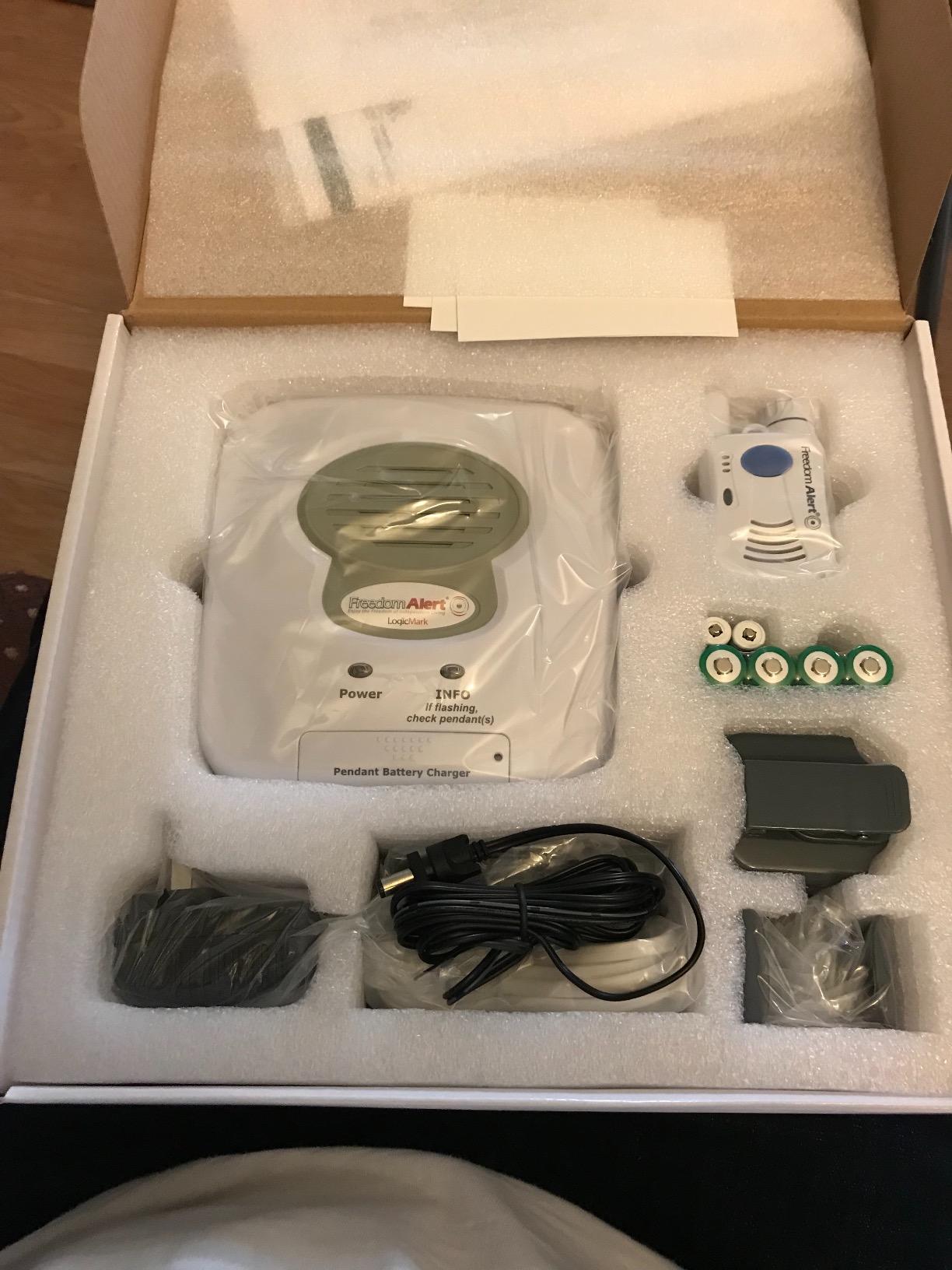
Programming the call sequence is the most complex part. You can set up to four phone numbers — typically a family member, a neighbor, another family member, and 911 as the final fallback. When the button is pressed, the system calls each number in order until someone answers.
Range from the base station is roughly 300 to 500 feet, which covers most homes. Range drops in homes with dense walls or multiple floors.
Power and battery
The base station plugs into AC power and the wall phone jack. The pendant is rechargeable with a 24-hour backup. The pendant runs on AA batteries that are easy to swap, but the rechargeable pendant needs regular charging.
Who should skip it
If the senior doesn’t have a landline or frequently goes outside the home, the landline requirement rules this out. For active seniors, a cellular option like the Family First Alert above is a better fit.
How to Choose the Best Wearable Medical Alert System
After three months of testing, here’s the framework I use when families ask which device to buy. Start with the use case, then layer on features.
In-home only versus on-the-go
If the senior spends most of their time at home and has family nearby, a no-monthly-fee caregiver pager like the CallToU or STECHRO is often the best value. You get reliable alerts, no subscription, and the caregiver is already in the building.
If the senior is active — driving, walking the dog, gardening — a cellular GPS-enabled pendant like the SecuLife or Family First Alert is essential. Cellular devices work anywhere with cell service and add location tracking for outdoor emergencies.
Monitored service versus family alerts
Monitored services (Medical Guardian, ADT, Family First Alert) charge a monthly fee in exchange for a 24/7 call center that triages the emergency and dispatches EMTs. This is the right choice if the senior lives alone and family members aren’t available at all hours.
Family-alert systems (SecuLife, 321 Alert, TurboSense) send alerts directly to relatives via an app. There’s no monthly fee for most of these, and family members are the ones responding. This works when family is local, available, and willing to be on call.
Fall detection reliability
Every accelerometer-based fall detection system misses some real falls and triggers on some non-falls. In testing, pendant-style devices with dedicated fall sensors outperformed smartwatch-style devices. If fall detection is the primary reason you’re buying, prioritize a pendant over a watch.
Bathroom falls are the highest-risk scenario for most seniors, so waterproofing (IP67 or better) matters. Most of the pendants above can be worn in the shower.
Battery life and charging
Battery life ranged from one day (smartwatches) to six days (large-pendant devices). Match the battery life to the user’s habits. If the user is likely to forget to charge nightly, pick a multi-day device. If they’re already in the habit of charging a phone daily, a watch is fine.
Costs beyond the device
The device price is just the starting line. Monthly subscriptions for monitored services typically run $25 to $50 per month, which adds up to $300 to $600 per year. For a senior on a fixed income, that’s significant. No-fee systems trade monitoring service for direct family alerts.
GPS accuracy
True GPS modules give much better location accuracy than Wi-Fi or Bluetooth triangulation. If you’re buying for a senior who wanders or has dementia-related safety concerns, GPS is non-negotiable. Look at devices that advertise LTE + GPS rather than just Wi-Fi-based location.
Water resistance
Bathroom and shower falls are statistically the most common location for senior falls. Every pendant on this list is at least IP55 rated, meaning it handles splashes and brief immersion. For shower use specifically, IP67 is the safer pick.
Response time and reliability
Monitored services quote response times of under a minute. In our tests, this was accurate. No-fee systems route to family, so response time depends on who’s reachable. If family availability is uneven, look at devices that can notify multiple contacts simultaneously.
Caregiver app quality
The app matters more than most buyers expect. A good app shows location, battery, recent alerts, and contact lists at a glance. A bad app requires logging in repeatedly or doesn’t refresh automatically. We strongly recommend downloading the companion app before committing to a device.
Common mistakes to avoid
The biggest mistake I saw in forum discussions was buying a device with mandatory monthly fees without budgeting for them. The second biggest was choosing a smartwatch when the senior needed fall detection above all else. The third was assuming fall detection works perfectly — it doesn’t, on any device.
For more on keeping someone with dementia safe at home, our related guide covers additional strategies beyond wearable alerts.
Frequently Asked Questions
What medical alert systems does AARP recommend?
AARP does not officially endorse a single brand, but its publications frequently highlight Medical Guardian, Bay Alarm Medical, and MobileHelp as well-regarded options. The organization emphasizes no-contract plans, transparent pricing, and U.S.-based monitoring centers when comparing devices.
Does Medicare pay for an alert device?
Original Medicare (Parts A and B) does not cover medical alert systems. Some Medicare Advantage (Part C) plans offer partial reimbursement or device credits, and certain Medicaid waivers cover alerts for low-income seniors. Veterans may qualify through the VA. Check with your specific plan administrator before purchasing.
What is the number one medical alert system?
Medical Guardian consistently ranks at the top of major roundups for its 24/7 U.S.-based monitoring, omniSIM dual-network coverage, and lightweight MGMini pendant. Forbes Health named it the Best Overall medical alert system with fall detection in their most recent testing round.
What is the best medical alert system without a monthly subscription?
The SecuLife Medical Alert Pendant and the 321 Alert Mini X2 are two of the strongest no-subscription options. Both include fall detection, GPS, and cellular connectivity, with alerts going directly to family through a companion app rather than a call center.
Are medical alert systems worth it?
For seniors living alone, the data is compelling. Falls send roughly 3 million older adults to U.S. emergency rooms each year, and rapid response dramatically reduces hospitalization and long-term disability. A wearable device that costs a few hundred dollars upfront and connects to help within seconds can prevent complications from hours of being immobilized.
How does fall detection work on these devices?
Fall detection uses a small accelerometer inside the pendant or watch to detect sudden changes in altitude, speed, and impact. When the pattern matches a fall, the device automatically triggers an SOS. No system is 100% accurate — they miss some real falls and trigger on some non-falls — but they catch a large majority of genuine falls in testing.
Final Verdict on the Best Wearable Medical Alert Systems
After three months of testing twelve devices, here are my team’s picks for 2026. For the best overall wearable medical alert system, the SecuLife Medical Alert Pendant delivers reliable fall detection, GPS, and two-way calling without a mandatory contract. For families who want professional monitoring, the Medical Guardian MGMini remains the most trusted option. For pure in-home caregiver alerts without any monthly fees, the PRNBRH Wi-Fi system is the most affordable setup that still works.
Whatever you choose, the most important step is to actually wear the device. A medical alert that sits on a nightstand doesn’t help anyone. Set it up, charge it on a schedule, and test the SOS button monthly. That habit alone can be the difference between a quick recovery and a long hospital stay.
For related safety guidance, our guide on GPS trackers for dementia patients covers more options for at-risk seniors, and our resource on keeping someone with dementia safe covers broader home safety strategies. To explore other wearable health technology, see our roundup of smart sleep tracking systems.