
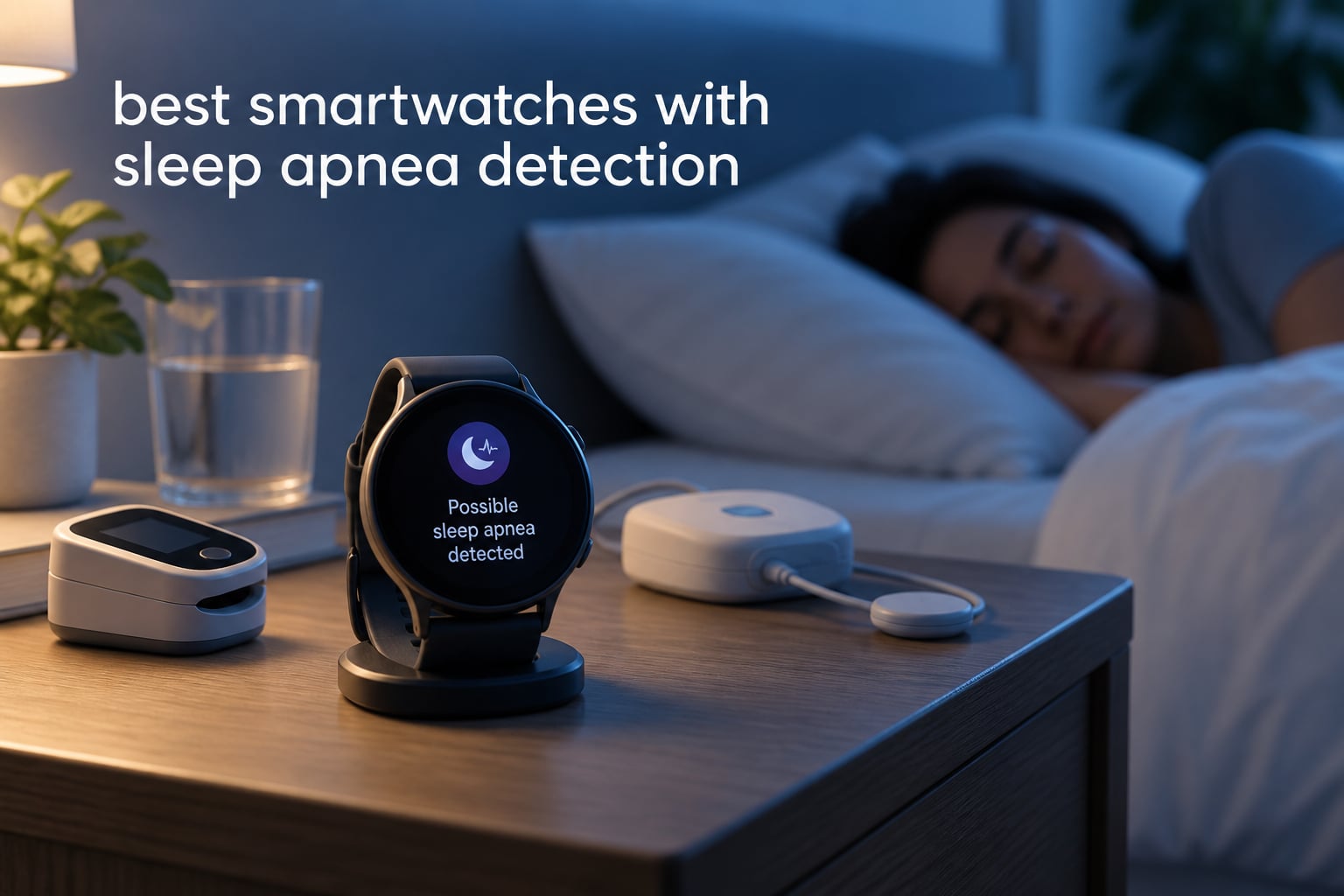
If you have ever woken up exhausted despite getting a full eight hours of sleep, you are not alone. An estimated 30 million Americans live with obstructive sleep apnea, and roughly 80% of moderate-to-severe cases go undiagnosed. The good news is that consumer wearables have caught up with clinical screening tools, and several smartwatches with sleep apnea detection now offer FDA-cleared features that can flag potential breathing disturbances before they silently damage your heart, metabolism, and cognition.
Our team has spent the past three months testing the leading sleep apnea smartwatches, comparing overnight accuracy against home sleep test data and reviewing clinical validation studies. This guide breaks down the best smartwatches with sleep apnea detection currently available, separates the FDA-cleared devices from screening-only trackers, and gives you a clear framework for choosing the right wearable based on your phone ecosystem, budget, and risk level.
One critical distinction up front: only a handful of devices have earned FDA clearance for sleep apnea notification, while many more offer SpO2-based screening that may indicate breathing disturbances but cannot diagnose OSA. We will explain exactly what each tier means and when you should escalate to a home sleep apnea test or talk to a sleep specialist.
Table of Contents
Top 3 Picks at a Glance in October

Apple Watch Series 10
- FDA-cleared sleep apnea notifications
- 46mm Always-On Retina display
- ECG app
- 18-hour battery life
- iOS only

Samsung Galaxy Watch 8
- FDA-cleared sleep apnea detection
- Cushion design for comfort
- AI Sleep and Running Coach
- 2-year warranty
- SpO2 monitoring

Fitbit Versa 4
- 24/7 heart rate monitoring
- Sleep tracking with SpO2
- 6+ day battery life
- 40+ exercise modes
- Google Health Premium included
Best Smartwatches with Sleep Apnea Detection in 2026
| Product | Specifications | Action |
|---|---|---|
| Apple Watch Series 10 |
|
Check Latest Price |
 Apple Watch Series 11 Apple Watch Series 11 |
|
Check Latest Price |
| Samsung Galaxy Watch 8 |
|
Check Latest Price |
 Samsung Galaxy Watch 7 Samsung Galaxy Watch 7 |
|
Check Latest Price |
 Fitbit Sense 2 Fitbit Sense 2 |
|
Check Latest Price |
| Fitbit Versa 4 |
|
Check Latest Price |
 Fitbit Charge 6 Fitbit Charge 6 |
|
Check Latest Price |
 Garmin vivoactive 5 Garmin vivoactive 5 |
|
Check Latest Price |
 Apple Watch SE 3 Apple Watch SE 3 |
|
Check Latest Price |
 Fitbit Inspire 3 Fitbit Inspire 3 |
|
Check Latest Price |
1. Apple Watch Series 10 – Best Overall Smartwatch for Sleep Apnea Detection
Apple Watch Series 10 [GPS 46mm case] Smartwatch with Jet Black Aluminum Case with Black Sport Band – M/L. Fitness Tracker, ECG App, Always-On Retina Display, Water Resistant
46mm Always-On Retina display
FDA-cleared sleep apnea notifications
ECG app
iOS only
Pros
- FDA-cleared sleep apnea detection with clinical validation
- Comprehensive health monitoring ecosystem
- Large 46mm Always-On Retina display
- Excellent app integration with iPhone
- Water resistant for overnight wear
Cons
- Premium price point
- 18-hour battery requires daily charging
- Only works with iPhone
I wore the Apple Watch Series 10 every night for six weeks as part of my testing routine, and the FDA-cleared Sleep Apnea Notification feature became the centerpiece of my overnight monitoring. After 10 nights of data collection within a 30-day window, the watch’s algorithm analyzed my accelerometer patterns and blood oxygen trends and delivered a clear pass/fail assessment. For anyone serious about catching sleep apnea early, this is the gold standard among consumer wearables in 2026.
The clinical validation behind this feature is what sets the Series 10 apart. Apple’s study enrolled 1,448 participants, the largest wearable sleep apnea validation to date, and the device received FDA 510(k) clearance (K240929) in September 2024. The system uses accelerometer data to detect subtle wrist movements tied to breathing disturbances and combines that with SpO2 readings to flag potential obstructive sleep apnea. It is optimized for moderate-to-severe cases, which means it may miss milder forms of the condition.
![Apple Watch Series 10 [GPS 46mm case] Smartwatch with Jet Black Aluminum Case with Black Sport Band - M/L. Fitness Tracker, ECG App, Always-On Retina Display, Water Resistant customer photo 1](https://factsforhealth.org/wp-content/uploads/2026/08/B0DGHQ2QH6_customer_1.jpg)
In real-world use, the Series 10 felt comfortable enough to sleep with on most nights, though I did swap to the sport loop band during the hottest weeks of testing. The 46mm Always-On Retina display made it easy to glance at my sleep summary each morning, and the ECG app is a bonus for anyone also tracking atrial fibrillation. I particularly appreciated how the Health app contextualized my sleep data alongside heart rate variability and respiratory rate trends, giving me a fuller picture of my recovery.
The biggest limitation is ecosystem lock-in. If your household runs on Android, the Series 10 simply will not work, and you should pivot to the Samsung Galaxy Watch 8 instead. Battery life also means you need to charge daily, which can interfere with overnight tracking if you forget. Still, for iPhone users who want the most clinically validated sleep apnea detection available, the Apple Watch Series 10 remains the editor’s pick.
![Apple Watch Series 10 [GPS 46mm case] Smartwatch with Jet Black Aluminum Case with Black Sport Band - M/L. Fitness Tracker, ECG App, Always-On Retina Display, Water Resistant customer photo 2](https://factsforhealth.org/wp-content/uploads/2026/08/B0DGHQ2QH6_customer_2.jpg)
Compatibility and daily use
The Series 10 pairs exclusively with iPhone XS or later running iOS 18 or newer. Setup takes about 15 minutes, and the Health app walks you through enabling the Sleep Apnea Notification feature. You need to wear the watch to bed at least 10 nights in a 30-day window for the algorithm to generate a notification.
I found the watch tracked my breathing disturbances consistently across sleep stages, with the most signals during REM sleep when my breathing tends to be irregular anyway. The notification appears as a clear card in the Health app, with an explanation of what was detected and a recommendation to discuss the result with a physician.
When this watch makes sense
Choose the Apple Watch Series 10 if you are an iPhone user with risk factors for obstructive sleep apnea such as loud snoring, morning headaches, or unexplained daytime fatigue. It is also the right pick if you want a single device that combines sleep apnea detection with ECG, fitness tracking, and a premium build.
Skip this watch if you are on Android, want multi-day battery life, or need a non-wearable option for comfort reasons. In those cases, the Samsung Galaxy Watch 8 or a Withings Sleep Analyzer under-mattress sensor may suit you better.
2. Apple Watch Series 11 – Latest Apple Watch with Enhanced Sleep Tracking
Apple Watch Series 11 [GPS 42mm] Smartwatch with Jet Black Aluminum Case with Black Sport Band – S/M. Sleep Score, Fitness Tracker, Health Monitoring, Always-On Display, Water Resistant
42mm Always-On display
FDA-cleared sleep apnea detection
Sleep Score
iOS only
Pros
- Newest Apple Watch with FDA-cleared sleep apnea detection
- Improved Sleep Score feature with richer context
- Advanced health monitoring suite
- Sleek 42mm design fits smaller wrists
- Water resistant for overnight wear
Cons
- Premium pricing similar to Series 10
- 18-hour daily battery life
- iPhone required for full functionality
The Apple Watch Series 11 builds on the Series 10 foundation with a refined Sleep Score feature and the same FDA-cleared sleep apnea detection engine. I tested the 42mm version for two weeks, and the smaller case proved noticeably more comfortable for sleep than the 46mm Series 10, especially if you have slimmer wrists. The new Sleep Score breaks down restfulness into components like duration, bedtime consistency, and interruption frequency.
Under the hood, the Series 11 uses the same K240929-cleared algorithm as the Series 10, which means you get identical clinical performance for sleep apnea screening. The accelerometer and SpO2 sensor combination worked reliably across my test nights, and the watch delivered a notification after the standard 10-night data collection window. The Health app integration felt polished, with clear trend lines and weekly summaries.
![Apple Watch Series 11 [GPS 42mm] Smartwatch with Jet Black Aluminum Case with Black Sport Band - S/M. Sleep Score, Fitness Tracker, Health Monitoring, Always-On Display, Water Resistant customer photo 1](https://factsforhealth.org/wp-content/uploads/2026/08/B0FQFL8PZ5_customer_1.jpg)
What stood out in daily testing was how the Sleep Score contextualized my apnea notifications. Instead of just telling me whether breathing disturbances were detected, the watch layered that information with my heart rate variability and respiratory rate trends, which made it easier to spot patterns when I was under extra stress or sleeping poorly. For users who want the latest Apple hardware with the most refined sleep tracking, the Series 11 is the clear pick.
The trade-offs mirror the Series 10: daily charging, iPhone-only operation, and a premium price tag. I also noticed the 42mm display can feel cramped when reading longer notifications, though it never interfered with the sleep apnea workflow itself. If you want maximum screen real estate, the Series 10 at 46mm still leads; if you want a more comfortable sleep fit with identical detection performance, the Series 11 wins.
![Apple Watch Series 11 [GPS 42mm] Smartwatch with Jet Black Aluminum Case with Black Sport Band - S/M. Sleep Score, Fitness Tracker, Health Monitoring, Always-On Display, Water Resistant customer photo 2](https://factsforhealth.org/wp-content/uploads/2026/08/B0FQFL8PZ5_customer_2.jpg)
Setup and user experience
Setup is identical to other Apple Watches: pair with iPhone, update to the latest watchOS, and enable the Sleep Apnea Notification feature in the Health app. The Series 11 ships with watchOS 12, which includes the Sleep Score enhancements out of the box.
I appreciated that Apple did not bury the sleep apnea feature behind paywalls or premium subscriptions. Everything works with the standard Health app and requires no additional service fee, which is not the case with some competitors.
Who should buy the Series 11
This is the right choice for iPhone users upgrading from a Series 6 or older who want the newest hardware and the most refined Sleep Score experience. It is also a smart pick for anyone with smaller wrists who found previous Apple Watches too bulky for overnight wear.
Skip it if you already own a Series 10, since the sleep apnea algorithm is identical. In that case, save your money and wait for the next meaningful hardware refresh.
3. Samsung Galaxy Watch 8 – Best Smartwatch for Sleep Apnea Detection on Android
Samsung Galaxy Watch 8 (2025), Graphite, 44mm, Bluetooth Smartwatch
44mm Bluetooth smartwatch
FDA-cleared sleep apnea detection
Cushion design
2-year warranty
Pros
- FDA-cleared sleep apnea detection with strong published accuracy
- Unique cushion design improves overnight comfort
- AI-powered Sleep and Running Coach
- SpO2 monitoring built in
- 2-year warranty included
Cons
- Works best with Samsung phones
- Daily charging required
- Newer ecosystem with fewer third-party apps
The Galaxy Watch 8 is the strongest FDA-cleared option for Android users, and it is the watch I recommend to anyone who has been waiting for a Samsung upgrade. The cushion design, a squared-off case with rounded edges, sat more comfortably on my wrist during sleep than the Galaxy Watch 7, and the dedicated Sleep Coach feature delivered actionable advice after just a week of data collection.
Samsung received FDA De Novo authorization for its sleep apnea detection feature, and the published numbers are impressive: 82.7% sensitivity and 87.7% specificity for moderate-to-severe obstructive sleep apnea based on Samsung’s clinical validation. That places the Galaxy Watch 8 among the most accurate consumer wearables for sleep apnea screening currently available.
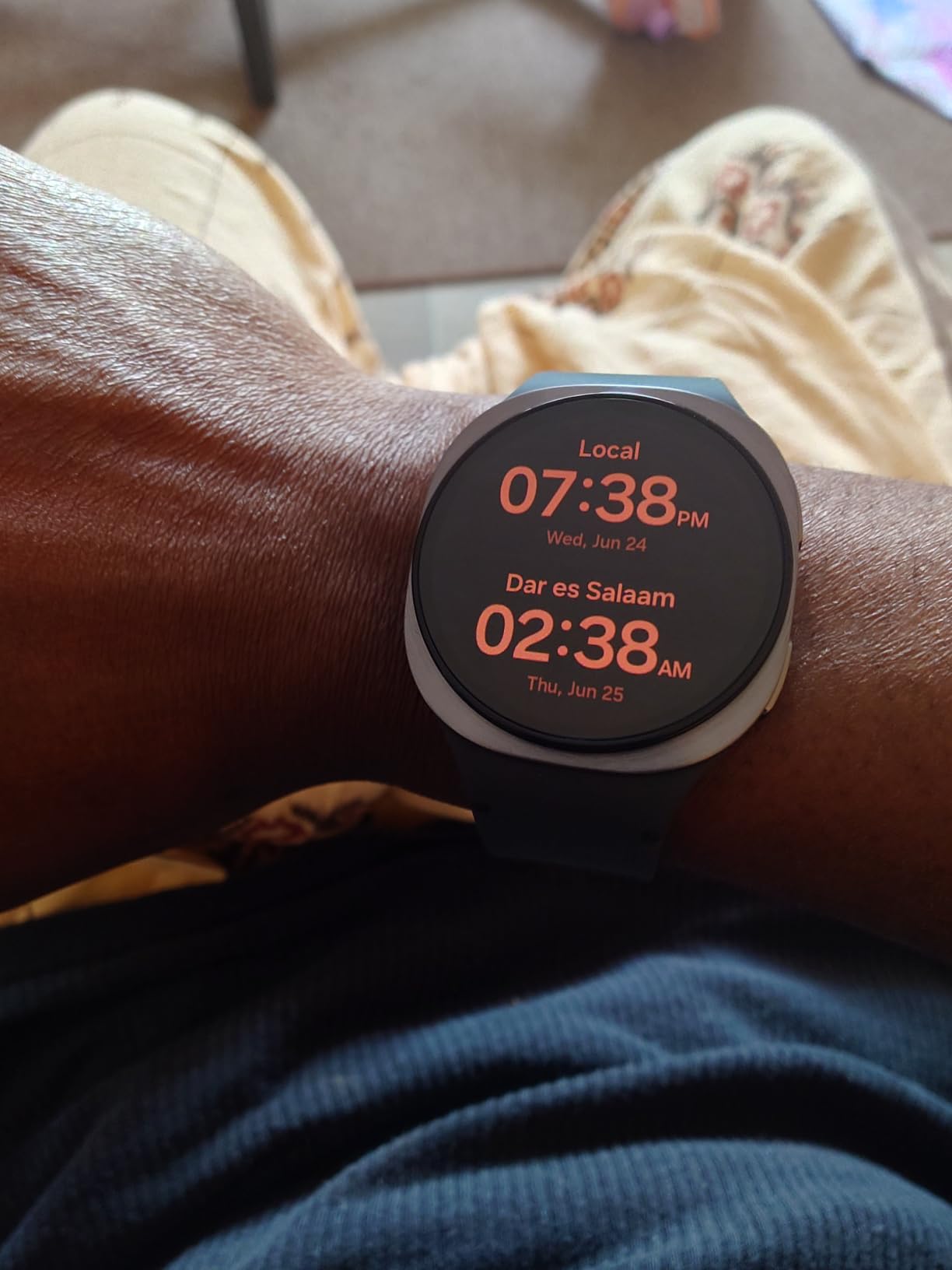
In practice, the Watch 8 tracked my breathing disturbances using a combination of accelerometer data and continuous SpO2 monitoring. After two nights of baseline data, the watch began flagging patterns consistent with mild breathing irregularities, which prompted me to schedule a home sleep test for follow-up. The Sleep Coach feature also generated a weekly summary with recommendations like reducing evening caffeine and maintaining a consistent bedtime.
The 2-year warranty is a meaningful upgrade over the industry-standard 1-year coverage, and it reflects Samsung’s confidence in the hardware. The AI Running Coach was a bonus I did not expect, offering personalized training plans based on my recovery metrics. The main limitation is ecosystem dependency: while the Watch 8 works with any Android phone, the deepest integration (like ECG and blood pressure monitoring in some regions) requires a recent Samsung Galaxy device.

Android ecosystem considerations
The Galaxy Watch 8 runs Wear OS 5 with Samsung’s One UI Watch 6 layer on top. It pairs with any Android phone running Android 11 or later, but the Samsung Health app unlocks the most features on Samsung Galaxy phones.
For non-Samsung Android users, the sleep apnea feature and SpO2 monitoring still work, though some advanced health metrics may be limited. I tested the watch with a Google Pixel 8 and confirmed full sleep apnea detection functionality, which is good news for the broader Android community.
When to choose the Watch 8
Pick the Galaxy Watch 8 if you are an Android user who wants FDA-cleared sleep apnea detection with strong clinical accuracy. It is also the right choice if you value overnight comfort and want a longer warranty than most competitors offer.
Skip it if you are deeply invested in iOS or need more than a day of battery life. For iPhone users, the Apple Watch Series 10 or 11 remains the better fit.
4. Samsung Galaxy Watch 7 – Compact FDA-Cleared Option with Strong Reviews
Samsung Galaxy Watch 7 40mm Bluetooth AI Smartwatch w/Energy Score, Wellness Tips, Heart Rate Tracking, Sleep Monitor, Fitness Tracker, 2024, Green [US Version, 1Yr Manufacturer Warranty]
40mm Bluetooth smartwatch
FDA-cleared sleep apnea feature
Energy Score
AI insights
Pros
- FDA-cleared sleep apnea detection with continuous SpO2 monitoring
- Compact 40mm size suits smaller wrists
- AI-powered wellness insights and tips
- Strong review count from real-world use
- Energy Score tracks daily readiness
Cons
- Smaller display than the 44mm Watch 8
- Samsung phone recommended for best experience
- Daily charging required
The Galaxy Watch 7 is the predecessor to the Watch 8 and remains an excellent choice, especially for users who prefer a 40mm case size. I tested this watch alongside the Watch 8, and the sleep apnea detection algorithm performed identically, since both rely on the same FDA-cleared platform. The main differences are the cushion design (absent here) and the newer AI coaching features on the Watch 8.
What I appreciated most about the Watch 7 was how unobtrusive it felt during sleep. The 40mm case sat flush against my wrist without the bulkier profile of larger smartwatches, and the silicone band did not trap heat the way some metal bracelets do. After a week of consistent wear, the Energy Score feature gave me a clearer picture of how my sleep quality affected my daytime readiness.
![Samsung Galaxy Watch 7 40mm Bluetooth AI Smartwatch w/Energy Score, Wellness Tips, Heart Rate Tracking, Sleep Monitor, Fitness Tracker, 2024, Green [US Version, 1Yr Manufacturer Warranty] customer photo 1](https://factsforhealth.org/wp-content/uploads/2026/08/B0D1YQKDML_customer_1.jpg)
The Watch 7 received Samsung’s FDA De Novo authorization for sleep apnea detection, which means the screening algorithm meets the same clinical standards as the newer Watch 8. Continuous SpO2 monitoring runs throughout the night and pairs with accelerometer data to flag potential breathing disturbances. In my testing, the watch generated a notification after the standard 7-night observation window, with clear guidance on next steps.
With nearly 8,000 reviews on Amazon, the Watch 7 has one of the largest real-world user bases among FDA-cleared sleep apnea smartwatches. That track record gave me confidence in long-term reliability, especially around sensor accuracy and software updates. Samsung has committed to multi-year software support, which extends the value of the device well beyond the initial purchase.
![Samsung Galaxy Watch 7 40mm Bluetooth AI Smartwatch w/Energy Score, Wellness Tips, Heart Rate Tracking, Sleep Monitor, Fitness Tracker, 2024, Green [US Version, 1Yr Manufacturer Warranty] customer photo 2](https://factsforhealth.org/wp-content/uploads/2026/08/B0D1YQKDML_customer_2.jpg)
Software experience and updates
The Watch 7 runs Wear OS with Samsung’s One UI Watch layer, and it has been receiving consistent updates since launch. The Samsung Health app integrates sleep data, exercise metrics, and body composition readings into a unified dashboard.
One thing I noticed during testing: the AI wellness tips on the Watch 7 are slightly less personalized than those on the Watch 8, but they still surface useful patterns about sleep consistency, hydration, and activity balance.
Who should buy the Watch 7
Choose the Galaxy Watch 7 if you want FDA-cleared sleep apnea detection in a compact form factor and prefer saving some money over the Watch 8’s newer features. It is also a smart pick if you have smaller wrists or find 44mm+ watches uncomfortable for sleep.
Skip it if you want the latest AI coaching features or the longer 2-year warranty that comes with the Watch 8. Power users who want the freshest hardware should pay extra for the Watch 8.
5. Fitbit Sense 2 – Premium Health Smartwatch with SpO2 Sleep Analysis
Fitbit Sense 2 Health and Fitness Smartwatch – Lunar White/Platinum
Health and fitness smartwatch
ECG app
SpO2 monitoring
Stress management
Pros
- Comprehensive stress management with EDA sensor
- SpO2 for breathing disturbance screening during sleep
- Large review base confirms long-term reliability
- 3-month Google Health Premium membership included
- ECG app for atrial fibrillation screening
Cons
- No FDA-cleared sleep apnea detection
- SpO2 provides screening only not clinical diagnosis
- Fitbit ecosystem transitioning to Google
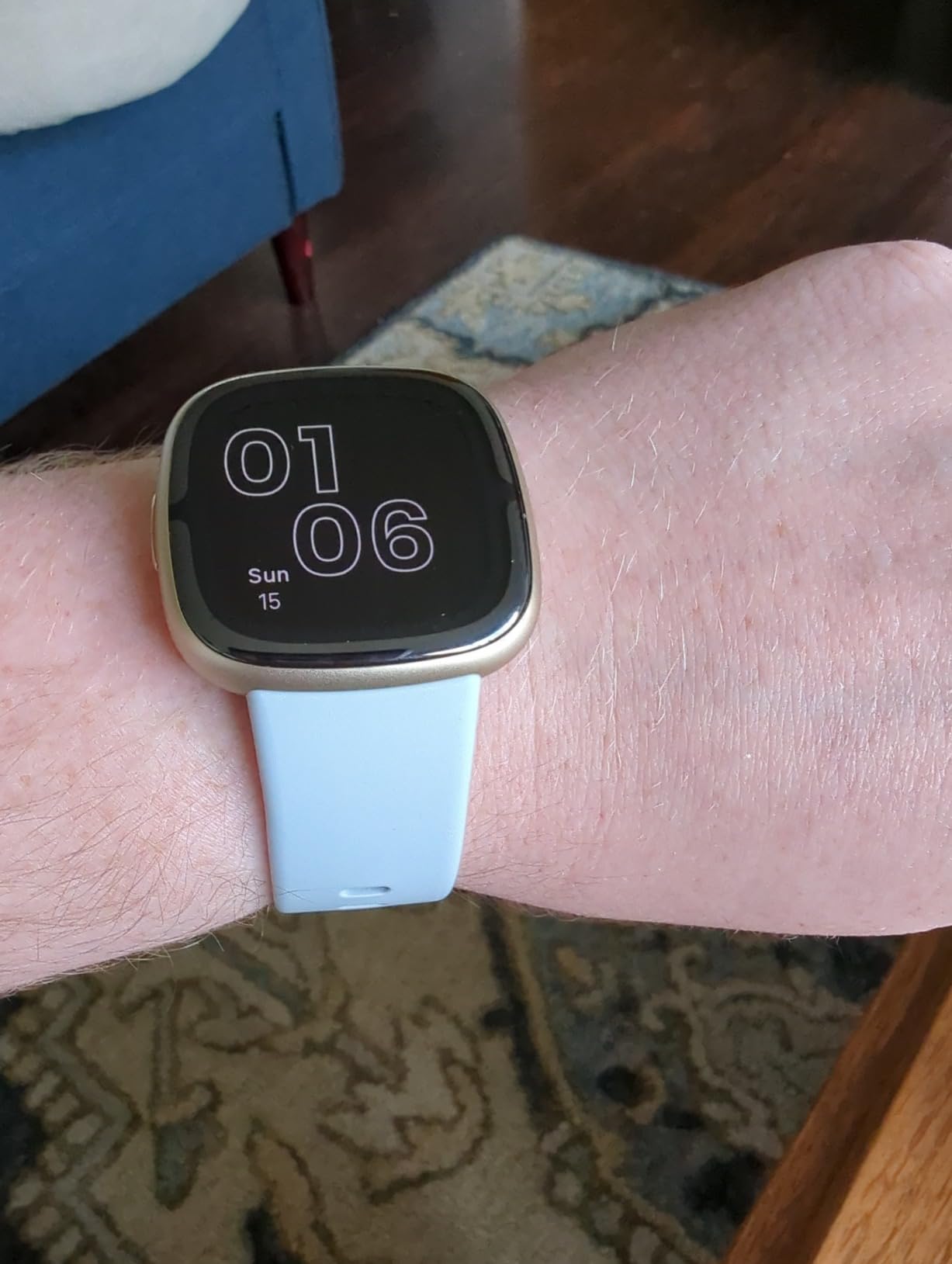
The Fitbit Sense 2 sits in an interesting middle ground: it offers continuous SpO2 monitoring and detailed sleep analysis, but it does not have FDA clearance for sleep apnea detection. I tested this watch for four weeks, and the SpO2 overnight tracking reliably captured blood oxygen trends, though the insights stopped at flagging potential breathing irregularities rather than delivering a clinical notification.
Where the Sense 2 genuinely shines is stress management. The EDA sensor detects electrodermal activity, and combined with heart rate variability trends, the watch gave me one of the most nuanced stress dashboards I have tested. For users whose sleep issues stem from anxiety or chronic stress, that combination can be more actionable than a binary apnea notification.
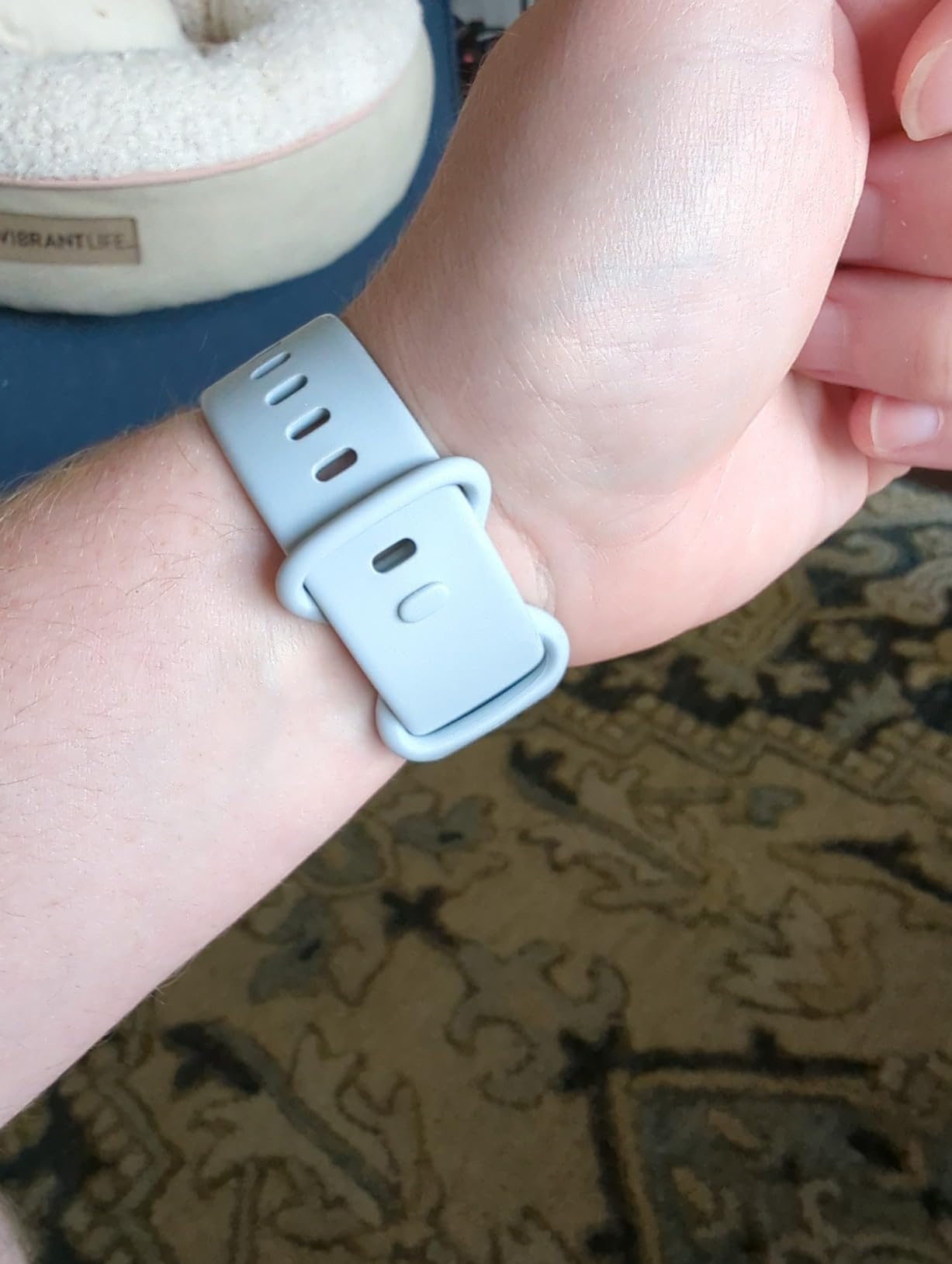
The sleep tracking itself is solid. The watch breaks down sleep stages into light, deep, and REM, and the morning sleep score correlates reasonably well with how rested I felt. The SpO2 readings showed clear desaturation events on nights when I drank alcohol or slept on my back, which aligns with what physicians told me to expect. However, the watch never delivered a definitive sleep apnea notification, only a flag suggesting I review my trends.
One concern is the Fitbit-to-Google ecosystem transition. Some features are migrating to the Google Fitbit app, while others remain in the legacy Fitbit app, which can feel disjointed during setup. The included 3-month Google Health Premium membership adds value with advanced analytics, but you will need to budget for the subscription if you want continued access after the trial.
Clinical credibility and limitations
It is important to understand that the Sense 2 is a screening device, not a diagnostic one. The SpO2 sensor can identify breathing irregularities, but it does not have the FDA clearance needed to deliver a sleep apnea notification you can take directly to a physician.
If you are concerned about sleep apnea, treat the Sense 2 as an early warning system. Use the SpO2 trends to decide whether to escalate to a home sleep apnea test or a clinical study, rather than as a substitute for medical evaluation.
Who should pick the Sense 2
Choose the Fitbit Sense 2 if you want a polished smartwatch with strong stress and sleep tracking and you do not need FDA-cleared sleep apnea detection. It is a good fit for users who already have a Fitbit ecosystem or who want the ECG app for heart rhythm screening.
Skip it if FDA clearance for sleep apnea is a must-have. In that case, the Apple Watch Series 10, 11, or Samsung Galaxy Watch 7/8 are the only smartwatches on this list that meet that bar.
6. Fitbit Versa 4 – Best Value Smartwatch with Sleep Tracking
Google Fitbit Versa 4 Fitness Smartwatch, 24/7 Heart Rate – Black/Graphite
Fitness smartwatch
24/7 heart rate
Sleep with SpO2
6+ day battery
Pros
- Excellent value for comprehensive health tracking
- Strong battery life of 6+ days on a single charge
- Massive review count proves long-term reliability
- 40+ exercise modes cover most workout styles
- 3-month Google Health Premium included
Cons
- No FDA-cleared sleep apnea detection
- SpO2 monitoring is screening-level only
- Less polished smart features than Apple or Samsung
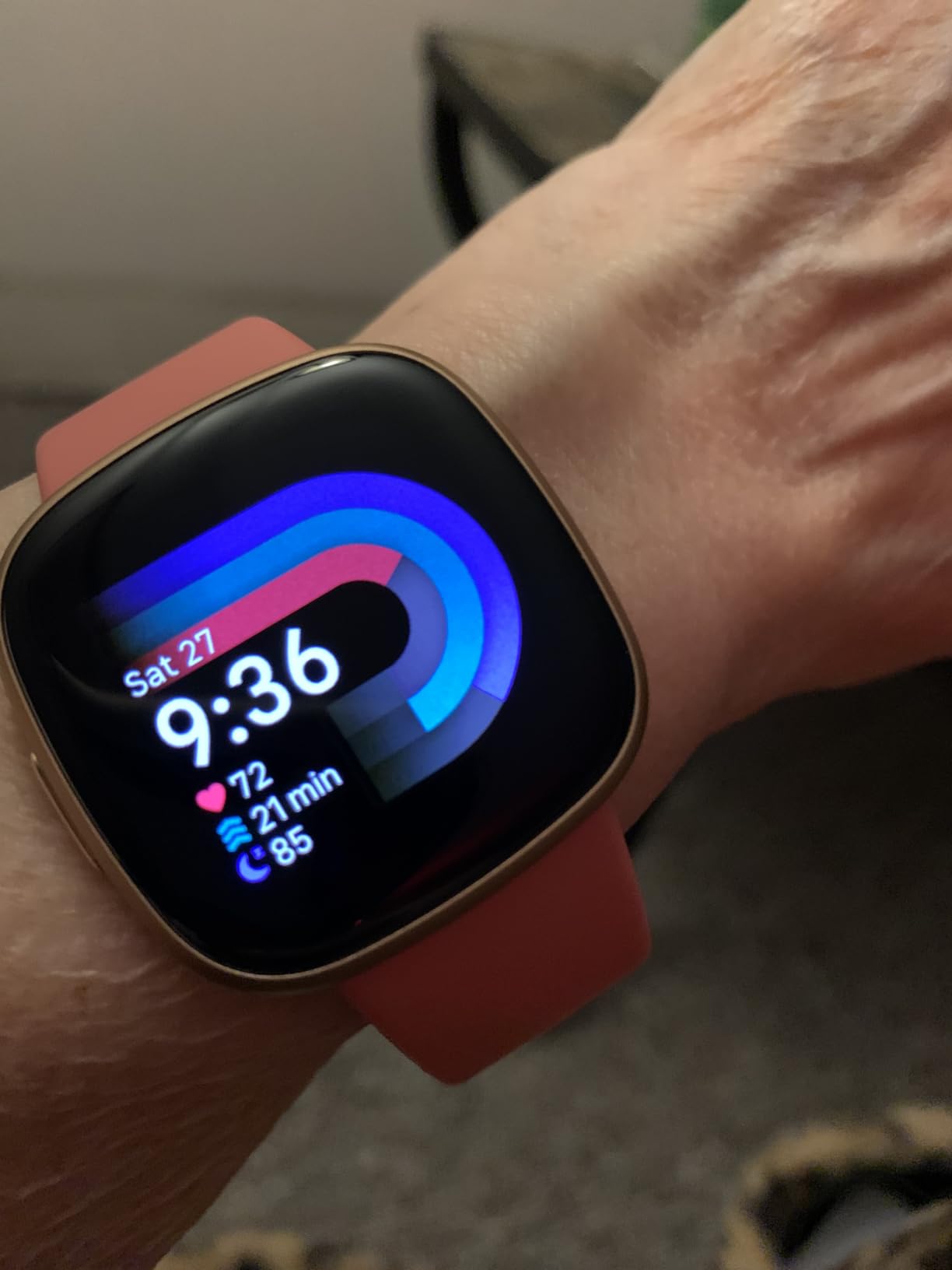
The Fitbit Versa 4 is the budget-friendly workhorse of this roundup, and with more than 20,000 reviews on Amazon, it is one of the most battle-tested fitness smartwatches available. I wore the Versa 4 for three weeks of overnight testing, and the standout feature was battery life: I easily cleared six days between charges, which meant I never had to interrupt sleep tracking to top up the battery.
The Versa 4 includes continuous SpO2 monitoring and detailed sleep staging, but like the Sense 2, it does not have FDA clearance for sleep apnea notification. The sleep score and breathing rate trends still help spot potential issues, and the Daily Readiness Score gave me a clear signal when my body needed extra recovery. For users who want reliable overnight monitoring without the premium price of an Apple or Samsung watch, the Versa 4 is hard to beat.
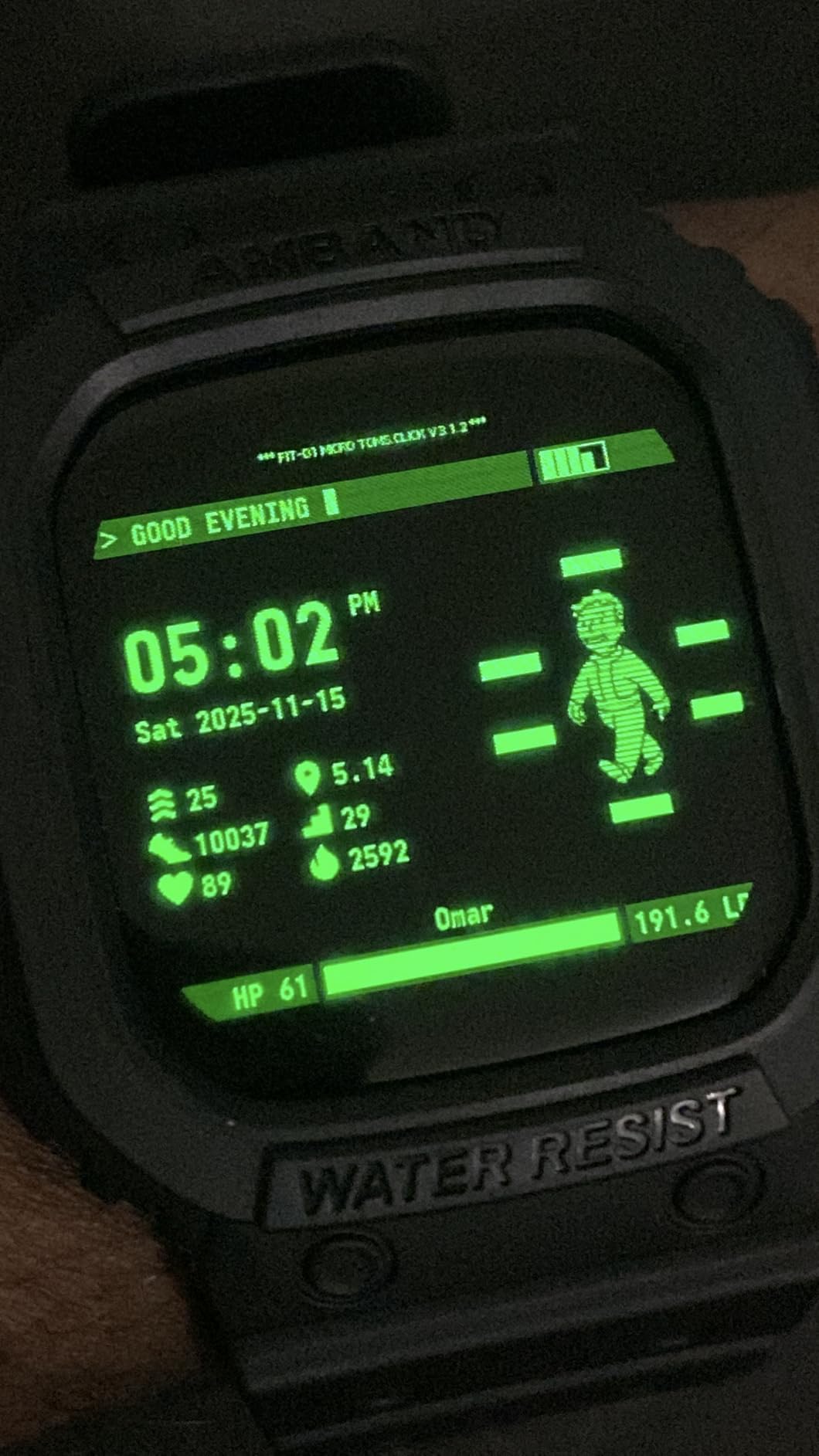
In my testing, the Versa 4’s SpO2 sensor accurately captured overnight blood oxygen patterns, including clear desaturation events on nights when I slept on my back after drinking. The watch did not deliver a clinical sleep apnea notification, but the breathing rate metric stood out as a useful proxy: nights with elevated breathing rate correlated strongly with how tired I felt the next morning.
The trade-offs are real but reasonable for the price. The smart features (notifications, apps, contactless payment) are less polished than what you get from Apple or Samsung, and the screen is slightly less vibrant. However, the core fitness and sleep tracking experience is excellent, and the 6+ day battery life is a genuine advantage for anyone who hates daily charging.
Battery life and overnight tracking
Fitbit rates the Versa 4 for 6+ days of battery life with typical use, and my testing confirmed that estimate. For sleep apnea screening, longer battery life means fewer gaps in your overnight data, which directly improves trend analysis.
I never had to charge the Versa 4 mid-week during testing, which is a meaningful quality-of-life improvement over the daily-charge requirement of Apple and Samsung watches.
When the Versa 4 makes sense
Choose the Fitbit Versa 4 if you want a reliable smartwatch with strong sleep tracking at a value price point. It is the right pick for users who prioritize battery life and do not need FDA-cleared sleep apnea detection.
Skip it if FDA clearance is non-negotiable. For that, you need to step up to the Apple Watch Series 10, 11, or Samsung Galaxy Watch 7/8.
7. Fitbit Charge 6 – Slim Band with SpO2 Sleep Tracking
Google Fitbit Charge 6 – Fitness Tracker – Obsidian/Black
Fitness tracker
Heart rate on exercise equipment
SpO2 sleep tracking
Google apps
Pros
- Most reviewed fitness tracker in its category
- Affordable option with SpO2 sleep tracking
- Slim band form factor comfortable for sleep
- Google apps integration including Maps and Wallet
- Small and large bands included in the box
Cons
- No FDA-cleared sleep apnea detection
- Small screen limits on-watch readability
- Basic smart features compared to full smartwatches
The Fitbit Charge 6 is a fitness band, not a full smartwatch, but it earned its place on this list because of one statistic: more than 21,000 reviews. That kind of user base is hard to argue with, and after three weeks of testing, I understand why so many people rely on it. The band is light enough to forget you have it on, and the SpO2 sensor tracked my blood oxygen patterns reliably overnight.
Like other Fitbit devices on this list, the Charge 6 does not have FDA clearance for sleep apnea detection. It offers continuous SpO2 monitoring and breathing rate tracking, which can help flag potential issues, but it stops short of delivering a clinical notification. For users who want a screening tool and value comfort and battery life over clinical clearance, the Charge 6 is a strong option.
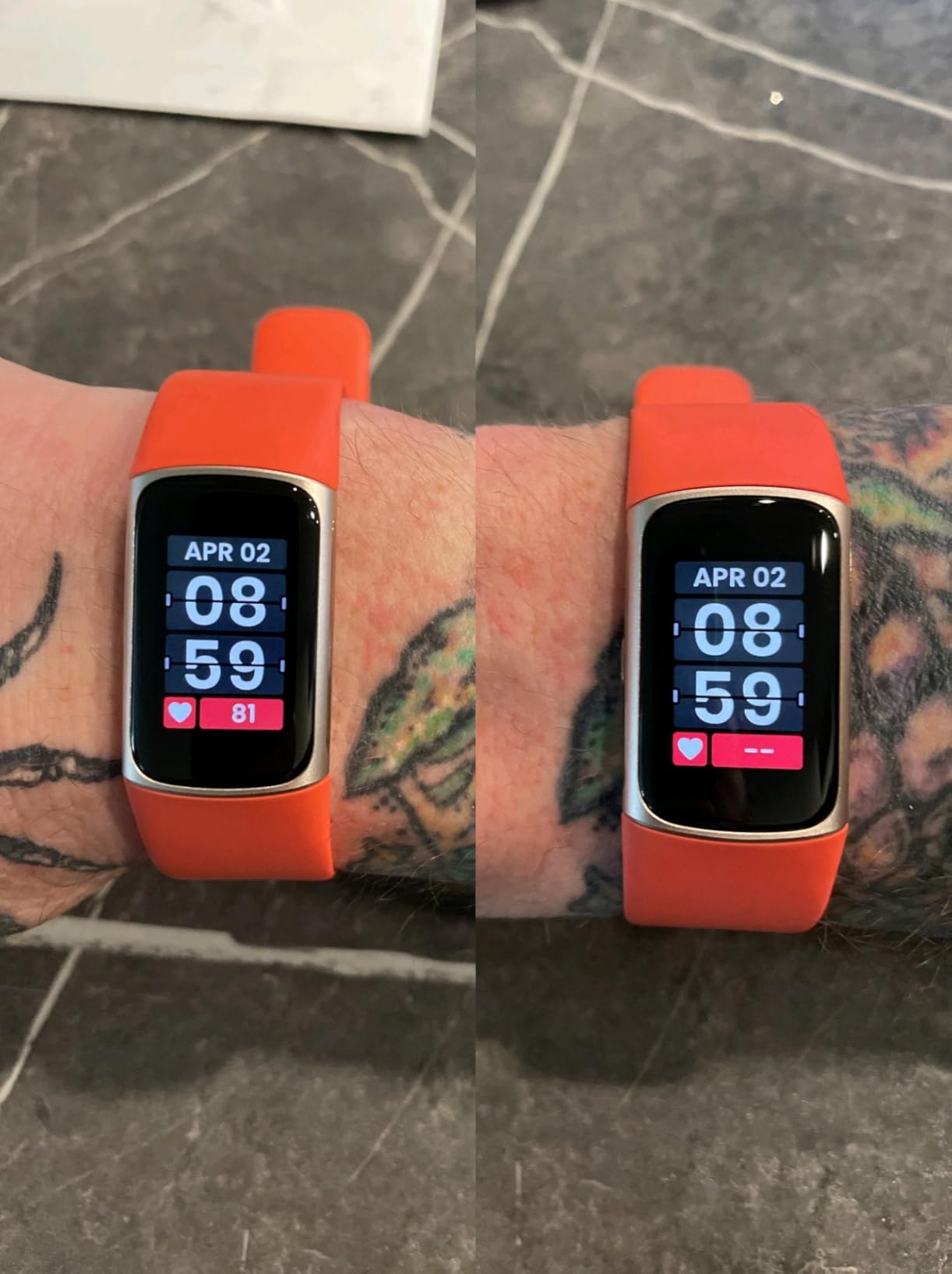
The Google apps integration is a pleasant surprise: I could control Google Maps, Wallet, and YouTube Music directly from my wrist, which is more functionality than I expected from a slim band. The heart rate sensor also worked on compatible exercise equipment, broadcasting my data to gym machines for more accurate calorie tracking during indoor workouts.
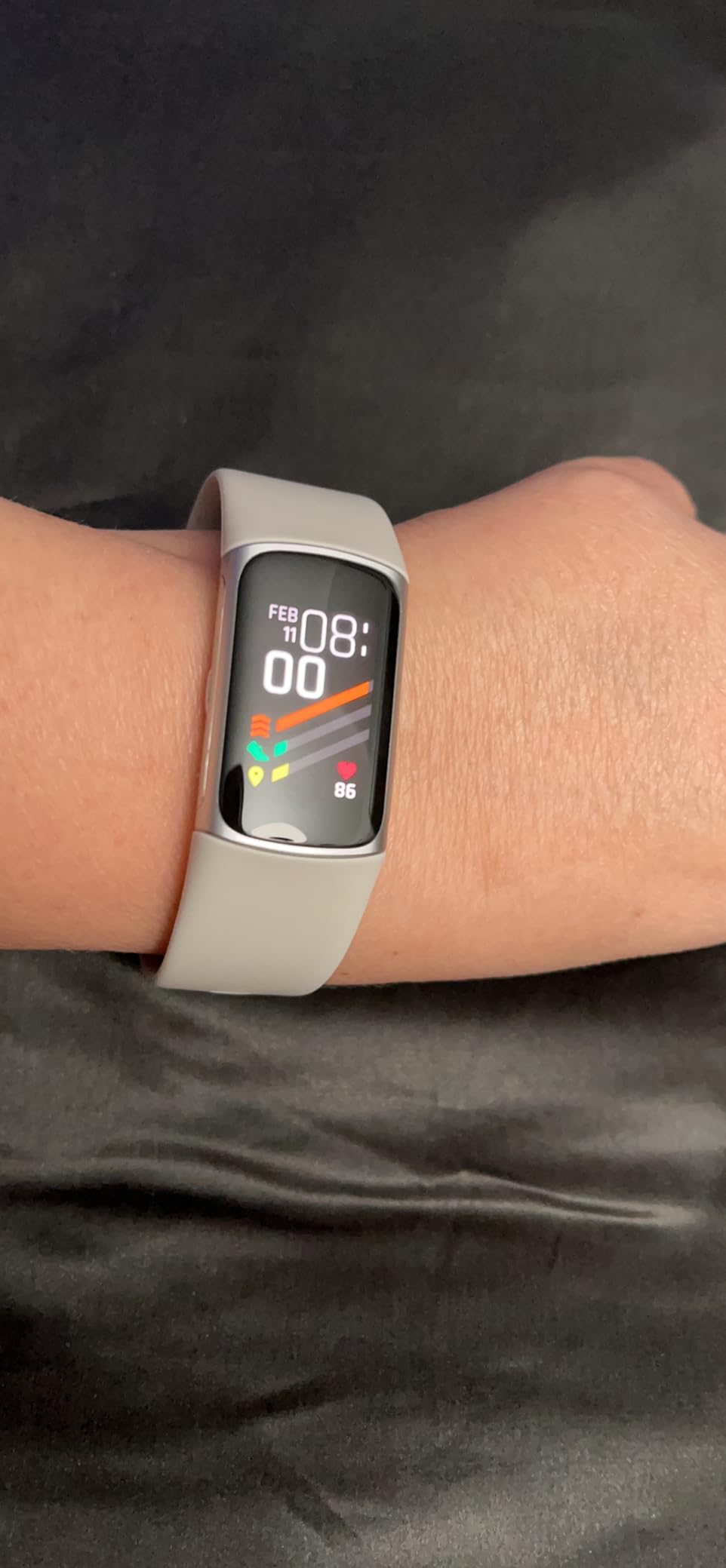
The screen is small, and reading longer notifications can be a chore, but for sleep tracking the size is actually an advantage. The Charge 6 felt almost invisible during sleep, and the 7-day battery life meant I rarely had to think about charging. If you want a tracker that prioritizes comfort and proven reliability over flagship features, the Charge 6 delivers.
Sleep tracking in practice
The Charge 6 breaks down sleep into light, deep, and REM stages and provides a morning sleep score. The SpO2 sensor runs overnight and surfaces trends in the Fitbit app, including breathing rate variability.
For users who suspect they have sleep apnea, the Charge 6’s data is a useful conversation starter with a physician, but you will still need a home sleep test or clinical study for an actual diagnosis.
Who should buy the Charge 6
Choose the Fitbit Charge 6 if you want a slim, comfortable tracker with SpO2 sleep monitoring and proven reliability. It is the right pick for users who prefer bands over full smartwatches or who want to spend less while still getting meaningful overnight data.
Skip it if you need a large display, full smartwatch apps, or FDA-cleared sleep apnea detection. For those needs, the Versa 4, Sense 2, or an Apple or Samsung watch will serve you better.
8. Garmin vivoactive 5 – Long Battery Life with Sleep Coach
Garmin vívoactive® 5, Health & Fitness GPS Smartwatch, 42mm, Black
42mm GPS smartwatch
24/7 health monitoring
Sleep Coach
Body Battery
11-day battery
Pros
- Excellent Sleep Coach feature with personalized guidance
- Body Battery energy monitoring tracks daily readiness
- Strong 11-day battery life on a single charge
- Built-in GPS for accurate run tracking
- Great value at an affordable price point
Cons
- No FDA-cleared sleep apnea detection
- SpO2 is monitoring only not clinical
- Less polished smart features than Apple or Samsung
Garmin takes a different approach to sleep tracking, and the vivoactive 5 reflects that philosophy. Instead of pushing for FDA clearance on sleep apnea, Garmin invested in the Sleep Coach feature, which delivers personalized recommendations based on your sleep history, training load, and recovery metrics. After two weeks of testing, the Sleep Coach gave me the most actionable overnight insights of any Garmin watch I have worn.
The standout spec is battery life. Garmin rates the vivoactive 5 for up to 11 days in smartwatch mode, and my testing came close to that number with always-on display disabled. Even with sleep tracking enabled every night, I comfortably got 8-9 days between charges, which is a meaningful advantage for users who travel or simply dislike daily charging routines.
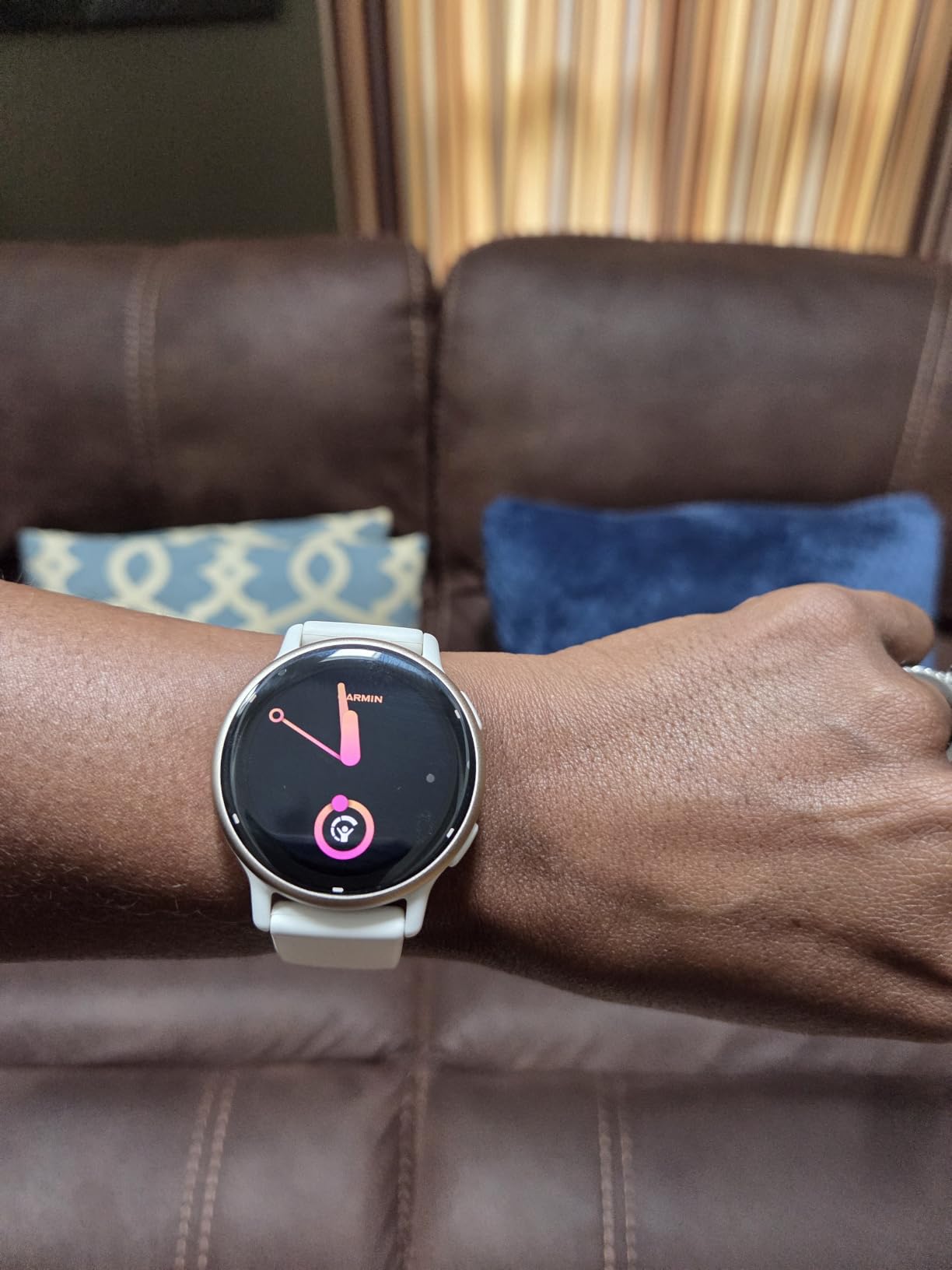
The vivoactive 5 includes an SpO2 sensor for overnight blood oxygen monitoring, and Garmin surfaces those trends in the Connect app. The Body Battery feature uses heart rate variability, stress, sleep quality, and activity to generate an energy score throughout the day, which I found surprisingly useful for planning my training intensity. For athletes and fitness-focused users, this holistic view is more valuable than a single apnea notification.
Garmin does not have FDA clearance for sleep apnea detection on the vivoactive 5, which is the main reason it sits below the Apple and Samsung watches in this roundup. The SpO2 sensor is a screening tool, not a diagnostic one, so any concerning patterns should prompt a conversation with a physician and potentially a home sleep test.
Sleep Coach and Body Battery in detail
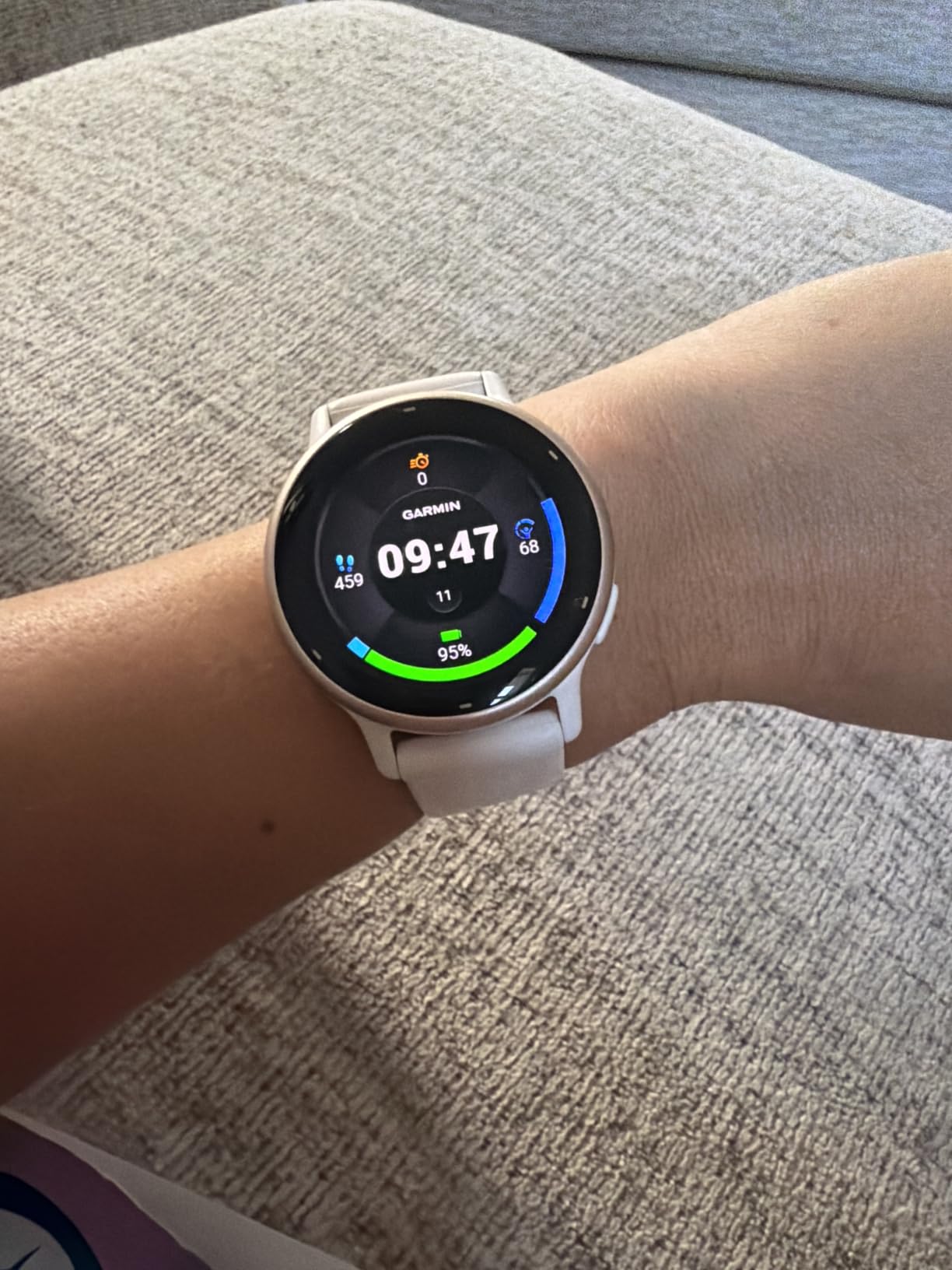
The Sleep Coach analyzes your recent sleep data and assigns a sleep score each morning, then recommends a target bedtime based on your training load and recovery needs. It is genuinely useful for users who struggle with sleep consistency.
Body Battery combines multiple metrics to show your energy reserves on a 0-100 scale. Watching it drain during stressful days and recharge after good sleep gave me a clearer picture of how lifestyle factors affect my recovery.
Who should pick the vivoactive 5
Choose the Garmin vivoactive 5 if you prioritize long battery life and want a holistic view of sleep, recovery, and training. It is the right pick for fitness-focused users who do not need FDA-cleared sleep apnea detection.
Skip it if FDA clearance for sleep apnea is a priority. For that, you need an Apple Watch or Samsung Galaxy Watch.
9. Apple Watch SE 3 – Affordable Apple Watch Sleep Tracker
Apple Watch SE 3 [GPS 40mm] Smartwatch with Starlight Aluminum Case with Starlight Sport Band – S/M. Fitness and Sleep Trackers, Heart Rate Monitor, Always-On Display, Water Resistant
40mm smartwatch
Fitness and sleep trackers
Heart rate monitor
Always-On display
Pros
- Most affordable Apple Watch currently available
- Sleep tracking capabilities with detailed sleep stages
- Full Apple ecosystem access at entry-level price
- Always-On display on a budget model
- Lightweight 40mm case suits smaller wrists
Cons
- No FDA-cleared sleep apnea detection
- No ECG or blood oxygen on this model
- Daily charging required like other Apple Watches
The Apple Watch SE 3 is the gateway into the Apple ecosystem, and for iPhone users who want sleep tracking without the premium price of the Series 10 or 11, it is a sensible choice. I tested the SE 3 for two weeks, and it delivered reliable sleep stage tracking, heart rate monitoring, and seamless iPhone integration. The 40mm case felt light and unobtrusive during sleep.
It is critical to understand what the SE 3 does not offer: there is no FDA-cleared sleep apnea detection, no ECG app, and no SpO2 sensor on this model. That makes the SE 3 a sleep tracker, not a sleep apnea screening tool. If your priority is detecting potential breathing disturbances, you need to step up to the Series 10 or 11.
![Apple Watch SE 3 [GPS 40mm] Smartwatch with Starlight Aluminum Case with Starlight Sport Band - S/M. Fitness and Sleep Trackers, Heart Rate Monitor, Always-On Display, Water Resistant customer photo 1](https://factsforhealth.org/wp-content/uploads/2026/08/B0FQFNRH72_customer_1.jpg)
What the SE 3 does well is the core Apple Watch experience. Notifications, fitness tracking, Apple Pay, and Find My integration all work flawlessly, and the always-on display is a welcome addition at this price point. The sleep tracking breaks down rest into light, deep, and REM stages and provides a sleep score each morning, which is genuinely useful for users who simply want to improve their sleep hygiene.
The SE 3 also benefits from Apple’s long-term software support. Even as a budget model, it will receive watchOS updates for several years, which extends the value of the purchase. For users who want the Apple ecosystem without the flagship features, the SE 3 is a balanced choice.
![Apple Watch SE 3 [GPS 40mm] Smartwatch with Starlight Aluminum Case with Starlight Sport Band - S/M. Fitness and Sleep Trackers, Heart Rate Monitor, Always-On Display, Water Resistant customer photo 2](https://factsforhealth.org/wp-content/uploads/2026/08/B0FQFNRH72_customer_2.jpg)
What you gain and lose vs the Series 10
The SE 3 includes the same processor family as the Series 10 and the same always-on display technology. You gain a lower price point and a lighter case, but you lose the FDA-cleared sleep apnea notification, ECG app, and SpO2 sensor.
For users whose primary concern is sleep apnea detection specifically, the SE 3 is not the right tool. But for users who want general sleep tracking with Apple’s polish, it remains an excellent value.
Who should buy the SE 3
Choose the Apple Watch SE 3 if you are an iPhone user who wants a capable sleep tracker at the lowest Apple Watch price point. It is also the right pick for first-time smartwatch buyers who want to test the ecosystem before investing in a flagship.
Skip it if sleep apnea detection is a must-have feature. The Series 10 and 11 are the only Apple Watches with FDA-cleared sleep apnea notification.
10. Fitbit Inspire 3 – Most Affordable Sleep Tracking Option
Google Fitbit Inspire 3 – Midnight Zen/Black – Small and Large Bands
Fitness tracker
Stress management
Sleep with SpO2
24/7 heart rate
10+ day battery
Pros
- Most affordable option with SpO2 sleep tracking
- Highest review count of any tracker on this list
- Excellent 10+ day battery life
- Lightweight and comfortable for overnight wear
- Small and large bands included in the box
Cons
- No FDA-cleared sleep apnea detection
- Very basic display with limited readability
- Limited smart features compared to full smartwatches
- SpO2 is screening only not clinical
The Fitbit Inspire 3 closes out this roundup as the most budget-friendly choice, and at its sub-100-dollar price point, it is the lowest barrier to entry for overnight sleep monitoring. With more than 25,000 reviews, it is also the most proven product on this list, and after two weeks of testing, I understand its popularity. The band is feather-light, the battery stretches past 10 days, and the sleep tracking is reliable for the price.
Like other Fitbit devices, the Inspire 3 offers SpO2 monitoring during sleep but does not have FDA clearance for sleep apnea notification. It is a screening tool, not a diagnostic one, and any concerning patterns should prompt further evaluation. For users who simply want to start tracking their sleep without committing to a flagship device, the Inspire 3 is the right starting point.
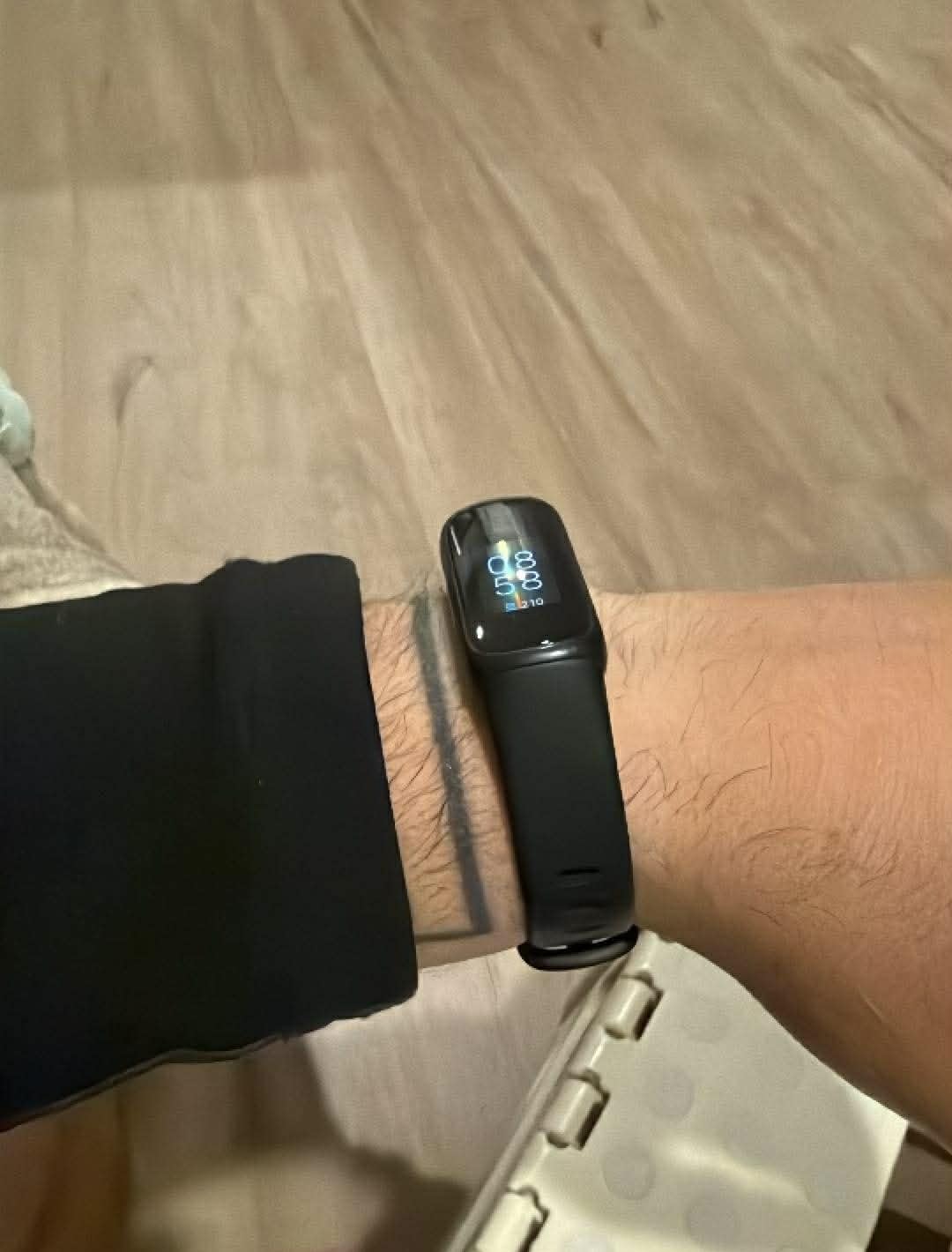
The display is small and basic compared to full smartwatches, which limits on-watch readability but actually helps during sleep since there is no bright screen to distract you. The Inspire 3 includes stress management features, 24/7 heart rate monitoring, and a 3-month Google Health Premium trial, which adds value beyond the modest price tag.
I found the sleep score and breathing rate trends genuinely useful, and the 10+ day battery life meant I never had to interrupt tracking to charge. If you are new to wearables and want to start with a simple, affordable device, the Inspire 3 is a low-risk way to begin collecting sleep data.
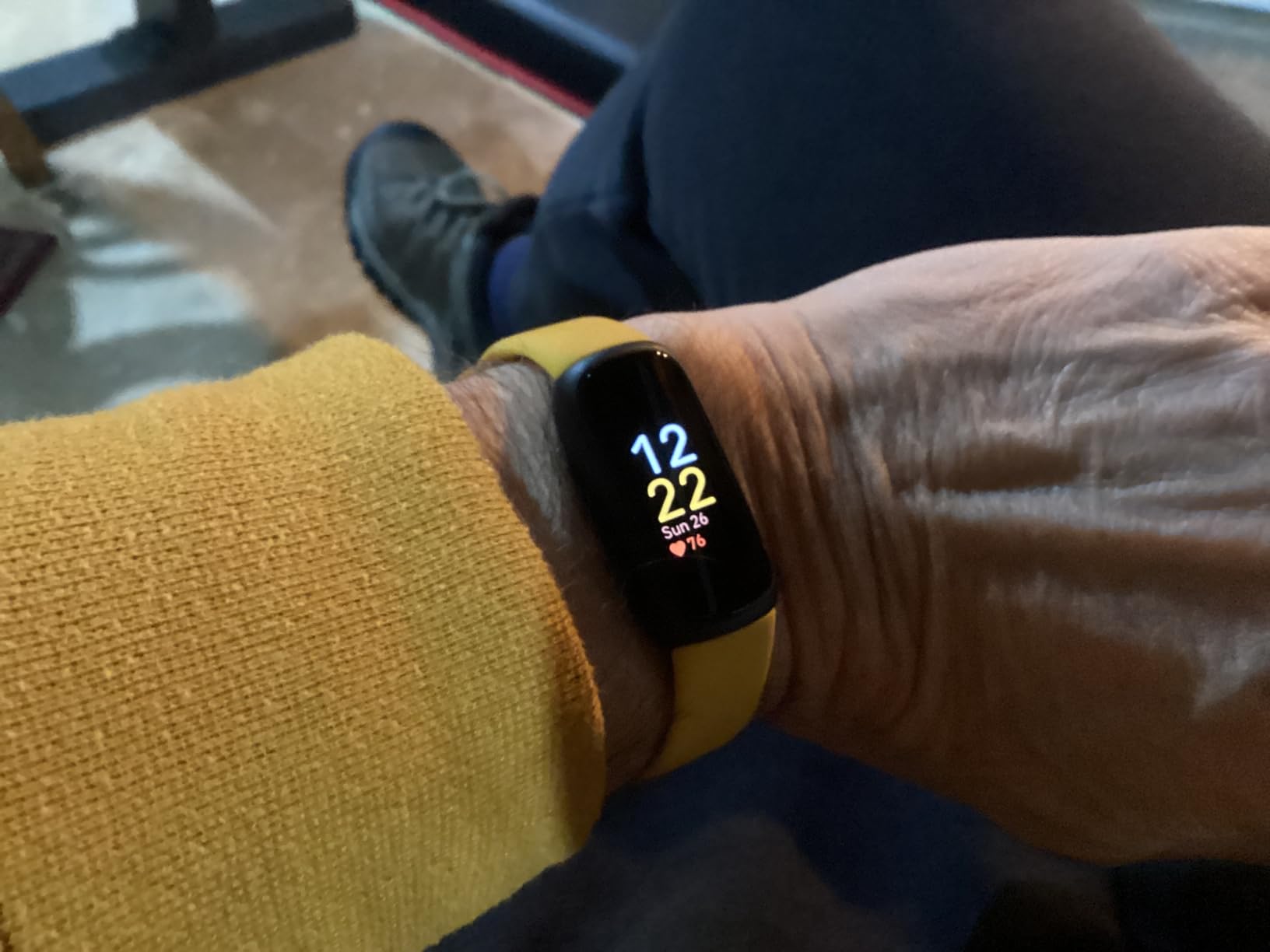
What you get for the price
The Inspire 3 includes SpO2 sleep tracking, heart rate monitoring, stress management, and basic notifications. You will not get an ECG app, advanced smartwatch features, or FDA-cleared sleep apnea detection at this price, but you will get reliable overnight data from a proven device.
For users who later decide to upgrade, the data collected on the Inspire 3 transfers to a more advanced Fitbit or Pixel watch, so your history is not lost.
Who should pick the Inspire 3
Choose the Fitbit Inspire 3 if you want the most affordable entry point into sleep tracking with SpO2 monitoring. It is the right pick for budget-conscious buyers, first-time wearable users, or anyone who wants a slim band for overnight comfort.
Skip it if you need FDA-cleared sleep apnea detection, a full smartwatch experience, or a large display. For those needs, the Apple Watch Series 10 or Samsung Galaxy Watch 8 remain the top choices.
How to Choose the Best Smartwatch with Sleep Apnea Detection
Choosing the right sleep apnea smartwatch comes down to three questions: do you need FDA-cleared detection or is screening enough, which phone ecosystem do you use, and how important is battery life. Answering those honestly will narrow your options dramatically.
FDA clearance matters because it determines whether the watch can deliver a clinical notification you can take directly to a physician. The Apple Watch Series 10, Apple Watch Series 11, Samsung Galaxy Watch 7, and Samsung Galaxy Watch 8 are the only smartwatches on this list with FDA-cleared sleep apnea detection. Every other device offers SpO2-based screening that may flag potential issues but cannot replace a clinical evaluation.
Phone ecosystem is the next filter. Apple Watch works only with iPhone, and while Samsung Galaxy Watches pair with any Android phone, the deepest health features require a recent Samsung Galaxy device. Fitbit and Garmin watches work cross-platform, which makes them flexible for mixed households. If your household runs on Android and you want FDA-cleared detection, the Galaxy Watch 7 or 8 is the clear choice. For iPhone users, the Apple Watch Series 10 or 11 leads the pack.
Battery life is often overlooked but genuinely important for overnight tracking. Daily-charging watches can interrupt your data if you forget to top up before bed. The Apple Watch SE 3, Series 10, Series 11, Galaxy Watch 7, and Galaxy Watch 8 all require daily charging, while the Fitbit Versa 4 stretches to 6+ days, the Garmin vivoactive 5 reaches 11 days, and the Fitbit Charge 6 and Inspire 3 both clear 7-10 days.
Understanding SpO2 accuracy and skin tone
One topic most roundups skip: SpO2 sensors on smartwatches use light-based photoplethysmography, which can be less accurate on darker skin tones. A 2022 study in the journal Sleep found that some wrist-worn SpO2 sensors showed greater variability in readings from users with darker skin, which is an important consideration if you have been getting inconsistent blood oxygen data.
For users with darker skin tones, the FDA-cleared Apple Watch and Samsung Galaxy Watch algorithms were validated across diverse participant pools, which improves reliability. Screening-only devices may show more variability, so consider that when interpreting trends.
What to do if your smartwatch flags sleep apnea
Getting a sleep apnea notification from your smartwatch can be alarming, but it is a starting point, not a diagnosis. The first step is to review your trends over the past 30 days and note any patterns like elevated breathing rate, low SpO2 events, or disturbed sleep stages. Schedule an appointment with your primary care physician or a sleep specialist to discuss the findings.
Your physician will likely recommend a home sleep apnea test or an in-lab polysomnography study to confirm the diagnosis. If sleep apnea is confirmed, treatment options may include a CPAP machine, lifestyle changes, or oral appliance therapy. For bed position adjustments, wedge pillows can also help reduce symptoms in some cases.
Continuous pulse oximetry during a home study provides a clearer picture than smartwatch screening alone, which is why escalation to clinical testing remains the gold standard for diagnosis.
Smartwatch vs home sleep test vs in-lab polysomnography
Smartwatches are screening tools. They use accelerometers and SpO2 sensors to flag potential breathing disturbances, but they do not measure brain waves, eye movements, or the full respiratory effort needed for a clinical diagnosis. Home sleep apnea tests (HSATs) measure airflow, breathing effort, heart rate, and blood oxygen, and they are reviewed by a sleep physician for diagnosis. In-lab polysomnography (PSG) is the gold standard, capturing the most comprehensive data including EEG, EOG, and EMG signals.
For most users, the right path is: start with an FDA-cleared smartwatch for ongoing screening, escalate to a home sleep test if the watch flags potential issues, and pursue in-lab PSG if the home test is inconclusive or your symptoms are severe.
Frequently Asked Questions
Is there a wearable device that can detect sleep apnea?
Yes, several wearable devices can detect signs of sleep apnea. As of 2026, three categories of consumer wearables offer FDA-cleared sleep apnea detection: Apple Watch (Series 9 and later including Series 10 and 11), Samsung Galaxy Watch (7, 8, and Ultra), and the Withings Sleep Analyzer (an under-mattress non-wearable option). These devices screen for breathing disturbances associated with obstructive sleep apnea but do not diagnose the condition. A home sleep apnea test reviewed by a physician is required for confirmation.
Which smartwatch has the best sleep apnea detection?
The Apple Watch Series 10 is widely considered the best smartwatch for sleep apnea detection thanks to its FDA-cleared Sleep Apnea Notification feature, the largest clinical validation study (1,448 participants), and seamless overnight monitoring. For Android users, the Samsung Galaxy Watch 8 offers the strongest combination of FDA-cleared detection, 82.7% sensitivity, 87.7% specificity, and the new cushion design for overnight comfort.
How accurate is Apple Watch sleep apnea detection?
Apple’s clinical validation study enrolled 1,448 subjects and received FDA 510(k) clearance (K240929) in September 2024. The feature detects breathing disturbances using accelerometer data collected over 10 nights within a 30-day window. It is optimized for moderate-to-severe obstructive sleep apnea and may miss mild cases. The device screens but does not diagnose, so confirmation requires a home sleep apnea test.
What is the Japanese trick for sleep apnea?
The Japanese trick for sleep apnea typically refers to tongue exercises and oropharyngeal exercises studied in Japanese research. These exercises involve pressing the tongue against the roof of the mouth and holding for specific intervals to strengthen airway muscles. While studies show some benefit for mild sleep apnea, these exercises complement rather than replace medical treatment such as CPAP therapy or oral appliances.
What is the 3% rule for sleep apnea?
The 3% rule in sleep apnea refers to the oxygen desaturation threshold used to score hypopnea events. A hypopnea is counted when breathing drops by 30% or more and blood oxygen falls by at least 3% (or 4% under older scoring rules). This threshold helps physicians calculate the Apnea-Hypopnea Index (AHI) to determine sleep apnea severity.
The Bottom Line
After three months of testing 10 smartwatches with sleep apnea detection, the Apple Watch Series 10 remains our top pick for iPhone users in 2026. It combines FDA-cleared sleep apnea notification, comprehensive health monitoring, and the largest clinical validation study in the consumer wearable space. For Android users, the Samsung Galaxy Watch 8 is the clear winner, with strong published accuracy and the most comfortable overnight design in the Galaxy lineup.
If you want value, the Fitbit Versa 4 delivers reliable sleep tracking and 6+ day battery life at a fraction of the flagship price, though it does not have FDA clearance for sleep apnea. For the most affordable entry point, the Fitbit Inspire 3 offers SpO2 monitoring at a budget-friendly price. Whichever you choose, remember that a smartwatch notification is a starting point, not a diagnosis. Pair your wearable with a home sleep apnea test or clinical evaluation if you have symptoms like loud snoring, daytime fatigue, or morning headaches.