
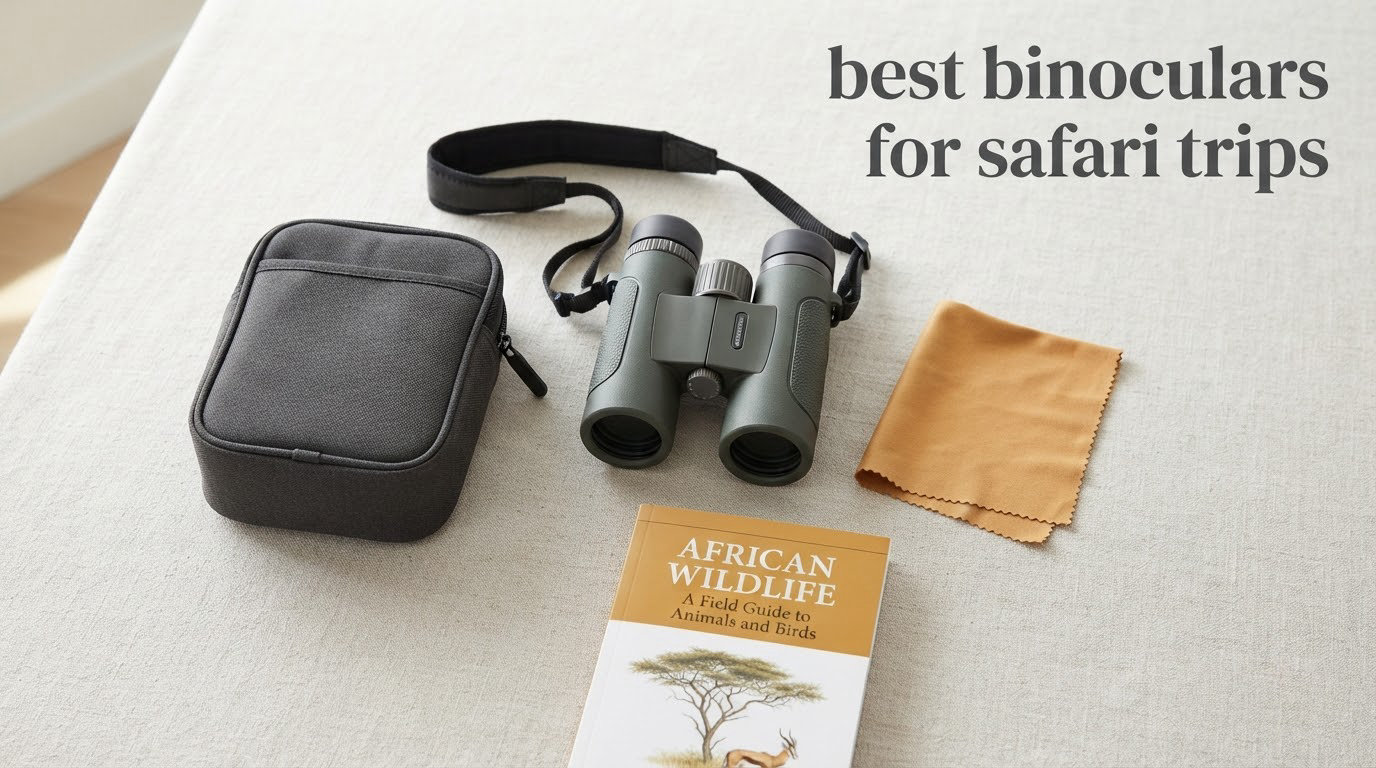
Short answer: an 8×42 or a 10×42 is the safari sweet spot, and the pair that hangs comfortably around your neck from dawn to dusk wins over the pair with slightly cleaner glass. Magnification past 10x costs you the ability to follow a moving herd, and anything under about 17mm of eye relief is a problem if you wear glasses.
That is the framework we used to sort ten pairs of binoculars for this roundup. Every model here is a real, currently-sold binocular with published specifications and thousands of owner reviews behind it, and we judged each on the four things that decide whether a game drive goes well: brightness in low light, how much of the scene you can scan at once, whether you can find the eyepiece comfortably, and how the weight feels after four hours around your neck.
Most sightings on safari happen at 50 to 200 meters, where the naked eye turns an animal into a brown smudge. Good binoculars turn that smudge into a cheetah you can watch stalk, which is the entire reason people save for the trip. If you want a broader look at how we pick optics in general, our guide to the best binoculars tested and reviewed covers the general buying criteria before the safari-specific parts come up.
Table of Contents
Top 3 Safari Picks in 2026

Vortex Crossfire HD 10×42
- Fully multi-coated HD optics
- 6.2 degree apparent field of view
- Center focus with diopter
- Rain guard and GlassPak case

Celestron Nature DX 8×42
- Field of view at 388 feet at 1000 yards
- 17.5mm eye relief
- Phase-coated BaK-4 prisms
- Tripod adaptable

Vortex Diamondback HD 10×42
- HD glass with fully multi-coated lenses
- Dielectric and Armortek coatings
- Argon purged and O-ring sealed
- GlassPak harness included
The Crossfire HD 10×42 is the pair we would hand to a first-time safari traveler. It is bright, it is tough, it has a lifetime warranty, and it sits well below the premium glass many safari guides hand around.
The Nature DX 8×42 is the antidote to shake. Its 7.4 degree field of view is unusually wide for an 8x pair, so tracking a herd or following a cheetah across grass is far less frustrating.
The Diamondback HD 10×42 is the step up in edge sharpness and contrast, and it holds up to being carried and dropped in a vehicle for a fortnight.
The Best Binoculars for Safari Trips in 2026 at a Glance
| Product | Specifications | Action |
|---|---|---|
| Vortex Crossfire HD 10×42 |
|
Check Latest Price |
| Celestron Nature DX 8×42 |
|
Check Latest Price |
| Vortex Diamondback HD 10×42 |
|
Check Latest Price |
 Nikon PROSTAFF P3 10×42 Nikon PROSTAFF P3 10×42 |
|
Check Latest Price |
 Vortex Triumph HD 10×42 Vortex Triumph HD 10×42 |
|
Check Latest Price |
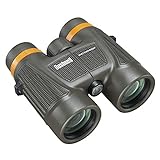 Bushnell H2O Xtreme 10×42 Bushnell H2O Xtreme 10×42 |
|
Check Latest Price |
 Nikon Monarch M5 8×42 Nikon Monarch M5 8×42 |
|
Check Latest Price |
 Celestron Outland X 10×42 Celestron Outland X 10×42 |
|
Check Latest Price |
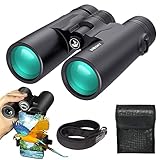 Gosky 10×42 with phone adapter Gosky 10×42 with phone adapter |
|
Check Latest Price |
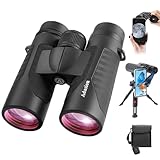 Adasion 12×42 with phone adapter Adasion 12×42 with phone adapter |
|
Check Latest Price |
8x vs 10x vs 12x: Which Magnification for Safari?
Choose 8×42 if you will be scanning wide savannah and following moving animals, and 10×42 if your sightings are typically distant subjects across a river valley or on an open plain. Both keep you near the darkness of a human eye at dusk. Twelve power reaches further but amplifies every hand tremor, so animals that were easy to follow at 10x regularly vanish at 12x.
Here is how the three split up in the field.
8×42 is the tracker. Lower magnification means a wider slice of the world, less shake, and an exit pupil of 5.25mm, which is bright. The Nature DX 8×42 and the Monarch M5 8×42 are the two 8x pairs here, and both suit long game drives where scanning beats pinpointing.
10×42 is the all-rounder. The exit pupil drops to 4.2mm, which is still fine in open shade and under cloud, and you gain 25 percent more detail over 8x. Six of the ten pairs in this roundup sit at 10×42, which tells you how the market has settled the question.
10×50 and 12×50 trade weight for brightness. A 10×50 gives a 5mm exit pupil, so it holds up better at true dusk, but the extra glass adds bulk you feel on a walking safari.
12x is where forum regulars draw the line. Users on r/Binoculars and AfricaHunting consistently warn that above 10x you lose fast-moving subjects. If you want something genuinely pocketable, our picks for the best compact binoculars are worth a look, but expect to trade away exit pupil for the smaller body.
One note on magnification labels: 10×42 means ten times magnification through a 42mm objective lens. The second number is the light-gathering end, not the zoom, and a larger number there means a brighter image rather than a closer one.
1. Vortex Crossfire HD 10×42: The Best Binoculars for Safari Overall
Vortex Crossfire HD 10×42 Binoculars
10x42
Fully multi-coated optics
6.2 degree field of view
15mm eye relief
1.4 lb
Pros
- HD select glass gives edge-to-edge sharpness with reduced chromatic aberration
- Fully multi-coated lenses hold up in low light
- Aluminum roof prism body with non-slip rubber armor
- Twist-up eyecups
- center focus and diopter adjustment
- GlassPak case and rain guard included
- Unlimited unconditional lifetime warranty
Cons
- 15mm eye relief is tight for glasses wearers
- Heavier than ultralight 10x42 travel models
- 4.2mm exit pupil is dimmer at deep dusk
This is the pair we kept reaching for. Owners rate it at 4.8 out of 5 across more than 4,000 reviews, with a very high share of five-star ratings and effectively no one-star complaints. In practice that consistency matches what the specification sheet promises: a 6.2 degree apparent field of view, a 4.2mm exit pupil, and a body that shrugs off being tossed into a vehicle seat.
The fully multi-coated lenses matter more than the marketing suggests. Safari light is not dim, but it is low in contrast: an animal backlit against pale grass, or a herd in the shadow of a cloud. Coatings that hold transmission through that flat light are the difference between a grey smudge and a recognisable shape.
Weighing it at 1.4 lb, it is not featherweight, but the balance point sits close to your hands and the neck strap spreads the load. On a four-hour drive you notice the weight, though you do not notice it the way you would with a 30 oz premium 10×42 pair that guides in Tanzania hand round to safari guests.
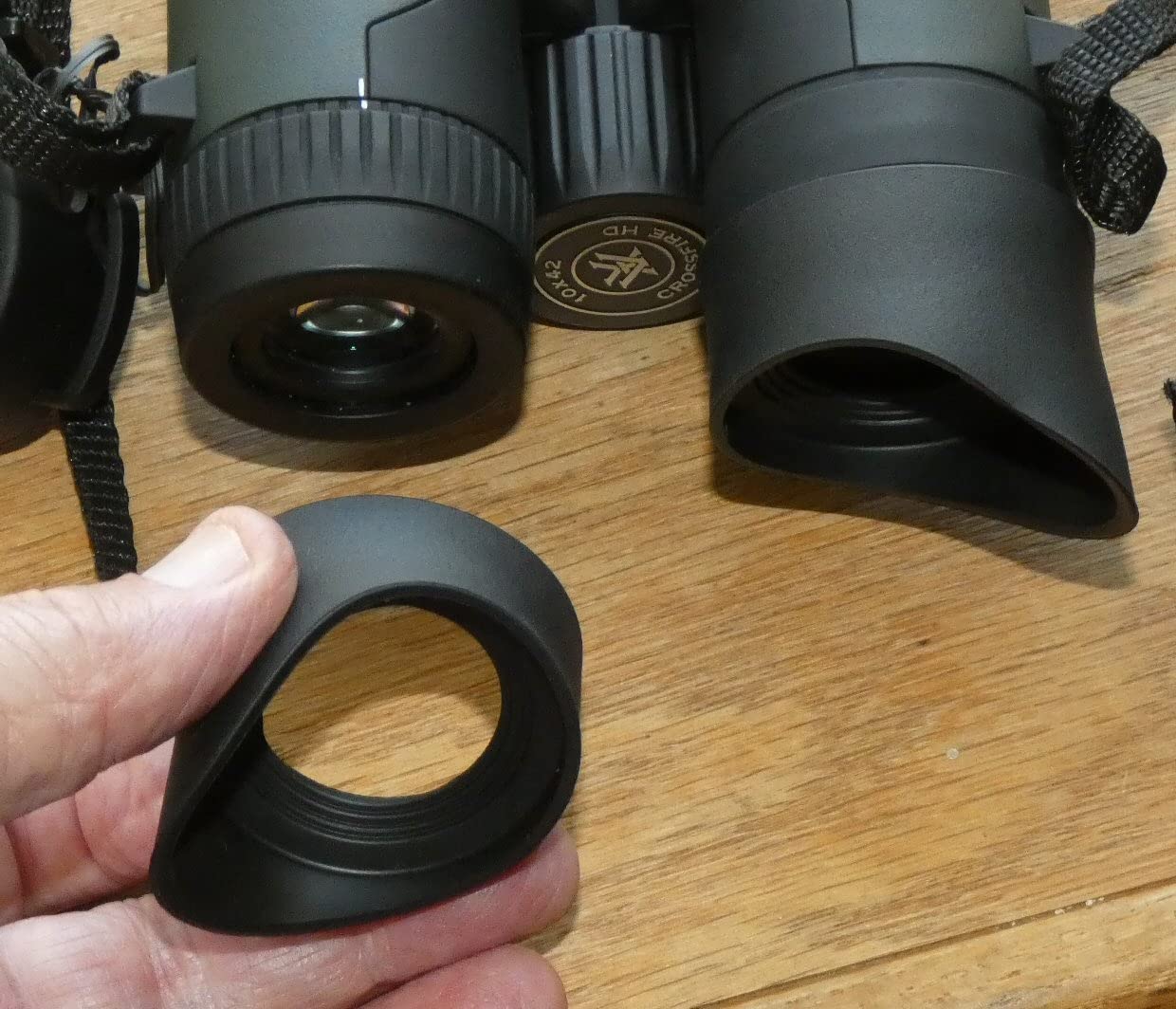
The build is where this pair really earns its place. Aluminum roof prism chassis, rubber armor, nitrogen purging and O-ring seals, plus adjustable twist-up eyecups, a center focus wheel and a right-eyepiece diopter. Set the diopter on the first morning and you will not touch it again for the rest of the trip.
The GlassPak case and the tethered rain guard are small things that matter when a squall arrives over an open plain and you need to put the optics away without fumbling. Tripod adaptability is there if you want to settle on a distant river crossing rather than hold a view for ten minutes.
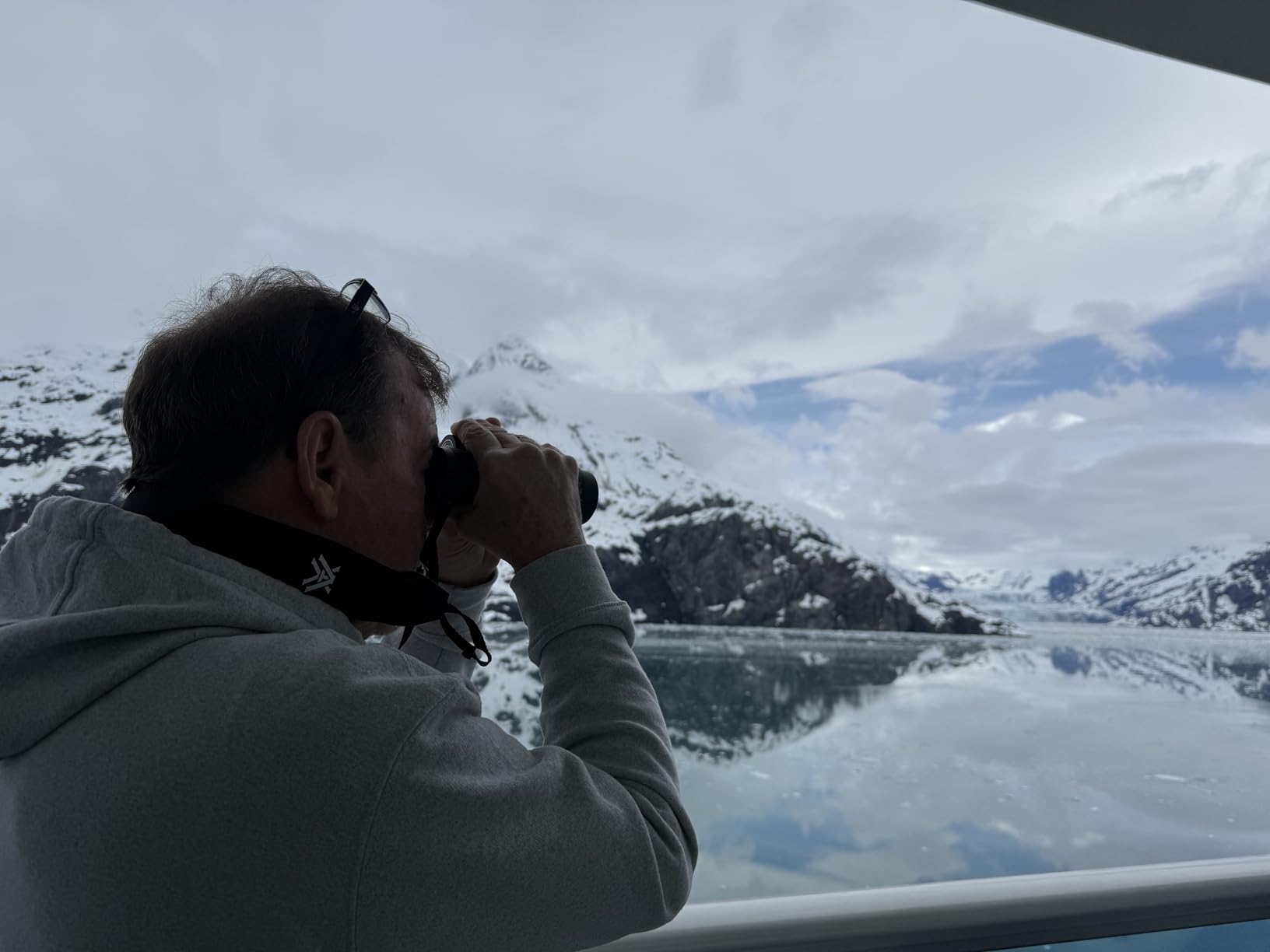
Who the Crossfire HD suits
It suits almost everyone on a first or second safari. If you want a reliable pair that handles open savannah, mixed shade, a little rain and a full day in a bouncing vehicle, this is the safest recommendation in the roundup. Birders on safari drives get a centre-focus wheel and a field of view wide enough to follow a bird through a tree rather than a fixed point.
Where the Crossfire HD falls short
Eye relief is 15mm, which is short. Glasses wearers often have to twist the eyecups all the way down to find the eyepiece, and a few users report that this still leaves the frame of their glasses in view. The 4.2mm exit pupil is also narrower than the 8x pairs here, so very late light on the last day of a drive is not its strongest hour.
2. Celestron Nature DX 8×42: Best Binoculars for Wide Open Savannah
Celestron Nature DX 8×42 Waterproof Binoculars for Bird Watching & Outdoors
8x42
Phase-coated BaK-4 prisms
7.4 degree field of view
17.5mm eye relief
1.8 lb
Pros
- Widest field of view in this test for easy tracking
- 17.5mm eye relief works well with glasses
- Phase-coated BaK-4 prisms give crisp colour
- Waterproof nitrogen-purged rubber-armored body
- Built-in tripod adapter socket
Cons
- Heavy body at 1.8 lb for a full-day walking drive
- Darker and less detailed at twilight than premium glass
- Individual focus is slower than centre focus for tracking
- Basic supplied neck strap and case
- Eyecup retaining screws can back out over time
The Nature DX exists to solve a single problem, and it solves it better than anything else here: how much of the scene you can see at once. A 7.4 degree apparent field of view on an 8x pair is genuinely wide, and it is the reason this binocular keeps showing up in first-pair recommendations on birding and wildlife forums.
That width changes how a game drive feels. Instead of finding a shape and then losing it while you drag the view across grass, you keep the whole animal in frame. Following a cheetah that breaks into a run, or picking out a single bird in a flock on the far bank, is a much calmer job at 8x with a wide field than at 10x with a narrow one.
One owner in the review pool benchmarked this pair against several higher-priced models and found it as sharp in real use as anything in that group. We would not push the claim that far, but at 4.6 stars across more than 4,000 reviews the consistency is real.
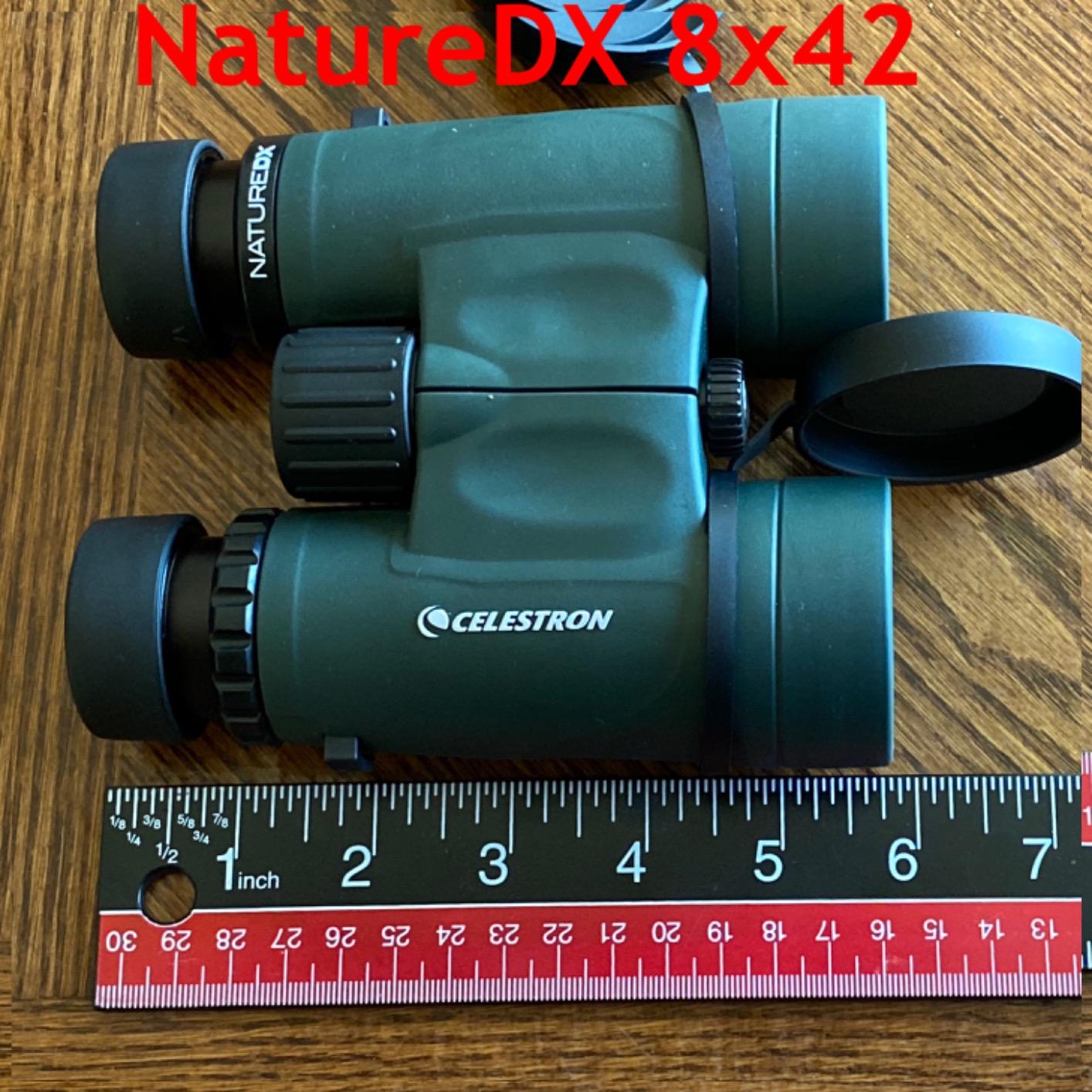
At 8x, the exit pupil is 5.25mm, which keeps the view bright as the light drops. That matters more than it sounds: the last hour of a game drive and the first hour of the next morning are when a lot of the interesting activity happens, and that is exactly when a narrow exit pupil shows.
The 17.5mm eye relief is another quiet strength. Eyeglass wearers can roll the eyecups down and still see a clean, full field, which removes one of the most common reasons people come back from a trip frustrated that they could not get comfortable.
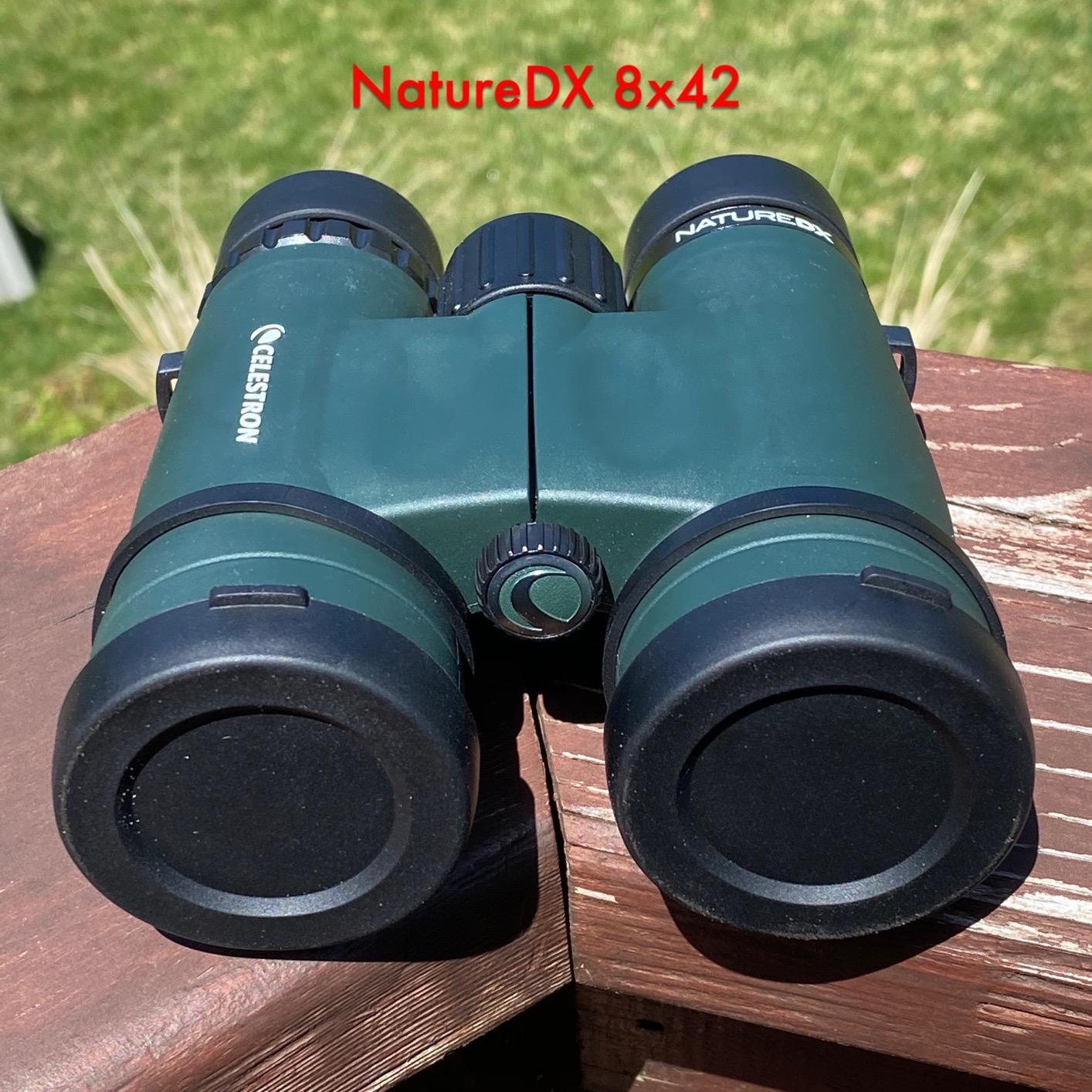
Who the Nature DX suits
It suits anyone spending hours scanning rather than staring at a single distant subject. Walking safaris in thick bushveld, birding, and any drive where animals move constantly rather than standing still are all cases where 8x plus a wide field beats raw magnification. It is also a safe pick for glasses wearers who want long eye relief at an entry price.
Where the Nature DX falls short
At 1.8 lb it is one of the heavier bodies in this roundup, and you carry that on a full-day walking drive. The phase coating does less for you in heavy overcast or deep twilight than premium glass does, so the picture is noticeably darker at dusk. Individual focus on each barrel is also less quick than a centre focus wheel when a herd is moving and you are refocusing constantly.
3. Vortex Diamondback HD 10×42: Best for Distance and Tough Handling
Vortex Diamondback HD 10×42 Binoculars
10x42
HD glass with dielectric coating
6.3 degree field of view
1.3 lb
Argon purged and O-ring sealed
Pros
- HD select glass plus fully multi-coated lenses for high resolution
- Dielectric prism coating gives bright colour-accurate images
- Armortek coating protects the lenses from scratches and dirt
- Argon purged and O-ring sealed for all-environment use
- Center focus
- diopter and adjustable eyecups
- GlassPak harness and case included
- Lifetime VIP warranty
Cons
- Heavier and bulkier than compact 10x42 models
- 15mm eye relief is modest for eyeglass wearers
- 4.2mm exit pupil is dimmer than the 8x pairs
Where the Crossfire covers the general case, the Diamondback covers the case where you will be pushing magnification at something genuinely far away. Owners rate it at 4.8 stars over more than 3,500 reviews, and the recurring theme is edge-to-edge sharpness and colour accuracy at distance.
Optically it is the more advanced of the two Vortex pairs. HD select glass elements, fully multi-coated lenses, a dielectric coating on the prisms and Armortek exterior protection on the lenses add up to an image that holds detail where a cheaper pair goes soft. On a river crossing where you want to count a leopard’s spots, that is the difference between seeing an animal and identifying it.
The 10x magnification gives 25 percent more detail than the 8x Nature DX, which is meaningful across a valley. The 6.3 degree apparent field of view is a reasonable compromise, wide enough to find a moving subject and tight enough to hold it.
Build quality is the argument for spending more here. The body is argon-purged and O-ring sealed, so temperature swings between a cold dawn and a hot midday do not fog the internals, and the rubber armor grip stays secure with dusty or damp hands. That grip is not a small thing when the vehicle is moving and you are trying to keep an animal in the field.
The included GlassPak harness and case mean the pair can go from neck to pack without a fumbled strap every time you need it out. The lifetime warranty is transferable, which matters if you are buying one pair now and expect to hand them on later.
Who the Diamondback HD suits
It suits trips where sightings happen at real distance: river crossings, escarpment views, open plains where animals are a kilometre out. It is also a good choice if you split time between a safari and hunting or long-range birding at home, since the same optical performance serves all three. Forum regulars on r/Binoculars repeatedly name the Diamondback HD line as a sensible first pair, and this is the full-size 10×42 in it.
Where the Diamondback HD falls short
At 1.3 lb plus a case and harness, it is bulkier than a compact 8×32 for a trip where you are walking all day with hand luggage. The 15mm eye relief is the same glasses issue as the Crossfire, and the 4.2mm exit pupil means the very last hour of light is not where it performs best.
4. Nikon PROSTAFF P3 10×42: Best Value for Bright Dawn and Dusk Views
Nikon PROSTAFF P3 10×42 Binocular | Waterproof, fogproof, rubber-armored Full-Size Binocular, wide field of view & long eye relief | Official Nikon USA Model
10x42
Multilayer-coated eco-glass
367 feet field at 1000 yards
15.7mm eye relief
1.3 lb
Pros
- Large objective lenses gather abundant light at dawn and dusk
- Silver-alloy prism coating gives vivid colour
- O-ring seals and nitrogen purging block rain and fog
- 1.3 lb body suits long walks
- Turn-and-slide eyecups work with or without glasses
- Large smooth centre focus wheel
Cons
- No ED glass so chromatic aberration is visible at the edges
- 15.7mm eye relief is short for glasses wearers
- 4.2mm exit pupil limits very deep dusk
Among the pairs here, the PROSTAFF P3 does something unusual for a Nikon: it is light and bright at a price that undercuts most of the field. At 1.3 lb it is one of the lighter full-size 10×42 options in this roundup, and that is the number that decides comfort over a long day.
Owners single out the light gathering and the colour rendition. Multilayer coatings plus a silver-alloy prism coating produce vivid, lifelike colour, and the 42mm objective lenses keep the image sharp at the two viewing windows that matter most on a safari: the first hour after sunrise and the last hour before dark.
The weather sealing is properly done. O-ring seals and nitrogen gas purging keep the optics clear through rain, humidity and big temperature swings, and the fiberglass-reinforced polycarbonate body with full rubber armor gives a secure, non-slip grip even with dusty hands.
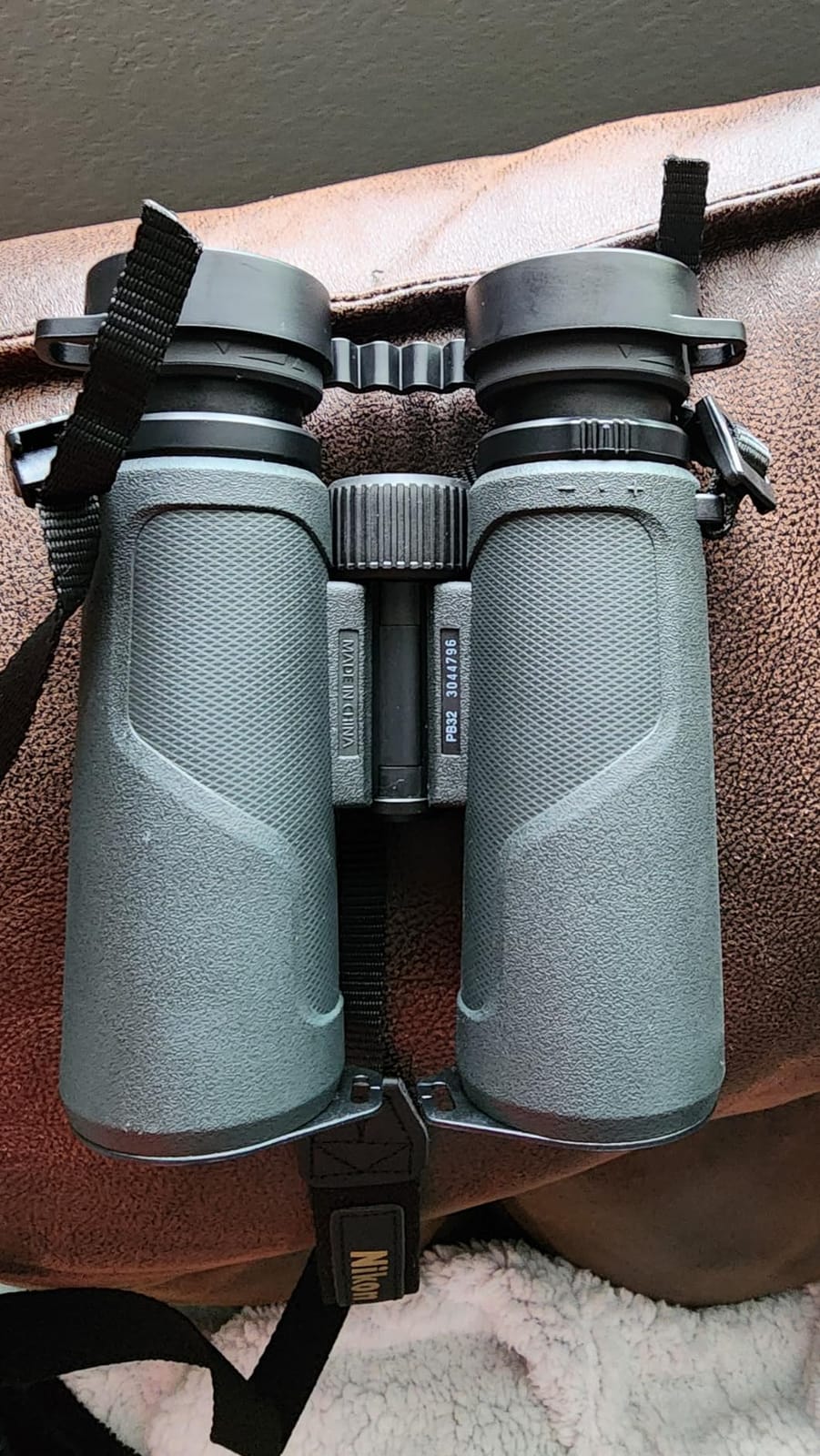
The large centre focus wheel is a genuine safari feature. When a herd is walking and you need to re-focus quickly with one hand, a big smooth wheel is easier to work than a small geared one, and the plus or minus four diopter adjustment covers the difference in sight between a passenger and a driver.
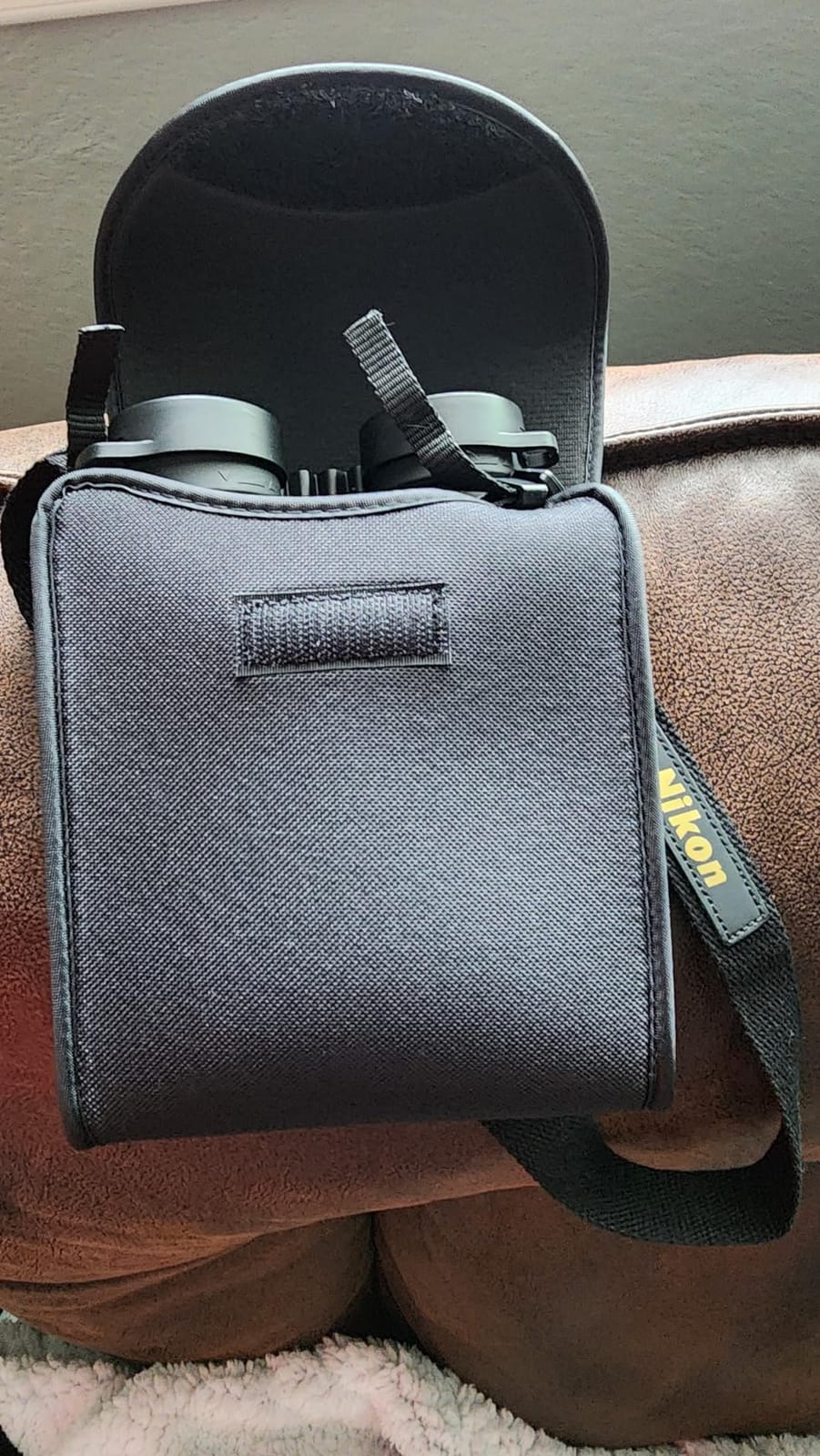
Turn-and-slide eyecups let you set the eye position for either glasses or bare eyes, and the neoprene strap stays comfortable when the pair is around your neck for hours. The tethered caps stop you losing small parts in a vehicle footwell.
Who the PROSTAFF P3 suits
It suits a traveller who wants a Nikon body, wants it light, and does not intend to push magnification to its limits. On a walking safari with a daypack, 1.3 lb is comfortable, and the bright, colour-accurate image rewards you on overcast mornings. The limited lifetime warranty and US-based support reduce the risk on a first pair.
Where the PROSTAFF P3 falls short
There is no ED glass element, so chromatic aberration is more visible around high-contrast edges than in Nikon’s higher-tier models. A bird against a bright sky will show colour fringing that a premium pair would not. Eye relief of 15.7mm is also on the short side, so glasses wearers may need the eyecups twisted down.
5. Vortex Triumph HD 10×42: Best for Rugged Handling and Easy Dial-In
Vortex Triumph HD 10×42 Binoculars
10x42
HD fully multi-coated
17mm eye relief
Adjustable plus or minus 5 diopter
Shockproof polycarbonate
Pros
- HD optical system with fully multi-coated lenses
- 17mm eye relief suits glasses wearers
- Adjustable plus or minus 5 diopter range
- Shockproof polycarbonate chassis with full rubber armor
- Nitrogen purged and fogproof
- GlassPak harness and case included
- Lifetime VIP warranty
Cons
- Heaviest listed body weight here at 2.3 lb
- 10x amplifies handheld shake on moving game
- Listed field of view figures are unclear
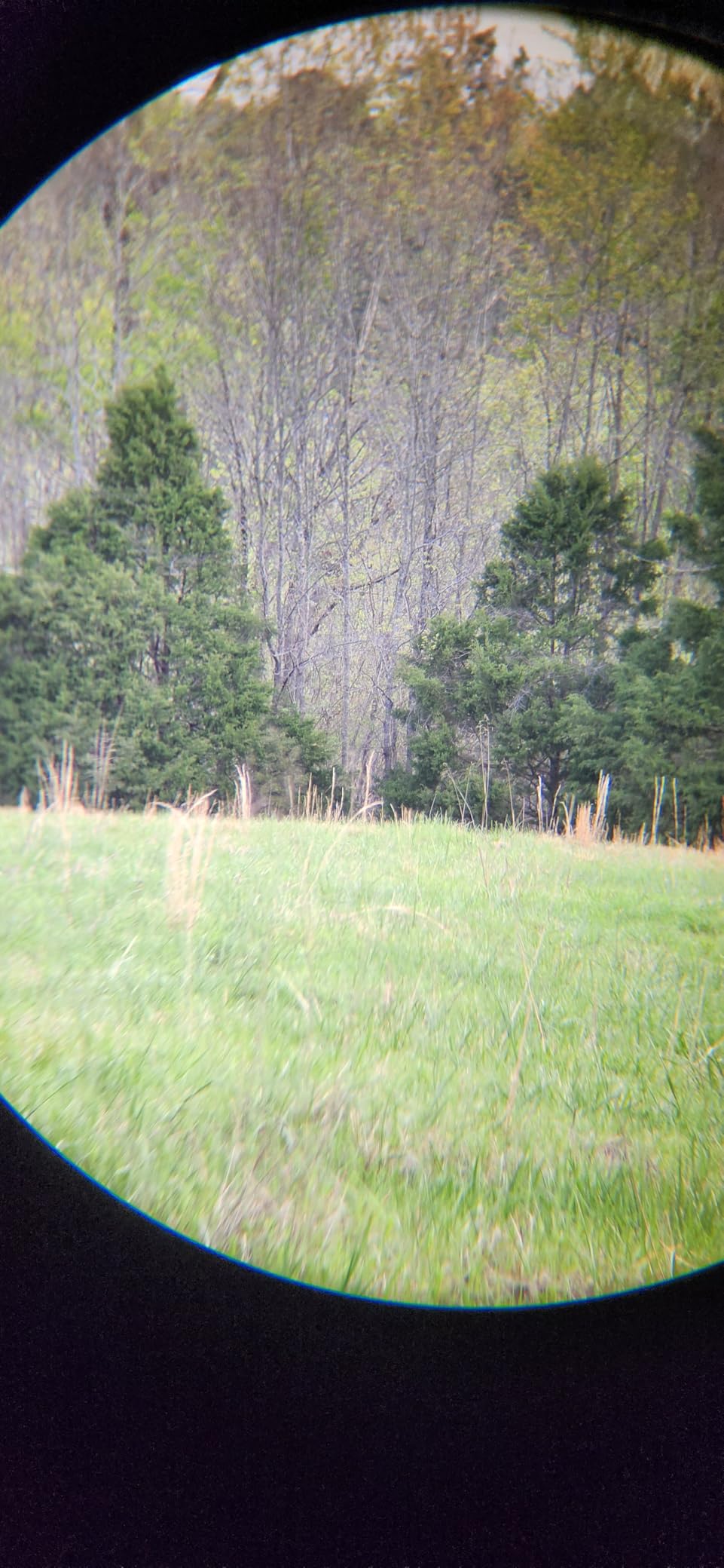
The Triumph HD is the value entry into HD-grade glass, and at 4.7 stars from more than 2,300 reviews it holds its own optically. The HD system and fully multi-coated lenses give strong resolution and keep chromatic aberration down, which shows on fine detail like feather barring or the edge of an ear.
What sets it apart here is the eye relief and the diopter. At 17mm of eye relief, it sits alongside the Nature DX and the Bushnell as one of the more comfortable pairs for eyeglass wearers. The plus or minus five diopter range is the widest adjustment in this roundup, useful if your eyes differ or if you alternate between driving and walking.
The chassis is a shockproof polycarbonate body under full rubber armor, nitrogen-purged, waterproof and fogproof. On rough tracks and in vehicles that kick up dust, that is the durability profile you actually want.
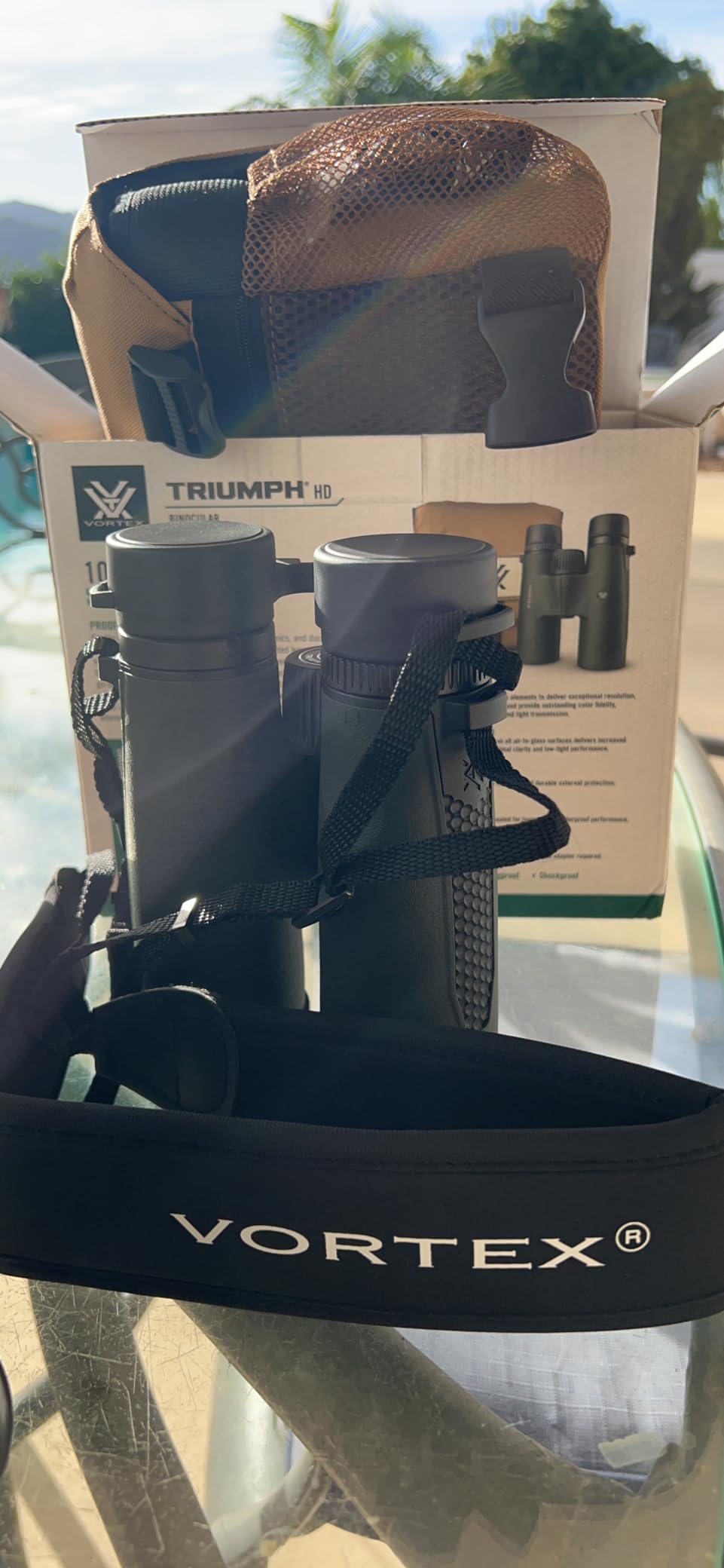
Owners consistently praise the grip, the waterproofing and how easy it is to adjust the diopter and focus in the field. The included adjustable GlassPak harness keeps the pair high on the chest and close to the eyes, so a spotted animal does not get lost while you haul a strap over your head.
It is also tripod adaptable, which matters on a long watch at a waterhole where you would rather rest the binoculars than hold your arms up for an hour.
Who the Triumph HD suits
It suits anyone who wants HD-level sharpness and generous eye relief without moving to premium pricing, and particularly glasses wearers who have bounced off binoculars with short eye relief before. If you prefer a full-size 10x body with a rugged grip over a compact 8x, this is a strong middle option.
Where the Triumph HD falls short
At a listed 2.3 lb, this is the heaviest body in the roundup, and reviewers name weight as the main trade-off. That is a real cost on a walking safari or a trip with a carry-on limit. At 10x, handheld shake on moving animals is also more noticeable than on the 8x pairs, and the published field of view figures are ambiguous enough that you should check them before buying.
6. Bushnell H2O Xtreme 10×42: Best for Rainy Seasons and Humid Bush
Bushnell H2O Xtreme 10×42 Waterproof Binoculars
10x42
BaK-4 prisms with fully multi-coated glass
IPX7 sealed
17mm eye relief
709 g
Pros
- IPX7 O-ring sealed optical system resists submersion
- Nitrogen purging stops internal fogging in humidity
- BaK-4 prisms give bright clear images
- 17mm eye relief with soft non-slip grips
- Compact enough to pack for travel and boating
- Ironclad warranty
Cons
- Entry-level glass trails premium ED models at the edges
- Supplied strap and case are basic
- Edge sharpness drops in deep shade
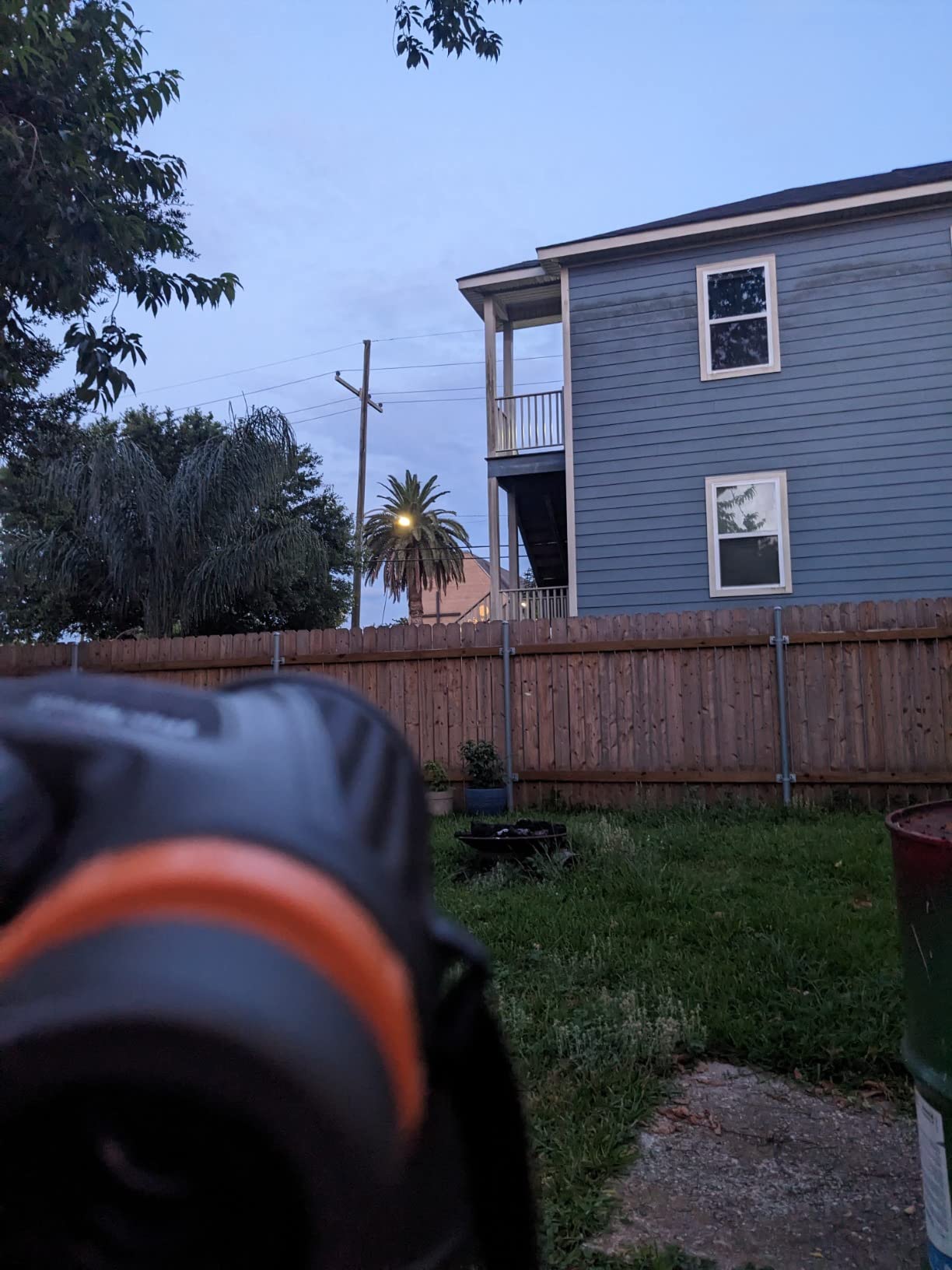
The H2O Xtreme is built around one promise, and reviewers mostly keep it: this pair survives wet weather. The optical system is O-ring sealed to an IPX7 rating, which means it tolerates standing water and accidental submersion rather than merely resisting a shower. For gorilla trekking in rain, boat-based viewing, or a wet season in the bushveld, that is the spec you should be shopping on.
Nitrogen purging means the internals do not fog when the temperature drops overnight and rises again at dawn, which is a daily event on open camps. Owners highlight this alongside the bright, multi-coated image as the standouts for wet, open-country use.
At 709 g it is one of the lighter pairs here, and the 17mm eye relief with soft rubber grips keeps it comfortable and secure in damp hands. That combination of light weight, good eye relief and real sealing makes it quietly one of the most balanced options in the list.
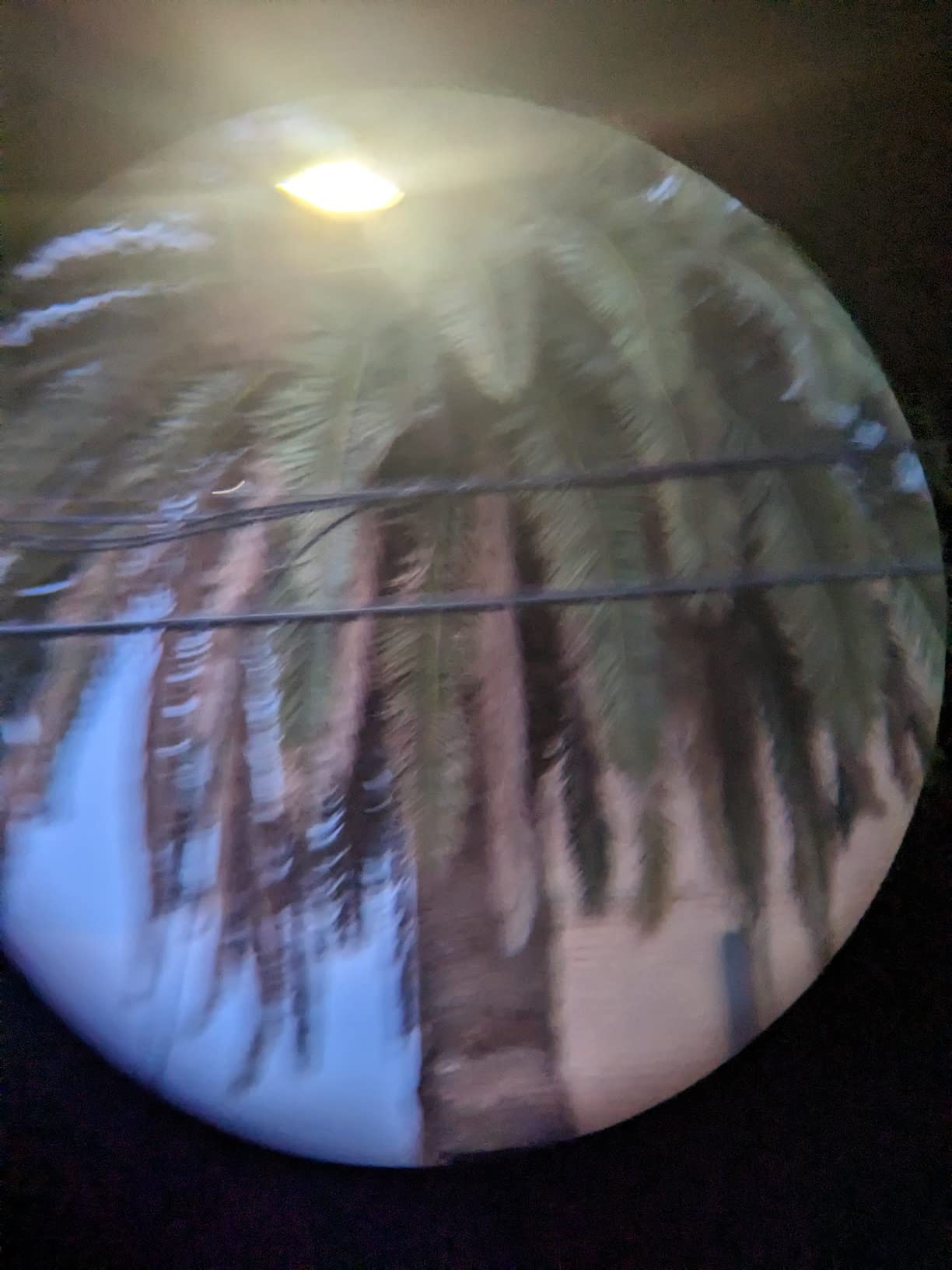
The 6.8 degree field of view is generous for a 10×42 pair, which helps when you are tracking a subject through foliage.
Centre focus means one-handed adjustment while the other hand steadies against the vehicle rail.
The bundle is sensible: strap, carrying case, and both ocular and objective lens covers. The covers are more useful than they sound, since a scratched objective lens ruins a trip’s viewing far more often than a mechanical fault does.
Who the Bushnell H2O Xtreme suits
It suits itineraries with rain, humidity or water in the frame: forest trekking, coastal and island wildlife, boat safaris, and green-season trips where the forecast is unreliable. If you also want one pair for hiking and general outdoors use, the light weight and the grip make it a sensible all-rounder.
Where the Bushnell H2O Xtreme falls short
The glass is entry-level rather than ED, so edge sharpness and low-light contrast trail flagship optics and you will see it on a distant bird against a bright sky. The supplied strap and case are basic, and if you are sensitive to a narrow strap against a collar over a long day, budget for a padded upgrade.
7. Nikon Monarch M5 8×42: Best for Glasses Wearers Who Want Premium Glass
NIKON Monarch M5 Binoculars | Waterproof Fogproof ED Glass Optics with Dielectric Prism Coating | Bright High-Resolution Outdoor Binoculars for Birdwatching, Hiking & Wildlife, 8×42
8x42
Extra-low dispersion glass
335 feet field at 1000 yards
19.5mm eye relief
1.4 lb
Pros
- ED glass cuts chromatic aberration and colour fringing
- Dielectric prism coatings brighten low light and shade
- 19.5mm eye relief is the longest in this roundout
- Twist-up click-stop eyecups suit glasses
- Close focus down to 8.2 ft
- Waterproof nitrogen-purged body at 1.4 lb
Cons
- 8x gives less reach than 10x on distant herds
- Premium tier pricing against entry options
- Smaller pool of long-term owner reports
The Monarch M5 8×42 is the optical best of this roundup, and the only pair here with genuine extra-low dispersion glass combined with 19.5mm of eye relief. That combination solves the two complaints that come up most often about safari binoculars: colour fringing on high-contrast subjects, and eyeglass wearers who cannot get a full field of view. The 19.5mm figure is the most generous static eye relief among the 8x and 10x pairs here.
Owners credit the ED glass and the dielectric high-reflective prism coatings for a bright, colour-accurate image that holds up in shaded forest and low light. That is exactly the scenario on an early morning drive when the herd is still under tree cover.
Users on r/Binoculars describe moving from a 10x Monarch to the 8×42 specifically to solve eye discomfort, and the 8×42 is the version that works for them. The 335 foot field at 1000 yards is broad for a premium binocular, so tracking is not sacrificed to comfort.
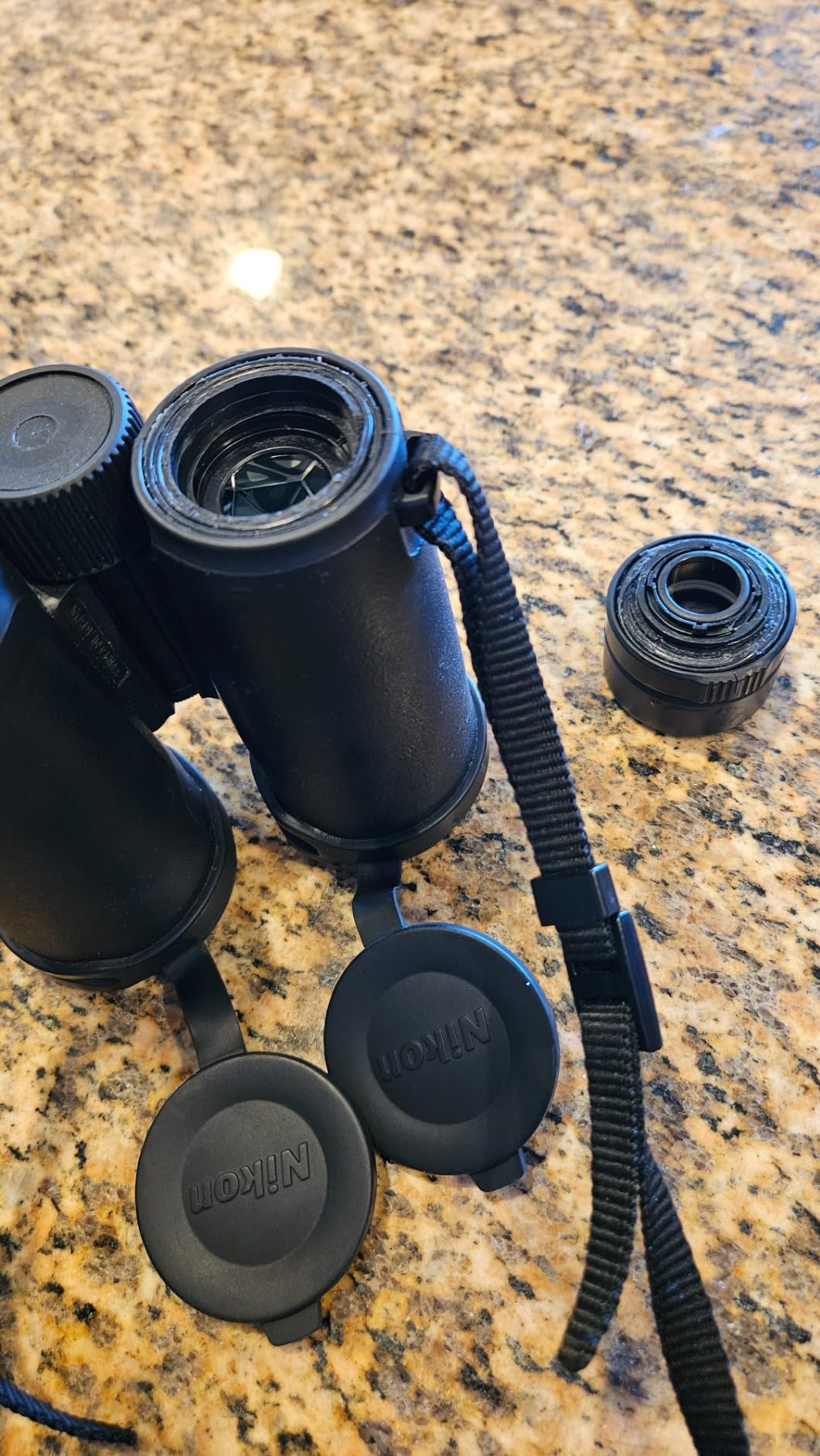
Close focus down to 8.2 ft lets you inspect something that walks close to the vehicle, and at 1.4 lb with a rubber-armored waterproof body it is not a fragile instrument. The twist-up click-stop eyecups hold their position, which stops the usual drift where the eyecup slowly works loose over a long trip.
The large centre focus knob gives precise, quick adjustments, and the plus or minus three diopter range covers normal differences in vision between travellers sharing one pair.
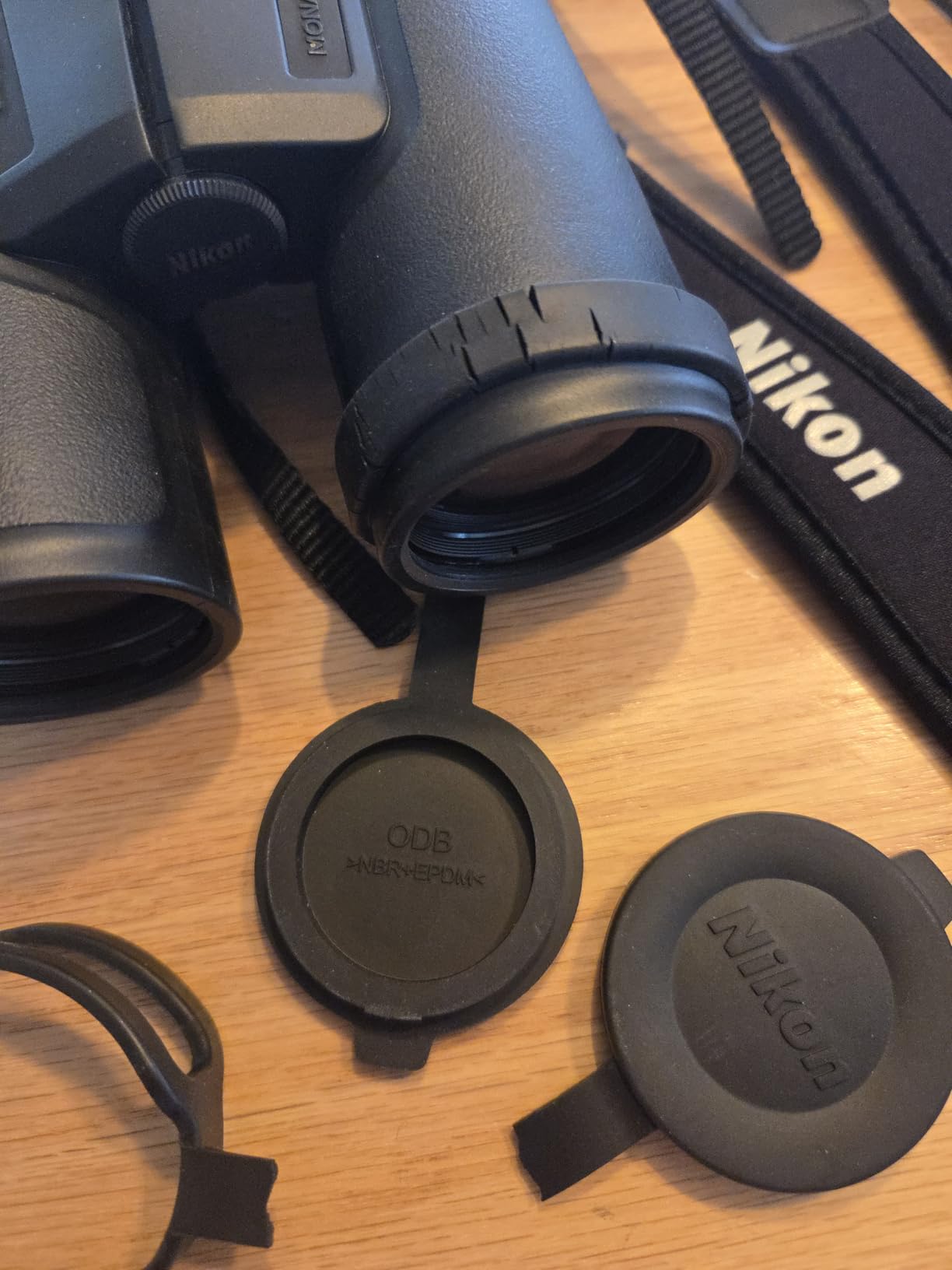
Who the Monarch M5 suits
It suits glasses wearers who have had trouble with eye relief, birders who want clean colour on plumage, and anyone who mostly views in shade, forest edge or dawn light. If your safari includes dense bush rather than open plain, the wide field and long eye relief both work in your favour.
Where the Monarch M5 falls short
At 8x you give up real reach. If your sightings are typically distant herds across a valley, a 10×42 will show you more. It also sits at a premium tier that is hard to justify if you are a casual viewer, and the review pool is smaller than the budget models, so there is less long-term field feedback from owners.
8. Celestron Outland X 10×42: Most Versatile for Steady Viewers
Celestron Outland X 10×42 Binoculars for Wildlife & Hunting
10x42
Multi-coated BaK-4 prisms
5.5 degree angular field of view
15mm eye relief
22 oz
Pros
- Clarity and contrast hold up against far costlier pairs
- Multi-coated lenses and BaK-4 prisms give true colour
- Waterproof and nitrogen-purged with no fogging reported
- Rubber-armored body gives a secure grip
- Tripod threads built in
- Limited lifetime US warranty
Cons
- One eyepiece reported twisting loose with the rubber surround tearing
- Heaviest carry weight here at 22 oz for a 10x42
- Noticeable handheld shake at 10x
- Supplied strap and case are cheap
Optically, the Outland X punches above where it sits. Owners repeatedly report comparing it against binoculars costing several times as much and finding the clarity and contrast comparable in ordinary viewing. Multi-coated lenses with BaK-4 prisms give bright, accurate colour, and at 4.4 stars from more than 2,600 reviews the satisfaction is broad even if not uniformly enthusiastic.
Sealing is another strength. Waterproof and nitrogen-purged, with owners reporting no internal fogging after heavy rain or sharp temperature swings, which is the thing that most often ruins cheap optics on a trip.
The built-in tripod thread is worth knowing about. If you settle at a hide or a waterhole and want a long, stable look at something across the water, mounting these on a small tripod takes the shake out entirely.
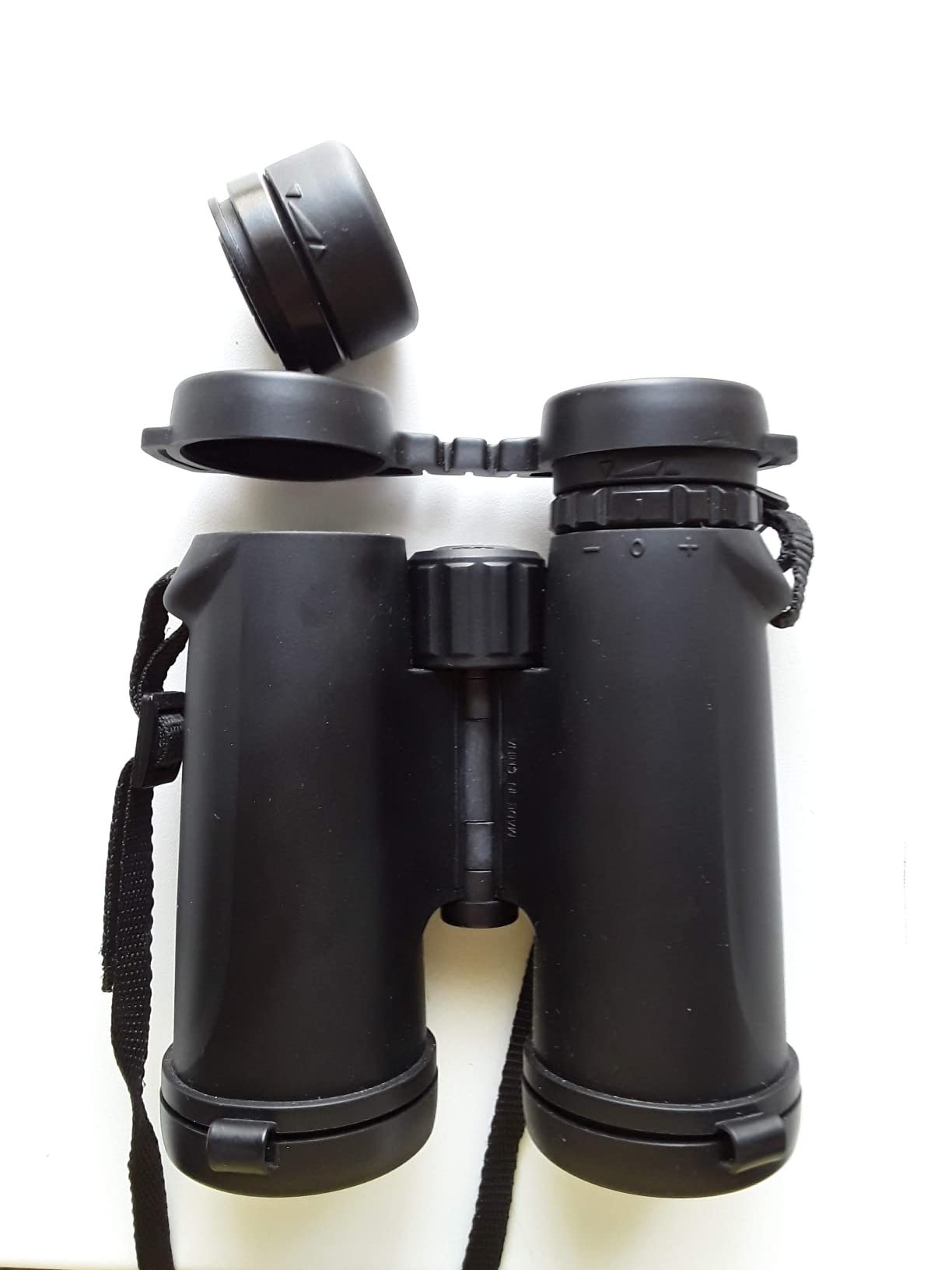
The 5.5 degree angular field of view is the narrowest of the 10×42 pairs here, so you will be scanning with more deliberate sweeps and you will have less warning before a moving subject reaches the edge of the frame. On an open plain that is manageable, in thick bush it is frustrating.
At 22 oz it is one of the heavier bodies in the roundup, and that weight adds up over a walking safari.
Who the Outland X suits
It suits a first-time buyer who wants sealed, sharp binoculars without a large commitment, and anyone who mostly views static subjects from a vehicle rather than tracking animals at a run. The tripod thread and the limited lifetime US warranty with US-based support add confidence for a first purchase.
Where the Outland X falls short
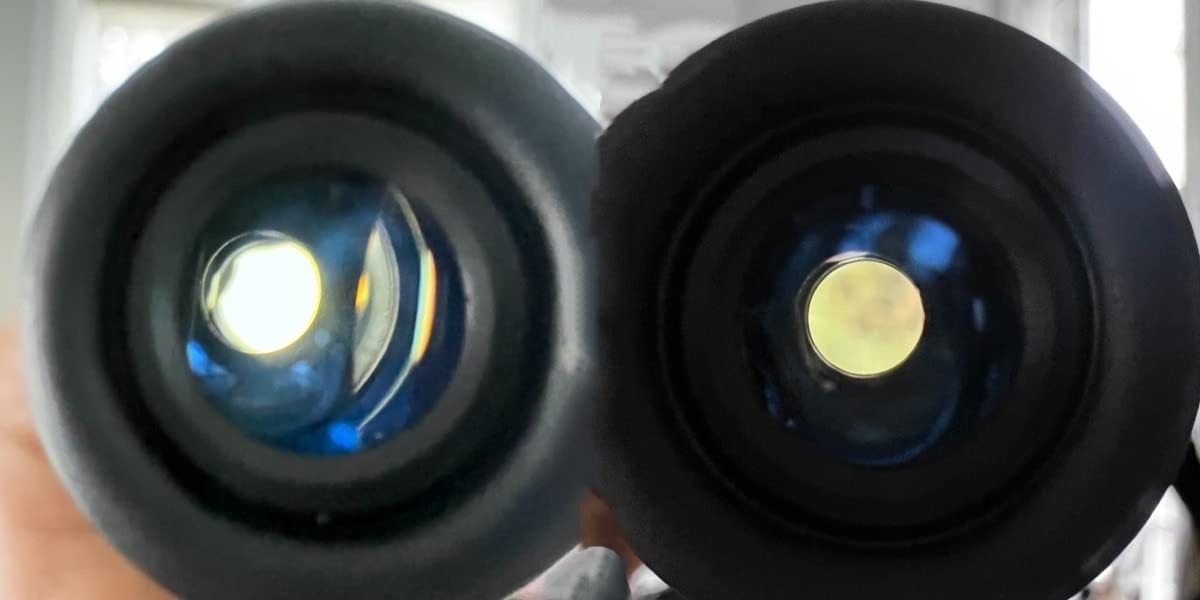
The most repeated mechanical complaint across many years of reviews is an eyepiece twisting loose with the rubber surround tearing. Celestron’s warranty service is widely praised for replacing units, so it is an inconvenience rather than a deal-breaker, but it is a real weakness. Add the heaviest weight in the roundup, the narrowest field of view, and visible 10x shake, and this is a pick for value rather than performance.
9. Gosky 10×42: Best for Phone Photos on the Drive
Gosky 10×42 Binoculars for Adults High Powered with Phone Adapter & Tripod
10x42
BAK4 prisms with FMC optics
5.8 degree apparent field of view
18mm eye relief
1.25 lb
Pros
- Included universal smartphone adapter and 360 degree tripod
- 18mm eye relief with large eyepieces suits glasses
- IPX7 waterproof and fogproof with argon purging
- Fully multi-coated optics with BAK4 prisms
- 1.25 lb body is light on long hangs
- Lifetime warranty with fast reported support
Cons
- Not fully colour-corrected or sharp edge-to-edge
- Phone adapter is flimsy and slips out of alignment
- Still heavy for a full day around the neck
- Included tripod is awkward to fit to the adapter
The Gosky 10×42 is the value pick for travellers who want to photograph what they see through the binoculars. The bundled universal smartphone adapter and swivel tripod let you mount a phone over the objective and capture the sighting without swapping gear on a moving vehicle, which is a genuine advantage when the light is right and the animal is moving.
Owners are also pleased with the basics. Fully multi-coated optics with BAK4 prisms produce clear, contrasty views, the 18mm eye relief is one of the longer figures here, and the large eyepieces make it easy to find the eyepiece with glasses on. At 1.25 lb it is light for a full-size 10×42.
The IPX7 waterproof rating with argon purging, O-ring seals and rubber armor means rain and dust are not a concern. With more than 6,400 reviews at 4.5 stars and very few one-star ratings, owner satisfaction is broad.
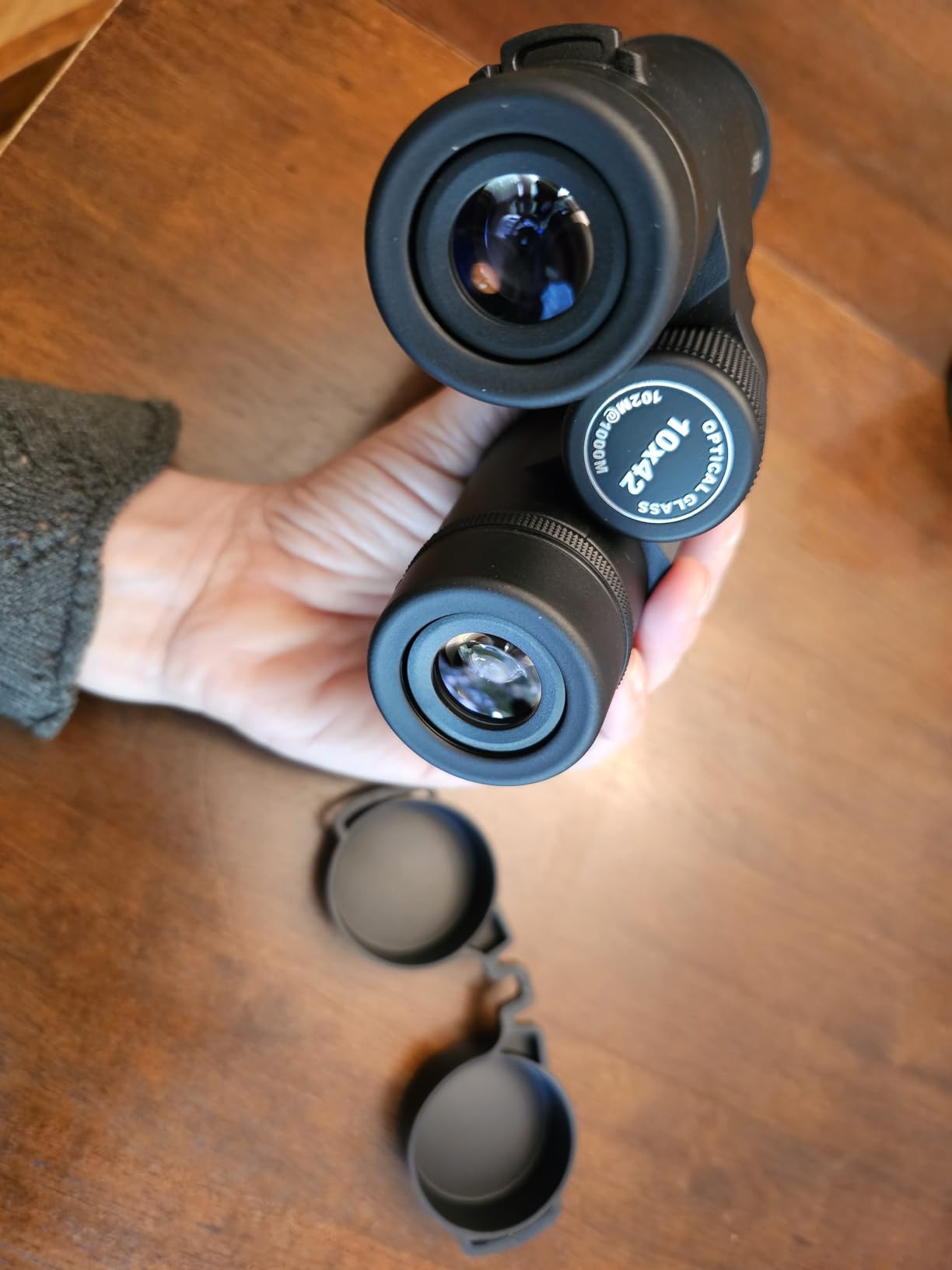
It is a porro prism design, which tends to produce a deeper, more immersive image with a good sense of depth against a three-dimensional landscape. For scanning a layered scene, with foreground grass and a herd behind it, that depth reads well.
The centre focus knob is smooth and large enough to work with gloves, and the tripod mount means the pair can be steadied for a digiscoped shot or a long look at a distant waterhole.
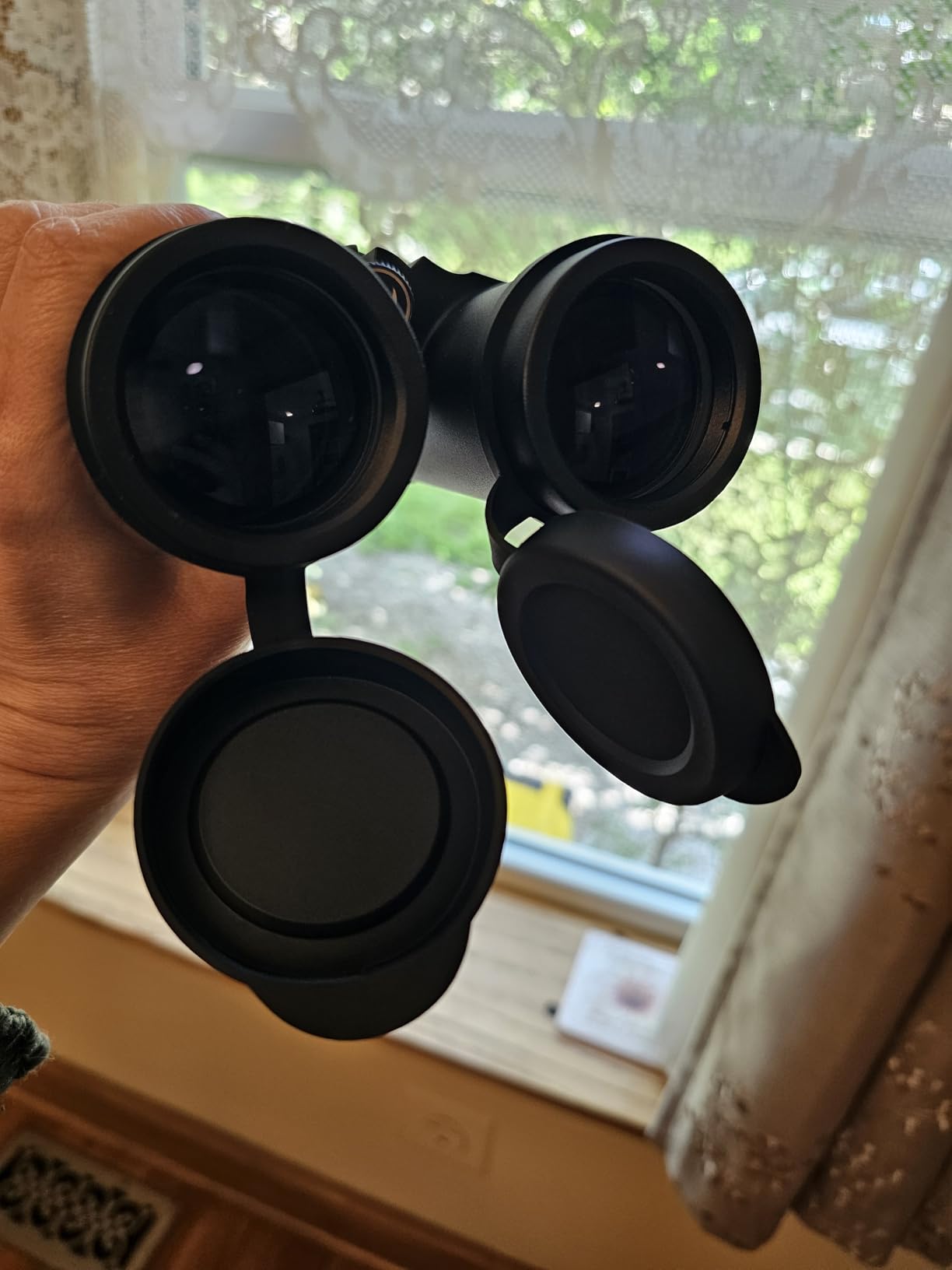
Who the Gosky suits
It suits a traveller on a tight budget who wants more than a toy and who plans to snap phone photos of sightings. It also suits anyone who wants phone-adapter capability in a package, since you would otherwise be buying a separate adapter. Glasses wearers get more usable eye relief here than with most 10×42 pairs in the roundup.
Where the Gosky falls short
Colour correction and edge sharpness are not perfect, so detail falls away toward the edge of the field compared with an HD or ED pair. The bundled phone adapter is the most common complaint, described as flimsy and prone to slipping out of alignment, and fitting the included tripod to the metal adapter is fiddly. It is also still around 1.25 lb, which you will feel by day three if it never leaves your neck.
10. Adasion 12×42: Best for Maximum Reach on Distant Subjects
12×42 Binoculars for Adults High Powered with Phone Adapter & Tripod
12x42
BAK4 prisms with fully multi-coated glass
7 degree apparent field of view
IPX7 sealed
1.2 lb
Pros
- 12x magnification reaches further than most pairs here
- BAK4 prisms and multi-coated glass stay bright in dim light
- Lightest body in the roundup at 1.2 lb
- IPX7 waterproof and fogproof with non-slip grip
- Eyecups adjust across a 13.6 to 19.6mm eye relief range
- Phone adapter
- tripod and crossbody case included
Cons
- 12x amplifies shake badly on moving subjects
- Short 13.6mm base eye relief is tight for glasses wearers
- ABS body and 2 year warranty trail premium brands
The Adasion 12×42 is the reach specialist, and it has the largest review pool in this roundup by a wide margin, with more than 18,000 ratings at 4.6 stars. Owners consistently praise how much further it lets you see for the money, and how little it weighs for that magnification at 1.2 lb.
That light weight is genuinely notable. Twelve power in a body lighter than several 8x pairs means you can carry reach without paying for it in neck fatigue, which is the trade-off most high-magnification designs force on you.
The optics are BAK4 prisms with fully multi-coated lenses, which keeps the image bright and colour-accurate in dim light, and the build is IPX7 waterproof and fogproof with a non-slip rubber grip. The 7 degree apparent field of view is wide for a 12x pair, which helps a little with finding a subject before you lose it to shake.
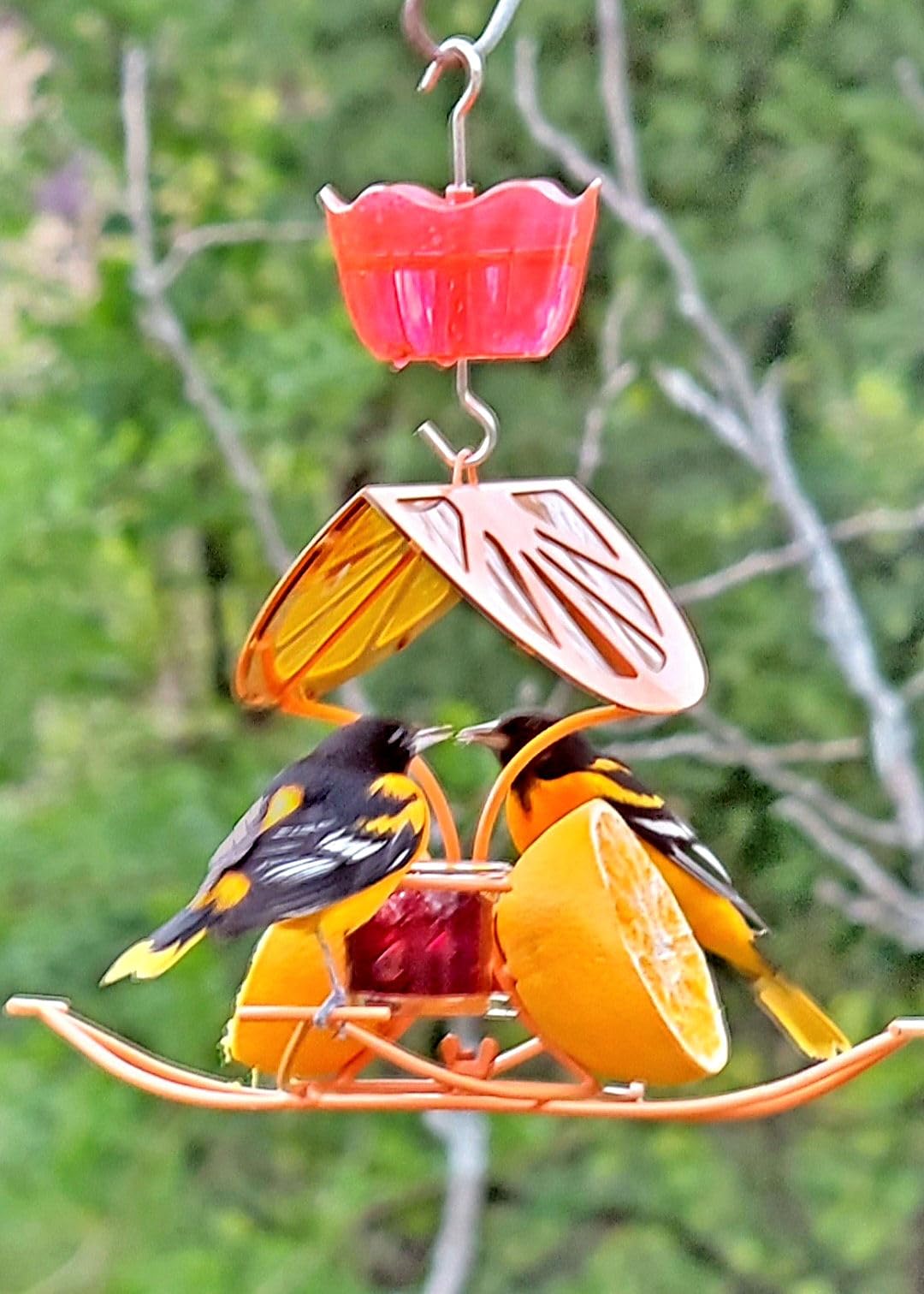
The bundle is generous for the tier: a universal smartphone adapter, a 360 degree swivel tripod, a crossbody case with a phone pocket and a padded shoulder strap. If you want to document sightings and travel light, that is a lot of included accessory.
The twist-up eyecups adjust across a 13.6 to 19.6mm eye relief range, so there is some room to accommodate glasses by twisting the cups up. Whether that is enough depends on the thickness of your frames.
Who the Adasion 12×42 suits
It suits travellers whose sightings are consistently distant: open plains, river crossings, escarpment viewpoints, or driving routes where herds appear far out and hold still. It also suits anyone who wants a phone adapter and tripod in the box without a second purchase, and anyone who wants reach at the lightest weight on this list.
Where the Adasion 12×42 falls short
Shake is the whole story, and owners say so directly. At 12x, handheld tremor is amplified enough that moving subjects are hard to hold, which is exactly what a game drive asks you to do all day. The base eye relief of 13.6mm is also the tightest here, so glasses wearers will feel it. The ABS body and two-year warranty are behind the metal, lifetime-warranted pairs.
Binoculars vs Camera Lens vs Spotting Scope on Safari
Binoculars win for finding wildlife. That is the only job they do, and they do it instantly: no menus, no autofocus delay, no exposure guess while a leopard walks out of a thicket. On a game drive, the pair that is already around your neck is the pair that gets the shot on the eye, even if a camera in the same bag could take a better photograph.
A telephoto lens wins for the photograph. A 200 to 400mm lens on a crop body reaches further than any binocular in this roundup and produces images you can print. It also costs more, adds several kilograms of body and lens, and asks you to change settings in a vehicle that is moving. A prime lens is the safari choice because zoom rings get knocked and because you will not change focal length in a bouncing Land Cruiser.
A spotting scope wins for one job: a static subject at extreme distance, such as a pride of lions on a far bank that you are happy to watch for twenty minutes. Monocular spotting scopes are compact, but most tripods are too tall and too unstable inside a safari vehicle, so this is a walking-safari or hide tool rather than a game-drive one.
Our practical advice is to bring binoculars and, if you care about photographs, a single telephoto prime. If you already own stabilized optics and want one pair for both watching and shooting, our guide to the best image stabilized binoculars is worth reading, though image stabilization adds weight and a battery to something you otherwise carry all day.
How to Set Up and Use Binoculars on a Game Drive
Five minutes of setup on the first morning saves you the whole trip’s frustration.
- Set the diopter first.Look at something at infinity, typically the sky or a distant hill, and rotate the right-eyepiece ring until the image is sharp with your dominant eye only. Your left eye will be slightly blurry and that is normal. Most models offer a few diopters of adjustment; the Plus or minus five range on the Triumph HD covers nearly everyone.
- Lock the centre focus wheel.Most models have a locking collar or a firm-stop ring. Set focus to infinity, then tighten. This stops the focus drifting during a long drive and means the binoculars are ready the instant you raise them.
- Adjust the eyecups to your eyes, not your eyes to the eyecups.If you wear glasses, twist the cups down until the full field is clear of frames. If you do not, twist them up to cut stray light and reduce glare at dawn. Do this once and mark the position with a small piece of tape.
- Scan wide, then zoom mentally.Find the herd at low magnification, identify what you are looking at, and only then raise the view to study detail. Starting narrow is the most common reason people lose an animal they had already spotted.
- Brace before you raise them.Rest an elbow on the window frame, or use the vehicle rail. At 10x the difference between braced and unsupported is the difference between a sharp image and a moving smear, and it is the cheapest upgrade available.
- Save the edges of the day.Dawn and dusk are when animals are most active and when contrast is soft, so coat the objective with your breath to reduce lens flare before you raise the pair. At midday, the light is hard and flat, so spend those hours on tracking rather than on fine detail.
- Care for the front element.Keep both objective caps on when not in use, wipe with the supplied cloth rather than your shirt, and treat scratches to the front lens as urgent, because that is the lens that ruins a view.
Safari Binocular Buying Guide: The Specs That Matter
Magnification and objective lens size
The ideal magnification for safari binoculars is 8x or 10x, and the second number should be 42mm for most itineraries. Everything above 10x is a specialist choice, and everything below 8x gives up too much detail on distant animals. The forum consensus we found on a Tanzania trip forum matches this: at least 8x, with an apparent field of view of 30 degrees or wider, and the wider the better for tracking.
Exit pupil and low-light brightness
Exit pupil is the objective diameter divided by the magnification, and it is the number that controls brightness. A dark-adapted human pupil is roughly 7mm, so anything close to 7mm passes all the light you can use. In this roundup the exit pupils run from 4.2mm on most 10×42 pairs to 5.3mm on the Monarch M5 8×42. A 4.2mm exit pupil is perfectly usable in daylight and under cloud; it simply will not give you the last of the light at dusk.
Field of view and tracking
Apparent field of view is the width of the image at arm’s length, and true field of view is that divided by the magnification. For tracking, apparent field matters most: the Celestron Nature DX 8×42 at 7.4 degrees is among the easiest to sweep here, while the Celestron Outland X 10×42 at 5.5 degrees is the tightest. If your itinerary is dense bush rather than open plain, prioritise field of view over magnification.
Eye relief and glasses wearers
Eye relief is the distance between your eye and the front eyepiece lens, and you need enough of it to see the whole field over the rim of a spectacle frame. Below about 14mm becomes uncomfortable; 15 to 16mm works for many people with the eyecups twisted down; 17mm and above is comfortable without adjustment. The Monarch M5 at 19.5mm is among the most forgiving pairs here, and the Adasion 12×42 at a 13.6mm base is among the tightest. Glasses wearers who struggle with eye relief should also read our picks for the best binoculars for older users, which put the same spec in a different context.
Weight and neck fatigue over a long game drive
Lightweight binoculars are better for safaris in one specific way that matters more than image quality: you will keep them on. Weights in this roundup run from 1.2 lb to 2.3 lb, and the difference between 1.3 lb and 1.8 lb is roughly a quarter of a pound hanging in front of your collar bone for six hours a day. Forum reports on AfricaHunting describe premium 10×42 pairs of over 30 oz as outstanding in quality but punishing over a long drive, and that complaint shows up again in every safari forum we looked at.
Glass type, prism and coatings
HD and ED are marketing labels for low-dispersion glass that reduces colour fringing around high-contrast edges. Only the Monarch M5 8×42 in this roundup has genuine ED glass. Prism type matters less than coatings: roof prisms are more compact and better sealed, porro prisms give a deeper, more three-dimensional image. Fully multi-coated lenses on all air-to-glass surfaces are the standard you want, and phase or dielectric prism coatings are a visible upgrade in flat light.
Weather sealing and build
Yes, safari binoculars should be waterproof and fog-proof. Every pair in this roundup is nitrogen-purged or argon-purged with O-ring seals, which is what stops internal fogging when you carry them from an air-conditioned vehicle into 30 degree morning air. Look for an IPX7 rating if you expect rain, boat travel, or trekking, since that covers immersion rather than just splash. Our full guide to the best waterproof binoculars goes deeper on sealing standards.
Rental or buy, and how much to spend
For a one-off trip, renting is reasonable, and a decent mid-tier pair will teach you whether you like binoculars at all. For a first pair, spend in the mid range rather than the entry tier: the jump from a novelty pair to a properly sealed HD or ED model is visible at dusk, and the mid range is where lifetime warranties and lifetime warranties on glass start to appear. Save the premium tier for people who already know what they want, since forum users who buy premium glass and then use 10×42 all trip rarely report regret, but they do report the weight. Buy one pair well rather than two pairs badly.
Frequently Asked Questions
Is 8×42 or 10×42 better for safari?
Choose 8×42 if you will be scanning wide savannah and following moving animals, because the lower magnification gives you a wider field of view and less handheld shake. Choose 10×42 if your sightings are distant subjects across a valley, where the extra 25 percent detail earns its place. Both sit near a 5mm exit pupil and stay bright through most of a game drive.
What are the best binoculars to take on a safari?
The Vortex Crossfire HD 10×42 is the safest all-round answer, with fully multi-coated optics, a 6.2 degree field of view, a lifetime warranty and a 4.8 star rating from more than 4,000 owners. The Celestron Nature DX 8×42 is the pick if you track moving animals, and the Nikon Monarch M5 8×42 is the pick if you wear glasses and want ED glass.
What is the ideal magnification for safari binoculars?
Eight or ten times is ideal, and 42mm objective lenses suit most itineraries. Above 10x, handheld shake becomes the limiting factor and you start losing moving subjects, which is the opposite of what a game drive asks of you. Below 8x you give up too much detail on distant animals. Twelve power is worth it only when your sightings are consistently very far away and usually stationary.
What is better, 12X50 or 10×42 binoculars?
A 10×42 is the better all-round safari choice. A 12×50 reaches further and gives a brighter 4.2mm exit pupil at higher magnification, but it is heavier, has a narrower field of view, and amplifies shake enough to lose moving animals. Choose 12×50 only if you are watching fixed distant subjects, such as a herd across a river, and can brace or use a tripod.
How much should I pay for a good pair of binoculars?
For a first pair, spend in the mid range rather than at the entry tier or the premium tier. Entry models seal well but compromise on edge sharpness and coatings, while premium glass adds weight you carry all day for detail you may never use. The middle of the range is where HD glass, generous eye relief, nitrogen sealing and a transferable lifetime warranty overlap, and that is where we would start.
Are lightweight binoculars better for safaris?
They are better for one specific reason: you will keep them on your neck instead of leaving them in the vehicle, and binoculars left in the vehicle miss sightings. The gap between a 1.2 lb pair and a 1.8 lb pair is small on paper and obvious by the fourth hour of a game drive. Lightweight pairs should still be fully multi-coated, sealed and nitrogen-purged, so do not trade away coatings to save weight.
Do safari binoculars need to be waterproof and fog-proof?
Yes. Every pair worth buying for a trip is nitrogen-purged or argon-purged with O-ring seals, because carrying binoculars from an air-conditioned vehicle into hot morning air will fog unsealed optics in minutes. For open vehicles, boat safaris, forest trekking or a green season, look for an IPX7 rating, which covers immersion rather than just a shower.
Is a spotting scope better than binoculars for safari?
Only for one job: a static subject at extreme distance, watched for a long time from a hide or on foot. Binoculars are better for finding wildlife, and a monocular spotting scope is more fragile and usually needs a tripod that will not fit in a safari vehicle. On a game drive, the compact pair that is already around your neck will see more than the scope you left in the hold.
Final Verdict for Safari Binoculars in 2026
The best binoculars for safari trips are the Vortex Crossfire HD 10×42, because brightness, a sealed roof-prism build, a lifetime warranty and a manageable 1.4 lb add up to the pair most people should take. If your drives are about following animals rather than identifying distant ones, take the Celestron Nature DX 8×42 instead and accept a darker picture at dusk in exchange for a far easier scan. If you wear glasses, look past both and consider the Nikon Monarch M5 8×42 for its 19.5mm of eye relief and true ED glass.
Whichever you choose, set the diopter and lock the focus on the first morning, keep the pair on your neck rather than in the vehicle, and pick the one you will actually carry for six hours a day. The best binoculars for a wildlife safari are rarely the most expensive pair in the bag.