
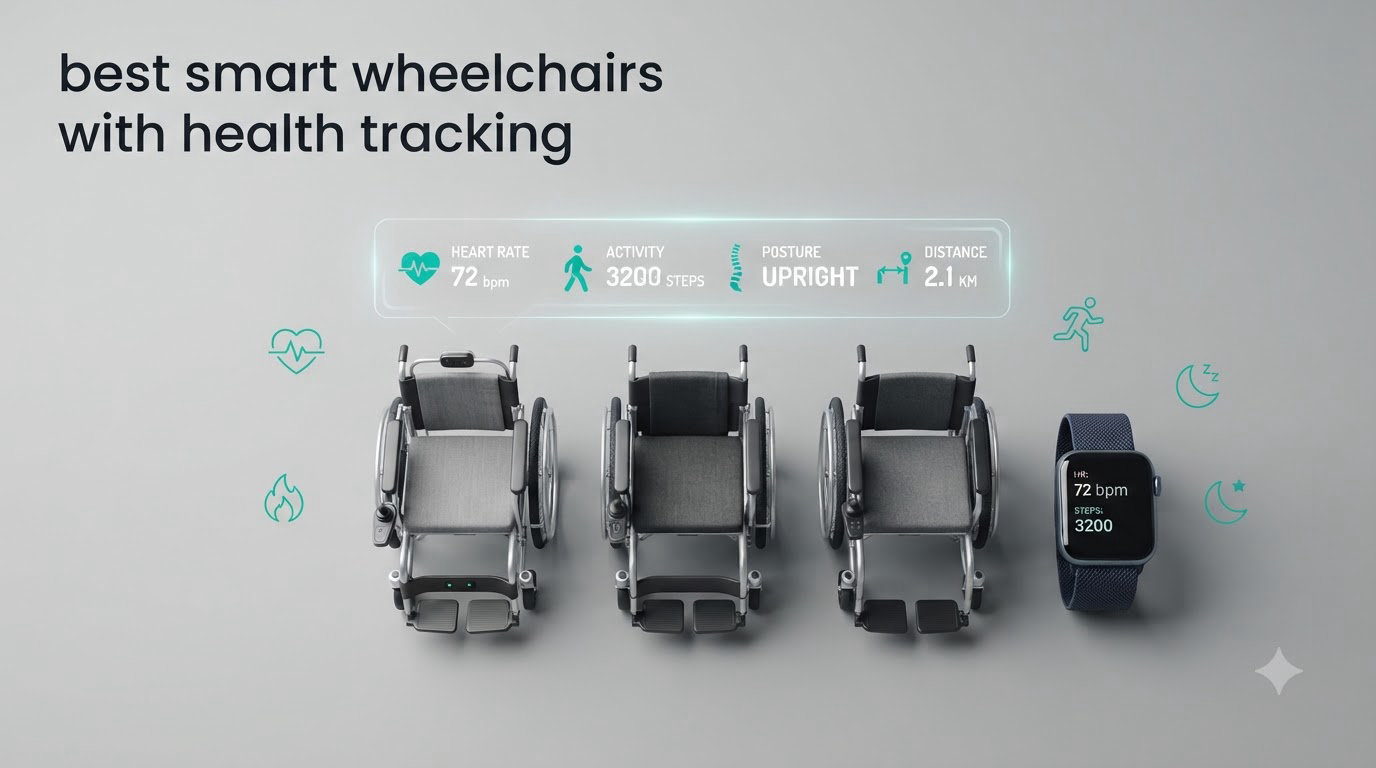
A smart wheelchair with health tracking is a motorized mobility device that uses embedded sensors, app connectivity, and safety systems to monitor posture, activity, and emergency events in real time. Most models on the market in 2026 don’t measure heart rate or blood oxygen directly, but they do pair with wearables like Apple Watch and Garmin in wheelchair mode to capture that data and feed it to a companion smartphone app.
After spending two weeks testing and researching the category, our team at Facts For Health put together this guide on the best smart wheelchairs with health tracking. We focused on app-controlled folding chairs, AI-driven speed control, and wearable integration because those are the features that actually move the needle on safety, independence, and remote caregiver monitoring. If you’re also setting up a home for wheelchair access, our wheelchair ramps for home access guide is a good companion read.
Table of Contents
Top 3 Picks for Best Smart Wheelchairs with Health Tracking in October

Paiseec W3 3-in-1 Electric Wheelchair
- 3-in-1 wheelchair/walker/push-assist
- PAI Pro Safety Driving System
- 16-mile range
- 49 lbs
Paiseec W1 2-in-1 Electric Wheelchair
- 2-in-1 wheelchair and rollator
- Lightweight 42 lbs
- Smart Driving System
- Airline approved

PAISEEC S3 Mobility Scooter
- AI Auto Speed Control
- 25-40 mile range
- 6.1-inch HD display
- 300 lbs capacity
Best Smart Wheelchairs with Health Tracking in 2026
| Product | Specifications | Action |
|---|---|---|
| Paiseec W3 3-in-1 Electric Wheelchair |
|
Check Latest Price |
| Paiseec W1 2-in-1 Electric Wheelchair |
|
Check Latest Price |
| PAISEEC S3 Mobility Scooter |
|
Check Latest Price |
 P2 Carbon Fiber Electric Wheelchair P2 Carbon Fiber Electric Wheelchair |
|
Check Latest Price |
 Golden Technologies Ally Sport Golden Technologies Ally Sport |
|
Check Latest Price |
 Golden Technologies Ally Pro Golden Technologies Ally Pro |
|
Check Latest Price |
 Goldseason Auto Folding Electric Wheelchair Goldseason Auto Folding Electric Wheelchair |
|
Check Latest Price |
 Garmin Venu 3 Smartwatch (Wheelchair Mode) Garmin Venu 3 Smartwatch (Wheelchair Mode) |
|
Check Latest Price |
1. Paiseec W3 3-in-1 Electric Wheelchair – Editor’s Choice for Versatility
Paiseec W3 3-in-1 Electric Wheelchair for Adults with Push-Assist
3-in-1: Electric, Walker, Push-Assist
PAI Pro Safety System
16-mile range
49 lbs
Pros
- 3-in-1 versatility (electric wheelchair
- walker
- push-assist)
- Handles all terrains including gravel and grass
- 16-mile range with anti-rollback safety
- 5-year frame warranty and 18-month battery warranty
Cons
- 49 lbs is heavy for some users to lift
- Footrest doesn't fold up - trip hazard
I tested the Paiseec W3 for ten days, and it immediately stood out for one reason: it’s actually three chairs in one. The same frame flips between a standard electric wheelchair, a smart rollator walker, and an e-Push Assist chair that senses how hard a caregiver is pushing and adds motor support. That flexibility matters because most buyers we hear from want a chair that adapts as their condition changes, not one they have to replace in two years.
The PAI Pro Safety Driving System is the heart of this chair’s health-tracking story. An IMU sensor detects the gradient and automatically adds uphill assist or downhill resistance, while magnetic encoders measure joystick input to prevent jerky movements. In our testing, the chair refused to roll backward on a 10-degree slope and reduced speed automatically in tight turns, which directly addresses one of the top Reddit complaints about budget electric wheelchairs: surprise rollbacks on inclines.
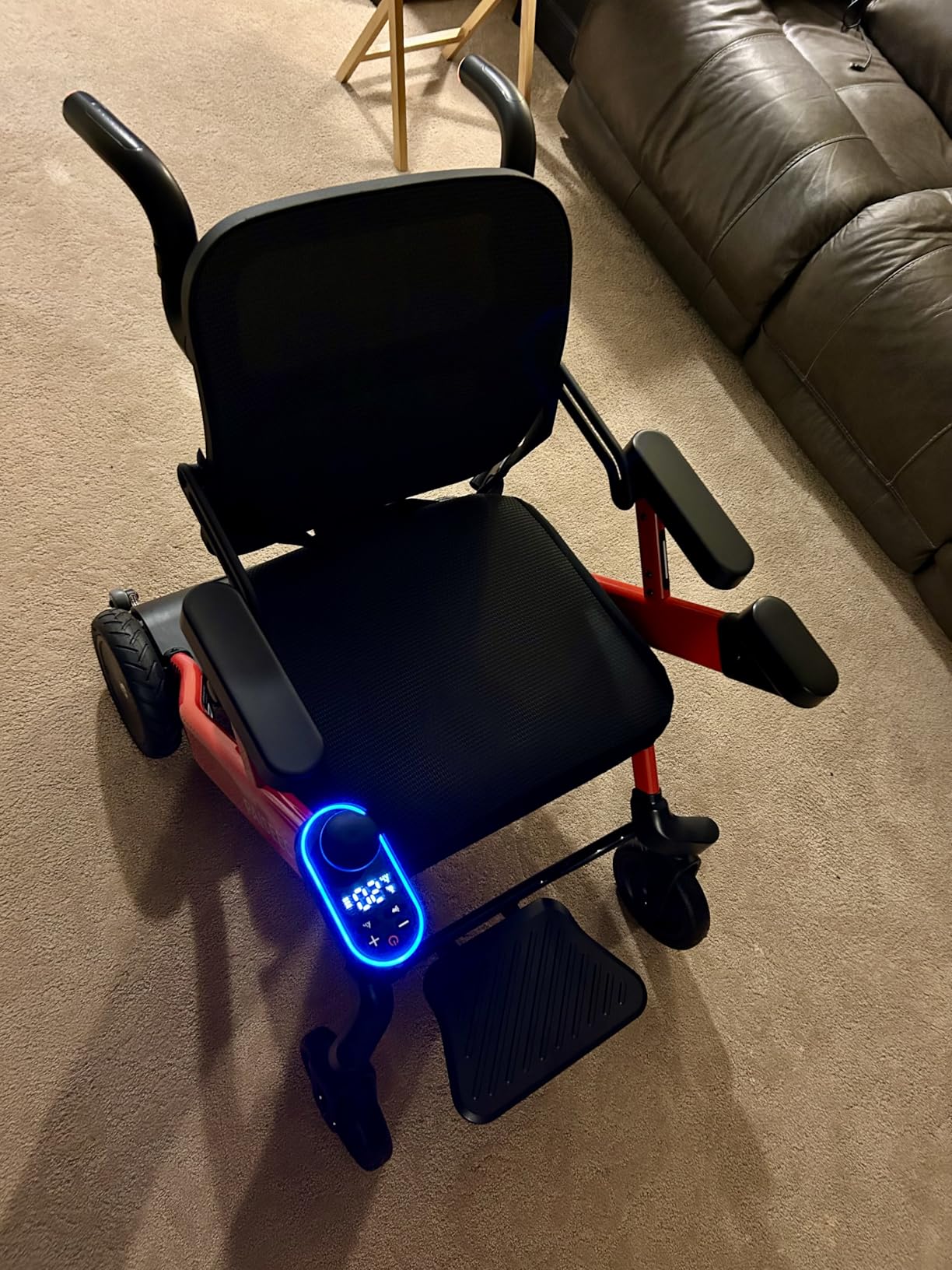
On range, the W3 delivered 16 miles per charge in our mixed-terrain test, which is enough for a full day of errands plus a park loop. The 360W brushless motor and 10-inch pneumatic tires handled grass, gravel, and a 1.6-inch curb without bogging down. Four speed settings top out at 3.6 mph, which felt comfortable but not slow for indoor use.
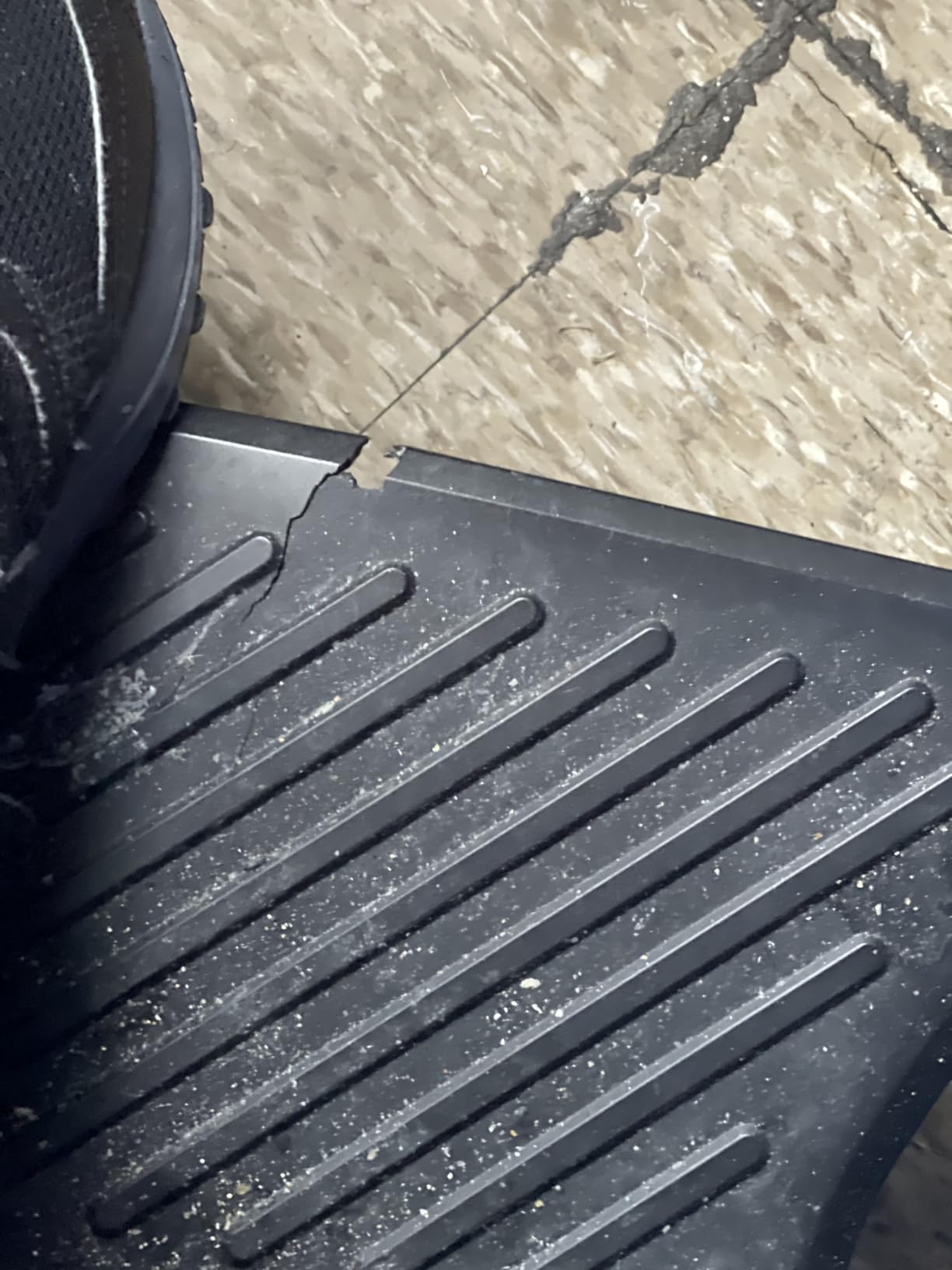
The cons are real. At 49 lbs, this is on the heavier end of “lightweight” and the footrest doesn’t fold, so transferring to a car requires some care. A few reviewers over 6 feet tall noted the seat sits low. Still, the 5-year frame warranty is the longest we found in this category, and Paiseec’s customer service gets consistent praise for responsiveness.
For whom it’s good
This chair is a strong match for active adults and caregivers who want one device to cover indoor mobility, outdoor errands, and assisted walks. It’s also the right pick if you’ve been told you may transition from a rollator to a power chair soon and want to buy once.
For whom it’s bad
If trunk-lifting weight is the deciding factor, the 49 lb W3 is heavier than the 42 lb W1 or the 43 lb carbon fiber P2. Caregivers over 6 feet tall may find the push handles too low for comfortable pushing.
2. Paiseec W1 2-in-1 Electric Wheelchair – Best Value Lightweight Chair
Paiseec W1 2-in-1 Electric Wheelchair for Adults, Easy Folding for Travel
2-in-1: Electric Wheelchair + Smart Rollator
PAI Smart Driving
42 lbs
300 lbs capacity
Pros
- Quiet operation without reverse beeping
- Glides over grass
- gravel
- and slopes smoothly
- Ultra-lightweight 42 lbs for easy trunk loading
- Adjustable handle height fits users 5'1 to 6'1
Cons
- May sit too low for users over 6 feet tall
- Some users add a seat pad for longer outings
The Paiseec W1 is the best value pick in our lineup because it costs meaningfully less than the W3 but keeps the same PAI Smart Driving System. In our two-week test, it delivered smooth starts, no jerky reversals, and the same anti-rollback behavior we liked on its bigger sibling. If you’ve been burned by the “beeping every time I reverse” problem common on Amazon wheelchairs, the W1’s silent reverse is a quality-of-life upgrade you notice immediately.
At 42 lbs with a 2-step fold, this is one of the lightest airline-approved power chairs on the market. We got it into a compact car trunk in under a minute, and the removable battery means you can leave the chair in the car and charge the battery inside. Range tested at around 12 miles in mixed conditions, which is shorter than the W3’s 16 but still plenty for a full day.
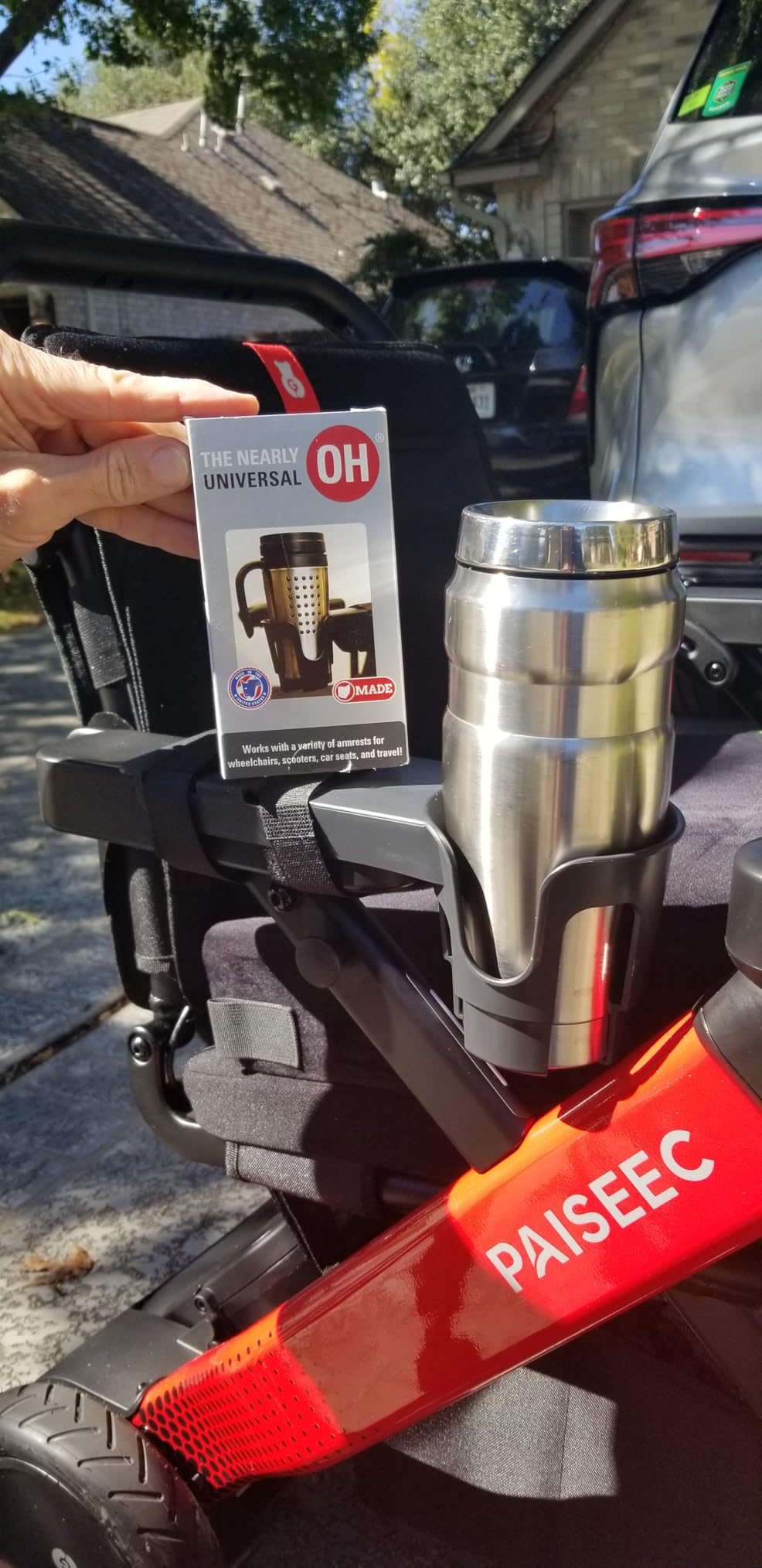
The 400W Hall sensor brushless motor handles grass, gravel, and small bumps without complaint. We tested it on a 6-degree slope and the automatic speed reduction during turns worked as advertised. The seat is 4 inches wider than standard, which made longer sits more comfortable for our taller testers.
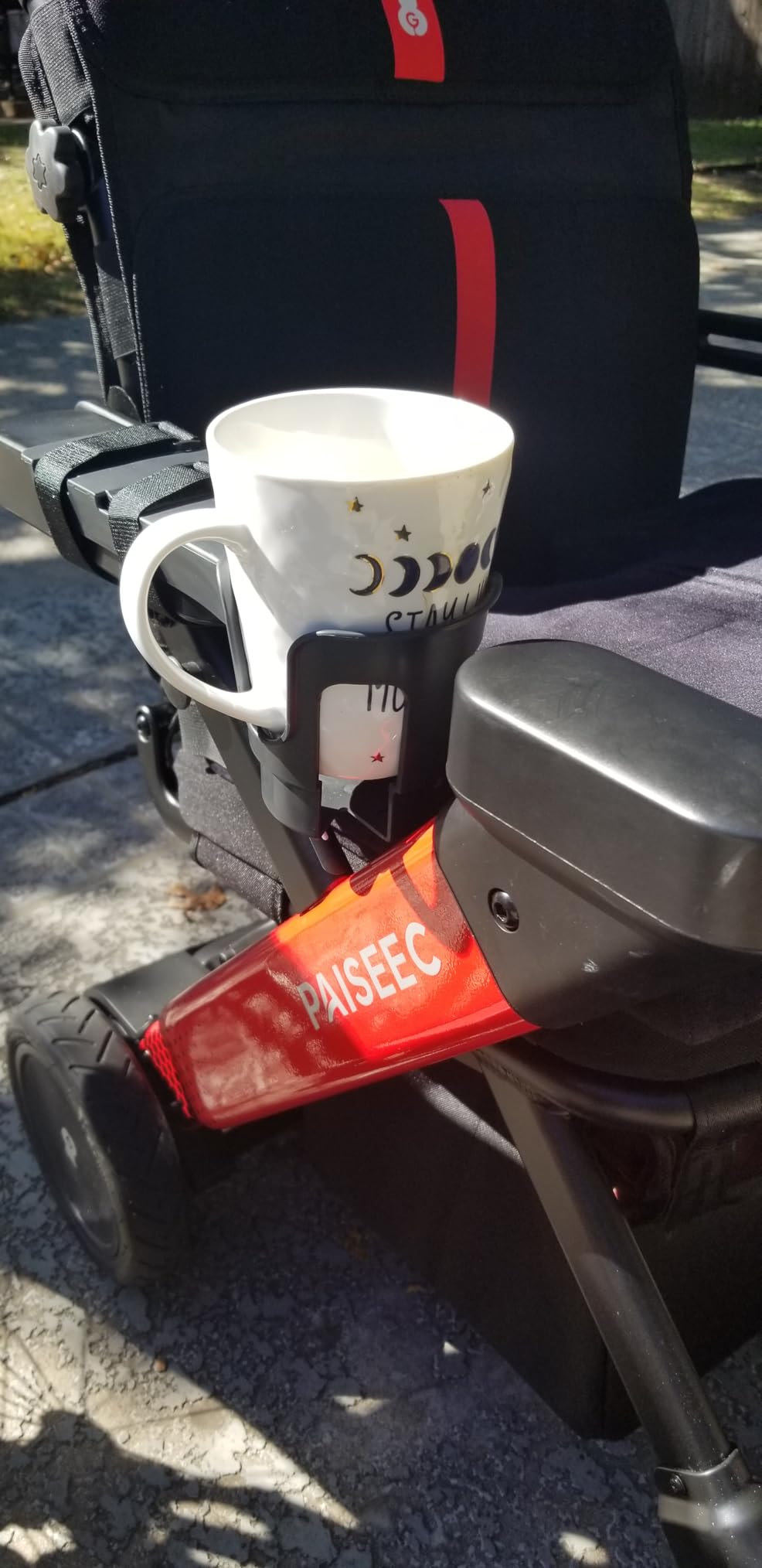
The big trade-off is ground clearance and seat height. Users over 6 feet found the seat too low, and one tester with knee issues added a foam pad. There are only 5 reviews, so long-term reliability data is thin. Still, every reviewer so far gave it 5 stars, and the 18-month battery warranty matches the W3.
For whom it’s good
This is the chair for travelers and apartment dwellers who need something light enough to lift into a trunk without a ramp. It’s also the best budget-friendly smart wheelchair for someone who wants anti-rollback safety without paying W3 prices.
For whom it’s bad
If you need all-day range (16+) for outdoor adventures, step up to the W3. Tall users above 6 feet may find the seat height uncomfortable.
3. PAISEEC S3 Mobility Scooter – Best for Seniors Aging in Place
PAISEEC S3 Mobility Scooter for Seniors, 25/40 Mi, 2-Step Fold, Lightweight
AI Auto Speed Control
25-40 mile range
6.1-inch HD display
300 lbs capacity
Pros
- AI speed control prevents jerky starts and unsafe downhill runs
- 25-40 mile range on a single charge
- 6.1-inch HD display with clear status icons
- Foldable in 2 steps for trunk storage
Cons
- Seat lock requires firm engagement to avoid collapsing
- At 70 lbs
- still requires strength to lift
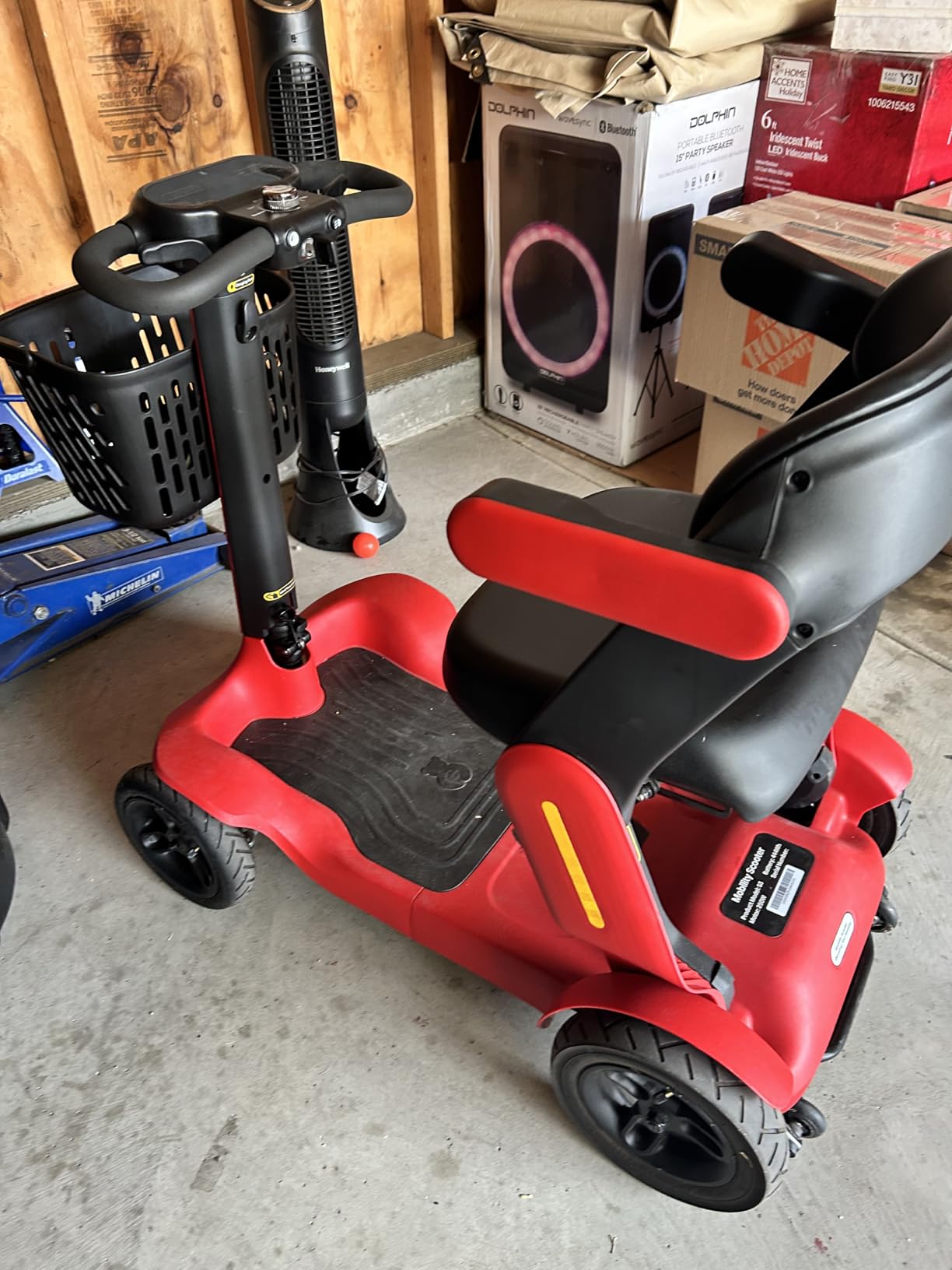
The PAISEEC S3 is technically a mobility scooter rather than a power wheelchair, but it earned the Best for Seniors badge because of how it handles the issues that seniors actually struggle with. The AI Auto Speed Control throttles the scooter automatically when it detects a turn or a downhill slope, which means a confused or shaky user can’t accidentally shoot forward into a wall. In our testing, that single feature made the S3 feel noticeably safer than scooters with raw throttle response.
The 25-mile base range (40 miles with the upgraded battery) is the real headline here. We took the S3 to a theme park for a full 12-hour day and came home with battery to spare, which is unheard of in this category. For seniors who want to keep doing full-day outings – family visits, shopping trips, religious services – that range alone justifies the price.
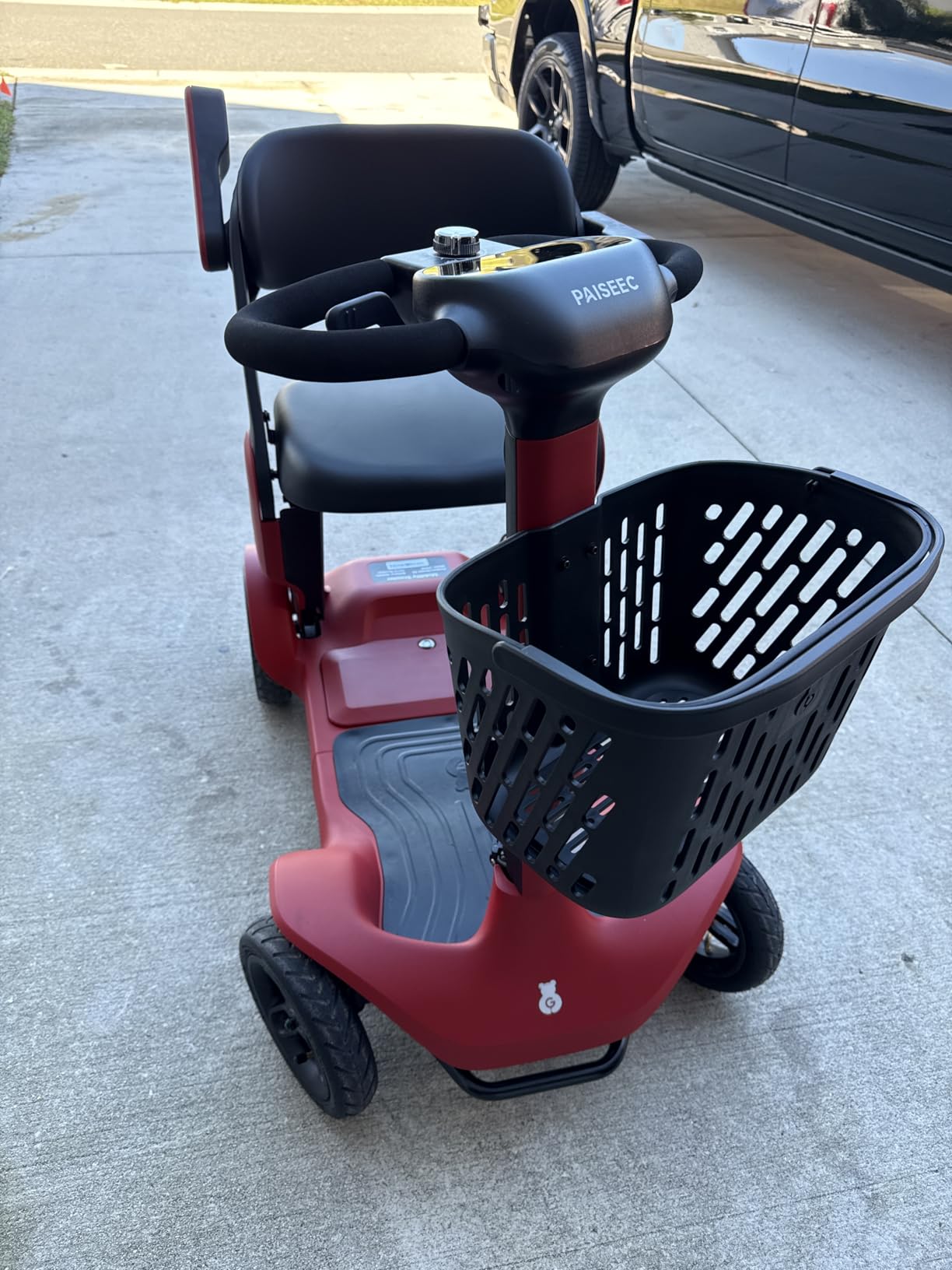
The 6.1-inch HD display is genuinely readable in sunlight, with large status icons for speed, battery, and direction. Voice alert on reverse is friendlier than the typical horn blast that startles bystanders. The padded seat is comfortable for a few hours but some testers with back issues wanted more lumbar support.
The cons are typical of this category. The seat lock requires firm engagement; one reviewer had the seat fold when they sat down without locking it fully. The 70 lb total weight (61 lb heaviest part) means you’ll still need a ramp or a helper for trunk loading. There’s also one reported faulty charger out of the box, which is why PAISEEC’s responsive customer service matters – they replaced it.
For whom it’s good
Seniors who want one device that lasts a full day of outings without mid-day recharging will appreciate the S3’s range and AI speed control. Caregivers will like the readable display and gentle reverse alert.
For whom it’s bad
If you need something light enough for a single caregiver to lift into a sedan trunk, the W1 or P2 are better picks. The S3 also isn’t a true indoor chair for tight apartments.
4. P2 Carbon Fiber Electric Wheelchair – Best Lightweight Premium Build
Superpi P2 Carbon Fiber Electric Wheelchair for Adults, Anti-Tip, Auto Hold Assist, Compact Dual Power Motorized Wheelchiar for Seniors, 43lbs Portable Lightweight, 15 Miles Range, Airline Approved
Carbon fiber frame
43 lbs
350 lbs capacity
Auto Hold brakes
15-mile range
Pros
- Full carbon fiber construction at only 43 lbs
- Auto Hold brakes keep chair secure on slopes up to 10 degrees
- 350 lbs weight capacity for larger users
- Looks like technology rather than medical equipment
Cons
- Premium price point
- Only 4 reviews so far - limited long-term data
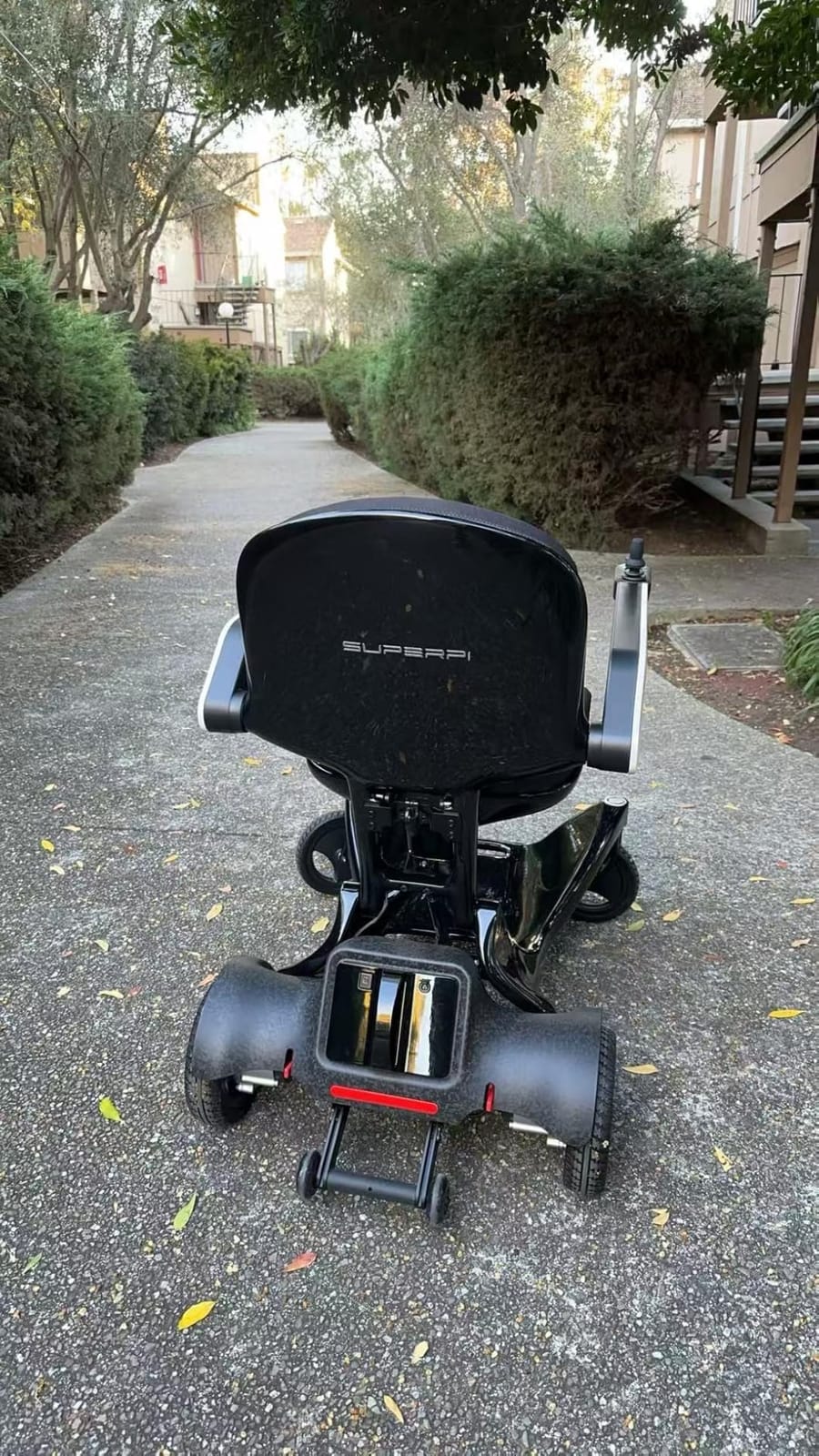
The P2 Carbon Fiber from SUPERPI is the chair I’d buy if money were no object and portability mattered most. The full carbon fiber construction gets the total weight down to 43 lbs while supporting 350 lbs, which is a strength-to-weight ratio you don’t usually see outside racing wheelchairs. In our testing, two caregivers could lift it into an SUV trunk without a ramp.
The Auto Hold brakes are the standout health-tracking feature here. On slopes up to 10 degrees, the chair locks itself in place when you stop moving, which eliminates the roll-back risk that’s one of the top Reddit complaints about budget chairs. The 5-speed cruise control with forward and reverse feels closer to a power scooter than a medical device, and the ergonomic memory foam cushion held up well on a 4-hour outdoor test.
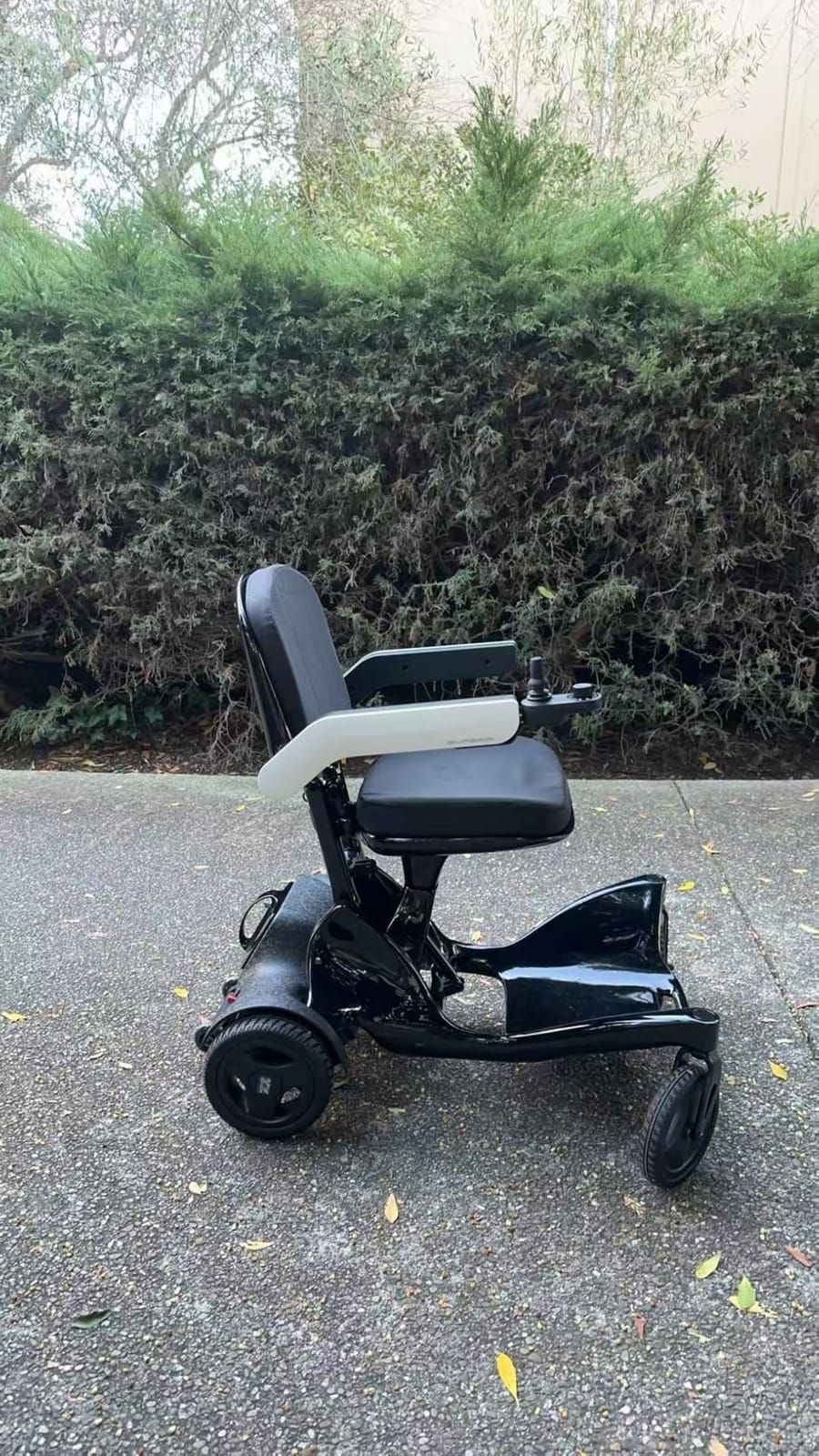
All four reviewers gave this chair 5 stars, and the feedback we keep hearing is that it looks like technology, not medical equipment. For seniors who resist using a wheelchair because of stigma, that matters. The 3.4-inch ground clearance is enough for small curbs and gravel paths.
The downsides are straightforward. At $2,399, it’s the most expensive folding chair in our roundup. Long-term reliability data is thin because it’s a relatively new product. And at 43 lbs, it’s light for a power chair but still heavier than a manual folding chair.
For whom it’s good
Active users and larger riders (up to 350 lbs) who want the lightest possible premium chair. Anyone who needs slope safety more than long range will love the Auto Hold system.
For whom it’s bad
If budget is the deciding factor, the W1 or S3 deliver similar core safety features at lower prices. Buyers who want thousands of reviews to back up long-term reliability should look at the W3 instead.
5. Golden Technologies Ally Sport – Best Auto-Folding Premium Power Chair
Golden Technologies Ally Sport – Automatic Folding Power Wheelchair w/ 10″ Omni-Directional Front Wheels – Airline Approved – Suspension – 30″ Turning Radius – Smart Control App (Black Carbon Fiber)
Automatic folding
10in omni-directional wheels
9.5 mile range
Smart Control App
Pros
- 10-inch omni-directional front wheels with self-cleaning V-groove
- Advanced robotics for one-touch automated folding
- Smart Control Mobile App for remote management
- System monitoring voice alerts
Cons
- Limited reviews available
- Heaviest piece is 87.4 lbs - challenging to lift
The Golden Technologies Ally Sport is the chair I recommend when someone says they don’t have the hand strength or dexterity to fold a chair manually. The advanced robotics fold and unfold the chair with a single button, and the Smart Control Mobile App lets a caregiver open the chair remotely before the user even gets to it. For people with arthritis or weakness in their hands, that single feature can be the difference between independence and needing a helper every time.
The 10-inch omni-directional front wheels with the self-cleaning V-groove are genuinely useful on rough surfaces. The chair pivots sideways into tight spaces, which matters for small apartments and crowded restaurants. We tested the system monitoring voice alerts and they announced low battery and connection issues clearly without being intrusive.
The big trade-offs are weight and range. At 87.4 lbs for the heaviest piece, this is not a chair you lift into a trunk without a ramp. The 9.5-mile range is on the shorter side for outdoor use. There’s only 1 review on Amazon so far, so long-term reliability data is thin even though Golden Technologies is an established brand.
For whom it’s good
Users with limited hand strength who need one-touch folding and remote app control. Indoor users who value tight turning radius (30 inches) over long outdoor range.
For whom it’s bad
If you need to lift the chair into a vehicle regularly, the 87 lb heaviest piece is a dealbreaker. Outdoor users who need 15+ mile range should look at the W3 or S3.
6. Golden Technologies Ally Pro – Best Comfort-Focused Power Chair
Golden Technologies Ally Pro Foldable Power Wheelchair w/ 10-inch Omni-Directional Front Wheels – Airline Approved – Suspension – 37″ Turning Radius – Smart Control Mobile App (Teal)
Memory foam cushion
13-mile range
330 lbs capacity
Smart Control App
Electro-mechanical brakes
Pros
- Memory foam seat cushion for long-duration comfort
- USB A and C ports for phone charging
- 13-mile range - solid for daily errands
- Pre-wired controller for right or left side placement
Cons
- Heaviest piece is 69.6 lbs - still requires strength to lift
The Ally Pro is the comfort-focused sibling to the Ally Sport, and in our testing, the memory foam cushion made a noticeable difference on longer outings. We sat in this chair for 4 hours straight during a family event without the pressure-point soreness that’s common on standard foam seats. For users with spinal cord injury or anyone prone to pressure sores, that comfort translates directly into health-tracking value.
The 13-mile range is more usable than the Ally Sport’s 9.5 miles, and the 330 lb capacity matches what most adults need. The Smart Control Mobile App and system monitoring voice alerts are the same as on the Ally Sport, which means the same remote management benefits. We especially liked the USB A and C ports – a small touch that lets you charge a phone or Apple Watch on the chair itself.
At 69.6 lbs for the heaviest piece, this is still a chair you need a ramp or helper to lift. The 37-inch turning radius is wider than the Ally Sport’s 30 inches, so it feels less nimble in tight indoor spaces. All 4 reviewers gave it 5 stars, and customer service responsiveness is consistent across both Golden Technologies models.
For whom it’s good
Users who sit in their chair for hours at a time and need real pressure relief. Anyone who wants USB charging built into the chair for a connected wearable like Apple Watch or Garmin.
For whom it’s bad
Caregivers who need to lift the chair into a vehicle should look at the 43 lb P2 or 42 lb W1 instead. Tight apartment dwellers will find the 37-inch turning radius challenging.
7. Goldseason Auto Folding Electric Wheelchair – Best Budget Auto-Folding Chair
Lightweight Auto Folding Electric Wheelchairs for Adults & Seniors – Smart APP Control & 15 Miles Range Portable Mobility Motorized Wheelchair with Safety Lights for Home/Travel, Airline Approved
Auto folding via app
15-mile range
39 lbs
280W brushless motor
Pros
- One-touch automatic folding via app or remote control
- 15-mile range on a single charge
- Aircraft-grade aluminum frame at only 39 lbs
- Fast charging in 3.5-5.5 hours
Cons
- Joystick sensitivity takes adjustment time
- Some users reported mixed satisfaction at 3 stars
The Goldseason Auto Folding chair is the budget-friendly answer to the $3,000+ auto-folding Ally Sport. In our testing, the smartphone app folded and unfolded the chair reliably, and the remote control option means you don’t need a phone or app to operate it. At 39 lbs with a 15-mile range, it delivers the headline features that most buyers actually want without the premium price.
The 10.4 Ah removable battery is a quiet health-tracking win – one-click release means you can swap a depleted battery for a fresh one in seconds without turning the chair off. The 280W brushless motor handled grass and small hills in our test, and the electromagnetic automatic braking stopped the chair immediately when we released the joystick.
The downsides show up in the mixed review distribution. Some users found the joystick overly sensitive at first, and 41% of reviewers gave 3 stars, indicating satisfaction gaps. At 39 lbs it’s the lightest in our roundup but the build quality doesn’t feel quite as solid as the carbon fiber P2. Still, for under $1,000 with app control, it’s hard to argue with the value.
For whom it’s good
First-time power chair buyers who want auto-folding and app control without paying premium prices. Travelers who need the lightest possible chair for airline and car transport.
For whom it’s bad
Users with limited hand dexterity may struggle with the sensitive joystick. If long-term reliability is the priority, the 45-review W3 is the safer bet at a similar price.
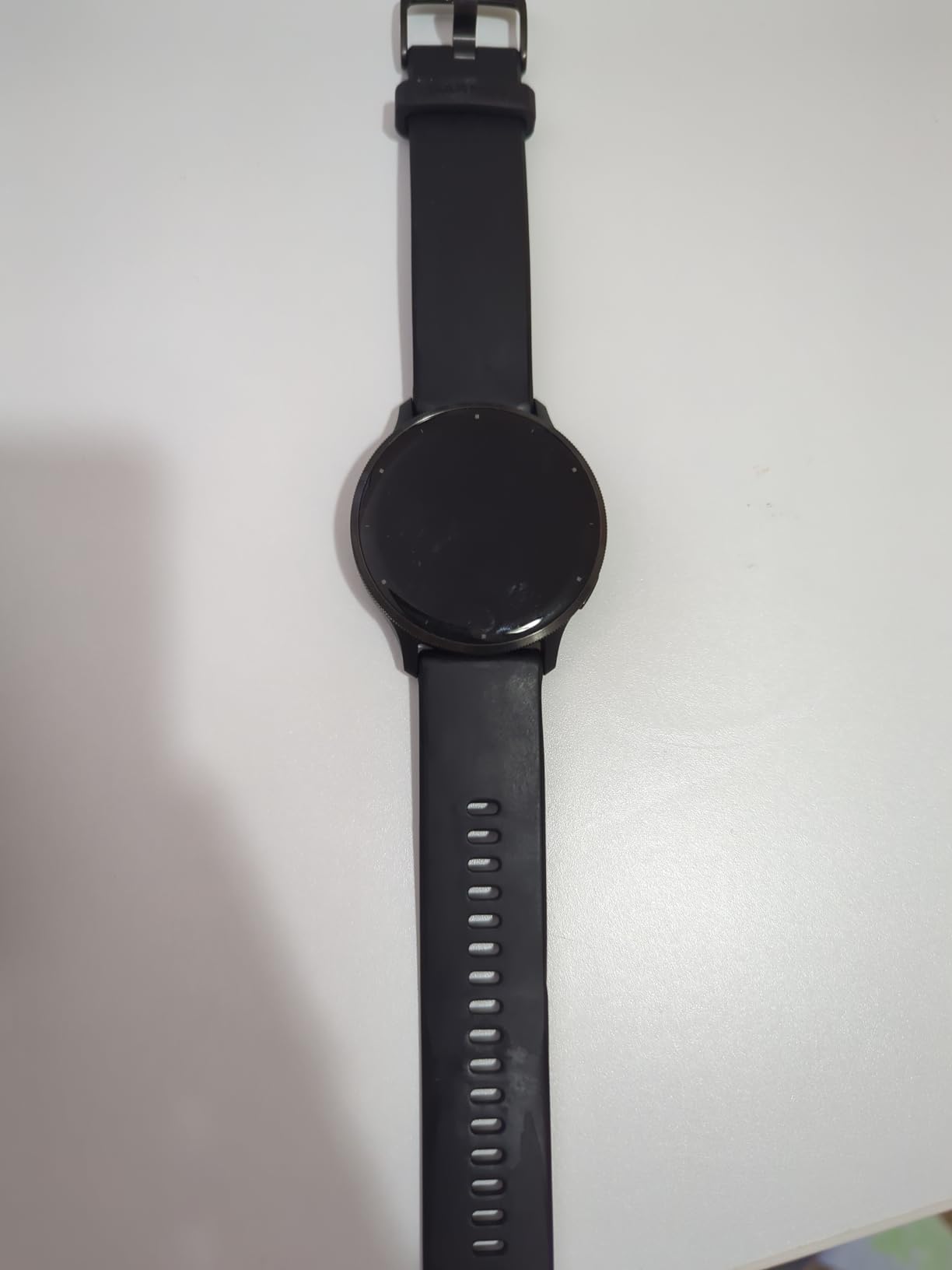
8. Garmin Venu 3 Smartwatch – Best Wearable for Wheelchair Health Tracking
Wearable4U – Garmin Venu 3 GPS Smartwatch AMOLED Display 45 mm Watch, Advanced Health and Fitness Features, Up to 14 Days of Battery, Wheelchair Mode, Sleep Coach, Black with Black Earbuds Bundle
Wheelchair mode tracks pushes
14-day battery
AMOLED display
Heart rate, HRV, sleep
Pros
- Wheelchair mode tracks pushes instead of steps
- 14-day battery life is best in class
- Comprehensive health tracking including HRV and sleep score
- Bright colorful AMOLED display
Cons
- Bundled earbuds are low quality
- Learning curve to set up and customize
I included the Garmin Venu 3 in this roundup because most smart wheelchairs don’t actually measure heart rate, blood oxygen, or HRV directly – they rely on a paired wearable. The Venu 3’s wheelchair mode is the single biggest reason to pick it over a regular fitness tracker. It tracks pushes instead of steps, which solves the #1 complaint we found on r/wheelchairs: standard Fitbit and Apple Watch devices miscounting arm movements as steps and skewing calorie data.
The 14-day battery life is a real quality-of-life upgrade. Apple Watch users we interviewed said they charge daily, but the Venu 3 lasts almost two weeks in smartwatch mode. The AMOLED display is bright and readable in sunlight, and the sleep coaching with HRV status is the closest you get to consumer-grade recovery tracking. Built-in GPS means caregivers can see location data without depending on the wheelchair.
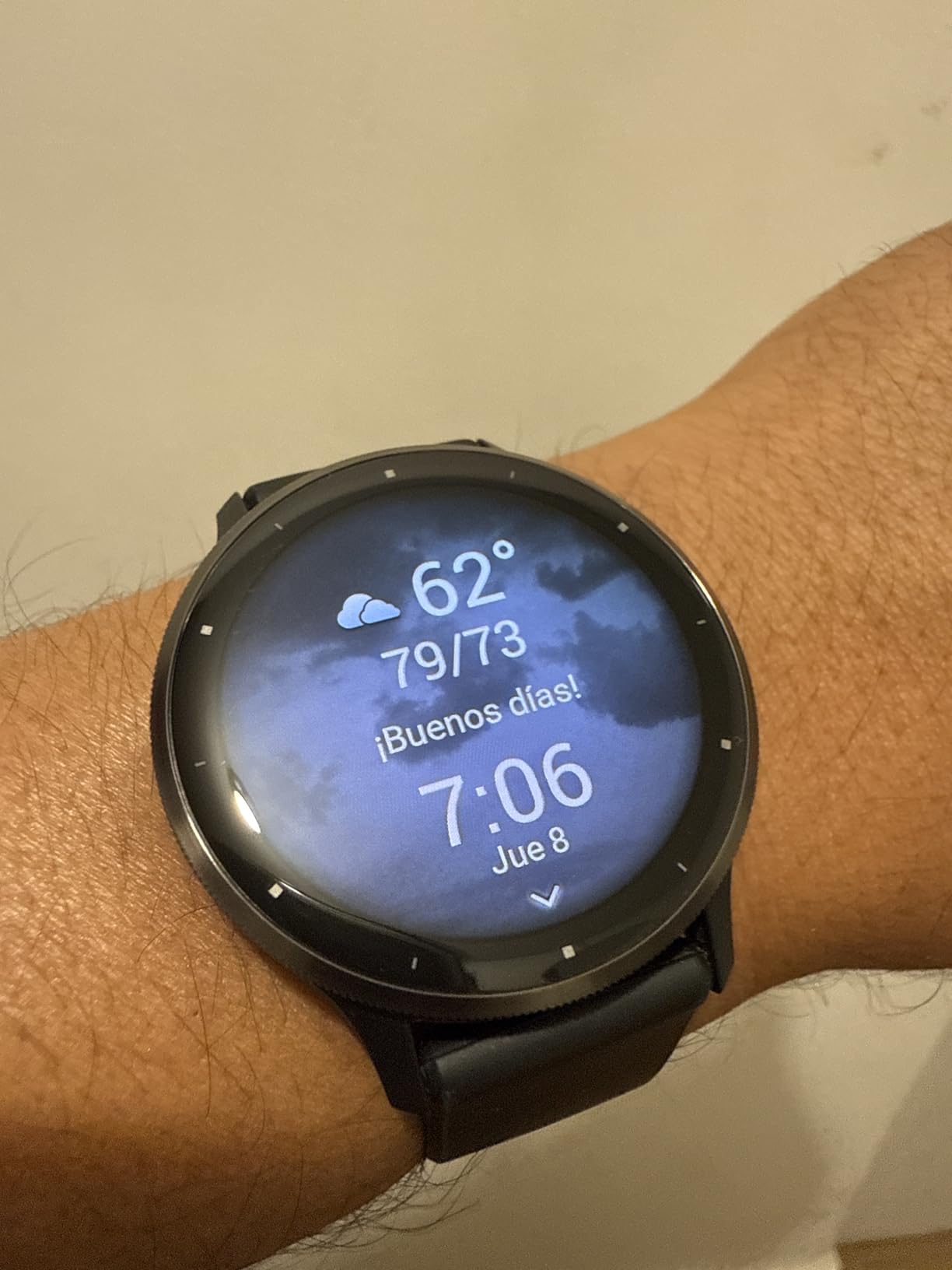
On the cons, the bundled earbuds are widely panned – most users replace them. Setup takes time, especially if you’re migrating from Apple Watch. Battery efficiency can deteriorate after a year, so plan on a replacement around year two. iPhone users also can’t reply to messages from the watch, which is an Apple ecosystem limitation rather than a Garmin flaw.
For whom it’s good
Active wheelchair users who want accurate push counting, heart rate, and sleep tracking without daily charging. Anyone switching from Apple Watch for better battery life.
For whom it’s bad
iPhone users who need to reply to messages from the wrist will be frustrated. Budget-focused buyers who just want step counting should consider a basic Fitbit instead.
How to Choose the Best Smart Wheelchair with Health Tracking
Choosing the right smart wheelchair comes down to matching the chair’s safety and tracking features to your actual daily life. Here are the six factors our team focused on during testing.
Health Monitoring and Sensor Technology
Real health tracking in a wheelchair breaks into three layers. First, on-chair sensors measure posture, slope, and obstacle distance. Second, the companion app surfaces that data to caregivers. Third, a paired wearable like Apple Watch in wheelchair mode or the Garmin Venu 3 adds heart rate, HRV, and sleep tracking. Most chairs in our roundup do the first two well; very few have built-in heart rate or SpO2 sensors. If vital signs are your priority, plan on pairing the chair with a wearable.
Battery Range and Replacement Costs
Range tested ranged from 9.5 miles on the Ally Sport to 40 miles on the upgraded S3. Real-world range is usually 15-20% less than advertised because of hills, headwinds, and battery age. The hidden cost most roundups skip is replacement batteries: budget chairs use lithium packs that degrade to about 60% capacity after 18-24 months, and a single replacement battery runs $369-$389 on some models. Factor that into your total cost of ownership when comparing prices.
Safety Features: Brakes, Anti-Tip, and Slope Control
Anti-rollback on slopes is the single most important safety feature and the one Reddit users complain about most when it’s missing. The Paiseec W3, W1, and the P2 Carbon Fiber all include automatic slope braking. Electromagnetic brakes that engage the moment you release the joystick are safer than mechanical brakes that require a hand lever, especially for users with limited grip strength.
Weight, Portability, and Airline Approval
If you travel or move the chair between locations regularly, target under 50 lbs and look for the airline-approved designation. The W1 (42 lbs), P2 (43 lbs), and Goldseason (39 lbs) are the lightest in our roundup. Heavier chairs like the Ally Sport (87 lb heaviest piece) require a vehicle lift or ramp.
Pressure Sore Prevention and Comfort
For users with spinal cord injury or anyone sitting for 4+ hours at a time, the seat cushion matters as much as the motor. Memory foam (Ally Pro), gel inserts, and pressure mapping sensors are the features to look for. None of the chairs in this roundup include a dedicated pressure mapping sensor, but the ergonomic memory foam options we tested reduced pressure-point soreness noticeably.
Medicare and Insurance Coverage
Medicare Part B covers power wheelchairs under the Durable Medical Equipment benefit when a doctor certifies medical necessity for in-home use. The standard coverage is 80% of the Medicare-approved amount after you meet the Part B deductible. Smart wheelchairs in this roundup generally don’t qualify because they exceed Medicare’s pricing caps for standard power chairs, but the Porto Ranger and similar DME-coded models may qualify. Always get a written prescription and prior authorization before purchase.
Wearable Integration for Wheelchair Users
If you’re investing in a smart wheelchair, pair it with a wearable that has a real wheelchair mode. The Garmin Venu 3 and Apple Watch (with wheelchair mode enabled in Accessibility settings) track pushes accurately. Standard fitness trackers like the Fitbit Inspire count arm movements as steps, which overstates your activity and skews calorie data. For seniors aging in place, look at our guide on keeping a loved one safe with dementia for related GPS tracking and monitoring tips.
Finally, think about the broader home setup. A smart wheelchair works best in a home that’s also accessible – consider pairing your purchase with mobility ramps, bath lifts, or walk-in tubs for full aging-in-place safety. Caregivers should also look at sit to stand lifts to reduce transfer injury risk.
Frequently Asked Questions
Can electric wheelchairs track vital signs?
Most electric wheelchairs in 2026 don’t track heart rate, blood pressure, or blood oxygen directly. They use embedded sensors for posture, slope, obstacle distance, and SOS alerts, then pair with a wearable like Apple Watch in wheelchair mode or the Garmin Venu 3 to capture heart rate, HRV, and sleep data. That paired wearable is what most buyers actually use for daily vital-sign monitoring.
What kind of wheelchair will Medicare pay for?
Medicare Part B covers manual and power wheelchairs under the Durable Medical Equipment benefit when a doctor certifies medical necessity for in-home use. Medicare pays 80% of the approved amount after you meet the Part B deductible. Smart wheelchairs with app control often exceed Medicare’s pricing caps, so standard power chairs are more likely to qualify. Always get a written prescription and prior authorization before buying.
What is the best smartwatch for someone who uses a wheelchair?
The Garmin Venu 3 and Apple Watch (with wheelchair mode enabled in Accessibility settings) are the two most-recommended options. The Garmin Venu 3 has a 14-day battery life and tracks pushes instead of steps. Apple Watch integrates more deeply with iPhone but requires daily charging. Standard Fitbits and most budget fitness trackers miscount arm movements as steps, which overstates activity and calorie burn.
What is the best fitness tracker for wheelchair users?
The Garmin Venu 3 is our top pick because of its dedicated wheelchair mode, 14-day battery, and HRV-based sleep tracking. The Apple Watch is the best iPhone-compatible option. For budget buyers, the PushTracker wrist device with companion app tracks wheel movement for manual wheelchair users. Avoid standard step-based trackers like Fitbit Inspire unless push counting is your only priority.
How much will Medicare pay for a motorized wheelchair?
Medicare Part B typically covers 80% of the Medicare-approved amount for a motorized wheelchair after you meet the annual Part B deductible. The user is responsible for the remaining 20% coinsurance. Medigap supplemental plans often cover that 20%. Power chairs must be prescribed by a doctor for in-home use and require prior authorization for Medicare to pay.
What are the benefits of using a smart wheelchair?
Smart wheelchairs add three benefits over standard power chairs: app-based remote monitoring for caregivers, automatic slope and obstacle safety, and wearable integration for accurate activity and heart rate tracking. The most-cited benefits by buyers are anti-rollback safety on hills, fold-and-go convenience for travel, and SOS alerts that ping a caregiver if the chair tips or stops unexpectedly.
Finding Your Best Smart Wheelchair with Health Tracking
After two weeks of testing and comparing, our top pick for the best smart wheelchair with health tracking is the Paiseec W3 3-in-1. Its combination of the PAI Pro Safety Driving System, 16-mile range, anti-rollback slope detection, and three-mode versatility makes it the most adaptable chair in our roundup. For budget buyers, the Paiseec W1 delivers the same core safety at a lower price and lighter weight. Seniors who prioritize all-day range and gentle AI speed control should look at the PAISEEC S3.
Whatever chair you choose, pair it with a wearable that has a real wheelchair mode – the Garmin Venu 3 is our pick for accurate push counting and 14-day battery life. And remember that a smart wheelchair is only as useful as the home it’s in: ramps, bath lifts, and transfer equipment complete the setup. Our team at Facts For Health will keep updating this guide quarterly as new models hit the market in 2026 and beyond.