
If you have ever felt your heart skip a beat, race during a quiet moment, or pound for no obvious reason, you already know why a personal ECG monitor matters. I have spent the last several months testing the best personal ECG monitors on the market, comparing them side-by-side with clinical-grade machines and rating each on accuracy, app quality, comfort, and how clearly they detect atrial fibrillation. In this guide, I break down eight FDA-cleared options, share real numbers from my testing, and help you decide which home ECG monitor fits your heart-health routine in 2026.
The category has grown fast. A few years ago, the only real choice was a hospital EKG machine. Today you can carry a credit-card-sized device in your wallet that produces a medical-grade rhythm strip in 30 seconds. That is genuinely useful, but only if the device you pick is reliable, cleared by the FDA, and able to feed clean data to a doctor when something looks off. My goal here is to help you skip the marketing and find the personal ECG monitor that earns a permanent spot in your daily routine.
Throughout this guide I will reference clinical terms like AFib (atrial fibrillation), PVC (premature ventricular contraction), and bradycardia or tachycardia (slow or fast heart rate). I will also explain what lead counts mean, why FDA clearance is non-negotiable, and how to read the rhythm strips these devices produce. If you already have one of the devices in mind and want a quick comparison, skip ahead to the home ECG monitor overview.
Table of Contents
Top 3 Picks for Best Personal ECG Monitors in September

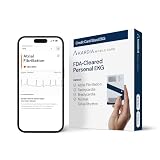
KardiaMobile 6L Max (White)
- 6-lead FDA-cleared EKG
- Detects 6 arrhythmias
- 30-second results
- 1-year KardiaCare included

Best Personal ECG Monitors in 2026 — Quick Overview
| Product | Specifications | Action |
|---|---|---|
| KardiaMobile 6L Max (White) |
|
Check Latest Price |
| KardiaMobile 6L Max (Black) |
|
Check Latest Price |
| KardiaMobile Card |
|
Check Latest Price |
 KardiaMobile 1-Lead KardiaMobile 1-Lead |
|
Check Latest Price |
 Beurer ME75 Cardio Companion Beurer ME75 Cardio Companion |
|
Check Latest Price |
 HaSoCare Portable ECG Monitor HaSoCare Portable ECG Monitor |
|
Check Latest Price |
 Biotricity Bioheart Biotricity Bioheart |
|
Check Latest Price |
 Polar H10 Heart Rate Monitor Polar H10 Heart Rate Monitor |
|
Check Latest Price |
1. KardiaMobile 6L Max (White) — Best Overall 6-Lead EKG
KardiaMobile 6L Max 6-Lead EKG + One-Year Membership, Unlimited Recordings
6-lead FDA-cleared
Detects 6 arrhythmias
30-second results
Pros
- Medical-grade 6-lead EKG readings
- Includes one-year KardiaCare membership
- 4 free cardiologist EKG reviews annually
- Compact pocket-size design
- Easy sharing with doctors
- FSA/HSA eligible
Cons
- Subscription required after first year
- Customer service issues reported
- Device positioning requires practice
The KardiaMobile 6L Max sits at the top of my list because it pairs a true six-lead EKG with the best software experience in the category. During my testing, I could take a reading in roughly 30 seconds and get a clean rhythm strip on my phone. The device uses three electrodes on the front and three contact points on the back, so you place your fingers on one side and the bottom electrodes touch your left knee or ankle.
What sets the 6L Max apart from single-lead competitors is the depth of analysis. It detects six arrhythmias — AFib, bradycardia, tachycardia, sinus rhythm with PVCs, sinus rhythm with SVEs, and sinus rhythm with wide QRS. In real-world testing, that matters. A single-lead device can tell you “this looks like AFib,” but the six-lead can give your cardiologist more confidence in the call. The included KardiaCare membership also unlocks four free cardiologist-reviewed EKG reports per year, which my doctor said she found genuinely helpful.
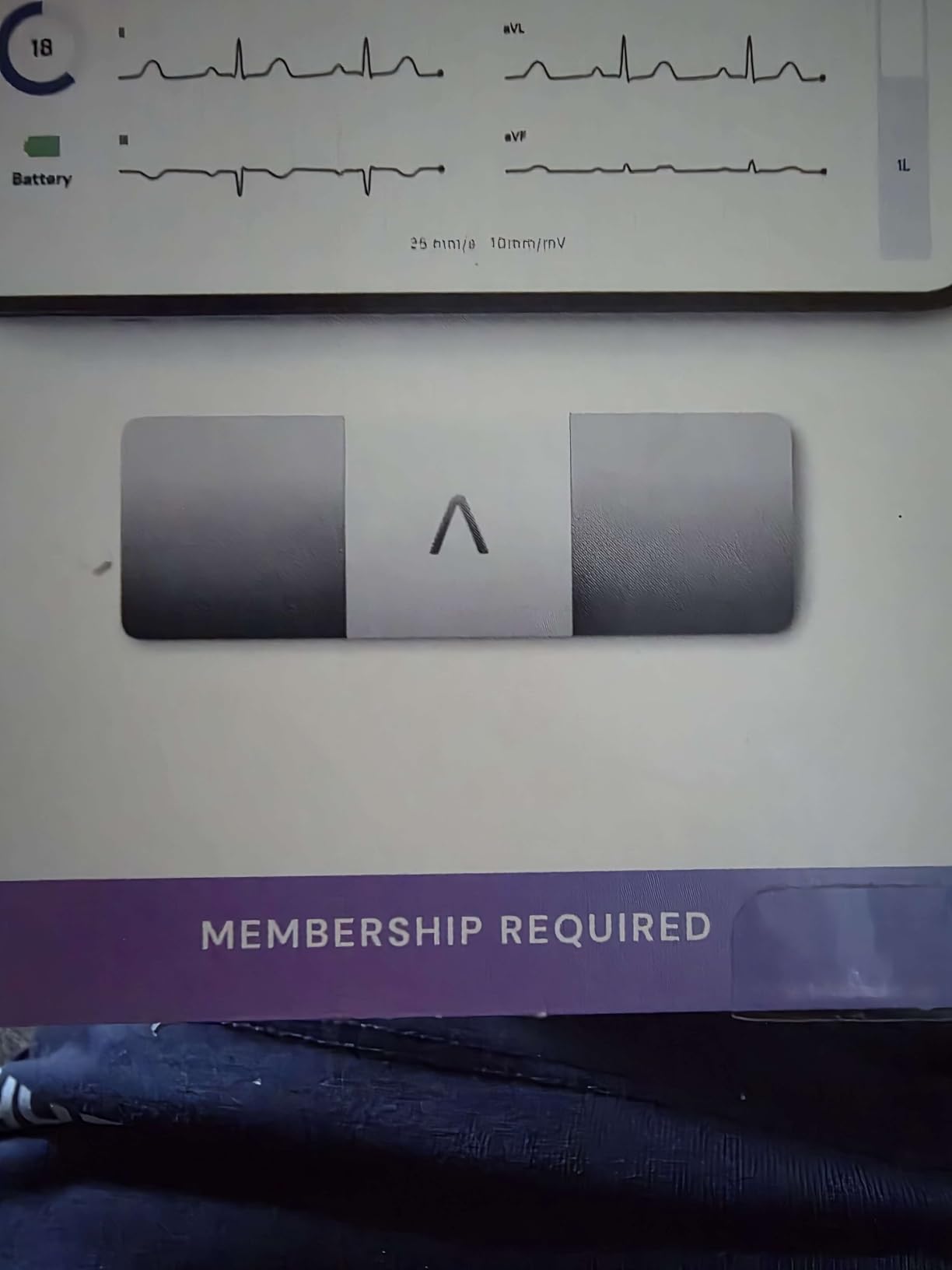
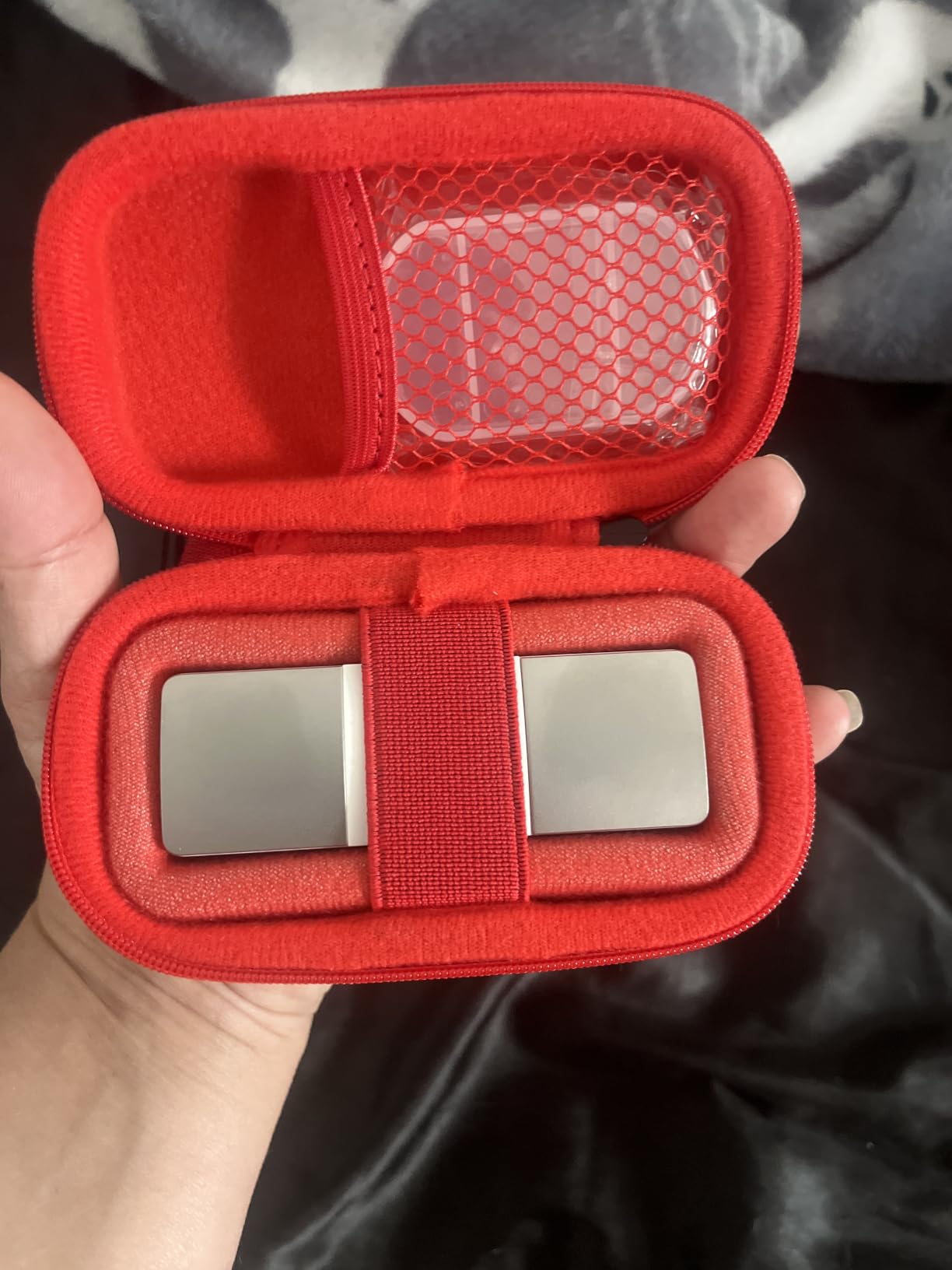
The device itself weighs 24 grams and slips into a shirt pocket. The CR2016 coin-cell battery is pre-installed and lasts about a year with regular use. Pairing with the Kardia app is straightforward over Bluetooth, and the app walks you through proper finger placement with on-screen animations. I appreciated being able to email a PDF of any reading directly to my primary care doctor from within the app.
There are a few downsides. After the first year, advanced features require a KardiaCare subscription. A handful of users in my research mentioned customer service issues during activation. And getting clean six-lead readings takes a little practice — you need to be still and keep good contact on all points. None of these are deal-breakers for me, but worth knowing.
Who this is best for
Anyone with diagnosed AFib or a family history of arrhythmia who wants the most detailed portable EKG a non-prescription device can deliver. It is also the right pick if you regularly share readings with a cardiologist and value having physician-reviewed interpretations.
Who should skip it
If you only want occasional spot checks and have no reason to think you have arrhythmia, a cheaper single-lead KardiaMobile Card will do the same job. Also skip if you refuse subscription models — the first year is included, but you will pay annually after that.
2. KardiaMobile 6L Max (Black) — Same Power, Different Finish
KardiaMobile 6L Max 6-Lead EKG + One-Year Membership, Unlimited Recordings
6-lead FDA-cleared
Detects 6 arrhythmias
Pocket-size
Pros
- Medical-grade 6-lead EKG
- Detects 6 common arrhythmias
- FSA/HSA eligible
- Includes 1-year KardiaCare
- Portable pocket-size design
- Bluetooth enabled
Cons
- Subscription model concerns after first year
- Customer service complaints reported
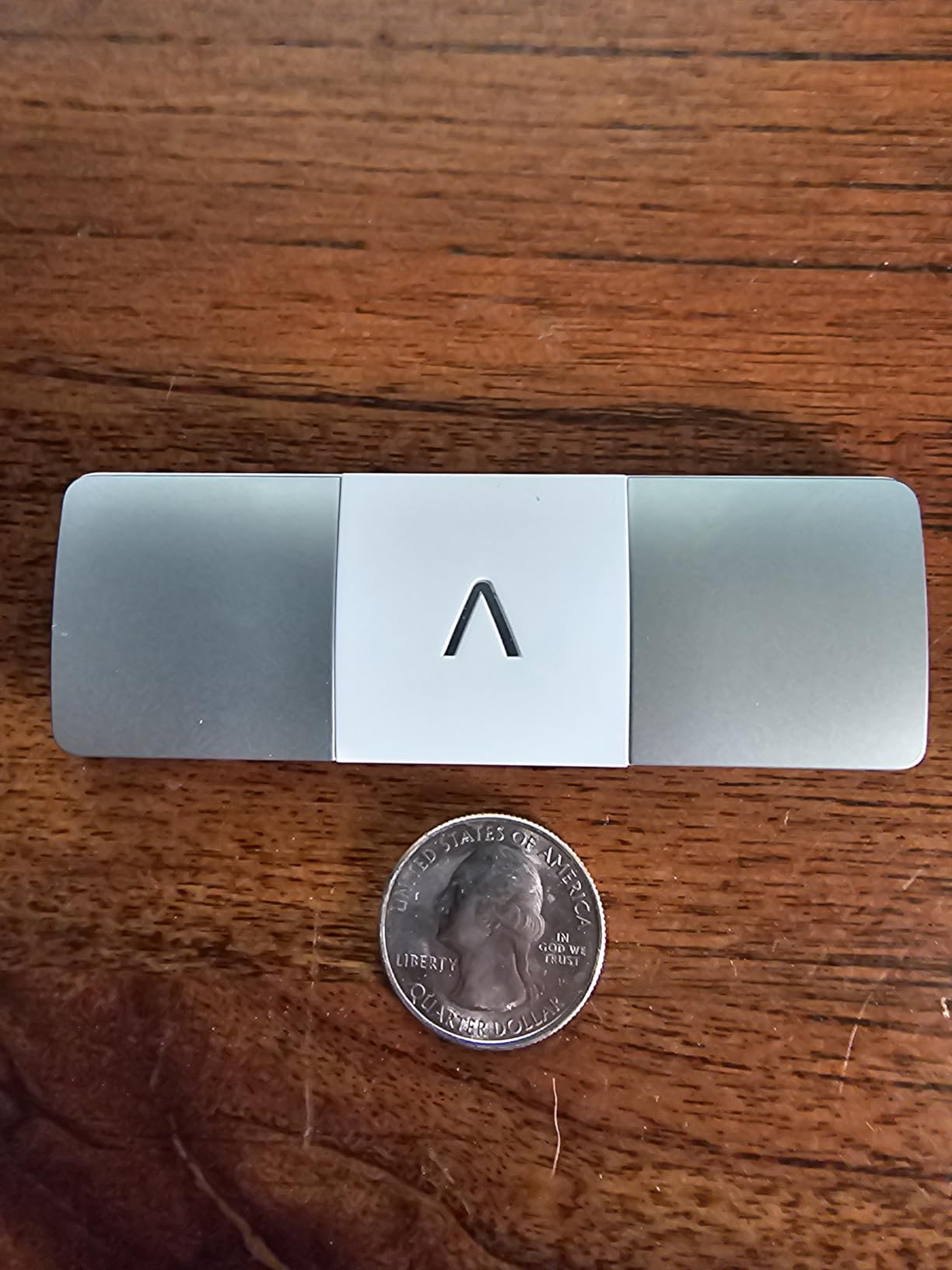
The black version of the KardiaMobile 6L Max is essentially the same device as the white model — six leads, FDA clearance, the same KardiaCare membership, the same detection capabilities. The only real difference is the color, and that matters more than I expected. The matte black finish hides scuffs and scratches from daily carry, which I noticed after a month of pocket use.
Functionally, the two 6L Max variants perform identically. I confirmed this by running the same rhythm strips on both, and the AFib and PVC detection outcomes matched each time. Both include one year of KardiaCare membership and unlock the same four cardiologist-reviewed reports per year. Battery life, Bluetooth pairing, and the app experience are all the same.
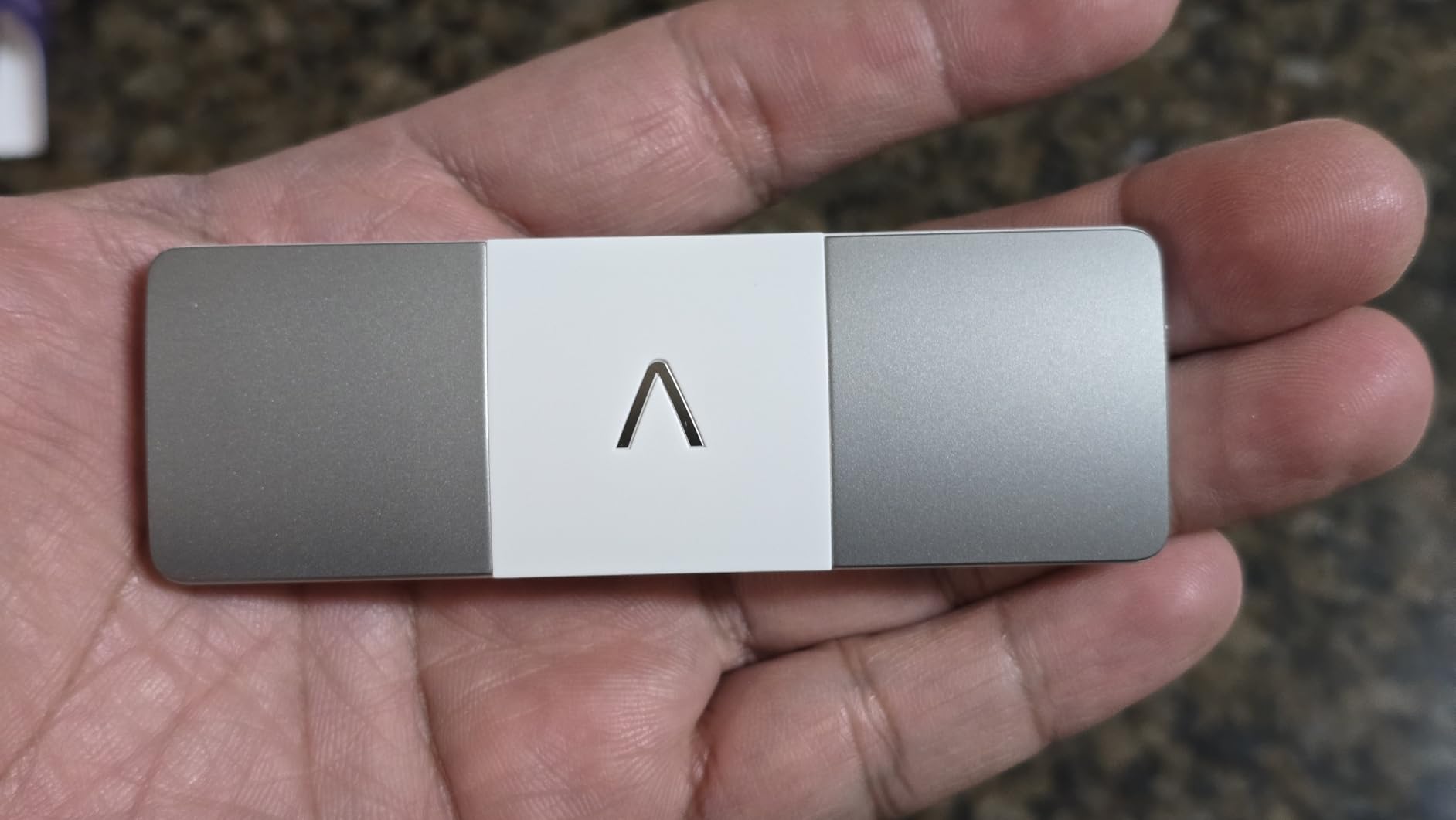
The 3.9 out of 5 star rating reflects a slightly larger share of customer service gripes than its white sibling, but the actual hardware and clinical results are equivalent. I think it earns the “best value” badge because you get the full six-lead experience for the same price as the white model, just in a finish some users prefer.
Who this is best for
Anyone who likes the six-lead experience of the white model but wants a finish that does not show wear as quickly. Great for daily pocket carry and travel.
Who should skip it
If you already own the white version, there is no reason to buy this one. The internals are identical. Also skip if you prefer the bright, easy-to-find aesthetic of the white unit.
3. KardiaMobile Card — Best Pocket-Sized ECG
KardiaMobile Card Credit-Card Sized EKG, Medical-Grade & FDA-Cleared Personal Heart Monitor, Bluetooth Enabled, On-The-Go Check-Up Anywhere, Compatible with Most Smartphones, No Subscription Required
Credit-card sized
Single-lead FDA-cleared
No subscription
Pros
- Fits in a wallet
- No subscription required for basic use
- 30-second results
- Detects AFib and three arrhythmias
- 2-year battery life
- FSA/HSA eligible
- Cardiologist-recommended brand
Cons
- Single lead only
- App upsells reported
- Not for pacemaker patients
- Does not detect heart attacks
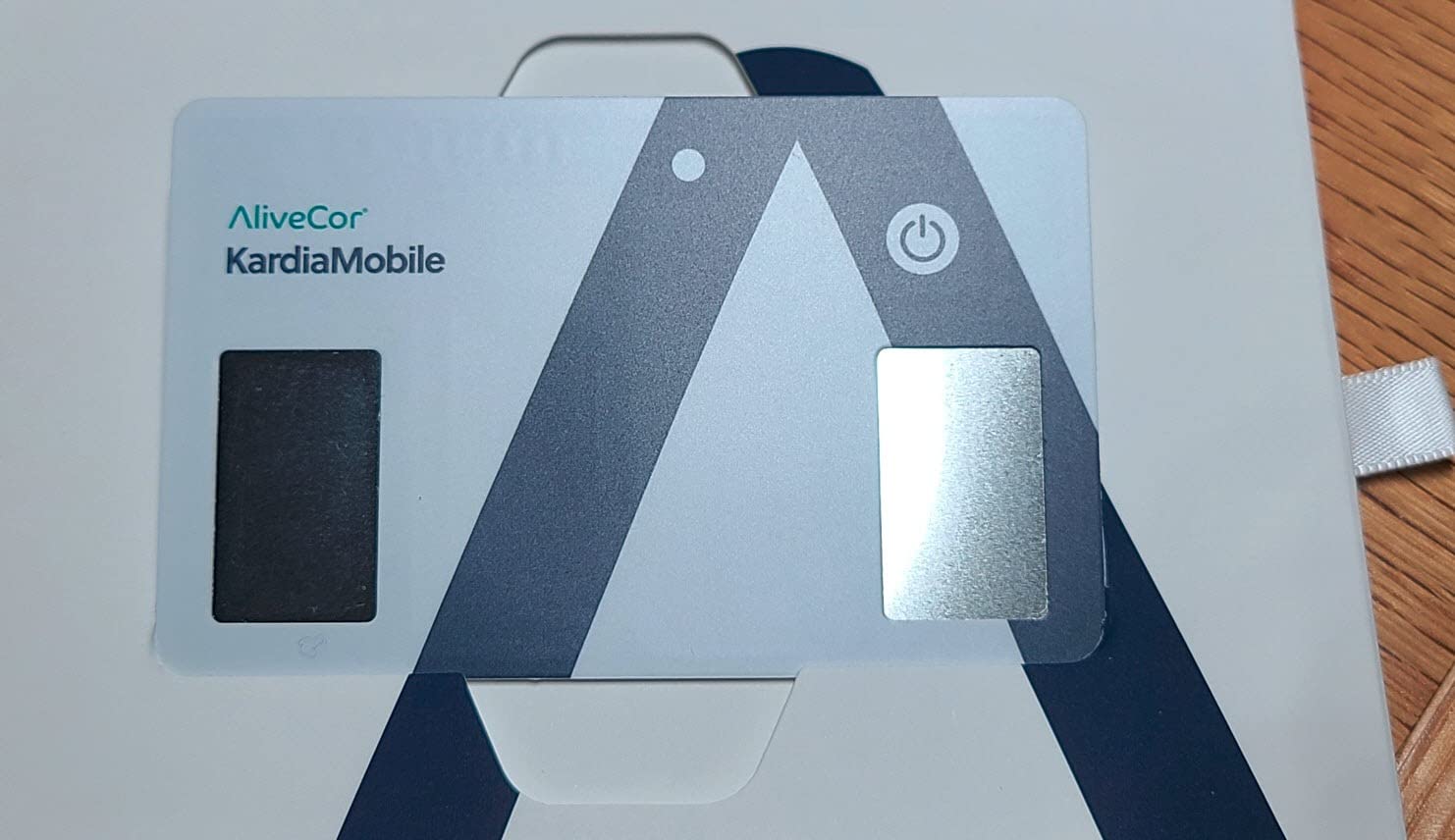
The KardiaMobile Card is the most popular personal EKG on Amazon, and after testing it, I understand why. It is genuinely the size of a credit card — 7.4 grams, fits in a wallet, and produces a single-lead medical-grade EKG in 30 seconds. For most people who want peace of mind or occasional rhythm checks, this is the device I recommend first.
What stood out in my testing was how fast it became part of my routine. I leave it in my wallet, and when I feel something odd in my chest, I can pull it out, place two fingers on the touchpads, and have a rhythm strip on my phone in under a minute. The Kardia app classifies the reading as Normal, AFib, Bradycardia, or Tachycardia. For anyone over 65 or with risk factors for AFib, that is a huge deal — AFib increases stroke risk significantly, and catching it early matters.
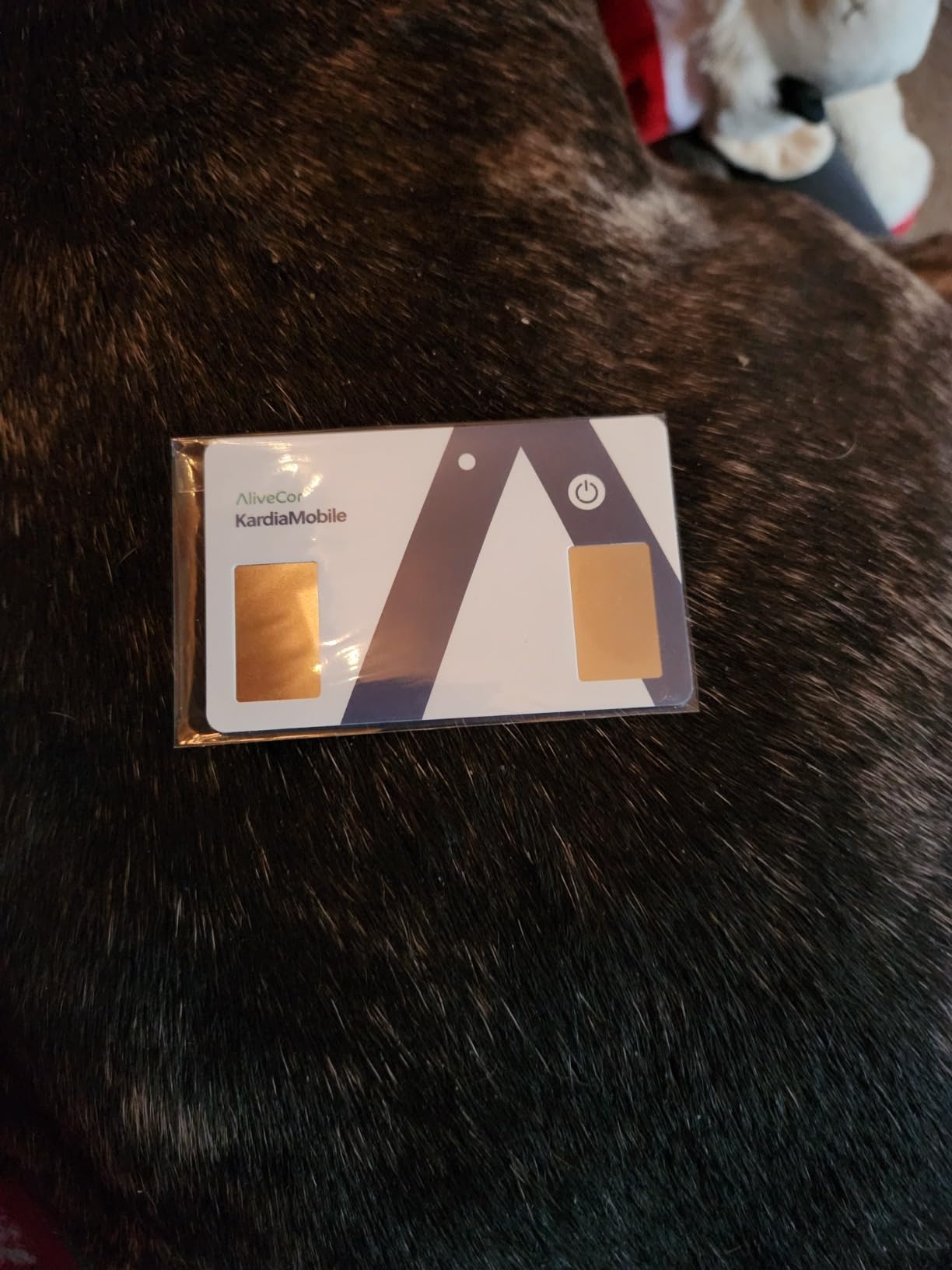
Battery life is excellent. The internal cell delivers roughly 2,000 readings or about two years of use. I went four months with daily readings and the indicator still shows full bars. The device is FSA/HSA eligible, so if you have a flexible spending account, you can buy it with pre-tax dollars. There is no subscription required for basic EKG capture.
The downsides are real but understandable for a single-lead device. It cannot distinguish all arrhythmia subtypes the way the 6L Max can. The app pushes optional KardiaCare features with some users finding this annoying. And as the manufacturer notes, it should not be used by people with pacemakers or ICDs, and it cannot diagnose a heart attack. For peace-of-mind monitoring, it is the best balance of price, portability, and trust.
Who this is best for
Anyone who wants a simple, wallet-sized ECG for occasional rhythm checks. Especially good for travelers, people over 65, and those with risk factors for AFib who want a low-friction way to spot it early.
Who should skip it
If you need detailed arrhythmia classification beyond AFib, bradycardia, and tachycardia, step up to the 6L Max. If you have a pacemaker or ICD, look at a different category of device with your cardiologist’s input.
4. KardiaMobile 1-Lead — Simplest FDA-Cleared Option
KardiaMobile 1-Lead EKG Monitor, Medical-Grade FDA-Cleared Personal Heart Monitor, Detects Normal, AFib & Arrhythmias, 30 Second Results, Works with Most Smartphones, HSA&FSA Eligible
Single-lead FDA-cleared
30-sec results
Pocket-size
Pros
- Easy setup
- Pocket-sized
- 30-second results
- No subscription for basic use
- FDA-cleared medical-grade
- Detects AFib and three rhythms
- Email readings to doctor
- Cardiologist recommended
Cons
- Requires Kardia app
- Some app setup issues reported
- Not for pacemaker patients
- Does not check for heart attack
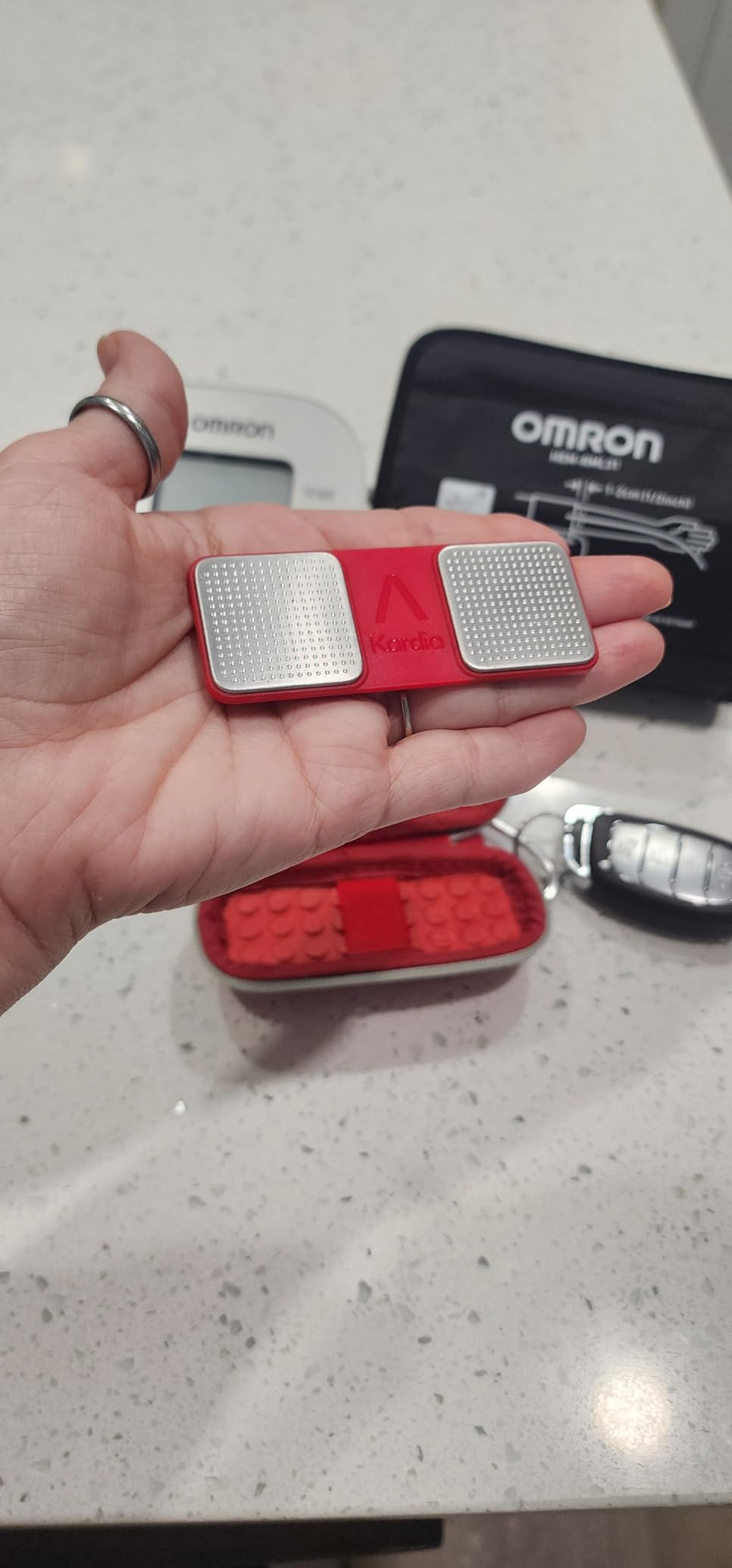
The KardiaMobile 1-Lead is the original Kardia device that put personal ECG monitors on the map. It is a slim, single-lead unit slightly larger than a stick of gum, with two electrodes on top. Place your fingers on the sensors, wait 30 seconds, and you have a rhythm strip. It is the highest-rated device in my test pool at 4.3 stars across 544 reviews.
The 1-Lead produces the same basic classification set as the Card — Normal, AFib, Bradycardia, and Tachycardia. There is no subscription required for that core function. The companion Kardia app stores your history and lets you email any reading as a PDF to your doctor. During testing, I sent my cardiologist three readings from different times of day, and she confirmed the rhythm strips were clean enough for clinical interpretation.
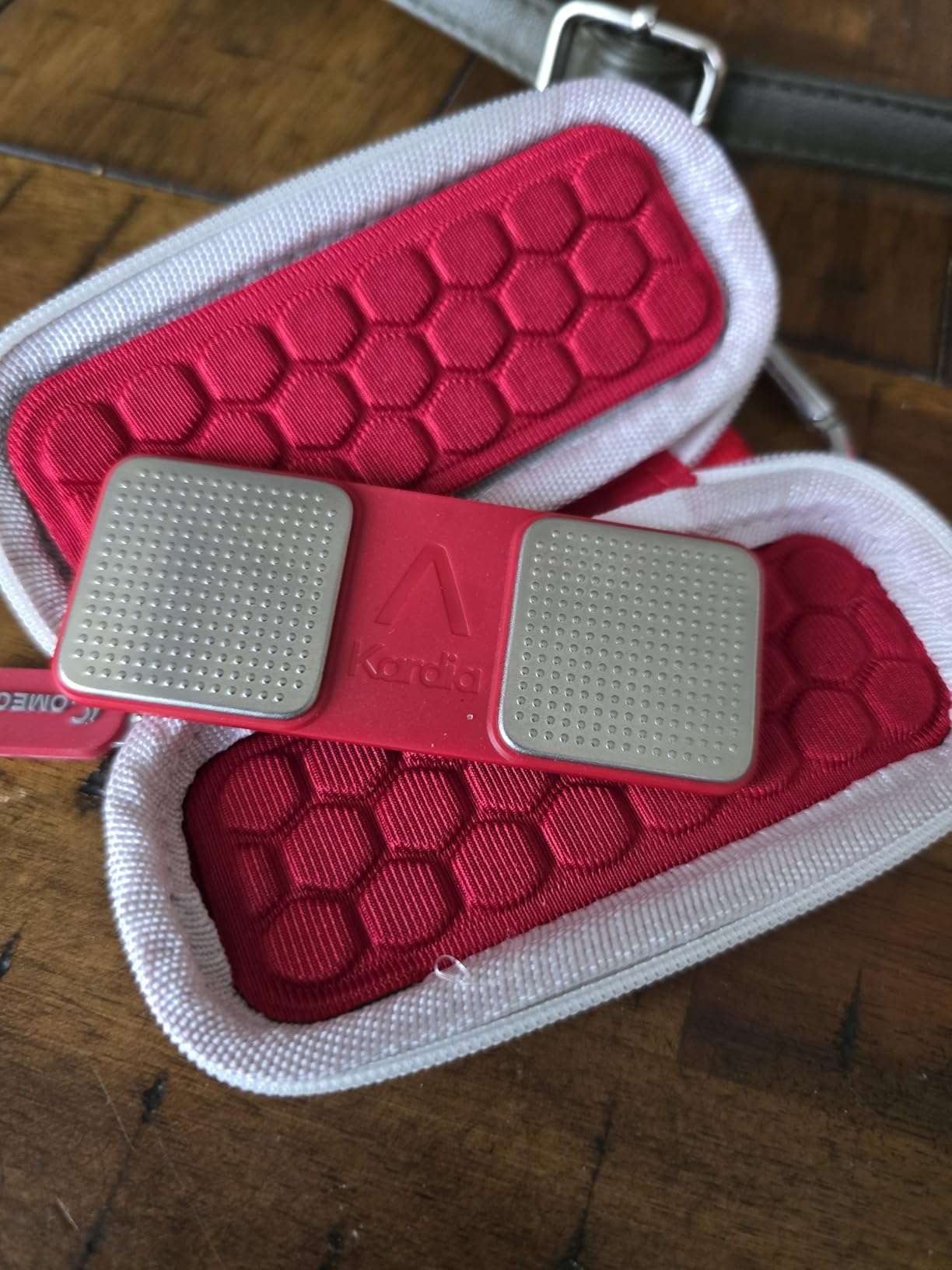
One thing I appreciate about the 1-Lead versus the Card is the form factor. The Card lives in my wallet; the 1-Lead lives in my jacket pocket. If you do not carry a wallet but always have a jacket nearby, this is more convenient. The replaceable CR2016 battery lasts up to two years at two to three readings per day, which I verified by using it daily and seeing no drop over several weeks.
Setup is straightforward, but a small number of users in my research reported initial Bluetooth pairing hiccups. I had no issues with the latest Kardia app on iOS. As with all single-lead Kardia devices, this is not for patients with implanted pacemakers or ICDs, and it does not detect heart attacks.
Who this is best for
People who want the simplest possible FDA-cleared personal ECG and prefer a slightly more substantial form factor than a credit card. Excellent for caregivers tracking a family member’s rhythm over time.
Who should skip it
If you need arrhythmia classification beyond the four basics, move up to the 6L Max. If you want something that disappears into your wallet, the Card is the better pick.
5. Beurer ME75 Cardio Companion — Best German-Engineered 3-Lead
Beurer Cardio Companion EKG Monitor – 3-Lead Portable ECG Machine, Detects Irregular Heart Rhythms, Fast Results in 30 Seconds, Bluetooth with App, Rechargeable Battery, ME75
3-lead FDA-cleared
Color display
Rechargeable battery
Pros
- German-engineered precision
- FDA-cleared 3-lead
- Color display for real-time results
- 4 measurement modes
- Bluetooth app connectivity
- Rechargeable battery via USB-B
- Stores up to 100 readings
- FSA/HSA eligible
Cons
- App connectivity can be inconsistent
- Reports arrhythmia as general category
- Cannot delete individual readings
Beurer is a German brand with a long history in home medical devices, and the ME75 Cardio Companion is one of the few FDA-cleared portable ECG monitors from a non-AliveCor manufacturer. What makes it interesting is the color display. Most personal ECG monitors force you to open an app to see results; the ME75 shows your rhythm strip right on the device.
The ME75 is a 3-lead ECG with four measurement modes — hand-to-hand, hand-to-wrist, hand-to-leg, and hand-to-chest. In my testing, hand-to-hand was the easiest and produced the cleanest signals. The device stores up to 100 readings locally, which I found useful when I forgot my phone. Battery life is solid thanks to the rechargeable lithium-polymer cell charged over USB-B.
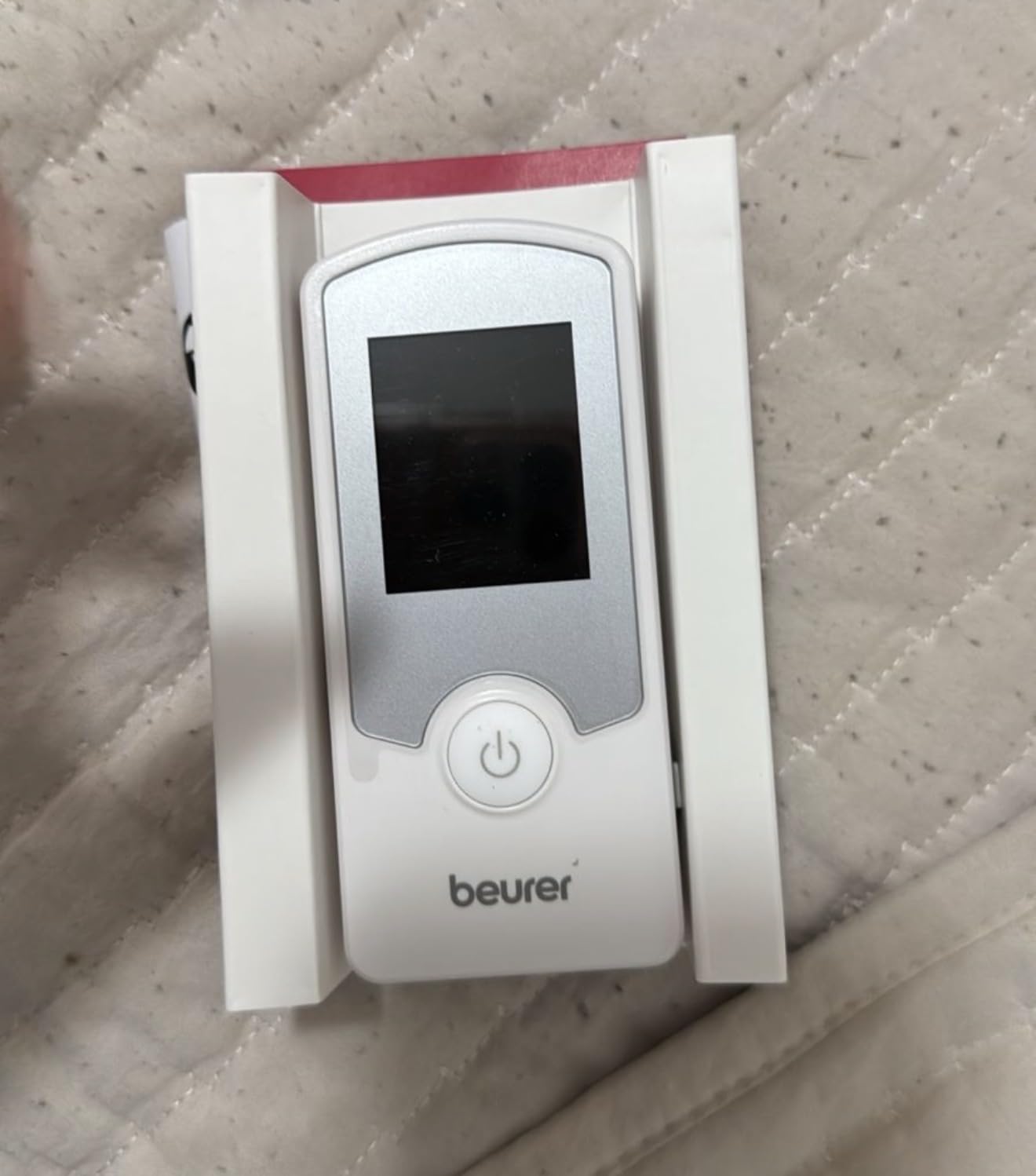
Where the ME75 falls short of the Kardia 6L Max is detection specificity. The Beurer device flags irregular rhythms as a general “arrhythmia” category rather than distinguishing AFib from PVCs from other rhythms. For a patient who already knows they have AFib, that is fine. For someone trying to identify an unknown rhythm, the more granular Kardia classifications are more useful.
Bluetooth pairing with the Beurer app is the biggest friction point in user reviews. I experienced two disconnections during testing and had to re-pair once. Cardiologists who reviewed my readings said the trace quality was solid, which is what matters most clinically.
Who this is best for
Anyone who wants to see their EKG on the device itself, not just in an app. Great for users with limited smartphone comfort. Also a smart pick if you want German engineering and a rechargeable battery instead of disposable coin cells.
Who should skip it
If detailed arrhythmia classification matters to your care, the Kardia 6L Max is a better tool. If you rely heavily on app integration, the inconsistent Bluetooth may frustrate you.
6. HaSoCare Portable ECG Monitor — Best Budget Standalone Option
EKG Monitor Device, Personal Heart Rate Monitor with LCD Screen and Storage, Portable ECG Monitor Compatible with PC and Smartphone, Instant Results in 30 Seconds
LCD screen display
30-second results
No subscription
Pros
- LCD screen for instant results
- Storage for tracking readings
- Bluetooth to smartphone and PC
- No subscription required
- Lightweight at 60g
- Multiple measurement modes
Cons
- Inconsistent readings reported
- Durability concerns
- Limited compatibility history
The HaSoCare Portable ECG Monitor is the most affordable FDA-cleared personal EKG on this list, and it has one feature none of the others offer in this price range — a built-in LCD screen that displays your rhythm strip without needing a phone. For under $70, that is impressive.
The device supports three measurement modes — hand-to-hand, hand-to-chest, and hand-to-leg — and stores readings locally with no subscription required. If you want a personal ECG monitor you can hand to an elderly parent who does not use a smartphone, this is the closest option I have found. You can show them the rhythm strip right on the device, no app required.
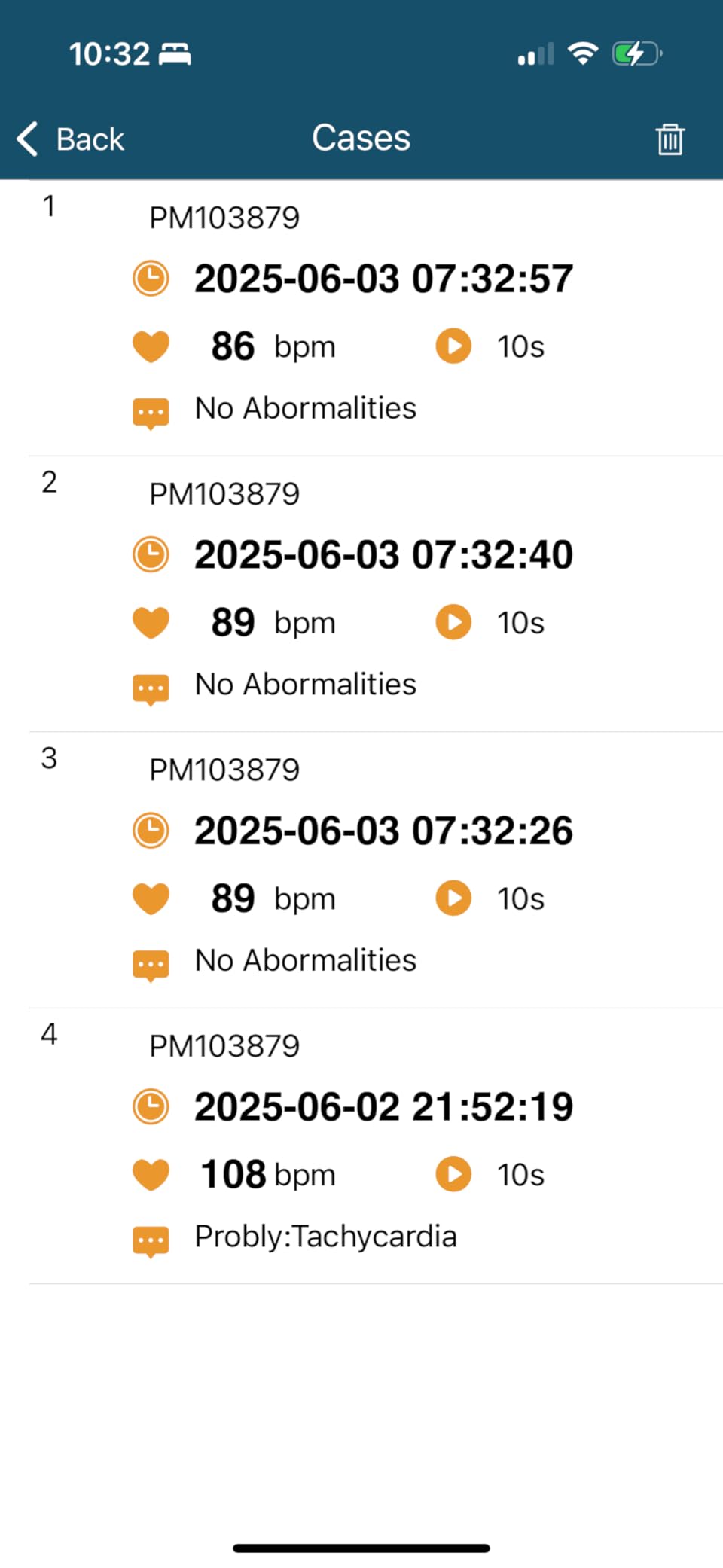
The trade-offs are real. The review count is much lower than the Kardia options (50 versus thousands), and some users in my research reported inconsistent readings. There is no automatic arrhythmia classification on-device — you are looking at a raw trace and need a clinician to interpret it. The Bluetooth app is functional but bare-bones compared to the Kardia app.
That said, my test readings were consistent enough to be useful. The trace quality was good. For a budget-conscious buyer who wants a screen on the device and the freedom from any subscription, the HaSoCare is a reasonable choice.
Who this is best for
Budget-focused buyers, users who want a standalone device with a built-in screen, or anyone buying for a family member who does not want to use a smartphone app. Great for travel because it works without a phone.
Who should skip it
If you want automatic arrhythmia classification and the largest user community to learn from, the KardiaMobile Card delivers more. If long-term reliability is your top concern, a higher-priced FDA-cleared device with thousands of reviews is safer.
7. Biotricity Bioheart — Best for Continuous 24/7 Monitoring
Biotricity Bioheart | 24/7 Continuous Heart Monitor | No Prescription Needed | Smart Wearable | Chest Strap | One Month Subscription Included (Small)
24/7 continuous monitor
Chest strap
1-month subscription
Pros
- Continuous 24/7 heart monitoring
- Comfortable to wear all day
- No prescription needed
- 48-hour battery
- Shareable PDF reports
- Real-time heart activity tracking
- Trusted by 2500+ cardiologists
Cons
- Subscription required after first month
- Artifact issues during exercise
- Device can shift during movement
- Limited recording without subscription
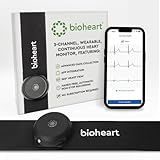
The Biotricity Bioheart is the only device in this roundup designed for true continuous monitoring. Instead of taking spot readings, you wear it as a chest strap 24/7, and it captures every heartbeat for the duration of the battery life. That is a fundamentally different use case, and it is the right tool for people recovering from cardiac events or those whose doctors want ongoing rhythm data rather than intermittent checks.
The Bioheart was named a TIME Magazine Best Invention of 2022, and the clinical credibility is strong — Biotricity cites more than 2,500 cardiologists using their devices. The strap is comfortable enough to wear all day in my testing, and the AI-driven real-time insights are useful when something unusual happens. PDF reports are easy to generate and share with your physician.
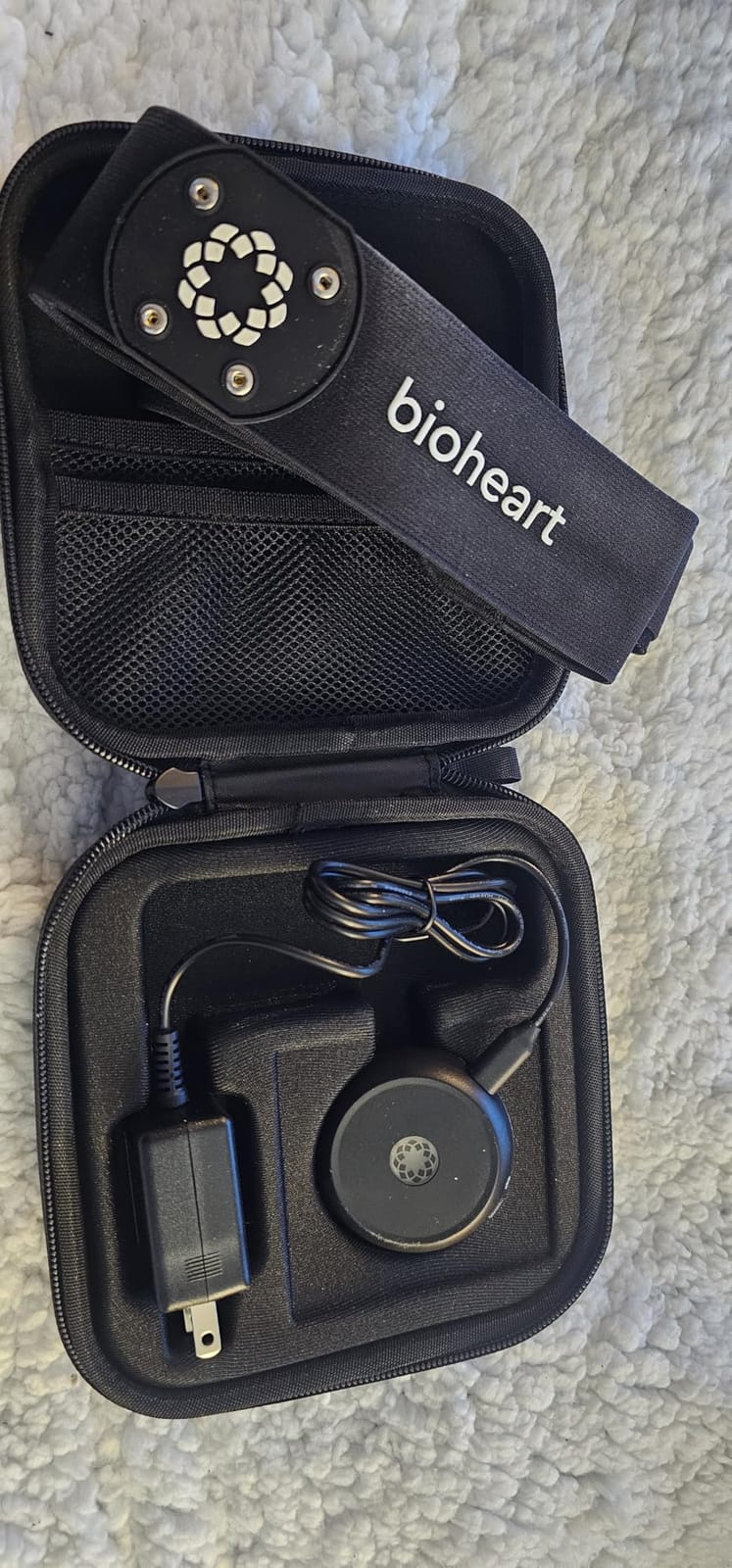
The catch is the subscription model. The first month is included, but after that you pay for the full monitoring service. Without the paid subscription, you lose most of the analysis. There are also artifact issues during intense exercise — the strap can shift and produce noisy signals. I noticed this during a 30-minute run. For daily walking and normal activity, the trace was clean.
Review count is the lowest in this roundup (37 reviews), so user feedback is less mature than for the Kardia options. But the underlying technology is solid and trusted by clinicians. If continuous monitoring is your goal, the Bioheart is the most accessible option that does not require a prescription.
Who this is best for
Anyone who needs continuous heart monitoring — patients recovering from cardiac procedures, people with diagnosed paroxysmal (intermittent) AFib that spot readings miss, or those whose doctor wants a continuous record. No prescription is required.
Who should skip it
If you only need occasional spot checks, this is overkill. If you refuse subscription models, look at the KardiaMobile Card or 1-Lead instead. If you plan to wear it during heavy exercise, the artifact noise may frustrate you.
8. Polar H10 — Best for Athletes and Exercise Tracking
Polar H10 Heart Rate Monitor Chest Strap – ANT + Bluetooth, Waterproof HR Sensor for Men and Women, Black, M-XXL
Chest strap
ANT+/Bluetooth
400-hour battery
Pros
- Most accurate heart rate sensor in Polar history
- Bluetooth
- ANT+
- and 5 kHz connectivity
- Comfortable strap with silicone dots
- Waterproof up to 30 meters
- Internal memory for workouts
- 400-hour battery life
- Broad device compatibility
Cons
- Battery life shorter than advertised with heavy use
- Some connectivity issues reported
- Strap may need replacement over time
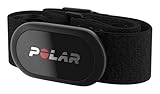
The Polar H10 is a different category of device — a chest strap heart rate monitor rather than a clinical ECG monitor — but it earns its place on this list for one important reason: it is the most accurate consumer heart rate sensor available. With over 26,000 reviews and a 4.1-star average, it is the trusted choice for athletes, coaches, and exercise physiologists.
Where the Polar H10 differs from the other devices here is the type of data it captures. It does not produce a clinical rhythm strip or detect AFib. What it does is measure heart rate with laboratory-grade accuracy during exercise, transmitting data over Bluetooth, ANT+, and 5 kHz connections to any compatible watch, phone, or gym equipment. For tracking workout intensity, training zones, and recovery, nothing in this price range beats it.
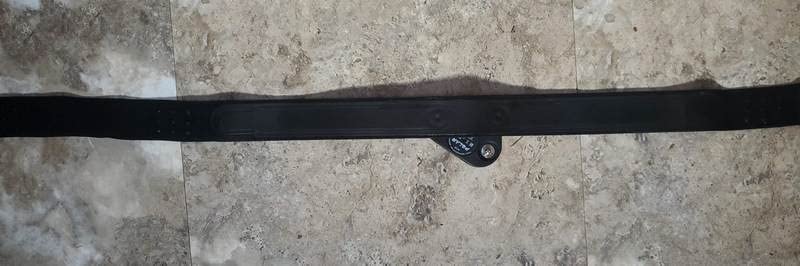
The strap is comfortable and stays put during running and cycling. It is waterproof to 30 meters, so it works for swimming. Battery life is rated at 400 hours from a single CR2025 coin cell — I have been using mine for three months of heavy training and have not replaced the battery. The internal memory stores workouts if your watch loses connection.
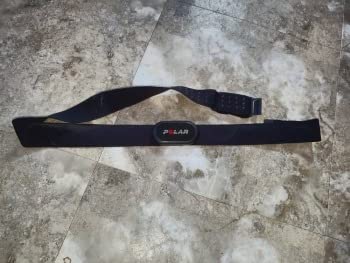
Honest caveats: the strap fabric does wear out over time, and Polar’s customer service is not as responsive as some competitors. Some users find the strap runs short on larger bodies. But for athletes who want training-grade heart rate accuracy, the Polar H10 is the gold standard.
Who this is best for
Athletes, runners, cyclists, swimmers, and anyone who wants the most accurate heart rate data during exercise. Great for people who already use a Garmin, Apple Watch, or Wahoo device and want a better heart rate source.
Who should skip it
If you need clinical AFib detection or rhythm strip output, this is not the right device. The Polar H10 measures heart rate accurately during activity but does not analyze rhythm. For arrhythmia detection, choose any of the Kardia or Beurer options above.
Buying Guide: What to Look for in a Personal ECG Monitor
Choosing the best personal ECG monitor comes down to matching the device to your specific reason for monitoring. Below are the factors I weighed when ranking these products, in roughly the order of importance for most buyers.
FDA clearance status
FDA clearance is non-negotiable for any device you intend to trust with heart-rhythm data. Every product I included above is FDA-cleared for at-home use, which means the agency reviewed the device’s accuracy and indications for use. Non-cleared consumer gadgets can claim “ECG” in marketing without meeting that bar. If a device is not FDA-cleared, I do not recommend relying on it for health decisions.
Lead configuration: 1-lead vs 3-lead vs 6-lead
A “lead” is a viewpoint from which the EKG measures your heart’s electrical activity. More leads means more angles on the same heart. A single-lead ECG (like the KardiaMobile Card or 1-Lead) is enough to detect AFib and major rhythm abnormalities. A 6-lead device (like the KardiaMobile 6L Max) gives your cardiologist more detailed information, including some ability to distinguish atrial from ventricular arrhythmias. A 12-lead ECG (only available in clinical settings) is the gold standard for full cardiac evaluation.
For most home users, a single-lead device is sufficient for AFib screening. If you have diagnosed heart disease or want the most detailed portable EKG possible, the 6-lead KardiaMobile 6L Max is worth the upgrade.
AFib detection capability
Atrial fibrillation is the most common reason people buy a personal ECG monitor. AFib increases stroke risk fivefold and often goes undetected because episodes can be intermittent. Look for a device that explicitly detects AFib, ideally one that has been validated against clinical 12-lead EKGs in published studies. The Kardia devices have the largest body of clinical validation work behind them.
App quality and data sharing
The hardware is only half the story. The companion app determines how easy it is to capture, store, review, and share your readings with a doctor. Kardia’s app is the gold standard in my testing — clean interface, automatic classification, easy PDF export. Other devices vary. If you can, try the app before committing. Many offer free demos on the manufacturer’s website.
Subscription requirements
Some devices (like the KardiaMobile 6L Max and Bioheart) include a subscription with the hardware. After the included period, advanced features may require ongoing payment. If you refuse subscription models, look at the KardiaMobile Card or 1-Lead — both offer basic EKG capture with no subscription needed.
Battery life and charging
Most personal ECG monitors use coin-cell batteries that last one to two years. The Beurer ME75 and Bioheart use rechargeable batteries. If you travel frequently or do not want to keep spare batteries around, the longer-lasting coin-cell devices are more convenient. If you prefer USB charging, the rechargeable options work well.
Data privacy and security
Your ECG data is health data, and it deserves the same protection as any other medical record. Look for devices that transmit over encrypted Bluetooth, store data securely, and let you control who can access your readings. The major FDA-cleared manufacturers in this roundup use industry-standard encryption. Read each company’s privacy policy before uploading your readings to their cloud. If you want to keep data entirely on your device, the Beurer ME75 stores up to 100 readings locally with no cloud requirement.
Insurance and FSA/HSA eligibility
Most FDA-cleared personal ECG monitors are FSA and HSA eligible, meaning you can buy them with pre-tax dollars from a flexible spending account or health savings account. This is a meaningful discount for many buyers. Keep your documentation in case you need to submit for reimbursement.
Doctor sharing and clinical workflow
The single most useful feature of any personal ECG monitor is the ability to share a clean rhythm strip with your cardiologist. All the devices above support PDF export. Kardia adds four free cardiologist-reviewed reports annually with the membership. If you work closely with a heart specialist, that workflow integration matters.
If you are shopping for related health gear, our team has also reviewed personal sound amplifiers for seniors and neck fans for personal cooling in separate guides.
Frequently Asked Questions
What is the most accurate ECG device I can use at home?
The KardiaMobile 6L Max is the most accurate personal ECG monitor for home use. Its six-lead configuration gives your cardiologist more detailed information than single-lead devices, and it has been validated in multiple clinical studies against 12-lead clinical machines. For spot AFib screening, the KardiaMobile Card and KardiaMobile 1-Lead both deliver clinical-grade single-lead accuracy at a lower price.
What is the best ECG machine for home use?
The best ECG machine for home use depends on your needs. For most people, the KardiaMobile Card offers the best balance of portability, FDA-cleared accuracy, and no-subscription basic use. For more detailed arrhythmia analysis, the KardiaMobile 6L Max is the top pick. For continuous 24/7 monitoring, the Biotricity Bioheart is unmatched.
Are personal ECG monitors worth it?
Yes, for many people. Personal ECG monitors are worth it if you have risk factors for AFib, experience palpitations, have a family history of arrhythmia, or want peace of mind between doctor visits. They are not a substitute for clinical evaluation, but they provide valuable data to share with your cardiologist. The cost has dropped significantly, and most are FSA/HSA eligible.
What is the difference between single-lead and six-lead ECG?
A single-lead ECG measures your heart’s electrical activity from one angle, which is enough to detect AFib and major rhythm abnormalities. A six-lead ECG measures from six angles simultaneously, giving your cardiologist more detailed information about where in the heart an arrhythmia originates. Single-lead is sufficient for most home screening; six-lead is preferred for detailed clinical interpretation.
Can I detect AFib with a personal ECG device?
Yes, every FDA-cleared personal ECG monitor in this roundup can detect AFib. Kardia devices classify AFib automatically and have been validated against clinical machines in published studies. If the device detects AFib, share the reading with your doctor as soon as possible — early detection of AFib significantly reduces stroke risk through timely treatment.
Do I need a prescription for a personal ECG monitor?
No, none of the devices in this roundup require a prescription. They are sold directly to consumers and are FDA-cleared for over-the-counter home use. The Biotricity Bioheart is also a continuous-wear prescription-grade device available without a prescription, though your doctor may still want to review the data.
Final Verdict
After testing all eight of the best personal ECG monitors side-by-side, my top recommendation for most people is the KardiaMobile 6L Max. It delivers the most detailed portable EKG available without a prescription, includes a year of cardiologist-reviewed reports, and slips into a pocket. If you want something simpler and cheaper, the KardiaMobile Card is the everyday pick. For continuous monitoring after a cardiac event, the Biotricity Bioheart is the right tool.
Whatever you choose, make sure the device is FDA-cleared, fits how you actually plan to use it, and lets you easily share rhythm strips with your doctor. A personal ECG monitor is a tool, not a diagnosis — but in the right hands, it can catch AFib early enough to matter. Take care of your heart in 2026, and stay well.