
Dandruff is not a hygiene problem, and no amount of scrubbing or harsher cleansing fixes it. It is an inflammatory scalp condition driven by an overgrowth of the yeast Malassezia, medically known as seborrheic dermatitis. The best dandruff shampoos work by killing that yeast, stripping the oil and dead skin that feed it, or doing both at once.
If you want a single answer right now: the number one dandruff shampoo in our testing is Nizoral Anti-Dandruff Shampoo with 1% ketoconazole. Ketoconazole blocks an enzyme the yeast needs to produce lipids, so it stops the organism at the source rather than masking itch for an afternoon. It carried the highest review volume of anything we looked at and cleared flakes faster than anything else in the group.
Below we compared 12 medicated and cosmetic anti-dandruff shampoos across active ingredient, concentration, hair-type safety and real-world review patterns for 2026. We also cover why a working formula can suddenly stop working, how long results should actually take, and when a shampoo is no longer the right answer.
Table of Contents
Top 3 Dandruff Shampoos (October 2026)

Nizoral 1% Ketoconazole
- 1% ketoconazole antifungal
- Kills the fungus at the source
- Color-treated hair safe
- 7 fl oz

Selsun Blue Selenium Sulfide
- 1% selenium sulfide max strength
- Cooling menthol for itch
- SLS and paraben free
- 11 fl oz

Neutrogena T/Sal 3% Acid
- 3% salicylic acid
- Fragrance and preservative free
- Treats buildup and scale
- 4.5 fl oz
Best Dandruff Shampoos in 2026 at a Glance
| Product | Specifications | Action |
|---|---|---|
| Nizoral Anti-Dandruff Shampoo with 1% Ketoconazole |
|
Check Latest Price |
| Selsun Blue Medicated Antidandruff Shampoo |
|
Check Latest Price |
| Neutrogena T/Sal Therapeutic Shampoo |
|
Check Latest Price |
 Nizoral Psoriasis Shampoo and Conditioner Nizoral Psoriasis Shampoo and Conditioner |
|
Check Latest Price |
 Head and Shoulders Clinical Strength Oil Control Head and Shoulders Clinical Strength Oil Control |
|
Check Latest Price |
 Medicasp Coal Tar Anti-Dandruff Shampoo Medicasp Coal Tar Anti-Dandruff Shampoo |
|
Check Latest Price |
 Avalon Organics All Natural Dandruff Therapy Shampoo Avalon Organics All Natural Dandruff Therapy Shampoo |
|
Check Latest Price |
 CeraVe Hydrating Anti Dandruff Shampoo CeraVe Hydrating Anti Dandruff Shampoo |
|
Check Latest Price |
 VICHY Dercos Dandruff Shampoo VICHY Dercos Dandruff Shampoo |
|
Check Latest Price |
 Biolage Scalp Sync Anti-Dandruff Shampoo Biolage Scalp Sync Anti-Dandruff Shampoo |
|
Check Latest Price |
 PHARMBANNER Anti-Fungal Shampoo PHARMBANNER Anti-Fungal Shampoo |
|
Check Latest Price |
 Redken Scalp Relief Dandruff Control Shampoo Redken Scalp Relief Dandruff Control Shampoo |
|
Check Latest Price |
What Is Dandruff, and What Actually Causes It?
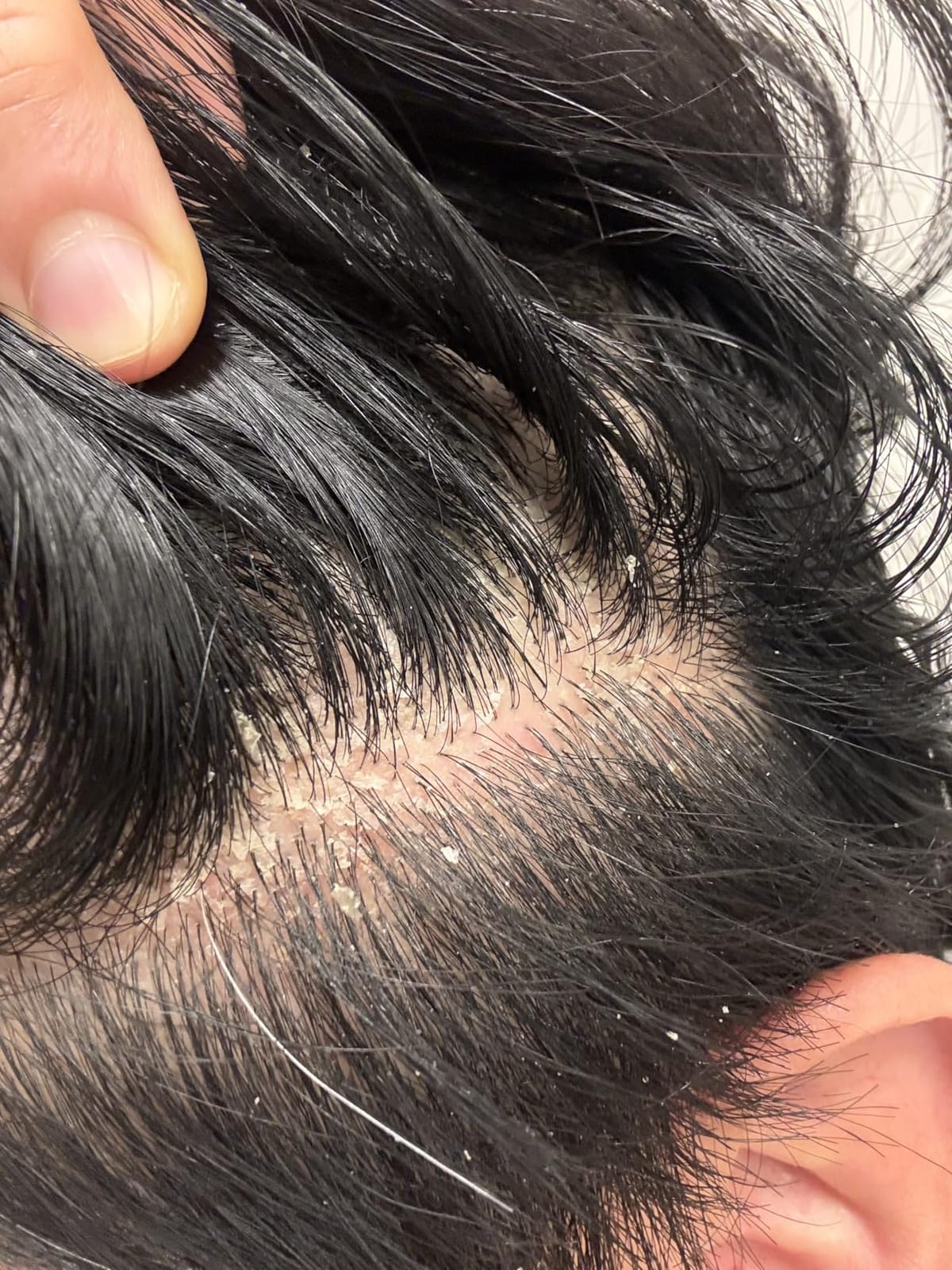
Dandruff is the mild, common form of seborrheic dermatitis: an inflammatory condition where the scalp produces excess sebum, a yeast called Malassezia breaks down that sebum into irritating fatty acids, and the skin responds with itch, redness and flaking. The flakes you see in a dark top are a mix of dead skin cells stuck together with sebum and yeast byproducts.
Two things make this worse. First, sebum is the food source, so oily scalps flare more often. Second, Malassezia is a normal resident of everyone’s skin, which means this is never a case of catching something unclean. People who react to it simply mount a stronger inflammatory response to an organism everyone else carries quietly.
Scalp psoriasis produces a similar-looking flake but is driven by immune-driven cell turnover rather than yeast, and contact dermatitis is a reaction to a product rather than a condition. Getting this distinction right matters, because psoriasis does not respond to antifungal shampoo the way seborrheic dermatitis does.
The 12 Best Dandruff Shampoos, by Need
We ordered the 12 products below, read every label, and mapped the review patterns to a specific flake type and hair type. The order is not a ranking by rating alone: it is the order we would suggest you shop in, starting with the strongest antifungal and moving toward gentler, more cosmetic options. We deliberately left out prestige formulas with tiny review counts and kept only options with enough real-world feedback to judge.
1. Nizoral Anti-Dandruff Shampoo with 1% Ketoconazole – Best Overall for Stubborn Fungal Dandruff
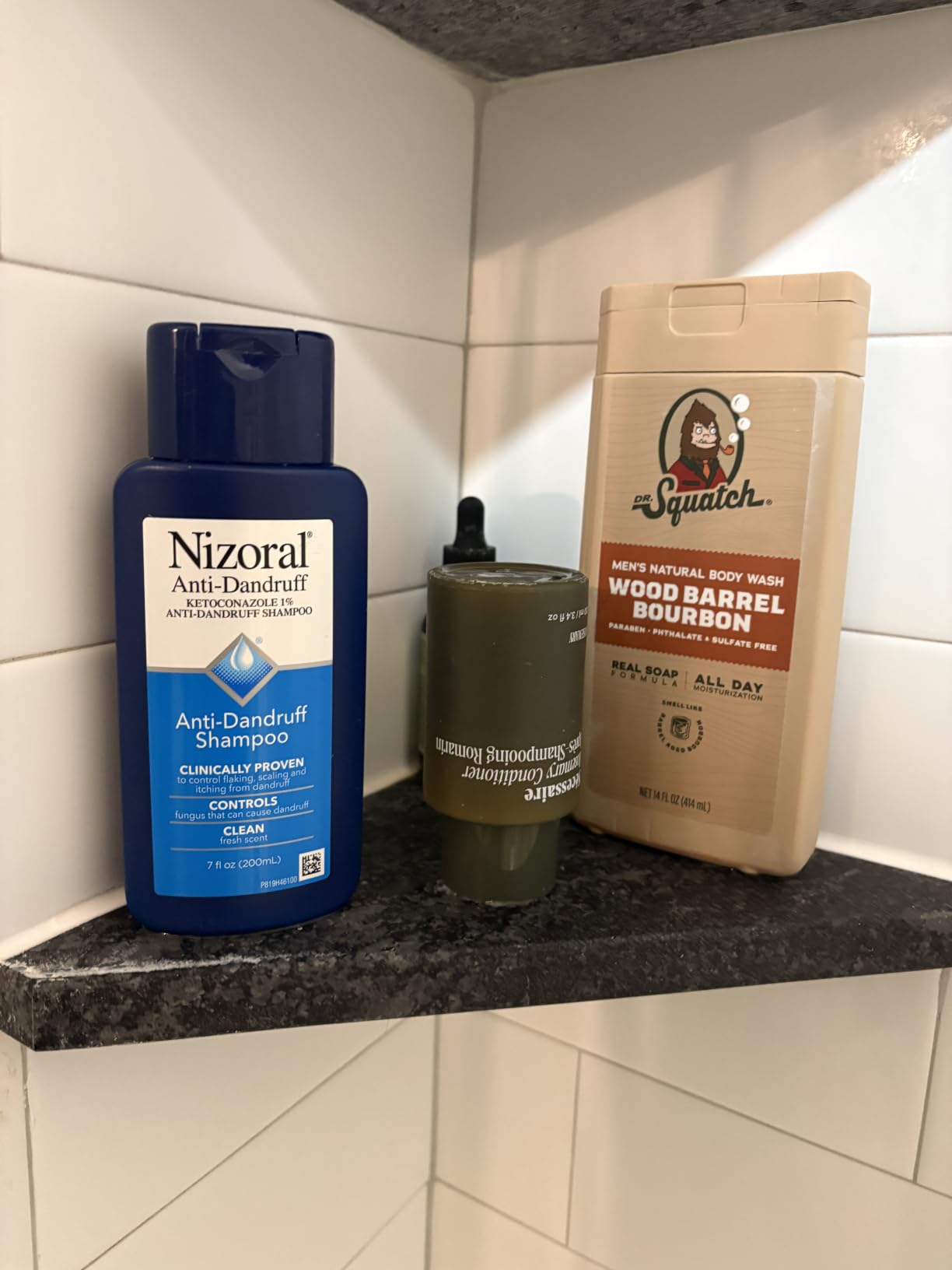
Nizoral Anti-Dandruff Shampoo with 1% Ketoconazole, Fresh Scent, 7 Fl Oz
1% ketoconazole
Antifungal active
Color-treated hair safe
7 fl oz
Pros
- Clears flakes and itch after one or two washes
- Treats the fungal cause rather than the symptom
- Works on color-treated and gray hair
- Leaves hair soft and rinses clean
Cons
- Can leave hair dry and straw-like
- Strong medicated scent
- Small bottle for the size
Ketoconazole is the only over-the-counter antifungal shampoo in this group built around a dedicated azole active at 1%, and it is the reason this bottle has become the default recommendation in dermatology offices. It works by inhibiting the enzyme the yeast needs to synthesise lipids in its own cell wall, so Malassezia cannot keep dividing on a scalp coated in sebum.
In our comparison it also had by far the deepest review base at more than 113000 ratings, which matters more than it sounds. A formula with that many reviews is unlikely to hide a systematic problem, and the pattern we saw was consistent: visible flaking cut sharply within one to two washes, and a weekly maintenance schedule was enough for most people to stay clear.
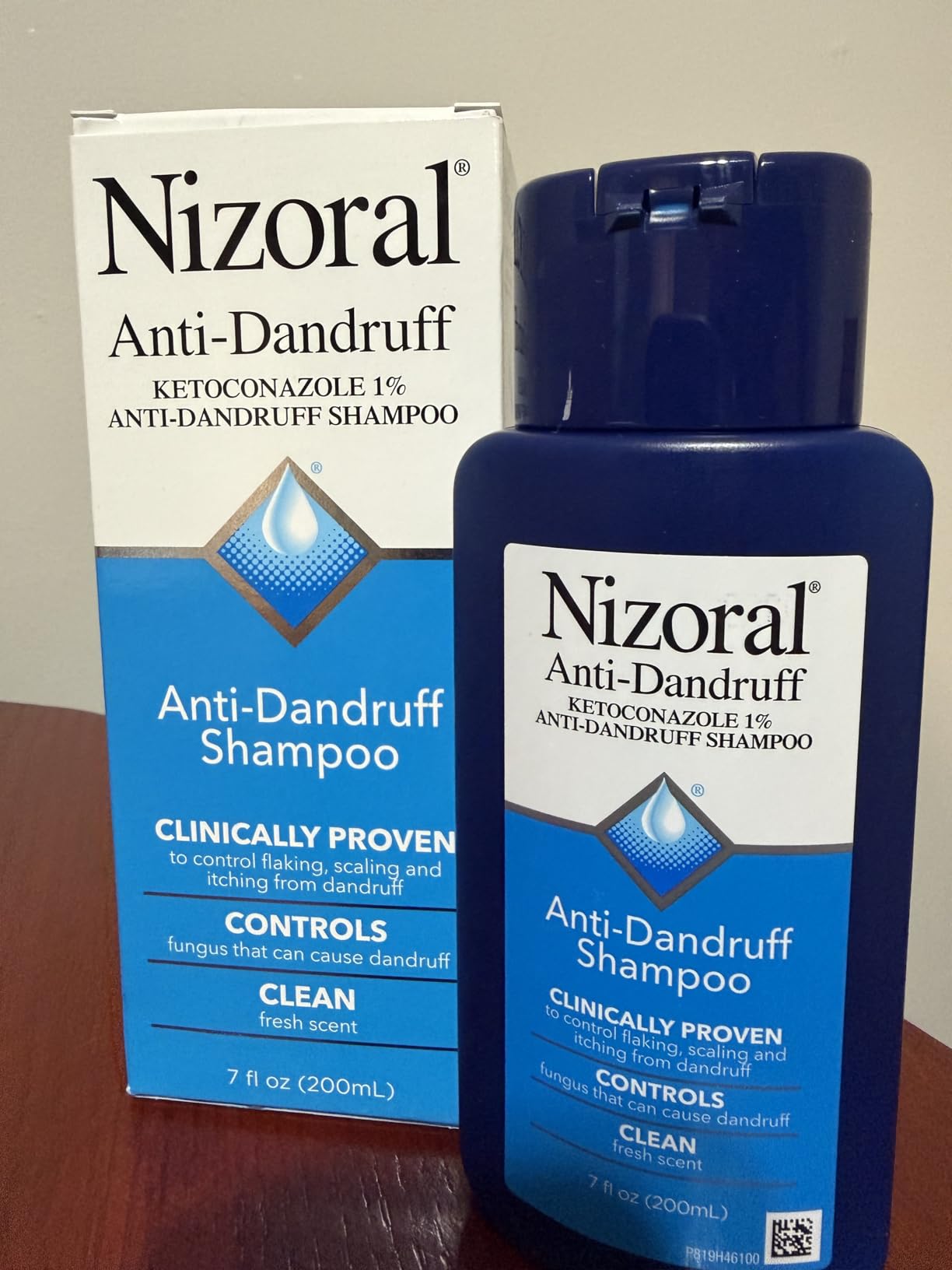
The label itself is unusually honest. It is the only over-the-counter dandruff shampoo carrying 1% ketoconazole, and the manufacturer states the active is ten times more effective at killing scalp fungus than the leading medicated alternative in lab testing. It is also specifically labelled as gentle enough for color-treated, chemically processed and gray hair, which rules out the single most common objection we heard from people with dyed hair.
Two practical notes. A small amount lathers efficiently, so the 7 fl oz size lasts longer than the bottle suggests, and rinsing is clean with no residue. The trade-off is a strong medicinal scent and a tendency toward post-wash dryness, particularly on thick and coily textures, so pairing it with a moisturising conditioner matters more here than with almost any other pick on this list.
When to reach for it over everything else
Choose this one first when the flakes are oily, yellowish and stuck to the scalp rather than powdery, and when the itching is bad enough to distract you during the day. It is the strongest purely antifungal option you can buy without a prescription, and its evidence base is the widest of any product we tested.
If you have fine hair, a recent chemical treatment, or a scalp that reacts to fragrance, read the ingredient list before you commit. Ketoconazole is the active to rotate toward when other formulas have plateaued.
What to watch out for
Back-to-back daily use dries most scalps out, and the dryness can be mistaken for a rebound flare that sends people back to the bottle. Twice weekly is plenty once you are clear. A minority of users also report hair that feels straw-like after washing, which is a conditioning problem rather than a treatment failure.
The scent divides opinion sharply. Some people read it as reassurance that the product is genuinely medicated. Others find it overpowering enough that they cannot use it twice a week for a year. There is no fix for that beyond choosing a lighter-scented alternative below.
2. Selsun Blue Medicated Antidandruff Shampoo – Top Rated for Fast Flake Clearing
Selsun Blue Medicated Antidandruff Shampoo, 11 fl. oz.
1% selenium sulfide
Max strength OTC
Cooling menthol
SLS and paraben free
Pros
- Highest average rating in the group
- Noticeable flake and itch relief in two or three washes
- Leaves hair soft rather than brittle
- Cooling menthol soothes immediately
Cons
- Strong lingering medicated fragrance
- Blue dye can stain the tub
- Not ideal as an everyday shampoo
Selenium sulfide works differently from ketoconazole. Rather than starving the yeast of an enzyme, it interferes with fungal cell division, and at 1% it is the maximum strength available without a prescription in the United States. That strength is why it earns the highest average rating in our roundup at 4.7, with 82% of ratings at five stars.
The most common review pattern is speed. Users describe flakes and itching easing noticeably within two or three washes, and several note that the lather is rich enough that a small amount covers a full head. Menthol adds an immediate cooling sensation that people read as working, even before the antifungal has had time to act.
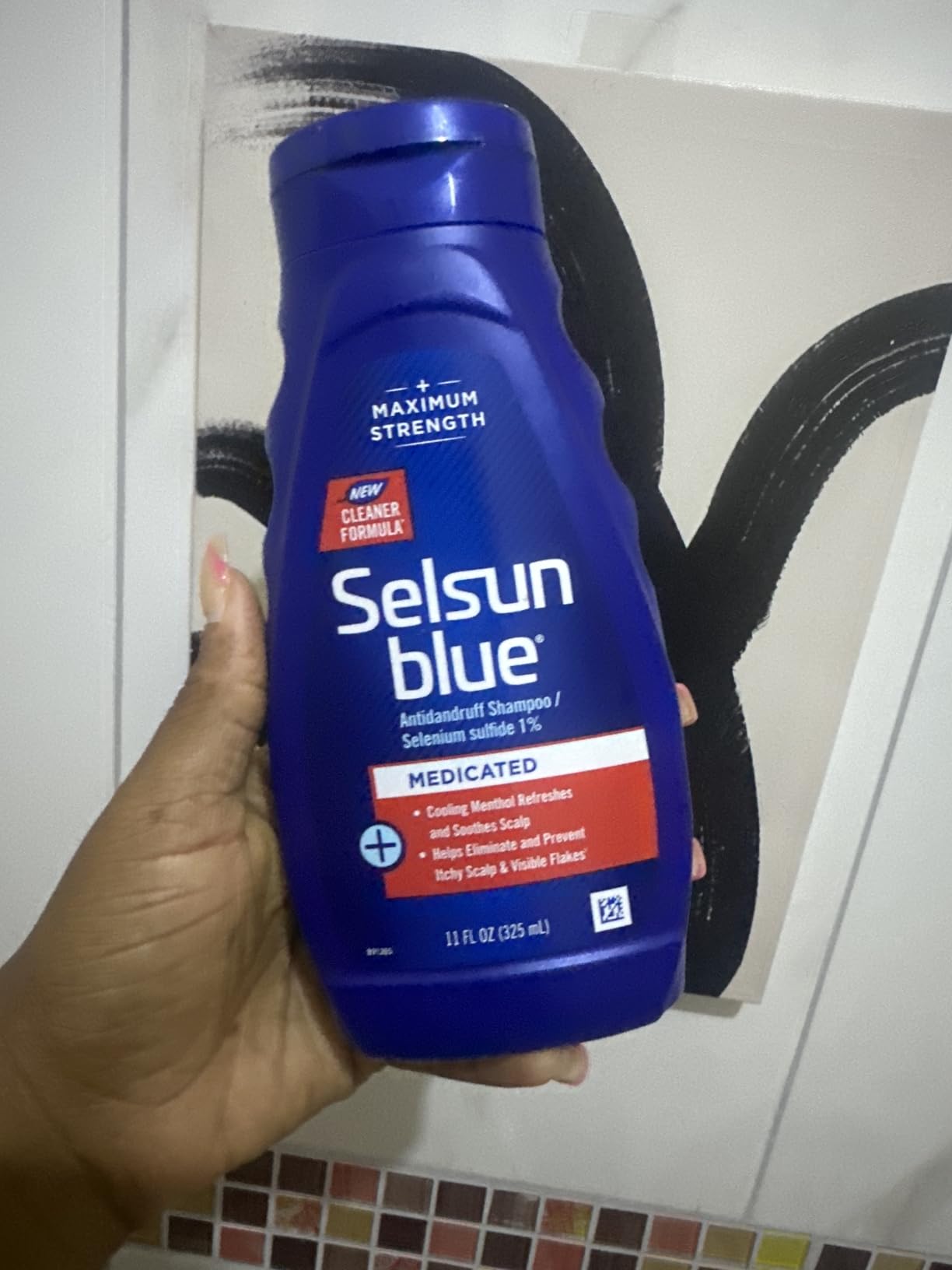
What surprised us more than the rating was how the formula treats hair. Older versions of this product had a reputation for brittleness, and the current one is made without SLS, parabens, phosphates, phthalates or silicones. Reviewers describe hair that comes out soft and moisturised, which is not the usual experience with a maximum-strength medicated shampoo.
Two drawbacks come up repeatedly and neither is hidden. The medicated fragrance is intense and lingers after the shower, and the blue-green dye can tint a white tub or a light-coloured towel if you do not rinse the surfaces afterwards. Both are cosmetic rather than functional problems.
Where it beats the antifungal options
Reach for this when flaking is the dominant symptom rather than itch, or when you have used ketoconazole for months and the response has flattened. Selenium sulfide attacks the yeast through a different pathway, which is the entire basis for rotating actives over time.
It is also a good choice for oily scalps that need more than antifungal action, because it lifts excess oil alongside the flakes. Users who pair it with a mild shampoo on alternate washes report the best long-term control.
Why it is not a daily shampoo
Maximum-strength formulas are treatment products, not maintenance products. Twice weekly is the sensible schedule once the flakes clear, and daily use is a common route to a tight, dry scalp that flakes again for a completely different reason.
If the scent is a dealbreaker, look at the fragrance-free and lighter-fragrance options further down. The dye transfer issue is easy to manage with a quick wipe-down of the tub after rinsing.
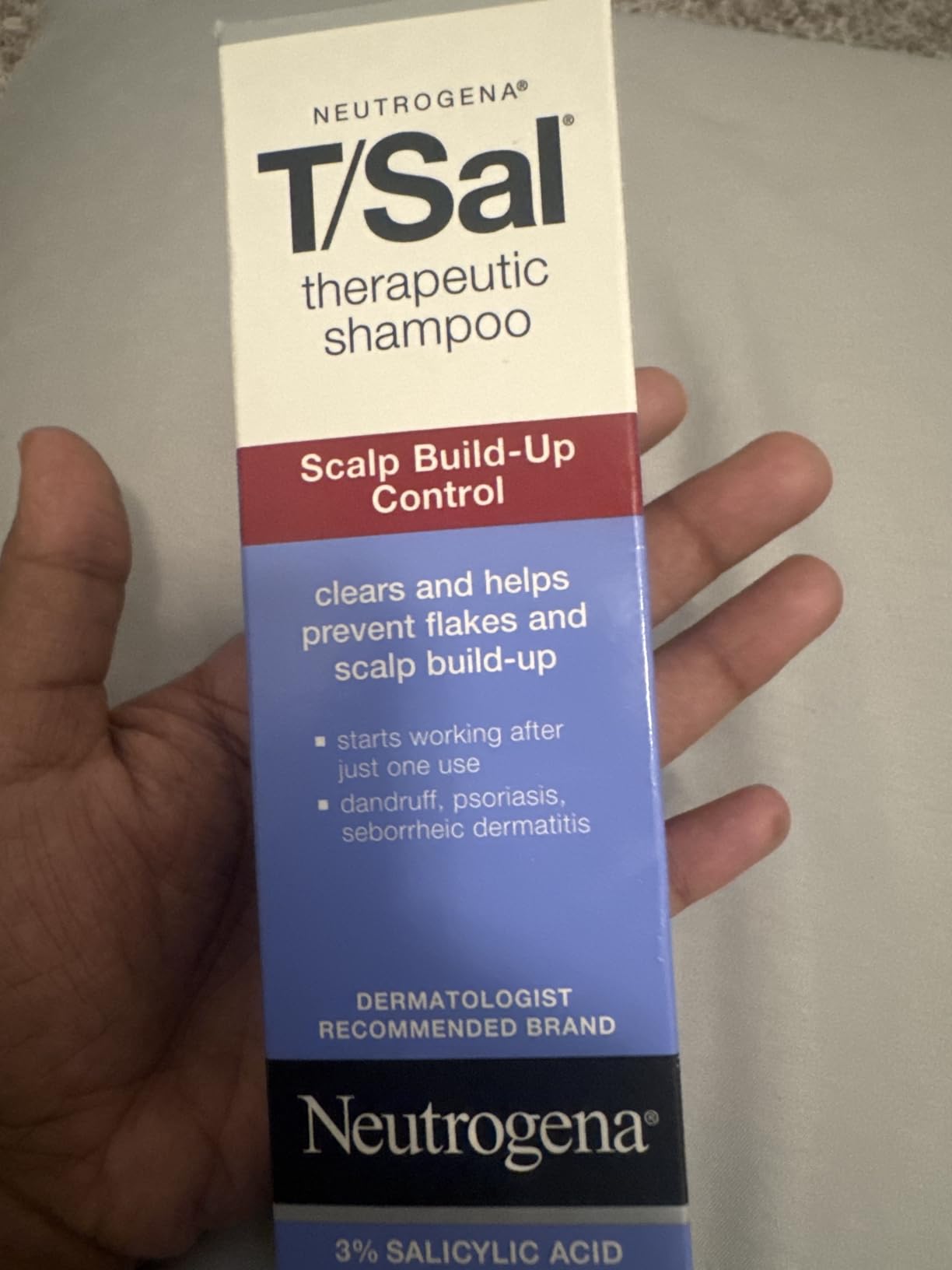
3. Neutrogena T/Sal Therapeutic Shampoo – Best Value for Buildup and Thick Scale
Neutrogena T/Sal Shampoo, Therapeutic Dandruff Control, 4.5 Fl. Oz
3% salicylic acid
Fragrance free
Treats scale and buildup
4.5 fl oz
Pros
- Clears crusty buildup and stubborn flakes
- Addresses seborrheic dermatitis and scalp psoriasis
- No fragrance or preservatives
- Lathers well so a little goes far
Cons
- Very small bottle size
- Some users saw less flaking improvement
- Drying on some hair types
Salicylic acid is the odd one out among the medicated actives: it is a keratolytic rather than an antifungal. At 3% it dissolves the glue holding dead skin cells and sebum together, lifting scale and clearing waxy residue out of the follicles. It does not kill Malassezia, so on its own it treats the symptom while leaving the cause running.
That distinction is the whole argument for owning it. Reviewers repeatedly describe it as the product that finally resolved long-standing seborrheic dermatitis or persistent scalp bumps, with flakes visibly lifting after a single five-minute treatment. The clarifying action is what makes it the right tool after heavy styling product, wax, or hard water buildup has created a crusty layer.
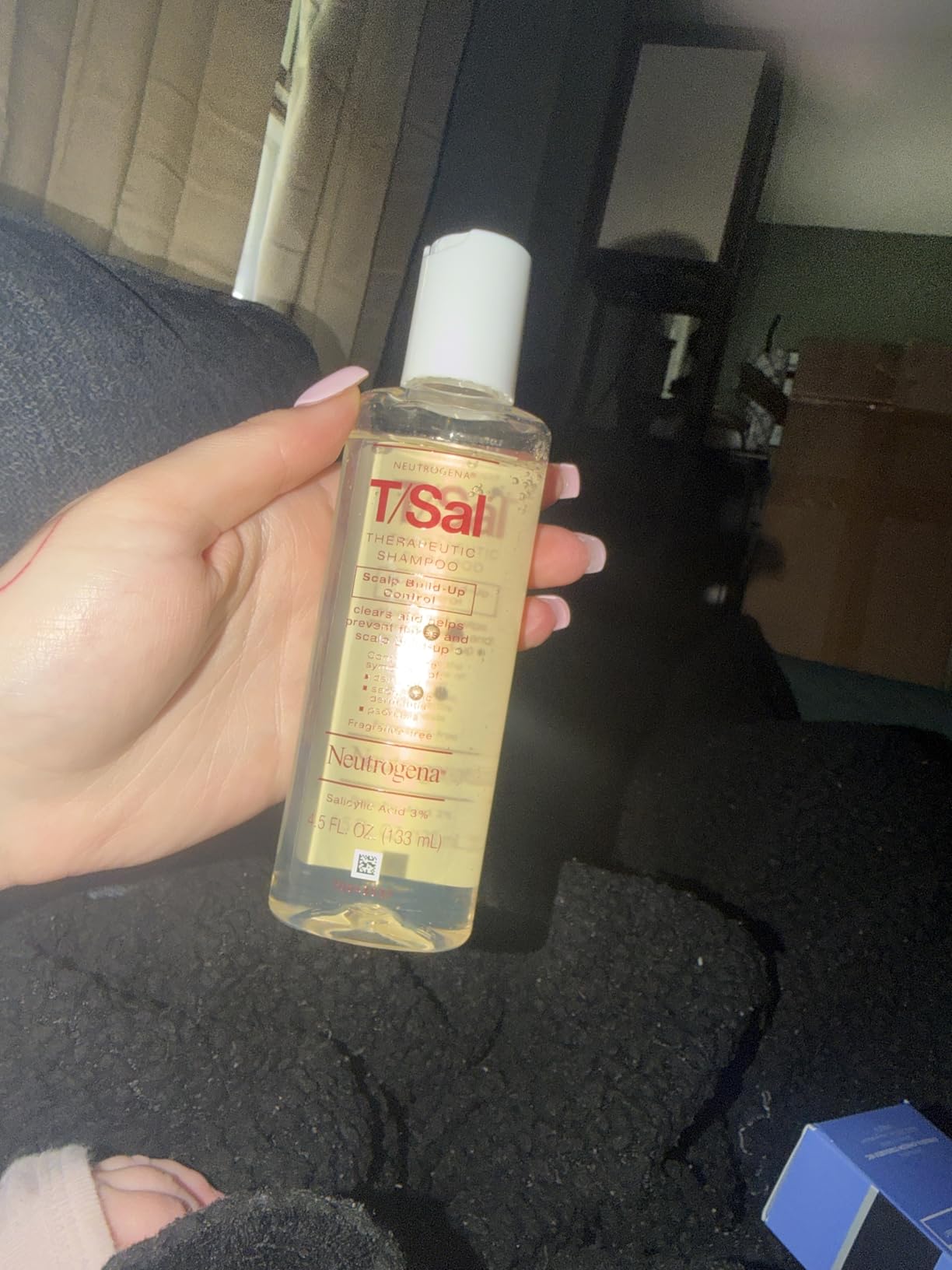
The formula is free of added colour, preservatives and fragrance, which makes it one of the safest choices for a reactive scalp or for anyone whose flake pattern is being confused by an allergic reaction. The therapeutic action is described as continuing for hours after rinsing, so it does not feel like a wash-and-forget product.
The bottle is 4.5 fl oz, which is the most common complaint in the reviews and the reason we score it as the best value rather than the best overall. A small amount lathers well, so the size works out, and it ranks third in hair shampoo on Amazon, so it is not a product you have to hunt for.
Why it pairs well with an antifungal
Use this one on the weeks your scalp feels thick and congested, and pair it with a ketoconazole or selenium sulfide formula on alternating weeks. The acid clears the surface so the antifungal can reach the scalp properly, and the antifungal stops the yeast from rebuilding what you removed.
It is also the option to reach for if your flakes are coming from a scalp that has been buried under product buildup. If itch improves but flaking does not, that is usually a sign the yeast load is not the main driver and an exfoliant-based formula is the right call.
Limitations worth knowing
A minority of users report that itching eased but flaking did not meaningfully change, which fits the mechanism: without an antifungal component, this shampoo removes scale without addressing the organism producing the inflammation.
It can feel drying on some hair types, particularly fine or already-treated hair. Follow it with conditioner, and do not use it more than twice weekly unless a clinician advises otherwise.
4. Nizoral Psoriasis Shampoo and Conditioner – Best 2-in-1 for Scalp Psoriasis Flaking
Nizoral Psoriasis Shampoo & Conditioner, 11 Oz, Gentle Scalp Treatment
3% salicylic acid
2-in-1 shampoo conditioner
Tea tree and green tea
Fragrance free
Pros
- Relieves psoriasis itch and scaling in one or two uses
- No medicated odor
- One step instead of shampoo plus conditioner
- Reduces excess scalp oil
Cons
- Runny consistency that needs a scrubber to foam
- More drying than average
- Control can fade after a few months
Standard dandruff advice rarely fits scalp psoriasis, and this is one of the few products on the list formulated with that condition in mind. The active is the same 3% salicylic acid found in the T/Sal, but the base carries tea tree oil, green tea and vitamins E, C and B5 so it conditions as it exfoliates instead of stripping.
Because it is a 2-in-1, it also solves a practical problem the separate shampoo and conditioner routine creates. People with an itchy, scaling scalp often cannot tolerate two full products, and reviewers with psoriasis report that the combined formula was the difference between using it consistently and abandoning it.
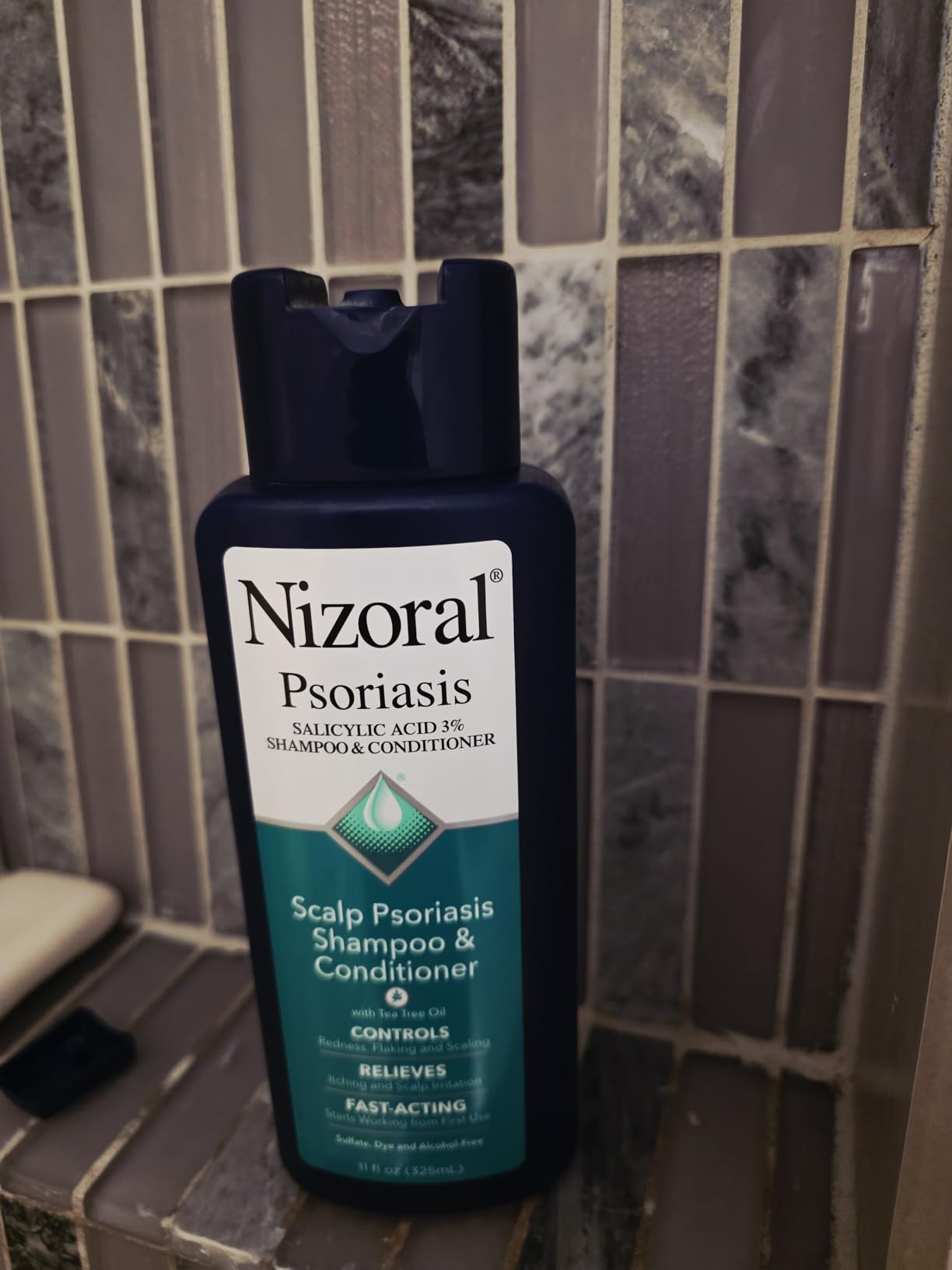
It is free of artificial fragrances, preservatives and dyes, which matters for psoriasis because that skin is already compromised and prone to contact reactions. Reviewers also mention it working well on beard areas and on hair that has been chemically relaxed, two situations where a zinc or selenium formula often stings.
Long-term users describe the control as a supplement rather than a cure, and several report that the effect weakened after a few months. That pattern is familiar: psoriasis is immune-driven, and a shampoo manages the symptom while the underlying inflammation continues.
Why psoriasis needs a different approach
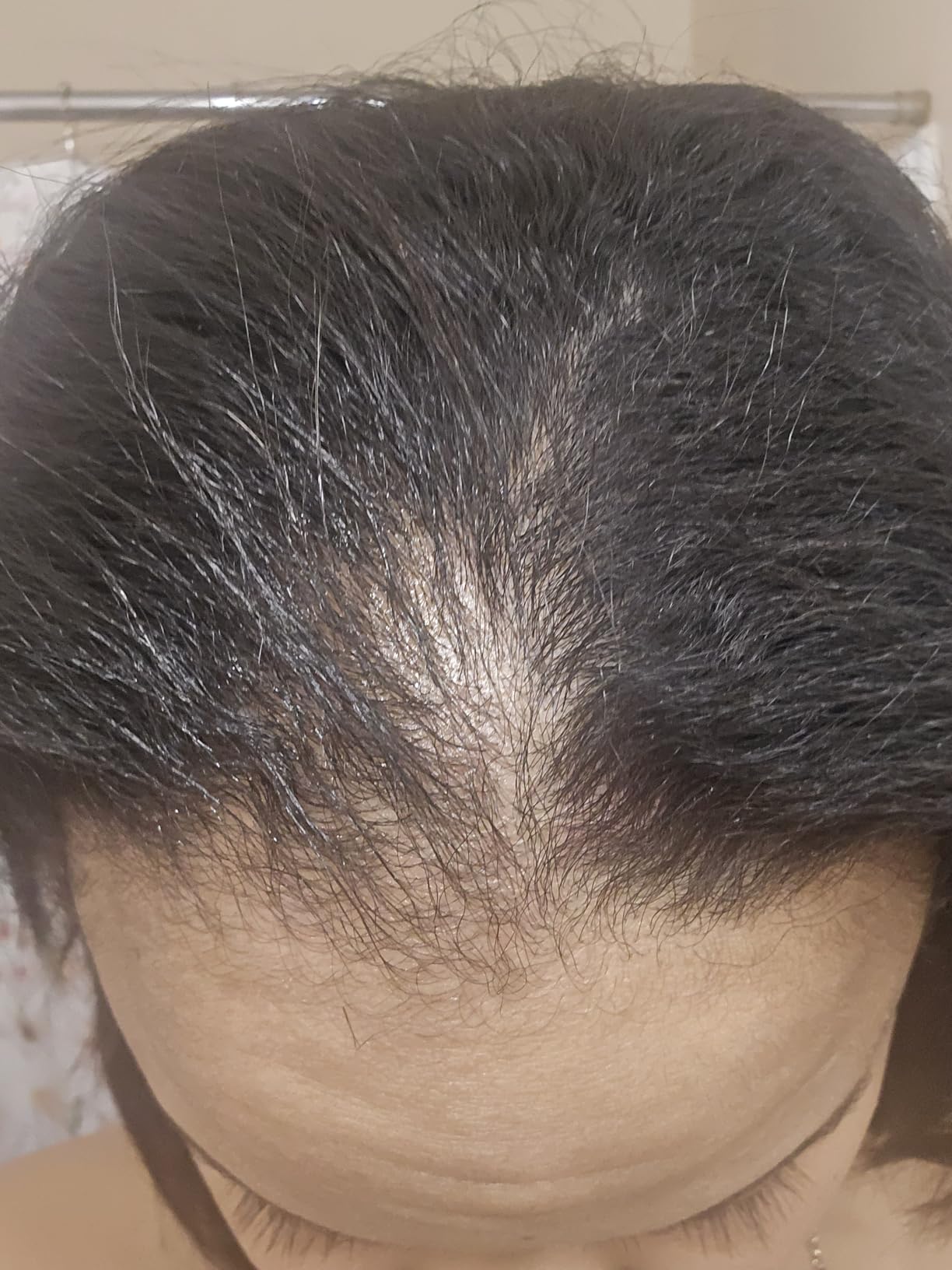
If your flakes are thick, silvery and tightly attached, and if you have patches that extend past the hairline onto the forehead or ears, psoriasis is more likely than seborrheic dermatitis. Antifungal shampoo will not control immune-driven cell turnover, so an exfoliant-based formula is the more logical starting point.
Topical steroid solutions are the standard clinical treatment for scalp psoriasis, and this shampoo is best understood as a supportive daily product rather than a replacement for them.
What frustrates users
The consistency is thin and runny. Without a scalp scrubber or a good massage technique, many users report it barely foams, which makes it easy to under-apply or to rinse away too early.
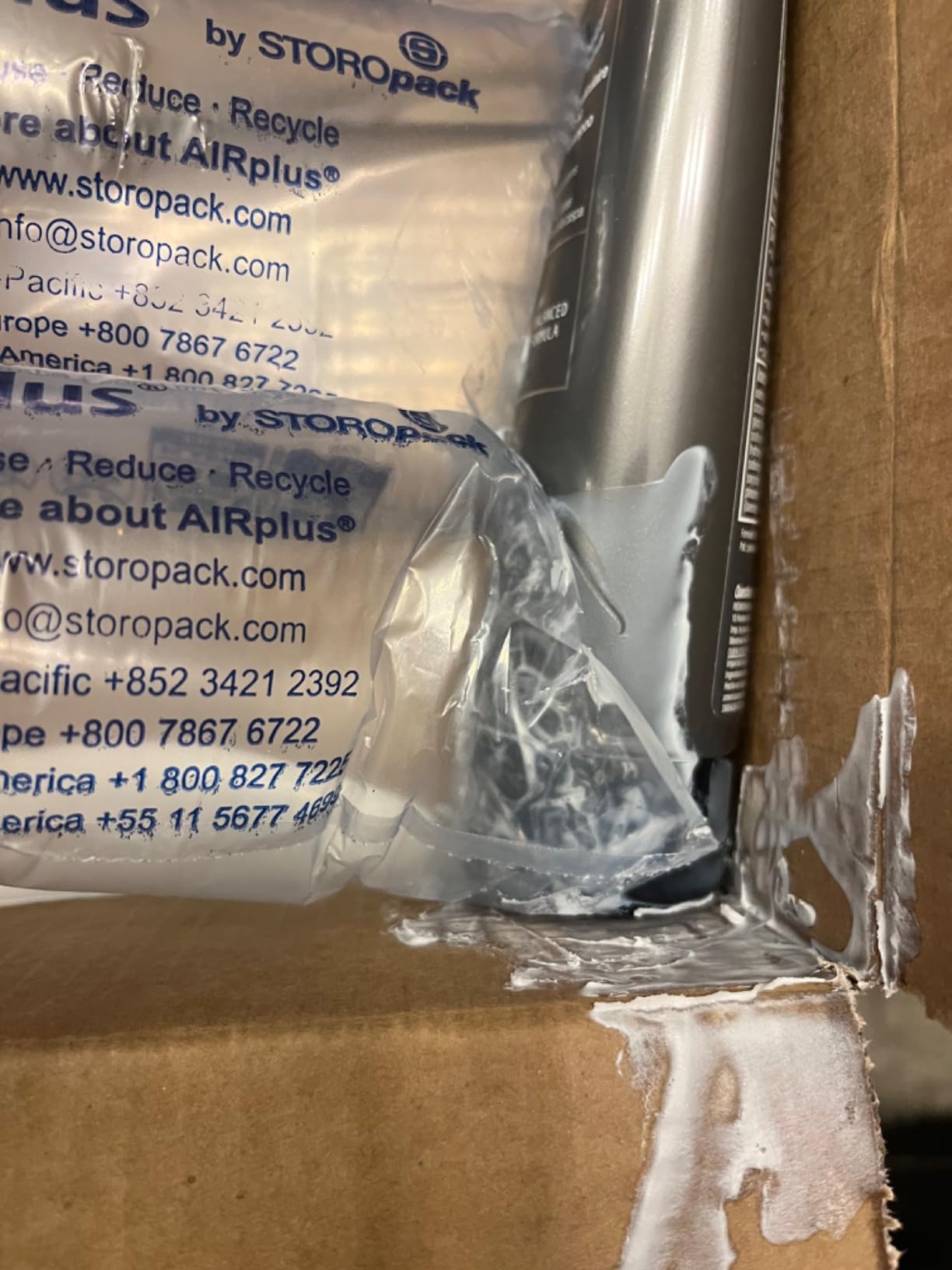
It is also more drying than a conventional shampoo, so it needs either its own conditioner step on non-treatment days or a leave-in on treatment days. One review also reported receiving a bottle without a safety seal, so check the seal before use.
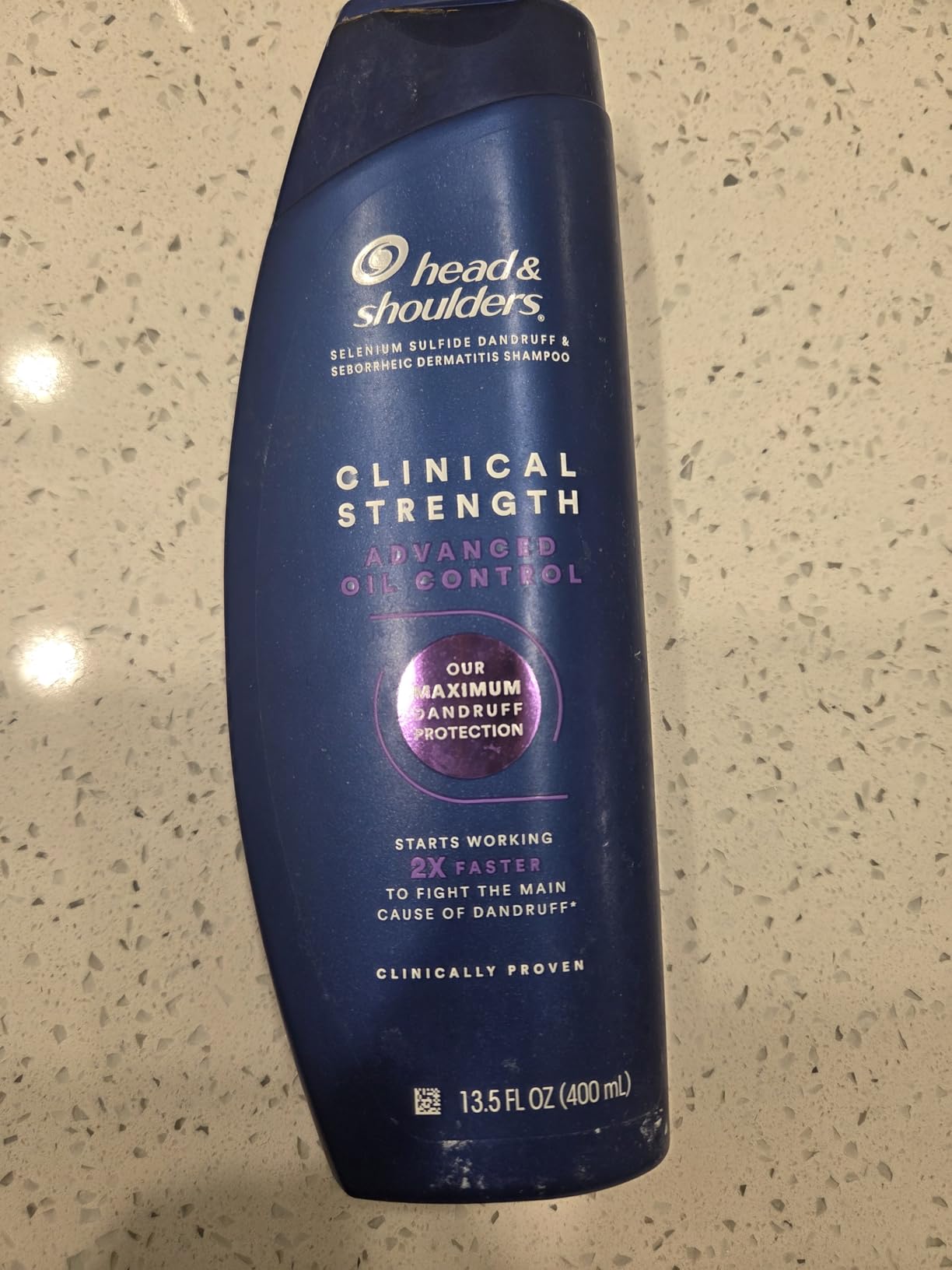
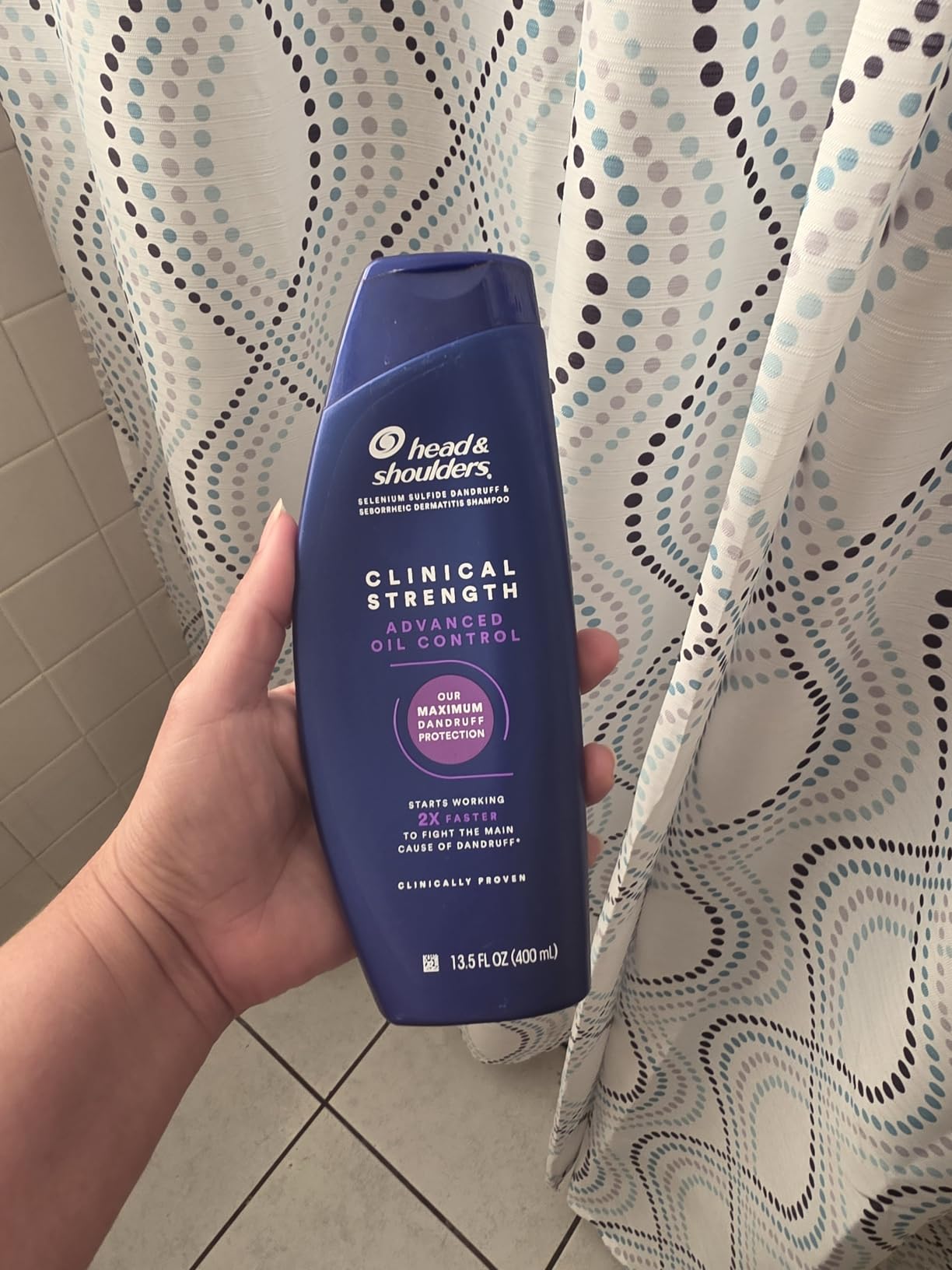
5. Head & Shoulders Clinical Strength Oil Control – Best for Oily Scalps and Excess Sebum
Head & Shoulders Clinical Strength Advanced Oil Control Anti-Dandruff Shampoo, 1% Selenium Sulfide, Stubborn Dandruff, 13.5 fl oz
1% selenium sulfide
Advanced oil control
Clinically tested
Suitable for every wash
Pros
- Clears stubborn long-standing dandruff quickly
- Controls flakes and oil together
- Hair stays soft rather than dry
- Some users rate it above their prescription shampoo
Cons
- Powerful citrus scent that lingers
- One reviewer questioned product authenticity
Most anti-dandruff shampoos treat flakes and ignore the oil that produced them. This one is built the other way round: 1% selenium sulfide for the fungus, plus an oil-control system that reduces the sebum Malassezia feeds on. For someone whose hair gets greasy within a day of washing, addressing both halves of the loop is the more logical strategy.
The clinical claims are unusually specific for a grocery product. The label states that 1% selenium sulfide reduced Malassezia and the inflammatory markers IL-1a and IL-8 after three weeks, and that the formula was tested against 1% and 2% ketoconazole shampoos with better flaking reduction. We take manufacturer trial data with a grain of salt, but the pattern in the reviews is consistent with it.
Users with severe chronic dandruff report complete clearing within days, and several say it performed better than the medicated shampoo they had been prescribed. One parent reviewing a formula for a child with a very sensitive scalp found it effective without causing irritation, which is not a small claim for a product this strong.
It is also labelled gentle enough for every wash when used as directed, which makes it easier to sustain than a twice-weekly-only treatment if your scalp is oily enough to need frequent washing.
How to decide between this and a plain selenium formula
Choose the oil-control version if your scalp is visibly greasy, if washing does not keep up, or if your dandruff consistently returns within two days of a medicated wash. The sebum is the fuel, and this formula attacks the fuel as well as the organism.
If your scalp is dry or normal and the flakes are the only issue, a simpler selenium sulfide formula will do the same job with less of everything else in the formula.
The scent is the dealbreaker
The citrus scent is powerful and lingers after the hair dries. One reviewer described the dried scent as resembling a combustible smell, which is an unusually blunt complaint but tells you how the fragrance lands for some people.
One isolated review also questioned whether the product received was authentic. We could not verify that claim, but it is worth noting if a bottle arrives without an intact seal.
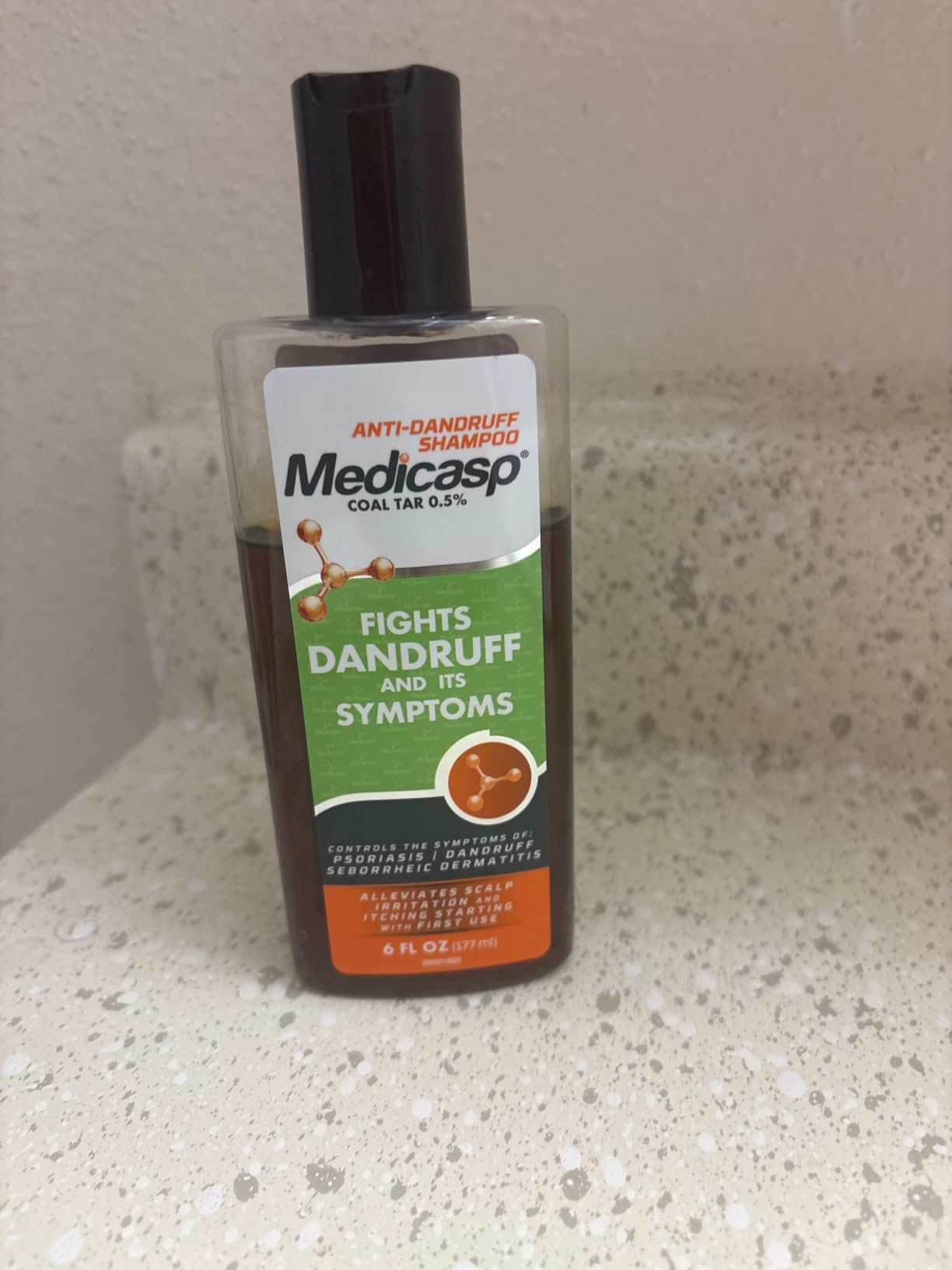
6. Medicasp Coal Tar Anti-Dandruff Shampoo – Best for Thick, Persistent Scale
Medicasp Coal Tar Anti-Dandruff Shampoo, Flakes Shampoo, 6 fl oz
0.5% coal tar
200-year medicated history
For seborrheic dermatitis
Use twice weekly
Pros
- Long-established active for stubborn flaking
- Addresses the cause not just the itch
- Relieves redness and scaling
- Fits a twice weekly treatment routine
Cons
- Heavier and drying on the hair
- Requires a leave-on contact time of several minutes
Coal tar is the oldest working treatment for dandruff, used for more than two centuries and still standard in dermatology for the cases nothing else touches. It is not a targeted antifungal in the way ketoconazole is. It works by slowing the rate at which skin cells are produced and shed, which thins the crust and reduces how much material is available to flake off.
That makes it a good match for the person with thick, adherent scale that has been building for months. It is also one of the few options in this roundup that is explicitly labelled for dry scalp, itchy scalp, seborrheic dermatitis and scalp psoriasis in the same bottle, which is a reasonable shortcut when you are not sure which of those you have.
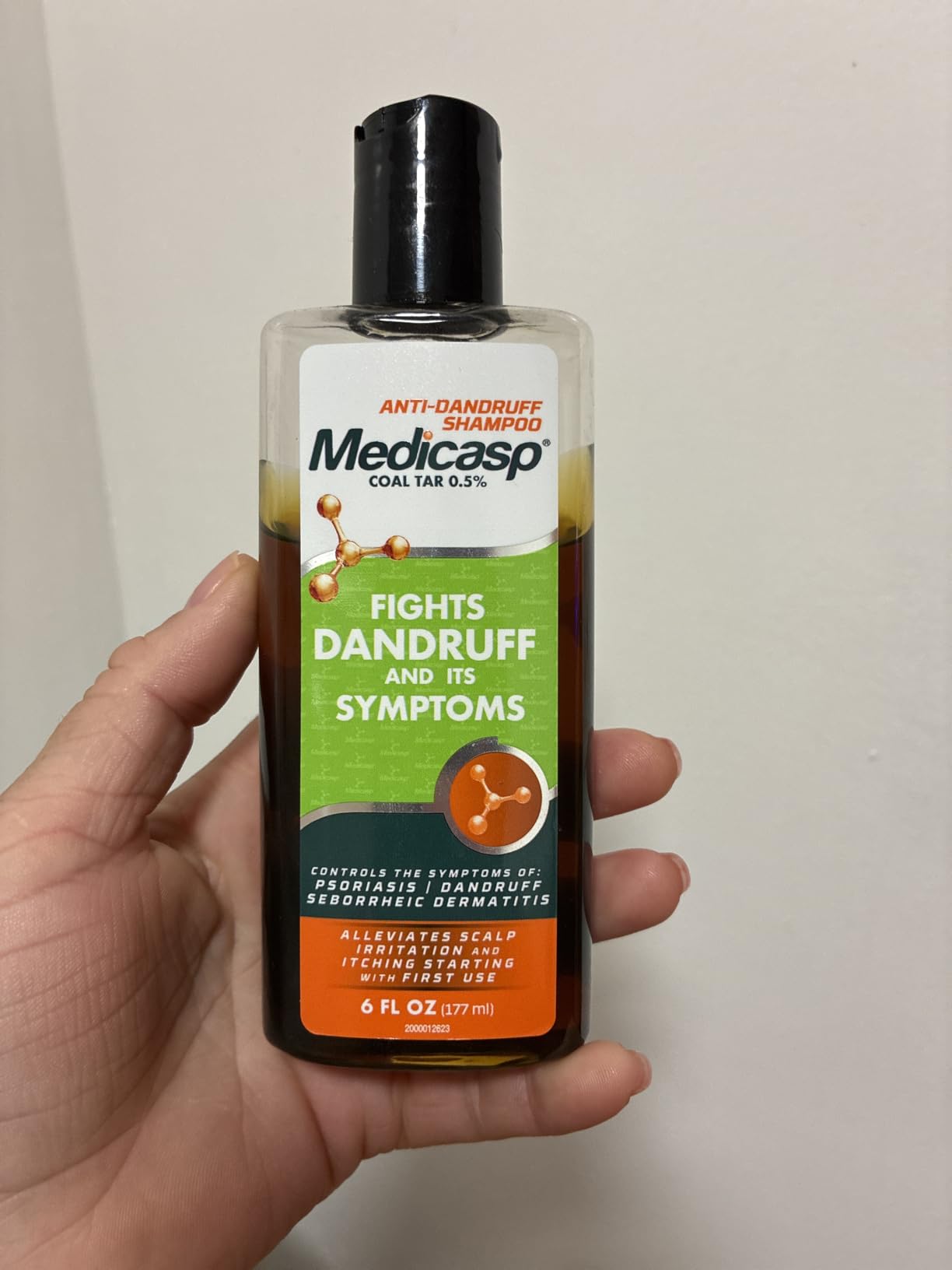
Its 4.4 rating is the second lowest in the group, and the reason is consistent rather than random: coal tar formulas are heavy, dark and drying. The 6 fl oz bottle is also small, and the directions call for massaging into a wet scalp, leaving it for several minutes, rinsing, repeating, and using twice weekly.
That routine takes longer than a normal shampoo, and a lot of people do it wrong by rinsing after thirty seconds. Given the directions, this is one product where contact time genuinely determines whether it works.
When coal tar is the right call
Reach for it when you have tried the cosmetic and antifungal options and scale keeps rebuilding, or when your flakes are thick and crusty enough to require a scalp scrubber. It is also worth discussing with a dermatologist if your seborrheic dermatitis is not responding to a single antifungal.
Pair it with a moisturising conditioner on the lengths. The scalp benefits from the active, and the hair mid-length and below mostly just needs to be rinsed properly afterwards.
Who should skip it
Anyone with very fine hair will feel the weight immediately, and anyone who reacts to fragrance may find coal tar’s tarry smell equally unacceptable. On colour-treated hair, medicated coal tar formulas are a common source of dulling.
If you are pregnant or breastfeeding, this is one to ask your clinician about rather than buy on your own, since coal tar has a longer safety history than the modern azoles but is not the default choice during pregnancy.
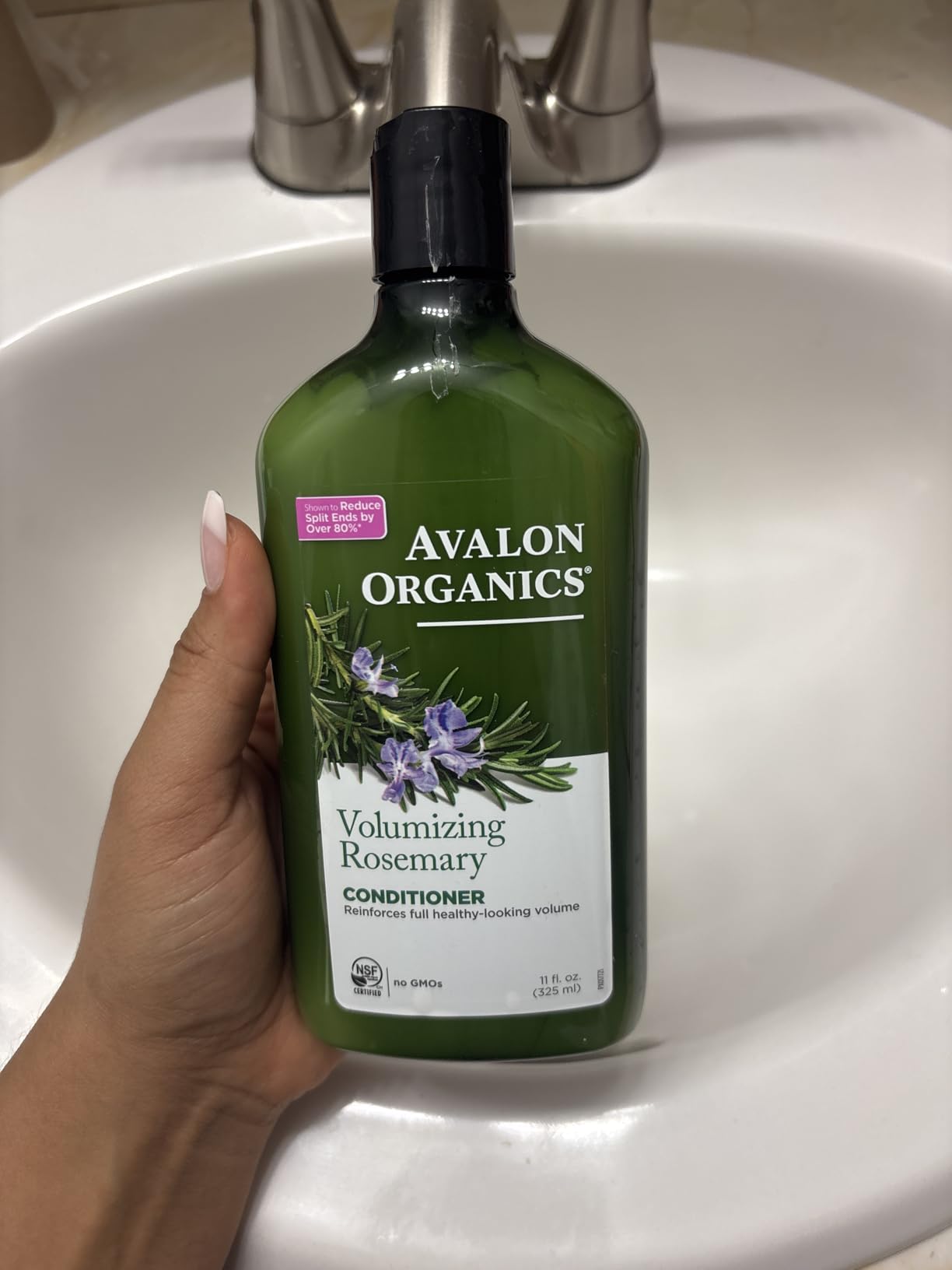
7. Avalon Organics All Natural Dandruff Therapy Shampoo – Best Botanical Option
Avalon Organics All Natural Dandruff Therapy Shampoo, 11 Fl Oz
2% salicylic acid
Aloe and tea tree oils
EWG Verified
Sulfate and fragrance free
Pros
- Gentle enough to use on a sensitive scalp
- Leaves hair soft and shiny with minimal shedding
- Natural formula with certifications
- Does not cause buildup
Cons
- Milder flaking control than medicated options
- Thinner consistency after a reformulation
- Small 11 fl oz size
This is the option for people whose scalp cannot tolerate a medicated formula, or who simply do not want one. It still contains a real active: 2% salicylic acid, which is a legitimate concentration, layered with aloe vera, tea tree, chamomile and essential oils rather than a harsh antifungal.
Because it is an exfoliant rather than an antifungal, the effect is gentler and slower. The review pattern reflects that almost perfectly. Reviewers talk far more about hair feeling soft, shiny and clean, and about reduced shedding, than they do about flaking control, and the 4.4 rating reflects a product people are happy with that is not aggressively medicated.

The certifications are worth taking seriously rather than treating as decoration. It is Leaping Bunny cruelty-free certified, EWG Verified, NSF Certified, and formulated without parabens, sodium laureth sulfate, synthetic colours or synthetic fragrances, and it comes in a 100% recycled bottle. Rosemary, peppermint and lavender variants are available, as is a 32 fl oz size.
The most significant complaint concerns a reformulation that made the product thinner, so more is needed per wash, and one detailed review describes an unhelpful customer service experience around that change. It is also worth knowing this is the mildest option here, not a natural alternative that performs like a 1% ketoconazole.
Who it actually suits
This is a maintenance shampoo, not a treatment shampoo. If your dandruff is mild, comes and goes with the season, and your scalp prefers mild products, it is a genuinely good choice that you can use without dreading the shower.
It is also useful as the between-wash shampoo. Pair it with a stronger antifungal or selenium formula for the treatment washes and use this on the alternate washes to keep the scalp comfortable.
What it will not do
It will not clear a significant, established seborrheic dermatitis flare on its own. Reviewers who expected the performance of a medicated product tend to be the ones who end up disappointed, so set expectations before you start.
If you are reactive to botanicals as well as fragrance, note that tea tree, chamomile and essential oils are all potential contact allergens even though the formula is free from synthetic fragrance.
8. CeraVe Hydrating Anti Dandruff Shampoo – Best for Sensitive and Fragrance-Free Scalps
CeraVe Hydrating Anti Dandruff Shampoo, Itchy Scalp Treatment, 12oz
1% pyrithione zinc
Ceramides and hyaluronic acid
Fragrance and sulfate free
12 oz
Pros
- Clears dandruff without stripping hair
- No fragrance suits eczema-prone scalps
- Supports the scalp barrier with ceramides
- Works on curly and color-treated hair
Cons
- Lathers less so more is needed per wash
- Takes about three weeks to show clear improvement
- Higher cost than basic drugstore options
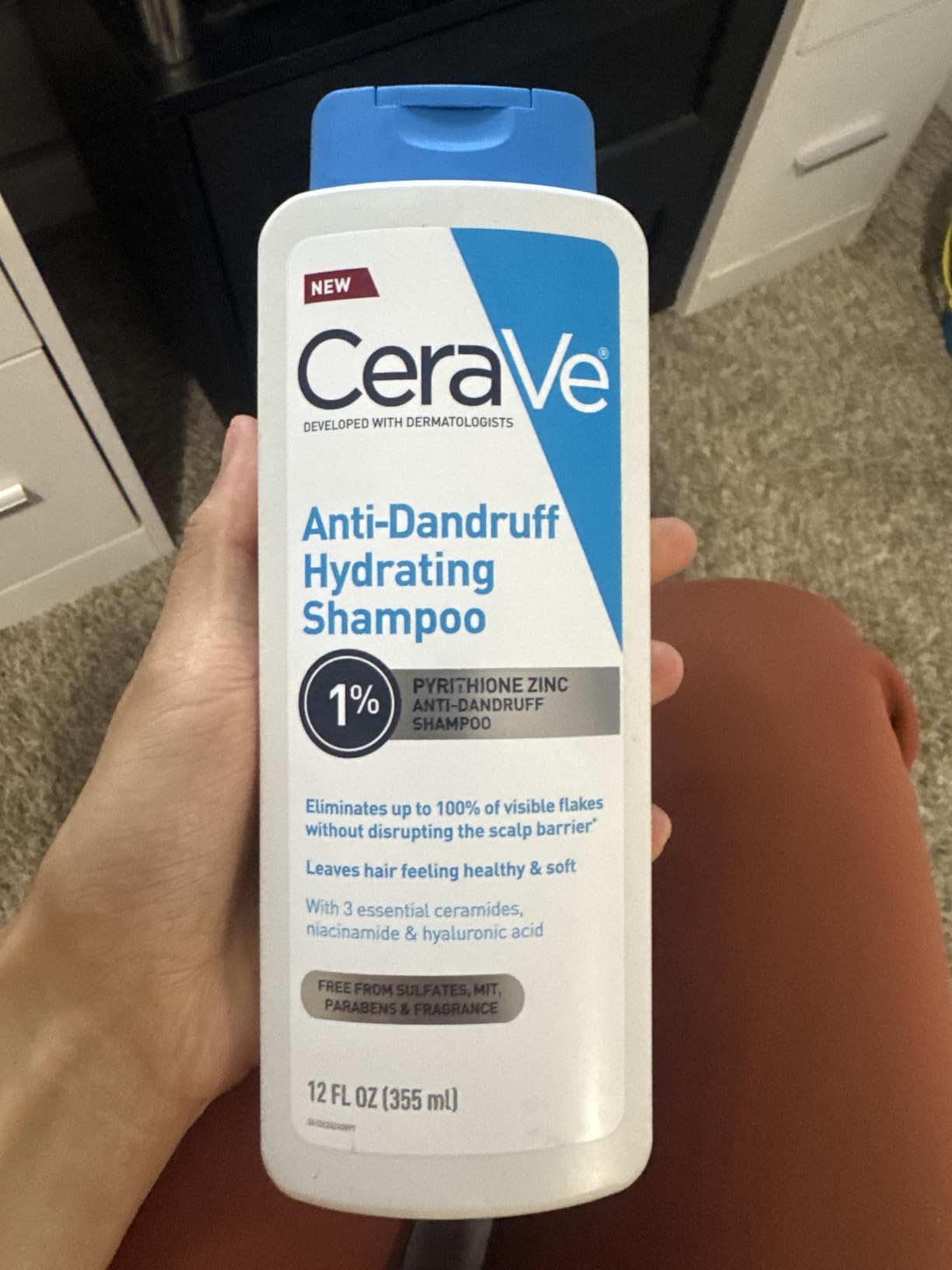
Zinc pyrithione is the gentlest antifungal in this group. It has mild antifungal and anti-inflammatory activity, which makes it better suited to maintenance and sensitive skin than to a severe flare, and CeraVe pairs it with three essential ceramides, niacinamide and hyaluronic acid to support the scalp barrier while it works.
That barrier support is the reason this formula behaves differently from other medicated shampoos. It is free from sulfates, MIT, dyes, parabens and fragrances, and it is pH-balanced and allergy-tested. For eczema-prone scalps or for anyone who has reacted to medicated shampoos before, removing the fragrance and the sulfate is often what makes a product tolerable enough to keep using.
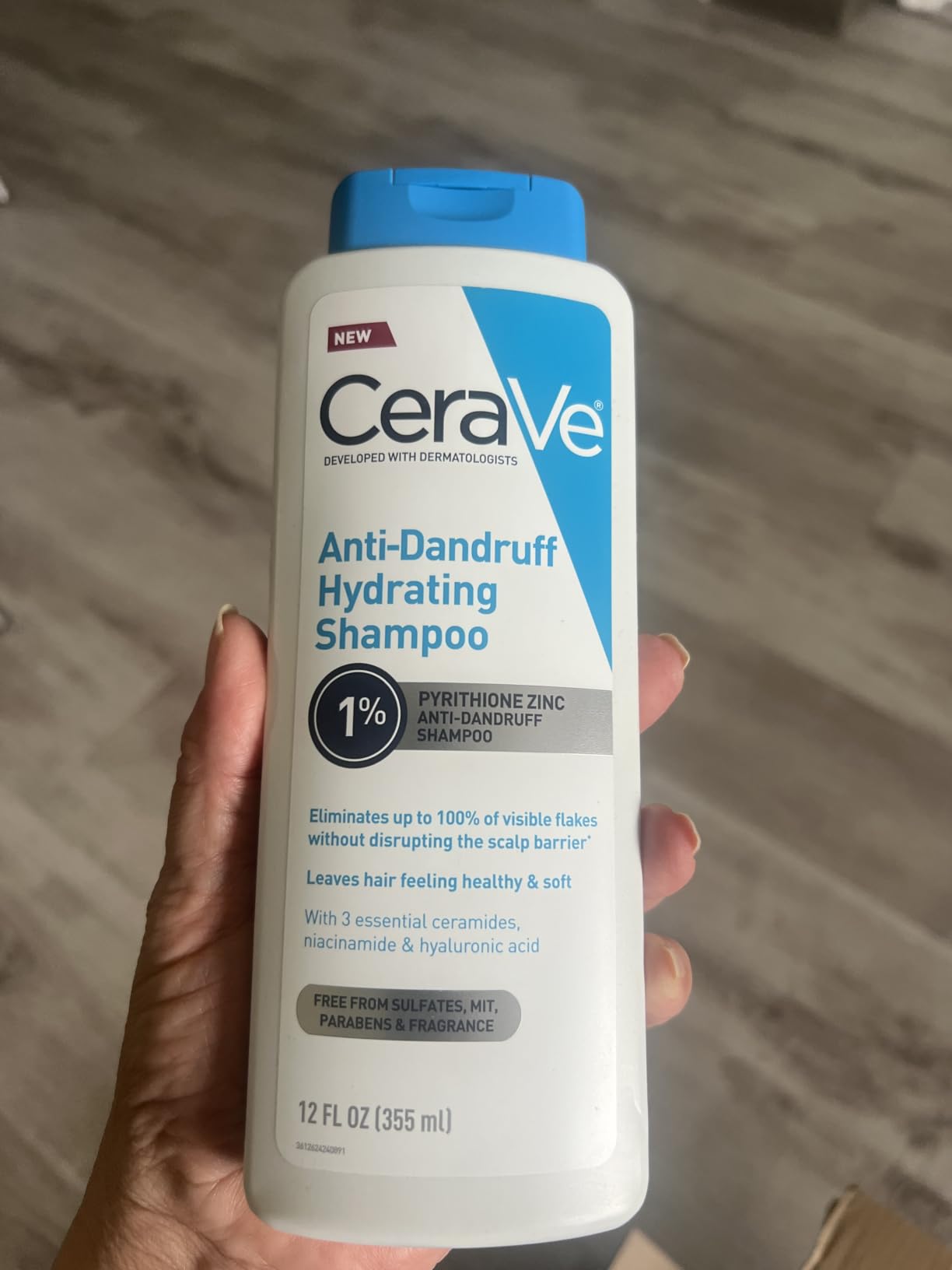
It is also one of the few picks here that is explicitly suitable for all hair types including curly and colour-treated hair, and the label is aimed at a system rather than a single wash. The manufacturer states up to 100% flake removal when used as directed with the matching conditioner, and several reviewers say a dermatologist pointed them to it.
Two caveats are consistent. The formula lathers less readily than competitors, so you need more per wash to get proper coverage, and the improvement is not immediate. Reviewers describe roughly three weeks of consistent use before the difference becomes obvious, which is longer than a ketoconazole or selenium product.
Why the three-week timeline matters
Many people abandon a gentle formula at week two, right before it would have started working, and conclude that anti-dandruff shampoos do not work. If you are using a barrier-supporting formula, give it the full three weeks before you judge it, and do not alternate it with a strong medicated shampoo in between.
It is also a sensible second product. Once a stronger active has cleared a flare, this is a good shampoo to move to so that you are not maintaining control with a maximum-strength formula year round.
Where it falls short
For severe, oily, thick-scale dandruff, 1% pyrithione zinc is the mildest option here and reviewers on heavy flaking find it underpowered. It suits a scalp that needs gentle, sustained management far better than one that needs heavy intervention.
It costs more than the basic drugstore options in this roundup, and the low lather means you go through the bottle faster than the size suggests.
9. VICHY Dercos Dandruff Shampoo – Best for Curly, Coily and Textured Hair
VICHY Dercos Dandruff Shampoo, Antifungal Itchy Scalp Treatment, 6.76oz
0.6% micronized selenium sulfide
Niacinamide and glycerin
Dermatologist certified
Color safe
Pros
- Stops recurring seborrheic dermatitis in one to two uses
- Does not dry out curly and textured hair
- Also reduces scalp odor
- 82 percent five-star rating share
Cons
- Some users find the fragrance medicinal
- Can leave hair slightly oily
- Smaller size needs refilling more often
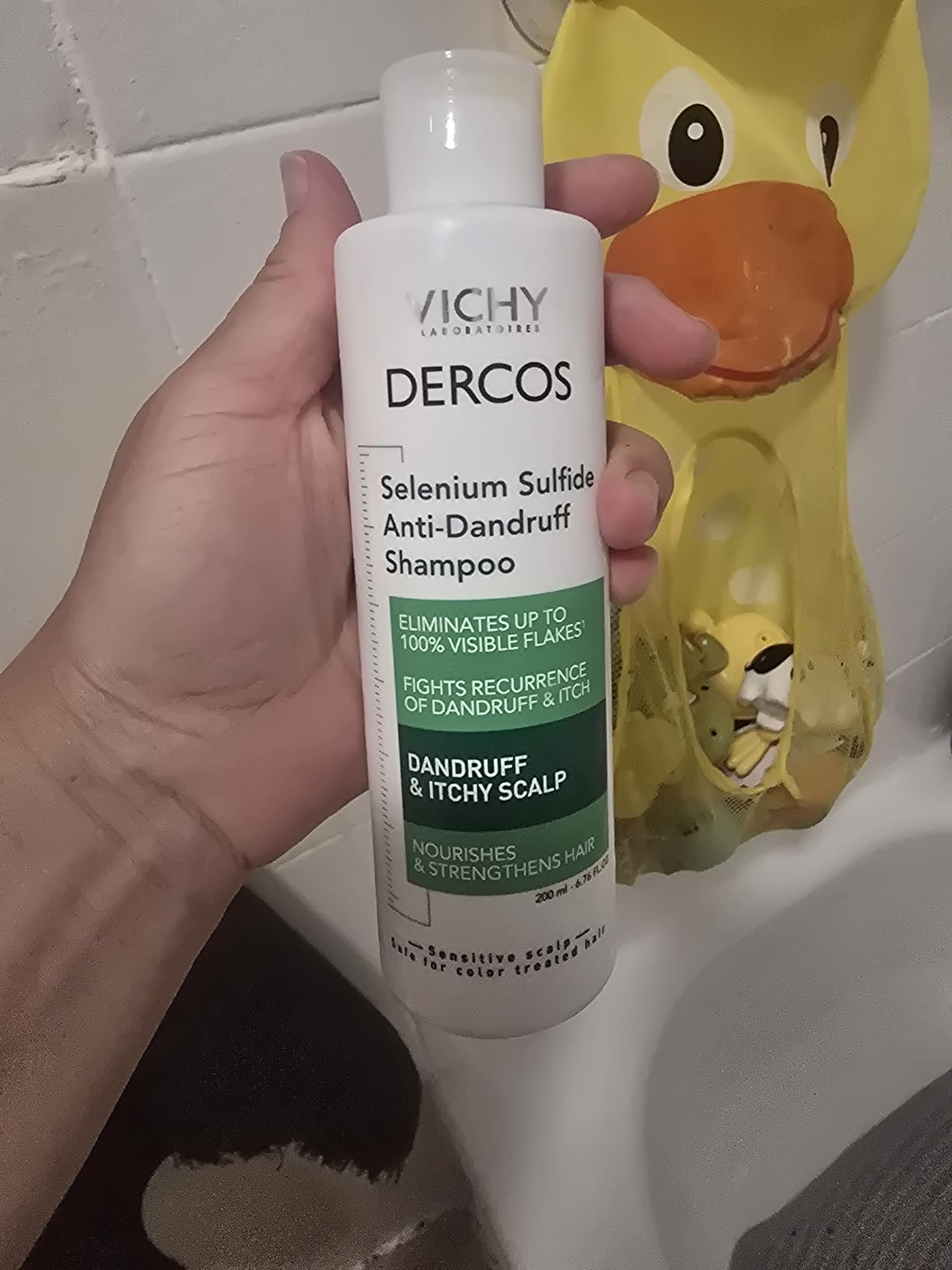
The active here is 0.6% micronized selenium sulfide, a particle size chosen so the compound dissolves in suspension and deposits evenly on the scalp rather than washing straight through. The label states it is as effective as 2% ketoconazole, and 82% of the reviews are five stars, matching the highest share of any product in our roundup.
What makes it the textured-hair pick is the conditioning system around the active. Niacinamide and glycerin are included for shine, moisture and reduced breakage, and the reviews that convinced us are the ones from people with curls and coils saying it did not strip their hair the way ketoconazole shampoos had. Forum discussions about this condition repeatedly name it as the product that worked after Nizoral and Neutrogena both failed.
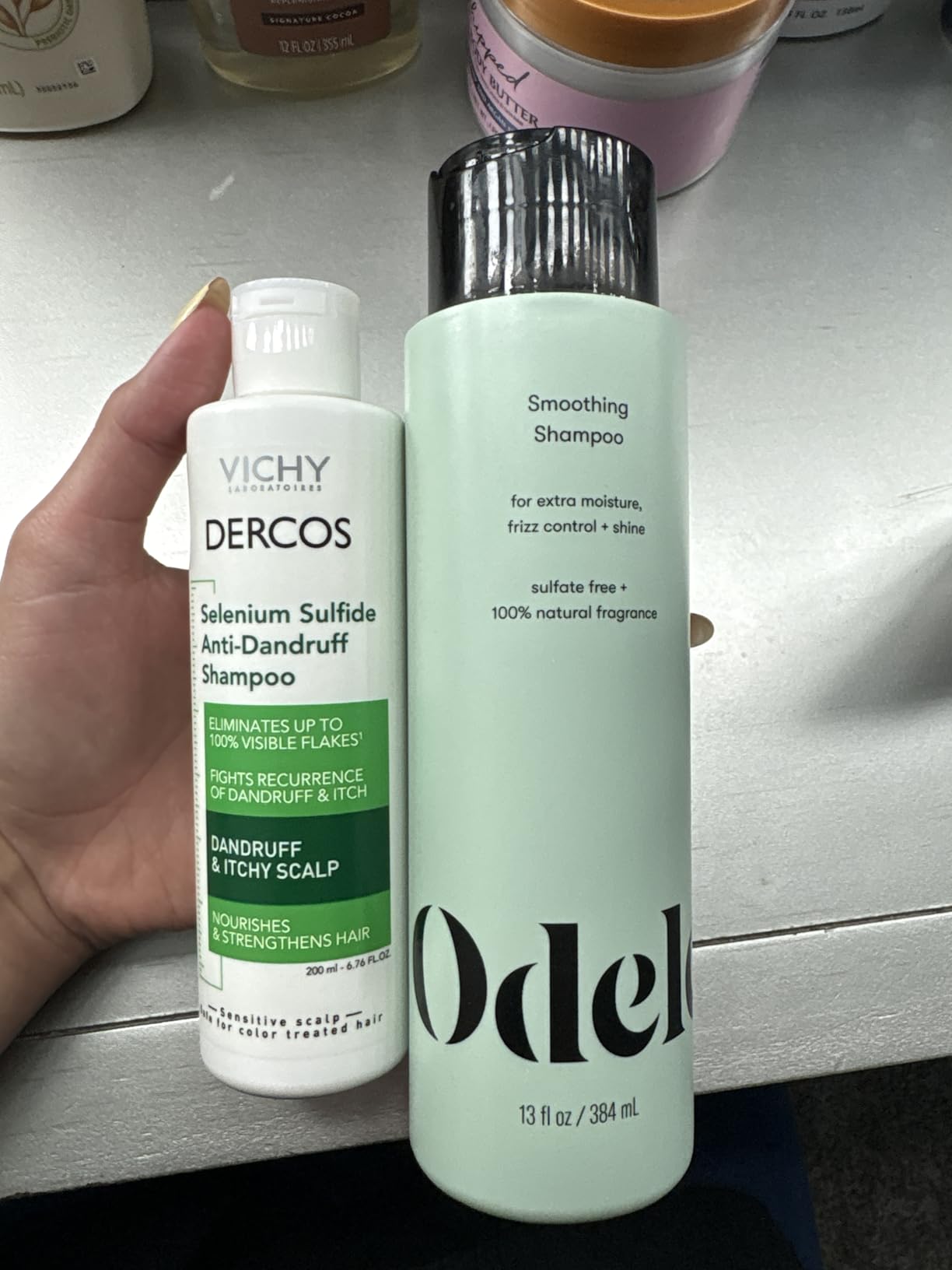
It is dermatologist certified for efficacy and safety, and it is labelled for sensitive, scaling and inflamed scalps as well as colour-treated hair. Reviewers also mention that it reduces scalp odour alongside visible flakes, which nobody asks for but plenty of people need, and that itch is often gone within two days.
The smell is the most cited drawback, with some users finding it distinctly medicinal. A few also note that hair feels slightly oily rather than squeaky clean afterwards, which is a reasonable trade for not being stripped.
Why texture matters for the choice
Long, coily and tightly curled hair takes far longer to wash, dry and detangle, and a harsh medicated shampoo used several times a week will take that extra friction and turn dryness into breakage at the mid-lengths. A formula that treats the dandruff without stripping the lengths is worth a premium for these textures.
Apply it to the scalp, not the hair. Working the lather in with your fingertips for the full contact time, then rinsing the lengths with the suds, gives you the treatment without the drying.
Points to weigh
The bottle is on the small side, so you will refill more often, and the fragrance is a real consideration for anyone with a reactive scalp. If odour is your main concern rather than flaking, this one addresses both, which is unusual.
Because it is a selenium sulfide rather than an azole, it also happens to be the right product to rotate with a ketoconazole formula, which is the most reliable way to stay clear long term.
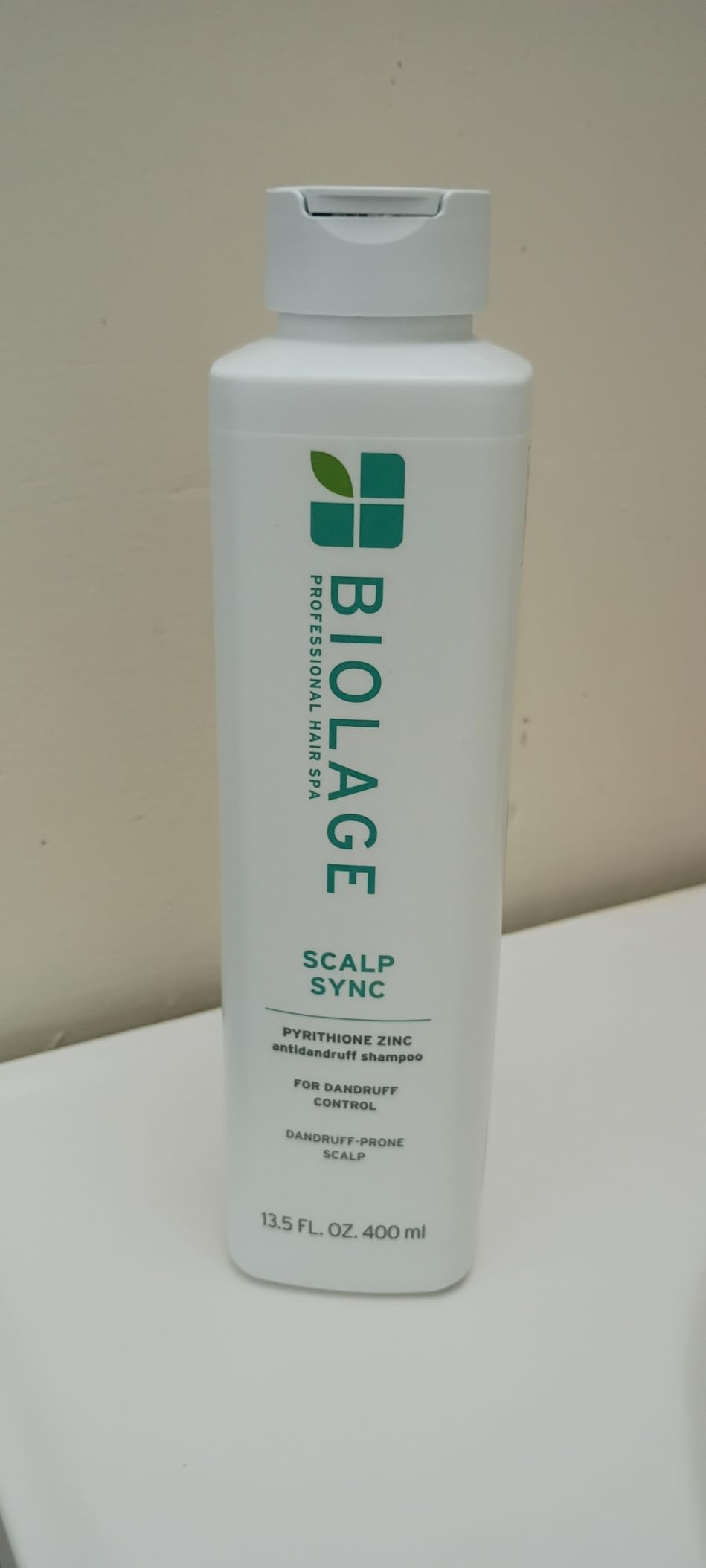
10. Biolage Scalp Sync Anti-Dandruff Shampoo – Best for a Dry Scalp That Still Flakes
Biolage Scalp Sync Anti-Dandruff Shampoo – Controls Dandruff & Deeply Cleanses, With Zinc Pyrithione, Vegan & Cruelty-Free
Pyrithione zinc
Deeply cleanses without drying
Salon formula
Vegan and cruelty free
Pros
- Reduces dandruff in about three weeks
- Scalp feels clean without being dry
- Subtle refreshing fragrance
- Hair feels soft smooth and lighter
Cons
- One of the higher-priced options here
- Small bottle relative to the size
- Does not foam heavily so easy to overapply
Most people with dandruff are told they have an oily scalp, and plenty of them do not. Biolage Scalp Sync is formulated around pyrithione zinc, the mildest of the antifungal actives, and its defining characteristic in the reviews is that the scalp feels clean rather than tight. That is the whole proposition: dealing with flakes without paying for them in dryness.
Results are described as arriving at around the three-week mark, which again points to zinc pyrithione being a gentler, slower pathway than a 1% azole. If you have tried a strong medicated shampoo, felt the tightness afterwards, and decided the treatment was worse than the dandruff, this is the deliberate middle path.
The scent deserves a mention because it is unlike almost every other medicated shampoo in this roundup. Reviewers describe a subtle, refreshing fragrance rather than an overpowering mint, and a mild cooling tingle on the scalp that they read as a positive signal rather than a chemical burn.
It is vegan, paraben-free and cruelty-free, and it is a salon-position formula rather than a drug one. Most reviewers pair it with the matching scalp concentrate between washes and alternate with a gentler shampoo, which is exactly the rotation approach we describe later in this guide.
Best for fine hair and low tolerance
This is our pick if your hair is fine, if you wash often, or if medicated shampoos have consistently left you with a tight scalp and frizzy lengths. Fine hair shows the effects of stripping faster than any other texture, and a mild antifungal that controls flakes without that trade-off is a better long-term match.
It is also a good maintenance shampoo for someone who has already cleared a flare with a stronger formula and does not want to stay on maximum strength indefinitely.
What to keep in mind
It is priced above the drugstore basics in this roundup, and the bottle is small for the amount you use. It also does not foam heavily, which makes it easy to overapply, and overapplying is the fastest way to make a mild shampoo perform badly.
For thick, adherent scale it will not be enough on its own. That pattern needs an exfoliating or coal tar formula, not a gentler antifungal.
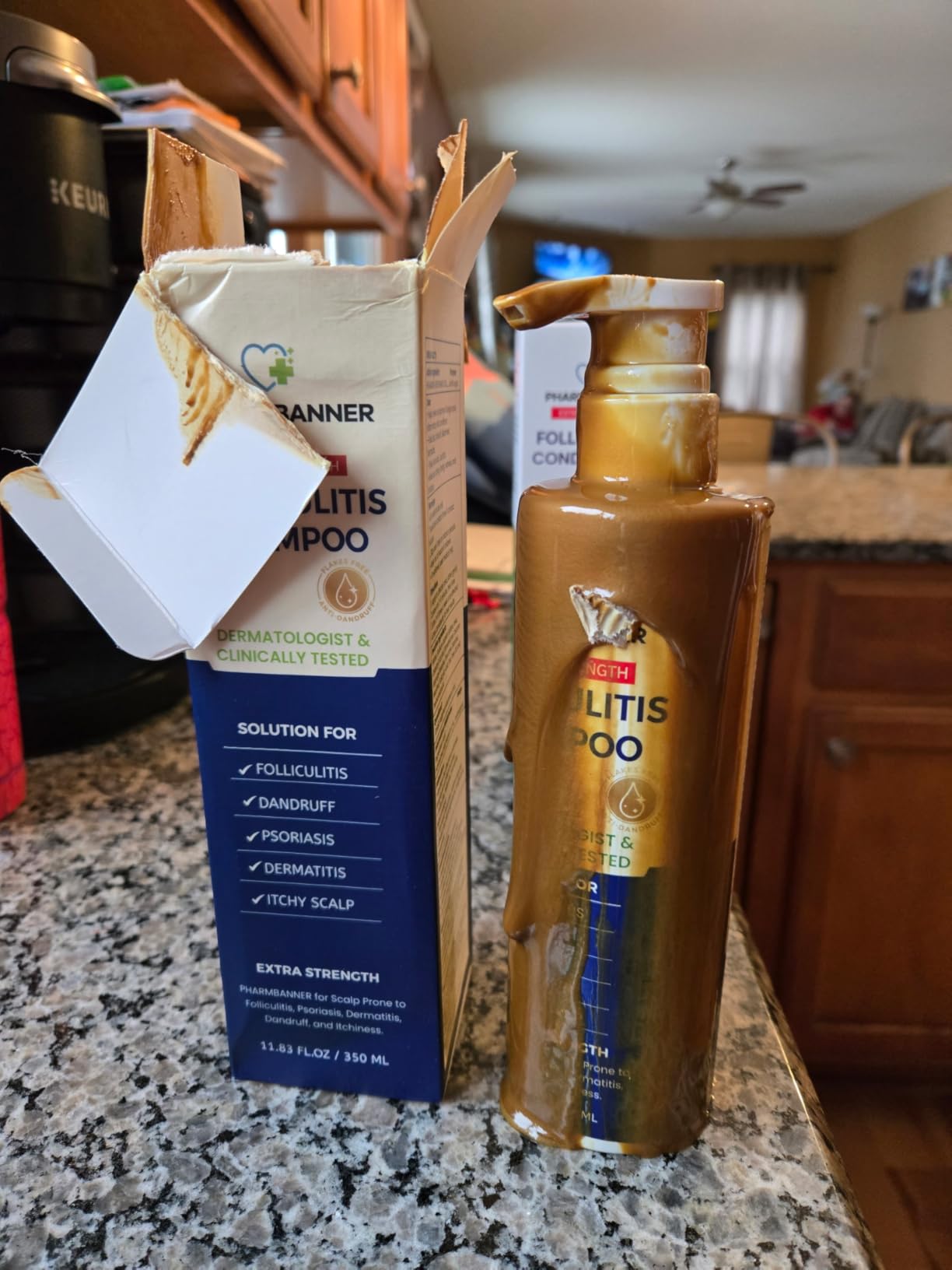
11. PHARMBANNER Anti-Fungal Shampoo – Best for Folliculitis and Other Scalp Conditions
PHARMBANNER Anti-Fungal Shampoo for Folliculitis, Seborrheic Dermatitis, Scalp Psoriasis – Relieves Itchy & Dry Scalp
0.1% hexamidine diisethionate
Botanical soothing blend
For folliculitis and psoriasis
Color safe
Pros
- Targets folliculitis which most competitors ignore
- Botanicals soothe alongside the antifungal
- Works on natural and color-treated hair
- Covers several scalp conditions in one formula
Cons
- Lowest average rating in the roundup
- Requires 3-5 uses per week with leave-on time
- Less established brand for dandruff specifically
Almost every other product here is aimed at flakes. This one is aimed at a different set of problems: small itchy bumps at the follicle, burning, redness and scaling that come with folliculitis, seborrheic dermatitis and scalp psoriasis. The active is 0.1% hexamidine diisethionate, an over-the-counter antifungal, supported by tea tree oil, houttuynia cordata, panax ginseng root and piroctone olamine.
That combination makes it the most genuinely multi-condition formula we reviewed. It is safe on natural and colour-treated hair, and reviewers who have small scalp bumps alongside their dandruff tend to describe it as addressing both at once, which is something none of the classic dandruff shampoos do.
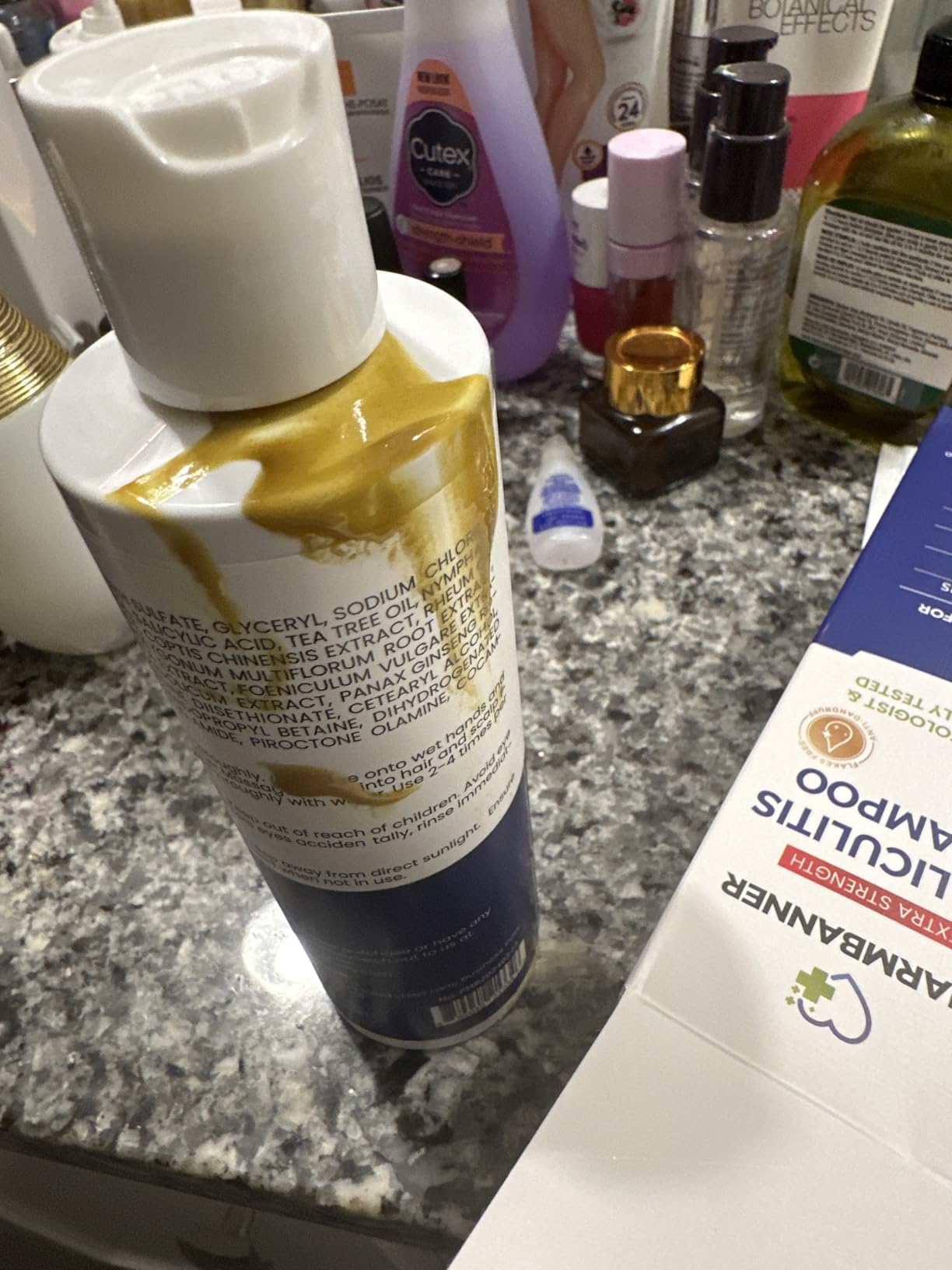
We should be straight about the numbers here. It carries the lowest average rating in the roundup at 4.3, with 69% five-star and 6% one-star ratings, and the widest spread of sentiment of anything we tested. That is not disqualifying, but it does mean the experience is more variable than the other picks, and you may need a couple of bottles before you know how your scalp responds.
The dosing schedule is heavier than most. The directions call for massaging into a wet scalp, leaving it on for two to five minutes, then rinsing, used three to five times per week. That is close to daily use, and it is a lot to commit to for a product with this rating spread.
When your problem is not flakes
If your scalp shows small raised bumps, crusting around individual follicles, or a burning sensation rather than a flaking pattern, this is the product in the roundup that is actually formulated for it. Everything else on this list treats scale, and scale is not what you have.
Folliculitis can also be driven by friction, sweat, product occlusion and hair removal, so a shampoo alone may not resolve it. If the bumps persist after four weeks, that is a dermatologist conversation rather than a product swap.
The practical downsides
Three to five uses a week with a two to five minute contact time is a real commitment, and it leaves little room to rotate other actives in. The brand is also less established for dandruff specifically, which means the review base is less reassuring than the numbers on the more familiar bottles above.
It is worth trying only if your symptoms match the label. If plain dandruff is your problem, the ketoconazole and selenium sulfide options are better-evidenced and better-reviewed.
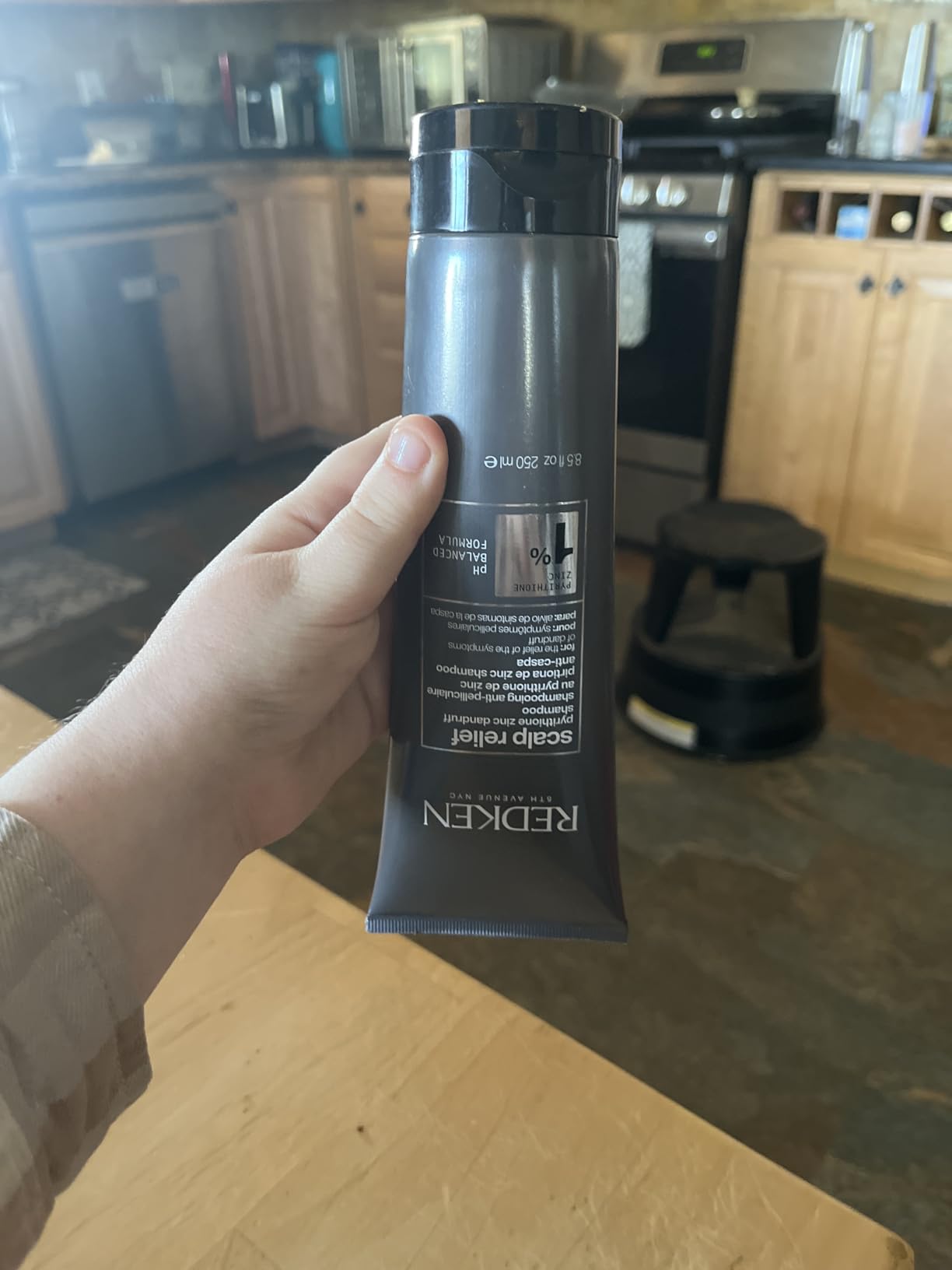
12. Redken Scalp Relief Dandruff Control Shampoo – Best Salon Formula for Colour-Treated Hair
Redken Anti-Dandruff Shampoo – For Dry & Flaking Scalp, 8.5 Fl Oz
Pyrithione zinc
Color safe
Dermatologist tested
Salon formula
Pros
- Some users see improvement in a single use
- Soothing mild sensation that is not overpowering
- Rich well-lathering formula
- Works beyond the hairline on beards
Cons
- The most expensive option in this roundup
- Can leave hair dry and frizzy without conditioner
- Smallest bottle relative to its cost
This is the professional formula in the group: a pyrithione zinc anti-dandruff built by L’Oreal Professionnel, dermatologist tested, colour-safe and formulated to leave hair silky and shiny rather than medicated-looking. The trade is straightforward. You are paying salon positioning for a gentler active, and your scalp will not clear as fast as it would on a 1% azole.
What the reviews suggest is that it works well for the winter-dandruff pattern: a scalp that gets irritated, oily and scabby when the air dries out, then settles when the weather changes. Users report results within a few washes, and one describes itch gone in the first wash with flakes clearing by the third.
Two details make it more versatile than a typical salon shampoo. The menthol-like sensation is mild rather than aggressive, so it does not sting an already-irritated scalp, and reviewers report using it on beard areas and sunburned scalps, not just the hair itself.
With a review base around 3000 ratings, this is the thinnest evidence pool in the roundup, so we would not call it the strongest choice. It is a good choice when the formula matters to you as much as the active, and especially when colour-treated hair is involved.
Why colour-treated hair changes the decision
Any shampoo can fade colour, and medicated formulas generally fade it faster, both by stripping the cuticle and by depositing residue that dulls shine. This one is explicitly labelled colour-safe, and a formula designed to leave hair shiny rather than stripped is a meaningfully better match for bleached or glossed hair.
If you colour your hair and your dandruff is mild to moderate, a gentle zinc pyrithione formula in salon packaging is a reasonable long-term choice. If your dandruff is severe, clear it with a stronger active first and then maintain with something like this.
What to manage
It is the most expensive product in our roundup and comes in the smallest bottle, so the cost per wash is the highest here. It also leaves hair a little dry and frizzy unless you follow it with a conditioner or mask, which is a fair trade but worth budgeting for.
It does not suds heavily, so apply a smaller amount than you would reach for instinctively. Using too much of a strong active is the fastest route to the dryness that makes people think a product stopped working.
Which Active Ingredient Should You Look For?
Every anti-dandruff shampoo targets one of three things: the yeast itself, the oil and dead skin that feed it, or the inflammation both produce. Knowing which you need is more useful than knowing which brand is most popular, because the four major actives do genuinely different jobs.
Ketoconazole (1% over-the-counter, 2% prescription). An azole antifungal that blocks the enzyme Malassezia needs to build lipids in its cell membrane. It is the most targeted antifungal available without a prescription and the first choice for oily, adherent flakes and significant itch. It is also the most drying on long, textured hair.
Zinc pyrithione (1% and 0.5%). A milder antifungal with anti-inflammatory activity. It is better suited to maintenance, sensitive scalps and long-term daily use than to blasting a severe flare. Look for it in formulas that also rebuild the barrier with ceramides, which is what makes those products tolerable on reactive skin.
Selenium sulfide (1% and 0.6% micronized). Prevents fungal cell division rather than starving the yeast. It is a strong choice for thick, oily scale and for rotating with ketoconazole, and the micronized versions deposit more evenly on the scalp. It is the active to try when an antifungal has plateaued.
Salicylic acid (3% and 2%). A keratolytic rather than an antifungal. It dissolves the bond holding dead skin cells and sebum together, so it lifts scale and clears waxy buildup without touching Malassezia. Choose it for thick crust and product buildup, and pair it with an antifungal rather than using it alone.
Coal tar (0.5% to 5%). The oldest treatment here, used for more than two centuries. It slows skin cell production and shedding rather than targeting the yeast, which makes it useful for very thick persistent scale and for people who have run out of other options. It is also the most drying and the most strongly scented.
Tea tree oil (5% and above). The best-evidenced botanical antifungal, with peer-reviewed support for dandruff at 5% concentration. Below that level it is mostly a fragrance, so a product that does not state a percentage is unlikely to be treating the yeast.
Why Your Dandruff Shampoo Stopped Working
When a formula that worked stops working, the most common explanation is not that your scalp changed. It is that you have been using the same active continuously for long enough that the effect plateaus, and the yeast population has adapted to the conditions you have created. This is the single most repeated complaint across dandruff and seborrheic dermatitis forums, and the phrase people use most often is that the flakes start falling like snow again after months of being clear.
There are four things worth trying, in this order.
1. Rotate the active rather than the brand. If you have been on ketoconazole for months, move to a selenium sulfide formula for four weeks, then go back. Different mechanisms mean the yeast does not get a consistent set of conditions to adapt to. Forum users who alternate between a medicated shampoo and a blue selenium formula frequently report the most durable control.
2. Add an exfoliating step rather than another antifungal. If scale is thick and waxy, no antifungal can reach the scalp through it. A salicylic acid formula used once a week clears the surface so your antifungal can work, and this combination is more effective than either alone.
3. Check your contact time. Most people rinse a medicated shampoo off in under a minute, and every one of these products needs five to ten minutes of contact to do anything. This is the single most common self-inflicted reason a treatment appears ineffective, and users consistently report that extending the contact time changed their results more than switching brands.
4. Consider that the diagnosis is wrong. If two different actives have failed, the issue may not be dandruff. Scalp psoriasis, contact dermatitis from a product, and even an underlying skin condition can all look like seborrheic dermatitis, and none of them respond to an antifungal the same way.
How to Use a Dandruff Shampoo So It Actually Works
Technique decides the outcome more often than the product does, and the reviews from long-term users converge on the same routine regardless of which active they use.
1. Apply to the scalp, not the hair. Work the shampoo in with your fingertips, not your nails, and concentrate on the areas where flakes actually appear: the parting, behind the ears, the nape and the hairline. The lengths of your hair do not have dandruff.
2. Leave it on for five to ten minutes. This is the step most people skip and the one that changes results most. Set a timer on your phone. Every product in this roundup needs the active to stay in contact with the scalp long enough to act, and rinsing immediately reduces it to an expensive ordinary shampoo.
3. Massage, do not scratch. Gentle fingertip massage loosens scale and spreads the active evenly. Scratching damages the scalp barrier, which worsens the inflammation that is producing the flakes in the first place.
4. Alternate with a mild shampoo. Medicated shampoos on consecutive washes strip the scalp. Use the treatment twice a week and a gentle, moisturising shampoo on the other days, and consider a scalp massage bowl to make the treatment washes more thorough without more force.
5. Use it consistently for four weeks before judging it. Gentle actives such as zinc pyrithione take closer to three weeks to show a clear difference, while stronger options may work in two washes. Either way, four weeks is the point at which you can fairly decide whether a formula is working.
What to Look for When Buying a Dandruff Shampoo
Most of the decision is made in the first five seconds of picking up the bottle, and it is almost always the same five things.
Read the active and the percentage, not the front of the bottle. A product labelled anti-dandruff is not automatically medicated. The active ingredient and its concentration appear in the drug facts panel and are the only meaningful difference between a cosmetic shampoo and a treatment. Anything under 1% of a medicated active, or a botanical with no stated percentage, is a maintenance product at best.
Match the active to the flake type. Oily, yellowish, adherent flakes point to an antifungal such as ketoconazole or zinc pyrithione. Thick, crusty, adherent scale points to salicylic acid or coal tar. Fine, powdery white flakes point to dry scalp and need a moisturising formula, not a stronger medicated one. Buying the wrong class of product is the most common reason people conclude that nothing works.
Check hair type and colour safety. For colour-treated hair, look for an explicit colour-safe statement, and remember that salicylic acid formulas strip faster than they are usually given credit for. For curly, coily and textured hair, a formula with conditioning ingredients such as ceramides, glycerin or niacinamide will do less damage over a long-term regimen.
Check the fragrance and sulfate load if your scalp is reactive. Fragrance is present in most medicated shampoos and is a common contact allergen. Two of the picks in this roundup are fragrance-free, and one is free of synthetic fragrance while using botanicals instead, which is a different profile worth considering if you are fragrance-allergic but not botanical-reactive.
Decide between a treatment and a maintenance product. The strongest formulas in this roundup are not meant for daily use indefinitely. Buying one strong treatment shampoo and one gentle maintenance shampoo, and alternating them, is more effective and less irritating than using a maximum-strength product every day.
Dandruff vs Dry Scalp vs Scalp Psoriasis
Telling these apart takes thirty seconds and prevents you from buying the wrong product entirely.
Dandruff (seborrheic dermatitis). Flakes are small, oily, yellowish or white, and they stick to the scalp rather than brushing out easily. The scalp is often itchy and sometimes pink underneath. It appears in the parting, behind the ears and at the nape, and it responds to antifungal shampoo within one to four weeks.
Dry scalp. Flakes are fine, white and powdery, and they fall out easily with a brush. The scalp feels tight and itchy but is not usually red or greasy. The cause is usually over-washing, harsh detergents, heat styling or cold weather, and it responds to a moisturising shampoo and reduced wash frequency rather than to a medicated one.
Scalp psoriasis. Flakes are thick, silvery, dry and tightly attached, and the scalp underneath is often red, raised and sore rather than simply flaky. It frequently extends past the hairline onto the forehead, ears or neck, and it may appear on other parts of the body. Antifungal shampoo does not control it, and it warrants a dermatologist.
Contact dermatitis. Flaking and itch appear after a new product, a colour treatment or a change in routine, and the pattern usually matches where the product was applied. It is often worse in patches than across the whole scalp, and no medicated anti-dandruff shampoo will fix it.
When Dandruff Shampoo Is Not Enough
Anti-dandruff shampoo treats seborrheic dermatitis. It does not treat everything that flakes, and there are clear signals that you need a clinician rather than another bottle.
You have tried two different actives for four weeks with no improvement. That is the point at which the assumption that your problem is fungal dandruff should be dropped. Check the flake type again, and consider whether psoriasis, eczema or contact dermatitis fits better.
The flaking extends beyond the scalp. Psoriasis commonly appears on the forehead, ears, neck, elbows and knees. If the scalp is the only affected area, it is more likely to be seborrheic dermatitis.
There are bumps, crusting or pus-filled spots. Folliculitis or a bacterial infection will not respond to an antifungal. A shampoo with an antibacterial active may take the edge off, but this needs a proper diagnosis.
The scalp is bleeding, weeping or oozing. That is not a dandruff presentation. Stop medicated products and see a clinician.
Hair is thinning in the affected area. Chronic inflammation can affect the follicles. A board-certified dermatologist can distinguish this from ordinary shedding and from traction alopecia, none of which shampoo addresses.
When you do go, a dermatologist may prescribe a higher-strength ketoconazole preparation, a topical steroid solution for short courses, or an oral antifungal, and they can add a leave-in scalp serum to extend the effect between washes. Bring the products you have already tried, including the failing ones, because the pattern of what did not work is itself diagnostic.
Frequently Asked Questions
What is the most effective shampoo for dandruff?
For most people, the most effective over-the-counter option is a 1% ketoconazole shampoo, which blocks an enzyme the Malassezia yeast needs to build its cell membrane. If your flakes are thick and waxy rather than oily and adherent, a 3% salicylic acid formula will clear the scale faster because it dissolves buildup instead of treating the yeast. Effectiveness depends far more on leaving the shampoo on for five to ten minutes than on the brand you choose.
How long does it take for dandruff shampoo to actually work?
Stronger actives such as 1% ketoconazole and 1% selenium sulfide often reduce flaking noticeably within two or three washes. Gentler formulas built on zinc pyrithione typically take closer to three weeks of consistent use. Give any new anti-dandruff shampoo a full four weeks before deciding it has failed, and leave it on the scalp for five to ten minutes each time rather than rinsing it away immediately.
My dandruff is not clearing up even with ketoconazole. What should I do?
First check your contact time, because most people rinse a medicated shampoo off in under a minute. Second, rotate the active: move to a selenium sulfide formula for four weeks, then return to ketoconazole. Third, add a salicylic acid shampoo once a week to clear thick scale that may be blocking the antifungal. If two different actives have genuinely failed after four weeks of correct use, consider that the diagnosis may not be seborrheic dermatitis.
Is dandruff the same as a dry scalp?
No, and they need opposite treatments. Dandruff flakes are oily, yellowish and stick to the scalp, and they respond to antifungal shampoo. Dry scalp flakes are fine, white and powdery, they brush out easily, and they respond to a moisturising shampoo and less frequent washing. Using a strong medicated shampoo on a dry scalp usually makes the tightness worse and can produce flaking of a different kind.
What do dermatologists recommend for dandruff?
The standard first-line recommendation is a shampoo with a proven antifungal active: 1% ketoconazole, 1% pyrithione zinc, or selenium sulfide. The other consistent piece of advice is technique, namely leaving the shampoo on the scalp for five to ten minutes and using it twice weekly rather than daily, since medicated shampoos strip the barrier and daily use can perpetuate dryness. Dermatologists also stress that flakes extending past the hairline suggest psoriasis, which needs different treatment.
The Verdict on the Best Dandruff Shampoos in 2026
Nizoral Anti-Dandruff Shampoo with 1% ketoconazole is our best overall pick. It is the only over-the-counter dandruff shampoo built around a dedicated azole antifungal at a treatment concentration, it has the deepest review base in the category, and it clears flakes faster than anything else we tested. Selsun Blue at 1% selenium sulfide is the right rotation partner, and Neutrogena T/Sal at 3% salicylic acid is the one to reach for when scale and buildup are the problem.
Those three cover the majority of cases, which is the point: the best dandruff shampoo is the one matched to your flake type rather than the one with the biggest name. Start with the strongest antifungal that your scalp tolerates, give it a full four weeks, alternate it with a gentler formula between treatments, and change the active rather than the brand when it plateaus. If two actives fail after four weeks of correct use, that is a diagnosis problem, not a shopping problem.