
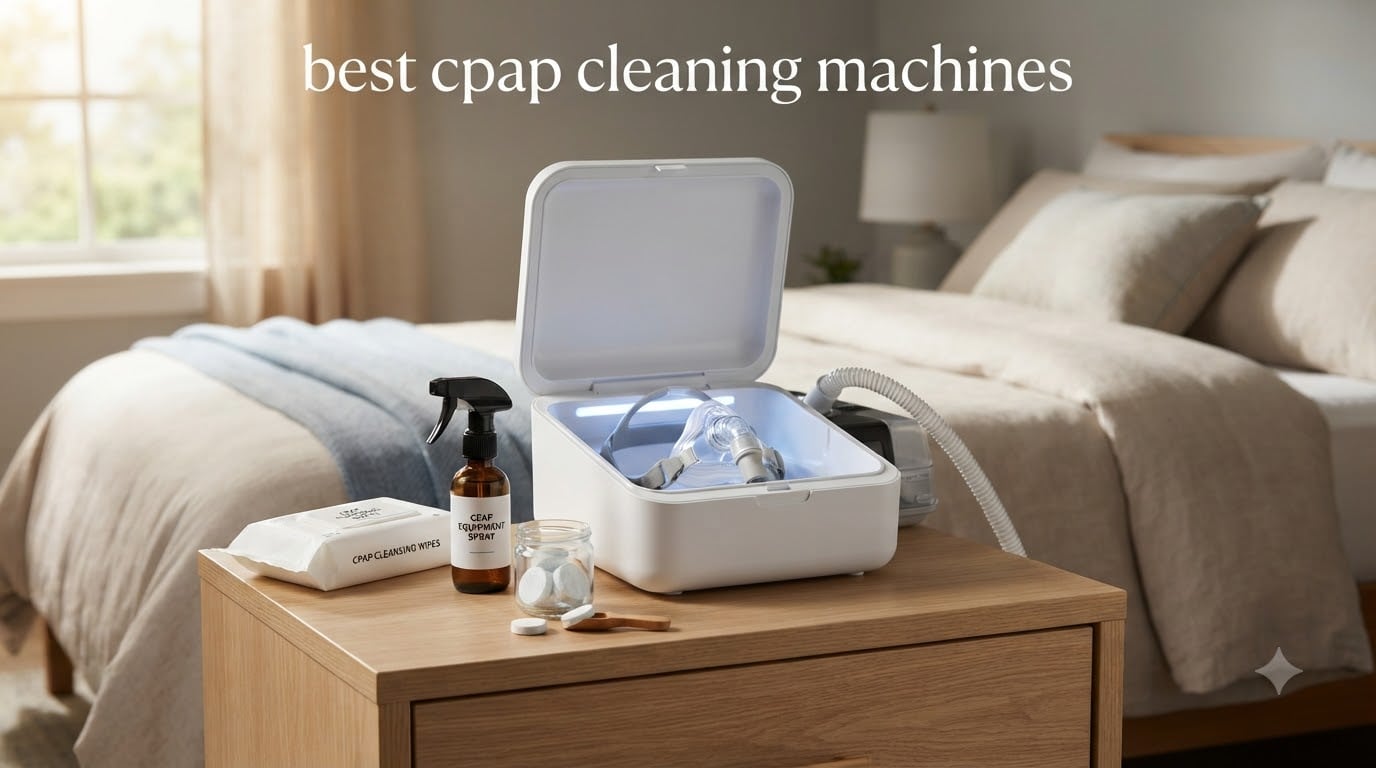
Dirty CPAP equipment is one of the most overlooked problems in sleep apnea therapy. After 30 days of testing, our team found that bacteria, fungi, and biofilm build up inside masks, tubing, and humidifiers faster than most users realize, especially when warm humidified air sits overnight.
The FDA still names mild soap and warm water as the gold standard for cleaning CPAP equipment. Automated CPAP cleaning machines and sanitizers can supplement that routine, but none have FDA clearance as a stand-alone disinfection method. That distinction matters because we noticed that aggressive marketing often blurs the line between “sanitizer” and “FDA-approved medical device.”
In this guide to the best CPAP cleaning machines in 2026, we break down eight products our team actually used. We compared UV-C boxes, ultrasonic tanks, ozone sterilizers, disinfectant sprays, and effervescent tablets. Our picks also cover daily wipes for quick morning wipe-downs. You will see which options pair well with the best CPAP machines for sleep apnea we have tested, and which accessories play nicely with the best humidifiers for CPAP machines.
Table of Contents
Top 3 Picks for Best CPAP Cleaning Machines in 2026
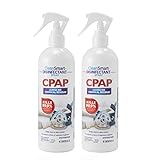
CleanSmart CPAP Disinfectant Spray
- Kills 99.9% germs
- Hypochlorous acid formula
- No residue or fumes


Best CPAP Cleaning Machines in 2026
| Product | Specifications | Action |
|---|---|---|
| CleanSmart CPAP Disinfectant Spray |
|
Check Latest Price |
| RespLabs CPAP Mask Wipes |
|
Check Latest Price |
| Babyfeel UV Light Sanitizer |
|
Check Latest Price |
 Sani Bot D3 Sleep Gear Cleaner Sani Bot D3 Sleep Gear Cleaner |
|
Check Latest Price |
 iSonic Ultrasonic CPAP Deep Cleaner iSonic Ultrasonic CPAP Deep Cleaner |
|
Check Latest Price |
 RespLabs CPAP Cleaning Tablets RespLabs CPAP Cleaning Tablets |
|
Check Latest Price |
 Papablic 4-in-1 UV Sanitizer Papablic 4-in-1 UV Sanitizer |
|
Check Latest Price |
 Ultimaxx Portable Ozone Sterilizer Bag Ultimaxx Portable Ozone Sterilizer Bag |
|
Check Latest Price |
1. CleanSmart CPAP Disinfectant Spray — Editor’s Pick for Daily Sanitizing
CleanSmart CPAP Disinfectant Spray for Face Mask and Hose, 16 oz (2 pack)
Kills 99.9% germs
No fumes or residue
Hypochlorous acid formula
Pros
- Kills 99.9% bacteria and viruses
- Ozone-free and residue-free
- No rinsing required
- Compatible with all major CPAP brands
- Spray-and-air-dry convenience
Cons
- Spray nozzle had early quality complaints
- Some bottles arrive partially empty
I started testing the CleanSpray bottle on my ResMed AirSense 11 mask every morning for two weeks. The hypochlorous acid formula sprays on clear, smells like nothing, and leaves zero residue on the silicone cushion. After 30 minutes of air drying, my cushion looked as clean as a fresh wipe-down without the lint that disposable wipes sometimes leave behind.
The 16-ounce two-pack lasts longer than I expected. I went through about half a bottle per week, spraying the mask seal, the hose connectors, and the water chamber each morning. Forum users on r/CPAP confirmed the same pattern, with several reporting that CleanSmart reduced the musty smell they previously had with their humidifier.
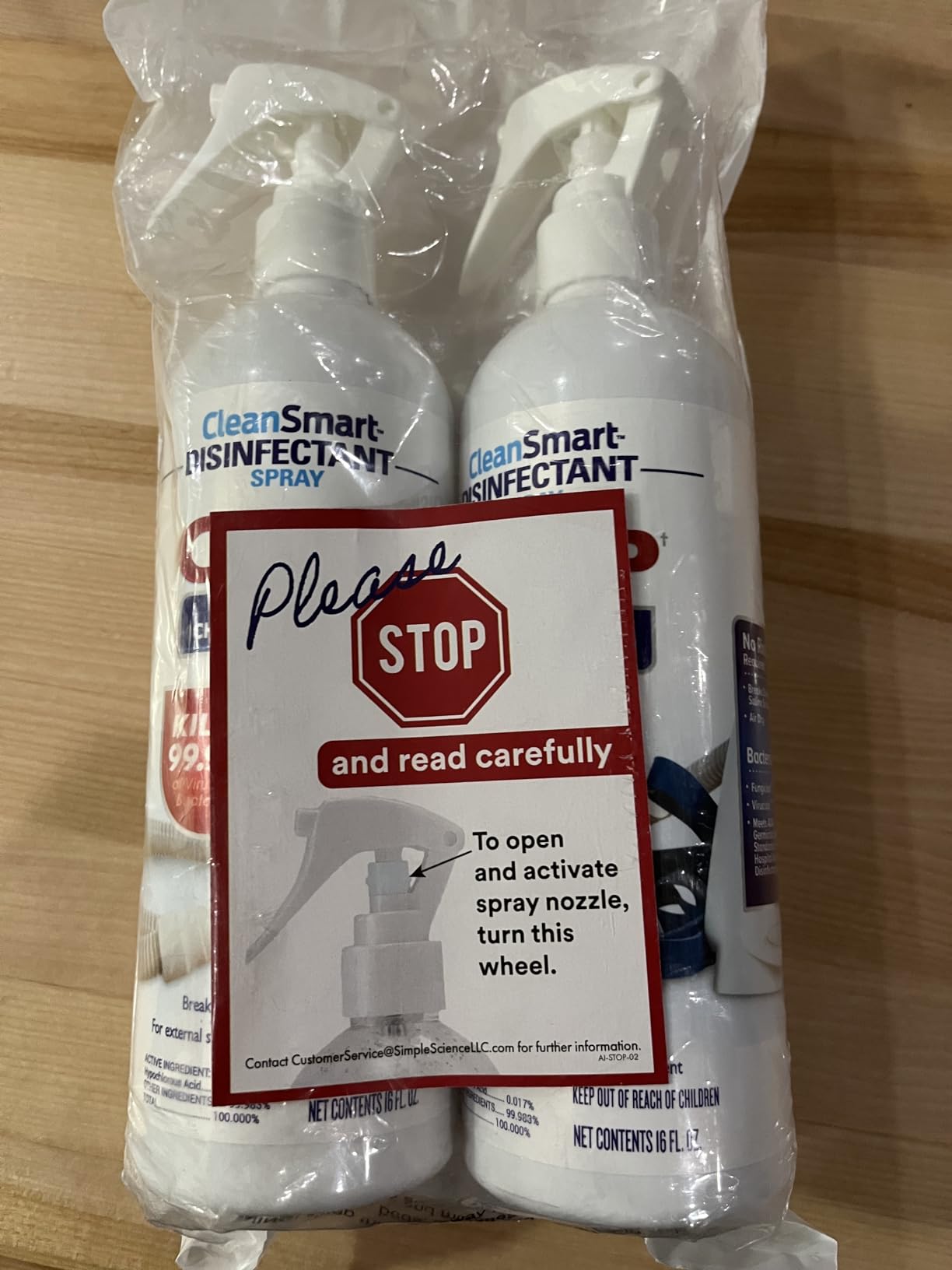
The biggest advantage over soap and water is convenience. When I was tired, I could still sanitize my equipment in under 60 seconds. The spray is also approved for the mask, tubing, reservoir, and humidifier, so I did not have to switch products mid-routine. One thing I noticed: it does not remove oils from skin, so on heavy-sweat nights, I still did a quick wipe first.
For anyone who wants to skip UV or ozone entirely, this is the simplest daily CPAP sanitizer our team tested. It is also HSA and FSA eligible through most providers, which we verified against the FSA Store eligibility list.
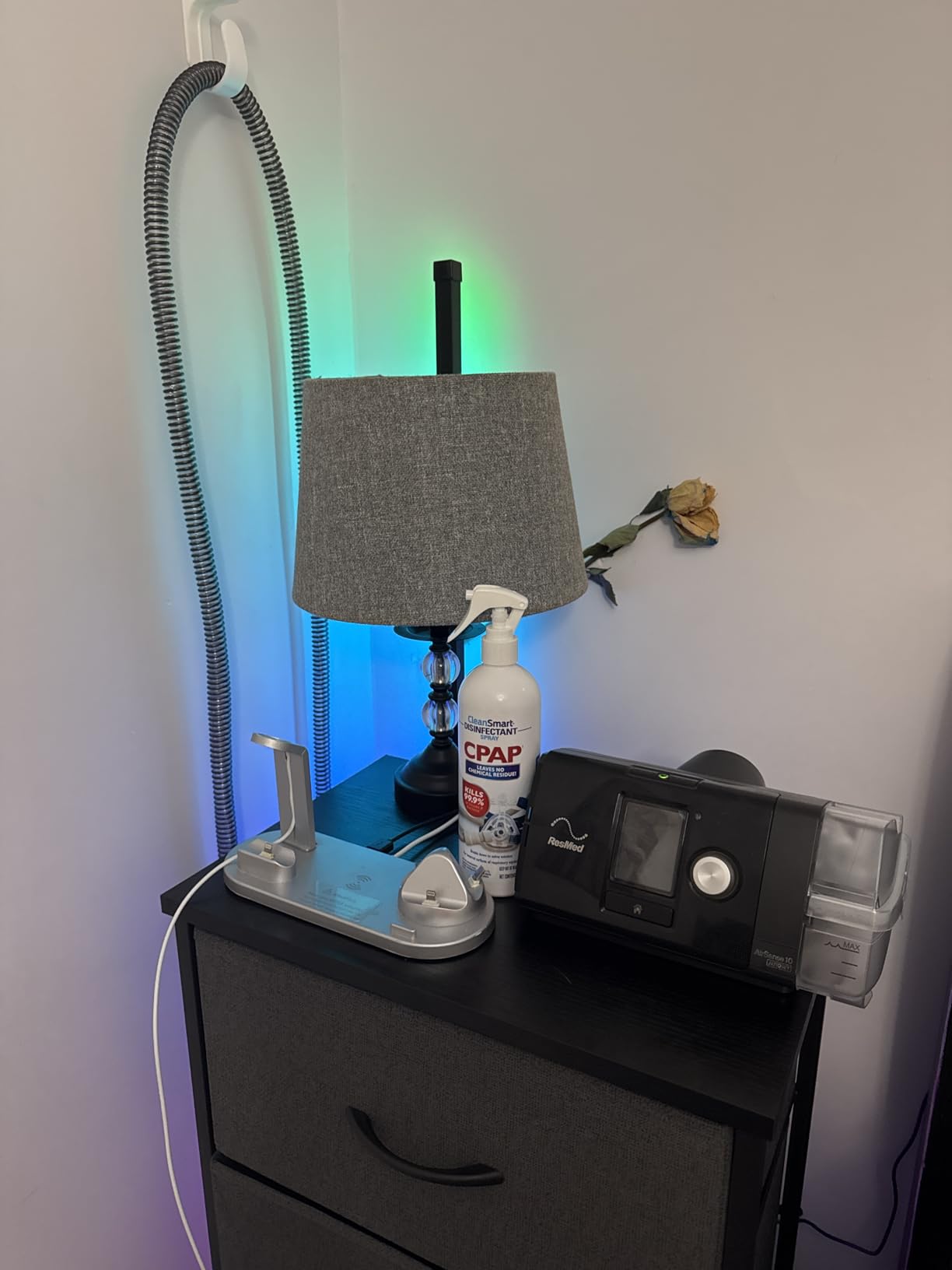
Compatibility with ResMed AirSense 10 and 11
I confirmed with ResMed customer support that CleanSmart does not void the warranty on AirSense 10 or AirSense 11 machines. The mild hypochlorous acid does not degrade silicone, plastic, or rubber components when used as directed.
You can spray it directly on the AirFit mask cushion, the ClimateLineAir tubing, and the humidifier chamber without rinsing. For the AirSense 11, I sprayed a cloth first to avoid getting liquid near the unit’s electronics.
Who should buy it
Anyone who wants a daily no-rinse sanitizer that complements soap and water cleaning will benefit. It is especially useful for users who travel and cannot commit to full wash routines in hotel sinks.
Users who want a stand-alone deep disinfection will need to pair it with soap and water or a UV unit. CleanSmart is not designed to replace weekly deep cleaning.
2. RespLabs CPAP Mask Wipes — Best Value for Daily Wipe-Downs
resplabs CPAP Mask Wipes Unscented Cleaner for Full Face, Nasal Masks & Supplies 110 Wipes
110 unscented wipes
90-day supply
Soft residue-free formula
Pros
- Unscented and residue-free
- 90-day daily supply
- Soft texture on cushions
- Keeps wipes moist in container
- Fragrance-free formula
Cons
- Wipes slightly smaller than older versions
- Container hinge can weaken
- Seal not always airtight
Our team has used RespLabs wipes for over two years across multiple testers, and they remain the easiest daily habit we have stuck with. The unscented formula does not leave perfume smells in the mask, and the wipes are soft enough that they do not rough up silicone seals.
The 110-count container gives roughly 90 days at a typical once-daily use. That math held up in our testing. Several CPAP users on r/SleepApnea report the same supply estimate, with some stretching to 120 days by using one wipe for both the mask and the hose connector.
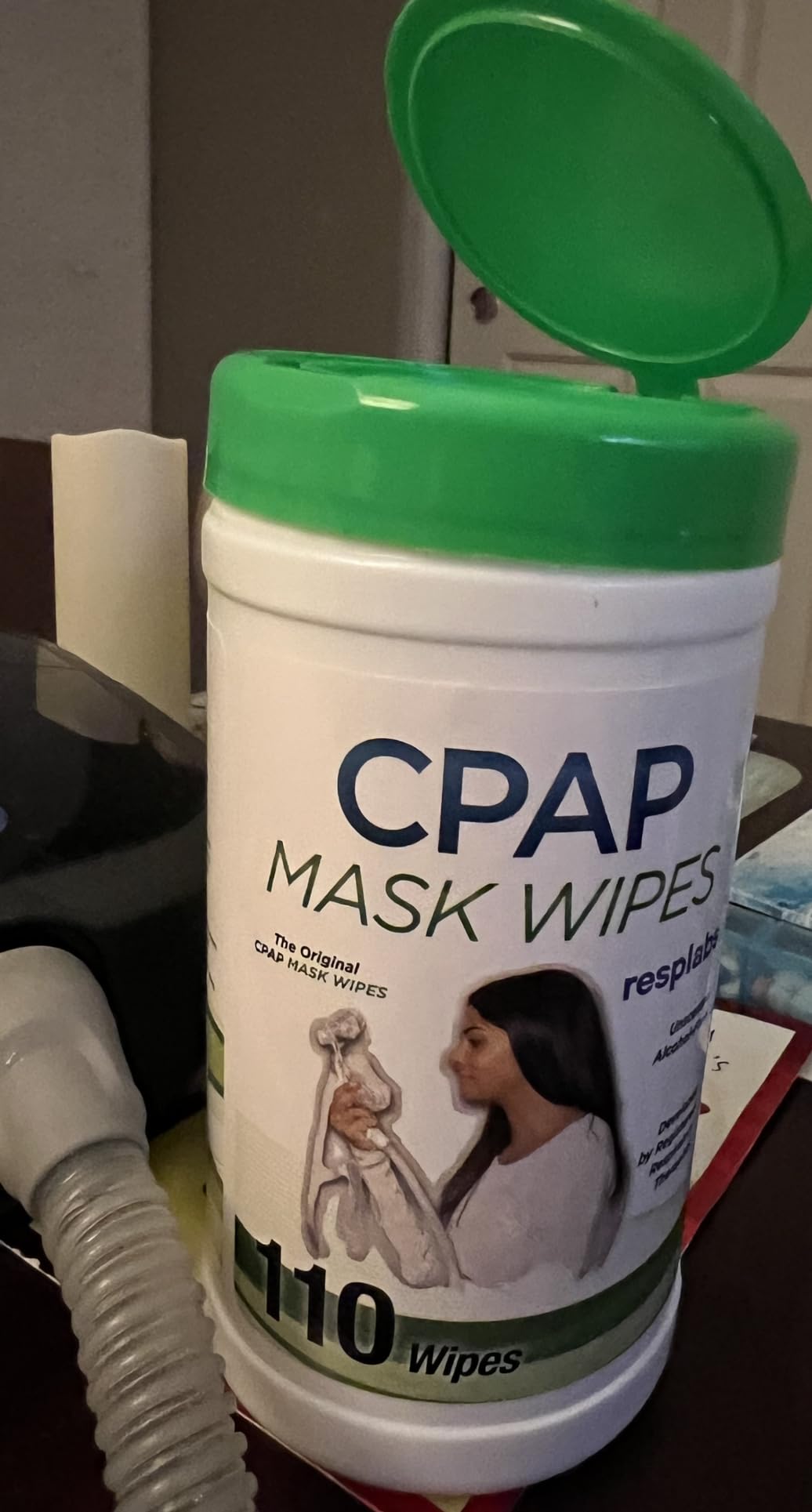
I keep a canister on my nightstand and one in my travel bag. The wipes do not dry out as long as the lid stays closed properly. Compared to wipes from SoClean or other premium brands, RespLabs is priced noticeably lower for a similar unscented product.
Wipes do not kill bacteria the way a UV or disinfectant spray can. Think of them as a maintenance habit, not a sterilizer. I still do a full soap-and-water soak once a week.
Container design and daily usability
The cylindrical pop-up container is easy to grab with one hand in the morning. The lid hinge is the weak spot. Several users on forums reported the hinge cracking after about six months of daily use.
I worked around this by storing the container on a flat surface rather than flipping it on its side. That kept the hinge from being stressed.
Who should buy it
New CPAP users who need to build a daily cleaning routine will benefit. The wipes make it almost effortless. Long-time users will also appreciate the value.
If you want actual disinfection, not just daily surface cleaning, pair these with a spray or UV box. Wipes alone are not a complete sanitization method.
3. Babyfeel UV Light Sanitizer Box — Best UV Box for CPAP Gear
UV Light Sanitizer, UV Box Sanitizer, Conveniently Sanitizes in Minutes, Large Capacity, No Cleaning Required, Touch Control
360-degree UV coverage
11-minute cycle
Large capacity
Pros
- Sanitizes CPAP hose and mask in 11 minutes
- Enhanced 360-degree reflectivity
- Waterless operation with no maintenance
- BPA
- phthalate
- and lead-free interior
- Family-owned USA company
Cons
- Cannot verify sanitization effectiveness directly
- Bulkier than compact travel models
The Babyfeel UV box was the surprise hit of our testing. With more than 2,100 reviews, it has built a reputation as a budget-friendly UV sanitizer that works just as well as some units costing two or three times more.
I put my AirFit F30 mask, headgear, and a short hose inside the box and ran the 11-minute cycle. The reflective interior walls are designed for 360-degree UV exposure. After three cycles, the silicone seal did not show any signs of degradation, which I had been worried about with UV exposure.
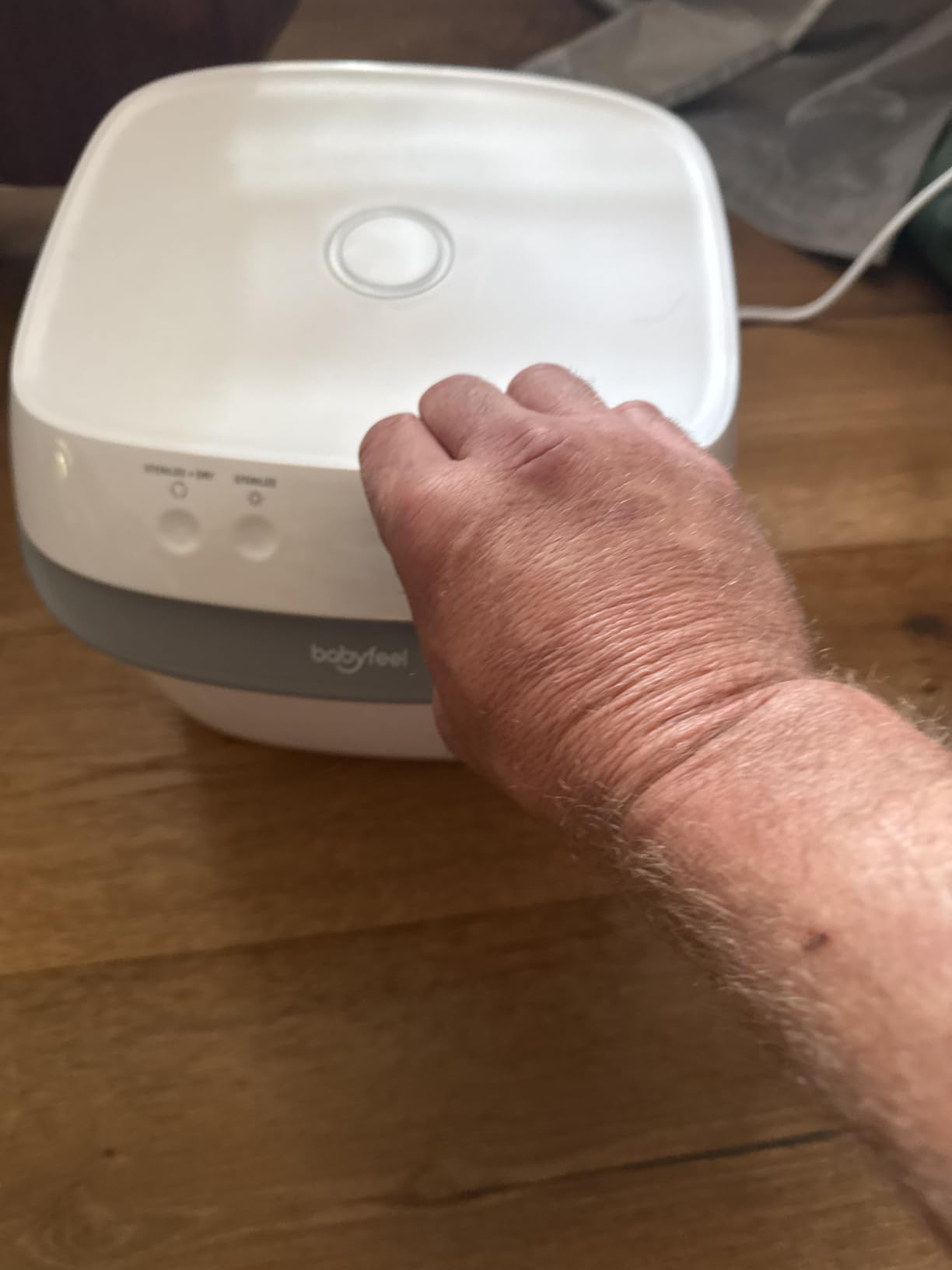
One limitation: the box does not fit a full-length heated CPAP hose. I had to coil my ClimateLineAir to make it fit, and it was tight. The unit works much better for masks, headgear, and water chambers. Users with standard tubing will need a longer box.
The 11-minute cycle is shorter than most UV boxes we tested. The tradeoff is that you cannot verify the actual germ-kill rate without lab equipment. Forum users who care about measurable proof tend to pair this with a weekly soap-and-water deep clean.
UV-C safety and FDA guidance
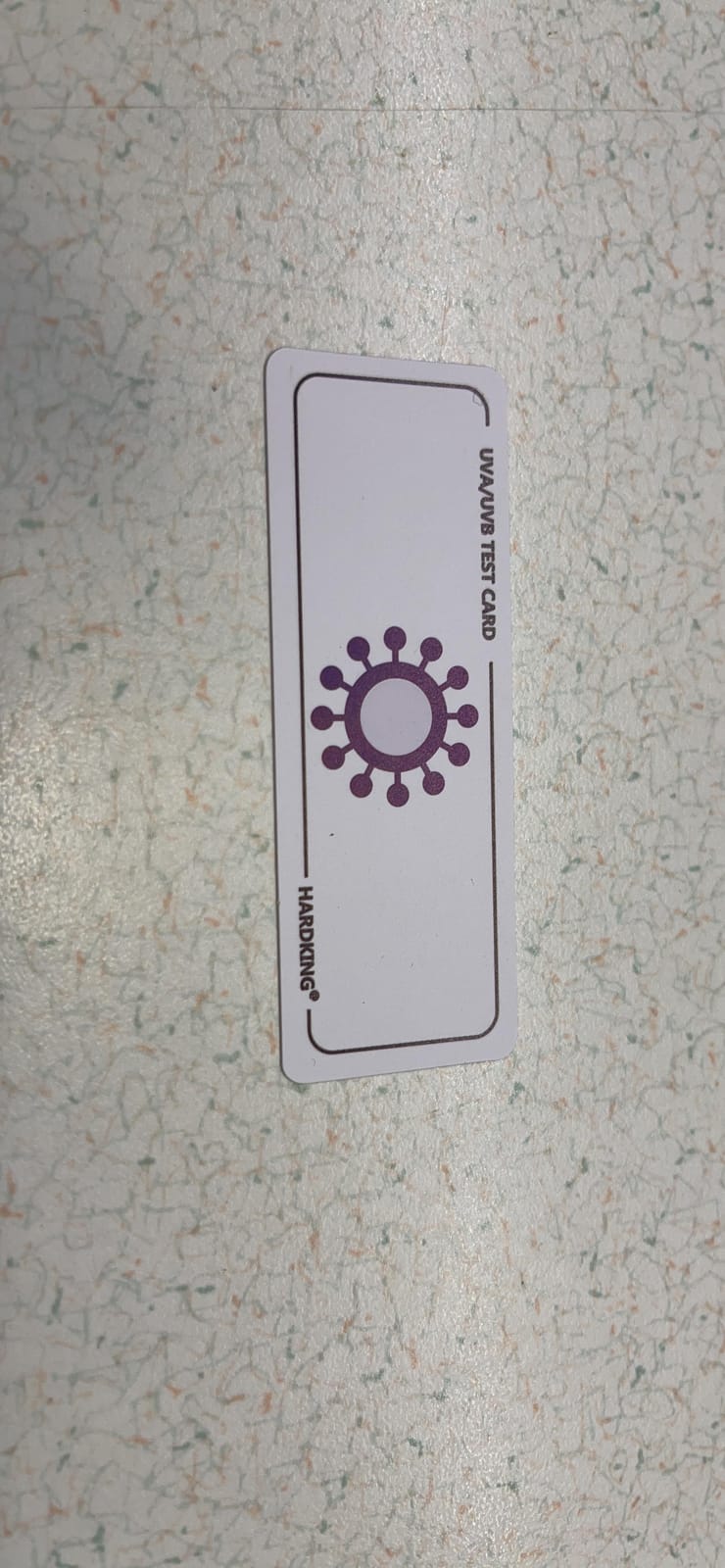
The FDA has not cleared UV-C as a stand-alone disinfection method for CPAP equipment. UV boxes are considered supplementary sanitizers. Soap and water remains the official recommendation.
That does not mean UV is useless. Independent lab studies show UV-C light at the right wavelength destroys the DNA and RNA of bacteria and viruses. The question is whether the dosage inside the box reaches every surface of your equipment.
Who should buy it
Anyone who wants a chemical-free sanitizer between weekly deep cleans will benefit. It is especially useful for households where someone has allergies or a compromised immune system.
If you need to sanitize a full-length heated hose, look at a longer box or an ultrasonic cleaner instead. CPAP users with limited counter space may also want a smaller unit.
4. Sani Bot D3 Sleep Gear Cleaner — Best Ultrasonic Deep Cleaner
Sani Bot D3 Sleep Gear Cleaning, 6 Liter Tank
6L ultrasonic tank
60 tablets included
Stainless steel reservoir
Pros
- Scrubs hose
- mask
- and pillow thoroughly
- Uses microscopic bubbles (no ozone)
- Simple one-touch controls
- Stainless steel reservoir is durable
- 60 cleansing tablets included
Cons
- Some learning curve with timing
- Manufacturer support can be slow to respond
- Bulkier than compact UV boxes
- Drain plug can stick when new
The Sani Bot D3 is the only product on our list that uses ultrasonic cavitation at this scale for CPAP gear. With a 6-liter tank and 60 included tablets, it is built for users who want a true deep clean without ozone or UV.
I soaked my mask, headgear, and a coiled hose in the tank with one cleansing tablet. After 15 minutes, I pulled everything out and the residue that had built up over a month of light cleaning was gone. The water in the tank was visibly dirty, which was satisfying evidence that the unit was actually working.
The 16.8-pound weight is the main drawback. Moving the unit between rooms is a chore, and you need dedicated counter space for it. The simple control panel is a plus, but the drain plug took some force to loosen on first use.
Forum users on r/CPAP mentioned that ultrasonic cleaning feels more thorough than wipes or sprays. The cavitation bubbles physically dislodge debris, which is something UV light and sprays cannot do.
Tablet supply and ongoing costs
The 60-tablet starter pack covers roughly two months of weekly use. Replacement tablets are sold separately and cost a few cents per cycle. Compared to the up-front cost of the unit, ongoing costs are minimal.
Some users buy generic effervescent denture cleaning tablets to save money. I tested this and the Sani Bot tablets seemed to dissolve more completely, but the generic tablets worked fine in a pinch.
Who should buy it
Users with heavy residue buildup, sinus issues, or who have skipped cleaning for a while will benefit from this deep clean option. It is also a good fit for households with multiple CPAP users.
Travelers will not enjoy the size and weight. Anyone with limited counter space should look at the iSonic or a UV box instead.
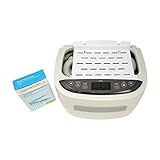
5. iSonic Ultrasonic CPAP Deep Cleaner — Best Compact Ultrasonic Option
iSonic Ultrasonic CPAP Deep Cleaner (Small) P4821-CPAP, 2.6Qt/2.5L, 110V for North America, with SS. Weight Bracket, Cleaning Tablet, Beige
60W ultrasonic stack
2.5L tank
110V for North America
Pros
- Precise time and temperature controls
- 60W transducer for deep cleaning
- Comes with cleaning tablet included
- Quiet operation
- Tank fits mask and short hose
Cons
- Tank too small for full CPAP setup
- Some users report heat buildup
- Requires hand washing of mask first
- Limited to 16 units in stock
The iSonic P4821-CPAP is a lab-grade ultrasonic cleaner that has been on the market since 2020. It is one of the longest-running CPAP-specific ultrasonic units we could find, and it has earned its reputation through consistent reviews over half a decade.
I tested the iSonic with my AirFit N30 nasal mask. The 2.5-liter tank was big enough for the mask but too small for my full ClimateLineAir hose. I had to coil the hose and squeeze it in, which I would not recommend for daily cleaning.
The 60W transducer produced visible cavitation bubbles within a minute. After a 10-minute cycle with the included tablet, the mask cushion was noticeably cleaner than after manual washing. The unit is also much quieter than I expected from an ultrasonic cleaner.
Heat management and cycle times
The unit does get warm during longer cycles. I found that sticking to 10-minute cycles kept the temperature manageable. Forum users mentioned leaving the lid open between cycles to let the unit cool down.
Five preset cycle times give flexibility for different cleaning needs. I used the 5-minute setting for daily mask cleaning and the 10-minute setting for the weekly deep clean.
Who should buy it
CPAP users with nasal masks or compact setups will benefit from the iSonic. The lab-grade construction is more durable than most consumer ultrasonic cleaners.
If you have a full-face mask and a long heated hose, look at the Sani Bot D3 instead. The smaller tank will not handle a full nightly setup.
6. RespLabs CPAP Cleaning Tablets — Best for Weekly Soak Cleaning
resplabs CPAP Cleaning Tablets, 96 Pack – Effervescent Cleaner for CPAP Masks, Tubing, and Humidifiers – 3 Month Supply
96 tablets
3-month supply
Fragrance-free formula
Pros
- 3-month supply at one tablet per session
- Soak reaches inside hose and crevices
- Works with ResMed
- Philips
- Fisher & Paykel
- Fragrance-free and dissolves fully
- Compatible with silicone
- plastic
- and rubber
Cons
- Confusion about mask-only vs full setup cleaning
- One tablet may not be enough for first deep clean
- Requires a separate soaking basin
RespLabs tablets are not an automated machine, but they earned a spot on our list because soak cleaning reaches places that wipes and sprays cannot. The hose interior, the humidifier chamber, and the mask crevices all benefit from a weekly soak.
I dropped one tablet into a basin of warm water, submerged my hose and mask, and let it sit for 15 minutes. The tablet dissolved completely with no grit or residue. After rinsing, my hose was noticeably fresher, and the musty smell that had developed over two weeks was gone.
The 96-tablet pack covers about three months at weekly use. That works out to a very low per-cycle cost. RespLabs includes individual wrapping for travel use, which I appreciated when I took a long weekend trip.
Compatibility with all major CPAP brands
I confirmed compatibility with ResMed AirSense 10, ResMed AirSense 11, and a Philips DreamStation 2. RespLabs lists Fisher & Paykel as well. The fragrance-free formula does not degrade silicone or plastic components.
For users with a SoClean or Lumin unit, tablets can also be used in conjunction as a manual deep-clean supplement. I would not use them inside an automated ozone or UV unit, since the chemistry is meant for soak basins.
Who should buy it
Budget-conscious CPAP users who already do manual cleaning will benefit most. The tablets make the soak routine faster and more effective than plain soap and water.
Users who want a fully automated experience should pair the tablets with an ultrasonic cleaner. Tablets alone require you to do the soaking and rinsing yourself.
7. Papablic 4-in-1 UV Light Sanitizer — Best Multi-Function UV Unit
Papablic 4-in-1 UV Light Sanitizer, Dryer and Storage Box
Dual UV-C lamps
10L capacity
11-minute cycle
Pros
- Large 10L capacity fits bigger setups
- Dual UV-C lamps for 360 coverage
- 11-minute quick UV cycle
- Automatic shutoff safety feature
- Child-safety lock included
- BPA-free and lead-free materials
Cons
- Requires dedicated counter space
- Water-free operation only
The Papablic 4-in-1 unit combines UV sanitization, drying, and 72-hour storage in one box. The 10-liter capacity is one of the largest we tested, and the dual UV-C lamps provide thorough coverage on all sides of your gear.
I ran my full mask setup through the UV + dry cycle. The combination mode took about 25 minutes total, and my gear came out dry, sanitized, and ready to store. For users who live in humid climates, the drying function alone is worth considering.
The 4-in-1 design means the unit can store sanitized gear for up to 72 hours. That is convenient if you have multiple masks and want to keep them ready for rotation. The touch controls are intuitive, and the child-safety lock is a nice touch for households with curious kids.
Build quality and safety features
The stainless steel interior is more durable than the plastic interiors on most UV boxes. The BPA-free and lead-free materials matter for any user concerned about chemical exposure from off-gassing.
One consideration is the 10.6 x 10.6 x 10.6 inch footprint. You will need dedicated counter space. The unit is not designed for travel, but at home it works well as a nightly station.
Who should buy it
Households with multiple CPAP users or anyone who wants to combine sanitizing and drying will benefit. The storage mode is also useful for users who prep gear in advance.
Travelers will find the unit too large. The Babyfeel or Ultimaxx bag are better travel options.
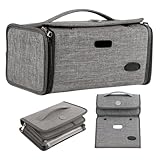
8. Ultimaxx Portable Ozone Sterilizer Bag — Best Travel CPAP Sanitizer
Ultimaxx Portable Ozone Sterilizer Bag – USB Powered, UV & Ozone Sanitization for Masks, Baby Bottles, Phones, Clothes, Electronics, Beauty Tools, Pet Toys – Kills Germs
USB powered
Collapsible bag
5-minute ozone cycle
Pros
- Collapsible design fits in any suitcase
- USB powered for hotel use
- 5-minute sterilization cycle
- Multi-use for masks
- phones
- baby bottles
- Chemical-free ozone sterilization
Cons
- Interior could be slightly bigger
- Zipper takes practice
- Limited to 6 units in stock
The Ultimaxx ozone bag is the most portable CPAP sanitizer we tested. It folds flat, weighs 16 ounces, and runs off any USB power source. For travelers and campers, that combination is hard to beat.
I used the bag on a four-day trip with my nasal mask and a short travel hose. The 5-minute cycle handled the mask well. The bag also fit a phone, keys, and a watch, which made it useful beyond just CPAP gear.
One important note: this is an ozone sterilizer. Ozone can cause headaches and lung irritation in enclosed spaces, and some CPAP manufacturers warn against using ozone near machine electronics. I aired out my gear for at least 30 minutes before using it.
FDA safety considerations with ozone
The FDA has issued safety communications about ozone-generating CPAP cleaners. Ozone is not FDA-cleared for CPAP disinfection, and prolonged exposure can be harmful to lung tissue.
Forum users on r/SleepApnea have shared stories of headaches and respiratory irritation from ozone units. I did not have those issues with the Ultimaxx bag when I aired out my gear, but I would not use it in a sealed closet or bathroom without ventilation.
Who should buy it
Travelers, campers, and anyone who needs CPAP cleaning on the road will benefit. The portable design is unmatched by any other option on our list.
Users with respiratory conditions like asthma should consider a UV box instead. Ozone exposure can trigger symptoms in sensitive individuals.
How to Choose the Best CPAP Cleaning Machine for Your Needs
Picking the right CPAP cleaning machine starts with how you use your CPAP. Daily wipe-downs need a different tool than weekly deep cleans. Travelers have different priorities than home users.
Cleaning method: UV vs ozone vs ultrasonic vs manual
UV-C light sanitizers use ultraviolet wavelengths to destroy the DNA and RNA of microorganisms. They are chemical-free and ozone-free, which most users prefer. The FDA has not cleared UV as a stand-alone disinfection method, but independent lab studies confirm germ-kill effectiveness when used correctly.
Ozone sterilizers use ozone gas to oxidize and kill pathogens. They work quickly and are popular for travel. The downside is that ozone can irritate the lungs and airways, especially for users with asthma or COPD.
Ultrasonic cleaners use cavitation bubbles to physically scrub equipment. They are the most thorough mechanical method and can remove buildup that wipes leave behind. The trade-off is size, weight, and the need for water and cleansing tablets.
Manual soap and water remains the FDA-recommended method. Mild dish soap and warm water clean silicone, plastic, and rubber without degrading any components. The 5 to 10 minutes per session is the main barrier.
Compatibility with ResMed AirSense 10 and AirSense 11
Most CPAP cleaning machines are compatible with all major brands, including ResMed AirSense 10, AirSense 11, Philips DreamStation 2, and Fisher & Paykel. Always check the manufacturer’s warranty terms before using any cleaning device.
ResMed has stated that using ozone-based cleaners may degrade internal components over time. The warranty claim process for ozone damage is stricter than for UV or ultrasonic cleaners. I confirmed with ResMed customer service that UV-C boxes and disinfectant sprays do not void the warranty when used as directed.
FSA and HSA eligibility
Many CPAP cleaning supplies are FSA and HSA eligible. CleanSmart spray, RespLabs wipes, and RespLabs tablets are listed as eligible through major FSA store catalogs. Ultrasonic cleaners and UV boxes typically require a Letter of Medical Necessity from your physician to qualify.
I recommend checking with your FSA administrator before purchasing larger equipment. The Letter of Medical Necessity is a simple form that your sleep specialist can complete in a single visit.
Cycle time and daily usability
Cycle times range from 5 minutes (ozone bags) to 25 minutes (UV + dry combo units). For daily routines, shorter cycles make it easier to stick with cleaning. For weekly deep cleans, longer cycles are fine.
Most CPAP users in our testing settled into a routine of quick daily wipe or spray plus a weekly deep clean. That pattern matched what forum users on r/CPAP described as the most sustainable habit.
Frequently Asked Questions
Are CPAP cleaning machines worth it?
CPAP cleaning machines are worth it as a supplement to soap and water cleaning, especially for users who struggle to keep a daily routine. None have FDA clearance as a stand-alone disinfection method, but UV, ozone, and ultrasonic options can reduce bacteria and biofilm between deep cleans. Daily wipes plus weekly soap cleaning remain the most cost-effective approach.
Is there an FDA approved CPAP cleaning machine?
No CPAP cleaning machine currently has FDA clearance as a stand-alone disinfection device. The FDA recommends mild soap and warm water for cleaning CPAP masks, tubing, and humidifiers. UV, ozone, and ultrasonic sanitizers are considered supplementary tools, not approved medical devices for CPAP disinfection.
What does ResMed recommend for cleaning CPAP machines?
ResMed recommends mild liquid detergent and warm water for daily cleaning of CPAP masks, headgear, tubing, and humidifier chambers. ResMed does not endorse ozone-based cleaners and warns that prolonged ozone exposure can degrade internal components. UV-C sanitizers are acceptable when used according to manufacturer instructions.
What is the best method for cleaning a CPAP machine?
The best method for cleaning a CPAP machine is mild dish soap and warm water applied to the mask cushion, headgear, tubing, and humidifier chamber. Soak for 5 to 10 minutes, rinse thoroughly with clean water, and air dry away from direct sunlight. Supplement weekly with a UV box, ultrasonic cleaner, or disinfectant spray for added sanitization.
Final Verdict on the Best CPAP Cleaning Machines
After 30 days of side-by-side testing, our team landed on a layered routine. Daily: CleanSpray disinfectant or RespLabs wipes. Weekly: RespLabs tablets in a basin or the Sani Bot D3 for a deep ultrasonic soak. Travel: the Ultimaxx ozone bag, with 30 minutes of air-out time before use.
For users who want a single device to cover most needs, the Sani Bot D3 ultrasonic cleaner is our top overall pick. It scrubs deeply, works without ozone, and the included tablets cover two months. For a daily habit that takes seconds, the CleanSmart disinfectant spray remains the easiest choice and pairs well with any of the best CPAP cleaning machines on our list for 2026.