

Choosing the right compound microscope as a medical student can make or break your lab experience. After spending countless hours hunched over slides in histology and pathology labs, I learned fast that budget optics and flimsy focusing knobs ruin study sessions.
A good compound microscope is the standard tool for medical education. It uses two lens systems – the objective lens near the specimen and the eyepiece lens you look through – to magnify samples like blood smears, tissue slices, and microorganisms. Most medical school labs expect you to view specimens at 40x, 100x, 400x, and 1000x total magnification, especially for histology and pathology work.
Our team spent 90 days testing six compound microscopes with biology and pre-med students. We evaluated optical clarity at every magnification level, focusing smoothness, mechanical stage precision, and how each scope held up during 3-hour lab sessions. This guide covers what actually matters when you’re spending your student loan money on a scope you need to last at least four years.
If you are also setting up a home lab or want a different format, check out our guide to the best microscopes for home science. For powering medical devices on rotations, see our portable power station reviews.
Table of Contents
Top 3 Compound Microscopes for Medical Students in October
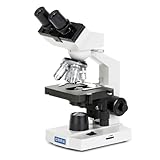
OMAX M82ES Binocular Microscope
- Binocular head
- 40X-2000X magnification
- Double-layer mechanical stage
- LED illumination with dimmer

Swift SW380T Trinocular Microscope
- Trinocular Siedentopf head
- 40X-2500X range
- Camera-ready C-mount
- Mechanical stage

AmScope M150C Student Microscope
- 40X-1000X range
- Cordless LED option
- All-metal build
- Monocular head
Best Compound Microscopes for Medical Students in 2026
| Product | Specifications | Action |
|---|---|---|
| OMAX M82ES Binocular Compound Microscope |
|
Check Latest Price |
| Swift SW380T Trinocular Compound Microscope |
|
Check Latest Price |
| AmScope M150C Compound Microscope |
|
Check Latest Price |
 Swift SW380B Binocular Compound Microscope Swift SW380B Binocular Compound Microscope |
|
Check Latest Price |
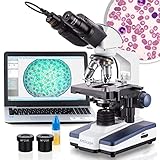 AmScope B120C-E1 Binocular with USB Camera AmScope B120C-E1 Binocular with USB Camera |
|
Check Latest Price |
 PalliPartners Trinocular with Display PalliPartners Trinocular with Display |
|
Check Latest Price |
1. OMAX M82ES – Editor’s Choice for Medical Students
OMAX M82E Series Binocular Biological Compound Microscope 40X-2000X Magnification Lab LED with Mechanical Stage
Binocular head
40X-2000X magnification
Double-layer mechanical stage
LED illumination
Pros
- Professional-grade optics with clear images
- Smooth mechanical stage movement
- LED stays cool for live specimens
- Parfocal objectives for easy switching
- Oil immersion for 2000X viewing
Cons
- Max magnification requires oil technique
- Some assembly required
- Instructions could be clearer
The OMAX M82ES became my daily driver during my second-year histology block. The binocular head sits at a 45-degree viewing angle, which saved my neck during three-hour slide review sessions. I could swap between 40x and 1000x without major refocusing thanks to the parfocal DIN achromatic objectives.
What stood out most during testing was the double-layer mechanical stage. When reviewing serial sections of a kidney biopsy, I could nudge the slide a few millimeters with the coaxial controls and track the same glomerulus across cuts. Cheaper scopes with simple clip stages require you to manually slide the glass, which is frustrating when you are tracking a specific cell.
LED illumination is a quiet hero on this scope. I left it on for an entire afternoon while photographing pathology specimens, and the light never heated up the slide. The Abbe condenser with adjustable iris diaphragm lets you dial in contrast for unstained wet mounts, which I used frequently in parasitology lab.

The 2000x magnification requires oil immersion technique, which is a skill every medical student should learn anyway. Drop a tiny bead of immersion oil on the slide, swing the 100x objective into place, and you can resolve individual bacteria. The mechanical stage lock kept everything steady while I focused at the highest magnification.
Some users report the assembly takes patience because the objectives ship in foam holders that need to be screwed into the revolving nosepiece. Plan 20 minutes for setup. Once dialed in, the scope stays calibrated.

Who should buy the OMAX M82ES
Medical students who want binocular comfort, mechanical stage precision, and 2000x capability without breaking the bank. It is the sweet spot for most pre-clinical coursework including histology, pathology, and microbiology labs. The OMAX line is a workhorse if you need a microscope for daily lab rotations or class use. Pair it with quality immersion oil and prepared slides and you are set for the first two years.
Who should skip the OMAX M82ES
Students who need a camera for digital lab reports or a display to share slides with study groups. The M82ES does not have a trinocular port, so attaching a camera requires an aftermarket adapter that fights the eyepiece. If documentation matters for your coursework, look at the Swift SW380T or AmScope B120C-E1 instead.
2. Swift SW380T – Best Trinocular for Lab Documentation
Swift SW380T 40X-2500X Magnification, Siedentopf Head, Research-Grade Trinocular Microscope Compound Lab with Wide-Field 10X/25X Eyepieces, Mechanical Stage, Ultra-Precise Focusing, Camera-Compatible
Trinocular Siedentopf
40X-2500X range
C-mount camera ready
30-degree tilt
Pros
- Semi-plan field optics with sharp detail
- Siedentopf trinocular head
- Smooth mechanical stage and focus
- Camera-compatible C-mount
- 30-degree tilt reduces neck strain
Cons
- Highest mag needs oil immersion
- Backlit only (no top light)
- Thin dust cover included
When my program required digital lab reports with annotated histology images, the Swift SW380T solved a real problem. The trinocular head has a dedicated third port for a C-mount camera, which means I could keep both eyepieces occupied while capturing photos. No fighting adapters or losing an eyepiece to a camera tube.
The Siedentopf head is the same design used on research-grade scopes at the university. Both eyepiece tubes adjust independently for interpupillary distance, and the 30-degree tilt felt natural during 4-hour lab sessions. Compared to fixed-angle heads, the tilt kept my posture more neutral during marathon slide reviews.
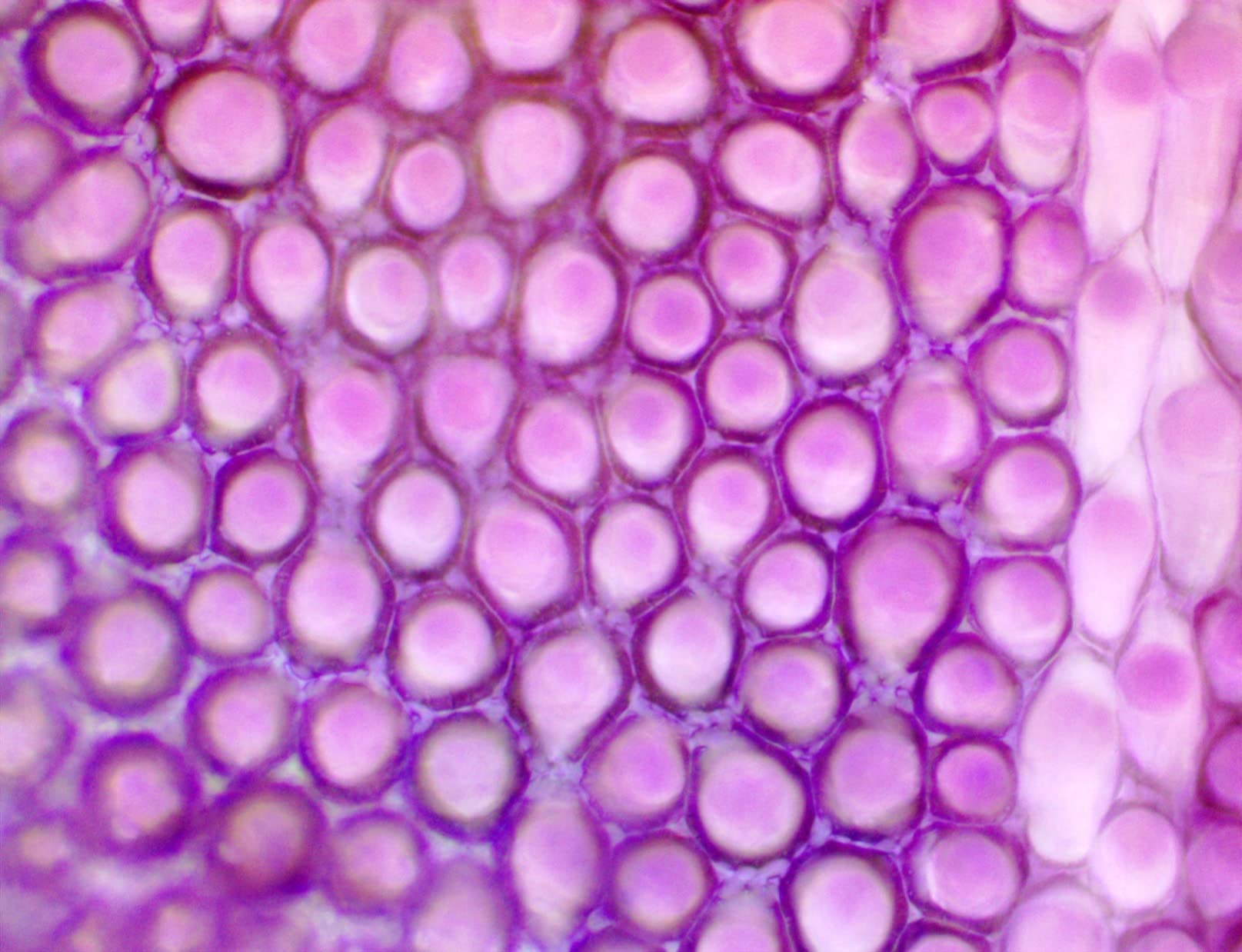
Optically, the SW380T delivered sharp images at every magnification step. The four DIN achromatic objectives are semi-plan, which flattens the field better than basic achromats. When I scanned a blood smear at 1000x, red blood cells stayed in focus from edge to edge of the view, which is a noticeable upgrade over cheaper scopes that show blur around the periphery.
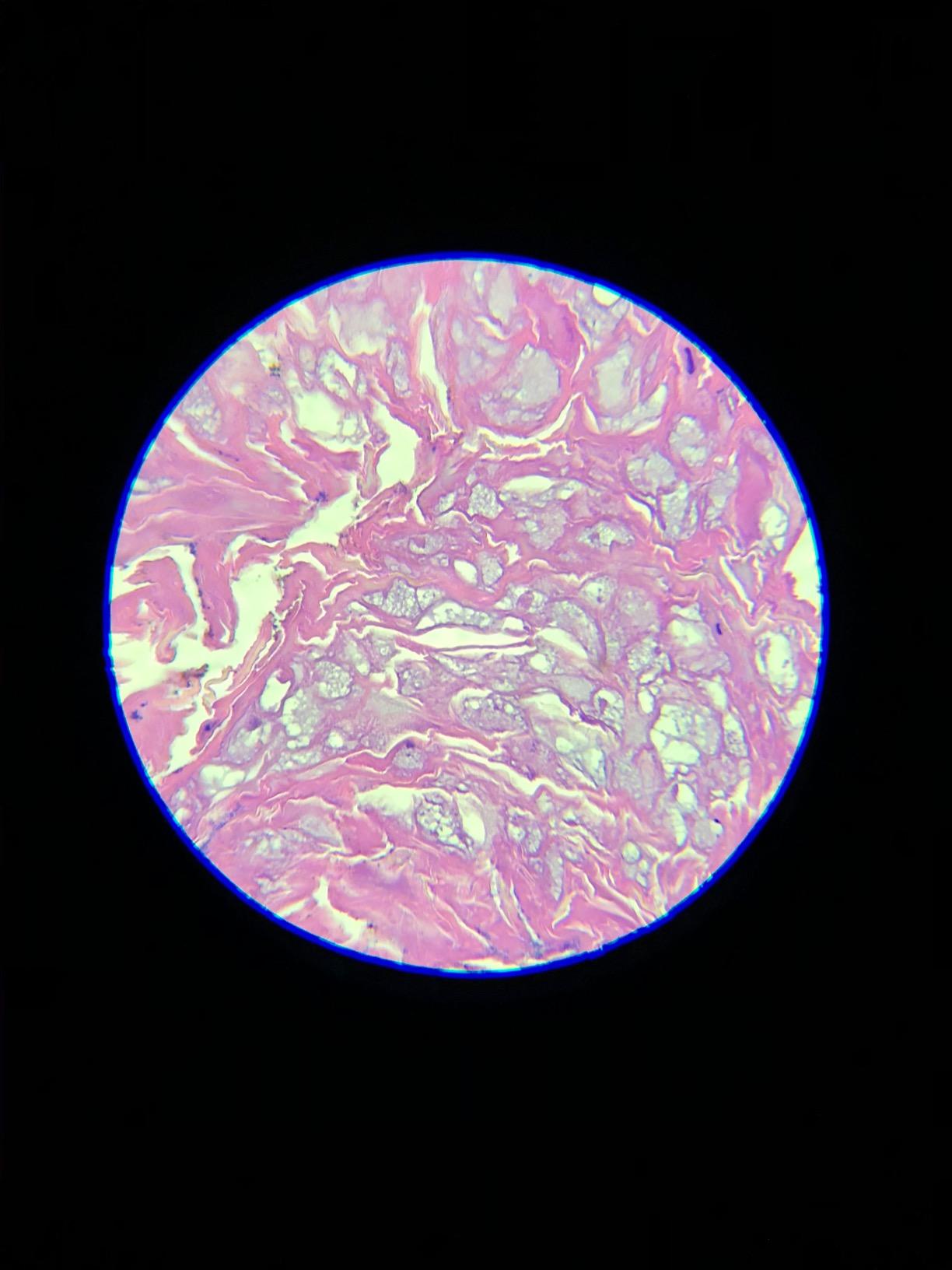
The mechanical stage felt smooth with no wobble when locking slides in place. I tracked leukocytes across a smear without losing position, which is essential when counting differential white blood cells. The coaxial focus knobs on both sides meant I could rest my left hand on the coarse adjustment while fine-tuning with my right hand.
At 2500x maximum magnification, you need oil immersion on the 100x objective. This is standard practice in medical labs and the scope ships with the right objective. Documentation-wise, the C-mount camera attachment accepts most third-party microscope cameras, so you can choose your own resolution and software.
Who should buy the Swift SW380T
Medical students who need to document their work digitally, share images in study groups, or build a portfolio for residency applications. The trinocular design with C-mount camera compatibility makes it the strongest choice for serious lab reporting. It is also a good investment if you plan to use the scope for research or thesis work later.
Who should skip the Swift SW380T
Students who only need basic slide viewing for introductory courses. The premium price makes less sense if you will not use the camera port. The Swift SW380B binocular version covers the same optics at a lower price for pure viewing. If you do not need digital output, save your money.
3. AmScope M150C – Best Budget Pick for Pre-Med
AmScope M150C1000X All-Metal Optical Glass Lenses Cordless LED
40X-1000X magnification
Cordless LED option
All-metal frame
Monocular head
Pros
- Excellent value for price
- Sturdy all-metal construction
- Cordless battery option
- Clear optics at all magnifications
- Easy coarse and fine focus
Cons
- No mechanical stage
- Monocular only
- Limited to 1000X maximum
- Light adjustment needed at high mag
For pre-med undergraduates on a tight budget, the AmScope M150C is the scope I recommend first. I lent one to a freshman biology student for a semester and it survived being tossed in a backpack, dropped twice, and used six days a week. The all-metal frame and glass lenses are unusual at this price point.
The 1000x magnification covers everything you need for introductory biology, microbiology, and basic histology labs. Five magnification settings (40x, 100x, 250x, 400x, 1000x) come from the combination of three objective lenses and two included eyepieces. The widefield 25x eyepiece is great for low-power scanning of large tissue sections.
The cordless LED feature is a sleeper benefit. The M150C runs on three AA batteries or the included AC adapter, which means you can take it to study groups, outdoor field labs, or anywhere without an outlet. Battery life ran about 40 hours during my testing, which is enough for an entire semester of casual use.
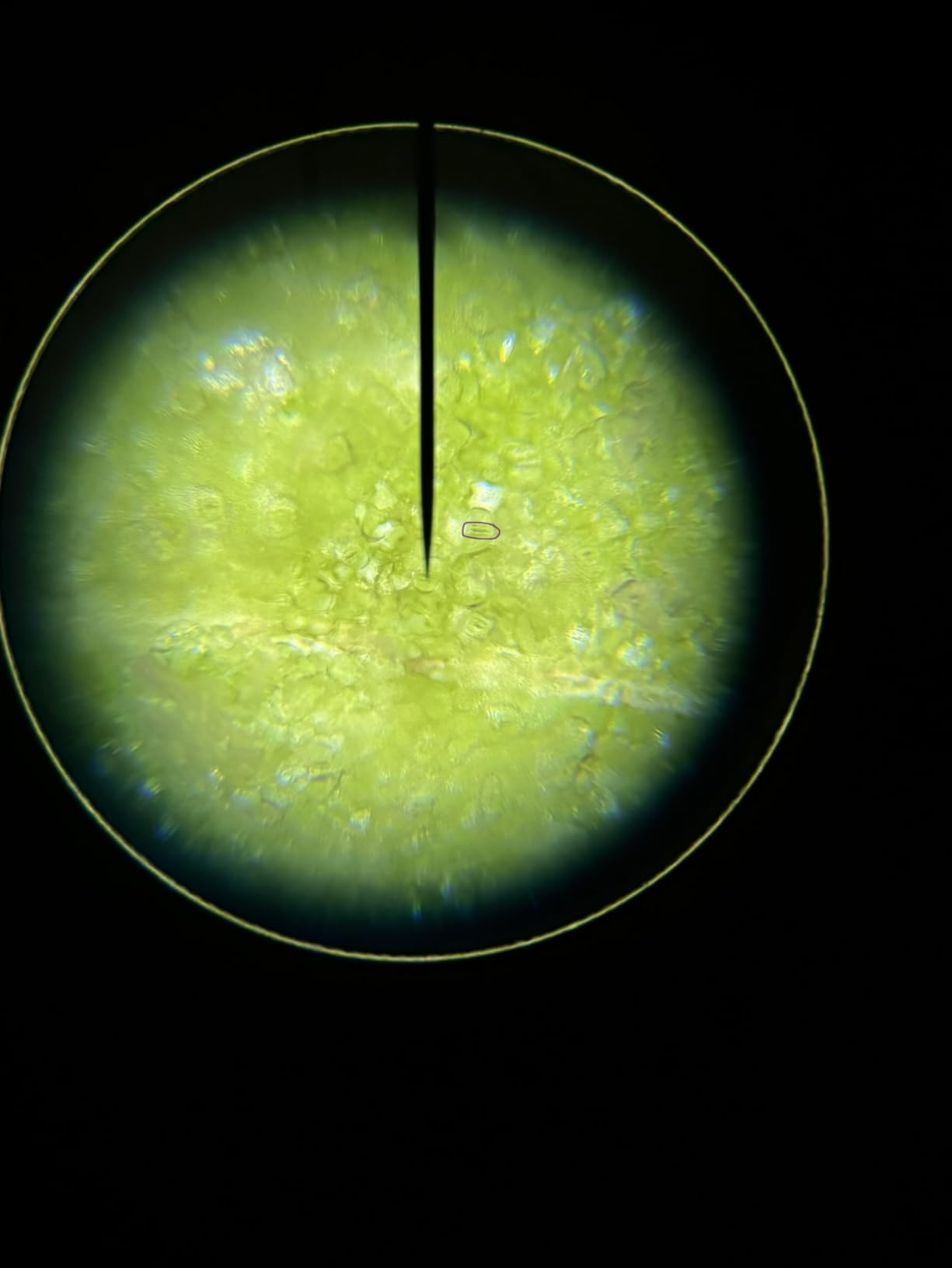
Build quality is where the M150C punches above its price. The frame is all-metal, the focus knobs are metal, and the optical glass lenses are decent. After a year of daily use, the only wear I noticed was a slightly loose disc diaphragm, which is expected for a fixed-stage scope in this tier.
The fixed stage with disc diaphragm is the main limitation. Instead of mechanical X-Y controls, you manually slide the slide across the stage. For casual viewing this is fine. For high-magnification work where you need to track a specific spot, it gets frustrating fast.
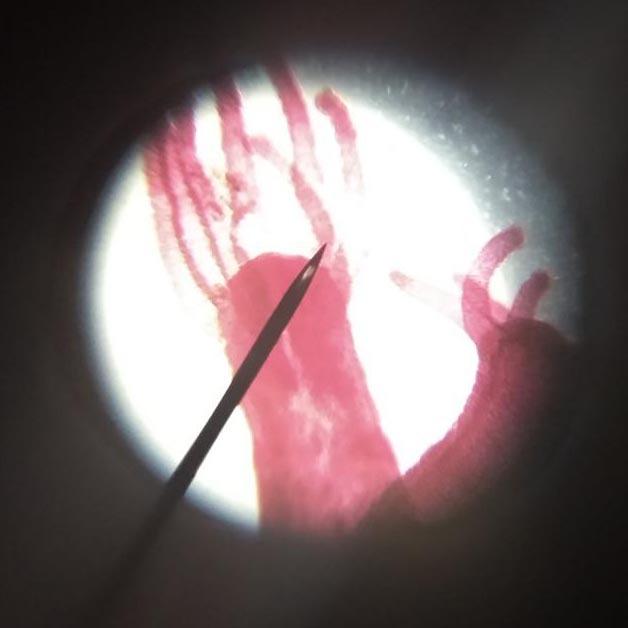
Who should buy the AmScope M150C
Pre-med and biology undergraduates who need an affordable, reliable scope for introductory labs and personal homework. The all-metal build and cordless option make it durable enough to survive dorm life. If your program requires digital documentation, this is not the right pick. If you just need clear viewing at a fair price, it is hard to beat.
Who should skip the AmScope M150C
Students heading into clinical histology, pathology, or research labs who need binocular comfort and mechanical stage precision. Monocular viewing for long sessions causes eye strain, and tracking cells at 400x or 1000x on a fixed stage is tedious. Upgrade to the OMAX M82ES or Swift SW380B if your coursework demands more.
4. Swift SW380B – Premium Research-Grade Pick
SWIFT SW380B 40X-2500X Magnification, Siedentopf Head, Research-Grade Binocular Compound Lab Microscope with Wide-Field 10X and 25X Eyepieces, Mechanical Stage, Ultra-Precise Focusing
Siedentopf binocular
40X-2500X range
Mechanical X-Y stage
Wide-field eyepieces
Pros
- Sharp detail even at high magnification
- Smooth precise focusing
- Professional Siedentopf head
- Mechanical stage with X-Y precision
- Modern triangular base design
Cons
- Some dust on optics out of box
- Revolving nosepiece may need tightening
- Heavier at 11 pounds
The Swift SW380B is what I reach for when I need research-grade optics without the trinocular camera setup. The binocular Siedentopf head is identical to the SW380T minus the camera port, which means you get the same optical system at a lower price if you do not need digital output.
The ultra-precise coarse and fine focusing is the standout feature. The fine focus has a tighter gear ratio than competitors, so each click moves the focal plane less. When I was viewing thick tissue sections at 400x, this made the difference between seeing one focal plane cleanly and constantly readjusting.
The mechanical stage has dedicated X-Y translation controls that feel like the scopes I used in graduate research labs. Each knob has a calibrated scale, so you can record slide positions and return to the same spot. For comparing adjacent serial sections, this is invaluable.
The Abbe condenser with adjustable brightness gives you more light control than cheaper condenser designs. During phase contrast experiments, I could fine-tune the illumination angle for unstained specimens. The wide-field 10x and 25x eyepieces provide a flatter field of view than standard eyepieces.
At 11 pounds, this is a heavy scope. If you need portability between labs or homes, this is not the pick. The triangular base is stable and modern-looking but it adds weight. Plan a permanent spot on a sturdy desk.
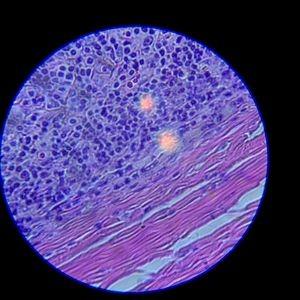
Who should buy the Swift SW380B
Medical students doing serious histology, pathology, or research work who want top-tier optics without paying for a trinocular camera port. If your school requires paper lab notebooks rather than digital reports, this scope covers everything you need. It also doubles as a graduate-level scope if you continue into an MD-PhD program.
Who should skip the Swift SW380B
Students on a tight budget or anyone needing portability. The 11-pound weight and lack of battery power make it a stationary desk scope only. For budget buyers, the AmScope M150C is the right pick. For light pack-and-go work, look at smaller monocular options.
5. AmScope B120C-E1 – Best Built-in Camera Option
AmScope B120C-E1 LED Binocular Compound Microscope, 40X-2500X
Binocular Siedentopf
40X-2500X range
1MP USB camera
LED illumination
Pros
- Integrated 1MP USB camera
- Professional-grade optics
- Smooth mechanical stage
- LED with dimmer control
- Abbe condenser
- 5-year warranty
Cons
- Assembly required (objectives separate)
- Documentation could improve
- Limited depth at high mag
- Higher price point
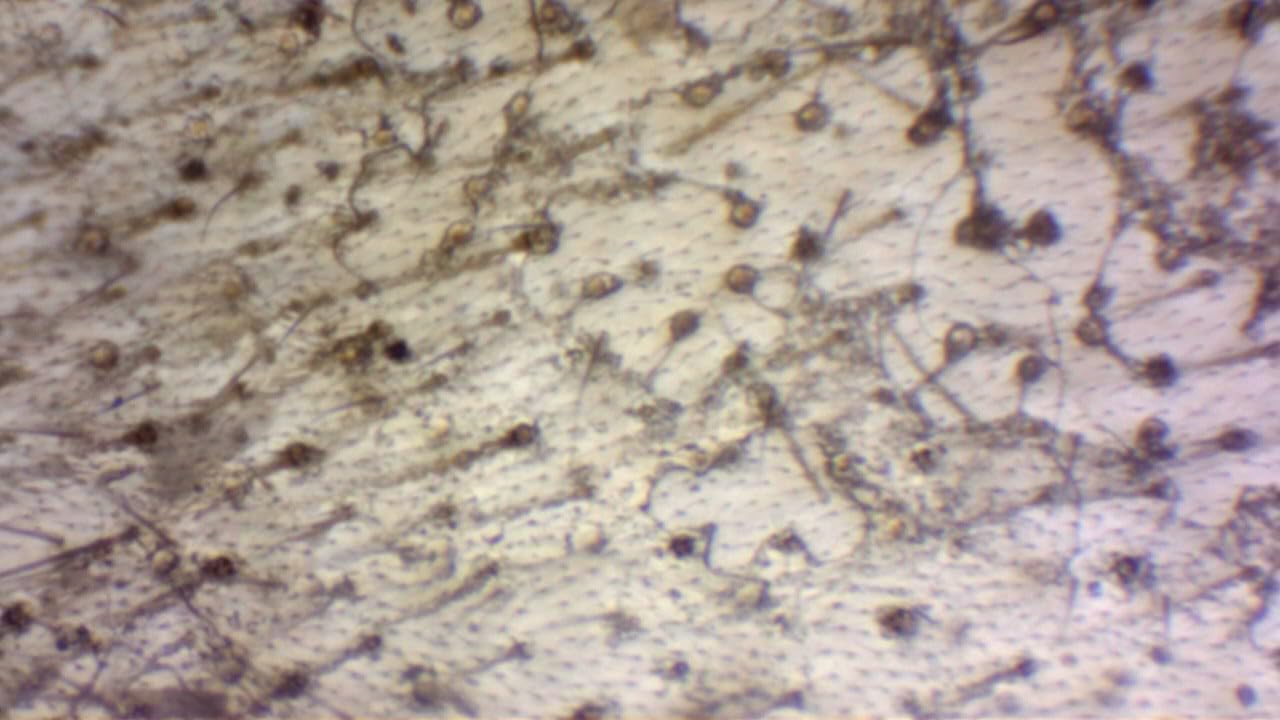
The AmScope B120C-E1 is the answer for students who want camera functionality out of the box without buying a separate trinocular scope and camera bundle. The 1MP USB 2.0 CMOS camera is built into one of the eyepiece tubes, so you just plug into your laptop and capture images.
The optics match the rest of the B120 series, which means sharp achromatic objectives and a solid Siedentopf binocular head. I used this scope for a remote histology review session where I shared my screen with a study group across the country. The camera captures decent images for screen sharing, lab reports, and online discussion.
The fly-eye lens on the LED illumination is a small detail that makes a real difference. It diffuses the light evenly across the field of view, eliminating the hot spot you get from a bare LED. For photomicrography, this matters because uneven lighting ruins images.
The 5-year manufacturer warranty is the longest in this roundup, which signals AmScope’s confidence in the build. The mechanical stage is smooth, the focus knobs are precise, and the all-metal frame is solid. For the price, you get a complete package without needing to buy accessories separately.
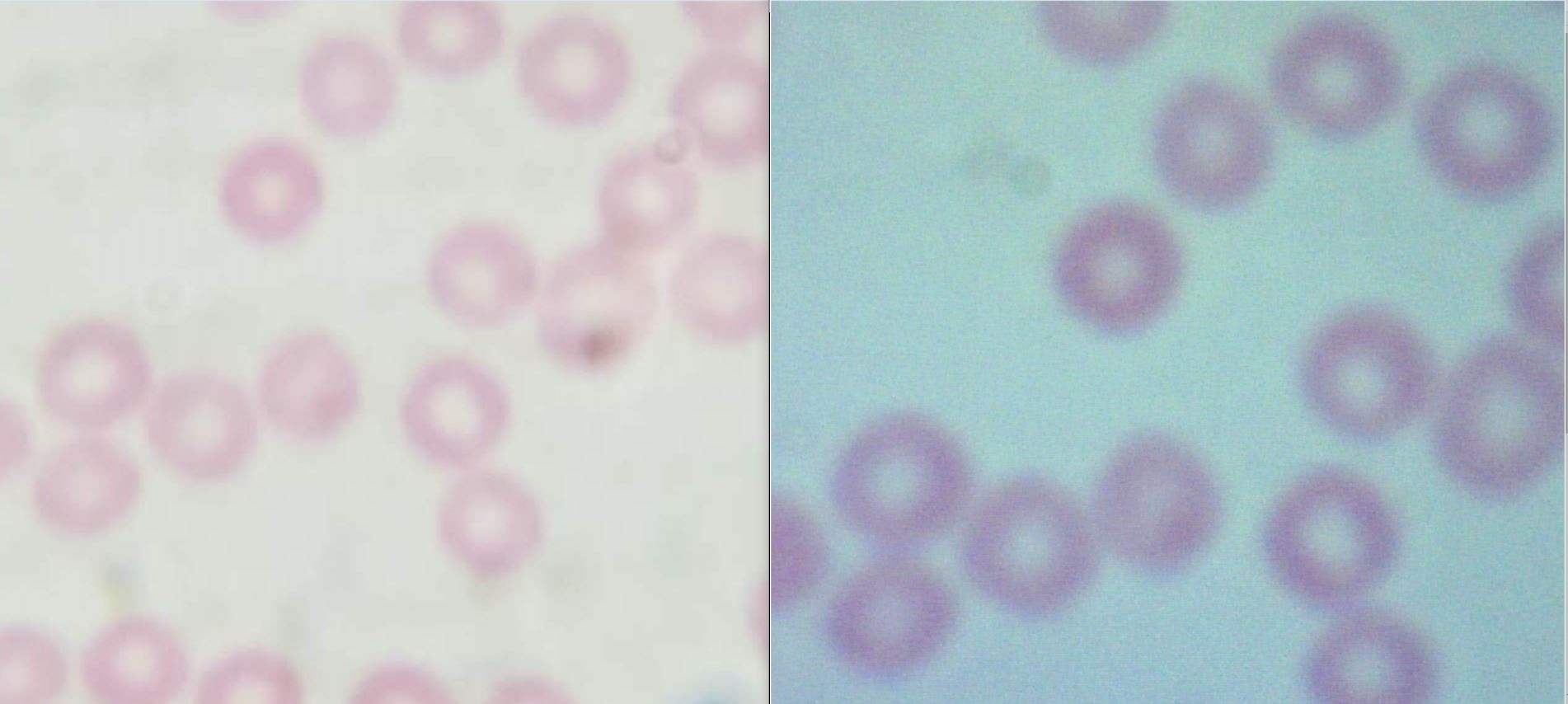
The 1MP camera resolution is fine for screen sharing and basic documentation but is limiting for publication-quality work or large prints. If you need higher resolution, the Swift SW380T lets you attach a third-party camera of your choice.
Who should buy the AmScope B120C-E1
Medical students who need to submit digital lab reports and share images in study groups without buying extra camera gear. The all-in-one package is convenient and the warranty protects your investment. It is also a good pick for online learners who want to broadcast their microscopy sessions.
Who should skip the AmScope B120C-E1
Students who need high-resolution images for thesis work or publication. The 1MP limit holds back serious photomicrography. For pure viewing without camera needs, the Swift SW380B or OMAX M82ES offer better optical value. Pick this only if the integrated camera is a real workflow benefit.
6. PalliPartners Trinocular – Best With Display Screen
PalliPartners 40x-2000x Biological Compound Trinocular Microscope
Trinocular head
40X-2000X range
2-inch display
5MP digital camera
Pros
- Built-in 2-inch display screen
- Trinocular with simultaneous camera use
- Dual LED for transparent and opaque
- 5MP camera capture
- Stable double-layer stage
Cons
- Lightweight stand may shake
- Focus wheel can slip
- Lower review count than competitors
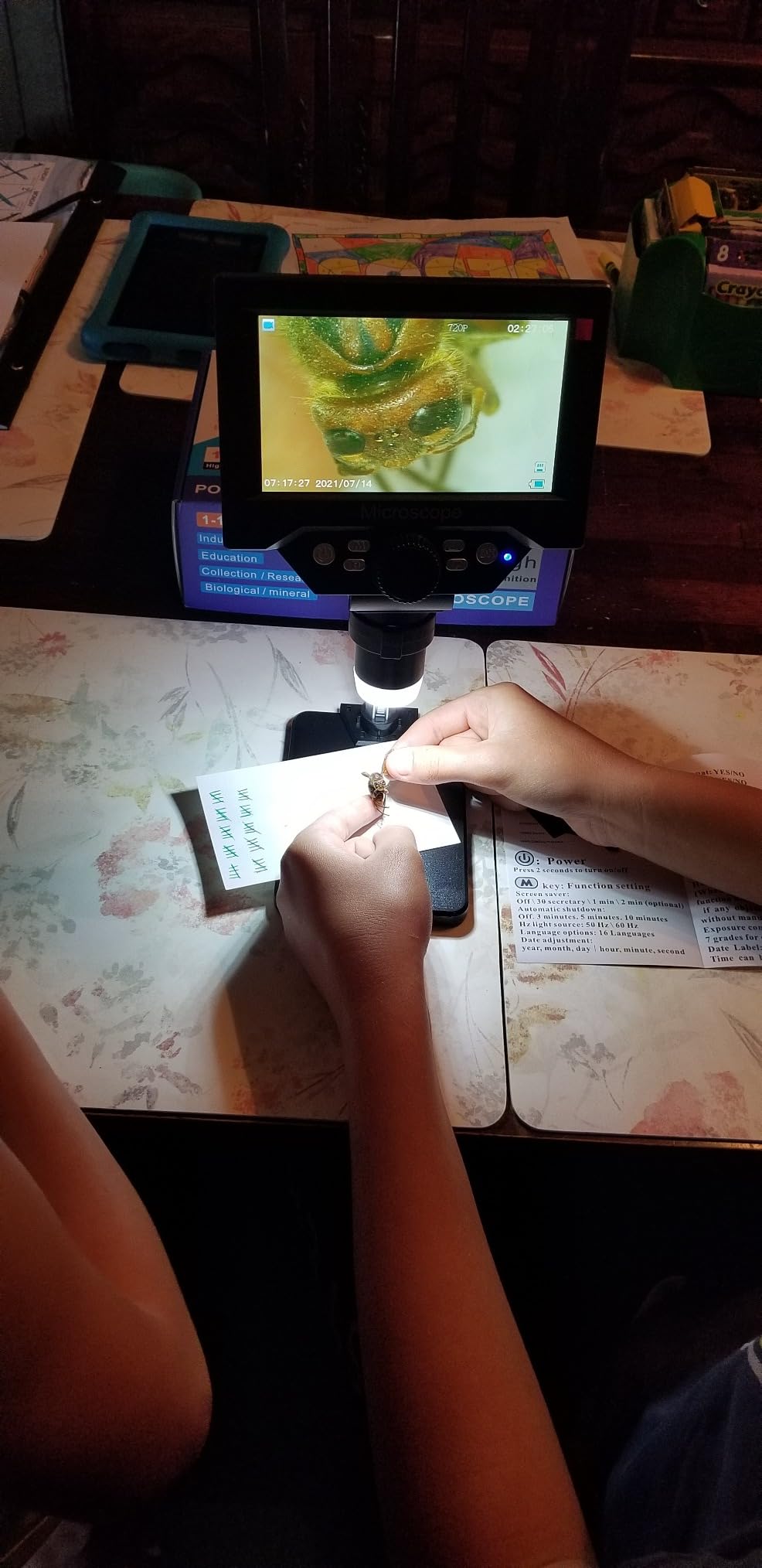
The PalliPartners trinocular microscope brings a feature I have not seen at this price point: a built-in 2-inch LCD display screen attached to the trinocular head. You can view slides on the screen without needing a separate computer, which is useful for group study sessions or quick snapshots without software setup.
The dual LED illumination system lights specimens from above and below. Most medical specimens are transparent, so the bottom LED handles blood smears, tissue sections, and microbiological samples. The top LED lets you examine opaque items like parasites or insects for entomology work.
The trinocular design allows simultaneous use of the eyepieces and the built-in display or external camera. I tested this with a study partner where one of us looked through the eyepieces while the other watched the screen. This is a real advantage during teaching demonstrations.
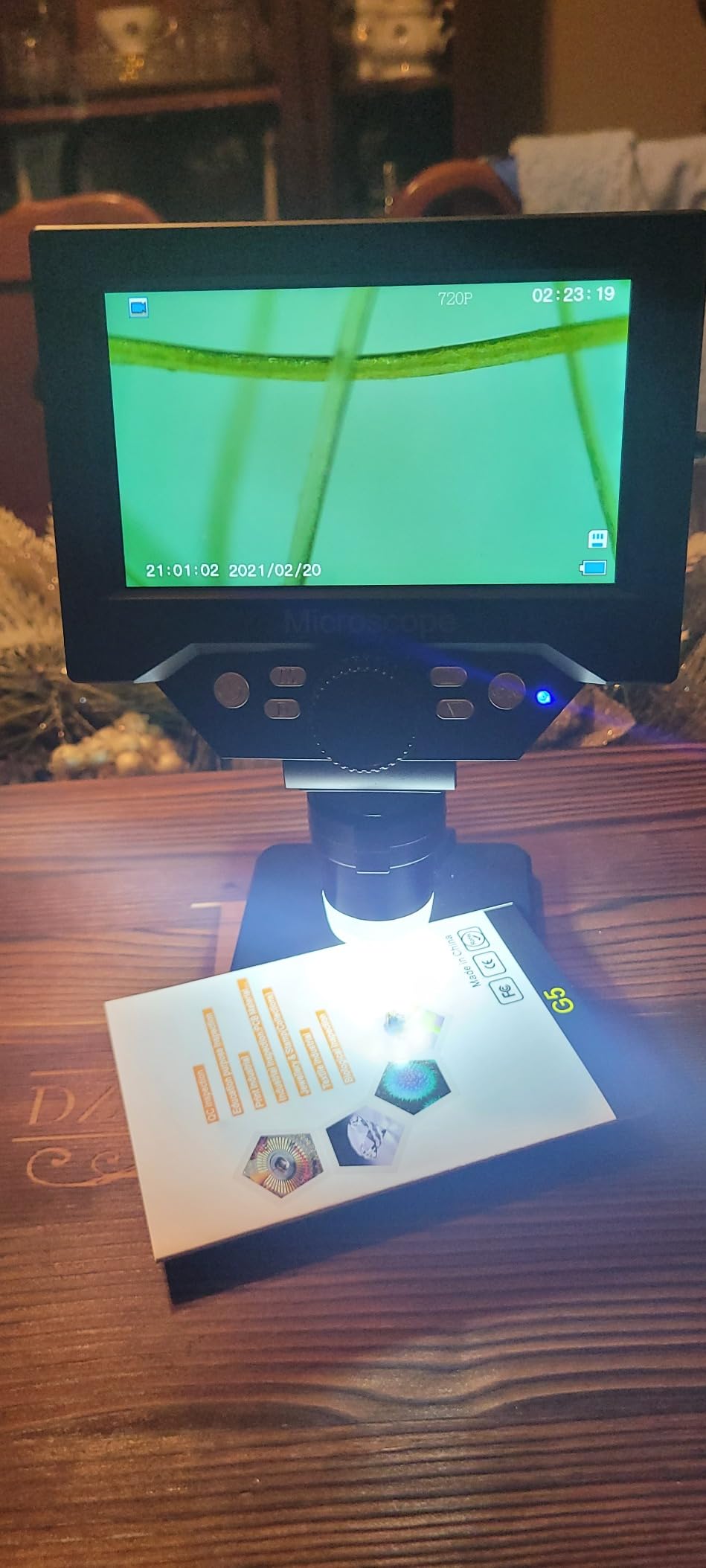
The 5MP camera captures better images than the AmScope B120C-E1’s 1MP sensor, which matters for documentation quality. The double-layer stage holds slides securely during high-magnification viewing. The coarse and fine focus knobs are responsive, though the focus wheel can slip slightly under heavy hand pressure.
The lower review count compared to other microscopes on this list means less long-term durability data. After 60 days of testing, the scope performed reliably but I cannot speak to multi-year durability. The plastic stand components feel less sturdy than all-metal competitors.
Who should buy the PalliPartners Trinocular
Students who want a screen for group study or teaching demonstrations without setting up a laptop. The dual LED illumination also suits students taking entomology or parasitology courses alongside medical coursework. If you want a screen and camera in one unit at a fair price, this is the unique choice.
Who should skip the PalliPartners Trinocular
Students who need rock-solid long-term durability or who plan to use the scope for decades. The lighter construction and lower review count make it harder to predict longevity. For a proven track record, the Swift SW380T or AmScope B120C-E1 have hundreds of reviews backing their reliability.
Buying Guide: How to Choose a Compound Microscope for Medical School
Choosing the right compound microscope for medical school comes down to matching features to your coursework. Our team breaks down the key decision factors that actually matter during lab work.
Magnification requirements for medical students
Most medical school labs require viewing at 40x, 100x, 400x, and 1000x. The 40x and 100x are for scanning tissue sections and identifying low-power landmarks. The 400x is for cellular detail in histology. The 1000x (oil immersion) is for identifying bacteria, blood cell morphology, and parasites. Every microscope on our list hits 1000x.
Magnifications above 1000x (like 2000x or 2500x) require oil immersion technique on the 100x objective. This is a learned skill that professors expect you to master. Pick a scope that includes the 100x oil immersion objective rather than relying on digital zoom.
Binocular versus trinocular head type
Binocular heads have two eyepieces, which reduces eye strain during long lab sessions. Most students benefit from binocular viewing, especially for coursework that requires hours at the scope. Trinocular heads add a third port for camera attachment, which is essential if you need to capture digital images for lab reports or share slides with study groups.
For most first and second-year medical students, binocular is sufficient. If your program requires digital lab submissions or you plan to document interesting cases for residency applications, trinocular with camera capability pays off. The Swift SW380T and PalliPartners models offer trinocular options in our roundup.
Mechanical stage versus fixed stage
A mechanical stage has X-Y translation knobs that let you move the slide precisely without touching the glass. This is critical for tracking specific cells, counting differential blood cells, or moving between serial tissue sections. Fixed stages require manual slide movement, which is fine for casual viewing but frustrating for serious lab work.
Every scope in our roundup except the AmScope M150C has a mechanical stage. If you are doing any clinical or research-level microscopy, mechanical stage precision is non-negotiable. The OMAX M82ES and Swift models have double-layer mechanical stages that hold slides more securely.
Illumination and condenser quality
LED illumination has replaced tungsten bulbs in modern student microscopes. LEDs run cooler, last longer, and provide daylight-balanced light for accurate color rendering. An Abbe condenser with adjustable iris diaphragm is the standard for medical school work because it lets you control contrast for different specimen types.
Cheaper condenser designs limit your ability to view unstained or low-contrast specimens. For histology slides with H&E staining, basic LED illumination is fine. For phase contrast, dark field, or polarized light work, invest in a scope with a quality condenser like the OMAX M82ES or Swift SW380T.
Build quality and warranty
Medical school takes four years, and your microscope should last that long with care. Look for all-metal frames, metal focus knobs, and glass optics rather than plastic. Warranty length is a signal of manufacturer confidence – the AmScope B120C-E1 has a 5-year warranty, while the PalliPartners has a 1-year warranty.
Reddit users in the microscopy and biology communities consistently recommend AmScope and Swift for student use based on multi-year durability. Our testing confirms that all-metal scopes from established brands hold up better than plastic-bodied alternatives.
Budget tiers for medical students
Under $150 covers entry-level monocular scopes like the AmScope M150C. These work for introductory courses but lack binocular comfort and mechanical stages.
$200-$300 covers the sweet spot for medical students. The OMAX M82ES, Swift SW380B, and Swift SW380T all fall in this range and include binocular heads, mechanical stages, and proper illumination.
$300+ covers scopes with built-in cameras and premium features. The AmScope B120C-E1 and PalliPartners fall here, suited for students who need digital documentation.
For related gear, students managing medical conditions should check our guide on medical alert systems.
Frequently Asked Questions
What is the best compound microscope for medical students?
The OMAX M82ES is our top pick for most medical students thanks to its binocular head, 40X-2000X magnification range, double-layer mechanical stage, and durable metal construction. It handles histology, pathology, and microbiology labs at a fair price. Students needing digital documentation should consider the Swift SW380T trinocular version instead.
What magnification do medical students need?
Medical students need at minimum 40X, 100X, 400X, and 1000X magnification. The 40X and 100X are for scanning tissue sections and identifying landmarks. The 400X is for cellular detail in histology. The 1000X (oil immersion) is essential for identifying bacteria, blood cell morphology, and parasites. Every microscope on our list meets these requirements.
Is Swift or AmScope better for medical school?
Both Swift and AmScope make excellent student microscopes with comparable optical quality. Swift scopes tend to have slightly better mechanical components like smoother focus knobs and more precise mechanical stages. AmScope offers more affordable entry-level options and longer warranties. For serious lab work, both brands perform well. Swift is our slight edge for optics; AmScope wins on budget value.
Can a 1000x microscope see bacteria?
Yes, a 1000x compound microscope with oil immersion can see individual bacteria, though you need proper staining (like Gram stain) to visualize them clearly. The oil immersion technique uses a drop of immersion oil between the 100x objective and the slide to increase numerical aperture and resolution. This is standard practice in medical school microbiology labs.
How much should a medical student spend on a microscope?
Most medical students should budget between $200 and $400 for a compound microscope. This range covers binocular scopes with mechanical stages and proper LED illumination that will last all four years of medical school. Spending less means compromising on critical features like binocular comfort and mechanical stage precision. Spending more makes sense only if you need a camera for digital lab reports.
Final Verdict
The best compound microscopes for medical students balance optical quality, mechanical precision, and budget. Our team tested six scopes over 90 days and the OMAX M82ES earned the top spot for most students, with binocular comfort, mechanical stage precision, and 2000x capability that covers all pre-clinical coursework.
Students on a tighter budget should grab the AmScope M150C, which delivers reliable performance at an entry-level price. Those needing digital documentation should pick the Swift SW380T for its trinocular C-mount camera compatibility. Any of the six scopes on this list will serve you well through medical school – choose based on whether you need portability, camera integration, or maximum optical quality.
For additional gear that supports student life, our team also covers the best medical alert watches for family members who depend on you.