
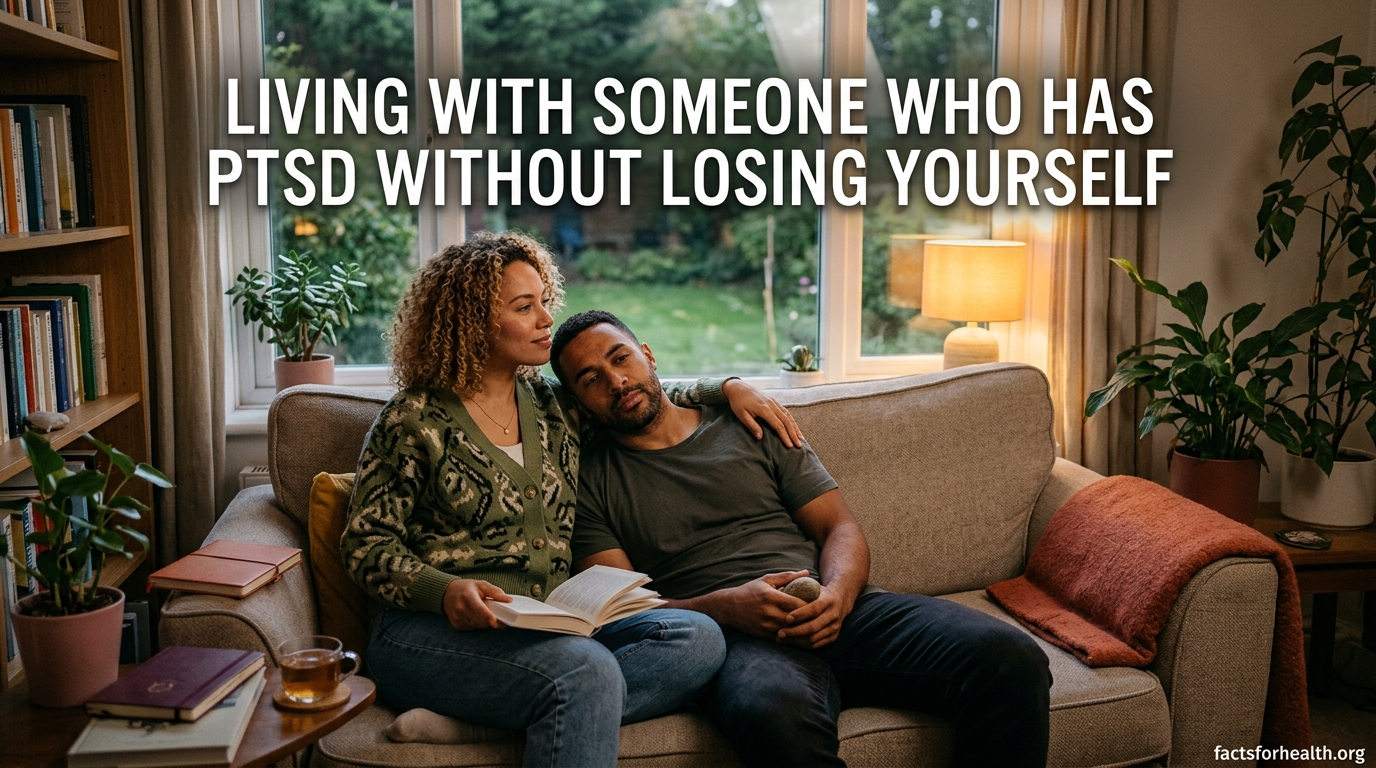
Loving someone through trauma is one of the hardest things you can do. If you are living with someone who has PTSD without losing yourself as a goal, you already understand the tightrope walk between offering support and preserving your own identity.
You might feel exhausted, isolated, or guilty for having needs of your own. Many caregivers describe the experience as walking on eggshells, never knowing what might trigger an episode. That feeling is valid, and you are not alone in it.
This guide walks you through practical strategies for supporting a partner or family member with PTSD while keeping your own mental health intact. We cover everything from understanding how PTSD changes daily life to setting boundaries without guilt, recognizing caregiver burnout, and knowing when to seek help.
Table of Contents
Understanding PTSD and How It Affects Relationships
PTSD (Post-Traumatic Stress Disorder) is a mental health condition that develops after someone experiences or witnesses a traumatic event. It keeps the brain’s threat-detection system stuck in overdrive, making a person react as though danger is always present.
The condition affects roughly 6 out of every 100 people at some point in their lives. It can result from combat, assault, accidents, natural disasters, childhood abuse, or any event that overwhelms a person’s ability to cope.
PTSD is classified as a serious mental illness because it significantly impairs daily functioning. Left untreated, it can damage relationships, careers, and physical health. But it is also treatable, and many people recover or learn to manage symptoms effectively.
Core Symptoms That Impact Relationships
PTSD symptoms fall into four main clusters, and each one can affect how your loved one interacts with you:
Intrusive memories include flashbacks, nightmares, and unwanted thoughts about the trauma. During a flashback, your partner may feel like the event is happening again in real time. They might dissociate, hyperventilate, or become unresponsive.
Avoidance means steering clear of people, places, conversations, or activities that remind them of the trauma. This can look like emotional withdrawal, refusing to discuss certain topics, or avoiding social situations entirely.
Negative changes in thinking and mood can cause your loved one to feel detached, numb, or hopeless. They might struggle to experience positive emotions or maintain interest in activities they once enjoyed. Some people develop distorted beliefs about themselves or the world, such as “no one can be trusted.”
Hyperarousal and reactivity means being constantly on guard. Your partner may startle easily, have trouble sleeping, become irritable or aggressive, or have difficulty concentrating. This state of high alert is exhausting for them and for you.
How PTSD Changes Relationship Dynamics
When one partner has PTSD, the relationship often shifts in ways neither person chose. The partner without PTSD may gradually take on a caregiver role, absorbing more emotional labor, household responsibilities, and financial pressure.
Communication can break down when avoidance makes honest conversations feel impossible. Intimacy may suffer as trust issues and emotional numbness create distance. Over time, both partners can feel lonely even while sharing the same home.
Understanding these patterns is not about assigning blame. PTSD is driving the behavior, not a lack of love. But recognizing the dynamics is the first step toward changing them.
How PTSD Symptoms Show Up at Home
Clinical descriptions only go so far. If you are sharing a home with someone who has PTSD, you need to know what symptoms actually look like in daily life.
Emotional Volatility and Anger
Irritability is one of the most common PTSD symptoms, and it can escalate quickly. Small frustrations might trigger outsized reactions. Your partner may snap over minor issues, raise their voice, or withdraw into cold silence.
This does not mean they have stopped caring. Hyperarousal keeps the nervous system primed for conflict, so their body reacts to everyday stressors as threats. However, understanding the cause does not mean you have to accept being treated poorly.
Sleep Disruption and Nightmares
Nightmares are a hallmark PTSD symptom, and they affect both partners. Your loved one may wake up panicked, sweating, or screaming. You might find yourself losing sleep too, either from being woken up or from lying awake worried about the next episode.
Chronic sleep deprivation creates a vicious cycle. Poor sleep makes PTSD symptoms worse, which leads to more nightmares, which leads to worse sleep. Many caregivers report that exhaustion is the hardest part of daily life.
Avoidance and Withdrawal
Your partner might avoid specific rooms, smells, sounds, or activities connected to the trauma. They may refuse to attend social events, skip family gatherings, or shut down emotionally when you try to connect.
Avoidance can also extend to treatment. Many people with PTSD resist seeking professional help because therapy requires confronting the trauma they are trying to escape. This resistance is a symptom, not a personal rejection of your suggestions.
Hypervigilance in Daily Life
Hypervigilance means your partner is always scanning for danger. They might check locks repeatedly, insist on sitting with their back to the wall in restaurants, or react strongly to sudden noises. Some people become overprotective or controlling as a way to feel safe.
Living with this constant tension takes a toll. Caregivers often describe absorbing the anxiety themselves, feeling jumpy and on edge even when nothing is wrong.
How to Support Someone With PTSD Without Losing Yourself
Supporting someone with PTSD requires a different approach than supporting someone through a difficult time. The strategies below are designed to help your loved one while protecting your own well-being.
1. Provide Social Support Without Over-Functioning
Social support is one of the strongest predictors of PTSD recovery. Your presence matters more than you might realize. Simply being available, consistent, and nonjudgmental creates a foundation of safety.
But there is a line between supporting someone and carrying their recovery for them. You cannot be their therapist, their only friend, and their emotional regulator all at once. Encourage them to build a broader support network, including peer support groups, other family members, and professionals.
Try this approach: “I am here for you, and I also want to make sure you have other people to lean on. Let us look at some options together.”
2. Be a Good Listener Without Trying to Fix Everything
When your partner opens up about their trauma, your job is to listen, not to solve. Resist the urge to offer advice, compare their experience to others, or point out silver linings.
Effective listening sounds like: “That sounds incredibly hard. Thank you for trusting me with this. I am here.”
If they do not want to talk, do not push. Forcing someone to discuss trauma before they are ready can actually worsen symptoms. Let them know the door is open and wait for them to walk through it.
3. Anticipate and Manage Triggers Together
Triggers are reminders that set off PTSD symptoms. They can be external, like loud noises, specific smells, or anniversaries of the trauma. They can also be internal, like certain emotions or physical sensations.
Sit down during a calm moment and ask your partner: “Are there specific things I should know about that tend to bring up difficult feelings for you? How can I help when that happens?”
Create a plan together. This might include agreed-upon signals for when they need space, grounding techniques that work for them, and what you should and should not do during a trigger response.
4. Learn De-Escalation Techniques
When your partner is angry, panicking, or dissociating, how you respond can make the situation better or worse. These techniques help:
Stay calm. Your nervous system is contagious. If you escalate, they escalate. Speak in a low, steady voice and move slowly.
Do not argue logic during an emotional flood. When someone is in fight-or-flight mode, the rational brain is offline. Save problem-solving for later.
Use grounding prompts. Gently guide them back to the present: “You are safe. You are at home. It is [current date]. Can you tell me five things you can see right now?”
Respect their need for space. Some people need physical distance to regulate. Agree in advance on a time-out system where either person can call a break and return to the conversation after 20 to 30 minutes.
5. Encourage Professional Treatment
Professional treatment is the most effective path to recovery. Evidence-based therapies for PTSD include Cognitive Processing Therapy (CPT), Prolonged Exposure (PE), and Eye Movement Desensitization and Reprocessing (EMDR).
You cannot force someone into treatment, but you can create conditions that make it more likely. Offer to help research therapists, make phone calls, or attend the first appointment with them.
Frame it as teamwork: “I want us to have the best life possible together. Part of that means getting the right support. How can I help you take that step?”
If they refuse treatment, you still have options. Couples therapy can address relationship patterns even if individual trauma work happens later. And therapy for yourself can help you navigate the situation.
Rebuilding Trust and Safety in the Relationship
PTSD damages trust at a fundamental level. When your partner’s brain tells them the world is dangerous, even a safe relationship feels threatening. Rebuilding trust takes time, patience, and consistency.
Small, Consistent Actions Matter Most
Grand gestures do not rebuild trust. Reliability does. Showing up when you say you will, following through on commitments, and maintaining a predictable routine all signal safety to a nervous system on high alert.
Be transparent about your schedule and plans. Surprise changes can feel destabilizing. Small courtesies like texting when you are running late or giving a heads-up before bringing a friend home can reduce anxiety significantly.
Addressing Intimacy Challenges
PTSD can deeply affect physical and emotional intimacy. Trauma may have disrupted your partner’s sense of safety in their own body. Sexual desire may decrease, or certain touches and situations may become triggers.
Patience and open communication are essential. Talk about intimacy outside the bedroom during calm moments. Ask what feels safe and what does not. Go at their pace, and never take withdrawal personally.
Professional help from a therapist who specializes in trauma and relationships can make a significant difference in this area.
Creating Physical and Emotional Safety at Home
Make your home a predictable, calm environment. Reduce clutter, manage noise levels, and create spaces where your partner can retreat when overwhelmed. A designated quiet space can serve as a grounding tool during episodes.
Emotional safety means your partner knows they will not be judged, mocked, or punished for their symptoms. It also means you are allowed to express your feelings without being accused of making things worse.
Setting Boundaries With Someone Who Has PTSD
Many caregivers struggle with guilt around boundaries. There is a common fear that setting limits means abandoning someone who is suffering. The opposite is true: boundaries are what make sustainable support possible.
Without boundaries, you risk burning out, growing resentful, and eventually having nothing left to give. Boundaries protect the relationship, not just yourself.
Why Boundaries Are Healthy, Not Selfish
A boundary is simply a clear statement of what you can and cannot do. It is not an ultimatum or a punishment. Healthy boundaries look like:
“I want to support you, and I cannot be your only source of emotional support. We need to expand your network.”
“I love you, and I need one evening a week for my own activities to recharge.”
“I will not engage in conversations where I am being called names or blamed for things I did not do. I will leave the room and we can talk when things calm down.”
How to Communicate Boundaries Effectively
Timing matters. Do not set boundaries during a crisis or an argument. Bring them up during a calm, neutral moment when both of you are regulated.
Use “I” statements to avoid sounding accusatory. “I need” is more effective than “You always” or “You never.”
Be specific and follow through. A boundary without follow-through teaches the other person that your limits do not matter. If you say you will leave the room during name-calling, leave the room every single time.
When Boundaries Are Crossed
Expect that boundaries will be tested, especially in the beginning. Your partner may push back because change feels threatening. Stay firm without being harsh.
If boundaries are consistently violated despite clear communication, that signals a deeper problem. At that point, professional intervention or reevaluating the relationship may be necessary.
Self-Care Strategies for PTSD Caregivers
You cannot pour from an empty cup. Caring for someone with PTSD demands significant emotional energy, and without intentional self-care, burnout is nearly guaranteed.
Recognizing Caregiver Burnout
Caregiver burnout develops gradually. You might not notice it until you are deep in it. Common warning signs include:
Chronic exhaustion that sleep does not fix. Feeling emotionally numb or detached from your partner. Losing interest in activities you used to enjoy. Irritability, resentment, or anger toward your partner. Physical symptoms like headaches, stomach issues, or frequent illness. Feeling trapped, hopeless, or like you are losing your identity.
If several of these resonate, you are likely experiencing burnout. This is not a personal failure. It is a signal that something needs to change.
Awareness of Secondary Traumatic Stress
Caregivers can develop their own trauma symptoms from repeated exposure to a loved one’s traumatic experiences. This is called secondary traumatic stress or compassion fatigue.
You might start having nightmares about your partner’s trauma, feel hyperaroused, or experience intrusive thoughts. You might become avoidant, depressed, or emotionally overwhelmed. These are real symptoms that deserve professional attention.
If you notice these signs, seek therapy for yourself. A trauma-informed therapist can help you process what you are carrying and develop strategies to protect your nervous system.
Maintaining Your Identity Outside the Relationship
One of the greatest risks of caregiving is losing yourself. When your partner’s needs are constant and overwhelming, it is easy to let your own life shrink until the relationship is all that remains.
Fight this actively. Keep up with your hobbies, your friendships, and your interests. Maintain activities that have nothing to do with PTSD or caregiving. Your identity existed before this role, and it deserves to continue.
Schedule non-negotiable time for yourself. This is not selfish. It is the same principle as putting on your own oxygen mask before helping others.
Building Your Own Support Network
Isolation is a major risk factor for caregiver burnout. Many caregivers feel like no one understands what they are going through, which leads to suffering in silence.
You need people who can listen without judgment, offer practical help, or simply distract you with normal conversation. Look into caregiver support groups, both in-person and online. Connecting with others who share your experience can be deeply validating.
Consider professional support for yourself even if your partner will not go. Individual therapy gives you a space to process your emotions, develop coping strategies, and make clear-headed decisions about your future.
Addressing the Guilt About Having Needs
Many caregivers feel guilty for wanting time to themselves, for feeling frustrated, or for having needs at all. This guilt is one of the most common pain points expressed in support communities.
Remind yourself: having needs does not make you a bad partner. Feeling frustrated does not mean you do not love this person. Wanting a life outside of caregiving is healthy and necessary.
Guilt often comes from the belief that you should be able to handle everything. No one can. You are human, and your well-being matters just as much as your partner’s.
When the Relationship Becomes Harmful
PTSD can make someone difficult to live with, but difficulty is not the same as abuse. Understanding the difference is one of the most important things you can do for yourself.
PTSD Symptoms vs. Abusive Behavior
PTSD can cause irritability, emotional withdrawal, and anger. These symptoms are real and challenging. But PTSD does not cause someone to be controlling, manipulative, or deliberately cruel.
Abuse is a pattern of behavior designed to control another person. It includes name-calling, threats, isolating you from friends and family, financial control, physical violence, and blaming you for things outside your control.
While PTSD symptoms may be present alongside abusive behavior, PTSD does not excuse abuse. If you feel afraid of your partner, if you change your behavior to avoid their anger, or if you feel like you are constantly walking on eggshells, those are red flags regardless of a PTSD diagnosis.
Warning Signs of a Toxic Dynamic
Watch for these patterns that indicate the relationship has crossed into harmful territory:
Your partner refuses to acknowledge how their behavior affects you. They use PTSD as an excuse for any hurtful action. You feel worse about yourself now than when the relationship started. You have lost contact with friends or family. Your partner controls your finances, schedule, or movements. You feel responsible for their emotional state at all times.
Any of these signs warrant serious attention. Multiple signs together suggest you may need outside help to evaluate the relationship safely.
When to Seek Professional Help for Yourself
If you are questioning whether your relationship is healthy, that question itself is worth exploring with a professional. A therapist can help you see patterns you might be too close to recognize.
Do not wait until things reach a breaking point. Early intervention gives you more options and a clearer perspective. Individual therapy, support groups, and domestic violence hotlines are all confidential resources.
If you are in immediate danger, contact emergency services. In the United States, the National Domestic Violence Hotline is available 24 hours a day at 1-800-799-7233. International resources are available through local emergency services.
Frequently Asked Questions
Is it safe to live with someone with PTSD?
In most cases, yes. PTSD does not make someone dangerous by default. However, if your partner has unmanaged anger, substance abuse issues, or a history of violence, safety becomes a concern. Trust your instincts. If you feel afraid in your own home, seek professional guidance immediately.
Is PTSD a serious mental illness?
Yes. PTSD is a recognized psychiatric disorder that can significantly impair daily functioning. It affects the brain’s threat-response system, causing symptoms like flashbacks, nightmares, hypervigilance, and emotional numbness. With proper treatment, many people recover or learn to manage symptoms effectively.
Is it hard to be in a relationship with someone with PTSD?
It can be. PTSD symptoms like avoidance, emotional volatility, and trust issues place strain on relationships. Many partners feel like they are walking on eggshells. However, with education, communication strategies, professional treatment, and healthy boundaries, many couples build strong, lasting relationships.
How to explain PTSD to a partner?
Choose a calm, private moment. Use simple language: PTSD is a condition where the brain stays stuck in survival mode after trauma. Share specific examples of how symptoms show up for you. Explain what support looks like and what does not help. Encourage them to ask questions, and consider sharing this article or a therapist’s guidance to support the conversation.
Conclusion
Living with someone who has PTSD without losing yourself is possible, but it does not happen by accident. It requires education, communication, boundaries, and a commitment to your own well-being alongside your partner’s recovery.
Start with understanding how PTSD works. Build de-escalation skills and communication scripts together. Set boundaries without guilt, and maintain your identity outside the caregiving role. Recognize the signs of burnout and secondary trauma before they consume you. And know the difference between a difficult relationship and a harmful one.
You cannot control whether your partner heals, but you can control how you care for yourself through the process. Your needs matter. Your identity matters. And your well-being is not optional, it is the foundation that makes everything else possible.