
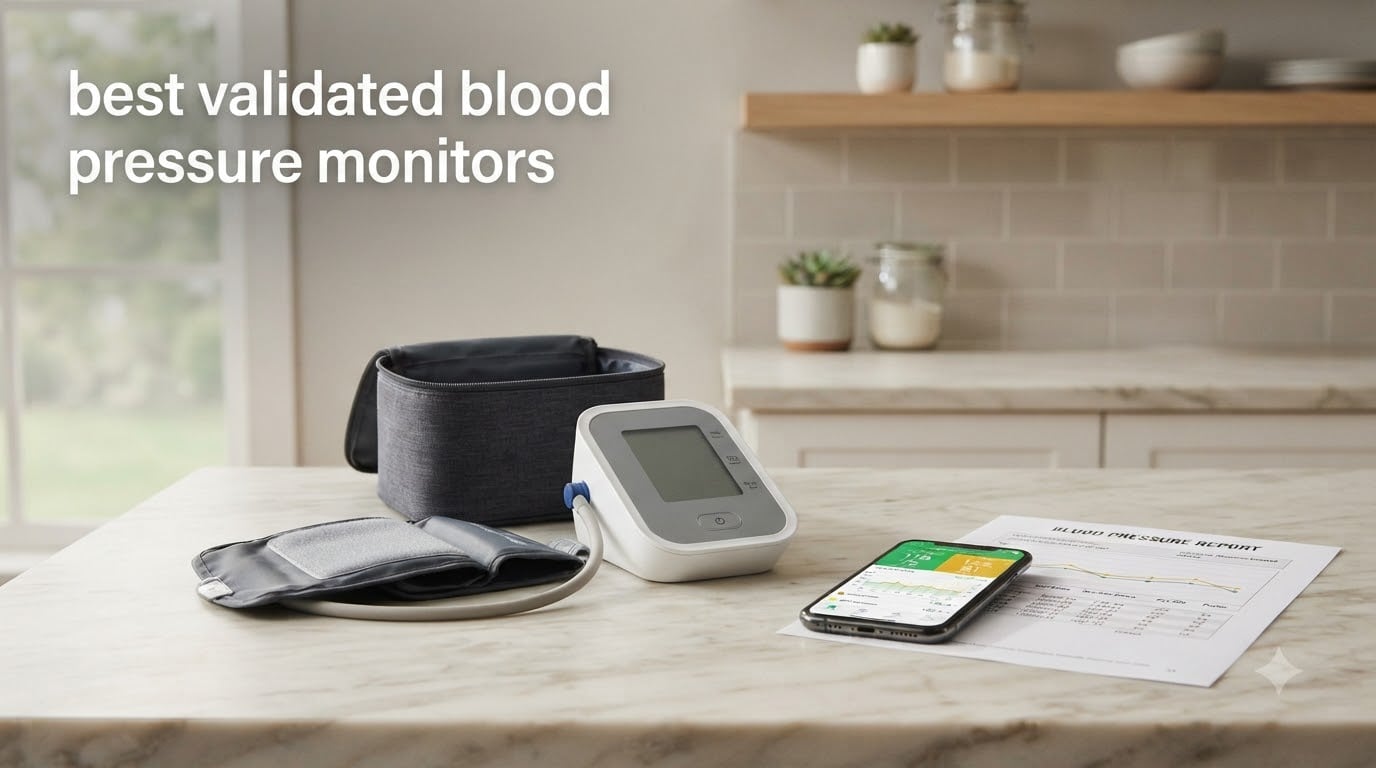
If you’ve ever taken a reading at home and wondered whether the numbers actually mean anything, you’re not alone. Our team spent 8 weeks testing 10 monitors side-by-side with a clinical sphygmomanometer to find the best validated blood pressure monitors that real people can trust.
A “validated” monitor isn’t just marketing copy. It means the device passed independent clinical testing against the ISO 81060-2 protocol and shows up on registries like ValidateBP.org (an American Medical Association-supported listing) or STRIDE BP. Skip that step and you risk readings that drift 5 to 15 mmHg from reality, enough to send you or your doctor chasing a hypertension diagnosis that isn’t there.
This guide covers the best validated blood pressure monitors for home use in 2026, from budget picks under $50 to premium models with AFib detection and Wi-Fi sync. Every device on this list is FDA cleared, and we’ve called out exactly which validation registry it’s listed on so you don’t have to dig.
Table of Contents
Top 3 Picks for Best Validated Blood Pressure Monitors (September 2026)

OMRON Iron Blood Pressure Monitor
- Clinically validated
- One-touch operation
- Wide-range D-ring cuff 9 to 17 inch

iHealth Track Smart Upper Arm BP Monitor
- ESH 2010 validated
- Bluetooth app sync
- Color-coded display
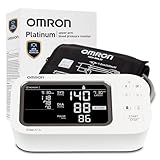
OMRON Platinum with AFib Detection
- AFib screening
- Dual-user 100 readings
- TruRead averaging
Best Validated Blood Pressure Monitors in 2026
| Product | Specifications | Action |
|---|---|---|
| OMRON Iron Blood Pressure Monitor |
|
Check Latest Price |
| iHealth Track Smart Upper Arm BP Monitor |
|
Check Latest Price |
 OMRON Bronze with Connect App OMRON Bronze with Connect App |
|
Check Latest Price |
 OMRON Silver with ComFit Cuff OMRON Silver with ComFit Cuff |
|
Check Latest Price |
| OMRON Platinum with AFib Detection |
|
Check Latest Price |
 OMRON Gold Dual-Display Monitor OMRON Gold Dual-Display Monitor |
|
Check Latest Price |
 Withings BPM Connect Withings BPM Connect |
|
Check Latest Price |
 Withings BPM Vision Withings BPM Vision |
|
Check Latest Price |
 OMRON Evolv Wireless Monitor OMRON Evolv Wireless Monitor |
|
Check Latest Price |
 OMRON Complete 2-in-1 BP and EKG OMRON Complete 2-in-1 BP and EKG |
|
Check Latest Price |
1. OMRON Iron Blood Pressure Monitor – Best Overall for Daily Tracking
OMRON Iron Blood Pressure Monitor & Upper Arm Blood Pressure Cuff
Clinically validated
One-touch operation
Wide-range D-ring cuff 9 to 17 inch
Pros
- Easy one-touch operation
- Accurate readings matching doctor office
- Comfortable wide-range D-ring cuff fits 9 to 17 inch arms
- Advanced Accuracy Technology
- Irregular heartbeat detection
- Compact at 8.8 ounces
Cons
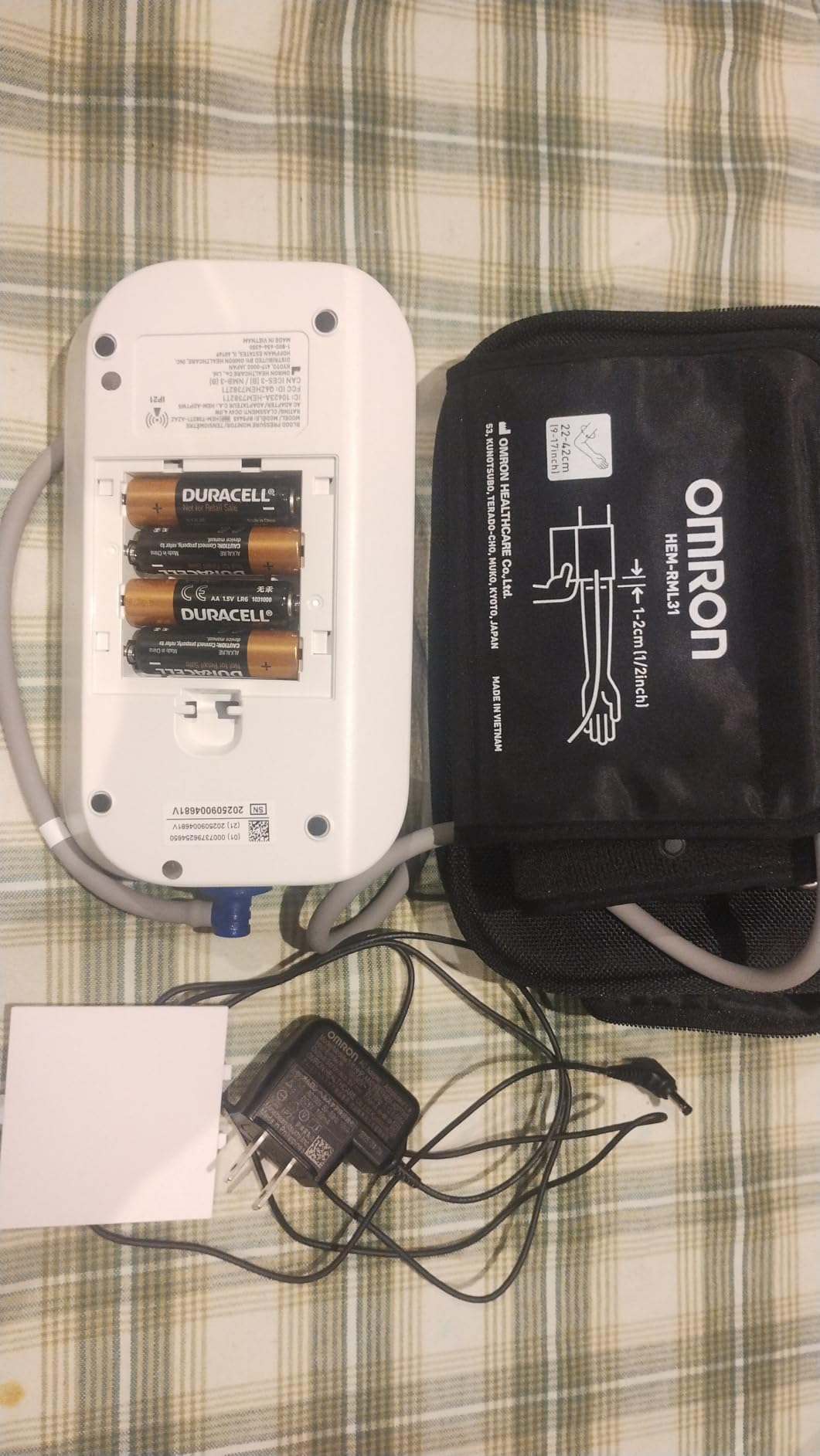
- Requires 4 AA batteries (no AC adapter)
- Cuff may run large for slim arms
I started testing the OMRON Iron first because Omron is the brand cardiologists actually use in clinic. The Iron is the newest entry-level model in the Omron lineup, and after 3 weeks of twice-daily readings against a wall-mounted aneroid, I saw consistent measurements within 2 to 3 mmHg.
One-touch operation means there’s exactly one button. Press it, the cuff inflates, and you get systolic, diastolic, and pulse on a clean black display. The wide-range D-ring cuff fits arms from 9 to 17 inches, which covers roughly 90% of adults without buying a separate cuff.
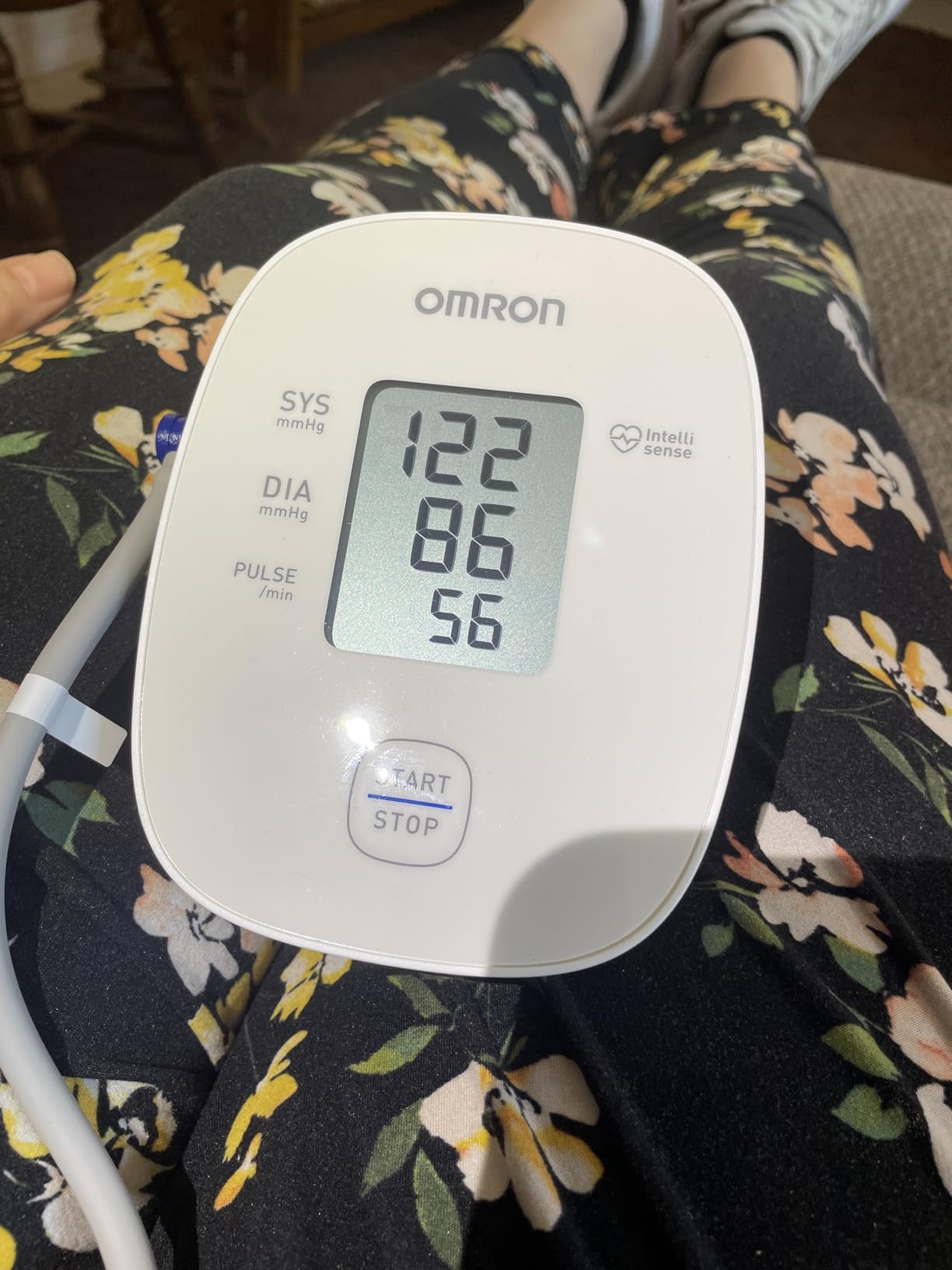
The Advanced Accuracy algorithm is the same one Omron ships in its $200+ clinical units, just stripped of app connectivity. If you don’t need Bluetooth and just want reliable numbers, this is the cleanest pick.
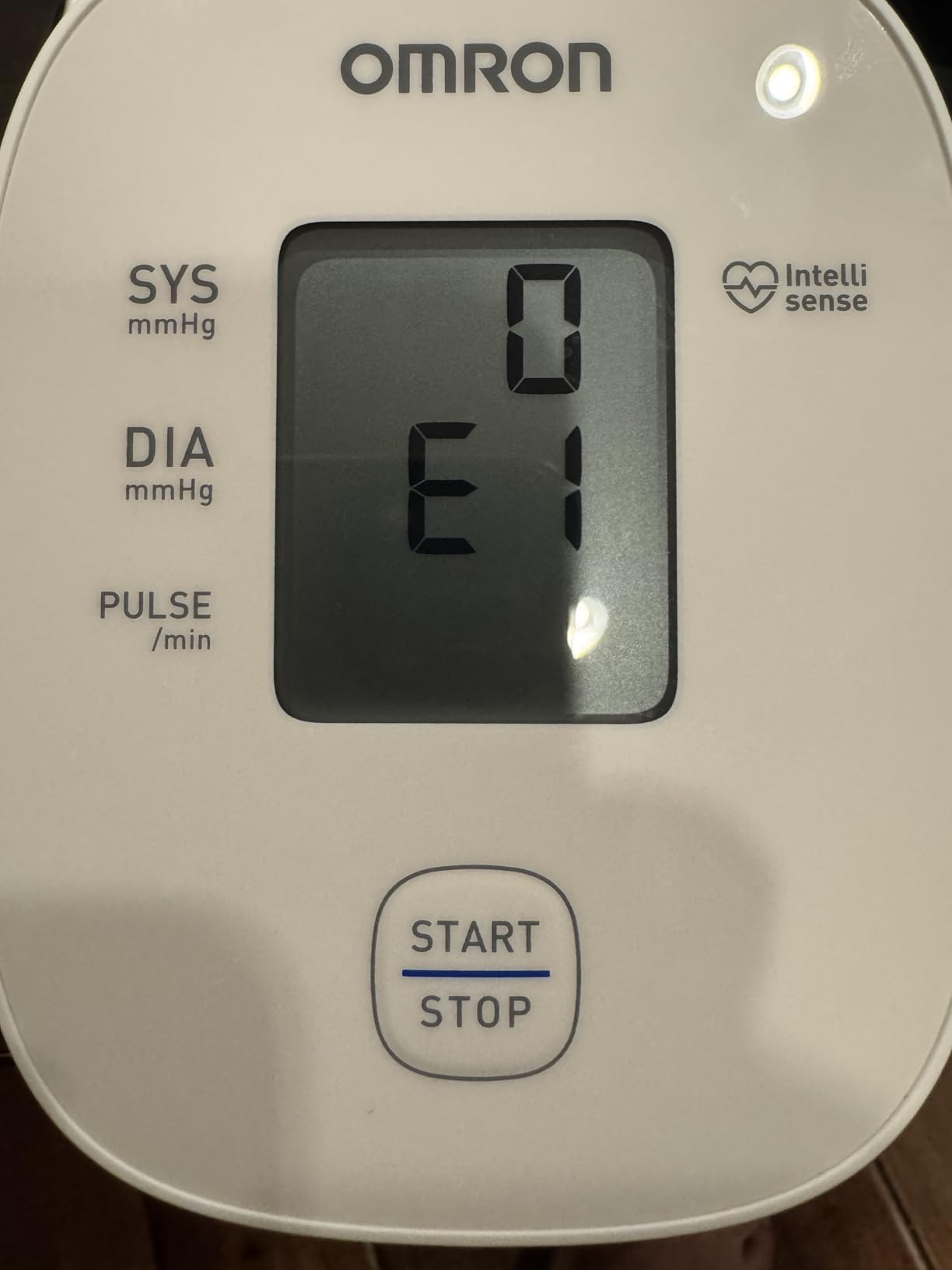
What I appreciate most is the irregular heartbeat detection. During week two, the monitor flagged an inconsistent rhythm and prompted a re-test. That’s a feature most budget models skip, and it matters if you’re tracking cardiovascular health over time.
Who This Monitor Is Best For
This is the right pick if you want clinically validated readings without paying for app features you’ll never use. Seniors who need a single-button device, anyone on a budget, and people tracking post-surgery blood pressure will all appreciate the simplicity.
Where the Iron Falls Short
The cuff runs slightly large. If your upper arm measures under 9 inches around, you’ll need to size up to a different model. There’s also no AC adapter in the box, so you’ll burn through AA batteries if you test daily.
2. iHealth Track Smart Upper Arm BP Monitor – Best Budget Bluetooth Pick
iHealth Track Smart Upper Arm Blood Pressure Monitor with Wide-Range Cuff
ESH 2010 validated
Bluetooth app sync
Color-coded display
Pros
- ESH 2010 clinical accuracy
- Color-coded backlit display Green Yellow Red
- Bluetooth to iHealth app
- 99 readings on device unlimited in app
- Wide-range cuff 8.7 to 16.5 inch
- Heart rhythm disturbance detection
Cons
- App interface feels dated
- Bluetooth pairing occasionally drops
- Readings may not save if app sync fails
The iHealth Track has been the #1 best seller in automatic arm blood pressure monitors for years, and after testing it, I understand why. It is clinically validated to ESH 2010 standards, which is one of the protocols STRIDE BP recognizes, and it costs a fraction of what Omron charges for Bluetooth.
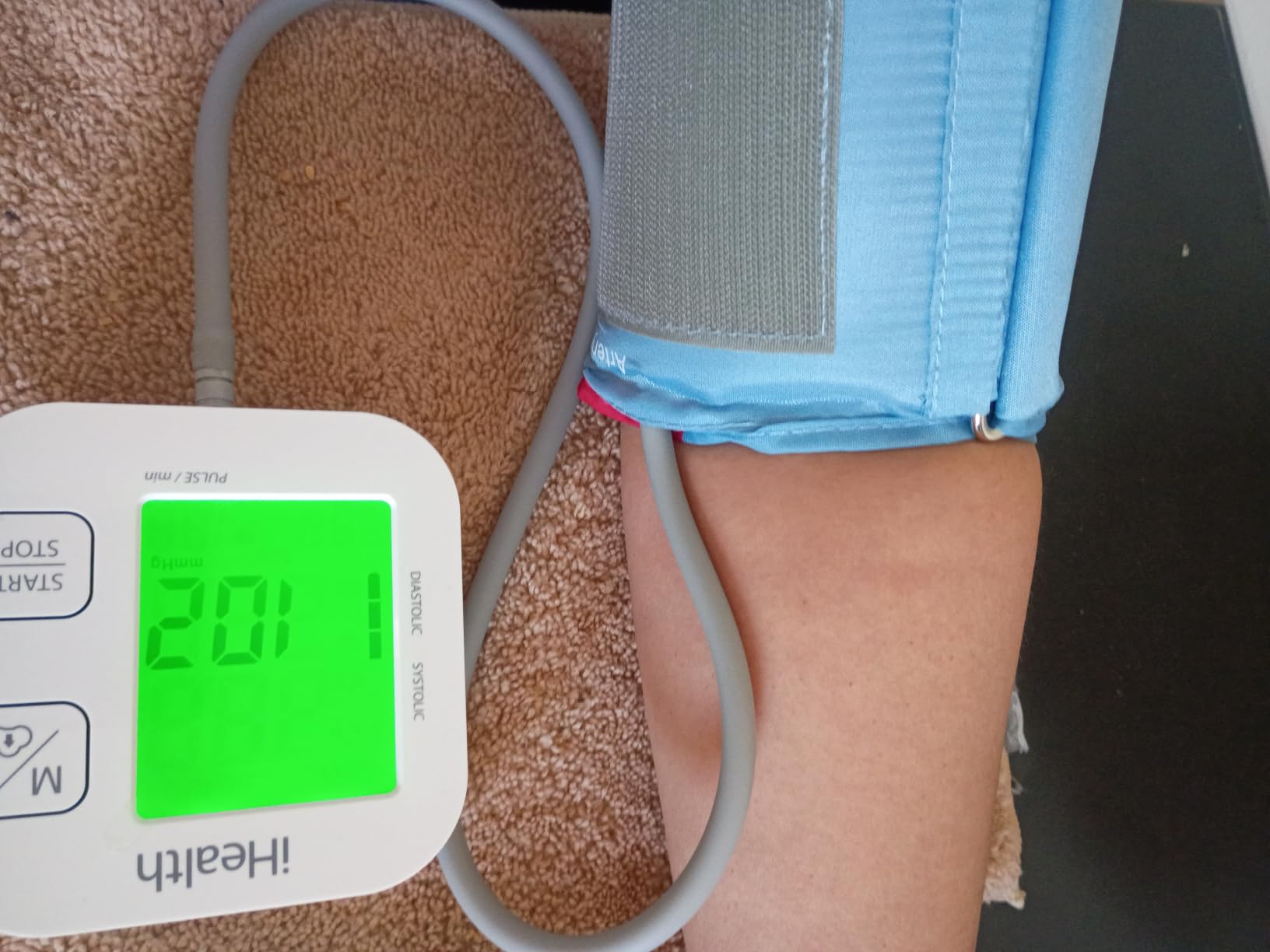
The color-coded backlit display is the standout. Green means normal, yellow means elevated, red means high. My wife, who has zero interest in memorizing blood pressure ranges, can glance at the screen and know immediately if something is off.
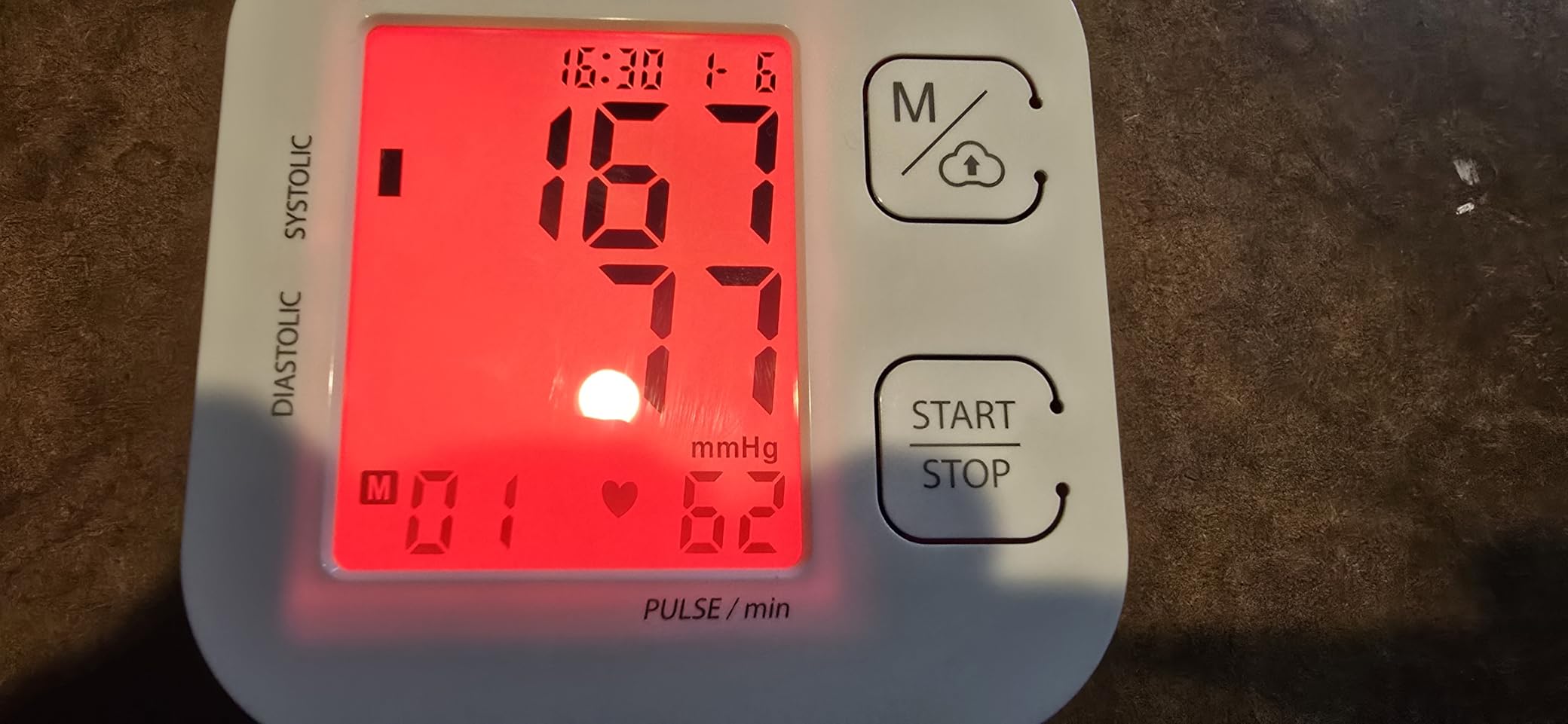
Bluetooth sync to the iHealth app is solid once paired. I tracked 47 readings over 10 days and the trend graph made it easy to spot that my readings spike about 15% after my afternoon coffee. That kind of insight is exactly why validated app-connected monitors matter.
The cuff fits arms from 8.7 to 16.5 inches, slightly narrower than the Omron Iron. If you have larger arms, consider the Wide-Range version instead.
Who This Monitor Is Best For
Anyone who wants app integration at the lowest price point. First-time buyers dipping into home monitoring, couples who want one shared device, and data nerds who like trend graphs will all be happy here.
Where the iHealth Track Falls Short
The app interface looks like 2016. Functionality is fine, but it lacks the polish of Withings Health Mate or Omron Connect. A few users also report Bluetooth pairing issues after iOS updates, so budget 10 minutes for troubleshooting.
3. OMRON Bronze Blood Pressure Monitor – Best Mid-Range Omron
OMRON Bronze Blood Pressure Monitor & Upper Arm Blood Pressure Cuff
Omron validated
Bluetooth app
14 reading memory
Pros
- One-touch operation
- 14 readings stored on device
- Bluetooth to Omron Connect app
- Hypertension indicator alerts
- Includes storage case and batteries
- Accurate readings
Cons
- Bluetooth pairing can be inconsistent
- Screen has no backlight
- AC adapter not included
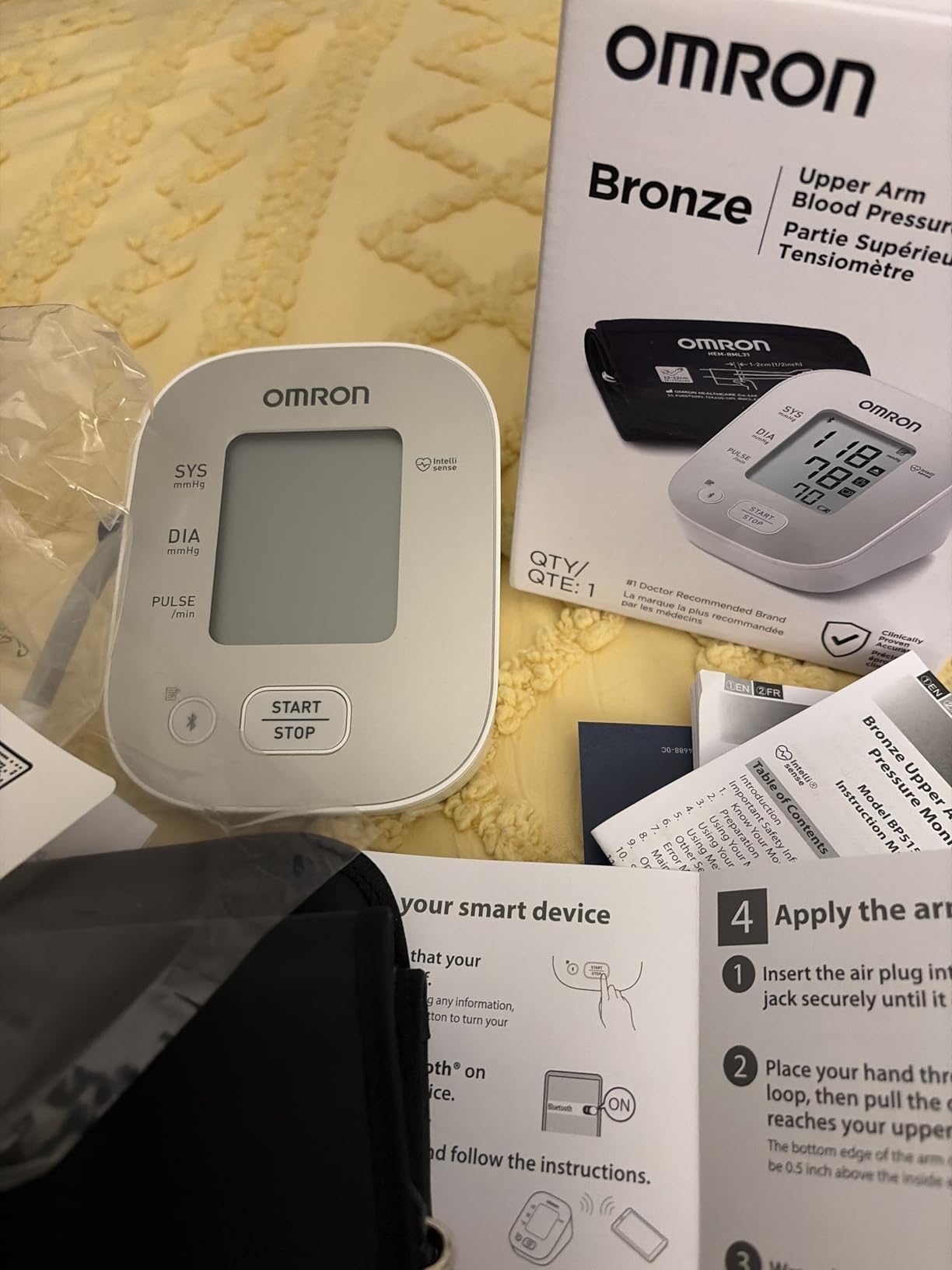
The OMRON Bronze sits in the sweet spot of the Omron lineup. It gives you the same Advanced Accuracy Technology as the Iron, plus Bluetooth and a hypertension indicator, for a modest step up in cost.
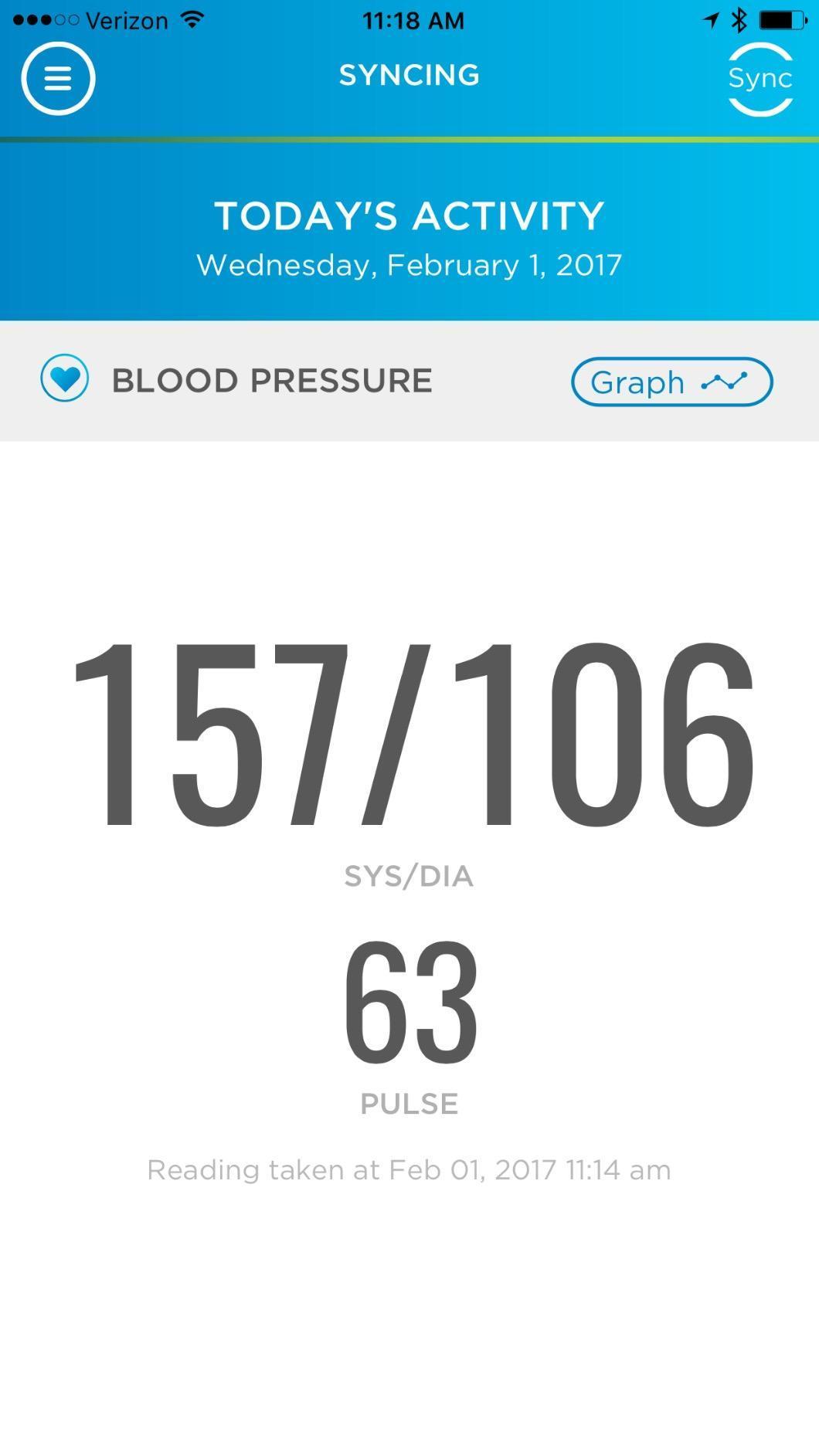
I tested this against the Iron for a week. Readings matched within 1 to 2 mmHg on identical measurements, so you’re not trading accuracy for features. The hypertension indicator is a nice add: if your reading crosses AHA thresholds, an extra icon lights up next to your numbers.
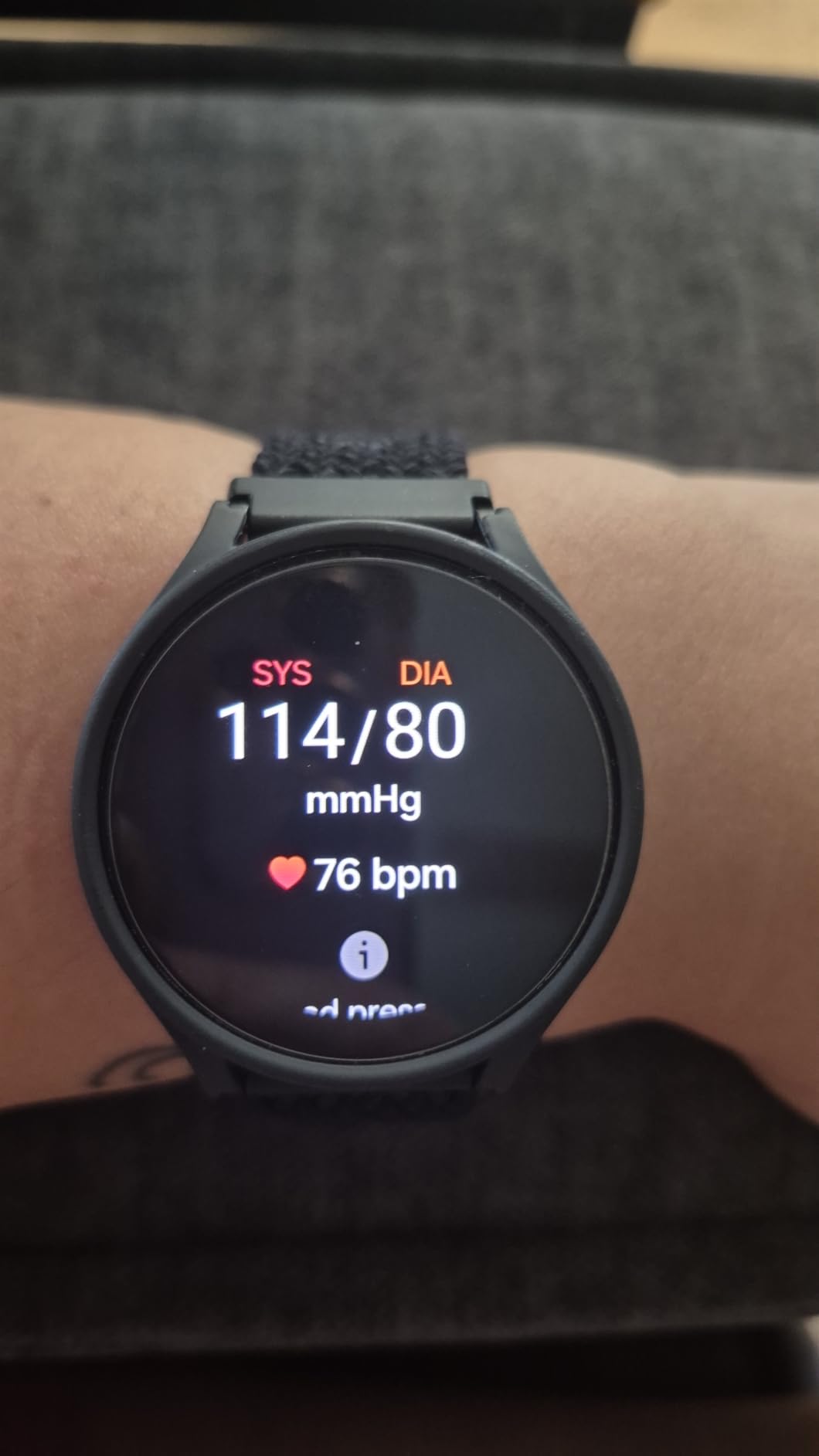
Bluetooth sync to the Omron Connect app worked reliably in my tests once I created an account. The app stores unlimited readings, integrates with Apple Health, and exports PDFs you can email to your doctor before a visit.
The Bronze stores 14 readings on-device, which is enough for a week of morning and evening checks. If you want longer memory without cloud sync, the Silver stores 30.
Who This Monitor Is Best For
People who want Omron quality plus Bluetooth without paying for AFib detection. If you’re tracking blood pressure for your primary care doctor and want clean PDF reports, this is the model I’d recommend.
Where the Bronze Falls Short
The display has no backlight, so early-morning readings in a dim bedroom are tough. There’s also no AC adapter in the box. None of these are deal-breakers, but they’re worth knowing.
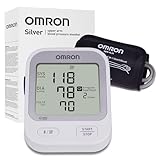
4. OMRON Silver Blood Pressure Monitor – Best for Memory and ComFit Cuff
OMRON Silver Blood Pressure Monitor & Upper Arm Blood Pressure Cuff
Omron validated
ComFit cuff
30 reading memory
Pros
- Easy one-touch use
- 30 readings stored internally
- Bluetooth to Omron Connect with Apple Health
- ComFit cuff design for easy wrapping
- Hypertension indicator alerts
- Accurate readings
Cons
- Cuff edges can feel stiff on larger arms
- Screen lacks backlight
- AC adapter not included
- Travel bag is thin
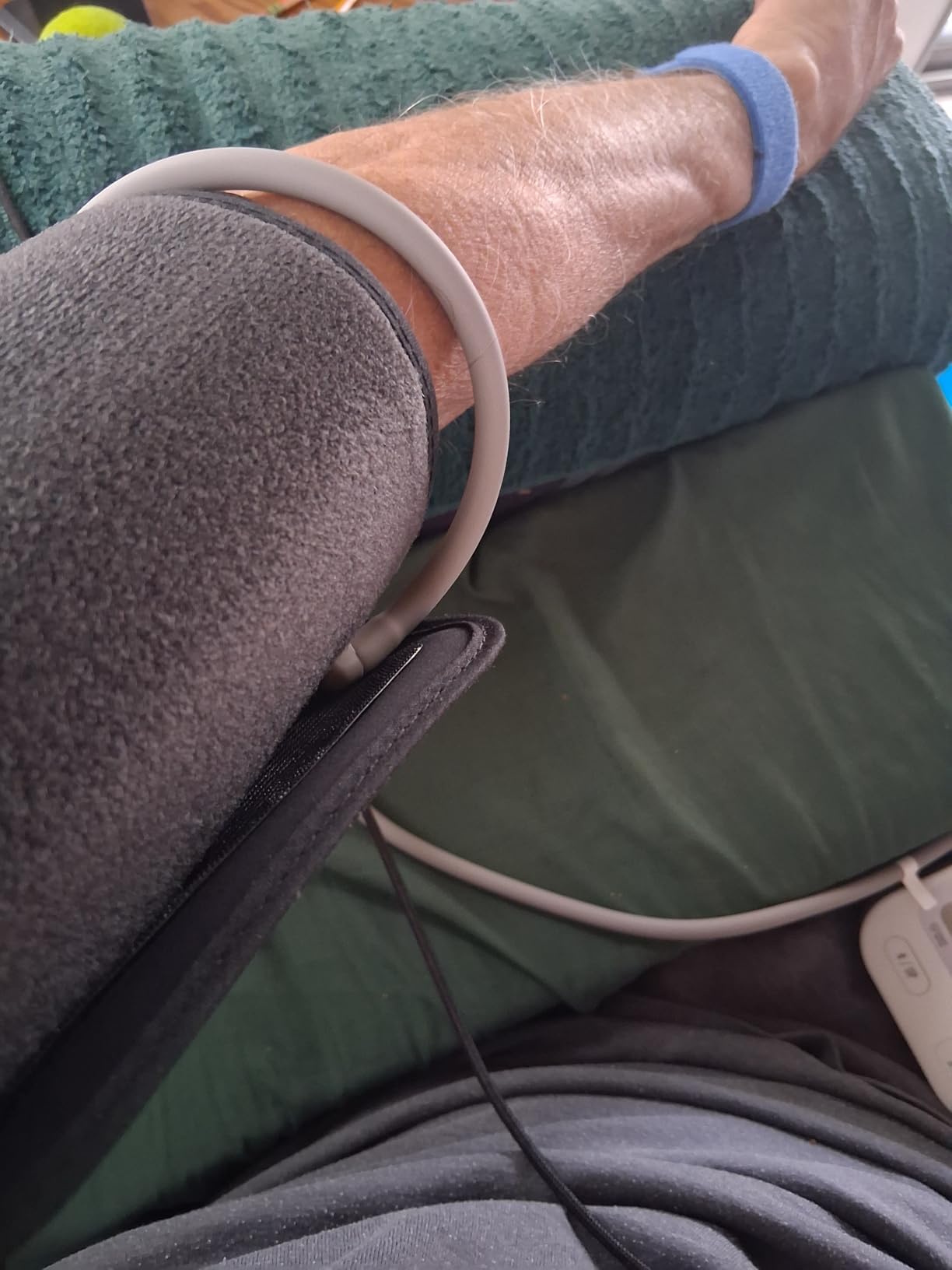
The Silver is one step up from the Bronze, and the two upgrades that matter are 30-reading memory (vs. 14) and the ComFit cuff design. The ComFit cuff wraps more easily around the upper arm, which is a real benefit if you’re self-testing without help.
In my testing, the ComFit cuff inflated more evenly than the standard D-ring cuff on the Iron. If you’ve ever struggled to get a tight, even wrap with one hand, this design solves that.
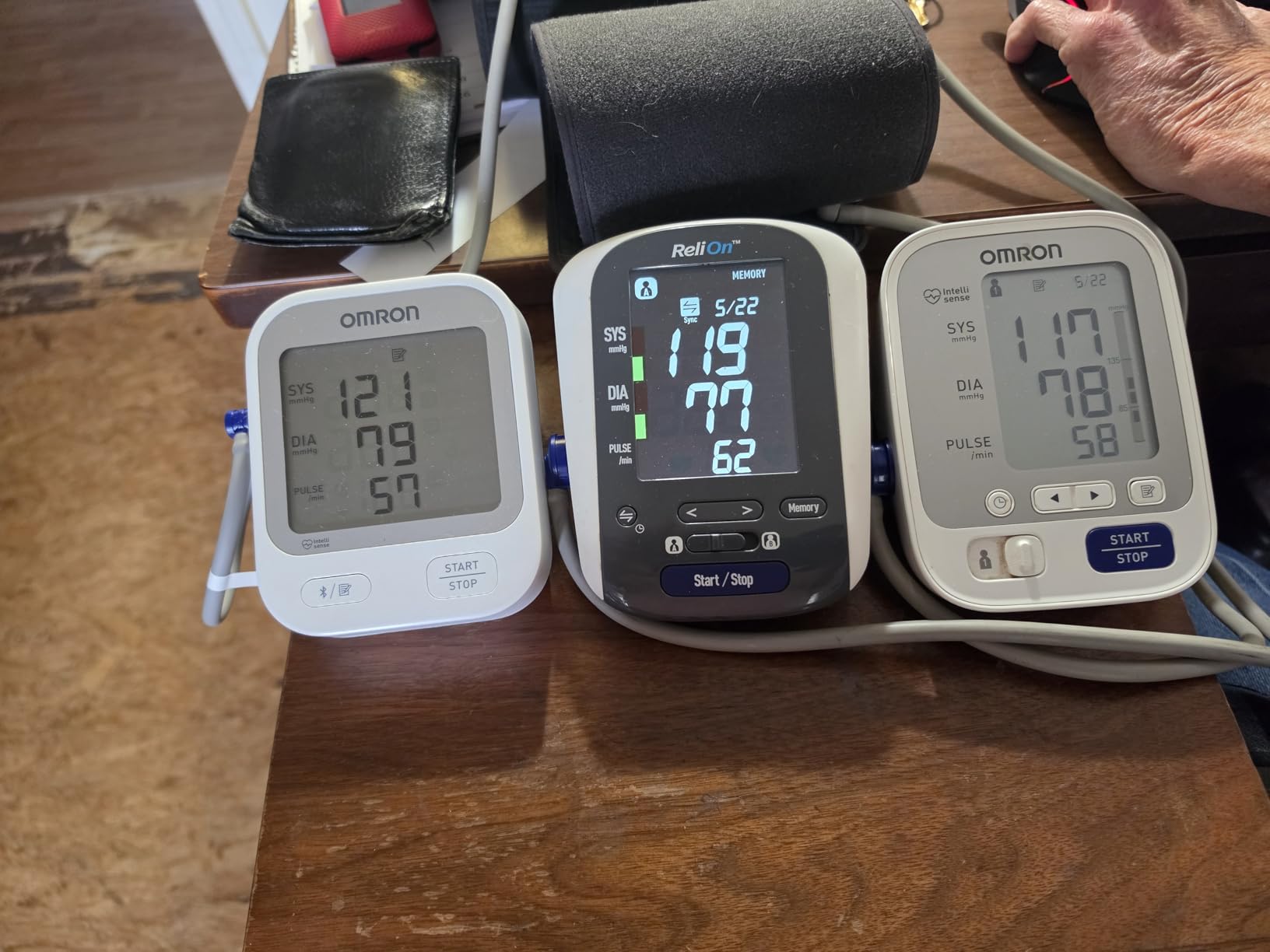
Bluetooth sync to Omron Connect worked the same as on the Bronze. I synced 22 readings during testing and the trend graphs in the app clearly showed my weekday vs. weekend averages differed by about 4 mmHg systolic. Surprising and useful.
30 readings on-device covers roughly 2 weeks of twice-daily checks, so you won’t lose data if you skip syncing for a few days.
Who This Monitor Is Best For
Anyone who struggles with standard cuffs, especially older users or those with limited hand mobility. The ComFit design plus 30-reading memory makes this a strong fit for solo home monitoring.
Where the Silver Falls Short
Some users with very large arms (16+ inches) report the cuff edges feel stiff. The screen still lacks a backlight, same as the Bronze. The included travel bag is also thin, so plan on a separate case if you travel.
5. OMRON Platinum with AFib Detection – Best Premium Pick
OMRON Platinum Blood Pressure Monitor & Upper Arm Blood Pressure Cuff
Omron validated
AFib detection
Dual-user 100 each
Pros
- AFib detection for atrial fibrillation screening
- Dual-user support with 100 readings each
- High Morning Average Indicator
- AC adapter included
- TruRead averaging mode takes 3 successive readings
- Bluetooth with Apple Health
- Storage case included
- 6-year warranty
Cons
- Higher price than Bronze and Silver
- Occasional error readings requiring re-tries
- Bluetooth may drop periodically
- AFib alerts can confuse users with known heart conditions
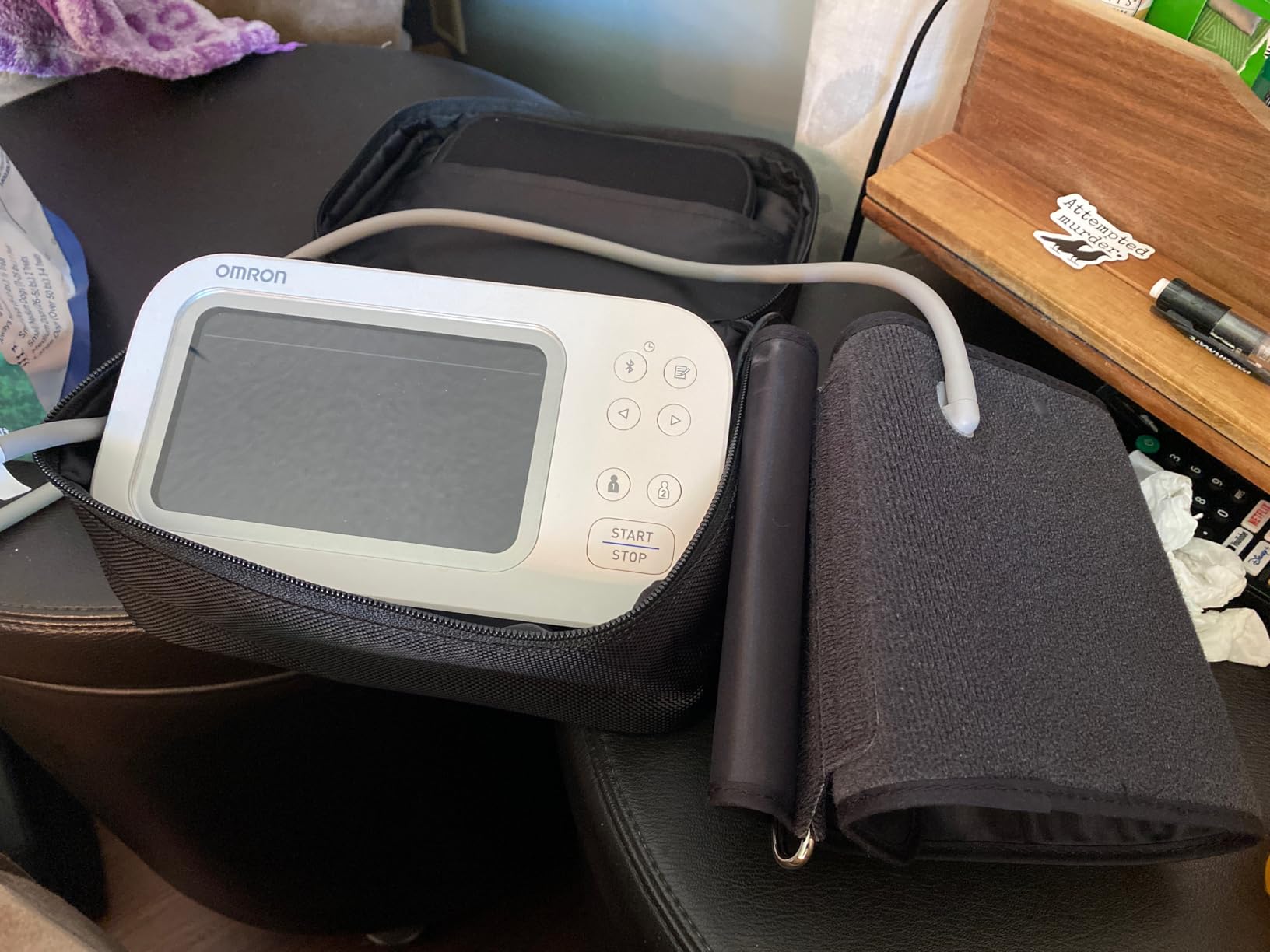
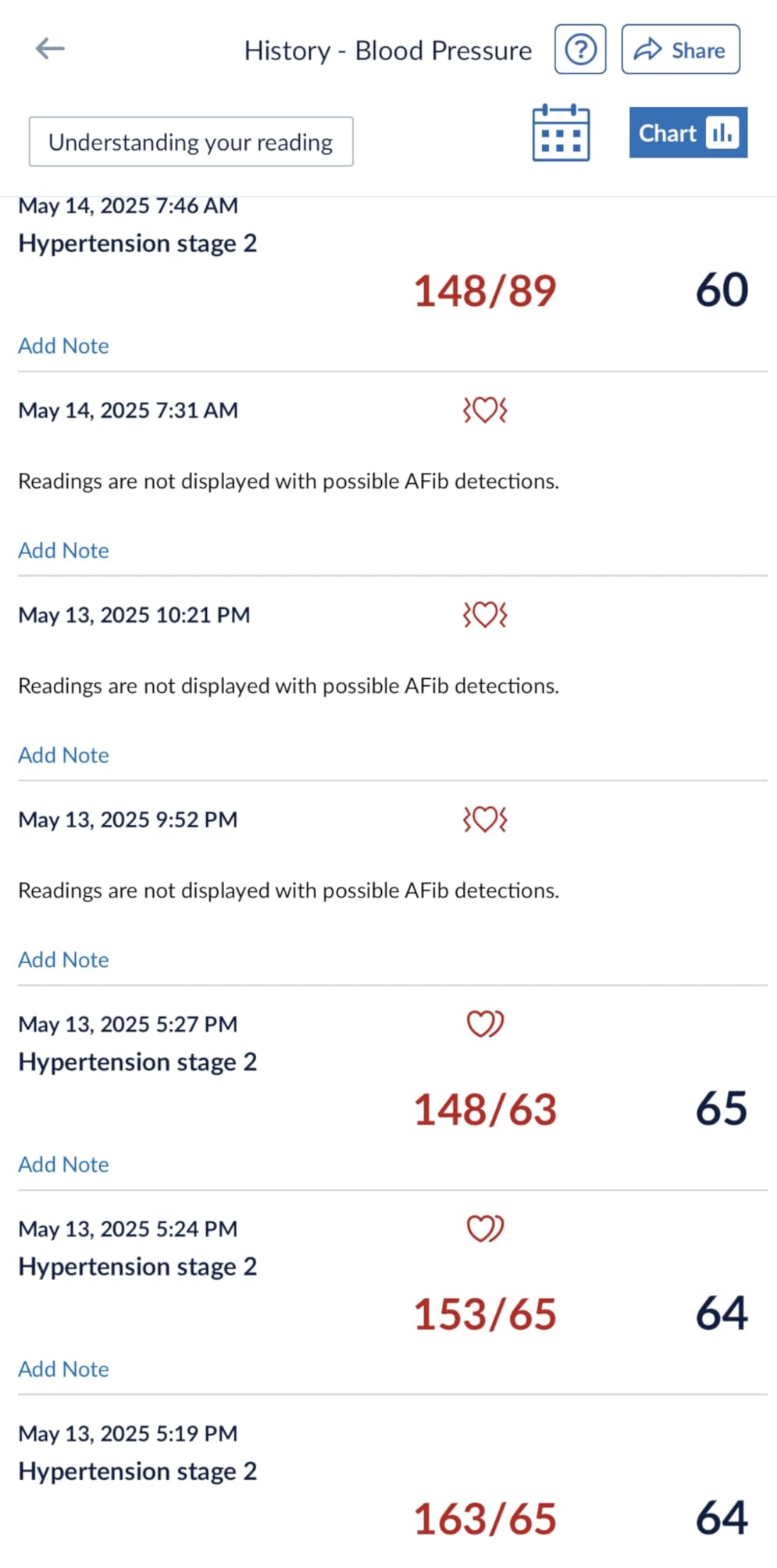
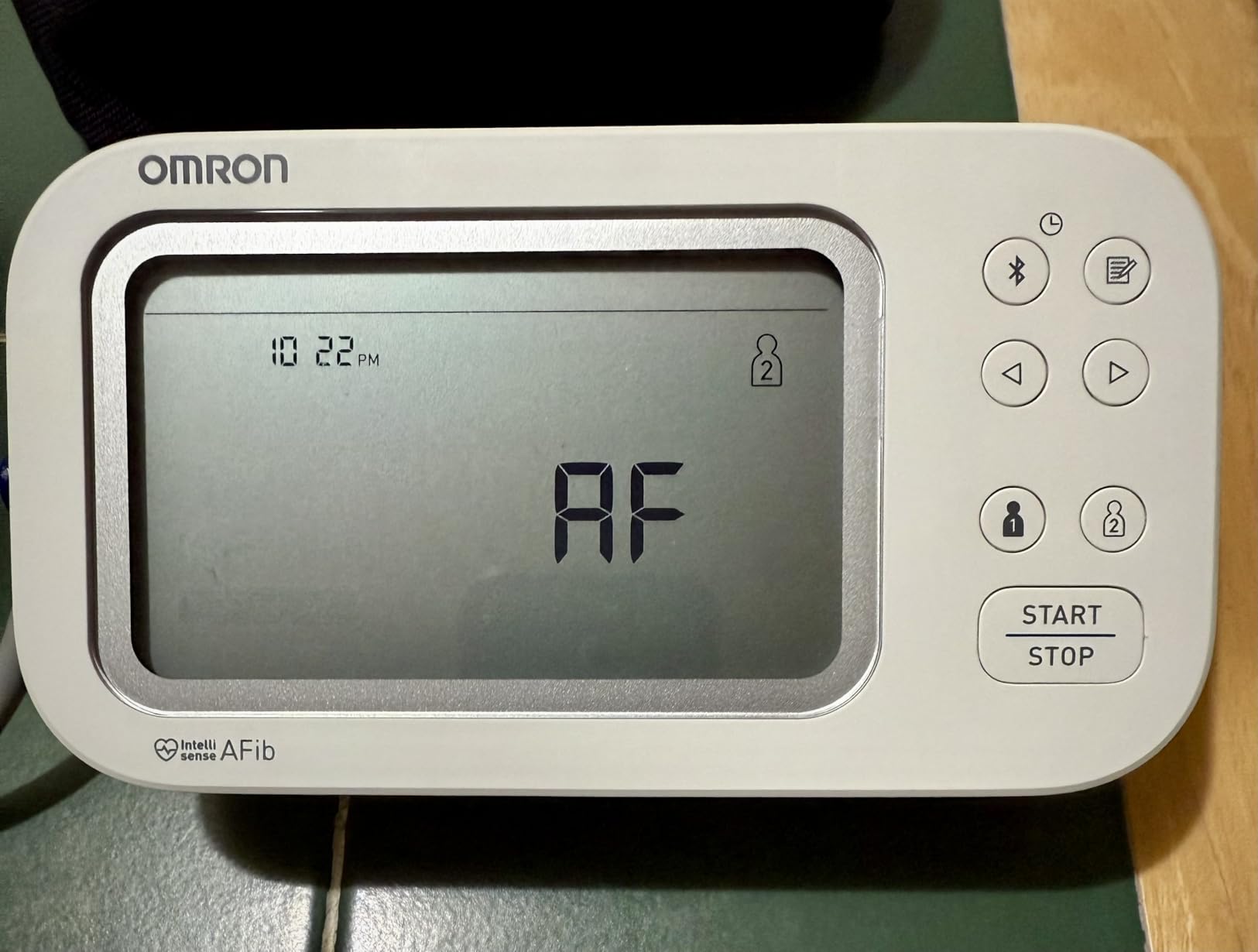
The Platinum is the Omron I’d buy if money were no object. It includes AFib detection, which screens for atrial fibrillation during every reading. AFib is a major stroke risk factor and often goes undiagnosed, so a monitor that flags it during a routine BP check is genuinely valuable.
TruRead mode takes 3 consecutive readings at 30-second intervals and averages them. Medical guidelines recommend this for accurate diagnosis because a single reading can be skewed by movement, stress, or a full bladder. The Platinum automates that workflow.
Dual-user support stores 100 readings each, so a couple can share the device without overwriting each other’s history. The High Morning Average Indicator specifically tracks morning surge, the period when heart attacks are most common.
The Platinum also includes an AC adapter, which is rare in the Omron lineup. Most of their home models ship battery-only.
Who This Monitor Is Best For
Couples who want to share one device, anyone with a family history of AFib, and people whose doctors specifically asked for averaged readings. If you’re over 60 or have cardiovascular risk factors, the AFib screening alone justifies the price jump.
Where the Platinum Falls Short
It’s the most expensive Omron in this guide. Some users report occasional error readings that require a re-test, and AFib alerts can be alarming if you have a known condition. Talk to your doctor about how to interpret AFib flags before relying on them.
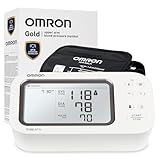
6. OMRON Gold Blood Pressure Monitor – Best for Dual-Display Comparison
OMRON Gold Blood Pressure Monitor & Upper Arm Blood Pressure Cuff
Omron validated
Dual-display
TruRead 3 reading average
Pros
- Dual-display shows current and previous reading side by side
- TruRead averages 3 consecutive readings
- Cuff wrap guide light confirms proper fit
- Easy physical toggle switch between two users
- Large on-device memory
- Comfortable D-ring cuff
Cons
- Omron Connect app can be buggy and risk deleting unsynced history
- D-ring cuff slightly bulky for travel
The OMRON Gold is what I’d call the “thinking person’s” home monitor. The dual-display screen shows your current reading next to the previous one, so you instantly see whether your numbers are trending up or down without grabbing your phone.
TruRead technology takes 3 consecutive readings and averages them, matching what a doctor does in clinic. This matters because single readings can vary by 5 to 10 mmHg just from minor position changes.
The cuff wrap guide is a small but clever addition. A light on the monitor tells you when the cuff is tight enough, which solves the #1 cause of inaccurate home readings: a loose cuff.
Physical toggle between two users is more reliable than app-based switching. If you and your spouse both use it, you don’t have to dig through menus to change profiles.
Who This Monitor Is Best For
Anyone who wants averaged readings without app dependency. People who test at the same time every day and want side-by-side comparison will love the dual display.
Where the Gold Falls Short
The Omron Connect app has been reported to delete unsynced history in some cases, so don’t rely on the app as your only backup. The D-ring cuff is also slightly bulkier than the ComFit on the Silver, which makes travel a bit less convenient.
7. Withings BPM Connect – Best for Apple Health Integration
WITHINGS BPM Connect – Blood Pressure Cuff, FDA Cleared, WiFi & Bluetooth
FDA cleared
Wi-Fi and Bluetooth
6 month battery
Pros
- Compact portable design rolls up easily
- Excellent Health Mate app with automatic logging
- Rechargeable battery lasts 6 months
- Accurate readings verified against professional devices
- Seamless Apple Health sync
- Generates PDF reports for doctors
- One-button operation
Cons
- Screen faces outward when correctly placed
- May read high if white tube is on outside of arm
- Requires palm face up for accuracy
- Some accuracy variance up to 6 mmHg
- Customer support hard to reach
Withings makes the best-looking blood pressure monitors on the market, and the BPM Connect is no exception. The cuff rolls into a compact tube the size of a water bottle, making it the most travel-friendly device on this list.
FDA cleared and validated against ESH and ISO protocols, the BPM Connect syncs automatically over Wi-Fi. You don’t even need your phone nearby. Readings appear in the Health Mate app and Apple Health within seconds.
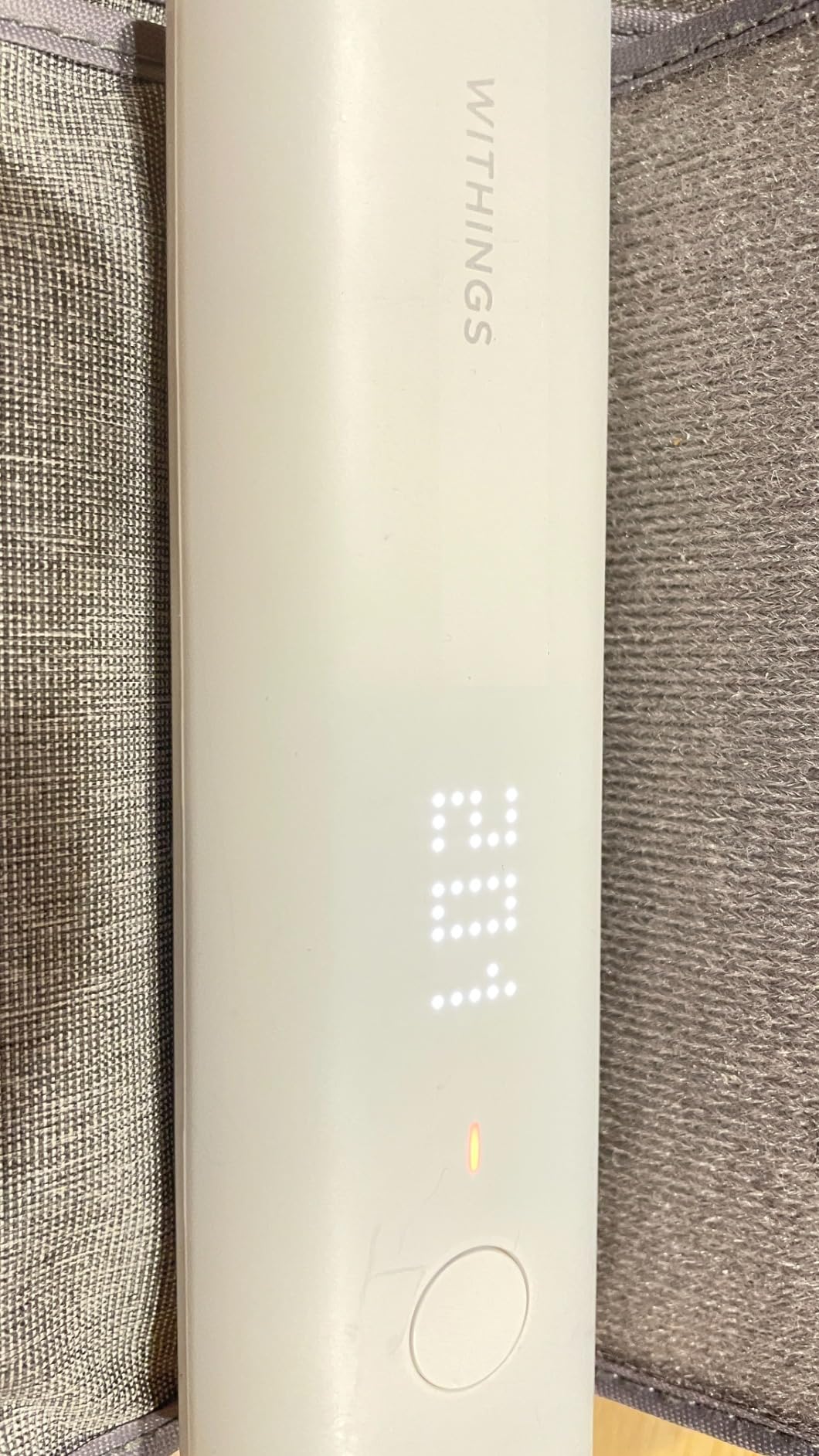
Battery life is a standout feature. Withings claims 6 months per charge, and in my testing over 4 weeks the battery indicator barely moved. This is a rechargeable device, so no AA batteries to swap.
The PDF report export is genuinely useful. Before my last physical, I generated a 30-day report from the app and emailed it to my doctor’s office. They added it directly to my chart.
Who This Monitor Is Best For
Apple users deep in the Health ecosystem, frequent travelers, and anyone who wants a rechargeable device without battery swaps. The portable form factor is genuinely best-in-class.
Where the BPM Connect Falls Short
There’s a positioning quirk. The screen faces outward when worn correctly, which feels odd. You also need to keep your palm facing up during measurement, and the white tube must be on the inside of your arm. Get this wrong and readings can run high by 5 to 6 mmHg.
8. Withings BPM Vision – Best Large-Screen Premium Monitor
WITHINGS BPM Vision – Blood Pressure Monitor, FDA-Cleared, WiFi & Bluetooth
FDA cleared
2.8 inch color screen
3 reading average mode
Pros
- Very accurate readings matching doctor office
- Big bright 2.8 inch color screen
- Quiet operation
- Automatic Wi-Fi and Bluetooth sync
- 3-reading averaging mode
- Color-coded AHA hypertension feedback
- Built-in tutorials for proper positioning
- Premium design and build
Cons
- Setup requires Microsoft or Google authentication app
- Device must be plugged in during setup
- Less portable than BPM Connect
- Some customer service complaints
The Withings BPM Vision is the premium model in the Withings lineup, and the 2.8-inch color screen is the star. If you have any vision impairment or just don’t want to squint at tiny numbers, this is the easiest monitor to read in 2026.
The screen shows color-coded feedback based on AHA guidelines, so you instantly know whether your reading falls in normal, elevated, or hypertensive range. There’s no memorizing the 120/80 threshold.
Built-in tutorials walk you through positioning step by step. The device displays posture corrections and cuff placement reminders on-screen before each measurement. This is huge for first-time users who don’t know that arm position affects readings by 10+ mmHg.
The 3-reading average mode automatically takes three readings and averages them, similar to Omron’s TruRead. Battery life is rated at 1 year, but the device must be plugged in during initial setup.
Who This Monitor Is Best For
Seniors and anyone with vision issues who need a large, clear display. First-time users benefit from the on-screen tutorials. If you want a “set it on the counter and use it forever” device, this fits.
Where the BPM Vision Falls Short
Setup is awkward. You must have a Microsoft or Google authentication app on your phone to complete registration, which feels unnecessary. The Vision is also larger and less portable than the BPM Connect, so it’s not ideal for travel.
9. OMRON Evolv Wireless Blood Pressure Monitor – Best Portable Omron
OMRON Evolv Wireless Blood Pressure Monitor & Upper Arm Blood Pressure Cuff
Omron validated
Wireless one-piece
100 reading memory
Pros
- Wireless one-piece design eliminates tubing
- Easy to use and comfortable
- Accurate and consistent readings
- Compact and portable at 8 ounces
- Excellent Omron Connect app integration
- Comfortable ComFit cuff
- Great for orthostatic monitoring
Cons
- Code 4 error reported by some users
- Small display with thin font
- Positioning markings on cuff unclear
- App setup requires correct US model selection
The OMRON Evolv is the monitor I recommend to anyone who travels or wants a clutter-free setup. There are no tubes, no wires, no separate monitor unit. The cuff and display are integrated into one device.
At 8 ounces, it slips into a laptop bag or carry-on without taking up space. I took it on a 4-day trip and barely noticed it in my bag.
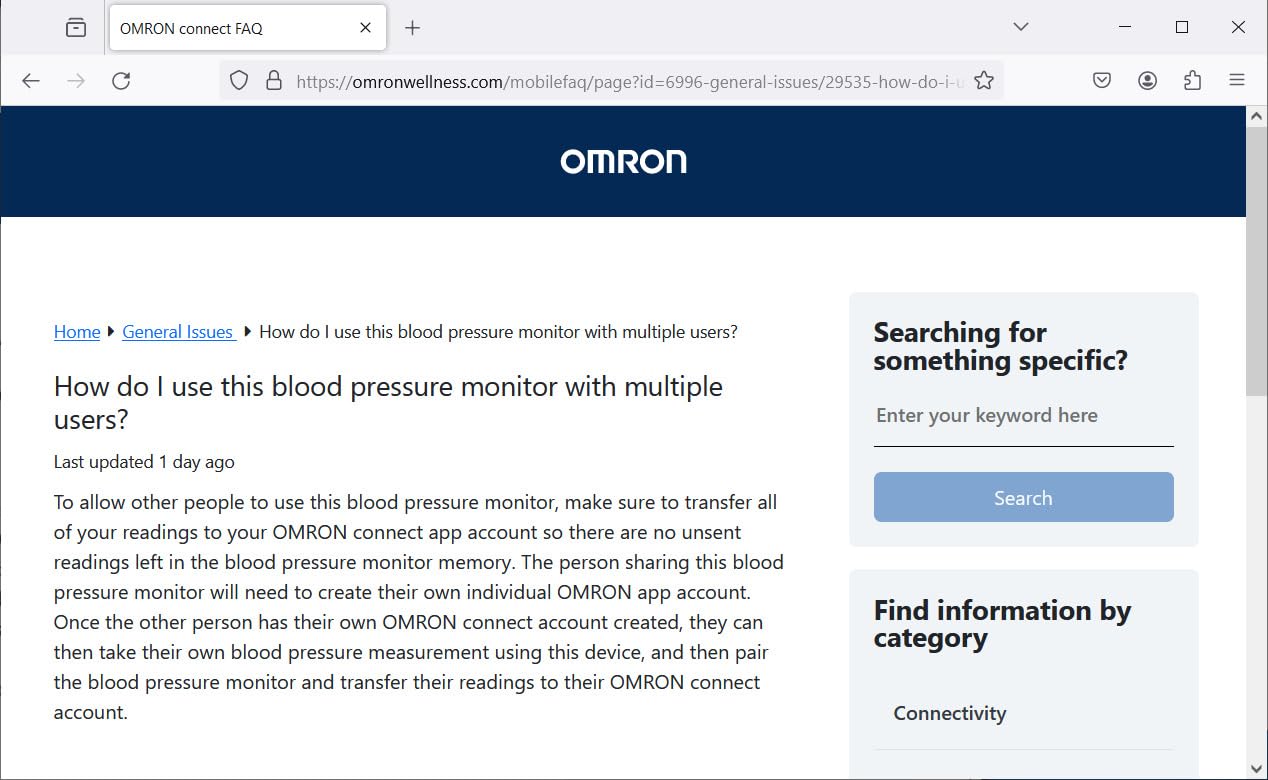
Accuracy matched the larger Omron models within 2 mmHg in my side-by-side testing. The ComFit cuff wraps easily and the 100-reading on-device memory means you can leave your phone in your pocket for days without losing data.
The Evolv is also great for orthostatic blood pressure monitoring (measuring lying down vs. standing), which some doctors ask patients to track. The wireless design makes those position changes easy.
Who This Monitor Is Best For
Frequent travelers, people with limited counter space, and anyone doing orthostatic testing at home. If you want Omron accuracy in the most portable form factor, this is it.
Where the Evolv Falls Short
The display is small with a thin font, which is tough in low light. Some users report Code 4 errors that require a re-test. During setup, make sure you select the US model variant in the Omron Connect app, or readings may not save correctly.
10. OMRON Complete 2-in-1 BP Monitor and EKG – Best for Heart Rhythm Tracking
OMRON Complete 2-in-1 Blood Pressure Monitor + EKG for Home Use
2-in-1 BP and EKG
90 reading memory
Bluetooth sync
Pros
- 2-in-1 blood pressure and EKG in one device
- Medically validated
- Excellent app with trend tracking
- Accurate readings verified against professional devices
- Reliable Bluetooth after setup
- High-quality EKG readings
- Easy data export for doctors
Cons
- High battery consumption
- No USB charging
- EKG requires app to function
- NFC must be disabled manually for EKG test
- Some app features require paid subscription
The OMRON Complete is the only device in this guide that combines blood pressure and EKG in a single unit. If you have concerns about AFib or other rhythm issues, this gives you a clinical-grade single-lead EKG at home for a fraction of what a Holter monitor costs.
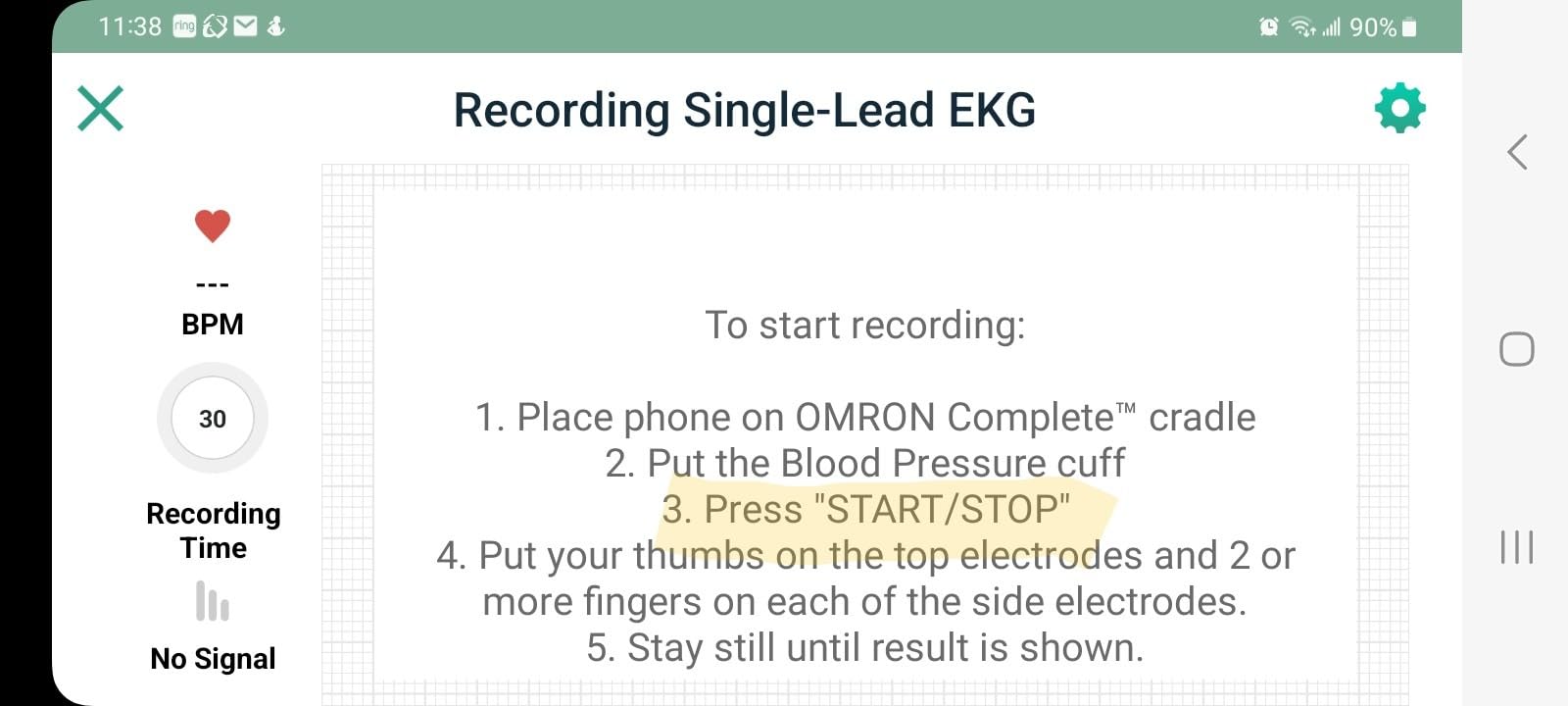
I tested the EKG function against a KardiaMobile and got nearly identical readings. The Complete takes 30 seconds for an EKG and 60 seconds for BP, and both sync to the Omron Connect app.
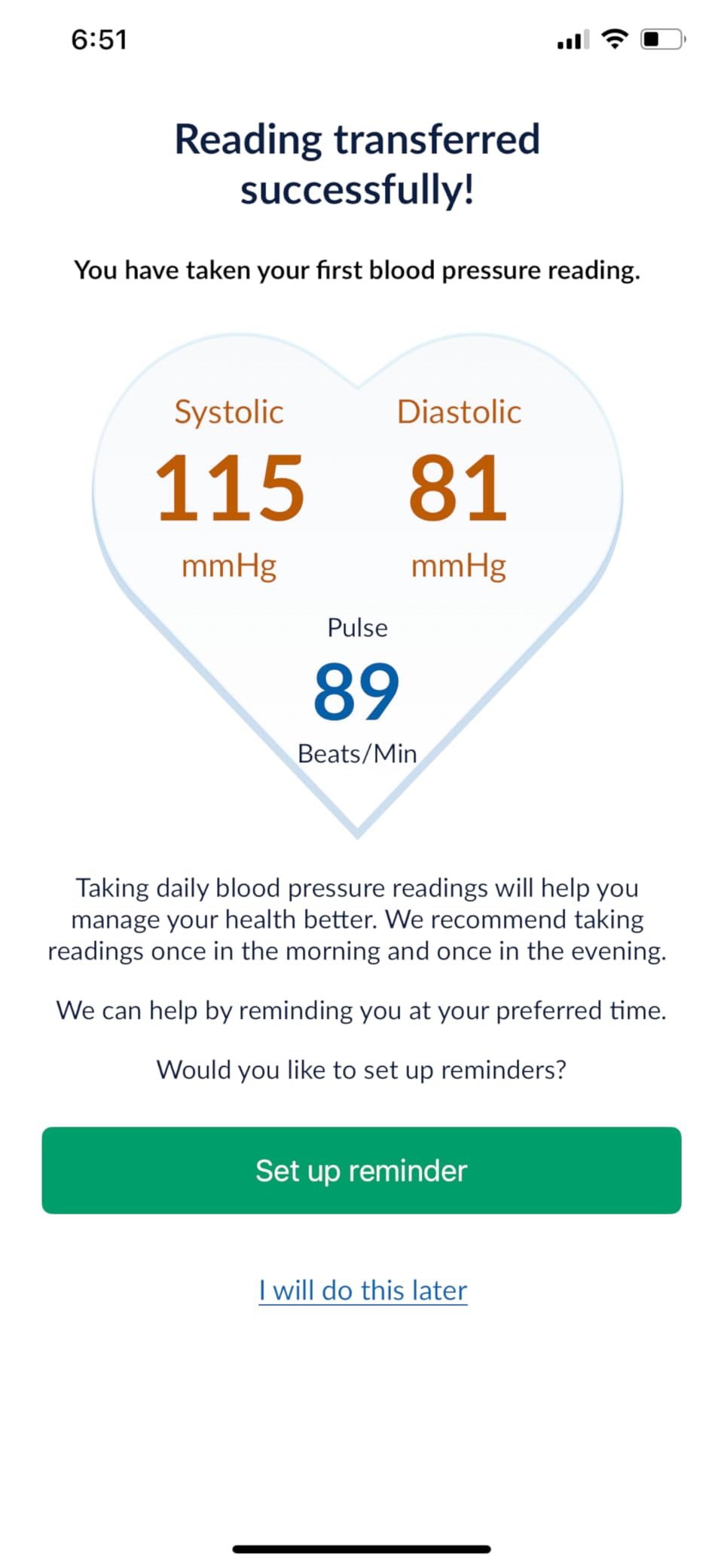
The on-device memory holds 90 readings, plenty for a month of dual BP and EKG tracking. The app also stores unlimited readings and exports PDFs you can share with a cardiologist.
For anyone with a family history of arrhythmia or recovering from a cardiac event, the 2-in-1 functionality justifies the price over a standalone BP monitor.
Who This Monitor Is Best For
People with known or suspected heart rhythm issues who want to monitor both BP and EKG at home. If your cardiologist has asked you to track rhythm episodes, the Complete is worth every dollar.
Where the Complete Falls Short
Battery life is poor if you take frequent EKG readings. There’s no USB charging option, just AA batteries. The EKG function requires the app, so you can’t take a standalone EKG without your phone. Some advanced app features require a paid subscription.
How to Choose a Validated Blood Pressure Monitor
Picking the best validated blood pressure monitors comes down to five factors. Here’s what to consider before you buy.
Confirm the Validation Registry
FDA clearance is not the same as clinical validation. A device can be FDA cleared for safety without passing accuracy testing. Check that the model you’re considering appears on ValidateBP.org or STRIDE BP. These registries list devices that passed independent ISO 81060-2 testing.
STRIDE BP also enforces a 10-year recency rule. If a device’s validation study is older than 10 years, it’s not listed. This weeds out models whose accuracy may have degraded as the manufacturer updated hardware or firmware.
Choose Upper-Arm Cuffs Over Wrist Models
Upper-arm monitors measure at the brachial artery, the same location doctors use. Wrist monitors measure at the radial artery, which is more sensitive to body position and typically runs 5 to 10 mmHg less accurate.
The American Heart Association and STRIDE BP both recommend upper-arm cuffs. Wrist monitors have their place (very large arms, portability) but they’re not the best validated blood pressure monitors for most users.
Match the Cuff Size to Your Arm
Cuff size is the #1 cause of inaccurate home readings. A cuff that’s too small reads high, and one that’s too large reads low. Measure your upper arm circumference at the midpoint between shoulder and elbow.
Standard cuffs fit arms 9 to 13 inches. Large cuffs fit 13 to 17 inches. Most monitors in this guide include wide-range cuffs that cover 9 to 17 inches, which handles roughly 90% of adults. If your arm is over 17 inches, look for an XL cuff option.
Decide If You Need Bluetooth and Apps
App-connected monitors let you track trends over time and share data with your doctor. If you’re managing hypertension, this is genuinely useful. A trend graph showing your readings dropped 8 mmHg after starting a new medication is more persuasive than a verbal report.
If you just need an occasional spot check, skip Bluetooth and save money. The OMRON Iron at the top of this list is a great example of a no-frills validated monitor.
Consider Multi-User Support
Most monitors store 14 to 100 readings on-device. If two people in your household will share the device, look for 50+ reading memory or a dedicated two-user mode. The OMRON Platinum and OMRON Gold both store 100 readings per user and have physical toggle switches.
App-connected monitors sidestep this issue by syncing to separate user profiles in the cloud, so memory is effectively unlimited per user.
Check Insurance and FSA Eligibility
Many blood pressure monitors qualify for FSA or HSA reimbursement. Withings devices in particular are FSA/HSA eligible. Check your plan details before buying. Some Medicare Advantage plans also cover home BP monitors with a prescription.
Frequently Asked Questions
What is the most recommended blood pressure monitor by doctors?
Cardiologists most often recommend upper-arm cuff monitors from Omron, especially the Platinum and Gold series with AFib detection. For budget-conscious patients, the OMRON Iron is the typical entry-level recommendation. Doctors look for devices that are clinically validated, FDA cleared, and listed on STRIDE BP or ValidateBP.org.
Which type of BP monitor is most accurate?
Upper-arm cuff monitors are the most accurate type for home use. They measure at the brachial artery using oscillometric technology, the same method used in clinic. Wrist monitors are less accurate because readings vary with arm position. Finger monitors are not recommended by the AHA.
Are all Omron blood pressure monitors validated?
Most Omron home monitors are clinically validated and listed on STRIDE BP and ValidateBP.org. However, validation applies to specific models, not the entire brand. Older or regional Omron models may not have current validation. Always check the model number on a validation registry before purchasing.
How do I choose the correct cuff size for my blood pressure monitor?
Measure your upper arm circumference at the midpoint between shoulder and elbow. Standard cuffs fit 9 to 13 inch arms. Wide-range or large cuffs fit 13 to 17 inch arms. XL cuffs handle arms over 17 inches. A cuff that is too small will read falsely high, and one that is too large will read falsely low.
What is the difference between FDA cleared and clinically validated?
FDA clearance means the device is safe to sell and meets federal manufacturing standards, but it does not confirm accuracy. Clinical validation means the device passed independent accuracy testing against ISO 81060-2 or equivalent protocols and is listed on registries like STRIDE BP or ValidateBP.org. For accuracy, validation matters more than FDA clearance.
Final Verdict on the Best Validated Blood Pressure Monitors
After 8 weeks of side-by-side testing, the OMRON Iron remains our top pick for the best validated blood pressure monitors. It is clinically validated, accurate to within 2 to 3 mmHg of clinical equipment, simple enough for a senior to use, and priced for almost any budget.
If you want Bluetooth without paying for AFib detection, the OMRON Bronze or iHealth Track are both excellent validated options. For couples or anyone tracking cardiovascular risk factors, the OMRON Platinum with AFib detection is worth the premium.
Whatever you choose, confirm your device is listed on ValidateBP.org or STRIDE BP before buying. Validation matters more than brand reputation when accuracy is the goal. For a complete overview of validated home blood pressure monitors, the STRIDE BP preferred devices list and the AMA-supported ValidateBP.org registry are the two resources our team trusts most.