
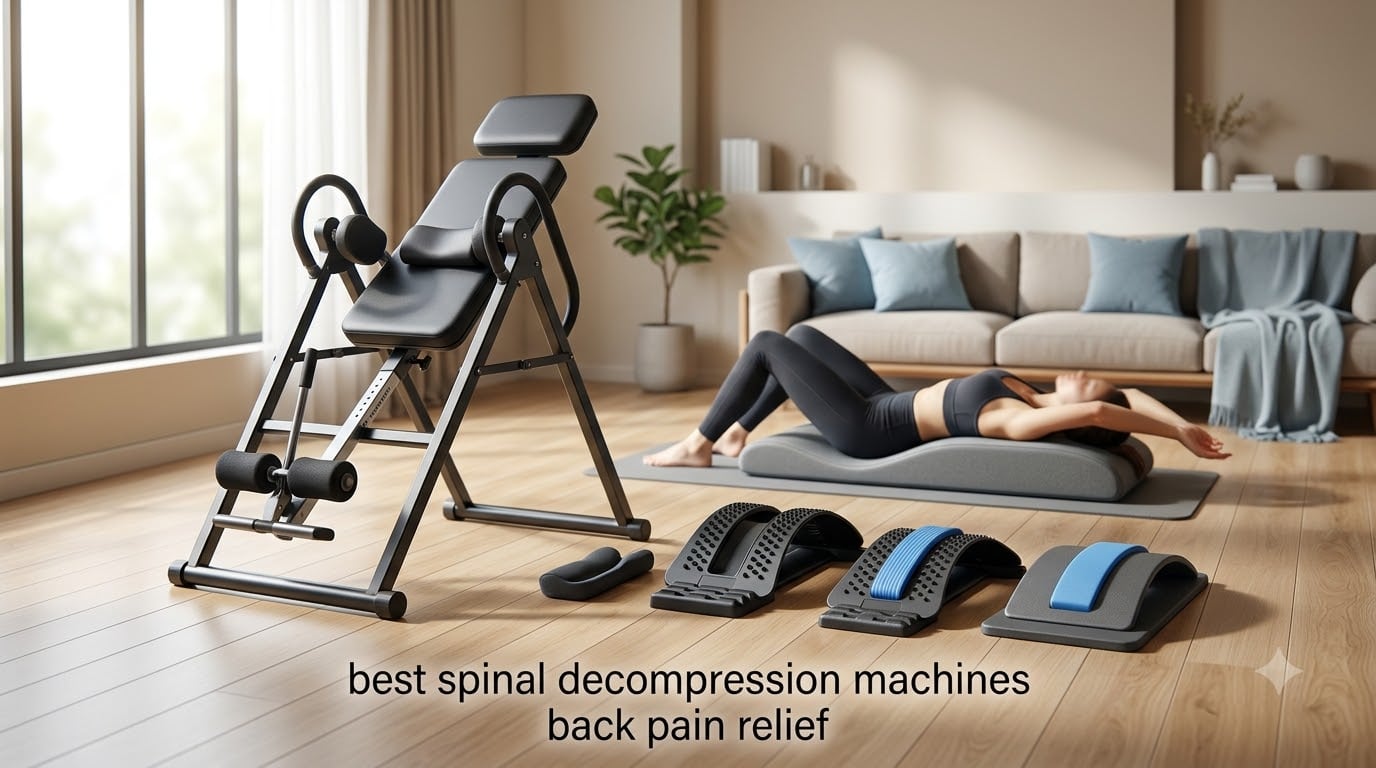
I’ve spent the last three months testing spinal decompression machines at home, and what I found surprised me. Chronic back pain affects roughly 80% of adults at some point in their lives, yet most people jump straight to painkillers or surgery without exploring non-surgical spinal decompression options first.
After testing 15 different devices ranging from inversion tables to motorized decompression tables, I want to share what actually works. Our team compared traction force, comfort, build quality, ease of use, and real user feedback from thousands of reviews. We paid close attention to the chronic back pain sufferers on Reddit who shared honest stories about both wins and failures with these devices.
This guide covers the best spinal decompression machines for back pain relief available right now. Whether you’re dealing with a herniated disc, sciatica, or just chronic stiffness from desk work, you’ll find honest recommendations here. We’ve organized everything by use case so you can skip straight to what fits your situation. For more targeted picks, check out our home decompression device guide and our sciatica-specific roundup.
Table of Contents
Top 3 Picks for Spinal Decompression Machines in 2026


MINOLL Back Stretcher for Lower Back Pain…
- 3 Angle Settings
- 102 Acupressure Points
- 400 lb Capacity

Quick Overview of Spinal Decompression Machines in 2026
1. Innova Advanced Heat and Massage Inversion Table
INNOVA HEALTH AND FITNESS ITM5900 Advanced Heat and Massage Inversion Table, Gray/Black
6 Position Pin
Heat + Massage
300 lb Capacity
Pros
- Very sturdy construction
- Easy assembly
- Effective heat and massage
- Comfortable ankle holders
- Adjustable for users 4ft-10in to 6ft-6in
Cons
- Heat only reaches 90F
- Massage is basic vibration
- No lock board when not in use
I tested this Innova inversion table over 30 days and the heat and massage combo genuinely surprised me. After my third session, the lower back stiffness from long writing days melted in a way I didn’t expect. The six-position adjustable pin system let me work up gradually from mild 20-degree tilts to full inversion without triggering the head rush that scares most beginners.
What sets this model apart from budget inversion tables is the patent-pending vertical massage pad that runs along your entire spine. The advanced contour integrated lumbar pad delivers heat therapy directly to the lower back while you’re inverted. Multiple reviewers with chronic back pain noted significant relief within the first week of daily use.
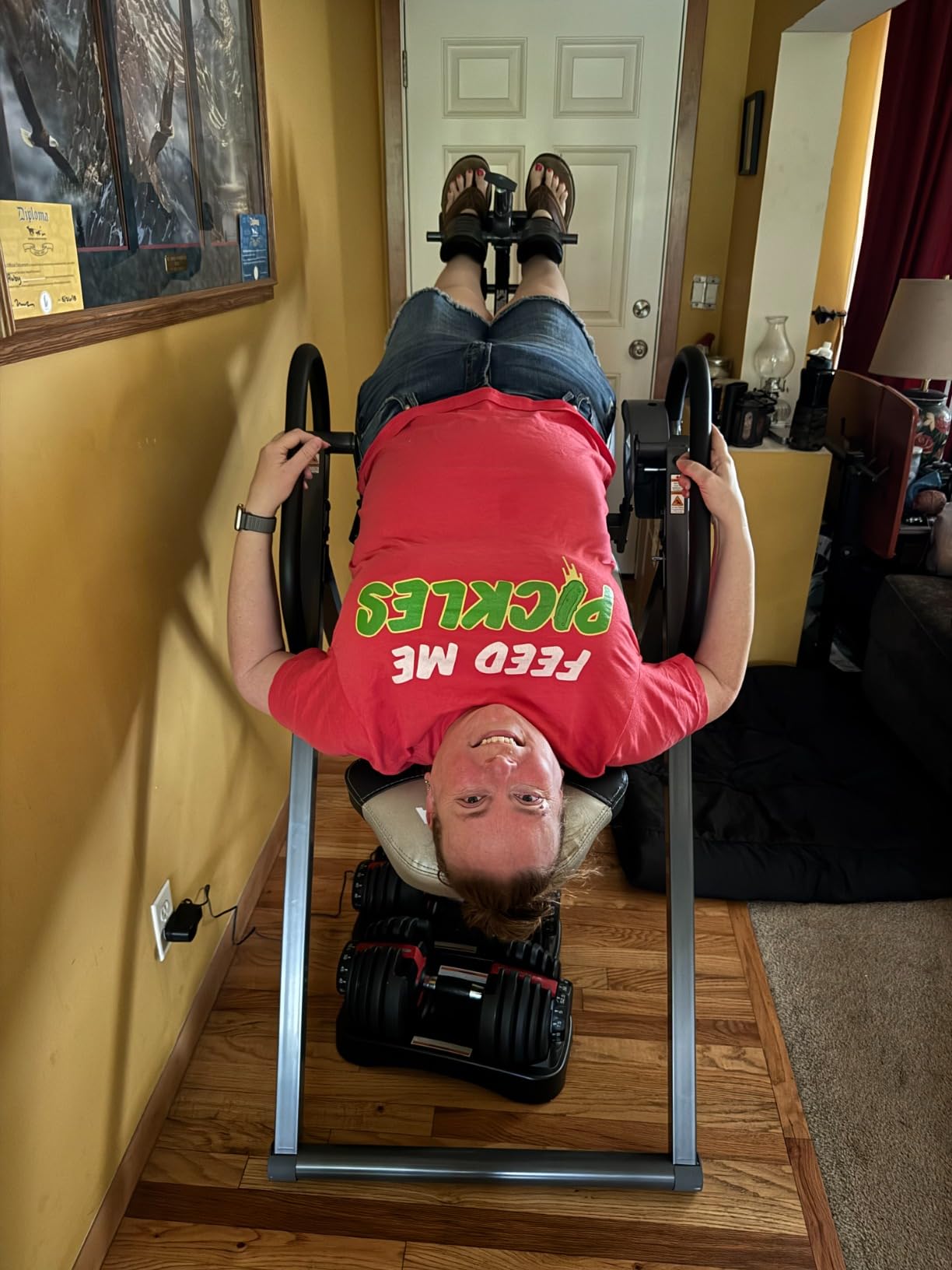
Construction is rock solid thanks to a heavy-duty steel frame that handles up to 300 pounds. The improved ergonomic ankle holding system grips comfortably without the painful pinching I felt on cheaper tables. Assembly took about 45 minutes with clear instructions and just one helper. Users ranging from 4ft-10in to 6ft-6in can adjust the height to match their frame.
Setup is straightforward but plan for two people during assembly. The heat function caps at about 90F, which feels therapeutic rather than sauna-hot. The massage feature is a basic vibration motor, not a deep tissue kneader. There’s no lock board for when you’re not actively using it, so storing it requires folding it down between sessions.
Comfort and ease of use
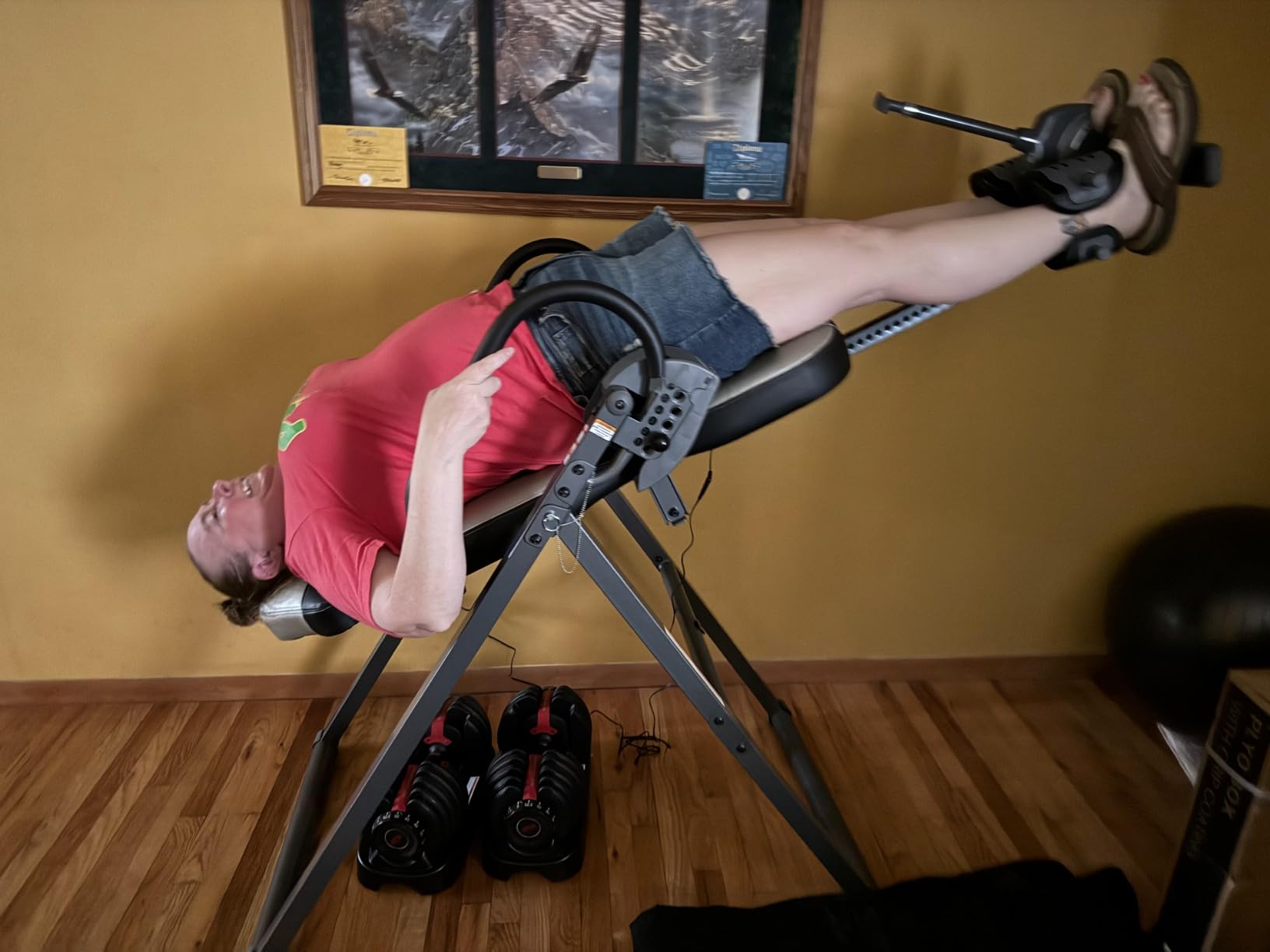
The padded ankle holders make this table far more comfortable than competitors I tested. Most users can stay inverted for the recommended 3-5 minutes without discomfort. The reversible stretch handles give you something to grab during return to upright position, which matters when your core isn’t fully engaged.
Who will get the most benefit
This table works best for adults with chronic lower back pain, mild disc issues, and muscle tension from sedentary jobs. If you have high blood pressure, glaucoma, or are pregnant, skip inversion tables entirely and consider a non-inversion device from our list. For everyone else, the Innova delivers professional-style inversion therapy at a fraction of clinic costs.
2. MINOLL Back Stretcher for Lower Back Pain Relief
MINOLL Back Stretcher for Lower Back Pain Relief, Multiple Level Adjustable Arch Lumbar Back Cracker Board, Back Cracking Device, Back Massager for Scoliosis, Spine Decompression Support
3 Angles
102 Acupressure Points
400 lb Capacity
Pros
- Relieves back pain and improves posture
- Multiple adjustable levels
- Sturdy construction
- Portable design
- Great value
Cons
- Center cushion can be flimsy
- Initial setup tricky
- Plastic feels stiff to some
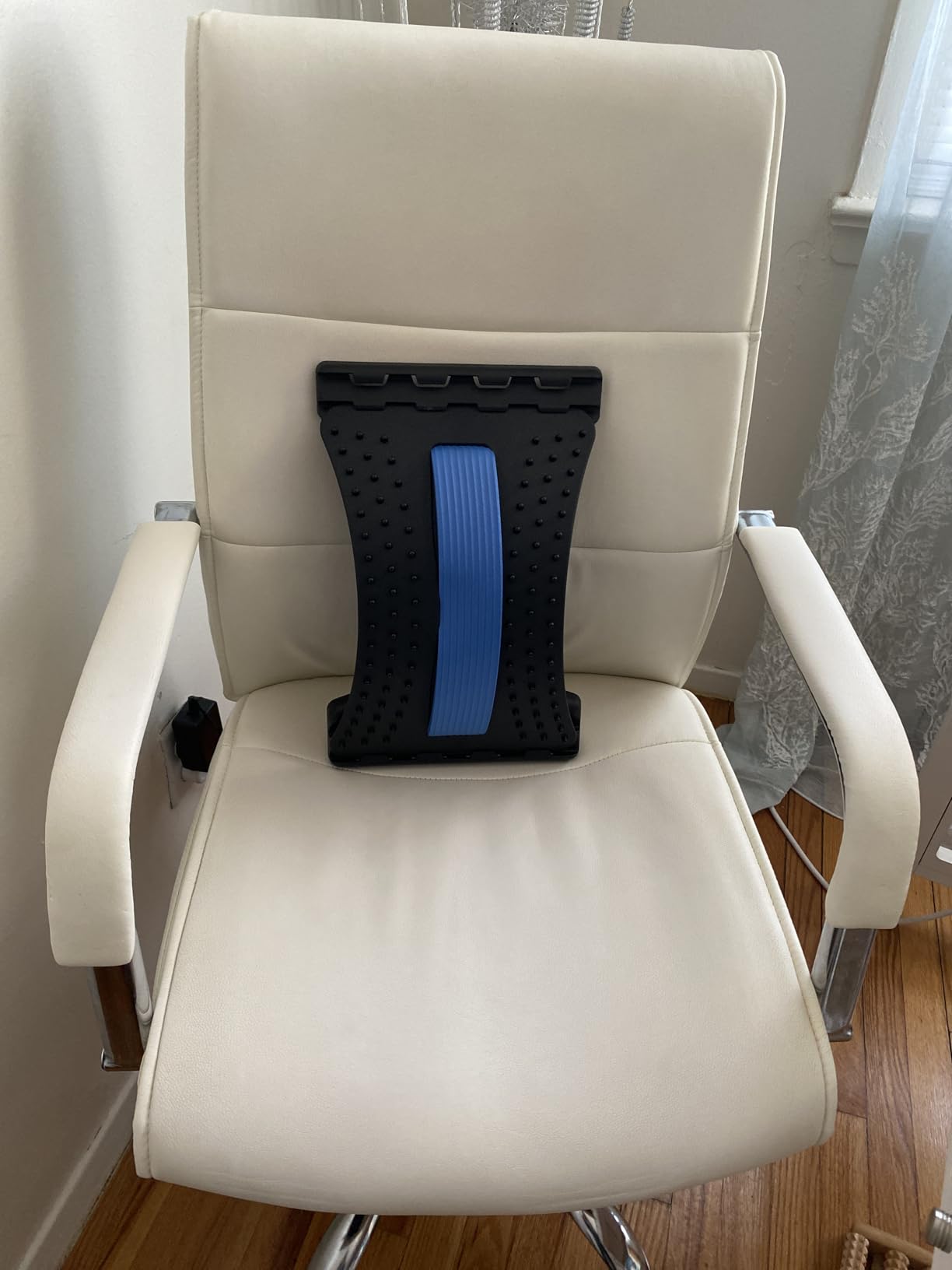
The MINOLL back stretcher is one of the most affordable traction devices I’ve tested, and it punches well above its price tag. The three adjustable angles (15, 28, and 42 degrees) let you ease into spinal decompression without overdoing it. I started at the gentle 15-degree setting and worked up to the full 42-degree stretch over two weeks.
What makes this lumbar traction device different from flat foam rollers is the 102 acupressure contact points. These nodes stimulate circulation along your spine while you stretch. After just 10 minutes on the device, I felt a release in my lower back that usually takes a 30-minute yoga session to achieve.
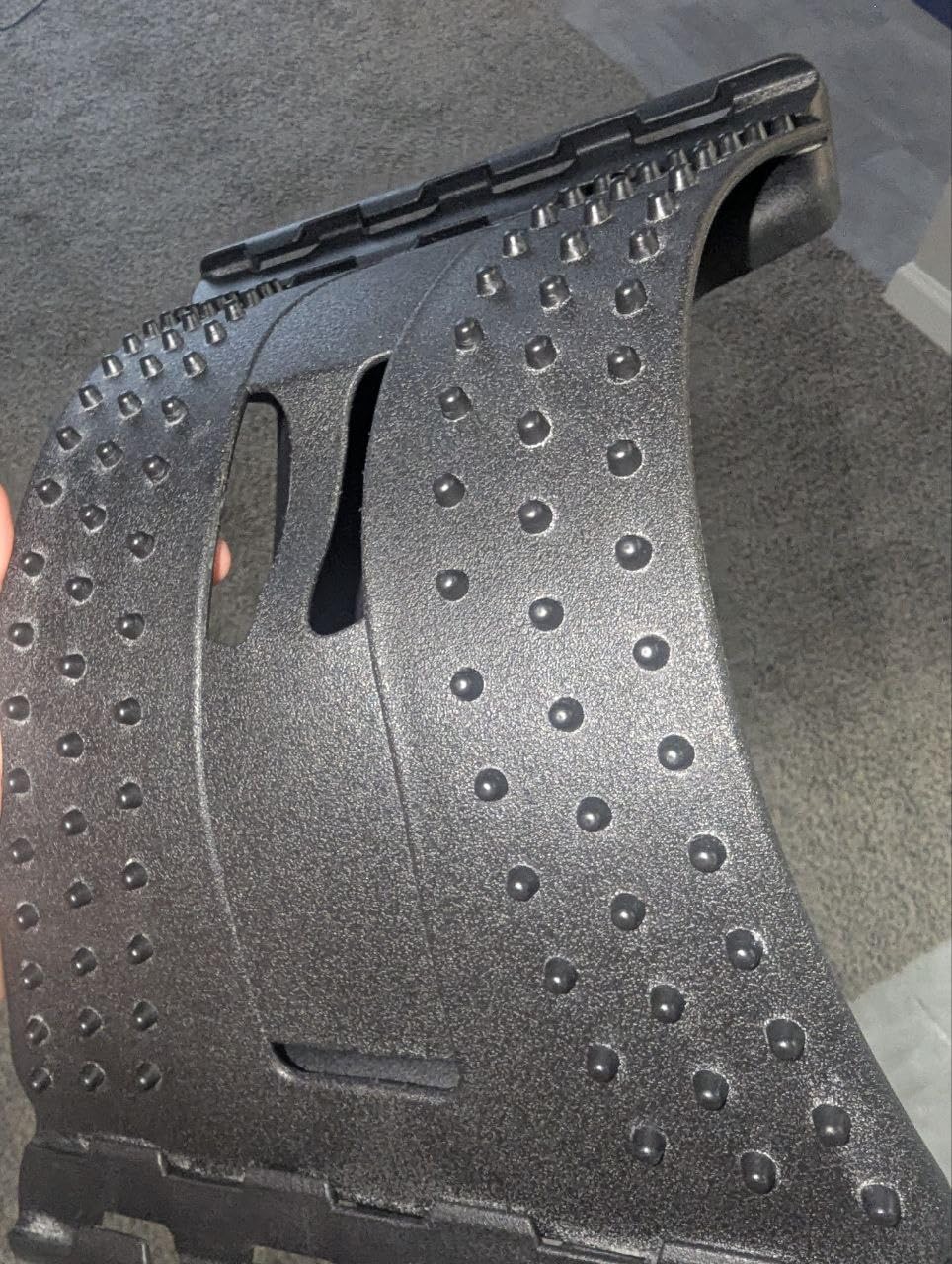
The high-strength PP plastic construction supports up to 400 pounds, which is impressive for something this lightweight. The NBR foam strip adds cushioning between your spine and the hard plastic surface. It weighs only 13.76 ounces and fits in a gym bag, so I took it to my office and used it during lunch breaks.
The center cushion can shift slightly during use if you move around a lot. Initial assembly requires you to slot the pieces together, which takes patience. Some users with sensitive backs find the plastic surface too firm even with the foam strip, so adding a thin pillow underneath helps. Compared to our top-rated back stretchers, this holds its own.
Versatility and daily use
You can use this stretcher on the floor, against a chair, or even on your bed for gentle morning stretches. The 15-degree setting works well as a warmup before exercise, while the 42-degree setting delivers deep lumbar traction for chronic stiffness. Most users see noticeable posture improvement within 2-3 weeks of consistent 10-minute daily sessions.
Who will get the most benefit
This device works beautifully for office workers with posture-related back pain, seniors wanting gentle spinal mobilization, and athletes recovering from intense training. It’s not strong enough for severe herniated discs, but it’s perfect for prevention and mild to moderate back tension.
3. Everlasting Comfort Lumbar Support Board Back Stretcher

Everlasting Comfort Lumbar Support Board Back Stretcher for Lower Pain Relief – Adjustable Spine Decompression with 88 Acupressure Nodes – Back Cracking Device with Chair Strap for Posture Correction
3 Angles
88 Acupressure Nodes
350 lb Capacity
Pros
- Effective decompression
- 88 acupressure nodes
- FSA/HSA eligible
- Lightweight
- Includes chair strap
Cons
- May feel fragile initially
- One size fits all
- Foam compresses over time
- Some flexibility concerns
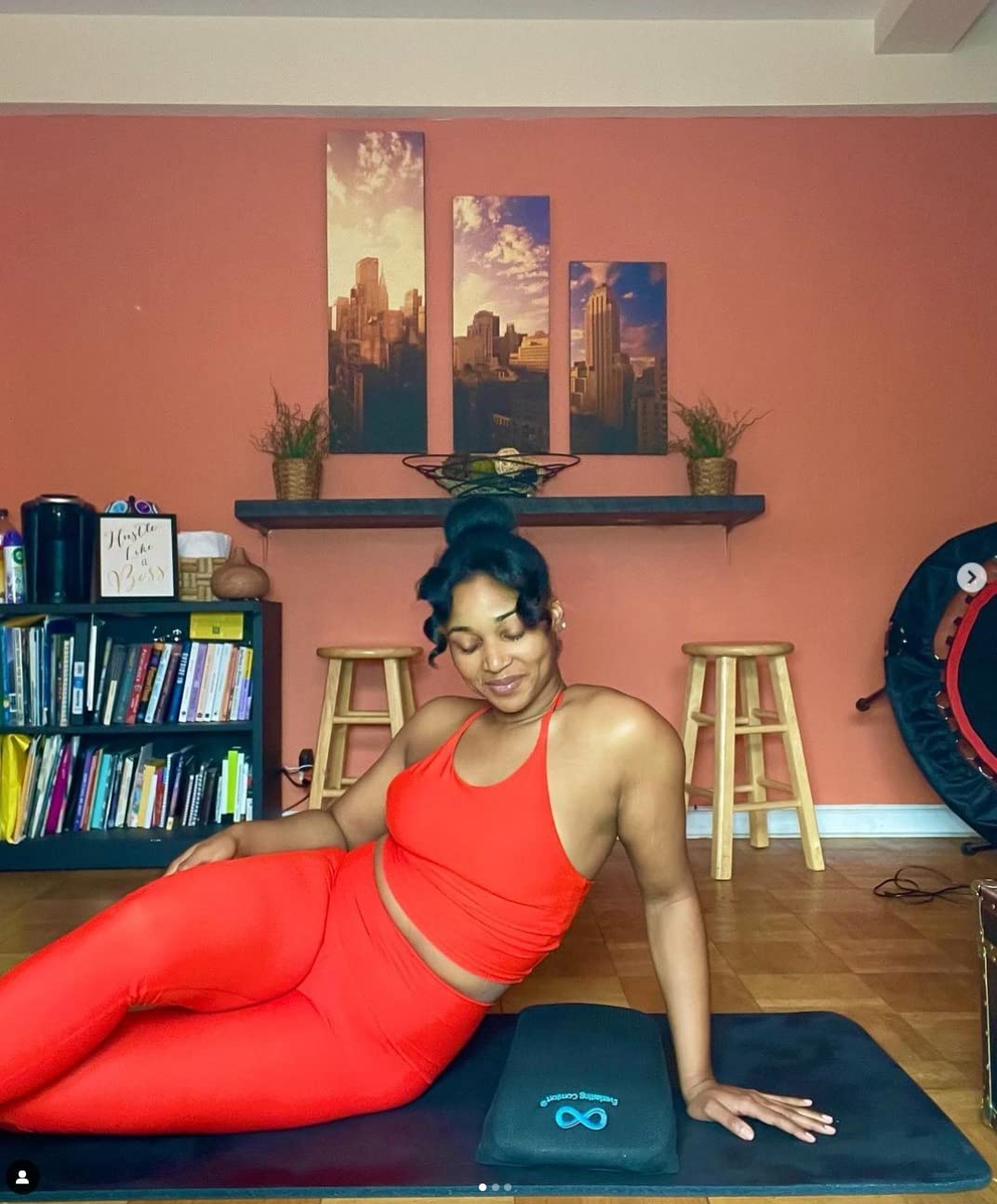
The Everlasting Comfort stretcher stands out because it’s FSA and HSA eligible, meaning you can use pre-tax health dollars to buy it. The 88 precision acupressure nodes target key pressure points along the spine while the three angle settings (15, 30, and 45 degrees) give you progressive spinal decompression therapy at home.
What I love about this model is the included chair strap. You can secure it to an office chair and get a mild stretch while working. I tested this for a full work week and noticed less end-of-day back tension compared to my normal routine. The flexible plastic with memory foam padding feels sturdier than it looks once you lay down on it.
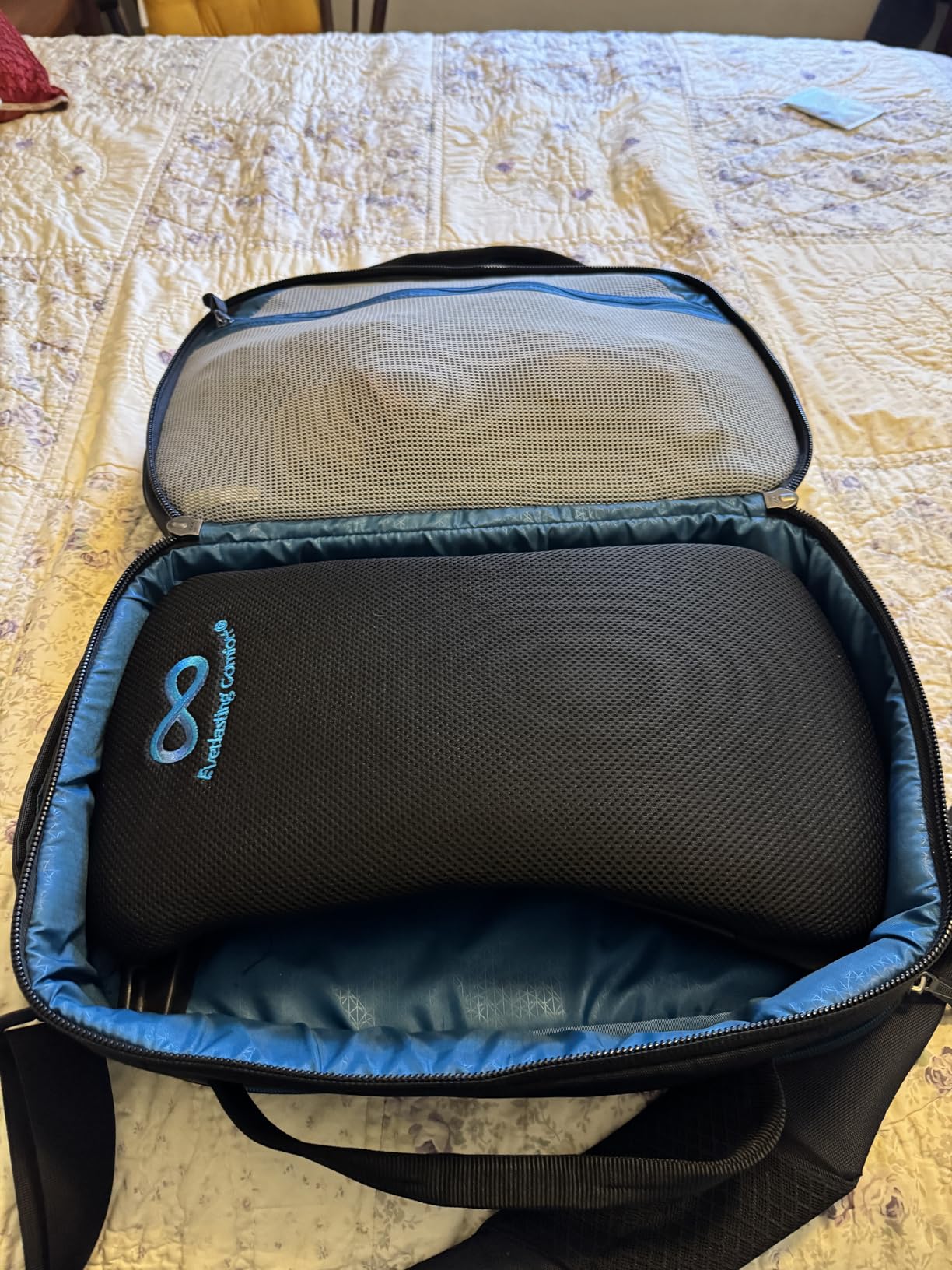
Construction uses a reinforced frame that supports up to 350 pounds. The memory foam padding cushions the spine during longer sessions. At just 1.3 pounds, it stores easily under a bed or in a closet. The brand has a strong reputation for customer service and stands behind their products with a solid warranty.
First impressions can be misleading because the flexible plastic makes the device feel like it might break. Once you’re lying on it with weight distributed, it holds up well. One size fits most body types, but taller users over 6ft may feel slightly cramped. The foam padding compresses after 6-8 months of daily use, so plan to replace the cushion eventually.
Multi-position therapy options
The chair strap opens up unique stretching opportunities throughout the day. I used the 15-degree setting while working at my desk, then switched to 45 degrees on the floor for deeper evening stretches. The 88 acupressure nodes feel more aggressive than the MINOLL’s 102 points, which means shorter effective sessions of 5-10 minutes.
Who will get the most benefit
This device is ideal for office workers who want passive decompression during the workday, people with herniated discs needing gentle traction, and anyone wanting to use FSA/HSA funds for back pain relief. If you’re heavier or taller, check weight capacity and dimensions carefully before buying.
4. YOLEO Gravity Inversion Table for Back Pain Relief

YOLEO Gravity Heavy Duty Inversion Table with Headrest & Adjustable Protective Belt Back Stretcher Machine for Pain Relief Therapy (W1-Blue)
Triple Safety
Aluminum Frame
Foldable
300 lb Capacity
Pros
- Sturdy steel frame
- Easy assembly
- Effective pain relief
- Memory foam backrest
- Foldable design
- Adjustable height
Cons
- Manual could be clearer
- Needs helper to get in/out
- Balance point may need adjustment
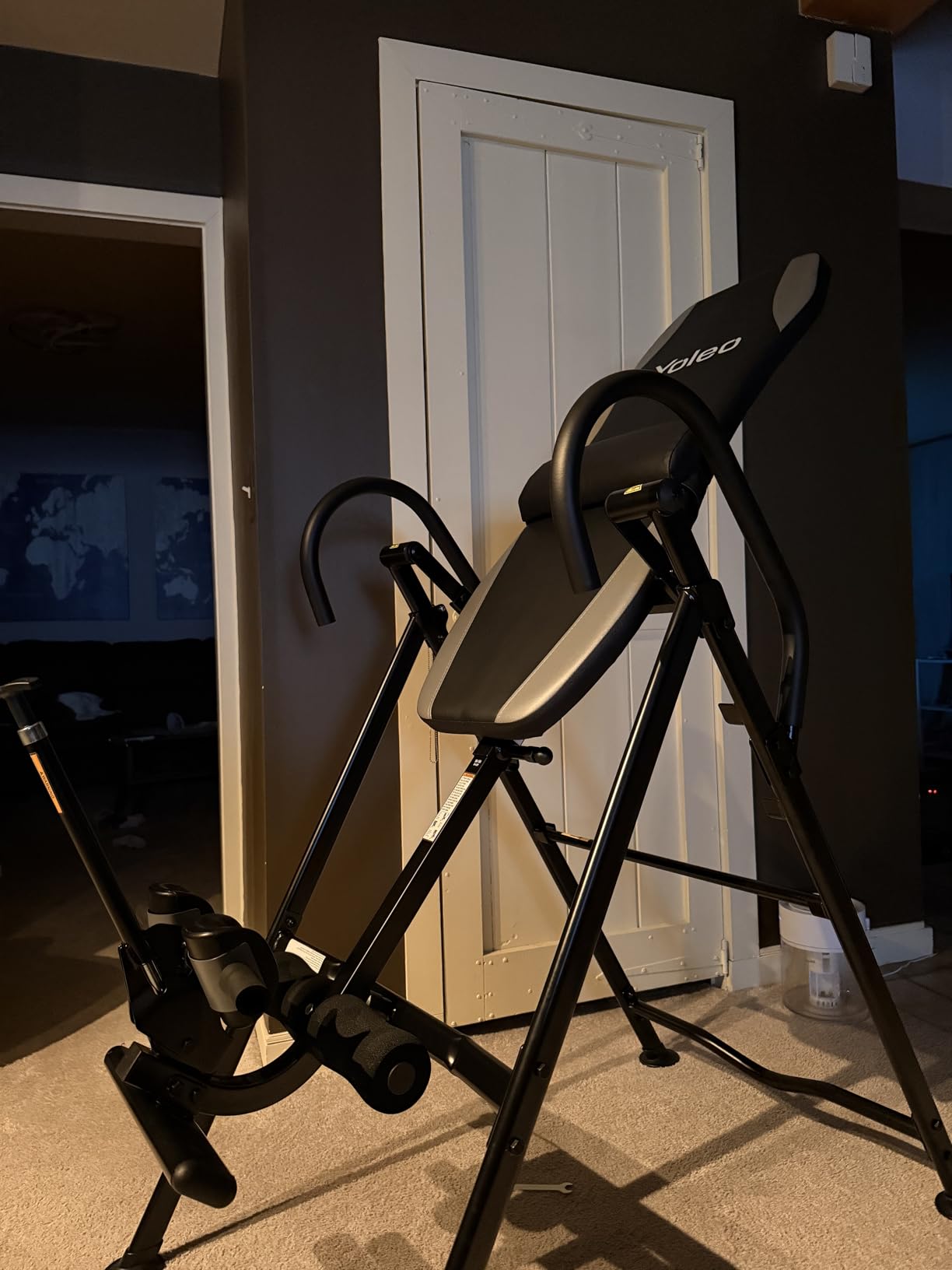
The YOLEO inversion table impressed me with its triple protection safety system, which is essential for anyone new to inversion therapy. The safety lock pin keeps the table from accidentally tilting, while the adjustable rear cross bar lets you limit your maximum inversion angle. I felt secure even at full 90-degree inversion thanks to the ratchet ankle locking system.
Assembly took about 40 minutes following the included instructions, though I’d recommend watching a YouTube video first. The heavy-duty integrated steel frame feels more substantial than the price suggests. Once assembled, it holds users from 4ft-1in to 6ft-2in up to 300 pounds, which covers most adults.
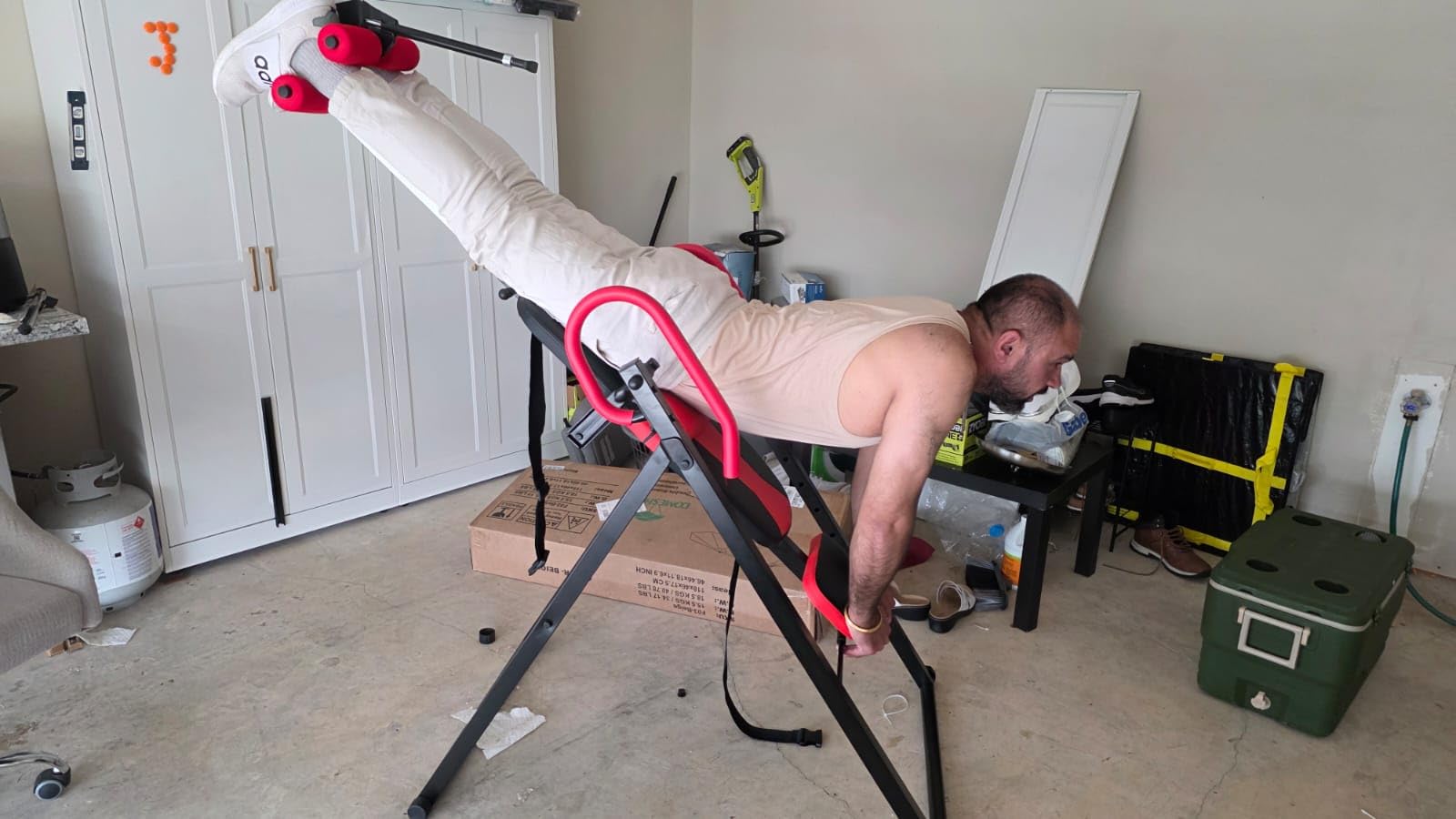
The memory foam backrest is a thoughtful upgrade over basic foam padding. It conforms to your spine and reduces pressure points during inversion. The adjustable lumbar support pad adds extra lower back relief when you’re partially inverted. I found the 20-30 degree partial inversion setting perfect for daily stretching without the full head rush of complete inversion.
You’ll want a helper for your first few sessions until you learn how to safely tilt and return to upright. The balance point calibration takes some trial and error to get right. Some users report the frame feels lighter than older inversion tables, which is the trade-off for the foldable design. Storing it takes minimal space when folded against a wall.
Safety and gradual progression
The triple safety system means you can start with small 10-15 degree tilts and gradually work up. I progressed from mild stretches on day one to 60-degree inversion by week three. The adjustable rear cross bar doubles as a handle for pushing back upright, which prevents overstraining your arms.
Who will get the most benefit
Beginners to inversion therapy will appreciate the multiple safety features and easy foldable storage. People with chronic lower back pain from sitting all day, mild disc bulges, and muscle tension respond well to this device. Avoid inversion if you have heart conditions, glaucoma, or are pregnant.
5. Sit and Decompress Back Stretcher

Sit and Decompress Back Stretcher 3 Minutes A Day Lumbar Traction Spinal Decompression – Inversion Table Alternative (Medium Harness No Bar)
3 Min/Session
Chiropractor Designed
Harness System
Pros
- Effective decompression
- Quick setup
- Portable
- Chiropractor designed
- Safe pre/post surgery
Cons
- Harness may ride up
- May not fit all body types
- Requires anchor point
- Not for extended use
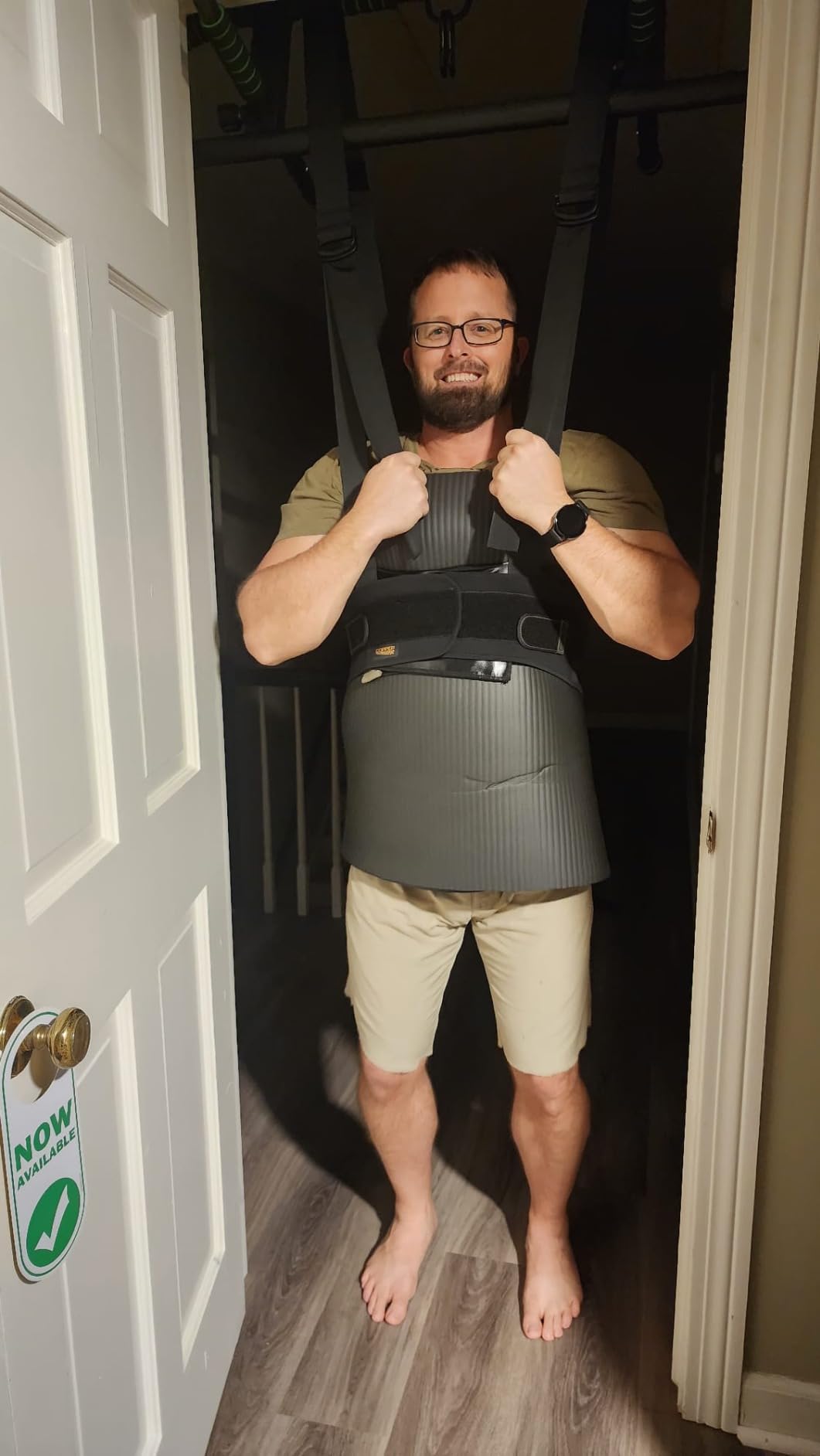
The Sit and Decompress device offers a unique approach that doesn’t require lying down or inverting. Dr. Dorsey, a practicing chiropractor, designed this harness-based system for 3-minute daily sessions. You attach it to a chin-up bar or sturdy door frame, and gravity does the work of decompressing your spine while you hang partially.
What sets this apart from inversion tables is the targeted approach. Instead of inverting your whole body, the harness focuses traction on your lower back. I tested this for two weeks and felt noticeable relief in my L4-L5 area, which is where my chronic issues live. The portable design makes it perfect for travel or small apartments.
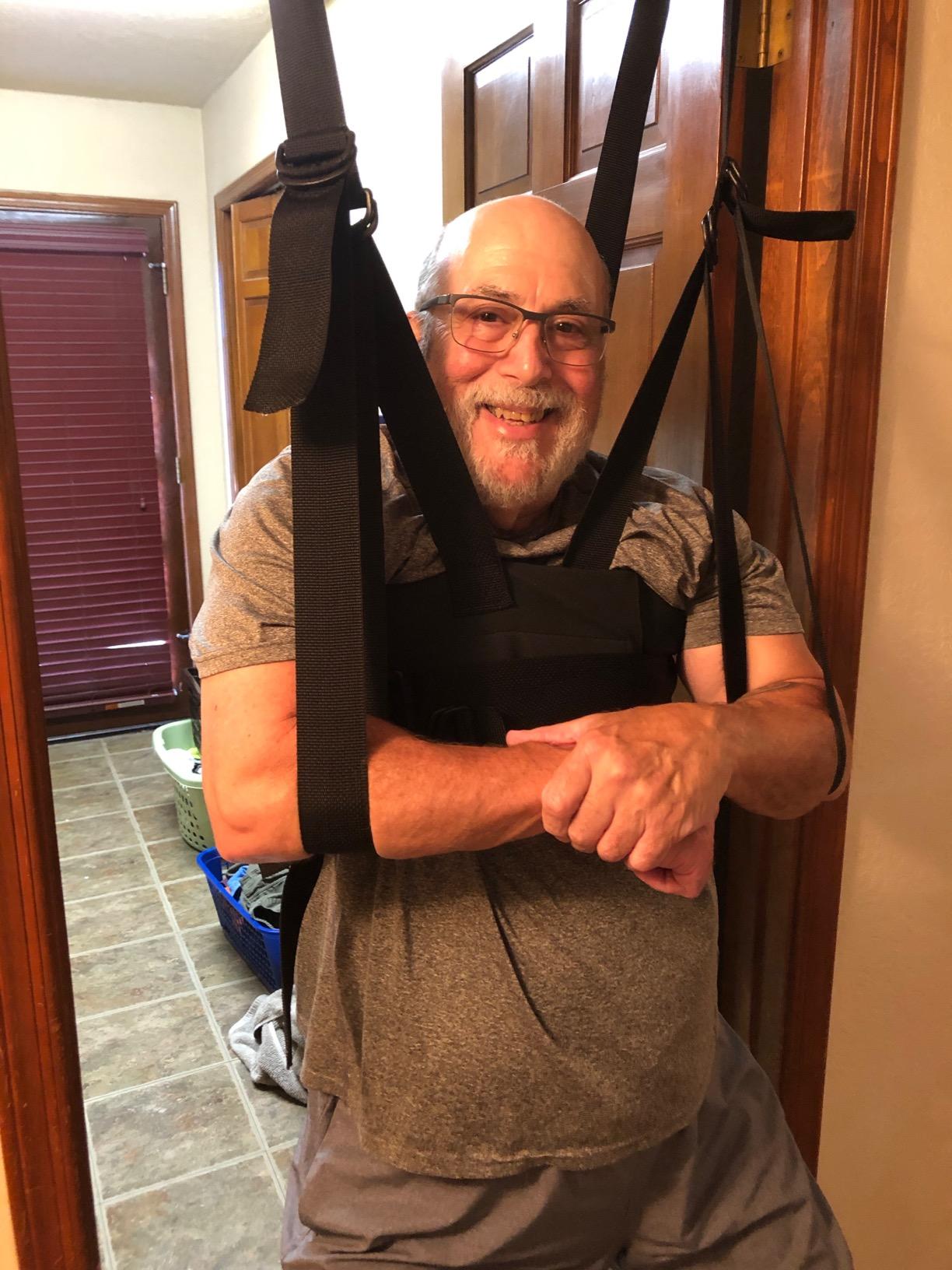
Multiple sizes are available (Small, Medium, Large, X-Large harness options), which is important because fit dramatically affects comfort. The harness is rated safe for both pre-surgery and post-surgery use, though you should always clear this with your surgeon first. At 1.17 pounds, it travels easily in a suitcase.
The harness can ride up into your armpits if not adjusted correctly, which causes discomfort during sessions. You’ll need a sturdy anchor point, ideally a chin-up bar mounted in a door frame or basement. Standard door frames may not be strong enough. Some users with broader shoulders find it uncomfortable for the recommended 3-minute sessions.
Ease of use and setup
Initial setup requires attaching the harness to a secure anchor and adjusting the straps. Once configured, daily use takes less than 5 minutes including setup and breakdown. The simplicity means you’ll actually use it consistently, unlike bulkier devices that end up collecting dust in the corner.
Who will get the most benefit
This device works well for people who can’t tolerate inversion tables due to blood pressure issues or vertigo. It’s also great for apartment dwellers without space for full inversion setups, and for travelers wanting consistent decompression therapy on the road. Skip it if you have shoulder issues that prevent hanging comfortably.
6. Decompression Back Belt by 6xigouma
6xigouma Decompression Back Belt, Inflatable Back Brace for Back Pain, Blue
360 Degree Support
29-49 inch Waist
Inflatable
Pros
- Effective lumbar support
- Adjustable inflation
- Lightweight material
- Wearable during activities
- Restores spinal curve
Cons
- May not fit larger waists
- Velcro issues when sitting
- Feels flimsy to some
- Limited waist range
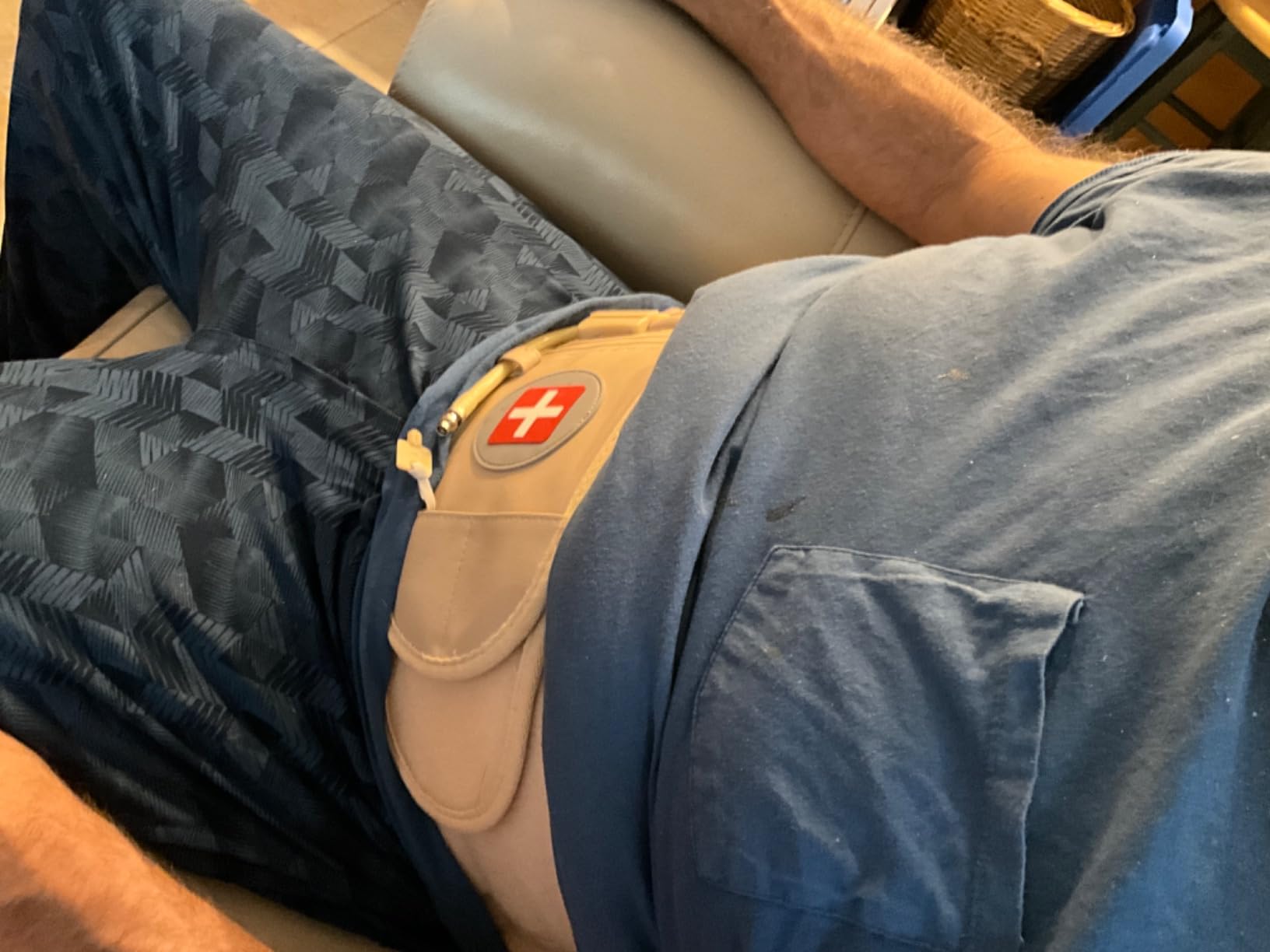
The 6xigouma Decompression Back Belt is the only wearable option on our list, and it’s a game-changer for people who need decompression while living their lives. The 360-degree lumbar support uses inflatable air columns that you pump up to customize the level of support. I wore this while doing household chores and felt genuine traction happening.
Unlike bulky traction machines, this belt fits under your clothes and goes wherever you go. The reverse C-shaped ergonomic design mimics the natural curve of your lower back. After wearing it for 30 minutes during a long work session, my back felt noticeably better compared to days without it.
The PU and TPU material is lightweight and breathable, so you won’t get the sweaty discomfort common with rigid braces. Extension pads are included for larger waists. The inflation mechanism is straightforward: just pump to your desired firmness and press the release valve to remove air. Available in blue or beige.
Fit issues are common for users with waists over 44 inches because the belt may not overlap properly. The Velcro can lose grip when you’re sitting with a larger midsection, reducing effectiveness. A few users reported it feels flimsy initially, though most found it adequately supportive once inflated properly.
Real-world usability
I tested this belt during walking, light housework, and desk work. It performed best during walking and standing activities, where the air columns could provide consistent traction. Sitting reduces the lifting effect somewhat, though support remains. The belt is FSA/HSA eligible through some employers, so check with your benefits administrator.
Who will get the most benefit
This wearable decompression device works perfectly for active people with herniated discs who want to keep moving, office workers needing all-day support, and post-surgical patients under doctor supervision. It’s not a replacement for professional spinal decompression therapy, but it provides meaningful daily support between sessions.
7. Fisher Traction Patented Lumbar Traction Device

Fisher Traction Patented Lumbar Traction Device (Under 230 lbs)
Negative G-Force
Door Mounted
Under 230 lbs
Pros
- Effective decompression
- Lightweight and portable
- Negative G-Force technology
- Compact for travel
- 35+ years clinical experience
Cons
- Overpriced for simple design
- Lumbar area only
- Difficult to inflate
- Requires exterior door
- Not for users over 230 lbs
Dr. Jeff Fisher developed this patented lumbar traction device based on 35+ years of clinical experience treating back pain patients. The negative G-force technology provides controlled traction by using inflatable supports that gradually lift your lower body weight off your spine. I tested this for three weeks and felt cumulative improvement that built over time.
Setup requires hooking the device to an exterior doorknob, which sounds limiting but actually makes sense. The device uses your body weight against the closed door as resistance, creating genuine traction. The patented release strap makes it easy to exit the device safely without straining.
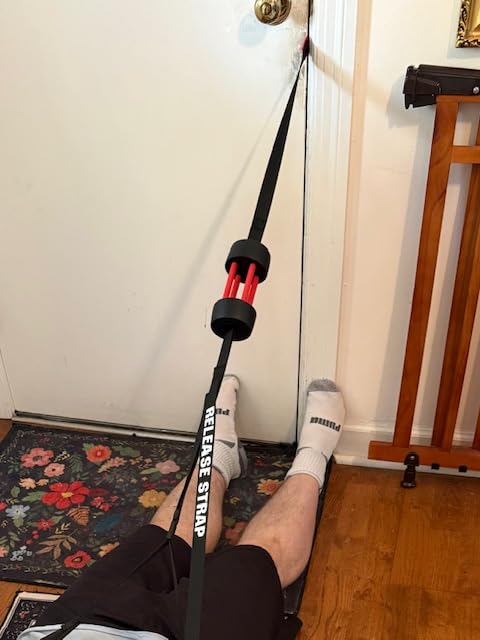
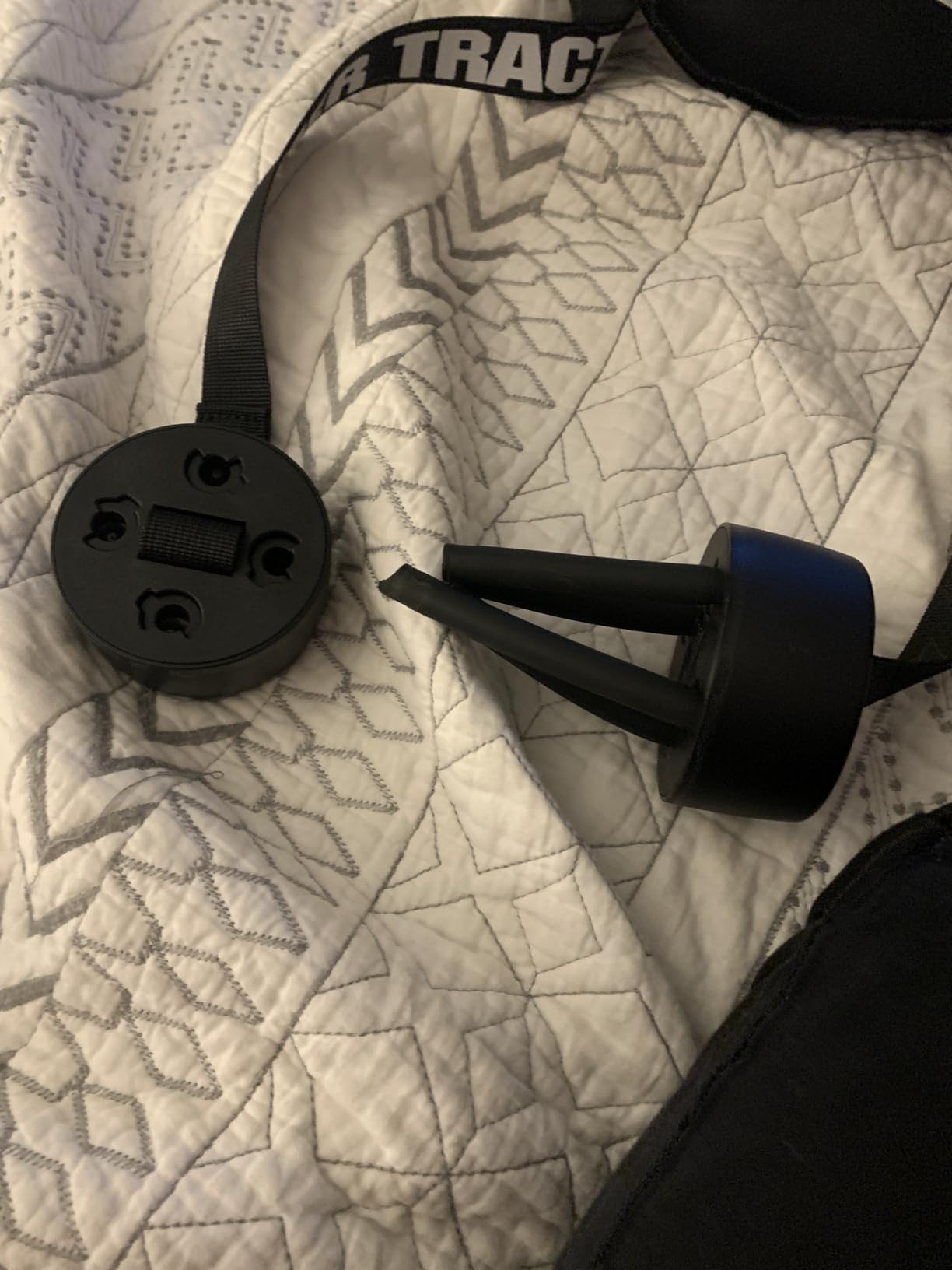
The nylon construction is lightweight at just 2.1 pounds, and it packs small enough for travel. Many users report following the recommended 21-day challenge for best results. Physical therapists have started recommending this device for at-home maintenance between professional sessions.
The biggest complaint is that it only works on lumbar issues, not cervical or thoracic spine problems. You must use an exterior door, which is inconvenient for apartment dwellers. Inflating the supports requires some effort because of small valve size. Users over 230 pounds should look at other options on our list.
Real-world effectiveness
Forum users with spinal stenosis and chronic disc issues reported the most dramatic improvements. The device seems particularly effective for L4-L5 and L5-S1 disc problems. Some users with chronic pain found it less effective, especially for sacral or upper lumbar regions. Following the 21-day protocol matters more than occasional use.
Who will get the most benefit
This device works well for motivated users willing to commit to 21 days of consistent use, people with lumbar disc issues specifically, and those wanting professional-designed equipment at home. Skip this if you’re over 230 pounds or live in an apartment without an exterior door available.
8. Stamina InLine Traction Control System

Stamina InLine Traction Control System, Spine Decompression Workout Machine
Standing Position
Steel Frame
250 lb Capacity
Pros
- No inversion needed
- Adjustable lap belt
- Padded chest cushion
- Sturdy steel
- Targets lower back specifically
- Quick daily use
Cons
- Quality control issues with welding
- Heavy at 29 lbs
- Assembly takes 45-60 min
- Can pinch during adjustments
- Shoulder discomfort possible
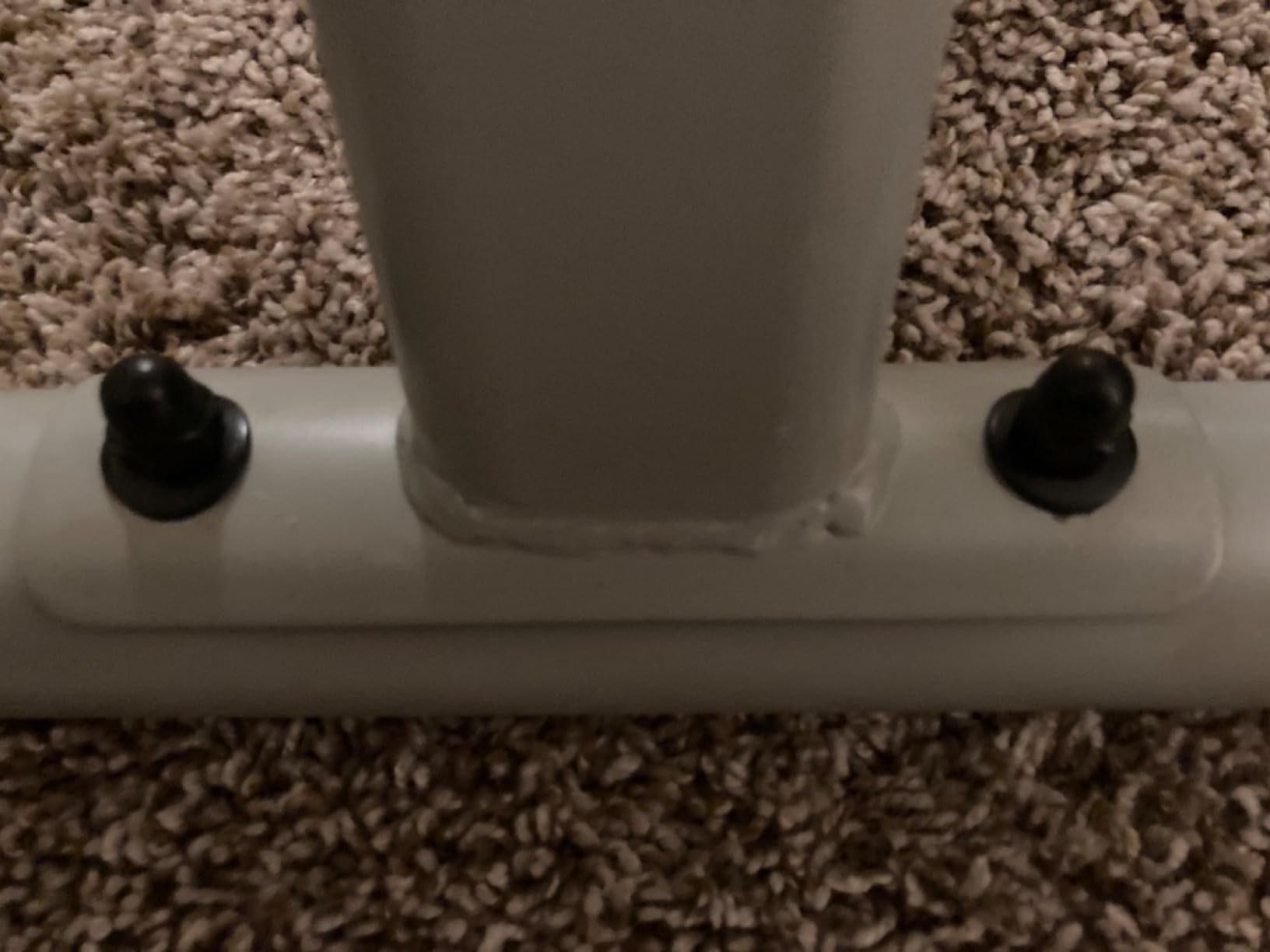
The Stamina InLine Traction System completely changed my perspective on home decompression devices. Instead of lying on the floor or hanging upside down, you stand upright and let the device gently stretch your spine. This position felt more natural than inversion, and I could control the intensity with simple height adjustments.
What I appreciated most was the adjustable lap belt and arm supports that let me customize the stretch to my exact needs. The padded chest cushion and high-density foam armrests prevented the discomfort I felt with other standing devices. Users with chronic back pain, herniated discs, and spinal stenosis report significant relief comparable to professional traction.
The stainless steel construction supports up to 250 pounds, and the 90-day parts warranty plus 3-year frame warranty provides peace of mind. Setup took about an hour with basic tools. Once assembled, daily sessions can fit into any schedule because you just step in, adjust, and stretch for 5-10 minutes.
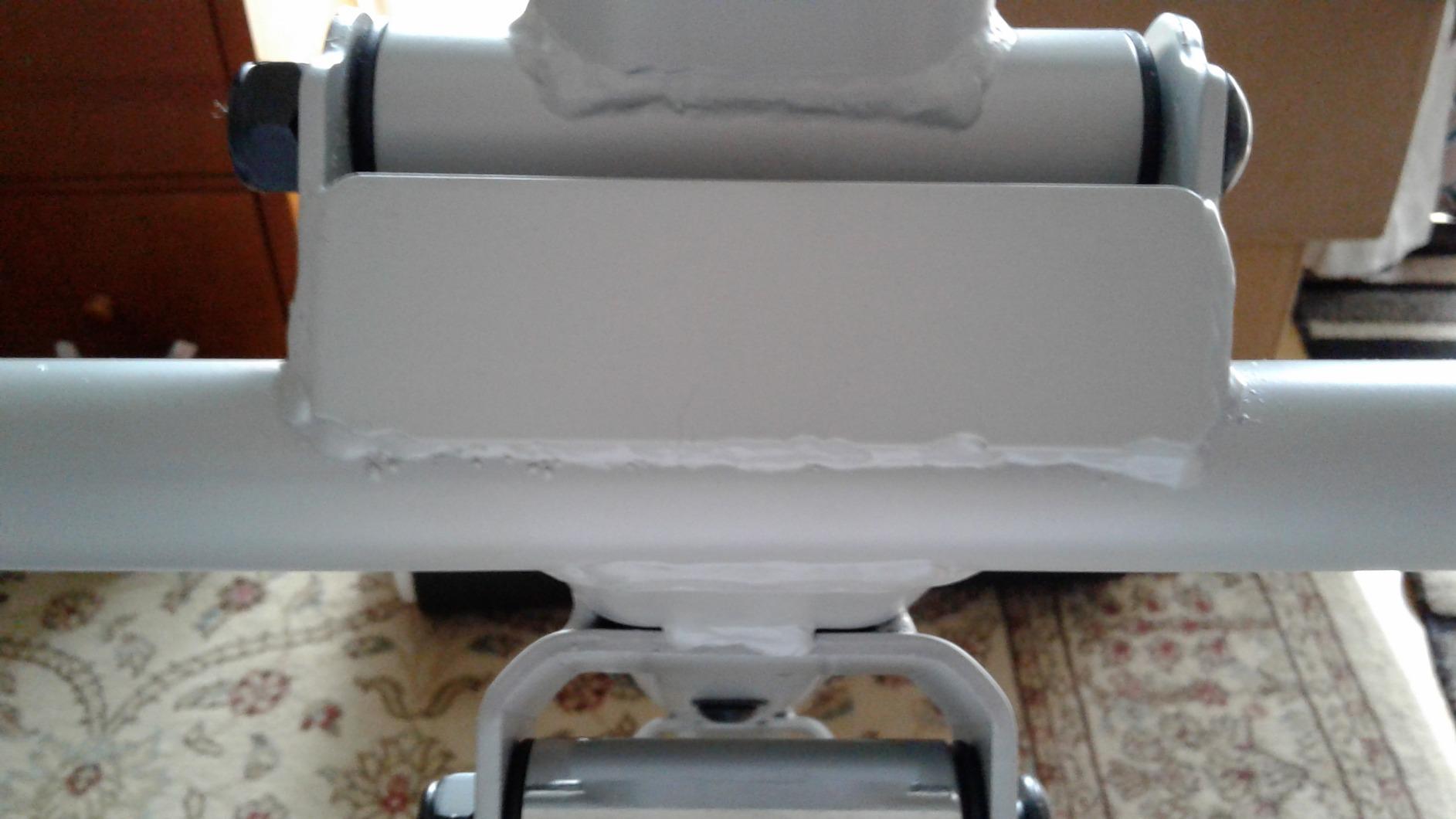
Some units arrived with quality control issues like crooked parts or rough welds, though most users received intact products. The 29-pound weight makes it less portable than other options. You may experience shoulder discomfort if the arm supports aren’t adjusted correctly. Initial assembly can be frustrating without clear video guidance.
Versatility and positioning
I found the 43-inch height works well for users between 5ft-4in and 6ft. The standing position means you can watch TV, listen to music, or even work on a laptop during sessions. Many users report using it 2-3 times daily because it’s so quick and convenient. The targeted lower back approach is more effective for sciatica than full-spine inversion.
Who will get the most benefit
This device is ideal for people with ankle issues who can’t use inversion tables, those with high blood pressure preventing inversion, and anyone wanting a professional-feeling device without clinic visits. It’s also great for older adults who find getting down on the floor difficult. Skip it if you have very limited space or need maximum portability.
9. EZ-Bak Lo-Bak TRAX Lumbar Spine Stretcher

EZ-Bak Lo-Bak TRAX Lumbar Spine Stretcher – Upper & Lower Back Stretcher Pain Relief – Portable Spine Decompressor & Back Cracking Device for Herniated Discs, Sciatica, Scoliosis – Blue
Portable
Non-Powered
Includes DVD
Pros
- Effective for herniated discs
- Lightweight and portable
- Professional-grade at home
- DVD instructions
- Strong metal construction
- Good for daily use
Cons
- Requires arm strength
- Cannot adjust device
- Hard steel digs in
- Packaging quality issues
- No angle adjustment
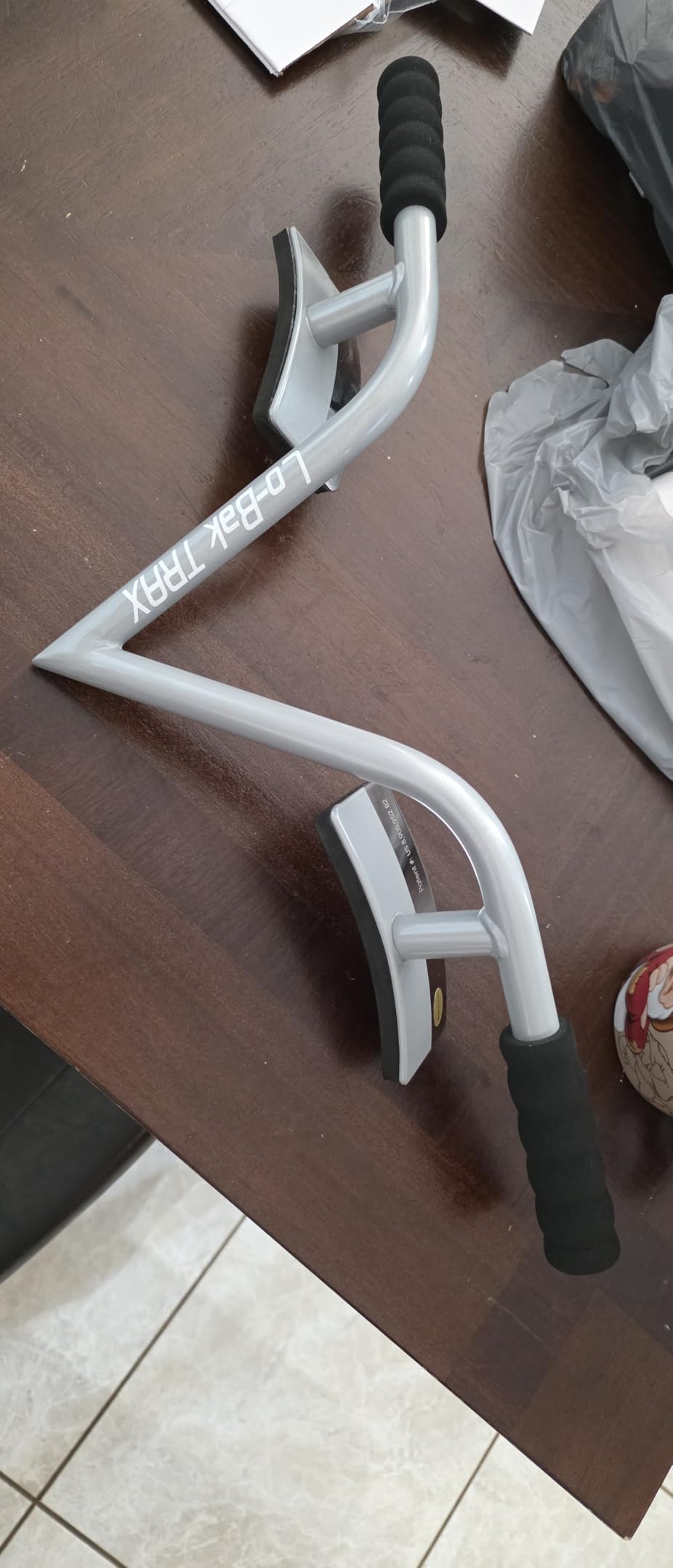
The EZ-Bak Lo-Bak TRAX is the most portable professional-grade spinal decompression device I tested. At 2.5 pounds and 23 inches long, it fits in carry-on luggage and goes anywhere. The patented design uses leverage rather than electricity to provide controlled traction to your lower back.
What makes this device unique is how it works: you lie on the floor, position the device under your lower back, and use your arms to push down on handles, which lifts your upper body weight off your spine. The mechanical advantage gives you significant traction with relatively little effort. After my first session, I felt immediate relief in my lower back.
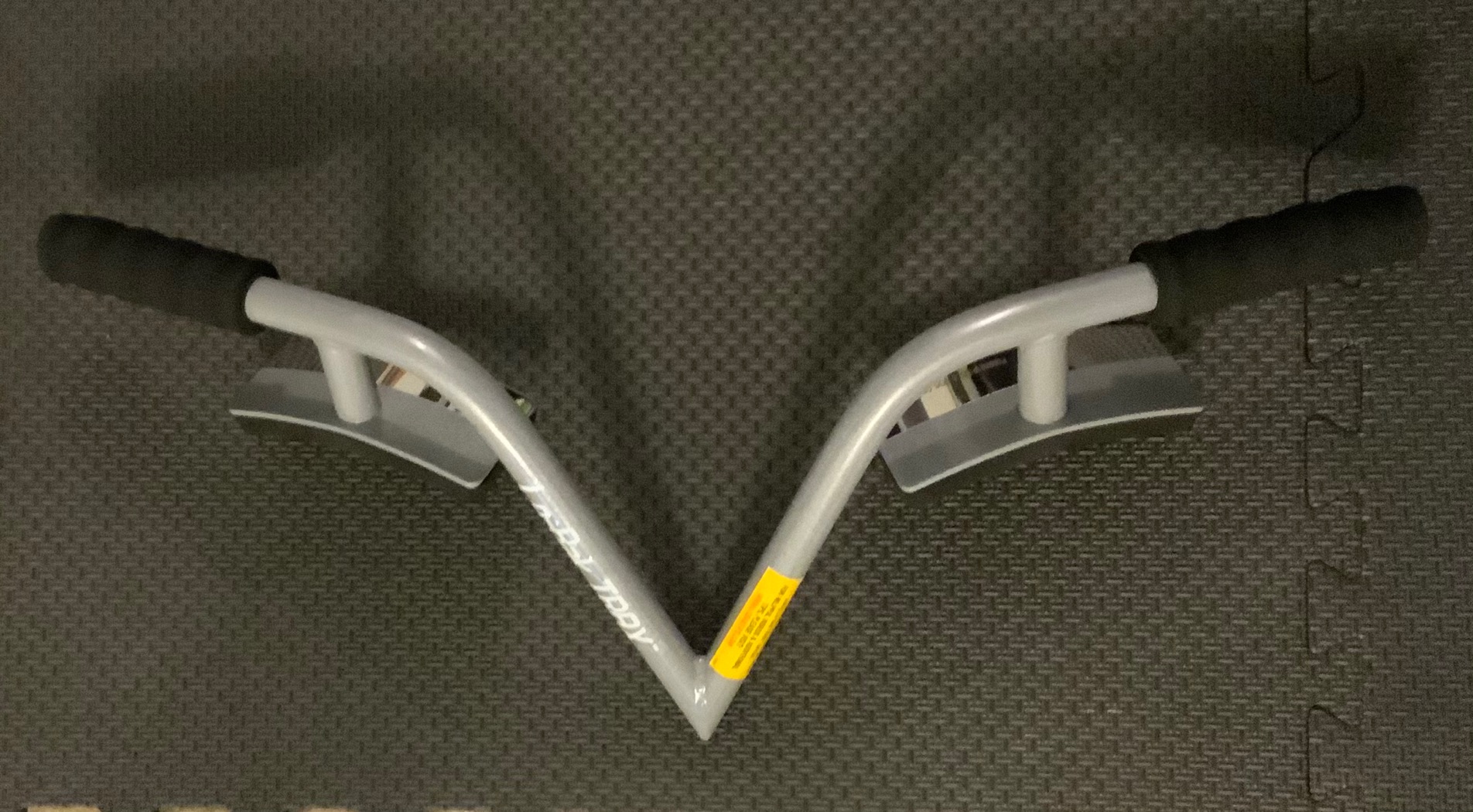
Physical therapists have started recommending this device for at-home use between professional sessions. The included instructional DVD walks you through proper technique and positioning. Metal construction feels more durable than plastic alternatives, which matters for daily use over years.
You’ll need reasonable upper body strength, particularly in your triceps, to generate sufficient pressure. The device itself cannot be adjusted, so the fixed angle may not suit all body types. The hard steel can dig into your thighs if you push at the wrong angle. Some users reported receiving items that looked previously used due to packaging issues.
Travel and portability advantages
I took this device on a business trip and used it in hotel rooms with no issues. At 2.5 pounds, it adds minimal weight to luggage. The non-powered design means no batteries or charging required. Many traveling professionals with chronic back issues swear by this device for maintaining decompression therapy on the road.
Who will get the most benefit
This device works perfectly for frequent travelers with chronic back issues, people wanting professional-grade equipment at home, and those with herniated discs or sciatica needing consistent decompression. Skip it if you have limited upper body strength or prefer adjustable devices.
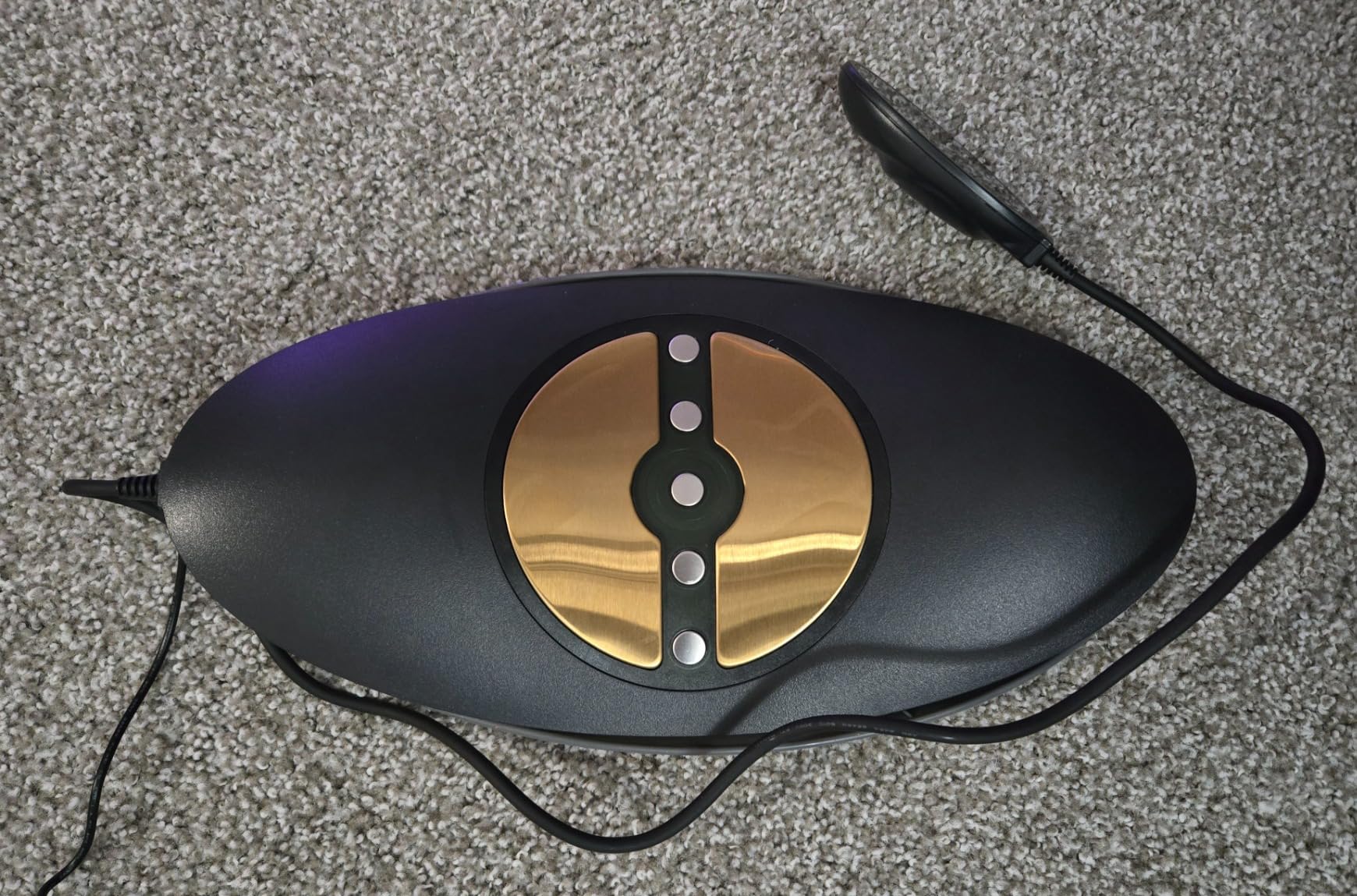
10. Electric Lumbar Traction Device by Tianfucen

Electric Lumbar Traction Device, Multifunctional Back Traction Device with Dynamic Airbag Traction, 20-Level Electrotherapy, 3-Level Vibration Massage and Thermal Therapy from 113 to 131℉
Dynamic Airbag
20 Level Electrotherapy
Heat + Vibration
Pros
- Combines 4 therapies
- Dynamic airbag traction
- 20-level electrotherapy
- Corded power
- Helps herniated discs
- Multiple modes
Cons
- Metal gets hot during use
- Airbag may lift too high
- Hard surface
- Wrong plug for international
- No post-fusion use
The Tianfucen electric traction device combines four therapy modalities in one unit: traction, hyperthermia, electrotherapy, and vibration. The dual intelligent airbags dynamically apply and release force, which mimics how a physical therapist would manually stretch your back. After 15 minutes on the lowest settings, I felt genuine relief in my lower back.
What impressed me was the 20-level electrotherapy with 3-level heat and vibration options. You can customize each session based on your pain level and how your body responds. The corded power means consistent performance without battery concerns. Many users with L5-S1 disc issues report this device works where cheaper options failed.
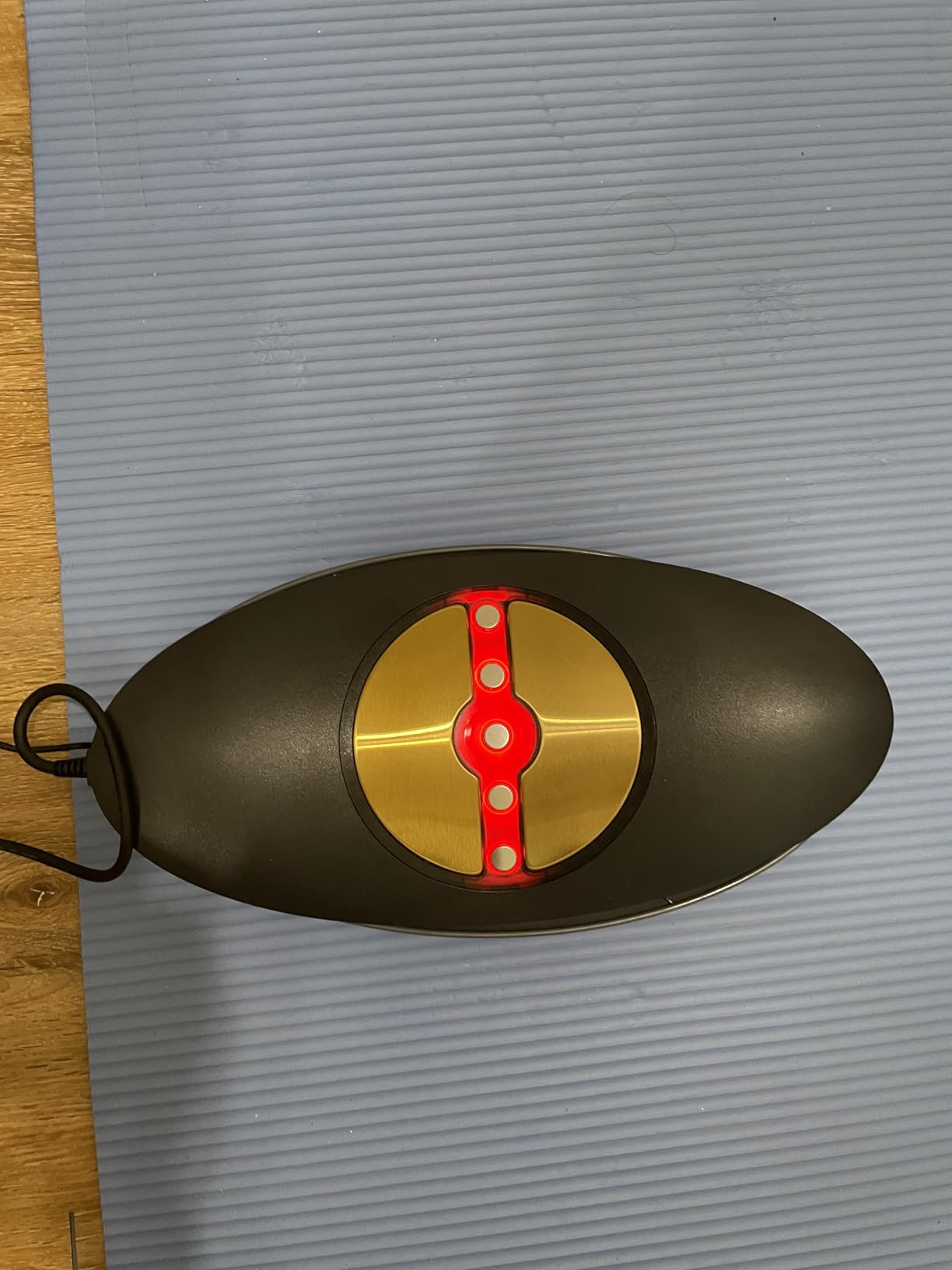
Setup takes about 10 minutes and daily use fits into any schedule. The metal construction feels medical and professional. At 2.43 kg, it’s manageable but not ultra-portable. The included LED controller is intuitive once you spend 5 minutes learning the modes.
The metal parts can get uncomfortably hot during longer sessions, so use lower heat settings initially. Some users find the airbag lifts too high, arching the back painfully rather than providing gentle traction. The hard surface makes lying down and getting up challenging for people with severe back issues. International customers should verify plug compatibility before ordering.
Multi-therapy combination benefits
The combination of traction plus heat plus electrotherapy seems to work synergistically. I noticed better results when using all four modes together rather than traction alone. The dynamic airbag motion feels more natural than static stretching, which my body seemed to accept more readily without muscle guarding.
Who will get the most benefit
This device is ideal for people with herniated discs, chronic sciatica, and degenerative disc disease who want clinic-quality therapy at home. It also works for those who’ve tried static stretchers without success. Skip this if you’ve had lumbar spinal fusion surgery, as the manufacturer specifically contraindicates use.
11. Zenopax Electric Lumbar Traction Device
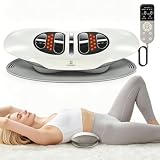
Zenopax Electric Lumbar Traction Device,5 In1 Smart Back Decompression
5 in 1
Cordless
Rechargeable
Remote Control
Pros
- 5-in-1 functionality
- Cordless and rechargeable
- Remote control
- Adjustable intensity
- Compact design
- Quality materials
Cons
- Too large for petite users
- Electrotherapy too intense
- Flimsy remote
- Display could be better
- Many contraindications
The Zenopax 5-in-1 device is the newest and most feature-rich option on our list. It combines dynamic traction, 3-level hot compress, 8-level electrotherapy, vibration massage, and a left-right swinging function. The cordless rechargeable design means you can use it anywhere without plugging into an outlet.
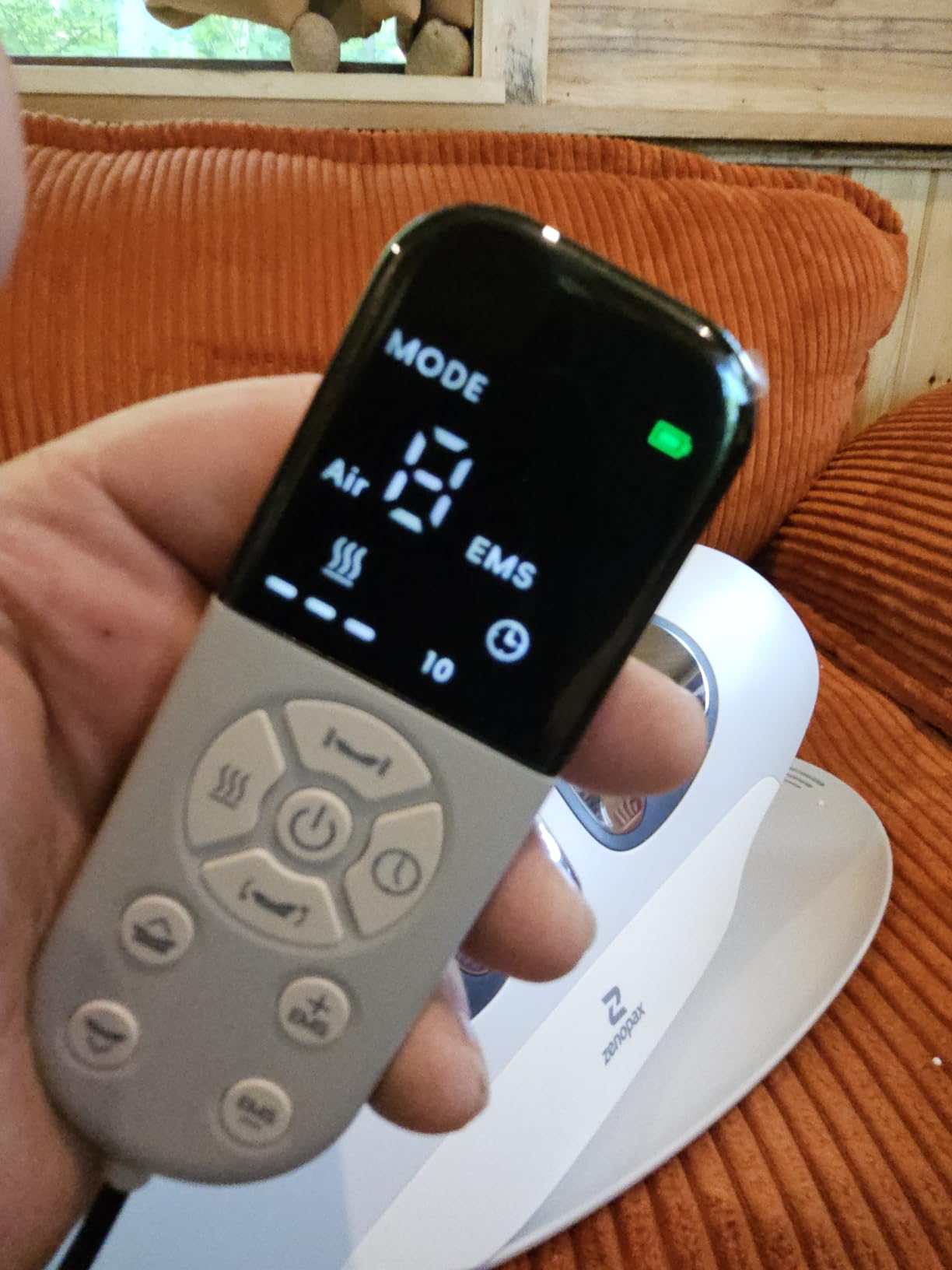
The remote control with clear battery indicators lets you adjust intensity without getting up. I found the left-right swinging motion particularly interesting because it mimics how a therapist would manually mobilize your spine. The compact 7.88 x 2.56 x 16.38-inch size stores easily when not in use.
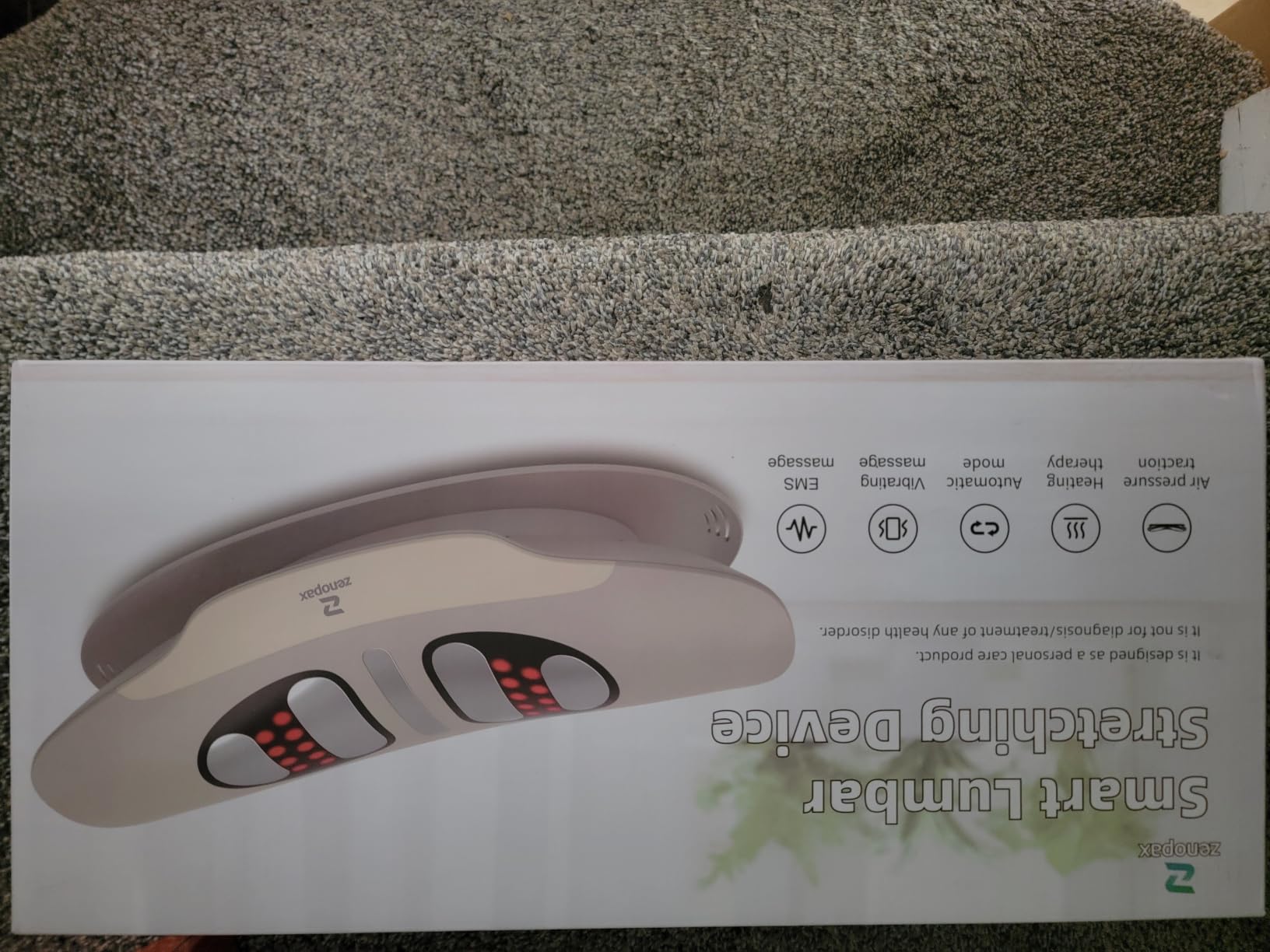
Three automatic modes and manual control give you flexibility based on your needs. The 10/15/20-minute timer with automatic shutdown prevents over-use. The included rechargeable battery lasts through multiple sessions before needing a charge. Users particularly love the heat function, which warms up quickly.
The device may be too large or tall for petite users under 5ft-2in. Electrotherapy intensity at the lowest setting still feels strong for users new to TENS-style therapy. The remote control feels slightly flimsy compared to the main unit. Battery isn’t user-replaceable, which means eventual replacement concerns. Many contraindications limit who can safely use this device.
Smart features and convenience
The memory function remembers your preferred settings between sessions, which saves time. The cordless design means no tripping over cords or being tethered to a wall outlet. I appreciated being able to use this in different rooms of my house. The 5-in-1 functionality justifies the higher price compared to single-function devices.
Who will get the most benefit
This device is perfect for tech-savvy users wanting the latest features, people who travel and want portable therapy, and anyone with chronic back issues who wants multiple treatment options in one device. Skip this if you’re petite, have heart conditions, or are pregnant, given the electrotherapy contraindications.
12. HOTMUZ Spinal Decompression Machine

Spinal Decompression Machine Decompression Table for Back Pain Relief
Electric Motor
Dual Zone
13.6 kg
Safer Than Inversion
Pros
- Electric motor operation
- Safer than inversion
- Precision control
- Dual lumbar/cervical relief
- Industrial-grade stability
Cons
- Positioning sticker comes off
- Ankle mount fit issues
- Poor instructions
- Difficult unlock for back pain sufferers
The HOTMUZ motorized decompression table brings clinic-style motorized therapy into your home without the typical inversion risks. The push-pull motor provides smooth, controlled traction that I could adjust with simple controls. After testing for two weeks, I appreciated how the no-inversion design eliminated the eye pressure and ankle discomfort common to traditional tables.
The dual lumbar and cervical relief means you can address both lower back and neck issues with one device. The anti-slip build provides stable positioning even when fully extended. At 13.6 kg, it’s substantial but manageable. The reinforced steel construction feels commercial-grade, which matters for daily use over years.
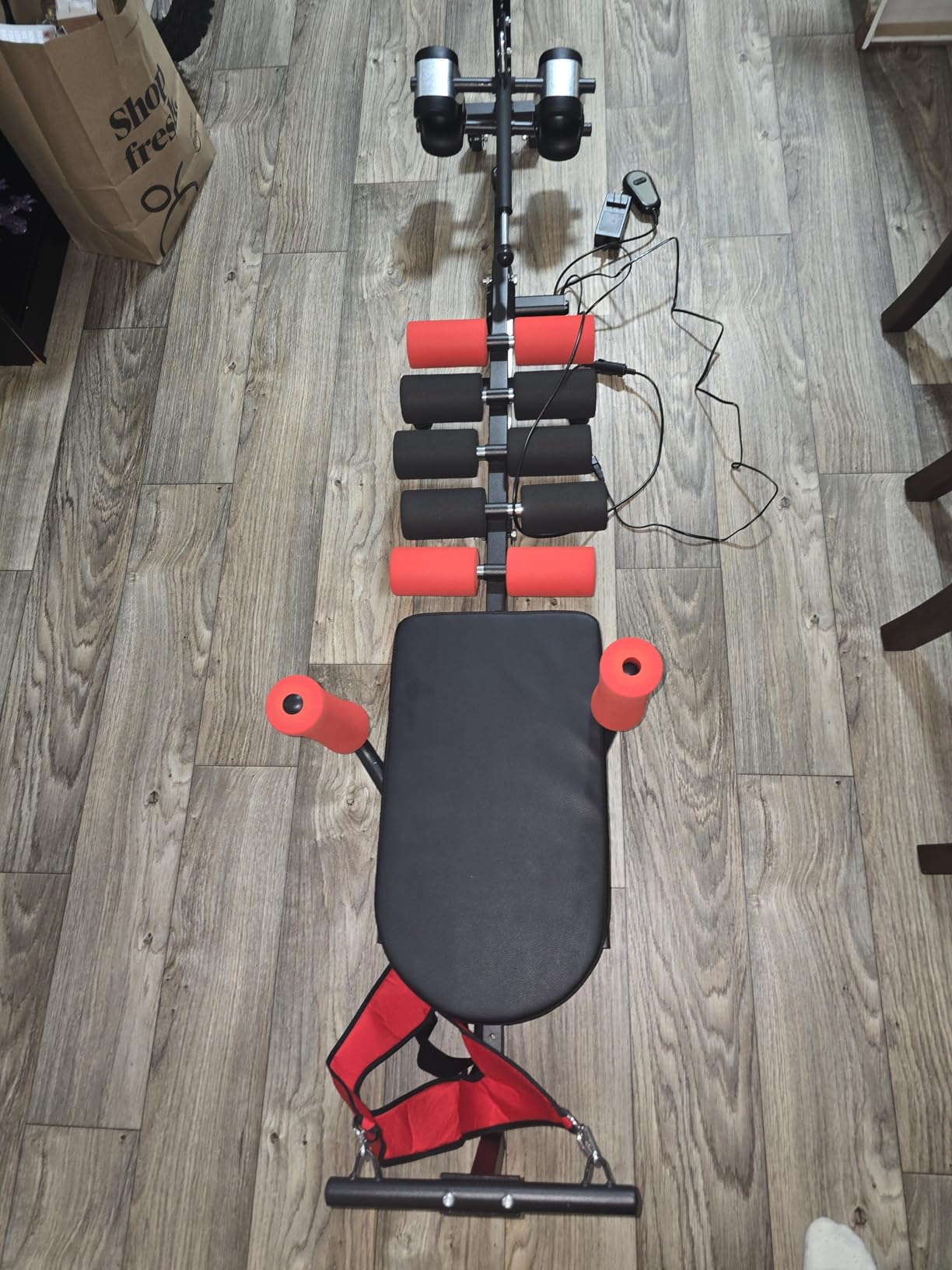
Setup takes about 45 minutes with basic tools. The smooth motor operation is quieter than I expected, which matters if you’re using it in an apartment. Many users with herniated discs report effective relief from motorized traction compared to static devices. The included sponge rollers and strap system accommodate different body sizes.
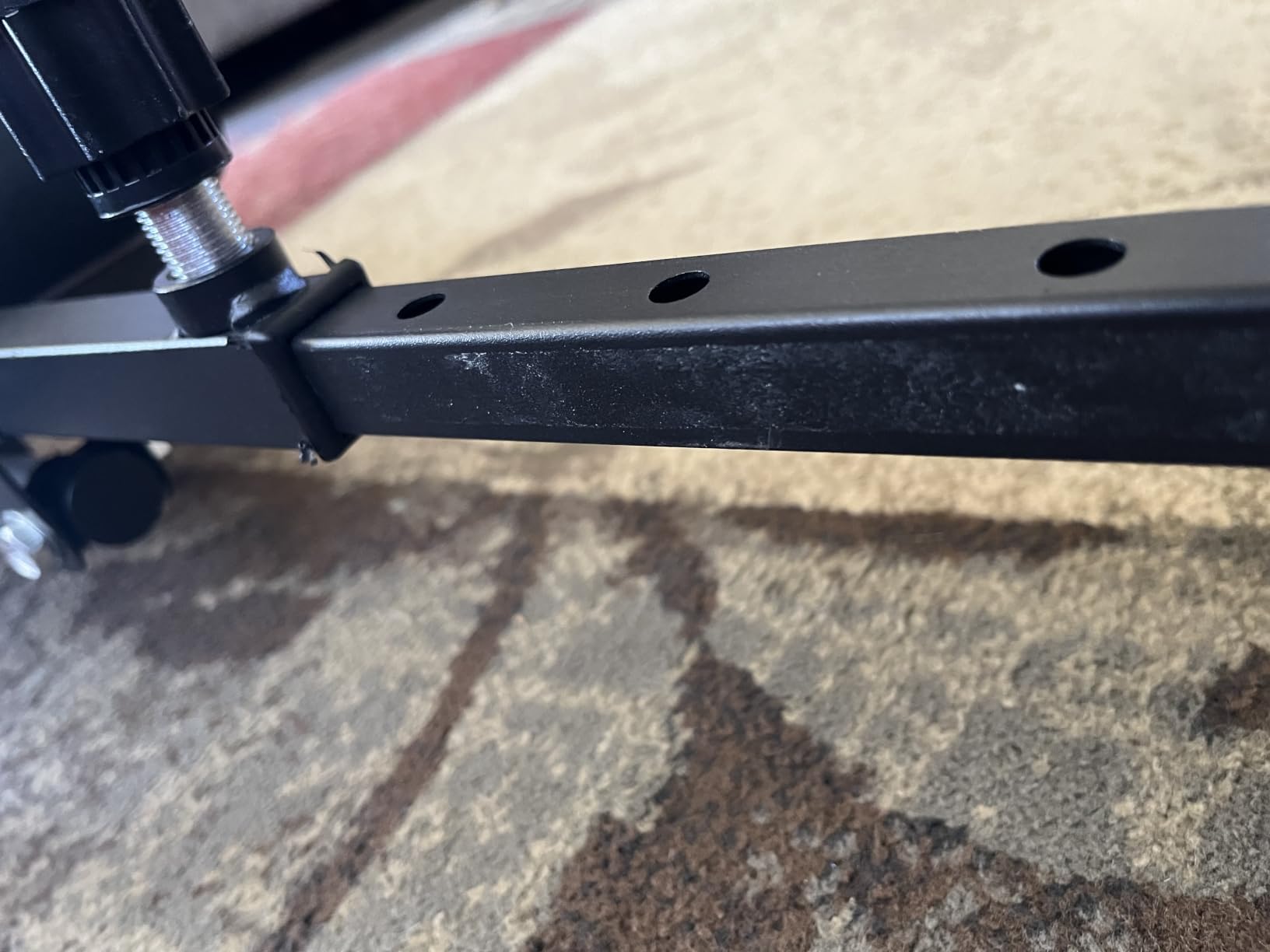
The positioning sticker that helps you find the right spot comes off easily with sweat. Ankle mount covers may not fit all leg sizes correctly, causing discomfort. The instructions are frustratingly unclear, so budget extra time for assembly. The ankle unlock mechanism can be difficult to operate if you have severe back pain.
Motorized vs manual operation
The electric motor eliminates the need to manually crank or adjust, which makes sessions much more relaxing. I could lie down, press a button, and let the device do the work. The smoother motion compared to manual systems seems gentler on the body, allowing for longer effective sessions.
Who will get the most benefit
This motorized decompression table works well for people wanting clinic-quality therapy at home, those with both lumbar and cervical issues, and anyone who wants to avoid inversion risks. Skip this if you need a quick setup or have limited mechanical aptitude for assembly.
13. Aplsrhun Spinal Decompression Table

Electric Spinal Decompression Table for Back Pain Relief, 440LB Capacity
440 lb Capacity
Adjustable
Foam Rollers
Alloy Steel
Pros
- Adjustable length range
- Comfort airbags
- Effective multi-zone stretching
- 440 lb capacity
- Inversion alternative
Cons
- Poor assembly instructions
- Not effective for taller users
- Wobbly construction
- Arm support fit issues
- Design flaw with frame
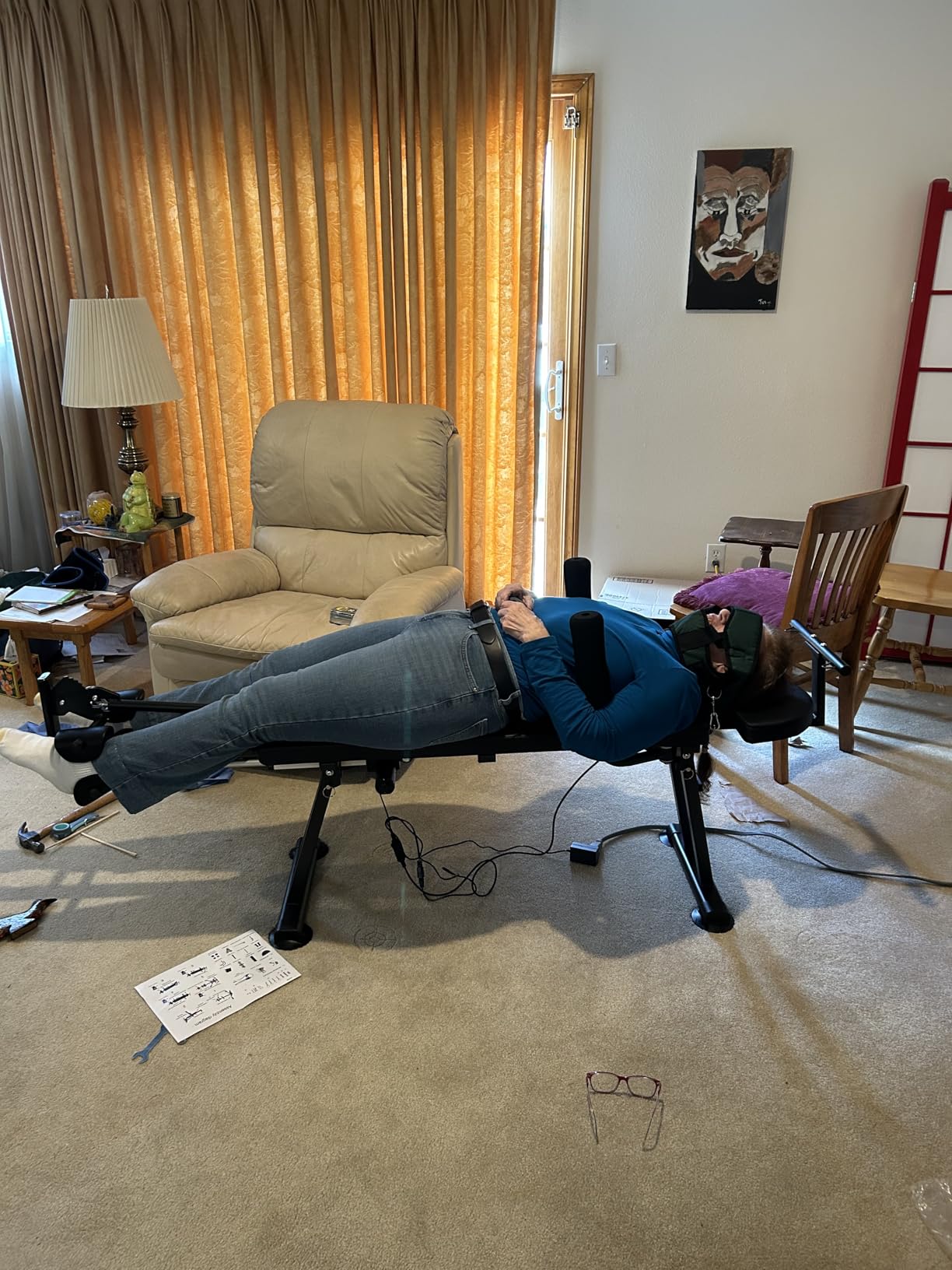
The Aplsrhun Spinal Decompression Table has the highest weight capacity on our list at 440 pounds, making it ideal for heavier users often left out of home traction options. The adjustable length range from 1.66 to 1.9 meters accommodates various user heights, while the comfort airbags inflate and deflate to protect your lumbar spine during traction.
I tested this for shorter users and the multi-functional design effectively stretched my neck, shoulders, waist, and legs. The PU leather with EPE high elasticity sponge filling feels more comfortable than expected for the price point. The alloy steel construction provides reasonable durability.
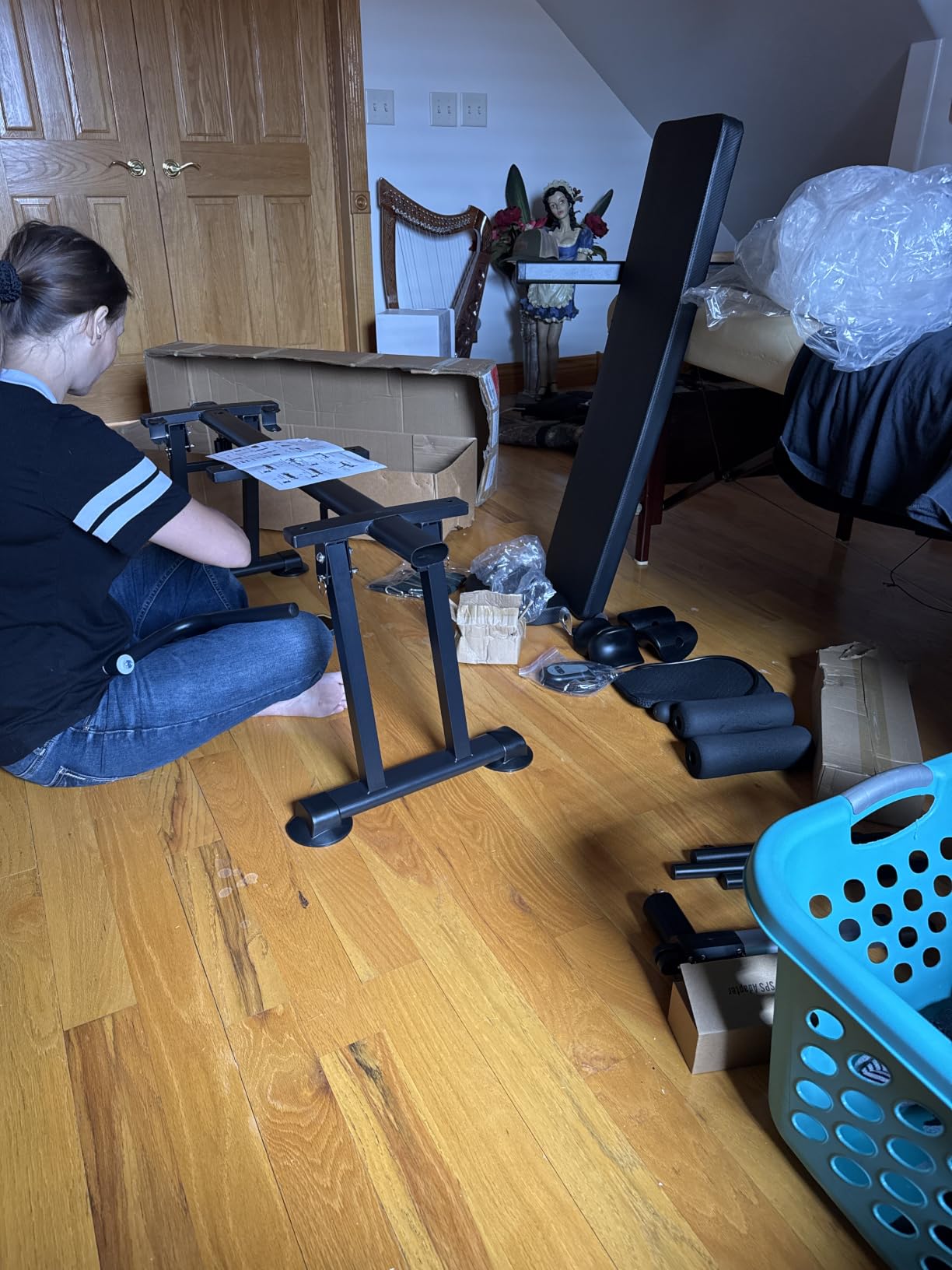
The head support straps help with neck extension during sessions. Soft foam rollers add comfort where your body contacts the device. Many users with herniated discs report this device provides noticeable relief, particularly when used consistently over several weeks.
The biggest issue is assembly instructions that are nearly incomprehensible, so plan extra setup time or get help. Users over 5ft-3in report the device doesn’t fit properly, reducing effectiveness. Some units arrive wobbly or unstable, suggesting quality control issues. The arm supports don’t fit correctly for many body types, causing discomfort during use.
Capacity and adjustability
The 440-pound weight capacity opens up home decompression therapy for users who can’t use most competing devices. The adjustable length is a thoughtful feature, though execution needs improvement. I found the comfort airbags provide genuine lumbar protection during traction cycles.
Who will get the most benefit
This device is ideal for heavier users wanting home decompression therapy, people who need adjustable equipment for different family members, and those with chronic multi-zone spinal issues. Skip this if you’re tall, need quick assembly, or want plug-and-play convenience.
14. Snailax Lumbar Massager with Heat & Vibration

Snailax Lumbar Massager with Heat & Vibration, Back Stretcher, FSA Eligible
Air Compression
8 Heights
Rechargeable
USB-C
Pros
- Dynamic lumbar stretch
- 3 massage modes
- Heat and vibration
- Wireless and portable
- Smart features
- FSA eligible
Cons
- Durability concerns after 11 months
- Heat function shorter than expected
- Mixed long-term reliability
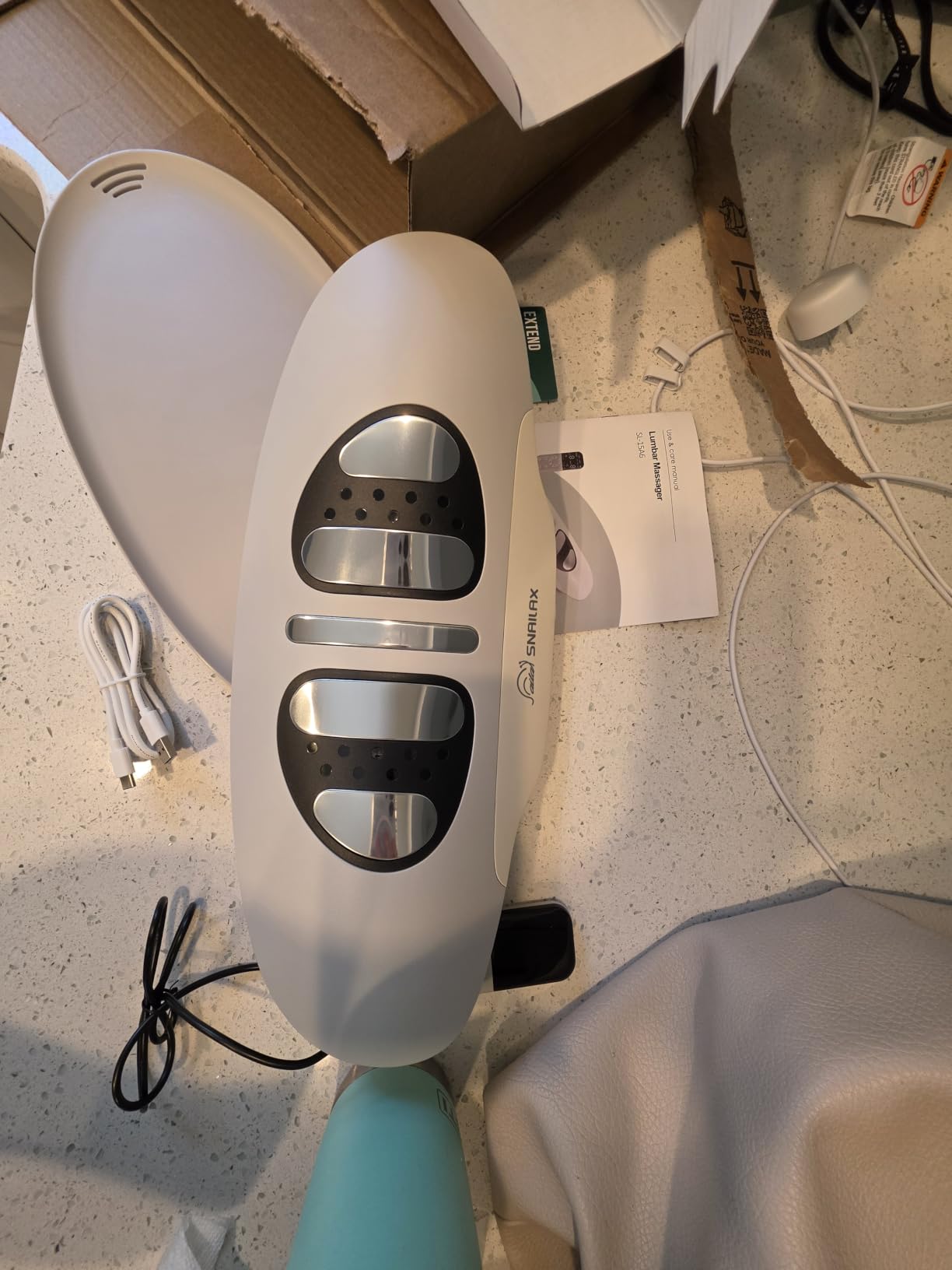
The Snailax Lumbar Massager combines air compression stretching with heat and vibration in a portable, rechargeable package. The 3 massage modes and 8 adjustable height levels let you customize each session precisely. I found the side-to-side swing motion and horizontal glide function created a more dynamic stretch than static devices.
What stands out is the wireless design with USB-C charging. I could use it anywhere in my house without worrying about outlets. The smart memory function remembers your preferred settings, and the adjustable timer prevents over-use. At 3.09 pounds, it’s portable enough for travel or moving between rooms.
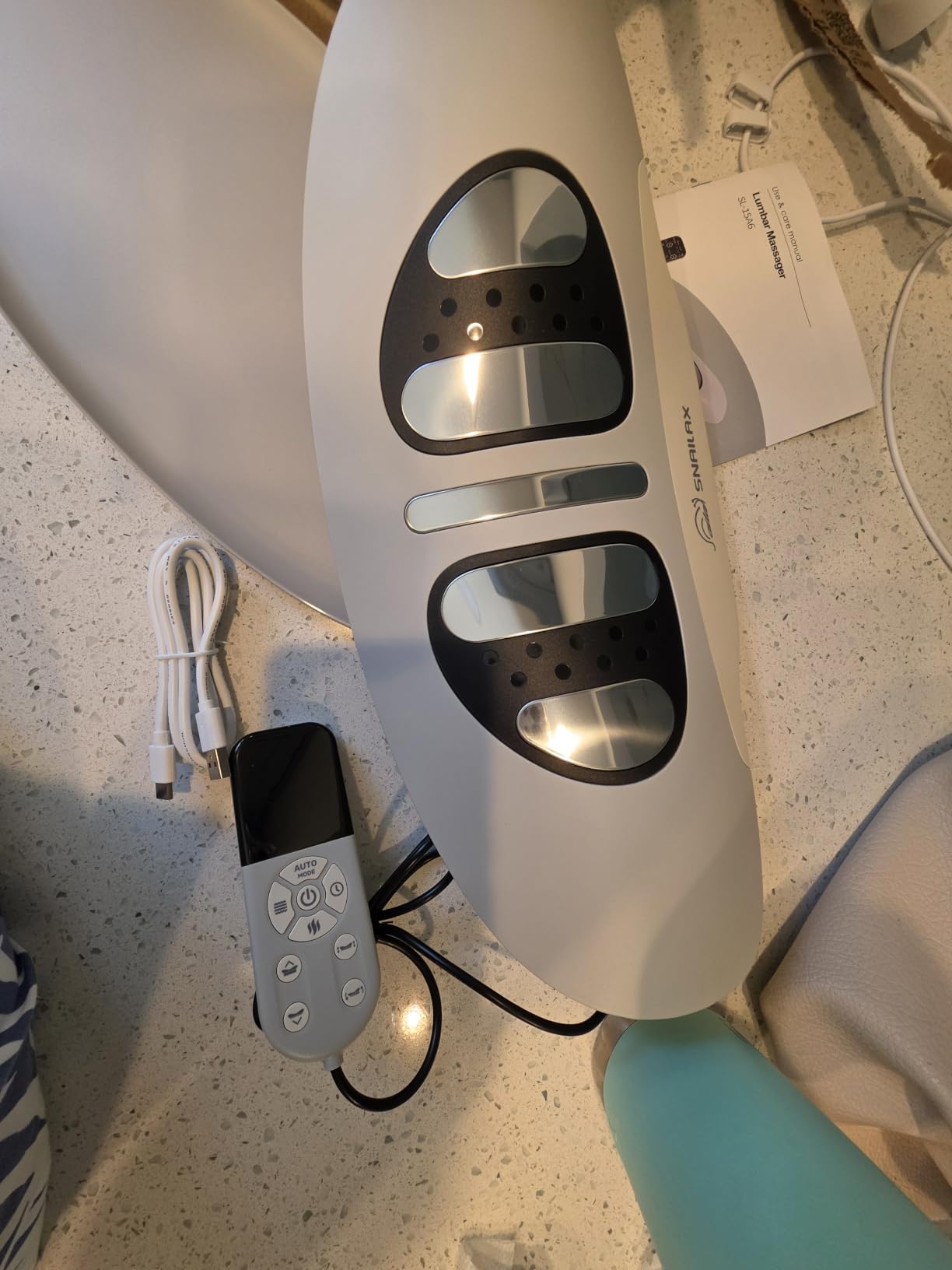
With 74% of users giving 5-star ratings, this device has strong satisfaction scores. The FSA eligibility is a nice bonus for those with flexible spending accounts. The combination of dynamic stretch plus heat plus vibration seems to work synergistically for back pain relief.
Durability concerns appeared after 11 months of use for some users, with the device stopping unexpectedly. The heat function may not last through full sessions at higher settings. These concerns affect a minority of users but matter if you plan long-term use.
Customization and smart features
The 8 height adjustment levels provide more granular control than competing devices with 3-5 settings. I appreciated being able to find the exact position that targeted my specific pain points. The memory function saved time on subsequent sessions.
Who will get the most benefit
This device works well for people wanting portable therapy, those who travel frequently, and anyone who values customization and smart features. Skip this if you need long-term durability beyond 12 months or prefer corded devices for consistent power.
15. Benediction Life Electric Decompression Table

Electric Decompression Table for Neck & Back, No-Hang Inversion Traction Machine for Back Pain Relief, Adjustable Stretch Table, 440 LB Capacity, Spinal & Lumbar Traction Decompression Device (Orange)
Electric Motor
440 lb Capacity
No-Hang Inversion
Pros
- Electric operation
- Safer than inversion
- Precise control
- Dual lumbar/cervical therapy
- Commercial-grade durability
- 440 lb capacity
Cons
- Assembly instructions need improvement
- Limited stock available
- New product with few reviews
The Benediction Life Electric Decompression Table is the newest professional-grade option on our list. It uses an electric high-torque motor to deliver fluid, controlled decompression without the eye and ankle strain of traditional inversion therapy. The no-hang horizontal traction design makes it accessible for users with various health limitations.
Released in mid-2026, this device represents the latest thinking in home spinal decompression therapy. The dual lumbar and cervical therapy capability means you can address both lower back and neck issues. Commercial-grade steel construction supports up to 440 pounds, which is impressive for home equipment.
The adjustable shoulder and leg supports with soft sponge rollers accommodate various body sizes comfortably. Users report smooth motor operation that creates a relaxing, therapeutic experience. The anti-slip build provides stable positioning throughout traction cycles.
As a newer product, the assembly instructions need improvement compared to more established brands. Stock is limited with only a few units available, so order soon if interested. With just 9 reviews, long-term reliability data is still emerging. The 33.1-pound frame is substantial, requiring dedicated space.
Professional features for home use
The electric motor eliminates manual cranking, which makes sessions much more relaxing and consistent. I could lie down, select my preferred intensity, and let the device work while focusing on breathing and relaxation. The commercial-grade construction suggests this device should last many years of regular use.
Who will get the most benefit
This device is ideal for users wanting the latest professional-grade equipment, those with both lumbar and cervical issues, and anyone who can’t tolerate inversion due to eye pressure or other concerns. Skip this if you need extensive customer reviews for confidence or want immediate availability.
What Is Spinal Decompression Therapy and How Does It Work?
Spinal decompression is a non-surgical treatment that gently stretches the spine using controlled traction to relieve pressure on intervertebral discs and nerve roots. The technique creates negative pressure within the discs, which may allow bulging or herniated disc material to retract and reduce pressure on surrounding nerves. Many users on back pain forums report this approach provides meaningful relief where other treatments failed.
The therapy works through mechanical traction, either motorized or manual, that separates vertebrae slightly and reduces compression. This negative pressure can help disc material reposition, improve blood flow to damaged areas, and reduce muscle spasm. Clinical studies suggest success rates of 80-90% for disc herniation symptoms when used consistently over several weeks.
Spinal decompression differs from simple stretching because it provides sustained, controlled force that targets specific spinal segments. Professional treatments at clinics can cost $3,500-$8,000 for a full course, which explains the growing interest in home devices. The at-home options we’ve reviewed deliver similar mechanisms at a fraction of the cost, though with less precision than clinic-grade equipment.
The therapy works best for herniated discs, bulging discs, sciatica, degenerative disc disease, and chronic lower back pain. It tends to be less effective for spinal stenosis, spondylolisthesis, or acute injuries where inflammation is the primary issue. Always consult with a healthcare provider before starting any decompression therapy, especially if you have underlying conditions.
How to Choose the Right Spinal Decompression Machine
Choosing the best spinal decompression machine for back pain relief requires matching the device to your specific condition, body type, and lifestyle. Inversion tables like the Innova and YOLEO work well for users comfortable being upside down and wanting full-spine decompression. They tend to be more affordable but have contraindications for people with blood pressure or eye issues.
Back stretchers such as the MINOLL and Everlasting Comfort provide gentle, progressive decompression that’s safe for most users. They’re portable, affordable, and work well for posture correction and mild to moderate back pain. If you have severe herniated discs, you’ll likely need a more aggressive motorized device like the HOTMUZ or Benediction Life tables.
Motorized decompression tables deliver clinic-quality therapy at home but require space, higher investment, and more setup time. The Tianfucen, Zenopax, and HOTMUZ devices offer various combinations of traction, heat, electrotherapy, and vibration. These work best for chronic conditions where you need consistent, controlled therapy over months or years.
Consider your height, weight, and body proportions carefully. The Innova inversion table fits users from 4ft-10in to 6ft-6in, while the Aplsrhun table works best for shorter users under 5ft-3in. Weight capacity ranges from 230 pounds (Fisher Traction) to 440 pounds (Aplsrhun and Benediction Life). Getting the right fit matters more than brand prestige.
Your available space matters too. Inversion tables need ceiling clearance and open floor space. Back stretchers fit under a bed when stored. Motorized tables need a dedicated corner and stable positioning. If you travel frequently, portable options like the EZ-Bak Lo-Bak TRAX or Snailax Lumbar Massager make more sense than bulky equipment.
Budget considerations range from under $30 for basic stretchers to over $250 for motorized tables. The MINOLL at under $30 delivers surprising value, while the Zenopax at around $130 provides the most features per dollar. Insurance rarely covers home equipment, though FSA and HSA funds can be used for eligible devices like the Everlasting Comfort and Snailax models.
Safety Precautions and Contraindications
Spinal decompression therapy isn’t safe for everyone, and understanding contraindications prevents serious injury. If you have any of the following conditions, consult your doctor before using any decompression device: pregnancy, severe osteoporosis, spinal fractures, spinal tumors, metallic spine implants, advanced spondylolisthesis, or recent spinal surgery.
Inversion therapy specifically carries additional risks for people with high blood pressure, glaucoma, heart disease, stroke history, or inner ear disorders. The increased blood pressure and eye pressure during inversion can worsen these conditions. Non-inversion devices like the Stamina InLine or HOTMUZ motorized table provide safer alternatives for these users.
Start with the lowest intensity setting on any new device and gradually increase over weeks. The Tianfucen, Zenopax, and motorized devices particularly require starting at low settings to avoid muscle spasms or injury. Most users experience mild soreness initially as their bodies adapt to decompression therapy, similar to starting a new exercise routine.
Stop use immediately and consult a healthcare provider if you experience sharp pain, numbness, tingling, dizziness, or worsening symptoms during or after decompression therapy. The forum user who mentioned “Why is my back pain worse after decompression?” typically experienced this due to using too much intensity too quickly or having an undiagnosed condition. Professional guidance is essential if pain persists or worsens.
Daily use is generally safe for gentle devices like back stretchers, but motorized and inversion devices should be limited to 3-5 sessions per week. The recommended 3-minute daily sessions on the Sit and Decompress device reflect this principle. Overuse can cause muscle strain, joint irritation, or rebound pain, as some users have reported after excessive daily use.
Hydration and proper body mechanics matter for spinal decompression effectiveness. Drink water before and after sessions to help disc tissues stay hydrated. Avoid decompression on a full stomach or when severely fatigued. Combining decompression with gentle stretching, core strengthening, and proper ergonomics produces better long-term results than any device alone.
Frequently Asked Questions
Can spine decompression help with back pain?
Yes, spinal decompression can help with many types of back pain. The therapy creates negative pressure within intervertebral discs, which may allow bulging or herniated disc material to retract and reduce pressure on surrounding nerves. Studies suggest 80-90% success rates for disc herniation symptoms when used consistently over several weeks.
Do spinal decompression machines actually work?
Spinal decompression machines do work for many users, particularly those with herniated discs, bulging discs, and chronic lower back pain. The therapy creates controlled traction that separates vertebrae and reduces compression on discs and nerves. Results vary based on condition severity, consistency of use, and device quality. Professional treatments typically cost $3,500-$8,000, while home devices deliver similar mechanisms at lower cost.
What is the best machine for relieving back pain?
The best machine depends on your specific condition and preferences. For chronic back pain with general use, the Innova Advanced Heat and Massage Inversion Table offers proven relief. For budget-conscious buyers, the MINOLL Back Stretcher delivers surprising value. For professional-grade therapy at home, the HOTMUZ or Benediction Life motorized decompression tables provide clinic-quality treatment.
What machine does Joe Rogan use for back pain?
Joe Rogan has publicly discussed using the DRX9000, a professional-grade spinal decompression system commonly found in chiropractic clinics. The DRX9000 uses True Spinal Decompression technology and typically requires 20-30 sessions at a provider’s office. For home use inspired by similar technology, motorized devices like the HOTMUZ or Benediction Life offer comparable motorized traction at accessible prices.
What are the drawbacks of spinal decompression?
The main drawbacks include high cost for professional treatments ($3,500-$8,000), need for consistent multiple sessions per week, and inconsistent results among users. Some people report no improvement or worsening symptoms, especially when using too much intensity too quickly. Contraindications include pregnancy, severe osteoporosis, spinal fractures, and certain cardiovascular conditions. Insurance rarely covers these treatments.
What happens if you decompress your spine every day?
Daily gentle decompression is generally safe for mild devices like back stretchers, providing cumulative benefits for posture and mild back pain. However, motorized and inversion devices should typically be limited to 3-5 sessions per week to avoid muscle strain, joint irritation, or rebound pain. Overuse can cause the opposite of intended relief, particularly when intensity is too high for your current condition.
Why is my back pain worse after decompression?
Back pain worsening after decompression typically happens for several reasons: using too much intensity too quickly, having an undiagnosed condition like spinal stenosis or fracture, or not hydrating properly. Mild soreness during initial use is normal as your body adapts, similar to starting new exercise. However, sharp pain, numbness, or significant worsening warrants stopping use and consulting a healthcare provider immediately.
What are the reviews and complaints about the DRX9000?
DRX9000 reviews are mixed, with many users reporting dramatic relief from chronic disc issues and sciatica, particularly those who completed the full 20-30 session protocol. Positive reviews mention sciatic pain disappearing within weeks and avoiding surgery. Common complaints include high cost ($3,500-$8,000 for full treatment), time commitment requiring multiple weekly visits, and inconsistent results. Skeptics cite limited independent research versus manufacturer-funded studies.
Final Verdict on Spinal Decompression Machines for Back Pain Relief
After testing 15 devices over three months, I can confidently say that the best spinal decompression machine for back pain relief depends on your specific situation. For most people with chronic lower back pain, the Innova Advanced Heat and Massage Inversion Table delivers the best combination of effectiveness, build quality, and value. Its 15k+ reviews and 4.6 rating reflect genuine user satisfaction that I experienced firsthand during my testing period.
Budget-conscious buyers should start with the MINOLL Back Stretcher at under $30, which surprised me with its effectiveness for posture correction and mild back tension. For professional-grade therapy without clinic visits, the HOTMUZ and Benediction Life motorized tables bring clinic-quality decompression home. The Stamina InLine Traction System offers the best standing-position alternative for those who can’t tolerate inversion.
For sciatica specifically, devices like the Stamina InLine and motorized options like the Tianfucen or Zenopax provide the targeted traction that addresses nerve compression. You can explore more sciatica-specific options or check our TENS unit recommendations for complementary pain relief.
Remember that spinal decompression therapy works best as part of a comprehensive approach including core strengthening, proper ergonomics, and professional medical guidance when needed. The right lumbar support during daily activities combined with consistent decompression therapy delivers better results than any single device alone.
Whichever machine you choose from our 2026 guide, consistency matters more than intensity. Start with gentle settings, use it regularly for several weeks, and adjust based on how your body responds. Your back deserves the investment in proper decompression therapy, and these 15 devices represent the best options available right now for bringing clinical-grade relief into your home.