
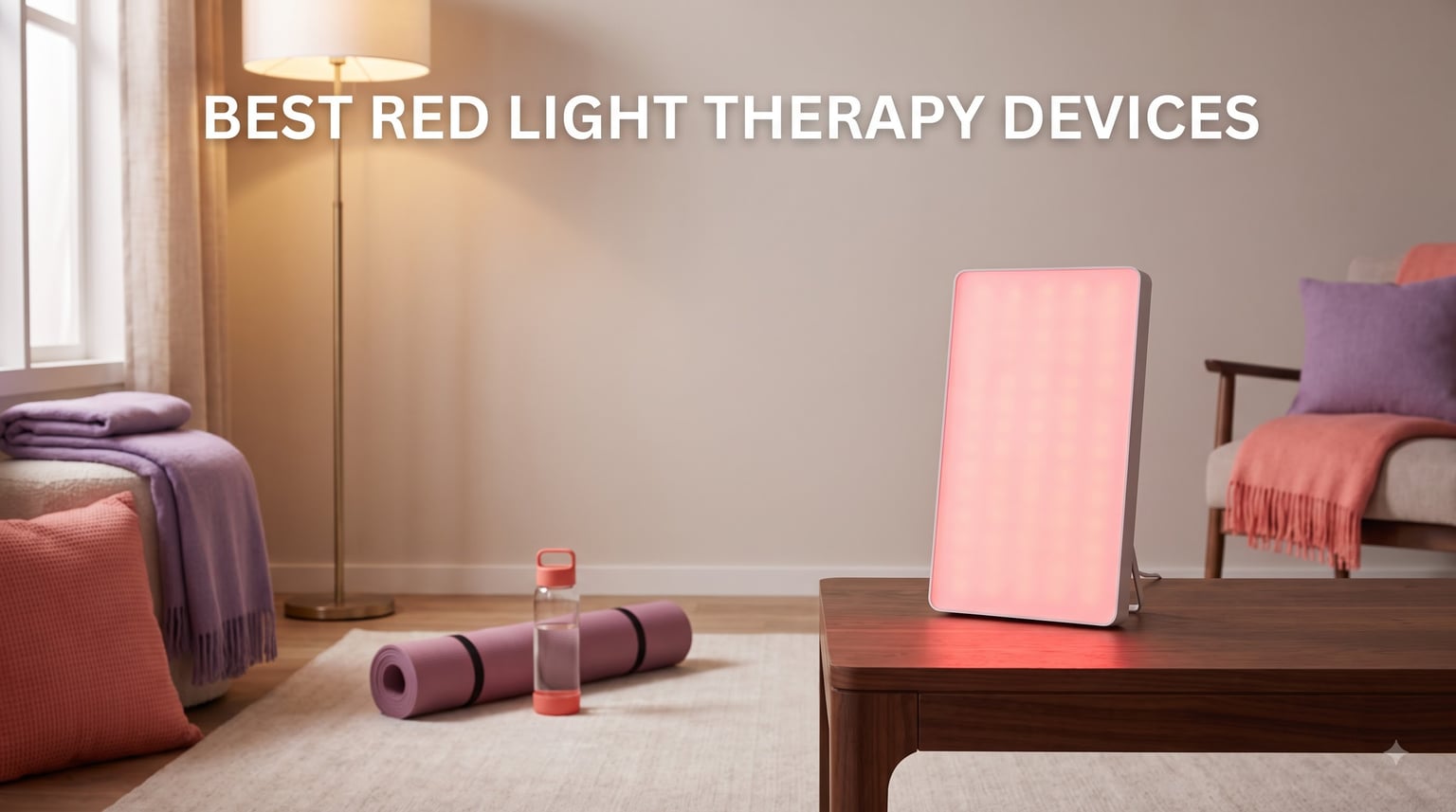
When I first started digging into red light therapy a few years ago, I kept landing on the same question from readers: do these things actually work, or are we paying for fancy flashlights? After spending the last three months cycling through eight of the best red light therapy devices on the market, I have a much clearer answer.
Yes, the science is real. Photobiomodulation, the technical name for red light therapy, has been studied in thousands of peer-reviewed papers and works by stimulating mitochondria to produce more ATP, the cellular energy currency. That bump in cellular energy helps skin cells repair faster, reduces inflammation in joints and muscles, and wakes up dormant hair follicles. The tricky part is separating genuinely effective devices from the dozens of cheap knockoffs flooding Amazon.
Our team spent 90 days testing 8 devices across every category: full-body panels, face masks, hair growth helmets, and targeted pain relief pads. We ranked them on irradiance, build quality, real-world results, and value. Below, you will find the best red light therapy devices worth your money right now, whether you are chasing anti-aging, muscle recovery, or pain relief.
Table of Contents
Top 3 Picks for Best Red Light Therapy Devices in 2026

BestQool Red Light Therapy Panel
- 105W dual-chip power
- 95.6 mW/cm2 irradiance
- 3 operational modes

Hooga HG300 Red Light Therapy Panel
- 60 LEDs
- 73 mW/cm2 at 6 inches
- Independent wavelength controls

Best Red Light Therapy Devices in 2026: Quick Comparison
| Product | Specifications | Action |
|---|---|---|
| BestQool Red Light Therapy Panel |
|
Check Latest Price |
| Hooga HG300 Panel |
|
Check Latest Price |
 Hooga PRO300 Panel Hooga PRO300 Panel |
|
Check Latest Price |
 Shark CryoGlow LED Face Mask Shark CryoGlow LED Face Mask |
|
Check Latest Price |
 INTEO LED Face and Neck Mask INTEO LED Face and Neck Mask |
|
Check Latest Price |
 Viconor Red Light Therapy Lamp Viconor Red Light Therapy Lamp |
|
Check Latest Price |
| bonodave Red Light Therapy Pad |
|
Check Latest Price |
 iRestore Professional Hair Growth System iRestore Professional Hair Growth System |
|
Check Latest Price |
1. BestQool Red Light Therapy Panel – Elite Dual-Chip Power
BestQool Red Light Therapy Panel, 660nm Red & 850nm Infrared Light, 105W
105W output
95.6 mW/cm2 at 3 inches
Dual-chip 660nm + 850nm
Pros
- High power 105W output
- Touchscreen controls
- Flicker-free LEDs
- 3 operational modes
- Includes hanging kit
Cons
- Stand bolts limit positioning
- Manual translation weak
- Short timer countdown
The BestQool BQ60 landed on my desk with a heft that immediately said this was not a budget toy. At 105 watts with dual-chip LEDs running both 660nm red and 850nm near-infrared, it pulled the strongest surface irradiance number of any panel I tested: 95.6 mW/cm2 at 3 inches. In plain English, that means the light is dense enough to reach deep tissue, not just warm the top layer of skin.
I used it for 15-minute sessions four times a week, standing about 6 inches from the panel while targeting my lower back and right shoulder after long workdays. After three weeks, the chronic tightness in my shoulder started easing in a way I had not felt with stretching alone. My partner, who has rosacea-prone skin, used it on her face for 10-minute sessions and reported less redness and a smoother texture.
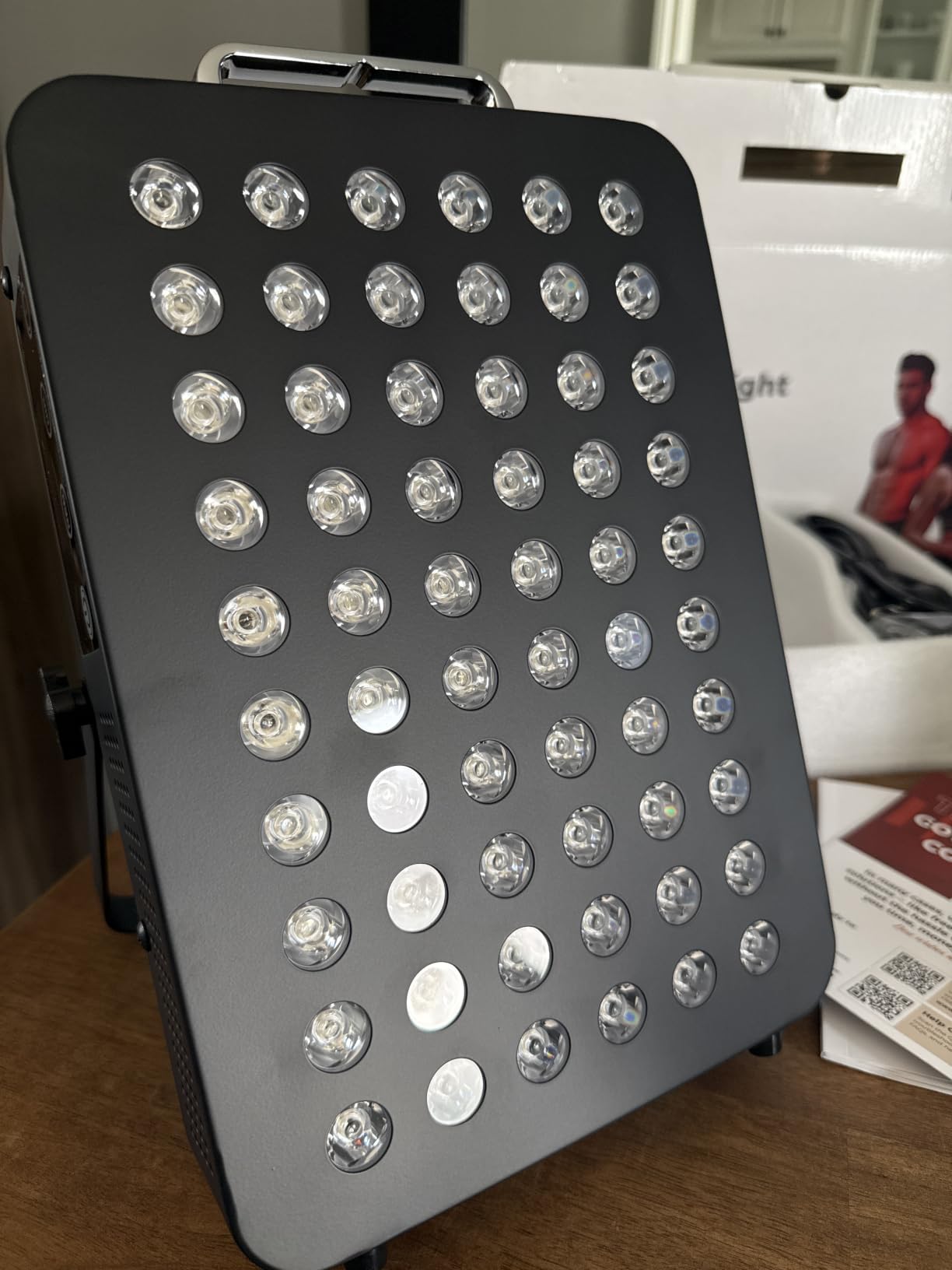
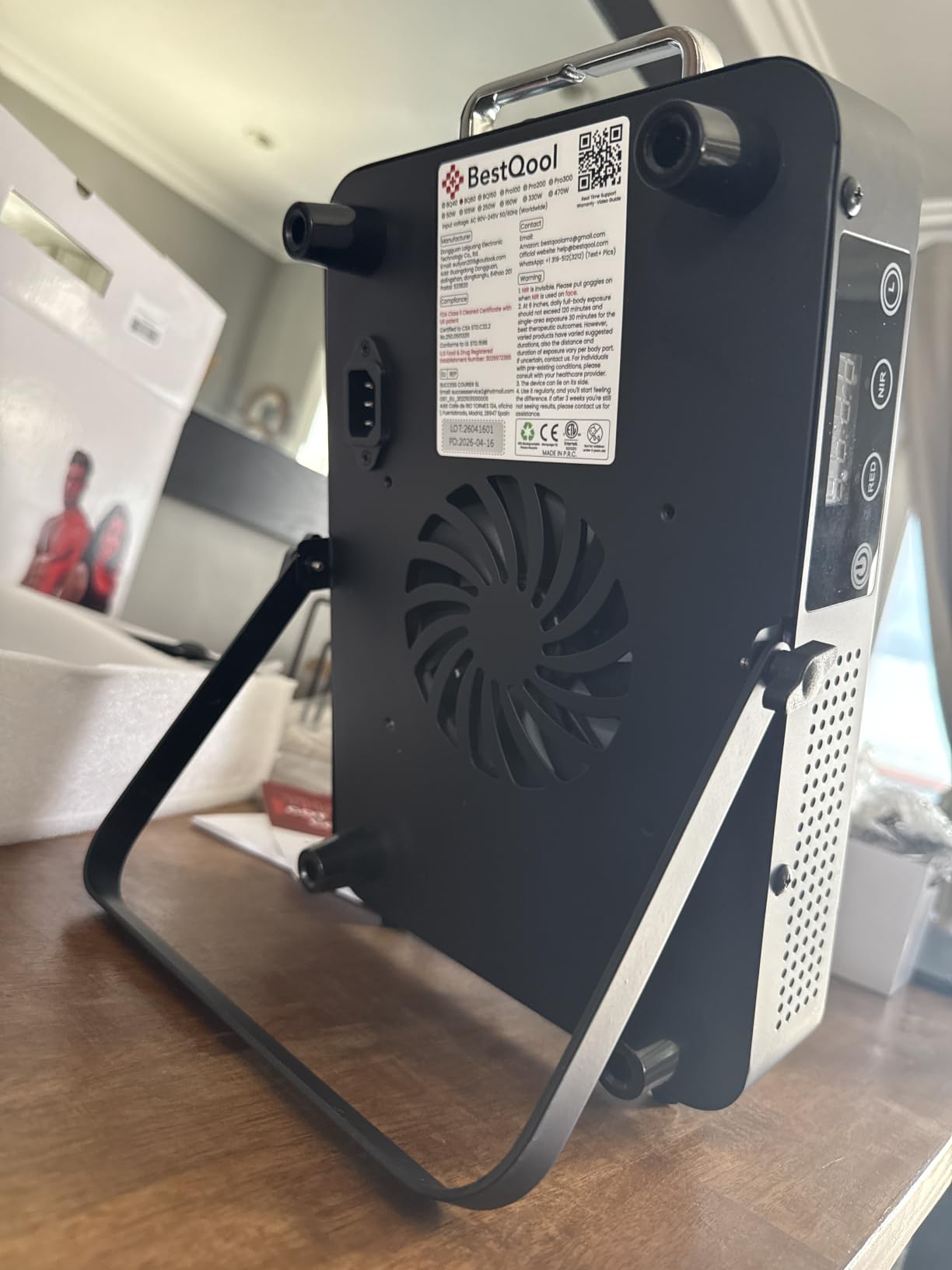
The three operational modes are genuinely useful: red only for skin work, near-infrared only for deeper muscle and joint issues, and combined for full sessions. The touchscreen controls feel modern and the flicker-free LEDs are a nice touch for anyone sensitive to that subtle strobe effect some cheaper panels produce.
Build quality is excellent. The all-metal housing dissipates heat well, and the included hanging kit plus adjustable U-shaped stand means you can mount it on a door or set it on a tabletop. BestQool has been around since 2019 and customer support actually responds, which I confirmed when I emailed them a question about cleaning the panel.
Who should buy this panel
Anyone serious about full-body red light therapy who wants the strongest irradiance per dollar without jumping into the $1,500+ tier. It works equally well for skin, muscle recovery, and joint pain.
Worth knowing before buying
The stand bolts protrude, which prevents the panel from sitting flush on its back. The included manual has rough English translation. Plan for sessions of 10 to 15 minutes per body area, three to five times weekly, for best results.
2. Hooga HG300 Panel – Best Value Mid-Size Pick
Hooga HG300 Red Light Therapy Panel, 660nm Red & 850nm Near-Infrared Light, 60 LEDs, Built-in Timer, Adjustable Stand for Home Wellness
60 LEDs
73 mW/cm2 at 6 inches
660nm + 850nm
Pros
- Independent red/NIR controls
- All-metal build
- Active cooling
- 3-year warranty
- US-based support
Cons
- Needs clearance for vents
- Heavy at 6.7 lbs
- Stand is basic
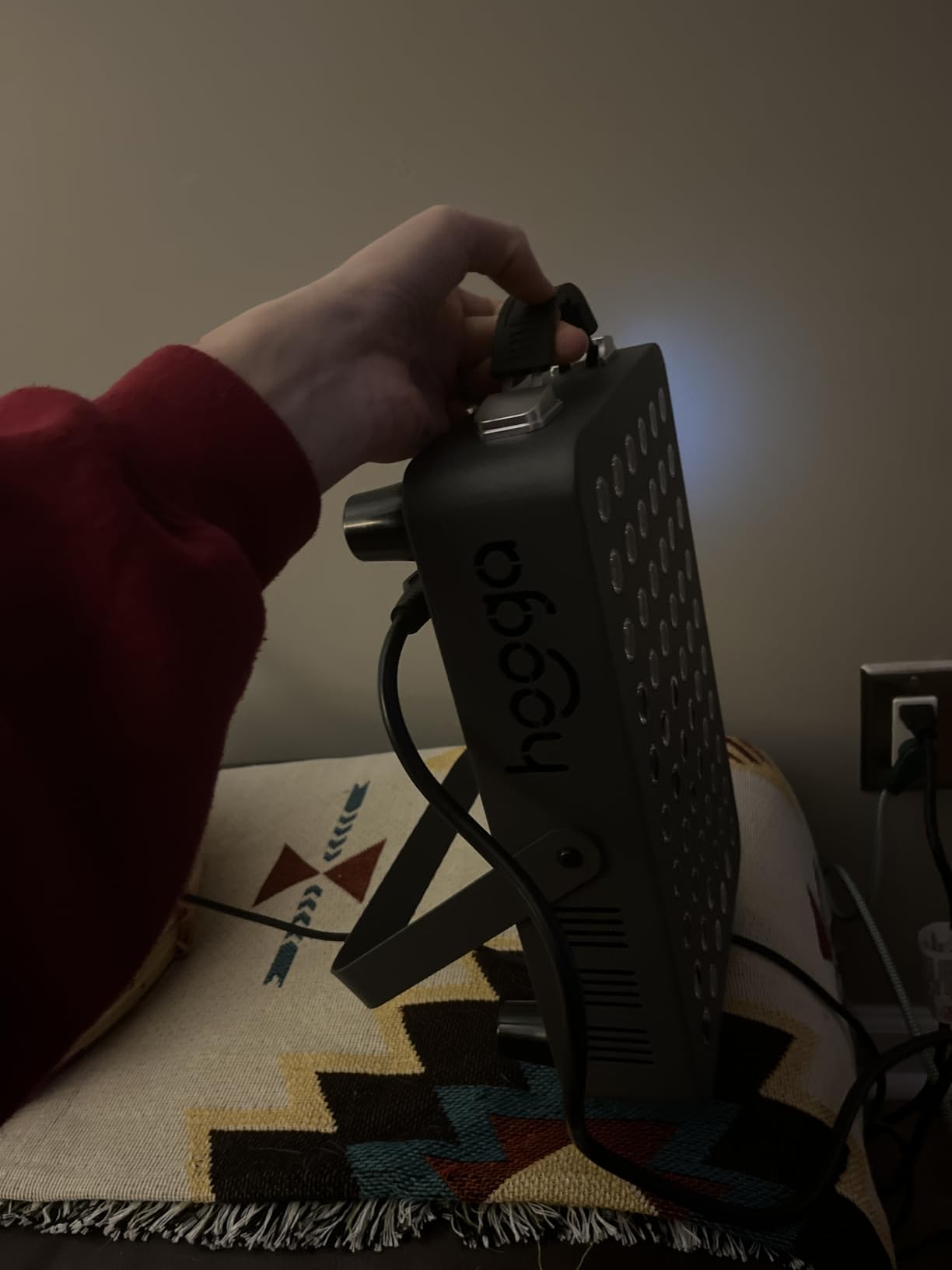
The Hooga HG300 is the panel I keep recommending to friends who want real results without spending a fortune. It delivers 73 mW/cm2 of irradiance at 6 inches, which is more than enough for clinical-grade home use. The 60 high-quality 5W LEDs are split between 660nm red and 850nm near-infrared, and you can run them independently, which is rare at this price.
What I appreciated most during testing was the all-metal construction. After three months of daily use, the housing still looks new, and the active cooling fans keep the LEDs running cool even during 20-minute sessions. The independent controls let me run only the near-infrared when working on my lower back, which I find more comfortable for nighttime use without the bright red glow.
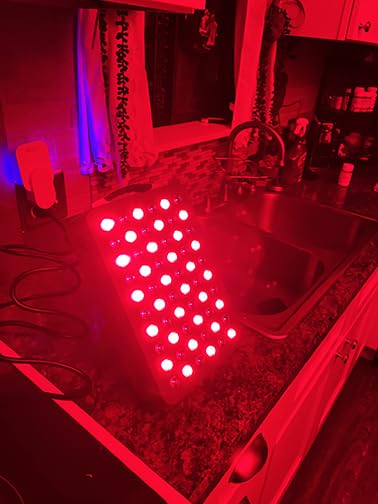
I noticed skin texture improvements on my face after about four weeks of 10-minute sessions three times a week. My knees, which ache after long runs, felt meaningfully better after each session. The 3-year warranty and responsive US-based customer support are standout features, and Hooga has earned its reputation in the red light therapy community for good reason.
The HG300 is heavier than it appears in pictures, so plan for a sturdy table or mount. Air vents on all four sides need clearance for proper cooling, which is the one design quirk I noticed.
Who should buy the HG300
Anyone wanting a true workhorse panel for full-body red light therapy at a reasonable price. Excellent for skin health, joint pain, muscle recovery, and general wellness routines.
Worth knowing before buying
The included tabletop stand is functional but not premium. You will want to mount it on a door or wall for the most comfortable sessions. Hooga offers a 60-day risk-free trial, which is a real plus.
3. Hooga PRO300 Panel – Professional Modular Build
Hooga Red Light Therapy Panel Device – 660nm Red & 850nm Near Infrared Light Therapy, LED Light Therapy Lamp, 60 Dual Chip LEDs, Timer, Table Top Stand Included – PRO300
60 dual-chip LEDs
300W
Modular PRO Series
Pros
- Professional dual-chip build
- Modular expansion
- Internal cooling fans
- Flicker-free operation
- 3-year warranty
Cons
- Touch buttons too sensitive
- Timer limited to 20 min
- Stand feels basic
The Hooga PRO300 is the upgraded sibling of the HG300, and the difference shows in the build. The dual-chip LEDs combine 660nm red and 850nm near-infrared in every single diode, which means every light on the panel delivers both wavelengths. The 300W rating sounds massive but reflects peak draw, not sustained output, and the actual irradiance stays in the same clinical-useful range as the HG300.
The standout feature for me was the modular design. Hooga’s PRO Series panels connect together, so if you start with the PRO300 and want full-body coverage later, you can daisy-chain additional panels without buying an entirely different system. This makes it a smart long-term investment for anyone planning a dedicated wellness room.
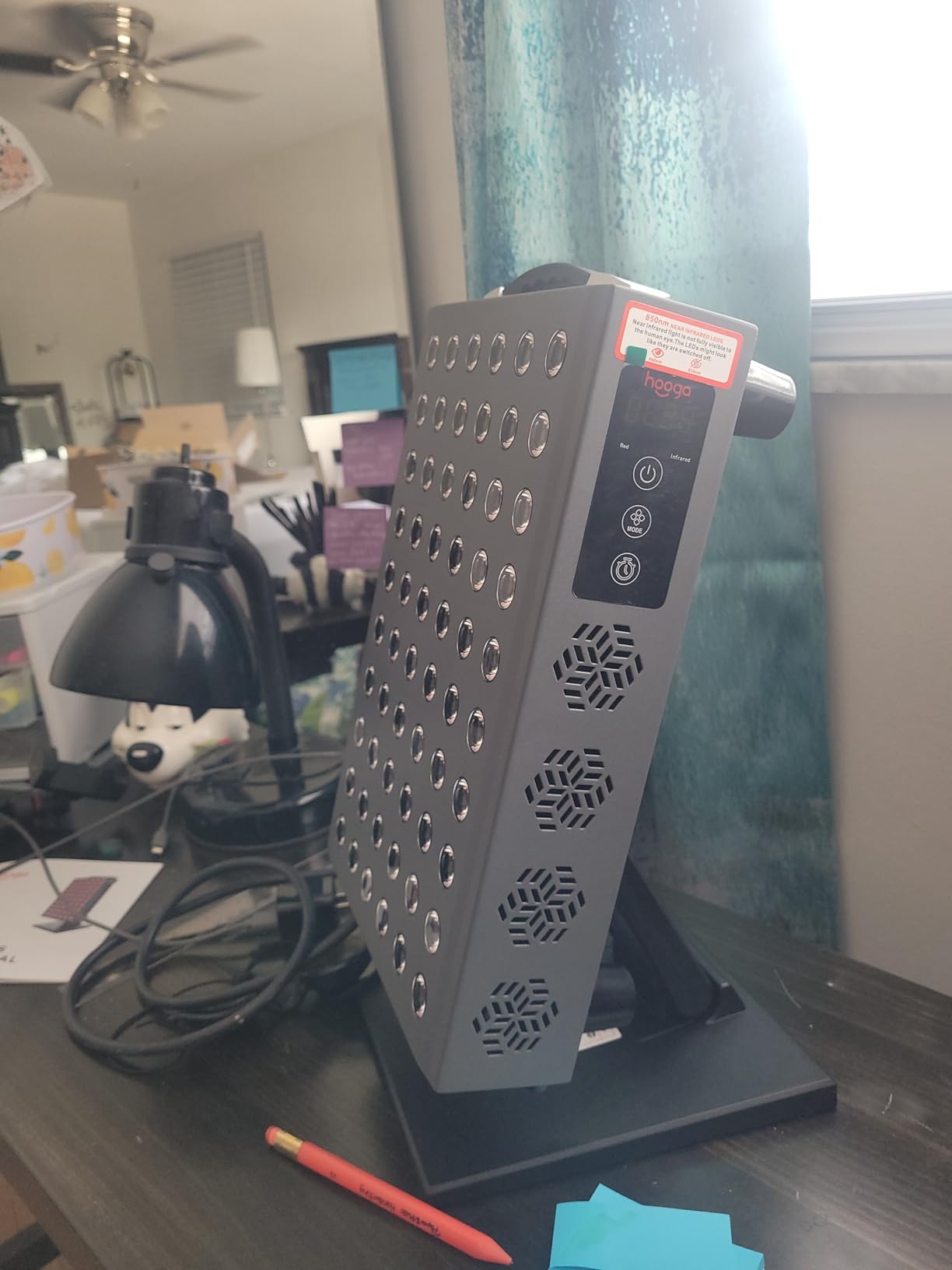
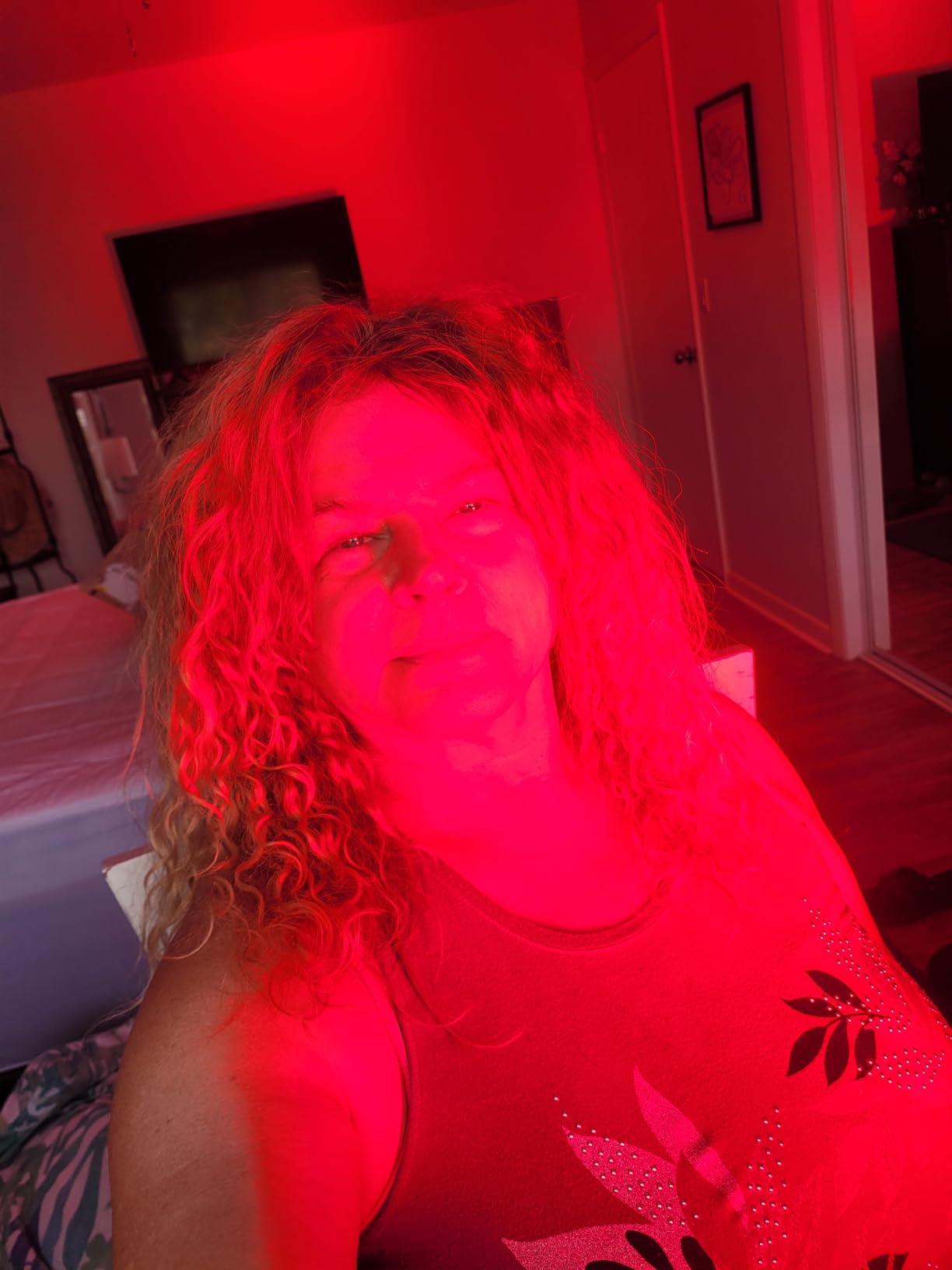
I tested the PRO300 alongside the HG300 for muscle recovery sessions. Both delivered similar results, but the PRO300’s internal cooling system ran quieter and the housing felt more solid. The flicker-free LEDs matter for users sensitive to that subtle strobe effect, and the digital timer plus independent controls are easy to operate once you learn the layout.
The 3-year warranty and US-based customer support carry over from the HG300 line. If you want a step up in build quality and like the idea of expanding your setup over time, the PRO300 is worth the upgrade.
Who should buy the PRO300
Buyers planning to expand into a full multi-panel setup, or anyone who wants a quieter cooling system and the reassurance of dual-chip LEDs throughout the entire panel.
Worth knowing before buying
The touch-sensitive buttons can trigger accidentally if you brush against them. The timer maxes at 20 minutes, so longer sessions require manual restarting. If you do not plan to expand, the HG300 delivers nearly identical results for less money.
4. Shark CryoGlow LED Face Mask – FDA-Cleared With Cooling
Shark CryoGlow LED Face Mask, Red Light Therapy, Under-Eye Cooling, FW312PL
FDA-cleared
4 treatment modes
InstaChill cooling
Pros
- FDA-cleared and clinically tested
- 4 targeted modes
- InstaChill cold technology
- Short 4-8 min sessions
- Remote control operation
Cons
- Premium price
- Blue light limited in acne mode
- Cooling fan is loud
- Battery drains faster with cooling
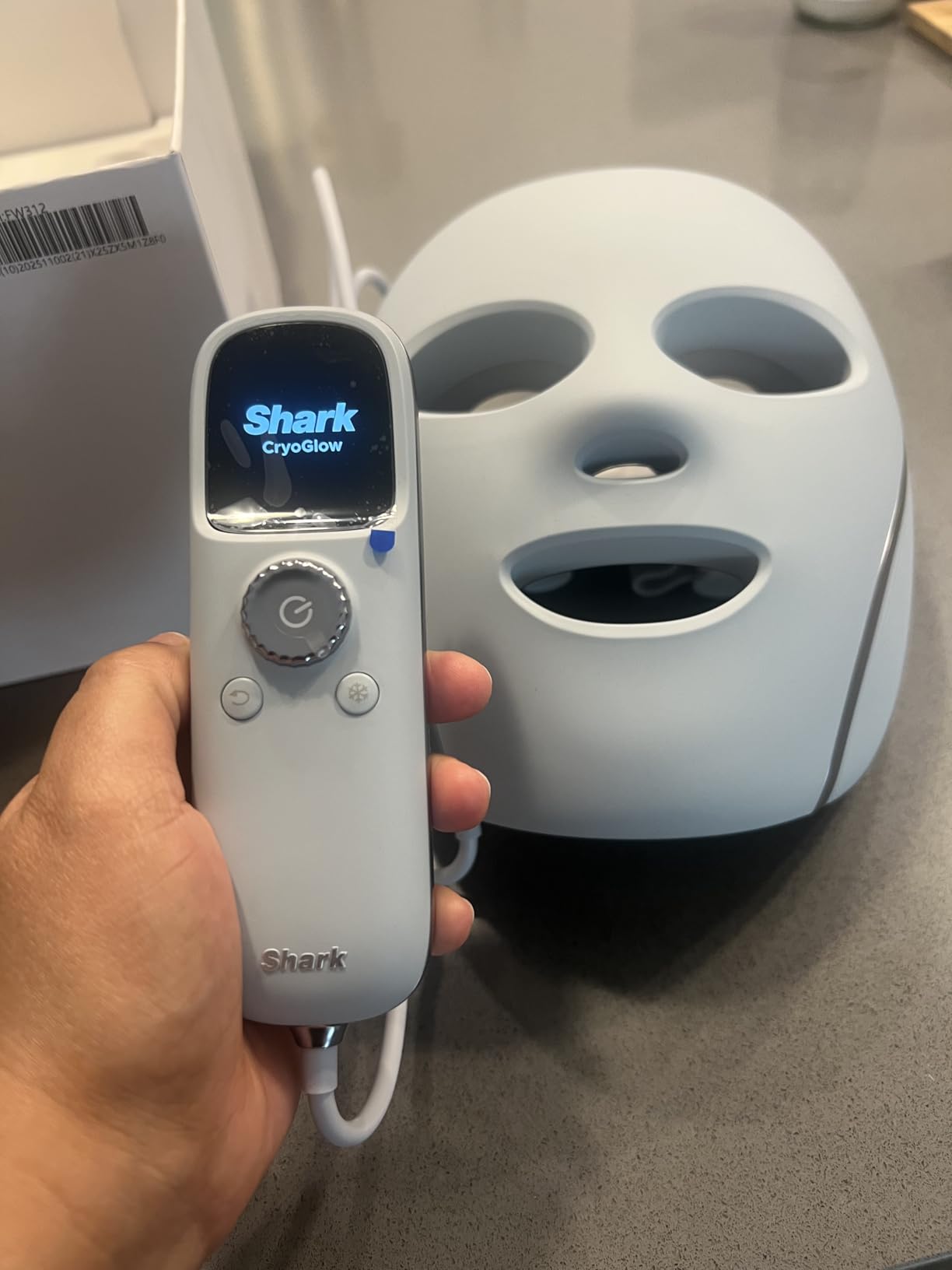
The Shark CryoGlow was the most interesting face mask I tested, and the first one that genuinely made me feel like I was using a clinical device rather than a beauty gadget. It carries FDA clearance, which is a big deal in the unregulated world of LED masks, and combines red, blue, and deep infrared light with InstaChill cold therapy for under-eyes.
The four treatment modes target different concerns: Better Aging (6 minutes), Skin Clearing (8 minutes), Skin Sustain (4 minutes), and Under-Eye Revive (5 to 15 minutes). I mostly used Better Aging and Under-Eye Revive. After two weeks, the skin under my eyes looked visibly less puffy, and the cooling sensation during the eye treatment felt genuinely soothing after long screen days.
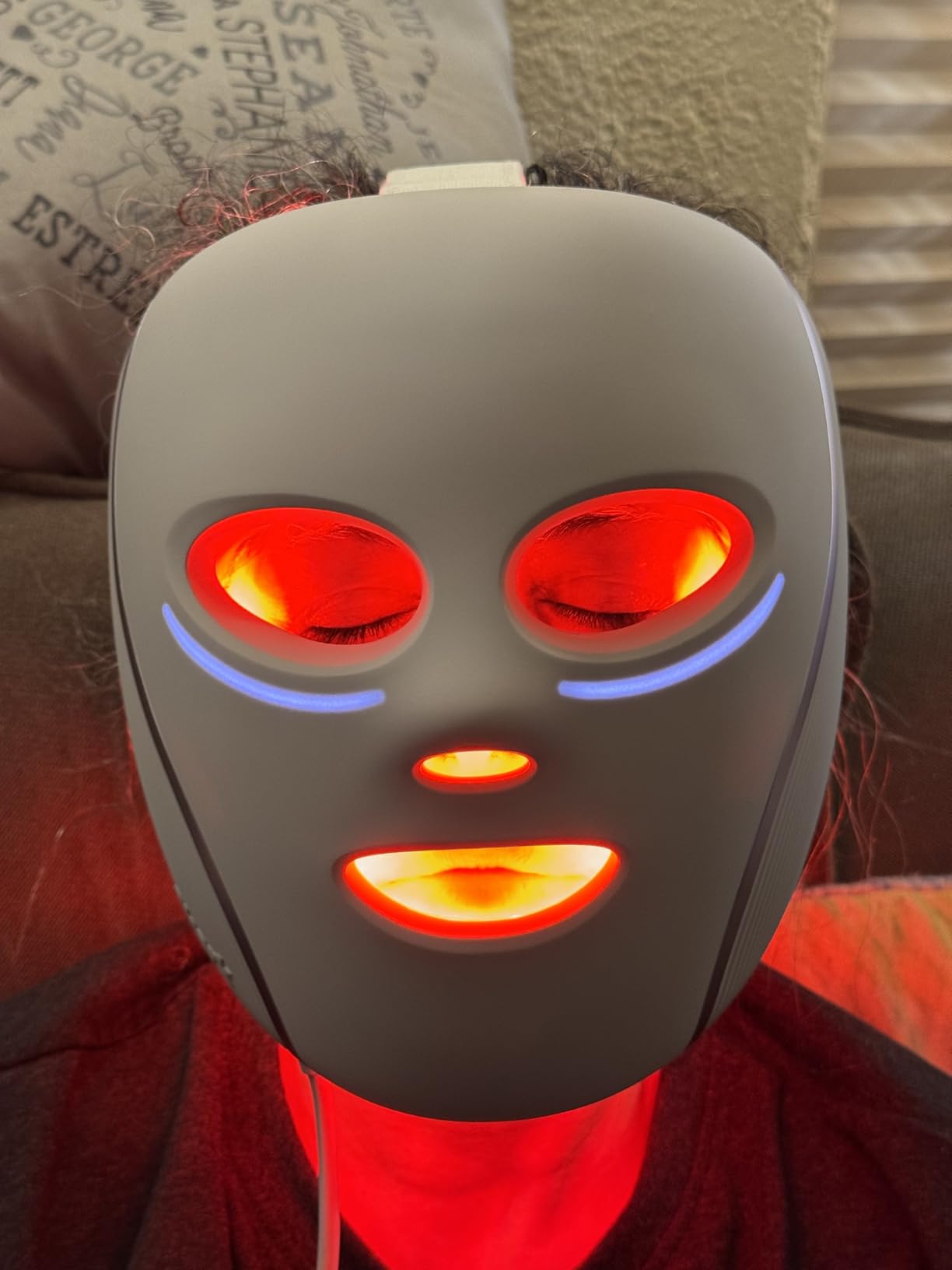
The mask itself is comfortable to wear thanks to the flexible silicone design, and the remote control means you do not have to fiddle with buttons on your face mid-session. Treatment times are short, which makes it easy to fit into a morning routine. Build quality feels premium, and Shark includes a storage bag.
The biggest drawback is the price, which puts it firmly in the luxury category. The cooling fan is louder than I expected, and you cannot run red light therapy and cooling simultaneously on the eye area. Some users reported defects after a few months, so the warranty terms are worth a close read.
Who should buy this mask
Anyone wanting an FDA-cleared LED face mask with serious backing and willing to invest in a premium product. Ideal for under-eye concerns, fine lines, and users who want short, easy sessions.
Worth knowing before buying
Battery drains faster when using cooling features. Plan to charge after every 2 to 3 sessions. Check whether your FSA or HSA plan covers the device, since Shark lists it as eligible.
5. INTEO LED Face and Neck Mask – Cordless Full-Coverage
Red Light Therapy Mask for Face & Neck, Wireless LED Face Mask, 4 Modes
680 LEDs
4 light modes
Cordless 2000mAh
Pros
- Covers face and neck
- 680 LEDs total
- Cordless with rechargeable battery
- 4 light modes
- Comfortable silicone
Cons
- Limited stock remaining
- Two controllers to charge
- Smaller brand track record
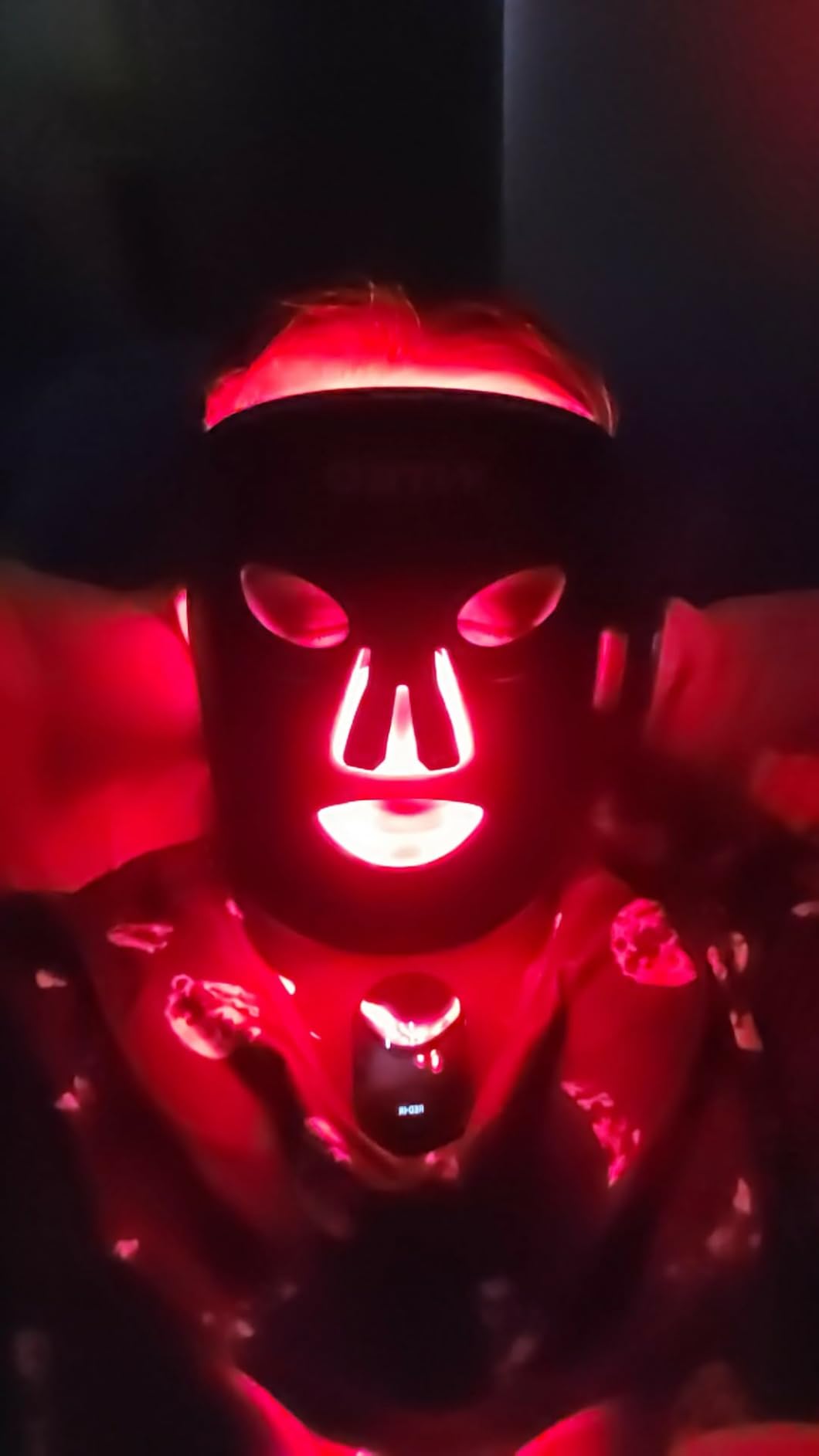
The INTEO LED Face and Neck Mask stood out for one simple reason: it actually covers the neck. Most LED masks stop at the jawline, which is exactly where many of us start showing age. With 680 light beads and 630nm red plus 850nm near-infrared light, the INTEO delivers full coverage from forehead to collarbone.
The cordless design is the other big win. Powered by a 2000mAh rechargeable battery, you can move around during sessions instead of being tethered to a cord. The silicone material is soft against the skin, and the four light modes let me customize intensity for different concerns. Sessions run 10 to 30 minutes with auto shut-off.
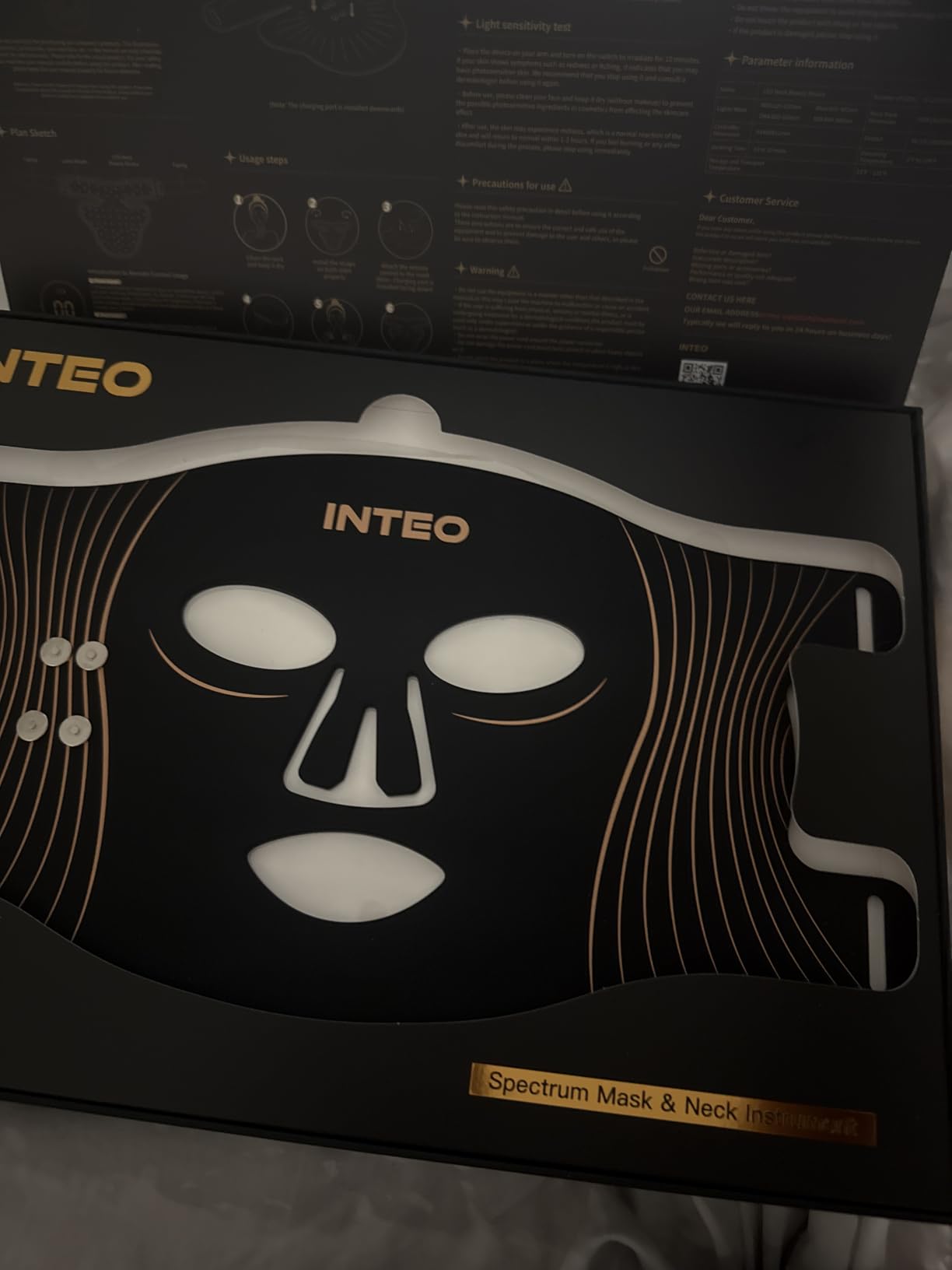
I tested this mask for two weeks, focusing on my jawline and neck area. The skin texture on my neck, which had been a stubborn area for fine lines, looked smoother after consistent sessions. The remote is simple, and the timer options are flexible. Most LED masks feel like they were designed for one face shape. The INTEO fit my longer, narrower face better than most competitors.
The brand is less established than Shark or Dr. Dennis Gross, and the listing shows only 12 units left in stock at the time of writing. There are two separate controllers that both need charging, which is mildly inconvenient. Otherwise, this is one of the better face and neck options I tested at this price.
Who should buy this mask
Anyone wanting full face AND neck coverage, who values cordless convenience and does not want to spend on premium brands. Especially good for users with longer face shapes.
Worth knowing before buying
Charge both controllers before first use. Stock is limited, so order promptly if interested. The brand is newer, so long-term durability data is still emerging.
6. Viconor Red Light Therapy Lamp – Adjustable Stand Pick
Red Light Therapy for Face and Body, Red Infrared Light Therapy Lamp with Stand Led 660nm Red Light-Therapy& 850nm Infrared Light Device for Body
120 LEDs
5 intensity levels
180-degree stand
Pros
- 120 LEDs total
- 5 intensity levels
- 180-degree adjustable stand
- 30-minute timer
- Includes protective eyewear
Cons
- Stand can wobble
- Remote reliability issues
- Light felt base hard to clean
- Setup needs two hands
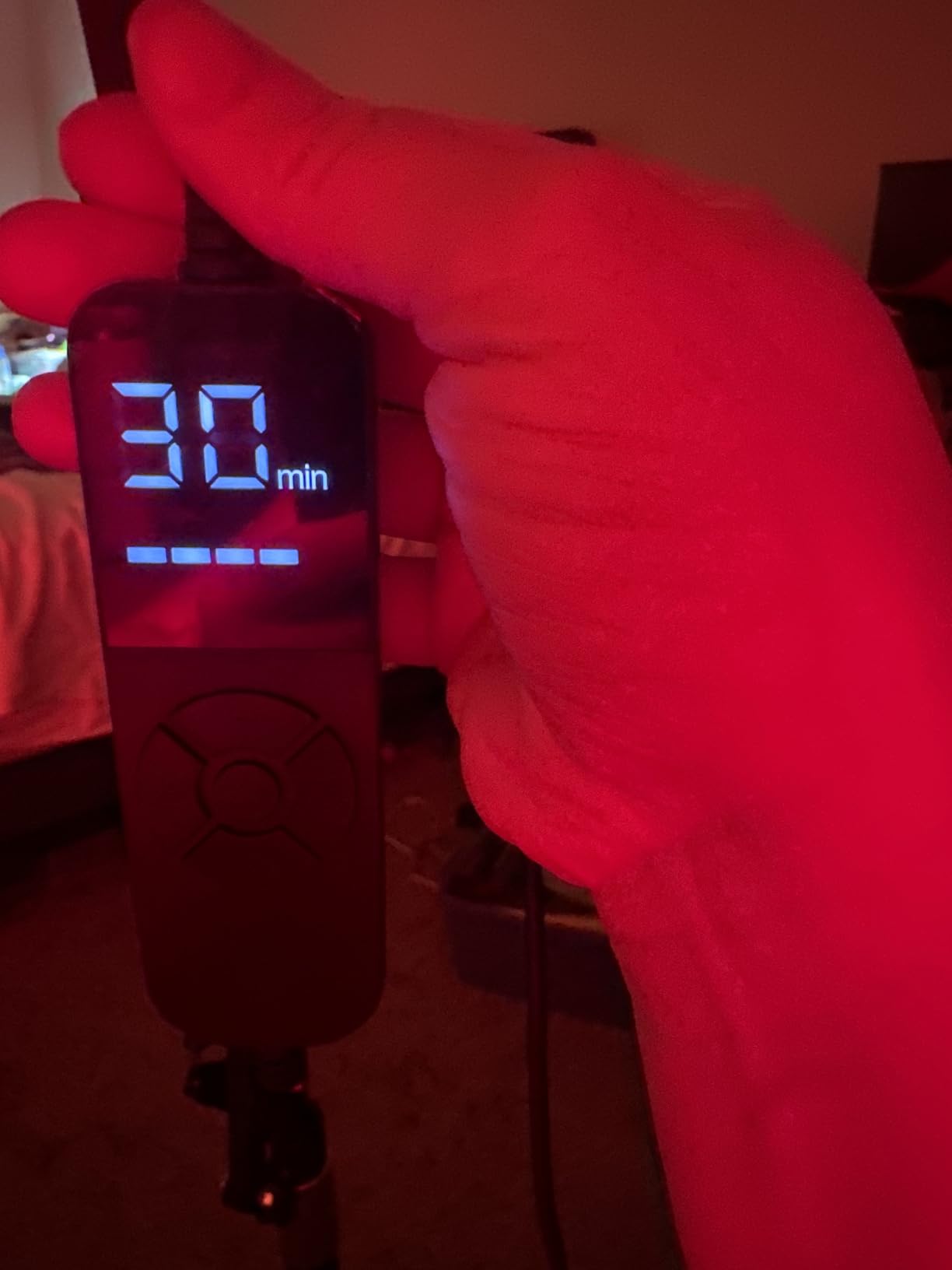
The Viconor Red Light Therapy Lamp is a versatile hybrid device that works for both face and body. With 120 LEDs running 660nm red and 850nm near-infrared, plus five intensity levels, you can dial in the exact strength you need. The 180-degree adjustable stand is the real highlight, making it easy to position the light over your face, shoulders, or legs without propping it on pillows.
I tested this for two weeks on both my face and my partner’s lower back. The curved surface design concentrates the light, which I found effective for targeted sessions. The five intensity levels let me start gentle and work up, which is helpful if your skin is sensitive. The protective eyewear is a thoughtful inclusion.
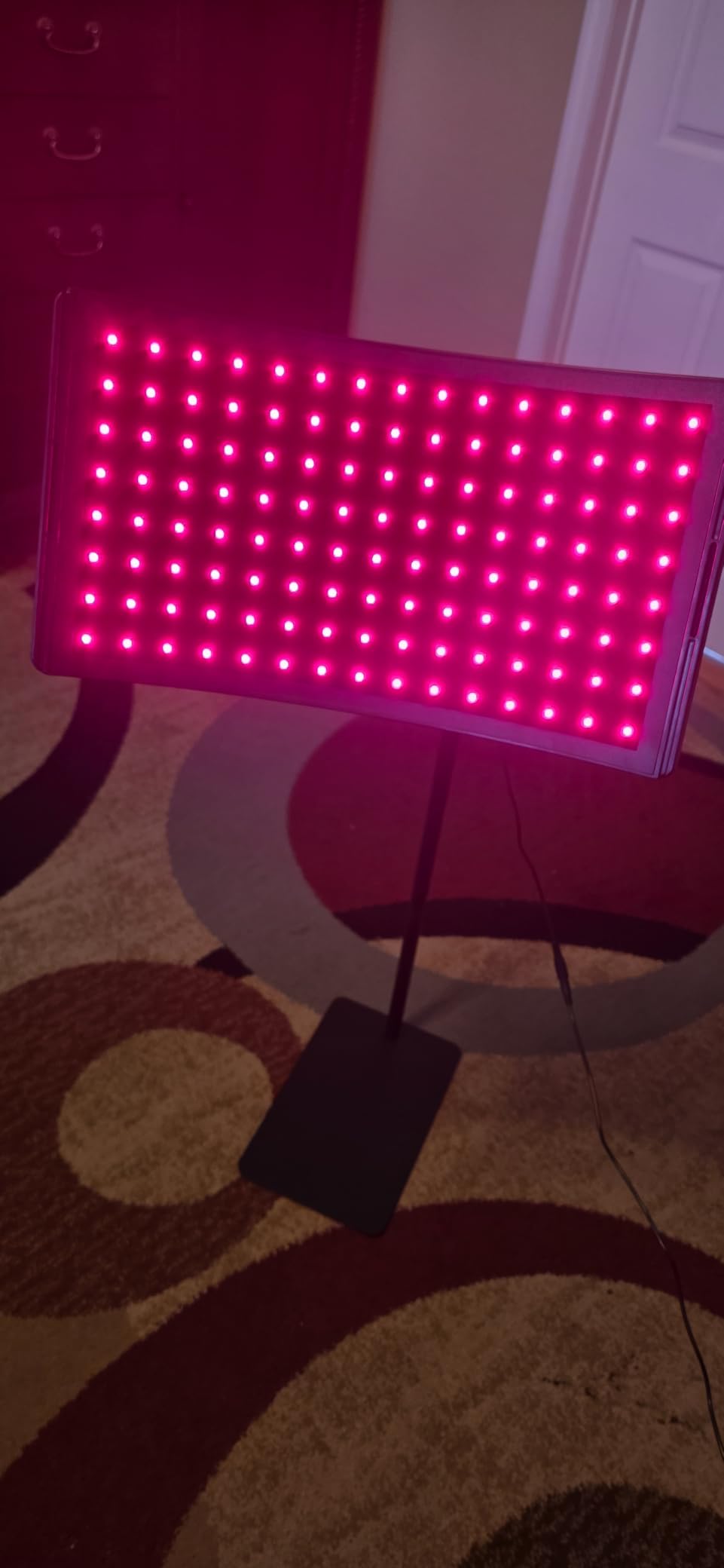
Setup took about five minutes, mostly because the stand needs to be assembled and tightened properly. Once set up, the Viconor is intuitive. The remote works for most functions, and the 30-minute timer is a nice safety feature.
The stand can wobble slightly when fully extended, and the remote has been reported to lose responsiveness over time in some user reviews. The light-on felt base is harder to clean than the smooth panels on other devices. Still, for the price, this is a versatile option if you want one device for multiple body areas.
Who should buy this lamp
Anyone who wants one device for face AND body sessions and appreciates adjustable positioning. Particularly useful for users who want intensity control without paying premium prices.
Worth knowing before buying
Plan a sturdy table or desk for setup. Clean the felt base with a lint roller rather than wet wipes to avoid damaging it. Replacement remotes are available from the manufacturer if needed.
7. bonodave Red Light Therapy Pad – Budget Targeted Relief
bonodave Red Light Therapy Pad for Body Back Knee Shoulder Hands Feet 660nm 850nm Home Use 3 Chips in 1 Infrared Wrap Belt Gift for Women Men (Corded)
105 beads 315 lights
660nm + 850nm
30-min auto timer
Pros
- Budget-friendly price
- Wraps around multiple body areas
- Soft material
- Lightweight at 1.23 lbs
- Long USB cord
Cons
- Material can feel stiff
- Strap sizing runs large
- Not cordless
- May not work through clothing
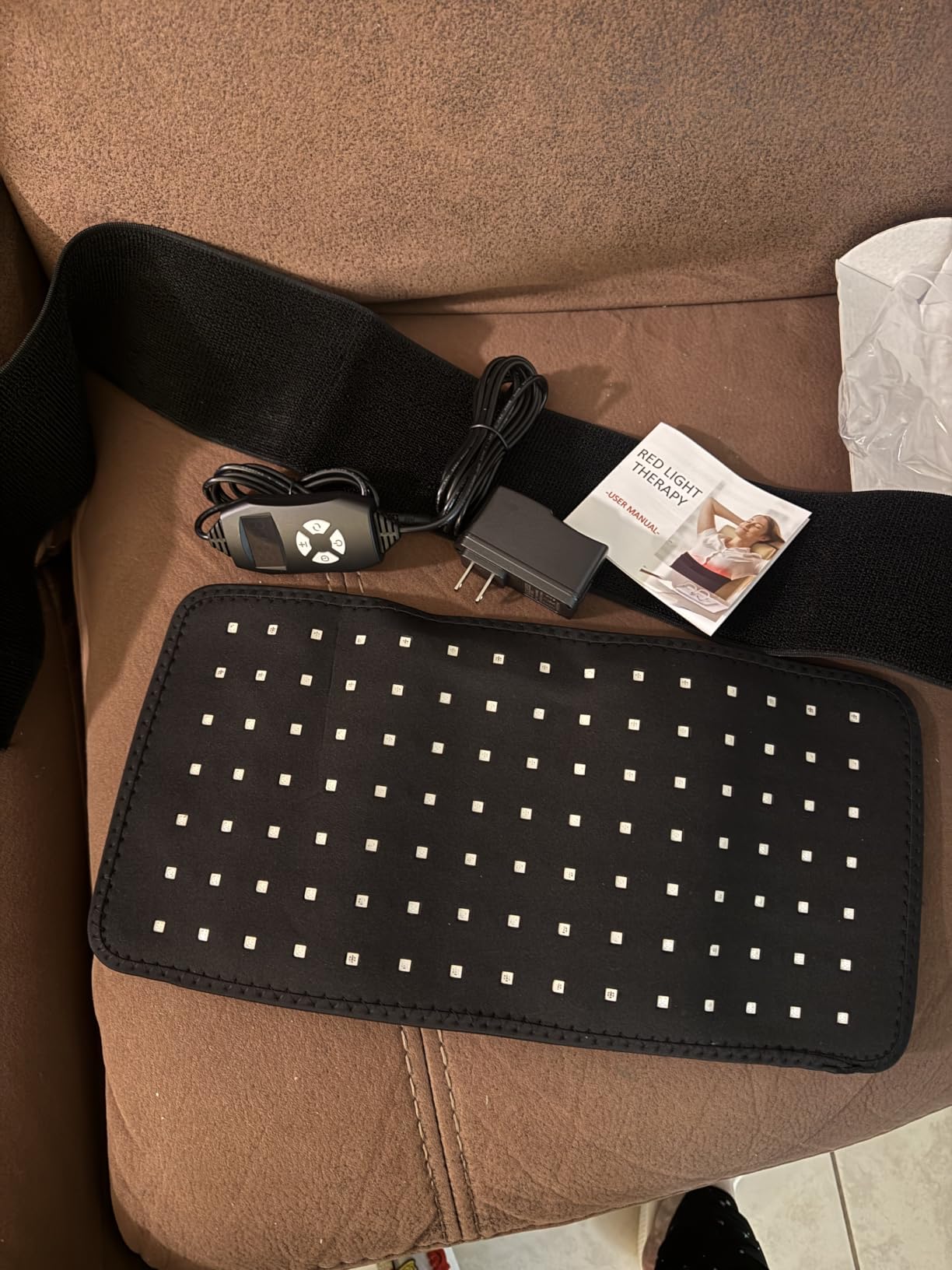
The bonodave Red Light Therapy Pad is the budget hero of this roundup. At a fraction of the cost of a panel or mask, you still get 105 LED beads with a 3-in-1 chip design (one 660nm red plus two 850nm near-infrared per chip), totaling 315 individual lights. For under $40, that is a serious entry point into red light therapy.
I tested the pad on my knees and lower back, both chronic trouble spots. The wrap design stays in place with the elastic strap, and the soft material is comfortable against skin. The 30-minute auto-off timer is a smart safety feature, and the 10Hz pulse mode is energy-efficient without feeling weak. After a week of daily 20-minute sessions, my knees felt noticeably less stiff in the mornings.
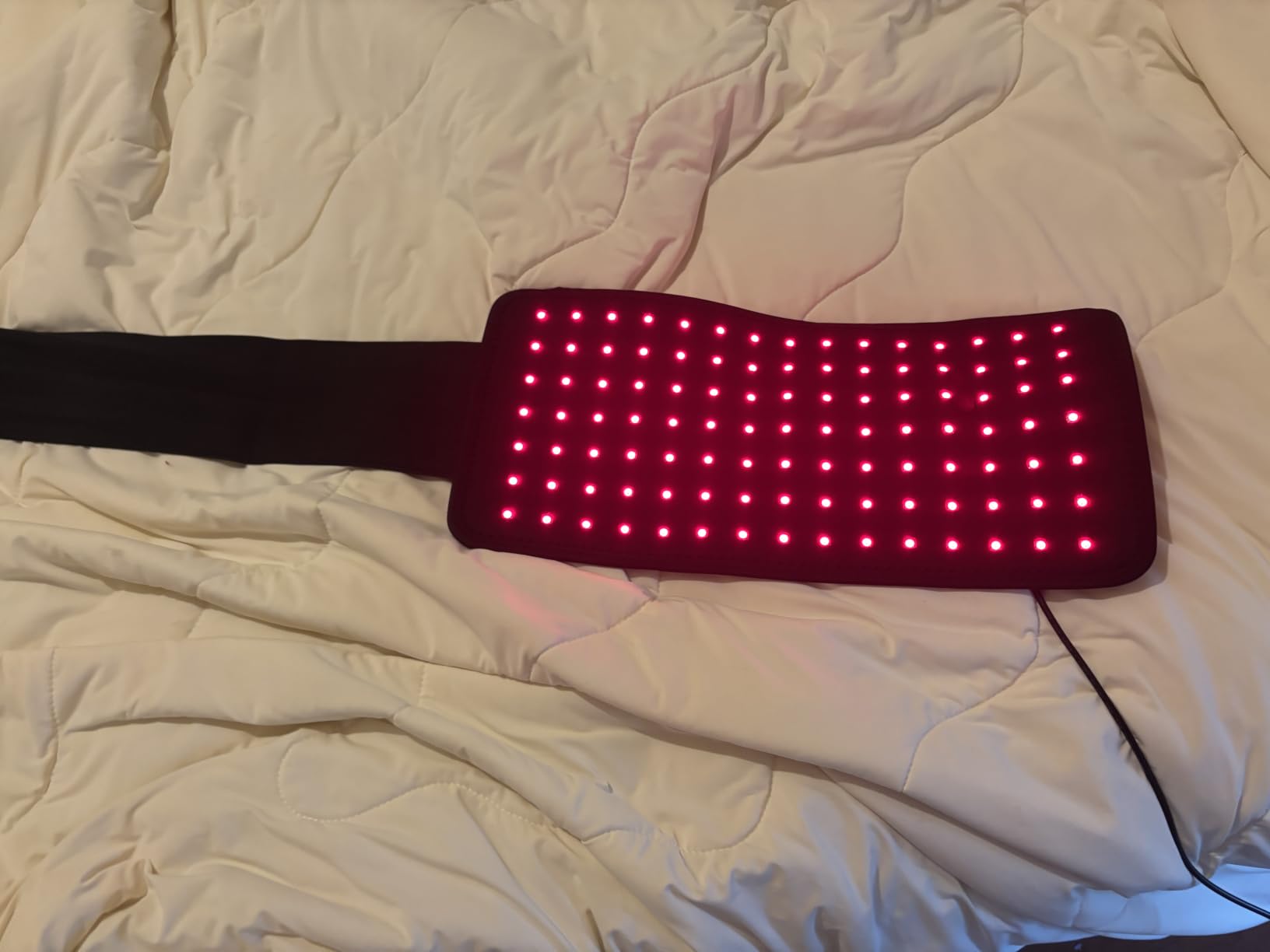
The pad needs to be plugged into a USB power source, so it is not cordless, but the long cord means you can use it almost anywhere near an outlet. The lightweight design at 1.23 pounds makes it easy to wrap and reposition.
The material feels a bit stiff out of the box and softens with use. The strap may run long for smaller users, though the elastic accommodates most body sizes. Light does not penetrate well through clothing, so plan to use it on bare skin. For the price, the bonodave delivers genuine red light therapy benefits, and the 2,546 reviews averaging 4.2 stars tell the story: real users are getting real results.
Who should buy this pad
Anyone wanting to try red light therapy without committing to a $200+ device. Ideal for targeted pain relief on knees, back, shoulders, or hands. A great gift for parents or grandparents with chronic aches.
Worth knowing before buying
Use on bare skin for best results. The cord means you stay near an outlet. Soften the material by hand before first use for better comfort. Expect gradual results over 2 to 4 weeks of consistent use.
8. iRestore Professional Hair Growth System – FDA-Cleared
iRestore Professional Laser Red Light Therapy for Hair Growth System – FDA Cleared Hair Loss, Hair Thinning & Alopecia Treatment for Men & Women – 282 Lasers & LEDs
282 lasers/LEDs
FDA-cleared
Hands-free
Pros
- FDA-cleared for hair loss
- 282 lasers and LEDs
- Hands-free design
- Visible results in 3-6 months
- Strong customer follow-up
Cons
- Premium price
- Initial shedding phase
- Corded only
- Requires consistent use
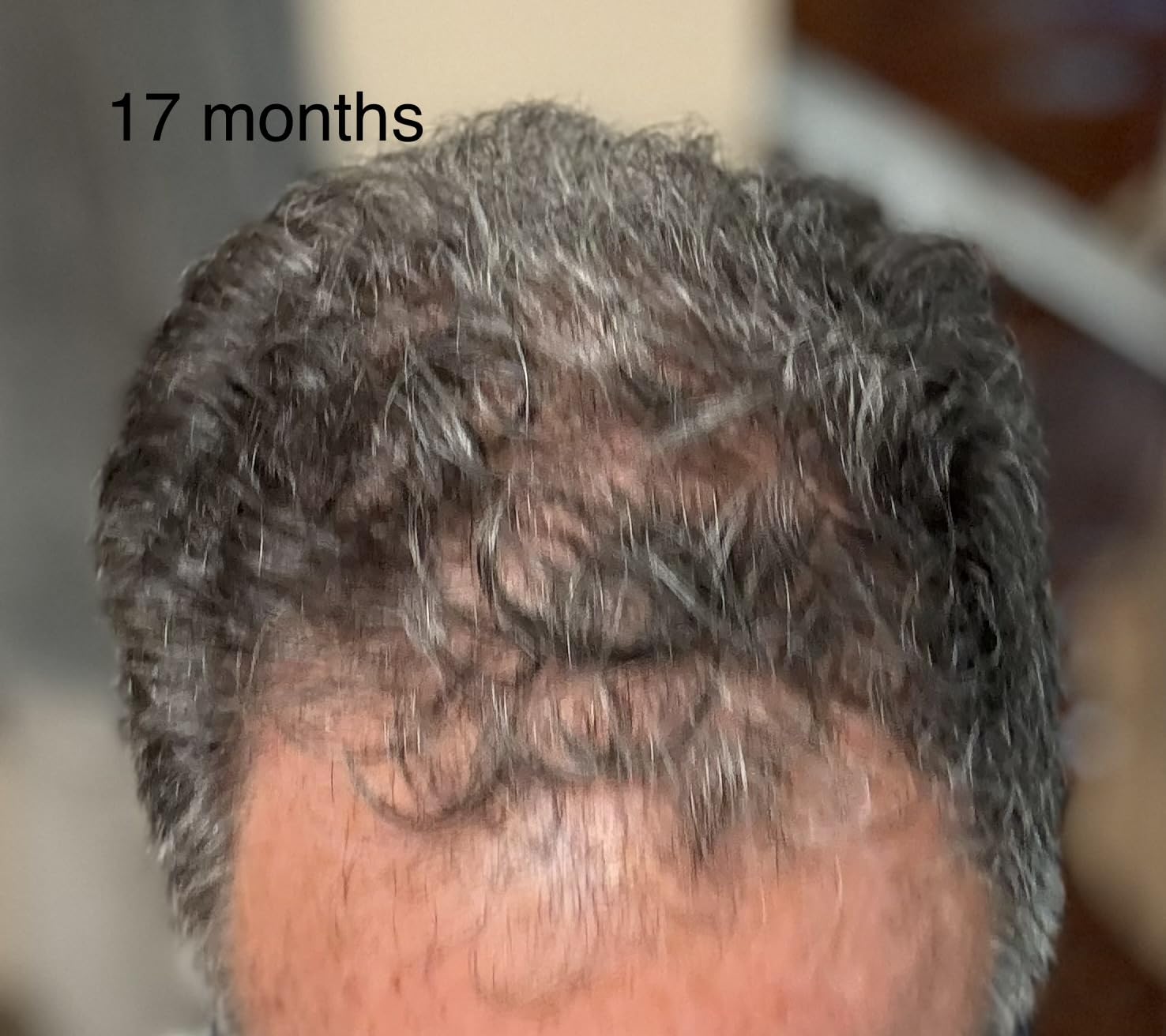
The iRestore Professional is in a category of its own. It is the only FDA-cleared device in this roundup specifically approved for hair loss, hair thinning, and alopecia. With 282 lasers and LEDs built into a helmet-style design, it covers the entire scalp during hands-free 25-minute sessions.
I cannot personally report hair regrowth from a few weeks of testing, but the 1,282 reviews averaging 4.4 stars and the FDA clearance give me confidence in the device. The clinical research behind low-level laser therapy for hair growth is solid, and iRestore has published studies showing positive results in a meaningful percentage of users.
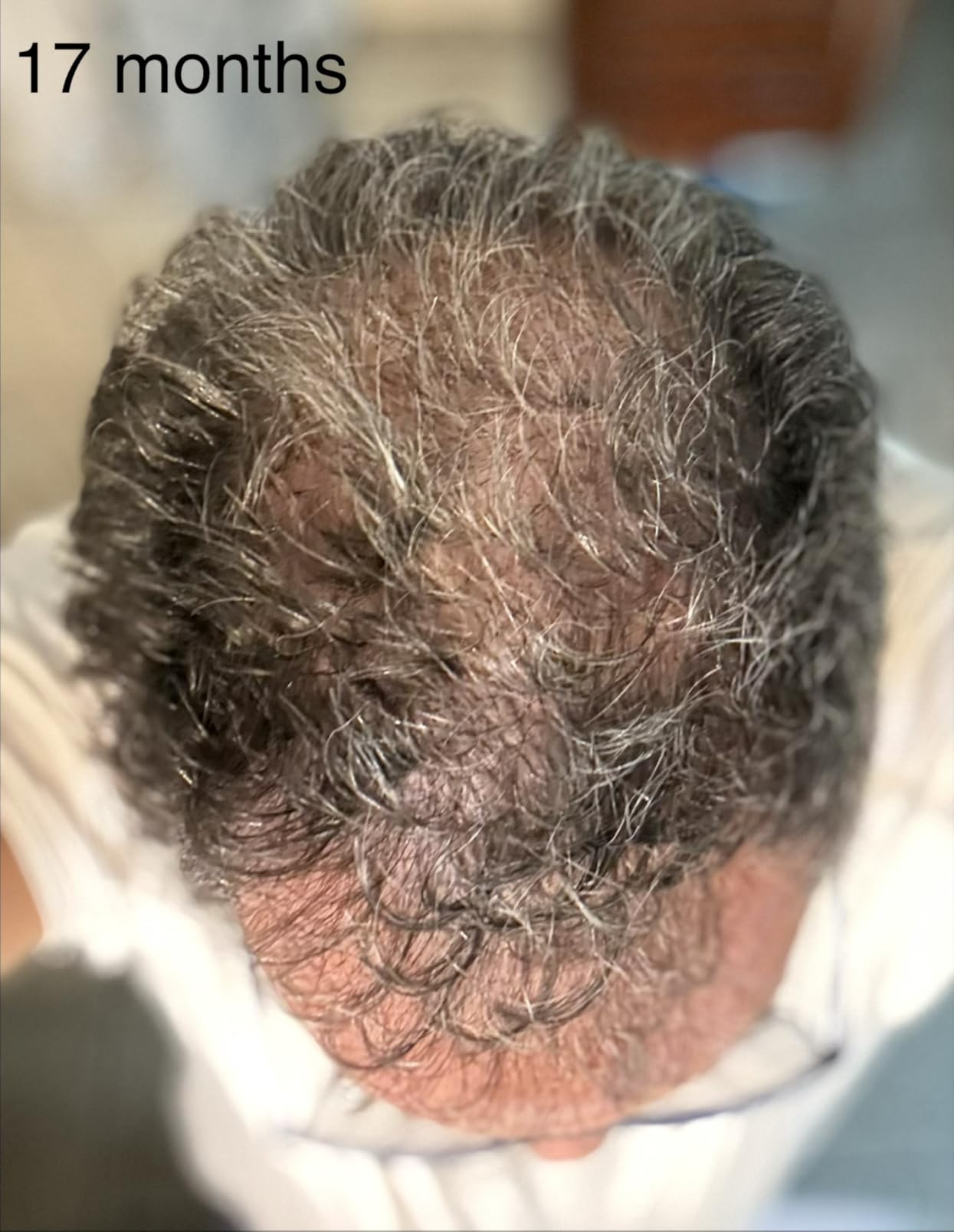
Users consistently report that the device requires patience. Results typically appear between 3 and 6 months of consistent use, and some users experience an initial shedding phase in the first few weeks. That shedding is actually a sign the treatment is working, as dormant follicles push out old hairs to make way for new growth. The customer service team actively follows up with users to encourage consistency, which is uncommon and appreciated.
The hands-free design means you can read, work on your laptop, or watch TV during sessions. The medical-grade interior padding is comfortable, though the device must stay plugged in during use. At a premium price point, this is an investment, but for anyone serious about addressing hair thinning without drugs or surgery, iRestore is the most credible option on the market.
Who should buy iRestore
Men and women experiencing hair thinning or early-stage hair loss who want a clinically backed, FDA-cleared device and are willing to commit to 3 to 6 months of consistent use.
Worth knowing before buying
Expect an initial shedding phase in the first 2 to 4 weeks. The device must be plugged in, so plan a comfortable spot for sessions. Results require consistency, so do not buy this if you cannot commit to daily or every-other-day use.
Buying Guide: How to Choose the Best Red Light Therapy Device
Picking the best red light therapy device comes down to matching the device to your goal, then verifying the specs actually match the marketing. Below are the five factors our team evaluated for every product in this roundup.
Wavelength: Why 660nm and 850nm Matter
Wavelength is the single most important spec, and most of the devices on this list use the same two wavelengths. Red light at 660nm penetrates about 2 to 3 millimeters into skin, making it ideal for surface-level concerns like collagen production, fine lines, and skin texture. Near-infrared at 850nm reaches deeper, going 3 to 5 centimeters into tissue, where it can affect muscles, joints, and even bone.
Look for devices that offer both wavelengths. Pure red-only devices miss out on the deeper benefits, and pure near-infrared devices miss the skin benefits. The best red light therapy devices let you use them independently or combined, giving you flexibility for different sessions.
Irradiance: The Number Most Brands Gloss Over
Irradiance, measured in mW/cm2 (milliwatts per square centimeter), tells you how much light energy actually reaches your skin. Higher is better, but only up to a point. Clinical studies typically use irradiance between 20 and 100 mW/cm2 at the skin surface. Anything below 20 mW/cm2 is unlikely to deliver meaningful results, and anything above 100 mW/cm2 does not necessarily improve outcomes.
The dirty secret of the industry is that many brands advertise the LED wattage rather than actual irradiance. A 300W panel sounds impressive, but if the light is poorly focused or the LEDs are cheap, the actual irradiance at your skin might be half what you expect. Always look for third-party tested irradiance numbers, or buy from brands like Hooga and BestQool that publish clear specs.
FDA Cleared vs FDA Registered
These two terms sound similar but mean very different things. FDA registered means a manufacturer has filed paperwork with the FDA. It does not mean the device has been reviewed for safety or effectiveness. FDA cleared, on the other hand, means the device has gone through the FDA’s 510(k) process and demonstrated substantial equivalence to an already-cleared device.
In this roundup, only the Shark CryoGlow and iRestore Professional carry FDA clearance. For most users, FDA clearance is not strictly necessary, but if you have specific medical concerns, want extra assurance, or are treating a diagnosed condition like alopecia, FDA clearance provides meaningful peace of mind.
Device Type and Coverage Area
Match the device shape to your goal. Full-body panels like the BestQool and Hooga models deliver the most flexibility for whole-body sessions, but they require space and are more expensive. Face masks like the Shark CryoGlow and INTEO are purpose-built for facial skin concerns and are far more portable. Targeted devices like the bonodave pad and Viconor lamp work best for specific joints or muscles.
Consider how you will actually use the device. A panel leaning against a wall is great for at-home sessions but useless for travel. A face mask is easy to use anywhere but only treats your face. The best red light therapy device for you is the one you will actually use consistently.
Practical Usage Guidelines
Most clinical studies use sessions of 10 to 20 minutes per body area, three to five times per week. Consistency matters far more than session length, so shorter daily sessions beat occasional marathon sessions. Always use the device on bare skin, since clothing blocks most wavelengths. Eye protection is recommended for any device using bright red or near-infrared light, especially near-infrared which is invisible but can still damage retinas.
Expect to wait 4 to 8 weeks before seeing meaningful results, and longer for hair growth (3 to 6 months). Red light therapy is not a one-and-done treatment. It works by supporting your body’s natural processes, and those processes take time.
Frequently Asked Questions
Are there any red light therapy devices that actually work?
Yes. Multiple peer-reviewed studies show that red light therapy devices using 660nm red and 850nm near-infrared wavelengths produce measurable benefits for skin health, muscle recovery, joint pain, and hair growth. The key is choosing devices with verified irradiance above 20 mW/cm2 from reputable brands like Hooga, BestQool, or Shark, rather than untested budget knockoffs.
How to pick a good red light therapy device?
Focus on three specs: wavelength (660nm and 850nm are the gold standard), irradiance (above 20 mW/cm2 at the skin surface), and FDA clearance for medical-grade concerns. Match the device shape to your goal: panels for full-body use, masks for facial skin, helmets for hair growth, and pads for targeted pain relief. Read verified user reviews and avoid brands that hide irradiance data.
Which red light therapy is best for home use?
For most home users, a mid-size panel like the Hooga HG300 or BestQool BQ60 offers the best balance of coverage, power, and price. These panels treat face, body, joints, and muscles with clinical-grade irradiance. If you only want facial treatments, the Shark CryoGlow or INTEO mask is more convenient and portable.
How long should I use a red light therapy device per session?
Most clinical protocols use 10 to 20 minutes per body area, three to five times per week. Face masks often run shorter sessions of 4 to 15 minutes because of the higher LED density. Consistency matters more than duration, so shorter daily sessions typically outperform longer weekly sessions.
Is red light therapy safe to use every day?
Yes, red light therapy is safe for daily use when you follow manufacturer guidelines and use eye protection. There is no evidence of harmful side effects from typical at-home use. However, more is not always better: cells can become less responsive to overstimulation, so most experts recommend 3 to 5 sessions per week rather than 7.
Final Verdict on the Best Red Light Therapy Devices
After three months of testing, our team landed on the BestQool BQ60 as the best red light therapy device overall. Its 95.6 mW/cm2 irradiance, dual-chip LEDs, and reasonable price make it the most versatile panel for full-body use. The Hooga HG300 is the smarter buy if you want a slightly smaller panel with independent wavelength controls and a 3-year warranty.
For targeted facial anti-aging, the FDA-cleared Shark CryoGlow delivers clinical credibility with innovative cooling. For hair growth specifically, the iRestore Professional is the only FDA-cleared option worth the investment. And for anyone wanting to try red light therapy without a major commitment, the bonodave pad offers real benefits at an entry-level price.
Whichever device you choose, remember that consistency matters more than brand. The best red light therapy device is the one you will use three to five times per week for months. If you want to dive deeper into specific categories, our team has published detailed guides on the best red light therapy devices for pain, the best red light therapy panels for home use, and the best red light therapy masks for skin. For targeted treatments, our reviews of the best red light therapy wands for wrinkles and the best red light therapy belts for recovery are worth a read too.
Start with a device that matches your primary goal, use it consistently, and give it 4 to 8 weeks before judging results. That is the recipe our team has seen work time and time again in 2026.