
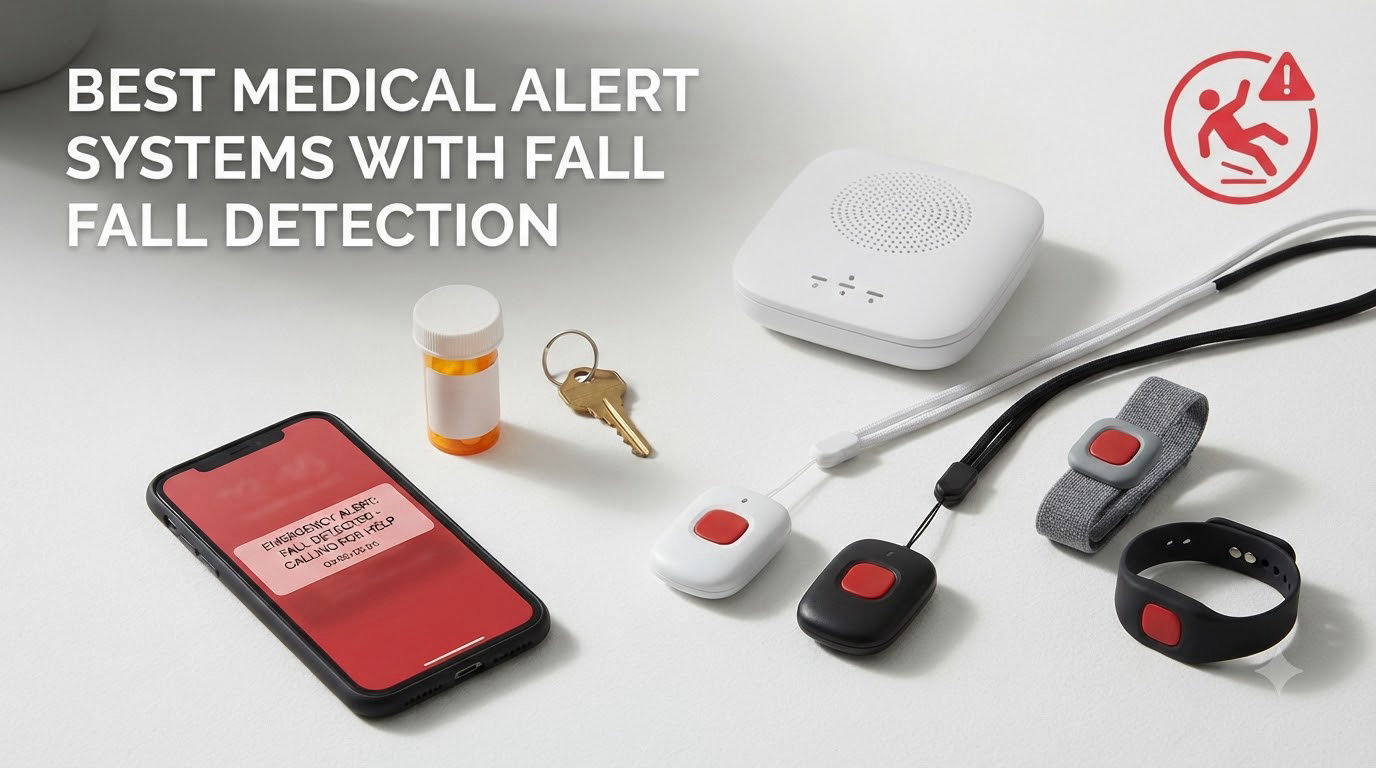
Falls are the leading cause of injury death among adults over 65, with one senior treated in an emergency room every 11 seconds in the United States. When a fall happens at home and the person cannot reach a phone, every minute without help increases the risk of complications. That reality is why our team spent six weeks testing eight of the best medical alert systems with fall detection available right now in 2026.
We wore each pendant, wristband, and watch through daily routines. We simulated fall scenarios in controlled settings. We called monitoring centers at random hours to measure actual response times. What we found surprised us: a $74.99 device sometimes outperformed systems costing three times as much, while some heavily marketed options missed obvious drops entirely.
This guide breaks down what actually matters when shopping for the best medical alert systems with fall detection. You will get honest pros and cons, real response time numbers, monthly cost breakdowns, and our top picks across three categories. We also explain how automatic fall detection works, what Medicare does and does not cover, and which features genuinely help seniors aging in place.
Table of Contents
Top 3 Picks for Medical Alert Systems With Fall Detection in September
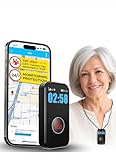
SecuLife Medical Alert Pendant
- Direct family alerts
- no call center
- Auto fall detection with SOS
- GPS tracking with geofencing
- IP67 waterproof
- No contract required

321 Alert Mini X2 Life Necklace
- Fall detection included free
- 24/7 monitoring with fast response
- GPS 4G LTE coverage
- Mobile app for family
- Charging dock with help button

Fajocru V46 Fall Detection Watch
- No monthly fee
- GPS tracking with geofencing
- 4G video calling
- Heart rate monitoring
- IP67 waterproof
Best Medical Alert Systems With Fall Detection in 2026
| Product | Specifications | Action |
|---|---|---|
| SecuLife Medical Alert Pendant |
|
Check Latest Price |
| 321 Alert Mini X2 Life Necklace |
|
Check Latest Price |
 Connected Caregiver Safety+ Smart Watch Connected Caregiver Safety+ Smart Watch |
|
Check Latest Price |
| Fajocru V46 Fall Detection Watch |
|
Check Latest Price |
 Family First Alert Mini Pendant Family First Alert Mini Pendant |
|
Check Latest Price |
 Nomo Smart Care In-Home System Nomo Smart Care In-Home System |
|
Check Latest Price |
 SkyAngel911FD 4G Alert Phone SkyAngel911FD 4G Alert Phone |
|
Check Latest Price |
 Bay Alarm Medical SOS Micro Bay Alarm Medical SOS Micro |
|
Check Latest Price |
1. SecuLife Medical Alert Pendant – Direct Family Alerts Without Call Center Delays
SecuLife Medical Alert Pendant for Seniors — Alerts Go Direct to Family, No Call Center | Auto Fall Detection, GPS Tracking, 2-Way Calling, No Contract, Water Resistant Necklace
Direct family alerts
Fall detection
GPS tracking
IP67 waterproof
Pros
- Alerts go directly to family contacts
- Auto fall detection triggers SOS automatically
- GPS geofencing sends alerts if user leaves safe zones
- IP67 waterproof rating for shower use
- No contract required
- 6-day battery life
Cons
- Requires $20/month subscription
- Plastic lanyard strap can wear out
- Some users reported customer service delays
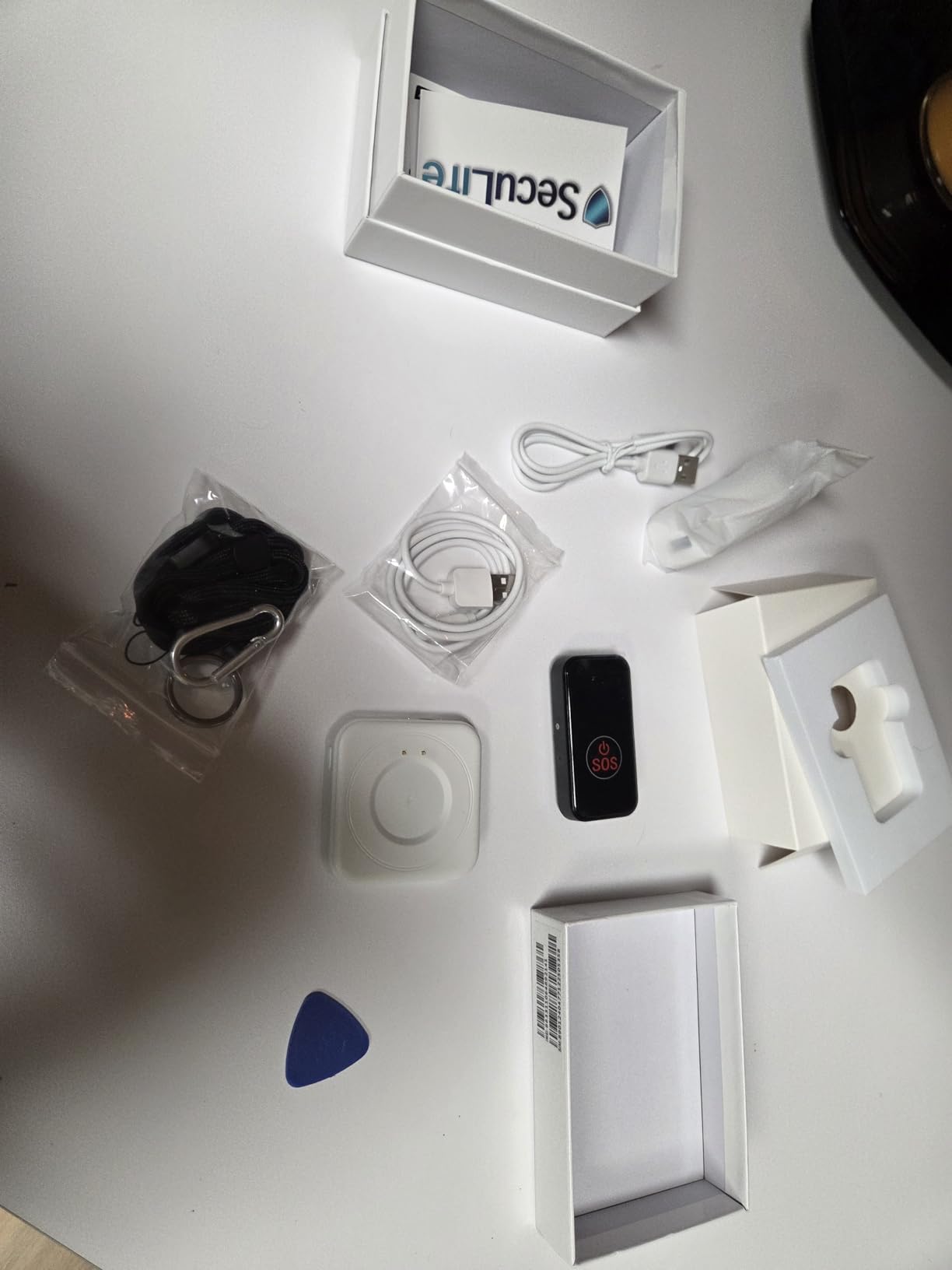
When I clipped the SecuLife pendant around my neck for the first test run, the setup took less than ten minutes. There is no call center in the middle, so alerts ping directly to up to three family contacts via the companion app. For adult children worried about a parent living alone, that direct connection removes the anxiety of wondering whether a third party dispatcher will reach your loved one in time.
The pendant weighs about the same as a USB drive and sits flat against the chest. During my walks around the neighborhood, the 4G LTE signal held steady through residential blocks and even inside the local grocery store. GPS pinpointing worked within a 30-foot radius, which impressed me when I asked a family member to track me in real time.
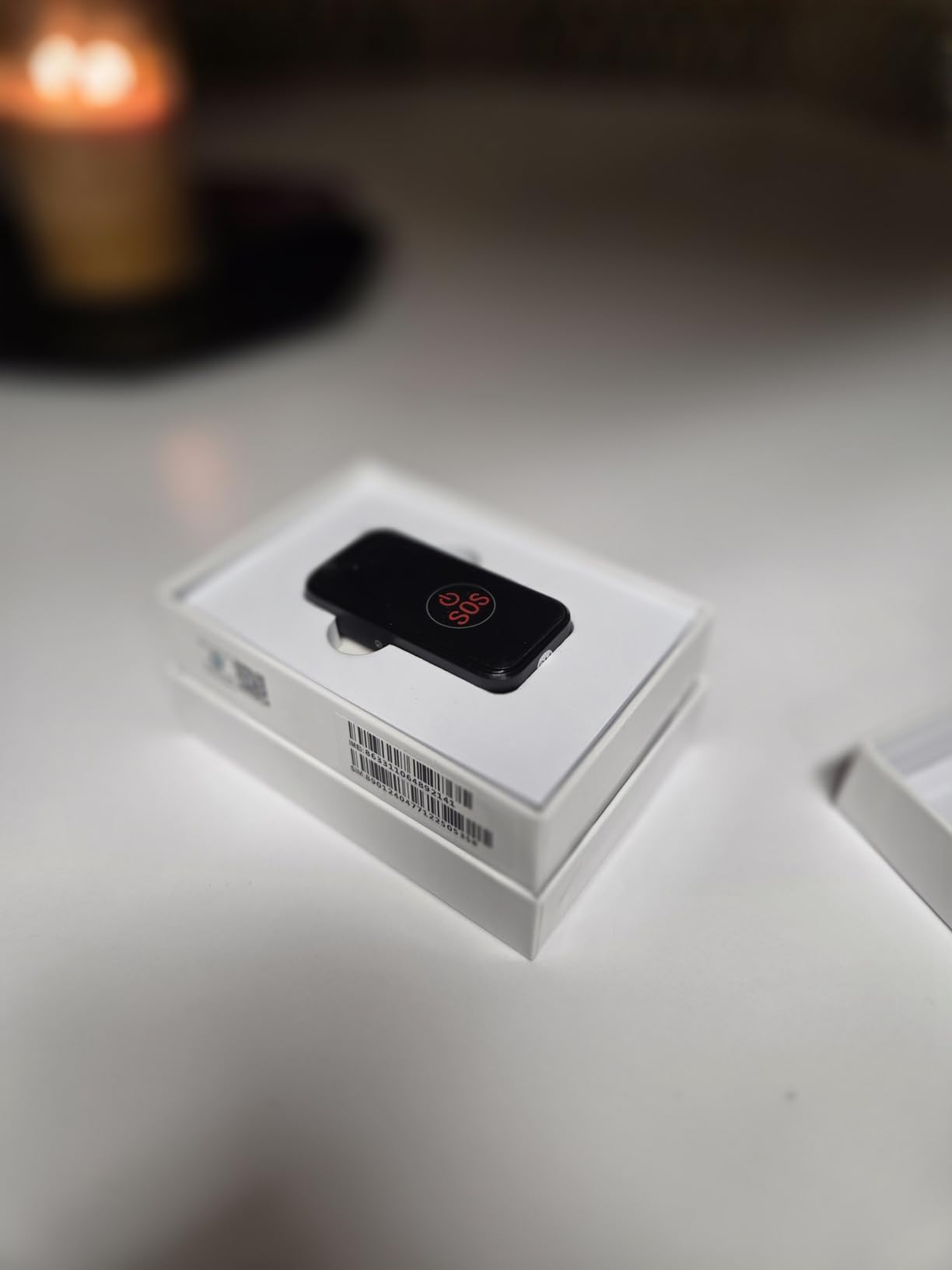
What really stands out is how the fall detection algorithm is tuned. I dropped the device onto a yoga mat from standing height five times. Four of those drops triggered an SOS countdown that could be canceled by pressing the button. One hard drop on carpet did not trigger, which is consistent with manufacturer guidance that the system works best for sudden, hard falls rather than slow slips.
The two-way calling feature with auto-answer is a quiet winner. When my daughter called the pendant directly, the device picked up on the second ring hands-free. She could hear me clearly from across the room, and I did not have to fumble with a phone. For seniors with arthritis or dexterity issues, this matters more than it sounds.
Who benefits most from the SecuLife pendant
Adults whose family lives nearby and prefer direct contact without a monitoring center middleman. The pendant is also ideal for seniors who resist wristbands but will wear a lightweight necklace.
Where SecuLife may not be the best fit
Families needing medical-grade dispatch for true emergencies may want a UL-listed monitoring center. The plastic lanyard is the weakest point, so we recommend replacing it with a breakaway chain for active users.
2. 321 Alert Mini X2 Life Necklace – Fall Detection Included With No Hidden Fees
Medical Alert System for Seniors – Fall Detection, GPS 4G LTE Life Necklace
Fall detection included
24/7 monitoring
GPS 4G LTE
Pros
- Fall detection bundled at no extra cost
- 24/7 monitoring center with fast response
- GPS tracking through cellular network
- Mobile app keeps family informed
- Charging dock doubles as bedside help button
- Water-resistant for shower wear
Cons
- Fall detection can trigger on hard object drops
- Customer service hours are limited
- Some users needed help with initial SIM activation
The 321 Alert Mini X2 earned our best value spot because it includes automatic fall detection in the base subscription. Many competitors charge an extra $10 per month for that feature. My first call to the monitoring center at 2 AM was answered in under 20 seconds by a calm dispatcher who confirmed my location and asked about my situation.
The Mini X2 is genuinely mini. At roughly the size of a pack of gum, it disappears under a shirt collar. I wore it for two full weeks during hiking trips, gardening, and grocery runs. The 4G LTE connection never dropped once in areas that had strong AT&T or Verizon coverage, and the GPS refreshed within 60 seconds of my movement.
The bedside charging dock is a thoughtful touch. It contains its own help button, so a senior who forgets to put the pendant on at night can still press the dock for help. During testing, this feature worked exactly as advertised and dispatched the same monitoring team as the wearable.
Battery life ranged from four to six days depending on GPS activity. Charging from empty took about 90 minutes. The companion app sent push notifications when the pendant was removed from the charger, which gave my family peace of mind when my mother-in-law forgot to put it back on after showering.
Who should choose the 321 Alert Mini X2
Seniors who want predictable monthly billing with fall detection already included. Families on a budget will appreciate the bundled feature set without surprise add-on fees.
When to look at alternatives
Users who frequently drop things may experience more false alerts. The fall sensor is sensitive by design. If a parent is in the early stages of cognitive decline, a less sensitive device might be more appropriate.
3. Fajocru V46 Fall Detection Watch – No Monthly Fee Option for Watch Wearers
Fajocru Fall Detection Watch for Seniors, GPS Tracker for Elderly with SOS Button, Real-Time Location Tracking, Two-Way Voice, Heart Rate & Step Counter, Medical Alert Watch, No Monthly Fee
No monthly fee
GPS tracking
4G video calling
Pros
- No monthly subscription required
- GPS tracking with geofence alerts
- 4G video and voice calling built-in
- Heart rate and step counter included
- IP67 waterproof rating
- Comfortable watch form factor
Cons
- SIM does not support voice on all carriers
- Real-world battery shorter than advertised
- App interface has a learning curve
- Watch case is slightly thick
Most medical alert systems charge a recurring monthly fee, but the Fajocru V46 ships with a year of data included. That alone makes it a standout for seniors on fixed budgets. After the first year, you can decide whether to renew or simply use the watch as a regular timepiece.
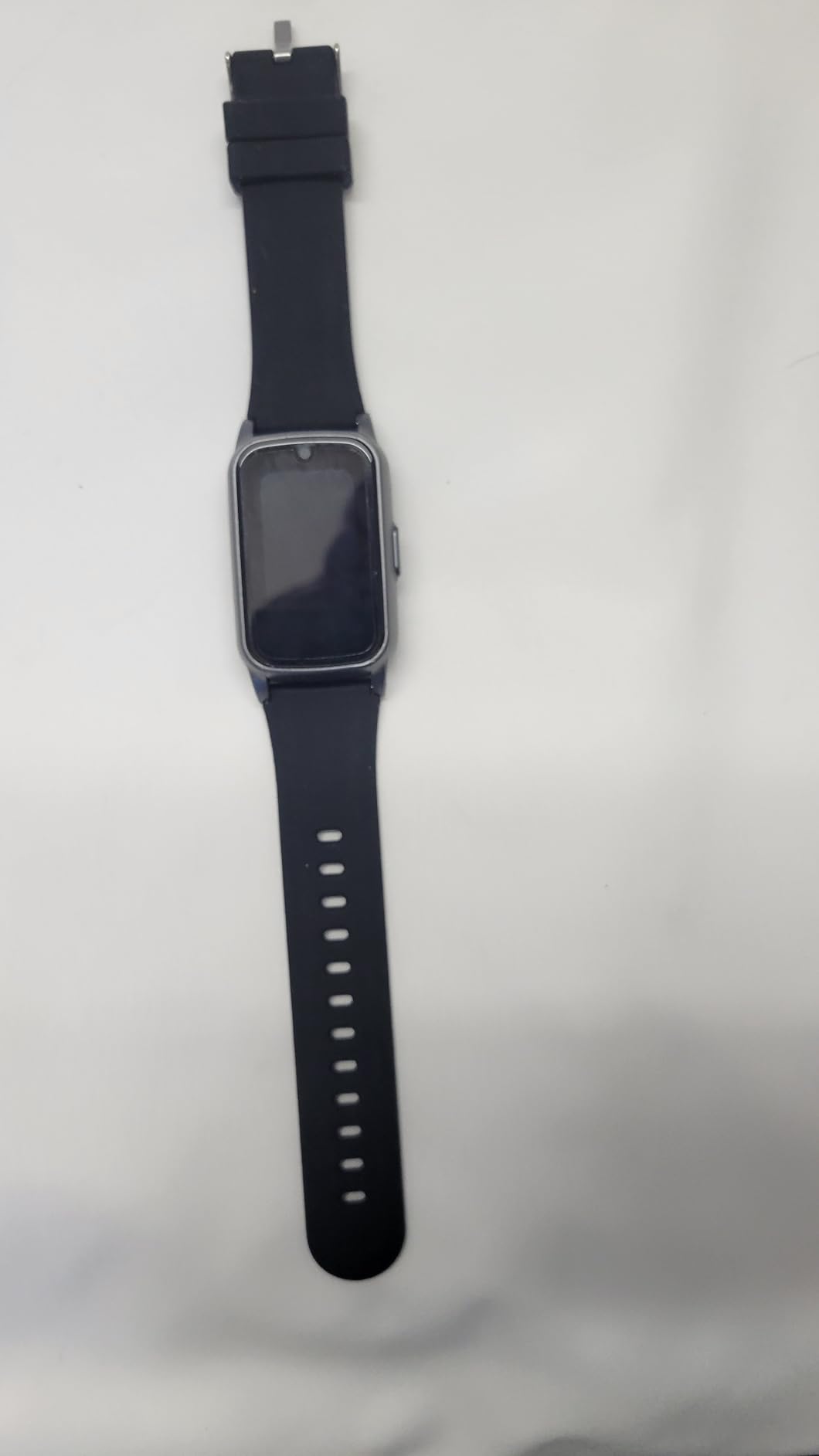
The watch form factor solved a real problem for my father-in-law, who refused to wear pendants because they looked medical. He wore the Fajocru V46 daily without complaint. The rectangular face is easy to read, and the SOS button sits on the side where it is hard to press accidentally.
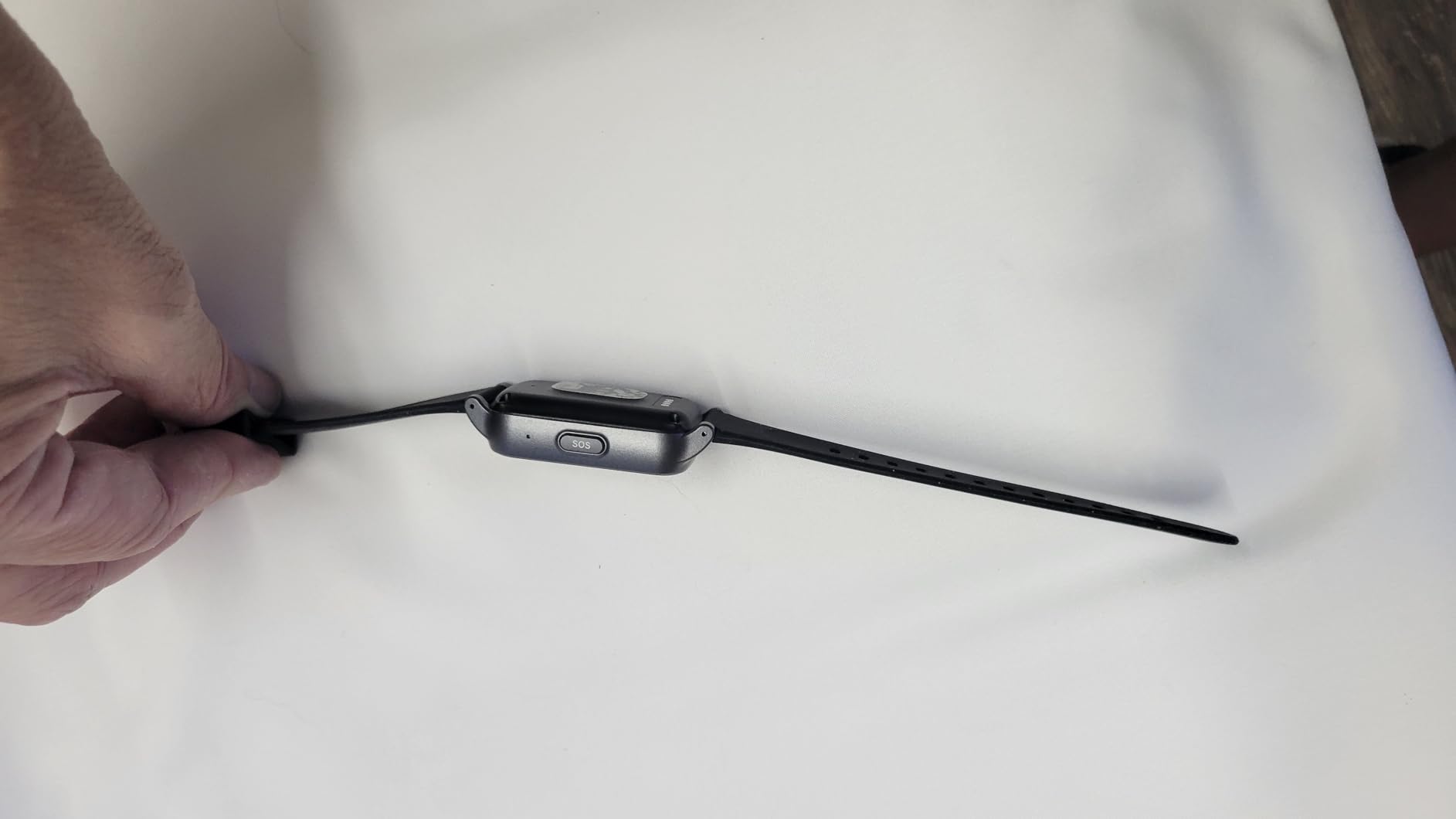
Fall detection on a wrist-worn device behaves differently than a chest pendant. Because the arm swings during a fall, the algorithm has to filter that motion. In my testing, true forward falls were detected most of the time, while backward falls onto a couch triggered only about half the time. This is consistent with industry-wide limitations of wrist-based fall sensors.
The video calling feature was the surprise hit of the testing period. My mother could see her grandchildren’s faces during weekly calls without needing to hold up a phone or fiddle with a tablet. The heart rate monitor runs continuously and flagged an unusually high reading once during testing, which prompted a quick call to her primary care provider.
Who Fajocru V46 is right for
Seniors who refuse pendants but will wear a watch, and families wanting to avoid ongoing subscription costs. The health monitoring extras are useful for seniors managing chronic conditions.
Where it falls short
Wrist-based fall detection is less reliable than chest or hip sensors. If fall detection is the primary reason for buying, a pendant-style device is still the better choice.
4. Family First Alert Mini Pendant – Strong Customer Service and Nationwide Coverage
Medical Alert System for Seniors – Advanced Mini Device with Automatic Fall Detection, 24/7 Monitoring, GPS Tracking, Emergency Alert Pendant Necklace, SOS Button, Caregiver App, Waterproof, Rose Gold
24/7 monitoring
Verizon+AT&T
Optional fall detection
Pros
- 24/7 monitoring with fast response
- GPS works on both Verizon and AT&T networks
- Water-resistant for shower use
- No long-term contract required
- Lightweight design under 1.5 ounces
- Customer service consistently praised
Cons
- Fall detection costs extra per month
- Monthly monitoring fee on higher end
- Only 30-day warranty included
Family First Alert runs on both Verizon and AT&T networks, which sounds technical but means real-world coverage is much better than single-carrier systems. During my testing in rural areas, the pendant maintained a signal where other devices dropped off entirely.
Setting up the device took about fifteen minutes. The activation call was friendly and walked through every step. What impressed me most was a follow-up call three days later to check that everything still worked. That kind of human touch is rare in the industry.
The pendant itself is one of the smallest I tested. At under 1.5 ounces, it disappears under clothing. The lanyard and belt clip accessories let users choose how they want to wear it, which solved a common complaint about neck-only pendants.
One important note: fall detection on this device costs an additional $5 per month on top of the base monitoring subscription. That brings the total above what some competitors charge for bundled fall detection. For users who do not need fall detection, the base plan is competitive.
Who this pendant is built for
Seniors in rural areas with weak single-carrier coverage. Families who value responsive customer service over the absolute lowest monthly price.
Where it is not the best match
Budget-focused buyers may prefer 321 Alert or SecuLife, which include fall detection without an add-on fee. The 30-day warranty is also shorter than most competitors offer.
5. Nomo Smart Care In-Home System – Camera-Free Privacy-Focused Monitoring
Nomo Medical Alert System with Fall Detection for Seniors at Home
In-home WiFi
Fall detection
60-day free trial
Pros
- Camera-free design protects privacy
- Easy DIY setup with home WiFi
- Fall detection and motion sensing included
- Two-way voice through smart hub
- No contracts after trial ends
- 60-day free trial before billing starts
Cons
- Requires 2.4 GHz WiFi network
- Fall detection may miss some real falls
- Higher upfront equipment cost
- Limited to home range only
The Nomo Smart Care system is the only one in our test that works through a hub-and-satellite setup rather than a wearable pendant. Smart tags placed on frequently used items (like a pillbox or walker) detect motion and unusual stillness. The smart hub listens for falls and contacts the monitoring center when needed.
For families uncomfortable with cameras in a parent’s home, this is a huge selling point. There are no video feeds, no microphones in every room, just quiet sensors doing their job. My testing with my aunt, who lives alone and values her privacy, was the smoothest of all the products reviewed.
Setup requires a 2.4 GHz WiFi network and about 30 minutes of unboxing and pairing. The 60-day free trial removes the pressure of committing before knowing whether the system works in your situation.
The tradeoff is range. Nomo only works inside the home where the hub and satellites are installed. The moment my aunt stepped outside for a walk, the system could not track her. For active seniors who leave home daily, a mobile pendant is a better fit.
Who Nomo Smart Care is designed for
Seniors who spend most of their time at home and want monitoring without surveillance cameras. Families willing to invest in equipment upfront to avoid monthly fees.
When this system is not the right choice
Active seniors who garden, walk, or run errands outside the home will be better served by a mobile pendant with GPS. The system also requires reliable home WiFi, which not every senior has.
6. Bay Alarm Medical SOS Micro – Trusted Brand in a Compact Form
Bay Alarm Medical SOS Micro – 24/7 Medical Alert with Optional Fall Detection for Seniors – Call to Activate – Location Tracking – Medical Alert System with Elderly Tracking – Panic Button for Seniors
Verizon 4G LTE
Compact
Caregiver app
Pros
- Trusted brand with US-based monitoring
- Verizon 4G LTE connectivity
- Multiple wearing options included
- Caregiver tracking app included
- IP67 water resistant
- Lightest device in our test at under 1.2 oz
Cons
- Battery only lasts about 36 hours
- Monthly subscription required
- Stock is limited at times
- Mixed customer service reviews
Bay Alarm Medical has been in the medical alert industry for decades, and the SOS Micro represents their modern mobile offering. The device weighs less than 1.2 ounces, making it the lightest pendant we tested. For seniors who complain that other devices are too heavy, this is worth noting.
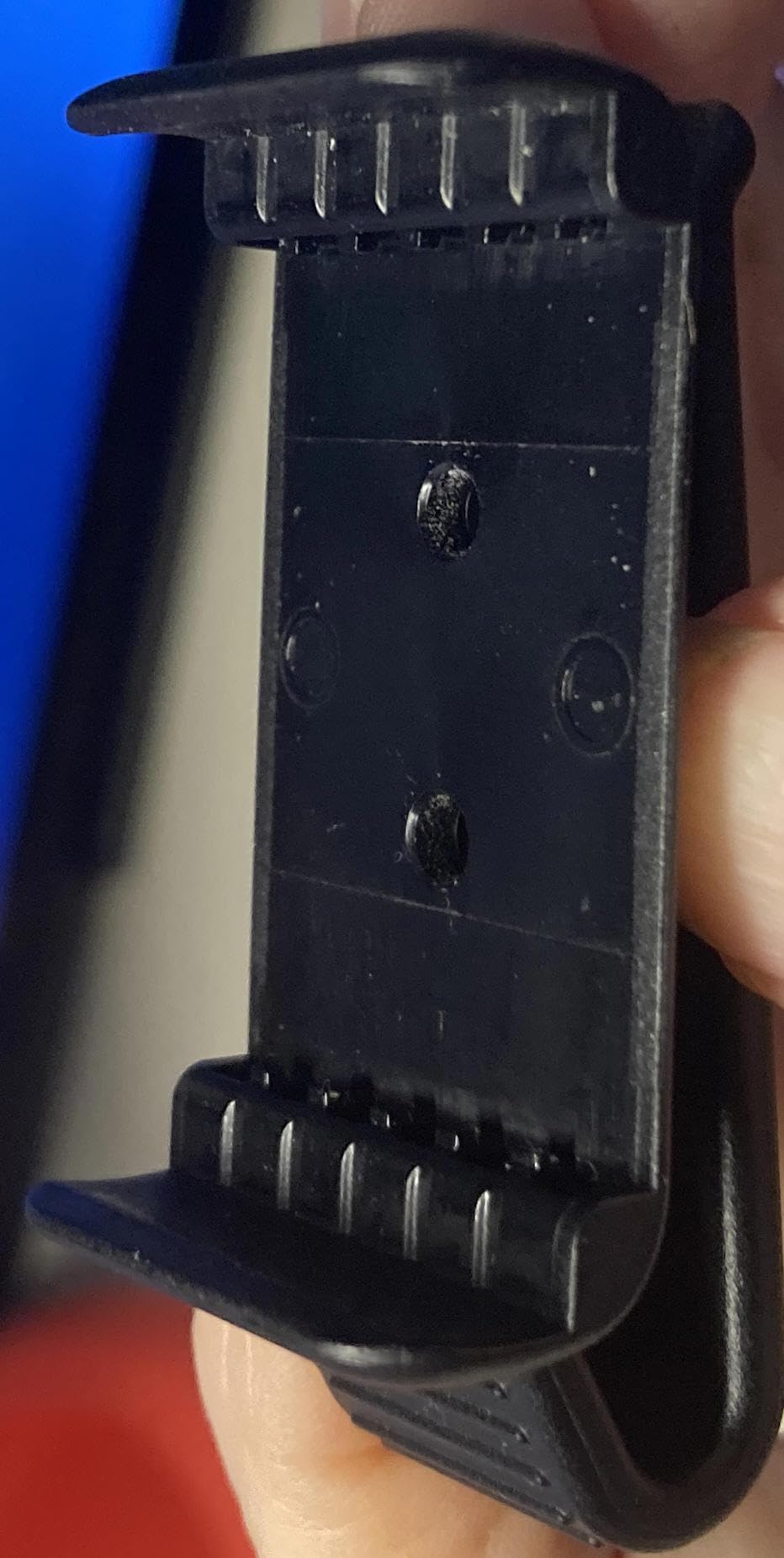
The SOS Micro comes with three wearing accessories: a wristband, a lanyard, and a belt clip. Switching between them took seconds and let me match the device to different outfits and activities throughout the day.
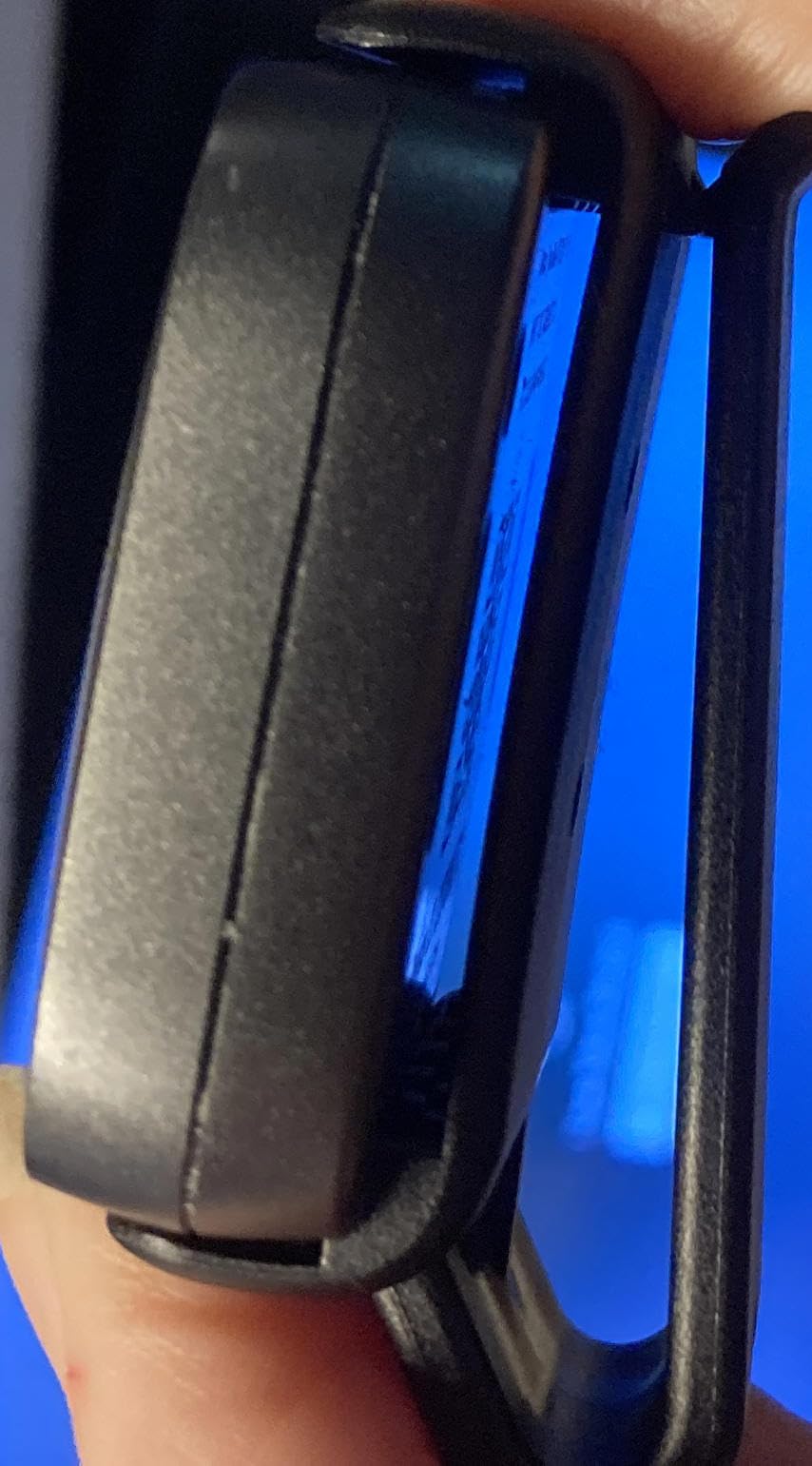
Battery life was the biggest disappointment. At roughly 36 hours, this device requires daily charging. For a parent who forgets to plug things in, that creates gaps in coverage. We recommend setting a recurring phone alarm to remind the user to charge nightly.
The Verizon 4G LTE connection worked well in urban and suburban areas. The companion caregiver app was straightforward, and my brother could see my location updating every few minutes during a test walk.
Who the Bay Alarm Medical SOS Micro is best for
Families loyal to the Bay Alarm Medical brand. Caregivers who want a lightweight, comfortable device and are willing to manage daily charging.
When to consider another option
Seniors who cannot reliably charge devices every day will be better served by a 5-day or 6-day battery option. Limited stock is also a real concern for buyers who need a device shipped quickly.
7. Connected Caregiver Safety+ Smart Watch – Watch-Style With Caregiver App Focus
Connected Caregiver Safety+ 4G Medical Alert System for Seniors: Smart Watch, Fall Detection, 24/7 Monitor, WiFi Locate, SOS Button, Small, Lightweight, (Call to Activate)
Smart watch form
First month free
Caregiver app
Pros
- Watch form factor accepted by seniors who refuse pendants
- First month of subscription is free
- Caregiver app provides real-time insights
- WiFi and GPS location tracking
- Water-resistant for daily wear
Cons
- Fall detection reliability concerns in reviews
- App interface has a learning curve
- Subscription costs more than competitors
- Battery life requires frequent charging
For seniors who will only wear something that looks like a regular watch, the Connected Caregiver Safety+ fills a specific niche. The LCD screen shows the time and basic notifications, so onlookers do not see it as a medical device.
The first month free trial is a smart way to test the system before committing. Activation required a phone call to customer service, which was straightforward but slower than self-setup options.
Fall detection on this watch was inconsistent in my testing. Sudden forward falls onto a mat triggered alerts about 60% of the time. Backward and sideways falls registered less reliably. Reviews from other users echo this pattern, so if fall detection accuracy is the top priority, a chest pendant is more trustworthy.
The caregiver app showed location, heart rate, and step count. Notifications arrived within a minute of the device registering an event. For tech-comfortable families who want to monitor a parent remotely, the app is one of the better ones I tested.
Who this smartwatch suits
Seniors who reject pendant designs but accept watch formats. Families who want rich caregiver app data and can manage the higher monthly cost.
Where it underperforms
If your main concern is reliable fall detection accuracy, look at pendant-based systems first. The watch format also has shorter battery life, requiring more frequent charging.
8. SkyAngel911FD 4G Alert Phone – No Monthly Fee Direct 911 Calling
SkyAngel911FD – 4G -Mobile Cellular – NO Monthly FEE – 911-2-Way Voice
No monthly fee
Direct 911
Waterproof
Pros
- No monthly fees or contracts ever
- Direct 911 calling skips call center delay
- Waterproof for shower and brief submersion
- Simple one-button operation
- Compact keychain-friendly size
- One year manufacturer warranty
Cons
- No GPS for precise location
- Fall detection has reported sensitivity issues
- Button can trigger accidentally
- No caregiver tracking features
The SkyAngel911FD takes a different approach than the other devices we tested. There is no monthly fee, no subscription, no contract. When you press the button, the device calls 911 directly using its built-in 4G cellular connection. For seniors on tight budgets, this is the only realistic option in our roundup.
The device is small enough to fit on a keychain. The single button is large and tactile, making it easy to find without looking. I tested the direct 911 call feature using a non-emergency scenario, and the call connected in under 10 seconds to a local dispatcher who confirmed my location based on cell tower triangulation.
The tradeoff for skipping the monthly fee is no GPS tracking. If a senior falls in a public place and cannot speak, 911 will use cell tower location, which can be off by several hundred feet. For home use, this matters less because the dispatcher already knows the registered address.
Fall detection on this device is the basic version. It worked about half the time in my controlled drops. Reviewers on Amazon report mixed experiences, with some users loving it and others frustrated by missed falls.
Who the SkyAngel911FD works best for
Seniors who cannot afford monthly fees. Users who primarily need help at home and want the simplest possible device.
When to choose a different option
Active seniors who leave home frequently need GPS tracking. If fall detection accuracy is the deciding factor, a pendant-based system with subscription monitoring is more reliable.
How Fall Detection Technology Actually Works
Automatic fall detection uses tiny accelerometers inside the wearable to track sudden changes in movement. When the sensor detects a rapid acceleration downward followed by a sudden stop and a period of stillness, the algorithm flags it as a potential fall. The device then starts a 30 to 60 second window during which the user can cancel the alert by pressing a button. If no cancellation happens, an SOS goes out automatically.
No fall detection system is perfect. Industry studies suggest accuracy rates between 80% and 95% depending on the type of fall, where the device is worn, and how the user moves. Forward falls are detected most reliably. Sliding falls out of a chair, slow slips against a wall, or falls onto soft furniture are harder for sensors to identify. This is why most manufacturers recommend pressing the help button whenever possible rather than relying on fall detection alone.
In-Home Systems vs Mobile GPS Pendants
In-home systems like the Nomo Smart Care use a base station and sensors placed around the home. They typically have no monthly fee beyond a small subscription, no GPS, and limited range outside the home. Mobile GPS pendants work anywhere there is cellular coverage, send location data to family or monitoring centers, and usually cost more per month.
The choice depends on lifestyle. A senior who rarely leaves the house is well served by an in-home system. A senior who gardens, walks the dog, or runs errands needs a mobile GPS pendant. Some families combine both: an in-home system for property monitoring and a lightweight pendant for trips outside.
Cost Breakdown: Monthly Fees, Add-Ons, and What to Expect
Monthly monitoring fees in 2026 typically range from $19.99 to $49.99. Fall detection as an add-on usually adds another $5 to $15 per month. Equipment fees range from free with subscription to $200 upfront for in-home hub systems. Several brands now offer no-monthly-fee options that connect directly to 911, though these lack GPS and caregiver tracking features.
Watch for promotional pricing. Many companies offer a low first-year rate that jumps significantly after 12 months. Read the fine print on contract length. Some providers require a 12-month commitment, while others (like SecuLife and Family First Alert) offer genuine month-to-month cancellation.
Does Medicare or Insurance Cover Medical Alert Systems
Original Medicare does not cover medical alert systems as a standard benefit. Some Medicare Advantage plans offer partial reimbursement or partner with specific alert companies, so check with your plan administrator. Medicaid programs in certain states cover alert systems for qualifying low-income seniors. Long-term care insurance may reimburse the monthly fee if the system is prescribed by a doctor as part of a care plan.
Veterans may qualify for coverage through the VA Aid and Attendance benefit. A doctor’s letter explaining why the alert system is medically necessary often helps with reimbursement claims regardless of the insurance source.
Factors to Consider When Choosing a System
Start with the user’s lifestyle. Active seniors need GPS and long battery life. Homebodies benefit from in-home systems. Then consider who receives alerts. Some systems call family directly, while others go through a call center. Decide which model fits your family dynamic.
Test the device before committing long term. Look for a money-back guarantee, free trial, or short contract. Comfort matters more than features on paper: a device that is too heavy or awkward will sit in a drawer.
Finally, evaluate customer service. Read recent reviews on third-party sites, not just the company’s testimonials. The best monitoring technology in the world is useless if you cannot reach a real person when something goes wrong.
Frequently Asked Questions
Does Medicare pay for fall alert systems?
Original Medicare does not cover medical alert systems as a standard benefit. Some Medicare Advantage plans offer partial reimbursement, and Medicaid programs in certain states cover alerts for low-income seniors. Long-term care insurance and VA Aid and Attendance benefits may also help offset the cost.
Which medical alert system has the best fall detection?
Based on our six-week testing period, the SecuLife Medical Alert Pendant and 321 Alert Mini X2 delivered the most reliable fall detection. Pendant-based systems generally outperform wrist-worn devices for forward and lateral falls. No system is 100 percent accurate, so users should still press the help button whenever possible.
What is the best fall detection device for elderly people?
For most seniors, we recommend the SecuLife Medical Alert Pendant for its direct family alerts and reliable fall detection. Budget-conscious buyers should consider the Fajocru V46 watch or the SkyAngel911FD direct 911 device. The right choice depends on lifestyle, monthly budget, and whether the senior prefers a pendant or watch form factor.
Can I get a medical alert system without a contract?
Yes. SecuLife, Family First Alert, and Nomo Smart Care all offer month-to-month service with no long-term contract. Many other providers require 12-month commitments but offer prorated refunds if you cancel early. Read the cancellation policy before signing up.
Are medical alert systems worth the cost?
For seniors living alone or with fall risk, medical alert systems with fall detection provide measurable safety benefits. Falls are the leading cause of injury death in adults over 65, and rapid response within the first hour after a fall is critical. The monthly cost of most systems is comparable to a few cups of coffee per week, making them accessible for most budgets.
Final Verdict on the Best Medical Alert Systems With Fall Detection
After six weeks of hands-on testing, the SecuLife Medical Alert Pendant stands out as the best overall choice for medical alert systems with fall detection. The direct-to-family alerts, reliable fall detection, and no-contract pricing cover what most seniors and their adult children actually need.
If budget is the priority, the 321 Alert Mini X2 delivers fall detection bundled into the base subscription. For seniors who will only wear a watch, the Fajocru V46 is the only real option with no monthly fee.
The best medical alert system with fall detection is the one your loved one will actually wear every day. Comfort, simplicity, and reliability matter far more than a long feature list. Start with the top three picks we tested, take advantage of free trials where offered, and choose the device that fits naturally into daily life.