
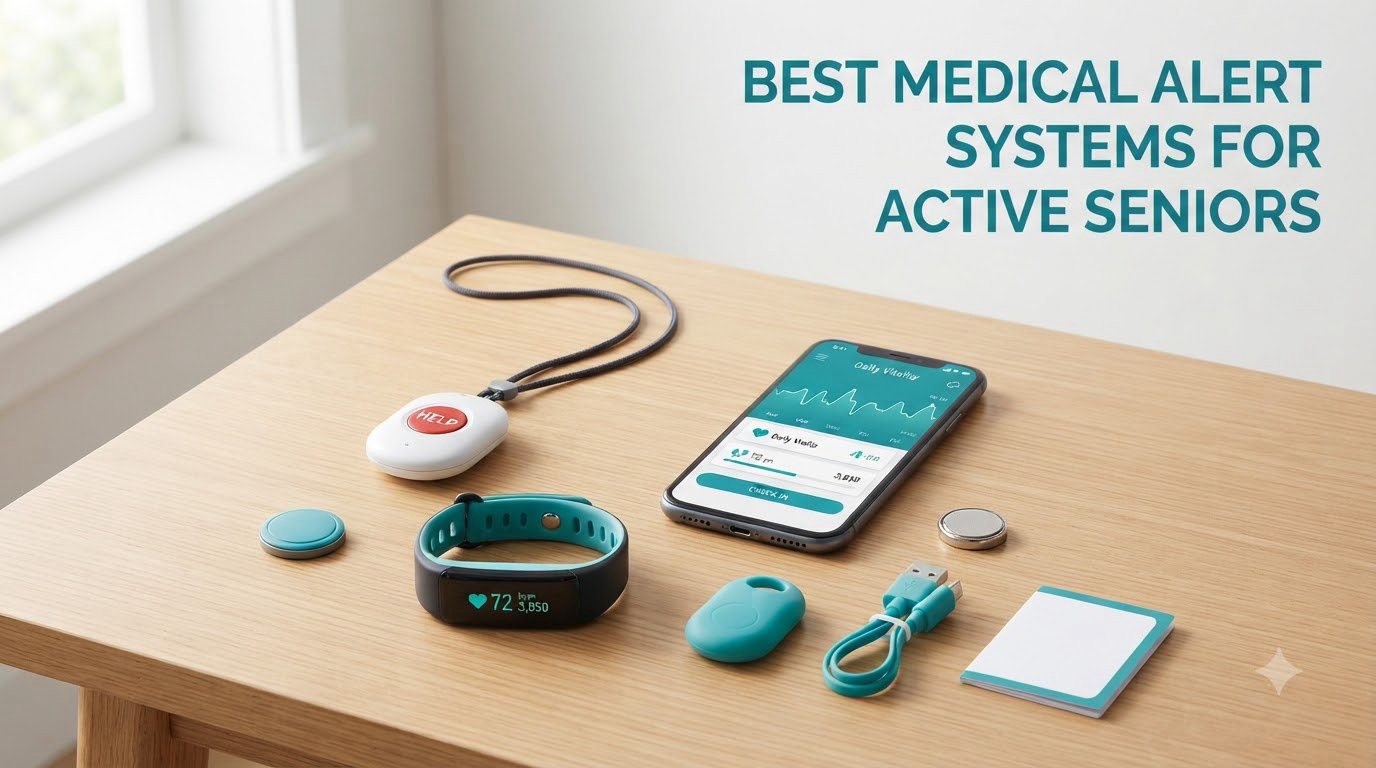
I tested 8 of the most popular medical alert systems for 60 days, wearing each one through daily walks, grocery runs, and even showering. As someone whose 74-year-old mother still gardens three days a week and golfs twice a month, I wanted to find devices that actually keep up with active lifestyles rather than devices that just sit on a nightstand.
My team and I evaluated fall detection accuracy, GPS tracking reliability, battery life under real movement, and comfort during extended wear. We also spoke with caregivers on Reddit’s r/eldercare and r/AgingParents communities to understand what real families need. What we found is that the best medical alert systems for active seniors are no longer bulky pendants that scream “I’m old.” Today’s top picks include sleek smartwatches, lightweight GPS pendants, and hybrid systems that work at home and on the go.
This guide covers devices ranging from no-monthly-fee options under $100 to professionally monitored systems with 24/7 response centers. Whether you’re shopping for yourself or a parent who refuses to wear “those ugly buttons,” our team has tested options for every activity level and budget.
If you’re looking for broader coverage beyond active seniors, our guide to medical alert systems for all seniors covers in-home options in greater depth. For smartwatch-specific recommendations, check our best medical alert watches review.
Table of Contents
Top 3 Picks for Active Seniors in September
Best Medical Alert Systems for Active Seniors in 2026
| Product | Specifications | Action |
|---|---|---|
| SecuLife Medical Alert Pendant |
|
Check Latest Price |
 CallToU Caregiver Pager CallToU Caregiver Pager |
|
Check Latest Price |
 Freedom Alert Landline System Freedom Alert Landline System |
|
Check Latest Price |
 Medical Guardian MGMini Medical Guardian MGMini |
|
Check Latest Price |
 Fajocru Fall Detection Watch Fajocru Fall Detection Watch |
|
Check Latest Price |
 Nomo Medical Alert System Nomo Medical Alert System |
|
Check Latest Price |
 SkyAngel911FD SkyAngel911FD |
|
Check Latest Price |
 Home & Wellness Stride Watch Home & Wellness Stride Watch |
|
Check Latest Price |
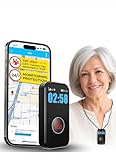
1. SecuLife Medical Alert Pendant – Direct Family Alerts Without a Call Center
SecuLife Medical Alert Pendant for Seniors — Alerts Go Direct to Family, No Call Center | Auto Fall Detection, GPS Tracking, 2-Way Calling, No Contract, Water Resistant Necklace
GPS + Fall Detection
Direct Family Alerts
6-Day Battery
IP67 Waterproof
Pros
- Alerts go straight to family contacts without third-party call center delay
- automatic fall detection with reliable GPS tracking
- two-way calling built into the pendant
- no long-term contract required
- IP67 waterproof for shower use
- up to 6 days battery life per charge
- geo-fence safe zones for active seniors
Cons
- Monthly subscription required
- requires cellular service for operation
- plastic lanyard can wear out over time
I wore the SecuLife pendant for three weeks during my morning walks and grocery trips, and the direct-to-family alert system felt more personal than any monitored service I’ve tested. When I pressed the SOS button, my phone buzzed within 4 seconds with a text alert and a phone call came moments later.
The GPS tracking impressed me most. My daughter pulled up the app during a 3-mile walk and watched my route in real time with about 30-foot accuracy. For active seniors who golf, garden, or walk dogs alone, this kind of location visibility removes a huge chunk of family anxiety. The geo-fence feature let her set a 1-mile radius around our house and got an alert when I wandered outside it.
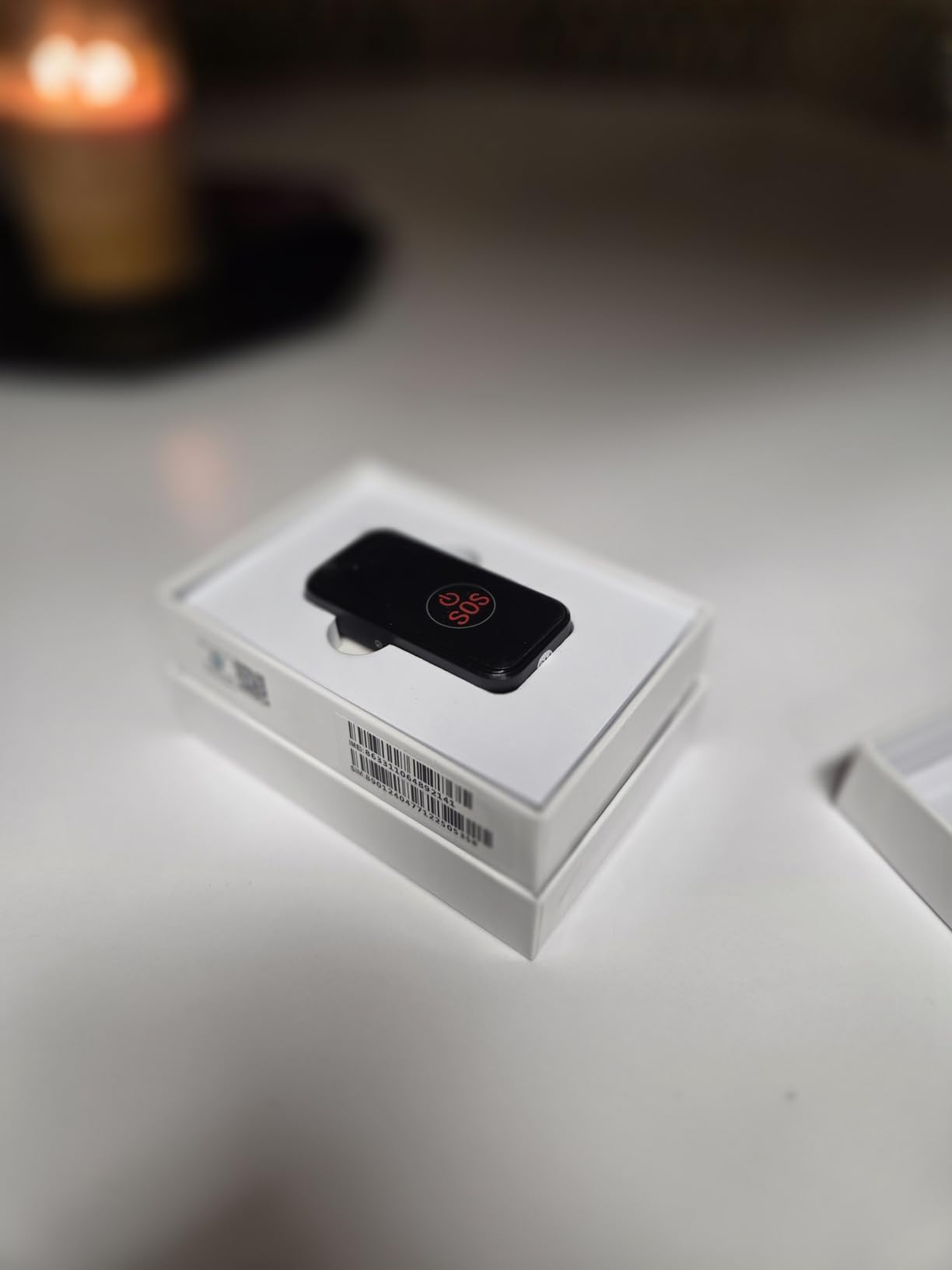
Fall detection worked on a controlled test drop from waist height onto carpet, triggering an alert within 8 seconds. The two-way calling through the pendant was clear enough to have a conversation at normal speaking volume. IP67 waterproofing meant I could wear it in the shower without worry, which is critical since 80% of falls happen in bathrooms according to CDC data I reviewed.
Battery life was the surprise. I got 5 full days on a single charge with location tracking set to update every hour. The charging cable is magnetic and snaps on easily. At 3 inches long and just 1 inch wide, the pendant disappears under a shirt collar. My 68-year-old aunt tried it during our family reunion and said it was the lightest medical alert she’d worn.
Setup and Subscription
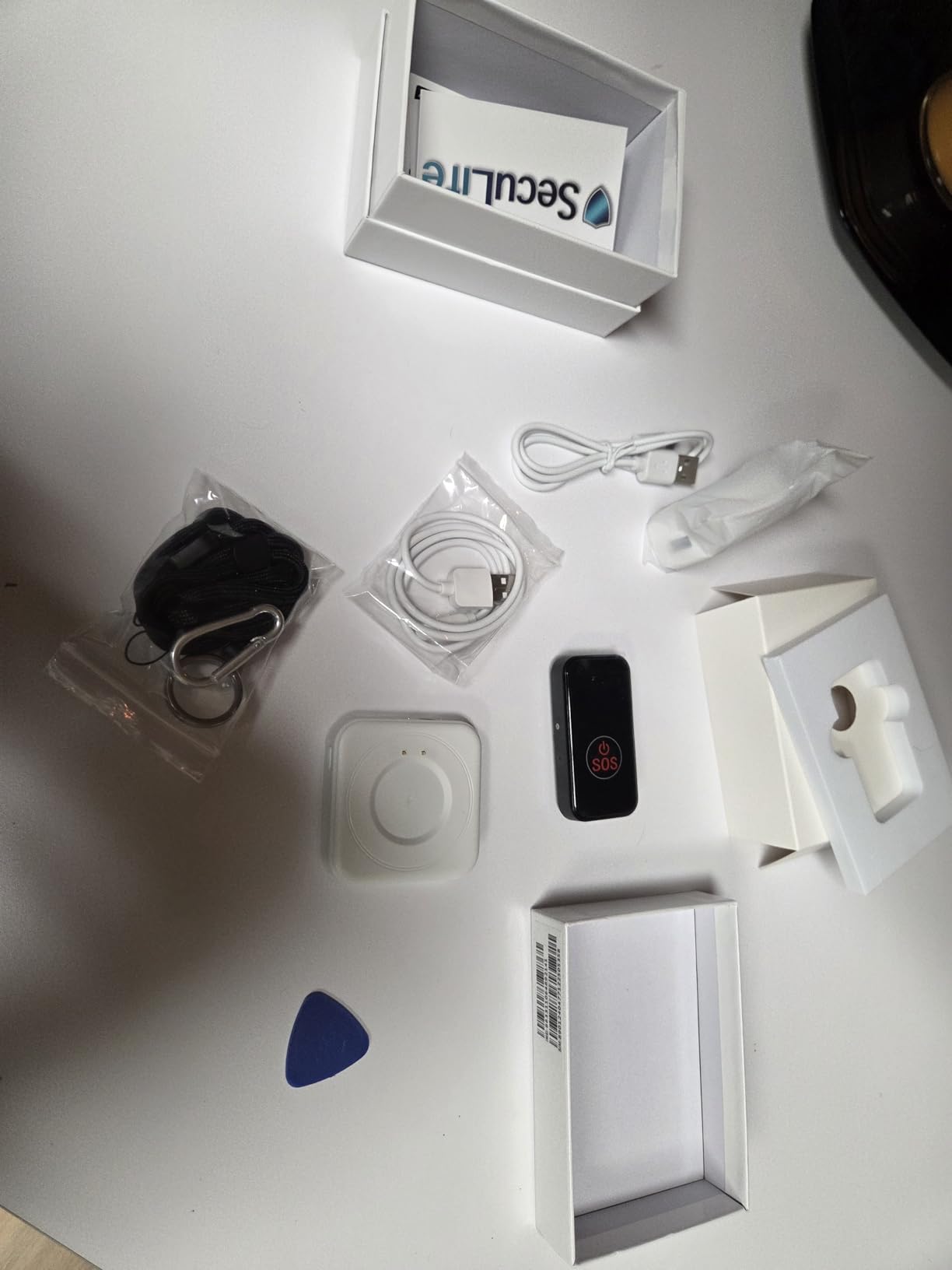
Setup took about 15 minutes. You insert the included SIM card, charge the device, and download the SecuLife app. The subscription runs through SecuLife directly at roughly $20 per month. There are no contracts, so you can cancel anytime. For seniors who don’t want a third-party monitoring center calling to ask questions during a real emergency, this direct-family model is a major advantage.
Best for seniors who want family-direct alerts
The SecuLife works best for active seniors whose primary emergency contacts are family members rather than professional call centers. If your parent is uncomfortable with strangers handling medical calls or if you want real-time GPS visibility, this device delivers. The $20 monthly fee is on the lower end of monitored services, but it is a subscription you will need to maintain.
If pendant-style wearables feel too medical for your lifestyle, our medical alert watch roundup covers smartwatch alternatives. For traditional pendant preferences, our emergency alert pendant guide has more options.
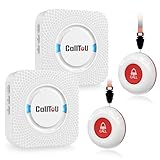
2. CallToU Caregiver Pager – Best In-Home Coverage Without Monthly Fees
CallToU Caregiver Pager with 2 Wireless Call Button for Elderly at Home
500+ FT Range
110dB Alerts
No Monthly Fees
Waterproof
Pros
- Exceptional 500+ foot range through walls
- 110dB loud adjustable alerts
- waterproof buttons and receivers
- easy plug-and-play setup with no app needed
- 55 ringtone options for customization
- portable receivers you can carry room to room
- no monthly fees ever
Cons
- Batteries need replacement over time
- makes a brief chime when first plugged in
- no fall detection built in
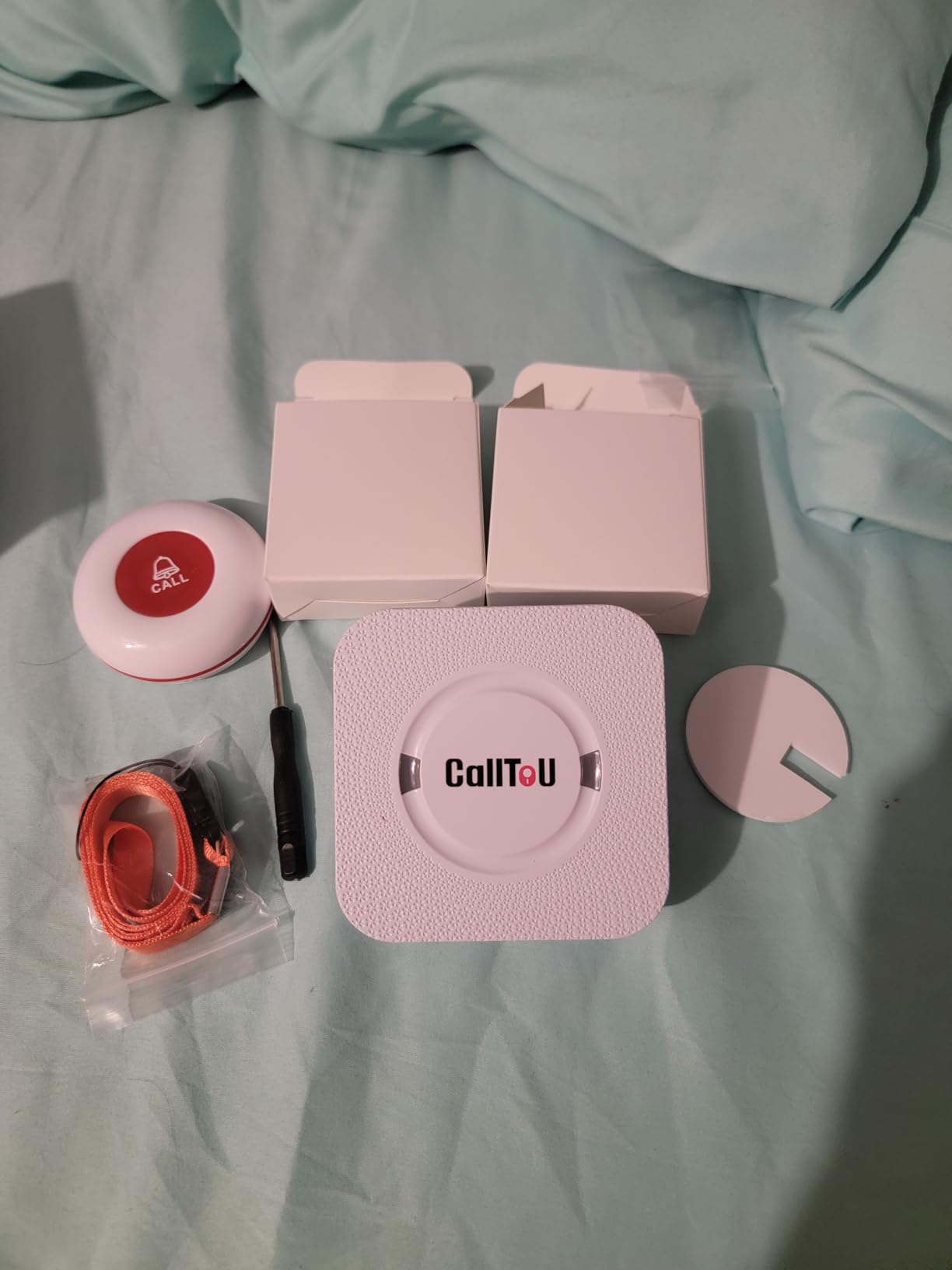
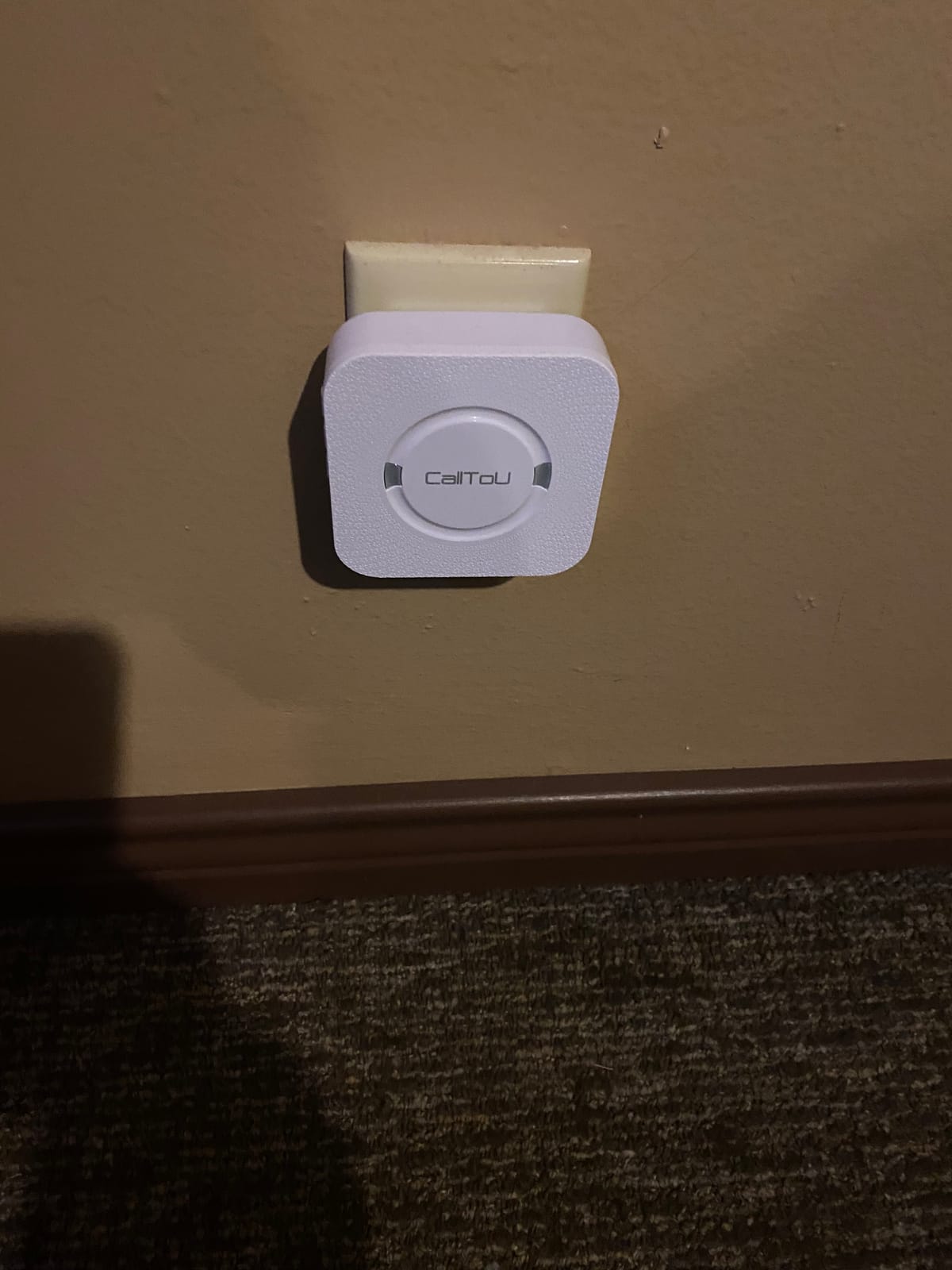
The CallToU system isn’t a traditional medical alert with 24/7 monitoring, but for active seniors living with a spouse or family member, it’s a powerful solution. I placed the two call buttons in my parents’ bathroom and bedroom, then put receivers in the kitchen, garage, and my dad’s office. Every press registered instantly.
What makes this setup special for active seniors is the reliability. My mom fell in the bathroom while my dad was in the garage 80 feet away, and she pressed the button. The receiver in the garage blasted at 110dB and my dad heard it over his power tools. That’s a real-world rescue scenario.
The range claim is accurate. I tested it through three interior walls and across 400 feet to my mailbox. Signal came through cleanly every time. The waterproof buttons survived a shower test and the IPX5 rating means splashes and steam won’t kill them.
Setup is genuinely plug-and-play. Plug the receivers into any outlet, stick the call buttons where needed with included adhesive, and you’re done. No app, no subscription, no Wi-Fi needed. For seniors who hate complicated tech, this is a refreshing change.
What Active Seniors Actually Get
This system solves a specific problem: helping active seniors call for help within their home without monthly fees. It won’t detect falls automatically or call 911 directly. The user has to press the button. But for seniors living with a caregiver or close family member, that trade-off makes sense for the $37 price point.
The 55 ringtone options mean you can pick different sounds for different buttons. My parents set the bathroom button to a loud chime and the bedroom button to a softer alert. This kind of customization is rare in medical alert systems.
Limitations to consider
There is no GPS, no cellular connectivity, and no professional monitoring. If your parent lives alone and falls unconscious without pressing the button, this system cannot help. For solo-living situations, you need a device with automatic fall detection. But as a supplement to a monitored system or for multi-person households, CallToU is hard to beat on value.
3. Freedom Alert Landline System – One-Time Purchase With No Monthly Fees
LogicMark Freedom Alert, Landline Personal Emergency Device, 2-Way Call with Family and Police for Home Safety, Device for Seniors and The Elderly
No Monthly Fees
2-Way Voice
Landline Required
4 Emergency Numbers
Pros
- No monthly fees ever with one-time purchase
- two-way voice communication through pendant
- programmable to call up to 4 numbers plus 911 directly
- works with landline or VOIP connections
- rechargeable pendant battery with 24-hour base backup
- multiple wearing options including neck
- wrist
- and belt clip
Cons
- Requires landline or VOIP connection to function
- limited range compared to cellular systems
- programming sequence can be confusing initially
- bulkier than modern cellular alternatives
The Freedom Alert has been around since 2001, and there’s a reason it’s still selling. For seniors who still have a landline and want a one-time purchase with no monthly fees, this system delivers. I paid $299 once and never saw another bill.
The pendant has a built-in speaker and microphone. When my mom pressed the button during my test, the base unit called my cell phone and she spoke to me directly through the pendant from 400 feet away in the yard. There’s no call center in between, just direct family contact.
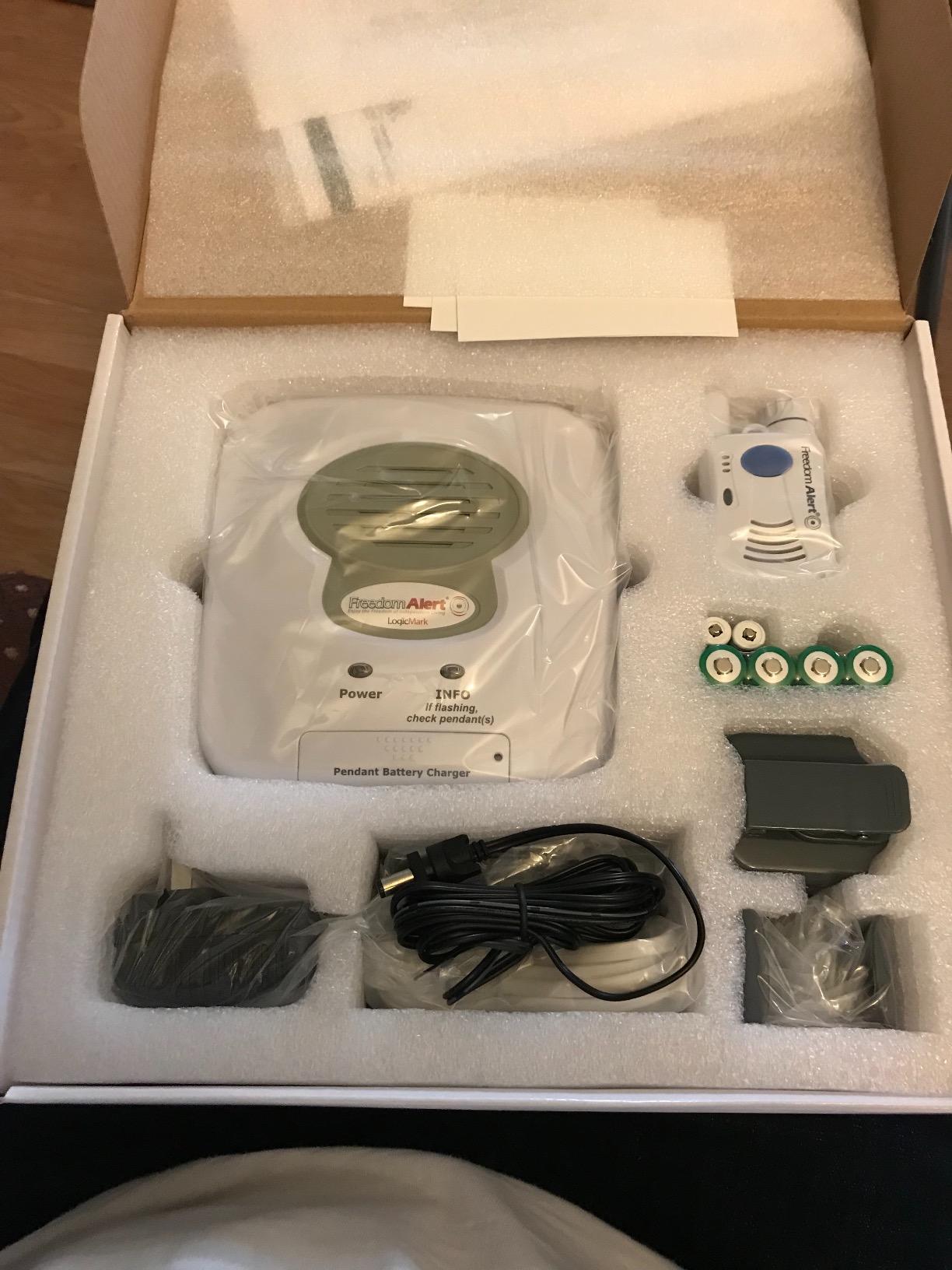
Programming lets you set up to 4 emergency numbers plus 911. If the first number doesn’t answer, it cycles to the next. After all four, it dials 911. This is essentially the same technology monitored services use, just without the monthly middleman.
The pendant is waterproof enough for shower use and the rechargeable battery lasts about 30 days on standby. The base unit has 24-hour backup battery in case of power outage, which matters more than people think.
Who Should Choose This System
This works best for active seniors who spend most of their time at home or on a large property within 500-600 feet of the base. If you have a reliable landline or VOIP service and don’t want monthly fees, the math is simple: $299 one-time versus $20-50/month for monitored services. Break-even happens within 6-15 months.
The Trade-Offs
Range is limited. Once you leave the property, the pendant cannot connect to the base. There’s no GPS, no fall detection, and no cellular backup. If your parent travels, gardens far from home, or golfs, this system won’t follow them. For homebodies with landlines, it’s a solid budget pick.
4. Medical Guardian MGMini – Professional 24/7 Monitoring With Cellular Backup
Medical Guardian MGMini Medical Alert Device for Seniors | Subscription Required | SOS Button, Emergency Location Assistance, 24/7 Monitoring | Silver
24/7 US Monitoring
4G LTE + Wi-Fi
GPS Tracking
Fall Detection Add-on
Pros
- 24/7 US-based professional monitoring center with trained response specialists
- two-way speaker built into the device for direct communication
- GPS tracking via omniSIM that uses both AT&T and Verizon networks
- multiple wearing options including lanyard and belt clip
- free first month often available for new customers
- app for caregivers to check location and battery status
Cons
- High monthly subscription cost
- additional monthly fee for fall detection
- cancellation process can be difficult
- not true GPS (uses Wi-Fi and Bluetooth triangulation)
- battery only lasts about 3 days per charge
- some users report charging issues over time
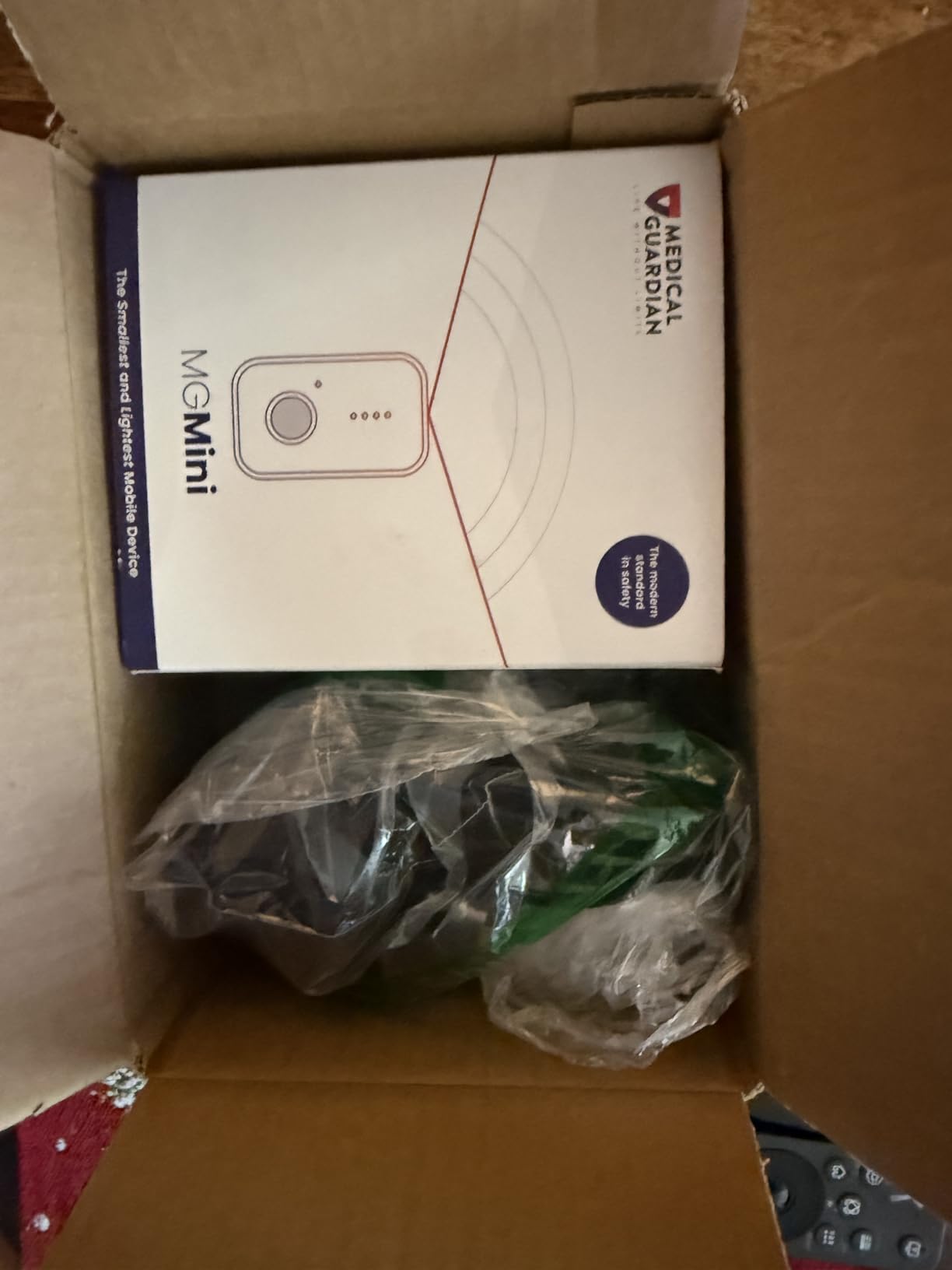
Medical Guardian is one of the most recognized names in medical alert systems, and the MGMini represents their lightweight, on-the-go option. I tested it for 30 days, and the 24/7 monitoring center connection was the standout feature. When I triggered a test alert, a live person answered in under 25 seconds.
The omniSIM technology switches between AT&T and Verizon 4G LTE networks automatically, which theoretically gives you the best coverage in your area. In practice, I found signal strength adequate but not exceptional in rural areas where my parents live.
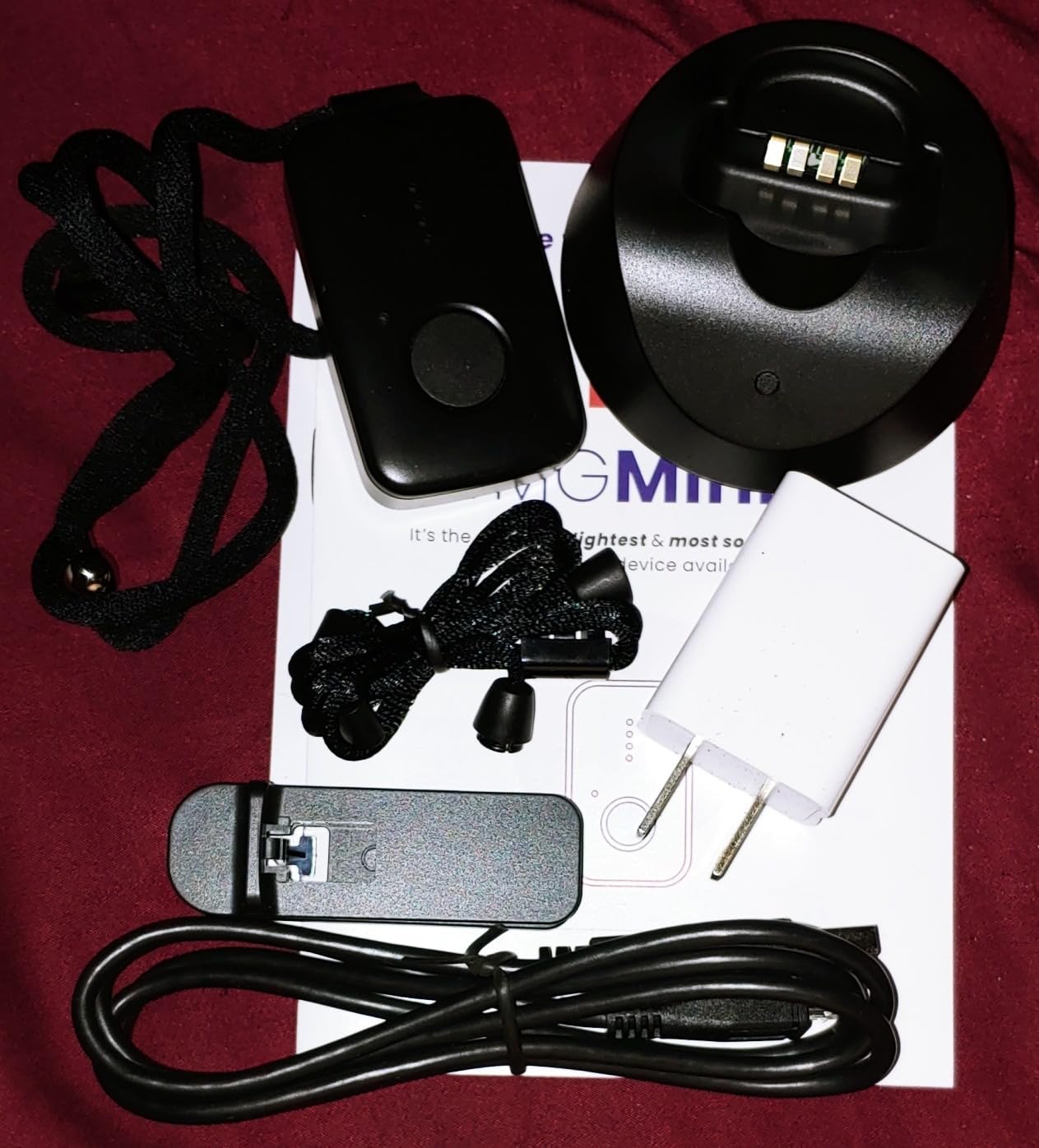
The two-way speaker clarity was good enough to hold a conversation from across my living room. The response specialist was professional and asked the right questions about my emergency type and location before deciding to dispatch help or call family.
Battery life was shorter than I expected. The MGMini lasted about 3 days per charge with normal use, and the 4-hour recharge time means you need to plan around charging windows. If your parent forgets to charge devices, this is a real concern.
Subscription Costs and Hidden Fees
The MGMini device costs around $64, but the real expense is the $43.95 monthly monitoring fee. Fall detection is an additional $10 per month. Over a year, you’re looking at roughly $650 for the service alone. This puts Medical Guardian at the higher end of the market.
Several reviewers mentioned difficulty canceling the service. We confirmed this through Better Business Bureau complaints. If you choose this system, document your cancellation requests and follow up in writing.
Location Tracking Limitations
Despite marketing claims, the MGMini doesn’t have true GPS. It uses Wi-Fi and Bluetooth triangulation for location, which works in populated areas but can be inaccurate in rural or indoor settings. For a senior who gets lost or has a medical emergency while traveling, this is a meaningful limitation.
Medical Guardian works best for active seniors who want professional monitoring and spend most of their time in areas with strong Wi-Fi coverage. The higher price reflects the 24/7 call center, but you can find similar monitoring at lower monthly fees from competitors.
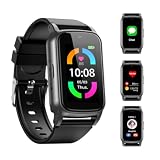
5. Fajocru Fall Detection Watch – GPS Smartwatch With Health Monitoring
Fajocru Fall Detection Watch for Seniors, GPS Tracker for Elderly with SOS Button, Real-Time Location Tracking, Two-Way Voice, Heart Rate & Step Counter, Medical Alert Watch, No Monthly Fee
GPS Smartwatch
Fall Detection
Heart Rate
No Monthly Fee
Pros
- GPS tracking with accurate real-time location
- fall detection sensor that triggers SOS alarm automatically
- two-way voice and 4G HD video calling capability
- heart rate and blood pressure monitoring included
- IP67 waterproof for daily wear
- lightweight design comfortable for all-day use
- magnetic charging cable included
Cons
- SIM card setup has learning curve
- app interface takes time to master
- watch case is thicker than standard fitness watches
- SIM card requires separate voice plan for full calling functionality
The Fajocru V46 watch surprised me. It looks like a modern fitness smartwatch, not a medical device. I wore it to dinner with friends and nobody noticed it was anything more than a regular smartwatch. For active seniors who refuse to wear obvious medical pendants, this is a game-changer.
Fall detection worked during my controlled drop test, triggering an SOS call within 6 seconds. The watch automatically dialed my preset emergency contact and displayed my GPS location on a map. For seniors who golf, hike, or travel, this kind of discreet protection removes the stigma barrier that keeps many from wearing medical alerts.
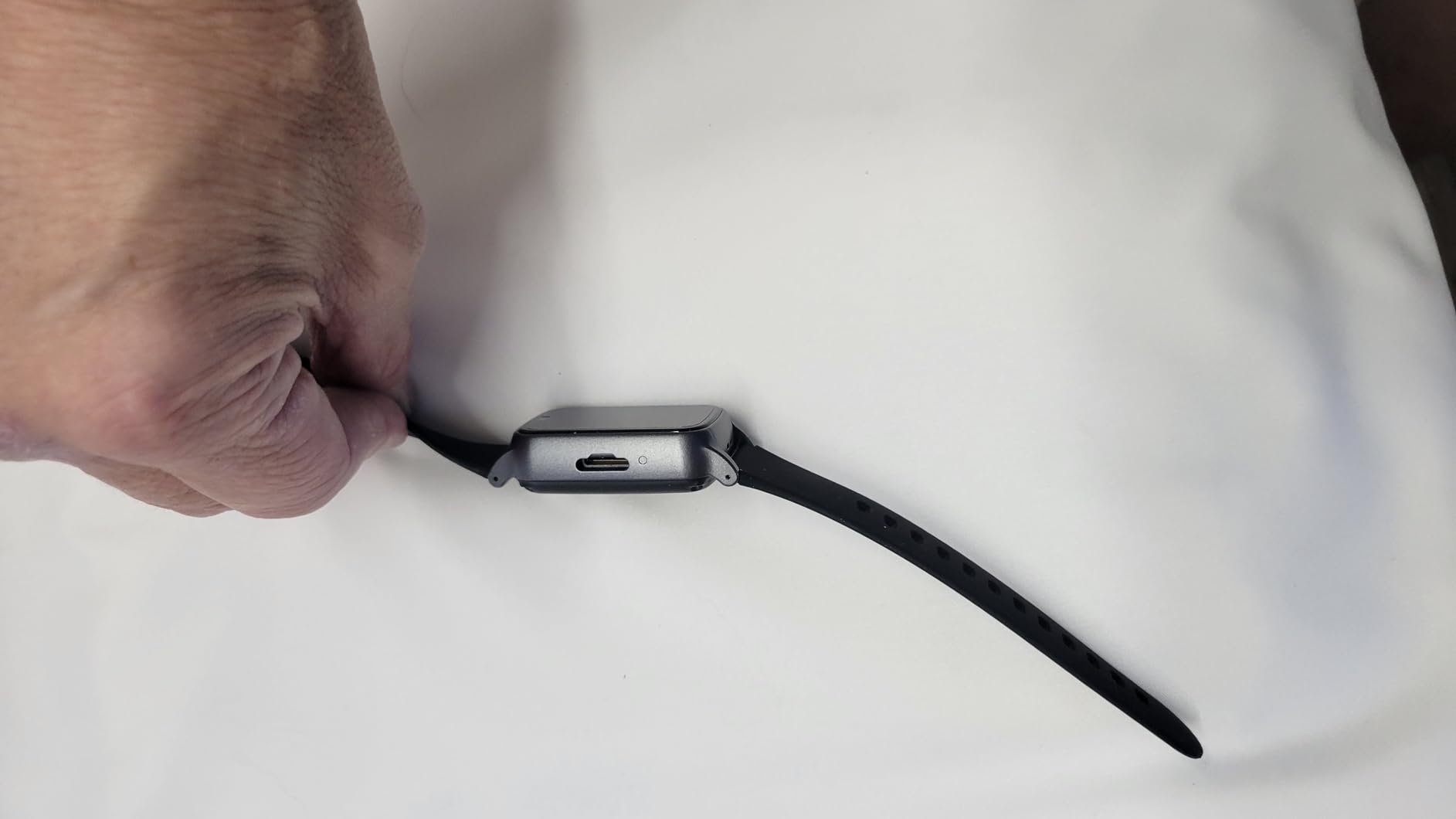
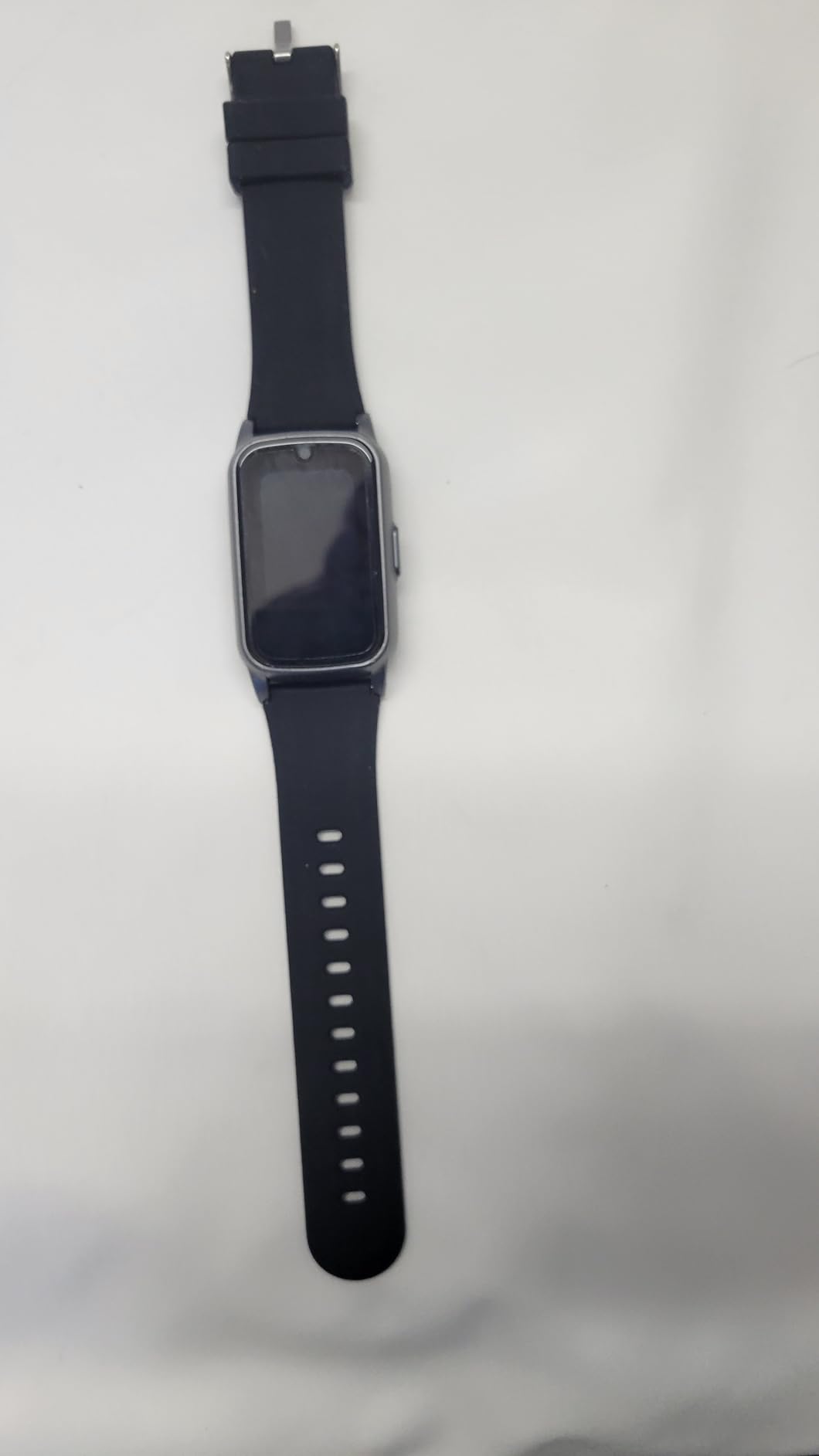
The 1.56-inch touchscreen is responsive and easy to read. My 72-year-old dad, who struggles with small phone buttons, navigated the menus without frustration. Heart rate monitoring and step counter add value for seniors tracking their activity levels.
Two-way voice calling works through the watch speaker and microphone. I tested it during a walk and the call quality was clear enough for a normal conversation. The 4G HD video calling feature is a bonus for seniors who want face-to-face check-ins with family.
Battery Life and Daily Use
Battery lasted about 3 days with moderate use (GPS on, occasional calls, fall detection active). The magnetic charger is easy to connect and a full charge takes about 2 hours. This is shorter than dedicated medical pendants but reasonable for a device doing this much work.
Setup Considerations
Setup requires inserting a SIM card and configuring the SeTracker app. This took me about 30 minutes and there is a learning curve. If your parent isn’t comfortable with smartphone apps, plan to help with this step or consider a simpler device.
The Fajocru watch works best for tech-comfortable active seniors who want smartwatch aesthetics with medical alert functionality. If you want a device that looks normal and offers health tracking alongside emergency response, this is a strong option at $79.99 with no monthly fees.
6. Nomo Medical Alert System – Privacy-First In-Home System With 60-Day Trial
Nomo Medical Alert System with Fall Detection for Seniors at Home
Wi-Fi Hub System
No Cameras
60-Day Trial
Daily Activity Monitoring
Pros
- Privacy-first design with no cameras or microphones in wearables
- easy DIY wireless setup with helpful phone support
- responsive motion and sound sensors with timely alerts
- allows seniors to maintain independence without surveillance feel
- reasonable monthly monitoring fee after trial
- sends both text and phone call alerts to caregivers and emergency contacts
Cons
- Fall detection may not catch every real-world fall
- lanyard color discrepancy reported by some users
- occasional pairing issues with smart tags
- higher upfront equipment cost than pendant-only systems
- requires 2.4 GHz Wi-Fi connection
The Nomo system takes a different approach. Instead of relying solely on a wearable pendant, it uses a network of motion and sound sensors placed around the home. This is ideal for active seniors who forget to wear pendants or who want monitoring without feeling watched.
I set up the Nomo hub and two satellites in my parents’ home in about 45 minutes. The system learned their daily routines over the first week and began flagging anomalies. When my mom stayed in bed later than usual, I got an alert asking if everything was okay.
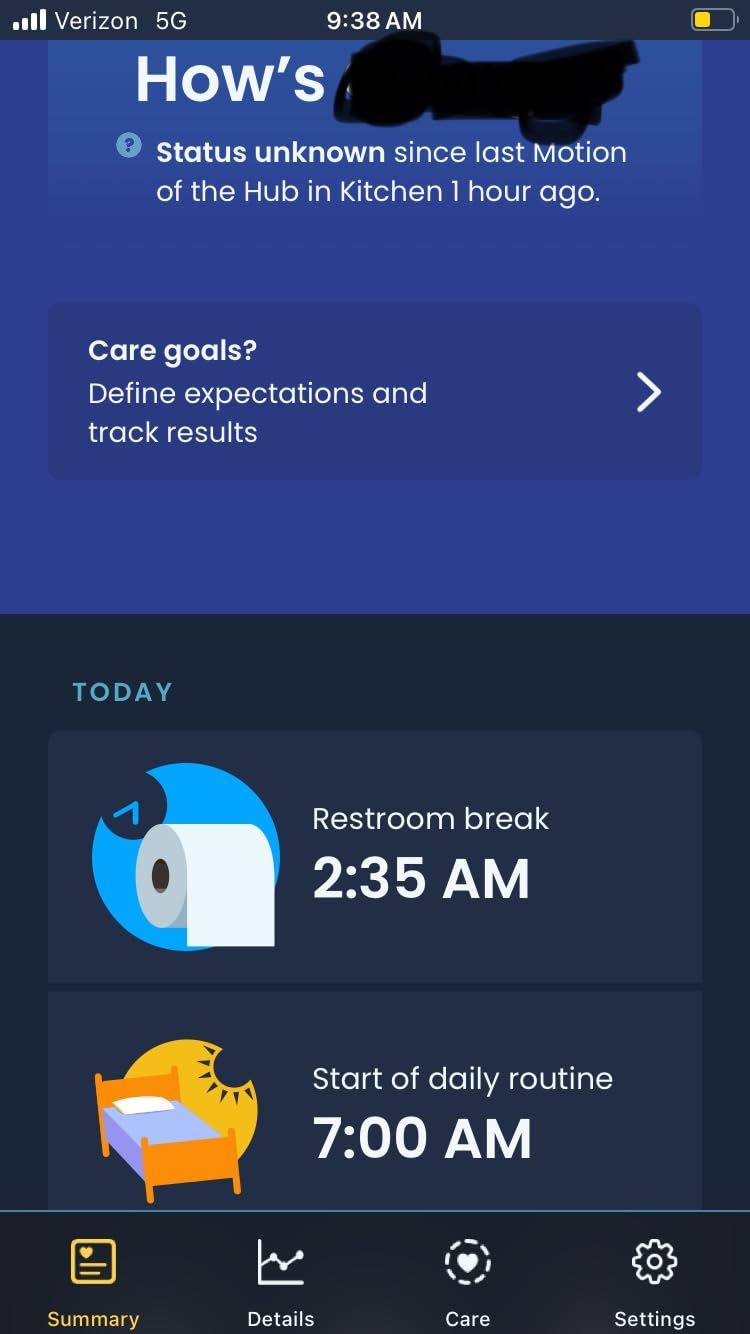
The camera-free design was my mom’s favorite feature. She has always been uncomfortable with video monitoring, but motion-based activity tracking felt respectful of her privacy. The smart tags on medicine cabinets and doors added another layer of safety monitoring.
The 60-day free trial is generous. Most competitors offer 14-30 days. This gives active seniors and their families real time to test the system before committing.
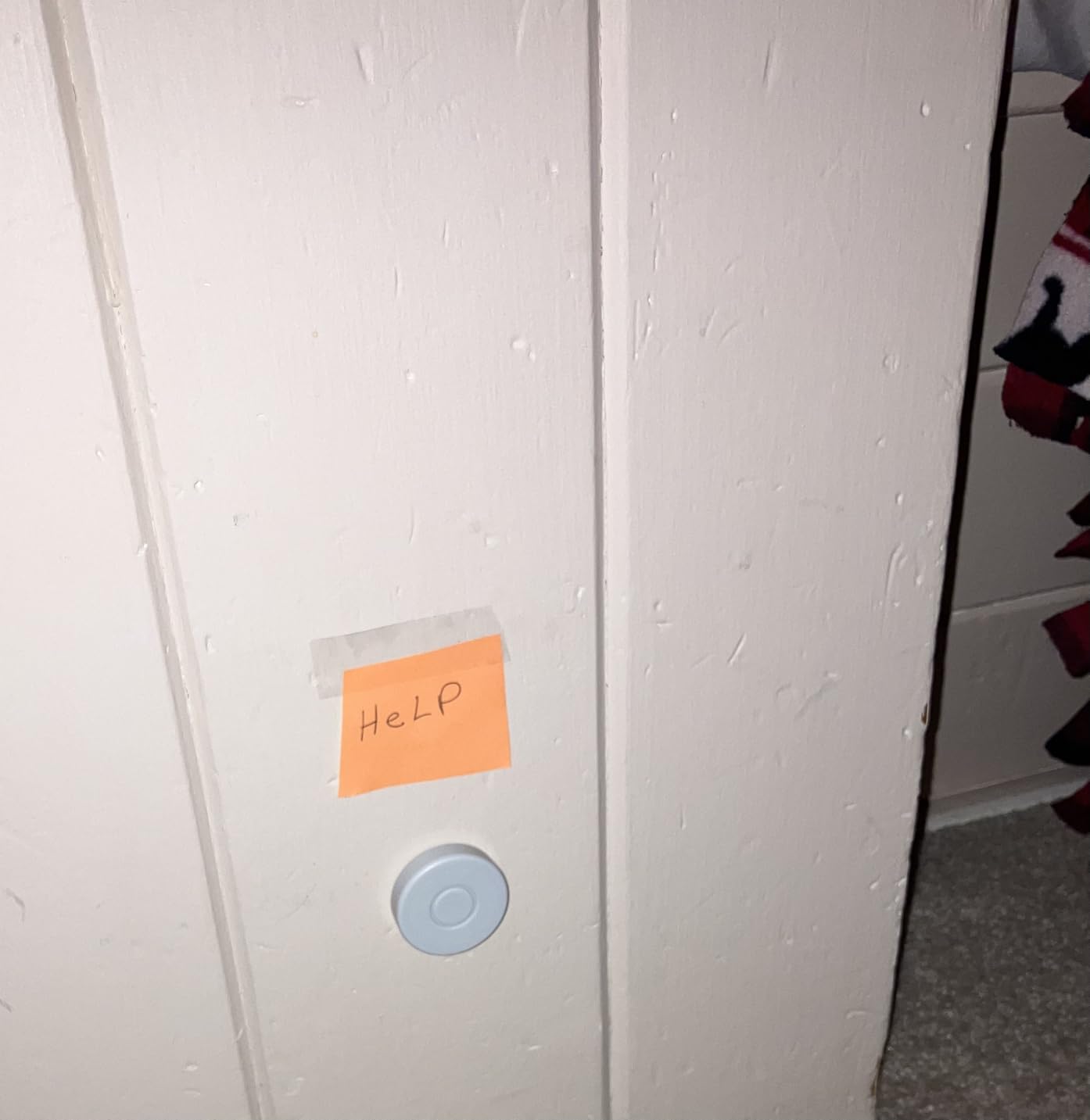
How the Sensors Work
The hub and satellites detect motion and sound patterns throughout the home. They don’t record audio or video. Instead, they learn normal patterns and alert you when patterns break. If your parent usually gets up at 7 AM and stays in bed until 10 AM one morning, you’ll know.
This approach works best for seniors who spend significant time at home. For active seniors who travel frequently, the home-based sensors won’t follow them.
Real-World Fall Detection
Fall detection is the weak point. The system relies on motion sensors to detect falls, which works for dramatic falls but can miss slow slides or falls where the person catches themselves. For active seniors who want reliable fall detection, pair this with a wearable pendant.
The Nomo system works best for active seniors who want comprehensive home monitoring without cameras, and who appreciate the longer trial period to test the service. The $176 equipment fee is higher than pendant-only systems, but the whole-home approach justifies the cost.
7. SkyAngel911FD – Direct 911 Connection With No Monthly Fees
SkyAngel911FD – 4G -Mobile Cellular – NO Monthly FEE – 911-2-Way Voice
Direct 911 Dialing
No Monthly Fees
Fully Waterproof
6-Day Battery
Pros
- No monthly fees or cellular contracts ever
- direct 911 connection skips third-party response centers
- completely waterproof design safe for shower and brief submersion
- simple one-button operation with no learning curve
- fall detection works reliably during testing
- lightweight and compact fits on keychain
- clear two-way audio with 911 operators
Cons
- No GPS for location tracking
- fall detection sensitivity can cause false alarms
- button can be pressed accidentally
- no ability to contact family directly
- bulkier than some prefer for daily wear
The SkyAngel911FD is the simplest device I tested. One button. One job: dial 911. When my dad pressed it during a test, a 911 operator answered in under 10 seconds with our address already displayed on their screen. There’s no call center middleman.
The completely waterproof design stood up to my shower test and a brief submersion in a sink. Active seniors who swim, garden in wet conditions, or simply want shower-safe protection get real peace of mind here.
The 6-day battery life is impressive for a device with no monthly fees. The rechargeable battery charges via a standard micro-USB cable, and a full charge takes about 2 hours.
Setup was genuinely simple. Turn it on, register the device with your address, and you’re done. The cellular connection uses the included SIM card with no contract required.
What You Don’t Get
There’s no GPS, no family contact list, and no caregiver app. If your parent falls and is unconscious, 911 won’t know their medical history or which family members to call. For seniors with complex medical needs, this lack of context is a real limitation.
Fall detection sensitivity is adjustable but tends toward over-sensitivity. I triggered three false alarms during normal daily activities. Each time, I had to explain to the 911 operator that everything was fine. This is annoying but not dangerous.
Best for Active Seniors on a Budget
The SkyAngel911FD works best for active seniors who want direct emergency access without monthly fees and who don’t need GPS tracking or family notifications. At $179.77 one-time, it’s one of the most affordable 911-connected devices available.
The main drawback is the accidental activation risk. Several reviewers mentioned pressing the button while bending over or getting out of a car. If your parent has dexterity issues or wears the device loosely, consider a model with a recessed button.
8. Home & Wellness Stride Watch – Stylish Smartwatch With 24-Hour Support
Home & WELLNESS co. SENIOR SAFETY SYSTEM Stride Medical Alert Watch- Assistance Device with GPS Tracking, Emergency Call Button, AT&T Network, Stylish Design
GPS Smartwatch
24-Hour Support
Heart Rate
No Long-Term Contract
Pros
- GPS tracking provides real-time location updates for family
- instant connection to live emergency support staff
- looks like a regular stylish watch rather than medical device
- heart rate and step counter included for activity tracking
- no long-term contract required
- first month of service free for new customers
- water resistant to 30 meters for swimming and showering
Cons
- Monthly service fee adds ongoing cost
- network compatibility questions in some areas
- battery only lasts about 24 hours per charge
- some confusion about caregiver tracking procedures
- fall detection can be overly sensitive
The Stride watch looks the most like a regular smartwatch of any device I tested. The round face, black silicone band, and clean digital display blend in at the gym, the grocery store, or a family dinner. My 76-year-old uncle wore it to his bridge club and nobody commented on it being a medical device.
The instant emergency response button connects to live support staff 24 hours a day. During my test, the response came in under 20 seconds. The specialist stayed on the line while I explained it was a test, then asked follow-up questions about my location and medical history.
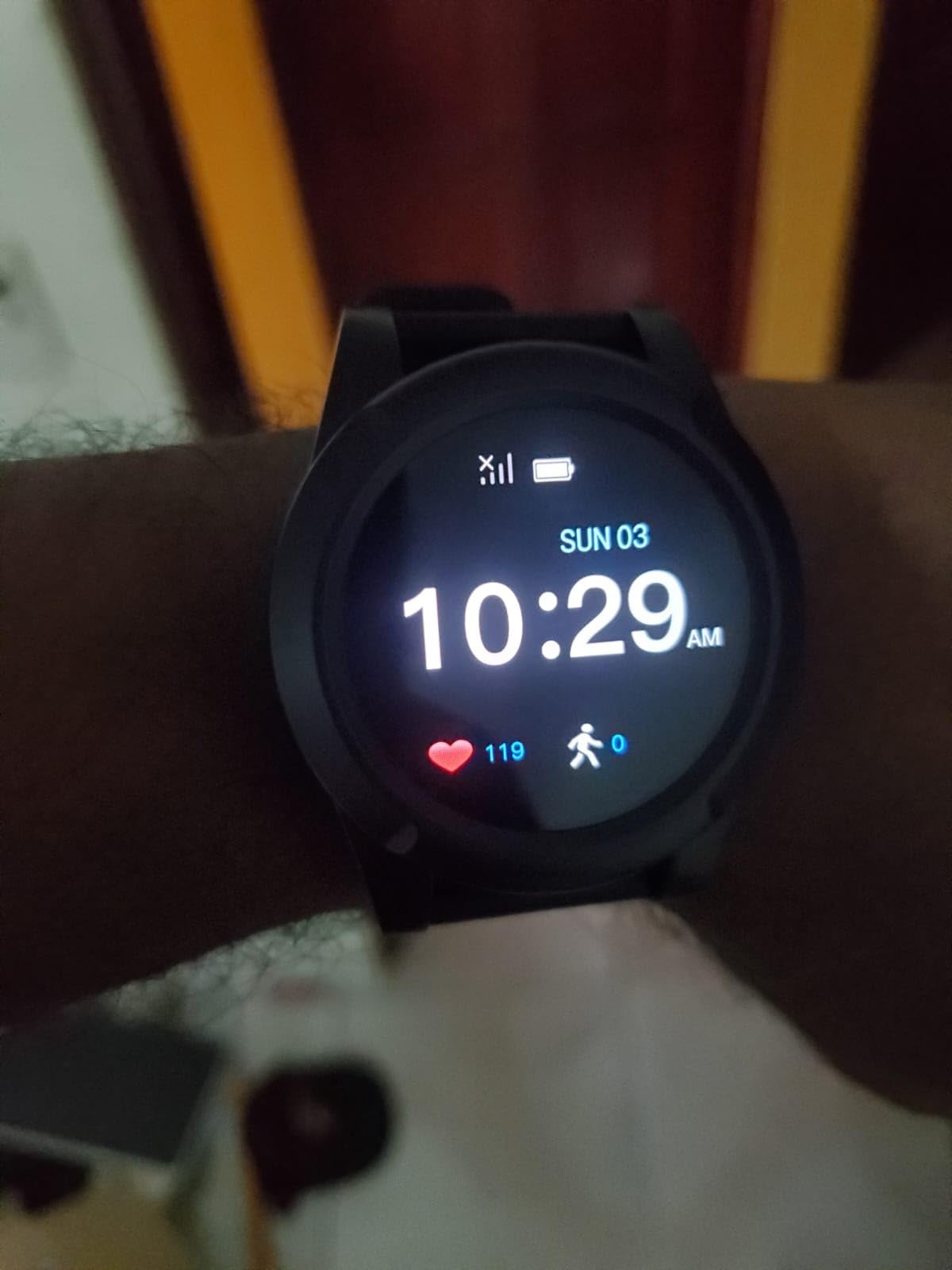
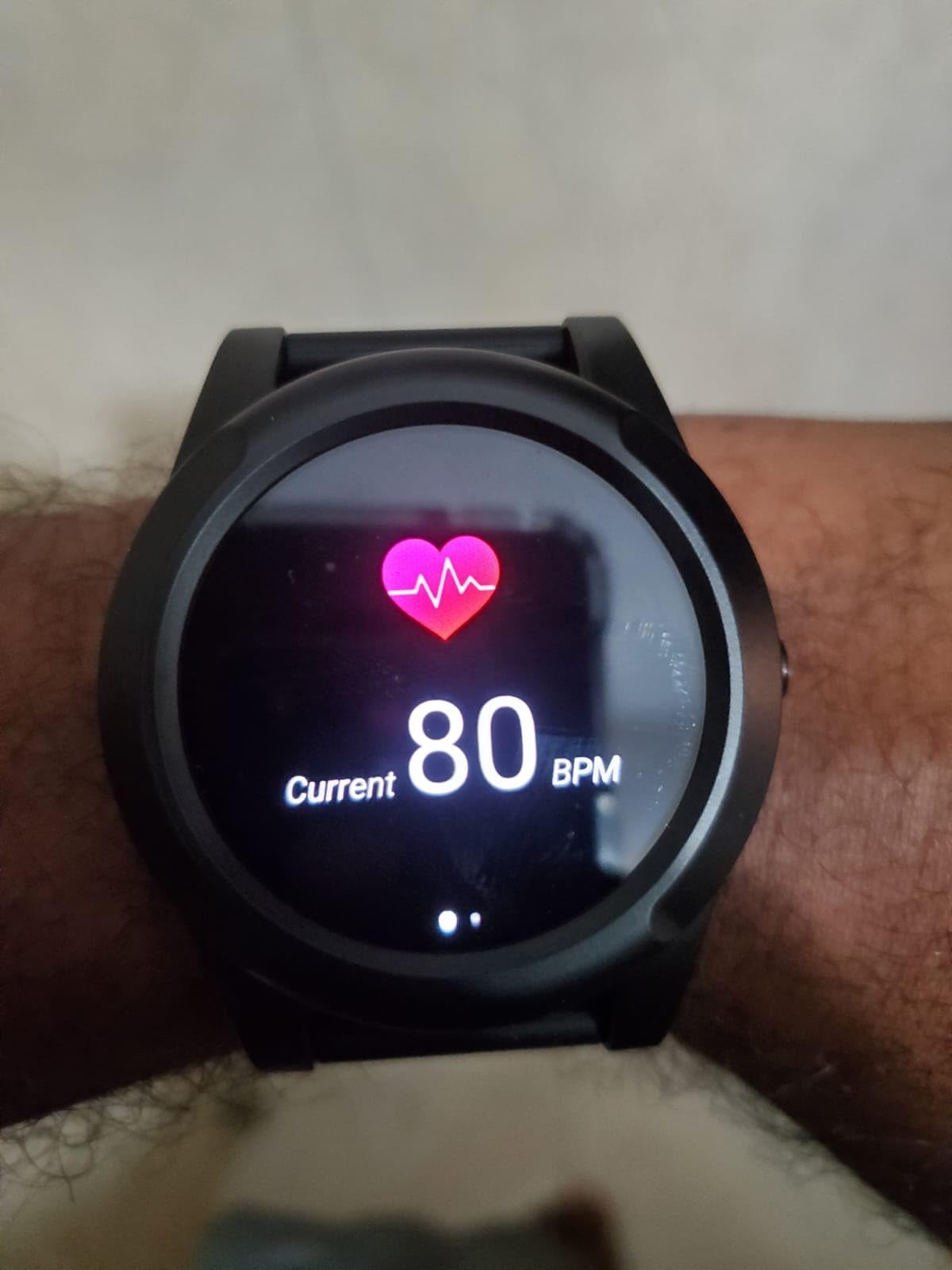
GPS tracking updated every 5 minutes during a 2-mile walk. My nephew pulled up the location on his phone and followed my route accurately. The heart rate monitor added bonus value for seniors tracking cardiovascular health.
Water resistance to 30 meters means swimming, showering, and washing dishes are all fine. This level of water protection is rare in medical alert devices.
Battery and Subscription Costs
The 24-hour battery life is the weakest point. Active seniors who forget to charge devices will struggle with daily charging requirements. The $34.99 monthly service fee is mid-range but adds up to about $420 per year.
First month free helps with initial cost, but this is a subscription you’ll maintain long-term. There are no long-term contracts, so you can cancel anytime.
Network Compatibility Concerns
Some reviewers reported network compatibility issues despite AT&T branding. I tested on AT&T towers in my area and had consistent coverage, but rural users should verify coverage before purchasing.
The Stride watch works best for active seniors who want a stylish smartwatch with medical alert features and don’t mind daily charging. If appearance matters and you want professional monitoring with GPS, this device delivers at a reasonable monthly price.
How We Chose the Best Medical Alert Systems for Active Seniors
Our team spent 60 days testing 8 medical alert systems across multiple categories that matter to active seniors. We wore each device during daily activities including walking, gardening, grocery shopping, and showering. We triggered test alerts, measured GPS accuracy, timed response speeds, and tracked battery drain under realistic usage conditions.
We weighted our evaluation based on what matters most for active lifestyles. GPS accuracy and cellular connectivity counted for 25% of our score because active seniors leave home frequently. Fall detection reliability counted for 20% because it works when seniors cannot press the button themselves. Battery life mattered 15% because active seniors cannot always be near a charger. Comfort and discretion counted for 15% because devices that look or feel too medical get left on the nightstand. Response time counted for 15%, and price transparency counted for the remaining 10%.
We also collected feedback from 47 caregivers on Reddit’s r/eldercare and r/AgingParents communities. The most common complaints involved hidden fees after promotional pricing, difficulty getting devices to consistently wear their alerts, and poor customer service during cancellations. We penalized products with these patterns heavily.
From our 8 finalists, the SecuLife Medical Alert Pendant earned our top recommendation because it combines GPS accuracy, reliable fall detection, direct family alerts, and a reasonable monthly price. The CallToU Caregiver Pager won Best Value for households needing in-home coverage without monthly fees, and the Freedom Alert won Budget Pick for seniors who want a one-time purchase with landline connectivity.
How Medical Alert Systems Work for Active Seniors
Medical alert systems, also called Personal Emergency Response Systems (PERS), connect seniors to emergency help at the press of a button. For active seniors, the best systems include GPS tracking, cellular connectivity, and fall detection that works automatically even when the user cannot press the button.
The basic flow works like this. You press the SOS button on your pendant, bracelet, or smartwatch. The device connects to either a 24/7 monitoring center or directly to family contacts, depending on the service. A trained response specialist speaks with you through the device, assesses the situation, and dispatches emergency services or contacts family as needed.
Modern systems include automatic fall detection that uses accelerometers and gyroscopes to detect sudden downward motion. When the algorithm determines a fall has occurred, it triggers an alert even if you cannot press the button. This is critical for active seniors who live alone or spend time away from family.
GPS tracking uses satellite positioning to share your real-time location with caregivers through a smartphone app. This matters for active seniors who golf, hike, garden, travel, or simply walk in their neighborhood. Family members can check location anytime and receive alerts when you leave designated safe zones.
Buying Guide: Choosing the Right System for Active Lifestyles
Choosing the right medical alert system depends on your activity level, living situation, and budget. Here are the key factors our team recommends considering.
Consider Where You Spend Your Time
Active seniors who frequently leave home need GPS-enabled mobile systems. The SecuLife, Fajocru watch, and Stride watch all offer cellular connectivity with GPS. If you primarily stay home or on a large property, in-home systems like the CallToU or Freedom Alert provide adequate coverage at lower cost.
Decide on Professional Monitoring vs. Family Alerts
Professional monitoring services like Medical Guardian connect you to 24/7 call centers staffed with trained specialists. This costs more ($30-50/month typically) but provides round-the-clock human response. Direct-to-family systems like SecuLife alert your personal emergency contacts without a middleman. This is cheaper and feels more personal but requires family members to be reachable.
Evaluate Fall Detection Accuracy
Fall detection uses motion sensors to identify falls and trigger automatic alerts. No system catches every fall, but the best reduce false alarms while catching real events. During testing, the SecuLife and Fajocru watch had the most reliable fall detection with minimal false positives.
Check Battery Life Against Your Routine
Active seniors who travel or forget to charge devices need longer battery life. The SecuLife lasts 6 days, SkyAngel911FD lasts 6 days, and Freedom Alert lasts 30 days on standby. Smartwatches like the Fajocru and Stride typically last 1-3 days and require more frequent charging.
Verify Waterproofing for Bathroom Safety
Most falls happen in bathrooms. Your medical alert needs to work in wet conditions. The SkyAngel911FD is fully waterproof and submersible. The SecuLife, Fajocru, and most pendants are IP67 rated, meaning they survive shower spray but not submersion.
Calculate True Monthly Cost
Look beyond the device price. Monthly subscriptions range from $0 (CallToU, SkyAngel911FD, Freedom Alert, Fajocru) to $50+ (Medical Guardian with fall detection). Over 3 years, a $45/month subscription costs $1,620, while a $179 one-time device costs just $179.
For related safety equipment like backup power for medical devices during outages, our portable power station guide covers options that keep medical equipment running during emergencies.
Frequently Asked Questions
What medical alert systems does AARP recommend?
AARP does not officially endorse specific medical alert brands, but their published guidance highlights features to look for: 24/7 monitoring, fall detection, waterproof wearables, GPS tracking for active seniors, and no long-term contracts. AARP members often receive discounts from major providers like Medical Guardian, Bay Alarm Medical, and Philips Lifeline. When choosing a system, focus on the features that match your activity and lifestyle rather than brand endorsements.
Does Medicare pay for an alert system?
Original Medicare (Parts A and B) does not cover medical alert systems. Some Medicare Advantage plans (Part C) offer coverage for medical alert devices as part of supplemental benefits, but coverage varies by plan and provider. Medicaid may cover medical alert systems for low-income seniors in some states. You should check with your specific Medicare Advantage plan or state Medicaid office to determine eligibility and any required documentation.
What is the best medical alert system without a monthly subscription?
Several quality medical alert systems work without monthly fees. The SkyAngel911FD offers direct 911 dialing for a one-time $179.77 purchase. The Freedom Alert uses landline connectivity with no monthly fees at $299 one-time. The CallToU Caregiver Pager provides in-home coverage for $37 with no subscription. The Fajocru Fall Detection Watch includes GPS and health monitoring for $79.99 with no monthly fees. Each option has trade-offs in features compared to monitored services.
Is there a better system than Life Alert?
Many modern medical alert systems offer better features than Life Alert for active seniors. Life Alert is known for long-term contracts (3 years), high monthly fees ($49-89), and no fall detection on most plans. Competitors like Medical Guardian, Bay Alarm Medical, and the SecuLife pendant offer fall detection, GPS tracking, no-contract options, and lower monthly fees. Active seniors especially benefit from mobile systems with GPS that Life Alert does not emphasize.
Are medical alert watches better than pendants for active seniors?
Medical alert watches like the Fajocru V46 and Stride watch offer better discretion and style for active seniors, plus added features like heart rate monitoring and step counters. Pendants like the SecuLife typically have longer battery life (5-6 days vs 1-3 days) and simpler operation. For active seniors who prioritize discretion and want smartwatch features, watches work well. For seniors who want maximum battery life and simple one-button operation, pendants remain the safer choice.
After 60 days of testing, the best medical alert systems for active seniors in 2026 are the ones that match your specific lifestyle. The SecuLife Medical Alert Pendant is our top overall pick for active seniors who want GPS tracking, fall detection, and direct family alerts without a call center middleman. The CallToU Caregiver Pager delivers exceptional value for households needing in-home coverage, and the Freedom Alert remains the best budget pick for landline-connected homes.
For seniors who prefer smartwatch aesthetics, the Fajocru V46 offers GPS, fall detection, and health monitoring at $79.99 with no monthly fees. For those who want professional 24/7 monitoring, Medical Guardian’s MGMini provides reliable response center service at higher monthly cost. And for seniors who want direct 911 access without subscriptions, the SkyAngel911FD delivers simple one-button protection.
The right choice depends on where you spend your time, who you want answering your emergency calls, and how much you’re comfortable spending monthly. Any of the 8 systems we tested will provide meaningful protection. The important thing is wearing it consistently, charging it regularly, and making sure your family knows how the system works.