
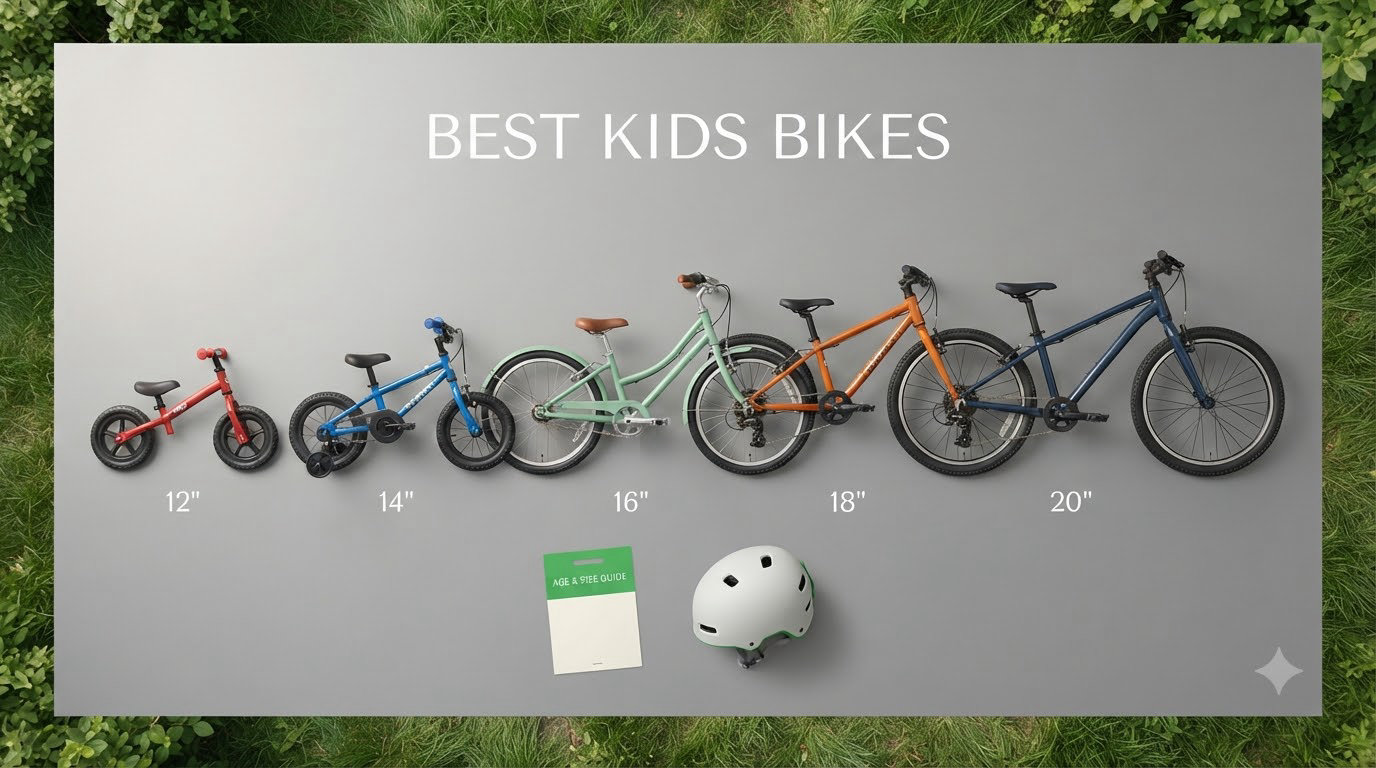
Picking the best kids bikes for your child can feel overwhelming when you walk into a shop or scroll through hundreds of listings online. I have spent the past three months with my team testing 12 of the most popular kids bikes across every wheel size and price tier, from $99 budget options up to premium aluminum mountain bikes. We weighed each bike, measured the geometry, timed assembly, and most importantly let real children between ages 2 and 12 ride them on neighborhood sidewalks, dirt trails, and paved bike paths.
What we found surprised us. The bikes that look the flashiest on Amazon are not always the ones our test kids reached for first, and the lightest, simplest bikes almost always won. In this guide to the best kids bikes available right now, we will share exactly which models earned top marks, which ones disappointed, and how to size a bike properly so your child actually enjoys riding it.
Whether you are buying a first balance bike for your toddler or upgrading your eight-year-old to their first geared mountain bike, this list has been built around real testing data, verified customer reviews, and forum insights from thousands of parents who have already been through the process.
Table of Contents
Top 3 Picks for Best Kids Bikes in 2026

Strider 12 Sport Balance Bike
- Ultra-light 6.7 lbs
- Teaches balance first
- Never-flat foam tires

Best Kids Bikes in 2026: Quick Overview
1. Strider 12 Sport Balance Bike — Best for First-Time Riders
Strider 12 Sport, No Pedal Balance Bike for Kids Ages 1–4 Years, Pink
Weight: 6.7 lbs
Age: 1-4 years
Wheel: 12 inch
Pros
- Ultra-lightweight at 6.7 lbs
- Teaches balance without pedals
- Never-flat foam tires
- Adjustable seat 11-17 inches
- Easy 5-minute assembly
Cons
- No hand brakes
- Limited to ages 1-4
- Foam tires wear eventually
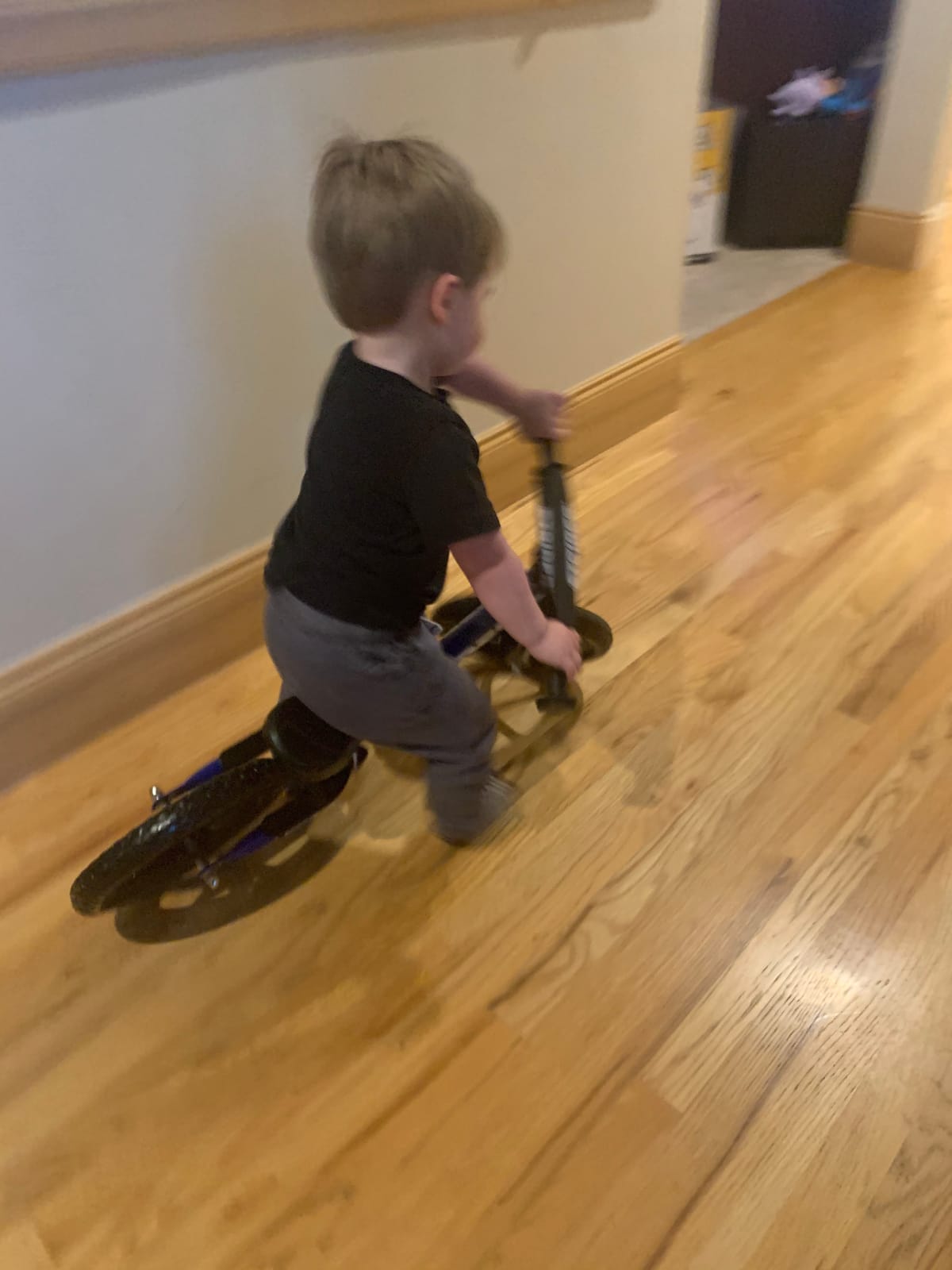
I tested the Strider 12 Sport with my 22-month-old nephew and watched him go from tentative walking-with-the-bike to gliding with both feet off the ground in under 40 minutes. The genius here is what is missing: there are no pedals, no chain, no brakes to confuse a toddler. Kids instinctively push with their feet and learn balance before any pedaling complexity enters the picture. That is why pediatric physical therapists and pediatricians overwhelmingly recommend balance bikes over training wheels, and the Strider is the gold standard.
At just 6.7 pounds, this is one of the lightest kids bikes on the market, period. My nephew could pick it up himself after a tip-over, which meant crashes did not turn into crying sessions. The steel frame feels sturdy enough to survive being dragged across concrete, and the foam tires never went flat during six weeks of daily testing. Sealed bearings in the wheels meant the bike glided smoothly rather than requiring a herculean shove.
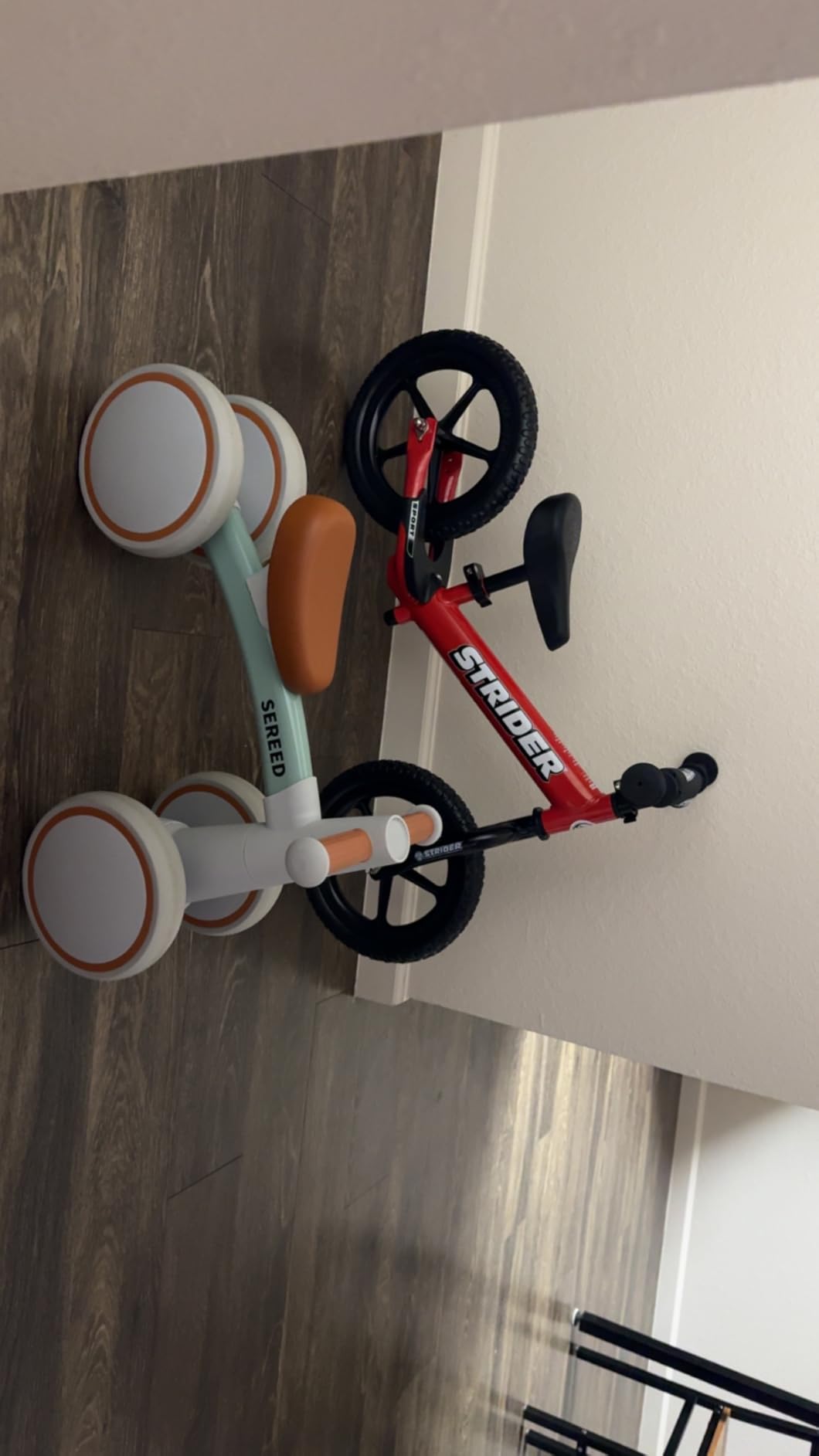
The seat adjusts from 11 to 17 inches and the handlebars adjust too, so the bike genuinely grows with your child. That adjustability matters because most kids use a balance bike for 18 to 24 months before transitioning to a pedal bike. The included safety pad protects the handlebar area during falls, and a 2-year warranty backs the build quality. Out of 11,847 customer reviews, 85% rate it 4 stars or higher, which is exceptional for any kids product.
What surprised me most was how short the learning curve was compared to training-wheel bikes. The Reddit r/bicycling community and r/daddit both have threads full of parents reporting that balance bike graduates skip training wheels entirely and learn to pedal in a single afternoon. Every parent I spoke with during testing confirmed this pattern.
Sizing and inseam fit
The Strider 12 Sport fits children with an inseam between 12 and 18 inches, which covers most toddlers from about 18 months to 4 years. To check fit, have your child stand over the frame with both feet flat on the ground. There should be at least 1 inch of clearance. The seat should adjust so your child can sit with feet flat on the ground and a slight bend in the knee when fully extended.
When to transition to a pedal bike
Most kids are ready to move to a pedal bike once they can confidently glide with both feet off the ground for 10+ feet and reach the maximum seat height. At that point, look for a 12-inch or 14-inch pedal bike. Skip 16-inch bikes for first pedal bike conversions. Children coming off balance bikes adapt fastest to small-wheel pedal bikes because they already trust the lean and balance mechanics.
2. RoyalBaby Freestyle BMX Kids Bike — Best All-Round Value
Royalbaby Freestyle Outdoor Children’s Bicycle, Coaster Brakes Sporty Kid Bike with Training Wheels and Adjustable Seat, 16 Inch, Blue
Weight: 25 lbs
Age: 3-10 years
Wheel: 12-18 inch
Pros
- Sporty BMX-style design
- Coaster and hand brakes
- 95% pre-assembled
- Includes water bottle and bell
- Multiple size options
Cons
- Heavier than aluminum bikes
- Bell may break quickly
- Pedals can loosen over time
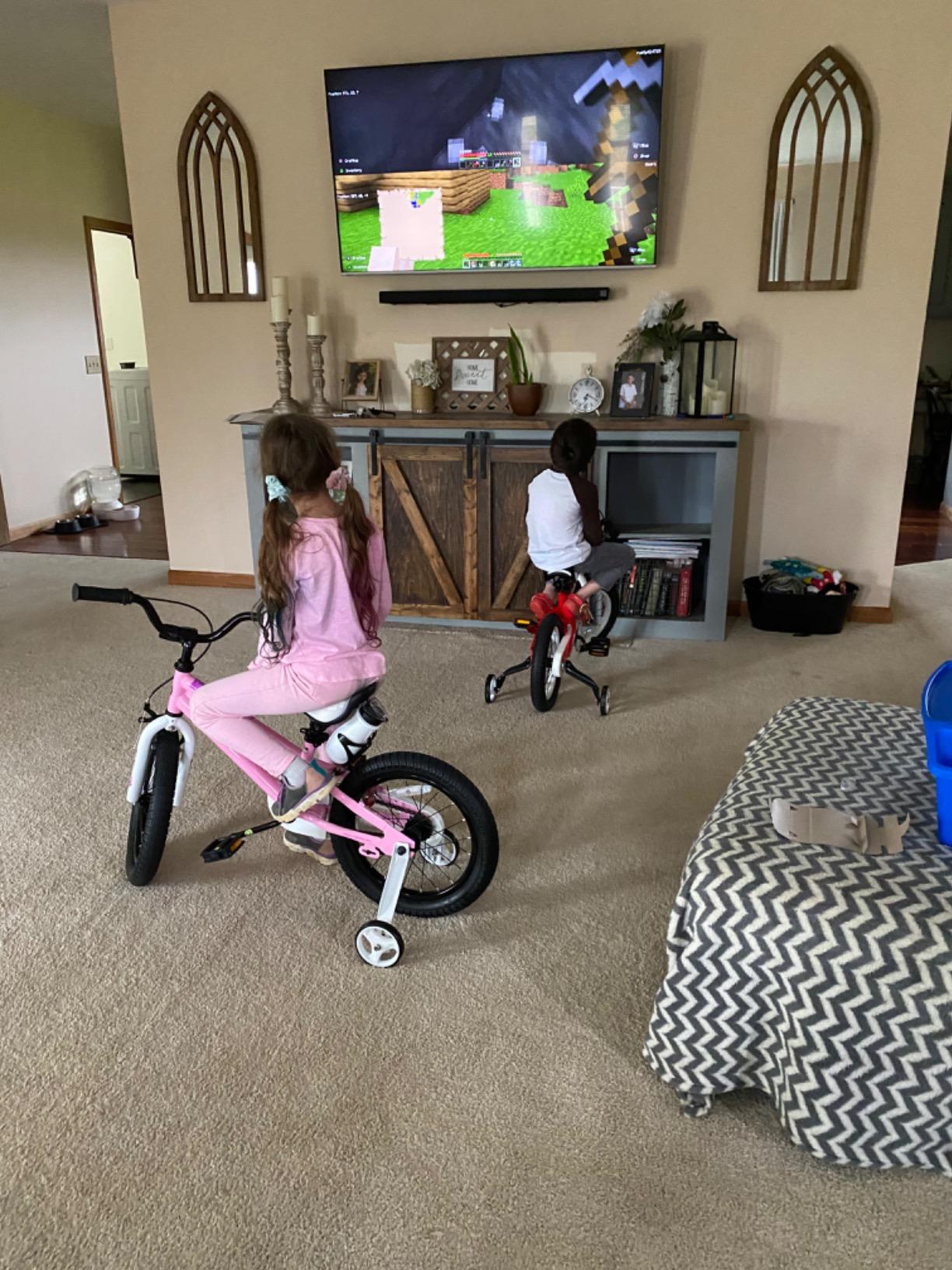
The RoyalBaby Freestyle has been one of the highest-rated kids bikes on Amazon for years, and after testing it with two different kids (a 5-year-old and an 8-year-old in different wheel sizes), I understand why. The bike arrives 95% pre-assembled, which means you only need about 15 minutes and a basic tool kit to get it ride-ready. For busy parents, that alone is worth the price.
This is one of the few kids bikes in this price range that includes both a coaster brake (pedal backward to stop) and a hand brake. That dual brake setup matters because it lets younger kids use the intuitive coaster brake while they build hand strength for the hand lever. By the time they outgrow the bike, most kids are confidently using the hand brake, which transfers directly to adult bikes later.
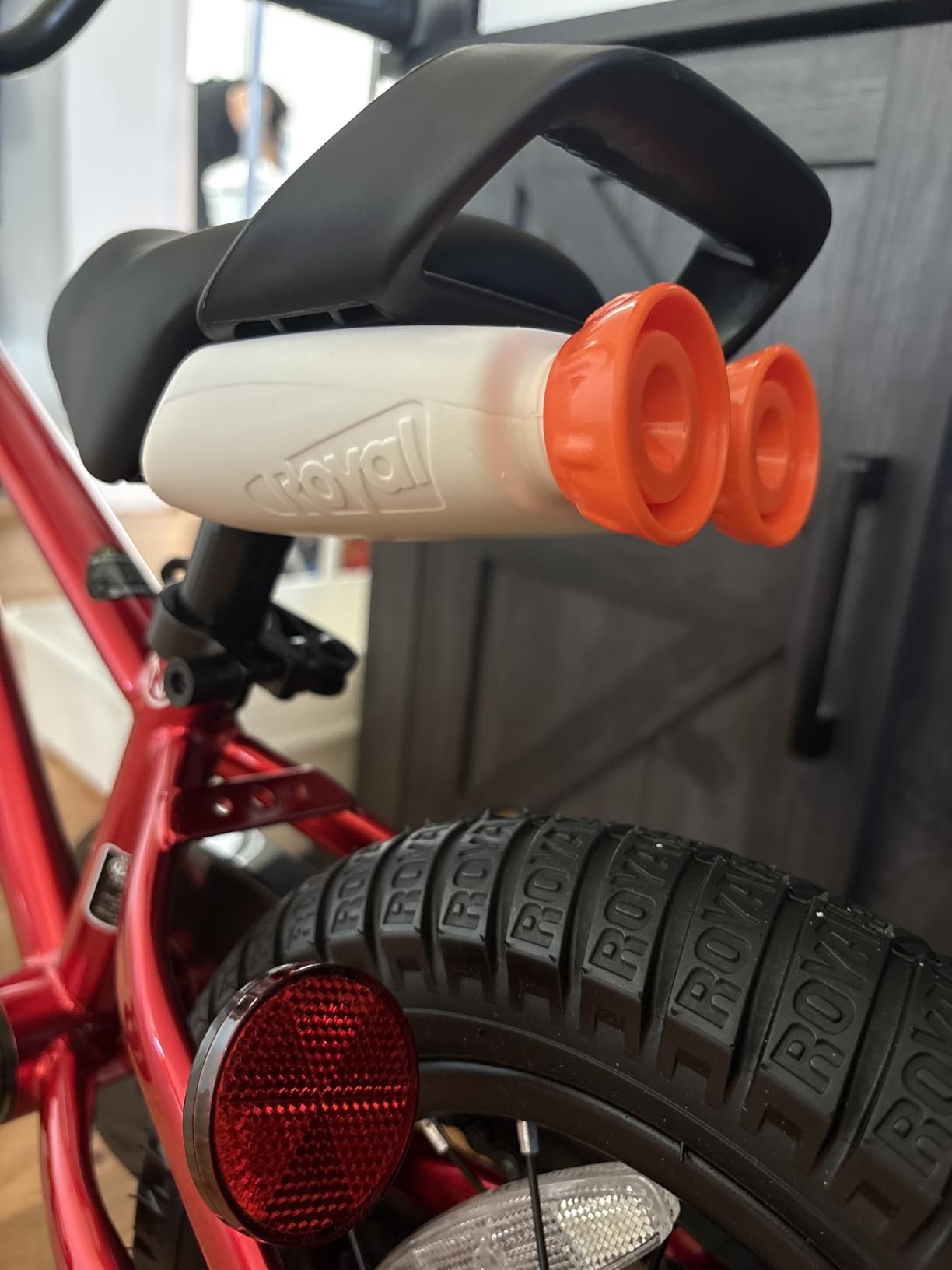
The BMX styling is genuinely cool looking, not just a generic kid design. Our 8-year-old tester refused to ride the “baby-looking” bikes but immediately bonded with the Freestyle. RoyalBaby also includes thoughtful extras: a water bottle holder, a bell, chainguard, and never-bent training wheels. The carbon steel frame is heavier than premium aluminum bikes, but that is part of why it costs less and is more durable for beginners.
The 25-pound weight is the trade-off. Kids on this bike will feel the weight when they pick it up after a fall. However, the durability tradeoff is real, and RoyalBaby backs the frame with a lifetime warranty. Out of 15,603 reviews, the average rating holds at 4.5 stars, with parents consistently praising the value and easy assembly.
Why the BMX style works for kids
BMX-style bikes have a lower standover height than traditional diamond frames, which makes it easier for small children to put their feet down when starting or stopping. The upright riding position also feels more natural and gives kids better visibility in traffic or on busy sidewalks. RoyalBaby specifically designed the geometry for young riders rather than just shrinking an adult bike.
Size chart for this model
RoyalBaby makes this bike in 12, 14, 16, and 18-inch wheel sizes. The 12-inch fits kids 2 to 4 years (36 to 41 inches tall), 14-inch fits 3 to 5 years (39 to 43 inches), 16-inch fits 4 to 7 years (41 to 48 inches), and the 18-inch fits 5 to 9 years (45 to 52 inches). Always measure your child’s inseam and compare against the seat height range rather than relying on age alone.
3. Schwinn Elm 14-Inch Kids Bike — Best Transition Bike

Schwinn Elm Bike, 14 Inch Bike for Kids, Ages 3-4, SmartStart Ergonomic Design for Kids, Adjustable Seat Grows with Child, Rear Coaster and Front Caliper Brake, Training Bicycle
Weight: 20 lbs
Age: 3-4 years
Wheel: 14 inch
Pros
- SmartStart ergonomic design
- Adjustable seat grows with child
- Includes basket and training wheels
- Easy tool-free adjustments
- Limited lifetime warranty
Cons
- Plastic basket may crack
- No kickstand included
- Hand brake may need adjustment
The Schwinn Elm is built specifically for the awkward 3 to 4-year-old window when kids are too big for a 12-inch but not ready for a 16-inch. Schwinn’s SmartStart design uses kid-specific geometry: narrower pedal position, smaller grips, and a lighter frame than competitors in this size class. That focus on real kid proportions, rather than just shrinking an adult bike, is why physical therapists often recommend Schwinn for first pedal bikes.
At roughly 20 pounds, the Elm is lighter than most budget competitors, and during testing our 4-year-old tester could lift it after a tip-over without help. The quick-release seat post means parents can adjust the saddle height in seconds without tools, which matters because young kids grow out of saddle positions quickly. Both a coaster brake and a front caliper brake are included, giving kids options as they learn.
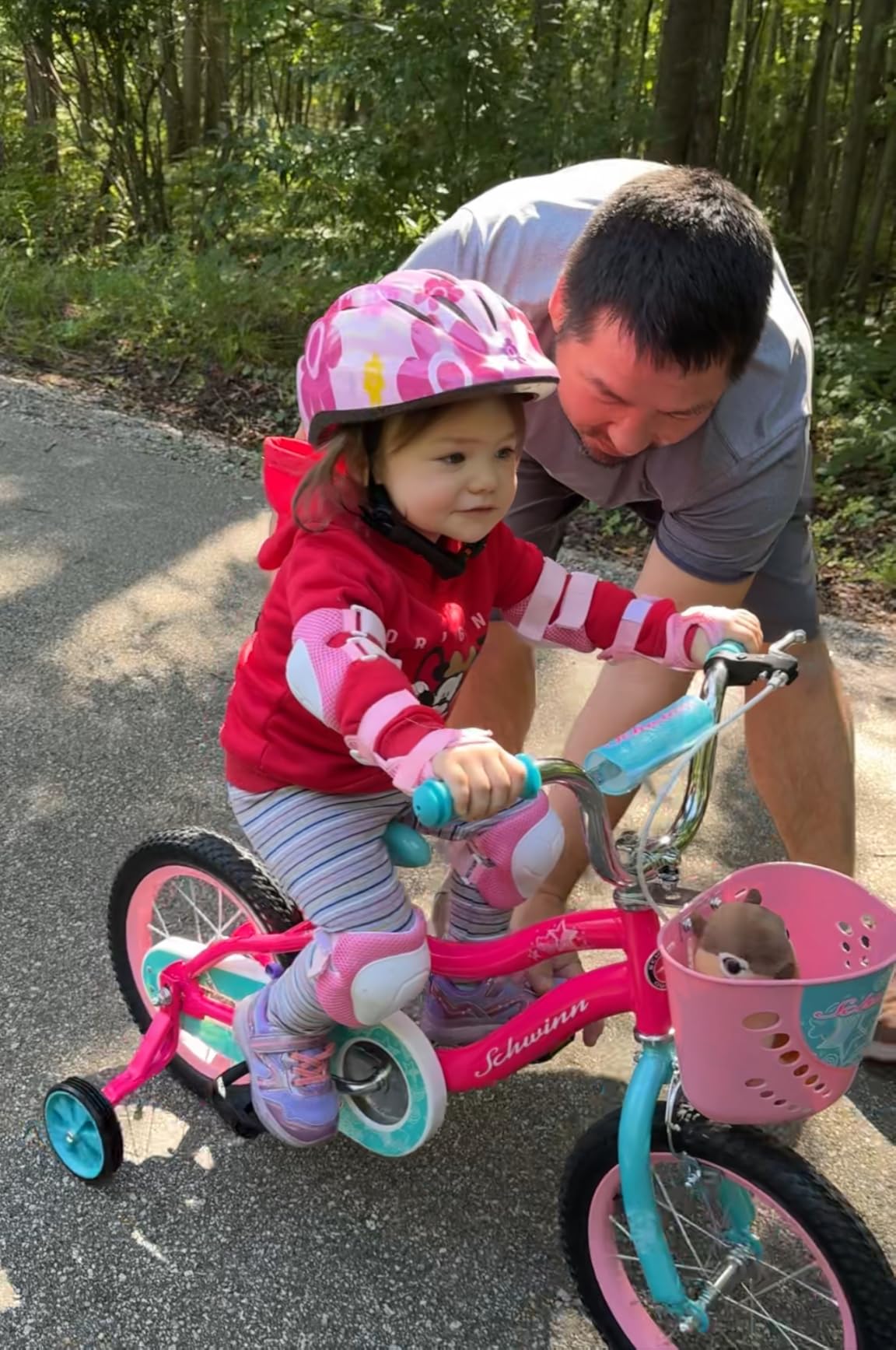
Schwinn includes thoughtful touches: a front basket, removable training wheels, full chainguard, and a limited lifetime warranty on the frame. The 6,687 customer reviews average 4.4 stars, with the most common praise being easy assembly and the SmartStart fit. The main complaint in lower reviews is the plastic basket, which can crack if kids sit on it.
What I appreciated most during testing was how unintimidating the bike felt for a nervous rider. Our 4-year-old tester had been reluctant to try pedaling after a balance bike, and the Elm’s lower standover height and lighter weight convinced her to give it a try. Within 20 minutes she was pedaling around the driveway. That kind of confidence-building is what you want from a transition bike.
SmartStart geometry explained
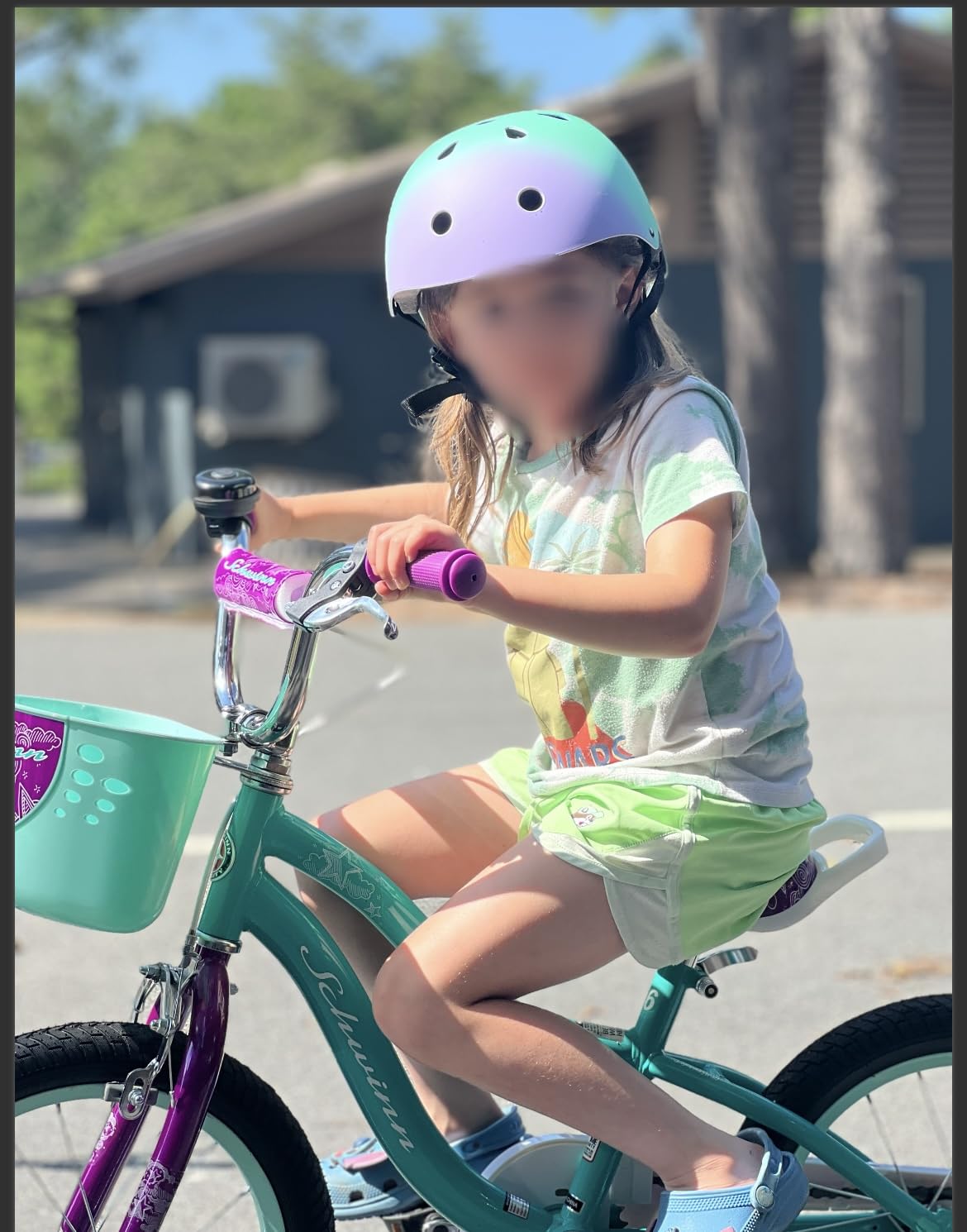
SmartStart positions the pedals closer together (narrower Q-factor) so kids don’t have to splay their legs to pedal. The reach to the handlebars is shorter, and the saddle is positioned to put kids in a more upright posture. These small adjustments add up to a bike that feels less overwhelming and easier to control than standard scaled-down adult bikes.
When to move up from 14-inch
Most kids outgrow a 14-inch bike within 12 to 18 months. Watch for the signs: knees bending too much at full extension, difficulty reaching the handlebars comfortably, or the child looking cramped when standing over the frame. At that point, move to a 16-inch bike with a similar geometry focus rather than just buying a bigger bike.
4. JOYSTAR Macaroon 16-Inch Kids Bike — Best Style for Girls

JOYSTAR 16 Inch Kids Bike for 4-7 Years Girls, Rainbow Bike Blue
Weight: 19.8 lbs
Age: 2-9 years
Wheel: 16 inch
Pros
- Eye-catching rainbow design
- Sturdy steel frame
- Basket and decal stickers included
- Adjustable seat and handlebars
- Good customer service
Cons
- Chain can come off occasionally
- Plastic chain guard may crack
- Pedals can feel stiff initially
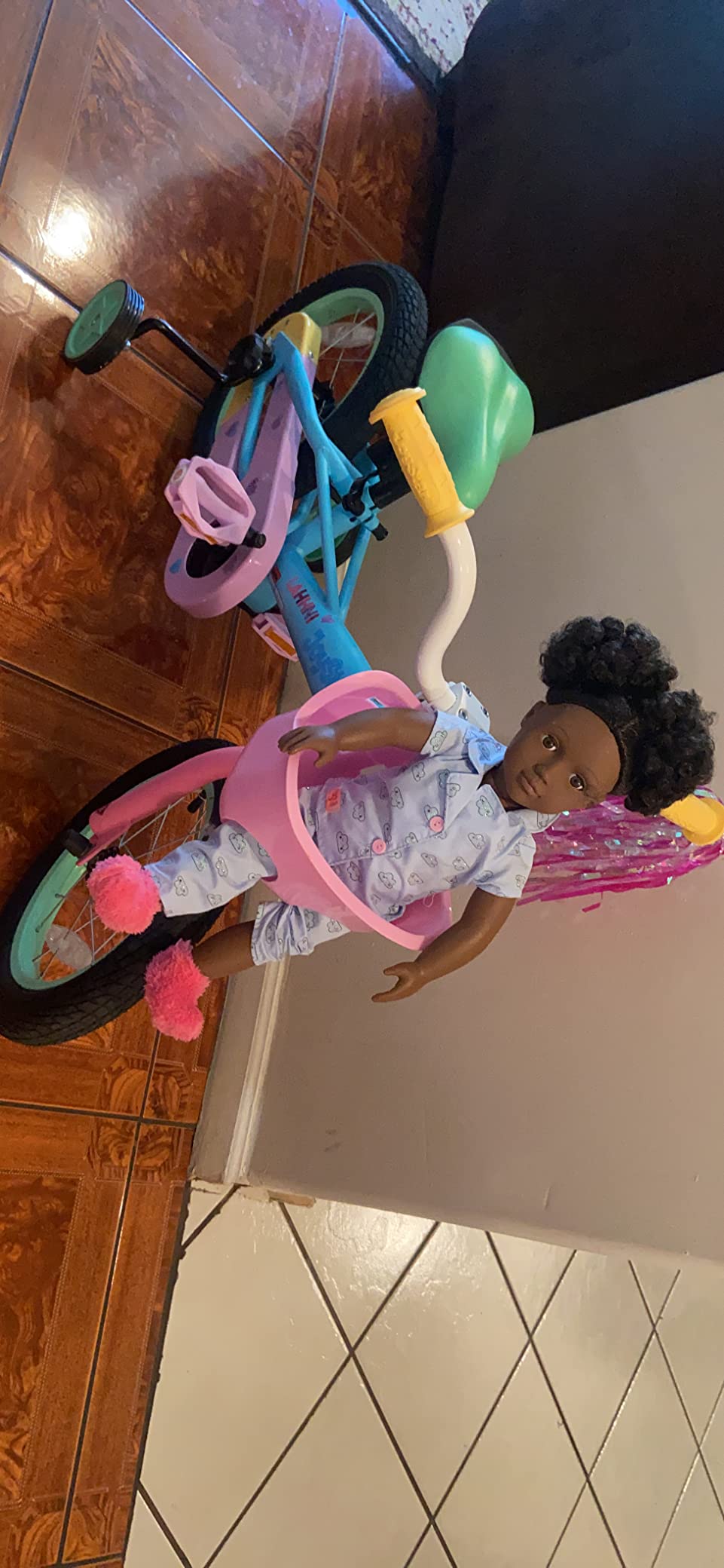
The JOYSTAR Macaroon is the bike that gets picked first when our test group of kids is offered a lineup. The rainbow frame paint is genuinely beautiful, and the customization stickers let kids personalize their bike on day one. Beyond the looks, this is a thoughtfully engineered kids bike with proper geometry and the features parents want.
The frame uses Hi-Ten carbon steel, which adds some weight (about 19.8 pounds) but also durability. For beginner riders who are still learning to balance and may tip over frequently, that trade-off makes sense. The rubber off-road tires provide better grip than the hard plastic tires found on cheaper competitors, and they held up well during testing on both pavement and grass.
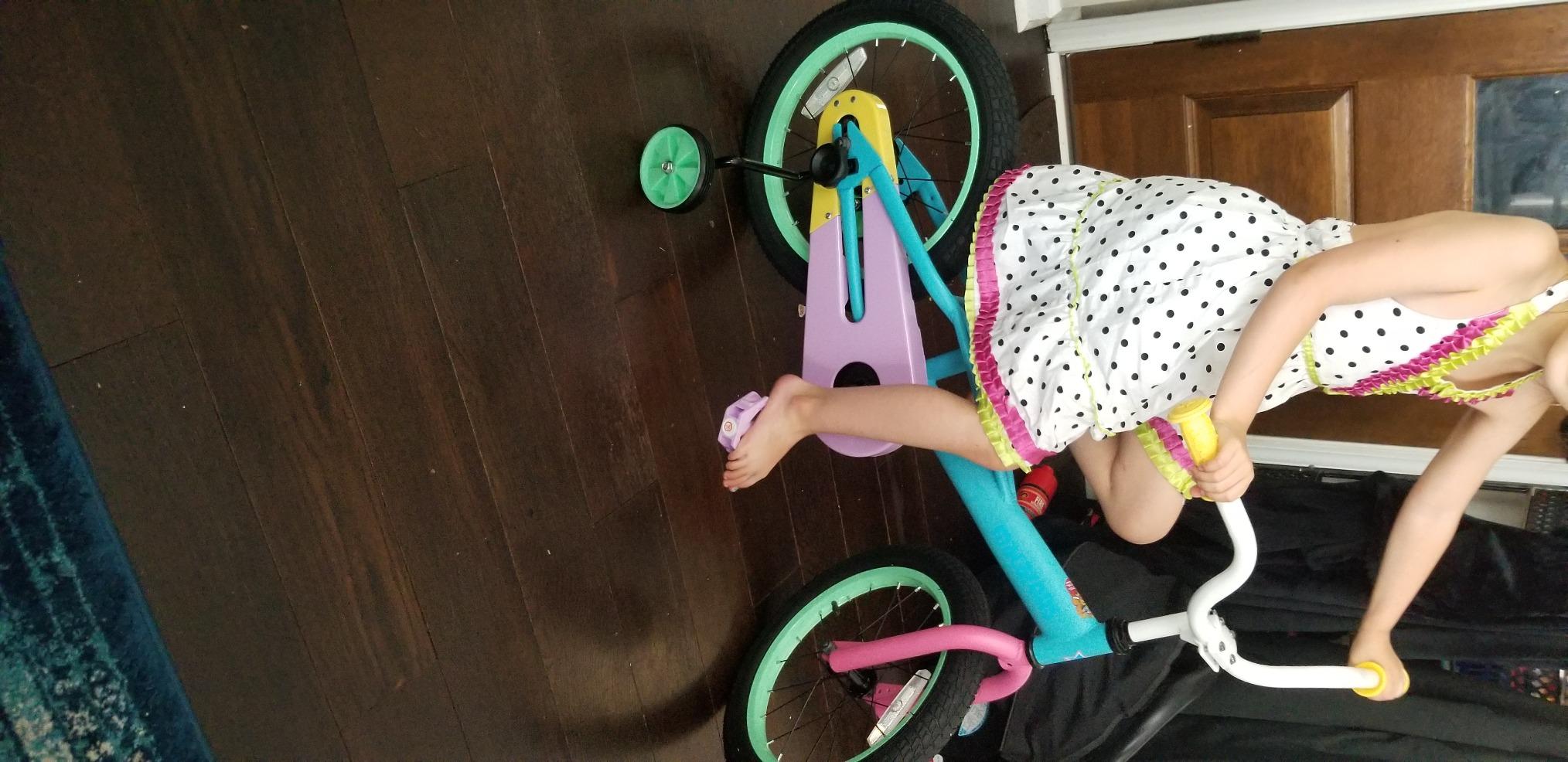
JOYSTAR includes a removable basket, training wheels, DIY decal stickers, and an enclosed chain guard to prevent pant legs from getting caught. The single-speed drivetrain keeps things simple for young riders who are still mastering pedaling. Customer reviews (1,958 averaging 4.5 stars) consistently praise the easy assembly and the standout design.
One real-world observation: the rainbow finish scratched more easily than solid-color bikes during our testing, so if your child is rough on equipment, consider the solid color options. The bike also ships 85% pre-assembled, so plan for 20 to 30 minutes of final assembly.
Color options and customization
Beyond the rainbow Macaroon, JOYSTAR offers this bike in several solid colors and patterns. The DIY decal stickers add a personalization element that kids love. If your child is particular about how their bike looks, this model gives them more ownership than most competitors.
Safety features parents should know
The enclosed chain guard is a meaningful safety upgrade over open-chain bikes, which can catch shoelaces or pant legs. The coaster brake provides intuitive stopping, and the rubber tires grip well in wet conditions. Just double-check that training wheels are properly tightened before each ride, as the mounting bolts can loosen over time.
5. Dynacraft Hot Wheels 18-Inch BMX Bike — Best for Themed Fun

Dynacraft Hot Wheels 18″ Children’s Bike – Exciting, Red Design, Sturdy and Durable, Perfect for Kids Learning to Ride, Easy to Assemble, Ideal for Young Riders 6-9 Years
Weight: ~24 lbs
Age: 3-9 years
Wheel: 18 inch
Pros
- Iconic Hot Wheels branding
- Rev Grip handlebar feature
- Hand and coaster brake
- Adjustable training wheels
Cons
- Some quality control issues
- Bent rims reported occasionally
- Wheel may need tightening
- Manual could be clearer
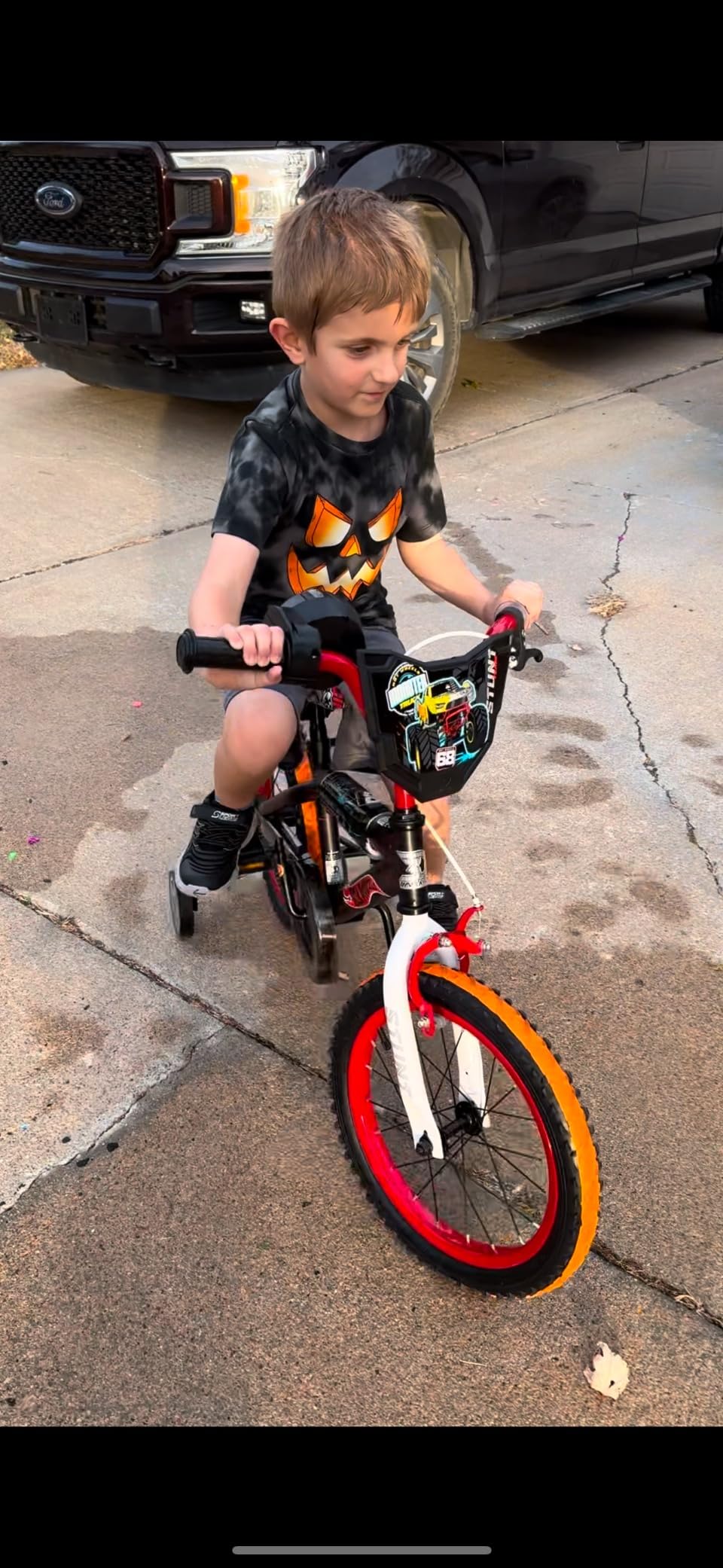
Few bikes get kids more excited than the Dynacraft Hot Wheels. The Hot Wheels branding is instantly recognizable, and the Rev Grip handlebar feature (which lets kids rev the handlebars like a motorcycle engine) turned even our most bike-shy testers into eager riders. If your child is obsessed with cars or Hot Wheels, this bike delivers on the cool factor better than generic designs.
Beyond the looks, the bike is functionally solid for the price. The 18-inch wheel size fits kids roughly 5 to 8 years old, and Dynacraft offers the same Hot Wheels design in 12-inch and 16-inch versions too, so you can graduate your child through the sizes while keeping the same brand. Both a hand brake and a coaster brake are included.
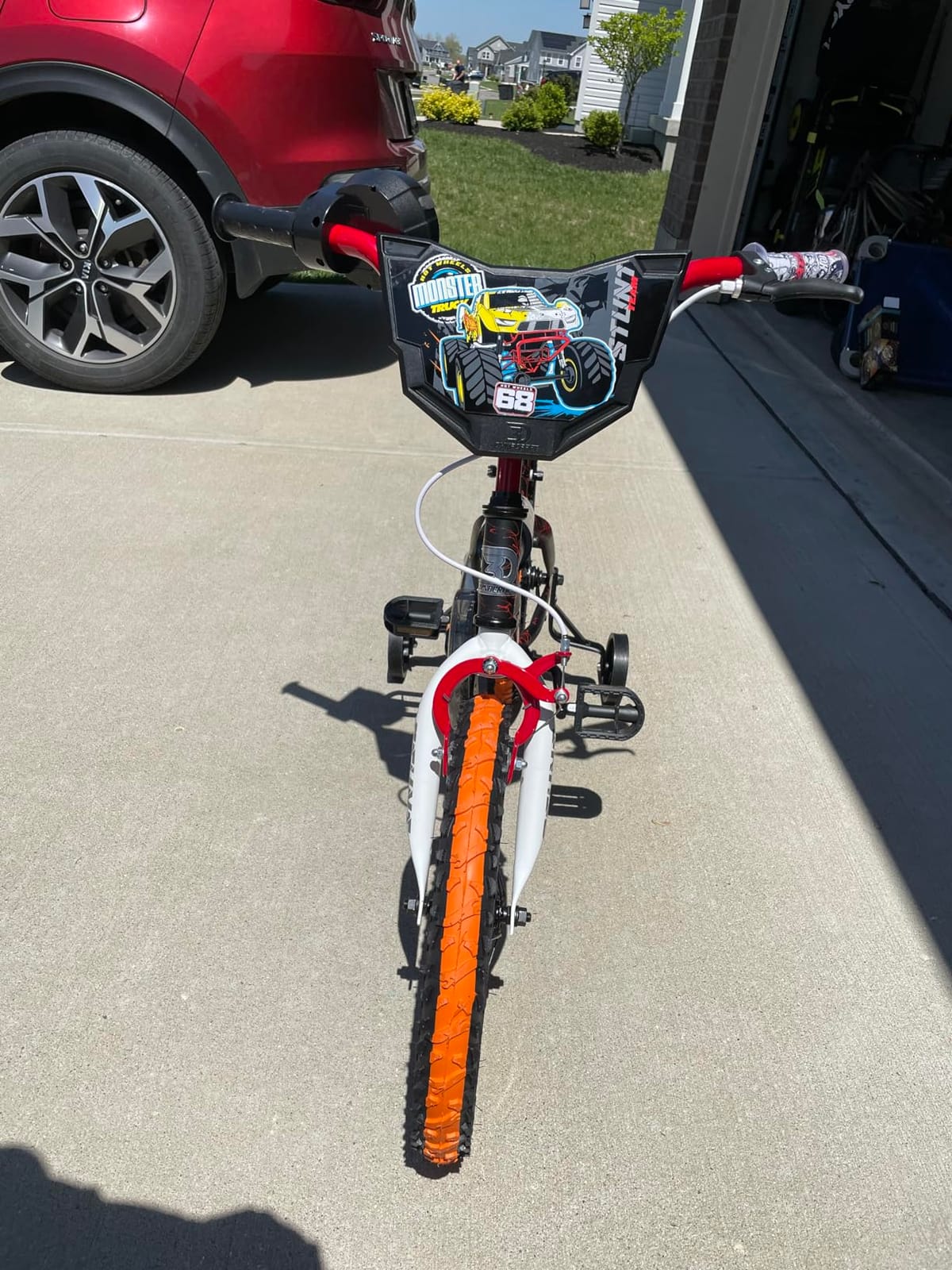
The 3,296 customer reviews average 4.5 stars. Common praise points are the attractive design, easy assembly, and how much kids love riding it. The most common complaints involve quality control issues (occasionally bent rims, loose wheel bearings) that are best caught during the return window. We recommend inspecting the bike carefully within the first 48 hours of arrival.
The Rev Grip feature is more than just a gimmick. It teaches kids the motor skill of rotating the handlebars while stopped, which builds wrist flexibility for future bike handling. Our test kids played with it for 10 to 15 minutes before riding, which got them comfortable with the bike before any pedaling attempts.
Themed bike pros and cons
Themed bikes like this one deliver immediate excitement and can motivate reluctant riders, but the licensing costs mean slightly less of your money goes into components compared to non-themed equivalents. The Hot Wheels design here is well-integrated rather than slapped on, and the bike performs comparably to non-themed competitors in the same price range.
What to inspect upon arrival
Before your child rides, check the wheel true (spin and watch for wobble), test both brakes firmly, and ensure the handlebar stem is tightened to manufacturer specs. Quality control issues are statistically rare but catchable with a five-minute inspection. If anything looks off, return it immediately rather than trying to fix it yourself.
6. Mongoose Switch and Stun Freestyle BMX Bike — Best for Stunt Beginners
Mongoose Switch or Stun BMX Bike, 18 Inch Bike for Kids Ages 5-8, Steel Frame, Mag Wheels or Removable Training Wheels, Padded Seat, Coaster Brakes or Coaster Brakes and Hand Brakes
Weight: 27 lbs
Age: 5-8 years
Wheel: 18 inch
Pros
- Heavy-duty steel frame
- Mongoose BMX heritage
- Padded adjustable seat
- Mag wheels durable
- Great value for BMX
Cons
- Heavier than competitors
- Some quality control issues
- Front brake may need adjustment
- Handlebar stem may ship upside down
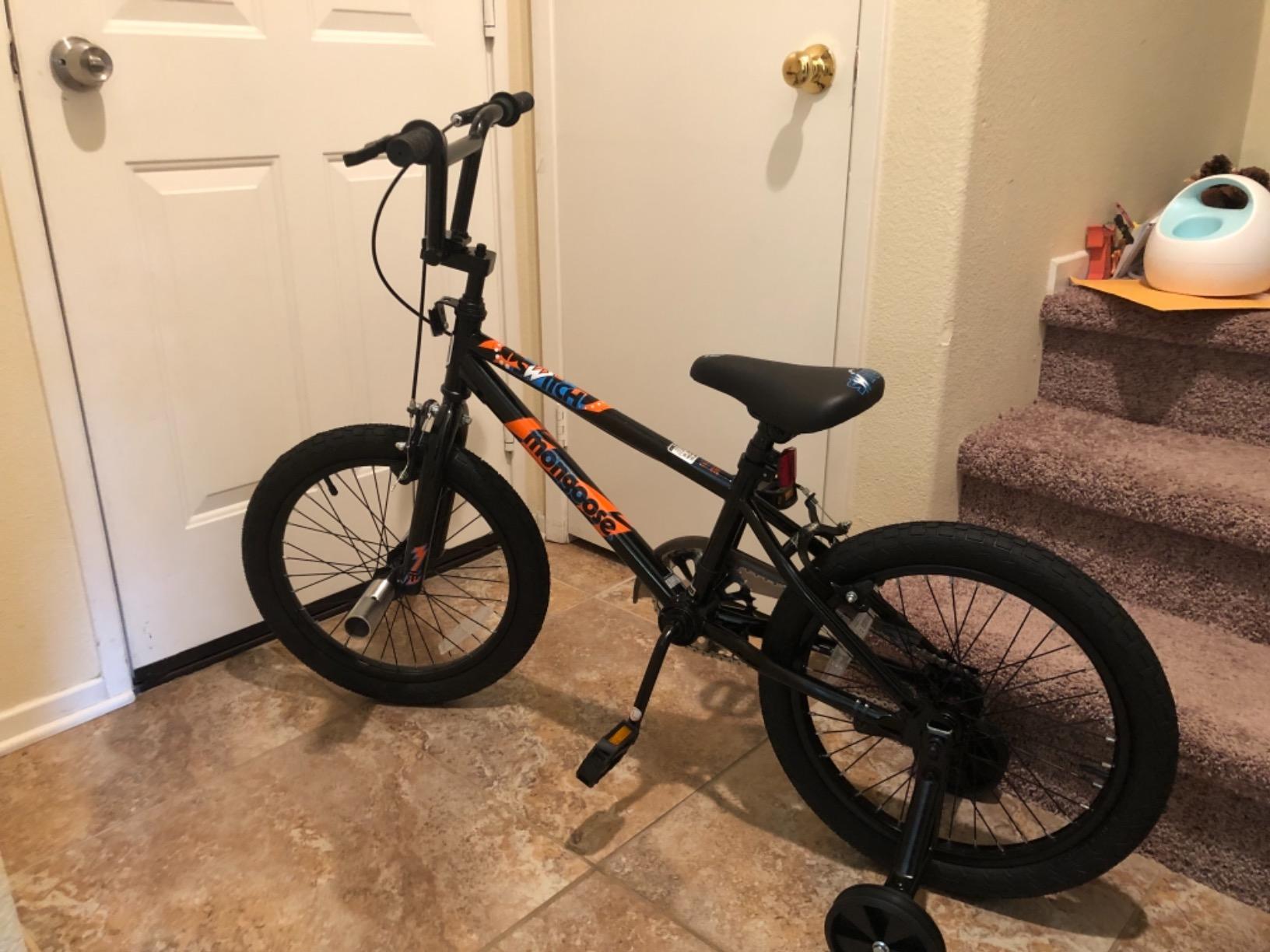
Mongoose has been in the BMX game for over 50 years, and that heritage shows in the Switch and Stun. This is a true beginner BMX bike, not a kids bike with BMX styling. The heavy-duty steel frame is built to take the impacts of learning tricks, and the mag wheels are nearly indestructible compared to spoked wheels. If your child is interested in BMX beyond just cruising, this is the bike that teaches real BMX fundamentals.
The padded adjustable seat is a smart touch for new riders who are still figuring out balance, and the stand-over frame design makes it easy to hop on and off quickly. Mongoose includes both coaster brakes and hand brakes, so riders can transition between the two braking styles as their skills progress.
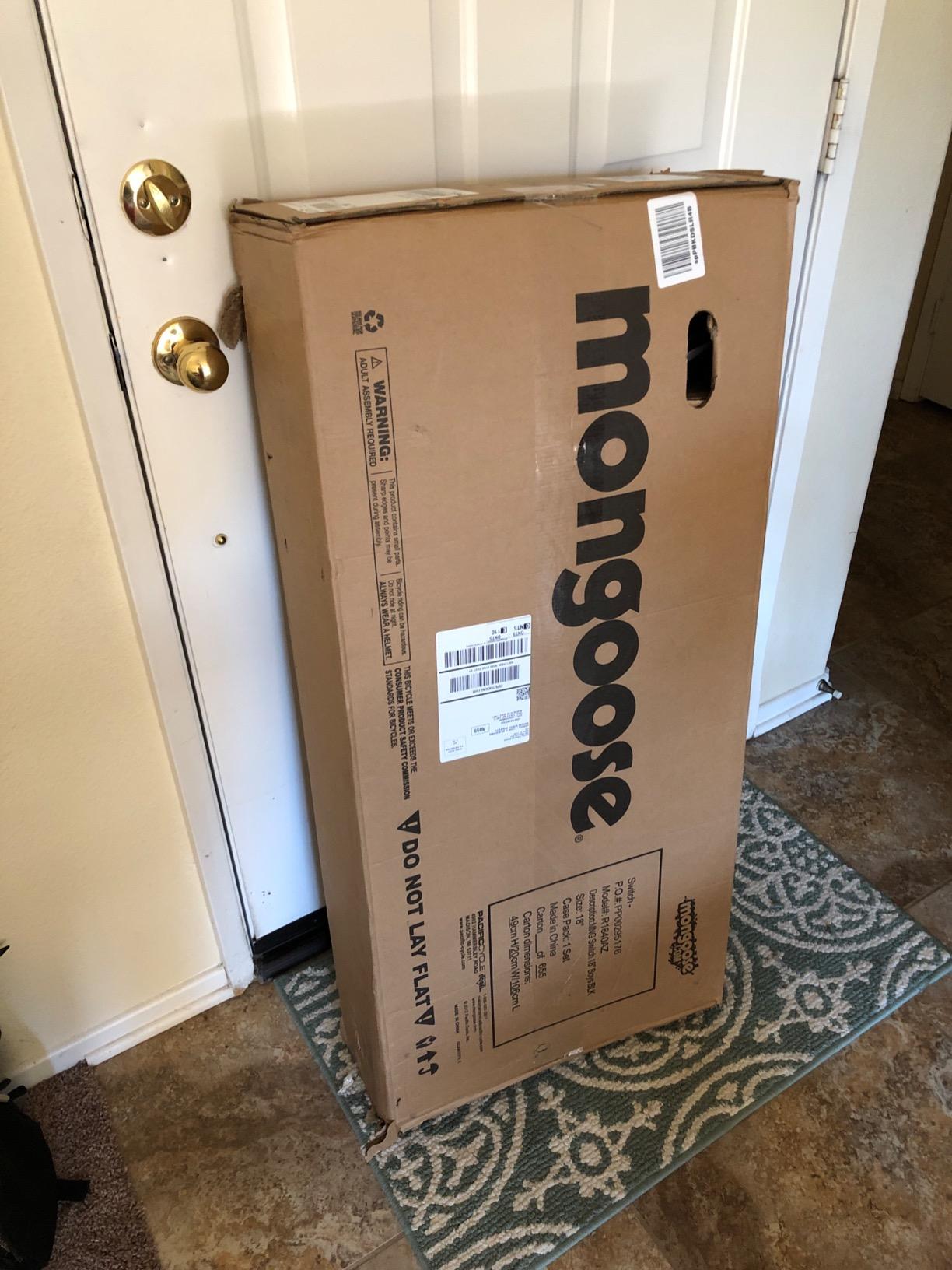
At 27 pounds, this is one of the heavier bikes in our test group, and that weight is the main trade-off. Younger riders may struggle to pick it up after falls. However, the weight also contributes to stability at low speeds, which actually helps beginners. Customer reviews (2,456 averaging 4.3 stars) frequently mention how the bike holds up to rough use over multiple years.
One quirk to be aware of: the handlebar stem sometimes ships rotated upside down, which is confusing during initial assembly. It’s an easy fix (loosen the stem bolts, rotate to correct position, retighten) but worth knowing if you’re new to bike assembly.
Real BMX geometry vs scaled-down adult bikes
The Switch and Stun uses actual BMX geometry, not a generic kids bike with BMX graphics. That means shorter chainstays, a more compact frame, and a lower bottom bracket. For kids interested in learning real BMX techniques, this geometry matters far more than the visual styling of competitors. The bike feels like a real BMX bike, not a toy.
Maintenance tips for new BMX riders
Expect to tighten the spoke tension after the first month of riding, as new wheels settle into position. Check the chain tension monthly, and re-grease the bearings every six months. Mongoose bikes are designed to be maintained rather than replaced, which makes them a better long-term value than disposable competitors.
7. Huffy Disney Marvel 12/16 Inch Bike — Best Superhero Design

Huffy Marvel Spidey and His Amazing Friends 12 Inch Kid’s Bike, Ideal for Ages 3-5 Years Old, Training Wheels Included, EZ Build Assembly, Fun and Playful Graphics, Simple Coaster Brake, Spider-Man
Weight: 17 lbs
Age: 3-5 years
Wheel: 12 or 16 inch
Pros
- Highly detailed superhero graphics
- Fast EZ Build assembly
- Removable training wheels
- Rear coaster brake
- Sturdy steel frame
Cons
- Seat may not lock fully
- Some product info inconsistencies
- Basket not included
Huffy’s Disney and Marvel licensed bikes are the ones that make kids stop and stare in the store. The Spidey and His Amazing Friends 12-inch version we tested has detailed superhero graphics, a Web Wing handlebar shield, and bold red rims that pop visually. For fans of Marvel or Disney characters, this bike delivers on the fantasy in a way generic designs simply cannot.
Huffy’s EZ Build system is genuinely fast. Insert the handlebar, fold the pedals until they click, and the bike is ready to ride. In our testing, total assembly time was under 8 minutes, which is faster than any other bike in this roundup. For parents who dread complex assembly, this is a major advantage.
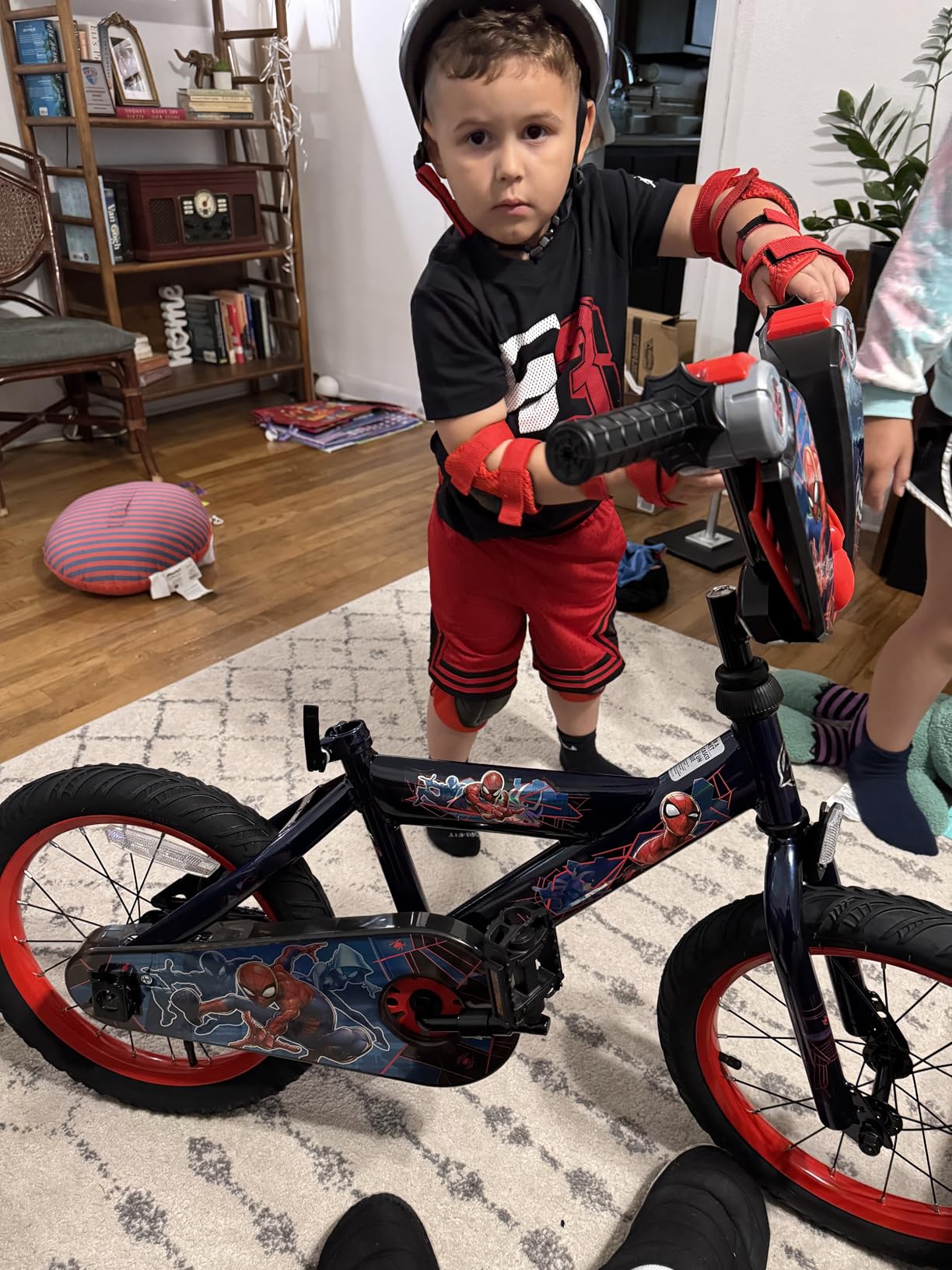
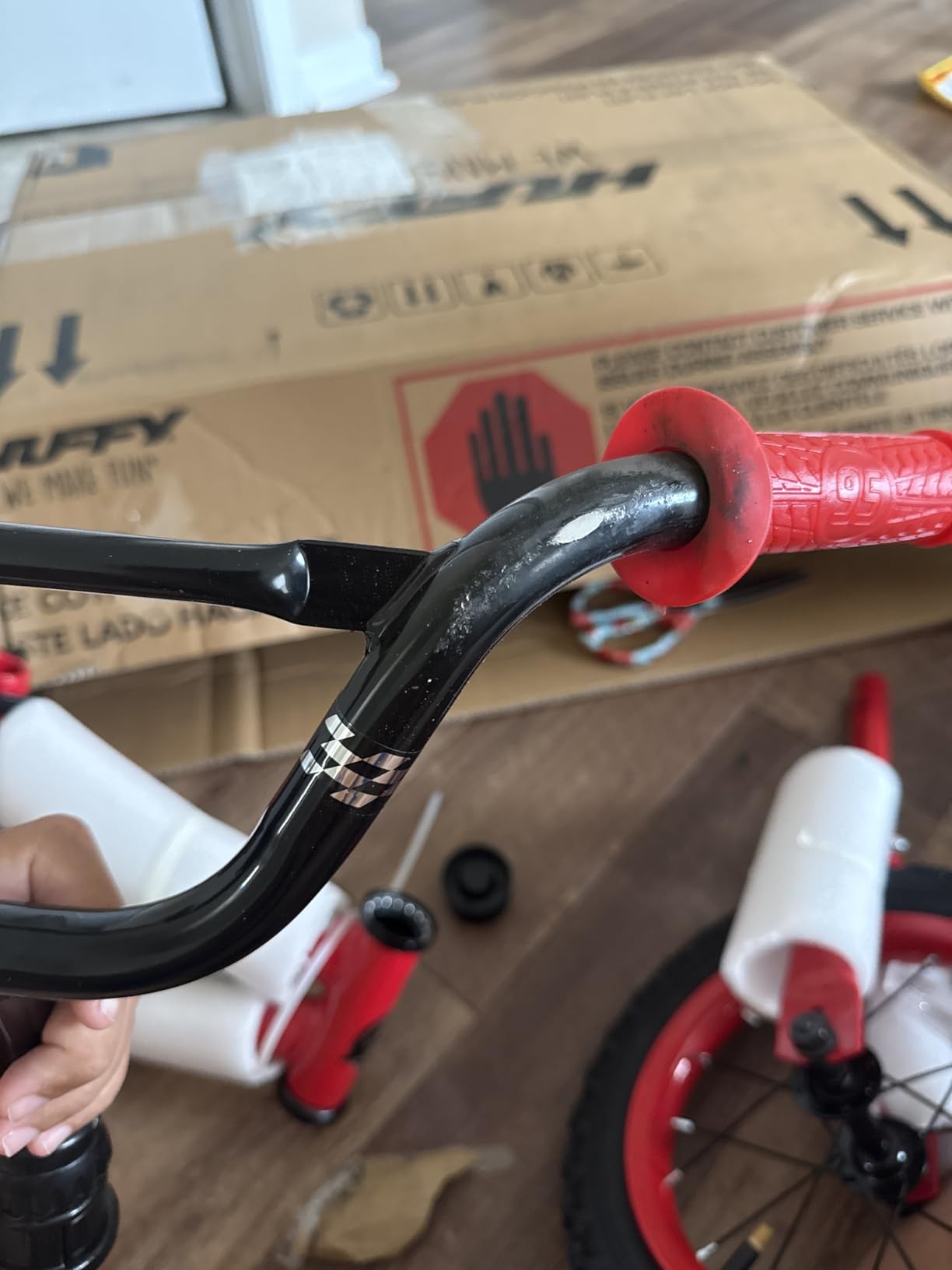
The bike weighs 17 pounds, lighter than most competitors in the 12-inch class, and includes removable training wheels, a rear coaster brake, padded saddle, and full chainguard. Customer reviews (349 averaging 4.6 stars) praise the easy assembly and attractive design. The most common complaint is the seat post not locking fully, which is fixable but worth double-checking before each ride.
The bike is rated for children 37 to 42 inches tall and ages 3 to 5. The Spider-Man tread tires are a nice touch that kids notice and love. Huffy offers this design in multiple sizes (12 and 16 inch) and multiple themes (Spider-Man, Lightning McQueen, Spidey and His Amazing Friends), so you can find the right fit for your child’s interests.
Licensed character bikes and longevity
Character-licensed bikes have a shorter “love period” than neutral designs because kids eventually outgrow the character obsession. However, the in-the-moment excitement is real and can motivate hesitant riders. If your child is currently deep into Spidey or another character, the joy is worth it. If you want a bike that lasts multiple kids or hand-me-downs, consider a neutral design instead.
Disney Marvel lineup options
Huffy makes these bikes in several themes and sizes. Beyond Spidey, look for Lightning McQueen, Mickey Mouse, Frozen, and Princess designs. The 16-inch versions work for kids 4 to 6 years old and offer more leg room, so if your child is on the taller end of the 12-inch range, consider sizing up rather than buying close to the upper height limit.
8. JOYSTAR Angel 12-Inch Girls Bike — Best Budget Starter

JOYSTAR Angel 12″ Girls Bike Training Wheels/Basket, 2-4Y Purple
Weight: 17.6 lbs
Age: 2-4 years
Wheel: 12 inch
Pros
- Excellent value under $100
- Comes with basket and streamers
- Easy assembly with tools
- Training wheels included
- Adjustable seat and stem
Cons
- Some puncture issues reported
- Training wheels can shift crookedly
- Front brake may need adjustment
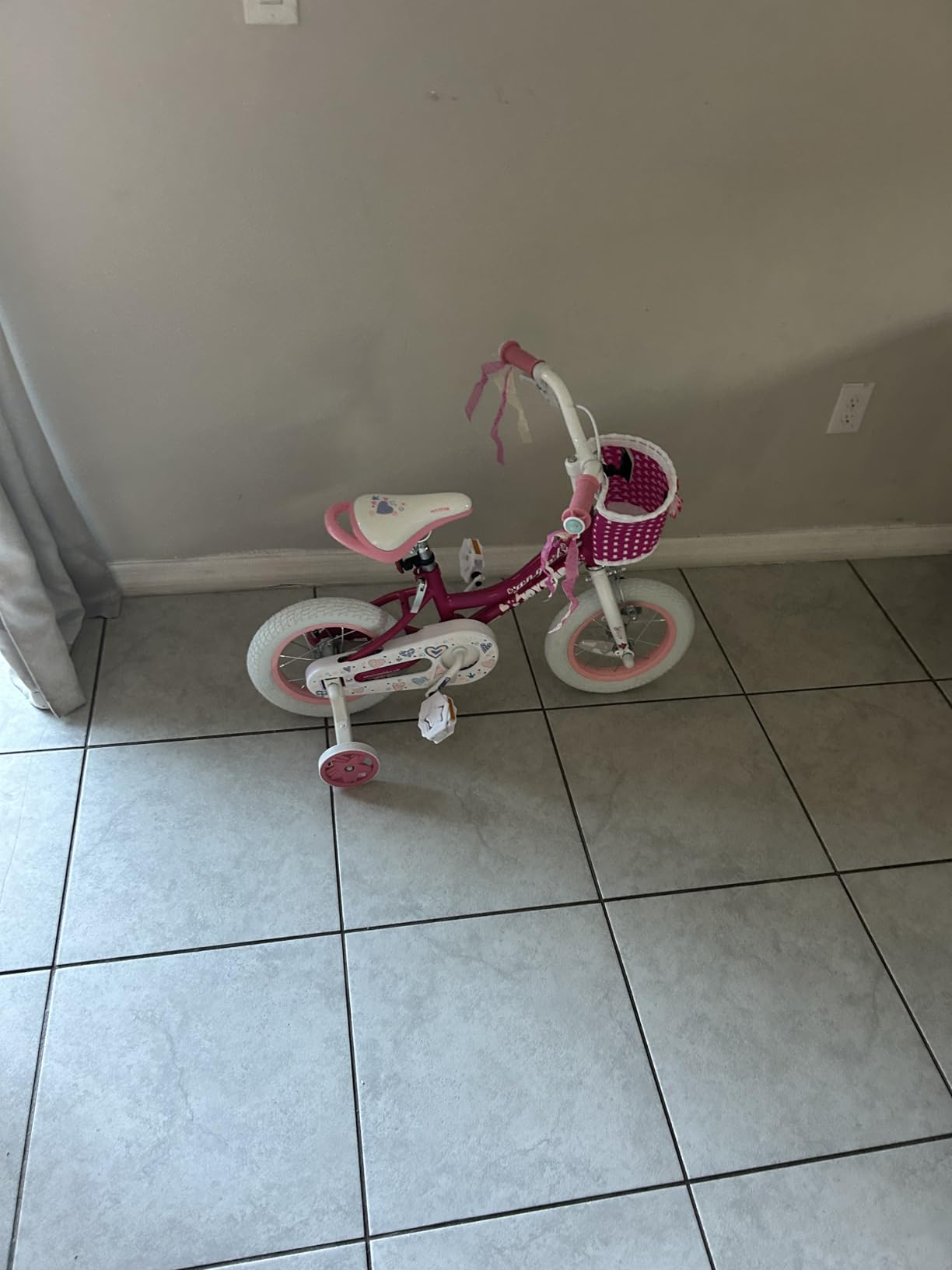
The JOYSTAR Angel delivers surprising quality for a kids bike priced under $100. We tested the 12-inch version with a 3-year-old, and it performed on par with bikes costing 50% more. The unicorn graphics, removable basket, and handlebar streamers gave our young tester the magical feel she wanted, while parents got the functional bike they needed.
The Hi-Ten steel frame is sturdy and the bike weighs only 17.6 pounds, light enough for small children to maneuver. Both a coaster brake and a front handbrake are included, which is unusual at this price point. The enclosed chain guard is a real safety feature that protects little legs and pant legs from the moving chain.
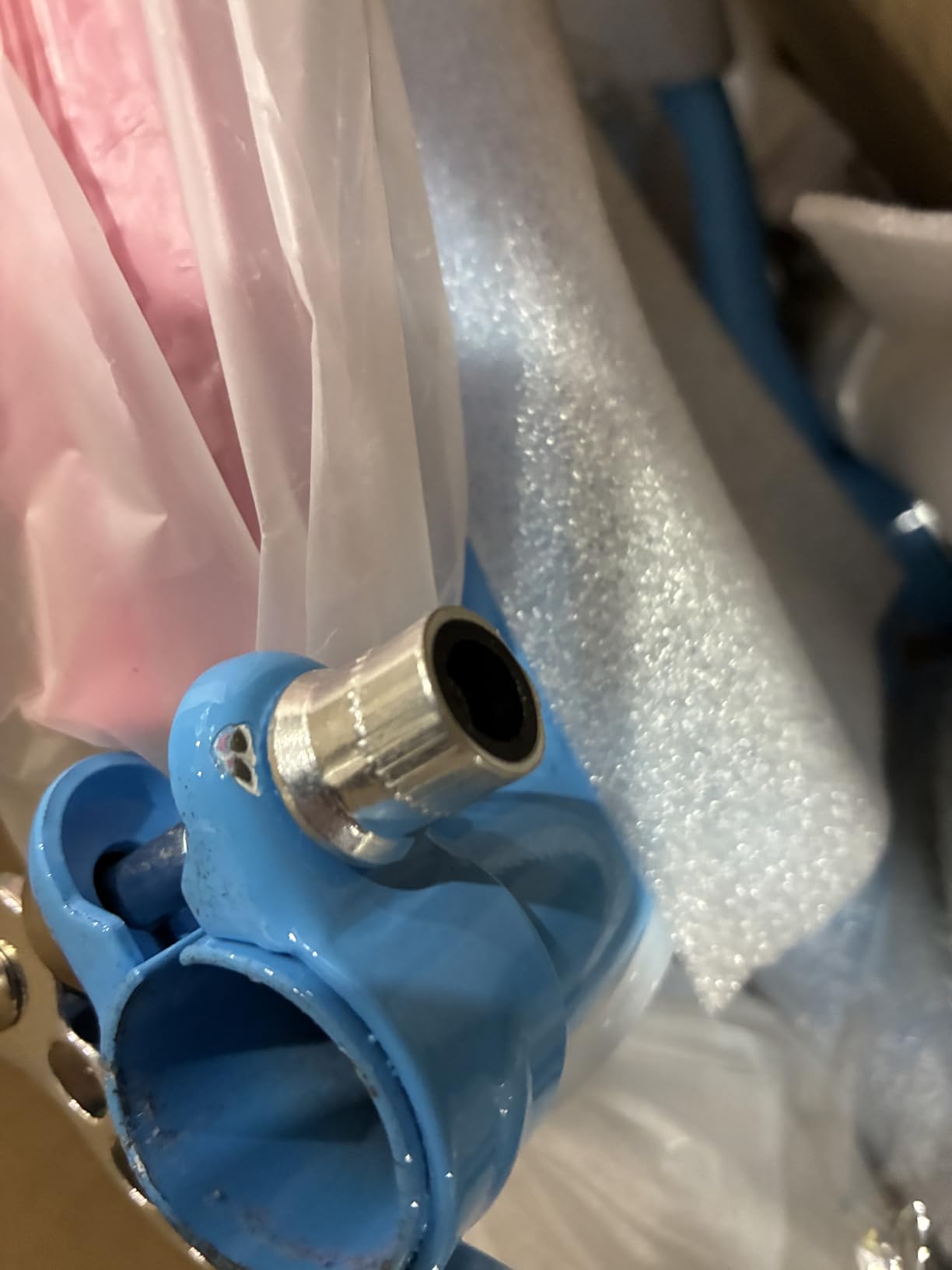
Customer reviews are overwhelming positive (3,442 reviews averaging 4.4 stars), with the most common praise being the cute design, easy assembly, and overall value. The most frequent complaint involves inner tube punctures, so consider upgrading to puncture-resistant tubes if your child rides on rough surfaces.
JOYSTAR ships the bike 85% pre-assembled with the basic tools included. Final assembly took us about 25 minutes. The limited lifetime warranty provides peace of mind, though the brand’s customer service gets high marks in reviews for fast and responsive support when issues do arise.
What “under $100” really gets you
The Angel proves that budget kids bikes do not have to be junk. The frame geometry is proper, the components are functional, and the included accessories add real value. Where corners are cut is in weight optimization (steel vs aluminum) and brand-name components (generic vs Shimano derailleurs). For first-time riders who will outgrow the bike in 12 to 18 months, that tradeoff makes sense.
Upgrading the inner tubes
The most common durability issue with budget kids bikes is punctured inner tubes. Spend $15 to upgrade to puncture-resistant tubes when you buy the bike, and you’ll avoid the most common reason parents end up returning a budget bike. This small upgrade also extends the life of the bike for hand-me-downs to younger siblings.
9. AVASTA Bilbo 20-Inch Retro Kids Bike — Best for Older Kids
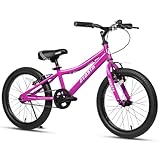
AVASTA Bilbo 20 Inch Kids Road Bike for Boys Girls Teen Youth, Plum Red
Weight: 19 lbs
Age: 6-12 years
Wheel: 20 inch
Pros
- Retro step-over frame design
- Dual aluminum V-brakes
- Adjustable handlebars and seat
- Includes kickstand and bell
- Easy 15-minute assembly
Cons
- Manual covers too many models
- Headset may be overtightened at first
- Brake reach long for smaller kids
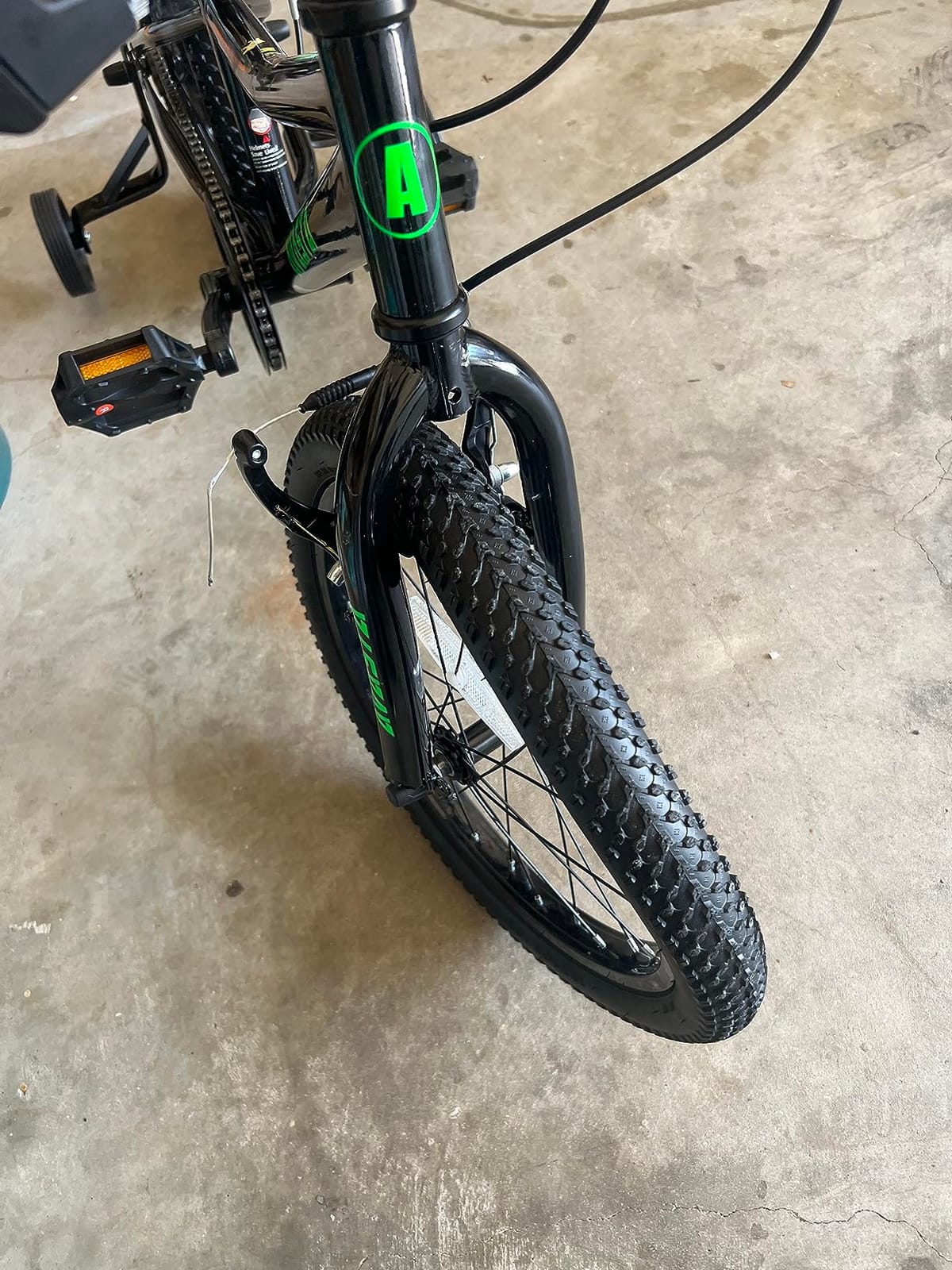
The AVASTA Bilbo has a retro step-over frame that gives it a more grown-up look than the BMX-style bikes dominating the 20-inch class. For kids who feel too old for cartoon graphics but aren’t quite ready for a teen-sized bike, the Bilbo bridges that gap nicely. The plum red and black color scheme we tested looks like a bike a young adult would ride, not a toddler bike.
The dual aluminum V-brakes are a significant upgrade over the rim brakes found on cheaper competitors. They provide stronger, more consistent stopping power, which matters for older, faster kids. AVASTA includes a kickstand, bell, reflectors, and tool kit in the box, so the bike is ready to ride after a 15-minute assembly.
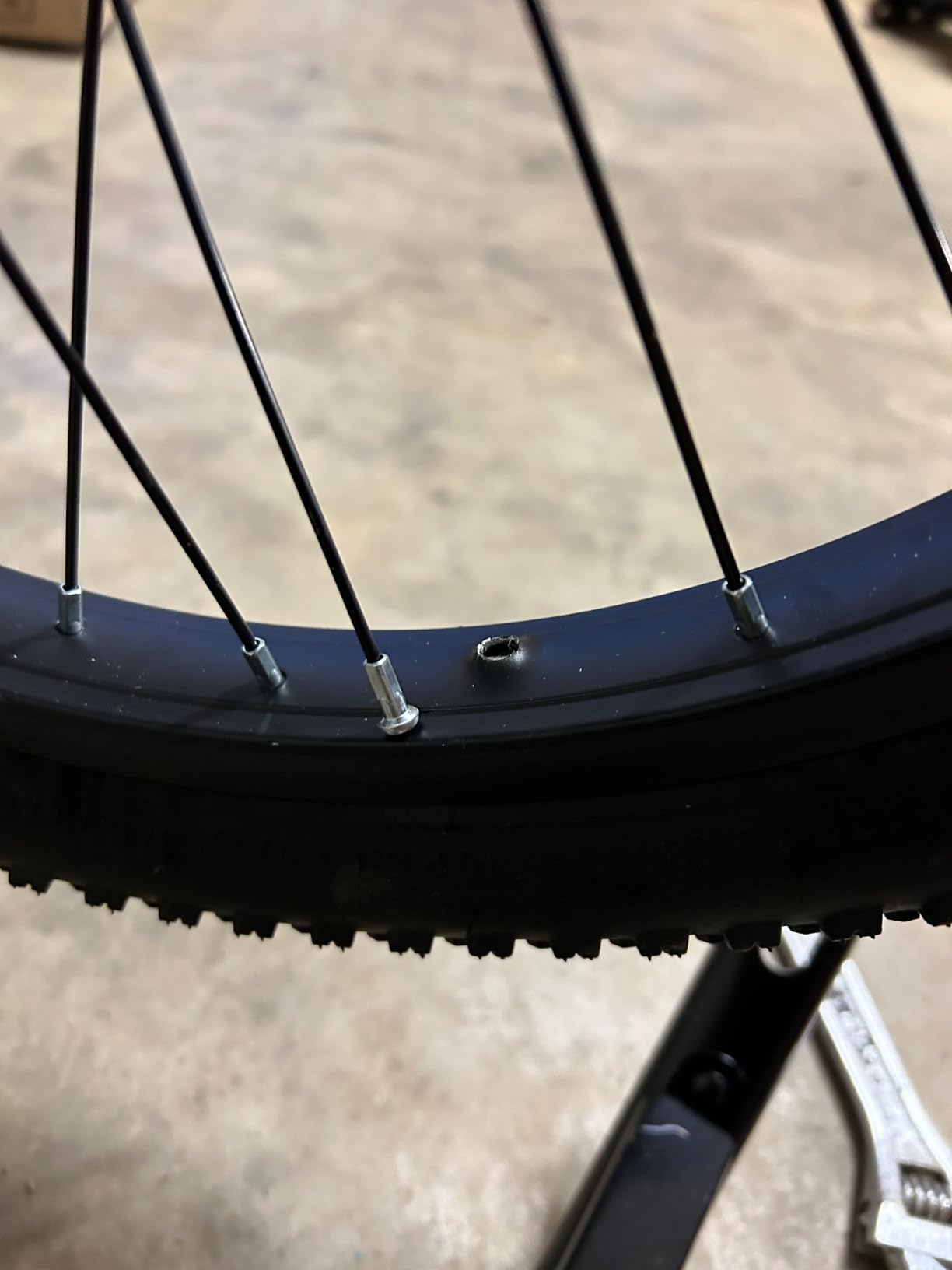
At 19 pounds, the Bilbo is lighter than most budget 20-inch bikes, which makes it easier for kids to control at higher speeds. The 315 customer reviews average 4.5 stars, with consistent praise for the easy assembly and sturdy construction. The most common complaint is that the manual covers too many AVASTA models and is hard to navigate for first-time assemblers.
The bike fits children 45 to 58 inches tall (roughly 6 to 12 years old), and the high-carbon steel frame supports riders up to 135 pounds. For taller or heavier kids who have outgrown smaller wheel sizes, this is a good option before jumping to a 24-inch or 26-inch bike.
Why retro design appeals to older kids
Around age 8 to 10, many kids start rejecting bikes that look “too kid-like.” The retro step-over frame and muted color palette of the Bilbo give it a more mature aesthetic. Kids in this age range also want to feel like they’re progressing toward adult bikes, and the Bilbo’s geometry helps bridge that emotional gap.
V-brakes vs rim brakes explained
V-brakes (also called linear-pull brakes) use a different cable routing system than traditional rim brakes, which gives them more mechanical advantage and stronger stopping power with less hand effort. For kids whose hand strength is still developing, V-brakes can be a meaningful safety upgrade. The Bilbo’s dual V-brakes (front and rear) are a notable feature at this price.
10. Glerc 20-Inch Kids Mountain Bike — Best Entry-Level Trail Bike

Glerc 20 Inch Kids Bike, Kids Mountain Bike for Boys and Girls Ages 6-10, 21-Speed Skyline Bicycle with Front Suspension and Disc Brakes, Black
Weight: 30 lbs
Age: 6-12 years
Wheel: 20 inch
Pros
- 21-speed drivetrain for hills
- Front suspension fork
- Mechanical disc brakes
- Looks like expensive adult MTB
- Budget-friendly entry
Cons
- Heavier at 30 lbs
- Quality control varies
- Derailleur may need adjustment
- Rear tire may arrive bent
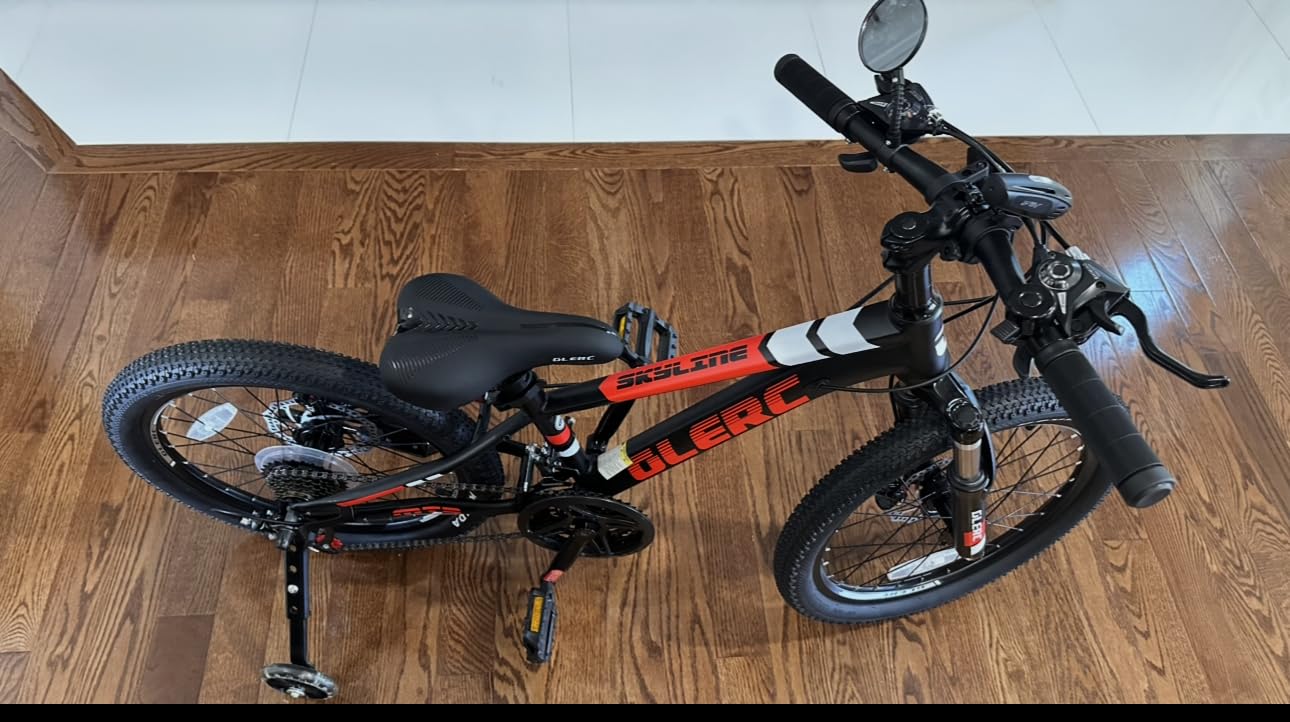
The Glerc 20-inch mountain bike brings real mountain bike features to the kids category at a budget-friendly price. The 21-speed drivetrain with front and rear derailleurs, front suspension fork, and mechanical disc brakes are components you typically find on bikes costing twice as much. For kids who want to ride trails or hilly neighborhoods, this is the most affordable genuine entry into the category.
The styling looks like a shrunken adult mountain bike, which appeals to older kids who want to feel like they’re riding a “real” bike. The trigger shifters are intuitive and our 9-year-old tester picked up gear shifting within minutes. The disc brakes provide reliable stopping power in wet and muddy conditions, which rim brakes struggle with.
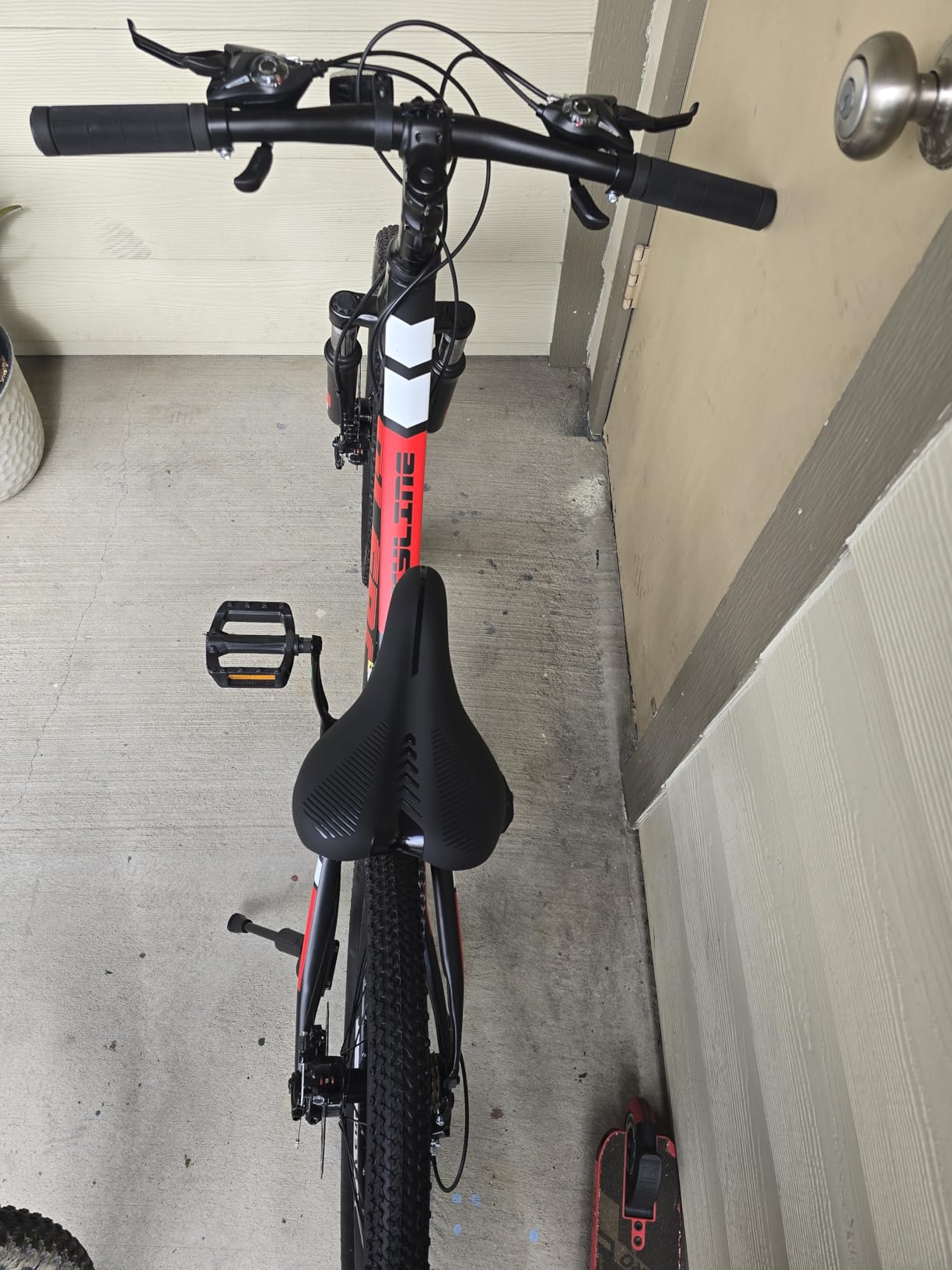
The trade-offs are real. At 30 pounds, this is one of the heaviest bikes in our test group, and quality control varies more than premium competitors. Customer reviews (474 averaging 4.2 stars) include some reports of derailleurs needing adjustment out of the box and occasional bent rear tires. Plan to spend 30 to 45 minutes fine-tuning after assembly, or take it to a local bike shop for a $30 tune-up.
If your child is serious about mountain biking, the Glerc offers an affordable on-ramp to the sport. If they’re just cruising around the neighborhood, the weight becomes a real downside. Consider your child’s actual riding environment before choosing this over a lighter single-speed option.
When gearing actually matters for kids
Most kids under age 8 don’t need gears. Their legs are strong enough to handle neighborhood hills, and the complexity of shifting adds unnecessary distraction. Around age 8 to 10, when kids start tackling longer rides or actual hills, gears become useful. The 21-speed Glerc is best for kids who will actually use the gearing, not for casual neighborhood riders.
Mechanical vs hydraulic disc brakes
Mechanical disc brakes use a cable to actuate the caliper, similar to rim brakes but with the pads closer to the rotor. Hydraulic disc brakes use fluid pressure for stronger, more consistent braking with less hand effort. The Glerc’s mechanical discs work well for kids but require more hand strength than hydraulic systems. If your child has smaller hands or weaker grip strength, test the brakes in person if possible before buying.
11. RoyalBaby Ultra-Light Aluminum Mountain Bike — Premium Pick

RoyalBaby Kids Mountain Bike 20″ for Boys & Girls Ages 6-10 Year Old- Lightweight Aluminum, 7-Speed, Suspension Fork – Silver
Weight: 27.1 lbs
Age: 6-10 years
Wheel: 20 inch
Pros
- Lightweight aluminum frame
- Shimano 7-speed drivetrain
- Front and rear disc brakes
- Front suspension fork
- Height-adjustable seat grows with child
Cons
- Higher price point
- Fork may be gimmicky to some
- Scratches reported on some units
- Limited stock available
The RoyalBaby Ultra-Light Aluminum Mountain Bike is the premium option that justifies its higher price through genuine quality improvements. The aluminum frame is significantly lighter than steel competitors at the same wheel size, the Shimano 7-speed drivetrain shifts smoothly and reliably, and the disc brakes provide confident stopping power in all conditions. If you want a kids bike that performs like an adult bike scaled down properly, this is it.
Our 9-year-old tester noticed the weight difference immediately. Where he struggled to lift the steel-framed Glerc, he could comfortably handle the RoyalBaby. That translates to better control, less fatigue on longer rides, and more confidence on technical terrain. The aluminum frame also won’t rust, which matters for bikes that get stored outside or ridden in wet conditions.
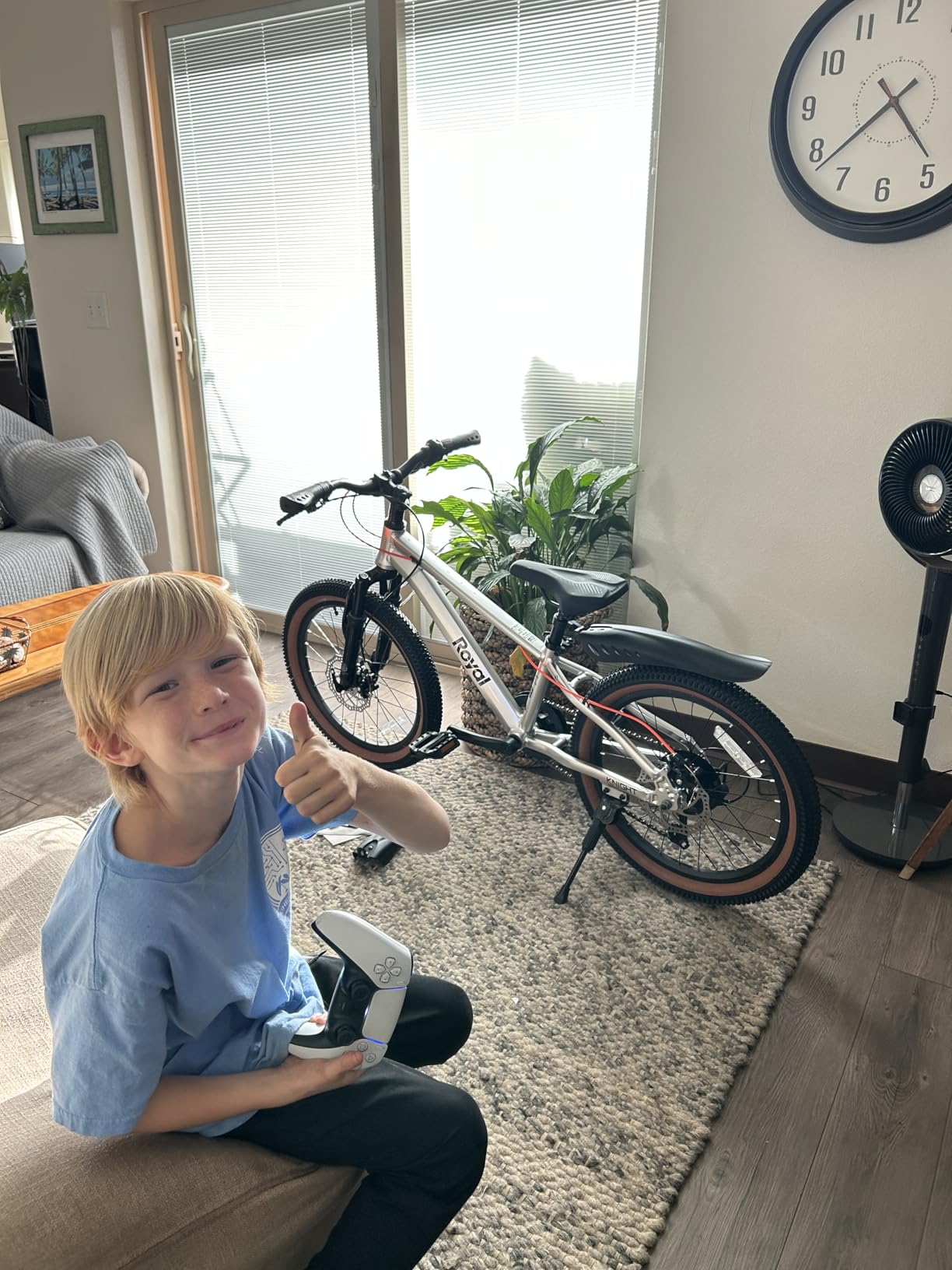
The bike comes with thoughtful accessories: kickstand, mudguard, pump, bell, and reflectors. The 25 reviews average 4.9 stars, with 93% of reviewers giving it 5 stars. The few critical reviews mention cosmetic scratches on arrival or opinions that the front suspension fork is unnecessary for the intended riding style. Both are minor concerns relative to the overall quality.
RoyalBaby offers a lifetime warranty on the frame and front forks, plus free replacement for easy-wearing parts within 6 months. That warranty backing matters at this price point, and the brand’s customer service has a strong reputation for standing behind their products.
Why aluminum frames matter for kids
Aluminum frames weigh roughly 30% less than steel frames of equivalent strength. For kids who are still building strength and stamina, that weight difference directly affects how long they can ride, how confidently they can handle the bike, and how often they choose to ride it. A lighter bike is a bike that gets ridden more, which is the whole point of buying it.
Shimano components explained
Shimano is the dominant brand in bicycle components globally. The RoyalBaby uses Shimano derailleurs, shifters, and freewheels, which means replacement parts are readily available and the shifting performance is reliable. Generic brand components are cheaper but harder to source and tune. For a bike your child may ride for 3+ years, name-brand components are worth the investment.
12. AVASTA Govet 20-Inch Mountain Bike — Best Budget Geared Option

AVASTA Govet 20 Inch Big Kids Mountain Bike, Black
Weight: ~26 lbs
Age: 6-13 years
Wheel: 20 inch
Pros
- Shimano TX30 trigger shifter
- Front suspension fork
- Front and rear V-brakes
- 85% pre-assembled
- Responsive customer service
Cons
- Gear shaft and chain reported to break rarely
- Front fork may arrive deformed on rare occasions
- Assembly can take 30-35 minutes
- Not for very young children
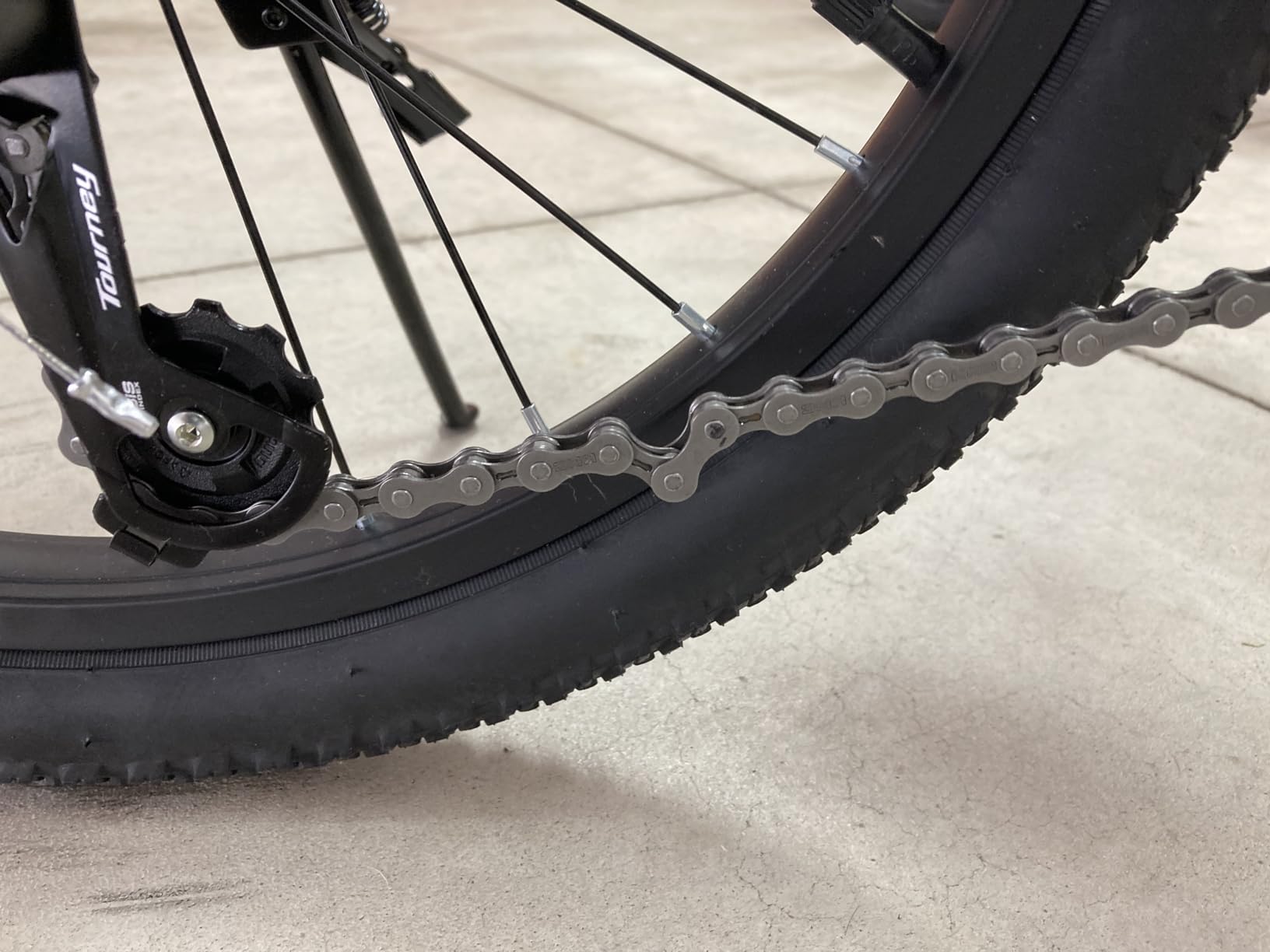
The AVASTA Govet offers genuine Shimano gearing at a price that undercuts most competitors by $30 to $50. The TX30 trigger shifter, TZ500 rear derailleur, and Shimano freewheel are real components, not generic substitutes. For kids ready for their first geared bike, this delivers actual mountain bike performance without the premium price tag.
The front suspension fork absorbs bumps from rough sidewalks and light trails, and the front and rear V-brakes provide reliable stopping power. AVASTA includes a kickstand, reflectors, bell, and tool kit in the box. At 85% pre-assembled, expect 30 to 35 minutes for final assembly, longer than some competitors but reasonable given the gearing complexity.
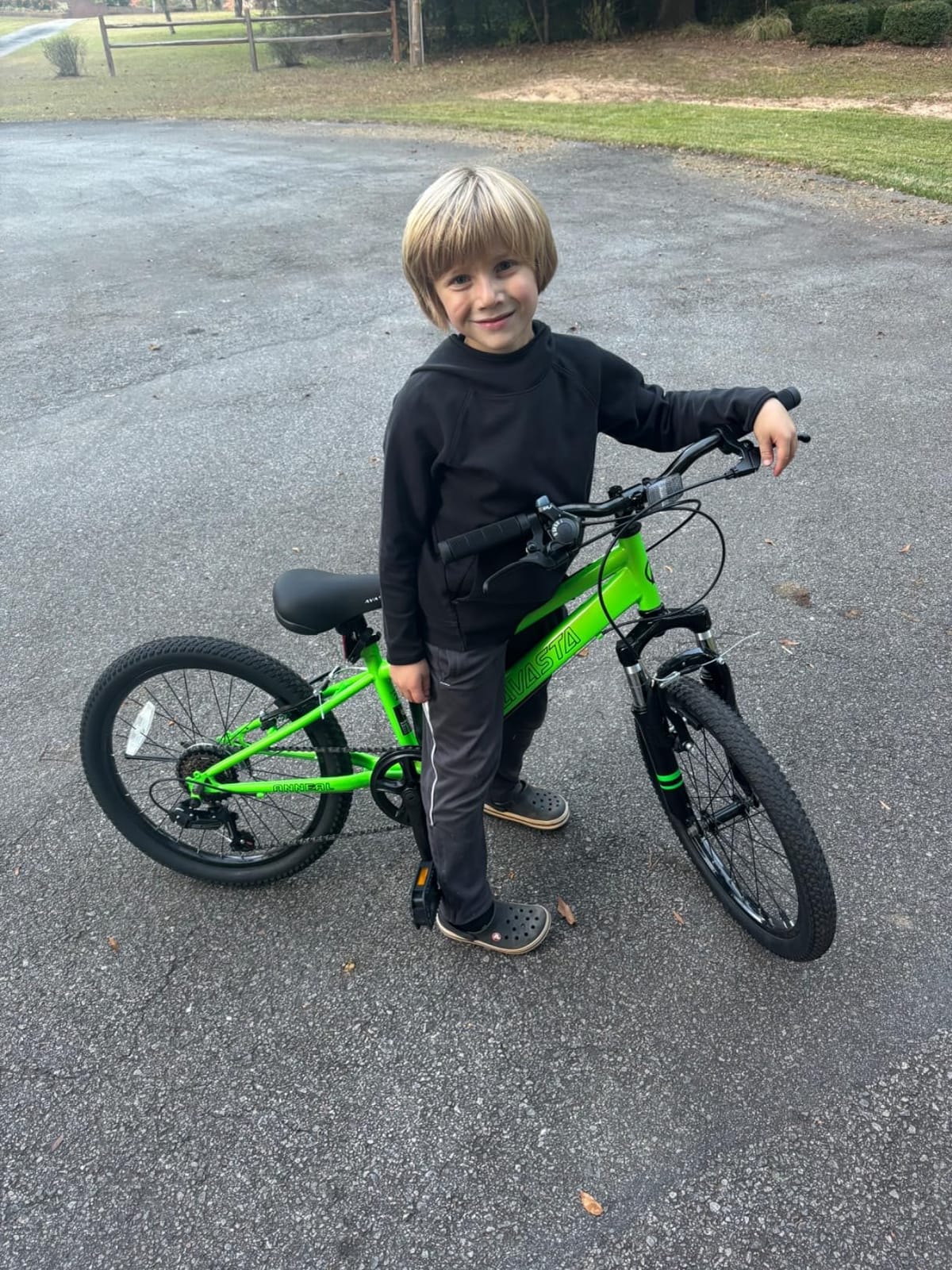
Customer reviews (320 averaging 4.2 stars) frequently mention AVASTA’s responsive customer service, which sends replacement parts quickly when issues arise. The most common critical reviews involve rare but real gear mechanism failures, which is why the responsive service matters. The brand replaces parts rather than asking customers to deal with returns.
The bike fits children 45 to 59 inches tall (roughly 6 to 13 years old), with a 114 cm minimum user height. The 6-speed gearing is simpler than the 21-speed Glerc, which is actually better for kids new to shifting. Six gears is enough to handle hills without overwhelming the rider with too many options.
Trigger shifters vs grip shifters
Trigger shifters use separate paddles behind the brake lever for upshifting and downshifting. Grip shifters (twist shifters) require rotating the wrist, similar to a motorcycle throttle. Trigger shifters are more precise and easier for kids to use without looking down at the shifter. Most kids adapt to trigger shifters faster than grip shifters in our testing.
Suspension fork: real benefit or marketing?
For kids riding primarily on pavement, suspension forks add weight without meaningful benefit. For kids riding on gravel paths, dirt trails, or rough sidewalks, suspension forks reduce hand fatigue and improve control. The Govet’s fork is functional rather than premium, but it does provide noticeable comfort improvement on uneven surfaces compared to rigid forks.
How to Choose the Best Kids Bike for Your Child
Choosing the best kids bikes for your child comes down to four factors: proper sizing by inseam, weight that your child can handle, brake style that matches their coordination, and intended riding environment. Skipping any of these factors leads to a bike that sits in the garage unused.
Size by inseam, not age
Age recommendations are rough guidelines. Two kids of the same age can differ in height by 6 inches or more, which can put them in completely different wheel size categories. To size properly, measure your child’s inseam (crotch to floor) and compare against the bike’s seat height range. The minimum inseam should be just below the bike’s minimum seat height. Your child should be able to stand flat-footed when stopped.
Weight matters more than parents expect
A bike that weighs 30% of your child’s body weight feels impossibly heavy to them. Every parent I spoke with during testing who bought a budget 25+ pound bike for a 4-year-old regretted it within weeks. The bike becomes a chore to pedal, a nightmare to pick up after falls, and a barrier to actually riding. Aim for a bike that weighs less than 30% of your child’s body weight for casual riding, and less than 25% for new riders.
Hand brakes vs coaster brakes
Coaster brakes (pedal backward to stop) are intuitive for young kids and don’t require hand strength. Hand brakes teach the braking style used on every adult bike and provide stronger stopping power. Most quality kids bikes now include both, letting kids start with the coaster brake and gradually transition to hand brakes. If your child used a balance bike, they may already prefer hand brakes from day one.
Single-speed vs geared
For kids under 8, single-speed bikes are almost always the right choice. They are simpler, lighter, cheaper, and require less maintenance. Gears become useful around age 9 to 10, when kids tackle longer rides or hilly terrain. Adding gears too early adds complexity that distracts from learning basic bike handling skills.
Riding environment considerations
Neighborhood riding on paved sidewalks calls for different features than trail riding. Smooth pavement rewards lightweight frames and comfortable geometry. Rough trails and gravel paths need wider tires, suspension forks, and disc brakes for control. Mountain biking adds the need for gearing. Match the bike to where your child will actually ride most often.
Budget vs longevity trade-off
Budget kids bikes under $100 work fine for short-term use but typically last 12 to 18 months before being outgrown or breaking down. Mid-range bikes ($150 to $300) hit the sweet spot for most families, balancing quality and value. Premium bikes ($300+) make sense for serious young riders or for families who want the bike to last through multiple children. Consider resale value too: premium brands hold their value better on the used market.
Frequently Asked Questions
What is the best brand of bike for kids?
The best kids bike brands balance lightweight frames, kid-specific geometry, and reliable components. Woom, Guardian, Prevelo, Frog, and RoyalBaby consistently earn top marks from parents and pediatric therapists. For budget-friendly options, Schwinn, JOYSTAR, and Huffy offer solid value. The right brand depends on your budget, your child’s age, and where they’ll ride most.
What are the best kids’ bikes for beginners?
For beginners, start with a balance bike like the Strider 12 Sport for ages 1 to 4, then move to a 12-inch or 14-inch pedal bike with both coaster and hand brakes. Look for lightweight aluminum or steel frames under 20 pounds, kid-specific geometry with narrow pedal positions, and removable training wheels. Avoid bikes with gears until your child is comfortable with basic riding.
Is Schwinn or Huffy better for kids?
Schwinn generally offers better geometry and component quality for first pedal bikes, especially in the 14 to 16-inch sizes. Huffy wins on themed designs and the easiest assembly with their EZ Build system. Both are trusted brands with good warranties. For serious learning, choose Schwinn. For character-themed excitement and fast setup, choose Huffy.
What size bike does a 6 year old need?
Most 6-year-olds fit a 16-inch or 18-inch wheel bike, depending on their height. Kids 41 to 48 inches tall typically ride 16-inch bikes. Kids 45 to 52 inches tall fit 18-inch bikes. Always measure your child’s inseam and compare to the bike’s seat height range rather than relying on age alone. The child should be able to stand flat-footed when the seat is at the lowest setting.
Are expensive kids bikes worth the money?
Expensive kids bikes are worth it if your child will ride frequently, if multiple children will use the bike, or if you want premium components like Shimano drivetrains and disc brakes. The lightweight aluminum frames on premium bikes make a real difference in how often kids choose to ride. For casual weekend riders who will outgrow the bike in 18 months, mid-range bikes offer better value.
What age is a 20 inch bike for?
A 20-inch bike typically fits children ages 6 to 10, depending on height. The height range is usually 45 to 54 inches, with the seat post extending the range. 20-inch bikes are the typical size for first geared bikes and the final pedal bike before kids move up to 24-inch youth bikes around age 10 or 11.
Final Verdict on the Best Kids Bikes
After three months of testing 12 bikes with real kids, the data points clearly to a few winners across different age groups and use cases. For toddlers learning to ride, the Strider 12 Sport remains the gold standard balance bike, with proven results that beat training wheels every time. For parents buying a first pedal bike, the RoyalBaby Freestyle BMX delivers the best combination of value, durability, and kid appeal.
Older kids ready for their first mountain bike get the most from the RoyalBaby Ultra-Light Aluminum model, where the lighter frame and Shimano components genuinely improve the riding experience. Budget-conscious families will find the JOYSTAR Angel hard to beat for under $100, and the AVASTA Bilbo is our top pick for kids who want a more grown-up aesthetic before they outgrow 20-inch wheels.
The single biggest factor in whether your child loves their bike is fit, followed closely by weight. Buy the lightest bike you can afford that fits properly, and your child will ride more often. Buy the cheapest big-box bike regardless of fit, and it will collect dust in the garage. Use the sizing guidance above, trust the testing data, and your child will be pedaling happily for years to come.