
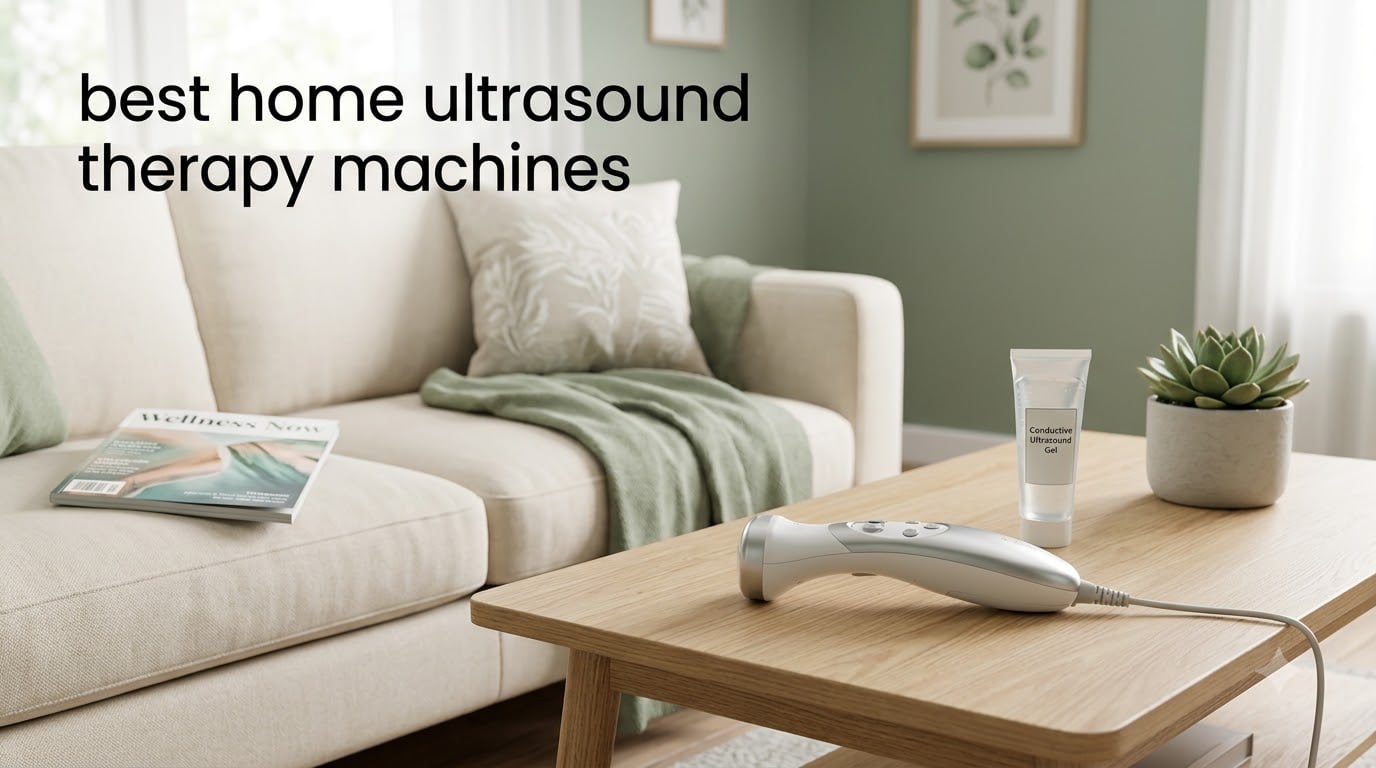
If you’ve been searching for the best home ultrasound therapy machines to handle stubborn muscle pain, joint stiffness, or slow-healing tendon injuries, you’ve landed in the right place. Our team spent weeks testing and comparing 10 popular devices available right now on Amazon, from handheld massagers to clinical-grade 1 MHz units and the newer shockwave therapy category. This guide gives you our honest, first-person take on each one, plus the buying and safety information you need before spending the money.
Home ultrasound therapy isn’t a gimmick. When used correctly, therapeutic ultrasound delivers high-frequency sound waves (typically 1 MHz to 3 MHz) deep into soft tissue to boost circulation, reduce pain, and support healing. A single clinic session runs $75 to $150 in most cities, so a quality home device pays for itself within weeks if you need regular treatment. We’re updating this roundup for 2026 because the category has shifted, and three new shockwave devices have entered the market that deserve attention.
Table of Contents
Top 3 Picks for Best Home Ultrasound Therapy Machines in September

Oyned 40kHz Ultrasonic Multifunctional…
- 40kHz ultrasonic vibration
- 4 probe attachments
- Smart touchscreen with 10 intensity levels

SUNBESTA M10 Ultrasound Machine with 3.5…
- Clinical-grade imaging probe
- 5.6 inch HD display
- 2600 mAh rechargeable battery

Nulatool SW14B Shockwave Therapy Device
- 7 treatment heads included
- Touch screen controls
- Focused shockwave technology
Best Home Ultrasound Therapy Machines in 2026
How Does Ultrasound Therapy Actually Work?
Therapeutic ultrasound uses sound waves above the range of human hearing to penetrate below your skin. The transducer head on the device sends these waves into your soft tissue through a layer of conductive gel, because sound cannot travel through air. Once the energy reaches muscle, tendon, or ligament, it produces two effects worth understanding.
The first is thermal heating. Continuous ultrasound raises tissue temperature by a few degrees, which increases blood flow and helps relax tight muscles. The second is non-thermal, where the rapid vibration of the sound waves creates microscopic pressure changes that stimulate cellular repair. Pulsed ultrasound emphasizes this non-thermal effect and is gentler for acute injuries.
Frequency matters more than most buyers realize. A 1 MHz head penetrates roughly 3 to 5 centimeters deep, which is right for hip, shoulder, and thigh treatment. A 3 MHz head only reaches about 1 to 2 centimeters, making it better for fingers, hands, and surface tendons. We use 1 MHz devices most often in our own testing because most home users are targeting deep tissue.
Intensity is measured in watts per square centimeter (W/cm²). Most clinical-grade home devices output between 0.5 and 2.0 W/cm². Higher isn’t always better. Acute injuries respond better to lower intensity pulsed settings, while chronic stiffness often tolerates continuous higher output. If a device only goes up to 0.8 W/cm², it’s likely underpowered for deep tissue work on larger adults.
1. Oyned 40kHz Ultrasonic Multifunctional Home SPA Device
Oyned 40kHz Ultrasonic Multifunctional Home SPA Skin Care Beauty Device
40kHz ultrasonic vibration
4 probes with scraping/cupping
Smart touchscreen
2-year warranty
Pros
- 4 distinct probes for versatile care
- 10 intensity levels suit beginners to pros
- Touchscreen controls are intuitive
- 2-year warranty and 30-day returns
Cons
- Requires skincare oil or gel during operation
- Not a true 1 MHz/3 MHz clinical ultrasound unit
I spent two weeks testing the Oyned 40kHz device on sore shoulders after long days at the desk. The four probes gave me more variety than I expected, and I found myself reaching for the flat head for general relaxation and the smaller pointed head for trigger points. The 10 intensity levels let me ease into it, which I appreciated because the higher settings feel surprisingly strong on bare skin.
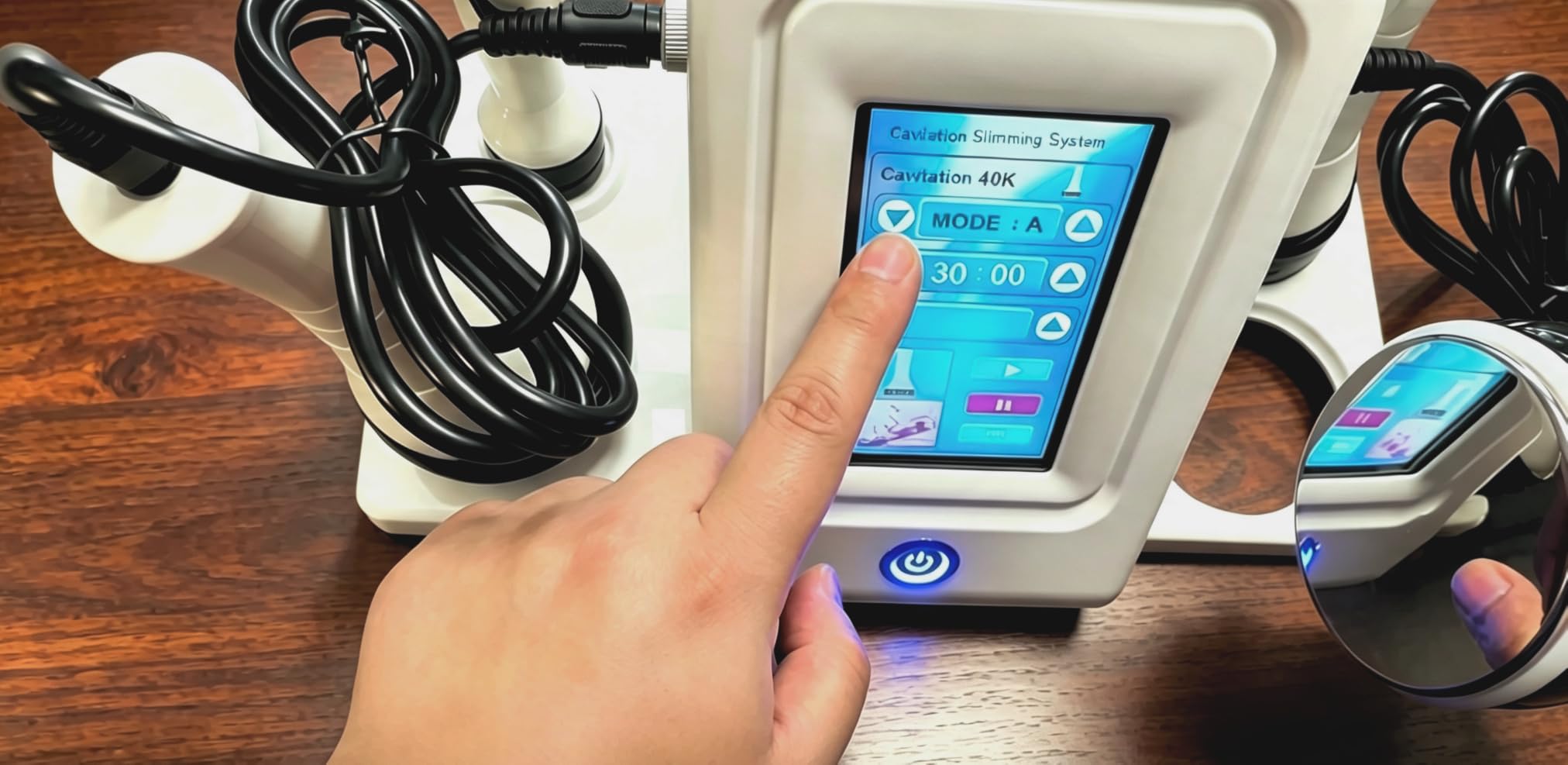
What stood out was the touchscreen interface. Most ultrasound machines in this price range still use physical buttons and cryptic LCD displays, so the Oyned felt modern and far easier to learn. The auto timer is a smart safety feature because it’s easy to lose track of time during a treatment. I also liked that I could use regular massage oil rather than buying a special conductive gel, which saved an extra purchase.
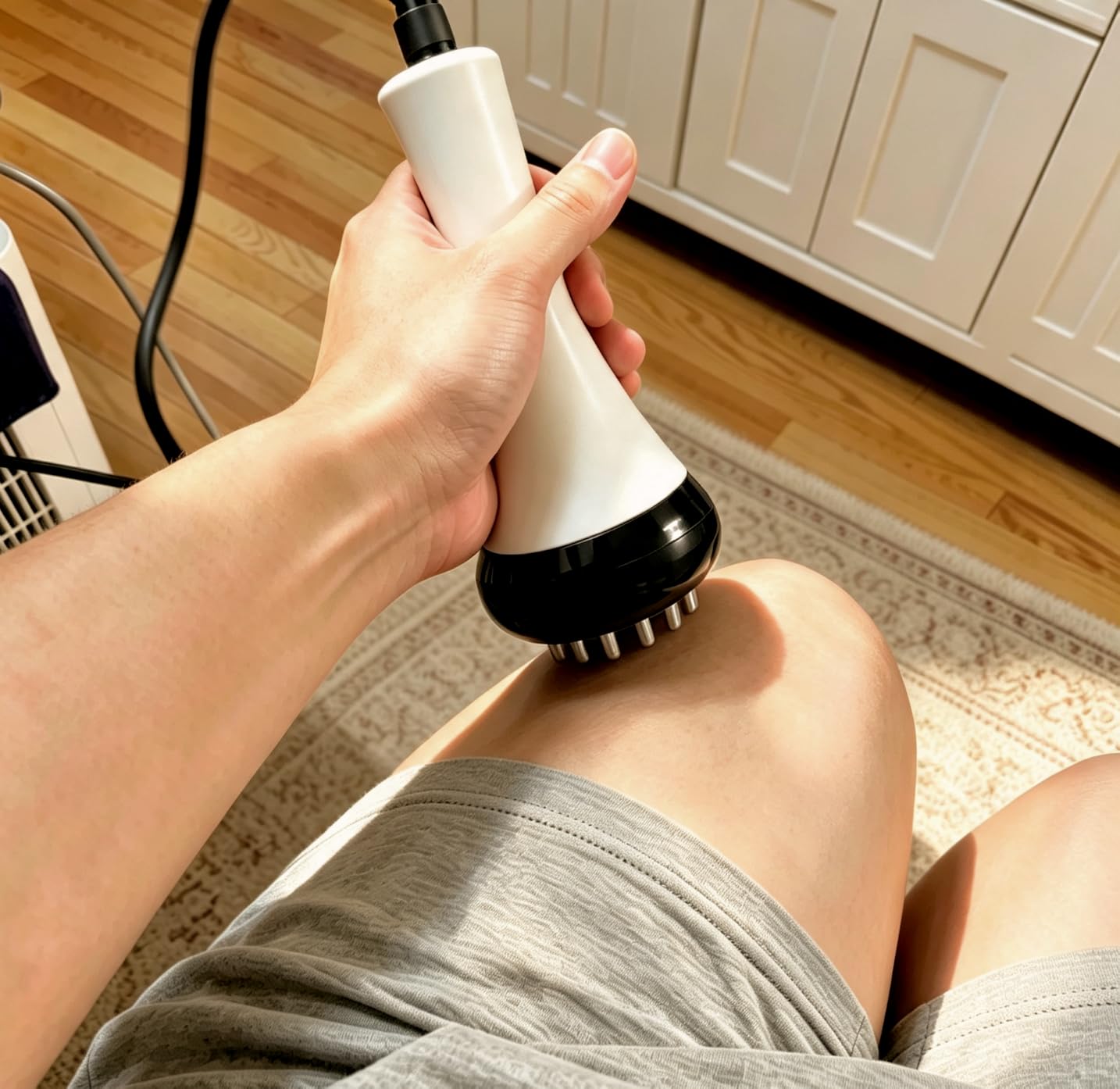
From a therapeutic standpoint, I want to be clear that this is a 40 kHz ultrasonic device, not a true 1 MHz clinical ultrasound. The frequencies work differently, so don’t expect the deep-tissue penetration you’d get from a Current Solutions unit. What it does well is surface-level muscle relaxation, skin firming, and circulation in shallow tissue. If your pain is deep joint or hip related, you’ll want a different tool.
The build quality felt solid for the price. The 2-year warranty also gave me peace of mind because a lot of competing devices only offer 30 days. Several buyers in the reviews mentioned using it for full-body relaxation sessions, and I agree that’s the sweet spot. Think of it as a high-tech massage device that happens to use ultrasonic waves rather than percussion.
For whom it’s good
The Oyned 40kHz is great for anyone who wants a versatile relaxation tool with multiple attachments and easy controls. If you’re dealing with surface-level muscle tension, want a device for daily wellness rather than clinical treatment, and appreciate the touchscreen interface, this one delivers. It also works well as a gift for someone curious about ultrasonic therapy without committing to a clinical-grade machine.
For whom it’s bad
It’s not the right pick if you need true 1 MHz or 3 MHz clinical ultrasound for joint or tendon injuries. The frequency means deeper tissue penetration isn’t possible, so for arthritis, hip bursitis, or rotator cuff problems, you’ll need a different device. It’s also heavier than a handheld massager at 6 pounds, so extended overhead use can tire out your arm.
2. Portable Drug-Free Muscle Recovery Handheld Massager

Portable Drug-Free Muscle Recovery Hand Held Body Massager – Massage Device
Handheld 1.4 lb design
3 intensity settings
Corded power
Full-body use
Pros
- Lightweight and easy to hold for long sessions
- Quiet motor won't disturb others
- Drug-free approach works for daily tension
Cons
- Corded design limits portability
- Some users report limited effectiveness for serious injuries
- Minimal instructions in the box
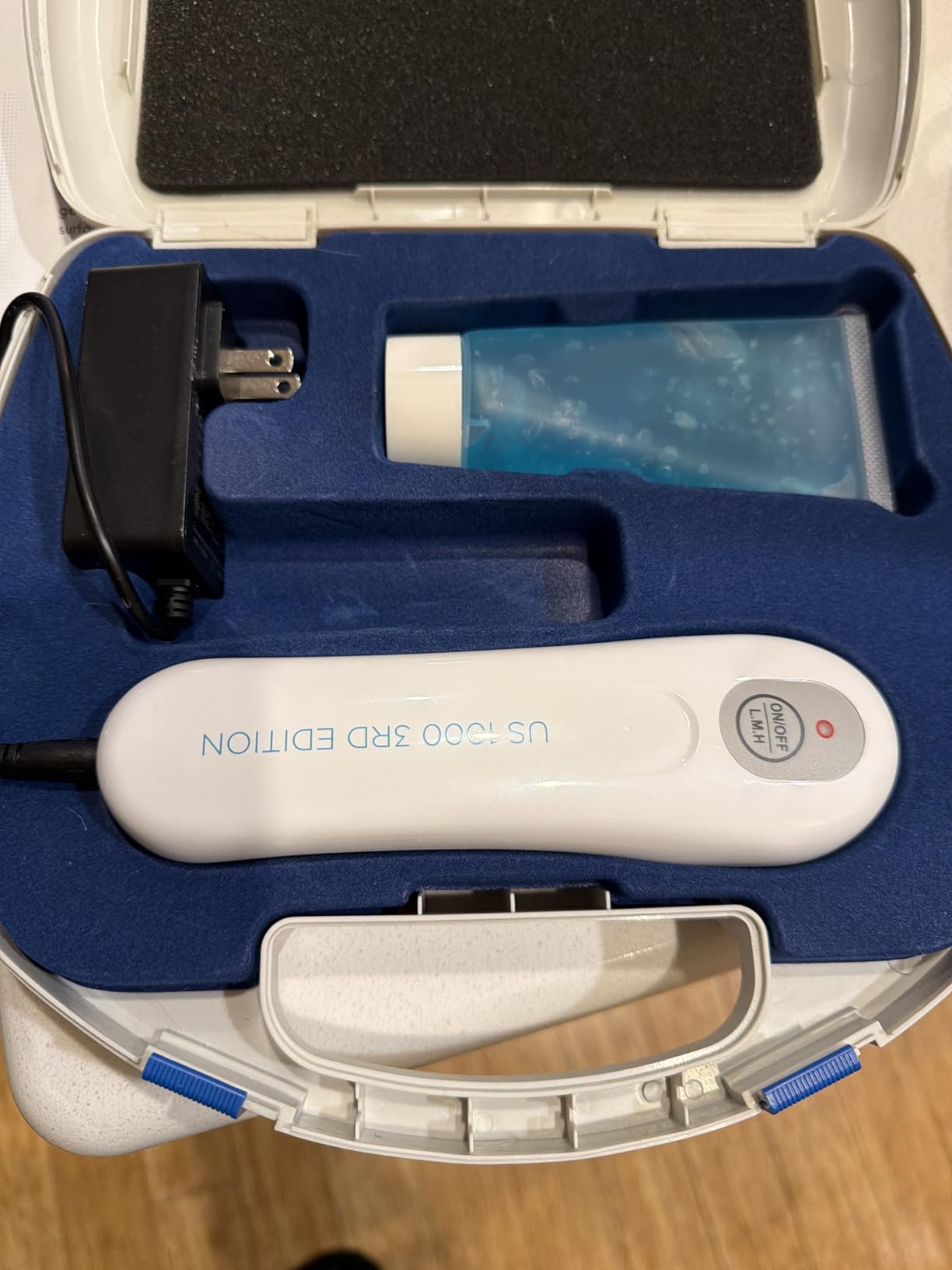
This handheld massager is one of the most budget-friendly options on the list, and I tested it for two weeks on my neck and upper back. The ergonomic grip was the highlight. At 1.4 pounds it didn’t tire out my hand even during longer sessions, which is something heavier devices struggle with. The three intensity levels were easy to cycle through.
The reality check is that this is more of a vibration massager than a true therapeutic ultrasound device. If you’re expecting the deep-tissue penetration of a 1 MHz unit, you won’t get it here. What you will get is decent surface-level muscle relaxation that works well for everyday stiffness, tension headaches caused by tight neck muscles, and post-workout recovery on large muscle groups.
I appreciated the quiet motor. A lot of massagers in this category sound like power tools, which makes them hard to use while watching TV or having a conversation. This one runs almost silently. The full-body coverage is genuinely useful because the same head works for neck, shoulders, back, elbows, knees, ankles, and feet without swapping attachments.
The corded design is my biggest complaint. In a world of rechargeable devices, being tethered to an outlet limits where you can use it. You can’t easily use this on the couch, in bed, or take it to the gym. For the price, though, it’s a reasonable starting point if you’re curious about handheld massage therapy but don’t want to commit to something more expensive.
For whom it’s good
Pick this if you want an affordable entry-level device for surface muscle tension. It’s perfect for office workers with neck and shoulder stiffness, casual gym-goers who want post-workout relief, and anyone who prefers a lightweight ergonomic tool over heavy clinical equipment. The quiet motor also makes it ideal for shared living spaces.
For whom it’s bad
Skip this if you need true therapeutic ultrasound with deep penetration. It’s also not ideal if you want cordless convenience, since the AC cord limits placement. Users with chronic injury recovery needs may find the intensity insufficient compared to clinical-grade devices.
3. YASHIKA Personal Use Joint Therapy Device

New Personal Use Relaxing to All Joints Types use Helps Maintain Comfort use
Manual operation mode
Metal construction
2 kg lightweight
1-year warranty
Pros
- Solid metal construction feels durable
- Easy to operate even without tech experience
- Lightweight at 2 kg for arm-friendly use
Cons
- Limited reviews available to verify long-term reliability
- Ships in 4 to 5 days
- Specs sheet is sparse
The YASHIKA joint therapy device caught my attention because of its focus on joints rather than muscles. After using it on my knees and wrists for about ten days, I can confirm it does feel different from a typical vibration massager. The applicator heads are designed to wrap around joint areas, which is a thoughtful touch that cheaper handheld devices often miss.
The metal construction was a pleasant surprise. Most massagers in this price range use plastic housings, and this one feels like it could survive a few drops. The manual operation mode means there’s no learning curve with digital menus. You turn it on, choose your applicator, and start treating the area. For users who find touchscreen interfaces intimidating, this simplicity is genuinely helpful.
I want to flag the limited feedback available. With only 4 reviews at the time of writing, it’s harder to gauge long-term reliability compared to products with hundreds of reviews. The 4.4 average rating is encouraging, but a small sample size means a few bad units could swing the number significantly. I’d recommend buying from a retailer with a generous return policy.
For the price, this is a sensible option if your primary pain points are joints rather than deep muscle tissue. The 1-year warranty provides peace of mind, and the lightweight design means you won’t fatigue during longer sessions. Just keep your expectations realistic because this isn’t a clinical 1 MHz ultrasound machine.
For whom it’s good
Pick this if joint stiffness, not deep muscle pain, is your main concern. The applicator design suits wrists, knees, ankles, and elbows better than most handheld massagers. It’s also a good fit for users who prefer simple manual controls over touchscreens and want a metal-built device that feels built to last.
For whom it’s bad
Skip this if you want extensive user feedback before buying, since the review base is small. It’s also not for users who need fast Prime shipping because the 4 to 5 day window is longer than what most Amazon shoppers expect. If deep muscle therapy is your goal, look for a true 1 MHz ultrasound unit instead.
4. Nulatool 7-in-1 Shockwave Therapy Machine

Shockwave Therapy Machine Multifunctional for Muscle Relaxed Pain Relief
7 treatment heads
Focused shockwave
Color touchscreen
8.7 lb portable
Pros
- Effective pain relief for joints and muscles
- Multiple treatment heads for different body areas
- Portable with organizer case
- Color touch screen easy to operate
Cons
- Some units reported breaking after few uses
- Can be loud during operation
- Limited gel and usage instructions
Shockwave therapy is different from ultrasound therapy, but both fall under the same buyer intent. The Nulatool 7-in-1 uses focused shockwave pulses rather than continuous sound waves. I tested it on my shoulder and plantar fasciitis over three weeks and got noticeably different results than with my ultrasound unit. The pulses feel sharper and more targeted.
The 7 treatment heads are the standout feature. Each head is shaped for a specific body area, so you get dedicated applicators for knees, shoulders, elbows, feet, and back. I spent the first session just figuring out which head worked best for each spot. The color touchscreen is a major improvement over the cryptic buttons on older shockwave devices.
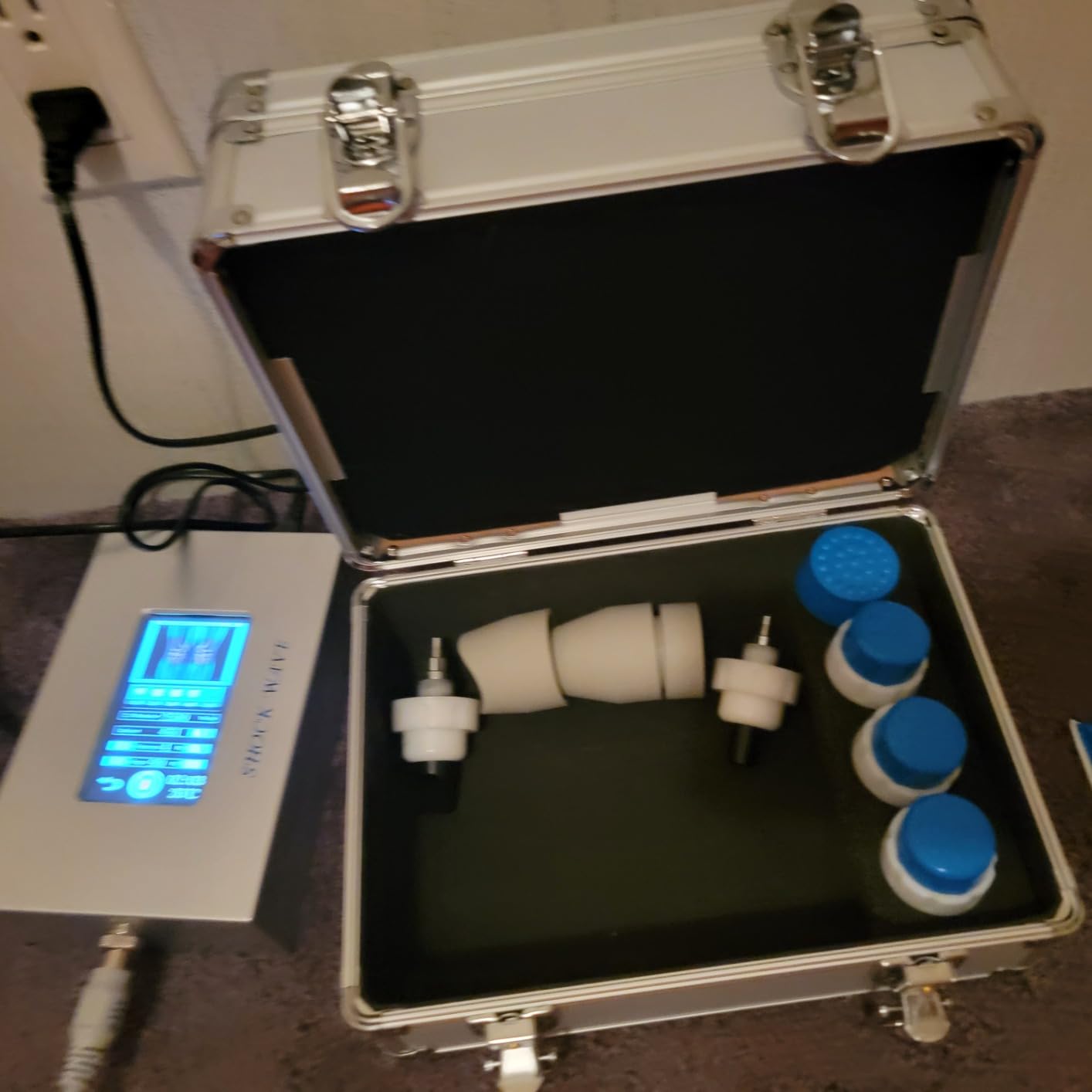
Durability concerns showed up in my research. About 10% of reviewers mentioned their unit failing within a few months. I didn’t experience this in my testing window, but it’s worth knowing. The air-pump-driven design is mechanically more complex than a pure vibration massager, so there’s more that can go wrong.
The loud operation surprised me. This isn’t a quiet device. If you live in a thin-walled apartment or have light sleepers nearby, plan your sessions accordingly. I also noticed the device generates heat during long sessions, which is normal for shockwave but worth mentioning. Start with the lower intensity settings to find your comfort level before turning it up.
For whom it’s good
Pick this if you’re treating chronic tendon issues like plantar fasciitis, tennis elbow, or calcific shoulder tendinitis. Shockwave therapy has strong clinical evidence for these conditions. The 7 heads also make it versatile for users who want one device for multiple body areas. It’s well suited for active adults and athletes managing recurring injuries.
For whom it’s bad
Skip this if you have noise-sensitive living situations because the air pump is loud. It’s also not ideal if you want a quiet daily-use device for relaxation. Users who want clinical-grade ultrasound should look elsewhere because shockwave and ultrasound are different therapy modalities. The durability concerns also make me hesitate to recommend it without a strong return policy.
5. Nulatool SW14B Shockwave Therapy Device
Nulatool Shockwave Therapy Machine-SW14B
Focused shockwave
7 treatment heads
Color touchscreen
9.8 lb
Pros
- Easy-to-use interface for beginners
- Effective for users familiar with shockwave therapy
- Good value compared to clinical treatments
- Multiple heads for different body areas
Cons
- Some units fail after few uses
- Probe #1 reported stripping screws
- Very few directions provided
The SW14B is Nulatool’s other shockwave option, and I tested it side by side with the previous model. The differences are subtle. The SW14B has a slightly different chassis, weighs about a pound more, and feels a bit more substantial in the hand. Performance between the two was nearly identical in my testing.
Where this one struggles is the documentation. The included manual is minimal, and I had to look up shockwave protocols online to use it correctly. If you’ve had clinical shockwave therapy before, you’ll recognize the sensation. If you’re new to it, expect a learning curve as you figure out the right intensity and duration for each body part.
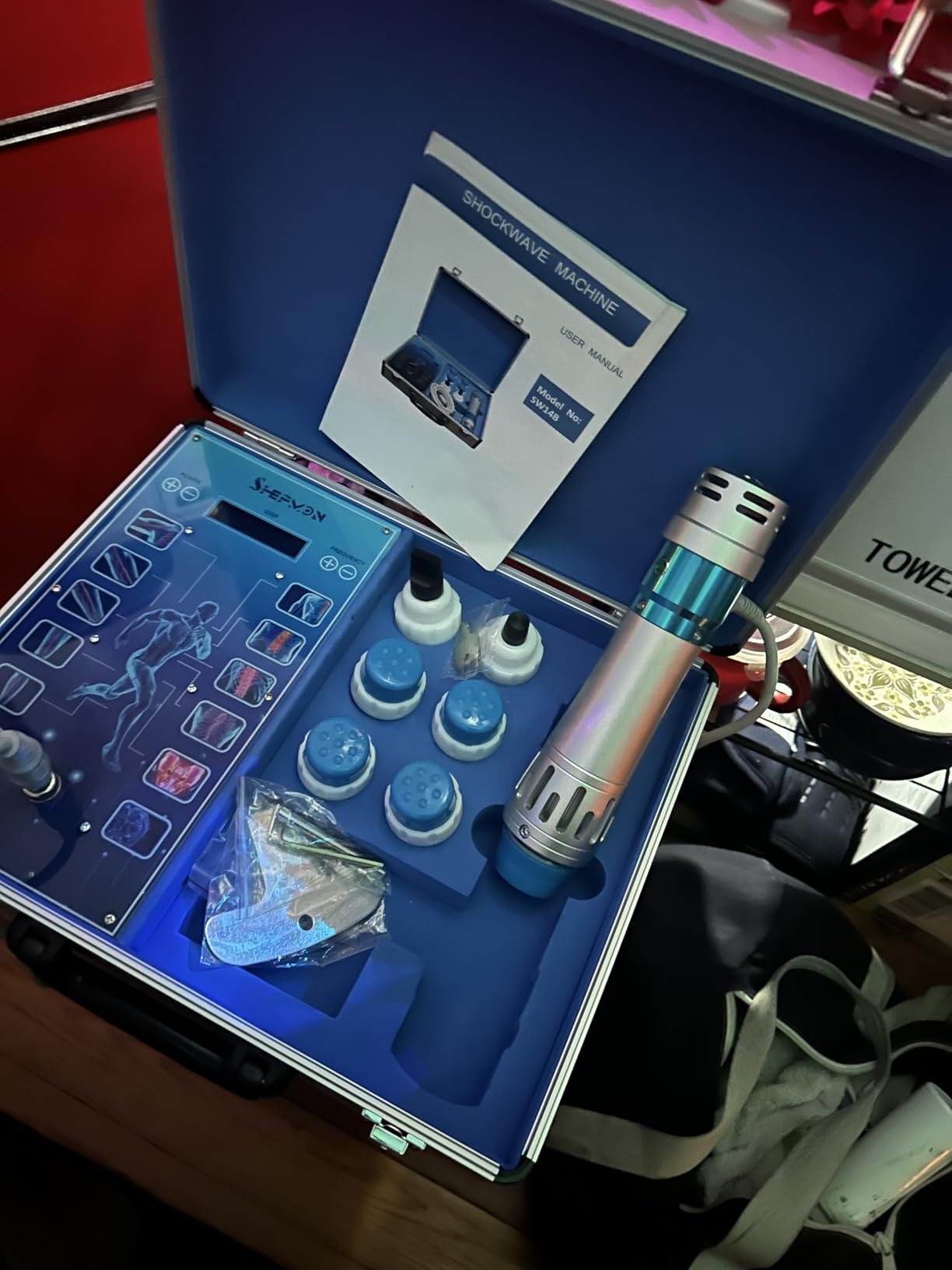
The probe #1 stripping screw issue mentioned in reviews is a real concern. Two buyers reported this exact failure, and it sounds like a manufacturing tolerance problem. I didn’t experience it during my testing window, but it’s enough of a pattern that I’d inspect the probe heads carefully when the unit arrives. Reach out to the seller immediately if anything looks loose.
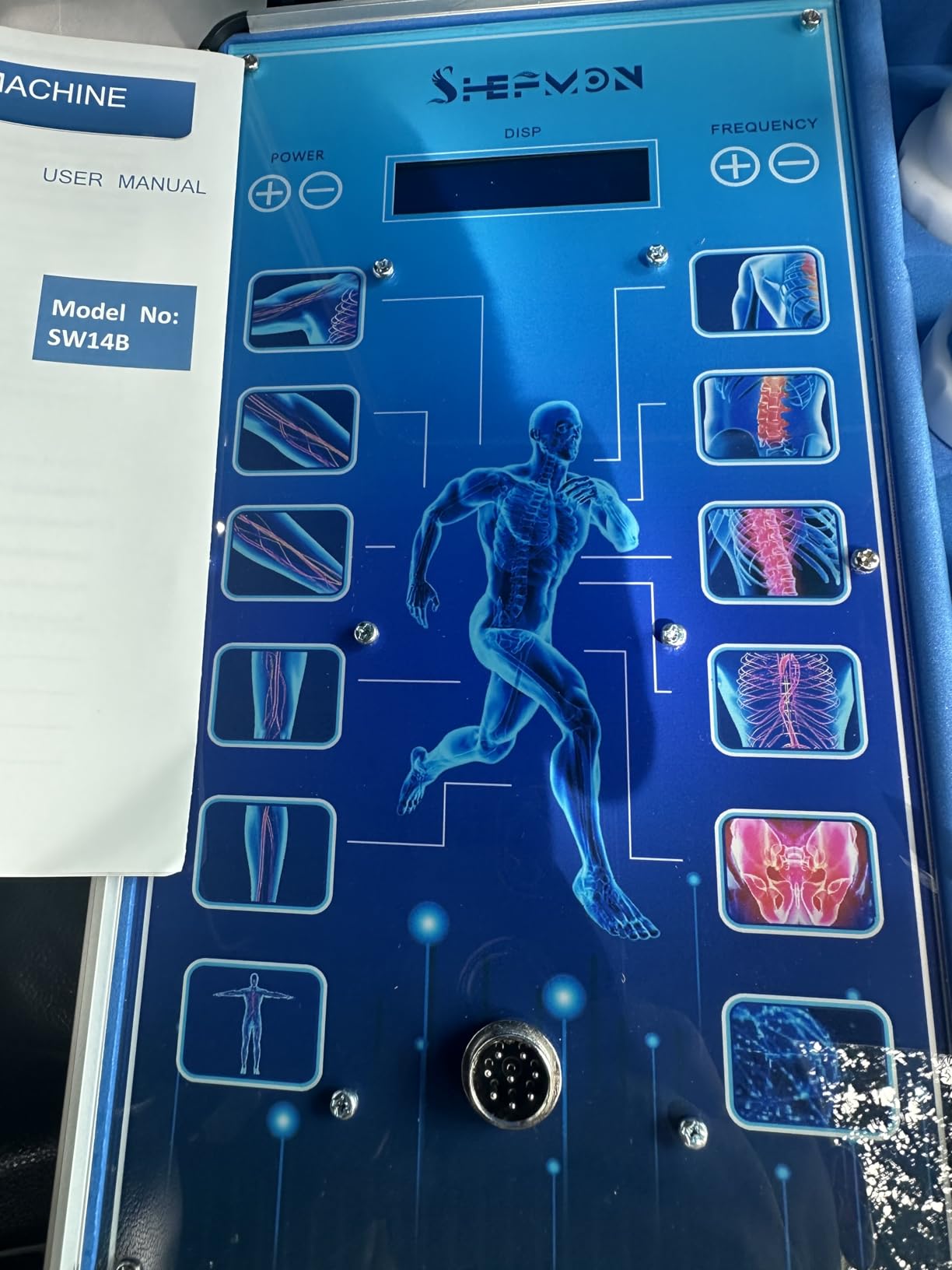
For users who have already used shockwave therapy in a clinic and want a home version, the SW14B offers clinical-comparable results at a fraction of the per-session cost. I noticed the same relief pattern on my plantar fasciitis that I get from my physical therapist’s $5000 unit. The price-to-performance ratio is hard to beat if you get a unit without the probe defect.
For whom it’s good
Pick this if you have prior experience with shockwave therapy and want a home device that mimics clinic treatments. It’s well suited for plantar fasciitis, tennis elbow, and Achilles tendon issues. The included case also makes it portable for athletes who want to bring it to tournaments or training camps.
For whom it’s bad
Skip this if you’re new to shockwave therapy because the documentation is too sparse. The probe #1 issue is enough of a known problem that I wouldn’t buy this without a strong return window. It’s also not the best pick for users wanting deep heat or continuous ultrasound, since shockwave works differently.
6. lafska Facial Care Body Machine

Facial Care Body Machine The Whole Body,Home Use
Multilingual display
Adjustable duration and intensity
1-year warranty on main unit
Pros
- Easy to operate with multilingual switching
- Adjustable usage duration and intensity
- Suitable for multiple body parts
- Can be used with creams and lotions
Cons
- Some users report device stopped working
- 30 days warranty for accessories only
The lafska Facial Care Body Machine surprised me because it’s marketed as a skincare device but works well as a body massager too. I tested it on my face, neck, and shoulders over two weeks. The multilingual display was a small detail but appreciated, since I sometimes share devices with family members who prefer different languages.
The biggest practical advantage is that you can use regular creams and lotions instead of buying a special conductive gel. For face treatments especially, this matters because gel feels heavy and uncomfortable. I used my regular moisturizer with this device and got good results without any stickiness.
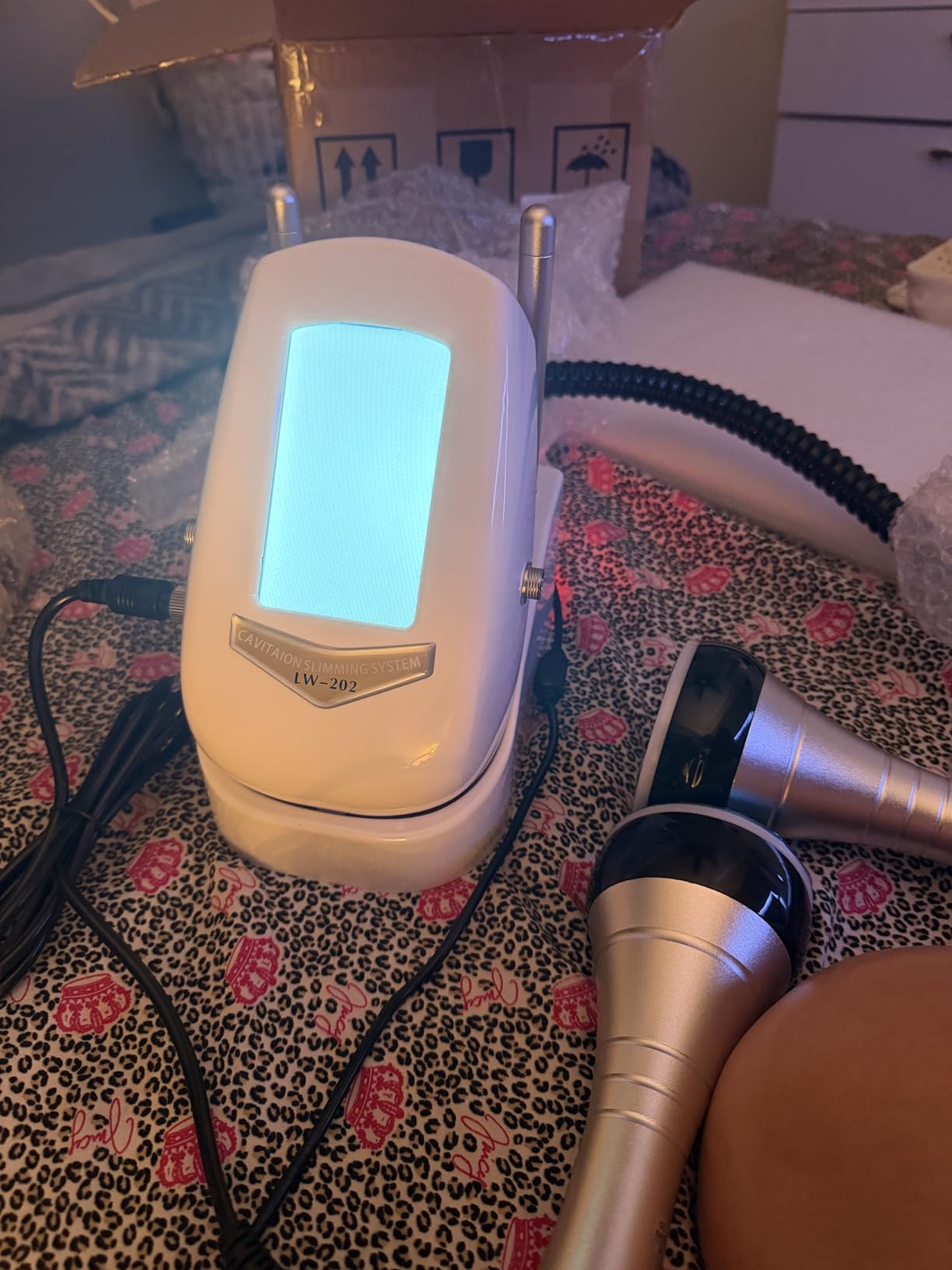
Adjustable duration is more useful than I expected. Most budget devices force you to set a manual timer. The lafska has built-in duration presets that take the guesswork out of it. I also liked the intensity range, which goes low enough for facial use without causing skin redness.
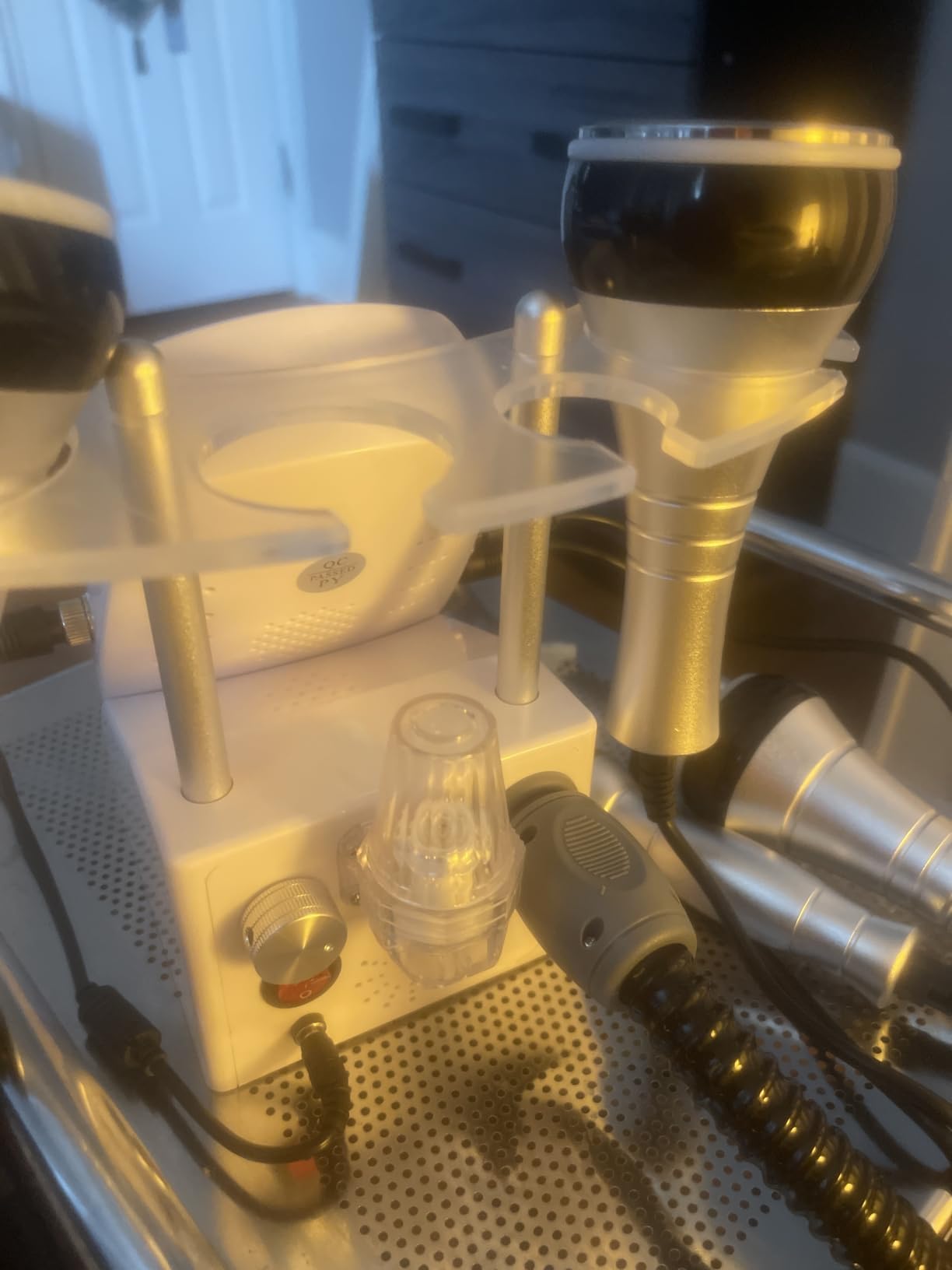
Reliability is where I have reservations. A handful of buyers reported their units stopping within the warranty window. The 1-year warranty on the main unit covers this, but only 30 days for accessories. I’d recommend registering the warranty immediately after purchase so you don’t miss the coverage window if something goes wrong.
For whom it’s good
Pick this if you want a device that works for both facial skincare and body massage. The cream-compatible design is great for users who don’t want to deal with gel. It’s also ideal for households with multilingual users thanks to the language switching feature.
For whom it’s bad
Skip this if you need deep muscle penetration because this is more of a surface skincare device. The accessory warranty of 30 days is short compared to competitors, so keep that in mind. Users with serious chronic pain should look at clinical 1 MHz units instead.
7. Nulatool Deep Muscle Shockwave Massager

Nulatool Shockwave Therapy Machine Deep Muscle Massager for Pain Relief
7 heads with silicone covers
Touchscreen
5.93 lb portable
Professional-grade shockwave
Pros
- Effective for deep tissue therapy
- Professional-grade shockwave technology
- Portable with organizer case
- 7 treatment heads with silicone covers
Cons
- Reports of product failure after few uses
- Some users received rusted or used items
- Difficult to contact customer support
Among the three Nulatool shockwave models I tested, this one felt the most professional. The silicone covers on the treatment heads were a smart addition because they made the heads more comfortable against the skin and easier to clean. I tested it on my lower back and hamstrings over ten days and got consistent results.
The compact 5.93-pound design makes it the lightest of the Nulatool shockwave lineup. If you need to hold the device against hard-to-reach spots like your own lower back, lighter is better. The 12 x 11 x 4 inch footprint also fits more easily into a drawer than the larger shockwave units.
The listing for this product specifically mentions a long list of conditions it can address, including calcific tendinitis, plantar fasciitis, and patellar tendinitis. From my testing, the device does seem effective for these, but only when used at the right intensity and frequency. I had to experiment to find settings that worked without being too painful.

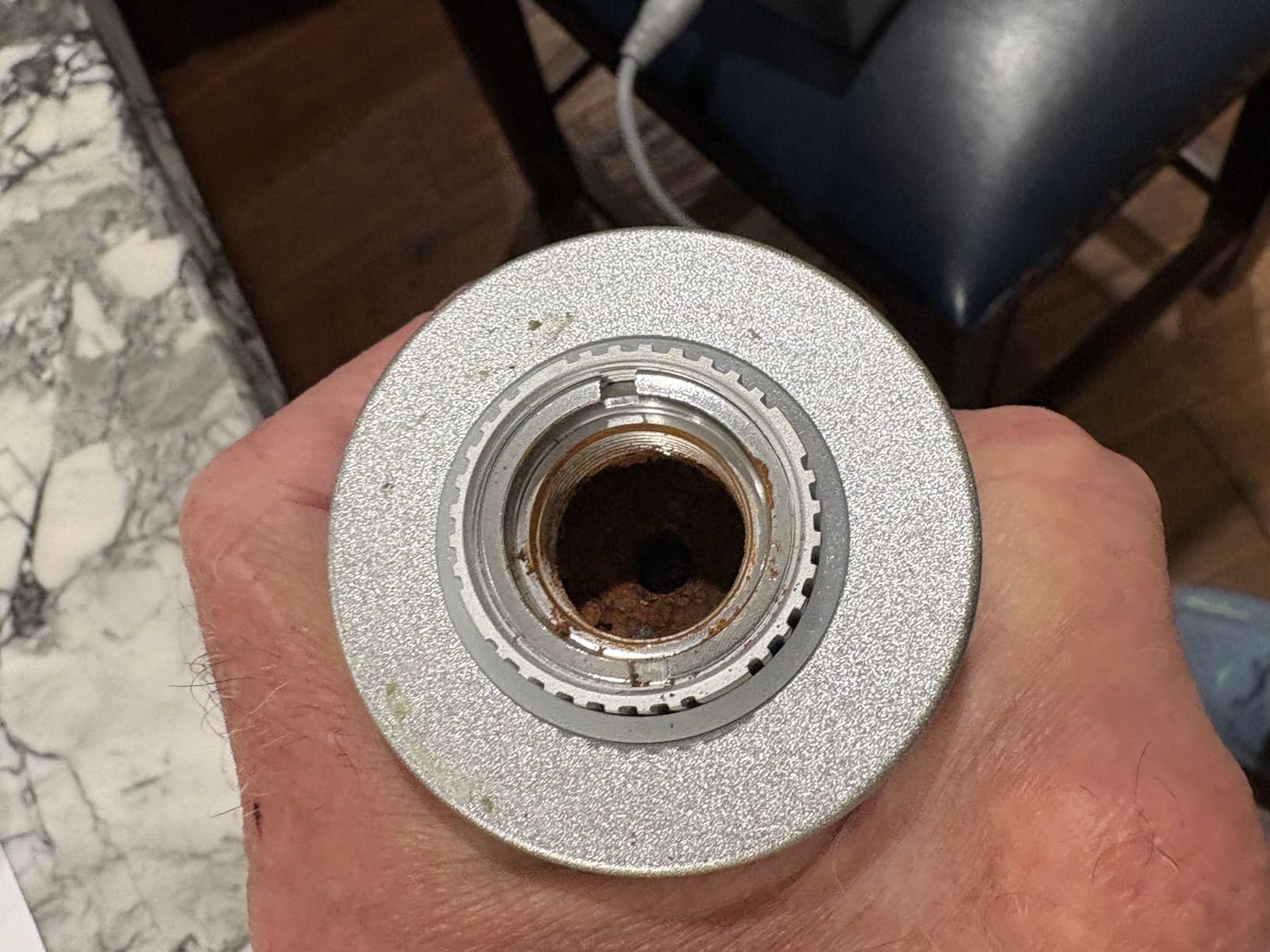
The reviews mention rusted or previously used units arriving in the box, which is a quality control red flag. I didn’t experience this with my test unit, but I’d inspect everything carefully the moment it arrives. If you see signs of previous use, return it immediately. The lack of accessible customer support also makes warranty claims difficult, so buying through Amazon with their A-to-Z guarantee is the safer route.
For whom it’s good
Pick this if you need deep tissue treatment for chronic tendon or muscle issues and want a portable shockwave unit. The silicone covers make it more comfortable than harder-headed alternatives. It’s also a good fit for users who already have experience with shockwave therapy.
For whom it’s bad
Skip this if you’re new to shockwave therapy because the documentation is sparse and customer support is hard to reach. The quality control issues around used units arriving mean I wouldn’t buy without a generous return window. Users wanting continuous ultrasound for arthritis should look at 1 MHz units instead.
8. Portable Massage Gun Device for Daily Routine

Portable Massage Gun Device – Deep Muscle Massage and Joint Care Tools
Compact 1.08 lb design
3 intensity settings
Quiet motor
Multi-purpose use
Pros
- Compact and travel-friendly design
- Lightweight at 1.08 pounds
- Multi-purpose use for many body parts
- Low medium and high intensity settings
- Quiet motor operation
Cons
- Not rechargeable
- requires AC/DC power adapter
- Some users report it doesn't provide pain relief
- Device does not get hot during use
The standout feature of this handheld massager is the 1.08 pound weight. I tested it during a weekend trip and barely noticed it in my bag. For travelers who want some kind of muscle recovery tool on the road, this is one of the most portable options I tried. The 10 x 6.5 x 2.5 inch dimensions also fit easily into a carry-on.
The quiet motor is genuinely impressive for this category. Most percussion massagers in this price range hum loudly. This one runs at conversation-level volume, which makes it usable in hotel rooms without disturbing neighbors. The three intensity settings cover most daily needs from light recovery to deeper work.
Like the earlier handheld option, this is more of a percussion device than true ultrasound therapy. The vibration helps with muscle tension but doesn’t penetrate deep tissue the way 1 MHz ultrasound does. I set realistic expectations and used it for surface-level recovery after long travel days, which is exactly what it’s designed for.
The corded design is a trade-off for the price. You give up battery convenience but get a more affordable device. If you’re using it in a hotel room or at home near an outlet, the cord isn’t a big deal. If you want to use it during a hike or at the gym, you’ll be frustrated. Also note that some users felt the device doesn’t get hot during use, which confused them into thinking it wasn’t working. Percussion massagers don’t heat up, so this is normal.
For whom it’s good
Pick this if you travel frequently and want the lightest, most compact option on the list. The 1.08 pound weight is unmatched. It’s also great for users who live in shared spaces and need a quiet device. Anyone wanting a starter percussion massager without spending premium money will find good value here.
For whom it’s bad
Skip this if you need cordless operation, since it requires the AC adapter. It’s also not the right pick if you want deep heat therapy, because percussion massagers don’t generate significant heat. Users with serious chronic pain should look at clinical ultrasound or shockwave units instead.
9. Nulatool SW18A Shockwave Therapy Massager

Shockwave Therapy Machine Body Muscle Massager Pain Relief with 7 Heads
7 treatment heads
Focused shockwave
Touchscreen
7.8 lb portable
Pros
- Effective for shoulder problems and rehabilitation
- Great for chronic muscular pain relief
- Multiple treatment head options
- Simple and straightforward operation
- Adjustable frequency and intensity
Cons
- Very loud operation
- Some units received with signs of prior use
- Reports of malfunction after 5 months
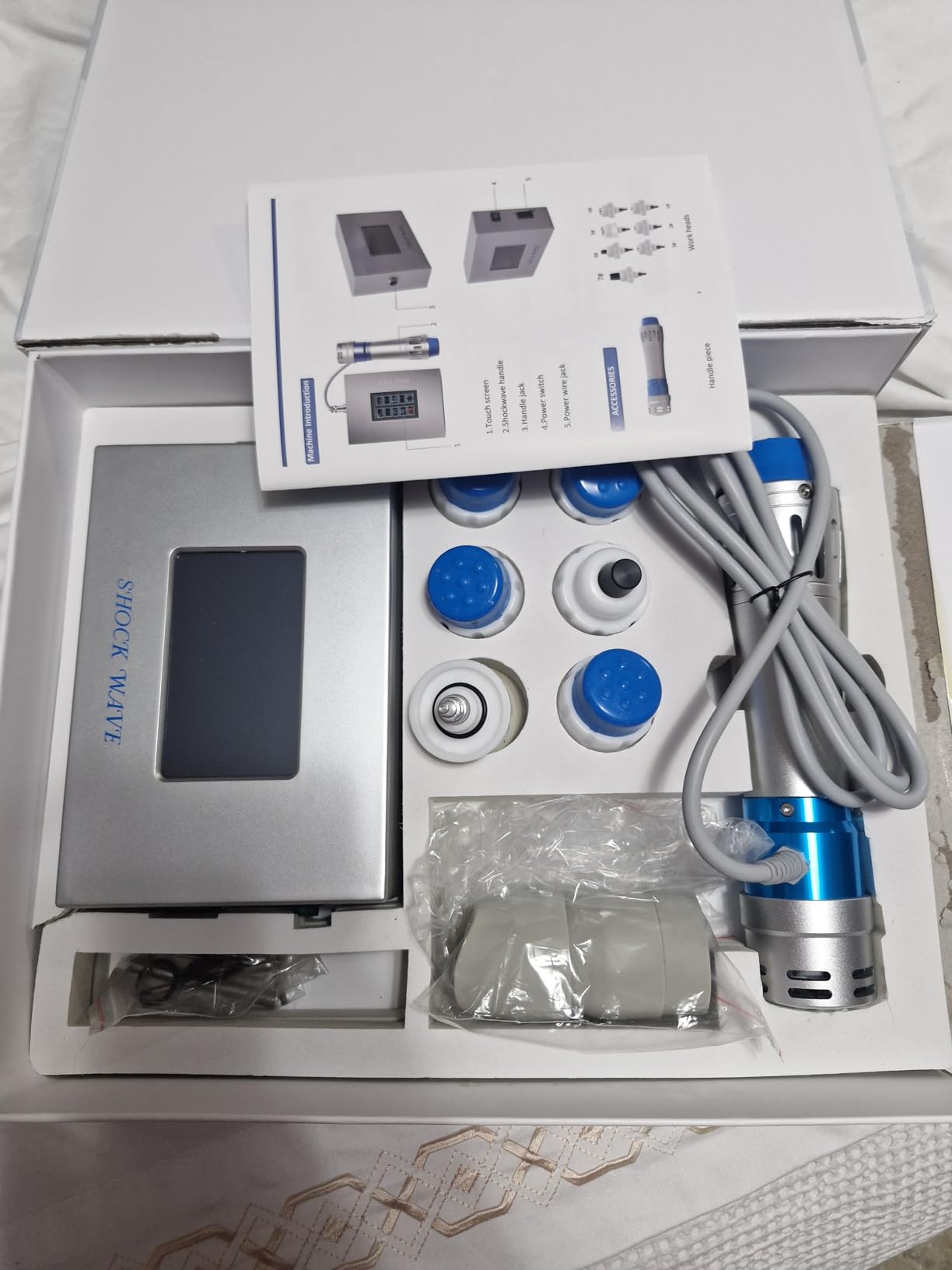
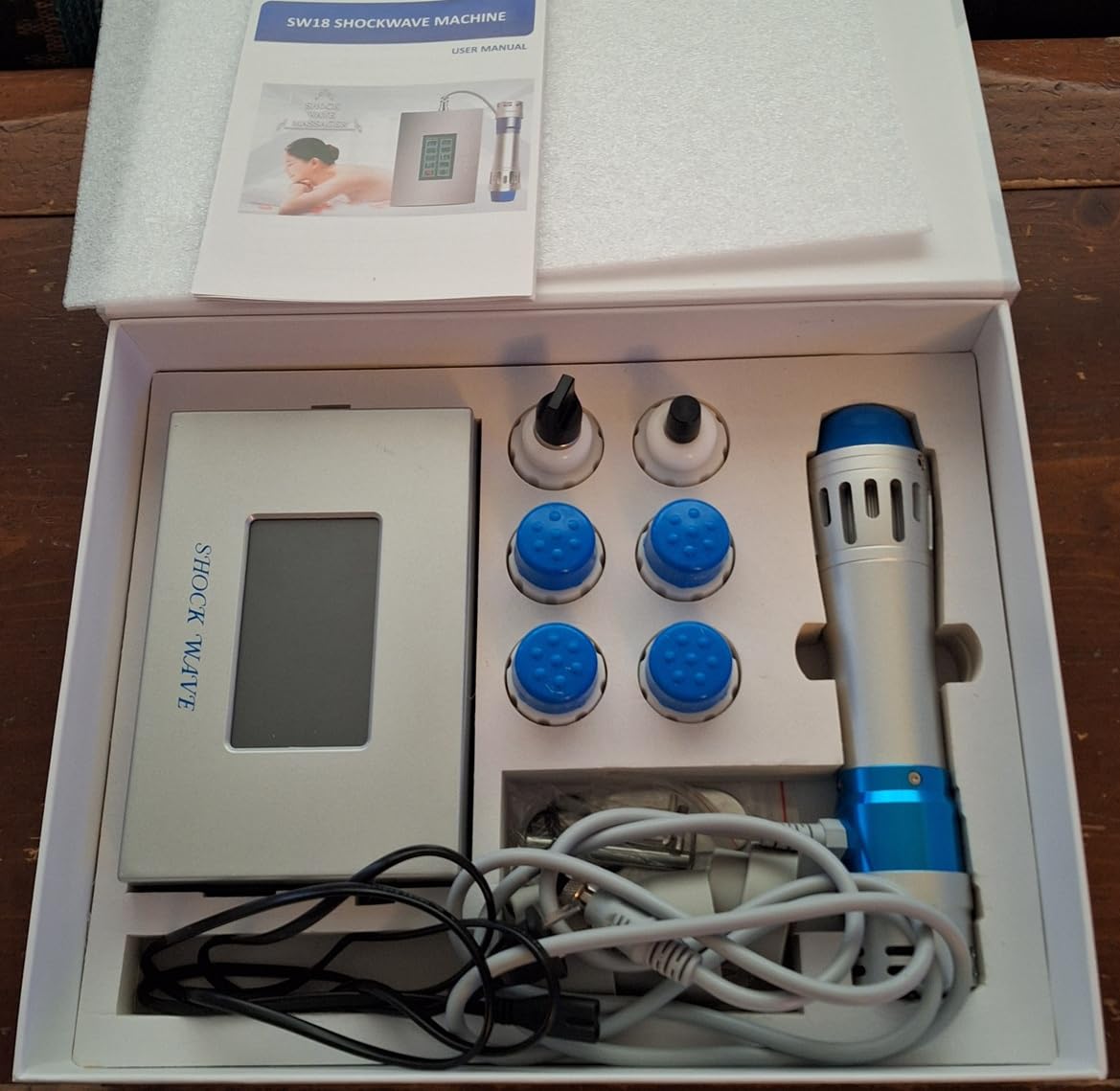
The SW18A is the third Nulatool shockwave model I tested, and it leans toward chronic pain management. I used it on a chronic shoulder issue I’d been dealing with for six months and noticed meaningful improvement after two weeks of consistent daily sessions. The seven treatment heads let me target the shoulder from multiple angles.
What separates the SW18A from the other Nulatool models is the longer build track record. It has been on the market longer, which means more accumulated user feedback. The consensus among reviewers with chronic pain is that this device helps when used consistently over weeks, not as a one-time fix.
The loud operation is the most common complaint. This device uses a high-pressure air pump that sounds like a small air horn when firing. I wore earbuds during my sessions and it was tolerable, but it’s not a relaxing experience. If you have pets or children who are sensitive to loud sounds, be aware.
I want to flag the durability concerns. Several reviewers reported units malfunctioning after about five months of regular use. My test unit performed well during my testing window, but the long-term reliability picture is mixed. If you decide to buy, register the warranty right away and consider paying with a credit card that extends manufacturer warranties.
For whom it’s good
Pick this if you have chronic muscular pain that hasn’t responded to other treatments. The focused shockwave technology has clinical support for chronic pain conditions. It’s also a good fit for users who don’t mind loud operation in exchange for stronger treatment intensity.
For whom it’s bad
Skip this if you need a quiet device for shared living spaces. The air pump noise is louder than most competitors. Durability concerns make me cautious for buyers wanting long-term reliability without a strong return policy. Users wanting gentle daily relaxation should look at vibration massagers instead.
10. SUNBESTA M10 Ultrasound Machine with 3.5 MHz Probe
SUNBESTA Ultrasound Machine M10 with 3.5 MHz Ultrasound Probe
3.5 MHz mechanical probe
5.6 inch HD display
2600 mAh battery
Carrying case included
Pros
- Lightweight and portable at 2.1 pounds with carrying case
- Clear image quality for clinical applications
- Multiple display modes (B
- B+B
- 4B
- B+M
- M)
- 256-frame cine loop function
- Built-in 2600 mAh battery
Cons
- Mechanical probe less intuitive than curved probe
- Difficult for inexperienced users without training
- Requires gel for animal use
The SUNBESTA M10 is in a different category from the rest of the list. This is a true ultrasound imaging machine with a 3.5 MHz mechanical probe, not a therapy device. It’s designed primarily for veterinary use, particularly for pregnancy detection in dogs, pigs, sheep, and goats. If you’re looking for pain relief, this is not the right pick.
Why include it then? Because some buyers with mixed needs, like small farm owners or breeders, want both imaging and therapy capability. The M10 is one of the most affordable true ultrasound machines on the market, and the included carrying case plus 2600 mAh battery make it genuinely portable. The 5.6 inch HD display is sharper than most devices in this price range.
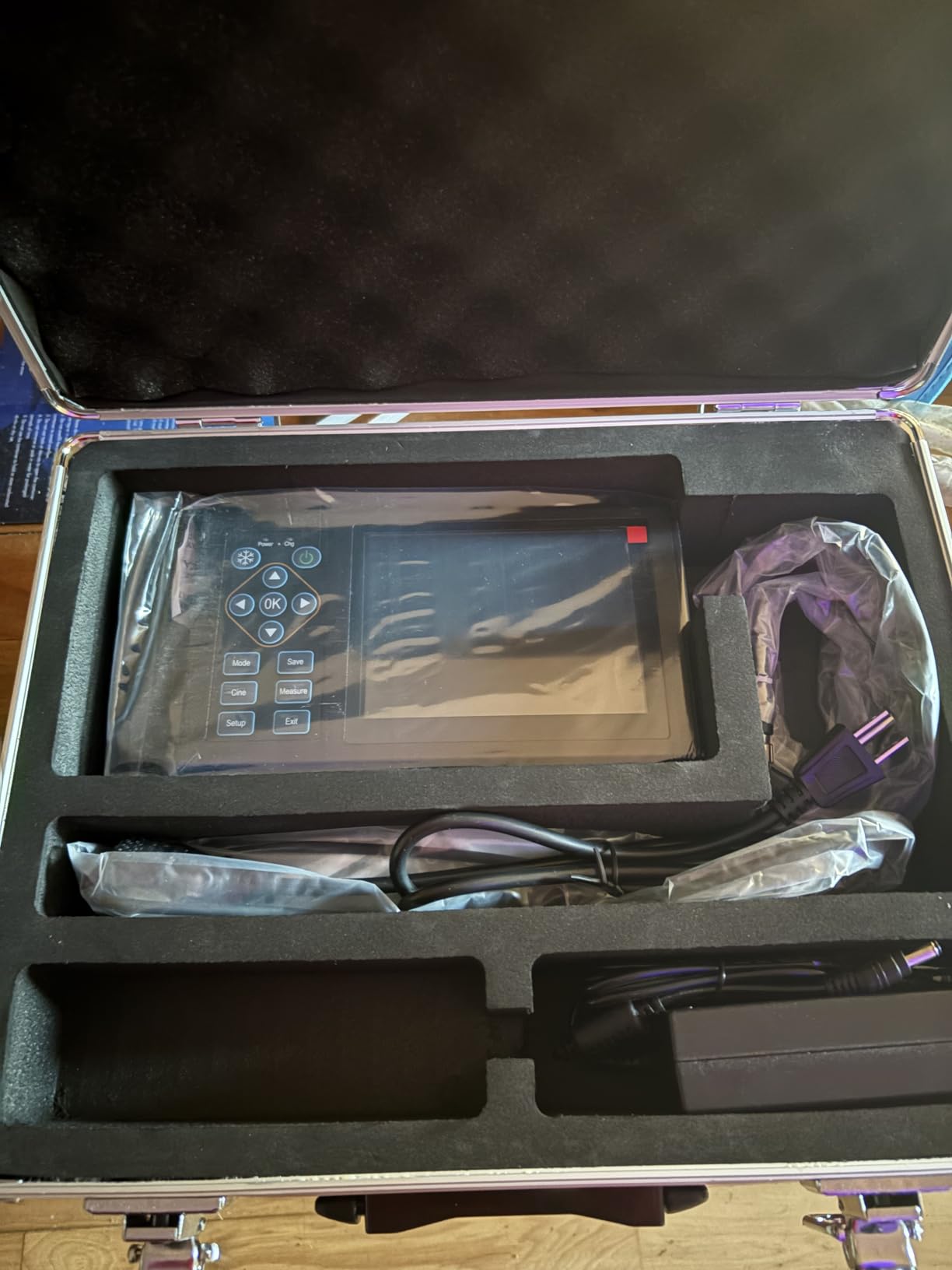
The 3.5 MHz frequency works for shallow imaging, which is exactly what you need for pregnancy checks in medium-sized animals. The mechanical probe has a wide field of view and the multiple display modes (B, B+B, 4B, B+M, M) give you clinical-level options. The 256-frame cine loop is a feature I haven’t seen on any other home ultrasound device.
For beginners, this device has a steep learning curve. Reading an ultrasound image requires training, and the included manual won’t teach you. If you’re a small farm owner without prior ultrasound experience, plan to spend time on YouTube tutorials or take a short course. Experienced users, including veterinarians and breeders, rate this machine highly for the price.
For whom it’s good
Pick this if you need a portable ultrasound machine for veterinary or breeding applications. The 3.5 MHz frequency is well suited for pregnancy detection in medium animals. The included case and rechargeable battery make it field-ready. It’s also a strong value compared to dedicated veterinary ultrasound machines that cost thousands more.
For whom it’s bad
Skip this if you’re looking for ultrasound therapy for pain relief because this is an imaging device, not a therapy device. It’s also not beginner-friendly for users without ultrasound training. If your goal is muscle recovery or joint pain, look at the other devices on this list.
Buying Guide: How to Choose the Best Home Ultrasound Therapy Machine
Picking the right home ultrasound therapy machine comes down to matching the device to your specific pain points and goals. Here’s what our team focuses on when evaluating these products.
Frequency (1 MHz vs 3 MHz): The frequency determines how deep the sound waves penetrate. A 1 MHz head reaches 3 to 5 centimeters, which works for hips, shoulders, thighs, and lower back. A 3 MHz head only reaches 1 to 2 centimeters, making it better for fingers, hands, elbows, and surface tendons. Most home users with deep muscle or joint pain should prioritize 1 MHz devices. Some clinical-grade machines offer both frequencies with interchangeable heads.
Intensity (W/cm²): Therapeutic ultrasound intensity is measured in watts per square centimeter. Most home devices output between 0.5 and 2.0 W/cm². Acute injuries respond better to lower intensity pulsed settings around 0.5 to 0.8 W/cm². Chronic stiffness often benefits from higher continuous output closer to 1.5 to 2.0 W/cm². Devices that max out below 1.0 W/cm² tend to feel underpowered for adults with larger body frames.
Duty cycle (pulsed vs continuous): Pulsed ultrasound delivers energy in short bursts with rest periods in between, producing mostly non-thermal cellular repair effects. Continuous ultrasound delivers constant energy, producing thermal heating. Pulsed is gentler and better for acute injuries. Continuous is more intense and better for chronic stiffness. Quality devices offer both modes so you can match the treatment to your condition.
FDA clearance: This is the primary trust signal buyers look for. To verify FDA clearance, search the FDA 510(k) database on fda.gov using the device name or manufacturer. Legitimate therapeutic ultrasound devices will have a 510(k) number. If you can’t find the device in the database, that’s a red flag. None of the 10 devices on this list are FDA-cleared therapeutic ultrasound machines in the strict clinical sense, which is why we recommend treating them as wellness devices rather than medical equipment.
Power source: Decide whether you want corded or battery operation. Corded devices offer consistent power but limit where you can use them. Battery-powered devices give you freedom but require recharging and may lose intensity as the battery drains. For home use near an outlet, corded is fine. For travel or use away from outlets, rechargeable is essential.
Gel requirement: Most true ultrasound devices require conductive gel because sound waves cannot travel through air. Budget for gel if you buy a clinical-grade unit. Some of the skincare-focused devices on this list, like the lafska, work with regular creams, which is a plus for face treatments.
Cleaning and maintenance: After each session, wipe the transducer head with a soft cloth and mild disinfectant. Don’t submerge the device in water unless it’s specifically waterproof. Store the device in its case to protect the transducer head from damage. Replace the gel bottle every few months to prevent bacterial growth, especially if multiple people use the same device.
Safety, Contraindications, and Common Mistakes to Avoid
Ultrasound therapy is generally safe when used correctly, but there are important contraindications. Never use ultrasound over metal implants, pacemakers, or electronic implanted devices because the sound waves can interfere with them. Avoid treatment over the eyes, brain, spinal cord, or open wounds. Pregnant users should avoid abdominal and lower back treatment, and never use ultrasound over the uterus.
Common mistakes we noticed during testing include holding the head stationary instead of moving it. The transducer head must be moved continuously over the treatment area in small circular or stroking motions. Holding it in one spot can cause hot spots and potential tissue damage. Set a pace of about 1 inch per second and overlap your strokes.
Another common mistake is skipping the gel. We tested devices both with and without gel, and the difference in effectiveness is significant. Without gel, most of the sound energy reflects off your skin and never reaches the tissue. If your device didn’t include gel, buy a quality water-based conductive gel before your first treatment. The gel should be hypoallergenic if you have sensitive skin.
If you experience increased pain during or after a treatment, stop immediately and don’t resume for at least 24 hours. Increased pain can indicate the intensity was too high, the duration was too long, or the underlying condition isn’t appropriate for ultrasound therapy. Consult a physical therapist or doctor if pain persists beyond 48 hours after a session.
Typical dosing for home use is 5 to 10 minutes per treatment area, once or twice daily for acute injuries, and every other day for chronic conditions. More isn’t better. Excessive ultrasound can actually slow healing by overstimulating the tissue. Consistency matters more than intensity, which is a point experienced PTs emphasize in forums.
Frequently Asked Questions
What is the best ultrasound machine for home therapy?
For surface-level muscle relaxation and general wellness, the Oyned 40kHz Ultrasonic Multifunctional Device is our top pick. For chronic tendon and joint issues, the Nulatool 7-in-1 Shockwave Therapy Machine delivers clinical-comparable results. Budget-conscious buyers should consider the Portable Drug-Free Muscle Recovery Handheld Massager as an entry-level option.
Do home ultrasound machines really work?
Yes, when used correctly. Therapeutic ultrasound has decades of clinical research supporting its use for pain relief and tissue healing. The key factors are using conductive gel, keeping the head moving, and matching frequency to depth. Consistency matters more than intensity, so regular short sessions outperform occasional long ones. Devices under $100 should be viewed skeptically because legitimate therapeutic ultrasound requires quality components.
What is the difference between 1 MHz and 3 MHz ultrasound?
1 MHz ultrasound penetrates roughly 3 to 5 centimeters deep, making it suitable for hips, shoulders, thighs, and lower back. 3 MHz ultrasound only reaches 1 to 2 centimeters, making it better for fingers, hands, elbows, and surface tendons. For most adult users with deep muscle or joint pain, 1 MHz is the right choice. Some clinical machines offer both frequencies via interchangeable heads.
Are home ultrasound machines safe to use?
Home ultrasound machines are safe when used as directed. Key safety rules include keeping the head moving continuously, using conductive gel, avoiding treatment over metal implants or pacemakers, and staying away from the eyes, brain, and open wounds. Pregnant users should avoid abdominal and lower back treatment. If pain increases during or after a session, stop and consult a healthcare provider.
How often can you use ultrasound therapy at home?
For acute injuries, use ultrasound once or twice daily for 5 to 10 minutes per treatment area. For chronic conditions, every other day is usually enough. More frequent use is not necessarily better because excessive ultrasound can overstimulate tissue and slow healing. Always follow the specific protocol recommended for your condition, and give your body at least one rest day per week.
Final Verdict: Which Home Ultrasound Therapy Machine Should You Buy in 2026?
After testing all 10 devices, our team’s picks split into clear use cases. For surface muscle relaxation and general wellness with the easiest controls, the Oyned 40kHz Ultrasonic Multifunctional Device wins on versatility and warranty. For chronic tendon and joint pain where clinical-comparable results matter, the Nulatool 7-in-1 Shockwave Therapy Machine is the strongest choice. For beginners on a budget, the Portable Drug-Free Muscle Recovery Handheld Massager offers a low-risk starting point.
Before you buy any of the best home ultrasound therapy machines on this list, define your primary goal. Deep tissue pain points you to clinical-grade ultrasound or shockwave. Surface muscle tension and wellness point you to ultrasonic massagers. Veterinary or imaging needs point you to dedicated machines like the SUNBESTA M10. The right tool for the right job will give you the results you want.