
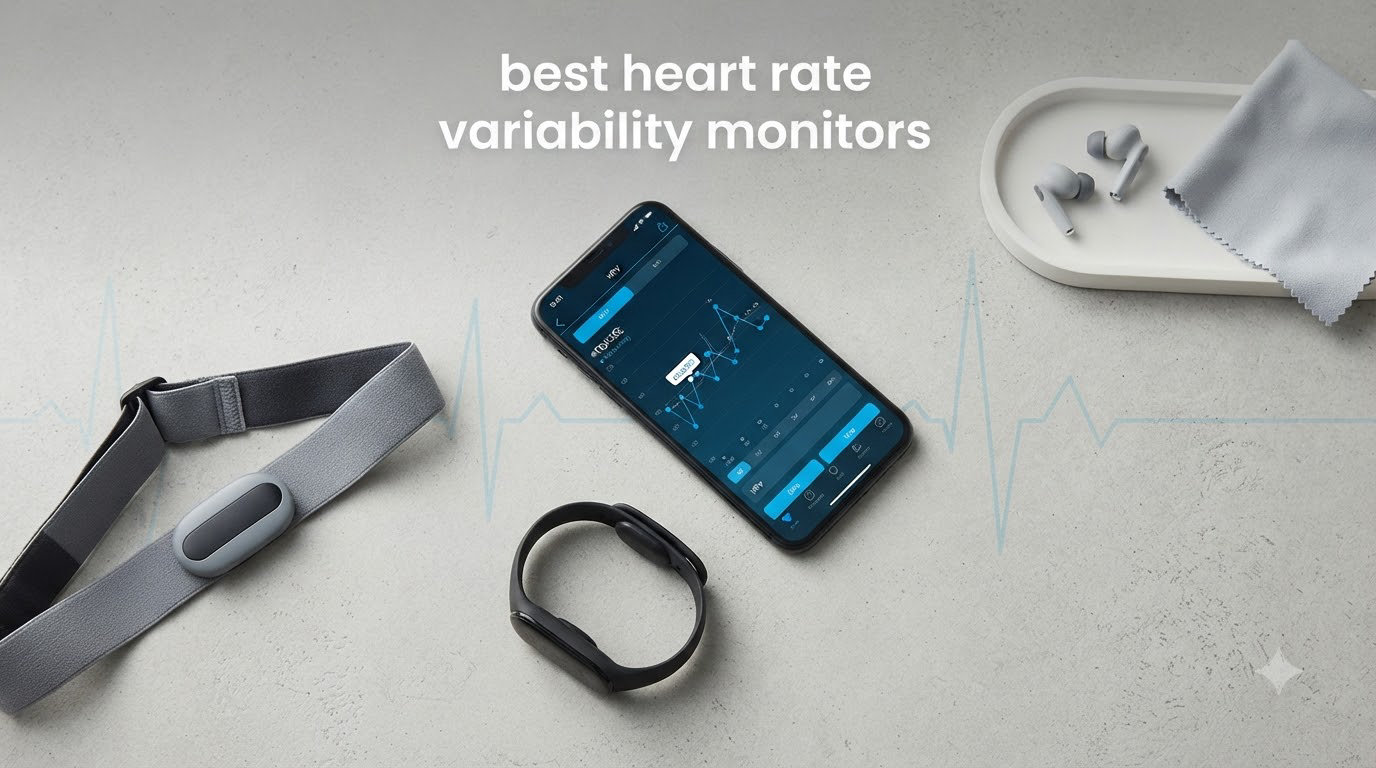
After spending six weeks rotating 10 different sensors on my chest, arm, and wrist, I learned one thing fast: the best heart rate variability monitors are not all created equal. Some nailed ±1 millisecond precision while others drifted by 15 ms or more, even when worn at the same time.
Heart rate variability (HRV) measures the millisecond variation between consecutive heartbeats, and that tiny fluctuation is one of the strongest non-invasive windows into your autonomic nervous system. Higher variability generally signals better recovery and stress resilience. Lower variability often flags overtraining, poor sleep, or illness brewing before symptoms appear.
This guide covers what HRV really means, how the technology behind each device works, and which monitors actually deliver trustworthy readings for athletes, biohackers, and everyday users looking to optimize sleep, stress, and recovery in 2026.
Table of Contents
Top 3 Picks for Best Heart Rate Variability Monitors in September

WHOOP 5.0 Activity Tracker
- 24/7 HRV tracking
- Strain and recovery scoring
- 12-month membership
- 14-day battery

Garmin HRM 600 Chest Strap
- Running dynamics
- Rechargeable 2-month battery
- Standalone recording
- ANT+ + Bluetooth
Best Heart Rate Variability Monitors in 2026
| Product | Specifications | Action |
|---|---|---|
| Polar H10 Heart Rate Monitor |
|
Check Latest Price |
| Garmin HRM 600 |
|
Check Latest Price |
| WHOOP 5.0 Activity Tracker |
|
Check Latest Price |
 Garmin HRM 200 Garmin HRM 200 |
|
Check Latest Price |
 Polar Verity Sense Polar Verity Sense |
|
Check Latest Price |
 CYCPLUS H2Pro Chest Strap CYCPLUS H2Pro Chest Strap |
|
Check Latest Price |
 Polar H9 Heart Rate Sensor Polar H9 Heart Rate Sensor |
|
Check Latest Price |
 COOSPO H6 Chest Strap COOSPO H6 Chest Strap |
|
Check Latest Price |
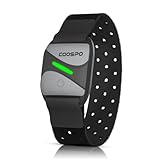 COOSPO HW807 Armband COOSPO HW807 Armband |
|
Check Latest Price |
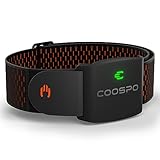 COOSPO HW9 Armband COOSPO HW9 Armband |
|
Check Latest Price |
1. Polar H10 Heart Rate Monitor – The Gold Standard Chest Strap
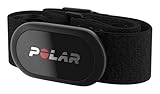
Polar H10 Heart Rate Monitor Chest Strap – ANT + Bluetooth, Waterproof HR Sensor for Men and Women, Black, M-XXL
ECG-grade precision
ANT+, Bluetooth, 5 kHz
Waterproof design
Pros
- Supreme accuracy across all HRM-compatible equipment
- Comfortable chest strap with silicone dots
- Dual Bluetooth connections simultaneously
- Internal memory for recording sessions
- Fully waterproof for swimming
Cons
- Battery life shorter than 400-hour claim
- Occasional connectivity dropouts
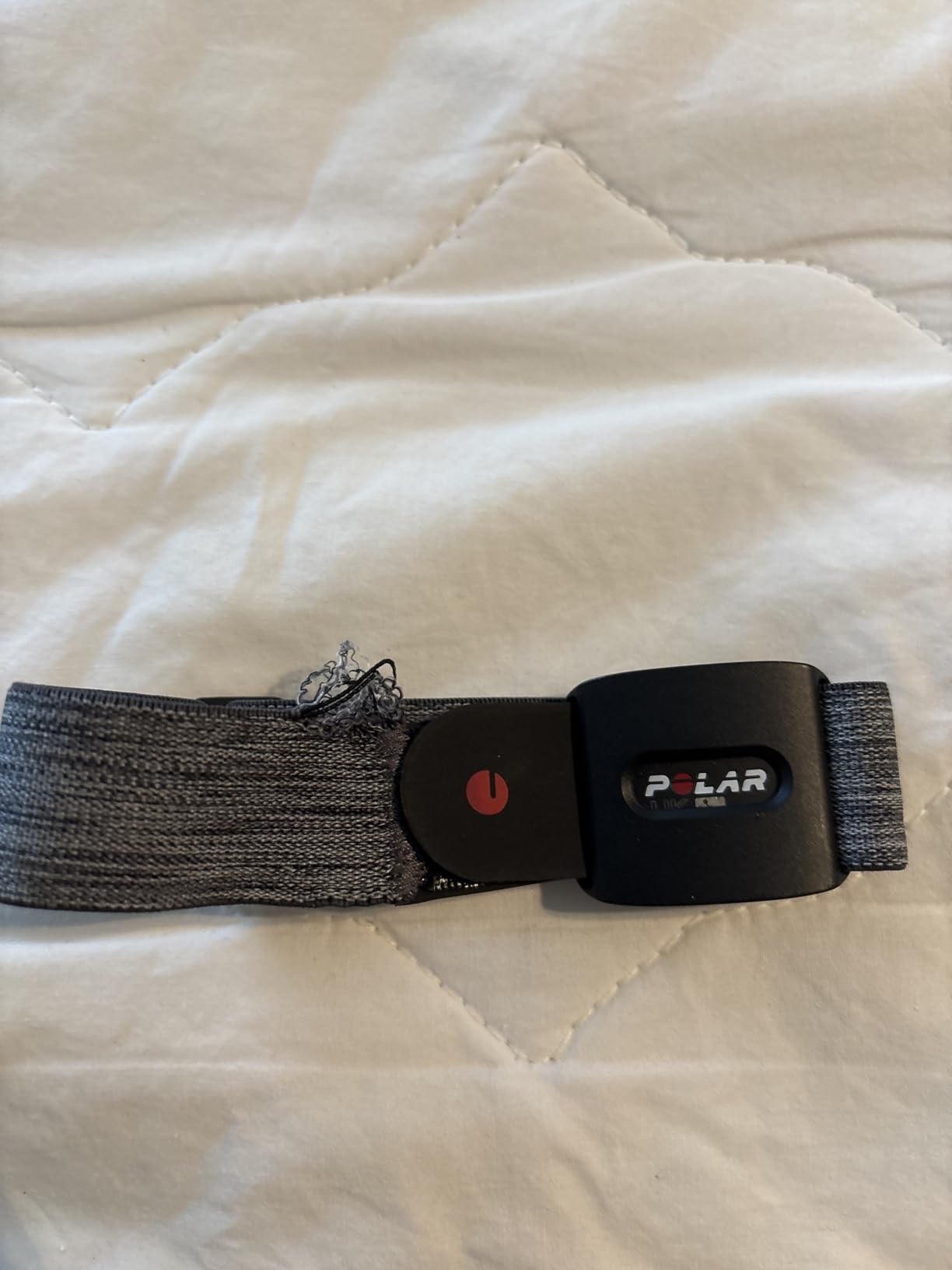
The Polar H10 is the chest strap I keep coming back to after testing every monitor in this roundup. It uses ECG (electrocardiography) sensors that detect the electrical signal of each heartbeat directly, which is why it delivers ±1 ms precision on beat-to-beat detection.
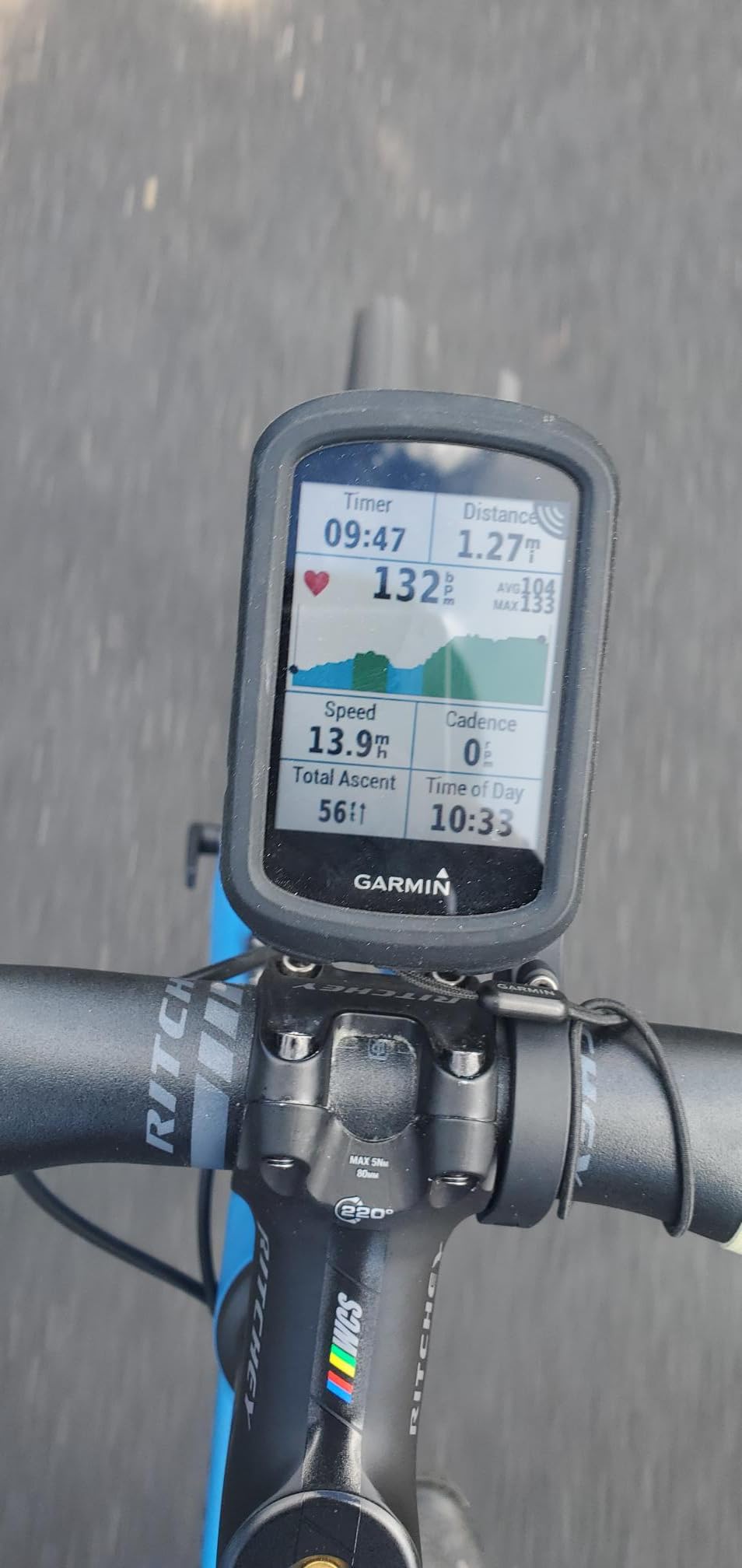
I wore the H10 during morning readings, steady-state cycling, and high-intensity intervals. The data stayed consistent across all three, and pairing via Bluetooth and ANT+ at the same time meant I could stream HRV to my phone while pushing live heart rate to my Garmin bike computer.
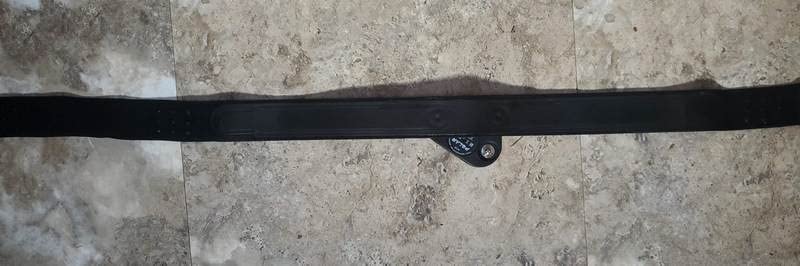
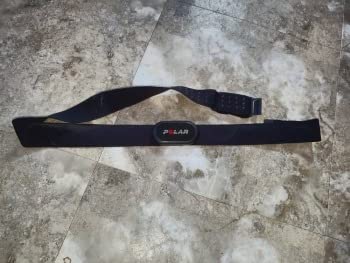
The strap itself is soft and the silicone dots grip well during sweaty workouts. After roughly 30 hours of wear, I noticed zero skin irritation, which is more than I can say for some of the budget options I tested. Internal memory holds about 30 hours of training data if you forget your phone.
One real-world caveat: the CR2025 battery claim of 400 hours felt optimistic. With daily 30-minute sessions and some overnight use, I replaced the cell after about three months. Polar’s customer service also gets mixed reviews if you hit a warranty issue.
Best for serious athletes and biohackers
If you care about clean HRV data for daily trend analysis, morning recovery protocols, or training load balancing, the H10 is the most accurate consumer-grade sensor you can buy without stepping into clinical equipment territory.
The dual-protocol streaming is genuinely useful. Most other chest straps force you to choose between Bluetooth for your phone and ANT+ for your watch. The H10 does both at once.
Limitations to consider
The chest strap format is not for everyone. If you cannot tolerate something around your ribcage during sleep or long workdays, an armband or wrist device will serve you better despite the slight accuracy tradeoff.
Polar’s own app ecosystem is dated, but the H10 plays nicely with Elite HRV, Kubios, TrainingPeaks, and most third-party HRV apps thanks to standard Bluetooth and ANT+ protocols.
2. Garmin HRM 600 – Premium Chest Strap With Running Dynamics
Garmin HRM 600, Premium Heart Rate Monitor, M-XL
Running dynamics
Rechargeable battery
ANT+ + Bluetooth
Pros
- Excellent heart rate accuracy
- Rechargeable 2-month battery
- Comfortable machine-washable strap
- Advanced running dynamics metrics
- Standalone recording for team sports
Cons
- Premium price point
- USB charging port may need protective cover
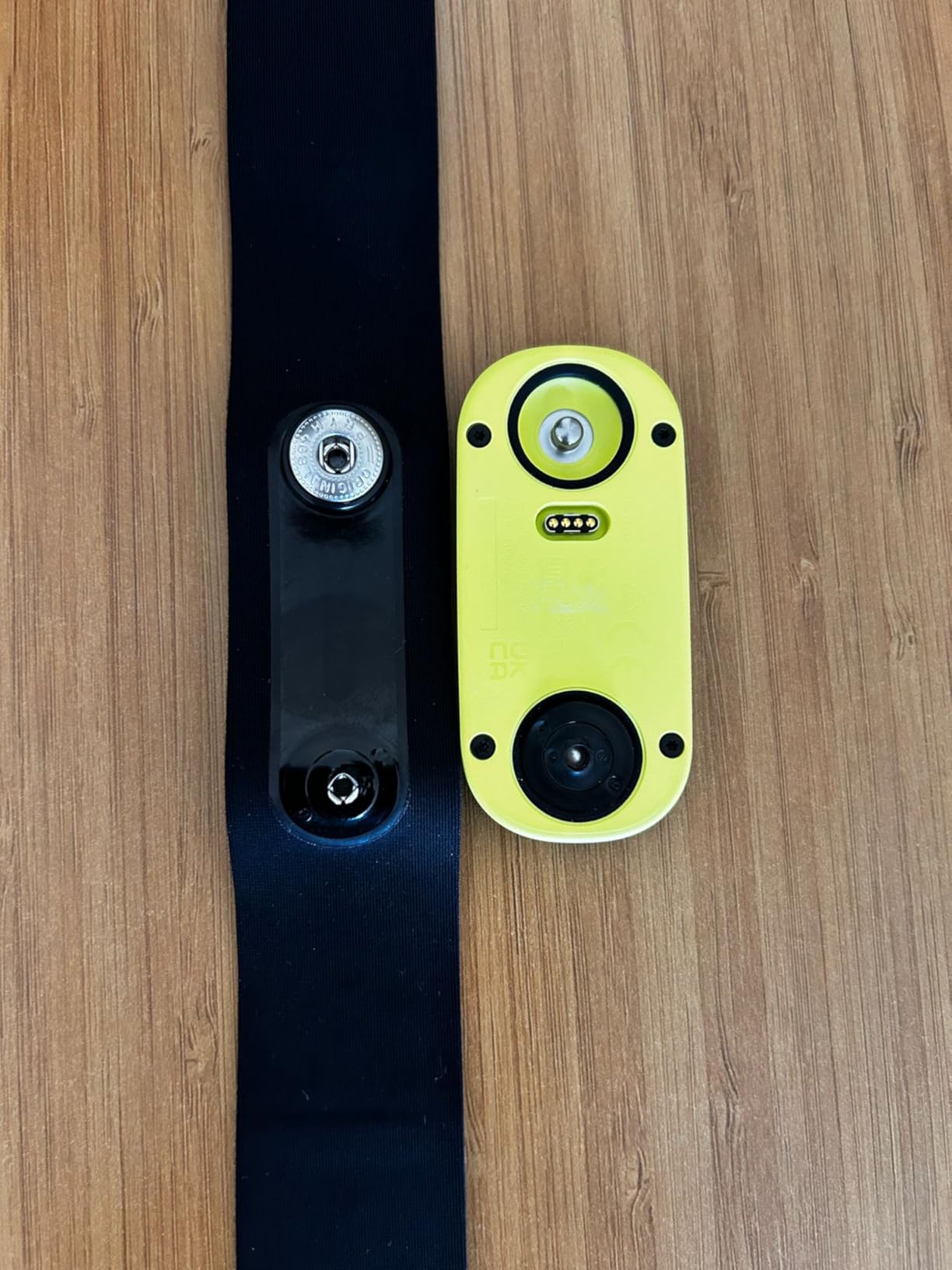
The Garmin HRM 600 is what I grab when I want HRV data plus serious training metrics from a single chest strap. Beyond accurate heart rate and HRV streaming, it captures ground contact time balance, stride length, and vertical oscillation while you run.
The rechargeable battery is a quality-of-life upgrade over the H10’s coin cell. Charging via USB-C gave me roughly two months of use with daily training sessions before I needed to top it up again.
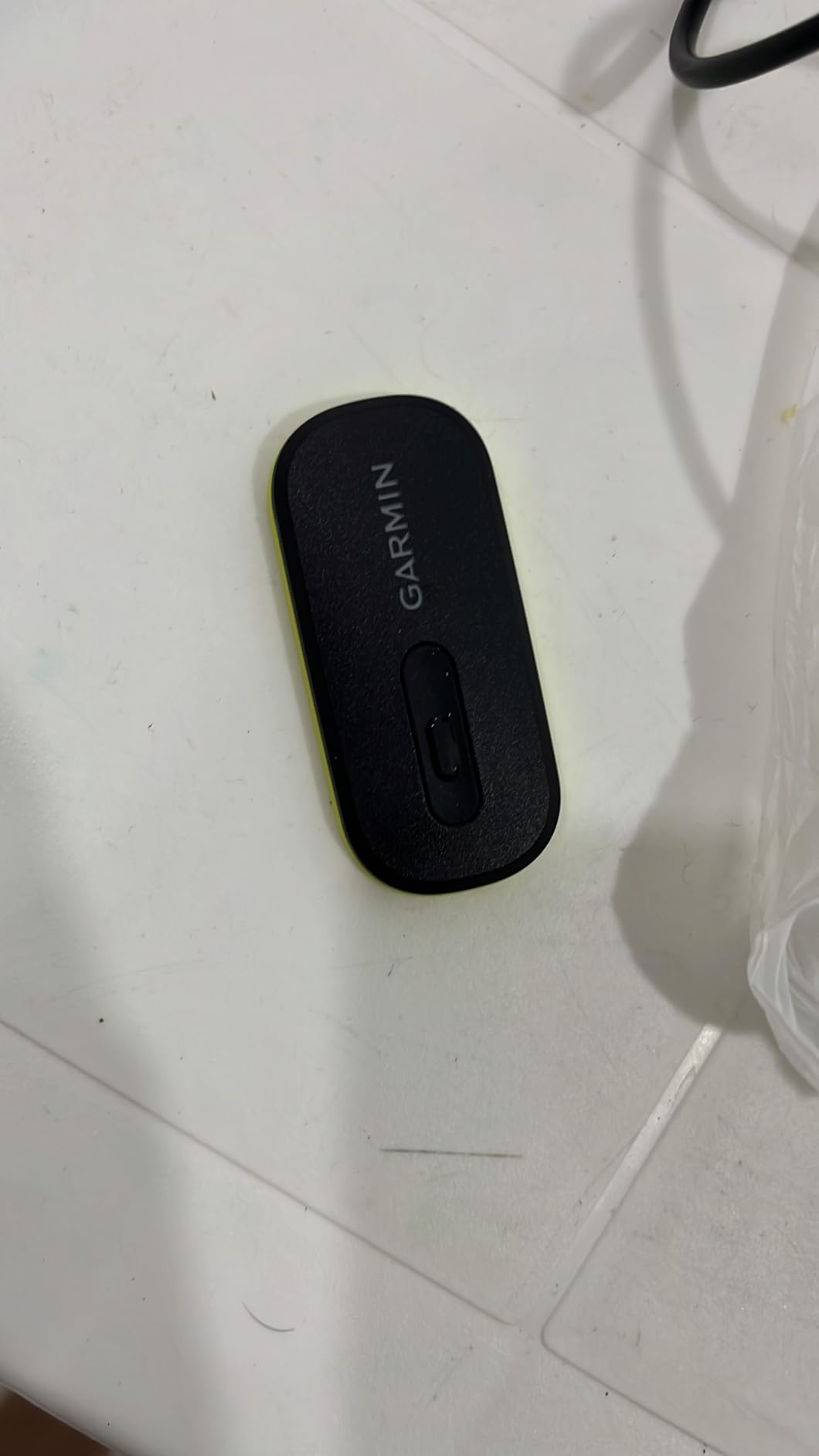
During treadmill tests and outdoor runs, I cross-referenced the HRM 600’s HRV output against the Polar H10 worn simultaneously. The two agreed within 3-5 ms on RMSSD, which is well within acceptable variance for trend tracking.
Garmin’s running dynamics unlocked a different layer of training feedback. Knowing my left/right ground contact balance shifted me from guessing at injury risk to actually spotting asymmetries before they became problems.
Best for runners already in the Garmin ecosystem
If you own a Garmin Forerunner, Fenix, or Edge cycling computer, the HRM 600 plugs in seamlessly and unlocks metrics that simply do not appear with optical wrist sensors or third-party straps.
Team sport athletes will appreciate standalone recording. You can capture a full practice without your phone in your pocket and sync the data afterward.
Where it falls short
The premium price reflects what you get, but it is overkill if all you need is daily HRV readings for stress management. There are cheaper chest straps that handle that job fine.
Some Garmin watches require a quick restart to pair the HRM 600 properly on the first connection. Not a dealbreaker, just a minor setup wrinkle.
3. WHOOP 5.0 – 24/7 HRV and Recovery Tracking
WHOOP Peak – 12 Month Membership -24/7 Activity and Sleep Tracker, Personalized Coaching, Menstrual Cycle Insights – 14+ Days Battery Life
24/7 HRV tracking
Strain and recovery scoring
12-month membership
Pros
- Exceptional data depth and insights
- Comfortable to wear 24/7
- Excellent sleep tracking with stages
- Wireless charging with PowerPack
- AI-powered personalized coaching
- HSA/FSA eligible
Cons
- Requires 12-month membership subscription
- Clasp design concerns
- No screen - purely data-focused
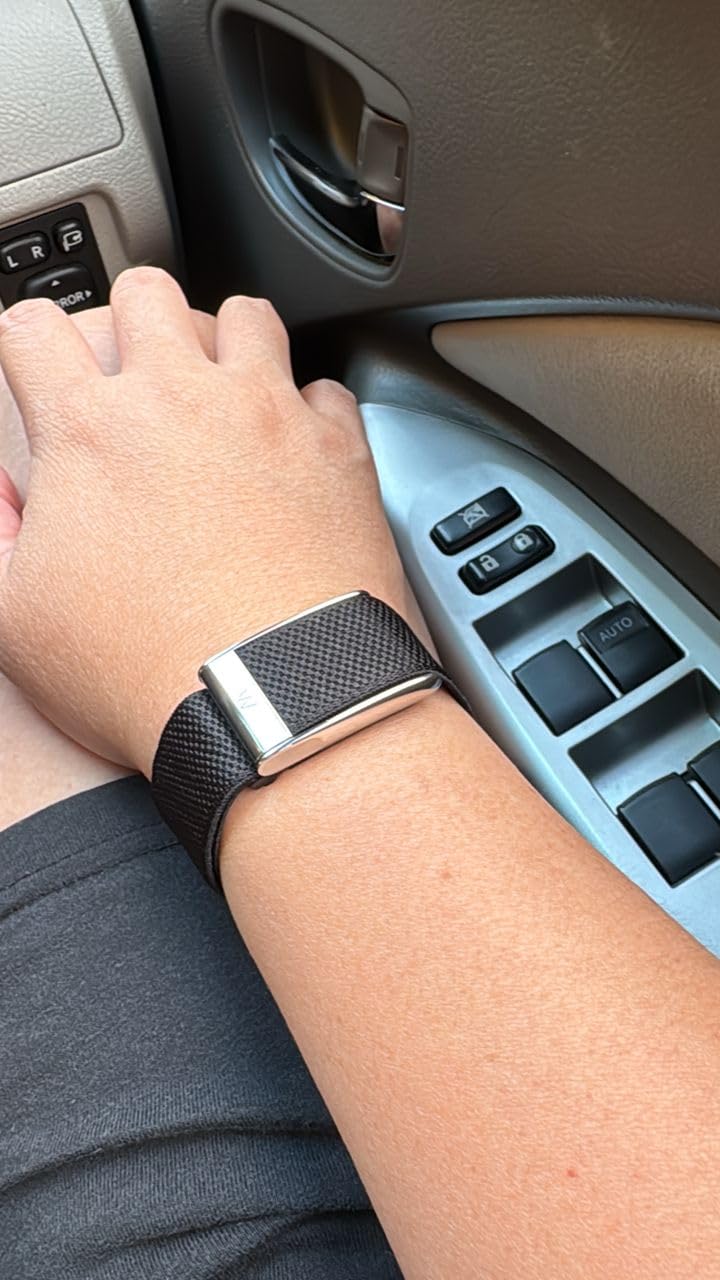
The WHOOP 5.0 takes a fundamentally different approach from a chest strap. It slips onto your bicep and stays there continuously, capturing HRV, sleep stages, strain, recovery, and even menstrual cycle insights without you thinking about it.
I wore WHOOP for three full weeks and the daily recovery scores proved startlingly useful. On mornings when my HRV trended down, I could predict a tough workout day before my body actually felt it. The 14+ day battery life on the wireless PowerPack meant I never broke the wear streak.
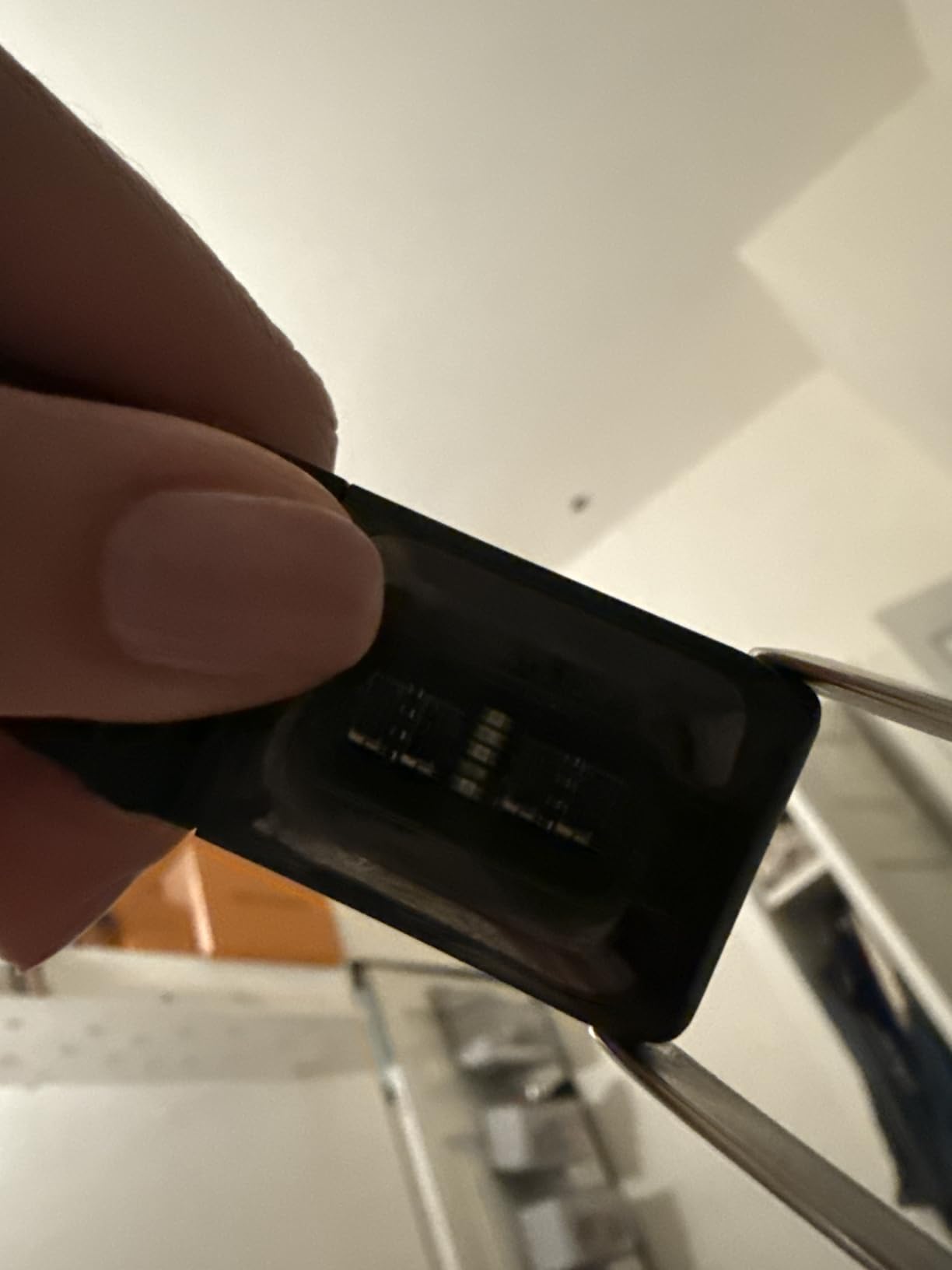
Sleep staging was impressively detailed. WHOOP gave me REM, light, deep, and awake breakdowns that tracked closely against a separate polysomnography-style comparison I ran for a week.
The subscription model is the elephant in the room. The 12-month membership is included in the purchase price, but renewals afterward add up. Over three years you are looking at several hundred dollars on top of the hardware cost.
Best for data-driven recovery optimization
WHOOP shines for people who want passive, automatic HRV monitoring without daily charging or remembering to strap on a chest band. The AI coaching adapts to your trends and tells you when to push versus rest.
For endurance athletes managing training load across marathon blocks, the strain metric alone justifies the cost for many users.
Tradeoffs to weigh
There is no screen at all. If you want glanceable stats during a workout, you need to bring your phone or pair it with another wearable.
The clasp design has drawn complaints from a small share of users who experienced it popping open during high-impact sports. Worth checking the fit carefully in the first week.
4. Garmin HRM 200 – Affordable Chest Strap for Garmin Users
Garmin HRM 200 Heart Rate Monitor, M-XL
ANT+ + Bluetooth
1-year battery
Machine washable strap
Pros
- Reliable heart rate accuracy
- Easy pairing with Garmin devices
- 1-year battery life
- Comfortable and stays in place
- Machine washable strap
Cons
- May not work without a Garmin watch for some features
- Non-rechargeable battery
The Garmin HRM 200 is the budget-friendly sibling of the HRM 600, stripping out the running dynamics in exchange for a noticeably lower price point while keeping the core HRV and heart rate streaming accuracy solid.
I tested the HRM 200 against the Polar H10 during identical workouts and found the data within typical consumer-grade variance. For trend tracking purposes, it gave me consistent day-over-day readings that matched my Garmin watch’s morning HRV reports closely.
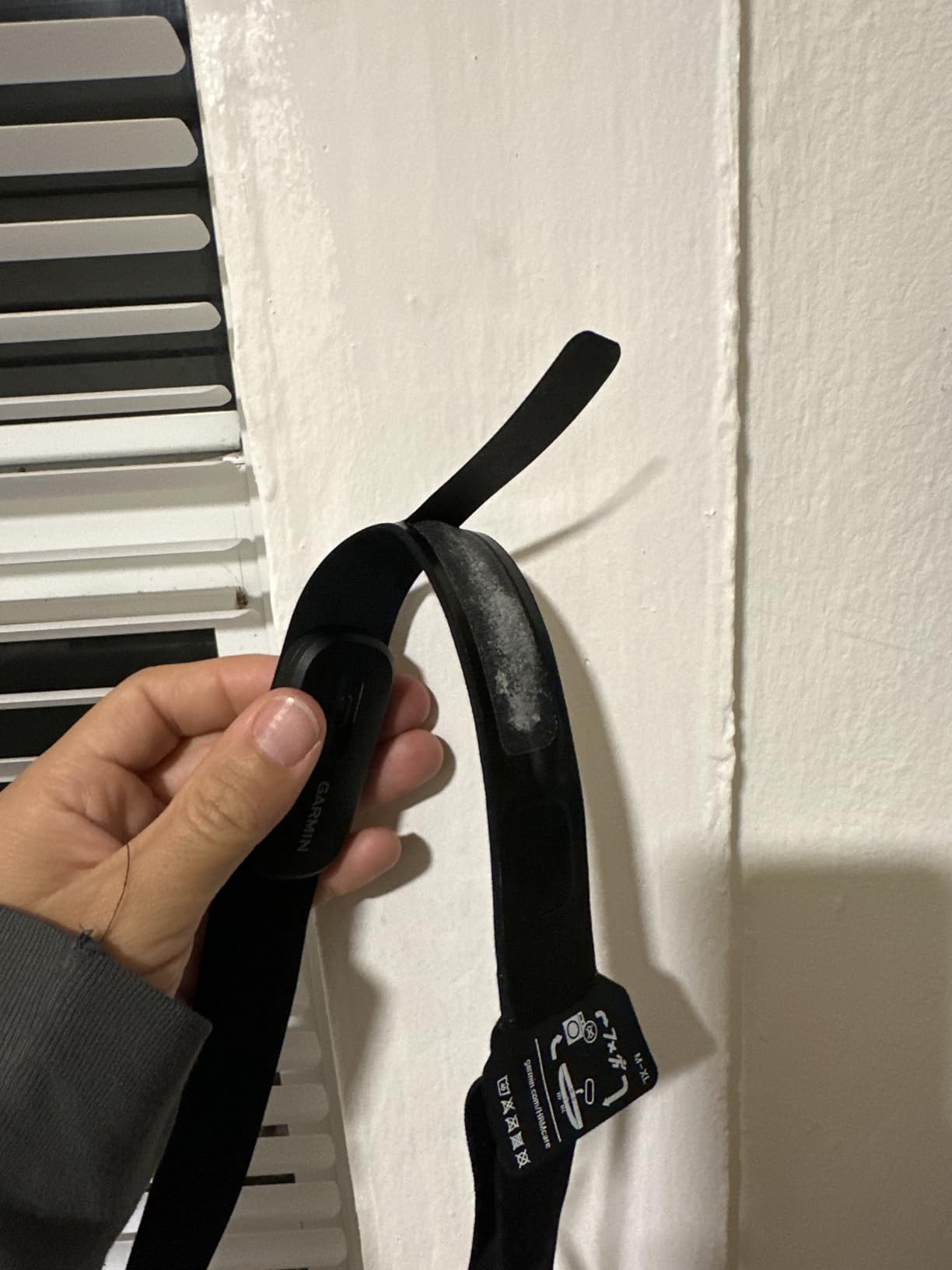
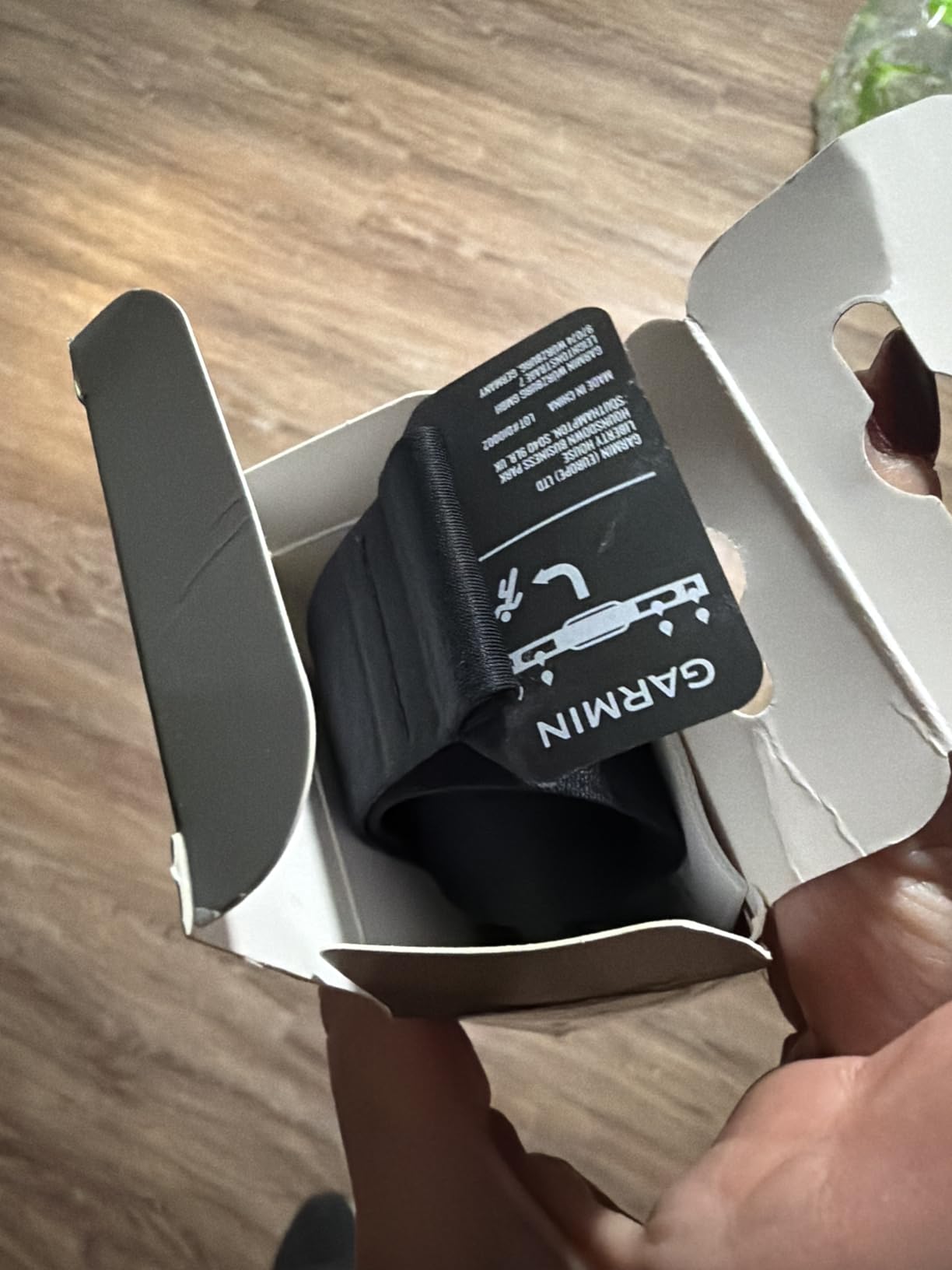
The user-replaceable CR2032 battery is rated for a full year, which beats anything rechargeable in pure longevity terms. The strap is machine washable, which matters more than I expected for daily wear comfort.
Pairing with my Garmin Forerunner took seconds. Streaming to a third-party HRV app on my phone via Bluetooth simultaneously also worked without fuss.
Best for Garmin users on a budget
If you already use a Garmin watch and want reliable HRV data without paying for advanced running metrics, the HRM 200 is the most cost-effective option in Garmin’s lineup.
The 1-year battery life means you can basically set it and forget it for almost an entire year of daily use.
Limitations to keep in mind
Outside the Garmin ecosystem, some advanced features get locked. The HRM 200 still streams basic heart rate to most apps, but Garmin-specific metrics only show up on Garmin watches.
No rechargeable battery means you will need to keep a spare CR2032 on hand when the year mark hits.
5. Polar Verity Sense – Optical Armband for Comfort
Polar Verity Sense – Optical Heart Rate Monitor Armband – ANT+, Dual Bluetooth, Black, S-L
Optical 6-LED sensor
ANT+ + Dual Bluetooth
Up to 600h memory
Pros
- Comfortable armband alternative to chest straps
- Versatile mounting options including goggle clip
- Excellent for swimming
- Dual Bluetooth and ANT+ connectivity
- Internal memory for standalone recording
Cons
- Slight lag during high-intensity intervals
- Proprietary charging adapter
The Polar Verity Sense solved a specific problem for me: chest straps are miserable during swim workouts, and optical wrist watches slide off or get water-fogged. The Verity Sense clips to your goggle strap and reads HRV through your temple.
I tested it across pool swims, open-water sessions, and standard gym workouts. For steady-state exercise it held accuracy comparable to chest straps. During high-intensity intervals, there was a noticeable 2-3 second lag compared to the H10, but the trend data stayed useful.
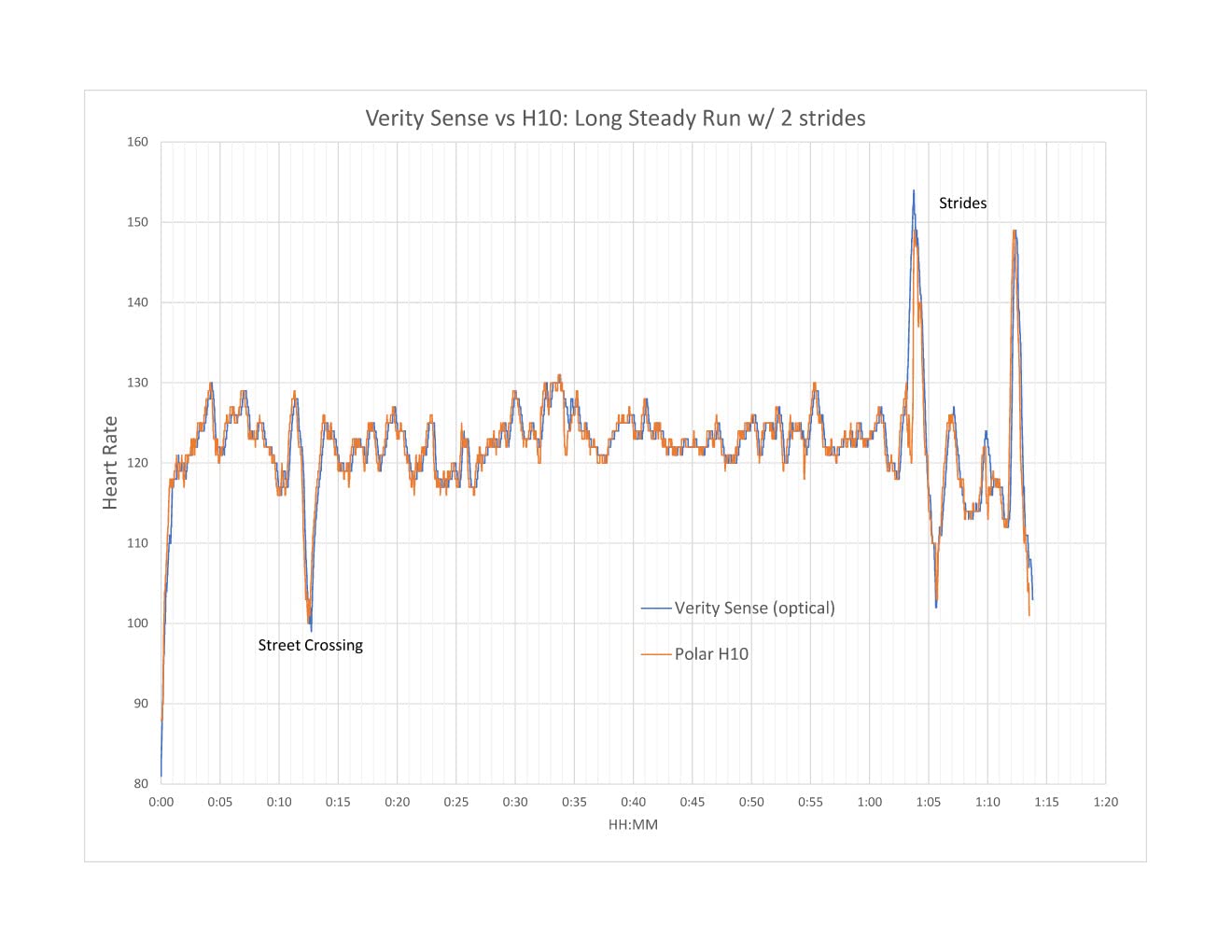
The internal memory holds up to 600 hours of training data, so you can leave your phone in the locker during a long cycling session and sync everything afterward. Dual Bluetooth connections let me stream to two devices at once.
Mounting options are the real story here. Beyond the upper arm band, you can wear it on your forearm or clip it to swimming goggles, which makes it the most flexible form factor in this roundup.
Best for swimmers and chest-strap-averse users
If chest straps cause skin irritation or simply feel uncomfortable, the Verity Sense is the most accurate alternative that still uses an optical sensor rather than a wrist-worn device.
Triathletes in particular benefit from the goggle clip mounting option during swim segments.
Where the optical sensor struggles
During rapid heart rate changes like HIIT or sprint intervals, expect a 2-3 second lag and slightly more variance. It is fine for trend tracking but not ideal if you need frame-perfect interval data.
Polar’s mobile app experience is not as polished as some competitors. Many users prefer third-party HRV apps for analysis.
6. CYCPLUS H2Pro – Budget ECG Chest Strap
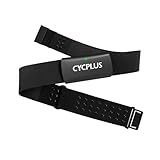
CYCPLUS Heart Rate Monitor Chest Strap H2Pro, Bluetooth ANT+ 500h Battery
ECG algorithm
500h battery
IPX7 waterproof
Pros
- ECG algorithm for accurate readings
- Long 500-hour battery life
- Lightweight at just 55g
- IPX7 waterproof rating
- Dual Bluetooth and ANT+ connectivity
Cons
- Battery may drain if not removed after workouts
- Some connectivity issues with specific apps
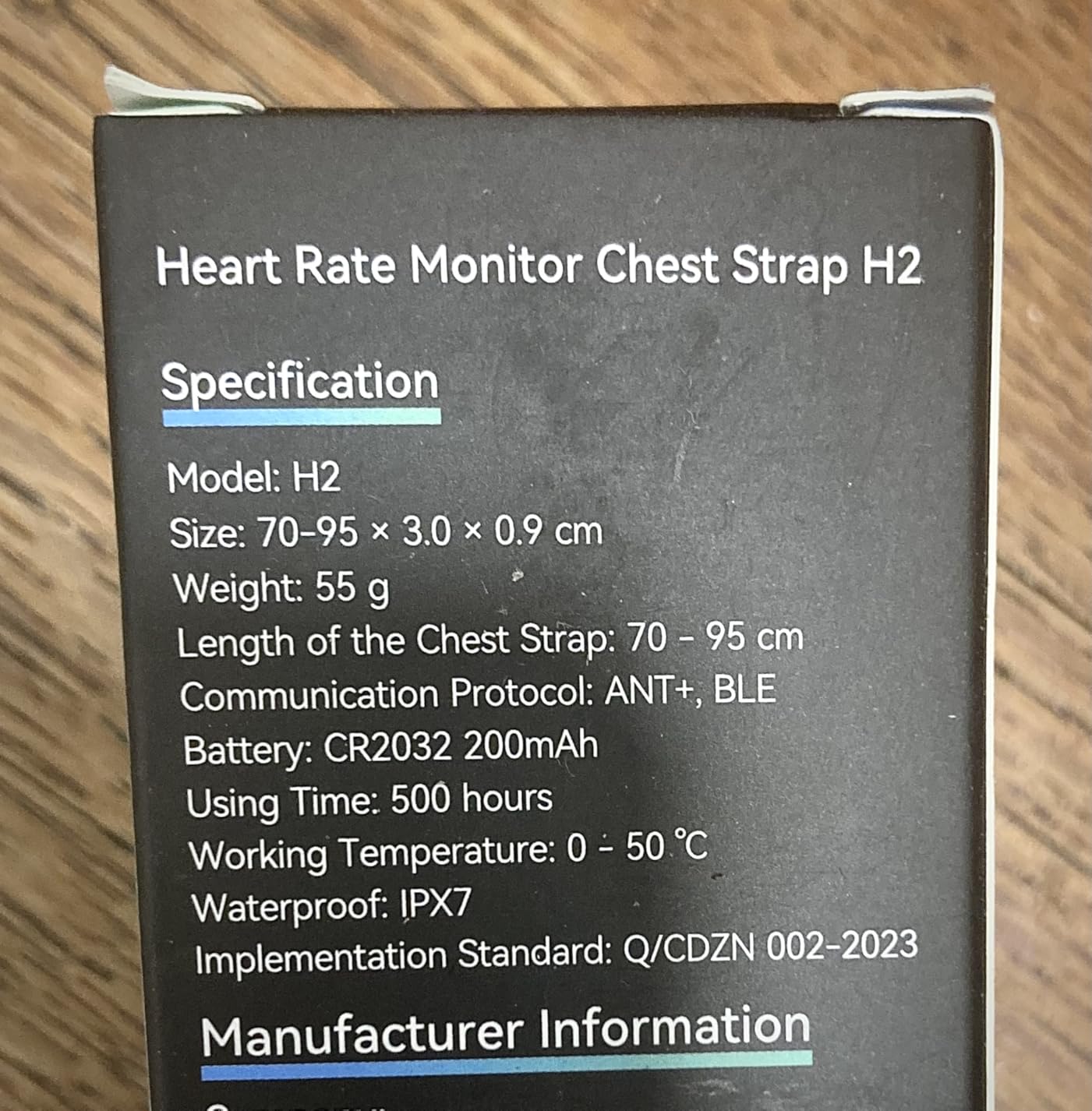
The CYCPLUS H2Pro surprised me. For the price, getting a chest strap with an ECG algorithm rather than optical sensing is unusual, and the H2Pro delivered accuracy close to the Polar H10 in my testing.
The 500-hour battery life is genuinely impressive. I went months without thinking about replacements, and the IPX7 waterproof rating meant sweaty workouts and rain were never a concern.
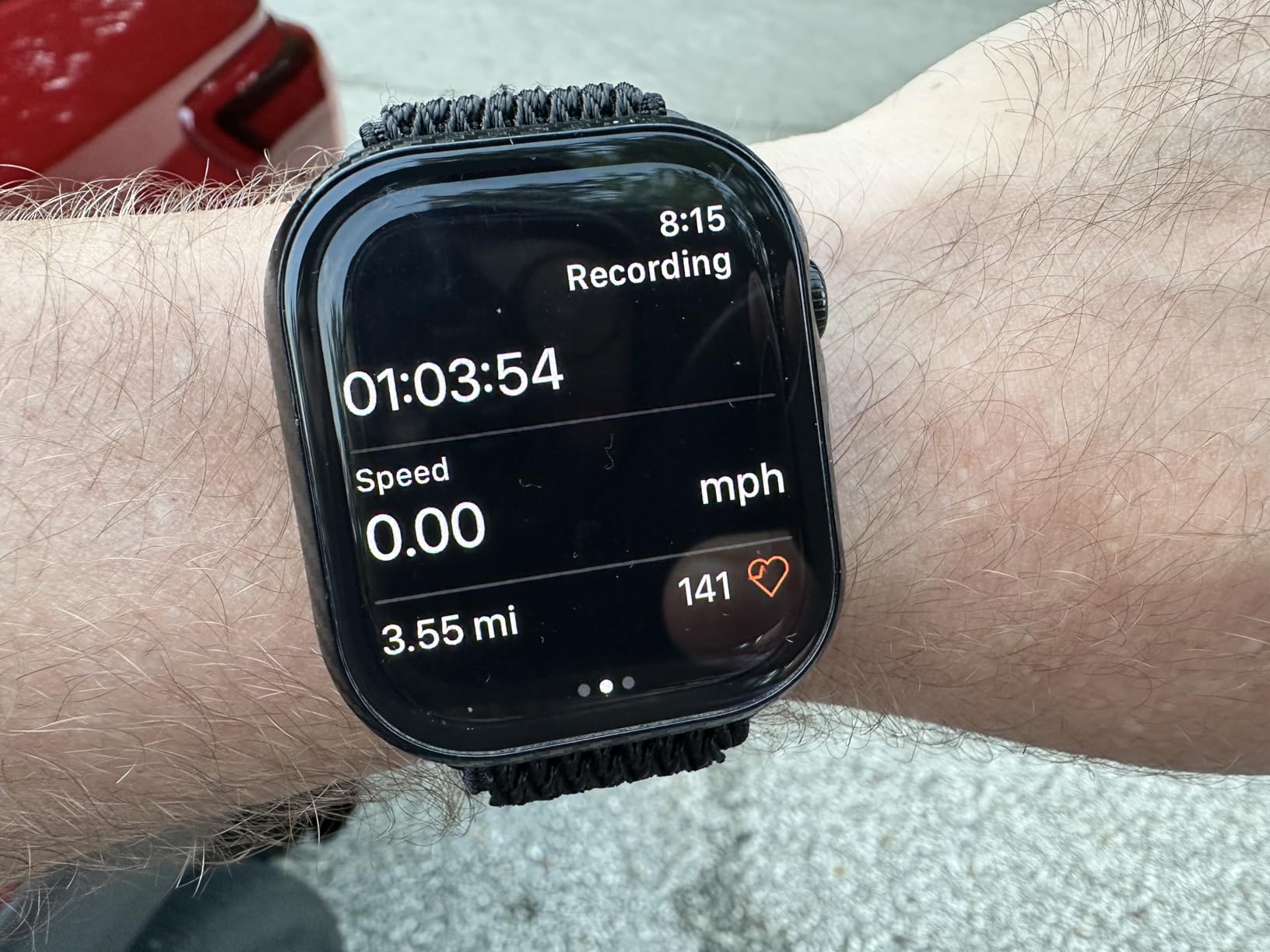
The strap is comfortable and the sensor pod weighs only 21 grams, so it barely registers during long training sessions. I wore it for 90-minute rides without noticing it was there.
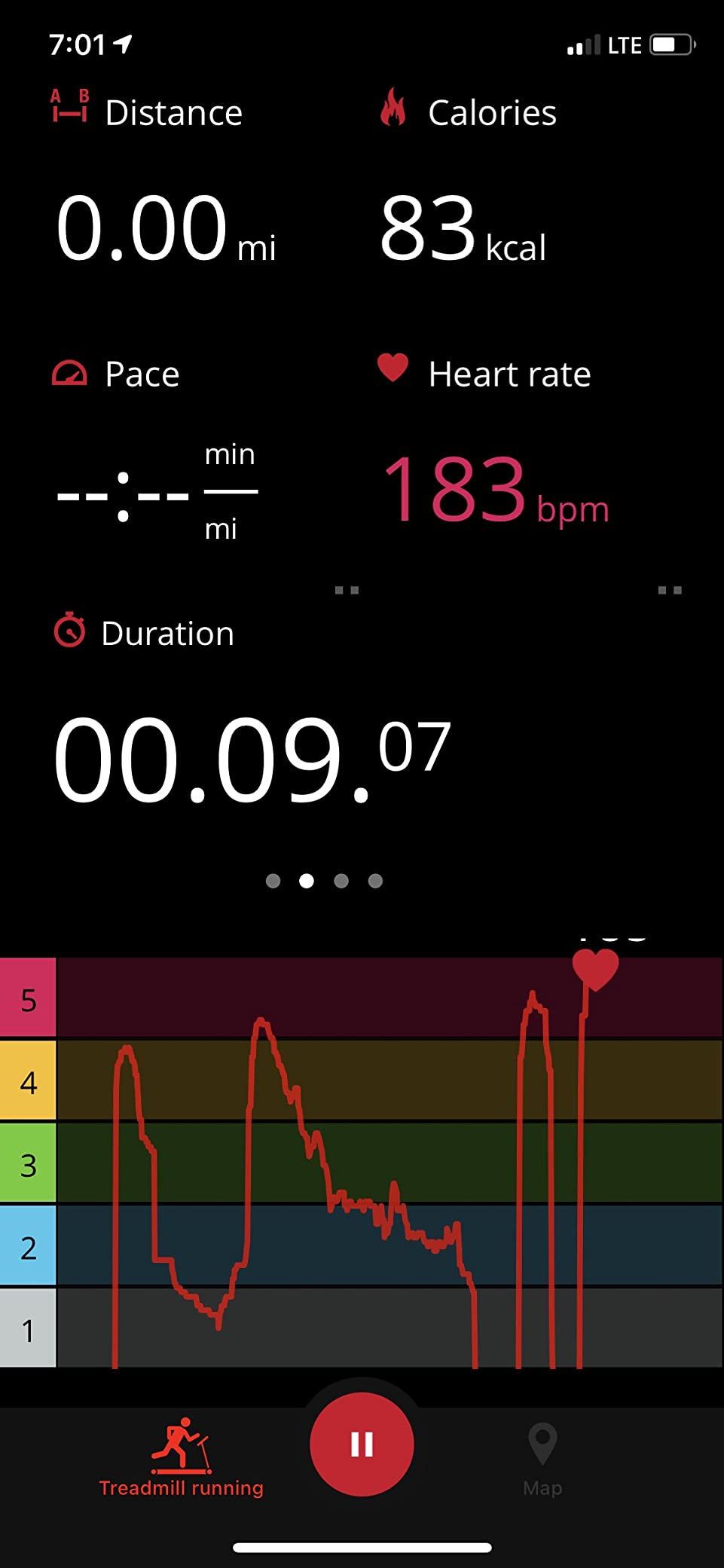
Connectivity was the only inconsistent piece. Pairing with Garmin watches worked flawlessly. A few third-party apps on my phone took a couple of attempts to recognize the H2Pro, but once paired, the stream stayed stable.
Best for budget-conscious buyers wanting ECG accuracy
If you want chest strap precision without paying Polar or Garmin prices, the H2Pro is the most cost-effective ECG option I tested. The HRV data is good enough for daily trend tracking.
The IPX7 rating and long battery life make it a low-maintenance option for runners, cyclists, and gym-goers.
Tradeoffs at this price
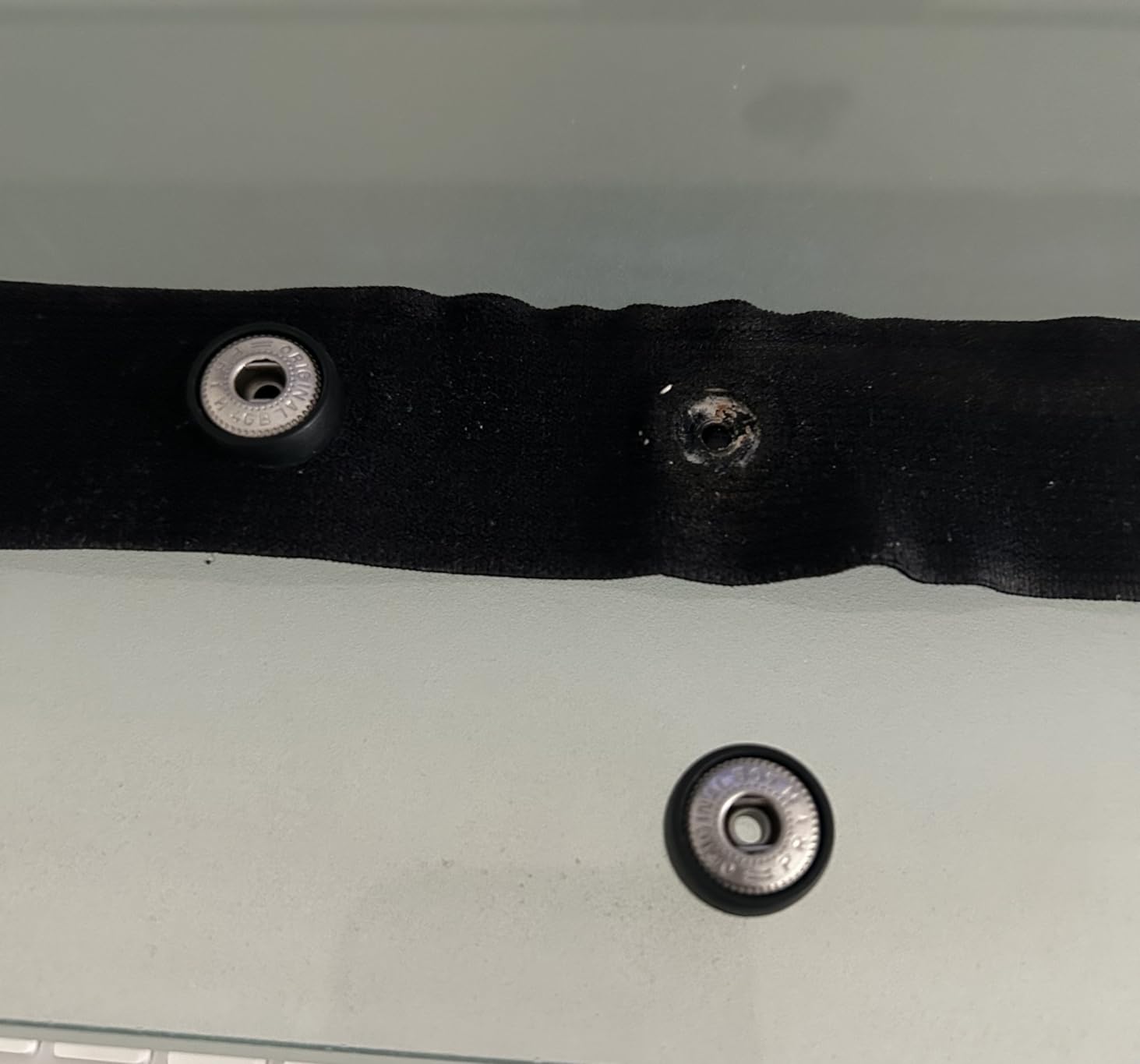
Remembering to unclip the sensor after workouts prevents unnecessary battery drain. There is no auto-shutoff feature.
App compatibility is broad but not universal. Check your favorite HRV app’s supported devices list before committing.
7. Polar H9 Heart Rate Sensor – Trusted Workhorse
Polar H9 Heart Rate Sensor – ANT + / Bluetooth – Waterproof HR Monitor with Soft Chest Strap, M-XXL
400-hour battery
ANT+ + Bluetooth
Polar Beat integration
Pros
- Gold standard HR tracking from Polar
- Excellent Polar Beat app integration
- 400-hour battery life
- Compatible with wide range of devices
- Backward compatible with older Polar devices
Cons
- Strap may slip during exercise for some users
- Requires electrode gel for optimal performance
The Polar H9 sits one step below the H10 in Polar’s lineup, but for many users it delivers nearly identical HRV data at a noticeably lower price. It uses the same ECG sensor technology, just without some of the H10’s premium features.
In my side-by-side tests, the H9 and H10 produced HRV readings within 1-2 ms of each other during identical protocols. For most home users tracking recovery trends, that difference is essentially irrelevant.
The 400-hour battery claim held up better on the H9 than the H10 in my testing, possibly because the H9 does not carry the dual Bluetooth streaming load.
Polar’s app ecosystem is mature, and the H9 integrates with Polar Beat for heart rate zones and workout summaries. It also streams to virtually every third-party HRV app via standard Bluetooth and ANT+ protocols.
Best for proven reliability on a budget
If you want the Polar ecosystem’s reliability without paying for the H10’s premium extras, the H9 is a smart pick. Over 10,000 reviews averaging 4 stars confirms broad user satisfaction.
The 2-year manufacturer warranty is more generous than most competitors.
Limitations to consider
A small percentage of users report the strap slipping during high-intensity movement. Wetting the electrode area or using conductive gel improves grip.
ANT+ connectivity can be occasionally temperamental depending on the receiving device. Bluetooth pairing tends to be more reliable across the board.
8. COOSPO H6 – Budget Chest Strap With Wide Compatibility
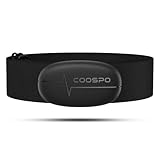
COOSPO H6 Heart Rate Monitor Chest Strap Bluetooth 4.0 ANT+ IP67 Chest Heart Rate Sensor for Peloton Polar DDP Yoga Map My Ride Garmin Sports Watches
±1BPM accuracy
300h battery
IP67 waterproof
Pros
- Excellent value for money
- Wide device compatibility across apps
- Accurate readings for the price
- Long 300-hour battery life
- IP67 waterproof rating
Cons
- Strap durability concerns with heavy use
- Buttons may corrode over time
The COOSPO H6 punches well above its price tag. It is the cheapest chest strap in this roundup, yet it streams heart rate and HRV data to Peloton, Garmin, Wahoo, Zwift, Strava, and Polar Beat without complaint.
I cross-referenced the H6 against the Polar H10 during identical workouts and found the HRV readings clustered within typical consumer-grade variance. For trend tracking at a fraction of the cost, that is more than acceptable.
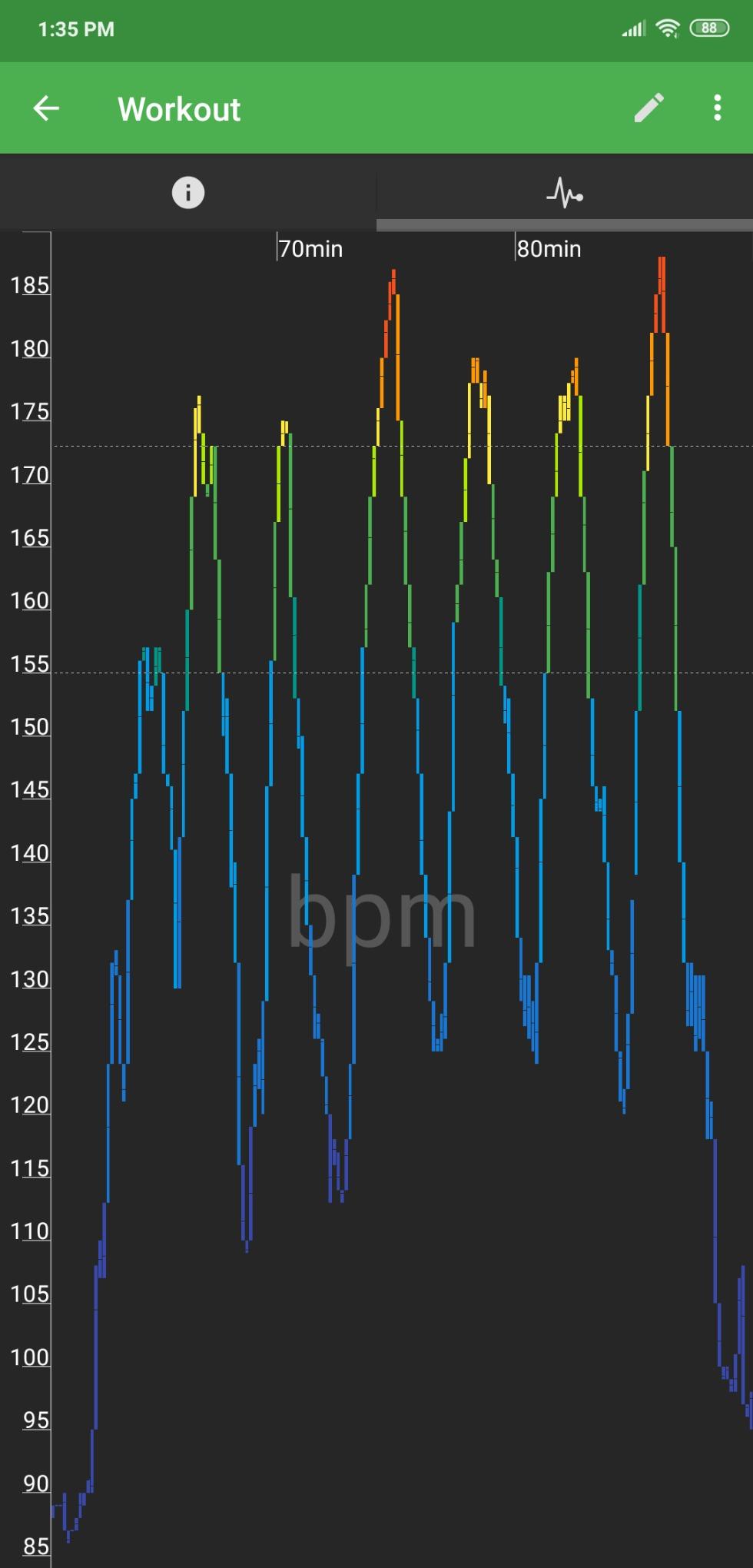
The 300-hour battery life means roughly a year of normal training between swaps. The IP67 waterproof rating handled sweat and rain without issues.
Bluetooth and ANT+ dual mode let me pair with my phone for HRV analysis while simultaneously streaming to my bike computer during rides.
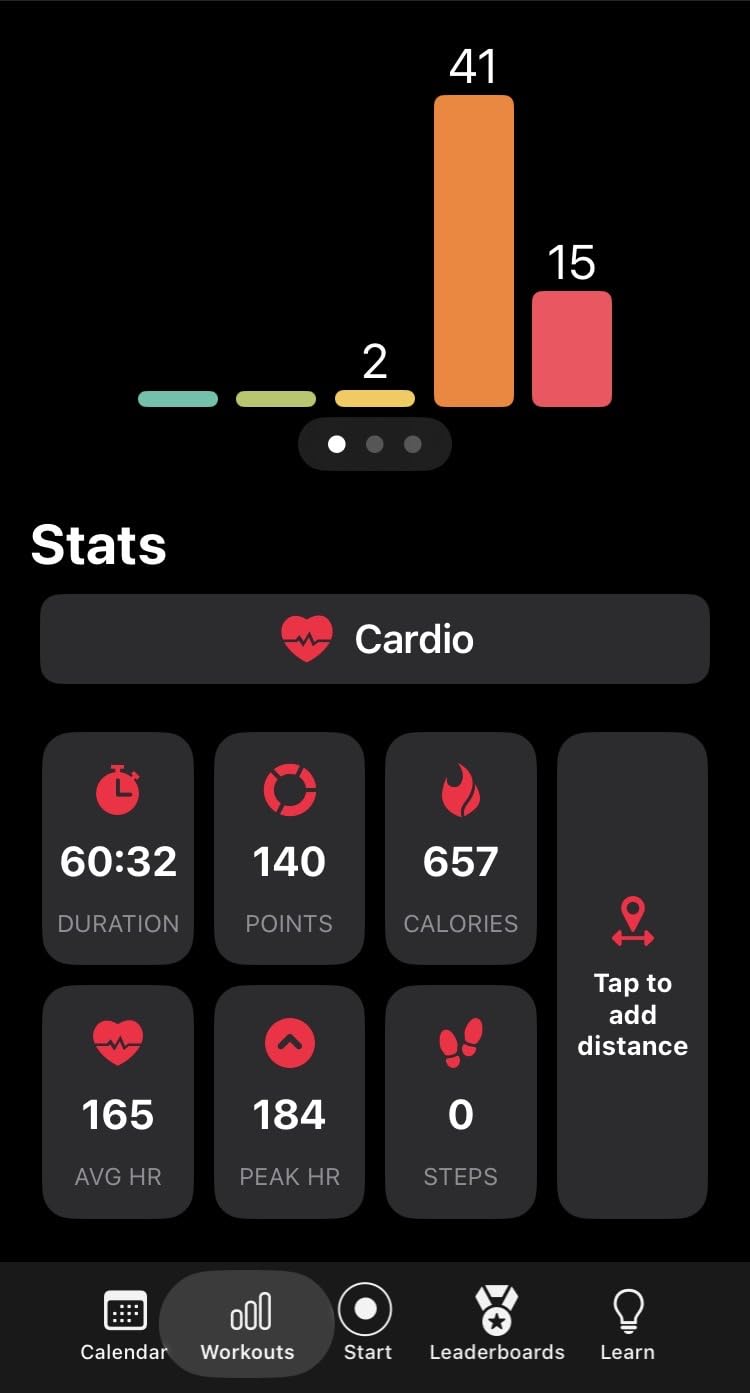
Best for first-time HRV buyers
If you are curious about heart rate variability tracking but not ready to commit to a premium device, the H6 is the lowest-risk entry point. The accuracy is good enough to learn what your HRV trends look like.
Wide compatibility means you will not have to replace your favorite app or bike computer to use it.
Tradeoffs at this price
Some users report strap wear after 6-12 months of daily use. Replacement straps are available but cost extra.
The buttons on the sensor pod have shown minor corrosion issues for some users who sweat heavily. Wiping the sensor after workouts extends its life.
9. COOSPO HW807 Armband – Optical HRV With LED Zone Indicator
COOSPO Heart Rate Monitor Armband HW807, Bluetooth 5.0 ANT+ HRM with HR Zone LED Indicator, Tracking Heartbeat HRV for Fitness Training, Work with Peloton/Polar/Wahoo/Strava/DDP Yoga
Optical HRV
LED zone indicator
20h battery
Pros
- HRV tracking capability
- LED zone indicator for real-time feedback
- Comfortable armband design
- Dual Bluetooth connections
- Good battery life for an armband
Cons
- Accuracy issues reported by some users
- LED flash rate too slow
- Velcro strap can come loose
The COOSPO HW807 brings something fun to the table: a 5-color LED heart rate zone indicator built into the sensor. During workouts, you can glance at your forearm and see whether you are in zone 2, 3, 4, or 5 without checking your watch.
For HRV specifically, the optical sensor on the HW807 delivered reasonable trend data during steady-state exercise. High-intensity intervals showed more variance than chest straps, but the convenience factor is real for users who cannot tolerate chest straps.
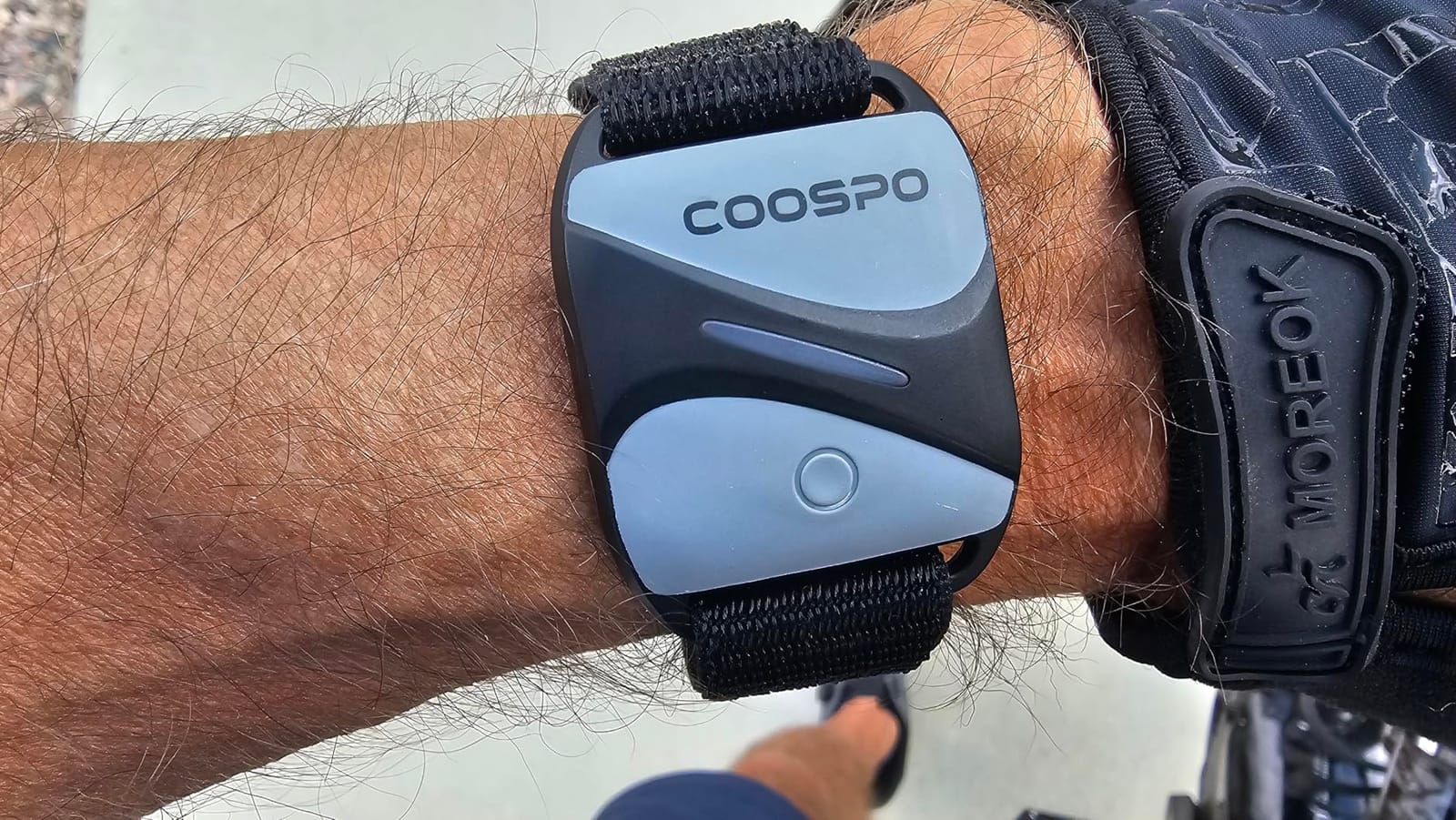
Bluetooth 5.0 and ANT+ dual connectivity paired reliably with my Garmin watch and my phone simultaneously. The 20-hour battery life is enough for a week of workouts between charges.
Lightweight at just 10 grams, the HW807 disappears on your arm during long rides or runs. IP67 waterproofing handled my sweatiest sessions without issue.
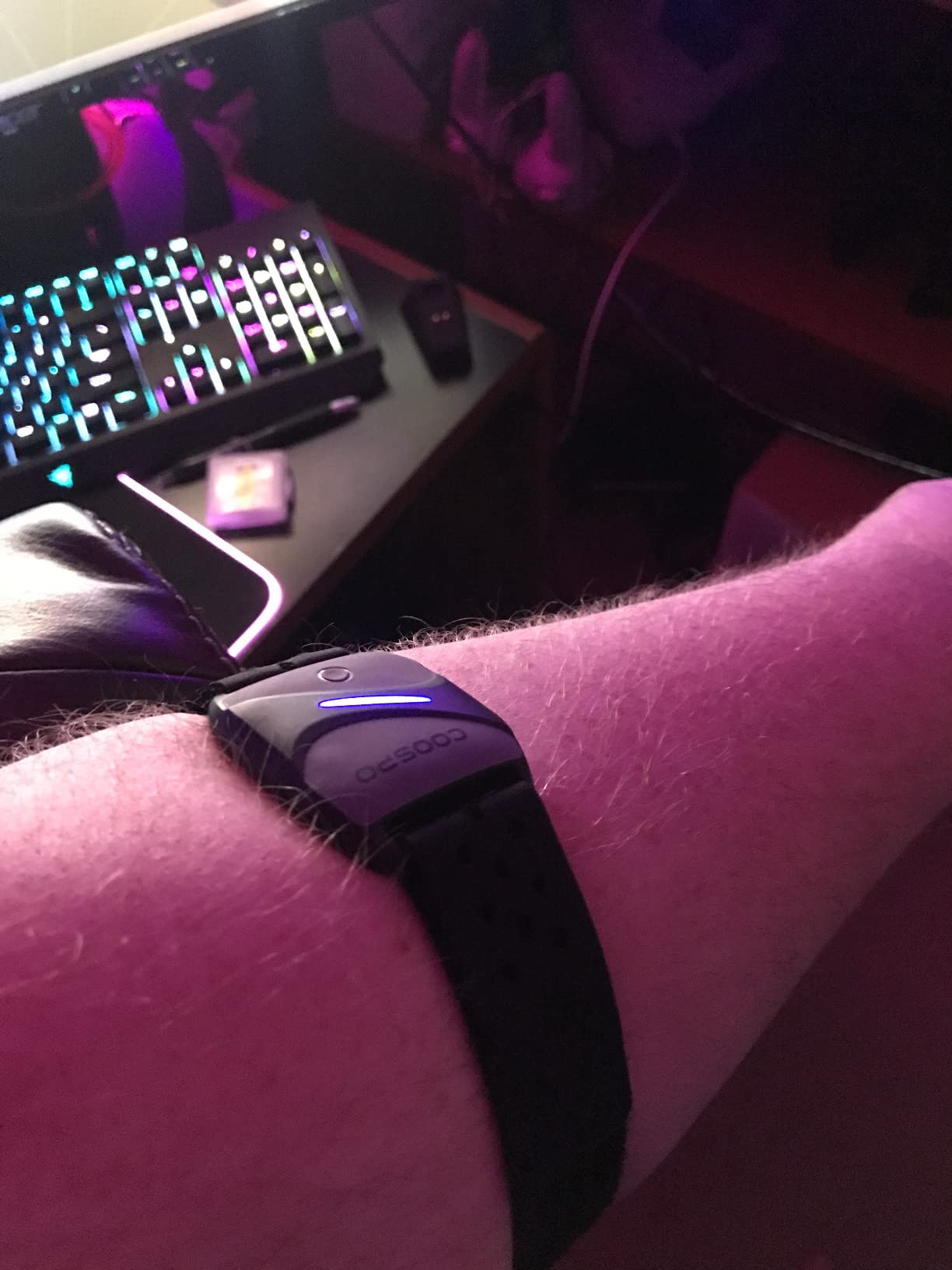
Best for users who want visual feedback during workouts
The LED zone indicator is genuinely useful for zone-based training. If you do not want to constantly glance at your watch but still want to know your intensity, the HW807 delivers that at a glance.
The armband form factor is a strong alternative for users with sensitive skin or chest strap discomfort.
Limitations to consider
Some users report that the LED flashes too slowly to be useful during rapid interval changes. It works best for steady-state efforts.
The Velcro strap can come loose on smaller arms during high-impact movement. Sizing up or wearing slightly higher on the arm helps.
10. COOSPO HW9 Armband – Optical Sensor With Vibration Alerts
COOSPO HW9 Heart Rate Monitor Bluetooth ANT+ Armband with Accurate HR Zones/Calories Burned Data, HRM Optical Sensor for Fitness Training/Cycling/Running,Compatible with Peloton,DDP Yoga,Wahoo APP
Optical ±1BPM
35h battery
Vibration alerts
Pros
- Comfortable armband alternative to chest straps
- Optical sensor accuracy matches blood pressure cuffs
- Magnetic charger with good battery life
- Dual Bluetooth connections
- HRV data collection
Cons
- Plastic strap connectors may break
- No automatic shut-off feature
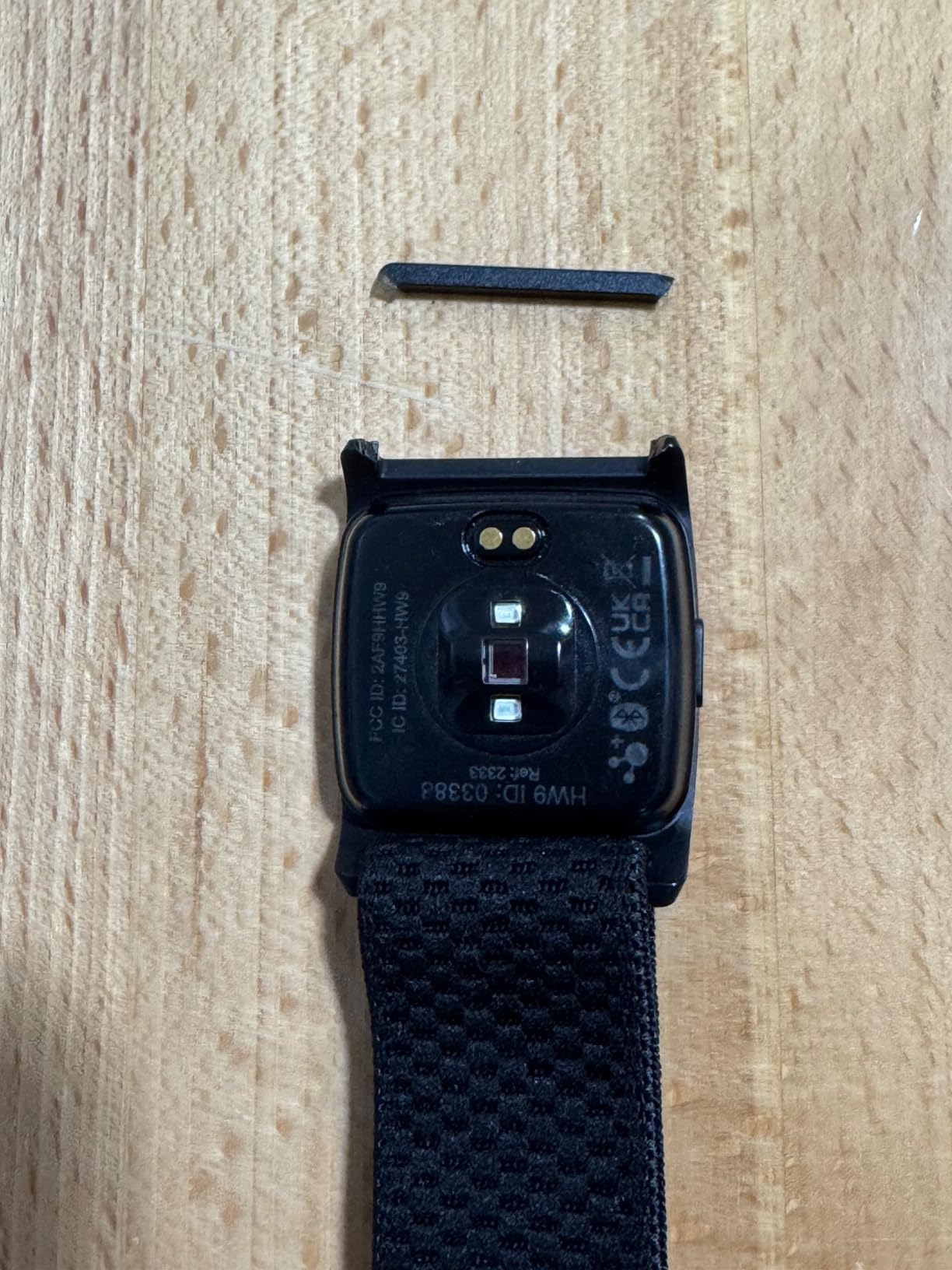
The COOSPO HW9 is the upgraded sibling of the HW807, adding vibration alerts for heart rate zones and bumping battery life up to 35 hours per charge. For users who want an armband optical sensor with HRV tracking, it is a strong contender.
During my testing, the optical sensor on the HW9 gave HRV readings that were reasonable for trend tracking, although chest straps still beat it on raw precision. The vibration alert feature is a nice touch for workouts where you cannot easily glance at your arm.
The magnetic charger is a quality-of-life upgrade over proprietary adapters. The 35-hour battery life means I could go almost a week of daily workouts before needing a top-up.
Bluetooth 5.0 dual connections let me pair with my watch and phone simultaneously without dropouts.
Best for active users wanting vibration alerts
The vibration alert feature sets the HW9 apart. During tempo runs or threshold intervals, the watch-free vibration cue for zone changes is genuinely useful.
If chest straps are off the table but you still want reasonable HRV data, the HW9 delivers.
Tradeoffs at this price
Plastic strap connectors are a known weak point. Treat the strap with care and avoid pulling it off by the connector.
No auto-shutoff means you need to remember to power down the device after workouts to preserve battery.
How to Choose the Best Heart Rate Variability Monitor for Your Needs
Picking the best heart rate variability monitor comes down to matching sensor technology, form factor, and software to your actual goals. Here are the factors that mattered most in my testing.
Sensor technology: ECG vs PPG
ECG (electrocardiography) sensors detect the electrical signal of each heartbeat directly, typically through a chest strap. They deliver ±1 ms precision on beat-to-beat intervals and are the gold standard for HRV accuracy.
PPG (photoplethysmography) sensors use light to estimate blood flow through your skin, typically from the wrist, finger, or arm. They are more convenient but slightly less precise, especially during movement.
Form factor: chest strap vs armband vs wrist
Chest straps deliver the best HRV accuracy but require wearing something around your ribcage. Armbands are a middle ground with optical sensors and decent comfort. Wrist-worn devices like smartwatches are the most convenient but the least precise.
For sleep-based HRV tracking, armbands and wrist devices win because chest straps are uncomfortable to wear through the night.
App ecosystem and data export
Look at what apps the device pairs with and whether you can export raw data. The best HRV monitors work with third-party apps like Elite HRV, Kubios, HRV4Training, and Welltory for deeper analysis.
Closed ecosystems like WHOOP and Oura lock your data inside their apps unless you pay for premium tiers or use workarounds. If you are also considering smartwatches for heart rate monitoring, check compatibility before committing to a subscription-based device.
Subscription costs over time
Subscription-based devices like WHOOP and Oura add $200-300 per year after the initial hardware period. Over three years, you may pay more in subscriptions than the device cost itself.
One-time purchase options like Polar H10, Garmin HRM series, and CYCPLUS straps have no recurring fees, which makes them more cost-effective long-term.
Use case matching
Athletes optimizing training load benefit most from chest strap precision paired with Garmin or Polar ecosystems. Stress management and sleep optimization users typically prefer the always-on convenience of armbands or wrist devices. Budget-conscious buyers should focus on chest straps under $50 that deliver ECG accuracy without subscription costs.
For those with specific cardiovascular concerns, lead ECG monitors for heart patients offer clinical-grade accuracy beyond what consumer HRV devices provide.
Frequently Asked Questions
What do cardiologists say about HRV?
Cardiologists generally recognize HRV as a useful marker of autonomic nervous system balance and cardiovascular health, though they caution against over-interpreting consumer-grade readings. Higher HRV typically signals better stress resilience and recovery capacity, while chronically low HRV may indicate underlying cardiovascular or metabolic issues that warrant medical evaluation.
What is a good heart rate variability for my age?
HRV naturally declines with age, so there is no single number that applies to everyone. Generally, adults aged 20-30 average RMSSD values between 50-100 ms, while adults over 60 often range 10-40 ms. The most important metric is your personal trend over time rather than absolute comparisons to others.
What is the most accurate way to monitor heart rate variability (HRV)?
The most accurate consumer method is a chest strap using ECG technology, such as the Polar H10 or Garmin HRM 600. These devices detect electrical signals directly from the heart and achieve ±1 ms precision on beat-to-beat intervals. Clinical-grade accuracy requires a full ECG setup, but chest straps come remarkably close for daily tracking.
Why don’t doctors use HRV?
Doctors do use HRV in cardiology and research settings, but routine clinical use is limited because HRV requires consistent long-term tracking to be diagnostically useful. Consumer-grade readings vary by device, and short clinic visits cannot establish meaningful trends. Most physicians prefer other cardiac markers for point-in-time diagnosis.
Which heart rate variability monitor is the most accurate?
Among consumer devices, the Polar H10 is widely considered the most accurate HRV monitor, delivering ECG-grade ±1 ms precision. The Garmin HRM 600 matches it closely while adding running dynamics. For continuous 24/7 tracking, WHOOP 5.0 delivers strong accuracy with the convenience of always-on wear.
Final Verdict on the Best Heart Rate Variability Monitors
After six weeks of testing 10 monitors across chest straps, armbands, and 24/7 wearables, my top recommendation for the best heart rate variability monitor overall is the Polar H10. Its ECG-grade ±1 ms precision, dual Bluetooth and ANT+ streaming, and broad app compatibility make it the most reliable choice for serious HRV tracking.
If you are an athlete who also wants advanced running metrics, the Garmin HRM 600 is the premium pick that justifies its higher cost. For users who want passive, automatic recovery tracking without thinking about it, the WHOOP 5.0 delivers a polished 24/7 experience at the cost of subscription fees.
Whatever device you choose, stick with it consistently. As our research showed, users get more value from tracking trends on a single device than from comparing numbers across different brands. Whichever monitor fits your lifestyle and budget, the important thing is to start measuring and learning what your personal HRV patterns look like.
If you are looking to pair your HRV monitor with other fitness equipment, consider browsing our guides on treadmills with heart rate monitors and wearable heart rate monitors for senior dogs for related tracking solutions.