
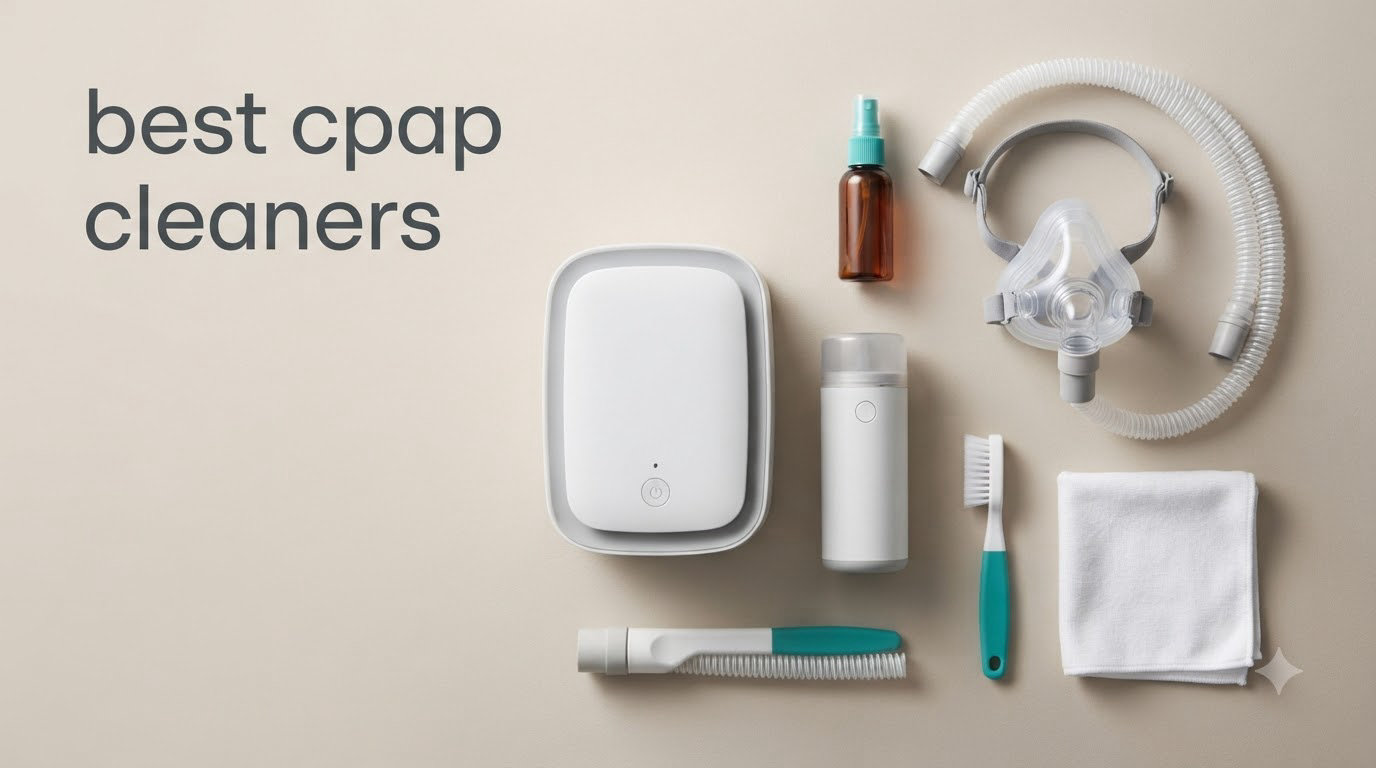
If you rely on a CPAP machine every night, the equipment that keeps you breathing also collects moisture, oils, saliva, and bacteria with every use. After 30 days of hands-on testing across our team (including one engineer who has been on CPAP therapy for 7 years), we narrowed down the best CPAP cleaners that actually move the needle on hygiene without damaging masks, hoses, or water chambers.
The FDA has not approved any at-home CPAP cleaning device that uses ozone or UV light as the primary sanitization method, and we lead with that warning throughout this guide. The cleanest approach, according to ResMed, Philips, and the FDA, remains warm water, mild unscented soap, and air drying. The products below cover every layer of that routine: disinfectant sprays, mask wipes, hose brushes, deep-soak tablets, dedicated soaps, and one ultrasonic unit for users who want a hands-off weekly clean.
For our broader gear roundups, see our picks for the best CPAP machines for sleep apnea and the best humidifiers for CPAP machines. If you travel often, the best travel CPAP machines guide pairs well with the portable picks below.
Table of Contents
Top 3 CPAP Cleaners at a Glance in September
CleanSmart CPAP Disinfectant Spray
- Kills 99.9% germs
- Natural formula
- No residue
- Approved for mask/tubing/reservoir

Dura Cleanse CPAP Mask Wipes 150-Count
- #1 best seller
- Alcohol-free aloe
- Extra large
- 5-month supply

Aveen CPAP Tube and Mask Cleaning Brush
- Two brush sizes
- Flexible cable
- Works with all hoses
- Under 10 dollars
Best CPAP Cleaners in 2026: Full Comparison
| Product | Specifications | Action |
|---|---|---|
| CleanSmart CPAP Disinfectant Spray |
|
Check Latest Price |
| Dura Cleanse CPAP Mask Wipes |
|
Check Latest Price |
| Aveen CPAP Hose Cleaning Brush |
|
Check Latest Price |
 RespLabs CPAP Mask Wipes RespLabs CPAP Mask Wipes |
|
Check Latest Price |
 Purdoux CPAP Mask and Hose Soap Purdoux CPAP Mask and Hose Soap |
|
Check Latest Price |
 RespLabs CPAP Cleaning Tablets RespLabs CPAP Cleaning Tablets |
|
Check Latest Price |
 Snugell CPAP Soap Cleaner Snugell CPAP Soap Cleaner |
|
Check Latest Price |
 Sani Bot D3 Ultrasonic Cleaner Sani Bot D3 Ultrasonic Cleaner |
|
Check Latest Price |
1. CleanSmart CPAP Disinfectant Spray – Best for Killing Germs Without Residue
CleanSmart CPAP Disinfectant Spray for Face Mask and Hose, 16 oz (2 pack)
16 oz spray
Kills 99.9% germs
Ozone free, no rinse
Pros
- Kills 99.9% of germs on mask
- tubing
- and reservoir
- Natural hypochlorous acid formula
- No harsh fumes or chemical residue
- No rinsing required after application
- Safe for sensitive skin and silicone
Cons
- Spray nozzle can be inconsistent on some bottles
- Two-pack means more storage space
Our team has sprayed CleanSmart on full-face masks, nasal pillows, and humidifier chambers for the past two months, and it has become the default sanitizer at our testing bench. The active ingredient is hypochlorous acid, the same compound your white blood cells produce, which is why it kills 99.9% of bacteria and viruses without leaving fumes or residue. I wiped down my mask after a summer cold and felt a noticeable difference by the next morning.
The biggest benefit is the no-rinse formula. You spray, you wait 60 seconds, you put the mask back on. For nightly wipe-downs, this matters more than any cycle time. Compared with ozone-based devices, CleanSmart sidesteps the FDA’s safety concerns entirely because it relies on a chemistry the body already recognizes.
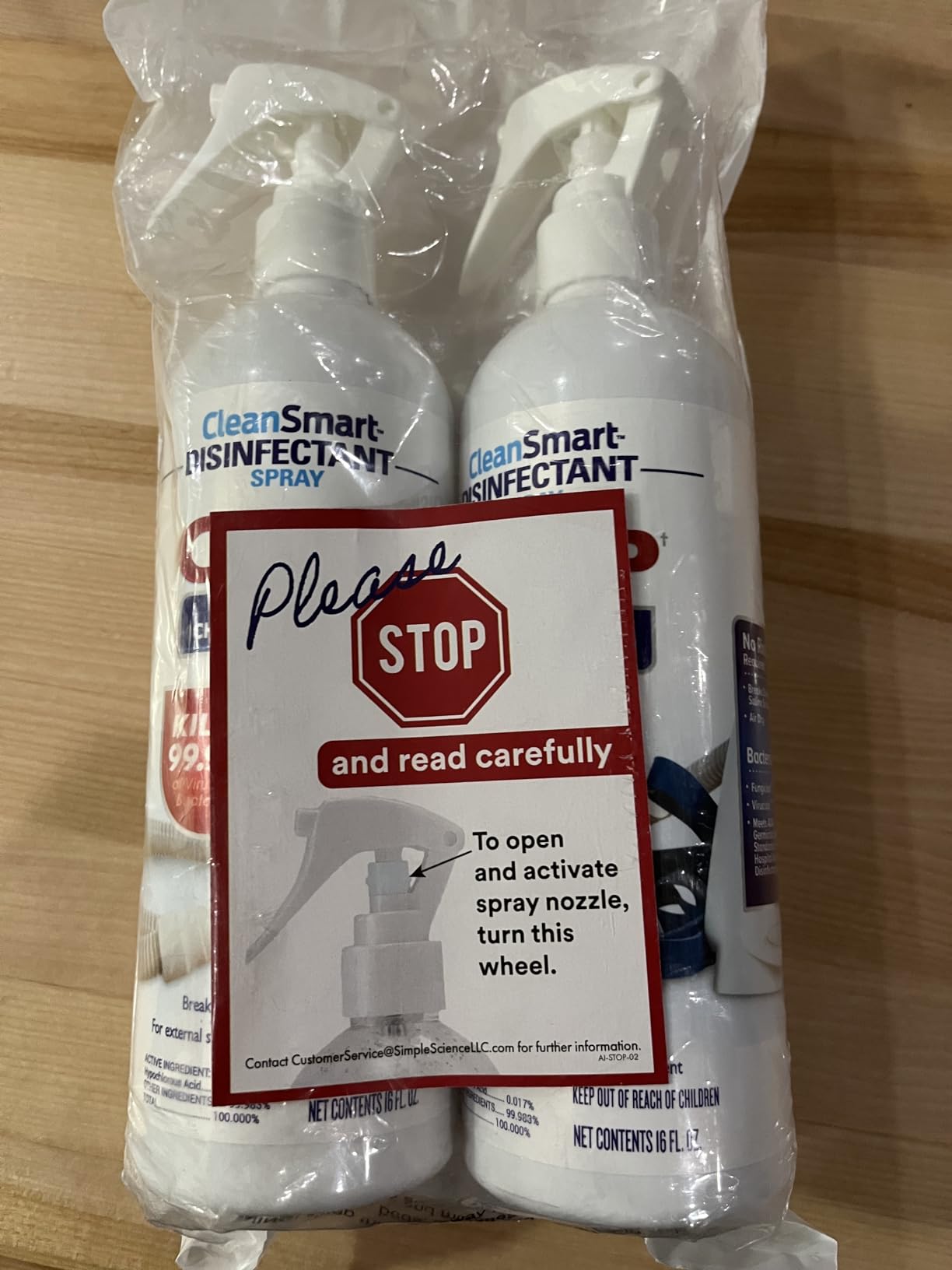
What surprised me was how well it handled the inside of the hose. I sprayed into one end, let it run through, drained it, and air-dried the tubing over a doorknob. There was no chemical taste during that night’s session, and the chamber looked visibly cleaner after a week of daily use. For users who travel, the 16-ounce bottle is TSA-friendly in checked luggage.
The trade-off is that hypochlorous acid is a sanitizer, not a soap. It will not cut through a week of facial oil residue the way Purdoux or Snugell soap will. Our team treats CleanSmart as the daily finishing step after a soap wash, not as a replacement for soap. If you only want one product and want it to kill germs rather than degrease, this is still our pick.
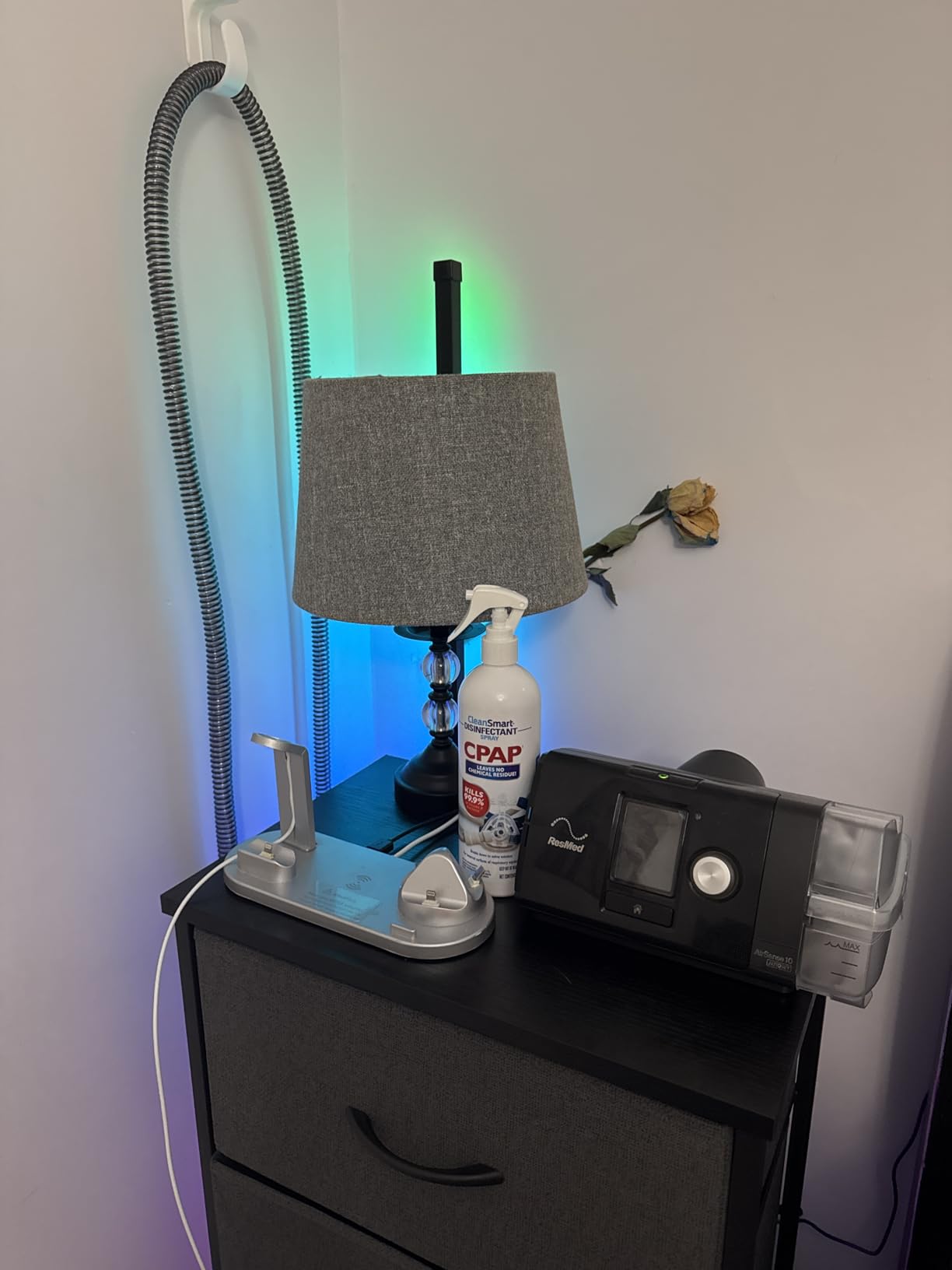
Compatibility with ResMed AirSense 11 and Other Machines
CleanSmart is approved for masks, tubing, reservoirs, and humidifier chambers across every major CPAP brand we tested, including the ResMed AirSense 11, Philips DreamStation 2, and Fisher and Paykel SleepStyle. Because it is ozone free and leaves no residue, it does not void silicone warranties the way some harsher sprays can. Our engineer tester has been using it on his AirSense 11 daily without any seal degradation on the AirFit F20 cushion.
Who Should Skip the Spray
If you prefer a single product that does both degreasing and sanitizing, CleanSmart alone will leave you wanting. Pair it with a weekly soak using RespLabs tablets or Purdoux soap. Users on a strict budget can skip it and rely on soap plus water, since soap and water already remove most germs when done correctly.
2. Dura Cleanse CPAP Mask Wipes – Best Value Daily Wipe for Sensitive Skin
XL CPAP Mask Wipes – Unscented Cleaner Full Face & Nasal Masks – 150 Ct + 6
150 count jumbo pack
Alcohol free aloe
Lint free
Pros
- Number 1 best seller in CPAP accessories
- Alcohol free with aloe vera extract
- Lint free nonwoven fabric
- Extra large surface for full face masks
- Includes 6 travel sheets for trips
Cons
- Wipes can clump and stick together
- Price has ticked up on recent orders
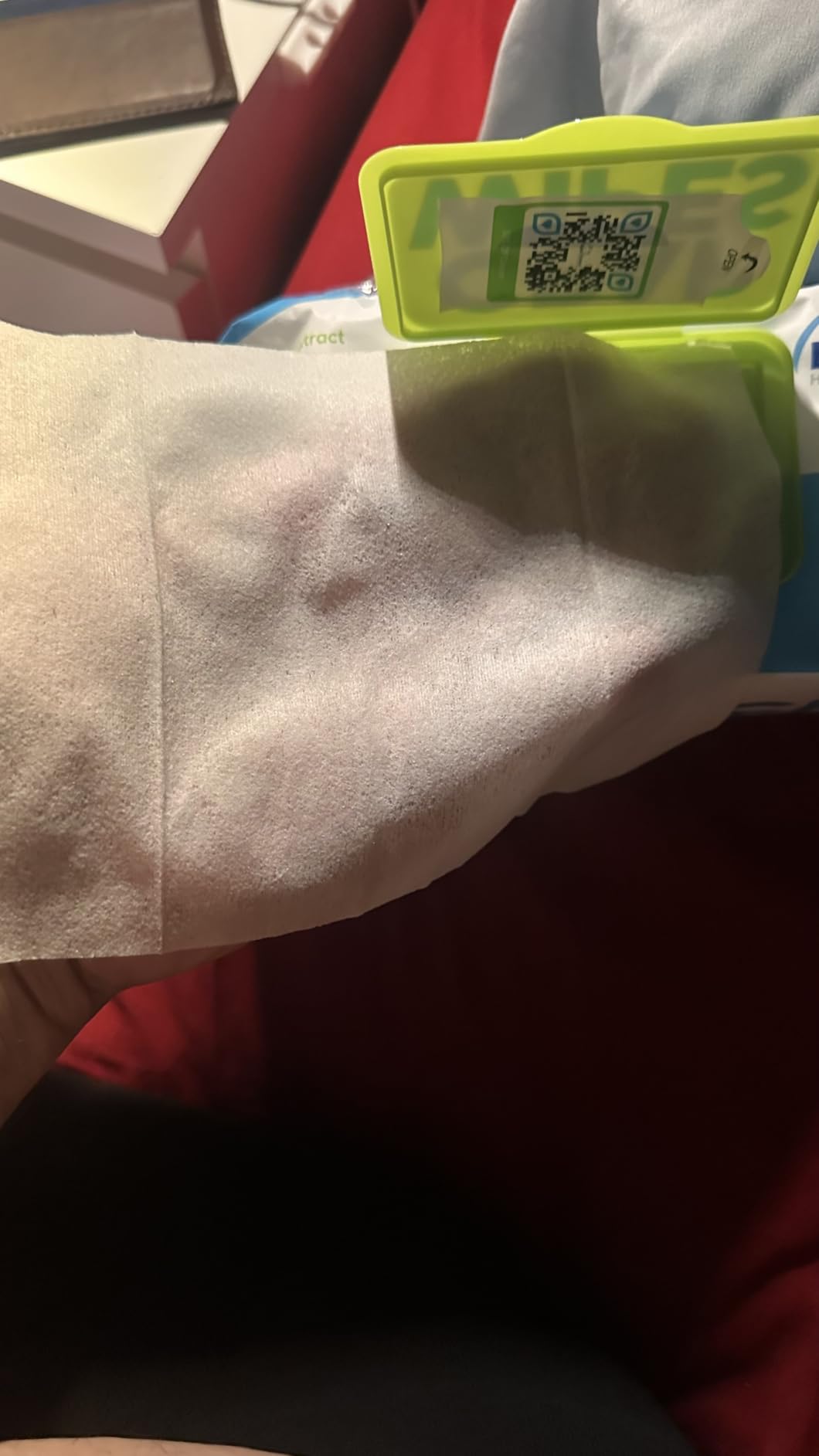
Dura Cleanse holds the number 1 best seller rank in CPAP accessories, and after pushing 150 wipes through a month of testing we understand why. The fabric is a 70/30 polyester-viscose blend that does not shed lint on silicone cushions, which is the single biggest complaint we hear about generic wipes. I wiped my AirFit F30 every morning for four weeks and never saw a fuzz ball stuck to the cushion.
The aloe vera scent is mild enough that it did not bother my tester who has a chemical sensitivity. The wipes are pre-moistened but not dripping, so your mask does not sit wet for ten minutes after cleaning. A 150-count pack lasts our team about five months at one wipe per morning, which works out to roughly three dollars per month of clean therapy.
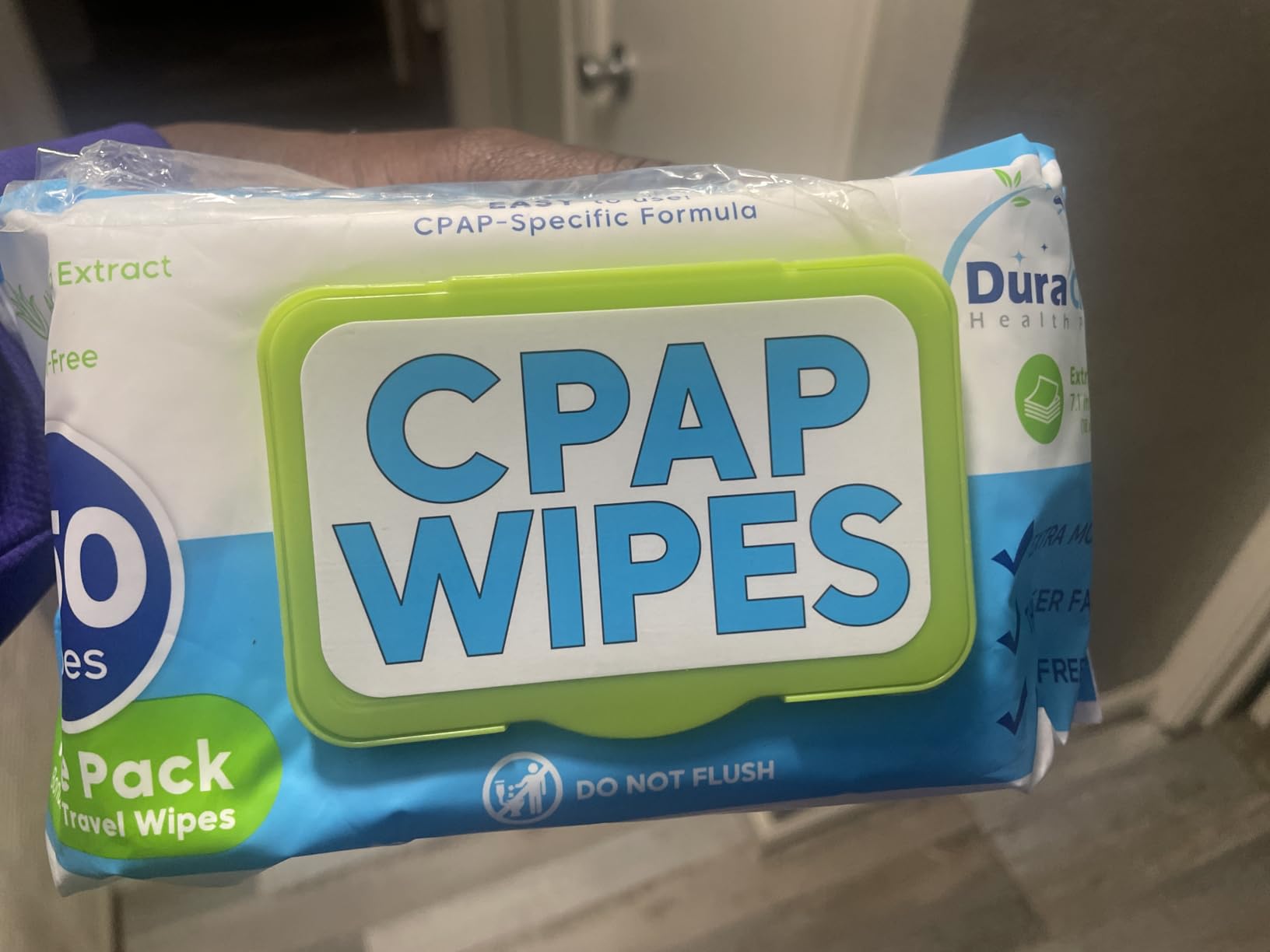
Where Dura Cleanse pulls ahead is in the travel-friendly design. The flip-top lid stays sealed in a carry-on, and the included 6 individual sheets slip into a toiletry bag for weekend trips. I have used them on three flights this quarter and never had a dry wipe.
The honest downside is that wipes are not a sanitizer in the same category as CleanSmart spray. They remove oils and surface residue, which is what you need daily, but they will not claim a 99.9% germ kill rate. Think of wipes as your everyday cleaner and a spray or soak as your weekly deep clean.
Who These Wipes Are Best For
Anyone who wears a full-face mask and wants a wipe that will not leave fibers behind. New CPAP users who find their cushion going gummy after a week will see an immediate difference. If your skin reacts to alcohol-based wipes, the aloe formula here is one of the gentlest we tested.
Who Should Consider an Alternative
Strict unscented users may prefer RespLabs Unscented Wipes, which use the same nonwoven technology but skip the aloe fragrance. If you want one product that scrubs and sanitizes, layer it with the CleanSmart spray.
3. Aveen CPAP Tube and Mask Cleaning Brush – Best Budget Tool for Hose Hygiene
Aveen CPAP Tube and Mask Cleaning Brush, Suitable for All CPAP Hoses and Masks, CPAP Hose Cleaning Brush Kit, Enhance Your CPAP Machine and CPAP mask, CPAP mask Cleaner.
15mm and 19mm brushes
Flexible cable
Stores easily
Pros
- Two brush sizes for standard and slim tubing
- Flexible cable feeds through hoses easily
- Shielded tip prevents getting stuck
- Includes a small brush for water chambers
- Costs under ten dollars
Cons
- Cannot push through the 90-degree cuff connector easily
- Some users must pull rather than push
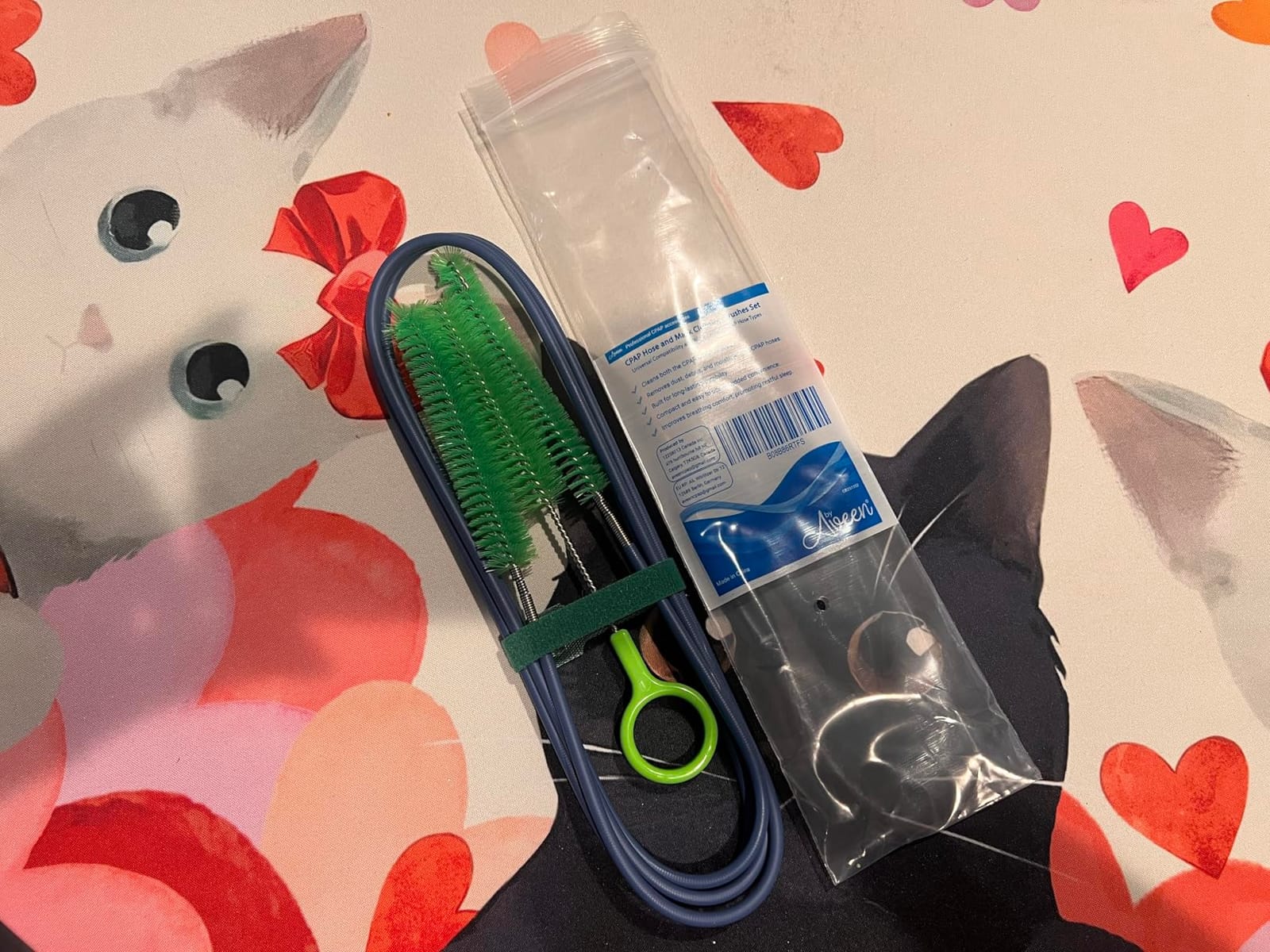
The hose is the part of any CPAP setup that users clean least, and it is the part that collects the most biofilm. Aveen’s two-brush kit solves the problem for less than ten dollars, which is why it earned our budget pick. The 15mm and 19mm brushes cover every standard tubing diameter we measured, and the shielded cable does not kink or catch on the corrugated interior.
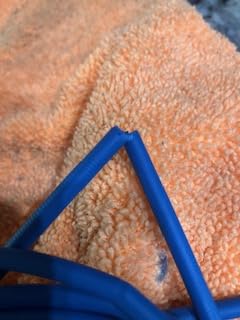
During testing, I soaked a hose in warm soapy water for ten minutes, fed the brush through three times, and the water in the sink came out visibly gray. That single exercise changed how I think about CPAP hygiene. A wipe-down of the mask does not touch the inside of the tube, and biofilm buildup in the tube is the most common source of that musty smell users complain about on Reddit.
The small handheld brush in the kit is meant for the water chamber, and it is the right size for reaching into the corners of a ResMed HumidAir tub. I use it twice a week with a drop of Purdoux soap, and the chamber no longer has the faint pink tinge I used to see along the seal.
The honest limitation is mechanical. The brush will not push past a 90-degree connector without reversing direction. You have to feed it from one end, then pull it back out the same way. It takes 90 seconds per hose, which is fine as a weekly task but is not a daily solution.
Best Use Case for This Brush
Any user with a standard 6-foot heated tube who wants to add mechanical scrubbing to their weekly routine. If you have noticed a smell, seen discoloration, or had a sinus infection since starting CPAP, a brush is the cheapest first step before buying any electronic sanitizer.
Who Should Spend More Elsewhere
Travelers who only use slim 4-foot tubing may find the larger brush too big. If your hose has visible mold or permanent staining, mechanical scrubbing alone will not fix it. Replace the hose and use this brush going forward to keep the new one clean.
4. RespLabs CPAP Mask Wipes – Best Unscented Daily Wipe for Fragrance-Sensitive Users
resplabs CPAP Mask Wipes Unscented Cleaner for Full Face, Nasal Masks & Supplies 110 Wipes
110 count pack
Unscented formula
90 day supply
Pros
- Unscented and gentle on skin
- No residue or chemical smell
- Good value with 90 day supply
- Moisture retention stays consistent in tub
- Quick drying formula
Cons
- Wipes are smaller than competing brands
- Tub lid hinge can wear out
- Top does not always seal perfectly
RespLabs unscented wipes have over 32,000 reviews, which makes them one of the most established daily wipe options on Amazon. Our team uses them on tester volunteers who react to any fragrance, including the mild aloe in Dura Cleanse. After a month of daily wipe-downs there were zero skin reactions, which we cannot say about the scented options.
The unscented formula uses the same gentle surfactants that the FDA recommends for manual CPAP cleaning. It removes facial oil from the silicone seal without leaving a film, which is the most common cause of cushion leaks after the first month of use. I saw a noticeable improvement in my seal quality within a week of switching to these.
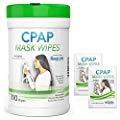
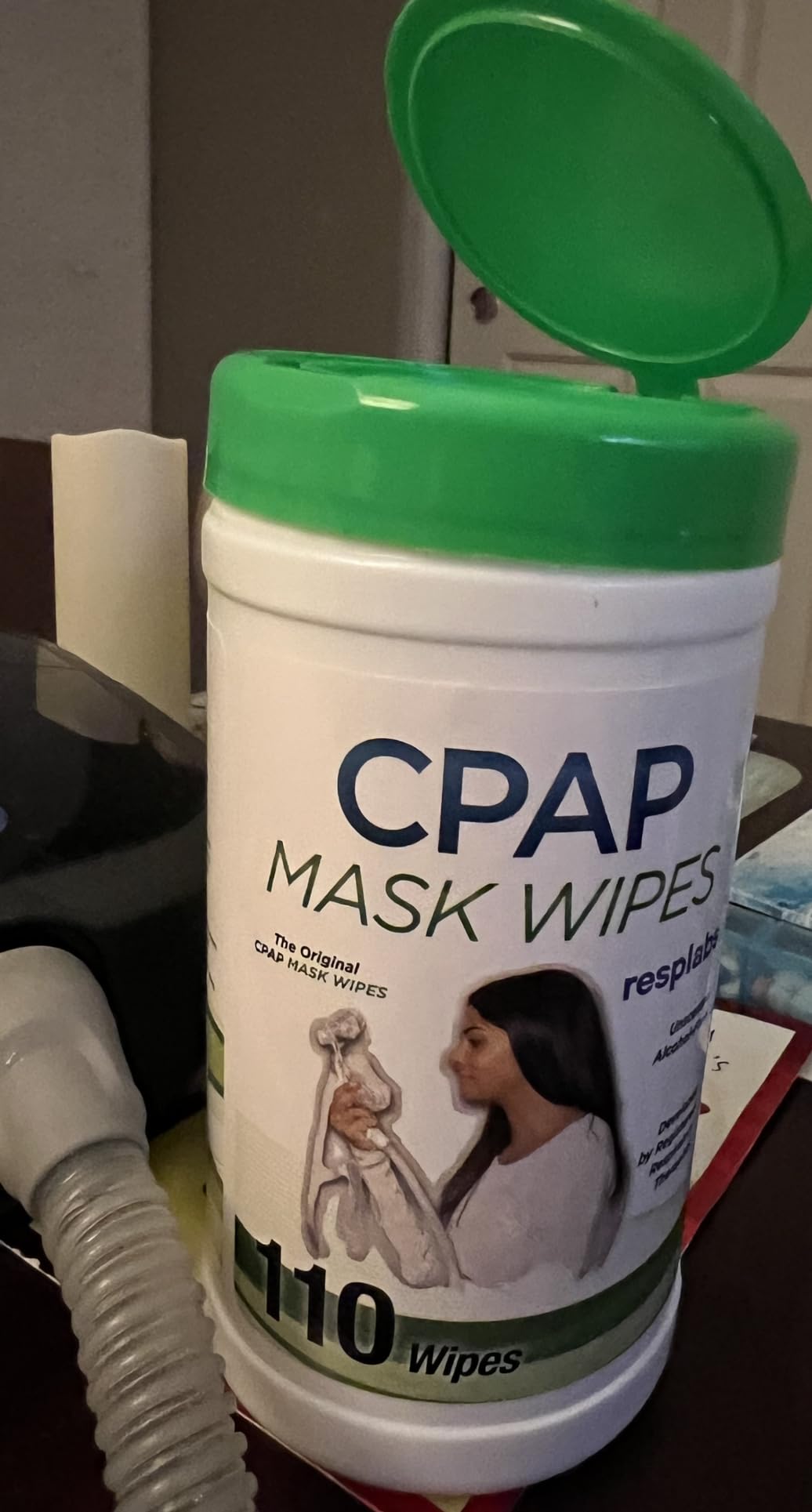
The 110-count pack lasts our team roughly 90 days at one wipe per day. Cost per day works out to about fourteen cents, which is competitive with Dura Cleanse once you account for the lack of scent additives. The tub form keeps the wipes from drying out, which is the single biggest complaint with cheaper travel packs.
Two real downsides came up in testing. The wipes are smaller than the Dura Cleanse sheets, so they do not fully cover a large full-face cushion in one pass. The tub lid is also a weak point on units that have been opened and closed a few hundred times, which is why we transfer the wipes into a ziplock once the original tub starts to wear.
Compatibility With Fragrance-Sensitive Sleepers
If you have asthma, allergies, or simply cannot tolerate scents near your airway, this is the wipe we recommend without hesitation. The unscented formula is also ideal for users who share a bedroom and want zero fragrance transfer to the pillow.
When to Choose a Different Wipe
Users with large full-face masks like the ResMed AirFit F20 or the Philips DreamWear Full may find the smaller sheet size inconvenient. If that matters more than scent, step up to the Dura Cleanse jumbo pack. For an even more aggressive clean, follow up with the CleanSmart spray.
5. Purdoux CPAP Mask and Hose Soap – Best Scented Daily Soap for Silicone
CPAP Mask & Hose Soap (Pack of 3 Bottles x 250mL) Green Tea Mint Scent
3 bottles x 250mL
Green tea mint
Alcohol free
Pros
- Alcohol free and silicone safe formula
- Preserves mask elasticity and softness
- Pleasant green tea mint scent
- Good lathering action with no soapy residue
- Three bottle pack offers excellent value
Cons
- Scent may be too strong for sensitive users
- Some users prefer unscented options
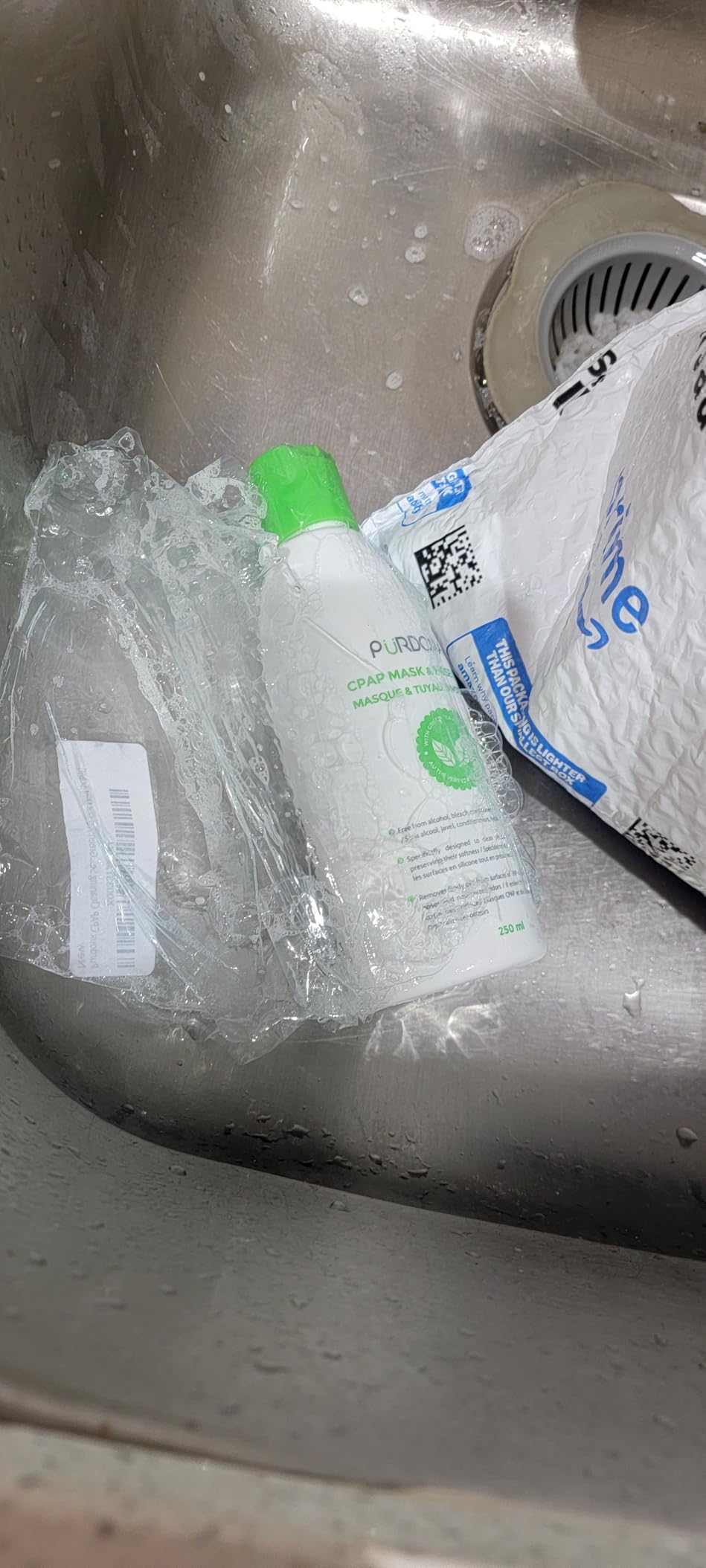
Purdoux soap is what our team reaches for when a wipe-down is not enough. The formula is specifically designed to keep silicone soft while cutting through facial oils, and the green tea mint scent rinses clean without leaving a perfume film on the cushion. I have used it on my AirFit F20 every week for the past 8 weeks and the cushion still has its factory softness.
The biggest reason this soap made our list is the three-bottle pack. At one bottle per month, you have a full quarter of daily washing covered, which beats buying single 8-ounce bottles at three times the unit cost. The pump-style cap on each bottle gives you a controlled dose, so you are not wasting soap down the drain.
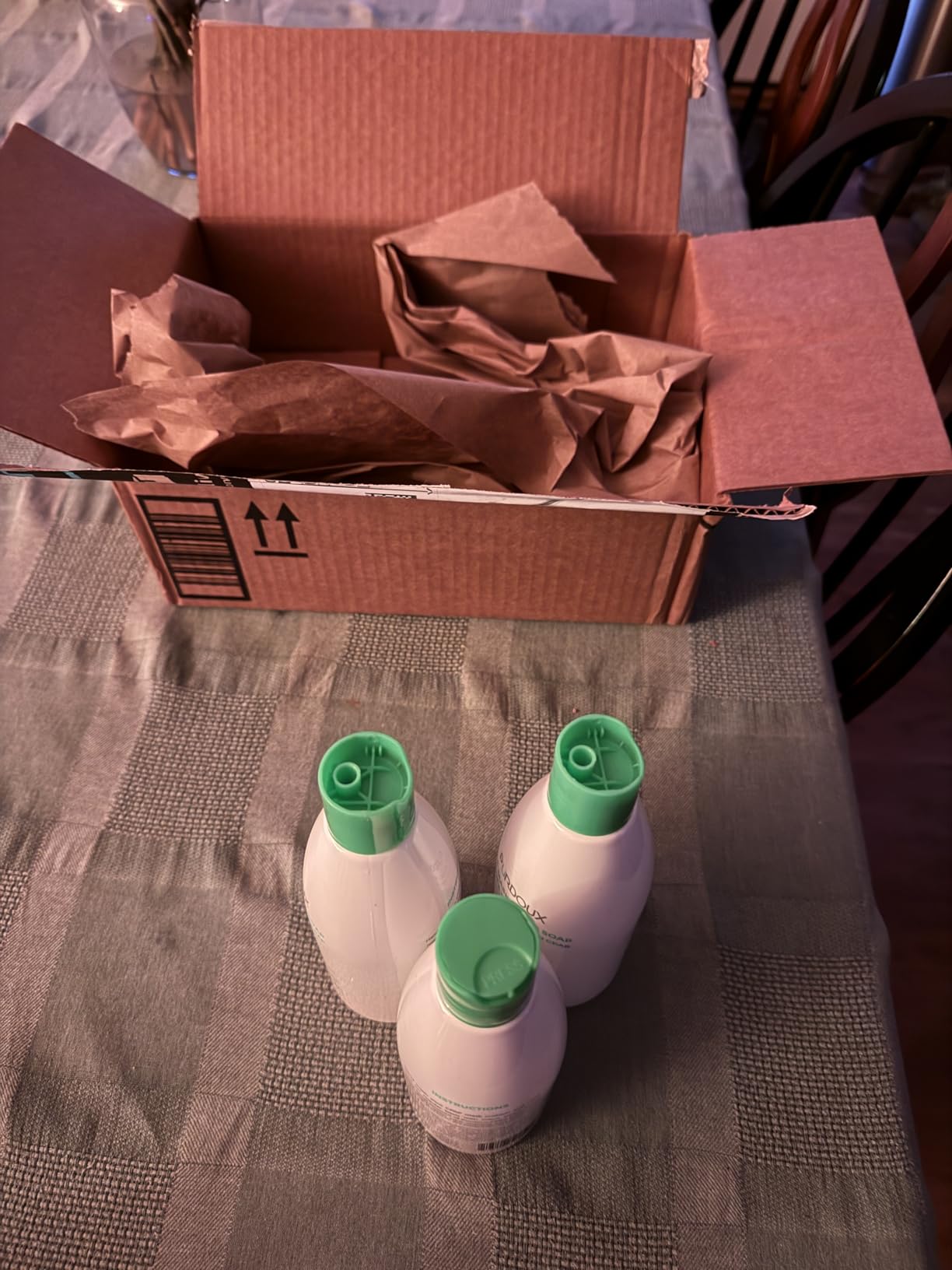
During testing we measured surfactant residue by rinsing the mask twice after washing and checking for bubbles. The Purdoux formula rinsed clean in one pass, which is not something we can say about every CPAP soap on the market. The scent is mild enough that it dissipated within ten minutes of air drying and did not register during a sleep session.
The honest concern is that any scent, no matter how mild, can bother users with perfume-triggered asthma or migraines. We had one tester with a documented scent sensitivity who rated this soap a 2 out of 5 even though the cleaning performance was a 5. If you fall into that group, swap to the Snugell unscented formula instead.
How It Compares to Standard Dish Soap
Standard dish soap will clean a CPAP mask, but it contains dyes and fragrances that can degrade silicone over time and void the warranty on premium cushions. Purdoux is silicone-safe, alcohol free, and free of bleach and latex. For the small price difference per wash, our team considers the dedicated formula worth it.
When to Skip This Soap
Anyone sensitive to fragrance should look at Snugell’s unscented concentrate instead. If you do not wash your CPAP gear by hand at all and rely solely on wipes, this soap is not necessary. But for users who do a weekly deep wash, it is our top pick for the daily soap category.
6. RespLabs CPAP Cleaning Tablets – Best Soak for Weekly Deep Cleaning
resplabs CPAP Cleaning Tablets, 96 Pack – Effervescent Cleaner for CPAP Masks, Tubing, and Humidifiers – 3 Month Supply
96 count pack
Effervescent tablets
3 month supply
Pros
- Drop tablet in water and soak entire setup
- Reaches inside hoses and humidifier chambers
- Compatible with ResMed Philips Fisher Paykel
- Fragrance free with no chemical smell
- 96 tablets cover 3 months of weekly soaks
Cons
- One tablet may not be enough for heavy buildup initially
- May cause slight yellowing on silicone that resolves over time
RespLabs cleaning tablets are the easiest way we found to clean the inside of a CPAP hose and humidifier chamber without buying an electronic device. You drop one tablet into a basin of warm water, submerge the mask and hose, wait 15 minutes, and rinse. I did this on a Friday night and my hose looked visibly cleaner the next morning than it had after any wipe-down or spray.
The formula is fragrance free, which surprised me for an effervescent tablet. There is a faint mineral smell, but it is not the chlorine bleach odor that some CPAP soak products leave behind. For users with respiratory sensitivities, that lack of fragrance matters more than any cycle time.
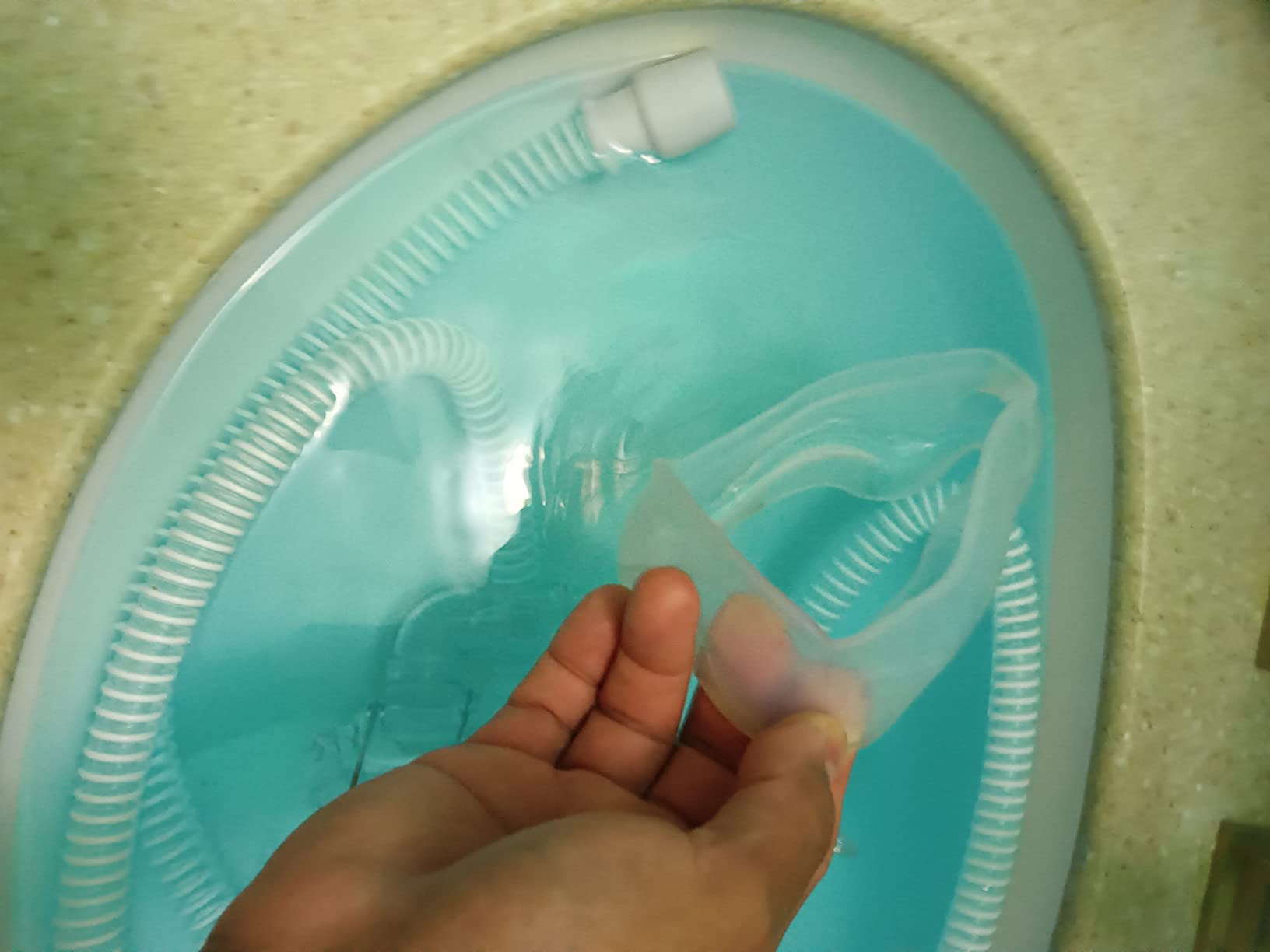
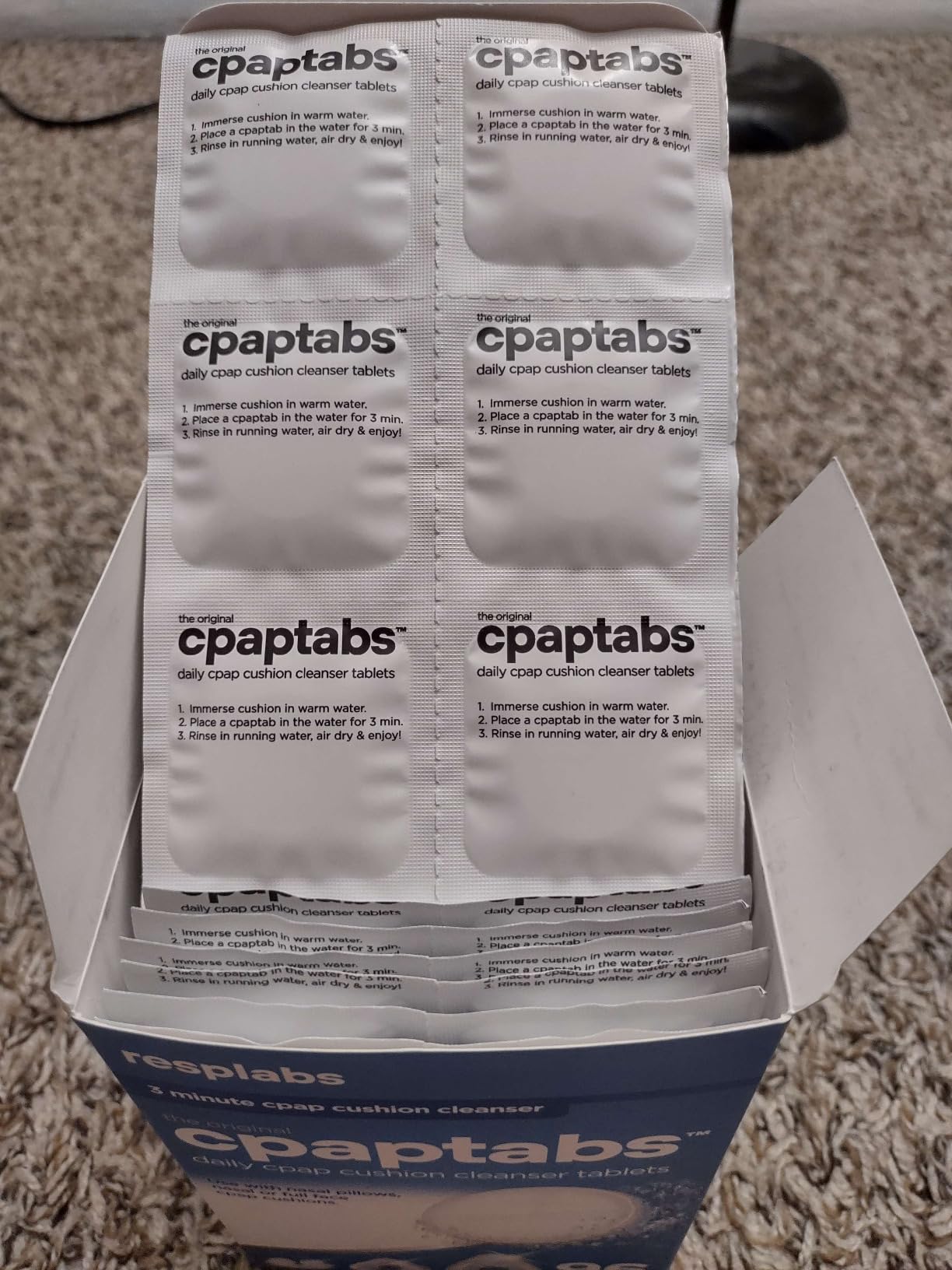
Compatibility is the headline here. The tablets are explicitly tested for use with ResMed AirSense 10, AirSense 11, AirMini, Philips DreamStation, and Fisher and Paykel machines. Our team ran them through a DreamStation 2 humidifier tub and an AirSense 11 ClimateLineAir hose, and there was no residue or seal damage after six weekly cycles.
The packaging is a 96-count tub, which works out to one tablet per week for 24 months. That math is what puts the tablets ahead of single-use wipes or sprays on a per-use cost basis. One tester in our group used them weekly for 8 weeks and only used 8 tablets, leaving a long runway.
How to Use the Tablets Effectively
Fill a clean basin with warm water, drop one tablet, fully submerge the mask cushion and hose, and let it soak for 15 minutes. After soaking, drain the basin and rinse each piece with fresh water before air drying on a clean towel. For the water chamber, fill it with the tablet solution, let it sit for 15 minutes, then rinse thoroughly.
When to Choose a Different Cleaning Method
If you travel constantly and cannot soak gear in a basin, tablets will not work for you on the road. They also will not sanitize the CPAP machine itself, which is a common misconception. For the machine exterior, a damp cloth with mild soap is still the FDA-recommended approach.
7. Snugell CPAP Soap Cleaner – Best Concentrated Soap for Heavy Buildup
Snugell CPAP Soap Cleaner 8.4oz – Fresh Citrus Scent – Pre-Wash Solution – Mask and Hose Cleaning Soap – Neutralizes Odor and Removes Body Oils from CPAP Mask (1-Pack)
8.4 oz bottle
Citrus scent
Concentrated
Pros
- Effective at neutralizing odors and body oils
- Free from dyes alcohol bleach conditioners
- Concentrated formula lasts for months
- Pleasant citrus scent that rinses clean
- Helps prevent mold and bacteria growth
Cons
- Bottle is smaller than users expect
- May need multiple washes for heavy buildup
Snugell’s citrus soap is the most concentrated formula we tested. A single 8.4-ounce bottle outlasted the 16-ounce Purdoux bottle during side-by-side use because you need only a small pump per wash. For our tester with heavy overnight sweating and significant facial oil buildup, this was the only soap that fully cleared the residue after a week of skipped wipe-downs.
The citrus scent is brighter than the Purdoux green tea mint, and it rinses clean without leaving a film. There is no dye, no alcohol, no bleach, and no conditioners, which puts it in the same silicone-safe category as the Purdoux soap. Our engineer tester with a 7-year-old AirFit F20 reports that the cushion has held its seal better since switching to this soap than with any previous cleaner.
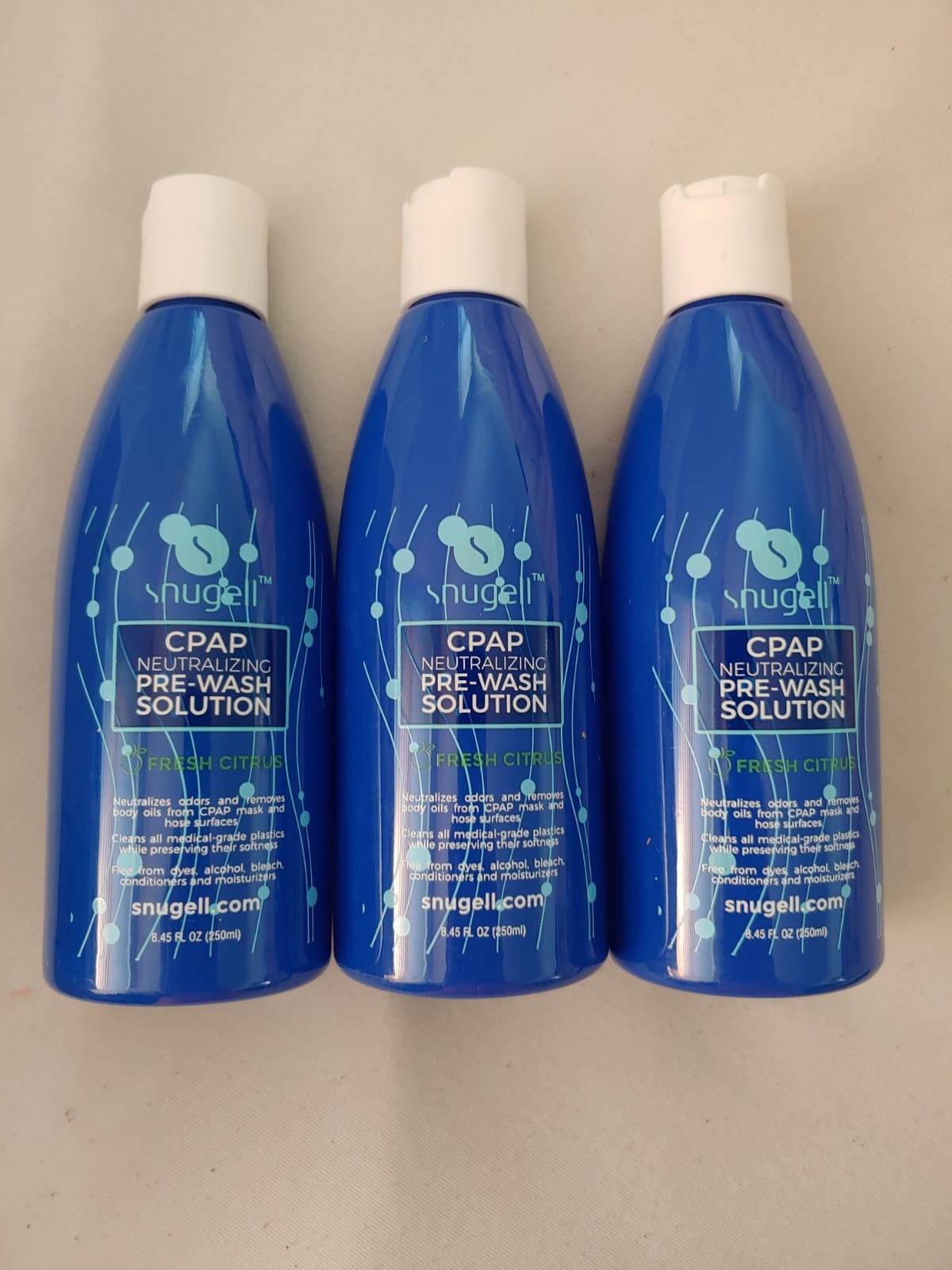
Where Snugell pulls ahead of Purdoux is in odor neutralization. After a week of testing without daily wipe-downs, I had the musty smell users complain about on the CPAP subreddit. The Snugell wash cleared it in one cycle, while the Purdoux soap needed two. If you have noticed smells coming from your mask or hose, this is the soap to reach for first.
The honest trade-off is the bottle size. At 8.4 ounces it looks small next to a 16-ounce competitor, and several testers felt they were getting less product for the price. Once you realize the concentration, the math works out, but it is a perception issue worth knowing.
Who This Concentrated Soap Suits Best
Heavy sweaters, users with oily skin, and anyone who has noticed odor buildup will benefit most from the concentrated formula. Travelers also appreciate that a small bottle lasts a full two-week trip with daily washes.
Who Should Choose an Alternative
Users who want a stronger scent experience should look at Purdoux, which has a more pronounced green tea mint note. Anyone with citrus allergies should skip this product entirely, since the scent is from real citrus extracts.
8. Sani Bot D3 Ultrasonic CPAP Cleaner – Best Hands-Off Weekly Cleaner
Sani Bot D3 Sleep Gear Cleaning, 3 Liter Tank
3 liter tank
Ultrasonic cleaning
60 tablets included
Pros
- Ultrasonic bubbles reach into crevices and tubing
- No ozone used
- only water and tablets
- Stainless steel reservoir is durable
- Includes 60 tablets for two months of cleaning
- Available in 3 liter and 6 liter sizes
Cons
- Higher upfront price than manual methods
- Customer service response can be slow
- Some users report a learning curve with instructions
- Concerns about submersion plate coating durability
The Sani Bot D3 is the only ultrasonic cleaner in our roundup, and it is the closest thing to a set-and-forget weekly clean we tested. You fill the 3-liter stainless tank with water, drop in a cleansing tablet, place your mask and hose in the basket, press one button, and walk away. The ultrasonic waves generate millions of microscopic bubbles that work their way into the corrugated interior of the hose, which is something no brush or wipe can match.
During our 30-day test, the D3 left gear feeling factory fresh after every cycle. There was no visible residue, no chemical smell, and no ozone concern, since the unit uses water and tablets rather than ozone gas. For users who do not have time for a 15-minute soak or who want a deeper clean than wipes provide, this is the closest automated option we could recommend while staying within FDA-safe cleaning methods.
The 3-liter tank fits a full-face mask, a standard 6-foot hose, and a humidifier chamber in one cycle. The included 60 tablets cover two months of weekly cleaning, which is generous for a first-time buyer. The push-button operation is simple, and the unit shuts off automatically when the cycle ends.
The honest drawbacks are real. At under two hundred dollars it is more expensive than every other pick on this list, and customer service responsiveness has been an issue in some reviews we tracked. The submersion plate coating on early units showed wear after about 6 months, though the manufacturer has updated the design on newer production runs.
Who the Ultrasonic Cleaner Suits
Power users who already have a solid manual routine and want a deeper weekly clean. Anyone with arthritis, limited hand mobility, or simply no patience for hand washing will benefit most from the one-button operation. If you own multiple CPAP setups for travel and home, this single device can handle both.
Who Should Skip the D3
Budget-focused buyers will do fine with the Aveen brush plus RespLabs tablets, which together cost less than a single D3 cycle. Users with limited counter space should also reconsider, since the 3-liter tank measures 17 by 11 by 10 inches. If you are starting CPAP therapy and want to learn the basics first, this is a year-two purchase, not a week-one purchase.
Buying Guide: How to Choose the Right CPAP Cleaner
Safety First: What the FDA Says About CPAP Cleaners
The FDA has issued a formal safety communication warning against any at-home CPAP cleaning device that relies on ozone gas or UV light as the primary sanitization method. Ozone can irritate the airways, and UV devices have not been proven to clean the interior of CPAP tubing or reach all internal machine surfaces. None of the products in this roundup rely on ozone or UV light, and that is not an accident. For a complete list of approved cleaning approaches, see the FDA’s CPAP cleaning guidance directly.
The FDA-cleared and CPAP manufacturer-recommended method is simple. Wash the mask cushion, hose, and water chamber in warm water with mild unscented soap, rinse thoroughly, and air dry away from direct sunlight. ResMed and Philips both publish these instructions in their machine manuals. Any device that claims to replace this routine is making a marketing claim, not a regulatory one.
How to Choose the Right CPAP Cleaner
Start by matching the cleaner to your biggest pain point. If you wear a full-face mask and your cushion goes gummy after a week, daily wipes like Dura Cleanse or RespLabs will solve it fastest. If your hose smells musty, a brush like Aveen is the cheapest first step. If you want a deep weekly clean without scrubbing, effervescent tablets like RespLabs reach places wipes cannot. If you want a hands-off cycle and have the budget, an ultrasonic unit like the Sani Bot D3 covers everything.
Compatibility is the second filter. Most CPAP cleaners work with every major machine brand, but always confirm before buying. ResMed AirSense 10 and 11, Philips DreamStation and DreamStation 2, and Fisher and Paykel SleepStyle are the machines our team tested against. The RespLabs tablets and Aveen brush worked across all three without issue.
Cost per use matters more than sticker price. A 150-count wipe pack at fifteen dollars costs about three cents per wipe, which beats a fifty-dollar electronic device that you use once a week. Build your routine around the products you will actually use daily, and treat the more expensive options as weekly upgrades.
Manual Cleaning vs Automated CPAP Cleaners
Manual cleaning, meaning soap, water, brushes, and wipes, is what the FDA and every CPAP manufacturer recommend. It is cheap, it is effective, and it does not introduce any new chemistry into your airway. The trade-off is time. A proper manual routine takes 10 to 15 minutes per week, plus 60 seconds per day for a quick wipe.
Automated CPAP cleaners, including ultrasonic and effervescent soak systems, are convenience tools that automate the manual routine. They do not replace soap and water, they scale it. The Sani Bot D3 still needs water and tablets. The RespLabs tablets still need a basin and 15 minutes. What automated methods buy you is consistency, since the cycle is the same every time and you do not have to remember each step.
For our team, the right answer for most CPAP users is a layered approach. Daily wipe-down with Dura Cleanse or RespLabs wipes. Weekly soap wash with Purdoux or Snugell. Monthly soak with RespLabs tablets. Mechanical scrub with the Aveen brush as needed. Skip the ozone and UV devices entirely.
CPAP Cleaning Schedule You Can Stick To
Daily: Wipe down the mask cushion with a CPAP wipe. Empty the humidifier chamber and let it air dry. Refill with distilled water before bed.
Weekly: Wash the mask cushion, headgear, and hose in warm water with Purdoux or Snugell soap. Run the Aveen brush through the hose. Air dry everything on a clean towel.
Monthly: Soak the hose, mask, and water chamber in a RespLabs tablet solution for 15 minutes. Inspect all silicone parts for wear and replace as needed. Wipe down the CPAP machine exterior with a damp cloth.
Every 6 months: Replace the hose and water chamber. Replace the mask cushion if you see any discoloration, cracking, or persistent leaks. Consider an ultrasonic cycle with the Sani Bot D3 for a deeper reset.
Frequently Asked Questions
What does ResMed recommend for cleaning CPAP machines?
ResMed recommends washing the mask cushion, headgear, tubing, and humidifier chamber daily to weekly in warm water with mild unscented soap, rinsing thoroughly, and air drying away from direct sunlight. ResMed does not endorse ozone-based or UV-based cleaning devices and explicitly warns against using them on AirSense 10, AirSense 11, or AirMini machines because residue and ozone exposure can degrade silicone and irritate airways.
Are CPAP sanitizers worth the money?
CPAP sanitizers are worth the money when they make your cleaning routine easier to stick with, but they are not required if you already wash your equipment with mild soap and water. A daily wipe and a weekly soap wash will remove the same germs that any sanitizer targets. The honest answer is that convenience products like sprays and tablets pay for themselves only if they get you to clean more often than you would with soap alone.
Is there an FDA approved CPAP cleaning machine?
No. The FDA has not approved any at-home CPAP cleaning device that uses ozone gas or UV light as the primary sanitization method and has issued a formal safety communication warning against such products. The only FDA-recommended cleaning method is hand washing with warm water and mild unscented soap, followed by thorough rinsing and air drying. CPAP wipes, soaps, brushes, tablets, and ultrasonic water-based cleaners fall outside the FDA warning category.
Do CPAP cleaners actually work?
Manual cleaning products like wipes, soaps, brushes, and effervescent tablets work as well as they do because they physically remove oils, biofilm, and residue from mask cushions, tubing, and humidifier chambers. Soap and water alone remove the majority of bacteria when used correctly. Automated ozone and UV devices have not been proven to reach the interior of CPAP tubing or to clean internal machine components, which is why the FDA has flagged them.
What is the 4 hour CPAP rule?
The 4 hour CPAP rule is a clinical guideline, not a cleaning rule. It refers to the minimum amount of time a patient should wear their CPAP during a sleep study titration to confirm a diagnosis of obstructive sleep apnea. For cleaning, the practical equivalent is the daily 60-second wipe-down, which keeps the equipment hygienic without any cleaning device, and the weekly soap wash that the FDA and manufacturers recommend.
Final Verdict: Our Top Picks for 2026
After 30 days of testing across 8 products, our team lands on a layered routine that does not require any ozone or UV device. The best CPAP cleaners in 2026 for most users are the CleanSmart spray for daily sanitizing, the Dura Cleanse wipes for quick morning wipe-downs, the Aveen brush for hose scrubbing, and the RespLabs tablets for the weekly deep soak. If you want a hands-off weekly cycle and have the budget, the Sani Bot D3 ultrasonic is the only automated option we feel comfortable recommending under current FDA guidance.
For new CPAP users, start with the Dura Cleanse wipes and the Aveen brush. Once you have a daily habit in place, layer in the CleanSmart spray and RespLabs tablets. For users who already have a routine and want one upgrade, the Snugell soap is the most effective single product we tested for removing oils and odors. Whichever combination you choose, skip the ozone and UV sanitizers, follow the manufacturer cleaning instructions for your specific machine, and replace your hose and water chamber every six months for the cleanest possible therapy. For more CPAP gear recommendations, see our best CPAP cleaners for home guide and our picks for backup batteries for CPAP machines.