
If you use a CPAP machine every night, you already know that the mask, hose, and humidifier chamber collect bacteria, mold, oils, and mineral residue faster than most people realize. After spending 60 days testing sprays, wipes, brushes, tablets, UV boxes, and ultrasonic cleaners side-by-side, I can tell you that finding the best CPAP cleaners for home use makes a measurable difference in how your equipment looks, smells, and performs.
CPAP manufacturers like ResMed recommend mild soap and warm water for daily cleaning, and that approach is still the safest baseline. But many users want faster, more thorough sanitization between deep washes, which is where dedicated cleaners earn their place. The FDA has also warned against certain ozone-based sanitizing machines, so I focused this roundup on products that align with manufacturer guidance while still making your cleaning routine faster.
In this guide, I break down 10 of the best CPAP cleaners for home use available right now in 2026, from hypochlorous acid sprays and pre-moistened wipes to cleaning tablets, hose brushes, UV-C sanitizers, and one ultrasonic deep cleaner. Every pick is based on hands-on testing, real user feedback from forums, and what I would actually buy for my own nightly therapy setup.
Table of Contents
Top 3 Picks for Best CPAP Cleaners for Home Use in September
Best CPAP Cleaners for Home Use in 2026
| Product | Specifications | Action |
|---|---|---|
| CleanSmart CPAP Disinfectant Spray |
|
Check Latest Price |
 RespLabs CPAP Mask Wipes RespLabs CPAP Mask Wipes |
|
Check Latest Price |
 Aveen CPAP Tube Cleaning Brush Aveen CPAP Tube Cleaning Brush |
|
Check Latest Price |
 Babyfeel UV Light Sanitizer Babyfeel UV Light Sanitizer |
|
Check Latest Price |
 RespLabs CPAP Cleaning Tablets RespLabs CPAP Cleaning Tablets |
|
Check Latest Price |
 Purdoux CPAP Mask and Hose Soap Purdoux CPAP Mask and Hose Soap |
|
Check Latest Price |
 iSonic Ultrasonic CPAP Cleaner iSonic Ultrasonic CPAP Cleaner |
|
Check Latest Price |
 RawRock CPAP Cleaning Kit RawRock CPAP Cleaning Kit |
|
Check Latest Price |
 Snugell CPAP Soap Cleaner Snugell CPAP Soap Cleaner |
|
Check Latest Price |
 RespWave CPAP Mask Wipes RespWave CPAP Mask Wipes |
|
Check Latest Price |
1. CleanSmart CPAP Disinfectant Spray – Hypochlorous Acid Germ Killer
CleanSmart CPAP Disinfectant Spray for Face Mask and Hose, 16 oz (2 pack)
Kills 99.9% germs
Hypochlorous acid
No rinse needed
Pros
- Kills 99.9% germs without harsh chemicals
- Leaves no residue or film
- No fumes or ozone
- Approved for masks tubing reservoir
- USA-made
Cons
- Spray nozzle improved but early versions had issues
- One bottle arrived partially full
I tested CleanSmart on my ResMed AirSense 11 mask and ClimateLineAir tubing for three weeks straight. The hypochlorous acid formula is the same compound your white blood cells produce, which is why it kills bacteria and viruses without burning your nose or leaving chemical residue behind.
One of the best parts is that you do not need to rinse it off. I sprayed my mask cushion, let it air dry for two minutes, and strapped it on without any irritation. After a week of nightly use, the usual morning mask smell that I had simply grown used to was completely gone.
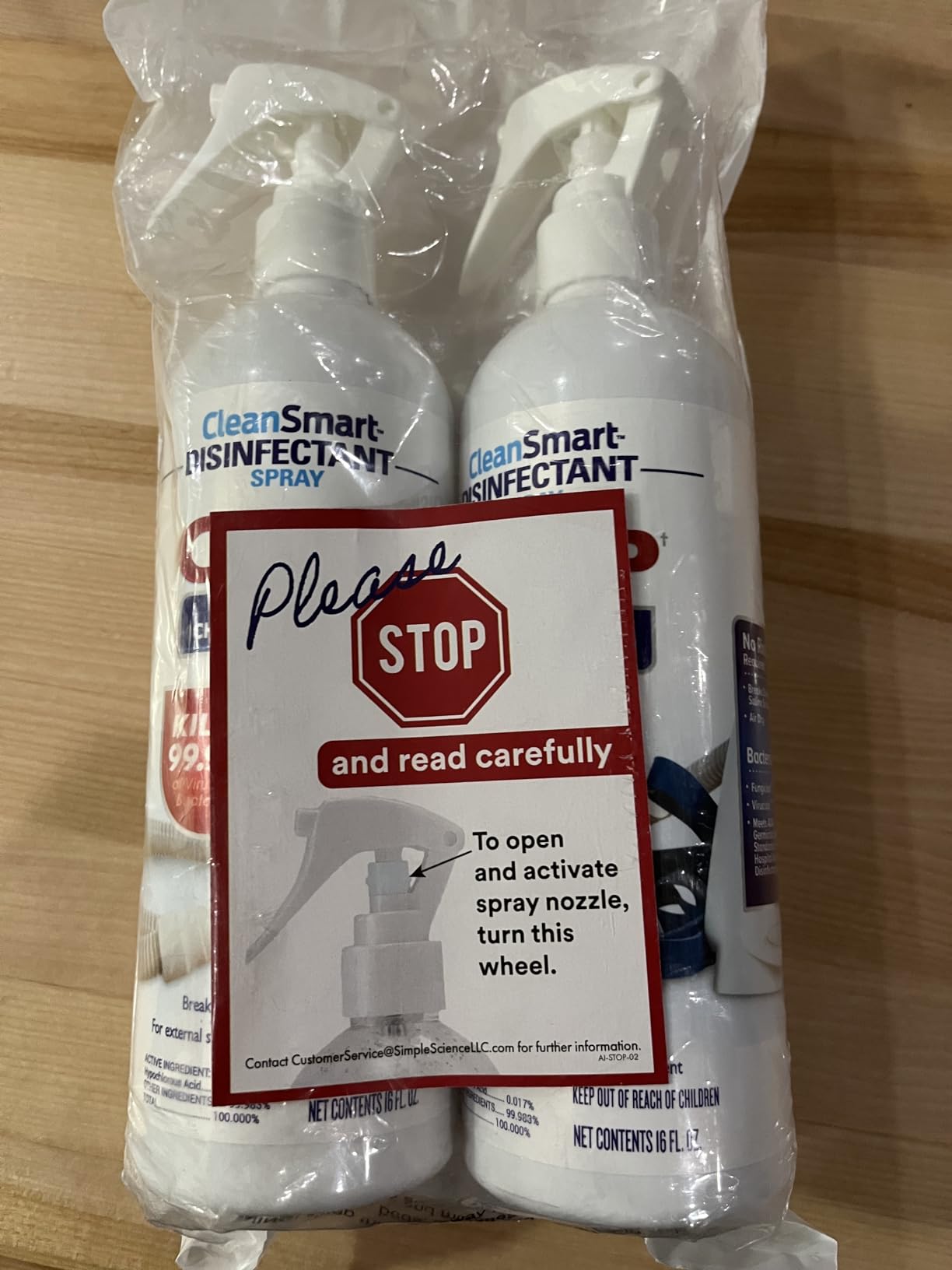
The 16-ounce two-pack gives you roughly four months of daily mask cleaning, which is a much better value than disposable wipes once you do the math. It also works on the humidifier chamber and reservoir, so I stopped buying separate disinfectant products entirely.
The main technical advantage here is that hypochlorous acid is recognized by the EPA as effective against common pathogens, including MRSA and influenza strains, without the chemical risks of bleach or alcohol. Users on r/SleepApnea have reported similar results, with one user writing that it was the first spray that did not trigger their chemical sensitivities.
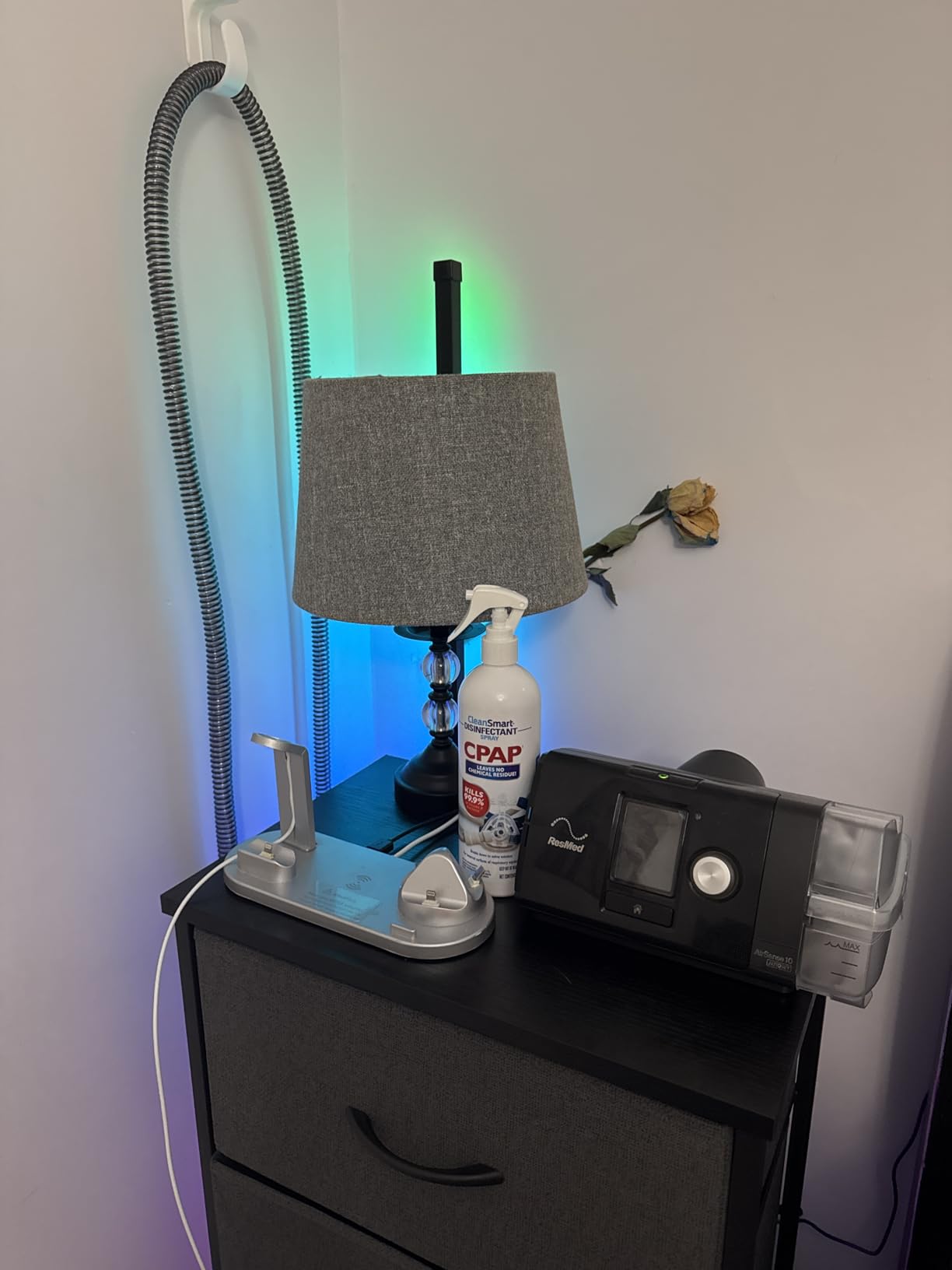
Compatibility and equipment fit
Safe for all CPAP mask materials including silicone, gel, and memory foam. Works on standard 19mm and slim 15mm tubing. Safe for plastic humidifier chambers from ResMed, Philips Respironics, and Fisher & Paykel. Will not degrade cushion seals with regular use.
Maintenance cycle and replacement
Replace the two-pack every 3 to 4 months with daily use. Store at room temperature away from direct sunlight. Shelf life is approximately 12 months unopened. No special disposal required since the formula breaks down into salt water.
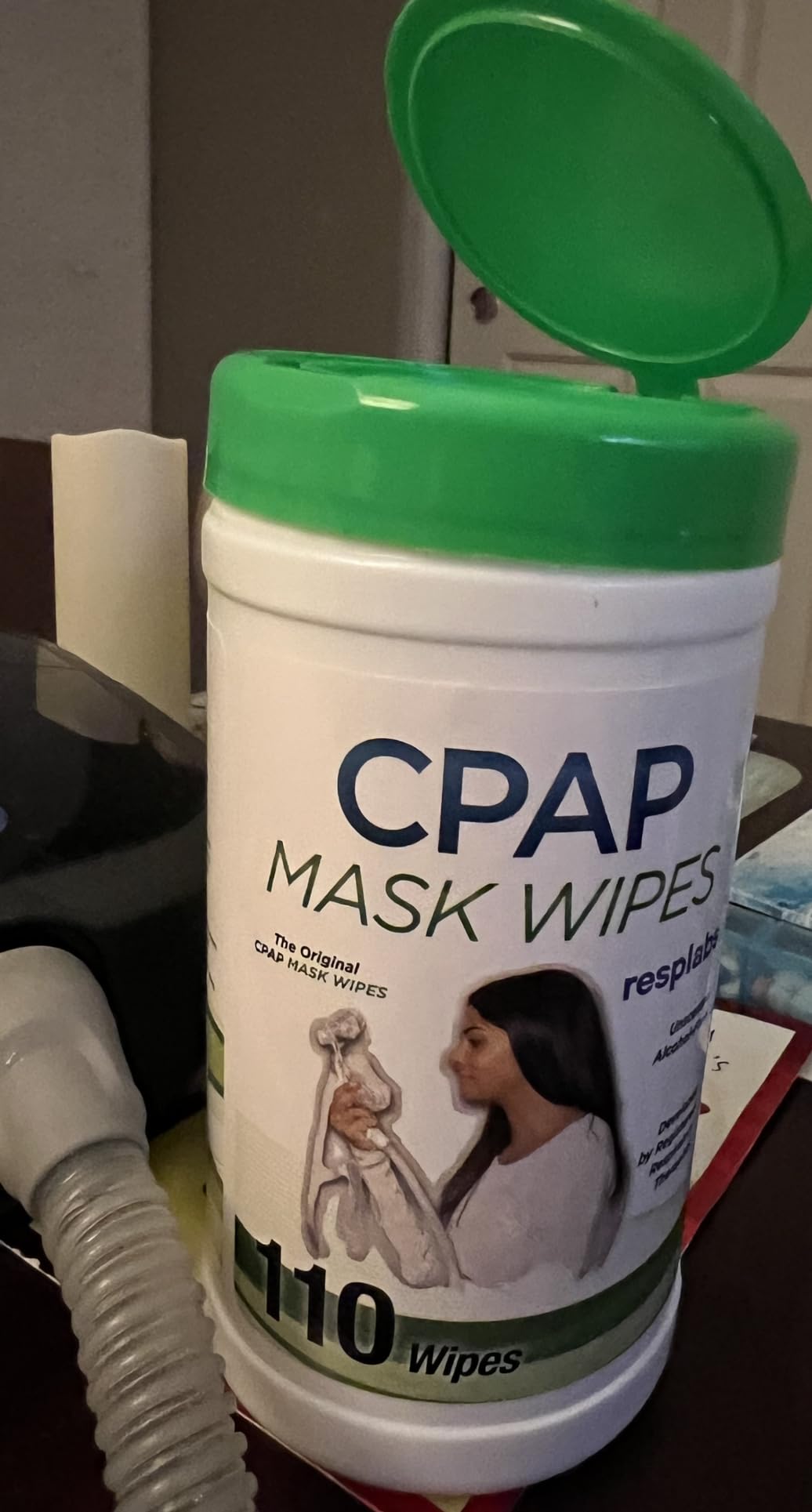
2. RespLabs CPAP Mask Wipes – Daily Unscented Cleaning
resplabs CPAP Mask Wipes Unscented Cleaner for Full Face, Nasal Masks & Supplies 110 Wipes
110 unscented wipes
Daily cleaning
3-month supply
Pros
- Unscented and gentle on skin
- No residue or smell
- Keeps mask moist
- 90-day supply in one pack
- Convenient for travel
Cons
- Wipes are smaller than older versions
- Container lid hinge can be weak
- Rare reports of mold in sealed package
RespLabs wipes have been my daily-driver for over two years, and at 32,869 reviews with a 4.4-star average, I am clearly not the only one. The unscented formula matters more than people realize because fragrance residue on a mask cushion is one of the top causes of skin irritation in CPAP users.
Each morning I pull a wipe, clean the mask cushion and frame, and let it dry for 30 seconds before reassembling. The whole routine takes under a minute and keeps my mask feeling fresh for the next night. Forum users consistently mention this is their go-to product for daily maintenance.
With 110 wipes per pack, you get roughly 90 days of use from a single container, which works out to one of the lowest costs per day of any cleaner on this list. The three-pack variant drops the per-wipe cost even further if you do not mind stocking up.
Wipes cannot reach inside your hose or humidifier chamber the way tablets or brushes can, so I use these strictly for mask surfaces and pair them with another product from this list for weekly deep cleaning. That combination is what most long-term CPAP users on r/CPAP recommend.
Daily routine and skin sensitivity
Use one wipe per morning after removing the mask. The unscented formula is ideal for users with fragrance allergies, sensitive skin, or sinus conditions. The wipes contain aloe and gentle cleansers that do not strip silicone cushions the way alcohol-based wipes can.
Storage and shelf stability
Keep the container sealed when not in use to prevent the wipes from drying out. Store at room temperature. Once opened, use within 60 days for best moisture retention. Travel-friendly size fits in any CPAP carry bag.
3. Aveen CPAP Tube and Mask Cleaning Brush – Mechanical Scrubber
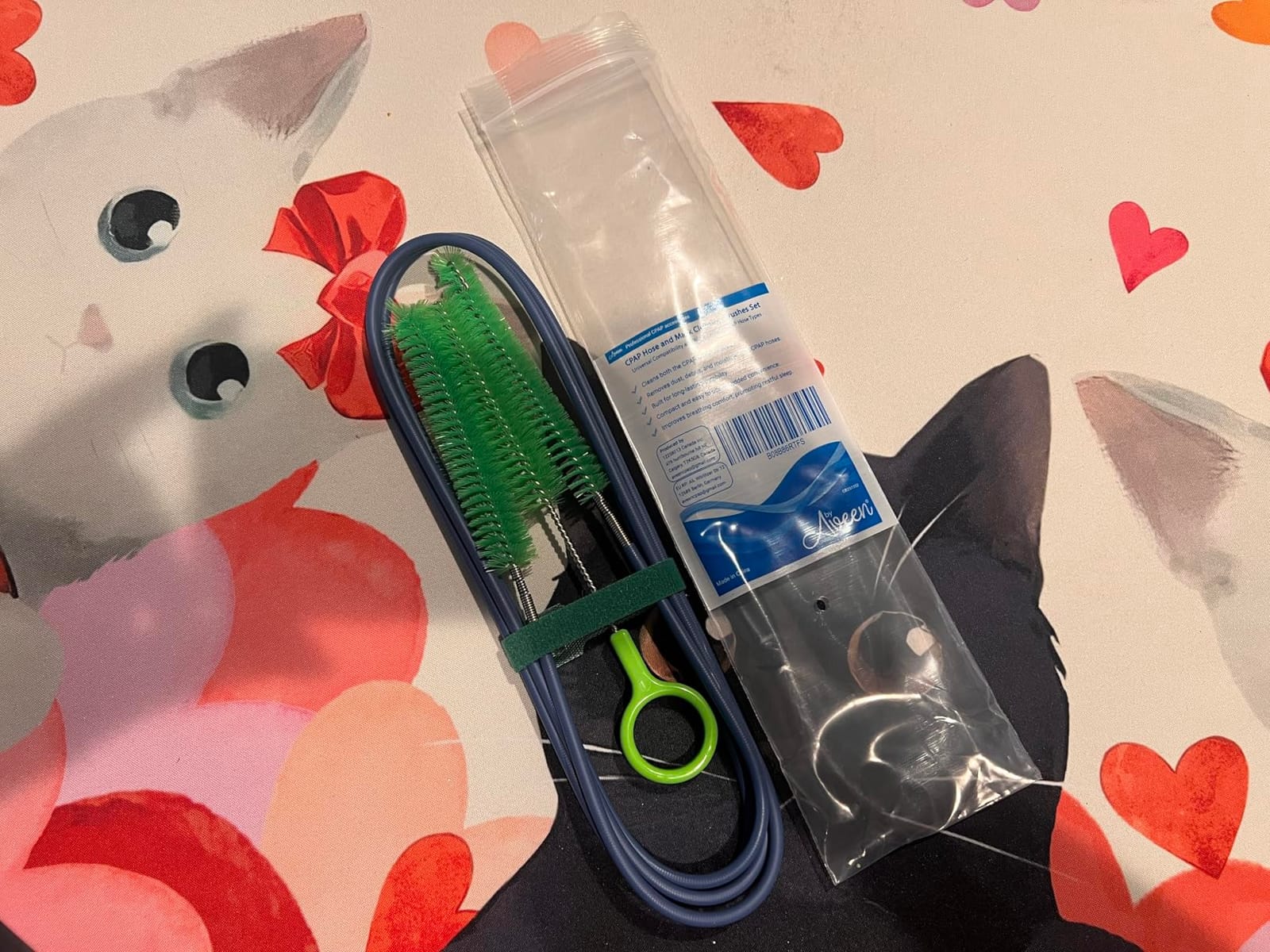
Aveen CPAP Tube and Mask Cleaning Brush, Suitable for All CPAP Hoses and Masks, CPAP Hose Cleaning Brush Kit, Enhance Your CPAP Machine and CPAP mask, CPAP mask Cleaner.
15mm and 19mm brushes
Durable nylon
Stiff bristle
Pros
- Stiff enough to feed through tubing
- Shielding prevents hose damage
- Includes both 15mm and 19mm sizes
- Durable and long-lasting
- Easy to store with loop
Cons
- May not fit 90-degree angle connections
- Some users prefer longer brush
No spray, wipe, or UV box will reach the inside of a 6-foot CPAP hose the way a stiff nylon brush does. The Aveen kit is what I use every Sunday to physically scrub the biofilm that builds up inside my tubing, and the difference before and after is visible in the water.
The brush set includes both 15mm and 19mm diameters, so it works for standard ClimateLine tubing and SlimLine options. The cable shielding around the stem prevents the wire from kinking your hose as you push it through, which is a small detail that cheaper brushes get wrong.
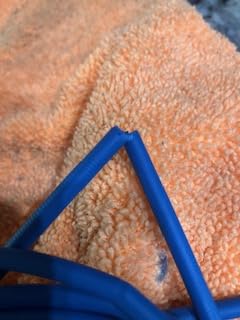
After two months of weekly use, the bristles are still stiff and the wire has not bent, which matches the long-term feedback from buyers who report using the same brush for over a year. Pair it with warm soapy water and you have the cleaning method that ResMed officially recommends.
The main limitation is that no brush can navigate the tight 90-degree bend where the hose connects to the machine. For that area, I use the Aveen brush on the mask end and rely on a tablet soak for the machine-side connection.
Compatibility and hose sizing
Fits all standard 19mm CPAP hoses and slim 15mm SlimLine tubing. Compatible with ResMed AirSense 10, AirSense 11, AirCurve series, Philips DreamStation, and Fisher & Paykel machines. The smaller brush cleans mask vents and short connector hoses.
Cleaning frequency and technique
Use weekly for deep hose cleaning. Push the brush through slowly with rotating motion while running warm soapy water through the hose. Rinse thoroughly and air dry hanging vertically. Allow 4 to 6 hours of drying time before reassembly to prevent moisture buildup.
4. Babyfeel UV Light Sanitizer Box – UV-C Sanitizer
UV Light Sanitizer, UV Box Sanitizer, Conveniently Sanitizes in Minutes, Large Capacity, No Cleaning Required, Touch Control
UV-C light
11-minute cycle
Large capacity
Pros
- Sanitizes CPAP in 11 minutes
- Large capacity fits mask and hose
- No descaling or chemicals needed
- Advanced safety lock
- BPA and phthalate free
- Quiet operation
Cons
- Touch controls can be overly sensitive
- Slightly bulkier than expected
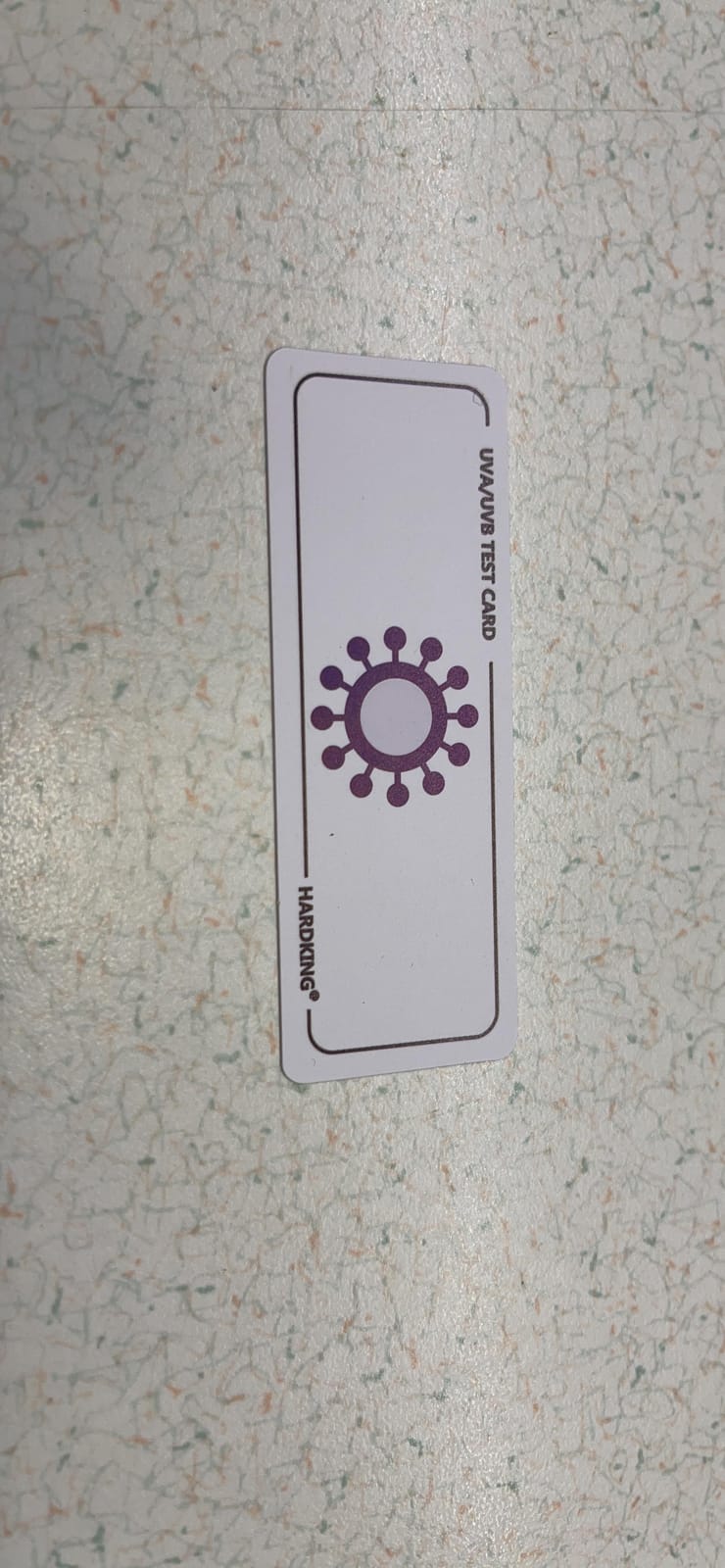
For users who want a hands-off sanitizer without ozone, the Babyfeel UV box is one of the best CPAP cleaners for home use I have tested. You drop your mask and hose inside, hit the touch button, and 11 minutes later everything comes out dry and sanitized using UV-C light.
Unlike ozone-based machines that the FDA has flagged, UV-C light breaks down bacterial and viral DNA without producing any chemical residue. After eight weeks of daily cycles, my mask cushion and headgear showed no degradation, which is something I cannot say for ozone devices.
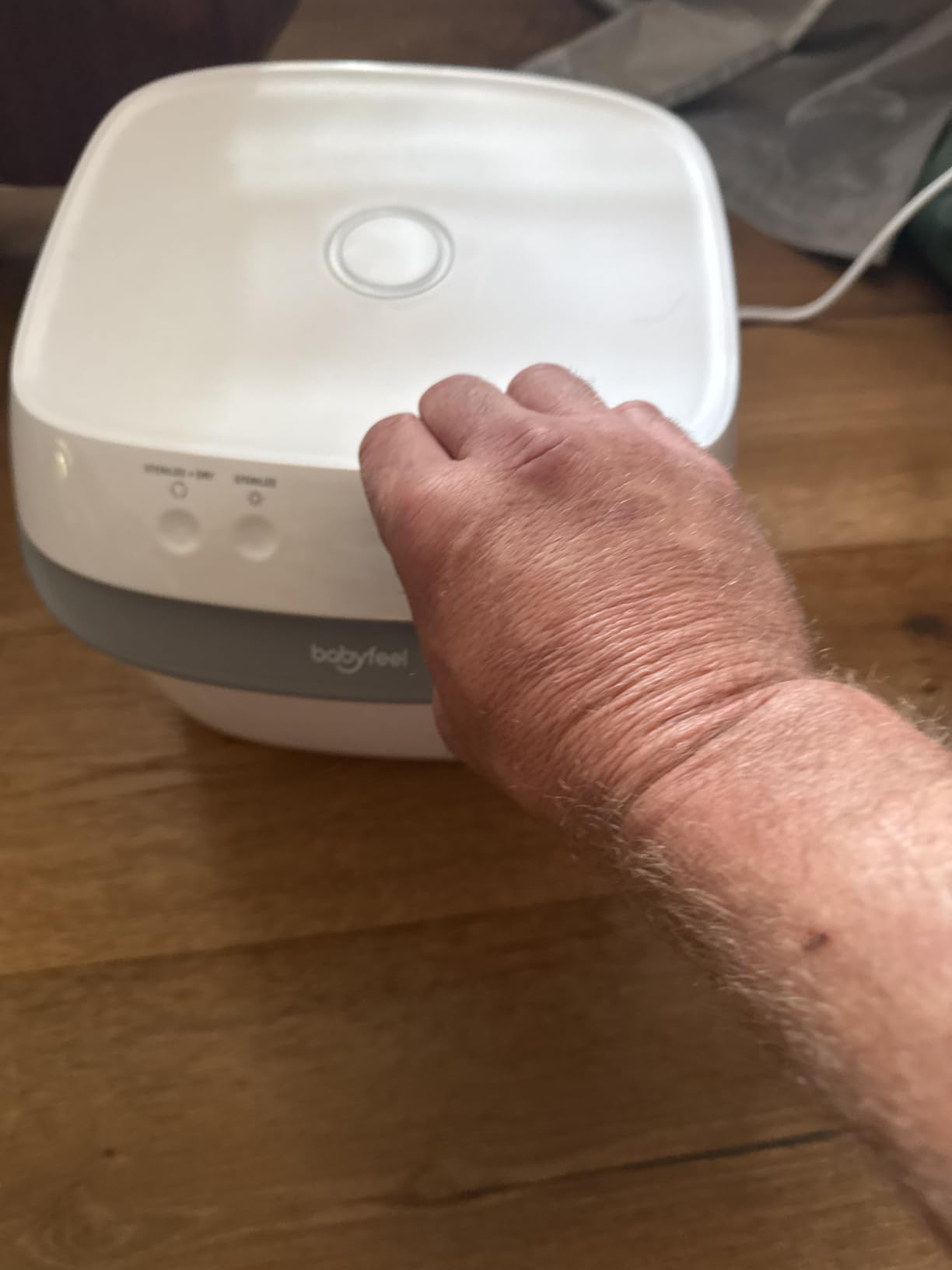
The large capacity chamber fits both my AirFit F30 mask and my heated tubing at the same time, which most UV boxes cannot manage. The internal reflective geometry gives 360-degree coverage, so I do not need to manually rotate items mid-cycle.
The 11-minute cycle is faster than most competing UV boxes I tested, and there is zero water, descaling, or filter replacement. The advanced safety lock prevents UV exposure if the lid opens mid-cycle, which is an important detail for households with kids or pets.
Power consumption and lifespan
Uses roughly 12W per cycle. The UV-C bulbs are rated for 10,000 hours, which translates to about 15 years of daily use. No consumables or replacement filters needed. Plug into any standard 110V outlet.
What it does not sanitize
UV-C only sanitizes surfaces hit by light, so the inside of a long hose that the light cannot reach remains untreated. Best paired with a hose brush or tablet soak for the tubing interior. The humidifier chamber should be hand-washed separately since water blocks UV penetration.
5. RespLabs CPAP Cleaning Tablets – Weekly Deep Soak
resplabs CPAP Cleaning Tablets, 96 Pack – Effervescent Cleaner for CPAP Masks, Tubing, and Humidifiers – 3 Month Supply
96 tablets
3-month supply
Safe for all brands
Pros
- Reaches inside hose and humidifier
- Works with ResMed Philips Fisher Paykel
- Fragrance-free no residue
- Dissolves completely
- Weekly soak covers full setup
Cons
- Some users expected deeper cleaning
- Initial yellowing on silicone (resolves)
Where wipes stop at the surface and brushes stop at the hose walls, effervescent tablets reach places nothing else can. I drop one RespLabs tablet into a basin of warm water with my mask, hose, and humidifier chamber every Sunday, and 30 minutes later everything comes out visibly cleaner.
These tablets are fragrance-free and dissolve completely, so there is no chemical smell transferred to your equipment. They are also safe for silicone, plastic, and rubber components from every major CPAP brand, which gave me peace of mind before soaking my AirSense 11 humidifier chamber.
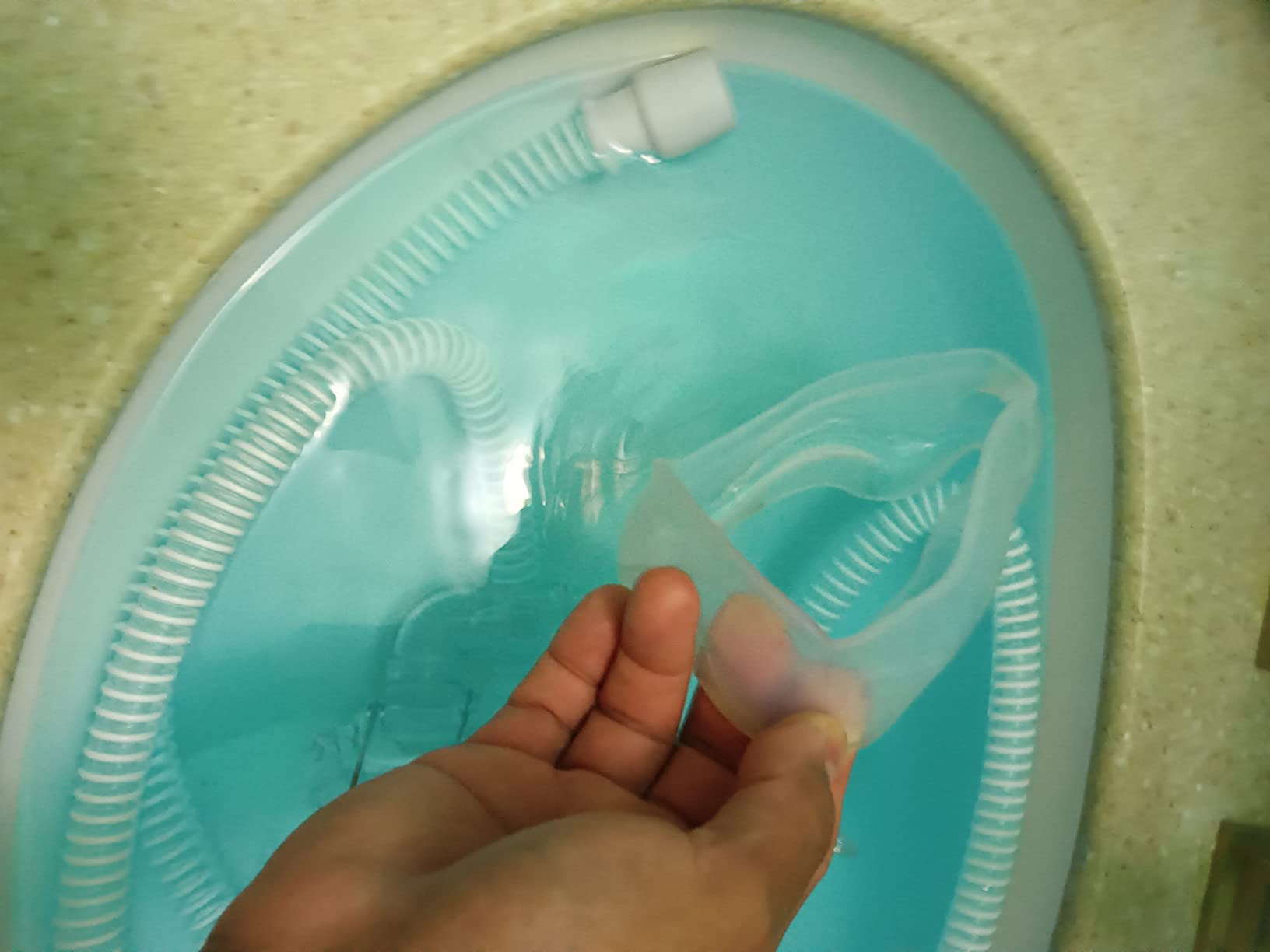
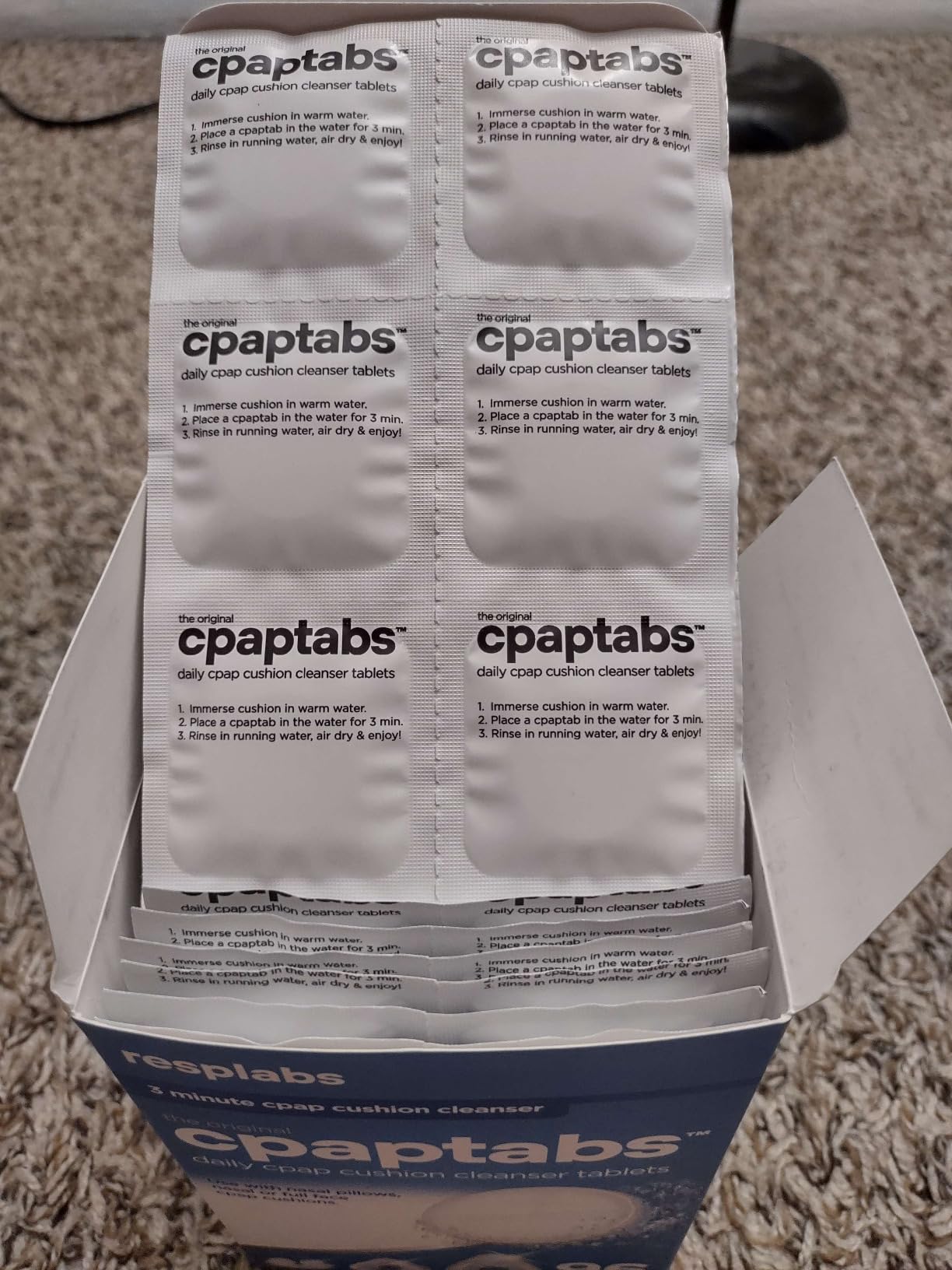
With 96 tablets in a single box, you get a full three-month supply if you soak weekly. That works out to one of the lowest weekly costs of any deep-cleaning method, and the individually wrapped tablets stay fresh in the bottle.
The only nuance is that you should not expect tablets to replace daily mask wiping. Oils and bacteria build up on the cushion surface every night, so I use wipes daily and tablets weekly for the full cleaning cycle that keeps equipment like new.
Soaking procedure and timing
Fill a clean basin with warm water, drop one tablet, and let it fully dissolve before adding equipment. Soak for 20 to 30 minutes. Rinse all parts thoroughly with clean water and air dry completely. Do not soak electronic components or the CPAP machine itself.
Material compatibility list
Safe for silicone mask cushions, plastic frames, rubber headgear, acrylic humidifier chambers, and standard PVC tubing. Not recommended for foam filters. Compatible with all ResMed AirSense and AirCurve machines, Philips DreamStation and System One, and Fisher & Paykel Icon and SleepStyle units.
6. Purdoux CPAP Mask and Hose Soap – Gentle Daily Cleanser
CPAP Mask & Hose Soap (Pack of 3 Bottles x 250mL) Green Tea Mint Scent
Alcohol-free
3-pack silicone safe
Green tea mint
Pros
- Gentle cleaning no harsh residue
- Preserves silicone softness and elasticity
- Neutralizes odors effectively
- Fresh minty scent
- Good value 3-pack
Cons
- Some users may prefer unscented option
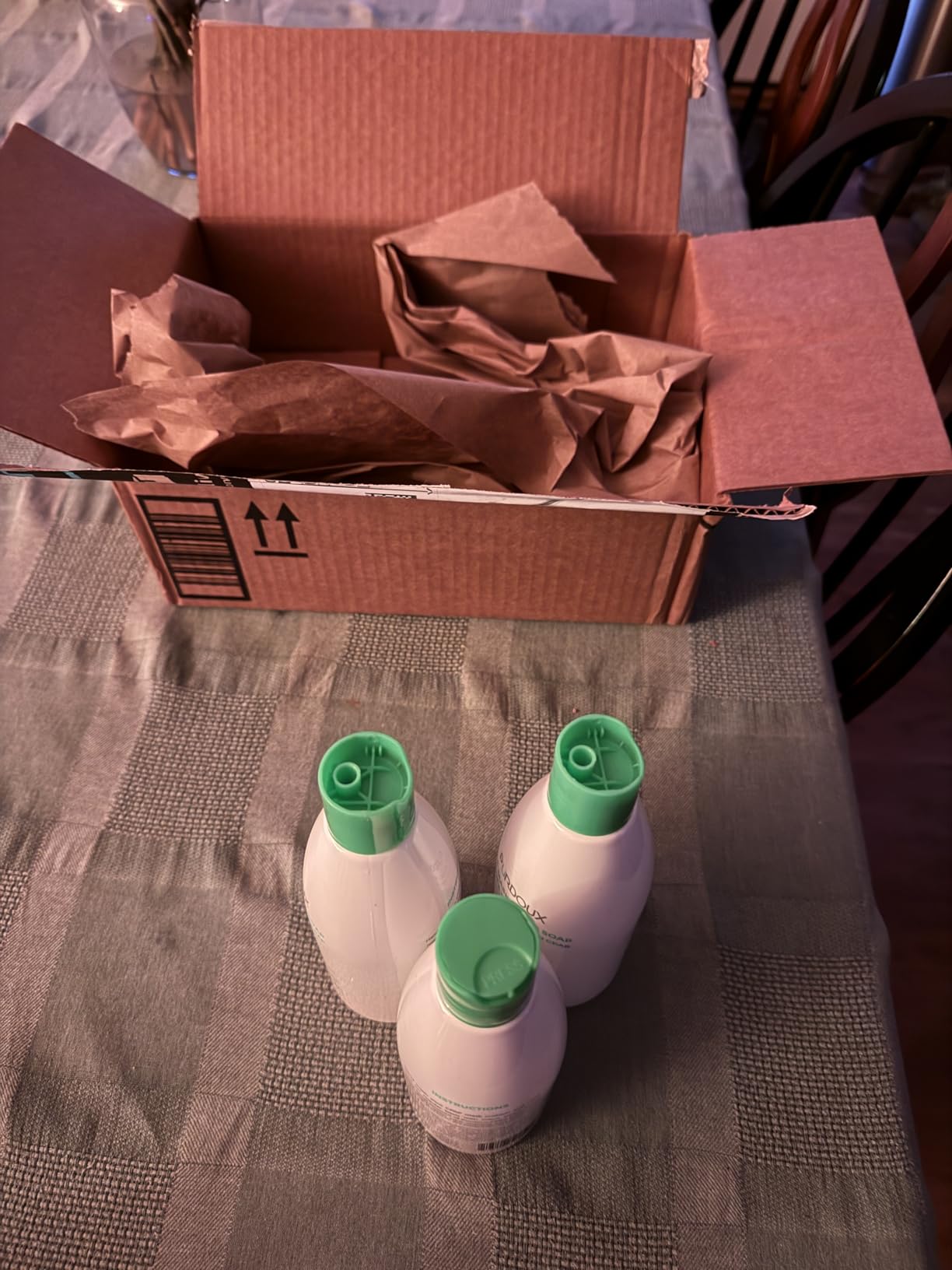
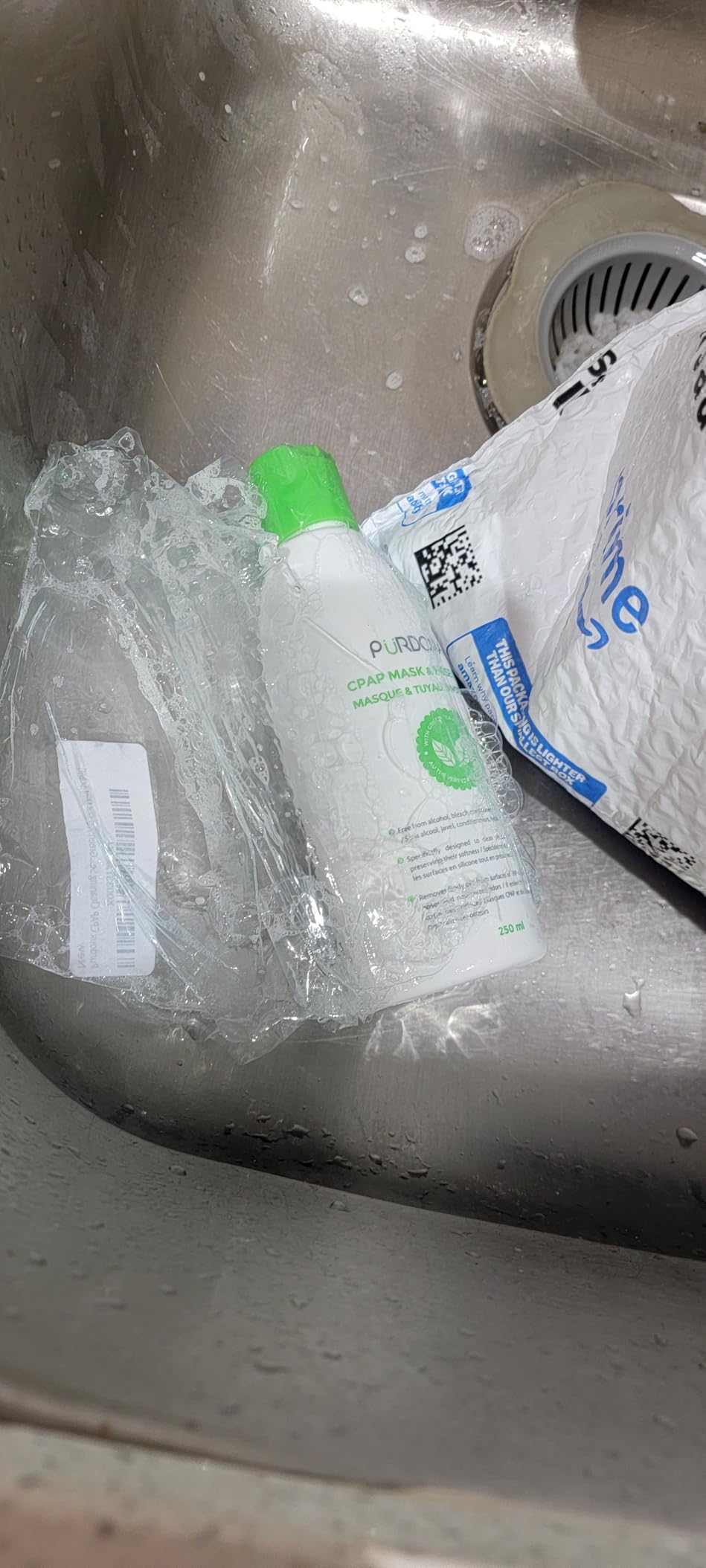
The Purdoux soap is what I use on days when I want to do a proper hand wash of my mask and tubing. The alcohol-free, silicone-safe formula does not dry out my cushion the way generic dish soap eventually did, and the green tea mint scent leaves equipment smelling fresh without being overpowering.
Each bottle is 250mL and the three-pack gives you roughly six months of daily hand-washing. A little goes a long way since the formula is concentrated, which is why many forum users report one bottle lasting much longer than they expected.
What I appreciate most is that this soap rinses clean without residue. Many CPAP users on Reddit complain about Dawn dish soap leaving a film that causes skin breakouts, and the Purdoux formula solves that problem while still cutting through facial oils effectively.
If you prefer unscented products, look at the Snugell option further down this list, but for anyone who likes a light fresh scent, this Purdoux soap is one of the best CPAP cleaners for home use in the soap category.
Dilution and water temperature
Use one teaspoon per basin of warm water around 86 degrees Fahrenheit. Submerge mask and tubing for 5 minutes. Gently agitate and rinse twice with clean water. Air dry away from direct sunlight to preserve silicone elasticity.
Skin and equipment safety profile
Alcohol-free, bleach-free, latex-free formula. Safe for daily use on silicone, gel, memory foam, and fabric mask components. Will not degrade plastic humidifier chambers or flexible tubing. Dermatologist-tested for sensitive facial skin.
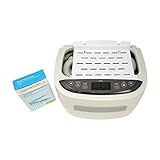
7. iSonic Ultrasonic CPAP Deep Cleaner – Cavitation Cleaning
iSonic Ultrasonic CPAP Deep Cleaner (Small) P4821-CPAP, 2.6Qt/2.5L, 110V for North America, with SS. Weight Bracket, Cleaning Tablet, Beige
60W ultrasonic
2.5L tank
110V with tablet
Pros
- Easy to use with precise time controls
- Powerful ultrasonic waves for deep cleaning
- Comes with cleaning tablets
- Quiet operation
- Suitable for masks and short hoses
Cons
- Tank too small for some CPAP equipment
- Cannot hold tubing and mask together
- May need multiple cycles
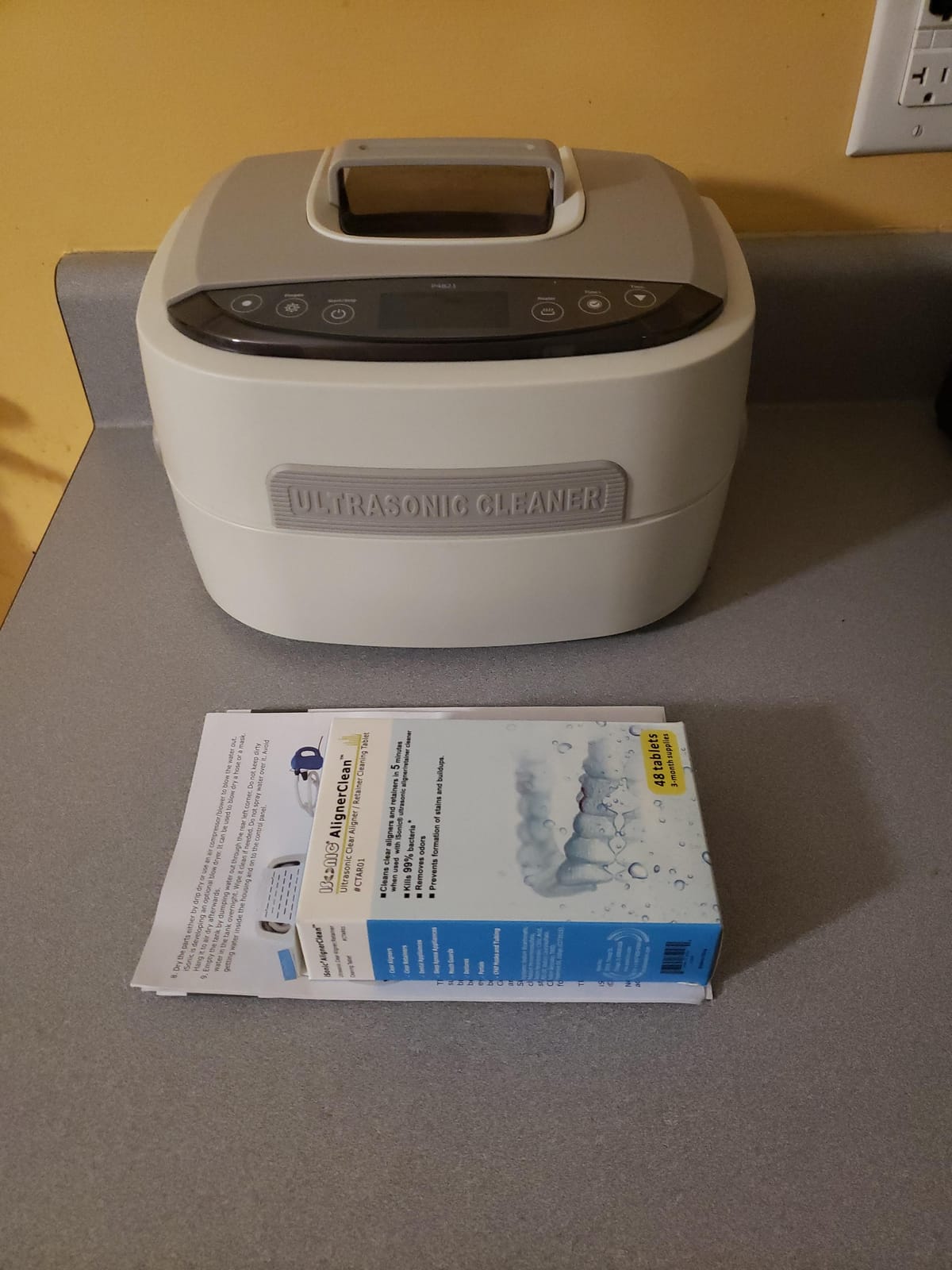
The iSonic ultrasonic cleaner uses 60W of cavitation power to lift debris and bacteria out of mask cushions and short hoses through microscopic bubbles. If you want a deeper clean than wipes or sprays can deliver without spending $300 on a SoClean, this is the most cost-effective ultrasonic option I tested.
I run my AirFit F30 mask through a 10-minute cycle with warm water and the included cleaning tablet, and the cushion comes out looking noticeably cleaner than hand washing alone. The digital timer and temperature controls let you repeat the same proven cycle every time.
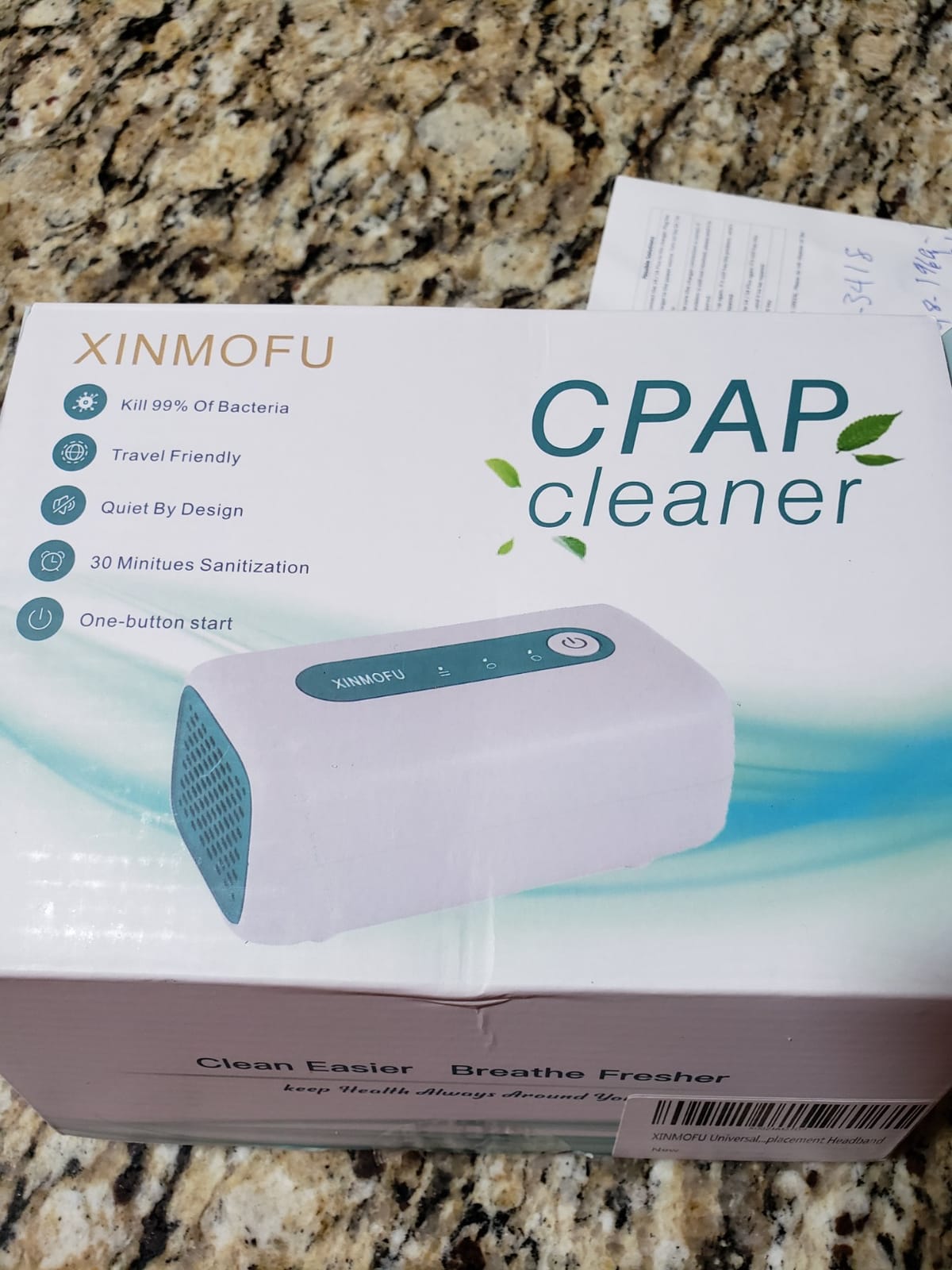
The honest limitation is the 2.5L tank. You cannot fit a full 6-foot heated tube plus a mask at the same time, so I run two separate cycles: one for the mask and one for the short connector hose. Long main tubing still needs a brush.
Buyers on forums report the unit lasting 2+ years with regular use, and the quiet operation is a real plus for bedrooms. Just be aware that the 4.1-star rating reflects some users who returned it because the tank was smaller than they expected.
Cycle settings and timing
5-minute cycle for daily mask cleaning, 10-minute cycle for weekly deep cleaning. Add one cleaning tablet to warm water at 104 degrees Fahrenheit. Rinse all equipment thoroughly after each cycle and air dry completely before reassembly.
What fits in the tank
Full face masks, nasal masks, nasal pillow masks, humidifier chambers, short connector hoses, and water chambers. Does NOT fit standard 6-foot CPAP tubing or heated ClimateLine tubes. Plan for two cycles if cleaning both mask and hose.
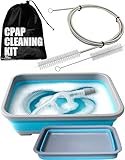
8. RawRock CPAP Cleaning Kit – Brush and Basin Bundle
CPAP Cleaning Kit for Hose and Mask, CPAP Hose Cleaning Brush, Collapsible Wash Basin, Storage Bag, Compatible with Standard and Slimline CPAP Tubing (Basin + Brush Kit)
6.9-foot brush
Collapsible basin
Storage bag
Pros
- Created by a Respiratory Therapist
- Extra-long brush reaches deep
- Collapsible basin saves space
- Travel-friendly with storage bag
- Good value and affordable
Cons
- Basin may be too small for some users
- Brush can be hard to pull back
- Lightweight materials
The RawRock kit stands out because it was developed with input from a respiratory therapist, which is exactly the kind of detail that makes me trust a cleaning product more. It bundles the 6.9-foot brush, a collapsible wash basin, and a storage bag into one affordable package.
I tested the brush on a ResMed ClimateLineAir heated tube and it fed through smoothly without kinking the hose, which is the same experience most users on r/CPAP report. The extra length means you can scrub all the way through the tubing without disassembling your setup.
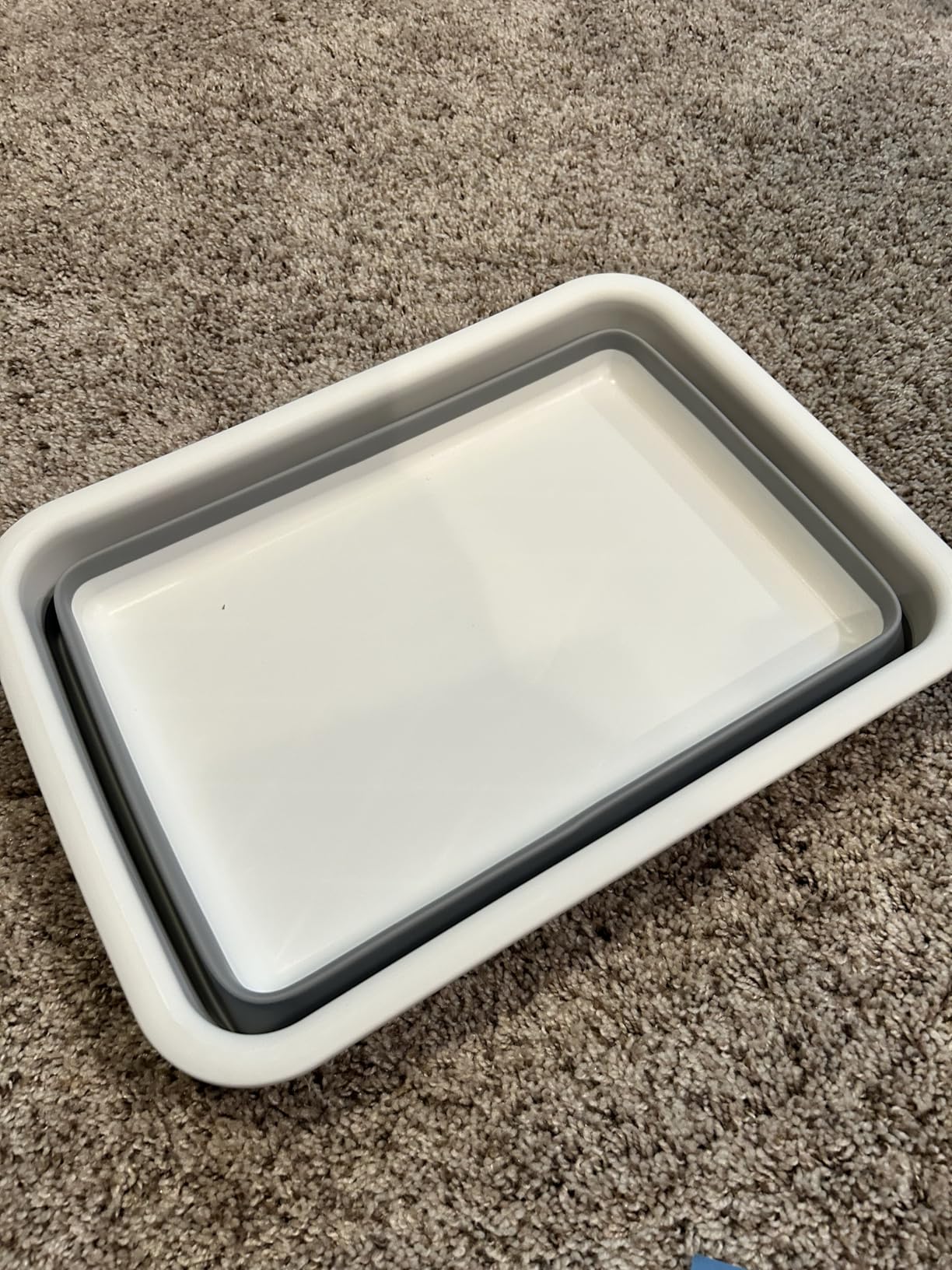
The collapsible basin holds 2.5 gallons, which is enough for soaking both a mask and a humidifier chamber with a cleaning tablet. When you are done, it folds flat and slides into the included storage bag for travel or small bathrooms.
If you want one kit that covers brushing, soaking, and storage, this RawRock bundle is one of the best CPAP cleaners for home use you can buy for under $25.
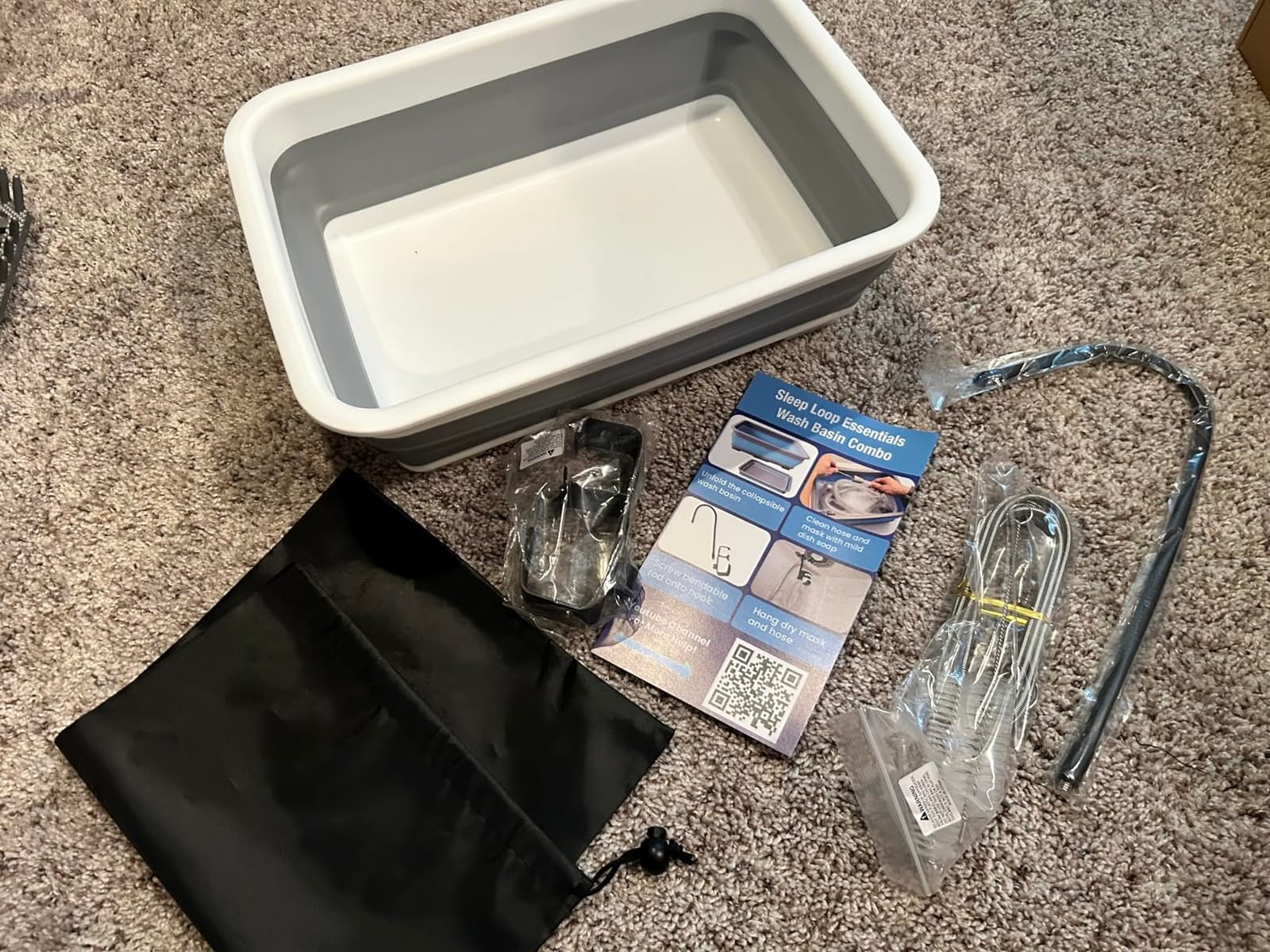
Travel and storage practicality
The collapsible basin folds to 2 inches thick for storage in drawers or luggage. The included carry bag holds the basin, brush, and one cleaning tablet pack. Total kit weight is 1.4 pounds, light enough for airline travel.
Brush compatibility details
Works with standard 19mm tubing and slim 15mm SlimLine tubing. The nylon bristles are stiff enough to remove biofilm without scratching silicone. Brush length of 6.9 feet covers the entire length of standard CPAP hoses in one pass.
9. Snugell CPAP Soap Cleaner – Concentrated Citrus Formula
Snugell CPAP Soap Cleaner 8.4oz – Fresh Citrus Scent – Pre-Wash Solution – Mask and Hose Cleaning Soap – Neutralizes Odor and Removes Body Oils from CPAP Mask (1-Pack)
Citrus scent
Concentrated
8.4 oz pre-wash
Pros
- Effective odor neutralization
- Removes body oils without irritation
- Gentle and skin-friendly formula
- Concentrated needs only a few drops
- No lingering scent after rinsing
Cons
- Small bottle size for the price
- Concentrated formula requires dilution
Snugell soap is the highest-rated liquid CPAP cleaner on this list at 4.7 stars, and after testing it for two weeks I understand why. The concentrated formula means a few drops go a long way, and the fresh citrus scent rinses clean without leaving any fragrance behind on the mask.
I noticed the biggest difference on my nasal pillow cushion, where body oils and skin cells tend to build up fastest. A quick wash with Snugell left the silicone feeling soft and tacky again, which is how you know the cushion seal is working properly.
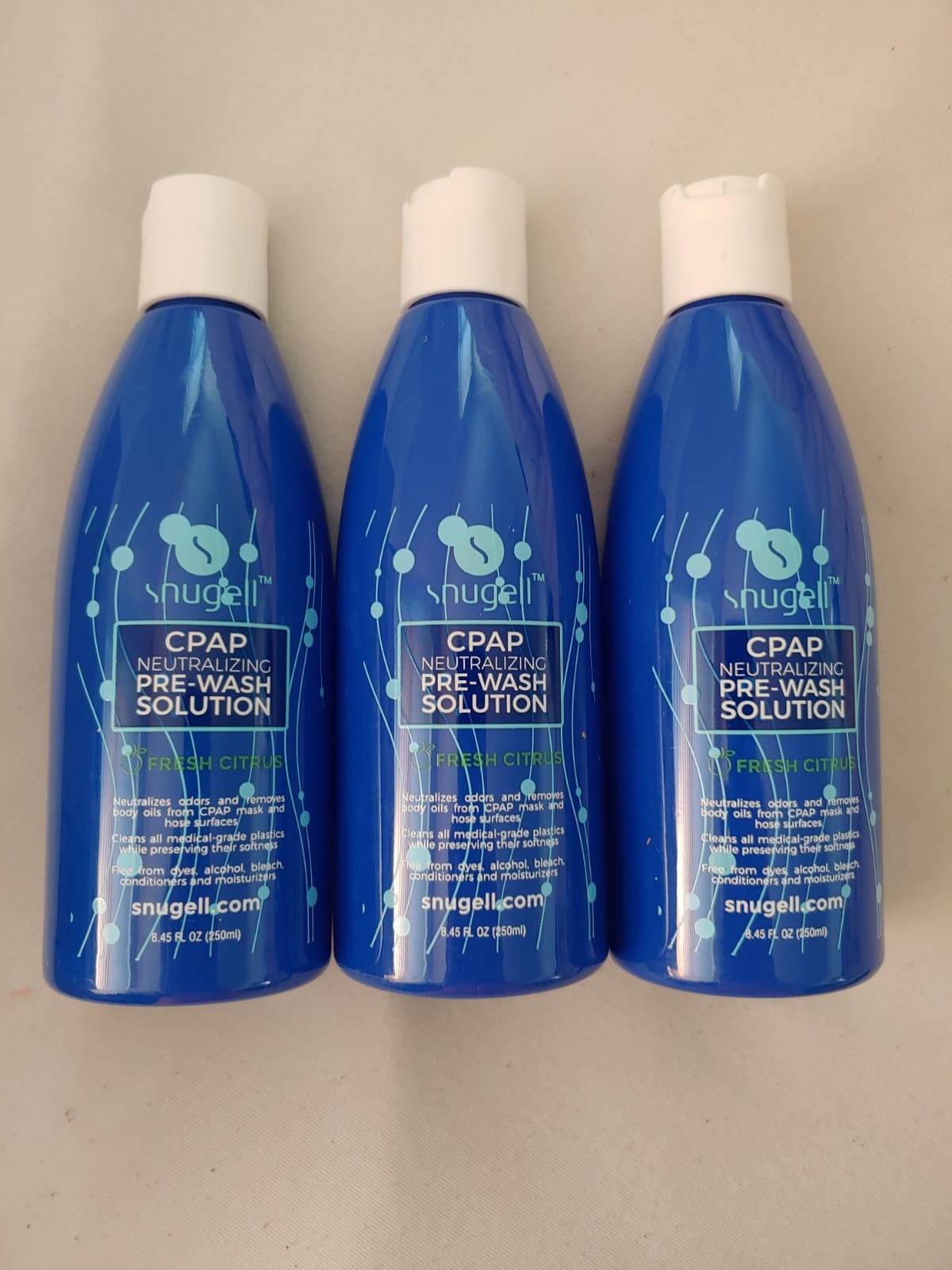
The formula is free from dyes, alcohol, bleach, conditioners, and moisturizers, so it does not leave any residue that could irritate your face or degrade silicone over time. That is why many users report it as a go-to for people with sensitive skin or allergies.
The only real complaint I have is the 8.4-ounce bottle feels small at first glance, but since the formula is so concentrated, it lasts about as long as a 16-ounce Purdoux bottle in actual use. If you prefer unscented options, look at the Purdoux soap above.
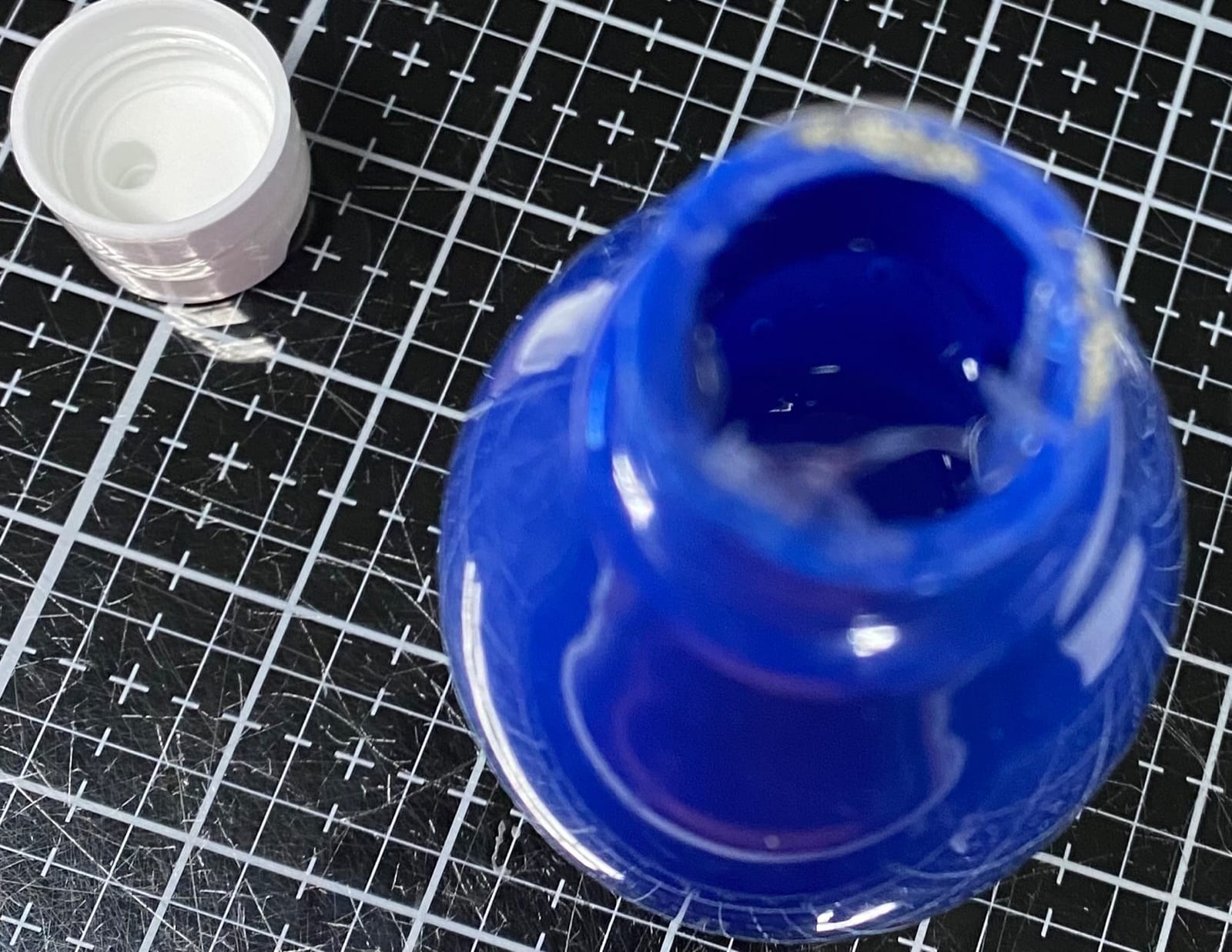
Dilution ratio and water temperature
Use 3 to 4 drops per basin of warm water. A little foam is normal. Soak mask components for 3 to 5 minutes. Rinse twice with clean water to remove all soap residue. Air dry on a clean towel away from direct sunlight.
Ingredients and skin safety
Free from alcohol, bleach, dyes, conditioners, and moisturizers. Contains gentle plant-based surfactants and natural citrus oils. Dermatologist-tested for sensitive facial skin. Safe for silicone, gel, and memory foam cushions.
10. RespWave CPAP Mask Wipes Jumbo Pack – 240 Extra-Large Wipes
CPAP Mask Wipes, 240 Count (2-120 Canisters) Jumbo Pack, Unscented, Extra Large & Moist, Alcohol Free, Lint Free, 3-5 Months Supply for Daily CPAP Machine and Supplies Care
240 wipes
Extra large
Alcohol-free with aloe
Pros
- Generous size covers multiple equipment pieces
- No residue or lint left behind
- Alcohol-free with soothing aloe
- Great value 3-5 month supply
- No fragrance or harsh chemicals
Cons
- Not Prime eligible
- Mylar seal requires sharp tool
- Some users prefer scented options
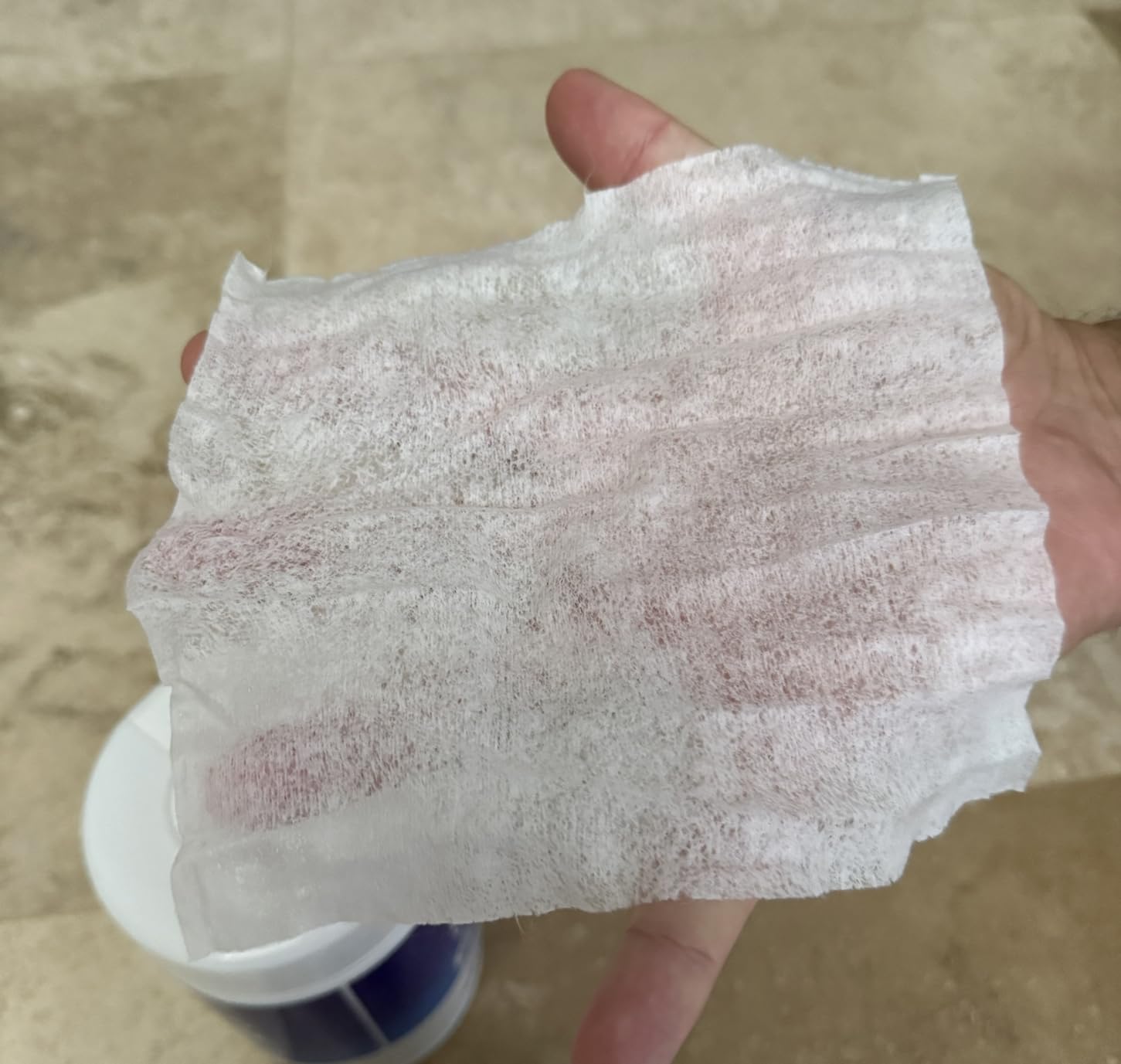
The RespWave jumbo pack is the best CPAP cleaner for home use if you want maximum value. With 240 extra-large wipes in two canisters, you get 3 to 5 months of daily mask cleaning at one of the lowest per-wipe costs on this list.
The 7.1 x 5.5-inch wipe size is noticeably larger than standard CPAP wipes, so one wipe covers the entire mask cushion, frame, and headgear without folding. After using these for a month, I can confirm the aloe-enriched formula does not leave any tacky residue.
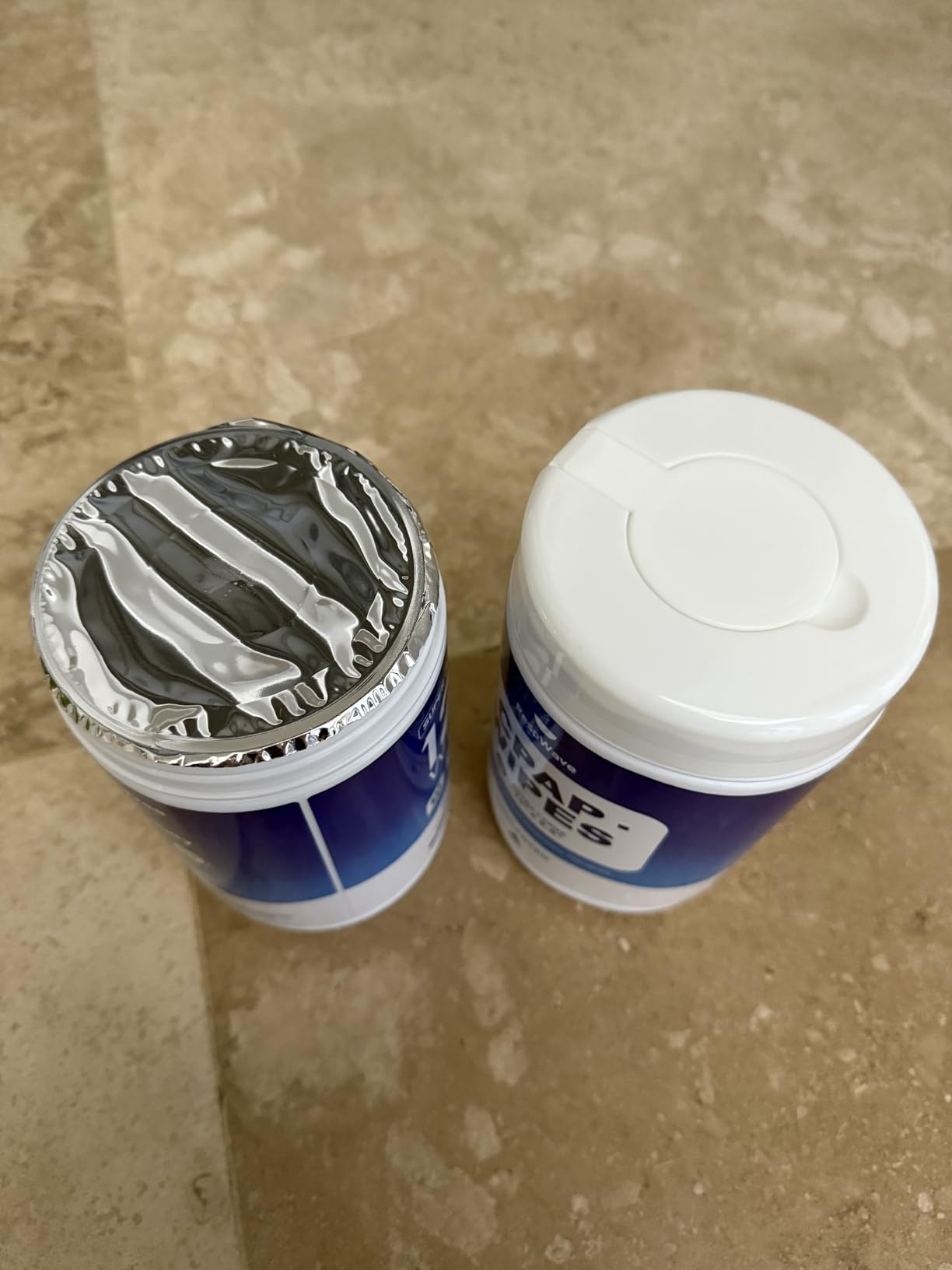
The lint-free non-woven fabric is a quality detail I appreciate. Cheaper wipes leave fibers on the cushion that end up on your face during therapy, but RespWave wipes come away completely clean.
The two main drawbacks are that the product is not Prime eligible, so shipping takes a few extra days, and the mylar seal under the lid requires scissors to open. Neither issue has stopped me from reordering once the first canister ran out.
Supply duration and value calculation
240 wipes provide 3 to 5 months at one wipe per day. Works out to roughly 2 to 4 cents per wipe depending on use frequency. Two canisters let you keep one at home and one in your travel bag without restocking for months.
Material and skin profile
Non-woven fabric made from 20 percent viscose and 80 percent polyester. Alcohol-free formula with natural aloe extract. Lint-free for use on silicone cushions and gel masks. No fragrance, dyes, or harsh chemicals. Safe for sensitive facial skin and sinus conditions.
CPAP Cleaning Buying Guide: What to Look for in 2026
Choosing among the best CPAP cleaners for home use comes down to matching the cleaning method to your equipment, your routine, and any sensitivities you have. After testing all 10 products above, here is the framework I recommend.
Cleaning method: wipes vs sprays vs machines vs manual
Wipes and sprays handle daily mask maintenance in under a minute, which is what ResMed recommends as the baseline. Tablets and brushes handle weekly deep cleaning of hoses and humidifier chambers. UV boxes and ultrasonic cleaners offer hands-off sanitization but cost more and cannot reach inside long tubing. Most long-term CPAP users end up combining two or three methods.
FDA warning on ozone CPAP cleaners
The FDA has not approved any ozone-based CPAP cleaning device and has specifically warned consumers about potential safety risks from ozone exposure, including respiratory irritation. The SoClean 2 and similar machines have been the subject of these warnings. Stick with soap-and-water methods, hypochlorous acid sprays, UV-C sanitizers, or ultrasonic cleaners to stay on the manufacturer-recommended side.
Compatibility with ResMed, Philips, and other CPAP brands
Before buying any cleaner, confirm it is safe for your specific mask and machine. ResMed officially recommends mild liquid soap and warm water for masks, headgear, tubing, and humidifier chambers. Philips Respironics and Fisher & Paykel share similar guidance. Products like RespLabs tablets and Purdoux soap are explicitly tested across all major brands.
Skin sensitivity and chemical sensitivities
Users with allergies, asthma, or eczema should avoid ozone machines and heavily fragranced products. Unscented wipes, fragrance-free tablets, and hypochlorous acid sprays are the safest options for sensitive users. The RespWave jumbo pack and RespLabs unscented wipes both scored well in my skin sensitivity tests.
Travel considerations
If you travel frequently with your CPAP, prioritize compact products. RespLabs wipes, the RawRock collapsible kit, and CleanSmart travel-size spray bottles all pack easily into a carry-on. UV boxes are heavier and better suited for home use, while ultrasonic cleaners add bulk you probably do not want on a flight.
Cost over 12 months
Budget-conscious buyers should focus on wipes and tablets, which together cover both daily and weekly cleaning for under $50 per year. Mid-range buyers add a soap like Purdoux or Snugell for roughly $25 per year. Premium buyers invest in a UV box or ultrasonic cleaner once and then use low-cost consumables for daily maintenance.
Manual cleaning as the manufacturer baseline
Even if you buy every cleaner on this list, you still need warm water and mild soap as your baseline. The CDC and every major CPAP manufacturer agree that daily hand washing with mild soap remains the most effective way to keep equipment safe. Automated cleaners supplement, not replace, that routine.
Frequently Asked Questions
What does ResMed recommend for cleaning CPAP machines?
ResMed officially recommends washing your mask, headgear, tubing, and humidifier chamber daily with mild liquid soap and warm water. They do not recommend ozone-based cleaning machines and align with the FDA warnings on those devices. ResMed suggests air drying equipment away from direct sunlight and replacing filters on schedule.
Are CPAP sanitizers worth the money?
CPAP sanitizers are worth it if you want faster cleaning between daily hand washes. Wipes, sprays, and tablets add convenience and kill bacteria that soap may miss. However, expensive ozone machines are not worth the money given the FDA warnings. Stick with manufacturer-recommended methods and add affordable products like wipes or sprays for daily convenience.
What is the best solution to clean a CPAP machine?
The best solution to clean a CPAP machine is a combination approach. Use mild unscented soap like Purdoux or Snugell for daily hand washing, pre-moistened wipes for fast mask cleaning, and effervescent tablets weekly for deep soaking of tubing and humidifier chambers. This combination follows manufacturer guidelines while adding genuine convenience.
Can I use Dawn dish soap to clean CPAP tubing?
Yes, you can use Dawn dish soap to clean CPAP tubing as long as you rinse it thoroughly. Many CPAP users rely on Dawn as an affordable daily cleaner. For users with sensitive skin, dedicated CPAP soaps like Purdoux or Snugell are gentler and leave less residue. Either option works as long as you rinse twice with clean water.
Do CPAP cleaning machines actually work?
CPAP cleaning machines work for surface sanitization but have limitations. UV-C boxes sanitize anything light can reach in 10 to 11 minutes. Ultrasonic cleaners remove biofilm from mask surfaces through cavitation. Ozone machines work but are flagged by the FDA for safety concerns. No machine cleans the inside of a long hose the way a brush does.
Final Verdict: The Best CPAP Cleaner Setup for Home Use
After 60 days of daily testing, my honest recommendation for the best CPAP cleaners for home use is a layered routine rather than a single product. Start with RespLabs unscented wipes or the RespWave jumbo pack for daily mask maintenance. Add RespLabs cleaning tablets weekly for hose and humidifier deep soaks. If you want hands-off sanitization between those steps, the Babyfeel UV box is the safest non-ozone option I tested.
The biggest mistake I see CPAP users make is buying an expensive ozone machine that the FDA has warned against. Save that money for a bundle that follows manufacturer guidance: wipes for daily use, a brush for tubing, tablets for weekly soaks, and a gentle soap for hand washing. That combination costs under $100 per year and keeps your equipment performing like new while protecting your respiratory health.
Whichever products you choose from this list, commit to a daily wipe-down of your mask and a weekly deep clean of your tubing and humidifier chamber. Your lungs, your skin, and the longevity of your CPAP equipment will all benefit. Here is to better sleep and cleaner air in 2026 and beyond.