
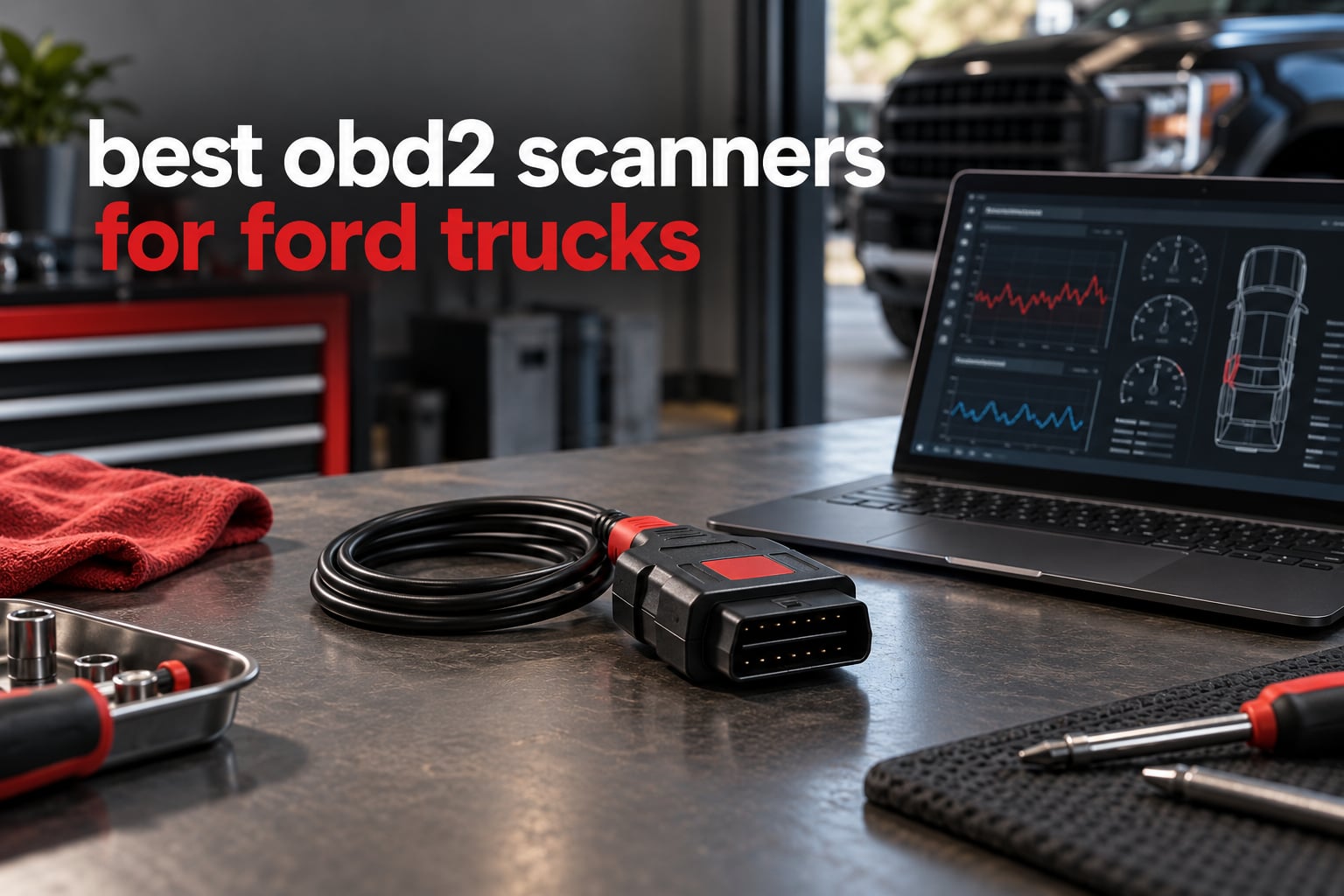
Something about Ford trucks and diagnostic codes is different. A check engine light on a Toyota or a Subaru is usually an engine problem, so a basic code reader tells you something useful. On an F-150, a Ranger, or a Super Duty, the light on your dash can come from the parking assist module, the rear air suspension, the anti-lock brakes, the airbag system, or the transmission. A basic reader either stays quiet or clears the code without telling you which of those dozen modules actually set it.
That is why choosing among the best OBD2 scanners for Ford trucks is not as simple as picking the one with the longest feature list. The tools that Ford owners and independent shops actually keep on the bench all share one trait: they can switch between the high speed and medium speed CAN buses on the truck, and the software on top of them knows the difference between a PCM code and a PAM code. We went through the full lineup in 2026, compared protocol handling, module coverage, connection style and update policy, and narrowed it to seven.
Before the picks, one disclosure: the links below are affiliate links, and we may earn a commission if you buy through them. It does not change the ranking. Every product here was judged on what it can actually reach on a Ford, not on the badge on the box.
Table of Contents
Top 3 Ford Truck Diagnostic Picks in 2026
Three of these seven earned a top slot, and they are all adapters that run FORScan on a Windows laptop rather than handheld boxes. That is not a coincidence. The most capable Ford-specific software available to consumers only works with this class of hardware.
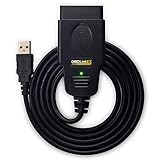
OBDLink EX FORScan Adapter
- FORScan recommended hardware
- Electronic HS/MS-CAN switching
- Up to 20x faster than toggle adapters

OBDMONSTER ELM327 USB Adapter
- Manual CAN toggle switch
- ELMconfig and FoCCCus support
- Ford hidden functions
The OBDLink EX takes the top spot on the strength of the largest review base in the category and the only adapter here that the FORScan team recommends directly. The Vgate vLinker FS does the same job for roughly half the money, and the OBDMONSTER ELM327 is the floor price for getting into Ford hidden functions at all.
What Is the Best OBD2 Scanner for Ford Trucks?
The best OBD2 scanner for Ford trucks is FORScan running on a Windows laptop with a hardware adapter that switches automatically between the HS-CAN and MS-CAN buses, such as the OBDLink EX or the Vgate vLinker FS. Those two buses carry different modules, and without a switch between them you will never see the parking assist, SRS or rear suspension modules at all. A standalone handheld like the ANCEL FD500 covers a good share of Ford modules without a laptop, and a J1939 tool such as the ANCEL HD430 is the correct addition if you run a diesel Super Duty.
Here is every tool in the lineup, with the capabilities that actually matter on a Ford.
| Product | Specifications | Action |
|---|---|---|
| OBDLink EX FORScan Adapter |
|
Check Latest Price |
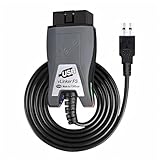 Vgate vLinker FS USB Adapter Vgate vLinker FS USB Adapter |
|
Check Latest Price |
| OBDMONSTER ELM327 USB Adapter |
|
Check Latest Price |
 ANCEL HD430 Heavy Duty Scanner ANCEL HD430 Heavy Duty Scanner |
|
Check Latest Price |
 LAUNCH CRP129HD Heavy Duty Scanner LAUNCH CRP129HD Heavy Duty Scanner |
|
Check Latest Price |
 ANCEL FD500 Ford Scanner ANCEL FD500 Ford Scanner |
|
Check Latest Price |
 ANCEL V6HD Heavy Duty Scanner ANCEL V6HD Heavy Duty Scanner |
|
Check Latest Price |
1. OBDLink EX – The Adapter FORScan Was Built Around
OBDLink EX FORScan OBD Adapter
FORScan recommended
Electronic CAN auto-switch
Up to 20x faster
Wired USB
Windows only
Pros
- Automatic HS-CAN and MS-CAN switching with no toggle
- Rock-solid connection with no dropped packets during long procedures
- Wired USB data speed
- Backed by 10461 owner reviews
- Works on Ford Lincoln and Mazda from 1996 onward
Cons
- Costs more than generic ELM327 adapters
- Needs a Windows laptop and a cable
- One reviewer reported a failure just past the three year mark
Everything in this list ultimately feeds the same software, and this is the adapter that software was written around. The OBDLink EX is a wired USB dongle from OBD Solutions, rated at 4.7 stars across more than ten thousand reviews, and it is the one unit in this roundup that the FORScan team names as recommended hardware. That recommendation is the single most important fact on this page if you own a Ford.
What separates it from a cheap dongle is the electronic switch inside. Ford trucks split their modules across two CAN buses, a high speed network carrying the engine and transmission and a medium speed network carrying body systems like the parking assist module and the instrument cluster. Most inexpensive adapters force you to flip a physical toggle by hand. This one flips itself, and it reaches all of the buses at the same time, which is what unlocks the advanced functions that toggle-style hardware simply cannot perform.
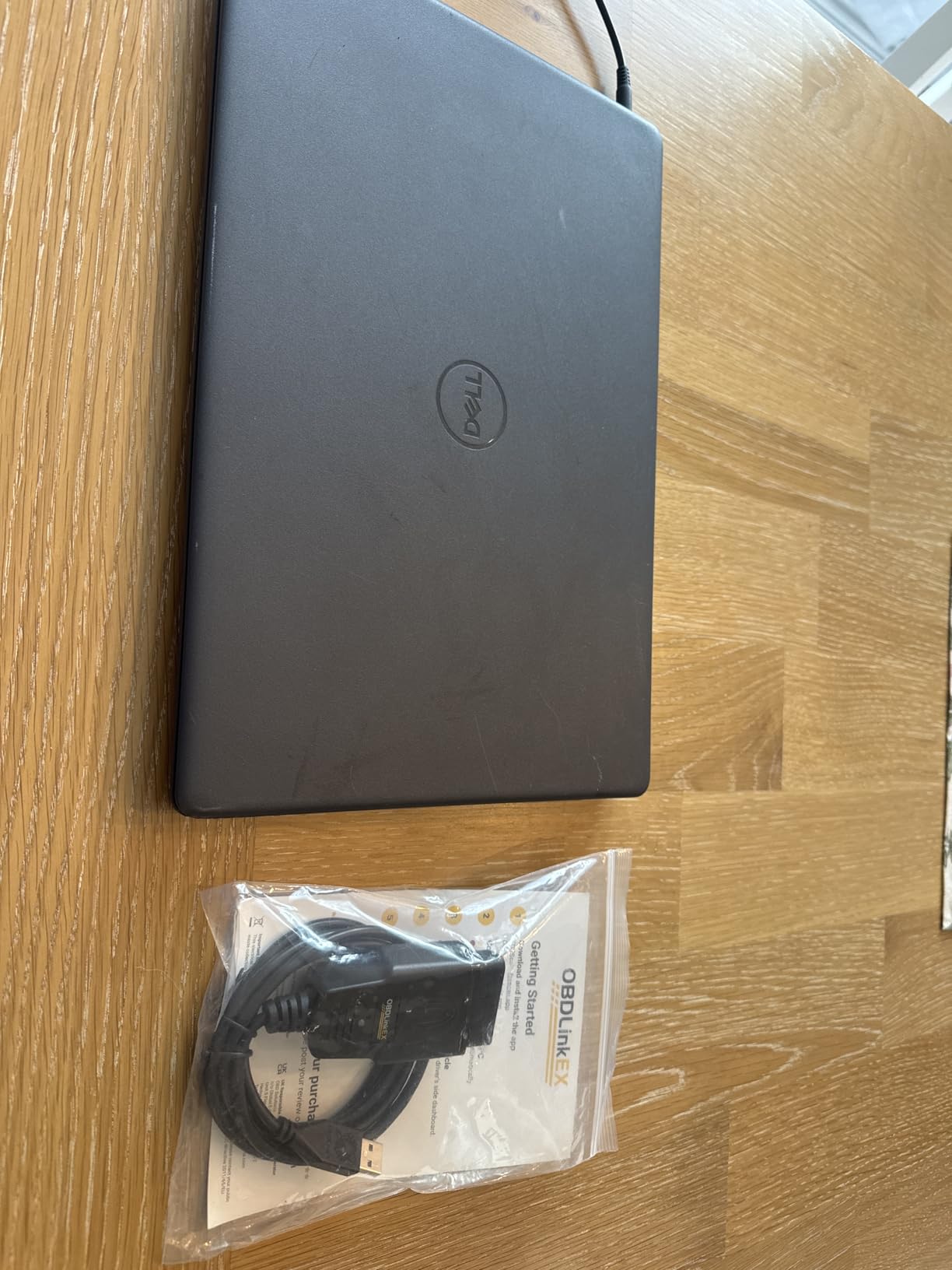
The throughput figure is the other part of the story. The manufacturer claims up to twenty times the speed of toggle switch adapters, and in practice that means live data graphs and module scans finish in a fraction of the time. Owners describe the connection as rock solid with no data corruption, which matters most during long service procedures where a dropped packet can leave you with a half-completed operation.
It runs from the vehicle, measures 3.5 by 1 by 1.8 inches, and ships with a quick start guide and the scanner itself. The box includes no software, and it does not need any, because FORScan is what you load on your laptop. If you already own FORScan or plan to, this is the safest purchase in the category.
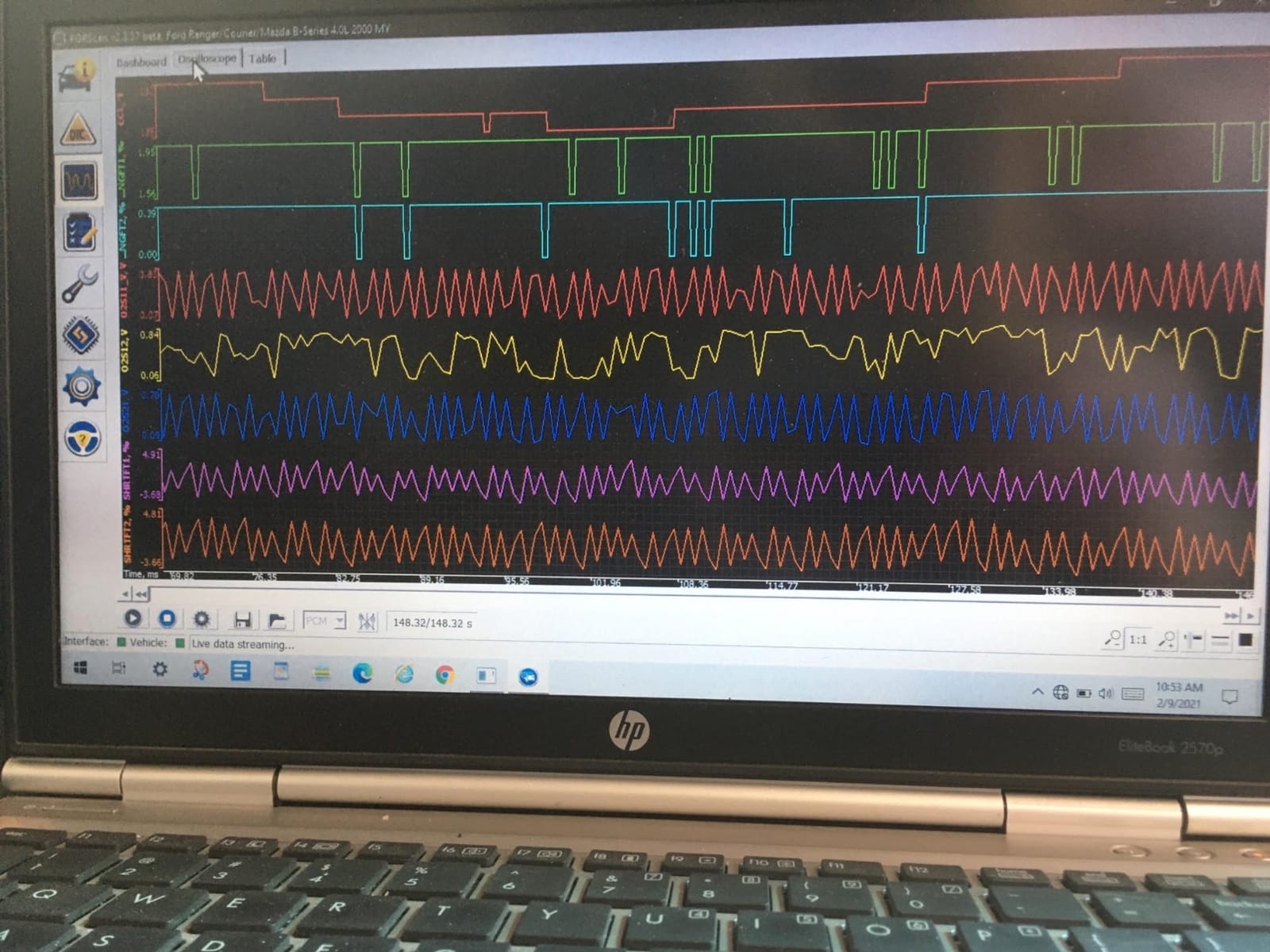
What the OBDLink EX does that a budget dongle cannot
Automatic bus switching is the whole advantage, and it shows up in the module list. With this adapter, FORScan walks the engine, transmission, ABS, SRS, HVAC, four wheel drive and body modules in one pass without you touching anything. With a manual toggle adapter, the software prompts you, you flip the switch, and if you forget, the scan simply misses that bus.
The second difference is stability under load. When you run a service procedure such as an ABS bleed or a throttle relearn, the tool holds the connection while data streams back and forth continuously. Owners running FORScan across a fleet of Fords single this unit out as the one that never needs a second connection attempt.
Where the OBDLink EX falls short
It is a wired Windows device, and that is not a small limitation. You are tethered to a laptop, so working on a passenger seat or crawling under a dash is less convenient than a Bluetooth adapter. Mac users are out of luck entirely, since the drivers and the pairing process are Windows only.
It also costs meaningfully more than the generic ELM327 units in this roundup, and a small number of owners have reported hardware failure just outside the three year warranty window. A reviewer also noted that a newer revision may need an ignition plus wiring change if you plan to mount it permanently under the dash. For most people, none of that outweighs the connection quality.
2. Vgate vLinker FS – The Best Balance of Cost and Capability
Vgate vLinker FS OBD2 USB Adapter for FORScan HS/MS-CAN, Auto Switch
Auto HS/MS-CAN switching
3 Mbps data
FORScan optimized
2 Year warranty
Pros
- Automatic HS-CAN and MS-CAN switching at a fraction of the OBDLink cost
- Handles 12V and 24V gas and diesel vehicles
- 3 Mbps transfer with full 4095 byte packets
- Two year manufacturer warranty
- No subscriptions or proprietary software
Cons
- Needs a driver or firmware update before first use
- Windows only with no Mac or Android support
- Wired USB limits where you can work
If the OBDLink EX is the answer you do not have to think about, the Vgate vLinker FS is the answer you reach for when the same job needs to cost less. It holds a 4.7 rating across 2988 reviews, uses the same automatic bus switching approach, and carries a two year manufacturer warranty, which is longer than most adapters in this category offer.
Vgate designed this one specifically for FORScan rather than bolting a generic chip into a plastic shell. It is ELM327 protocol compatible, which means the software side stays open and you are not locked into one vendor. It also handles 12V and 24V platforms, covering gasoline vehicles from 1996 and diesel from 2004, and it supports both US and European specification models.
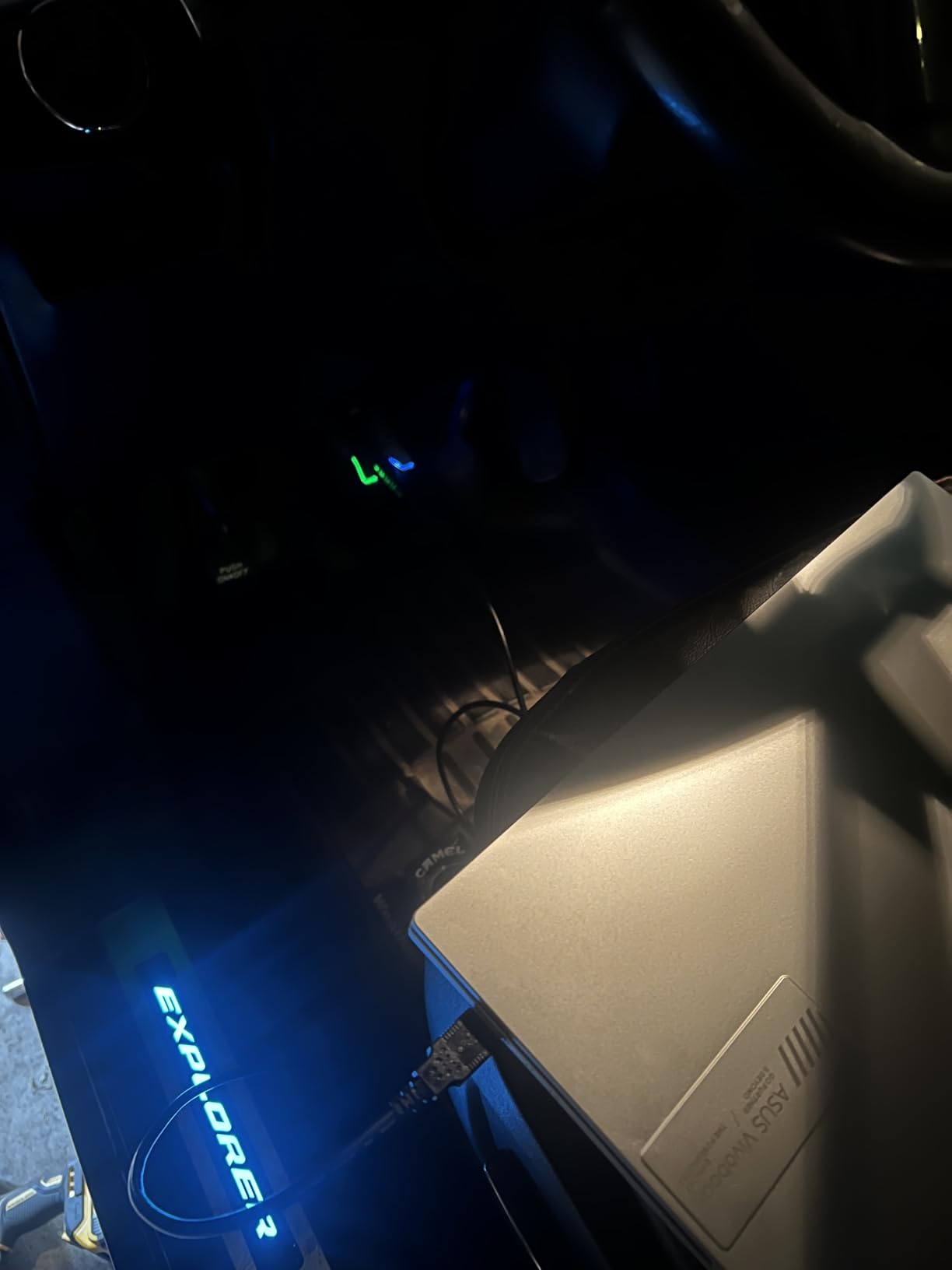
Owners use it for the same tasks listed on the f150forum, including key programming and disabling the door chime, and they report that it paid for itself the first time it saved a dealer visit. Reviewers specifically call out the automatic switching between the two CAN buses as reliable rather than merely functional, and the data rate of up to 3 Mbps with full length packets is what keeps long FORScan sessions from stalling.
One capability worth knowing about is 18V ECU programming support on certain older US market vehicles. That is not the same as writing As-Built calibration data, which remains out of reach for consumer hardware, but it does cover some programming-adjacent work on older trucks.
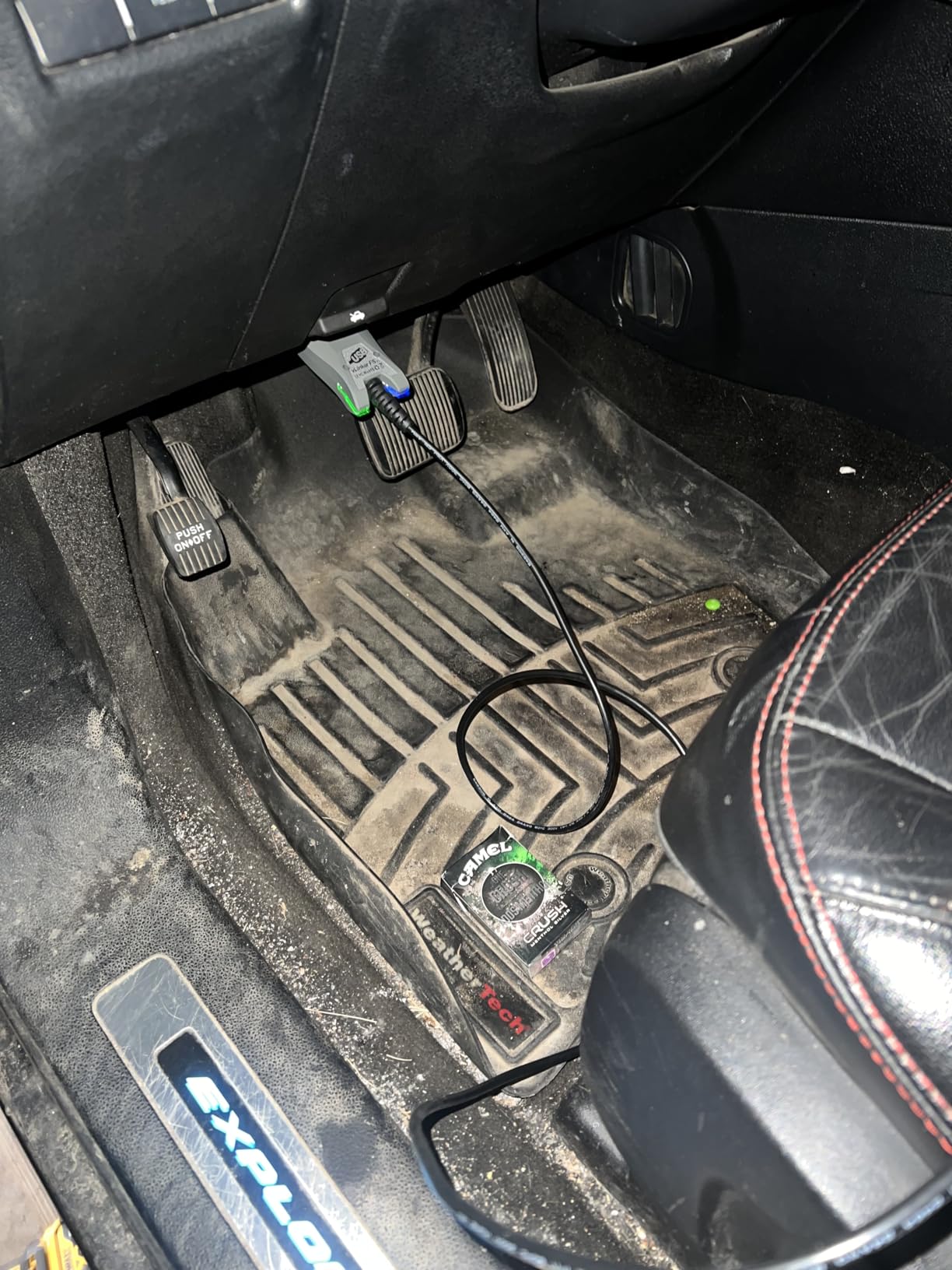
Where the vLinker FS is the smarter buy
If your work is reading codes, watching live data and running service procedures on one or two Fords, this is the adapter that makes financial sense. The two year warranty is a real differentiator against the one year coverage on cheaper clones, and the automatic switch means you are not fighting a toggle every time the software changes buses.
It is also the more forgiving option for anyone who wants a spare. Owners of inexpensive clones frequently report needing two or three connection attempts before a session holds, which is the single most common complaint in the forums. The vLinker FS gets described as working straight through extended diagnostic sessions and ECU programming work.
What to expect before it works
The one genuine friction point is setup. Unlike the OBDLink, this is not fully plug and play, and you will need to install a driver or firmware update before the first connection. Several users mentioned having to search for installation videos, so budget an afternoon the first time rather than expecting to diagnose a truck that evening.
It is Windows only, and the wired cable means you are working near your laptop. One reviewer also noted that it does not appear on FORScan’s current recommended adapter list, which is a fair caution, though the owner ratings suggest it performs regardless.
3. OBDMONSTER ELM327 – The Cheapest Way Into Ford Hidden Functions
OBDMONSTER ELM327 OBD2 USB Adapter for Windows, ELMconfig Scanner with MS CAN/HS CAN Switch for Scan F150 F250 Car and Light Truck Check Engine Light, Diagnosis on Windows with V1.5 Chip
Manual HS/MS-CAN toggle
ELM327 v1.5 chip
ELMconfig and FoCCCus
1 Year warranty
Pros
- Lowest entry cost in the lineup
- Manual switch gives explicit bus control
- ELMconfig FoCCCus and FF2 open software options
- Enables hidden features like Bambi Mode and global windows
- 1 Year warranty
Cons
- Manual toggle switch instead of automatic switching
- Requires CH340T driver installation
- Windows only and 7 percent of reviews are one star
This is the unit to buy when the goal is to find out whether you even need a serious adapter. The OBDMONSTER MS-327 is an ELM327 USB dongle with a physical toggle for switching between the high speed and medium speed CAN buses, rated 4.4 across 2865 reviews. It is the cheapest route into the Ford-specific software world and it runs the same open tools that enthusiasts have used for years.
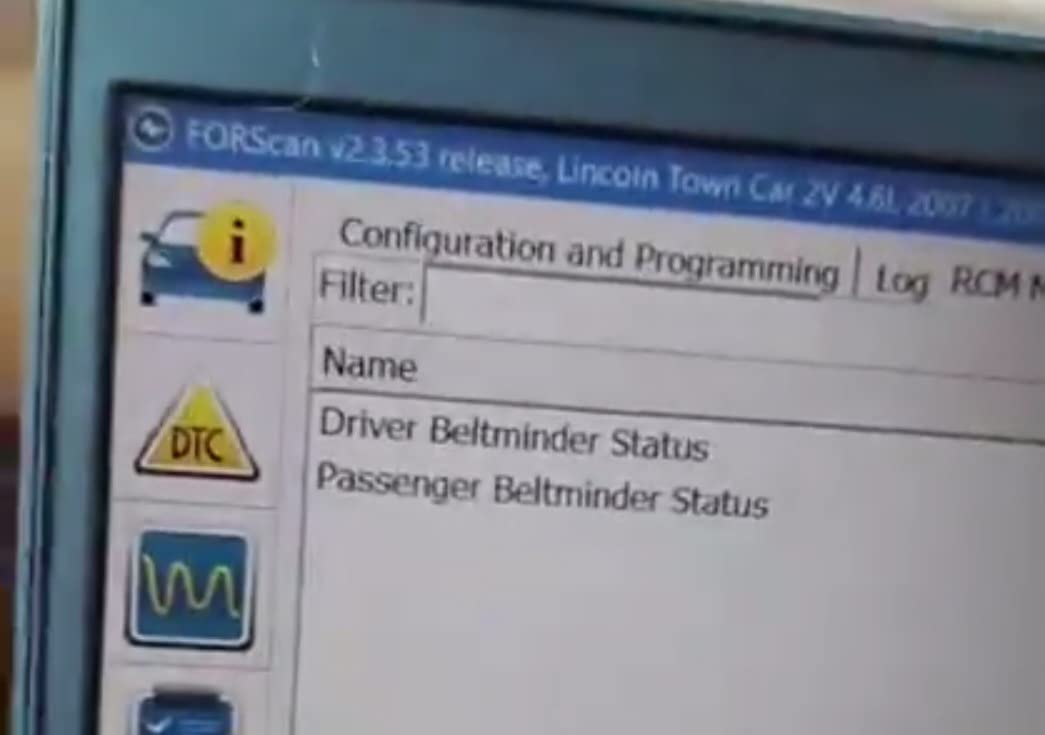
Unlike the FORScan path, this one is set up for ELMconfig, FoCCCus and FF2, all downloadable free from the manufacturer. Those three applications are where the well known hidden features live, including global window operation, Bambi mode, reverse tilt mirrors, tire size correction, perpendicular park, secure idle, heated steering wheel, disabled double horn honk and the door ajar chime.
Coverage is wide for the price. It handles Ford, Mazda, Lincoln, Mercury, Ranger, Mustang, Explorer, Edge, Transit and the smaller European models, and the manufacturer claims compatibility with 99 percent of vehicles after 2000 and 92 percent after 1996. All standard OBD2 protocols are supported, including HS-CAN2 and HS-CAN3, and it measures 4.33 by 1.77 by 0.79 inches.
This is the setup that shows up most often in budget threads, alongside similar generic ELM327 units. People pair it with a cheap tablet or laptop, use it for a specific job such as reading a parking sensor code on an F-150, and decide from there whether they want to spend more.
Where the cheap adapter genuinely holds up
Read and clear operations, live data and module scanning do not need expensive silicon. The difference between a quality ELM327 and a poor one shows up in connection consistency and in whether the bus switch behaves, not in the size of the code list. If your work is reading a code and viewing freeze frame data, this unit does that job.
The manual toggle has one advantage that owners occasionally point out. Because the switch is physical, you have explicit control over which bus is active, and the open software asks you when it needs the change. That makes it a good teaching tool for anyone learning how the two Ford CAN networks are laid out.
What you give up compared with the automatic adapters
The toggle is the real cost. During a full FORScan style walk of the vehicle, you become the switch operator, and any missed flip means a module is skipped silently. The OBDLink EX and the vLinker FS both remove that failure mode.
You also install a CH340T driver before first use, the build quality is plainly lower than the two adapters above it, and roughly seven percent of reviews are one star, which points to real reliability variance. It is Windows only, and it does not cover trailers or semi trucks. Newer Mazda models from 2019 onward, including the Mazda 3 and CX-30, fall outside what it supports.
4. ANCEL HD430 – DPF Regeneration for Diesel Super Duty Work
ANCEL HD430 Heavy Duty Truck Scanner, DPF Reset & Forced Regeneration for Cummins & Caterpillar Engine, Full System HDOBD Diesel Scanner OBD2 Diagnostic Scan Tool Code Reader for Diesel Trucks & Cars
DPF regen for Cummins and Caterpillar
J1939 and J1708
4.3-inch screen
Lifetime free updates
Pros
- Forced DPF regeneration and reset for Cummins and Caterpillar engines
- Covers J1939 J1708 J1850 and ISO truck protocols
- Over 50 truck brands supported
- Three year warranty with a hard storage case
- Lifetime free WiFi updates with no subscription
Cons
- Does not perform DPF regeneration on pickups and light trucks
- Four point three inch screen is small for daylight use
- About 8 percent of reviews are one star
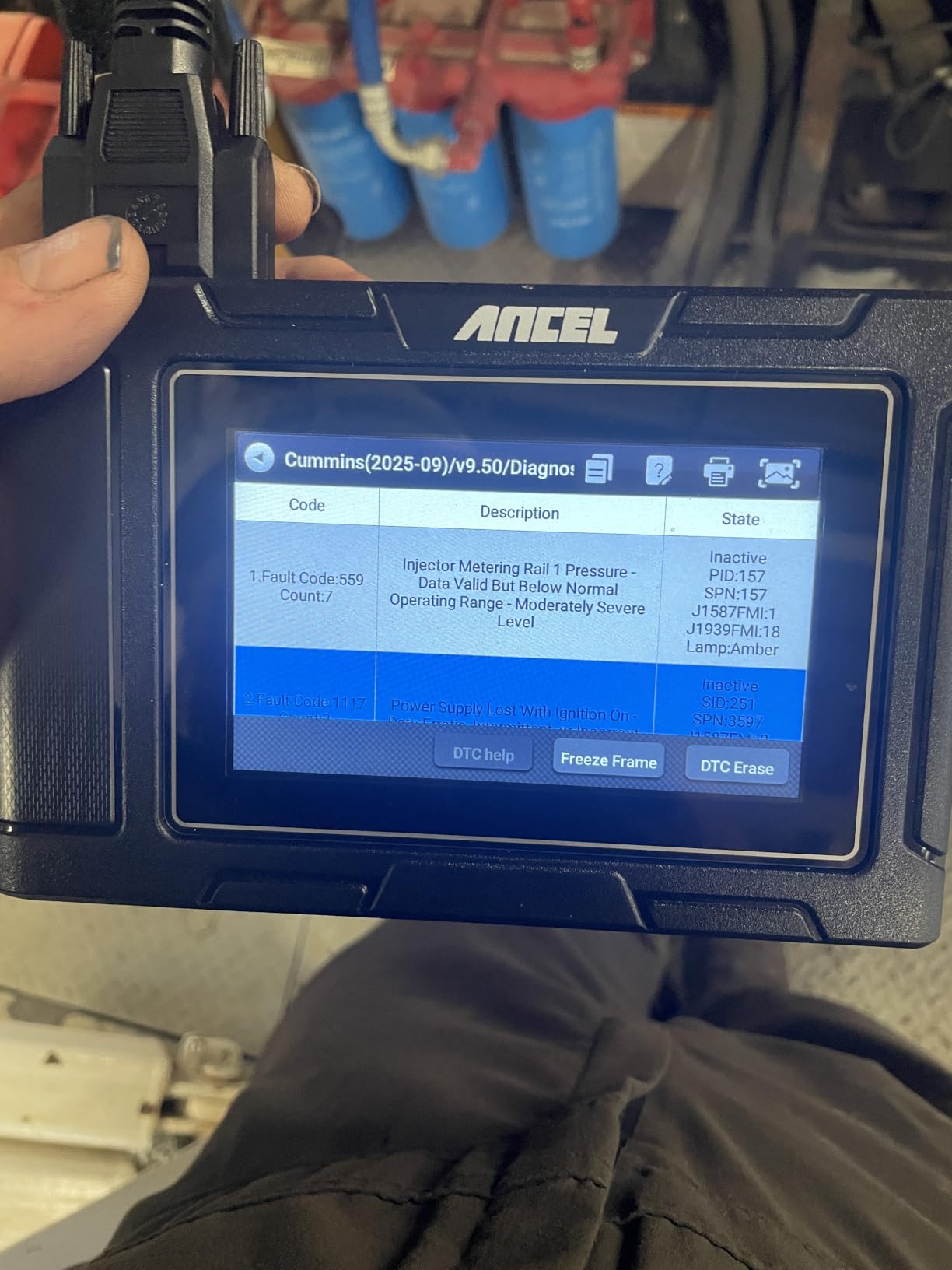
The HD430 belongs to a different class of tool, and skipping that distinction is a common and expensive mistake in this roundup. This is a heavy duty scanner built around J1939 and J1708, the protocols that a 1999 or newer Super Duty diesel uses on the heavy duty side of the connector. A FORScan adapter covers the light duty modules on the same truck and does not cover these protocols. Neither tool replaces the other.
Its headline capability is diesel particulate filter regeneration. It can force a regeneration and reset the DPF on Cummins and Caterpillar powered vehicles, which is the work that fills a bay at any shop with diesels. It also handles reading and clearing codes, live data, freeze frame, I/M readiness, on-board monitor tests and DTC lookup across the engine, transmission, ABS and fuel system.
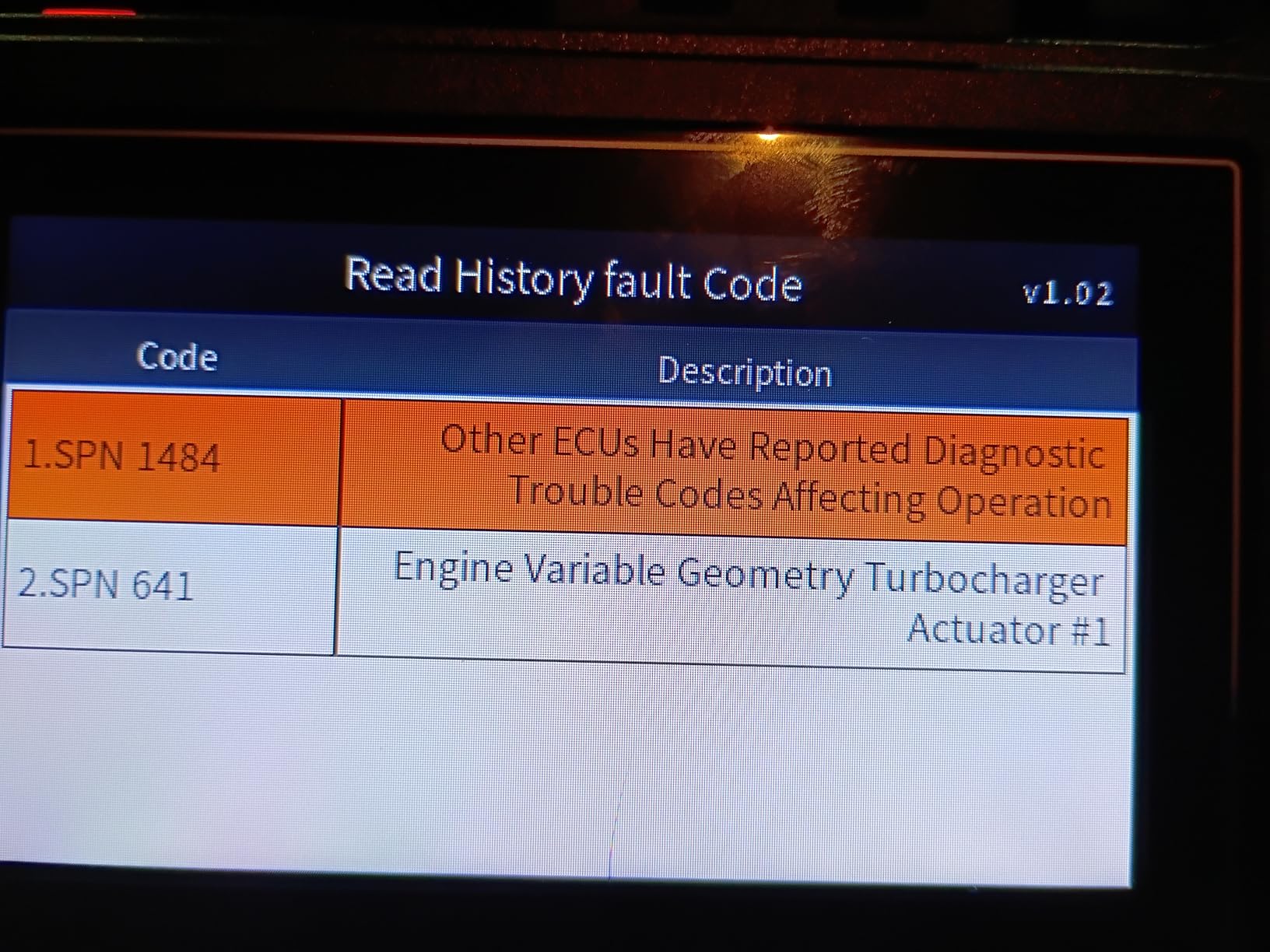
The protocol list is broad: SAE J1939, SAE J1708, SAE J1850 PWM, SAE J1850 VPW, ISO 14230-4, ISO 9141-2, ISO 15765-4 and ISO 27145-4, across CAT-9, diesel 6-pin, diesel 9-pin and OBD2 16-pin connectors. Brand coverage runs past 50 names including Cummins, Detroit, Caterpillar, Paccar, Volvo, Freightliner, Kenworth, Peterbilt, International, Mack, Isuzu, Hino, Scania and Mercedes-Benz.
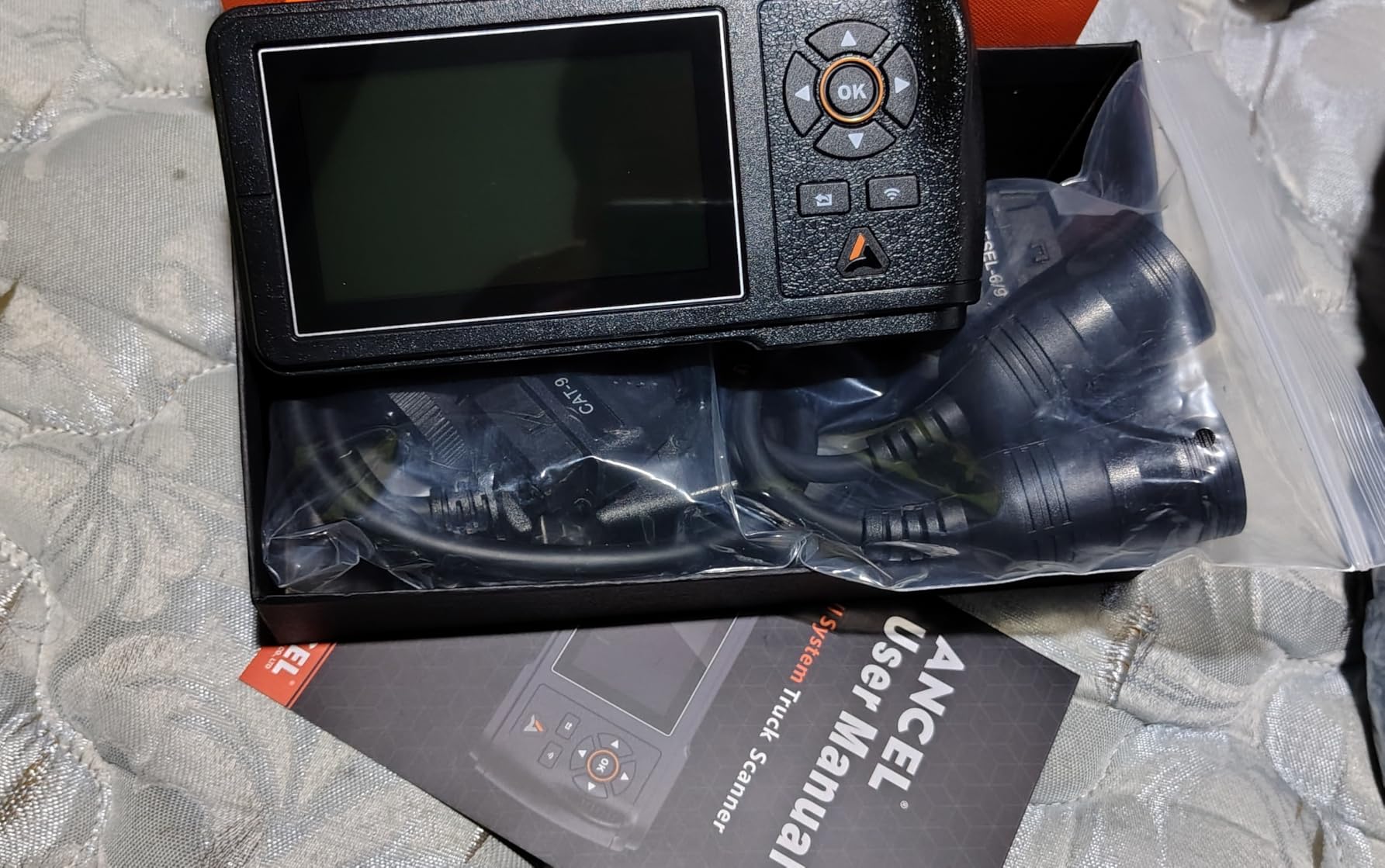
Updates are free over WiFi for life with no subscription attached, which matters more than it sounds on a tool you hope to keep for years. The box includes a hard storage case, four OBD interface cables, and a three year warranty.
Who should add the HD430 to their setup
If you own a Super Duty diesel and need to clear a DPF fault, run a forced regen, or read a transmission or ABS code through a heavy duty connector, this is the tool for that job. It is also a reasonable addition for a shop that runs mixed commercial work, since the fifty plus brand coverage handles far more than Fords.
Owners running it on heavy equipment report that it replaces a much more expensive dealer tool, and the three year warranty is the longest in this roundup. The storage case and the horizontal button layout are small quality of life touches that show up when you are using the tool daily.
The limitation you must read before buying
The manufacturer states plainly that this unit is not compatible with pickups and light trucks for DPF regeneration and heavy duty OBD work, offering OBD2 or EOBD engine system functions only. If you have an F-250 or F-350 and your problem is a diesel particulate filter, this is the wrong purchase, and that is the single most important sentence in this section.
Beyond that, the 4.3 inch screen is on the small side, there is a learning curve for anyone who is not a professional, and roughly eight percent of reviews are one star, which points to some quality control inconsistency.
5. LAUNCH CRP129HD – Built for Owner-Operators
Launch CRP129HD Heavy Duty Truck Scanner with DPF Regen & 7+ Resets
DPF regen and reset
7+ service resets
TeamViewer remote support
4-inch screen
Pros
- Seven or more service resets including injector coding and clutch relearn
- DPF regen reset and DPD or DPR functions
- Built in TeamViewer for remote diagnostic support
- Two years of free WiFi updates with no mandatory subscription
- Auto VIN recognition and one click updates
Cons
- Not bidirectional so active testing is limited
- Small four inch non touchscreen display
- Firmware updates require a Windows PC
The CRP129HD is LAUNCH’s mid tier heavy duty unit, and at 4.4 stars across 1565 reviews it is the most established of the three commercial handheld scanners here. Where the HD430 is built around regeneration, this one is built around the wider set of service functions an owner-operator performs on the road rather than in a shop.
That means DPF regen, DPF reset and DPD or DPR functions for soot load, plus seven or more professional resets: oil reset, injector coding, DEF test, speed limit adjustment, cylinder cutout and clutch relearn. Full system coverage spans the engine, ABS, transmission, SRS, steering angle sensor and TPMS.

The standout feature is built in TeamViewer. A technician can remote into the scanner and look at your data with you, which owners describe as a genuine advantage when you are broken down somewhere with limited connectivity. It ships with a CAT 9-pin adaptor, a diagnostic cable, an OBD 6-pin adaptor and a Type II 9-pin adaptor.
Inside is an Android 8.1 quad core system with a 3000mAh battery, driving a 4 inch 800 by 480 screen. It weighs 1.6 pounds and measures 9.06 by 1.77 by 7.8 inches, so it is a real portable unit rather than a dongle.
Where the CRP129HD earns its place
Two years of free WiFi updates are included, and after that the features keep working with no mandatory subscription, which is a genuinely different model from subscription locked scanners. Protocol support covers J1939, J1708, J1587 and OBD2 or CAN across the same 50 plus brands listed for the HD430.
For a fleet that does DPF regen, injector coding and speed limit work regularly, having the whole set of resets in one handheld is the point. Owners running it on Freightliner, GMC 3500, Caterpillar and John Deere equipment report it replaces far more expensive dealer subscriptions.
Where it falls behind
It is not bidirectional, so active testing is limited. That matters if your diagnosis depends on commanding a solenoid or an actuator and watching what responds, which is exactly the capability the top forum thread was shopping for.
The 4 inch display is small and not a touchscreen, requiring physical buttons in a layout that some owners dislike. Scans are slow, with a full Freightliner scan reported at twelve minutes or more. Automotive light vehicle support is limited or non-functional despite an icon suggesting otherwise, so this is a heavy duty tool only. Firmware updates need a Windows PC, there is no Mac support, and the DTC library lacks heavy duty OBD code prefixes in some cases.
6. ANCEL FD500 – A Standalone Handheld That Speaks Ford
ANCEL FD500 OBD2 Scanner for Ford, Lincoln, Mercury, Battery Registration
Ford full system diagnostics
Battery registration and EPB
2.4-inch color LCD
Lifetime free updates
Pros
- Dedicated Ford Lincoln and Mercury coverage from 1996 onward
- Covers engine ABS SRS transmission HVAC and 4WD modules
- Key Ford service functions including battery registration and EPB maintenance mode
- No laptop or phone required
- Reads standard OBD2 on other vehicles too
Cons
- Software updates are a manual download rather than over the air
- Does not perform DPF regen on the 6.7L Cummins
- About 12 percent of reviews are one star
Every other Ford-specific option in this roundup depends on a laptop, a phone or a tablet. The FD500 is the exception. It is a standalone handheld dedicated to Ford, Lincoln and Mercury vehicles from 1996 onward, which makes it the pick for anyone who wants to diagnose a truck without carrying a computer to the driveway.
Coverage is genuinely Ford specific. It reads the engine, ABS, SRS, transmission, HVAC and four wheel drive modules, and the vehicle list names the F-Series trucks directly, F150, F250, F350, F650 and F750, alongside Edge, Ecosport, MKC, Blackwood, Zephyr, MKZ, Montego, Milan and Cougar.
The Ford service functions are the reason to choose it over a generic handheld. It performs throttle or KAM reset, oil reset, electronic parking brake maintenance mode and battery registration, the last of which is genuinely useful after replacing a battery on a late model truck. Standard OBD2 functions cover code read and clear, I/M readiness, data stream, battery voltage test and vehicle info.
The interface is a 2.4 inch TFT color LCD with a straightforward menu, and owners describe it as approachable for people who are not technicians. Lifetime free updates are included, and the warranty is one year.
Why a dedicated Ford handheld still has a place
There are situations where a laptop is the wrong tool. If a truck is broken down away from a vehicle with a known working OBD2 port, or if the person diagnosing it does not own a Windows machine, a handheld that runs its own software is the practical answer. It also serves as a useful second opinion alongside a FORScan setup.
For an older F-Series, this is where it performs best. Owners report solid results on pre-2015 trucks, particularly when the goal is reading a full system scan and running an oil or throttle reset after a repair.
What it cannot do and where owners report trouble
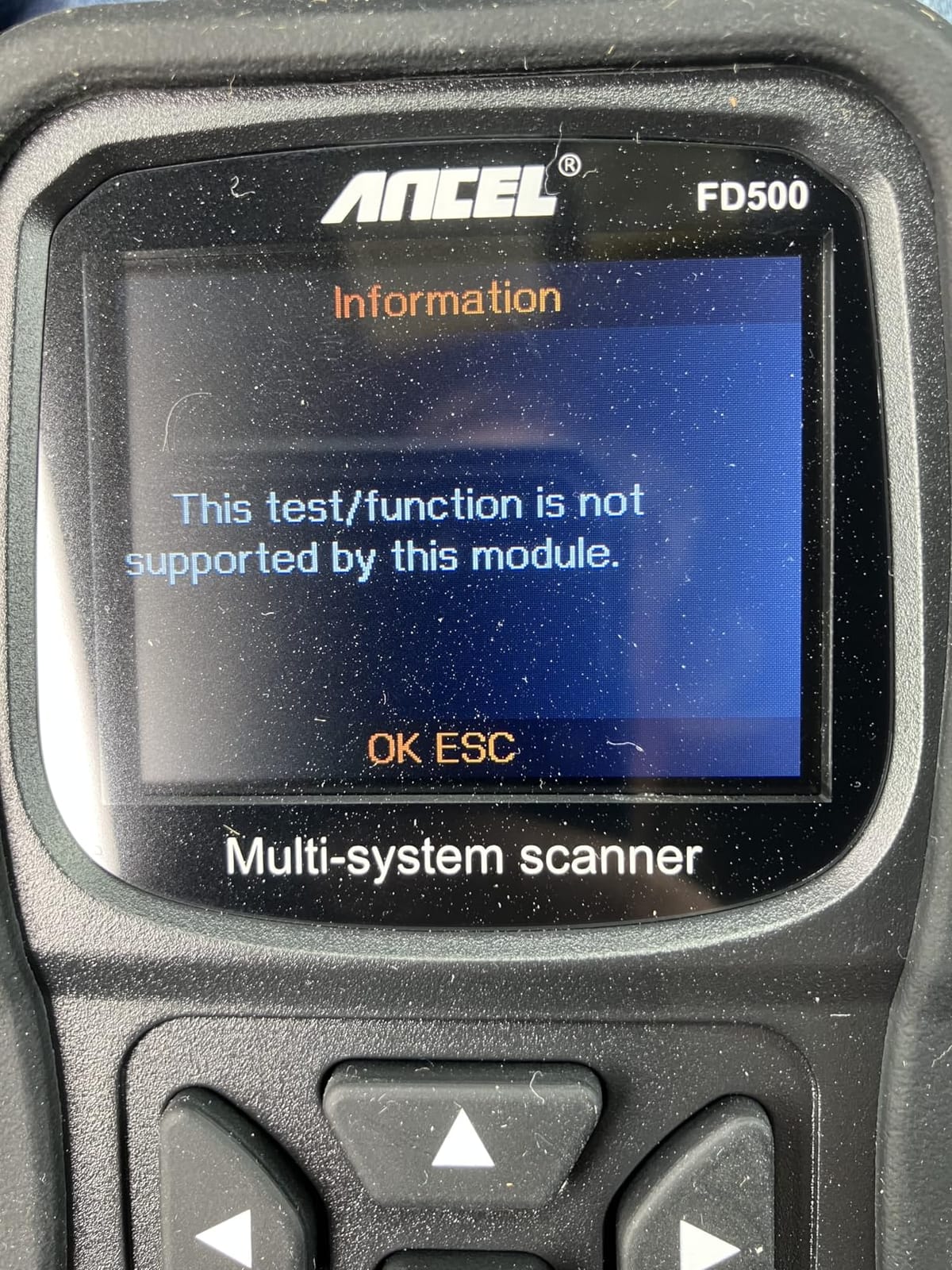
Two limitations stand out. Updates are a manual download from the ANCEL website rather than an over the air push, and on newer vehicles many functions return a not supported message. The oil life reset is specifically reported as unavailable on a 2021 and later Ranger, which is the kind of detail a spec sheet never tells you.
It also does not perform DPF regeneration on the 6.7L Cummins despite some listings implying otherwise, so diesel F-Series owners should treat the HD430 or the CRP129HD as the relevant tool. Overall rating is 4.1 with roughly 12 percent of reviews at one star, the highest one star share in this lineup, so expect some quality control variance. It is Windows only for updates, no Mac support, and a few owners have reported communication loss mid-session.
7. ANCEL V6HD – Bidirectional Control for Heavy-Duty Fleets
ANCEL V6HD Heavy Duty Truck Scanner, Bidirectional Tests, DPF Regen
Bidirectional active tests
40+ diesel functions
8-inch touchscreen
10 adapter kit
Pros
- True bidirectional active testing of injectors EGR and VGT actuators fans pumps relays and cylinder cut-off
- DPF DEF and SCR diagnostics with live monitoring
- Ten heavy duty adapters included in the box
- Eight inch high brightness touchscreen with a wireless Bluetooth VCI
Cons
- Professional shop level investment for most owners
- One year warranty is the shortest in this lineup
- May be more capability than a light truck owner needs
The V6HD is the only handheld in this roundup that does genuinely bidirectional work, and that single capability is the reason it exists. On a heavy duty diesel, bidirectional means commanding an injector, an EGR or VGT actuator, a cooling fan, a fuel pump, a relay or a cylinder cut-off and watching the response, instead of only reading what the module has already stored.
It pairs that with the deepest diesel diagnostic set here. DPF regeneration, soot load, differential pressure, exhaust temperature, NOx sensor and DEF level data are all covered, alongside more than forty diesel service functions including oil reset, injector coding, speed limiter and idle adjustment.
The hardware is a step up as well. An 8 inch high brightness touchscreen, Android 10 on a quad core 2.0 GHz processor, and a wireless Bluetooth vehicle communication interface with roughly 10 meters of range so you are not tied to the diagnostic port. Ten dedicated heavy duty adapters ship in the box, including CAT-9, ISUZU-20, DENSO-12, VOLVO-8, SCANIA or DAF-16, BENZ-14, DEUTSCH-6, ISUZU-3, DEUTSCH-9 and MAN-37, plus battery tester clamps, jumper leads and extension cables.
Who should consider the V6HD
A shop or fleet that diagnoses diesels daily, where active tests are how you localize a fault to a specific actuator rather than ordering a part on suspicion, gets the most from this unit. Coverage spans Freightliner, Kenworth, Peterbilt, Mack, International, Volvo, Hino and Isuzu trucks alongside Cummins, Detroit, PACCAR, Caterpillar and International A26 engines, with J1939 and J1708 support for both newer and legacy commercial vehicles.
It also fits a Ford owner whose work extends past the light duty side. A Super Duty diesel technician using the HD430 or CRP129HD for daily regen and reset work gains something genuinely new here, namely commanded actuator tests. Two years of official software updates are included, along with remote technical support.
Where the V6HD is out of proportion
For a single F-150 owner, this is far more capability than the job requires, and the investment is at a level that assumes a working business. The warranty is one year, which is the shortest of the three heavy duty units here and half the length of the HD430 warranty.
The adapter kit itself adds complexity, and ten different cables create more ways to pick the wrong connector. One more caution before buying: with only 430 reviews, the sample size is small, and some of the review content appears to reference other ANCEL models rather than this one. If you are spending at this level, read recent heavy duty specific reviews before committing.
How to Choose a Ford-Capable OBD2 Scanner
Choosing well comes down to six questions, and the first four decide the purchase for most people. Work through them in order, because the class of tool you need depends on which modules your truck actually has faults in.
1. Bidirectional or read-only
A bidirectional scanner sends commands to a module, not just read from it. A read-only scanner pulls codes and data out. For Ford work, bidirectional is what turns a vague module code into a specific failed sensor, solenoid or actuator, which is why the r/mechanics thread that started this whole search asked for it by name.
Concrete examples on a Ford include commanding the compressor, the vent solenoid or an individual rear air spring solenoid on a RASM equipped vehicle, running an ABS bleed on the brake module, or commanding an injector on a heavy duty diesel. None of that is possible on a read-only tool. Of the seven products here, the V6HD does true bidirectional heavy duty active tests, and FORScan running on the OBDLink EX or vLinker FS does bidirectional work on light duty Ford modules.
For a broader view before you go Ford-specific, our picks for the best OBD2 scanners overall cover the categories a truck owner usually ends up owning more than one of.
2. ELM327 versus OBDLink chip quality
ELM327 is the cheap, extremely common OBD2 chip, and quality varies enormously between sellers. OBDLink adapters use higher grade STN based hardware and an electronic switch rather than a physical toggle. The forum consensus is consistent on this point: inexpensive units range from working perfectly with FORScan to failing to connect or dropping out mid session.
Nobody should buy three of them. Buy one quality unit, or buy one cheap unit and accept that you may end up buying a second. Within this roundup the OBDLink EX sits at the top of the quality curve, the Vgate vLinker FS sits at a sensible middle with a two year warranty, and the OBDMONSTER ELM327 represents the entry point where a manual toggle and driver installation are the trade-off.
3. FORScan licensing and what the free version omits
FORScan is the default answer across the forums, and it explains why adapters matter more than handhelds in this category. The free Lite version covers reading and clearing codes, live data and basic module access. An extended license, which is a one-time purchase rather than a subscription, unlocks the advanced functions, and the free extended trial is typically valid for a couple of months at a time before you re-download it, including while the truck is connected.
Users report running it on fleets of Fords to check what a shop actually did, which is a good reason to own it even if you are not the one doing the repair. The learning curve is real, and most people recommend working through a tutorial before digging into the obscure parameter groups. Whichever adapter you choose, buy the hardware first and confirm it connects cleanly before you spend money on licenses.
4. Wired, Bluetooth or WiFi
Wired USB gives the most stable connection and the highest data rate, which is why the top three picks here are all wired. The trade-off is that you are tethered to a laptop within reach of the diagnostic port.
Bluetooth is the usual choice for phone and tablet use, with FORScan Lite on a phone described as handling most things well including test functions and an ABS bleed. WiFi adapters skip the Bluetooth pairing step entirely and some users prefer them for that reason alone. Many owners simply run both a wireless and a corded unit.
5. Light duty or heavy duty
This is the filter that prevents the most wasted money. Ford light duty trucks, from the 1996 and later F-150 through Ranger, Explorer and Edge, communicate over OBD2 and CAN protocols that FORScan style adapters handle well.
Super Duty diesels from 1999 and newer add J1939, and older commercial platforms add J1708 and J1587. Those protocols need a heavy duty scanner such as the HD430, the CRP129HD or the V6HD. A heavy duty scanner does not replace a Ford capable light duty adapter, and a FORScan adapter does not replace a J1939 tool. A Super Duty owner who needs both ends of the truck ends up running two tools, and that is the correct answer rather than a compromise.
6. Update policy and total cost
Look at what happens after the free period ends. The HD430 and the FD500 both carry lifetime free updates, and the CRP129HD includes two years of free WiFi updates after which features continue working with no mandatory subscription. That is the model to look for in a tool you intend to keep.
On total cost, add software licences, any tablet or laptop, and the realistic possibility of replacing a cheap adapter once. The dongle plus free software route costs a fraction of a handheld and reaches more Ford modules, which is why it wins in most comparisons. A handheld earns its place when you need it away from a computer, when you want one device that works on many brands, or when bidirectional heavy duty active tests are the actual job.
Ford Modules Explained: What Each One Governs
Most Ford diagnostic frustration comes from not knowing which module is talking. This glossary covers the abbreviations you will see in a scan, why a given warning light appears, and whether a plain code reader can see it at all.
PCM is the powertrain control module, the engine computer. It sets fuel and spark, manages throttle and idle, and handles OBD2 emissions monitoring. A basic code reader sees this module, which is why engine codes are the only ones cheap readers reliably report. Failure symptoms include stalling, rough running, limp mode with reduced power, and a check engine light that returns after a code clear.
TCM is the transmission control module. It governs shift timing, torque converter behavior and gear ratios. Harsh or delayed shifts, a shift flare, or a transmission warning light usually trace here. A basic engine-only reader will not see it.
ABS is the anti-lock brake system module. A brake, wheel speed or hydraulic fault sets a code and lights the ABS or brake warning. Reading these requires a scanner that switches to the medium speed CAN bus, and clearing them without fixing the fault just brings the light back.
RCM is the restraint control module, the SRS or airbag computer. It fires the airbags and manages the seat belt pretensioners. An airbag warning light is set here, and a low battery or a seat or body connector disturbance can set a code that looks alarming and means little.
IPC is the instrument cluster. It drives the gauges, warning lamps and odometer. On some Fords it also handles the tire pressure monitor, which is why a TPMS fault may report through the cluster rather than a separate module.
PAM is the parking assist module, the controller behind the bumper sensors. Bumper damage and pressure washing both produce faults here. This is the module behind the most common F-150 question in the forums, and a basic reader cannot localize which of the four or more sensors failed. Buyers on f150forum report pairing a cheap adapter with FORScan to identify the exact sensor before ordering parts.
RASM is the rear air suspension module found on Ford sedans and SUVs. It controls the compressor, the vent solenoid and the individual air spring solenoids, and it monitors ride height through sensors. A truck sitting low or a rear end that will not raise points here, and diagnosing it properly needs bidirectional commands and a ride height calibration procedure that read-only tools cannot perform.
APIM is the accessory interface module, the body controller. It handles keyless entry, remote start, the keypad and the door switch inputs. Electrical accessories that work intermittently often trace to this module rather than to the accessory itself.
DDM is the driver door module. It controls the master switch, window motors and the lock relay on Ford trucks. A window that only works from the key fob, or a door lock issue, frequently reports here rather than at the body control module.
EATC is the electronic automatic temperature control, the HVAC module. It runs the blend door, blower and both temperature sensors, and it is the one that stores the blend door position calibration. Climate control faults on Fords are often a failed actuator plus a lost calibration, which is why the code alone does not fix it.
PATS is the passive anti-theft system. It pairs keys to the truck and cuts the fuel and starter enable when it does not recognize one. A no-start after a battery disconnect is frequently a PATS issue. Key pairing and PATS programming are dealer level operations on most Fords, and a consumer scanner will not do them.
LCM is the lighting control module on older Ford platforms, particularly the Panther platform sedans. It governs exterior lighting, and lighting faults on those trucks often report there rather than at the cluster.
What No Consumer Scanner Can Do on a Ford
Three Ford tasks are out of reach for every tool in this roundup, and knowing them before you buy saves both money and frustration.
Writing As-Built and Complete Calibration data. As-Built records are the factory configuration values for a vehicle, covering VIN, gear ratio, tire size and calibration identifiers. Reading them is possible. Writing them requires a Complete Calibration file matched to your VIN and module, and a forum.forscan.org thread on programming a 2009 F-150 documents exactly this wall. The file is not something a consumer scanner can generate, and the write itself requires dealer level equipment.
Full module programming through FDRS and IDS. Ford’s diagnostic software is FDRS for module configuration and IDS for the scan tool itself. Programmable modules such as the RCM, the IPC and some body modules generally need that pair. A low-cost dongle running FORScan is excellent at reading, clearing and commanding, and it does not replace dealer programming equipment.
PATS key pairing and some anti-theft work. Adding or deleting a key on many Fords is a dealer operation. You can diagnose a PATS fault with any tool in this list, but you generally cannot cure one with a scanner.
Set that expectation early and the rest of the capability looks far better. Everything else most owners need, including module level code reading on the ABS, SRS, PAM, RASM and transmission, live data streaming, freeze frame, service procedures like ABS bleed and throttle relearn, and the hidden Ford features, is reachable with the tools above.
Frequently Asked Questions
What is the best OBD2 scanner for Ford trucks?
The best OBD2 scanner for Ford trucks is FORScan software running on a Windows laptop with an adapter that automatically switches between the HS-CAN and MS-CAN buses, such as the OBDLink EX or the Vgate vLinker FS. Automatic bus switching is what lets the scan reach body modules like the parking assist module, the SRS module and the instrument cluster, not just the engine. A standalone handheld such as the ANCEL FD500 covers many Ford modules without a computer, and a Super Duty diesel owner additionally needs a J1939 tool such as the ANCEL HD430 or CRP129HD.
What scan tool do Ford dealers use?
Ford dealers use the manufacturer’s own diagnostic pair, FDRS for module configuration and IDS as the scan tool, both running on a Windows laptop. That combination can read and write module programming, As-Built calibration data and key pairing functions that no consumer scanner can reach. It is not something most owners buy, which is the point. A FORScan setup with a good adapter gets you the read, clear, live data and service procedure work that covers the overwhelming majority of owner level problems, and you keep it rather than renting it.
Can FORScan perform bidirectional tests and ABS bleed?
Yes. FORScan is a bidirectional tool, and with a capable adapter it can command modules to run active tests, including an ABS bleed on supported Ford brake systems, as well as throttle and idle relearn procedures and module level commands on body systems. The limit is the adapter, not the software. A toggle switch ELM327 unit asks you to flip the switch by hand each time the bus changes, and an adapter that does not switch automatically may not offer the full function set. An OBDLink EX or Vgate vLinker FS gives FORScan the stable automatic switching it was written to use.
Is a cheap ELM327 clone good enough for a Ford?
It can be, with caveats. Owners on r/Ford report inexpensive ELM327 units from marketplace sellers working perfectly with FORScan, and the budget setup named on ford-trucks.com is a cheap tablet paired with a generic Vgate ELM327 V2.1 Bluetooth adapter. The problem is variance. Forum users describe needing two or three connection attempts before a session holds, which is the most common complaint in the threads. A manual HS-CAN and MS-CAN toggle also means you are the switch operator during a full vehicle walk. Buy one quality unit rather than three cheap ones.
How do I program a Ford PCM?
For most consumer purposes you cannot, and any product claiming otherwise is overselling. Writing a Ford powertrain control module requires the factory calibration file matched to your VIN and module, plus Ford’s FDRS and IDS diagnostic software, which is dealer level equipment. A FORScan setup with a quality adapter can read the module, read and clear codes, view live data and run service procedures and relearns, which covers most troubleshooting. Genuine module programming and As-Built or Complete Calibration writes remain outside what any consumer scanner can do.
Why does my Ford show more than 100 pending codes?
A low battery or a battery disconnect on a Ford commonly leaves a large block of pending codes across multiple modules, because modules wake up, find missing bus communication or abnormal voltage, and log a fault before the network settles. The same pattern appears after a sensor wash or a bumper repair, where the parking assist module and the modules it talks to all register the disturbance. The useful step is to disconnect the battery, let the modules fully reset, then reconnect and read stored and permanent codes separately. The remaining permanent codes are the ones worth chasing.
Can an OBD2 scanner clear Ford ABS codes?
Yes, any scanner in this roundup that reaches the ABS module can read and clear those codes, but clearing is not diagnosing. A Ford ABS fault is usually a wheel speed sensor, a tone ring or a hydraulic fault, and a code clear without a repair simply brings the warning lamp back. The useful step is reading the module level code, watching live wheel speed data from each corner, and running an ABS bleed through a bidirectional tool such as FORScan with an automatic switching adapter. Note that cheap engine-only readers cannot see the ABS module at all.
The Best OBD2 Scanners for Ford Trucks in 2026
The best OBD2 scanners for Ford trucks come down to one idea: the truck splits its modules across two CAN buses, and any tool that cannot switch between them is blind to half the vehicle. Our pick is the OBDLink EX, because it is the only adapter here recommended directly by the FORScan team and it holds the largest, most consistent owner record in the category. The Vgate vLinker FS does the same job for meaningfully less and carries the longest adapter warranty in the roundup.
Match the class of tool to the job. The OBDMONSTER ELM327 is the cheapest way to reach Ford hidden features when you are still deciding. The ANCEL FD500 is the answer when you want a handheld that needs no laptop. For a diesel Super Duty, add a J1939 tool such as the ANCEL HD430, and if your work includes commanded actuator tests on heavy equipment, the V6HD is the only one of these that does them. More general scanners are covered in our guide to the best OBD2 scanners, and the module glossary above is worth bookmarking before your next fault.