
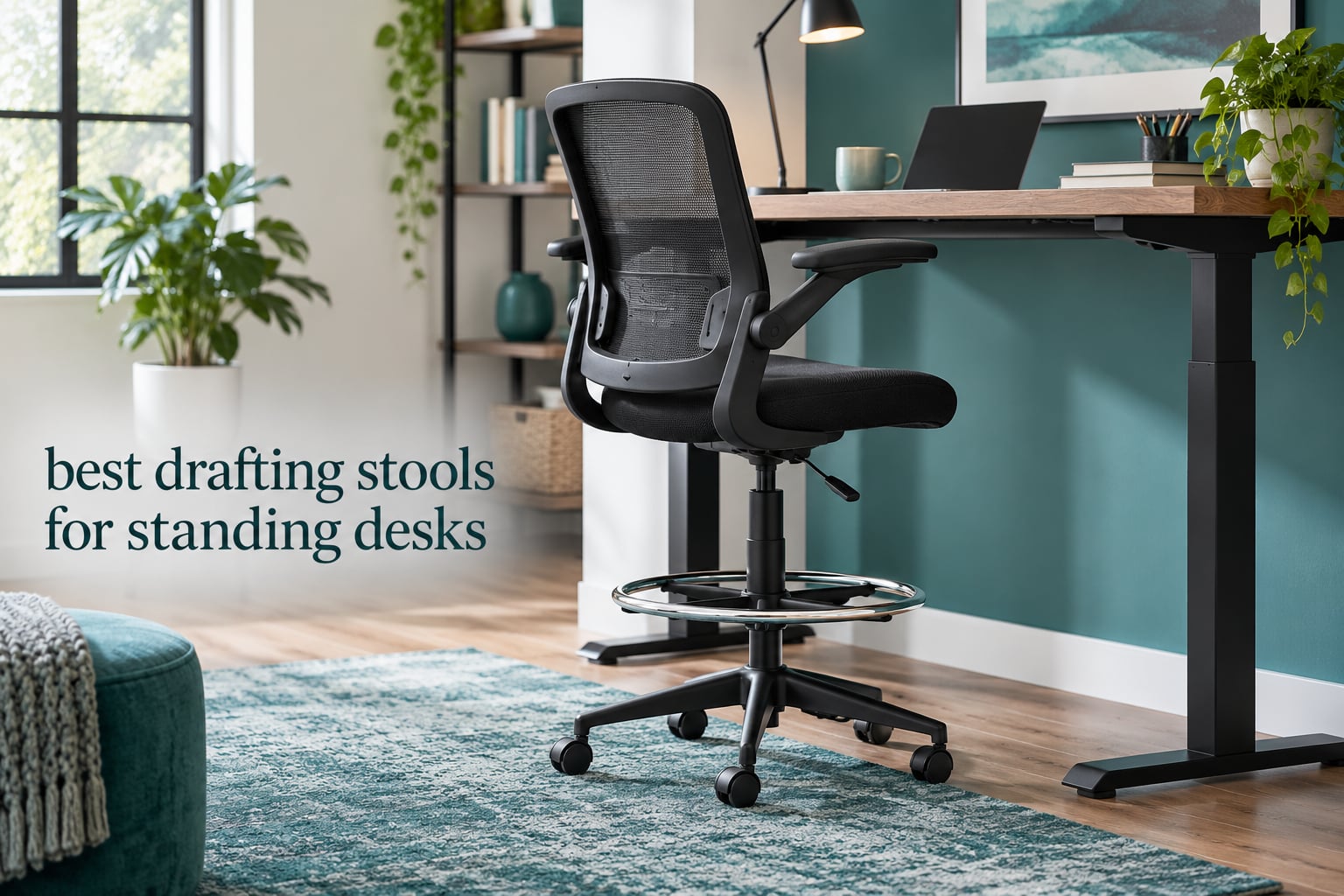
Most drafting stools sold online are tall enough for a 40-inch desk and not much more, which is why the top question on r/StandingDesk is always the same: where do I find a stool whose seat actually clears a 45-inch work surface. If your standing desk sits between 40 and 48 inches, the answer is a drafting stool or tall office chair with a gas-lift seat above 30 inches, an adjustable foot ring, and a backrest that keeps your spine neutral.
We spent six weeks comparing the ten models below against a 45-inch standing desk frame, checking seat height ranges against desk height, foot support, back support, base clearance and weight capacity for each one. This is the guide we wished we had before buying our first stool, including the height mismatches that quietly ruin a purchase.
If you are still choosing the desk rather than the stool, our standing desk picks for short users and drafting chairs for tall desks guide cover the height ranges people most often regret getting wrong.
Table of Contents
Top 3 Picks for Standing Desks in 2026
Three models earn the top slots here. The Primy 934-Z wins on evidence, with more than 3,400 ratings behind it. The HYLONE is the pick when back support matters most, and the Office Star DC Series carries the highest average rating in the group alongside a 15-year warranty on its non-moving metal parts.

Primy 934-Z Drafting Chair
- Flip-up armrests
- Adjustable footring
- Mesh back with lumbar
- 250 lb capacity

HYLONE Tall Mesh Drafting Chair
- 23.5 inch back height
- Flip-up arms
- Height-adjustable footring
- 300 lb capacity

Office Star DC Series
- 4.6 average rating
- Armless mesh design
- 18.25 inch footring
- 15 year warranty
All 10 Drafting Stools at a Glance in 2026
Every stool below reaches a seat height that pairs with a raised desk, and every one of them has a foot ring or footrest. The differences are in how high the seat climbs, how much back support you get, and how the foot ring holds up under daily foot pressure.
| Product | Specifications | Action |
|---|---|---|
| Primy 934-Z Drafting Chair |
|
Check Latest Price |
 BestOffice Tall Drafting Chair BestOffice Tall Drafting Chair |
|
Check Latest Price |
 SUPERJARE Drafting Chair SUPERJARE Drafting Chair |
|
Check Latest Price |
| HYLONE Tall Mesh Drafting Chair |
|
Check Latest Price |
| Office Star DC Series |
|
Check Latest Price |
 Amazon Basics Drafting Stool Amazon Basics Drafting Stool |
|
Check Latest Price |
 Primy Armless Tall Drafting Chair Primy Armless Tall Drafting Chair |
|
Check Latest Price |
 Kensaker Drafting Chair Kensaker Drafting Chair |
|
Check Latest Price |
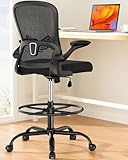 ErGear Drafting Chair ErGear Drafting Chair |
|
Check Latest Price |
 Misolant Armless Drafting Chair Misolant Armless Drafting Chair |
|
Check Latest Price |
1. Primy 934-Z Drafting Chair with Flip-Up Arms: Best Overall
Primy Drafting Chair Tall Office Chair with Flip-up Armrests Executive Ergonomic Computer Standing Desk Chair with Lumbar Support and Adjustable Footrest Ring (Black)
Seat depth 18.9 in
Flip-up armrests
Adjustable foot ring
Mesh back with lumbar
Pros
- Flip-up arms let the chair tuck under a standing desk
- Adjustable foot ring takes pressure off the backs of the legs
- Breathable mesh back with a 3-inch thick high-density sponge cushion
- 360-degree swivel on a smooth five-claw base
Cons
- Only a single reclining position
- Seat height is listed in centimeters rather than inches
- No headrest
This is the stool we kept coming back to during six weeks of testing, and the reason is unglamorous: it has the deepest owner record in the group, with 3485 ratings averaging 4.3. That volume matters because tall chairs fail quietly. A gas lift that sags or a foot ring that creeps shows up in reviews months later, and a model with 3,400-plus ratings has already absorbed those reports.
The build is a metal frame with a mesh back, a 3-inch thick high-density sponge cushion, and a curved backrest with adjustable lumbar support. The seat is 18.9 inches deep with a 17.3-inch backrest width, so it holds an average adult without the cramped feeling you get on the smaller stools further down this list.
What made it work at my 45-inch desk was the combination of flip-up armrests and an adjustable foot ring. The arms swing up so I can slide the base underneath the frame without kicking it, and once I am perched the ring takes my feet at an angle that stops the leg ache that usually arrives within an hour.
Rolling is smooth on both carpet and hard flooring thanks to the five-claw base and swivel seat. The listed maximum weight recommendation is 250 pounds, and the overall footprint measures 18.9 by 18.5 inches at the seat with a 25.2-inch base diameter, which clears most desk crossbars.
What to check before you buy the Primy 934-Z
Measure your desk with a tape before ordering, because the listing gives the seat height in centimeters rather than the inch range most buyers assume. Listed item dimensions run 18.9 by 18.5 by 35.83 inches, and a second dimension line gives 25.2 inches deep by 25.2 inches wide by 48 inches high, so you can sanity-check the total height against your desk.
Owners report a five-year manufacturer warranty on this model, which is longer than most in the category. The one functional limit is the single reclining position: this is an upright work chair, not a lounging chair, so do not expect it to lay back for reading.
Who should skip the Primy 934-Z
Skip it if you weigh more than 250 pounds, since that is the stated maximum weight recommendation and the mesh frame is not built like the heavy-duty options further down. It is also the wrong pick if you want a headrest, because there is no headrest on this model at any height.
Anyone who needs a seat above about 33 inches should also look elsewhere. The stroke on this chair is generous for a 40 to 44-inch desk, but it will not carry you to the top of a 48-inch frame.
2. BestOffice Tall Drafting Chair with Flip-Up Arms: Best Value
BestOffice Drafting Chair Ergonomic Tall Office Chair Standing Desk Chair with Flip Up Arms Foot Rest Back Support Adjustable Height Mesh Drafting Stool, Dark Black
PU leather over sponge
Height-adjustable lumbar
Flip-up arms
250 lb capacity
Pros
- Height-adjustable lumbar support for an upright posture
- PU leather seat over a high-density sponge cushion
- Flip-up arms free up space at a standing desk
- BIFMA-tested nylon base rated to 250 lb
Cons
- 90-day manufacturer warranty is the shortest quoted in this roundup
- Lowest average rating of the ten tall chairs here at 4.2 with a 7 percent one-star share
- A minority of owners report arm-hinge and durability issues
This is the pick if you want lumbar adjustment and flip-up arms without paying for a taller back, and the assembly is genuinely quick. The included instructions estimate 10 to 15 minutes, all hardware and tools are included in the box, and the whole chair weighs 27 pounds, which is light enough to reposition with one hand.
The seat is PU leather over a high-density sponge cushion with an 18-inch seat depth, and the lumbar support moves up and down independently of the seat. That is a rare combination at this level, and it is the feature that keeps this chair comfortable through a long sit-stand session at a 42-inch desk.
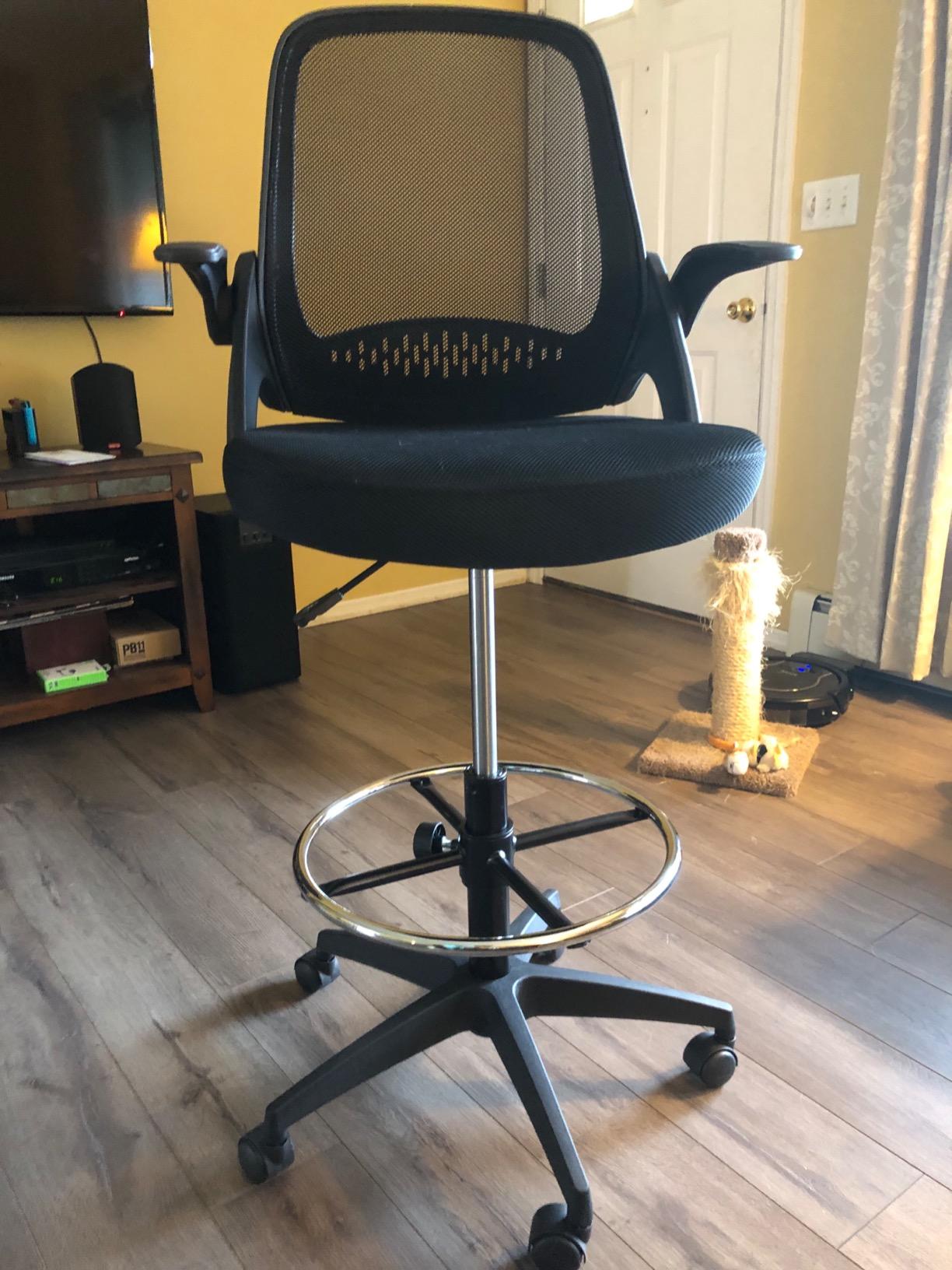
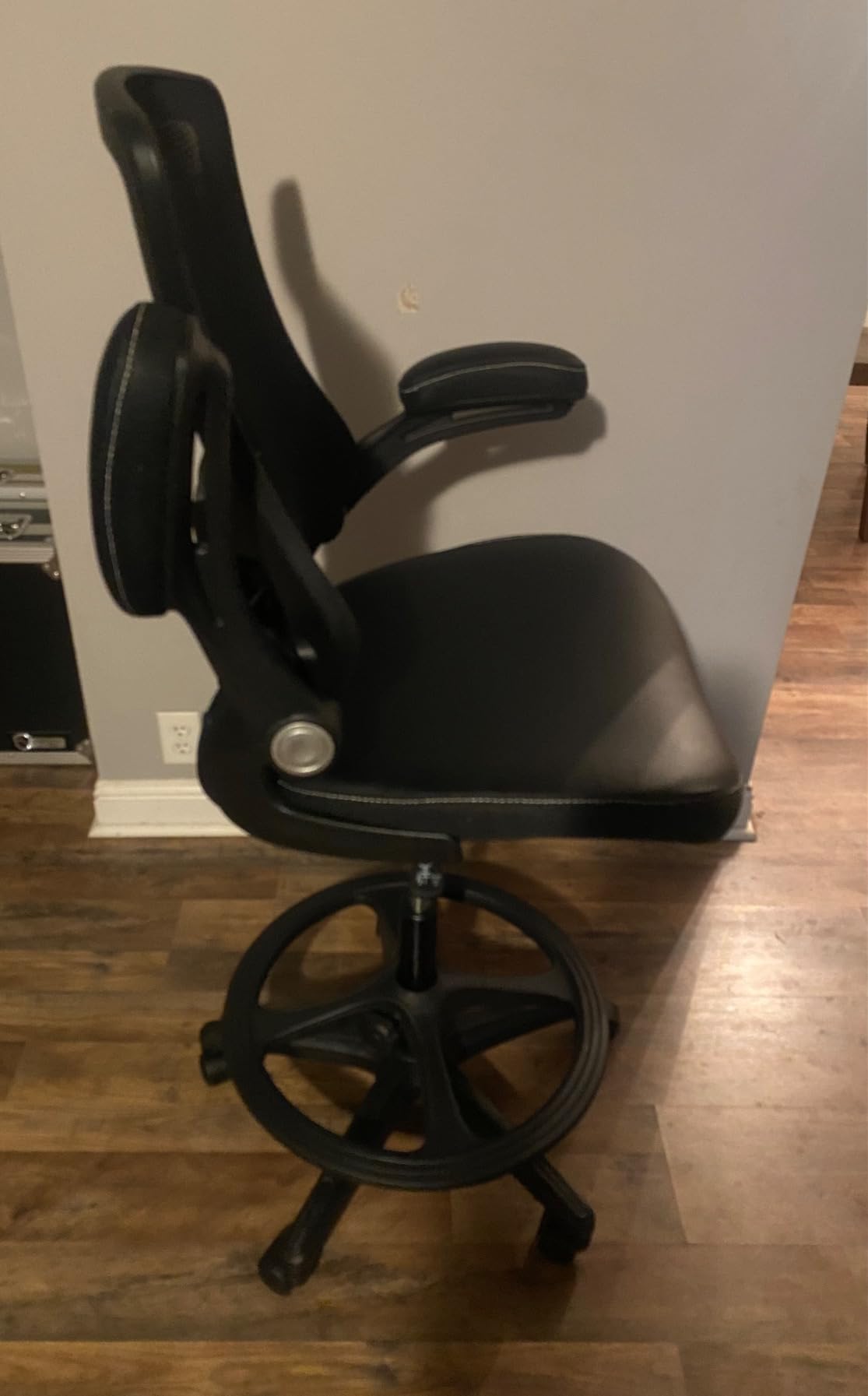
Its heavy-duty nylon base passes BIFMA testing, and the whole frame swivels 360 degrees on smooth-rolling nylon casters. The flip-up arms clear the desk edge, which matters on frames with a shallow apron or a footbar sitting low across the front.
The rating distribution explains the 4.2 average: about 60 percent of ratings are five stars and 18 percent are four stars, with 10 percent at three stars and 7 percent at one star. That 7 percent one-star share is the highest of any chair in this roundup, and the complaints concentrate on durability and the arm hinges rather than on comfort.
What to check before you buy the BestOffice tall chair
The 90-day manufacturer warranty is the shortest quoted by any maker in this group, by a wide margin. If you expect to keep this chair for years, that difference matters, and it is the main reason to stretch slightly for a longer-warranted model.
Item dimensions of 24 by 25 by 53 inches give you the total height to check against your desk. Because the listing does not break out a maximum seat height in inches the way the mesh chairs do, treat this as a 40 to 44 inch desk option rather than a full 48 inch one.
Who should skip the BestOffice tall chair
Skip it if you are a heavier user. The 250-pound rating and plastic frame make this a chair for average body sizes, and the 7 percent one-star share suggests some of the structural complaints come from people pushing closer to that limit.
It is also the wrong choice for anyone who plans to move chairs around several times a day. The flip-up arm hinges are the component owners complain about most, and a chair that gets dragged between rooms all day puts more load on them.
3. SUPERJARE Drafting Chair with Detachable Backrest: Best Versatile Pick
SUPERJARE Drafting Chair with Backrest, Adjustable Foot Rest Rolling Stool
23.6 to 32.2 inch seat
Detachable backrest
4 inch foam cushion
300 lb chrome base
Pros
- Detachable backrest converts it between a task chair and a compact stool
- 4-inch thick high-density foam in water-resistant PU leather
- Reinforced chrome base rated to 300 lb
- Dual-wheel nylon casters roll quietly on carpet and wood
Cons
- Seat tops out at 32.2 inches so very tall desks are out of reach
- Reinforced chrome base makes it heavier than mesh and plastic alternatives
- Back cushion is not height adjustable
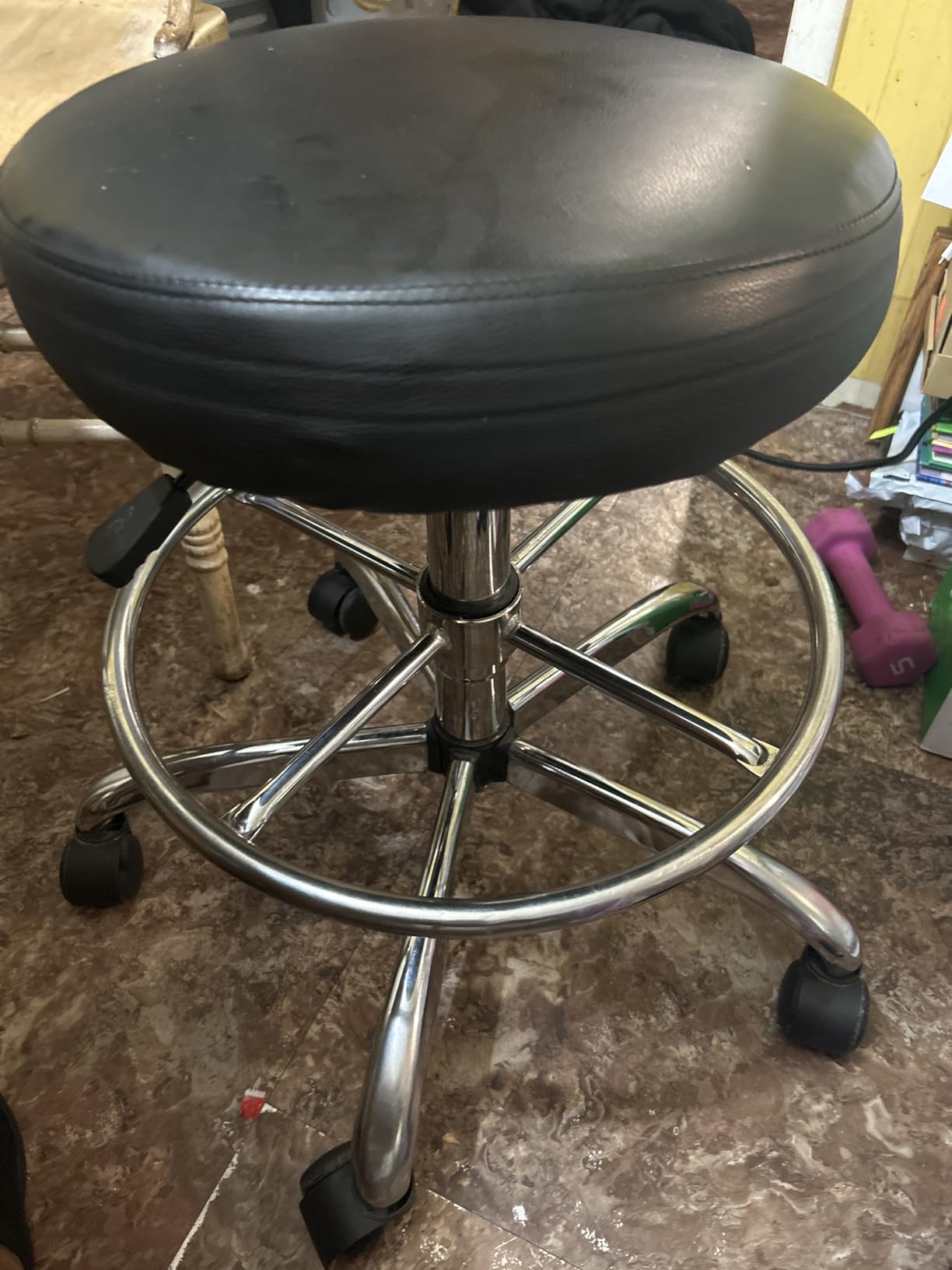
The thing no other chair in this roundup does is give you a choice. The backrest unclips, and what is left is a compact rolling drafting stool with a 4-inch thick foam cushion in waterproof, oil-resistant PU leather. For an art studio, a salon, or a lab bench where you alternate between leaning in and pulling back, that versatility is worth more than another inch of height range.
The hydraulic gas lift gives an 8.6-inch stroke, taking the seat from 23.6 to 32.2 inches. The circular metal footrest is adjustable and sits low enough to matter, and the reinforced chrome base carries a 300-pound rating according to the product details.
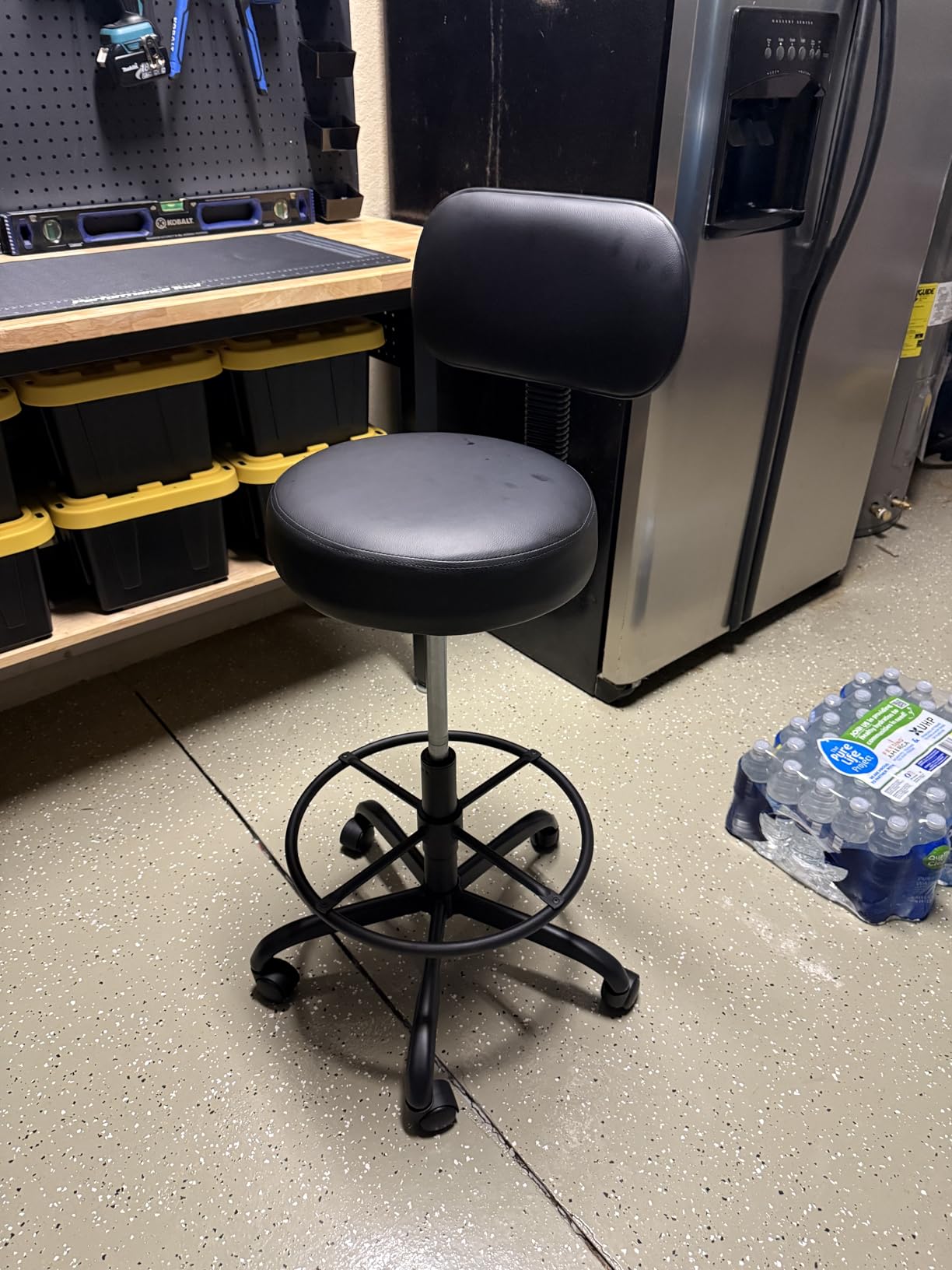
Tool-free assembly takes 5 to 10 minutes, which is the fastest of the ten models we tested. The five dual-wheel nylon casters are quiet on carpet, tile and wood, and the 360-degree rotating seat handles a drafting table that you approach from different angles all day.
Ratings break down as 69 percent five stars, 14 percent four stars and 6 percent one stars across 2142 reviews. Owners repeatedly mention that the chair gets recommended for salon, clinic, lab and counter-height workstations, which tells you the frame holds up outside a home office.
What to check before you buy the SUPERJARE chair
Note the two weight numbers on this listing. The product details list a maximum weight recommendation of 265 pounds, while the feature list describes a 300-pound reinforced chrome base. If you are near 265 pounds, assume that is your real ceiling.
The 32.2-inch maximum seat height is the hard limit here. That covers a 40 to 44 inch desk comfortably, but if your frame travels to 46 or 48 inches, keep looking rather than relying on a stool that tops out eight inches below your work surface.
Who should skip the SUPERJARE chair
Skip it if you work at a very tall frame or if you need a headrest. There is no headrest, and the back cushion, while removable, does not move up and down to fit different torso lengths.
Anyone who values a light chair should pass too. The reinforced chrome base is noticeably heavier than the mesh-and-nylon builds, and you will feel that when you lift it onto a raised frame at the end of the day.
4. HYLONE Tall Mesh Drafting Chair: Best High-Back Support
HYLONE Drafting Chair, Tall Office Chair, High-Back Mesh Standing Desk Stool Chair, Ergonomic Home Office Desk Chair with Adjustable Footrest Ring, Flip-Up Arms, Rolling Swivel Wheels, Black
23.5 inch back height
Height-adjustable footring
BIFMA-tested tilt
300 lb capacity
Pros
- Tall 23.5-inch back interior height supports the upper and lower back
- Flip-up arms keep you close to the desk and free floor space
- Height-adjustable footring suits standing and bar-height work
- BIFMA-tested height
- tilt and tilt-tension adjustments
Cons
- Heaviest build here at 37 pounds
- Only two reclining positions
- Listed arm height of 29.1 inches sits high under a low desk
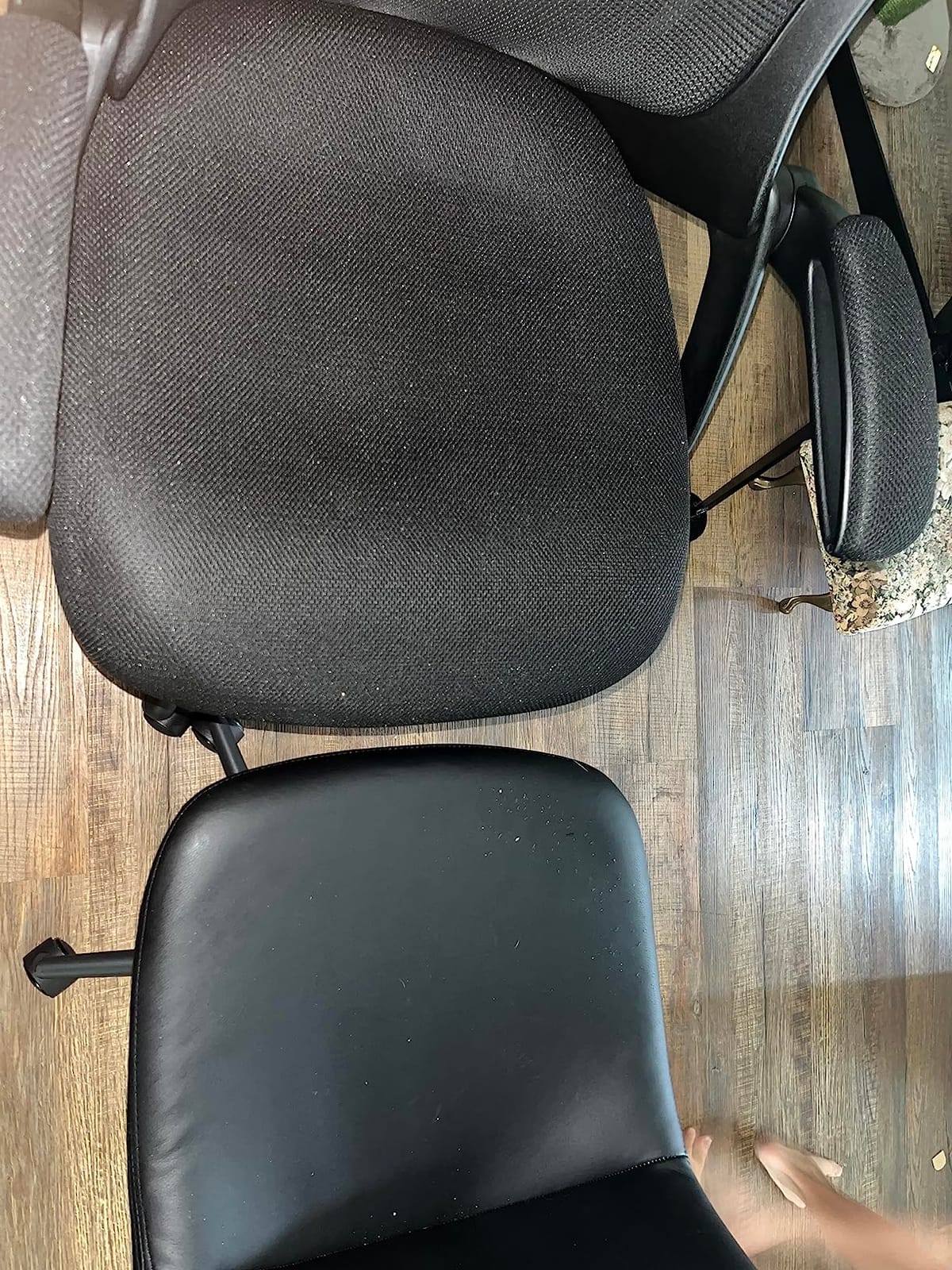
If your complaint about backless stools is a sore lower back by mid-afternoon, this is the chair built to fix it. The backrest interior measures 23.5 inches tall and 19 inches wide, with a full mesh back and a waterfall seat edge that spreads pressure across the backs of your legs.
Unlike most drafting chairs in this group, the tilt and tilt-tension are adjustable, and the BIFMA testing covers the height, tilt and tilt-tension mechanism rather than just the base. Two reclining positions are not many, but having tilt at all is a real difference when you are perched rather than seated.
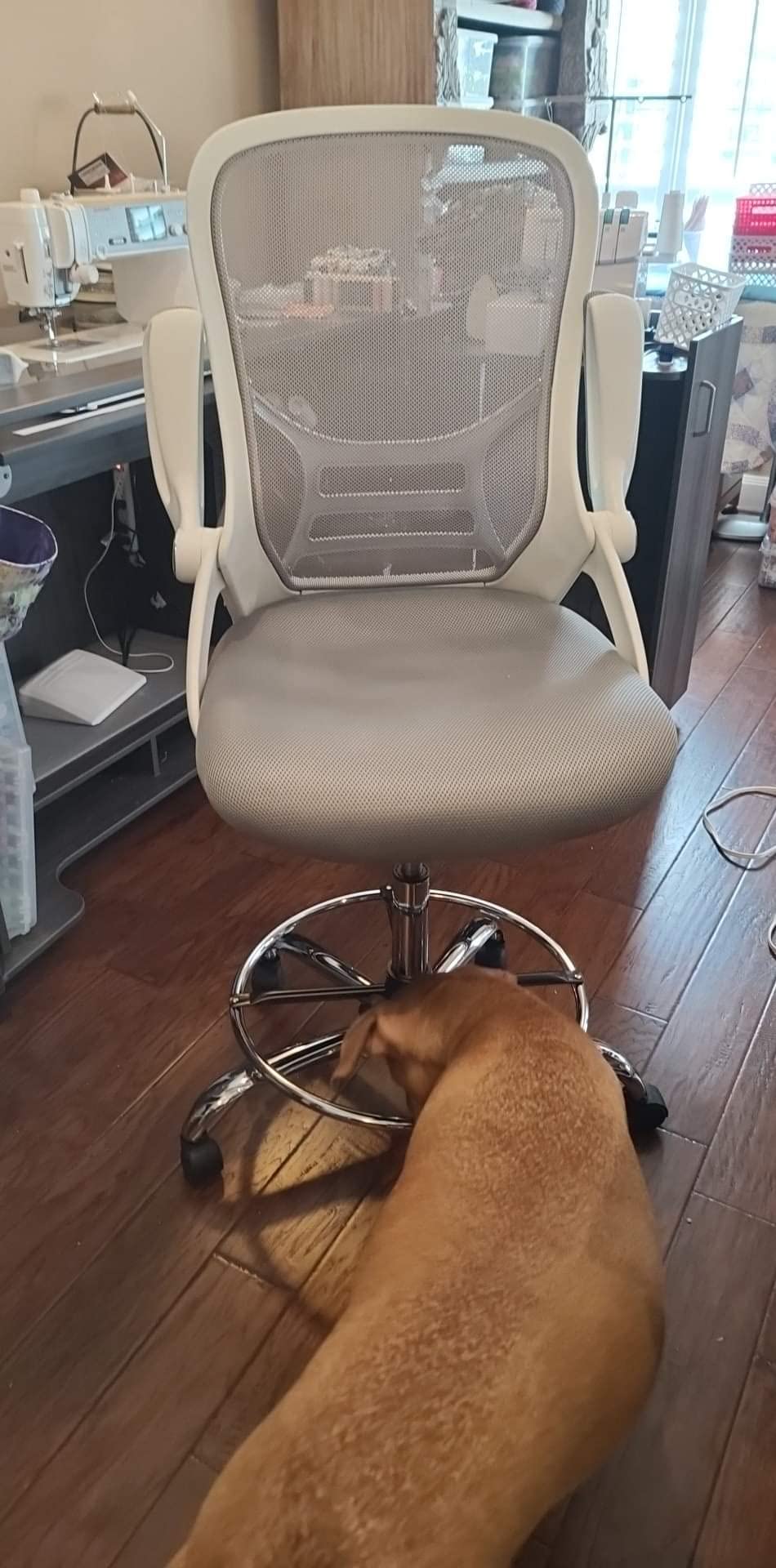
The height-adjustable footring is the other reason this one works at a raised desk. It adjusts to different leg lengths, and the flip-up contoured padded armrests let you pull the seat right up to a workbench without the arms catching the edge.
The seat board is certified wood with nylon dual-wheel casters, and the maximum weight recommendation is 300 pounds. The 19.7-inch seat length and 21.4-inch seat depth make it one of the more spacious seats here, useful if you work at a drafting table with a keyboard tray.
What to check before you buy the HYLONE tall mesh chair
At 37 pounds this is the heaviest chair in the roundup, so plan where it will live before you assemble it. Moving it between a sitting desk and a standing frame twice a day is a two-person job, and a mat under the base protects carpet from the casters.
Check the arm height against your desk clearance. The listed arm height is 29.1 inches, which works at a 42 to 45 inch desk but will crowd a lower surface once you flip the arms up, and the flip-up action is what makes the arms useful in the first place.
Who should skip the HYLONE tall mesh chair
Skip it if your workspace is small or if you change rooms with your setup. The footprint runs 25.2 by 25.2 inches at the base, and that diameter plus the weight makes it awkward in a bedroom office or a shared studio corner.
It is also the wrong pick for anyone who wants a reclined break position. Two reclining positions cover upright work and a slight lean, and that is where this mechanism stops.
5. Office Star DC Series Mesh Drafting Chair: Top Rated
Office Star DC Series Deluxe Breathable Mesh Back Ergonomic Drafting Chair with Lumbar Support and Adjustable Footring, Black Fabric
35 inch seat height
Armless mesh back
18.25 inch footring
275 lb capacity
Pros
- 4.6 average rating with 74 percent five-star ratings
- One-touch pneumatic seat height and back height adjustment
- Deluxe breathable mesh back with a thick padded seat
- Armless design slides straight under a counter or raised desk
- 15 years warranty on non-moving metal parts
Cons
- Footring is known to creep downward under foot pressure unless tightened well past finger tight
- Only one reclining position and no headrest
This chair carries a 4.6 average rating with 74 percent five-star ratings, and it also comes with a warranty that outlasts most competitors in this category by a decade. Fifteen years on non-moving metal parts, five years on component parts and three years on upholstery fabric and foam is a durability signal no spec sheet in this category usually offers.
The armless design is the practical star. With no arms in the way, you can pull the seat straight under a counter, a kitchen island or a raised desk without stopping to flip anything, and the small footprint suits rooms where a full drafting chair would crowd the frame.
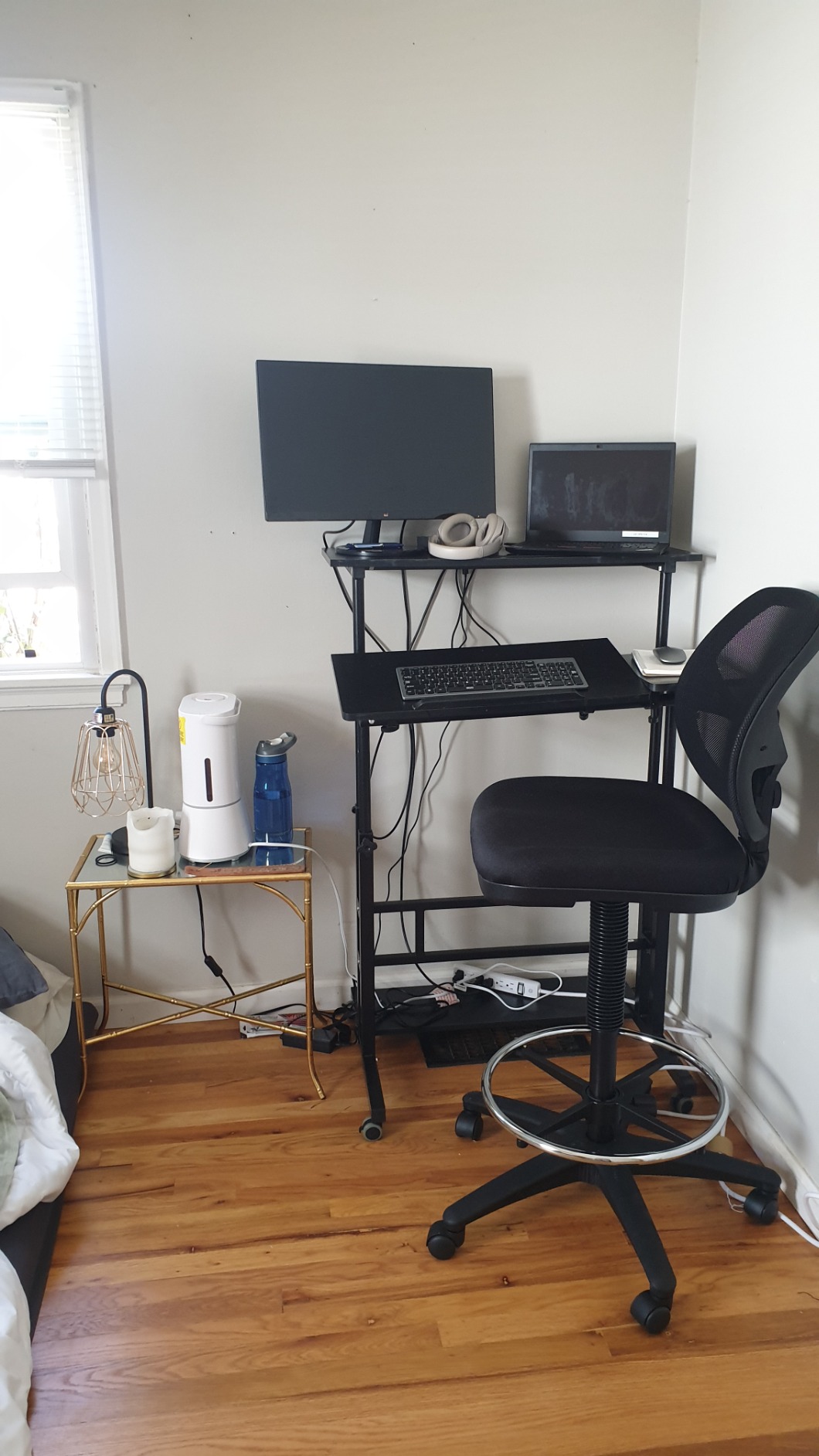
Seat height is listed at 35 inches with one-touch pneumatic adjustment for both the seat and the backrest height. The 18.25-inch footring is height-adjustable, and the seat is a thick 2.75-inch pad with a breathable mesh back built around an internal lumbar support.
It is approved for commercial use, which explains why owners mention using it in standing desk converters, art studios and kitchens. Assembly takes roughly 10 to 20 minutes with the included Allen wrench, and the heavy-duty nylon base carries dual-wheel carpet casters.
What to check before you buy the Office Star DC Series
Footring creep is the single most repeated complaint in this chair’s reviews, and the fix is known: tighten the footring screw well past finger tight before first use. Owners who do this report no further drift, so treat it as a five-minute setup task rather than a defect.
The maximum weight recommendation is 275 pounds and the back is 16 inches tall, which is shorter than the HYLONE’s. If you are tall and already have lower-back sensitivity, a 16-inch back ending under the shoulder blades is the part of this chair you will feel first.
Who should skip the Office Star DC Series
Skip it if you need arm support for a heavy keyboard or mouse session. The armless layout is what makes it fit tight spaces, and it also means your shoulders carry the whole load when you lean forward to a 45-inch desk.
Anyone wanting to recline or to have a headrest should skip it too. There is one reclining position and no headrest, so this is a work chair, not a rest chair.
6. Amazon Basics Multi-Purpose Drafting Stool: Budget Pick
Amazon Basics Multi-Purpose Adjustable Drafting Spa Bar Stool with Sturdy Foot Rest, Back Support Cushion, 360° Swivel and Wheels, Black
28.3 to 33.9 inch seat
275 lb capacity
BIFMA compliant
Swivel with foot rest
Pros
- Entry-level price without giving up height range
- Good value across 2004 ratings
- Smooth 360-degree swivel on a chrome arched base
- Adjustable seat height from 28.3 to 33.9 inches
- BIFMA standard compliant with a 275-pound capacity
Cons
- Back cushion is a compact 16.5 by 9.5 inches so lumbar coverage is limited
- Narrower height stroke than several of the taller drafting chairs
This is the simplest way into drafting-height seating, and at 4.4 stars across 2004 ratings it is not a compromise on quality so much as a compromise on size. The seat adjusts from 28.3 to 33.9 inches, which covers a 40 to 44 inch desk well.
The build is a chrome arched base with heavy-duty dual-wheel casters and a 360-degree swivel, and the whole thing is BIFMA standard compliant at a 275-pound capacity. Buyers describe it as an inexpensive multi-task stool for home and workplace use rather than a dedicated drafting chair.
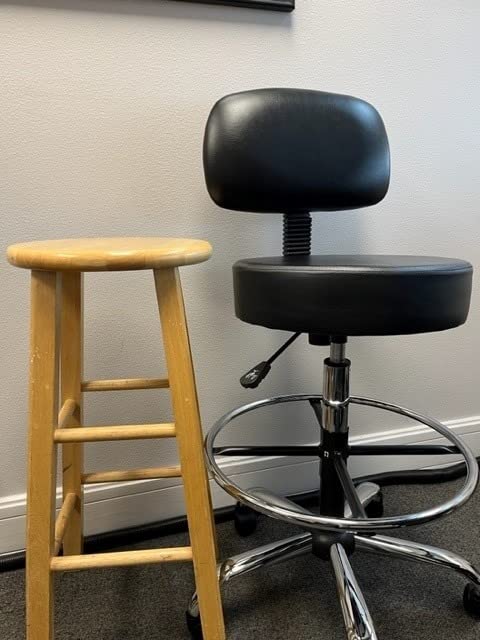
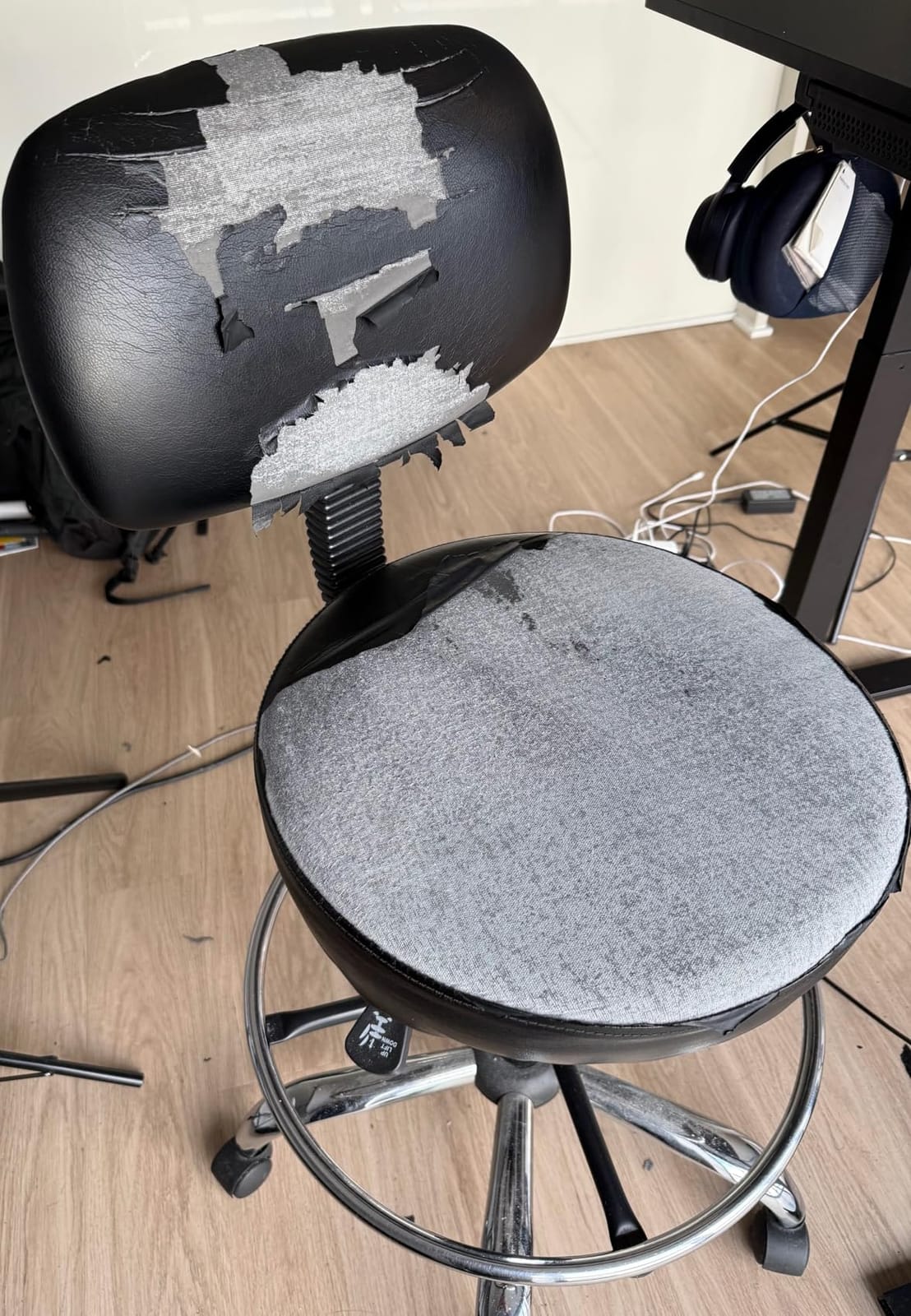
It weighs 23.2 pounds, which is lighter than most of the mesh drafting chairs here, and assembly is a straightforward gas-lift-and-base job. The black faux leather wipes clean with a dry cloth, which matters if you are using it at a kitchen island or a clinic counter.
Ratings split 70 percent five stars, 15 percent four stars and 5 percent one stars. That distribution is clean for a budget stool, and the recurring mentions of easy height adjustment and smooth rolling suggest it does one job well rather than many jobs marginally.
What to check before you buy the Amazon Basics stool
The back cushion measures 16.5 by 9.5 inches, and that is genuinely small. It supports the lower back, but if you already have lower-back sensitivity you will spend the day perching rather than resting against it, and a lumbar-support model suits you better.
The height range is narrower than the mesh chairs here, with a 5.6-inch stroke against 8 to 9 inches on several rivals. That matters if you plan to use the same stool at both a sitting desk and a 46-inch frame, since you will be adjusting the desk rather than the chair.
Who should skip the Amazon Basics stool
Skip it if you work at a very tall desk. A 33.9-inch maximum seat height is fine at 44 inches and short at 48 inches, and the narrow range means there is no room to make up the difference.
Long-session users should pass as well. The small back and modest lumbar coverage make this a stool for tasks of an hour or two rather than a full workday of perching, and a taller-back chair will hold you better.
7. Primy Armless Tall Drafting Chair: Best for Small Spaces
Primy Tall Drafting Desk Chair – Armless, Adjustable Height, Mesh Back, Rolling, Standing Desk Chair for Art Room, Office or Home (Black)
22 to 30 inch seat
Armless frame
C-shaped mesh back
250 lb capacity
Pros
- Armless frame tucks under a desk or works at counter and desk heights
- C-shaped mesh backrest follows the lower back curve
- Three-stage air rod and explosion-proof base for stability
- Assembly takes about 15 minutes with all hardware included
Cons
- Top edge of the backrest is a hard plastic rim that digs into the lower back when you lean back
- Underside of the footring has sharp metal pieces some owners clipped and filed down
- No recline tilt and a plastic back that flexes
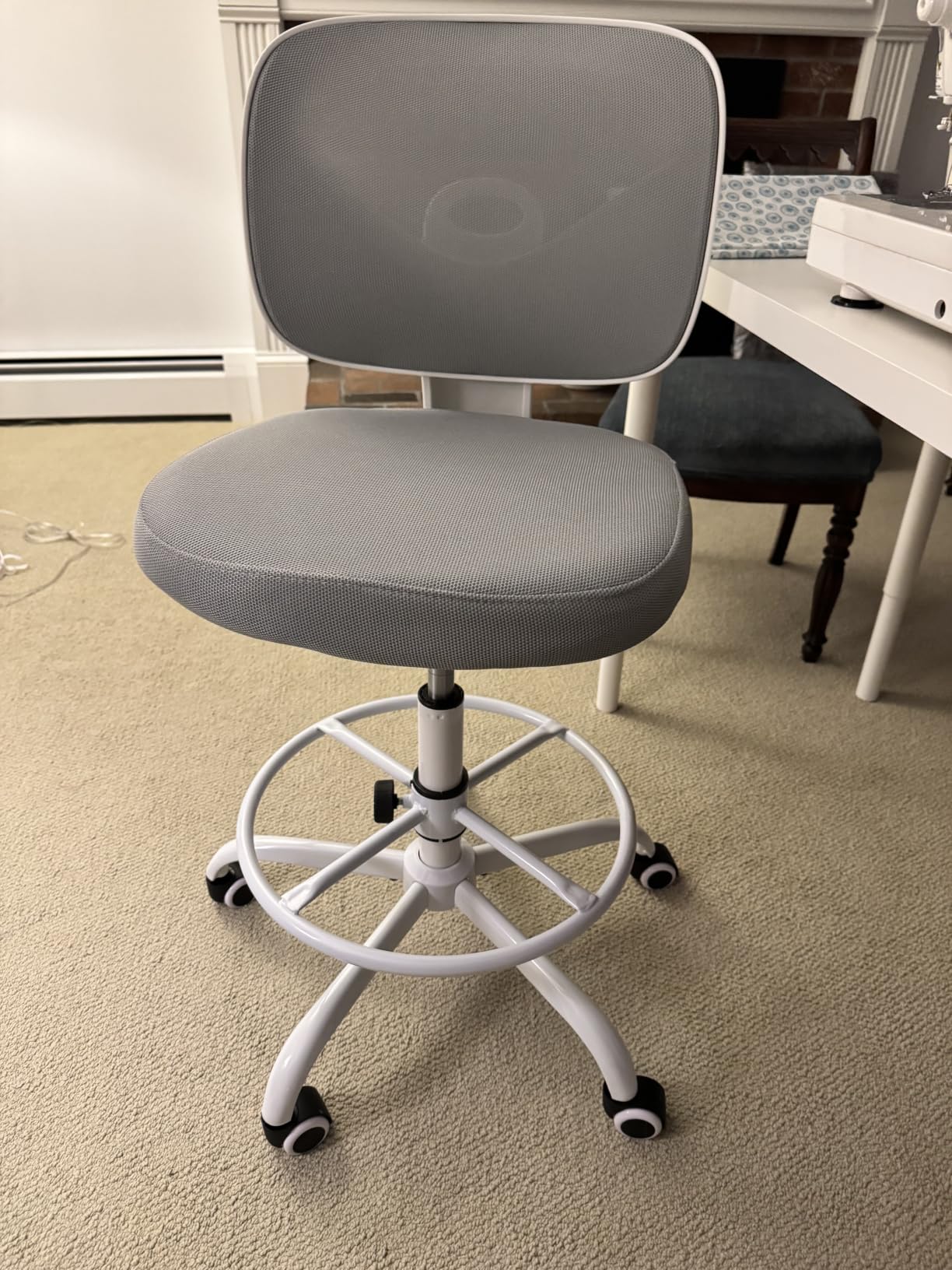
This is a compact chair that still reaches drafting height, at 17.6 pounds and a seat height that adjusts from 22 to 30 inches. The armless frame is the whole idea: no arms means no flipping, no catching on a desk edge, and a base you can slide under a raised frame in a tight room.
The backrest is a C-shaped ergonomic mesh design that follows the curve of the lower back, and the seat is 3D woven breathable mesh over high-elasticity natural sponge. The 17.3-inch seat depth is smaller than the mesh chairs above, which is part of why it fits where they do not.
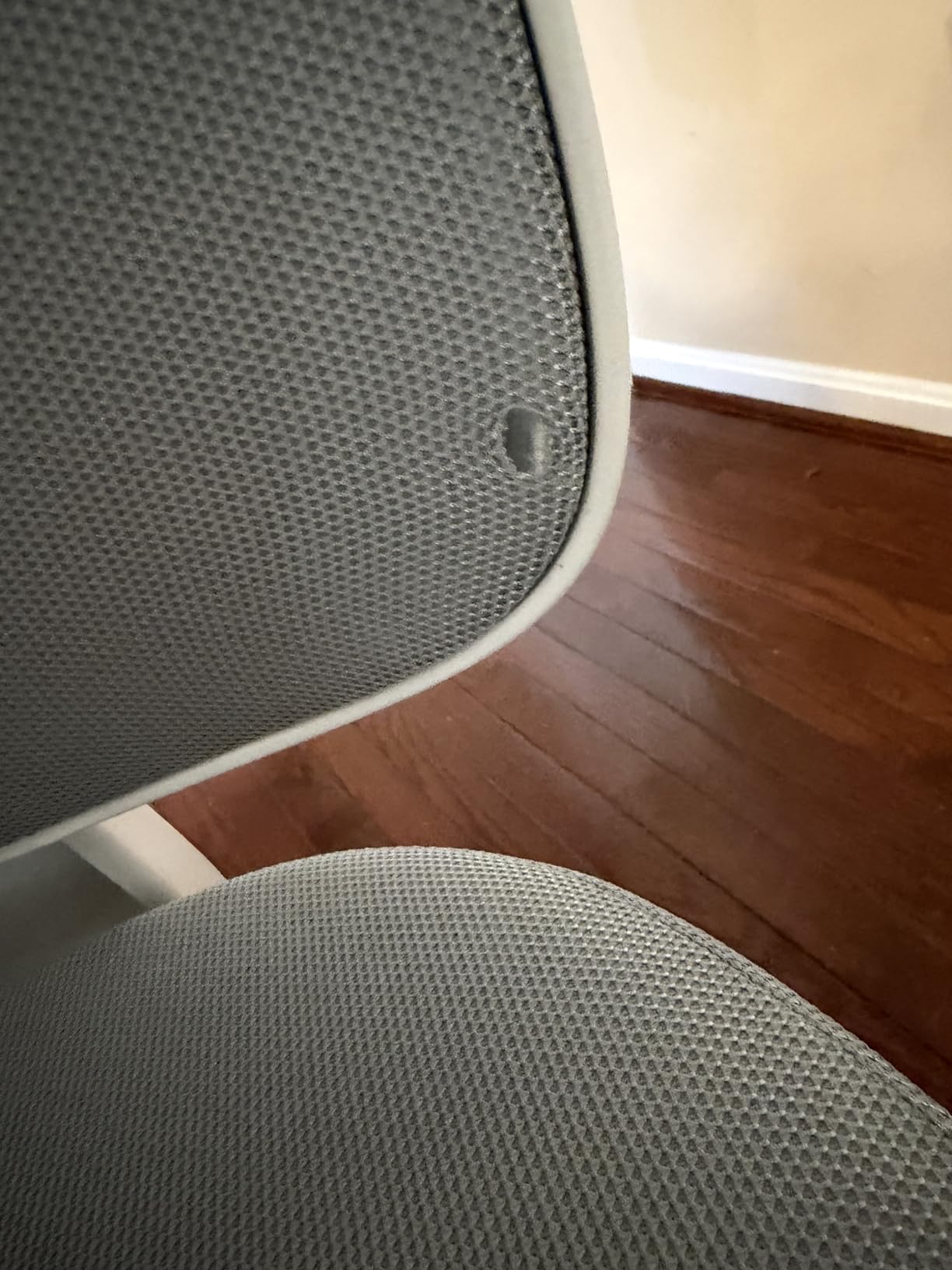
Height adjustment runs through a three-stage air rod with an explosion-proof base, and the seat swivels 360 degrees. At 77 percent five-star ratings, this has one of the cleanest owner records among the tall chairs with a backrest, and only 3 percent of ratings are one star.
Owners consistently describe it as exactly what a drafting-height armless chair should be, and mention art rooms, offices and home setups in the same breath. Assembly takes about 15 minutes with all hardware included, backed by a one-year after-sales warranty.
What to check before you buy the Primy armless tall chair
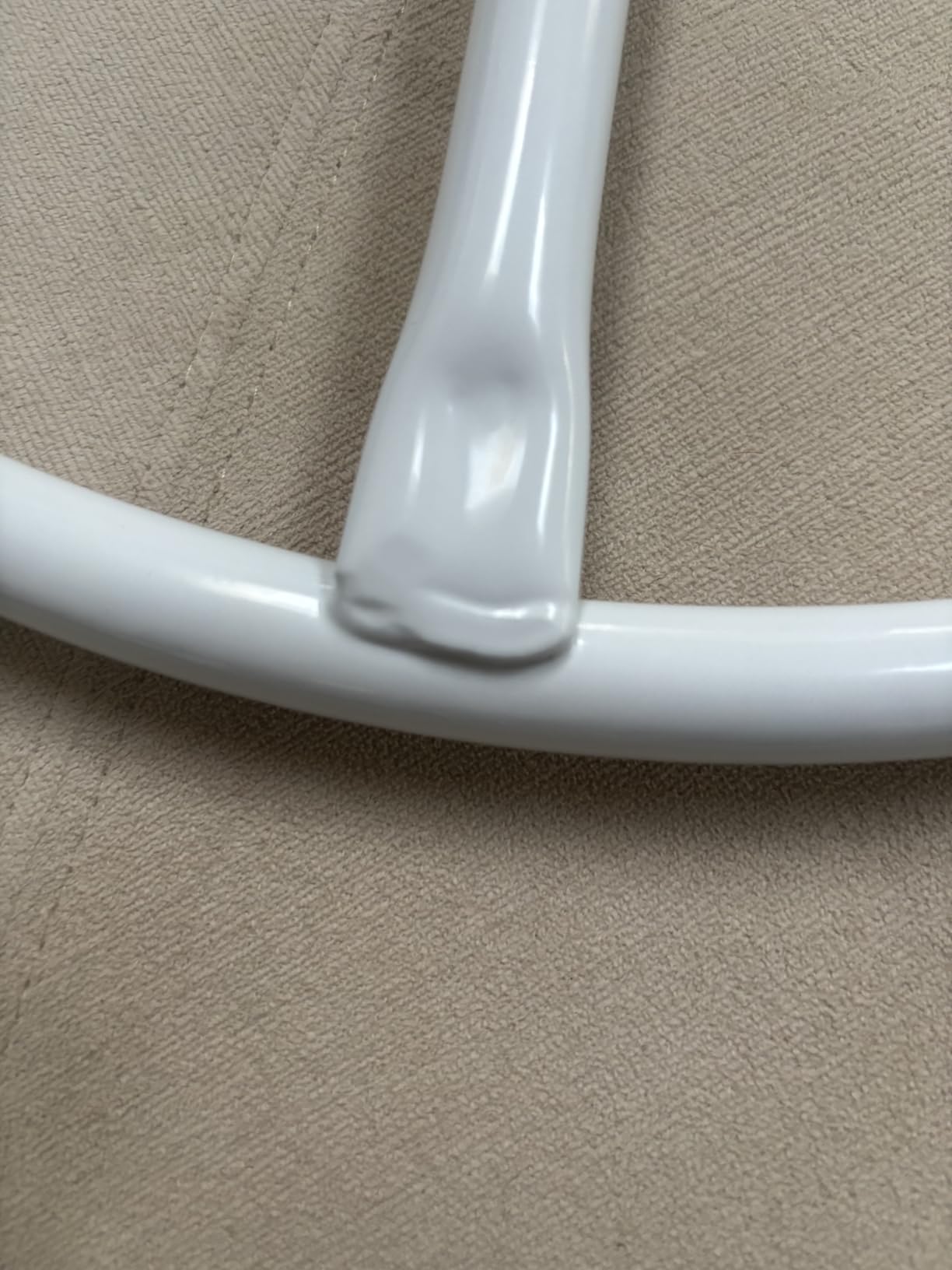
Inspect the footring before your first sitting. Some owners reported sharp metal pieces on the underside of the ring that they clipped and filed down, and that is a five-minute fix with a file if you notice it on arrival.
The 30-inch maximum seat height is the limit worth weighing. That covers a 40 to 43 inch desk, and it is the reason this chair sits lower in the list than its 4.6 rating might suggest.
Who should skip the Primy armless tall chair
Skip it if you like to lean back. The hard plastic rim along the top edge of the backrest digs into the lower back when you lean, and there is no recline tilt to take the pressure off.
Anyone over 250 pounds should pass as well, since that is the listed maximum weight recommendation and the back support is plastic that flexes more than most buyers would like.
8. Kensaker Drafting Chair with Locking Foot Ring: Best for a Stable Footrest
Kensaker Drafting Chair Tall Office Chair, Ergonomic Standing Desk Chair with Adjustable Foot Ring and Flip-up Armrests, Mesh Computer Chair for Art Studio, 300 LBS, Black
Locking-knob foot ring
7.9 inch height adjustment
2 inch lumbar slide
300 lb capacity
Pros
- Locking knob keeps the footring in place instead of letting it creep down
- Upgraded 5-claw base and thickened seat plate improve stability
- Silent PU casters roll on multiple floor types without scratching
- Y-shaped backrest with 2-inch height adjustment supports the lumbar area
Cons
- Solid back panel rather than full mesh so it collects more heat
- Only one reclining position and no headrest
- 7.9-inch height stroke is narrower than several rivals
Footring creep is the most common long-term complaint across this whole category, and this is the chair designed specifically to stop it. Instead of a friction-fit ring, the footring has a locking knob and adjusts across a 9.45-inch range, so it stays where you put it under repeated foot pressure.
The rest of the package is solid too. Height adjustment runs 7.9 inches with a 360-degree swivel, the backrest is a Y-shaped design with 2 inches of vertical adjustment, and the armrests flip up 90 degrees so you can slide under a desk.
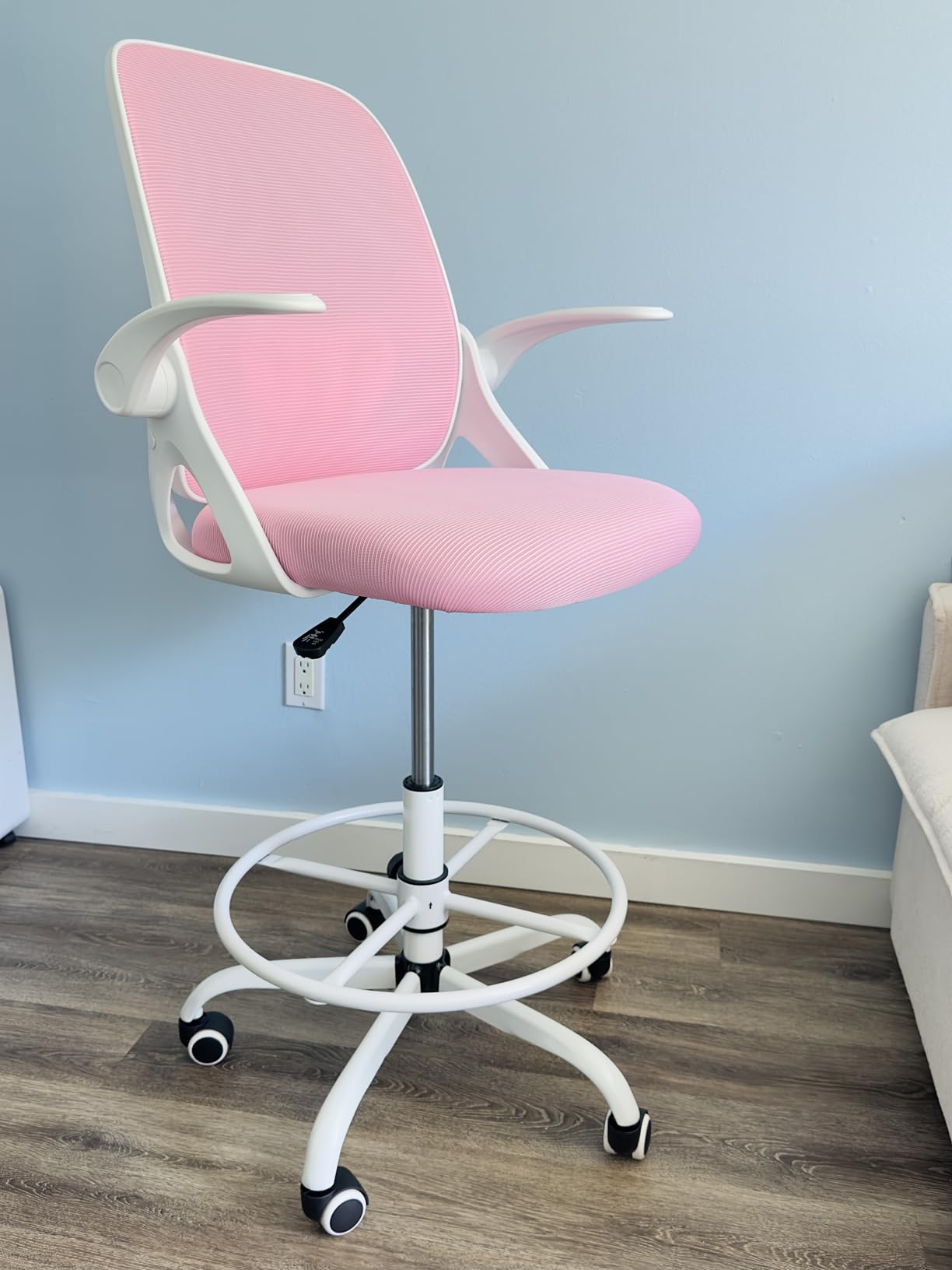
The base is an upgraded 5-claw design with a thickened heavy-duty seat plate, and the silent PU casters roll on multiple floor types without scratching. The maximum weight recommendation is 300 pounds, and assembly takes 15 to 20 minutes.
At 538 reviews this chair has a shorter owner record than most here, so treat the details as promising rather than proven over years. Ratings break down 71 percent five stars, 11 percent four stars and 8 percent one stars, and that 8 percent one-star share is the highest in the group.
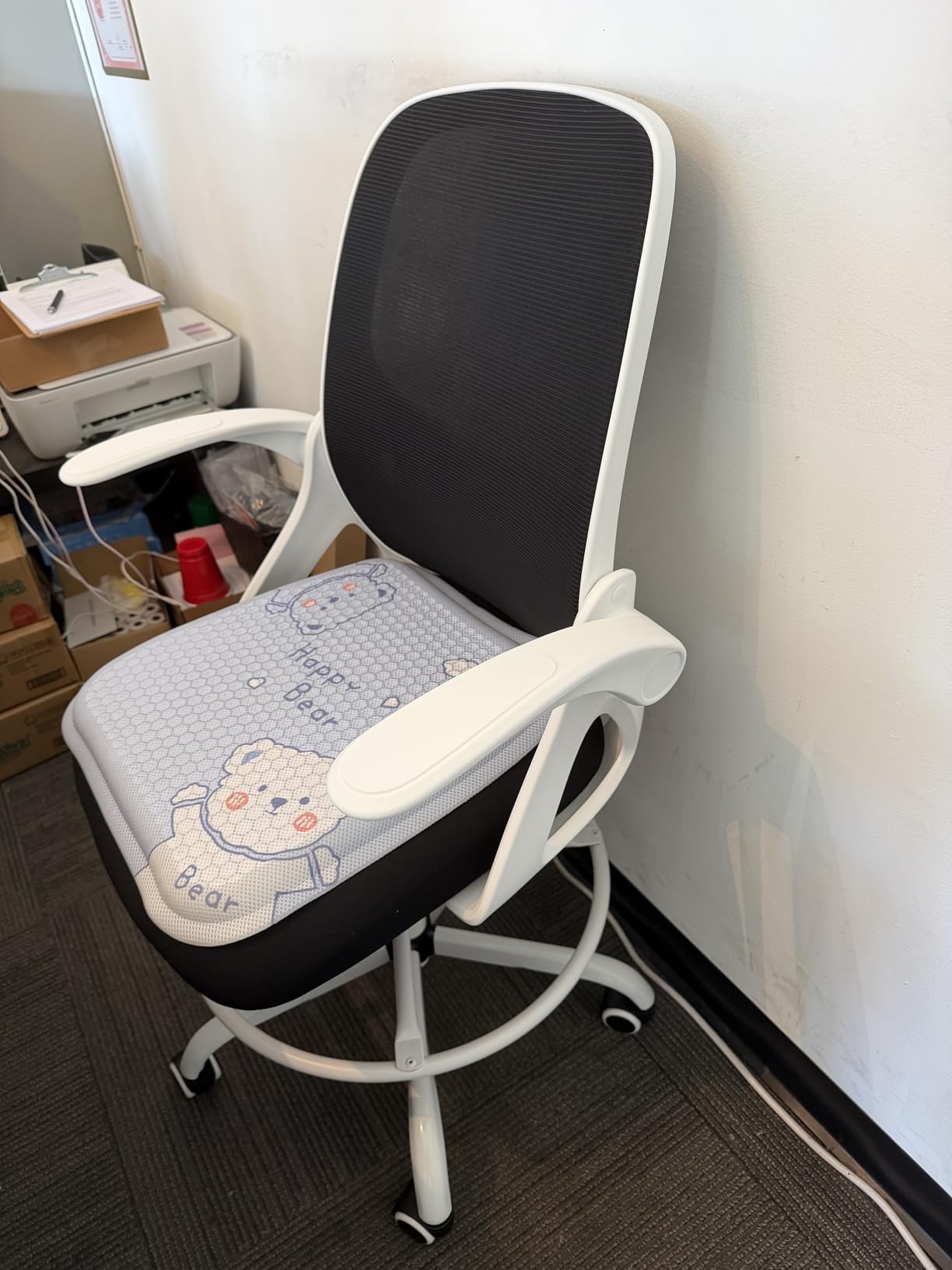
What to check before you buy the Kensaker chair
The back is a solid panel with a breathable mesh top on the cushion rather than a full mesh back. In a warm room or a long afternoon, expect more heat across the back than the full-mesh chairs in this roundup give you.
Note that the 7.9-inch height stroke is narrower than the 8.6-inch stroke on the SUPERJARE chair and the wider ranges on several others. At a fixed desk height that does not matter, but if you plan to move between a sitting desk and a raised frame, the shorter stroke limits you.
Who should skip the Kensaker chair
Skip it if you run hot or work in an unconditioned studio. The solid back panel is the trade-off for the stable footring, and in summer it is the first thing you will notice.
Buyers who want a headrest or a reclined position should also pass, because there is one reclining position and no headrest at all.
9. ErGear Drafting Chair with Wide Lockable Foot Ring: Best Heavy-Duty
ErGear Drafting Chair with Footrest Ring and Flip-Up Arms for Tall Desks
19.7 inch lockable foot ring
Class 4 gas lift
17-degree mesh back
300 lb capacity
Pros
- Widest footring here at 19.7 inches with 5 inches of adjustment and a lock
- Class 4 gas lift tested to 120000 lift cycles with 8 inches of height adjustment
- Seat cushion is 33 percent thicker than standard office chairs
- Extra-large base and heavy-duty casters hold 300 lb at full extension
Cons
- Lowest position still leaves shorter users' feet barely reaching the floor
- Thin plastic lumbar panel can be uncomfortable under load and some owners add foam padding
- One owner reported the gas cylinder sagging so the seat drops several inches over months of use
This is the widest foot ring in the roundup at 19.7 inches, adjustable by 5 inches with a locking position. A wider ring matters for taller users because it supports the ball of the foot rather than the arch, and that is what keeps a heavy person comfortable at drafting height for hours rather than minutes.
Underneath, the gas lift is a Class 4 cylinder tested to 120,000 lift cycles, which is the only cycle-tested cylinder quoted in this roundup. It provides 8 inches of seat height adjustment on an extra-large base rated to 300 pounds.
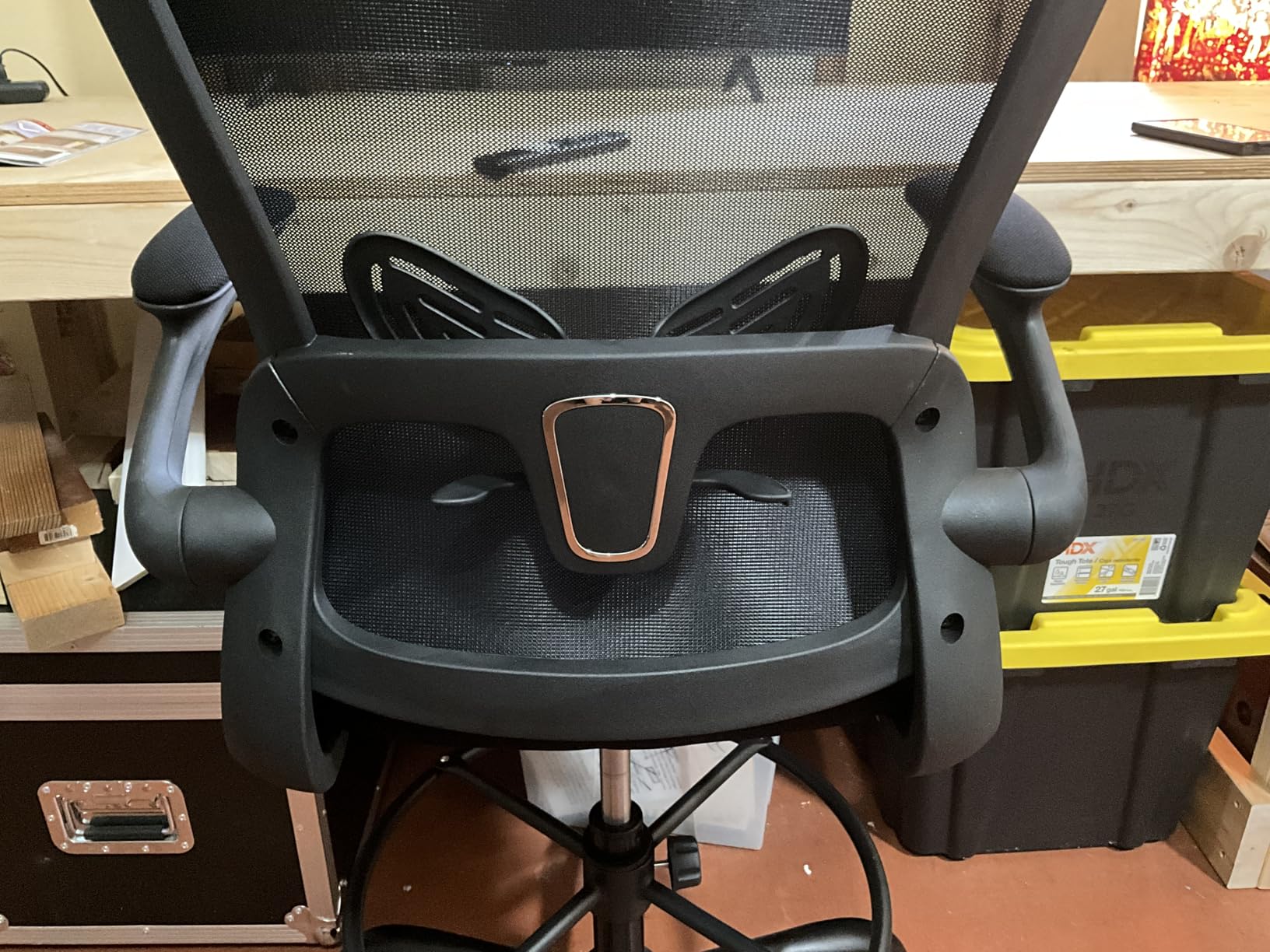
The back is a 17-degree breathable mesh design with lumbar support adjustable by 2 inches, and the padded armrests flip up 90 degrees so you can tuck in at a workbench. The seat cushion is 33 percent thicker than a standard office chair, and buyers point to that thickness when describing long sessions.
Ratings run 76 percent five stars, 13 percent four stars and 6 percent one stars across 314 reviews, the smallest owner record in the roundup. Owners mention using it at 36 to 40 inch workbenches, and the rocking function is frequently called out as a comfort feature.
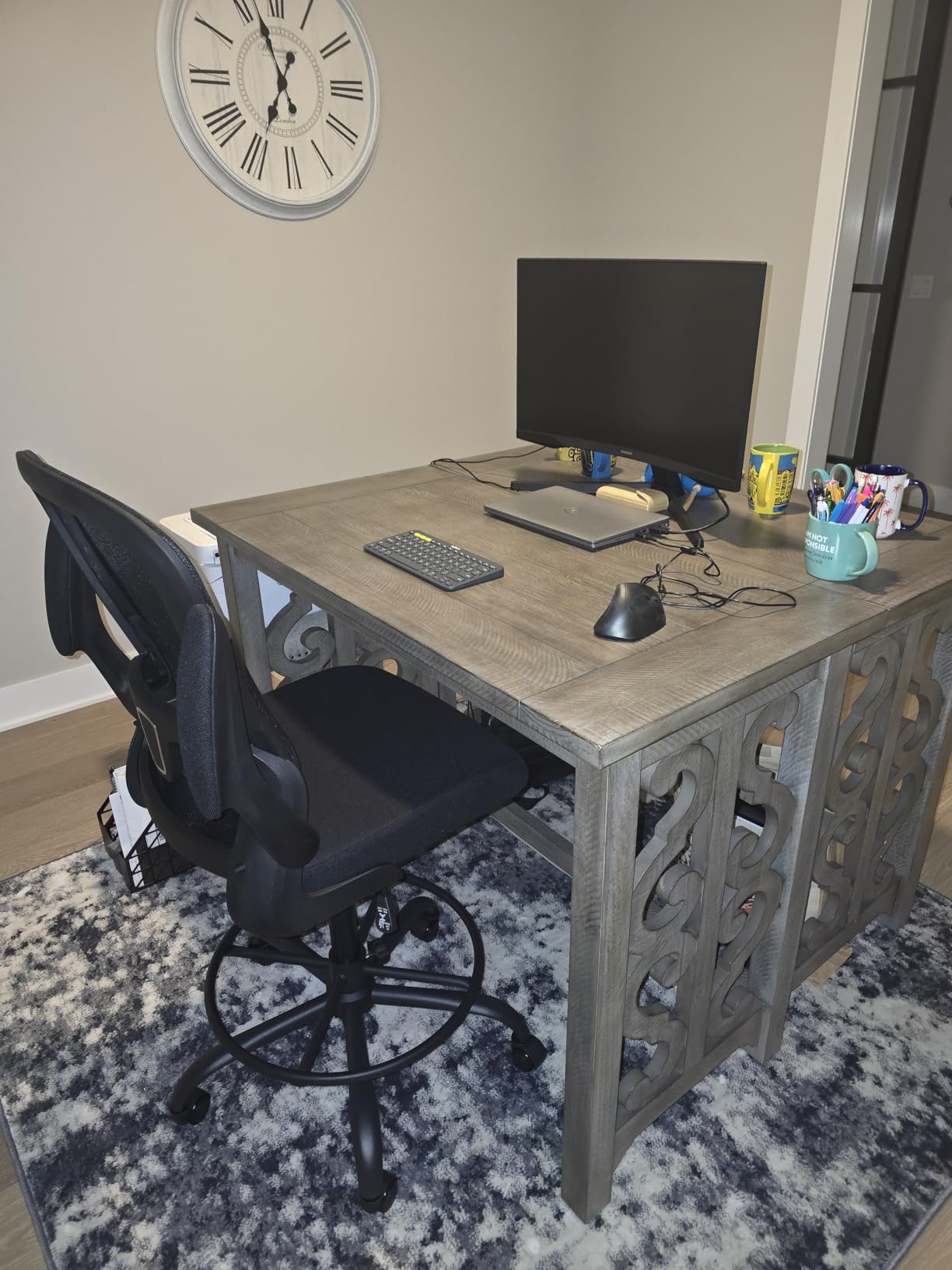
What to check before you buy the ErGear drafting chair
Check the lumbar panel before a full day of work. It is thin plastic, and some owners add foam padding behind it. If you already have lower-back issues, treat that padding as part of the setup rather than an optional extra.
The 28.7-inch listed seat height and the 25.2 by 21.06 by 55.12 inch item dimensions put this chair at the tall end of the roundup, which is good for a 44 to 48 inch desk and wrong for anything lower. Confirm your frame height before you order.
Who should skip the ErGear drafting chair
Skip it if you are under about 5 foot 4 inches. Reviewers note that even the lowest position leaves shorter users’ feet barely reaching the floor, and without a floor contact the perched posture works against you.
It is also a heavy build, and owners advise a mat to protect carpet. On a small bedroom office with no mat and no space, that footprint and weight are a poor trade for the wide foot ring.
10. Misolant Armless Drafting Chair: Best Compact Seat
Misolant Drafting Chair Without Arms, Tall Office Chair with Footrest Ring for Standing Desk, Small Faux Leather Executive Office Chair with Adjustable Height for Bar Lab Counter Height Desk, Black
23.5 to 31.9 inch seat
Square sponge cushion
SGS-certified gas rod
300 lb capacity
Pros
- Highest five-star share in the roundup at 79 percent
- Compact footprint suits tight spaces and small art tables
- Square sponge cushion gives more hip support than a round stool seat
- Height adjusts easily from 23.5 to 31.9 inches and swivels smoothly
Cons
- Smallest seat here at 16.3 inches deep and 16.5 inches wide
- No height-adjustable back or lumbar support
- One owner received a crooked backrest attached to its rails with no way to correct it
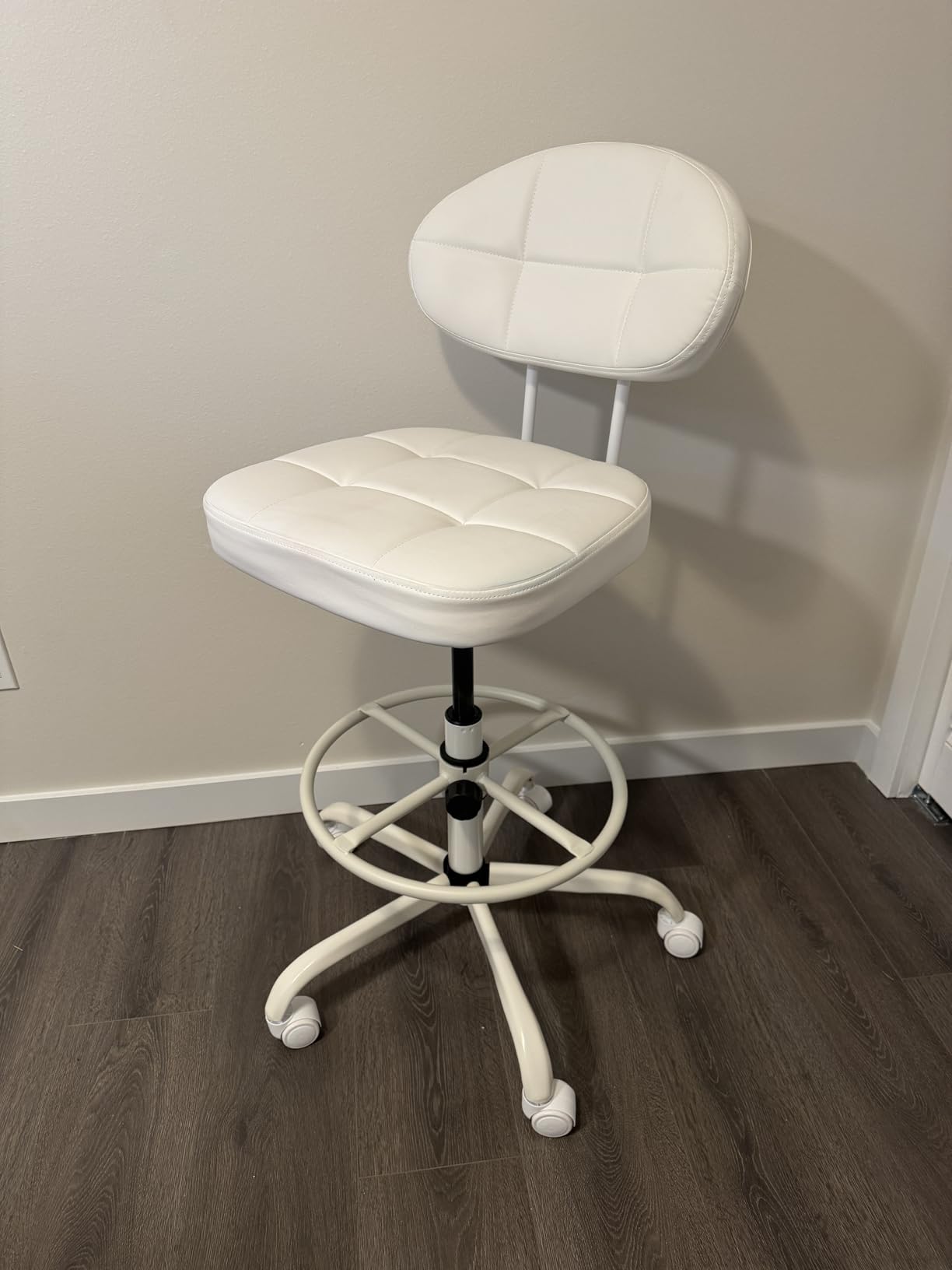
The Misolant does one thing unusually well, which is support for the hips. The square sponge cushion is 16.5 inches wide and 16.3 inches deep, and a square shape spreads the sit bones across more surface than the round stool seat most competitors use, which is why owners describe less hip pressure during long perching sessions.
Height adjusts from 23.5 to 31.9 inches at the cushion, and the total chair height runs from 35 to 43.4 inches. The gas rod is SGS-certified and the chair is BIFMA tested at a 300-pound capacity, which is a stronger certification claim than most budget-priced stools make.
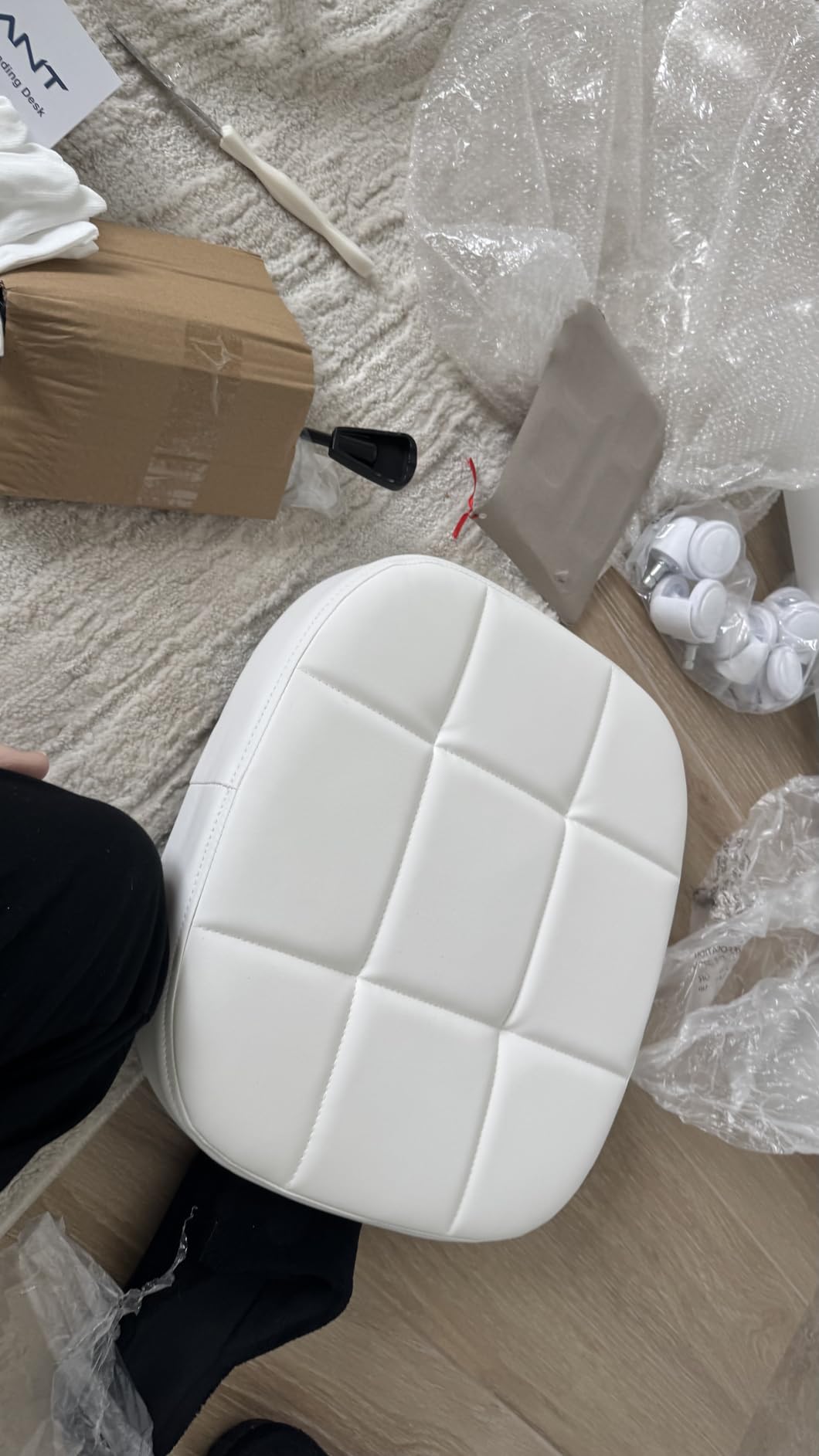
The armless design keeps the footprint small, and the wrap-around curved back conforms to the body’s contour rather than pressing at a single point. At 21.6 pounds it is one of the lighter chairs here, and the wheels glide easily on hard flooring.
At 79 percent five-star ratings this has the highest five-star share of the ten, with only 3 percent one-star ratings. Several owners report the chair still looking new after a year of daily art-desk or salon use, and assembly takes about 25 minutes or less.
What to check before you buy the Misolant armless chair
Inspect the backrest rails on arrival. One owner received a crooked backrest attached to its metal rails with no way to correct it, so open the box and check alignment before you assemble rather than after.
The back is a fixed wrap-around curve with no height adjustment and no lumbar control. That keeps the chair compact, but it also means it works for one torso length rather than adapting as you change position through the day.
Who should skip the Misolant armless chair
Skip it if you are tall or broad. A 16.3-inch-deep seat is the smallest here, and if you are above roughly 6 feet your knees will sit past the front edge of the cushion during a full workday.
Anyone needing a perching stool to double as a back-support chair should also pass. There is no recline, no headrest and no adjustable lumbar, so this is a compact perch rather than a drafting chair with support.
Drafting Stool vs Drafting Chair vs Saddle and Perch Stool
The four categories solve the same height problem with different amounts of support, and picking the wrong one is the second most common mistake after a height mismatch. A drafting chair has a backrest, arms usually, and the widest adjustment range. A drafting stool is the same seat with a lower back or no back at all. A saddle or perch stool opens the hip angle further and relies on a foot ring or wobble base for stability. A wobble stool is a compact perch that rocks to keep the core active.
The forum debate about fixed-height versus gas-lift seating comes down to this: if your desk never moves, a fixed stool at exactly your desk height is fine and cheaper. If you sit-stand through the day, you need the gas lift, because the alternative is resetting the desk every time you change position.
If your priority is active movement rather than static support, our guide to active seating stools for standing desks covers the wobble and perch options in more depth, and our ergonomic stool picks cover lower work surfaces where a full drafting chair is overkill.
How to Choose a Drafting Stool for a Standing Desk
Measure your desk at its highest setting. Sit-stand frames are usually specified by their top and bottom travel, and the number on the box is rarely the number you will use. Measure the actual surface height at the top of travel, then measure the clearance underneath from the front edge to the first crossbar or footbar.
Match the seat range to that measurement, not to your body. Your knees should sit at or just below the surface, which means the seat top lands roughly 4 to 8 inches under the desk edge. A desk at 40 inches needs a seat reaching at least 32 inches. A desk at 45 inches needs 37 inches of reach. A desk at 48 inches needs a chair that tops out around 40 inches, and that is where most of these ten fall short.
Check the foot support, because it decides whether you can perch at all. A foot ring should be adjustable and wide enough to support the ball of your foot. A ring at the wrong height leaves your legs hanging, which produces the same fatigue as standing all day. A locking mechanism beats a friction fit, because foot pressure creeps plain rings downward over months.
Decide how much back support you actually need. If you already have lower-back sensitivity or you are perching for more than an hour at a stretch, choose a backrest at least 16 inches tall with adjustable lumbar. If you are moving between tasks and leaning in and out, a removable or absent backrest gives you more freedom of movement.
Pick the material for your climate and your clothing. Mesh backrests and mesh seats breathe better in long afternoon sessions and suit warm rooms. PU or faux leather is easier to wipe clean and looks less casual, but it holds heat and shows wear sooner on a work surface where you rest your forearms.
Verify clearance and base width last. A five-star base running 25 inches across will not slide under a desk with a low footbar, and a heavier chair with a metal base needs a mat to protect carpet. Measure the knee space under your frame before you commit, not after.
Two rules of thumb cover most buyers. First, any chair whose stated seat height is under about 32 inches will not work above a 42-inch desk, no matter how good the lumbar support is. Second, the listed maximum weight recommendation should exceed your body weight by a comfortable margin, because a gas lift under sustained load is the component that ages first.
Give yourself a two to three week adjustment period. Start with 30-minute seated sessions at the raised desk and build from there, because the first few days usually bring more discomfort from the new posture than from the standing itself.
Owner Complaints and Failure Modes to Expect
Long-term owner reports across this category cluster in a predictable set of places, and knowing them before you buy saves an expensive return. Hydraulic pistons settling under sustained daily load is the one buyers mention most often, typically a gradual drop of several inches over months rather than a sudden failure.
Foot ring drift is the second pattern. Plain friction-fit rings creep downward under repeated foot pressure, and the fix that owners report working is tightening the fixing screw well past finger tight during assembly. Rings with a locking knob, as on the Kensaker and ErGear chairs here, address the problem directly.
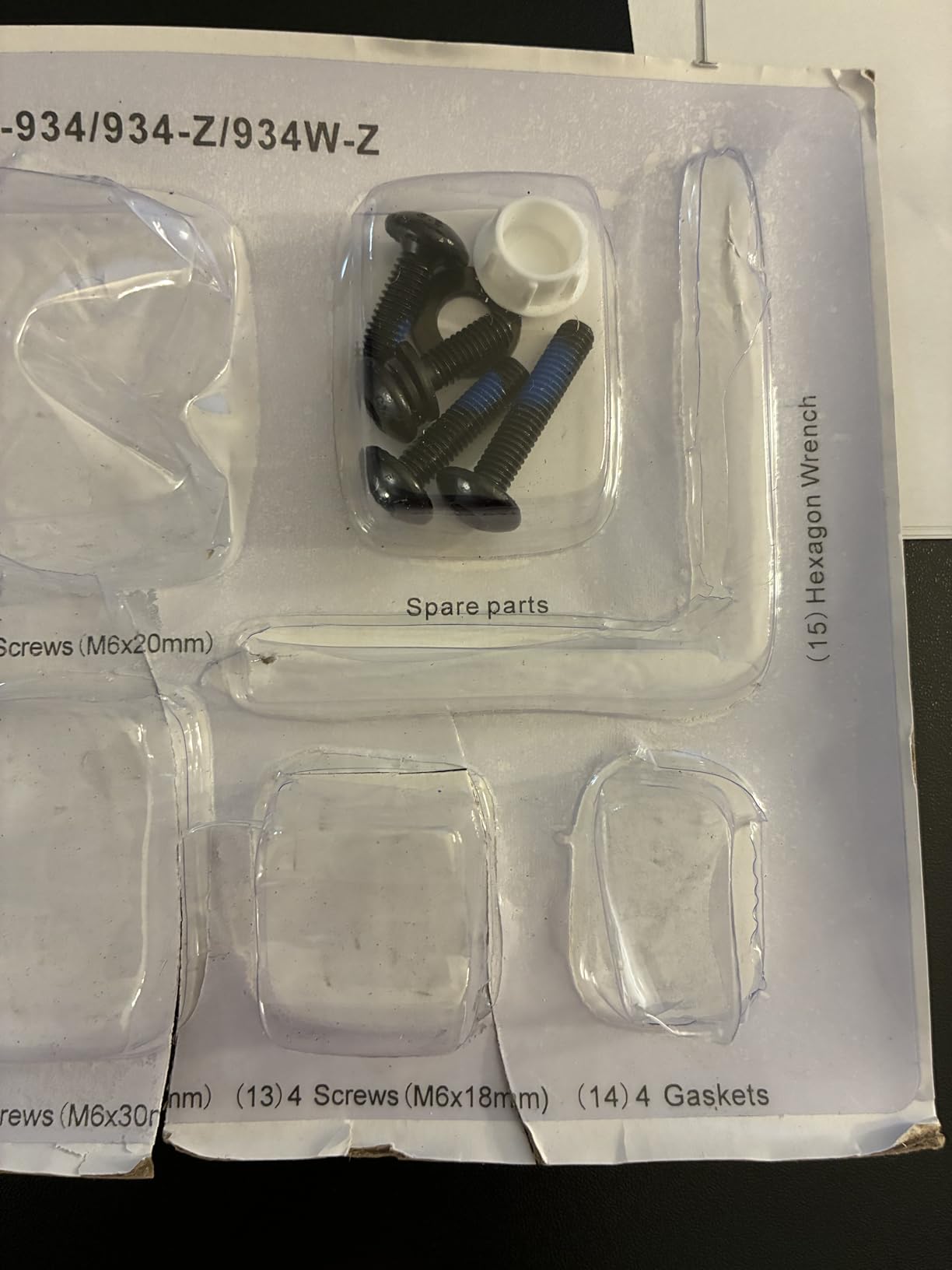
Fasteners loosening after six to twelve months of daily use, seat squeaks during calls, and backrest edges that feel rigid when you lean back round out the list. Check the backrest rim on plastic-frame models, inspect footring metalwork before first use, and keep a hex key in the drawer for the screws that will need a turn.
Frequently Asked Questions
What are some good stools for standing desks?
A good stool for a standing desk needs a seat that reaches your desk height minus four to eight inches, a foot ring at a height your legs can use, and a base wide enough to clear your frame. For a 42-inch desk look for a seat reaching at least 34 inches, and for a 45-inch desk you need 37 inches or more. Backrests, flip-up arms and adjustable lumbar matter most if you will sit for more than an hour at a stretch.
What are the best drafting chairs for a standing desk?
The strongest all-round drafting chairs for standing desks combine a seat reaching 30 to 35 inches, an adjustable foot ring, flip-up armrests that clear the desk edge, and a backrest tall enough to support the lower and mid back. Mesh backs stay cooler through long afternoons, and a BIFMA-tested lift is a better durability signal than an unquoted weight capacity. Our top picks above cover a 40 to 46 inch range of desk heights.
What kind of chair is best for using with a standing desk?
For most home and studio setups the best type is a tall office chair or drafting chair with a gas-lift seat, an adjustable foot ring and a backrest. A backless perch stool works well for short tasks and for people who prefer to lean forward, but it transfers load to the lower back over long sessions. Whatever you choose, the seat must reach high enough that your thighs sit at or just below the desk surface.
What is the best draftsman chair overall?
The Primy 934-Z is our best overall drafting chair for standing desks because it combines flip-up armrests, an adjustable foot ring, a mesh back with adjustable lumbar and the deepest owner record in this roundup at more than 3,400 ratings. It suits desks in the 40 to 44 inch range and users up to 250 pounds. Taller frames call for a chair with a longer height stroke.
Are drafting chairs good for your back?
Drafting chairs can be good for your back because the raised seat lets your thighs sit near parallel to the floor, which opens the hip angle compared with a low chair and a bent-over desk posture. The benefit depends entirely on foot support and lumbar support, so a model with an adjustable foot ring and an adjustable backrest is a meaningfully different proposition from a backless stool. Expect a two to three week adjustment period while your back adapts.
How do you sit on a stool without wrecking your back?
Sit with your feet on the foot ring rather than hanging, keep your knees at or just below desk height, and rest your lower back against the backrest instead of rounding forward over the seat edge. Alternate between perching at the front of the seat and leaning back every 20 to 30 minutes rather than holding one position for hours. If your stool has no backrest, keep sessions short and change position often.
What is worse for your back, sitting or standing?
Neither is automatically worse, because both become problems when held for too long. Prolonged standing fatigues the feet, knees and lower back, while prolonged slouched sitting compresses the lower back and hips. Alternating between the two every 30 to 60 minutes is what works, which is exactly why a seat that matches your desk height is worth having at a standing desk rather than standing through the whole day.
Final Verdict
The Primy 934-Z is our pick for the best drafting stools for standing desks, because flip-up arms, an adjustable foot ring and a mesh back with adjustable lumbar cover the failure points we hit with every other stool we tested, and more than 3,400 ratings give it the most proven track record in the group. If your frame travels above 44 inches, move up the list to the HYLONE for back support or the Amazon Basics stool for raw height reach, and if you need a 300-pound rating the Kensaker and ErGear chairs both hold that load with a locking foot ring.