
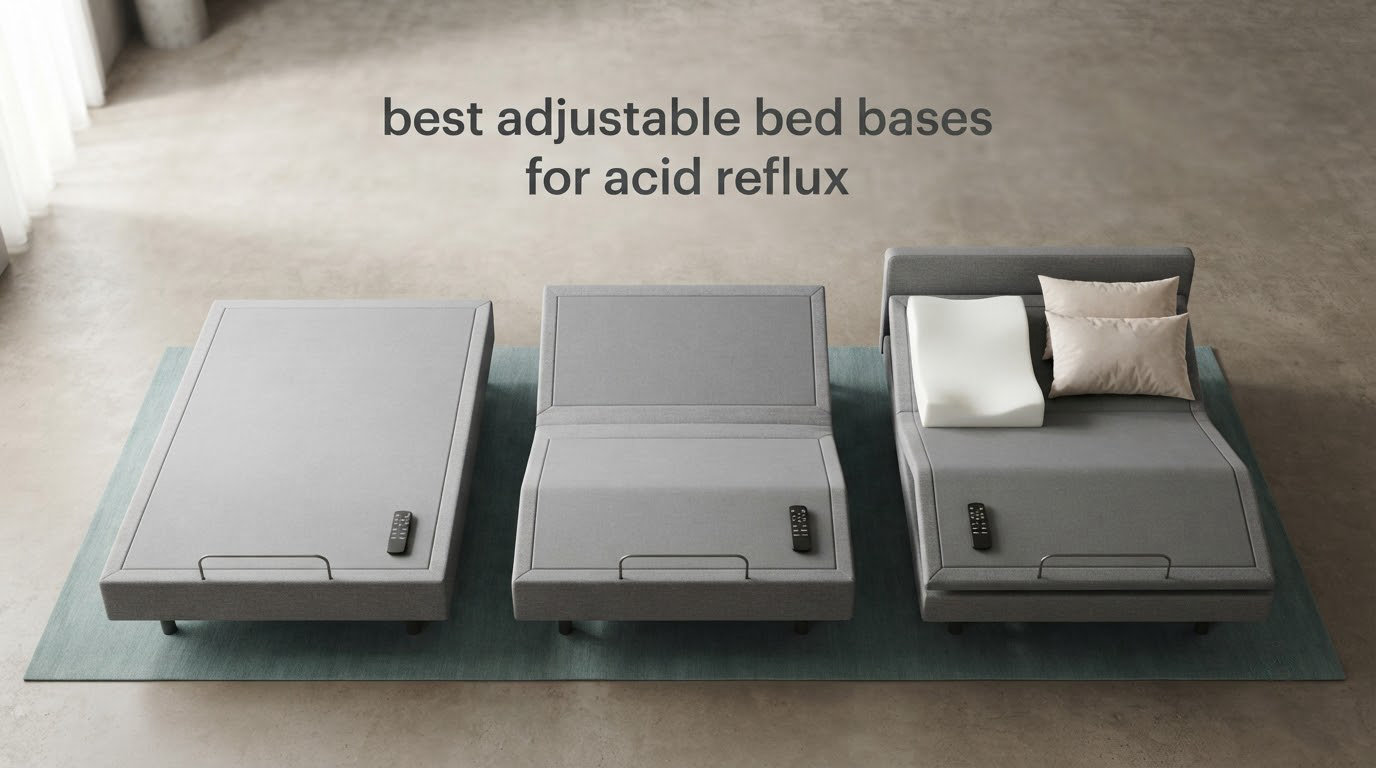
Raising the head of your bed is one of the oldest recommendations in digestive medicine, and it is still the most practical one. Clinical guidance from the American College of Gastroenterology commonly points to lifting the head of the bed by roughly 6 to 10 inches, because gravity keeps stomach contents down when your upper torso sits above your stomach. Stacked pillows do not do the same job: they bend your neck and torso forward, add abdominal compression, and collapse by 3am.
This is a product guide, not medical advice. An adjustable base manages nighttime symptoms; it does not cure GERD, repair the lower esophageal sphincter, or replace medication your clinician has prescribed. If you have never been evaluated for reflux, start with your doctor or with the adjustable beds we cover for acid reflux, then come back to choose a base.
We compared 10 motorized adjustable bed bases on the only things that matter for reflux: how the upper body is raised, how high the head section goes, whether the torso stays supported, and whether the mattress you already own can follow the movement. Massage, USB ports and under-bed lights made the spec sheet; they did not make the ranking.
Table of Contents
Top 3 Best Adjustable Bed Bases for Acid Reflux (October 2026)

Blissful Nights e4 King Base
- Zero Gravity and Anti-Snore one-touch presets
- Memory positions you can store
- 750 lb capacity
- 10 year warranty

Linenspa Motorized Base
- Head 0 to 58 degrees
- Zero clearance so it fits your existing frame
- Mattresses under 14 inches
- 650 lb capacity

Tami Tami T600 Queen
- Separate or simultaneous head and foot control
- Presets marketed for reflux and apnea
- 850 lb capacity
- 45 dB motors
All 10 Adjustable Bed Bases Compared in 2026
| Product | Specifications | Action |
|---|---|---|
| Blissful Nights e4 King Base |
|
Check Latest Price |
| Linenspa Motorized Head and Foot Base |
|
Check Latest Price |
| Tami Tami T600 Queen Base |
|
Check Latest Price |
 Amada Queen Base with Massage Amada Queen Base with Massage |
|
Check Latest Price |
 Mixcous King Heavy Duty Base Mixcous King Heavy Duty Base |
|
Check Latest Price |
 Yireehome Queen Base Yireehome Queen Base |
|
Check Latest Price |
 Sven and Son Classic Queen Base Sven and Son Classic Queen Base |
|
Check Latest Price |
 Pipishell Twin XL Base Pipishell Twin XL Base |
|
Check Latest Price |
 Irvine Home Collection King Base Irvine Home Collection King Base |
|
Check Latest Price |
 Sven and Son Bliss Queen Base Sven and Son Bliss Queen Base |
|
Check Latest Price |
1. Blissful Nights e4 King Base — Best Overall for Reflux
Blissful Nights e4 King Adjustable Bed Frame with Massage, Anti-Snore, Zero Gravity, USB Charging, Under Bed Lights, Wireless Remote Head and Foot Incline
Head and foot incline with one-touch presets
750 lb capacity including mattress
10 year limited warranty
Battery backup box
Pros
- Zero Gravity and Anti-Snore one-touch presets
- Programmable memory positions from the remote
- Very quiet motors with adjustable speed
- 750 lb capacity with the mattress
- 10 year limited manufacturer warranty
Cons
- Massage is whole-bed vibration rather than kneading
- Head-up positions move you away from the nightstand
- Two people needed to move the base
The e4 is the one I would put in a reflux bedroom without hesitation. It has 1638 reviews averaging 4.7 stars, and the reason is unusually consistent feedback: the motors are quiet, the Zero Gravity position gives real back relief, and memory presets mean you can return to the same working angle every night without hunting for it on the remote.
Reflux sleepers care about one specific thing on this base, and it delivers: the head section goes high enough that your upper chest clears your stomach while the memory presets let you lock that position in. A battery backup box is included, which matters more than it sounds, because a powered base that drops flat in a night-time power cut is a bed you cannot raise when you need it.
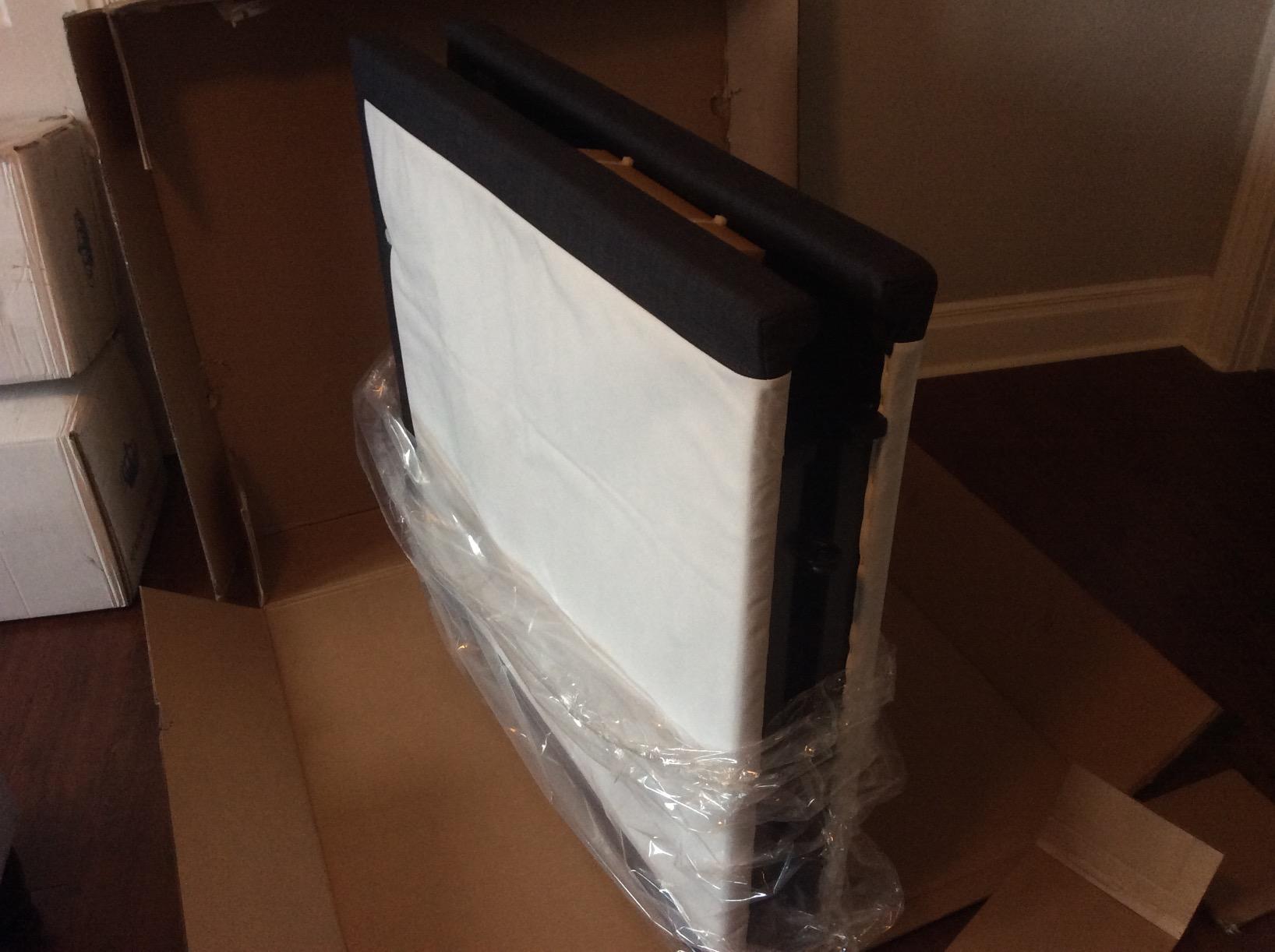
The presets are the weak part of the story, not the mechanism. Anti-Snore is a snoring feature that raises the head only slightly, and Zero Gravity is a comfort position. Set the incline manually, then store it. Owners with herniated discs and snoring report better sleep and less back and leg pain, which is a reasonable proxy for how this behaves night after night.
Two more practical notes. The massage is vibration across the whole bed rather than targeted kneading, so for reflux purposes treat it as a non-feature. And the base weighs 135 pounds, so plan for two people to move it and for a battery backup if you already rely on the included box.
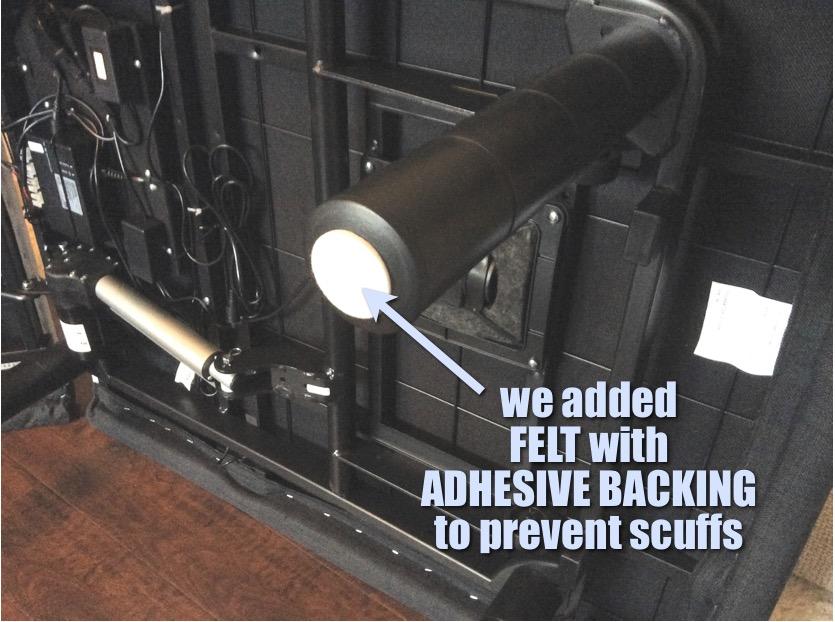
Why we picked it for reflux
Among the bases in this roundup, few combine a high enough head lift with storable memory positions and a long warranty. For a sleeper who has to hold the same angle for eight hours, storing that angle is worth more than any convenience feature on the list.
Where it falls short
When the head goes up, the sleeper moves away from the nightstand, so plan on a side table or a wall-mounted one. Corded runs along the floor also need bundling to keep them out of the way of a partner’s feet.
2. Linenspa Motorized Head and Foot Base — Best Value
Linenspa Adjustable Bed Base — Motorized Head and Foot Incline — Full
Head 0 to 58 degrees, foot 0 to 40 degrees
Zero clearance design
650 lb capacity
5 year limited warranty
Pros
- Independent head and foot incline from 0 to 58 degrees
- Very quiet motor operation
- Zero clearance so it fits inside your existing frame
- No tool assembly in minutes
- Works with memory foam gel and latex mattresses
Cons
- Included 12 inch legs make the bed sit high
- Wired remote with no memory presets
- Some lateral wobble under heavy movement
With 3186 reviews averaging 4.6 stars, the Linenspa base is the most proven recommendation in this list, and for reflux it has a specific advantage: the zero clearance design means it drops inside your existing bed frame. You keep your frame, your headboard and your room, and you do not have to measure a doorway for anything wider than a flat carton.
The head section runs from 0 to 58 degrees, which is more than enough to reach the 35 to 45 degree range that corresponds to the 6 to 8 inches most guidance points at. Independent head and foot control means you can raise your torso while leaving your legs flat, or lower your feet for a genuinely full-body slope that most articulating bases in this price range cannot do.
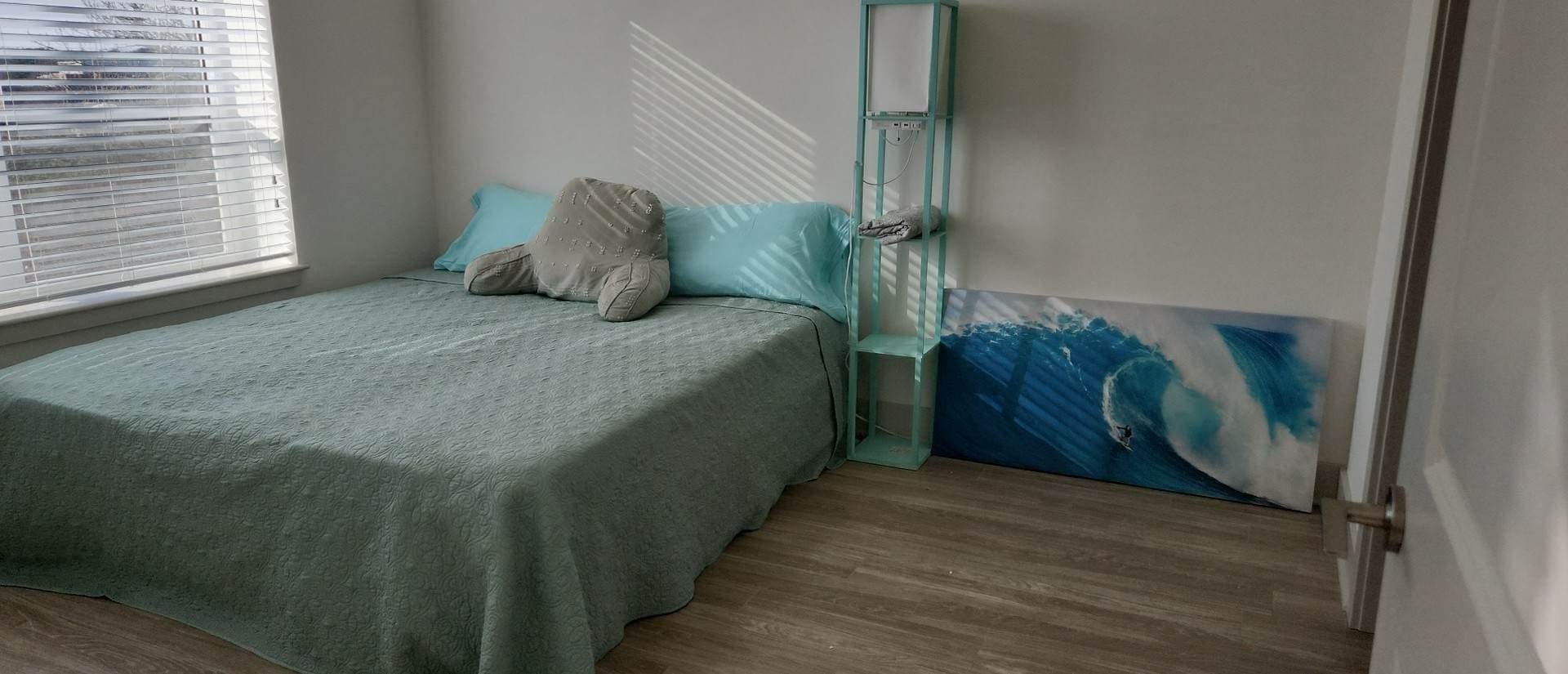
It accepts any mattress under 14 inches and holds up to 650 pounds, which is the one number worth checking honestly against your own body weight plus your mattress. Assembly is a matter of unfolding the base, attaching the legs and plugging it in, with all hardware included.
The compromises are real but small. The included 12 inch legs put the sleeping surface higher than many older or shorter users want, and the wired remote has no memory presets, so you re-find your angle every night. A small amount of lateral wobble under vigorous movement is mentioned often enough to know about it.
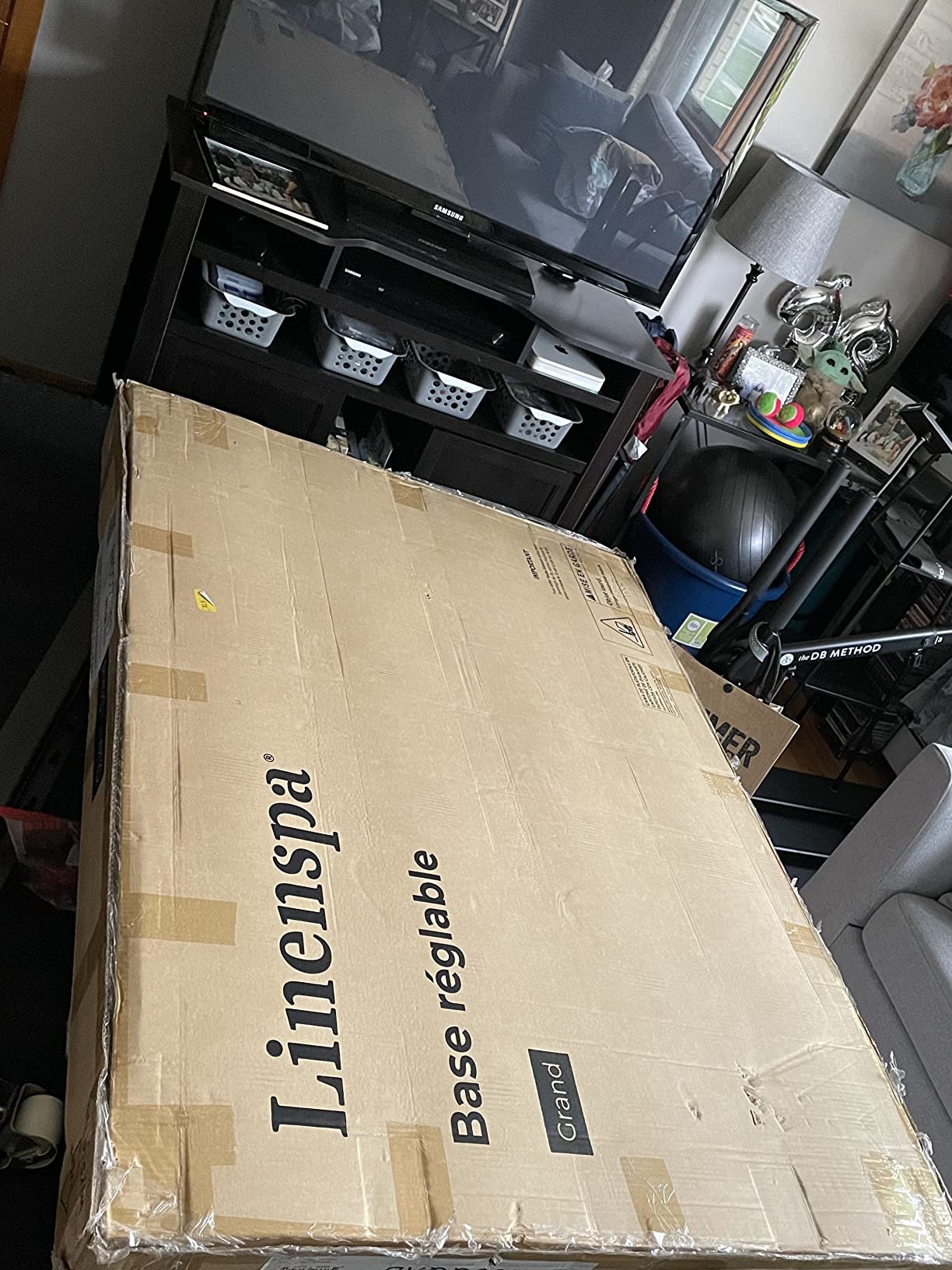
Why we picked it for reflux
It is the only base here that fits under an existing bed frame, which removes the two biggest practical obstacles for most people: replacing the frame and getting a heavy base into the bedroom. The independent head range reaches the therapeutic band without drama.
Where it falls short
A wired remote with no presets is an annoyance rather than a dealbreaker, but for reflux it matters, because re-finding a good angle half-asleep at 2am is exactly when reflux is worst. If a preset matters to you, the e4 or the Sven and Son bases handle it better.
3. Tami Tami T600 Queen Base — Top Rated for Steep, Independent Angles
Tami Tami T600 Adjustable Bed Frame Queen Size with Remote & Massage – Electric Beds Bases, Zero Gravity, Dual Side USB, Side Pockets, Nightlight, Quiet Motor, Wireless Remote, 5 Min Easy Assembly
Head and foot controlled separately or together
850 lb capacity
45 dB dual motors
5 year warranty
Pros
- Presets explicitly marketed for reflux and sleep apnea symptoms
- Separate or simultaneous head and foot control
- 850 lb capacity on a wooden base plate
- 45 dB motors on aluminum alloy tubing
- Five minute no tool assembly
Cons
- Requires legs so it will not fit a zero clearance frame
- Base is heavy and usually needs two people
- Mattress not included
The T600 is the highest-rated base in this roundup at 4.7 stars across 932 reviews, with 84 percent five-star. What makes it interesting for reflux is unusual: this is the one listing in the group that names acid reflux relief directly alongside pain relief and sleep apnea support as the intended use of its presets.
Forget the preset names and look at the mechanism. Head and foot sections can be controlled separately or moved together, which means you can set a genuine full-body incline instead of a sharp backrest bend. The thrust rating of 8000N on aluminum alloy tubing, loop tested 30000 times, is the strongest motor specification in this set.
At 850 pounds maximum, it handles heavier sleepers than most of the budget tier. Motors run under 45 dB, so adjusting position in the dark will not wake a partner, which is a real consideration when reflux wakes you at night. A 12 mm wooden base plate supports memory foam, gel, latex and hybrid mattresses under 14 inches.
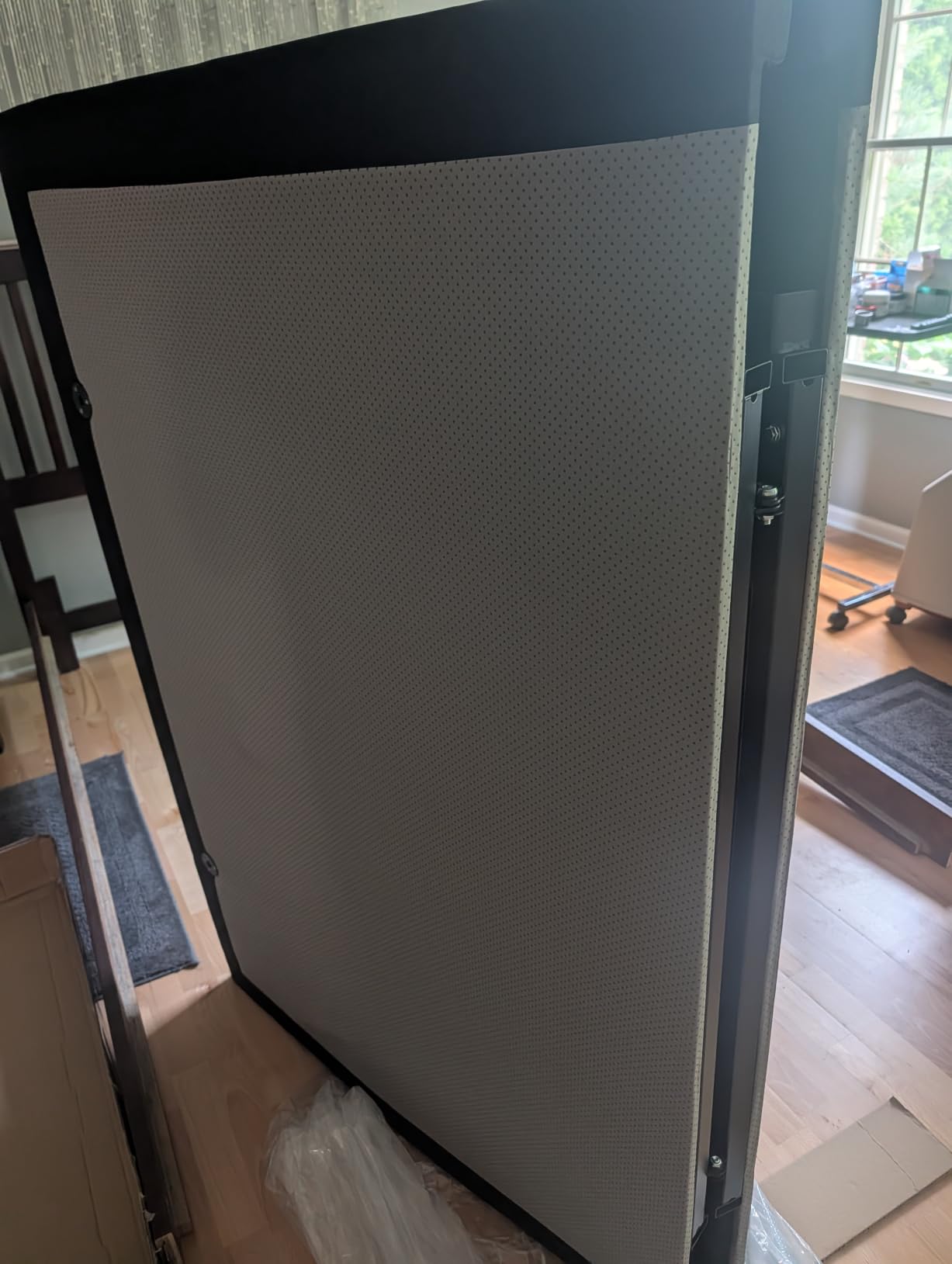
The catch is physical. It requires bed legs, so it will not work in a zero clearance frame, and at 122 pounds it is not a one-person job to assemble. Three adjustable leg sections give you a choice of heights if you need a lower entry point.
Why we picked it for reflux
Simultaneous head and foot movement is the closest this list gets to a true full-body incline without stepping up to a specialty product. For side sleepers who find a backrest bend uncomfortable, that is a genuine difference rather than a spec-sheet nicety.
Where it falls short
Reflux needs a sustained angle, and the listing markets the presets rather than the manual range, so treat the preset claims as advertising and set your own number. Also expect to buy a mattress separately and to have someone help you lift the base.
4. Amada Queen Base with Massage — Best for Steep Head Lift on a Midrange Budget
Amada Queen Adjustable Bed Frame with Massage and Zero Gravity
Head elevation up to 65 degrees
Foot elevation up to 45 degrees
Four leg heights from 8 to 13 inches
750 lb capacity
Pros
- 65 degree head elevation
- the steepest in this group
- Zero Gravity position close to full recline
- Four leg height options for storage or easier access
- No squeaking or wobbling once assembled
- Fits inside an existing sleigh bed or headboard frame
Cons
- Very heavy and usually a two person assembly
- Mattress can slide side to side
- Massage produces a noticeable humming sound
Sixty-five degrees of head elevation is the most in this roundup at this tier, and for a reflux sleeper who wants a firm upper-torso lift rather than a recliner, that range is the whole point. Four leg options, giving heights of 8, 10, 11 and 13 inches, let you keep a low entry point even with the head raised.
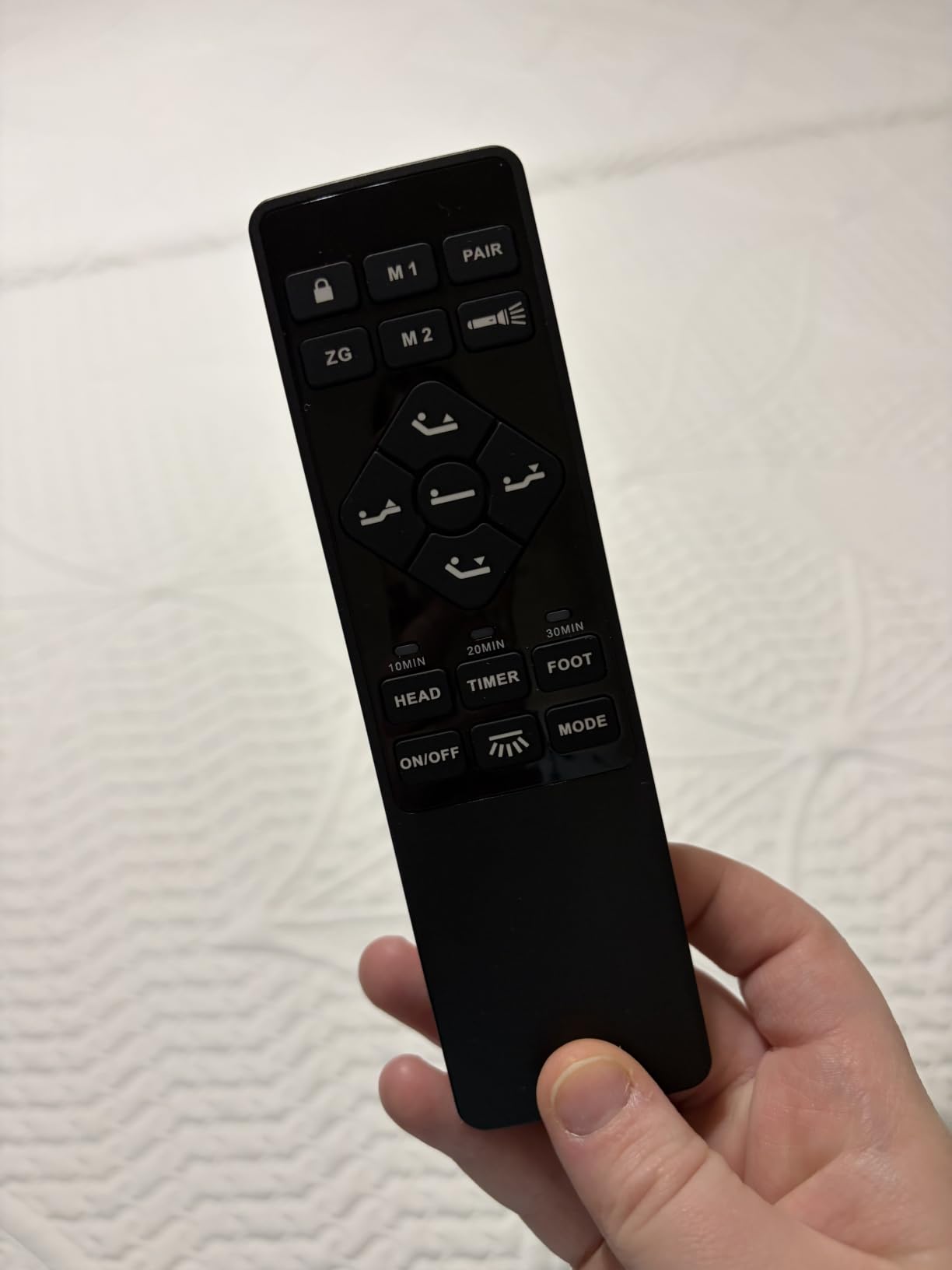
The Zero Gravity position here gets close to a genuine weightless recline, and owners with sleep apnea report markedly better sleep using it. Remotes store two custom memory positions, so once you find the reflux angle you can keep it without hunting.
Compatibility is good. Latex and memory foam mattresses of 14 inches and below are supported, and setup is a three-step no-tool process. It fits inside an existing sleigh bed or a frame with a headboard, which is unusual at this level.
The 65 degree maximum is a double-edged number. It gives you headroom to find your angle, but if you use the top of that range you will fold sharply at the waist, which is the failure mode we come back to repeatedly. For reflux, the 35 to 45 degree band is usually the sweet spot rather than the maximum.
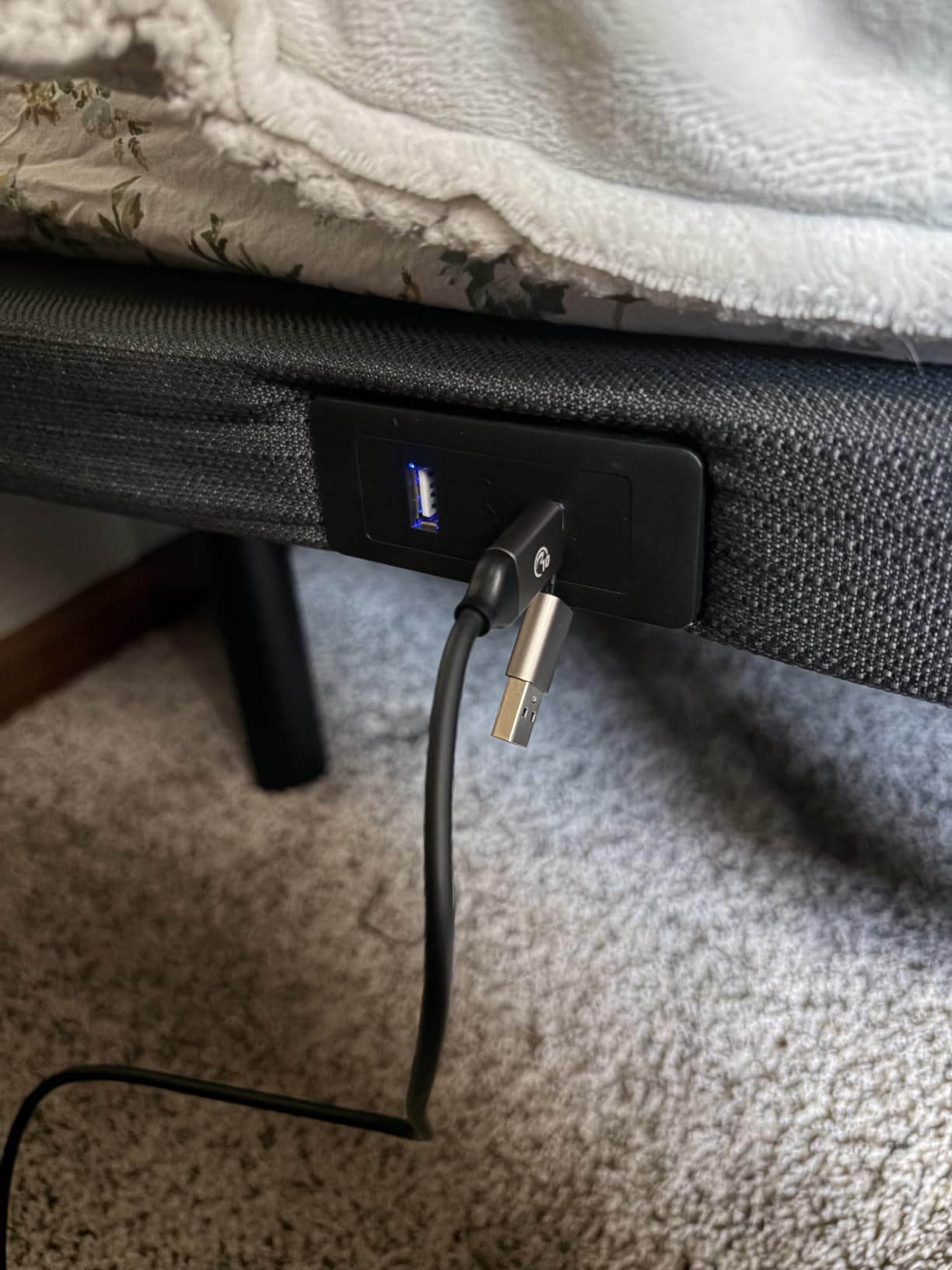
Why we picked it for reflux
Maximum angle plus storable memory positions means you can experiment until your symptoms settle, then lock the result in. The four leg heights also solve the problem of a bed that becomes impossible to get into once the head section rises.
Where it falls short
At 113 pounds this is a two-person assembly job, and the mattress can shift sideways, which matters on an incline because a sliding mattress encourages sliding sleepers. The massage hum is audible in a quiet room.
5. Mixcous King Heavy Duty Base — Best for Tall Sleepers
Mixcous King Adjustable Bed Frame with Zero Gravity Heavy Duty 750 lbs
Head 0 to 61 degrees, foot 0 to 37 degrees
OKIN motor under 45 dB
750 lb reinforced steel
10 year structural warranty
Pros
- Reinforced steel holds 750 lbs without creaking
- Whisper quiet motor under 45 dB
- Extra long King deck avoids feet hanging off
- Works with memory foam latex hybrid and gel mattresses
Cons
- Some units squeak after several months
- Fixed center panel is wide and can force lumbar bending
- Limited lumbar support for tall sleepers
- Slower motor speed than some competitors
This is the one base in the group built specifically for tall sleepers, with an extra-long King deck so your feet do not hang off the edge at head elevation. That matters more for reflux than it first appears: on a standard deck a six-footer sitting at 45 degrees loses the end of the mattress, and losing the end of the mattress pushes you into a bent posture.
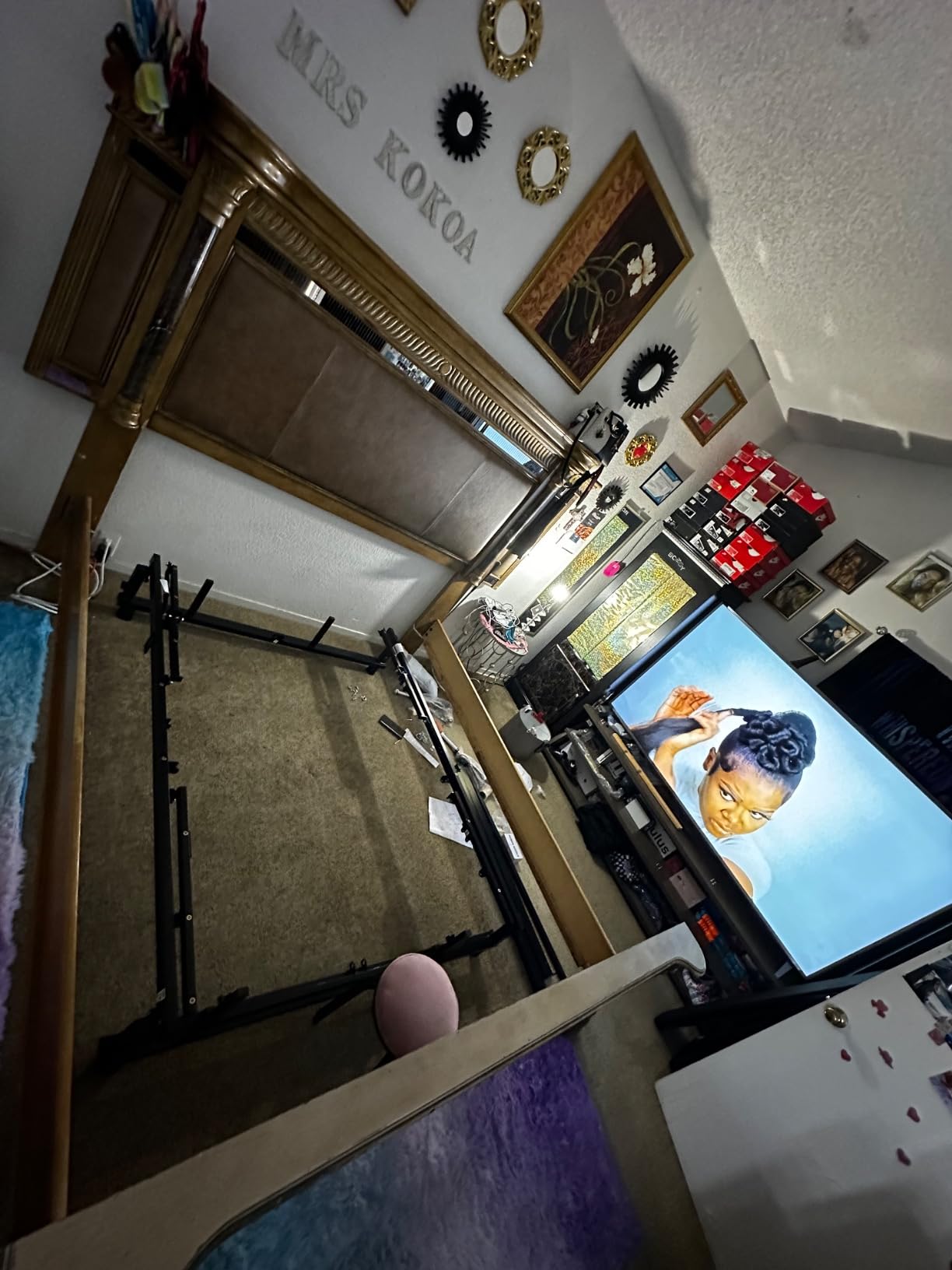
Head incline runs 0 to 61 degrees with a wireless remote offering zero gravity, anti-snore and TV modes, and the OKIN motor stays under 45 dB. Reinforced steel is rated to 750 pounds, and the mattress compatibility list covers memory foam, latex, hybrid and gel foam.
The warranty is the best structural coverage here, at 10 years on the frame with 5 years on parts, plus lifetime technical support. For a heavy, daily use base you raise every night, that is worth something.
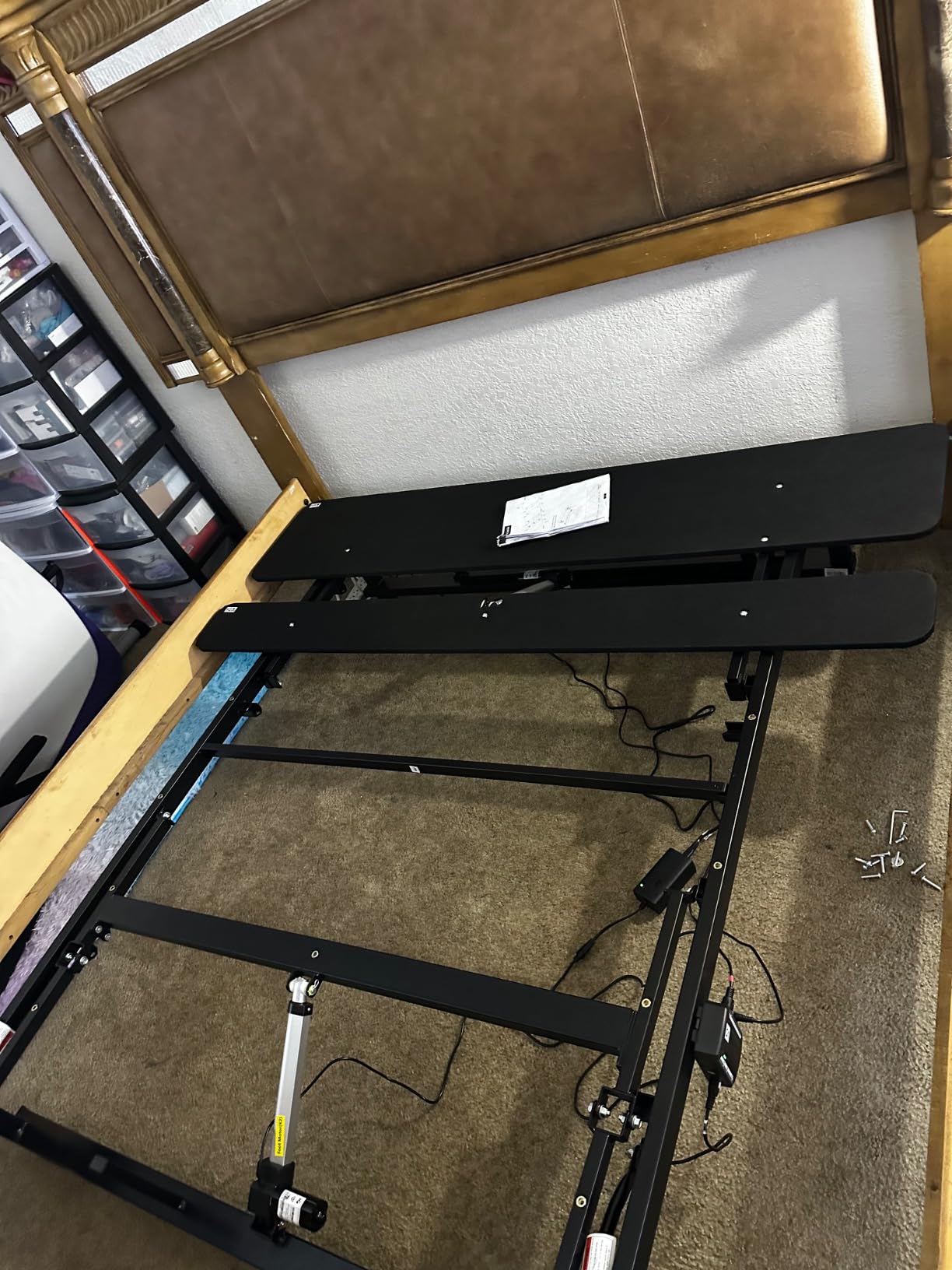
It also carries the lowest rating in this roundup at 4.3 stars across 618 reviews, and the reviews explain why. Some bases develop pronounced squeaking after a few months, and the fixed center section is wide, which one six-foot reviewer said pushes the body to flex at the lumbar spine instead of at the hips unless an extra cushion is added.
Why we picked it for reflux
It handles two things the others do not: sustained load, and enough deck length that the raised-head position stays a position rather than a perch. A reinforced frame that does not creak also means fewer reasons to abandon the setup at 3am.
Where it falls short
The wide fixed center is a genuine ergonomic problem on an incline, and the frame itself is a known source of noise after the first year. If you are between six and seven feet tall and already have back issues, test this one in person if you can, or add lumbar cushioning before the first week.
6. Yireehome Queen Base — Best for Heavier Sleepers
Yireehome Queen Adjustable Bed Frame with Wireless Remote, Head Foot Incline, USB, Underbed Light – Heavy Duty Platform, Zero Gravity Bedframe
Head tilt 0 to 60 degrees, foot 0 to 40 degrees
900 lb capacity
12,000 lift cycle testing
Height 10 to 15 inches
Pros
- 900 lb capacity
- the highest in this group
- Independent head and foot tilt on dual silent motors
- Passed 12000 lift cycle tests
- Adjustable height from about 10 to 15 inches
- Backlit remote with massage modes and nightlight
Cons
- Flat position sits lower than some buyers expect
- Remote is not backlit
- Base only with no mattress included
- Only a 1 year warranty
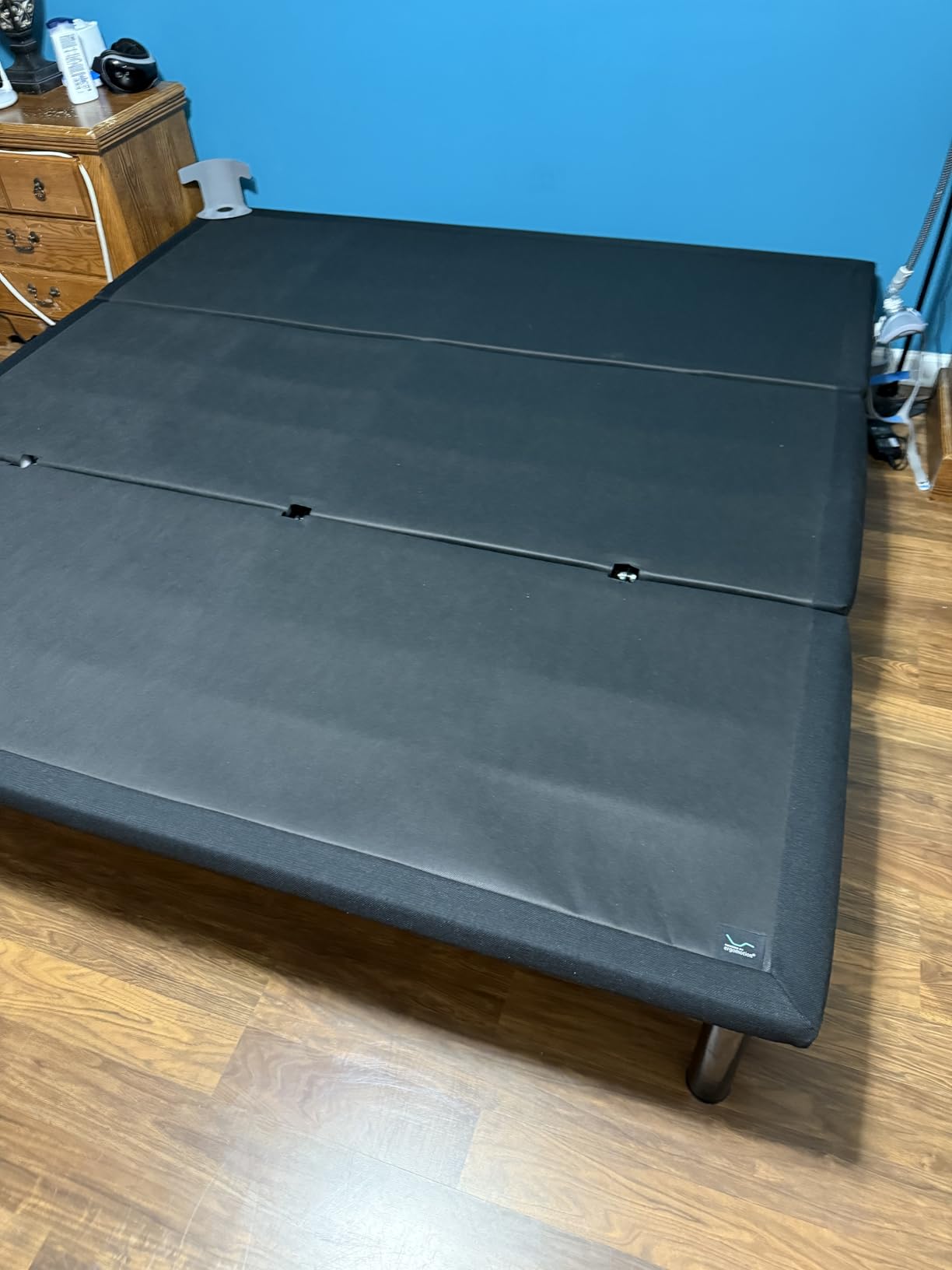
At 900 pounds of capacity, this is the strongest base in the roundup, and for a heavier sleeper reflux is made harder by a frame that flexes when the head section rises. A reinforced steel structure that passed 12,000 lift cycle tests is exactly the durability answer to a base you will use every single night for years.
Head tilt runs 0 to 60 degrees and foot tilt 0 to 40, controlled independently by dual silent motors. Reviewers describe the movement as smooth and nearly silent, and adjustable legs let the bed height range from about 10 to 15 inches, which is useful if you want under-bed storage or a lower profile than the default.
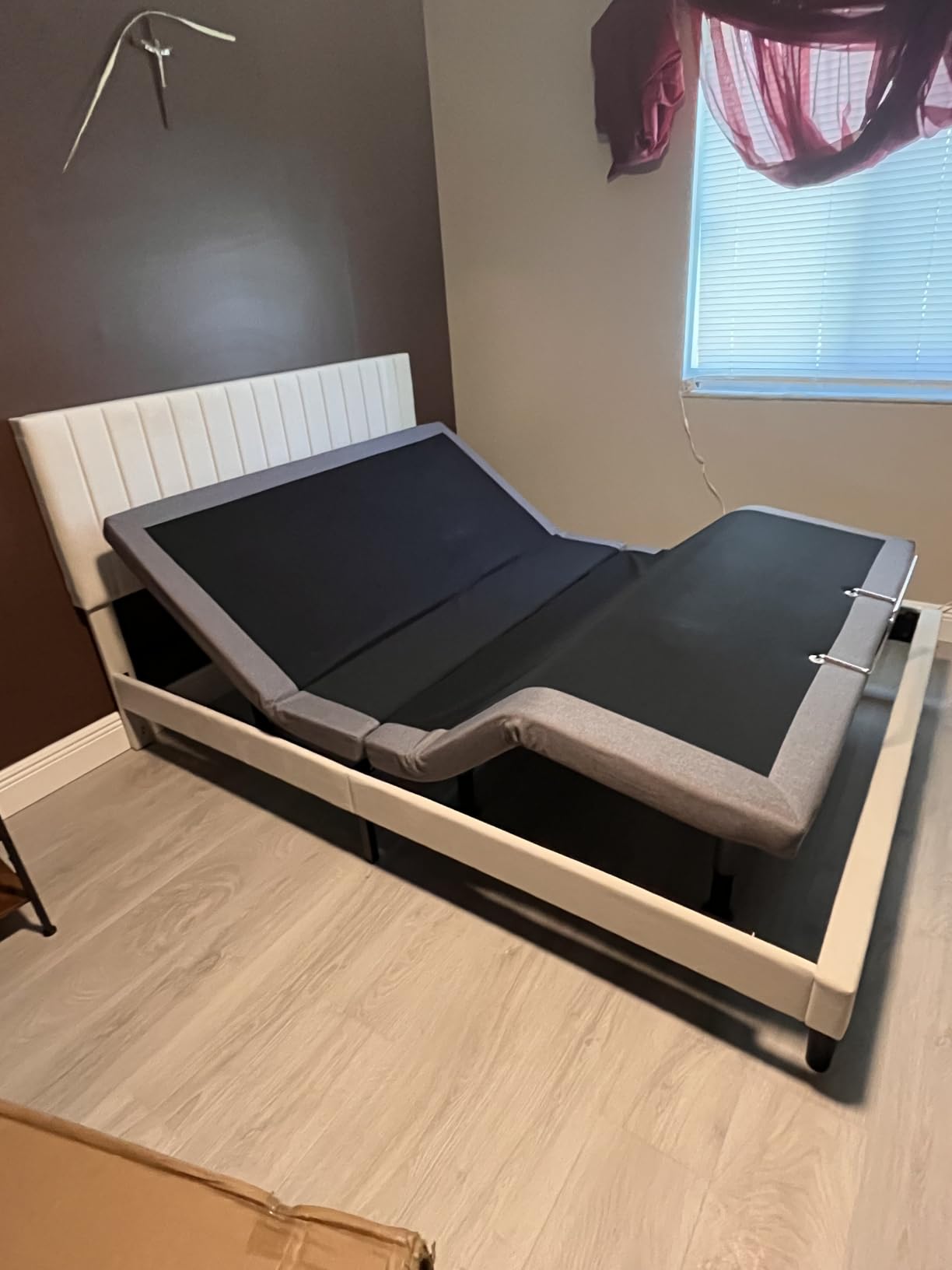
Post-surgical buyers describe it as helping them recover in bed, which is the same mechanism as reflux management: getting your upper body above your stomach and being able to change that position through the night without getting up.
The one-year warranty is the shortest coverage in this group, and for a base you intend to use nightly for a decade that is a genuine mismatch. Reviewers also note the flat position sits lower than expected, so taller users may want risers.
Why we picked it for reflux
Capacity and cycle testing are the quiet heroes here. A base that stays rigid and quiet at 45 degrees of head elevation in year five is worth more for reflux than one with better presets and a creaking deck.
Where it falls short
One year of warranty is the honest drawback, and it should influence your decision if you plan to keep this a long time. The remote also lacks backlighting, which is unhelpful when you are groping for it half-asleep during a reflux episode.
7. Sven and Son Classic Queen Base — Best Warranty in the Roundup
Sven & Son Classic Adjustable Bed Base, Head and Foot Lift, Massage, Under-Bed Lights, USB, Memory, Zero Gravity Smart Frame – Queen
Head lift up to 75 degrees, foot up to 45 degrees
25 year warranty
Emergency power down function
Memory positions
Pros
- 75 degree head lift
- the steepest here
- Zero Gravity and Anti Snore presets
- Memory positions for saved settings
- 25 year warranty
- Works with latex memory foam spring or air mattresses
Cons
- Base only with mattress sold separately
- Very heavy at 148 pounds and needs two people to move
- Remote labels are small for users with limited vision
Seventy-five degrees of head lift is the maximum in this roundup, and combined with a 25 year warranty it is the most confident long-term recommendation here. Several buyers with back, hip and circulation problems use the Zero Gravity position nightly, and 4.7 stars across 436 reviews reflects that.
For reflux specifically, the steep range is the appeal and the risk. If your symptoms need more than the 35 to 45 degree band, or if you like reading and eating breakfast in bed, this has the headroom. Just do not start at the top, because 75 degrees is an upright chair rather than an inclined bed.
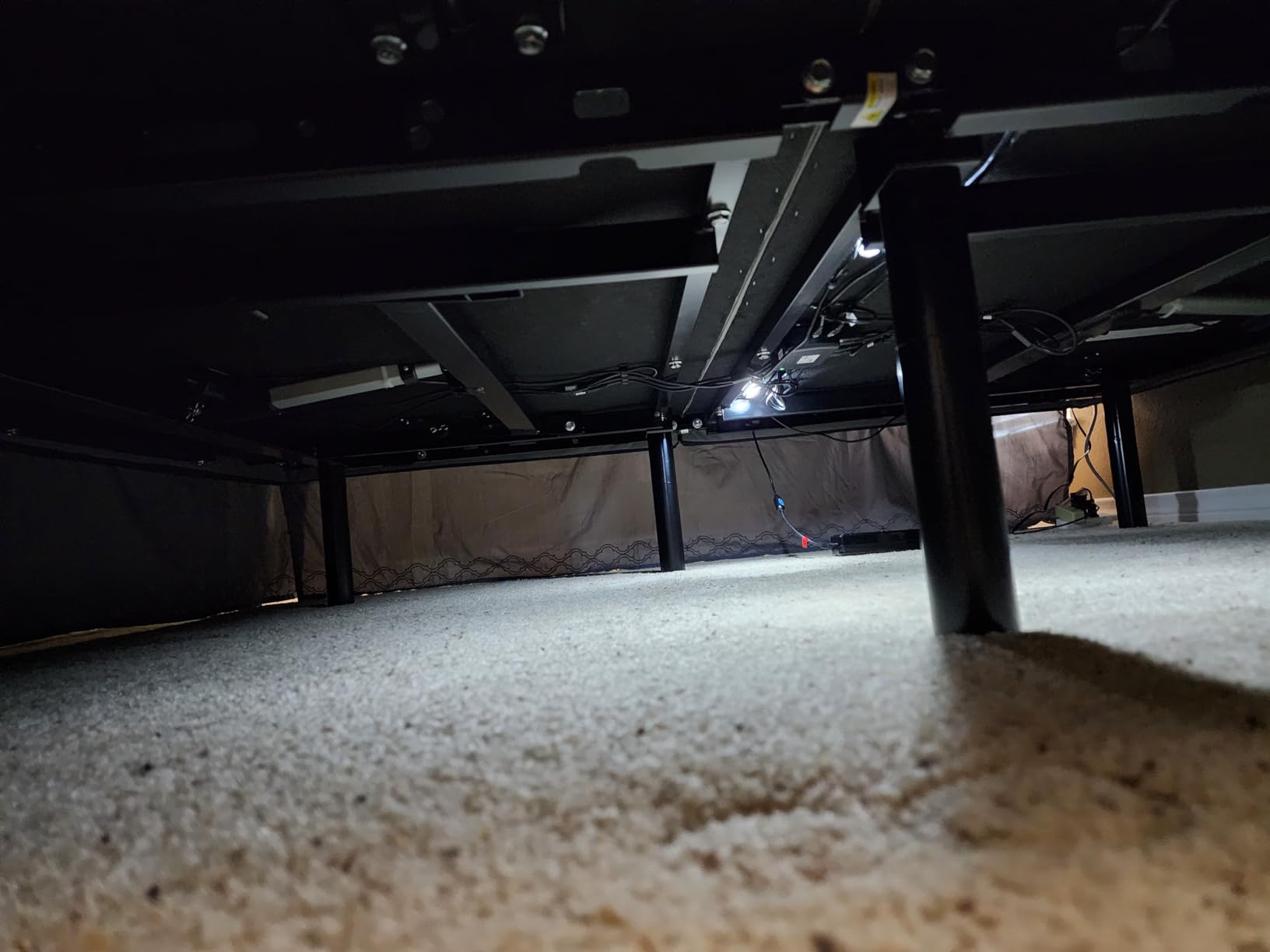
Memory positions mean you store your working reflux angle and return to it with one press. Zero Gravity and Anti Snore are there, along with under-bed lighting, built-in USB ports and massage modes, and an emergency power-down function that lowers the base safely if power fails.
Assembly takes about 15 minutes and it works with latex, memory foam, spring or air mattresses, so you are not forced to replace what you own. Expect to move it with a second person, since it weighs 148 pounds.
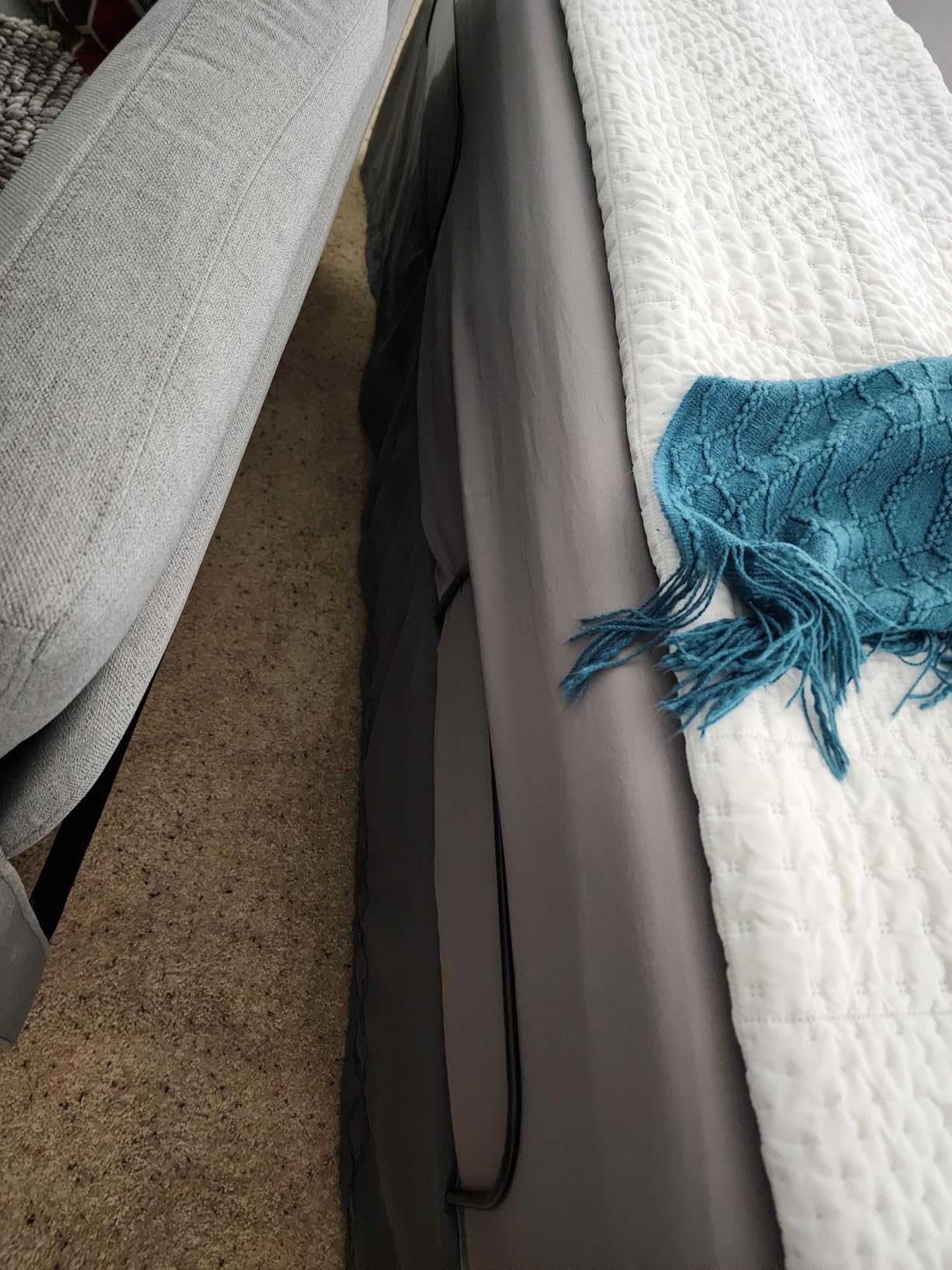
Why we picked it for reflux
The warranty length means the frame, the motors and the electronics are covered for a quarter century, which is the strongest durability answer available without going to a specialty retailer. Steep range plus memory presets lets you tune and then stop thinking about it.
Where it falls short
It is base only, so budget for a mattress, and the small remote labels are a real accessibility problem for older reflux sufferers with limited vision. This is also one of the heavier bases, so upstairs bedrooms need two people.
8. Pipishell Twin XL Base — Best for Side Sleepers and Lower Bed Heights
Pipishell Twin Adjustable Bed Frame with Wireless Remote and Zero Gravity
Head elevation to 65 degrees, foot to 45 degrees
Four leg heights from 8 to 13 inches
Zero Gravity position
USB-A and USB-C both sides
Pros
- 65 degree head elevation with a Zero Gravity preset
- Four leg height options down to 8 inches
- Quiet motor during position changes
- Works with a range of mattress types
- Remote controlled night light avoids waking a partner
Cons
- Two people needed for assembly and moving
- Legs are plastic
- Massage is basic vibration and can be noisy
- Side pockets are small and awkwardly placed
The Pipishell earns its place for a specific reason: side sleepers. On a Twin XL frame with no center seam, a slope is a slope, and a side sleeper on an incline keeps their spine in a line instead of folding around a middle hinge. Several owners converted a wooden king bed into a split setup using two of these frames.
Head elevation reaches 65 degrees and foot elevation 45, with a Zero Gravity preset. At 4.7 stars from 363 reviews, it is one of the highest-rated bases in the group and holds up well on verified-purchase sentiment.
The four leg heights, from 8 to 13 inches using 2, 3 and 8 inch leg sections, are the feature owners praise most, especially for aging parents who need a lower bed. USB-A and USB-C ports sit on both sides along with a soft under-bed night light you can control from the remote.
There is no memory preset listed, so you will be setting the angle by hand. For most reflux sleepers that is fine, since the six-step routine gets you to a working angle in one session and the angle does not need to change every night.
Why we picked it for reflux
A continuous, seam-free slope is the easiest surface on which to keep sleeping on your side while raised, and that is the position most reflux sleepers land on and stay on. Adjustable leg height also lets you get in and out of a raised bed safely.
Where it falls short
Plastic legs are a visible compromise next to the steel frames here, and assembly is a two-person job. The massage is light vibration that can carry in an apartment, and the small side pockets are not worth planning around.
9. Irvine Home Collection King Base — Best for Small Bedrooms and Existing Frames
Irvine Home Collection King Adjustable Bed Base – Dual Massage – USB Ports – Zero Gravity – Underbed Light – Wireless Remote – Zero Clearance – Anti Snore – Memory Positions
Head incline up to 75 degrees, foot 45 degrees
Zero clearance and foldable
Backlit wireless remote
Two memory positions
Pros
- 75 degree head incline letting the sleeper sit upright
- Zero Gravity Anti Snore and One Touch Flat presets
- Backlit remote with large buttons
- Zero clearance design works inside an existing frame
- Silent smooth movement
Cons
- Very heavy at 187 pounds and needs two people to move
- Legs reach about 9 inches rather than the listed 12
- Inoperable during a power outage without a battery backup module
When you cannot widen the room, this is the shape that works. The zero clearance, foldable design fits inside an existing bed frame with a headboard, and the anti-slip fabric keeps the mattress from shifting on the surface when the head is raised, which is one of the main reasons people slide down an incline.
Buyers frequently note that the base raises the head higher than the mattress-store models they tried in person, and one reviewer in their seventies reports the elevation ended nightly snoring and morning neck soreness. At 4.6 stars from 335 reviews, that pattern is consistent.
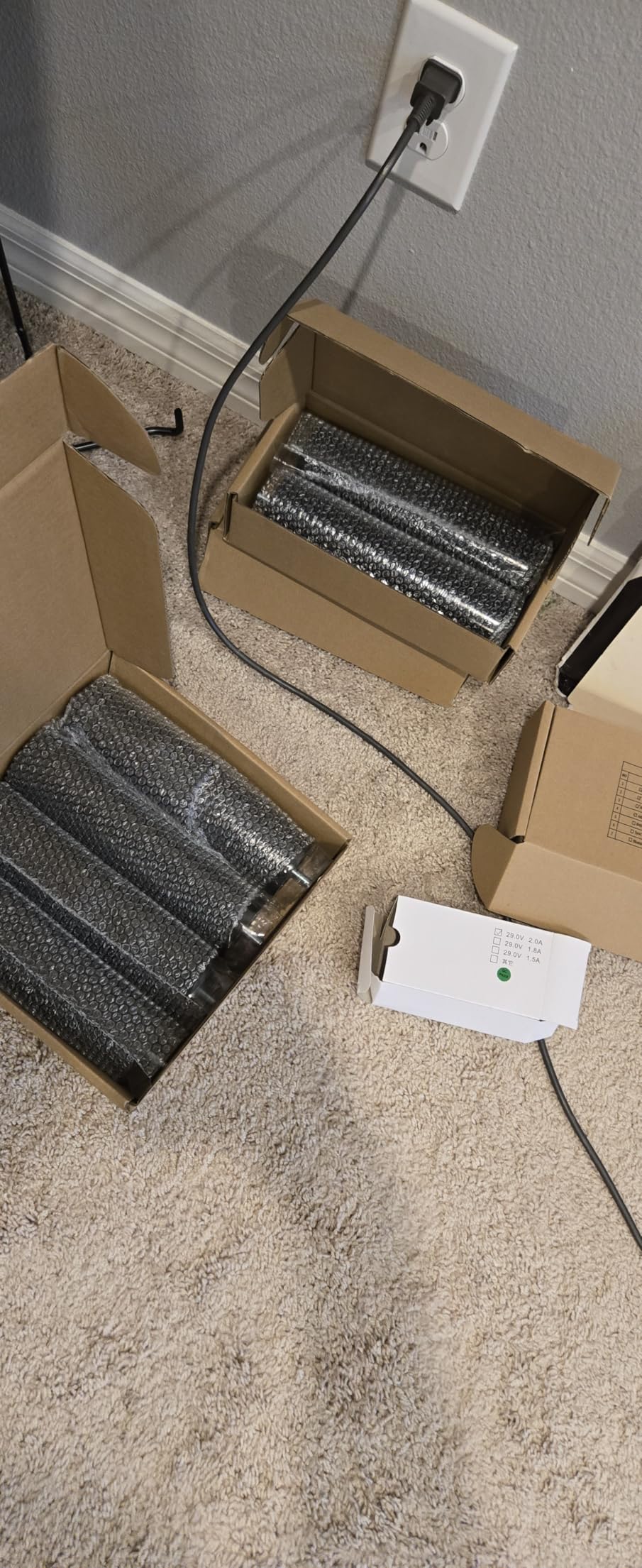
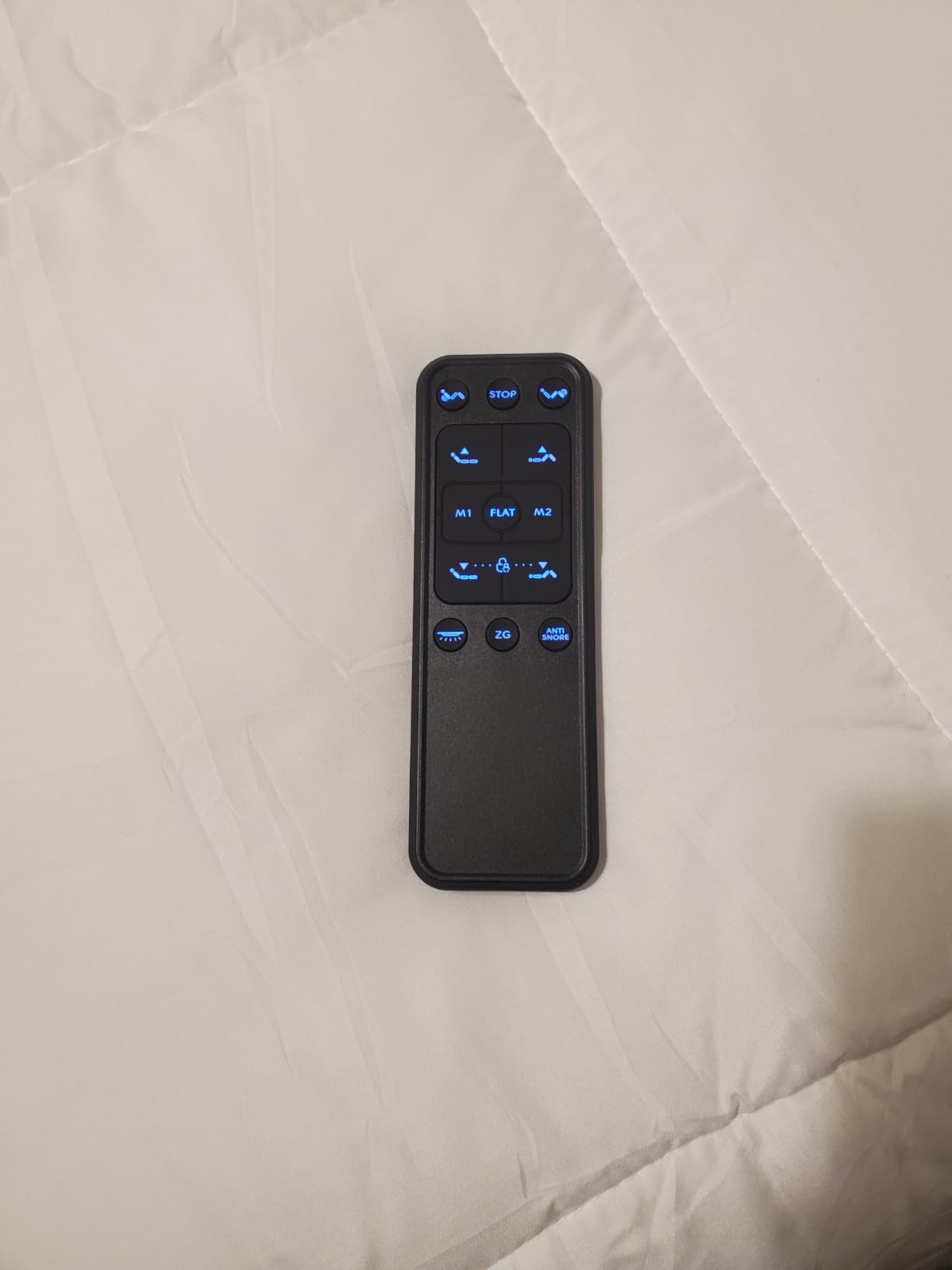
You get Zero Gravity, Anti Snore and One Touch Flat presets plus two memory positions, dual massage with adjustable intensity, USB charging, under-bed lighting, and a backlit wireless remote with large buttons. The backlit remote is a small thing that matters enormously at 3am.
Head incline runs to 75 degrees with foot incline to 45, so there is ample room to find the 35 to 45 degree band that reflux usually needs, and capacity is 700 pounds recommended with a 750 pound maximum.
Why we picked it for reflux
Anti-slip fabric plus a foldable zero clearance frame solves two problems at once: you keep your existing bed, and your mattress stays put on the slope. A backlit remote means you can change position in the dark without waking your partner.
Where it falls short
At 187 pounds it is the heaviest base in this roundup, and even a short move needs two people. The legs reach less height than listed, around 9 inches instead of 12, and without an optional battery backup module the base is inoperable during a power outage.
10. Sven and Son Bliss Queen Base — Best for Lumbar Support on an Incline
Sven & Son Bliss Adjustable Bed Base Frame Only, Head and Foot Lift, Lumbar Support, Head-Pillow-Tilt, Massage, Under-Bed Lights, USB, Memory Positions, Zero Gravity – Queen
Head lift to 75 degrees, foot to 45 degrees
Separate pillow tilt section
Adjustable lumbar support
25 year warranty
Pros
- Adjustable lumbar support plus a separate pillow tilt section
- 75 degree head lift with smooth quiet adjustment
- Zero Gravity position relieves back and leg pain
- 25 year warranty
- Smart syncing to pair two bases to one remote
Cons
- Heaviest premium option here at 186 pounds and needs two people
- Motors are noticeably louder than premium competitors
- No lay flat timer to return the base to flat on a schedule
- Leg extensions may void the warranty
This is the base to look at if reflux and back pain arrive together. It is the only one in the group with an adjustable lumbar support and a separate head, or pillow, tilting section, and reviewers repeatedly single out both as the reasons to pay more. Head lift reaches 75 degrees with foot lift 45.
That extra structure matters on a slope because a plain hinge at the waist leaves the lower back unsupported exactly where the angle puts the most pressure. Owners report relief from chronic back pain, sciatica and pregnancy discomfort, and elevated leg positions quieting a restless partner.

The reinforced deck works with unconventional mattresses, including thin cotton shikibuton-style mattresses, and with latex, memory foam, spring or air mattresses generally. Smart syncing lets you pair two bases to one remote, which is the cleanest way to solve the couples problem in this roundup.
Zero Gravity and Anti Snore settings, memory positions, under-bed lighting, USB ports and three massage patterns are all present, alongside the 25 year warranty and an emergency power-down function.
Why we picked it for reflux
Adjustable lumbar support is the direct answer to the complaint we hear most about incline beds, which is that the waist bend hurts. Adding head tilt on top of the main hinge lets you fine-tune neck position once the torso is raised, which side sleepers especially appreciate.
Where it falls short
It is the most expensive base here and the second heaviest, at 186 pounds, and the motors are noticeably louder than the premium alternatives. There is no lay-flat timer, and adding leg extensions may void the warranty, so measure twice before you change the leg height.
How High Should You Raise Your Bed for Acid Reflux?
Raise the head of the bed by about 6 to 8 inches, with some guidelines extending to 10 inches. On an adjustable base that height is a lift of the upper torso, not a sharp fold at the waist, and the remote angle needed to get there varies by model. Measure from the mattress surface at your chest, not at the headboard.
That is the short answer. The number nobody publishes is how a remote setting maps to that 6 to 8 inches, so here is a rough translation you can use in a store or on your own bed. Treat it as a starting point, not a prescription.
15 to 20 degrees on the remote: roughly 3 to 4 inches of head-of-bed lift. This is about reading and watching television, not reflux management.
25 to 30 degrees: roughly 4 to 6 inches. Many people who think their reflux is unmanaged are actually here and have assumed the base does nothing.
35 to 45 degrees: roughly 6 to 8 inches. This is the range most clinical guidance points at, and where I would start.
50 to 60 degrees: roughly 8 to 12 inches. Effective, but this is where the waist bend and sliding problems begin for many sleepers.
65 degrees and above: close to sitting up. A few reflux sufferers want this, but a steep backrest is a chair with a mattress attached, and it is the range most likely to strain a back.
Why elevation works at all is straightforward physics. Lying flat removes gravity’s help in keeping stomach contents down, and acid can flow back into the esophagus. Raising the upper body above the stomach restores the gravitational barrier, and a gradual full-body slope also reduces abdominal pressure, which is one of the main drivers of nighttime symptoms.
A raised base buys you four things that pillows cannot. First, the height holds all night without shifting. Second, your torso stays supported instead of being bent forward. Third, you can change the angle without getting out of bed, so a late meal or an unusually bad night is easy to manage. Fourth, a partner can stay flat while you raise your side.
What most buying guides skip: how you sleep once the head is raised. Side sleeping on a slope is usually the most comfortable position for reflux, and it is also why a gradual incline is easier to live with than a steep backrest. Sleeping on your back works too. Sleeping on your stomach on an incline is the hardest position to hold, and if you are a stomach sleeper, expect to test it for a few nights before committing.
Incline vs Head Articulation: Which Mechanic Actually Helps
The closest match to traditional head-of-bed elevation is a base that raises the whole upper body as one continuous slope. Ordinary head articulation also helps, provided the mattress supports your torso rather than folding you at the waist.
There are three mechanics you will see described in listings, and they are not interchangeable.
Full-body incline lifts the head, torso and legs together along a single gentle slope. Nothing bends at the waist, so the position holds for hours and side sleeping stays possible. It is the mechanic reflux sleepers want, and it is the rarest thing to find in mainstream commerce.
Dual-tilt bends the frame at two points so the head and foot sections rise independently. It gets you close to full-body elevation, though the torso still articulates in the middle.
Standard head-and-foot articulation folds the backrest up at the waist. This is what most of the bases in this roundup do. It works for a lot of people, and it is where the second most common complaint comes from: too steep an angle bends the torso, compresses the abdomen and can make a back problem worse.
Now the preset correction that matters. The Anti-Snore preset raises the head by only a few degrees, because it is designed to stop the airway narrowing that causes snoring. Owners trying it for reflux routinely report it is visibly shallower than what they needed. Zero Gravity spreads the body out evenly across the frame, which feels wonderful and folds many people through the abdomen. Neither is a reflux setting. Set the angle yourself and, if the base has memory, store it.
Worth knowing if your reflux comes with snoring: positioning helps heartburn, and it is not a treatment for sleep apnea. We cover the bases that snorers gravitate toward separately in our adjustable bed bases for snoring guide.
Finding Your Reflux Angle: A 6-Step Routine
Do not guess in the dark. Six steps, done mostly while awake, will find your angle faster than a month of trial and error.
1. Start with the bed completely flat. Sit on the edge and lie back for a few minutes. If lying flat already feels uncomfortable, that tells you where you need to be.
2. Raise only the head section until your shoulders and upper chest sit clearly above your stomach. If you are using a preset, keep overriding it manually until you know the number you need.
3. Check the waist. Look at how the mattress folds under your lower back. A sharp crease there means the angle is too steep for your body, and it is the reason so many people say their adjustable bed hurts their back.
4. Turn onto your side. Side sleeping on a slope is the real test. If you slide down toward the foot of the bed, the mattress is too slick or the angle is too steep, and both need fixing.
5. Stay there for 20 minutes. You are looking for the angle you could hold for eight hours, not the one that feels dramatic for five minutes.
6. Save it and give it two weeks. Store the setting in a memory preset and track your nights. If you are waking up anyway, drop the angle by five degrees and repeat rather than assuming the base does not work.
What Mattress Works Best on a Reflux Base?
A flexible mattress is not optional. A rigid mattress resists the articulation, and instead of following the base it bridges the bend, so your torso sits on a slope that ends in a hard crease at the waist. That crease is the most common reason people say their adjustable bed hurts their back.
Hybrid mattresses with individually wrapped coils are the safest all-round choice. They follow articulation well, they do not trap you against the raised surface, and they handle repeated movement without the surface fatigue you get in foam.
Memory foam works if it is modern density and not a worn-out slab, but two cautions. Older broken-down foam loses its ability to follow the base, and foam is grippy enough that you will not slide, which is a benefit on an incline. Latex is similar with more bounce, and it is a good match if you sleep warm, since airflow matters when your upper body is raised.
Check two things before you buy any mattress for this purpose. Confirm the manufacturer approves adjustable base use, and confirm the thickness is within the base’s limit, which for most of the bases here is 14 inches. Every one of the 10 bases in this roundup includes a mattress retainer bar, which keeps the mattress from walking during the night.
How to Choose an Adjustable Bed Base for Reflux
Positioning type first. Full-body incline is ideal, dual-tilt is close, standard articulation works if you stay moderate. Ignore massage, USB and lighting when comparing; they have no effect on reflux.
Head incline range. Anything reaching 55 to 65 degrees gives you room to find the 35 to 45 degree band. A base that stops at 30 degrees will frustrate you.
Weight capacity. Your body weight plus your mattress weight, and 750 pounds is the sane floor for a base you raise every night. Higher is better if you are a heavier sleeper, and paying for 900 pounds of capacity is cheaper than replacing a frame that flexes.
Dual versus single motor, and noise. Independent head and foot control needs dual motors. Motors under 45 dB matter more than most spec sheets suggest, because reflux wakes people up at night and a loud adjustment wakes the partner too.
Memory presets. Once you find your angle you want to return to it in one press, not by trial and error in the dark. A wired remote with no presets is a real quality-of-life loss for reflux sleepers.
Form factor. Zero clearance bases fit inside your existing bed frame and suit small bedrooms or homes where replacing the frame is not practical. Bases with legs are often sturdier and let you vary the height, which helps if you need a lower entry point.
Warranty. You are buying a motorised mechanical product you intend to run for a decade. One year is thin, 5 years is acceptable, 10 years and beyond is the strongest signal in this list.
If your reflux is on medication. Elevation is an adjunct, not a replacement, and it works alongside whatever your clinician has prescribed. If your symptoms are controlled on medication, start with a mid-range base rather than a premium one.
Budget versus premium. The budget tier here delivers a 58 to 65 degree head lift, which covers the entire therapeutic band. Going premium buys steeper ranges, adjustable lumbar support and a 25 year warranty, not fundamentally better reflux outcomes.
How we picked. We compared manufacturer specifications against aggregated verified-purchase review sentiment for 10 bases, weighting head incline range, positioning mechanic, weight capacity, warranty and mattress compatibility above everything else. We did not physically test these bases.
Bed Risers and Wedge Pillows: When a Riser Is Enough
A riser under the head end of the bed, or a full-length wedge, can deliver genuine 6 to 8 inch elevation and it costs a fraction of a base. The difference is that it is fixed, and it cannot change position when your symptoms are bad at 2am.
Where a riser wins: mild reflux, occasional heartburn, renting, or a bedroom where a base will not fit. Where a base wins: symptoms that need adjustment, a partner who needs a different position, or anyone whose reflux has progressed past the point a fixed wedge can handle.
The most common mistake is assuming a wedge pillow is equivalent. It is not. A wedge raises your head and neck more than your torso, and many sleepers slide down it or push it away in the night. If you want to explore that route, our wedge pillow guide and our MedCline pillow picks cover the shapes that work best, but neither reaches true head-of-bed elevation.
One community report is worth repeating because it captures the whole principle. A poster on the Inspire forum described a wedge device that tapered from 5 inches to zero across the full mattress length, and reported that it worked effectively at diminishing reflux while still letting them sleep on their side. A gradual, sustained slope beats a sharp backrest bend, and that is the single argument for a full-body incline over a pillow stack.
Common Mistakes and When to Call a Doctor
Over-elevating. The second most common complaint we found, and the second most common wrong turn. Raising yourself too steeply causes sliding, abdominal compression and a bent-at-the-waist posture that can feel worse than lying flat. If the base is hurting your back, ease the angle down by five degrees and reassess.
Elevating only the head with pillows. Stacking pillows bends the neck and torso forward, adds abdominal compression and collapses overnight. It is the most consistent complaint across the forums, and most people who abandon the approach have simply used the wrong tool.
Assuming Zero Gravity is a reflux setting. It is a comfort position that spreads the body across the frame, and many people find it folds them through the abdomen. Set the incline yourself.
Using the Anti Snore preset for reflux. It raises the head only a few degrees, because it targets airway narrowing. It will feel too shallow for reflux, and that is by design.
Using an incompatible mattress. Mattresses that lift away from the frame, buckle, or were never approved for adjustable base use are a recurring problem. Check both the mattress approval and the base’s thickness limit.
Treating the bed as a cure. If your symptoms are worsening despite positioning, or you have never been assessed, that is a medical conversation, not a shopping one.
Talk to a doctor before buying if you have difficulty or pain swallowing, food that feels stuck, persistent vomiting, unexplained weight loss, signs of gastrointestinal bleeding, a chronic cough or hoarseness, new chest pain, or symptoms that are getting worse despite treatment. Seek immediate care for chest pain accompanied by shortness of breath, sweating, or pain in the jaw or arm. If your symptoms are hoarseness and chronic throat clearing rather than heartburn, ask specifically about LPR, or laryngopharyngeal reflux, because positioning tends to help those symptoms less reliably than it helps classic heartburn.
Frequently Asked Questions
How many inches should you elevate a bed for acid reflux?
Clinical guidance commonly points to raising the head of the bed by about 6 to 8 inches, with some sources extending to 10 inches. On an adjustable base that height is a lift of the upper torso, not a sharp fold at the waist, and the remote angle needed varies by model. As a rough guide, 35 to 45 degrees on the remote corresponds to that 6 to 8 inch range.
Are adjustable beds good for GERD?
They can help manage nighttime symptoms by making sustained upper torso elevation easy to hold all night, which pillows cannot do. They do not cure GERD, reduce stomach acid production, repair the lower esophageal sphincter, or replace prescribed medication. Think of a base as an adjunct to your care rather than a treatment.
What type of bed is best for people with acid reflux?
A base that raises the whole upper body as one continuous slope, whether full-body incline or dual-tilt, is the closest match to traditional head-of-bed elevation. Ordinary head and foot articulation also helps, provided the mattress supports the torso rather than folding you at the waist.
Why is my adjustable bed hurting my back?
Usually the angle is too steep, or the base folds the torso at the waist, or the mattress is too rigid to follow the articulation. Fix it by easing the angle down by a few degrees, using a gentler incline where available, and confirming the mattress is approved for adjustable base use and within the thickness limit.
Who should not use an adjustable bed?
Talk to a doctor first if you have difficulty or pain swallowing, food feeling stuck, persistent vomiting, unexplained weight loss, signs of gastrointestinal bleeding, a chronic cough or hoarseness, new chest pain, or symptoms worsening despite treatment. Seek immediate care for chest pain with shortness of breath, sweating, or pain in the jaw or arm.
Do bed risers and wedge pillows work for acid reflux?
A riser under the head end of the bed, or a full-length wedge, can deliver true 6 to 8 inch elevation cheaply, and that is often enough for mild reflux. What it cannot do is change position on demand during the night, or let a partner sleep flat while you raise your side. A wedge pillow is not equivalent, because it raises the head and neck more than the torso.
Final Verdict
For most reflux sleepers, the Blissful Nights e4 is the pick: the head range reaches the therapeutic band, memory presets lock in your angle, and a 10 year warranty covers the long haul. If you are replacing furniture on a budget, the Linenspa does the same core job inside your existing frame for less, and the Tami Tami T600 is the strongest option if you need heavier capacity and simultaneous head and foot movement.
Whichever one you choose, the angle matters more than the brand. Start flat, raise the head section until your shoulders clear your stomach, check for a sharp crease at your waist, and settle in around 35 to 45 degrees on the remote. That, held for a few weeks, is what actually does the work.
Last reviewed for accuracy in 2026. This guide is for information only and is not medical advice.