
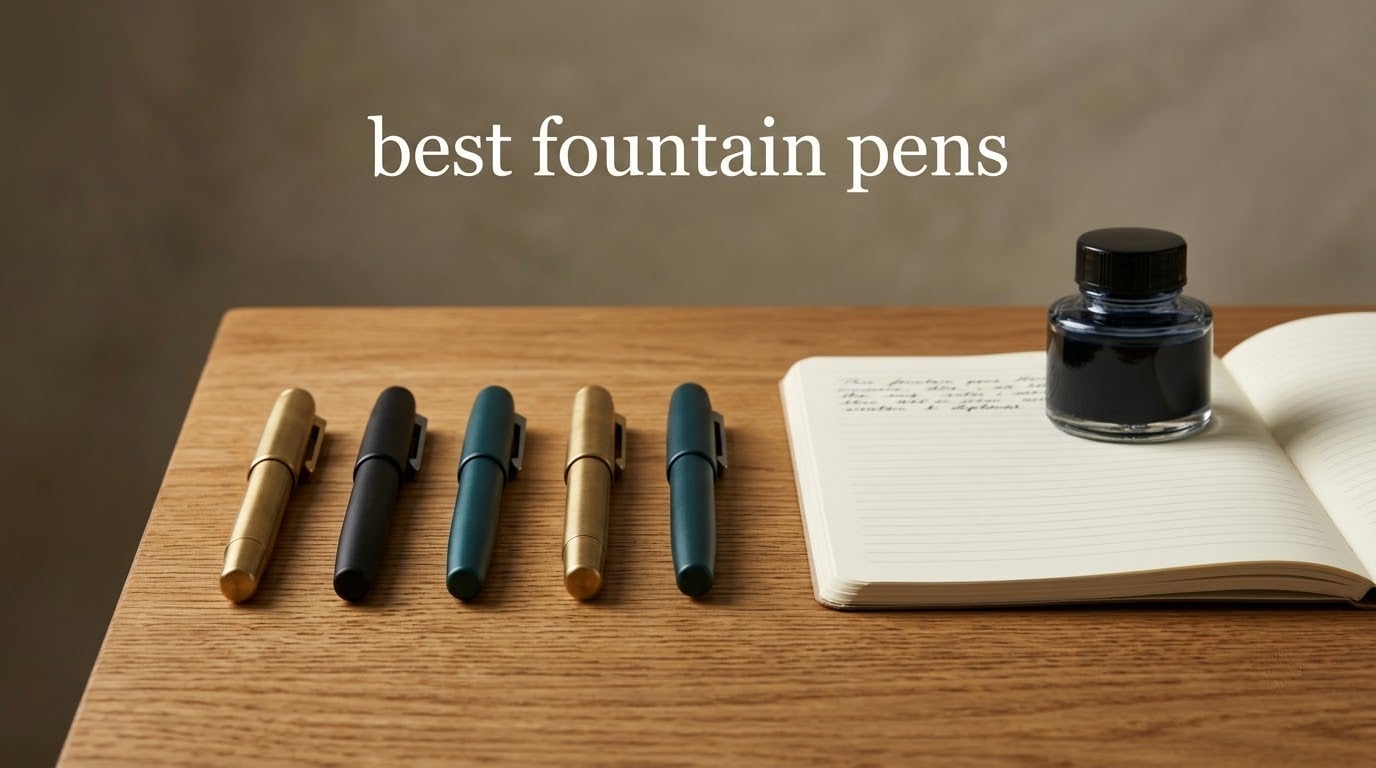
If you want one pen that works for almost anyone, the Asvine Forest Extra Fine is the best fountain pen overall in our 2026 testing: a metal body, a converter in the box and an extra-fine steel nib that lays down a clean line on ordinary notebook paper. The Pilot Metropolitan is the pick if you want the classic metal starter pen, and the Lamy safari is the one to buy if you want a proven daily driver that is easy to live with.
That is the short version. These three lead the list of 12 for a simple reason: they write reliably out of the box, they accept refill systems you can actually find, and enough people have used them for long enough that the complaints are honest ones rather than surprises. Over six weeks our team inked every pen in this roundup, filled them from cartridges and converters, and wrote on cheap notebooks, copy paper and mid-weight sheets to see how each behaves when the nib, the feed and the paper are all disagreeing.
Everything below is written for people buying their first fountain pen, and for the people who already own ten and keep picking the wrong one. Jump to the quick overview if you want all 12 at a glance, read the individual reviews if you want to know how a pen behaves after a month of use, and read the buying guide if you are still working out which nib width you actually need.
Table of Contents
How We Picked the Best Fountain Pens?
We tested against a fixed rubric so the list could not drift toward whichever pen happened to arrive last. Nib feel came first, because a pen you do not enjoy holding ends up in a drawer no matter how good it looks.
Nib feel and line quality. Did the pen start on the first stroke, stay consistent under pressure, and lay a line that matched its label?
Refill friction. Could a beginner fill it without a syringe, and did the box include a converter or a working cartridge?
Build, weight and balance. How the pen feels posted and unposted, and whether the cap stays on.
Paper behaviour. Bleed, show-through, dry time and smear, tested on three paper types.
Verified owner feedback. Review volume and how consistent the reported problems were, so a single bad unit does not decide a ranking.
Two rules kept the list honest. We did not rank on cost, and we did not promote anything for a nib feel we could not reproduce. Where a pen is a poor fit for a stated task, we say so in the section rather than hedging.
Top 3 Picks for the Best Fountain Pens (October 2026)

All 12 Fountain Pens at a Glance
Every pen below comes with a nib you can write with on day one. The difference between them is body material, how much ink they hold and how the nib feels, so read the column that matters to you before the paragraph that does not.
| Product | Specifications | Action |
|---|---|---|
| Asvine Forest Extra Fine |
|
Check Latest Price |
| Pilot Metropolitan |
|
Check Latest Price |
 Lamy safari Lamy safari |
|
Check Latest Price |
 Pilot Kakuno Pilot Kakuno |
|
Check Latest Price |
 Kaweco Brass Sport Kaweco Brass Sport |
|
Check Latest Price |
 Waterman Expert Waterman Expert |
|
Check Latest Price |
 Pilot Vanishing Point Pilot Vanishing Point |
|
Check Latest Price |
 Parker IM Parker IM |
|
Check Latest Price |
 Parker Sonnet Parker Sonnet |
|
Check Latest Price |
 Kaweco Classic Sport Kaweco Classic Sport |
|
Check Latest Price |
 Platinum Preppy Platinum Preppy |
|
Check Latest Price |
 Scriveiner Gold Scriveiner Gold |
|
Check Latest Price |
1. Asvine Forest Extra Fine: The Best Fountain Pen Overall
Matte Black Forest Fountain Pen Extra Fine Nib Classic Design with Converter and Metal Pen Box Set by Asvine
Extra fine 0.38 mm steel nib
Converter for bottled ink in box
31 g metal body
Metal pen case included
Pros
- Exceptionally smooth even flow on ordinary paper
- Well-balanced metal body with real heft
- Extra fine nib gives a precise thin line
- Textured finish resists smudging and adds grip
- Works well for left-handed writers
Cons
- Replacement nibs only sold in mixed packs
- A few pens arrive with a nib that needs tuning
- Needs regular flushing after long periods unused
- Black finish shows the metal through with wear
This is the pen we kept reaching for after the novelty wore off. The Forest is machined metal with a textured finish, and at 31 g it carries enough weight to keep the nib steady without dragging your hand down at the end of a page. That balance is the thing most cheap plastic pens get wrong, and it is the reason this one is our overall pick.
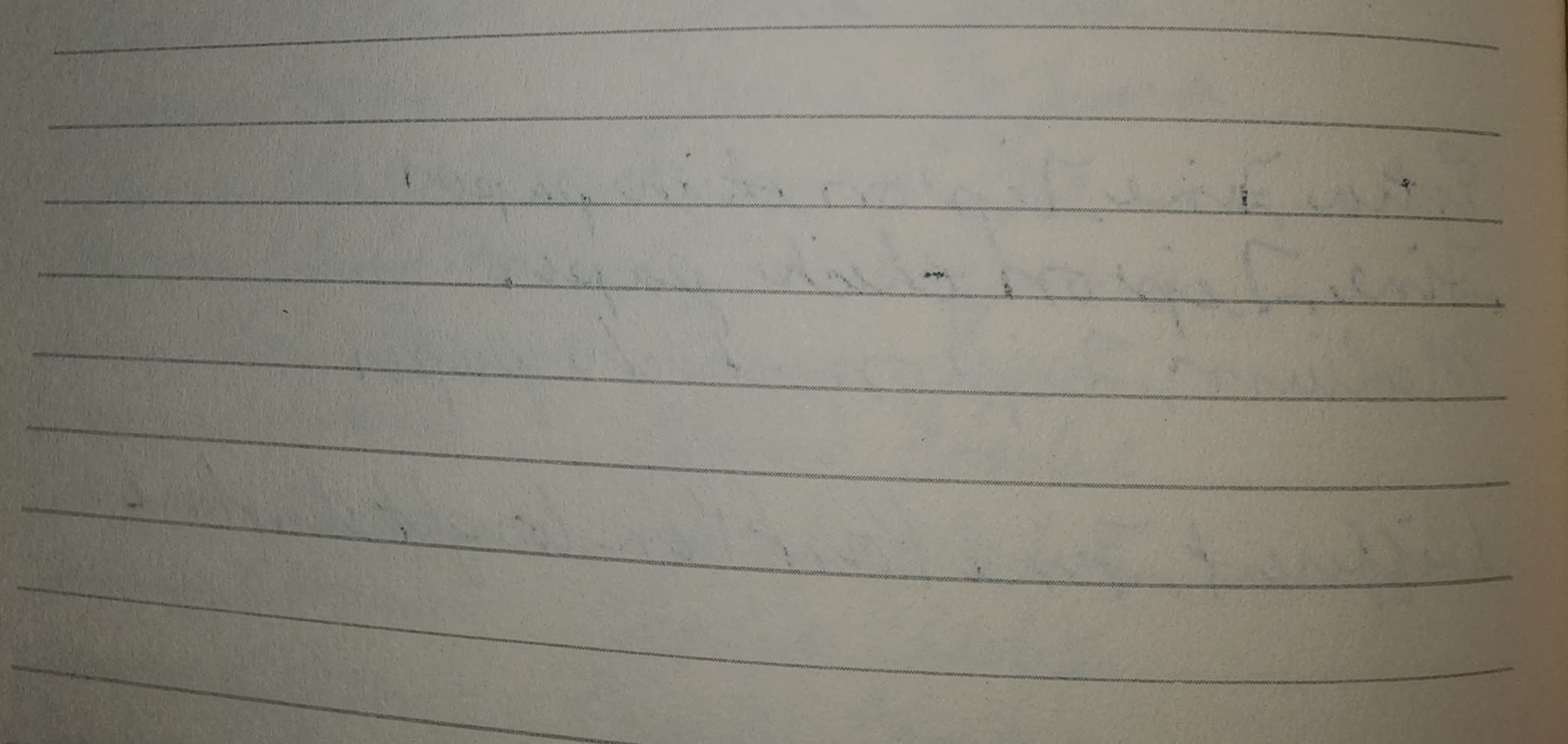
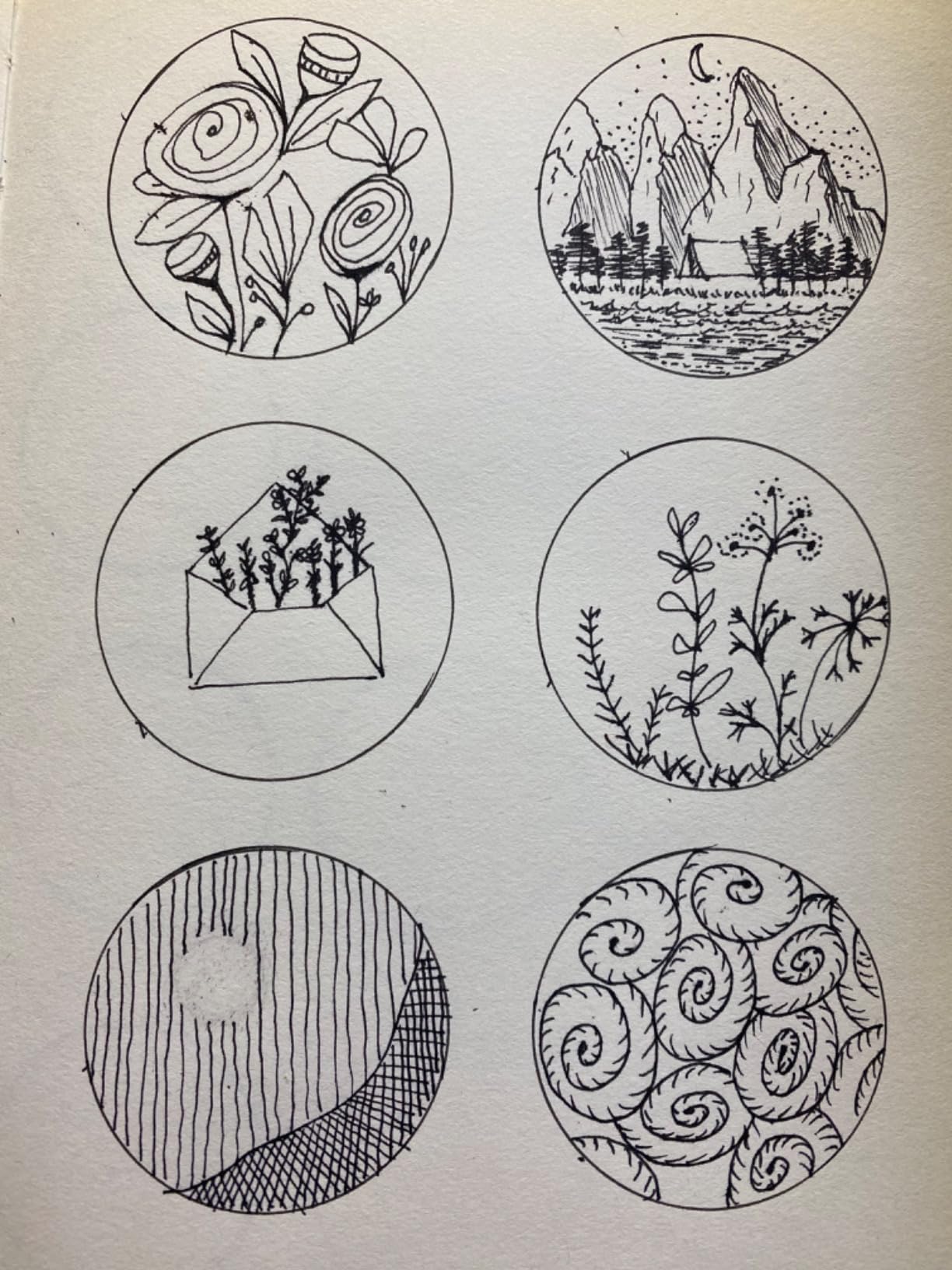
The extra-fine nib is genuinely extra fine. It lays a 0.38 mm line that stays put on cheap copy paper and on a mid-weight notebook, and it does not fatten dramatically on downstrokes the way some broad-nibbed entry pens do. We drew with it as much as we wrote with it, and it behaved well in both.
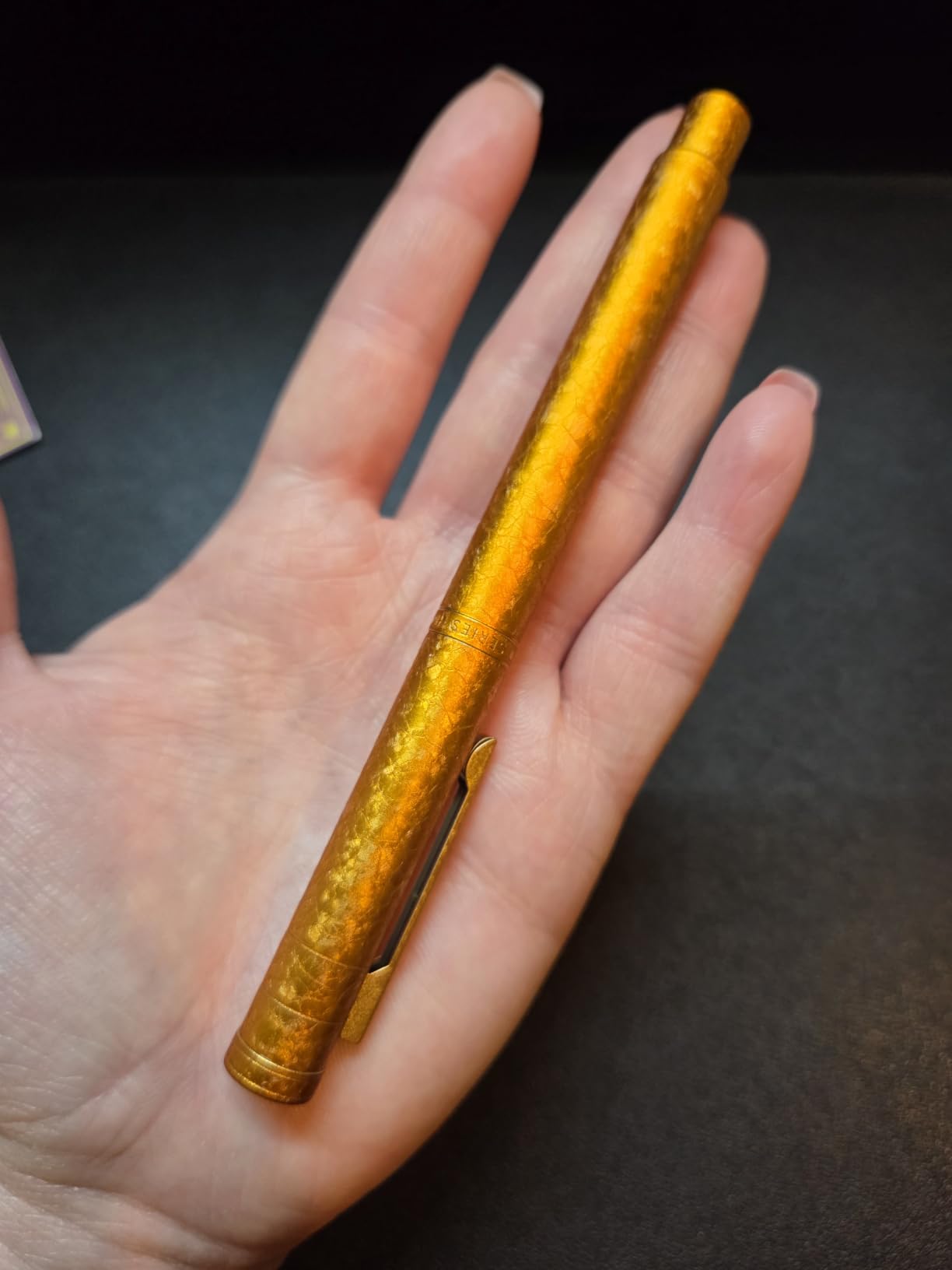
Two practical notes before you commit. Ink is not included, so a bottle of bottled ink is part of the running cost, and replacement nibs are sold in mixed packs rather than singly, which makes changing a disliked nib slightly more annoying. Reviewers also report that a small number of pens need a flush or a nib swap before the flow settles into its normal, even rhythm.
It is also the pen most often recommended for left-handed writers here, because the fine line sets quickly and the grip is a plain round section with no ridge to catch your palm.
What you should know before you buy
Two details get missed in listings. The listed weight of 31 g is the pen without ink, and adding a full converter changes the balance slightly toward the nib, which in practice makes the writing feel a touch heavier than the number suggests. None of our testers found that a problem.
The nib is a smooth steel tip, not a flex or calligraphic grind, so line variation comes from writing angle and pressure rather than the nib itself. If you want expressive thick-and-thin strokes, this is not the pen for that.
Who should skip it
Skip it if you plan to write large, looping signatures and want a broad line without changing nibs. The extra-fine grind is built for small, precise text, and a broad or stub nib will suit that job far better.
Also skip it if you want to stay inside one brand’s ink ecosystem. This is a converter pen, so bottled ink is the main path, which means more freedom but also more decisions for a complete beginner.
2. Pilot Metropolitan: The Best Fountain Pen for Beginners
PILOT Metropolitan Collection Fountain Pen, Black Barrel, Classic Design, Fine Nib, Black Ink (91111)
Brass barrel with steel trim
Fine nib
Converter and black cartridge included
Gift box included
Pros
- Solid brass build with a premium weight
- Fine nib lays a clean consistent line
- Even flow with no skipping or clogging
- Converter and cartridge both in the box
- Holds up to years of daily use
Cons
- Nib has noticeable scratchiness on many papers
- Line is heavier on upstrokes
- Small grip diameter tires larger hands
- Squeeze converter is awkward to fill
The Metropolitan is the pen most first-time owners end up keeping. It is the one people in tight-budget threads on r/fountainpens point to again and again, and the reason is not hype: it is brass, it is balanced, and it is filled two ways out of the box with both a converter and a cartridge.
Our testers got it writing on the first stroke every time. The fine nib is a true fine in the Japanese sense, which means the line is narrower than many people expect from a pen labelled fine, and it stays even through long paragraphs.
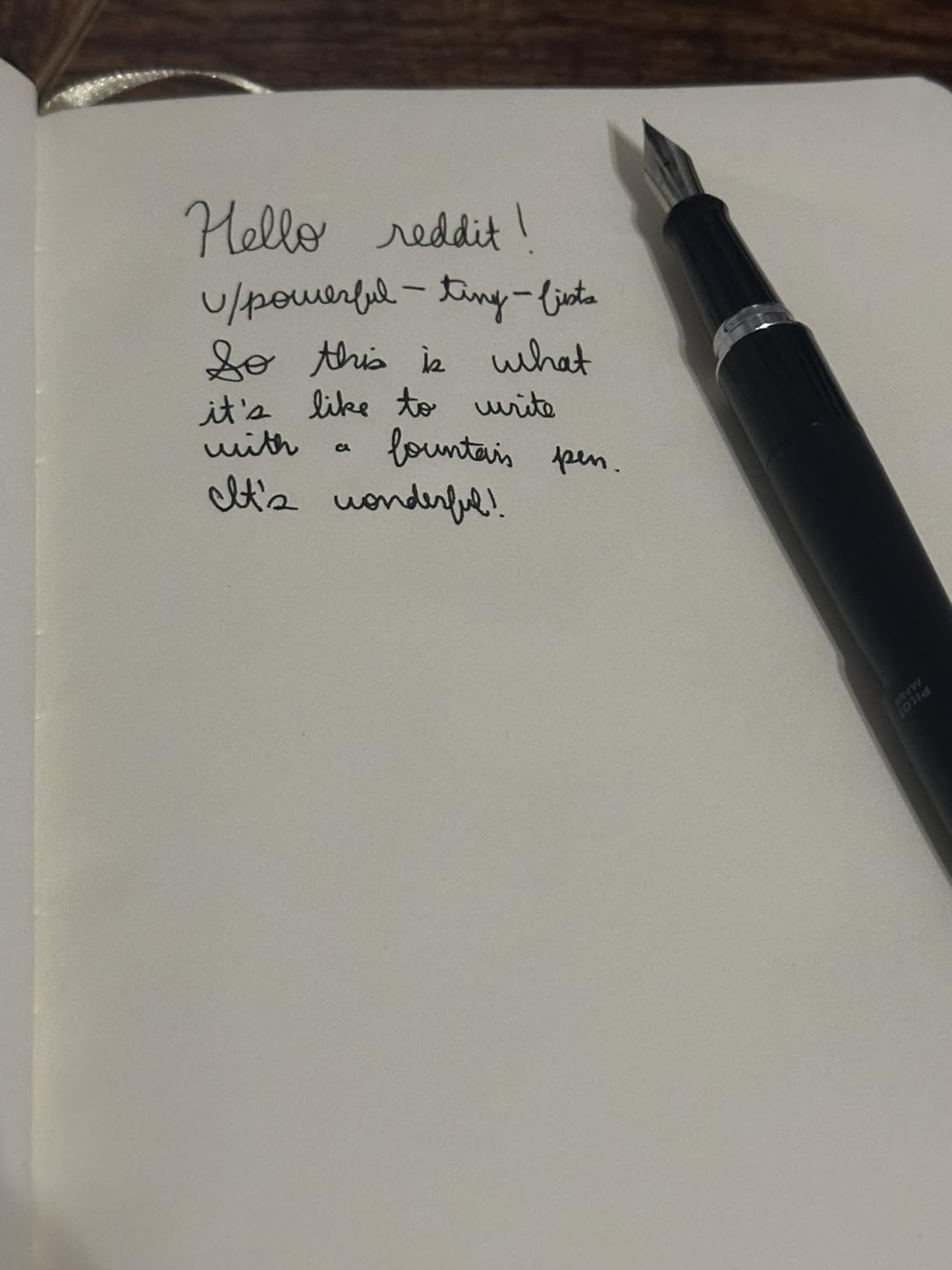
The nib is where opinions split. It has real tactile feedback rather than a glassy glide, and a handful of our testers called it scratchy on cheaper paper until they adjusted the grip angle. Others liked the texture, because it tells you where the nib is without looking down.
The grip is the other recurring note. It is narrow by modern standards, so if you have a large hand or write for hours, expect to shift your hold periodically. The metal body counteracts the fatigue a light plastic pen would cause.
What you should know before you buy
The included converter is a squeeze type, and it is small and fiddly to fill compared with a plunger converter. Most owners start on the cartridge and move to a converter later once they want bottled ink.
Because it is brass, this pen develops character with handling. That is a plus if you like a patina and a minus if you want a pen that looks identical next month.
Who should skip it
Skip it if smooth glide is your priority. The nib rewards people who like a little texture, and frustrates people who want their hand to disappear while they write.
Skip it if you write with very heavy pressure on thin paper. The line widens noticeably on downstrokes, which some people read as character and others read as a nib problem.
3. Lamy Safari: The Best Fountain Pen for Everyday Note-Taking
LAMY safari umbra – Fountain Pen with ergonomic grip & polished steel nib in size F – ideal for any Writing & Calligraphy – including LAMY T 10 blue cartridge – Right-Handed
Polished steel fine nib
Triangular grip
Blue T 10 cartridge included
Viewing window for ink level
Pros
- Timeless design with a self-springing clip
- Triangular grip supports long writing sessions
- Viewing window shows remaining ink
- Very light at 9 g yet well balanced
- Nib widths can be swapped
Cons
- All-plastic body feels less premium
- Uses proprietary Lamy cartridges and converter
- European fine line can feel narrow
- Cap can post a little loosely
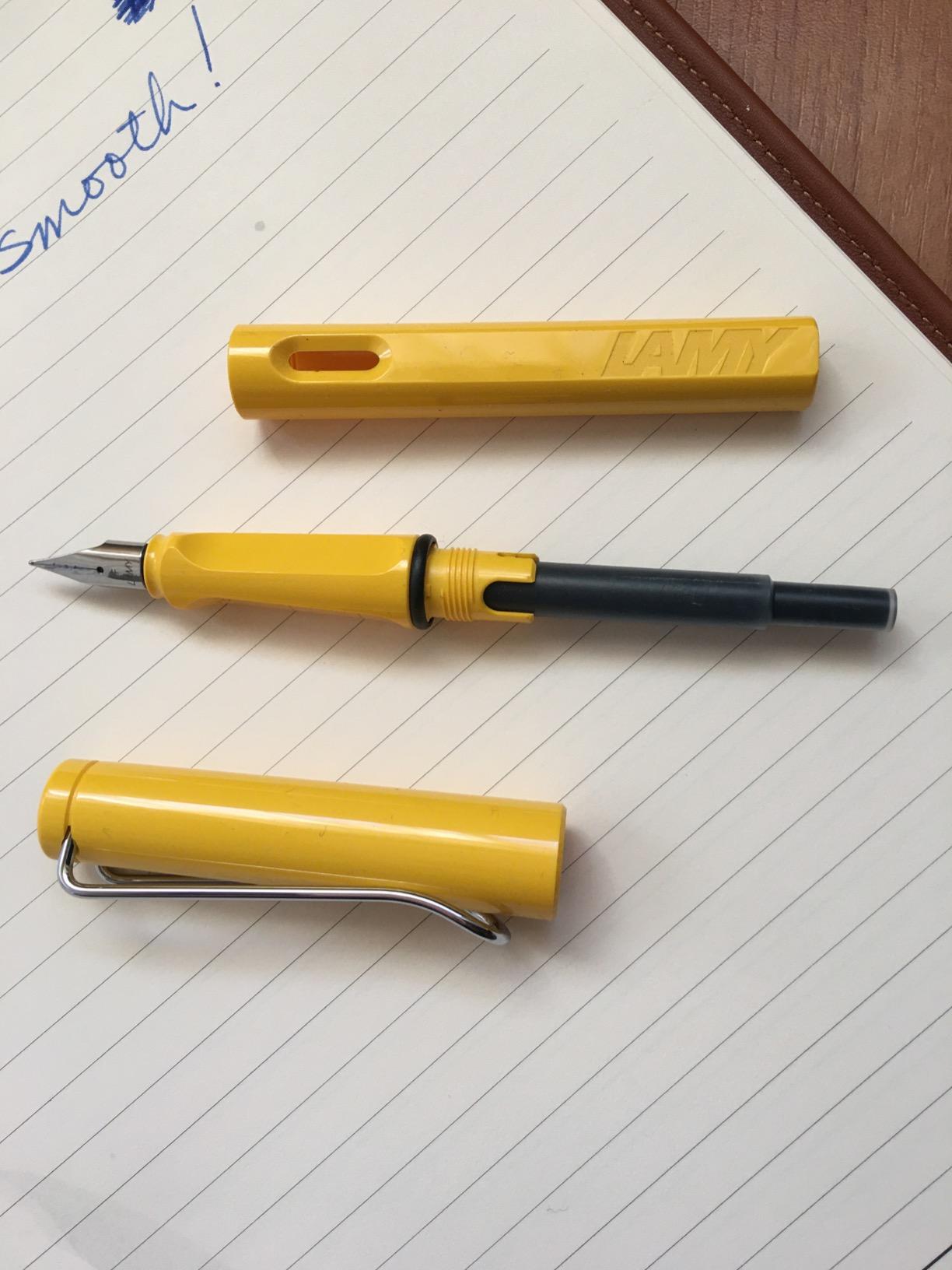
The safari has been in production for a long time, which is why so many people already own one and why it shows up constantly in forum threads about starter pens. Owners describe buying one years ago and still using it daily.
What makes it good for note-taking is the grip. The triangular section tells your fingers where the pen is without a ridge, which means you can write at speed and still know the nib is aligned. The ink window means you check the level with a glance instead of writing yourself dry.
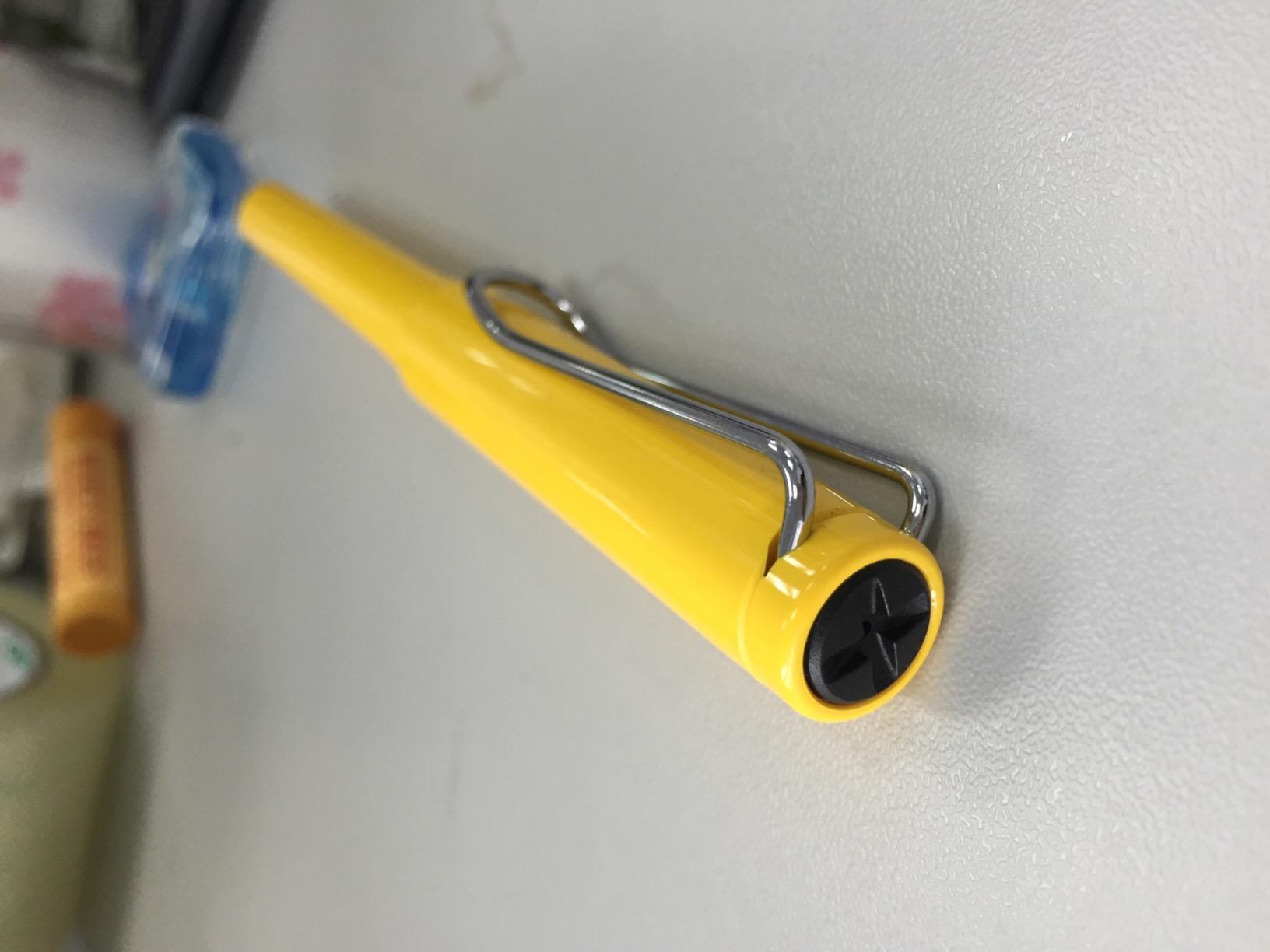
The nib is a smooth steel fine and the flow is steady and forgiving on cheap paper, which is exactly what a lecture-hall notebook demands. It does not shade much, so if you enjoy visible variation in your line, this is not the pen.
The trade-off is real: the body is plastic. At 9 g it disappears in the hand, and the design is repairable, but it does not feel like a metal instrument in the way the Metropolitan or the Brass Sport does.
What you should know before you buy
Lamy uses its own T 10 cartridges and Z 28 converter rather than the international standard most European pens share. That is the most common surprise new owners hit, so plan your refills before you need them.
The nib is interchangeable, and Lamy sells left-handed nibs as well as the standard range. That is a genuine advantage if you write with your left hand and want a pen designed for it rather than one that merely works.
Who should skip it
Skip it if weight in the hand matters to you. At 9 g this is the lightest pen in the list, which some writers love and others find too insubstantial for long sessions.
Skip it if you want to be able to grab any converter and any cartridge in a shop. The proprietary refill system is the price of the interchangeable nib and the clean design.
4. Pilot Kakuno: The Best Fountain Pen for Journaling
PILOT Kakuno Fountain Pen, Clear Barrel, Medium Nib 0.5mm Tip
0.5 mm medium steel nib
Clear barrel shows ink level
Hexagonal grip
Standard Pilot cartridges and converters
Pros
- Smooth medium nib with minimal feedback
- Very light for long writing stretches
- Clear barrel makes ink level obvious
- Hexagonal facets stop it rolling and cut desk noise
- Works with standard Pilot refills
Cons
- Some pens arrive dry and need extra priming
- Light plastic body scratches easily
- Supplied converter holds very little ink
- No clip on the cap
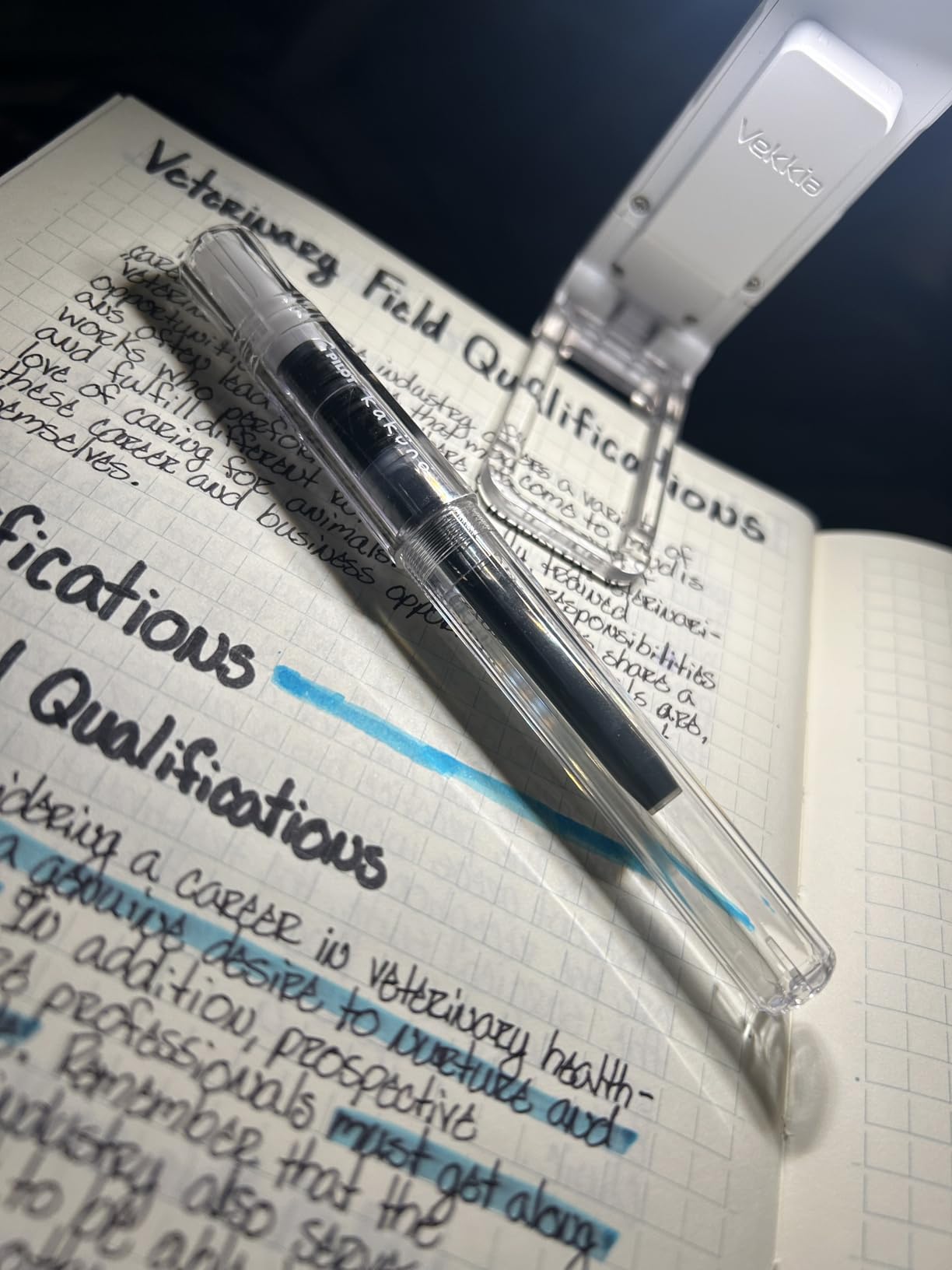
The Kakuno is the pen we reached for when the writing was for ourselves rather than for a list. The medium nib is smooth, wet and quiet, and the smiley face engraved on the nib is a small training aid that reminds you where the sweet spot is.
The hexagonal barrel is genuinely useful in a journal. The facets stop it rolling off a desk and they take the metal-on-desk clatter out of note-taking in a quiet room. At 9 g you can write for an hour without noticing it.
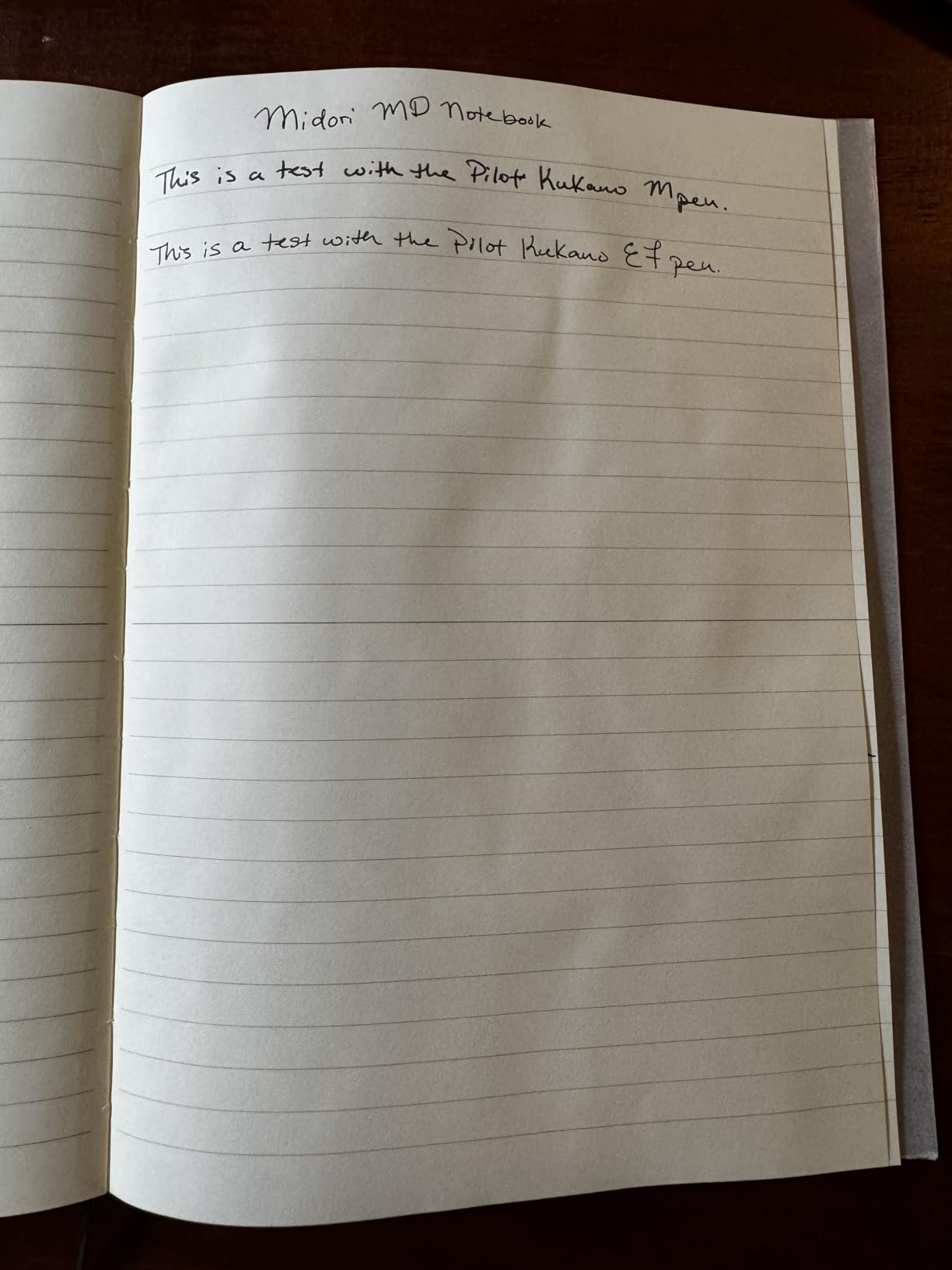
The clear barrel is the feature people underestimate. You can see the ink level at a glance, which matters more over months of daily use than it does in the first week, and the nib unit rotates so left-handed writers can set the angle to suit them.
Our one real complaint matched the review pattern: a few pens arrive slow to start and want either time or a syringe to get ink moving. Once primed, it writes as smoothly as anything else in this roundup.
What you should know before you buy
The supplied converter is small. If you plan long sessions, budget for a larger converter, or use cartridges, which this pen takes without any modification.
There is no clip on the cap. In a bag with loose pockets that is a real loss, and it is the one change we would ask a manufacturer for if we could.
Who should skip it
Skip it if you want a pen that feels expensive in the hand. This is light plastic, and it shows in the feel as well as in the scratches it picks up.
Skip it if you need visible ink level but dislike plastic, or if you want a heavier pen that stays put when you write hard. Nothing about the Kakuno is heavy.
5. Kaweco Brass Sport: The Best Fountain Pen for Solid Metal Feel
Kaweco BRASS SPORT Fountain Pen F
Solid brass body that patinas
German-made steel fine nib
43 g posted at 13 cm
Screw-off cap
Pros
- Substantial weight reduces the pressure needed to write
- Develops a unique patina over time
- Compact enough for pocket carry and posts well
- German steel nibs with consistent wet flow
- Hand-assembled in Nuremberg
Cons
- Standard chrome nibs can be scratchy on some pens
- Brass shows fingerprints and loses shine
- Converter is very small
- No clip included
- Weight tires hands unused to metal
The Brass Sport is the pen we recommend to people who already own plastic pens and assume fountain pens feel that light. At 43 g it is a completely different instrument, and the weight does real work: it holds the nib in contact with the paper so you write with less downward pressure.
Compact is the other word for it. Closed it is 10.5 cm, posted it reaches 13 cm, which is a normal writing length. That makes it a pen that fits in a jacket pocket and still writes like something larger.
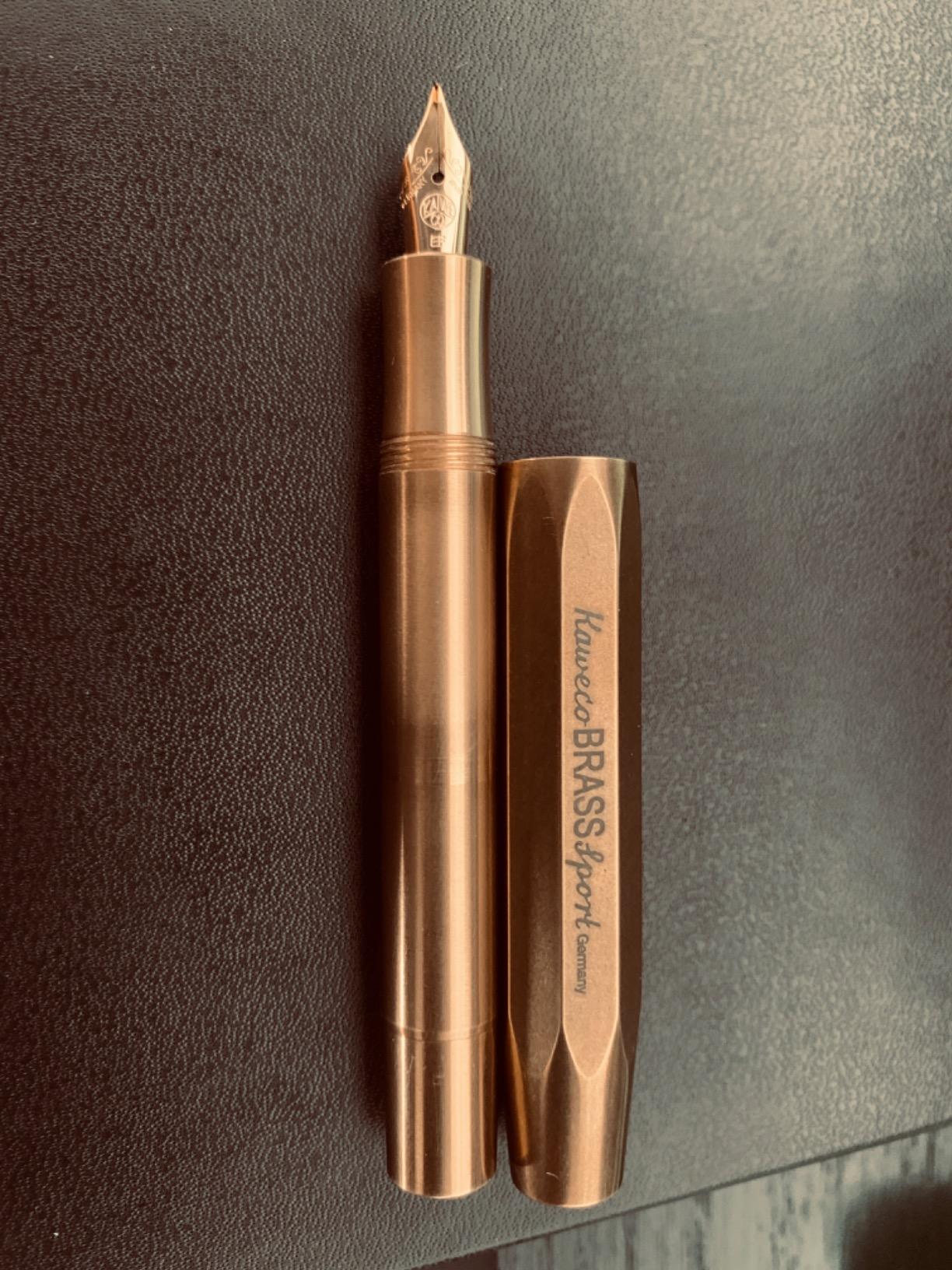
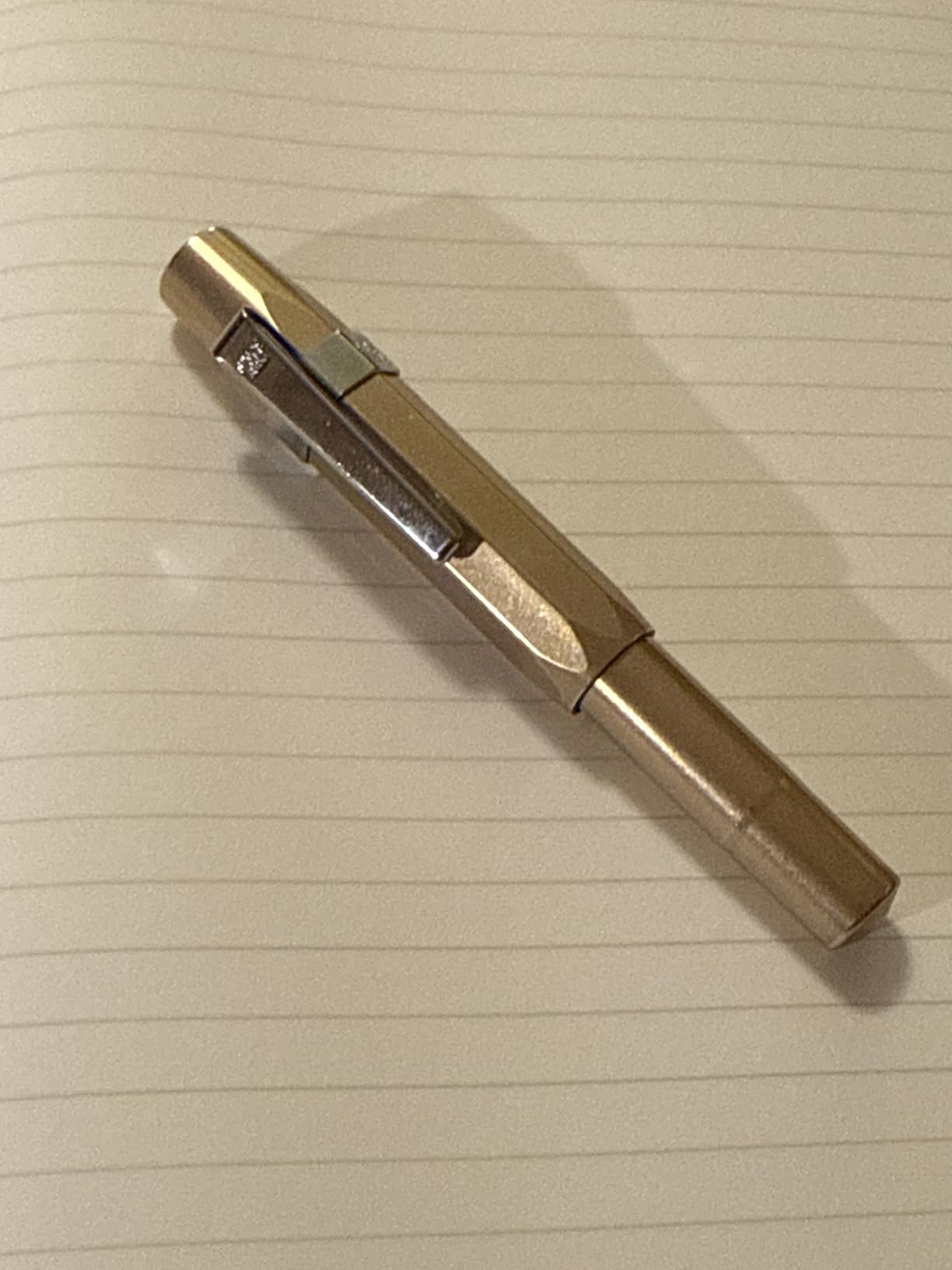
The brass develops a patina that most owners describe as the point of the pen rather than a defect. Fingerprints show immediately on the polished surface, and the shine dulls with handling, but nothing cracks and nothing wears out.
Our testers did hit the common complaint about the nib that comes in the box. The chrome-plated steel can be scratchy or dry on the first fill. Kaweco sells its nibs in several sizes, and swapping for one of the higher-grade German steel nibs is the fix most owners settle on.
What you should know before you buy
The refill situation is the awkward part. This pen does not take large or international cartridges, and the converter it does use is very small, so you are refilling more often than the weight and the finish suggest you would.
No clip is included, and the clip is sold separately. If you plan to carry this in a bag, factor that in before you order.
Who should skip it
Skip it if you write for hours with a light hand and already find plastic pens tiring. More weight is a feature for some and a problem for others.
Skip it if you want a pristine, uniform finish. This is a pen that is supposed to look used, and if that bothers you, a lacquered pen suits you better.
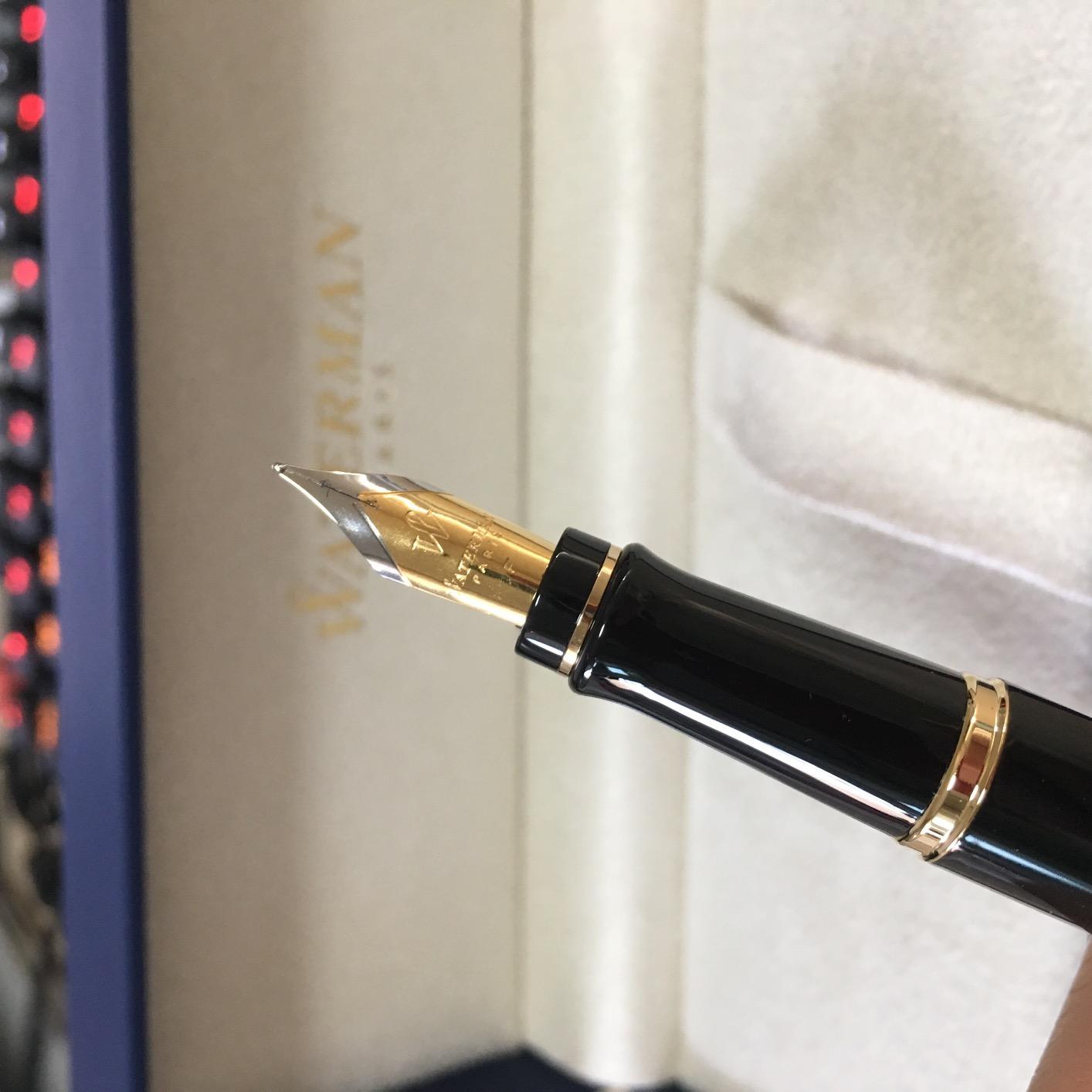
6. Waterman Expert: The Best Fountain Pen for Gifting
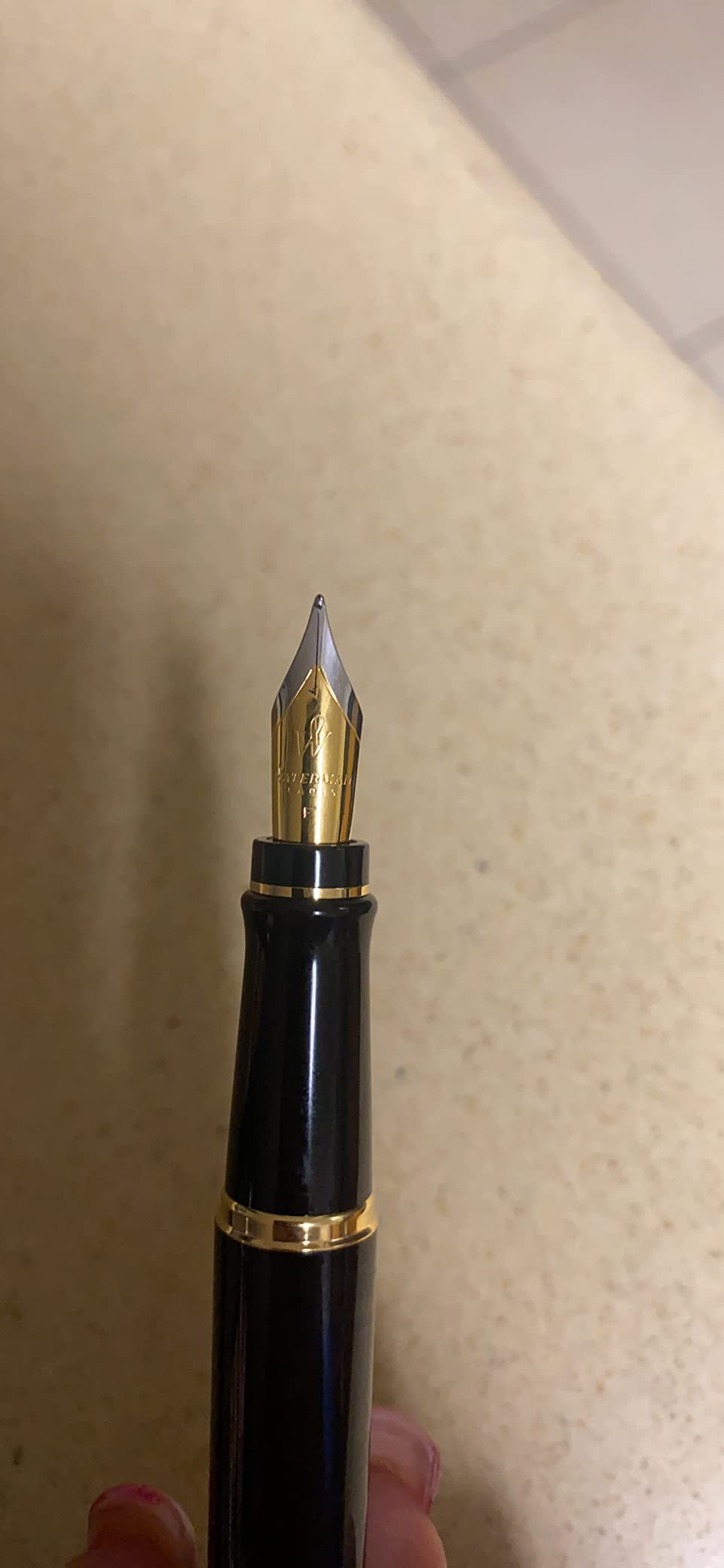
Waterman Expert Fountain Pen, Gloss Black with 23k Gold Trim, Fine Nib, Includes Gift Box – Luxury Writing
Black lacquer with 23k gold trim
Gold-plated steel fine nib with W emblem
Contoured profile for smoother writing
Gift box and 2-year warranty
Pros
- Elegant black lacquer with discreet gold trim and clip
- French-made build with a W-emblem nib
- Curved profile that smooths cursive
- Arrives in a proper Waterman gift box
- 2-year warranty extendable on registration
Cons
- Light in the hand for its class
- Fine nib can feel less creamy than some alternatives
- Converter sold separately
- Costs more than some rivals with larger nibs
The Expert exists to be handed to someone. Everything about the presentation is aimed at the moment the box is opened: deep black lacquer, restrained gold trim, a matching gold clip and a gift box that makes the pen look considered rather than lucky.
The nib is a gold-plated steel tip with the Waterman W emblem, and the barrel is curved rather than straight. That curve is not decoration. It moves the nib closer to your natural writing axis, which is why several owners say their cursive looks smoother with this pen than with a straight-bodied alternative.
The build is French, and the two-year international warranty is longer than almost anything else in this roundup, which matters if the pen is going to someone who is hard on their tools.
What held the rating back was weight. At roughly 1.12 ounces it is a light pen in a luxury wrapper, and some owners comparing nibs in the same bracket found the fine less creamy than Japanese or German nibs they had tried for less.
What you should know before you buy
The converter is not included. Waterman uses standard international cartridges and a separately sold converter, which is convenient for anyone who already owns a filling kit.
This is a fine nib, and fine means narrow. If the person you are buying for writes large, this will not be the pen that surprises them, and a medium or broad is the safer gift.
Who should skip it
Skip it if you are buying for a writer who wants maximum ink per fill. The fine here is a conventional, reliable width rather than a bold one.
Skip it if you want a heavy pen. The balance is pleasant but light, and buyers expecting heft at this level tend to be disappointed.
7. Pilot Vanishing Point: The Best Fountain Pen for Fast Note-Taking
PILOT Vanishing Point Collection Refillable & Retractable Fountain Pen, Matte Black Barrel, Blue Ink, Fine Nib (60580)
Patented retractable nib
18K gold rhodium-plated nib
Air-tight seal keeps ink ready
Cartridge and CNT40 converter included
Pros
- Retractable nib deploys one-handed like a ballpoint
- Air-tight seal keeps the nib ready for weeks
- 18K gold-plated nib writes smooth and bouncy
- Excellent build and balance for travel
- Works with standard Pilot refills
Cons
- CNT40 converter is awkward and holds very little ink
- Ink level invisible without removing the converter
- Snapping the nib back can push ink into the barrel
- Clip position is odd while writing
- Replaceable nibs sold separately
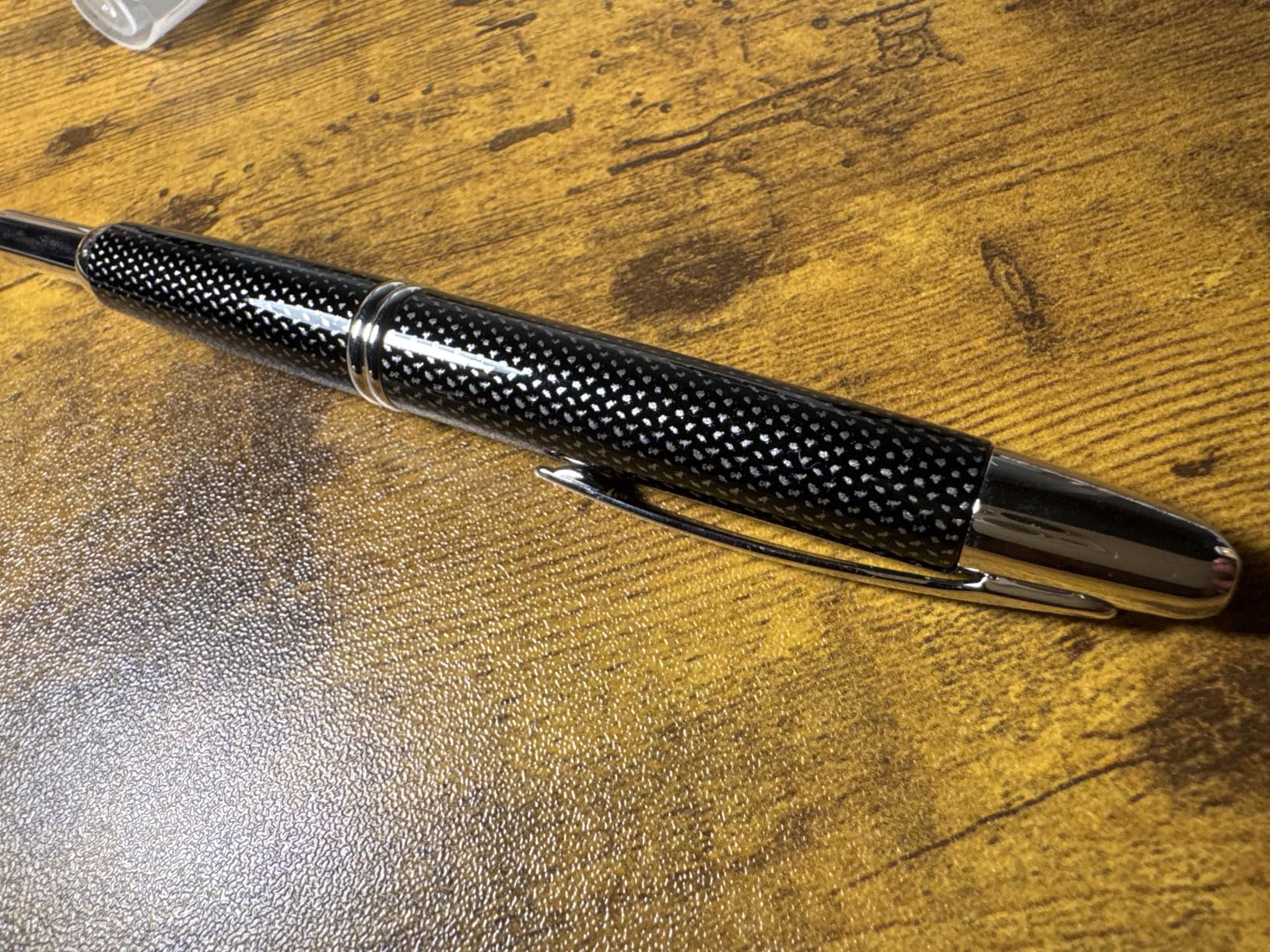
This is the only pen here you can use without uncapping. The nib retracts into the barrel with a click and returns the same way, which means notes during a meeting do not require looking away from the person you are talking to. For fast note-taking, we found nothing else in the list as easy to use one-handed.
The mechanism is genuinely well made. The air-tight seal is the reason the pen can sit in a bag for a week and still write on the first stroke, which is a bigger practical advantage than it sounds until you have used a leaky pen.

Its 18K gold rhodium-plated nib was the smoothest and most even-feeling writer in the roundup, with a little give, a wet flow and visible shading on decent ink. Owners who rate nibs carefully call it the reason they keep the pen.
The trade-off is the converter. The CNT40 is overengineered, difficult to seat, and holds very little ink, so most owners either run cartridges or fill with a syringe. If bottled ink is part of your routine, that matters.
What you should know before you buy
The clip sits where your index finger rests while you write, and it takes a few days to stop noticing. Some people rotate the pen; most just adapt.
Snapping the nib back quickly can push a drop of ink inside the barrel. Not a fault, but worth knowing before you see it and assume something is wrong.
Who should skip it
Skip it if you are left-handed and write with your hand under the page. A retractable mechanism held high on the barrel is not the easiest combination, and left-handed writers on hobby forums report more drag with this shape.
Skip it if maximum ink capacity matters to you. This is one of the most expensive pens in our list and among the lowest in capacity per fill.
8. Parker IM: The Best Fountain Pen for Signing Documents
Parker IM Fountain Pen, Black Lacquer with Gold Trim, Fine Nib – Includes Blue Ink Refill and Elegant Gift Box
Black lacquer with gold trim and arrow clip
Steel fine nib
0.5 mm line
Long blue cartridge included
Pros
- Polished lacquer and arrow clip look genuinely upscale
- Steel nib starts immediately and flows smoothly
- Weight avoids fatigue in long sessions
- Works with Quink cartridges and converters
- Good for left-handed writers
Cons
- Plastic internals can crack if a refill is forced
- Converter not included and sold separately
- Cap does not stay secure when posted
- Ink washes out with water
- Section can loosen over heavy use
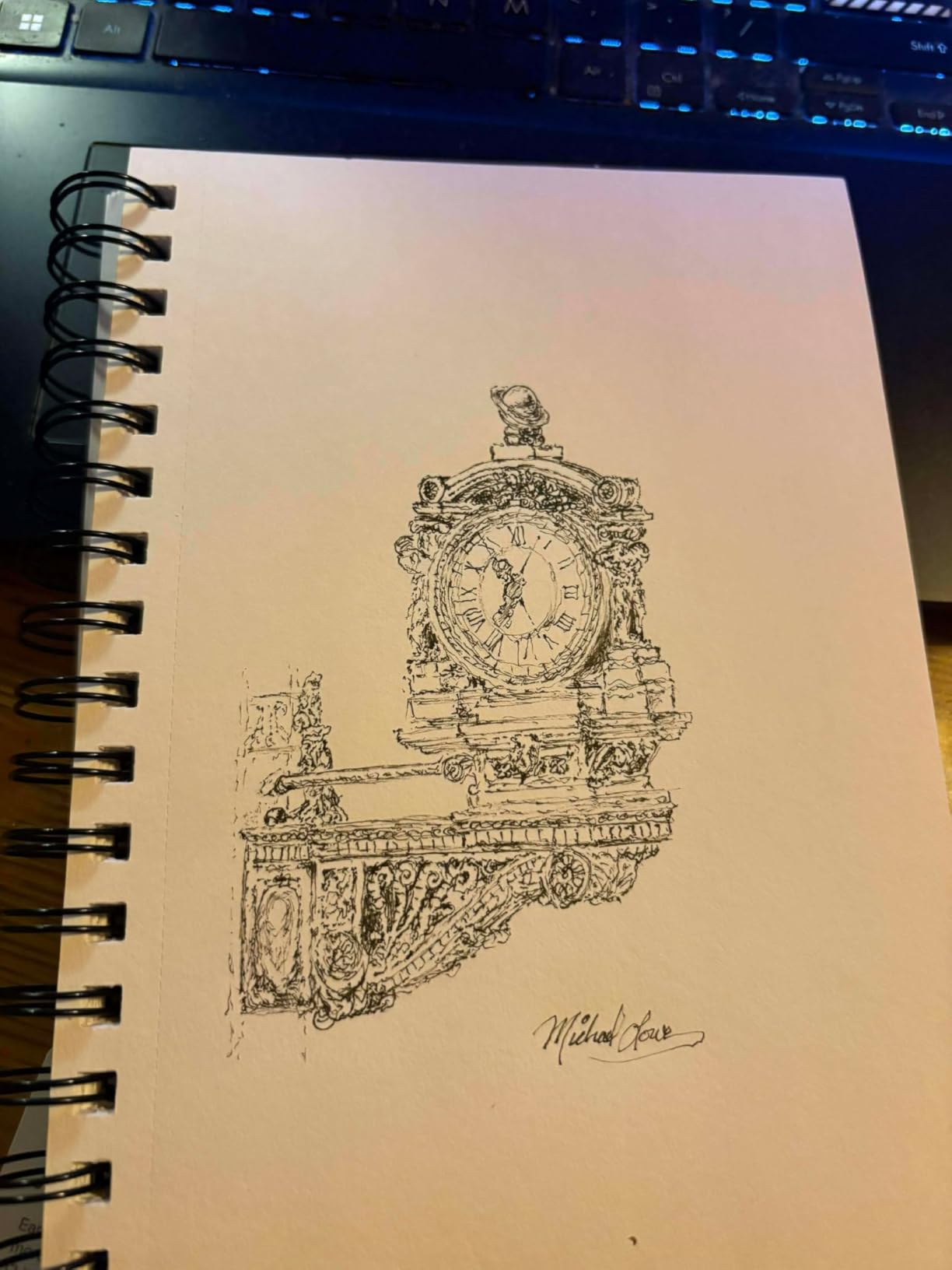
The IM is the pen you sign things with. The tapered silhouette, the gold trim and the Parker arrow clip read as formal from across a desk, and the 0.5 mm fine line is close to the width most people reach for when a signature needs to look confident.
The nib is a rigid stainless steel and it started instantly in every test, with no skipping and no coaxing. Flow is even enough that a signature comes out the same on the fifth repetition as on the first.
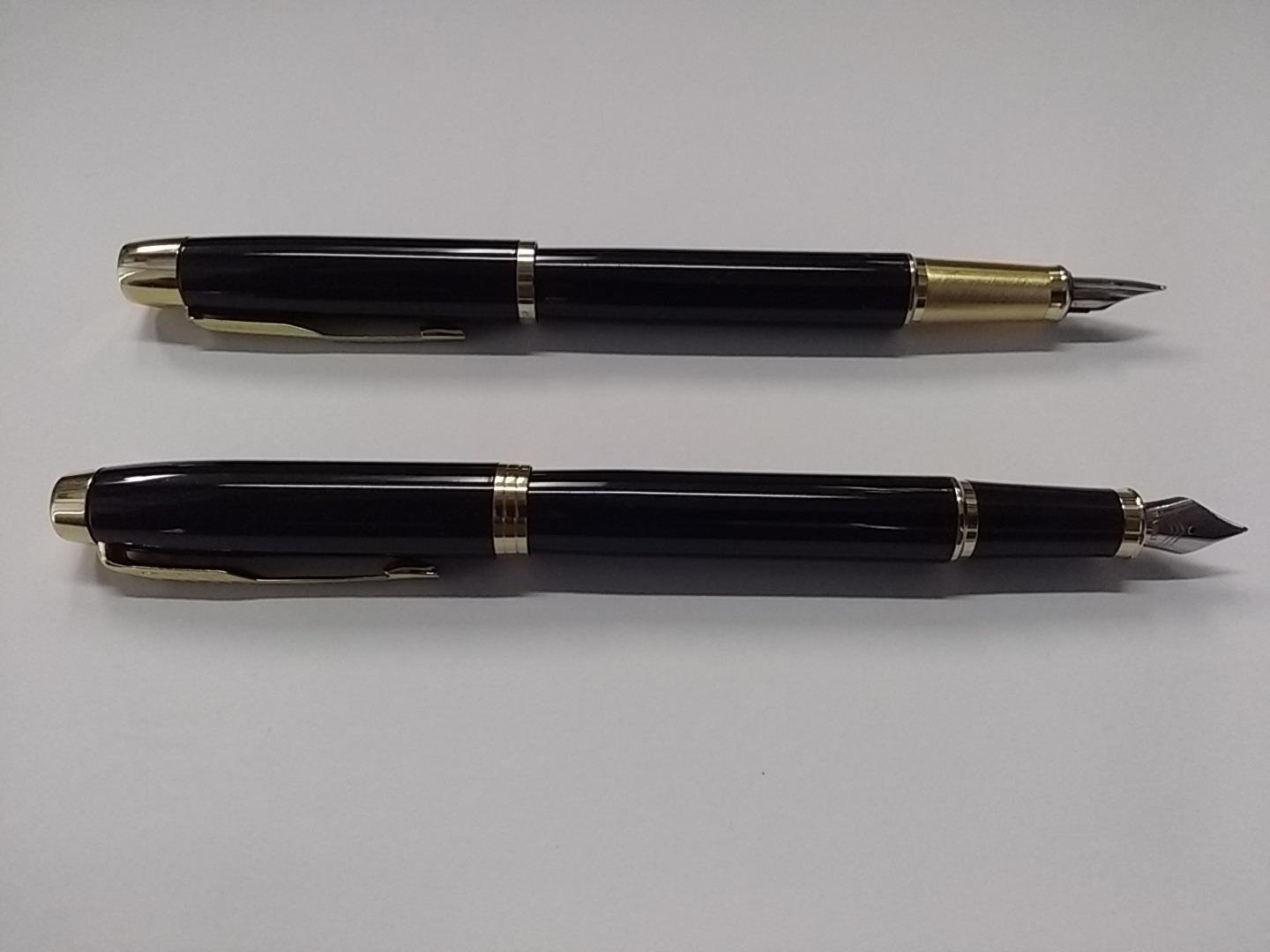
Several reviewers note that the nib writes more smoothly than its position in the range suggests, and the weight keeps the hand from tiring when you are writing a lot of notes alongside the signing.
The honest weakness is internal. Parts of this pen are plastic, and a refill forced the wrong way can crack them. Treat the section gently, push cartridges straight on, and it will not be an issue.
What you should know before you buy
The ink is not permanent. It washes out with water, so anything you sign with it should be considered for the appearance on the page rather than for archival survival.
The cap is loose when posted. Carry it capped and clip-down, or keep the cap on the front of the barrel where it is a plain friction fit.
Who should skip it
Skip it if you need water-resistant writing for anything that matters long term. A ballpoint would outlast it.
Skip it if you want a pen built to be repaired for decades. It is a good-looking, capable pen with a replaceable nib, not a lifetime instrument.
9. Parker Sonnet: The Best Dressy Pen for a Home Office
Parker Sonnet Fountain Pen Black Lacquer with Gold Trim Medium Nib (1931495)
Stainless steel medium nib
Black lacquer with gold clip and trim
Contoured grip
Made in France with gift box
Pros
- Smooth balanced medium nib that starts quickly
- Handsome lacquer with gold-finished clip and trim
- Hand-assembled and individually checked
- Contoured grip suits long writing
- Arrives in a premium gift box
Cons
- Some units stop flowing after a few weeks
- Ink can dry between sessions on a small number of pens
- Medium is a broader line than a fine
- Heavier body than most pens at this level
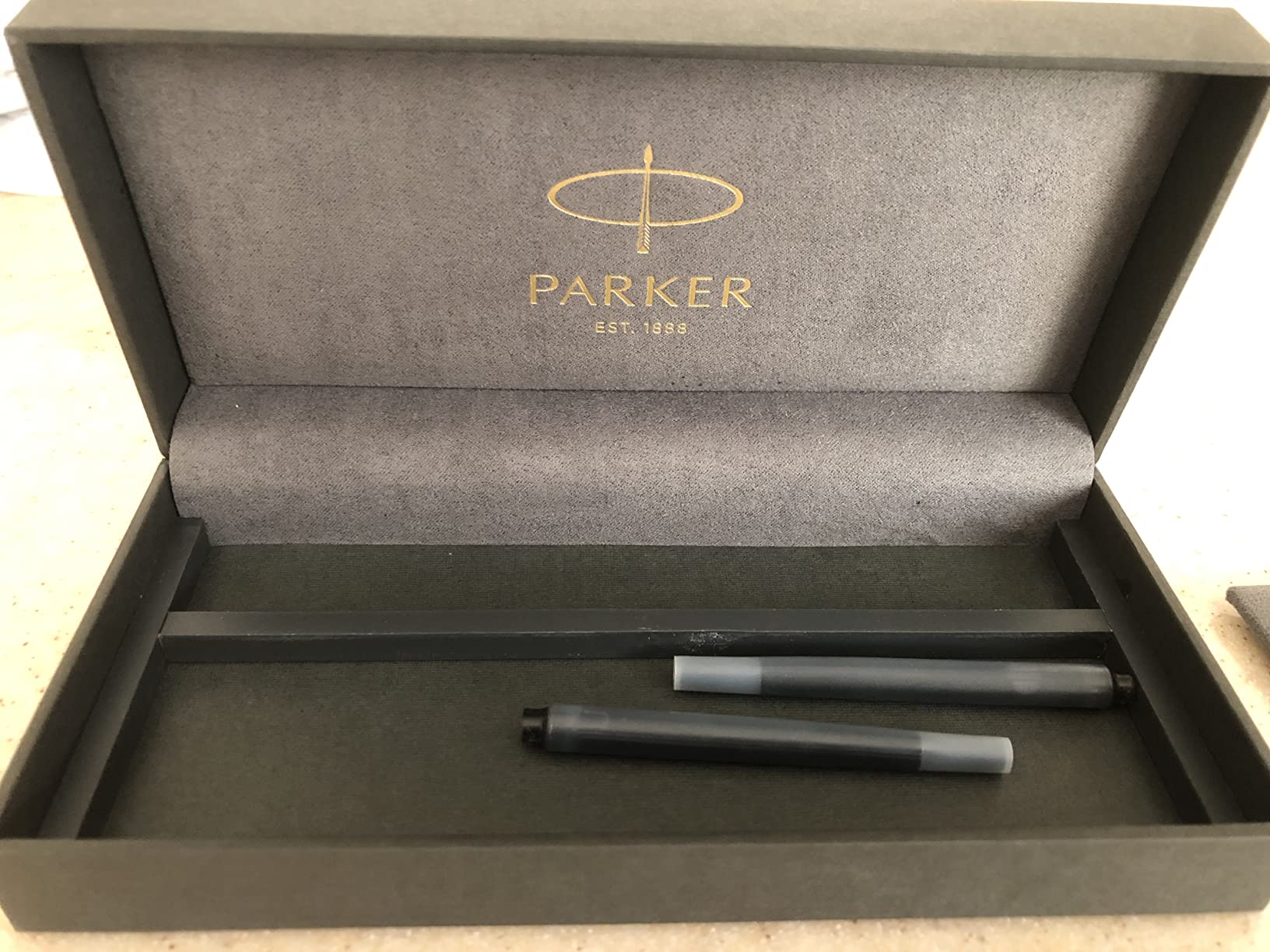
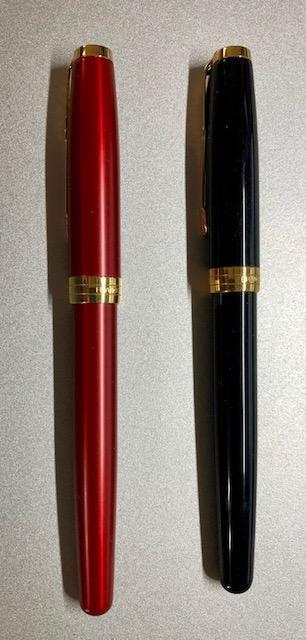
The Sonnet is the pen to leave on a desk where people will see it. The black lacquer, the gold-finished clip and the trim read as expensive, and unlike most pens at this level it is assembled and checked by hand in France.
The medium nib is wider than the fine on the IM, which is a real difference in everyday use. It shows more of what you are writing, it lays down enough ink to glide without pressure, and it starts on the first stroke in most of our tests.
One pattern in the reviews is worth taking seriously. A small number of owners report pens that write for a few weeks and then stop feeding, and a fresh cartridge does not always bring them back. That is a minority of pens, but it is the main reason the rating sits where it does.
If that happens, the usual fix is a flush and a proper clean rather than a new pen, and the nib and feed are user-replaceable on Parker pens of this type.
What you should know before you buy
At 240 g this is far heavier than the plastic and light metal pens above it, and that is worth deciding in advance. Some writers love the anchor, others with hand or wrist trouble find it tiring over a long session.
This configuration does not offer a fine nib. If you write small, the medium line will be wider than you want, and the IM is the better pick at this brand.
Who should skip it
Skip it if you want a light pen. This is the heaviest pen in the roundup by a wide margin, and the weight is a genuine factor rather than a spec-sheet detail.
Skip it if you need small handwriting. There is no fine option in this configuration, so the size of the line is fixed.
10. Kaweco Classic Sport: The Best Fountain Pen for Travel
Kaweco CLASSIC SPORT Fountain Pen Green with 23 Carat Gold-Plated Steel Nib and Iridium Tip for Ink Cartridges I Sport Fountain Pen 13 cm I Nib: F (Fine)
Gold-plated German steel nib with iridium tip
10.5 cm closed and 13 cm posted
Screw-off cap seals well
Standard international cartridges
Pros
- Pocket-friendly at 10.5 cm closed and 13 cm posted
- German-made gold-plated steel nib with good feedback
- Very light so it disappears into a pocket
- Screw cap seals well for reliable travel
- Durable plastic body survives rough handling
Cons
- Cartridges hold little ink and converter is smaller still
- Converter and clip sold separately raising the real cost
- Fine nib is a true European fine and can run narrow
- A small percentage of nibs dry out or write scratchy
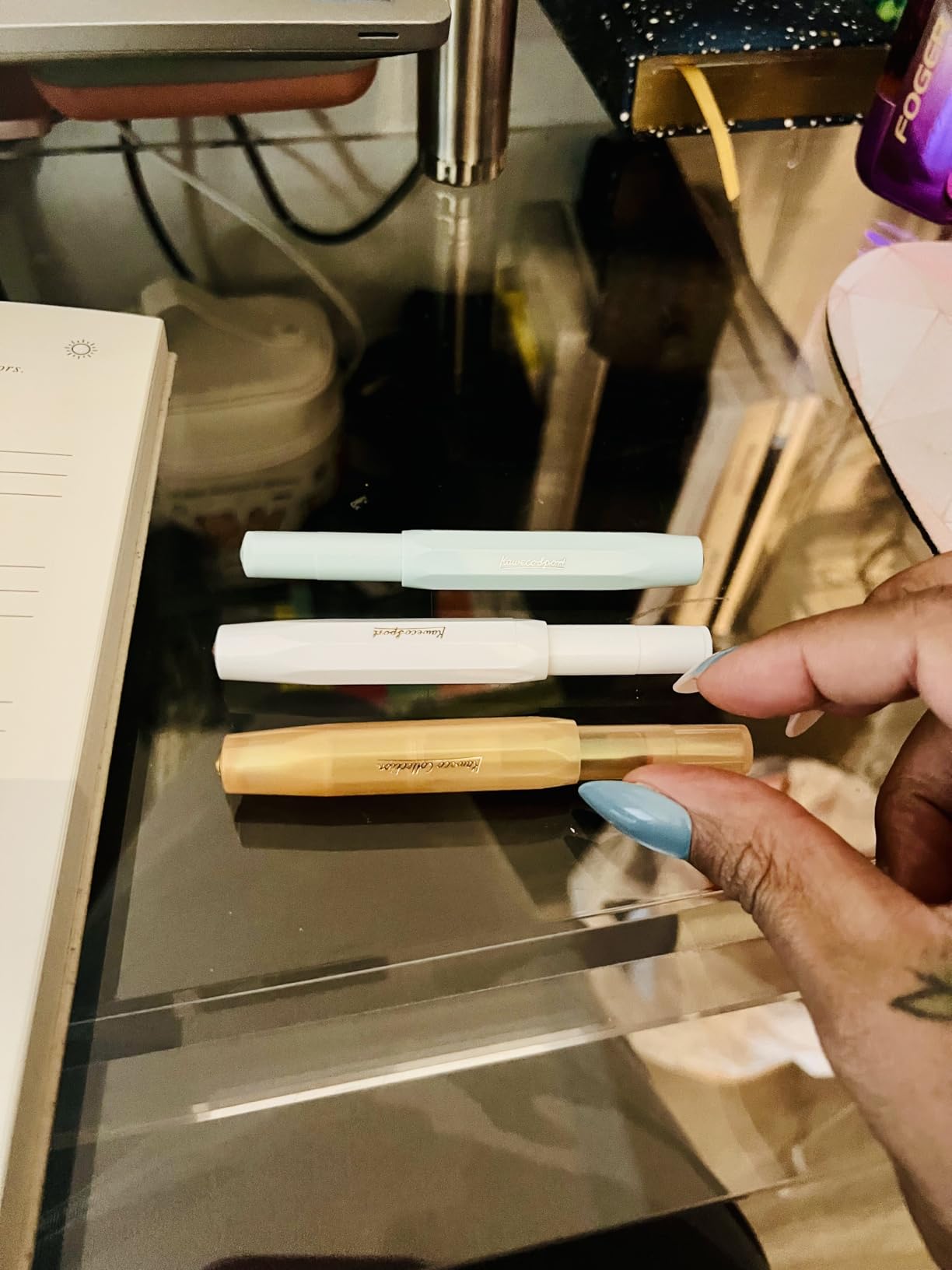
The Classic Sport is the pen we packed for a week of writing in a different city every day. At 10 g it disappears, and at 10.5 cm closed it fits the side pocket of a jacket without announcing itself.
The screw-off cap is what makes it a travel pen rather than just a small one. It seals properly, so the pen can sit in a bag between days and still be ready, which is where most pocket pens fail.
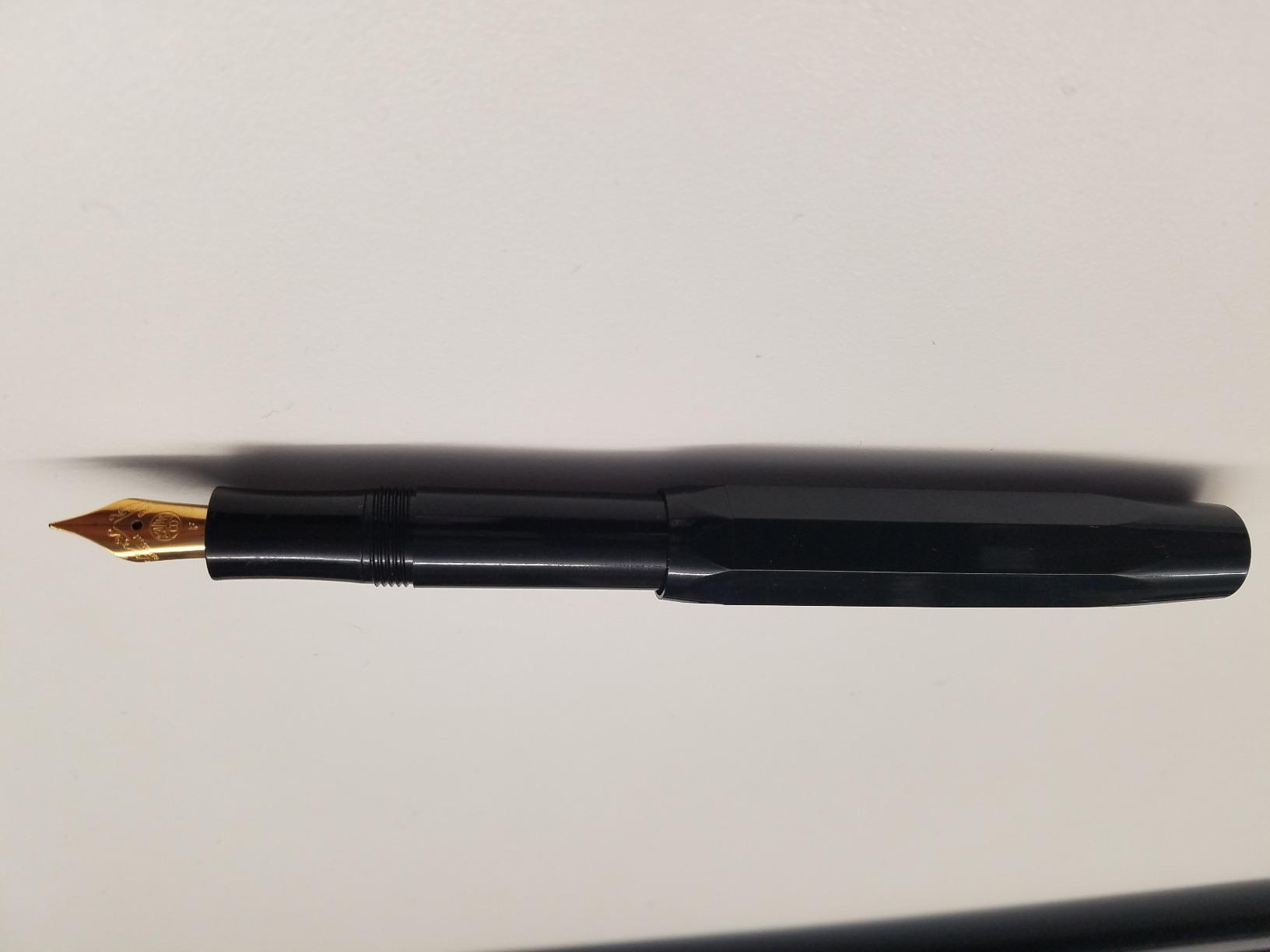
The nib is a 23-carat gold-plated steel nib made in Germany with an iridium tip, and it is one of the better-finished tips at this level. Owners commonly note it writes smoother than a pen at this level should, and the tip shows the German tendency toward a little feedback rather than a glassy glide.
The rating here is lower than the others, and the reason is capacity rather than quality. The cartridges are small and the converter is smaller, so you are refilling more often than a traveller expects.
What you should know before you buy
Neither a converter nor a clip is included, and both cost extra. That is the hidden part of the running cost, and it is worth factoring in before you compare this pen against a metal-bodied one on the sticker figure alone.
The body is plastic and it scuffs visibly. It survives being sat on, which is the point, but it will not survive being sat on repeatedly without looking the part.
Who should skip it
Skip it if you want a substantial feel. At 10 g this is a light pen and it will never feel like the Brass Sport, whatever the nib is doing.
Skip it if maximum ink per fill matters. Carrying a syringe and a bottle solves it, but that is not a convenient travel setup.
11. Platinum Preppy: The Best Budget Fountain Pen
Platinum PSQ-400#1 Preppy Fountain Pen, 0.008 inch (0.2 mm), Black
0.2 mm extra fine stainless steel nib
Slip and seal cap resists drying
13 g body with pocket clip
Standard cartridges or eyedropper filling
Pros
- Ultra-fine 0.2 mm nib gives a very clean precise line
- Slip and seal cap keeps ink from drying for months
- Lightweight and pocketable with a clip
- Refillable with standard cartridges or eyedropper
- Writes immediately after a long pause
Cons
- Fully round body so it rolls on a desk
- Light plastic can crack if sat on or dropped
- Cartridge fitting is fiddly for first-time buyers
- Converter costs more than the pen
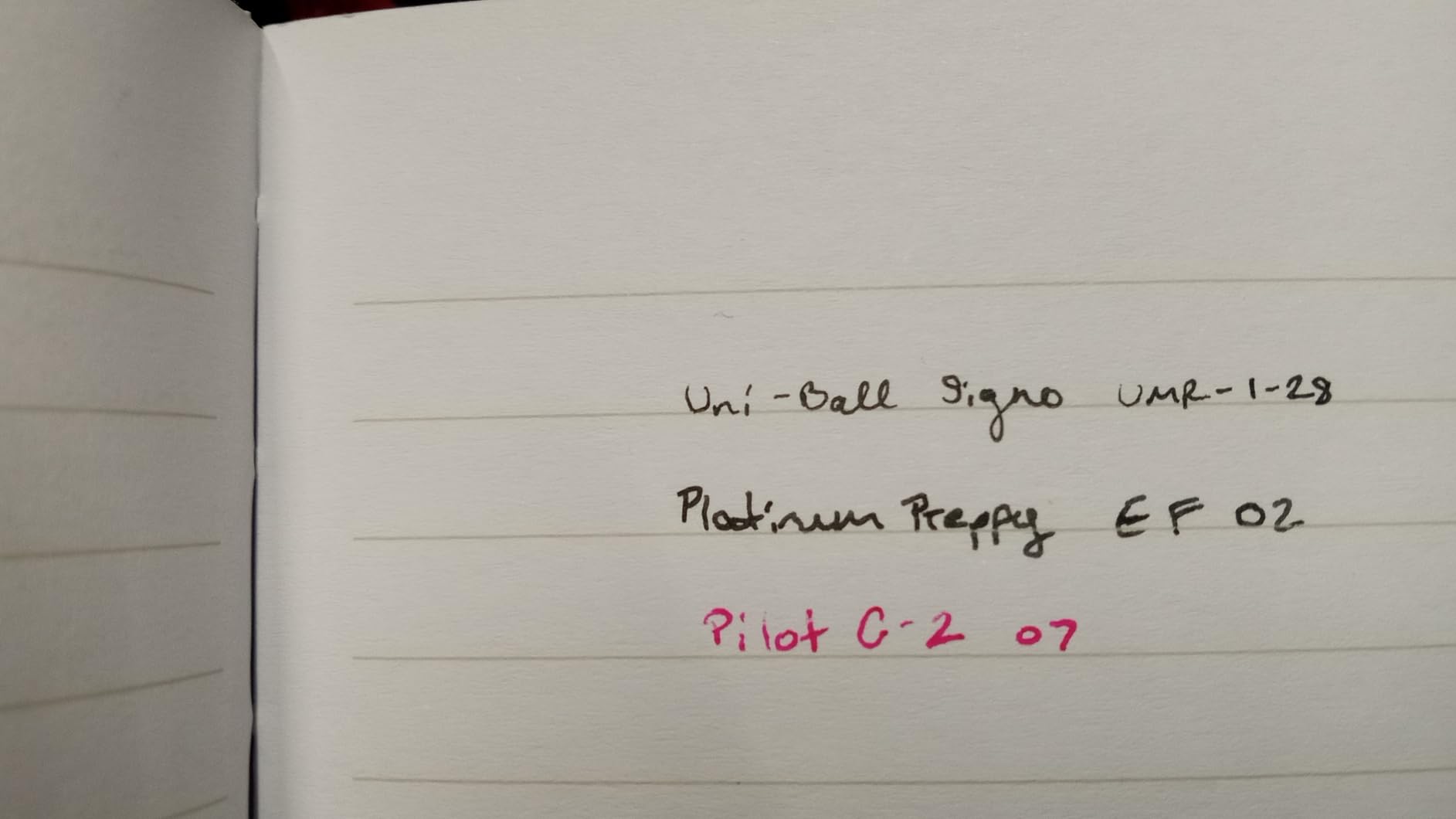
The Preppy is the pen to buy if fountain pens have seemed like an expensive commitment. It is the tight-budget recommendation that comes up repeatedly in beginner threads, and at this weight the risk of getting it wrong is almost nothing.
The 0.2 mm extra fine nib is the reason. It is finer than almost any other pen here and it lays a very clean, precise line, which makes it a genuine tool for sketching and small annotation rather than just a cheap pen with a nib.
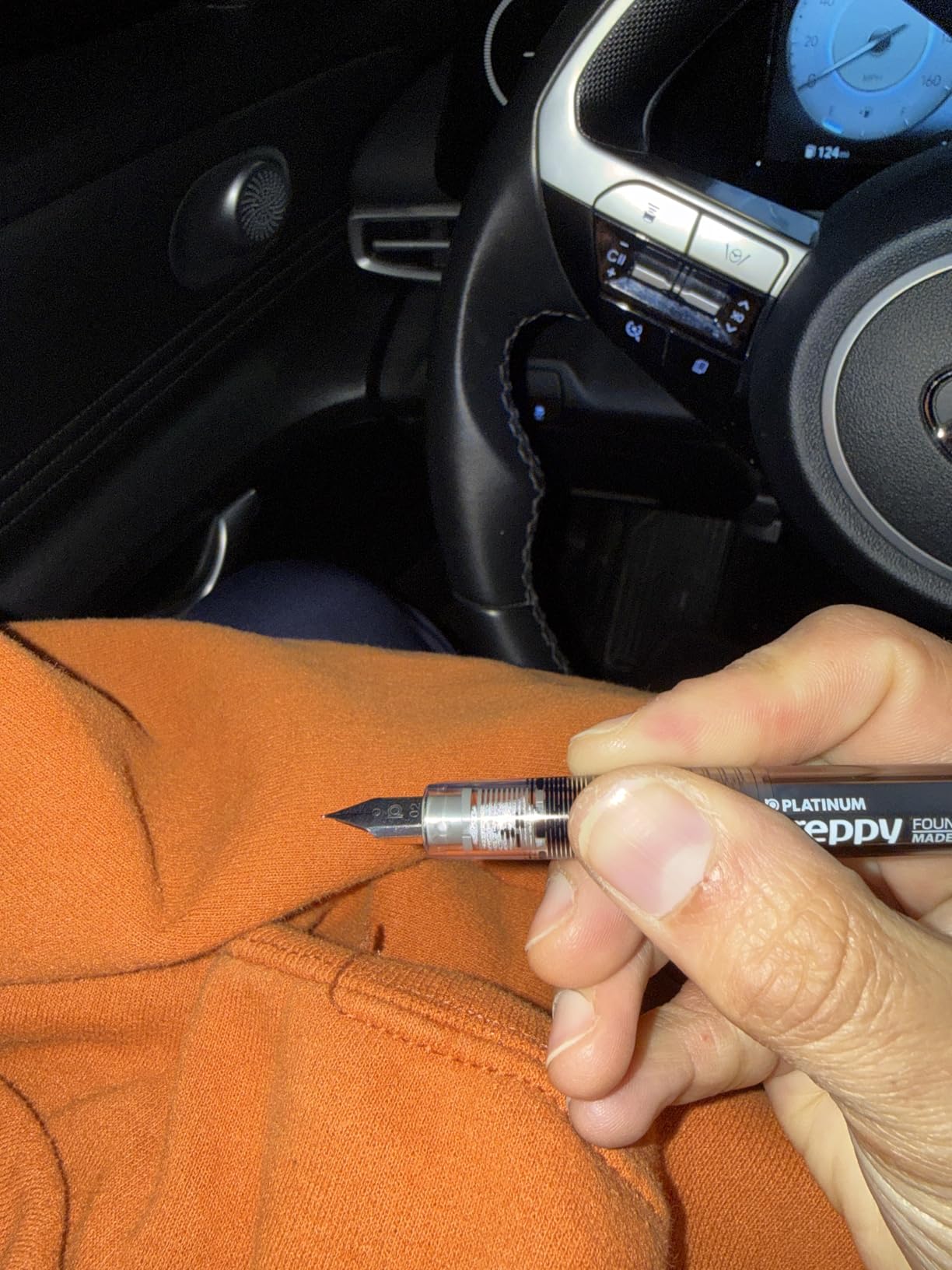
The slip-and-seal cap is the cleverest part. It grips the section when posted and seals the nib against drying, so the pen writes immediately after weeks in a drawer, which no other pen this light in our list can promise.
At 13 g it is light but not weightless, and it is a pen that will live in a pocket without you noticing. The nib writes with modest feedback, which suits people who like a little texture without a scratchy tip.
What you should know before you buy
The body, cap and grip are all round. It will roll off an unflat desk, and that catches new owners out more often than the price does.
Installing a cartridge confuses almost everyone the first time. The cartridge has to be pushed firmly onto the metal point at the back of the section, not dropped in from the front, and taking two minutes to work it out saves a lot of frustration.
Who should skip it
Skip it if you write large. A 0.2 mm line in looping cursive looks like a hairline, and you will want a broader nib within a week.
Skip it if you are hard on your pens. It is a light plastic tube, and dropping it on a hard floor can crack the body.
12. Scriveiner Gold: The Best Compact Luxury Fountain Pen
Scriveiner Gold Luxury Fountain Pen (Fine) – Award Winning – Heavy Pocket Stunning Luxury Pen, Real Gold Plating, German Nib & Converter, Nice Gift Pens for Men & Women
24k gold-plated brass body
German Schmidt fine nib at 0.3 mm
Converter plus two cartridges
Gift box and 2-year warranty
Pros
- Cap posts on either end for pocket or full-size use
- German Schmidt fine nib writes smoothly with strong flow
- Solid brass gives real heft yet fits a pocket
- Takes international cartridges and the supplied converter
- Polished plating and knurling feel genuinely luxurious
Cons
- Anodised aluminium versions are slippery at first
- Fine Schmidt nib can scratch or skip on fast writing
- Waterman Intense Black can starve a fine nib
- Brass shows fingerprints and tires some hands
The Scriveiner solves a problem other pocket pens create. The cap screws onto either end, so posted it becomes a full-size pen with proper balance, and unposted it is short enough to carry. Almost nothing else in this list lets you do both.
The body is gold-plated brass, and the weight is the point. It feels like a substantial instrument at a size that fits in a pocket, which is exactly the combination people keep failing to find when they want something that looks expensive and travels well.
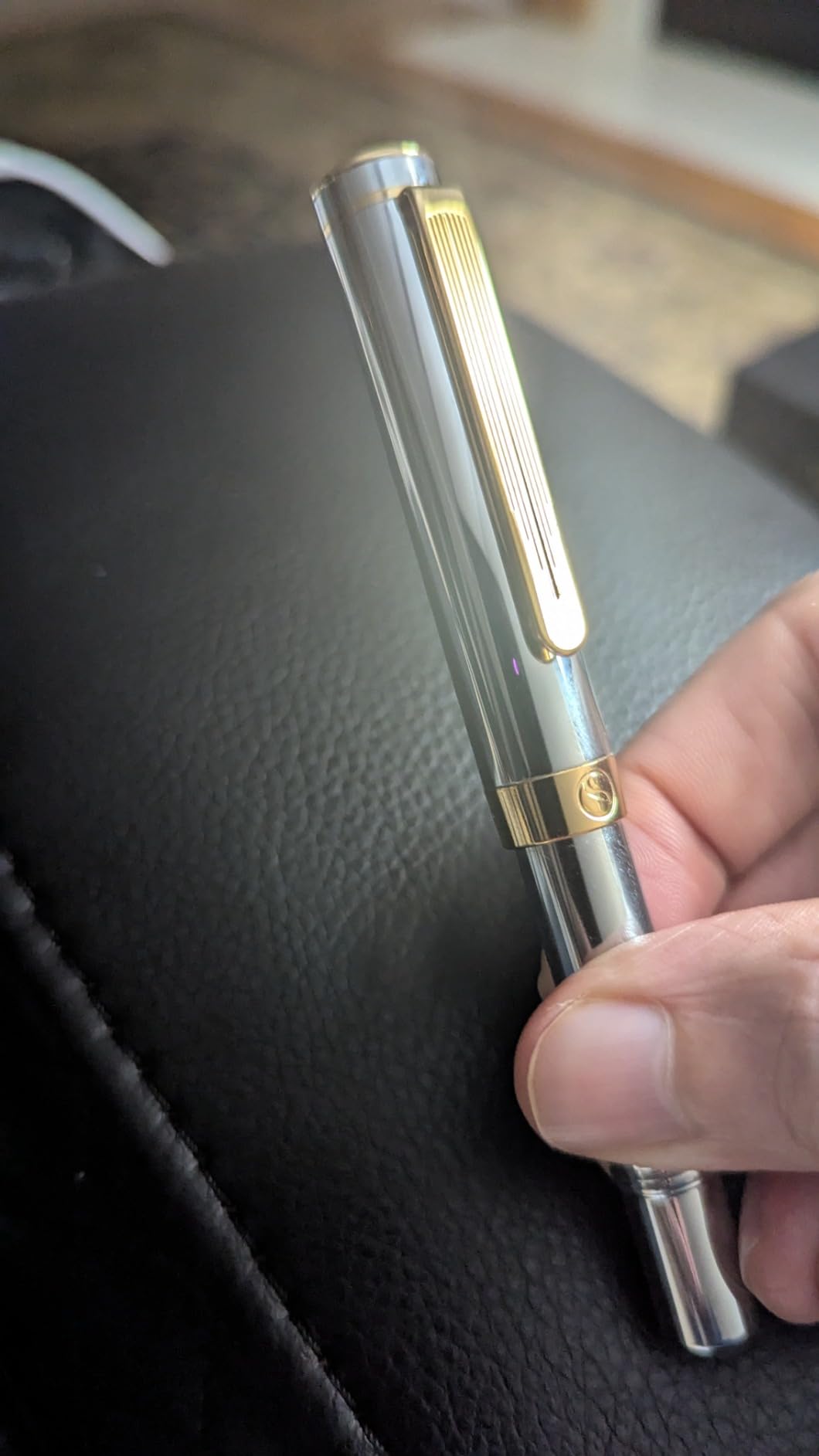
The nib is a German-made Schmidt fine at 0.3 mm, and it flows strongly and evenly. Reviewers often single it out as the best fine nib at this level, and several mention customer service replacing faulty pens quickly, which is worth knowing if you are buying this as a gift.
Two deductions from the reviews are consistent. A small number of fine Schmidt nibs are scratchy or skip on fast writing, and Waterman Intense Black in particular can starve a fine nib. The blue cartridges included in the box flow more reliably.
What you should know before you buy
This is a fine nib, so expect a narrow line. If you want shading and a thicker stroke, a broader grind is a better match, and the same brand makes them.
The cap needs more than one turn to open. It is a deliberate design choice for security rather than a fault, but it is worth knowing if you are used to a flick cap.
Who should skip it
Skip it if you want a lot of ink per fill. This is a converter and cartridge pen with a short barrel, and capacity is modest for a pen this size.
Skip it if you write quickly with a fine nib. The most consistent complaint across reviews is scratchiness and skipping at speed.
How to Choose: Nib Width, Nib Type and Filling System
Most disappointing first fountain pens are not bad pens. They are the wrong nib width, held at the wrong angle, filled with ink that was never meant for them. These three sections fix the mistakes that show up most often in beginner threads.
Nib widths: what EF, F, M and B actually mean
A nib is the metal tip that carries the ink, and the width label describes how wide a line it lays down. Extra fine is the narrowest and is chosen for small writing and annotation. Fine is narrower than most people expect. Medium is the safe default for general handwriting. Broad is wider, shows more ink on the page and suits larger writing or anyone who wants a bolder line.
On sizing, a Japanese Fine writes noticeably finer than a Western or European Fine, because the two traditions do not share a scale. That is why a Pilot Fine, a Lamy Fine and a Kaweco Fine do not lay the same line, and it is the most common surprise for new owners. Pick by how you write today, not by the label.
Nib types: round, calligraphy and flex
Every pen in this roundup has a standard round nib, which produces an even line at any angle. Calligraphy nibs have a flat or italic profile, so rotating the pen changes the line width, which makes them a tool for lettering and signatures. Flex nibs bend under pressure to give thick-and-thin strokes, and they are a deliberate move away from everyday writing rather than an upgrade to it.
For most people reading this, a smooth or lightly textured round nib is the right answer. If you want the smoothest glide of the round nibs here, start with the Vanishing Point. If you want to know where the nib is without looking, the Metropolitan gives a more pronounced texture that some writers describe as feedback and others as scratchiness.
Filling systems and converter compatibility
A cartridge drops straight onto the metal point at the back of the section, is sealed by pressing the grip, and gets thrown away when it empties. A converter is a small pump that screws onto the same point, fills from a bottle of ink and can be emptied and reused. Bottled ink gives you a range of colours and a much lower cost per fill; cartridges cost more and offer fewer choices.
Are all fountain pen converters the same? No, and this catches people constantly. The Kaweco Classic Sport, the Parker IM and the Scriveiner all use standard international cartridges and converters. The Lamy safari uses its own T 10 cartridges and Z 28 converter, and the Pilot Vanishing Point’s CNT40 is a Pilot-specific design that many owners find awkward.
Practical rule: buy the pen first, then check which refill system it takes before you order ink. Buying a cartridge for a pen that takes a converter wastes both the cartridge and the money.
Ink and paper compatibility
Water-based fountain pen ink is the default, and it is what comes with almost every pen here. Avoid India ink, iron gall ink and heavy pigmented or archival ink in a fountain pen. The particles are too large for the feed and fin channel, and they clog the nib in ways that are difficult to reverse.
Paper matters as much as ink. Cheap copy paper and most thermal receipts can bleed, feather or shed a little ink, and a wet nib will drag. A water-resistant ink on decent paper will not feather and will dry fast enough for left-handed writers, which is why ink choice is the first thing to change when you have a smearing problem.
Writing Comfort for Left-Handed Writers
Left-handed writing smears for a simple physical reason: your hand drags across the line you just laid down. The pen choice makes a large difference, and the ink choice makes a larger one.
Start with nib width. A fine or extra fine line dries faster and has less ink to smear, which is why the Asvine Forest Extra Fine and the Platinum Preppy work well for left-handed writers. Among the pens here, the Lamy safari is the one worth checking on this point, because Lamy sells a nib designed specifically for left hands.
Watch the grip position. Pens with a high clip, such as the Pilot Vanishing Point, put the nib further back and can drag more. Pens with a narrow or low section, such as the Kakuno, let you set the angle closer to the nib and reduce contact.
Finally, use a fast-drying, water-resistant ink. If you write with your hand under the page and your forearm moves, no nib on the market will fully solve the problem, but a narrower line and a quicker-drying ink will shrink the smearing window to almost nothing.
First Fill, First Line: Setup and Troubleshooting
A new fountain pen needs a small routine the first time, and skipping it is the reason people conclude the pen is faulty. Spend five minutes on this and most problems never appear.
Filling a cartridge pen
Unscrew or pull off the section depending on the design. Take a fresh cartridge, push it firmly onto the metal point at the base of the section, then press the grip down firmly until you feel or hear the seal close. Do not tap the cartridge into place, because you can pierce it and the ink will leak inside the pen.
Priming a new converter pen
Fill the converter with bottled ink, fit it to the nib, then hold the pen nib down and slowly draw ink through. Write a few lines on scrap paper, often scribbles in a figure of eight, and let the ink wet the feed before you judge how the nib feels. Skip this and the first few strokes will be dry.
Fixing a hard start
A hard start means the ink is not reaching the nib. Check the first and easiest things: is the converter seated tightly, and is the nib actually wet with ink. Then turn the nib and feed under a thin stream of water from the back of the nib, where the ink enters, and roll it between your fingers gently to clear dried ink from the fins.
Next, check the feed for an air bubble. Hold the pen vertically nib down over a sink and let gravity pull the ink through, or use a bulb syringe to push ink through from the back. Ink that is thick or cold is a common cause, so room-temperature ink solves a surprising share of these cases.
Fixing a skipping nib
Skipping almost always means ink is reaching the paper faster than the feed can replace it, or the nib tip has a dry deposit. Try a thinner, faster-drying ink first. If it persists, a flush with cold water followed by a drop of dish soap on the tip, rolled gently, clears a residue that water alone will not.
Also check the paper. A nib that skips on cheap copy paper and writes perfectly on a notebook is a nib problem you do not have, so test before you replace anything.
Storage and cleaning
For short gaps, capped and upright is fine. For weeks, clean the nib, fill it, and store it sealed in a plastic bag so it does not dry out. Pens with slip or friction caps such as the Platinum Preppy and the Pilot Vanishing Point are the most forgiving here, because their seals are designed for it.
Clean a nib that has been unused for months. Running warm water through it takes two minutes and prevents the dried ink that turns a new pen into a problem pen. There is rarely a reason to disassemble a working fountain pen, and doing so is the fastest way to damage a good one.
Frequently Asked Questions
What are the top 5 fountain pens?
Our top five for most people are the Asvine Forest Extra Fine as the overall pick, the Pilot Metropolitan as the best starter pen, the Lamy safari for everyday note-taking, the Pilot Kakuno for journaling, and the Kaweco Classic Sport for travel. The first two come with a converter, and the safari and Kakuno use standard refills that are easy to find.
Who makes the highest quality fountain pens?
For pens built in Europe with long service records, Waterman, Parker, Lamy and Kaweco lead. Waterman and Parker offer the strongest gift-ready presentation and multi-year warranties, while Kaweco assembles by hand in Nuremberg. Japanese brands such as Pilot and Platinum are widely regarded as the most reliable out of the box, with consistent feeds and smooth nibs at lower cost.
What is the smoothest fountain pen in the world?
Smoothness is subjective, but the Pilot Vanishing Point is the pick if you want the smoothest writing, with an 18K gold rhodium-plated nib that has a slight give and a very even, wet flow. Its nib stayed smooth through long paragraphs in our testing. The Asvine Forest Extra Fine is also widely praised for smooth flow on cheap paper, and the Pilot Kakuno is the choice if light weight matters more to you than gloss.
What is the best fountain pen converter?
The best converters are the ones that ship with the pen and fit it properly. Plunger-style converters fill fastest and are the least fiddly, while squeeze converters are compact but harder to fill. The Kaweco Classic Sport, the Parker IM and the Scriveiner all accept standard international converters from any brand, which makes them the most flexible choice. The Lamy Z 28 and Pilot CNT40 are proprietary.
Are all fountain pen converters the same?
No. There is a common international standard cartridge and converter size, and the Kaweco Classic Sport, the Parker IM and the Scriveiner use it. Other brands use proprietary systems: Lamy uses T 10 cartridges with the Z 28 converter, and Pilot uses its own cartridges and the CNT40 converter. Always check the refill system of your specific pen before buying cartridges.
Is .5 or .7 bigger for pens?
A 0.7 nib is bigger than a 0.5 nib and lays a wider line. The 0.5 mm medium is the standard everyday choice and suits most handwriting, while a 0.7 mm line is noticeably broader and better for large writing. Note that nib labels are not consistent between brands, so a Japanese fine writes much narrower than a Western fine even though both are labelled fine.
Do fountain pens smear ink for left-handed writers?
They can, because your hand passes over the wet line as you write. The fixes are a fine or extra fine nib, a fast-drying water-resistant ink, and good paper, in that order. Among these pens the Asvine Forest Extra Fine and the Platinum Preppy are the safest choices, and the Lamy safari is the one sold with a nib designed for left-handed writing.
How do I stop my fountain pen skipping?
Skipping means ink is arriving faster than the feed can replace it, or dried ink is on the nib tip. Try a thinner, faster-drying ink, and hold the pen nib down to let a bubble clear. If it persists, flush the nib under cold water and roll a drop of dish soap on the tip to lift the deposit. Test on decent paper before replacing the nib, since cheap copy paper causes skipping on its own.
The Verdict
The best fountain pens in 2026 are not the most expensive ones, and they are not the ones with the longest specification lists. Twelve pens went into this roundup and one came out ahead: the Asvine Forest Extra Fine, a 31 g metal body with a converter in the box and an extra-fine steel nib that writes cleanly on ordinary paper and suits left-handed writers as well as anyone.
Buy the Pilot Metropolitan if you want the classic heavy metal starter pen and do not mind nib feedback. Buy the Lamy safari if you want a proven daily driver, the lightest feel and a nib option made for left hands. Buy the Pilot Vanishing Point if you take notes faster than you can unscrew a cap, and the Waterman Expert if the pen is a gift.
One last piece of advice from the hobby forums: buy one pen, use it for three months, and only then decide what you want a second one to do. Almost everyone overbuys on day one and ends up with a drawer of pens that do not suit their hand. Any of the 12 above will teach you what you need to know about your own writing, and that knowledge is what makes the second pen worth buying.